Tag: wisdom

  • Beyond the Inner Critic: Choosing a New Reality

    Beyond the Inner Critic: Choosing a New Reality

    “To think new thoughts, you have to break the bones in your head.” ~Jean-Paul Sartre

    Respectfully, Mr. Sartre, I disagree. This is that story, and it’s not for the faint of heart.

    Today Was a Bad Day

    Oh no, not again!

    The walls were closing in on me, and I could see their faces all flustered and red.

    Why are they yelling at me? I mean, are they yelling at me?

    I could feel the tension in the room; I just couldn’t hear anything. Well, actually, yeah, I could.

    I could hear her.

    I could hear Annabelle.

    I knew it was my turn to say something. But what if my voice shook? What if they laughed at me? What if I opened my mouth but the words wouldn’t come?

    Seriously?! You’re quoting Eminem now? What the hell… What’s wrong with you? Say something, anything, goddamn it!

    Meet Annabelle, the charming voice of my inner critic. Unlike my parents, she is always… well, there. Unwelcome, but there.

    I could tell it was happening all over again. And I just froze.

    Why can’t you get anything right? You’re such a mistake. No wonder you don’t have any real friends!

    At this point, my thoughts were beyond saving. Annabelle was leading them. And between us? This twenty-something-year-old just wanted a break!

    You better believe that on the ride home, Annabelle kept drilling my mind over and over, like a relentless woodpecker.

    Congratulations! You are now the laughing stock of your cute little debate club. Lol, don’t even bother showing up next time!

    I hurried to my room and slammed the door shut. Maybe that would drown Annabelle out.

    “Okay, okay, start saying your affirmations quick! Maybe that’ll do the trick,” I said to myself, anxiously pacing back and forth around my desk.

    I am confident. I am strong. My life has meaning…

    But nothing worked. No amount of positive thinking did anything for me. So, I did what anyone in my shoes would do. I gave in to Annabelle and wallowed!

    It’s funny how I can almost see her smug face smiling down on me. Good on her. She got what she wanted—a broken plaything.

    Self-pity, check.

    Self-hate, double-check.

    A crushed spirit with no will to carry on? Checks through the roof.

    I had hit rock bottom again. And my once-vibrant eyes turned cold, staring into the void.

    Before I tell you how I moved past this, let me tell you what really went down with me.

    I Was Visited by a Familiar Friend

    … dear ol’ anxiety!

    I like to think of anxiety as this beast with two heads.

    One head always wants to manage other people’s perceptions of us. It craves their thumbs up or nods of approval because it cannot survive without them.

    The other is always in a place of no trust—no trust in ourselves, others, or the process of life. It believes that nothing has ever worked out for us or ever will.

    Maybe that’s what Annabelle was doing to me that day—jumping to the worst-case scenarios, dramatizing the whole thing in my head.

    That’s anxiety for ya.

    My Door Went Knocking a Second Time

    Of course, it’s not a party without depression.

    Depression is like that uninvited guest with a gloom and doom sign stamped on its forehead.

    When I trapped myself in my room for hours after coming home from the club, I felt horrible.

    There was no light at the end of the tunnel for me. This was it. I couldn’t see the point in anything anymore, and I was convinced that the world would be better off without me.

    That’s what depression does.

    Actually, Louise Hay got it right when she defined depression as “anger you feel you do not have the right to have.”

    It is anger stuffed down in the body somewhere—suppressed anger that seeks an outlet for release.

    That’s why, in the middle of my meltdown, saying affirmations didn’t work for me. It was too soon for that.

    I guess the best way I can describe my two companions to you is this: If depression were a person, it would be someone who waves the white flag—someone who feels defeated and all given up. Anxiety, on the other hand, would be someone who tightly holds on to the flag and refuses to let go.

    Now, if you saw glimpses of yourself in my experience, please know these feelings are very real in the body. Chemically speaking, the body would be in a state of imbalance, running on low levels of the happy hormones like serotonin and dopamine and high levels of the stress chemicals.

    These conditions will give anyone the impression that they won’t survive this storm. But that cannot be any further from the truth.

    So, how did I make it to greener pastures?

    #1: I gave myself permission to feel anger.

    Why am I angry?

    When was the last time I felt robbed of a right? The right to feel, the right to mess up, the right to express, the right to make mistakes?

    Is it possible that I am angry with myself for feeling angry because I learned growing up that it was wrong to feel that way?

    Thinking about these things was enough to get me to scream. It was like every part of my soul begged to reconnect with my throat chakra and get my voice back, or at least some of it.

    Within the first minute or so, I felt my lungs give in. Who knew that screaming into a pillow could be this exhausting?

    But I needed to scream. It felt good. Really, really good.

    #2: I accepted my emotions.

    There was no fuel left in me to go against the grain anymore. I couldn’t keep denying what I was feeling. I had to name it to tame it.

    So I looked in the mirror and unburdened: I feel anxious. And I feel depressed. Okay? There.

    But that’s not all I did.

    I reminded myself that depression and anxiety are my body’s way of letting me know that there is a dis-ease within me.

    Dis-ease means a lack of ease or an absence of harmony. It’s how the body signals to a person that they are far from optimal health. Great!

    With that in mind, I accepted these feelings and thanked my body for communicating them to me.

    Even though our feelings are always valid, our assessment of the situation—the thoughts behind those feelings—may not be.

    This led me to my third strategy.

    #3: I observed my thoughts.

    Like I said before, this wasn’t my first rodeo.

    Thanks to my journal, I went over The List—my list of unshakeable truths I had outlined in times of emergency. And this was definitely an emergency.

    That’s when I stumbled upon a quote from Eckhart Tolle:

    “Observe your thoughts, don’t believe them.”

    Eureka!

    It’s very likely that when someone feels depressed or anxious, they will be bombarded with a sea of negative thoughts that ring true for them. Garbage thoughts, really.

    But should they believe their every thought?

    This is also at the heart of Dr. Joe Dispenza’s work. He advocates that not every thought we think is necessarily true.

    “Most thoughts,” he says,are just old circuits in your brain that have become hardwired by your repetitive volition.”

    And so, I didn’t fight Annabelle. I didn’t try to reason with the negative thoughts she was feeding my brain.

    I didn’t even justify them or resist them.

    Like passing clouds, I observed them without judgment. And when I felt ready, I saw them fade into the background.

    It’s common knowledge that when we’re calm and relaxed, we make room for magic and healing. It is the quickest and easiest way to build better habits and restructure our minds.

    #4: I chose better thoughts.

    Thoughts are the mental movies we play in our minds. And the mental movie I was running up there was less than ideal.

    Did Annabelle’s useless chatter help me or hurt me? Did her thoughts empower me or keep me small? Did they breathe life into me or slowly lay me on my deathbed?

    If I really wanted to change this circumstance, I had to change the thought patterns that made me perceive it in the first place.

    Instead of saying affirmations that were lifeless to me, I chose phrases that felt good to say aloud—phrases I had little to no resistance to.

    These are some of my favorites!

    • Divine love in me casts out all discord. I am at peace now.
    • I am guided by the divine presence within me. It created me and is restoring me to perfection now.
    • Infinite intelligence reveals the perfect solution to my problem.
    • I breathe deeply and fully. As I take in the breath of life, I am nourished.

    These affirmations remind me that I am always whole, loved, and supported, even in a moment where I might feel embarrassed or inferior.

    This was my rule of thumb: If a thought doesn’t empower you or fill you with love, question it.

    #5: I made a promise to myself to stay consistent with my new story.

    Consistency is the name of the game.

    Once I decided on my new thoughts, I wanted to repeat them daily.

    I didn’t force myself to immediately accept these new thoughts. I knew Annabelle would fight me on them tooth and nail.

    So the effort was gradual and accumulative. Easy does it!

    As always, a relaxed body and a calm mind are much more susceptible to change than a stressful body and mind.

    I promised myself that whenever depression or anxiety crept in, and boy, how they did, especially in the beginning, I would feel them without entertaining the thoughts associated with them.

    Those were the moments when I’d tell myself: I am capable of change. I can learn new ways of thinking. I am teachable. 

    Bit by bit, through consistent repetition, the old, tired thoughts got replaced with new, vibrant ones.

    Final Thoughts

    Notice how I didn’t say “my” anxiety or “my” depression? How I said, “I felt anxious or depressed,” and not “I am anxious or depressed?”

    That’s because you and I are NOT the depression or the anxiety. We are the beings experiencing these conditions.

    So no, Mr. Sartre. You don’t have to break the bones in your head to think new thoughts.

    You just have to move forward with loving awareness. And the rest will fall into place.

  • My Path to Purpose and an Unexpected Impact

    My Path to Purpose and an Unexpected Impact

    I wanted to be Mary Tyler Moore’s “Mary Richards” TV character from the 1970s. She had exactly what I wanted: independence and an exciting life! But growing up as the first girl in a traditional Italian family, I knew she was not the right role model.

    Nonetheless, I ignored the expected path (much to my parents’ dismay) and spent twelve years in corporate America becoming Mary. That is, until two questions rocked my world. I dramatically left my job, career, and Mary for a more purposeful path that was mine, and I never looked back.

    As a nine-year-old girl in front of the TV memorizing my idol’s every move, I could never have imagined this would be my story.

    As a successful television marketing executive in New York City, I had everything Mary had: a thrilling job in a big city, a pretty apartment, a fabulous wardrobe, a fun best friend, and co-workers like family. But one afternoon, while sitting alone in my pretty apartment in the big city of New York, my life changed forever when I heard an inner voice quietly yet clearly ask me:

    “If this is the next thirty years of your life, is this enough?”

    I was thirty-eight years old, and I knew all the voices in my head, but this one felt like it came from a deeper place and was located a little lower. In a millisecond, I knew the answer: No, something was missing. And I also knew what that something was—children.

    My mind went right to a recent TV news report where police and social workers were storming an apartment to remove children who were being hurt. I called the police and asked where they brought these children. They told me about the emergency shelters in our city for children who were abandoned and abused.

    Within minutes, I began calling these shelters, instinctively asking if I could visit in the evenings with storybooks to read to the children before bedtime. For several weeks, I showed up at the shelters, sitting on the floor in my business suit, with the children forming a crescent circle around me. I felt more personally grounded and connected to these children with every visit.

    The group of children was never the same, but in their silence, they all looked to me for comfort and safety. I never wanted to leave. One night after story time, I followed the staff to the bedroom.

    The children slowly climbed onto couches and futons. Some were crying as the compassionate caregivers tried to comfort them. But I didn’t see what I remembered as a child in my own bed. There were no hugs from moms or dads, no snacks, whispers, or prayers. There was no changing of their clothes from the tight or soiled clothing they arrived in.

    As I watched the children try to comfort themselves and each other, the words that tumbled out of my mouth were, “Can I bring the children pajamas next time?”

    The next week, after I read their stories, I gave each child a brand new pair of pajamas. One little girl, about six years old, refused to take a pair of pink PJs from me. Her hair hung in lopsided pigtails, she wore a stained top and a pair of too-short lavender pants, and extra-large sneakers flopped as she walked.

    She watched me for a long time, and when I finished with the others, I tried again to give her the cozy pink pair. She again shook her head. I knelt and whispered, “See how soft these pajamas are? Go ahead and feel them. You can keep them always.” And as she gingerly brushed her hand gently across a sleeve, she asked me wearily,

    What are pajamas?”

    My mind raced. What?? I looked up at the loving aid next to her, who mouthed to me, “She doesn’t know what pajamas are.” And I found myself explaining to this precious girl what pajamas are. She took them slowly and went into the bedroom with the aid. As I collected myself and reached the door, I turned back and saw her waiting for me to see her in her new pajamas, a small smile forming on her lips.

    I took a leap of courage, and the Pajama Program was born. My purpose found me.

    Learning how to recognize and harness your heart voice is the key. Although it only takes a minute to hear it, it takes a while to trust and follow it.

    So, how do you trust that voice? I was stunned and had to collect myself before I even thought about what I had heard. I was alone, but I looked around cautiously to see if someone else was there. There was no one. But I already knew who asked that question—it was me, just in an unfamiliar voice.

    Learning how to recognize and harness your heart voice is the key. Although it only takes a minute to hear it, it takes a while to trust it and follow where it takes you. What happens next can catapult you into the unknown. But if you follow it, you will feel more fulfillment and joy than you ever have.

    Going from corporate executive to nonprofit founder was daunting, but after much fear and doubt, thousands of sleepless nights, and tears that could fill the Atlantic, I overcame challenges that I thought would ruin everything. Sometimes you just have to do it afraid.

    I met each turn with faith, determination, and moxie. I had found my purpose, and a chain of events set in motion by a little girl is creating a legacy we can only attribute to the magic of the human connection.

    It’s not the power of one that changes things; it’s the power of ONE ANOTHER that moves mountains and moves people.”

    How do you go from “hearing a voice” to not only changing your life but also the lives of others? Each of us has a purpose. We know we have found it when our interests are turned outward and our natural desire becomes to lift others up by creating something that makes a lasting impact on all of us.

  • 6 Mindset Shifts to Overcome the Need for External Validation

    6 Mindset Shifts to Overcome the Need for External Validation

    “Relying on external validation to understand your worth is not sustainable. If you depend on people to build you up, you also give them the same power to break you down. You are worthy regardless of their opinion.” ~Unknown

    In my heart of hearts, I knew I wasn’t supposed to rely on others for validation. Yet, for the longest time, I found myself seeking external approval to define my worth.

    I was constantly seeking reassurance from friends, family, and even strangers. Their validation became the measure of my self-esteem, leaving me trapped in a cycle of doubt and insecurity.

    I had several achievements under my belt, yet the accolades and praise never felt quite enough. The need for external validation consumed me, overshadowing my own sense of accomplishment and robbing me of genuine pride in my achievements.

    It seemed like I had the best job and everyone admired my success. Despite the external validation pouring in, there was an emptiness within me, a hollowness that reminded me I was seeking validation in all the wrong places.

    I had a nagging feeling that something was amiss.

    But was it the right thing? Is doing anything in life out of a desperate need for validation truly fulfilling?

    Interestingly enough, not only did I know I didn’t want to rely on external validation, but deep down, I also knew that those who constantly sought validation were often less fulfilled.

    I was one of those individuals who would sacrifice their own desires to gain the approval and validation of others. It became clear that this dependence on external validation was holding me back from true self-acceptance and happiness.

    So why did I continue down this path? Why did I keep seeking validation from others when I knew deep down it wasn’t serving me? And most importantly, how can one overcome this toxic need?

    Before I get to the mindsets required to overcome the need for external validation, let’s talk about the mindsets that will almost certainly lead to a dependence on external validation.

    See, it’s often better to figure out what to avoid first instead of trying to navigate through a maze blindly. I know, because these are all mistakes I’ve made myself.

    Mindsets That Lead to a Dependence on External Validation

    1. The Pursuit of Perfection

    For the longest time, I couldn’t escape the allure of perfection. I always had to strive for flawlessness, believing it was the key to validation. But the truth is that perfection is an illusion. It sets an unrealistic standard and creates an insatiable need for external validation.

    We develop a flawless mindset because we’re driven by the fear of being judged or rejected. However, it hinders self-acceptance and prevents us from embracing our authentic selves.

    2. Fear of Failure 

    Fearing failure is closely linked with seeking external validation. That’s the trap we fall into—we perceive failure as a reflection of our worthiness. We think that just because we’ve stumbled, we are somehow lesser. We don’t recognize that we can learn and grow from failure because we’re too afraid of what other people will think.

    3. Comparison Trap

    Seeking validation in comparison leads to a never-ending cycle of frustration. For me, it was having an incessant need to be better than others. For others, it’s simply being acknowledged as equal. Some might siphon validation through getting more social media likes or job promotions than their peers. Whenever we seek validation through comparisons, it tends to be a trap.

    4. Seeking Approval from Everyone

    Even though I didn’t always love being a people-pleaser, seeking approval from everyone and sacrificing my own needs and desires became ingrained in my identity. Then, when the realization hit, I found myself having to build a new life based on my own values and aspirations. Had I established an identity of wholeness rather than seeking universal approval, I wouldn’t have fallen into the trap of constantly trying to please everyone.

    5. External Validation as a Measure of Self-Worth 

    You should get that promotion, those accolades, and the approval of others. Living on external validation is the only way to measure your self-worth, right? You should have a constant stream of praise to feel good about yourself.

    But you shouldn’t. You know the tropes, but here’s the truth: External validation can never truly define your worth. And you’re the only one who can recognize and embrace your inherent value beyond others’ opinions.

    6. Neglecting Inner Reflection

    I was caught up in seeking external validation for so long because I didn’t know who I was. But in the wake of countless disappointments, I completely gave up on that approach.

    For months, I quit searching for approval and turned inward. I got more and more in touch with my values, my passions, and my true self. It’s only through putting ourselves first and nurturing self-awareness that we can cultivate a strong foundation of self-validation.

    So, what mindset can help you overcome the need for external validation?

    I can’t give you any definitive answers because I don’t know you. I’m not a psychology or mental health expert. I’m just a guy who’s tried, failed, lived, failed, and done it all over again.

    So, just like I’ve given you insights about what not to do based on my personal experience, I’m going to give you some insights based on the way I’m living my life now.

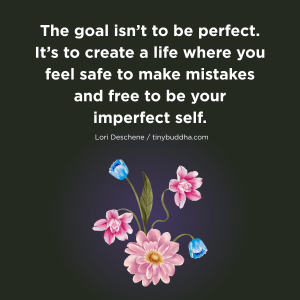
    1. Embracing Imperfections

    Every experience I have now is an opportunity for growth. I do my best not to strive for perfection but rather to embrace imperfections as part of being human. I don’t feel sour about my flaws; instead, I see them as stepping stones to becoming a better version of myself.

    I try to look at outcomes as lessons rather than measures of my worth. Instead of using external validation as a benchmark, I’ve become more focused on self-acceptance and personal growth.

    You can’t experience true growth without embracing imperfections. They operate on different ends of the same spectrum and wavelength, shaping us into resilient individuals. If you try to avoid imperfections, you deny yourself the opportunity to learn, evolve, and ultimately become your authentic self.

    2. Self-Defined Success

    This doesn’t mean I don’t care about the opinions of others; I do. But I’m not going to construct an identity around their validation. I’m focused on living a life that aligns with my values and aspirations.

    I’m more than welcome to let people into that experience, and of course, their support and encouragement are valuable. But I’m no longer going to chase external validation or base my self-worth on it. And I’m not going to analyze every comment or reaction as though they’re saying something about who I am. The goal is to be true to myself, define my own success, and find fulfillment from within.

    3. Authenticity and Vulnerability

    I feel no pressure to present a curated version of myself for validation. I could easily mold my image to fit societal expectations, but it just doesn’t matter. I don’t go on a quest for likes and approval. I just do me, unapologetically.

    This isn’t just a mindset I’m using for personal gain; it’s about living authentically. I’m now embracing authenticity and vulnerability as strengths and prioritizing self-expression over seeking validation from others. It’s a path of courage, growth, meaningful connections, resilience, and living with integrity.

    4. Internal Validation Practice

    I learned how to validate myself—who I am, what I enjoy, and my values—because I realized that seeking validation from others was an endless pursuit, and I could never control how others perceived me. I also took time to acknowledge and celebrate my own accomplishments. I took the approach that everything in my life, both big and small, deserved recognition.

    Moving forward, my attitude shifted toward self-appreciation and recognizing my worthiness independent of external validation. This is a never-ending process, but it’s also the most useful process for self-empowerment, self-compassion, intrinsic motivation, balanced self-perception, and authentic self-acceptance.

    5. Constructive Self-Talk

    I’ve had moments of insincerity when I’ve portrayed a persona that doesn’t align with my true self, leading to a feeling of dissonance and self-deception. I’ve also spent a lot of time criticizing myself, doubting my worth and capabilities, without realizing I was viewing myself through a distorted lens.

    Moving forward, I’ve decided I’m going to be honest about who I am. No more pretending to be someone I’m not. And I’ll no longer lie to myself about my worth.

    That’s the hardest part: replacing self-criticism with self-compassion and encouragement. However, fostering a mindset of positive and constructive self-talk is essential for nurturing self-esteem and self-acceptance.

    6. Embracing Supportive Relationships

    The irony is that we often hide who we really are so other people will validate our worth—but how can they if they don’t truly know us? We might also try hard to seek validation from people who are unable or unwilling to give it.

    None of us can do life alone. But instead of changing to please others or fighting for approval from the wrong people, we all need to surround ourselves with supportive and uplifting individuals who value and appreciate us for who we are.

    So, what should you do with these pieces of advice?

    I suggest you analyze them. Discard the ones that don’t resonate with you and keep the ones that do.

    The important thing is that you see what mindsets are guiding your life and release the ones that aren’t serving you so you can be free and present, not controlled by other people’s opinions and the endless pursuit of validation.

  • Forge Your Own Path: How to Know When It’s Time to Walk Away

    Forge Your Own Path: How to Know When It’s Time to Walk Away

    “Walk away from people who put you down. Walk away from fights that will never be resolved. Walk away from trying to please people who will never see your worth. The more you walk away from things that poison your soul, the healthier you will be.” ~Shaista Saba

    “Are you coming to my dress fitting tomorrow?” Sam asked.

    Holding the phone to my ear, puzzled, I replied, “I didn’t know you had a dress fitting tomorrow.”

    My stepsister, Sam, paused. “Didn’t Mom invite you?”

    “No, but I’d love to come,” I offered.

    “Oh, I assumed she asked you. You’re my sister and a bridesmaid!”

    Forcing a smile she couldn’t see, I reassured her, “I’m not invited to a lot of things, Sam. It’s okay.”

    “No, it’s not.” Sam gave me the time and location of the dress fitting for the following day, and I jotted it down while we finished the call.

    My younger stepsister making it a point to call and invite me to her wedding dress fitting while expressing disapproval of her mother’s exclusionary behavior was new. Having Sam corroborate that her mother neglected to invite me, even though I was a member of the family and in the wedding party, felt incredibly validating.

    I was no stranger to being snubbed by my stepmother. I had been left out of so many family events that it hardly fazed me anymore. Being overlooked was my norm, not the exception.

    The previous Thanksgiving, my stepmother talked to her other daughter about the events planned for the following day while we all sat around the dinner table. After an awkward silence, my stepfather fumbled through asking me if my family planned to come over tomorrow too.

    “I didn’t know people were coming over,” I stammered.

    My stepmom, not bothering to make eye contact, waved her hand dismissively and said, “Well, everyone’s welcome.”

    Being excluded was just the tip of the iceberg; I was also ignored, shamed, and insulted.

    My stepmother did not call or reach out to me individually, only via group text. When I did see her, there was a definite possibility my behavior as a teen, though I am in my forties now, would be brought into the conversation to point out how difficult I was (my mother died when I was twelve, so the teen years were truly challenging for me).

    While going through my divorce years ago, my stepmother told me to stay with my ex and “try harder” after I explained to her all that I’d endured, attempting to chastise me into staying married to a manipulative man who took advantage of me.

    I spent the majority of my life feeling like I was unlovable and unworthy because of my stepmother’s toxic and emotionally abusive behavior. Still, I tried to keep myself and my daughters in her life. Having lost my own mother at a young age, with my stepfather remarrying, this was the only family dynamic I knew.

    I invited my stepparents to all of the girls’ events. I recall a birthday party for my youngest where Sam talked about receiving her mother’s cookies in a college care package. I made the mistake of trying to lightheartedly tease my stepmother with, “Hey, you never sent me care packages.”

    My stepmother’s smile disappeared as she turned toward me. “You certainly didn’t need cookies.” I was overweight in college. I tried to laugh off the insult as my face fell in shame. I tolerated the unkindness because I was taught to believe I deserved it.

    After decades of trying to get my stepmother to love me and my girls and be a part of our lives, I finally understood that nothing would change the way she treated us.

    The final straw that caused me to see the light was when she didn’t show up for lunch. I had invited her out to lunch the month prior and texted her when I arrived. She texted back saying she was running late, and based on the time it took to drive from her house to the restaurant, I suspected she’d forgotten.

    This time, I did not send a text. I just waited… and she never showed up. I left the restaurant with a heavy heart, but my vision was clear. I had hit my limit and had to walk away, now understanding that the only thing I could change was myself.

    I resolved to stop pouring energy into the relationship with my stepparents because they were never going to see my family’s worth. Their toxic and abusive behavior chipped away at my emotional well-being.

    I had spent too much time trying to please my stepmother, only to end up resentful when she was cruel. It was scary to put boundaries in place, but after years of tolerating mistreatment, I mustered the courage to be brave.

    I began to forge my own path. I decided to focus on the relationships in my life that were healthy and nurturing—my own extraordinary family, my loving husband and marvelous daughters. My kind in-laws, who are as devoted as my husband. My amazing friends, my chosen family. These are the relationships that held me up and brought me peace and unconditional love.

    Moving in your own direction in life can be intimidating, especially when you are used to being demeaned. So, if you’re going through something similar, take your time and do what feels right for you.

    After a long time of having no sense of my own worth, I began to develop self-love and self-respect by fostering healthy relationships. The more I intentionally chose to do what was suitable for me and my family, the easier it became.

    Instead of feeling obligated to push my needs aside to accommodate those who hurt me under the guise of keeping the peace, I started considering my own needs and the needs of my husband and children. This new approach began to gain momentum very quickly. The more time I spent on healthy interactions, the less likely I was to allow toxicity in my life.

    So how do you know when it is time to walk away?

    If you are seeing red flags, ask yourself these questions:

    • Does someone put you down more than they lift you up?
    • After an interaction, do you feel drained or energized?
    • Can a disagreement be talked about? Resolved? Or do you always have to concede?
    • Does the other person celebrate you or tear you down?
    • Do you have to minimize or hide parts of yourself?
    • Are you constantly wishing things were different?

    Only you can decide what is right for you; only you can know if it’s time to walk away and forge your own path. We only have this one wonderful life, and you get to decide how you want to live it and who you want by your side.

  • The Magic of Celebrating Every Little Win

    The Magic of Celebrating Every Little Win

    “Celebrate what you want to see more of.” ~Tom Peters

    In a world that often only celebrates grand achievements, it’s easy to overlook the small victories that pave the way to lasting change.

    BJ Fogg, PhD, a Stanford behavioral scientist and author of the transformative book Tiny Habits, offers a powerful insight: If we want to get great at creating habits, we must celebrate. He insists that immediately after we do our new habit, or even approximate it, we must celebrate. This. Isn’t. Optional.

    Why is celebration so crucial? That’s what wires the habit into our brain. When we celebrate, it triggers a release of dopamine. This not only feels rewarding in the moment but also reinforces the behavior on a neurochemical level, helping to embed the new habit into our neural pathways.

    This concept of celebration took on a deeply personal meaning for me as I embarked on my journey toward mindful eating. As someone who had struggled with binge eating for over two decades, the idea of celebrating small victories felt both foreign and liberating.

    I used to find myself in a dissociation vortex during meals, lost in my phone, mindlessly scrolling through social media. This often led to overeating, as I was disconnected from my body’s signals. Determined to change, I decided to experiment with BJ Fogg’s method of celebration.

    During non-meal times, I would repeatedly practice setting my phone down in another room before entering the dining room and sitting down at the dining table. Each time I did this successfully, I threw my arms up in victory and shouted, “Yes!” This seemingly silly act was a fun and delightful way to grease the groove.

    I remember the first time I genuinely celebrated this small win. It was a sunny afternoon, the curtain rustling in the gentle breeze and the sun casting playful shadows on the floor. I was feeling antsy, the dining room table looming like a trigger, a place where I would often lose myself in the abyss of my phone.

    As I had done many times during practice, I purposefully set my phone down in the other room. Walking across the living room felt like crossing a chasm; each step was deliberate, like an adventurer nearing a crucial milestone. When I finally sat down at the dining room table, I could almost hear my own heartbeat.

    I proceeded to eat my meal without my phone, noticing details I had previously overlooked. The crunches were crisp and satisfying, a symphony of textures in my mouth. The smells filled the air, and the warmth of the sun on my skin made the experience feel almost magical.

    After I put my fork down, I stood up and shouted, “Yes!” and did an ineffable, happy dance. It was a mix of awkward flailing and spontaneous twirls—something that would make any witness question my sanity. The rush of dopamine was undeniable, and I reveled in the victory of learning that I could eat without my phone.

    Yes, it was one time, but if I did it once, I knew I could do it again.

    The act of celebrating these small wins started to transform my relationship with food and with myself. I began to feel a sense of accomplishment and pride each time I successfully avoided a binge by eating with awareness. The eating itself became a mini-meditation, and the celebration was a moment to acknowledge my progress and reinforce my commitment to mindful eating.

    Here are some practical tips and insights to help you incorporate celebration into your habit-building journey:

    1. Make it Personal

    Choose a celebration that resonates with you personally—something that genuinely makes you feel happy and successful. The more authentic the celebration, the stronger the positive emotional impact and the more robust the habit formation. Whether it’s a fist pump, a happy dance (I like to twerk), or a simple smile, make it something that feels right for you.

    2. Consistency is Key

    Celebrate every time you practice your new habit, especially in the beginning. This helps reinforce the behavior and makes it more likely to stick. Consistency is crucial in the early stages of habit formation.

    3. Small Wins Matter

    Don’t wait for big achievements to celebrate. Recognize and celebrate the small wins along the way. These small moments of victory build momentum and keep you motivated.

    4. Be Playful

    Approach celebration with a sense of playfulness and joy. The more fun you have with it, the more enjoyable the habit-building process will be. Let yourself be silly and embrace the positive emotions that come with celebration.

    One of the funniest moments in my journey came when my boyfriend witnessed one of my celebratory rituals for the first time. I had just finished a meal with him. Because it was without my phone, I stood up, threw my arms up in victory, and shouted, “Yes!” with the enthusiasm of a game show winner.

    He looked at me, bewildered, his eyebrows nearly disappearing into his hairline. “What are you doing?” he asked, his voice a mix of confusion and amusement. I could see him trying to decide if he should be concerned or join in the celebration.

    As I explained the concept to him, his bewilderment turned into a wide grin. We both burst out laughing, the sound filling the room like music. Then, in a moment of pure spontaneity, he joined in, matching my awkward flailing with his own equally ridiculous moves.

    It was a moment of shared joy and understanding, and it made the habit-forming process even more enjoyable.

    As time went on, these small celebrations began to have a profound impact on my life. Not only did I become more mindful of my eating habits, but I also started to celebrate other small wins throughout my day. I found myself more engaged and present in my daily activities, and my overall sense of well-being improved.

    The power of celebration lies in its ability to create positive emotional experiences that reinforce new behaviors. When we celebrate our small wins, we acknowledge our efforts and progress, no matter how minor they may seem. This recognition helps to build self-confidence and resilience, making it easier to tackle bigger challenges.

    BJ Fogg’s insight is simple yet transformative: You change best by feeling good, not by feeling bad. By celebrating every win, we create a positive feedback loop that encourages continued growth and development.

    So, whether you’re working on mindful eating, like I was, or any other habit, remember to celebrate your wins. Throw your arms up in victory, do a happy dance, or simply smile and say, “Yes!” Let’s embrace the joy of progress and let celebration be the catalyst for lasting change in our lives.

  • 4 Ways to Help Someone with Mental Health Challenges

    4 Ways to Help Someone with Mental Health Challenges

    “Just being there for someone can sometimes bring hope when all seems hopeless.” ~Dave G. Llewellyn

    Have you ever found yourself in a situation where someone told you something deeply personal and traumatic and you were stuck on what to say to them, how to act, and how to behave?

    This happens to me regularly, and it’s not that I don’t have feelings or emotions about what’s happened to the person. I feel deeply sorry for them. But I sometimes freeze and don’t know what to say or do.

    When it comes to mental health issues, this can be even harder to broach. And I say that with a severe amount of irony because I have mental health issues myself. I was diagnosed with borderline personality disorder in 2017.

    Sometimes, when we have experience with things, knowing what to say or do can still be difficult.

    Nevertheless, I want to share a few things I’ve learned from how people have treated me and how I’ve chosen to treat people.

    Hopefully, after reading this, you won’t find yourself acting awkward when someone opens up to you about what they’re going through!

    This generally applies to people you view as friends—people who would open up to you and be willing to share what’s happening inside their heads.

    So, I guess a theme or mantra we can keep in mind would be, “A true friend shows care and concern whenever possible and, in fact, is a brother or sister who is born for times of distress.”

    What does this mean?

    Well, we ourselves can be overwhelmed when a friend is suffering from mental distress. We don’t know what to say. We don’t know what to do. Of course, we feel bad for them. Perhaps we even empathize with them.

    But what’s more important is the fact that we show how much we care by trying to help them cope with what they’re going through.

    How do we do that? My first tip is to listen when they want to talk.

    You don’t have to respond to everything they say, but you should acknowledge what they say to show you’re fully listening. It could be just a gentle “aha” or an eyebrow raise.

    Remember to remain compassionate as well. Don’t jump to conclusions; keep an open mind and avoid judgment.

    When someone opens up to you, maybe they’re doing it for the first time and not thinking about how it sounds. They’ll probably say things that they don’t mean and might later regret. Just be a good friend and listen.

    And if you disagree with something they say, sometimes it’s best to say nothing.

    The next pointer I have for you is that when you decide to speak (when you think it’s necessary to respond), remember to speak in a way that consoles them.

    Bear in mind that your friend, family member, whoever it is, they’re probably anxious, and if they’re dealing with mental health issues, they likely feel some worthlessness as well.

    So, with your kind words, you can reassure them that you care, comfort them, and encourage them, even if you don’t know the ‘right’ things to say.

    Your words might sound a bit muddled, but that doesn’t matter; if your tone reflects warmth and kindness, your friend will pick up on that. They’ll understand that you’re there to care for them and that you’re doing your best.

    Something else to consider is making an offer to help practically.

    Don’t assume you know what your friend needs. Instead, ask how you can help.

    If your friend is struggling to express what they need, you could suggest something practical that you could do for them.

    You could do some chores around the house for them, go food shopping for them, clean up for them, or do something else that you know they need. You could also just offer to walk with them to get them outside, which might lift their spirits.

    Remember that sometimes, it’s not just what you say or how you say it; it’s the things you do that show you care.

    Maybe, like me, you’re not the best with words, but your actions can show that you care about your friend and want to help them.

    The final piece of advice that I have for you is to be patient.

    You might be ready to talk and offer sage and sound advice, but maybe your friend isn’t ready to hear it.

    If that happens, just remind your friend or reassure them that you’ll listen when they are ready to talk, and you don’t need to offer any advice at all if they just want an ear.

    Don’t take it personally if your friend says or does things that upset or hurt you. They might cancel plans with you or become irritable. Remember to be patient and understanding, because this is how you ultimately offer the support they need.

    And if they cancel on you, know that it doesn’t reflect badly on you. It’s a reflection of where they are at the current time.

    So remember: Be quick to listen, speak consolingly, offer practical help, and be patient.

    This winning combination offers the most benefit to you and your friend.

    Well done for wanting to help your friend out; dealing with mental health challenges isn’t easy, but having someone to talk to is so important.

  • The Amazing Healing Power of Talking About Our Anxiety

    The Amazing Healing Power of Talking About Our Anxiety

    Letting go gives us freedom, and freedom is the only condition for happiness. If, in our heart, we still cling to anything—anger, anxiety, or possessions—we cannot be free.” ~Thich Nhat Hanh

    I have dealt with anxiety for as long as I can remember. There are times when I don’t experience it and times when it seems unbearable. It’s sort of like a rollercoaster that just never stops. And I am the first person to admit that anxiety can take over your life if it goes unmanaged.

    The toughest part about anxiety is that it can be hard to pinpoint what is causing it. For me, there isn’t just one common recurring thing that starts it; rather, it stems from an underlying issue or insecurity that I am trying to ignore.

    What I have learned about anxiety over the years is this: The worst thing you can do is ignore it or run away from it. Anxiety is there to teach you a lesson so you can continue to evolve and grow.

    I recently had a rough encounter with anxiety that left me feeling isolated and scared. I had these recurring thoughts that wouldn’t go away. It was also confusing because I hadn’t experienced anxiety at that level for a very long time. I was feeling happy and content with life, and then it came back with a vengeance.

    This time, when my anxiety appeared, I pretty much ignored all my own advice and the years of learning I had accumulated on the subject. All I wanted to do was numb myself with distractions, wishing it would go away on its own.

    I tried to pretend that everything was fine and nothing bothered me. This made the situation so much worse; running from the anxiety caused it to become loud and persistent until I was able to learn from it.

    This recent experience reminded me that the best way to deal with stress is something most people aren’t using.

    Disclaimer: I am not a doctor or a therapist and can’t support my advice with any medical studies. But I am someone who has lived with anxiety all my life and can recognize what helps me move past it and not let it completely derail me.

    When it comes to anxiety, the best and fastest way to find relief is by talking it out. Yes, it really can be that simple.

    In my experience, talking through your anxiety with a trusted friend, partner, or therapist can be instantly therapeutic.

    So why do most people not talk about their anxiety? Let’s look at the main reasons why.

    Judging the anxiety

    Have you ever thought, “My feelings are stupid, and my thoughts sound ridiculous; why are they making me anxious?” Our judgments about anxiety block us from sharing with other people because we’re afraid of what they might think. This, in turn, gives us more anxiety!

    Next time you feel anxiety creep in, remind yourself that you are not weak for having anxious thoughts. Talk them through with a trusted friend, and you will soon be reminded that you are safe, loved, and protected.

    Dismissing the anxiety

    While our judgments can make anxiety worse, dismissing it altogether can be just as detrimental.

    So many people spend their day distracted, going from work straight into numbing with TV and social media, to avoid sitting with their thoughts.

    Dismissing anxiety does not make it go away; it only makes it stronger. When we stuff down emotions, we give them way more energy than we would if we simply talked through them in the moment.

    Also, repressed emotions can lead to physical ailments and block our ability to feel happiness.

    Whenever I feel weighed down, like a dark cloud is over me, I know it’s because I am ignoring a thought or emotion. When I talk it through, it soon takes away all the energy needed to store the anxiety, allowing me to find happy feelings once again.

    Isolating yourself because of anxiety

    Anxiety can make us feel completely alone, as if no one else feels how we feel. But with eight billion people on this planet, there’s no way you have a unique thought. I promise you, if you’re dealing with it, there are thousands of other people going through it too.

    The majority of us are waiting for someone else to be vulnerable first before we feel comfortable sharing. So have the courage to share what you’re going through, and I guarantee you that there is someone who can relate to you, making you feel less alone. Vulnerability is the fastest way to find courage and dismantle what anxiety is trying to keep you stuck with.

    The truth is that anxiety wants your attention, even if it’s just to tell you to take better care of yourself or set some boundaries. Whatever the message is, it’s better to listen and talk it out rather than suppress it.

    Understanding this has been instrumental in helping me release anxiety. Here’s what happened when I talked about my anxiety with someone I trusted:

    My body physically relaxed.

    That chest tightness that grabs ahold of me when anxiety is at its worst instantly went away. It’s like I could feel my body physically melt into the present moment as the anxiety eased. All that stored tension was able to exit my body. After, whenever the anxiety came back, I remembered to focus on my breathing and remind myself that I was safe in that present moment.

    My mind stopped swirling.

    The number one way I know that my anxiety is escalating is when my mind just won’t stop with swirling thoughts. They seem to only get louder and more pronounced the more I try to ignore them. So, when I finally sat down and talked it through, the clouds lifted, and I was able to think more clearly. I took away their power by voicing my fears and worries because I wasn’t holding them in anymore. Which leads me into the greatest perk of calming my anxiety, which is:

    My creativity came back.

    Anxiety causes us to be in constant fight-or-flight mode, where the body only focuses on survival tactics. Even anxiety about a non-life-threatening situation, like an important work meeting, can cause our body to go into survival mode. And when we are in fight- or-flight, our ability to access our creativity will be diminished.

    This happened to me with my writing. I was stalling on writing and tried to work on one article for over two months. Usually when I get inspiration, I can sit down and write an article in a couple of hours. This was a major warning sign that I was not in balance, and I was letting fear take over.

    When I got real with myself and voiced my anxiety, my creativity and this article quickly came to me, and I was able to find my voice once again.

    I know that talking about anxiety can feel scary, especially if you have never done it. So here is a little grounding exercise I like to do before I talk about it or if my anxiety comes back:

    Place your hand on your heart and close your eyes. Take a deep breath in and repeat to yourself, I am safe and loved. I am not my anxiety or my fears; they are not in control of me. I have the power to feel happy and free, and sharing my fears with someone I trust reminds me that I am not alone. I have all the support I need, and I will not let this fear take over.

    Do your soul a favor and release yourself from the constraints of anxiety. This may not be a magic pill or what works for everyone, but I do know this: Talking about your anxiety will give you the relief you are seeking. Anxiety can be debilitating, but you don’t have to suffer. You have all the power to take back control and love your life again.

  • Lessons from a Late Bloomer Who Wanted to Be Famous

    Lessons from a Late Bloomer Who Wanted to Be Famous

    “You are not too old and it is not too late.” ~Unknown

    I’ve been indecisive since I was a child. When I was small, I wanted to be a ballet dancer. My parents even bought me a ballerina cake topper for one of my birthdays. As I grew a little older, I wanted to be a singer, which led me to go to a performing arts high school. I even learned how to read music notes and play a little piano during my time at that school.

    I believe my desire to be a singer was influenced by my experience being bullied in school. I wanted to feel loved and thought I could get that through becoming famous and gaining fans. This is behavior you’d expect from children, as they have such wild imaginations.

    I couldn’t make up my mind on what I wanted to be when I grew up, but I was certain that whatever career I had, it would be a successful one. I was excited about the day I would become a successful grownup.

    By the time I became a legal adult, however, I no longer wanted to be a dancer or singer. I have scoliosis, so that would have made it difficult for me to become a professional ballerina. Dancing was never really my talent anyway. And I don’t have a bad singing voice, but it’s not exactly professional singing material. I still enjoy singing every now and then, though.

    Despite letting go of my childhood dreams, I still wanted to be well known in some way. I just didn’t know how I was going to achieve this. It didn’t matter to me that I was unsure of what career I wanted to go into. I was still young and had time to decide. Time flies, though, and before I knew it, I was a grown adult, pushing forty years old.

    Being indecisive was cute and acceptable when I was a child, but I was a grown adult who was still undecided about her career. I wasn’t even a young adult anymore. I was definitely not where I thought I would be at this age, and I felt embarrassed.

    By forty, people are usually settled in their careers and have at least a few years of experience under their belts. Many celebrities start their careers early and are retired by forty. Even those who don’t retire around that age could retire if they wanted to, because they’ve earned so much.

    This is what I thought was in store for me. I thought by the time I hit twenty-one years old, I would be making a lot of money and helping my parents. With the way the cost of living has gone up, it was a stretch to think I could be so financially secure that young, but I thought for sure I would be there by forty.

    Today, I am still undecided about my career. I am still doing some soul-searching to figure out what I want to do with my life. And I often feel I’m too old to still be struggling with finding a career.

    Many of my peers have established careers already. This often makes me feel terrible about myself, but then I remind myself that I don’t need to be in the same place as my peers or any of the celebrities around my age.

    It’s okay if I don’t have my career figured out yet, and I know I’m not alone in working on and discovering myself later in life.

    One family member of mine loves art, and she does a lot of research on different famous artists. She often shares her research with me, and one particular artist stood out to me—the Japanese artist Yayoi Kusama.

    Yayoi Kusama was born in 1929. She started to receive a lot of attention for her art in the 1960s, but there was a new appreciation for her art in the 1980s. She started to receive even further recognition during the 2000s.

    Yayoi Kusama’s story shows that a person can become successful at any age, even in their older years. Her story is an example to everyone that it is never too late to live your dream.

    She’s not the only artist or celebrity to become successful in her older years.

    Judi Dench is a household name worldwide, but she only started acting on the big screen in her sixties.

    Comedian Lucille Ball started staring in her iconic show, I Love Lucy, in her forties.

    Morgan Freeman played the roles that turned him into a sought-after actor during his fifties.

    The late, critically acclaimed Toni Morrison published her first book, The Bluest Eye, at thirty-nine years old.

    Singer Susan Boyle became a viral sensation at the age of forty-seven thanks to her time on Britain’s Got Talent.

    Many celebrities found acclaim later in life, and their stories are inspiring to me. But I realize now that success doesn’t have to mean notoriety.

    There are lots of people out there who go back to school later in life and find new paths that bring them joy and meaning, enabling them to touch lives regularly.

    I personally have been dealing with depression, and my therapist has changed my life for the better. She is not world-renowned, but she gets fulfillment in life by helping people with mental illness.

    And though I don’t have a career I feel passionate about right now, I’m often told my smile is beautiful, and that it made someone’s day brighter. Maybe that’s its own kind of success.

    There is nothing wrong with fame or desiring it; however, I now know that becoming famous isn’t the only way to be successful and find purpose in life.

    I’m still discovering what my dream is and what I’m meant to do with my life. However, I’m realizing that is okay.

    I’m also realizing that success can mean different things to different people, and there is no timeline for finding passion or purpose.

    So, if you are a late bloomer like me, know that it’s okay. Don’t compare yourself to others. We all move at our own pace, and we all have our own unique path to meaning and making a difference.

  • The Beautiful Gift of Finding Presence in The Ordinary

    The Beautiful Gift of Finding Presence in The Ordinary


    “For a long time, it had seemed to me that life was about to begin—real life. But there was always some obstacle in the way, something to be gotten through first, some unfinished business, time still to be served, or a debt to be paid. Then life would begin. At last, it dawned on me that these obstacles were my life.”~Alfred D. Souza

    I recently came across an old photo album from when I was in my twenties. All these snippets of my life back then—going out clubbing, those harsh Canadian winters, walking in the back field with my dog, hanging out at my uni campus, watching live music at my favorite outdoor festival. I remember it all so well.

    It felt like that time of my life would never end. It just went on forever. I remember how I was always craving something bigger and better than little old Ottawa. Wasn’t life meant to be cooler and more exciting?

    Everyone told me my twenties would be the best years of my life. I felt so much pressure to live up to these expectations. And now here I am, staring at these photos with years of perspective.

    I’ve lived in two different countries since then and traveled to countless more. I’ve married and had two kids. Now it’s all just a memory, contained neatly inside a heavy photo album. It reminds me of this quote above and how, in those days, I was always waiting for something. That one thing to make life exciting. But that was it—life was happening, even in the waiting.

    It reminds me of where I am now. Deep in the trenches of motherhood and so incredibly sleep-deprived. I feel waves of guilt that I’m not enjoying every minute of it. Everyone tells me I must; it ends all too soon. Social media blares: Enjoy every minute! You only have X more summers left before your kids move out!

    I can already see myself many years from now, looking at photos from this moment. These days right now that pass like thick mud. When my baby learns to clap her hands, and sit up without support, and crawl around to locate every last crumb on the floor.

    The days when my toddler is piecing together the words to express how she feels more and more. Every day, something new.

    The days when a shower is a luxury. When I wake up feeling jet-lagged, like I’m on a perpetual flight, without ever arriving anywhere.

    The days when I’ve gone beyond my limit again. And again. These days when I find myself falling into this trap of wishing things were a bit easier, and then I could really enjoy myself.

    Then I remember that this is normal. It’s normal to yearn for things to be different when they feel hard. It’s normal to compare. It’s normal to feel so much in this highly saturated digital and addictive world.

    Not every day is amazing. Not for any human on this earth. Despite what social media shows us. Perhaps instead of being told we need to enjoy every minute of motherhood or our youth or whatever it is, maybe we should instead tell each other to be present as often as we can. To be a full participant in our lives. Whether it’s good or bad, or annoying or underwhelming, or not quite reaching our expectations in some way.

    Perhaps it’s better to make it a practice to show up and be fully engrossed in that moment. To practice accepting that this is your life right now. Even if just for a moment.

    I say practice because I don’t think it’s possible to be completely present all the time. Naturally, there will be times when we search for our phones in need of mindless distraction. Naturally, on tough days, we will long for weekends, or vacations, or some escape from the mundanity. In these moments, it’s just as important to practice forgiveness for not always enjoying everything. For being human.

    It’s important to remind ourselves from time to time of the blatant obviousness that there is no destination. That the only destination we’re heading toward is our death. Or old age, if we’re so lucky.

    For most of us, life is a series of ordinary moments strung together. The more time we spend chasing the extraordinary, the more we miss what’s in front of us.

    So, here’s your reminder to stop waiting for something to happen for you to enjoy your life. Wherever you may be on your journey, may you show up wholeheartedly.