Tag: wisdom

  • Emotionally Numb and Physically Disconnected? DDD May Be the Problem

    Emotionally Numb and Physically Disconnected? DDD May Be the Problem

    “Of all things, it would seem, make friends with depersonalization. Enemies within consciousness never work, and only escalate the problem. Befriend it, consider it part of life to work with it. We can’t expel it or cancel it. When we try, the pressure makes a volcano out of it. This is true of so many things, it must be true of DDD too.” ~David Hench

    Do you ever feel like you’re not feeling anything, although you know that you have feelings? That you’re operating on autopilot, more like a robot than a living person? That your self is hiding somewhere, and you are not yourself anymore?

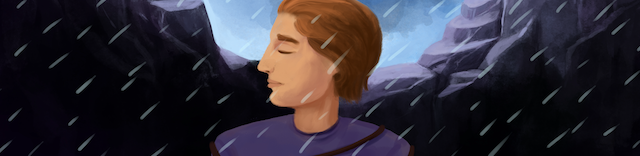
    Your thoughts seem to come from your head, but somehow you don’t own them. It’s like driving on a countryside road after pouring rain—you see the world through a dirty windshield, and everything looks unclear.

    Your body doesn’t feel like your own, either. You might be observing yourself from outside, as if you were in a cinema watching a movie about your life. It’s a dreamlike world, and you feel disconnected from it and yourself—anxious, lost, overwhelmed, and trapped.

    And all you want is to feel like yourself.

    How do I know?

    A Figure in a Pop-Up Book

    As a kid, I loved my pop-up books. You opened one, and a magical world appeared in front of you. Look, here’s a princess in her puffy pink dress. She looks admiringly at her prince, who smiles back at her while holding a horse by the reins. Behind them, there’s a castle. Guards in helmets with plumes hold lances in their hands, ready to stop you and ask your name. Flags on towers flutter in the wind.

    It seems three-dimensional, except it’s not. Everything in this book is flat and unreal. That’s how I’ve been feeling for a huge part of my life—like a figure in a pop-up book.

    My first memory of dissociation comes from a very young age. I was still sleeping in my cradle.

    Mom left me alone in a bathtub; she was a restless soul, and patience wasn’t her strength. While reaching out for a toy, my bum slid, and I glided under the water, eyes wide open and body frozen.

    I lay there breathless, scared, and helpless, and that’s how Mom found me—at the bottom of a bathtub, looking at her through the water. What she couldn’t see was me looking down at us from above.

    Mom pulled me up, but she was cross. Couldn’t I just sit there quietly for a while without causing her any trouble?!

    And so the story went.

    Both my parents worked and studied at night. They had me at a very young age, and they both had ambitions to become civil engineers. But as in connected vessels, if water is removed from one, the level in the other one also changes. They had to make time for their studies, and I paid the price.

    I lived in kindergarten from Monday morning till Friday afternoon and saw my parents only on weekends. In summer, my kindergarten moved to the countryside, and I barely saw my parents for three months. No wonder I developed crippling separation anxiety. And there was no one to help me ease the pain.

    I wanted badly to become older and go to school so that I could live at home every day. Once I reached school age, it did help at some level, although my brain was already trained in a certain way.

    I worried all the time and was scared of speaking in front of the class, doing something wrong, or being criticized. I felt insecure around people. What if they discovered how uncool or “stupid” I was? I could freeze in front of a teacher or a classmate; my mind drifted away, and dissociation became my coping mechanism. I had panic attacks and out-of-body experiences that I kept to myself.

    My memories became a set of seemingly unconnected dots: an image here and a sound there, a smell or a tactile sensation, and lots of nothingness in between.

    I grew up anxious and uncertain, constantly doubting myself and allowing others to make decisions on my behalf. But most of all, I feared change and the unknown, and summers still were the worst—three-month-long school breaks in summer camps far away from home. I felt unreal for days upon leaving and returning home.

    In the beginning, it didn’t take long to get the feeling of reality back, but in time, returning to normality took longer and longer.

    Derealization became a permanent part of my life. I was missing out on the fun of being young and carefree.

    I learned about depersonalization–derealization disorder (DDD) while studying psychology and recognized its symptoms in myself, but it didn’t improve my condition. However, therapy has.

    When I started therapy, it was the first time in my life another person was attentive to me. He didn’t just listen to my thoughts and feelings but also validated them. He opened my eyes to what was happening to me, although the words “abuse” and “psychopath” sent a shiver of disbelief through my body. It couldn’t be my mom, so I defended her!

    My therapist was understanding and patient, and one sunny day in spring, magic happened. I was standing outside his office, and the barrier between me and the world was gone. All the filters fell; my senses, once again, became alive and tuned. Clear sounds and colors hit me unexpectedly. I had a feeling of belonging to this world, and I was ecstatic.

    For a few years, I was symptom-free, nearly forgetting about DDD. I was healed!

    But my mom, lost in grief after my dad’s death, proved me wrong. Exhausted after caring for him, lonely, and angry, she used me as a lightning rod for her overwhelming negativity. A few angry, hurtful words, and I sank into an emotional fog so deep that, twenty years later, I’m still there.

    After fighting my brain, feeling angry and scared, I had no choice but to learn to coexist with DDD without obsessing.

    Now I want to share with you how I did it.

    The Way Out of the Fog

    For most people, DDD is a temporary condition that will go away without treatment. But being anxious, worried, and obsessed with “getting rid of it” may only make it stay longer. Still, you can do things to ease the pain and prevent DDD from coming back in the future.

    1. Be present.

    When you space out, your self-awareness diminishes. Therefore, it’s essential to stay present by consciously focusing on what you do. And for that, mindfulness or grounding becomes handy.

    If you find it difficult to focus on the activity at hand, practice deep breathing and tune into your senses using the 5-4-3-2-1 technique. Name five things you see around you, four things you can touch around you, three things you can hear, two things you can smell, and one thing you can taste.

    2. Minimize anxiety.

    Anxiety is a normal part of being alive, and it can even be beneficial at times. Feeling anxious when challenged by the unknown helps you stay aroused and mobilized so you can solve problems. When this feeling becomes so intense that you can’t think and your productivity declines, you need to calm yourself to minimize episodes of derealization.

    There are many anti-anxiety techniques to choose from, like controlled breathing, physical activity, or preparing yourself for each challenge so you feel equipped to handle what’s coming. You can find additional tips to manage anxiety here.

    3. Accept DDD as a part of your current life.

    I know you don’t want to. It’s a painful condition, and your instinct tells you to get rid of it now. I get it. But fighting means constantly focusing on the issue, and obsession makes it all worse. You feel more anxious, and your DDD gets stronger. The cycle repeats itself.

    What is the alternative?

    4. Live a normal life.

    This condition is not life-threatening, just different and unpleasant. So, I’m asking you to live your life as if you didn’t have DDD. Get up in the morning and go through your usual routine. Make spending quality time with friends and family an important part of your day.

    More often than not, your DDD symptoms will disappear by themselves if you work on the steps I outlined above. And the faster you make peace with your symptoms, the faster they may go away.

    5. Work with a psychotherapist.

    If your anxiety and DDD symptoms persist for more than a few months, you may want to try therapy.

    An experienced therapist will help you figure out the cause of your symptoms. If you uncover trauma in your past, they will help you process the experience. You can also work with anxiety and depression that might be underlying issues in DDD.

    Your therapist will teach you stress management and coping strategies for dealing with dissociation. The opportunity to practice them in a safe environment will be a huge bonus.

    6. Consider medication.

    So far, there is no proof that medication is effective on DDD symptoms. There are no medications specifically approved to treat DDD. However, meds can be used to treat depression and anxiety if they are present, and that can help you heal from DDD.

    I tried medication, but it didn’t help my symptoms. I felt constantly tired and sleepy, unable to function normally in my everyday life. What was the point in taking them, then? So, I quit.

    Nevertheless, some people report that their symptoms decreased on a particular medication protocol, so you may want to explore this possibility for yourself. You will need to visit a psychiatrist for that.

    7.  Try neurofeedback.

    Neurofeedback is a technique to directly train certain brain functions and teach the brain to function more efficiently. How does it work?

    You sit in front of a screen with electrodes attached to your scalp and either watch a show or play a game. The person in charge of the treatment observes your brainwave activity from moment to moment. This information is also processed by a computer and shown back to you—an image on your screen can become smaller or bigger, brighter or darker, depending on your brain’s changing activity. The system rewards the brain for choosing more appropriate functional patterns by supporting desirable frequencies and diminishing undesirable ones.

    You can say that neurofeedback is training in self-regulation, and it helps to bring your central nervous system in balance, though it’s a slow learning process that takes months to accomplish. It’s usually provided by psychologists, therapists, counselors, or occupational therapists, like here in Germany.

    I started neurofeedback last year. Tomorrow will be my fifty-fifth session, and my symptoms haven’t changed so far, so I can’t offer a glowing personal recommendation. But from what I’ve read, it’s been helpful to many. As with all mental health treatments, what works for some might not work for others.

    Final words

    There is ongoing research about depersonalization and derealization, and one day new treatments for DDD will ease or eliminate the condition altogether. Until then, try what you’ve just learned, but don’t put your life on hold. Treat depersonalization–derealization as an old, overprotective friend who’s trying to help. They may be stubborn and even annoying, but they don’t mean you any harm.

    Live fully.

    Live now.

    And trust that if you put in the work, you will eventually feel more grounded in your own body and better able to experience and enjoy all the good things life has to offer.

  • The World Is Not My Enemy – Why I’m Trying to Let My Guard Down

    The World Is Not My Enemy – Why I’m Trying to Let My Guard Down

    “Vulnerability is the core, the heart, the centre of meaningful human experiences” ~Brené Brown

    From a young age I learned that the world is not a safe place—that there are bullies out there that want to harm me and that I have to watch my back. I developed defense mechanisms in order to protect myself, or perhaps those mechanisms had been there all along, programmed into my psychology by millions of years of evolution.

    Maybe these mechanisms served me in certain situations as they did my ancestors; telling me when to fight and when to run away. But as I got older, I began to see how these mechanisms would often kick into gear when I didn’t want or need them to. Sometimes I would fight when there was no need to fight. Other times I would be afraid and hide when I wasn’t really in danger. Sometimes, I still do.

    This isn’t just my story; it is the story of all of us. Just pay attention to how people behave on the roads—especially when they’re stuck in traffic—or how they behave in comment threads on social media. Pay attention to how people behave in work situations, especially when their skills, capabilities, or ideas are being questioned. We walk around with psychological armor, and we use a lot of energy trying to prevent even the slightest kink in that armor.

    Some of us are also armed and will go off like an automatic rifle at the slightest touch of the trigger, leaving bullet-ridden relationships in our trail.

    Although these defense mechanisms are meant to protect us, they also cut us off from each other. Basically, most interactions are just egos interacting with other egos. Moments of real connection between people don’t happen every day, because that would require us to put down our armor and be vulnerable. But a couple of days ago, I had one such a moment…

    My kids stay with me over the weekends, and I usually pick them up at a golf course where their mom works and my oldest son plays golf. Before I can gain access, the guard at the gate has to scan the license disc of my car.

    As if 2020 wasn’t crazy enough, this year has already thrown a couple of curve balls my way. This particular Friday was just one of those days; I had a lot on my mind, and I wasn’t paying attention. So, while the guard was scanning my license disc, I took my foot off the break for just a second and rolled my car over his unsuspecting foot… crunch…

    Needless to say, he wasn’t happy. I felt like an idiot and could immediately feel my defenses going up—not just because of his reaction but because I’m programmed to get defensive, and this affects how I interpret situations, even when the other person hasn’t done anything wrong.

    “Why was his foot under my wheel?” I thought. “It was only an accident. I have a lot on my mind, okay.” At the same time, I realized that I had messed up, so I apologized profusely and drove off to pick up my kids.

    When I left, I felt compelled to stop at the gate and ask him if he was okay and whether he needed a doctor. He was limping a bit, but he said that he was okay. I gave him my business card anyway and told him to call me if he needed medical attention.

    Great, I thought as I drove away, this is the last thing I need, another potential bill to worry about. And what if he tries to take advantage me? What if he tries to sue me or something? Now I have made myself vulnerable to attack by giving him my details. But fortunately for me, the next few days came and went without any calls from a doctor’s billing department, or a lawyer.

    The next Friday I once again found myself at the gate to the golf course to pick up my kids, and I had to face the guy whose foot I potentially crushed. But I was relieved to see that he was no longer limping.

    I asked him how he was doing, and he assured me that he was okay. I expressed that I was really happy to hear that and before I could drive off, he stopped me. He told me that most people would have gotten defensive and just left it, and as you’ll remember, I almost did. But then he said that I came back and showed him support, which meant a lot to him, so he wanted to thank me.

    I was a bit surprised to be honest, because the last thing I expected was a thank you. But I felt good about this interaction. Not only was I happy that his foot was okay, but I was happy that we could part ways with good vibes between us. I appreciate how cool he was about it.

    An incident that could easily have turned ugly turned out pretty good. Somehow, we had both managed to drop our armor, and this allowed us to show compassion for one another. It was beautiful.

    The honest truth is that I still struggle with this all the time. I would be lying if I said that I have this stuff fully figured out and that I never get defensive or go on the attack. I am still learning, and what this incident taught me is that the world is not my enemy. Sometimes we can be vulnerable and drop our defenses. And most of the time, people will love us for it.

    Seeing the world as something we have to defend ourselves against or hide from cuts us off from those around us. But when we allow ourselves to be vulnerable and authentic, we allow for greater connection. This takes courage and sometimes we do get hurt. But when we start treating the world like a friendlier place, somehow, it starts feeling like one.

  • How My Son Taught Me That Crying Can Boost My Mental Health

    How My Son Taught Me That Crying Can Boost My Mental Health

    “And some days life is just hard. And some days are just rough. And some days you just gotta cry before you move forward. And all of that is okay.” ~Unknown

    Over the years I’ve built myself a bit of a reputation as “the emotional one.”

    I was always the first to cry at weddings, and that included my own. At that one I barely stopped throughout the ceremony! And as soon as I’m beyond the half-way point of any good holiday, it’s inevitable that a pretty epic sob is waiting in the wings.

    At this point I should probably mention that I’m a forty-three-year-old male. I also live in the UK, a country that’s proud of its “Bulldog spirit” and “stiff upper lip.” What this really means is that we’re a country where many people are uncomfortable with their own emotions, and shockingly bad at processing them.

    That brings me on to the point of this post—and it’s a happy post. I’m delighted to report that in the past few years I’ve come to see the true value in being able to cry, and being unashamed to do so.

    This doesn’t mean I’m somebody who has frequent public meltdowns that make people uncomfortable! In fact, it’s quite the opposite. I’ve reached the point where I’ve learned to recognize my own internal pressure valve. I know when it needs releasing, and know how to do it in a private, dignified, and healthy way.

    Human beings are the only animals with the ability to cry. It clearly has a purpose, and it doesn’t take much research to discover it has serious benefits, both mentally and physiologically. Crying is thought to reduces stress hormones and relax the nervous system.

    There are alternatives to crying, and we see them all the time: unhealthy behaviors, addictions, outbursts of anger and violence, and patterns of arguments and disharmony.

    That takes me back to the whole “stiff upper lip” thing. Emotions have to come out somewhere, and in my experience it’s the people who are fixated on being “strong” and “manly” who live lives cluttered with arguments and hangovers.

    On balance, I’d much rather have the ability to cry, and no shame in doing so. Recently, I feel I’ve learned to take it further than that to the point that I can use crying as an extremely useful tool in my mental health armoury.

    So, what got me to that point? The answer is simple: fatherhood.

    My oldest son has just turned seven years old. And he’s very much like me. It’s a much-misused word, but he’s a “sensitive” lad. He’s hugely empathetic, and a wonderful gentle soul. He’s also very sentimental and—again like me—as likely to be touched by joy as by sadness.

    Like everyone else in the world, we’ve had a challenging time since the pandemic began. One of the hardest parts has been navigating the children through it. This means dealing with their lockdown loneliness, but also constantly working out what to tell them so they’re as protected as possible without us insulting their intelligence.

    Another part of this is recognizing when it’s all getting a bit much for them.

    I can pretty accurately predict when a “meltdown” is incoming for my son. And I always ensure that I’m there ready for him when he wants to let the tears out. I encourage him to take as long as he needs. I cringe when I see parents saying, “that’s enough now,” or worse.

    None of this means I’m trying to raise a child who’s constantly in tears! But I am trying to raise a child who knows that having a good howl is a wiser and more evolved way of releasing emotion than punching somebody in the playground or having an undignified argument.

    While I’ve been teaching him this, I’ve been learning myself. Just as I’ve learned to predict when he may soon need to “let it all out,” I’ve become much more attuned to when I need to too.

    I have some mental health issues. Anxiety is the main one, with a generous scattering of OCD and some periodic depression as the cherries on top.

    One thing that indicates my mental health is in trouble is when I can’t cry. Depression is often misunderstood. For me, when it’s at its worst, it manifests as being emotionally empty and numb.

    In fact, “the big cry” often marks the turning point in a spell of depression. It means I’ve started to feel again. I’ve learned the pattern over many years, and it’s now got to the point where I can say “I need to cry.”

    And that’s a really powerful thing. I know what I need to do, so that empowers me to consciously try to do it nowadays.

    As we’ve already established, crying can release stress hormones and calm the nervous system. Who wouldn’t want to do that, especially during a spell of poor mental health?

    The trouble is, far too many people are conditioned to feel ashamed of showing emotion. But it’s not like I phone all my mates and say, “I’ve been feeling a bit low, so I’m setting aside an hour today to go in the bedroom with a bunch of sad songs and some tissues.”

    This last happened just a few days ago, and I did tell my wife my intentions. That in itself involved a little embarrassment and vulnerability. But when I re-emerged a little later, she said that I looked like a different person—with a bounce in my step and colour back in my cheeks.

    That’s why I’ve written this. It is deeply personal, because nobody’s ever proud of having a good cry. I can’t help wondering whether that should change.

    I am proud that my children don’t have to live in a house where there are needless arguments. A home where we process emotions in a healthy way—a way that humans alone have access to.

    So get that “crying tunes” playlist ready. Learn which old photos set you off, or which films are certain to “hit you in the feels.” And don’t be afraid to tuck yourself away for a while and use the power of emotion to enhance your mental health.

    To be clear, this isn’t a weapon I have to deploy frequently or publicly, but it’s one I’ve come to love having at my disposal. It’s there for you too, so don’t be scared or embarrassed to make use of it. The alternatives may be more popular with the “stiff upper lip” crowd, but they don’t benefit them, or the people around them.

    Let it out.

  • How Meeting and Re-Parenting My Inner Child Helped Me Love Myself

    How Meeting and Re-Parenting My Inner Child Helped Me Love Myself

    “To love oneself is the beginning of a lifelong romance.” ~Oscar Wilde

    The journey to meeting, loving, and re-parenting my inner child was a long time coming.

    In 2018, I went through a devastating breakup. I’d been through breakups before. They suck, they hurt, some of them left me in deep abysses of sadness for a long time, but this one was something different.

    I can honestly say I felt levels of pain I did not know were survivable for a human being. Many days, I did not want to survive; I couldn’t imagine continuing to be in that level of pain for another moment. It is indeed a miracle I survived and came out on the other side thriving!

    So, what was the cause of so much pain?

    Well, it wasn’t him, I’ll tell you that much. While I loved that man more deeply than I previously knew possible to love someone, and so it made sense for it to be more painful, it didn’t make sense for me to be crying non-stop for months. I felt like I was being ripped to shreds from the inside out. The pain was relentless and wasn’t lifting even a tiny bit as time went on.

    So, I sought help to get to the root issue. The real cause of my pain was the tremendous amount of unresolved trauma I was carrying, a complete inability to love myself—in fact, I had no real understanding of what it meant to love oneself—and a massively wounded and scared little girl running the show at my core.

    To sum up: I had a great amount of sexual trauma, abandonment trauma, complex PTSD, and low self-worth, and I only understood validation as coming from outside of me. This breakup unearthed all these issues in one violent movement, like ripping a Band-Aid off a scab.

    All this ugly, unhealed stuff was exposed and shot into my awareness like a volcanic eruption, and I had no means of escape. All I could do was deal and heal. So that’s what I did.

    There were a lot of things I did, and still do, to facilitate this healing. Therapies, somatic healing modalities, and spiritual methods. None are necessarily better than the other. They all worked together to weave a rich tapestry of healing approaches to choose from at any moment.

    But since this is about inner child work, that’s what I am going to talk about.

    I believe many of us have wounded inner children running the show. Everyone we meet has an inner child expressing themselves through adult bodies. To what degree that inner child is wounded ranges on a wide spectrum, mostly based on how well their needs were met by their caregivers.

    My therapist suggested I purchase The Abandonment Recovery Workbook by Susan Anderson and begin working through it on my own in between our sessions. I furiously raced through the chapters, hoping that once I finished, I could date and find someone to hopefully mitigate the unrelenting pain. However, as I worked through and neared the end of the book, it became clear to me that I was in no way ready for someone else yet.

    The workbook contains several exercises, but there were a few dedicated specifically to identifying, visualizing, or meeting your inner child—a younger, more tender, innocent version of yourself that just needed to be seen, heard, and accepted for who they are.

    It helped for me to find photographs of myself from three to five years of age to aid in visualizing this child. Looking at that little girl and imagining she still lived inside me, deep inside my being.

    Once adult me was able to see her, I had to learn how to hear her and how to communicate with her. Via meditation, I’d visualize her and ask her questions:

    What does she need right now?

    How can I make things better for her right now?

    What is she feeling about this situation?

    I’d have to sit until I received an answer from her. This came as a thought or a feeling, sometimes a visual image or memory. Oftentimes, all she wanted was to be held, so I’d visualize my adult-self holding this small girl and giving her the comfort and compassion she desperately needed.

    This is the re-parenting. The part where we respond to ourselves in the ways that we would have wanted or needed when we were small children. To be seen and heard, rather than molded to act or behave a certain way. To be truly responded to, based on the needs we were expressing.

    The dialogue exercises with my little girl continued daily, sometimes multiple times in a day. It just depended on how intensely my inner child needed something from me that day, or how intently I was listening at the time.

    Sometime after I’d begun this dialogue, I was at work and delivered a small thank-you token to a colleague for doing a quick project for my office. He kissed me on the forehead in return. It made me very uncomfortable, and I quickly exited his workspace.

    I walked out to the street to run an errand, and within me, my little girl was raging. It felt like there was an inferno of anger brewing within my gut. I recognized in that moment I was not listening to my inner child, and she wasn’t having it, now that we had begun communicating with each other.

    So, I stopped. I tuned in. I asked her what she needed.

    She told me this man had violated her space and she felt unsafe, and I’d promised, capital “P” promised, she said, stomping her feet as young children often do, that I would take care of her from now on, and I hadn’t when I allowed someone to violate my physical space without saying something. She would not be appeased until the matter was resolved.

    The inferno continued to rage inside my belly until I walked back down the street, back into his office, and told him, “I do not want to be kissed by my coworkers. I’m sure others may not be bothered by it, but this is a boundary for me.”

    Of course, he apologized profusely, and we have never had any inappropriate run-ins again. But more importantly, immediately upon taking care of myself and my little girl, the inferno subsided.

    I took care of her and made her feel safe and secure. I continue to do so in my day-to-day life now.

    The above example was an extreme one. She is not always so easily heard. Sometimes I ask her what she needs, and it’s just to move the body, go for a walk. Other times it’s a cookie she wants. Often, it’s just to be acknowledged. Validated. To be told, “I hear you, I see you, your feelings matter.”

    As with any relationship, the needs, communication, and dynamics are ever-evolving.

    But I can say without a doubt, the connection between my adult-self and my inner child is the most valuable relationship I have, and today the amount of love I have for myself, due to inner child work, is above and beyond anything I could have ever imagined.

    I used to feel, most of the time, that I was not enough. Since doing this healing work, I now know I am enough, in all situations and places.

    Where there was typically a sense of impending doom and danger, there is now a lightness and delight and a true, deep happiness that has nothing to do with outside circumstances—just the pure joy of an inner wholeness I never even could have dreamed of.

    That’s what happens when we truly see and hear our inner child and respond to their needs without judgment. We feel love and safety like we’ve never known, and we finally realize we deserve nothing less.

  • A Life Full of Favorites: The True Essence of Minimalism

    A Life Full of Favorites: The True Essence of Minimalism

    “Happiness can only be found if you free yourself from all other distractions.” ~Saul Bellow

    What was your favorite toy as a child? Mine was a Spider-Man action figure. The limbs were adjustable, and there was a switch on his back that made his eyes light up.

    I played with that toy for years, even after his fingers broke off and his switch got stuck. While I had plenty of toys as a child, this is the one I remember best.

    Maybe you notice a similar trend in your own children. According to a study conducted by British researchers, the average 10-year-old has 238 toys but plays with 12 daily.

    Even if you don’t have children of your own, maybe you are inundated with your own toys. Outdated electronics that sit on the shelf, trinkets that sit in the closet, or old sweaters that you haven’t touched in the last decade. How many toys do you play with daily, and how many get in your way and cause havoc?

    What if I told you these things are getting in your way of living a happier and more meaningful life? What if you didn’t have to spend time paying off old junk that always needs to be fixed, maintained, cleaned, and repaired? What if you had more time to enjoy friendships, hobbies, and passions?

    As I started to ask myself these questions I noticed others, who called themselves minimalists, asking similar questions. After this discovery, I began my own minimalist journey and never looked back.

    People become intimidated when they discover minimalism because they think they have to sacrifice all their possessions and live like a monk.

    If you think like this, I can’t blame you. I wouldn’t like that either. My five-year-old self would’ve been devastated to get rid of that Spider-Man action figure.

    Fortunately, minimalism doesn’t require such sacrifices. In fact, minimalism doesn’t require anything. There are no rules, judgments, or requirements.

    If the term minimalism is intimidating, think of it as focusing on all your favorite things, every day. This may sound enticing, but what does it look like in practice? Let’s explore together.

    1. Visiting our wardrobe

    If I were to walk with you to your closet, there would be a few different types of clothes.

    Clothes for work.

    Clothes for a formal event.

    Clothes for a night out.

    Clothes for the gym.

    Clothes for lounging and watching Netflix.

    Within each of those categories, which outfits do you usually wear? Which outfits give you the most joy? Which outfits do you gravitate toward, and which outfits sit in the back and collect dust?

    What would your closet look like if you donated the clothes that took up space and hid your favorite apparel? If donating is too daunting, pack them in a box and stash it away for a couple months.

    Giving ourselves space and time helps us realize we never enjoyed, or used, any of that clothing anyways. This gives us the courage to donate the clothes with a sense of pride. If this sounds interesting, but you aren’t sure where to start, look up “Project 333” for some additional tips and support.

    2. Reconsidering our relationships

    In the 1990’s, British anthropologist Robin Dunbar discovered that people can only maintain an upper limit of 150 social relationships.

    Thirty years later, this number sounds like an underestimate. Many people have hundreds of Facebook friends and thousands of Instagram followers. In our everyday lives, this translates into the notion that having more friends leads to more popularity, likeability, and a happier life.

    But the quality of our friendships also matters. Out of hundreds of digital connections, how many people do you spend time with in real life? How many people can you depend on to lend a hand, listen to a problem, or provide feedback to help you improve and grow?

    When I thought about my own friend circles, I realized they were often dictated by proximity rather than by shared values or interests.

    As an avid reader, I like to surround myself with people who are passionate about reading. Using modern technology, I created a book club with members from my local community. What started off as monthly conversations around books turned into regular social gatherings.

    Through discussing our similar values and mindsets, we became close friends who have been a great source of support and joy for each other over the years. Instead of relying on surface level connections that were simply birthed out of proximity, I can now count on these rich and satisfying relationships to help me thrive.

    What would your life be like if you surrounded yourself with people who shared similar values or mindsets? How would your life be different if you spent time with people who enjoyed the same hobbies as you?

    Explore different options, like Facebook groups or Meetup activities, that match your interest. It takes time to foster deep and satisfying social connections, but they can last a lifetime.

    3. Evaluating our time

    I had one of my biggest revelations when I took a hard look at how I was spending my time. I spent all of my time checking my emails and looking productive, while sacrificing the chance to read, write, and spend my time in ways that help me feel happier. I did a lot on any given day, yet none of it was meaningful or fulfilling.

    Does this resonate with you? Look at the commitments and activities taking up your time. Can you delegate anything to someone else, or completely let go of it?

    Are there activities you’re doing because you think you should do them? Ask yourself these questions to pare down your to-do list:

    1) Does this task bring value to my life?
    2) What would happen if I didn’t do this task?
    3) Does this task align with my values?

    Shining light on our habits uncovers fascinating insights.  If someone were to ask me why I was engaging in habits like yoga or meditation, it was because it’s what I thought successful people did, not because I enjoyed those habits.

    Instead of yoga, I now go on walks. Instead of meditating, I express my thoughts through writing.

    Everyone has their own recipes to live a meaningful life, and it will look different for each individual in each season of their life. Consider what you need, what you enjoy, and what habits will be the best tools to help you get there.

    By questioning ourselves, we get better answers that best suit our own needs and desires. Start off with those three questions and add others you see fit.

    What’re your favorites?

    Imagine a life where you only wear your favorite clothing. A life where you surround yourself with people who lift you up and bring joy to your days. A life where you have the time to do the activities that you enjoy most.

    You already have your favorite clothes, friends, and activities. Minimalism isn’t about getting rid of everything, it’s about rediscovering our favorite things—some which aren’t even “things” at all.

    Being surrounded by our favorites can lead us to a happier and more fulfilling life. This switch may even cause our eyes to light up, like my favorite Spider-Man action figure from so many years ago.

  • What No One Tells You About Setting Boundaries: The Good, Bad, and Ugly

    What No One Tells You About Setting Boundaries: The Good, Bad, and Ugly

    “Yesterday I was clever, so I wanted to change the world. Today I am wise, so I am changing myself.” ~Rumi

    Three years back was the first time I dared to set a boundary and be assertive in a friendship, and guess what? She blocked me on her phone, and we stopped being friends.

    It came as a rude shock because I was quite invested in the friendship. Not only did we have good times together, but I had helped her search for and find a job and even babysat her kid for a long while free of charge. I felt betrayed and hurt. It made me feel like I was the one in the wrong, the bad person, and like I had no right to say what felt right to me.

    I admit that I was early in my journey of being assertive and learning how to set boundaries, so my skill set wasn’t the best. But despite the mayhem and chaos it caused, it was a good thing for me.

    We were similar in many ways, and I knew she was a lovely person. Still, I didn’t particularly appreciate that she always wanted to be in charge, acted as though she knew it all, only wanted her way, and behaved as though she had the world’s worst problems.

    I empathized with her because she shared her struggles with me. But I didn’t share mine back partly because I wasn’t comfortable and partly because I felt there was no place for me; it was only about her. So, one day, when I’d had enough, I exploded and said what I had to say, rudely, and that ended the relationship.

    Three years later, when the dust settled, we started talking. We are cordial, civilized, and respectful now. We share laughs and anecdotes, but it’ll never be the same because we’ve both changed, and our relationship has changed as well.

    After taking this journey, I’ve concluded that being assertive and setting boundaries is not as easy as it sounds. But it’s the only way to regain your sense of self, sanity, and self-love.

    What are the Benefits of Maintaining Boundaries?

    Boundaries are limits between us and other people that enable us to honor our feelings, wants, and needs and take good care of ourselves. We need to set boundaries because:

    • Boundaries offer protection against people who habitually do things that leave us feeling uncomfortable.
    • Correcting troublesome behavior and letting other people know what’s acceptable or not, where we stand, and what we are willing to tolerate drastically improves our sense of self.
    • Setting boundaries helps us trust ourselves and, in turn, trust others.
    • It helps us treat ourselves and others as equal with respect and dignity.
    • It teaches us what’s essential for us and gives us the courage to stand up for it.
    • It builds our confidence as we work on our assertiveness muscle.
    • Boundary-setting is generous to others because it allows them to grow and take responsibility for themselves, their actions, and their issues.

    So, if boundary-setting is such a good thing, what’s the problem?

    The problem is that it’s hard, especially for people who are not used to setting boundaries. It can make you question yourself and your intentions and turn your world topsy-turvy.

    Why Is Boundary-Setting So Difficult?

    Most people with weak boundaries:

    • Are not aware of their needs, and this takes lots of time and practice.
    • Are afraid to stand up for themselves.
    • Don’t believe that they deserve to have their boundaries recognized and honored.
    • Are afraid that people will think they are selfish.
    • Think it is wrong to think about themselves because of various cultural or religious influences.
    • Believe that what they want is unreasonable.

    How Do You Start Setting Boundaries?

    1. Take inventory.

    Have you ever been in a situation where you felt like you were being taken advantage of, taken for granted, or treated disrespectfully? When you feel any of these things, you need to ask yourself:

    • What are you feeling? Is it anger, hurt, betrayal?
    • What brought about those feelings? What did the other person do? Did they disregard your feelings or act dismissive? Did they cross a line you’d rather no one cross?
    • How did you react to the situation? Did you ignore it, make an excuse for them, or get angry and resentful but fake a smile?
    • Why did you tolerate this behavior and respond this way? What were you afraid of?

    So, the first step is being conscious of what happened and what you’re feeling.

    This is essential because it helps you become aware of your needs, wants, and limits; notice when someone is neglecting or violating them; and reflect on how you usually respond—and why.

    2. Be honest and courageous.

    The second step is being honest about what you would like to do in the situation and reflecting so you can find the fairest and healthiest way to respond.

    Then comes the hardest part: finding the courage to act even if it may displease, anger, or irritate the other person.

    Everything inside you might scream that this is a mistake. You may feel scared, anxious, and even unsafe speaking up. But remember that ignoring the issue is not a solution because you will just end up feeling resentful if you continually avoid saying what you really want to say.

     What No One Tells You About Setting Boundaries

    1. You may feel guilty.

    Somewhere down the line, you may have learned that your needs, feelings, and wants are less important than others’. When you start making changes, it may feel like you are embarking on a journey of selfishness and betraying the very core of your being.

    2. You will likely make mistakes.

    You are learning a new skill, and mistakes are bound to happen. You may overreact to minor issues or fail to communicate your feelings and needs accurately or clearly. There’s no right or wrong here, only a learning curve. You can always change your decision or apologize later if you realize that your decision wasn’t the best.

    3. It sometimes feels like you are at war with yourself.

    To some extent, that’s what this is. A war with what you once believed to be true but isn’t anymore, a war against your default responses.

    4.  It is not easy.

    It will sometimes mean wrong turns, slip-ups, and lost relationships. But if you’re honest with yourself, you may realize that those relationships were already dead to begin with; you were trying to nurture doomed relationships because you were afraid to let them go.

    5. It makes you confront demons you didn’t know you had.

    Your insecurity, your feelings of low self-worth, your fear of being rejected or alone—all this and more bubbles to the surface when you get honest about why you’ve struggled with boundary-setting and start pushing past your blocks.

    6. It takes all you have, tears you up, and breaks you down.

    But when it’s all done and over, you build strength, wisdom, and trust in yourself. You learn to give your feelings more credence, knowing they’re an internal signal that something is off and you need to investigate them further so you can decide what’s really best for you.

    So yes, boundaries can be life-changing, but the emotional upheaval that often accompanies them isn’t for the fainthearted. Changing yourself, getting out of your comfort zone, and doing what is right for you can trigger your reptilian brain, which craves safety, making you feel like you are doing something wrong. Arnold Bennett rightly says that all change, even for the better, is accompanied by discomfort.

    Deepak Chopra said that “All great changes are preceded by chaos.” I believe the benefits of maintaining boundaries make the chaos worth it.

  • How I’m Winning Over My Inner Critic by Letting It Exist

    How I’m Winning Over My Inner Critic by Letting It Exist

    “Winning the war of words inside your soul means learning to defy your inner critic.” ~Steven Furtick

    We all have that voice in our head, the voice that’s always negative about ourselves. Our inner voice.  Our inner critic.

    The one that tells us we’re not good enough, not smart enough, not attractive enough. That voice that continuously compares us to other people, so we come up lacking and feeling less than.

    Sometimes that voice is our own. Other times, and for some people, maybe those of us who have felt unloved or disliked by a significant person in our lives, that voice belongs to them.

    Then there are times when that inner critic will take on the voice of multiple people. A parent, a past lover who jilted us, and an abusive boss, for example. It can be quite the party in our heads, and not always a good one!

    For a while, the voice in my head belonged to my mom.

    It became a lot more frequent after she passed away. And a lot more persistent. Her best times to chat with me were always during my morning and evening routines. 

    Why? I haven’t quite figured that out yet. Maybe it was because, during those times, especially with my morning ritual, I was prepping to present my best self to my world, doing my makeup and fixing up my hair. What better time to be critical, right?

    In the mornings as I prepared for the day, I heard how my skin care routine didn’t matter, I was going to get old anyway, and look old. The makeup I applied didn’t make me look any better. The affirmations I wrote on the bathroom mirror were stupid and useless.

    Anything I did to make myself better and healthier didn’t matter. I could never change, and I could never improve myself. Regardless of how much I tried, or how much effort I put in, I would never be good enough. Never enough period.

    At times, I think there was an undercurrent of jealousy. Maybe because I wanted to improve my life, that I wanted so much more from life. More than what she wanted for herself and for me.

    When she was alive, I definitely felt this was why she found so many faults with me and pointed out all my shortcomings. It would make sense, then, that any critical thoughts I had about myself could so easily be transferred to her image, and in her voice.

    I can understand those feelings and see why her feelings came out the way they did. Fears held her back from becoming more, from wanting more. And just possibly, those were my fears too, but now being heard via her voice. Fears of never really becoming who I want to be, of never being enough.

    Sometimes it’s easier to deal with our negative thoughts if we can make someone else responsible for them. Have someone else own them. It takes the burden off of me to change my thinking if I can tell myself these negative thoughts are coming from my mom.

    For a long time, during those morning and evening chats, I argued back. I got very defensive. And I felt like everything I was doing was useless and worthless. During those times it felt like she was right. That my inner critic was spot-on.

    Then one day I got quiet. Maybe I was exhausted with this daily dialogue. I don’t know. But I got quiet. I decided to just let her talk without reacting to what she said. No more arguing. I just smiled, a gentle unconcerned smile, and continued with my routine.

    I let everything that was being said just sit in the space around us. I heard it but didn’t take it in.

    My intention now was to observe. I wasn’t belittling her feelings by ignoring her, I just simply observed and let her talk, giving her voice the space to speak and to be heard. Periodically, I responded with something like, “Yeah, I can see why you think that.”

    For a while this became the style of our regular chats. The new dialogue that the voice in my head was speaking. The negative remarks, the catty remarks, and the put-downs, all drawing a quiet and unconcerned smile, with no negative response from me.

    Before long it changed again. My mom-in-my-head, instead of chastising me for wasting my efforts, became inquisitive. The voice started making positive remarks about the products I used and the affirmations I wrote on the mirror. She became curious. That voice started asking positive questions, empowering questions. Questions that were now on my side—with me, not against me.

    It’s very possible that the reason my inner voice, my inner critic, has taken on the voice of my mom is that I still very much want the approval from her that I felt I never received while she was alive. I will never actually get it now that she is gone, and that’s something I have to accept. But this may be another way that I can maybe feel like I get it, even just a little.

    Perhaps it’s how I can get the approval from myself that I’m seeking too. The belief that I am indeed becoming the person I want to be. That I am indeed enough.

    I’m reminded of this saying, “We can’t control how other people act; we can only control our own reaction.”

    Sure, this inner voice is mine, maybe sounding like someone I know. And one would think we can control our inner voices. But if it were only as easy as that, no one would ever struggle with self-doubt, and at times self-loathing.

    Learning to control that inner voice is like controlling a temper-tantrum-filled two-year-old. Eventually do-able, but it takes herculean effort!

    The method that’s currently working for me is to let that voice speak. Meeting it with a gentle smile and letting it flow around me, without landing on me. Being observant but unconcerned. 

    Over and over, as long as it takes. Because soon that inner voice will be curious about what’s happening with me, what’s working for me, what it is that is bringing me such peace.

    Perhaps the same is true for you. Maybe instead of trying to make your inner critic go away, you just need to let it exist. When you observe your self-critical thoughts without fighting or attaching to them, you take a little of their power away. And maybe as you take your power back your inner voice will slowly transform into something softer, gentler, and on your side, because it can finally see it’s a good place to be.

  • What I Really Mean When I Say I’m Fine (Spoiler: I’m Not)

    What I Really Mean When I Say I’m Fine (Spoiler: I’m Not)

    “Tears are words that need to be written.” ~Paulo Coelho

    It was lovely to see you today. I haven’t seen you in such a long time. So much has happened since the last time we saw each other.

    You asked me how I was. I politely replied, “I’m fine” and forced a smile that I hoped would be believable. It must have worked. You smiled back and said, “I’m so glad to hear that. You look great.”

    But I’m not really fine. I haven’t been fine for a very long time, and I wonder if I will ever know what “fine” actually feels like again.

    Some days are good, some not so good. I’m doing my best to stay optimistic and to keep faith that tomorrow will be better. Sometimes it is, sometimes it’s worse. I’m never prepared for either outcome.

    I’m doing my best to pretend I’m fine.

    The mask I wear hides my pain very well. I’ve been wearing it for so long now that no one can see through it anymore. It’s my new face, and it smiles on demand.

    Some days I wish I didn’t have to pretend to smile. I long for the day when it will come naturally, sincerely, and genuinely.

    When I say I’m fine this is what I really mean…

    I’m sad. I’m really having a hard time right now. I wish I could tell you. I’d like to think that you might even care. And maybe you do truly care. But I don’t want to tell you. I don’t want to bother or burden anyone with my troubles.

    My troubles are big and ugly. I can’t burden you with them. You are facing demons of your own. You don’t need to be exposed to mine. That would be so selfish of me. To think that your demons are not as important or debilitating as mine.

    So I just tell you I’m fine. I’m protecting you when I say I’m fine. Because I’m afraid my pain is just more toxicity.

    I want to tell you my troubles. I want you to take them away. I wish someone could fix everything that hurts, though I no one else can do that for me. Still, I wonder, does anyone have all the answers to these questions that are pounding in my head and causing me grief and anxiety?

    Anyone?

    There’s a tightness in my chest that won’t go away. There’s a darkness in the pit of my stomach that makes me nauseous. My shoulders feel weighted and my arms long for human touch. A body to wrap around tightly to comfort me and ensure me that everything will be okay.

    My troubles have completely consumed my life.

    Inside, I’m crying all the time. My soul is crushed, and my heart is full of holes that I’m desperately trying to patch up as best I can.

    I’m full of anxiety inside, and no matter how hard I try to find peace, it eludes me. I feel there are a million demons inside of me, and I don’t know which one needs my attention the most.

    So I ignore them all. It’s too much for me to bear most days.

    When I say I’m fine I really wish you could hear my inner voice screaming, “I’m not fine, and I need help. Please stay and talk to me, comfort me, help make this overwhelming pain stop.” I want to say this to you. But I open my mouth, and “I’m fine” comes out instead.

    I’m not really fine. I’m not sure how to handle today, and I fear what tomorrow may bring. It’s constant anxiety. I wish it would go away if only for a day.

    I want to be fine, honest I do.

    One day I would love to sincerely tell you how fine I am. That all my anxieties, worries, and fears are gone, or at least less overpowering. That I walk with a skip in my step and a song in my heart. I want to feel that. I may have felt this once before a long time ago, but I don’t really remember it.

    Every day I’m doing my best to smile and make the day better. I’m thinking positively, I’m taking big deep breaths when I need to. I’m reading inspirational blogs and quotes. I’m even listening to guided meditations.

    Today I went shopping and bought myself something nice. I know, a temporary fix. But it worked.

    It all works. For the moment. And then the moment is gone, and it all comes flooding back. All the turmoil, the anguish, the anxiety, the pain. I breathe deeply again. And I’m okay for a few more minutes.

    But for now, I’m doing my best. I know that everything in life is temporary. The good, the bad. Even life. It’s all temporary. If I can just get through today, I’ll be fine.

    I’m doing my best to see the bright side. I can see it some days. But it doesn’t take away the turmoil brewing inside of me. It only masks it with a Band-Aid. A temporary fix.

    Everything is just a temporary fix until I finally become brave enough to get to the bottom of my demons. I need to face them one at a time. I need to bring them to the surface, dust them off, address them, heal from them, and then let them go.

    This I know. But it’s such a daunting task. Just thinking about doing that is overwhelming and causes me a great deal of anxiety. I know it’s up to me to be able to say, “I’m fine” and really mean it.

    One day I will. When I feel strong enough to do so. Until then, I may say I’m fine when I’m really not. But I will try to find the courage to say, “Actually, I’m sad,” even though I know you don’t have a magic wand to take all my troubles away.

    Maybe just opening up and letting you support me will help. Maybe if I stop painting a smile on my face and telling you “I’m fine, really I am,” one day soon I will be.

  • What It Really Means to Have a Supportive Partner

    What It Really Means to Have a Supportive Partner

    “The best possible thing you can get out of a relationship is that you’re with someone who encourages you to be the best version of yourself every day.” ~Nishan Panwar

    Let me ask you a question. When was the last time you felt supported? When was the last time you felt safe, at home, encouraged, and able to be 100% yourself?

    If your partner creates a safe space for you to do this, then you are truly blessed. If not, have you ever wondered why you don’t feel safe, supported, and loved?

    Two years ago my best friend told me he’d loved me for many years. It was an unforgettable day once I got over my initial shock, because for many years I’d felt the same way about him.

    It took me a while to get my head around how the most beautiful man I knew, not to mention one of my best friends, wanted me over anyone else.

    In the beginning of our relationship I idolized him. I had an image of him in my head as my friend, and it was one of unrealistic perfection, non-stop humor and happiness, and a loving boyfriend who would walk on hot coals for me, just as I’d watched him do for other girls.

    I wanted to support him any way I could and would do anything for him, but when we got together—a difficult and confusing time for me, for many reasons—I was the one who needed supporting.

    When I didn’t get what I thought I deserved, things began to look very different than I had originally imagined. Maybe he wasn’t the guy I thought he was going to be as a partner. Maybe I’d set his pedestal just a little too high.

    Had going from friends to lovers been a terrible idea? But what was actually happening at the time was that I was leaning on him way too much for support, and I hadn’t even stopped to consider that the person I needed to sort out and support, first and foremost, was me.

    You see, when we’re lost and confused, we often look to external influences to make us happy. We’re all guilty of it.

    My experiments in how to find happiness have varied over the years—shoe shopping, drinking, drugs, yoga, meditation, and other people.

    But we can’t solely rely on anything or anyone to make us happy. We have to create the happiness part for ourselves.

    One major thing I realized at the beginning of our relationship was that I was asking for the world from a guy who I was placing way too many expectations and assumptions on.

    I assumed just because he was finally in flow with his career that it meant that our coming together was doomed and that I’d be cast aside in favor of a new job.

    I also assumed that because he wasn’t running around after me and spending every penny he had on me, as he’d done with previous overly demanding girlfriends, that I meant less to him than anyone else that had come before.

    However, had he acted the way I had expected him to when I was at my lowest ebb, I would have quickly labelled him clingy, over-bearing, and annoying, and that would have been the end of that.

    The truth was, he was being everything I needed him to be for where I was at that time.

    I didn’t need someone who would wallow in self-pity and negativity with me, as previous partners of mine had done. I needed someone who would inspire me to be the best person I could be and show me that if I picked myself up, everything would work out just fine.

    I remember him saying to me one night when I was in tears, “I know that you’re going through a lot right now, but get really excited about the future and what’s coming next rather than being fearful of it, because everything is going to be okay.”

    Each time I remember those words, they mean more to me.

    Let me tell you something that I have learned about what it means to have a supportive partner.

    A supportive other half isn’t someone who will hang on your every word, do whatever you want, and follow you to the ends of the earth. That clinginess isn’t the “true love” that you’re searching for.

    When someone truly loves and supports you, they challenge you, stand beside you when you need them, and give you the space you need to roam free and grow as a person.

    They will never judge you or put constraints on your mind, your physical body, or any of your dreams. They will be a cheerleader for your cause without being a groupie. They’ll go to the other side of the world for you when you need them, but they won’t smother you.

    They might not be around all the time, but for the things that really matter, or for when you are sick or in the dark, they’ll be there at your side, without you even needing to ask.

    They might seem like the busiest person in the world or the least affectionate at times, but when it matters, they’ll drop everything for you.

    Most of all, they will see you. This person will see what other people can’t. They’ll see you in all your beauty and grace, as well as your darkness and faults.

    They will see you for the person you are now and the amazing one they know you are truly capable of becoming, even if you can’t quite see this yourself yet.

    And they’ll love you. Unconditionally. And that’s really all that matters in this life.

    Stop expecting things from your partner that they don’t intuitively know how to give you. You will learn and grow together, so long as you continue to communicate assertively and don’t put unreasonable demands on each other.

    But it’s also up to you to become responsible for your own feelings and your own happiness. Put this first and you’ll become more lovable to your other half without even trying.

    Keep supporting each other. Stop worrying that your other half is going to leave you or wrong you or let you down. Have some faith and, in return, they will have faith in you.

    Stay truthful to yourself and they will reflect this beautiful truth straight back to you. And keep showing all of your colors to them—your light and your darkness. Because if they truly love you and value you, as long as you do all of this, they’re not going anywhere.

  • 3 Reasons to Stop Worrying About Your Negative Thoughts

    3 Reasons to Stop Worrying About Your Negative Thoughts

    Negative Thoughts

    “Whatever you fight, you strengthen, and what you resist, persists.” ~Eckhart Tolle

    Do you ever catch yourself being critical, judgmental, or full of fear and worry? And do you ever worry about how many negative thoughts you have? If you do, this post is for you.

    We’re taught that negative thoughts are bad, that they’re “toxic,” they “lower your vibration,” keep you stuck, and so on.

    We’re taught that in order to feel self-assured and confident, we should banish negative thoughts from our lives. Kind of like, goodbye, negative thoughts; hello, higher vibration, better boyfriend, nicer car, inner peace, and so on.

    So what do you do with all that negative junk in your head? How do you make it stop? And is trying to jam a positive thought over a negative one really the best way to manage the situation?

    The reason I’m thinking about this today is that it’s 7:30am and for the past three hours I’ve been watching Mad Men. Yep. Instead of setting myself up for the day with a restful sleep, I’ve been watching T.V. for half the night.

    To be fair, it’s an unusual thing for me to do, but still, you should hear the rubbish my mind is telling me:

    You’re such a lazy little missy. 

    You’re going to have a bad day.

    You’re not going to get anywhere like this. 

    Yikes.

    People often advise you to trade a negative thought for a positive one using techniques like affirmations. Quick, quell those negative thoughts! But is this really the best way forward?

    Most people misunderstand this whole negative thinking debacle because they misunderstand what thoughts are in the first place.

    Happiness doesn’t depend on how few negative thoughts you have, but on what you do with the ones you have.

    This brings me to the first piece of good news: (more…)

  • Why People Are Rude and Unkind (and Why It’s Not About You)

    Why People Are Rude and Unkind (and Why It’s Not About You)

    “How people treat other people is a direct reflection of how they feel about themselves.” ~Paulo Coelho

    By nature, I am a happy, optimistic, idealistic person. I have always been one to look on the bright side and see the good in people. My usual philosophy in life is that the world is full of brightness, love, and possibilities to seize.

    Recently, though, my philosophy began to fade in the face of a mild depression.

    I began to cry a lot and retreat into myself rather than being social and opening up, which only furthered the problem. I felt alone, miserable, and, try as I might, I could not regain that feeling of the world being beautiful.

    I felt like something had crawled into my brain and flipped all the positive switches off and the negative ones on. I felt hopeless, like it was more of a disease than a feeling.

    Before the depression, I was a kind, gentle, and compassionate person. Sometimes I was even too gentle, afraid to bring up anything that might offend someone else or damage our relationship.

    I didn’t understand how other people could be mean, rude, or offensive toward strangers or friends. I took it personally when people affronted me or were curt with me, believing they were truly out to get me for something I’d done.

    When people were mean, I figured it was a personal choice, that it was a conscious decision to stop caring about other people’s feelings and opinions.

    When I became depressed, though, my temper shortened and I felt far more irritable.

    I had little patience for anything, and I lived in a constant state of anxiety about social interactions. Whenever I engaged in conversation with someone else, I assumed they found me boring, annoying, or self-obsessed, and it sent me even further into my sadness.

    I started to become rude and unkind myself. I lashed out at people, or, more commonly, gave them passive aggressive excuses for distancing myself from them.

    I even became prone to insulting people as a way of protecting myself if they didn’t like me.

    I didn’t make a conscious decision to be mean. I didn’t wake up in the morning and think, “Today, I am going to hurt someone’s feelings.” It just happened in the moment when I was feeling especially down on myself.

    Most of the people I was rude to were actually friends of mine, people I liked and had nothing against.

    This is no excuse for rudeness, offensive behavior, or being unkind to other individuals. I am not proud of the way I’ve acted, and I’m not suggesting you follow in my footsteps, but it did give me a new perspective on other people I come across who are less than kind.

    When someone is rude for no reason, especially a stranger, it’s rarely a personal assault, even if you accidentally did something to irritate them.

    People aren’t mean for the sport of it, or because they are against you; people are mean to cope.

    Being unkind, more often than not, is a reaction to anger with ourselves or our perceived inadequacy. When I was rude to other people, it was because I was afraid they wouldn’t like the nice me. I didn’t mind if they were angry at the fake, unkind me, because it really wasn’t me.

    I felt unlovable, undesirable, and antisocial, and I needed a way to cope with these feelings by giving myself an alter ego that deserved to be disliked for reasons I could understand.

    When you find that people are being rude to you in your everyday life, they are really being mean to themselves.

    They have likely convinced themselves that they are unworthy of love, and that is the biggest tragedy of all.

    You don’t have to tolerate it when others are not nice, but it’s not something to take personally.

    You don’t have to internalize the meanness as a fault of your own. You can simply recognize that the person being rude is struggling with their own problems, and needs a way to cope with them.

    You cannot control the actions and behaviors of others, only your personal reactions to them.

    If you yourself are the one who has been unkind, it is time for self-reflection. Why do you attack people? What are you trying to protect yourself from?

    In my case, I got depressed because I felt socially awkward and I began losing friends. After that, I shied away from social gatherings, only augmenting the problem.

    I constantly thought negative things, such as “Nobody likes you,” “Who would want to be your friend?” and “You are not worthy of the friends you have.” I created a toxic environment inside my own head, and it wasn’t based in reality.

    I knew I had to change my outlook, so I pushed myself to see the good in myself and the reasons why I’m likable; as a result, I began to see the good in others again too.

    It’s not an easy process, and for many, it requires therapy and months of time. However, you can begin your journey back to kindness by being kinder to yourself.

    Listen closely to your destructive, self-critical thoughts. Are they based in reality, or are you fabricating them?

    If you criticize yourself because you feel guilty about things you did in the past, work on nurturing self-forgiveness, just as you’d forgive a loved one for those same mistakes.

    If you criticize yourself because you were raised to believe you were a bad person, recognize this isn’t true, and know that you can choose to heal and challenge this belief as an adult.

    Try to look at yourself from an outside perspective and remind yourself of all the unique and beautiful qualities you possess and have the ability to share with the world.

    With enough time and effort, you will begin to see the pattern in your unkind behavior and its link to your own anger at yourself.

    Once you can hone in on your feelings about yourself, you can begin to make conscious decisions to be kind to others instead of lashing out as a coping mechanism.

    I have always unfalteringly held the belief that people are inherently good, and only do bad things in reaction to bad situations.

    The most important thing to remember, whether you are receiving or giving unkindness, is that you are inherently good, too, and deserve to be loved, no matter what you or someone else tells you.

  • 45 Simple Self-Care Practices for a Healthy Mind, Body, and Soul

    45 Simple Self-Care Practices for a Healthy Mind, Body, and Soul

    “There are days I drop words of comfort on myself like falling leaves and remember that it is enough to be taken care of by myself.” ~Brian Andreas

    Do you ever forget to take care of yourself?

    I know. You’re busy, and finding the time to take proper care of yourself can be hard. But if you don’t, it won’t be long before you’re battered from exhaustion and operating in a mental fog where it’s hard to care about anything or anyone.

    I should know.

    A few years ago, I had a corporate job in London, working a regular sixty-hour week. I enjoyed working with my clients and colleagues, and I wanted to do well.

    But I had no life.

    I rarely took care of myself, and I was always focused on goals, achievements, and meeting the excessive expectations I had of myself. My high tolerance for discomfort meant I juggled all the balls I had in the air—but at the expense of being a well-rounded human being.

    So I made an unusual choice. I quit my job and moved to Thailand to work in a freelance capacity across many different countries and companies, which enabled me to set my own hours and engagements.

    I began to take care of myself better, scheduling in time alone, for exercise and for fun.

    I got to know myself better and know what I needed—not just to function, but to flourish.

    But guess what?

    At the end of last year, I spent Christmas alone in bed, completely exhausted.

    Why did this happen?

    Well, I had been running my busy website and consulting in seven countries in just two months. I forgot to take care of myself again, and I got a nasty case of strep throat.

    Self-Care Isn’t a One-Time Deal

    The strep throat was a harsh reminder that self-care isn’t something you do once and tick off the list.

    It’s the constant repetition of many tiny habits, which together soothe you and make sure you’re at your optimum—emotionally, physically, and mentally.

    The best way to do this is to implement tiny self-care habits every day. To regularly include in your life a little bit of love and attention for your own body, mind, and soul.

    The following ideas are tiny self-care activities you can fit into a short amount of time, usually with little cost.

    Pick one from each category, and include them in your life this week.

    Tiny Self-Care Ideas for the Mind

    1. Start a compliments file. Document the great things people say about you to read later.

    2. Scratch off a lurker on your to-do list, something that’s been there for ages and you’ll never do.

    3. Change up the way you make decisions. Decide something with your heart if you usually use your head. Or if you tend to go with your heart, decide with your head.

    4. Go cloud-watching. Lie on your back, relax, and watch the sky.

    5. Take another route to work. Mixing up your routine in small ways creates new neural pathways in the brain to keep it healthy.

    6. Pay complete attention to something you usually do on autopilot, perhaps brushing your teeth, driving, eating, or performing your morning routine.

    7. Goof around for a bit. Schedule in five minutes of “play” (non-directed activity) several times throughout your day.

    8. Create a deliberate habit, and routinize something small in your life by doing it in the same way each day—what you wear on Tuesdays, or picking up the dental floss before you brush.

    9. Fix a small annoyance at home that’s been nagging you—a button lost, a drawer that’s stuck, a light bulb that’s gone.

    10. Punctuate your day with a mini-meditation with one minute of awareness of your thoughts, feelings, and sensations; one minute of focused attention on breathing; and one minute of awareness of the body as a whole.

    11. Be selfish. Do one thing today just because it makes you happy.

    12. Do a mini-declutter. Recycle three things from your wardrobe that you don’t love or regularly wear.

    13. Unplug for an hour. Switch everything to airplane mode and free yourself from the constant bings of social media and email.

    14. Get out of your comfort zone, even if it’s just talking to a stranger at the bus stop.

    15. Edit your social media feeds, and take out any negative people. You can just “mute” them; you don’t have to delete them. 

    Tiny Self-Care Ideas for the Body

    1. Give your body ten minutes of mindful attention. Use the body scan technique to check in with each part of your body.

    2. Oxygenate by taking three deep breaths. Breathe into your abdomen, and let the air puff out your stomach and chest.

    3. Get down and boogie. Put on your favorite upbeat record and shake your booty.

    4. Stretch out the kinks. If you’re at work, you can always head to the bathroom to avoid strange looks.

    5. Run (or walk, depending on your current physical health) for a few minutes. Or go up and down the stairs three times.

    6. Narrow your food choices. Pick two healthy breakfasts, lunches, and dinners and rotate for the week.

    7. Activate your self-soothing system. Stroke your own arm, or if that feels too weird, moisturize.

    8. Get to know yourself intimately. Look lovingly and without judgment at yourself naked. (Use a mirror to make sure you get to know all of you!)

    9. Make one small change to your diet for the week. Drink an extra glass of water each day, or have an extra portion of veggies each meal.

    10. Give your body a treat. Pick something from your wardrobe that feels great next to your skin.

    11. Be still. Sit somewhere green, and be quiet for a few minutes.

    12. Get fifteen minutes of sun, especially if you’re in a cold climate. (Use sunscreen if appropriate.)

    13. Inhale an upbeat smell. Try peppermint to suppress food cravings and boost mood and motivation.

    14. Have a good laugh. Read a couple of comic strips that you enjoy. (For inspiration, try Calvin and Hobbes, Dilbert, or xkcd.)

    15. Take a quick nap. Ten to twenty minutes can reduce your sleep debt and leave you ready for action.

    Tiny Self-Care Ideas for the Soul

    1. Imagine you’re your best friend. If you were, what would you tell yourself right now? Look in the mirror and say it.

    2. Use your commute for a “Beauty Scavenger Hunt.” Find five unexpected beautiful things on your way to work.

    3. Help someone. Carry a bag, open a door, or pick up an extra carton of milk for a neighbor.

    4. Check in with your emotions. Sit quietly and just name without judgment what you’re feeling.

    5. Write out your thoughts. Go for fifteen minutes on anything bothering you. Then let it go as you burn or bin the paper.

    6. Choose who you spend your time with today. Hang out with “Radiators” who emit enthusiasm and positivity, and not “Drains” whose pessimism and negativity robs energy.

    7. Stroke a pet. If you don’t have one, go to the park and find one. (Ask first!)

    8. Get positive feedback. Ask three good friends to tell you what they love about you.

    9. Make a small connection. Have a few sentences of conversation with someone in customer service such as a sales assistant or barista.

    10. Splurge a little. Buy a small luxury as a way of valuing yourself.

    11. Have a self-date. Spend an hour alone doing something that nourishes you (reading, your hobby, visiting a museum or gallery, etc.)

    12. Exercise a signature strength. Think about what you’re good at, and find an opportunity for it today.

    13. Take a home spa. Have a long bath or shower, sit around in your bathrobe, and read magazines.

    14. Ask for help—big or small, but reach out.

    15. Plan a two-day holiday for next weekend. Turn off your phone, tell people you’ll be away, and then do something new in your own town.

    Little and Often Wins the Day

    With a little bit of attention to your own self-care, the fog will lift.

    You’ll feel more connected to yourself and the world around you.

    You’ll delight in small pleasures, and nothing will seem quite as difficult as it did before.

    Like that car, you must keep yourself tuned up to make sure that you don’t need a complete overhaul.

    Incorporating a few of these tiny self-care ideas in your day will help keep you in tune.

    Which one will you try first?

  • How I Stopped Putting Everyone Else’s Needs Above My Own

    How I Stopped Putting Everyone Else’s Needs Above My Own

    “Never feel sorry for choosing yourself.” ~Unknown

    I was eleven years old, possibly twelve, the day I first discovered my mother’s betrayal. I assume she didn’t hear me when I walked in the door after school. The distant voices in the finished basement room of our home drew me in. My mother’s voice was soft as she spoke to her friend. What was she hiding that she didn’t want me to hear?

    I leaned in a little bit closer to the opening of the stairs… She was talking about a man she’d met. Her voice changed when she spoke of him. The tone of dreamy wonder when you discover something that makes your heart race. She talked about the way they touched and how she felt being with him.

    I felt my body go weak. I could not tell if it was sorrow or rage. All I knew was, she had lied to me.

    Several months prior, my parents had announced their divorce. My mother told me the decision was my father’s choice. She told me he was the one breaking up our family. She told me she wanted nothing more than to stay with us and be together.

    And now I heard her revealing that was not true. She wanted to leave. She was not choosing me. She was choosing him.

    Since I was nine months old, my mother had been in and out of doctor’s offices, hospitals, psychiatrist’s and therapist’s offices trying to find the cure of her mental and emotional instability.

    When I was a young child, she began to share her frustrations and sorrows with me. I became her support and the keeper of her pain. She had nicknamed me her “little psychiatrist.” It was my job to help her. I had to. I needed her stable so I could survive.

    I don’t remember when or if she told us that she was seeing someone. I just remember she was gone a lot after that day. She spent her time with her new boyfriend out of the house. As the parentified child who she had inadvertently made her caretaker, it felt like she was betraying me. She left me for him.

    I was no longer the chosen one—he was.

    I hated him for it. When my mother moved in with him, I refused to meet him. I didn’t want to get to know or like this man she left me for.

    I saw them one day in the parking lot outside of a shopping plaza. I watched them walking together and hid behind a large concrete pillar so they wouldn’t see me. The friend I was with asked if I wanted to say hello. I scowled at the thought. I despised him.

    Within the same year, his own compromised mental health spiraled, and they broke up. He moved out of their apartment. I didn’t know why or what happened. I only knew my mother was sad. Shortly after their breakup, he took his own life. From what we heard, he had done so in a disturbingly torturous way. It was clear his self-loathing and pain was deep.

    My mother was devastated. She mourned the loss of her love and the traumatic way he exited. She stopped taking her medication, and her own mental health began to spiral. My father received a phone call that her car had been abandoned several states away. I’m unsure what she was doing there, but she had some issues and took a taxi back home.

    He later received a call stating that my mother had been arrested for playing her music too loud in her apartment. Perhaps to drown out the voices in her head. She was later taken to the hospital without her consent and was admitted due to her mental instability.

    After several days of attempting to rebalance her brain chemistry with medication, my mother began to sound grounded again. The family decided she would move in with her parents a few states away from us and live with them until she was stable again.

    A few days after Christmas she called me to tell me how sad she was. She grieved her dead boyfriend. I was short with her. I was still angry for her betrayal. I didn’t want to continue being used as her therapist. The imbalance in our relationship was significant, and my resentment was huge.

    I loved her, but I could not fall back into the role of being her support without any support back. It was life-sucking. And I didn’t care that he was dead. She chose him over me. I was fine with him being gone.

    I don’t recall feeling any guilt when I got off the phone that day. I felt good that I had chosen myself and put a boundary in place to not get sucked into her sorrow. I was fourteen years old, less than a week shy of fifteen. I just wanted to be a kid.

    The next day, my mother chose to make more decisions for me and for herself. These were more final. She told her parents she was taking a nap and intentionally overdosed on the medication meant to save her. She died quietly to relieve herself from her pain and left me forever.

    That choice—my own and hers—would change the course of my life.

    The day my mother freed herself from this world was the same day I learned to become imprisoned in mine. I was imprinted with a fear that would dictate my life. I became quietly terrified of hurting other people. I feared their discomfort and feeling it was my fault. From that day forward I would live with the silent fear of choosing myself.

    My rational mind told me it was not my fault. I did not open the bottle. I did not force her to swallow the pills. I did not end her life. But I also did not save it.

    I learned that day that creating a boundary to preserve myself not only was unsafe, it was dangerous. When I chose me, people not only could or would abandon me, they could die.

    Of course, I never saw this in my teenage mind. Nor did I see it in my twenties, thirties or the beginning of my forties. I only saw my big, loving heart give myself away over and over again at the cost of myself.

    I felt my body tighten up when I feared someone would be mad at me. I heard myself use words to make things okay in situations that were not okay. I said yes far too many times when my heart screamed no. All because I was afraid to choose myself.

    The pattern and fear only strengthened with time. I learned to squirm my way out of hurting others and discovered passive-aggressive and deceptive approaches to get my needs met. My body shook in situations where conflict seemed imminent, and I learned to avoid that too.

    What I didn’t see was that this avoidance had a high price. I was living a life where I was scared to be myself.

    On the outside I played the part. The woman who had it all together. Vocal, passionate, confident, and ambitious. But on the inside, I held in more secrets than I knew what to do with. I wasn’t living as me. My fear of being judged and rejected or not having my needs met was silently ruling my life.

    So many have developed this fear over time. Starting with our own insecurities of not feeling good enough and then having multiple experiences that solidified this belief. The experiences and memories differ, but the feelings accompanying them are very much the same.

    The fear of choosing ourselves, our desires, our truths, all deeply hidden under the masks of “I’m fine. It’s fine.” When in reality, we learn to give way more than we receive and wonder why we live unsatisfied, resentful, and with chronic disappointment. Nothing ever feels enough, and if it does, it’s short-lived.

    The memories and feelings become imprints in our bodies and in our minds that convince us we can’t trust ourselves. That we can’t trust others. That we must stay in control in order to keep us safe. We learn to manipulate situations and people to save ourselves from the opinions and judgments outside of us. We learn to protect ourselves by giving in, in order to not feel the pain of being left out.

    We shelter ourselves with lies that we are indifferent or it’s not a big deal in order to shield ourselves from the truth that we want more. We crave more, but we are too scared to ask for it. The repercussions feel too risky. The fear of loneliness too great.

    In the end, our fear of choosing ourselves even convinces us we can live with less. That we are meant to live with less, and we need to be grateful for whatever that is.

    Do we? Why?

    What if we learned to own our fear? What if we accepted that we were scared, and it was reasonable? What would happen if we acknowledged to our partners, families, friends, and even strangers that we, too, were scared of not being good enough? Of being discarded, rejected, and left behind.

    What would it be like if we shared our stories and exposed our insecurities to free them instead of locking them up to be hidden in the dark shadows of ourselves?

    I’m so curious.

    Where in your past can you see that choosing yourself left a mark? What silenced you, shamed you, discouraged you from choosing your needs over another’s? When were you rejected for not doing what someone else wanted you to do? And how has that fear dictated your life?

    Choosing ourselves starts with awareness. Looking at the ways you keep quiet out of fear or don’t make choices that include your needs. Seeing where this fear shows up in your life gives you the opportunity to change it. The more you see it, the more you can make another choice.

    Start with looking at the areas of life where you hold on to the most resentment and anger. Who or what situations frustrate you? Anger often indicates where imbalances lie or when a boundary has been crossed. It shows us where we feel powerless.

    Make a list of the situations that annoy you and then ask yourself, what’s in your control and what’s not? What can you directly address or ask for help with?

    Note the ways you may be manipulating others to get your needs met in those situations and how that feels. Note also what you may be avoiding and why.

    How would it feel to be more direct and assertive? What feelings or fears come up for you?

    Then start with one small thing you could do differently. Include who you could ask for help with this step, if anyone.

    As for me, I have found myself in situations where I lied or remained silent to avoid being judged, in an attempt to manipulate how others see me. I have felt my body cringe with sadness and shame each time. It doesn’t matter how big or small the lie, it assaults my body the same.

    I have learned that speaking my truth, no matter how seemingly small or insignificant, saves my body from feeling abused by the secrets it must keep. Choosing me is choosing self-honesty; identifying what is true for me and what is not based on the way my body responds. I am not in control of others’ judgments of me, but I am in control of the way I continue to set myself up to judge myself.

    I have also found myself agreeing to do things I didn’t want to do in order to win the approval of others, then becoming resentful toward them because I refused to speak up for myself.

    Choosing me in these scenarios is honoring the fact that I will still be scared to ask for what I need, as my fears are real and valid, but asking anyway, even when the stakes feel high. It’s scary to feel that someone may abandon us if we choose ourselves, but it’s scarier to lose ourselves to earn a love built on a brittle foundation of fear.

    l cannot control the past where I have left myself behind, but I can control today, the way I forgive myself for falling victim to my human fear, and the way I choose to love myself moving forward. When I choose me, I have more love to give to others. Today I can take a small step toward change.

    Taking these small steps and building on them will help us to show ourselves that we can make progress in bite size amounts and prove to ourselves we are going to be okay. The small bites are digestible and give us proof that we can do it. This helps us build our ability to do more over time, while also decreasing our fear.

    If we look at our past, we will see the majority of our big fears do not come to fruition, and if they did, we survived them and gained knowledge or strength in the process.

    It’s not the action holding us back, but the memory of the discomfort we still live with. The more we move through these fears, the more that discomfort will decrease, and the more we will trust that we will be okay no matter what.