Tag: self-care

  • Learning to Feel Safe Resting After a Lifetime of People-Pleasing

    Learning to Feel Safe Resting After a Lifetime of People-Pleasing

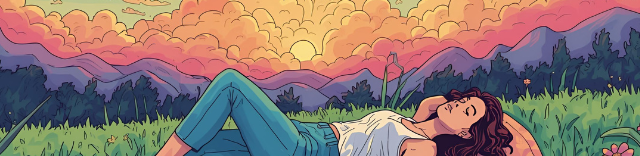
    “Rest is not idleness, and to lie sometimes on the grass under trees on a summer’s day, listening to the murmur of water, or watching the clouds float across the sky, is by no means a waste of time.” ~John Lubbock

    For years, I thought exhaustion was a sign I lived fully and did my best that day. I felt proud of being exhausted. I squeezed every bit out of the day, and there was nothing left.

    If I felt tired, I pushed myself to do just one more thing. It was always just one more thing. If I needed to lie down, I scolded myself for being weak. Around me, it seemed everyone else could keep going—working late, saying yes to every request, holding it all together, and getting everything done.

    So I pushed harder. I drank more coffee, ignored the pounding in my chest, and told myself I’d rest “later,” as a reward. And when that later finally came, I was so exhausted and empty, all I managed for myself was the easiest available comfort food and plopping down in front of the TV.

    Deep down, I wasn’t just tired from doing too much. I was tired from being someone I thought others needed me to be. I gave my everything, and nothing remained for me.

    I was tired from people-pleasing.

    When Rest Feels Unsafe

    People-pleasing is often misunderstood as kindness, but at its core it’s a survival strategy. Psychologists call it the “fawn response.” When fight or flight aren’t possible, some of us learn to stay safe by appeasing others—saying yes, staying agreeable, avoiding conflict at all costs.

    This might protect us in unsafe environments, but over time it takes a toll. The body stays on high alert— scanning for others’ needs, monitoring their tone of voice, ready to jump in and smooth things over.

    In that state, rest doesn’t feel like an option.

    When I tried to pause—sit quietly, lie down, even take a slow breath—my body rebelled. My chest buzzed with tension. My throat tightened, as if rest itself were dangerous. Doing nothing felt risky, as though someone might be upset or reject or abandon me if I wasn’t useful.

    So I stayed in motion. On the outside, I looked capable, dependable, “good.” On the inside, I was running on fumes.

    The Cost of Never Stopping

    When rest feels unsafe, exhaustion becomes a way of life.

    The body breaks down. I developed a stress knot in my shoulder, poor posture, and constant fatigue.

    The mind spirals. Anxiety grew louder, whispering that I wasn’t doing enough.

    The heart aches. Saying yes when I wanted no left me resentful and empty.

    I thought if I could just be more disciplined, I’d manage. But discipline wasn’t the problem—my nervous system was.

    It had learned, long ago, that slowing down invited danger. So it kept me on guard, pushing, performing, and erasing myself—all in the name of safety, belonging, being approved of and perhaps accepted.

    Realizing Rest Is Part of Healing

    The turning point came when I read about trauma and the nervous system. I learned that exhaustion and restlessness weren’t proof that I was lazy or broken. They were survival responses. My body wasn’t fighting me—it was protecting me, the only way it knew how.

    That realization softened something inside. For the first time, I saw my fatigue not as failure, but as evidence of how hard I’d been trying to survive.

    If my body could learn to see rest as danger, maybe it could also relearn rest as safety.

    Gentle Practices for Making Rest Safer

    The change didn’t come overnight. But step by step, I began inviting rest back into my life—not as laziness, but as medicine.

    Here are a few things that helped:

    1. Start small.

    Instead of trying to nap for an hour, I practiced lying down for five minutes. Just five. Long enough to notice my body but short enough not to panic. Over time, those five minutes grew.

    2. Anchor with touch.

    When rest stirred anxiety, I placed a hand on my chest or stomach. That simple contact reminded me: I’m here, I’m safe.

    3. Redefine rest.

    I stopped thinking rest had to mean sleep. Rest could be sitting quietly with tea, staring at the sky, or listening to soft music. It was anything that let my nervous system breathe.

    4. Challenge the story.

    When the inner critic said, “You’re wasting time,” I gently asked: Is it wasteful to care for the body that carries me? Slowly, I began rewriting that story.

    What I’ve Learned

    Rest still isn’t always easy for me. Sometimes I lie down, and my chest buzzes like it used to, urging me to get back up. Sometimes guilt whispers that others are doing more, so I should too.

    But now I understand: these feelings don’t mean I’m failing at life. They mean my body is still unwinding old survival patterns.

    And the more I practice, the more I see rest for what it truly is:

    • A way to reset my nervous system.
    • A way to honor my limits.
    • A way to reclaim the life that people-pleasing once stole from me.

    I used to believe safety came from doing more. Now I see that safety begins with stopping.

    Closing Reflection

    If you’ve ever avoided rest, told yourself you couldn’t afford to relax, or felt guilty when you tried, you’re not alone. Many of us carry nervous systems that equate worth with usefulness and safety with exhaustion.

    But what if the truth is the opposite? What if rest is not indulgence but healing? What if slowing down is not selfish but necessary?

    Rest may not feel natural at first. It may even feel unsafe and bring up feelings of panic, pressure to get going again, or a sense of falling behind. But with gentleness, patience, and compassion, the body can relearn what it once forgot: that it is safe to stop.

    You are not weak for needing rest. You are human. And in a world that pushes constant doing, choosing to rest might be the bravest thing you can do.

  • How to Stay Kind Without Losing Yourself to Toxic Behavior

    How to Stay Kind Without Losing Yourself to Toxic Behavior

    “The strongest people are the ones who are still kind after the world tore them apart.” ~Raven Emotion

    A few months ago, I stopped being friends with my best friend from childhood, whom I had always considered like my brother.

    It was a tough decision, but I had to make it.

    In the past five years, my friend (let’s call him Andy) had become increasingly rude and dismissive toward my feelings.

    Not a single week went by without him criticizing me for being optimistic and for never giving up despite being a “failure.”

    Still, I tried to be understanding. I really did.

    I knew he was always stressed because he was going to graduate from college two years later than his peers.

    And I knew he felt insecure about not being as rich and successful as “everyone else.”

    But one can only take so much, and after so many years, I just couldn’t anymore.

    It’s hard to keep showing up with warmth and patience when the other person not only doesn’t appreciate you but even attacks you for being “naive in the face of reality.”

    (Yeah, he’d somehow convinced himself that I was in denial about my lack of success—as if the only way to react to failure were to get angry and frustrated.)

    If you’ve always tried your best to be kind and gentle, you too might have been in a similar situation and wondered at least once, “Why bother?”

    Because even though we don’t expect trophies or medals, a complete lack of appreciation can become difficult to accept after a while, and a simple “thank you” can start to matter more than we wish it did.

    I’ll admit that, because of Andy, I almost gave up on being a kind person multiple times.

    Luckily, I didn’t, and in the months that led to my difficult decision, I learned some important lessons on how to stay kind even when it starts to feel like there’s no point to it.

    I hope these lessons will help you stay true to yourself, too.

    1. Make sure you’re not using kindness as a bargaining chip.

    Just as positivity can become toxic, there is such a thing as a harmful way of sharing kindness.

    Here’s what I mean.

    In my teenage years, I used to be what some would call a “nice guy.”

    You know, the type of guy who prides himself on being nice, except he’s really not.

    In typical “nice guy” fashion, I treated kindness as a transaction. (”I’m doing all these things for them, so they should do the same for me” was a typical thought always floating in my mind.)

    I would be nice and generous to others, but I would always compare what they did for me to what I had done for them.

    Then, if they didn’t reciprocate in a way that I found satisfactory, I would secretly start to resent them.

    It’s not my proudest memory, but it shows how even something positive like kindness can be weaponized.

    And it’s not just “nice guys” who do that, either.

    Many parents make the same mistake: they try to guilt their children into showing gratitude or obedience by bringing up all the sacrifices they’ve made for them.

    Of course, all this does is make the kids feel bad and even distrustful, as they may start to wonder whether their parents’ sacrifices were made out of love or selfish motives.

    Because when kindness is given conditionally, it stops being about helping—it becomes about satisfying one’s desperate need for appreciation.

    Needless to say, this is unhealthy for all parties involved.

    That’s why it’s best to…

    2. View kindness as an expression of who you are.

    It’s easy to forget—especially when it goes underappreciated for too long—that kindness should be, fundamentally, an expression of yourself.

    You are kind because it’s who you are, not because you want someone else’s approval.

    When I look back on my friendship with Andy, I’m obviously not happy about all the times he attacked my self-esteem, dismissed my feelings, and put cracks in our relationship without a second thought. However, I can at least be proud that I didn’t let that break me and instead stayed strong.

    Because that’s what this is about.

    Being kind, even in the absence of thanks, is an act of self-respect.

    It’s not about wanting others to notice.

    It’s about staying true to yourself, regardless of how unappreciative others might be.

    3. Remember you’re allowed to withdraw your kindness.

    Kind people always struggle with this.

    We worry that if we quit going above and beyond for someone, it might mean that we’re not good people anymore.

    This is why it took me so many years to finally stop being best friends with Andy: I was afraid of being told I wasn’t really kind after all.

    I didn’t want that to happen, so I kept being as generous as possible, despite how often he hurt me.

    For years, I kept cooking, doing the dishes, vacuuming, mopping, and doing all sorts of chores that normally would be divided equally among roommates.

    I wanted to do my best to give him as much time and space to focus on his studies (although I was in his same situation and had my own studying to do).

    I refused to see that he didn’t plan on treating me any better.

    In fact, years before, he’d already made it clear he didn’t believe I deserved to be repaid for all the things I did.

    Yet, I just let him disrespect me and hurt me and kept being kind to him. Because kindness shouldn’t be conditional, right? Because it should just be an expression of yourself, right?

    But here’s what I now understand: just because you shouldn’t expect people to treat you well in exchange for your kindness, it doesn’t mean you should accept being treated badly.

    There’s a limit to how much thanklessness you can tolerate before it starts eating you up inside.

    You have every right to pause or withdraw your kindness when you’re being treated poorly. This is about setting healthy boundaries. You’re not being selfish or arrogant.

    I can’t believe how long it took me to realize that unconditional doesn’t mean boundaryless.

    Kindness with zero boundaries isn’t kindness at all but self-abandonment.

    There’s nothing noble about completely neglecting yourself just to be as generous as possible to someone else.

    Be kind because that’s who you are, but don’t let yourself be taken for granted.

    4. Don’t let negative people convince you to quit.

    We all know people who are never content with feeling miserable by themselves, so they try to make others feel just as miserable.

    And when they keep criticizing you for being a “goody two-shoes” just because you have a positive attitude, it’s hard to stay unperturbed.

    You may even start to question yourself and if you should maybe stop being a positive person.

    But let me assure you: letting negative people decide what kind of person you should be and what kind of life you should live is NEVER a good idea.

    Because, again, some people just want to tear others down.

    You could change your whole personality and become exactly like them, and they would still criticize you and judge you.

    Why? Because the reason they hurt others in the first place is that they’re (unsuccessfully) wrestling with their own problems.

    It’s not about you being “too nice” or “fake.” It’s about them not being able to find it in themselves to be patient and generous and always choosing to just lash out instead.

    Good people are never going to criticize you for being kind.

    Even if they believed that your brand of kindness might not be pleasant in some instances, they’d just tell you. They wouldn’t try to make you feel bad.

    Stay True to Yourself

    When kindness feels thankless, it’s easy to wonder if it’s even worth it—especially if the thanklessness comes from someone we care about.

    I’ve been there more times than I can count, and yes, it always feels awful.

    But kindness isn’t merely a way to please others—it’s how we respect ourselves.

    You have the right to press PAUSE or STOP when someone disrespects you too much.

    You don’t have to let others take you for granted just because you’re worried they might have something to say about your genuineness.

    Because, honestly, what if they did?

    You don’t need their approval.

    You’re kind because you’re kind. It’s that simple.

  • The Unexpected Therapy I Found on My Phone

    The Unexpected Therapy I Found on My Phone

    “Sometimes you will never know the value of a moment until it becomes a memory.” ~Dr. Seuss

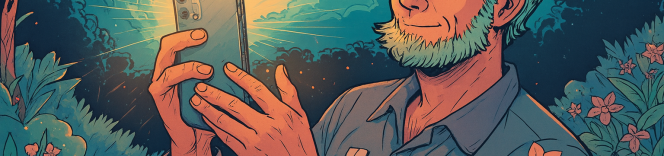
    The notification pops up on my phone: “Jason, we made a new memory reel for you.” I pause whatever I’m doing, probably something stressful involving deadlines or dishes, and feel that familiar flutter of excitement. What chapter of my life has Google decided to surprise me with today?

    I tap the notification, and suddenly I’m watching years of Father’s Day adventures unfold. It started accidentally—one Father’s Day trip to the Buffalo Zoo that somehow became our tradition. Instead of buying me something I didn’t really need, we chose experiences. Year after year, we’d visit a new aquarium or zoo.

    There’s my son at age three at the Erie Zoo, barely tall enough to see over the penguin exhibit barrier. The same kid at five at the Baltimore Aquarium, tentative but overjoyed as he touched a stingray for the first time. Then six at the Philadelphia Zoo, taking in the fact that there is a tube system where some of the big cats can walk overhead.

    Buffalo, Erie, Philadelphia, Baltimore, Charleston. We’d mapped Father’s Days across the Eastern Seaboard without ever planning it. So much time has passed since we started. My son has grown taller, lost teeth, found his voice. I’ve gotten balder, maybe a little softer around the edges. But there we are, year after year, choosing moments over things.

    We tell ourselves to create experiences instead of accumulating stuff, but just how important that choice is never really hits until you play it back. Here was the proof: a memory bank I didn’t even realize we were building, one Father’s Day adventure at a time.

    The emotions hit in waves. Pure joy at his excitement over feeding the stingrays, happy sadness watching his younger self discover jellyfish for the first time, overwhelming gratitude for every single trip we took. This ninety-second reel has become medicine for whatever current stress I’m carrying.

    And that’s when it hits me. My phone accidentally became my therapist.

    When Technology Gets It Right

    I never intended for Google Photos to become part of my self-care practice. Like most people, my wife and I take hundreds of photos without much thought, letting them pile up in digital storage. The idea of actually organizing or regularly looking through them feels overwhelming. Iƒt feels like thousands of images scattered across years of living.

    But then technology stepped in with an unexpected gift. These automated memory reels started appearing, curating my own life back to me in perfectly sized emotional portions. Not the entire overwhelming archive, just a gentle serving of “Remember this?”

    At first, I was skeptical. Another way for a tech company to keep me glued to my screen when I routinely looked for ways to escape. But as these memory notifications became part of my routine, I realized something profound was happening. Google’s algorithm had accidentally created something I never knew I needed: regular reminders of how blessed my life has been.

    The beauty is in the surprise element. I’m not seeking out specific photos when I’m feeling down. That can sometimes backfire, making me feel more nostalgic or sad. Instead, these curated moments arrive when I least expect them, like getting a text from an old friend who you haven’t heard from it a while.

    The Science of Digital Reminiscence

    Research shows that positive reminiscence (deliberately recalling happy memories) can significantly improve mood and reduce stress. When we engage with positive memories, our brains release dopamine and activate the same neural pathways associated with the original experience. We literally get to relive moments of joy.

    Visual memories are particularly powerful. Studies in cognitive psychology reveal that images trigger stronger emotional responses and more vivid recall than other types of memory cues. When we see a photo from a happy time, we don’t just remember the moment. We can almost feel ourselves back there.

    Nostalgia, once thought to be a purely melancholy emotion, is now understood to be a powerful mood regulator. Research from the University of Southampton shows that nostalgic reflection increases feelings of social connectedness, boosts self-esteem, and provides a sense of meaning and continuity in our lives.

    But what makes these digital memory reels especially effective is that they’re unexpected and brief. Unlike deliberately scrolling through old photos (which can sometimes lead to rumination or sadness), these automated highlights arrive as pleasant surprises and end before we get overwhelmed.

    The timing is often perfect too. These notifications tend to pop up during mundane moments, like waiting in line, taking a work break, sitting in traffic. Exactly when we need a little perspective on what really matters.

    The Emotional Range of Remembering

    Not every memory reel hits the same way. Some make me laugh out loud, like the diversity of my son’s increasingly elaborate Halloween costumes or the series of failed attempts to get a decent group photo at our destination wedding. Others bring that “happy sadness” I’ve come to appreciate… seeing my grandmother in photos from a few years back, her smile bright even when her health was declining.

    Then there are the reels that just make me feel deeply grateful. The random afternoon when we decided to try goat yoga. The collection of action shots over the years: chasing my son around the house in a homemade superhero costume, his skateboarding phase, catching up with friends we haven’t seen in some time. These aren’t momentous occasions, just evidence of a life filled with small adventures and genuine connection.

    What strikes me most is how these photos capture joy I might have forgotten. In the daily grind of parenting, working, and managing life, it’s easy to remember the stress and overlook the sweetness. But here’s photographic proof: we’ve actually had a lot of fun together.

    The reels remind me that while life hasn’t been all butterflies and rainbows, the good has consistently outweighed the tough times. The visual evidence is overwhelming. We’ve been blessed, again and again, in ways both big and small.

    Embracing Digital Self-Care

    I’ve learned to treat these memory notifications as legitimate self-care appointments. When that notification pops up, I pause whatever I’m doing and give it my full attention. No multitasking, no rushing through. I let myself feel whatever comes up. The giggles, the happy sadness, the overwhelming gratitude.

    Sometimes the timing feels almost magical. The day my social anxiety took over because I had to present during three different meetings, a reel appeared featuring peaceful moments from the trip my wife and I took to Newport, Rhode Island (mostly so I could try a lobster roll). When I was worried about whether I was doing enough as a parent, I was served a compilation of my son’s biggest smiles over the years.

    It’s become a form of mindfulness I never planned. These brief interruptions that pull me out of current anxiety and remind me of the bigger picture. They’re proof that I’ve been present for beautiful moments, that I’ve prioritized what matters, that love has been the consistent thread running through our ordinary days.

    The Memory Bank We Don’t Realize We’re Building

    Those Father’s Day zoo trips felt routine at the time. Just something we did because that’s what families do on special days. I wasn’t thinking about creating lasting memories or building traditions. I was just trying to make sure my son had a good day.

    But now I see what we were doing, and that was making deposits in a memory bank that would pay dividends years later. Every photo was evidence of intention, of showing up, of choosing joy even when life felt overwhelming.

    The beauty of these digital memory reels is that they reveal patterns we might not see in real time. They show us that we’ve been more intentional than we realized, more present than we felt, more blessed than our current mood might suggest.

    The Gift of Automated Gratitude

    In a world where technology often leaves us feeling more anxious and disconnected, these memory reels offer something different: automated gratitude practice. They’re gentle reminders to pause and appreciate not just where we are, but where we’ve been.

    They don’t require apps to download or habits to build. They just arrive, like grace, when we need them most.

    So, the next time you get one of those memory notifications, pause. Let yourself be surprised by your own joy. Look at the evidence of love in your life. The big moments and especially the small ones. Notice how much good has happened, even during life’s inevitable challenges.

    Your phone is holding more than photos. It’s holding proof of how blessed your life has been.

    And sometimes, that’s exactly the reminder we need to keep building that memory bank, one ordinary, beautiful day at a time.

  • 3 Surprising Causes of Burnout That Most People Miss

    3 Surprising Causes of Burnout That Most People Miss

    “Love yourself first and everything else falls into line.” ~Lucille Ball

    The first time I experienced burnout, I was twenty-six.

    I was at the height of my career in London, doing it all, and yet I somehow found myself back at my parents’ house, sobbing in my mom’s car, after signing myself off from work, not having a clue how I landed there.

    Burnout isn’t just about being tired from overexertion. It’s when we reach physical, mental, and emotional exhaustion after pushing ourselves past our capacity for too long.

    When we finally stop, often against our will, all the confusing symptoms surface. We feel overwhelmed, out of control, like we’re going mad. That was me at twenty-six, right when I thought I should have been thriving.

    To give you some background, I was managing several boutique fitness studios in London, working under a highly demanding boss whose mood could swing and affect the whole office. I wasn’t much of a party girl, but I was still burning the candle at both ends, socializing with friends on the weekend and running around meeting demands during the week.

    The burnout crept in slowly, starting with crying over the smallest things, gaining weight despite all the exercise I was doing, never being able to switch my mind off, and feeling constantly wired and overwhelmed with emotions I didn’t understand.

    Burnout shows up differently for everyone, and I believe many of us live with a chronic, low-level version we don’t even notice until our well-being starts to fall apart.

    At the time, I thought burnout was just about long hours and stress. But over the years, I realized there were deeper, less obvious reasons behind mine.

    So, let’s get into the three not-so-obvious causes of burnout that most people miss.

    The Hidden Pressure to Prove Your Worth

    One of the biggest things I’ve learned about myself in the last ten years is that I’ve always had a need to prove myself. I’ve never quite felt good enough, and it’s always affected my confidence.

    I know I’m not alone in feeling this way. We all struggle with our confidence and worth, wanting to prove ourselves—to the people we work for, to our parents, to our partners, and to the world.

    However, I wasn’t conscious of this when I was younger. I knew I had a strong drive within me to work hard and meet other people’s demands, but I didn’t think it had anything to do with needing to prove myself.

    I’ve come to see that many of us have a core wound around self-worth, even the most confident among us, and we all need to work on accepting, embracing, and loving ourselves exactly as we are.

    But when we’re not conscious of our inner drivers, we can blindly rush into life, not understanding what’s really motivating our actions. For me, my lack of confidence played out in my need to please my boss, to the point where I was no longer conscious of my needs or desires.

    Her disapproval terrified me. I dreaded missing her calls or not replying to her emails fast enough. I anticipated her demands constantly, beating myself up if I misjudged a situation or fell short.
    It was a constant strain on my nervous system.

    I pushed myself harder and harder until I simply couldn’t cope with the pressure. I couldn’t bear to let her down in any way, and if I did, I chastised myself for not doing better, for not being better.

    The straw that broke the camel’s back was when I had to leave work early, to her great annoyance, to meet my mom, who’d booked a mother-daughter photoshoot (something I definitely wasn’t looking forward to, given the state of stress I was in).

    All I remember is crying on the subway on my way there and not stopping even as the concerned makeup artist was trying to sort out my puffy eyes. I didn’t want to disappoint anyone, and it was too much.

    That’s when I began to understand that burnout isn’t just about physical overwork. It can come from the emotional pressure we place on ourselves, such as the pressure to meet expectations, to keep people happy, and to prove our worth to those that we feel we constantly need to impress.

    It’s only when we realize that our well-being is far more important than our productivity that we can start to recognize how our need for approval is driving our actions and start to gently and lovingly address the deeper root cause.

    Why Burnout Thrives Without Boundaries

    One of the worst things about this need to prove myself was that my boss also recognized it and took advantage of it.

    At the time, I didn’t even know what boundaries were. I wanted to keep everyone happy, spinning plates and spreading myself thin.

    We’re conditioned to believe that it’s wrong to be selfish, that we shouldn’t say no, and that we need to put others’ needs before our own, but at what cost? Well, the cost is often our own happiness and well-being.

    We often think of boundaries as physical, but they are also mental and emotional.

    We may have shut our computer, but are we still thinking about the meeting tomorrow morning? We may have left the office, but are we anxious that we’ll forget to send that important email?

    I used to feel this dread in the pit of my stomach every morning on my way to work as I wondered what I might have gotten wrong or forgotten to do. It was like my mind couldn’t switch off, and it drove my stress levels higher and higher.

    One of the reasons why boundaries can feel so challenging is when we attach ourselves to the thing that we do, making it our identity, our purpose, and all that we are.

    Whether our burnout comes from being a parent, being a caregiver, being an employee or entrepreneur, or any other roles we hold, we need to remember to create a sense of healthy separation from what we “do,” because that is not all that we are.

    This is such an important boundary for us to create.

    We are human beings, not human doings. When we mistakenly attach our worth, our identity, or our purpose to what we do rather than who we are, that boundary becomes blurred.

    How Denial Keeps Us Stuck in Burnout

    Another major cause of my burnout was my inability, or unwillingness, to be honest with myself.

    I wasn’t conscious of how much I was struggling, and even if I had been, I wouldn’t have admitted it. To do so would have meant facing changes I wasn’t ready to make.

    While change is a constant in all of our lives, it is still something that most of us fear. After all, it’s messy, unpredictable, and uncomfortable.

    Yet, it’s always needed, especially when we suffer from burnout.

    If we don’t change our circumstances, our attitude, or our boundaries, then nothing will change. So, we have to be willing to be honest about what’s not working and start making those all-important changes.

    We can also struggle to be honest about our motivations for staying in burnout.

    I’ll admit that at the time I really liked my life. Or rather I should say, I liked how my life looked. When I turned up late to dinner with friends due to work, I used to complain about work always making me late, but secretly I felt busy, important, and special.

    There’s always a deeply unconscious part of us that becomes attached to the things that hurt us. It’s almost as if we become a martyr in our suffering. Yet, this is just reflective of the deeply unconscious desire to be seen, recognized, and taken care of.

    That’s the tricky thing: when we’re in burnout, we often crave recognition and care from others. But waiting for someone else to rescue us keeps us stuck.

    When I was struggling with burnout, I just wanted someone to notice and tell me what was wrong. I complained about my job to anyone who would listen, but I refused to take any advice. I just kept pushing myself, secretly hoping that one day someone, anyone, might notice.

    Burnout isn’t a cry for help, but it is a cry from within to be taken care of, supported, and nourished. And first and foremost, we need to start looking after ourselves.

    This Is Where Burnout Ends

    If you’re struggling with burnout, please know that you’re not alone. Start by being honest with yourself. Recognize where you’re needing to prove yourself and where you need better boundaries so you can start taking care of yourself.

    These subtle causes may not look like overwork, but they take just as much out of us, sometimes even more.

    The turning point for me was when I admitted I wasn’t coping, signed off from work, and sought support from a holistic practitioner. That was the first time I began to listen to myself, and it opened the door to healing and growth I never could have imagined at twenty-six.

    Ten years later, I’m so grateful for what it taught me. As cheesy as it sounds, it was the breakdown that became my breakthrough. While I still struggle with setting boundaries, feeling “enough,” and being honest with myself at times, on the whole those lessons have made me who I am today.

    It all began with the simple realization that I needed to learn how to take care of myself with the same urgency I once gave to everyone else. And maybe you do too.

  • When You’re Tired of Fixing Yourself: How to Stop Treating Healing Like a Full-Time Job

    When You’re Tired of Fixing Yourself: How to Stop Treating Healing Like a Full-Time Job

    “True self-love is not about becoming someone better; it’s about softening into the truth of who you already are.” ~Yung Pueblo

    One morning, I sat at my kitchen table with my journal open, a cup of green tea steaming beside me, and a stack of self-help books spread out like an emergency toolkit.

    The sunlight was spilling across the counter, but I didn’t notice. My eyes kept darting between the dog-eared pages of a book called Becoming Your Best Self and the neatly written to-do list in my journal.

    Meditation.
    Gratitude journaling.
    Affirmations.
    Ten thousand steps.
    Hydration tracker.
    “Inner child work” … still unchecked.

    It was only 9:00 a.m., and I’d already meditated, journaled, listened to a personal development podcast, and planned my “healing workout” for later.

    By all accounts, I was doing everything right. But instead of feeling inspired or light, I felt… tired. Bone-deep tired.

    When Self-Improvement Becomes Self-Criticism

    I didn’t realize it at the time, but I had turned personal growth into a job I could never leave.

    Every podcast was a strategy meeting. Every book was an employee manual for a better me. Every quiet moment became a chance to find another flaw to address.

    And if I missed something, a day without journaling, a skipped meditation, a workout cut short, I felt like I had failed. Not failed at the task itself but failed as a person. I told myself this was dedication. That it was healthy to be committed to becoming the best version of myself.

    But underneath, there was a quieter truth I didn’t want to admit:

    I wasn’t growing from a place of self-love. I was hustling for my own worth.

    Somewhere along the way, “self-improvement” had stopped being about building a life I loved and had become about fixing a person I didn’t.

    Self-Growth Burnout Is Real

    We talk about burnout from work, parenting, and caregiving, but we don’t often talk about self-growth burnout. The kind that comes when you’ve been “working on yourself” for so long it becomes another obligation.

    It’s subtle, but you can feel it.

    It’s the heaviness you carry into your meditation practice, the quiet resentment when someone tells you about a “life-changing” book you have to read, the way even rest feels like you’re falling behind in your own healing.

    The worst part? It’s wrapped in such positive language that it’s hard to admit you’re tired of it.

    When you say you’re exhausted, people tell you to “take a self-care day,” which often just becomes another checkbox. When you say you’re feeling stuck, they hand you another podcast, another journal prompt, another morning routine to try.

    It’s exhausting to realize that even your downtime is part of a performance review you’re constantly giving yourself.

    The Moment I Stepped Off the Hamster Wheel

    My turning point wasn’t dramatic. No breakdown, no grand epiphany. Just a Tuesday night in early spring.

    I had planned to do my usual “nighttime routine” … ten minutes of breathwork, ten minutes of journaling, reading a chapter of a personal growth book before bed. But that night, I walked past my desk, grabbed a blanket, and went outside instead.

    The air was cool, and the sky was streaked with soft pink and gold. I sat down on the porch steps and just… watched it change. No phone. No agenda. No trying to make the moment “productive” by mentally drafting a gratitude list.

    For the first time in years, I let something be just what it was.

    And in that stillness, I realized how much of my life I’d been missing in the chase to become “better.” I was so focused on the next version of me that I’d been neglecting the one living my actual life right now.

    Why We Keep Fixing What Isn’t Broken

    Looking back, I can see why I got stuck there.

    We live in a culture that profits from our constant self-doubt. There’s always a “next step,” a new program, a thirty-day challenge promising to “transform” us.

    And there’s nothing inherently wrong with learning, growing, or challenging ourselves. The problem comes when growth is rooted in the belief that who we are today is inadequate.

    When every action is motivated by I’m not enough yet, we end up in an endless loop of striving without ever feeling at peace.

    How I Started Shifting from Fixing to Living

    It wasn’t an overnight change. I had to relearn how to interact with personal growth in a way that felt nourishing instead of punishing. Here’s what helped me:

    1. I checked the weight of what I was doing.

    I started asking myself: Does this feel like support, or does it feel like pressure? If it felt heavy, exhausting, or like another form of self-criticism, I paused or dropped it completely.

    2. I let rest be part of the process.

    Not “rest so I could be more productive later,” but real rest—reading a novel just because I liked it, taking a walk without tracking my steps, watching the clouds without trying to meditate.

    3. I stopped chasing every “should.”

    I let go of the belief that I had to try every method, read every book, or follow every guru to heal. I gave myself permission to choose what resonated and ignore the rest.

    4. I practiced being okay with “good enough.”

    Instead of asking, “How can I make this better?” I practiced noticing what was already working in my life, even if it wasn’t perfect.

    What I Learned

    Healing isn’t a ladder you climb to a perfect view.

    It’s more like a rhythm—one that includes rest days, quiet seasons, and moments where nothing changes except your ability to notice you’re okay right now.

    I learned that sometimes the most transformative thing you can do is stop. Stop chasing, stop fixing, stop critiquing every part of yourself like you’re a never-ending renovation project.

    Because maybe the real work isn’t fixing yourself into a future you’ll finally love. Maybe the real work is learning to live fully in the self you already are.

  • When Your Body Is Carrying More Pain Than You Realize

    When Your Body Is Carrying More Pain Than You Realize

    If you live with chronic pain, you already know how exhausting it can be. Not just the physical sensations but the constant trying—trying to push through, trying to find answers, trying to explain something that feels invisible to others. The search for relief can become its own full-time job, and it’s easy to feel discouraged or alone.

    Over the years of running this site, I’ve heard from many people who’ve felt trapped in their bodies, like life was happening around them, not with them. I’ve also connected with many people who learned to bury their feelings (a struggle I know all too well) because they were simply too painful or because they never learned how to embrace and process them. For some people, this emotional holding eventually shows up in the body as tension, fatigue, or chronic pain.

    Pushing things down might look like strength from the outside, but it’s the source of immense suffering that only ends when we face and feel what we’ve been avoiding.

    This awareness is what draws me to Nicole Sachs’ work. Nicole is a therapist, author, and teacher who’s spent over twenty years helping people understand the mind-body connection, and how unprocessed emotions can sometimes show up in the body as chronic pain.

    When we understand how our nervous systems try to protect us, we can gently teach our bodies that they no longer need to stay in defense mode.

    In her upcoming online workshop with the Omega Institute, Introduction to Freedom from Chronic Pain, Nicole will introduce you to her approach to releasing stored emotions so you can reconnect with your body instead of battling it.

    In this 90-minute live session, Nicole will offer:

    • Insight into how the brain and nervous system create chronic pain as protection
    • A guided JournalSpeak exercise to support emotional release
    • A sense of hope and understanding, especially if you’ve felt alone in your experience
    • Time for live Q&A to support your specific questions and challenges

    So many people live with chronic pain thinking they just have to endure it. But healing is possible. It won’t happen overnight, but with the right tools, you can greatly improve the quality of your life.

    If you’re ready to release the pain that’s holding you back, you can learn more and register here:

    Introduction to Freedom from Chronic Pain
    Date: Wednesday, November 5, 6:00–7:30 PM ET (3:00–4:30 PM PT)
    Replay: Available on demand until January 4, 2026

  • Why You Can’t Relax and How to Let Yourself Rest

    Why You Can’t Relax and How to Let Yourself Rest

    “Rest and be thankful.” ~William Wordsworth

    A few years ago, I caught myself doing something that made no sense.

    It was late evening, my kids were asleep, the house finally quiet. I’d been counting down to this moment all day—dreaming of sinking into the couch, wrapping myself in a blanket, maybe even reading a book without distractions.

    But when I lay down and closed my eyes, something inside me lurched. Within seconds, I reached for my phone. I didn’t even have anything urgent to check—just mindless scrolling. Five minutes in, I was already half-sitting up, wondering if I should fold the laundry or answer one last email. Before I knew it, I was back on my feet, tidying up the kitchen.

    I remember thinking, why can’t I just rest?

    The Invisible Weight That Keeps Us Restless

    Maybe you’ve felt this too. You plan a quiet evening—maybe a bath, a book, or just lying down in silence—but your mind buzzes with things you should be doing instead.

    Did I reply to that message? Should I wipe down the counters? Maybe I should check my notifications—just in case.

    It’s so easy to blame ourselves: I have no discipline. I’m addicted to my phone. I can’t sit still. But the truth is, our difficulty with rest runs deeper than bad habits or busy schedules.

    Sometimes our bodies and minds have learned that stillness isn’t safe.

    Why Does Rest Feel So Uncomfortable?

    I used to think I was just bad at relaxing—like I’d missed a class everyone else had taken. But over time, I realized there were reasons why lying still felt so wrong.

    Here’s what I’ve learned—and maybe you’ll see yourself here too.

    1. We equate stillness with danger.

    Deep down, part of our nervous system still believes we’re in the wild—where lying still too long could make us vulnerable. Even if our physical world is safe, our inner world might not feel that way.

    Many of us grew up in homes where we had to stay alert—watching moods, avoiding conflict, keeping busy to feel useful or unnoticed. Being on guard felt safer than relaxing.

    Even now, when the house is calm, our bodies may still whisper: Don’t settle. Something could happen.

    2. We tie our worth to doing.

    Growing up, I learned that being “good” meant being helpful—doing the dishes before being asked, getting top grades, staying busy. Rest wasn’t modeled as something normal; it was a luxury you earned only after everything was done perfectly.

    So when I lie down on the couch, an old voice pipes up: Have you really done enough to deserve this? Even now, I still catch myself folding laundry at 10 p.m. or working on my blog instead of just letting myself rest.

    3. Rest brings up uncomfortable feelings.

    Stillness creates space. And sometimes, that space fills with things we’d rather keep buried—worries we ignored all day, sadness we don’t want to name, thoughts that make us feel alone.

    So instead of resting, we keep busy. We scroll, clean, or half-watch TV while half-doing chores. Movement feels safer than meeting whatever rises in the quiet.

    4. Our brains crave the next hit.

    Our world feeds this cycle. Apps, notifications, endless news—tiny dopamine bursts that keep our minds buzzing. Even when we’re exhausted, our brains crave just one more swipe, one more update.

    So when we try to rest, it feels like a mini withdrawal. The silence can feel almost unbearable.

    The Good News: Rest Is a Skill We Can Relearn

    If you see yourself in any of this, you’re not broken. There’s nothing wrong with you. Rest just feels unfamiliar because your body and mind learned to survive without it.

    The good news is you can gently retrain yourself to feel safe doing nothing. Not by forcing it—but by meeting your restlessness with small, doable shifts.

    Small Ways to Make Rest Feel Safe Again

    1. Start tiny.

    I used to think rest meant lying still for an hour—meditating, deep breathing, total quiet. That was way too much.

    Instead, try building up your tolerance for stillness in small ways:

    Sit for ten slow breaths before grabbing your phone in the morning.

    Pause for a few seconds before switching tasks.

    Lie down for two minutes with your eyes closed before bed.

    I started with just a few slow breaths while breastfeeding. It helped both me and my baby settle a bit more.

    Tiny moments teach your body: Stillness doesn’t have to be scary.

    2. Notice the thoughts that rush in.

    Sometimes when we try to rest, thoughts pop up:

    You’re wasting time.

    You should be doing something useful.

    Just one more thing, then you can relax.

    When you notice these thoughts, name them. Gently remind yourself: Rest is useful. Doing nothing is not the same as being nothing.

    3. Give your body a gentle cue.

    Rest doesn’t have to mean lying statue-still. If stillness feels like too much, try calming your nervous system with small, soothing actions:

    Sip warm tea and notice its warmth. I love slowly brewing tea and taking a moment just to smell it before I drink.

    Wrap yourself in a blanket and sway gently.

    Sit in a rocking chair. Rocking can feel safer than stillness.

    4. Turn rest into a ritual.

    It helps to make rest intentional—a small, predictable act of care.

    Maybe you light a candle when you sit down. Or play soft music. Or put away your phone and focus on the warmth of a bath.

    A ritual makes rest feel like a gift, not wasted time.

    5. Let discomfort be there.

    Sometimes when we rest, feelings surface—sadness, guilt, unease.

    Instead of pushing them away, practice sitting with them for a few breaths.

    Try telling yourself, “I feel restless. That’s okay. I don’t have to fix it right now.”

    Like any feeling, it passes more easily when you stop fighting it.

    What Rest Really Means

    When I look back, I see that my struggle with rest wasn’t really about laziness or distraction. It was about trust.

    Learning to rest means trusting that the world won’t fall apart if we stop. Trusting that we’re worthy, even when we’re not “useful.” Trusting that what rises in the quiet won’t destroy us.

    It’s not easy work—but it’s gentle work. And every tiny moment you spend just being—without doing, fixing, or producing—teaches your body a new truth: You are allowed to rest.

    If you find yourself mindlessly reaching for your phone when you planned to do nothing, pause. Take one deep breath. Feel the weight of your body on the couch. Remind yourself: It’s safe to pause.

    Rest is not the opposite of living. Rest is what lets us show up fully for life.

  • How I Got Free from the Trap of Resentment

    How I Got Free from the Trap of Resentment

    “Jerry, there is some bad in the best of people and some good in the worst of people. Look for the good!” ~George Chaky, my grandfather

    I was seven when he said that to me. It would later become a guiding principle in my life.

    My grandfather was twenty-one when he came to the US with his older brother, Andrew. Shortly afterward, he married Maria, my grandmother, and they had five children. William, the second youngest, died at the age of seven from an illness.

    One year later they lost all of their savings during the Great Depression of 1929 when many banks closed. Two years afterward, my grandmother died from a stroke at the age of thirty-six.

    As I grew older and learned about the many hardships my grandfather and family of origin had endured, his encouragement to look for the good in people would have a profound impact on me. It fueled a keen interest in trying to understand why people acted the way they did. In retrospect, it also had a lot to do with my becoming a therapist and author.

    Easier Said Than Done

    As a professional, I am able to objectively listen to my therapy clients’ stories with compassion and without judgment. However, in my personal life, I’ve often struggled to see the good in certain people, especially some elementary school teachers who physically and emotionally abused me and male peers who made fun of my small size.

    In my youth I often felt humiliated, but not ashamed. I knew that for them to treat me that way, there must have been something wrong with them. But it still hurt.

    I struggled with anger and resentment for many years. In my youth, I was taught that anger was a negative emotion. When I expressed it, certain teachers and my parents punished me. So, I stuffed the anger.

    I Didn’t Know What I Didn’t Know

    When I was twelve, I made a conscious decision to build walls to protect myself from being emotionally hurt. At the time, it was the best that I could do. Walls can give one a sense of safety, but walls also trap the pain inside and make it harder to trust and truly connect with others.

    About that same time, I made a vow to myself that I frequently revisited: “When I get the hell out of this house and I am fortunate to have my own family, I will never talk to them the way my parents talked to each other and my sister and me.” I knew how I didn’t want to express my emotions, but I didn’t know how to do so in a positive and healthy manner.

    Stuffing emotions is like squeezing a long, slender balloon and having the air, or anger, bulge in another place. In my late twenties, individual and couples counseling slowly helped me begin to recognize how much anger and resentment I had been carrying inside. They would occasionally leak out in the tone of my voice, often with those I wasn’t angry with, and a few times the anger came out in a frightening eruption.

    “Resentment is the poison we pour for others that we drink ourselves.” ~Anonymous

    I heard that phrase at a self-help group for families of alcoholics. After the meeting, I approached the person who shared it and said to her, “I never heard that before.” She smiled and replied, “I’ve shared that a number of times at meetings where you were present.” I responded, “I don’t doubt that, but I never heard it until tonight!”

    The word “resentment” comes from the Latin re, meaning “again,” and sentire, meaning “to feel.” When we hold onto resentment, we continue to “feel again” or “re-feel” painful emotions. It’s like picking at a scab until it bleeds, reopening a wound.

    Nowhere have I ever read that we should like being treated or spoken to unfairly. However, when we hold on to resentment, self-righteous indignation, or other uncomfortable emotions, it ties us to the past.

    Holding onto resentment and grudges can also increase feelings of helplessness. Waiting for or expecting others to change gives them power over my thoughts and feelings. Many of those who I have held long-standing resentment for have died and yet can still have a hold on me.

    When we let go of resentment, it frees us from much of the pain and discomfort. As author John E. Southard said, “The only people with whom you should try to get even with are those who have helped you.”

    I’ve continued to learn how to set healthier and clearer boundaries without building walls. I’ve learned that I don’t have to accept unacceptable behavior from anyone, and I don’t have to go to every argument I am invited to, even if the argument is only inside my head.

    Still, for a long time, despite making significant progress, periodically the anger and resentment would come flooding back. And the thought of forgiving certain people stuck in my craw.

    When people would try to excuse others’ behavior with statements like “They were doing the best they knew how,” I’d say or think, “But they should never have become teachers” or “My sister and I had to grow up emotionally on our own!”

    Forgiving Frees the Forgiver

    For a long time now, I have started my day with the Serenity Prayer: (God) Grant me serenity to accept the things I cannot change, courage to change the things I can, and the wisdom to know the difference. It has helped me try to focus on today and what I can control—how I think, feel, and act. Sometimes I get stuck, and all I can say is, “Help me let go of this anger.”

    “When we forgive, we heal. When we let go, we grow.” ~Dalai Lama

    I frequently hear the voices of many people who have helped, supported, and nourished me. I hear my wife’s late sister, MaryEllen, a Venerini nun, saying, “Jerry, the nuns treated you that way because that was the way they were probably treated by their superiors.” She validated my pain and planted another seed that slowly grew.

    I’ve also heard that “hurt people hurt people.” At times, I would still lash out at innocent people when I was hurting. I desperately wanted to break this generational cycle. I’ve learned that I don’t have to wait for other people to change in order to feel better.

    I am learning that everyone has a story, and I can practice forgiveness without excusing what they did or said.

    Forgiving is not forgetting. Forgiving liberates me from the burden of resentment, helping me focus on connecting with supportive people and continuing to heal. Letting go of resentment cuts the ties that bind me to the past hurts. It helps me be present today where I can direct my time and energy toward living in the present instead of replaying old pain.

    For the past year I have made a conscious effort to start each day by asking my Higher Power, whom I choose to call God, “Help me be grateful, kind, and compassionate to myself and others today and remember that everyone has their own struggles.” This has become one of the biggest turning points in my travels through life.

    You Can’t Pour from an Empty Cup

    I have learned that taking care of myself is one of the most effective ways to stop resentment from building up. When I neglect one or more of my needs over time, I’m quicker to snap, less patient, and more likely to take things personally. Who benefits from my self-neglect? Not me, and certainly not my spouse, children, coworkers, or others. When I am H.A.L.T. (hungry, angry, lonely or tired) or S.O.S. (stressed out severely), I usually don’t like being around me either.

    Self-compassion also weakens resentment’s hold, making it easier to be compassionate with others. Remembering that we’re all works in progress helps me treat myself and others more gently.

    I often think about my grandfather’s words, “Look for the good.” Self-care and self-compassion help me to see the good in myself as well as in others. I can dislike someone’s actions or tone of voice and also recognize they’re not really about me.

    I actually have a Q-tip (representing “quit taking it personally”) taped on my desk to remind me that someone else’s actions or words are likely the result of their own struggles. It helps me to “catch myself,” and instead of taking things personally, I try to remember that everyone has a story.

    Gratitude Puts Everything in Perspective

    There are days when I am faced with great or even overwhelming challenges, when it would be easy to default to anger—with other people or with life itself. On those days, I might notice a beautiful sunrise or feel touched by the love and kindness of others. Practicing gratefulness helps me to see life as both difficult and good. It is like an emotional and spiritual savings account, building reserves that help me to be more resilient during the rough patches in life, even when I feel wronged.

    Specifically focusing on what I am grateful for each day also helps me heal and gives me periods of serenity. It empowers me to try to approach my interactions with others in a warm and caring manner while respecting my and their personal boundaries, which keeps small misunderstandings from growing into resentment.

    Gratefulness and compassion toward myself and others take practice. It’s not a one-and-done thing. It’s like learning any new skill—the more I practice, the more it becomes a positive habit and feels more like second nature.

    Without repeated practice, old, undesirable thoughts and patterns can come back. When I neglect self-care, I am most vulnerable to quickly regress.

    I also need to be vigilant when things seem to be going well within and around me. I can become overly confident, trying to coast along and slack off from practicing gratitude and compassion.

    I have been unlearning many things that no longer work for me. I have unlearned “Practice makes perfect,” replacing it with “Practice makes progress, and I will do my best to continue to learn, grow, and be grateful, one day at a time.”

    I don’t always get it right, but every time I choose compassion, understanding, or gratitude over resentment, I am more at peace and more connected to everyone around me.

  • The Small, Simple Acts That Shifted Me Out of Survival Mode

    The Small, Simple Acts That Shifted Me Out of Survival Mode

    “True healing is not a straight line. It is a spiral. You come back to things you thought you understood and see deeper truths.” ~Barry H. Gillespie

    I used to believe healing would be obvious. Like a movie montage of breakthroughs… laughter through tears, epiphanies in therapy, and early morning jogs that end with a sunrise and a changed life. But that’s not what healing looked like for me.

    It looked like dragging myself out of bed with puffy eyes after staying up too late crying. It looked like brushing my teeth when everything in me whispered, “Why bother?” It looked like answering a text when I didn’t feel lovable or worth responding to.

    Healing, I’ve learned, is quieter than I expected. It’s not a climax. It’s a practice.

    Three years ago, I hit what I can only describe as emotional gridlock. I wasn’t in crisis, at least not the kind that gets dramatic music. I was in the kind that feels like cement. I was tired all the time. My fuse was short. I wasn’t sleeping, wasn’t eating regularly, and the woman in the mirror didn’t look like someone I recognized anymore.

    If you had asked me what was wrong, I wouldn’t have had an answer. It wasn’t a single event. It was a slow erosion of self, life chipping away piece by piece until I felt like a ghost of who I used to be.

    One night, after snapping at my kids over something insignificant and crying in the shower, I sat on the edge of my bed and thought: I don’t want to live like this anymore.

    Not “I want to disappear.” Not “I want to run away.” But this version of life, the one that felt like survival mode on loop, had to change.

    So, I did something radical:

    I took one deep breath. I unclenched my jaw. I drank a glass of water.

    And that was day one.

    There was no fanfare. No overnight shift. Just a decision to start with what I could reach: my breath, my body, the next kind choice.

    The next morning, I made breakfast. Not for anyone else, just for me. Eggs and spinach. It sounds small, but it felt like reclaiming something. I was so used to skipping meals or eating standing up like my needs were interruptions.

    That day, I walked around the block after lunch instead of scrolling. It wasn’t even a workout. I didn’t track it. But the sun hit my shoulders, and for the first time in a long time, I felt here.

    That walk was healing.

    So was every moment I chose presence over performance.

    I started keeping a mental list of all the tiny things I did in a day that felt like medicine. A bath instead of another task. A journal entry that made no sense but helped me feel less like I might explode. Drinking water before coffee. Asking myself “What do I need?” and then actually listening for the answer.

    Sometimes the answer was a nap. Sometimes it was a good cry with no rush to wipe my face. Sometimes it was texting a friend and saying, “I’m not okay right now,” even when I worried I might sound dramatic.

    And sometimes, the answer was just silence.

    Letting myself be… without the need to improve, perform, or explain.

    Over the next year, healing became a practice of showing up differently.

    Not dramatically.

    Consistently.

    I started listening to my body instead of overriding it. I rested when I needed to instead of proving I could push through. I said no even when my people-pleasing screamed at me to just say yes and make it easier for everyone else.

    And the thing about consistency? It’s boring. It doesn’t get applause. But it works.

    Healing is in the repetition of small kindnesses to yourself. The boring, brave acts of resistance against self-neglect.

    It wasn’t linear, either. I fell back into old patterns. I had days where I numbed out with my phone, skipped meals, and snapped at everyone in the house. But I stopped making those days mean that I was back at square one.

    You can fall down and still be healing.

    You can feel stuck and still be progressing.

    One of the most freeing things I ever learned was that healing isn’t a destination you arrive at. It’s a relationship you build with yourself. One rooted in trust.

    And trust is earned in the small, quiet moments.

    What I didn’t know then, but deeply understand now, is that our nervous systems aren’t waiting for one massive overhaul. They’re waiting for safety, predictability, and care. You rebuild your sense of self the same way you build trust with another person: One consistent action at a time.

    It’s brushing your hair instead of pulling it up in frustration. It’s putting your phone down and drinking tea. It’s crying when the tears come instead of swallowing them down.

    These things don’t look revolutionary. But they are. Because every small act of care tells your body and mind, “You matter. I’m here. I’ve got you now.”

    I remember one day vividly.

    It was pouring rain. My toddler had just thrown oatmeal across the room. I was already touched out, overstimulated, and dangerously close to tears. My instinct was to throw the day away, to turn on cartoons and pour coffee over my anxiety and call it survival.

    But instead, I sat on the floor. I scooped my screaming child into my lap, pressed my forehead to his, and whispered, “We’re okay. We’re safe.”

    I took a breath. Then another. And something in me softened.

    That moment didn’t fix my life. But it reminded me of my power. That was healing, too.

    If you’re in a season where everything feels off, where you feel numb or exhausted or like the spark you used to have is buried under obligation, I want you to know this:

    You don’t need a ten-step plan. You need one small thing you can do today that feels like care.

    A breath. A meal. A walk. A text to someone safe. A cry you’ve been holding in.

    That is healing. Not a dramatic rebirth, but a quiet reweaving of yourself, thread by sacred thread.

    A Few Things That Helped Me

    • Lower the bar. Healing isn’t about being your best self every day. Some days it’s just about not abandoning yourself. Start there.
    • Romanticize the boring. Light the candle. Make the tea. Put on the cozy socks. Small rituals matter. They remind you that your life is worth living even when it’s messy.
    • Give yourself credit. Every time you choose presence over autopilot, you’re rewiring something. That’s no small thing.
    • Befriend your body. It’s not broken. It’s responding to years of survival. Treat it like a loyal companion, not a machine that’s malfunctioning.
    • Talk to yourself like someone you love. When you mess up. When you overreact. When you don’t meet your own expectations. Especially then.
    • Keep showing up. Even if it’s not glamorous. Especially when it’s not.

    You won’t always feel the shift. But you’ll wake up one day and realize: you’re softer. Kinder. Less reactive. More you.

    That’s what healing does.

    Quietly. Faithfully. Cell by cell.

  • How I Found Myself on the Other Side of Survival

    How I Found Myself on the Other Side of Survival

    “Until you make peace with who you are, you will never be content with what you have.” ~Doris Mortman

    For most of my life, I believed my worth was tied to how well I could perform.

    If I looked successful, kept people happy, worked harder than anyone else, and stayed quiet about my pain, maybe—just maybe—I would be enough.

    That belief didn’t come from nowhere. I grew up in a home where fear was a constant companion. Speaking up brought consequences. Being invisible felt safer. I learned early to smile through it all, to stay small, to never be a burden.

    I carried that into adulthood—into my marriage, into motherhood, and into the corporate world.

    I became the high achiever who never asked for help. The professional woman who had all the answers. The mother who always held it together.

    I was the one who volunteered for every project, who stayed late to make everything perfect. At home, I kept up appearances with themed birthday parties, spotless counters, and a schedule packed to the brim—all while quietly falling apart inside. I thought if I could hold everything together on the outside, no one would see the cracks within.

    But inside, I was unraveling.

    The Moment Everything Shifted

    One night, my husband exploded in anger. That wasn’t unusual. But this time, something different happened.

    He lunged toward me, yelling, blind with rage. Our young son, who had crawled quietly onto the floor behind me, was nearly stepped on in the chaos. My daughter, just a child herself, began silently picking up the dining room chairs he had thrown.

    No one cried. No one spoke. We had all learned to go silent.

    But in that silence, something inside me woke up.

    I saw myself in my children—quiet, afraid, coping. And I knew: if I didn’t break this cycle, they would grow up carrying the same invisible scars I had.

    That night, I made a promise to myself: This ends with me.

    The Healing Didn’t Happen All at Once 

    Leaving was hard. Healing was harder. But it was also the most powerful thing I’ve ever done.

    I realized I had been performing my way through life. Even in pain, I made everything look polished. I was afraid that if people knew the truth—about my past, about my marriage, about how little I thought of myself—they’d walk away.

    But what actually happened was this: when I finally allowed myself to be seen, I started to heal.

    What I’ve Learned on the Other Side of Survival

    Healing isn’t a straight line. It’s a process—sometimes slow, sometimes messy, sometimes unbelievably beautiful.

    Here are a few things I now hold close:

    1. You can’t heal what you refuse to name.

    For me, that moment came during therapy, when I finally said out loud, “I was in an emotionally abusive marriage.” It felt terrifying—and freeing. Until I gave it a name, it had power over me. Naming it took the first step to taking that power.

    For years I told myself it “wasn’t that bad.” But downplaying our pain doesn’t make it go away—it buries it. And buried pain finds a way to surface in our choices, our relationships, and our sense of self-worth.

    2. You’re allowed to want more than survival.

    I thought I should just be grateful to have a job, a home, healthy kids. But deep down, I wanted joy. I wanted peace. I wanted to feel like I mattered—to myself.

    For a long time, I believed wanting those things made me selfish. I had spent years making sure everyone else was okay, thinking that was my role. I was the people- pleaser, the fixer, the one who didn’t cause trouble. My self-worth was so low that even imagining a life where I felt fulfilled seemed like too much to ask. Who was I to want happiness?

    But wanting peace and joy wasn’t selfish. That was healing.

    3. Small, daily decisions matter more than big breakthroughs.

    Choosing to journal instead of numbing out with TV. Taking a walk after work to process my thoughts. Pausing before reacting in frustration. These choices weren’t dramatic, but they created steady change—the kind that lasts.

    Leaving my marriage was one bold decision. But the real transformation came from the everyday choices that followed: writing down what I was grateful for, saying no without guilt, and consistently reminding myself to honor my values of honesty and integrity—which I hadn’t done when protecting my ex-husband, keeping up appearances, and pretending everything was fine. Those were the moments that helped me reclaim my life.

    4. You’re not broken—you’re becoming.

    For a long time, I saw myself as damaged and thought healing meant changing into a different person. But I’ve come to see things differently. Healing isn’t about becoming someone new. It’s about removing what never belonged to you in the first place—shame, fear, silence—and uncovering who you were all along.

    I realized this while sorting through old journals, when I found an entry from my teenage years—full of dreams and hope. That’s when it struck me: she’s still in there. Healing helped me reconnect with that part of myself, not erase her.

    If You’re in That Quiet Place Right Now

    Maybe you’re carrying a silence too. Maybe you’re functioning, performing, doing all the things—and still wondering why you feel so far from yourself.

    Please hear this: You are not alone.

    You don’t have to have it all figured out. You don’t need a perfect plan. You just need a willingness to listen to that small, wise voice inside—the one that says this isn’t the end of your story.

    Because it’s not.

    And then, you have to honor it. Even if it’s with one small act. One honest conversation. One brave decision. That’s how the healing begins—not by knowing everything, but by choosing to move forward anyway.

    I know this because I’ve been there—waking up with a heavy heart, going through the motions, wondering if life would ever feel like mine again.

    But I chose to pause. To feel. To begin again. I hope you will too.

  • What Happened When I Stopped Saying Yes to Everything

    What Happened When I Stopped Saying Yes to Everything

    “Daring to set boundaries is about having the courage to love ourselves, even when we risk disappointing others.” ~Brené Brown 

    I used to believe that if someone was in need and I had the ability to help, it was my duty to step in. Whether it was managing caregiving responsibilities for family, fielding crisis calls from friends, or stepping up at work when no one else would, I said yes without hesitation. For me, helping seemed to be the measure of a “good person.”

    But what I didn’t realize is that many of us confuse obligation with responsibility.

    Obligation feels like it’s inherently ours to do, regardless of choice. Responsibility feels like something we voluntarily take on—sometimes because of what we believe is expected or what others have convinced us is ours to carry. The distinction between the two is subtle, but the effects of misunderstanding them are profound.

    The truth is, we’re taught early on that helping others is the right thing to do. And for women, in particular, the world emphasizes that stepping up for others is what defines us as strong, capable, and valuable. So I did. I said yes to nearly every pull on my time, energy, and peace—until my body stopped me.

    The Wake-Up Call: The Day My Body Stopped Me

    You don’t realize how much you’ve given—how much you’ve carried—until your body asks you to stop.

    For me, that wake-up call came in the form of an ulcer. At the time, I couldn’t fathom why my body was failing me. I ate healthily, exercised, and generally lived a balanced lifestyle—or so I thought.

    But what I hadn’t realized—what so many of us fail to see—is that ulcers, burnout, and other stress-related conditions don’t come from what we eat. They come from what’s eating away at us.

    What had been quietly eating away at me were all the pulls on my time and spirit, pulls I had allowed to continue because of my inability to recognize the damage and deliver an emphatic no. Caregiving, crisis management, being the go-to problem solver—these were the things that slowly consumed me as I ignored the whispers of my body and spirit, telling me to pause.

    The ulcer wasn’t just a physical issue—it was a wake-up call. It forced me to confront the weight of my yeses and how they came at the cost of my peace and wellbeing.

    The Power of the Pause: How I Learned to Reassess My Yes

    Healing took time, and it wasn’t just about recovering physically. It was about rebuilding my habits and, more importantly, my mindset.

    I began to understand that every pull on my energy—a friend’s distress signal, a family member’s caregiving need, or even an opportunity at work—wasn’t necessarily mine to answer. I needed to stop operating on autopilot and start responding with awareness. I called this practice the pause.

    Before I gave my yes, I learned to pause and ask myself:

    1. Is this truly mine to do?
    2. What will this cost me in time, energy, and peace?
    3. What is motivating me to say yes—guilt, duty, or an honest desire to help?

    The pause gave me clarity. Sometimes, the answer was obvious:

    • “I’ll think about it and let you know.”
    • “I can help with this part, but I won’t be able to take on the rest.”
    • “No, I can’t. You should ask around to find someone else.”

    Other times, the pause forced me to confront patterns I’d ignored—like over-helping to avoid discomfort or defaulting to yes because I thought no would disappoint someone. Each time I paused, I learned something new about why I was saying yes, and each answer helped me protect my energy more thoughtfully.

    The Pull of Expectations: How Societal Conditioning Shapes Our Yes

    One of the hardest parts of reassessing my yeses was confronting the power of societal expectations.

    Helping others is often framed as the ultimate virtue—that “good people” step up, solve problems, and make sacrifices when others can’t or won’t. For women, this idea takes on an even sharper edge. We’re taught that caregiving and emotional labor come naturally to us, that putting others first is what makes us valuable.

    The world celebrates women who “do it all,” often without asking what it’s costing them.

    As I reflected on my incessant yeses, I realized how much of this cultural messaging I’d internalized.

    I thought of my younger self, watching the women in my life extend themselves without pause—my mother, my grandmother, my mentors. They juggled caregiving, work, and family without ever asking whether it was sustainable. I thought of the messages I’d absorbed as a child, like the idea that refusing to help when you’re able is selfish, or that good people sacrifice no matter the cost.

    These beliefs shaped how I approached every ask. It wasn’t guilt that pulled me toward yes—it was the weight of these expectations, handed down through generations without question.

    But here’s what I’ve learned: these expectations might shape us, but they don’t have to define us. Balance isn’t selfish—it’s necessary. Redefining responsibility isn’t about rejecting others but about making sure the cycle of overextension stops with us.

    Reassessing and Reconnecting: How Thoughtful Yeses Changed Everything

    Pausing didn’t just help me recover physically—it reconnected me to what mattered most.

    By becoming intentional about my yeses, I was able to show up fully for the people I love without losing myself in the process. Instead of saying yes to everything, I started saying yes to what aligned with my values, what honored my peace, and what made my energy sustainable.

    Thoughtful yeses gave me something I hadn’t had in years—balance. And with that balance came clarity, purpose, and freedom. I let go of obligations that weren’t truly mine, found strength in saying no, and started living in a way that felt authentic rather than automatic.

    It wasn’t just my time and energy that transformed—it was me.

    Closing Reflection: Your Own Litmus Test for Balance

    If you’ve ever felt the pull to say yes without pausing first, I want to encourage you to stop—just for a moment. Ask yourself:

    • Is this truly mine to do?
    • What will saying yes cost me?
    • What is motivating this choice, and does it align with what I value most?

    We’re often told that saying yes is the ultimate virtue. But the truth is, balance is the measure of alignment. It’s not about doing everything; it’s about doing what truly serves both who you are and what the situation requires.

    With every pause, you ask the most important question of all: Does this honor the person I’m becoming?  And from that space of clarity, your yes—when you give it—becomes not just an answer but a gift.

  • What Happened When I Stopped Ignoring My Body

    What Happened When I Stopped Ignoring My Body

    “When we listen to our body with kindness, we honor the present moment and give ourselves the care we truly need.” ~Thich Nhat Hanh

    It started back in middle school for me—the need to feel thin in my English riding breeches. I’d compare myself to others at the barn—the ones with the long, slender legs and tiny waists. My thirteen-year-old self wasn’t willing to be chubby; though, looking back, I realize that was only in my own eyes.

    What I didn’t know then was that by ignoring my hunger, my cravings, and my body’s messages, I was also silencing my own voice. It would take decades before I learned that listening to my body was not just about food—it was an act of love.

    At first, I learned to override my body’s cues—hunger, cravings, thirst, even sadness.

    Slowly, over time, I tuned out every signal my body sent me.

    When I look back now, I see that I was restricting “just enough” to fly under the radar, but honestly, I’m not sure my parents would have noticed. Not noticing was the theme of my adolescence.

    In college, I was a vegetarian and an athlete. Rowing seemed like the logical next step from horseback riding. I loved being on the water, and I loved the challenge. And I needed to be distracted. What better way to avoid myself than a full course load, twice-a-day practices, and a part-time job?

    I asked a lot of my body during this time, while still locked in full-blown disordered eating. I ran on quick-burning, simple carbohydrates—donuts, Pop-Tarts, and a whole lot of Swedish Fish. And on weekends? Alcohol and pot took over. I numbed, I ran, I ignored.

    When I moved to Montana at age twenty, I packed up my disordered eating and body dysmorphia and took them with me. Rowing had made me bulky, with big lats, huge arms, and solid thighs. So, in the only way I knew, I restricted fully—until I felt light in my body again. Not too thin, just enough to stay unnoticed.

    Settled in Montana, I ate one meal a day—if you could call it that. Honey on white toast, a latte with two pumps of vanilla. I was walking around in a fog, going to class, working, partying, drifting without direction or self-awareness. When I look back on that time, I want to hug the girl I was. My body, my heart—they were doing everything they could to keep me going.

    I wish I could say there was a single, defining moment that changed everything. But healing wasn’t a sudden revelation—it was a slow unfolding, like the first light of dawn after a long night. A gradual awakening to myself, one small act of listening at a time.

    The shift began, almost unknowingly, when I joined the local food co-op. Fresh food was abundant, and unwittingly, I found role models in the shoppers around me. They looked vibrant, grounded. Healthy. I wanted that.

    I began noticing things. My usual cow milk latte left my heart racing, my stomach bloated, rashes appearing on my arms. So I experimented. I learned to cook. I added in different foods. I started eating meat again.

    One day, I realized that the fog in my brain had lifted—just slightly. And I wanted more of that. I was craving something new—something I had never craved before. Health. Clarity.

    For the first time, I didn’t see cravings as something to fight but as information.

    My sugar cravings weren’t a moral failing; they were my body begging for nourishment after years of restriction.

    My exhaustion wasn’t something to push through; it was a plea for rest.

    When I approached my body with curiosity instead of judgment, I finally started to hear what it had been trying to tell me all along.

    And so, I went along. I met a lovely man who lit me up, and we married. Years later, we had a son, the apple of my eye.

    Being in a relationship, caring for another human—it was tricky at first. I was still a fledgling cue reader, still learning how to listen to my own needs while meeting the needs of others.

    Before I met my husband, I had slowly begun healing from childhood wounds. It was a bumpy road, full of missteps, but I kept at it. I practiced tuning in, listening with curiosity. Noticing when judgment arose—because judgment had always been my first language—and replacing it with compassion. Asking my body what it needed and, for once, responding with care.

    I began caring for myself as I would care for my child—with tenderness, patience, and deep love. I swapped sugar for whole, nourishing foods, not out of punishment but because my body wanted them. I stopped running myself ragged and, instead, allowed myself to rest.

    Now, at fifty, my son has flown the nest, and my husband and I are celebrating twenty-four years together. My old friends—disordered eating and body image struggles—still visit sometimes, especially as I navigate menopause. But now, I meet them differently.

    I don’t fight them, and I don’t let them take over. I simply ask, What are you here to tell me?

    Because now I know: Listening to my body isn’t about control or discipline. It’s about love.

    And in that listening, I find my way home to myself, again and again.

  • What I Learned When My Brain and Body Shut Down

    What I Learned When My Brain and Body Shut Down

    “Almost everything will work again if you unplug it for a few minutes, including you.” ~Anne Lamott

    I used to believe that success meant always being available. Always saying yes. Always responding immediately to emails, Slack pings, texts, whatever was thrown my way. Because if I stopped—even for a second—I might fall behind. And if I wasn’t working harder than everyone else, was I even working hard enough?

    For years, that mindset worked. Or so I thought. Every win, every promotion, every new milestone felt like adding fuel to the fire. The more I ‘succeeded’ by society’s standards—the title, the career, the financial stability—the more I pushed myself to do more, to be more.

    My perfectionism kicked in, too. I didn’t just want to succeed; I wanted to be perfect at everything—career, leadership, motherhood, marriage, friendships. And I never removed anything from my plate—I just kept stacking it higher.

    I climbed the corporate ladder, became the first female VP in a 300-person marketing org at a Fortune 500 company, and checked every success box that should have made me feel accomplished. But instead of feeling fulfilled, I felt… empty. Exhausted. Like I was running on fumes but too scared to stop.

    And then one day, my body gave me no choice but to stop. It wasn’t a slow fade or a warning sign I could ignore—it was like someone pulled the plug. I went from a high-functioning overachiever to someone who couldn’t even form a sentence without feeling mentally drained.

    Not just stress. Not just exhaustion. A full-body, full-brain shutdown. Emails didn’t make sense. Conversations felt like static. I couldn’t process thoughts.

    My brain hit the off switch, and I didn’t know how to turn it back on. I sat at my desk, staring at my screen, and for the first time in my life, I physically couldn’t push through.

    That moment scared me more than anything.

    Five years before my full breakdown, I had already been on a collision course. In that short span of time, I became a mother, got promoted to director, took on more teams and responsibilities, lost my sister and grandmother, and moved into a new house—which promptly caught fire.

    But I still kept pushing, still kept performing, because slowing down wasn’t an option. Until my body made it one.

    I remember sitting in my car after work, gripping the steering wheel, staring blankly ahead. I had nothing left.

    It wasn’t just exhaustion; it was something deeper, something that made me feel like I had lost control over my own mind and body. I had built my entire identity on being productive, on being the go-to person, the one who always delivered.

    But now I had nothing left to give. And I had no idea how to fix it.

    What I Learned from My Breaking Point

    But how did I get to that point?

    How did I go from thriving on the hustle to completely shutting down?

    Looking back, the signs were all there—I just ignored them.

    The late nights, the skipped meals, the creeping exhaustion I kept brushing off as ‘just part of the job.’ My body had been warning me for years, and I didn’t listen. Until I had no choice.

    That breaking point forced me to ask myself something I had spent my whole life avoiding:

    What am I chasing, and at what cost?

    Here’s what finally made me realize I couldn’t keep going like this (and what I wish I had figured out before I hit rock bottom):

    1. Rest isn’t a reward. It’s a requirement.

    For the longest time, I thought sleeping more would fix everything. I watched a MasterClass with Dr. Matt Walker (a sleep expert) and learned all about chronotypes—morning larks vs. night owls. I knew I was a morning lark, so I figured, Great, I’ll just get to bed earlier, and that should do it!

    Except, it didn’t.

    I’d lie there at night, my body still, but my brain running marathons.

    • Did I give my kiddo his medication?
    • Did someone feed the dog?
    • Is my team member feeling better after being out sick?
    • Crap, I forgot to move the laundry. Now I have two choices: leave it and deal with the stink tomorrow, or drag myself out of bed to fix it.

    That’s when I realized that rest isn’t just about sleep. It’s about giving your mind and body a real reset.

    I found that when I spent time in my garden, I had more patience with others.

    I picked up crocheting for the first time in twenty-five years, making beanies like my life depended on it. They were adorable—and it brought me a peace I hadn’t felt in years.

    I started playing board games with my kids, laughing around the table instead of rushing them to bed just so I could jump back online and “get ahead.”

    For years, I treated parenting like a responsibility (which, to be fair, it is), but I never just let time be. Everything had been a task to complete, a schedule to follow. But slowing down, being present, laughing with my family—THAT felt like true rest.

    Rest isn’t just about stopping. It’s about resetting in a way that actually fuels you.

    2. Ambition and balance can co-exist.

    Let’s be real—I’m still a work in progress when it comes to boundaries. But one of the biggest shifts I made was realizing that everything in life is a season.

    I used to overthink every decision. Saying no felt heavy, like I was closing a door forever. But once I started thinking in seasons, everything changed.

    • Instead of “no,” I started saying “not right now.” This made boundaries feel lighter and easier to stick to.
    • I got clear on my non-negotiables. If something filled my cup, it got priority time. If something drained me? It was time to let it go.

    For years, I was the kind of leader who said things like “I support your decision” when someone needed time off—but the undertone was always “but we really need you here.” The unspoken pressure to overwork was real.

    Now, I build my life around people who encourage me to invest in myself—not just support it, but push me to do it. And that makes all the difference.

    3. If stopping feels scary, that’s a sign you need to stop.

    I was terrified to slow down. I had built my entire reputation on:

    ✔ Always being available (Praised!)
    ✔ Always performing at the top (Praised!)
    ✔ Living every aspect of hustle culture (Praised!).

    It was my identity. So, if I stopped… who even was I?

    What if I had worked my butt off for nothing?
    What if people stopped seeing me as “successful”—would they think I was a failure?

    I’m still in this transition, and honestly, it’s still scary. But leaning into the unknown is part of redefining success. That’s what makes it feel less terrifying.

    I used to believe success = status, power, money.
    Now, I see success as something bigger—health, joy, presence.

    And while I won’t pretend it’s easy, I can tell you this: it’s worth it.

    What This Means for You

    If you’re reading this, wondering why—despite all your effort—you still feel exhausted, stuck, or empty… I get it. I’ve sat in that same place, running on fumes, convinced that pushing harder was the answer. But it’s not. It never was.

    You don’t have to break before you start making changes. Small shifts—pausing, setting boundaries, rethinking what success actually means—can save you from ever reaching that breaking point.

    Take the break now. Reclaim your energy now. Redefine success now. Because the life you want isn’t waiting on your next achievement—it’s waiting on you to stop running long enough to actually live it.

  • My Quiet Breakthrough: 3 Self-Care Lessons That Changed Everything

    My Quiet Breakthrough: 3 Self-Care Lessons That Changed Everything

    “Rest and self-care are so important. When you take time to replenish your spirit, it allows you to serve others from the overflow. You cannot serve from an empty vessel.” ~Eleanor Brownn

    My breaking point came on a Monday morning at 6 a.m.

    It had been the same routine for months: up at 5 a.m., brush my teeth, put on my workout clothes, move my body, weigh myself.

    On this morning, the scale’s numbers glared back, stubborn as ever. My reflection in the mirror seemed foreign—tired eyes, face still sweaty, a body that felt like a lead weight. Outside, cars hummed past, oblivious. I’d woken early to squeeze in a workout, but all I could do was sit there, shaking with anger—at my body, at the relentless grind, at losing myself… again.

    That moment wasn’t just about the weight. It was the culmination of years of silent sacrifices: waking up much too early to move my body—because when else would I find the time? Cooking dinners through exhaustion, handing out store-bought fig bars while envying the “made-from-scratch” moms on social media, and collapsing into bed each night wondering, “Is this how it is now?”

    The Myth of the “Selfless” Woman

    For a long time, I’d absorbed a dangerous lie: that love and family meant erasing myself. My husband worked opposite shifts, leaving me racing against the clock each evening. We’d pass like ships in the night. Him heading to work as I scrubbed dishes. He envied my evenings at home, imagining cozy nights with the kids. I craved the solitude of his quiet days while the kids were in school, wishing for just one day alone in our empty house.

    Society whispered that a “good” mother was a martyr. But my breaking point taught me a harder truth: selflessness isn’t sustainable.

    When I snapped at my kids one night, abandoning story time and leaving them with a meditation instead, I realized my burnout wasn’t just hurting me—it was robbing my family of the calm, patient mom they deserved. The person I used to be was buried under layers of guilt and exhaustion. I wanted her back.

    The First Rebellious Act

    The first time I locked my bedroom door to exercise, my kids whined outside. “Mommy, why can’t we come in?” Guilt tugged at me as I turned on a workout video, letting their iPads babysit for thirty minutes. My husband supported me but would ask, “Why isn’t the scale moving faster?” I didn’t have answers—but for the first time, I’d chosen myself.

    This wasn’t selfishness. It was survival.

    The Three Lessons That Changed Everything

    1. Being quiet is a radical act.

    I began stealing slivers of silence: ten minutes of morning meditation, walks without podcasts, even turning off the car radio. In those moments, I rediscovered my own voice beneath the noise of expectations. Once, during a chaotic breakfast scramble, my six-year-old dropped a heaping spoonful of oats, spraying the counter and cabinets with the gooey mess.

    Instead of snapping in frustration, I breathed deeply—a skill honed in those stolen quiet moments. I’d found my patience again. “Let’s clean it together,” I said, my calm surprising us both.

    Try this: Start with five minutes of intentional quiet daily. No screens, no lists, no voices telling you how it should be done—just you and your breath. This time isn’t for silencing thoughts but sitting with them.

    2. Progress isn’t linear (and that’s okay).

    When my business flopped on social media, I felt exposed. Like I’d been forced to perform, not thrive.

    Letting go of others’ strategies, I rebuilt quietly: phone calls instead of reels, emails instead of hashtags, intimate workshops instead of lives. It was slower, but mine. One night, my son asked why I hadn’t “gone viral yet.” I smiled. “Because I’d rather talk to you, not my camera.” 

    Truth: Every “failure” taught me to trust my rhythm, not the world’s noise. Do what feels supported, not forced.

    3. Boundaries are love, not rejection.

    My husband started cooking on his nights home, shooing me off to go to meditate or move my body—whatever I needed in the moment. The kids built “cozy corners” with pillows, learning to honor their own need for space. Now, when my son says, “I need alone time,” I don’t panic or prod—he’s mirroring what I finally allowed myself.

    Action step: Name one non-negotiable this week. For me, it’s my morning movement. What will yours be?

    The Ripple Effect of Choosing Myself

    Quiet became my sanctuary. No voices, no demands—just soft lo-fi playlists and the hum of my breath. My business grows steadily, my workouts are kinder, and the scale? It’s just a number now. Progress isn’t a race; it’s the quiet hum of a life rebalanced.

    If I could write a letter to my former self, the woman racing to do it all “the right way” while drowning in guilt for every shortcut, this is what I’d say…

    A Letter to My Former Self

    Dear Matalya,

    You’re not failing. You’re drowning in a sea of “shoulds.” Let go. The dishes can wait. The store-bought snacks are enough. And that voice saying, “You’re selfish”? It’s lying.

    When you rest, the whole family breathes easier.

    —The Woman You’re Becoming

    A Metaphor to Remember:

    Self-care is like lovingly tending a garden. You don’t rush the roses—you water them, step back, and let the roots grow strong.

  • Tai Chi: A Strange and Powerful Dance of Freedom

    Tai Chi: A Strange and Powerful Dance of Freedom

    “The key is to be in a state of permanent connectedness with your inner body—to feel it at all times. This will rapidly deepen and transform your life.” ~Eckhart Tolle, The Power of Now

    “Relax your shoulders, keep your head high, stay grounded,” I cue myself as I walk through my morning Tai Chi. It’s still dark, but I know my moves, and my arms and legs move with confidence and ease.

    Most of my life, I was a person with anxiety. I didn’t know I had anxiety, even though it was trying to speak to me as tension in my body, shallow breathing, chaotic thoughts, and extreme emotions. To me, it was just my normal, baseline state of living. Until one day, when anxiety finally got my attention. On that afternoon, I collapsed on the floor with severe lower back pain and had to spend time in bed, unable to move my legs.

    The pain was excruciating and debilitating. The doctor said I had a herniated disc and suggested surgery. Surgery didn’t feel like the right thing to do, so I started researching other options.

    Miraculously, I came across Thomas Hanna’s book Somatics or Reawakening the Mind’s Control of Movement, Flexibility, and Health. In black and white, the book explained the root of my problem. I had chronically contracted muscles in my lower back.

    The book states that when, due to chronic stress, our muscles contract repeatedly over a long period of time, the tension can become so severe that the muscles can’t relax themselves anymore. The tension squeezes and presses the nerves, and we feel pain.

    I began an exercise program described in the book, which helps relax the muscles in the body. The exercises are based on developing somatic awareness. I also continued practicing yoga and deep breathing and finally decided that I needed therapy to address the root of my stress, which was living with emotional abandonment and neglect as a child.

    In therapy, I did family-of-origin work and forgiveness work. I also worked on my confidence and self-esteem by taking on challenging professional tasks, learning public speaking, and traveling the world for my job. Anxiety was still always there, but now I felt it and knew its signals and was able to respond with somatic awareness exercises and deep breathing.

    In 2016, I walked into a Tai Chi class. Not knowing what I was doing and just moving to the cues of the kind instructor, I experienced something amazing. I felt like I walked into myself. The unusual movements connected my body and my brain, and I felt the freedom of movement, which I didn’t remember experiencing before. Right there and then, I knew I would do this strange and powerful dance of freedom forever.

    It takes time to learn Tai Chi forms, and I began learning, little by little, watching Florinda, our instructor, in class like a hawk and practicing the movements I remembered at home. I also asked a few women from my group if they wanted to practice together outside of the class. We danced together the ancient Tai Chi moves under the ancient oaks near Lake Pontchartrain in southern Louisiana.

    Over time, I began feeling freer and more connected to myself and the world, the way I did as a very young child in my early childhood memories. On an average day, I started feeling less anxious.

    Tai Chi originated from Asian traditions of martial arts and is translated from Mandarin Chinese as Supreme Ultimate, Cosmic Mind, or the Universe. It’s over 2000 years old. Tai Chi movement is beautiful and unusual, asymmetric and rhythmic, centered and grounded. Practicing TC, we move left and right, forward and back, sometimes in a circle, rarely standing on both feet, mostly balancing on one foot or the other.

    The best way I can describe TC is that within all that movement, somehow, we are able to relax and move and breathe in sync with the breath and rhythm of Life. Or, perhaps, when we relax, we become one with life, and life holds us, moves us, and rocks us like a baby to the rhythm of her breath.

    Tai Chi is based on the principles of yin and yang, which represent the opposite yet inseparable qualities of life, such as darkness and light, joy and sorrow, material and spiritual. Practicing Tai Chi, we learn that the opposites of life are inherently connected and that we have to try and accept it in its wholeness. We may even relax our resistance to adverse situations in life.

    Tai Chi is a powerful self-care tool, and the phenomenon called Sung, or internal tension release, is at the heart of it. Peter Wayne, in his book The Harvard Medical School Guide to Tai Chi, calls it “rocking the baby.” Because of the gentle, rhythmic, flowing movement and deep breathing, we literally rock our body like a baby, soothing and comforting every system—nervous, muscular, digestive, respiratory, endocrine, etc.

    The internal dialogue turns off, the thoughts slow down, and emotions subside. Suddenly, we are in a calm inner space, relaxed, alert, confident, and true, moving like a “stealthy cat,” as a TC practitioner in one of my groups said.

    Another amazing thing about Tai Chi is that a group of practitioners move together, synchronically. Each person’s movements are uniquely individual, yet invisibly connected. There is a sense of belonging and support, and for the duration of the form, the group becomes interconnected in a calm, shared space, like a cohort of cranes, flying together in a beautiful configuration.

    What about my anxiety? It is still with me often, but now I think of it as a friend who came to remind me to take a break, breathe, do Tai Chi, and relax.

  • 5 Hidden Ways Codependency Is Sabotaging Your Relationships

    5 Hidden Ways Codependency Is Sabotaging Your Relationships

    “We rescue people from their responsibilities. We take care of people’s responsibilities for them. Later we get mad at them for what we’ve done. Then we feel used and sorry for ourselves. That is the pattern, the triangle.” ~ Melody Beattie

    I first uncovered codependency and how it was ruining my relationships back in 2019 after ending my relationship of four years.

    At the time, I didn’t know the first thing about myself—except that I didn’t know myself at all. I had no idea what I needed or desired. All I knew was that I hated being alone and longed for someone to come in and save me from myself. Little did I know, I was deep in the grip of my codependency patterns.

    Without anyone to validate or console me, I was forced to confront the uncomfortable truth about my role in the relationship’s dysfunction.

    For so long, I had blamed my partner for everything that was “wrong”—the lack of connection, the emotional exhaustion, and the resentment that weighed me down. I felt drained, unappreciated, and frustrated, but in my mind, they were the problem. I believed that if they just changed, everything would be better.

    It wasn’t until I started looking inward that the truth began to unfold. I saw how my codependent behaviors were fueling the very issues I was complaining about. I had been pouring so much of myself into trying to fix them and the relationship that I had neglected my own needs, boundaries, and well-being.

    Once I became aware of these patterns, everything started to shift. I began showing up differently—not just for them, but for myself. That awareness was the key to turning the relationship around.

    When we got back together, everything was like night and day. The dynamics had completely shifted. Instead of feeling drained and frustrated, we were both able to show up more fully and authentically in the relationship. I created a unique framework that bridges shadow work and inner child healing, and I now use it in my relationship whenever I’m triggered or blaming my partner.

    After recently celebrating ten-plus years together, our relationship is now based on mutual respect, healthy boundaries, and emotional safety—creating something stronger and more fulfilling than we ever had before.

    But here’s the thing—before I could create that shift, I first had to become aware of the hidden ways codependency was sabotaging my relationship. These behaviors are sneaky and often disguised as care or concern, but they can have a destructive impact on how we show up in our relationships.

    If you’re wondering how codependency might be negatively impacting your relationship, here are some of the ways it can show up.

    1. You need to be needed.

    I learned that my sense of worthiness was dependent on how much other people needed me.

    When we’re codependent, our purpose, self-worth, and good feelings about ourselves become dependent on how much another person needs us. This makes sense, since many of us watched mothers who were self-sacrificing, as though the sacrifice equated to love.

    This pattern satisfies the person with codependency because it can soothe their fear of abandonment and rejection. If the other person in the relationship becomes dependent on me to take care of their needs, they think, then they won’t leave me. (Spoiler alert: This often leads to resentment in the long run.)

    2. You struggle with identifying your own needs and feelings.

    I realized that I had a difficult time recognizing and identifying my own needs and feelings because I was constantly perceiving the needs and feelings of others and making choices based on my desire to be liked.

    This behavior can show up as people-pleasing and doing what you think other people want you to do. It stems from a lack of safety, likely originating in childhood, that tells you that perceiving the needs and feelings of others will protect you from pain. Unfortunately, this can leave you with a lost sense of self, leading to an inability to name your own needs and feelings, which contributes to them feeling unmet in your adult relationships.

    3. You have constant anxiety.

    For months, I was waking up in the middle of the night with extreme pain in my chest. My anxiety had gotten so bad that I was waking with painful panic attacks that felt like heart attacks, so much so that I ended up in the ER.

    I had constant anxiety because I was always trying to make other people happy, but I didn’t realize that it was at the expense of my own well-being.

    The fear of betrayal or abandonment can be so debilitating, and the anxiety from that can leave you self-sacrificing in hopes of making others happy so that they don’t leave. Consequently, those of us who experience codependency will stay in relationships even if we are aware that our partners are doing harmful things because we have attached our safety and security to this person rather than sourcing that safety for ourselves.

    4. You feel disrespected or not valued. 

    After years of being everything to my partner, I reached a point of deep resentment. I realized that I overextended myself because I had this unconscious agenda, or desire, that they would do the same for me. And every time they didn’t, I felt unappreciated, invisible, and not cared for.

    For people in codependent relationships, resentment often bubbles up later on, when the patterns of constantly over-giving and self-sacrificing build up. This tendency to over-give and become resentful can stem from low self-worth and self-esteem and our fears of abandonment.

    I learned that I was really just afraid to set healthy boundaries and ask for what I needed because I believed that they would think I was too much or selfish and then leave me. So, instead of speaking up, I continually hoped they would guess my needs and continued to be disappointed and let down.

    5. You feel selfish when you take time to be with yourself (or you avoid self-care).

    Many people, especially mothers, feel guilty and selfish when taking time for themselves. But why should other people be more important than you? I know I struggled with this deep fear of being negatively perceived until I realized that I have no control over what people think about me, and quite frankly, what other people think about me is none of my business!

    Those of us who struggle with codependency may feel like we are asking for too much, or that we are too much, so we make ourselves small and avoid taking up space due to fear of how we will be perceived.

    Healing from codependency starts with awareness. Once you recognize the subtle patterns and behaviors that are sabotaging your relationships, you can begin to shift the dynamic.

    It’s not about fixing the other person; it’s about healing yourself—understanding your needs, setting healthy boundaries, and showing up authentically. By taking responsibility for your role in the relationship and committing to your own healing, you create space for deep, meaningful connection and more joy.

    Remember, healing is not about never experiencing these patterns or triggers again; it’s about how you hold yourself when they come up.

  • What I Do Now Instead of Trying to Rescue People

    What I Do Now Instead of Trying to Rescue People

    “A leader leads by example whether he intends to or not.” ~Unknown

    This past year has been a journey—one that cracked me open in ways I never expected.

    It began with life-changing news: I was pregnant with my third child. In August, I welcomed my baby, and as I held that tiny, precious life in my arms, the weight of reality crashed over me. Something had to give. I could not keep moving at the same relentless pace, endlessly pouring myself into others, holding their pain as if it were my own, and giving until there was nothing left. If I continued like this, I would become a shell of myself—a zombie mom, moving through life on vibrate mode, disconnected, exhausted, and lost.

    For years, I had been the person everyone leaned on. The healer, the fixer, the one who never said no. As a therapist, it felt natural to care deeply, to hold space, and to offer whatever I had to those in need. I became so adept at giving that I forgot how to hold anything back for myself.

    I thought that was love. I thought that was worthiness—being the person who could carry it all. But with another baby on the way, I finally saw the truth: If I didn’t change, I would be consumed. I couldn’t keep running on empty, sacrificing myself at every turn, and still be the mother my children deserved. I couldn’t be lost to burnout and depletion.

    So, I made a promise to myself. I would protect my energy. I would honor my own needs. I would stop trying to be a savior.

    “I am not a savior; I am a leader.” This became my mantra, my anchor in moments of doubt and old patterns.

    It reminded me that my worth wasn’t tied to how much I gave or how many burdens I carried. Real healing wasn’t about sacrificing myself; it was about guiding and empowering others—without losing who I was in the process.

    But breaking free of old habits isn’t easy. The reflex to jump in, to rescue, to absorb others’ pain is deeply ingrained. It’s part of who I’ve been for so long that choosing differently feels unnatural, even selfish at times.

    Recently, a friend reached out in distress. Every instinct screamed at me to drop everything and save her. That’s what I always did—rush in, fix it, try to make everything better, even if it meant leaving myself drained and overwhelmed.

    But this time, I paused. I took a breath. I reminded myself: “I am not a savior.” So, instead of absorbing her crisis, I encouraged her to lean on other supports and tap into her own resources. I stayed present, but I didn’t make myself the solution.

    And let me tell you, it was hard. Guilt clawed at me. Doubt whispered that I was abandoning her, that I was failing her. I felt my inner child—the one who learned love was earned through fixing—screaming that I was making a mistake.

    There were moments when it felt like I might break. Watching her struggle triggered every fear and insecurity I carried. But then something remarkable happened—she found her way. She leaned on others, drew on her own resilience, and overcame the challenge.

    By stepping back, I hadn’t let her down—I had lifted her up. I had given her the space to find her strength, to be her own hero. And in doing so, I had freed myself from carrying a burden that was never truly mine to hold.

    The realization left me breathless. By not being the rescuer, I had broken a cycle—a cycle that kept me drained and others dependent. I had shown up in a different way, and it felt terrifyingly unfamiliar but profoundly right.

    I felt pride, relief, and a deep, aching grief. I grieved for all the times I had sacrificed myself, believing it was the only way to be worthy. I grieved for the younger me who thought love could only be earned through self-sacrifice. But I also felt hope—hope that I could lead with compassion and strength without losing myself.

    This journey isn’t easy. The pull to rescue, to absorb, to fix is always there, whispering that I need to be more, to do more. But I’m learning to listen to a different voice—the one that tells me my needs matter too. That I am worthy of care and boundaries. That I can lead without sacrificing myself.

    As I hold my new baby and navigate life with three children, I know there will be times when I slip. Times when I fall back into old patterns, when guilt gnaws at me, and when I feel the weight of everyone else’s needs pressing down. But I’m committed to choosing differently. I refuse to become the zombie mom, lost in everyone else’s expectations and needs. I deserve more. My children deserve more.

    When I protect my energy and honor my needs, I become the mother I want to be. I show up with love, patience, and presence. I am not a savior. I am a leader. And when I choose to break these cycles, I give others permission to do the same. I create space for those around me to find their strength. I lead by example—not by sacrificing myself, but by showing what it means to love deeply without losing who you are.

    So, I keep going. I choose myself, even when it feels hard. I break old patterns, even when it hurts. Because I deserve to be whole. I deserve to be honored. And those I care for deserve a version of me who leads with strength, compassion, and presence—not a shadow of who I used to be. I am not a savior. I am a leader. And that, for the first time in a long time, feels like more than enough.

  • The Most Important Pieces of My Cancer Coping Plan

    The Most Important Pieces of My Cancer Coping Plan

    “Health is the greatest possession. Contentment is the greatest treasure. Confidence is the greatest friend.” ~Lao Tzu

    When dealing with a serious health issue or life challenge, we can choose to navigate through it to the light or bury ourselves in its darkness. While it’s not always easy to find the light, it’s a much easier place to survive in and, in the long run, is much healthier. This way of being has helped me on my recent health journeys.

    Twice in the past twenty-three years, I have received the news of a breast cancer diagnosis. Both incidences were completely different and unrelated. This is my story, and how looking for the light is so important in the face of adversity.

    My first cancer diagnosis was in 2001 when I was forty-seven, received days before the horrific events of 9/11.

    DCIS, an early form of breast cancer, was discovered through my annual mammogram. I was given the choice to have a lumpectomy and radiation or a mastectomy and reconstruction. I opted for the latter because I didn’t want to spend subsequent days, months, and years worrying about a possible recurrence. Plus, back then, radiation was more dangerous and not as refined and focused as it is today.

    At the time, I was living in a small town in Florida and decided to travel to California for the best doctor to treat this type of cancer. It wasn’t easy being separated from my three children under the age of eighteen. In the end, it was the right choice and eventually led to a subsequent move to California, the place of my dreams. So sometimes going through difficult challenges can lead to better things.

    After I had surgery, my husband Simon and I stayed in California for two weeks before returning home to Florida. I slowly got used to my new body’s landscape since my diagnosis and diligently continued to go for my annual mammograms, watching my only breast being squished between those two sheets of glass.

    Tears would trickle down my face, triggered by the loss of the breast that fed my three children. During my meditations, I expressed gratitude for my life and remaining breast.

    I tried to bring the light into my life whenever possible by engaging in self-care activities. I surrounded myself with loving and thoughtful people and tried to disconnect from those who had less hopeful attitudes.

    Five years later, during a routine blood test, I found out that I had multiple myeloma, a rare type of blood cancer affecting the plasma cells. In short, it turns healthy cells into unhealthy ones.

    I had no symptoms at the time, but was told that I’d need bloodwork every three months to make sure that the disease did not progress, and that down the road there was a chance I would need to undergo treatment for this incurable type of blood cancer.

    The fear of enduring another cancer overcame me, and I researched the best integrative physicians in Los Angeles to help me navigate this new terrain. For eighteen years my myeloma was what was called “smoldering” because I had no symptoms, but my blood test continued to show high protein levels—a sign that the disease was present.

    Each day I swallowed handfuls of vitamins to ward off any further disease progression. I met and consulted with the best doctors and researchers at the Mayo Clinic and Cedar Sinai Hospital in Los Angeles. I was told that everybody’s case was different, but at one point treatment would be unavoidable.

    My second breast cancer diagnosis came in 2024, not long before celebrating my seventieth birthday. I was feeling fine, and it was still a few months before my scheduled annual mammogram when I noticed that my right nipple had inverted.

    A mammogram, biopsy, and MRI revealed lobular breast cancer, which is more aggressive than DCIS. I ended up having another mastectomy and reconstruction. Much to my chagrin, I also needed radiation. Thankfully, because my Onco Type DX Score—a score given from 0 to 100 indicating the likelihood of breast cancer returning—was low at only 9, I did not need chemotherapy.

    I am not generally a fearful person, although I am prone to depression and holding feelings in. I continued to try to keep clear of those who were living more in the light than in the dark because it triggered feelings of depression. The entire experience triggered reminders of my first breast cancer experience, coupled with increasing fear and sadness.

    Once again, I had to get used to my new personal physical landscape of implants taking the place of my real breasts. Much had evolved surgically in the twenty-three years since my last surgery, and the recovery seemed easier.

    The radiation, however, took a lot out of me. In addition to shrink-wrapping my newly constructed breast, I encountered sheer exhaustion during the six weeks of radiation five days a week.

    Unfortunately, during my hospitalization for this second mastectomy and reconstruction, my hemoglobin dropped significantly. This signaled to my doctors that my myeloma might be becoming active.

    They scheduled a bone marrow biopsy and found that 90% of my marrow had cancer cells. This was shocking news. My oncologist had been suggesting treatment to ward off progression, but I declined and said that I would rather wait until I was symptomatic.

    He had been very patient with me wanting to do it my way, combining Eastern and Western medicine, mainly because he knew that each case was different, and he honored my intuition about my body. However, he did tell me that there would be a time when he would say that I had no choice but to begin treatment, and unfortunately, it had arrived. He suggested I heal from my surgery before beginning.

    The hemoglobin drop made me feel very uncharacteristically tired. I had been an active person, hiking and working out with a trainer, so having no energy was very difficult for me, plus being active is also a way to fend off depression.

    I’d always been an advocate of listening to my body, and now I felt that my body was telling me that it was time for treatment that involved weekly injections at the hospital and taking a handful of medications at home to fend off any side effects.

    I never really understood the concept of “chemo brain” until now, but I truly feel I cannot think clearly. It challenges my lifelong passion for writing and creating.

    I’ve decided to continue to listen to my body—to rest when it asks to rest and move when it’s time to move.

    During the course of my three cancers, I went from being mad at my body for putting me through all of this to respecting the temple that has kept me alive. I’ve accepted that I cannot be as productive, and that spending a day with one or all of my six grandchildren was more healing than writing any article or a book.

    All in all, my healing had many layers—emotional, psychological, and physical. Compounding that with the fact that I was to live with an incurable cancer that would probably need treatment for the rest of my life, I was left feeling quite depressed.

    I decided I could not manage alone without the assistance of an antidepressant, which would just keep my head above water. I wanted to thrive and just needed that little bit of support.

    I maintained my sanity by deferring to self-care modalities, many of which I used in my younger years and during challenging times in my life, such as writing, meditation, listening to music, exercising, and connecting with friends.

    There’s one song that inspired my way of being, and that was Gloria Gaynor’s song, “I Will Survive.” The lyrics became my mantra.

    Cancer survivors can wear many faces. We might have a public face, and we might have a private face. True healing and recovery depend on the support of loved ones and trusted medical professionals.

    My physicians were very caring and kind, and I’ll never forget the words of my first oncologist when he gave me my diagnosis: “If this experience doesn’t rivet you, nothing will. You’ll never look at life in the same way.” He was right.

    My oncologist’s words continue to echo in my mind. From a physical standpoint, I can acknowledge and accept that my body will never look and feel the same. My daily glances in the mirror are a constant reminder of my journey. In spite of looking a little better when I’m dressed, when I’m unclothed, there’s no escaping the fact that I’ve had breast cancer—I have the scars to prove it.

    I can hide under my clothing, my covers, or in my closet, but in the shower and during lovemaking, I cannot hide, so I’ve taught myself to accept my newly transformed body.

    People say that scars give us character, and I’ve worked hard to convince myself of this supposed truth. I tell myself that the scars don’t really matter because the important thing is that I’ve survived, even though the moment I heard my doctor’s words, all I wanted to do was hide.

    As survivors, we go through many mood changes, but in the end, I believe in the old adage, “From all bad comes good.” I’m cognizant of the importance of being mindful of life’s priorities.

    As mentioned earlier, I’ve come to realize that my writing grounds me, makes me happy, and helps me survive. I also know that I need to surround myself with people who make me feel good about myself and who provide healing energy.

    I suppose this is what intuitively happens when you come face-to-face with your own mortality—you try not to allow people into your life who drain you of the vital life force that is essential for your own healing. For me, doing so made me feel that I was shoring up my spirit’s natural defense mechanisms.

    I’d always been a productive person, and my first cancer diagnosis brought with it a new sense of urgency to continue my writing practice and to share my words and passions with the universe.

    While working on my latest memoir, I made a point of trying to relax and remind myself not to overdo it. I made sure to meditate and work out every day and get a massage and/or acupuncture when I was able to fit these forms of healing into my schedule.

    I decided to express gratitude for my life and all the things I’d taken for granted, such as my family, friends, home, and the time I was able to spend in nature. Given my lifelong commitment to the care of others (I was trained as a registered nurse), I decided to turn that compassion inward and indulge in more self-care. For years I’d put everyone else’s needs first, so it felt good to offer gratitude and kindness to myself.

    Of course, when we’re diagnosed with something like cancer, the possibility of a recurrence is always in the back of our minds—but we have no way to predict the future, so we can only do our best and be compassionate with ourselves and others.

    I have repeatedly told myself that cancer was no longer welcome in my life. I realized that I would thrive as long as I continued to love and, like what psychic Sonia Choquette says, “When you name it, you claim it.” And I am naming to be in the light. That’s my choice.