Tag: grief

  • How to Recover and Find Strength after Losing a Parent

    How to Recover and Find Strength after Losing a Parent

    “When we meet real tragedy in life, we can react in two ways – either by losing hope and falling into self-destructive habits or by using the challenge to find our inner strength.” ~Dalai Lama

    There was a period in life I called “the golden era.” Not in hindsight but at the actual time.

    I named it such because I felt an overwhelming sense of gratitude.

    Everyone I loved was alive and well. I had a good job, a home, and a loving companion. All the things everyone longs for.

    Little did I know, this “golden era” would end too soon.

    One day, out of the blue, Mum asked if I had noticed a change in Dad’s behavior. She described how he could no longer write his signature and would often become distant.

    After some tests, we discovered that my father had a brain tumor.

    That instantly spelled the end of the golden era and the beginning of a rather painful period.

    Watching someone who was strong become weak and bedridden, suffer seizures, and eventually drift away eats away at you.

    It’s difficult to describe the tumultuous wave of feelings that come and overwhelm you. There’s the fear of coping with loss and feeling powerless because you can’t cure the illness and avoid the inevitable.

    Losing a parent can feel like losing part of yourself. If they’ve always been there, helping and supporting you, it’s hard to imagine coping without them.

    Getting through such a bleak period, however, proved one thing:

    We are stronger than we think.

    Somewhere inside us is a resilience we never thought possible.

    Use the following steps to uncover your inner strength, overcome grief, and learn to smile again.

    1. Forgive yourself.

    When a parent dies, guilt can become a burden because of past arguments you now regret or maybe because you think you didn’t do enough to help them.

    You should realize no parent-child relationship is ever perfect. Disputes, mistakes, and shortcomings occur on both sides and are all in the past. You were still loved even if you were seldom told.

    By recognizing the past as something that is finished and unchangeable, you can begin to free yourself from guilt and reflect on the good times instead. The good times are what they would want you to remember.

    2. Face your feelings.

    Feelings of loss or anger can grow stronger if left unchecked, especially if you’ve never known death so close.

    Exploring ways to cope with these feelings myself led to meditation. Mindfulness meditation is one way to help understand the flow of these feelings.

    Imagine sitting on a river bank and watching the boats sail by. Similarly, by watching your thoughts, you’ll see how your grief has influenced your emotions. This “watching” of thoughts creates an awareness of their impact on how you feel that, in turn, reduces the pendulum effect of emotions. By anticipating emotions, you begin to reduce their power.

    3. Keep talking.

    The sudden reality of not being able to chat to your Mum or Dad again can be hard to accept.

    For a time after losing Dad, I still chatted to him. I asked what he thought of something, but of course I didn’t expect an answer. It was a way of getting the words out that were already in me to say.

    Don’t hide from the fact that your parent is gone. Visit the grave, and chat to them in thoughts. Whatever makes you feel comfortable. Not only does it keep their memory alive, but it’s also a release for your feelings.

    4. Look after you.

    Grief can take its toll in many ways. Loss of sleep, reduced appetite, and damaged immune system are not uncommon. The remedy is to protect your health and fitness.

    Like the pre-flight safety instructions to put on your oxygen mask before helping others, protect your health first to ensure you can heal and help others do the same.

    You only need to take small steps. Get walking with a friend, eat natural, unprocessed food, and stay hydrated. When your body feels strong, it will lift your mood and help you cope.

    5. Take time out.

    During the immediate aftermath, you’ll have an overwhelming to-do list. From making funeral arrangements to addressing legal matters. All physically and mentally exhausting.

    It’s vital for your physical and mental health to rest. If you take a vacation to recuperate when things have settled, you’ll be able to return refreshed to help your family over the longer term. Never feel guilty for taking time off.

    6. Avoid comparisons.

    During grief, we can become self-conscious of how we’re perceived by others. There is no right or wrong way to grieve, so don’t judge your reaction to loss. You don’t need to look or behave a certain way.

    A colleague returned to work recently the day after their father’s funeral, which attracted comment, whereas I took several weeks off.

    Don’t worry about how it looks to others or what they might think. This is your personal journey and yours alone, so never fear judgment. Do what’s right for you.

    7. Be patient.

    Missing a parent is natural, and if you were very close, you’ll need time to adjust.

    Time heals the acuteness of pain, but you may continue to miss your parent. After five years, I still miss Dad very much. Hardly a week goes by that I don’t think of him, but it used to be hardly a day.

    Don’t wish time away in the hope you can speed up the healing process. Recovery will happen at its own natural pace.

    8. Support your family.

    The passing of a parent can send a shockwave across the whole family. We might become withdrawn in our own grief and not realize others are sharing in the loss.

    So offer your hand in support to other family members. You will avoid feeling isolated if you focus on the needs of others and help other loved ones to cope.

    As a loving team, you will be able to count on each other at different times to get through the toughest periods together.

    9. Enjoy precious memories.

    There was a time I couldn’t think of Dad without a tear. When I returned to work, I had to make a determined effort not to swell up when colleagues offered condolences.

    But I discovered that I could still enjoy my Dad’s “company” by recalling the good times we shared. The laughs, the trips, and the DIY jobs that seemed to take forever.

    Don’t avoid reliving your precious moments in your mind’s eye. A time will come when you smile or laugh to yourself just as you did at the time. So let your parent live on in your thoughts, and enjoy seeing them there any time you wish.

    10. Accept the new you.

    As we get older, our opinions and outlook on life can change. The passing of a parent is one of those experiences that will change you. I became more tolerant because life’s trivia was put in context.

    Worry about missing deadlines, being late for an event, or having a new gadget malfunction. Events that annoy us day to day pale into insignificance.

    This change is not for the better or worse; it’s simply a change. Grief increases awareness that all things change, so prioritize what’s really important.

    Value and enjoy every waking moment, and let the new you grab each precious day with passion.

    Unlock a New Chapter

    Society often writes off the death of a parent as the natural order of events, but those who’ve experienced it know how life-changing it is.

    You feel hurt and loss because you have a heart but that heart is stronger than you ever imagined.

    With the steps above, the same heart can grow in confidence, beat with new hope, and become healthier than ever before. You can still enjoy life, and you should.

    Life is there to be cherished.

    It’s what your parent would have wanted. Live your life in the knowledge they’d be happy for you.

  • 5 Ways a Creative Practice Can Help You Through Grief

    5 Ways a Creative Practice Can Help You Through Grief

    “The discipline of creation, be it to paint, compose, write, is an effort toward wholeness.” ~Madeleine L’engle.

    Heartbreak, sadness, and loss are uniting experiences across humanity—all of us are likely to experience grief in some form.

    In grief, it can be common to feel lost, demotivated, depressed, and also, to experience a loss of self-esteem; it’s difficult to feel good about yourself when you’re processing all of the emotions that go along with grieving.

    Developing a regular creative practice can be a helpful, healing way through loss. I used a creative practice to help find my way through a time of immense sadness and change—a divorce.

    When my relationship ended after sixteen years, there wasn’t a single aspect of my life that remained the same: my family, friendships, the way I parented, where I lived, my work and financial situation—every aspect of my life changed dramatically.

    It was a huge time of change that I termed “reinvention,” and I rebuilt my life from the ground up.

    I grieved the loss of a family, of the amount of time I had with my son, and the fact he was now a child of a split family. I grieved the possibility I would never have more children, and the picture I had for my future life.

    In my experience, grief is something you work through over a period of years. As the old adage says, it takes time. As humans, we experience grief in many forms, so while causes of grief and individual experiences differ between people, I think there are lessons and experiences that we can share.

    I have completed several Photography 365 projects over the last six years since my divorce. These have been the foundation for creativity and gratitude practices that are now the cornerstones of my life.

    Whether you are a creative person trying to maintain your creativity or someone who is looking for a tool to help you through grief, developing a regular creative practice will be helpful.

    When you’re grieving, it can feel as if everything in your life has changed, and often it has. Creativity can be a solid, comforting, and familiar friend—a pillar of self-support.

    A creative practice is any creative activity you undertake on a regular (preferably daily) basis. Ways of utilizing and growing your creativity are virtually limitless—from cooking, to coloring, car-restoration, and on to calligraphy.

    The key is to find an accessible, achievable activity that works for you, that you can commit to adding into your life. (If you’re grieving, consider leaving that larger-than-life art installation for now, and focus on something you can work on in your pajamas if need be!)

    Make no mistake, establishing a creative practice takes effort, commitment, and discipline, just like many of the most worthwhile things in life. But it will reward you, again and again.

    Creativity has the ability to become a cornerstone of your life, as well as a pathway through grief, and a stimulant of huge growth.

    Creativity shares a trait with grief that is not commonly acknowledged: They can both be tools for growth. Typically, grief throws down challenges you wonder whether you have the strength to bear, but which, over time, you can learn to live with, heal from, and even thrive because of.

    Creativity, in a gentler fashion, can do the same. It will undoubtedly stretch and challenge you, but can be gentler than grief, because you can actually enjoy it! Choose an activity you love, are curious about, or have always wanted to try, and surrender to the healing power of creativity.

    Here are some key ways that creativity and a daily creative practice helped me, and can help you.

    Creativity challenges us to look for (and find) the beauty in every day.

    The world can look grey through grief. The shine disappears from everything and you feel as though you’re looking at the world through an ever-present veil.

    My creative practice—a Photography 365 Project where I took a photograph of my life every day for a year—helped (and forced!) me to look for something beautiful in life, every single day.

    Some days this was a struggle, but if I took a poor-quality, boring picture, it made me feel worse to look at it, and I realized I felt much better when I took a great picture. So I kept looking for beautiful pictures to take, one day at a time.

    Creativity provides a focus and something to look forward to.

    I completed my photography 365 projects with a group of like-minded women from all over the world. We shared our pictures online, became a part of each other’s daily lives, and helped motivate and support each other. We brainstormed, counseled, shared ideas, and held space.

    I cannot emphasize how critical a group of like-minded souls will be to helping you complete a sustained creative project. I not only looked forward to discovering what my photo of the day would be, but I looked forward to seeing what everyone else found as well.

    A cheerleading squad in the form of an online community, a virtual or real class, or a group to join can be enormously helpful as you develop your creative habit.

    Seeing something beautiful in every day makes us grateful for the good in our lives.

    Looking for the photo of the day became a daily, all-day search. I became far more aware of all that was around me: I chased the light, examined people’s faces, noticed nature, and raised my eyes to the horizon. I became an observer of the beauty of life, which helped me on the days I felt too sad, overwhelmed, or exhausted to be my beautiful self.

    The irony was, that by capturing the beauty in photographs, I became part of it, and as I recorded it I had it to look back on as proof. Proof that life was still good—that there were good moments in every day.

    As I worked through my 365 Project, it inspired me to begin another 365 Project, where the subject was consciousness.

    As I found my feet through grief, I bought a tiny red diary where I recorded one forward step toward my dreams (no matter how small) every day. I also wrote down what I was grateful for in each day, and the good things that had happened.

    (Note: the size of the diary was important in this project for me. I didn’t want to feel overwhelmed by 365 large blank pages, so I deliberately bought the tiniest diary I could find. Just a small space to fill each day, with one forward step. It helped).

    Creativity provides a daily outlet for feelings and emotions.

    It’s important to be honest with yourself and others about how you’re feeling, particularly in grief. A creative practice provides you with a forum in which you can check in with your feelings.

    You turn up to the page, the canvas, or the camera. You breathe, and then you feel. Your inner dialogue becomes the window through which you make or create. You can feel, process, and then let your emotions go when you express them creatively.

    The beauty of this is that the process is two-way. I made art to express my feelings, and I took photographs that depicted sadness, vulnerability, love, emptiness, loneliness, hope, and many other feelings. But in the main, I wanted to make beautiful art—art that lifted me up. So I made art to express my feelings, but I also felt better because I made beautiful art.

    Creativity is a portal into joy. No matter your age, stage, ability, or creative outlet, creativity gives you a place to simply be, to turn up, and either feel all there is to feel, or lose yourself entirely in the creative process.

    Chances are, you’ll do both. And while you do, creativity will be working its magic in your life—slowly but surely stepping you toward greater joy. When you’re grieving, these can feel like small steps, and it does take time. But if you persist, if you can open your heart to allow creativity in, you will succeed.

    Creativity can improve your self-esteem.

    Creating through grief can be difficult, because creativity is linked to self-esteem (creativity and self-esteem both sit in the sacral chakra). When we’re heartbroken, self-esteem can suffer.

    As a highly creative person, I was often frustrated by my grief, because it made creating so difficult. The effort required to push through the sadness, exhaustion, overwhelm, and all that was going on as I rebuilt my life made completing the big projects in my head seem almost impossible.

    And yet, by breaking my creativity down into tiny daily tasks, creativity became manageable, and I accomplished a long-held goal: I documented my daily life in photographs for an extended period of time, creating a body of work for a solo exhibition.

    Ultimately, how I chose to respond to my divorce led to me stepping fully into my creative purpose and life as an artist. Creativity helped me heal, and what I clung to in a difficult time has been reinforced as my greatest strength.

    We do not always choose what happens to us in life, but we do choose how we respond. Creativity is an invaluable component of our lives, whether we’re in grief or not; and its powerful healing properties are transformational.

  • 7 Ways to Make Pain Work for You

    7 Ways to Make Pain Work for You

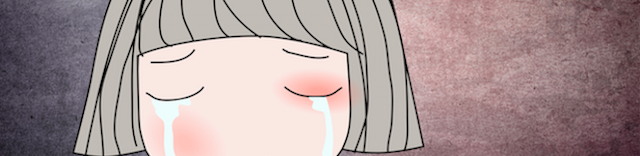
    Crying Girl

    “Grief can be the garden of compassion.” ~Rumi

    Have you ever had lower back pain? I once wrenched my back and walked at snail’s pace for weeks, crippled by pain. Lower back pain troubled me for years, until I found an exercise that reliably switches off the pain.

    Have you ever lost a loved one? The anguish can seem unbearable.

    Abolishing pain might seem a good idea, but please pause to consider this story.

    I was once the doctor and scientist on a health “mission” with a major international organization. Our team included a vivacious and intelligent young lady called Sheryl Sandberg (now the Chief Operating Officer of Facebook). One of the diseases in our “portfolio” was leprosy.

    Peripheral nerves of people with leprosy become infected by a germ. The skin supplied by such a nerve becomes anaesthetic. Lack of pain might seem like a blessing, at first glance.

    A leprosy patient with an anaesthetic hand can, unfortunately, hold their hand in a flame. They keep injuring themselves unknowingly, gradually eroding their fingers, feet, and eyes.

    It can be worse: there’s a Swedish province where some people feel no pain anywhere. That condition is inherited. People suffer severe deformities because they unknowingly twist and batter their own joints in the course of daily life.

    Physical pain is often protective. A lack of physical pain can be a curse.

    I was once playing hockey when I tripped and fell on an arm. I continued to play, with little pain, thanks to the endorphins (natural opioids) from vigorous exercise; but after the game the pain became excruciating. My mother took me to our doctor, who found a broken collarbone.

    Let’s come to emotional pain.

    I followed Sheryl’s progress with interest. She got married, but then the marriage ended.

    She got a position in the White House, but then the presidential term ended. She got a position in Google, but then felt in need of a move. She got a position in Facebook, and finally seemed to be on top of the world: with a happy second marriage, wonderful children, and a thriving career.

    Then she lost her husband suddenly in a freak holiday accident, while he was exercising.

    Having suddenly lost my father some years earlier, I can somewhat understand the gut-wrenching anguish of such bereavement. Sheryl, however, movingly transcended her grief as she vowed to “kick the hell out of option B” (having lost “option A”) and still make a great life for her children.

    You can feel deep emotional pain even without bereavement, especially if you have depression or anxiety. Could such pain ever be a useful part of life?

    It helps to understand the science of pain. When you touch an open flame, your hand automatically springs back, thanks to protective reflexes at the spinal level. When pain is persistent, at least four levels in your brain process the pain.

    One part of your brain (your somato-sensory cortex) receives the news about the pain.

    A second part (your anterior insula) assesses how severe this pain is: merely unpleasant or mild or agonizing etc.

    A third part (your anterior cingulate cortex) clothes this pain in emotional garments: such as feelings of anger, frustration etc.

    A fourth part of your brain (your prefrontal cortex) prompts thoughts and action.

    Pain, therefore, is a combination of what happens to us and how we respond.

    How can you make pain less oppressive?

    1. Observe.

    I once dropped a heavy stool with sharp edges on my foot. I decided, in that instant, to calmly observe the ensuing sensations. The excruciating initial pain rapidly gave way to a burning sensation, which was somewhat bearable.

    Calm observation of your body can make even emotional pain somewhat bearable. The more calmly you observe your bodily sensations while feeling sad or anxious, the less you dwell on your emotional turmoil.

    Music-making and other creative activities can help you stay calm in the face of suffering.

    2. Seek help.

    Physical pain can be your body’s way of protecting you. However, persistent pain requires attention.

    My pain after the hockey injury drove me to seek medical attention. My lower back pain drove me to seek an exercise that works.

    My father, on his deathbed, wanted merely to be more comfortable, to hug his family, and to have a sip of tea to help him cope with the many medical tubes invading his face. On a deathbed, pain control can transform life.

    If you have a chronic painful condition, sympathetic professional help can often control the pain.

    Emotional pain can sometimes seem overwhelming. If sadness threatens to drown you, seek help without delay. Let friends and family know, get professional help, allow yourself a medically prescribed life-jacket.

    Healing always takes time, whether your wounds are physical or emotional. Compassionate people and professional help can keep you afloat, gifting you time to heal yourself.

    3. Learn from others.

    No matter how bad things seem, the experiences of others can be reassuring. Thousands have come through suffering as severe as yours, or worse. Besides, your vulnerability can attract compassion.

    Make sure you reach out to others for help. It can be enough to say “I’m hurting, please help me.” People can be surprisingly compassionate, as I discovered once when forced to use crutches.

    What has helped many others could well help you. Take courage, and hold on to hope.

    4. Give it meaning.

    I know of one person with leprosy whose leg needed to be amputated because he burnt himself severely by soaking a leg in unexpectedly hot water. It’s relatively easy to see protective pain as a gift.

    How can you give emotional pain a positive meaning?

    Emotional pain, too, can stop you from brutalizing yourself. When a boss repeatedly treats you unfairly, or someone repeatedly treats you with hostility or betrayal or abandonment, you know when enough is enough. However, when you turn against yourself, you can feel trapped.

    If you fail to give emotional pain a positive meaning, you might start to feel bad about feeling bad. Bit by bit, self-loathing can gain a foothold.

    Instead of judging yourself for feeling bad, try visualizing your suffering as a pointer towards a new life. It may take time to learn and grow, so it’s helpful to hear stories of success. After every setback, believe that you, too, can “kick the hell out of option B.”

    5. Unlock the best in you.

    Pain, suffering, and death are inescapable. Our own suffering encourages us to become more compassionate, to treat others who suffer as if they were our own loved ones. Our suffering can be a key that unlocks our compassion.

    There are too many examples of hatred in the world, of violence, cruelty, and contempt for human beings. The world has witnessed great tussles between good and evil, as happened during World War 2. The willingness of people then, to suffer or even die for a just cause, helped civilization to survive.

    When we’re moved by the misfortunes of others, and respond generously, we gradually replace a civilization of hatred with a civilization of love. This can happen within our family, our community, our town, our country and our world.

    Sheryl has a platform as a senior executive in a major corporation, which she uses to campaign for better opportunities for women. Bill Gates has turned his billions to good use, by driving a number of important health and education initiatives. We might have less influential positions, but we’re just as capable of compassionate action right where we are.

    6. Persevere.

    My late mother-in-law was incapacitated by severe rheumatoid arthritis, which kept her in frequent pain. Her response was to do as much as she could, treat everyone with compassion, and look for the best in every situation.

    Her example of maturity, endurance, and spiritual greatness—in the face of suffering—remains an inspiration to me.

    7. Grow confident.

    Pain, suffering, and death are unavoidable. They can be especially cruel if you treat them as masters. Try taming pain by interpreting it as an ally, an educator, and an invitation to grow into your most compassionate self.

    Endurance of suffering builds character and character produces hope: the confidence that nothing in life will get the better of you, nothing will rob you of your human dignity. Instead, your endurance of suffering can gift you with the confidence to cope with any challenge.

    Live courageously and suffering might bend you, but won’t break you. Instead, you might well become a compassionate inspiration to others, just as my late mother-in-law is to me.

    In your darkest hour, believe that your suffering is helping to replace a civilization of hate with a civilization of compassionate love. Then, no matter how painful your predicament, your horizon will remain luminous.

    What are your own experiences and insights about pain and suffering?

    Crying girl image via Shutterstock

  • Grieving a Loss That Feels Like a Death

    Grieving a Loss That Feels Like a Death

    “Grief is like the ocean; it comes on waves ebbing and flowing. Sometimes the water is calm, and sometimes it is overwhelming. All we can do is learn to swim.” ~Vicki Harrison

    Most grief books are written to help you mourn the death of a loved one and learn how to deal with their absence in this world.

    Death is probably the most challenging thing a human can face. It breaks us down. It brings us to our knees. Some people are so significant in our lives that the mere thought of living without them feels incredibly overwhelming and incapacitating.

    Losing someone we love is hard. Accepting loss is extremely challenging. So how do we cope with yearning and adapt to the emptiness following a divorce or huge breakup without feeling like a loser or the psycho who cant let go?

    It’s an unfair misconception to think that those who have a hard time letting go or are taking longer than usual time to move on are somewhat weak.

    Psychology agrees that when a major relationship or marriage ends, the person who was left may feel grief as painfully as someone who lost a loved one to death. Sometimes the pain can even be stronger.

    Divorces and breakups can sometimes be worse than death, because the person who died to us is very much alive, haunting our every thought.

    I remember how lost I felt right after Mr. Big broke things off with me for the 87th time. I remember packing my car with all my belongings and driving from San Francisco back to Los Angeles with our eight-month-old son in the car crying the entire six hour drive.

    I felt as if he had died. My whole world collapsed. I was terrified that I wouldn’t be able to support our son.

    I wondered how he would turn out without his father in his life. Would he feel unloved? Would he wonder why his father cut him off his life? Would he blame himself or think he wasn’t good enough for his dad?

    So many questions rushed through my mind while I drove through the vast freeway back home.

    I felt humiliated. I felt alone. I felt a variety of feelings and emotions. But the one that I always remember is the feeling of loss. I had lost everything I ever thought I would eventually have. The family, the life and most importantly: the man. The man I had loved for five years had died.

    His body was still there but his soul was gone. Everything I ever thought of him was gone. His words were gone. His spiritual presence was gone.

    There is a lot more to life than a physical body. Millions of people have experienced the death of their loved ones without ever having to plan their funeral.

    When I arrived home it was time to pick up the pieces and move on. At least that’s what everyone around me was telling me.

    They expected me to shake everything off and move on with my life as if my son’s father didn’t exist. As if our story didn’t happen. But accepting the death of someone in our lives is a process.

    I kept going back and forth between missing him and hating him for leaving. At times the mixed emotions felt like I was literally sinking into insanity. One moment I would cry and the next I would yell.

    Nobody told me that grief does that to people, and because I didn’t know what I was feeling was normal, I felt even more alone.

    I had never heard of the five stages of grief until I went to see a therapist, because the pain was so unbearable. It’s then I learned that a person goes through denial, anger, bargaining, depression, and acceptance after the death (or loss) of a loved one.

    Unlike what I originally believed, there is no specific order to these feelings. You may feel as if you are on an emotional rollercoaster as you are jumping from stage to stage. Its important to know that this emotional ride is normal, and if you get the proper help you will get off of it alive and stronger.

    I know what it feels like to not want to get out of bed. I know what it feels like to not want to take a shower, or brush my teeth or even eat.

    I know what is like to lose twenty pounds in six weeks, to lose friends and to lose your dignity begging someone to take you back. I know the feeling that the world has ended and you were left behind alone and miserable.

    I have been there, so believe me when I say that there is hope.

    There is, in fact, a light in the end of the depression tunnel. But the only way to get to that light is to walk through it. There is no way of getting around the process, and the earlier you begin the journey of mourning and healing, the sooner you will reach peace.

    The journey is long, but there is no race and no competition. It’s a journey with yourself. There will be days when you will feel stronger than ever and some days will bring you back to your knees.

    Just remember: The rollercoaster is the journey. So even when you are down, feeling as if you’ve made no progress, remember that progress is being made every day you choose to be alive.

    Progress is being made every day you choose to not call the one who left you.

    Progress is being made every day you choose to take another breath.

    You are alive. You are strong. You will survive.

  • Life Goes on After Loss: Tiny Steps To Work Through Grief

    Life Goes on After Loss: Tiny Steps To Work Through Grief

    Woman Alone by the Sea

    “I realized, it is not the time that heals, but what we do within that time that creates positive change.” ~Diane Dettman

    Two weeks ago I found out that a friend passed away. He died eight days after my birthday at the age of twenty-six, and that fact has been hard to swallow, as I didn’t know that my time of celebration would also be a time of grief.

    The details surrounding my friend’s death are unknown; all I know is that it happened suddenly, and it was a huge shock to me and other friends that knew him. He was my first high school crush. As a fourteen-year-old girl at the time, it was a big deal to me. I really cared about him.

    My friend had sent me a Facebook message in March of 2014 stating that we should get together, as he wanted to see how I was doing. I was touched at how caring he was and wanted to know what was going on in his life, so I said yes.

    We talked for hours that day, and I brought him up to speed on what had been going on in my life. When the get together ended the last thing he said to me was, “I wish you the best, and if you need anything let me know.”

    He walked out the door, and that was the last time I saw him.

    When I first got the news of my friend’s passing I didn’t know what to think, what to feel, what to say. I just sat there staring at my computer screen, hoping it was a bad joke. It didn’t feel real at first, and when it did sink in the floodgates that held my tears back for a while opened. It was like a punch in the gut.

    Days after I heard the news I just didn’t know what to do with myself. I let myself go for a while. I lied down on my bed in the fetal position staring at nothing. At some points I was dry-eyed, and then I would start to cry, wailing almost.

    I heard a sound pass through my lips that I never heard before. It was the sound of heartbreak. I wondered: “How does life continue after this?”

    I got frustrated that I didn’t know how to answer that question, and a week later it hit me.

    Life does continue, and it gets better with time.

    My grief comes in waves, and this experience has been teaching me how to surf those waves as gently and as lovingly possible. If you’re also grieving a loss, this might help.

    Acknowledge your feelings.

    It was scary and painful to acknowledge every emotion that came with my grief. I felt angry, sad, and went through a depression. I wanted to crawl into a hole somewhere because I was so overwhelmed by my pain.

    I felt like I was losing who I was a little. I had to find a healthy way to address my feelings and slowly start picking up the pieces of my life and putting them back together into a stronger version of me. Once I became honest with myself and acknowledged my emotions, a weight released off my heart.

    Being honest with myself and others also helped me rebuild connections with friends who are sharing this grief with me.

    While I still deal with the same feelings, it is slowly getting better.

    If you are going through a difficult time, know that it’s okay to acknowledge your feelings. If you don’t feel comfortable talking it out, grab a journal and quietly be honest with yourself.

    Know that it’s okay not to feel 100% right away.

    As days pass I still don’t feel 100%, but that’s okay. Slowly, I have started to do the things I enjoy. Starting small is key to rebuilding your life and getting back on track. The other day I went for a walk to clear my head, and even though it was only for a few minutes, it helped.

    Take care of your physical body. It’s just as important as taking care of your emotional well-being.

    I lost my appetite for a while. I didn’t want to eat or do anything productive. Then I realized I was hurting myself, so I slowly began to eat a little more and began taking care of my body again.

    I had a teacher who once said, “You look good, you feel good.” She was right. Once I began to take care of myself again, I started to feel a change in my mood. I needed to take care of myself so that I could be there for those that need me.

    Be patient with yourself and others.

    Oftentimes we have loved ones who don’t understand our grief, especially if they are not going through it with us. Other times we have people who share our grief but go through it differently. In both of these instances it’s best to remain patient. Be patient with yourself as you grieve and be patient with those around you.

    It also helps to tell your support system what you need. Being clear about what you need helps you get the best support possible. For example, I told my friends that I needed company so I wouldn’t feel alone with my sadness, a shoulder to cry on, and a warm hug.

    Realize it’s okay to be human.

    The grieving process is a time of growth, and it’s okay to feel like you’re moving backward every now and again. It just means you’re human, and that you are working through your emotions.

    I’ve realized that life does continue, and loss gives us lessons if we’re open to them. Something good can come from the pain. The lessons may not come to us right away, but when they do our whole perspective changes.

    Going through this grief has taught me to be a kinder and better friend and to enjoy each and every day to the fullest. My goal is to leave a lasting impression in everything that I do.

    This article is my love letter to those that have lost someone dear to them. If that’s you, know that you are not alone.

    Woman by the sea silhouette via Shutterstock

  • How to Hold a Broken Heart (So You Can Get Through It)

    How to Hold a Broken Heart (So You Can Get Through It)

    Broken Heart

    “Sometimes this broken heart gives birth to anxiety and panic, sometimes to anger, resentment, and blame. But under the hardness of that armor there is the tenderness of genuine sadness 
This continual ache of the heart is a blessing that when accepted fully can be shared with all.” ~Pema Chodron

    I remember a few years ago when I was going through a bad break-up. It wasn’t the longest relationship of my life or even the deepest. But it had so much potential and it ended in the most cursory of ways.

    Already a few drinks deep, I FaceTimed a friend who lives in D.C. and we had a long-distance whiskey together. As I teared up I asked him a favor, prefacing it as such: “I’m guessing it’s the case. I know this sounds dramatic. But I need you to tell me that I’ll find ‘the one’ and settle down at some point.”

    He looked at me, paused, and said something I’ve never forgotten. He said, “You will love again. That I know. Whether it’s one person for a long relationship or many people with shorter ones, I know you will fall in love again.”

    As a long-time Buddhist practitioner, I have studied and experienced the heart’s amazing resilience and ability to rebound and offer love, again and again. Yet my friend’s words hit me in a new way.

    I began to realize that the ability to love is innate. We love love. We all want to love, and while there are times when we feel devastated by loss, the heart ultimately heals and once more shines forth, hoping to connect anew.

    And maybe that means we love one person for the rest of our days, or many, but the heart’s ability to love is not something I have ever questioned since. That said, when you’re broken-hearted, it’s hard to contact your ability to love unconditionally.

    Now, if you’re like me when you go through a major break-up you have a particular set of things you do to distract yourself from that pain.

    You might hole up and binge-watch a television show. You might drink a lot, either at home or hole yourself up at a local bar with a handful of supportive friends. You might attempt to rebound quickly, filling your time with endless dates or casual sex.

    Whatever your form of distraction may be, you might have found what I found: these distractions are temporary and when your show ends/you sober up/you wake up next to someone you don’t really like your pain is there bigger and badder than ever.

    In my experience, big emotions like heartbreak aren’t meant to be avoided; they’re meant to be felt. It’s a bit like standing at the edge of the ocean and having a giant wave come crashing down on you. You can kick and fight and pull against it, but it will only drag you further out to sea.

    Instead, you can look at it and dive headfirst coming out the other end, perhaps even feeling refreshed. The same goes for heartbreak. The more you kick and fight against it, the more you will get dragged into the very depths of that misery. The only way is through. You have to let the emotion roll over you like that wave.

    The main practice I recommend is one I do for heartbreak moments both big and small. I place my hand on my heart, drop the story line around the underlying emotion, and rest with the feeling of the emotion itself.

    Instead of getting lost in the mental maze of “Why did she do that?” “How can I get her back?” or “What did I do wrong?” I acknowledge those thoughts then bring my focus back to the emotion that exists right beneath their surface.

    As Pema Chodron says at the beginning of this piece, I let myself go past the anxiety and panic and touch the genuine heart of sadness that exists underneath. From that place of vulnerability and authenticity, I find the energy to once more connect with others from a place of wholeness and love.

    Years after that emotional talk with my friend, when I went through a similar break-up, I knew that the best way to see myself through to the other side of my broken heart was to take the time to rest.

    I would notice the pain of missing that person and the sinking feeling that occurred in my body. When that would happen I would lie down and breathe into it. I wouldn’t entertain the story lines that came up. Quite the opposite—I would return to the sinking feeling.

    And then, as if I had said some magic spell, the sinking feeling would lift and I could go about my day once more. I could connect with others, offering my vulnerable and tender self authentically. By diving into the heart of what I felt, I ended up feeling liberated. Today, I love again. Tomorrow, I hope to do the same.

    Broken heart image via Shutterstock

  • The Pain Won’t Stop Until You Accept What Is

    The Pain Won’t Stop Until You Accept What Is

    “Accept what is, let go of what was, and have faith in what will be.” ~Sonia Ricotti

    Life is sometimes ridiculously hard. It sucks. It rips out your heart and your entrails, spins them around the room, and stuffs them back in unceremoniously through the hole from which they were ripped.

    And it expects you to smile and carry on. People expect you to carry on. Because that is what we think people do.

    I felt like this a few years ago when my marriage ended. Luckily, I had good people around me. They didn’t expect that from me.

    I, on the other hand, expected me to get right back on that horse. I had to keep going, to be stronger. To not let it affect me that much. So I berated myself. I got angry with myself. I hated myself (because that was exactly what I needed, right?)

    The thing is, when you are in the thick of it, you don’t know what you need. You know there is pain and you want it to stop. Please, please, just stop!

    And then there is the anger. This is the hurt you don’t understand yet. Hurt without compassion, hurt without direction.

    It explodes. It finds a way, a way out, somehow. Eventually.

    My expectations were so high. Or should I say, it was my hopes that were high. It had to stop.

    I couldn’t function until it stopped. I couldn’t forget until it stopped. And I wanted to forget so much.

    I wanted to forget how I felt now. I wanted to forget how I felt before—because then I wouldn’t miss it so much. I wanted to forget the good things she did because remembering caused pain.

    Conversely, I wanted to forget the bad things she did because those memories caused pain, too.

    In addition, I wanted to forget every small little detail of the stupid things I’d said and done that I wished I hadn’t, the things I went over and over and over in my head. Those sharp, jagged memories I just couldn’t switch off, each one like a fishhook being carefully placed beneath my skin, then mercilessly torn from its grip.

    I scurried desperately for refuge inside my head. I stayed in there. Outside were people.

    People would want to talk to me, to make eye contact. I was incapable of either. I was scared.

    I was frightened and ashamed and I didn’t want to see caring in someone else’s eyes. I didn’t want to hear kind words. I didn’t know how I would respond.

    I didn’t know if I would break down in tears, descending to that place I hated where I was a pathetic, whining fool who brought it all on himself. Or alternatively, to the place where I got so angry at how I was treated that I didn’t want anyone to see the look in my eyes. To see the raw anger and furious energy that burned inside of me.

    I didn’t want to be seen. Being seen asked questions. Questions I wasn’t ready to answer.

    It was like a living volcano raging inside me. I went to counseling because I needed an outlet. I needed to get it out.

    The hope inside of me that we would get back together restricted me from talking to people close to me. “What if we got back together?” What if in my pain and my hurt I said things about her, how would people see her when she came back? That would make it difficult for her.

    In retrospect, I think I knew it was over, deep down, but I was still fighting what was. This false hope also gave me a reason not to open up or face things.

    I look back with gratitude that I somehow found the wisdom in the bottom of that cold, dark place to take that step, to actually do something.

    All of my life I had bottled up feelings. I had been strong. I had controlled my emotions.

    I wasn’t a walking unfeeling marble statue. I did let loose some emotions. But I never really fully let go.

    I never allowed myself to feel it all completely. I never surrendered. I was always fighting reality.

    When I finally relinquished my hold on trying to control everything, it all changed. I allowed it to fall, to break free. I held nothing back.

    It was here, in this moment, I finally grasped that accepting where we are is the most important step in any change process.

    It was the only way through any journey of pain, to allow yourself to feel it without judgment. From the maelstrom of confusion, darkness, hail, wind, and rain in my mind, the storm started to pass.

    It was like waking up lying on a beach after a shipwreck. Battered and bruised, feeling empty inside, lost, lonely, not knowing where you are, where you are going or how. But in the center, deep inside, there is a calm. Something that whispers, “The worst is over.”

    Suddenly, I was able to sleep again. I woke each day without that feeling of readying myself for battle. My food tasted better.

    I still had the hurt, but it was dulled. I still had the memories, but the sharpness around the edges began to blur a little. I had still to figure out what my life was going to be like without her in it, but I had survived.

    All of this I allowed when I surrendered.

    When I stopped fighting reality my mind calmed, and I understood that what has happened outside of me “is what it is.” I cannot change that, only how I respond. Accept.

    My prolonged and persistent pain was coming from my refusal to accept this. When I stopped fighting what was, when I stopped trying to fight against the waves rather than letting them carry me to shore, I finally found peace. Surrender.

    The reality wasn’t different. I still had to deal with my new situation, with my new life. But the storm in my mind had quieted. It was easier to see.

    What I learned here wasn’t just about a break-up. It wasn’t just about dealing with pain. For me, this was a massive life lesson.

    There are still many times when storm clouds amass in my mind. I remember not to fight the reality, whatever is going on in my life. I remind myself, “This too shall pass.”

    Everything is transient. Everything ends. Good and bad.

    So I wait during the bad times. I watch, I observe, I learn. I focus on what I can control and I don’t resist and fight what I can’t.

    And I remember to cherish the good moments because they too shall pass. Life is so much richer when we surrender to it rather than fighting it. It all starts with accepting what is.

  • Two Steps You Might Be Missing If Forgiveness Doesn’t Stop the Pain

    Two Steps You Might Be Missing If Forgiveness Doesn’t Stop the Pain

    Isolated Man

    “To forgive is to set a prisoner free and realize that prisoner was you.” ~Lewis B. Smedes

    When someone you care about hurts you in some way, most people tell you that to move on, you have to forgive.

    They say forgiveness is a gift you give to yourself. You have to understand what happened from their point of view. Life is too short to hold a grudge or be angry.

    Well, what if you do all that?

    You forgive. You understand that they really didn’t mean to hurt you or if they did mean to, you understand where they were coming from.

    You seek to let go for your own sake, your own peace of mind.

    And it still doesn’t work.

    You still hurt.

    That’s where I was.

    My parents divorced when I was a toddler. As I grew older, I rarely saw him. I mostly tricked myself into believing that I didn’t care, but it hurt. I didn’t feel loveable or worth the effort, and it colored my future relationships with men.

    As part of my healing journey, I sought out talk therapy. During one session, my father’s absence came up as a topic. It was during that time that I allowed myself to even consider some form of reconnection.

    I decided to write my father a letter, sharing how hurt I felt by his absence and asking all of the questions I always wanted to know. That letter started a reconciliation process that has been under way for the past few years.

    As we got to know each other better, I got to understand why he didn’t come around and what he was going through.

    And when my grandfather died in April, 2014, I got to learn even more about my father’s upbringing and feel compassion for the little boy that he was and how the things he went through led him to become the man he became, including him not being around as my father.

    But something still wasn’t right. I tried to reason away my feelings of pain, anger, and hurt.

    “If you had the same kind of upbringing that he did, you probably would have done the same thing. His absence had nothing to do with you or your worthiness as a person. That’s all in the past, just let it go.”

    But that didn’t help me. I was missing something, so I set out to find it. I read, I wrote, I cried, I punched my mattress, and ultimately discovered two things that were missing that may help you too.

    First, I needed to grieve.

    The adult me needed to allow that little girl in me to mourn what was lost. I never got to know what it feels like to be loved by a man as a little girl.

    Somewhere in me I was holding out hope that by reconciling with him, I would fill those needs, but those moments are gone; there is no way that I can completely fill that void as an adult. I had to mourn the loss.

    When we think about mourning, we most often think of death. There are many other losses in life that we need to mourn—loss of health or a relationship or a job, and I would add to that loss of a relationship you wish you had.

    When we forgive someone and try to maintain a relationship with them post-forgiveness, it is tempting to try to get what we didn’t get before. It’s like we’re trying to redo the past in the present, when the past is gone. All this does is cause more suffering.

    What we’re building with this person is new. We must mourn what we didn’t get, mourn what we wanted, that’s the only way to start letting it go.

    And by let it go, I don’t mean that how you feel disappears. I mean that we no longer let it lead our lives in the present even if the feelings are still faintly there.

    There are as many ways to grieve as there are people. If it works for you, do it. You might try:

    • Crying
    • Writing (journaling, letters that you didn’t send, poetry)
    • Watching movies and listening to songs that help bring out deep feelings
    • Talking to a therapist
    • Finding healthy ways to release anger (punching your mattress, boxing, screaming into a pillow)
    • Reading helpful books

    Mourning is a process that takes time and can’t be rushed. It’s best done in a spirit of allowing whatever comes up, without judgment and with great self-care. The more I really allowed myself to grieve and truly feel everything I’d been holding onto, the better I felt.

    In addition to mourning, the second thing I did was to find ways to fill the needs I still had within that I was looking to my father (and other people in my life) to fill.

    Forgiveness and reconciliation should involve open communication of what is needed to move forward with the relationship and a stated commitment from the person who did wrong to change their behavior in a positive way.

    With that said, there are certain things that we need to feel good as humans that we need to give to ourselves and cannot outsource to others, especially if we want to avoid suffering.

    We must take responsibility for the following things:

    • Our belief in our own inherent worth and deservingness of good things
    • How we feel (emotionally and physically) in a given moment
    • The direction our life is going and how we choose to respond to what happens.

    We can trick ourselves in the short term to believe that other people make or break these things, but we are the only ones who can make lasting change in these areas.

    Reconciling with someone will not change these things in a sustainable way.

    Reconnecting with a parent will not make you love yourself more. Reconnecting with a partner will not make you feel like you deserve good things. You may get a boost of good feelings for a little while, but they won’t last without you dedicating the time and effort it takes to build yourself up from the inside.

    This may feel daunting, but you don’t have to make these changes overnight. Baby steps are not just for babies; they can make a huge difference in your life when taken consistently.

    Taking responsibility for your life and how you feel about yourself is worth the effort, especially when you consider that you are the one person you spend the most time with every day. Why not make that relationship the best it can be?

    And if you feel like you’ve been unloving to yourself and don’t know where to begin, one of my favorite exercises I use to help me figure out where to start is to ask “What actions would someone who loved themselves take?” Use your answers to give you a list of first steps and commit to taking one today.

    This may also feel unfair. You might think, “Why do I have to work on myself? I wasn’t the one who did anything wrong!” Just think how powerful you will be when you are not bound by the whims of another person.

    If your friend chooses to be hurtful and you get all your feelings of worth from that friend, then what? That seems like the less fair option.

    I’ve come to believe that the purpose of forgiveness is freedom. Freedom to love yourself and others again (or for the first time) and freedom to live from a place of power. I hope that what I’ve shared helps you continually free yourself.

    Isolated man image via Shutterstock

  • Why It’s Essential to Find Humor During Your Darkest Hours

    Why It’s Essential to Find Humor During Your Darkest Hours

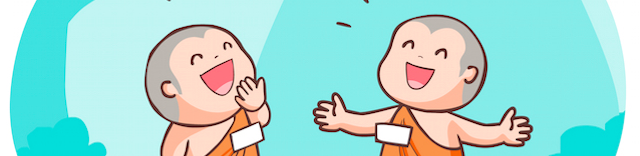
    Little Monks Laughing

    “A good laugh overcomes more difficulties and dissipates more dark clouds than any other one thing.” ~Laura Ingalls Wilder

    During my pregnancy with my second daughter, Grace, a routine scan showed that the baby had a rare and serious heart defect.

    From that moment onward, my husband and I started walking along the most challenging, heart-breaking, and grueling road either of us has ever traveled. The journey often saw us cry, but you may be surprised to hear that we laughed a lot too.

    On the day of the scan, the fetal cardiologist spent a long time scanning our baby’s heart. When she had finished, she sat us down to explain her findings. Up until that point, we knew that the problem was serious, but we didn’t know the exact diagnosis.

    She took out a pad of paper and began drawing a detailed diagram of a heart. She then looked up and asked, “How’s your biology?” My husband (who has one failed attempt at a biology GCSE under his belt) looked worried, as if he were fifteen again and she was about to test him.

    “Not good,” he said apologetically. Even in the midst of such a traumatic experience, I found this small part of it funny. So I laughed.

    There’s no point trying to be solemn for solemnity’s sake. Even in the darkest, most trying and difficult moments, I believe if something is funny, you have to laugh. Seize the opportunity to escape the situation, even if for a few seconds, and welcome the release.

    On the day of Grace’s funeral, as my husband and I sat together clutching each other’s hands, the choir began the first song.

    I had never properly heard my husband sing before, and it was the poorest display of tone-deaf screeching I have ever been subjected to. It was also extremely funny, and I couldn’t help bursting into fits of giggles (everyone else thought I was crying).

    You may think me heartless—how could I laugh at my own daughter’s funeral? Believe me, that day was the saddest and heaviest of my life. Minutes earlier, when my husband and I carried Grace’s tiny white coffin into the crematorium, the pain was so intense that I didn’t think I could make it.

    And then suddenly, my husband once again exercised his great ability to make me laugh. The laughter lightened me for a few moments.

    A minute of laughter allowed me to momentarily forget my sorrow, and the heavy burden was temporarily lifted.

    Grace only lived for one day. I will never know the person she would have become. But I do know that she would have loved me, and she would be happy that my laughter helped me endure the pain of losing her, even if it was just for a short period.

    My husband is a very funny man who has me in stitches every single day (so much so that sometimes I can’t even stand up).

    He hides this from the rest of the world, and I feel privileged to be one of the few people he shows this side to. When we were at the doctor’s office and Grace’s funeral, he wasn’t trying to be funny, and yet even during the most difficult of times, he still has the ability to make me laugh.

    When Grace died, many people told me that the burden of grief would probably cause our relationship to become strained and difficult.

    We were given lots of well-meaning advice, and yet our relationship didn’t suffer at all. Indeed, we became stronger and developed an even deeper bond. I think humor had a lot to do with this.

    The ability to laugh every single day, despite our grief, pulled us through our mourning together. I came to admire my husband even more for his strength, compassion, kindness, and (of course) his wonderful sense of humor.

    Laughter is a remarkable healing force, allowing you to forget yourself and bond with the person you are laughing with.

    I have witnessed friends who, when going through tough times, stop themselves from laughing at something (even though I know they would normally find it funny). We have a tendency to halt our laughter because it doesn’t seem right or appropriate, because we might feel guilty if we let it go.

    Laughter is always right and appropriate (as long as it’s not at someone else’s expense).

    In your darkest hours, if you find something funny, allow yourself to laugh. Many studies have shown that laughter and humor have a huge array of benefits, including strengthening the immune system, reducing pain and stress, and increasing energy.

    If you are going through a difficult experience or are generally feeling down, humor may accidentally find you. Embrace it.

    And if you don’t come across it by chance, track down a way you can lose yourself in some proper laughter. Watch a film that never fails to make you chuckle, speak to a humorous friend, or read a funny book. It’s not wrong to laugh when things are tough; on the contrary, I promise it will help.

  • Keep Your Heart Open to Love When Life Knocks You Down

    Keep Your Heart Open to Love When Life Knocks You Down

    Heart in Hands

    “Only to the extent that we expose ourselves over and over to annihilation can that which is indestructible be found in us.” ~Pema Chodron

    I was nineteen weeks pregnant when my husband and I went for a routine ultrasound. We were to confirm that our child’s anatomy was as it should be, and we were to discover our child’s sex.

    We were choosing names in the waiting room. We ran into the receptionist at the fertility clinic and exchanged hugs. We had graduated from the clinic. The tuition was expensive and the education detailed and grueling. But we were a success story.

    As the technician began the ultrasound she got really quiet. I knew something was wrong.

    I have tried to write about what followed. I really have. But I still can’t. What you need to know is this: three days later, on August 2, 2013, our son Zachary was stillborn.  

    I remember standing in the hall of the hospital waiting outside the Quiet Room to see him. Sobbing in a way I didn’t know I could sob. I remember a nurse putting her hand on my back and me saying to her through my sobs, in shock, “Life is so hard, isn’t it?”

    “Oh yes,” she replied.  That nurse was the first person to mirror to me that I was not insane. Life really was this bad sometimes.

    This wasn’t the first loss of my life, although it was the most consciously heart breaking (I mean that literally: heart-breaking.)

    Zachary’s death sat on top of a list of other losses: divorce, financial loss, job loss, loss of safety and security, loss of basic well-being. And eight months later I lost another child after just ten weeks.

    This second loss almost ended me. I breathed pain. Once in a while I would come up for air, flailing my arms around and gasping, but before I knew it I would be pulled under again. I just couldn’t make anything stick. Nothing was moving forward.

    I felt like everyone was passing me by—growing in their careers, becoming parents. One woman I know had three babies in the time I lost two.  

    I couldn’t stop the feelings of unfairness. Even writing this today I can feel the shame and unworthiness flooding back. Every time I thought I was gaining ground something would happen—something small like the grocery store being out of cilantro—and I would fall right back into despair.

    This lasted for months. Don’t let anyone kid you—life can be painful. Devastatingly so. Life can take what you love from you and ask you for a response. There is nothing easy about it. Life can ask everything of us.

    Throughout this time I insisted on trying to recover. I went for walks. I saw friends. We bought a cottage. I worked. I even  tried to stop trying. None of this felt right. It felt against the grain.  And it was. But I kept acting as if there was hope.

    I kept making plans. I kept trying to put my pain into words.

    It became clear that I had no control over my grief. It was going to take the time it took. I had to surrender to it and trust that one day something might look beautiful again.  

    Surrender wasn’t something that happened all at once. Sometimes I would think, “I’ve given in now,” only to wake up fighting again the next morning. But layer by layer, revelation by revelation, I finally allowed myself to have lost my son. To recognize that there was nothing I could do to get him back.  And nothing I could do to ensure I had another child.

    I didn’t like it. It didn’t feel good. But I existed, breathed, lived with that truth.

    And then, all in one week, three friends held me up. They said, in effect, “I am not going anywhere and you are going to make it through this.” And they said, “I can bear this pain with you.”

    I could say I was lucky to have these three people in my life. And I am. But these friendships were co-created. Over many months of talking to each other about our lives. And I had to be vulnerable to them and show them my pain so they could see it and respond.

    How did I make it through the nightmare of losing my child? By refusing to give up expressing the pain that I was feeling.

    It is a paradox, I realize. I had to keep working hard at showing myself in order to give up. But surrender is not a moment—it is a working through, with a context.  It is a moment of grace surrounded on either side by days of showing up.

    Here is what I learned from going to hell and back. This is my personal list of thoughts and reflections and I hope something here will resonate for someone else who is going through hell.

    Invest in yourself.

    This is the time to give yourself the environment you need to mourn and heal. Anxiety makes the body tense. Have a steam/sauna, massage, or cranial sacral therapy. As your mental state allows, find a restorative yoga class or practice meditation. Perhaps try therapy or dance or running.

    Follow your intuition and invest time and money in the care of you.

    Let life be terrible for a while.

    You won’t get anywhere with affirmations when you are in the throes of grief. Respect that part of you that doesn’t want to go on. Listen to it for a little while. Give it some space.

    Lean into life even when it hurts like hell.

    Make plans. Self-care activities, lunch/coffee/dinner with friends old and new. Go for a walk even when you don’t feel like it. Do things you enjoy; find a new computer game, take a course.

    Don’t overbook yourself but make sure you are engaging with life in some way outside of your work. It is through this engagement that something new can arise.

    Take risks.

    Tell people what is happening for you. This can be difficult when you are obliterated by life, because our culture expects us to put on a positive face. You will be surprised at how many people in the world can identify with pain.

    Answer questions honestly rather than hiding things. Sometimes when people ask me if I have children I say, “not living.” It lets them in to my life in a deep way and often builds our connection.

    Let the people who love you help you.

    When I was able to share my feelings with the people I love, they listened. They responded with love and with commitment to be there with me through this. I received great gifts from my loved ones because I let them see my pain.

    What if you feel that no one loves you?

    • Find a therapist. If money is an issue, sometimes student clinics provide therapy with therapists in training for low cost. The love and compassion of your therapist can be a foundation in difficult times.
    • Find a support group. My group of bereaved mothers saved me in those early months. It was so powerful to be with others who knew the particulars of my pain. There are many powerful support groups out there. They are low cost and are often run by passionate people—many of whom have been through something. If you can’t find one, start one yourself. The internet makes this easy.
    • Participate in online forums. There are some very supportive communities supporting all different kinds of people. Of course, you have to choose carefully who you share yourself with, particularly on the internet. A good one is well moderated and supportive.
    • Finally, and this can be difficult to hear when you feel unloved (I know this from experience), realize the idea that no one loves you is a misconception. You just haven’t found the people who love you in the way you need to yet. Or you haven’t opened to them yet. But you are loved. And that love will grow as you seek it out and honestly give of yourself to the process of growth and change.

    Love Is Always Possible

    Not in every relationship. Not in every moment. But love is always possible.

    My job is to keep my heart soft. To keep feeling through what life throws at me and what life takes away. Because eventually joy will come round.

    Love is the act of keeping your heart open no matter what comes. Love is the care for yourself and the world to keep it open despite fear, rage, grief, humiliation. To keep living.

    That is what I have learned from my son. That is what I have learned from life. Love is possible. We need each other. And we can always love.

    Heart in hands image via Shutterstock

  • Awakening to Life and Love After a Devastating Loss

    Awakening to Life and Love After a Devastating Loss

    “The world breaks everyone, and afterward, some are strong at the broken places.” ~Ernest Hemingway  

    For years I cursed spring.

    During that time my heart woke to the bitterness of life. In the harsh frost of winter my anguish and the season were one, a climate where I felt safe, cocooned in a blanket of grief, a camouflage that ensconced me from the world outside.

    Like grief, winter brings the bitter cold to our life, and those withered months drenched in sorrow tasted natural.

    In the time I lingered frozen in my shroud of despair, spring had arrived, with feathered creatures whistling joyous songs while the leaves danced up our driveway. The warmth of the sun was a charlatan, exasperating my pain while seducing me like a stranger to a foreign place.

    Welcoming the signs of spring felt like a betrayal of my grief. For years I remained suspended, cursing the seasons, as if they had something to do with my anguish. Spring represented an unwanted gift, and this rebirth offended me. How could life continue when I stood so raw?

    Marooned in a well of grief, I felt alone in a world surrounded by people, a place where I was unable to articulate the wound that clutched at my soul.

    My attention oscillated with an assault of questions, an endless loop of uncertainty that blemished my heart.

    Feeling guilty for being alive when he was gone, for waking each day, even the shame I felt running out of tears depleted me, until nothing but darkness remained. Each day another upheaval when I woke peacefully until the ambiguity dissipated and exposed me to the pain again.

    Meeting with other bereaved families and sharing our lives brought the courage I needed to begin functioning again. Slowly a thaw occurred and the bitter cold that once surrounded my heart began to warm.

    The heartache that previously consumed me now unfolded into a treasure of memories and the gifts they bring with the passage of time. Gratitude can nourish us when our heart feels empty. Though learning through loss is difficult, it remains powerful.

    Embracing this enlightenment and the growth it provided filled me with love and compassion. Through years of grief, love, and self-examination, I began to find myself authentically whole again, and like the new buds of spring, my heart began to open.

    Eventually spring’s return blossomed within me and I looked forward to the new beginnings it would bring—perhaps because of the cold, seemingly endless winter, or the accumulation of snow all around us?

    But when I happened upon an old journal from twenty years ago, the place where all this grief began, the year our five-year-old son died, the fog began to lift.

    Finding a quiet room I sat down and began slowly turning the pages, revisiting the season of loss I had endured. Tenderly I stroked the pages acknowledging that despairing period of my life.

    As I read, I recalled the brave woman I was, surviving the loss of my child, and I could not help but honor her and the battle she had forged to survive.

    For days I continued reading the journal entries, discovering stories that swelled my heart and welled my eyes with tears. Yellowed pages filled with letters and poetry, notes and emotions bringing the words to life again, reminding me of how far I had come.

    Entries I had written cursing the seasons stung at my vision, until suddenly aware of the anger I once held with spring, for it was not the season that hurt; the pain that gripped me was witnessing life moving on without me.

    It took me years of unraveling to find myself again, and there are still days when I hear his sweet voice in the quiet of my day and know that he is still with me. Learning to step beyond the loss and share the love I had for my son in positive ways became one of my greatest blessings.

    Gratefulness is plentiful when we look beyond ourselves and see the beauty that exists in life all around us.

    Ryan’s story became a story of love, one of giving to others the way this small child gave to us. Caring for strangers with random acts of kindness began filling the emptiness that once consumed me.

    The power connected to giving is immeasurable, and that influence sustained me. Beginning with small acts that kept me anonymous was the tipping point I needed to shift directions.

    Paying at a drive-through where I remained nameless energized me, and instead of the melancholy I had previously felt, a new kind of optimism emerged.

    Solace can be found in that quiet place of grace when you release a kind deed into the universe and let the laws of nature embrace it.

    Over twenty years later I was running a race on Ryan’s birthday and aspired to do something special.

    Although I was unclear on how I would present it, I went prepared, picking up two $10 gift cards from a local store. This time I needed to step out of my anonymous comfort zone and be present.

    After asking permission, I handed the two gift cards to two young siblings there to run the race. The delight alone was a gratification to witness, but this act gave more.

    After sharing Ryan’s story, they all thanked me and I returned to my own daughter, both of us beaming.

    Within a few minutes the children bashfully approached me, thanking me again and sharing how special they felt. Smiling, I looked up at their mom who stood watching with tears running down her face.

    Allowing Ryan to live on in positive ways is a gift I have given away countless times without regret. Connecting ourselves with others makes the world a more loving place.

    Although we try and live with a strategy in mind, planning how many children we want or the house we need, within all of this, there is no immunity from loss.

    When we realize that material things are fleeting collections of wants and will not sustain us in tragedy, we begin to embrace the little moments of life.

    Giving of ourselves is the most valuable offering we can present, shaping the world in a perfect light. A beautiful sunrise, a child’s laughter, even the smile we bring the elderly neighbor when we stop to visit will be the pause that will anchor us if our ship begins to sink.

  • Don’t Wait Until the End to Wake Up to Your Life

    Don’t Wait Until the End to Wake Up to Your Life

    Man in a Cave

    “Don’t be afraid of death; be afraid of an unlived life. You don’t have to live forever; you just have to live.” ~Natalie Babbitt

    My friend died recently.

    I saw him just a few hours before he died too. He stopped by my office as he had done numerous times before to say hello. I’d seen him go through various challenges and come out better. His life was great, and the future looked bright. And I was happy for him because he had worked so hard to get to this place.

    My friend died that night in a freak accident.

    I was stunned. Why him? Why now when he had so much to live for?

    As I was dealing with the sadness and shock of this sudden loss, I remembered the gift of life and the precious few moments we had with each other.

    I hope these reminders will help you treasure each moment with yourself and with others:

    1. Slow down.

    Most of us live our lives like someone who always drives on the freeway. We get to our destinations faster, but when we avoid the slower country roads, we miss out on the beauty of the land and the people.

    We get so caught up in our busy schedules and our to-do lists that we lose out on the ordinary moments that we often disregard as meaningless or unproductive.

    When my friend died, the realization that I would never experience his impromptu visits again hit me hard. I just assumed I would see him the next day, as I had done countless times before.

    I now understood how precious the moments we did have were. I understood that beauty is in each moment of my own life—that I don’t have to wait for the peak moments to feel alive, happy, or loved. I can slow down and enjoy all the blessings of being alive right now.

    2. Learn to talk about death.

    Our society doesn’t face the reality of death too well. We live like we will never die. We fail to plan and prepare. We put off the important things until it’s too late.

    Why? It’s scary to talk about, and it’s emotionally taxing to think about.

    I remember being intensely afraid of death as a child. I’d been to a few funerals, and the sight of dead bodies was something that haunted me. Sometimes I still struggle with thinking and talking about death until it hits close to home.

    The sudden death of my friend reminded me of why talking about death with your loved ones is so important. If I died today, will my family be taken care of? Will my spouse know my funeral and burial wishes?

    Talking about death allows us to make plans for the inevitable event so that those closest to us can know what to do when we die. They will be going through enough heartache, so helping them to feel prepared will ease their burden.

    3. Embrace uncertainty.

    Like death itself, we are often petrified to embrace uncertainty. That’s understandable. One of our basic human needs is to feel a sense of control in our lives. Taken too far, the desire for absolute certainty can be harmful.

    As a recovering perfectionist, I know about overreacting if plans don’t go exactly as expected. I would become irritable or lose focus. My sense of well-being was often diminished by relatively minor detours from my plans.

    But I’ve learned over the years that the most amazing thing about uncertainty is how we can be blindsided by joy. If we avoid uncertainty, we deprive ourselves of all of the wonderful possibilities that can come from the unexpected.

    And while the unexpected is also bound to bring pain, it’s from that pain that we find nuggets of wisdom to help us grow emotionally and spiritually.

    Though death itself is the one ultimate certainty, when and how it comes is unknown. Just like my beloved friend, I will die—on a day, time, and manner not of my choosing.

    Embracing this ultimate uncertainty frees me emotionally to live in the present where I am more likely to be happier and fulfilled.

    How do you embrace uncertainty? Start by looking for joy in the most unexpected places. Look for it when you’re afraid, upset, discouraged, or sad. And recall the times when you were surprised by joy. The more you do this, the less you’ll fear the uncertain because you’ll know that joy is always within reach.

    4. Live with purpose and meaning.

    Why do you do what you do? Is it to please others or because you find meaning in it?

    Because we push death to the fringes as a society, we are often out of touch with our own mortality. With each passing second, we grow ever closer to the day we will die. We put off our own dreams and desires to some unknown future date that may never come.

    Bronnie Ware, a palliative care nurse, recorded the top five regrets of the dying. At the top of the list was this regret:

    “I wish I’d had the courage to live a life true to myself, not the life others expected of me.”

    The death of my friend prompted me to think: What would be my number one regret if I were dying today? Would I have the above regret? Would you?

    If you’re struggling to create meaning in your life, start by thinking about the kind of person you want to be. Finding meaning is more about being than doing. The latter helps, but your being follows you, regardless of what you are doing.

    5. Be generous with your love.

    During their funerals, we always talk about how much these people affected us during life. Why can’t we tell them when they are alive?

    I often think back to the last day I saw my friend. What would I have done or said differently had I known I would never see him again? A part of me felt unresolved. I wished I had a chance to simply offer a few words of appreciation.

    When we lose someone, we’ll frequently have unresolved feelings—regrets about the unsaid, the harsh words we wish we could take back, or the things we wished we could have done to ease their pain.

    But don’t let this stop you from telling the important people in your life how much you love them. Small acts of kindness and selfless giving are also essential ways of expressing love.

    Visible and concrete expressions of love will be a soothing balm when faced with loss.

    Wake Up To Your Life

    Let’s be honest. The vast majority of us are driving on the freeway of life. We’ve fallen asleep behind the wheel, lulled by the seemingly endless highway that stretches in a straight line to the horizon.

    No matter how long the highway may seem from where we are, it will eventually come to an end. Don’t wait until the end to wake up to your life.

    Roll down the windows, get off the highway, and take the unbeaten path.

    Be present to the gift of your life in this very moment.

    Be courageous by being true to yourself.

    And be grateful for the ways death teaches us to live.

    Man in a cave image via Shutterstock

  • The Gift Of Unsoothable Pain: Darkness Can Lead to Light

    The Gift Of Unsoothable Pain: Darkness Can Lead to Light

    Darkness Leads to Light

    “Blessed are the cracked for they shall let in the light.” ~Groucho Marx

    In 2008, after ten years of marriage, my former husband and I decided to divorce.

    It came as a shock to those who knew us. We were living what most would consider the American dream: two healthy children, beautiful home, great friends, strong careers, two incomes—the works.

    Though my ex-husband and I got along well, the marriage was missing an intimate, heartfelt connection.

    Loneliness and longing grew with each passing year until I could no longer ignore them. I knew the kind of intimacy for which I yearned was not possible in my marriage, so I asked for a divorce.

    Because my ex-husband and I led mostly separate lives, I assumed the transition through divorce would be fairly smooth. Boy, was I in for a rude awakening!

    Divorce, like most significant losses, takes the safe and familiar contour of our lives and blows it to smithereens, leaving us vulnerable and unprotected until the new shape forms. It is easy to underestimate the comfort we draw from what is known; I sure did.

    Shortly after the separation, much like a Ficus tree seems to all but die when moved from its familiar spot, I went into a state of shock.

    It was as if my nerve endings were relocated outside my skin, perturbed at even the slightest agitation. Once-routine tasks, like getting out of bed or going to the grocery store, seemed barely doable. 

    I spent the days toggling between two modes: “about to cry” and “full-on blubbering.”

    I told myself it was not okay to feel the pain because it was a consequence of my own choices. My emotional suitcases were so heavy with fear, shame, and self-doubt, I thought these feelings defined me.

    One night, the struggle reached a crescendo. Sadness and dread filled my entire body, from the inside out, until I was heaving with sobs and howling like a trapped animal. I was convinced the pain would either not stop or that it would kill me. I secretly wished for the latter.

    It was in this moment I realized that some pain is, quite literally, unsoothable: there is no one, no place, and nothing in that moment that can make it better.

    The only way out of unsoothable pain is to go straight through it. Even with this awareness, however, I still wanted to run.

    At first, I tried to numb the pain with limerence. The new relationship went about like any would go between two wounded people lacking awareness; like a train wreck. What’s more, I convinced myself I needed that train wreck to work to prove I wasn’t a failure.

    When we tell ourselves that we need something, we inadvertently look for it in places we are guaranteed not find it.

    This is life’s clever way of showing us, again and again, what needs our own loving attention. If I kept numbing the pain of loss with romantic love, I would keep choosing unsustainable relationships.

    At the base of every true heart connection is acceptance. We cannot offer acceptance to others until we can accept ourselves, wrenched heart and all.   

    Three years and two failed relationships later, I decided it was time to stop trying to soothe the unsoothable, to face grief, and to build a solid life on my own.

    I eschewed romantic relationships for well over a year, devoting that time to friendships and long-neglected passions, like skiing and music. I felt lonely and frequently got scared, but fear was outmatched by a deeply held conviction to stay the course.

    Though I once hoped it would, I am happy to report unsoothable pain did not kill me. In fact, the willingness to push through its contractions has increased my confidence to handle life’s loss and uncertainty. The same can be true for anyone willing to face his/her own darkness.

    If you are experiencing unsoothable pain, you may be tempted to reach for something or someone to numb yourself.

    Avoidance is a way of inviting into your life more of the very thing you are attempting to banish; resistance is futile. Your feelings are intense because something important is happening, so keep going!

    Sometimes unsoothable pain presents itself as fear, telling us the struggle won’t end.

    Sometimes it assumes the voice of self-doubt, convincing us we can’t do it.

    Sometimes pain is accompanied by shame, which cajoles us into believing there is something fundamentally wrong with us because we are hurting.

    Fear, self-doubt, and shame are the normal, temporary emotional byproducts of significant change. Do not believe their stories; they are untrue. Unsoothable pain is the threshold over which we must cross to access more love and more light within ourselves.

    While masking its symptoms won’t cure the disease, taking good emotional, spiritual, and physical care of yourself goes a long way. Here are a few things to consider:

    1. Slow down and breathe.

    It may feel like you are dying when you pause for a bit, but I encourage you to do it anyway. When we slow down and sit with hard feelings, we are taking a brave step toward showing ourselves that we are stronger than pain.

    2. Create small goals.

    During the darkest times, the idea of getting through an entire day felt like a lot, so I broke the day into small chunks to make it more manageable. My goal list looked like “Shower and put on makeup” or “Make it to lunch time.”

    3. Celebrate achievements. 

    When I reached each milestone, I would sometimes say, out loud and in my goofiest cheerleader voice, “Woot! You made it to bedtime! Another day is history!” (Sidebar: always laugh at yourself—the alternative is too unpleasant to consider).

    It may feel silly to celebrate events that seem otherwise unremarkable but, when your nerves are inside out, even the simplest of tasks can feel like a big deal.

    4. Trust more and confide often.

    Make a short list of the people in your life you feel safe falling apart with and let yourself fall apart with them.

    There is nothing shameful about unsoothable pain—it is our vulnerability that allows us to create meaningful bonds with other humans. Sometimes a supportive comment or gesture from a trusted friend can be the encouragement you need to keep going.

    5. Move around.

    You don’t have to qualify for the Boston Marathon, but please do move your body at least once per day.

    Whether your preferred movement is yoga, walking, running, dancing, hiking, or biking, remember that emotions are physical events—we can literally move through them sometimes. If this idea seems like too much, start with your mailbox and work your way out from there (see #2).

    6. Do something that scares you.

    Keeping health and safety in mind, figure out two or three small things you can do that are outside of your comfort zone.

    I wanted to reconnect with my musical side, so I joined a group of singers and songwriters. It wasn’t easy (I cried in the car all the way to the first gathering), but it eventually got easier and the strangers in that group eventually became friends.

    7. Speak kindly to yourself. 

    We are more likely to advocate for people we like so, when you are in pain, speak to yourself as if you are a valued friend. It is when we are hurting that we are most deserving of tenderness. Gently remind yourself that you are doing your best to take care of you.

    8. Be patient. 

    Building a new life shape takes time, so give it the time it deserves. Acting hastily merely increases your chances of having to start over later.

    Building a friendlier relationship with discomfort can eventually diminish its strength and frequency.

    In the meantime, it may help to remember that unsoothable pain is often the sign of a well-lived life—it proves you were courageous enough to risk, to love, and to be affected by loss. After all, it is when the shapes of our lives are wide open that the most light can get in.

    Man walking into the light image via Shutterstock

  • Accepting the Loss of a Loved One and Finding Peace Again

    Accepting the Loss of a Loved One and Finding Peace Again

    “Life is a process of becoming. A combination of states we have to go through. Where people fail is that they wish to elect a state and remain in it. This is a kind of death.” ~Anais Nin

    Meaningful relationships are crucial to our happiness. We need the human bond to feel connected and joyful, and we enjoy life much more when we share it with people we love.

    There are times, however, when we are forcefully separated from our loved ones. Coping with loss can be one of the most difficult things we ever have to do. Everyone copes with grief differently, and some of us never do.

    When we lose someone we love, it distorts our universe and our peace, and nothing seems right. There is a future that will never exist and a past that we want to go back to, and we feel like we can’t be further from the present moment and reality.

    For a long time, whenever I thought of a friend that I lost last August, I saw all of the vanished possibilities, all of the things he wouldn’t experience and I couldn’t share with him.

    I lost my wedding’s best man, my childhood partner in crime, at a very young age from a medical condition that nobody knew about. It happened in such a snap that nobody could believe it.

    I used to walk the beach and burst into tears because he could never come and walk it with me again.

    I kept thinking about all of the future events that would never happen, and I couldn’t find peace and acceptance.

    I asked questions like “why?” and “how?” and didn’t receive any answers.

    One day while I was sitting in my garden, playing with my dogs, and wishing that my friend could be there to enjoy the day with me, the answer that I was waiting for came to me:

    He was not gone; he had just changed.

    He was there—in the garden, in the air, in the wind, in the sunshine, in the leaves of the trees, in my heart.

    I finally realized that what I was trying to cope with was not a loss but a change.

    We tend to resist change as strongly as we can, trying to stay in our current state of comfort and security because change is hard.

    But life is a constant change—sometimes severe, like the loss of someone we love; sometimes wanted, like a new home; and sometimes surprising, like moving to another country and discovering that you love it.

    Our loved ones change, life changes, and we have to change too.

    Nothing is actually lost in the universe. Everything is energy and energy is never lost. My friend might not be a part of the material world anymore, he might not be a person in the sense of a human being, but he is a part of the world somehow. I don’t know how, but I know he is.

    I believe that the people we think we lose transform into something else and move on to the next stage of life. They are still here, but not in the same way as before.

    They are in everything we have learned from them, in their creations, in their children, in our hearts and memories. I know my friend is still here when I hear his voice telling me how to do something or where to look for something I can’t find.

    Knowing that my friend is not gone but rather changed into something I don’t understand makes it easier to accept reality. It gives me peace of mind.

    I can finally accept that he has moved on, and I need to do the same.

    When we lose someone we love, everything changes.

    This is not a change that we have anticipated or wanted. We may wonder if we will ever be the same, if we will go back to our old self. We can’t and we won’t. After such a traumatic change we have only one way to cope: change ourselves too.

    Nothing can bring them back. Nothing can “undo” anything that happens in life. We have to move forward. Without accepting the change, we make it much harder to do so. We can’t find peace because we feel that something is broken or wrong, but it isn’t; it is just different.

    If you lost someone, know that they are not gone; they, too, are different.

    For a long time, I resisted the fact that I would need to change my plans and my visions.

    But eventually, I had to do it. Now, instead of dreaming about how my future kids will one day meet their parents’ best man and learn so much from him, I dream about telling them stories about a friend that changed my life.

  • When Life Gets Hard: Keep Moving Forward, One Step at a Time

    When Life Gets Hard: Keep Moving Forward, One Step at a Time

    “You just do it. You force yourself to get up. You force yourself to put one foot before the other, and darn it, you refuse to let it get to you. You fight. You cry. You curse. Then you go about the business of living. That’s how I’ve done it. There’s no other way.” ~Elizabeth Taylor

    Most of us will experience hard choices, stressful events, and difficult situations that will impact us in one way or another for the rest of our lives.

    Hard times happen. They teach us lessons, make us stronger, and give us a deeper sense of self. After all, would sitting in the sun mean as much if you hadn’t of experienced the storm first?

    Within the past six years I’ve experienced what can only be called “hard times.”

    I lost my stepmother to advanced melanoma in August of 2009. Soon after, I was diagnosed with a rare pancreatic cyst, followed by months of testing and an eventual distal pancreatectomy with splenectomy in November of 2010 for the removal of same.

    I developed massive complications followed by three more operations and over six months of recovery, with more surgeries still to come.

    At the same time, I tested positive for a BRCA1 mutation, which led to a long period of intense screening, doctor consultations, and decision-making regarding what possible surgical steps I needed to look at in order to be proactive in prevention.

    I then made a job change after twelve and half years with the same firm. Within a few months of starting with my new firm, my elderly father had a heart attack, was hospitalized, and then spent months rehabilitating. I was his primary caretaker.

    Shortly after, in May of 2013, I was diagnosed with stage 1a triple-negative breast cancer, underwent a lumpectomy and five months of chemotherapy, lost all of my hair, and developed a severe blood clot.

    At the end of 2013, less than a month after finishing chemo, I elected to have double-mastectomies. In February of 2014, while I was still recovering from bilateral mastectomy surgery, my father fell in his home and suffered a severe head injury.

    This led to a long hospital stay and, finally, a move to a nursing home. Then came the arduous task of cleaning out his house and taking care of his debt-ridden estate. Oh, did I mention personal bankruptcy following my cancer treatment and mastectomies?

    I didn’t put all of this out there to whine or say “poor me.” But I do know this is quite a lot to go through, particularly in the short span of only a little over half a decade.

    My rare cyst, surgeries, complications, blood clot, and cancer tried to kill me, but they didn’t. The stress alone could have killed me, but it hasn’t.

    The countless demanding decisions could have pulled me under, but they haven’t. All the emotions and, at times, overwhelming depression might have taken me out too, but I didn’t let them. I keep living; keep moving forward, one step, one day, and one situation at a time.

    My father had been on hospice care for several months. He passed away on December 3, 2014. I’m still in the midst of grieving, but I’m glad to have developed some tools to help me along the way.

    1. Confront your struggles head on.

    We want to bury our heads in the sand and pretend everything is fine, as if these bad things aren’t happening to us. We try to numb ourselves from the pain and reality of the situation. I know I do this. But eventually, you have to face it head on. There is no other way.

    There will be times of great heartache when you are forced to make life-altering decisions in which your mind and emotions will play opposing roles. With some of what I have faced, I had to make logical, sound decisions based on the facts available to me at the time. I certainly didn’t discount my emotions, but I moved through them with my eyes wide open.

     2. Realize it’s a process, and the process takes time.

    Nothing will happen right away. It will take time, and you will travel from one emotion to another and then back again. And it takes as long as it takes. These things cannot be rushed.

    Also, we have to remember to take it easy on ourselves throughout the process. For me, this goes back to self-medicating or numbing. I quite often stumble back into old, self-destructive habits. I’m human, not Wonder Woman. Although I like to think that maybe Wonder Woman wouldn’t have survived everything I have.

    3. Kick, scream, get your groove on, and then get spiritual with it.

    Realize that it’s okay to be angry. Find constructive, creative ways to let your feelings flow out of you.

    Climb a hill and once you get to the top, scream until your heart is content. Paint something. Beat up your bedding. It’ll only make it more comfortable. Get in some serious cardio, if you can—try dance. Make yourself really sweat. Then try yoga and/or meditation to even you out.

    Dig down deep and take a look inside yourself for what you believe. Whatever higher power, spiritual path, or religious belief gives your soul comfort—whether it’s at home, out in nature, in a church, encircled by loved ones, or in solitude—take a look at finding out what that is.

    4. Play out your fears about a situation.

    With any given situation, play out the scenarios and then ask yourself, “and then what?” What will I do if this happens next? Keep asking what you’ll do next, how you’ll continue moving forward. This will move you from a fearful, stuck mindset into a more active, productive mindset.

    5. Accept that not everyone will have your back.

    This may be the hardest lesson to learn. I found out, most painfully, that some people kept their distance; or better yet, were willing to take advantage and kick me when I was down.

    Surprisingly, these are often people you thought you could count on the most. Still, others will not only step up, but they will hold you up through the worst of it.

    While this can be an incredibly painful lesson, I believe it is a very necessary one. Interpersonal relationships, like life, are fluid. People will come and go. Some people are around to play with us in the sun, while others will weather through storms and seasons with us.

    I don’t think it’s meant for us to know who’s who ahead of time, only that this is a fact of life and that you will be okay. Maybe this also teaches us to be more grateful for each relationship, past and present, good and bad. Some of these people will be your greatest teachers in life, whether you or they know it or not.

    The best lesson I learned is that you have to keep your focus on the people who stick around instead of the ones who bail.

    6. Change your perspective.

    I now choose to believe that adversity is meant to knock us on course, not the other way round. Focus on looking at the situation differently. I can say from my experience as a cancer patient, you often have to find humor in the small things. This helps get you through each day.

    Even recently, I beat myself up over not yet becoming the perfect picture of optimal health after cancer. I had to realize, with everything I’ve been going through, the fact that I’m still standing at all is true testament to my ability to overcome. This has to be enough for now. Just as I am, I am enough.

    7. Look forward to the sunshine.

    After every storm there is calm, and then the sun shines. If you keep remembering that, you will make it through.

    Give yourself the opportunity to feel and process every thought and emotion. This is what the experience calls for. We all know what happens if we bypass or bury our emotions. We must allow the process to happen and give ourselves the space and time to feel everything.

    Eventually, hopefully, we find ourselves grateful for those hard times, which in turn may make us appreciate the good times even more. I am continually working on all of this, but then again, isn’t that the point?

  • We Can Choose to Let Go, Stop Suffering, and Find Peace

    We Can Choose to Let Go, Stop Suffering, and Find Peace

    Peaceful Woman

    “People have a hard time letting go of their suffering. Out of a fear of the unknown, they prefer suffering that is familiar.” ~Thich Nhat Hanh

    I’ve called it my “Epiphany Bubble,” and it might be hard to believe, but it’s my true experience.

    I stood on the lawn of our city’s hospital. The sun was shining down on our group of grieving parents. My belly was big with my third child, but my heart was still heavy with grief from my second.

    Jonathan. I’ve never personally known anyone whose entire life was surrounded by compassion and love, like every minute of his twelve-and-a-half hours in my arms.

    Although the summer of 2000 was a long, painful journey through terminal pregnancy, Jonathan had blessed my life in countless ways. I just hadn’t yet understood that.

    Our hospital had this gathering a couple times a year. Parents who grieved babies would come, enjoy some cookies and punch, and chat with other moms and dads who were coping with loss.  

    At the end, we always did the same thing—write our baby’s name along with dates of birth and death on a white balloon.

    As I wrote “Jonathan 9-21-2000 – 9-22-2000” on my balloon, I smiled a little just at the joy of writing his name. I gave my belly a gentle touch and said a little prayer for my next little boy.

    Then I looked to my left. There were three women standing together, quite distraught in tears, comforting one another. I, of course, knew why they were crying, but I was curious.

    I was curious about the dates. When I looked at their balloons, I saw dates reflecting years prior. Six, seven, eight years earlier. My heart sank. I wondered, “Do I have to be in that much pain years from now? Does this heartbreak never end?”

    And that’s when it happened—my epiphany bubble. I suddenly felt as though I was in my own space, and that the world had ceased to spin. Everything outside of my bubble was blurry, and everyone seemed frozen, when I realized


    I have choice.

    I stood for a few moments more, and the bubble vanished. But its effect on me did not. Something now stirred within me—a determination to really heal, let go, and be genuinely happy again.

    At home I began to wonder about choosing how to feel about life and how to perceive all that I experience on my journey. I started to seek within.

    Through journaling, praying, and meditating, I felt a shift. I sensed guidance. I glimpsed a bit of inner peace.

    Some of my wonderings were a bit surprising, but I gave space to let them unfold. Rather than judge, I allowed them to come to me without logic. I also resisted the teachings from my childhood, which would have stopped them from showing me a new way to perceive Jonathan’s life.

    I wondered, maybe Jonathan is a guardian angel. Perhaps he will protect and look after his big sister, Sydra, and his little brother who has yet to take his first breath.

    I smiled a bit at imagining my sweet Jonathan, from some other place of being, guiding and loving his siblings.

    I wondered, perhaps Jonathan was meant to leave this life at a very young age, and perhaps this could have happened in a variety of ways.

    Would I choose for his life to be very short, spent in my arms, and surrounded by love and compassion? Or, would I choose to have more time with him, but risk something worse—have him be a child who I’ve heard horrifying stories about, children who are abducted and hurt?

    I felt a bit of trust at realizing that I don’t know how it all works. Life, death, and all the days between and following are a mystery, really. Maybe his life was exactly how it was meant to be, or perhaps it might have been more tragic.

    I wondered, could it be that Jonathan was my son for this short time to teach me?

    I reflected on the months we spent together—when I learned he was terminal, my decision to carry him, the long nights, the quiet moments, the countless tears and prayers, the painful delivery, and the hours I had him in my arms looking into his beautiful eyes three times.

    I relaxed a bit realizing all I had learned. I was a strong woman, someone who was willing to give all I had to another, a woman who remained hopeful and optimistic amidst a very difficult time. I was a woman who sent prayers and love to other pregnant women, asking that they not suffer as I was.

    I wondered, could Jonathan’s life have served purpose beyond me, our family, and my understanding?

    I thought about all the people who had surrounded Jonathan with love and compassion before and during his life. I recalled the many people who came to his memorial service, each saying how deeply he had touched their heart.

    My trust deepened. I knew Jonathan’s life, however brief, served purpose. He was a blessing, a sweet, little blessing, to many people, and I was the lucky woman who was honored to be his mom.

    Grief is nothing to be rushed. Throughout this time, I was gentle and patient with myself, honoring all my emotions, not pushing through them or stuffing them in the secret places of my heart. By doing so, I was better able to deeply heal.

    Grief is also nothing to cling to simply because it’s familiar. Although the journey had many twists and turns, and I needed to allow it to show its way, it is worth the inner work to let go and find peace.

    It is not just grief where we have choice. With all our life experiences—every emotion from anger to joy, from love to fear—we can choose.

    Allowing our heart and mind to wonder, taking time to feel it all without judgment, and seeking within for the path of letting go, this is the way to embrace all of life and peacefully enjoy the now.

    Peaceful woman image via Shutterstock

  • How To Change The Past By Changing Your Thinking

    How To Change The Past By Changing Your Thinking

    “The most positive action we can take about the past is to change our perception of it.” ~Deepak Chopra

    Death didn’t happen quickly like in the movies.

    A compassionate nurse set the tone and gently guided us through the ordeal. Mom, Dad, my other brother, and I spread out so that one of us held each of Chris’ hands and feet with a person at his head. Time passed in slow motion.

    In horror, I watched for more than an hour as his breathing abated, with the pauses in between his raspy, strained breaths becoming longer and longer. I fervently sent him love and light and wished him peace as I watched the scene unfold through my tears.

    Chris’ lips were chapped and cracked from breathing oxygen through a mask for weeks. A piece of skin on his upper lip fluttered with each breath, but in the prolonged pauses between breaths, it lay still. Each time the skin went inert, I thought, “This is it.”

    But he would take another shallow breath one more time until the flap was frozen and his chest motionless forever. Putting a stethoscope over his heart, the nurse said, “It’s awfully quiet in there.”

    It was New Year’s Eve 1995. After two years of rapidly declining health, Chris, my brother with the wicked sense of humor, flawless taste, and the ability to make me believe he was invincible, succumbed to AIDs at the age of thirty-three.

    In the years following his death, I numbly went on with my life, like I was supposed to, like I had to. Being the mother of two beautiful, energetic young boys, there was plenty to be happy about and thankful for, but I only grew more depressed as the gruesome scenes of Chris’ sickness and death played on an endless loop in my head.

    As time passed, Chris became a distant memory, like a book I knew I’d read once but couldn’t quite recall. I knew how the story ended, but the details were blurred behind a cloud of hurt.

    Over the years, the highlights reel of the ugliness from my eighteen-year marriage and divorce got equal mental airtime along with the drama from a subsequent tumultuous three-year relationship.

    Eleven years after that New Year’s Eve in the hospital, I found myself a depressed, divorced, single mother with no idea who I was or why I was here.

    I couldn’t find anything resembling the strong, smart, feisty sister Chris had loved. In a pill-popping stunt, I tried to commit suicide, which only made things worse—much worse—resulting in a serious brain injury and losing custody of my boys.

    While healing from the suicide attempt, I realized that I had been torturing myself with the painful memories. I was doing it to myself! While this point may be apparent to some, it was a huge “aha” for me, and I also realized that if I was doing it, I could stop it.

    Yes, Chris died and went through a horrible illness. Yes, there were many messy times from my marriage, and hurts from the following relationship. All of it really did happen—no denying that—but I was the one keeping the pain alive and bringing it into the present.

    It really boiled down to making the decision not to do this to myself anymore.

    Because of neuroplasticity, the scientifically proven ability of our brains to change form and function based on repeated behaviors, emotions, and thoughts, the more I dwelled on the sad memories, the more I reinforced them.   

    “Neurons that fire together, wire together.” This saying, from the work of Donald Hebb, means that synapses, the connections between neurons, get more sensitive and new neurons grow when activated repeatedly together.

    Our brains also add a subjective tint to our memories by subconsciously factoring in who you are and what you believe and feel at the time of the recollection. The act of remembering changes a memory. So, as I became more depressed and hopeless, the memories became darker.

    But the good news is that the reverse is also true. Neural connections that are relatively inactive wither away, and a person can consciously influence the process in a positive, healthier way. I made the memories stronger and more painful, and I could make them weaker and more loving.

    Through mindfulness and meditation, I learned to become aware of and take control of my thoughts and mind. By realizing my subconscious influences and consciously choosing which ones I allowed to have impact and intentionally inserting new ones, I changed my past.

    Not literally, of course. But by pairing more positive thoughts and emotions with negative memories and feelings and modifying my perspective about past events, I changed their role in my present, which, in turn, altered my brain and life for the better.

    The goal is not to resist painful memories or experiences and grasp at or try to force positive ones instead. That’s almost impossible and leads to its own kind of suffering.

    In his book, Buddha’s Brain: The Practical Neuroscience of Happiness, Love, and Wisdom, Rick Hanson writes:

    To gradually replace negative implicit memories with positive ones, just make the positive aspects prominent and relatively intense in the foreground of your awareness while simultaneously placing the negative material in the background
.

    Because of all the ways your brain changes its structure, your experience matters beyond its momentary, subjective impact. It makes enduring changes in the physical tissues of your brain which affect your well-being, functioning and relationships.  

    If your head is filled with painful memories of the past, I want you to know that you can change this! I did.

    I certainly still remember Chris’ tragic illness and death, but I choose to focus on the times we laughed so hard that we got the “gigglesnorts.” I prefer to see him on the dance floor working up a sweat. I recall how much he loved me and that adored feeling I had when I was with him.

    I even view his death differently now. Instead of feeling the horror and shock of that night, I can now feel the love and support for him and one another in that hospital room.

    In any life, past and present, there’s always going to be pain, joy, and everything in between. Your experience of your life and your brain are shaped by what you choose to focus on. You can torture yourself with the past or choose better feeling thoughts and memories.

    It really is that simple. Simple, but not easy.

  • Life is a Gift: How to Enjoy It and Find Happiness After a Tragic Loss

    Life is a Gift: How to Enjoy It and Find Happiness After a Tragic Loss

    Man Enjoying the Moment

    “If we could see that everything, even tragedy, is a gift in disguise, we would then find the best way to nourish the soul.” ~Elizabeth Kubler Ross

    Sometimes a tragedy can give new energy to life and bring awareness we have been living on autopilot.

    I still remember the night like it was yesterday. It was late and my husband and I had just turned off the light when my phone rang. It was my aunt saying my dad pushed his life alert and was transported to the hospital.

    I fumbled to find my clothes and hurried to the car. The drive to the hospital was a blur. I found my dad in the emergency room smiling. He proudly told me the “people” wouldn’t leave his house, so he pushed the button on his necklace for help.

    My dad suffered from Lewy Bodies Dementia. It is a fast acting dementia that includes hallucinations, sleeping disorders, and mental decline.

    When my dad pushed his life alert button on my advice, it was the precursor to his tragic death. I felt like it was my fault.

    I told him to push his button whenever he needed help and we weren’t around. On this night, the hallucinations were bad enough for him to push the button just like I asked him to do.

    Once transported to the hospital, he was admitted for observation and regulation of his medicine. The wrong medication was prescribed and my father never recovered. He eventually slipped into a coma and passed away.

    When tragic events happen, they are not our fault. It is human nature to blame ourselves when in reality there is nothing we could have done differently to change the outcome.

    Still, at the time my mind was tormented. If I had only been there, if I had taken him to the doctor sooner, if I had known they were going to change his medicine. The what if’s were the hardest part.

    Stages of grief will come and go. Allow yourself to embrace the stages as you move through them. They are part of the healing process that eventually brings a sense of happiness.

    After my Dad’s death I went through the many stages of grief. Not in any order. I bounced from stage to stage and back again.

    The death of a loved one is a personal journey. No two people go through it the same way.

    Some people internalize emotions and try to work through them alone. Others go through the stages of grief for all to see. Some ignore the emotions and never find closure. Ignoring pain deprives your soul of the nourishment a loss can bring.

    Regardless of how you navigate the stages of grief, it is the right way.

    For me, it was a combination. I worked through most of it privately, but sometimes I needed to talk. I reflected a lot. I remembered happy times and times I wished I could take back.

    I went through his belongings reflectively and learned much about him. He kept beanies, pictures of classmates, and perfect attendance pins from grade school. I found them, along with every card I had ever given him. Birthday cards, Christmas cards, just because cards. All placed together in a drawer like they were great treasures.

    I felt overwhelmingly loved. It was at that time I was hit with an epiphany.

    It would make him sad to know that I blamed myself. He wanted me to be happy.

    When a tragic event happens, it is not our fault. The best thing we can do is honor the person we lost by living our lives to the fullest. After all, wouldn’t that be our wish for them?

    A peace came over me. It was clear. I understood that I was supposed to honor him by living my life to the fullest, appreciating every waking moment and all of the people around me that make my life special.

    Life is a gift. We never know when or how it will end. To honor ourselves, and those that love us, it is important to be true to ourselves and do the things that bring us happiness.

    I started doing the things that I had always wanted to do. I finished college, began writing, signed up for Jon Morrow’s course on guest blogging to help polish my skills, traveled more, and tried new things.

    I also learned that stopping to appreciate the small things around me. I saw them before but on autopilot. I never really stopped to appreciate their beauty.

    Through this tragedy I have found the keys to happiness: love yourself, appreciate the little things, forgive yourself for things that have already happened, and show love all those around as if it were your last day.

    Although this was a time of great sadness, it was also an unexpected time of personal growth, which resulted in a more meaningful life.

    As a result of this tragedy, I learned how to appreciate life and the people who love me, but most of all, I learned how to love myself and grant myself forgiveness.

    I think my Dad would be proud of me. I see him every time I look in the mirror. When I smile, it is him smiling back at me.

    Man enjoying the moment image via Shutterstock

  • The Best Way to Help Someone Who’s Grieving (Including Yourself)

    The Best Way to Help Someone Who’s Grieving (Including Yourself)

    “Bad things do happen; how I respond to them defines my character and the quality of my life. I can choose to sit in perpetual sadness, immobilized by the gravity of my loss, or I can choose to rise from the pain and treasure the most precious gift I have—life itself.” ~Walter Anderson

    Yesterday marked the second anniversary of my stepmother passing away. I still remember that day vividly; I remember going to work like it was any other day, mulling over life, and then making my journey back home from work. As I walked into my apartment building I received the call from my dad to tell me the news.

    I went inside, got changed, laid on my bed, and sobbed for hours until my flatmate came home and consoled me.

    He then so thoughtfully drove me over to my sister’s place, as he knew I needed to be with my family, and still to this day I am in gratitude to him, as I was in shock and didn’t know what I needed at that point in time.

    The topic of grief is very close to my heart for a few reasons, partly because my family and I experienced grief in so many different forms over the past two years, because I am still in the process of grieving the loss of a relationship, and also because I don’t think it is talked about openly often enough.

    Grief is looked at as this icky, foreign, forbidden feeling when it is a perfectly normal part of life, and something that almost every person has or will experience in this lifetime.

    While different people experience grief in different ways, there are universal themes that we can all relate to, such as the feeling of loss, hurt, and anger; and I am passionate about people feeling and being supported through the grieving process.

    Yesterday I watched a beautiful video on dealing with grief, and the parts that resonated with me the most were around the concept of dealing with and accepting grief, and also how to be there for someone who is grieving.

    When someone experiences grief, whether through the death of someone, or the loss of a relationship, job, or pet, there is no such thing as dealing with it or coming to terms with it.

    The reality is, we actually don’t ever fully accept it or come to terms with it because we feel that if we accept it, that makes it okay.        

    Sometimes we portray to the outside world that we are okay, happy, and dealing with it just fine when, in fact, we might not be. The world wants to see that we are doing okay and getting our “mojo” back because if we’re okay, that makes everybody else feel okay because they don’t have to see us in pain. And ah, the sigh of relief they can breathe.

    Flowing on from this is the topic of how we can help someone who is grieving.

    When someone we know is grieving, our natural human instinct is to try to cheer them up because we don’t want to see our nearest and dearest in pain.

    However, in essence, what we are actually doing is invalidating how that person feels (unintentionally) because we want them to feel better.

    I know from recent personal experience there have been times when I have wanted, needed to talk about my grief to friends and family but have felt forced to suppress it because of the discomfort it may extend onto other people.

    It’s as though there’s a big elephant in the room, which everybody knows is there, but doesn’t feel comfortable enough to look in the eye.

    The most supportive and kindest thing we can do when we know someone who is grieving is to be with their grieving.

    So often we try to change how they are feeling, distract them from the pain, or cheer them up, but the best thing we can do, as a supporter, is to just be with them, however they show up on the day.

    Sometimes this might mean they want to see you, sometimes they might not, and other times they might want to be surrounded by as many people as possible.

    Allow it, don’t fight it, and be okay with seeing that person in pain; you are giving them the gift of healing by doing this.

    Focus on compassion, humility, and presence.

    In times of grief, I encourage you to show up as your authentic self, which in turn gives others the permission to do the same, whether we are the griever or the supporter.

    Whatever the catalyst for your grief, it absolutely must be expressed rather than supressed, whether the loss occurred yesterday, last month, or last year.

    The painful and harsh reality is that we will never get back what we had, but eventually we will form a new normal, and we form that new normal as an expanded version of ourselves.

    Allowing ourselves to go through the grieving process and express whatever emotions arise is a truly beautiful thing, because what’s on the other side of that grief is the ability to see the blessing and lesson; we begin to see the gift of this life we have been left to live and the sheer importance of making every day count.

    So, if I may, I’d like to leave you with this.

    How are you going to make today count, this moment, and this very minute?