Tag: Happiness

  • What the Bathroom Scales Are Not Telling You

    What the Bathroom Scales Are Not Telling You

    Feet on Scale

    The only person who can pull me down is myself, and I’m not going to let myself pull me down anymore.” ~ C. JoyBell C.

    At a recent visit to the doctor’s office I had some routine checks done. Afterward, the doctor flipped through the findings and said, “Blood pressure, good. Pulse, good. Weight, okay.”

    He then continued talking about other things, but my mind was still on his previous words. “Weight, okay.”

    Why wasn’t my weight “good” like my pulse and blood pressure? 

    I had managed to completely skim over the fact that my vital signs were absolutely fine. I immediately fixated on the physical aspect—and added my own negative slant to it. 

    There is so much that is so deeply ingrained within us that even when we are self-assured, we still get caught off guard sometimes.

    A few weeks before the doctors appointment I’d gone shopping for a winter coat. I found one I liked, grabbed two sizes for comparison, and went through to the fitting room. One size was slightly too snug under the arms and the other gave me more freedom to move.

    But the better fitting coat had a label that read “large.” And I had a problem with it.

    I tried both coats on again, as though somehow expecting a different result. I told myself I was just making sure. Just being certain. Once again I determined that the larger size was a better fit. Except this time, I played it a little differently.

    Instead of just looking at my body shape and size in my reflection, I looked into my eyes. I reminded myself that I am a beautiful, empowered woman who does not permit herself to be restricted by limiting labels. Who does not measure her self-worth by numbers. 

    And off I went to the cash register smiling.

    Both experiences gave me a bit of a wobble, but I was also grateful for the opportunity to remind myself of what truly matters.

    It can be challenging at times to keep our confidence in tact, because even when we deflect the worst of what some of society (and almost all of the media) tries to throw at us, occasionally it finds a way through.

    Yes, I could be slimmer. I could say no to the glass of wine or the homemade fudge. I could. But—empowerment alert—I don’t want to.

    I choose my life. All of it. I choose the thoughts that I feed my mind and I choose the food that I feed my body. I strive to ensure that I’m in balance.

    There is a space between greed and deprivation and I (mostly) live there. Sometimes I wander. I’m okay with that. Because honestly, it’s better for me to visit both directions occasionally than to be hell-bent on staying firmly in the middle. 

    I follow a plant-based diet and I exercise every day. But I don’t want to be fixated on a so-called ideal (and unrealistic) image that doesn’t allow me to enjoy my life.

    Sometimes a little loss of control is good for the soul.

    Like many of us, I used to obsess about my weight. I would step onto the bathroom scales every single day and look to see if I could hit that magic number. Quite often I did. I also had a variety of hospital trips that unearthed low blood pressure, repeated urinary tract infections, and a brutal inner ear infection.

    And that’s why I went to the cash register with the large coat and a larger grin.

    The bathroom scales cannot tell me how much my contribution to this world counts. They cannot tell me the density of the passion I feel for what I do. They cannot tell me the value of my cherished relationships.

    What if we stopped measuring our waistlines and started measuring our magical moments? The ones where we laugh like lunatics with our friends. The ones where we look down and find our hand wrapped in someone else’s. The ones where we let ourselves get gorgeously lost in a book or a movie. The ones where we fill up on love and get dizzy drunk with happy. 

    Will you get to the end of your days thinking, “I’m so glad I spent all those years sucking in my stomach”?

    Or will you smile as remember how much you enjoyed creating precious memories?

    Will your final thoughts be that you wish your thighs had been slimmer or smoother?

    Or will you just be grateful that they carried you?

    Will you ponder on what everyone else thought of your life?

    Or will you just think “I’m glad I did it my own glorious way”?

    I may have the odd moment of self-doubt (aka being human) but there are many, many more moments where I remember that I’ve come a long way since being that younger, slimmer, unhappier, less confident girl.

    I’m now a woman with a wonderful weapon—an empowered mind. And believe me when I tell you, she doesn’t play small.

    Feet on scale image via Shutterstock

  • A Simple Practice to Appreciate Our Bodies, Flaws and All

    A Simple Practice to Appreciate Our Bodies, Flaws and All

    Sunset Silhouette

    “Who does not thank for little does not thank for much.” ~Estonian Proverb

    I remember the moment so well: I had been seeing a new guy for a few months and I was staying the night for the first time. Up until that point he hadn’t seen me without heavy makeup, as I was careful to always look completely put together while with him.

    That night I had to make a decision.

    I could fall asleep with my makeup still on, or I could remove it first. Did I feel comfortable enough to let him see me without foundation, eyeliner, or mascara? Would he still like me?

    For many people this might not be a tough decision to make (and truly, I have nothing against makeup or those who wear it), but for over a decade I had worried constantly about anyone seeing me without. I had over a decade of time to build up unhealthy attitudes about my appearance.

    Any time I spent the night away from home, from trips and staying with friends to dating, I would get up around 5am to redo my makeup and get back into bed before “waking up.”

    It was exhausting, but the only way I felt comfortable around other people. Going to the beach or the pool was a real struggle.

    I remember this particular moment so strongly because when he saw me the only thing he said was “you look so different.”

    The comment itself wasn’t outwardly negative, but I also noticed his body language and the look on his face. Let’s just say it didn’t make me feel supported, or beautiful, or seen. It simply made me feel sad.

    Moving Past Crippling Self-Criticism

    Sometimes I feel gratitude for that moment, the weight of my own insecurity so heavy that I knew there was a choice to make.

    Would I repeat this scenario again and again in each new relationship, holding my breath and expecting the worst in that critical moment? Or would I learn to truly accept myself first, as I was?

    Not long after, I stopped wearing makeup completely.

    I had significant difficulty at first, to be honest. I was so used to feeling put together and confident. No makeup left me feeling depressed and deeply unattractive, as I was struggling with significant acne at the time.

    I even had trouble looking up from the ground while I walked, as I was so afraid to be seen.

    I remember thinking to myself during this time have faith, have faith, have faith.

    And then one morning I was drawn to stand in front of the mirror and place one hand on my stomach and the other hand over my heart. I took a deep breath and said to my body, Thank you for taking care of me.

    Then I touched the skin of my cheeks to feel their warmth and said, Thank you for your resilience.

    Then my hands, my fingers, my wrists: Thank you for your strength. 

    And finally my throat, saying, Thank you for your truth.

    I ended the practice with a simple thank you. I love you.

    A Shift in Perspective

    Whenever my critical eye began to get the best of me, I’d return to the mirror.

    Thank you. I love you.

    The most powerful part of the exercise for me has always been the element of touch.

    I’ve always found it so easy to briefly glance in the mirror and only see what I dislike. My flaws become harder to see when I feel the strong beat of my heart and the muscles beneath my skin that make my life as I know it possible. A pimple doesn’t seem as important when my chest rises and falls beneath my hand during a powerful breath.

    I still have mornings when I wake up and am not pleased with what I see in the mirror. However, I now also have mornings when I feel complete gratitude for what my body allows me to do and who I’m able to be.

    I now have mornings when I look at my eyes in the mirror and instead of seeing pale eyelashes I see kindness. I see courage and determination.

    Thank you for taking care of me. Thank you for your resilience.

    It’s incredibly easy to be critical of ourselves, and so incredibly vulnerable to embrace our bodies, acne and all.

    The next time you feel insecure, try reconnecting to yourself with a simple touch. Touch reinvigorates us with the energy that runs through our veins, our skin, our organs.

    Thank you for your strength.

    Place one hand over your heart and the other on your stomach and breathe in and out, feeling the healing impact of your breath on your body.

    Thank you for your truth.

    Stay there for several breaths, eyes open or closed.

    When you’re ready, say thank you.

    When you’re ready, I love you.

    Sunset silhouette via Shutterstock

  • 5 Things That Stop You from Achieving Your Goals and How to Overcome Them

    5 Things That Stop You from Achieving Your Goals and How to Overcome Them

    “Do the one thing you think you cannot do. Fail at it. Try again. Do better the second time. The only people who never tumble are those who never mount the high wire. This is your moment. Own it.” ~Oprah Winfrey

    I’ll never forget being filled with utter disappointment as I watched my mum cross the finish line at the Paris marathon. I should have been celebrating her achievement. Instead, all I felt was regret for not crossing the finish line alongside her.

    I had set myself the goal of running a marathon and invited my mum along for the challenge. Unfortunately, I have still yet to reach my goal.

    After returning home from Paris I did a lot of soul-searching to see why I had been unable to complete a goal I’d had for three years.

    Although a personal crisis had contributed to the situation, I realized a number of things within my control had held me back. If you struggle to reach your goals, these five things could be standing in your way.

    1. Your core beliefs are holding you back.

    We all have a set of core beliefs around what we believe is possible for our lives. I had set myself a challenge to run a marathon, but in fact my core belief was that I couldn’t, because I had failed to stick to my fitness goals in the past.

    We can never achieve anything that contradicts our core beliefs, but we can change our core beliefs. By having small wins each day we can prove that what we believe about ourselves isn’t necessarily true.

    2. You don’t have a schedule (or you’re not sticking to it).

    It’s not what you do every now and then that counts, it’s what you do on a daily basis. I created a training schedule, but I didn’t commit to making progress on a daily basis. It was easy to talk myself out of runs and before I knew it, it was one month before the marathon and my fitness levels were nowhere near where they needed to be.

    Create a schedule and make sure you are sticking to it each day. Commit to doing everything in your control to make progress and you’ll be surprised how far it will take you.

    3. You don’t have an accountability partner.

    It’s one thing to set yourself a goal, but it’s another to be held accountable to it. Having another person hold you accountable will make it that much harder to quit when the going gets hard.

    Although I had signed up to do the marathon with my mum, she was in New Zealand and I was living in England. Finding someone to train with on a weekly basis would have helped to hold me accountable to my schedule.

    To achieve your goals you have to be self-motivated, but it also helps if someone else is also on your case. Pick an accountability partner who can relate to what you’re trying to achieve and will make sure you stick to your plan.

    4. You want it for the wrong reasons.

    When I was studying at university I told a friend that I wanted to run a marathon one day. “You’ll never do it,” he replied. It made me angry that he had no faith in me, and so I set out to prove him wrong.

    Do you want to achieve a goal because you want to prove someone else wrong? Are you working toward a goal because someone else decided you should? Find out what you really want, don’t be motivated by the opinions of others. Aim for a goal because it’s the right thing to do for you.

    Although I was partly driven to run a marathon because I was told I couldn’t, I did have other positive motivations. Overcoming a massive challenge, getting fitter, and achieving a personal goal were just a few of the positive reasons why I wanted to complete a marathon. I should have focused on these motivations, not wanted it because another person had no faith in my abilities.

    5. You let your past experiences define you.

    Just because you failed to reach a goal in the past, that doesn’t mean you will always fail. Even though I have yet to run a marathon, I’m proud of myself for setting the challenge and I know I will eventually reach my goal.

    Many people have goals, but never attempt them. While leading up to the marathon I significantly improved my fitness levels and took part in a half marathon. Something I may never have done without the goal of running a marathon.

    When you fail, don’t start calling yourself a failure. If you have failed in the past it shows that you have attempted to take risks. Be proud of yourself for stepping out of your comfort zone, learn from the mistakes you made, and help them propel you forward to achieving your goals in the future.

    There will be times in life when we fail, but what we learn from our failures is extremely important. Those who achieve their goals also face failures, but they grow from their mistakes, get up when they stumble, and make progress each day in the direction of their dreams.

    Remember, you are just a few small adjustments away from achieving your goals.

  • Is a Subconscious Money Taboo Holding You Back?

    Is a Subconscious Money Taboo Holding You Back?

    Money Taboo

    “The outer conditions of a person’s life will always be found to reflect their inner beliefs.” ~James Allen

    I was one of those who used to say, “Money isn’t taboo for me! Not in a million years!” That’s until I became aware of the knot in my stomach during a phone conversation with a potential business partner.

    I intended to explain how I award commissions for client referrals.

    “Well,” I said, “I offer a…gift to friends and colleagues who refer potential clients to me.”

    “A gift?” he asked on the other side of the line.

    “The gift is…uh…” My mind searched in vain for a synonym of “commission.” I cringed as the word left my mouth.

    I realized that wasn’t the first time I had felt my stomach clench during money-related conversations. I had experienced a similar feeling at the time to discuss my fees, or even at the time to bill current clients.

    That’s when it really hit me. I was uncomfortable talking about money.

    I was taught it was “bad manners” to ask people how much money they earned or how much they paid for something.

    When I was growing up, focusing on wealth or having a large fortune was also negatively seen. You might have been raised in a similar environment. “Filthy rich” is cliché for a reason…

    And this money taboo can cause big problems.

    Why? Because the result of the subconscious messages you’ve received about what is and isn’t socially unacceptable might be driving you away from the income you need to care for yourself and those around you.

    You might be subconsciously choosing to be underpaid for what you do.

    Unknowingly, you might be devaluing your contribution to the world, and by doing so, struggling to make ends meet. On top of that, the financial strain you experience might be preventing you from helping others as much as you would like to.

    Do you tend to:

    • Avoid talking about how much you charge until you absolutely have to?
    • Avoid revealing how much money you make?
    • Dread asking for a raise?

    If you can relate to any of those situations, it’s time for you to stop the subconscious money taboo. The five steps below helped me, and they might help you, too.

    Perform a value inventory.

    Money flows were value resides. It’s as simple as that. To feel that it’s okay for you to make money, you must feel that you’re delivering value.

    I felt a positive shift in my attitude toward money when I listed everything I do for those around me. The list also helped me realize I needed to make changes to some of my offerings so they would be more valuable.

    Starting today, create an inventory of the ways you contribute your skills and abilities to the world. Go beyond listing projects or services. Instead, ask yourself, “What results do I get for people? How is the planet a better place because of me?”

    If you conclude that you’re not delivering a lot of value, it’s time to change what you offer.

    You’ll be able to create massive value when you design a comprehensive solution to address a problem or meet a need.

    Assess your confidence level.

    Here is a question I always ask myself before I spend time and effort creating and selling new programs: “Would I buy this?”

    My answer must be yes before I start to work.

    Doubt is a clear sign that either your offer isn’t as good as it could be or you’re lacking self-confidence.

    Set aside some time to closely study your daily work. If you conclude that you deliver true value but still feel as though you wouldn’t pay for it, then you’ll know it’s time to do some inner work to quiet your negative inner voice.

    Any time a defeatist thought pops up in your mind, replace it with a thought that feels slightly better. For example, instead of saying, “I will never be able to pull this off,” proclaim, “I have a small chance to succeed.”

    This inner work might take some time. Be patient.

    It’s only when you feel confident about your contribution that you’ll be able to open the door to a higher income.

    Rehearse money conversations.

    One of the first public speaking tips that I learned in Toastmasters is, “Practice, practice, practice!” I decided to apply this tactic to master the skill of talking about money.

    Stand in front of the mirror and rehearse the conversation you would have with your manager or a customer. First, clearly state the value you deliver, and then communicate how much money you deserve for your contribution.

    The first few times you do this might feel uncomfortable or even silly. Keep going.

    In time, money conversations will become natural to you, and when people sense how natural the money talk feels to you, they will relax and be more willing to say yes to your proposal.

    Test money conversations.

    It’s time to test your new money conversation skills. Don’t lose hope if the first few times you ask for payment/more money aren’t perfect.

    I still felt slightly uncomfortable during my next commission conversation, but I got through it! This motivated me to continue testing and practicing.

    What matters most is that you learn from your mistakes. Make tweaks to your delivery until you see the results you desire.

    And remember, not everyone will say yes. You will be rejected, but you can turn rejections into useful feedback for the future.

    If possible, ask the people who rejected you what you could have done better. Ask what else you could offer to help them say yes, and take prompt action.

    Celebrate your success.

    If you focus on what you’ve done right, you’ll feel empowered to continue on your road to financial success.

    Share your accomplishments with close friends and family. Treat yourself to your favorite activity to celebrate.

    With the right focus and positive attitude, you’ll see how success builds upon success.

    And remember, the more value you deliver, the more money will be available to you, and the larger impact you will be able to make in the world.

    In the comments section below, tell me what kind of value you deliver to those around you. This is the first step to attract more money into your life so that you can take care of yourself and make a difference in the world.

    Money taboo image via Shutterstock

  • Why We Should Never Force Our Spiritual Beliefs on Other People

    Why We Should Never Force Our Spiritual Beliefs on Other People

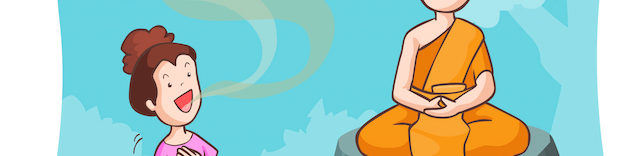
    Monk Meditating

    “A journey is a person in itself; no two are alike. And all plans, safeguards, policing, and coercion are fruitless. We find that after years of struggle that we do not take a trip; a trip takes us.” ~John Steinbeck

    Around six years ago I started to meditate. I had a spiritual awakening, and life started to look really different.

    I have always been a feeler and reader of emotion, but this was different. It was like I was synchronized with everyone around me, as if everyone else was connected to me in some strange and mysterious way.

    It later turned out to be the case that everyone is connected to me, the same way everyone is connected to you. That we are all made up of the same stuff and really we are just one giant organism connected to the same sphere of consciousness.

    I believe that if you project hate, hate is what you will receive, and if you project love, you will be showered with love.

    This is a strange concept, and one that I am sure many of you think is a little crazy, but everyone is entitled to their own opinion, and what is a reality to me may not be a reality to you.

    For me to claim my version of reality is the one truth that exists from over seven billion minds on the planet would be pretty egotistical and naïve.

    The fact is science could account for everything, in the same way a higher power could or evolution or the collective consciousness of humanity.

    We could have been put here by a lifeform more intelligent than ourselves, or our planet could indeed be just a cog in a bigger organism that we do not understand. We could be a hologram or a hallucination or something conjured up in the mind of someone or something. The truth is we really do not know!

    But when I had this moment of spiritual enlightenment six years ago, I did know. There was clarity, things made sense, and the world seemed like a better place. I thought that I had stumbled upon secret wisdom and that I was in some way elevated to a deeper level of mind than most other people.

    I knew this was the answer not only to my own problems, but the problems of every man, woman, and child on the planet. The only problem was no one who I knew was sharing my enthusiasm.

    Over the last six years since that first moment of clarity, I have come to realize that when you have a spiritual awakening it is only the start of a journey that has no end. You learn more and more about yourself as the days go by, but with each new answer multiple questions will be asked.

    If I had written about spiritual awakenings six years ago or even one year ago this article would have been very different, and if I write one six years from now, I am sure I will have many more revelations and differences from the opinions I have now.

    When I started out, I was certain that everyone else needed to meditate, that everyone else needed to jump on the spirituality bandwagon. And if you were not into spirituality you were in some way less enlightened than I was. But I now know this was my ego getting in the way.

    Because of this I alienated myself from friends, my behavior became erratic, and it nearly cost me my relationship with my girlfriend. Something that I learned from this experience is: you should never force enlightenment, information, spiritual beliefs, or a way of life on anyone else.

    I wrote this article because after coming to this realization, I noticed that it was not all that uncommon for people just starting out on the spiritual journey and even those who have been living it for a very long time to develop this spiritual snobbery and an aggressive need to inform people who are really not that interested in this way of life.

    The fact is people need to come to their own conclusions in life. No matter how big an opportunity, no matter how easy it is, even if something is so painstakingly obvious, it doesn’t matter. People want to make their own decisions and we have no right to force our way of life upon them.

    One of the main reasons we seek to recruit others when we go through transformation is to seek validation. The spiritual journey is a cosmic experience that can sometimes leave you questioning reality. If you have someone to join you it seems less scary. But you have to embrace the fear and do it anyway!

    The same rings true for a lot of other things—we may want our partners to come and see a show with us even though we know they are not interested, or we may need a buddy to join us at a martial arts class because we do not have the confidence to attend alone.

    However you dress it up, human beings generally crave acceptance and validation of their decisions.

    The truth about spirituality is that while it is one of the most connecting things that you can do, it is also one of the most solitary and individual experiences that you sometimes need to face alone. This is not to say that you should not seek guidance (you should), but a good teacher will lead you, not show you, and every conclusion and realization that you come to should be your own.

    This is why you cannot force your beliefs onto others, because while spirituality is a personal experience for you, it is also a personal experience for others; and if you do convince someone else that it is the right thing for them, they will only be doing it in an attempt to seek your approval.

    The best thing to do is be available to those who want your help and are asking questions. It can be very fulfilling to help someone who is just getting started, but ultimately they will still need to find their own way.

    There are plenty of people and communities where you can connect with those who are on the same path as you are. People who have experienced a spiritual awakening are usually pretty friendly, so don’t be afraid to reach out to others who have common goals and interests as you.

    They will usually (not always) have more of an understanding of what you are going through than your friends and family, so sometimes it is just good to be able to chat with someone whose beliefs are in line with yours.

    To wrap up, the things I have spoken about in this article do not only hold true for spirituality, but also any other journey that goes against the grain. The opposite could be the case; you are not spiritual in nature and are surrounded by people who are deeply spiritual and do not understand you.

    Maybe you have escaped the rat race and found a great business opportunity, which is being met with the same kind of resistance. Or maybe you have found out that you can reverse disease naturally and no one wants to listen to you.

    Whatever it may be, remember the only life you can live is your own; you cannot control anyone else’s destination or path. So get to know those around you, connect with people with common goals, stop seeking approval of others to validate your journey, and get out there and start living!

    Monk meditating image via Shutterstock

  • 7 Ways to Make Pain Work for You

    7 Ways to Make Pain Work for You

    Crying Girl

    “Grief can be the garden of compassion.” ~Rumi

    Have you ever had lower back pain? I once wrenched my back and walked at snail’s pace for weeks, crippled by pain. Lower back pain troubled me for years, until I found an exercise that reliably switches off the pain.

    Have you ever lost a loved one? The anguish can seem unbearable.

    Abolishing pain might seem a good idea, but please pause to consider this story.

    I was once the doctor and scientist on a health “mission” with a major international organization. Our team included a vivacious and intelligent young lady called Sheryl Sandberg (now the Chief Operating Officer of Facebook). One of the diseases in our “portfolio” was leprosy.

    Peripheral nerves of people with leprosy become infected by a germ. The skin supplied by such a nerve becomes anaesthetic. Lack of pain might seem like a blessing, at first glance.

    A leprosy patient with an anaesthetic hand can, unfortunately, hold their hand in a flame. They keep injuring themselves unknowingly, gradually eroding their fingers, feet, and eyes.

    It can be worse: there’s a Swedish province where some people feel no pain anywhere. That condition is inherited. People suffer severe deformities because they unknowingly twist and batter their own joints in the course of daily life.

    Physical pain is often protective. A lack of physical pain can be a curse.

    I was once playing hockey when I tripped and fell on an arm. I continued to play, with little pain, thanks to the endorphins (natural opioids) from vigorous exercise; but after the game the pain became excruciating. My mother took me to our doctor, who found a broken collarbone.

    Let’s come to emotional pain.

    I followed Sheryl’s progress with interest. She got married, but then the marriage ended.

    She got a position in the White House, but then the presidential term ended. She got a position in Google, but then felt in need of a move. She got a position in Facebook, and finally seemed to be on top of the world: with a happy second marriage, wonderful children, and a thriving career.

    Then she lost her husband suddenly in a freak holiday accident, while he was exercising.

    Having suddenly lost my father some years earlier, I can somewhat understand the gut-wrenching anguish of such bereavement. Sheryl, however, movingly transcended her grief as she vowed to “kick the hell out of option B” (having lost “option A”) and still make a great life for her children.

    You can feel deep emotional pain even without bereavement, especially if you have depression or anxiety. Could such pain ever be a useful part of life?

    It helps to understand the science of pain. When you touch an open flame, your hand automatically springs back, thanks to protective reflexes at the spinal level. When pain is persistent, at least four levels in your brain process the pain.

    One part of your brain (your somato-sensory cortex) receives the news about the pain.

    A second part (your anterior insula) assesses how severe this pain is: merely unpleasant or mild or agonizing etc.

    A third part (your anterior cingulate cortex) clothes this pain in emotional garments: such as feelings of anger, frustration etc.

    A fourth part of your brain (your prefrontal cortex) prompts thoughts and action.

    Pain, therefore, is a combination of what happens to us and how we respond.

    How can you make pain less oppressive?

    1. Observe.

    I once dropped a heavy stool with sharp edges on my foot. I decided, in that instant, to calmly observe the ensuing sensations. The excruciating initial pain rapidly gave way to a burning sensation, which was somewhat bearable.

    Calm observation of your body can make even emotional pain somewhat bearable. The more calmly you observe your bodily sensations while feeling sad or anxious, the less you dwell on your emotional turmoil.

    Music-making and other creative activities can help you stay calm in the face of suffering.

    2. Seek help.

    Physical pain can be your body’s way of protecting you. However, persistent pain requires attention.

    My pain after the hockey injury drove me to seek medical attention. My lower back pain drove me to seek an exercise that works.

    My father, on his deathbed, wanted merely to be more comfortable, to hug his family, and to have a sip of tea to help him cope with the many medical tubes invading his face. On a deathbed, pain control can transform life.

    If you have a chronic painful condition, sympathetic professional help can often control the pain.

    Emotional pain can sometimes seem overwhelming. If sadness threatens to drown you, seek help without delay. Let friends and family know, get professional help, allow yourself a medically prescribed life-jacket.

    Healing always takes time, whether your wounds are physical or emotional. Compassionate people and professional help can keep you afloat, gifting you time to heal yourself.

    3. Learn from others.

    No matter how bad things seem, the experiences of others can be reassuring. Thousands have come through suffering as severe as yours, or worse. Besides, your vulnerability can attract compassion.

    Make sure you reach out to others for help. It can be enough to say “I’m hurting, please help me.” People can be surprisingly compassionate, as I discovered once when forced to use crutches.

    What has helped many others could well help you. Take courage, and hold on to hope.

    4. Give it meaning.

    I know of one person with leprosy whose leg needed to be amputated because he burnt himself severely by soaking a leg in unexpectedly hot water. It’s relatively easy to see protective pain as a gift.

    How can you give emotional pain a positive meaning?

    Emotional pain, too, can stop you from brutalizing yourself. When a boss repeatedly treats you unfairly, or someone repeatedly treats you with hostility or betrayal or abandonment, you know when enough is enough. However, when you turn against yourself, you can feel trapped.

    If you fail to give emotional pain a positive meaning, you might start to feel bad about feeling bad. Bit by bit, self-loathing can gain a foothold.

    Instead of judging yourself for feeling bad, try visualizing your suffering as a pointer towards a new life. It may take time to learn and grow, so it’s helpful to hear stories of success. After every setback, believe that you, too, can “kick the hell out of option B.”

    5. Unlock the best in you.

    Pain, suffering, and death are inescapable. Our own suffering encourages us to become more compassionate, to treat others who suffer as if they were our own loved ones. Our suffering can be a key that unlocks our compassion.

    There are too many examples of hatred in the world, of violence, cruelty, and contempt for human beings. The world has witnessed great tussles between good and evil, as happened during World War 2. The willingness of people then, to suffer or even die for a just cause, helped civilization to survive.

    When we’re moved by the misfortunes of others, and respond generously, we gradually replace a civilization of hatred with a civilization of love. This can happen within our family, our community, our town, our country and our world.

    Sheryl has a platform as a senior executive in a major corporation, which she uses to campaign for better opportunities for women. Bill Gates has turned his billions to good use, by driving a number of important health and education initiatives. We might have less influential positions, but we’re just as capable of compassionate action right where we are.

    6. Persevere.

    My late mother-in-law was incapacitated by severe rheumatoid arthritis, which kept her in frequent pain. Her response was to do as much as she could, treat everyone with compassion, and look for the best in every situation.

    Her example of maturity, endurance, and spiritual greatness—in the face of suffering—remains an inspiration to me.

    7. Grow confident.

    Pain, suffering, and death are unavoidable. They can be especially cruel if you treat them as masters. Try taming pain by interpreting it as an ally, an educator, and an invitation to grow into your most compassionate self.

    Endurance of suffering builds character and character produces hope: the confidence that nothing in life will get the better of you, nothing will rob you of your human dignity. Instead, your endurance of suffering can gift you with the confidence to cope with any challenge.

    Live courageously and suffering might bend you, but won’t break you. Instead, you might well become a compassionate inspiration to others, just as my late mother-in-law is to me.

    In your darkest hour, believe that your suffering is helping to replace a civilization of hate with a civilization of compassionate love. Then, no matter how painful your predicament, your horizon will remain luminous.

    What are your own experiences and insights about pain and suffering?

    Crying girl image via Shutterstock

  • 5 Simple Practices for a Healthier, Happier Life

    5 Simple Practices for a Healthier, Happier Life

    Happy Woman

    To ensure good health: eat lightly, breathe deeply, live moderately, cultivate cheerfulness, and maintain an interest in life.” ~William Londen

    Who doesn’t want to be healthier and happier?

    Too often we focus on one and not the other and wonder why we achieve neither. We neglect to realize that health and happiness often go hand in hand.

    I spent my teens trying to lose weight because I thought being skinny was the key to happiness.

    I spent my twenties ignoring my health, abusing my body, and looking for happiness in superficial relationships and my status at work. And I got sick.

    In my thirties, I searched for inner harmony through spiritual practices, but I hid my emotions by overeating.

    Finally in my forties, I’ve realized that health and happiness aren’t so complicated, but they don’t come from one aspect of our lives. Not from your dream job, your ideal weight, or even the perfect relationship.

    Each of these fulfills one aspect—physical, mental, emotional, or spiritual. Neglect one and you create a void.  And fixate on another, like your physical health, and you’ll end up imbalanced too.

    Obsessing over weight loss, I neglected my emotional and spiritual voids that caused overeating. When I was consumed with my status at work, I neglected my physical health. Now, I pay attention to all sides with a few simple lifestyle choices. 

    You can achieve a healthier and happier life without feeling overwhelmed. The following five steps will help you along your path.

    1. Eat lightly.

    So you’re thinking, what does it mean to eat lightly? It sounds terrible and impossible, right?

    I used to think so. Until I tried.

    Learning that yoga has a philosophy of eating, based on how foods impact our minds, changed my life.

    Sattvic foods cultivate mental clarity, luminosity, and lightness of spirit. Tamasic foods and overeating create a dull, heavy mind. And rajasic foods make us agitated, hyperactive, and anxious.

    Sattvic foods include seasonal fruits and vegetables, whole grains, and ethically sourced animal products. Eat these, and you won’t feel heavy or dull. Minimize processed, stale, and old food that is tamasic and leave you feeling lethargic and muddled. Use rajasic foods with caution—when you need a perk, have a coffee, a bit of sweet, or spice.

    And eat mindfully by digging a little deeper. Are you really hungry? Are you filling an emotional void? Or maybe just procrastinating? Eat before you’re hungry, and you’ll never know when you’re full.

    Learn to eat lightly for mental clarity and physical health, and you’ll feel better than you thought possible.

    2. Breathe deeply.

    The breath is your gateway to a calm, clear mind.

    Deep breathing creates physical and mental space, strengthens your immune system, and decreases inflammation. I’ve witnessed hundreds of yoga students experience diminished pain, better sleep, and less anxiety thanks to simple breathing exercises.

    A veteran student refused his cortisone injections because the deep breathing and simple chair yoga helped him more. His case worker reported, “I was seriously blown away because he’s been a constant challenge due to his pain. Hes one of those cases where you wonder how to help such a severe case of chronic pain…and then there was yoga!”

    Experience the benefits of deep breathing for yourself with the following simple practices:

    • Lie on your back with bent knees and your feet planted on the floor, hip-width apart. Put a heavy book on your abdomen between the bottom of your rib cage and your belly button. Inhale, and raise the book toward the ceiling. As you exhale, relax your abdomen. Repeat this twenty times.
    • Sit upright on the floor or in a chair.Place your hands on the sides of your ribs, and move your ribs into your hands. Keep the area between your ribs relaxed. Imagine that your lungs inflate like balloons as you inhale, and then deflate as you exhale. Now exhale for double the count of your inhale. If you inhale for four, exhale for eight.

    Practice a few times a week, and create a relaxed, deep pattern of breathing and a calmer mind.

    3. Live moderately.

    Can you distinguish the difference between needs and desires? We need basics such as food, shelter, and transportation. But we desire expensive clothes and fancy cars.

    Satisfying desires doesn’t make you happy, and more possessions create more work. Because the more books, clothes, gadgets, and cars that you have, the more you have to worry about. People in your life bring you more love than possessions.

    Recently, I felt like I was drowning in my clutter. I delved through all my clothes. If I hadn’t worn something in a year and also didn’t love wearing it, goodbye. I gave clothes to friends, and the rest went to Goodwill. Same process with books. Releasing possessions decluttered my mind and home.

    Each day you’re presented with a myriad of choices. Do you eat out or cook at home? Do you buy the new style of yoga pants?

    Find the sweet spot where you have enough to satisfy your basic needs but you’re not over-consuming to satisfy desires. Your body needs nutritious, non-fancy food. Sure, it’s a treat to dine with friends at your favorite restaurant sometimes. But dining out frequently isn’t a need; it’s a desire.

    Your body needs some daily movement for health. But does it need an extreme workout? And is this something you’ll maintain?

    Moderation might not be as sexy as extremes, but it’s better for your long-term health.

    4. Cultivate cheerfulness.

    “Between stimulus and response, there is a space. In that space is our power to choose our response. In our response lies our growth and our freedom.” ~Viktor E. Frankl

    Frankl was imprisoned in the WWII concentration camps of Nazi Germany where most of his family perished. In the midst of his suffering, he realized that his captors couldn’t take away his power of self-awareness. He could decide within himself how his experience would affect him.

    Frankl spent his time rewriting his last psychology book in his head and on scraps of paper. Through his mental, emotional, and moral disciplines, he slowly gained his own internal freedom from his captors. He lived to become famous for his work on our power of choice based on self-awareness.

    The process of cultivating cheerfulness through self-awareness is a key to happiness. Self-awareness is finding your permanent self beyond your emotions, fears, thoughts, and physical body.

    You’re born with inner joy. For many reasons, you lose this state as you mature. You can’t necessarily change what happens to you, but you can change how you respond. Your power lies in your response to your own thoughts and external negativities.

    Do you believe your critical thoughts? Learn to notice them, examine their truth, and challenge rather than believe them.

    For example, like you, I juggle lots of responsibilities. Yesterday, I realized I hadn’t organized a fundraiser, so my first thought was, “Youre behind. Why are you so forgetful and selfish?” Then I examined the thought, “Well, I took care of my son all afternoon, and I had no time to do anything else. Mommy duty wasn’t selfish.”

    See the choice? My final response was self-compassion, different from my initial judgmental thought.

    Allow yourself space to respond rather than react. Over time, you’ll develop the power to separate your true self from your thoughts and emotions. And then you’ll feel happier.

    5. Maintain an interest in life.

    Keep your mind and spirit healthy by pursuing your passions. What makes you happiest and peaks your interest? Is it supporting a cause, supporting your family, your profession, or time in nature? Get clear on what’s important, and make it a priority.

    And being a lifelong student will keep your brain healthy. Our minds are like muscles, and the more we use them, the stronger they get. People who learn more tend to be healthier and happier.

    One of the miracles of the Internet is the wealth of information at our fingertips for little or no cost. Over the years, I’ve taken food photography, writing, marketing, and habit-changing courses.

    Think about the things you’ve always wanted to know more about, create a list, and look for courses and books. Many universities such as Harvard, Stanford, and MIT offer free online courses. Or if you go the non-traditional route, you can find incredible Internet courses on meditation, writing, marketing, psychology, and design all at your fingertips.

    Keep your life interesting by following your passions, even as hobbies, and you’ll feel happier.

    The Power of Simplicity

    Feeling healthier and happier isn’t as complicated or elusive as you think.

    Eating vegetables and fruits doesn’t seem sexy, but when you eat well, you’ll feel great and glow from the inside out.

    Simple breathing exercises might not seem as heroic as acrobatic yoga postures, but they’re a more direct route to your inner happiness.

    Buying less is certainly not always appealing, but less chaos and clutter certainly will promote clarity.

    So stop procrastinating and doubting, and take the first step!

    You won’t believe how far these simple steps will take you toward your health and happiness.

    Happy woman image via Shutterstock

  • 5 Beliefs That Hurt Your Relationships (And How to Let Them Go)

    5 Beliefs That Hurt Your Relationships (And How to Let Them Go)

    Couple with Arms Raised

    “Beliefs have the power to create and the power to destroy.” ~Tony Robbins

    “I’m not great at relationships.” This is something I used to say all the time, to others and myself.

    I’d had quite a few unhealthy friendships that ended in dramatic showdowns when our combined issues proved toxic.

    My romantic relationships weren’t any less volatile—largely because my deep-seated shame affected the type of men I attracted and compromised my ability to be there, with and for others.

    But even after making significant progress with my insecurities and working through some painful experiences from my past, I realized I still felt terrified of somehow messing up relationships.

    As much as I wanted to believe the future could be different from the past—that I could be different—I couldn’t let go of that one sentence: I’m not great at relationships.

    I had to challenge my beliefs about myself, and I also needed to recognize and unload my subconscious self-judgment. Because when I said, “I’m not great at relationships,” I wasn’t making an objective observation. The unspoken ending to that sentence reads, “…and it’s because I’m lacking as a person.”

    I needed to believe I was worthy of healthy connections, and capable of forming and sustaining them, even if I’d struggled in the past. Otherwise, I’d never allow myself to let my guard down, let others in, and then, freed from the burden of my own defenses, show up fully for them.

    Over the years, I’ve identified countless limiting beliefs like these, and I’ve seen tremendous improvements in my relationships by releasing their grip on me.

    We all have beliefs like this, and they can compromise our ability to show up for the people we love if we don’t acknowledge them and proactively work to let them go. Perhaps you’ll recognize some of these tendencies and beliefs in yourself:

    1. COMPARISONS: If someone appears to be doing better than me in some area of their life, that means I’m less than—and I have to catch up to prove that I’m worthy.

    We all want to feel happy for the people we love, and we want them to feel happy for us when we’re doing well. This can be challenging, though, if we allow comparisons to convince us we’re somehow behind and therefore inferior or inadequate.

    The solution? Work on nurturing a sense of self-worth that has nothing to do with what we achieve. Every last one of us will experience highs and lows on our journey. Sometimes we’ll thrive when friends struggle, and vice versa, and sometimes we’ll thrive at the same time.

    If we can work at valuing our efforts and ourselves regardless of the outcome, we’ll be better prepared for the inevitable lows, less attached to the highs, and more supportive of our loved onesregardless of where they are in their journey.

    2. SCORE KEEPING: If I don’t get exactly what I give, someone is devaluing and disrespecting me, so things always need to be even.

    Nothing suffocates a relationship like keeping score. It communicates to the other person, “I suspect you’ll cheat me if I don’t keep track and remind you when you’ve fallen short.”

    I’m not suggesting we give and give without regard for receiving. The key is to create an atmosphere of caring and generosity by giving without always expecting reciprocation, and then trusting that you’ll receive that same courtesy.

    It’s about creating a team mindset and recognizing that we all have different strengths, and we all give in different ways.

    I may do more laundry than my fiancé, but he’s an excellent cook. We each contribute in our own way, in all aspects of our relationship. (Keep in mind this isn’t always the case. If you always give and never receive—despite communicating your wants and needs—you may want to rethink that relationship.)

    3. ASSUMPTIONS: I know why people do the things they do, and they often have selfish or hurtful intentions.

    Formerly, I assumed the worst of everyone. If someone hurt me, they meant to. If someone did something I didn’t understand, they were selfish and thoughtless. Primed as I was with these cynical beliefs, I frequently brought out the worst in people.

    That’s often what happens when you guard yourself with these kinds of assumptions; people guard themselves in return, and seem to confirm your fears.

    The truth is we can never know why other people do the things they do unless we ask—and then trust the answer. More often than not, people are doing their best, just like we are, and would never intentionally hurt us.

    Stephen Covey wrote, “We judge ourselves by our intentions and others by their behavior.” If we assumed that other people have positive intentions, we’d all judge each other a lot less, and feel better about each other, and ourselves, as a result.

    4. EXPECTATIONS: If someone doesn’t meet my expectations, that means they don’t care or value me, or intended to hurt me.

    It happens all the time: We expect a certain outcome, or response, and then we feel disappointed and disrespected when things don’t go according to plan.

    Things rarely, if ever, go to plan. Even when we communicate our wants and needs, it’s entirely possible that someone else may fall short—because they’re imperfect, just like us, and dealing with their own challenges.

    I’m not suggesting we don’t expect anything of anyone, but rather that we try our best to recognize and appreciate what people do “right” instead of maintaining a list of all the things we think they’ve done “wrong.”

    Think back to when you were young. What would have motivated and empowered you more: being praised for your efforts, or being chastised for your shortcomings? The same holds true in adult relationships.

    5. BITTERNESS: I can’t let go of what hurt me because that would be letting that person off the hook.

    For years when I was younger I tried to maintain a relationship with someone while holding on to anger and bitterness. As a result, I unknowingly made this person “pay” for their lack of compassion in the past by treating them without compassion in the present.

    Not only was I not “being the change I wished to see,” as Gandhi recommended, I was losing self-respect by becoming the very thing I’d condemned.

    Eventually, I realized I needed to make a choice: I could let go and recreate the relationship anew, or let go and move on—but it was no longer an option to hold on to both the person and my bitterness.

    I chose the former, aided by the belief that hurt people, hurt people—and conversely, healed people, heal people.

    Forgiveness may be “letting someone off the hook,” but that doesn’t mean we deserved whatever happened, or that it was okay. It simply means we’ve accepted it, and chosen to grow through it.

    Nothing could be healthier for our relationships, with others and with ourselves.

    Obviously, this is all a lot easier to neatly summarize in a list than it is to regularly apply. But we don’t need to tackle all of these beliefs all at once. We just need to try our best, each day, to recognize when we’re getting caught up in one of these limiting beliefs.

    Even the tiniest bit of progress can make a huge difference, so give yourself credit for every small shift you make and then watch as they all add up.

    This article first appeared in Best Self Magazine, the digital magazine for the next generation of seekers and doers. Couple silhouette via Shutterstock.

  • A Simple Phrase That Can Prevent Arguments and Resentment

    A Simple Phrase That Can Prevent Arguments and Resentment

    Communication

    “It’s not the events of our lives that shape us, but our beliefs as to what those events mean.” ~Tony Robbins

    I am always making up stories about what others think of me or what they really meant when they made that comment. And I typically make up the worst case scenario. According to my brain, everyone is mean-spirited and ridiculing me.

    This is not an uplifting way to live one’s life. The pessimistic stories I create are generated in part by my low self-esteem, and by convincing myself they’re true, I continue to fuel it. My constantly negative perceptions affect my relationships with others and overall mood in a harmful way.

    I recently experienced a huge breakthrough in regard to this aspect of my thought processes. I am a huge fan of Dr. Brené Brown’s work and recently read her newest book Rising Strong. One of my biggest takeaways was this one phrase that will improve your relationships: “The story I’m making up…”

    Why We Make Up Stories

    As humans, our brains make up stories. We automatically search for meaning. If there is a lack of information, then we will try to fill in that gap.

    Studies have shown that we like stories to make sense or fulfill a pattern, and we will use our own experiences as reference for this.

    Brown actually says that research shows we get a dopamine hit when we recognize a pattern. Our brains especially like it if the story can give us more insight into how to protect ourselves and secure our survival.

    This is why we make up stories to explain why bad things happen. If we know the cause, next time we can plan accordingly to avoid the situation altogether. Unfortunately, even though we honestly believe them to be true, the stories we make up are usually at least somewhat inaccurate.

    This is where the phrase, “The story I’m making up…” works to clear things up in our interactions with others.

    How to Use It

    “The story I’m making up…” can be used in times of struggle or conflict with another person. Perhaps a co-worker quickly changed the subject after you expressed a concern about a project. You can use this phrase to say, “The story I’m making up is that I’m being dismissed because my opinion is not valued.”

    Or maybe your significant other flipped on the television when it’s supposed to be date night. You can say, “The story I’m making up is that our relationship is not a priority to you.” It is an effective tool that can be used in family, friend, work, and romantic relationships.

    Recently my husband and I were arguing. He shared his feelings with me, which is often challenging for him. Because I know he really appreciates physical affection (and I struggle to give it), I chose to pull him into a hug instead of responding verbally.

    The hug did not feel reciprocal as his arms were loosely around me. I was vulnerable when I offered physical affection, and his lackluster embrace registered as a cold shoulder to me. I was feeling very hurt as I told him, “The story I’m making up is that this lifeless hug is an expression of rejection.”

    He apologized and explained that he did not intend to reject me; he was just feeling thrown off by my lack of spoken response.

    His mind was whirling trying to figure out a sense-making story as well. “The story I’m making up…” created a space for us to share our intentions and feelings and work through the misunderstandings in a calm and safe environment.

    Why Use It

    The beauty of this phrase is that it provides the setting to speak openly without initiating a defensive reaction from whomever you’re speaking with. It allows you to honestly express your experience while still taking responsibility for your own feelings. This is a disarming method of communication that leads to a more productive dialogue.

    “The story I’m making up…” becomes an opportunity to revisit a confusing or troubling situation. From there you can challenge your perceptions and reality-check them against the viewpoint of the other person. It provides space for the other person to clarify their intentions.

    The majority of the time this phrase stops an argument before it can even start for me and my husband. When one of us is feeling confused, hurt, or misunderstood, we tell the other what story we’re making up.

    Oftentimes the other person clears up the issue without any conflict because typically our intentions with one another are good.

    Miscommunication and negative assumption are the causes of so much unintentional and unnecessary conflict in relationships. Instead of getting into a fight or silently resenting the other person, using the phrase, “The story I’m making up…” establishes a safe place for meaningful dialogue to gain better understanding of the situation and one another.

    You may realize there actually is no issue, or if there is, you can continue to work through it together in a respectful and effective manner.

    Communication image via Shutterstock

  • Fitting In Is Overrated: Embrace Your Uniqueness to Find Meaning in Life

    Fitting In Is Overrated: Embrace Your Uniqueness to Find Meaning in Life

    Be Different

    “To be yourself in a world that is constantly trying to make you something else is the greatest accomplishment.” ~Ralph Waldo Emerson

    Have you ever felt different—like you don’t fit in at all?

    Do certain things captivate other people but leave you struggling to find meaning?

    What about the big picture? Maybe you feel you chose the wrong career, or you wonder if you were born into the right family—no one else seems to think the way you do.

    Feeling different can be unsettling in a world that values sameness. You can derail your confidence and your progress by demeaning yourself for your differences.

    I felt uncomfortably different most of my life—out of place, misunderstood, and alone. I always worked hard to fit in, fighting a constant, frustrating inner struggle with no tools to help me cope.

    I always got top grades, but didn’t seem to think the way everyone else did, perhaps because my family was poor but I attended an upper-middle-class school.

    I was extremely introverted and shy in an extroverted world. I kept to myself, hiding so no one would know I was different. This broke my heart because I wanted to fit in so badly.

    My desire to fit in continued through college and beyond. I finally realized I was wasting a lot of time and energy by struggling to fit in. I was denying my uniqueness and my chance to create a truly meaningful life.

    By hiding my differences, I short-changed the very reason I was born.

    Most of us don’t realize that hiding our true nature is devastating to ourselves and to the world.

    How We Get Steered Off Course

    Subconsciously, we’re all searching for true meaning in life. We think of it as trying to find happiness.

    Society teaches us we’ll be happy by following norms that make us the same as others. We are encouraged to seek outside of ourselves rather than connecting inward and being fulfilled by the things we love.

    For instance, we learn to:

    • Compete with each other to get into the best schools and to land and keep the best jobs.
    • Look for partners to give us self-worth and complete us.
    • Strive to make money to buy things to make us happy.
    • Do everything to stay young-looking, valuing youth more highly than age and wisdom.

    With these goals, we are constantly doing rather than being. Time disappears because we aren’t embracing life by connecting with our inner being.

    We forget who we are. We are not living. We are grasping for an elusive happiness on the outside.

    We feel like we’ve found happiness repeatedly, only to realize it is temporary. Each time we find it slipping away again, we search to find happiness in some other way.

    Embracing our uniqueness and finding true meaning in life will break the pattern.

    Take the first steps toward freedom.

    Changing direction requires some upheaval. But this is your life. If temporary discomfort results in discovering your meaning and purpose in life—which leaves you feeling fulfilled, balanced, and happy—isn’t change worthwhile?

    Assess your life to see if you abandoned your own uniqueness just to fit the mold.

    Review the five bullets above. Are you following someone else’s path instead of your own? If so, what would you prefer to do instead? It’s never too late to change.

    If you’re seeking approval or self-worth from others, learn how to find these qualities within yourself. If you’re in a career that doesn’t satisfy you, acquire the skills you need to follow your passion.

    What are you doing just to fit in? What daily activities feel like drudgery? What responsibilities or tasks do you often put off or even avoid?

    A long list is a sure clue that you’re not following your passion. Seeking further can help you find true meaning.

    Determine what makes you unique.

    We all have a passion—something that makes us light up inside, something we want to do more than anything else. We bring our own uniqueness to our passion. Following it will help us find true meaning in life.

    Assessing your uniqueness takes careful thought. Set aside an hour at a time. Longer blocks of time are even better. The key is to feel free to brainstorm because nothing else requires your attention.

    Schedule time on your calendar and hold to it.

    When it’s time, go to a quiet place with purpose. Take a notepad or something to capture your ideas. Don’t judge any of your thoughts. Brainstorming means all ideas are of equal value.

    You can be selective later. Judging in advance blocks your creativity and you’ll likely miss something you are suppressing or something new.

    Some questions to ask to uncover your uniqueness are:

    • Which activities cause me to completely lose track of time?
    • What am I always trying to find time to do even when I only have a few free moments?
    • What makes me really happy?
    • What matters most to me personally?

    Once you have thought through and listed all your answers to these questions, list each answer on a separate line. Ask yourself what parts of your life feel most and least aligned with your favorite activities, passions and values.

    Record and study this information closely to find clarity.

    Leverage what you’ve discovered.

    It’s time to follow your heart, honor your uniqueness, and discover your true meaning. Gather your answers and decide how to incorporate this newfound knowledge into your life.

    Maybe you uncovered a passion you’ve always suppressed. For example, I always loved writing, but I only pursued it indirectly in the form of business writing because that was a practical way to earn a living.

    Business writing is not my favorite form of writing, and it never satisfied my desire to write. But now that I have my own business, I’m writing the way I’ve always wanted to.

    I’ve combined writing with my other passion of pursuing better ways to live. Now I’m excited when I write, I’m fulfilling my purpose, and I’m helping others.

    Seek further if your passion still eludes you.

    Maybe you’ve squelched your uniqueness for so long that you can’t find your truth. If you have more questions than answers, that’s great! That’s when it’s time to experiment.

    Answers can come from many different sources, so cover a lot of ground. When you find clues, you can piece them together to form your plan of action.

    Ask others what they do, find books and other resources to read, seek professionals to help you, join a group of like-minded individuals, take a class, or ask the universe. Use your creativity to reach out broadly. The answers will come.

    Start exploring one area that calls to you. Try something creative such as art, theater, or science. Begin looking for solutions to your biggest problem, or reach out to help someone else. Life holds many right answers. Seeking and finding them is the fun part.

    When I began my search for happiness, I looked everywhere. I even opened my mind to things I thought were illogical, like aura balancing. I was surprised when I discovered that I could actually feel negative energy being pulled out of my body by someone using a crystal.

    That incident sent me to seek spiritual answers. Ultimately, I found my answers through the teachings of yoga. I was so motivated by these teachings that I moved into a meditation center for a year to pursue them.

    This brought me around full circle, proving that I really am different—and because I found my passion, I learned that being different is completely okay. This changed my life radically.

    Don’t be afraid to go out on a limb with your search. You never know where it might lead you. It is far better to follow your heart and be different than to struggle to try to be the same.

    We all have differences in a world that values similarity. When fitting in means suppressing who you are and what you love the most, you miss your opportunity to connect deeply with yourself—to live, shine, find true meaning in life, and offer your unique talents to the world.

    By opening your heart and mind and being completely free to explore what matters to you, you will learn who you are. Next time you find yourself holding back to avoid standing out, realize that you add value to the world.

    Never be afraid to follow your passion and blaze new trails. It’s important to have faith in the process of life. The trick is to realize and embrace your uniqueness. By doing so, you will be led in the direction you were meant to go.

    Be Different image via Shutterstock

  • Choosing Inspiration Over Intimidation: How the Unknown Can Empower You

    Choosing Inspiration Over Intimidation: How the Unknown Can Empower You

    Facing the Unknown

    “When you become comfortable with uncertainty, infinite possibilities open up in your life.” ~Eckhart Tolle

    Lately, I have been reflecting a lot on what I was like when I was a kid.

    Back then, what I didn’t know seemed magical. It gave me room to imagine, to fill in the blanks with my own creative inspiration, and to live with a sense of wonder and awe.

    I loved fantasizing and daydreaming and imagining what magical situation might be brewing in my life.

    As children, curiosity was a natural and automatic part of us, and what we didn’t know didn’t scare us. If anything, it made us into warrior explorers who took adventures into the unknown, unafraid to change direction if something wasn’t working, unattached to the outcome, and perfectly content on the journey.

    As a child, I was open and available to the possibility of the kind of world I wanted to live in. I loved learning about people and their life situations.

    What I didn’t know inspired me to ask questions. And I asked a lot of questions. I was unscripted and unedited. It took people by surprise, but I shook things up everywhere I went and saw nothing wrong with that.

    I was unapologetic about who I was.

    I believed in the good, the magical, and the powerful, and I believed that fairytales were real. After all, no one had told me yet that it was silly, crazy, or impossible. No one had convinced me yet that fantasy was not a useful tool for creating a worthwhile life.

    But sadly, I was only wholeheartedly curious and unedited until about age five. Then I began to doubt, to limit what I knew to be true, and to edit the world I believed was possible.

    I got really good at fitting in and being whatever I thought others would adore. I stopped asking questions, and I went through years of agreeing with everyone all the time.

    I had forgotten who I was and grew fearful of rocking the boat. I now felt threatened by the unknown, and I lived with anxiety because of it.

    All those years of forgetting about who I am wound me up good and lost by the time I graduated college. I went through some pretty heavy rock bottoms in my twenties, super lost and so unsure of myself.

    I struggled because there was this world I believed in, but then there were all the ways in which I had edited myself into a world much smaller. I knew there had to be a way out. It just took me some time to find it.

    As it turns out, the way out was not some external thing that changed for me, but rather the willingness to search inside myself, a place I hadn’t spent much time up to this point.

    I let myself start asking questions again, and I contemplated those questions for months and years. Just asking them was enough to open up a whole new world to me.

    I believe in the practice of taking what we do not know—that precious space where anything is possible—and allowing ourselves to live in its question mark, to play with what we really want, and to dance in the discomfort, challenging ourselves to build and create the world we want to live in.

    If we don’t choose this, then what are we choosing?

    What if we let the unknown be an invitation, a calling to a greater you and me? What if the unknown was a blessing and a gift, presenting us with a blank to fill in with whatever we want to create? What would be available to you if you let the unknown inspire you instead of letting it intimidate you?

    I have so many unknowns in my life right now, and I am pretty positive I always will.

    Will I become a wife or won’t I? Will I be a mom or not? Will I live here for the rest of my life, or will I move again? Will I travel the world again? Is this what I am meant to be doing, or is there something else or something more? What do I really want, and am I willing to do whatever it takes to create that?

    Instead of making myself crazy, trying to get answers that I cannot possibly have in this moment, I choose to practice surrender and mindfulness.

    Whenever I’m facing the unknown and I see myself going into a negative, fearful, victim place, asking questions helps me shift.

    I ask questions like:

    How do I know this bad thing is going to happen? Is that a fact? Since this is not a fact, what is a fact? The fact is that I am facing the unknown.

    What do I prefer to create right now? Where is the magical place that I wish to go instead of this limited place? What do I want this unknown to mean for me? What would it take to create something better that I haven’t even thought of yet? Can I just live in the question of that? How does it get any better than this?

    As we become responsible adults, we need to reclaim our power, remember who we are, and become the person we wish would save us so we can create the world we would be joyful living in.

    It is up to us to let go of the outcome and to be curious and adventurous, like when we were kids.

    When you are faced with the unknown, notice what you do. Become aware of whether you make up a negative story about it. If so, what would happen if you made up a fun, exciting, empowering, inspirational story about it instead?

    Use your curiosity. Investigate your own mind, heart, and spirit. Ask questions. Explore. What adventure do you want this unknown to mean for you? What do you want to create?

    Lastly, look outside your comfort zone. Instead of reaching for what you know based on your past, look outside the bubble that includes everything you’ve ever known. What is a new way for all the pieces to come together? How might this time be different for you?

    Be willing to look beyond what is currently showing up. Sometimes we may not know how something will come into being, so we must stay present with the knowing we hold deep inside and committed to the vision we have for our lives.

    We are human. There will always be uncertainty, but it doesn’t have to overwhelm us or freak us out. It could inspire us and get us excited about what magic is unfolding for us.

    As for me, I am choosing to just be with what is. As I sit with my resistance to what is, I become aware that the temptation to make the unknown mean something scary and bad is just another distraction so I don’t have to sit in the discomfort of not knowing.

    So every day I must recommit to sitting with the discomfort instead of giving in to the temptation to make up scary stories about it. Just embracing what is can be the very relief we are searching for!

    Uncertainty image via Shutterstock

  • Why We Should Accept Our Foes and Adversaries

    Why We Should Accept Our Foes and Adversaries

    Fighters

    “Happiness can exist only in acceptance.” ~George Orwell 

    Reading the above title, you may be thinking, “Why should I accept people who are trying to harm or cause me trouble? They are the last people I would want to accept!” I know I used to feel that way.

    It’s clearly unnerving to think about accepting those that we feel are toxic, and even more challenging to do so.

    However, when I look back, I now realize that I suffered unnecessarily from my refusal to accept such people, both in terms of greater personal anguish and poorer results.

    This became even clearer to me—of all things—while competing in some seniors’ tennis tournaments.

    My Unrelenting Tennis Foe

    Not long ago, I played a first round match in a tournament against a player who constantly miscalled lines and game scores—both, of course, in his favor. I felt I was a better player than him, but I let his court antics upset me so much, I lost my focus—and the match.

    After entering another tournament several months later, I received a call from this person asking me if I would assist him in entering the same tournament. He didn’t understand English well and had trouble completing the online entry form. Oh brother, I thought to myself, do I really want to help him?

    Yet, I felt that good sportsmanship required me to do so. When the draws for the tournament came out several weeks later, lo and behold, we were matched again in the first round.

    At the time, I was in the midst of studying and writing about the rewards of acceptance, and I instinctively felt there was a reason this was happening: It gave me the opportunity to accept my opponent for the player that he was—crafty and likely not honest—and not let that impact my play. Here’s what followed in our second match.

    After I was ahead in the first set, he started with his shenanigans again, frequently misstating scores and sometimes making bad line calls. I tried to remain calm, but internally I was very upset by his antics—so much so that I lost my lead and the match!

    I left the court so embittered that I vowed never to play him again, even if that meant defaulting a match. I was very discouraged that despite my efforts, I was still unable to accept this person for who he was.

    Unbelievably, two months later I drew him again in the first round of the largest seniors tournament in the United States. Out of sixty players in our division! How could that happen?

    Because I didn’t want to put myself through such torment again, I seriously considered withdrawing from the tournament.

    I still sensed, however, that there had to be some higher meaning or purpose to all this, and decided to play the match. However, before playing, I knew I had to seriously examine what was required in order to somehow accept my opponent—antics and all—and not let him get the best of me yet again.

    Keys to Accepting My Foe

    Here are the keys I used to finally be able to accept my opponent.

    I told myself that I would not speculate further about his motives or character.

    I thus would not focus on his being a schemer or cheater. Instead, I considered that there might be reasons beyond my knowledge, or even his, for his poor court manners. That made it easier for me to accept that that’s simply the way he was—and that it had nothing to do with me, and I need not spend mental energy worrying about it.

    I practiced gratitude.

    In this case, I was grateful for having “the opportunity” to do things differently this time. This significantly defused my anxiety about playing him again, and when we entered the court, I harbored no ill feelings toward him.

    I focused on what was within my power to do.

    Namely, to make sure I watched the ball well and played my “own” game, despite whatever he may do during the match. I also requested the presence of a court referee to assist in keeping score and resolving any line disputes.

    Here’s how the match went. I fell behind 5-2 in the first set even though he didn’t misbehave; yet, I remained calm and focused, confident in my belief that the final outcome is all about me, and not him.

    I then won nine straight games and the match!

    This despite my opponent’s intentionally slowing down play by taking longer than allowed cross-over periods and more time between points.

    None of his diversions angered me, nor altered my focus from what I needed to do. Indeed, I played even better. I am convinced that had I not found a way to accept my foe, I would have lost again.

    Understanding What True Acceptance Means

    If you still aren’t keen about the idea of accepting your foes and adversaries (or feel that it would be near impossible to do), a clearer understanding of what acceptance means should help you. For example, acceptance does not mean:

    That you approve or condone another’s behavior.

    You are not approving by accepting. Rather, you are simply acknowledging the “reality” of the person or situation, or “what is,” and deciding what’s best for you based on that reality. Hence, you can accept someone even though you disapprove of what the person says or does. (This is not to say, however, that you should accept abuse, violence, or other aberrant behavior.)

    That you must “give in” to others.

    Acceptance does not require that you relinquish your needs or subordinate your best interests to those of others. Once again, it means being realistic about the person (or situation); if you feel mistreated or imposed upon, you can disengage or detach—or, of course, stand your ground.

    That you cannot be resentful.

    It’s normal and understandable—only “human” if you will—to be upset or resentful when someone acts badly. What is important, however, is that these feelings be timely addressed and processed, and not be allowed to linger. When not timely addressed, you will linger in negativity and not be able to “see” the meaningful choices and options available to you.

    And very importantly, acceptance does not mean,

    That you have no viable choices.

    To the contrary, it is only by truly accepting the person as they are (or the situation as it is) that you will be able to recognize the choices and options that will serve you best, as I did in my final match. Why? Because with acceptance, the focus changes from others to you—and what you can do to better serve your own interests.

    Your Acceptance Challenge

    The next time you deal with an adversary, a perceived enemy—or for that matter, simply a very unpleasant person—I challenge you to try accepting them as they are. In doing so, note whether there were fewer aggravations. Was it easier to remain calm? Were you better able to focus on taking care of your own needs?

    Let me know how it went!

    Fighters silhouette via Shutterstock

  • Relinquishing Control of Others: 5 Ways It Serves You

    Relinquishing Control of Others: 5 Ways It Serves You

    Letting Go

    “Selfishness is not living your life as you wish to live it. Selfishness is wanting others to live their lives as you wish them to.” ~Oscar Wilde

    My mother is a huge control freak. I am told she got it from my grandmother, who basically ran everyone’s life.

    Regardless, growing up, I noticed that she really struggled with relinquishing control of what we were all doing with our lives.

    It was partly out of love because she just wanted what was best for us, and partly because she feels a sense of panic when she doesn’t know what’s going to happen if the person chooses to go in a different direction than she envisions as the “right” one.

    I inherited my own need to be in control of everything and everyone from her. It took me a long time to learn how to surrender to what was and let go. Not just of the things happening in my own life, but what others close to me were doing.

    I know that when I am outside of somebody else’s personal situation I have much more perspective because I’m not emotionally invested in their drama the way they are. At least, I think I’m not.

    See, that’s the big fallacy! I have come to realize that I do actually get emotionally invested, and I hold onto an expectation that the person will take my advice and do what I so clearly think is the right thing for them.

    Let’s be real—do we really know what the right thing to do is for another person?

    I recently had a great conversation with a close friend of mine who is incredibly advanced on his spiritual path. We were discussing a mutual friend of ours who is currently in a relationship with a woman we know is absolutely wrong for him.

    We have pointed out all the warning signs we see. He has also admitted that he sees them himself and senses them, but still he cannot walk away from the relationship.

    I was expressing my sadness and frustration over my friend not taking my advice or hearing me. I said, “What else can I say to him so he gets that this is a huge mistake?”

    My friend calmly replied, “You’ve said everything you need to. Now you need to relinquish control over the situation and allow his soul to have the experience it wants to have. Maybe his soul needs to have a horrible, destructive relationship to get him to the next level of his learning.”

    Wow. Why hadn’t I seen that?

    It is true that we don’t know the journey that each person is on. And we need to allow the people in our lives to make choices that feel right to them—because what is right for us may not be right for another person.

    When I started to relinquish control over what everyone in my life was doing, I started to feel a huge shift in my energy.

    I realized that by just “holding space” for people, which, according to Heather Plett, means “being willing to walk alongside another person in whatever journey they’re on without judging them or trying to impact the outcome,” I was able to be of better service to them, and in turn allow them to follow their own path.

    Letting go of others’ decisions and any expectations we have of them has a number other benefits. Some of the ones I found were great motivators for me.

    1. You have more energy to focus on yourself.

    What a difference I felt when I stopped obsessing and worrying over every single friend’s problem and trying to figure out how to fix it for them.

    I didn’t realize how draining it was for me to take on everyone else’s “stuff.” When I started to let go of what other people were doing to fix their own problems, I found I had way more energy to focus on me.

    2. It can be more empowering to just listen rather than “fix.”

    People don’t always need us to “fix” things. What they need when they come to talk to us is to feel heard. Nobody likes to be told what to do.

    Releasing control of what the people in my own life decided to do enabled me to be a better listener since I was spending less time thinking of ways to “fix” their problem.

    3. We develop trust.

    When we can surrender to what is, allow things to unfold, and realize that every experience serves a purpose, we start to trust that whatever happens may really be for the best.

    Relinquishing control and allowing things to play out without our interference can reveal some surprising outcomes that we never could have planned and ultimately be the best for everyone involved.

    4. It strengthens our relationships with others.

    When my mother started to release her tight grip on everything I did, we became closer. I understood how difficult this was for her to do, and I had a lot of respect for her.

    By not telling people what to do all the time, we are essentially saying to them, “I trust you to make the best decision for you.” This really strengthens our relationships with them when they believe there is a mutual trust and respect for their judgment and choices.

    5. We learn something new when we watch how others do things.

    I always thought I had all the answers. Clearly not since my life has been in shambles many times over. There is so much we can learn from others when we observe the way they do things. The next time we find ourselves in a similar situation, we may find that their way was the better way.

    When we reflect on all of the reasons it serves us to let go of controlling others, it’s a great excuse to allow the people in our live to follow their own path. Whether it’s the right path or the wrong path is not for us to decide. It’s simply their path.

    Letting go image via Shutterstock

  • Grieving a Loss That Feels Like a Death

    Grieving a Loss That Feels Like a Death

    “Grief is like the ocean; it comes on waves ebbing and flowing. Sometimes the water is calm, and sometimes it is overwhelming. All we can do is learn to swim.” ~Vicki Harrison

    Most grief books are written to help you mourn the death of a loved one and learn how to deal with their absence in this world.

    Death is probably the most challenging thing a human can face. It breaks us down. It brings us to our knees. Some people are so significant in our lives that the mere thought of living without them feels incredibly overwhelming and incapacitating.

    Losing someone we love is hard. Accepting loss is extremely challenging. So how do we cope with yearning and adapt to the emptiness following a divorce or huge breakup without feeling like a loser or the psycho who cant let go?

    It’s an unfair misconception to think that those who have a hard time letting go or are taking longer than usual time to move on are somewhat weak.

    Psychology agrees that when a major relationship or marriage ends, the person who was left may feel grief as painfully as someone who lost a loved one to death. Sometimes the pain can even be stronger.

    Divorces and breakups can sometimes be worse than death, because the person who died to us is very much alive, haunting our every thought.

    I remember how lost I felt right after Mr. Big broke things off with me for the 87th time. I remember packing my car with all my belongings and driving from San Francisco back to Los Angeles with our eight-month-old son in the car crying the entire six hour drive.

    I felt as if he had died. My whole world collapsed. I was terrified that I wouldn’t be able to support our son.

    I wondered how he would turn out without his father in his life. Would he feel unloved? Would he wonder why his father cut him off his life? Would he blame himself or think he wasn’t good enough for his dad?

    So many questions rushed through my mind while I drove through the vast freeway back home.

    I felt humiliated. I felt alone. I felt a variety of feelings and emotions. But the one that I always remember is the feeling of loss. I had lost everything I ever thought I would eventually have. The family, the life and most importantly: the man. The man I had loved for five years had died.

    His body was still there but his soul was gone. Everything I ever thought of him was gone. His words were gone. His spiritual presence was gone.

    There is a lot more to life than a physical body. Millions of people have experienced the death of their loved ones without ever having to plan their funeral.

    When I arrived home it was time to pick up the pieces and move on. At least that’s what everyone around me was telling me.

    They expected me to shake everything off and move on with my life as if my son’s father didn’t exist. As if our story didn’t happen. But accepting the death of someone in our lives is a process.

    I kept going back and forth between missing him and hating him for leaving. At times the mixed emotions felt like I was literally sinking into insanity. One moment I would cry and the next I would yell.

    Nobody told me that grief does that to people, and because I didn’t know what I was feeling was normal, I felt even more alone.

    I had never heard of the five stages of grief until I went to see a therapist, because the pain was so unbearable. It’s then I learned that a person goes through denial, anger, bargaining, depression, and acceptance after the death (or loss) of a loved one.

    Unlike what I originally believed, there is no specific order to these feelings. You may feel as if you are on an emotional rollercoaster as you are jumping from stage to stage. Its important to know that this emotional ride is normal, and if you get the proper help you will get off of it alive and stronger.

    I know what it feels like to not want to get out of bed. I know what it feels like to not want to take a shower, or brush my teeth or even eat.

    I know what is like to lose twenty pounds in six weeks, to lose friends and to lose your dignity begging someone to take you back. I know the feeling that the world has ended and you were left behind alone and miserable.

    I have been there, so believe me when I say that there is hope.

    There is, in fact, a light in the end of the depression tunnel. But the only way to get to that light is to walk through it. There is no way of getting around the process, and the earlier you begin the journey of mourning and healing, the sooner you will reach peace.

    The journey is long, but there is no race and no competition. It’s a journey with yourself. There will be days when you will feel stronger than ever and some days will bring you back to your knees.

    Just remember: The rollercoaster is the journey. So even when you are down, feeling as if you’ve made no progress, remember that progress is being made every day you choose to be alive.

    Progress is being made every day you choose to not call the one who left you.

    Progress is being made every day you choose to take another breath.

    You are alive. You are strong. You will survive.

  • Life Goes on After Loss: Tiny Steps To Work Through Grief

    Life Goes on After Loss: Tiny Steps To Work Through Grief

    Woman Alone by the Sea

    “I realized, it is not the time that heals, but what we do within that time that creates positive change.” ~Diane Dettman

    Two weeks ago I found out that a friend passed away. He died eight days after my birthday at the age of twenty-six, and that fact has been hard to swallow, as I didn’t know that my time of celebration would also be a time of grief.

    The details surrounding my friend’s death are unknown; all I know is that it happened suddenly, and it was a huge shock to me and other friends that knew him. He was my first high school crush. As a fourteen-year-old girl at the time, it was a big deal to me. I really cared about him.

    My friend had sent me a Facebook message in March of 2014 stating that we should get together, as he wanted to see how I was doing. I was touched at how caring he was and wanted to know what was going on in his life, so I said yes.

    We talked for hours that day, and I brought him up to speed on what had been going on in my life. When the get together ended the last thing he said to me was, “I wish you the best, and if you need anything let me know.”

    He walked out the door, and that was the last time I saw him.

    When I first got the news of my friend’s passing I didn’t know what to think, what to feel, what to say. I just sat there staring at my computer screen, hoping it was a bad joke. It didn’t feel real at first, and when it did sink in the floodgates that held my tears back for a while opened. It was like a punch in the gut.

    Days after I heard the news I just didn’t know what to do with myself. I let myself go for a while. I lied down on my bed in the fetal position staring at nothing. At some points I was dry-eyed, and then I would start to cry, wailing almost.

    I heard a sound pass through my lips that I never heard before. It was the sound of heartbreak. I wondered: “How does life continue after this?”

    I got frustrated that I didn’t know how to answer that question, and a week later it hit me.

    Life does continue, and it gets better with time.

    My grief comes in waves, and this experience has been teaching me how to surf those waves as gently and as lovingly possible. If you’re also grieving a loss, this might help.

    Acknowledge your feelings.

    It was scary and painful to acknowledge every emotion that came with my grief. I felt angry, sad, and went through a depression. I wanted to crawl into a hole somewhere because I was so overwhelmed by my pain.

    I felt like I was losing who I was a little. I had to find a healthy way to address my feelings and slowly start picking up the pieces of my life and putting them back together into a stronger version of me. Once I became honest with myself and acknowledged my emotions, a weight released off my heart.

    Being honest with myself and others also helped me rebuild connections with friends who are sharing this grief with me.

    While I still deal with the same feelings, it is slowly getting better.

    If you are going through a difficult time, know that it’s okay to acknowledge your feelings. If you don’t feel comfortable talking it out, grab a journal and quietly be honest with yourself.

    Know that it’s okay not to feel 100% right away.

    As days pass I still don’t feel 100%, but that’s okay. Slowly, I have started to do the things I enjoy. Starting small is key to rebuilding your life and getting back on track. The other day I went for a walk to clear my head, and even though it was only for a few minutes, it helped.

    Take care of your physical body. It’s just as important as taking care of your emotional well-being.

    I lost my appetite for a while. I didn’t want to eat or do anything productive. Then I realized I was hurting myself, so I slowly began to eat a little more and began taking care of my body again.

    I had a teacher who once said, “You look good, you feel good.” She was right. Once I began to take care of myself again, I started to feel a change in my mood. I needed to take care of myself so that I could be there for those that need me.

    Be patient with yourself and others.

    Oftentimes we have loved ones who don’t understand our grief, especially if they are not going through it with us. Other times we have people who share our grief but go through it differently. In both of these instances it’s best to remain patient. Be patient with yourself as you grieve and be patient with those around you.

    It also helps to tell your support system what you need. Being clear about what you need helps you get the best support possible. For example, I told my friends that I needed company so I wouldn’t feel alone with my sadness, a shoulder to cry on, and a warm hug.

    Realize it’s okay to be human.

    The grieving process is a time of growth, and it’s okay to feel like you’re moving backward every now and again. It just means you’re human, and that you are working through your emotions.

    I’ve realized that life does continue, and loss gives us lessons if we’re open to them. Something good can come from the pain. The lessons may not come to us right away, but when they do our whole perspective changes.

    Going through this grief has taught me to be a kinder and better friend and to enjoy each and every day to the fullest. My goal is to leave a lasting impression in everything that I do.

    This article is my love letter to those that have lost someone dear to them. If that’s you, know that you are not alone.

    Woman by the sea silhouette via Shutterstock

  • 4 Ways to Deal With Criticism So It Doesn’t Get You Down

    4 Ways to Deal With Criticism So It Doesn’t Get You Down

    Sad Man

    “The final proof of greatness lies in being able to endure criticism without resentment.” ~Elbert Hubbard

    Are you afraid of receiving criticism?

    Even if it’s minor or well-meaning, criticism can feel like a punch in the gut.

    And if you let it, criticism can leave you feeling down and resentful for days or weeks after.

    As the music director at my church, I occasionally receive negative feedback from members of the community.

    After services one Sunday, a congregant came up to offer some critique of my music selections. At first it felt like a full-on attack. I didn’t even have a chance to get up from the organ bench before she began.

    I wish I could say that I responded perfectly, but I didn’t. I immediately became defensive. My breath shortened. I interrupted her before she could complete her thoughts. But at some point in the midst of the barrage, I regained my composure and listened.

    It was hard and painful to just listen without being defensive. On reflection, I realized that my pain had little to do with her criticism. It came from my own fear of being judged. Once I became aware of this, it was much easier for me to recover emotionally and move on.

    If you struggle with the fear of being criticized, here are some things to keep in mind:

    1. Criticism will not kill you.

    The mere possibility of being criticized can fill you with dread.

    When I was being criticized, my fight or flight response was automatically triggered. Though I was in no real physical danger, my mind started to immediately generate thoughts such as: “What if she starts a campaign to get me fired?” and “How will I find work to support my family?”

    In hindsight, it’s easy to see that the leap from criticism to catastrophe was a gross distortion of reality. But in the moment, the thoughts can feel very real.

    Over time I’ve learned to regain control of my thoughts by asking questions, such as: “Are my disastrous scenarios likely to happen?” or “Will this kill me?” I’ve found the answer is often no.

    Criticism can hurt, but it cannot maim or kill. If you struggle with the fear of criticism, know that you too have the resources to get through it and move on.

    2. Giving criticism can be as hard as receiving it.

    It’s hard for people to say what’s truly on their minds. Most would prefer speak ill of you behind your back or let resentment build rather than risk conflict.

    As I struggled to hear the woman’s criticism, I noticed that she was visibly shaking. It dawned on me that this person, rather than simply grumbling to other parishioners or the pastor, had summoned the courage to speak directly to me.

    In that moment, I was able to empathize with her. This profoundly changed my experience of being criticized. My attitude shifted from that of fear to compassion, even gratitude. I no longer perceived her as a threat and my own fears were calmed.

    If you’re facing criticism, try to see the situation from the other person’s point of view.

    3. Not all criticism is created equal.

    Think of the last time you were criticized. Did you find yourself overanalyzing everything the person said?

    In the struggle to articulate their feelings, people often say useless or hurtful things. Somewhere in there is the main concern they are trying to communicate. It’s tempting to let negative comments, often arising out of frustration, get the best of us.

    In my own situation, I chose to address the genuine concern and discard the rest.

    You too can challenge your own tendency to focus on the negative by asking yourself: “What’s is the focus of their complaint?” If the purpose of the criticism is simply to antagonize, give yourself permission to discard it all.

    4. Criticism can fuel your personal growth.

    When we’re in defensive mode, it’s practically impossible to be self-reflective. But once the defenses drop, allow this question to come to the surface:

    Is there any truth to the criticism?

    Entertaining this question will be the starting point of your personal growth.

    Once I’d processed the valid concerns of the criticism, I began taking practical steps to incorporate the feedback into my work and attitude. I also began to process my own fears and general defensiveness. Finally, I worked to drop my resentment toward the person who criticized me.

    How can you effectively incorporate useful criticism into your life? Focus on using the criticism to improve yourself rather than please or appease the person. This will help you let go any lingering resentment toward them.

    Kick Your Fear of Criticism to the Curb

    As long as you are breathing, leading, or doing something that matters, you will be criticized.

    Don’t let your deep, dark fears of being criticized hold you back.

    Instead of trying to avoid it at all costs, expect it—even welcome it.

    You’ll learn to conquer your fears and increase your confidence.

    So next time you’re staring criticism in the face, take a deep breath, smile, and say to yourself, “Let’s do this.”

    Sad man image via Shutterstock

  • When You Want to Judge, Be Curious Instead

    When You Want to Judge, Be Curious Instead

    “Curiosity will conquer fear more than bravery ever will.” ~James Stephens

    Earlier this year I wrote a pretty honest and open article about how I was trying to be less judgmental.

    As with anything new, there’s a learning curve. Letting go of judgments hasn’t become a natural and automatic part of my life quite yet, but a skill I’ve recently learned that’s making a huge, huge difference can be summed up in one word: curiosity.

    Let me explain: I recently finished Brené Brown’s newest book Rising Strong. It’s all about getting up after a hard emotional fall, and what it takes to get through the difficult feelings that come with failure.

    One of the key concepts Brown illustrates is how important curiosity is in this process, and when I read that, something clicked: Curiosity is the key to letting go of judgment, as well!

    I became even more certain of this about a month ago. I had taken my daughter to story time at the library, where there were many other young children with their parents and caretakers. Partway through, my daughter started wandering away from the group, and I stood up to follow her.

    As we left the circle, I noticed one mom, a woman who had two children with her, was not engaged with her kids at all. In fact, she was sitting at a table turned away from the group, playing with her phone.

    I saw this as a perfect opportunity to test out my new theory that curiosity would help me let go of judgment. My old thought would have been “Ugh, look at her! She’s not even paying attention to her kids! What’s so important on her phone that she has to look at it right this second?”

    Thinking that way would have left me feeling annoyed, angry, and a little superior, but definitely not in a good way, so I’m glad I remembered that I wanted to try being curious instead.

    This time, I consciously shifted the direction of my thoughts, trying to be curious about her actions rather than making assumptions about them.

    Could she be waiting for a really important email from a family member or friend?

    Is she using her phone to search for a new job?

    Did she have an incredibly rough morning, and really just needs to zone out for a few minutes while her kids are in a safe environment?

    Is it any of my business if she’s looking at a gossip website or texting her friends rather than being highly engaged with her kids?

    When I did this, I felt so much better. I felt happy and light. I was so thankful that I’d remembered to be curious.

    There’s something so freeing about giving a person the benefit of the doubt and coming up with possible reasons for their behavior that go beyond the obvious. It feels so good to operate this way.

    If you’d like to try, here’s what I’ve discovered so far:

    Always skip over your first reaction and look for something deeper. If someone is tailgating you and you start to feel angry, skip the “That jerk!” response and try imagining what could be going on in their lives.

    Could they be running late for work? Thinking about something else and unaware that they’re so close? Notice how those curious thoughts allow you to simply switch lanes and let them pass, rather than fuming and yelling.

    Put yourself in the other person’s shoes. Maybe a salesperson was short with you, and you started mentally calling them names. Trying putting yourself in their place for a moment.

    Is it possible they’re on their second shift of the day because a coworker called in sick? Or they just found out their kid failed geometry for the third time?

    Your harsh judgments of them won’t help you be compassionate or get better service, so you may as well get curious about what’s going on, which will allow you to be kind and non-judgmental

    Ask questions instead of making automatic statements. Making judgments always involves black and white statements that put you in the right. Shifting to curiosity means shutting off that automatic response and asking thoughtful, insightful questions.

    Even family members and close friends deserve your curiosity and compassion. It’s easiest to practice this new skill on strangers, but once you get the hang of it, remember that being curious rather than judgmental of your friends and family will benefit you both.

    Instead of assuming your sister didn’t call you because she cares about her new boyfriend more than she cares about you, try being curious about what’s really going on. Maybe she’s got too many things on her plate right now and could use some help.

    The bottom line is that judgments are assumptions, not truths.

    They’re about you being right and the other person being wrong. They don’t feel good or serve you. Being curious is kinder and gentler, and creates an environment where it’s clear that we’re all different people, dealing with life as best we can.

    It’s really for you, when it comes down to it. Being judgmental doesn’t feel good, but being curious certainly does.

  • Dealing with Toxic Relationships and Finding Emotional Freedom

    Dealing with Toxic Relationships and Finding Emotional Freedom

    Arguing

    “We would do ourselves a tremendous favor by letting go of the people who poison our spirit.” ~Unknown

    My husband and I both have living grandparents. My daughter has met the grandparents on my husband’s side, but she hasn’t met mine. Some think I’m cruel for not taking her to meet my grandmother because I had an excellent relationship with my great grandparents.

    Some ask why I haven’t contacted her in the two years since my only child was born. I could give a long drawn-out response and try to explain why I gave up on a relationship with my maternal grandmother. But most don’t understand, and I choose to spend my time in more productive ways.

    Instead, I keep the answer short and simple: She’s toxic.

    That’s it. She is a toxic person, and I’m done letting her eat away at my soul bit by bit just because she shares a fraction of my DNA.

    There is a lot of advice out there about how to distance yourself from toxic people and relationships, but it’s never as easy as it sounds. I had a lot of mixed feelings about ending my relationship with my grandmother. She had always been a part of my life, albeit a mostly negative part.

    The truth is, removing toxicity from any area of your life is a process. There is a certain amount of mourning that goes into cutting ties with someone. It’s almost as if the person has died, except you have to resist the urge to resurrect her because that option is still there.

    When I first began the process, I felt conflicted. Suddenly, all the bad didn’t seem so bad anymore. I started remembering the good times.

    I remembered exploring with my cousins on the acres of my grandmother’s land. I remembered taking my pick from her complete library of animated Disney movies. I remembered playing hide and seek in her huge garden amongst the fully grown stalks of corn.

    But then I realized something. None of those memories directly involved my grandmother. And the memories that did involve her still leave a sour taste in my mouth.

    I remember the time she forced me to sit at the dinner table for hours after everyone else had finished because I didn’t like her spaghetti. I also remember the time I drew a picture for her, and she told me it was ugly. And I can’t forget when she let our family cat die while my family was on vacation because she didn’t feel like feeding her.

    If you are grappling with the prospect of removing a toxic person from your life, ask yourself these questions:

    What positives does this person bring to my life?

    How does this person make me feel?

    Is the relationship mutually beneficial?

    Do I dread interactions with this person?

    If your answers to these questions are mostly negative or you realize you are trying to convince yourself that “it’s not that bad,” it is time to take a step back from the relationship.

    In many cases, removing toxicity does not require ending the relationship. You may simply need to take time away and set the appropriate boundaries before allowing this person back into your life.

    However, as was the case with my grandmother, the person may be so toxic and the resentment may run so deep that it is necessary to completely end contact with the person. You can choose to do this all at once or make it a gradual fading-out. Either way, you must cut off the relationship for the sake of your emotional (and sometimes physical) health.

    I made the decision to cut my grandmother out of my life when I pictured my daughter having experiences similar to mine. I couldn’t bear to see my precious child treated the same way my grandmother had treated me and the rest of her grandchildren. I realized that I have the power to keep that from happening.

    I decided that the cycle of emotional abuse and toxic behavior would end with me. My grandmother wouldn’t be given the opportunity to hurt my child like she had hurt me, my mother, and so many others in her life.

    It’s true that we will be hurt. Our children will be hurt. But this hurt shouldn’t come from the people we are supposed to trust and claim to care for us.

    When I realized this, suddenly the process wasn’t so painful anymore. The possible negative consequences for keeping my grandmother in my life were worse than any positives she might bring to the table.

    Instead of keeping someone around based on biological ties or perceived obligation, choose to put your well-being first and free yourself from the toxicity.

    Choose to surround yourself with love, support, and safety and embrace your emotional freedom.

    Arguing image via Shutterstock

  • What to Do When Your Relationship Feels Stale and Stuck

    What to Do When Your Relationship Feels Stale and Stuck

    Bored Couple

    “To keep a lamp burning, we have to keep putting oil in it.” ~Mother Theresa

    There comes a point when every couple arrives at the same crossroads. They ask: Is this relationship still the most important thing? Are we doing this well? Do we still love and support one another? Are we still open, honest, and giving?

    Often these questions come after years of marriage and a slow realization that mediocrity has set into the relationship.

    For those who’ve had a bumpy road and have developed a keen awareness that relationships take work, the questions come earlier and a little more regularly. Those couples know how important it is to stay on top of the answers.

    But sometimes the questions come when it may be too late, and the path on the crossroads is all too clear.

    For me, those questions came on the heels of an affair. And that affair was a result of years of turning the other way—on both our parts. Years of focusing in on the kids, forgetting to ask about one another’s day, forgetting that to keep the flame of a relationship burning we must continue to stoke the fire.

    As one year tumbled into the next, we stopped seeing each other. Did we even want to look anymore?

    Can a marriage be saved after an affair? I believe it can, but it takes a willingness to forgive and move on. And it takes an admission of the role both parties have played in reaching that point.

    I have watched the long slow breakdown of my own relationship and know that if somewhere along the way we had stopped to ask these all-important questions and to hit the reset button on our relationship, we wouldn’t be where we are today.

    If you are in that place of mediocrity in your own relationship, here’s how to know if it’s time to hit “reset” and start doing some hard work.

    1. Your lives revolve around work and/or the kids.

    I hear you; work and children can dominate our lives. I’m right in the trenches with all of that and it’s hard to focus on anything else. But if we don’t take time away for ourselves we’ll eventually see the effects on our relationships.

    Regular dates are so important for quality alone time. Just remember this rule: no conversations about kids or work. And if you’re not used to date nights, it’s never too late to start adding them to your calendar.

    2. You don’t have any quality alone time together.

    Date nights are important, but not always affordable. It’s equally important to have a time when the two of you can connect and catch up at home. That might be for twenty minutes at bedtime, or when you sit down for a family dinner. It may be during a regular walk, or a lunchtime coffee meeting.

    Making time for each other outside of date nights is key. Date nights may only come once a month; do you really want to connect so infrequently?

    3. You don’t enjoy any fun activities together.

    Remember when you first got together and spent lazy days in the park, biked around the city, cooked delicious meals together, and maybe even did a little dancing? Whatever those activities were in your relationship, do you still engage in any of them?

    Yes, I know, you might have kids, and your work is more demanding now. But be honest, is part of it complacency? Have you just become so comfortable doing life together that you’ve forgotten what it’s like to laugh together and really enjoy each other’s company?

    Scheduling a regular fun activity that you enjoy doing together can go a long way in easing any distance between you.

    4. You don’t check in with each other.

    Do you know what’s going on in your partner’s world? Sure, you may know his latest sales deal, or all about the new kid at work, but do you know what’s really going on in his life? Would you know if he’s under stress? Does he ever open up and talk about it?

    Checking in with one another is like taking your relationship’s temperature. It’s all about finding out how your partner is doing and becoming that listening, supportive ear they can depend on.

    Take some time to check in with your partner and ask them how they’re doing. If they’re surprised by your question you know you have work to do in this area.

    5. You are a rarely intimate.

    Forget what the glossy magazines say about how often you and your partner should be intimate. Talk instead about how often feels good for you. If you are used to intimacy twice a week, but for the last year or so it has been more like once a month, something is wrong. What is your norm? And what would fulfill your needs?

    When intimacy is lacking in a relationship, it becomes much more difficult to connect and talk. Likewise, if connection is missing, it’s far more difficult to be intimate—the two often go hand-in-hand.

    6. You don’t feel seen or heard.

    Do you see the pattern with many of these warning triggers? If connection and intimacy are missing, it’s likely you also don’t feel seen or heard.

    Many a time in my relationship, I have had the thought, I feel like a piece of furniture. It’s not accurate of course—our partners don’t mean to stop noticing a new hairstyle, appreciating a meal on the table, or taking an interest in our passions. They’re just busy.

    When you get to the place where you’re too busy or comfortable to notice, you need to hit that reset button, and fast.

    7. You think a lot about what you’re not getting out of the relationship.

    We all know that relationships are give and take, so why do we we spend so much time complaining about what our partner isn’t giving us, rather than focusing on what we are giving to them?

    I once heard it said that healthy relationships aren’t based on finding the right partner, but on being the right partner. I think there’s some truth to that statement.

    If we can focus on what we’re giving more than on what we’re taking, change for the better is inevitable, and sometimes enough. However, that doesn’t mean we should disregard our needs. If a partner is unwilling or unable to meet our needs, and that need is critical to our happiness, it may be time for some honest conversations about change.

    If some of these scenarios sound familiar, the most important thing is to talk about them. Having an open conversation is the first step toward change and re-connection. Often it takes courage and a willingness to listen, but ultimately that bravery could save your relationship.

    Bored couple image via Shutterstock