Category: Quotes

  • How I Got Stronger and Healthier After Giving Up Animal Products (A Vegan Q&A)
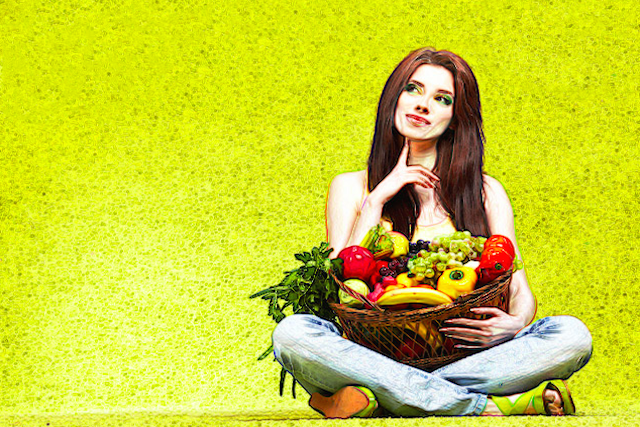
    How I Got Stronger and Healthier After Giving Up Animal Products (A Vegan Q&A)

    “Your body is precious. It is your vehicle for awakening. Treat it with care.” ~Buddha

    Not that long ago, I ate meat every single day. Every. Single. Day. For breakfast, I used to have fried eggs with feta or cottage cheese and turkey ham. My lunch consisted of minced beef or chicken with veggies. My dinner was then either leftovers from lunch or more meat/fried eggs/sometimes fish with veggies and cheese.

    I followed an intense workout routine, went to the gym five to six times per week to lift weights, and on top of that did another two cardio sessions per week in a beautiful park close to my apartment.

    The best I could do for my health, according to my personal trainer, was to stick to a high-protein, low-carb diet with lots of animal protein and avoid refined sugar. That also meant to drink one or two whey shakes per day.

    For some people, this might sound exhausting or even brutal. At the time, though, I loved my fitness lifestyle and was proud to be as lean as I was.

    For two years, this was my life, until I was offered a job abroad, which I accepted totally thrilled. This new opportunity was so exciting and full of possibilities! Sadly, I had to reduce my workouts and started to lapse when it came to my diet, meaning I ate significantly more carbs than before.

    I worked non-stop around the clock. Soon, I started to get sick more often. Despite a job change, things got worse.

    There was always something wrong with my body, either infections or injuries, which prevented me then from working out. The lack of exercise in turn led to feeling weaker. On top of that, I had to deal with a very toxic work environment, constant stress, internal gossip, difficult clients, and a lack of professional structure to only name a few unpleasant job-related factors.

    Whenever I was feeling slightly better, I used to fall ill again. I started to gain weight and lost muscle mass. It was like a vicious circle with no way out.

    The biggest support came from my boyfriend, who was there to take care of me. He was and still is my emotional rock. I don’t know what I would have done without him.

    Once you move abroad, your social circle shrinks considerably (at least mine did), thus making it hard to not feel lonely at times. Most of my closest friends who are my social support system live either in my home country or in other parts of the world making it difficult to connect.

    This state of mental and physical exhaustion lasted for a year and a half until I found the courage to walk away and quit my job. Once I had done that, I’d gotten rid of one of my biggest stress factors. Finally, I had time to focus on taking care of my health, body, and mind again.

    As a documentary lover, I started watching food and health related documentaries. They all had one strong message in common: the promotion of a plant-based diet. According to those documentaries, following a whole-food, plant-based diet solves a lot of environmental and, to my surprise, health issues. I was intrigued!

    I had a couple of friends following a plant-based diet already, so the idea wasn’t entirely new to me. A few weeks before quitting my job, I had suffered another internal infection and, therefore, reduced my meat intake to only once a month, following the advice of my gastroenterologist.

    Questions started popping up in my mind: What if I could get rid of all infections by cutting out animal products completely? What if my body could recover from all the diseases?

    I made my boyfriend watch those documentaries as well. He was shocked about the impact of animal products on our health. It took us a split second to decide that we were more than ready to give the plant-based diet a go!

    The change was easier than expected; there was not a lot we had to get rid of in our kitchen and not a lot of new ingredients to buy either. Cooking and preparing healthy dishes has always been one of our favorite hobbies, and having things like quinoa or amaranth in our kitchen has been normal.

    I quit drinking milk in 2013 and have loved almond milk since then, (Did you know that humans are the only animal species drinking milk from another animal, though this hormonal drink is only intended for baby calves to grow?)

    The only dairy products left in our fridge were five cups of Greek yogurt, a piece of butter, and a variety of cheese. Together with our last organic eggs, everything found a new home in a friend’s kitchen.

    Since the change, I feel so much better. It turned out that my new lifestyle wasn’t as complicated and hard to follow as I first imagined it would be. (I have to admit, having a special someone by your side doing the exact same thing makes it a whole lot easier.)

    The infections in my body have decreased, and I don’t get sick as easy and often as before. Finally, I’m able to go to the gym to work out again. Not as intense as I used to, but on a regular basis.

    I’ve consumed a high amount of animal products in the past, which is kind of the norm in our society. However, triggered by the lack of exercise and paired with a high stress level, it’s likely, that among other things, my high-animal-protein diet led to the many infections, a high level of inflammation, and a variety of illnesses I was struggling with.

    The change to a plant-based diet isn’t a magic bullet, but it plays a big part when it comes to living a healthy life, in my opinion.

    Sure, there are more things to consider like surrounding yourself with loving and compassionate people, regular exercise, being kind to yourself and others, and practicing gratitude, forgiveness, and mindfulness. Having said that, it would go beyond the scope of my post to delve into those topics.

    There’s this cliché and certain image that comes to everyone’s mind as soon as you mention the word “vegan.” Unfortunately, it’s often seen as being difficult or just plain weird. 

    That’s why one thing has been very important to me right from the start: I don’t want to be defined by the diet I follow. What does that mean? I simply don’t broadcast it and especially don’t use it to strike up a conversation. What I choose to eat and what not is not that big of a deal. Even some of my friends still haven’t noticed yet.

    However, when the subject comes up, the questions from friends, family, and sometimes complete strangers are often similar. Some people are really interested in my choice; others judge me for it. That’s the reason I felt compelled to write an honest Q&A, including the challenges I face in my everyday life and the personal benefits of my food choice.

    Being vegan and following a healthy whole-food, plant-based diet shouldn’t come with a stigma in our society. Let’s encourage an open, respectful, and honest conversation instead.

    Honest Q&A

    Why did you change to a vegan diet?

    Mostly because of health issues I was facing. I wanted to know if my health would improve with a plant-based diet. The high amount of animal products that our society consumes increases the likelihood of getting type 2 diabetes, cancer, strokes and heart attacks. All those diseases run in my family.

    What did you have to change in your everyday life?

    Not much, since I ate veggies and fruits lately most of the time anyway. I don’t cook with regular cheese or eggs anymore, which was the most difficult part in the beginning, because I truly was a cheese-aholic. There’s a scientific explanation for that, though. Long story short: Cheese triggers the same receptors in our brains as heroin, which is why I never met someone who doesn’t like cheese. Our society is simply addicted to it.

    Ok… what documentary did you watch?
    The first documentary I watched was Cowspiracy, followed by Food Matters and What the Health? The most comprehensive and objective one, in my opinion, is Forks over Knives. If you’re interested in the topic, I recommend to watch that one first. All documentaries are available on Netflix.

    Will you never eat meat again?

    I’m not entirely sure about that. Right now, being on a plant-based diet is definitely the right thing for me. However, a certain diet doesn’t mean that you have to be abstinent or else you’ll relapse and you have to start from zero again. Everybody should decide that individually since diets are such a personal topic.

    But you’re so limited now! What do you eat? There’s nothing left!

    At first glance, it might seem that way, especially if you’re used to eat only animal products. But there’s so much variety in all kind of different cuisines. So here’s what I eat:

    • Fruits
    • Vegetables
    • Whole-food options

    This Vegan Food Pyramid breaks it down nicely.

    My usual breakfast consists of:

    • Oatmeal with berries, banana, and almond milk
    • Or smashed avocado on dark bread

    For lunch I often have:

    • Stir-fried veggies with brown rice or quinoa
    • Sometimes I order veggie pad thai without any egg
    • Veggie sushi with brown rice (there are many different options at our local sushi stores)
    • A yummy salad with steamed vegetables, nuts, avocado, and pomegranate seeds

    For dinner, I love to make for example:

    • Zoodles (zucchini noodles)
    • Whole-wheat pasta with tomato sauce or pesto
    • Pineapple curry with dhal
    • Guacamole with sweet potato fries
    • A fresh tomato soup

    I currently live in the Middle East, so I also indulge in the local cuisine e.g.:

    • Hummus, one of my favorite dips made of cooked, mashed chickpeas, tahini, and olive oil
    • Falafel, deep-fried balls made of ground chickpeas
    • Baba ghanoush, a dip made of grilled eggplants and diced vegetables
    • Moutabal, another grilled eggplant based dip mixed with tahini
    • Loubieh bil zeit, green beans in olive oil with ripe cooked tomatoes and garlic cloves
    • Mouhammara, a spicy paste-like dip consisting of mashed hot peppers, olive oil, and ground walnuts
    • Alayet banadoura, super yummy sautéed tomatoes stewed with garlic, pine seeds, and olive oil

    There’s a ton of plant-based desserts as well that can be made at home easily. If I ever need a sugar fix, I get a piece of 90% dark chocolate, which also is vegan.

    But what about proteins? You need meat to cover that!

    Yep, I get that a lot. While this is wrong, it’s a strong belief in our society. But here’s a thought experiment: Where do the animals that we eat get their protein from? They eat plants; it’s as simple as that. High protein plant sources for example are lentils or edamame.

    You can’t eat pizza anymore. Or burgers. Don’t you crave those sometimes?

    I do crave pizza and burgers. And I eat them. The funny thing is that I don’t crave the meat or the cheese, but the comforting experience eating with my hands.

    There are vegan pizza ordering options or great recipes for easy plant-based pizza dough and vegan cheese. Same thing with burgers: There often are vegan patties available when ordering in. It’s also easy to make them at home e.g. crispy quinoa patties. And yes, they’re really yummy!

    Isn’t a plant-based diet expensive?

    Surprisingly, it’s not. The most expensive things we used to get at the supermarket were meat and eggs followed by cheese. Now we save up to 30% when we do our grocery shopping.

    I’m sure you’re not getting all your vitamins and nutrients without animal products.

    I hear this often, but it’s not true. A plant-based diet provides a ton of vitamins and minerals. I only take one supplement, which is Vitamin B12. Not only vegetarians and vegans suffer from Vitamin B12 deficiency, though, but also people consuming meat. Apart from that, I don’t lack anything.

    Sometimes, I read that you have to get Vitamin D supplements as well. Vitamin D however is produced by our own body as soon as our skin gets exposed to the sun and not by eating animal products. Other people believe they need to drink milk in order to get their calcium intake for a healthy bone structure.

    Surprisingly, studies confirm that a higher calcium intake leads to weaker bones and a higher amount of bone fractures. If you’re interested in those findings, please read here for further information.

    Don’t you miss anything?

    Surprisingly, not as much as I thought I would.

    What do you miss most?

    One of my favorite drinks was Baileys on ice, which I don’t drink anymore. Sometimes I miss that. And chocolate ice-cream.

    Are you now also a hippie-kumbaya-singing activist who only showers once a week and chains herself to train tracks?

    Okay, I made that one up. But unfortunately that’s the image a lot of people have once you mention being “vegan.” Let’s change that together!

    So you don’t eat fish?

    No, I also don’t eat fish or seafood anymore. But I do eat sushi stuffed with vegetables and avocado.

    Challenges I Face in Everyday Life

    Restricted choice of dishes in restaurants. Some restaurants only offer food options with animal products, and every dish contains at least butter or cheese. I only noticed that once I started studying the menu more intensively, and was really in disbelief.

    The wait staff gets often confused as soon as you mention “plant-based” or “vegan.” So I usually avoid it whenever I can and order instead the vegetarian option “without [insert animal product].”

    Depending on the country you live in, there’s a limited availability of some products. I’ve never seen the vegan Ben & Jerry’s ice-cream, for example, or any vegan cheese options in the U.A.E. In my home country Germany, however, there are even vegan supermarket chains.

    Few coffee shops offer milk substitutes like almond and coconut milk. Okay, this is kind of a first-world problem, but I need to get my daily coffee fix. Some coffee shops offer soy milk as the only milk alternative, but I don’t like the taste of it. Also the many controversial studies regarding soy simulating estrogen in our bodies confuse me, so I try to avoid larger amounts like a cup full of soy milk.

    Endless discussions with so-called friends or acquaintances who feel entitled to judge my food choices. It saddens me.

    Encounters with people who offer their unsolicited advice on how veganism is bad for my health (without having a nutritional background or an interest for healthy diets in general).

    I never try to educate people without them asking me first, but rather respect the choices everybody makes. Sadly, I rarely come upon the same behavior. However, if someone is genuinely interested in my choice, I’m happy to tell them about it and share my experience. I strongly believe in the saying ‘live and let live’.

    Noticeable Benefits of My Whole-Food and Plant-Based Diet:

    I sleep like a baby.

    My digestion improved significantly.

    My life got simpler. I always read the ingredients table on the food packaging in the past. Most of the time, I was worried about the origin of animal products. Did that hen live in a tiny cage in the midst of her feces? What did she eat and where did she lay her eggs? Does “organic” really mean organic? What about antibiotics? Is that really grass-fed beef?

    Since I cut out animal products, I only have to worry about the origin of fruits and veggies. Most of what we buy has organically grown in the U.A.E. or has been imported from Asia. I don’t like the thought of fruits or vegetables being flown around the globe, often only ripening on the plane, so we humans can indulge in whatever is not in season at the moment (or never) in the country we live in.

    My skin got a lot better.

    I feel healthier and more energized.

    I cook and bake more and love it.

    Some people claim that going vegan helps with weight loss. I’d say it depends from which weight and lifestyle you’re starting. I didn’t lose any weight, but my weight and body composition are also considered normal. Still, my goal is to fit into my jeans and tight dresses from my lean past with more ease, thus to reduce body fat. The journey is the destination.

    We spend less money on grocery shopping.

    I believe, that my choice reduces animal cruelty and environmental pollution.

    My action alone might not make much of a difference, but the actions of a lot of people do.

    Have you ever struggled with your health? What was your approach toward getting better?

  • 3 Ways to Cultivate Gratitude and Boost Your Happiness

    3 Ways to Cultivate Gratitude and Boost Your Happiness

    “Gratitude can turn common days into thanksgivings, turn routine jobs into joy, and change ordinary opportunities into blessings.” ~William Arthur Ward

    Living in India for more than two years now has been an eye opening experience for me, as I’ve realized how I used to take so many things for granted. While growing up and living in my home country (Bosnia and Herzegovina) in Europe, I was lacking gratitude for all the blessings that surrounded me.

    While sitting in our penthouse apartment in the New Delhi suburbs, in an air-conditioned room, still feeling the need to chill with a cool water or a mango shake due to the intense heat (which can reach up to 118° in the summer), I could observe the construction ground across from our building.

    Constructions workers would come in at 9am and work for twelve hours, with only a short lunch break, without proper safety equipment, chilled water, or any shaded cover to rest.

    While they’d wipe sweat from their face, I’d imagine how hot they must be feeling, as I was sweating even in an air-conditioned room.

    Some of them were working together with their wives, who would help them earn their daily wage (equal to $1).

    These women would carry piles of cement and bricks on big pots on their head, from one side of the construction site to another, sometimes climbing many stairs as well. In my home country, I never saw women working on construction grounds or carrying such heavy loads on their heads.

    Their children would play in front of the construction ground with sand and small rocks, as their parents could not afford to send them to school.

    I thought about how, in my home country, children often complain that they “have to” go to school and people complain about how tough their jobs are. These people in New Delhi could not even dream of sending their children to school or having an eight-hour job in an air-conditioned office.

    The wives who didn’t work on the construction ground would work in our building as maids. One of them cleaned our home. Every day she came in with a water bottle, which she’d cool in our refrigerator, as they did not have an electricity, not to mention a refrigerator, in the slum where she lived with her family.

    After cleaning our home, she’d run back to hers with a chilled water bottle in her hands, almost losing her breath, as if she was afraid the heat might warm that water before she would return. Then she wouldn’t be able to cool her small children, who were waiting in the heat in a slum without a fan.

    Since that day, I never look at the ice cubes in my drink the same way I once did. Ice cubes were just pieces of frozen water, until I saw that for some people, even chilled water is a luxury! Ice cubes are a symbol of wealth and abundance to me now.

    I suddenly became grateful for all the things I am blessed with in my life, even the small things, like ice cubes, chilled water, nutritious food, a fan, an air-conditioner, mosquito repellent in the night, clean running water in my home, electricity—not to mention the “big” things, like an opportunity to get educated, to grow up in a beautiful home, which was warm in winters and cool in summers, my job, the power to choose my own husband.

    I never thought I should be grateful for choosing my husband. Yet, in a place where arranged marriages are still tradition, I realized that it was a blessing that I was born and raised in an environment where I could fall in love with a man and choose to marry him.

    Although arranged marriages do work here, and I see people fall in love after marriage, or at least create a relationship based on kindness, mutual respect, and care, I feel so grateful every day that I had a chance to choose the man I thought was the right for me, with my parents’ blessing and best wishes.

    We often take the things we have for granted, yet in many other parts of the world, there are people who would feel blessed and happy if they could enjoy them on a daily basis.

    If we just take a look around us we could find so many things to be grateful for.

    Some of the practices that can help us to cultivate the feeling of gratitude in our life include:

    1. Gratitude journaling.

    Keeping a gratitude journal, where we note all the things (or at least three things) we feel grateful for every day, can be a powerful reminder of how blessed we are.

    Noting down even simple things—like a delicious dinner we enjoyed, a warm home, a cup of tea or coffee, time spent with our beloved—can be a powerful practice to keep us grounded in a positive mindset on a daily basis.

    2. Creating a list of possibilities and blessings.

    It helps to write a list of all the things we are blessed with, things we usually see as givens, that in other parts of the world are not available to many people.

    So many women around the world still do not have the right or the opportunity to get educated, and so many children cannot attend school or University due to lack of financial resources. According to WHO, 12.9% of the world’s population (over 1 billion people) is undernourished and will probably go to bed hungry tonight.

    Millions of people around the world do not have an access to clean, running water and electricity, which in Western countries we usually take for granted.

    Having a roof over our head, a warm room, a meal on our plate, a degree or opportunity to go to University, electricity lighting our home, and cool water in summers are all big reasons we can feel grateful every single day.

    3. Shifting our perception.

    Instead of feeling sad and frustrated about being single, we can look at this same circumstance from another perspective—as the freedom to be able to choose our partner and wait until we find the right one. This simple shift can help us move from a negative emotional state to a state of gratitude.

    In the same way, we can shift our perception of looking at other things, like the job that we don’t like or our living conditions.

    When we catch ourselves complaining about housework, we can see it as a blessing that we have our own home and, as a result, clean it with gratitude.

    Instead of feeling annoyed that we have to cook dinner, we can feel grateful that we’re able to afford groceries. We can also consider it a blessing that, in this modern era, we do not need to manually wash our dishes or clothes.

    When we catch ourselves complaining about the job we hate or feel bored with, we can feel grateful that we have a job and regular income that can pay our bills.

    We can also be grateful for small things, like air conditioning in our office, having weekends off, or the fact that we don’t need to be exposed to harsh weather conditions or safety threats every day, like so many people in other corners in the world.

    There’s nothing wrong with trying to achieve more and move ahead in life, but we can never be truly happy if we do not appreciate what we already have.

  • Tiny Wisdom: The Pain of Anticipating Pain

    Tiny Wisdom: The Pain of Anticipating Pain

    “If pleasures are greatest in anticipation, just remember that this is also true of troubles.” ~Elbert Hubbard

    The other day I had to get some moles removed after a biopsy showed they were “severely atypical.” Since they were both on my back, I laid on my stomach while the doctor’s assistant numbed the areas with lidocaine.

    He repeatedly asked me, “Are you okay?” And I repeatedly said, “Just fine!”

    Since it didn’t really hurt that much, it surprised me when he said, “Wow. You’re strong!”

    I do believe I’m strong, but I’ve always been squeamish around needles—going back to my first childhood finger prick, which I resisted with blood curdling wails.

    Still, this time the needle prodding didn’t even faze me.

    So what was different this time? One thing: I couldn’t see it. And because I couldn’t see it, I responded only to the physical sensation, not the expectation of pain and discomfort.

    How much of life’s toughest challenges would be far less painful if we didn’t anticipate the sting?

    How many difficulties would seem more bearable if we didn’t ruminate over them, stress about them, expect the worst of them, and then create a state of panic that compels us to resist and fight?

    Most things aren’t nearly as bad as we imagine they’ll be when they happen. In fact, sometimes they’re pleasantly surprising.

    Sometimes you get laid off and feel a sense of freedom, possibility, and vitality that you haven’t felt in years.

    Sometimes you end a relationship and come into your own in a way you never imagined possible.

    And sometimes when your whole world falls apart you feel grateful for the opportunity to put it back together in a way that feels more authentic.

    I realize this isn’t universally applicable. Some things hurt even when we consciously decide not to expect the worst.

    But most things burn far less when we approach them from a place of clarity instead of overwhelming ourselves with fears about the fires we’ll have to put out.

    When I originally had the moles biopsied, I told a couple of family members, one of whom asked me, “Do you think it could be cancer?”

    I responded,  “I don’t think anything because I don’t yet know.”

    As a lifelong worrier I felt proud of that moment. It was a choice not to freak out about what might be coming.

    We can’t always be certain where the paths we fear may lead us—but we can choose not to hurt ourselves as we walk toward what will be.

    Photo by sherrattsam

  • Tiny Wisdom: When Time Feels Constricting

    Tiny Wisdom: When Time Feels Constricting

    “An unhurried sense of time is in itself a form of wealth.” ~Bonnie Friedman

    Have you ever felt controlled by time?

    This has been a lifelong challenge for me. Sometimes it can be difficult for me to truly immerse myself in the present, because I can feel constricted by imaginary strings, tethered to an invisible clock.

    Years back, I always snapped from ease to anxiety at the end of a yoga class, tiptoeing toward the door with an eye on my watch while others melted into bliss in their final relaxation pose.

    While I now allow myself to take a full shavasana (and leave my watch at home), I still occasionally find myself being rigid with time.

    Just this weekend, I rode my bike from Santa Monica Beach to Venice Beach and back, and planned to walk around for exactly a half-hour between rides.

    But I didn’t have a good reason for that arbitrary scheduling; I had other things to do that day, but no need to limit myself to exactly 30 minutes of exploring.

    So instead of following my well-laid plan, I chained my bike and then walked along the shore for as long as I felt like doing it—which turned out to be a little shy of an hour.

    It almost felt like time stopped, just because I stopped thinking about it. And it didn’t cause any great disruption to my day. If anything, it enhanced it, because that sense of freedom and ease permeated everything else I did.

    I realize we can’t always disregard the clock, but we can liberate ourselves by expanding beyond our self-imposed restrictions—even if it only means lingering for just a little longer than usual.

    Maybe it’s choosing to sip your coffee while basking in the sunlight for a few minutes, instead of rushing to your car.

    Or chatting with someone new at the gym for a bit instead of hightailing it to the showers.

    Or simply releasing the urgency that creates haste and stress.

    Remember when we were kids, and we tried to do something difficult, like sign our names in cursive? The adults in our lives often told us to take our time—to realize there was no rush, so we could just relax and focus on the task at hand.

    Usually that only took a moment or two more than it would otherwise, but those minutes made a huge difference.

    Isn’t enjoying our lives just as worthy of that relaxed attention?

    We all have places to go and things to do, but we can only enjoy those experiences if we release the tension that binds us. Most often, we put that pressure on ourselves—which means we have the power to release it.

    Photo by h.koppdelaney

  • Tiny Wisdom: The Things We Don’t Want to Do

    Tiny Wisdom: The Things We Don’t Want to Do

    “If a man does not keep pace with his companions, perhaps it is because he hears a different drummer. Let him step to the music which he hears, however measured or far away.” ~Henry David Thoreau

    Every now and then, I get an email from someone telling me I should attend or speak at some conference that attracts lots of passionate bloggers or inspiring people interested in personal development.

    A part of me always feels a little conflicted when I receive an invitation or suggestion regarding an event like this because I think I should want to go, but I just plain don’t.

    I’m an introvert and I don’t love big crowds, which makes a conference environment far from appealing.

    I also don’t enjoy sitting for great lengths of time, watching back-to-back presentations. As someone whose work requires me to spend a great deal alone, caught up in my head, I prefer to spend my off time engaging with the world and being active.

    Lastly, I feel a need to create some balance between my spiritual/personal growth inclinations and the part of my life that has nothing to do with blogging or self-discovery.

    That means I’d far rather spend three off-days hiking or exploring a new city than attending some type of conference, workshop, or seminar.

    So why do I find myself questioning my instincts and trying to change my own mind?

    I do it because I think I should want to be involved in those events—because other people do, because this is my field (and there’s a lot of money to be made in speaking), and because I fear I may be somehow missing out.

    Ultimately, I end up creating mental drama just to avoid standing by my own convictions and accepting there’s nothing wrong with them. Ironically, I end up missing out on what I actually want to do when I worry about what I might be missing by not doing something else.

    I suspect this is something a lot of us do—push ourselves to do things we don’t find appealing because we think we should. I understand that sometimes we need to do things we don’t enjoy if they’re part of a larger process we’re committed to.

    But when it comes to the big decisions about where we’re going professionally, or how we spend our time, we owe it to ourselves to recognize what we genuinely don’t want.

    Every time we act against our own instincts, we reinforce to ourselves that there’s something wrong with them—and there isn’t. There are no right or wrong choices when it comes to how we want to spend our time.

    There’s just what’s right for you, what’s right for me, and the possibility of us each experiencing true joy by identifying and honoring those things.

    My “right” path may look nothing like yours, and both are completely valid.

    With this in mind, I’m now finally ready to acknowledge and respect my own interests and preferences:

    Hi! My name is Lori, and I strongly dislike conferences, workshops, seminars, and all other events of the sort.

    I think I’ll stop questioning that now, and allow myself to be drawn to what genuinely feels right.

    Is there something you’ve been pressuring yourself to want or like that you just plain don’t?

    Photo by SarahC73

  • Tiny Wisdom: Think Less, Feel More

    Tiny Wisdom: Think Less, Feel More

    “Get out of your head and get into your heart. Think less, feel more.” ~Osho

    Have you ever felt attached to your thoughts—like you knew you were thinking yourself in circles, but a part of you wanted to keep getting dizzy?

    Now that I’m healthy and energized, three months after my surgery, I’m developing a consistent yoga practice again, and I’m feeling better mentally and physically as a result of doing that.

    But sometimes, when I get to the end of the day, particularly when I know I have a lot to do, I feel resistant to making that time for myself.

    It’s not even necessarily when I’m planning to work through the evening. Sometimes I’ll think, “I have a lot on my mind—I don’t feel like it tonight.”

    But that’s actually a compelling reason to go. Yoga always helps me calm my mind.

    So the other day, I stopped and asked myself: Am I resistant to clearing my head, and why?

    I realized that I wanted to keep thinking because I felt like I was creating solutions, like I was somehow making mental progress. If I took a break to clear my head, I thought, I might miss out on discovering something useful.

    In other words, I felt like sitting around analyzing, assessing, and plotting was somehow more productive than getting out and enriching my mind and body.

    What a misguided notion. While there’s something to be said for thinking things through, sometimes it’s far more useful to let everything go, create some space, and then see what ideas and feelings emerge in that new place of clarity and stillness.

    Taking a break in any fashion can feel like losing control—at least it can for me. But releasing control often feels far better than we imagine it will.

    Creating space feels good. Connecting with our bodies feels good. Stopping the cogs in our heads—yes, that feels good, too.

    And when we feel good, we increase our odds of doing good, through our work and hobbies.

    I know quite a few people with absolutely beautiful minds. One thing they all have in common is that they make time to nurture them.

    If we want to create and inspire, we need to create room to access inspiration.

    It doesn’t come from sheer mental will. It’s from enabling a flow between our heads and our hearts so that we don’t just know our answers, we feel them, with every ounce of our being.

    Photo by torbakhopper

  • Tiny Wisdom: Remembering the Good Things

    Tiny Wisdom: Remembering the Good Things

    “Joy in looking and comprehending is nature’s most beautiful gift.” ~Albert Einstein

    As I was walking to my apartment just now, I heard the voice of a child who was walking in the same direction with an adult across the street.

    With his enthusiastic, high-pitched voice he asked, “Remember we went on a plane? And it was really, really high in the sky?”

    Then just a few seconds later he asked, “Remember we saw a baseball game?”

    And then a few seconds after that, “Remember we had spaghetti?”

    A part of me wanted to keep walking parallel from them, even when I arrived at my place.

    I wondered: What else might he remember? What else did he enjoy? And just how purely did he experience those things?

    Odds are, he could recall all kinds of little details that most adults wouldn’t even register.

    He may have remembered the long line at the airport, but he probably offset any annoyance with pure fascination over the propeller outside his window.

    He may have felt disappointed if his team lost, but he probably savored his hot dog, regardless, and couldn’t wait to describe the taste.

    He probably got messy in that spaghetti, but thought that was absolutely awesome.

    And somehow, in his childlike memory, eating that pasta was just as worthy of remembering as flying in a plane.

    Kids have an amazing ability to recall all kinds of little joys, likely because they appreciated them in those moments in a way we often don’t as adults.

    It’s partly about mindfulness; it’s hard to reminisce about simple pleasures if you weren’t really immersed in them when you experienced them.

    But it’s also about how we internalize those events in the present.

    Do we look back with excitement and wonder, remembering everything that made those moments magical? Or do we look back with disapproval and judgment, focusing instead on everything we felt was lacking?

    Maybe the key to joy is learning not just to create it, but also to recycle it—to bask in all the good that has been and realize how fortunate we are for having known it.

    In fostering this type of gratitude and awe, we increase our ability to recognize the joy that is right now.

    Photo by Jan Kromer

  • Tiny Wisdom: Caring About What Others Think (and Do)

    Tiny Wisdom: Caring About What Others Think (and Do)

    “No one can make you feel inferior without your consent.” ~Eleanor Roosevelt

    Growing up I often heard the phrase “You shouldn’t care so much.”

    Derivatives of this idea included: So what if they’re talking about you. Who cares what they think? He’s a jerk; why do you care about him? You’re your own person; why do you care about what she’s doing?

    I associated the word “care” with stress, because in all these instances, caring meant feeling bad.

    It meant being overly worried about someone’s opinion of me, or feeling for someone who didn’t feel for me, or thinking someone was somehow better than me.

    I frequently responded, “What kind of person would I be if I didn’t care?”

    I also argued that not caring could be a limiting choice.

    Sometimes someone else’s criticism contains a valuable lesson. Sometimes someone who seems like a jerk really needs someone to take a chance on him (or her). Sometimes someone else’s choices help us illuminate the path we really want to take.

    If we decide to stop caring in all instances that might push and challenge us, we risk closing ourselves off to insights, relationships, and ideas that could change our lives for the better—and potentially do the same for others.

    I’ve since realized that the real message isn’t to stop caring, but instead to recognize how we care and why so that we don’t give our power away.

    Sometimes we care with love; sometimes we care with fear. Sometimes we care with self-respect; sometimes we care with self-contempt. Sometimes we care with a sense of possibility; sometimes we care with fears of inferiority.

    The important thing is that we don’t let caring about people or circumstances detract from our ability to care for ourselves.

    A friend of mine recently told me she’s stopped caring about what people expect of her. Knowing that she values those relationships, I concluded that she really meant she stopped stressing about how well she met their expectations.

    She essentially decided to stop worrying about things outside her control, and focus instead on all the things that were within her power.

    That’s what it means to care for ourselves: to do our best and celebrate that, even as we keep learning and growing.

    Photo by Fountain_head

  • Tiny Wisdom: Loving the Process of a Passion

    Tiny Wisdom: Loving the Process of a Passion

    “Never underestimate the power of passion.” ~Eve Sawyer

    Last week, I began writing my second book. I originally intended to start a month ago, but life got in the way, as it often does.

    In order to make my September deadline, I’ll need to maintain a high level of output and adhere to a fairly rigid schedule.

    Four hours after starting my first day of writing, I felt I’d produced very little, and I wasn’t thrilled with what I’d written, so I started worrying about that.

    What if I keep rewriting but still don’t feel satisfied with the result? What if I don’t choose the best personal stories to share? What if my stories distract from my points instead of enhancing them?

    Essentially, I went into full-on neurotic writer mode, largely because I felt overwhelmed by the work ahead.

    Then I remembered two important things: For one, I felt exactly like this when I started my first book. I didn’t know entirely how it would take shape, or if I’d feel good about it when I was done, but ultimately, I did.

    I immersed myself in the process, and the process created the outcome—not my will, not my fears, but the act of showing up every day.

    That leads me to the second thing I remembered: The point is to enjoy the process—not just to finish the book, but also to really savor the experience of writing it.

    It’s bizarre how sometimes something joyful can seem like a means to an end, when really, the means is, in itself, an end.

    The process of a passion isn’t just the road to an outcome, though of course we have specific goals in mind. The process is where the love is.

    Raising a child isn’t just about setting them loose on the world. It’s about the everyday experience of nurturing and teaching.

    Creating a business isn’t just about building a moneymaker. It’s about the everyday journey of the purpose.

    It’s the same with restoring a car, or recording an album, or working toward anything meaningful with a concrete endpoint down the line: The uncertain moments that lead to completion are tiny opportunities for complete bliss.

    We will get where we’re going—or perhaps somewhere even more amazing than we knew to imagine—if we show up and put our hearts in it.

    In finding value along each step of the journey, we inevitably arrive at a valuable destination.

    Photo by Wonderlane

  • Tiny Wisdom: Help People Help Themselves

    Tiny Wisdom: Help People Help Themselves

    “Nobody can give you wiser advice than yourself.” ~Cicero

    Since I write about overcoming adversity, I receive a lot of emails and blog comments from readers seeking advice.

    When I first started this site, I promised myself I’d never tell readers not to email seeking feedback. I’d seen this type of disclaimer on other blogs, and I decided I wanted to do things differently.

    I wanted to be approachable and helpful—to offer guidance as best I could, as time allowed. After all, that’s why I do this—not to talk at people, but to make friends and be a friend.

    Earlier this year, a blog post I’d written about dealing with break-ups passed the 300 mark for comments—all from readers who were hurting over their former relationships and looking for guidance and relief.

    In seeing so much immense pain, I started feeling powerless to really make a difference—like I wasn’t qualified to tell so many people what they should do.

    One day something occurred to me: Often when I turn to someone for advice, I’m not really looking for answers. I’m simply looking to be heard. When I do receive answers, I’m not always able to utilize them.

    No matter how many times others tell us what we should think or do, we’re not fully able to follow their advice unless we’ve formed our own insights.

    All the shared wisdom in the world can’t compare to one genuine epiphany.

    So I’ve changed my approach a little, when it comes to emails and comments from readers seeking advice.

    If I have an idea that might be helpful, I put that out there—but for the most part, I answer questions with more questions to help them form their own conclusions.

    The reality is that I am no wiser than them; I just happen to publicize the things I observe and learn on a given day. And much like them, I sometimes need a little help accessing the answers within.

    Maybe that’s what it means to really help people—to help them help themselves.

    None of us has it all figured out, and maybe we never will.

    Acknowledging this, to me, is the difference being having followers and friends. With followers, you lead the way. With friends, you support them in discovering it for themselves.

    Photo by ronsaunders47

  • Tiny Wisdom: Being Both Strong and Hurt

    Tiny Wisdom: Being Both Strong and Hurt

    “Pain is not a sign of weakness, but bearing it alone is a choice to grow weak.” ~from my book, Tiny Buddha

    A while back, my friends and I dealt with a challenging situation that profoundly affected all of us, including one friend who struggles with intense anxiety.

    While I’m usually a proponent of giving specifics, I’d rather not call her out publicly, so suffice it to say it was a hard time, and everyone felt the weight of it.

    Unexpectedly, this friend emerged as a source of support and comfort for everyone else.

    In the face of tremendous adversity, something in her shifted, and she channeled a sense of strength to help everyone else cope better.

    Except, she didn’t see it that way. In a private conversation with me, she disclosed that she wasn’t strong. She was only pretending, and was secretly crumbling inside.

    She was hurting, feeling deep, overwhelming emotions, and putting them aside to help other people. In her eyes, she was weak; she was just trying to be considerate of everyone else.

    I told her she misunderstood the definition of strong. It doesn’t require us to not feel. It requires us to act in spite of our feelings, and to also be willing to share them, just as she was doing then.

    She was admitting to me that she was struggling, after helping others who were hurting, just like her.

    That isn’t a sign of weakness. It’s a sign of humanity. Sometimes we’ll need to lean on someone; sometimes we’ll be there to hold someone else up.

    In a blog post I recently read about strength, a writer suggested we tell people to be strong when we’re uncomfortable with their pain—as if this implies they should stop talking, crying, or expressing themselves.

    Maybe we don’t have to choose one or the other—sharing our feelings or accessing our personal power. Maybe the key to fostering fortitude is realizing it’s possible to be simultaneously strong and hurt.

    Even the most firmly rooted tree can break its branches in a storm. Strength doesn’t mean we’re invincible. It means we have the capacity to move through the pain and heal.

    Photo by Fuzzcat

  • Tiny Wisdom: Stop Fighting and Be Easy

    Tiny Wisdom: Stop Fighting and Be Easy

    “If you surrender completely to the moments as they pass, you live more richly those moments.” ~Anne Morrow Lindbergh

    There was a time when I was full of angst, and desperate to unleash it.

    Since I felt misunderstood in some of my relationships, I’d fight battles I knew I wouldn’t win and then only consider letting go after a mini emotional break down.

    I needed to tire myself out in order to surrender. I needed to fully defuse my distress to give myself some peace. Though I wouldn’t have admitted it, I was addicted to that drama. It was only when I broke down that I felt any relief.

    Most of the time, I carried my anguish in my body, like a thick layer of nerves right below the surface. I was a constantly bubbling volcano, eager to erupt.

    I no longer fight through life in this way, but there are times when I feel a pervasive sense of alarm, a low-level sense of nervousness that is lessened but not fully eliminated through meditation.

    It’s usually when responsibilities and deadlines are piling up, and I worry that it won’t all get done.

    But the thing is: It always does. And it’s not usually because of worrying, over-analyzing, or any other type of stressful mental activity.

    Things get done because I am capable—not because I fight to finish.

    What I’ve learned is that surrender doesn’t have to follow battle. It doesn’t have to be a side effect of exhausting ourselves in some way, mentally, physically, or emotionally.

    Surrender is a choice to be easy, to nurture a sense of inner calm that can carry us through even the most difficult circumstances.

    It’s choosing not create drama where it doesn’t need to be, and realizing life doesn’t have to feel like a series of conflicts and crises.

    It’s letting go of the need for control and realizing that, whatever happens, we’ll be okay.

    It’s easier to say, “Be easy,” than it is to actually do it, ironically, because it takes effort to stop expelling so much effort—to refrain from spinning in circles in our heads and simply take life as it comes at us.

    The good news is that we have countless opportunities to practice easing in the moment.

    It helps when we remember: Our power isn’t in our ability to fight life. It’s in recognizing when we don’t have to struggle.

    Photo by Rob Larson

  • Tiny Wisdom: Actions Speak Louder Than Words

    Tiny Wisdom: Actions Speak Louder Than Words

    “Actions speak louder than words, but not nearly as often.” ~Mark Twain

    A while back I wrote a blog post about giving people the benefit the doubt and suggested, as I often do, that people rarely intend to be hurtful.

    Someone wrote in the comments that I’ve obviously never encountered a sociopath.

    This got me thinking about the many times I’ve heard women refer to men they’ve dated as sociopaths and narcissists. It occurred to me that many of those men likely treated them horribly but may not have had mental disorders.

    There are sociopaths out there, but more often than not when people hurt us, it’s not because of psychiatric diagnoses. It’s because they’re hauling around pain from their pasts and crashing it into everyone they meet.

    When someone knowingly manipulates or uses others, or deliberately tries to control or intimidate them and they aren’t mentally ill, it’s rarely a happy, well-adjusted person who simply decided to be heartless and cruel.

    In understanding this, we can be compassionate, but that doesn’t mean we need to willingly accept mistreatment.

    The question then becomes: how do we know when to give someone the benefit of the doubt and when to withhold it?

    Last week a reader shared an insightful Maya Angelou quote that read, “When people show you who they are, believe them.”

    While I don’t believe any one action defines who someone is, I think there’s something to this. Actions speak louder than words. And repeated actions are what shape our character and reputation.

    If someone says they want to spend time together but repeatedly fails to show up, they are communicating that they aren’t willing to follow through on their promises.

    If someone says they’re trustworthy but repeatedly lies, they are communicating that their word can’t be trusted.

    If someone says they want to change but repeatedly fails to make an effort, they are communicating that they aren’t willing to do things differently.

    Acknowledging this isn’t forming judgments. It’s recognizing the facts so that we can make a wise choice based on how things are—not how we want them to be.

    We may recognize we’re being mistreated and choose to set and enforce a boundary. We all deserve second chances, and sometimes a third or fourth.

    But other times we need to open our eyes so that we know when enough is enough.

    It’s never our fault when someone else hurts us, but it’s within our power to stop allowing it.

    Photo by specialoperations

  • Tiny Wisdom: Treat People How They Want to Be Treated

    Tiny Wisdom: Treat People How They Want to Be Treated

    “If we are to live together in peace, we must come to know each other better.” ~Lyndon Johnson

    A while back, I told a friend that I try to follow the old adage “Treat people how you wanted to be treated.” He responded that he tries to treat people how they want to be treated. This really got me thinking.

    I’ve always tried to gauge people’s needs by relating to them—by seeing myself in them, and giving them what I would want if I were in their shoes.

    It never occurred to me consider how I differ from them, and how their wants may differ, as well.

    This friend of mine, he values connection and support, just like everyone else, but he’s not someone who likes to talk about his problems at length. In fact, he prefers to get things off his chest and then move on, instead of dwelling on things that bother him.

    A mutual friend of ours enjoys dissecting a problem from every angle. If he treated her how he likes to be treated, he may try to help her let go and move on quickly, as that’s how he does things.

    But he doesn’t treat her that way. Instead, he simply listens until she’s done talking, because he understands that she appreciates that.

    He understands that what works for him isn’t necessarily what works for everyone; and that there is no right or wrong when it comes to the support we want from other people.

    What a beautiful way to be there for someone—to try to ascertain what they value in a friendship, and then provide it, without question or judgment.

    I’m not suggesting we enable people when they’re compromising their emotional well being, or facilitate codependent relationships by giving in to unhealthy requests.

    I’m suggesting we can make the world a better place by meeting people where they are and instead of assuming that’s where we are.

    It’s recognizing when someone wants space, even if you’d prefer to be surrounded by people in a similar situation.

    It’s realizing when someone wants vocal appreciation, even if you’d feel uncomfortable with that kind of attention.

    It’s moving beyond empathy to understanding, and building stronger relationships in the process.

    We are so similar, and yet so different. Sometimes connection is seeing ourselves in each other. Sometimes it’s stepping outside ourselves, and honoring what we see.

    Photo by Alex [Fino] LA

  • Tiny Wisdom: Rebuilding Trust After Being Hurt

    Tiny Wisdom: Rebuilding Trust After Being Hurt

    “When mistrust comes in, love goes out.” ~Irish saying

    An old friend of mine felt betrayed by her boyfriend, but chose not to leave him. Instead, she made him pay for it over and over again.

    Through subtle digs and less subtle slights, she repeatedly expressed that she felt contempt for him. But instead of forgiving or walking away, she stayed behind a wall of resentment.

    Soon he started responding in kind, until their relationship became a container for mutual silent bitterness. It was two people sharing a suffocating space, overwhelmed by the weight of everything they didn’t say.

    I suspect many of us can relate to that feeling of clinging to a grievance. In at least one of our relationships, we’ve felt angry and indignant, and despite wanting to forgive, we just couldn’t.

    I know I’ve been there before.

    It’s not easy to forget when someone breaks your trust, especially if you fear it might be broken again, but holding onto doubt is a surefire way to suffer.

    Little hurts worse than the suspicion that someone else might hurt you.

    This isn’t the kind of thing you can just brush off through positive thinking. You can’t make yourself feel trusting by telling yourself you should be, or rationalizing away your feelings.

    The reality is it takes time and effort to trust again. It takes the courage to acknowledge how you feel and willingness from the other person to hear and honor it. It takes a mutual commitment to move beyond what happened instead of reliving and rehashing.

    But most importantly, it requires you to believe in the goodness and positive intentions of the person who hurt you.

    You have to believe someone can treat you with respect and consideration—even if it takes you a while to get there—or else you’ll never let your guard down. That’s a painful place to be.

    The thing about being defensive is that everything becomes a battle, and no one ever wins.

    Of course this doesn’t mean we can ever know for certain that someone won’t hurt us again. The only way we can know if we’re able to trust someone is by first giving them trust.

    That means we need to ask ourselves: Is this relationship worth that risk?

    Is it worth feeling vulnerable?

    Is it worth forgiving?

    Is it worth letting go of the story?

    And if it’s worth it, what would it look like to give trust, starting right now?

    Photo by Carlos Varela

  • Tiny Wisdom: What We Pay Attention To

    Tiny Wisdom: What We Pay Attention To

    “Tell me to what you pay attention and I will tell you who you are.” ~Jose Ortega y Gassett

    Have you ever suddenly stopped yourself after realizing you’d been dwelling on something insignificant for way too long?

    Maybe it was something that didn’t go right in your day, or something mildly offensive that someone said. Whatever it was, it was something you knew wasn’t a big deal in the grand scheme of things, and yet you felt a need to mentally rehash it over and over in your head.

    I’ve done this many times before. Though I know it’s draining and not even slightly productive, it sometimes it seems like a proactive way to “fix” or “solve” something that somehow felt wrong.

    I suspect it’s also a means to reinforce to myself that I am right and didn’t deserve to be slighted, because rehashing a perceived offense is essentially passing judgment over and over again.

    A while back I realized that every time I give power to the little things that might seem bothersome—when a stranger flips me off on the road, or someone doesn’t return my email right away—I am choosing to be that unproductive, anxious energy.

    Every time I get caught up in my need to feel liked and respected, and my indignation over feeling that I’m not, I am choosing to be the fear of being mistreated.

    Thinking isn’t just an activity—it manifests as a state of being.

    As the Buddha said, what we think, we become.

    Now I’m not suggesting we should swallow our feelings on events big and small in fear they may somehow define us.

    I’m suggesting that we question the thoughts that create our feelings so that we don’t let them consume us—especially when we’re creating drama and unease over something we may not even remember in a few days’ time.

    We spend so much of our time focusing our attention on things that don’t really serve us, when the thing that would serve us the most is to focus our attention inward.

    If we can observe and understand how our thoughts are impacting us, we can change who we’re being and how we’re experiencing the world.

    It starts with a simple realization: We can feel free and present—and be open, here in this moment—if we choose to release the little worries that stand in the way of that.

    Photo by uggboy

  • Tiny Wisdom: What Makes Us Rich

    Tiny Wisdom: What Makes Us Rich

    “If you realize that you have enough, you are truly rich.” ~Lau Tzu

    In the Pixar movie Up, Carl and Ellie save all their lives to visit Paradise Falls only to realize they’re never able to save enough. Every time they build a substantial nest egg, life happens and they need to spend it.

    This is a reality I know all too well. Several months back I told my boyfriend it frustrates me that every time I come into an unexpected sum of money, a need emerges to use it.

    One time I got an extra freelance gig and suddenly needed a thousand dollars in dental work. Another time, I sold more ad space than usual and then found out I needed expensive work on my old car.

    After my apartment was broken into last month, I was excited to realize I’d receive a substantial amount in renter’s insurance. I planned to only replace the items I needed and save the rest of the money—something I was looking forward to since my taxes cost more than I’d anticipated this year.

    Then I realized that check was just enough to cover my recent surgery, my upcoming quarterly taxes, and my flight home this week.

    Almost every time I’ve gotten extra cash, I’ve needed to spend it, which has made it seem like I can never really get “ahead.”

    Recently, I took a close look at my frustration and realized I’d been seeing things all wrong. I wasn’t unlucky for always having reasons to spend unexpected money. I was fortunate for always having that money to pay for unexpected needs.

    I’ve always felt safe knowing I have a solid savings—and I’m rebuilding it slowly—but the reality is I am secure.

    Most of us are. We can pay our rent. We can afford our necessities. And maybe we can even treat ourselves to the little pleasures we enjoy, occasionally or often.

    We may not always feel like we’re getting ahead, but maybe there’s nowhere to get to. Maybe all we need to do is be grateful for our overall comfort.

    I realize there are some people who don’t have enough, and for each of us, there will be times when we’re struggling more than usual.

    That’s why we owe it to ourselves to stop and recognize what we have when we have it. No matter what that is, we could always have more. We’re only rich when we stop to celebrate that we don’t actually need it.

    Photo by slightly everything

  • Tiny Wisdom: Enjoying the People We Love

    Tiny Wisdom: Enjoying the People We Love

    “Good relationships don’t just happen. They take time, patience, and two people who truly want to be together.” ~Unknown

    In the past, whenever I heard someone say that relationships take effort, I assumed it was a person who wasn’t in a happy one.

    When it’s right, it shouldn’t feel like work; it should be effortless—or so I thought, ironically, in a time when I had few relationships.

    What I didn’t realize then is that things change over time—we change over time—and that we need to choose each day to see the people we love with new eyes.

    I’ve been with my boyfriend for three years now, and although my feelings for him have only grown deeper, there are times when I let our familiarity create a wall between us. It’s not conflict, or mistrust, or disappointment—it’s the subtle knowing that he’s always there.

    If I’m not mindful, I can use that as an excuse to not be there with him. To be physically present, but not really—not aware and connected.

    When the newness is gone and you’re part of each other’s routine, especially if you live together, it’s easy to shift the dynamic from fun, excitement, and spontaneity to habit, necessity, and responsibility.

    But it’s not just a matter of taking each other for granted. Sometimes when we’ve gotten comfortable with each other, we forget to focus on everything we appreciate about each other, and fixate instead on the little things that we might find bothersome.

    It can be instinctive to hone in on the small things that aren’t working instead of realizing just how many big things are.

    Psychologists suggest that healthy relationships have a five to one ratio of positive to negative interactions. I suspect the ratio holds true for positive to neutral interactions, as well. In other words: We need to enjoy other more often than we simply share space.

    We need to make it a priority to be silly, playful, spontaneous, generous, thoughtful, and affectionate.

    Sometimes we may not fully see the people we love because we’re too caught up in our own worries. Other times, it might be because we’re too comfortable to fully appreciate what comfort means.

    Either way, we can make a little time to smile with the people we love. It might take effort to come into the moment, but once we let ourselves enjoy each other, it rarely feels like work.

    Photo by Wonderlane

  • Tiny Wisdom: The Relationships We Wish Would Improve

    Tiny Wisdom: The Relationships We Wish Would Improve

    “When you stop trying to change others and work on changing yourself, your world changes for the better.” ~Unknown

    There are certain relationships that we don’t want to end; we just want them to improve.

    Sometimes it might seem like that will only happen if someone else starts acting differently—with more kindness, respect, thoughtfulness, compassion, understanding, or consideration.

    Years ago, a therapist told me we can’t ever change other people; we can only change how we respond to them.

    At the time, I found this incredibly frustrating because I didn’t know what I could do differently. I only knew I wanted to be treated better because I was tired of feeling bad.

    But what do we do when we respond more calmly, or try to see things differently, but we still find ourselves getting hurt?

    Sometimes we don’t want to completely close a door, with a family member, for example; we just don’t know how to keep it open without opening ourselves up to pain.

    I’ve learned that changing our response to people means changing how we engage with them.

    It can mean seeing someone less frequently, or avoiding certain topics, or knowing when to change the subject.

    It might mean refusing to feel guilty or defensive, taking things less personally, or modeling the type of behavior we’d like to see in them.

    It might also mean accepting that not all relationships need to be close and intimate.

    As much as we might want someone to fill a certain role in our lives, they have to want to do it. And if they aren’t, it’s our job to recognize that so we don’t continually cause ourselves stress by trying to smash a square peg into a round hole.

    Little in this world is more painful than wanting to be close with someone but knowing it’s a recipe for disaster. It’s harder when we think it could be so simple if that person could just realize how much we care and try, even if a little, to reciprocate it like we deserve.

    But we generally don’t change when other people force us to do it; we change when we realize what we might lose if we don’t, and recognize that the discomfort of doing things differently is better than the pain of that loss.

    We can’t make someone else make an effort. But we can make smart decisions for our own well-being. This may inspire someone else to change; it might not. Either way, we’ve honored the most important relationship in our lives: the one we have with ourselves.

    Photo by cloud2013

  • Tiny Wisdom: What Are You Waiting For?

    Tiny Wisdom: What Are You Waiting For?

    “Before someone’s tomorrow has been taken away, cherish those you love, appreciate them today.” ~Michelle C. Ustaszeski

    Most of us are really good at finding reasons to wait.

    We wait to call good friends we miss because we assume we’ll have plenty of time.

    We wait to tell people how we really feel because we hope it will someday feel safer.

    We wait to forgive the people who’ve hurt us because we believe they should reach out first.

    We wait to apologize for the things we’ve done because we feel too stubborn or ashamed to admit fault.

    If we’re not careful, we can spend our whole lives making excuses, holding off until a better time, only to eventually realize that time never came.

    It sounds morbid to acknowledge that our days here limited, and it’s scary to realize that none of us can ever know how many we have.

    But we can know that in our final moments, it’s unlikely we’ll say, “I wish I waited longer,” or “I wish I stayed angry longer,” or “I wish I played it safe longer.”

    Most of us will get to the end of our lives and say, “I’m sorry.” “I forgive you.” Or, “I love you.”

    Of course, there’s another option: We can say those things right now.

    We can appreciate the people we love in action instead of distracting ourselves with everyday worries. We can be brave in expressing our thoughts and feelings instead of over-analyzing and talking ourselves out of it. We can decide for ourselves what truly matters and honor it while we have the chance.

    This is our chance to live and love. This moment is our only guaranteed opportunity to be thoughtful, compassionate, understanding, forgiving, and kind to the people we value.

    It might be terrifying. It might require humility. It might seem like it’s not a priority.

    We owe it to ourselves to acknowledge it is, and to do something about it instead of building up reasons to regret.

    What have you been meaning to do or say—and what are you waiting for?

    Photo by Jun Acullador