

“As you grow older, you will discover that you have two hands, one for helping yourself, the other for helping others.” ~Maya Angelou
Growing up in Africa, I was told that the virtue and worth of a woman lies in her ability to take care of everyone around her; that a woman was considered good or worthy when everyone around her was happy and pleased with her. I took this advice to heart, especially since I watched my mother meet this standard to a T. Putting everyone else, including strangers, above herself.
Most of the Things We Learn as Kids Shape Us
As a kid, I was taught how to cook, clean, and care for others. As a teenager, I got a lot of practice caring for my younger siblings; at first, it was great, being a caregiver, being the one who everyone went to when they needed something. I loved being needed, and I relished in the label I was given as dependable.
Family, friends, and even strangers knew that I was the go-to girl for whatever they wanted. If I couldn’t help them with whatever they needed, I would find someone who could. I was determined to never leave anyone high and dry. I loved being needed, and if anyone needed me, I believed that I was their last resort.
The Joy of Giving
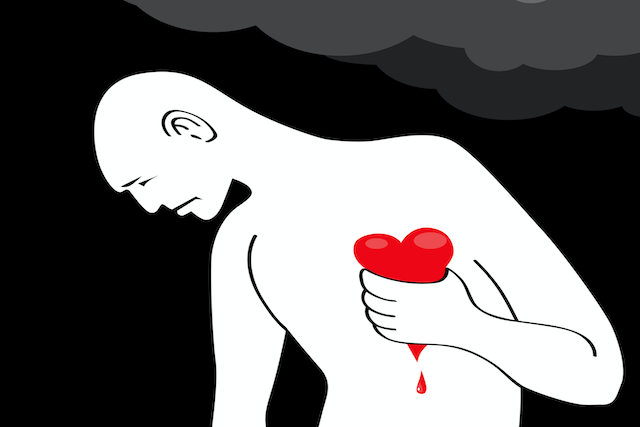
You see, one thing about giving is that it feels good… until it doesn’t. The moment you get to a place where giving doesn’t feel good anymore, it means that you need to turn the giving around and start giving to yourself. But how does someone who is addicted to being needed realize this?
When helping people started feeling more exhausting than exhilarating, my first instinct was to give more because I believed that the more I gave to others, the more I would receive from them. But that was not the case. The more I gave, the less I received, and this prompted me to label most of my friends as bad friends because I wasn’t getting as much as I was giving to them.
When I became isolated from cutting friends off because they were “bad” to me, I realized the problem wasn’t that I was not getting as much as I was giving; the problem was that I was giving to everyone but myself. I had put myself in the back burner and abandoned myself. How can I abandon myself and not expect others to abandon me?
The Guilt That Comes with Giving to Yourself
Realizing my deep-seated issues was easy, but addressing them was a whole other thing. Because I was conditioned to believe that my worth was in pleasing others, I always said yes to everyone who needed my help; saying no was extremely difficult.
This was because I was suppressed by intense guilt and ended up caving in to finding help for the person at my own expense. Everything changed for me when a former classmate said to me out of the blue: “You are nobody’s last resort.”
You are nobody’s last resort, no matter how bad it is. If you cannot help someone with their problem, another person will. And more importantly, it’s not your responsibility to ensure they get the help they need—it’s theirs.
This was a turning point in my life because now I knew that telling someone no because I needed the time to invest in my own needs did not mean that they were never going to get help.
The guilt was still there, but little by little, I persevered in choosing myself over and over again. I started with little things, like saying no to helping a friend walk their dog to stay at home, to take a long bath and read a book (I enjoy reading). And over time I was able to get better at saying no to larger requests that would have been draining and would have negatively impacted my mental health.
Give to Yourself and You Won’t Expect Too Much From Others
Slowly but surely, I learned that my worth is determined by me and me alone—by how much love and care I direct toward myself. Guilt still visits me sometimes, but it is not as intense as it used to be.
I know now it is better to feel guilty for taking care of yourself than to expect others to anticipate your needs and take care of you. News flash: if you don’t take care of yourself from the inside out, no one will.
Don’t get me wrong, I still take care of my loved ones and help others as well as I can, but I now do it from a complete place, a place of wholeness, knowing that I will be fine whether they invest in me or not.
I don’t expect much from people, and I don’t get disappointed much because I have learned to prioritize myself. Frankly speaking, I have noticed that the people around me enjoy me more now that I am not a self-righteous person who resents her giving and selflessness.
“I give and give and give, and what do I get? Nothing.” If you have heard yourself say or think these words, then you are expecting people to make you happy just because you are bending over backwards to make them happy. If you keep bending backwards to make others happy, one day you will break your back. A broken back is very painful to bear, take note.
Life’s a Journey, Not a Race
This is not an overnight process; it will take time and patience. I have learned that part of taking care of myself is being nice to myself, whether I’m making progress or not. I’m done talking down to myself. Everything I wouldn’t do or say to another person, I’ve vowed never to do or say to myself.
There is no glory in stomping all over yourself to please the world, there is no glory in self-deprecation and self-hate. It is not humble to call yourself terrible names or to live in suffering because you don’t want to hurt some else’s feeling or because you want to be called a nice/polite person.
Our feelings and needs matter as much as anyone else’s, but we can only honor them if we recognize this and prioritize them.

About Mariam
Mariam is a writer and poet who is passionate about mental health and well-being. She wants to spread the message that our destiny is in our hands and we can create our own path in life no matter what is going on in it. She believes that nobody is too young or too old to achieve anything. Her work can be found on Rue Soleil and you can connect with her on Twitter and Facebook.











 Though I run this site, it is not mine. It's ours. It's not about me. It's about us. Your stories and your wisdom are just as meaningful as mine.
Hello Miriam …Thanks for sharing some of your life story experience. A lesson learned when I was 41?…..I don’t place expectations on the outcome…especially people. Expectation’s set me up for disappointment and where people are concerned, potential resentment.
You are absolutely right. Thank you for your comment
The people you help start taking you for granted and use you.
Yes there do and when they take you for granted, you start to resent them.
This post really resonated with me Miriam. After thinking that I’m responsible to help my friends abs family in whatever hardships they go through and almost feeling the weight of their problems as I myself was experiencing it, these insights created clarity. Also, like you I felt I was their only solution, but that’s not the case and it’s not a problem for us to bear. Yes you can help if you’re able to called to but not for the sacrifice of mental well-being and expecting others to do the same.
Hi Mariam, great article thank you for sharing your thoughts!
I would add that if someone overly relies on others for help it can be detrimental for them. They don’t learn new coping skills and strategies. Learning to cope in the world and overcome challenges is how we develop confidence in our own ability.
Additionally, when raised in an an abusive environment people pleasing becomes a strategy to manage the negative emotions of others in an effort to minimise the risk of abuse.
I think developing assertiveness skills is a great tool for anyone trying to overcome people pleasing behaviour.
please keep this comment on the internet forever, i just had an epiphany
Hi Helena
Assertiveness is something that i had to learn as well. I couldn’t exercise my boundaries without being assertive.
Thanks for your comment
Thank you very much for this article! This was really needed!
I am glad you found it useful. Thanks
That’s very sweet Grigore, congratulations on your breakthrough!
Even though this might sound like a minor problem, I’ve always helped out with me college friends with their work in college and in the beginning it was good to help others but later on I was exhausted and often annoyed while helping them. To this day, I’ve only said no to one person but I’m starting to understand that it isn’t being selfish at all but taking care of my own mind and stress. I’m going to take step at a time and take care of my wellbeing and thank you Miriam for this amazing article. I appreciate it very much.
Thank you Mariam. Your post really helped me to understand my situation. In my workplace, I am a good listener. But when I got exhausted from listening and giving advice, even m most beloved colleague did not bother to ask out what is going on. They were never available when I needed them. Even at home I feel such atmosphere. Then I begun to develop guilt feeling, and it made me worse. It true, I should not take myself granted for anything. My mental health is more important for me. It felt good to read your such warm article.
Thank you for sharing this, this is exactly how i have been feeling for the last year. I kind of knew what was making me sad but didn’t want to verbalize it because it meant i have to take action wich is the hard part; learning to prioritize and love one self.