

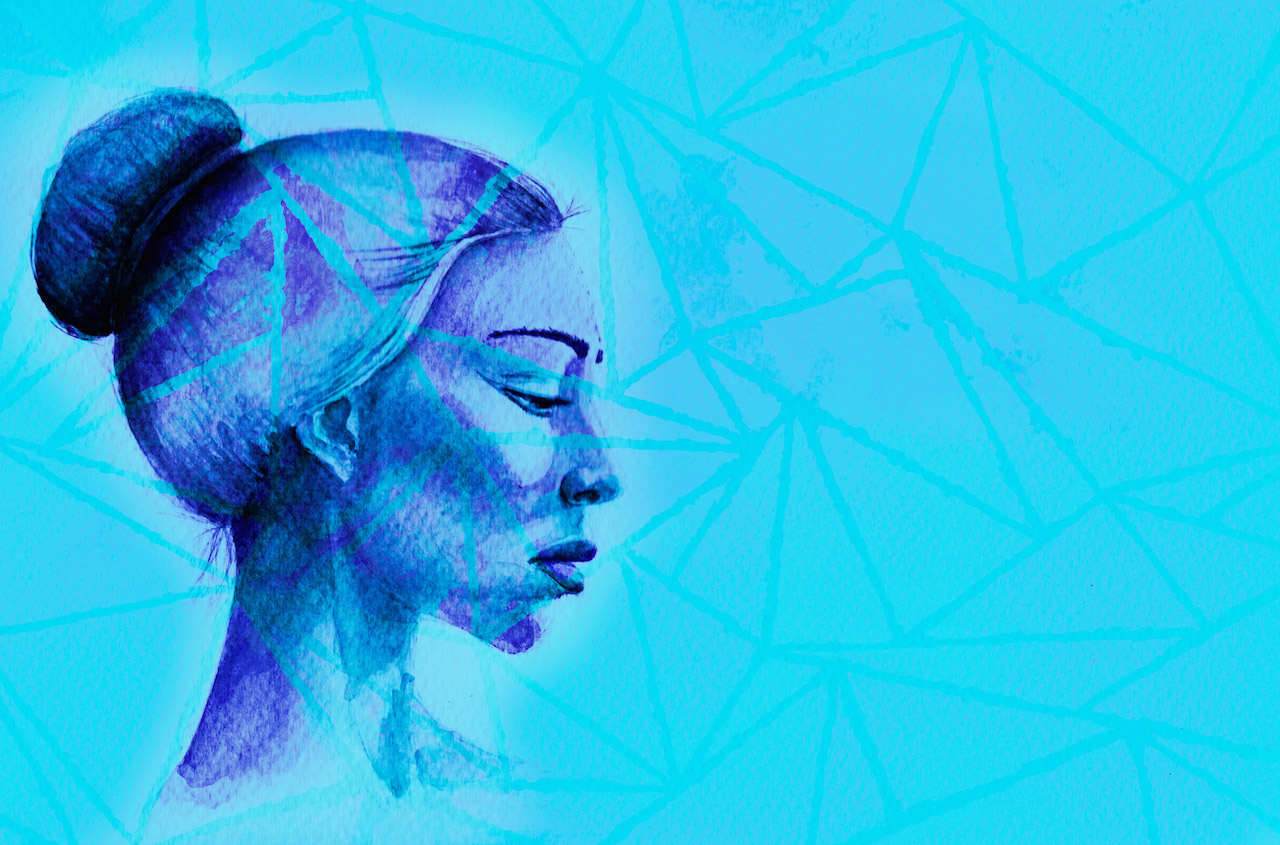
“Obstacles do not block the path, they are the path.” ~Zen proverb
I thought the concept of a “cold sweat” was unreal and paradoxical until the evening of August 27, 2014. That was my first cold sweat. My first of a lot of things.
My heart jack-hammered in my chest.
I heard my pulse in my ears.
I gasped for air on my dorm room floor in New York, while my mom tried to calm me down on the other end of the phone in Los Angeles.
“It’s just a panic attack, sweetie. Just breathe deep.”
No, no, no, I thought. Panic couldn’t possibly evoke this kind of physiological response. My arm hurt, my chest hurt. Was it possible to have a heart attack at age nineteen?
I didn’t sleep for days after that. I was afraid I wouldn’t wake up again.
Every night, I would set my laptop on my nightstand. A close family friend with insomnia agreed to stay on Skype with me all night long while I slept so that I wouldn’t feel so alone. She stayed up with me three nights in a row.
I stopped attending classes, social functions, and missed almost the entire first week of my sophomore year of college.
Finally, on the night of August 31, I decided to take a walk with some friends. Those same feelings as that night in my dorm room came over me. They took me to the emergency room. An EKG, blood pressure test, and Xanax later, the doctor came in.
“Tell me a little bit about what’s going on with you.”
“Well, I keep feeling like I can’t breathe, sometimes my heart starts to—”
“No,” he interrupted. “Tell me what’s going on with you. Not your body.”
I looked at him perplexed for about ten seconds, and began. I told him that my father died suddenly in a hit-and-run crash in December. I told him I had to come right back to school afterward because my scholarship was riding on my attendance. I told him how heartbroken, lost, and alone I felt living on the opposite side of the country—away from my family—during the worst period of my life.
He told me what I had been vying to hear for months.
“You need to go home.”
Without argument, I nodded, went back to my dorm room, and told my mom to book my flight. I knew I had to go home, but hearing that vocal validation was what I truly needed. Within minutes, months of torment and post-traumatic stress melted into relief.
Unfortunately, while the doctor told me what I had been longing to hear, he also diagnosed me with generalized anxiety disorder and panic disorder. Even upon returning to LA, starting a new school, a new job, and a new life, waves of panic continued to ravage my mind and body. And they always hit unexpectedly.
Although I came home to properly cope with my grief, that task was still put by the wayside. Now, I had to deal with my anxiety and panic first. I had to find the right pills, the right dose. No matter what pills or what dose, I felt emotionally hollowed.
In attempts to keep my anxiety levels down, the pills were making me tired all the time. I didn’t experience any more anxiety or depression, but I didn’t experience happiness or joy either. I had to try something else.
In the boredom of a frigid December night, three years into my turbulent grief journey, I opened up the app store on my iPhone. Truth be told, I was looking for a crossword game, but instead I stumbled upon a free meditation app.
I selected their grief meditation, settled into the plush carpet of my bedroom floor, popped my earbuds in, and began. Breathe in, breathe out. The sound of ambient ocean waves that underscored the guided meditation was like the waves of my grief—coming and going, never knowing when the next one would strike, sometimes dramatic and thunderous, sometimes muted and repressed.
It wasn’t until the meditation ended and I opened my eyes that I realized there were tears in them. This is what my anxiety pills hadn’t been able to achieve. An actual outpouring of emotion. What I needed was to experience my grief, not silence it.
But, I also needed to experience it in a place where I felt safe—and that place soon became that very spot on my bedroom floor. So vastly different from the spot on my dorm room floor across the country that was tainted with sadness and anxiety.
For the longest time, I thought meditation was the silencing of your thoughts and emotions. I couldn’t have been more wrong. Soon I realized that meditation was the observation of these thoughts and emotions, without the heartache and turmoil of getting wrapped up in them.
Every day, I gave myself ten minutes to meditate, to grieve. A year later, I weaned off my anti-anxiety pills, and never looked back. Two years later, and nearly five years since my father’s passing, I continue to meditate daily. Only now, it is as much a way to celebrate my contentment as it is to cope with my grief and panic.
My grief and my panic disorder will always be a part of who I am, but I no longer see them as afflictions. Rather, they are facets of my overarching journey.
Meditation took the place of my medication. But, that’s not to say that there is a right or wrong choice between the two. Without the help of my anti-anxiety pills, I would’ve never been able to see clearly enough to know that meditation is an option.
There is no shame in needing the help of a pill, much like there is no shame in needing the help of a mindfulness practice. A practice that has taught me acceptance is the most critical part of our journey.
So I began to accept. Accepting that pain, panic, and pills were part of my journey to peace. Accepting that grief is not something you live through, but something you live with.
Accepting that all of these things were the path all along, not the roadblocks I thought they were.

About Ellie Batchiyska
Ellie Batchiyska is a freelance writer and blogger based in Los Angeles. She graduated from the American Jewish University with a degree in Communication & Media. She currently works in digital marketing, but uses her free time to hone her creative writing skills and mindfulness practice. Her personal blog is her outlet for millennial musings and slice-of-life reflections.





 Though I run this site, it is not mine. It's ours. It's not about me. It's about us. Your stories and your wisdom are just as meaningful as mine.
Some grief never ends either. My daughter’s mother took her away from me when she was very small and it destroyed my life. My daughter is now in her late teens and won’t speak to me because she is angry with me for not being there for her. The grief never ends. what was lost is never laid to rest. Life goes on, but it never goes on remotely as it did before. And unlike the grief of someone dying, there is no sympathy, no one who reaches out, no self-help book, even though my story is common. People shrug their shoulders if I bring it up–an “it is what it is” sentiment. When a child goes to summer camp for a week, a mother receives more kindness and compassion for her separation anxiety over her child, than a father does for losing his child entirely. What the father gets are never-ending messages in the media about deadbeat dads, about men being unsuitable for empathy or care, and if he becomes impoverished then he is a criminal for failing to keep up with child support. In social work circles, a mother separated from her child is deemed so traumatic that no treatments or interventions will be possible or successful until the child can be reunited with the mother. A 100% severe untreatable PTSD rate for parental loss, if you are mom. Scorn if you are a father. How would anyone recover from such extreme loss in such a hateful environment?
You are absolutely right, grief is something you always live with – and it is not exclusive to death. We can grieve lost relationships, a change in circumstances, etc. I’m terribly sorry to hear about the difficult situation you’re in. I would highly recommend checking out some support groups near you so you can connect with others in a similar situation, and discuss potential solutions. Here’s a support group search I recommend: https://www.psychologytoday.com/us/groups.
I would also recommend you share your story to the Tiny Buddha forums, where you can receive insight, support, and perhaps some suggestions from the community. There might be others in similar situations that have some recommendations on how to cope.
Your story reminds me of my own father. However he never expressed nor maybe even understood these feelings he had. He just withdrew from the world and was depressed and had unneccessary guilt his whole life. I am like your daughter. My mom took me away from my father when I was 4. I grew up with my mothers influence of doing everything yourself so you don’t rely on a man. And so I never knew what the roll was of a man let alone a father until I got married and had children. All I can suggest is write a letter(s) or an article and give or save it for your daughter. She may not understand or appreciate it now but she will in her right time. Don’t ‘waste’ your life grieving like my father did.
I appreciate this story I am dealing with the loss of my father. He passed away early this summer and I am now feeling it harder then the first few months. I have been meditating and doing energy work and it has helped but this sadness is something that has eaten me alive… but I suppose as long as I keep moving forward it will get easier. Meditation has truly helped. Thank you again for sharing.
I am so sorry to hear about your father’s passing. Grief does indeed come in waves, with those strong emotions sometimes hitting us even harder later on. Hang in there, they will soften. I’m glad to hear that meditation has helped so far. Keep at it! I’m sure your father would be very proud of the efforts you are making to heal.
What is the meditation app called?
Hi Anna! The meditation app I use is called Calm, but there are a ton of great ones out there for all tastes & preferences.
My grandma died 4 years ago and I have been trying to act like it never happened ever since. I self-medicated for years, spiraling downward and forgetting my worth just to numb the feeling of emptiness and loneliness. I have been trying to hone in on my spiritual wellness as a way to work through the pain and emptiness, not walk right over it. Thank you for this article, it was much needed. I now know she is always with me in heart and spirit, meditating allows me to feel my emotions not just recognize them and shove them under the rug. I am constantly reminding myself it is okay to feel my sadness, but not to let my sadness and pain define me. Medication can and may be necessary, but attuning to your internal self is much, much more important. <3
I’m so sorry for your loss, but so grateful that this article helped you. Denial is such a natural response to death that we sometimes allow it to be our only response. Sitting with ourselves and taking a few deep breaths can be a welcome reminder to feel and heal. Best of luck on your journey through meditation. I’m sure your grandmother would admire your resilience and your new practice.