Tag: trauma

  • How Menopause Exposed the Hidden Trauma I Spent Years Ignoring

    How Menopause Exposed the Hidden Trauma I Spent Years Ignoring

    “There is no way to be whole without first embracing our brokenness. Wounds transform us, if we let them.” ~Sue Monk Kidd

    Menopause flagged up everything unresolved, unmet, and unchallenged and asked me to meet it with grace.

    I’m not saying it was an overnight thing—more like a ten-year process of discovery, rollercoaster style. One of those “strap yourself in, no brakes, no seatbelt, possibly no survival” rides.

    If I’m honest, the process is still unfolding, but with less “aaaaggggghhhhh” and more “oh.”

    Having mentally swapped Nemesis Inferno for It’s a Small World, I can now look back with deep compassion for that younger version of me at the start of perimenopause.  She was the one frantically Googling her way through a vortex of symptoms, never quite able to figure out whether it was a brain tumor or an underactive thyroid gland.

    It all started when I was around thirty-five (for context, I’m now forty-nine). I’d just moved to Brighton from Cheshire to do a degree in songwriting at BIMM and threw myself into it with all the gusto of a twenty-four-year-old; after all, I had it…the gusto, that is.

    That first year was wild, to say the least, but then, the ground beneath me started to fracture.

    My mind would go blank on stage. The keyboard started looking like a fuzzy blob of jelly. My heart would pound through the night for no apparent reason. I gained a spare tire around my middle. I’d walk into town and have a panic attack, clutching the wall of a bank while strangers side-eyed me with pity or concern.

    My libido shot through the roof like a horny teenager. The rage was volcanic, and my poor partner couldn’t even breathe next to me without triggering a tirade (I see the dichotomy too).

    It was a maelstrom of symptoms that even Dr. Google couldn’t unpack, and yeah, neither could my actual doctor, but that’s for another time.

    The real unraveling came when I went on tour with a band at age forty-two.

    It was supposed to be fun-fun-fun, except it wasn’t. It was hell-hell-hell. Ten days, and I slept properly for only one of them. I came home wrecked, assuming that once I returned to my bed and the stability of my beloved, I’d be fine.

    But I wasn’t. That’s when insomnia truly began. I’d ‘learned’ how not to sleep, and now my mind was sabotaging me on a loop.

    In desperation, I booked in with a functional medicine practitioner who ran some lab tests. The results were “low everything,” and that was the first time I heard the word perimenopause.

    I didn’t think much of it at the time—standard denial. But the word lodged itself somewhere.

    Around the same time, I was running a speaker event in Brighton and immersing myself in therapeutic modalities as part of my own healing.

    Music, my first (well, actually second) career, had started to feel more frightening than exhilarating. In my search for calm, I stumbled upon a modality called RTT, a kind of deep subconscious reset done under hypnosis, which changed everything for me and launched me into a new career pathway.

    As I continued learning and applying what I was discovering, a huge lightbulb moment landed:

    “Hang on… A lot of the stories I’m hearing from women in midlife involve more than just symptoms; they involve deep, relational wounds.  I wonder if there’s a link between menopause symptom severity and childhood experiences?”

    So, I turned to Google Scholar to see if anyone else had spotted this link, and sure enough, there it was.

    I came across a 2021 study in Maturitas that found women with higher ACE (Adverse Childhood Experiences) scores were up to 9.6 times more likely to experience severe menopausal symptoms, even when things like anxiety, depression, and HRT were factored in. That blew my mind.

    Another 2023 study from Emory University showed that perimenopausal women with trauma histories demonstrated significantly higher levels of PTSD and depression than those in other hormonal phases. That explained so much of what I was feeling too. 

    And then I found a 2017 paper in the Journal of Clinical Psychiatry showing that women who experienced two or more ACEs were over 2.5 times more likely to have their first major depressive episode during menopause, even if they had no prior history of depression. 

    Finally, a recent 2024 review framed early trauma as a key driver of hormonal sensitivity, especially during life transitions like perimenopause. It helped me see that my struggles weren’t random or my fault; there was something a lot deeper at play.

    But I was still confused. What was the biological mechanism behind all of this?

    Dun dun dah… I found a peer-reviewed paper in Frontiers in Medicine that helped me connect the dots. Take a breath.

    In trauma-exposed women, our GABA receptors become altered. These receptors, which help calm the nervous system, rely on a metabolite of progesterone called allopregnanolone. But trauma can disrupt both our ability to break down progesterone into allopregnanolone and our ability to receive its effects at the cellular level (because the GABA receptors become dysfunctional).

    So basically, that means even if we have enough progesterone, we might not be able to use it properly. The ensuing result is that we become more sensitive to hormonal fluctuations, and we can’t receive the soothing effects we should be getting from progesterone.

    As I began to piece all this together, I was forced to confront something in my own history.

    Because frankly, I thought I had a happy childhood.

    That is, until I came across a concept that stopped me in my tracks. It felt so close to home, I literally clapped the book shut.

    It’s called enmeshment trauma.

    It’s a type of relational trauma that often leads to symptoms of CPTSD (which, just to remind you, tends to flare up during menopause). But the thing is, enmeshment hides in plain sight often under the guise of “closeness.” We prided ourselves on being a close family… too close, in fact.

    I was an only child with nothing to buffer me from the scrutiny of my parents and the emotional load they placed on me. They’d confide in me about each other as if I were their best friend or therapist. I didn’t know it then, but their lack of emotional maturity meant they were leaning on me for unconditional emotional support. I was a good listener and a very tuned-in child.

    I became parentified. Praised and validated for my precociousness, while being robbed of the ability to safely individuate. I was “allowed” to find myself, but the price I paid was emotional withdrawal from my father, equally painful as we’d been so close.

    It was confusing and overwhelming, and I had no one to help me metabolize those feelings. It wired me for hyper-responsibility, anxiety, and guilt. Not exactly the best recipe for a smooth menopause transition, which requires slowness, ease, and softness.

    As a textbook “daddy’s girl,” I unconsciously sought out older men, bosses, teachers, even married guys. Their energy felt familiar. Meanwhile, emotionally available prospects seemed boring, even if they were safer. That attachment chaos added more voltage to the CPTSD pot I had no idea was simmering under the surface of my somewhat narcissistic facade.

    The final ingredient in this complex trauma marinade was a stunted ability to individuate financially. I was still clinging to my parents’ purse strings at age forty-four. The shame, frustration, and despair all came to a head when I dove into the biggest self-sabotaging episode of my life:

    I decided to leave my long-term relationship.

    He was my rock and my stability. But “daddy’s girl” wanted one last encore. And when he refused to take me back, despite my pleading, it was a mess. But, in a twist of grace, my father had taught me grit. How to get out of a hole. And that’s exactly what I did.

    I learned to stand on my own two feet financially. I learned the power of committing to one person and treating them with respect. I learned to set boundaries and become deliciously self-preserving with my energy, because that’s what the menopause transition demanded of me.

    And if it weren’t for those wild hormonal shifts, I’m not sure I’d have learned any of this.

    Through my experience, I’ve come to see that menopause isn’t just a hormonal event. It’s a complete life transition, both inner and outer. A transition deeply influenced by the state of our nervous system and our capacity for resilience and emotional flexibility.

    For those of us with trauma, this resilience and flexibility is often impaired. Hormone therapy can help, yes, but for sensitive systems, it’s only part of the puzzle. And sometimes, it can even make things worse, especially if not dosed correctly.

    As sensitive, trauma-aware women navigating these hormonal shifts, there’s so much we can do to support ourselves outside of the medical model.

    Slowing it all down is one of the most powerful ways we can create space for the ‘busy work’ our bodies are diligently undertaking during this transition. Gentle, nourishing movement. Yoga Nidra. Early nights. Simple, healthy meals. Earthing and grounding in nature. Magnesium baths. Dry body brushing. Castor oil packs. Vaginal steaming. Think: self-care on steroids.

    But perhaps the most radical thing I ever did was to carve out more space in my diary just to S.L.O.W.  D.O.W.N.

    Now, eighteen months post-menopause, I find myself reflecting.

    What did she teach me?

    She flagged up everything unresolved, unmet, and unchallenged.

    She showed me where I was still saying yes to others and no to myself.

    She taught me that I need more space than society finds comfortable.

    She helped me let go of beauty standards and gave me time for rest.

    She absolved me of guilt for not living according to others’ expectations.

    She reframed my symptoms as love letters from my inner child, calling me home to myself.
  • 5 Surefire Signs You Grew Up with an Emotionally Immature Parent

    5 Surefire Signs You Grew Up with an Emotionally Immature Parent

    “There’s no such thing as a ‘bad kid’—just angry, hurt, tired, scared, confused, impulsive ones expressing their feelings and needs the only way they know how. We owe it to every single one of them to always remember that.” ~Dr. Jessica Stephens 

    All children look up to their parents from the moment they enter this world. They have this beautiful, pure, unconditional love pouring out of them. Parents are on a pedestal. They are the ones who know what’s best! They are the grownups showing us how to do life!

    We don’t think for one moment that they could be showing us the wrong way.

    I, like many others, adored both my mum and dad. I could not see their flaws, their pains, or their trauma. I just loved them and wanted to spend time with them. If they shouted at me and told me I was wrong, I trusted that they were right, no question.

    When I had non-existent self-esteem, anxiety, and suicidal ideation because I believed I was not good enough, I blamed that 100% on myself. I had unconsciously recorded all those moments when their behavior had made me feel not good enough as my own fault for being ‘bad,’ not considering they could have had something going on themselves.
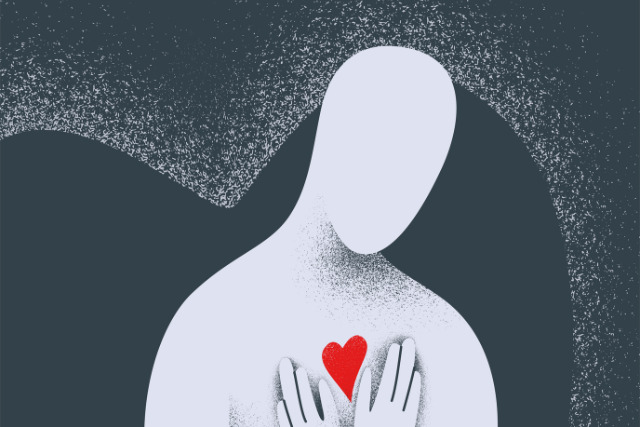
    When I struggled in romantic relationships, always chasing unavailable men, I held myself responsible and never for one minute thought that this pattern of behavior stemmed from my relationship with my parents. I believed what they had told me in different ways—that I was the problem!

    The reason I struggled in relationships, I later discovered, was that my parents were not actually okay when they were parenting me because of their own traumas and were emotionally immature.

    Here are five signs you had emotionally immature parents and how may it impact you.

    1. Their feelings and needs were more important than yours.

    Emotionally immature parents can be incredibly self-absorbed and distracted by their own feelings and emotions, and they want their child, you, to regulate them.

    For example, when my mum was upset, I would be affectionate toward her and soothe her. As I got older, she would be angry with me if I was not there to soothe her when she needed it, saying I was selfish and she had no one. I believed her.

    I was off playing with my friends and being a child, but this was not allowed if it meant I couldn’t meet her needs and calm her emotions. As a result, I learned it was not safe to choose my needs over hers, as she would withdraw her love from me, which felt so scary. My heart would race, and I would feel terror take over my body.

    As an adult, this meant I believed I was responsible for other people’s emotions, and if they were angry or upset, it was my fault. So I would always walk around on eggshells just in case someone might attack me for upsetting them. Because I believed everyone’s pain was my fault, I attracted more relationships like the one with my mum. These relationships made me feel powerless.

    2. Expressing your feelings or needs was not safe.

    When you expressed a feeling and it was met with a negative reaction from your parent, it created a world of panic inside your body. For example, sharing how you were struggling could have been met with a comment about how their lives were so much worse and you should stop being so dramatic.

    Expressing a need, like asking for a ride somewhere, could have launched an attack about how selfish you were—and didn’t you realize how hard your parents were working!

    So what happened? You stopped expressing your feelings and needs and buried them deep. (For me, I topped them with ice cream and sugar for comfort.) As an adult, you may now be so cut off from your own emotions and needs that you act as if you don’t have any.

    3. They did not take responsibility for their actions.

    They’d say or do something that really hurt you, but they wouldn’t acknowledge it, nor apologize. In fact, they may have just carried on as normal.

    Your relationship with them was not repaired as a result. You may have tried to resolve the situation, but you were the only one trying, and you may even have found yourself blamed for something you didn’t even do. The whole situation would leave you feeling crazy and like you didn’t know what’s true. You may even have started thinking it was your own fault.

    As an adult, you might repeat this dynamic in other relationships, feeling powerless to repair and resolve issues that arise. This leads to resentment and staying in unhappy relationships because you don’t know it can be any other way.

    4. They have no idea how to regulate their emotions.

    They walked around triggered by their emotions all day. They had no idea how to bring themselves back into balance. They’d come home exhausted from work, but rather than doing something to discharge from the day, they’d get stuck in their chores and then take out their emotions on others due to resentment over being so tired.

    They also might have had no idea what they were feeling. Maybe they were constantly angry because they lacked the self-awareness to recognize they were really feeling sad or anxious or overwhelmed. And because they didn’t know what they were feeling, they had no idea what they needed to do to feel better.

    5. You were forced to grow up before your time.

    It wasn’t okay for you to be a child. They found it way too stressful, so you were encouraged to be a little adult. Maybe even a little adult that parented them. It was also not safe for you to be a child. You couldn’t be loud or silly, as they could have lost their temper, so you walked around on high alert waiting for this. You may have learned to be the calm one because your parents weren’t.

    I found myself getting involved in their very grown-up arguments as a child just to try and keep the peace in the house. This is not the role of a child. If you had the same experience, you may find yourself attracting similarly codependent relationships as an adult.

    If this childhood sounds like yours, you are not alone. There are many of us. There is an inner child within you that missed out on so much love, nurturing, encouragement, and balance, which could be the reason you are struggling now as an adult.

    It is not because you are not good enough or because you are to blame for everything. It is because you were raised by emotionally immature parents. Effectively, you were raised by children in adult bodies.

    You could still be dealing with these patterns as an adult with your parents, as they could be children in even older bodies now!

    Learning how to be emotionally mature yourself so you don’t repeat the patterns with your own children is a wonderful gift to be able to give them, but also it means you can have healthy relationships and find peace within. Healing and reparenting your inner child means you will be able to express your emotions and have boundaries so others don’t think it is okay to do the same to you.

    I used to feel powerless when people treated me like this, not just with my parents but in other relationships too. I would try to be whatever they wanted me to be, but they would still react in the same ways no matter what I did. Stepping back from them and focusing on healing my inner child, understanding her feelings and needs, and holding space for her has changed my life. I was able to become the parent I always longed for.

    I understand now that my parents were emotionally immature, as they were raised by emotionally immature parents too. They were mature with money and jobs, but with emotions, they were out of their depth because no one showed them how to manage them, and unfortunately, they never learned.

    But we can be the generation that breaks this pattern by being the emotionally mature parent we needed. We can be the example of healthy relationship dynamics that we never had.

    **This post was originally published in 2022.

  • Shifting Out of Survival Mode: Healing Happens One Choice at a Time

    Shifting Out of Survival Mode: Healing Happens One Choice at a Time

    “When we are no longer able to change a situation, we are challenged to change ourselves.” ~Viktor Frankl

    It started as a faint hum—a sense of unease that crept in during the isolation of the pandemic. I was a licensed therapist working from home, meeting with clients through a screen. Together, we were navigating a shared uncertainty, trying to cope as the world shifted beneath us.

    I could feel the weight of their anxiety as they talked about their spiraling thoughts and struggles to feel grounded. What I didn’t realize then was how much of their turmoil was a reflection of my own.

    During those months, I gave my clients all the tools I knew. We talked about mindfulness, grounding exercises, and ways to reconnect with a sense of safety. But the truth? These conversations often felt hollow. It wasn’t that the tools didn’t work in theory—it was that they didn’t land in the body. Fear, disconnection, and panic had rooted themselves deeper than words could reach.

    I began to think, “What would it take for us to truly feel safe again—not just talk about it?” That question became the seed of a larger realization, one that would shift my focus entirely.

    The Missing Piece 

    Years ago, when I first trained as a therapist, I learned about bilateral stimulation (BLS). At its core, it’s a method of gently guiding the brain to process emotions through rhythmic left-right movement. You’ve probably done it yourself, without realizing it—tapping each knee while stressed or walking back and forth to clear your head.

    Clinically, BLS is used in therapies like EMDR (Eye Movement Desensitization and Reprocessing), which helps people process trauma in a way that feels safer and more contained.

    The science behind it is remarkable, but what truly struck me was how intuitive it felt. Trauma often leaves us stuck—in our minds, in our bodies, and in our fight-or-flight response. BLS created subtle shifts, allowing people to process without getting overwhelmed. It was a solution that existed not just in the mind but also in the nervous system.

    Still, I hesitated to fully explore using it beyond therapy rooms. My focus was on the tools within my comfort zone—strategies, worksheets, and techniques that worked well enough. But everything changed when the hurricane hit.

    When Trauma Becomes Personal 

    Hurricane Helene arrived when we were already worn thin. My community in Western North Carolina was still grappling with the fallout of the pandemic, and now, this immense storm came to claim what little stability we had left.

    The destruction wasn’t just physical—it was emotional. Entire neighborhoods were uprooted, including mine. I found myself not as a therapist observing trauma, but as a human immersed in it. Days turned into weeks of survival mode. Displaced families. Empty cupboards. Sleepless nights listening to the rain pound against temporary roofs. My own nervous system was in constant overdrive—frozen between fear and exhaustion.

    And yet, in the fragmented moments of stillness, I noticed something. Healing wasn’t happening in grand gestures or revelations. It was in the small, quiet choices to keep moving forward—packing what I could salvage, helping a neighbor clear debris, or holding my daughter’s hand as we waited in line for supplies. It struck me how easy it is to feel powerless after trauma. Everything feels broken. But healing isn’t about fixing everything at once. Sometimes, it starts with reshaping one moment.

    Lessons from the Debris 

    Trauma changes us. It rewires not only how we view the world but also how we feel within it. I’ve worked with countless clients stuck in the aftermath of trauma—unable to sleep, flooded by overthinking, fearing everything will fall apart again. I thought I understood what it meant to feel this way. Living through the hurricane taught me just how layered and consuming it can be.

    What I learned, though, is that healing is possible. It doesn’t come with a single moment of clarity but rather through consistent, small acts of care. Here are the lessons I carried from that time, ones that I hope may help you too if you’re feeling stuck in survival mode.

    1. Your body speaks—start listening. 

    Trauma often lives in the body long after the event has passed. It’s easy to ignore the signals your body sends—tightness in the chest, a restless mind, or even chronic fatigue. But healing starts with awareness.

    Take note of how you physically feel when panic strikes. Are your shoulders tense? Is your breathing shallow? Engage in small practices to reset your body’s rhythm, like walking, stretching, or even tapping your hands alternately on your thighs.

    2. Safety is built, not found. 

    After trauma, our nervous systems often stay in survival mode, scanning for the next threat. This makes it hard to trust—others, ourselves, or even moments of calm. Rebuilding a sense of safety takes time and consistency.

    Find routines that ground you, like starting your day with a cup of tea or ending it with journaling. These rituals remind your nervous system that you’re not in immediate danger anymore—that it’s okay to exhale.

     3. Healing requires community. 

    One of the hardest things about trauma is the isolation it brings. Whether it’s pride, shame, or sheer exhaustion, it often feels easier to close yourself off. But connection is where healing happens.

    During the aftermath of the hurricane, it was the smallest gestures from community members—sharing meals, checking in, or listening—that reminded me I wasn’t alone. Don’t be afraid to reach out or accept help, no matter how small it feels.

    4. Reset as many times as you need. 

    Healing isn’t linear. You’ll have good days and hard ones, moments of clarity followed by setbacks. That’s okay. The key is learning to pause when you need to rather than pushing through. Whether it’s a deep breath, a short walk, or time to process your emotions, each pause is a chance to reset and start again.

    Moving Forward, One Step at a Time 

    The hurricane didn’t just strip away homes—it also stripped away my old idea of what it means to heal. I used to think it was something that happened after the chaos subsided, when everything was back in order. But I’ve learned that healing works differently. It happens in the middle of the mess, through small, brave acts that remind you you’re still here. You’re still trying.

    Whether you’ve lived through a storm, a personal loss, or a chapter filled with uncertainty, know this: healing isn’t about the destination. It’s about the choices you make in the moment—the choice to pause, to breathe, to ask for help, or to forgive yourself for not having it all figured out. One quiet, powerful choice at a time, you can rebuild.

  • The Trauma Keeps Talking—But My Voice Is Now Louder

    The Trauma Keeps Talking—But My Voice Is Now Louder

    “Turn down the volume of your negative inner voice and create a nurturing inner voice to take its place.” ~Beverly Engel

    After the abuse ends, people think the pain ends too. But what no one tells you is that sometimes the loudest voice isn’t the abuser’s anymore—it’s the one that settles inside you.

    It whispers:

    “You’re broken.”

    “You’re used.”

    “You don’t deserve better.”

    And over time, that voice doesn’t just whisper. It becomes the rhythm of your thoughts, the lens through which you see yourself.

    That’s what I mean when I say the trauma keeps talking.

    Living with the Echo

    In the months after my assault, I didn’t have words for what I was feeling. I just knew that every choice I made seemed to come from a place of damage.

    I found myself in situations that felt eerily familiar—letting people use me, letting hands roam without question. I wasn’t saying “yes” because I wanted to; I was saying it because a voice inside had already decided I wasn’t worth more.

    And to anyone watching from the outside, it might have looked like I was reckless. But inside, I was just tired. Tired of fighting a voice that seemed louder than mine.

    Why We Stay Stuck

    Trauma has this way of rewriting the script in our heads.

    It convinces us that we’re not the same person anymore, that we’re tainted beyond repair. And because we believe that, we keep choosing situations that prove the voice right.

    It’s not that we want to keep hurting ourselves. It’s that the part of us that knows we deserve better gets buried under layers of pain and self-blame.

    I remember once thinking, “What’s the point of saying no?” I felt like I’d already lost the right to draw boundaries.

    Looking back now, I realize that wasn’t me speaking. That was trauma—still in control.

    The Turning Point

    For me, things didn’t change overnight. There wasn’t a single moment when I woke up healed. But there was a moment when I got tired of losing to that voice.

    I remember looking in the mirror and realizing, “If I keep going like this, the abuse wins forever—even without him here.”

    That realization didn’t silence the trauma, but it gave me a reason to fight back.

    I started doing small, almost invisible things to reclaim myself:

    Saying “no” even when my voice shook.

    Choosing one safe person to tell the truth to.

    Permitting myself to stop—to pause—before walking into another cycle that would hurt me.

    Each of those choices felt impossibly hard at the time. But with every pause, with every “no,” the voice of trauma got quieter.

    Healing Is a Process, Not a Snap

    I used to think healing meant waking up one day and feeling nothing.

    Now I know healing means learning to talk louder than the trauma.

    It means choosing—again and again—to believe a different story about yourself.

    If this is where you are—if the trauma is still talking and you feel powerless to shut it up—I need you to know something:

    You can stop. You can pause. You can turn around.

    Not for anyone else—for you. For your peace. Your sanity. Your healing.

    What I Want You to Remember

    I won’t insult you by saying, “Just snap out of it.” That’s not how this works.

    But I will tell you that one pause, one moment of reclaiming yourself, can change everything.

    It’s not easy, I know. But it’s possible. And it’s worth it.

    You deserve better than pain on repeat. You deserve to be more than what was done to you.

    If you’re reading this and the trauma is still talking, please hear this from someone who’s been there:

    The voice isn’t you. You’re still here. And you’re allowed to fight for a story where the abuse doesn’t win.

    I may not have all the answers, but I know the terrain of this road—the stops, the setbacks, the slow turning around. And I want to walk it with you, one better choice at a time.

    Because healing isn’t out of reach. You just have to start talking louder than the trauma.

  • The Truth About My Inner Critic: It Was Trauma Talking

    The Truth About My Inner Critic: It Was Trauma Talking

    “I will not let the bullies and critics of my early life win by joining and agreeing with them.” ~Pete Walker

    For most of my life, there was a voice in my head that narrated everything I did, and it was kind of an a**hole.

    You know the one. That voice that jumps in before you even finish a thought:

    “Don’t say that. You’ll sound stupid.”

    “Why would anyone care what you think?”

     “You’re too much. You’re not enough. You’re a mess.”

    No matter what I did, the critic had notes. Brutal ones. And the worst part? I believed every word. I didn’t know it was a critic. I thought I just had “realistic self-awareness.” Like everyone else had a little tape playing in their head on repeat, telling them how flawed they were. Turns out, that voice was trauma talking, and it never seemed to stop.

    My Inner Critic Wasn’t Born, It Was Built

    CPTSD doesn’t just mess with your sense of safety. It hijacks your internal dialogue. When your early life feels unsafe or unpredictable, criticism becomes your compass. You learn to scan for danger, to anticipate what might trigger rejection or anger. You start blaming yourself for things that weren’t your fault, just to keep the peace.

    Over time, you don’t need anyone else to tear you down; you’ve got that covered all on your own. The critic lives inside. It’s relentless. It’s like a hyper-alert security guard that’s been working overtime for decades. One who has a bone to pick.

    My inner critic wasn’t trying to be cruel. It was trying to protect me. Twisted, but true. It believed if it shamed me first, I’d beat everyone else to it. If I kept myself small, or perfect, or invisible, I wouldn’t become a target. If I could control myself enough, maybe the chaos would leave me alone.

    That voice became familiar. And familiarity, even when it’s toxic, can feel like home.

    The Turning Point: When I Realized That Voice Was Lying

    Healing began the day I noticed a strange disconnect. The people I cared about didn’t talk to me the way my inner critic did. They weren’t disgusted when I made mistakes. They didn’t roll their eyes when I showed up with all my messy feelings. They didn’t act like I was a problem to be solved or a disappointment to be managed. In fact, they were… pretty warm. Even when I wasn’t “on.”

    This realization felt like looking in a funhouse mirror and suddenly seeing my true reflection. If they weren’t seeing me through the lens of judgment and shame, who was I really listening to? That voice in my head, or the people who cared?

    That was the moment I started to doubt the inner critic’s authority. Because that voice? It wasn’t truth. It was trauma. A protective but outdated part of me that no longer needed to run the show.

    How I Actually Started Healing (the real first steps)

    The very first real step wasn’t dramatic. I noticed the mismatch, my head yelling “you’re a mess” while everyone around me treated me like a person, not a problem. Once I noticed that disconnect, things shifted from “this is just how I am” to “oh, maybe this is something I can change.”

    So my early moves were small and boring, but they mattered.

    I booked a therapist who knew trauma work and stayed long enough to stop the band-aid fixes. I learned one therapy that actually landed for me, Internal Family Systems, which helped me stop fighting the critic and start talking with it. I started writing, not to fix myself, but to give that voice a page to vomit onto so I could see how ridiculous and repetitive it sounded in black and white.

    I also leaned on a few safe people, friends and a therapist who would call me out when the critic lied and remind me I wasn’t actually the person I believed I was, over clouded with shame.

    The harder work, though, was going underneath the critic. The voice was just a symptom. What sat beneath it was grief, anger, and fear I’d carried since childhood. For the first time in therapy, I wasn’t just trying to outsmart the critic, I was learning to sit with those younger parts of me who never felt safe. That’s when healing really started to shift: not by silencing the critic, but by finally listening to the trauma underneath it.

    I Didn’t “Silence” My Inner Critic, But I Did Start Questioning It

    Some days, that voice still shows up, loud and obnoxious. Healing didn’t make it disappear. It’s still there, popping up like an annoying pop-up ad you can’t quite close.

    For years, the critic zeroed in on my appearance. I carried so much shame and self-hatred that I didn’t need anyone else to tear me down, I was already doing the job for them. Trauma and CPTSD made sure of it. Even when no one said a word, the critic filled in the silence with insults.

    But I learned to give it a pause button. Instead of obeying it automatically, I started getting curious.

    One morning, I caught my reflection and the critic immediately sneered: ‘You look disgusting.’ Normally, I’d believe it and spiral. But that time, I paused and asked: Whose voice is this really? It felt like my child abusers. What’s it trying to protect me from? Probably the fear and shame rooted in that abuse. Is it true, or just familiar? Familiar. That shift didn’t erase the shame instantly, but it gave me a crack of daylight. Instead of hating myself all day, I was able to shrug and think, yeah, that’s the critic, not the truth. That tiny pause was progress

    Sometimes I imagine my inner critic as a grumpy, overworked security guard who’s stuck in the past. He’s cranky and exhausted, working overtime to keep me “safe,” but he’s also out of touch with the present. I don’t hate him. I just don’t hand him the mic anymore. These days, I keep him behind the glass with metaphorical noise-canceling headphones on. He can rant all he wants, but I’ve got Otis Redding and boundaries turned all the way up.

    What Actually Helped Me Push Back

    Therapy: Internal Family Systems (IFS) therapy helped me see the critic as just one part of me, not my whole self. It gave me tools to speak with that part, instead of battling it.

    Writing: Putting the critic’s voice on paper was a game changer. Seeing those harsh words in black and white helped me realize how cruel they really were.

    Safe People: Talking openly with trusted friends and therapists helped shatter the illusion that I was unlovable or broken.

    New Scripts: Instead of empty affirmations, I practiced gentle reality checks: “It’s okay that part of me feels that way. That doesn’t mean it’s true.”

    Compassion: Learning to treat myself like a friend rather than an enemy—clumsy, imperfect, but worthy.

    Why This Matters: The Cost of Believing the Critic

    Believing that inner voice isn’t just uncomfortable, it’s dangerous. It shapes how you show up in the world. It keeps you stuck in self-doubt. It makes you shrink when you want to grow. It convinces you to stay silent when your voice needs to be heard.

    For years, I hid behind that critic’s fog. I avoided risks, pushed down feelings, and avoided intimacy because I thought I wasn’t enough. That voice stole years of my life. I lost people I cared about because I couldn’t believe I was good enough or deserving of love, and that does a number on you.

    Healing isn’t about erasing the critic, it’s about learning when to listen, when to question, and when to change the channel.

    I’m thankful that, with therapy and the work I’ve put into my healing, I’ve been able to reclaim some of that space for myself. It’s by no means easy and there are a lot of starts and stops, but it is worth it. I am here today testament to that.
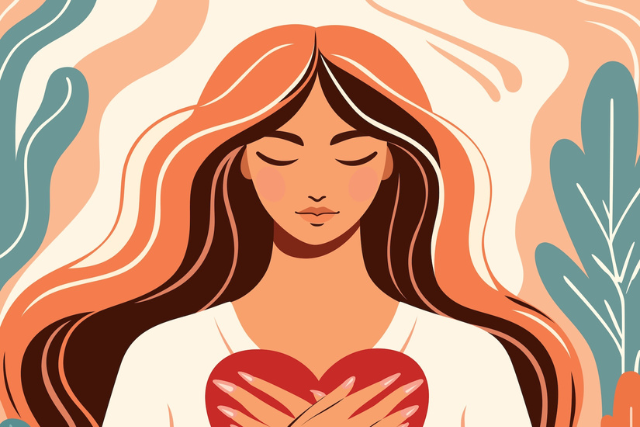
    If You’re Living With That Voice Right Now

    If your inner critic sounds convincing, like it has a PhD in your failures, I get it. I lived there. But here’s the truth:

    You are not the sum of your worst thoughts. You are not the voice that calls you a burden.You are not unworthy just because you’ve been told that.

    That critic might be loud, but it’s not honest. It’s scared. And scared doesn’t get the final say.

    You get to question it. You get to rewrite the script. You get to take up space, even if your voice shakes. Even if it whispers, “Who do you think you are?”

    Because the answer is: Someone healing. Someone trying. Someone finally learning that voice isn’t the truth anymore.

  • How Understanding Complex Trauma Deepened My Ability to Love Myself

    How Understanding Complex Trauma Deepened My Ability to Love Myself

    “Being present for your own life is the most radical act of self-compassion you can offer yourself.” ~Sylvia Boorstein

    In 2004, I experienced a powerful breakthrough in understanding what it meant to love myself. I could finally understand that self-love is about the relationship that you have with yourself, and that relationship is expressed in how you speak to yourself, treat yourself, and see yourself. I also understood that self-love is about knowing yourself and paying attention to what you need.
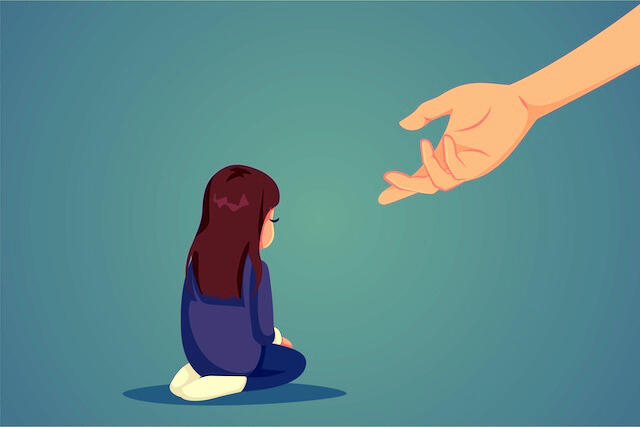
    These discoveries, and others, changed my life and led me into a new direction. But as the years went by, I began to feel exhausted by life. Despite all that I had learned, I could feel myself burning out. It became clear to me then that there was a depth of self-love and healing I still wasn’t able to reach.

    What I didn’t realize yet was that I had been living with complex trauma my entire life. It stemmed from a painful childhood, and it had created blind spots in how I saw myself and others. Because of complex trauma, I moved through life in a fog—feeling lost, disconnected from myself, and seeking self-worth through external validations.

    So, I continued on with life—struggling, yet still hoping to find my answers. Then one day the fog began to lift, and the healing process began. I couldn’t see it all at once, but little by little, it became clear what I needed to learn in order to reach a deeper level of self-love and healing. Here’s a glimpse into my journey.

    From 2011, I spent the next five years helping my dad take care of my mom because she had advanced Alzheimer’s disease. I was helping three to four days a week, even though I was dealing with chronic health issues and severe anxiety. This was an extremely difficult time that pushed me past my limits—yet it was a sacred time as well.

    Six months after my mom died in 2016, my health collapsed due to a serious fungal infection in my esophagus. I had never felt so broken—physically, mentally, and emotionally. I was desperately searching for ways to recover my health, I was grieving the death of my mom, and I was struggling with a lost sense of identity. Because of this, and more, the goals and dreams I once had for my life vanished—as if the grief had caused some kind of amnesia.

    A few years later, I had my first breakthrough. I was texting with a friend, and he was complaining to me about his ex-girlfriend, who has narcissistic personality traits.

    He told me about the gaslighting, manipulation, ghosting, lack of empathy, occasional love-bombing, devaluing, discarding, and her attempts to pull him back in without taking accountability for the ways that she had mistreated him.

    His description sounded oddly familiar. It reminded me of the dynamic I had with many of my family members in different variations. I had always sensed that something was off in the way my family treated me, but I was so conditioned to normalize their behavior that I couldn’t quite put my finger on what was wrong.

    Once I became aware of narcissistic personality traits, I started doing my own research by listening to narcissistic behavior experts such as Dr.Ramani Durvasula, and it was very liberating.

    I learned that parents who have narcissistic personality traits, often treat their children in ways that serve their own emotional needs instead of meeting the emotional needs of their children. And this can cause negative programming in the way those children think about themselves and others.

    For example, since my dad treated me like my emotional needs didn’t matter, this may have modeled to the rest of my family to treat me in the same way. And it most definitely taught me how to treat myself, especially when I was around my family.

    I also learned that narcissistic relationships can cause you to lose yourself, because they can systematically break down your identity, confidence, and state of reality.

    At the same time, I also learned that narcissistic behavior often stems from a deep sense of insecurity, usually rooted in a painful and abusive childhood. Recognizing this helped me to see my family members through a more compassionate lens—not to excuse their behavior, but to understand where it might be coming from.

    Learning about narcissistic personality traits has deepened my ability to love myself because of the clarity it has given me. I finally understand my family dynamic and how I used to abandon myself when I was around them.

    I would always give them my full and undivided attention, hoping it would be reciprocated, but it never was. Instead, in their presence, I became invisible—as if what I thought, felt, or needed didn’t matter. Around them, I learned to silence myself in order to stay connected, even if it meant disconnecting from myself.
    Understanding narcissistic patterns and the impact that they can have helped me to face reality. My family members were unlikely to ever change, and I would always need to protect my emotional well-being when I was around them.

    As I learned about narcissistic personality traits, I started to come across information about other related topics, such as complex trauma and how it can dysregulate the nervous system. Peter Levine and Gabor Maté are two of my favorite teachers on this subject.

    I discovered that many of my health issues—including inflammation of the stomach, panic attacks, chronic anxiety, chronic fatigue, depression, lowered immune function, pain, and chemical sensitivities—could be linked to a dysregulated nervous system.

    This can happen when the nervous system is chronically stuck in survival mode. In survival mode, the body deprioritizes functions like digestion in order to stay alert and survive. Over time, this can cause fatigue and other problems by draining energy and disrupting key systems needed for rest, repair, and vitality.

    Learning about complex trauma has deepened my ability to love myself because it has opened my understanding to why I might be chronically ill and always in a state of anxiety. Knowing this gives me clues in how I can help myself.
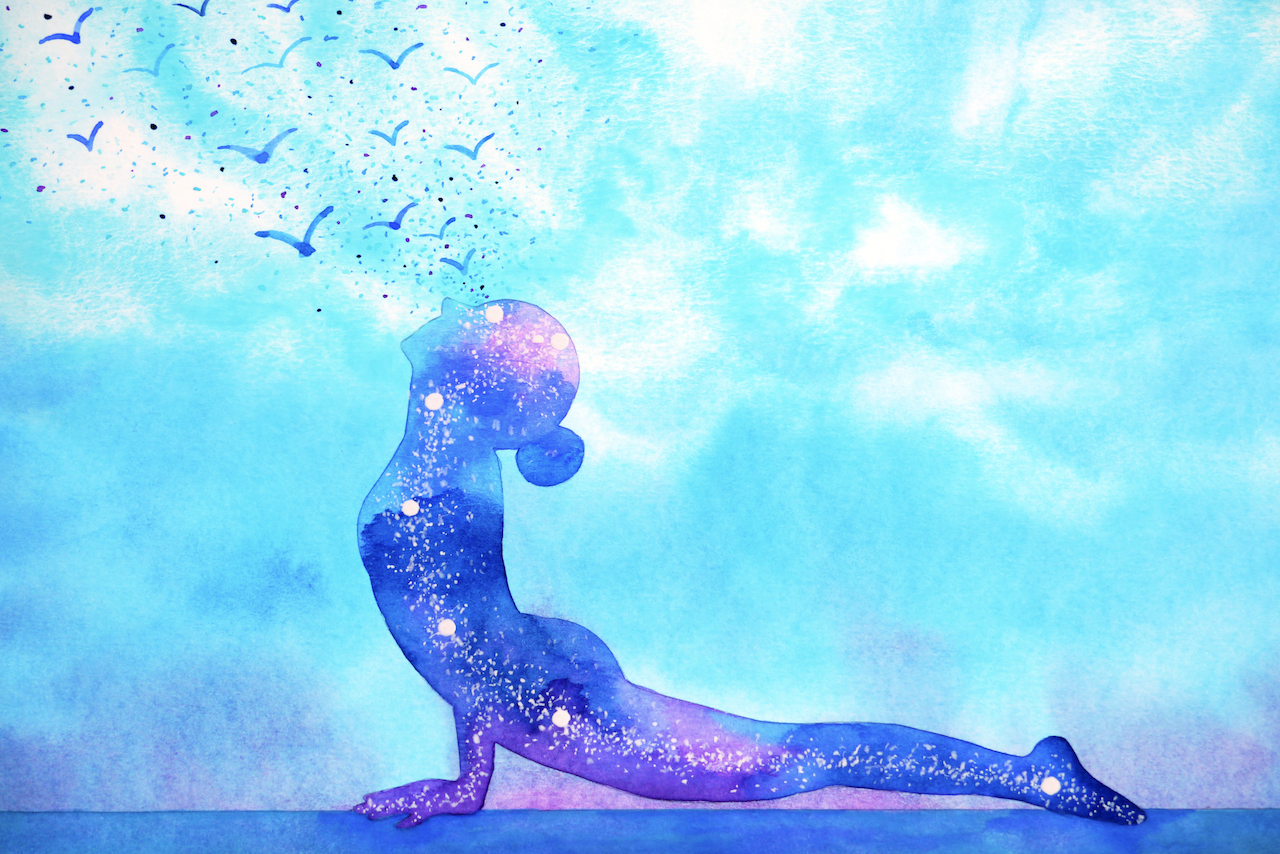
    I also learned that complex trauma is caused less by the traumatic events themselves and more by how those events are processed in the nervous system and in the mind.

    According to the experts, if you are not given context, connection, and choice during traumatic events—especially when those events occur repeatedly or over an extended period of time—it’s more likely to result in complex trauma.

    For example, if during my own childhood, it had been explained to me why my dad was always so angry and sometimes violent… and if I would have had someone to talk to about how his words and actions affected me and made me feel unsafe… and if I would have been given a choice in the matter and wasn’t stuck in harm’s way, then I would have been much less likely to have walked away with complex trauma.

    But since those needs were not met, I internalized the message that I wasn’t safe in the world, which caused my nervous system to become stuck in a state of dysregulation. As a result, constant fear became an undercurrent in my daily life—often stronger than I knew how to manage.

    When I wasn’t in school, I would often retreat into my wild imagination—daydreaming of a perfect fairy tale life one minute and scaring myself with worst-case scenario fears the next. Fortunately, my wild imagination also fueled my creativity and artistic expression, which was my greatest solace. To protect myself, I developed the ability to fawn and to people-please. All of these survival responses have been with me ever since.

    Before I learned about complex trauma, I was told that the only course of action you can take in regard to healing from past emotional abuse was to forgive those who have abused you. But that’s not correct. Forgiveness is fine if you feel like forgiving, but it doesn’t magically rewire years of complex trauma and nervous system dysregulation. The real course of action is to identify and to gently work on healing the damage that was caused by the abuse.

    As I explored the internet in search of ways to begin healing my dysregulated nervous system, I came across two insightful teachers, Deb Dana and Sarah Baldwin. They teach nervous system regulation using polyvagal theory, and I found their classes and Deb Dana’s books to be extremely informative.

    Polyvagal theory, developed by neuroscientist Dr. Stephen Porges, helps people to understand and befriend their nervous systems so they can create a sense of safety within themselves.

    Learning about polyvagal theory has deepened my ability to love myself by teaching me how my nervous system works and by helping me understand why I feel the way I feel. It also teaches exercises that help me to send signals of safety to my body, gently communicating to my nervous system that it doesn’t need to stay in survival mode all of the time.

    Nervous system rewiring is a slow process, and while I still have a long way to go before I get to where I want to be, I’m already feeling subtle shifts in the way I respond to stressful situations. This breakthrough has given me new hope for healing and has provided a new path forward.

    I also learned from complex trauma experts that fawning and people-pleasing can actually be trauma responses. These responses were the reason why I was so willing to sacrifice my health to help my dad take care of my mom. It was because I had been conditioned to always please my parents and to put their needs ahead of my own.

    Learning about how fawning and people-pleasing can be trauma responses has deepened my ability to love myself by giving me new insight into my own behavior. In the past, it had always bothered me if I thought anyone didn’t like me, and now I can understand why I felt that way. It was because those thoughts triggered old feelings of fear from childhood, when not pleasing my dad felt dangerous. This taught me to never say ‘no’ to people in order to always feel safe.

    By becoming aware of these trauma responses and wanting to reclaim my power, I have gained the ability to say ‘no’ with much more ease, and I’m much better at setting healthy boundaries. I’m also learning to accept that not everyone is going to like me or think well of me—and that’s okay.

    During the later years of my dad’s life, we developed a much better relationship. Both my mom and dad were grateful for the help I gave to them when my mom was sick.

    After my dad died in 2023, I no longer had the buffer of his presence to ease the stress of family visits. But I also no longer felt obligated to be around family members for the sake of pleasing my dad. So, a few months after his passing, when I received disturbing correspondence from a certain family member, I was able to make the difficult decision to go no contact. Spending time with family members had become too destabilizing for my nervous system—and to be completely honest with you, I had absolutely nothing left inside of me to give.

    At first, I felt a lot of guilt and shame for going no contact, being the people-pleaser and fawner that I have been. But then I learned from complex trauma experts that guilt and shame can also be trauma responses.

    When we are guilted and shamed in our childhoods for speaking up for ourselves, it can teach us that it’s not safe to go against the ideology of the family, that we should only do what is expected of us, and that our true voices and opinions don’t matter. This kind of programming is meant to keep us small—so that we are less likely to stand up for ourselves and more likely to remain convenient and free resources for the benefit of others.

    I experienced a lot of rumination and intrusive thoughts the first year of going no contact, but with time and support I was able to get through the hardest parts. Watching Facebook and Instagram reels from insightful teachers, such as Lorna Dougan, were incredibly helpful and kept me strong.

    A truth I had to keep reminding myself of was that my well-being was just as important as theirs, and that it was okay for me to prioritize my mental health—even if they could never understand.

    Giving myself permission to go no contact with family members has deepened my ability to love myself because it has allowed me to help myself in a way that I had never been able to do before.

    I now have a real chance to protect my mental health, to heal my nervous system, and to live the life that is most meaningful for me and for my husband. I no longer have to drain my last ounce of energy on family visits and then ruminate about how they treated me for the next 72 hours. It has also opened up my capacity to deal with other challenges in my life, like facing the new political landscape that is now emerging.

    In conclusion, it was only when I began to tend to my complex trauma and examine my family relationships that I was finally able to recognize and understand the blind spots that had obscured my ability to know and to love myself more deeply.

    Looking back on my journey, I’m grateful for how far I have come:

    I now know and understand myself better. I have a greater understanding of what I need in order to heal.

    I am able to think for myself and make decisions that align with my core values.

    I like myself again, and I know that I’m a good person. I no longer believe that I’m too much or too sensitive—I just need to be around people who are compatible.

    I am able to set healthy boundaries and to choose my own chosen family—people who treat me with genuine kindness and respect.

    And I feel more confident facing life’s challenges now that I know how to turn inward and support my nervous system with compassion and care.

  • Healing Through Grief: How I Found Myself in the Metaphors of Loss and Love

    Healing Through Grief: How I Found Myself in the Metaphors of Loss and Love

    “When the soul wishes to experience something, she throws an image of the experience out before her and enters into her own image.” ~Meister Eckhart

    For most of my life, something in me felt off—misaligned, too much, not enough. I moved through the world trying to fix a thing I couldn’t name.

    Then, a beautiful chapter emerged where I no longer questioned myself. I met my husband—and through his love, I experienced the life-changing magic of being seen. His presence felt like sunlight. I softened. I bloomed. For the first time, I felt safe.
    Losing him to young-onset colorectal cancer was like watching that sunlight disappear. With his last breath, the safety I had finally found evaporated. And in the long, aching months that followed, I began to reflect on all the environments I’d moved through—childhood, adolescence, adulthood, relationships—as gardens. And myself as a plant, either nurtured or wilting depending on the conditions and my individual constitution.

    His absence clarified the kind of care I had—and hadn’t—known.

    I was never defective. I am a being with specific needs for thriving—just the right light, language, and nourishment required for blooming.

    When I look back, I can see that while my basic needs—shelter and food—were met, I didn’t understand what it meant to feel emotionally safe or deeply seen. I cycled through endless loops of What’s wrong with me?—never realizing I wasn’t broken. I was just trying. Surviving.

    Presence. Attunement. Emotional safety.

    These aren’t things you can name as missing when you’ve never known them. Not because anyone was overtly cruel but because no one had ever been taught to ask, What kind of care does this particular being require?

    Humans don’t come with cue cards. No tags that say, “partial sun, low stimulation, daily emotional attunement.” We enter this world as mysteries.

    My mom carries a sixth sense with her plants. As if she can smell it, she knows when they need water or tending without even looking at them. She is attuned to her garden in ways I only experienced years later with my husband.

    After he died, I longed for the kind of care we cultivated together—the way he could sense what I was feeling without looking at my face. The way my heart used to sing when he looked at me. The way he listened.

    My relationship with my mother has been tenuous at best in adulthood. But after my husband passed, I saw her try—in the ways she knew how. Fixing. Filling space. Masking the pain with doing. On our occasional phone calls, she’d talk about her plants: who was dry, who needed new soil, who was ready for a bigger pot. No performance. No expectation. Just attention.

    I recognized in those moments that she couldn’t offer me the kind of gaze she gave her plants—and for the first time, I understood why. Her care was real. She’d just never encountered a plant like me before.

    Before I met my husband, I’d already been living in survival mode for years—self-medicating in the wake of emotional upheaval and familial crisis, eroding what little trust I had in myself. His love opened something in me I hadn’t known was possible: safety. And after he died, I had to learn what safety meant in my body at this stage of my journey.

    Most of us are raised in environments shaped by inherited urgency, unexamined patterns, and a generational lack of curiosity. There is no fault here, but there is consequence.

    The body, in its wisdom, keeps score. It holds unmet needs and unspoken truths like a second skin.

    And it’s often when we encounter a metaphor—one that mirrors our inner experience—that something in us exhales.

    That metaphor becomes a form of attunement. Not a solution, but a shift. A felt sense that maybe nothing is wrong—only unrecognized. It doesn’t fix the past, but through meaning-making, the body is able to rest. To breathe.

    We speak of regulation like it’s a technique. Breathe like this. Move like that. But often, the truest form of regulation is recognition.

    Something outside of us that echoes what lives within. A melody in our favorite song. A story. A metaphor that reminds us: You are not alone in this shape.

    And in that moment, the body softens. The charge lifts. We are seen.

    This is why metaphor matters. Not just as art, but as medicine. As orientation. As survival.

    When we are mirrored—by a song, a painting, a stretch of sky that looks exactly how grief feels—we are granted a kind of coherence. Our experience, once scattered or silenced, is gathered into form. And form is something we can hold.

    Often, it’s not the literal circumstances that make us feel safe. It’s the resonance. The reassurance that someone, somewhere, has known a similar ache.

    Even if the path is different, the terrain feels familiar. And that familiarity becomes a nervous system offering—a tether back to self when the ground feels too far away.

    The metaphors that make us human are often subtle. Soldiers of our intuition: they arrive as gut feelings, patterns, images, or melodies we keep returning to. The ocean. The desert. A cracked shell. A single tree that blooms late every season.

    They take root in us slowly. And then one day, without even realizing it, we see ourselves reflected back in the world—and a sense of belonging begins to ripple through our internal landscape.

    Viktor Frankl once wrote that “those who have a why to live can bear almost any how.” He understood what trauma researchers like Bessel van der Kolk and Gabor Maté have continued to illuminate: that suffering, when given meaning, becomes bearable.

    Not erased or justified but metabolized. Held. Breathed into.

    Meaning doesn’t change what happened. It changes how what happened lives in us.

    This is where metaphor becomes more than language. It becomes a vessel—for pain to move through. A frame sturdy enough to hold the unnamable.

    Frankl found this truth in a concentration camp. Van der Kolk found it in bodies that refused to forget. Maté found it in the tender ache beneath addiction and illness.

    I found it in my mom’s garden.

    And I keep finding it—in metaphors that arrive like lifelines when I don’t know how to explain what I’m feeling.

    These metaphors don’t heal the wound, but they give it form. And form allows grief to become something we can live beside, something we can integrate instead of suppressing.

    Metaphor isn’t something we create in isolation. It’s something we receive—through dreams, through symbols, through the quiet choreography of the natural world.

    A bird showing up at your window. Song lyrics that name exactly what you needed to hear. The shape of a tree that mirrors your own posture in grief.

    These aren’t just coincidences. They are collaborations. The world, whispering back: I see you. I’m in this with you. In that echo, we find compassion—for the pain, for the path, for ourselves.

    We like to think of ourselves as the authors of our stories, but more often, we’re co-writing them with something larger. With the landscape. With our ancestors. With the energy of what’s unresolved and aching to be tended.

    Metaphors arrive from this conversation—between the inner and outer, the seen and unseen. They root us in the relational fabric of existence.

    This is what it means to be human. Not just to feel, but to recognize. To witness ourselves mirrored in a leaf, a line of poetry, a stranger’s eyes. To belong—not because we fit a mold, but because something in the world has shaped itself to meet us exactly where we are.

    Perhaps the more honest question isn’t “What’s wrong with me?”

    It’s “What shaped me?”
    “What conditions was I sprouted within?”
    “And what have I learned about the kind of soil, sunlight, and care that allow me to bloom?”

    What symbols found me along the way?

    We are beings of pattern and story.

    Metaphor is how the soul speaks back.

    And meaning is the thread that carries us home.

  • The Trauma in Our Tissues and How I’m Setting Myself Free

    The Trauma in Our Tissues and How I’m Setting Myself Free

    “I feel like I can see with my whole body,” I said to my peer after our last session exchange.

    As part of my ongoing growth and development as a practitioner, I regularly participate in somatic therapy exchanges with a small group of peers.

    On completion of our last session, I found myself sitting with a sense of a quiet, steady seeing, almost like sitting on the top of a mountain, rooted to the earth, not a breath of wind, and a 360-degree view of not just the world around me but of it within me, and me within it.

    It felt as though I had stepped into a deeper dimension of perception, where sight wasn’t limited to my eyes but woven into my body’s knowing.

    It was unfamiliar, but a place where I felt a deep sense of being able to rest. Completely.

    I came to her that morning wanting to work on the shock I felt I was still carrying from the day—twelve years ago—when I learned my partner had taken his life. I’ve done a lot of work over the years, but the impact of this moment in time was still untouched.

    As we prepared for our session, I felt a fluttering in my chest and a mild contraction behind my heart and upper torso.

    “I feel a little fear…” I shared with her, knowing that this was normal and the very reason I had yet to touch how my body had stored the impact of this day.

    Often the places we fear the most are exactly where we need to go.

    I recalled the memory of traveling down the small bitumen road leading to the gravel driveway of our family home. We lived on two acres in a beautiful community in semirural NSW. My dear friend, who unbeknownst to me had already been informed of what had happened, was driving, as I was five months pregnant and overwhelmed with emotion.

    That morning, we had gone to the local police station to report him missing. He had not been answering his phone and had not turned up at work that day. His closest friend had not heard from him, and neither had I.

    We all knew something was amiss.

    As we turned onto our property, we were met with a row of cars scattered outside the entrance. My breath caught in my chest, my eyes widened and darted, taking in the cars and the close friends walking toward me through the front door. The moment felt so surreal; I knew something was terribly wrong.

    There is a moment in time where our nervous system perceives what the eyes have yet to see. A deeper knowing that, much like an animal in the wild who can feel the storm before it arrives, braces itself against the danger afoot.

    I don’t know when that initial moment was for me. Whether it was when I spoke to his work and was advised he hadn’t turned up, when I went to the police, when my friend stood to take a private call while we were waiting for the police to contact us, or when we turned the car to drive down the little bitumen road, right before the tree canopy parted to expose the cars scattered outside my home.

    When it comes to shock trauma, the brainstem registers the shock before it has even happened. And the body, in response, braces.

    I was already bracing as I exited the car, tightening further as I met the eyes of my friend walking out of the front door, and then at the nod of his head, my world stopped and my body locked.

    I had shared with my colleague that morning that I felt like I was bracing. That in my deepest moments of meditation, I could feel a very deep clench. That sometimes I wake with a very subtle but palpable internal holding, a contraction deeper than I could touch on my own. I also shared that I felt this bracing was impacting my health.

    For many years, I have worked diligently on restoring my health. Spending thousands upon thousands. Recovering from severe biotoxin poisoning, chronic fatigue, and burnout from the trauma of the relationship, the trauma of his death, and all of the survival stress beyond.

    Though I have come a very long way, I know there is still a way to go. Peeling away layer by layer.

    Our session met one of those layers.

    Releasing trauma can often appear as a tremor. A tremble. It can show up in the arms, hands, legs, feet, or anywhere in the body, visible to another in its release. And it can also be held deep inside, in tissues that never see the light of day.

    Twenty-five minutes into our session, I felt a subtle internal tremble. It felt almost like an electric shock. A tremor that started in my cervical spine, just under the occiput, the back part of the skull at the base of the head where the skull meets the spine, and rippled to the bones protecting the back of my heart, and there it stopped.

    I had been sitting in silence with myself, noticing sensations in my body and allowing my body to direct me to where the bracing was. Sensing, feeling, and ‘being with’ all that arose. Offering simple, loving presence.

    It took all of three seconds from start to finish for this seismic ripple to initiate a wave through my body that was literally like a soul-level shudder—a deep unwinding pulse—reaching into the very fabric of stored experience so that it may unravel.

    It was sudden, potent, and gone in an instant. And then something unlocked, I took a deep breath, and I wept.

    I grieved in a way I had not yet done for what was lost that day. For him. For me. For my children. For his family. For the ripple effect of his choice.

    I cried an ocean of tears for days. Tears that were locked within the fortress of my body, held in place by years of survival, tension, and bracing.

    In my own attempt to manage the intensity of the event, my own vulnerability of being pregnant at the time, and all that came after it, I had braced against the news of his death and the aftermath. I had braced against the reality of mothering alone. I had braced against my breath. I had braced against all of it.

    Over the years, I thought I had worked through all of that, but deep down inside, I was still bracing.

    As I cried, I softened.

    The walls that once held so firm began to melt a little, and in their place, there was space. A vast, quiet openness where my breath could move freely, where my body no longer clenched against itself or life.

    I felt lighter. Not in the way of something missing but in the way of something finally released.

    I didn’t realize I was holding my breath until I could finally exhale.

    This is what I was holding. This is what I was not feeling. What I was unable to feel at the time because my body was primed to protect my unborn child. This was what my body had been orienting around for the last decade.

    Holding in these tears, holding in the shock, holding in the fear.

    This is where deep unraveling happens. This is why we work with the body.

    I can’t say that all was released in that session, but I can say that the earth cracked open enough for me to feel a space within my being that is unfamiliar and yet also feels very much like what a deeper part of me knows as home.

    In the days that followed, I moved differently. I breathed differently. I noticed the absence of a tension I had carried so long it had become invisible, woven into the fabric of my being. And with its release, even more presence to be with what is, rather than bracing against what was.

    This is what the body holds.

    Not just the stories, not just the memories, but the impact of them, the ways we shape ourselves around survival. And this is why we must listen, not just with the mind, but with the body itself.

    Because healing isn’t about erasing the past. It’s about unwinding from it.

    It’s about reclaiming the space within us that trauma occupied. It’s about finding breath where there was constriction, movement where there was rigidity, presence where there was absence.

    And ultimately, it’s about coming back to ourselves. Whole. Embodied. Free.

    As I continue on this journey, I find myself increasingly aware of how much of our lives—the obstacles we face and the emotional, health, and relational challenges we experience—are shaped by the events we have yet to truly feel.

    Trauma, shock, old wounds, and all that we hold in our tissues don’t disappear because we ignore them; they settle into our body, like dust gathering on the shelves of a forgotten room, firing the lens through which we see, live, and breathe, waiting for the moment when we are courageous enough to turn towards them instead of away.

    I recognize that the path of healing is not linear, nor a one-time fix or a quick release. It’s a constant process of coming back to the body, coming back to the breath, and coming back to ourselves. The layers that we peel back, slowly, patiently, hold not just pain but also possibility in their wake; and in the space after each unraveling, we move closer to the wholeness that resides within us all, buried beneath years of survival, and the quiet, fertile ground of presence.

    By listening deeply to our body and holding space for ourselves with compassion and presence, we give ourselves permission to unravel and heal. We make room for the truth of what happened, and in doing so, we make room for the truth of who we are beyond the trauma.

    I don’t know what the future holds or how many more layers I’ll uncover, but I do know this: A part of me is no longer bracing. That part is here. Present. With all of it. And in this presence, I find the gift of peace.

    And maybe, just maybe, that is where true freedom begins.

  • How My Mother’s Alcoholism Shaped Me and How I’m Healing Now

    How My Mother’s Alcoholism Shaped Me and How I’m Healing Now

    “The journey of the perfect daughter is not about perfection; it’s about finding the courage to be imperfect, to be human.” ~Robert Ackerman, Perfect Daughters

    Growing up in a home shadowed by addiction is like living in a house with no foundation. The ground beneath you is unstable, the walls feel fragile, and the roof could collapse at any moment. For me, this was my reality. My earliest memories of my mother’s alcoholism are tied to confusion and worry—a child’s attempt to make sense of an adult world filled with unpredictability and silence.

    Her moods were erratic, swinging from one extreme to another, I recall. I remember one night, she came into my room, woke me up, and told me not to worry, but she was going back to work. The way she spoke, her entire presence, was off. It wasn’t her usual self. I didn’t understand she was drunk. I just felt pure, childlike concern.

    This confusion was only the beginning. As I grew older, the challenges multiplied. The embarrassment of comparing my home life to my friends’, the isolation of a family that never spoke about the elephant in the room, and the lack of safety in my own home left me feeling utterly alone.

    I didn’t feel comfortable reaching out to any adult. My dad wasn’t approachable, and my mom wasn’t emotionally available. I felt like I had to solve everything on my own.

    The Roles We Play 

    In the chaos of addiction, children often take on roles to survive. For me, these roles became my identity. I became the peacemaker, mediating between my mother and younger sister. I became a second mother, guiding my sister in ways my mom couldn’t. And I became the “good daughter,” believing that if I loved my mother enough, I could save her.

    I thought that by loving her more, investing my attention in her needs, and avoiding confrontations, I could make her feel better. But it was an impossible burden.

    My relationship with my father also suffered. I blamed him for allowing my mom to continue her behavior and for not doing anything for us. He became the enemy, and I pushed him out of my life.

    The Long Shadow of Childhood Trauma 

    The impact of my mother’s alcoholism didn’t end in childhood. As an adult, I found myself repeating patterns in friendships and romantic relationships. I’ve struggled with codependency, boundaries, and trust issues. I’ve had manipulative partners and found myself drawn to selfish, narcissistic people.

    But my journey toward healing began when I hit rock bottom. I was drinking excessively, showing up to work after long nights out, and even driving drunk. I dated a partner who was emotionally abusive and almost physically violent—and my parents had no idea.

    A pivotal moment came during a surprise party my sister organized before I left to study abroad. I arrived hungover and exhausted, and when everyone shouted “surprise!” I had an anxiety attack. It was the first time I realized how many feelings I’d buried—sadness, frustration, anger, and underneath it all, a deep, overwhelming grief I had never allowed myself to feel.

    The Path to Healing 

    Healing didn’t happen overnight. It began with therapy—though my first experience was far from ideal. That therapist was deeply narcissistic, mirroring the types of people I’d been drawn to all my life. But I didn’t give up. I found another therapist, and she’s been my steady guide for seven years.

    Through our work, I learned that I was not alone and that I could reach out for help—and trust that help. I also learned to recognize what trust feels like, to move away from extremes, to distinguish love from codependency, and to take responsibility for my part in my experiences. At twenty-seven, I was finally ready to stop blaming others and take accountability—not just for my present, but for all the years I had abandoned myself. I began to reframe my past, not through the lens of a victim, but from the perspective of the self-aware adult I’d become.

    One of the most profound breakthroughs came when I decided I was ready to confront my mother. Preparing for that moment shifted everything—it marked the beginning of reclaiming my voice and stepping into my own power.

    Support groups like Al-Anon also played a crucial role. When I arrived at Al-Anon, I started crying within minutes. For the first time, I heard people speak openly—almost casually—about having a loved one with alcoholism. I had never experienced that kind of openness in such a “normal” environment.

    Listening to the speaker share their story, I realized I wasn’t alone. We were all carrying the same grief, frustration, and helplessness. In that room, I felt seen. I felt like I belonged.

    Through therapy, meditation, exercise, and books, I began to rebuild my sense of self. I learned to be with myself in a peaceful, serene way. I stopped looking at my mom as someone weird or lost and started seeing her as someone with a disease. I took off the impossible burden of having to save her.

    Surrendering to Hope 

    One of the most profound lessons I learned was the power of surrender. For me, surrender meant admitting I needed help—that my own resources weren’t enough to handle the situation I was facing at home. It meant being humble enough to admit that this was bigger than me, that trying to fix my mother was not only ineffective but was also destroying me.

    In my daily life, surrender meant walking away from arguments, especially when my mother was drinking, letting go of the exhausting mission to make her happy, and accepting that her happiness wasn’t something I could guarantee.

    There’s a phrase in Al-Anon that became my mantra: “I didn’t cause it. I can’t control it.” I surrendered my expectations of who I wished my mother would be and allowed myself to grieve the mother I didn’t have. That surrender saved my life.

    My journey is a testament to the resilience of the human spirit. When you choose to surrender, everything will start feeling better. It’s a leap of faith, and trust me, you’re not alone.

    Today, I’m still on my healing journey, but I’m no longer defined by my past. I’m learning to trust myself, set boundaries, and embrace my worth. My story is a reminder that even in the darkest moments, there is hope—and that healing is possible, one step at a time.

  • Beyond Coping: How to Heal Generational Trauma with Breathwork

    Beyond Coping: How to Heal Generational Trauma with Breathwork

    “Healing doesn’t mean the damage never existed. It means the damage no longer controls our lives.” ~Akshay Dubey

    The realization came to me during a chaotic day at the Philadelphia public school where I worked as a counselor.

    A young student sat across from me, her body language mirroring anxiety patterns I knew all too well—the slightly hunched shoulders, shallow breathing, and watchful eyes scanning for threats that weren’t there. She responded to a minor conflict with a teacher as though she were in genuine danger.

    Something clicked into place as I guided her through a simple breathing exercise. The patterns I saw in this child weren’t just individual responses to stress—they were inherited responses. Just as I had inherited similar patterns from my mother, and she from hers.

    At that moment, looking at this young girl, I saw myself, my mother, and generations of women in my family who had the same physical responses to authority, conflict, and uncertainty.

    And I realized that the breathing techniques I had been teaching these children—techniques I had originally learned to manage my own anxiety—were actually addressing something much more profound: generational trauma stored in the body.

    The School That Taught the Teacher

    My decade as a school counselor in the Philadelphia School District shaped me in ways I never anticipated. Every day, I worked with children carrying the weight of various traumas—community violence, family instability, systemic inequities, and the subtle but powerful inheritance of generational stress responses.

    I came armed with my training in psychology, cognitive techniques, and traditional counseling approaches. Helping these children understand their emotions and develop coping strategies would be enough.

    In many ways, it helped. But something was missing.

    I noticed that no matter how much cognitive understanding we developed, many children’s bodies continued telling different stories. Their nervous systems remained locked in stress responses, and no amount of talking or understanding seemed to shift them completely.

    The same was true for me. Despite my professional training and personal therapy, certain situations would still trigger physical anxiety responses that felt beyond my control—particularly interactions with authority figures or high-pressure social situations.

    The patterns were subtle but persistent. My voice would shift slightly, and my breathing would become shallow. My authentic self would recede, replaced by a careful, hypervigilant version of myself—one I had learned from watching my mother navigate similar situations throughout my childhood.

    The Missing Piece

    Everything changed when I discovered therapeutic breathwork—not just as a temporary calming technique but as a pathway to releasing trauma stored in the body.

    While I had been teaching simplified breathing exercises to students for years, my experience with deeper breathwork practices revealed something profound: the body stores trauma in ways that cognitive approaches alone cannot access.

    My first intensive breathwork session revealed this truth with undeniable clarity. As I followed the breathing pattern—deep, connected breaths without pausing between inhale and exhale—my body began responding in ways my conscious mind couldn’t have predicted.

    First came waves of tingling sensation across my hands and face. Then tears that weren’t connected to any specific memory. Finally, a deep release of tension I hadn’t even realized I was carrying—tension that felt ancient, as though it had been with me far longer than my own lifetime.

    By the session’s end, I felt a lightness and presence that no amount of traditional therapy had ever provided. Something had shifted at a level beyond thoughts and stories.

    Bringing the Breath Back to School

    This personal revelation transformed my work as a school counselor. I began integrating age-appropriate breathwork into my sessions with students, particularly those showing signs of trauma responses.

    The results were remarkable. Children who had struggled to regulate their emotions began finding moments of calm, and students who had been locked in freeze or fight responses during stress began developing the capacity to pause before reacting.

    One young girl, whose anxiety around academic performance had been severely limiting her potential, explained it best: “It’s like my worry is still there, but now there’s space around it. I can see it without it taking over everything.”

    She described precisely what I had experienced: the creation of space between stimulus and response, the fundamental shift from being controlled by inherited patterns to having a choice in how we respond.

    However, the most profound insights came from observing the parallels between what I witnessed in these children and what I had experienced in my family system.

    The Patterns We Inherit

    Through both my professional work and personal healing journey, I came to understand generational trauma in a new way.

    We inherit not just our parents’ genes but also their nervous system patterns—their unconscious responses to stress, conflict, authority, and connection. These patterns are transmitted not through stories or explicit teachings but through subtle, nonverbal cues that our bodies absorb from earliest childhood.

    I recognized how my mother’s anxiety around authority figures had silently shaped my own responses. Her tendency to become small in certain situations also became my reflexive pattern, and her shallow breathing during stress became my default response.

    These weren’t conscious choices—they were inherited survival strategies passed down through generations of women in my family.

    The most sobering realization is that despite my professional training and conscious intentions, I had unconsciously modeled these same patterns for the children I worked with.

    This understanding shifted everything. Healing wasn’t just about managing my anxiety anymore—it was about transforming a lineage.

    The Three Dimensions of Permanent Healing

    Through both professional practice and personal experience, I’ve come to understand that permanently healing generational trauma requires addressing three dimensions simultaneously:

    1. The Mind: Traditional therapy excels here, helping us understand our patterns and create cognitive insights. But for many trauma survivors, especially those carrying generational patterns, this isn’t enough.

    2. The Body: Our nervous systems carry the imprint of trauma, creating automatic responses that no amount of rational understanding can override. Somatic approaches like breathwork provide direct access to these stored patterns.

    3. The Energy Field is the subtlest but most profound dimension. Our energy carries information and patterns that affect how we move through the world, often beneath our conscious awareness.

    Most healing approaches address only one or two of these dimensions. Talk therapy targets the mind. Some somatic practices address the body. Few approaches integrate all three.

    Breathwork is uniquely positioned to address all dimensions simultaneously, creating the conditions for permanent transformation rather than temporary management.

    Beyond Management to True Healing

    Working in Philadelphia’s schools, I saw firsthand the difference between management approaches and true healing.

    Management strategies—breathing techniques for immediate calming, emotional regulation tools, cognitive reframing—all had their place. They helped children function in challenging environments and gain more control over their responses.

    But management isn’t the same as healing.

    Management asks, “How can I feel better when these symptoms arise?”

    Healing asks, “What needs to be released so these symptoms no longer control me?”

    The difference is subtle but profound. Management requires effort and vigilance, while healing creates freedom and new possibilities.

    This distinction became clear as my breathwork practice deepened beyond simple management techniques to include practices specifically designed to release stored trauma from the nervous system.

    As this happened, I began noticing subtle but significant shifts in how I moved through both my professional and personal life—particularly in situations that had previously triggered anxiety.

    Interactions with school administrators became opportunities for authentic connection rather than anxiety triggers. Speaking at staff meetings no longer activated the old pattern of becoming small. My voice remained my own, regardless of who was in the room.

    I wasn’t just managing my anxiety anymore. I was healing it at its source.

    Practical Steps to Begin Your Own Breath Journey

    If you’re carrying the weight of generational patterns that no longer serve you, here are some ways to begin exploring breathwork as a healing tool:

    Start with gentle awareness.

    Simply notice your breathing patterns throughout the day, especially in triggering situations. Do you hold your breath during stress? Breathe shallowly? These are clues to your nervous system state.

    Practice conscious connected breathing.

    For five minutes daily, try breathing in and out through your mouth, connecting the inhale to the exhale without pausing. Keep the breath gentle but full.

    Notice without judgment.

    As you breathe, sensations, emotions, or memories may arise. Instead of analyzing them, simply notice them with curiosity.

    Create safety first.

    If you have complex trauma, work with a trauma-informed breathwork practitioner who can help you navigate the process safely.

    Trust your body’s wisdom.

    Your body knows how to release what no longer serves you. Sometimes, intellectual understanding comes after physical release, not before.

    Commit to consistency.

    Transformation happens through regular practice, not one-time experiences. Even five to ten minutes daily can create significant shifts over time.

    Breaking the Chain

    Perhaps the most profound lesson from my work in Philadelphia’s schools and my personal healing journey is this: We can break generational chains.

    The patterns of anxiety, hypervigilance, and trauma responses that have been passed down through generations are not our destiny. They can be recognized, released, and transformed for our benefit and those who come after us.

    I saw this truth reflected in the children I worked with. As they learned to recognize and release stress patterns through breathwork, they weren’t just managing symptoms—they were developing new neural pathways that could potentially interrupt generations of trauma responses.

    I experienced this truth personally, watching as my healing journey created ripples in my relationships and interactions.

    The anxiety patterns that had been silently passed down through generations of women in my family were being interrupted. The chain was breaking.

    Breathwork offers a profound gift: personal healing and the chance to transform a lineage.

    The chains of generational trauma are strong, but they’re not unbreakable. And in their breaking lies personal liberation and the possibility of a new inheritance for generations to come.

  • Why You’re Not Happy (Even If Life Looks Fine)

    Why You’re Not Happy (Even If Life Looks Fine)

    Do you sometimes see people running around enjoying life and wonder what you’re missing? Sometimes I used to think I must be a horrible person. I had so many things going for me, and I still couldn’t be happy. I would ask myself, is there something wrong with me? Am I a narcissist?

    Then sometimes I would decide I was just going to be happy. I would fake it until I made it and just accept that’s who I was. But it wouldn’t take long for me to feel overwhelmingly depressed.

    I had a little dark hole that would constantly pull at me, and I didn’t have the energy to keep ignoring it. My attempts to do so just made it scream louder, and then I really was in a mess. This, of course, made me feel worse because it would remind me that I must be crazy.

    As I worked through my healing journey, I discovered there are three key reasons why we can’t just muscle up and be happy. We need to work through these three obstacles to move from just surviving and having moments of happiness to thriving and living a life full of joy and inspiration. To living a life where we love who we are and what we are doing and have hope for the future.

    Life is never perfect, but it sure is a lot more enjoyable and fun when we love, enjoy, and fully experience the present moments we are in.

    So what are these obstacles? And what strategies can you use to work through them?

    1. Validate Past Experiences

    When you don’t fully validate and process painful past experiences, the energy of those experiences gets trapped and contained within your body.

    It takes consistent and continual emotional energy to keep the walls around those experiences high and the energy within contained. The energy and emotion inside are deep and strong, and to keep these feelings away from our consciousness. we can’t allow ourselves to experience any deep or strong feelings, even the good ones.

    Allowing yourself to pull down these walls and grieve all the deep and strong feelings inside will free your emotional energy to feel deep and strong happy feelings too.

    For me, this meant feeling and processing the sexual abuse I endured as a child.

    For years I convinced myself that I was fine and that it happens to almost everyone. I tried to minimize my experience and leave it in the past. The walls I had built to keep all the grief and pain of those experiences out of my conscious daily awareness drained me and prevented me from feeling life in real time. I was guarded, with very shallow access to my feelings.

    No one wants to go back and work through the pain of the past, but I discovered that doing grief work with my therapist allowed me to truly let go of the pain and thrive in the present.

    2. Let Go of the Need for Control

    When you’ve been hurt in the past, it is normal to want to curate a life where you can’t get hurt again. We create a sense of safety by ensuring our life is as predictable as possible. Any time someone in our circle acts in a way that is outside our control, we ensure they “get back in line” so we feel safe.

    For example, if your partner doesn’t immediately return your text, you might get upset and lash out about how disrespectful he is being. If your kids don’t seem to be as concerned about their grades as you think they should be, you might panic and shame them, saying they will be stuck working in fast food restaurants for the rest of their lives. We want everyone to act as we think they “should,” so our world feels nice and safe and predictable.

    Zoom out and look at this scenario… Could it be any more boring? No wonder it’s impossible to feel true joy and happiness. Joy and happiness come from the ability to be spontaneous, light, free, and unpredictable.

    I think a lot of people mistake feeling safe for feeling happy. Being in a constant search for safety keeps us in survival mode. Knowing you are safe with yourself no matter what allows you to move out of survival and into a higher consciousness that brings joy, pleasure… and happiness.

    It is true that many of us have very real pain from the past, and it is perfectly normal to want to protect ourselves from feeling that pain again by attempting to curate a life we can fully control. This is an unconscious decision we make out of self-protection.

    Choose to make the conscious decision to let go of control. Trust that you now have all the resources within yourself to feel safe, no matter what happens. Releasing the need to control will bring you the ability to feel joy, pleasure, and fun again.

    This one was difficult for me and took a long time to integrate. Because of my abusive childhood experiences, I overcompensated for my feelings of worthlessness and lack of safety with a drive for success and perfectionism to try to control how others perceived me.

    If my co-worker wasn’t pulling her weight, I would stay late and work weekends to ensure the work was done, and done well. If my husband wouldn’t spend time with me or plan dates, I would plan dates and put all the reservations in his name so it looked like he was investing in me and our relationship. If my kids were not interested in wearing outfits that I thought would make our family look perfect, I would bribe them with candy so we could look good and put together as a family.

    I thought that making myself and my family look like we had it together meant that we did, and we would therefore be happy. Man, this couldn’t be further from the truth, and it actually drove not just myself but everyone in the family system in the opposite direction.

    No one likes to be manipulated, and even if we can’t exactly identify that’s what is happening, we feel it. Honestly, I had a bit of an identity crisis as I let go of how I wanted life to look and embraced living and feeling life in real time. What I can say is that since I’ve let go of control, life has been full of more peace and joy than I knew possible.

    3. Look for Happiness

    What we look for, we will find. There is a reason we constantly hear people talk about gratitude. When we look for things we’re grateful for, things we enjoy or love, we create more of those things in our lives. We begin to see how much joy and happiness we already have.

    We so often completely overlook the goodness that’s all around us because we are preconditioned to see and experience all the things that are going wrong.

    This third step is caused by not working through the first two. When we haven’t validated our past painful experiences, we look for validation in all our current painful experiences.

    It’s like those experiences keep haunting us until we take the time to turn around and look at them. They cloud our ability to see the happiness we already have all around us. We can’t experience the innocence and joy in our children. Nor can we accept the love and connection our friends want to offer us or appreciate all the amazing things we are doing well at work.

    When we are stuck in the need for control, we look for all future outcomes that will help us to stay safe instead of looking for all the joy and pleasure that is already in our life. We don’t have enough bandwidth to do both, at least not all at once; so, for example, if we spend all our time subconsciously looking for ways someone else might hurt or abandon us, then we don’t have the energy left to look for joy and pleasure in our relationships.

    One day I had to make a choice. I decided I had had enough of being tired, frustrated, and miserable. I knew it would take a while for my circumstances to change, but that didn’t mean I had to stay stuck and feel isolated, frustrated, and lonely.

    I made the hard choice to look for happiness. At first, I would journal things I found happiness in, and over time it became more subconscious than conscious. It also helped to talk about it with a good friend, as we both challenged each other in looking for happiness.

    Sometimes I still struggle. If I haven’t been taking care of myself, this one is the first to slip. I start to slide back into an old pattern of looking for how life is screwing me over. I know that I’m better able to keep my mindset in happiness when I engage in self-care as often as possible.

    If enough is enough and you are ready to move on from feeling like you are just surviving life, implement the following three strategies to overcome the obstacles to joy.

    First, start journaling or processing your feelings about past experiences. It could be a good idea to do this step with a professional, depending on what you have been through.

    Next, start identifying how much control you have over your life and the people around you and see where you can loosen up the reins a little.

    I can almost hear you saying back to me, “But everything will fall apart if I let go!” Let it fall apart. You don’t want a partner and kids who live only to make you satisfied and “happy.” Let life get a little messy. They (and you) will be so much happier if they just get to be themselves, make mistakes, and develop connections out of genuine love and respect… not out of fear of failure or mistakes.

    This last one is pretty simple: start looking for joy. Get curious when you find it hard or upsetting to look for joy. Often, turning things around is simply a choice. Change your subconscious conditioning from looking for what is going wrong to looking for what is going right.

    These three steps will help you attract the people and experiences that will bring you everything you are looking for.

    Before you know it, your past pain will be a distant memory that doesn’t impact your day-to-day life. Instead, you will feel a sense of freedom and joy because you’ll be able to live life in the moment rather than in your head trying to predict outcomes, and because you’ll have reset your pre-conditioning to look for the good in life everywhere you go.

    This is what it takes to be one of “those people” who just seem happy and full of life. Which strategy will you try first?

  • The Greatest Transformations Often Emerge from Hardship

    The Greatest Transformations Often Emerge from Hardship

    “When we are no longer able to change a situation, we are challenged to change ourselves.” ~Viktor Frankl

    Life has moments that completely reshape us, often without our consent or preparation. Trauma, loss, and grief—they don’t wait until we feel ready to handle them. Instead, they arrive unexpectedly, pinning us against the wall and demanding transformation.

    What began as a day like most training days, fueled by focus and determination, unraveled into an unimaginable traumatic event, one that shattered the life I had known.

    Prior to that moment, as a fitness trainer by profession, my world was defined by movement, strength, and the confidence that my body could carry me anywhere. Being active was a way of life for me, both professionally and recreationally.

    In a split second, all of that was gone, leaving me to grapple with an existence that no longer felt like my own. One moment, I was strong, healthy, and in motion. The next thing I would come to know was waking up in a hospital bed—my body broken, my spirit shaken, my heart heavy with grief and fear.

    My femoral artery had been severed. My family was prepared for the worst, told that people who sustain these types of injuries don’t typically survive.

    “We’re fighting with the clock. We’ll do what we can,” the surgeon had said.

    Those words hung in the air, marking the stark reality of how fragile the situation was. Life over limb became the call, and amputation was the response.

    I spent the summer in the hospital, unable to see the light of day or breathe fresh air. Placed in a medically induced coma for several days, I underwent hours upon hours of intricate, life-saving surgeries—four of the eight within the first week alone.

    My body had been through the unimaginable—cut open, stitched, stapled, poked, and prodded—a battlefield in my fight for life. I had been revascularized, resuscitated, and endured a four-compartment fasciotomy that left my limb filleted open.

    Skin grafts eventually covered the damage as machines beeped and buzzed around me, tubes running from my body—feeding tube, catheter, IVs pumping life back into me. I lay in an isolated critical care room under 24/7 watch, caught in a space between survival and uncertainty.

    As I lay in the hospital bed, the reality of my new existence settled in. The loss of my leg was more than a physical alteration. It was a profound shift in my sense of self, forcing me to confront who I was beyond the body I had always known.

    Peering down at the end of the bed, a reality I was not ready for hit me all at once, with an undeniable, unforgiving force. One foot protruded from beneath the hospital blanket, just as it always had. The other side—my leg stopped short.

    The space it once filled was now an absence I could feel as much as see. In that instant, the weight of it all—what had happened, what had been taken, what could never be undone—settled deep within me. There was no waking up from this living nightmare. This was real.

    I faced a new reality. My lower left leg had been amputated below the knee. There was no gradual build-up, no illness, no injury to hint at what was coming. The sudden loss was more than physical. It wasn’t just my leg. It felt like I had lost my independence and any semblance of the life I once knew.

    The weight of it all pulled me into a darkness that felt impossible to escape. And yet, within that darkness, something began to shift. What had once felt like an ending became an opening for self-discovery—a bridge to deeper understanding of myself and a realization of the strength, courage, and resilience that had always existed within me.

    In the weeks that followed, I grappled with despair and uncertainty, only to realize that this darkness held more than pain. It became a catalyst for transformation. Losing my leg forced me to confront truths I had never acknowledged, opening the door to lessons that reshaped my life in ways I never could have imagined.

    Pain and adversity, anger and fear were not the enemies I once believed them to be. Instead, they became powerful forces that propelled me toward growth, leading me down an unforeseen path—not one I intentionally sought, yet one that ultimately offered exactly what I needed.

    I came to understand this through small victories, such as lifting myself from the hospital bed, taking that first step, and learning to balance when the world beneath me felt unsteady and my footing was unstable and unfamiliar.

    Those moments of discomfort became invitations. When met with willingness rather than resistance, struggles turned into progress. With each step forward, I regained both my footing and my confidence, uncovering a sense of empowerment I hadn’t realized was within me.

    The pain, the fear, and the struggle all led me to powerful realizations—lessons that continue to shape how I see myself and how I engage in life.

    Limitations Are Often Stories We Tell Ourselves

    At first, I believed life had betrayed me, that my body had let me down. I told myself I couldn’t do the things I once loved. I hesitated, afraid of looking weak, of failing. As I started pushing my boundaries, learning to move, to stand, to find new ways forward, I realized the greatest obstacle wasn’t my body; it was the belief that I now had fixed limitations imposed upon me. When I challenged that, I uncovered a world of possibilities.

    The mind cleverly builds barriers that seem insurmountable. Once confronted, they reveal themselves as illusions—perceived limits, not actual ones. The only true limitation is the one I place upon myself. I may do things differently now, and in doing so, I’ve discovered the power of adaptability and just how limitless possibilities truly are.

    My Body Does Not Define Me

    For much of my life, I equated worth with physical appearance and ability. I had built a life and career around movement, pushing my body to perform. Losing my leg felt like losing a core part of myself. I struggled with my reflection, with the visible mark of what had changed. I feared being judged, labeled, seen as broken, defined by what was missing. And over time, I began to see things differently.

    My prosthetic leg, once a symbol of loss, became my badge of courage, a testament to all that I had endured and overcome. While the external physical alteration was undeniable, the greater shift was internal.

    My sense of self felt unfamiliar, as if it had been stripped away along with my leg. Lost in uncertainty and overwhelm, I found myself called to look deeper. It took time and reflection to recognize that my wholeness remained intact. Strength, persistence, and self-worth weren’t dependent on the physical; they resided within. Even when they felt unrecognizable, they remained, waiting to be reclaimed.

    Everything I Needed Was Within Me All Along

    It’s easy to believe that what sustains us must be chased, that healing and wholeness come from outside ourselves. I searched for proof of my worth, looking outward for reassurance that I hadn’t lost something essential. But in the quietest moments, when I sat alone in my pain, when there was no one left to convince me but myself, I began to see the truth.

    What felt like loss wasn’t an empty void. It was an opening, an invitation to uncover what had always been within me. I didn’t need to rebuild from nothing or become someone new. I only needed to recognize what was already there. And in that recognition, the rebuilding and becoming unfolded naturally.

    Losing my leg did not break me. It revealed me. It became the doorway to my greatest discoveries, an invitation to meet myself in ways I never had before, to embrace the unknown, and to uncover the depth of courage, resilience, and inner power that emerges through hardship.

    A Final Reflection

    We all carry stories about what is possible, stories influenced by conditioning, fear, and experience. But what if our limits are not real? What if they’re just unchallenged? What if everything you need to rise, to heal, to rebuild is already within you, waiting to be realized?

    The greatest transformations often emerge from the depths of hardship. Life challenges us in ways we never could have imagined, yet within those challenges lie revelations, truths about ourselves we might never have uncovered otherwise.

    Hardship and struggle often go hand in hand, yet within them lies the path to ease. Though they bring pain, they also offer wisdom. They shape us, yet they don’t have to define us. When we stop resisting and lean into what challenges us, we gain clarity, uncover strength, and discover a deeper understanding of ourselves.

    What once felt impossible begins to feel natural. Through struggle, we find empowerment. Through trauma, we find self-discovery. Every hardship carries an invitation to redefine, to rebuild, to reclaim. The question is not what life takes from us, but what we choose to uncover in its place.

  • How My Dog Became an Unexpected Source of Healing

    How My Dog Became an Unexpected Source of Healing

    “The place of true healing is a fierce place. It’s a giant place. It’s a place of monstrous beauty and endless dark and glimmering light. And you have to work really, really, really hard to get there, but you can do it.” ~Cheryl Strayed

    My memories of my sister are much hazier than they used to be—somehow less crisp and colorful than before. But time has a way of doing that. Images of her that used to show up in bold, bright colors in my mind’s eye have slowly faded to black and white, with various shades of gray and silver popping in from time to time, almost as if to keep me on my toes and keep her memory alive.

    I can still remember her last days, the light slowly dimming from her eyes as she lay bound to her bed, no longer able to move or eat on her own, with feeding tubes in her nose and various devices surrounding her for those inevitable—and fear-gripped moments when she needed help breathing.

    Like the rest of my family, I would take my turn staying in her room, checking on her to make sure she was still breathing. It was always the same routine. With anxiety creeping into my chest, I would place one hand on her belly to make sure it was still rising and falling while leaning in close to her nose, listening for the soft sound of her breath. A sigh of relief would pass through me every time I heard her gentle exhale.

    The night she passed, I had just finished performing that very ritual, rising to leave only once I felt the repeated slow, steady rise and fall of her belly and the soft whisper of her strained breath on my face. I can still remember walking back into the family room and gratefully announcing, ”She’s okay.

    Maybe it was mother’s instinct, but only moments later my mother rushed back into my sister’s room. Her sense of urgency took me by surprise since I had just left the room and everything had been fine. I assumed she didn’t think I could be trusted and needed to see for herself.

    It wasn’t long before I heard the sound of my mother’s screams through the thin walls of our small duplex. I knew right away what it meant—my sister had stopped breathing.

    For a long time afterward, I blamed myself for not having been in the room when she took her last breath, and for leaving her alone in those last few seconds. If I had just stayed another minute, I could have been with her. Instead, I had left the room right as she had been getting ready to leave the world.

    The months that followed were a blur of pain, confusion, and disbelief as I tried to make sense of a world without her in it. At ten years old, I was too young to understand how much my parents were hurting or how deeply my sister’s death affected them. I mistakenly thought their withdrawal and anger were because of something I had done. Maybe I was the one who had messed up—missed the signs that could have saved her night. Or maybe I was the one who they wished had died instead.

    Those thoughts became the foundation for years of self-punishment after my sister’s death. I found myself struggling with feelings of self-hatred and inadequacy, which often showed up as eating disorders, self-harm, and feelings of unworthiness.

    Survivor’s guilt and the belief that I was the “bad” daughter who didn’t deserve to live only added more shame and self-doubt that I couldn’t shake off. But as I got older, I learned to shut the pain—and the memories—out.

    Soon, I stopped thinking about that night altogether. I convinced myself that I had moved past it, telling myself that time really does “heal all wounds.” I couldn’t have been more wrong.

    It would take me decades to understand that time hadn’t actually healed anything. I had just pushed the memories so far down that they became buried under layers of guilt, shame, and unresolved grief, waiting to resurface when I was ready to face them.

    The truth is, time doesn’t heal all wounds unless we do the work to heal them ourselves.

    My own healing came in an unexpected way after years of trying to prove my worthiness through constant people-pleasing, overworking, over-committing, and deliberately taking on more challenging projects and activities, both personally and professionally, just to prove that I mattered and was deserving of my life. I still hadn’t forgiven myself for being the one that lived when a soul as beautiful, bright, and loving as my sister hadn’t.

    I finally realize now that it wasn’t even the rest of the world I was trying to prove my worth to—it was myself. And if it hadn’t been for my dog Taz, I’m not sure if I would have ever come to that realization.

    When I first rescued him, I was unknowingly bringing Taz into my life as yet another way of trying to prove I mattered. Having been severely abused and fresh off a major back surgery, he could barely walk when I first took him in.

    His (understandable) anxiety had created severely destructive—and, at least initially—fear- and pain-based behavior that made him particularly challenging. I can still remember countless friends saying to me, “You know you can’t do this. What are you trying to prove? He’s too much for you.” But my self-punishment game was strong, and their words only pushed me to try harder.

    For his entire first year with me, I would carry him around in his special harness like a suitcase, setting him down for short spurts so he could get the feeling of putting weight on his legs and paws and build enough strength to start walking.

    In the beginning, he couldn’t understand that he had to lift his paws and set them down again to walk, so he would drag them instead, scraping his paws until they were raw and bloody within seconds and prompting me to pick him right back up and carry him again. (I can only imagine what others thought when they saw my 5’2 frame carrying a seventy-pound pitbull around like a duffel bag!)

    That drill went on for months. Inside the house, I would bring him into the carpeted rooms and teach him how to place his paws—down on all fours and crawling along the floor with him as my other dog, Hope, did her part and pranced around showing him how she did it. Slowly, he started to understand. And even more slowly, he started to walk.

    A year later, he was running, which turned into sprinting a few months after that. Another three years after that, he was (cautiously) able to go up and down stairs. And seven years after he came to me, just when it seemed that he was at his strongest yet, he was diagnosed with a rare form of cancer.

    He has hemangiosarcoma. The tumor is on his heart, and every pump is spreading it throughout his body. There’s nothing we can do. He has about ten days before his heart will stop pumping.

    What had started as an emergency visit for his stomach issues had turned into a death knell for Taz.

    The thought of this being the end of his story, when he had already been through so much and finally made it to the other side, seemed unfathomable. In some ways, it was the biggest challenge I had faced yet, and I was determined to save him.

    I didn’t sleep the night of his diagnosis. Or most of the nights after that. Instead, I found myself waking up almost every hour, gazing at him sleeping by my side, tears gathering in my eyes, and wondering how I could save him—and what else I needed to sacrifice to keep him by my side.

    I initially failed to grasp that his illness was the beginning of my healing. And the darkness that would ensue was actually the beginning of the light that would start pouring into my childhood wounds.

    As the pain eclipsed me in those dark, late-night moments, I didn’t even realize what I was doing at first. What started as just trying to soak in every moment with him had triggered the very ritual I had performed for so long as a child. Only this time, it wasn’t my sister I was watching over—it was Taz.

    Every time I woke up and gazed at him throughout the night, I would place my hand on his belly to make sure it was still rising and falling and lean in close to see if I could hear him breathing.

    Just like that, I had brought myself right back into the unresolved trauma loop that I had buried and ignored so long ago. When the realization hit me, I immediately felt transported back to that night decades ago—to that last moment with her, the last time my hand had been on her belly.

    I understood then that I had never truly healed—I had only learned to suppress it. I also realized that the shame, blame, and guilt I had carried for so long had never really left me and were still huge parts of who I was and had been for decades after she died.

    All the unshed tears, anger, and grief that I had never processed came pouring out. I wept for hours. And every time I thought I was out of tears, a new stream would surface.

    That ritual lasted every night for thirty-four days. Courageous as ever, Taz had outlived the ten days he was given, and on the thirty-fourth day, my Tazzie Bear left me. Only this time I was in the room.

    Somehow, we both knew the time had come, and as he lay his head in my lap one last time, gazing lovingly one more time into my eyes and proceeded to take his last breath, I felt his soul leave his body. And somehow, an unexpected sense of peace seemed to have entered mine.

    That beautiful, amazing soul of his had taken my pain with him, and in the process, he had somehow broken the trauma loop I had unknowingly been caught in all those years.

    His death had helped me heal years of pain I didn’t even know I was carrying. As I sat there, holding him in his final moments, I realized that his presence had been the biggest gift I had ever received.

    For animal lovers, this next sentence will make perfect sense: Taz had been far more than my pet; he had come to me as a lifeline, guiding me into my next chapter of healing and self-discovery.

    Because of him, I had officially started a new chapter of my life. One that was free from the debilitating shame, guilt, and pain I had carried for so long. And in that quiet moment, I understood that healing isn’t linear—it’s a journey, often led by the most unexpected teachers.

    And I will forever be grateful that I was lucky enough to have him as one of my teachers.

  • Breaking Free: Healing from cPTSD and Reclaiming My Life

    Breaking Free: Healing from cPTSD and Reclaiming My Life

    “The wound is the place where the Light enters you.” ~Rumi

    In 2011, my world shattered. My mother passed away, and with her, the fragile scaffolding that held my life together. It wasn’t just grief. It was as if her death unearthed a deep well of pain I had been carrying for years.

    Looking back, I can see that I was living with complex PTSD (cPTSD), though I didn’t have the language for it at the time. cPTSD is a condition that often results from prolonged exposure to trauma, leaving deep emotional scars. It manifests as a constant state of hypervigilance, emotional numbness, and difficulty forming healthy relationships.

    What I did know was that my inner world was in chaos, and the external one soon followed. The grief triggered a flood of emotions that I couldn’t control or understand.

    In the months after her death, I unraveled completely. I blew up my marriage in what felt like a frantic attempt to escape my pain. I pushed people away, made reckless decisions, and sank into a despair that seemed bottomless.

    I was living through what some call the “dark night of the soul,” a period of profound spiritual and emotional crisis. At the time, it felt like I was losing everything, but in hindsight, it was the beginning of something much deeper. It became a journey into the core of who I was and a reckoning with the pain I had carried for so long.

    Finding the Root of the Pain

    When I finally sought therapy, I began to understand the roots of my suffering. Growing up, my relationship with my mother was complicated. She could be physically harsh, and there were no displays of affection or love. I don’t recall hugs or comforting words, and as a child, that left me feeling unseen and unworthy.

    Everything began to change when I was in my twenties and my mother was diagnosed with cancer. It was as if the illness softened her, and for the first time, I began to see a different side of her. She became a wonderful grandmother. She was gentle, patient, and loving in ways I hadn’t experienced as a child.

    When my mother passed, I was overwhelmed by a tidal wave of grief that felt far too immense for the relationship we’d shared. Even a friend remarked on it, leaving me grappling with a mix of confusion and guilt.

    But my therapist offered a perspective that changed everything. This grief wasn’t just about losing my mother. At its core, it was the raw mourning of a lifetime of unmet needs: the love, safety, and connection I had longed for as a child but never received. It was the ache of realizing that door was now closed forever.

    The cPTSD diagnosis was, in some ways, a relief. It gave me a framework to understand the hypervigilance, emotional flashbacks, and deep sense of unworthiness I had carried for so long.

    But understanding wasn’t enough. Despite the insights therapy gave me, I still felt trapped in my pain. It was like standing at the edge of a vast chasm, seeing the life I wanted on the other side but having no idea how to cross it.

    That’s when I met my yoga guru, a man whose wisdom became a bridge to healing. Through his teachings, I learned to hold my past with compassion, to forgive where I could, and to see myself as worthy of love and peace.

    The First Lesson: Be

    Working with my teacher, I was desperate for relief. I wanted him to give me a roadmap, a step-by-step plan to fix what was broken. Instead, he offered me something far simpler, and infinitely more challenging.

    “Be,” he said during one of our first sessions. “Just be.”

    At first, I didn’t understand what he meant. Be what? Be how? I was used to striving, fixing, doing. The idea of simply being felt foreign and, frankly, useless.

    But he was patient. He encouraged me to sit with myself, to notice my breath, my body, my thoughts, and my emotions without trying to change anything. In those early days, the practice felt unbearable.

    My mind was a whirlwind of guilt, shame, and grief. Sitting still felt like sitting in the middle of a storm. But slowly, I began to notice something. Beneath the chaos, there was a quiet stillness. A presence that wasn’t swept up in the storm.

    For the first time, I began to glimpse the part of me that wasn’t defined by my pain.

    The Second Lesson: Be With

    “Be with what arises,” my teacher would say. “Don’t push it away. Don’t cling to it. Just be with it.”

    This was perhaps the hardest lesson for me. My instinct was to avoid pain—to distract myself or numb the discomfort.

    But my teacher gently guided me to do the opposite. He encouraged me to meet my emotions with curiosity instead of resistance. One day, I told him, “I can’t stop feeling this sadness. It’s like it’s swallowing me whole.”

    He nodded and said, “Then be with the sadness. Sit with it. Let it show you what it needs to show you.” So I did. I sat with my sadness, my anger, my fear. I stopped trying to fix them or make them go away.

    And as I did, I began to notice something profound: the emotions weren’t as overwhelming as I had feared. They ebbed and flowed like waves, and when I stopped resisting them, they began to lose their grip on me. I realized that my suffering wasn’t caused by the emotions themselves but by my resistance to them.

    By being with them, I allowed them to move through me instead of staying stuck inside me.

    The Third Lesson: Let It Be

    The final lesson my teacher gave me was perhaps the simplest and the most profound: “Let it be.” This wasn’t giving up or resigning myself to suffering. It was acceptance.

    Not in the sense of liking or approving of everything that happened, but in the sense of allowing life to unfold without clinging to how I thought it should be.

    One day, during a particularly difficult meditation, I found myself flooded with memories of my mother. The grief was overwhelming, and I wanted to push it away. But my teacher’s words echoed in my mind: “Let it be.”

    So I did. I let the memories come, the grief wash over me, and the tears fall. And then, as quickly as it came, the wave passed. In its place was a quiet stillness, a sense of peace I hadn’t felt in years.

    Letting it be didn’t mean I stopped feeling grief or sadness. It meant I stopped fighting against them. I stopped clinging to the idea that I needed to be “healed” or “fixed” to be whole.

    I began to trust that I could hold space for my pain without being consumed by it.

    The Freedom of Letting Go

    Through these lessons—be, be with, let it be—I began to experience a freedom I never thought possible. I realized I am not my pain. I am not my past. I am the awareness that holds all of it.

    Healing wasn’t about erasing my trauma. It was about integrating it, making peace with it. I no longer had to be defined by the pain of my past.

    Lessons for You

    If you’re going through a similar storm, here are some insights that helped me:

    • Be present: Start by simply being with yourself. Notice your breath, your body, and your emotions without judgment.
    • Be with what arises: Allow your emotions to surface without trying to fix or change them. Meet them with curiosity.
    • Let it be: Accept life as it is. Don’t fight against it. Let things unfold without trying to control them.
    • Trust the process: Healing is not a quick fix. Be patient with yourself, knowing that in time, the storm will pass.

    The dark night of the soul wasn’t the end for me. It was the beginning of something much deeper.

    If you’re in the midst of your own crisis, remember, you are not your pain. You are the vast sky that holds it all. And within that sky, there is a peace that no storm can take away.

  • How to Reclaim Your Power After Being Denigrated or Disrespected

    How to Reclaim Your Power After Being Denigrated or Disrespected

    “As they become known to and accepted by us, our feelings and the honest exploration of them become sanctuaries and spawning grounds for the most radical and daring of ideas.” ~Audre Lorde

    The high-speed train barreled through the Japanese countryside. Craning my neck to take in the scenery, excitement fluttered in my tummy. I was twenty-eight years old and living my dream of being a professional singer.

    My duo partner, Caroline, and I had just completed a month onstage at the Intercontinental Hotel in Manila, Philippines. A twenty-piece orchestra backed our forty-five-minute show, an entertaining mix of Motown hits, 80s pop ballads and a few Broadway tunes. Local authorities treated us like American stars, showering us with gifts and fine dining.

    Our next stop was a month at the Mandarin Hotel in Singapore. Opening to rave reviews, we slowly developed a fan following, including a distinguished older woman who invited us out to her estate. There, we sipped sweet tea and rode her magnificent thoroughbred horses through pristine rows of rubber trees in the slanting, late afternoon sun.

    I wondered what delights Japan would offer as we sped toward Kyoto. What I didn’t know was that instead of playing major hotel venues, we’d been booked into a string of men’s clubs. The postage stamp stages allowed no room for elaborate choreography or a live band. Instead, our charts had been recorded in the studio and reduced to a cassette tape.

    The small clubs catered to successful men and their mistresses. One night, we struggled through a plaintive rendition of Endless Love while male patrons grabbed their crotches and waggled their tongues at us. I stared at the ceiling, completely unprepared to handle the visual assault and praying my brimming tears would not slide down my cheeks.

    Similar acts greeted us at each stop of the tour. With no tools to process the experience, I turned to stacks of Pringles and cups of vanilla ice cream sold from the cart on our daily train rides to the next city.

    I fled to Los Angeles at the end of the tour, emotionally numb and ten pounds heavier, and never performed again.

    No one was talking about trauma in 1983. People around me laughed it off as a funny anecdote. I internalized my shame and judged myself for taking it so hard, ultimately deciding that I wasn’t tough enough for the entertainment business.

    But was that the truth? Is toughness really the answer to aggression and disrespect? Or is there a different kind of empowerment needed to retain agency in the midst of dehumanizing behavior?

    This question is more relevant than ever at a time when patriarchal values appear to be surging. It simply won’t work to fight back on the same playing field, to “out-tough” the bullies. In fact, we need to get off the game board altogether and rewrite the rules.

    Here are three empowering rules I wish I’d known at the time.

    Rule #1: Reclaim your permission to feel.

    When we’ve been in situations where we’ve felt powerless, we become convinced that showing honest emotion is weak, and that strength comes from the illusion of control. Retaining the upper hand. The strategy falls apart when we recognize that raw emotion can be our greatest source of power.

    Real power is not our capacity to manipulate people and circumstances. It is a grounded ability to act that emerges from being connected with our authentic self. Emotions are the pathway to authenticity.

    Cultivating emotional vulnerability is difficult. It requires dropping your defenses and connecting from the heart.

    Few know how to express clean (vulnerable) anger without diverting into blame, judgment or righteous indignation, and in fact may not even know what it is. Can you tell your spouse you are angry about something they did while staying connected to your love and commitment to them with an open heart? Can you navigate through the sting of humiliation and rejection, letting a friend see your naked pain, without diving into debilitating shame?

    Learning how to feel vulnerably is a skill set you can cultivate over time, one that will strengthen when you embrace the second rule.

    Rule #2: Find a safe ally who will bear witness to your truth.

    It can be scary to reveal what you feel. Exposing your vulnerability to an uncaring audience results in self-sabotage. The key is to find a safe ally who will mirror your truth and help you stand firmly in what you know.

    Whether you confide in a therapist, coach, good friend, or spouse, the key is to find a safe place to be real. Look for someone who will witness your truth with an open heart and encourage your messy authenticity. There is enormous power in being seen.

    Rule #3: Convert raw emotion to empowered action. 

    You will likely feel much better once you’ve honored your emotional truth. Restored to yourself, there may be a temptation to put the unpleasantness behind you and move on. But this is where you need to dig in and augment the fruits of your work.

    Don’t squander your hard-won authority!

    If you’ve done the first two steps in earnest, you will have made many discoveries. What are the empowering choices you want to implement going forward?

    I’ve seen this countless times in my own life and in the lives of my clients. The moments when we finally give voice to our unexpressed hurt or anger become a springboard for profound change. We can walk away from an unhealthy relationship. We can speak up to a dismissive colleague with clear boundaries. We can honor our needs, building confidence and esteem.

    Decisions born of raw vulnerability often become the defining moments in life, when we embrace permission to forge our own path.

    Reconstructing the Past

    I’ve thought a lot about that naïve young woman who returned from Japan with shattered dreams. Forty years later, I understand that instead of growing a thicker skin, she actually needed both emotional support and wise guidance to feel her way back to wholeness.

    In my imagination, I walk with her off that seedy stage and back to her hotel room as she removes her makeup and sequined dress.

    I sit beside her, ask how she really feels, and simply listen as she pours out her humiliation, her fury, her awful sense of powerlessness… her deep disappointment and sense of betrayal. And when all the emotion is spent, I tell her she has choices. She gets to have boundaries and do what works best for her.

    Together, we explore all her options and their possible repercussions. Then, we let her decide. She does not have to remain a victim. She does not have to let the behavior of others determine her future.

    The Secret Rule #4

    While we may not be able to rewrite the circumstances of the past, we can absolutely rewrite the beliefs we forged along the way.

    The most harmful of these have to do with our sense of being unlovable, or in some way unworthy. We can transform these limiting beliefs, helping our younger selves to know they matter, and their emotions are valid and heard.

    Over the years, I’ve gone back in my imagination to be the safe ally for many of my younger selves. It always makes a difference.

    Love is timeless. Imagination is creative.

    This is the secret rule that enables us to heal. It is never too late to stand in your power.

  • How to Finally Believe That You Are Enough

    How to Finally Believe That You Are Enough

    “We often block our own blessings because we don’t feel inherently good enough, smart enough, pretty enough, or worthy enough. But you’re worthy because you are born and because you are here. Your being alive makes worthiness your birthright. You alone are enough.” ~Oprah Winfrey

    When I was a little girl, I loved making cute drawings at school and gifting them to friends and family. I’d pour my heart into them, and at the end of the day, I’d rush home, all excited to give my treasured creations. I was such a happy kid! Always running and jumping up and down the street, noticing quirky details on the road and picking flowers to bring home.

    This one, I made my mom a drawing. When I got home, I stood beside her, my eyes sparkling with anticipation, only to see her looking at it with disdain. She harshly criticized what she thought was badly drawn on paper and then tossed it in the trash. I looked at her, shocked and hurt, as she said: “What do you want me to say, that this drawing is beautiful? It isn’t.”

    I wish I could say it was the first time I had an interaction like that, but the reality is that it happened again and again. So much so that I gave it a name: “not enough notes to the self.”

    These are the moments when something happens that makes you start questioning your worth, and you begin internalizing that somehow, your being and whatever you do is not and will never be enough. If you have a few moments like these in your life, it may not leave so deep of a scar, but when the notes pile up, you start feeling differently about who you are.

    You go from being purely and authentically you to shrinking into a mold of what’s expected of you, even if the mold keeps changing and becoming more demanding each time. You realize you’re damned if you do but also damned if you don’t, and without the right tools to escape the conundrum, you feel like you have no other option but to keep going in the hopes of someone seeing you and telling you that you are enough.

    That’s what happened to me.

    Too many events, people, and circumstances told me I wasn’t enough. And I believed it. So, I spent most of my life trying to prove I was.

    I attempted to be the best at everything, with no room for error, because maybe if I were perfect, I would finally be enough. But no matter how hard I tried, the goalpost just kept moving.

    Then, after years of healing from past traumas, I heard a voice inside me that said, “To the eyes of the Universe, you are enough.” And it clicked! It does not matter what the world says, I am enough, so there is no need to prove it! I always was.

    I wish I could tell you I instantly embraced that thought. But by then, I had spent my whole life trying to prove myself, hiding behind a perfectionist facade, weighed down by anxiety and the need to please others, so it wasn’t easy to suddenly believe I was enough without all the trying and the masking.

    I had to reflect deeply and ‘do the work’ to get my mind, body, and soul to align with this newfound truth. It was such a beautiful journey of self-love and acceptance, and I cannot wait to share it with you today so you too can realize the undeniable truth that you are enough, and always were, and free yourself to bask in the happiness of knowing. And achieve your goals and wildest dreams along the way without having ‘not-enough notes to the self’ blocking you from the life you’re meant to live.

    Ready?

    The first step I took was to dig deep into my mind to find all the ‘not enough notes to the self’ I had on repeat all these years. I looked back into my past and screened for the moments that made me believe I was not enough. I had many, and from time to time, new ones pop up in my head, but I softly smile at them, like when you encounter an old friend you still care about, but the friendship is over. No hate, only love from a distance.

    Reflecting on these moments, I started to grasp why I felt so worthless. While you may know why you’re haunted by feelings of not being enough, seeing these moments reflected on paper or flying through your mind during meditation makes something click inside you. You just get it.

    And I did. But getting it is one thing, and deprogramming years, decades of not-enoughness is another. That’s where step number two enters the chat: changing the belief that you are not enough.

    Convincing myself I am enough was all about lovingly and repeatedly reminding myself of my enoughness as a birthright and showing it through actions as if parenting my inner child and undoing the parenting I received as a little girl. For that, I used daily affirmations and meditations where I would sit in the present moment and just be.

    That allowed me to constantly get back to myself and the truth of who I am: a loving and lovable individual, no perfection needed.

    I started asking powerful questions and practicing self-love. Notice I didn’t say, “I started loving myself.” Back then, I had no idea how to do that, so I just started practicing. I’d ask myself what I’d do if I loved myself. If I knew at my core that I was enough, who would I be? How would I behave?

    This shift was life-changing, and it naturally led me to the next and sort of final step of the journey: to look at my surroundings and reevaluate my relationships. As I began to treat myself with more love and respect, I inevitably started noticing how other people treated me through a different lens.

    As one should expect, when you believe that you are not enough, you tolerate certain situations and behaviors that are detrimental to your health and well-being. Embracing your enoughness leaves little room for that.

    So, I went through a painful period of reevaluating, transforming, and even ending some unhealthy relationships. But in the process, I ended up creating space for true, loving, and respectful relationships that make me feel safe, worthy, and enough.

    My list of ‘not enough notes to the self’ grew smaller. And as it did, my life expanded in ways I could’ve never imagined. But let’s get real: This is a lifelong journey, which is why there’s no definitive last step, just a powerful sort-of-last step.

    The beauty of this process is that you can revisit it time and time again to reconnect with the undeniable truth that you are enough and create the beautiful life you deserve. One thing I can tell you for sure: It gets easier and more natural every time.

    Remember, you are enough because you always were. Time to start walking and talking like it!

  • How to Forgive That Earlier Version of You

    How to Forgive That Earlier Version of You

    “Forgiveness is an action, which your mind can never understand. Your mind’s sole intent is to balance the books. In issues of morality, it only wants to get even. Therefore, practice forgiveness every day if only in trivial matters. This is an excellent way of tempering the mind and empowering the heart.” ~Glenda Green

    Recently, seemingly out of nowhere, I had thoughts about a relationship that ended many years ago. I started to remember some things I had said, emotions I had felt, and things I had done. I cringed.

    What could suddenly make me think of those things now? I pondered it for a few minutes, then put it out of my mind. But when I had those same thoughts a few weeks later, I decided to take a deeper look.

    That deeper look took me back even further to another relationship now decades gone by. And I cringed some more. This time not just because of things I had said or done. This time I winced at the painful experiences I’d endured and the hurtful words others had said.

    Why this unexpected trip down memory lane?

    After much reflection, I concluded that those memories were surfacing now because I was still holding onto that energy somewhere in my body and energetic field. They were coming up now because they were ready to be released.

    For that, forgiveness for myself was required.

    I cringed at those memories because the person I am now, in this present moment, would not have said or done those things. Forgiveness was possible when I realized that the person I was then could not have done any differently.

    Here’s why: Our thoughts and actions are a function not only of our level of awareness but also the sum total of every assumption, belief, and experience we have had up until that moment. That past version of me was at a different level of awareness—one shaped by years of unprocessed abuse, anger, and trauma.

    The years of personal inner work I have done since that time, and the greater awareness that resulted, brought me to this current moment of forgiveness as the next step in my own evolution.

    It’s easy to beat ourselves up when we realize we haven’t completely let something go. I am certainly guilty of this. Many of us have done years of inner work, only to discover that a single issue could have multiple layers yet to clear.

    If we still have an emotional charge around an event or person from our past, we can start by forgiving the fact that we are still emotionally triggered by it.

    We can forgive ourselves for the role we played in that unhealthy dynamic. Then we can forgive that partner for the hurtful and destructive thoughts, words, and actions that occurred.

    Forgiveness does not mean condoning the actions of another. It also doesn’t mean forgetting what happened or putting a superficial coat of positivity on that person or situation.

    Instead, forgiveness is about accepting whatever happened and reclaiming peace for ourselves.

    Forgiveness is a gift we give to ourselves. We can forgive ourselves for not knowing better at the time. We can forgive ourselves for having carried the mental and emotional burden for so long.

    Those things, however unpleasant, happened for a reason. We gained valuable wisdom by having had those experiences. They shaped us as the people we are now.

    So, how do we forgive?

    Simply telling ourselves, “I forgive you” as a thought is often not enough. We need to believe that we deserve forgiveness and then feel that forgiveness, anchoring it in our body. The more senses we involve in this process, the better.

    Here’s a six-step process to release the stuck energy around forgiveness. For best results, go to a peaceful place in nature where you can take a walk.

    Step #1: Visualize the person or event as an energy you’ve been holding in the pit of your stomach. It is a hard, dense energy.

    Step #2: Begin your leisurely walk. As you walk, tune into this dense energy in your gut that represents that person or event that is calling for forgiveness. Feel it.

    Step #3: Now visualize the peaceful, vibrant, and loving energy coming from the natural world all around you—the sun, the wind, the trees, plants, and flowers. Breathe that energy into your body and feel it fill your lungs and nourish every cell. With a few more deep breaths, imagine that the healing energy from nature has filled your heart space as well.

    Step #4: Next, direct that loving, peaceful energy from your heart down into your belly. You can place a hand on your stomach to assist with this process. Visualize the loving energy from your heart and hand softening and breaking up those hard energies housed in your belly.

    Step #5: After a few minutes, as you continue walking, imagine that each step you take loosens the dense energy even more, allowing it to slowly move down from your belly and into your legs with each step. Continue walking until you sense that those particles of dense energy are completely out of your belly and are now at the bottom of your feet, ready to be released.

    Step #6: Find a place in nature to stop and remove your shoes. Place your bare feet on grass, soil, or sand. With your feet on the earth, visualize sending that energy from the bottom of your feet down into the earth, where it is instantly neutralized and composted. Give gratitude to the earth and to your body for assisting in this forgiveness and release process.

    This forgiveness practice is equally powerful—and important—when it is directed at yourself. Rather than bringing to mind a specific event or person from your past, you can visualize the person you once were, starting with ten years ago.

    Recall how you lived your life back then, including how you thought about yourself, about the people around you, and about the world at large. Notice what has changed from who you were then to who you are now.

    Forgive that earlier version of you. You did the best you could given your circumstances and level of awareness at the time.

    Visualize the energy of that former you moving down your body and out the bottom of your feet. Let nature take it for composting.

    Now breathe in more peaceful, healing energy from nature. Let it fill your lungs, your heart, and your belly.

    To conclude the practice, look around you with fresh eyes. Take in your surroundings as if for the first time. Feel appreciation for the stronger, wiser person you are now.

  • Healing Childhood Wounds: A Journey to Love and Connection

    Healing Childhood Wounds: A Journey to Love and Connection

    The drive on I-95 from the New England coast back home to Washington, D.C., was harrowing— construction zones, accidents, and rush-hour traffic. I was glad my husband was at the wheel.

    After spending the weekend visiting our daughter at college in Connecticut, I was ready to check out, so I scrolled through social media on my phone to mindlessly pass the time. But when I paused on a post from my favorite self-help influencer, Cory Muscara, I got something very different from the relaxation I’d been craving.

    I started following Cory several months before, after a friend had sent me a post of his about navigating significant life transitions. After my daughters left for college, I faced an empty nest and was about to turn fifty. To help with the changes, I immersed myself in all the self-improvement content I could find.

    Cory’s striking blue eyes and calm, steady voice captivated me. He was a former monk, inspirational speaker, and teacher of all things zen. In the post that caught my attention in the car, he filmed himself walking through a forest, a green hoodie pulled over his head. Since my husband was busy with work calls, the sound was muted, and I focused on the captions.

    One word caught my attention: fireball. I continued to read, engrossed with the step-by step instructions to overcome stored pain, break free from destructive patterns, and achieve freedom and inner peace.

    I’m great at following directions, but the concepts of letting go or surrendering frustrate me. I’d love to, but how? I hoped that Cory was about to deliver the answers.

    I was told to connect with my heart. I closed my eyes, took a deep breath, and felt the space my heart occupied in my chest. Next, I was to identify a barrier or obstacle I had been struggling with, something preventing me from achieving what I truly desire: love and connection.

    When I discovered the barrier, I should then imagine my heart flowing toward it, softening it, and then, as the barrier began to soften, I was to observe it unravel. At the very bottom of this would be a fireball.

    In Cory’s vernacular, it was the core wound. Google defines this as a deep emotional wound that can be traced back to a significant event in childhood. It can be caused by suppressed pain or emotions and can lead to a belief system about the self. Core wounds can be a result of unmet needs and can include messages like “I am not enough” or “I am unworthy of love.”

    Cory warned me not to get distracted by the fireball and to move toward the pain, look at it, and acknowledge it. I felt emotional pain as a memory took hold and began to replay over and over in my mind. And he was right: it was a fireball.

    I was around fourteen, and it was the end of a school day. I remember walking with my friends, heading to the bus stop. And then, I saw my mom in the carpool line. She had never picked me up from high school; she was driving her new red sports car.

    Growing up as an only child and a latchkey kid on the outskirts of a small town in Northern Arizona, my afternoons were often spent alone at home. My parents were involved in their careers and were active members of the community, often not returning home until late in the evening. My neighbors were mostly retirees, and the distance from town made it difficult to hang out with friends.

    I often wondered why my parents didn’t want to spend time with me. Was I unlovable?

    With all the pain and insecurity I felt every day, the sight of my mom waiting for me in the carpool line filled me with joy. Seeing her there, in her new car, I felt something I rarely felt: special.

    My heart surged. I couldn’t believe she had surprised me. I stopped in my tracks, not believing she was actually there. I told my friends I had to go and then ran as fast as I could to the car. I was out of breath when I climbed into the passenger seat.

    “Thank you for picking me up!” I said.

    My mom turned to me. “Oh, I’m not here for you, Jennifer. I’m picking up a client.”

    Before I could respond, she added, “I’ll see you at home.”

    Mom was a therapist, and the client was a student.

    I remember how I swallowed back tears and feelings of rejection.

    I walked to the bus stop. It felt like the longest ride of my life, and the walk home even longer.  Angry with myself for getting my hopes up, all I wanted to do was crawl into bed and pull the covers over my head.

    When Mom returned from work that evening, there was no mention of the incident.

    And now, thirty-five years later, I sat in the car and cried as I recalled this painful moment. I had found a fireball, and I was told to stay with it, but then what? Did I have to be stuck with the pain of this core wound, unsure of what to do next?

    This is when I realized that the girl on the bus so many years ago needed an adult to soothe her. I closed my eyes, imagined seating my fifty-year-old self next to her, and held her hand. I asked her to tell me what was wrong, and I listened with compassion. I sat with her until the pain subsided. Until our pain subsided.

    When I opened my eyes, I realized that an hour had passed since I had started watching Cory’s post. I was surprised my husband hadn’t noticed the tears that I had been too distracted to wipe away.

    I felt a mix of disappointment and relief. I felt sad that he wasn’t aware of my tears sitting so close to me, but the experience felt so personal that I didn’t want the burden of explaining it to him at that moment.

    Following Cory’s instructions had proven more effective than my past two years of therapy. In this short time, I had not only taken care of myself but had also become aware of the needs of that fourteen-year-old girl. I knew exactly what she needed to hear.

    It was up to me to heal her wounds.

    The girl on the bus couldn’t understand why a mom would dismiss her daughter so easily, but I was able to explain. I could see from what my mom had expressed to me about her childhood, growing up with an alcoholic mother and a traveling father, that she was so traumatized that she felt compelled to fiercely protect her heart.

    She didn’t allow herself to be curious about my emotional needs because she was conditioned to protect herself. My mother wasn’t capable of empathizing with me, not because she didn’t love me, but because of her own deep-seated wounds.

    I’ve tried to discuss this incident and others from my past with my mom, but every time a painful childhood memory resurfaced, she would inevitably ask, “Did I do anything right?” It’s clear that these conversations are not ones she is open to having with me.

    It took me a few days to tell my husband what had taken place during that ride. I told him about the wound and how it no longer felt painful, but I was still feeling raw, and I was worried that I wasn’t accurately explaining. However, as I described Cory’s steps and how I processed the memory until the fireball was extinguished, I became animated and excited to share this new tool.

    He was taken aback and said, “I can’t believe you had that experience in the car!”

    Then, I asked him if he had noticed my tears while sitting next to him. He responded, “No, I was focused on the road.”

    The truth is, much like my mom, my husband isn’t as attuned to my emotions as I would like. However, healing this childhood wound has empowered me in my relationships with him and others. I now have the confidence to express my emotions, and if I don’t feel heard, I make sure to speak up.

    Throughout this journey, I have come to understand that the solutions reside within us. We possess the ability to nurture the younger parts of ourselves and acknowledge our inherent worthiness of love. Perhaps, like me, you will experience healing by spending time with your younger self and addressing their pain.

  • How to Ease Anxiety and PTSD: 3 Somatic Exercises to Try

    How to Ease Anxiety and PTSD: 3 Somatic Exercises to Try

    “The body knows how to heal. It just needs the proper conditions.” ~Peter Levine

    After ten major reconstructive hip surgeries and almost six cumulative years in a full body cast, I emerged from childhood into my teenage years. My start in life was quite different from those around me. My body would never be like everyone else’s, and I was living in the aftermath of trauma.

    I not only had a slew of trauma symptoms but was also deeply wrestling with my identity and had massive amounts of shame, depression, and social anxiety. As you can imagine, I had a hard time fitting in and connecting with others. Feeling comfortable in my own skin was something I never knew.

    The discomfort I felt was unbearable, and I knew the only way to feel better in life was to try to figure out how to heal and get to the other side. I held on strongly to the belief that healing was possible, so naturally I started with talk therapy.

    Therapy is great, don’t get me wrong, but it wasn’t providing the relief I was searching for. I quickly realized that talking about my experiences helped to broaden and balance my perspective on things, but it wasn’t changing how I felt in my day-to-day life. So I went on a journey exploring and studying many forms of healing. I delved into energy healing, breathwork, art therapy, tantra, and Yamuna body rolling and finally found somatic experiencing.

    With much trial and error, I found my way. Some things worked and others didn’t. I learned that there isn’t a ‘one size fits all’ when it comes to healing.

    Anxiety and PTSD symptoms are never fun, and they show up in very specific and different ways for each person. I’ve learned that anxiety is energy that is deeply held in the body, and the way most people try and manage it is to brace their body to try and stop it from happening. This pushes it deeper into the body.

    It’s important to slowly allow this energy to move. To do so, we need to soften the body and open the energy channels.

    I have found these three somatic tools to be quite effective. Maybe they will be for you as well.

    Before starting each exercise, I highly recommend you ask yourself, “On a scale of one to ten, how anxious am I?” Give yourself a number, and then at the end of the exercise see if the number has decreased.

    1. Slowly articulating the joint

    Starting with one foot, slowly move your foot in a circle ten times in one direction. Really focus your mind on the feeling of the ankle joint moving. Then switch directions.

    Do this for the other foot and ankle.

    If you are lying down on your back, you can do this again for the knee as you hold your thigh, slowly moving your lower leg in a circle ten times before switching directions. Then repeat on the other leg.

    If you are standing, you can place your hands on your knees and together slowly move your knees in circles.

    Again, remember to give your mind the job of focusing on the knee joints and feeling them move. This helps give the mind something to do while the body can move the energy that has been trapped inside of it.

    If standing, you will do this again, making hip circles ten times in both directions.

    After this, pause and notice how the lower body feels in comparison to the upper body. It’s crazy the difference you will feel.

    Next, you will do this with your wrists, making circles with your hands. You can do this one at a time or both hands—whatever you prefer.

    Then your elbows.

    And then your shoulders, continuing to do ten circles in one direction and then ten in the other.

    Lastly, you will do head circles in both directions.

    2. Deep breathing with a voo exhale

    A voo exhale? What is that?

    That is exactly what I would be asking.

    Deep breathing is sometimes helpful, and sometimes it isn’t. But if you try making a voo sound for the entirety of the exhale, it can smooth the chest and abdomen, where most of the anxiety is felt.

    So, for this exercise, you will place one hand over your heart and one hand over your belly and take a deep breath. On the exhale you will make a voo sound, all the way to the end of the exhale, similar to saying om in a yoga class. As you do this, think about making the voo sound from your abdomen, not from your throat.

    This is an indigenous practice that actually has scientific effects in calming the vagus nerve and the sympathetic nervous system. It moves people into their parasympathetic nervous system, which is the rest and digest part of your nervous system. Making different sounds has different effects on the nervous system, and for anxiety and PTSD, the voo sound is the most effective.

    Go ahead and try this for five cycles and see how this is for you. It can be really calming.

    3. Visual resourcing

    Resourcing is anything that is calming, supportive, or comforting for a person, and it can be done through many avenues. This includes things like talking to a caring, supportive friend, taking a hot bath, or using a weighted blanket.

    Visual resourcing is focusing on something visually pleasant. For some people this can be a sparkly or shiny object, and for others it can be watching the leaves gently blow in the breeze.

    Note that for some people, if they look off in the distance, it has an even greater calming effect, and that others might prefer looking at objects that are closer to them.

    Go ahead and look around you and find the most pleasant and pleasing thing to look at. Then hold  your gaze here and notice the effects this has for you.

    This somatic tool can easily be combined with the prior tool listed above.

    In Conclusion

    When we experience trauma and are wrestling in the aftermath of symptoms, life can feel daunting. Many people feel very discouraged and overwhelmed with where and how to start healing. But try and find the courage to get to the other side. Healing is possible, and it could be one of the most beautiful and sacred journeys you choose to go down.

    Trauma symptoms always have psychological and physiological components that happen simultaneously. So, if some of the mindfulness practices don’t work, see if you can find some relief and stabilization with somatic body-based tools.

    Wishing you so much love and grace on your journey to recovery.