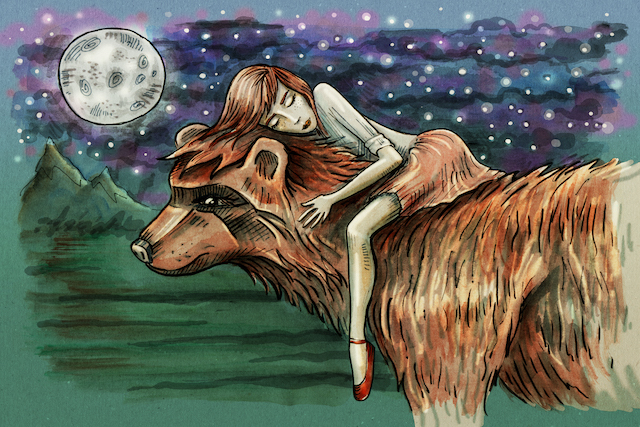
Tag: strong

  • Strong and Vulnerable: How I Learned to Let People In

    Strong and Vulnerable: How I Learned to Let People In

    “Vulnerability is hard. And it’s scary, and it feels dangerous. But it’s not as hard, scary, or dangerous as getting to the end of our lives and having to ask ourselves, ’What if I would have shown up?’” ~Brené Brown

    January – 2012

    I remember sitting in a small, dark room waiting for the surgeon to arrive.

    My son had just had major surgery to treat a complex condition that had cost him his small bowel, and it had taken much longer than expected.

    My stomach felt tense as the surgeon sat in the chair opposite us.

    He looked at the floor as he started to speak.

    “It’s not good news,” he said.

    “We think he has a week left to live.”

    After that, my mind switched off. I felt my wife’s head on my shoulder and heard her tears.

    Was it a bad dream?

    June – 2017

    My feet feel heavy as I am nervously walking toward the divorce court.

    Twelve years has come to an end, and it’s time to let her go.

    We lived under extreme stress for five years, up every night with our son, constantly in the hospital. I think the only thing worse than being in a war zone is being in intensive care for twelve months and seeing children die next to you.

    I know I did my best, but somehow, we lost each other. Both stuck in our own pain, with me unwilling to be vulnerable and unable to fully let her in.

    As I stand outside the court in a small, smelly room waiting for the hearing, my thoughts drift back.

    May – 1988

    I am in the hallway after school, surrounded by three bigger guys.

    They are laughing at me and pushing me. I know what’s coming, and I can feel my heartbeat increasing, and my stomach feels tense.

    I wish I could be anywhere else but here, but there is no way out. I am surrounded.

    I feel the kick in my chest as I fall to the floor and struggle to breathe. A few more punches and I hear their voices fading as they walk away.

    I get up embarrassed and in pain, but I pretend I am okay. I remember what I have learned. Never show weakness…

    August – 1998

    This reminds me of something I have experienced before. I am in a harbor surrounded by three big guys with tattoos down their arms and neck.

    I don’t see the guy that has circled me, and suddenly I feel the punch on my ear. I drop to the floor.

    Slowly, I get up and say, “Are we done?”

    I get kicked in the stomach and fly backward.

    Slowly, I get up and ask, “Are we done?”

    And another round.

    I should not show any emotions. That is how I survive. I know this game…

    June – 2017

    I hear a voice and snap out of my thoughts.

    It’s the court lady, and she says the hearing is canceled.

    As I get on the London underground, I close my eyes and drift off again…

    March – 2014

    This is where it started.

    He is an optimistic, energetic Italian scientist who I found online while researching leading experts around the world, and he is my only hope.

    I tell him the story of my son and that only the regenerative medicine treatment he is researching can save my boy.

    He tells me that we need to raise $7.5 million to do the research.

    He looks at me in disbelief as I say, “Okay, I will get that.”

    Whatever it takes to save my little boy…

    June – 2017

    I finally got home from the divorce court.

    I am looking out the window, and despite everything I have achieved, I feel empty.

    My son is still here five years later, and we managed to raise $8 million. I have many friends, and I had a business that I built from scratch with fifty staff members.

    So why do I feel so empty?

    I know the answer but am afraid to admit it because I am a man. I am strong, and I don’t need anyone.

    I had survived violent confrontations, built a business from nothing, helped save my boy when he was given no chance, I am helping to innovate medical science, and I have fought and won legal battles against our national health service…

    I know I am strong, but I feel alone. Disconnected from others.

    Suddenly I realize that I have made myself alone. Because I learned to only count on myself and to never show vulnerability.

    I google vulnerability and find Brené Brown’s TED talk, and suddenly I realize I have lived my entire life in fear. In survival mode.

    While survival is essential and served me at a time in life, it’s not really living.

    But somehow being vulnerable and depending on others feels scarier than a fistfight. Scarier than death.

    So, I know what I have to do. I have to let my protective angle go as he is no longer needed, and he is holding me back from living.

    I sign up for a course over the summer and jump on a plane to San Francisco.

    All these hippies are scary. They are so relaxed with touch. It makes me uncomfortable.

    They share things and cry, making my stomach cringe because I am terrified of having to do the same.

    I want everyone to see how strong and manly I am.

    It’s circle time. Oh, I hate these. And, this time we have to share vulnerability with the group.

    I am praying that someone will burst through the door and shoot me. It’s America, after all. But to my despair, nothing happens.

    As it becomes my turn, I am still alive. F…

    I can feel I am shaking.

    I tell the group about my son and the long, dark nights I would stand and cry in the living room, scared to my core that he would not be alive the next day.

    I never used to let anyone see me cry, as they had to think I had it all together. But I was scared, so scared.

    I finally break down and cry in front of the group. I cry like a baby.

    They all look at me with love and compassion. They even seem more connected to me, and I feel more connected to them.

    Something has happened that I have never experience before. I don’t even know these people, yet they now know me better than my ex-wife, family, or childhood friends.

    I feel I can finally be me. Strong and vulnerable.

    I get a friend of mine who is a masseuse to give me a gentle massage on my stomach and chest, as I know how much I dislike touch there.

    I don’t know why, but I can feel my body being tense and resisting.

    I close my eyes and slowly let go. As I let the tension go, I can feel a little hurt and violated child inside me cry, and I let it. I am in hippie land now, so why now?

    Something extraordinary happens. I am enjoying the touch. Yes, I really like it.

    It no longer feels irritating. As I leave the course, I realize touch is one of my love languages, and I can’t get enough.

    Who knew that summer would change my life?

    My friendships, my relationships, everything has changed since I came home.

    I feel more seen and accepted now that I’m more open, and I’m better able to see and accept the people around me, which helps them be more open too.

    I found the missing formula to intimacy and love, toward myself and others.

    And it’s not complicated. It just takes courage.

    Like a plant needs air, water, and sun to grow, love requires safety, vulnerability, and acceptance.

    I found the force. May the force be with you.

  • How I Know I’m Strong (and You Are Too)

    How I Know I’m Strong (and You Are Too)

    “If there’s ever a tomorrow when we’re not together, there’s something you should remember: You’re braver than you believe, and stronger than you seem, and smarter than you think. But the most important thing is, even if we’re apart, I’ll always be with you.” ~A.A. Milne

    Two years ago, I was anticipating a monumental shift. I couldn’t tell you what had changed around that time, but my mindset was moving away from the brasher side of my natural, projected extroversion and seeking solace in the comforts of solitude.

    It felt like the waves drawing back before a tsunami, and over the following two years, I certainly felt I was drowning more than once.

    My dad was diagnosed with cancer; I went through breakups, work challenges, struggles with family and friendships; I was diagnosed with depression and had my first real experience of debilitating stress and panic attacks; then, last month, my dad (now, thankfully, cancer-free) had a heart attack, weeks after a very brave friend lost her own father to one.

    I felt I had made peace with my version of bravery, understanding that sometimes the mere act of survival is itself a brave middle finger up to life’s relentlessness.

    But alongside “brave,” another adjective I’ve struggled with over the past two years has been “strong.” I certainly feel like my strength has been tested.

    When you are often described as “strong,” it can become a millstone around your neck. How do you live up to your duty of being strong for others when you’re struggling to be strong yourself?

    In my darker moments, I perceive myself as very weak. When I sat down to journal about my dad’s heart attack, I was surprised that I wrote down how I felt too weak to withstand what could have happened to my dad, how I felt too weak to support my family at this time, how I felt too weak for life in general.

    There have been many similar moments over the past two years where I have felt anything but strong. And yet, many beloved friends and mentors have described me as such. Sometimes I want to tell them I’m a fraud, projecting cheery strength, when some days, inside I’m just mustering up all I can to get by.

    And then, as I was journaling, it hit me. This is strength. If we are still here, we are strong. We are Darwin’s fittest. If we are living through personal struggle, if we are coping with this anxiety-inducing pandemic, if we are still capable of doling out however small a portion of love to ourselves, our family, our friends, our neighbors, our community, our strangers, then surely we must be strong?

    Strength is not always an action. Strength is daily bravery; strength is allowing yourself to feel; strength is choosing to love.

    Strength is my mum carrying on and stroking my hair as I slept in her bed; strength is my dad allowing me the space to cry when he has his own pain. To be strong is to be “able to withstand force, pressure, or wear.” What are we doing as a species right now if not choosing to withstand?

    So in the midst of my much-needed mope, I realized I had two choices: to buckle under the force of my fears of this pandemic and what it could do to the more vulnerable members of my family, the pressure of all that has occurred over the past two years, the wear of my reserves, or, inevitably, to choose to withstand.

    And, as the word implies, that requires standing with others. Letting my loved ones see my tears, sharing my sadness with them, giving them the space and the safety to share their own, allowing moments for hope and positivity to emerge from our shared anxiety. Choosing, in other words, to stand as the lighthouse in the storm.

    The world is going to present you with a lot of fear and reason for panic at the moment. Withstand the depressing onslaught of the media; withstand the urge to clear the shelves of penne; withstand the mental self-isolation that these times could bring.

    Stand with your community (even if you’re two meters apart): if you are well, reach out to people who may need your assistance; if you’re not, share messages letting people know they’re not alone. There’s strength in numbers.

    Notwithstanding, there will always be moments when we feel our strength and our capacity to withstand is just not enough. In those moments, I turn to the immortal words of A.A. Milne. If even Winnie the Pooh needed reminding of this sometimes, then it’s more than okay that we do too:

    “If there’s ever a tomorrow when we’re not together, there’s something you should remember: You’re braver than you believe, and stronger than you seem, and smarter than you think. But the most important thing is, even if we’re apart, I’ll always be with you.”

  • Being Shy Made Me Strong, and It Can Do the Same for You

    Being Shy Made Me Strong, and It Can Do the Same for You

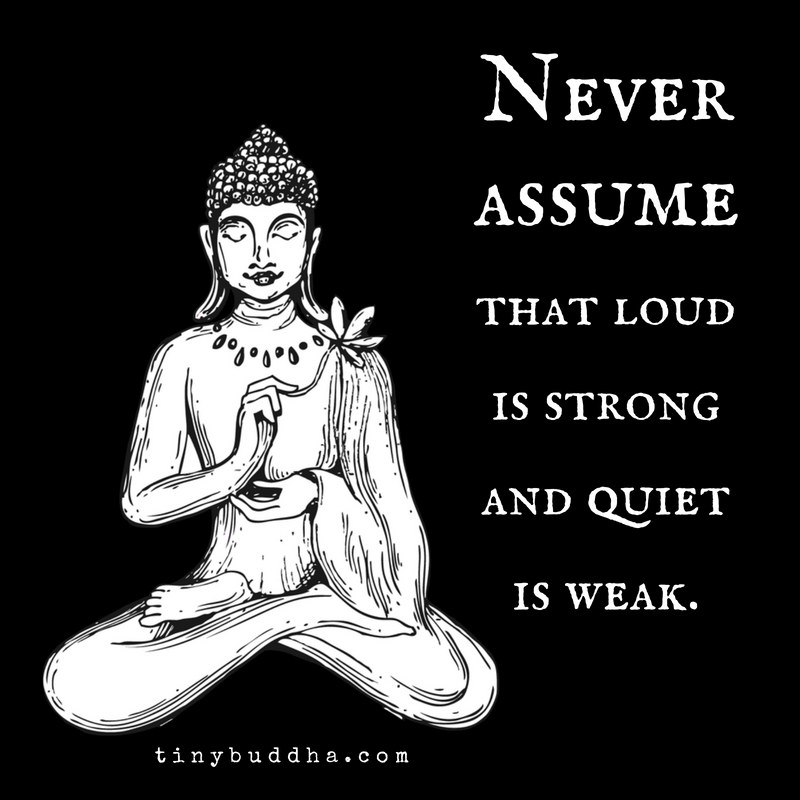
    “Never assume that loud is strong and quiet is weak.” ~Unknown

    This quote seems counterintuitive, right?

    For many years, I, too, scoffed at the idea.

    Having dealt with crippling shyness throughout my life, I know firsthand what it’s like to feel weak, powerless, and trapped because of it.

    As a child, I remember clinging to my mom’s leg and using her body to hide from strangers. Then, as I got older, this shy behavior manifested into a fear of speaking my mind, interacting with others, putting myself out there, and so on and so forth.

    My quiet and timid nature led to me being known as “the shy girl,” a label that followed me through my formative years and made me feel stuck inside a box of limitations throughout my adult life.

    During these years, my shyness did nothing but hold me back from being who I wanted to be. It felt like a dark cloud hanging over me, and I couldn’t escape.

    Until, one day, I realized that being shy got me nowhere. I was living a life of loneliness and fear where I had no close friends, no social life, and no happiness.

    I refused to allow myself to fall victim to being shy. So I chose to do something about it.

    Looking back, it’s been a long road to get where I am today, but I can honestly say that I’m a stronger person because of what I went through as a result of all of it. I’m thankful I went through the challenges that come with being a shy person because it forced me to make a choice: shrink or grow.

    So if you, too, are dealing with debilitating shyness, here are some things that may help.

    Challenge yourself.

    Feeling stuck? Then it’s time to shake things up.

    If you’re extremely shy then, chances are, you’re scared to put yourself out there. And why would you? Especially when your comfort zone is just so comfortable.

    I know what that’s like because I’ve been there myself. It’s easier to live your life within the confines of what’s familiar because there are no risks and no surprises. But there’s also nothing to be gained from an unchallenged life.

    From a young age, I recognized that my big ambitions were tethered on a short leash because of my shy nature. I was never going to reach any of my goals if I kept living my life in fear. And that thought alone scared me more than the thought of putting myself out there.

    For that reason, I saw my transition from middle school student to high school freshman as an opportunity for a fresh start. I knew I wanted to do something I never had the guts to do before.

    So I decided to take a theater class offered by my school. I saw it as the perfect challenge because, not only was it completely out of character, the mere thought of performing on stage terrified me.

    What better way to help me break out of my shell than taking a class that involves speaking in front of an audience?

    Skipping ahead to my first performance, I remember my face being beet red, my palms were sweaty, my heart was beating out of my chest, and my anxiety was through the roof. I was in fight-or-flight mode and, and while I would normally choose flight, this time I was determined to fight throughout.

    At the end of the performance, I felt an amazing rush. It didn’t matter how I did or what people thought. All that mattered is that I pushed through my fears and did it.

    I saw this as a huge victory in the battle against my shyness.

    So if you want to take a step toward overcoming your shyness, then it’s time to step outside of your comfort zone. Do something that scares you. Think of an activity you’ve always wanted to do but never had the guts to try and start there.

    It’s terrifying, and chances are you’ll second-guess yourself throughout the entire process, but what you feel once you get through it will make all of the anxiety worth it in the end.

    Don’t give up.

    While theater classes helped me learn to face some of the challenges that came with my shyness, it wasn’t until college where I really broke out of my shell.

    As you can probably imagine, social situations were a nightmare for me because of how shy I was around others. I didn’t know how to connect with people and, more importantly, I was scared to try.

    My life up to this point consisted of a nonexistent social life and friends who were mostly just classmates or acquaintances.

    However, that changed when I took a job at a local restaurant.

    At first, I despised the job. Everyone seemed so close and I felt like I didn’t fit in, which is why, within the first week, I wanted nothing more than to give up and quit

    All of my life I’ve felt like an outsider, so I assumed that this would be no different. Despite that feeling, though, something told me that I needed to stick it out and stay.

    So I did. And it paid off.

    Over the next few months, I became more comfortable talking to my coworkers, which turned into spending time together on lunch breaks and then getting together after work hours. Pretty soon, these people who were once nothing more than strangers to me became the friends I had longed for throughout my life.

    Because I stuck it out and pushed through the discomfort and fear, I was no longer an outsider and I loved my job. It was a complete 180 from where I was when I first started working there, and all it took was patience and effort.

    This experience taught me that anything worth having takes persistence. A self-defeating attitude will only keep you trapped within the limitations of your shy tendencies.

    If I had given up, I would have never met the people who became my closest friends, and still are more than a decade later.

    So when the going gets tough, dig deep and push through it. Changing a pattern like shyness is no easy task, but if you don’t give up, you could end up with something amazing.

    Practice makes perfect.

    Change doesn’t happen overnight.

    In order to break away from your shy tendencies, you need to do more of what gets you out of your comfort zone.

    For me, that’s socializing.

    Because of my shy, introverted nature, I’m typically more comfortable being by myself and, as a result, I tend to withdraw from others.

    Yet, despite those tendencies, deep down, I’ve always wanted to be a social person, somebody who’s confident in social situations and has no problem approaching people.

    So I decided that I was going to practice.

    Coincidentally, all of this took place after my twenty-first birthday, so the nights out on the town with my friends became a way for me to practice my social skills.

    I’ll admit, at first I felt extremely awkward and uncomfortable. In the presence of large crowds, I would typically shrink down and avoid talking to others. Because these skills didn’t come naturally for me, it took some time for me to break away from those habits, but eventually, I did.

    I continued to push myself to talk to strangers whenever I would go out with my friends. Granted, this was a lot easier considering that the people I spoke to were typically a few drinks in, but it still did the job.

    Pretty soon, the thought of approaching someone and having a conversation wasn’t as scary as it once was in the past. In fact, I actually started to enjoy it.

    I like to think of social skills like a muscle in the body. It may start out weak and exercising it can be painful, but the more you work out that muscle, the more it grows and the easier the exercise gets.

    Shyness can be debilitating if you let it take over your life. So practice socializing, having conversations, approaching people and anything else your shyness holds you back from doing. While it can seem impossible to overcome at times, with practice, you can come out on top.

    If I can do it, you can too.

    After spending most of my life feeling like a victim to my shyness, I now appreciate that it made me stronger. That’s because, as a shy person, it takes so much more effort and energy to put yourself out there. It’s going against familiar habits and causing friction that, hopefully, results in change.

    It’s easy to succumb to shyness, to stay within your comfort zone, and to be controlled by fear. And anyone who has pushed through and challenged those tendencies in order to live a fulfilled life knows that it takes a tremendous amount of work. It’s a constant uphill battle, but it does get easier if you’re willing to push through.

    So challenge yourself, don’t give up and practice.

    It’s time to own your shyness instead of letting it own you.

  • How to Be Like a Tree: Still, Strong, and Uniquely Beautiful

    How to Be Like a Tree: Still, Strong, and Uniquely Beautiful

    “This oak tree and me, we’re made of the same stuff.” ~Carl Sagan

    I was hugging trees long before it was cool.

    Recent research suggests that spending time in nature can reduce your blood pressure, heart rate, and stress level, not to mention cut down your risk of type II diabetes, cardiovascular disease, and premature death.

    But when I began hugging trees, it was an undeniably weird thing to do.

    I risked the odd looks of strangers, however, because trees felt so calm and welcoming to me. When I wrapped my arms around their broad trunks, it felt like I was being gathered into the protective embrace of a beloved elder, as if their steadfastness imparted strength, and their rootedness helped me find my own solid ground.

    Recently, however, I’ve realized that their benefits extend far beyond momentary stress relief; it’s from trees that I’ve learned the most powerful lessons about how to deal with chronic depression and anxiety.

    Here are the biggest and most unexpected things I’ve learned so far from trees:

    1. When in doubt, don’t do.

    Every time I hug a tree, I’m struck by how still it is. There’s a silence, a spaciousness, and a total lack of movement that boggles my mind.

    I mean, it can’t be easy to be a tree. If you’re not getting enough sunlight, you can’t just pick up and walk a few steps to the right. If some animal builds its home too close to your roots, you can’t do anything to move it.

    I, on the other hand, respond to any perceived threat by jumping into action. That’s the nature of my anxiety; when I’m afraid, I want to do something—anything.

    But because I’m not acting out of clarity or wisdom, and because listening to fear makes the fear grow stronger, almost every action I take just makes things worse.

    Like the time when I was anxious about leaving my therapist because I was about to move back to Atlanta after fifteen years away. Jumping into action, I decided to go off my anti-depressant medication before I left so I would have her help, but I did it at a time when I was also changing careers, starting a business, and getting ready to move cross-country. Needless to say, it made a difficult time even harder for me.

    When I don’t get the results that I want, I feel even more out of control, my anxiety grows—along with my compulsion to act—and the negative cycle reinforces itself.

    Trees show me how to break this cycle by demonstrating the value of not doing.

    When I’m smart enough to imitate a tree, I get still. I feel. I listen.

    When I do this for long enough, one of three things happens: Either the problem resolves itself, or a wise response becomes clear to me, or I realize that it wasn’t really a problem in the first place.

    2. Support all of life.

    I’m often awed by how much trees give to the creatures around them, from the moss that grows on their bark, to the birds and squirrels they feed and shelter, to the humans who breathe their oxygen and enjoy their shade.

    When I’m depressed and anxious, I usually feel both overwhelmed by my own misery and guilty that I don’t have the resources to give more to others.

    It’s another negative cycle whereby my misery makes me unable to focus on anything or anybody else, which causes me to feel horribly self-centered, which makes me feel even more wretched and less able to give. What makes things even worse is that supporting others is one of the few things I’ve found that reliably helps me feel better.

    The effortless generosity of trees offers a way out.

    When trees have something to give, they share it with everyone, no matter how small or undeserving. But they don’t beat themselves up for not having acorns in the spring, or leaves in the winter. They simply extend whatever’s there to extend.

    Sometimes all I have to give is an apology for not being more considerate. Other times it’s a smile, or appreciation for someone’s support. Over time, if I give what I have, I have more to give, but the key is never to believe that it should be more than it is.

    That way, I can support all life, including my own.

    3. Don’t be afraid to get big.

    I’ve never been one to take up too much space.

    I’m talking physically: I’m over six feet tall and always felt awkward jutting up above most of the people around me, so I subconsciously slouched and made myself smaller.

    But I’m talking emotionally and relationally as well: I never used to like to call attention to myself, ask for what I needed, or speak up about my opinions. I went out of my way not to negatively impact anybody else, even if that meant sacrificing my own happiness or well-being.

    After years of always making other people’s needs and opinions more important than my own, it was hard not to feel depressed, helpless, and hopeless. By that point, however, making myself small wasn’t so much a choice as a well-ingrained habit.

    When I began to hang out with trees more, I started to notice how unapologetic they are about the space that they take up. They don’t worry that growing tall will cause somebody else to feel inadequate, or that stretching their limbs out wider will mean they’re taking up too much room. They just are who they are. When I stood next to them, I could feel their expansiveness begin to bloom in my own chest.

    Acting on this newfound sensation, I gave myself permission to get big. When I needed something, I asked for it. When I had an idea, I shared it. When I wanted something, I moved toward it. Not worrying about how others might perceive me, I stood tall and enjoyed the unique view.

    The best part is, after a long time of feeling powerless over anxiety and depression, I finally saw that I was bigger than either of them.

    4. Being crooked is beautiful.

    I’ve made plenty of wrong turns in my life.

    I used to feel ashamed that I had ten jobs over ten years before finally finding one that felt like a fit. Or that I had so many failed relationships before getting married nearly a decade after most of my friends. Or that fear made me wait twenty-five years to write a second novel when I knew after finishing my first at age twelve that I was born, in part, to write.

    Most of us (including myself) tend to think that the straight path is the best one. We beat up on ourselves for our false starts and slow progress.

    But have you ever noticed how beautiful trees are? And how crooked?

    I’ve come to believe that it’s precisely because of their odd angles and unexpected curves that trees appear so graceful. A tree made of straight lines would hold no appeal.

    Looking back, I can see that every job I had taught me more about what I wanted and brought me one step closer to work that I loved. Every relationship prepared me in some small way to be with the man I would eventually marry. And every time I negated my desire to write, that desire grew stronger, and I had more material to work with once I finally was ready to say yes to the call.

    We can’t undo our wrong turns, but we can appreciate their gnarled beauty.

    5. It doesn’t matter who you are.

    When I was younger, I thought that it was what I did that made me worthy. I pushed myself hard to do well in school, excel in sports, and achieve as much as I could.

    Eventually that strategy led to an unsavory mix of perfectionism, anxiety, and depression. Desperate, I got help from others and re-evaluated my beliefs. I soon concluded that it wasn’t what I did but who I was that mattered.

    At first this new belief seemed helpful, but eventually it brought its own set of anxieties. I was trying my hardest, but was I really calm enough? Or kind enough? Or wise enough?

    Then one day when I was hugging a tree, I tapped into a truth that made such questions irrelevant.

    I’d just gotten curious about what a tree’s energy felt like. Opening up to it, I was immediately flooded by a sense of expansive serenity. Peaceful as it was, it was also vibrant and strong. Welcoming and warm, it pulled me in. Suddenly I felt as if I were filled with, made of, and surrounded by sunlight.

    The energy was coming from the tree, but I realized that I could feel it because it was stirring something already within me. In other words, the tree and I shared the same true nature. Beneath my body, beneath my personality, and beneath my small identifications, I am this beautiful energy. So are you. So are we all.

    Unified in this way with every other living thing in the world, even I have to admit that the idea of being unworthy doesn’t make any sense. It’s not only irrelevant; it’s impossible.

    That’s when I realized that the magic lies not in what we do or even who we are, but in what we are, and how often we remember that.

  • How to Break Free from the Past and Start Feeling Good Enough

    How to Break Free from the Past and Start Feeling Good Enough

    “My biggest fear is that I’m not good enough. I have this voice in my head that I’ve been battling for years that says, ‘You’re not really talented enough. You don’t really deserve this.’ ” ~Rachel Platten

    When we’re continually surrounded by unrealistic beauty standards in the media and highlight reels of others’ success on social media, it’s no surprise that many of us feel like we don’t measure up or fit the ideals of perfection.

    At some point in our lives maybe we were rejected for the color of our skin, the shape of our bodies, or for the way we looked, and we decided that we were somehow separate from the world.

    These events can be detrimental to the beliefs we hold about ourselves and turn into thought patterns that continually chip away at our self-esteem.

    For me, the feeling of not being good enough started in my early childhood. My older sister looked like she’d stepped off the catwalk, and she was extremely academic. I, on the other hand, consistently got low grades at school and was rarely complimented for my chubby appearance.

    My feelings of low self-worth continued when I started high school. I was the only Indian girl at my school and was constantly bullied for my skin color, my religion, and being ‘different.’ Kids would throw things at me on the bus and push me around in the hallway. I started to hate who I was and the color of my skin and felt even less attractive than I did to begin with.

    As I reached my teens, I would jump from one relationship to the next, hoping that validation from a boyfriend would somehow make me feel better about myself, but it didn’t. The highs were short-lived, and those relationships soon spiralled into a cycle of rejection, which made me feel even more unworthy.

    Like me, maybe you too experienced a string of events while growing up that made you feel like you weren’t good enough. Whatever the experience was, no matter how trivial, when we have low self-worth, our internal dialogue keeps it alive, like an echo that continually reverts to unresolved traumas long after they have passed.

    Most of us don’t enjoy digging to the root of our beliefs and delving into why we think, feel, and act the way we do; instead, we’re wired to sweep things under the carpet and use alcohol, food, drugs, or sex as crutches to help us to mask our emotions and maintain our sanity.

    It can feel unnerving to unearth years of buried emotions and take a trip down memory lane to explore painful events, but to break free from low self-worth it’s vital for us to understand what parts of us require healing. Otherwise, it’s like going to a doctor with a pain in our tummy and asking them not to take a scan to determine its cause.

    The way we feel about ourselves on the inside directly influences what we will create for ourselves on the outside. If we don’t feel good enough when we’re in the privacy of our own thoughts, it often impacts the quality of our relationships, the level of our financial success, and the amount of love, health, and joy we allow ourselves to experience in our day-to-day lives.

    Many of us trap ourselves by looking at our lives through a lens of low self-esteem and telling ourselves stories based on outdated perceptions of past events.

    For a long time, I clung to the story of how I’d been a victim. I believed I had no control over what had happened to me—the abuse, the bullying, the heartbreaks, and the rejection. I would pity myself for having to endure all the events that had played out in my life.

    Instead of believing I had the power to take responsibility, I allowed past events to define who I was and how I saw myself, because I didn’t have the knowledge, awareness, or tools to know any differently.

    I was taught the importance of focusing on my education, finding someone to marry, and how to build a home, but I wasn’t taught resilience, I wasn’t taught about unconditional love or self-acceptance, and I wasn’t taught how to deal with life’s challenges.

    I wanted more from my life, but the story I told myself made me believe I wasn’t worthy of having it and that it just wasn’t going to be my fate. I would replay events in my mind and continuously felt like things were happening to me. I couldn’t see that the events were happening for me.

    If I hadn’t been bullied, I wouldn’t have built resilience. If I hadn’t been abused, I wouldn’t have developed compassion and empathy. If I hadn’t have been abandoned, I wouldn’t have the drive and ambition to be independent.

    When I recognized all I’d gained from my past, I was able to shift my perception and start seeing myself not as a victim but as someone who was strong and empowered. I began to re-frame my experiences.

    Knowing I’d been through hardship helped me to recognize that I had an inner strength to overcome challenges, and my strong sense of compassion and empathy toward others allowed me to recognize my ability to be emotionally intelligent. Seeing the gifts in my challenges allowed me to view myself in a more empowered way, and as a result, I started showing up in the world differently.

    It’s easy for me to see this now that I’ve moved through my story, but when I was in a war with myself I found it difficult to embrace the lessons.

    It’s hard to appreciate the painful events that have plagued your life and destroyed any ounce of self-esteem you had. It’s easier to blame the world than accept that although you may not have deserved what happened to you, it happened, and that the only choice you now have is to pick up the pieces and move beyond it.

    Most of us struggle to move beyond our stories and continue replaying them repeatedly in our minds, which only reinforces our beliefs into our reality. The more we replay our negative story in our minds, the more we continue to manifest the same events—until eventually we get fed up of living life on a loop and are desperate to break free.

    We may believe we don’t have the power to reshape our stories because they are so deeply ingrained into who we are and how we respond to situations, but we do. And when we rewrite our stories, we break free from our past and transform our lives.

    If you would like to release your feelings of low self-worth and shift the energy you put into the world, this powerful exercise can help.

    Story Time

    Take a journal and write down the story of your life.

    How do you define yourself?

    Is your story full of your greatest achievements and happiest moments? Or are you listing down all the bad things that have happened to you and how unhappy you are?

    When you pen down your thoughts you’ll instantly get insights into how you currently view yourself.

    Are you able to spot any common patterns? Is there a recurring theme of rejection, shame, or resentment? Are you blaming specific people or events for how your life has panned out?

    You’ll soon get valuable clues on what beliefs or experiences are dictating your story, and how you choose to view your life.

    Now, journal your answers to the following questions:

    • What did those experiences help you to learn?
    • What skills have you gained because of those experiences?
    • How can you apply those lessons and skills to your current life?
    • If you could go back in time, what would you change about those events? Or do differently?
    • Are you ready to let those experiences go? And if not, how does it serve you to hold onto those experiences or feelings?

    With this newfound awareness, I’d like you to re-write your past story, and see if the language you are using to describe your past has shifted.

    Often, when we look back on our past with a newfound perspective, we’re able to re-frame our negative experiences into positive lessons that have shaped the person we are today. Without our experiences, we wouldn’t be blessed with the wisdom we’ve gained because of them.

    When we allow ourselves to move into a space of gratitude for all that we’ve learned, we automatically shift away from feeling like a victim and reclaim our power.

    Remember, you, as much as anybody in this universe, have the power to change the direction of your future. You just need to be willing to let go of what no longer serves you.

  • Moving Through Grief: I’m Strong Because I Feel It All

    Moving Through Grief: I’m Strong Because I Feel It All

    “Grief is the last act of love we have to give to those we loved. Where there is deep grief, there was great love.” ~Unknown

    It’s been almost six months now. Half of a year without my brother and the grief still visits. I’m pretty sure grief doesn’t actually go away; its visits just get further and further apart.

    People continue to ask me how I am so “strong” through all of this, mistaking my happy moments as the full picture.

    I continue to tell them strength comes because I feel it all.

    The story in itself is my therapy, my chance to relive the amazing memories, my chance to show you the waves of grief I ride.

    The last thing I told my conscious brother was “But I believe in miracles, I really do.”

    To be fair, the last thing I really told him was a travel story about me using a Squatty Potty in Thailand, in hopes that humor would bring him back to responsiveness.

    The thing is, I really did believe a miracle was possible, or at least I wanted to believe. Surely it wasn’t his time to go. The all-divine higher power wouldn’t take away my big brother, my role model, my mom’s baby boy. It simply wasn’t time.

    The tumor on his spine seemed to disagree with me, though.

    My brother is gone now, and there is a human-sized hole in the universe that I am living in, and yet I survive; in fact, I am thriving in this life that I have now.

    But let’s back up a little, because I can’t just tell you about how I move through this season of grief without totally and completely honoring the human my brother was. He called me his little buddy, and though my oldest brother was the babysitter, Kirk always whispered into my ear that he was the real one in charge.

    He liked Dungeon and Dragons, donuts, finishing a great book, and writing and doodling in a brown journal probably made of suede or something cool like that. He loved to flip me upside-down or hold me down and tickle me until I was completely sure I would pee my pants. He would say things that didn’t make any sense to me until later when I would sit and contemplate in stillness.

    Something about Kirk’s soul was so playful but inspired me to be still and live in the presence that I have. He did things like build houses out of mud for sustainability and turn medians into produce farms. He took killer photos and made clay statues that I used to think would move in the night and haunt me.

    Kirk told me to “try everything once, unless that one thing will kill you, then skip that one.” Which is why you can catch me building a business that makes zero sense to who I am, traveling to foreign countries when I should probably be building a 401K or something else adults do. But when there’s a human-size hole in your universe, you do things for joy. Maybe it’s to honor them; maybe it’s because you live life to the fullest possible amount there can ever be. Either way, I’ll keep moving only for things that light my soul on fire.

    And then there was the cancer.

    You know how if you endure something just the right amount, it kind of becomes your normal? Repetitive chaos in your life has a way of doing that. And after watching my grandma battle cancer and win, my mom battle cancer and win, and Kirk beating it over and over again, it felt like the norm. Like it was just a thing that plagued my family, but we always moved out of it.

    Everyone handles something like this differently; personally, I’m that “ray of sunshine, glass half full and hey, I’ll help you with your glass too” kind of girl. Sunshine and cancer don’t blend well together. I got really good at smiling, cheering people up, and ignoring the invader in our lives.

    When I opened my phone and received the text that read, “He took a turn for the worse,” my soul didn’t believe it. I hopped on a plane, believing my sunshine would be enough to stop this spiral.

    My sunshine was not enough to bring him back to life.

    My sunshine was dimmed to its darkest.

    My glass was tipped over.

    Grief overwhelmed my soul. Gut wrenching, unexplainable, dynamic grief.

    It has been almost six months now since this hole was created in my universe, and every day someone asks me how I am so “strong” or “positive.” I will tell you exactly how.

    When I’m mad, I get mad. I allow myself to hear why I am mad because I know answers are on the other side of that. I don’t place my anger on anyone or anything. I just let it out as it is, even if it doesn’t make any sense.

    When I’m sad, I get sad. Even if that means I cry in my car because I walked past someone eating a flavor of ice cream that he enjoyed. Even if that means crying on my birthday because I realized it was the first year I wouldn’t hear from him. Even if that means I cry for no other reason besides missing my brother. I let it flow because I am alive and I can feel.

    And when I’m happy, you best believe I’m happier than a three-year-old in between meltdowns. Because of all the human emotions that I get to endure, the one he would want me to amplify the most is wild, epic, unleashed happiness.

    They say grief is like waves, and I honestly couldn’t explain it any more eloquently than that. As a professional beachgoer, the thing I can tell you about waves is that they have two extremes: If you work with the waves, they are flowing and forgiving; if you fight against them, they will pull you under to the depths.

    This is how you move with grace through grief. The fight creates a deep abyss of suffering; the flow creates a space for forgiveness. I’m not saying there won’t be pain; there will be deafening pain to endure on this ride. And on the other side of that pain is forgiving and wild happiness that I like to think our lost pieces are sending to us. This is how I am strong through my grief.

    I am mad, sad, and happy sometimes all in one day. I feel pain and yet I live so passionately, exactly the way my brother would want me to. I am not strong because I am positive; I am strong because I feel it all. Strength hides in the depth of every emotion. Tap into each flow.

  • Why I Can’t Always Be the “Strong One” and What I Do Now Instead

    Why I Can’t Always Be the “Strong One” and What I Do Now Instead

    “She was strong and weak and brave and broken… all at the same time.” ~Unknown

    My mom was diagnosed with schizoaffective disorder when I was seven years old. It’s a chronic condition that doctors say can be managed but not cured. The symptoms included manic high energy, depression, delusions, hearing voices, reduced need for sleep, and loss of touch with reality.

    There were many times of stability for her, when she was on the right medication, taking it routinely, and attending regular psychotherapy. But if any of these elements were missing, those moments were often short-lived.

    She was the type of woman who would speak to anyone in eyesight, make an instant connection, and fill the atmosphere with the kind of joy and laughter that would make anyone think of happy times.

    For me, as I knew her well, any extreme traits that did not resemble these were signs that her body was not responding to the medicine and she was having what doctors call an “episode.” These were the times I knew she had to be hospitalized for stabilization. Some episodes were milder than others, but all resulted in my sister and I having to make the tough decisions, for my mother’s well-being, that deep down inside hurt us to the core.

    We were like the three amigos, my mother, little sister, and me. We had a powerful bond, and my mother, being a single parent, taught us to be strong, independent, confident women. Growing up, I didn’t know that my mom having her episodes would become the norm, and taking her back and forth to the hospital would become routine.

    Years later it would never get easier, and each time felt like the first time. Each time I had to put on my armor jacket of strength, suck up my feelings of sadness, and be strong for my mother when she was not able to do that for herself. I had no idea back then that learning how to be so “strong” would eventually be my downfall.

    I remember my first time taking my mom to the hospital. My heart raced and my chest filled with so much pressure it felt as if I was about to explode. I was filled with such overwhelming sadness, anger, and helplessness that I couldn’t even express if I wanted to. It wasn’t the time.

    As we sat with my mother in the emergency room, waiting for her to get called back, everything moved in slow motion. Her rage of being taken to the hospital without her initial consent filled my ears with such vulgar slurs and hurtful words that I regularly had to remind myself it was her “condition” talking, not her.

    Life can put us in situations where we are forced to be strong even when we feel weak inside. Society will give you the impression that being strong is a good thing. We are programmed to show strength and not express our weakness. It’s almost this hidden outlook as if expressing your weakness will allow someone or a situation to break you, and once we are broken, we can’t put the pieces back together.

    We become so good at portraying strength; we fool others into believing that we have everything under control and do not need help. But, as I found over the years of being the strong one and continually putting on my armor jacket of strength, I was doing more harm to myself than good.

    Here are some lessons I’ve learned since realizing that being the “strong” one is not always the best solution:

    1. Don’t isolate yourself from others.

    There were many times when my mother’s episodes were extreme, and I didn’t want to share my feelings with anyone in my inner circle. I felt like no one would understand what I was going through, and it felt like I was in a battle all by myself. Unlike a physical disease, there are so many negative stigmas that can come with having a mental disorder. The fear of both my mother and I being judged and ridiculed was enough to keep my emotions and thoughts to myself.

    During these times being social was the last thing on my mind. I avoided social outings with friends and family like the plague because I felt like I was going through things they wouldn’t understand.

    The more I isolated myself, the more toxic my mind became. When I was by myself, I would constantly dwell on my negative thoughts. They would race through my mind all day, and it was extremely hard for me to see the positive.

    On the days when I did have a brief interaction with my friends, I was no longer the voice of reason but instead the “Debby Downer” who no one wanted to be around. The calls eventually slowed down, and my circle of friends became smaller and smaller.

    Contrary to what I believed, when I finally decided to open up it made a world of difference for me. When I told a close friend the details of what I was going through, she said she could sense something was wrong with me and extended her listening ear. Even though she wasn’t able to directly relate, she had a close friend whose sister had a similar diagnosis, so she was able to understand my concerns and offer a few stress management tips.

    This one little moment speaking with my friend felt so freeing. I was finally able to open up to someone and not feel as if I was in a battle all by myself. Moments like those helped me realize that isolating myself was not aiding my strength but actually adding unnecessary stress.

    When you isolate yourself, you tend to feel like you’re in battle alone and forget that it’s innate for people who care about you to want to be there for you. Your friends and loved ones will be able to sense when something is wrong and will naturally want to offer support. By opening a dialogue, you might be surprised by how many people can relate in some way.

    Even if someone is not able to directly relate, there are hidden messages of encouragement that you can receive when you least expect it. Allowing yourself to be around others during these times can make a shift in your energy, which can help make your days brighter.

    2. Don’t hold your feelings inside.

    I think one thing many tend to forget is that holding your feelings inside doesn’t make them go away. When you bottle your emotions inside you are allowing the pressure of the build-up to take control of your body. These feelings cause more harm than good. When worrying becomes excessive, it can lead to feelings of high anxiety and cause you to become ill. Stress, according to the American Psychological Association, is the leading cause of some of the most severe chronic diseases.

    In the early years of my mother’s diagnosis, I would allow stress to consume my life. When high levels of stress would occur, I frequently became sick. I would frequent the doctor for stomach pains and was soon told that continuing on that path could result in causing a stomach ulcer.

    Being “strong” does not mean that you need to keep things bottled up with no outlet. This is an unconscious thing we tend to do without thinking about the long-term effects. It is vital that we allow ourselves to handle the crisis by finding a positive outlet. Meditation and exercise can be great tools to use that will allow you to release the energy needed.

    3. Let yourself be vulnerable.

    In every healthy relationship, there must be a sense of vulnerability. Whether we’re talking about a romantic relationship or a friendship, vulnerability is needed for each person to be in their truth and for the connection to be genuine.

    When you are put in situations where you have to be strong at all times you tend to build a wall up, what I like to call the “wall of protection.” This is a wall that builds over time and grows as you are forced to overcome more adversity.

    The more you are forced to be strong and fight your battles, the higher the wall gets. In these moments of struggle, you are forced to take on an intensive militant mindset, figure out the problem quickly, and find the solution. You have no room for errors or mistakes. Because you are the strong one, your mind thinks if you allow a mistake everything will crumble.

    I spent years unconsciously pushing people away without knowing it. I was accustomed to handling every battle that came my way on my own. My “wall of protection” eventually turned into this hard exterior that pushed everyone away, including men I was dating. It shielded my soft, playful side and turned me into someone who was a pro at masking her emotions.

    How can you have a genuine relationship with no vulnerability? How can anyone get to know you if they only see and understand one side of you? Eventually, that relationship will drift away because it has no foundation to stand on.

    By putting on your strong masquerade, you block others from seeing the real you. Without allowing someone to get to know you, including your fears and what makes you happy and sad, they are just getting to know your representative, not your true self.

    What if you didn’t have to fight the battle alone? By allowing yourself to be vulnerable and admitting when you are going through hard times, you allow yourself to receive love. And love is by far the most prominent weapon one needs to overcome whatever obstacles come his or her way.

  • Soften into Life and You Will be Strong

    Soften into Life and You Will be Strong

    “It’s the hard things that break; soft things don’t break…You can waste so many years of your life trying to become something hard in order not to break; but it’s the soft things that can’t break! The hard things are the ones that shatter into a million pieces!” ~C Joybell C

    Language is a powerful thing. Though often dismissed as “semantics,” the imagery our words and terminology impart often adds unintended or even misguided connotations onto what we intend to say.

    This is why it is so difficult to speak about spirituality. When we say “God” or “salvation” or even “peace,” those words can bear an unintended doctrinal, political, or social stamp on them that means something very different to the listener than it does to the speaker.

    A prime example of this is the “hardness” imagery that is woven into many words intended to be positive, such as “strong” or “tough.” We want to be “strong” and “tough,” to be able to handle all of life’s trials and tribulations without cracking.

    However, these words often morph into an image of hardness. When we are strong, we hunker down, grit our teeth, and bear it. When we are tough, we “power through” the bad times.

    The short-term result is often satisfying. The hard person bounces back quickly from a failed marriage or an illness or losing a long-term job. The trouble, however, is often found beneath the surface and in the long term. What happens when someone spends a lifetime hunkering down and powering through?

    To use a cliché, the tree that doesn’t bend, breaks. A hard tree can endure a lot, but when a strong wind blows, it cracks and falls over. Let’s look at a bunch of images to see this more clearly.

    Brené Brown talks of armor. We put on armor to avoid the hurt. That used to be a way of life for me.

    I once knew someone who had endured a lot of trauma as a child, having been abused and betrayed by people to whom he was vulnerable.

    His survival mechanism developed through these experiences was to not go too deep with people, to hold his cards close to the vest and not open up. This was easier, he explained, because when you were done with someone, you could just move on easily without feeling the hurt.

    What followed in his wake were broken relationships and broken people, who he was able to step past.

    But what does it mean when you don’t let people in and open yourself up to them? You avoid the hurt, but you also miss the intimacy, the connection, and the depth of an open, honest relationship.

    Indeed, how can you even really be in love with someone if you erect an emotional barrier in the way? You can’t.

    As Brené Brown explains, you can cut off feelings—the good and the bad—but you can’t isolate and block out specific types of feelings.

    In order to feel joy and intimacy, you need to allow yourself the vulnerability that will also inevitably lead at times to pain.

    In order to love, you have to deal with the eventual certainty of loss. Otherwise, you’re just kind of numb. You’re not really there.

    People need connection. What happens to someone who moves through life while keeping everyone at arm’s length? What happens to people who don’t show themselves for who they are? I should know—I often avoided authenticity and vulnerability in order to protect myself.

    I was an alpha male. Having grown up in a household where I was set upon by my parents, I learned not to be vulnerable. I became a go-getter—determined, accomplished, and always putting on a strong front, strutting around to ward off those who would hurt me.

    What this meant, though, is that I struggled to find that one person with whom I could be completely honest, and when I did, I put all my eggs in that basket. Hence, when my relationship ended, I was destroyed.

    The more you hurt, the more you fear. The more you fear, the thicker the armor you wear. The thicker your armor, the more it weighs you down. When my armor finally cracked and fell off, it led to a complete breakdown. It was during the recovery from that breakdown that I learned what real strength was.

    I had been determined. I fixed my sights on goals, typically those that would bring me recognition, and I achieved them.  These goals conformed with what is commonly viewed as “success”—wealth, influence, and renown. So, I doggedly stuck to the path, my eyes always forward instead of looking around me. I was tough.

    Life is a long road with many forks. My eyes on the prize, I was unwavering and kept going left. Unfortunately, life was telling me in so many ways to go right.

    I lived in a city that didn’t at all conform with what I valued. I stayed in a relationship that exhibited many warning signs. I had a high-powered, well-compensated job that drained all my time and energy. I was literally sick—in the hospital multiple times each year when I had almost never been in one before that.

    When the pain became too much, I fell apart, and at that point, I had no choice but to go right.

    In that moment, all my hardness couldn’t see me through. And that’s what suffering is: It’s the great teacher that keeps telling you where to go, and the more you try to power through, the more painful and prolonged it will be. Then you soften up and go right, and everything changes.

    Not surprisingly, nature inspired me with the most fitting, if obscure, image: a salt marsh.

    Salt marshes are a natural habitat along coastlines. During storms, salt marshes absorb the force of large waves, which travel into the marshes, lose momentum, and dissipate. If they even hit the shore, the waves retain a fraction of their former strength, and the coast is thus protected. Sand dunes serve a similar function.

    Over time, people have degraded and destroyed these fragile habitats, making storms even more dangerous and destructive.

    To protect harbors, people have built sea walls made of stone. These walls appear strong, but over time sea walls crumble with the force of being slammed by powerful waves or can even cause more destruction when waves ricocheting off of them create violent chop in the water.

    When you are a sea wall, you smack the waves away. The waves hit other people and objects and smack you back. Your resistance creates wake, which damages others and eventually, after a long time, causes you to collapse.

    Instead, be a salt marsh. Absorb the waves and let them pass through you. Accept them. You will be hit with enormous force, but you will not lend that force any more energy. If left unpolluted and unspoiled, salt marshes will survive forever.
    Underneath the hard armor that weighs you down, you’re soft. When you are a salt marsh, your softness absorbs the waves. The hard sea wall smacks them away. A flexible tree bends with the storm, while the hard one doesn’t waver—until it breaks.

    Somehow this image works for so many of spirituality’s life lessons. Let hurt soften you; don’t let it harden you. Let that time someone hurt you open your heart up to compassion for all of those who are hurting. Let it be a reminder in the moment to be more forgiving.
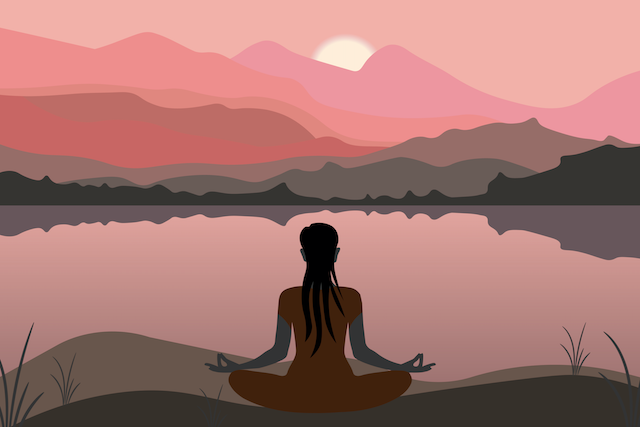
    When an experience is difficult, you can fight with it. But if you surrender to it, let down your walls, and be open to the experience, you will grow from the pain. Give up the hard walls and soften yourself up to what comes your way.

    When floating down the river of life, you’re totally right to swim in the direction you’d like to go. But paddle too hard against the current, and you’ll drown. Try going soft and floating, seeing where the river will take you—it’s not like you have that much of a choice anyway!

    Bravely learn to relax with life and see what happens, and you will make decisions with more wisdom and take actions with more power than if you were fighting.

    As Pema Chödrön says, “Stop protecting your soft spot… stop armoring your heart.” Likewise, “Wretchedness humbles us and softens us… Gloriousness and wretchedness need each other. One inspires us, the other softens us.”

    Maybe it’s something like a rule: when you’re in a moment in which your instincts are telling you to be hard, before you act at least take a moment to consider what being soft would look like. What would the soft option be, what could result, and who might you become?

    As a hard alpha-male, I made it far in life. By age thirty, I had been in meetings in the West Wing of the White House, worked with Fortune 500 Company CEOs, been to more than fifty countries, and made lots of money. But that year, I also fell apart, and it took a few years to put myself back together again.

    Now, I’m a struggling entrepreneur. I gave up the suits and the flights and the tough talk. However, though I’ve been through a lot since the big change, I walked—not powered—through it with so much more clarity and even strength than before. I went soft.

    Contemplate softness.