Tag: control

  • 10 Signs You’re in a Toxic, Unhealthy Relationship and How to Help Yourself

    10 Signs You’re in a Toxic, Unhealthy Relationship and How to Help Yourself

    “Love is never any better than the lover. Wicked people love wickedly, violent people love violently, weak people love weakly…the lover alone possesses his gift of love.” ~Toni Morrison

    Not all relationships are created equal. Some rage in like a storm and leave you far weaker than you were before. As you try to process the wreck that is now your reality, you wonder, how did I end up here?

    I found myself in a toxic and addicting relationship in my mid-late twenties. Now that some time has passed and allowed for reflection, I want to pass on some signs from my previous relationship that I should have paid more attention to, in hopes that this may help others who are in a similar situation.

    Signs a Relationship Has Become Unhealthy and Toxic

    1. You are putting in most of the effort, and your needs aren’t being met.

    Emotionally, I felt drained and exhausted. This frequently happened when I tried to communicate my wants and needs to my former partner. Most of the time, it felt like my efforts were in vain.

    2. You constantly feel like you are walking on eggshells.

    I never knew when I would say something that would be too much for my former partner to talk about and he would shut down emotionally. It made me nervous to bring up my concerns about the relationship, as I felt like he had a wall built around him that I just couldn’t knock down.

    3. You hang on because you think that’s what you are supposed to do when you love somebody.

    Blame it on Disney, romantic comedies, or countless love songs, but how many of us stay in unhealthy relationships because we feel like we owe it to that person to be there for them? But what do we owe ourselves?

    Looking back on my past relationship, I stayed in it for far too long because I thought that’s what you do when you love somebody. You stick with them when they are hurting. But what if it’s one-sided and it’s hurting you most of the time? Is that really love, or is it an unhealthy attachment to that person?

    4. You get addicted to the highs of the relationship.

    When things are bad, they are bad. But when they are good, you forget about the bad. The on-and-off-again pattern makes it passionate and addicting, almost like a game. It also makes it incredibly unstable. I felt like I was taking one step forward and two steps backward, constantly preparing for the next big crash.

    5. You are always giving in the relationship.

    I gave most of my time and energy to my previous relationship because I didn’t think I deserved to be on the receiving end of love. Now I know how wrong I was.

    6. You’re trying to solve problems that aren’t yours to solve.

    I tried too hard to solve my ex’s problems and didn’t focus on myself. I was overwhelmed by huge life transitions like moving and starting a new career, so it seemed easier to try to help him even though he didn’t ask me for help.

    This also allowed me to avoid admitting our relationship was deteriorating. It hurt too much to accept that our relationship was over and that I’d given 100% to someone who no longer cared about my feelings or well-being. After all, to admit is to acknowledge, and who wants to become aware that their relationship has become incredibly unhealthy?

    7. You get stonewalled.

    When I would be vulnerable and try to communicate how I felt, my former partner would go silent on me for long periods of time. This was pure mental torture. It was one of the most excruciating things I had ever experienced emotionally.

    Stonewalling was also incredibly confusing and traumatic. I would feel ignored, helpless, abandoned, and disrespected. This in turn would make me want to try to communicate more. Eventually we would start to talk again, and we got into an unhealthy cycle of me becoming anxious and him being avoidant.

    8. You lose a sense of who you are.

    At the end of the relationship, I felt broken and like a doormat that got stomped on incessantly. The person that I’d been before our relationship was no more, and all I was left with was a deep sense of shame for losing myself.

    I felt like I had fallen like Humpty Dumpty. No matter how much I tried, I couldn’t put all my pieces back together.

    It was hard to admit that I’d enabled my ex to treat me disrespectfully over and over again. I’d worried so much about him that I stopped focusing on myself and became entwined in trying to save a relationship that had fallen apart long ago. I didn’t want to accept that after all the years we were together this was the way that it would end.

    9. You feel like you are in limbo and things are out of your control.

    When my ex stonewalled me, I felt like I was waiting on someone else for my future to start. Everything got placed on pause. I gave him all of the power in the relationship, and I felt like I was waiting for answers that I’d likely never receive.

    10. You feel disrespected.

    My former partner stopped caring about my feelings the moment the stonewalling started. I felt so hurt, shocked, and betrayed. I think part of me stayed in the relationship so long because I couldn’t admit that this person who cared about me in the beginning had stopped showing concern for me and treated me without any kind of dignity.

    That loss of love, communication, and affection was really hard to face. His apathy and lack of compassion made me feel like I was a piece of garbage that he threw out. I felt invisible, degraded, and unheard.

    To get a clearer sense of how an unhealthy relationship is impacting you, ask yourself these questions: 

    • Why am I staying in this relationship? Am I staying because I am scared to be alone and deal with my own problems?
    • How much of the time do I initiate communicating? Am I the one putting in all the effort in the relationship?
    • Am I enabling the toxicity in the relationship by continuing to allow this person to treat me in a disrespectful way? Are there boundaries in the relationship for disrespectful and inappropriate behavior?
    • Am I trying to save my partner? Am I constantly worrying more about them than myself?
    • Why do I want to fix things in the relationship so badly? Do I feel like a failure for having the relationship end?
    • Am I trying to control something that has run its course? Do we both want different things?
    • Am I co-dependent? Am I staying in a one-sided relationship to help care for this person even when my needs are not being met?
    • Am I living the life I want to live? Does this relationship make me feel loved and fulfilled?

    Ending and walking away from a relationship that is unhealthy and toxic may be one of the hardest things that you ever do. Know that you are not alone and that you are worthy of being in a loving and healthy relationship. You deserve a relationship full of mutual respect, love, and healthy boundaries.

    Some activities and resources that have helped me on my journey to self-empowerment and growth have been:

    1. Express yourself; find your voice.

    Holding in all of the hurt from a toxic relationship isn’t going to make it go away. Talk openly to trusted loved ones or friends about what you’ve experienced. It may surprise you to hear that others have similar stories. Talking to a counselor, who can give you tools, strategies, and resources to help you navigate this difficult time, may also be helpful.

    Write in a journal or compose a mock letter to the person who hurt you, or to your past or future self. I wrote a letter to myself ten years into the future in hopes of where I wanted my life to be and found it to be inspiring and motivating.

    2. Educate yourself on codependency.

    I was familiar with the term codependency, but I didn’t truly understand what it was until I heard a podcaster mention the book Codependent No More by Melody Beattie. This book put words to everything that I felt during this turbulent relationship.

    It made me realize that I put all of my energy into a relationship that wasn’t mutual or healthy and lost myself on that journey. The book helped reinforce the notion that we only have control over our actions and not others. It motivated me to always be the driver of my life.

    3. Spend time alone.

    After things ended, I didn’t realize how addicted to the relationship I was and how challenging it would be to not reach out to my ex. It felt like I was going through withdrawal. It was intense and frustrating because, rationally, I knew it was for the best, but when I stopped contact, it was a visceral experience.

    I forgot how important it was to be alone, which is also the hardest and scariest thing. The healing truly began when I was able to sit with myself and all of my thoughts. Meditating and participating in yin yoga helped me recenter and decrease my anxiety while also decreasing built-up stress and tension in my body.

    4. Take responsibility for your part.

    I wasn’t just a victim in the relationship; I was also an enabler. I stayed in something that became incredibly unhealthy and allowed my ex to treat me in an inconsiderate and unkind way. I enabled this pattern to continue, which was the hardest thing to admit to myself.

    5. Be gentle with yourself.

    We are all human and are learning. Be patient and kind with yourself.

    When this relationship was finally over, I wanted to rush through all of my grief and uncertainty in order to move on because it hurt too much. It was too real.

    I knew deep down that this would take time to heal, and I wanted to fast-forward through that phase. Give yourself time and grace. Some days will be worse than others. Just know that eventually you will have many more good days than bad days.

    6. Forgive yourself.

    Initially, I wanted to forgive my ex and felt an urgency to do so because I thought it would stop the pain. However, the person that I was most upset with was myself. How did it take me so long to realize this relationship was unhealthy? Why did I allow someone to treat me so poorly emotionally?

    The person that I really needed to forgive was myself for allowing someone to walk all over my feelings for such a long amount of time. Once that process starts, everything gets easier. You may never get closure from your former partner after things end, but you can find it on your own.

    7. Use this experience as a lesson.

    Every relationship is a lesson. Even if it was a difficult time, learn what worked and what didn’t work. What you want and don’t want. Decide what are acceptable and unacceptable boundaries in a relationship so that the cycle doesn’t get repeated in the future.

    8. Take control of your life and be the author of your own story.

    Don’t wait for someone to change to start living your life. Hit the play button and start focusing on your goals and dreams and where you want to be in the future. You may not be able to put all of your broken pieces together in the same way they were before the relationship, but take time to figure out what person you want to become and rebuild yourself.

    9. Love and believe in yourself.

    Take good care of yourself because if you don’t, nobody will. Have high standards for what you deserve in a relationship and don’t accept less. Practice positive affirmations about your worth. How you perceive yourself will impact how others perceive you.

    We might not have control over others’ actions, but we do have control over our own. It’s time to empower ourselves to live the life we want to live.

    If we take time to truly understand why a relationship was unhealthy and toxic, we can vow to break the pattern and not allow it to happen again. We can love in a secure and healthy way and in turn attract partners who do the same. After all, we deserve to be in a healthy, fulfilling, and happy relationship, with ourselves and with others.

  • How Embracing a Good Enough Life Gave Me the Life of My Dreams

    How Embracing a Good Enough Life Gave Me the Life of My Dreams

    Acknowledging the good that you already have in your life is the foundation for all abundance.” ~Eckart Tolle

    It was perfect. Well, almost.

    I was doing the work I love, with someone I love, my two boys were thriving, and we seemed to finally be on the road to retirement. What could possibly be wrong with this picture?

    A lot, apparently.

    I was waking up worried and unsatisfied. Always feeling like life was missing something, like I was missing something, not doing enough, asking: How can my business be better? What will my kids do next year? Is my partner gaining weight? Did I run yesterday?

    Anxiety crept into my mind and contracted my body before I had a chance to get ahead of it. It was an unease that something just wasn’t quite right. And if it was, then it wouldn’t be for long.

    I knew enough about neuroscience and anxiety to know what was happening.

    Negative thoughts are a protective pattern that come from scanning our environment for potential threats.

    Our ancestors were wired this way to survive, thankfully, and we are probably in the first generation that can even talk about the word “abundance,” at least in this part of the world. The intergenerational trauma of feeling unsafe is in the recent past and runs deep in our DNA, especially for women.

    But even armed with all the knowledge of trauma and all the best practices of breathing, meditation, and yoga, there was still a missing link.

    My worries seemed trivial given the war that was raging in the world. It seemed self-indulgent to want more, to even consider that this was not enough. Even when it felt enough, it was because all the factors were lining up in that moment, but it felt precarious, like a house of cards—even though I knew it wasn’t.

    All the self-help books promised I could “reach for my dreams” and “have my best life ever” if I only changed my habits and my mindset and lived like I thought all the people around me were.

    In fact, I was so busy working on my life that I felt exhausted and still felt like I wasn’t doing or giving enough. Even when deciding what charity to donate to, to help those in need, I felt like I had to choose the “right” one!

    It was through my work with people in chronic pain that one day something shifted. I was teaching about the difference between acceptance and giving up in the search for a cure, and I said something like “It’s not so much what you are doing but how you are doing it.”

    Doing something from a place of pressure and intensity, with a worry about making a mistake or not getting it right, creates fear. Fear creates more fear in the end, and it creates pain.

    My inner perfectionist gasped and took a step back. She was outed.

    Not only did I see how my inner perfectionist had been running the show, I knew that if I wanted to negotiate with her, I was going to have to come from a different energy other than “getting this right.”

    She had helped me; she had worked so hard to stay on top of everything and got me through some tough times.

    She had guilted me when I felt like a bad mother, a bad friend, a less-than therapist, or a mediocre spouse and showed me all the ways I could be better. She even lent her expertise to my family, telling them how they should behave, what they should eat and not eat, and how they should conduct their lives.

    This was sometimes done directly, but she also worked coercively behind the scenes through people-pleasing, manipulation, and other passive-aggressive behaviors.

    She was based in fear and shame as a trauma response, learned early on in my childhood years, that told me my authentic self was clearly not good enough. So I employed her services to keep me safe, help me fit in at school, get good marks, and be an all around “good girl” on the outside. But the inner pressure of a perfectionist is unbearable and soon morphed into an eating disorder when life felt out of control.

    Many of us live in a nasty triangle that can be difficult to see and even more difficult to disrupt. It goes: shame-inner critic-perfection, and it balances itself precariously inside our mind and body leaving its imprint of “not good enough” to guide our lives.

    This is compounded by a culture that primes us to feel like we’re not okay and there is always something to buy, change, or fix, because it is not normal to just be okay.

    Even though my trauma happened decades ago, the vestiges remained. I could not quite relax into my life without something or someone, mostly myself, feeling “not quite good enough.” I also found this same core belief to be at the root of many if not all of my clients’ struggles with anxiety, depression, and chronic pain.

    It was the constant feeling of being here but wanting to be… somewhere or someone else. A knee-jerk resistance to life or an inability to truly sink into all life has to offer without finding fault or a hiccup somewhere. Or worse, thinking that I had to earn my worth by doing more and being more, and all without effort!

    Not. Good. Enough.

    Not good enough for what? For whom? This is an unanswerable question because it is a lie. But it is one thing to know that and another to let my inner perfectionist know I was safe now and she could take a backseat because, well, I’m good enough.

    I thought about the times I felt free and at peace.

    I thought about the people I knew whose lives had the biggest impact on me.

    I had a chat with my future self twenty years from now about the qualities she had, how she moved, and what she valued.

    And it came down to a word: simplicity.

    Here is where I had to tread carefully. My inner perfectionist would make finding simplicity very, very complicated and approach it with an all-in attitude, as she did everything: live in a tiny house, two chairs, two sets of cutlery, and a bed.

    No, there had to be another way, an easier way.

    It turns out, it was the easiest way possible: Embrace what is here now.

    What if everything was good enough, just as it is, in this moment? What if I was good enough, just as I am, in this moment? What if my body, my health, my relationships, all the ways I tried, were just good enough?

    It felt radical, revolutionary. It felt like I was disrupting all my programming about what it means to live a good life. It was not the energy of giving up or rationalizing that I didn’t deserve more and I should settle for less. It wasn’t even the energy of gratitude or appreciating what I have and how privileged I am.

    It was the opposite.

    Embracing my life as good enough busted the myth of inferiority and superiority that tells us some people are more or less worthy than others. It let me relax into the fact that we are all doing the best we can with what we know at that moment. If I was good enough, then others were too.

    It busted the myth of needing more and being more, because I didn’t have anything to prove to anyone. It also busted the myth that if I truly accepted my life as it is, I would just lie down on the couch and never get up. Again, the opposite happened.

    Energy was freed up for more of what I love, not what I should do. Worry and struggle were replaced with self-forgiveness.

    Embracing my life as good enough gave me the doorway I needed to a quality of life I couldn’t imagine.

    I realized I was good enough to show up just as I am.

    I realized I was good enough to set boundaries around what and who aligned with me.

    I realized I could write, speak, and create in a messy, fun, good enough way.

    I realized I was good enough to rest.

    I realized I was good enough to embrace my own wants, needs, and desires.

    I realized I was already good enough for pleasure right here and now in a million ways I couldn’t see before.

    I realized my life was not about being better, improved, fixed… it was about being who I am, and that was enough.

    I realized I could work less and make more money.

    I realized my body was a remarkable organism that was to be loved and held, not manipulated.

    I realized that every decision I made was right for me because it was good enough.

    I realized that struggle was never meant to be my life, but giving, loving, and contributing were.

    I realized I was already good enough to live a life of joy, comfort, and ease.

    One of the most beautiful parts of this is looking in my children’s eyes and knowing that they, too, are so perfectly good enough just as they are. They don’t need to prove their worth to anyone.

    Embracing my good enough life has allowed me to enter my life, just as I am, and has turned “good enough” into “how good can it get?” It gave me the safety I needed to “do what I can, with what I have, where I am” (Theodore Roosevelt).

    Can you imagine a world where everyone knew they were just good enough? Where we all lived life from a place of forgiveness, grace, and compassion for ourselves?

    What are you already good enough for that life is just waiting to give you?

  • How Weight and Food Obsessions Disconnect Us and Why This Is So Harmful

    How Weight and Food Obsessions Disconnect Us and Why This Is So Harmful

    “We are hard-wired to connect with others, it’s what gives purpose and meaning to our lives, and without it, there is suffering.” ~Brené Brown

    I was inducted into diet culture in my early teens and then into the health and fitness industry in my early thirties, when my “fitness journey” had finally really taken off, and I ultimately became a personal trainer and nutrition and wellness coach.

    Once we’ve given enough years of our life to diet culture, many of us begin to recognize the ways that it’s harming us and all the things it’s stealing from us.

    Peace of mind. Self-worth and self-trust. Mental, emotional, and physical health and well-being.

    My grandmother’s cookies.

    The ability to just eat and enjoy food without fear.

    Self-respect.

    Body trust.

    But we don’t notice all the ways “health and fitness” are promoted in our culture and how they do the same thing. And there are so many other things it steals from us that we often don’t think about or notice.

    One of the biggest examples of this for me, and the women I work with, was connection.

    Connection with myself and connection with others.
    I didn’t start losing my ability to connect because of my induction into diet culture. That started earlier as a result of growing up with an abusive, alcoholic father.

    But those industries preyed on it, fueled it, flamed it, and then ran away with it for decades.

    Feeling connected is a core human need. According to Maslow’s hierarchy of needs, love and belonging are right up there after things like food, water, and safety.

    We are hardwired to connect.

    Recent research has suggested that the brain processes the pain of feeling disconnected or rejected the same way it processes physical pain. Nearly every aspect of our health and well-being relies on connection.

    And while it may seem like we’re constantly connected, especially now through things like social media or video calls, it’s not actually the case.

    Loneliness has been on the rise, worldwide.

    Chatting about what food we should or shouldn’t eat; commiserating over how much we hate our bodies, how much weight we gained, the latest diet attempt we just failed; bragging about how we did in the gym, how much weight we lost, how many steps we took, or how “clean” we’re eating—this isn’t connection. It’s not connecting with others, and it’s definitely not connecting with ourselves.

    In fact, those things keep us from being able to connect with ourselves because we’re so focused on controlling external “shoulds.”

    We may form friendships around those things, but they aren’t based on genuine connections.

    Curating the picture-perfect Instagram feed, gathering around mutually hated or demonized “others,” and sharing memes or videos of the latest TikTok trend are also not the same as real, genuine human connections.

    It’s all just filling space with mindless, external distractions.

    It’s not truly allowing ourselves to be raw, real, and vulnerable. To be seen, heard, and valued for who we uniquely are as individuals—not just the perfectly curated image we present to the world but the messy, raw, and real parts we try so hard to hide.

    The parts we fear make us most undeserving of love and belonging.

    I certainly hid behind many of those things. I used them as a cover, as a tool to hide behind. A mask. A role I played, behind which I could feel (somewhat) safely tucked away and protected.

    My “passion for health and fitness” allowed me to play the badass.

    (In reality, I was scared all the time.)

    It allowed me to play the inspirational “success” story.

    (In reality, I was terrified of putting an ounce of weight back on because I desperately craved the praise and validation I was receiving. And it was destroying my mental, emotional, and physical health and well-being).

    The strong, fearless, confident “fitness freak” that could do anything she put her mind to.

    (Which, in reality, hid the fact that I was so scared and emotionally fragile and felt so broken that I needed the physical strength I could build through exercise just to get through the day.)

    I was good at these roles. I loved these roles, at least in the early years.

    Just be what people expected. Be what I’d seen get celebrated in others. Easy, right? Sure, until it isn’t.

    The longer I wore the mask, the more it started to hurt.

    The harder I worked to keep up those appearances, to maintain that external image of perfection through my body and what I was eating, the more damage it was doing.

    Externally, I was doing everything “right.”

    In reality? I ended up a binge eater, bulimic, clinically depressed, and living with generalized anxiety disorder and panic attacks. For many reasons, not the least of which because I was completely disconnected—from myself, my body, and from others.

    I was so focused on trying to be something I thought I was supposed to be, so I’d be liked, admired, impressive, that I lost who I was and what I needed.

    I lost what truly mattered to me and in life.

    I lost the ability to trust myself, to trust others, to let them in and truly see me.

    In fact, I was terrified of being really seen.

    Because I didn’t like myself and I didn’t believe anyone else would either if they knew the real me.

    So I hid behind what my body looked like. My external strength. The image I built.

    Holy cow, it got exhausting. And soul-crushing.

    You simply cannot simultaneously spend your life worried about what other people think about you (or your body), trying to micro-manage and control the image you project, and also be truly connected to yourself and others in any meaningful way. 

    Because in order to keep up those appearances, you have to actively work to hide parts of yourself—large parts of yourself that you’re terrified will be seen if you dare take off the mask.

    If you’re actively hiding parts of yourself, you’re not able to truly feel seen, heard, and valued… because you are hidden away. Locked in some dark, dusty corner of your inner world, and in my case, stuffed down with food.

    After a while, I didn’t even remember who I was. My identity became so wrapped up in who I thought I was (a worthless failure who was completely undeserving of love or acceptance) and who I was trying to be (the perfect, badass inspiration) to hide it, that I was lost.

    And completely disconnected. From myself and others.

    What I wanted or needed didn’t matter because my entire existence was being driven by fear and the disconnection that causes.

    Fear of rejection and abandonment if I stopped playing the role.

    Fear of weight gain and not looking “good enough.” Fear of not being good enough. Fear of what the binge eating was doing to my health. Fear of what would happen if I stopped micro-managing every morsel of food I ate and just trusted myself with food.

    Fear of judgment.

    And every time I turned around, there were diet, “health and wellness” cultures swooping in and stoking those fears.

    Eventually, I recognized that I couldn’t keep it up. I couldn’t keep playing the role. I was too tired, and it had completely broken me. I couldn’t keep caring about trying to be impressive or accepted. I had to start caring about being healthy and at peace with myself.

    In order to do that, I needed to find my way back to myself. I needed to shut out the garbage that was keeping me disconnected and learn how to connect.

    First with myself, because how could I ever truly connect with others if I didn’t even know who I was when I wasn’t playing the role?

    And how could I heal all that weight and food stuff if I stayed in the fear and obsession that kept me so disconnected from myself?

    I couldn’t.

    So I started working on being present with myself, not an easy feat when you don’t much like yourself. But required, nonetheless.

    I started getting curious and practiced connecting with my body, my thoughts, my emotions, my needs… my inner world.

    Who was I, really?

    What really mattered to me in life?

    Forget what I thought I should eat or do… what did I need?

    Was I really put here to spend my life hating myself, obsessing over these things that are destroying me, distrusting myself, and fearing real, meaningful connection with others?

    What if I could find a way to unconditionally accept myself and my body? How would that change the way I treated it and showed up in the world?

    What did I want to eat? Forget what I was “supposed to” eat; what did I want? How were the foods I was eating making me feel? How did I want to feel in my body?

    Forget what it was supposed to look like or weigh; how did I want it to feel to live in? How were my thoughts and conditioned patterns with food and exercise impacting that? Were they helping or harming? How could I learn to change them if they weren’t?

    And I started practicing being more intentional with my thoughts, beliefs, and actions. Intentionally making choices that were loving and kind, that helped me feel better, in general and about myself. Anything that wasn’t helping me live or feel better, and more connected with myself, could have no place in my world anymore.

    Once I started feeling deeply connected with myself and my body, I slowly started working on learning to connect with others.
    That’s still something I find difficult and am learning to do, but I’m still practicing. In baby steps.

    Because what I learned when I started reconnecting with myself was how much living with an alcoholic father impacted me as an adult.

    It taught me that not only is the world scary, but people are. They’re scary and unpredictable. It also created abandonment issues, and it’s where the fear of not being good enough, and the feeling that I needed to play a role to be loved or accepted, had actually begun. No wonder I had so much trouble connecting.

    I share this story because I’ve come to realize that most of us have an underlying fear around not being good enough that started in childhood for one reason or another. And those predatory industries sneak into every corner of our world, capitalizing on our fear with broken promises that do nothing but make things worse.

    The weight and food obsessions are a diversion.

    A socially acceptable, surface-level distraction that keeps us so externally focused and consumed that we spend most of our adult lives not even knowing that we’re disconnected—or that we’re living in fear and we’re just trying to “fix it” by making ourselves feel more socially acceptable.

    All while disconnecting us more and more. From ourselves and others.

    Because we’re hiding behind diversions and masks.

    Well, my mask is finally off.

    Under it, I have belly rolls. I have wrinkles. I have gray hair. I dye it because I prefer dark hair, but sometimes I put it off and rock a solid skunk stripe of gray down the middle of my head.

    Like all bodies, mine changes.

    None of that means I let myself go. It means I let myself just be.

    I’ve overcome a lot of things in my life, but still struggle with some others.
    I screw up a lot, even fail sometimes. Often, actually.

    I’m exceptionally good at some things and full-on suck at even more.

    I can’t do everything myself. Sometimes I need help and support. I’m still not very good at asking for it, but I’m working on it.

    All of that simply means that like you, I’m human. And I cannot connect with myself or anyone else if I’m trying so hard to be impressive that I’m not being real.

    So I don’t anymore.

  • Abuse is Like an Iceberg: The Cruelty and Pain You Never See

    Abuse is Like an Iceberg: The Cruelty and Pain You Never See

    “What we see is only a fractional part of what really is.” ~Unknown

    On the surface, in the public eye, it can seem trivial. It might look like the seemingly harmless teasing of a child or romantic partner, joking about words they have mispronounced or silly mistakes they have made. Inane mistakes like putting on a shirt backward, burning something in the oven, or losing their keys. Mistakes that everyone makes.

    Abuse might sound like judgmental comments that appear to come from a place of compassion. Comments like:

    My daughter doesn’t apply herself; she’s lazy, and I wish she would care about her education so she can make something of herself.
    At the moment she likes girls, but I’m sure she’ll grow out of it because I just want her to be happy and get married and have a family.
    I wish he would make plans and stick to them instead of changing careers every five minutes; he would be so much happier.

    Sometimes on the surface abuse can sound like frustration:

    I wish she would just pick up after herself; it annoys me that I have to live in a pigsty.
    She doesn’t do well in school, which is embarrassing for me because I am a teacher.
    He never has any time for me; he’s so selfish, and all he thinks about is his work.

    Abuse can also sound like statements of compassionate control:

    If she doesn’t do better in school, I’m not going to pay for her cello lessons.
    If he doesn’t help out around the house, I’m not going to make time for him.
    If she doesn’t try to dress nicely, then why would I make time for date night?

    I’m not saying that all teasing or comments expressing frustration necessarily mean that someone is being abused. I am only drawing your attention to them and encouraging you to look closer.

    The victim might give you subtle hints. Hints like:

    My parents really don’t care what I do; my parents only care if I do well in school and that’s all.
    My partner is only happy when I’m doing things for him.
    I don’t get a lot of me-time because me-time is selfish.

    The victim might show you emails or texts the abuser has written. Oftentimes, these emails or texts may seem benign or contain subtleties that can be easily overlooked. They might have a few verbally abusive comments and a handful of demands, or they might even be disguised as messages of concern.

    Sometimes these messages may be written so persuasively you might find yourself siding with the abuser or wondering why the victim is so upset about something so trivial.

    Beneath the teasing, the frustration, and the deprecating comments disguised as compassion lies a world of abuse that you are not looking for.

    Behind closed doors teasing turns into putdowns and verbal abuse:

    You will never amount to anything.
    You are incompetent.
    You are lazy.
    You are fundamentally a failure.
    You will never be able to support yourself.
    You’re a fag.
    How can you be so dumb?

    These harsh words may come with physical violence, but even on their own, they can be devastating.

    Compassionate control that appears on the surface may be an indicator of neglect or financial abuse.

    I have the money for music lessons, but you’re not doing what I want, so I’m not going to support you. I’m not giving you money for shampoo because it wouldn’t change the fact that you look ugly.

    You have not become the person I had hoped you would become, so I’m not going to pay for your educational opportunities.

    Sometimes you might look at abuse victims, like me, and wonder why we don’t wear better clothes, get regular haircuts, or take better care of ourselves. However, many times these simple choices were not within our power to make.

    Victims of abuse often make self-deprecating comments. Comments like:

    It was no big deal; anyone could have done it.
    I’m not good at a lot of things.
    I can’t do anything right.

    Over the years we have been groomed to put ourselves down before you do. We have internalized the abuse narratives to the point where we no longer see our lack of self-esteem, or our talents.

    Victims of abuse often don’t know how to accept a compliment and at times can feel uncomfortable in the spotlight. We’ve learned to make ourselves small and build you up so that we can keep ourselves safe. We downplay the favors we have given to you or the kindness we have shown you because we have learned the needs of others matter much more than our own.

    We become overly anxious when we made a mistake, when we’ve expressed an opinion contrary to yours, or when we think we might have offended you.

    We put your needs first, and we act overly agreeable and easy to please. We don’t mind where we go or what we eat when we are out with you. We don’t tell you if we’re feeling tired or cold, and we hyperfocus on you because we have learned that our needs don’t really matter to anyone.

    Because we have been gaslit and our reality has been denied over and over, we have learned to downplay the abuse and even to deny it. We might say contrary things about our abuser, such as:

    My mother loves me; she just doesn’t know how to express it.
    Yes, that was a nasty thing that he said, but if I had been kinder to him or done a better job, he wouldn’t have felt the need to say that.

    You might occasionally hear us expressing frustration about the way our parents have treated us. You might hear our longing for love and acceptance, but in response you may find yourself saying:

    Your mother really loves you; she just wants what’s best for you.
    I know you’re frustrated with your dad, but you should really try and forgive him.

    You might hear us expressing frustration about our partners and you may find yourself saying:

    You should be grateful for all that they have provided for you and done for your family.
    I don’t believe you; he or she doesn’t seem like the type of person to do a thing like that.

    Your comments leave us feeling invalidated, so we become silent.

    Abuse was always there in plain sight, but like an iceberg you only saw the tip. A tip you could easily normalize, rationalize, and dismiss.

    If you suspect that someone is being abused, here are some small steps you can take to protect them.

    First, realize that the victim may not know that they are being abused or that the way they are being treated is wrong.

    Oftentimes, they have been groomed to believe that they deserve to be treated poorly and that the abuse is somehow their fault. If they do realize that they are being abused, they may not be in a position to do anything about it; therefore, their denial serves as a temporary coping mechanism. The best thing that you can do is to treat them with kindness and compassion.

    Ask questions that encourage the person to get in touch with their feelings or needs. For example, I noticed that your mother makes a lot of negative comments about your abilities. How does this make you feel? Or, last night when we were out your partner said some harsh things about your appearance. How did you feel about this? I notice that you look thirsty. Would you like some water?

    By encouraging them to get in touch with their feelings, you validate their lived experiences and help them recognize that the way they have been treated is not appropriate or healthy. By encouraging them to focus on their needs, you help them to prioritize self-care even if only in a small way. This allows them to take back the power they have lost and helps them realize that they deserve to be treated better.

    Sometimes the simplest compassionate questions can help them take small steps to decrease the amount of abuse they are exposed to and eventually take drastic actions to remove the abusers from their lives entirely.

    If you witness someone being teased or shamed during a social event, firmly tell the perpetrator that their behavior is not kind or appropriate. If the perpetrator does not stop, invite the victim to walk with you to another part of the room or engage in a different activity to give them a break.

    Never join the perpetrator in teasing or criticizing the victim even if you believe that the teasing is just for fun.

    When you join the perpetrator in teasing you are engaging in a benign form of abuse and reinforcing their power and control. You are unknowingly teaching the perpetrator that you are a person they can use against the victim. Additionally, you are affirming and normalizing the perpetrator’s opinions of the victim, making it hard for the victim to break free from toxic narratives and limiting beliefs.

    Never engage in discussions about the victim with the perpetrator. Oftentimes, abusers use people who are close to the victim to convince them to do things they are not comfortable doing. Sometimes these conversations are disguised as concern for the victims, their well-being, or their financial future. If you suspect that you are being used in this manner, make it clear that you are not comfortable engaging in these sorts of conversations. Keep your communications with them brief yet firm.

    Never confront the abuser or tell them that you think their behavior is abusive. This may prompt them to encourage the victim to cut you out of their life. If you need to call the abuser out on their actions, talk specifically about why you do not like their behavior or why it is not appropriate. If you suspect that the victim is in serious physical danger, contact the police, a social worker, or a local women’s shelter for professional advice.

    Abusers tend to isolate their victims in order to maintain control over their lives. Invite them to activities you both enjoy so you can spend quality time together and give them a break from their home life.

    If you have a friend or family member who cancels plans at the last minute or frequently declines invitations, they may not be making this choice of their own free will. It is important not to take this personally or wall the victim out of your life. This is what the abuser wants you to do.

    Instead, continue to call your friend and invite them to social events even if you  think that they will not attend. Knowing that you are in our lives even in some small way can make us feel less isolated.

    Make it clear to your friend or family member that you are always there if they need to talk and frequently remind them of this. If you feel comfortable you can also let them know that they are always welcome to stay at your home if they ever need a safe place to go. You can also offer to help them create a safety plan should they ever feel unsafe.

    By taking these small steps you are choosing to see the abuse that lies beneath the tip of the iceberg and helping your loved one make it safely to the surface.

  • 3 Painful Consequences to Overgiving and People-Pleasing

    3 Painful Consequences to Overgiving and People-Pleasing

    People-pleasing, overhelping, overgiving—we can give it lots of different names, but the consequences of putting yourself last all the time are generally the same.

    You may have been raised to see giving and helping as virtuous things. And hear me say, they are. I believe wholeheartedly that it’s a beautiful thing to serve, support, and help others. However, people-pleasers don’t always know when to draw the line; they give and give almost as if they have an endless supply of time, energy, and resources.
    Surprisingly, people-pleasing is often about control. It’s rooted in your need to try and boost your own self-esteem, avoid conflict, and manipulate the environment into what you need it to be to feel at ease.

    But I can assure you, there are vast and detrimental consequences to working so hard to please and appease others. I know firsthand. My overgiving, overhelping ways were rooted in my deep need to be seen, supported, and cared for. I’ve experienced fried adrenal glands not once, but twice from pushing so hard to say yes to everything but me.
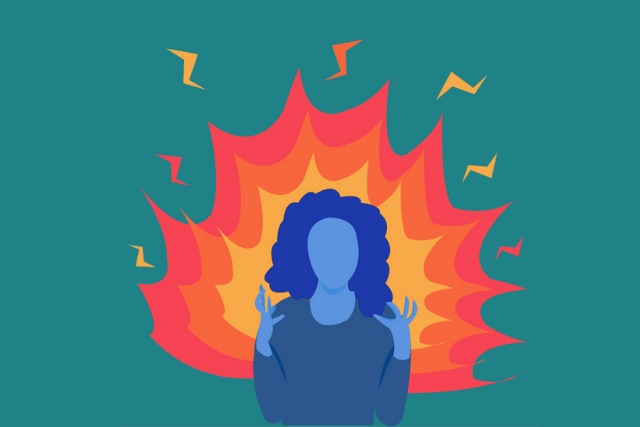
    Let me share with you some of the costs of overgiving and people-pleasing now.

    Deep Resentment

    The more you try to please those around you, the less time you have for yourself and the things you need and desire, which then leads to feeling resentful.

    If your needs aren’t being met by those around you (because, let’s face it, most people-pleasers aren’t being honest and telling our people what we need), it can cause deep hurt and anger.

    It’s not other people’s job to read our minds. It’s our job to speak our truth and be honest, but often, we fail to do so. So when they don’t intuit or “just know” our needs, we start becoming resentful toward them too. “Arghhh, how can they be so uncaring?”

    Anger then takes hold. Resentment is what happens when we stuff or suppress that anger (common for the people-pleaser—remember, we need to keep the harmony at all costs, so speaking on behalf of our anger is major a taboo!).

    And once resentment kicks in, that’s when the illness of bitterness seeps in and festers. Resentment is what leads to long marriages and relationships of contempt, rolling eyes, and “staying together for the kids.” It leaks out as criticism, defensiveness, and snarky side comments. It explodes in the kitchen at a random comment (that actually isn’t random—it simply pressed on the already existing wound).
    Loss of Identity

    People-pleasers spend a great deal of time editing themselves—so much so that they lose sight of who they really are.

    When you’re always trying to please other people, you often hide yourself or morph into behaving like other people to get what you want. You’re a master chameleon, an expert at being anyone… other than you.

    This was my ammo 100%. I didn’t know who I was because I had spent decades trying to be what I thought others wanted me to be. It was the only way I knew how to keep myself safe. I had spent years feeling like I was unlikable, didn’t fit in, or that I wasn’t smart enough. So I simply bought into the notion that I had to go along to get along.

    This led me straight down a path to never understanding what I enjoyed, liked, disliked, or needed because I rarely made any choices for myself. I didn’t put aside time for myself and explore new things because I had no idea what those things might be. So I just didn’t. I continued in my pattern of pleasing and appeasing to my own detriment.

    Loss of Intimacy/Loss of Relationships

    For a typical people-pleaser, their relationships often look one-sided.

    Let me guess, you’re the one that:

    • Plans outings
    • Is the listening ear
    • Is the shoulder to cry on
    • Everyone calls when they need something
    • Is always “holding space for others”

    This makes you feel needed, wanted, valued, and important. But when you stop to think about it, you realize you’re not getting the same in return.

    It’s not hard to see how this leads to short-lived relationships following a set pattern:

    Joy and fun at first, then you start to feel exhausted, then resentment creeps in, followed by mild confrontation and the inevitable parting of the ways. (And I know because this is a pattern I followed more times than I care to confess).

    There came a point where I had to get honest about the depth of my friendships. Yes, many were fun. But they lacked the support and intimacy that I longed for. No one ever asked about me and what I had going on. No one ever held space for my hurts and frustrations in life. I often felt emptier when I came home from spending an evening together than I did when I left.

    Fear kept me in those relationships long past their expiration dates. I didn’t walk away sooner because I was too scared to be alone.

    I noticed that I held back from being honest and sharing myself with them. I didn’t think I could be intimate or vulnerable, so at some point, the relationship simply expired. Just like a carton of yogurt that gets pushed to the back of the refrigerator, it saw its final date.

    As I was growing and healing, I began to see that the people I had chosen to be in relationships with were no longer healthy for me. My soul was healing, and I was learning to align with relationships that felt honest and authentic.

    Speaking your truth and asking for what you need doesn’t make you a selfish person. It makes you a real person with real needs, and real relationships are only formed when we are willing to be… you guessed it, real.

    It’s okay to want to help and support people. I’m not telling anyone to be a jerk and to never lend a helping hand. However, you need to know where to draw the line; you need to find a balance of helping them and you.

    We all matter. We all have needs that matter. And the only way to get our needs met is to be honest about them—and to set healthy boundaries that honor them.

    Boundaries are not about saying no all the time and demanding things of other people. Boundaries are about knowing where the line is for you and communicating that line in a way that is firm and compassionate so you can flourish and thrive.

    When set correctly, boundaries give both people a choice as to what happens next in the relationship. It’s okay sometimes to walk away. But it’s also okay to stay in the relationship and practice honesty and intimacy if that feels right. When you start to become familiar with boundary-setting, your intuition will guide your next steps.

    Trust yourself. I know from being a recovering people-pleaser that this step alone can be so challenging, as we don’t really know who we are, so how do we trust ourselves? But that small, still voice within has always been there, guiding and leading. The difference is, now you’re listening.

  • Feeling Burnt Out? How to Slow Down and Reclaim Your Peace

    Feeling Burnt Out? How to Slow Down and Reclaim Your Peace

    “Burnout is a sign that something needs to change.” ~Sarah Forgrave

    Fifteen years ago, my doctor informed me I was in the early stages of adrenal exhaustion. In no uncertain terms, she warned that if I failed to address the stress I was under, my adrenals might not recover. This was hard to hear, but it forced me to face the fact that eating well, exercising religiously, and keeping up with the latest research on wellness was not enough.

    I had to ask myself a defining question that day: Am I ready to go down with the ship?

    At the time, I was teaching an average of fourteen classes a week at my wellness studio. I had been exceeding my threshold for so long that I had pain in every joint and muscle in my body. I was completely exhausted, physically, mentally, and emotionally, but slowing down or cutting back was just not an option.

    Or so I believed.

    The problem was that every time I would even begin to consider addressing the reality of my situation, my head would instantly fill with all the reasons I couldn’t possibly stop.

    There was the dream for a business I couldn’t imagine giving up. The huge amounts of time and money I had invested in realizing that dream. And most of all, there were the clients I was serving, a community of amazing women I loved working with and didn’t want to let go.

    Meanwhile, my thirty-year marriage to a man struggling with an opioid addiction was falling apart. My kids were distressed. My body was completely breaking down, and my life had become a tangled mess of fears, conflicted feelings, and obligations I just didn’t have the heart for anymore.

    As the growing pressure to do something about my situation increased, my anxiety increased right along with it. Talk about a pressure cooker!

    I couldn’t even imagine the courage I would need to tell my husband I wanted a divorce. And whenever I got anywhere close to that courage, my mind would flood with anxiety over the uncertainty.

    How would he react?

    How would it affect my children?

    Where would I live?

    How would I ever rebuild my life?

    It felt as if I was being buried alive under a growing mountain of complexity with no way out. So, the pain continued to get worse, and I kept trudging forward, blindly hoping against hope that somehow it would all work itself out (without changing anything about the way I was living).

    Growing up, I had learned to take the offensive and power through obstacles. I had always seen myself as someone who could do anything she put her mind to. Now I found myself stuck between the person who thought she was responsible for everyone’s experience but her own and the person I might actually become if I started making self-valuing, authentic choices.

    Then one morning, the dam broke.

    I was walking up to the door of my studio to teach the 6:00 a.m. class, asking myself (like I did every morning) how I was going to get through the day with all the pain I was in.

    As I turned the key in the lock of the business I had dreamed of creating for over a decade—the business I had built out of everything I believed in and everything I knew I wanted to offer to the world—I could see the consequences of my resistance to change about to swallow me whole. I could see that my fear of change was completely blocking my ability to see anything past that.

    And suddenly… everything went quiet. All the reasons for not stopping that typically flooded my mind just fell away.

    The only thought I had in that moment was, The way you stop… is you stop.

    I didn’t just hear these words; I felt an absolute acceptance of them. One minute it was impossible to stop; the next, it felt like the simplest thing in the world.

    In the quiet of this moment, I became so aware of my own breath that I felt it everywhere in my body. For the first time in as long as I could remember, I stopped. And when I did, I found the courage to listen to my aching heart.

    I felt a depth of longing for peace I had never allowed myself to experience before. I stood there breathing and felt an acceptance of the reality of everything that was happening wash over me. The pressure to control it all was gone!

    My mind was clear, and my body felt relaxed even as I faced the same facts of my situation, but without all the usual stories and justifications overwhelming me. It felt like a miracle.

    Suddenly the door to my studio, which I had been walking through for years, felt like the door to an entirely new way. Standing there with my key in my hand, in the profound quiet of that moment, I was flooded with a new sense of possibility.

    As I set up for the 6:00 a.m. class, I stayed focused on my breathing and continued to listen to my body. It became clear to me that when I wasn’t being honest with myself, my body responded by restricting my breath. And I was able to see how all the years of unaddressed tension were expressing themselves as escalating physical pain.

    A New Direction

    That morning, I didn’t just take a first step toward interrupting the old way. I began heading in a new direction.

    But it still took me a year and a half to wind down my commitments and extricate myself from the studio. This was a massive transformation involving every aspect of my life, but it began with just one step—accepting that the old way was broken. Once I accepted this wholeheartedly, I moved to the next step.

    I had a friend who had moved back to town to take care of her aging mother. She was looking for a place to establish her yoga school and had already been teaching a couple of classes a week at my studio while she looked for a more permanent place. On that pivotal morning, after I taught the 6:00 a.m. class, I called my friend and told her that I was stepping down and that she could hold all her classes there.

    I continued to pull back, one step at a time, constantly asking myself, “What can I let go of today?” (One day, the answer to this question was “my hair”!) Eventually my friend bought out my lease and took over completely.

    This is not to say I did not continue to wrestle with self-doubt. But my intention to slow down and to stop ignoring my tension became my guiding compass point.

    In the years that followed, I relied on this compass to dive more deeply into the mind-body connection and what it truly means to take care of myself and be happy. My primary tool was the simple mindfulness practice of paying attention to my posture (whether it was tense or at ease) and my breath (restricted or free). I found strong community for this priority in the study and practice of Qigong, Tai Chi, and Continuum.

    In the process, it became clear to me that to access the wisdom within, the first thing I had to do was slow down and calm down. This priority allowed me to be honest about the pressure I was putting on myself to keep doing things I no longer had the heart for and to recognize the emotional reasons I was hanging onto them.

    We all come to thresholds in our lives, times when we’re faced with tremendous pressure to change (or go down with the ship). When we refuse to change, the only other option is to increase our tolerance for suffering while convincing ourselves that it’s not affecting us as much as it really is. In this fantasy we tell ourselves we’ll make it (somehow) if we just keep powering through.

    I’ve come to realize that it’s not about avoiding stress. It’s about increasing your ability to remain present and functional while stressful events are happening. The calmer you can be in the face of stress, the more resilient you’ll be and the less likely you’ll be to end up teetering on the edge of complete burnout like I was.

    When we practice being present, we’re able to make more accurate moment-to-moment choices. We’re able to slow down and take an honest look at what needs to change. Which isn’t to say that it’s going to change in a minute, or a day, or a week, or even a year. The truth is that lasting change can often be a very gradual process.

    How to Stop

    I was able to stop by establishing new priorities. I made it a point to slow down, calm down, and really be honest about what I could eliminate. My process was essentially as follows:

    1. Stop. (For the moment, anyway.) Acknowledge that before a new way can show itself, you have to find a way to stop the old way.

    2. Acknowledge the pain you are in—emotional and physical.

    3. Ask what you can let go of now and in the near future. (If the answer is “nothing,” then ask again.)

    4. With “something has to give” as your mantra, what can you let go of next?

    • Consider what you are physically and mentally capable of doing right now. (If the answer is “everything, if I push myself,” then ask again.)
    • Consider your life priorities and what you need to make room for.
    • Consider what you no longer have a heart for.
    • Consider that what you are holding on to tightest might be what really needs to go. Letting go of smaller things first often helps to relax your grip on even your strongest (and often unhealthy) attachments.

    5. When the “yes, but…” voice shows up, be aware of it and do your best not to listen or take action based on what this voice says. This is the voice of your attachment to keeping an unsustainable system on life support. It’s fueled by your fear of uncertainty because if you stop what you’re doing, you’re not sure what will happen (and your “yes, but…” voice is certain it will be awful!).

    6. Gather tools to help yourself detach enough from this voice to move toward accepting reality and make the changes needed to live a more authentic and satisfying life. (The Serenity Prayer is a good one.)

    7. Remember that change is a process, not a single event. Start small, then graduate to bigger things that need to go.

    I hope you’ll continue to play with the concept of stopping (the old way) to start (a better way). Every meaningful change hinges on your ability to interrupt the old pattern. You’ll learn to rely on this ability the more you practice using it.

    Also keep in mind that you won’t necessarily know anything about the new way when you stop the old one. Change usually happens very slowly, and patience can be the hardest thing.

    Good luck, and feel free to reach out with questions or comments!

  • Searching for Purpose? 5 Ways to Embrace Not Knowing What You Want

    Searching for Purpose? 5 Ways to Embrace Not Knowing What You Want

    “Omnipotence is not knowing how everything is done; it’s just doing it.” ~Alan Watts

    We sometimes hear of remarkable people who just knew what they wanted to become from a young age. I, however, was not one of them.

    When I was about eight years old, I told my cousin that I wanted to become a scientist. Looking back, I find that pronouncement baffling since I wasn’t particularly interested in science at the time. What I did love doing, though, was making art.

    My interest in art eventually led me to study graphic design. I thought that design would be a perfect fit since I’m creative and logical. But at a certain point, I realized that while design made some sense logically, it didn’t feel right to me.

    I wondered, how could I have put so much time and effort into something I didn’t enjoy doing? It was only much later that I recognized my error: I believed that I had to have everything figured out completely.

    Embracing Not-Knowing

    What do you do when you realize what you worked so hard to attain isn’t what you want anymore? In this situation, many feelings may come up. I felt despair, fear, anger, resentment, sadness, hopelessness, and desperation.

    These powerful emotions can overwhelm us and bring us into a state of paralysis. I remember wanting to pivot, but seeing numerous obstacles before me. If I make a drastic change now, I will have to start from zero, I thought.

    I believe those thoughts and emotions stem from putting too much emphasis on the need to know. In the book The Overweight Brain, Lois Holzman, Ph.D., describes how our obsession with knowing “constrains creativity and risk-taking, keeps us and our dreams and ideas small, and stops us from continuing to grow and learn new things.”

    As Holzman explains, infants don’t know much of anything. However, they grow tremendously in a relatively short period. They can develop this way by “not-knowing growing,” which one does through play.

    Learning to Play Again

    Let’s think for a moment. When you play a game, do you want to know what will happen next? If you did, then the game wouldn’t be any fun—there would be no point in playing it.

    After working for seven years in my full-time job, I ended up quitting with nothing lined up and no idea of what to do next. Leaving your day job like this isn’t something I would suggest to everyone. But for me, it felt like the best thing to do at the time.

    Taking a risk like that was exhilarating. I felt like a newborn child, free to explore the world and its possibilities again.

    Before I made that decision, I used to sit in my office thinking, once I figure out what I want to do, I’ll be able to take some action. But I didn’t need to figure anything out. I just needed to begin by exploring.

    As I tried many new things, I gained insight into who I was becoming. By interacting with the world with openness and curiosity, I found the clarity I needed to create my life with purpose.

    Five Ways to Embrace Not-Knowing

    So, how do you start embracing not-knowing to realize your true potential? Here are five ways for you to consider.

    1. Question your situation.

    Notice the assumptions you’re making about what is and isn’t possible. Like a child, be curious about what opportunities are already available at this moment. Instead of thinking, “Things can’t change because (some reason),” ask yourself: “I wonder what would happen if I said this… looked that way… went over there… tried this and that…?”

    2. Take tiny risks.

    You don’t have to quit your job to find a sense of purpose. Once you’ve identified the possibilities by questioning your situation, see what would happen if you did something different.

    For example, if you’re passionate about diversity, inclusion, and belonging, how can you contribute to supporting that in your current role, or even outside your job? Perhaps you can spark a conversation about it with a few people. Because the risk is low, you may feel a rush of excitement from breaking your regular pattern.

    3. Alchemize the experiences you’ve gained.

    If you lose interest in something you worked hard for, realize that it wasn’t all for naught. Think instead, “Okay, so this is how I feel about it right now. How can I transmute this thing by combining it with other elements to produce something new and life-affirming?”

    For example, I already had design and writing skills. I also had an interest in anthropology, psychology, learning, and human development. So, I tried to combine my existing skills with my interest in learning and human development to become an instructional designer. That pivot eventually led me to join a team in designing an online course that teaches intercultural skills to internationally trained professionals.

    4. Give an improv performance.

    If you’re a person who feels the need to plan everything, see if you can give an improv performance of a different version of yourself. For example, you can perform the version of yourself that finds the unknown exciting. Go out and walk like that version of you, speak like that version of you, listen like that version of you, eat like that version of you.

    If it helps, imagine that you are an actor in a movie scene.

    5. Do something unexpected.

    Do you have a routine that you follow? What if you broke out of that routine for one day? Choose a day when you have no plans and do something that would surprise people who know you well. Maybe you will end up having a conversation with a total stranger and make a new friend.

    Final Thoughts

    From my journey, I’ve learned that not knowing what we want isn’t a sign that something’s wrong. It’s an invitation to walk the path of self-discovery. The journey is not a straight line—there are twists and turns, and sometimes we find ourselves at crossroads.

    Remember that we are constantly in a state of becoming. We can shape each instance of our life by choosing to stay open, be curious, and explore the world with a sense of child-like wonder, which releases us from the confines of the mind.

    Living this way, we give ourselves the space to grow into our true potential.

  • 3 Things I Realized When I Stopped People-Pleasing and Let Myself Receive

    3 Things I Realized When I Stopped People-Pleasing and Let Myself Receive

    “Until we can receive with an open heart, we are never really giving with an open heart.” ~Brene Brown

    The honest truth about needing to please is that we do it to make other people happy. We will sacrifice everything and anything to put a smile on another’s face and lighten their load, while ours keeps building.

    The only problem is that while helping others makes us feel good, it’s almost addictive until we are burnt out. And giving and pleasing others starts to come from a place of resentment.

    I’ve been there!

    There was a time when I used to come up with a thousand reasons why I couldn’t leave the house. I was desperate to get to a yoga class and claim an hour away from being a mum, wife, friend, and entrepreneur.

    But instead, I prioritized keeping my kids happy and did everything I could to avoid the onset of a tantrum and also made sure my husband sat down to a delicious, home-cooked meal each night. And when the kids were napping, I would use that time to do a little work.

    The routine started to get boring. I complained daily. I was grumpy and irritable.

    Yet the days kept coming and I started to drag my feet. The tasks were mundane and never-ending, and they started to get on my nerves. I’d lash out at the washing machine or slap together a half-assed attempt at dinner. And I wasn’t just overextended and resentful in my home life. My clients were taking advantage of me, and my friends sucked my energy dry.

    I kept showing up for everyone around me—striving to keep the peace, to keep them happy, while I was worried that I might let them down or wasn’t living up to their expectations. Yet with a whole lot of hindsight, I discovered that I had placed all this pressure on my shoulders myself.

    Denying myself a sixty-minute yin yoga class was the stupidest thing I had ever done. It still sounds ridiculous now. But at the time, I couldn’t see any solutions. I had tunnel vision and it didn’t revolve around me.

    I felt like I didn’t deserve the break.

    I felt responsible for everyone around me.

    I was unsure what would happen if I left our house for an hour and what I would walk back into after leaving my two young kids alone with my husband.

    Each afternoon, I was an emotional wreck by the time my husband came home. Being the problem solver that he is, he encouraged me to go and find a class—as if it was that simple. I thought, “What does he know anyway? He has no idea about all the things I still have to do.”

    But I eventually realized he was right. I needed a break, and I had to get out of my own way and take it.

    Finding a class was easier than I had imagined. There were loads to choose from and all kinds. I settled on a 4:30 p.m. class on a Friday, that was only a five-minute bike ride away.

    I remember walking through those yellow doors to find only me, two other people, and a smiley yoga teacher.

    Ahhh, I relaxed. I rolled out my mat and lay down because it was a yin restorative practice. We lay there for what seemed a lifetime. I spent it fighting with my mind to not think about what might be happening at home, my to-do list, my kids, the grocery list, my work… Thankfully, we finally got moving and I started to tune into the music.

    The class was literally six poses of deep stretching and rest, and it was a challenge to surrender instead of extending each pose.

    My mind focused on how to allow my limbs to soften even in a standing pose that we held for a good five minutes. Not collapsing took every ounce of concentration I had.

    I took big belly breaths, in to fill my lungs and out to gently soften.

    In the final fifteen minutes we had a deep meditation (savasana), with the yoga teacher coming around to us individually, massaging the back of our necks to the bottom of our skulls. She finished it off by pressing her two warm hands down on my shoulders as if she was pushing me back into the ground. Tears began streaming down my face as she walked away.

    I had fully surrendered and left my mind to be in the present moment, and her touch released the stress and burden I was carrying. It was an intense moment, and I felt joyful and at peace. I had literally forgotten that I had to return to my family only minutes later.

    That class changed me as a mother and a wife.

    I went back every week religiously after that. I saw the power of connecting with my breath and myself. Because that one hour reset each week was enough to fill up my cup and change how I was showing up for myself and others.
    My daily chores didn’t bother me anymore. I had more love to give my kids and partner. I had a renewed sense of energy. When someone asked for help, I had the capacity to give because I wanted to instead of seeing it just as another task I had to do.

    Once I learned to receive, which meant surrendering my responsibility and need to control and allowing myself a little love, I discovered that I often denied myself other things, like going out for walk or catching up with friends. And this is where I had to lean in deeper and question what it means to receive. Here is what I realized.
    Accepting Help

    It is not a sign of weakness to ask for help or receive it, and I don’t need to prove myself or my worth through giving.

    I really felt like I was doing life alone, taking on the responsibility of everyone around me and driving myself into the ground. People would make kind gestures to help, but I would often shut them down with an “I’ve got it covered, thanks.”

    The day my husband stepped in to wash the dishes after I shared that I had a looming deadline, he practically threw me out of the kitchen. I felt so guilty, like I should be the one doing them, not him.

    What I thought was a one-time deal has now lasted three years. It has lightened my load, and our relationship has been better because I no longer feel like I’m the one doing all the things.

    Accepting help is receiving an energetic exchange with someone that wants to offer support. So take it.

    Acknowledging Compliments

    Too often, I would deflect when someone would say something nice to me. I found it uncomfortable, and it made me question their ability to see what was really happening.

    I didn’t feel like I deserved a compliment because I didn’t see myself like others did. I didn’t feel worthy of being praised, so I brushed it off with, “No worries, it was nothing,” “I would do it for anyone,” or “This old thing? I bought it on sale five years ago.”

    Learning to receive a compliment showed me that I could be honored and celebrated for who I am and that there was nothing to be ashamed of. I thought that people who received compliments looked nothing like me and were doing more important work than little old me. But I learned that compliments are praise, and we all deserve to feel seen, heard, and acknowledged.

    Realizing I’m Not Responsible for Everything

    Here was my greatest lesson, which was letting go of my need to control all situations. The responsibility I carried, because I felt it was my job to make everyone happy, was costing me my physical and mental health along with my relationships.

    When I released the control, it created space for things to happen without my interference. It provided space for me to see how others could step up and take responsibility, for mutual needs and their own. It gave me permission to invest in my own well-being.

    Instead of over-giving, fixing, and manipulating, I stood back. From here I could see that life is a two-way street where we exchange our energy with one another. This allows us to give from a full, nourished heart, and this is much more satisfying than giving from a sense of fear and obligation.

    Opening our hearts to receive eliminates our tendency to over-give. When we give without our full presence, we are not showing up fully for ourselves or for other people.

    We all love to support the people we care about, but we need to receive just as much as we give, creating a balance that never leaves us feeling drained or that we “should” be doing something.

    Do you find it hard to receive? What helps you let go of control and fill your own cup?

  • To the Expectant Mom with a Million Questions and Worries

    To the Expectant Mom with a Million Questions and Worries

    “Have a little faith in your ability to handle whatever’s coming down the road. Believe that you have the strength and resourcefulness required to tackle whatever challenges come your way. And know that you always have the capacity to make the best of anything. Even if you didn’t want it or ask for it, even if seems scary or hard or unfair, you can make something good of any loss or hardship. You can learn from it, grow from it, help others through it, and maybe even thrive because of it. The future is unknown, but you can know this for sure: Whatever’s coming, you got this.” ~Lori Deschene

    As an obstetrician in Manhattan, I see the following scene often…

    A woman who is newly pregnant walks into my office, her eyes wide, her fingers clutched around her phone or a notebook and pen.

    She has just come from her first ultrasound and is now looking at me in total fear and anxiety. Not because she was told she has had a miscarriage—there is a beautiful heartbeat noted. Not because she has been told something looks abnormal with the baby—the baby looks healthy, like a little jumping peanut, as they all do early in pregnancy. Not because she has medical complications that make her pregnancy extremely high risk.

    Instead of taking a deep breath and feeling relief that the ultrasound showed a healthy pregnancy, her mind immediately goes to the million things she needs to get right and understand and process to ensure that she does everything right. To ensure that she receives an A+ in pregnancy and growing a healthy baby.

    Her look is a reflection of her inner emotions related to the unpredictable nature of pregnancy. She is scared to death because she realizes that she is no longer in control. She can do everything perfectly and still something bad may happen.

    This may be the first time in her life she has ever felt this way. So she desperately wants to control every bit of the process and soak in every detail she can in regards to statistics, testing, the effects of her diet, exercise, stress, work environment, and household and dietary toxins.

    She is clinging to any bit of power she has, to make everything turn out alright. To make sure she has a good pregnancy, an uneventful birth, and goes home with a healthy baby that will flourish and go to the top schools and become a happy and successful person.

    She also wants to maintain control of herself, the self she has cultivated for years and involves her career that she has worked hard for, her body that she has meticulously cared for, and her ability to work hard and be successful in everything she does.

    Now that all medical records and patient notes are available for the patients to see, a colleague of mine has coined a code word to add to such patient’s notes so that everyone who sees them understands they will need double the standard time for these appointments to answer the long list of questions that will inevitably arise.

    They should be prepared for questions on everything from birth plans to whether or not they should do invasive testing for Down’s syndrome even if the very sensitive screening tests return normal to what their chances are of getting gestational diabetes to whether it is safe to paint their nails and color their hair.

    They often bring a bag full of the supplements they have been taking and the makeup and skin products they have been using and ask the doctor to review and comment on each and every one and the safety and risks and benefits of each in pregnancy. If we do not have a good enough answer based on the available data, they want to know what we personally would do, as uncertainty and lack of direction is not an option.

    These moms require a little extra gentleness and support from their doctors; however, it can be difficult, as often no matter how many questions I answer and how well I try to ease their fears, I know that they may never be fully satisfied with my responses.

    The information I give them involves many responses that reflect a lack of a complete knowledge of all of the answers to their questions.

    I cannot definitively tell them how the face cream they used before knowing they were pregnant may affect their growing baby. I may not know how likely their fibroid is to cause preterm contraction or pain compared to women who have fibroids in other locations or of different sizes

    I can try to reassure them that even if they can only tolerate bread due to extreme nausea, their baby will get the nutrients they need; however, they may never fully believe me and feel that they have already done something wrong that is causing irrevocable harm.

    What I want to tell them, but often don’t due to my concern for their response and thinking that I do not take them seriously or provide the level of support and intensity they need, is this:

    Pregnancy is scary because most things that happen are beyond our control. Life, and everything about life, is also beyond our control; however, pregnancy is often the first time we come face to face with the fact that we really just have to let it be and accept what comes. 

    This is terrifying. We want to feel that we can influence the outcomes—the harder we work, the healthier we are, the better we follow all of the rules, the better our outcome will be. But just as someone can eat healthy, exercise every day, and get hit by a car crossing the street, a mom can follow every rule and recommendation and end up with a baby with a heart defect or have cervical insufficiency and lose the pregnancy. 

    The more we can accept the unpredictable nature of life and death, the more we can just be during the pregnancy and not live in perpetual fear of possible negative outcomes. 

    The truth is, worrying about it does not lessen the pain if a bad outcome occurs. So spending our time worrying about what may be is not helping us in any way and is actively preventing us from fully living in the present.

    This is the first lesson of being a parent, and an important lesson for everyone in life, no matter if you desire to be a parent or not: You cannot control your children; you can only do your best to be present and conscious and support them so they can flourish and grow into their own authentic selves. 

    Do the same for yourself during pregnancy and in life in general. Try to be present in the moment instead of focused on all of the ways that things could go wrong. Be conscious of how you treat your body. Provide yourself with nourishment, rest, exercise, and self-care so you can thrive during the pregnancy and beyond.

    Oftentimes pregnancy provides a window of time when women will actually focus on themselves more instead of on taking care of everyone else, as they understand that their well-being inextricably affects the well-being of the baby growing inside of them.

    If you notice yourself becoming very anxious or stressed, take some quiet time to sit with these emotions. You may intuitively discover what is causing them, and often it will be your lack of control and the uncertainty that is inevitable during pregnancy.

    Try meditation, yoga, or other mindfulness activities to re-center and get into the present moment. Be grateful for how your body is supporting you and your growing baby. Journaling and talking to a therapist, alone or with your partner if you have one in this pregnancy, may also help uncover the underlying programming and conditioning that lead to your current emotional state.

    Oftentimes there are roots going back to our own childhood and feelings of inadequacy, low self-worth, or invalidation that make us feel we will somehow mess up or not be a good enough parent. We become very anxious or worried that we will either make the same mistakes our own parents did, or that we cannot live up to the standards we have set for ourselves if we have placed our own parent(s) on a pedestal.

    We may have become a perfectionist at a young age to emotionally cope with the dynamics in our own families. We may even have avoided risks or failure during our adult life so that we never had to deal with the sense of not being good enough.

    Pregnancy brings all of these emotions and more into focus. It can become a time where we are either forced to turn inward and address our personality traits that developed in our own childhood or risk becoming very anxious, stressed, and depressed.

    During my own pregnancy I went to an extreme. I detached from my pregnancy, as the thoughts of all of the negative outcomes I have seen in my professional experience were too much to bear.

    I did not have the proper tools or self-awareness to explore it and heal myself. Rather than face the crippling anxiety and work through it, I dissociated from the pregnancy and did not allow myself to connect or bond with my daughter until she was born.

    I always was very relaxed and nonchalant at my own obstetric visits and sonogram appointments because I had forced the emotions so deep inside that no one could even see them. I eventually developed severe postpartum anxiety and depression that stemmed from this lack of confronting my true feelings and understanding where they came from so that I could heal them.

    I was completely unaware that I was even suffering from severe anxiety and depression for almost two years after the birth of my daughter. This was how deep the schism was between my emotional response to pregnancy and having a baby was and my ability to process and understand these emotions.

    Not everyone who is anxious or depressed during pregnancy or postpartum has similar feelings to my own. However, I have noticed that women who come into the pregnancy already very anxious and worried are more likely to develop worsening of these symptoms during pregnancy and postpartum.

    It may be related to the fact that initially the concern is over having a normal healthy pregnancy, but as birth looms closer they realize that the birth is also out of their control, and then as going home with the baby looms closer they realize that breastfeeding, soothing the baby, and the temperament and health of their baby is also out of their control.

    We go from facing a finite period—we just have to get through this pregnancy—to an infinite period,  parenthood, in which the older our child gets the less control we have. This is terrifying to someone who is naturally a perfectionist, type A, someone who has learned through life that the more they do and the harder they work, the better the outcome will be.

    Instead of struggling and succumbing to the toxic, negative emotions and fears, we have to learn to acknowledge them and then let them go. We must learn to just be. To sit with the uncomfortable nature of the unknown. 

    This does not mean you should not ask questions. This does not mean that you will never worry or feel anxious. But it means that you can also let in moments of calm and relaxation. Moments where you trust your body to do what it innately knows how to do without our conscious interference.

    Your doctor or midwife cannot and will not be able to fully reassure you and hold your hand and tell you everything will be okay. We will do our best to answer all of your questions and support you in a nonjudgmental and compassionate way; however, no matter how many notes you take we cannot release you from the anxiety that comes from a feeling of lack of control. Only you can do that.

    I recommend trying to avoid the triggers that will make it worse, avoiding pregnancy apps where other women write comments that are often not based in science, and limiting the amount of books and classes you digest during your pregnancy and parenthood.

    There are whole industries created that exist and profit off of our desires and needs to feel perfect and in control. The truth is that perfection does not exist, and the future is never predictable.

    Instead of allowing fear and anxiety to control me and close me off from all of the wonderful, deep emotions that come from embracing vulnerability and the unknown, I now choose every day to consciously work to uncover my anxieties when they appear.

    I thank my inner self for showing me I still have work to do, and then bring myself back into the present moment and back to the gratitude for what I have right now, no matter how messy or imperfect it may be.

  • 3 Reasons Why It’s Hard to Set Boundaries and What to Do About It

    3 Reasons Why It’s Hard to Set Boundaries and What to Do About It

    “Care what other people think, and you will forever be their prisoner.” ~Lao Tzu

    I love this quote because it is such truth. But I also recognize the difficulty and the uncomfortable feelings that arise when working toward living this quote.

    There’s a reason why it feels so hard to set healthy boundaries, and that is what this article is going to show you.

    Discovery #1: Understanding our hard wiring

    Our minds were not created to care about healthy boundaries. Say what? Let me explain.

    From the beginning of time, we humans were hard wired for connection. We are not solitary creatures; we are similar to herd animals. Back in the caveman days, we needed a hive or a pack because we were more powerful when we were together. If we didn’t lean on our tribe, we were eaten by a saber tooth tiger.

    We were built to care about others, to rely on others, to let others watch out for our safety and for us to watch out for them too. Staying in our herd, our hive, our pack, our tribe is how we stayed safe. And it worked!

    Our tribe was important to us back then for our survival. If your pack wasn’t happy with you, you were outta there. Your tribe is what kept you alive, and so the human brain learned, “Oh, we must keep people happy with us and then we get to live.”

    If you struggle with people-pleasing, I hope you will understand that we come by our people-pleasing instincts naturally. They are quite literally part of our survival set up. It is part of being human. It is perfectly normal to have the urge to people-please.

    Wanting to serve and please others is a perfectly good and often wonderful thing. The problem with people-pleasing in today’s world is when we don’t have good boundaries to go with it.

    Our brain today says, “Let’s do whatever keeps the tribe happy. Let’s do whatever we need to, to be part of the gang.” Most of the time that looks like acquiescing, going along to get along, and doing whatever we can to “not upset the apple cart.”

    As children we gain information from all types of sources around us—our traumas, personality, health status, our race, ethnicity, gender, family of origin, our class, economic status, and more! Each one of these alone comes with a handbag of rules that instruct us how to behave, act, what to think and what to say in order to please our tribe. Our poor mind has to put all of these pieces together somehow in a way that makes sense and keeps us alive.

    Discovery #2: The Rulebook

    In essence, our sweet mind creates a sort of rule book in terms of what will keep us safe. We start to notice from the time we are small that if our people are not happy with us, we do not feel safe. We start to notice this in our bodies, our feelings, the look on someone’s face, the tone, what is not being said, the iciness of the room.

    When we are children, we are 100% dependent on our caregivers. They are quite literally everything to us. Remember the tribe, the pack, the hive that I talked about earlier? Well, to our little toddler minds, they are our first tribe.

    It is our caregivers’ job to mirror to us who we are in the world. And hopefully with healthy caregivers, we are shown that we are loved, cherished, worthy, important. This is what creates our self-esteem. This is what relays the message to us that we matter.

    This gets written into the rule book or the rolodex file of our little child brain.

    However, many folks did not grow up this way. Those of us who may have grown up with caregivers who were harsh, unloving, absent, unpredictable, neglectful, and even abusive, their little, sweet mind recorded a whole different set of rules into the rulebook of life.

    It may sound something like I am not loveable, I don’t matter, I’m a nuisance, I am a bother, I should never take up space. It might sound like I’m loved as long as I’m good, or performing, or agreeable.

    (Please note, much of the time our parents did the best they could with the skills and tools that they had in their awareness. However, to our innocent, little, childlike selves, it simply wasn’t the message that we needed. The message was misconstrued, and we wound up feeling as though we somehow did not matter).

    Often this gets passed down generation after generation.

    So now are you starting to understand that the mind’s idea of boundaries is to do whatever it needs to do to keep you alive?

    Perhaps when you were little, if you were constantly told to be quiet, that you were too loud, too much, or to simply go away, then the mind created a belief that came into agreement with this. A rule was filed away that it was better to not disrespect your elders and continue to be loud or to take up space.

    The problem is that of course this is nonsense (you were just being a sweet and normal child), but you never questioned the rule. You questioned Santa Claus, the Easter Bunny, and the Tooth Fairy. Yet, you never stopped or questioned your rules or beliefs about yourself. You wrote those things in the rule book as absolute truth.

    Your mind doesn’t care that you are older now and that the situation is different now. To the mind, a rule is a rule. And remember what happened to humans who questioned the rules in the past? They didn’t survive!

    Let me tell you a little bit about my own rulebook…

    Several years ago, I was deeply terrified of what other people thought of me. Growing up in a small town, it was written in my rulebook that all eyes were on you. Boundaries were one of my biggest struggles because it meant breaking free of the people-pleasing pattern in order to speak my truth.

    Having struggled with codependent patterns and low self-esteem, I didn’t even know what my truth was, what my needs and values were, or what mattered to me.

    What I did know was that I needed people to like me, to not talk ill of me and to think of me in a certain way—nice, kind, giving, good.

    I couldn’t excuse myself from a phone conversation.

    I couldn’t end playdates at the time I needed to even if my kids were throwing a full-blown temper tantrum.

    I couldn’t remove myself from a conversation that made me uncomfortable because of the topic.

    I laughed at jokes that, deep down, I found offensive.

    I agreed with others’ opinions because I either didn’t know my opinion or if I did, I didn’t feel confident sharing it.

    I talked incessantly because silence felt unbearable.

    I couldn’t even be on time, because I was rushing from one activity to the next, just trying to show face and that I was doing my part to be the nice girl and make everyone around me feel good.

    Speaking my truth was so uncomfortable that many years ago I actually had a seven-hour coffee date.  I didn’t want a seven-hour coffee date. The idea was come over for a couple hours, chit chat a bit, and move on with our day.

    However, this woman arrived promptly right after the kiddos left on the school bus in the morning and was still there when they got home on said school bus at 3:30pm.

    I can recall the massive headache I felt because I wanted so badly to ask her leave and tell her I had things to do, but I couldn’t.

    I remember that I never invited her back again, even though she was a great gal in many ways. I was clueless in how to handle these situations, so my answer was to cut the relationship off and move forward by avoiding her.

    At the time I was a young mom with a husband who worked long hours, and I often felt lonely. I wanted so badly to connect with other women and be a part of a community, and I thought the way to connection was through self-abandoning any of my needs so that I could focus on appeasing what other people in my life needed.

    This was all written in my rulebook. All of this worrying about what others thought and not wanting to upset anyone caused me severe stress, anxiety, and overwhelm.

    I was trying to function on fried adrenals and walking on eggshells. I was unhappy, and it showed up in my relationship with my partner, my kids, and mostly, the relationship I had with myself. But there was something always driving me to keep pleasing, keep appeasing, and that leads me to our next discovery.

    Discovery #3: But why do I always feel so guilty?

    Why do we feel so darn guilty when we try to set a boundary? Well, anytime we step outside the rulebook, the mind pushes a great big, huge alarm bell.

    Remember, our mind thinks that this is a rule created for our safety. I share this because hopefully you can start to relax and realize that there is absolutely nothing wrong with you. The mind simply is perceiving danger.

    From there we may experience bodily reactions—our palms get sweaty, we have a million butterflies in our stomach, our temperature rises, our throat constricts.

    Our brain’s one and only job is to keep us alive, so it often uses guilt to get us to acquiesce and once again, go along to get along.

    How many times have you been invited to a baby shower or a barbecue on a Saturday and absolutely dreaded it? You’ve worked fifty hours this week, you coached soccer two nights, ran the carpool this week, and are utterly exhausted. You know you need a day to get caught up, sleep in, and take a little time to yourself. But there it is—guilt lurking around the corner, “What will Aunt Betty think if you don’t show your face at Cousin Amy’s shower?”

    That guilt pushes on you, making you feel as if you are doing something wrong. So, what do you do? You RSVP that you will gladly be there. Oh, and you will also make and bring the punch.

    Pretty effective strategy to get you to follow the rules, right?

    This is why boundaries feel so challenging. Because they are not part of our original hardwiring.

    So where do we start if we want to set healthy boundaries?

    1. Understand that boundaries are first and foremost an internal job.

    Yes, we create parameters and limits with institutions and people. But ultimately, before we can ever do that, we have to start on the inside.

    When we aren’t taught how to properly do the internal work, our boundaries come off as rigid walls and we are left isolated and lonely. I have been that person because I didn’t understand what boundaries were, how to set them, and I certainly wasn’t going to entertain any sort of an uncomfortable conversation that looked like any type of repair or reconciliation work. I was left alone and miserable.

    Boundary work starts by addressing our own issues. And as the inner work is done and healing occurs, it organically flows into changed outer behaviors, habits, and choices. We can be empowered to have loving and compassionate conversations that build bridges of connection rather than walls of isolation.

    2. You have to realize that boundaries are in fact healthy.

    If you don’t believe this then it will be hard to lean into them. Make the agreement right now, or work toward believing, that setting boundaries is healthy for you to do.

    3. You have to know your needs.

    Do you know your needs? Have you ever thought about them? Many people don’t, so if you haven’t, know that it’s not uncommon.

    Start by thinking of what a “good” parent would do for their child. What needs do they help their child remember to meet? I.E., even if the child does not want to go to bed, they help them to calm down and go to sleep. Start by making a list of the needs a good parent will help a child to meet.

    When you’re done with that list, circle the needs that you are not meeting for yourself (or inconsistently meeting).

    For each circled need, respond to the following questions:

    • How do I respond to this need?
    • What gets in the way of responsiveness or consistency?
    • How do I respond to other people when they have this need?
    • How would my life improve if I responded to this need?

    For each need, create an intention that you will honor by setting boundaries if necessary. Focus on one intention a week to get a need met more fully and consistently. I know you want to do more, but remember, your mind will fight you because it wants you simply to stay safe and alive. It will douse you with that guilt working you toward acquiescing and shape shifting, so let’s just focus on nailing one for now. Keeping it simple is key!

    Write out your intentions weekly by finishing the sentence stem:

    My intentions are:

    If you’re working to build up the strength to bring more integrity to your relationships and set healthy boundaries, please understand that you don’t have to go it alone. Be consistent and trust that your hard work in your boundary journey will pay off.

  • How Perfectionism and Anxiety Made Me Sick and What I Wish I Knew Sooner

    How Perfectionism and Anxiety Made Me Sick and What I Wish I Knew Sooner

    “Perfectionism is the exhausting state of pretending to know it all and have it all together, all the time. I’d rather be a happy mess than an anxious stress case who’s always trying to hide my flaws and mistakes.” ~Lori Deschene 

    “That’s not how you do it!” I slammed the door as I headed outside, making sure my husband understood what an idiot he was. He’d made the appalling mistake of roasting potatoes for Thanksgiving instead of making stuffing.

    He was cooking while I studied, trying to make sure I got a semblance of a holiday. We lived away from our families, and I had exams coming up. I was on the verge of losing it most of the time—and he was walking on eggshells. Or roasted potatoes.

    I was in my first year of law school. Every student knows that if you look to your left and then to your right that one of those people won’t be there next year—they will have dropped out or failed. I was terrified of failing.

    Every morning, I had a pounding headache that no amount of painkillers touched. My shoulders sat permanently around my ears (try it, you’ll see what I mean). I had insomnia, was highly irritable, and often felt panicked. 

    My friendly barista made me a triple vanilla latte each morning at 7:00, and by 10:00, I was out of energy. I bought Red Bull by the case to get through the rest of the day, and in the evening, I’d switch to red wine. My digestive system was distressed to say the least.

    I was hustling so hard, trying to get it all right. And then, I got a C on my Torts midterm. And sobbed for three days.

    I know this must sound ridiculous. A big part of me thought it was. I beat myself up for being such a “drama queen” and not being able to move past it.

    But at the time it was devastating. My sense of self-worth was so inherently tied to my achievements that I felt like a giant failure.

    I didn’t tell anyone. I was too embarrassed. What would they think of someone who got that upset?

    I knew that I appeared to be highly functioning externally, and that was something. I had friends, I went out to dinner, I went to the gym, I walked on the beach. Internally, though, I was in turmoil.

    My husband encouraged me to go to the doctor. He could see how hard I was on myself and how it was impacting me. As I relayed my physical symptoms, she asked whether I was under much stress. I replied, “No, not really. Just the usual.”

    I didn’t know what to tell her. Partly because I’d lived much of my life this way and didn’t know it was anxiety, partly because I felt so out of control, partly because I was ashamed, partly because I assumed she’d only be able to help with the physical.

    And … part of me knew that saying it out loud would shatter the illusion of having it all together. 

    So, I went away with a diagnosis of irritable bowel syndrome. It wasn’t funny, but it makes me laugh now. My bowel was definitely irritable, but that irritability was nothing compared to what was going on in my head. It was a piece of the problem, but certainly not the whole problem.

    It wasn’t so long ago that I figured out I’d struggled with anxiety for a long time before I even knew what it was. Like many of us, I learned that if a feeling wasn’t “positive,” it wasn’t acceptable. So I stuffed down all the “negative” emotions we’re not supposed to have: fear, rage, jealousy, and sadness.

    Because I’m a highly sensitive person, I have a lot of big, deep feelings. A lot to shove down, or suppress, deny or project. I was good at this, and I looked down on people who expressed their feelings.

    I thought they must be needy. The truth is, I was scared of my feelings. And I didn’t know I had needs.

    Rather than daring to let either my feelings or needs show, I used perfectionism to make it seem like I had it all together. Perfectionism made me feel like an anxious mess. But I couldn’t admit that because it would be acknowledging a problem.

    That makes it hard to ask for help. It’s also exhausting. As Lori Deschene said in her quote at the beginning, “I’d rather be a happy mess than an anxious stress case always trying to hide my flaws and mistakes.”

    Life is hard enough without stressing about how we appear to everyone else. It’s just not worth it. When I allow myself to be fully human, I can laugh at myself, talk about my struggles, and show up in my imperfections. It makes life so much easier.

    Here are five things I wish I’d known earlier:

    1. Perfection is unattainable because it can’t be quantified.

    What is perfection anyway? Do we actually know? I don’t.

    It’s something I kept setting up for myself—an arbitrary standard I thought I was supposed to meet. But once I’d achieved something, I was already looking for the next thing.

    Where does it end? It doesn’t, and that’s the problem.

    2. No one looks back on their life and wishes they’d had worse relationships.

    This seems obvious, but it’s something I think about. I don’t know if I’ll ever completely untie my self-worth from my achievements, or find an amazing balance where I feel fulfilled yet not striving. Maybe? One can hope.

    I do know that when I’m on my deathbed, that’s not what’s going to matter. My people will matter. And I don’t want my striving or perfectionist tendencies to get in the way of those important relationships.

    3. Anxiety feels very real, and it’s just a feeling.

    If you’ve experienced anxiety you’ll know how awful it feels. For me, it’s a racing heart, shaking hands, flushed face, and a feeling of dread.

    It’s important to remind yourself to breathe. And to keep breathing. It will pass.

    Anxiety is fear, and fear can’t hurt you, as much as it can seem like it might.

    4. Anxiety is the stress response in action. It’s physiological and nothing to be ashamed of.

    Anxiety was my brain telling my body that it believed there was a dangerous situation. That’s it.

    While the fear of falling short is hardly a saber toothed tiger running toward you (as our cavemen ancestors had to worry about), my brain didn’t know the difference. And where’s the big stigma in that? To be clear, I believe there should be no stigma around mental health either, but I’m painfully aware that there is.

    Reminding myself there was no tiger, and thus no real danger, was useful.

    5. Imagining the worst in every situation isn’t as helpful as you’d think.

    Going straight to the worst-case scenario did seem helpful at the time. On some level, I believed if I could plan for the worst, I’d be prepared for it. But it can also create a lot of unnecessary anxiety about unlikely (even extremely unlikely) possibilities.

    For example:

    “If I get a C, I’m not going to make it through the first year. I’ll get kicked out. That would be a disaster. It also means I’m a failure. People might pity me. They will definitely think differently of me.”

    Helpful thoughts would have been:

    “If I get a C, that means … I got a C. Nothing more. Perhaps I could learn differently. Perhaps I could seek extra help. Or perhaps I could remember that I’m doing my best and that is enough.”

    Unravelling what fuels anxiety, learning to manage it differently, and being able to extend a lot of compassion to myself has been a journey. Wherever you’re at with yours, I hope something here makes a difference for you.

  • What Your Anger Is Trying to Tell You and How to Hear It

    What Your Anger Is Trying to Tell You and How to Hear It

    “When we embrace anger and take good care of our anger, we obtain relief. We can look deeply into it and gain many insights.” ~Thich Nhat Hanh

    It just took a few words from my husband before I felt my body move from calm to a boiling cauldron of rage. My whole being was alight, in flames. Energy felt like it was moving through me and shattering everything inside me.

    I hated it. Anger is so intense, and so big, that most of us can’t bear to feel it in our bodies.

    I wanted to do a lot of things—shout at him, throw things, scream the house down, offer rageful thoughts to anyone who would listen.

    I wanted this anger out of my body. NOW.

    In the past I have reacted to these inner sensations and launched arguments that could last hours or even days. I would rarely get anything other than anger back from my husband, and a continuous wrangling over who was wrong and why.

    It was painful and corroding to our relationship, feeling like a bomb would go off and we would spend days dealing with the damage.

    Until I learned that the source of my anger wasn’t my husband. Or my kids, or that person on Facebook, or politicians or corrupt business people.

    The source of my anger wasn’t outside of me, but within. And it was situations that were activating this anger. Until I learned how to deal with the anger, it would keep coming up over and over again, in ways that felt too overwhelming and painful for me.

    I was suppressing anger most of the time because I didn’t feel safe letting it out, but when it did come out it felt too strong and too damaging. It felt repulsive, overwhelming, dominating.

    Boiling rage. Painful flames of righteous anger tearing through my body. A sensation that the anger was smashing bits inside me.

    Anger is a hard emotion for most of us to feel. It’s got so much energy, so much force, so much intensity to it. And as an emotion, if we express anger, we usually get the most negative response back.

    Anger is frightening. It’s unbearable to hear, it sends shivers through us if we walk past someone angry and fuming.

    But when we suppress anger, when we don’t allow it to come up it gets trapped in our bodies, the energy of it creating havoc inside. For me it felt like it was trapped in my jaw, which was so often sore from clenching and squeezing my muscles.

    I didn’t want to feel overwhelmed by anger anymore. I wanted to be a woman who could be with it, feel it, and not explode or fall apart or trap its tension in my body.

    I started to become intimate and friendly with my anger. I started to recognize when it was coming up in my body—in small doses sometimes, activating minor annoyances in my life.

    “Oh, anger! There you are, I see you lurking there in the shadows.”

    And the times when I would feel a huge surge of it in my body, when my kids would say something, or I’d receive an unpleasant email or read something on Facebook.

    “Oh, lots of anger here now! Okay, I see your anger. You’re here, I understand.”

    And by noticing when it came up inside of me, I began to see how often it was a thread in my life. And by noticing it I started, in a small way, to provide some relief for myself.

    The thing that I would then do, which made such a beautiful and healing difference, especially when huge surges of anger came my way—like when my husband said that thing and I wanted to shout shout shout at him—is to give myself time, space, love and support

    I stay with myself and don’t react externally.

    I don’t blame what I see as the source of my anger, but really isn’t.

    I tend to myself with a loving touch of my heart. (When touch on the body lasts over twenty seconds it releases oxytocin, the love hormone.)

    I give myself loving words—Di, I see this anger is really painful. It’s so big, so overwhelming.

    I ask myself, where is this in my body, how is it feeling?

    All of this attention on myself, at my reactions and how I am feeling, gives my body the signal that I am being deeply and lovingly cared for. I am safe to feel this feeling.

    I might do some relaxing breathing, giving a short inhale, followed by a long exhale which activates the rest-and-relax mode.

    I stay with myself as long as the emotion is there. “I’ve got you, Di! I can be with you through this feeling. I love you, Di.”

    And if I need to move and do something to help the energy pass through me, I do. I go for a walk, smash some rocks, squeeze or punch a pillow.

    Why this is so very important, why this makes so much of a difference in how we handle our emotions, is that it gives us the chance to let the energy of the emotion pass through. And when we do this repeatedly, we teach our system that emotions like anger are safe to be experienced, that we can hold and support ourselves through what life brings us.

    It also doesn’t make the situation worse by exploding at the person who may or may not have said or done something you didn’t like.

    If this is a situation that needs to be sorted out, if what was said or done needs discussion, it is infinitely more effective to wait for your anger to move through you until you are out the other side, than to talk to someone when you are in a rage.

    That’s because you are highly likely to activate their anger, as anger in others can feel like an attack on ourselves.

    And when we are deeply emotional, we can’t truly hear and empathize with other people, so we are just giving a speech, which the other person can’t hear if they’re also emotional!

    We risk escalating the situation further by saying and doing things we deeply regret. And, of course, we can also put ourselves in danger.

    If we want to be truly heard by someone, and if we want to create change, we have to wait until the emotion has passed. Then we have the best possible chance of coming to a positive agreement with someone else about what we didn’t like or want.

    Anger, like all emotions, can give us a unique understanding of what needs we have that aren’t being met. When we see the roots of what has activated the anger, we can see that there are often unmet needs to explore.

    For me, after that big rageful explosion, after I moved through the flames of anger and out the other side, I saw that I wanted more private space for myself to work uninterrupted so I could fully concentrate.

    It was a need I had been thinking about on and off for a while, but that I hadn’t really realized that it was upsetting me. It gave me the sense that I was last on the priority list as everyone else in the family had a space for private time.

    And so seeing that, I could then work on meeting that need, and reducing the chances of anger being activated around that subject again.

    Anger, what are you trying to tell me? I asked, and it told me.

  • How to Increase Your Sense of Control and Boost Your Resilience

    How to Increase Your Sense of Control and Boost Your Resilience

    “You may encounter many defeats, but you must not be defeated. In fact, it may be necessary to encounter the defeats, so you can know who you are, what you can rise from, how you can still come out of it.” ~Maya Angelou

    When I look back, I am amazed at how differently I dealt with adversity the first few decades of my life.

    Growing up in a stressful home primed me to experience life with caution. Whether it was being afraid of physical harm, loneliness, or failure, I’ve lived my life with an exaggerated fight-flight response to everything. Adversity seemed around every corner, and no one was ever there to save me.

    I developed maladaptive mechanisms to minimize, avoid, or go around the things I was afraid of.

    I became a quiet and obedient kid to avoid my father’s anger.

    I accepted whatever sliver of love my chronically overwhelmed mother was able to give me.

    I settled for the last pick on the team. I quit afterschool theater after I was assaulted on the way home one evening.

    I gave up on art school because my father wanted me to be a teacher.

    I went to a music school as he wanted and quietly accepted my instructor’s abuse.

    On and on, hurt and disappointment became my constant companions, and I learned to just take it. No one seemed to care that I struggled. No one saw me.

    Over time, I learned to accept that the world was just cruel and indifferent to my pain. I learned that I have little control over my circumstances. I learned that I can either fight and fail or stay quiet and survive. I learned helplessness.

    I know now that my childhood wasn’t that unique, but for a kid, it was isolating and debilitating. I thought I was the only one who struggled like this. I felt different, alone, and somehow deficient. I developed low self-esteem and anxiety that soon morphed into this chronic feeling of impending doom.

    I carried that sense of dread and defeat into adulthood. Hypersensitive to stress, I avoided things that would challenge and overwhelm me. I looked to others for permission, approval, and validation. I allowed things without a fight, latched onto any good thing that came my way, and accepted crumbs from others never daring to stand up for myself and ask for more.

    They say that what doesn’t break you makes you stronger but for many—those without a healthy foundation—life’s big and small traumas build up and eventually show up as anxiety, depression, substance abuse, or PTSD. I developed most of these.

    Resilience Can Be Strengthened

    We all respond to adversity differently. Research shows that a loving, emotionally responsive, and supportive environment during childhood fosters psychological resilience throughout life. But even if we didn’t get that strong foundation growing up, we can still build resilience now.

    We can learn to overcome helplessness by increasing our sense of control.

    Finding Peace in the Present Moment

    The most significant practice that allowed me to shift out of state of helplessness and offer me some sense of control was mindfulness.

    Instead of reliving the past—the pain, resentments, and disappointments—or worrying about the future, I could find peace in this moment, right now. I couldn’t change what happened and can’t control what’s to come, but I can decide how I move now. In this very moment, I can control how I respond to life.

    A deep inhale, noticing my child’s smile, the scent of garlic as I cook dinner—I can focus on here and now, fully absorbing life through all my senses, knowing that in this moment I am okay.

    And, if I’m feeling stressed or unsettled, I become curious instead of trying to outrun it. I start paying attention to my body, tracking sensations, observing where I’m feeling tightness, consciously releasing the tension as I breathe in and out. This way, I can help regulate my nervous system and shift the patterns of reactivity. I remind myself to breathe as I ride the wave, trusting the discomfort will eventually pass.

    Learning to Move Through Negative Thoughts

    Once I allowed myself to feel what was going on in my body in times of high stress, I began noticing what I’m thinking and feeling in the midst of turmoil.

    It can be difficult to not get overwhelmed by the negative thought patterns engraved deeply in our minds, patterns we’ve been falling into for decades, without much conscious examination. Looking at those now, I realized how detrimental my mental scripts were to my well-being.

    With the help of my journal, I learned to reframe negative events, bring perspective into my experiences, and focus on what I could learn from them.

    For example, I’ve carried with me this feeling of failure as a young parent. For those first few years, I was living in a constant state of overwhelm, and there was a lot of guilt for not being good enough of a mom, feeling like a fraud and a failure. When I took a step back, I realized there was a multitude of circumstances going against me that made this part of my life extremely difficult, and I was just doing my best.

    I had three children super close together (three under three), which in itself was a Sisyphean task. I had just moved across the country and had no real friends or family to support me. My husband worked long hours, many weekends, often out of state. It was a lot to take on, and I was virtually on my own.

    Looking at this part of my life, I realized I had unrealistic expectations of what it meant to be a good parent. I also realized my perfectionist tendencies and the relentless pressure I put on myself stemmed from my fears of perpetuating generational trauma.

    This way of thinking wasn’t constructive—it was making me miserable. Slowly, I began noticing when these tendencies showed up, and instead of feeding them, I’d just watch them come and go.

    Mindfulness allowed me to move through negative thoughts and memories instead of getting stuck in them. I would observe what was going on inside my mind, breathe through the turbulence offering myself compassion for my struggles, and remind myself that I was doing the best I can. Over time I stopped being so hard on myself, and eventually shifted out of the habit of ruminating for good.

    Enjoying Something That You Do Well

    Spending time doing something that I can do well reminds me how it feels to succeed.

    I have always enjoyed gardening. It is my escape from the hustle and stress of today’s fast-paced world—my garden is my sanctuary.

    Watching my garden transform over the decade from a lot of dirt to where it is today—with all the fruit trees, veggie boxes, shrubs, grasses, and blooming annuals—brings me a sense of accomplishment and fulfillment.

    Finding something that you do well, and practicing it regularly builds confidence, self-esteem, and fortifies a healthy ego. It is imperative to have hobbies that you excel at and can turn to in times of stress or unpredictability.

    Spending Time in Nature

    We live in a world of chronic stress and anxiety. We are always plugged in and on the go, constantly planning, thinking, and doing, all the while feeling disconnected from ourselves and the world around us.

    Modern-day life means living in our heads a lot. To counter that, we need a practice that will ground us and bring us back to balance. And nature is one of the most grounding elements that we have.

    Being in nature down-regulates our nervous system and brings about relaxation. Even a short walk can improve our mood and reduce anxiety. Disconnecting from our daily grind this way—all the responsibilities, worries, and electronics—rebalances our body, mind, and soul. Our problems become less significant and impending. We can exhale, if only for now.

    There are many ways we can ground ourselves in nature this way. Gardening, walking, or even taking care of houseplants can be grounding. I like watering my garden in the evening, repotting plants on Saturdays, and long walks around a lake on Sunday mornings. Find your own natural zen. Soak in nature’s energy as often as you can—it’s healing.

    Caring for and Nourishing Your Body-Mind-Soul

    We can’t be resilient if we are depleted.

    When my kids were little, I barely had time and energy for self-care. I neglected my needs—whether physical, emotional, or mental—just like I was raised to ignore them growing up. Self-neglect is a trauma response, and years went by before I realized I was just perpetuating old wounds.

    As a result, I felt chronically depleted and anxious. Every little mishap or challenge would stress me out, whether it was a kid’s tantrum or packing up for a weekend trip. I was living in a state of chronic overwhelm, emotional dysregulation, and low-grade depression.

    As kids grew older and more independent, my healing turned a corner. I could finally go beyond basic self-care like showers and eating well, and focus on truly nourishing my body, mind, and soul. I now prioritize self-care like my life depends on it because it does.

    Focusing on the basics, I prioritize sleep, movement, and practices that nourish and relax me—long baths, longer walks, healthy food, reading, gardening, music. I rely on boundaries to protect my energy and inner peace. I practice mindfulness and do things with intention. I plan ahead to avoid rushing or multitasking. I fill my own bucket.

    With so much out of our control, caring for ourselves—body, mind, and heart—is the one thing we can do.

    ——

    While challenging times are a given in life and we can’t always change our circumstances, we can have a different relationship with what’s going on outside of us. We can learn to surf the waves if we stay mindful of practices that strengthen resilience. And that is empowering.

  • When Life Forces Your Hand, Embrace the New Chapter

    When Life Forces Your Hand, Embrace the New Chapter

    “Every new beginning comes from some other beginning’s end.” ~Seneca

    Like most people, I’ve tried to control many aspects of my life, and this hasn’t always worked in my favor. Just when I thought I had it all under control, life has inconveniently shown me many, many times that I was getting a little too cocky.

    You name it, I’ve tried to control it—from my schedule and time (hello, Type A personality) to forgoing random opportunities because my mind was made up on going a certain direction. I even tried calorie counting at the height of my exercising routine because I wanted ultimate control of what I put in my body.

    Now, none of these are necessarily bad. Planning your time leads to efficiency, forgoing things because you are on a mission means you might be on the path to your purpose, and calorie counting could help you get the body you’ve always dreamed of. But when you do these things day in and day out, all at the same time… well, let’s just say the process can be stressful.

    But I tried anyway because I figured I might as well try to control what I could since life was going to be random no matter what. It also gave me satisfaction, almost a somewhat false sense of accomplishment, that I was shaping my own destiny.

    I think most of us fall into this way of thinking because we all want to foresee things before they can potentially happen in order to feel safe. But ironically, when we try to control life, we end up missing out on possibilities that may have come our way if only we’d let go and allowed life to happen.

    It’s hard to say what exactly I’ve missed out on because of my former desire to control most aspects of my life. I won’t worry myself too much about it because it’s a pointless exercise. But I can think of a couple of big areas, one of them being a complete career shift that could have happened much earlier on in my life had I not resisted so much.

    Instead, I was rigid and decided that I wanted to stick to a career that I didn’t enjoy because it was my college degree and I was making great money. I did end up switching careers eventually, just not in the area I had a unique opportunity in at that time.

    The Three Golden Rules

    Try as we may, we can’t always control life, and sometimes painful things happen that we couldn’t possibly predict or prevent.

    Recently I lost a job that I was excelling at and actually enjoyed. My performance was on fire, I got along great with all my coworkers, and then one day, out of the blue, I got called into the CEO’s office and told that, due to ongoing strategy changes at the company, my time was up.

    Talk about knocking the wind out of my sails. I had just gotten back from a work conference and was slated to lead a new project before receiving the bad news.

    Has this been easy since it happened? No way. I still struggle with it daily. But somewhere, deep down, I know that life happens for me, not to me. And that this has created an opportunity for something bigger and better.

    What is that something? If I could predict the future, then I’d probably be playing the lottery knowing I’m picking the right numbers. But I can’t foresee what’s coming down the road. I can only choose my attitude when I hit roadblocks along the journey, which ultimately shapes my choices.

    What helps me maintain an optimistic attitude and cope when things go wrong? Three very important ideas:

    1. Life happens for you, not to you.

    2. This too shall pass.

    3. Be with what is.

    When life doesn’t go to plan, we must embrace the change and realize that our lives are composed of chapters; one has ended, and another one is about to begin. But we can’t move on to the next chapter if we continually reread old ones. We have to willingly accept that life goes on, and that we have a chance to create something bigger and better.

    I lost my job, but I don’t want to play the victim card. Yes, life has forced my hand, but that doesn’t mean I need to feel sorry for myself. This just means I have a better opportunity coming my way, whatever that may be.

    I also realize that time plays a crucial factor in our lives. Our time is limited, and it consistently passes at the same speed, with no bias. This means that, with time, the inner turmoil I am currently dealing with will, without a doubt, pass.

    Last but not least, I know that I must be with what is. In other words, stop resisting. Fighting the fact I lost a job won’t suddenly bring it back. Fighting the fact your relationship ended won’t necessarily have them running back into your arms.

    Before we can move on, we must accept what is happening in the present moment. Then and only then can we proceed forward with calmness and clarity.

    But There Is No Golden Formula

    I understand this may not be easy to digest when you’re hurting, especially in situations that involve a loved one. Grieving is a natural part of this process, and I am not discrediting it in the least. It’s part of the human experience, and it’s okay to take as long as you need as you internalize.

    I lost my father over five years ago. The death of a loved one is probably the hardest loss to deal with. How are you supposed to see the space that has been created from such a tragic event? I understand if you don’t, because I fully admit it’s been hard, even five years later.

    But at the same time, I trust that life is working for me somehow. I just have to stop resisting. I have to understand that the feelings of loneliness, desperation, fear, and loss will pass. I have to stay in the moment and fully accept all that is happening to me.

    No, it will not be easy, and it isn’t meant to be.

    Trust The Process

    You’ve probably heard the proverb “If life gives you lemons, make lemonade.”

    Our lives are a lot happier when we strive to make the most of what life gives us, but the step before it is equally important: Trust the process and embrace the change, whatever it is. Only then, once you stop fighting it, can you go about making your lemonade.

    We’ve all been faced with situations in our lives that force our hand. And we likely will be faced with these kinds of situations again in the future. In these moments, it’s important to hold onto the notion that life could be creating space for you to do something differently.

    If you lost your job and didn’t enjoy the work, life is potentially giving you a hint to pursue something further aligned with your passions and purpose. If you went through a breakup, life is potentially giving you a hint that you deserve and can do better.

    When I look back on my past, I realize that every loss has taught me beautiful, valuable lessons that now help me in the present. The same is likely true for you. In these moments of inner turmoil, or let’s just call it life turmoil, you are taking mental notes. Mental notes that will help you grow and help you in the future when dealing with whatever else life throws your way.

    You’ve made it through loss and hardship before; what makes you think you can’t now? You can. You just need to remember three things: life happens for your benefit, not against it; everything heals with enough time; and it’s pointless to keep resisting.

    With these ideas in mind, it should be exciting to think about the potential you have in your life.

    The next chapter could be even more amazing than the previous one. And you may even have chosen to start that chapter eventually. Your schedule just got moved up a bit.

  • How I’m Healing from Codependency After Growing Up with an Alcoholic Parent

    How I’m Healing from Codependency After Growing Up with an Alcoholic Parent

    “The only person you can now or ever change is yourself. The only person that it is your business to control is yourself.” ~Melody Beattie

    In 2019, I decided to leave my marriage and start over. Although my relationship with my ex-husband brought deep pain and many months of suffering, I felt content with my decision.

    In a short time, I began to feel great. I developed a healthy routine, exercised regularly, began meditating every day, spent time in nature, maintained healthy and deep connections with people, and tried to focus on the positive.

    For a few months, it seemed to be working. Until I met a man and got emotionally involved with him. I realized then I’d really been living in denial.

    The moment I began dating or seeing someone more intimately, my life felt unmanageable. Suddenly, I would abandon my daily routine and spend days preoccupied with what this person was doing or why it would take them thirteen minutes to respond to my message. I’d become obsessed and wonder, “What’s wrong with me?”

    I was quick to throw a tantrum to create more drama and fights. In some twisted and weird way, it felt exciting. I had something to resolve and take care of. I was feeding off the extreme lows and highs with people I dated.

    As an adult child of an alcoholic, I didn’t understand what it meant to be addicted to excitement, as stated in the famous laundry list. Now I do.

    My need to control the other person, the fear of abandonment, my obsession over people’s feelings, and my desire to fix their problems while ignoring mine brought an unbearable pain I couldn’t ignore anymore.

    It all broke down this year. I met someone who once again triggered my codependency and challenged my trauma wounds. Shortly after we started talking, I began to feel crazy again. Constant anxiety, fear of loss, desire to control and manipulate situations, were coming to the surface until the relationship ended. Another failed attempt to be in a relationship.

    What followed was intolerable emotional pain. I never felt so lost in my entire life. I couldn’t function properly, I couldn’t eat, I couldn’t work, and I was paralyzed by desperation, hopelessness, and loneliness.

    Meanwhile, somewhere between my pain and inability to see my worth, I broke through. 

    For the very first time, I was forced to feel my emotions. Although it felt brutal at times, I was at least feeling. The pain cracked me open in my core and didn’t allow me to numb anymore. Anger, worthlessness, guilt, shame, fear of loss, the pain of believing I am hard to love—it all came pouring out full force.

    Who would have ever thought that a broken heart, or at least what I perceived as a broken heart, would uncover my codependency and lead to emotional healing and more authenticity?

    For the next couple of months, I would come home, lie on the floor in the middle of my bedroom in a fetal position, and brace myself for the emotional outburst that was about to come. I was processing and releasing my emotions, and there was no coming back.

    I would breathe heavily and cry uncontrollably for days and weeks to come. I would cry at work, at the store while picking avocados, when I was falling asleep, or watching a TikTok video. It didn’t matter. For the first time in my life, I was feeling my feelings and didn’t push them away.

    Honestly, I wasn’t quite sure what was happening. I had no logical explanation for this emotional rollercoaster until I talked to one of my good friends, Gaia. She mentioned a book she was reading, Codependent No More, and suggested I check it out.

    I never considered myself codependent. By definition, I was the opposite of it. I had my apartment, paid my bills, lived on my own, worked while building my business, and took care of myself.

    However, I decided to give it a shot and read it. What followed was epiphany after epiphany and a few A-ha moments. I began to understand why I felt crazy when entering any intimate relationship or a possibility of one. I began to see how the pain from my codependency allowed me to open up.

    As I was sitting in my studio apartment while contemplating everything I’d learned and now understood about codependency, I knew that this was about to significantly transform my life if I did the work and didn’t stop.

    Living with a person with chemical dependency shapes you into a control freak with unhealthy survival mechanisms. Codependency is one of them. The only way to change is to be willing to face the truth and commit to deep inner healing. 

    So, the question was, “What is the next best step I can take right now to heal and recover?”

    At first, I needed to take personal inventory and be honest with myself. Who am I? What are my toxic traits, and when does my codependency step in? When do I manipulate people? Am I trying to fix people’s problems to increase my value and prove my worth? How can I stop doing that and rely on myself for approval and validation?

    I remember the day when my mum called and let me know that our dog, Aida, had suddenly passed away. Shortly before her call, I’d had one of my emotional relapses and picked a fight with a person I was seeing at that time. I then used this disturbing news and my sadness as a tool to manipulate the other person. The victim façade I put on made them forget about my toxic behavior and feel sorry for me instead. What can I say? Manipulation at its best.

    Honestly, it was not easy, admitting to myself that I manipulated people, that I was emotionally dependent on them and wanted to control them. This was not the type of resume I would want to show around, but at least it was real.

    I was standing in my authenticity, and it felt incredible.

    Once I became aware of my behavior, it was time to forgive.

    The tricky part about growth and healing is that once you become aware of your shortcomings and trauma sabotaging techniques, it is easy to move from practical awareness to self-judgment. 

    So, I needed to forgive, forgive, and forgive some more. Therefore, I incorporate forgiveness into my meditation practice. I didn’t understand how utterly guilty I felt until I sat down to practice forgiveness through meditation for the first time.

    After I closed my eyes and said out loud, “I forgive myself,” I had to pause the recording. My emotions came pouring out. It felt as if I had been holding my breath and finally exhaled after many years of keeping things inside. The guilt and shame came washing over me, and I began to release them.

    I finally gave myself a break and instead of harsh judgment and criticism, I offered myself acceptance and empathy.

    One of the most common patterns of codependent people is that we constantly feel guilty and not enough, and we limit ourselves from anything good or loving since we don’t believe we deserve it. The only way through this madness is to use compassion and understanding toward what we have done or who we believe we are. It’s about empathizing with our past, becoming aware about what happened to us and the impact it had.

    No one is born to manipulate and control. It’s not who we are. It’s who we become as a survival mechanism. We adopt these toxic traits until we are brave enough to look in the mirror, admit to our mistakes, and break our patterns. And the only way is through self-forgiveness.

    I started to work the 12-step program for codependents. I also learned that recovering from codependency is a journey, not a destination. Healing codependency is about self-control, constant self-care, practicing detachment, surrendering, and developing a healthy relationship with power.

    As I learned from Melody Beattie, an author of numerous books on codependency, recovery is the only way to stop the pain.

    Growing up in a household with chemically dependent people or in a home that doesn’t provide safety and proper nurturing, you may develop an unhealthy relationship with power as a coping mechanism. You may believe that if you can control and predict everything and fix people’s problems, you’ll be fine. You’ll be in control. You’ll be loved and enough.

    But the only thing you can fully manage is yourself. Any time you try to control things or people, you’ll experience pain when they don’t meet your expectations. As you may already know, people do what they want, and many situations don’t play out the way we envision. 

    One of the biggest lessons I’ve learned this year is to find my power by looking into a mirror. Stopping the pain is about practicing detachment, letting go, working on my recovery to overcome the fear of loss and abandonment, and giving myself as much love as I possibly can.

    The need to control often results in desperation that brings suffering, while practicing detachment and caring for yourself brings peace and allows healing.

    Today, I say with confidence, “I am codependent.”

    I am aware that to live healthier, I must stay truthful to my recovery. Sometimes I win, and sometimes I fail. Over time, there will be fewer losses and more wins. It comes with practice. I am mindful of the emotional and mental relapse that comes with the process. I know that I will fall into my old patterns and then struggle to get back on track.

    However, I know I have the power to make different choices. When things seem to fall apart on the outside, it’s time to go inside, feel, process, and forgive. That’s my new way of life. Although it challenges and triggers wounds I need to heal, it gives me hope to believe those good things can happen for me too.

  • When You’re Becoming a New You: 3 Lessons to Help You on Your Journey

    When You’re Becoming a New You: 3 Lessons to Help You on Your Journey

    “There is no place so awake and alive as the edge of becoming.” ~Sue Monk Kidd

    From a small café overlooking the boat harbor in Seward, Alaska, I looked out the window at the enormous mountain peak of Mount Alice that protruded from the earth behind rows of tour boats, sailboats, and a cruise ship large enough to carry several thousand passengers. The last few days of my summer there were coming to an end, and I reflected with gratitude on my time there.

    Located directly off the Gulf of Alaska and within Kenai Fjords National Park, Seward is a place people dream about: bald eagles cut through the sky as frequently as clouds, humpback whales breach the calm bay on a quiet morning, and wildlife roam freely within rows of pine trees that crowd the hillside and hug the small town.

    Seward was my home for the summer of 2019. I lived in a camper van next to Resurrection River with a full view of Mount Alice. At night I could hear the soft, constant mumble of the river.

    When I wasn’t working downtown at a local coffee shop, I read next to the river, practiced yoga in the black sand that blanketed the bay, flew in a new friend’s helicopter above the wild landscape, ate breakfast on a beach where the whales welcomed the day, or sat beside a crackling fire under towering trees and mountain peaks.

    It was dreamy. But I didn’t arrive there randomly nor without trials. In fact, my environment both externally and internally looked much different just a couple years before when I wrestled with questions and dilemmas that are common for many of us on the path of becoming.

    The Confusion & Inner Turmoil of My Early Twenties: A Brief Backstory

    Two years before, I was in the depths of the uncomfortable tension I felt between two opposing decisions: should I stay on my current, stable path or leave it entirely to pursue something more in line with my values?

    I was a fresh college graduate, and I had recently started a job at a nonprofit organization that paid me well and offered many advantages I felt lucky to have. I was also working my way into the political world and imagined myself one day running for office. On top of working, I was also trying to keep the wheels moving on a nonprofit organization I’d started to train women to run for public office. My mind played with ideas of buying my first house and settling into this life path.

    I was twenty-three, highly ambitious, and working toward a life that I didn’t really want. But I struggled to understand that feeling because I didn’t want to seem ungrateful or, even worse, delusional for letting go of what I had.

    Another side of me was creative, free-spirited, and very much opposed to a linear life route. In fact, I never wanted to attend college. I had dreams of being a photojournalist or a writer who gathered knowledge by exploring and experiencing the world. I valued adventure, curiosity, and creativity. Yet here I was—not only pursuing a path that didn’t fit those values, but telling myself and others I was passionate about it.

    My mind was a warzone of opposing beliefs and opinions about who I was and how I should live my life. I felt stuck and lacked direction. I was certain about nothing and questioned everything: my identity, my thoughts, and the direction I was heading.

    I was also in a relationship with a man stuck in a cycle of self-sabotage and harmful drinking habits that grew out of his feelings of worthlessness.

    I spent my days cultivating the professionalism I didn’t value and my evenings at my boyfriend’s house, smoking weed on his frameless mattress and teetering between my contrasting desires for rebellion and obedience.

    There were nights I’d fall asleep next to him and the bottle of whiskey lying in the crevice between his mattress and the wall, then wake the next morning feeling drained, lonely, and lost on a path I was unsure how to step away from.

    I’d unintentionally assumed the role of my boyfriend’s caregiver in a time when I needed my care the most. I was navigating the chaos, uncertainty, and vulnerability that often meets a person in her early twenties, all while reprimanding myself for not being where I thought I should be.

    As a teenager I often made promises to myself I would follow my heart and choose a life I desired regardless of the circumstances, but in my early twenties I realized that was far more complicated than I initially thought.

    Life has a way of guiding you in a direction that diverges from what you’d planned for yourself. Trying to navigate that divide can produce anxiety and inner turmoil–especially when you’re young, naive to the power of life’s unplanned circumstances, and still learning how to properly adjust your sails to work with its winds.

    That’s the situation I found myself in when I was twenty-three, full of ambition, and feeling stuck in circumstances I didn’t want but had somehow still manifested. Through that time, I learned three key lessons that I hope you may also carry with you as you continually adjust your sails and navigate life’s shifting tides on your path of becoming.

    Lesson 1: If you don’t know how to overcome your current challenges, look for lessons that can help move you forward instead of forcing yourself to take immediate action.

    In the midst of my inner turmoil, I wanted to exit the discomfort immediately and be in a state of ease. But my Buddhist-inspired beliefs and mindfulness studies taught me that in the center of the challenges I needed to sit with what I was experiencing and listen to what there was to learn. Rather than taking immediate action, I needed to observe. What was I feeling? What were my emotions trying to communicate? What was stirring in my soul?

    I spent many evenings journaling the raw thoughts in my mind without trying to make sense of them. I allowed emotions to arrive and stay as long as they needed. I gave myself space to not know what I wanted nor what was to come next. I asked questions without needing an answer. I considered my needs at every moment and did my best to meet them.

    By doing so I learned that staying present and accepting the current moment doesn’t mean neglecting action. It means being alert and cognizant of what lessons the moment has to offer so that one can move forward with the insight, tools, and knowledge needed when it is time to take action.

    Lesson 2: Focus on the things you can control, then take action and adjust as you go.

    In time—by being still and aware within the confusion and fear I felt—I realized I needed to leave the situations that I didn’t want. I needed to adjust my sails to steer myself in a different direction, even if I didn’t know exactly where that would lead me. I didn’t need to know the future in order to know that I wanted to (and could) change my present circumstances.

    Within about eight months my relationship naturally fizzled, I gave notice at my job, found a new job in Alaska, bought a van, gave away many excess things I owned and didn’t need, moved out of my apartment, and hit the road from Wyoming to Alaska. I shifted my sails.

    Rather than focusing on the areas of my life I couldn’t control—like the potential consequences of changing so many aspects of my life—I leveraged the choices and agency I did have in order to produce different outcomes.

    Lesson 3: Remember, sorrow or joy, this too shall pass.

    One summer morning after arriving in Alaska, I sat at the end of the boat harbor overlooking the jagged peaks in the distance. I watched and listened as the boats swayed gently in the water and the birds sang their songs in the blue sky.

    My body felt different. The anxiety had receded. There was more space in my mind, and I felt a sense of direction even in the lingering uncertainty. I still didn’t know what would come after my short summer in Alaska. But more than anything, I felt an immense amount of gratitude and contentment for my life at that moment. Where else would I rather be? I thought to myself.

    In times of joy, I often forget the challenges that led me there, and I fall prey to the belief that the joy just might last forever. But that morning on the dock I understood that the joy too was temporary, just like the moments of hardship that preceded it. Regardless, something within me had faith that I was right where I needed to be in both phases of my life.

    Life’s changing tides have taught me the same lesson: both joy and sorrow pass through our lives like eagles cutting across an Alaskan sky. We often yearn desperately for joy over sorrow and grasp for a future where–when it finally arrives–all our hard work and desperation will pay off and we’ll live the remainder of our lives in ease.

    But despite our relentless attempts to prove otherwise, the magic of life isn’t found in eternal happiness nor in the future moments that might follow the one right in front of us. It’s in feeling the depth of every experience, regardless of what it contains. It’s staying present in what’s scary and uncomfortable as much as it’s staying present in what’s exciting and fulfilling, all while knowing that whatever meets you here and now will pass in the same way as the moment before it.

    It’s been two years since I spent that beautiful summer in Alaska. Within that time life’s tide has continued to rise and fall, bringing both challenges and joy. Just as I’d anticipated, the ease I felt that summer passed, then came again, and passed once more. Each wave of experience has delivered numerous lessons, like little gifts waiting to be opened, observed, and put to use.

    Staying present in the challenges leads to immense growth and strength, and being present in pleasure generates gratitude and bewilderment. We need both. A meaningful life depends on our ability to value all aspects of the spectrum. It’s all critical to the process of becoming.

    If you’re currently sitting in hardship, you may believe it’s your job to find the next joyful experience as soon as possible, but that’s not your job. And if you’re engrossed in happiness, you might feel that it’s your duty to maintain the current environment of your life so you never have to experience hardship again. But that is also not your task.

    Your job is to sit in what you’re experiencing without infusing it with judgment and forcing your emotion into shapes it doesn’t belong in. Explore it. Find gratitude for it. Ask questions. Listen. But do what you can to not wish for it to end nor wish for it to stay. Get curious about this simple invitation: Can you let this moment simply be, and if so, how deeply can you delve into it without attaching to it or its outcomes?

    Wherever you are, it’s just a moment in time. It, too, will pass. But there is a purpose to its presence despite its impermanence. It has something to teach you about who you are. So while it’s here, dive into it and expand the depths of your dynamic and vibrant human experience. How deep can you go? The lessons and experiences you find along the way will mold you into your becoming.

  • How I Stopped Resisting Change and Embraced the Road Ahead of Me

    How I Stopped Resisting Change and Embraced the Road Ahead of Me

    “Just when the caterpillar thought her life was over, she became a butterfly.” ~Unknown

    Change is constant, from small changes like trying a new hobby to big changes like making a drastic career move. Even though change is all around us, it can feel scary. While change could lead you to something great, there are a lot of unknowns with something new, and that can cause anxiety.

    When I was younger, I used to embrace change. For example, each school year was a new and exciting experience.

    But somewhere along the way, I started to resist change.

    What Does Resisting Change Look Like?

    For some, resisting change might involve remaining in a situation that feels boring or mundane just because taking a different path can feel daunting or like a lot of work. For others, it might involve staying in a situation that’s unhealthy for them because making a change feels scary.

    I resisted change by focusing on the negative aspects of any new experience I was going through as a means to protect myself.

    If I failed at trying something new, then I would have something to blame it on. I could give the impression to others that the change didn’t work out because of some outside factor beyond my control.

    For example, when I began a master’s degree program, I moved to a brand-new city fifteen hours away from my hometown. I didn’t know a single person—in fact, the closest friend to me was six hours away.

    When I chose to attend this program, I was excited. It felt like a fresh start and an adventure because I’d get to live in a cool place, make new friends, and move into a different career path.

    I spent months preparing for the change, finding a place to live, and doing some pre-work for the program. About a week before I moved, the nerves kicked in. I suddenly felt like it was a crazy idea to move to a place where I didn’t know anyone and had no idea what I was doing.

    But there was no turning back; everything was already arranged. And deep down, I knew this was the right decision for me even though it felt uncomfortable.

    During the first couple of weeks in the new city, my mind took note of every undesirable thing it could find. Not only did I notice these things for myself, but I also complained to my friends and family. In a way, I was subconsciously building a case against this new situation so that if I failed, it wouldn’t look like it was all my fault.

    I complained about everything: “The people aren’t friendly.” “The street across from my apartment looks so sketchy.” “My program is really tough—we have so many requirements it doesn’t feel possible to get everything done.”

    Less than a month in, I was already considering transferring to a different program at my undergraduate college. I could move back to a city I knew, where I had several friends still living nearby. It felt like a safe and comfortable option.

    But then something happened: I started making friends with some people in my program. As I got to know this group of girls, I realized they had a lot of the same fears that I did! Not only were we able to bond over that, but we were also able to help and support each other.

    Suddenly, I didn’t feel so alone.

    After all that time trying to convince others and myself that this situation was horrible, I was finally able to admit to these new friends that I had worries about our new situation. Through their advice, I found healthier ways to deal with the new aspects of my life.

    For example, I began meditating every morning, which helped me manage my stress. I also found that, although I was far away from friends and family, when I stayed connected via phone calls and video chats, I felt less alone.

    Over time, my fears around this change fell away. And you know what? The two years I lived there turned out to be some of the best years of my life so far.

    I made lifelong friends. I gained so much knowledge—both practical and academic—as I developed as a professional and moved into a great job after graduation. I also met my fiancé during that time, someone who I can’t imagine my life without now.

    Had I left just a few weeks in, like I was tempted to, I would have missed out on all of that.

    While this is not the only example of when I resisted change, it’s a good one because it shows exactly how I would sabotage myself amidst the discomfort of something new.

    One of the biggest takeaways that I learned over time is that change is something most people find uncomfortable, so you are never alone. Rather than focusing on the negative aspects of a new change and telling others about all the reasons why it’s not good for you, share your fears with the people you are close to, with the intention of overcoming them.

    Why is sharing your fears about change with others so important?

    Your support system is called that for a reason—they are there to support you! Just like you don’t judge friends and family when they come to you for help, they won’t judge you either. We are often so much harder on ourselves than we are on anyone else.

    By sharing your fears with others, you’ll likely find that they can offer you advice or even just a shoulder to cry on so that your feelings don’t seem so overwhelming. When you keep those worries inside, they can start to build up in your mind and feel even more daunting. In a way, voicing your fears out loud takes their power away.

    What else can you do to manage change when it feels hard?

    Focus on what you can control.

    When faced with change, it can feel like everything is out of your control. However, one of the best ways to face change is to focus on what you can control in this situation. Ask yourself, “What can I take responsibility for right now?”

    For example, I accepted that I couldn’t control how overwhelming my schoolwork felt. However, I could control how organized I was, so I bought a planner and wrote out all my deadlines and when I needed to have tasks completed by, which made things feel more manageable.

    By taking control of your own fate where you can, change will feel less intimidating because it won’t be just something happening to you; it will be something you’re intentionally choosing.

    Take time for yourself—because you deserve it!

    Self-care is important during any time of your life, but especially when you’re faced with anxiety about difficult situations. We tend to be hard on ourselves when we’re struggling with something new. Self-care is a way of telling ourselves we deserve to be comforted through it.

    Self-care can also help you calm your mind and keep things in perspective when everything feels scary and overwhelming. Whether you just changed jobs, graduated, or ended a relationship, taking time for yourself is critical to maintaining a healthy mindset.

    Choose activities that help you relax. For me, that includes meditating and journaling. For you, that might mean practicing yoga, relaxing in the sun, or walking in nature. Other self-care ideas include developing a skin care routine, reading a book, or eating a healthy meal.

    Play around with different practices to find the ones that work best for you. You might also want to consider speaking with a mental health professional if you feel like you could use some extra support during this time of transition.

    Give yourself some credit.

    When faced with something new, you might find yourself thinking about all the many ways it can go wrong. To ease your fears, think about a time when you navigated change successfully.

    Walk yourself through how that situation went and the positive result. Use what you learned in that situation to walk through this new change.

    And as you start to make progress, don’t forget to reward yourself. Give yourself some kudos for all the effort you have put into your development and personal growth.

    Remember that the transitional phase is only temporary.

    If, like me, you’ve struggled when making a big life change, be kind to yourself through this transition.

    The discomfort we feel when faced with change is only temporary. While daunting at first, each new change will soon become your new normal and feel much more comfortable.

    Admitting that I had nerves about the situation to others around me was the first step to feeling at peace within my new adventure.

    It’s how you take away the power behind those fears and start to embrace the change in front of you as an opportunity to become even better because of it.

  • 4 Things I Learned from Being Possessive and Controlling in a Relationship

    4 Things I Learned from Being Possessive and Controlling in a Relationship

    As she stood there watching the puppet show, our eyes locked. I was instantly attracted.

    After what felt like the longest fifteen minutes torn between the desire to talk to her and the fear of rejection, I mustered the courage to introduce myself.

    She gave me a smile, then without saying a word, walked away.

    “What just happened? How can such a beautiful lady be so rude?” I stood there in disbelief, overtaken by embarrassment, pretending nothing had happened.

    Two weeks later, as if by pure serendipity, a mutual friend reconnected us. That was the beginning of a relationship I could only dream of.

    Oh boy, did I misjudge her! Her attractive appearance was an exact expression of the beauty of her soul.

    One year and a half later, we were dating. Yes, I spent one year and half chasing after her. I guarantee a minute spent with her would convince you it was well worth my while.

    They say it takes longer to build a castle than a chicken coop. One and a half years must be the foundation for a skyscraper that not even the worst storm could break.

    For about a year, it felt that way. We were inseparable. Both our parents gave us their blessings. We moved in together. We even made wedding plans.

    It was like a relationship out of a fairy tale. We had every reason to believe we would live happily forever after. Life without each other was inconceivable.

    But there a problem… I was excessively possessive and controlling.

    I couldn’t stand my girl talking to another guy. I had the passwords to all her social media accounts. Whomever she was talking to, I knew. If she had to meet a male friend, I was present.

    Little by little I was withdrawing from her emotional bank account, as Stephen Covey put it. Worst of all, I was taking more than I was putting in.

    As a fervent Buddhist who believes in “letting go,” she was very tolerant. That gave me plenty of room to throw tantrums, ruminate, and blow the littlest issue out of proportion.

    Well, patience has its limits. After three and a half years, she had reached hers. I had emptied her emotional bank account.

    It was over. She had broken up with me.

    I was so clingy that I wouldn’t even accept her decision. I spent eighteen days trying every trick under the blue sky to get her back, to no avail.

    How did that happen? We’d spent so much time building our relationship, cherishing and loving each other. What went wrong?

    The eighteen days that followed were like a living hell. I suffered panic attacks, lost my appetite, and couldn’t sleep. Life became meaningless. I was at a breaking point.

    On the eighteenth day after the breakup, when I realized she wasn’t coming back, I had a reckoning. My desperation suddenly gave way to a wave of frustration, anger, and shame.

    As I was engulfed in deceit and embarrassment, I made a solemn decision to never again get rejected by a girl for being overly possessive, irrational, and intolerant.

    Such a momentous decision! I didn’t know if that was even possible and how I was ever going to reach such a lofty goal.

    That breakup and the three years spent self-examining taught me the big four lessons I am about to share with you.

    Are you in a relationship? Does your overbearingness prevent you from spending quality time with your partner? Are you ready to make changes?

    If you answered yes to all three questions, you are reading the right article. Hopefully, you won’t have to lose a partner and spend three years in self-introspection to find out you need to make changes.

    First thing first, love thyself.

    I know that sounds cliché, but I couldn’t find any fancier way to put it..

    Enjoying the company of your partner starts with you feeling good in your own skin. I’m guessing you would agree that one cannot love if they don’t possess it.

    A lack of self-love will cause you to center your entire being around the other person. And just like any host-parasite relationship, it will eventually fail. Your partner can’t let you feed off them indefinitely.

    Self-love is not selfishness. Loving yourself first doesn’t mean disparaging the other to elevate yourself. It’s acknowledging and embracing yourself while selflessly attuning to your partner’s needs and whims.

    Forget the “other half” mantras. Neither you nor your partner is a half, each of you possess their unique interests, weaknesses, strengths, and aspiration. It’s only when you both commit to each other, while staying true to your individuality, that genuine love happens.

    If I had espoused that idea then, I would never have considered suicide when my ex left me. I had based so much of my life on her I just couldn’t find meaning outsider of her.

    Learn to trust or you lose.

    Trust is the pillar of every human relationship, especially romantic ones.

    My lack of trust in my ex had nothing to do with her but rather with my deep sense of insecurity. I had the recurring thought that she would leave the minute she met someone better than me.

    Not only did my baseless fears cause me my peace of mind, they also created a wedge in our relationship.

    My trust issues caused her to lose all sense of vulnerability and safety around me. The only option she had was to confide in someone else.

    To learn to trust, I had to remind myself of this simple truth: We can’t control someone’s thoughts and actions. The best we can do is to give them the benefit of the doubt.

    Now, I choose to respect and trust my girlfriend unconditionally. Not only is she more willing to open up to me, I also enjoy a dramatic increase in self-esteem.

    Forgive and forget.

    Do you know those people who catastrophize and ruminate long after they got hurt? Well, that’s my past self!

    I did this every time my ex did something that displeased me. It didn’t matter if she apologized, I would internalize it and bring it up every time we were in an argument.

    For the last two years of our relationship, I made her life miserable. Imagine someone who never forgets even your most trivial mishap and uses it to attack you every time you’re wrong.

    Ironically, I learned to forgive and forget during the eighteen-day period while I was trying to get her back out of desperation.

    After flowers, long letters, and constant phone calls failed, I thought I could use religion to get her attention. That idea brought me to Google searching for “Buddha’s quote about forgiveness.”

    I came across this wisdom by Buddha: “Holding on to anger is like grasping a hot coal with the intent of throwing it at someone else; you are the one who gets burned.”

    As I copied and pasted the quote in a text message, I realized it was more relevant to me than her. I had an instant awakening.

    Instead of sending the quote to her, I decided to internalize it and use it for myself. How many times have I burnt myself by holding to anger? That was a genuine eye opener.

    When I started to remind myself of the danger anger poses to one’s mental health and peace of mind, not to mention its disastrous consequence on our relationships, I became more tolerant and accepting.

    Understand that nothing is guaranteed to last forever.

    I learned the hard way that no matter how well things are going between you and your partner, they may leave you at any time.

    When you accept the temporal nature of everything, you can stop clinging and worrying about the future and simply enjoy what you have in the moment.

    This means we must balance enjoying the company of our partner, while accepting the relationship might not last forever.

    Ironically, accepting that they could leave might decrease the odds of them leaving any time soon because people feel a lot happier when they don’t feel suffocated or controlled.

    Today, I understand my ex breaking up with me was a blessing in disguise.

    Would I change things if I could go back in time? Not for the world! I grew more in the three years following our breakup than I had in the twenty-one years before that. Why would anyone trade that?

    Exactly three years after that breakup, I got into a new a relationship that’s been going strong for almost two years now. I know when to invest in myself and when to give my girlfriend my undivided attention. I respect, trust, and give her all the affection she deserves.

    I don’t know what the future holds, but I don’t worry. I seize the day, prepare for the worst, and hope for best.

    Did I reach my lofty goal to never again get rejected for being overly possessive? Geez, I don’t know, and it doesn’t matter. All I know is that if my girlfriend leaves me tomorrow, it won’t be because I was being intolerant, overbearing, and bossy.

  • How to Stop Reacting in Anger When You’re Triggered

    How to Stop Reacting in Anger When You’re Triggered

    “Freedom is taking control of the rudder of your life.” ~Yukito Kishiro

    “What’s for dinner?” It’s a simple enough question. Yet it’s one that has made me lose my mind at my husband on more than one (or ten or twenty) occasions.

    It’s not the question itself. It’s a valid question and one that needs an answer (at least by one of us).

    A trigger of mine is being asked to answer a question when I’m already in the middle of something, feeling overwhelmed, emotionally exhausted, or just sick of answering questions.

    So then I snap and overreact.

    I’ve come a long way in my personal growth journey, but I’m by no means perfect. I still react in anger but to a lesser extent and less often. I get mad, but I don’t stay there. I screw up, but I can apologize with humility and forgive myself.

    When we’re in reaction-mode to life’s challenges, we aren’t in control. We react in ways that are not in tune with how we want to be.

    Learning to navigate our triggers not only enables us to take back control and enjoy life more, it has an amazing trickle-down effect to those around us too. It better connects us in our relationships and models for others or our children what it looks like to be gracefully resilient so those in our circles can mimic the same.

    So, what does it look like to react in anger?

    Someone at work criticizes you and you instantly get defensive.

    Your partner asks you to do something when you clearly have your hands full, so you immediately get pissed.

    Plans change unexpectedly, and you panic or get irritated.

    Someone in your life is controlling or manipulative, so you either get scared and shut down, or feel livid and lash out.

    Someone does something that goes against your core values like being mean or inconsiderate or lying, and you explode.

    It can also mean reacting to your own thoughts or actions and getting angry with yourself for “doing it again,” being lazy, or failing.

    And all that leads to feeling guilty for saying things you don’t really mean or making a mountain out of a molehill, or maybe even rehashing past events.

    It can lead you to beat yourself up again for how you handled things in the past.

    And it can leave you feeling misunderstood because you recognize that your reaction stems from something deeper than this one incident;  a culmination of events, or some underlying fear created this trigger for you.

    Why We Are Reactive in the First Place

    We are reactive or over reactive when our stress response is triggered sending us into fight, flight, or freeze mode.

    We react on autopilot. In this space, we aren’t in full control, and it’s hard to see things clearly and objectively.

    Sometimes our triggers relate to events from the past. For example, you may get triggered when someone ignores you because your parents frequently neglected you when you were a kid, causing you to feel unimportant. Other times, our triggers are events that make us feel out of control.

    For example, one of my triggers used to be slow drivers on the highway. I would instantly snap into fight mode and get angry. I’d drive too close to them or shake my fist (or special finger) at them, honk my horn, or speed past them in a fit of rage.

    Sitting here calmly as I reflect back on my past, reactive self, I’m a little embarrassed and shocked remembering the actions I took while angry. That’s because I’m in a calm place and my fight mode is not initiated, so I have full control at the moment. I wouldn’t do any of those things when I’m in a healthy mental space—those choices don’t reflect the kind of person I want to be.

    When we react from a place of fear and anger, we rarely feel good about the things we say and do.

    How to Stop Being So Reactive and Respond to Stress More Calmly

    We don’t have to let our fear and anger control us. At any time, we can make a choice to respond to life from a calmer place. Here’s how.

    Prioritize self-care so you’re less likely to feel overwhelmed, exhausted, or on the verge of snapping.

    If you overextend yourself or regularly neglect your needs, you’ll likely feel triggered by even minor annoyances because your default state will be imbalance and agitation. And you’ll find it nearly impossible to handle major issues because you won’t have the inner strength to handle them. Take good care of yourself, mentally, physically, and emotionally, and everything will feel more manageable.

    Set yourself up to not be reactive by identifying your stress triggers.

    What things lead you to react in anger or fear? Awareness is key here! Create a list of things that you know trigger you, and why.

    Then describe how you typically react when those triggers occur.

    For example, a trigger of mine has always been other people getting angry at little things that I don’t think warrant being angry about.

    Funny enough, my reaction to their anger was anger! I would get mad that they are angry and yell at them to be calm. Obviously, this strategy didn’t work for me.

    Then ask yourself, “How do I want to respond instead”?

    As I reflected on how I usually reacted to my triggers, I realized I would rather remain composed than lose my cool and flip out. If I could pick any response to other people being angry, it would be for me to stay calm and in control.

    And that’s one of the main reasons I realized I have such a strong reaction to other people’s anger. I think that the “right” way to be in this world is to be calm, kind, and compassionate. When someone reacts in the polar opposite way, it conflicts with my values, and ironically, I end up getting angry with them.

    This is why this step is so important. We often react in ways that are not in tune with our values when emotions are running high, so we need to consciously decide, in advance, how we want to respond in stressful situations.

    From there, think about what you are trying to control that you have no control over.

    At a certain point, I realized that some people are going to get angry, and I won’t agree with their behavior. My anger stemmed from judging their reactions and wanting to control how they were feeling and behaving. I have no control over other people. I may be able to influence them, but I will never be able to control them.

    If traffic triggers you, you may be trying to control your time because being delayed makes you feel anxious. If chaos triggers you, you may be trying to control your environment to create a sense of safety. If angry people trigger you, you may be trying to control how other people react and experience stressful situations.

    Now, ask yourself, “What do I have control over?

    Since I don’t have control over what other people do, and wanting to control them was creating anger within me, in order to reach my desired response of staying calm and in control I had to shift my focus to myself. Because the only thing I have control over is what I do.

    So when someone else is angry and I think they’re overreacting, I can take some deep breaths, step away from the situation, and ask the other person how I can help (in an effort to help calm them), or just sit back and allow them to process the situation however they need to in that moment.

    I started to notice that as I stopped reacting to anger with anger, the people around me showed less anger over time. And when they did get angry, they didn’t stay angry as long.

    I started to realize that they were often mimicking me, whether they realized it or not. Of course, part of it was that I was no longer adding to the anger and fueling it from my end too. But seeing what it looks like to stay calm and in control is an important skill to witness. It shows others what it looks like so they can do the same.

    We all get triggered at times, but we don’t have to say and do things we regret, which will ultimately damage our relationships and leave us feeling bad about ourselves. With a little self-awareness, we can stop reacting on autopilot and start responding to life from a calm, neutral place. Maybe not all the time, but more often than not, and we’ll feel a lot more peaceful and in control as a result!

  • How I Stopped Making Men My Everything and Losing Myself in Love

    How I Stopped Making Men My Everything and Losing Myself in Love

    “Yes, love is all about sacrifice and compromise, but it’s important also to establish a limit. You shouldn’t have to throw your whole life away to make a relationship work. If you have to lose yourself to please your partner, you’re with the wrong person.” ~Beau Taplin

    When I was twenty, I fell in love with a man who became my everything. My close friends watched me becoming someone else because I found myself trying to ceaselessly knead myself into someone who would perfectly fit into this man’s world, even if it meant betraying myself in the process.

    I changed my worldviews to fit in with his. I changed my dreams and ambitions to better align with his. I gave up friendships I valued that he wasn’t comfortable with me having. There was nothing I wouldn’t have sacrificed for this relationship and its survival.

    The relationship was only ten months long, but in that very short space of time, it became the center of my universe. When the relationship ended, to me, it almost signaled the end of my life. I did not see any life beyond that man or the relationship I had with him.

    At the end of that relationship I was forced to go into the hard journey of self-discovery. By the time I turned twenty-two, I realized that I would be in grave danger if I continued defining myself and centering my life on men and romantic relationships.

    The end of that relationship and the devastation that came with it made me vividly aware of my tendency toward engulfment. I found myself being someone who allowed romantic relationships to over consume her and take up her whole life.

    And now, eight years later, my idea of what a loving partnership looks like is so different and much more freeing. These are the truths that I had to learn the hard way that have allowed me to love my partners without losing important parts of myself in them.

    1. A relationship or partner will never meet all your needs, so stop expecting them to.

    My relationship broke because I placed a heavy burden on it to be my everything.

    Many of us give our partners a god-like status and expect them to satisfy our every whim and need.

    I looked to my partner to be for me what I had never learned to be for myself, thus putting on to him a responsibility that was always mine to carry.

    I now firmly believe that whatever our partners give us should merely be a drop into what we are already overflowing with because we did the work of nourishing our lives first before looking to a partner to do that for us.

    One is bound to lose themselves in partners that give them things that they don’t know how to give to themselves—like love, validation, and confirmation of their worth.

    2. Controlling your partner is a sure-fire way to lose the love you fear losing.

    I feared abandonment so much that there’s nothing about my partner I didn’t try to control. I wanted his obsession with the relationship to match mine. That was my twisted way of trying to put on a leash his love and affection for me.

    The downside of losing ourselves in love is that when our partners don’t lose themselves in the relationship like we do, we quickly equate it to lack of love, rather than having healthy boundaries necessary for the thriving of any healthy relationship.

    In retrospect, I cannot imagine how suffocated my then-partner felt about my misplaced efforts. The thing I feared most ended up happening because he could no longer take the extreme lengths I would go to in order to have his love.

    3. A healthy relationship will not change you, but encourage you to be more of who you are.

    It’s hard to maintain a strong sense of self in relationships when you don’t know who that self is. If you don’t know who you are, people can easily scrunch you up into versions of who they desire you to be. It’s so much easier to resist a relationship changing you into someone you know you are not when you have a clear sense of yourself.

    I still believe that love should always be transformational. But if love changes us, it should always be for the benefit of ourselves and our life purpose, not to please our partners or to meet their idealistic fantasies of what a perfect partner looks like. Love can only do its work in us when we allow ourselves to be fully seen, loved, and accepted for who we are.

    4. You should never neglect other areas of your life because of a relationship.

    There is nothing as thrilling as meeting a possible soulmate. It’s tempting to lose yourself in the new relationship and change your regular routine so that you can focus on this exciting new part of your life. This never turned out well for me.

    By the end of my relationship, I had enmeshed myself so deeply in this man’s world that I did not have my own world to go back to. My relationship became the most important thing, and I lost sight of every other beautiful thing I had going for me before I had him.

    A healthy relationship should never alienate us from our own lives but should be able to peacefully co-exist with all other parts of our lives.

    5. Your individuality should never be a threat in a relationship.

    I know we romanticize the idea of becoming one with our partners. We know the poems about becoming so intertwined with our lovers that we don’t know where we end and they begin. But love should never mean losing sense of who you are as an individual.

    We don’t have to be spitting images of our partners for love to mean something. When your partner first met you, they fell in love with your individuality, and it would cease to be love if you had to change the very things that drew them to you.

    Sacrificing ourselves for relationships will always be an act of self-betrayal. Loss of self is a cost of love I have sworn to never again pay. A healthy relationship is one where we can find a balance between being independent and interdependent.

    6. Be okay with loving in small doses.

    Love does not have to be all-consuming to be real.

    I struggled a lot with loving at a slow pace; I wanted everything, and I wanted it right now. I gave too much too soon hoping to get my partner hooked on to me. But now I understand that love takes time and it matures with time. It’s okay to keep certain parts of your love to enjoy and share later with your partner once the relationship has solidified and become more grounded.

    We want to stuff ourselves with love and affection and get shocked when we lose our balance in relationships. Love is much more satisfying when we savor it bit by bit, a day at a time.

    For me, surviving a relationship that was my everything, first and foremost, meant learning to develop my sense of self-worth (outside of my romantic relationships).

    It’s easy to lose yourself in a relationship. When you feel unlovable, you subconsciously believe that you need to give yourself up to avoid rejection. You can also find yourself obsessing over this one connection because, “Wow, someone finally loves me,” and you will do anything and everything to try and keep that connection.

    Life had to take me on a journey of learning that happiness can be found anywhere and not only through romantic relationships. When I discovered the idea of “multiple streams of happiness” centering myself, my life, and my joy on a romantic partner became close to impossible. Because now, in my late twenties, I have many beautiful things about my life that bring me great happiness, and should I fall in love again, it would merely be one of the many different streams that fill my life with joy.

    Now, on the other side of engulfment…

    I want my future relationships to be filled with freedom.

    I want a love where we can be apart while being beautifully together.

    I want my partner to have many other beautiful things about their life outside of me without feeling like I am not enough for them.

    I no longer want a love that I drown in but a love that will always let me come up for air; a love that puts me on steady ground, and never a love that I feel lost in.

    I want a love that reminds me that before we belong to each other, we will always first belong to ourselves.