Tag: alone

  • What to Do If You’re Single and Feel Like You’re Missing Out

    What to Do If You’re Single and Feel Like You’re Missing Out

    “Hope for love, pray for love, wish for love, dream for love…but don’t put your life on hold waiting for love.” ~Mandy Hale

    Going to weddings alone, with no plus-one to take along with you. Watching the couples dance, thinking, “Will there ever come a time when that is me on the dance floor?” Going on holidays alone, with no partner to share memories with. Listening to stories of friends’ weekends away, as a reminder of just how solitary your own weekends are. If you are anything like me, you might recognize these signs of single life.

    “Will my situation and circumstances ever change?” I’d think as I struggled to fall asleep at night. I’d hold a pillow as a source of comfort, yet this too disappeared in the morning, when I woke up alone to face the day.

    Many single people think like this, yet rarely voice these thoughts. But sometimes we hit a turning point when we start to see everything differently—and then start to act differently.

    The turning point for me came one Saturday morning. After I had gotten dressed and ready, I sat down on a chair next to my bed. A photo of a couple friends was in front of me. They were on holiday, with smiles on their faces, standing under a bright blue sky with a clear blue sea behind them.

    As I looked at this picture of serenity and happiness, I had a sinking, empty feeling in my stomach. I thought, “God, will that ever be me?” I looked down in front of me and felt a sense of despair, worried about what my future held but paralyzed as to what I could do about it.

    At that moment I thought, “Enough.” I walked to the bathroom and looked in the mirror. I was tired of feeling sorry for myself. I was tired of watching the world go by. I was tired of the sad thoughts going around in my head like goldfish in a fishbowl.

    I asked myself then, “What do I have to be upset about?” I had a roof over my head, clothes on my body, and food in my mouth. That’s not to say it’s not normal to long for companionship when you’re single; it’s just that I had focused so much on what was wrong with my life that I hadn’t focused on what was right about my life. And I’d also focused on what was wrong with myself—as if there must have been something wrong for me to be single for so long.

    Until I became my own cheerleader, how could I expect others to start cheering for me? I decided then and there to take action. If I wasn’t happy with myself, I had to go out and change, and do things to change. Not just daydream and hope life would turn around by itself.

    So, what did I do?

    I’ve worked on enjoying my single life more and joined some dating apps to “get in the ring.” The results have proven mixed. Like with all things in life, there are good days and bad days. But on the whole, it’s been a positive experience because I’ve met some great people in my search for the person who ‘gets me.’

    I’ve realized we can only experience true happiness in life if we focus on ourselves instead of waiting for others to focus on us. People can join us for our stories, but we cannot expect them to complete our stories for us. We make our own paths in life. Walking on paths well-trodden will never be as satisfying as carving paths of our own, however rocky or imperfect they may be.

    So, what helped me move ahead? Here are four things that may help you:

    1. Work on loving yourself and your life.

    Work on yourself before trying to attract somebody else. As a natural result of working on yourself you will exude a glow of confidence. Your zest for life will radiate from your face, and you will naturally look and feel better to others.

    Work on developing positivity in your life. Embrace what you have, not what you wish you had or what your neighbor has. Read more, study more, travel more. Exercise for twenty minutes a day, try cooking one new dish a week, read or watch something every day that inspires you.

    Why should people get to know you? Evaluate the qualities you like about yourself and sing your own praises in your head each time you doubt how worthy you are.

    2. Be proactive.

    Join a few dating apps, take a few chances, take the time to connect with people. Bumble and Hinge are easy to use. You’ll meet new people and engage a new mindset.

    Get active and make the effort to swipe for a few minutes each day. What’s more, enjoy the process. Look beyond the photos. Recognize that there is a whole person behind the photo if you are willing to give that person a chance. Look for the gold in the profiles.

    3. Pay more compliments.

    If you see something you like on a profile, don’t be afraid to say it. You could make somebody’s day with your words. It costs nothing and it could provide just the lift they need. And the beauty of giving compliments is that you’ll likely get some in return—things people may have thought but otherwise not shared if you hadn’t gone first—which can help radically build your self-confidence.

    4. Focus on achieving one big goal a month.

    Write down twelve goals for each of the twelve months in the year. Buy a paper diary and write down how you are going to fill your time for the next week. Do something you wouldn’t ordinarily do. The person you seek should not compensate for all the things you are not; they should be an extension of all the things that you are. The more you live life, the more life you will have to share with a significant other.

    Review your progress once a week. Ask yourself, are you making too much time for people that do not have the time for you? Ruthlessly discard the things that don’t make you happy (people, pursuits, things) and selfishly embrace the things that do. Be generous with others and selfish with yourself.

    So, in summary, what can you do to improve your dating life?

    Treat yourself with the care you would treat a friend, broaden your mind and your approach when using dating apps, compliment freely, and give yourself one big thing to look forward to each month.

    True happiness in life can only be experienced when we focus on inside joy, not when we look for external fixes. Invite people into your life to join your life story, not to build your life story. Be your own cheerleader first to allow others to cheer for you.
  • 4 Ways to Overcome Alienation and Loneliness

    4 Ways to Overcome Alienation and Loneliness

    “What should young people do with their lives today? Many things, obviously. But the most daring thing is to create stable communities in which the terrible disease of loneliness can be cured.” ~Kurt Vonnegut

    Have you ever felt like a stranger in your own life? Watching other people like you were separated by some invisible wall?

    Most of us have felt it from time to time and understand all too well how detrimental loneliness can be if it doesn’t go away. In fact, research has shown that loneliness is worse than smoking or obesity to a person’s health.

    Yet we live in a world that is more connected than it has ever been. How is it that so many of us feel lonely?

    I’ve recently discovered the work of Gabor Maté, whose teachings on addiction and connection has inspired me deeply.

    He discusses the mind-body connection (particularly the deadliness of suppressing emotions) and how social connections can accelerate healing.

    When he speaks it makes so much sense it’s hard to believe this is not mainstream knowledge. How are we still treating the mind separate from the body? When someone develops cardiovascular disease, why are we not asking questions beyond their diet? Why are these people not supported holistically?

    It makes complete sense to me that someone who develops a chronic illness or disease and is socially isolated will not be able to heal as quickly as someone who feels connected to his or her community. What’s frightening is that our society is almost built on this artificial sense of connection that only creates feelings of alienation. I suppose it’s because it’s good for business.

    Alienation is a term originally coined by Karl Marx. His theory of alienation describes the “social alienation of people from aspects of their human nature as a consequence of living in a society of stratified social classes.” It occurs when a person withdraws or becomes isolated from their environment or from other people.

    People who show symptoms of alienation will often reject loved ones, society, and even aspects of themselves. It’s a very disorienting sense of exclusion and separation. It’s also lethal for human animals who thrive and prosper when they are connected and feel like they belong.

    Below are four types of alienation that pertain to our modern lives and how to combat each of them.

    Alienation from Nature

    It’s no surprise that alienation from nature contributes to our loneliness. We kill a part of ourselves when we destroy rainforests and dispose large amounts of garbage in our oceans. The movement to protect our earth is one that requires compassion and empathy for life beyond ourselves. It’s also a recognition that we are all connected.

    I don’t mean this in a ‘kumbaya’ sense, I mean it literally. The oil and coal we burn will become the air we breathe, just as the tiny microbes of plastic will become infested in the fish we eat. How people can deny this is infuriating. If we destroy our planet, we destroy ourselves. The planet is a large organism that has gone through many dramatic makeovers across its lifespan of 4.5 billion years. It does need us, we need it.

    I feel the best way to gain respect for our earth (if, for whatever reason, you don’t already) is to spend more time in the great outdoors. To leave the city and man-made buildings behind and spend time in nature.

    How can you not fall in love with our planet when you listen to rush of a waterfall? Or feel the aliveness and buzzing of a forest? We are nature, after all. We came from it and we will return to it. Connection to the earth is, in a sense, connecting to our truest sense of self.

    Alienation from People

    Many of us are no longer connected to others in a meaningful way. Social media has largely replaced social interaction and created an artificial sense of connection. We are wired to connect to others face to face, eye to eye, not through our phones.

    Social media is not only about connecting with others, but also an opportunity for companies to sell their products. There is an incentive for these platforms to keep you on longer and longer, stealing your precious attention.

    There is a reason why you open your phone and suddenly get pulled into a vortex of bright red notifications and an endless newsfeed. There are top psychologists and behavioural scientists working to keep you on your phone longer. I recommend watching The Great Hack or The Social Dilemma for more on this topic.

    This loss of attention causes us to become less present in the moment and more concentrated on what’s next, contributing to anxiety and depression. The effects of phone usage on our mental health are still being uncovered as are the laws around it. We are living in blurred lines, not quite sure how this will pan out. It’s like the era that our parents had with smoking before they connected the dots and accepted that it caused cancer.

    If there is a loss of genuine social connection in your life, I know how hard it can feel to connect with others. It can be an uncomfortable and vulnerable to seek friendships with people. Where do we start as adults? It was so much easier when we were in kids.

    Well, we can start by getting out more. Find hobbies, workshops, classes and meet people who share the same interests as you. During lockdown it’s obviously a bit harder, but there are also so many online communities that have popped up as a result. While it’s not the same as meeting in person, online groups of genuine sharing and connecting are the next best thing. Putting yourself out there is hard, but the risk is worth the reward.

    Alienation from Work

    When we do work that is just a means to an end and fulfills no purpose in our soul, it will slowly kill us. It reminds me of the quote, “The cost of not following your heart is spending the rest of your life wishing you had.” Doing some dead-end job because we are afraid to follow our dreams is painful.

    We all have gifts inside of ourselves, and the task is to find out how we can make a living out of them. Of course, this comes with a level of pragmatism, we simply can’t quit our well-paid office job and decide to become a puppeteer. There are intelligent and careful ways of getting where we want to go if we have the determination. Every day is an opportunity to take steps in the right direction.

    Go wherever you feel most alive and invigorated, it is always worth it. If you don’t believe me, look up “things people regret most on their deathbed.

    Alienation from Self

    Last but not least, the disconnection from ourselves. Our true selves. The person we were when we first entered this world. Wild and free, happy to be. Then we got our light dimmed by our parents, society, and culture to follow the well-laid path and do what everyone else does. It’s not surprising that so many of us forget our inner child. But it’s not lost, it’s just lying under those layers and layers of who we needed to be.

    I know I have disconnected from myself at times in my life. It hurts to go against my authentic self just to be liked or accepted. It’s like looking at my inner child and saying in her face, “You aren’t good enough. Change.” It breaks my heart.

    The saddest thing is those who have completely lost touch with their youngest self. They remind me of Robin William’s Character in Hook before he realizes he is Peter Pan. He grew up only to become an overweight, miserable lawyer who was obsessed with work. He was completely disconnected from his family, nature, and of course, himself.

    If only we all had a little Julia Roberts fairy to yank us out of our boring adult selves and remind us of our inner Peter Pan!

    Imagine the zest for life we’d all have if we had to go undergo training to reconnect with our true self? Healing and transformation begin by developing a deep relationship to ourselves. How? Through meditation, journaling, therapy, being in nature, connecting genuinely with others. It will also require vulnerability, patience, courage, and the willingness to change.

    We don’t need to keep our loneliness to ourselves. Ironically, it’s something we all have experienced and can relate to. If we can find ways to reconnect with nature, connect meaningfully to our friends and community, find fulling work that is aligned with our values, and connect to ourselves, the wall of loneliness will have no choice but to simply crumble away.

  • How Spending Time Alone Helped Me Overcome My Loneliness

    How Spending Time Alone Helped Me Overcome My Loneliness

    “If you’re lonely when you’re alone, you’re in bad company.” ~Jean-Paul Sartre

    I have spent most of my life surrounded by people, which is probably why I never realized I was lonely. For the majority of my adult life, the only quiet times I had to myself were the very start and very end of the day. Otherwise, my mind was inundated with chatter, notifications, and distractions.

    This constant noise let me mask the depths of my loneliness. I was bombarded with texts and distractions at all times, but I lacked deeper connections. As the years passed and I grew busier and busier, I found that I actually took steps to reduce my alone time. I’d watch TV until I fell asleep; I’d check my work emails first thing in the morning.

    Looking back, the situation was obvious—I was terrified of being alone with my own thoughts—but at the time, I just thought I was being productive, or simply didn’t like being bored.

    I didn’t realize my problem until my laptop suddenly broke. One chilly afternoon, when I was curled up on the sofa, ready for some New Girl, it unexpectedly powered off, and I was faced with my own reflection in the black screen. My phone was out of charge.

    Without distractions, work, or social media filling up my mind, I came to the abrupt realization that, despite all my activities and invites, I was deeply lonely. And that was making me profoundly miserable without even realizing it.

    That afternoon, I found out I was terrified of being alone. I looked at my relationship with myself and found it lacking.

    The prospect of being stuck in my own company was so scary to me that it jarred me into action. I’d gotten so good at filling my mind with chatter, I didn’t know who I was when I was alone. I was definitely one of the many Americans who spend more than five hours a day on their phones, according to a 2017 State of Mobile report—never really alone, after all. But I didn’t know how to start being less lonely.

    I didn’t want to only rely on others, so I made a plan to build my relationship with myself.

    I decided then to be mindful about my intentional alone time. First, I figured out when I had space to be with myself. Then, I identified the times I found it hardest to be alone. Finally, I picked out the obstacles.

    That left me with a solid three-point strategy: I had roughly three chunks of time during the day when I could have mindful alone time. My mornings and evenings were roughest for me. And my phone was the primary driver in stopping me from my goals.

    My plan was to have three sections of alone time: active alone time, time meditating, and time doing something that didn’t involve a screen. But before I did any of that, I had to remove the biggest obstacle: my phone.

    Even though it kept me connected to the world, it was holding me back from developing a deeper relationship with myself. I spotted that I used it most in the morning and the evening, so I invested in an old-fashioned alarm clock and decided on a strict no-screens-after-9:00pm rule.

    Normally, my morning started with me staring at my phone’s notifications. Instead, I got up and went for a fifteen-minute walk in my neighborhood. At first, it was boring—I was desperate for distraction. But the more I did it, the more I found myself capable of noticing birdsong, thinking about my plans for the day, unraveling the tangled feelings of the day prior, and looking forward to my first cup of coffee.

    I also worked in a five-minute meditation. At the time, meditation was new for me, so I figured that five minutes would be short enough for me to start getting into the habit. I quickly realized I needed to invest in an app to do guided meditation, which really helped me stay consistent and get actual benefits from it.

    Finally, I filled my evenings with reading and painting. Both of these activities are manual, which meant that I couldn’t check my phone while I was doing them. I was able to rediscover my love of books, and while I’m not very good at painting, the process of producing tangible art helped patch the gap in the evenings when I normally would reach for my phone.

    Research proves that loneliness is harmful for your physical and emotional well-being, but you don’t necessarily have to look outside yourself to cure your loneliness.

    All my habit changes pointed to one final conclusion: You can’t depend on others to feel better about yourself. Learning to be okay with being alone was crucial to my journey with myself. You can’t begin to work on real relationships with others until you have a solid relationship with yourself.

    For me, it took one crucial moment to bring home the reality of the situation. From there, I needed to actively carve out alone time—not just time without other people physically present, but time without distractions, notifications, phone calls, or emails.

    Time that belonged just to me.

    Finally, it did take tweaking. I tried to do it with my phone, but realized it was impossible, so I removed it. I originally tried to do a half-hour walk, but the time away from any devices stressed me out. When I began meditation, I thought I could do it without an app, but found I spiraled into negative thought patterns or fell asleep.

    My point is, I didn’t get it right on the first try. The most important thing for me was that moment of realization. From there, I was able to keep trying until I found methods that worked for me. The results were amazing in the long run. I have a better image of myself, and I’ve found my relationships with others have improved.

    Because I’m dedicated to feeling my feelings instead of drowning them out in a blur of notifications and escapes, overall, I’m more present and self-aware than I used to be, which helps keep me more self-accepting and centered. Nowadays, when things get rocky—and that does happen, as an unavoidable part of reality—I’m able to draw from my reserves and go with the flow.

    It was uncomfortable, it was difficult, it was frustrating, but it’s definitely been worth it.

  • Why We Feel Lonely and What to Do About It

    Why We Feel Lonely and What to Do About It

    “At the center of your being you have the answer; you know who you are and you know what you want.” ~Lau Tzu

    With social distancing measures in place in response to the new coronavirus, many of us have a lot more time on our hands, while also being isolated.

    This may also mean you’re feeling loneliness more intensely than you’ve experienced it before.

    This is a good thing! Challenges can help us to understand ourselves on a much deeper level than we would have if we weren’t challenged—precisely because our feelings are more intense.

    Loneliness is not new. It was around long before COVID-19, and it will be here long after this phase of isolation passes. So, whether you’re used to feeling lonely, or if it’s something new for you, this is an opportunity to connect to your heart and grow. But first you need to understand the true source of your loneliness.

    Alone vs. Lonely

    Some of us can be on our own and feel very comfortable and peaceful, while others will feel lonely when they’re by themselves. Then there are people who feel alone and lonely even when they’re with friends or surrounded by people.

    There’s a big difference between being alone and feeling lonely.

    Being alone is simply being on your own.

    Feeling lonely is your experience, which can happen regardless of whether you’re on your own or not.

    What is loneliness?

    Loneliness is a feeling we experience when we get caught up in judgments and insecurities about ourselves or our relationships.

    You might feel lonely because you feel like you have no one to talk to, or no one understands you, because you feel different to everyone else. I resonate with that!

    You might feel lonely because you deeply desire to connect with other people, even if just through Skype or Zoom, but maybe it feels emotionally unsafe to do so. You’ve seen how people can treat each other, or you’ve been hurt before, so now you’re not sure if you can trust people. I’ve been there!

    Maybe you want to have deep and meaningful conversations with people, but all you get is shallow everyday chit chat. Yes, that gets tiring very fast! You’re trying to connect with someone, but you feel alone because there’s no depth of connection.

    I’ve often wished people would either speak from their heart or just enjoy the silence.

    Maybe you’re very sensitive to other people’s energy (which is a superpower, just FYI), but the only way you currently know how to manage it and feel safe is to be on your own, even though you crave connection.

    Or maybe you feel left out because the people around you all like the same things, but you don’t.

    Sports, Connection, and Fitting In

    From my mid-teens through to mid-twenties, when many of my friends and the people I knew were starting to drink, smoke, and party, I really did feel alone.

    I loved playing sports. The one that excited me the most was ice hockey. Growing up in Australia it definitely wasn’t one of our most popular sports, but I loved it! The speed, dynamism, intensity, and flow really brought something out of me. Now that I live in Canada, it’s everywhere.

    This competitive team sport brought a sense of connection that also touched my heart. The feeling of relying on each other during a game made me feel much bigger than myself. Being connected on a deeper level, knowing how everyone would move or where they’d be on the ice without having to think about it, made me feel so alive and connected.

    I have very fond memories of playing and training with my teammates—the intensity of emotion during a game and then the ability to let it go afterward.

    But for me there was a split. I felt this sense of connection during a match or training, but then there was a loneliness that came after. Because I didn’t care for any of the usual post-game celebrations of drinking and going out to bars or clubs. I much preferred to come home after a game and relax and watch a movie.

    Knowing they were all out after a game sometimes made me feel lonely. I tried doing the drinking thing a handful of times in an attempt to fit in, but it never stuck. I just didn’t like it! So I didn’t do it.

    I’d sometimes go out with friends and just drink water while they drank alcohol. But this wasn’t much better, because I didn’t like what it did to people, and I didn’t like being around the energy of drinking.

    So even when I did go out, I still felt alone because I just couldn’t connect on this level.

    What I really wanted after a match was my quiet time.

    I was still in my early twenties when I accepted that I just preferred time on my own, but it didn’t stop that feeling of occasional loneliness.

    The interesting thing about feeling lonely is that you’re not alone in feeling it. Even though it might feel like that for you, it’s a common experience that touches most people’s life at some point.

    Loneliness and Disconnection

    When we experience loneliness, it’s only possible because of an underlying feeling of disconnection. We often associate loneliness with being disconnected from other people, which is true, but to understand loneliness, we need to realize that it all starts with how disconnected we are from ourselves.

    When I’d come home after a hockey game while my teammates went out drinking, I’d feel lonely because some part of me wanted to maintain that feeling of connection with them. Part of me wanted to be able to do what they wanted to do (go out and drink), but at the same time part of me had no desire to do it.

    As long as I judged myself for not going out with them, I’d feel lonely. I wasn’t accepting myself, which created a feeling of disconnection inside me.

    But as I came to accept that I was different, and I liked time on my own and a quiet night at home, the feeling of loneliness started to fade away. This self-acceptance got me out of my head and back into my heart, where I could feel a peacefulness start to emerge as I simply enjoyed my quiet night stretching or watching a movie without any self-judgment.

    Being quietly present with myself, enjoying what I enjoyed, brought a feeling of connectedness inside me—the thing I thought I’d get by going out with my teammates after a game.

    This wasn’t one incredible moment of realization after which I never felt lonely again. It was a gradual process. There were times when I’d come home while my friends went out, where I’d still feel that familiar loneliness return.

    But I’d gained an understanding of why I felt lonely—a disconnection from myself through a lack of self-acceptance. In times when the feeling of loneliness would return, if I’d come back to being present with myself the loneliness would again fade… like a muscle that needed to be strengthened.

    When I reflect on this time in my life, I always find it fascinating to realize that my friends never judged me for not wanting to go out. I was always welcome to join them. They’d accepted me for who I was. It was only me who didn’t accept me, and that was a source of disconnection and loneliness.

    Finding Connection

    This doesn’t mean I became a hermit with no human interaction. Yes, I can feel very at peace on my own, but I also love connecting with people. You just won’t find me doing it in an environment where people are getting drunk.

    I love having deep conversations. I love connecting and getting to know people. If I’m talking to you, I want to know who you are. I have a never-ending curiosity to understand what makes people who they are, and a sensitivity to feel others’ pain.

    When we experience loneliness, there’s a wanting to feel connected and connect with others, but the disconnection inside us creates a closing in our heart, and we get caught ruminating about the thing we don’t have (connection).

    The thoughts will fuel more emotional reaction and disconnection, which then create even more thoughts—a vicious cycle that can go on and on continually feeding itself.

    And then when we encounter other people and have an opportunity to connect, we might not even be able to be present with them because we’re still caught up in our heads, judging ourselves and our experiences.

    When we feel more present and accepting of ourselves, we can also feel a wanting to connect with others, but now there’s an openness in our heart.

    Our heart is the part of us that feels connection. Connection to our self—the essence of who we truly are, beyond the dramas and stories that fill our mind—and connection to other people, animals, nature, and creation.

    When we’re present and connected to our heart, we might be peacefully content on our own, or we may be inspired to go and connect with people. We don’t have to feel lonely to want to connect with people. The goal is to allow choices like these to flow from our heart.

    If you’ve been through challenging or traumatic life situations that have left you feeling broken, ashamed, or otherwise disconnected from yourself, it’s possible you have a harder time connecting to your heart. That’s okay.

    It’s also possible you have a hard time connecting with other people, perhaps because you’ve never felt a sense of belonging, and you live in a constant state of judgment and insecurity. That’s okay too.

    If you start by creating a connection to yourself, it will be much easier to connect with others, and in the times when you’re on your own you won’t feel that same overwhelming sense of loneliness.

    What can you do to connect with yourself when you’re feeling lonely?

    Meditate

    Meditation teaches us how to find a space of quiet inside our self. A simple stillness and acceptance.

    We don’t realize the heavy burden and the impact of our thoughts and self-judgments until we have a moment of inner quiet. In the quiet we can comprehend the burden we carried because by contrast it’s not there.

    Over the years of teaching meditation, one of the words I’ve noticed that people often express when they start a consistent practice of meditation is “relief.” A relief from the burden they didn’t realize they were carrying.

    The quiet relief brings an opening in the heart and a feeling of connection. But remember, it does take practice (like learning any other skill).

    Gentle yoga

    I’ve always preferred very slow and mindful holding of postures. It allows us to bring our awareness into our body through being present to our physical sensations. Remember, loneliness is a feeling with its own sensations.

    Often when we experience intense emotions we disconnect from our body, because we become caught in our thoughts (fueled by the emotions), which amplifies everything. Reconnecting to our body helps us to anchor ourselves into feeling—and it’s the feeling that will help slow the thinking (and overthinking).

    Connecting our body through feeling (not thinking about it or judging it) helps shift us to a place of acceptance.

    Follow the feeling

    Take time to just sit quietly and be present with your loneliness. No judgment. Just feeling it.

    If your mind wanders into thoughts, stories, emotional reactions, or dramas, just acknowledge that and bring your awareness back to the feeling of loneliness. This is where the practice of meditation is so valuable, because it teaches you the skill of how to simply be present.

    If you can allow yourself to consciously feel and be present with the feeling of loneliness (not wallow in it), you’ll learn more about the source of your loneliness. It may not always be comfortable, but it’s about being present and accepting of what is actually there for you.

    Be curious

    With all that you do, approach it with an attitude of non-judgmental curiosity. This helps ensure you won’t be too serious or hard on yourself. Curiosity makes things more enjoyable.

    And remember, you’re not alone!

    There are other’s just like you (well, not exactly like you, you’re unique!), who have these same thoughts and feelings and who are experiencing loneliness as a result.

    As you come to understand more about your own experience of loneliness, you’ll discover you understand more about others. Loneliness is inherent to the human experience and the world needs more people who understand.

    Understanding is what brings us together. Understanding is a form of connection.

  • How Holding On to Unrequited Love Keeps You Alone and Stuck

    How Holding On to Unrequited Love Keeps You Alone and Stuck

    “Let no one who loves be unhappy, even love unreturned has its rainbow.” ~James M. Barrie

    My first experience with unrequited love took place when I was a little kid at swimming lessons.

    I developed a huge crush on one of the instructors. I don’t remember his name, but I remember the excruciating feeling of absolutely adoring someone who didn’t even know I existed. I wish I could say that this was a one-time experience, but it wasn’t.

    Sadly, this pattern continued for many years. I seemed to have a radar device installed in my heart that would automatically fixate on the man least likely to return my affections and bam, I had to have him. Only it never worked out.

    I once spent many painful years pining away for a man I’d been crushing on, even after he’d moved across the country and married someone else. I simply could not get him out of my head.

    It should be noted that I never had a real relationship with any of these men. I never dated them, kissed them, nothing. I was friends with some of them, but that was it.

    Perhaps you can relate. You’ve finally met someone special after what seems like an eternity. It’s like finding an oasis in a desert of nothingness and you are beyond excited. It just has to work out with this person, so you immediately go into obsession mode.

    You have an agenda for this relationship. You know exactly how you want it to go and it needs to happen ASAP.

    Becoming fixated on someone can be an extremely uncomfortable experience. Insisting on one relationship working out exactly the way you want it to is like trying to put a choke hold on the universe. It simply cannot be done, and trying to do it will only result in frustration.

    If this is happening to you, see the situation for what it is, look inside for what’s really going on, and be open to the many amazing possibilities life holds for you.
    It’s tempting to think that this person holds the key to your happiness, but that simply isn’t true. He or she is a human being with imperfections, and you don’t know them very well yet.

    When you have an intense emotional reaction to someone you don’t know very well, you’re dealing with your own mind, not the other person. When you become infatuated with someone and think that life will be wonderful once you are finally a couple, you place your chances for happiness outside of yourself.

    Another person can never hold the key to your happiness, and when you believe that they do, you’re giving away your power.

    Of course, it’s possible that you’ve known the person for a while. He or she may be a colleague or a friend that you’ve developed intense feelings for.

    Do you infer much more meaning into a simple exchange than is really there out of your own wishful thinking? How much time do you spend analyzing your interactions with this person? Healthy relationships don’t need to be evaluated constantly.

    If you’re spending a considerable amount of time obsessing about your chances of being in a relationship with someone, stop and ask yourself what’s really going on. It can help to confide in a friend, therapist or coach to get some outside perspective. If you hesitate to do this, ask yourself why.

    When you become fixated on someone, it can feel confining for the other person. There’s a level of unease, a possessive desperation that can come off as needy or even creepy.

    You must address the part of you that wants to cling to this person and give it what it needs. That needy part of you has something to teach you, and it’s not about holding on to this relationship. It’s about being at peace with yourself.

    You cannot hide this by simply playing it cool or following dating rules about when to call or text. This needy energy will leak out of you and repel the other person. Don’t berate yourself about it; instead, listen to yourself with compassion and love.

    What is it that you’re not facing? Do you resist the idea that you’re responsible for your own happiness? Are you hoping that a wonderful romance will take the edge off the pain of a less-than-stellar career or boost your confidence?

    What do you hope that this person can give you that you don’t have now? Confidence? Love? The knowledge that you are special?

    What can you do to give yourself what you need? Whatever it is, you’ll never be able to get it from another person. Take care of this within yourself and you’ll feel much better.

    Trust that there is someone else out there for you and you will meet him or her when the time is right. There are so many people in this world. This is not the last eligible person you will ever encounter. If this relationship does not work out the way you’d like it to, trust that things happen for a reason and move on.

    When you’ve gotten stuck on one person, it’s the perfect opportunity to examine what’s happening inside of you. Life has dished you up a generous helping of potential self-discovery, so welcome the lesson as much as possible and learn everything you can. You’ll be so glad you did.

    If you dig in and see the situation for what it is, instead of waiting for your would-be lover to come to his or her senses, you stand a much better chance for happiness.

    All of my heart-wrenching experiences with unrequited love led me to so much growth and self-discovery. I came to see that my fantasy relationships with these men were my way of protecting my heart.

    I was alone, but I was sure that it wasn’t my fault; it was theirs for not wanting me. If only they’d see how great I was, everything would be fine. I was not opening myself to love by insisting that love could only come from one person.

    Once I was able to really see that, and to truly love myself, I never had another experience like that again.

    Every relationship and circumstance can bring you closer to the love you want if you open up and allow yourself to learn as much as possible. Love can come from so many sources. Don’t close yourself off. Be open to life, to alternatives, to possibilities.

  • How I Started Enjoying My Alone Time Instead of Feeling Lonely

    How I Started Enjoying My Alone Time Instead of Feeling Lonely

    “The only way we can change the way we feel is by becoming aware of our inner experience and learning to befriend what is going inside ourselves.” ~Bessel A. van der Kolk

    Learning to be alone as an adult has been a struggle for me. It’s taken quite a while for me to adjust to spending periods of time by myself. It may sound strange to those who know me because I am most definitely an introvert and need my quiet time. However, my time alone was never quite as satisfying as I’d hoped it would be.

    Often my solitude dissolved into sadness, and I didn’t have a particular reason why. My alone time wasn’t productive, and it just made me feel out of sorts. It was frustrating because I knew I needed time to myself, but I couldn’t stand to be alone.

    Once I began to get curious about the sadness and apathy I’d feel when I was alone, things started to shift.

    One day, I noticed that a particular script would begin to play in my mind over and over again. No matter what time of day or the length of alone time, I could begin to hear it play. It said, “You are alone. You are always going to be alone. No one could truly love you. You are unworthy of love.” This tape has played for so long I am unsure if it will ever fully go away.

    In the past too much alone time would leave me depressed or even suicidal, and it’s no wonder why. Hearing such awful things on a loop for an extended period of time would wear on anyone.

    I spent long periods where I was afraid to spend time alone because I knew I’d end up in a rough spot. I did all I could to avoid it. I’d go to bed early, keep my schedule full, spend all my time with my roommate, and more.

    Spend enough time trying, and you’ll soon learn that avoiding solitude is very difficult as a single adult. I knew that, at some point, I had to stop avoiding and figure out what was going on.

    At first, all I did was notice these thoughts happening. I found that this script was common in my life. This same tape would play when I made silly mistakes at work or a friend didn’t get back to me right away. Maybe it wasn’t just about being alone after all. Maybe this was something deeper.

    So I stayed curious about this dialogue in my head. I kept thinking through it when I could. I talked to my therapist and my mentor about it too. Eventually I had a realization that this script and my time alone were a reflection of all the down time I had as a child.

    Growing up, I didn’t see my friends outside of school very often, and I didn’t spend a lot of time with my family. Instead, I spent a lot of time alone.

    When I first thought it through, I just figured I was a normal kid who got bored a lot. Thinking further, however, I realized those moments alone went well beyond typical boredom. What I wanted most during those times alone was attention and love. I wanted to feel valued and appreciated, but I didn’t.

    I didn’t have the connections with others that I truly wanted or needed at the time. I spent long periods of time being pretty sad and feeling deeply lonely. I felt unloved and unworthy of being loved. Sounds familiar, doesn’t it? It’s exactly how I feel when I am alone as an adult. It’s that damn script again telling me I’m alone in the world.

    This realization was huge for me because, though my life as an adult is drastically different than my life as a child, I recognize that I’m still healing from past trauma and neglect. Something in me still connected being alone with being lonely. My inner child was still suffering, and it made itself known through this terrible dialogue playing on loop.

    I am in a different place as an adult. I have made choices to surround myself with a community of loving people who support and care for me. I’m not actually alone anymore. Somehow making this connection felt empowering.

    That was then, I thought. This is now. I decided it was time to take my power back and resist the script. Next time I had the chance for some alone time, I was determined to move through it differently. I wanted to teach my inner child that not all solitude is lonely.

    So the time came again where I was alone and the familiar sadness began to well up, but I was prepared. I knew it was coming and I had a plan.

    I had calming music playing in the background and some of my favorite activities ready for me. My journal was out for writing, my canvas was out for painting, my machine was set up for sewing, and I had a book out too. And you know what? The tape in my head didn’t seem so loud. I could still hear it, but it didn’t paralyze me or send me to bed early. I enjoyed being alone.

    I share this all in hopes of encouraging anyone else who might struggle too. There were a few key things that helped me move through this experience.

    First, I stopped avoiding and fighting my feelings. Avoidance keeps us stuck in the same patterns. It’s important to get curious about our thought patterns and our feelings.

    Asking questions like, “I wonder what perpetuates that thought?” and “Does this emotion happen at certain times?” can help things begin to shift. If it may help, I encourage you to sit down with a mentor or a therapist and talk it out.

    Getting really honest about the answers to those questions requires that we sit with the discomfort for a bit and connect in to our inner selves. It’s uncomfortable, but so very worth it. Ultimately, this can help us nurture ourselves. Once we know what we need, we can begin to nourish the parts of ourselves that desperately need it.

  • How to Stop Feeling Consumed by Your Fear of Being Alone

    How to Stop Feeling Consumed by Your Fear of Being Alone

    “Pain makes you stronger. Fear makes you braver. Heartbreak makes you wiser.” ~Unknown

    You wake up and check your phone, expecting a “good morning” text, but there’s nothing there. Going through your day, everything feels quieter, and there’s a gaping hole inside of you that nothing seems to fill. No matter what you do, you can’t seem to shake that relentless ache for the one person who consumes your mind.

    It’s an emptiness that makes you feel lost and scared.

    There’s nothing quite like a breakup to spark fears of being alone. It’s like a wave of dread that hits you once the breakup dust settles and you realize you no longer have a partner by your side. Anxiety hits, and you start to wonder if you’ll ever find anyone to love you again.

    It’s a fear that I became very familiar with while dating in my early twenties.

    I was a late bloomer when it came to relationships. I never had a high school sweetheart, or even a college one for that matter, and spent half of my twenties in frustratingly casual relationships.

    Those relationships would fizzle out almost as quickly as they began, and every time, I was left heartbroken, wondering if I’d be alone forever.

    What made it worse was that I would see my friends in happy, committed relationships and doubt that I would ever have that for myself. Spending most of my life single felt like a curse.

    Then, after countless short flings, I met someone who would eventually become my boyfriend. It was a moment I had been waiting for all those years, yet it wasn’t what I expected.

    I thought being in a relationship would bring me happiness and peace, but once I had the serious, committed relationship I had been yearning for, I realized I was only masking my loneliness under a false sense of security. Because being with someone who was not right for me felt equally lonely.

    So now that I’m single again after ending that five-year relationship, I have a new perspective on my feelings of loneliness and fear.

    While I don’t have all of the answers and everyone has different ways of coping, here are some things that helped me overcome my fear of being alone after a breakup.

    Lean on others for support.

    A breakup can feel a lot like losing your balance. The person you once relied on for support has been pulled out from under you, and it can be difficult to find your footing.

    Those feelings of loss only exacerbate the feelings of loneliness.

    However, if you look around, you’ll most likely find that there are people in your life who are just as supportive (if not more) as your ex-partner.

    After my breakup, the first people I turned to were my friends. They were my shoulder to cry on, and I could talk to them about anything and everything.

    Even though I wasn’t communicating with them as often as I should have during my last relationship, when that ended, they were right by my side without hesitation.

    Understand that being single doesn’t mean you’re alone.

    Almost everyone has at least one person they can turn to in times of need, so turn to friends, family, or whoever you feel comfortable opening up to so that you can vent, cry, yell, and express your emotions freely, without inhibition.

    If there’s no one in your life you can lean on, maybe this is a good time to work on building a support network outside of a romantic relationship by putting yourself in new situations and opening up to new friends. This way, being single won’t feel so scary because you’ll know you’re never truly alone.

    Embrace being single.

    Do you look at your breakup as just an ending or also a new beginning?

    If you view the change in your relationship status as a loss and nothing else, then, chances are, you also view being single as a negative, which allows your loneliness and sadness to get the better of you.

    Sure, you lost a partner, and the heartbreak that comes with it takes time to heal, but you can choose how you perceive the breakup and the experience of being single.

    So shift your perspective and focus on the positives by using this time as an opportunity to reconnect with yourself.

    During a relationship, many people end up mirroring a lot of their partners’ habits, likes, and dislikes, losing their sense of self in the process. It happens to the best of us.

    The end of a relationship is the perfect opportunity to reevaluate all of those interests and passions to see what is truly yours.

    Think about it: You no longer have to consider the thoughts, feelings, and needs of another person, which means you can finally focus on you and you alone.

    So embrace it.

    Having the time and space to focus on your own needs is extremely important for growth and happiness. That way, you can develop a stronger sense of who you are, which will help you find a partner who is a better fit in the future.

    Life’s ups and downs are all about perspective, and breakups are no different.

    Get out of your head.

    Oftentimes we overthink and overanalyze during times of stress and anxiety. It’s a vicious cycle that only perpetuates toxic thoughts and keeps us chained to the past. In order to move forward, you need to physically get moving.

    Immerse yourself in activities that pull you out of your mind so that you’re less apt to dwell. Find things to do that disrupt your negative thought patterns so that you’re not constantly falling into a pit of fear and sadness. Exercise, take up a new hobby, do something creative, start a new passion project—anything to get you engaged with the physical world.

    Focus on the world around you, practice gratitude, and be mindful of your thoughts and how they’re shaping your perspective of the world.

    While you can’t completely avoid the feelings of loneliness, particularly during those quiet moments late at night and early in the morning, moving your body and taking action can make the transition from relationship to single life that much easier.

    In turn, it will also ease those fears of being alone.

    Relearn how to do things alone.

    Having a partner in crime can be fun, but that doesn’t mean you can’t also have fun doing things alone.

    There’s a certain level of empowerment that comes from doing an activity by yourself. It takes confidence and forces you into independence, both of which many of us could use more of.

    So revisit old activities you used to only do with your partner and try doing them on your own. Find brand new activities to try out by yourself as well.

    After my breakup, I made an effort to do things I was too scared to do without a partner. I started with little things like going to restaurants by myself. Then I moved on to other activities like touring museums, relaxing on the beach, and visiting local sites in my city.

    The biggest activity I took part in was going on vacation by myself. I drove two hours away to spend a few days in a town I had never been to, which pushed me past my fears of tackling the unknown on my own.

    While all of these activities were terrifying at first, they taught me that I don’t need a partner to do the things I want to do. And it was empowering to know that I am capable of doing things by myself.

    At first, it may be a little scary to go it alone, but pay attention to how you feel after. You may not feel better after the first time you do it, but after regular practice, you may find that you feel stronger and more confident as a result.

    Practice self-care habits.

    Going through the pain of a breakup requires space to heal, so use this time for introspective self-care.

    Find practices and activities that add more peace and mindfulness to your daily life. You can do that through a meditation practice to clear your head and calm any anxiety you may be feeling, or you can start journaling and get your feelings down on paper.

    Other self-care habits include having a spa day, exercising, practicing healthy eating, and getting proper sleep.

    The point is to be a little selfish and focus on yourself and your needs. When you do the activities listed above, listen to what’s going on in your body and mind—thoughts, emotions, aches, pains, and all.

    It’s not easy, but facing your issues head-on will enable you to heal the wounds of the past so you don’t repeat damaging relationship patterns in the future.

    It’s Worth Waiting for the Right Person

    The last thing you want to do is enter into a new relationship simply because you’re scared of the alternative.

    Fear can lead to desperation, which can cloud your judgment and push you toward decisions you wouldn’t make in the right state of mind. It’s in moments of desperation that we end up choosing the wrong partner and settling for less than we deserve.

    It isn’t easy to embrace the single life when you’re afraid of being alone, but it’s all about perspective. Rather than allow your fears to back you into a corner and swallow you whole, challenge them by recognizing the opportunities in front of you.

    You just may realize that being alone isn’t so bad because it gives you a chance to explore yourself and put your best foot forward when you are actually ready for love.

    After all, is it not better to be single than to be driven by fear into the arms of the wrong person?

  • I Thought It Was Love, But It Was Actually Abuse

    I Thought It Was Love, But It Was Actually Abuse

    “Alone doesn’t always mean lonely. Relationship doesn’t always mean happy. Being alone will never cause as much loneliness as being in the wrong relationship.” ~Unknown

    I don’t know if it’s the conditioning of Disney movies that makes every young girl dream of finding her Prince Charming, but that was my experience. My prince entered my life just like that, saving me from my boredom and taking me on a roller coaster of excitement. He assured me that our love was going to last forever, and the naivety of being sixteen made me believe him.

    It didn’t take long for his true colors to emerge; sadly, it took me longer to see them.

    I thought the control was over-protectiveness. I thought he cared when he told me what to wear, who I could associate with, and where I could go. The Neanderthal behavior must have touched something primitive in me, and I was overwhelmed with the urge to please.

    Quickly, I went from princess to property. He shouted at me, berated me, and mentally tortured me. And I thought I was being loved.

    To anyone who has never been in this situation, the words “run, Forest, run” might come to mind. However, we say this from an adult perspective, older and wiser. When you’ve been brainwashed since you were sixteen, it takes more than a quote from a movie to see sense.

    Everything became an argument. Every argument taught me to walk on eggshells. If I didn’t conform, he would ignore me. If I refused to listen, he would isolate me. If I cried, he would scream at me. If I had no emotion, he would play the victim.

    I thought I could make him better. I thought he would receive the love from me that he was lacking elsewhere and that this would make him change.

    I thought wrong.

    Nearly fifteen years later, I am the one who holds a lifetime worth of memories that I can’t forget, and I’ve had to recondition myself into believing that this is not my fault. No amount of “what ifs” can change a person’s innate morality. Mentally and emotionally healthy people do not try to make others feel unworthy of love and dress it up to be love.

    If you asked me to define love, I would tell you it is the ability to be unselfish. To be willing to put others first and sacrifice your needs and desires at times. More importantly, love needs to be reciprocated.

    But when I was with my ex, I felt as though I had to work hard to receive love. I needed to shut myself, my thoughts, and my feelings down and simply become a doormat, or else he’d emotionally abandon me.

    So, I tried that. I became a “yes” woman. I lost myself in the world of conformity, and it still wasn’t enough. He accused me of being unfeeling, emotionless, and devoid of passion. So, I changed again. I tried to become more like him. I would scream and shout to try and gain control, and then he called me manipulative and psychotic.

    I tried to combine the two. I tried to be religious. I tried to be a party-goer. I tried to be dominant. I tried to be submissive.

    Nothing worked.

    I cried, begged, and pleaded to be treated like a human. I asked for compassion but received cruelty. I asked for love and had to be satisfied with lust. I wanted hope but felt hopeless. Until I realized that I was asking for something that he was unable to give me.

    A narcissist is incapable of recognizing the needs of another. He/she cannot fathom that people have emotions, unless they are used as a method of control. They thrive on the idea that you believe in them and, rather than granting you equality, they manipulate you into believing that the scraps they throw you are the only ones you deserve.

    He told me countless times that he loved me, so why have I spent the last decade and a half repeatedly asking the same question, “Do you really love me?”

    If he loved me, how could he not understand my pain? How could he be okay with knowing I felt so low? How could he constantly betray me? Why couldn’t he make the same sacrifices as me? Why couldn’t he just be the person I first fell in love with?

    The answer to those questions is simple: The narcissist is a multi-faceted creature, a chameleon who adapts to your weaknesses and uses them to maintain a position of strength. Because of their personality disorder, they are lacking in the qualities that make you who you are.

    They are determined to keep you in a position of subordination because this feeds their need to feel superior, and when you fight to break out of that role, they leave.

    They show you good times to ensure that you feel indebted to them and to make you yearn for them once again. They make up and break up with you so often that you may find it hard to move on. If you do, you likely feel distrusting of people, making you an incomplete partner for a mentally and emotionally healthy human being.

    After a breakup, we often try to make ourselves whole by seeking another, the biggest mistake we could possibly make. Would you purchase an item with pieces missing?

    It’s a little crude to compare a human being to an object, but we cannot expect to ‘move on’ if we are seeking to replace the void left by a narcissist.

    Moving on shouldn’t mean jumping into a relationship with another human. It should mean taking responsibility for why we stayed in this unhealthy situation, recognizing what needs to be addressed and healed within ourselves, and moving on mentally from our trauma.

    My trauma originated from never knowing my father. I yearned for someone who would fulfill the role of a protector. At the beginning, my ex did. It didn’t matter how many times we argued, I knew that he would always fight in my corner, and that made me feel safe. Eventually, the cons outweighed the pros and I knew that I had to break free.

    Now that I’m on my own, I have days when I wake up and forget that I am no longer in this toxicity, I have days where I remember the good times, and I have days when I regret laying eyes on him. However, my days are no longer concerned with how I stand in relation to him.

    I wake up and wonder what I am going to do today. I actively pursue my dreams of being a writer, or I focus on other ways I can improve my life. I research my MARs (Masters by research) topic, I cook the food I like, I wear the clothes that I look good in. Small victories for some, milestones for a victim of narcissism.

    I pray, I meditate, I exercise, and I write. Most importantly, every day I heal. I take back a part of my life that I lost because I made the mistake of trusting the wrong person with my heart.

    I rebuild the relationships I lost when I gave in to his attempts to isolate me from my friends and family—because I didn’t want to argue and because I was ashamed that, for all my outward strength and intellect, I couldn’t find the courage to leave.

    I cut out the unhealthy influences from my life, and if I can’t, I distance myself from them. I refuse to regress to the lost teenage girl and instead, harness the energy of a strong, powerful, and determined woman. I refuse to conform to the idea that a woman is “past her sell by date” and reject the notions of commodifying humans.

    I also reconnect with who I am beyond my roles. I’m more than someone’s mother, daughter, niece, and grandchild. I am a writer. I am a creator. I am a dreamer.

    There is a difference between being alone and lonely. Sometimes we need to be alone to truly rediscover ourselves. The relationship between you and yourself is more important than any other.

  • 25 Things Introverts Want You to Understand About Them

    25 Things Introverts Want You to Understand About Them

    “Solitude matters, and for some people, it’s the air they breathe.” ~Susan Cain

    We live in a culture that celebrates extroversion and sees introversion as a weakness or something to overcome.

    If you’re an introvert, you may have grown up believing there was something wrong with you. You may not even have realized there’s a word for your personality type, that 26 to 50% of the population falls under that umbrella, and that our brains are actually wired differently than extroverts’ brains.

    According to Scott Barry Kaufman, the Scientific Director of the Imagination Institute (which sounds like the coolest place in the world to work), it all boils to down to the neurotransmitter dopamine.

    When our brains release dopamine, we feel more motivated to strive for external goals and rewards, like a raise or an ever-widening social circle. Though we all have the same amount of dopamine in our brains, the reward center is more active in extroverts. That’s why an extrovert might feel energized and excited anticipating a social event, while introverts might feel over-stimulated.

    We introverts rely on a different neurotransmitter, acetylcholine, which makes us feel good whenever we turn inward—something we’re much better able to do in calm environments, with minimal external stimulation.

    Yes, I said “we.” I’m a proud deep thinking, quiet-time needing preferrer of profound conversations over small talk. I’d rather dissect the meaning of life on a rooftop below a starry night, with one close friend by my side, than scream over loud music amid a rowdy crowd at a party or in a bar.

    For years, I felt like a loser because I have fewer friendships than most and spend more time alone. But it’s not that I’m less likable than other people (or at least, I hope that’s not true). It’s just that I detest forced socialization, superficial relationships, and feeling the pressure to ‘perform’ for a group.

    While I’m beyond relieved to finally recognize my personality type isn’t a character flaw, I appreciate when the people around me understand and value my nature as well. And I know I’m not alone.

    I recently asked the introverts within Tiny Buddha Facebook community what they wish people understood about them, and their responses all sounded like pieces of my own internal monologue. Below, I’ve shared a small selection of the 1,000+ comments that came in.

    If you’re an introvert, this list might put into words what you’ve thought many times—from all different angles, while enjoying various solo activities. If you’re an extrovert, this will hopefully give you a little more insight into how your introverted friends feel, what they want and need, and why they do the things they do.

    25 Things Introverts Wish People Understood About Them

    1. I’m never lonely. I love, love, love the time I spend alone (or just with my immediate family). It feeds my soul. ~Kim Kay

    2. I would rather have a deep conversation with one or two people than small chit chat with twenty-five. I value quality over quantity. ~Lyle Hatch

    3. I’m not grumpy or unsociable, I just don’t know how to do small talk. Also, I’m not boring or uninteresting; you just never initiate deep conversations with me. ~Natashia Lee

    4. I do not enjoy forced conversation and situations. They only make me want to retreat back to my own space. Just let me sit back to observe, and I will decide if I should join in. ~Michelle Bush West

    5. I do not think I am better than you. ~Kimmie Nielsen

    6. I mean what I say and only speak when I have to say something. ~Roland Laufer

    7. Not wanting to hang out is not personal. I need way more down time and rest than other people may, and that doesn’t mean I’m lazy. ~Dani Hughes

    8. We’re not all social butterflies; we’re more like social caterpillars. We take a while to open up. When we do, we can either be like a butterfly around you, but if things go south we’ll want to stay in the ‘wrapped up’ phase forever! ~Carole Ann Rickerd

    9. Canceling plans with people less than twenty-four hours beforehand has nothing to do with them and everything to do with my self-care. ~Sahej Anand Kaur Khalsa

    10. Just because I’m not all smiley and enthusiastic doesn’t mean I’m not happy. ~Brandon Logan

    11. When you mention how quiet I am because I don’t talk much in large gatherings or make a big deal when I do speak, it just makes me feel self-conscious and retreat more into myself. ~Angela Eaves

    12. I cannot be “on” when you want me to. There are times when I can join the conversation or party, and times when I simply cannot. ~Sabree Johnson

    13. Just because I’m an introvert doesn’t mean I’m anti-social or stuck up. It just takes me longer to recover from events and big groups of people. ~Angela Stewart

    14. I deeply care and empathize with so many people in my life, even those that I don’t know personally. I can’t ‘turn it off.’ Going home is my way of avoiding overworking my emotions. It’s so I can rest up and be a good friend, colleague, employee, and citizen tomorrow. ~Jayme Taylor

    15. My silence in group conversations isn’t aloofness, indifference, or lack of personality. I’d just rather get to know you one-on-one before I start revealing my thoughts and opinions. ~Amanda Perrett

    16. Just because I’m not loud and don’t share my feelings with everyone in sight, it doesn’t mean that I don’t have them. Quite the opposite. I feel things very deeply. ~Liz Szentendrei

    17. I’m not a flamboyant personality, but I have as much substance as the next person. ~Terrie Lynch

    18. Sometimes I just want to walk in silence, but I am neither sad nor lonely. ~Debra Temple

    19. Just because we keep to ourselves, or we are not talkative, does not mean we do not have an opinion or are less intelligent than others. ~Tony Solis

    20. Just because I’m quiet doesn’t mean I’m upset or mad, so there’s no need to keep asking me “Are you okay?” That gets very tiring. ~Linda Burton

    21. I’m not talking because I don’t have anything worthwhile to say and I’m fine with the silence. ~Amber Lockey

    22. Sometimes I may act extroverted, but it’s kind of a survival skill I’ve adopted in an extroverted-centered world. Still leaves me feeling mentally exhausted and drained. And feels unnatural. ~Dalas McCown

    23. If you ask a question and we don’t respond right away we are thinking through every possible response, how you might react to each response, if it is actually the truth, and then we might get distracted and eventually ponder the meaning of life … even if you just asked how we are doing. ~Michelle Cobley

    24. I don’t hate people. I just save my energy for genuine interactions. ~Sharon Stewart

    25. I want to be invited! I may not always go or have the ability to stay long, but it doesn’t mean I want to be entirely left out. ~Diana Rouge

    Extroverts, is any of this news to you? And introverts, is there anything you’d add to the list?

  • The Delusion of Separation: We Don’t Need to Feel So Lonely

    The Delusion of Separation: We Don’t Need to Feel So Lonely

    “The fundamental delusion of humanity is to suppose that I am here and you are out there.” ~Yasutani Roshi

    You know those moments? Those brief, fleeting moments that shine through the grey of everyday life like motes of glitter caught in a sunbeam. The moments when you suddenly feel a connection to the world around you, when the quotidian alienation of modern life falls away and color pulses back in.

    Walking through the torpor of another generic day, the background static of depression distorting the colors of the world, I often don’t realize I’m on a downward spiral until I look up and realize the sun seems a long, long way away.

    The spiral staircase in my mind has steps that aren’t just worn smooth from use, but more often than not seem to be lubricated, too. At the bottom, the door marked “suicide” is always standing there, waiting… and how much easier it would be to push it open and walk through, rather than trying to climb back up those endless, slippery steps.

    And then, out of nowhere, I lock eyes with another person and, unplanned and unplannable, we see each other.

    I don’t mean we just notice one another, or that we look and immediately glance away before continuing our automaton stomping along the street. No, I mean we actually share a moment of mutual recognition: we see each other and share, for a long second or two, something fundamentally human. A connection.

    Stereotypes and defence mechanisms flicker, before revealing themselves to be the smokescreen of fear they really are—a hazy distortion field which blurs our vision of what’s right in front of us. A barrier that we hide behind, but which has no more substance than fog.

    The mind loves shorthand and shortcuts, but nobody can be accurately reduced to these crude symbols, and nobody really fits into the boxes that we’ve learnt to shove them into to make the complexity of the world more manageable.

    “Manageable” is the spreadsheet, not the thing itself. It’s a lens, but like reading glasses, it helps us see something at one level, but distorts everything else if we look up and try to see anything more.

    If stereotyping reduces, then these moments of connection distill. The essence rises and we can taste the purity of it. In these moments, looks aren’t deceiving, but revealing.

    Recently I was walking across a narrow footbridge over a stream, heading back to the flat I was staying in. Just a few paces ahead of me, a couple of young men in tracksuits are leaning on a railing, chatting quietly. They hear me coming, and one of them looks around, a little tense as his instincts alert him to my approach.

    We lock eyes. We don’t smile; we don’t exchange reflex pleasantries. But we both nod slightly and in that small moment wordlessly exchange several deeply human things.

    A greeting; an acknowledgement that we see each other going about our day without need to intrude, question, or interfere; that we’re both enjoying the bright, beautiful morning; that there might theoretically be cultural and class divisions between us, but we are not bringing them into this simple interpersonal moment; that, in some ephemeral but weighty sense, we respect each other.

    But even that sounds too cold. Because this, like all such moments, is definitely warm. The stranger on the terrace raising a glass to you in silent toast; the knowing look you exchange with a parent trying to control their young children; holding a door for a stranger and sharing a smile, or waving to someone on a distant ship and seeing them raise a hand in return.

    These aren’t rituals, politeness, or other rehearsed and mechanical behavior. This is what all the meditation teachers are talking about when they exhort us to be present with what is, rather than the stories we impose on ourselves and the world around us.

    It’s a brief mutual knowing, a wink around the corner of the matrix, when you both silently acknowledge the absurdity of the conventions that we live inside.

    It’s the barista who doesn’t reel off the heavily scripted line when they pass you your coffee, because in the moment before they do, you see each other and smile, acknowledging in no words at all that the artifice is all pretty silly and you don’t need those lines to appreciate the exchange that’s taking place.

    I’m not saying that we’d all become great friends and enjoy each other’s company if we actually got talking. But beyond those layers of accreted cultural, social, and personal compost, there’s a core of shared humanity, which, in these brief moments, we instinctively recognize and feel heartened by. When the zombie apocalypse breaks out, perhaps we will, after all, be able to rely on our fellow humans.

    Zombies aside, I’m not being flippant. Disaster movies and the mass media love to scare us with visions of society and basic humanity rapidly collapsing in the face of major disasters.

    After Hurricane Katrina, New Orleans was soon portrayed as a terrifying regression to a Hobbesian world of man-as-wolf-to-man, but this was simply untrue. The fears of the government, police, and media became the lenses through which they and then we perceived and approached the situation. The reality was altogether different.

    As Rebecca Solnit describes in her fascinating book A Paradise Built in Hell, not only do the vast majority of people not turn savage in the face of disaster, they rapidly begin helping complete strangers, setting up ad hoc shelters, kitchens, search parties, and hospitals.

    And the survivors of the natural and manmade disasters Solnit describes, even if they experienced terrible personal losses, they frequently look back on these periods as some of the best in their lives. In large part, this is because they felt that rarest of things in the modern industrialised world: that they had meaningful and consequential things to do.

    Why? Because they were suddenly talking and cooperating with other people in the same boat as them, from complete strangers to neighbours they’d never spoken to in twenty years, despite living next door.

    It was as though external circumstances triggered a different human mode of operation, back to something more fundamental and less complex.

    Studying the same phenomenon, Sebastian Junger calls this a return to tribal existence, but this isn’t a story of reversion to an idealized pre-modern existence. It’s simply the rediscovery of what’s already there: it’s the collapse of the fiction Yastunai Roshi described—the delusion “that I am here and you are out there.”

    Don’t get me wrong – there are plenty of times when I find myself actively avoiding any connection with the people around me. When I’m standing on the street, some part of my mind often starts whirring away hoping no one strikes up a conversation with me. What if they want something from me and make me feel bad for not giving it to them? Why can’t I just be left alone to my thoughts?

    And yet being closed off to those external inputs isn’t much of a way to think or to live. It is, after all, based on fear. Fear of change, fear of disruption, and fear of a loss of control.

    Those fears are simultaneously completely valid and entirely foolish: change is the only constant in life, so there’s no benefit in fearing it. And control is always an illusion and a constraint.

    We imagine the moment of interruption as inherently negative, and yet we’ve got no idea what might happen next. Maybe this person simply wants to know the time, or they’re lost, and when we can help them out we end up feeling really good about it.

    So far, so nice. And perhaps familiar. But why highlight these little moments, if we all know them?

    Because each one seems to come as a surprise, or a slight relief. Because until they do, at least for those of us in big cities, we’re surrounding ourselves with countless Schrödinger’s boxes of uncertainty regarding the people around us. And so we cast our eyes downward, or keep our gaze frictionless when we look at the people around us, avoiding contact for fear of rejection or accusation.

    It can feel so much easier not to open the boxes and keep things unknown, but the vertigo of what Pema Chödrön calls “groundlessness”—of leaning into the unknown with heart and mind open—is precisely where life happens. 

    We must learn to relax with groundlessness—of having no certainties, nothing solid to which we can cling, and no promise our smile will be returned. As Chödrön explains, Buddhism encourages us “to remain open to the present groundless moment, to a direct, unarmored participation with our experience,” with no guarantees at all that everything will work out the way we might want it to.

    The trick is not to look for a reaction. Not to expect anything at all (and thereby avoid the ego’s spluttering outrage that this or that person was so damn rude for not returning our smile or greeting). That’s just giving with strings attached.

    Instead, moments of connection happen when something is given freely, without the higher functions of the brain coming into play. In the same way we smile at a cute animal or a child laughing, we can remain open to everyone around us, because they are also us, living a different life. There’s no need for “why”; we can just do.

    When we act without expectation, there’s no disappointment. Which isn’t to say something nice will definitely happen, but whatever does happen will simply be data—not something weighed in the scales of our prior expectations and found wanting.

    For me and many others, depression creates a sense of desperate isolation; it seems to close us off from all connection. But while the sun can seem so far away—a pinprick of light at the top of that spiral staircase—this is just another distortion.

    In truth, that light of Bodhichitta—the “awakened heart”—is still inside us and always accessible. Like the idea that we are separate from other people, it’s another delusion to think that we can ever be separated from the heart of Bodhichitta within us.

    Being alone isn’t the same as being lonely, and in those fleeting glances and connections we can be both alone and yet deeply connected with the people and the world around us. We just have to be present enough to be open to them.

  • You Don’t Have to Go It Alone: How Asking for Help Brings Us Closer

    You Don’t Have to Go It Alone: How Asking for Help Brings Us Closer

    Friends

    “Asking for help does not mean that we are weak or incompetent. It usually indicates an advanced level of honesty and intelligence.” ~Anne Wilson Schaef

    For most of my life, I’ve exhibited contradicting behaviors.

    On one hand, I believe wholeheartedly in collaboration, and have always been quick to help others out. I do it at work and in my personal life. Helping a stranger parallel park, listening to a friend as they go through a hard time, these are common occurrences for me. Once I even helped a blind man walk over a mile to the nearest church…IN THE RAIN.

    #MotherTeresa

    On the other hand, I’ve had this deeply ingrained sense that I’ve needed to be independent, solve my own problems, and go it alone.

    I struggle to ask people for even simple favors like picking me up at the train station, or eating food out of a friend’s fridge even though we’ve known each other for years. I feel this sense of paranoia that somehow I am asking for too much, and I’ve had these visions of people flipping out, and me feeling humiliated and fearing I’ve created distance between us.

    I know it may sound absurd, but this is how I’ve felt for the majority of my life.

    But still, at first glance this may not seem like a big deal, especially in the light of the perks that come with it.

    In fall 2015, for example, I started an online class about Machine Learning, and within a few months I was already confidently writing code for my company. When I shared my work with a coworker, she said, “You learned all of this by yourself?” But to me, this was no surprise—when you don’t feel like it’s appropriate to ask others for help, you find a way to do it yourself.

    What I’ve come to realize, however, is that I’ve held onto the belief that I have to go it alone and can’t ask for others’ help for a unique reason: it makes me feel safe. What do I mean by this? Well, I realize that asking for others’ help is actually a very vulnerable action, and by never doing this, I never had to be vulnerable.

    This “safety” is truly a consolation prize, however; strong social relationships are a key to happiness, and an attitude of never asking for help blocks opportunities to foster personal connections. I never really felt lonely before the working world, but I was aware that I would keep friends at a distance after a certain point. The wall would come up.

    But since mutual vulnerability is necessary to foster deep connections, however, I was also holding myself back from a lot of joy.

    Of course, being vulnerable with anyone is scary, which makes it easy to forgo. I myself have used a lot of excuses and masked them as care for others. When I’d say, “I wouldn’t want to be a burden to them,” it was really code word for “I’m afraid I might be rejected.”

    If you’ve known me for a while, I hope this is an “aha” moment in understanding me. I don’t mean this in a vain way, but rather that the above paragraph describes me so well, just through writing the description, I myself feel a deep sense of relief, and even laugh a bit. After some personal growth, it seems like such an absurd (and unhelpful) way to view the world.

    So, where did this attitude come from? Well, thanks to Google, I’ve been able to psychoanalyze myself. In all seriousness, though, I think it’s a learned behavior that arose from being the youngest child amongst the three children in my family. There have been articles written on the idea of the “Invisible Child,” and that label resonates with me in a strong way.

    Basically, it describes the child who sees problems within his family, and, desperately wanting to help, remains silent about any his/her needs, wants, or problems in an effort not to burden others.

    Out of respect for my family, I won’t disclose details about our challenges, but let’s just say there was an unhealthy dynamic. As a result, from a young age—even though I was too young to understand what in particular was going on—the body language and palpable tension around me enabled me to surmise that something wasn’t right.

    So, what to do in this situation? If I couldn’t fix the situation, at least I could avoid contributing to the problem, I thought. All I had to do was solve my own problems and ask for very little, and in this way I’d make life easier for others and they wouldn’t have to worry about me.

    “Don’t burden anyone, they’ve got enough going on.” That was the motto.

    Of course, this behavior suggested an unhealthy underlying belief—others’ needs were more important than my own. An attitude counterproductive to my happiness, it meant I was likely to view my normal requests in my relationships as unreasonable, preventing me from getting what I needed and allowing anyone into my intimate world.

    This attitude manifested itself in many ways. For example, I often tried to figure out problems myself, only asking for help in dire times. I put on a mask that suggested everything was good in my life, even when it wasn’t. In addition, I never asked for more than I needed; while my brother would ask for expensive gifts like video games or the newest electronic, I always asked for something modest and often practical, like a backpack.

    As long as it wasn’t too expensive, of course.

    Whatever the reason for my difficulty with asking for help, I’ve recently come to understand that life is much richer when you realize you don’t have to go it alone.

    Thanks in large part to my girlfriend, who goes out of her way to help me through her time and connections and reminds me that we all need others’ help, I realize that life is not only easier but also more enjoyable when you allow others to help you (and, of course, give your help in return at some point down the line).

    Let me give you an example.

    Recently, I was to moving out of my apartment. With too many things to bring home—and not wanting to bring them home—I had to find a way to sell my large items quickly. Though I had put up a few ads on craigslist and Facebook, I needed help. The time crunch and the emotions of the situation left me unable to think clearly.

    Without telling me, my girlfriend also put up posts to sell the furniture, too, understanding that I was shy in asking for her help even though I wanted and needed it. Like magic, this problem that I viewed as overwhelming began to disappear, and replacing my overwhelm was deep feeling of appreciation. One by one all the items I needed to sell got sold.

    She also used her exceptional organizational skills to coordinate borrowing a friend’s truck, saving me the time, energy, and money needed to rent one myself. When I unexpectedly created a gigantic hole in the wall while moving furniture, she had the connections to have it plastered and painted, completely solving a problem that on my own would have seemed like a crisis.

    After this experience, I remember thinking and feeling a few things. First, deep love and gratitude that I have a someone in my life who cares about me so much to go to such lengths to help me out, offering her time, mind, body, and heart. And even more amazingly, she was happy to do so.

    That was the real epiphany—when I thought I’d be creating distance in my relationships by asking for help, these experiences actually brought us closer together.

    Secondly, I learned that collaboration shrinks problems that seem insurmountable to one person alone. Everyone brings a unique set of skills and perspectives to the table, and when you ask others for their help, not only do you enable them to showcase these abilities (filling them with confidence), you’re more likely to overcome the problem at hand.

    If you’re having trouble asking for help, I encourage yourself to push yourself to do so. I encourage you to figure out where that little voice and unhelpful belief is coming from.

    You are probably someone who gives often but asks for little—let me tell you now, you don’t need to be a martyr, it’s okay to ask for help. You won’t find that by doing so you create distance or that others get mad—on the other hand, you’ll find that they want to help you because they love you, and that the whole experience brings you closer together.

    It’s a really beautiful thing.

  • 5 Reasons to Embrace Alone Time & Take Yourself on an Artist Date

    5 Reasons to Embrace Alone Time & Take Yourself on an Artist Date

    “It is only in solitude that I ever find my own core.” ~Anne Morrow Lindbergh

    When was the last time you took yourself on a date?

    Not just you and a friend, or you and your partner, or you and your kid(s). Just you, yourself, and you.

    I’m not talking about staying home with a good book, or taking a bubble bath (though I’m a huge fan of bubble baths), or watching a movie by yourself on your couch.

    I’m talking about venturing into the world alone to do something fun and outside of your ordinary routine—something that supplies fresh new sensory inputs to the creative well that resides in your right brain, with nobody else’s opinion coloring your own.

    Whether you think you’re an artist or not, Artist Dates will enrich you.

    I was a left-brained international economist when I first heard the term “Artist Date” about twenty years ago.

    I had won a door prize at a networking event that included a free session with a life coach (still a nascent industry at the time—I had never even heard the term before). After a few exercises to hone in on my heart’s true passion, the coach recommended I read Julia Cameron’s The Artist’s Way: A Spiritual Path to Higher Creativity.

    Though I didn’t identify myself as either artistic or spiritual at the time, I liked the idea of carving out a tiny bit of space for myself. My days were stretched thin between work demands, two young sons, and managing the care of my grandmother. I hired a babysitter and gave Artist Dates a try.

    Just as Julia Cameron had promised, I returned home from my solo excursions inspired, rejuvenated, and with a multitude of new ideas, none of which had anything to do with economics.

    “Art’s not really my thing,” you might be thinking to yourself.  

    Here’s the cool part: Artist Dates don’t have to involve “art” in the traditional sense. Their purpose is to simply spark delight, engage your senses, and move you out of your left brain analytical thinking for a while.

    Walking through a stream in bare feet, enjoying a good meal at a new restaurant—really taking in the aroma, textures, and tastes—or trying out the new swing set in the park down the road are all excellent Artist Dates.

    Because even if you don’t think of yourself as an “artist,” creativity serves every aspect of our lives and problem-solving capabilities at home, in relationships, and at work. Artist Dates nurture your inner creative child.

    No, you’re not a loser if you go out alone…

    When friends and family asked what I was doing on my birthday this year, I said, “I’m taking myself to an art museum exhibit.” (Yes, I actually do find art museums fun.)

    The response was unanimous: “By yourself?”

    Yes. By myself.

    I could feel them squirming in discomfort on the other end of the phone line. You can practically hear what’s going on inside their heads:

    “That’s sad! Doesn’t she have any friends to take her out on her birthday? What about her husband?”

    Sure I do. And for the record, my husband rocks at birthdays.

    But the person I wanted to celebrate my birthday with this year was my true self. I wanted to give myself the space to process and express her own impressions of the world without interruption. I didn’t want the responsibility of making anyone else happy that day other than myself, who has gotten me through a lot in this life.

    But being alone with her took some practice.

    Don’t listen to that other voice that tries to talk you out of your Artist Date…

    OK, so you’ve decided to take yourself on an Artist Date. Be prepared. Your ego—the source of that internal critic—will try to talk you out of it.

    You can surely find something more important to do.

    You’re a bad mother/father if you leave you kid(s) at home and do something fun. 

    Stop being silly. You’re not an artist, or even creative. Time is money. Stop wasting it.

    Look your ego in the eye and respond firmly: “BE QUIET. YOU ARE NOT IN THE DRIVER’S SEAT.”

    Even after you’ve managed to get yourself out the door and to your intended destination, the voice won’t stop.

    People are looking at you.

    You must look lonely and sad, pathetic really.

    What if you bump into someone you know? They might tell the neighbors or office mates that they found you wandering around alone. What will that do to your reputation?

    On the rare chance that you do actually bump into someone you know, they might ask you to join them because they feel sorry for you. Decline politely, in a nicer tone than you might have to use with your ego. Egos don’t back down very easily.

    5 Reasons the Effort of an Artist Date Is Worth It

    1. We rarely have space in our lives to hear our deepest responses to new experiences.

    Our opinion is often colored by another’s reaction. If we like a sculpture or a movie, we hope our friend likes it too. If they don’t like it, our own enjoyment may be diluted.

    Don’t get me wrong—sharing different viewpoints is healthy. But every once in a while it’s good to give your full, unfiltered attention to how you are processing the world.

    2. Research has proven that multitasking is a myth.

    Our brains can’t think about more than one thing at a time, but rather move back and forth quickly between tasks.

    To fully experience a new input—whether through studying the details of a painting, feeling the physical sensations of wind and water walking on the beach, or listening to a great piece of music—we need time to ourselves. We are pulled out of the sensory experience each time we have to talk to someone or even think about their response.

    3. Artist Dates reconnect us with our right brain, the non-analytic, non-judgmental source of our creativity and “outside of the box” problem-solving capability.

    Any activity that activates our fives senses engages our right brain. In a world that’s constantly judging, comparing, and critiquing (all the domain of the left brain), Artist Dates bring more balance to all of us.

    4. Staying connected to our right brain is key to inner peace.

    Dr. Jill Bolte Taylor, after experiencing a stroke that completely shut down her left brain hemisphere, describes our right hemisphere consciousness as “completely committed to the expression of peace, love, joy, and compassion in the world.” She should know, since she lived there for quite a while when her left brain was healing.

    5. Learning to be comfortable in our own company is a skill that takes practice.

    The earlier you start, the more prepared you’ll be if your life path leads to some alone time.

    So go on! Put an Artist Date on your calendar. Practice spending time with yourself now, and you’ll never be dependent on someone else for your own happiness again.

  • Why It’s Okay to Feel Lost (And How to Find Your Way Again)

    Why It’s Okay to Feel Lost (And How to Find Your Way Again)

    “Feeling lost, crazy and desperate belongs to a good life as much as optimism, certainty and reason.” ~Alain de Botton

    Do you feel lost and alone?

    Adrift and confused about which way to go?

    Do you long for “something more” but have no clue what’s missing?

    Maybe you’re not miserable exactly, but you’re not animated and in love with life either.

    Your circumstances may even look pretty good on the outside.

    But on the inside, where truth resides, you are bored to tears, unfulfilled, and restless.

    Or maybe you are miserable, stuck in a painful place, silently suffering.

    Trust me; I know what that feels like.

    I felt lost as an introverted, highly sensitive soul struggling to conform to my environment.

    I felt lost as I endured the shame of a teen pregnancy and years of pent-up grief over the adoption of my baby.

    And I felt completely lost when I realized that I had spent over twenty years pursuing work that was utterly wrong for me.

    For decades, I tried to just ignore the disturbing aspects of my life. I became good at distracting myself with routines and habits that brought me a sense of peace, however superficial.

    Some of these habits even turned into addictions I had to overcome, but that’s another story.

    With no real sense of identity or direction, I mostly did as I was told, stayed on the periphery of things, and focused on giving others what I thought they wanted from me.

    Until I became so weary with my soul-crushing job and so depleted by not honoring my true nature that I felt like I’d die if I didn’t make a change.

    But if I wasn’t going to do this work anymore, what was I going to do?

    And how would I honor my true nature when I didn’t even know who I was or what I really wanted?

    I sure have lost my way a lot in life.

    It’s scary. But it’s okay. Because feeling lost can be a good thing. Let me show you why.

    Why It’s Okay to Feel Lost

    It means something better is waiting for you.
    All feelings arise to show you something about yourself and your life.

    Feeling lost doesn’t mean you’re doomed or that your life is hopeless. It simply means that something better is waiting for you.
    Maybe you’ve been conducting your life based on what others believe is right, and you lost sight of what you really want.

    Maybe you’ve been valuing the opinions of others over your own inner knowing.

    Maybe you’ve been spending too much time with people who drag you down rather than lift you up.

    These are all behaviors that, sooner or later, lead to discomfort. And they are all signs that something new and more suitable will ultimately happen.

    It’s an opportunity to rekindle your curiosity.

    Remember the sheer joy of discovery you experienced as a child when you learned things just because you were curious? Well, you can keep doing that as an adult, and it can be just as much fun.

    Genuine curiosity—the persistent pursuit of understanding that leads to awareness and improvement—is an invitation to look into something not only with your mind but also with your heart and soul.

    Asking lots of questions sparks interesting ideas and creates all kinds of connections; it opens up more options and opportunities.

    It gives you a chance to reconnect with yourself.

    Many of us have struggled to conform to our environment or life roles and lost sight of who we truly are.

    Feeling lost is an opportunity to slow down the hectic busyness of your life, listen to your heart, and discover what matters most to you.
    You can take time to rediscover your natural talents, the elements of your personality that have always been there. You can identify your deepest needs, values, and wishes.

    The more you understand yourself, the easier you can detect what wants to happen next.

    It can turn into an excellent adventure.

    We humans have a strong need to control, fix, and influence everything.

    The problem with thinking we know all the answers and trying to manage outcomes is that we end up shrinking, or getting stuck in place, rather than growing.

    Feeling lost and confused isn’t meant to stop you in your tracks. It’s meant to beckon you forward along the path intended especially for you.
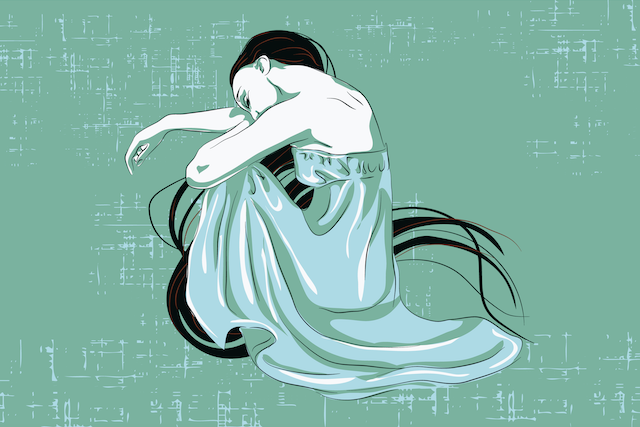
    Venturing into this unknown territory can have an enchanting sense of possibility and freedom to it.

    Life is meant to be an adventure in becoming, a blossoming into who you are meant to be. The most excellent adventure of all.

    How to Find Your Way Again

    Remember that you are not alone.

    We’ve all struggled at one time or another with not knowing who we are, what we really want, or where we’re headed. Lessen your discomfort by reaching out to a friend you trust for empathy and gentle listening.

    A good friend can serve as a sacred container, especially during life’s transitions. Through dialogue and honest sharing, friends can often reach a higher level of insight together.

    Also remember that we belong to a larger universe that supports us and is an unwavering source of unconditional love, wisdom, and healing.

    Use prayer or any other practice you enjoy to build your personal connection to your higher power. This reliable connection can stabilize you during times of uncertainty.

    Practice calming your mind and your body.

    Meditation, deep breathing, quiet time in nature, yoga, journaling, arts, crafts, and exercise. These are all proven ways to increase well-being. Choose something that works for you, and do it every day.

    Stillness and silence are especially nurturing, and you can keep it simple. Try the following short breathing exercise.

    Close your eyes and focus your attention on your breath passing in and out through your nostrils. Smile as you breathe, and within a few moments, your whole body will start to relax.

    Several times a day, take sixty seconds to do this. That’s all—just sixty seconds. Allow your breath to take you to your quiet, calm center.

    “In the attitude of silence, the soul finds the path in a clearer light,” said Mahatma Gandhi, “and what is elusive and deceptive resolves itself into crystal clearness.”

    Explore, dream, discover.

    Reawaken your curiosity, your childlike sense of wonder and openness.

    The world is a fascinating place, and there are so many interesting things to learn about. Look around for inspiration and new interests.

    Stretch out of your comfort zone by trying new things and meeting new people.

    Use curiosity for self-understanding too. Ask yourself meaningful questions, and write about, draw, paint, or make a collage around anything that comes to you.
    The following questions can get you started:

    • What is something I’ve done that I’d love to do more of?
    • What do I want to learn? What skills do I want to master?
    • What do I know but don’t yet live?
    • What have I been avoiding that needs to change?
    • What could I do to make the world a better place?

    Access your authentic power.

    What does it mean to be a truly powerful human being?

    In the words of spiritual teacher Gary Zukaz, “Authentic power is energy that is formed by the intentions of the soul. And, you are only as powerful as that for which you stand.”

    So ask yourself, “What do I stand for?” And listen to your heart. You might also ask, “Who do I want to become?”

    It’s okay if the answers don’t come right away. Just keep asking and listening for as long as necessary. It will be worth the wait.

    Because the answers to those vital questions will reveal the very best you, the strongest, most generous you.

    Remember that no matter what your circumstances or how lost you feel, you have the power to choose your direction and how to use your energy.

    It’s Right Around the Corner

    One fine day you will find your way from confusion to clarity.

    Until then, stand tall in your unique personal power, and trust that all will be revealed to you when the timing is right.

    You are moving, changing, and growing at the exact right pace.

    Stay curious, and be gentle with yourself.

    Your something better is right around the corner, inspiring and surprising, just waiting to be found.

  • 10 Things to Remember When You Feel Lost and Alone

    10 Things to Remember When You Feel Lost and Alone

    “Accept what is, let go of what was, and have faith in what will be.” ~Sonia Ricotti

    I would lie awake at night aching for rest and relief from my racing mind. Hot milk with honey, yoga postures with my feet above my head, no chocolate after three in the afternoon—I had tried it all.

    I was weaning myself off sleeping pills. Wrenching myself from my love affair with the tiny white disc. I’d pop it under my tongue to slide from the shackles of adrenaline. They felt impossible to escape.

    I’d started using sleeping pills in my last semester of university, having begged my doctor for a prescription to stop the torture of lying awake night after night. One day running straight into the next, and the next, and the next. An endless horror-film loop.

    I felt lost.

    And alone.

    It wasn’t a new feeling. I’d felt that way for years.

    I’d lie awake and wonder why I didn’t feel better, wish I could feel like everyone else seemed to—content, confident, happy. Why wasn’t that my life?

    And then, one day, I decided to see what else was possible. If I could feel a different way. If I could feel better.

    It took time. And patience. Self-exploration. And courage. But I did get there.

    If you’re feeling like I felt then, here are ten things to remember.

    1. We’re all in this together.

    I’ve felt that way. All of my closest friends have felt that way. Family members of mine have felt that way. And, people who read Tiny Buddha—just like you—have felt that way. Or are feeling that way right now.

    One day a friend of mine surprised me. She was someone who always seemed positive and upbeat. Always sunny.

    I said to her, “Some days I just feel so alone, like nothing is okay.” She said: “Me too.” It made me feel better, and less alone. We’re all in this together.

    2. People share the highlights, not the lowlights.

    We can feel anxious, sad, and unhappy after going on Facebook or Instagram. We can end up feeling like we don’t have an awesome enough life;, like, if we don’t have a glamorous event to photograph and share, we suck.

    But people share the highlights, not the lowlights. I’ve talked with so many people whose lives look amazing on Facebook and Instagram who tell me, “I feel sad. I feel like no one cares. I feel alone.”

    3. It’s okay to be right where you are.

    Sometimes we think we need to be making progress and moving forward, that we need to be a shining ray of light all the time. But the truth is, we need times when we’re pausing.

    Those times are often when we feel more lost and alone. We’re figuring things out, re-evaluating what we thought we wanted. It helps to let ourselves rest in the knowledge that this time is natural and normal, rather than tell ourselves we need to be making progress and moving forward.

    4. Change happens in the mess.

    The truth is that we often can’t feel better until we have a little meltdown. Or a big one. Change means shifting into something different, and to do that we may need to let go of some things and allow them melt away. This can get messy.

    I had to let go of the thought that I needed to be what everyone else thought I should be. To do this, I started to notice my thinking, especially thoughts that included the words “should” and “have to.” Then I got myself to question those thoughts: Is that absolutely true? Do you have to?

    When I gave myself the time and space to explore those questions, a freedom came. It was the experience of being able to question my own thinking, which helped me see that I didn’t need to believe all of my thoughts. From there, I was able to choose other thoughts. From there, I was able to choose other actions.

    That change wouldn’t have happened without me getting messy, having a meltdown, and letting go of some things.

    5. New beginnings can feel like endings.

    Do you remember a time when you started something new? A new school year? A new summer break? A new relationship?

    I bet if you look back you’ll recognize that there was an ending that happened before that new beginning. And during that ending you might have been sad and felt alone. But eventually, those feelings transformed when the ending gave way to a new beginning.

    6. It’s easier if you let it be there.

    The harder we fight the way we’re feeling, the harder it is to feel that way. The more we let it be there, the easier it gets to feel that way. The feeling no longer feels scary, or like something we need to try to avoid.

    And often, as a result, the feeling will fade away. Sometimes quickly. But resisting the feeling can make it feel bigger and harder to handle.

    7. Being alone can bring you peace.

    When we’re alone, we’re faced with our feelings and our thoughts. It’s harder to distract ourselves.

    If we let these times of feeling lost and alone be all that they can be—messy, uncomfortable, hard—we can learn to handle them. We can learn that they don’t need to be avoided. And that helps us feel stronger, like we can handle anything, and that can bring us peace.

    8. Feelings can heal you.

    All of the emotions that arise when we feel lost and alone can point to what we need to heal within ourselves. They can be like signposts on the road to freedom, saying, “Look over here. Go this way.”

    The sadness I felt when I felt most alone was pointing my attention toward expectations I had of myself: that I had to be in a relationship in order to be happy, that I had to be busy and socializing all of the time in order to be like other people, that I had to live an exciting-all-the-time life.

    Letting go of those expectations helped me heal those misunderstandings within myself. Without the sadness, I wouldn’t have spotted them.

    9. It doesn’t mean anything is wrong with you.

    I hesitated to write this in this way. And I don’t mean it to sound harsh or unfeeling.

    Accepting that life is kind of sucky sometimes can help us get through the times where we feel lost and alone. It doesn’t mean anything is wrong with you. It’s just part of being alive.

    10. The sun will come out tomorrow.

    Okay, I know it might actually rain. But what will happen for sure is that a new day will dawn. And in the dawn of a new day, you might feel better.

    Also, be gentle. Be soft. Be caring. We’re all in this together. And there are other people who feel exactly the same way.

    Editor’s note: Lindsey has offered to give away two copies of her new book. From Darkness to Light: Devil Wears Prada meets Eat Pray Love. An uplifting story of personal transformation, travel, and starting over. To enter to win a free copy, leave a comment below.