Tag: wellness

  • 4 Ways to Get Better Sleep for Increased Spiritual Wellness

    4 Ways to Get Better Sleep for Increased Spiritual Wellness

    Happiness in simplicity can be achieved with a flexible mindset and nine hours sleep each night.” ~Dalai Lama

    It happened again. I got up after being awake all night, wondering where I’d gone for the past nine hours. I remember laying my head on the pillow, exhausted, happy to finally close my burning eyes. My body settled sweetly into the mattress, and I thanked the universe for our heavenly bed.

    Just moments away from slumbering bliss, I said my prayers and did my usual practice of releasing energy from the day and honoring my blessings. For the moment, my mind was still and peaceful.

    I fell into a space between the dream state and wakefulness. A place I know well. It’s not necessarily a bad place to be, but when I’m in it, I’m fully aware of the fact I’m not sleeping; my brain isn’t in REM. I tried breathing exercises and meditation only to feel like I was ready to run a marathon. After a few hours of this, sleep anxiety crept in, bearing gifts of thoughts and frustration.

    The countdown of the hours until it would be time to get up began. The list of things I needed to do the following day danced in my mind like a marching band tooting its horn and ringing bells—because if I couldn’t sleep, somehow running through my to-do list felt productive. When the morning came, I was not the calm presence I aspire to be. The Tiny Buddha inside was napping.

    When I was a kid, I had no problem falling asleep on the bus, in class, watching TV… pretty much anywhere I could lay my head down and close my eyes. But as Ive grown older, sleep hasnt always been as accessible. In fact, with everything going on in the world over the past few years, sleep has become a modern-day luxury.

    As a spiritual seeker, I find that when I dont get a good night of sleep, its harder to drop in for meditation. I’m more irritable. Less sharp. My intuition feels clouded. And my ability to focus on my goals and manifest my visions can be hindered.

    I wondered if I’d spend the rest of my life chasing sleep to catch up to my dreams.

    Then, I started talking to friends. They’re struggling too. Whether the problem is falling asleep or staying asleep, almost every person I talked to is suffering from some form of sleep deprivation. Is this a natural part of aging or an unspoken epidemic? Even my daughters in their early twenties wrestle with insomnia.

    These types of problems always make me ask, “What is the lesson here?” But as I started to look for answers, what became more interesting was the link between sleep and spirituality.

    As it turns out, there is a parallel between sleep quality and spiritual connection, which means prioritizing sleep hygiene is not only important for biological processes but for spiritual wellness.

    During sleep, the body repairs muscles, organs, and tissues. It also regulates hormones, detoxifies, and boosts the immune system. Sleep also bridges the conscious and subconscious mind. This allows us to process the experiences of our day, the emotions that may have arisen, and the spiritual insights that help us create meaning in our lives. Therefore, prioritizing sleep hygiene can be an act of spiritual self-care that nurtures the mind’s capacity for deeper spiritual insights and greater overall wellness.

    Its clear that sleep hygiene is extremely important both to our biological and spiritual processes, but lets take a closer look into the sleep-spirituality connection.

    If we are sleep deprived, we are not thinking clearly, and, therefore, we are less connected to our intuition, which is directly linked to our imagination. Studies have shown that a lack of sleep can have a major impact on our ability to access creativity and problem-solving skills, so it makes sense that struggling in these areas has a negative influence on our spiritual well-being. So, what can we do to ease this struggle that many of us share?

    4 Ways to Improve Your Sleep Hygiene for Increased Spiritual Wellness

    Nighttime routine

    Set a consistent time to go to sleep and wake up every day, even on weekends. A more structured sleep routine helps to align your circadian rhythm, resulting in more consistent sleep. 

    Sleep sanctuary

    Design your environment to support your sleep goals by reducing screen time, turning lights on low an hour before bed, mitigating noise pollution with healing frequency music or a white noise machine, and turning the thermostat to sixty-five degrees.

    Preparation practices

    Create a spiritual bedtime ritual that you devote yourself to every night in honor of sleep. My ritual includes taking a bath or shower, gratitude journaling, prayer, and yoga nidra. I spray the sheets with a lavender water and essential oil blend before I lay my head on the pillow and rub magnesium oil on the soles of my feet as a final good night. The key is to create a simple process that feels nurturing and peaceful.

    Track your sleep and spiritual practices for a month.

    Journal every morning with just a few words about the quality of your sleep and every evening about your meditation results for the day. By tracking how your sleep and spiritual wellness connect, you will be more motivated to stick to best practices for a good nights sleep. Ultimately this will benefit your mind, body, and spirit.

    The biggest lesson I’ve learned in this exploration is that we’re not alone in our quest for a nourishing night of sleep. We need to have compassion for ourselves on the nights where we find it challenging to drift off into dreamland.

    If you realize you’re in the pit of sleep anxiety, cut yourself some slack. You are not failing. Accept and surrender to the moment, and trust that simply resting will be enough to get you through the next day.

    Sleep restores a sense of peace and divinity within, but rest is just as important. By making sleep a priority, your mind will feel calmer, quieter, and more focused during meditation, allowing you to feel more spiritually connected to your life mission, every day.

  • How My Wellness Passion Was Actually Destroying My Health

    How My Wellness Passion Was Actually Destroying My Health

    “Your body holds deep wisdom. Trust in it. Learn from it. Nourish it. Watch your life transform and be healthy.” ~Bella Bleue

    It didn’t fit. I zipped, tugged, and shimmied, but the zipper wouldn’t budge. I was twenty-three, it was my college graduation, and the dress I had bought a month ago would not zip.

    As I stood there crying in the mirror, riddled with exhaustion, anxiety, vulnerability, and sheer overwhelm, I wondered what was happening to my body. In just one month I had gained thirty pounds. I was having one to three panic attacks a day. Everything I ate made me sick, and no matter how much I worked out, I only felt worse.

    I was graduating with a degree in clinical nutrition, yet my health was the worst it had been in my entire life. The world was supposed to be my oyster, yet I couldn’t leave the house.

    I used to tell people all the time that my “passion” was health. I started my first fitness program when I was nine. Tried my first diet at the age of thirteen.

    Since that day on, health and wellness were all-consuming thoughts—to the point that I got a degree in clinical nutrition and became a certified personal trainer and Pilates instructor.

    But maybe the problem was that my passion for health was actually an obsession.

    In an effort to be fit, happy, and well, I became a victim of marketing and manipulation of “wellness and diet culture.”

    Everywhere you turn, there is marketing for wellness and finding your “best health.” Whether it is using fasting to regulate blood sugar, drinking adrenal cocktails to reduce stress, or only eating organic and non-processed foods.

    And even if you end up doing it “right,” the next day you are wrong because there is some new trend or hack that is being pushed. This can leave your head spinning and, in the end, it only disrupts your relationship with yourself, with nutrition, and with fitness.

    It was on that day that I vowed to chase true health. Here are three lessons that I have learned along the way.

    There is no one-size-fits-all approach when it comes to nutrition and fitness.

    You are unique. You have a unique medical history, genetic makeup, environment, and lifestyle that all influence how you and your body respond to nutrition and exercise.

    This is known as bio-individuality.

    So there is no one RIGHT way to do things. You might respond well to eating lower carb due to a history of insulin sensitivity.

    You might respond better to heavier weight training due to your muscle fiber makeup.

    You cannot put yourself in a box and try to copy and paste success. You have to honor what your body needs and nourish it accordingly.

    I find that my body does best when I eat carb meals and lift heavier weights. I also feel my best when I eat every three hours.

    I find that my body shows increased signs of stress when I do high-intensity workouts. And it rejected any attempt I made at intermittent fasting or eating lower carbs.

    Finding what works for your body is how you unlock your best self.

    But whatever you choose, you must enjoy doing it. Because if you do not enjoy the process, if it does not make you feel good, if it does not add to your life and promote your best self….

    … it will be impossible to stick to it long term.

    It’s about what you can ADD to your life, not restrict.

    Nutrition is the science of providing nourishment to your body to sustain life. Food is the fuel that your body uses to keep you alive and thriving.

    Movement is medicine that gives you the strength to take on anything that comes your way.

    It is not about restricting, cutting out, or depriving yourself. When you approach it from this mindset, it promotes negativity, it fosters the development of a negative self-image, and it cultivates a culture of guilt.

    And no one—absolutely no one—feels good in this type of environment. Instead, think of what you can add to your life and body to enrich it.

    I love to eat nachos; I enjoy them every week. Instead of restricting them, I add protein to ensure they are a balanced meal.

    You might love to enjoy dessert every evening. A great way to enhance this is to add a delicious fruit with your dessert. Or you can take a walk after your meal to help regulate your blood sugar.

    This approach stems from a place of love, support, and encouragement, which makes it much easier to sustain for life.

    You can be all-in without being all-or-nothing.

    I used to feel so much guilt when my life responsibilities disrupted my workout routine. I would obsess over the missed workout, thinking it would end my progress, and then I would try to find ways to “make it up” later.

    There is so much pressure on remaining consistent, which is critical to success.

    But do not confuse consistency with perfection.

    Perfection is trying to take this structure or “formula for success” and cramming it into your life without any flexibility. Like saying you “have to work out five times a week” or you “can’t eat out.”

    Consistency is learning how to shift your goals and your intention to match what is happening in your life at any given time.

    Life always has seasons of highs and lows. That is the beauty of it.

    There will be times where you have the energy and intention to be consistent and even chase insane growth for your health goals.

    Then there will be times where life is calling you elsewhere, so while you are still prioritizing your health, you need to shift how you show up.

    Learning how to adapt your health goals and intentions across these phases is how you get long-term success.

    Consistency is showing up in the stress. Even if this means doing less than you hoped, you still did it.

    Perfection is showing up for ten days in a row then quitting when you miss a day.

    An all-in mindset is much better than an all-or-nothing mindset.

    If twenty-three-year-old me could see me now, she would be in awe. Her jaw would drop because even though I’m not doing everything “right,” I’m doing everything right for me.

    Your health does not have to be as complicated as it sometimes feels. You don’t need a fancy supplement, the latest trend, or another unrealistic habit.

    It really comes from creating a lifestyle around what makes you feel your best and happy.

    Because you can have the perfect health for yourself without losing yourself in it.

  • Obsessed with Healthy Eating? 9 Things I’ve Learned Since Recovering from Orthorexia

    Obsessed with Healthy Eating? 9 Things I’ve Learned Since Recovering from Orthorexia

    “Sending love to everyone who’s doing their best to heal from things they don’t discuss.” ~Unknown

    I used to obsess over healthy eating, and I mean OB-SESSSSS. I spent virtually every waking moment thinking about food. What should I eat today? Is there too much sugar in that? What will I eat when we go out next week? Should I claim that I’m allergic to gluten?

    Although I didn’t know it at the time, I was suffering from orthorexia (that is, an unhealthy obsession with healthy eating). Yes, I fully agree that eating nutritious food is good for you—there’s few who would deny that—but when you are thinking about food non-stop, something has definitely gone awry.

    It all started innocently enough. My daughter (who’s my youngest) was about a year old, and I was ready to “get back in shape” and reclaim my pre-pregnancy weight. However, since I was against the idea of fad diets, I was looking for something else.

    That “something else” turned out to be wellness culture, and I absorbed it all. I followed several influencers who said we must eat in a certain way for ideal health, which often meant organic, gluten-free, dairy-free, and absolutely no sugar. The influencers also used a lot of pseudoscience to support their ideas, and I totally fell for it.

    With the idea of eating in a certain way for optimum health swirling round my brain, I decided to follow a thirty-day kick-starter healthy eating plan. It was all about focusing on health (and not weight loss). Easy enough, hey?

    There was no counting calories, macros, or weighing food. No points. It was just about eating nutritious, wholesome food and having a protein shake for breakfast. What could be the harm in that?

    Well, it was probably the long list of “not allowed” foods that you cut for thirty days (such as sugar, dairy, gluten, and soy)—essentially an elimination diet. The idea being that after thirty days you reintroduce the foods to help you identify your food intolerances. See? It’s all for health! Or so I thought…

    And, as my “clean eating” regime was underway, I started to get a lot of positive feedback.

    You’re so disciplined! How do you eat so healthy? Wow, you look really well.

    It was alluring.

    This was my slippery slope and the beginning of an unhealthy obsession with food.

    Three years in, my life looked something like this: I claimed a gluten and dairy intolerance and was experimenting with being vegan, all for the sake of my health. Unfortunately, there’s not much food left to eat on this kind of restrictive diet.

    Every few months I would follow an elimination diet (again) and would cut out all sugar, alcohol, caffeine, and soy (alongside the dairy and gluten that I was no longer eating). I started avoiding social events because the list of “safe foods” was getting so complicated; it often seemed easier to stay home.

    All of this in the name of “health.” Except that it wasn’t healthy.

    I was missing social events and avoided spending time with friends, my mental health was suffering, and I was developing an extremely disordered relationship with food.

    While orthorexia isn’t classified as an eating disorder according to the Diagnostic and Statistical Manual of Mental Disorders, some healthcare professionals believe that it should be. And, personally speaking, my relationship with food was starting to remind me of the time when I’d suffered from an eating disorder back in my twenties.

    I had a series of aha moments that finally woke me up to the fact that my behavior was not at all healthy and my extreme approach to food was doing me more harm than good.

    It was when I started feeling embarrassed going to someone’s house for dinner and sending a long list of foods I couldn’t eat.

    It was when I started to notice bingeing behavior: I’d binge on five sweet potato brownies because they were supposedly “healthy.” I’m sure that if I’d just had access to a chocolate brownie, I might have only eaten one

    It was when I was doing my elimination diet so frequently, I had to make lots of excuses about why I couldn’t join evenings out.

    Eventually I realized that my old eating disorder had morphed into orthorexia.

    Thankfully, I had the resources to make a quick recovery, and my relationship with food has done a full 180 turn… In hindsight I can see clearly how very disordered my thinking, feelings, and behavior were.

    With that in mind, here are nine lessons I learnt from my brush with orthorexia. My hope is that if you question some of your own food behaviors, you seek help before too much damage is done.

    #1 There is no need to restrict food groups from your diet.

    Unless you have a medical reason to do so (like coeliac disease), restricting food groups from your diet is unnecessary. Nope, you don’t need to be carb free; in fact, research shows that in the long term, a low-carb diet is actually bad for you.

    #2 A flexible approach to eating is best.

    You just don’t need overly rigid food rules. My food rules were too rigid, and I tried to eat perfectly all the time. Perfectly to me was organic, gluten-free, dairy-free, and absolutely no processed sugar. Alongside that, I stopped eating fruit because it has sugar in it. So, for a while, the only fruits I would eat were berries. Bananas, red apples, grapes, and tropical fruits were totally out of the question.

    The problem with rigid rules is that all the fun things in life become stressful, like holidays, eating out, and going to a friend’s house, so flexibility is key.

    #3 If you get overly upset when food rules are broken, something’s wrong.

    I felt compelled to stick to my food rules, and I would feel emotional, distraught, and upset if I broke them. Like I had failed. I remember once crying in a French supermarket on holiday because I couldn’t buy the organic and gluten-free versions of food I wanted. It’s kind of missing the point of a holiday, isn’t it?

    #4 Food is NOT just fuel.

    Have you heard the quote “food is fuel”? It’s bandied around everywhere in the wellness and fitness spheres. But food isn’t just fuel. It’s about so much more, and this kind of thinking limits our potential to enjoy food to its fullest potential.

    Food can be comforting; it can be a time to connect with friends and family. It’s nourishing for our bodies, and also nourishing for our souls; it can be nostalgic or related to our culture. A cup of tea and a biscuit can remind you of your granny, while a single meal can take you back to your childhood.

    #5 All foods can fit in a balanced diet.

    Yes, even sweets, chocolate, and pastries. It’s totally unsustainable to cut out “bad” foods for the rest of your life. I’ve also found that you’re more likely to crave these “bad” foods if you tell yourself you can never eat them again. When all foods fit, the ice cream comes off the pedestal and you can keep it in the house without bingeing. It’s a total revelation.

    #6 It’s worse for your health to stress about sugar in food than to actually eat a damn cookie.

    I used to stress about the sugar in food constantly. I would read every food label when shopping; I would calculate grams of sugar in things like raisins; I would only eat a green apple and not a red apple (too much sugar, apparently). Yup, I was one of those mums who cooked gluten-free, dairy-free, and sugar-free cakes for the kids’ birthdays. Yuk! Poor kids.

    I’ve learned the stress of worrying about food is way worse than just eating the food itself. So relax, and enjoy that cookie.

    #7 “Health” is more than just the food we eat.

    Health is not just about what we eat; it’s way more than that. It’s about your genetics and your access to nutritious food and decent healthcare, which means it’s associated with your income level.

    Also, what you consider “healthy” is different to what I consider “healthy.” Maybe my “health” is about being able to run around after my kids without feeling breathless, or improving my flexibility to keep my body feeling supple.

    Your health might be about improving stamina and strength to run a marathon, or about sleeping seven to eight hours a night.

    #8 Social events shouldn’t be awkward.

    Quite the opposite. Social events should be fun, or relaxing and enjoyable. Not fraught and stressful. I had many an awkward conversation with hosts about things that I couldn’t eat.

    I would avoid events when doing my cleanse, or re-arrange things around these months. And if I did venture out, I would endlessly worry about what I’d eat, sometimes calling the restaurant ahead to see what they had on the menu to fit my rigid rules. Or I would claim allergies so I could work out what was gluten-free and dairy-free. #awkward

    And finally, if you are a parent…

    #9 Your kids are watching you.

    You might not say anything to your kids, but they are watching you. They notice what you do, reading those labels, and how you talk about food. They see when you skip the fun meals or cook something separate for yourself. They see when you are down on yourself and your body.

    They are watching. Everything.

    If I’m truly honest, this was the biggest driver for me to heal my relationship with food. The last thing I wanted to do was pass my disordered eating down to my kids.

    Finding food freedom was the best thing that happened to me. I no longer fall to pieces in a restaurant or on holiday. Eating is no longer a stressful experience. I love food for all the things the eating experience gives us—connection, chats, family, and friends. I hope you can too.

  • 45 Work Self-Care Ideas for Your Physical, Emotional, and Mental Health

    45 Work Self-Care Ideas for Your Physical, Emotional, and Mental Health

    “Self-care equals success. You’re going to be more successful if you take care of yourself and you’re healthy.” ~Beth Behrs

    Does your job ever seem to take over your life?

    Mine has, more than once, despite some drastic changes to stop it each time.

    For twelve years I worked a sixty-hour-a-week consulting job in London, UK. I loved my team, and much of my work, but I wasn’t good at switching off.

    Whiplash from a minor car accident initiated a chronic pain condition that grew worse and worse with each passing day.

    I didn’t think I was allowed to take care of myself at work. At work, I felt my focus should be on being productive, getting more done, being the best, getting promoted, earning more—on success.

    But my definition of success wasn’t bringing me happiness.

    Breaking Point(s)

    The moment when my chronic pain was such agony that I spent an entire conversation with a beloved team member holding back tears, not hearing anything they said, was a wake-up call.

    I told myself what a bad manager I was, piling negative feelings on in addition to the grinding, constant physical hurt.

    I created suffering on top of the pain.

    After a lot of soul searching, I took a sabbatical where I planned to “lie on a beach and rest.”

    But I took my personality with me. I never went back to my job, but within a few years, I’d created a new life, that I also loved, but I worked in 25 countries and took 100 flights a year.

    Oh, and I caught strep throat seven times in that same year.

    This time, when I realized what was happening, my suffering was a little less. I was frustrated, but at this point, I had developed a self-care practice. I had more tools, more self-kindness, more self-compassion.

    Last year, another busy year when I wrote a book about work wellness and ran an international consulting practice, I went to the emergency room several times.

    What I thought was my chronic pain had gotten so bad I admitted I needed help.

    At the hospital, they decided to do exploratory surgery. And found endometritis, which had caused a 6cmx4cm cyst and spread infection throughout my abdomen. It took the removal of the cyst and a further eight days of intravenous antibiotics before they’d send me home.

    I took some time off….

    Now while I can’t say I’m never going to go through this loop again, what these experiences have taught me is that in order to be the best version of ourselves, it’s as critical to take care of ourselves at work as is it as at home.

    It’s not just okay to take care of yourself at work, it’s obligatory.

    Despite the fact our job often takes up a third of our waking hours or more, most of us feel it’s inappropriate to think about ‘fluffy’ concepts like work wellness, or self-care, while we’re working.

    We’re wrong.

    If we neglect habits of kindness to ourselves in this arena, our thoughts, feelings, and behaviors at work can lead to burnout, resentment, anger, or exhaustion.

    Be Intentional

    Bringing an attitude of self-kindness and self-compassion to work is likely to make you a better employee. You’ll have more energy to work with the difficult customers and challenging employees, or on the complex and confusing tasks that are dumped on you.

    The following are ideas you can try at work to ensure you nourish yourself in that context. They are designed to be small and inexpensive. Leave those that don’t speak to you, but make the choice to include several in each week—and start today.

    Simple Self-Care for Physical Work Wellness

    1. Clean your tech mindfully. Take three minutes to wipe down your phone, laptop, screen, anything technological you use for work. As you do, be grateful for what these technologies add to your life.

    2. Sit up straight. We all have a tendency to slump over our keyboards. Adjust your posture: pull your shoulders back and align your head with your spine.

    3. Take one deep breath. Just one. But make it a good, long one. Breathe out and imagine that breath flushing through your body and going into the earth to ground you.

    4. Plot a route. Plan a short (20-minute) easy walk you can take at lunch or during breaks at least twice a week. Put it in your diary.

    5. Stand up. Use a box or books to lift your keyboard and screen so you can stand up to work. Vary your position during the day between standing and sitting.

    6. Scents memory. Find an essential oil or item that you can smell at your desk to energise you, like mint or citrus—especially useful in that post-lunch slump.

    7. Light up. Ensure your lighting is sufficient and as natural as possible, and your screen is at an appropriate brightness.

    8. Step up. Take the stairs. If you work on the 30th floor, you don’t have to take every flight. Try one flight for a week, then add in more over time.

    9. Add color. Wear one small item of your favourite color to work. A tie, pantyhose, socks, cufflinks, lipstick, a hairband, a necklace, earrings, bag etc.

    10. Pre-plan health. Identify three healthy meals at your three most-visited lunch places. At least once a week, don’t even look at the menu, order one of those.

    11. See green. Spend a few minutes a day looking at something green and alive. If you can’t see out of a window, get a plant.

    12. Return to neutral. At the end of the day take two minutes to tidy clutter away and wipe the surface down. This will make the next morning a nicer experience.

    13. Stretch while sitting. Roll your shoulders back, straighten each leg and point your toes, lift your arms above your head, and point your fingers to the sky. Move your body for a few seconds in a way that feels good.

    14. 20:20:20. Every 20 minutes, look at something for 20 seconds, 20 feet away, to help prevent eye strain.

    15. Object of solace. Bring to work an item that brings you physical comfort. A soft sweater, a smooth pebble, a stress ball—anything that grounds you in your senses and can bring you secret consolation on a difficult day.

    Simple Self-Care for Emotional Work Wellness

    16. Choose a soundtrack. Find a song that energises you, and play it just before you start work (on headphones!) or on your commute to put you in the right mood.

    17. Focus on others. When you interact with colleagues (or suppliers, clients, other freelancers) ask them a couple of questions about themselves before you talk about you.

    18. Be vulnerable. Share something small about your personal life—a hope, fear, dream, wish, desire—with a work colleague. Ask them about theirs.

    19. Build connection. Ask someone new to lunch or for a coffee.

    20. Take notice. Say happy birthday or congratulate someone on something they achieved on one of their tasks or projects.

    21. Know your personal brand. Write down the five words (qualities, behaviors, knowledge, etc.) others are most likely to associate with you at work.

    22. Push through a small emotional discomfort. Take an action you find mildly uncomfortable—talking more in a meeting, talking less, sharing a mistake etc. It will then be easier to do later when you don’t have a choice.

    23. Deepen a workplace relationship. Identify someone at work you want to know better. Increase the quality and quantity of your interactions.

    24. Connect to a positive memory. Choose a physical item to go on your desk that uplifts you because of its associations (e.g., a foreign coin from a holiday, a special photo).

    25. Celebrate. Take a moment to celebrate (privately or with colleagues) a small work win before you rush on to the next task.

    26. Create a workplace tradition. Connect colleagues with “Pizza Friday/; or “morning-coffee-and-catch-up,” even if it’s through Zoom.

    27. Look forward. Always have something at work you’re looking forward to. Create that thing yourself, if necessary.

    28. Build a positive attitude. Think of three things that make work great for you (a friend, a project, a client, a café you visit in your lunch hour), and write a list of these over time. Include one in each week.

    29. Take the long view. When upset about a mistake you made, or something that happened, ask yourself, will this still matter to me in five years?

    30.What matters? Take a helicopter view, and think about—what do I gain from this job? What does it bring me? Is there a balance between the rewards and the work?

    Simple Self-Care for Mental Work Wellness

    31. Use physical boundaries. Help your brain switch off via “thresholding” at the bookends of your day. Step through the door that leads into your workspace and tell yourself “I am at work’ “Step out of your workspace and tell yourself “I have left work.”

    32. Find your values. Write down the things that are important to you at work and circle the top three to four. Use these to guide decisions.

    33. Get feedback. Ask five people who know you well what they see as your top three strengths and development areas.

    34. Improve one thing. Choose a behavior that is not working for you and experiment with doing it differently.

    35. Have a walking meeting. Ask a colleague with whom you have a meeting planned if you can do this while outside and moving.

    36. Get unstuck. When working on a creative challenge, set a timer and free write for five minutes on the problem.

    37. Expand your perspective. Ask a colleague to talk you through how they approach a common issue you both experience.

    38. Use a timer. Choose a task you do regularly where you know roughly how long it takes, and set a timer for 10% less than that. Complete the task in less time.

    39. Learn something. Listen to a podcast, read a blog article or several pages of a non-fiction book at the start or end of your day.

    40. Know where you’re going. Pick a small career goal and write down three actions that would get you closer to it. Complete one action.

    41. Be curious. Always have something you’re learning or developing relevant to your work—a book, course, discussions, professional development etc.

    42. Distance self-talk. Create some objectivity in your thoughts by talking to yourself using your name, or second or third person.

    43. Make a “small pleasures at work” list. Write down the smallest behaviours (e.g., smile at a friend) you can do that bring you joy in the workplace. Include one in every day.

    44. Determine a downer. What one activity do you find most draining at work? What small action can you take to make that activity just a fraction easier for yourself?

    45. Enjoy the process as much as the outcome. Achieving a goal can bring delight, but the journey to get there is likely to take longer, so find ways to make the process just as enjoyable.

    We Are What We Do Every Day

    In the end, the actions we do most often are those that make up who we are.

    If we’re going to be our best self, we need to keep self-compassion and self-care in mind at work as well as outside it.

    Treat your work as an integral piece of who you are as a whole.

    Break out of your loop. Pay attention to your work wellness.

    Pick one of the ideas and try it today.

    **Ellen has generously offered five copies of her new book, Your Work Wellness Toolkit: Mindset Tips, Journaling, and Rituals to Help You Thrive at Work, to Tiny Buddha readers. Offering 100 simple and super-effective exercises, Your Work Wellness Toolkit is a practical guide to nurturing yourself at work so you can feel calmer, more productive, and more energized, every day.

    To enter to win a copy, leave a comment below sharing which self-care exercise above resonated with you most strongly, then email the link to your comment to Ellen at ellen@ellenbard.com with “Tiny Buddha Giveaway” in the subject line.

    You can enter until midnight PST on Friday, February 18th. She’ll choose the winners at random and contact them soon after! 

  • 9 New Spirituality & Wellness Books You Won’t Want to Miss

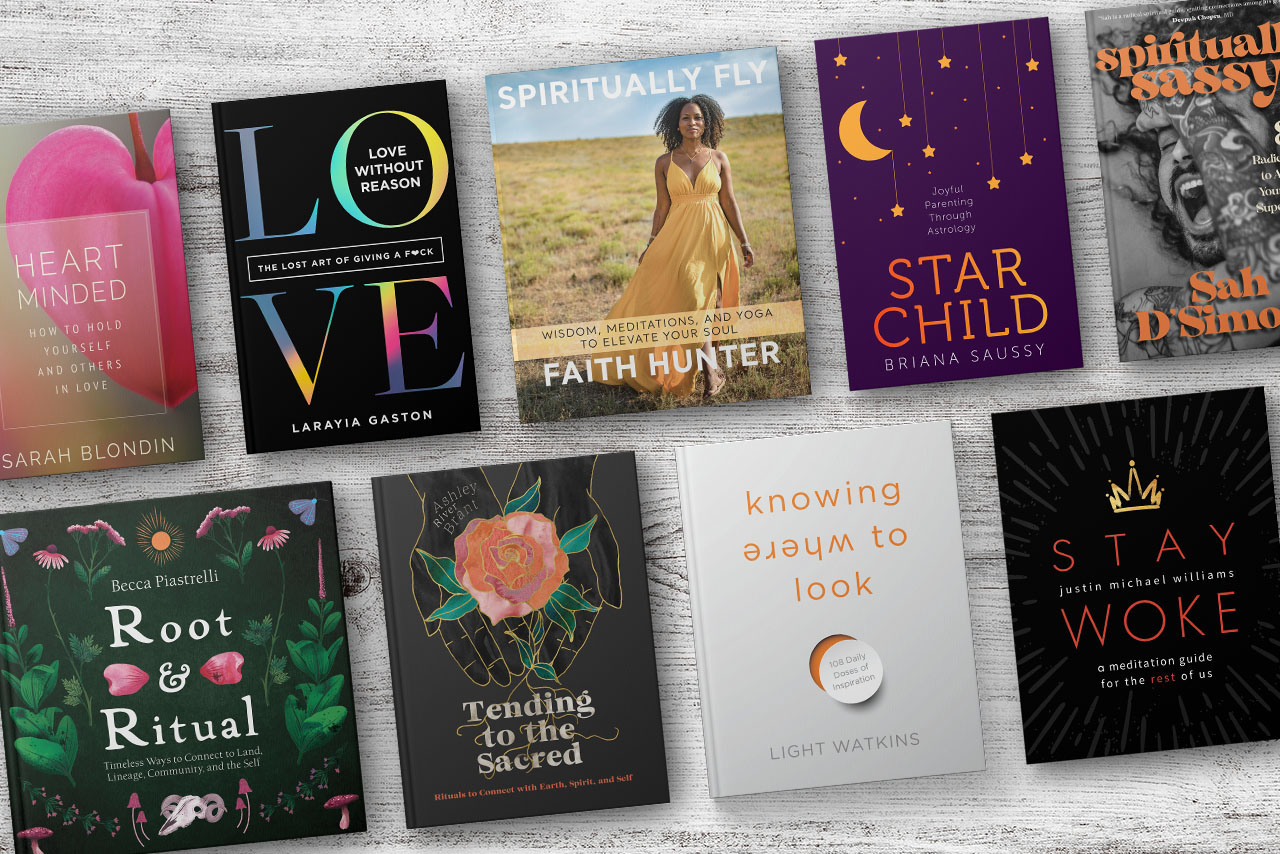
    9 New Spirituality & Wellness Books You Won’t Want to Miss

    Hi friends! I’m sure many of you are already familiar with Sounds True. They offer books and programs to help us all live more genuine, loving, meaningful lives.

    Through the years I’ve found some fantastic resources for personal growth and healing through their site, so I was happy to oblige when they asked me to introduce you all to nine new Sounds True authors in the spirituality and wellness space.

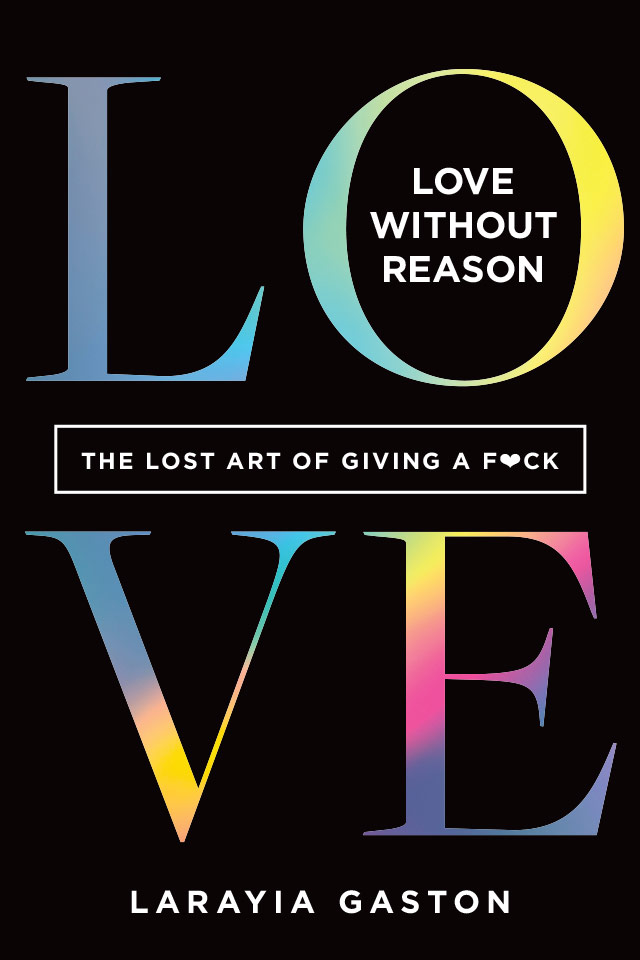
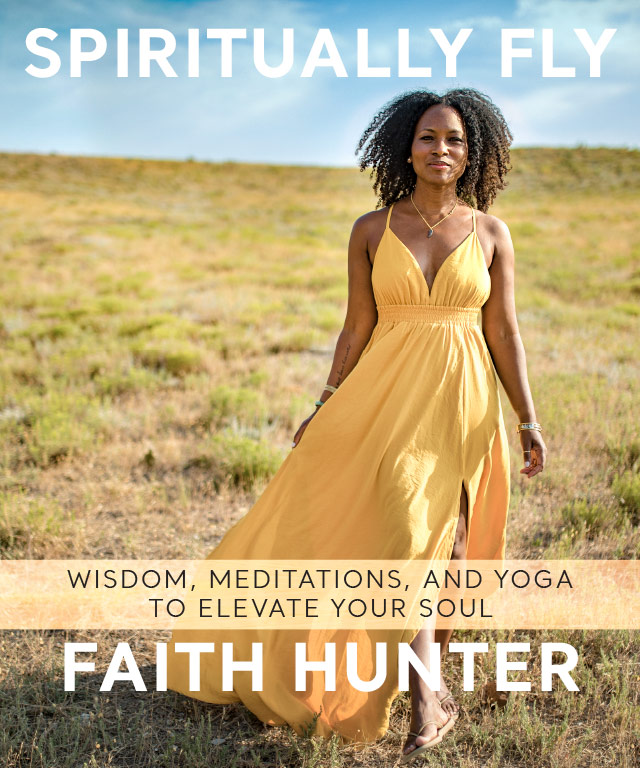
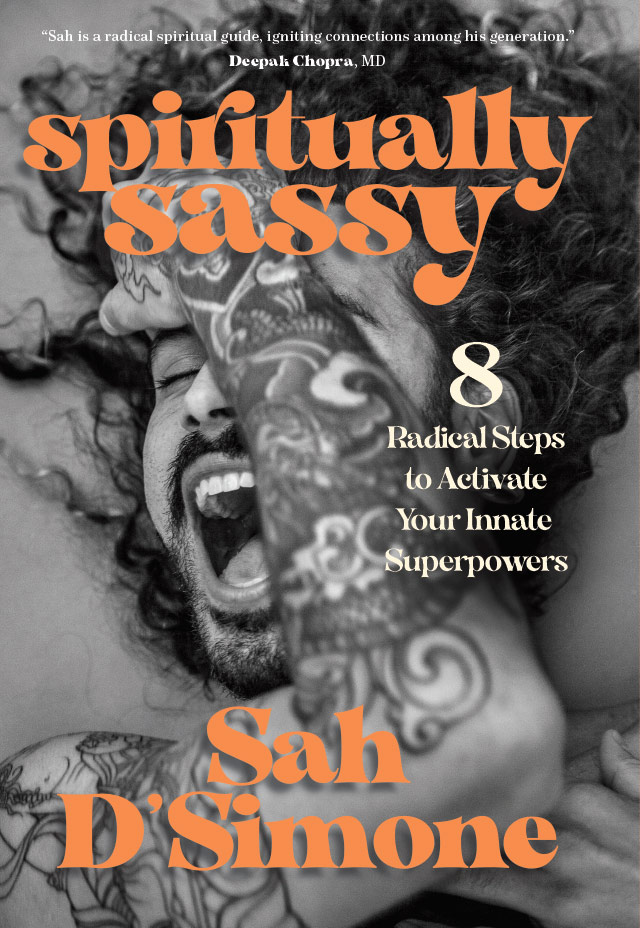
    Justin Michael Williams, Sah D’Simone, Faith Hunter, and LaRayia Gaston bring meditation, music, dancing, and yoga to a broad audience, with a shared mission to reach underserved BIPOC and LGBTIQIA+ communities.

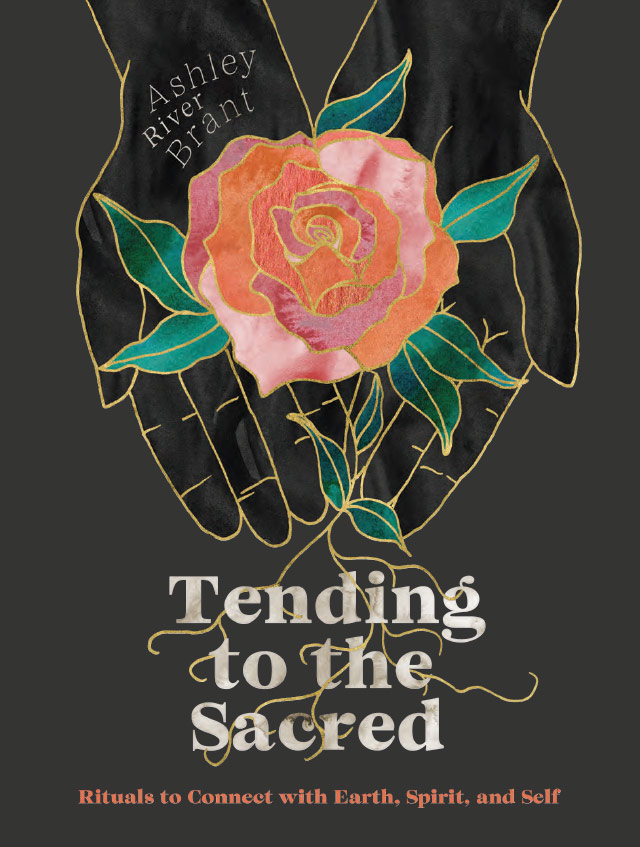
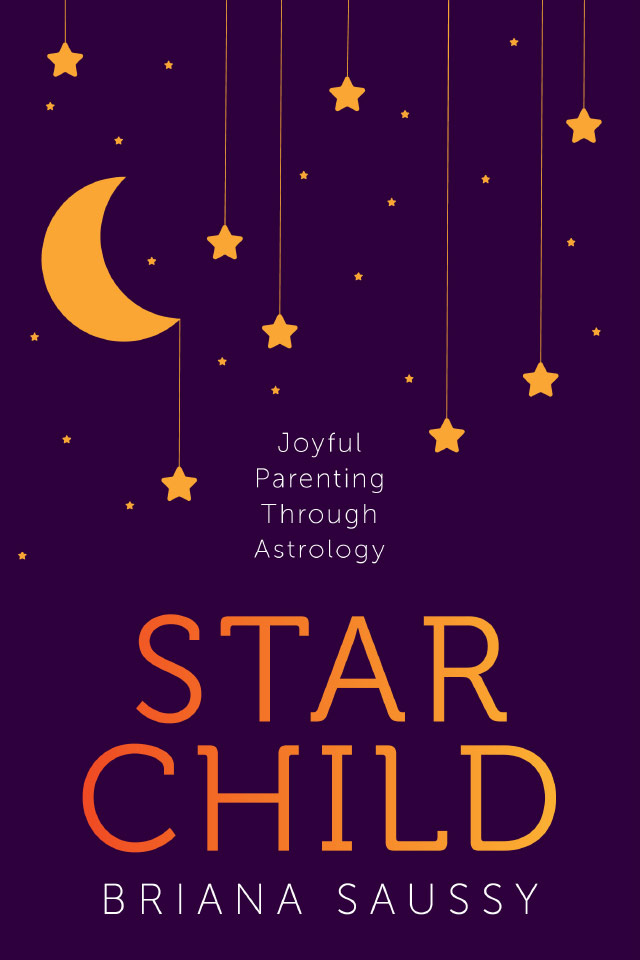
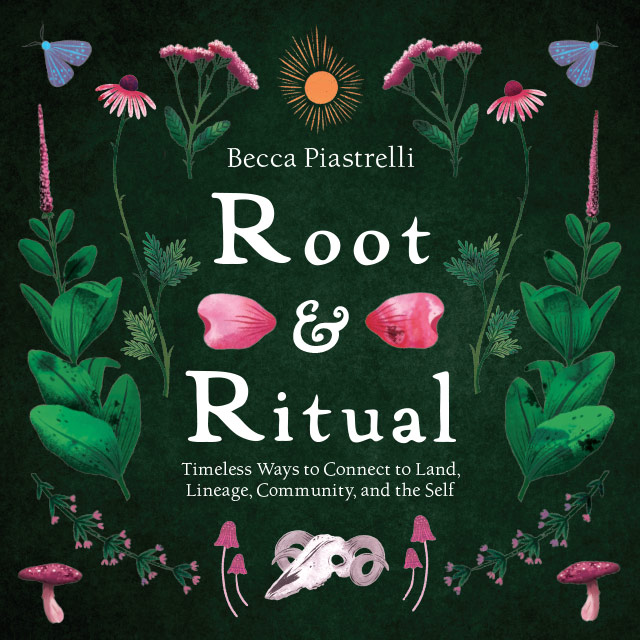
    Ashley River Brant, Briana Saussy, and Becca Piastrelli invite us to integrate the sacred arts, earth wisdom, and ancestral medicine into everyday life.

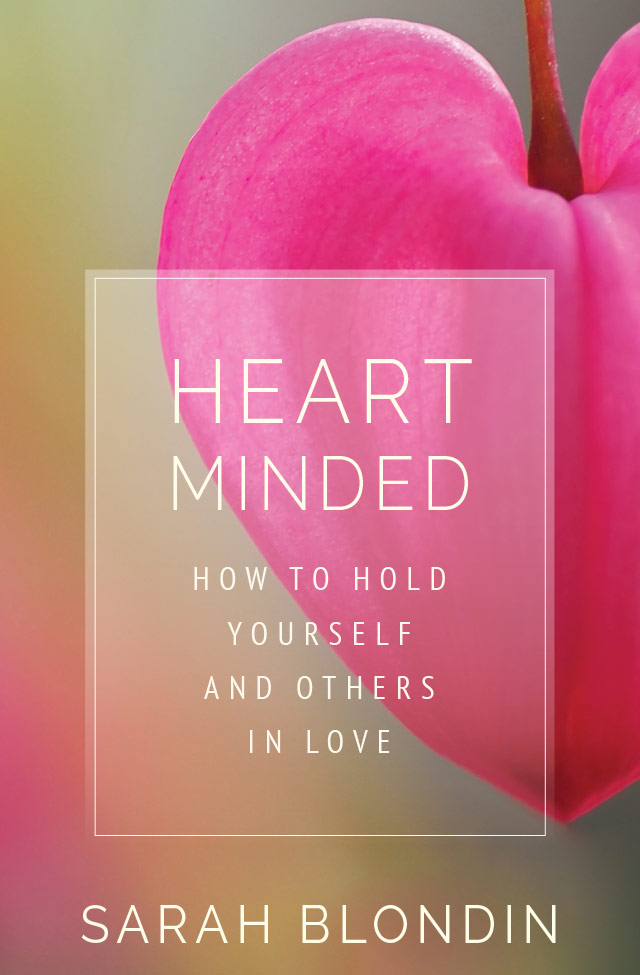
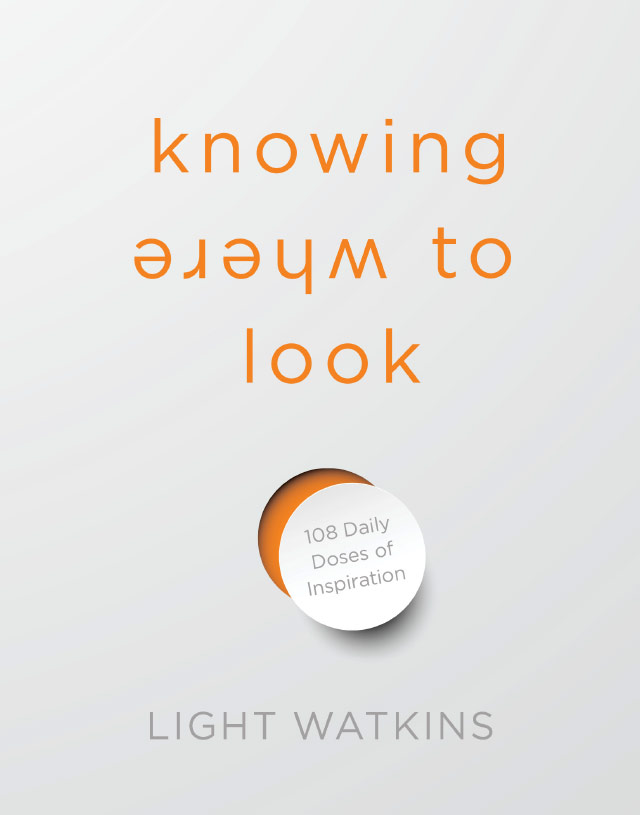
    Light Watkins and Sarah Blondin offer unique and engaging ways to integrate mindfulness into our spiritual practice.

    Enjoy these short excerpts from nine books that will uplift and inspire!

    Always remember: even small gestures can have big impacts.

    When you see someone who looks like she’s having a bad day, you can give her a smile or a kind word. When you see someone being mistreated or bullied, you can step in and redirect the conversation. When you see someone being ignored, you can acknowledge him and help him feel seen. When you see someone who could use a little help, you can offer your hand.

    These are micro-gestures: simple, easy things that anyone can do. All you need is to be mindful of the people around you and set an intention to make a positive impact when and where you can. In many cases, you’ll see the difference you’ve made immediately. You’ll be able to tell by the look on someone’s face or the words of thanks they offer in return.

    But even when that doesn’t happen, it’s important to keep in mind that the effort is worth it. It’s worth it for other people’s sake and it’s worth it for your own. You will always be able to look yourself in the mirror and say, “At least I tried.” Besides, we don’t always know in the moment the impact we’re having on people when we choose to give a f❤ck about them.

    Excerpted from LOVE WITHOUT REASON: The Lost Art of Giving a F*ck, by LaRayia Gaston. Sounds True, March 2021. Reprinted with permission.

    We practice rituals in our everyday life without even knowing that we’re doing so. Shaking a hand or hugging in greeting, sitting down for dinner with loved ones, washing our hands, taking our dogs for walks, making coffee in the morning, and even saying good night to a family member each night. But the loss of the Sacred and disconnect from our hearts has turned ritual into a mindless routine.

    Making our coffee in the morning turns into a moment to worry about all our daily to dos. Weddings—a sacred rite and celebration of loving union between two beings—become stressful events. Meals become grab-and-gos from one place to the next, or are eaten while multitasking or on our phones.

    In contrast, mindful ritual offers the structure we crave in a sacred and healing way that allows inner security, stability, and peace to flow effortlessly in grace as the world turns and life changes before our eyes with each passing season.

    It’s important to remember that our bodies are not machines designed to move throughout our lives in a linear way. We are multidimensional, organic energy here to empower ourselves to cocreate with the universe and embody the love that we all are.

    With noisy and often chaotic modern lives filled with stressors that take us away from this essence of truth, rituals can remind us of the trust and sacred agreement between ourselves, the Earth, and Spirit.

    You can think of ritual as spiritual nourishment for the soul. Ritual helps us find inner harmony and perspective, it connects us back to what is true, and it brings us to a sacred space of peace within, beyond the stresses and worries of everyday reality. It enriches our lives, fosters our own inner healer and authority, and ignites an ancient fire within: a spiritual fire that has always been there, carried forward generation after generation and lifetime after lifetime as a desire to connect to something greater—something sacred.

    Excerpted from TENDING TO THE SACRED: Rituals to Connect with Earth, Spirit, and Self, by Ashley River Brant. Sounds True, June 2021. Reprinted with permission.

    Children raised in recognition of their goodness grow into good adults. I have been blessed to meet them from every conceivable walk of life, of every skin color and culture. I stand strong in the knowledge that we who recognize and foster the good in ourselves and others far outnumber the unkind, the cruel, and the heartless.

    What can we do to nurture and call out that goodness in our children? There are so many ways, but among them I see a theme, a red lifeline leading out of the labyrinth: to see our children, to really see them, not as we would have them be nor expect nor desire them to be, but as they, in and of themselves, are. To see their natures, likes, dislikes, passions, and preferences and to know that between the hair-pulling and tattle-telling and driving us to drop into bed dead with exhaustion at the end of the day, they will grow and change and reveal marvel after marvel.

    This is why I love looking to the birth chart, that one-of-a-kind heavenly star map, when I seek to understand and better relate to a child. The stars and Planets and the stories they tell are each unique. They are decidedly not my story, but the story line of the child, their path, a celebration of their particular gifts and knowings.

    Stars, Moon, Sun, Planets: they are all luminous bodies, all shining light that reveals what needs to be seen, revealing a whole child with many stories and many adventures awaiting. When we see that child clearly, then possibility opens and we have done something truly good.

    Excerpted from STAR CHILD: Joyful Parenting Through Astrology, by Briana Saussy. Sounds True, July 2021. Reprinted with permission.

    In order to be heart minded, we need to bring the heart and mind into harmony and partnership with one another. For this to happen, we have to train the mind not to fear and close off from the heart, and instead, serve our heart and implement its wishes.

    In order to do this, we have to undo our mind’s association of feelings of the heart with hurt and harm. In situations that would ordinarily have us retreat or retaliate, we need to remain conscious of what’s happening and choose to soften and lean into our heart’s center.

    Each time we practice this softening, we send a new message to the mind that signals that we are safe, willing, and wanting to live in this more open, more sensitive way.

    Over time, if we are resolute in our intention to step into our heart, our mind will become less rigid in its defenses against feelings and tenderness, and gradually we will become more heart centered.

    Remember, we are not trying to pit the heart and mind against one another; we are trying to marry their aptitudes.

    Perhaps it would help to spell out how I see their differences:

    The mind attaches; the heart lets go.

    The mind operates out of fear and distrust; the heart operates on faith and ease.

    The mind is frantic in its functioning; the heart is slow, deliberate, and peaceful.

    The mind thrives on and enjoys problem seeking and solving; the heart thrives on acceptance of all things and labels nothing as “wrong” or “right.”

    Excerpted from HEART MINDED: How to Hold Yourself and Others in Love, by Sarah Blondin. Sounds True, June 2020. Reprinted with permission.

    We’re not built for the way things are today. While technology and modern life have evolved at a breakneck pace, from a genetic perspective, humans are largely the same creatures we were thousands of years ago.

    Our bodies are still seduced by the rhythms of the land. Our hearts quietly plea for the village to support us through life’s rites of passage. Our spirits dance at the thought of circling around the hearth fires and telling our stories. Everything within us longs to know our place in the world. And yet, most of us are getting none of that. We are deprived.

    Like our ancestors, we wither without a tangible sense of intimate connection. In this time, where we supposedly have every option for connection and growth at our fingertips, we are still seeking that intangible something that is clearly missing in our lives.

    Like our ancestors, we wither without a tangible sense of intimate connection.

    We feel unrooted and disconnected from the land that is our home.

    We feel untethered from our long line of ancestors and our deep human history.

    We lack strong, healthy communities that support us and hold us accountable. And we find ourselves grasping and searching for our deepest sense of ourselves.

    When we unsubscribe from this restless and individualist approach to life that we’ve been steeped in and instead learn to infuse our days with ancestral wisdom, we gain a truer sense of who we are and, more important, a powerful sense of belonging.

    Excerpted from ROOT AND RITUAL: Timeless Ways to Connect to Land, Lineage, Community, and the Self, by Becca Piastrelli. Sounds True, November 2021. Reprinted with permission.

    Before You Feel Ready

    I can’t remember doing anything in life that I’ve felt fully prepared to do before I attempted it—
    not writing books, not teaching meditation classes, not running retreats, not asking someone out on a date, nothing.

    The confidence doesn’t usually come until much later—after trying the thing a few times, and
    maybe falling down once or twice. Then you get some experience under your belt, learn from your mistakes, and eventually start to feel more prepared.

    I know I’m not the only one who’s been afraid to start. And in case you’re feeling that way now, I’ll share my little “secret” with you: the final step for getting ready is to leap into action before you feel 100% ready. In other words, stop thinking about it and just go for it.

    The most useful lessons won’t happen until after you leap and begin fumbling your way through the initial stages. And since you have no idea which mistakes you’ll make, you may as well get on with it so you can start learning from them and building your confidence in the process . . . BEFORE YOU FEEL READY

    Excerpted from KNOWING WHERE TO LOOK: 108 Daily Doses of Inspiration, by Light Watkins. Sounds True, May 2021. Reprinted with permission.

    FORGIVENESS IS MY TEACHER, LOVE IS MY GURU

    After trauma, we naturally shield ourselves from future harm, and our fight-or-flight response kicks in when we’re triggered. When the wall goes up, the emotional poison seeps deep into the subconscious, and this makes it challenging to fully love yourself.

    Forgiveness doesn’t mean you will forget. It only means you have the power to release the anger, resentment, and frustration associated with a traumatic situation.

    There’s an interesting intersection between stress, psychological health, and forgiveness. When you forgive, you naturally feel less stress when you recall a difficult situation, and overall your symptoms of depression and anxiety are greatly reduced. Forgiveness is the greatest gift you can give yourself. By acknowledging what happened and letting go of shame, you open a doorway to self-compassion and kindness.

    The struggle we have with forgiveness is heavily saturated with the push-and-pull dynamics of disappointment. We hate ourselves for missteps and beat ourselves up even in moments of innocence. We are also plagued with the artificial safety of playing the victim or viewing ourselves as weak.

    Real talk: it’s extremely challenging to forgive in the middle of pain, but when you’ve transitioned past the situation, free yourself and extend the hand of empathy. To shift, we have to fully commit to forgiving the person who caused harm and forgive ourselves. Once committed to the process, you can direct your focus on cleansing the energy surrounding the trauma, take responsibility for your part in the mess, and speak honestly to your spirit.

    Excerpted from SPIRITUALLY FLY: Wisdom, Meditations, and Yoga to Elevate Your Soul, by Faith Hunter. Sounds True, August 2021. Reprinted with permission. 


    As you start to make progress and recognize your innate amazingness, the next step to uncovering more of your true essence is to let go of unintentionally running around like a thirsty animal that is never satisfied.

    Catch yourself when you start to believe your happiness is dependent on your senses constantly being fed with only pleasant experiences. “I need to hear nice things!” “I need to taste nice things!” “I need to touch nice things!” “I need to smell nice things!” “I need to see nice things!” “I need to feel nice!”

    If you are constantly craving and chasing the quick pleasure that comes from the senses you will never be satisfied. This is a classic form of suffering. When we constantly chase good feeling after good feeling, we never build a muscle for coping with the unpleasantness of life. But unpleasantness is a natural part of life—grief, pain, despair, sadness—that requires us to meet it with awareness, not by running away.

    You will experience unpleasant sensations, and that is OK, in fact it is necessary. As a spiritually sassy warrior, you become empowered by your hardships. Your genuine happiness and your amazingness shines from your awakened heart and is not dependent on external factors.

    When you catch yourself chasing sense gratification, remind yourself that genuine happiness does not come from the outside, a quick way to exercise your amazingness is by wishing that all people be free of insatiable cravings.

    Excerpted from SPIRITUALLY SASSY: 8 Radical Steps to Activate Your Innate Superpowers, by Sah D’Simone. Sounds True, September 2020. Reprinted with permission.

    Many self-help gurus will tell you to get rid of your toxic thoughts by drowning them out with positive affirmations. I don’t know about you, but that sh*t never works for me. I can only repeat “I am beautiful” so many times in the mirror before I get bored.

    I believe we must turn toward our toxic thoughts instead of trying to drown them out. I know that might sound crazy, but follow me on this one. When a toxic voice comes up, you have a choice. You can let it berate you and become paralyzed in fear, or you can learn why you’ve held on to this voice in the first place. You don’t get rid of your toxic thoughts by sweeping them under the rug.

    You get rid of them by healing them at the root and then taking brave action to prove them wrong. This gives us a chance to take responsibility instead of being defined by the story our minds have invented. Your toxic thoughts are here to teach you something. They are a marker. An indicator. A flag in the ground pointing toward your growth and healing. I know it’s not easy, but you must turn toward your toxic thoughts and listen to them with fierce self-compassion. That’s the only way they will ever stop running your life from the background.

    Whenever you catch a toxic thought running wild in your mind, pause and ask this question: In what area of my life do I need additional healing, support, or growth? The answer to that question will give you a clue about where you need to invest additional time and energy to evolve beyond this toxic thought.

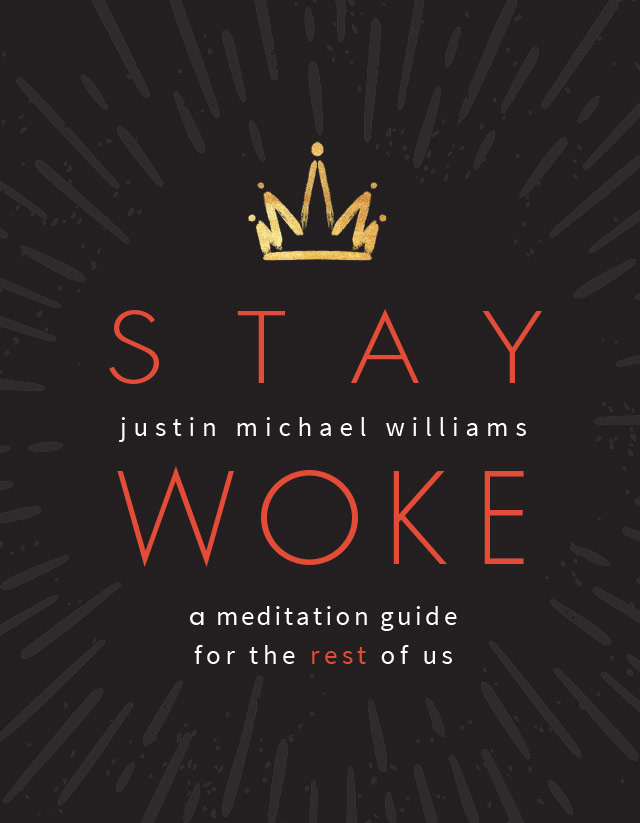
    Excerpted from STAY WOKE: A Meditation Guide for the Rest of Us, by Justin Michael Williams. Sounds True, February 2020. Reprinted with permission.
  • How I Finally Healed When I Stopped Believing a Diagnosis of Incurable

    How I Finally Healed When I Stopped Believing a Diagnosis of Incurable

    “The quieter you become, the more you are able to hear.” ~Rumi

    The quarantine has felt oddly familiar. That’s because I spent thirteen years largely homebound with a mysterious, viral-like illness. It even started with a cold on a flight back from Asia in 2005.

    My nose was an open faucet, and my head felt like the cumulus clouds outside my window. When I returned to San Diego, I was so weak and exhausted, I could hardly get out of bed. My brain and body were on fire.

    I couldn’t focus or recall names of coworkers. Although I’d previously been able to fall asleep in action movies and moving vehicles, I suddenly had severe insomnia. I existed in a perpetual state of tired and wired.

    I tried desperately to return to my profession as a broadcast journalist. But what good is a reporter who can’t show up for the evening news? Eventually, I lost a career and life I loved and retreated into my house.

    Well before the word quarantine splashed across TV screens, I began to live inside my four walls. I left merely for trips to the grocery store, if that.

    Doctors diagnosed me with chronic fatigue syndrome. Untreatable, incurable, hopeless. Labs showed high titers of Epstein-Barr and other obscure viruses.

    Specialists homed in on faulty mitochondria or bad genetics. They had ancillary diagnoses, too: fibromyalgia, post-viral syndrome, leaky gut syndrome, candida overgrowth, adrenal fatigue, interstitial cystitis. Etcetera.

    They stacked up like weights on my shoulders. I collapsed into an unrecognizable me.

    At thirty-five, in the prime of my career with hopes of having my own family, I was deflated. My scant strength went into researching remedies, fighting health insurance denials, and trying to save my house from foreclosure.

    My life as a TV news reporter went into an endless commercial break. Then, dead air. I was stuck in this morass for years, trying everything from anti-viral IVs to energy healers.

    I saw the best specialists in CFS/ME. Plus, Tibetan and Chinese doctors, shamans, and therapists. I rewrote the traumas and tried to flush them out with enemas.

    Nothing moved the needle on my symptoms much—not diets, supplements, or medications. Some made it worse.

    After more than a decade of dashed hopes—and finally, a pipe-smoking healer who charged $200 to tell me about her cat—I let go of hopes that someone else could fix me and turned to simple and small reliefs. It’s not that I gave up on healing. I stopped frequenting sterile doctor’s offices and smoky dens.

    That freed up long afternoons to watch ravens and snails, read poetry, and write my own poems. I’d sink into the words of Rumi, Rilke, or Eckhart Tolle. I’d meditate, chant Sanskrit, take short walks, and stretch into restorative yoga poses.

    I luxuriated in simplicity and slowness as if there were nothing better on earth. I looked for what was given rather than what was taken away. A still and contented mind replaced my busy and accomplished life.

    There was an intrinsic connection with the living world. From this messy, real, surrendered state, something magical happened: I recovered.

    Through an online writing class, I met a woman who healed from CFS. Kathy told me her story and heard my story. She explained how she did it, and I had an instantaneous remission.

    I went from being bed-bound to running around the block. Many times!

    How could words make my symptoms disappear on the spot? Kathy told me about the little-known but groundbreaking work of Dr. John Sarno. The late physician from New York University Medical Center helped tens of thousands of patients recover from chronic pain, fatigue, headaches, and other stress-related conditions by teaching them the origin of their symptoms: the way the brain is processing stress due to overwhelming emotions.

    I’d heard the only truth that made sense about my symptoms. They were physical manifestations of tension and trauma, not so different from PTSD.

    I felt them in my body, but the cause was in my brain. This explained why the sensations moved around, came and went, and shifted in intensity. Tissue damage doesn’t act that way.

    If you’re walking on a broken leg, it doesn’t suddenly stop hurting. If you have a tumor, it won’t wax and wane.

    My nervous system was trying to warn me of danger. It had become stuck in fight, flight, or freeze mode. Like a broken record with a deep rut, my brain had learned patterns of pain and fatigue.

    But brains are neuroplastic. I could rewire mine to feel well again! Hope filled me like spoonfuls of medicine.

    Over the next year, I retrained my brain with gusto. It had associated so many things with harm: foods doctors told me not to eat, activities they warned me not to do, anything that reminded me of the initial trauma and all the dominoes to fall in its wake.

    I started feeling my body sensations with curiosity, while reminding myself I was safe. I spoke to my brain as one would a frightened child, with kindness and confidence.

    “I know you’re creating these symptoms, but they are not dangerous. There’s nothing wrong with my body. I am not sick. I am resilient and strong!”

    It may sound woo woo, but imaging shows self-affirmation activates the more logical prefrontal cortex over the reactive amygdala. You could say I became the adult in the room rather than the skittish kid or the catastrophizing parent.

    Next, I began challenging my triggers, doing things that brought on symptoms, which is to say almost everything. I took baby steps back into the world, with indifference to the fatigue, pain, and brain fog. Slowly but surely, they subsided.

    It was working! I was retraining my very own brain.

    I also started feeling my emotions, instead of my lifetime habit of repressing them. I mourned the loss of my career, child-rearing years, ability to climb a mountain or feel okay in my body.

    After years of being frozen, I started thawing. That brought tears, along with sadness, shame, and anger. I wrote angry letters (and didn’t send them). I started telling myself it was okay to feel whatever I feel (and pausing long enough for that to arise).

    It took thirteen years before I understood that healing does not happen in a disempowered state. We must take back our power. We must believe in our resilience, despite evidence to the contrary.

    We must connect with the part of us that is already well and keep our attention trained on that. It could be our little toe, the energy inside our body, or a connection with something divine. We must not listen to those who tell us we are sick and broken beyond repair.

    When someone says there is no cure, we conclude that they do not have the answer for us and move on. We do not listen to those who make us feel scared or small. We seek that which makes us courageous and hopeful.

    As we gain confidence in our self and our inner wisdom, we start to feel safe and empowered. This works wonders for our nervous system, which works wonders for every other system in our body.

    Modern medicine offers life-saving therapy for acute conditions, such as infections, tumors, blood disorders, and illnesses with tissue damage that can be repaired. My beloved mom is alive twenty-three years after battling an advanced case of ovarian cancer, thanks to medicine derived from the Pacific yew tree.

    But allopathy has little success with stress-related symptoms, such as chronic back pain, pelvic pain, fibromyalgia, and irritable bowel syndrome. Dr. Sarno said that’s because it doesn’t yet recognize them as physical manifestations of emotional stress.

    There is little scientific evidence to show that viruses cause chronic fatigue syndrome. I relied on doctors armed with small-scale studies and their own best guess. Of course, I would have been thrilled if their treatments worked.

    But then, I wouldn’t have discovered the joy of healing, which I now see as a skill for life. It’s a self-written prescription for a more authentic and empowered experience.

    DISCLAIMER: This post represents one person’s experiences and beliefs, and one route to healing. It is not intended to diagnose, treat, or cure any condition or disease. Please consult a professional if this doesn’t speak to your personal experience.

  • I Got Fired for Struggling with Depression, and It’s Not Okay

    I Got Fired for Struggling with Depression, and It’s Not Okay

    About all you can do in life is be who you are. Some people will love you for you. Most will love you for what you can do for them, and some won’t like you at all.” ~Rita Mae Brown

    The stigma associated with mental illness has improved in recent years, but there is still work to be done.

    I am a certified life coach and a certified personal trainer. As an employee of a major global fitness studio chain, I was once discriminated against for my mental health issues.

    I have always been an athlete, and I love sports. Before deciding to go to college for engineering, I thought I’d take the medical school route with the goal of becoming an orthopedic surgeon—I was always fascinated with the body’s structure and how all of the muscles, ligaments, and tendons worked together. But I chose the engineering path and kept my athletic pursuits and fascination with body mechanics and such as hobbies.

    When I was going through my divorce, I decided to get my personal trainer certificate. I had been a stay-at-home mom and part-time photographer since my first child was born, and divorcing meant I would need to go back to work. However, I was not interested in a corporate cubicle job.

    I studied hard, took the exam, and quickly landed my first training job as a coach for a global fitness studio chain. The classes at this particular chain were basically high-intensity interval based, combining treadmill running, rowing, and strength training. The classes of up to thirty-something athletes were coached by one trainer who timed the intervals and explained the workouts.

    It was a very high-energy workout and atmosphere with loud, pumping music and drill-sergeant-like yellings of encouragement.

    The training for this position was an intense week-long ordeal. I worked my butt off during that week with no guarantee of a job (which they neglected to tell us until the week of training was almost over).

    When I was ready to teach my first class, I was excited and nervous, but I ended up loving coaching the classes. There were many unfit individuals who barely knew how to do a squat, and I loved not only teaching them but encouraging them and helping them believe that they could master these exercises and become good at them.

    I helped many people see themselves as athletes when they went from barely being able to walk for three minutes straight to actually running for three minutes straight.

    We had member challenges, including a weight loss challenge. I loved it, and given my background battling an eating disorder, this was my chance to come at weight loss from a place of healthy living—not losing weight to measure up to some ridiculous standard.

    After each class, members of my team would stay after to ask questions about nutrition, exercise, and recovery. I loved sharing my knowledge with them as well as cheering them on. I knew they could reach their goals, and they did. My team won the challenge.

    During this period of time working for this company, I was struggling with my own personal hell. I would show up to class to coach and put on my high-energy, happy face, blast the music, and yell those firm, but loving words of encouragement for my athletes to give it everything they had during each interval. But inside, I felt like I was dying.

    I lived with a sinking, sick pit in my stomach. I’d often leave the studio and cry in my car before going back to the lonely home that once housed a family.

    During my tenure at the studio, I was hospitalized for severe depression twice. Both times required me to take a short leave of absence—a few days the first time, and nearly a week the second time.

    I also took a last-minute trip on Christmas Day back home to see my family so I would have some family support for that first Christmas without my kids (they were with their dad that year). I got someone else to cover the class I was scheduled to teach.

    When I returned from my trip, I came back to work and taught my scheduled classes. As I was leaving, the head trainer and one of the main investors of all Maryland franchises made me stay so they could fire me.

    They told me that my performance wasn’t up to par and that they had to let me go.  

    Funny, I had never had anyone give me any indication that I needed to improve anything to keep my job. Not even in my evaluation with the head trainer—she gave me some constructive feedback but also indicated that I was doing a good job. There had been zero warning signs.

    After my departure, a large number of my students reached out to me asking where I was and why I wasn’t teaching anymore. When I told them the reason, they were appalled and angry. One or two even canceled their membership.

    They loved my classes and would come because they liked my style of teaching. I asked to see member surveys for my classes, but management refused to show them to me stating that “surveys don’t tell the whole story.”

    Other trainers, including another head trainer who had been with the Maryland franchises since the first location opened, thought the whole thing was absurd and offered that I could come back and teach at his location. As much as I loved coaching, I was still too upset at the way the company had handled my dismissal to take him up on his offer.

    I tell this story because what happened to me was cruel and heartless and should never happen to anyone who is genuinely giving their best effort in a job. It should never happen to anyone without proper warning.

    I was struggling on a level I doubt either the twenty-something head trainer or bougie investor ever had to endure, and they let me go for some made-up reason that, below the surface, really came back to my mental health struggle.

    Authenticity is a topic that is near and dear to my heart, and I feel that authenticity in the workplace is sorely lacking.

    All too often, we feel like we can’t show up as our authentic selves for fear of looking weak or incompetent. We need to be competitive and not show any sign that we aren’t anything but perfect for fear someone else might get ahead because of an incorrect perception (one that is wrongly distorted by mental health struggles) that others have of our ability to get the job done.

    I did my job as a coach and trainer, and I did it well. Ask any of my students. But on some level, management sensed my weakness and decided I didn’t fit the “brand image” of this very popular and trendy international fitness studio chain because I was struggling with mental illness.

    If you asked them, I am quite certain that they would argue their reasoning had to do with other factors, but the facts just don’t add up.

    I had never been let go from a job in my life. This added to my depression and anxiety. I understand that if I had not been able to perform my duties, that would have been grounds for dismissal. But I gave it my all and never received any negative feedback indicative of my job being in jeopardy.

    My struggle with depression at that time was no different than someone struggling with a physical illness.

    If I was undergoing treatment for cancer, I am quite certain this scenario would have gone quite differently. I am certain there would have at least been a conversation about the situation, rather than just flat-out making up an excuse that my performance wasn’t up to par and firing a single mom without another job to go to.

    We have to remove the stigma mental illness has in the workplace. We have to make it okay for people to show up and say, “Hey, I’m struggling right now. I am doing my best, but I’m having a hard time.” That shouldn’t be a weakness. If anything, it’s a strength to admit when you’re struggling and need some help.

    Are strides being made? Yes. But the disparity between the perception of physical illness and mental illness is still too great. This needs to change.

    How could my former employer have handled this differently?

    First of all, if they didn’t think my performance was good enough, they should have given me a chance to improve. They should have told me that I needed to change something, because I’m the type of person that, when given feedback, will do everything possible to nail it. At that point in my life, I was still firmly rooted in perfectionist mode, and the very thought of someone thinking I’m not perfect would have been enough to send me into a frenzied mission to correct that perception.

    If they were not thrilled with the time I had to take off for my hospitalizations and my last-minute trip where I had someone else cover one class, the head trainer should have communicated to me that it was unacceptable and given me a warning. That would have given me a chance to have an honest conversation about the struggles I was having.

    In even a minimally caring environment, it makes more sense to help employees succeed rather than throw them away the moment you don’t like them. It’s much more expensive to go through training a new employee than to try to improve one you already have.

    In the fitness industry in particular, I feel that there is little room for perceived imperfection, and there is even less room for a flawed trainer or coach. The fitness industry perpetuates the lie that trainers and coaches have their sh*t together—that’s why they’re the ones training you. That’s why you can’t get these results yourself—because you’re not perfect and you don’t know how to be perfect.

    Authenticity in any workplace is so important. When we are afraid to show up as ourselves with not only our flaws but also our gifts and talents, that’s where creativity ends. When we aren’t able to exercise our creativity, innovation is thwarted. And when innovation stops, that’s where everyone gets stuck.

    Looking back, I now know that I never want to be employed by such shallow and uncompassionate people, but I also know that just wasn’t the place for me. There is no place I want to be where I can’t show up as my true self and say, “Hey, I can bring a lot to the table, but I’m also flawed and I’m okay with that.”

    The reaction should be “Yeah, me too. Welcome to the club,”

    Because we are all imperfect. And that’s a fact.