Tag: vulnerable

  • The Antidote to Shame: I Know I Am Enough

    The Antidote to Shame: I Know I Am Enough

    “You alone are enough. You have nothing to prove to anybody.” ~Maya Angelou

    I grew up with a father who was an addict. When I was fourteen my dad hit rock bottom and lost a job with a six-figure salary, my parents separated, my dad went to rehab for alcoholism and sex addiction, and I learned my dad had been cheating on my mom.

    My dad’s immense shame for his actions led to him being on suicide watch in the rehab hospital where he was staying. Even though I knew the word “shame” at the age of fourteen, I was not acutely aware of what it meant. But looking back, this was not only my dad’s overwhelming feeling, but also my own emotional state.

    I can remember a Sunday school member, from my mom’s class, coming over to give my mom a check to help with our house payment. It was such a wonderful, kind gesture, but I felt so embarrassed that my friend’s parents were giving up their own money, money they could use for themselves, in order to keep a roof over our heads.

    My feelings of shame deepened as I found our family depending on church and family members to keep us financially afloat.

    My mom was so depressed that our home quickly became a mess, which further isolated me, because I felt too mortified to invite friends over. I was deeply ashamed of my dad and our messy home, and without realizing it, I started to develop feelings of inadequacy.

    In my fourteen-year-old mind, my family defined who I was, and their mistakes left me feeling not good enough and not worthy. 

    At this young age I had never heard Maya Angelou’s words, “You alone are enough,” so I tried to prove my worth by getting a job at the young age of fourteen. And my work, school, and activities at church became a means to prove to others I was good enough.

    Now, at the age of thirty-nine, I still recognize this tendency to demonstrate my value to others. Because of my story, I will likely need to work at reminding myself of my beauty and worth for the rest of my life. Maybe this is true for you as well.

    I’ve realized that shame led me to spend a great deal of my life being a plastic surgeon of sorts, who constantly tried to cover up my imperfections. Shame encouraged me to keep a perfect house, always wear makeup, and to build a resume that said I was somebody.

    Obviously it’s not a bad thing to keep a clean house, maintain your physical appearance, or obtain graduate degrees. I don’t regret some of the accomplishments I’ve made along the way, and yet I’m aware that I’ve worked myself to death at times, in order to validate my worthiness.

    Shame is the voice in our heads that questions our own worth and beauty, and the devil on our shoulder that convinces us we don’t measure up.

    For me, it has been incredibly important to let go of the need to be perfect, in the process of healing my shame. If I don’t have to be perfect, I can then be honest and vulnerable with friends about the struggles I am facing in life.

    Early my marriage, it was important for me to create the illusion that I had the perfect marriage. But if you are married or in a relationship of any kind, you know sustaining a partnership can be incredibly tough. When I started to open up to my friends about this, I noticed they were more open with me about the struggles in their relationships.

    When we start to share the painful aspects of our story with others, it’s often as if we can hear the crickets, cicadas, our friends, and all of creation join in a mighty chorus of “me too.” And once we hear the “me too” somehow it normalizes our story, and reminds us we are all on this journey of being human together.

    Another important tool for me on the quest to free myself from shame has been to find people who offer me empathy and acceptance. 

    Shame can be a very isolating feeling that makes us feel like we are sinking in quicksand, but when we keep our story to ourselves, our profound feelings of self-loathing deepen and we descend further into the sand. However, one antitoxin to avert shame is finding safe people who will receive our stories and help pull us out of the sand that traps us.

    How do we find these people? I encourage you to think of someone in your circle of friends, at your workplace, in your family, or at your place of worship who is accepting, empathetic, free of judgment, and who it just feels good to be around.

    The person you are likely thinking of is type of person who kindly remembers when you’ve had a recent death in the family, and when they ask you how you are managing with the grief and loss, you really feel that they care about you.

    This is someone who it feels safe to share your darkest secrets with because you believe this person will confidently hold your story.

    When I was a teenager, the first people I really trusted to share my shame and pain with were counselors, the youth leaders at my church, and eventually I opened up to trusted friends.

    It can be incredibly scary to open up to others with our shame stories, and yet when we find the audacity to share parts of ourselves we are hiding, we then start to find our voice, see our strengths, and recognize our shared humanity with others.         

    It is so healing to experience people who receive our shame stories and who see and affirm us, even when we feel unworthy of this love. And even though I am aware these external voices of affirmation are paramount in the task of healing the shame that binds me, I am aware the most vital voice is my own internal voice.

    It is so important for us to see our beauty, accept ourselves, celebrate who we are, and to know that we matter. So when we start to doubt ourselves, it is very important for us to remind ourselves that we are enough.

    Knowing that we are enough means that we see our gifts. So what are the gifts we have to offer the world? And do we know deep down in our soul that we are enough? It is crucial in the process of healing the shame we internalize, to start affirming ourselves and our value.

    I have turned one of my favorite Maya Angelou quotes on it’s head and made it into the following mantra:

    Take a deep inhale and exhale and then say out loud or in your mind’s eye:

    I am enough.

    Take a deep inhale and exhale and then say out loud or in your mind’s eye:

    I don’t need to prove myself to anyone.

    Don’t end up like me and waste way too many years trying to prove your worth. You are complete, beautiful, and worthy just as you are.

    Let’s give up the exhausting task of becoming plastic surgeons who try to cover up our blemishes, and instead remember that our scars are actually signs of strength, life, resilience, and beauty.

    Instead of being a plastic surgeon who masks and hides shame, I am now making it my mission to become a soul surgeon. I believe the task of a soul surgeon is to operate on shame through: naming our vulnerabilities, surrounding ourselves with people who celebrate us, and making sure we find a voice from within that knows our own worth and value.

    We are truly enough. May we let this knowledge settle into our mind, bones, flesh, heart, and every part of our being.
  • How Embracing My Sexuality Helped Cure My Need to People Please

    How Embracing My Sexuality Helped Cure My Need to People Please

    “If you are busy pleasing everyone, you are not being true to yourself.” ~Jocelyn Murray

    The love I felt for her wasn’t like the romantic love our culture idealizes in books or movies. There was no moment where I knew that she was the one for me, and I didn’t feel lots of butterflies when our paths crossed.

    Instead, the love I felt for her was deep and sustaining. While she is one of the most kind, gentle, and loyal people I had ever met, the way she loved me was the most remarkable thing to me. I could be completely vulnerable with her and feel no shame. I felt supported and embraced. Through her love, I felt restored, and it deeply affected my sense of love and belonging.

    I was extremely surprised when I realized that I had romantic feelings for this woman. What fueled this surprise was the fact that I had always identified as being straight. While my mother is very accepting, the South—where I grew up—is not always the most supportive place for homosexuality. I felt shame from my religion, some friends and family, and myself.

    Unfortunately, I soon became aware that there was deep homophobia hidden within me. While most people would always describe me as accepting and liberal, there was a huge part of me that felt absolute shame for liking a female.

    What would all my conservative, religious family and friends think of me? Would they love me anymore? Was I going to hell? These were just some of the questions that ran through my mind.

    I came to a point where I realized that no matter what people thought, if the opportunity ever arose for us to be romantically together, I would seize it. I wouldn’t be ashamed due to her gender; in fact, I would love to shout it from the rooftops (or write about on Tiny Buddha), because even just the act of loving someone so incredibly beautiful has brought me tremendous joy and healing.

    Here are a few lessons I’ve learned through embracing this part of myself about the need to please and letting go of seeking approval.

    1. “You cannot live a brave life without disappointing someone.”

    I was watching an interview with Oprah and Brené Brown recently. Oprah said the exact statement written above. This hit me right in the heart. Surely this couldn’t be true. Do I really have to sometimes disappoint people to be brave? Like many humans, I have this need for people to constantly approve of me.

    I remember when I told one of my best friends about how I felt about this woman. I knew she would not agree with me being confused about my sexuality, and I was so unbelievably terrified. I was afraid I was going to lose one of the people I loved most in world.

    When I finally got the words out, she responded in a very kind way. Though she did make it known that this was not a part that she agreed with, she promised to love and support me through my journey. This brings me to my next lesson.

    2. Some people will not be okay with your decisions. Challenge yourself to be able to accept their position as well as your own.

    I was very aware that I had family and friends who were not going to approve of this part of me, but I was curious if I could still maintain the relationships.

    I realized that if I was not seeking approval, my friendships could continue to grow. I came to the realization that, while it was nice if everyone supported my decision, I really didn’t need every single person to agree with me. As long as they still chose to respect me and love me, their opinion on my choices were their business.

    That being said, I know it’s very difficult when close friends and family don’t agree with something fundamental to your sense of self, especially when it does not seem like they are going to change their opinion.

    I’m still in a process of learning how to handle this in a healthy way. I do know that when I am unfailingly kind and loving toward myself, it helps lessen the weight of other people’s opinions, because how I view myself comes first.

    3. Boundaries, boundaries, boundaries

    This is one of the hardest things for people who seek approval to implement. I have found with this experience, I have to set boundaries for what behaviors I will tolerate concerning other’s reactions. This is applicable to all areas of life. It’s important to set boundaries as to what is okay and not okay in interacting with others.

    I will tolerate questions. I will tolerate confusion. I will tolerate respectful disagreement.

    I will not tolerate blatant rudeness. I will not tolerate ignorance. These are my boundaries. If people cross these boundaries, I will politely inform them that they have overstepped a line and I will not be participating in a discussion with them concerning this topic anymore.

    4. I want to choose to be vulnerable every day no matter how hard it feels.

    There are times in my life that I have regretted not being 100% authentic. But not once when I look back, have I ever regretted being vulnerable.

    Sometimes it doesn’t feel the greatest afterward. I call that a “vulnerability hangover.” It feels like this giant pit in my stomach and I feel tired, but eventually it goes away. While they usually seem scary, the best decisions in my life have usually also been the most vulnerable ones.

    I don’t believe in defining my success on external factors such as getting a job, getting married, and traveling the world. Instead, I aim every day to be more vulnerable and braver than the last. There will be days I will fail and hide behind fear, and that’s okay, because I am imperfect and filled with flaws. On the days that I do choose to be honest and open, I feel like my soul is on fire.

     5. Be willing to refine who you are.

    When I first wrote down this lesson it read, “Be willing to redefine who you are.” But, I realized that I don’t think we can, or even need to, “redefine” who we are. Instead, I believe we should refine the already beautifully imperfect person we have become.

    When I realized that I liked this woman, it made me examine myself differently. I had always seen this picture of me being with a man. All of the sudden that story seemed very fuzzy now. It actually brought a bit at sadness at first and I let it be. This picture of my relationship for the future came shattering down, and I realized that I didn’t want to pick up the broken pieces. Instead, I want to create a new picture. Except this time, I want to refine it day by day and let it be ever-changing.

    6. Do what’s best for you first and everyone will benefit.

    I’ve learned that self-love is like a waterfall. When I am doing what is best for me and feels right in my truth, it trickles down to the people in my life.

    I have found that when I am living authentically and loving myself, my actions toward others are more loving and honest. While I still may not be or act exactly how someone wants me to, if my intention is loving, that’s all that matters. When you act in an authentic way, everybody wins.

    I don’t know what the future holds for me—much less my love life—but I am confident that whatever it holds will be beautiful, because it will be honest, vulnerable, and authentic. More importantly, it will be beautiful, because my decision won’t be based on someone’s opinion of me. It will be my truth and my story.

  • Why It Takes Strength to Be Vulnerable, and Why It’s Worth It

    Why It Takes Strength to Be Vulnerable, and Why It’s Worth It

    “Vulnerability is our most accurate measure of courage.” ~Brené Brown

    When we’re younger, we’re fearless. We don’t mind climbing trees, making friends with strangers, or telling our secrets to people we’ve just met. We open our eyes and hearts to new experiences and people, and we trust that everything is going to be okay.

    Somewhere along the way, we learn that being vulnerable can hurt.

    We get teased or laughed at, and we learn that not everyone can be trusted with our secrets. Our knees get bruised and our hearts get broken.

    I don’t fall in love easily. So, when I tried to heal myself and get back out there after a significant relationship of mine came to a halt, it was a big deal for me. Six weeks in, he cheated on me.

    It didn’t matter that it was at the start of the relationship; the point was, I had been vulnerable with him, and he was the first person I’d opened up to in a long time.

    The shock of being lied to and cheated on felt like a punch to my stomach. I felt like my insides were being ripped out, that someone could betray me in such a vile way.

    I felt small and insignificant, and I hated that I had given someone the power to affect me that way. 

    I ended things and crawled forward with my life. However, the betrayal had put me on high alert to other people’s capacity to hurt me, and I shut down.

    Toward the end of last year, I decided to take time and space to figure out what I had the capacity to offer anyone, what it was that I was giving, and what it was that I desired in return.

    My answers left me with a bitter taste in my mouth: If someone had betrayed me in such a vile way, in such a short amount of time, how could I risk getting hurt again?

    I remember speaking to a friend about this. I told her that I knew the inherent risk that accompanied vulnerability, and that I wished it were different. She asked me what I learned from the experience.

    I explained to her that the experience would give me an extra amount of empathy when clients and friends came to me describing their experience of infidelity.

    Also, I was lucky it had happened sooner rather than later, when I was more invested.

    Then I explained that the experience gave me the strength to know that I could walk away from the relationship when my non-negotiable value of honesty and trust was compromised.

    Most importantly, being cheated on forced me to evaluate my values and how I was going to love and be loved.

    I know that I won’t compromise on honesty, loyalty, passion, and kindness. My strength is in my honesty and the way I can open up to others; the only fault was doing so to someone who took that for granted and didn’t share the same values.

    I wish I didn’t have to spin the situation to find a lesson, as bluntly put, being cheated on sucks. But the only mistakes we make in life are the lessons we don’t learn and use the next time around.

    Though I could recognize these lessons now, at the time I could feel myself withdraw. I asked questions like, Why does anyone bother being vulnerable when we just get hurt? What’s the point?  

    At one stage I told myself that perhaps strength involved complete self-sufficiency, and that I would hold other people at arm’s length. I rationalized that if I didn’t let people get close to me or allow myself to be so vulnerable, then I wouldn’t be in that position in the first place.

    Then I thought about the best moments in my friendships and relationships. There’s the ones where we’re silly and laugh until we cry. The ones where we reveal our deepest fears and insecurities, and the other person tells us that we’re great anyway. The ones were we dance through the world together knowing that we have the freedom just to be ourselves.

    So, here are the important lessons after my betrayal, my hiatus, and my re-evaluation of vulnerability.

    Being hurt is never wasted if we take the lessons with us.

    Being hurt is a byproduct of being human. I very much doubt that there is anyone who has passed through the world without experiencing pain.

    The smartest are those who take the lessons with them so they don’t make the same mistake twice, and the strongest are the ones who learn and keep living with an open heart. The most admirable people are able to do both.

    We can’t have genuine connection without authenticity.

    The most meaningful connections are the ones where we reveal a part of ourselves.

    If you tell me that you can build a genuine connection without showing a part of yourself, I will say that’s impossible.

    I would rather remember that being vulnerable takes strength than sit alone in my ivory tower watching the outside world go by. And I would rather be remembered as the girl who cared too much than the one who couldn’t and didn’t build meaningful connections.

    I am not going to be frivolous or foolish with my heart, and though I am learning who to let into it, I will not shut myself down to the two things my soul needs: the freedom to be genuine and live my life, and the capacity to build genuine human connection, whether that’s with friends, romantic interests, or with strangers.

    There is no shame in being hurt, because these hurts can be lessons in disguise. I have learned red flags in other people that I can now recognize better than ever before, and I’ve re-enforced my own non-negotiables and core values.

    Ultimately, even though we shy away from being vulnerable, due in part to our experiences and our defenses to being hurt, being genuine, open, vulnerable perhaps takes the most strength of all.

  • How to Connect with Others and Feel Less Alone in the World

    How to Connect with Others and Feel Less Alone in the World

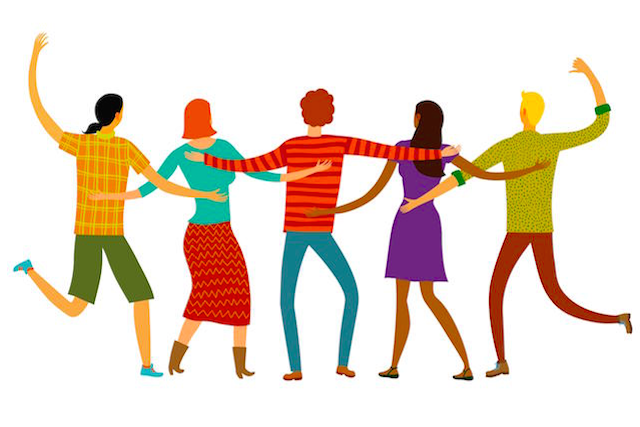
    Friends holding hands

    “Vulnerability is the birthplace of connection and the path to the feeling of worthiness. If it doesn’t feel vulnerable, the sharing is probably not constructive.” ~Brené Brown

    There is very little in life (if anything) more important than our relationships. How connected we feel to others is a strong predictor of our happiness and our feelings of self-worth.

    From a neurobiological standpoint, we are wired for connection. Our deeply connected relationships can ultimately give us true meaning and purpose.

    But, if we’re feeling disconnected, alone, and segregated from those around us, how can we become more connected? Why does it seem so easy for some to create deep connections while it’s hard for others?

    My Struggle for Connection

    My struggle for connection came after I broke up with my then-best friend in college. Without that deep connection that I had once shared with her, I realized that my other relationships were pretty shallow. I didn’t have anyone in whom I could confide. There wasn’t anyone to whom I could reveal my true self. As a result, I had never felt more alone.

    At the same time, I was surrounded by people. By “friends.” I had cultivated many relationships, but somehow none of them were truly genuine.

    As I struggled with my loneliness, I realized that my lack of connection stemmed from my unwillingness to be vulnerable.

    I had an intense fear of being rejected, or of being seen as unworthy—unworthy of love, and unworthy of belonging. As a result, I would change myself to fit the situation and person or group I was with.

    I would hide parts of myself I felt were controversial or might be frowned upon in some way. I was desperately seeking connection, and changing myself in order to be closer to others without being rejected, but as a result I was feeling less connected than ever.

    In short, what it boiled down to was that I was ashamed of being myself, because I didn’t feel that I was good enough.

    It took a long time (more than a year) for me to work through my feelings of inadequacy and lack of self-worth. Through that, I learned many things about connecting with people in a deep and meaningful way.

    1. Be authentic.

    It took a considerable amount of courage, but I learned to tell everyone who I really was at all times.

    I started telling others all about what I have been through, about my failures and what I have learned. I wasn’t able to be friends with everyone as a result of sharing myself so openly, but the relationships I did form through doing this were much more fulfilling.

    Sure, I felt uncomfortable at times, and sometimes I felt rejected by people. But, I also felt honest, and proud of being true to myself.

    Be imperfect. Your imperfections are what make you beautiful and interesting!

    2. Show yourself compassion.

    I had to learn to be kind to myself. I had to stop putting aspects of myself down. Previously, I felt insecure because I didn’t think I was funny, and I hated my facial expressions, but i had to stop believing that certain parts of me were unworthy of being. I had to truly believe that I was worthy of love and belonging.

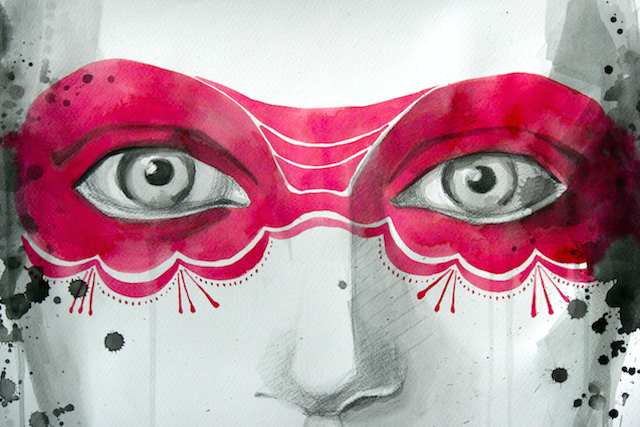
    I allowed myself to make mistakes. I allowed myself to take care of my own needs. I started treating myself how I believed everyone should be treated.

    You must learn to show yourself compassion before you can truly be compassionate to others.

    3. Embrace vulnerability.

    I cultivated an awareness of my fear of vulnerability, including when I would run from it, and instead forced myself to face my fear.

    I invested in relationships even though there were no guarantees. I showed when I was hurt. I told people how I felt, regardless of how it would be perceived. I opened myself up to the possibility of rejection and thus became truly vulnerable.

    Opening up to vulnerability was difficult, and this process took a long time. Try and be aware of when you run from vulnerability and push through it. In the longrun, you will be so glad that you did.

    Vulnerability isn’t just essential for creating deep and lasting connections with people, it is also the birthplace of joy, creativity, and a sense of belonging and of love.

    The willingness to be completely vulnerable is necessary to feel worthy. If you’re not vulnerable, and you never put your true self out there, you will never know that you are worthy of connection. We all are.

    4. Don’t numb emotions.

    I was lucky enough not to do this, but I’ve learned (and there is lots of psychology research to back this up) that we cannot selectively numb emotions.

    You can’t say, “I don’t want to feel anger or jealousy or vulnerability. Let’s leave those out, and I’ll just take a dose of happiness instead.” Unfortunately, it doesn’t work like that. If you try to numb the negative emotions, you’ll end up numbing everything.

    If you numb everything, you no longer feel happiness, joy, or love.

    5. Don’t mistake vulnerability for weakness.

    Our willingness and ability to be vulnerable, to put ourselves in a state of emotional risk, exposure, and uncertainty, is our most accurate measurement of courage. It is absolutely not weak to expose yourself.

    Show me a man or a woman who tells someone, “I love you,” for the first time, without any certainty of reciprocation, and you will have shown me one of the most courageous human beings in the world.

    If we want to connect with people, we absolutely have to get over this idea that being vulnerable is synonymous with being weak.

    This also ties back into compassion—we must be compassionate to those who show us vulnerability. Do not judge them, or make them feel weak for having done so. Look upon them as the truly courageous people they are, and applaud them for that.

    Friends holding hands image via Shutterstock

  • Falling Apart at Inconvenient Times: Why There Is No Shame in Public Pain

    Falling Apart at Inconvenient Times: Why There Is No Shame in Public Pain

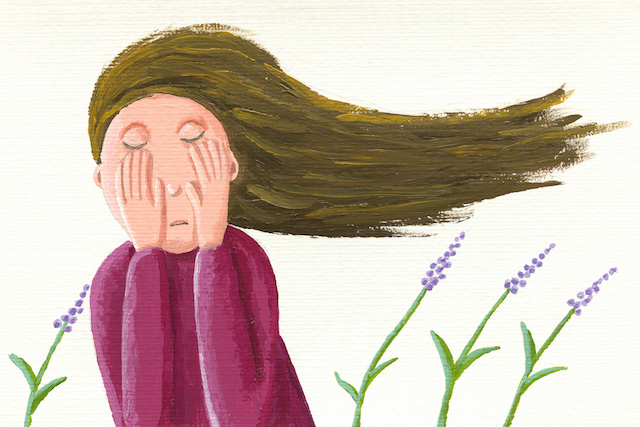
    Sad Girl

    “The major block to compassion is the judgment in our minds. Judgment is the mind’s primary tool of separation.” ~David R. Hamilton

    On the evening of October 28, 2014, the phone rang. When I heard my stepmother’s voice, immediately, I thought, “This can’t be good.”
    Last I had heard, my father was resting comfortably after routine surgery earlier that day. Now it was past midnight in North Carolina.

    “Jill,” my stepmother implored, “please talk to the nurses. I have no idea what they are trying to tell me.” Sometimes we cannot listen to what we do not want to hear.

    The nurse came on the phone and confirmed my worst fears. My father had suddenly become septic and was quickly heading into multiple organ failure.

    In her “I’m trying to tell a complete stranger her father is dying in the nicest way possible” kind of voice, the nurse told me I might want to make plans to get out there as soon as possible; now would be good.

    I booked the first available flight. Sleepless and terrified, I boarded the plane. After settling into my seat, a lifetime of Dad memories raced through my mind. A lump in my throat began to rise and swell at the thought of seeing my father, helpless and frail, making his way from this world to the next.

    “Please don’t lose it on this plane,” I carefully cajoled myself.

    A distraction seemed in order, so I put the earbuds in, set the music to shuffle, and held my breath. As luck would have it, the first song depicted a powerful tale of loss that felt like an illuminated road sign on a dark, lonely highway. Death is a road we all travel.

    When I heard the words of my own story, told by someone I had never met, I couldn’t hold back anymore. First a few quiet tears, followed by the full-on ugly cry—right there in row 17, seat C.

    “Oh dear,” I thought, “I am officially that person.”

    We all know that person: the one who breaks into tears in the grocery line after discovering “happily ever after” was not to be. The co-worker stifling sobs behind the fourth-floor bathroom stall when he learns he is next to be downsized. Or, in my case, the middle-aged woman in 17C trying desperately to get home in time to say goodbye to her father.

    Amidst heaving sobs, I glanced across the aisle and met the gaze of a fellow passenger. With only his eyes, he kindly whispered, “Yep. You’re that person.” With only my eyes, in return, I answered, “Yep. You’re right.”

    It was as if life had stolen my undergarments and hung them in the public square to dry. I felt exposed, raw, ashamed. If only my feelings would have shown up on schedule, preferably in the privacy of my own home, thank you very much.

    Humans can be parsed into two categories: those who have been that person and those who will be. Like a rude party guest, the unsoothable pain of loss can show up, uninvited, at the worst possible times and demand from us things we don’t want to give.

    So often we shun grief or sorrow that cannot wait for a convenient time to be felt. Perhaps witnessing another’s sorrow ignites our own, so we create a safe distance with our judgment: “Some people really oughta learn how to keep it together.”

    We wouldn’t tell a child in pain to knock it off and keep it together. Why would we say this to ourselves? Why would we demand this from others?

    I regret to inform you feelings cannot be scheduled. There will be moments when the thread unspools faster than we can wind it. This is okay.

    Feelings do not need to be fixed because they are not broken; neither are you.

    It is when we are most vulnerable that we are most deserving of our own loving-kindness. Those song lyrics and the compassion in my aisle mate’s eyes were the only things I needed that day. While it didn’t make the pain stop, I did feel a little less alone with it, which made all the difference.

    We know that person because we are that person.

    When it is your turn in the cosmic hot seat, I invite you to offer yourself the blessing of your own loving grace. Speak to yourself as you would a child in pain. If you get the honor of bearing witness to another’s unspooling, why not offer your fellow human the same blessing: I see you. I hear you. I love you.

    Sad girl image via Shutterstock

  • No Matter What You Tell Yourself, There Is Nothing Wrong with You

    No Matter What You Tell Yourself, There Is Nothing Wrong with You

    “I wish I’d had the courage to live a life true to myself, not the life others expected of me.” ~Bronnie Ware from Top Five Regrets of the Dying.

    I wish I could remember the exact moment I mis-learned that being myself wasn’t going to cut it.

    It happened early. Maybe kindergarten. I didn’t do it consciously, but at some undetectable moment, I put my real self in a box and created someone else. This new me was so much better—always happy, very accommodating, super quick and witty, and an expert at everything.

    This new me was almost impossible to maintain. She required constant observations, self-sacrifices, and living in fear of being found out. But I knew she was necessary. The real me was not an option.

    Why? Because something was wrong with me. Even in elementary school, I had come to an unfortunate conclusion: Everyone is better than me. I can never let anyone see that.

    There was evidence. I had the only divorced parents in a conservative suburb. I had stringy hair that never congealed into the halo formation I desired no matter how much spray I applied. (It was the eighties!) I didn’t own any brand names. And, worst of all, my father was gay.

    My dad never told me he was gay. He just was gay one day when I was ten. The problem was, he left my mom for a man when I was three. That left seven years of deception in between.

    I went to gay parades with him because he “had some gay friends.” I slept over at the house he shared with his “roommate.” So when my mom finally sat me down to tell me the truth, I was shocked. And betrayed. They’d both been putting on a show for seven years. Why?

    My ten-year-old brain assumed they must have hidden it because it was supposed to be hidden. In a time before Ellen or even an inkling of gay marriage talk, I figured this was a secret so shameful that nobody should know about it.

    I wasn’t against my father or against homosexuality. I was against being different. Flawed. Weird. I was surely the only girl in elementary school who had seen assless chaps at a street fair. I wish I had owned it and flaunted a rainbow flag backpack, but I couldn’t then. I was too obsessed with being ‘the same.’

    I decided not to tell anyone. Not my friends. Not my teachers. No one.

    But a story has all the power when the only place it’s allowed to live is inside you.

    Keeping up a constant lie is exhausting. The anxiety alone about being found out can overtake your body. It controls the way you speak, the way you breathe, what you choose to share with friends. The latter kept all my friends at an arm’s distance. I craved so badly to feel closer to them. Connected. But connection was too scary.

    Six years after I found out about my father’s true self, he fell into one of his many deep depressions and took his own life.

    I had just gotten my driver’s license. His phone was off the hook, and I drove against my mom’s rules to see him. His apartment was a den of depression and his 6’5” body thinner than I’d ever seen. I gave him a hug, and when I drove away, I had no idea it would be our very last hug.

    At sixteen, there were few conclusions for me to make besides: See! Something is seriously wrong with me. My dad didn’t even want to stay to see me grow up.

    Outwardly, I pretended it was no big deal. I cried alone in my room, in my car, places where nobody could see. I wanted to rewind it all. I wanted to change everything. I wanted to go to sleep for years and wake up a happy adult with it all figured out.

    I jumped further into people pleasing. That guy needs a date to something? Let’s go. My teacher is handing out extra credit? I’ll do double. Smile. Smile. SMILE! I got my grade point average to 4.5 and was crowned homecoming queen. (Kids, take notes! You too can become homecoming queen if you simply accommodate every single person who is not you.)

    I went to college far away to get away from myself, but my self followed. My fear. My pretense. My anxiety followed. And as I compared my family to an even broader spectrum of strangers, it got worse.

    The only time I would talk about my personal life was when I was drunk and making jokes. Once a salesman told me to buy a present for my father. I laughed and said, “My father is in the ground!” Then I walked out of the store laughing as if it was the funniest thing I’d ever said.

    Years after college, I met a girl in a writing class. She was the tiniest person I’d ever met and had a voice to match. It happened that our leases ended at the same time, and we had a frank conversation about becoming roommates.

    “I am a loner,” I told her.

    “Me too. We can close our doors and we’ll know that it’s not a good time. Let’s do it.”

    We moved into a two-bedroom apartment in Los Angeles, and one month after combining our silverware, this girl washed the dishes I’d left in the sink. I didn’t get it. She wasn’t my mom. She didn’t have to. I could not grasp the concept of someone else actually wanting to do something for me without being forced or wanting something in return.

    She also insisted on driving me to the airport or paying for dinner or seeing if I needed anything from the store. She simply wanted the best for me. She was offering me the connection I’d craved, and I didn’t know how to handle it.

    We would lie on the carpet at night and stare at the popcorn ceiling. I tried to be vague when she asked me about my life. I was used to short answers, accustomed to my motto: Get done with the talking fast so the group can move on to someone better. But she wouldn’t let me off the hook.

    She reached for me. She held my hand. I’d never experienced such intimacy with a friend. I recoiled at first, but she persisted. It’s like she knew the terror inside my head—the terror to be close, to be discovered, to be guilty. She knew, and she was guiding me through.

    And so I told her my truth. I let it out. And she told me hers. And we cried and we laughed and we didn’t stop until our lives made a pile on the living room floor. She didn’t hate me. She didn’t abandon me. She didn’t tell me I was weird or different or wrong. She just held me and said it was all okay.

    At twenty-eight, she was my first real friend. At twenty-eight, I finally grieved openly for my father.

    This first friend of mine began to unravel the mask I had spent years sewing. She pulled the first thread, and then I began to write, which untied me even more. I posted an essay about my father on my blog and was met with solidarity and hugs. And love.

    Being real felt suffocating at first. I had to get used to awkward pauses when I’d say the word ‘suicide.’ I had to learn to relax and not be on constant alert during conversations in order to say the wittiest response first. I had to admit when I was wrong or didn’t know. I had to be willing to show others my imperfection.

    I’m still working on it all. Every day. But since I came clean, my world is completely different. I drink less alcohol because I don’t need to hide from my own terror-filled brain. I have a set of friends with whom I can share every tiny detail about myself. I feel fulfilled. I feel honest. I sleep well.

    And most of all, my story has lost its power. Once I began saying it out loud, I realized that every single person has felt shame at some point. No one thinks she or her family is perfect. But it takes sharing to find that out.

    I felt such a relief from letting go of my secret that it became my mission to spread the word.

    I started a show in Hollywood called Taboo Tales. I help people take their secrets and make them into emotional comedy pieces they tell on stage to a big crowd of strangers. It’s a mini version of what I’ve experienced over the last seven years. People get to tell their story, feel a relief from letting go, and then find immediate solidarity from the audience.

    Brene Brown says, “When we deny the story, it defines us. When we own the story, we can write a brave new ending.”

    It is the absolute truth. I have seen it firsthand countless times on stage. And I experience brave new endings every day. I have an entirely new life after learning to become vulnerable. To tell it all. To own what’s made me who I am. To be proud of my cool, gay, leather-wearing dad!

    Sure, I’m still working on figuring out who I am after faking it for so long. But I know for sure I’m doing my best. And I’m not following in my father’s footsteps. He let his shame simmer inside of him until it was too much. Not me. Vulnerability saved my life.

    If you’d like to taste some vulnerability, you can start with a tool I use in my Taboo Tales workshops. Set a five-minute timer and write a list of all the things you would never share with anyone else. The timer makes you keep going, and you’ll be surprised at what comes up.

    Take one of those things on your list—the scariest one— and write about it. You can burn everything later, but just getting the story out from inside where it festers is a necessary step. See where that takes you. Maybe read what you wrote to one person if you can.

    If not, start with small truths. Post an honest picture on social media instead of something posed and perfect. Let someone see your messy house or car when you may have made an excuse in the past. Respond with anything other than ‘fine’ when someone asks you how you’re doing. And something I really value in my own life: tell the truth when it’s time to break plans.

    “I’m really too depressed to hang out today” is actually what a good friend would want to hear instead of “I can’t make it.” Your honesty could open that friendship up to new and more intimate conversations.

    Friends are really important in your path to vulnerability. Could you tell any of those items on your list to a friend or two? If you feel like they would all judge you, maybe you could use a new, cozier friend. They’re out there, I promise.

    And one last tip: participate less in gossip. One thing that keeps us holding ourselves back is the fear of being judged. So I challenge you to not be a part of judging on the other side either. Once you begin letting go of your own judgments against others, the idea of being judged yourself becomes less scary.

    Tips or no tips, the goal is to tell your story, whether it’s big and taboo or not. Start small and work up to letting it out in whatever ways you can. Hey, if you want to start below, let’s make this comment section a judgment-free space where everyone’s allowed to share whatever it is they can. That can happen on the Internet, right?

  • 5 Ways to Create Amazing Friendships

    5 Ways to Create Amazing Friendships

    Friends

    “To have a friend and be a friend is what makes life worthwhile.” ~Unknown

    Studies show that perhaps the most important component of psychological well-being is not family, material possessions, or career successes, but rather our friendships.

    For someone like me, that is terrifying news.

    I have few friends. There are several reasons for that: I’ve moved often throughout my life, I’m an introvert, and I was always deeply afraid of rejection. But the root cause was that I never learned how to be a friend.

    Books and movies became my source of information about friendship and, as a result, I had wildly unrealistic expectations. People constantly disappointed me; I was hurt by and fought with every significant friend in my life.

    My inability to create and maintain authentic relationships brought me great pain. I wrote myself off as a loser, inherently flawed, and doomed to be friendless. Luckily, I realized I could teach myself to be a better friend and build meaningful connections.

    Now, I actively seek out new friendships, evaluate my current ones, and fully invest in continuing those that have all the elements of an amazing friendship. It isn’t easy, but it’s worth it.

    It is never too late to learn to be an amazing friend.

    Here’s how:

    1. Make conscious choices.

    I never actively chose my friends; they were based on proximity and convenience. Most of those friendships didn’t last because I hadn’t chosen wisely, or at all.

    Now, I’m selective about who I choose to be friends with. This doesn’t mean that I think I’m better than others. It simply means that I understand how much energy and effort it takes to be an amazing friend.

    It’s possible to choose anyone, no matter their religious, political, or social beliefs. I’ve learned that what matters is to choose people who lovingly challenge and provoke you, who consistently comfort and cheer you, and who wholeheartedly embrace your gift of friendship—as you do theirs.

    It also doesn’t mean you shouldn’t maintain the friendships you already have, even if they began by accident.

    I met my best friend in seventh-grade PE class. We are radically different people. While I didn’t consciously choose to be her friend, I do choose to continue investing in our friendship because we are mutually committed to having an amazing friendship and actively practice the other elements on this list.

    2. Learn to listen.

    What is the value of a friend? For most of us it is to have someone with whom we can share our feelings, hopes, pains, and fears—without judgment or ridicule. Even though our desire is to be heard, we never learn how to truly listen to the intimate expressions of one another.

    I always loved when people would tell me their stories, and I always responded by giving advice. People often said I should be a therapist, which only intensified my tendency to listen by offering opinions and solutions. I now understand that I wasn’t really listening to people in a way that facilitates amazing friendships.

    An important coach taught me that a true friend understands that each one of us has the answers within us. If I am listening to you in order to come up with an answer to your problem, I’m focused on my need to fix and save and not yours to explore and share.

    This doesn’t mean we can’t share our insights or give feedback, but it does mean that we need to learn to listen to and for the other—not to validate our own opinions, but to encourage our cherished friend to explore their own truths.

    I struggle to be this kind of listener, and I often worry that the other person will think I don’t care if I don’t respond immediately. I’ve decided to be honest with my friends about how I’m trying to learn to listen and ask that they be patient with my learning process, which requires the next item on the list.

    3. Be vulnerable.

    Do you tell your friends how much they mean to you, and why? Do you share your struggles and fears? Do you apologize if you hurt someone’s feelings, even if that wasn’t your intention?

    All of the above statements are necessary for amazing friendships, and they’re only possible if you allow yourself to be vulnerable.

    I’ve found that by choosing wisely and really listening and being listened to, I have more courage to be vulnerable.

    I have a former coworker whom I really like. Close while we worked together, we’ve since grown apart. I’m not sure why, but I think it is because I didn’t know how to be a consistently good friend.

    At first, I got defensive. I was reaching out, and she wasn’t responding. Then I got sad, and eventually I decided to be vulnerable.

    I wrote her a letter and apologized for not being an amazing friend and told her how much I value her in my life. I followed up with a visit and emails. It wasn’t a cure for our friendship, but it was worth it. She deserved the acknowledgement, and I could let go with love.

    The friendships I haven’t been able to maintain make me all the more grateful for the ones that I have. And all the more committed to being an amazing friend in the present by letting the friends in my life know how much I care about them.

    4. Be accountable.

    What is your first reaction when your friend hurts or disappoints you—to blame them or to look at yourself? I’ve learned that to be an amazing friend, I have to look inward before I point outward.

    I have one friend from high school. One. It became the most important friendship of my twenties. No matter how bad I felt about myself as a friend, I consoled myself with the fact that I had maintained her friendship.

    That said, I often didn’t feel recognized or valued. We didn’t have the standards of listening I stated above, and I wasn’t willing to be vulnerable with my hurt.

    Eventually, I lashed out, and she ended the friendship. When going through a personal crisis years later, she sought me out. I was so relieved to be forgiven that we never addressed what had happened, and after a few years I began to experience the same patterns of resentment.

    I began to tell myself that she was selfish and didn’t care about me. The more righteous I felt, the more I wanted to end the friendship. But thankfully, in the years that we hadn’t been in contact, I had learned a lot.

    Being an amazing friend requires looking inward, so that is what I did. I never felt valued in my friendship with her because I never valued myself as a friend. My need to be recognized is about me, not her.

    That’s not to say that the problems in our friendship are my fault, or her fault. It’s not a question of fault. It simply means that I have needs and triggers that are about me, not her.

    If the friendship doesn’t continue, it won’t be because I labeled her a bad friend and blamed her. It’ll be because we don’t have the other elements of an amazing friendship. Because if we did, I’d never give up.

    5. Don’t give up.

    If you’ve chosen your friend wisely and you both put in the effort to listen without fixing, have been vulnerable, and have also been accountable, then you assuredly have an awesome friendship. Yet, this doesn’t mean there aren’t fights or disappointments.

    One of the most important friends in my life is a woman I met when I first moved to Brazil. She is loving and funny and equally critical and sarcastic. I’ve felt hurt by her at times, but we always talk it out, no matter how awkward—because we have an amazing friendship with all the elements on this list.

    If there is a moment that you feel betrayed, hurt, or disconnected—don’t give up. Feel your pain, share it, and work through the discomfort. It is easier to walk away in the short term, but the creation and maintenance of amazing friendships has invaluable benefit for the rest of your life.

    Friendships are one of the greatest investments we can make for our long-term happiness and are often totally overlooked.

    If, like me, you have felt despondent about your ability to be a friend or questioned if it even matters, I have good news. I’m proof that anyone can learn to be an amazing friend and that they really are worthwhile.

    Friends image via Shutterstock

  • You Don’t Have to Appear Perfect: It’s Okay to Admit You’re Flawed

    You Don’t Have to Appear Perfect: It’s Okay to Admit You’re Flawed

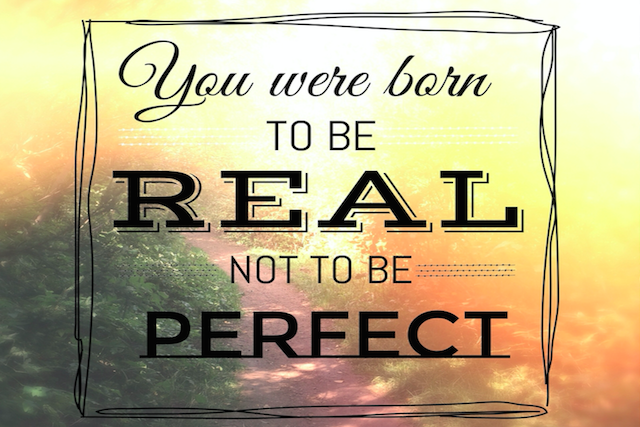
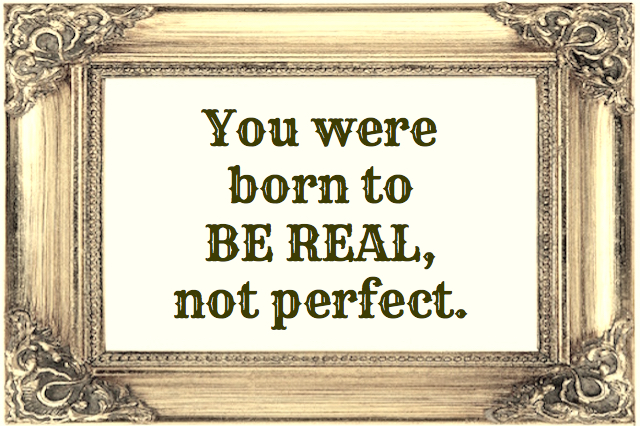
    You Were Born to Be Real

    “Out of your vulnerabilities will come your strength.” ~Sigmund Freud

    If you’re anything like I was, you have an image of yourself that you want other people to adopt. You think people expect that of you or would like you better if that’s who you were, so you pretend to be that person.

    Over time, you put on layers of protection to prevent people from seeing the imperfections that would undermine that perception. You refuse to admit to those imperfections. You may also blame others, the weather, or fate for any perceived failure—anything but yourself.

    As a result, you can’t interact with people in a real way because you can never let your guard down and be yourself. So your relationships are less than they could be.

    And you can’t really grow, because that would involve admitting you have a weakness.

    I’ve been there.

    I spent decades trying to live up to the image I thought people wanted and expected of me: the golden-boy, the successful one, the smart one.

    I am an only child and the oldest kid in my generation in my family. With that came a lot of pressure, mostly self-imposed.

    I got good grades in smart-kid classes, I didn’t drink, I didn’t do drugs, I started on my high school basketball team, I could do things on my own without help, I didn’t make mistakes.

    The problem was I did make mistakes. For example, when I was seventeen I wrecked my friend’s car because I didn’t look before I pulled into traffic, but I blamed the clutch.

    After a basketball game in which I missed a few free throws, at the next practice, our coach put me on the free-throw line and made me shoot until I made two in a row.

    Every time I missed, the whole team had to run except for me. The team ended up running twenty times before I finally hit the free throws. Instead of taking responsibility for not putting in the work to make sure I made the free throws, I blamed the coach for putting me in that “unfair” position.

    When my college relationship broke up, I blamed my girlfriend for being clingy and selfish. But the reality was that we just weren’t right for each other and it had as much, or more, to do with me than it had to do with her.

    What I perceived as clingy and selfish was just her totally reasonable reaction to my fear of commitment and my resulting withdrawal. Not recognizing that it was mostly my issue led to a series of relationships where I made similar mistakes, always concluding my partner was clingy—until I finally took a look in the mirror and recognized the only consistent variable was me.

    In each of these examples, and countless other times, I just ignored my mistake or made some excuse for it and kept moving on because recognizing it wouldn’t fit in with the perfect version of myself I thought everyone expected.

    The more time I spent being this polished up version of myself, the more removed I became from who I actually was. And it just built on itself all throughout adulthood.

    In fact, even when I started being okay doing things I would have perceived as a mistake when I was younger, like drinking socially, I wouldn’t do it around my family. Not even at holiday functions when everyone else was drinking.

    I felt like I needed to live up to the idealized version of myself that I envisioned they had. So I kept up appearances.

    The longer I lived that version of life, the more difficult, almost impossible, it became for me to grow, because to do so meant I had to recognize I did actually make mistakes and had room to grow.

    It may sound like I was conceited and super full of myself, but that wasn’t really it. It wasn’t that I believed I was perfect; I just needed everyone else to believe I was, which meant I had to pretend. I was terrified of anyone finding out it wasn’t true.

    When I finally came to terms with the fact that playing perfect (unsuccessfully, I might add) was a terrible way to go about being happy, having real relationships, and making choices in life, it was terrifying.

    It meant I had to do something I never really had before—admit weaknesses, admit I needed help with things, admit mistakes were my fault, not someone else’s or just bad luck.

    Peeling off the layers of protection is an ongoing process. But it has allowed me to reach out for help and truly grow as a person for the first time in a long time.

    Ironically, becoming vulnerable has allowed me to get closer to being (although certainly not actually becoming) the person I pretended to be for so long.

    It can do the same thing for you.

    You Aren’t Sir So and So, Take Off the Knight-like Suit of Armor

    Being hurt sucks, whether it’s physically, mentally, or emotionally. So we protect ourselves from pain.

    And we are generally good at minimizing the physical kind.

    Our lives are climate-controlled, we rarely feel the pangs of hunger or a desperate thirst, we treat our illnesses and minor aches with medicines that knock them out before they really get started, and we rarely experience the loss of a loved one before old age.

    All of that is great, and a fairly good list of why we should be thankful to live in the modern world rather than any of those that preceded it.

    But we also spend a lot of energy protecting ourselves from the type of emotional pain that comes along with being authentic and vulnerable, admitting our weaknesses.

    And, ironically, that causes us significant emotional pain because having to always be a shined-up, polished version of ourselves is hard and stressful.

    Plus, it cheats us out of the type of emotional pleasure we want because when we aren’t authentic with people, it’s very difficult to have authentic emotional connections.

    It also blocks our growth.

    The longer you act as though you are perfect the way you are, the harder it is for you to see where you need or want to grow.

    You become so used to acting perfect, you start to believe it. Maybe not intellectually, but subconsciously, you think, “I’m pretty good as I am. I just need a lucky break and then I’ll be happy and successful.”

    And when you start putting the focus and power on your future success on something external like “a lucky break,” you fairly quickly lose any motivation for self-improvement and instead just sit around doing what you have been doing, waiting for fortune to smile on you one way or another.

    This is not a great formula for improvement, or success for that matter.

    Also, not being vulnerable makes it is difficult, if not impossible, to recruit anyone else to help you because to do so, you have to admit you aren’t perfect.

    So how do you start this process?

    The first step is to the difference between who you are and the version you show to the people in your life.

    This will take time, because (if you are anything like me) you have been play-acting “super-you” for so long that it’s actually hard to tease out the difference. That’s okay.

    Start small. Just listen to yourself talk to people over the next couple of days. In what situations do you say things you really don’t believe so that you can fit in? Are there particular people that you do it more often with?

    Once you’ve identified your situations where you tend to cover up your flaws, the next step is doing something about it.

    When you find yourself in the situations in which you tend to be less than honest about who you are, be diligent about being true to yourself. Stop yourself, or even correct yourself if you say something dishonest.

    If you can start to be vulnerable in those situations, it will start to be much easier to do it throughout your entire day.

    That has certainly been the case for me.

    For a long time I regularly covered up my faults and weaknesses with my family because I desperately wanted to meet their expectations. So when they asked, everything was always great. School was great, work was great, and my relationship was great, even when they weren’t.

    Once I decided to just be real with my family, my relationships with them, which had previously felt inauthentic, plastic, and rigid, started to warm, soften, and deepen.  

    The other situation where I was rarely, if ever, willing to admit mistakes was in athletics. When something went wrong while I was playing, it was always bad luck or someone else’s fault.

    When I recognized my tendency to be inauthentic in team situations, and embraced it, taking responsibility when things were my fault, a couple things happened.

    One, no one kicked me out and judged me as incompetent (which was my fear), and two, I was able to get help to get better at things.

    Taking strides toward admitting my imperfections in these areas carried over to other situations too.

    For example, I am now much more likely to admit that I did something wrong at home or in my personal relationships.

    When you allow yourself to recognize you aren’t perfect, you will also be able pursue growth, stop making the same mistakes over and over again, and deepen your relationships with everyone you interact with.

    Shedding the layers of protection you have put on over the years is hard, but once you give yourself permission to do it, the freedom will feel tangible. You will breathe an exhilarating sigh of relief.

    And once you’ve started the process, the momentum will carry you. You will start living a life and having relationships that are true to you, not to whatever you thought everyone else wanted from you.

    And it is all within your power. You just have to decide, and then do it.

    You were born to be real image via Shutterstock

  • How to Make New Friends When You’re Feeling Lonely

    How to Make New Friends When You’re Feeling Lonely

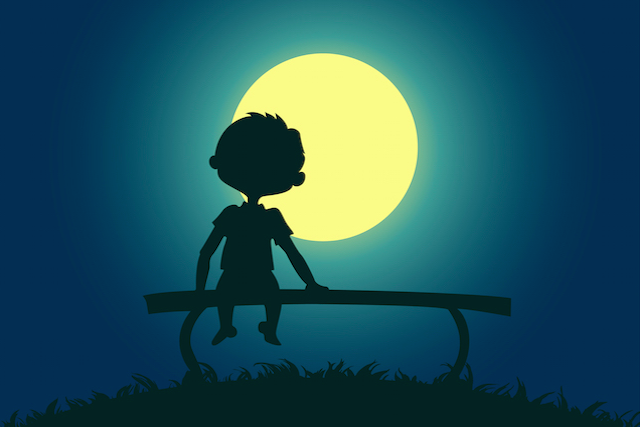
    Boy Sitting Alone

    “The only way to have a friend is to be one.” ~Ralph Waldo Emerson

    It’s a weird paradox.

    In a world where technology and social media seem to bring more of us together more of the time, recent research indicates that more of us are feeling lonely more of the time too.

    People sometimes deflect their feelings of social nakedness by making a joke of it.

    “Look at me: Norma No Mates!” they say when admitting again to having no plans for the weekend.

    But it’s no laughing matter.

    And I get it. I really do. I’ve been Norma No Mates till recently myself. At least that’s how it felt.

    Six years ago, I moved out of the city and away from a community of long-standing friends and neighbors.

    From a scenario in which I used to go out to work pretty much every day and got about on foot or public transport, now I work from home and go everywhere by car. Not great for those bumping into people in the street moments that can give such rich social possibilities.

    Add to the mix that at the same time my husband changed jobs and is now often away for long periods of time, and you can start to understand just how life began to feel very solitary at times.

    I was that person making a virtue out of watching DVD box sets of an evening.

    “Got anything on the agenda this evening?” a client might ask at the end of a call.

    “Catching up on a couple of episodes of Mad Men with a nice glass of red wine,” I’d say, feigning buoyancy, and thinking, “I hope this person can’t tell I’m feeling like Norma No Mates.”

    It sucked.

    And the more I ached for company, the more isolated I felt. The more isolated I felt, the less able I was to reach out. And the less I put myself out there, the worse it all was.

    But recently I’ve broken through this horrible catch 22, and I’m happy to say that Norma has moved on and my countryside life is feeling more sociable at last.

    What changed?

    Well, my circumstances didn’t, but I did. If you want to ditch your own Norma (or Norman) No Mates Status soon, here are some of my insights for you to riff off.

    Feeling lonely is not a judgment.

    We can feel lonely for lots of reasons. In my case it was a big change in my living arrangements, and unfamiliarity with how things worked in my new surroundings. For others, it’s caused by focusing on work and achievement to the detriment of relationships and social life.

    For others again, it’s caused by the loss of someone or something dear: a parent, partner, sibling, friend, or child, maybe even a career or ability once held.

    Someone very close to me right now is becoming profoundly deaf, and I can’t tell you just how that’s causing him to often feel very lonely.

    But irrespective of what’s brought it about, there’s no judgment on you. You are not a bad person because you are feeling lonely.

    Yet I think at times we allow loneliness to say something about our worthiness. I certainly confused the two for too long.

    But the truth is that being lonely is one thing. Feeling that you’re somehow not okay is another.

    So, step one, separate them out.

    And know that, no matter how you’re feeling, you’re already okay just as you are.

    Create time and space for connection.

    If you want to make friends, you have to make space for them. Energetically invite them into your life.

    That seems obvious, but it plays hard.

    For me, making space meant stopping being so anal about work, and being prepared to trade time previously assigned to it with social time. It also meant allowing myself to drop the guilt of missing some of my self-imposed deadlines in favor of being more playful.

    It’s tough to let go of our old, familiar behaviors. But allow yourself to see just how often they keep you feeling lonely, as much as they keep you feeling safe.

    Let yourself experiment, and notice how eventually you feel your life enriched by the connections that you yourself have created.

    Become your own best friend first.

    As you begin to reach beyond yourself, check out how needy you feel.

    Needy is never a great place from which to create anything—certainly not relationships of any kind. If you’re needy, no matter how you try to disguise it, other people pick up your vibe and are likely to distance themselves from you.

    So, while you’re waiting for friendships to coalesce around you, do what I did and overcome the neediness factor by becoming your own best friend. Take yourself on dates to the cinema, museum, coffee shop, and restaurants. Let yourself explore that new hiking route. Check in for an afternoon at the spa.

    Then friendships become the icing on your cake because they truly are about connection and not about making you feel better about yourself.

    Don’t wait for others to reach to you.

    The Norma No Mates factor can cause us to be reticent about reaching out to others. Instead, we wait for them to come to us.

    But that puts us in a pretty powerless position, which doesn’t help the way we’re feeling at all.

    Take the risk. Even if it feels scary, dare to reach beyond yourself and make the first move.

    That can be as simple as making small talk with the person behind you in the coffee shop queue, or saying hello to a face that’s starting to become familiar in your gym.

    And when someone begins to emerge as a person you’d like to spend more time with, don’t overthink it. Don’t get all up in your head about whether you really do want them for a friend, or what they may say if you approach them.

    Trust your gut. If you feel inspired to reach out, do. Then listen to the feeling that forms between you.

    That will guide you on where to go from there.

    Learn the art of rejection.

    Quite often we don’t reach out because we fear rejection. But “no” in whatever form—a silence, a straightforward negative, an unanswered phone message, text, or email, something not followed up—is just a “no.”

    It’s just a piece of information. Someone is in their own way letting you see that they aren’t the kind of person you want to befriend.

    Seeing the truth of this was another big turning point for me.

    By the same token I came to understand that if, having invited someone to coffee I found myself wanting to check my phone early on in our time together, the fact that I’d made the first move didn’t oblige me to say “yes” when they suggested a subsequent get together.

    In fact, the more you can see that both “yes” and “no” are neutral words and don’t need to be laden with shame or guilt, the more lightly you can navigate your way through what begins to become the game of making friends.

    Beware the social media effect.

    Look, I love social media and have lots of friends on platforms like Facebook and Twitter that I’ve never met in real life.

    These are genuine connections. But it’s tempting to make them a surrogate for people you’d have a glass of wine with, or hang out at the weekend’s soccer game.

    So, sure, keep surfing. But know when to put your device down in favor of making an in-the-flesh connection. One of my happy innovations has been finding opportunities to meet social media friends in person. And then subsequently getting the best of both worlds.

    Maybe you could try that too?

    My Life After Norma

    While it has taken time and a shed load of vulnerability, I can honestly tell you that my new life finally feels a lot more social. The dark loneliness cloud has lifted. I’m happy in a way that I was not for a while, and I notice how that gives a new sense of color, hopefulness, and vibrancy to, well, everything.

    Which makes me reflect on how grateful I am for Norma, the challenges her presence made me confront, and the things I’ve learned and the new people in my inner circle as a result.

    So, if you’re sitting there feeling like you’re doomed never to make friends, don’t diss the feeling. Listen to it with curiosity. Try some of the things here that worked for me, and wave Norma a happy goodbye.

    Boy sitting alone image via Shutterstock

  • Drop the Mask: How to Slowly Lower Your Guard and Change Your Life

    Drop the Mask: How to Slowly Lower Your Guard and Change Your Life

    Man with Mask

    “The less you open your heart to others, the more your heart suffers.” ~Deepak Chopra

    The root of my inability to be open stems from my childhood. (I guess much of who we are comes from childhood, right?)

    I remember around the time I was eight years old going to a party at my aunt’s house. Even though I don’t remember the details of the party, I do remember what happened after.

    We got home that night and my dad asked me, ”Don’t you think you should be a little more reserved or have a little mystery to you?”

    I was thinking, “Huh?” What did I say or express at this party that made him say that?

    I’m sure I needed to hear that, because who knows what the heck I was saying. And I do believe having some boundaries is important.

    But I was a little expressive girl sharing my insides and sharing what I saw and experienced. I don’t believe we should share everything with everybody and “emotionally vomit” on people, but for some reason, that moment really defined me.

    I looked up to my father, and since I grew up without a mother, I looked to him for guidance.

    But now as an adult, I realize that my father was a private, closed person himself. So he was projecting that onto me.

    As I got older, I continued little by little closing parts of me off.

    People used to always tell me, “Lisa, you are such a great listener.” And yes, that is one of my best qualities, and I truly do enjoy people and want to see and hear them. But I rarely give people the chance to see me and hear me.

    If someone I don’t know very deeply asks me a question, I usually think before answering and feel uncomfortable talking about myself. Even if there is an opening or opportunity to share one of my experiences in a social setting, sometimes I choose not to.

    Why? Some guesses I have are:

    • I didn’t want to give up the illusion of having it all together.
    • I didn’t want to be seen as weak or needy.
    • I didn’t want to be vulnerable.

    And I’m an extrovert! I have always made friends easily and have always had friends. But recently, I took a look at my adult friendships, and I discovered that I only have a handful of friends that I would consider deep and extremely connected and meaningful, where I can totally be myself and feel comfortable completely trusting them with everything.

    Yes, I know many people say they don’t need a lot of deep relationships and only need a few. But is that BS we tell ourselves? Is that really true?

    Why can’t every relationship we have be as deep and connected? Aren’t most of us mirrors of each other and struggling for the same things?

    The reality is that I don’t want distance between me and anyone in my life. What I really crave is closeness to others and my community and many real connections.

    Being more open at the same time I feel vulnerable is like learning a second language for me.

    I know I will never be the person to spill my guts and be expressive the way others can be, and I’m okay with that.

    But I know it’s possible to open up your blinds for all people to see while remaining authentic.

    Here are a few strategies that have worked for me that may also work for you.

    1. Determine what masks you wear and why you truly are guarded.

    Did you have a bad experience as a child? When you open up, do people receive it negatively? Do you have certain insecurities that hold you back? Are you an introvert and really have a different process for connecting with people?

    Asking yourself these questions will help you get to the root of your insecurities. Just like doctors don’t treat illnesses before they understand the cause of your symptoms, you can’t change yourself without knowing why you are the way you are.

    Take some time—whether it’s just a half hour or a full weekend—to self-reflect. Consider writing down your feelings if you think it will help. Use this time to learn more about yourself and figure out why you’re guarded.

    2. Notice when you become closed, shutdown or guarded.

    Now that you know why you’re guarded, it’s time to become attentive to it.

    A few months ago, I went to a conference and had the opportunity to meet all kinds of amazing people. When the part came toward the end of the first day to “network” and talk and meet people, I ended up going to get a drink with someone I already knew because it was easier and I didn’t have to meet anyone new.

    But what made this time different was that I noticed and became aware of it in the moment. I completely shifted my mindset while I was there, and I can’t say I regret it.

    I met the most amazing people. We got past surface and business talk quickly, and I still keep up with many of them.

    You may find similar experiences equally rewarding. If you can’t work up the courage to take action yet, that’s okay. At this point, it’s about becoming aware of yourself.

    3. Let go of control.

    It sounds counterintuitive. How can you take off your masks if you aren’t in control? Let me explain.

    I’m reading this book called Courage: The Joy of Living Dangerously by Osho. In it, Osho says:

    “If you understand, insecurity is an intrinsic part of life—and good that it is so, because it makes life a freedom, it makes life a continuous surprise. One never knows what is going to happen.

    It keeps you continuously in wonder. Don’t call it uncertainty—call it WONDER. Don’t call it insecurity—call it FREEDOM.”

    It takes courage to dig into who you really are and share that with other people, to completely cut yourself open to others. But it means you have to let go of being in any kind of control and trying to predict the outcome of what happens.

    When you’re in control, fear consumes you, and you follow it. Be courageous and let the situation control itself. Then your fears and masks will subside on their own.

    4. Be unattached to the possible outcomes when sharing your thoughts and feelings.

    It’s one thing to let go of control. It’s another to become unattached to the outcomes.

    It’s tough, I know, but when fears of what might happen next are holding you back, you have to stop worrying about the outcomes.

    It’s not about what people think of you. It’s not about whether they judge you because you are stating a truth and being yourself.

    It’s about your own personal growth. The only outcome that matters is the strength you gain from opening up. Remind yourself of that and all other possible outcomes will worry you less.

    Share yourself and your voice and let go.

    5. Take action in small steps until you become more comfortable.

    The tips above simply won’t happen overnight. You aren’t expected to let your guard down immediately and magically become willing to share your feelings and your voice. It’s going to take time.

    That’s where baby steps can help you.

    Instead of throwing yourself head-on into sharing your feelings or conversing with strangers, start out small:

    • Attend a social event, such as a party or conference, but bring a friend along for support. Make it a point to pitch in a comment or a strong opinion and talk to someone you don’t know.
    • Make it a habit to write in a journal every day for two weeks. Then, read excerpts to someone close to you so you can practice sharing the deeper things that you are thinking about.
    • Join a group where sharing is part of the platform, such as a business mastermind or hobby associated group.

    As you get more comfortable in these situations, take bigger steps:

    • Strike up a one-on-one conversation with a stranger. If this scares you, you can minimize some of your fears by talking to someone you know you’ll never see again. That way, the possible outcomes won’t scare you as much.
    • Share your story with a group of people. Talking with a supportive group of people or to your spiritual leader is a good place to start because these are safe environments where people won’t judge you.
    • Write about your experience and share it online—even if you publish it anonymously or under a pseudonym.
    • Write an article for a community like Tiny Buddha about an experience you want to share.

    Lowering your guard and being completely vulnerable in a meaningful way is incredibly difficult for people like me. But when you have a desire to change and you look inside yourself for courage, becoming the person you want to be is far less frightening.

    Man with mask image via Shutterstock

  • Why We Need to Share Our Honest Feelings

    Why We Need to Share Our Honest Feelings

    Sealed Lips

    “I learned that courage was not the absence of fear, but the triumph over it. The brave man is not he who does not feel afraid, but he who conquers that fear.” ~Nelson Mandela

    She hurt my feelings. She was leaving soon to live in another country for up to six months. I knew that if I held on to my hurt, this resentment would fester, and my best friend would be the recipient of my anger.

    I prayed for courage to find the right words. I didn’t want to hurt her. I knew I had to say something or I would allow my hurt to manifest into something huge.

    The courage came, and I acted immediately. I dialed; my heart pounded. I was so afraid.

    She answered. The lump in my throat made me silent. I began to weep.

    I gently uttered, “I’m calling to tell you that you hurt my feelings. When you didn’t show up for my big event, with no phone call, no communication, it hurt my feelings. When I asked for your opinions on my new gig, you didn’t respond. It hurt my feelings.”

    I stopped and let the silence set it in. Within a few seconds she responded.

    “That was the bravest thing I have ever heard you do. That took so much courage. I’m sorry. I’ve been self-absorbed.” And the story went on.

    She ended by saying that she, too, has been seeking to speak her truth, and that I had just provided the greatest example of how to do it gently and with kindness.

    The woman I called is one of my best friends from childhood. Believe it or not, making that phone call was one of the hardest things I’ve done in my new way of living. I’m a recovering alcoholic, and I’m learning how to feel and how to communicate.

    I spent my first forty-plus years sugarcoating my life and my feelings—putting a beautiful spin on everything and avoiding controversy at all costs. But that didn’t work, and the ultimate cost was I almost lost my life to alcoholism.

    Growing up in a dysfunctional and alcoholic home, I developed the ability to shine things up at an early age. I spit polished every word that came out of my mouth.

    I painted a thick coat of pretty on every fear that besieged me. When asked how I was doing, the simple “fine” or “great” would ward off further inquisition.

    There was a lot at home to worry about back then, but I believed that worry was for the weak and that I was stronger than worry, so I locked it in a steel-cased compartment deep inside of me and threw away the key. Things were just fine.

    And I did not even acknowledge anger. I can’t tell you where or how to access the anger that has burned slowly within me for decades because I have never given it a voice.

    “Aren’t you angry?” a therapist would ask me on occasion. With a genuine and convincing smile on my face, I would nod no. I didn’t feel angry, but the truth is that I really didn’t feel anything.

    I learned at an early age that it was just easier to get along in this world by placating everyone. I didn’t realize that while I was overly concerned about not hurting others with the truth, I was sacrificing my soul.

    I know now that I was an incredible liar. I lied all of the time and to everyone. And while a lie about how I was feeling may have seemed insignificant, it wasn’t. Those lies were the most powerful and did the most damage to my psyche. They continued to reaffirm the idea that I did not matter.

    I had my first drink at thirteen. I was a blackout drinker from the start, and alcohol let me escape from my fraudulent life.

    I was a high-functioning alcoholic for many years achieving much success in my career and personal life despite my drinking patterns. I could mold the veneer of my life into whatever I thought would earn society’s approval.

    After years of heavy drinking, I was graced with the gift of sobriety at forty-four. Let me tell you, getting sober is like growing up all over again, and it’s a rollercoaster of a ride. There are many days when I simply feel like a little kid, paralyzed by fear, overcome with sadness, or gleefully happy.

    One of the many gifts of sobriety has been discovering my true self and creating new habits and patterns for living.

    Over the course of my journey, I’ve regularly struggled with two issues—faith and honesty. I will leave faith for another post, but learning how to be emotionally honest with myself has been a brutal and slow process.

    Like peeling away the skin of an onion, I find that I have to peel away my old habits and walls that I have in place to shield me from the truth. Every time I think I have it mastered, another opportunity arises that challenges my commitment. I find I actually have to practice being honest with myself.

    A good friend of mine who has helped guide me in this new way of life constantly reminds me to pray for and meditate about courage. During my first summer of sobriety, I did this constantly.

    I’ve had some hard conversations. Actually, the terrifying part was imagining how those discussions would unfold, but in reality, they weren’t that difficult. And, I found that people tend to admire and respect someone who can be completely honest.

    These are the steps I take when I face emotional honesty. It’s a simple process.

    • Identify and connect with my emotions.
    • Identify my part in the situation.
    • Pray for the courage to speak honestly, with kindness and authenticity.
    • When courage hits me, act immediately.

    For those who don’t believe in a higher power, meditating on courage will help them find the strength within to be emotionally honest and tell the truth to themselves and others.

    We may think that it’s easy to tell a little white lie to save someone else’s feelings, but is it? Wouldn’t it be easier to just tell the truth?

    It’s funny, but I relish the opportunity to practice honesty now. And, it is becoming more of a natural way of life for me. If I feel overwhelmed by the truth I have to share, I begin praying for courage immediately.

    I also have learned to speak with compassion and without hate or anger.

    When I told my friend that she had hurt my feelings, I was overcome with relief, as well as a feeling of gratefulness for her friendship. By speaking up, it allowed us to grow closer, but I had taken a stand for me first; I had demonstrated to both of us that I matter.

    Each day we are given a precious gift—the gift is that day. What we do with it is up to us. I choose on this day to be authentic to the world. It’s all I can be. It’s freeing just being me. I choose to remain vulnerable by speaking my truth and sprinkling love wherever I go.

    When we learn to speak our truth, we become courageous, we value ourselves, we shine our light from within, we become worthy, and we feel, share, and connect on a more intimate level. We can inspire honesty in others.

    Sealed lips image via Shutterstock

  • Authenticity May Feel Risky But It’s Worth It

    Authenticity May Feel Risky But It’s Worth It

    You Were Born to Be Real

    “Authenticity is the daily practice of letting go of who we think we’re supposed to be and embracing who we are.” ~Brené Brown

    Growing up I experienced a rollercoaster of emotions. One minute I would be on top of the world and the next I felt overwhelmed by anxiety. I didn’t know how to share my difficult emotions in a healthy way with my friends and family, so I started suppressing them instead.

    I realized early on that it felt safe to hide my feelings, because no one could judge me if I kept them to myself. I believed that emotions were a sign of weakness, and there was a reward for keeping it together—I never rocked the boat, and everything around me remained peaceful.

    But I learned that you can’t trade authenticity for safety and expect to stay true to who you are at the core.

    Although it seemed like I was protecting myself, suppressing everything erected walls around my heart and reinforced the belief that it was not safe to share my genuine feelings with anyone else.

    As a result, I started having issues with food, and it soon turned into an eating disorder and resulted in anxiety and depression.

    Rather than being truly authentic with others, I became strategic; everything I said or did was a thought-out plan to gain acceptance. Being truly authentic with others was just too risky.

    I’ve since learned that we cannot truly experience the benefits of a relationship if we are not authentic. To fully feel the love and connection we all yearn for, we have to show people who we really are.

    As I let go of what others thought I should be, feel, and say, I started becoming more authentic with those I trusted most. And as I shared feelings that felt risky to expose, the people who truly cared about me received them with love rather than judgment, and those relationships got stronger.

    Other times, I shared my true feelings and learned I couldn’t trust certain people with them. I had to let go of some relationships because they were holding me back from being my true self. Although not easy, this was necessary in order for me to evolve and grow.

    Authenticity connects us. It is a great gift we give to another person when we let them see behind any masks or the walls of emotional armor.

    Even more so, authenticity is a priceless gift we give to ourselves.

    How do we become authentic in our relationships?

    Begin practicing authenticity with someone who will not judge you, advise you, or try to interrupt your process.

    This person can be a dear friend, family member, mentor, coach, or counselor, who will receive the gift of your authenticity with compassion.

    For me, it started with owning my own story and starting to share it with others. One of the first things I did was write a letter to one of my dearest friends telling her about my struggles, and she embraced all of it with love.

    Develop rituals.

    Rituals teach us to be disciplined and deliberate. Develop rituals that you will use daily to practice authenticity and let go of shame and guilt.

    The first two hours of each day are for me. I exercise, journal, and on a good day, get some meditation in too.

    It allows me to set my intentions for the day, and to say thank you. It allows me to be exactly who I am with myself so that I can be the most authentic person with others. I love my time in the morning and ever since I started consistently doing this, my life has changed.

    Trust your intuition.

    That feeling in your gut that tells you what is right and wrong. Not always easy to do when you’re fighting against the naysayers and those who can’t handle the most authentic you. Trust and follow it anyway.

    This has been a practice for me. I have not always been good at listening to my intuition for fear of standing up, rocking the boat, and being judged. I have learned that my gut is never wrong, and I now listen and trust.

    Forgive yourself.

    If you are holding onto something that isn’t allowing you to move forward, forgive yourself and let it go. Not forgiving yourself will keep you swimming in a swamp filled with your gremlins, and unable to experience healthy and happy relationships.

    I have made many mistakes in life. I followed the wrong crowd, I didn’t always do the right thing, and I held on to that guilt and shame for many years. It didn’t serve me.

    It wasn’t until I was able to forgive myself that I was finally free to move past the mistakes I had made. I was finally able to move forward and become my true authentic self and tell my story.

    Respect and value who you are.

    When you do, you set the standard for how others treat you. You have permission to be you—unapologetically and authentically you. To have strengths and weaknesses and know that those are what make you unique and amazing.

    The truth is that others will treat you with the same respect you show yourself. I didn’t believe I was worthy of having healthy relationships with people who valued who I was, because I didn’t know how to value and love myself. I often sabotaged friendships and relationships with good people.

    When I started my healing journey and practiced self-love, meditation, and positive affirmations, I then started to believe that I was worthy of healthy relationships.

    Know that you are valued and needed by others.

    People need you, and the right people will value who you are and what you stand for when you are authentically you. The world needs to hear your story.

    My healing process started when I shared my story and spoke my truth.

    I learned that it was okay to be vulnerable and authentic. There are people who related to what I had gone through and were inspired and grateful that I could share. It allowed them to be okay with sharing their story and start their own healing journey.

    Just like most skills in life, with practice your ability to recognize and tolerate emotions and be authentically you will improve. Increased self-awareness is the key to having successful, long-lasting, authentic relationships.

  • 6 Things to Keep in Mind When You’re Trying to Make New Friends

    6 Things to Keep in Mind When You’re Trying to Make New Friends

    Friends Taking Selfie

    “No person is your friend who demands your silence, or denies your right to grow.” ~Alice Walker

    When I was young, I never actively wanted friends, probably because I didn’t know the benefits of having strong friendships. I got along fine in my social circle in high school, in part because I could translate Latin more quickly than my classmates, which was helpful to some of them, and because I was pleasant enough.

    I wasn’t going to get on anyone’s nerves, at least not on purpose. In fact, I was so careful not to be a bother to anyone that I essentially rendered myself mute. Yep, you couldn’t get a peep out of me most days.

    Those high school years spent in relative silence created a major gap in my ability to navigate relationships and to deal with major stressors in college, graduate school, and beyond. I don’t think I understood how trust worked between good friends, and that made me vulnerable to all sorts of things, including feeling anxious, uncomfortable, and clueless.

    After entering into my own psychotherapy early in graduate school, I began to work on breaking out of my silence.

    Session after session I practiced speaking about personal matters even when I felt awkward doing so. I began to trust my ability to communicate, even about difficult feelings; I no longer needed to find reasons to shrink into myself.

    Through the therapy process, I also realized I had been holding myself back on many fronts, including my natural inclination to be with people and to be, well, talkative and social. Being able to express myself freely enabled me to learn how to be a good friend and how to have a good time in the process.

    Enjoying true friendship as an adult has undoubtedly been one of the most meaningful aspects of my life.

    Some of the lessons I have learned through my friendships include:

    1. Almost everyone wants to have fun. 

    You don’t have to take yourself or others so seriously. Don’t be afraid to approach people if you have an idea, an instinct about something, or something you just need to say.

    2. We all share the same experiences.

    We all become vulnerable each time a new person approaches or each time we consider meeting up with someone new. There really isn’t a way of getting around this. It’s part of the human experience and it’s not going away. Even further advances in social media and technology cannot erase the wobbly feeling we need to go through when we are social.

    3. We all are different and unique. 

    The fact that no two of us are exactly the same has become a source of relief for me. I no longer have to strive to be just like someone else.

    I now know enough about myself to be able to enjoy exploring the unique aspects of other people in my life. Those differences between us help me to feel sane and to understand my own life experiences better.

    4. We can choose to be open or closed in our relationships.

    It’s dangerous to fool ourselves into believing a closed stance is safer than an open one. When we interact with others in a guarded way, we prevent ourselves from absorbing the finer details of what’s really happening. We miss the present moment because we are watching out for ourselves.

    When we are open, others sense that we are alert, aware, involved, and engaged—all excellent and desirable qualities in a worker, student, partner, or friend.

    Be careful if you find yourself closed off to new information or interactions and if fear is your first response to new demands and opportunities. If you’re wondering why social interactions feel so difficult, see if you might be approaching them with a closed stance.

    When you are open and expressive with your friends, it’s equivalent to building trust and to ensuring loving feelings between you. You’ll begin to feel more at ease and less like shielding yourself from others.

    5. We don’t always have to insist on parity and fairness.

    People who are preoccupied with calculating whether they are getting as much as they are giving in their interactions have very close relationships, but unfortunately, those relationships are with the calculator inside their head instead of the people they are with.

    We can tabulate the costs and benefits, but who really wants to conduct relationships as if they were the next round of taxes?

    Be generous with your time. Give freely of your kindness, knowledge, and expertise.

    6. We can reach into new dimensions.

    I have had the most enriching experiences in the past few years getting to know men and women who are older than I am—about five to ten years older. The extra years seem to bring wisdom, experience, and ease to these friends.

    I know I can have solid advice as quickly as I can send a text. I know these friends will see me through the harder times and will be just as eager to have lunch with me as I am with them.

    Look for friends and acquaintances in areas (and age ranges) you are unfamiliar with. The world is a really big playground. It’s okay to change your outlook and scenery.

    As an adult, I am truly grateful for the group of people I call friends. Though hindsight might have me wishing for the support of these types of friends back in the day, I realize the lessons I have learned making friends as an adult would not have been so meaningful if I had been surrounded by friends when I was younger.

    If you’ve missed some opportunities to find close friendships, don’t fret. There is no time limit on letting others in, learning how to stay open in our interactions, or building great relationships.

    Friendship can be a remarkable and precious resource for us all, and one which reminds us of the sweetness and richness of living.

    Friends taking selfie image via Shutterstock

  • We Are All the Same, So There’s No Reason to Hide

    We Are All the Same, So There’s No Reason to Hide

    Woman in a Mask

    “One of the most calming and powerful actions you can do to intervene in a stormy world is to stand up and show your soul. Struggling souls catch light from other souls who are fully lit and willing to show it.” ~Dr. Clarissa Pinkola Estés

    It’s taken a long time for me to be comfortable with being completely myself.

    Most people who meet me now see a strong and confident woman. Yet, underneath that confidence there is still a little girl in me that is scared. I’ve accepted that she is always going to be a part of me; however, I have learned to take responsibility for her care instead of giving that to other people.

    When I meet new people, I suspect either they are relieved to talk to someone who is transparent and real, or they are uncomfortable with my directness.

    I imagine it’s not always a matter of instant like or dislike on their end, but sometimes it feels that way to me. Either way, I’ve had to learn to not let others’ reactions influence how I show up in the world.

    I spent a good part of my life as a chameleon, changing myself to try to fit in and be accepted.

    Being the youngest of four in my family meant I was left out, teased, picked on, and blamed by my older siblings. As a result, I turned out to be a geeky kid in junior high and high school, lacking any confidence or sense of self-worth.

    I walked with a funny lurch, had a bit of a speech impediment, and tried so hard to be liked that I achieved the opposite. In high school the kids all called me a dog and barked when I walked down the hall. I was the brunt of the jokes for every classroom clown.

    The late 1970’s in the heart of Southeast Texas was not a good time or place for a pre-teen to question her sexual orientation. My science teacher, who had become a friend, no longer wanted me in her class when she suspected I had a crush on her.

    The vice-principal of the school said I was sicker than I thought I was and needed professional help.

    My chemistry teacher told the group of popular girls if they didn’t stop talking he was going to make Shannon sit with them.

    We all know kids are cruel, but in Bryan-College Station, meanness wasn’t limited to by age.

    I’d make out with boys in the hallways or back of the school bus trying to prove I wasn’t gay. I started seeing a psychologist. I put up with the cruelty of my teachers and students because there was nowhere to escape.

    If people look closely they can still see glimpses of the young girl who kept her head down and slumped her shoulders trying not to be seen. She is still with me today. Defeated without any outs, however, she had only one choice if she wanted to live. And that was to stand up for herself.

    Because it’s difficult for me to do this, I can sometimes come across kind of loud, directive, or bossy. Early on I learned to put on a good show and convinced myself that self-confidence is the key to success. Years of trying so hard not to care whether people liked me eventually integrated into a strong persona.

    Underneath it, however, still lived that little girl in me desperate for love and approval. For most my life she’s been in control. Like a puppet master, she’s pulled the strings behind my mask, seeking out someone or something to be her salvation. She was great at staying well hidden but in control.

    All she ever wanted was an end to her suffering. All her searching and orchestrating was always been about finding a way to stop the pain. She didn’t know the strings she pulled were putting me right back into the frying pan. How could she know that by latching onto other people she’d end up more hurt?

    It took a lot of personal development, self-help, spiritual woo woo reading, seminars, retreats, workshops, relationships, therapists, self-analysis, journaling, crying, screaming, pleading, praying, rationalizing, and running for me to finally understand: Latching onto anything will only bring more suffering.

    When we keep parts of ourselves locked away and behind a mask, we only give them more power and control.

    Finding my authentic voice has meant holding myself with compassion and learning to accept all of who I am.

    Letting go of my need to be perfect and my self-judgment isn’t something I’ve been able to do once and be done with. It’s something I have to do over and over again.

    I can let down my mask and be real because I believe at our core we are all the same.

    I believe we all want love and approval. I also believe that it is only by giving that to ourselves that we can give it to each other.

    Woman hiding behind mask image via Shutterstock

  • When You’re Hiding Your Pain: Why It’s Worth Letting People In

    When You’re Hiding Your Pain: Why It’s Worth Letting People In

    Hopeless Man

    “All men are caught in an inescapable network of mutuality, tied in a single garment of destiny. Whatever affects one directly affects all indirectly. I can never be what I ought to be until you are what you ought to be, and you can never be what you ought to be until I am what I ought to be.” ~Martin Luther King, Jr.

    We are all interconnected, and we all need each other. Our ability to see and be seen by each other creates a beautiful depth of connection that we are privileged to experience.

    This has been a great lesson for me. I realized many years back that I had been hiding my struggles from those who wanted to help me.

    One of my close friends died when I was twenty-three. I’d thrown an art event the night before and had just come home from brunch with some friends.

    I was tired and processing something hurtful that had happened to me at the event. And then my phone made this little beep, and I found out that while I was mingling at a party my beloved friend was dying.

    Her sister, in her grief, sent me a text, “Lauren passed away last night. For service information email me…” I fell to the floor and simply stared at the words. I was numb and disoriented. Those words, there weren’t enough of them. It was too simple, too short, too fast.

    As I stared at the phone in shock, it began to ring. My friend and business partner called to talk about the event.

    I answered and told her my friend just died. And here comes the part that I’ve been ashamed of: instead of revealing my pain, I told her I was okay and began to talk about the drama from the previous night.

    In an instant, unconscious choice, I decided that it was easier for me to push aside my grief than to be vulnerable.

    That moment makes me cringe for a couple of reasons.

    First, I’ve held on to the guilt that I wasn’t honoring my friend in having a casual conversation after learning of her passing. Yes, I was in shock, but there was something deeper happening.

    I’ve realized that I wasn’t allowing myself to be authentic in my grief because I was afraid to be seen.

    To be seen by our community is to recognize that we are worthy of being here, of taking up space, of needing support. I was unwilling to allow others to see me in my time of grief because on some level I didn’t believe I was worthy of it.

    In some way it felt too risky. To open up would mean that the friendship was being tested, and what if the other person couldn’t be there for me? I wasn’t willing to find out.

    And now I can see that there were so many more times throughout my life where I didn’t allow people to be there for me. I’d force my friends to take money when they wanted to pay for our meal. If I was sick I’d order take out instead of letting my friend pick up some soup and bring it over.

    The only people I felt comfortable allowing to be there for me were my family members, the people who have known me forever and who accept me as I am.

    When I lost Lauren I took the train to my parents’ house and fell into my mother’s arms sobbing. I knew how my mom would react to me; I knew she would embrace me and show me the love I needed.

    It’s risky to open up to people when we’re not sure the outcome, but it’s important to be willing to be surprised. 

    The beautiful thing is that most people want to do for each other without getting anything in return. It makes us feel good to help someone else. We want to be of service, and we’re actually getting something in exchange.

    We feel good about ourselves, about being alive, about being able to help someone. It gives us value and worth. It reminds us of the beauty in being human; it reminds us that we’re interconnected.

    I want to live in a more authentic world. A place where we can show each other the truth about ourselves. I want to give my friends the privilege of being there to support me, and I hope they give me that same honor in return.

    I hope we learn to stop filtering the parts of ourselves that make us human; because that humanness, that part of you that is unique to you, that is the part of you that you ought to be and the part of me that I ought to be.

    And only when we show that part of ourselves to each other are we really living authentically. We need each other, and we want to need each other. You are no exception.

    So when you’re in pain, share it. When you need help, ask for it. Trust that people will be there for you when you need it. All you have to do is share your truth.

    Hopeless man image via Shutterstock

  • 5 Things to Know Before You Enter a Relationship

    5 Things to Know Before You Enter a Relationship

    Couple

    “Relationships are about two individuals who maintain their own lives and create another one together.” ~Unknown

    I’ve never been one to casually date because I believe in the storybook romance of a whimsical love that withstands all odds.

    I blame this on my parents who met as teenagers and have maintained their marriage through both triumphs and hardships. Because of this, I always believed that my first love was going to be my forever.

    However, about a year ago I had to let go of the love of my life. He was my high-school sweetheart, and as we grew up through college and started taking our own paths after that, the pressure became too great.

    We weren’t living in the same city and he was working full time, while I decided to go back to school and wait tables on the weekends. It became clear that we wanted to take different journeys with our lives.

    Also, I began to realize that I fell in love with the man I wanted him to be rather than the man he was. I’ve carried a lot of guilt about this part of the relationship. He’s truly an amazing man, but I caught myself trying to change things about him.

    It’s not fair to push your partner to be different. People have to change because they want to change, not because they feel forced to change to appease someone else.

    I’ve spent the past year trying to understand and come to terms with my decision. I know I will always carry him in my heart, but I’ve learned that even the greatest of loves shouldn’t come between me and my intuition.

    I’m now single and actively pursuing a career that will open a world of possibilities for me. I’d like to bring to my next relationship the understanding of these five things below.

    Knowing and embracing these things will allow me to have a deeper understanding of myself, which will in turn allow me to maintain a healthy relationship with someone worthy of my love.

    Five Things to Know Before Your Next Relationship

    1. Know your worth.

    Far too often we stay in relationships that are less than gratifying because we don’t value ourselves.

    A fundamental change occurs once you realize what you are worth and what you deserve from a partner. Once you start believing that you deserve something deeply fulfilling, you will never settle for anything less.

    Any effort to try and cheapen your value will be futile. The tide will have changed. Not only will you start respecting yourself, others will recognize this and respect you in return.

    2. Know how to love with an open heart.

    This is particularly difficult for me because I am so protective of my heart. It’s a defense mechanism that served me as a child, but it has hindered my ability to get close to people as an adult.

    Loving with an open heart means embracing vulnerability. It’s essentially opening yourself up to the possibility of pain in order to strive for something beautiful. It’s not easy, but we can take solace in knowing we’re in all in this together.

    We all want to be accepted and loved, and we are all terrified of heartache and pain. Once we understand this, it becomes easier to let our guard down and let others in.

    Loving with an open heart takes extraordinary courage because nothing is more challenging than stepping out of the darkness and letting yourself be seen—but it’s worth it, because nothing is more fulfilling.

    3. Know how to be compassionate.

    The ability to recognize suffering and offer compassion is vital to a mutually supportive relationship.

    We all have our own story of hardship, mistrust, and loss, as well as joy, love, and triumph. By listening with an open heart and mind, we can find commonalities in each other’s stories and foster compassion and love.

    It’s not easy to nurture compassion in an egocentric society that sees emotion as weakness. Many of us focus on our own betterment without acknowledging the people around us, and repress our feelings to avoid judgment. But we need to embrace our own feelings to be able to embrace someone else’s.

    4. Know your strengths and weaknesses.

    Recognizing and understanding our limitations enables us to work on them and find partners who will complement us.

    This can be tricky because our strengths and weaknesses are often one and the same. For example, I can be demanding, in that I am constantly trying to push my partners to be the best they can be. I place the same expectations on myself.

    This is a weakness because I place heavy demands on partners, which can lead to disappointment and resentment. It’s a strength because it has pushed me to continue on my career path and achieve goals I’ve set for myself.

    It’s perfectly okay to have qualities that are both redeeming and sometimes difficult. That’s what makes us unique. When we understand those qualities, we can both work on them and seek partners who will balance them.

    5. Know what it’s like to be alone.

    Too often we focus on romantic relationship because we fear being alone, and because it’s easier to get approval from someone else than it is to validate ourselves.

    As a result, many people jump from one relationship to the next without fully understanding why the previous relationship didn’t work. This also leads incompatible people to get married or stay in relationships that no longer satisfy them.

    Knowing who you are alone is the greatest gift you can give yourself. It pulls you away from the comforts of a relationship and allows you space to understand yourself and what makes you happy.

    We all want to find our “other half,” but the best relationships occur when two whole people unite and allow their love to complement their already enriched lives.

    These components were missing in the last chapter of my life, but I am looking forward to acknowledging them in the ones ahead.

    Happy couple image via Shutterstock

  • Getting Real in a World of Fake

    Getting Real in a World of Fake

    Selfie Image

    “Nobody wants to be lonely. Everybody wants to belong to a group. The crowd is essential for the false self to exist. The moment it is lonely you start freaking out. Particularly in the West they have not discovered a methodology to uncover the real. To be an individual is the greatest courage. It does not matter that the whole world is against me. What matters is that my experience is valid. Don’t die before realizing your authentic self.” ~ Osho

    Authenticity. Courage. Vulnerability. We hear these words so often they’ve become a part of our daily language. But how often do we stop to investigate what they actually mean?

    I grew up within the gates of a fundamentalist religion that didn’t just discourage conformity, it taught us daily to demonstrate our opposition to the status quo. We were trained to speak about the awkward and practice the uncomfortable, sometimes in the face of hostile reactions.

    And so it was that, as a child, I learned the skill of both living boldly and sticking my foot into a person’s door so they would listen to what I had to say.

    Over the years, my vantage point became one of lone observation, both within my own “tribe” and when I was at school.

    I organized most people’s behavior into some variation of a desire for acceptance by their group. They wanted to follow a leader, or less often, to be one, all out of fear that if one is not accepted, one is somehow less worthy.

    At the time, I didn’t understand the great sacrifice people made for acceptance, stuffing away their uniqueness and covering it with a superficiality that was pleasing and likeable.

    Eventually, I left my own cloistered tribe after concluding that true radicalism is one’s ability to be courageously real—not in a bid to be different and unique, and therefore, somehow superior, but only to live according to what one believes.

    If you are on a path of seeking the real and avoiding the fake:

    1. Keep connected with the opposite of your tribe.

    We selected our friends because they make us feel good and they share similar tastes and desires. But with no challenge to our status quo, we risk losing out on vital learning.

    Our brain schemas are designed to accept familiar information and discard what doesn’t fit with our versions of reality. This makes for groupthink that ranges from boring to dangerous.

    Akin to the Facebook feed that caters to more of what we already like and know and creates homogenization, our tribe, bless them, are also prone to unconditionally support us, even when we are being unwise or thoughtless.

    While their support may feel good, it is also a disservice when they reinforce our faulty thinking and don’t question our actions.

    I have come to see a good friend as someone who can hold me kindly but boldly in the space of our relationship and ask, “What on earth are you thinking?”

    So don’t ditch all your old friends (unless you need to), but do challenge your viewpoints by talking and listening to the person you think is weird, reading the book that makes you shift uncomfortably, and exploring the activity that evokes a bit of fear.

    Instead of rejecting new ideas outright, play with them, think them through critically, and then keep or discard them.

     2. Start being real with people.

    The greatest challenge here is that we first have to be real with ourselves. This means becoming unmasked and accepting our strengths and foibles without shame.

    Only then can we begin to be real with others, because there will be nothing of us to hide.

    If we can accept our full, awkward humanity, then we can learn how to extend ourselves openly into what aligns with us and feels right, our purpose.

    We will know when to say “no” and when to say “hell yes.” We will speak our minds and take scary steps not because we have lost all sense of fear, but because we know we can be afraid and do it anyways.

    And we can meet conflict directly, without the misalignments that grow from avoidance, denial, and gossip.

    Speaking of gossip, when we are being real, we won’t do it.

    When we hear it, we will state that if a person has a problem with someone else, they should speak to them directly. And we will have no part in cliques that exclude others. Instead, we will seek other intrepid explorers, who also embrace life with the exclamation, “let’s be free of all of that.”

    3. Be in life instead of capturing it for Facebook, Instagram, or Twitter.

    I don’t know about you, but I reject the idea of capturing all of our sacred moments for social media instead of living them. And I battle with this personally, because I’m a documenter, but I favor tipping the scales toward real.

    In the movie The Secret Life of Walter Mitty, the famous and elusive photographer Sean O’Connell, played by Sean Penn, travels to the Himalayas for a shot of a rare snow leopard. Mitty tracks him down, and the two of them, perched out on a mountaintop, wait for the cat, who finally makes an appearance.

    Instead of taking the shot, O’Connell moves from the camera and watches. When Mitty asks him when he’ll take the photo, O’Connell replies, “Sometimes I don’t. If I like a moment. I mean me, personally, I don’t like to have the distraction of the camera. I just wanna stay… in it… right there. Right here.”

    You likely already know why this moment is valuable: it’s the only thing that’s real.

    You know exactly what you are losing. The tender touch your lover just gave you that you absentmindedly ignored. Lost. The book that lays on your lap unread, your son having placed it there long ago until he tired of waiting. Lost.

    Real time, with all its tastes, smells, and sensations, is irreplaceable. You have a choice each moment about who, and where, you want to be.

    4. Be in nature.

    If where you want to be is real, then immerse yourself in the greatest antidote for fake that we have in a social media obsessed, email-, text-, and like-checking society. Leave your phone alone when you are with the mountains, trees, or by the lake, with your beloved, your friends, or your little ones. It is rude and dismissive of their essence and humanity.

    Besides, at the end you lose out. Because there is no amount of screen time that can rival the pleasure of just one kiss, blowing all the wishes off a dandelion, or a deep breath of mountain pine.

    Selfie image via Shutterstock

  • A Broken Heart Is an Open Heart

    A Broken Heart Is an Open Heart

    Light in Heart

    “A broken heart is not the same as sadness. Sadness occurs when the heart is stone cold and lifeless. On the contrary, there is an unbelievable amount of vitality in a broken heart.” ~Elizabeth Lesser

    “I love you but I’m not in love with you” was the line my first boyfriend used when he broke up with me. I was twenty-two.

    We were only together six months but I cried over him for a solid year, thinking a few parallel thoughts: “If I were thinner and prettier he would’ve been in love with me,“ “How could he not be in love with me, I’m HILARIOUS,” and “I’m never doing this love thing again. It hurts way too much.”

    Even letting myself fall in love was a big deal. I’d always kept people at a distance—friends and family included—because I didn’t want to be that vulnerable and I didn’t want to feel that much.

    Letting people in meant they might see things they didn’t like or see the things about me that I didn’t like. Being that open left way too much up to chance. I much preferred to control the situation.

    And so, when I let myself fall in love for the first time, I did it with strong boundaries drawn. I monitored the nice things I did for him to make sure I wasn’t going overboard. I checked in with myself frequently to make sure I wasn’t “losing myself” and was careful not to give him “too many” compliments.

    At the time, I thought my approach was very mature. I wasn’t going to be one of those girls who loses her mind and goes gaga for some undeserving dude.

    I would let myself love him, just not too much.

    Looking back now, I was in full-blown defensive mode driven by a deep need to protect my heart from any harm. I’m a mighty deep feeler and, like most humans, quite a sensitive soul, so loving someone just felt like way too much feeling for my delicate system to handle.

    A few years later I met my now ex-husband. He was kind and generous and, as my grandmother said, “He felt like an old shoe.” And so again, I let myself fall in love. A logical, rational, “we make sense together” kind of love.

    I was better with the compliments and did my best to love him through the little things. A home cooked meal, a hug and kiss every night when he walked in the door, a risotto tartlet from the farmer’s market to show I was thinking about him.

    And yet, I didn’t let him in in. I chose him because he was safe to love. I chose him because he would never ask for my whole heart, for my fullest capacity to love. He had no need to see the deeper, darker parts of me that were desperately seeking light, and I had zero interest in showing him.

    At the time, I really thought I loved him as much as I could. And I did, for the time and place we shared together. I loved him more than I had ever loved anyone, which felt enormous and vulnerable.

    I’d often have this recurring nightmare where something would happen to him and I’d be left all alone, bereft and broken. I was terrified by the dream, scared out of my mind not by the thought of losing him but by having to feel bereft and broken.

    And then one day, he left. And my heart, for the first time in my life, broke open and all I could do was feel.

    In the weeks and months following our separation, my heartbreak brought me face to face with more pain and more love than I had ever known.

    At times I thought I might break under the strain of their combined weight.

    While shedding horizontal tears that ricocheted off my glasses and ran down my face, as I watched my marriage and home crumble before me, I was able to muster more love for myself and for my pain than I ever could have, for either of us, during our marriage.

    When he left, the wall around my heart came tumbling down. The ice melted off the inner chambers of my soul. The doors to my ability to love swung open, inviting me to feel into those tender places so long ignored.

    It is true. I did not love my ex-husband to my fullest capacity because up until my heart broke open, I could not love myself to such capacity. 

    I was too busy protecting myself from my pain, my needs, his pain, his needs that I walked right past the love that is possible between two people when they open their hearts to one another.

    Know this: A broken heart is an open heart.

    It is in the breaking, when our hearts are peeled back on themselves, that our truths have passage to come in and out.

    If we’re lucky, our hearts will break over and over again to reveal new ways of being, of thinking, and of loving.

    Each break allows our hearts to heal bigger than the time before.

    Yes, there is pain every time we’re cracked open. Immeasurable pain. And with each break, each sting of pain, our hearts are able to expand and strengthen our capacity to love.

    Sunset heart image via Shutterstock

  • Take Off the Mask: 6 Tips to Be More Authentic

    Take Off the Mask: 6 Tips to Be More Authentic

    “Being who you are is another way of accepting yourself.” ~Unknown

    Years ago I struggled to be authentic. I was a consultant who worked with senior people in big organizations. As a black female fresh out of graduate school, I was frequently the youngest, the only woman, and the only minority in the room.

    Because I was so different from those around me, at least on the surface, I was concerned about how other might perceive me. So I put a lot of effort into portraying myself in ways that I thought would increase the odds of others accepting me.

    To make sure others wouldn’t underestimate me, I led with my intelligence, saying things to let them know how smart and knowledgeable I was and downplaying my fun-loving side.

    To make sure I wasn’t seen as militant or overly sensitive, I stayed quiet in response to comments that ranged from a little over the line to blatantly offensive.

    To make sure others felt at ease, whenever I was asked to talk about myself, I stuck with the most innocuous and middle-of-the-road stories that I knew were most similar to the other person’s life experiences.

    And here is a small, but classic example: Even though I had been yearning to own a snazzy smartphone case for years, I stayed with a neutral black one so I would be seen as suitably conservative instead of too girly or flamboyant. (Yes, I had it bad!)

    The irony of all of this was that, although this approach caused me to be seen as someone who was bright, competent, and capable, it didn’t exactly help me forge deep connections with other people.

    After all, how could it? The person they were connecting with was only a tiny fragment of who I was and, in some cases, a completely inaccurate portrayal.

    When I reflected on it, I realized that, while it was convenient to be able to say that I was behaving that way due to the demands of being in an unwelcoming corporate environment, the truth is, I did it in other places as well.

    Every time I agreed to do something I didn’t really want to do out of a sense of obligation, I was being inauthentic.

    Every time I didn’t ask for what I needed in a relationship, I was betraying myself.

    Every time I put on an aura of having it all together when in reality, I was feeling vulnerable and scared, I was putting on a mask.

    One day, after biting my tongue for the nth time at work regarding an innovative idea I had that I thought others wouldn’t agree with, I decided enough was enough. At that moment I committed to stop hiding “this little light of mine” under a bushel.

    Instead, I was going to unleash my true self into the world.

    Okay, perhaps unleash is a little inaccurate—it’s not like I became Sasha Fierce over night. But what I did do was take what felt like little risks in displaying my authentic self.

    I experimented by being more assertive and sharing my true opinions.

    I let my humorous side come out and told funny stories about my family and my life when I was at work.

    I said no to things I didn’t feel like doing—even a party that was going to be thrown in my honor that I didn’t really want to attend.

    I put a hot pink rhinestone case on my smartphone.

    So, what happened? Honestly, not much on the negative side of things. There might have been the odd person who felt a bit of discomfort in the moment when I disagreed with him, but it certainly wasn’t anything long-lasting or life-shattering.

    Instead, the results have been overwhelmingly positive.

    I feel lighter and more true to myself. I have deeper relationships, because it’s as if a veil has been lifted, and the people around me get to see who I really am. I’m more likely to get my needs met because I’m not relying on the other person having ESP to figure them out.

    And at work, instead of making others uncomfortable, being more authentic allowed me to build deeper connections. Instead of just seeing me as a brain in a jar, others began to see me as a whole person, a thought leader from whom they could learn, who had interesting things to talk about.

    It has made all the difference in my life and created a richer, happier, more fulfilling existence.

    If you are struggling to let your authentic self shine, here are some tips you might find useful.

    1. Imagine your older self sharing life lessons with you.

    Imagine your older self having a conversation with your present self. Perhaps this older version of yourself is on his or her deathbed, and s/he is giving you advice about how to live a fulfilling life.

    What would s/he say to you? Would s/he suggest that you spend the rest of your life dulling your shine, or would s/he tell you to be true to yourself?

    2. Check in with yourself.

    If you have been behaving inauthentically for a long time, you might feel out of touch with your true feelings and desires. Journal and meditate to get back in touch with yourself.

    Allow yourself to feel your emotions, and be curious about them. What are they telling you that you need to do? How can you become more of your true self?

    3. Start small.

    Commit to taking small steps toward being more authentic. Speak up about things you normally wouldn’t. Assert yourself. Ask for something you want. You don’t have to transform yourself overnight. Recognize that it’s a process.

    4. Be prepared for others’ reactions.

    Remember that others are likely unaware of the extent to which you might be stifling yourself. So, as you behave differently, recognize that they may need to adjust to the new you. While the responses I got were overwhelmingly positive, sometimes others didn’t quite know what to make of it. That’s okay.

    5. Don’t use authenticity as an excuse for bad behavior.

    I have worked with some clients who have been rude or disrespectful to others, and explained it away, saying, “I’m just being honest” or “I have to be authentic.” You can be authentic and kind at the same time. Be respectful.

    6. Recognize you can tolerate discomfort.

    Research shows we tend to overestimate how long and intense our unpleasant feelings will be in response to a negative event. So, even if others don’t respond positively to everything you do, know that it probably won’t be as bad as you are anticipating.

    Finally, keep in mind this wonderful quote by Oscar Wilde, “Be yourself; everyone else is taken.”

  • Why Being Real Matters More Than Being the Best

    Why Being Real Matters More Than Being the Best

    Friends

    “We have to dare to be ourselves, however frightening or strange that self may prove to be.” ~May Sarton

    Have you ever compared yourself to others on social media?

    You’re not alone if you have. It’s human nature to compare, compete, and seek value in the opinions of others. To aspire to the heights others seem to have attained.

    But how real are those people we compare ourselves to really being? The ones who seem to have it all together? Perfect family, ideal job, loving relationship?

    I would venture to guess they’re not being very real at all.

    It’s true they may have a great partner, a great job, and well-behaved kids—some of the time. But like everyone else, they fall, they fight, and they make mistakes. They just don’t talk about it on Facebook.

    That’s where online relationships let us down; they fail to tell the whole story.

    I’m as guilty as the next person. I post pictures of my kids baking cakes, running along the beach, and acing the soccer game on a Sunday. But I neglect to mention how much I yelled at them for their attitude or constant fighting.

    I talk about date night with my husband but don’t mention how we argued all the way home.

    And I post pictures of inspirational life quotes, such as, “Only a life lived for others is a life worthwhile” (Einstein) as though I’m living them every day.

    Because I, like everyone else, want to show the best side of myself. I have an inherent need to be liked and to belong. It’s human nature.

    But what if being liked and belonging is more about being authentic than being the best or getting ahead? What if in sharing who we really are, we are more able to find the connection we crave?

    A few years ago I attended a weekend retreat and workshop for personal development along with about thirty others. Not knowing anyone, I was nervous.

    We met for the introductory session in a large room and had to mingle for about twenty minutes or so before the facilitators arrived.

    What I experienced in that time was eye-opening to me. I watched as eyes darted around the room, each person looking for someone like themselves to identify with, be it through age, appearance, personality type (introverts, extroverts), or physical attraction.

    In this vulnerable state, where each of us was seeking to find favor with the other, we all were quick to disguise our true selves and to judge everyone in the room on appearances and first words.

    And for the first day of that workshop judgment remained, until the facilitators were able to break down our walls and encourage us to see the value in being who we really were—in talking honestly and not trying to be better than the next person.

    To do so required being vulnerable. But once one person began to speak honestly about their fears and their struggles, it gave the next person permission to do the same. This continued until we all let down our guards and spoke honestly about our struggles and fears.

    The result was incredible. The connections I made that weekend were real, honest, and close.

    Once I saw my fellow participants for who they really were, all judgment fell away and I felt nothing but genuine love for them. Because when we see one another in our true light, it doesn’t make us weak; it makes us the same. We see how we are all human and in this thing called life together.

    It’s not being the best or getting ahead that meets our true desires; it’s being real and doing life together.

    What if we were to share our truth on social media? To talk about a bad day instead of always trying to be great?

    And what if instead of saying “I’m fine” to the next friend who asks, “How are you doing?” we could instead respond with “I’ve had a hard time lately”?

    Sometimes that leap of faith in the response is the first step toward living an authentic life and being true to ourselves. Because being anything less than who we really are just isn’t worth it.

    Friends image via Shutterstock