Tag: values

  • One Question I Ask Myself Monthly Since Coming to Terms with Death

    One Question I Ask Myself Monthly Since Coming to Terms with Death

    “Death is not the greatest loss in life. The greatest loss is what dies inside of us while we live.” ~Norman Cousins

    On September 23, 2015, Loukas Angelo was walking to his after-school strength and conditioning class just a few hundred yards from Archbishop Mitty High School.

    He was approaching the outdoor basketball courts when he ran out into the street and was struck by a car traveling around thirty miles per hour. The impact sent Loukas flying down the street, and he was immediately transported to the closest hospital where he remained in critical condition.

    I remember sitting on the couch later that afternoon when my phone started blowing up. Feeling curious, I shoved aside my history homework and decided to see what was going on.

    Multiple people had sent some variation of the same text, “Yo. This is so sad. Did you hear about what happened with Loukas…?”

    Confused and a little bit scared, I turned to Twitter and started looking through my feed. I was absolutely floored by the tweets that were being sent out by my friends and our high school’s Twitter page.

    Similar to tragedies like the Boston Marathon, or 9/11, it was one of those moments in life where you’re always going to remember exactly where you were when you found out the news.

    It was almost inconceivable to think about the fact that I had walked across the same exact crosswalk where Loukas was hit just fifteen minutes prior.

    All throughout the night, support poured in from social media sites. The hashtag #PrayForLoukas was trending #1 on Twitter in my local area for several hours. I’m not a particularly religious person, but for the first time in years I said a prayer for Loukas before going to bed.

    The next day at school was one of the most eerie, heart-breaking days of my life. I arrived at Archbishop Mitty High school that day to a campus that was completely silent. Although there were plenty of people walking through the campus, no one said a word to each other

    As I walked toward my homeroom class, I remember seeing one kid carrying a ridiculously oversized backpack. It looked like he was at the airport preparing to leave for a month, and I let out a slight chuckle imagining what it was like to carry that thing around all day.

    However, my smile was wiped off my face completely when I stepped through the door of the classroom.

    Every one of my classmates was sitting there emotionless. Stone-faced. Not saying a word to each other. I sat down and did the same, as we were all preparing for an assembly in the gymnasium that was set to take place in about fifteen minutes.

    The 1400 students funneled into the gymnasium and took their seats. You could hear a pin drop.

    Our principal got up and gave a very powerful speech, which concluded with him leading the entire school in a prayer for Loukas. After a few others got up and spoke, the assembly concluded with a one-minute-long moment of silence.

    The day after the assembly, the news broke that Loukas had passed away after being in critical condition for around forty-eight hours.

    On September 25, 2015, Loukas Angelo lost his life at the age of fourteen years old

    Coming To Terms with Your Mortality

    As we go about our day-to-day lives, we are inundated with thousands of thoughts, most of them the same thoughts that ran through our head the day before.

    But very few of these thoughts, if any, are about our own mortality.

    It’s a little scary to think about the fact that you and everyone you know will perish from this world.

    No one knows when, but one day you will draw your last breath on this earth. Some people have the luxury of preparing for it, while others like Loukas have no idea that it’s coming.

    But at some point, death comes for each and every one of us.

    We all know this deep down, but it seems like so many of us live like we have unlimited time on this earth.

    We put off spending time with family even though they can be taken from us at any given moment.

    We refuse opportunities to get out of our comfort zone even though we have no idea how many of those opportunities we’re going to be given.

    In other words, most of us go through life without coming to grips with our own mortality.

    When Loukas passed, I obviously felt sorrow for his friends and family, who have to carry that burden around for the rest of their life.

    But mainly, I thought about Loukas.

    Given the nature of his death, he didn’t have any time to reflect back on his life. And given how young he was, if he did have that opportunity there wouldn’t be much to think about compared to someone on their deathbed at seventy or eighty years old.

    Yet, I couldn’t help but imagine what he would be thinking about in his final moments had he been given that opportunity. What regrets would he have? What moments would he replay in his head over and over again?

    Eventually, I started asking myself those same questions. It was a pretty cruel exercise that I was putting myself through, but it felt like a way to extract some meaning out of a terrible tragedy.

    As I imagined what it would be like to contemplate my existence at the end of my life, I didn’t feel happiness or satisfaction. I felt regret and shame.

    One common theme that permeated my consciousness was fear. I was only seventeen at the time, but I realized that essentially all of the regrets I’d have on my deathbed were a direct result of being afraid.

    Fear of rejection. Fear of failure. Fear of judgement.

    It was a brutal wake-up call. For the majority of my life, I had missed out on opportunities and experiences due to fear.

    I was here alive and breathing, but I wasn’t truly living. Merely existing, acting as if the end was never coming.

    How to Let Fear & Death Guide Your Actions

    I’m twenty-two now, and since then my approach to life has been simple.

    Twelve times per year, I do a monthly check-in with myself and ask myself one simple question:

    At this very moment, what am I avoiding in life because I’m afraid?

    The answers to this question inform me of exactly what changes that I should be making in my day-to-day life.

    Most people run from fear, but my suggestion is to lean into it. It’s actually an incredibly accurate predictor of the changes that you should be prioritizing in your life.

    It’s different for everyone.

    Some of you may be afraid of changing careers and pursuing something that you love because of the uncertainty that comes with changing professions.

    Some of you may be afraid of improving your social skills because that involves battling with the fear of rejection.

    Some of you may be afraid of moving to a different city because you’ll have to leave friends and family that you care about.

    If you have the courage to actually ask and answer the question, your fears will tell you exactly where your focus should be. It’s almost as if they’re calling out to you, saying:

    “Don’t forget about me. If you don’t take action, I’m going to torture your thoughts when you get to the end of your life.”

    Facing your fears is hard. Staying somewhere you don’t belong is even harder. But nothing compares to the pain of getting to the end of your life and knowing that you let fear stop you from doing the things you truly wanted to do.

    Just like Jim Rohn said, “We all must suffer one of two pains. The pain of discipline or the pain of regret. The difference is that discipline weighs ounces while regret weighs tons.”

    So I highly encourage you to ask yourself the question above each month and write down whatever comes to mind.

    Pick one of the things that you write down and make it the biggest priority in your life. You can’t fix everything about your life at once, as focusing on everything is the same thing as focusing on nothing.

    But once you’ve narrowed your focus, you can start taking small steps every day to overcome that fear.

    If you’re afraid of social interactions and have been for years, start saying hello to people as they walk by each day.

    If you’re afraid of starting a workout routine, start by walking for two minutes each day.

    These initial bursts of momentum that don’t seem like they make any difference are ultimately the foundation upon which your biggest changes take place.

    Do the things that you think you cannot do. Let the pain of not facing your fears override the pain of letting them fester for years and decades.

    Your future self will smile down at you.

    #LiveLikeLoukas

  • Life is Fragile: Love Like Today Could Be Your Last

    Life is Fragile: Love Like Today Could Be Your Last

    “I would argue that nothing gives life more purpose than the realization that every moment of consciousness is a precious and fragile gift.” ~Steven Pinker

    He was splayed out in the middle of the road. The paramedics had yet to arrive. That was the scene on our way to meet some friends.

    Over dinner, they relayed the tragic story of their neighbor’s twenty-something son who was killed recently in a motorcycle accident.

    Two others lost their lives in an instant on a nearby suburban road.

    An acquaintance told me about the fatal hiking accident of a young man who was making his mark on the world and left it with so much more to give.

    My friend’s father is fighting for his life against COVID.

    All of this in the past week.

    I know what you are thinking. This is SOOOO depressing. I know. But it’s life. Life is fragile. It can end in an instant. I know from experience.

    My parents were taking care of our young children while my husband and I were on a company-sponsored trip on the other side of the Atlantic. We were so excited to catch an earlier flight for the last leg of our return so we could surprise our kids as they got off the school bus. 

    As we pulled up, our home was eerily quiet. No one was home. We entered and found a note on the counter saying, “Bridget we are sorry for your loss. There is food in the fridge.” 

    Panic ensued as we made frantic phone calls that went unanswered. What in the hell happened? Where are our kids!? Finally, the phone rang. “Bridget, Dad died.” 

    If you are like me you probably don‘t spend time thinking about your mortality. It’s uncomfortable. Yet, it’s one thing that is certain in this life. That, along with our choice of how we show up and navigate each day.

    As I reflect on the years since my dad died, I think of all the missed milestones that have marked my children’s lives, both big and small. From the fun, everyday moments to the can’t miss celebrations. This year in particular is bittersweet. It marks the high school graduation and college start of my youngest; another important milestone that we will celebrate without him, and it makes me sad.

    But he’s been with us all along the way in spirit. Sometimes I hear his voice. Sometimes I sense him around my house. I can still feel his warm hugs. And see the twinkle in his eye when he really saw me for me. 

    We continue to tell the stories. To remember who he was as a dad and a grandpa. We share his goofy idiosyncrasies, like his love for peanut butter, lettuce, and mayonnaise sandwiches. I know. But he loved it!

    It’s the little things that we remember about people. How they make us feel. Whether they are friends, family, or strangers. 

    Recently, before a class I taught, a student bolted in the door and stormed past me. No check-in. No hello. She kept going when I asked her to stop. She eventually made her way back to me and all was good. Yet, I could feel the frenetic energy oozing from her.

    I’ve been her. Many times. And I don’t want to be like that. I consciously choose to live with no regrets. To acknowledge the people I encounter with care and kindness. To be aware of the energy I am putting out there.

    I’m not perfect. I make mistakes. I hurt others. But I continue to try to do my best to be intentional and thoughtful in my interactions and make amends when I falter.

    When our mind is wrapped up in work, bills, responsibilities, to-do lists, kids, grandkids, and more, it’s easy to go through the motions of life. Sometimes the days become routine, and one rolls into another. We’ve got things to do and little time to get it all done.

    It can be challenging to quiet the chatter in our head, to look at the person in front of us, and to speak, listen, and interact with them like they matter. Often with strangers, and even more so, with our loved ones.

    They are the ones we take for granted. They understand our moods. They know our shortcomings. They forgive us time and time again. But is that what we want?

    If you died today, what do you want those closest to you to know? Do they know how you feel about them? How much they mean to you? Do they understand how important they are to you?

    Tell them. Leave nothing unsaid. You never know if today is your last.

  • How I Live My Life Purpose Without Doing Anything Big

    How I Live My Life Purpose Without Doing Anything Big

    “You know how every once in a while you do something and the little voice inside says, ‘There. That’s it. That’s why you’re here’ …and you get a warm glow in your heart because you know it’s true? Do more of that.” ~Jacob Nordby

    Mornings running the busy roads with the echo of what this one or that one said, lying in my bed in the middle of sunlit days staring at a bamboo plant on my dresser, seasonal jobs, getting all dressed up for waste-of-time employment fairs, scribbling in my notebook when my spirit demanded I fight back—at the rejection letters, at the no responses, at the feeling that I simply wasn’t good enough—this is what a lot of my twenties was made up of, but that’s not all.

    I had moments in those seasonal jobs that lit my unique spirit and showed me exactly what I loved and cared about.

    In everything I took action on there were hints of a young woman crying out: “This is a puzzle piece of who you are right here. This is important. Take notice!”

    The rejection letters led to setting myself free through concerts, unforgettable trips, and quality time with those closest to me, and they gave me more writing inspiration.

    The time alone, not feeling that I fit in with any of my peers and that my life wasn’t progressing along the traditional trajectory I was witnessing, pushed me to dive into my emotions and think about what I truly value.

    I wrote it all down. It turns out that all the tears and isolated fears pushed me into creating stories and poetry that are all about love and are essentially a quest to understand and care for each other more.

    In spending so much time alone with my feelings and knowing deep down that there must be others who feel this way too, I developed an even more empathetic nature that caused me to want to reach out to others more than ever before.

    But it took me a while to focus less on the destination and recognize the value in the journey.

    The moment I graduated I felt this compulsion and desire, which I believe stemmed from my past imprinted insecurities, to define myself immediately. I needed to figure out right away who I was going to be, lock it all in.

    No one tells you when you’re setting out on your life that no one’s story works that way.

    I thought life would just tick along like checking off items on a to-do list, especially through witnessing the social media highlight reel of my peers. I didn’t make the connection that it was, in fact, their highlights.

    I only saw a part of the character in these peers of mine, and honestly, who would tune into that show? Who would want to see a perfect life played out day after day with no one being challenged to see how they rise to the occasion and come out an even more beautiful form of their unique self?

    I had watched so many soap operas and TV dramas by that time, and yet, I did not understand that this was clearly not the full picture, just as I was only showing my highlight reel. I wasn’t going around telling everyone about the pain and loneliness I felt. I wasn’t posting about the dozens of rejections I had received.

    Maybe if we did post all of these things we would be more mentally at peace, but at the same time, I think that would also cause us to stagnate as we communicated all our troubles and injustices constantly.

    What we want isn’t always what is best for us. If we were able to be so open, I don’t believe we would be propelled into action through having to sit in those feelings and figure out how we’re personally going to step up and out of a situation to create our own unique story.

    I basically played the victim many times when I would see what I thought was my peers so effortlessly checking off milestones on their personal to-do lists. So, what did I do?

    In some indignant notion that I would be missed, I went on and off Facebook more times than I could ever count, thinking when I came back on, things would be different, and I would be validated when joining my community once again. That’s not what I received, and that’s not what I truly needed.

    I believe this loneliness and question of ones’ life purpose can come at any time. This just happened to occur for me in my twenties, and I’m glad I’m beginning to understand why I felt all that I did.

    I believe we are all unique. None of us are replaceable, and we all have the capacity to fulfill many purposes in our lifetimes, through different stages, as our priorities, interests, and values change.

    I am a very different person than the confused young woman of my twenties because I no longer search for my purpose, as if it’s this one big thing I need to figure out. Instead, I follow what I love and fixate on all the good I have in my life.

    I constantly focus in on all that I am grateful for. I keep a record of my achievements. I read my favorite books over and over again. I watch my favorite TV shows, which are still teen dramas, I must confess. I look at art and listen to music that ignites my spirit.

    When I’m feeling stuck, movement is key, whether it’s running or doing household chores.

    I know that I am following my purpose as long as my heart feels that I am being true to myself.

    I still get insecure. I don’t think that will ever go away, and maybe it’s one of those things you don’t want that is in fact good for you. Without my insecurities, I wouldn’t have to keep reaffirming what I am passionate about, and without reaffirming, there’s a chance I could lose myself.

    I found through searching for my purpose in what I refer to as my “crossroads period” in my twenties that it’s not one thing to be achieved, one path to be fulfilled. My purpose is a continuous journey of loving those closest to me and deeply following what my heart tells me.

    I believe in the search for my purpose I was also able to identify the kind of people I want on my team, the kind of people I want in my life. These people are few and rare but as true as can be.

    I know that the overriding purpose of everyone’s life is to discover your people and keep them close. They will be your guideposts and your encouragement to fulfill the passionate enormity your life is meant to embody.

    This family of mine is what keeps me moving forward and holding the belief that I am living a life of purpose simply by loving and being loved by them, regardless of what else I do with the time I’ve been given.

  • When People We Love Die: How to Honor Their Legacies and Lessons

    When People We Love Die: How to Honor Their Legacies and Lessons

    “The song is ended, but the melody lingers on.” ~Irving Berlin

    I never went for any of my grandparent’s funerals as a young child, and honestly, I was secretly glad that I didn’t. I was too young to comprehend what death felt like, and I don’t think I had the strength in me to do so. So, when I heard about their deaths, I told myself stories that they had gone on an extended vacation and were having loads of fun, and hence we couldn’t see them.

    This story played in my mind all through the years, and that’s what kept me moving on. But deep inside, I knew I had an intense fear of death and couldn’t stare at it in its face.

    But recently I had to face it when I went to a funeral for a colleague who was like a mentor to me. His sudden and untimely death was like a punch to the gut.

    After his funeral, we went into lockdown, and it felt like the whole world had gone into mourning. It felt as though his death made life come to a standstill. That’s the kind of impression DM had on me. My head went reeling into a state of shock, and I couldn’t tell quite what had just happened and why.

    You see, DM was a magnanimous personality. He was full of life, compassionate, caring, planned, organized, and all of sixty.

    He was radiating with good health, till one fateful day in September he suddenly suffered a stroke. But he fought like a tiger and was soon on the mend. I could picture him coming back to work at least at some level shortly. The stroke took him by surprise as well, for he was quite health conscious and very mindful of his eating habits, etc.

    I always thought I would see DM enjoying retired life, spending it golfing, running charity events, enjoying a good karaoke, singing, entertaining, and spending time with the people he loved. Amidst all his fun, I thought he would still be part of the business as a wise sage. But my dreams were shattered when in January, he suffered some further complications.

    I didn’t think much of it, because had fought like a tiger before and I was sure he would do it again. But it seemed that fate had other plans and took him from us on the 11th of March.

    I could not quite comprehend how or why that happened. It was death rearing its ugly head once again. This time no story could tell me otherwise. I saw no escape because DM and I worked together, and I would miss his presence at work. No amount of storytelling could keep me from facing the truth. He had died, and there was nothing that I could do about it. I had to face this truth.

    I couldn’t bear the thought of being back in the office. The idea repulsed me. I was not sure I would be able to cope. But I had to because we were going into lockdown, and I had to wrap up to start working from home. Every time I went to the office I could still feel his presence there. My stomach would churn.

    I found it challenging to come to terms with his death. How would I get over it?

    I had met DM at a time in my life when I was feeling my lowest. My husband was abroad then, and my kids were small.

    I remember the interview. It was a mortgage admin job, and I was overqualified for it. But the work timings and the flexibility that the position offered fit into my grand scheme of things. And the fact that it is was in mortgages, something that I have been doing for many years pulled me toward the job.  At the interview, something told me that it was going to the best decision of my life.

    We worked together for two years, and during that time, I realized that we were similar in many ways.  DM was quiet, private, friendly, and concerned. Probably because our birthdays were just a day apart, we understood each other even without talking.

    A year later, when he and my husband decided to partner together, I was quite happy because DM was not only trustworthy, but he was also a veteran in his field, was honest and had a brilliant reputation.

    When he passed away, I grieved silently. I kept listening to the song “Memories” by Maroon 5, and something about the lyrics made feel that the singer had written the song for him.

    As I got dragged back into the mundane life I, realized that there were two things that I couldn’t come to terms with about DM’s passing.

    The first was, that to me, DM represented values like honesty, courage, resilience, hard work, kindness, compassion. I always thought that those values were timeless, immortal, and invincible. But with DM’s death, I felt those values got cremated with him. I grieved for those values because I too hold on them very dearly.

    The second reason I grieved was because I felt that life didn’t allow him to sit back relax and have fun, not have a care in the world, and spend time doing the things he loved.

    But as I pondered and reflected more on what it meant, I realized in his passing, in many ways, he handed those values to me as a legacy to carry forward so that I can use it in my life.

    I realized that his death also taught me not to wait for retirement or the future to live my life doing the things I love and want to do. Life is way too precarious, short, and precious for that. We will never know when our time will come, so we must use our time on earth well doing the things we love.

    With that, I realized the person we love or respect never leaves us. They always remain with us in spirit, through memories, in the legacies, lessons, and values they leave behind, just like DM did for me.

    What legacy has your loved one left for you? They must have indeed left something behind. They leave it so that you can carry forward the excellent work they started. It takes time, patience, and courage to see that, and it might be hard when you’re deeply enmeshed in grief. Feel everything you need to feel first, then ask yourself:

    What was important to them? What values did they uphold? What did you admire about how they lived, and how can you embody this in your own life? What can you learn from their choices—the ones they made and the ones they didn’t?

    Jamie Anderson wrote that grief is just love with nowhere to go. So when you’re ready, put all that love into honoring the message they’d want to leave behind.

    As I reflect on what my grandparents would have wanted to leave me, I realize it was to live my best life possible. I am ready to carry their torch ahead! What about you?

  • Why I Ignored Morgan Freeman’s Advice on How to Live My Best Life

    Why I Ignored Morgan Freeman’s Advice on How to Live My Best Life

    “Don’t be pushed around by the fears in your mind. Be led by the dreams in your heart.” ~Roy T. Bennett

    When I was a college senior, God, or the voice of God (aka Morgan Freeman) came to my campus to give a talk. At the end of the talk, I beelined toward the mic set up in the aisle of the auditorium, excited to ask my question and for him to share his wisdom with me.

    “Hi, thanks so much for being with us today! As a college senior trying to figure out what to do next, I was wondering if you have words of advice for me and other people in my shoes?”

    “Follow your heart.”

    I’d be lying if I said that I wasn’t disappointed by his answer. “Follow your heart” sounded trite, and I felt like my next-door neighbor could’ve told me that. There was definitely a feeling of, “Tell me something I don’t know.” I was expecting a lot more, especially from a man who has played God!

    That was almost a decade ago. Now, with hindsight, I can see that those three words were packed with complexities, and though a seemingly simple ask, people have trouble following through. Why is that?

    Based on my experiences and what I’ve witnessed in others around me, the main reason is as follows: Despite knowing what it is that we truly want, we let our fears get in the way. Whenever fear crops up, our mind, which is evolutionarily designed to protect us from any form of perceived danger, kicks into high gear, drowns out the inner voice that stems from our heart and rationalizes going down a different path instead.

    For most of us, we abandon our dreams and end up following a path of “certainty”—one that usually comes with some sort of financial stability.

    Case in point: When I was a college senior, what I really wanted to do was apply to law school so that I could become a public interest lawyer.

    I had taken (and enjoyed) several law classes and interned at the Legal Aid Society, helping clients fight eviction cases against their landlords. I found the work to be incredibly meaningful and wanted to continue doing it. However, as a first-generation low-income college student, I didn’t know how to reconcile the cost of law school with a public interest lawyer salary, in addition to the expectation that I was going to come out and make “good” money because I went to a “good” school.

    This is when my brain kicked in and convinced me to go into consulting instead. I rationalized this decision by telling myself that consulting would expose me to different industries and enable me to learn, and that after two years, if I wanted to, I could still apply to law school. (In case you were wondering, I ended up hating consulting and never applied to law school, though for several years, I wondered what life would’ve been like had I went down that path.)

    Having gone through this experience and reflecting on Morgan Freeman’s response to my question, I’d like to share some steps that you can take to make it easier for you to follow your heart:

    1. Determine your values and live your life accordingly.

    When you know what your values are, any time you make a decision, you’ll know it’s the right one if it aligns with your values. Take a moment to reflect on the following questions:

    What are three to five values that are important to you? You can find a list of core values here.

    How can you incorporate your values into your day-to-day life?

    For example: One of my core values is personal growth. There have been times when I’ve been scared to take on new opportunities (e.g.: pursue a consulting gig in Zimbabwe). In those situations, in deciding what to do, my guiding question was, “Which decision will allow me to grow?”

    I said yes to Zimbabwe, despite the fears of traveling solo and staying for an extended period of time in a developing country with which I had zero familiarity. However, in choosing to take on the opportunity, I discovered how I had hyped up the fears in my mind and my experience in Zimbabwe instilled in me the courage to buy a one-way ticket to India a few years later.

    2. Do the things that make you happy.

    This seems like a no-brainer; however, it’s actually very easy for us to skip out on the things that bring us joy because other things in life get in the way (working too much, taking care of other people around us, etc.)

    When you actively carve out the time to do the things that make you happy, you are then able to access a different state of mind where new ideas and ways of thinking (that are authentic to you) will pop up because in your happy state, you’re not bogged down by your day-to-day anxieties and worries that stem from the mind.

    Some of the things that make me happy include taking long walks, handwriting letters, and playing with dogs. When I do these things, I’m not only happier, I also get flashes of inspiration for work. New ideas come to me when I let myself do the things that I enjoy—this phenomenon is akin to having shower thoughts.

    3. Pursue your interests and take it step-by-step.

    Maybe you’re considering taking that writing class? Perhaps you’re not sure because you don’t consider yourself a writer and are worried that everyone else in the class will be better than you. Ignore the voice of judgment and follow your intuition—sign up for that class!

    It’s easy to feel discouraged when we look at other people around us who are fifty steps ahead of us at the thing that we’re interested in pursuing and think, “Why bother?” However, the reality is that everyone starts somewhere. If you don’t start today, time will pass anyway and a year from now, you’ll be exactly where you are today if you don’t try.

    The more steps you take toward what speaks to you, the more likely they’ll add up and lay the path for you to follow your calling.

    As an example, in 2017, I rediscovered yoga, something I had first tried several years ago, but didn’t enjoy. Slowly, I built up my yoga practice—I was going to yoga classes, which then turned into yoga retreats and festivals. Before long, I had a strong desire to go to India to complete Yoga Teacher Training (YTT).

    I had no idea what would result from YTT—I wasn’t even sure if I wanted to be a yoga instructor. However, I knew that, at the very least, I wanted to complete YTT for myself because that’s how much I valued yoga! Through the process of YTT, I discovered that I do, in fact, want to teach yoga to others.

    “Follow your heart” is a short and simple phrase, yet it may seem like a tall order for many. May these three steps help guide you to pursue the dreams in your heart.

  • How to Be Successfully Content with Your Life

    How to Be Successfully Content with Your Life

    “Success is liking yourself, liking what you do, and liking how you do it.” ~Maya Angelou

    Color within the lines. Math, physics and chemistry—there’s absolutely no point in taking drama. A main meal of straight A’s and a side order of volunteer work. A four-year degree with a “safe” major from a reputable college. Then comes the corner cubicle career at a listed company. What about the four-bedroom house and the annual holidays abroad? We can’t possibly forget about those things

    All through life, from infancy to adulthood, we are told what it means to be successful. We are given a textbook definition, based purely on societal constructs that have existed for far too long without critical questioning, and then expected to attain this success without any consideration given to individualism—a core characteristic of what it means to be human.

    Not so long ago, I would have happily been the poster child for a successful young adult who was on a clear trajectory toward even more success.

    I colored only in my coloring book in a demure manner, using colors that were realistic and often leaving some of the more obscure colors completely untouched, while my younger brother scribbled unhinged and feverishly on just about every reachable surface with absolutely all the colors in his crayon box.

    When I got to high school, I swapped writing and performing in plays for physics and chemistry because I needed something more credible for my college applications. I was rewarded for this choice by being accepted into one of the most revered schools in the country, while some of my peers failed to even graduate from high school.

    And so, I continued with this mindset into university where I spent countless all-nighters studying in lieu of socializing and well, to be quite honest, actually living my life.

    I distinctly remember one night in particular when an old love interest called me up to say that he’d like nothing more than to pick me up and take me out just like he’d done dozens of times before.

    I recall heartily laughing at his admission mostly because of that fact that he’d recently moved across the country. I also vividly recall his excitement as he explained that he was on a surprise trip back in the city. The excitement, however, was short-lived as I insisted on staying indoors to study for a test and in doing so rejected what was one of the most grand and sincerest gestures that has ever been extended to me.

    Once again, my one-track minded behavior was rewarded, and I graduated summa cum laude.

    I entered the workforce with the same vigor and intention to excel that I’d now been wholly ingrained with. I worked long hours, traveled extensively, and missed out on everything from birthdays to bachelorettes. The most horrifying part was that I barely felt a shred of remorse because—you guessed it—my absenteeism was rewarded with more perks and more promotions.

    Everything was going swimmingly. According to my bank account, my LinkedIn profile, and the suburb I lived in, I was successful. And just think, there was even more yet to come.

    Now, I don’t know if you’ve ever been thrown a curveball, but it’s something completely and utterly unexpected. One day you’re casually walking down the street, daydreaming about the perfect outfit for tomorrow’s not at all planned “run-in” with the office building cutie, when a tiny unknown object flies straight into your eye leaving you with the distinct feeling that you’re going to be left permanently blind.

    If you think that this sounds a little too detailed in description to be just a vague and random example, you’re right. Unfortunately, this is exactly what happened to me one bright and sunny spring day on my way back to the office from a quick lunch.

    What I remember most was not so much the excruciating pain but the fear of what was going to happen to my eye as an endless stream of tears cascaded down my face. I walked briskly into the bathroom and tried my best to wash out any debris that may have been the source of my painful discomfort and profound anxiety.

    I looked up at the mirror and anxiously inspected my eye. Never mind bloodshot and red, my eye was an almond-shaped pool of scarlet with absolutely no remnants of any white sclera. No matter what I did, the tears just wouldn’t stop.

    Never one to be a loud alarmist, I made my way into the office and calmly informed my co-workers of what my innocent casual stroll down the road had resulted in. Expecting a rush of panic and swift assistance, I was instead met with questions around my month-end numbers that were needed to compile the final monthly report. Not even the gesture of fetching the first-aid kit which I knew was stowed in a nearby filing cabinet had been made.

    As fiercely independent as I am, throughout my life I have always been, and gratefully still am, surrounded by exceptionally caring friends and family who have always readily come to my aid when the situation demanded it. I was, therefore, seriously shell-shocked by my co-workers’ demeanor of being blatantly unbothered by my medical emergency.

    After the stunned realization had passed, I provided my month-end numbers, grabbed my car keys and announced that I’d be leaving to seek medical attention. I was still deathly scared, but I knew that it was solely up to me to remedy this awful situation.

    I was, thankfully, able to find a nearby medical center, and I hastily made my way into the emergency room. Compared to the cold reception of my coworkers, the staff at the medical center were an absolute Godsend. They warmly talked me through the procedure of needing to flush out my eye with an orange fluorescein dye that would be used to detect any foreign bodies.

    It’s an eerie and especially frightening feeling being all alone on a medical bed with bright lights shining directly on your face while unknown medical professionals try to ascertain your fate. After what felt like hours, the attending doctor confidently announced that my eye was in fact free of any foreign particles and that I was most likely still experiencing the abrasion that the particle had left.

    She prescribed some antibacterial serum and sent me home with a very pirate-esque eye patch. Still visibly shaken and somewhat skeptical of the good doctor’s diagnosis, I slowly drove home all the while continuously trying to calm myself down.

    Just as I got home, I received several messages from work with the main inquiry not centered around my well-being, but rather around the need for me to be at a very important client meeting that afternoon, as I was the only one with the on-the-ground knowledge needed to chair the meeting.

    An incredulous wave of confusion swept over me as I struggled to comprehend my reality. My mom, who had serendipitously been visiting me, expertly comforted and soothed me. After washing my face and changing my clothes, I felt a little more clear-headed and decided to attend the client meeting.

    With an eye-patch and an emptiness I’ll never be able to fully articulate, I drove to the client meeting with a firm resolve that today would be the day I start defining what success means to me, because it surely couldn’t be what I’d experienced earlier that day.

    From here I started, and in many ways, I’m still continuing, my journey of carving out a definition of success—one that truly and indisputably aligns with my authentic self.

    I took the decision to re-evaluate all that I’d been told my entire life about what it means to be successful, all that I’d done so far and all that I wanted for my future.

    I have since cast away the stifling societal definition of what it means to be successful and replaced it with one that better suits my values and true ambitions, which have very little to do with the heftiness of my bank balance or the grand title that I bear as a professional.

    To me, success is consistently showing up for my loved ones and spending meaningful time nurturing the relationships that bring me irrefutable joy, by being truly present and engaging, and not sending a last-minute apology text for missing a date or a pricey present for forgetting a birthday, as I’ve done so many times in the past.

    Success means being healthy. And I don’t mean the “I can hike up that mountain in under an hour” kind of healthy. Well, that would be quite nice, but what I’m referring to goes beyond just physical health. In my mind, being healthy also includes my mental, emotional, and spiritual health and well-being in addition to whether or not I can keep up with my Pilates instructor.

    Success is also my tangible contribution to the world I live in. Not the taxes that I pay or the sporadic donations that I make toward charities with beneficiaries that far outweigh the aid that they receive, but rather the direct impact that my actions have on another human life.

    In practice, my new and still evolving definition of success means that I no longer prioritize work over my loved ones or my health.

    My sense of urgency around deadlines and work commitments has been tempered with the realization that there will always be a fire to put out or a contract to win. I liken the working world to the scene of a rowdy morning fish market with countless fishmongers vying for your attention as you race from one deadline to the next, so it falls upon you to be deliberate about how you expend your energy at work.

    I am also more mindful of switching off from work when I virtually log off or physically leave the office. I can happily admit that I am far more than content to step away from my job should something more pressing in my personal life demand my attention.

    This is not to say that I have resigned myself to a B-grade performance—I honestly think that there is something in my DNA that prevents me from not being the meticulous individual that I am. It’s more the case that I do not spend ludicrous amounts of time perfecting a report and I no longer agree to take on far more than what my capacity allows simply for the sake of wanting to appease my superiors. I continuously strive to maintain my commitment to delivering excellence; however, it is no longer at the expense of my personal happiness and well-being.

    I have also started paying more attention to my mind, spirit, and body.

    If I am anxious about unpleasant thoughts, I spend a few minutes calmly doing some deep breathing.

    If I am disheartened by the actions of the world, I gently remind myself that in the midst of darkness and injustice there are precious slivers of light and goodness that will always prevail.

    If I am tired, I hang up the phone and sleep.

    If I am hungry, I stop what I’m doing and find something to nourish my body.

    All obvious cues that I had once upon a time either been utterly oblivious to or blatantly ignored.

    Most importantly, I have opted to dedicate more of my time—and not merely my careless money—toward aiding causes that resonate with my desire to bridge disparity gaps and advocate for accessible education.

    By far, this has been the most rewarding aspect of the change in direction of my life journey, which I would undoubtedly attribute to my willingness to redefine what success means to me. And sure, there are times when I revert back to old habits, but I am much kinder to myself these days, and so I get up the next day and just try again.

    We’re not often told this, but your definition of success is exactly that—yours.

    We’ve unquestioningly taken the standard societal definition of success, which has left many of us running helter-skelter chasing our own tails trying to win a race we never even signed up for.

    Defining what success means to you may just be the first step in seeking the peace and contentment that we all so desperately desire.

  • How Are You Trading Your Time, Energy and Life?

    How Are You Trading Your Time, Energy and Life?

    “The price of anything is the amount of life you exchange for it.” ~Henry David Thoreau

    We all make trades in life.

    We trade our time. We trade our energy. We trade our hard-earned money. We trade our attention.

    Many of us move through life in constant motion, never stopping to reflect on where that motion is taking us. If it’s helping or hindering us. If the trades we are making daily are letting us live our best lives. If the trades are giving us more quality time with those we care about most. If we can turn up for them fully engaged, energized, and enthused.

    Or are we turning up for them tired, distracted, and frustrated?

    The trades we make in life take a toll on us physically, mentally, and emotionally.

    Trading My Time, Energy, and Enthusiasm for Status and a Corner Office

    Like many of us, I spent part of my life chasing the corporate dream. You know the stuff—more money, more responsibility, catchy job title, more kudos.

    But an interesting thing happened along the way. With each new pay hike there was always someone earning more. Each job title change got stale quickly. More responsibility often came with a lot more headache and often more politics (something I have a low tolerance for). Progress never really felt like progress for long. I always felt like I was hitting a glass ceiling.

    I noticed these feelings and wanted to understand them, so some personal reflection and introspection followed. I came to I realize I felt this way because I was pursuing things I thought I should chase rather than things I really wanted to chase. A simple but powerful distinction.

    The corporate grind, hustle, and ‘networking your way to the top’ is a well-established path, but It’s also someone else’s path. It never really fit for me, and the deeper within a corporate machine I tried to embed myself, the more I realized I was seeking something else. More than that, I needed something else. This model was always going to be an ill fit for me.

    So, this is the part where I tell you I decided to chase my dreams and live off my ‘passion project.’  Well, not exactly.

    I make the decision to set myself up as a company of one, me. No longer would I have to wait years for a ‘directorship’; I was now director of my own ship. Thankfully, I have a skillset and experience that others find valuable and have been able to make a living since (nearly ten years as I write this).

    This time hasn’t all been champagne and roses. I’ve had some very barren periods where I thought I might need a new plan. Countering that, I have also had very rich periods full of rewarding work, clients, and healthy paychecks.

    Is this my job a dream job? No. There are other potentially more fun ways to earn my living (writing full time, for example). And knowing that you must find your own work focuses the mind and is inherent with a degree of risk, so it’s definitely not for everyone. You also need thick skin for this line of work.

    However, my work does give me a degree of freedom and flexibility that I really appreciate (allowing me to take off and travel for long periods for example). Within reason, I get to decide the work I say yes to. I also rarely have to be in the office ‘showing my face’ and punching a clock day in day out. I can work from home, from a coffee shop, or somewhere else. My output gets measured, not how often people see me in the office.

    These aspects (freedom and flexibility) are particularly important to me. More so than job titles and corner offices.

    My work provides me an intellectual challenge that I appreciate. And occasionally, I get to work with some very cool people, learn lots, and make some meaningful change.

    There can be gaps between clients and projects at times, but when I am engaged, I earn well (by most people’s standards). This pays for the adventures and travel, so is enough for me while also being a fair price for the people I work with.

    To be clear, there’s also nothing wrong with working for others. In fact, whether you work directly for a corporate entity (employee) or are self-employed (like me), we are all serving someone. We are not all carved out to be entrepreneurs or self-employed, and that’s okay. Find your own fit and embrace it I say. There are many ways for us to earn our living.

    My point is that I am aware of my trades and I am mostly happy to make them. If that changes, I will need to make a new plan.

    Broader Lessons

    While my example involves becoming a company of one, to support the way I want to live my life, that may be the opposite of where you are and what you need.

    Your trades might be aligned to finding a corporate job where you get a paycheck and pension and someone else finds the work. That’s fine, your trades need to be trades you are willing to make.

    What I am advocating is that we have an awareness of the trades we are making in life. That we become aware of where we are spending our energy, time, and efforts. Essentially, aware of where we are spending ourselves.

    This is a powerful prism through which we can objectively view everything we do.

    Yes, sometimes we will have to make trades that may not be our first choice, but we can do so intentionally. Realizing there is a greater good or longer-term goal in play.

    Equally, we may realize we are making trades we would rather not, trades that are taking more from us than they are giving back, and we can then take action accordingly.

    Questions We Can Ask Ourselves

    We can keep the trades we are making front and center in our minds by asking some simple but searching questions of ourselves.

    Are the trades we are making worth the energy/time/effort/money we are spending on them? Are we likely to see a return on our investment?

    Are the trades we are making helping us get closer to our goals?

    Are the trades we are making beneficial to our relationships? Are we present and available for the people we care about most?

    Are the trades we are making leaving us energized?

    Are the trades we are making aligned with our moral code?

    Are the trades we are making giving us the best chance of living a good life?

    If not, maybe we should be making different trades.

    Be aware of where you are making trades in your life. Make them selectively. Give them your full attention and handle them with the care they deserve.

  • How to Avoid a Soul-Crushing Life Crisis

    How to Avoid a Soul-Crushing Life Crisis

    “Sometimes it takes an overwhelming breakdown to have an unbelievable breakthrough.” ~Unknown

    I had hit rock bottom.

    Now that means different things to different people, so let me explain what my rock bottom meant.

    I’ll start with my physical health. I was underweight, about twenty-five pounds. My face looked gaunt and scrawny.

    I was hypertensive, even though I was eating a healthy diet. I also had severe eczema. The itching was so bad that I woke up in the middle of the night with my legs covered in blood from the scratching.

    The only thing that helped make the eczema less itchy was if my wife covered my whole body with bags of frozen peas.

    On top of that, my energy was down the drain. Some weekends I would lie in bed the whole day.

    My emotions were all over the place. Most nights I wept myself to sleep. I was anxious, stressed, depressed, and there were a few times that I wanted to end my life.

    The only thing that kept me from doing it was the potential pain it would cause my wife and family. I couldn’t put them through it.

    I was so ashamed of my state and so afraid of being judged that I completely isolated myself from all relationships. So, I lost connection with all my friends.

    My work performance had also gotten so bad that my employer retrenched and took legal action against me. I can’t blame them though.

    For most of my life, I had been an overachiever. Most of the time, I got what I wanted. I kept asking myself, how did I let things get so bad?

    Here are a few of the lessons I’d like to share in the hope that I can help someone avoid a similar breakdown. When I started applying these lessons, I saw a massive improvement in my life.

    1. Let go of control.

    I have a confession: I’m a bit of a control nut. What kept me from living a fulfilled life was resisting and wanting to control the present moment, especially when it wasn’t in line with my expectations.

    I would do everything in my power to either avoid the situation or change it. I discovered that whatever you resist will persist. So the more I resisted unwanted situations, the more they appeared in my life—because I hadn’t yet learned the lesson.

    Eckhart Tolle wrote, “Life will give you whatever experience is most helpful for the evolution of your consciousness.”

    It took me a while to learn this way of thinking. To say I’m stubborn is an understatement. But I finally learned the secret of surrendering and going with the flow.

    Resistance creates emotional turmoil that zaps you of your energy. You can even see how resistance manifests itself through your body. For example, you might frown, or tighten your chest, stomach, or shoulders. Let it go and let it be.

    We humans are too shortsighted to see the long-term benefit of that supposed horrible situation we’re resisting. But trust me, in the long term, it’ll make you a better version of your old self if you embrace it and let yourself learn and grow from the experience.

    2. Don’t try to do everything on your own.

    Pride can kill you. It almost killed me. Not only am I stubborn, I also used to think I knew better than everyone else. That led me to want to do everything on my own because I didn’t trust anyone.

    Now I’m much more trusting and can let go of a few responsibilities. I still keep my finger on the pulse, though. But instead of having too much on my plate, I know rather find someone that has the results I desire and work with them as a mentor, coach, or consultant. And that’s for all areas of my life. It’s much faster, cheaper, and less frustrating.

    3. Trust your gut.

    If you ignore your gut, you’ll allow people to force their will, beliefs, and opinions onto you. Your gut knows best.

    It’s about building your intuition and your ability to listen to your instincts. Sometimes we know what to do, yet we avoid the situation because we’re afraid to do it or scared of the potential outcome.

    If you avoid your gut for too long it will stop whispering and start shouting. Because it’s also the universe’s way of communicating with you. Telling you that you are not living life according to your highest values.

    It’s cool that we have this built-in tool that can guide us throughout life. And at the same time, it’s heart-breaking that some people don’t know this or refuse to use it. Don’t be one of them.

    4. Give up the “if/then” illusion.

    “If I’m successful, then I’ll be happy.” I know it sounds cliché, but life is all about the journey. Because there is no destination…

    There will always be a new challenge you seek. Think about it, every time you’ve reached a certain milestone you probably asked yourself, “Is this it?” And then you proceeded to chase a new goal, thinking it would give you the fulfillment you desire.

    Trust me, that fulfillment never comes. Fulfillment can only be found in the present moment. The trick is to be grateful for your current blessings, however small they might be.

    And also, detach from specific outcomes. Remember rule #1? Go with the flow!

    Don’t make the mistake I did by saying you’ll be fulfilled when X, Y, or Z happens. The planets are never going to align. The right time is now.

    5. Commit to a routine.

    Routine and structure keep us sane in the face of chaos and uncertainty. There are so many things we don’t have control over. Especially the situations (sometimes unwanted) that life throws our way.

    When we feel overwhelmed, the best way to ground ourselves is through a routine, including a morning routine to start your day right.

    That may include exercise, meditation, journaling, visualizing your ideal future, reading a spiritual book, etc. Doing a morning routine is like exercising. You don’t always feel motivated to do it, but you will feel like a new person afterward.

    6. Build a strong foundation.

    I always used to chase the wrong goals (wealth, success, money) to the detriment of my physical and emotional health and my relationships.

    I learned the hard way that no amount of money can buy those three things. If you don’t have them in place, you have nothing.

    I see so many “successful” people making this mistake. They reach the top of the mountain without those three things and then they get depressed or even commit suicide.

    Trust me, it’s not worth it. Make time for self-care—exercise, eat well, get enough sleep, get outside—and prioritize time with the people you love. Once those three foundational elements are in place, then feel free to chase the more material goals.

    7. Stop chasing happiness.

    So this one is a bit controversial, but hear me out. There is a universal law that keeps balance in the world. It’s like a pendulum.

    If you swing too far to the right, you’ll swing just as far to the left. This happened to me. I was chasing happiness and resisting sadness thinking that I was doing something wrong whenever I felt down.

    I learned that if I swing too far to the right (happiness) the universe will bring me back to center by swinging the pendulum to the left (sadness).

    Do you want to know what’s at the center of the pendulum and how to remain balanced? It’s love and gratitude—two things you can feel no matter what’s going on in your life.

    The universe, in her infinite wisdom, knows this and tries to teach us this. So be sure to do some gratitude journaling whenever you get a chance. Or be grateful for the small things in life whenever they arise. The things we sometimes take for granted.

    8. Be authentic.

    I always admired my grandmother. Not for her baking and cooking skills, but for how honest she can be. She tells it straight. She’s not trying to be something or someone she’s not. And I’ve seen this pattern in many elderly people.

    My best guess is that they have learned that life is too short to be inauthentic and not speak their mind. This is the exact opposite of how I acted.

    I tried to be something someone else wanted me to be. Or worse, I agreed with people because I wanted their approval even though my gut disagreed (rule #3!).

    Anyway, I’ve learned to be honest even if it’s uncomfortable. I now speak my mind (even if it hurts), and people respect me more for it.

    I’m not saying you should go around being mean and insulting people. I’m saying be classy, and be true to yourself. I know it can be hard, but the long-term benefits are worth it.

    9. Live life based on your own values.

    I’ve learned through my experiences that the purpose of life is to live life on your terms. Whatever that might be. The mistake I made was by living life on someone else’s terms. Living life through other people’s values instead of my own. Only we know what’s best for us.

    This allows me to respect other people’s values even if they didn’t align with my own. Even though I think I know what’s best for someone else, I don’t! I have no right to judge them or their situation. Everyone has their own journey. And let me share another secret with you…

    Once you know what you want out of life, give it! If you want love, give love. If you want money (value), give value. If you want respect, give respect.

    10. Choose consistency over intensity.

    I’m very intense, and I’ve always had this ‘go cold turkey’ approach to chasing my goals instead of easing into things.

    Now that might work for some people, but those people are in the minority. What’s helped me more is to be moderately consistent.

    I’ve learned that when I would go all out, I would tend to burn out.

    Take exercise as an example. Let’s say you want to get fit. You’re motivated and you hit the treadmill hard for thirty minutes on day one! The next day you are sore and miserable. That soreness lasts for four to five days.

    Now compare that to the guy who exercises moderately and consistently for ten minutes every day of the week. He isn’t sore and stiff and he gets in seventy minutes of exercise in a week, while the intensity guy only gets in thirty minutes of exercise a week.

    This principle ties in with a great quote from Tony Robbins: “We overestimate what we can accomplish in one year and underestimate what we can accomplish in a decade.” So be the tortoise that wins the race, not the hare.

    The biggest takeaway I want to give you is to focus on love. At the end of the day, that’s all there is. Love others, love what you’re doing, and most of all, love yourself. It’s hard to love others fully if we don’t love ourselves first. You can’t give what you don’t have.

    That being said, I’d LOVE to learn from you! What valuable life lessons have you learned up until this point in your life?

  • How to Recreate Meaning Now That the Pandemic Has Upended Life

    How to Recreate Meaning Now That the Pandemic Has Upended Life

    EDITOR’S NOTE: You can find a number of helpful coronavirus resources and all related Tiny Buddha articles here.

    “It’s not the events of our lives that shape us, but our beliefs as to what those events mean.” ~Tony Robbins 

    Like millions of others, I lost my job in the wave of the coronavirus pandemic. I was teaching on a small island in the Caribbean. I discovered a purpose through my work, loved the peaceful nature of the island, and, true to my introverted nature, loved living in my too-quiet community. It was a job and a life that I had dreamed of for years.

    So, when we got the notification that we had to return home, I didn’t know how to react. Did it even make sense to be angry or sad or confused in the face of what felt like a cosmic slap? It wasn’t how this chapter of my life was supposed to turn out.

    The world is currently locked in the grip of uncertainty. All the numbers and fears, the influx of information, it’s hard to grasp onto the railing when the floor keeps shifting.

    Instinctively, many of us have created comfort in a cloud of normalcy. We’ve remade schedules, moved most of our interactions online, and explored new and old hobbies. I, of course, have done the same. After all, my life reset in the span of a week.

    But how can I be okay when I’m staring down a hole where my purpose used to be? How can I stay standing when my life and work are hanging somewhere I can’t reach?

    We Desire Meaning in our Lives

    As humans, it’s important to have meaning in our lives, whether it’s through our relationships, our work, or our interests. Making a difference, making art, making a living—everyone has something that drives them. We need to discover our “why,” and that “why” is easier answered when we define our values.

    It’s hard for me to live a life that isn’t true to who I am. I didn’t even know what a meaningful life looked like for a long time. The values I had weren’t fully realized, and I held them in shaky arms.

    Finding the answer to my why was neither guided nor paved. After years and years of schooling and working that bore no fruit, I started doubting that my life could be more than me simply moving to the next thing. And when you’re just moving along, purpose is nothing more than an idea.

    But when I found it, something in me thawed. The landscape changed. Moving along became moving with a purpose.

    And then I lost it.

    When I returned home, I struggled through an episode of disillusionment. Was there a point in trying? I reached out to my friend, and she provided me with a guidepost that I used to reframe my new life. Life is about connections with people. We all enrich the lives of others.

    It’s wisdom I’ve heard before. It’s not esoteric. But I have always felt disconnected from people and from the world. So her words didn’t click until I looked back and realized what I had gained—an understanding of the world outside my bubble and a duty to put others above myself.

    This meaning linked me to a world that I had always insulated myself from. It gave me a lens that I could better understand people through. It wasn’t just about me anymore. I have always valued helping others, but I learned that you have to step outside of yourself to really support and connect with others.

    Losing that put me in that hole. My link had been severed by an outside force, and I had no idea if it would ever let me reconnect it. Insecurity crept in. Would I be forgotten? Did anything matter anymore?

    I could let the pandemic answer those questions for me, or I could take my friend’s advice to heart.

    Recreate Meaning When Meaning is Lost

    Many of us have similar stories of losing important pieces of our lives. And those pieces are all tied to our personal stories. Meaning is an anchor that connects us to the world. Without it, we remain adrift. We’re just moving along.

    The pandemic has robbed us of milestones, livelihoods, jobs, events, and so much more. We’re all searching for ways to fill the holes, and this is made much harder in this tense atmosphere. But we can recreate meaning to build and maintain our connections to ourselves and to others, especially in a world that reminds us that life is fragile.

    1. Revisit your values.

    Family, creativity, knowledge, fun, service. What do you find important in life? Our values cement our understanding of who we are and what we want. They lead us to the people and opportunities that fill our lives with meaning and joy.

    Helping people—showing others love—is important to me. While I can’t currently help how I previously did, I am capable of showing love to friends, family, and those who need a hand. I believe love is how we can get through the pandemic.

    Creating is something that I also value, namely writing. Journaling helps me connect to myself, and writing articles like this gives me the chance to help others.

    Retell your story. Retrace the steps that led to your values.

    2. Reconnect with loved ones old and new.

    Like my friend stated, we all enrich the lives of others. Our people give us memories and share laughs with us. They pick us up when we’re down, point us forward when we’re looking backward, and remind us of what’s important when we’ve forgotten. They’ll help us through this crisis.

    The urgency of the current climate can give us a nudge to reintroduce ourselves to our family and friends. We can discuss the things that matter to us. Connect with each other on a deeper level, since, for many, emotions are close to the surface. It’s okay if we needed the extra push to reconnect.

    I am terrible at keeping in touch with others. Social isolation and concerns surrounding the virus, however, have pushed me to maintain and strengthen the connections I have. I don’t want to lose the link I established between myself and others.

    And I’ve been grateful to have heard from people I haven’t spoken to in a long time. It’s reminded me that I mean something. Perhaps we can remind others that they mean something, too.

    3. Engage in activities that are meaningful.

    Our lives are more limited, and we can’t always control what we have access to. If we’re able, we can explore our hobbies more, start new ones, or engage in meaningful activities. Not for the sake of using our time productively or just to keep busy, but for the sense of calm and fulfillment it can bring to our spirits.

    Even doing something as simple as playing a game, by ourselves or with loved ones, can be purposeful. Fun and relaxation mean something too.

    I looked to reconnect to the world by creating. I started writing almost every day and began exploring graphic design, something I was always interested in. By keeping on a purposeful track, I kept myself from just moving along to the next thing. It keeps my spirits up.

    4. Recreate milestones and events.

    Many things may be canceled, but that doesn’t mean we can’t celebrate the important moments in our lives. They can still mean something even if they don’t happen normally. Many people have moved graduations, birthday celebrations, and other moments online.

    If we desire to, we can recreate those moments in a way that is special to us.  The internet is filled with examples of people who have celebrated or plan to celebrate in their own way. With a little creativity, we can bring that magic home.

    Waiting for the world to return to normal is okay too. Sometimes we want the tried and true traditions. Meaningful is meaningful no matter how it is presented.

    Getting out of bed is hard some days. I often question the point of doing anything. To help move through this lost meaning, I’ve funneled as much of the chaos as possible into rediscovering new meaning.

    The anxiety and uncertainty are overwhelming. The pandemic is challenging everything we know. But it’s important that we feed ourselves purpose when we’re able to. Our spirits burn brighter when they’re lit with that spark.

  • What to Do If You Want More Purpose, Passion, and Meaning

    What to Do If You Want More Purpose, Passion, and Meaning

    “I don’t believe people are looking for the meaning of life as much as they are looking for the experience of being alive.” ~Joseph Campbell

    Do you ever feel like there’s got to be more to life? More purpose, passion, meaning—whatever your word of choice is?

    It’s happened to me twice. The first time was during the early years of my legal career, and the second time was just a few years ago (after battling an aggressive breast cancer).

    Each time I craved more meaning, yet these two experiences couldn’t have been more different.

    When it happened to me as a young lawyer, I didn’t know what to do.

    I’d wanted to be a lawyer since I was ten years old, and there was purpose behind the choices I’d made up to that point. Decisions that had gotten me where I was, such as:

    1. Majoring in economics (with a business minor) in college because I wanted to be a business lawyer, and
    2. Choosing corporate finance law because my ability to quickly see patterns and solutions was beneficial to structuring deals.

    In the early days of my career, I had a deep sense of fulfillment. But over a period of four years, that gradually changed.

    I didn’t realize how bad it was until the morning I stepped off the office elevator and suddenly felt like I couldn’t breathe. I was having a panic attack.

    I walked to my office, shut the door, and cried. That’s when I admitted to myself that I felt trapped in a purpose-less life that I’d worked hard to create.

    And that brought questions such as: How could I have once felt passionate about this life? Had I been wrong? If not, what had changed?

    After allowing my self-doubt to paralyze me from doing anything for a few months, I finally decided to do something about it.

    I wrote down a laundry list of things that I didn’t like about my life, which included:

    • Regularly working eighty-plus hours per week (for over a year)
    • Averaging only five hours of sleep per night
    • Feeling like I was easily replaceable and wasn’t making enough of an impact in the work I did
    • Not having spent meaningful time with friends in over a year
    • A wandering mind that was almost never present
    • Snapping at my husband (a lot!) for no real reason and being sour with peers who interrupted my work

    My list of woes was embarrassing, and I didn’t like who I was becoming. But it provided me with a roadmap for how to fix my problems. Moreover, it helped me recognize what purpose really is.

    Up until that point, I’d been looking externally for solutions and thought that I needed to find my true calling.

    The idea that purpose comes from one thing is a myth. And so is the idea that you find your purpose. You don’t find it; you create purpose in life by:

    • using your strengths to make an impact (in an enjoyable way),
    • aligning your life around your core values, and
    • having a sense of belonging.

    Let’s talk about what these mean and how I course corrected in each area.

    1. Utilizing your strengths to make an impact (in a way that’s enjoyable)

    Most people understand that purpose comes (at least partially) from making an impact. But there’s more to it than that.

    If you want to make an impact that’s meaningful, then you need to utilize your skills to the best of your ability (and that requires that you enjoy what you’re doing). That’s how you get and stay motivated.

    My problem was that I felt like my strengths weren’t being fully utilized in the work I was doing—and that I was stuck in the same role, stagnating.

    So, I asked to do more and sought out work from new people. Eventually, I changed firms to work in a different area of corporate finance that was better suited to my abilities.

    2. Aligning your life around your core values

    Core values are principles that make you uniquely you. They affect how you see the world around you and how you make decisions (even if you’re not consciously aware of it).

    When your life doesn’t align with your values, you’ll feel like something’s missing.

    One of the biggest reasons I was so unhappy was because I wasn’t living according to several of my core values. One of my values is family—not only was I not spending much time with them, but I wasn’t exactly present when I did.

    Another one of my values is to connect (which, for me, means connecting deeply with those around me and to stay connected with myself). My quest to do more and work harder make that almost impossible.

    I felt disconnected from family, friends, and peers alike. And my lack of sleep and high stress made it difficult to understand my own thoughts and emotions.

    To fix this, I first set work boundaries and reduced my workload.  Then, I prioritized self-care and time with family and friends.

    3. Feeling that you belong

    Having a sense of belonging is key to happiness. It brings meaning to your life.

    Belonging includes feeling needed, accepted, and loved. To have a sense of belonging requires active effort on your part. It requires that you seek to connect with other people that give you a sense of belonging.

    Unfortunately, the way in which we live often disconnects us from one another. We choose technology over in-person contact and hurry through life to get to the next thing.

    That’s what I had been doing. I was disconnected from those who had always understood me, and even worried that they wouldn’t understand what I was going through. But how could they when I rarely saw or talked to them?

    Luckily, this was fixable—the things I was already doing to better connect with family and friends helped to increase my sense of belonging. Plus, I rejoined organizations that I’d previously been too busy for (and missed).

    This experience gave me a blueprint to follow for life.

    One that helped me figure out why I craved more meaning in life after battling breast cancer (turns out that how I defined one of my core values—service—had changed). But the second time was different because I was confident that I could figure it out.

    It’s easy to get caught up in society’s expectations while climbing the ladder of success that’s set before you. Don’t let that happen, as you’ll likely lose yourself.

    Instead, use the blueprint above to help you create a life that’s meaningful to you.

  • What I Did When I Felt Lost and Purposeless

    What I Did When I Felt Lost and Purposeless

    “A good traveler has no fixed plans and is not intent on arriving.”  ~Lao Tzu

    About a year ago, I came across an e-course titled “Find Your Purpose in 15 Minutes.” I found this course during a time when purpose was something I was actively looking for. For the first time in my life, I wasn’t sure what to do next, and without anything to work toward I was looking for a new motivation to pull me forward.

    The e-course I stumbled upon represents a society increasingly concerned with fulfilling its destiny. There is an unsettling pressure, particularly from the self-help community, to live a life of purpose. And when I couldn’t find my destiny, let alone fulfill it, a sense of failure washed over me.

    Now, I cannot tell you whether it is possible to find your purpose in 15 minutes, because I never purchased the e-course. But I can say it is entirely possible to find meaning in a purposeless life.

    The Appeal of Purpose

    Purpose can provide an answer to the question “Why am I here?” It can give you a sense of direction and drive forward in life.

    Some people might find purpose in meaningful work, using their skills and talent to serve the needs of the world. Others find purpose in raising a family, caring for loved ones, or being an active member of their community.

    Having a purpose will make you feel like you are doing what you’re supposed to do. Like you are living out your life’s mission and making a contribution.

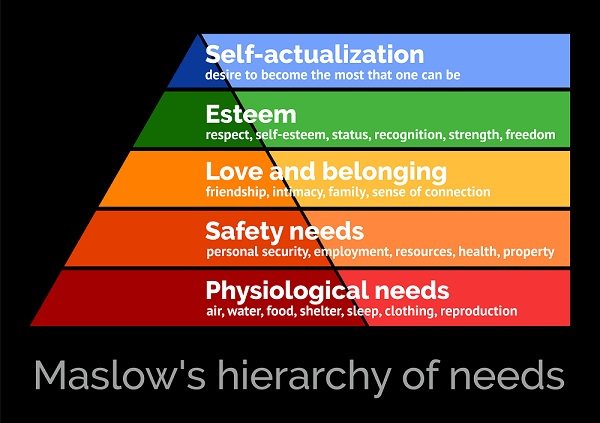
    In a world where most of our basic human needs are met, I suppose it’s no wonder that we are now looking to become more deeply fulfilled. When you no longer have to struggle for mere survival, it’s only natural that you pause and ask yourself what it’s all for.

    The Problem with Purpose

    Living a purposeful life sounds wonderful, and I’m not here to devalue anyone’s purposeful existence. Rather, I would like to remind those that haven’t found purpose yet that life can be meaningful and fulfilling without it.

    The problem with purpose is not at all the actual purpose, but rather our intense attachment to finding it. Doing work we love, contributing to the world in a meaningful way, and leaving our mark has become such a prized endeavor that I can often sense a deep existential worry creep into conversations with my peers.

    For example, I’ve noticed that many of my friends feel angsty when they don’t know what to do next in life or when they aren’t sure if their current endeavors are what they’re meant to do. I too have felt uncomfortable with the fact that I am not serving the world in big and meaningful ways.

    We seem to collectively feel that if we don’t have some grand end-goal to fulfill we are somehow failing at life. And with this, we are passing on the opportunity to create a meaningful life without having a purpose.

    The Alternative to Purpose

    This is where I would like to offer an alternative. Not to purpose itself, but to the glorification of purpose and the frantic gold-rush that we have embarked on to find that one thing in life that will bring us meaning and fulfillment.

    I do believe that living a meaningful life is important. Having no sense of why you are even on this planet can feel restless at best and nihilist at worst. But instead of anchoring yourself in finding purpose, I suggest you anchor yourself in values instead.

    Personal values are guides that can help you navigate the road map of life, even if you don’t know where you’re heading. More importantly, they’re a lot easier to find than purpose.

    Think of a few people you admire. What values do they exemplify? Courage, empathy, ambition? If you look up to anyone, it’s most likely not because of their achievements, but rather their character, which has helped them reach those achievements. What in their character would you like to improve in yours?

    Personal values allow you to live anchored in what is meaningful to you, whether that’s serving others, being brave, or taking radical responsibility for your life. Values, unlike purpose, allow you to infuse meaning into every present moment rather than only finding meaning in one noble cause.

    If you value kindness, for example, then living from a place of kindness can transform mundane daily activities into opportunities to be kind. A boring job can become a playground where you practice your kindness. And an annoying family member becomes your opportunity to show up with compassion and consideration.

    My Journey with Purposelessness

    I used to navigate life with a sense of urgency, always moving forward in an attempt to fulfill my mission in life. I would set goal after goal, convinced that once I had achieved them a sense of meaning would arise.

    But as I worked through the common milestones in life, the meaningfulness never came. So I would continue to set new goals, certain that I just hadn’t found the one thing yet that would make me feel whole.

    When I was stuck at a major crossroads last year, I slowly shifted my focus from finding my purpose to adding meaning to the everyday. A year later, I still don’t know what I am meant to do in life, but I am content to live in the question for now. To sit with purposelessness.

    In the meantime, I find meaning in cultivating my character by living out my values. Personally, I value courage, tenderness, and depth at the moment, so I use everyday activities and challenges to put these values to practice.

    The value of tenderness, for example, encourages me to soften my inner self and stay open to life in the face of hardships. I try to cultivate this part of my character by always being compassionate with others, particularly those who challenge me. I also practice tenderness through self-compassion, allowing myself to be weak and vulnerable at times when staying strong is not the compassionate option.

    I live a life of courage not only by doing things that scare me, but also by truly listening to what my heart wants and speaking my truth. Nurturing courage has faced me with some nerve-racking situations, such as quitting a job that no longer fulfilled me, but rising to those situations has given me the strength to forge a life that feels true to who I am.

    Lastly, I try to cultivate a sense of depth in my life. Rather than scrolling through Instagram, I often spend hours getting my teeth stuck in an interesting book. And rather than traveling the world, I have made it my mission to revisit old favorites over and over again. To get into the nooks and crannies of a city I know well, sucking out the last little marrow from its foundations, offers me a deeper way of traveling not found in weekend getaways or exotic backpacking trips.

    Nurturing these values has given me the chance to see each and every moment as an opportunity to grow and develop my character. While I’m figuring out the why for my life, values keep me on track with the how. And, unlike purpose, I can swap out and play with my set of values as much as I’d like.

    Perhaps one day I will stumble upon my purpose. Or perhaps I will look back on my life in old age and finally recognize that I had been living my purpose all along, and finally understand what it was all for. But for now I am simply curious to experience life as it unfolds, finding meaning along the way by anchoring myself in values.

    If you’re currently feeling a little lost in life, then know that it is okay to sit with that feeling. Know that it is okay to not fix away this feeling in 15 minutes. And know that if you simply show up every day with an open mind and unfold your soul into the tapestry of possibilities, your path will be full of meaning and wonderment, even without that illusive thing called purpose.

  • What Happens When We Compromise Our Core Values

    What Happens When We Compromise Our Core Values

    “It’s not hard to make decisions when you know what your values are.” ~Roy E. Disney

    I got out of the car and could immediately tell that something was amiss. There were far too many glum-looking people milling around outside the building my meeting was scheduled to take place in. I worked for Yellow Pages at the time, and I regularly met with business owners who were interested in placing ads.

    At that moment two burly men exited through the warehouse adjoining the office carrying a filing cabinet. A man who was carrying what looked like a paper shredder followed them.

    There were probably ten men, most of whom were wearing coveralls, stood around smoking, talking in hushed tones and generally looking despondent

    I turned around to look at my manager. She shrugged and motioned for me to go into the office.

    At this point the veil lifted and I realized what was going on. The men carrying out the office furniture were repo men, or bailiffs as we call them in the UK. The other people outside were staff members who by now were starting to realize they were possibly no longer in employment.

    I stopped in the office doorway and again turned to my manager looking for a cue that it was okay to pivot and leave, but I didn’t get one.

    Instead, she nodded toward the clearly anxious business owner, leaned into me, and whispered into my ear, “Quick, get him to sign the order while he still has a desk to lean on.” She wasn’t joking and I was momentarily stunned.

    I knew that the owner would probably sign because he had nothing to lose. If he went bankrupt he wouldn’t have to pay the bill. And if he managed to survive he would need to renew the advert he had previously placed with us to generate business—though he likely still wouldn’t pay, given the circumstances.

    Many years ago, when I was about eleven years old, I was trying to fit in with some boys a year or so older than me.

    It was near the beginning of my first year at a big, new school. I had few friends close to me because those of us who had moved up together had been split up in different classes across the entire year. As such, I was eager to please the other new boys in my class so I could feel included.

    I had latched onto a group of about four others, and we were walking home from school one late afternoon.

    As was already common practice, we stopped to go into a small convenience store that sold everything from fruit and vegetables to the more desirable candy.

    In those days, we all wore school uniforms, and I had on a new blazer that was a bit too big for me, making me look a bit like Paddington Bear minus the marmalade sandwich under my hat.

    I was wandering around the store, ruing the fact that I didn’t have any money to buy anything lovely and sweet, when suddenly I felt something heavy drop into the right-hand pocket of my blazer. I nervously looked down and could see an orange nestled neatly in the pocket.

    I looked back up to see one of the other boys grinning at me. He put his finger to his lips and gently pushed me toward the door with his other hand, obviously wanting me to leave with the ‘free’ orange.

    I immediately felt sick with nerves.

    I’d never stolen anything in my life, and this didn’t feel good at all. Neither did the thought of my trying to put the orange back and getting caught. Or, even telling the store owner that my new friend was encouraging me to steal his produce.

    I must have had guilt written all over my face because I was barely a half dozen paces through the door when I felt a large hand on my shoulder.

    I spun round hoping it was my friend but deep down knew it wasn’t.

    My worst fears were realized as I faced the angry storeowner, who immediately thrust his hand into my pocket and pulled out the errant orange. I was so anxious that I had to fight the urge to throw up all over the man’s shoes.

    He brandished the citrus reticulata in front of my face and said, “What do you think you’re doing with this? Are you a thief? I’m going to call your parents.”

    I could barely talk, I was so frightened. My fear intensified as I saw my new friends walk off laughing, obviously not in the least bit concerned by my predicament.

    To the best of my knowledge, that was the first time I was introduced to core values and their crucial importance in our lives.

    It was a chastening experience explaining to my parents why I’d done such a thing, after they had been called to collect me.

    They felt let down, but probably more importantly, I felt I’d let myself down to such an extent that I vowed I would never allow myself to get dragged into such behavior again.

    I value honesty and integrity, and I’d demonstrated neither. Of course, I had no idea at that age what core values were. I just knew something was badly amiss.

    As I stood in the doorway to the office, years later, the orange stealing incident came flooding back to me in glorious technicolor. Only this time there was no desire to fit in and no need for external validation.

    I was well aware why my manager wanted a signature on the order. She knew, irrespective of whether the guy would ever pay—he clearly wouldn’t—that she would still earn a financial bonus and the ‘sale’ would go toward her target for that campaign. It would be a great many months before our employer realized they were probably never going to get paid.

    Enough was enough. I turned round and walked passed her, thrusting the order into her hand, and hissed, “You sign him up.”

    I knew she wouldn’t. It was one thing having my counter signature on an order that defaulted, but quite another to have a manager sign off on it.

    As I walked back to the car I knew I was done.

    I was done with a manager who had zero integrity. Done with a company that only cared about its bottom line. And done with an entire industry that seemed interested in one thing and one thing only, generating revenue.

    Prior to that day I’d had what many people would consider a successful career. I earned excellent money, won numerous sales awards, and was a team player who was always looking to help my colleagues.

    From the outside looking in, I was a success.

    But the problem with success is that it doesn’t have an objective definition. We define our own success, not other people. Unless that is, we foolishly allow them to.

    Which would you consider a successful life: living in alignment with your values and doing work you truly believe is meaningful, or earning loads of cash doing work that leaves you feeling conflicted?

    If you truly value family, should you really accept that job that will take you away on business half the time?

    If integrity is paramount to your sense of well-being, should you really make false claims on your taxes or exaggerate your work expense report?

    And thinking beyond work, if peace is critical to you, is it wise to get involved in petty online squabbles and neglect your meditation practice?

    Commit today to figuring out your own core vales by asking yourself:

    “What is important to me?”

    Then, when you have an answer, follow up with the question:

    “What does that give me?”

    Write that down and irrespective of the answer make the same inquiry again:

    “What does that (new word) give me?”

    Then write that down.

    And keep going until you cannot think of anything else or you start to give the same answers and end up in a loop.

    Then start the process again by asking, “What is important to me?”

    The reason you need to keep drilling down is to make sure you hit a value.

    For example, if the answer to the original question is money, then that’s not a value. Money can never be a value.

    If I gave you a million dollars under the condition you could never spend it, invest it, or give it away—you could only look at it—would you want it?

    Of course not.

    We all want money because of what we think it can give us. Maybe that is security, freedom, or maybe even peace of mind. They are the values.

    When you have figured out your top eight or more values, the easy part is over because now you need to start asking yourself some tough questions.

    Does my job align with my values?

    Do my friends (for the most part) align with my values?

    Do my habits align with my values?

    Do my thoughts align with my values?

    If the answer to one or more of the above is no, then some work is called for because there is little point knowing your values if you don’t live them.

    As an eleven-year-old I didn’t appreciate core values. I couldn’t have told you that the reason I was so distressed about Orangegate was because integrity was super important to me.

    I also didn’t realize the situation was exacerbated by the fact that I highly value independence and following my own path.

    But, I didn’t have the excuse of youth as a forty-year-old. And I knew it.

    Even though in my mind I was done with sales on that day, it took me another year or so before I finally found a new career that aligned with my most important values.

    And, it would take another decade of working for myself before my income would be back up to my previous level.

    Nevertheless, I didn’t care, because, even though I didn’t have the disposable income I was used to, I had something much more important and much more valuable.

    And that was a profound feeling that I was successful based not upon income, but on being true to my values.

    We all need money and most people like status, but nothing gives us that innate sense of peace and contentedness like living in alignment with our core values.

  • 7 Ways to Know If Your Sacrifices Are Worth It

    7 Ways to Know If Your Sacrifices Are Worth It

    “The price of anything is the amount of life you exchange for it.” ~Henry David Thoreau

    Have you ever looked at the path you’ve chosen and questioned if your sacrifices have been worth it? If you’ve prioritized the “right” things, pursued worthy goals, and ultimately, made “good” choices?

    Have you ever wondered if you’ll one day look back on your life and regret not only what you did, but also what you didn’t do, because maybe you’ll feel you wasted your time or somehow missed out on something important?

    If you answered no to these questions, you’re my new hero. I admire anyone who lives with such presence they never question what they’re doing because they’re too busy living it.

    But I, a consummate over-thinker, am not that person.

    I started thinking about this just recently after listening to the second episode of Next Creator Up, a podcast I’m producing with my partner in many things and show host Ehren Prudhel.

    In this interview, LA-based actress and filmmaker Melissa Center talked a little about what she’s had to sacrifice for her dreams. And though she got emotional when discussing the very different lives her friends and family are living—lives with houses, children, and financial security—she ultimately concluded that, for her, all the sacrifices have been worth it.

    She explained her reasoning, and I admired her sense of certainty. Because I know how easy it is to doubt yourself in a culture that not only promotes the idea of “having it all” but also bombards us with images of people pursuing alternative, seemingly better paths.

    I also know how hard it is to feel confident in our decisions, particularly because of many of us are disconnected from ourselves. If we don’t know what we stand for, it’s awfully hard to ascertain what’s worth prioritizing and what’s worth giving up.

    With this in mind, I decided to create this list of ways to know if your sacrifices are worth it. A lot of this comes down to knowing yourself.

    If you’ve been questioning your path, perhaps this will help you fully commit to it—or make the tough decision to change directions.

    7 Ways to Know if Your Sacrifices Are Worth It

    1. What you’re doing aligns with your values.

    We all have different core values—things we stand for and regard as crucial for our overall life satisfaction.

    When we live in alignment with our values, and honor them through our choices, we feel a sense of peace, even if our lives are sometimes challenging. When we we’re out of alignment, we feel internal conflict.

    For example, my top values are freedom, creativity, adventure, family, and integrity.

    I could never sacrifice my integrity to make money. Sure, I’d love to roll around on a bed full of cash, but the pain of acting without integrity would override the joy of financial abundance.

    I could never choose a lifestyle that leaves little room for spontaneity or limits my ability to visit my family. No matter what the rewards of said lifestyle, I would ultimately feel conflicted and dissatisfied.

    If your choices require you to sacrifice the things that matter most to you, regardless of the potential rewards, you will ultimately feel unfulfilled. If your sacrifices don’t threaten what’s most important to you—or at least not beyond the short-term—then they’re far more likely to feel worth it.

    2. You’re living your own version of success.

    Much like we all have our own values, we all have our own definition of success. Contrary to what our culture might suggest, there’s no one-size-fits-all scenario.

    My grandmother, who was one of my greatest heroes, lived a life very different from mine to date. She lived all of her eighty-two years in the same city, married young and had four kids, and devoted every bit of her free time to her family.

    She rarely traveled, didn’t have much money, and seemed perfectly content—ecstatic, even—to live the same day over and over again.

    If you gave her a table crammed with her loud Italian kids and grandkids, and a big pot of pasta to feed them, she was happy.

    Because she valued family, she never complained when caring for my grandfather, who ultimately lost both of his legs to diabetes. Caring for him took much of her time and energy, and she rarely did much for herself.

    But this—this love, this loyalty, this generosity of spirit—this is what defined a successful life to her, so ultimately, it was all worth it.

    Ask yourself what success looks like to you, and why. What do you do? What do you give? What do you gain?

    If you’re living your own version of success, then the satisfaction of enjoying what you have likely far outweighs the pain of accepting what you lack.

    3. You’re not trading happiness today for the hope of happiness tomorrow.

    You may have read the story of the Mexican fisherman before, but if not, here’s a condensed version:

    An American investment banker ran into a local fisherman in a small Mexican village and, seeing the several large tuna in his boat, asked the man how long it took him to catch them.

    When the fisherman said it didn’t take long, the banker questioned why he didn’t stay out longer and catch more. The fisherman said he had enough to meet his family’s needs.

    When asked what he did with the rest of his time, he answered, “I sleep late, fish a little, play with my children, take siestas with my wife, Maria, stroll into the village each evening where I sip wine, and play guitar with my amigos. I have a full and busy life.”

    Hearing this, the banker offered the fisherman his help in creating a business—so he could buy more boats, catch more fish, and eventually be at the helm of an empire. This would require him to relocate, but in fifteen to twenty years, he’d be rich.

    The fisherman asked what he would do then, to which the banker responded, “Then you would retire. Move to a small coastal fishing village where you would sleep late, fish a little, play with your kids, take siestas with your wife, stroll to the village in the evenings where you could sip wine and play your guitar with your amigos.”

    I think of this often when making life choices. If there’s nothing about an opportunity that excites me and fills me passion and purpose—if it’s solely about creating some ideal life down the road, or worse, meeting an ego need for success or validation—it’s most likely not worth my time and energy.

    Stop and ask yourself: Is this is a process I can throw myself into with enthusiasm? Or am I sacrificing potential joy now in the hope of finding joy later?

    4. You could be satisfied with your choice even if you didn’t reach your ideal outcome.

    Building on the last point, you know your sacrifices are worth it if you could be content with your choices regardless of where they lead you.

    If you need to make a certain amount of money, or reach your ideal goal exactly as you visualize it, to justify what you’ve given up, then you’re setting yourself up for potential heartache. Because there are no guarantees in life.

    No matter how hard you work, how much time you devote, or how smart or talented you are, you could one day realize that your efforts didn’t pay off in the way you hoped they would.

    Or, they could pay off for a while, and then something could change—you might have to switch gears to care for a loved one, or could lose everything due to circumstances you couldn’t possibly have predicted.

    If you could look at the time spent and conclude it wasn’t wasted—because you enjoyed yourself, felt a sense of purpose, or made a difference for other people—then in the end, your sacrifices are more likely to feel worth it.

     5. You’re still able to meet your needs, despite your sacrifices.

    When asked what surprised him most about humanity, the Dalai Lama said, “Man. Because he sacrifices his health in order to make money. Then he sacrifices money to recuperate his health. And then he is so anxious about the future that he does not enjoy the present; the result being that he does not live in the present or the future; he lives as if he is never going to die, and then dies having never really lived.”

    No rewards—monetary or otherwise—are worth sacrificing our physical, mental, and emotional well-being.

    If you’re working so hard that you have little time to eat well, exercise, and get sufficient sleep—and you end up overweight, exhausted, and on track for a heart attack—would any reward or glory really justify it?

    There are many things I would sacrifice for a cause I believe in or a dream that excites me—I don’t need luxuries, I don’t mind buying used, and I also don’t care if I own a car or a home.

    But I won’t sacrifice the things I need to function at my best. I can’t be present, and I’m no good for anyone or anything, if I’m physically weakened and so stressed that I’m constantly ready to snap.

     6. You only or mostly question your sacrifices when you compare yourself to other people.

    Though I’ve sacrificed a sense of community because I’ve chosen a free-spirited, nomadic life of adventure, I don’t often regret the path I’ve taken for all the reasons listed above.

    But every now and then I compare myself to other people and question if perhaps I should have what they have.

    I see people on Facebook who are a lot like my grandmother—lifers in one town, well connected to many, dialed into local causes—and I wonder if I’ve prioritized the wrong things.

    I’ve lived the life George Bailey fantasized about in the 1940’s holiday classic. But wasn’t his life lauded as somehow more wonderful than the life of an adventure-seeking dreamer and wanderer—and also far more meaningful?

    I see old friends on Instagram building new memories with people they’ve hung around with for decades, and lament that, unlike them, I’d have a hard time creating a large bridal party if I were to ever get married.

    Aren’t connections the most important thing in life? And do mine really count if they involve less face time—if I’m not at every family dinner, every holiday, and every milestone?

    But when I put my phone down and dig my heels into my own life, I remember that no matter what I choose, it’s a choice not to do something else. No one has it all. And those who have what I lack likely envy and glamorize what I have at times, just like I sometimes romanticize their circumstances.

    If you feel happy on the whole when you’re fully present on your path, and only question it when you take your eyes off the road, then odds are, your sacrifices are worth it.

     7. Your current path brings you meaning.

    We are all wired to seek pleasure and avoid pain—what positive psychologists refer to as hedonic happiness.

    This is what we feel when we do something that boosts our mood, and it’s why we often chase varied highs. We sometimes think “the good life” means abundant leisure time, fun, and excitement. And those things are definitely awesome, which is why we’re often willing to make sacrifices in the present in the hope of having more of them in the future (see #3).

    But there’s another kind of happiness that doesn’t depend on hedonistic pleasure. It’s called eudaimonic happiness.

    This is what we experience when we have meaning in our lives. When we devote ourselves to something bigger than ourselves. When we take on new challenges, grow, and use our strengths to contribute to the greater good in some way.

    If you’re doing something that feels deeply meaningful to you—if you’ve dedicated your life to a cause, you feel engaged in your devotion to it, and you feel proud of the impact you’re making—it will be a lot easier to make peace with sacrifices.

    This might mean working at a non-profit that pays you very little but enables you to make a tangible difference in other people’s lives.

    Or volunteering during your free time, which limits some of your social options but fills you with a sense of pride and purpose.

    Or raising children and going without sometimes, knowing your sacrifices are directly benefitting them and enabling them to grow into strong, healthy people.

    Ask yourself: Do I feel a sense of meaning? Am I proud of the person I’m being? Am I doing something that matters not just to me but also the world at large? Odds are, if you answer yes to these questions, you’ll look back without regret for what you gave up in order to give what you gave.

    The number of realities we each could be living is absolutely mind-blowing if you think about it. Change any one choice and, through the butterfly effect, our lives could look completely different.

    And each of those little worlds would have its own gifts and challenges. In every possible scenario we’d have some rewards, some sacrifices, and some occasional doubts about whether the former justifies the latter.

    The good news is, as long as we’re still breathing, it’s never too late to change directions. If ever we recognize we’re not being the people we want to be or doing what we really want to do, we can take a new path, or even pave one where there is none.

    At any time we can decide to rebuild our lives around what we value, live our own version of success, and create a life of joy and meaning.

    If you’re interested in listening to Melissa’s interview, about her experiences with her short and first feature film and the sacrifices of being an artist, you can find it here. And if you haven’t heard the first episode yet, with singer/songwriter Kelley McRae, you can find it here

  • My Needs Matter Too: How I Started Speaking Up and Setting Boundaries

    My Needs Matter Too: How I Started Speaking Up and Setting Boundaries

    “Setting boundaries is a way of caring for myself. It doesn’t make me mean, selfish, or uncaring just because I don’t do things your way. I care about me, too.” ~Christine Morgan

    In my early twenties, I could shout into a megaphone at a political rally of thousands, but I couldn’t decline drinks from strangers at the bar. I could perform original music for an attentive audience, but I couldn’t tell my friends when I felt hurt by something they’d said. I could start a business, advocate for new laws at City Hall, and share deeply personal poetry on Facebook, but I simply couldn’t speak up for myself in moments of conflict.

    At the time, I had no idea that boundary setting and speaking up were systemic issues millions of people struggled with. I didn’t understand that my inability to set boundaries probably originated in my childhood as the cumulative result of my untended emotional needs.

    I just thought I wasn’t trying hard enough.

    I judged myself mercilessly for being unable set boundaries. I spent many mornings scribbling viciously in my journal, unpacking the previous day’s events. These are unedited excerpts:

    “She asked to reschedule our meeting, and even though I promised myself I’d never schedule an early-morning phone call again, I did—for 7:00am. Ugh. Why didn’t I just ask her to reschedule?”

    “I resent him so deeply for how he treated me, but when I saw him in the coffee shop yesterday, I acted like everything was peachy keen. What the hell? I’m so frustrated. How do I get better at standing up for myself??”

    Woven tightly around my self-judgment was a thick mesh of confusion. I was the type of person who looked forward to therapy, hoarded self-improvement books, and spent evenings with girlfriends unraveling the scrappy tangles of our psyches. I liked understanding myself. You can imagine, then, that I was totally and completely flummoxed by my inability to understand—never mind remedy—my people-pleasing habit.

    Most of the time, the thought of saying no—to friends, family, lovers, and colleagues—simply didn’t enter my mind space. No matter how uncomfortable or unsafe I felt, the only future that felt available to me was one in which I pleased the offending person and later felt victimized and resentful.

    Other times, when I felt brave enough to simply entertain the notion of saying no, I felt a heaviness in my chest and a closing in my throat. The words literally couldn’t escape my mouth.

    My friends who had no issues setting boundaries were wary of my explanations. To them, setting a boundary was like swatting an annoying gnat. But to me, it was like battling a saber-toothed tiger.

    I wish I’d known then what I know now: that boundary setting isn’t a simple box to check off of your self-care to-do list. It represents a complicated matrix of issues related to one’s family of origin, socialization, limiting beliefs, and, most importantly, one’s relationship with oneself. Setting boundaries is the final step on an extensive journey of self-reflection and diligent practice. Had I understood this years ago, I would have been able to reassure myself:

    You are not weak.

    You are not stupid.

    You are doing the best that you can.

    We set boundaries to protect ourselves. In order to protect ourselves effectively, we need to know what we’re protecting. Developing a rich understanding of our own needs, desires, values, and vision gives us the firm sense of identity we need to keep from wavering in our commitment to speak our truth.

    When I didn’t have a clear sense of who I was or what I wanted, it was easy to let others define me; wait for others to speak up for me; resent people who didn’t proactively predict or meet my needs; prioritize others’ needs over my own; and seek value from external sources, like whether others liked me or found me attractive. Combined, these tendencies were painfully disempowering. I often felt like a shadow of myself.

    I first began to build a solid sense of identity after I went through a devastating breakup with a long-term partner. My codependency had been a contributing factor to our separation, and I was finally beginning to understand that I couldn’t expect others—lovers, parents, friends, or colleagues—to be my purpose for living.

    I also couldn’t allow external measures of success—like climbing the career ladder, losing weight, or winning awards—to be the driving forces behind my behavior.

    I had to go deeper. Here’s how I did it.

    Step 1: Meet your fundamental needs.

    At first, I wasn’t sure where to begin. I mean, how do you build an identity?

    In that fragile state of post-breakup unknowing, questions like “Where do you see yourself five years from now?” or “What direction do you want to take your business in?” were enough to reduce me to tears. I didn’t know what direction I wanted my career to go in. I didn’t even know how I would get through the weekend.

    What I did know was that I wanted Kava tea before bed, and that I couldn’t sleep without lavender oil in my diffuser, and that going on long walks around the park with my best friend made my heart feel lighter.

    As I explain in my previous post about discovering what you want when you’re a people-pleaser, these mild, uncomplicated wants were sacred whispers from my innermost self. By pursuing these small desires, I learned to trust myself.

    Maslow’s hierarchy of needs gave me a helpful roadmap as I became more accustomed to taking care of myself.

    Recovering people-pleasers like me rarely meet our own needs and/or prioritize others’ needs instead. Oftentimes, we neglect even our most elementary needs at the bottom of the hierarchy.

    In the past, for example, I regularly cancelled dentist appointments and annual physicals, though I fiercely encouraged others in my life to take good care of themselves. I didn’t get enough sleep and postponed trips to the grocery store.

    Only when I began to meet these primary needs did other, more complex desires arise. We must meet our own fundamental needs on a regular basis in order to construct the firm foundation upon which our sense of identity will be built.

    Step 2: Uncover your core identity.

    Over months, I slowly climbed Maslow’s hierarchy, continuing with basic self-care as more vibrant desires surfaced. I began to crave rich social connections, meaningful bonds with family members, travel, and dancing. My natural curiosity, which I hadn’t felt connected to in years, awakened.

    Ultimately, I found myself considering how I could make the most of my life—how I could self-actualize and “become the most that one can be.” I considered the following questions during my morning journaling sessions:

    • Vision: What do I want my future to look like?
    • Identity: Who am I and what roles do I play?
    • Values: Which principles or morals most resonate with me?
    • Skills: What abilities do I possess?
    • Desires: What do I crave?

    Exploring my identity across multiple planes gave me the chance to learn how expansive I actually was.

    For starters, I possessed far more skills that I’d ever given myself credit for! I was uniquely empathic, a good listener, organized, and great at designing systems.

    I learned that I valued personal freedom, self-expression, financial responsibility, and playfulness.

    As someone who was recovering from a codependent romantic relationship, I was stunned to remember that I was sister, a daughter, a coach, a community leader, a best friend, and more.

    Wide-eyed, I realized that I was so much more than the shadow-self I’d felt like months before.

    I’d spent so much time defining myself by others that this simple exercise—putting my pen to paper and exploring myself for thirty minutes—was a milestone: not only because of what I discovered, but because I took the time for myself to do it at all.

    Take some time to explore your own roles, values, morals, abilities, and desires. It’s easier to set boundaries to protect the things that matter to you most when you’re clear on what those things are.

    Step 3: Bring your authentic self to your relationships.

    In retrospect, that early period of self-discovery was the most profound period of my life to date. It was characterized by the uncompromising commitment to prioritize my innermost self. Most importantly, those months provided me the firm foundation I needed to bring my authentic self to my relationships with others.

    Boundary setting is like working a muscle—difficult and exhausting at first, but eventually, second nature. With this new understanding in hand, I began to tentatively set firm and healthy boundaries in my relationships.

    At first, simply saying no to a party invitation was a challenge. But I did it.

    Not long after, I set non-negotiable work hours and withdrew from a few extracurricular commitments that no longer served me. It was hard, but also felt totally righteous.

    As I pocketed these small successes, setting harder boundaries felt less impossible. Eventually, I told best friends when their actions upset me; terminated romantic partnerships that weren’t meeting my needs; and unpacked old childhood hurts with my parents. I’d be lying if I said I didn’t dance around my kitchen once or twice—okay, definitely twice!—totally overjoyed that boundary setting was coming more easily to me.

    After each difficult conversation, rocky though it may have been, a weight lifted from my chest. In the absence of that weight, I could navigate the world more freely. I noticed that I was more present for my clients, more playful with my friends, and more authentic with my family. Relationships that had once been a source of resentment finally felt nourishing because I was bringing my full self to the table.

    Notice when you’re being inauthentic in your relationships so can you start creating this same freedom for yourself. Practice communicating what you think, want, and need and sharing how you honestly feel. Once you start working this muscle, it becomes much easier to set boundaries in all areas of your life.

    It’s A Lifelong Journey

    Putting my truth into action is a lifelong journey because my truth is always changing. My relationships grow, my needs shift, and my identity—the very bedrock of who I am and what I’m protecting—transforms.

    Years later, I still occasionally find myself challenged by moments of confrontation. In those moments, I always harken back to the fiercely empowering truth that I set these boundaries to protect the vibrant inner self that I’ve come to know and respect.

    I like to remember that this journey may not be linear.

    I like to remember the progress I’ve made so far.

    Most importantly, I like to remember to have patience and compassion for this inner self of mine. She has become so brave. She exposes herself to the elements, and risks being seen, known, and loved by herself and by others.

  • How Getting Dumped Before My Wedding Made Me a Better Person

    How Getting Dumped Before My Wedding Made Me a Better Person

    “The root of suffering is attachment.” ~The Buddha

    Getting dumped a few weeks before my wedding was the most painful experience of my life to date, but how I came through it is the single proudest moment of my life.

    When I met with his mother four years after the breakup, she said she’d felt so guilty over these past few years. “I loved you like a daughter, and he’s my son—I never want any of my children to feel that pain.”

    I told her I was glad it happened, not for the fact that the breakup needed to happen (was inevitable even), but to have experienced the pain and loss, to confront my then-unconscious fear of failure straight on, and to not only survive, but thrive as a result.

    I told her I look forward to failing now. More accurately, I appreciate the lessons learned and the growth I’ll only be able to experience by getting back up, dusting myself off, humbly reflecting on where I went wrong, and pushing forward with a more finely tuned compass.

    But that perspective didn’t come easily. It took crawling Andy Dufresne-style through 500 metaphorical yards of sh*t-filled sewage pipes first.

    We were together for eight years through our twenties and into our early thirties. Four years in, we got engaged.

    One month before the wedding I went from bliss to being sucker punched in the lower intestines (emotionally speaking).

    It was a Tuesday. This was two days after coming home from one of the most incredible experiences of my life. I’d just finished yoga teacher training at an eight-day intensive on Long Island, Maine.

    It was a perfect week. I came home still buzzing with blissful vibes and gratitude. When he said we needed to talk, my stomach dropped so hard and so fast I thought it would fall out of me.

    He said he didn’t want to get married anymore.

    The contrast and transition from high to low was dizzying. In one week I felt both the best and worst I’d ever felt in my life.

    The following months were comprised of uncontrollable crying, deep sorrow, and some of the greatest lessons I’ve ever learned.

    Reading the stories of others who have loved and lost were so helpful to me when I was in pain, as were the bite-sized inspirational quotes from great and kind minds that I could carry with me through the day, so I’ve included those that helped me the most. It made me feel connected and not alone; it gave me hope knowing there is light at the end of the tunnel.

    That’s why I’m writing this. To share what I learned through this whole ordeal, how it set me off on a path of self-discovery and development, and how I’m a smarter, stronger, and more compassionate person because of it. The same is possible for you.

    I learned to feel my feelings.

    “The best way out is always through.” ~Robert Frost

    Sounds simple enough, but it’s not something we consciously do on purpose with negative emotions.

    We still lived together for three months after the wedding was broken off. It was especially hard coming home from work knowing he’d be there.

    Toward the end I’d gotten pretty good at avoiding, numbing, and running from experiencing the full intensity of the pain. The day he moved out, I decided it was time to feel it, all of it.

    I closed my eyes and let go of every resistance to the pain. I let the full force of it wash over me and through me. I accepted the pain without judgement, like I was both experiencing the pain and watching myself experience the pain.

    I did this through dancing in my kitchen. It seemed to help move the emotions through me. And it left me in a literal and figurative puddle of tears on the cold tile floor. It was incredibly cathartic.

    We avoid the full intensity of afflictive emotions because it seems like the crushing wave of feeling will not only knock us over but drag us down and drown us in sorrow and anguish. It feels like the pain might kill us or drive us insane, so we hide from it at all costs.

    It makes sense—we’re built to seek pleasure and avoid pain. Of course we want to run away from it.

    But when it comes down to it, emotions are energy and energy needs to flow. If it’s blocked, it gets stuck; it doesn’t leave.

    Emotions are sensational representations of our thoughts. Breathe. Witness. Let the emotions flow and instead of judging them as bad or hating the process. View it through a lens of curiosity.

    You really can’t rush the process of healing. It takes time. But avoiding the feelings or numbing them with wine, pot, pills, TV, food, sex (or all of the above like I did for months) only drags the grieving process out longer.

    Not to say those aversion techniques should be completely avoided through the whole process—you do you. Just be aware that you’ll eventually need to face the emotions head on.

    I fully believe that had I not had the courage that day to feel the pain with all its intensity my healing would have taken much longer.

    Resisting the emotions is like trying to pull your fingers out of a Chinese finger trap. You only get stuck more. You need to lean into it to set yourself free.

    And now when I’m faced with challenges that stir up difficult emotions, I’m much braver and allow myself to feel it and experience it, then I’m in a much better place to question and reframe my beliefs around the situation.

    I learned how to reframe a difficult situation.

    “How lucky I am to have something that makes saying goodbye so hard.” ~Winnie the Pooh

    Reframing is a powerful tool. When we’re in the thick of an emotion we identify with it so strongly that it’s hard to step back and take an objective look from all sides.

    One day at work, probably a month after the canceled nuptials, I was rather unsuccessfully fighting back tears in the bathroom when a woman I work with came in and asked me what was up. I told her the situation and she put things into perspective for me.

    She’d met the man of her dreams in her forties and got married later than most. He was a talented doctor. Shortly after getting married he started showing signs of Alzheimer’s. A few years later she had to place him in a full-time facility near home.

    In the bathroom she said to me, “At least you don’t have to watch him suffer.” She was right, and that was exactly what I needed to hear. My situation could have been so much worse. How lucky am I?

    Now when dealing with a situation that makes me feel angry, sad, irritated, guilty or ashamed, I step back and try to reframe the situation. I’ll ask myself questions like:

    • Is it true?
    • What is the story I’m telling myself here? What do I think this means about me?
    • If the universe gave me this situation on purpose, what lesson am I supposed to be learning?
    • What’s the worst that could happen?
    • If the worst does happen, how can I cope?
    • Can I know for sure that this “shouldn’t” have happened?

    I learned to know my values and to live in tune with them.

    “Open your arms to change but don’t let go of your values.” ~Dalai Lama

    He’d said we shouldn’t get married because he didn’t want to have children, and I did. So I said, “Maybe I don’t want to have kids. I don’t have to have kids.” I didn’t truly believe this; I was grasping at straws, trying to keep hope alive.

    We lived together still, and since he hadn’t technically broken up with me yet (he only said he didn’t want to get married) we agreed to try to work it out.

    Then I snooped. I’m embarrassed to admit it, but I took his phone when he was out of the room and looked through his personal, private messages on a hunch. The punishment for this breach of privacy was yet another figurative sucker punch to the gut.

    I saw the text exchanges with another woman on his phone. And the pictures.

    It was dishonest to invade his privacy, and karma was quick to level the playing field. I learned my lesson immediately because what I saw hurt—a lot. Needless to say, I’m off of snooping for good.

    When I said I didn’t have to have children, it wasn’t true and deep down I knew that. And I felt so dirty and wrong for looking at his phone when I knew outright it was an invasion of privacy, regardless of the fact that I found questionable material.

    These are what we call values conflicts. Through making these mistakes I learned to identify what my values are, and to recognize when there is a conflict either caused by my own thoughts and actions, or by others.

    Knowing your values is like having a brighter flashlight to get you through the woods at night. Sure, you might make it out without a light, but you’ll likely trip or wander off path. Knowing your core values in life is a guiding light to making tough decisions with confidence and clarity.

    And I value honesty, kindness, integrity and authenticity. Four things I did not live up to in those moments.

    I learned the power and freedom of forgiveness.

    “Holding on to anger is like grasping a hot coal with the intent of throwing it at someone else; you are the one who gets burned.” ~Buddha (paraphrased)

    On paper I had reasons to be angry. To this day I could hold a grudge still, and many would say it was justifiable.

    To be frank, that sounds exhausting to me. I certainly was angry for months. It’s only natural; it was part of my grieving process.

    But I came to realize that the anger felt terrible inside me. My ego was holding onto the idea that I am right and he is wrong. I asked myself “So what?” “Where is the benefit of holding onto this?” I had no answer.

    This was a person who was very important to me for a long time. I wished him well then, why should I stop now that we aren’t together?

    Everyone makes mistakes. I had to make my own mistakes (so, so many of them) to finally understand what my mother had always said: “Everyone is doing the best they can with what they have.”

    And I believe that to be true. When I looked at his phone, though it was wrong, I was still doing the best I could with what I had. I had pain and a strong desire to find the “real” reason for it. I had opportunity when he was out of the room. I had strong curiosity. I had a lack of restraint.

    I needed to forgive myself. I made mistakes, admitted them, and learned from them. At that point they’d run their course and it was time to forgive.

    Plus, since I know kindness is a core value of mine, I need to live according to my values. Holding onto anger is not being kind to myself.

    And I can full heartedly say I forgive every wrongdoing by him. He’s human and makes mistakes just like me.

    I learned how to rethink “failure.”

    “The greatest glory in living lies not in never falling, but in rising every time we fall.” ~Ralph Waldo Emerson

    In retrospect, I realized I wanted the breakup. I’d sometimes imagine him leaving me or—on my more dramatic and theatrical days—that he died and I had to start again.

    I came to learn that I was afraid of ending the relationship because it would have meant that I failed. I’d accepted an engagement proposal. I’d spent eight years living with this person making a life together. I’d planned a wedding. I’d made deposits.

    To then say it was a mistake, that I’d changed my mind, would mean that I failed. I didn’t realize at the time, but I had a huge fear of disappointing my parents and was afraid to call them and let them know about this transgression.

    I never stopped to define failure and what it means to me. At the time I would have said it meant to make a mistake, to not reach your goal, to fall short, to not be good enough.

    With further introspection, I’ve since redefined what failure means to me. Because I learned so much from this failure of a relationship, I now have a new perspective.

    Failure to me now means giving up on something I want because it seems hard or uncomfortable. It means not trying because of fear.

    I go back to my reframing tool and ask the following:

    • What’s the worst that could happen?
    • How likely is that outcome?
    • If the worst happens, how will I cope?
    • What’s the best that could happen?
    • How likely is that to happen?
    • What probably will happen?

    We fear the unknown, the ambiguous. Define what you’re afraid of. It’s much less scary on paper. And now you have the opportunity to plan, problem-solve, and prepare.

    I’ve never been more accepting of my emotions and tolerant of pain since this experience. This journey and everything I’ve learned has led me to be my happiest me.

    Not to say I’ve reached the end of my journey. The best part is there is always room for more growth, learning, compassion, love, and happiness. And I feel blessed that I have the opportunity to pursue it every day.

    Once I got a taste of self-improvement, I was hooked. I started to see that happiness—true happiness—and freedom from the control of emotions, of feeling not good enough, from constant worry, were all attainable.

    This experience was a blessing. A painful, messy, crash course in learning to navigate life’s difficulties with grace and resilience.

  • How to Start Dating from a Place of Self-Love

    How to Start Dating from a Place of Self-Love

    “You must learn to love yourself before you can love someone else.” ~Sonja Mylin

    It’s tough being out there.

    I remember myself some years ago embracing the world of online dating. Everyone kept telling me “be yourself” (and I kept telling myself that), but when I was actually on a date, “myself” would fly out the window.

    I’d go hard on the impressing, second-guess myself, drink too much, look for every little thing we had in common (even if the person did not feel right), feel devastated if I was rejected, and utterly lose sight of what I was on the date for in the first place. Perhaps I didn’t really know who I was or how to be her in what I saw as a confronting environment.

    Dating brings out all our fears and vulnerabilities. You’re basically putting yourself on a platter, asking folks to judge you: “Pick me! Pick me!” like someone on a reality TV competition. You forget that it’s a two-way street. That you are looking for a suitable love (or a lover) to be with you, and that is all.

    We get the little brain buzz from being swiped right, from the initial contact message, from a nod of approval when we arrive. All of these microsigns can feel so great that they interrupt our reasonable thinking around who we’re looking for.

    Or, at the opposite end of the spectrum, we’re bombarded with messages from people we’re just not into (and straight up jerks), we go on dates that end up in an awful mess, we get rejected or we reject, which crushes someone, and it all feels terrible.

    It’s easy to lose heart.

    Dating doesn’t have to be like that. There are ways to bring it all back to what you are actually dating for in the first place. I know for myself that love came my way when I dug down a little deeper, stopped adjusting what I wanted from a relationship, gave it some time, had fun, and was really myself—warts, opinions, and all.

    Here are five ways to be out there from a place of self-love and have a much better chance of finding the real love you’re looking for.

    1. You are dating to find someone for you, not just to impress.

    This isn’t a job interview: dating is an opportunity for two people to find out if they like each other enough to keep finding out. No one is in a position of power over the other.

    Try not to spend the whole date putting all your energy into impressing the other person. Remember that you are checking them out as much as they are checking you out, and that you are making a decision too.

    2. Identify your values and then look for a match based on those instead of just shared interests.

    Sure, you want to be able to enjoy spending time with your partner, but contrary to popular opinion, your partner doesn’t need to be your best friend. You don’t need to do every single thing together. It’s far more important that you have similar core values. Interests can change, but values at their very core generally hold.

    What traits and ways of behaving are most important to you? What do you believe in? What world issues really pull your heartstrings? What would you fight for? How will you be able to tell if someone shares your values?

    Spend some time with yourself to drill down into the deeper stuff and then look for matching connections. Shared values will make for rich conversation and bring you back together when times are tough, not the fact that you both like white water rafting or watching RuPaul’s Drag Race.

    3. Stop performing a version of you.

    Many of us filter out the stuff we think might be seen as weird or boring or stupid when we’re dating. Or, it becomes normal to present a curated, cooler version of you. Of course you want to put your best foot forward, but sometimes it’s stripped back so much that who you are becomes completely invisible.

    Dating is not a numbers game. You don’t need loads of matches to find someone. You need matches with fewer folks who are really going to get you. Who will think you’re cute and funny and smart and interesting (even when you’re driving them mad).

    If you love binging Pretty Little Liars and cheap chocolate, painting old furniture, sleeping in until 4pm on Saturday afternoon, devouring true crime podcasts, attending the odd rally, and you wish you were an earth mother but are really more of a city gal who likes to shop, then that’s you.

    And my bet is that you are pretty unique and special with all your faults and quirks. We fall in love with real people, not pretend ones. If someone doesn’t love the real you, why are you with them in the first place? Wouldn’t it be far more wonderful to be cherished even when you are not the curated version of yourself?

    4. Don’t interpret “fun” as just the other person having fun.

    Hands up: Who is fantastic at helping other people relax—so much so that you forget to actually notice if you are having fun too?

    We all have roles we tend to play in life, and if yours is along these lines, then I’d encourage you to swallow that role somewhat and see what happens when you don’t leap into “Make them feel good” mode.

    Live with an awkward silence. Notice if you’re being asked questions, listened to, or engaged in conversation on a similar level to what you’re putting in. Spout an opinion or two. Not going well? Then it maybe this one isn’t for you. And phew! You found out early on.

    FYI: “Fun,” for those who have forgotten (because you’ve been out there way too long) is having a bit of a laugh and feeling relatively at ease.

    5. Yep, it should be pretty easy.

    Myth-busting time: Relationships don’t need to be hard and shouldn’t need to be “worked on” all the time. Are your friendships like that? My guess is that the good ones are not. Sure, they have ups and downs. There are misunderstandings and times of trouble. But ultimately, you really like each other’s company. You can rely on each other.

    The best relationships are fairly easy. They need to be able to stand the test of time. If it’s hard when nothing hard is happening, how is it going to be when something really hard is happening?

    Sure, there are situations that are supposed to be fun but instead can be fraught with issues (like moving in together). When we’re invested in someone and then mesh our lives together, that has some serious weight and it makes sense there will be teething.

    But if you’re on date four and it’s uncomfortable, combative, awkward, and pressure-filled, and you feel bad about yourself, or the other person is trying to control you? This one is most likely not for you.

    Ultimately, dating from a place of self-love is about believing that you are worthy just as you are, and that there is someone out there (maybe several someone’s) who you can and will connect with.

    It’s not just about being loved—it’s about you loving someone else. And if you’re coming from a place of self-love, then you will ultimately run the dating gauntlet with kindness, self-respect, and vulnerability without heaping a load of meaning onto rejection. Rejection means this one wasn’t right for you, nothing more, and thank god they did you a favor! Because you are deserving of the real, luscious thing with someone truly amazing.

  • Why I Chose Authenticity Over Fitting In or Standing Out

    Why I Chose Authenticity Over Fitting In or Standing Out

    “To be nobody but yourself in a world which is doing its best, night and day, to make you everybody else means to fight the hardest battle which any human being can fight; and never stop fighting.” ~EE Cummings

    For many years I felt like a fish out of water, but I desperately wanted to belong in the pond. I grew up wanting to be ‘normal,’ to fit in and be like everyone else. As a result, I was not in touch with who I was because I didn’t think there was another choice.

    The blueprint was clear: find a man, settle down, and prepare for a family. Do the career you’ve trained all your life for and climb the ladder because more (status, money, etc.) is always better than less. Buy things because they’ll make you happy. Be busy because this is a sign of success, even if it means you’re stressed and on the verge of a breakdown.

    So I did all those things and it didn’t make me happy, and for many years I denied the things that would. I wanted to feel important and successful, so for many years I put off my dream jobs—writing, yoga, and new age hobbies.

    I didn’t want to be the only gay in the village, so I denied my sexuality.

    I was desperate to shed all these false goals and the materials things I’d collected, which weighed me down.

    We are inherently people pleasers, so we want to fit in—to not rock the boat. But we also want to be successful and be noticed—try to stand out.

    It’s a competing paradigm that tests our authenticity and takes us further away from who we are with this pressure to be something else. Whether we deny ourselves to fit in or push ourselves to stand out, we’re having to be someone else, and that’s exhausting.

    This was certainly true for me, and I tried both!

    Scared of being different, I adopted other people’s styles and opinions and shaped my life to look like everyone else’s—the job I had, the people I hung out with, and the hobbies I pursued. It didn’t make me happy. In fact, it was an exhausting act in a play that didn’t feel like my life at all.

    When I got older, I began to feel pressure in the other direction—to get noticed, to stand out.

    When I started dating there was a pressure to dress up to be noticed and get picked; similarly, at school there was a pressure to try to be top of the class, be noticed, get picked for the team.

    As I climbed the career ladder I felt the pressure to stand out again—to be more extroverted despite my introvert tendencies, to speak up, be the hard-nosed business woman, to chase down the big promotions and be noticed by the bosses, to be picked again.

    Two pressures in opposing directions, but the same results. None of it was me, and both related to my need to please people, conforming and doing what I thought I should, not what was deep in my heart. Hell, I hadn’t even known what that was given how little attention I’d paid to it over the years.

    It can be our people pleasing tendencies that compel us to conform or try to stand out, but our fear of failure is also a huge contributing factor. We don’t want to fall short of society’s ideals, not be like everyone else, not make our parents proud, or not fit the mold for ‘success.’ We don’t want to be left on the shelf or be seen as different, undesirable, or unsuccessful.

    I spent my life doing what I felt I should, what those around me did, what felt ‘normal’ even when it didn’t feel right, even when it disconnected me further and further away from myself. It was only when I felt burnt out and exhausted from a lifetime of acting and feeling desperately unhappy that I thought things must change.

    I wanted to be me and find others who were themselves, but I also needed to find out who that ‘me’ was.

    My resulting action was quite drastic: I quit my corporate career, left my relationship of seven years, and traveled around the world in search of answers. I felt a need to get away from this place I didn’t belong in and wipe the slate clean to rebuild my life in accordance with who I really was.

    A trip around the world isn’t a prerequisite for embracing your authenticity; it’s actually much simpler.

    Ask yourself what you used to dream about as a kid, what is it that you admire most about others, what legacy do you want to leave the world, and what are your values? What do you love to do, and do you currently make time for these things?

    Take a moment to consider what your strengths are and get clear on your values. It also helps to seek out like-minded people. Not only do we feel at ease with them, they help us grow and flourish in accordance with our true selves.

    This need to fit in or stand out can show up in many ways: sending your child to a certain school because it reflects on your status as a family. Taking over the family business because you want to make parents proud. Driving a certain car that reflects your importance and status as a human. Wearing the right clothes because they are ‘in fashion’ and are what everyone around you is buying.

    There is another way, and it involves listening to your heart, not what others say. Follow your own dreams, not those society prescribes. Know who you are and stay in touch with that. Make decisions based on your values and the legacy you want to leave. Rediscover what matters to you instead of worrying about what you think you ‘should’ be doing. And ensure you prioritize your time based on your true priorities—the ones that make your heart sing.

  • What My Self-Judgment Was Trying to Tell Me

    What My Self-Judgment Was Trying to Tell Me

    “Regret is a fair but tough teacher.” ~Brene Brown

    A few weeks back, I found myself in the midst of a shame hangover and, like most people, when I’m in that unique internal cavern, self-judgments swoop into my consciousness like a colony of rabid bats in a four-foot tent.

    I’ll paint the picture…

    There are about two or three boys that have started visiting the houses on my block recently. They hold a rag and a windex bottle, come into every yard, knock on the door, and ask to wash the front doors (most of which are glass). Seems pretty harmless, huh? And, full, vulnerable disclosure here, they were also another ethnicity than I (and I consider myself a woke liberal).

    The first time I saw them approaching the houses, I felt mildly perturbed. I didn’t have cash on me. I didn’t want to deal with them. I just wanted to be left alone. I didn’t want to have to tell them “no.” I had just washed that door.

    They were around twelve years old, maybe younger, and I could tell they were working up the confidence to come into the yard and ask. It wasn’t easy for them. It was a little painful to watch.

    I struggled with being irritated and simultaneously feeling empathy for them. Both uncomfortable. As they made their way into my yard, I told them I had just washed the door, but I noticed the edge in my voice. Something in me felt triggered and I wasn’t quite sure why. I felt a hot beat of shame flush in my cheeks. 

    A few days later they returned, and as I answered the door, a boy with big brown eyes tried to get the words out but before he could even finish his sentence, I could feel anger rising in my body.

    I was watching it happen, confused. Maybe it was all the years living in a big city and feeling bombarded constantly by people asking for money, asking for help, asking for compassion. Some self-protective part of me was kicking in for absolutely no reason.

    I told them no, that I didn’t have cash, and I could hear my voice getting sharper and sharper. I wondered what they saw in that moment—a woman with a sign in her yard professing #lovewins, with a sharp tongue and narrowed eyes, skeptical and cold. I could feel myself tearing inside.

    To make up for it, I said, “Maybe next time. Come back later?”

    Three days later, they came back. I could see them making their way from down the street and the stories started spinning in my head. Do their parents know they’re doing this? Just making their way down the block multiple times a week? This is ridiculous. How much are they even charging for this? What a rip off! They are trying to scam us.

    My body responded in kind, seamlessly. I could feel my cortisol levels rising. I wondered if this was a clue that I actually might be racist on some level. I’m realizing now, yes, of course I am.

    “Excuse me ma’am,” one of them asked again.

    Before he could finish, I noticed I was yelling across the yard and transforming into someone I hated. In a second, I was shrill, nasty, and reactive.

    “If you want to get business, you probably shouldn’t come back every day,” I heard myself hiss as I jumped up and stomped over to the fence. “Do your parents even know where you are?”

    It felt like an out-of-body experience. One self was feeling for these boys watching this lumbering, angry white woman approaching them. One was observing, was sad for what they were seeing, and one part was jumping head first into blame. I have never seen love and fear so clearly demonstrated in my dual personalities I felt so much separation of self.

    “Well, you said to come back,” he replied honestly, “at another time.”

    Oh crap. He was right, I had told them to come back (to get them to go away), to be left alone. They took me literally.

    I realized how much I was shaping in that moment. I was teaching these boys how the world worked, how skeptical people are of other’s motivations (particularly people of their ethnicity), how nasty people can become for no apparent reason.

    I was professing love on my yard signs and teaching them about fear. They saw me in my yard, lovingly interacting in my toddler and then treating them like their hearts were disposable.

    I watched them walk away, wondering what they were muttering, as the shame cloak washed over me. For the next hour, I sat with my toddler son watching Horton Hears a Who. I was feeling so down I couldn’t even be present except to the message.

    “A person is a person no matter how small.”

    The self-judgments were getting darker and darker.  

    You are a fraud.

    You fool. You are a racist.

    You are deep down a rotting mess.

    You are a nasty b*tch. That is who you are really are.

    And with each word, I sunk lower and lower in the cavern.

    Until I took a moment to remember something important about self-judgments.

    They can actually be a good thing, as long as you don’t take them literally. They are a sign of regret.

    Regret is a fair but tough teacher.” ~Brene Brown

    I regretted that situation because my fear-based actions were so out of alignment with what my deeper self desired. I wanted to take care of those boys. I wanted them to feel seen and valued, but fear stepped in and I created the opposite effect.

    Self-judgments can tell us where we are out of alignment with deeper self and our intuitive responses.

    I think of all the times love has told me what to do, has urged me toward compassionate action, toward mercy, toward lifting others up, and how often my fear steps in and death chokes it to the ground by reasoning it away. Each time, self-judgment promptly followed. Each of those instances is teaching me more and more how to listen to that intuitive voice before listening to the screams of fear.

    Our deeper self whispers, and our fear screams, so it makes sense that it wins a lot of the time. If we continue to ignore those whispers, however, our deeper self will try to get our attention through the channels of self-judgment.

    Yes, I have parts of me that are certainly nasty and rotten, and I am realizing, also racist. I also know these do not define who I am capable of becoming. They are expressions of fear and, just like every other human, I am capable of using them to defend myself when I am triggered. The more I recognize that impulse, the more choice I have to act in love.

    The deeper self will scream (and use your own past wounds against you) if that is the only way to get you to pay attention. The mistake I initially made was that I was taking the self-judgments literally, and as truth, instead of decoding their messages.

    “If the self-judgments aren’t literal, what might my deeper self be trying to say?” I asked myself.

    When I looked underneath all of the judgments, I could see that I was afraid if I kept acting that way toward people that I would be a part of everything I hated about the world right now.

    Underneath that fear was a request from my deeper self to start to choose loving and compassionate responses as much as I could, to be brave, to take responsibility for what is happening in this world right now, to get better.

    I am sick and tired of betraying myself all the time. I am so sick of letting fear run the game of my life, keeping me separated from other people. I am committed to love winning inside of me more and more.

    I can’t promise perfection. I can’t promise I won’t be triggered by a whole bunch of past conditioning and crap, but I can promise to try to get better each time, and to create a plan for what I am going to do get better, to create the world I want to live in.

    For now, I’m keeping cash in my drawer, hoping those boys come back. If they do, I’m inviting them into the yard, introducing them to my son, asking their names, and thanking them for their help. I’m going to show them that people can love them without knowing them yet.

  • Simple Steps to Live a More Authentic (and More Fulfilling) Life

    Simple Steps to Live a More Authentic (and More Fulfilling) Life

    “When one realizes one is asleep, at that moment one is already half-awake.” ~P.D. Ouspensky

    Growing up, the only truth I believed existed was that of the religion in which I was raised. The truth? The world was ending soon. I left it all behind in my mid-teens.

    Little did I know it would take me another twenty-odd years to figure out my own truth and worse, that knowing this truth would initially leave me feeling disappointed.

    Once I became a mum, that’s all I was—mum.

    The concept of knowing my own truth didn’t even enter my mind. I had never asked myself all the questions that force you to dig deeper: Who am I? What’s important to me? What do I really want?

    As far as I was concerned, I had to just get on with it, so the years consisted of a bit of everything. I went from feeling like I was the luckiest person alive for having two gorgeous children, to wishing someone would come along and take over, to feeling like a complete failure, to feeling proud of myself for coping so well.

    In other words, I did life—a mum’s life. Sometimes really well, other times, not so well, but the fact is, I did it. The only problem is, I still had no idea about my truth let alone the fact that I could have one.

    After many more years, a friend lent me a book, The Magic of Thinking Big. That one book opened my mind to a whole new way of thinking. It helped me realize that I didn’t have to live in hope that my life might change someday. It showed me that I could take charge and steer my life in any direction I chose.

    I read about believing in myself, dropping excuses that hold me back, and how I am what I think I am.

    All of the information was new to me, yet it made so much sense. I was overjoyed to have been introduced to these concepts that I believed were guaranteed to change my life.

    So it’s a shame the excitement I felt and the possibilities I saw in my mind for a happy, fulfilled life were fleeting. I returned the book to its owner and within days, the old adage “out of sight, out of mind” came into play.

    I may have read the book twice, but it made no difference. The humdrum reality of my life took over and consumed my mind. I went back to being mum and justified my life with the very excuses I had been excited about dropping. I had forgotten that they were the reason nothing changed.

    The good thing is, once my mind had been opened, it didn’t quite go back to its same level of thinking. Even though I hadn’t changed any habits, I still knew deep down that life could be very different for me and my kids. And then one day, it hit me.

    I realized the world hadn’t ended and I was still very much alive, so I still had a chance to make things happen.

    One day during a personal development course, I experienced an awkward moment that woke me up to what I had been unaware of all those years. During an exercise, I had to answer the question “Who are you?”

    Silence.

    I was so stuck on the question that not even the word “mum” flowed from my lips. On the seconds went as I struggled to come up with something—anything, but imagine someone asking you to say ‘‘my name is…” in a language you don’t know. I had no idea what to say.

    To say I felt embarrassed would be an understatement. I had no sense of my own identity or awareness of the things that matter to me.

    Thankfully, after a few more years of attending personal development related workshops and seminars, taking courses, reading books, and watching videos, I finally figured out my all important truth.

    The truth is that I’m a bubbly, curious, deep, playful introvert, who currently values freedom, fun, health, creativity, family, and honesty—amongst many other things—and wants to make a difference in people’s lives.

    But there’s also an ebb and flow to that truth. Sometimes I’m not bubbly and don’t even want to be. Sometimes, I don’t feel like being playful and would rather show my serious side whether it’s a necessity or not. These are traits that I embody often but not twenty-four hours per day. And over time, my truth may very well change.

    You could argue that I’m so much more than mere labels, which brings to mind the following quote by French Philosopher, Pierre Teilhard de Chardin:

    “We are not human beings having a spiritual experience; we are spiritual beings having a human experience.”

    But in my human experience, right now, this is what I know to be true. Still, just identifying my truth didn’t change anything. I wasn’t feeling any happier, or more empowered. I was feeling quite the opposite: frustrated, confusied, and stagnant. Then one day, I had an insight.

    I knew my truth but I wasn’t owning it. I would think about who I was and everything that’s important to me, but my habits stayed the same. Knowing I would only accumulate a ton of regret, I decided to start doing more of the things that mattered to me and being more “me” in my everyday life.

    I enrolled in dance classes—something I’d wanted to do for a long time. I then took steps to clean up my diet, which resulted in cutting out refined sugar. I even found myself enrolled in a drama course.

    That’s when things started to shift within me. I felt as though I was finally moving in the right direction. And it’s only going to get better from here, with a few challenges thrown in for good measure, no doubt.

    So that, to me, is the missing key:

    Know what’s important to you now.

    This is where we can ask questions such as: What are my values in different areas of my life right now (for example, family, work/career, health, friendships)? What makes me feel alive? What am I doing when it feels like time goes too quickly?

    Thinking about our current regrets may also give us a clue about what matters to us. The point being, without this knowledge, we can’t understand ourselves properly.

    Own it.

    Then, it’s time to celebrate our newfound knowledge and own it. Once at the forefront of our minds, we can start to look closely at our life and how our choices may or may not align with what we value and who want to be.

    Do something about it.

    Nothing will be different if you don’t make changes. It may feel scary, but which is more freeing: keeping a part of ourselves locked away or figuring out how to adopt a “this is my truth” approach to life?

    Whether we make small or big changes doesn’t matter so much, just as long as we actually take action instead of getting stuck in wishful thinking; and we check in with ourselves from time to time as we grow, change, and adopt new values. We may need courage at times, but the payoff will be worth it.

  • What Really Makes Us Happy, and Why

    What Really Makes Us Happy, and Why

    Happy woman

    “Whatever you do, make sure it makes you happy.” ~Unknown

    Like many of us, I live paycheck to paycheck. Which is okay. We aren’t alone. CNN reported nearly 76% of Americans are living paycheck to paycheck.

    I want to give a quick shout out to all the hardworking folks out there who budget every week to see how much they can spend on groceries. We got this.

    So back to that 76% number, for the sake of simple math that means that three out of every four people are living paycheck to paycheck, which sounds about right in my experience.

    I guess I have rich friends, though, because they all have big savings accounts, houses, and nice cars.

    Am I a little jealous? You bet. I am sitting over here hoping my car makes it another six months.

    I drive a 2002 Acura RSX, with over 150,000 miles on it.

    Some people might be thinking, there’s plenty of life left in that car; what are you talking about? This might be true, but it’s starting to give me problems, and not being a car guy, I’m left trying to figure out what is worth fixing and what can be put off and paid for at a later time. Not the most reassuring thoughts when commuting.

    You might be thinking, oh great, another one of these “woe is me” posts. But bear with me; you might be surprised what I learned by the end of this.

    More to the point, I have always wanted a truck, for a variety of reasons that I won’t get into right now.

    So my plan was to start saving for one.

    I started reading about ways to save money and put together a plan. Here are the quick highlights of what I did to save up enough for the down payment.

    • I called Comcast and cancelled my cable (saved $80/month)
    • I refinanced one of my credit cards (saved $20/month)
    • I opened a ROTH IRA and put $35 a month in there because I can make better returns than it sitting in savings, and it helps me not spend it frivolously ($35/month)
    • I started tracking my beer consumption and cut it way back ($30ish/month)
    • I cancelled my Audible subscription ($15/month)
    • I priced out my grocery budget and realized I could save money by ordering from a meal service ($20/month)
    • I started saving everything I could from each paycheck ($100+/month)

    Total savings: $300/month

    It took a while, but I was able to finally save up enough.

    I was so pumped to start shopping for my new truck. (I had my heart set on a Toyota Tacoma 4×4.)

    I started looking on AutoTrader, Craigslist, and Cars.com, and would Google every dealership I drove by.

    I even test drove one and had a huge smile on my face the entire time.

    Dealers were calling and emailing me every day (which was annoying, but I secretly liked the attention). They were out there looking for the perfect truck, with my requirements and in my price range, just for me.

    Then it happened. I got punched in the face with buyer’s remorse.

    I started thinking, am I really going to spend $25,000+ on a truck just to fit in and be like my friends? Is this really the best purchase for me? Will buying this really make me happy in the long run?

    I started getting nervous thinking about the downside of taking on more debt.

    I started to calculate the difference in insurance, gas, etc., and got frustrated with my lack of thoughtfulness up until then.

    To make sure I wasn’t just beating myself, I consulted with my dad on the topic. He gave me some great advice.

    He said, “Son, there are going to be things in life that you just want but can’t really afford. If it makes you happy, go for it, because working hard your whole life and being unhappy isn’t worth it.”

    That made me feel a little better. But my dad said something that really got me thinking. If you read between the lines, what he really said was “find what makes you happy and do that.”

    So I sat down and started thinking about what would make me happy.

    I thought about it for a couple of days and came to a big realization: The truck wasn’t going to bring me the happiness I ultimately wanted.

    Saving money is what really made me happy.

    Saving money is a powerful habit to create for yourself.

    The reason why saving the money felt so good to me was because I proved to myself that I had the discipline, persistence, and knowledge to do what was necessary to save.

    This may sound weird, but I was proud of myself for saving the money, not for being able to impress my friends with a new purchase, but for having the self-control and introspection to question what I really wanted.

    I knew that saving money for my future would make me happier over the long run, so I decided to put off purchasing the Toyota Tacoma (sorry, dealership dude who is still calling me).

    I thought about it long and hard and decided to fund my ROTH IRA with the truck down payment.

    The big realization for me was that buying expensive items to fit in, in an attempt to buy happiness in the short term, wasn’t nearly as rewarding as saving for my future.

    Maybe one day I will buy a truck, but that will only happen when I can take on the payment and everything else that goes with car ownership and be comfortable enough to keep saving money as well.

    After reading some basic personal finance books and learning about how you can make money work for you, it seems like a no-brainer to put off big-ticket items in favor of a healthy savings account. Already, my decision to invest in myself was paying off.

    Ask Yourself, Is the Outcome of Your Goal Really What You Want?

    If you are thinking about a big change in your life, or thinking about splurging on a big-ticket item, ask yourself:

    • Are you pursuing this goal because you think you should, or because you’re comparing yourself to your friends?
    • Does your goal align with your top values in life (the few things that are most important to you)?
    • If your goal involves buying something, could you use the money you’ve saved in a way that would be more meaningful to you?
    • Raise the price. Would you still pay for your goal if it costs five times what you want to pay for it?
    • How will you grow as a person by achieving this goal?
    • How will the ones you love benefit from your goal?
    • Will you be proud of yourself for what you have accomplished with this goal in ten years?

    If you found it difficult to answer some of those questions, you may want to think about what you really want and if your goal is leading you to the best version of yourself.

    I learned that when you are looking for happiness, it’s worth it to sit down and question if what you want will really provide it.

    For me, working toward a goal and reaching it was what made me happy. Having extra money to contribute to my future made me excited and helped have a more positive outlook on where I was going in life.

    Hopefully you have a goal in mind for the near future. I would challenge you to question yourself about your true motivations and what will really make you happy.

    You got this.