Tag: suffering

  • Awareness and Self-Compassion: Two Powerful Tools for Chronic Pain

    Awareness and Self-Compassion: Two Powerful Tools for Chronic Pain

    “Pain is not wrong. Reacting to pain as wrong initiates the tangle of emotional resistance against what is already happening.” ~Tara Brach

    The wooden meditation hall creaked softly as sixty people shifted in their seats, trying to find comfort in the silence. Outside, winter rain tapped against the windows, a gentle metronome marking time. I sat cross-legged on my black cushion, watching sweat trickle down my temple despite the cool air. My legs burned as if I’d been running for hours, though I hadn’t moved in forty-five minutes.

    It was day three of my first six-day silent meditation retreat, and I was learning my first profound lesson about physical pain—not from my meditation teacher, but from my protesting body. Little did I know that this experience would become a crucial foundation for navigating a far greater challenge that lay ahead.

    The pain started as a whisper in my lower back, a gentle suggestion that perhaps I should adjust my posture. Within minutes it grew to a shout, then a scream. While other practitioners appeared serene, their faces soft and bodies still, I was waging an internal war. Every few minutes, I’d shift my weight slightly, trying to find that elusive comfortable position. The cushion that had felt so perfect during the orientation session now seemed as unyielding as concrete.

    The meditation instructions echoed in my mind: “Just sit and observe your breath.” But my body had other plans. Each inhale brought awareness of new discomfort—a sharp knife in my hip, a dull ache in my shoulders, pins and needles racing down my calves. The physical sensations became my entire world, drowning out any hope of focusing on my breath.

    I tried everything. Different cushions borrowed from the prop closet. Various positions—Burmese, half-lotus, kneeling. I even snuck to the back of the hall to lean against the wall, feeling like a meditation failure as I watched the straight backs of more experienced practitioners ahead of me.

    Then, on day four, something shifted. Perhaps it was exhaustion from fighting my experience, or maybe it was the wisdom of surrender, but I finally heard what my teacher had been saying all along: “Don’t try to change what’s arising; just be with it with kindness.”

    For the first time, I stopped trying to fix my discomfort. Instead, I got curious about it. What did the pain actually feel like? Was it constant, or did it pulse? Where exactly did it begin and end? As I explored these questions with genuine interest rather than resistance, something remarkable happened—while the physical sensations remained, my suffering began to decrease.

    “In the midst of pain is the whole teaching,” Pema Chödrön’s words would become my lifeline two years later, when a back injury transformed my relationship with pain from a periodic challenge into a constant companion. I would join the ranks of millions living with chronic pain—a silent epidemic that affects more than one in five adults globally.

    While medicine can sometimes dull the sharp edges of physical suffering, many of us learn that managing chronic pain requires more than just medication. It demands a complete reimagining of our relationship with our bodies and with pain itself.

    The lessons from that meditation hall now played out in vivid detail through every moment of my daily life. Simple tasks became exercises in mindful movement. Getting out of bed required a careful choreography of breath and motion. Picking up a dropped pen became a practice in patience and body awareness. Each movement called for the same careful attention I’d learned to bring to meditation.

    The physical pain was just the beginning. In the darkness of sleepless nights, lying on my floor because no other position brought relief, my mind raced with endless worries: Would I ever recover? Could I continue counseling my clients in person? How would I pay the mounting medical bills? These thoughts circled like hungry wolves, testing the limits of my newfound practice of acceptance.

    Working as a therapist brought its own unique challenges. I vividly remember sitting across from clients, maintaining my therapeutic presence while searing pain radiated from my tailbone through my entire spine. Each session became a practice in dual awareness—being present for my clients while acknowledging my own experience. Some days, the effort to maintain this balance left me depleted, with barely enough energy to drive home.

    There was also the exhausting social dance of chronic pain. The simple question “How are you?” became complicated. Telling people about the constant pain felt burdensome after a while. No one wants to always be the person who’s suffering. So instead, I’d smile and say, “I’m fine,” swallowing the truth along with the discomfort. These small acts of concealment created their own kind of fatigue, a lonely space between the public face and private reality.

    I invite you to pause and reflect on your own relationship with pain. When discomfort arises, what stories does your mind create about it?

    Notice how your body responds—the subtle tightening, the wish to push away what’s difficult. Consider what it might feel like to create just a little space around your pain, like opening a window in a stuffy room.

    Sometimes I think of pain as an unwanted house guest. We didn’t invite it, we don’t want it to stay, but fighting its presence only creates more tension in our home. Instead, we can acknowledge it’s here, set appropriate boundaries, and continue living our lives around it. Some days we might even discover unexpected gifts in its presence—a deeper appreciation for good moments, increased empathy for others’ struggles, or the discovery of our own resilience.

    Working with pain mindfully reveals that healing happens on multiple levels. When we respond to physical discomfort with gentle awareness, we start noticing how our thoughts create narratives about the pain, how emotions arise in waves, and how our nervous system responds to kind attention. Through this practice, we can learn to expand our attention beyond the pain, discovering that even in difficult moments, there is also the warmth of sunlight on our face, the sound of birds outside our window, the taste of morning coffee.

    Years later, my pain isn’t as severe, but it remains a daily companion. I carry a back pillow everywhere as if it’s an accessory, mindfully choosing which events to attend and for how long. Gardening, once a carefree joy, has become an exercise in presence—each movement an opportunity to listen to my body’s wisdom. Some days still find me lying on the floor, being with whatever my body is expressing in that moment.

    But there’s a profound difference now. Where I once pushed through pain with gritted teeth, I’ve learned to respond to my body’s signals with care and compassion.

    This shift feels especially valuable as I age, knowing that new physical challenges will likely arise. Each twinge and ache is no longer an enemy to vanquish but a reminder to pay attention, to move more slowly, to tend to myself with kindness.

    The clock in that meditation hall taught me about impermanence—how even the most challenging moments eventually pass. My back injury taught me about acceptance and resilience. Together, these experiences showed me that while we can’t always choose what happens to our bodies, we can choose how we meet these experiences with awareness and compassion. In doing so, we discover that peace isn’t found in the absence of pain but in our capacity to be with it skillfully.
  • How to Work Mindfully with Pain and Illness

    How to Work Mindfully with Pain and Illness

    “Can I sit with suffering, both yours and mine, without trying to make it go away? Can I stay present to the ache of loss or disgrace—disappointment in all its many forms—and let it open me? This is the trick.” ~Pema Chödrön

    At forty-seven years of age, I have experienced chronic illness in some form since my mid-to-late twenties. This past year, I’ve also encountered chronic pain on a level I have never experienced before. Part of that is illness-related, and part of it is simply my body getting older, coupled with the effects of repetitive motions from sitting and working with my hands for several years.

    It is worth mentioning that I had a massive spiritual awakening about three years ago. For the first time in my life, I realized that what I believed was no longer true. It was a time that shook me to my core, a period of great emotional healing and discovering who I am.

    The real me, not the curated me constructed by trauma, upbringing, and societal norms. I’m a weirdo to my core, and I now fully embrace that (haha). During that time of navigating my tumultuous awakening, I noticed a subconscious dynamic at play and one that certainly was without ill intent.

    There can be a fine line between ignoring or suppressing pain or chronic illness and focusing on positive thinking and manifesting health.

    While there is merit to both positive thinking and manifesting health, it can feel like society views pain or chronic illness as a sign of doing something wrong, or of being deficient in some way. When there’s a disconnect from what’s happening in the present moment, shame can arise—not just from not meeting ourselves where we are, but for not “manifesting” health or happiness, either.

    I found myself in that stream of thought subconsciously. It wasn’t until I heard a teaching by Tara Brach, in which she spoke about the importance of honoring the reality of what is, that I became aware of it. It was such a light bulb moment! I realized that I was completely ignoring my pain and chronic illness, somehow believing that if I didn’t speak it out loud, it would simply go away.

    When that awareness came, I found that I could accept my reality in each moment, as well as see that my practice was working. I met myself not with shame or judgment but with vast compassion and a willingness to turn toward the suffering.

    What mindfulness teachings and practices encourage is a gentle acceptance of each moment—whatever it may hold, without judgment, and if is judgment there, to include it. When we draw our attention to respond skillfully to pain and illness, rather than reacting out of fear or denial, it fosters inner peace, resilience, and a deeper connection to ourselves.

    It’s powerful to simply name the felt sense of what’s happening when pain and illness come to visit—even if it’s just to yourself. Naming is witnessing, and witnessing brings what is hidden to light. When I practice this, a tender softening and an embodiment of compassion arise.

    Another helpful practice for mindfully meeting pain and illness is a meditation practice known as “titrate and pendulate.” To practice this, the invitation is choosing a neutral spot on the body, such as the top of the head, the forehead, or even the sensation of your hair. After you choose that neutral spot, if it feels supportive, turn your kind attention to the pain or discomfort for a moment or two.

    Acknowledge it, breathing with it, without getting caught up in the story of why it’s there. Then, shift your attention back to the chosen neutral spot. This practice can help to create spaciousness, and you may even notice some ease.

    There are times when great pain and illness make this inaccessible, and that’s completely okay. It’s okay to put your practice to rest for a time, or to practice in ways that create a sense of ease, peace, or happiness within the mind and body.

    This might look like talking to a friend, going for a walk if you’re able to, drinking a comforting tea, watching a beloved show, resting, or sleeping. Mindfulness has no judgment about missed days—or even months.

    For the past three to four months, due to physical pain and work-related busyness, I’ve been unable to maintain my daily seated meditation. My practice lately looks less formal and shorter than it did at the beginning of the year. It might look like a few moments of gratitude, noticing my breath, or doing a mini RAIN practice (Recognize, Accept, Investigate with curioisity, Nurture). The beauty of having a mindfulness practice is that it’s always here for you, in whatever ways feel supportive.

    I deeply appreciate Jack Kornfield’s description of pain and illness as “energies that come to visit.” Pain and illness, especially if chronic, do not define who we are, and they do not remain static, even when it feels that way.

    Before mindfulness became my way of life, I made my chronic illness and its circumstances my identity. In my mind, I was a victim—angry and stuck in that mindset. There was deep-seated hatred toward my body and often a feeling that the universe was against me.

    These past few years of regular practice have completely changed my perspective! I now see myself as more than my body and its abilities. I understand the foundation of impermanence: everything changes, and nothing stays the same—not even pain or illness.

    Though I still have some forms of chronic illness, I’m not where I was. There’s an ebb and flow to everything in life, including this. I’ve cultivated compassion for myself and now see my body as wise and communicative. I listen and meet myself where I’m at.

    At our core, we are conscious, present awareness. We aren’t our names, jobs, or roles. We are so much more. We are light. We are love. We are goodness. No matter our abilities or disabilities, we are inherently worthy. Our worth is 100% NOT determined by our productivity.

    Mindfulness bridges the divide between ignoring pain, shame, and self-hatred. It offers great wisdom: pain and illness are energies that come to visit. There is an ebb and flow. They do not define us.

    They can coexist with peace, joy, gratitude, contentment, and compassion, teaching us to embrace the full spectrum of the human experience with its 10,000 joys and 10,000 sorrows. These experiences, met with mindful compassion, empower us to find meaning and growth in our experiences.

  • Why I Stopped Measuring My Pain Against Others’ Suffering

    Why I Stopped Measuring My Pain Against Others’ Suffering

    “A history of trauma can give you a high tolerance for emotional pain. But just because you can take it doesn’t mean you have to.” ~Dr. Thema

    I just returned from a walk with a dear friend—one of my favorite ways to catch up and socialize. This particular friend has endured significant challenges, especially over the past year. She faced the immense loss of her pets and many of her possessions in a devastating house fire.

    The ensuing tsunami of grief and pain pushed her through a tumultuous year filled with deep suffering and intense healing efforts. All the while, she juggled supporting her son without a partner, working full time, and navigating the complexities of temporary housing and an insurance claim.

    Witnessing her journey was heart-wrenching, but it also highlighted the remarkable strength and resilience of the human spirit. Today, she shared a profound insight: After confronting her greatest fears and being forced to sit with them, she emerged feeling lighter and less burdened by future uncertainties.

    I could see how true this was by her soft but resolved demeanor, the ease in her movements, and her willingness to risk joy again by adopting a new dog and reconnecting with friends.

    The Trap of Trauma Comparison

    Yet, one recurring theme in our conversation stood out to me: She often mentioned that others have survived much worse. This idea, while empathetic, raises an important issue. It seems to suggest that comparing our trauma to that of others can be a way to diminish our own pain and find gratitude for it not being worse.

    An effective way to gain perspective? Yes. But a mindset like this can also undermine our right to fully heal and acknowledge the internal impact of our own struggles.

    I understand this tendency well. Years ago, I broke down in a dental office after learning that I required surgery. The dentist, trying to offer perspective, compared my situation to those facing life-threatening illnesses. While I appreciated the attempt to provide context, it did little to address my immediate emotional experience.

    Looking back, I was certainly holding something energetically that needed attention, but I didn’t have the awareness to look at it. Plus, the dentist’s comment brought forward some shame for reacting in that way, so it was in my interest to move past it as quickly as possible.

    The Origin of Leveraging Comparison to Manage Pain

    At the time, the inclination to feel guilty for my reactions wasn’t a novel thing for me. I lived with a deep sense that entertaining negative feelings was excessive and undeserved because I was healthy, I was an only child, and I was privileged in many ways.

    I grew up at a time when parents often used comparison in their well-intentioned parenting strategy to raise unentitled children. I’ll give you something to cry about… There are starving children in Africa… Don’t be so sensitive… Do you know how good you have it? In my day…

    Even in my own parenting, I’ve been guilty of shaming my children for their feelings—a regret I can only reckon with by trying to do better now.

    The unfortunate truth is that all humans experience pain, and the depths of what is born of that pain can never be fully apparent from an outsider looking in. The real danger of comparison is that it often leads to the notion that trauma is solely about the external events we face rather than the internal impact they have on us.

    The Nature of Trauma: Big T vs. Small T

    Ryan Hassan, a trauma expert, provides a helpful metaphor to differentiate between what is often termed “Big T” trauma—such as war, abuse, or profound loss—and “Small T” trauma, which includes smaller prolonged experiences over time, like bullying or emotional neglect.

    Imagine someone damaging their knee in a car accident versus someone injuring it over years of repetitive strain. The knee injury might be different in its origin, but the damage and healing process are fundamentally similar. The same applies to trauma. Whether it stems from a single catastrophic event or ongoing micro-events, the internal impact can be equally profound and deserving of attention.

    In addition, our ability to metabolize trauma when it happens depends a lot on the support systems and safe relationships we can turn to at the time we experience something terrible. While this is partly circumstantial, the fact that two people who experience an identical trauma can move through it completely differently—one person becoming an addict and the other a motivational speaker, for example—highlights how the external nature of the trauma is not a measure of its impact but rather the capacity an individual has for coping with it at the time.

    My friend’s trauma would certainly be classified at Big T, but even knowing that, her tendency is to compare her experience with even Bigger Ts than her own in an attempt to diminish all she has done to come through the experience.

    The Unique Journey of Each Individual

    It has taken me most of my life to fully grasp that each person’s journey through trauma is uniquely their own. Our paths are shaped by the survival adaptations we’ve developed to protect ourselves in response to various life experiences that have triggered fight, flight, fawn, or freeze responses. Those responses lead to energetic imprints, which are held in our body and must be included in our healing work.

    Each painful experience, whether acute or chronic, holds the potential for profound healing, learning, and personal growth.

    The Missteps of the Medical Model

    Years ago, I was deeply troubled to hear about another friend who was told by her doctor that she should be “over” her father’s passing by now after she randomly started to cry at her checkup when she mentioned losing him the year before. This kind of dismissal, especially from a medical professional, underscores a critical flaw in our conventional approach to trauma.

    While radical acceptance of our circumstances is essential, the energetic aspect of trauma—often dismissed as “woo woo” in medical circles—plays a crucial role. This unaddressed energetic component can manifest in various physical and mental symptoms and require a different kind of intervention.

    Dr. John Sarno’s concept of the “symptom imperative” describes how symptoms rooted in repressed emotional energy shift and appear in new forms until they are resolved at a deeper level. For instance, resolving one symptom like plantar fasciitis might lead to another issue, such as migraines, if underlying trauma remains unaddressed.

    Exploring Comprehensive Healing Approaches

    We are fortunate to live in an era with diverse options for trauma processing. Methods such as craniosacral therapy, somatic movement, Eye Movement Desensitization and Reprocessing (EMDR), Emotional Freedom Technique (tapping), and traditional Eastern practices like acupuncture and chakra balancing offer various ways to address trauma. Creative arts therapy and journaling are also valuable tools. Recognizing the need for these approaches is key, as symptoms often persist until we confront their deeper origins.

    Giving Ourselves Permission to Heal

    My friend’s journey exemplifies the remarkable resilience of the human spirit in the face of profound trauma. But when she mentioned a skin condition that recently came out of nowhere and doctors couldn’t seem to diagnose, it signaled to me that perhaps there may be an aspect of her healing that isn’t getting the attention it’s calling for.

    While society’s understanding of trauma is evolving, we still need reminding that healing is not about comparing our pain but about honoring our personal journey, understanding that our experiences are valid, and listening to the wisdom of our body in the symptomatic language it uses to communicate.

    As we continue to expand our awareness and options for healing, may we all make the time and space to fully process our pain, cultivate our resilience, and move forward with a renewed understanding of what it means to be a whole human living within a complicated and messy human experience.

  • How to Deal with Worries

    How to Deal with Worries

    “A lot of what weighs you down isn’t yours to carry.” ~Unknown

    What are you worried about right now? No matter how hard we try to not worry, and even when we know that stress is terrible for our health, worry inevitably seeps into our boundaries for one reason or another. Chronic stress causes wear and tear on our bodies, potentially leading to a number of health ailments.

    This terrifies me as a person with many stress points in her life, and as a widowed only parent of three young children. I want to live a long, healthy life so I can be there for my family as long as possible and also enjoy my life. For me, the stakes are high, and I know that I need to work on how I respond to stress.

    Dealing with our worries is a journey of learning when to let go and when to hang on in the wild rollercoaster ride of being alive.

    My school district gave out almost 300 pink slips this year. These are legal notifications that your job is in danger of being eliminated. I was one of the teachers who received one, even though I had been teaching for twenty years.

    You expect to receive them as a new teacher. The last one I received was six years into my career. However, receiving a pink slip at this point was a huge shock to me and a lot of my veteran colleagues, because we had reached the peak of our career mountain when we were supposed to be staring down the final descent toward retirement, not going back out into the job market.

    Worry existed on steroids at my school. I have a leadership position, and one of the most difficult parts of the experience was watching grown adults have breakdowns, perseverating over worst-case scenarios and riddled with anxiety about the future.

    After the initial shock wore off, they cycled through feelings of anger, sadness, and fear. Many of them did not know how they would pay their bills. The toxicity of everyone’s moods hung like a dark cloud over all of us, and I found it difficult to cope with my own emotions while submerged in this environment of despair.

    I found myself turning to my Buddhist practice during this time. The first of the Four Noble Truths in Buddhism is dukkha, which is suffering. Suffering is a fact of life. It exists on a spectrum ranging from minor annoyances to major tragedies, usually a matter of life or death.

    Another way of thinking about suffering is life not going as expected, or not getting what you want. Suffering, or the fear of suffering, causes worry.

    I had gotten comfortable in life and was caught off-guard about my job. It didn’t even cross my mind that this kind of suffering could exist, but of course it was always there. I worried about not finding a similar position, and I worried about putting myself out there in interviews and hustling to market myself as a professional.

    Realizing that attachment causes suffering is Noble Truth #2. Letting those attachments go to stop suffering is Noble Truth #3, and the truth of the path forward is Noble Truth #4. These are designed to help us accept reality as it is and to live in the best possible way for our individual journey.

    Once the initial shock of my pink slip wore off, I started imagining various scenarios and how I would respond. I realized there was a path forward no matter what happened, even if I couldn’t fully conceptualize what mine would look like.

    I had a colleague who said something profound during the crisis. He isn’t usually the type to stay calm during times of adversity, but he said, “I’ve lost a lot of positions in my life, and I always land somewhere better.”

    Those words stuck with me. No matter what happens, you’ll likely grow and learn from the experience and maybe end up somewhere even better than before.

    Part of learning to accept reality is to understand and embrace the concept of impermanence. Impermanence means that nothing stays the same.

    The bad news is that the good aspects of your life will not remain forever. You will not always have your favorite people in your life. The brand-new car you bought will get scratched and eventually have a lot of miles on it.

    However, the good news is that the bad things in your life also will not stay the same. Quarrels blow over. Elections come and go. Recessions eventually disappear into the rearview mirror.

    We eventually adjust to changes in our circumstances, even the ones we didn’t want.

    I know the education budget crisis will eventually pass. I know this because in 2012 I was out on the streets waving signs and advocating and wearing pink to show solidarity, and that feels like a lifetime ago. Now we’re wearing “red for ed” and back on the streets fighting for education funding in 2024.

    For the past twelve years, I haven’t had to think about the budget. I survived the recession and kept my job.

    It will get better.

    And it will get worse.

    It will also look different.

    This is all part of the journey.

    Embracing the concept of non-self is important in addressing our worries. It is necessary to separate who you are from your problems. I think we have a tendency to merge the two.

    I hear people make self-deprecating comments like “I’m a terrible speaker.” This is not a fixed character trait.

    The way to become a better speaker is to keep speaking. To practice. Trial and error.

    The only way out is through. You’ve got to do the thing. I think a lot of our worry comes from boxing ourselves into labels that are not real. This can blind us to the fact that we can change our situation at any given moment, even if it is only our perspective and attitude about it.

    I am a teacher, but that is not who I am. I teach at a particular school in a particular department, teaching particular courses, but those details are not who I am either.

    It’s easy to cling to those labels and call them an identity when those aspects of our lives feel important and familiar. However, everything will inevitably end at some point anyway, and we will still be the same person, with or without the details we clung so tightly to.

    We have to work on becoming less self-attached. Our foolish selves naturally gravitate toward thinking about me, me, me. We are inclined toward self-centeredness. We wallow in our personal circumstances and cannot see past our little bubble, and it obscures the big picture.

    Finally, working on non-attachment is a way to alleviate worry. We are attached to so many things, and this is what causes us to suffer.

    As a teacher, I see my students attached to getting into a specific college, or getting a certain grade, or winning a game, and the list goes on and on. It doesn’t get better in adulthood. Adults may be attached to projecting a specific image or having a certain amount of money. A parent may be attached to what they think their kids should play for sports or how they expect them to perform in school.

    Let these expectations go. Stop being attached to one version of life. Be open to other variations, and you might have a few less things to worry about. This requires trust in the innumerable paths life has to offer us.

    In the end, my school district rescinded all of our pink slips. Nothing happened to my job, at least not for next year.

    One may view this experience as a waste of emotions, but I see it as a wake-up call. I know I’ll come out of this experience stronger, more resilient, and better prepared for whatever is around the corner.

    Suffering is important and it can actually make us better humans. Thich Nhat Hanh said that “suffering is essential for happiness. We have to know the suffering of being too cold to enjoy and appreciate being warm.”

    One way to think about what worries us is to accept the worst-case scenarios and be willing to look for the lessons. This changes how we view suffering. It shifts it from being the boogeyman who we are scared of to a firm but impactful teacher who helps us become comfortable with the uncomfortable.

    It is important to remember that the present moment is not always going to be rainbows and unicorns. Sometimes it will be losing a job, someone breaking up with us, our loved one dying, the refrigerator breaking, getting sick, and a lot of other potential unwanted scenarios.

    Whatever is happening, we need to be able to sit with it, know that it will not last because of impermanence, and also remember that it is teaching us something that is making us better versions of who we were.

    Maybe half the battle of worry is normalizing failure—to adjust our reality. Not internalizing failure but recognizing that it is a normal part of the growing process. It is not something that defines who we are. It is not something to hold on tight to, but rather something to reflect on and let go so you can make space in your life and have the energy to try again.

    When you feel worried about something, remember that the best way out is always going to be through. Trust the process.

  • The Most Useful Mindfulness Technique I Know

    The Most Useful Mindfulness Technique I Know

    “This being human is a guest house. Every morning a new arrival.” ~Rumi

    When people start out with mindfulness, they want to feel better. They want all the worried, angry, or regretful thoughts to pipe down a little and stop making them feel so bad.

    That’s great, as far as it goes, and mindfulness can deliver it if you practice consistently. But there’s something even better on offer, and it both is and isn’t about feeling better.

    I learned this on an intensive meditation retreat.

    There I was, excited to be there and ready to attain states of bliss, clarity, and insight. I’d been waiting a long time for this and was determined to make it count.

    But my mind just wouldn’t play ball. Instead of delivering the desired bliss, clarity, and insight, all it had for me were bad memories. One after another, in a seemingly endless stream.

    Every embarrassing, disappointing, or otherwise upsetting moment from my life. Things I didn’t even know I remembered, let alone was still upset about. But here they were, both vivid and upsetting.

    This wasn’t what I had come here for at all. I started to feel miserable. I wanted the thoughts to stop.

    On the third day, I had the chance to talk to the teacher who was leading the retreat. We got about fifteen minutes every other day and otherwise had to stay silent.

    I told him about my problem a little despondently, not expecting much from the conversation.

    He didn’t miss a beat. His instructions were clear and specific: “Let the memories come, feel the emotion in your body, and send kindness to it.”

    Huh?

    This wasn’t entirely new to me. At the meditation classes I had been going to, we had been learning to feel our emotions in our bodies. At first, this was impossible for me and seemed, frankly, silly.

    “My emotions aren’t in my body,” I thought, “they’re in my mind.” Feeling them in my body sounded like fanciful hippy stuff.

    But over the months that I’d been meditating, to my surprise, I had started to feel my emotions in my body. First the familiar ones, like anger, fear, or sadness, but also stranger, nameless ones—emotional sensations that I couldn’t pin down.

    So I wasn’t completely non-plussed by what the teacher on the retreat suggested. I had even once listened to a guided meditation that was similar to what he was suggesting. But it hadn’t done anything for me, so I didn’t expect it to now.

    But there I was, stuck on a ten-day retreat with all my bad memories, and the teacher was the only possible source of help and guidance. So I started to do what he said.

    Here came a memory. I noticed it and quickly focused on my body. And there it was—a distinct pang of shame.

    I stayed with that for a few moments, until I realized that the memory had gone.

    Here came another one, and I did the same, this time trying to be kind to the feelings in my body.

    Then another memory, and another. It was a little while before I realized that I was actually wanting them to keep coming. I was so engrossed with my new technique that I couldn’t get enough of the memories.

    Great, I thought. Maybe this is what the teacher intended. I’m almost having fun here.

    But there was more.

    As I continued to focus on the feelings in my body, I realized that they weren’t that bad.

    In fact, they weren’t bad at all. They weren’t painful; they were just sensations of warmth or coolness, lightness or heaviness, sinking or rising, and so on. They weren’t a problem once I was focused on them and not the thoughts that came with them.

    So here, after all, was the insight that I was looking for.

    Emotions aren’t such a problem when we see what they’re made of! When we pull them apart into their component parts—thoughts and feelings—they turn out to be paper tigers.

    This was a revelation, and it kept me well occupied, observing the sensations in my body and trying to catch all the details: the size and shape of the sensations; the ways they changed moment-by-moment. The whole experience had turned into an intriguing rather than upsetting one.

    I kept on going like that for a couple of days, until the memories stopped coming of their own accord. I wasn’t even relieved when they stopped. If anything, I felt a bit bored.

    What I learned was the single most useful thing I have ever learned about mindfulness. But, unfortunately, a lot of people don’t seem to know it.

    I learned that mindfulness isn’t about getting rid of anything or trying to feel better. Really, it’s about learning to feel more fully and directly, to turn toward and explore whatever feelings happen to be arising. Doing so leads to less suffering.

    And, ironically enough, feelings often leave more quickly when you stop trying to make them leave. As I heard another meditation teacher say, “Feelings just want to be heard.”

    Feelings are messengers that are trying to tell us something, and if we could just give them a proper hearing by really feeling them, they’d soon be on their way.

    If you want to try this technique for yourself, here’s a bit more detail on how to do it:

    Sit or lie still, with your eyes closed or your gaze lowered.

    Tune into your breath for a few moments, or some other body sensation if you prefer.

    Then start to think of something that upsets you a bit. Only a bit—not the most upsetting thing in your life.

    Let yourself get caught up in the thoughts; let them really get their teeth into you.

    Once you are feeling a bit upset, let go of those thoughts and focus your attention on your body. See if you can notice how that upset feeling shows up in your body.

    If you can’t feel emotions in your body, you may need to work on sitting or lying in meditation and just trying to notice them there. They’ll start to show up with some practice.

    If you can notice any upset feelings in your body, focus your attention on them. Try to do it with a curious attitude, or even one of kindness.

    Explore the sensations in as much detail as you can, trying to really get to know them rather than get rid of them.

    And if you feel overwhelmed at any point, of course you can just stop.

    Keep going for as long as you feel it’s useful, and then see how you feel after. The feeling may or may not have gone, but the hope is that, even if it’s still there, you’ll be less bothered by it being there.

    Once you have gotten the hang of this technique, you can use it whenever unpleasant emotions show up, whether in meditation or in the rest of your life.

    So, there you go. Now you know the most useful mindfulness technique that I know!

  • The Beauty in the Broken: How to Celebrate the Fragility of Life

    The Beauty in the Broken: How to Celebrate the Fragility of Life

    “Sometimes you get what you want. Other times, you get a lesson in patience, timing, alignment, empathy, compassion, faith, perseverance, resilience, humility, trust, meaning, awareness, resistance, purpose, clarity, grief, beauty, and life. Either way, you win.” ~Brianna Wiest

    Last month, I was feeling super fragile.

    I was deep in the woes of another round of covid type symptoms, along with an onslaught of chronic health conditions that were flaring up left, right, and center. I was one month into a new job, and after the initial excitement, I was starting to feel wildly overwhelmed.

    I spent two weeks waking up with what felt like an axe through my forehead, a body of muscles that were continually twisting and contorting, along with a heavy mind and a tired heart.

    My mind was fuzzy and my balance completely off kilter; no matter how hard I tried to pull my body out of bed, my bones wanted to collapse into a pile of rubble. It was time to be broken down and rebuilt.

    The Beauty of Fragile Things

    December came and went, and I spent the majority of it at home alone, downing vitamin drinks.

    I wobbled my way through my second month at work, but missed out on all the fun; gatherings with friends, a once-in a-lifetime retreat experience with work, and all the things that usually make me feel good fell to the side. It was a matter of eat, sleep, repeat.

    On the day of the retreat, I woke up feeling super low. My head was still banging, and my mind began to spiral. I had hit my upper limit. My tolerance for pain is super high, having experienced chronic health conditions for the past decade of my life, but the addition of a flu had tipped me over the edge.

    I so desperately wanted to be at the retreat and to connect with my new colleagues. I wanted to see my family and friends. I wanted to go back to the gym and feel good again.

    However, my only mission for that day was to make it to the shops to get some food.

    I wobbled out of the house and into my van, starting the engine with a sigh. The rain hammered down and the wind picked up—a storm was brewing.

    Halfway down the lane, I took my foot off the pedal and stopped dead in my tracks.

    Was I dreaming? Or perhaps hallucinating?

    Before my eyes was the most beautiful blue bird I had ever seen; turquoise feathers ruffled amongst a burnt orange chest, rainbows glinting from a technicolor body—plucked from a tropical rainforest and dropped into my existence. My heart gulped as I witnessed it float down a small stream, struggling to survive with a bent wing and wonky legs, its beady eyes and long black beak begging me for help.

    I burst into tears. Here was the most beautiful little creature I had ever seen; why was life so cruel?

    The flood gates opened, and this little guy made me feel everything that I had been holding back: a lifetime of dealing with chronic health conditions, holding my broken body together and becoming infinitely resilient to my own detriment. Becoming chronically positive to deal with the negative.

    But here was such a beautiful thing.

    The fragility of this little bird hit me hard. I felt simultaneously touched and heartbroken, giving thanks for our chance meeting while cursing at life and its bittersweet narrative. This bird said it all.

    Out of the Depths and Into the Light

    Suddenly, I snapped out of my bittersweet story and put my own experiences to the side.

    This little guy needed help, and he needed it now.

    Despite my dizzy head, I gently crouched down and scooped him up into a box, his beak squeaking as I told him everything was going to be okay. He was out of the storm and in the warmth of my van.

    We drove down the bumpy lane together. He was flapping and squawking, and I was bawling.

    Fifteen minutes later, we were at the vets. I handed over his tiny little body, as the receptionists cooed over his beauty and fragility and told me he was, in fact, a kingfisher.

    I gave thanks to this creature for reminding me that broken is beautiful; for it is in the broken that we find the depths of our feelings and the truth of our hearts.

    I’m sad to share that this little guy didn’t make it, but he experienced his final moments with love and warmth. There was no way I could have left him alone and cold in a wild, windswept storm.

    But this little guy moved me greatly. He reminded me that life is filled with beautiful moments and shimmers of light, even when it feels we are passing through dark, stormy skies.

    And so, I awoke from my spiral; weeks’ worth of self-pity and sadness lifted from my chest.

    My body may be broken, but I was doing my best.

    The Beating of a Fragile Heart

    December passed, and I lifted from the storm. Life wasn’t perfect, but my perspective had shifted.

    While I was still waking up with a plethora of weird aches and pains, I felt hopeful.

    I was back at work and back at the gym, and spring was on the horizon; I looked forward to the sunlight streaming in through my window and found peace in watching the moonlight shine through my skylight.

    But little did I know, the lesson wasn’t complete.

    I was to experience yet another round of beauty laced with fragility; grief was about to hit.

    In the second of week of January, I had another visit to the vets.

    This time with my gorgeous Persian cat, Basil.

    I adopted Basil two years ago, and he lovingly joined me on this happy-go-lucky, topsy-turvy journey called life. Basil is my source of light; he is a creature of comfort and character, and the source of much laughter. He has traveled with me in times of great change, through one of the most difficult heartbreaks of my life, and always makes me smile.

    Basil had been acting a bit strange for a few weeks, and after many tests it was suggested that he needed a scan of his heart. And so, we rocked up, Basil meowing and me feeling confident that he was fine. It was just a cold; surely he would be alright?

    Wrong. After his beautiful locks had been shaved, the vet returned with the results with a concerned look upon his face. My heart sank into my chest, and I prepared myself for the worst.

    Basil had hypertrophic cardiomyopathy; he was only two-and-a-half years old, but the disease had progressed rapidly. I was told he didn’t have long left to live.

    My body started shaking, and I lost it completely.

    I broke down in front of the vet and everything fell out.

    “He can’t have a heart condition this bad. I have a heart condition, and I knew he had a heart condition but not this bad. We’ve been through so much together. I get him, and he gets me. I can’t lose him. Please tell me it’s not true. I can’t lose him. I can’t lose him.”

    The vet said nothing, and I watched his eyes fill with tears.

    “I’m so sorry,” he said. “But there’s nothing we can do.”

    The bombshell dropped, and I walked out into the car park, struggling to breathe.

    The Complexity of Loving Fragile Things

    I spent the rest of that day wailing harder than I had wailed in years. My heart imploded and exploded; a supernova of anger at stupid f**king life and a tidal wave of grief. I didn’t understand why Basil had come into my life if he was just going to be taken away, so early and so brutally.

    I got home, looked at my housemate, and said, “What is the point? What is the point of loving something that is just going to be taken away? What is the point of this life and all this f**king pain?”

    She looked at me with holes in her heart, feeling the depths of my love, having just recently lost a precious pet herself. For a moment, she said nothing and then the wisdom hit.

    “If you hadn’t loved him, who would have? Who would have taken care of him like you did? You got to experience all that love with him, and he got to experience all that love with you. You have given him the best life possible, and that’s such a beautiful thing.”

    And she was right. Adopting Basil was one of the best decisions I had ever made.

    Even though it hurt like hell, I had experienced more love, more laughter, and more presence with this little furball than I had have experienced before. So many moments, with so many housemates. This bundle of joy had brightened up more than just my life—he had brightened up my world.

    Celebrating Our Fragile World

    It is not just my life that is fragile, not the kingfisher’s, or my baby Basil’s. It is yours and mine and the world’s at large.

    This month has continued to bathe me in the lesson of fragility and acceptance; humility hits me as I listen to stories of young bodies battling life-threatening conditions, walk past park benches feeling the emotions laced through memorial flowers, and witness the cyclic life of bittersweet endings. We live in a delicate world, one that is uncomprehendingly fragile.

    Sometimes, we don’t get dealt the hand we desire, nor do those we love.

    But it is up to us to take these lessons and shift our perspective from what was lost to what was; to remember the love, the joy, and moments of simple pleasures; to rejoice in the light that so lovingly blessed us, even if just for a short while.

    For these fragile moments may take the breath from our lungs and puncture our hearts, but in doing so we are cracked wide open and taught how to love. There is beauty in the broken, and this is how we celebrate the fragility of life. Whether brutal or breathtaking, it somehow serves our lives.

  • 8 Things to Remember When You’re at Your Lowest

    8 Things to Remember When You’re at Your Lowest

    “And once the storm is over, you won’t remember how you made it through, how you managed to survive. You won’t even be sure, in fact, whether the storm is really over. But one thing is certain. When you come out of the storm, you won’t be the same person who walked in.” ~Haruki Murakami

    Last year was both the hardest year of my life and the most transformative. My partner and I had started in vitro fertilization after years of infertility. The daily hormone injections and invasive procedures were tough, but when we saw two blue lines on the pregnancy test, we fell utterly in love with our growing baby.

    Around the same time, my mother, a warm and practical person, had an unexplained manic episode that lasted for months. Unable to sleep, she became tormented by her own mind. On one occasion she went missing late at night. On another she destroyed treasured household objects. Far away from family, I was alone in helping to care for my elderly parents in crisis.

    Not long after, I started to lose the baby. I bled for three weeks. A week later, I rushed to the emergency room late one night, seriously ill, to discover I was at risk of sepsis. The experience was harder than I could have imagined. It was as though I had lost the love of my life, but with no funeral or public acknowledgment.

    Around this time, I fell ill with Covid and never quite recovered. The following months were a blur of insomnia, leg pain, racing heart, ringing ears, and pressure in my head, throat, and chest. My symptoms were worse at night, when my heart raced at the slightest noise and adrenaline surged through my body. Small activities, like doing the dishes, showering, or walking up a flight of stairs, wore me out. Even socializing became exhausting.

    When I was at my lowest, my sister was also in crisis. Growing up, we had been inseparable. She was fiercely affectionate, funny, and brilliant but struggled with her mental health and was diagnosed with bipolar disorder in her twenties. Last year, she experienced a prolonged psychotic episode that manifested as extreme rage. She wrote countless emails to the family saying she was going to kill herself and it was our fault. Then she disappeared completely.

    Months later, when I was starting to recover from long Covid, I got pregnant and miscarried again. This time, the doctors said the embryo had likely implanted outside the uterus and could cause a rupture if it grew too big. For weeks I went for blood tests and internal scans nearly every other day. At night I lay awake in panic.

    Since that time, my long Covid has worsened. I struggle to make it through each day while holding down a job. After multiple attempts to reconcile with my sister, I think about her every day, worried for her well-being and devastated for the loss of our relationship. But when I find myself swept away by despair, insights keep arriving like small gifts on my doorstep.

    After a lifetime of people-pleasing and perfectionism, my hardships taught me to advocate unapologetically for my needs and live more in the moment. My grief gave birth to a profound sense of self-compassion. I saw for the first time that my intrinsic value as a human being was not dependent on accomplishing things or pleasing others.

    Losing my health taught me to appreciate the gifts I do have: a partner who loved me through my darkest hours, caring family and friends, and a stable job and home. And perhaps most importantly, I learned to treasure my own sense of possibility.

    I know these hardships are not unusual. Many people have experienced chronic illness, infertility, miscarriage, or family mental illness. I hope these reflections might offer some solace to others who are also suffering.

    1. Your suffering is not your fault.

    Your profound loss cannot be reframed or therapized away. All you can do is listen and love yourself when the pain hits like a wave, and know that the wave will pass over. Try not to blame yourself for these terrible feelings. They are a healthy response to real tragedies. There is nothing you could have done to prevent this, and you don’t need to improve.

    2. There is no shame in being unwell.

    Yes, you have been hurt, but you are not broken. You are whole and complete. You don’t need to work hard at healing—it will happen in its own time. You are allowed to ask for help. This is part of the journey of recovering autonomy. You will not feel powerless forever. Remember how much you have healed already and how strong you have become.

    3. It’s okay to find sources of distraction.

    You are allowed to feel happy—it does not mean you have forgotten what you lost. It is okay to prioritize yourself and tend to your smallest desires and needs. You have worked so hard to take care of others, prepare for the future, and do the right thing. If there is ever a time to let go of obligation, that time is now.

    4. You do not have to be brave.

    You are allowed to be weak and afraid, angry and resentful, or petty and indulgent. You are allowed to be whatever it is you are at this moment. It is enough to simply make it through the day, to feed yourself or ti ask for time off work (please ask for time off work!). It is okay to be contradictory and complicated and to embrace your shadow aspects.

    5. There is nothing wrong with being alone.

    Pretending to be okay in front of others is exhausting, but so is mustering up the courage to share your struggles. Some people may disappoint you. Most don’t know how to respond to suffering, but everyone has a gift they can offer. Some will distract you, others will hold your hand, or remind you that you are not alone. You can discover these gifts in your own time.

    6. You don’t need to be rational, and you don’t need to have faith either.

    But you can gently move in the direction of all sources of comfort, from a cup of hot chocolate or an afternoon nap to the intangible solace of dreams. You can imagine spirits caring for you in your time of need or loved ones holding you in their arms. Envision a trip to a beautiful place. Remain open to mysterious and everyday sources of joy.

    7. You will discover gifts that you never knew existed.

    Your ability to self-advocate can turn exhaustion and overwhelm into rest and relaxation. Your capacity for gratitude can remind you of all that is well within your body and your life. Your sense of humor can reveal absurdity in even the darkest moments. By tapping into these resources, you will be better prepared for hardship in the future.

    8. Every end is a new beginning.

    New hopes will emerge where old ones have ended. Lean into the kind of hope that is not attached to an outcome but that fosters excited anticipation. The script of your life is unwritten and filled with potential. The unknown can be scary, but it is also where magic and mystery dwell. Remain open to new ways of being and to the possibility of a beautiful future.

  • Being Grateful for the Peaceful Coexistence of Joy and Pain

    Being Grateful for the Peaceful Coexistence of Joy and Pain

    “It’s a gift to exist, and with existence comes suffering. There’s no escaping that, but if you are grateful for your life, then you must be grateful for all of it.” ~Stephen Colbert

    Life is not a war; you do not conquer it, nor do you overcome it. You simply accept that suffering is an inevitable and necessary rite of passage on our paths throughout life.

    No one is immune to pain; it is only dished out at different levels, and our own internal experience is incomparable. We share similar human experiences—that is the tie that binds us all together—but we cannot compare one’s suffering to the next because we are all individuals.

    We exist in a world filled with duality—light and darkness, good and bad, right and wrong as well as joy and suffering. One cannot survive without the other, so to embrace both wholly and have gratitude for their existence is essential to move forward beyond our hard times to a place of peace.

    The darkness will always be there, but to what degree we allow it to exist is up to us. We decide if it defines us, we decide if it controls our emotions, and we decide whether we peacefully cohabitate with it.

    For years I felt that I had been given an unfair shake in life. I watched and held together the people I love the most when they were broken in pieces on the floor. I gently picked them up and held them together until they healed, often sacrificing myself in the process.

    Some of my life’s challenges have resolved themselves completely, but some struggles will last a lifetime.

    My youngest son was diagnosed with autism at three and a half years old. I am incredibly grateful for his existence. I wouldn’t be who I am without him. The lifelong advocacy, care, and responsibility make you an especially hardy breed of mother.

    I struggled with tremendous guilt for so long when feeling burdened by his diagnosis and the impact it had on our family. Many parents of special needs kids suffer burnout, marriage failures, and depression at a much higher rate than other parents. It has been a constant fight for his education and social services, which created the warrior in me, but the right to exist in a world that doesn’t appreciate diversity shattered my heart.

    I struggled for so long trying to be less resentful and more positive. As much as possible, I fought to keep at bay the deep depression and PTSD I carried silently on my shoulders for years. I kept it hidden, as I never wanted my innocent son to sense my sadness that life wasn’t what I had expected and over how unfair it was to him and to our family.

    One morning, I stumbled upon Anderson Cooper’s podcast. Stephen Colbert was a guest, and Cooper discussed the lasting impact the death of Cooper’s father and brother had had on him at a young age. Cooper went on to ask Colbert about something he had previously said:

    “It’s a gift to exist, and with existence comes suffering. There’s no escaping that, but if you are grateful for your life, then you must be grateful for all of it.”

    As the interview progressed, Cooper started to cry, as this conversation resonated with him deeply. I replayed this conversation many times over and cried even more. It was very apparent that it had moved Cooper emotionally and gave light to a subject that had daunted him (and me) for many years.

    How do we come to be at peace with both the hardships in life, especially when they are continuous, and the better times?

    The interaction between these two men was profound, and it inspired me to embrace my pain as a gift.

    It’s an anointment and a difficult, precious task we must all embrace wholeheartedly. Life becomes far more peaceful when we find a way to be grateful for both the hard moments and the joy in our lives.

    To exist is to live in both realities, and there’s something to be gained from both, so we need to honor and respect both equally. One cannot exist without the other. We would never know love if we never experienced grief; they are intrinsically intertwined.

    It was a significant moment for me when I realized this; and it unravelled years of trying to compartmentalize my darker emotions away from my family and the world.

    Seeing my pain as a gift enabled me to fully embrace it. It wasn’t about suppressing my emotions or pretending the hard things don’t hurt; it was about allowing them to hurt with a new sense of perspective—recognizing that pain serves a purpose, and it means I’m alive.

    I started to realize that I did not have to feel guilty for being overwhelmed some days. That it’s okay to cry and there is no shame in feeling defeated because acknowledging the hard times is just as important as celebrating the triumphs.

    I felt the strength to push past those heavy emotions because of the good in my life. The moments when my son laughs, smiles, or hugs me are so incredibly uplifting. Those times would not feel so sweet if not for the days when I feel physically depleted and mentally lost.

    I’ve also learned to appreciate the many gifts his diagnosis has given me. I would not be the person I am today without suffering to create this unstoppable warrior, leader, mother, and human rights activist that is driven by purpose.

    It has made me an incredibly strong person mentally, as we have overcome so many obstacles as a family. I’ve learned to always forge forward and never go back; that life is many problems that just need solving.

    Nowadays, I don’t have to hide my struggles but embrace them and accept them as a part of the grand scheme of life. Recognizing my pain allowed me to release it instead of burying it in a dark, inaccessible place only to grow by the day.

    The greatest gift I bestowed on myself was realizing that I needed to look at life through a different lens by challenging my current beliefs system. My known coping mechanism, tucking heavy emotions neatly away in the back of my mind, wasn’t working. I was slowly coming apart, and I needed to redirect.

    Listening to the conversation between Colbert and Cooper was the catalyst for change inside me. And with that came rebirth. I started to slowly open up about my struggles and connect with other parents, not as an advocate ready to tackle the next fight but as a person struggling in my daily life with a child with disabilities.

    I felt more authentic in that I didn’t have to hide my grief; it was okay to not be this impenetrable positive fortress 24/7. I felt more connected to other parents in our shared pain, challenges, and celebrating our children’s achievements. Expressing all of it, not just the parts I wanted to project out to the world, helped me to live in my truth.

    There is a particular sense of freedom in accepting that our hardships are necessary parts of our beautiful existence. Our pain strengthens us and, collectively, we are bonded by it. I am now at peace with all life has given me, and I am grateful for every moment.

  • Anxiety Sucks, But It Taught Me These 7 Important Things

    Anxiety Sucks, But It Taught Me These 7 Important Things

    “Anxiety is the dizziness of freedom.” ~Soren Kierkegaard

    Let’s be clear:

    This isn’t an article about positive thinking.

    This isn’t an article about how silver linings make everything okay.

    This isn’t an article about how your perspective on anxiety is all wrong.

    The kids call those things “toxic positivity.”

    No toxic positivity here.

    This is an article about my lifelong relationship with anxiety and what I’ve learned from something that won’t go away. At times the anxiety spikes and feels almost crippling. I have a hard time appreciating the learning at those times, but it’s still there.

    That is what this article is all about.

    Please do not confuse me learning things from something that won’t go away with me endorsing that thing or saying it’s a good thing. I would trade everything I’ve learned from anxiety for less anxiety. I don’t even like writing about it because focusing on it this much gives me anxiety. But I want to write things that help people.

    How a Bare Butt Sparked My Anxiety

    Stranger Things has shown how cool the eighties were. For the most part, this is true. I miss arcades and the music. I miss the freedom I had as a kid that I don’t see kids having these days. I miss some of the fashion. I don’t miss people not knowing anything about mental health.

    We used to play football every day after school at a baseball field/park in our little town. This was unsupervised tackle football with kids a lot older than me.

    I remember one time a guy broke his finger. It was pointing back at him at a ninety-degree angle. He took off sprinting toward his house. One of the older kids said, “He’s running home to mommy!” and we all went back to playing.

    Oddly enough, possibly breaking my finger didn’t worry me. What did worry me was one day when a kid was running for a touchdown, and another kid dove to stop him. He only caught the top of his pants, pulling them down and exposing his bare butt. He made the touchdown anyway, but while everyone else thought it was hilarious, it scared me to death.

    What if that happens to me?

    I started tying my pants up with a string every day, pulling it tight enough to make my stomach hurt (remember, this was the eighties—I was wearing those neon-colored pajama-pant-looking things). I started to feel sick before we played football, before school, and before everything.

    You would think it was obvious that I was dealing with anxiety, but you have to remember that in the eighties and nineties, we did not talk about mental health like we do now. We didn’t throw around terms like anxiety and depression. I was just the weird kid that threw up before he went to school.

    The anxiety has gotten a little more noticeable over the past few years. It seems to have gotten worse since having COVID in 2020 and 2021. I don’t know if that’s a thing, but it feels like it is. It has forced me to deal with it mindfully and with more intention. It’s never pleasant, but I’ve learned a few things.

    1. Anxiety has taught me to be present.

    The crushing presence of high anxiety forces me to be exactly where I am at that moment. I’m not able to read or write. I cannot play a video game or watch a movie with any kind of enjoyment. There’s nothing I can do.

    This roots me in the moment in a very intense, authentic way. That might seem bad since I’m anxious, but there’s another layer to it. When I can be completely present with the physiological sensations of anxiety, I recognize that they are energy in the body. When I’m super present, I can see how my mind is turning those sensations into the emotion we call anxiety, and that’s where my suffering comes from.

    2. Anxiety has taught me about control.

    I’ve been told that my hyper-independence and need to be prepared for anything is a trauma response. I was a therapist for ten years, and I still don’t know what to do with this information. I do know that anxiety gives me a crash course in what I can control and what I cannot control.

    The bad news is that I can’t control any of the things that I think are creating anxiety. The good news is that I can control my response to all those things. Anxiety forces me to do this in a very intentional way.

    Anxiety also puts my mind firmly on something bigger than myself. Maybe it’s that higher power we hear about in AA meetings and on award shows. It’s good for me to get outside my head and remember that I’m not in charge of anything. It’s helpful to only box within my weight class.

    3. Anxiety teaches me to have good habits and boundaries.

    I’m bad about allowing my habits and boundaries to slip when times are good. I start eating poorly, I stop exercising, I stay up too late, and I watch a bunch of shows and movies that beam darkness and distraction directly into my head.

    I also start to allow unhealthy and even toxic people to have a more prominent role in my life. This is all under the guise of helping them because people reach out to me a lot. Over the years, I’ve learned I have to limit how close I let the most toxic people get to me, no matter how much help they need.

    When I’m feeling good, I start thinking I can handle anything, and my boundaries slip. Anxiety is always a reminder that the unhealthiness in my life has consequences, and I clean house when it spikes.

    4. Anxiety reminds me how important growth is.

    Once I clean house, I start looking at new projects and things I can do to feel better. I start taking the next step in who I want to be. This has been difficult over the past three years because the waves of anxiety have been so intense, but I see the light at the end of the tunnel as the good habits I put in place and the new projects and things I started are beginning to come to fruition.

    I chose to let my counseling license go inactive and focus on life coaching because it’s less stressful, and I’m better at it. This would not have happened without anxiety. I have changed my diet and exercise in response to blood pressure and anxiety, and these are good habits to have whether I am anxious or not.

    5. Anxiety taught me to be gentle.

    I’ve written and spoken a lot about my desire to be gentler with people. I’m not unkind, and I have a lot of compassion for people, but this is often expressed gruffly or too directly. It’s how I was raised, and I often feel like I am patronizing people if I walk in verbal circles when I’m trying to help them with something.

    When I’m experiencing high anxiety I feel fragile, which helps me understand how other people might feel in the face of my bluntness. I started working on being gentler around 2018, and I was disappointed in my progress.

    It was also around that year that anxiety began to become a fixture in my life again. As I look back now, I can recognize that I am a lot gentler with everyone around me when I’m anxious. Being a little fragile helps me treat everybody else with a little more care.

    6. Anxiety taught me to slow down and ask for help.

    When I started experiencing increased anxiety, it led me to make quick decisions and change things to try to deal with it. This makes sense. Evolutionarily, anxiety is meant to prompt us to action.

    The problem was that these decisions rarely turned out to be my best ones and often led to other consequences I had to deal with down the line. Because of this, I’ve learned that an anxiety spike is not the time to make big decisions.

    If I have to make a decision about something, I slow down and try to be very intentional about it. I’ve also learned I need to talk it out with somebody else, something I’ve never been inclined to do. Asking for help is a good thing.

    7. Anxiety helps me speed up.

    Yeah, yeah, yeah, this is the opposite of what I just said.

    Let me clarify.

    One of the most important quotes I’ve ever read came from the folk singer Joan Baez: “Action is the antidote to anxiety.” (Years later, I learned she might have said despair instead of anxiety, but I heard it the first way).

    Some tasks bring anxiety that I do not want to deal with. These usually involve phone calls or emails to bureaucratic organizations or errands that I find unpleasant and anxiety-inducing (avoiding these also makes sense—our evolutionary legacy cannot understand why we would do something that may feel dangerous).

    Over the years, I’ve learned that anxiety diminishes if I take the steps I need to take to address these tasks. The cool thing is that this has translated over to many of my day-to-day tasks.

    By acting in the face of anxiety, I’ve gotten pretty good about doing things when they need to be done. I mow the lawn when it needs to be mowed, take out the trash when it needs to be taken out, put the laundry up when it needs to be put up, and get the oil changed in my truck when it needs to be changed.

    Once we start addressing tasks immediately, it becomes a habit. Anxiety helped me do this.

    Anxiety Still Sucks

    So there you go. Seven things anxiety has taught me. I’m grateful for these lessons, but they don’t make anxiety any less difficult in the moment.

    Anxiety is meant to suck. It’s meant to make things difficult and uncomfortable for us until we do something to address the problem. The problem, unfortunately, is often un-addressable these days.

    We worry about things like losing our job, not having enough money, divorce, and the general state of the world. Anxiety did not develop to address any of these things, so sometimes being comfortable with discomfort is the best we can offer ourselves.

    Maybe that’s the last thing anxiety is teaching me.

  • How to Ease the Pain of Being Human: From Breakdown to Breakthrough

    How to Ease the Pain of Being Human: From Breakdown to Breakthrough

    “Nothing ever goes away until it has taught us what we need to know” ~Pema Chödrön

    We are all works in progress.

    We all have skeletons in our closets that we may wish to never come out. We have all made mistakes. We will all make mistakes in the future. We all have our scars.

    None of us are close to reaching that mythical ‘perfect’ status. Never will be.

    None of us should consider ourselves fully evolved. Not even close. There will always be space for improving an area of our lives.

    Truth be told, most of us are a contradictory mix of elements that make us, us. Life is not all black or white. There are many shades of grey in between.

    Being human isn’t always simple, tidy, or pretty. Being human involves trying to adapt to the ups, the downs, the challenges, the heartache, the struggles, the loss. We are given no manual on how to live our precious lives. No hacks or shortcuts will help us through some of the tough times.

    Breakdown or Breakthrough? Personal Challenges and Scars of Battle

    I want to share a story here that I have not shared elsewhere in writing.

    Over the course of a few months, at the end of 2021 and into early 2022, I had what can rightfully be described as a full-blown breakdown.

    Over this period, I was cloaked in a blanket of darkness, seemingly of my own making.

    The breakdown had me in a sleep-deprived, paranoid state where I started to have auditory hallucinations (i.e., hearing voices). At certain points I convinced myself I was tapped into some paranormal world and able to communicate through my mind with others that were trying to harm me and my loved ones.

    I was normally a considered and pretty thoughtful person, but my mind had started to work against me.

    This is the first, and hopefully last, time anything like this has happened to me. I have had no such experiences like this in the past, not even close.

    Scariest of all, at the time, to me at least, this experience seemed to come as a total bolt from the blue.

    In retrospect, however, the signs something was coming were there. I just failed to see them or heed their warning in real time.

    What happened?

    I was burnt out emotionally and physically. I had been running on cortisol and stress for too long, and my body had enough. My subconscious had enough. So they started to shut down on me in the most unexpected and alarming of ways.

    Subsequent internal work I have done also indicates that I had tried to repress emotions, including anger and sadness, without fully dealing with them. Some of these feelings had festered for a long time, so they came back to me to let me know they were not quite done with me.

    Dealing with Pressure

    Writing is a passion for me, but it only pays some of my bills. My other career is acting as an independent consultant to organizations that need help delivering and simplifying projects and increasing performance in existing teams.

    This work is often high-pressure and time-bound. Alongside this, I can also put myself under pressure even if my clients do not. Doing my job well is important to me, but sometimes my own expectations of what I can do can bite back at me.

    For a series of many months before the mental health episode, I had been pushing hard, without letting up. Running toward a finish line that kept moving.

    I had started to hold tension in my body (chest tight, shoulders hunched, breath shallow). My body was giving me clear signs it was not happy, but still I pushed through.

    My energy was not where it should be. A general sense of fatigue and tiredness followed me, however early I went to bed. My enthusiasm for things I normally enjoyed started to wane. I became more agitated, irritable, and quick to blow my fuse.

    I was feeling like I needed a break. Not just wanting one but really feeling I needed one. A long break, at that.

    These signs were all there. What did I do? I tried to push through them, push harder. I tried to repress them, believing I could just tough them out. Drink more coffee. Push. Meet the next deadline. Push. The team needs me. Push. The client needs me. Push.

    Rather than acknowledging my body and mind were telling me they needed deep rest, not just the weekend off, I pushed on. And I paid a heavy price. But I was lucky because it could have been heavier. For other people it is heavier if they are unable to escape this cycle.

    Coming Out the Other Side

    Where am I now?

    I am pleased to say I got that rest I needed (I took three months off to travel). I sought professional help in the guise of a therapist (not something I ever thought I would need) and other healthcare professionals.

    I leaned on my wife and family for support rather than believing I had to do this all alone. I shared my struggle with friends.

    I doubled down on my efforts to take my self-care practices seriously. I introduced new self-care techniques into my life (breathing techniques, formal meditation, as well as walking meditations). I now make this time a priority in my life.

    I took, and continue to take, a hard look at my life to shed what was not serving me in a positive way. Peeling back layers of conditioning. Trying to understand myself more fully. Trying to identify and acknowledge triggers more acutely so I could explore what they might be telling me.
    I now feel more energized. I got my spark back. I get excited about the things that used to excite me again, like music, writing, exercising, being in nature, and taking long walks.

    In short, I feel like myself again.

    While I do not want to be defined by that singular experience, I also do not want to forget the lessons it holds. I want the experience to make me stronger, not break me. Part of that means accepting that this did happen to me. And it could happen to any of us. How I respond is now up to me. And I am determined to respond in a positive fashion by making changes that will serve me in the future.

    I was lucky. Others are not so fortunate.

    Making Our Way in Life

    The inconvenient truth is that life is struggle. Life can be hard. We will all face significant challenges. None of us can escape that.

    Yours will be different than mine, but you will face your own demons at times.

    So what can we do?

    We can do our best to put one foot in front of the other and make progress—understanding that sometimes that progress will be slow, sometimes the steps forward will be small, and sometimes we will also feel stuck. Sometimes just not losing ground is the win we need most.

    We can try to learn lessons from the past but commit to the now. Focusing on developing and supporting our future selves. Focusing on being true to ourselves.

    We can celebrate our successes, large and small.

    We can be grateful for all we have.

    We can live a life of contribution, finding small ways to be of service to the world around us in our own unique way. We can find purpose and value in our days.

    We can invest in our own development so we have the necessary internal tools to support us in living our best lives. We can adopt practices that support us living this type of life.

    We can take our self-care seriously. Planning and making time for techniques that serve us. We can commit to protecting this time as the valuable investment it is, understanding that, to help and show up for others, we must first show up for ourselves.

    We can lean on others when we need to. Not seeing this as a weakness to be avoided but as a necessary component of the human condition. We can lean into our ‘tribe.’

    We can continue to learn and be curious about our own emotional state and feelings, asking ourselves questions: Why do we feel a certain way? What are our emotions telling us? Is this just a passing feeling, or is it really trying to tell us something or protect us in some way?

    We can get to know ourselves on a deeper level.

    We can embrace the light, share our light, and be a light for others.

    We can love and live the best way we know how.

    We can try to make peace with the fact that to struggle is to be human. The journey isn’t easy for any of us, but there is much reward and joy to be found along the way.

  • How I Started Appreciating My Life Instead of Wanting to End It

    How I Started Appreciating My Life Instead of Wanting to End It

    “When I started counting my blessings, my whole life turned around.” ~Willie Nelson

    Few things have the power to totally transform one’s life as gratitude. Gratitude is the wellspring of happiness and the foundation of love. It is also the anchor of true faith and genuine humility. Without gratitude, the toxic stew of bitterness, jealousy, and regret boils over inside each of us.

    I would know. As a teenager and as a young man, I lived life without gratitude and experienced the terrible pain of doing so.

    Outwardly, I appeared to be a friendly, happy, and gracious person. I could make any person laugh and I was loyal to my friends through thick and thin. However, beneath the surface an intense fire raged within me.

    Despite receiving boundless love and attention from my wonderful family, I was inwardly resentful about my adoption as a child. For many years, three bitter questions ran on repeat in my mind:

    • Why did my birth mother give me up for adoption when I was only months old?
    • Why did I try so desperately hard to win acceptance from others when it was clear that I just didn’t fit in anywhere?
    • Why did I have to experience the pain and confusion of not truly belonging?

    As I allowed these questions to dominate my thoughts, I began to experience a range of negative and unpleasant emotions as a result. Among the worst of these feelings was that I came to see myself as a victim of circumstance. Of course, as I would later realize, this couldn’t have been further from the truth. Far from being a victim of circumstance, I was a blessed recipient of grace. But at the time I couldn’t see that.

    Eventually, my sense of resentment at being adopted contributed to destructive behaviors like heavy drinking.

    Throughout the entirety of my early adulthood, I filled my desperate need for belonging with endless partying and a hedonistic lifestyle. During those years, I found myself in many unhealthy romantic relationships with women, partook in too many destructive nights of drinking to count, and frequently got into brushes with police.

    During that difficult time in my life, I also seriously contemplated suicide. I even got to the point where I meticulously planned how I would carry it out: through overdosing on pills and alcohol. And I even purchased both the bottle of booze and pills for the act.

    Had it not been for the last-second torturous thoughts of inflicting such an emotional toll on my family, I am quite certain that I would have followed through on taking my own life. 

    On into adulthood, my own refusal to put in the long hours on myself and address my adoption led me in a downward spiral. I was fired from several full-time teaching jobs, continued to battle with alcohol abuse, frequently lashed out in fits of anger at others, and I restlessly moved from one place or another every year or two believing that a change in location would somehow translate into my finally finding a semblance of inner peace.

    For the better part of my twenties and early thirties, my mind’s demons continued to get the best of me. This cycle of discontent persisted until a dramatic turning point happened in my life. While on a trip to Maui, Hawaii, with family, I experienced an unforgettable moment of healing while hiking in the transcendent beauty of that mystical island.

    On the third or fourth day of the trip, I found myself wandering alone on a little trail that unexpectedly led to the edge of a breathtaking cliff overlooking the crystal blue ocean. While standing there, I felt so overwhelmed with joy that I instantly tore off all my clothes and let out a great big primal yell! For the first time since childhood, I felt undulating waves of peace wash over me.

    Today, when I reflect on what I truly felt in that moment, I recognize it was gratitude. I felt pure gratitude to be alive. And I felt pure gratitude to finally know that I was a part of something infinitely greater than my mind could ever comprehend. While standing there in awe of the Earth’s glorious wonder, I also experienced overflowing feelings of gratitude for my adoption.

    Suddenly, everything about my adoption made perfect sense.

    It was my destiny to be adopted into the family I was. It was also an incomprehensibly high and selfless act of love for my birth mother to give me up for adoption, knowing that I would have more doors opened to me in America. And of course, it was also an incomprehensibly high and selfless act of love for my adoptive mother to endure horrific physical abuse and an exhausting legal battle just to get me out of Greece.

    In that moment, I feel like I was catapulted into a higher realm of consciousness, where the boundary dissolved between who it was that thought they were the knower and the subject they thought was being known. In that moment, there was no me. There was no birth mother. There was no adoptive mother and father. We were all just one perfect expression of love.

    The point of this somewhat long-winded story is that no spiritual breakthrough for me would have even been possible without the power of gratitude. For it was at the root of that profound glimpse of reality I experienced in that indescribably perfect moment. Since that life-altering day, I have tried to make gratitude the cornerstone of the inner walk that I do on myself.

    Each evening just before going to bed I make it a point to write down at least two things that I was grateful for from that day. The idea of starting a gratitude journal may sound cliché to some, but it has helped me navigate life with more gratitude. Since starting the journal, I also feel like I am starting to have greater appreciation for those blessings that I used to take for granted, like good health and access to clean water, air, and food.

    From my own experience with the adoption, I have come to believe that one of the greatest benefits from starting a gratitude journal is that it helps pull us out of our own egoic way of thinking that sees ourselves as victims of circumstance.

    When we consciously set out to cultivate gratitude in our day-to-day lives, we come to see the ample opportunities for personal growth that emerge out of our trying life experiences.

    Now, whenever I hear someone complain that they are a victim of this or that circumstance, I listen quietly with an open heart to their predicament. But when they finish telling their story and ask me for my thoughts and advice, I reply with the following questions:

    But what are you grateful for? And what are the lessons that you learned through your adversity?

    Gratitude profoundly transforms our relationship with suffering. When we acknowledge the feelings of gratitude within us, we come to re-perceive even the worst events in our lives as grist for the mill.

    It is not at all necessary for you to travel to some faraway paradise like Hawaii to cultivate gratitude. We all have the innate capacity to experience this same profound sense of gratitude where we are now in this moment.

  • Why Trauma Doesn’t Always Make Us Stronger (and What Does)

    Why Trauma Doesn’t Always Make Us Stronger (and What Does)

    “Literally every person is messed up, so pick your favorite train wreck and roll with it.” ~Hannah Marbach

    You’ve probably heard this before: “What doesn’t kill you makes you stronger.” A beautiful saying, based on what Nietzsche wrote in one of his books (Twilight of the Idols). It always makes me feel like life can’t go anywhere but up. Forward and up.

    According to Nietzsche, suffering can be taken as an opportunity to build strength. No matter the pain, sickness, or trauma you experience, you will come out stronger for itas long as you take the opportunity to grow.

    But what if you fail to seize that opportunity? What if suffering and emotional trauma don’t result in strength but instead make us weaker?

    I lost my dad to suicide a bit over twenty years ago. His disease and death left their marks on me. Even now, on some days, I feel insecure, not good enough, weak. This usually happens when I’ve been way too stressed.

    On those days, I forget that all I need to do is relax. To deal with that insecurity, I activate my survival mechanisms—and subsequently stress out even more. I keep people out and worry frantically about all sorts of things.

    Workwise, it makes me stick to ‘safe’ jobs, like working for clients I don’t really enjoy working for (I’m a content writer).

    I’d much rather be doing something truly creative, something that comes from my heart. Like writing this article or writing another book. Or reaching out to people to collaborate on projects.

    That’s scary, though! So when I’m stressed out, I put all of that to the side and choose safety.

    Self-Protection or Self-Destruction?

    Doesn’t that mean that trauma then stops us from growing?

    Because if you look at it, if you look at how most of us adults react after suffering trauma in our childhood, what do you notice?

    It makes us more protective. It strengthens our survival mode. Our walls. It stops us from living fully because to live fully means to live fearlessly.

    And I don’t mean without fear; I mean “fearless” as in not being controlled by fear. Because fears are always there. Fears are part of existence.

    When you experience trauma, especially in your younger years, it’s more likely that you will develop a sensitive stress system and become a self-protective adult.

    Eric Kandel, Nobel Prize winner for Physiology, has researched this topic by watching slugs react after getting their tails slapped. He found that they retreat faster if the first slap is the strongest, even when the slaps after that are softer.

    If the first slap is gentle, though, they retreat less quickly. So the trauma of the initial, stronger slap makes the slugs react more violently to neutral stimuli (the softer slaps).

    Humans show similar hypersensitivity. Childhood trauma can make you react more violently to certain situations as an adult. You can have difficulty dealing with rejection, worry about what others think of you, and might be less likely to trust others—or yourself.

    You can do all the work, read all the self-growth and self-help books, and do all the inner child therapy in the world to mend the cracks in the vase that houses your soul.

    But you will forever have this hurt little you inside that enters the stage when you least expect it. It stops you from being your unique, vulnerable self, without you realizing it.

    Your self-defense mechanisms have become so strong that you can’t see how they’re digging your own grave. A grave for your ambitions, your dreams, your expressions, your creativity, your youniqueness.

    Embracing Your Trauma

    It doesn’t have to be this way. Not if we realize that it’s not the cracks that make us vulnerable. It’s not the trauma.

    It’s our desire to be crack-free, trauma-free, that does. We tend to ignore the cracks, not wanting to see—nor show—these imperfect parts of our pretty little vase.

    And then one day, something bad happens again and it all falls apart. You pick up the pieces and try to glue them together with transparent glue so other people won’t notice it’s broken.

    But it’s no use. The original strength of your vase, your soul’s home, is gone. It will forever remain sensitive and in need of protection.

    What if you would do the opposite? What if, instead of using glue that you hope nobody notices, you use gold?

    A beautiful, eye-catching gold that not only gives your vase incredible strength but also makes the cracks the most beautiful and unique part of the whole structure.

    This is called kintsugi: the Japanese art of repairing broken pottery with gold. It teaches us to celebrate flaws and imperfections instead of hiding them. The broken parts are what make the pottery more valuable!

    This perspective doesn’t only free us from the constrictions we place upon ourselves: of always wanting to be perfect, avoiding anything that causes fear, and never being our true selves. It also helps us to connect with others as they see they’re not the only ones who are broken.

    Maybe, for us to truly shine and live a colorful, connected life, we need to embrace our trauma, our cracks. I know it’s hard. And it may take a long time before you reach that point and feel able to let go of the pain, the broken bits, the story.

    But when you do, you’ll see that what remains shines brighter than ever before.

    You’ll be able to use your story and help others deal with theirs.

    That’s when trauma can actually make all of us stronger.

  • You Have Just Five Minutes Left to Live – What Are Your Deathbed Regrets?

    You Have Just Five Minutes Left to Live – What Are Your Deathbed Regrets?

    “Yesterday was heavy—put it down.” ~Unknown

    Death is still taboo in many parts of the world, yet I must confess that I’ve become fascinated with the art of dying well.

    I was thinking about the word “morbid” the other day, as I heard someone use it when berating her friend for his interest in better preparing for death. The word’s definition refers to “an unhealthy fixation on death and dying,” but who gets to define what’s healthy? And why are so many of us keen to avoid discussing the inevitable?

    We talk about death from time to time on our podcast, and it’s through this work that I’ve been contemplating the topic of regret.

    We all have a story, and they’re rarely fairy tales. As we doggedly plow through life’s box of chocolates, it’s not uncommon for us to say (or not say) and do (or not do) things that we later regret. However, if we motor on, never assessing or addressing the regretful moments from our past, could we hold onto remorse for years?

    In such cases, are we unconsciously retaining dis-ease in our bodies and minds? It’s a hefty weight, after all. Some of us spend our whole lives carrying shame and regret. Cumbersome, compounded emotions clouding our hearts and minds, we take these dark passengers to the end.

    So, there you are—about to die—still living in the past or an unattainable future. Even then, you’re incapable of forgiveness. Even then, you cannot let go or express your true feelings.

    Is this the ending you want for yourself? To spend the last moments of your life incapacitated, surrounded by loved ones (if you’re lucky), yet unable to be present, all thanks to the train of regrets chug-chugging through your failing, fearful mind? Now there’s a positively joy-filled thought.

    And what of my regrets and motivation to write these words? Well, now, there’s a question.

    Like you, my life to date was not without incident. I’ve lived with childhood abuse, high-functioning addiction, self-harm, depression, and emotional immaturity. There’s nothing particularly unique about my story of suffering; I’m just another Samsaric citizen doing the rounds.

    As is traditional, I bore the shame and regret of my actions for a long time, and the weight of my co-created drama nearly drove me to suicide. My rampage lasted almost two decades, and I made quite a mess during that time. However, after a fair whack of internal work, I’m grateful to report that I no longer feel like that. 

    In recent years, I discovered a new way to live—a life of sobriety, self-love, forgiveness, acceptance, awareness, gratitude, and presence.

    Through this beautiful transformation, I saw that to live a life within a life had already been a gift, but two was an outright miracle. One might say that I died before I died. This experience drove me to review, reinvent, and begin learning the art of living and dying well. And I’ll continue learning until my last day here at Earth School.

    So I now find myself in an incredible position. If you told me I only had five minutes left to live, I’d wave my goodbyes and then spend my last few minutes contemplating how unequivocally grateful I am for the lessons and gifts I’ve received during my stay.

    But this isn’t about me—far from it. You see, presently, I’m on a mission to understand how others feel about shame and regret. Do you long to let go of grudges? Do you wish you’d said “I love you more,” or that you spent less time at work and more with family and friends? Or are you deferring such inconsequential concerns until you’ve achieved this goal or that milestone?

    But what if you suddenly ran out of time?

    In her book On Death and Dying (what the dying have to teach doctors, nurses, clergy, and their own family), Elizabeth Kübler-Ross, MD, occasionally touches on the regrets of the dying. Some of the remorse described includes failures, lost opportunities, and sadness at being unable to provide more for those left behind.

    The book features excerpts from many interviews with folks with terminal illnesses and, to this day, remains an excellent guide for people working with those near death.

    A few ideas circulate about the many regrets of the dying. We might suppose that in the final transitional phase, folks often lament the lives they didn’t live, which culminates in a significant degree of regret. But there’s been very little research done to prove this idea.

    In The Top Five Regrets of the Dying, Bronnie Ware interweaves her memoirs with five deathbed regrets gleaned during her stint working as a palliative care worker. It would appear that there’s no science to support the anecdotal regrets listed in her book, but they’re interesting, not least because they feel entirely likely.

    Digging into the subject further, on top of Ware’s list, I found more information discussing the top deathbed regrets. My entirely unscientific internet search coughed up some common themes as follows:

    1. I wish I had taken better care of my body.
    2. I wish I’d dared to live more truthfully.
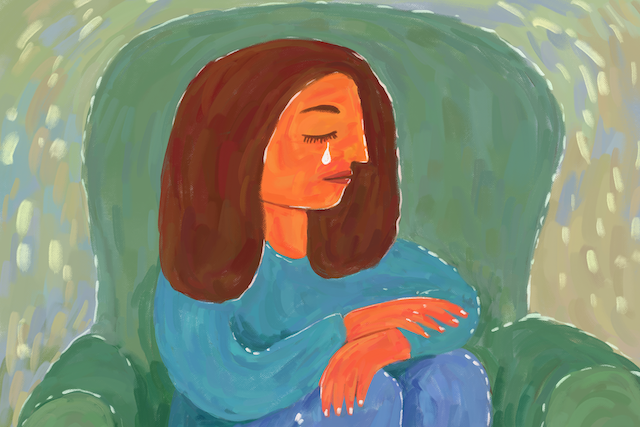
    3. I wish I’d had the courage to express my feelings.
    4. I should’ve said “I love you” more.
    5. I wish I’d let go of grudges.
    6. I wish I’d left work at work and made more time for family.
    7. I wish I had stayed in touch with friends.
    8. I wish I’d been the better person in conflicts.
    9. I wish I’d realized that happiness was a choice much sooner.
    10. I wish I’d pursued my dreams.

    Heartbreaking if true, right? 

    So while I found little to no research on deathbed regrets, I did find a 2005 American paper titled What We Regret Most… and Why by Neal J. Roese and Amy Summerville.

    The report collates and analyzes several studies surrounding the regret phenomenon. Nine of these papers were published between 1989 and 2003 and contain some highly insightful metadata on life regrets. That said, one wonders how attitudes have changed in all that time.

    The research required participants to review their lives and consider what three (from a list of eight) aspects they would change if they could reset the clock and start again. Other studies asked what parts of life they would alter, and another inquired about people’s most significant life regrets.

    Interestingly, the studies showed a correlation between advancing age, diminishing opportunity, and gradual regret reduction. As older individuals’ life opportunities faded, so did their most painful regrets. Perhaps this meant they simply gave up, feeling there’s no point in regretting something one no longer has the power to change.

    While not specific, there were clear categories for Americans’ biggest regrets as follows:

    • Education 32%
    • Career 22%
    • Romance 15%
    • Parenting 10%
    • Self 5.47%
    • Leisure 2.55%
    • Finance 2.52%
    • Family 2.25%
    • Health 1.47%
    • Friends 1.44%
    • Spirituality 1.33%
    • Community 0.95%

    The paper summarizes, “Based on these previous demonstrations, we suggest that the domains in life that contain people’s biggest regrets are marked by the greatest opportunity for corrective action.” Indeed, this makes perfect sense. Perhaps it is not surprising that people regret career and education decisions in adulthood (with time left to change their course).

    I suspect, however, that such thoughts change entirely the moment one comes face-to-face with their mortality. At this point, one surely cares less about education and a successful career—about the stuff one has or has not accrued.

    I imagine that when one reaches the inevitable moments before death, we consider the true beauty of life, love, experience, family, friends, and living in peace, free from hatred, envy, or resentment toward one another. But then, I’m a bit of a hippie like that, and perhaps I’ve got it all wrong. 

    So how about we create a study of our own? I invite you to grab a pen and paper (or keyboard) and spend a few minutes imagining that you’ve got five minutes left to live—not in the future, but right now at this point in your life. You have five minutes left.

    Consider your deathbed regrets. Close your eyes if it helps (you’re dying, after all). Take a little time to breathe into these reflections consciously. When finished, perhaps you might share some or all of your list in the comments section of this post. Regardless, maybe this offers a chance to address one’s would-be deathbed regrets by considering them now, with a little breathing room.

    Perhaps it’s a timely invitation to stop and take stock. By contemplating life and death in such a way, we are learning that the secret to the art of dying well is right under our noses in how we live our lives.

  • 3 Things That Turned My Suffering into Blissful Peace

    3 Things That Turned My Suffering into Blissful Peace

    “To experience peace does not mean that your life is always blissful. It means that you are capable of tapping into a blissful state of mind amidst the normal chaos of a hectic life.” ~Jill Bolte Taylor

    I’d just spent over six years trapped in my own worst nightmare. Then in a split second, my whole reality shifted to an experience of exquisite peace and bliss. Walking through the streets of my home city, I seemed to be radiating unconditional love out and into everything around me.

    I didn’t know it then, but I’d just tasted the ultimate state of deep peace and presence that most people on the spiritual path long for.

    Pretty cool, right? But before I give you the low-down on what happened, let’s rewind and put this into context with the rest of my life.

    My first eighteen years on this planet led me to a place of depression, self-hatred, anxiety, and self-harm. After another five years of severe stress and struggle, my body just gave up and my life came to a grinding halt.

    I was in my mid-twenties. Having to rely on state benefits and a team of carers due to severe pain and chronic fatigue syndrome was not what I had in mind for myself.

    So I went from one doctor and alternative therapist to another, hoping that they could fix me. I saw small improvements, but not enough that I could live normally.
    I honestly don’t know how I kept going during those dark days, but I was determined to find the key to my freedom. Through many small insights, I came to see that the answers must be within me, not ‘out there.’ But how could I access them?

    Then one day in 2010, my whole life changed again. A friend gave me a copy of the book A New Earth by Eckhart Tolle. The way he spoke about consciousness and presence infused life into the depths of my exhausted soul. Then a miracle happened.

    One morning, I woke up to that state of total bliss. My mind was silent, the pain and fatigue vanished, and all of my suffering stopped for a full five days. I had just experienced what I really was beyond my mind.

    When that experience ended, I was plunged back into illness and suffering. I knew I had to find a way back home to that incredible deep peace and freedom.

    I spent the next five years devouring countless spiritual books, courses, and YouTube videos. There was a lot of fuzzy talk about that experience, but nothing that told me how to get there.

    The search finally ended when I met a group of monks who taught advanced meditation and consciousness theory. I could feel that exact same blissful peace oozing from every cell of their beings. Knowing they could teach me how to get that state back, I went to Spain to study with them.

    If you want to experience that peace too, you need to understand how to go beyond your mind. Many spiritual teachers talk about this. But what does that really mean?

    1. If you want to find peace, stop believing your thoughts.

    Let me begin with something that may surprise you. You don’t have to stop your thoughts in order to find peace.

    Thoughts don’t interrupt your peace when you learn how to watch them pass through your awareness. The suffering starts when you grab onto them and go off into unconscious thinking.

    When this happens, you’re no longer aware of what’s going on around you in the present moment. The stories in your mind have literally become your reality. Let me explain.

    Have you ever walked a route you know well and when you got to your destination, didn’t remember any of the journey? Instead of paying attention to what was going on around you, you were off thinking about another moment. Maybe it was the fight you had with your spouse that morning or the presentation you’re worried about giving tomorrow.

    Here’s the thing—these thoughts only have power over you if you believe them. If you stop believing the scary thoughts about everything that is going to go wrong, your suffering will immediately stop. Those horror stories aren’t actually happening in the present moment!

    So if you want peace, the first thing you must do is to place your attention on what is real right now.

    Tune into your senses to notice what is going on around you. Give that more attention than whatever your mind is doing. It’ll help you break out of the stress and suffering.

    2. Break the cycle of stress and negative emotions.

    Right now, bring to mind something that makes you happy. Let yourself think about it for a moment. Did that feel good? Maybe you got that warm fuzzy feeling and your body felt lighter.

    Now, think about something you don’t like. How do you feel now? Anxious, angry, stressed, heavy, sluggish, or something else?

    You feel what you focus on, so if you think about good things, you’ll feel good. If you think about painful things, you’ll experience more stress and negative emotions.

    Now, back to the unconscious thinking. Can you see how getting lost in stories about life’s dramas fuels stress and negative emotions?

    Next time you notice you feel bad, see it as a signal that you’ve been off thinking about something you don’t like. Come back to the reality of what’s around you.

    Let the remaining sensations of stress and emotion flow through your body. You should start to feel better within a minute or two.

    But there’s much more available to you than ‘just feeling a bit better.’ The truth is, you can experience peace no matter what is happening in your life. You may wish to reread that statement because the implications are huge!

    3. Connect to the permanent source of peace.

    If you want to access the permanent source of peace, you first need to practice coming back to the present moment whenever you’ve been lost in your mind. Only then will you be able to go beyond your mind entirely and experience what you really are.

    Your true self is the source of that exquisite peace, freedom, and bliss. You are pure conscious awareness, the watcher that’s beyond the mind, negative emotions, and suffering.

    You feel what you focus on. Since what you are is always still and peaceful, if you put your attention there, you’ll feel peaceful.

    You don’t need to stop your thoughts or change anything in your life to do that. You just need to give your thoughts and life circumstances less of your attention. Instead, rest more of your awareness on your true self directly.
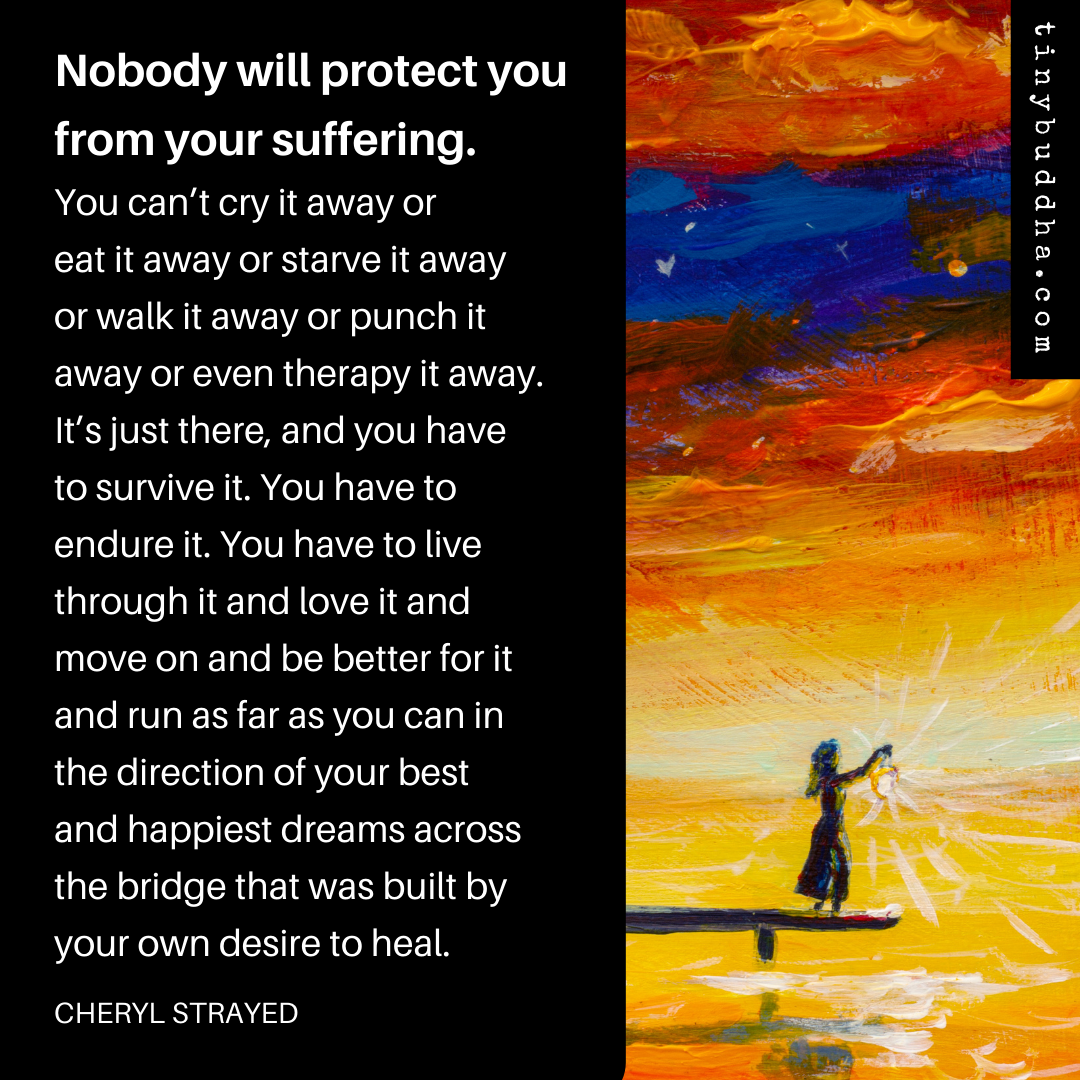
    How can you do that? You can use the fact that consciousness is vast and spacious. In fact, it’s the peaceful space in which all things in this Universe exist.

    Look around you now. You may notice lots of objects such as a chair, a lamp, or even the building in which you are sitting. But have you ever stopped to notice the space that these things occupy?

    Right now, put as much attention on the space as you can. Notice the space between you and the objects around you. Then, allow yourself to sense the space in the whole room.

    Now imagine that space within you. Wide, open, scattering your obsessive thoughts so far in the distance you can barely hear them. Do you feel more peaceful?

    If I can connect to that ultimate state of deep peace, I know you can too. We all have the power within us to do this.

    It’s really just a case of remembering to choose where you place your attention. If you forget and get lost in your mind, no worries! Just come back to peace when you do remember.

    The more you practice connecting to the space around you and creating space within you, the more peace you’ll invite into your life. Gradually, the stress and struggle will melt away as you learn a new way of being. Over time you’ll find that you just don’t give as much attention to all the mind drama anymore.

    Keep it light by treating it like a game. Play with being aware of the space as you go through your day. Can you notice the space while you’re brushing your teeth? How about during a conversation?

    For me, this practice has been the gateway to ever deeper levels of peace. By committing to playing with this, I’ve trained my brain to stay in that state for longer periods of time. It’s become easier and easier to pull myself out of any drama when life turns upside down.

    It’s not about perfecting life. It’s about the ability to roll with whatever happens. If I need to take action, I do it from a calm and grounded state of mind. It’s in stark contrast to the desperate struggle I used to experience.

    The answers really had been within me all along. It’s true for you too. This tiny but mighty shift in attention has the power to totally transform your life.

    Since I stopped listening to that voice in my head, I’ve experienced deep and permanent healing. I no longer buy into all the self-criticism, fearful thoughts, or stories about how I’m not good enough. Sure, that stuff pops up from time to time, but I choose to smile and let the thoughts go.

    As it turns out, connecting to my true self was also the key to my body healing. Stress and negativity had been depleting my energy and vitality for years. Now that I’m much calmer, my body has been able to use the extra energy to heal.

    I want you to know that this is not a mystical adventure, reserved for a few lucky people. This experience is for everyone. Living in peace and bliss is your birth right!

    So connect to your own source of peace. I’d love to hear how you get on.

  • How Embodiment Can Make You Feel More Alive (and 5 Ways to Do It)

    How Embodiment Can Make You Feel More Alive (and 5 Ways to Do It)

    “Embodiment is living within, being present within the internal space of the body.” ~Judith Blackstone

    When I was a little boy, I would dance whenever I heard a catchy pop song on the radio. There are photos of me throwing down dance moves, exuding joy and vitality. At some point, though, I lost my ability to dance.

    If I were to guess what happened, I would say that I stopped dancing when I became self-conscious. I was no longer just being; suddenly, I became aware of being someone with a body.

    So a long and complicated relationship with my body began. As a teenager, friends and family teased me for being unusually tall and gangly. As a young man struggling with my queer identity, I objectified my body; I felt ashamed of how ‘it’ strayed so far from the perceived masculine ideal. To make matters worse, one day my lungs spontaneously collapsed.

    Over the course of two years or so, I was in and out of hospitals as doctors struggled to fix my leaky lungs. Undergoing multiple painful surgical procedures, I experienced my body as a source of great emotional and physical pain.

    Life presented other challenges. In time, I concluded that being in a body in this world is inherently painful. I thought that in order to find peace, I had to become free of pain. To achieve this, my mind had to separate itself from bodily experience.

    Seeking a Way Out

    In my early twenties, I was already weary of life. Feeling alienated, I retreated into my inner world of ideas and concepts, where I could indulge in fantasy and philosophy through reading. Most of the time, I was just a head in front of a screen, browsing the internet—there was little sense of having a body.

    I also tried many things to minimize my exposure to pain and fear. Evading social interactions to evade the possibility of experiencing shame was a common strategy of mine. I was deathly afraid of feeling difficult emotions. Being a highly sensitive person, powerful emotions like shame would shut me down, leaving me incapacitated.

    Later, I embarked on a spiritual journey and became drawn to teachings that promised an end to suffering. I poured myself into meditation and became somewhat relieved by a growing sense of detachment. I thought it was a mark of progress, but actually, I was becoming more apathetic. Increasingly, I had difficulty engaging with life and other people.

    Recovering Authenticity and Aliveness

    Living inside my head, I became an observer of life—like an armchair anthropologist. Sure, I participated in the activities that society expected of me, but I always did so at a distance.

    We all come into this world as embodied consciousness. With our body we experience ourselves and contact our environment: we move, communicate, relate, and create worlds. We experience the world’s colors, melodies, temperatures, pulsations, and textures. And it is through our body that we feel joy, sadness, anger, fear, comfort, and love. Through tasting this smorgasbord of sensations, we also discover and bring out our unique expression into the world.

    Life with limited sensation and feeling is like experiencing the world in one dimension only. So, the work I had to do to find myself again involved coming home to my body.

    In a world that sometimes tries to erase or suppress our embodied, authentic expression, coming home to ourselves requires courage and a lot of support. By reclaiming our body, we can rediscover a sense of belonging in ourselves and in this world.

    5 Ways to Begin Coming Home to Your Body

    There are many approaches that can help us come home to our body and feel more alive. If you’ve experienced deep trauma, please find a trained somatic practitioner who can work with you. Here, I’ll just share a few simple things you can try doing more of to become a little more embodied. Make sure to listen to your body in order to discern whether these activities feel right for you.

    1. Breathe deeply.

    Proper breathing is essential to becoming more embodied.

    I learned from a bodyworker that I wasn’t breathing fully most of the time. My Zen practice taught me to breathe into my belly, but now, I wasn’t breathing into my chest much.

    To breathe more fully, breathe in deeply, filling the space in your abdomen as if you were pouring water into a jug. The air rises up to the chest as water rises up a jug. Breathing out, the air releases from the chest and from the belly.

    2. Touch the earth.

    Recently, my painting teacher offered to teach me how to garden. There’s something very healing about touching the soil with my hands. When we touch the earth, we connect with our larger body, which helps us recognize our individual small body.

    Today, so many of us, including myself, spend our days sitting in front of a computer. So I think it’s important to find activities where we can touch the earth. I remember the first time I walked on a beach with my bare feet, I thought to myself, “Wow! I can really feel my legs and feet… I feel so alive.”

    3. Nourish with quality food.

    One of the healers I worked with taught me that what we eat has enormous effects on our psychosomatic system on multiple levels. I’m not a specialist in this area, but from my experience, switching to a healthier diet was a game changer.

    It’s not just what we eat, but how we eat, too. By expressing gratitude for what I am eating and savoring the delicious sensations on my tongue, I celebrate the experience of being embodied.

    4. Move freely.

    Through practice, I’m becoming more aware of how I inhabit my body based on the way I respond to my environment. I may prop myself up to gain respect or walk briskly to keep up with the hustle. Giving ourselves space during our day to move more freely, in an uncontrived manner, can help us discover an authenticity that seems to flow with nature.

    5. Make art.

    When I reflect on the moments where I felt most alive, many of those moments involved expressing myself through art.

    Whether through painting, sculpting, playing an instrument, or dancing, we engage the whole of our being in the art-making process. It is not merely an intellectual exercise but a visceral engagement of our soul with the physical world. In artmaking, we allow our body to express its wisdom, a wisdom that moves us by touching the beauty that lies within.

    Learning to become more embodied is a beautiful process of self-discovery. There never was any separation between mind and body—they are one. By reclaiming the space in my body, and reestablishing myself inside the temple of my soul, I’m learning to dance with life again.

  • How I Lighten My Mood by Making a Bargain with the Universe

    How I Lighten My Mood by Making a Bargain with the Universe

    “Pain is what the world does to you; suffering is what you do yourself.” ~Gautama Buddha

    I don’t expect things to be a steady state of bliss.

    In fact, I agree with the Buddha that suffering is pretty much part of the human condition. Our expectations just get in the way of our experiences. I’m talking about your garden-variety suffering here, not the kind that comes with traumatic events that take you out at the knees or devastating clinical depression.

    I see the now-and-then emergence of lethargy or melancholy as part of the whole emotional spectrum. And, like stepping in water in your stocking feet, bound to happen from time to time for most of us. Plus, for me anyway, I think recognizing the difficult days enables me to better savor the wonderful and even the tremendously ordinary ones.

    Still, knowing that the spinning wheel is going to land on grey sometimes does not mean those days aren’t tough. For me, that greyness means my mood, my gait, even my ability to recognize the full bounty that is mine just feels heavier and more arduous. Sort of like moving through muck that slows your pace and clings to your boots.

    Just as I think those emotions are due to sometimes arrive, I also know they will leave—I just want to accelerate that departure. And I’ve found a way that works for me. I make a deal with the Universe.

    I speak this pact out loud—“I’ll try if you try.”

    I commit to trying to pull my boot out the mud by first focusing on my senses.

    Under the header of controlling what I can control, I might actively focus on taking in the smell of fresh coffee—holding the cup in my hands, without expectation, and just experiencing it. The rich smell, the playful bubbles, the warm solace held in a favorite mug. I try to let that singular moment envelope me, seeking nothing specific in return.

    Or I might stand at a window until I can feel the sun’s warmth on my face. I will then imagine my breath carrying that warmth down my neck to my collar bones, down to my fingers and into my belly. I’m not looking to be instantly “fixed,” just to prime the pump to receive and interpret information differently by bringing my senses and my nervous system into the equation.

    The Yoga Sutras, a text from perhaps as early as 500 BCE that codified yogic theory and practice (yoga with  “big Y,” way more than just the poses) reinforce the role of the nervous system in expanded consciousness. We take what we experience to be the truth, but as the theory goes, if you change what you feel/believe you experience, your conception of the truth changes.

    It’s like the ancient parable of the blind men and the elephant—you build your definitions of what is based on what you experience. My rationale proceeds then that if I alter my perceived inputs, the narrative that my nervous system spits out can also be altered.

    So that’s my part of the bargain—to widen the sense aperture and find a better experience. For the Universe’s part, I imagine it sending little gifts in return for my efforts—a great parking spot, the wave and smile of a colleague down the hall, a new local tour date for a favorite band.

    I don’t actually think the Universe is moving cars or colleagues or tour schedules to accommodate me. It’s simply me noticing. That doesn’t keep me from imagining a sort of an equal and opposite reaction in play that generates goodness in response to my attempts to notice goodness.

    I think of this noticing as a reframing of the “Toyota principle.” Long ago when my husband and I got a real car, we got a Toyota. Once we had the Toyota, we suddenly noticed all the other Toyotas on the road and wondered where they’d come from. They hadn’t suddenly flooded the market. It was more about moving the metaphorical antenna to recalibrate the signal—ah, I see things now.

    Actively being open to the light and marveling at its forms still doesn’t serve up a twenty-minute fix. It does remind me of all the good standing in wait for me and reinforces that “this too shall pass.” In fact, someone wise once told me “If you want to change something, you’ve got to change something.” These are my somethings.

    And so I commit to engaging my senses and being open to the beauty and love in my cup (even if my experience meter feels set to “low”). I believe that if I can do my part, I’ll again come into alignment faster with a Universe that offers no promises, but provides plenty of opportunity and wonder.

  • You’re Invited: FREE Wisdom of Pema Chödrön Online Summit

    You’re Invited: FREE Wisdom of Pema Chödrön Online Summit

    Hi friends. I know that many within the community are grappling with uncertainty right now—as really, we always are—and I also know how terrifying it can feel to embrace not knowing. Whether you’re dealing with health issues, unemployment, or relationship struggles, the question of what’s going to happen can keep you up at night. And then there’s the uncertainty in the world at large.

    When we’re overwhelmed by groundlessness and fear, it can feel like we’re free-falling with nothing to hold onto. In those moments of panic, we search for something, anything, to help us calm the voice within and cope with the suffering that surrounds us. If there’s one person who we can count on for support in turbulent times, it’s Pema Chödrön.

    Pema Chödrön has been a guiding light for millions of people around the world. She has shown us how to appreciate life, embrace uncertainty, and find courage and compassion when things fall apart.

    As someone who’s benefitted immensely from Pema’s teachings, I’m excited to share a one-of-a-kind opportunity to hear from 11 Buddhist teachers and heart friends inspired by Pema Chödrön. In this life-changing event you’ll explore powerful teachings to transform difficulty and live fearlessly with an open and compassionate heart.

    The Wisdom of Pema Chödrön: A Summit of Timeless Teachings to Awaken the Heart is a FREE online event taking place from April 7-11.

    Sign up here to save your spot.

    When you sign up, you’ll receive a free gift: 5 Teachings of Pema Chödrön (instant PDF download)

    Hosted by Krista Tippett, award-winning creator and host of On Being, this free, 5-day summit will include presentations from Tsoknyi Rinpoche, Mingyur Rinpoche, Elizabeth Mattis Namgyel, Gaylon Ferguson, Judy Lief, Fr. Greg Boyle, Tami Simon, Margaret Wheatley, Anam Thubten, Karma Lekshe Tsomo, and Arawana Hayashi.

    In addition to the inspiring talks, spiritual teachings, and practice instruction from summit presenters, each day of the summit also includes Tonglen and lojong workshops with Judy Lief and exclusive archival teachings from Pema Chödrön, courtesy of Shambhala Publications.

    This free online summit is for you if you’ve found yourself asking:

    • How can I shake feelings of restlessness and learn to be okay with uncertainty?
    • How can I embrace life’s ups and downs and use challenges to awaken my heart?
    • How can I learn to practice loving-kindness when I feel hurt or betrayed?
    • How can I move more gracefully through undeniable change?
    • How can I bring more joy into my life, and into the lives of others?

    As Pema says, “From great suffering can come hatred, resentment, and despair… or from great suffering can come great openness of heart and a great sense of kinship with others.”

    I hope you enjoy the summit and learn new ways to cultivate openness, kinship, joy, and resilience, inspired by one of the greatest Buddhist teachers of our time, Pema Chödrön.

    Join the FREE Wisdom of Pema Chödrön Summit

    If you have any issues signing up or need additional support, please contact Lion’s Roar at learn@lionsroar.com.

  • Feeling Weighed Down by Regret? What Helps Me Let Go

    Feeling Weighed Down by Regret? What Helps Me Let Go

    “Be kind to past versions of yourself that didn’t know the things you know now.” ~Unknown

    When I taught yoga classes in jails in Colorado and New Jersey, I would end class with the Metta Meditation:

    May we all feel forgiveness.

    May we all feel happiness.

    May we all feel loved.

    May all our sufferings be healed.

    May we feel at peace.

    The women, all clothed in light gray sweatpants, would be in a relaxed yoga posture, usually lying on their yoga mat with their legs up the wall. The fluorescent lights would be full blast, as they always are in a jail or prison. Some women would feel comfortable closing their eyes. Some wouldn’t.

    With quiet meditative music playing, I led the meditation with the gentlest voice that I could, taking into consideration that the noise outside the room would be loud. Often, we could hear the incessant dribbling of basketballs in the men’s gym. Someone in the complex might be yelling, and we all would have to work past it.

    As I spoke that first line, “May I feel forgiveness,” their tears would start, steady streams rolling down their faces. When we would talk afterward, they said that the most challenging part of the practice was forgiving themselves.

    If these inmates had been allowed to dress as they wanted, they would have seemed like any other group of yoga students.

    I couldn’t tell who had murdered someone—because their life felt so desperate; or who had too many DWIs—because their addictions (the ones that they used to cover up abuse and trauma) were out of control; or who got a restraining order against an abuser, and then violated it herself—because she was sure he would be loving this time.

    Now that they were incarcerated, their parents and children were also suffering the consequences.

    Choices That Become Regrets

    We can all understand that our personal choices have sometimes created challenges for others. Some of us were just lucky that we weren’t incarcerated for our decisions.

    We have all made decisions that we wish we could reverse. We have said things that we want to take back. We neglected something important, sacred, and cherished, and there were consequences. We might have been too naive or too absorbed in principle or perfection, and there were emotional casualties.

    These regrets lurk in the backs of our minds. They are like dark shadows stalking our heart space, with ropes binding our self-acceptance, keeping us from flying high. We might still be feeling the repercussions of choices made twenty, thirty, forty years ago. And even today, the shame and guilt impact our decision-making.

    The mistakes I made that affected my children are the most challenging to process. The abuse in my second marriage was harmful to my children, my community, and me. The fallout took years to unwind.

    When life seemed back to normal, I had time to see my part in the trauma—mainly the red flags that I ignored when I was dating him. Ignoring what went on in his first marriage and the comments that he said, that made me feel uncomfortable, but I didn’t respond to, are my hindsight, my ball and chain, dragging on my self-worth. Time was healing, but I could also be triggered by even little mistakes. Even if I said something wrong in a conversation, like we all do, I could be pulled down the slippery slope to a pile of unresolved remorse.

    I have come to enough resolve not to think about those stories most of the time. I’m not sure that I will ever find total peace with some of them. I know that they still have the power to sabotage my peace of mind.

    I know that it is worth the effort to come to some resolution of our regrets, even if we have to keep chipping away at them over time.

    Processing Regrets Consciously

    One way that I have processed regret is to write out the story. Dump it all out of my head—including the hard stuff. If possible, I write out what I would do or say differently the next time. I find that there is healing in knowing that I have learned from my past mistakes.

    Writing the story out can also give me a clear picture of what amends I need to make.

    Is there someone to say I’m sorry to? Do I need to muster the courage to have a heartfelt dialogue with the other player in the story? Or if I have already said I’m sorry, do I need to forgive myself? Do I need to consciously let the story go now? Do I need to remind myself that it doesn’t do me any good to dwell on the story?

    I also take my regrets to my meditation practice.

    One of my most potent times of processing regret happened when I was sitting on the garden roof of our stone home, early one morning in the spring. I was feeling heavy. The weight of the abuse in my second marriage, and the resulting divorce, was pulling me down once again.

    Listening to the birds singing to each other, I felt a sudden inspiration to recite the Metta Meditation—the one that had brought tears to the inmates’ eyes in those faraway jails.

    “May we all feel forgiveness,” I began. This time, the wonderment of my surroundings combined with the ancient familiar words to give me a feeling of release and freedom I hadn’t felt before. The sound of birdsong let me know that I could let go of another piece of my remorse over what I could have done differently. My tears welled up. My heart relaxed.

    Accepting that I might not see complete harmony with my regrets is, itself, part of letting them go. I have heard this from other clients.

    A common challenge for women in the second half of life is not feeling close to their children. Marcia, the mother of five adult children, regrets how hard she was on her oldest daughter. Her attempts to repair the relationship haven’t had the results she wanted. Accepting that this estrangement might or might not be temporary is challenging. She has assured her daughter that she wishes to be closer, and that is the peace that she can find each day.

    We also might need to find a resolution with someone who has already passed. I came to peace with my mother, twelve years after she died, using the Metta Meditation. That completely surprised me and freed up my heart more than I ever thought possible.

    Becoming Whole

    Every regret, memory of shame, and overwhelming guilt are part of who we are. When we are driven by them, we might make choices that aren’t in our best interest. We might believe that we don’t merit good things or that we deserve to be relentlessly punished. If we fuel our regrets by reiterating them, we reinforce our shame and increase the emotional charge. Our spirit will continue to be fragmented, tethered to the past, and we will feel incomplete.

    If we can process our regrets with tenderness and compassion, we can use these hard memories as a part of our wisdom bank.

    Wholehearted living is accepting ourselves with all the mistakes that we have made. Wholehearted living is compassion for all the times in our life when we made mistakes. It is understanding that we are not alone—every single adult has regrets. When we live wholeheartedly, we can have healthier relationships and make wiser decisions in all our endeavors.

  • When Life Gets Hard: 4 Lessons That Eased My Suffering

    When Life Gets Hard: 4 Lessons That Eased My Suffering

    “In some ways suffering ceases to be suffering at the moment it finds a meaning.” ~Viktor Frankl

    When life goes sideways, it can be hard to take one more breath, let alone find meaning.

    Trust me. I know.

    In the same year, I had breast cancer, chemo, radiation, and a divorce I didn’t want. There’s more to the story (there always is), but in essence, I lost everything—my health, my love, my home.

    During all of this, I lost sight of myself, quit trusting myself. I was sure I was to blame for everything.

    At the same time, within twenty-four hours of leaving the house I loved, six friends had given me the keys to their houses, telling me I always had a place to stay. My family showed up for me in ways that had me weeping.

    Also during this time, I had two powerful dreams and one still small voice—these three messengers told me the very things I needed to hear to go on.

    My first dream involved someone cooking something delicious in a kitchen. I couldn’t eat what she was making, because taste often goes awry with chemo, but I remember the cook saying, “Honey, there’s more sugar than salt in this recipe.”

    In other words, life’s sweetness would return. Just give it time.

    The second dream I had is that I dropped deep into the earth where every last bit of me was burned away. All that was left was a fierce and shining bone.

    This dream promised me that there was something deep inside that was indestructible, and it had everything to do with fierceness and light.

    And that still small voice? No matter what was happening, deep inside there was this wise and quiet Me who refused to let me be hurt anymore. What do I mean by that?

    I knew I needed something to help me survive, but this grounded Me knew I needed to be intentional about how I chose to survive. Because I wanted to make myself better, not worse.

    I began to write and record mini-meditations. I called them “A Hit of Hope.” A friend told me that the best place to record was in a closet, so there I sat, on top of my shoes, talking into my phone—using my voice and my words to name my pain and to convince myself that things would get better.

    Any human being will have pain and trauma. Any human being will have things happen to them that they would rather avoid. But as long as we are alive, we can know that life will go sideways. In big and small ways, we will suffer. So as much as it pains me to say this, why suffering happens is irrelevant. The only question we can answer for ourselves is how we will choose to be in the midst of pain and suffering.

    While there are still days when the bus of emotions can run me down, and while I have made more than my fair share of missteps in my recent journey, I have learned a few things along the way.

    1. When there are big, and out-of-control life events, radical self-love and emotional recovery are the first order of business.

    When you are hurting, put down the metaphorical gas can or salt or knives. Don’t make the fire any bigger or the wounds any deeper than they already are.

    What do I mean by that? Make choices that keep your head clear, choices that keep your body and spirit safe.

    For instance, a friend of mine, who was going through a divorce at the same time, was told by his best friend, “Just get roaring drunk, and stay that way for three months.” While that might help numb the pain, that kind of behavior would only create more problems in the long run. It would be far more healing to embrace journaling, yoga, or some other form of self-care.

    Also, even if you messed up, don’t beat yourself up. Can you admit to how you contributed to the situation? Absolutely, but think of yourself like a kid on the playground. More scolding and finger wagging usually does little to help the situation. Often, it’s a big ol’ hug that is needed to stop the tears. So, get centered, get settled, and heap loads of love on your hurting self.

    2. You get to feel every ounce of what you are feeling.

    Do not be ashamed of your feelings. A Buddhist concept relates to this: first and second darts. The first dart is the emotion (sadness, fear, anger), and because we are human, it is right and good to let those emotions flow through us.

    The second dart is our reaction to our emotion. Why do I always do this? If I were a better person, I’d… You know the drill. Feel your feelings, so that they can rise up and flow away, leaving you calm and clear.

    3. There is no time to lose, but there is no need to hurry.

    What in the heck does that mean? That bold statement doesn’t mean you should fly into manic or panic mode, but there is nothing like a life-threatening illness to remind a person that this now matters. In fact, this is the only now you are assured of getting. “You never know what’s coming,” a friend often says.

    The idea is to live each day fully. To make the small choices, the day-to-day decisions that bring you the most joy, the most delight. This might mean starting that novel or business, calling that friend you’ve been missing, getting on your bike or yoga mat, or climbing that mountain and yodeling until the grizzlies roar back in response.

    Simply put, there is not one day, one decision that will magically poof us to the good life for the rest of time. There are the small choices that add up—and either bring us toward more wholeness or continue to tear us to bits.

    4. Meaning is what helps us to survive.

    This last one is something Viktor Frankl, a survivor of four Nazi death camps, pointed out. In the worst of the worst, it can feel almost impossible to find meaning, but doing so is essential. It’s here that the why matters.

    When life assails, it can be easy to ask, “What’s the point?” To feel adrift. Untethered. Rocked this way and that by wind and wave, all threatening to pull you under.

    You have to find your why, your meaning, your sense of purpose or intention. What can you—you—do that makes life feel fuller, richer, more vibrant and alive?

    For me, it was helpful to think about active verbs. I wanted to move, create, heal, serve.

    What did this look like? I would work out each morning, because that helped me to feel strong in my own body. Then I would sit down and write my meditations, getting lost in the joy of doing something creative. This process not only healed my own struggling spirit, but I hoped it might do so for others. When I posted them, I did so with the intention of letting them serve others.

    If you have a hard time finding your own sense of meaning, take a look at your life. What do you do that makes you lose time, something you get lost in? That’s often a great indication of what brings you meaning. Or what is something you do that makes you feel better when you are done? How can you incorporate that into your life more?

    If you are still struggling, ask a friend to help you brainstorm. Or take a walk, and let your mind wander along with your feet. Your spirit often just needs some time, space, and quiet to speak deeply to you.

    This might sound like fluffy advice, but it’s not. As Frankl famously said, “He [or she or they] who has a why to live for can bear almost any how.”

    To be clear, this isn’t easy, nor does it happen in a day, a week, a month, or even a year. But create the right conditions and good things are far more likely to come.

    Last week, I happened to be sitting on my front porch. When I got up to go inside and make myself tea, I noticed my orchid in the front window.

    A friend gave it to me before I started chemo. Every morning, I look at it as I sit inside and write, but this was the first time I’d seen it from the outside. From this new perspective, I could see a gathering of buds, pressed up against the window, the direction from which the light comes.

    The soon-to-be blossoms were hidden entirely by the pot and the leaves when I sat inside in my leather chair.

    That orchid offered me a message, just like my dreams. Those flowers showed me a deep and profound truth: sometimes, the blossoming is on the other side.