Tag: Success
-
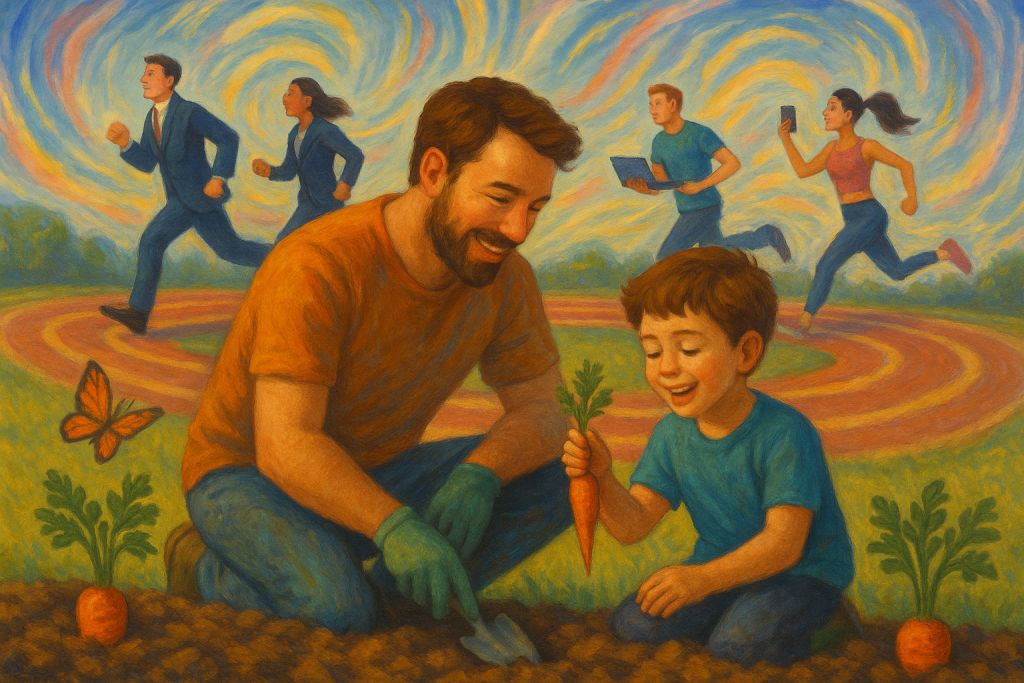
Remembering What Truly Matters in a World Chasing Success
“Strive not to be a success, but rather to be of value.” ~Albert Einstein, adapted
I often feel like I was born into the wrong story.
I grew up in a time when success meant something quieter. My father was a public school music teacher. We didn’t have much, but there was a dignity in how he carried himself. He believed in doing good work—not for recognition or wealth, but because it mattered.
That belief shaped me. I became a teacher, filmmaker, and musician. And for decades, I’ve followed a similar path: one rooted in meaning, not money.
But somewhere along the way, the story changed.
All around me—especially in places like Los Angeles, where I’ve lived and worked—I see people running. Hustling. Branding. Monetizing. It’s not enough to be good anymore. You have to be seen. Promoted. Scaled. Life itself has become something to market.
And in that shift, I’ve felt something sacred go missing.
The False Promise
I’m not against success. I want to be able to pay my bills, support my family, and feel valued. But the version of success we’re fed—fame, visibility, endless productivity—is a lie. It promises meaning but often delivers emptiness.
We’ve replaced presence with performance. Care with clicks. Integrity with optimization. And the result? A society where exhaustion is normal and enough is never enough.
Psychologists call it extrinsic motivation—doing something for a reward, like money or applause. It’s not inherently bad. But when it dominates our lives, we lose touch with intrinsic motivation: the joy of doing something just because it matters to us.
When everything becomes a transaction, even joy starts to feel like a product.
The Scarcity Game
Sometimes I feel like we’re all scrambling for crumbs. Competing for attention, clients, gigs, or algorithms. Everyone trying to survive, to be seen, to matter.
It’s primal—like a twisted version of the hunter-gatherer instinct. But where ancient humans balanced competition with community, we’ve kept the fight and lost the tribe.
Now, even collaboration often feels strategic—a means to climb, not to connect. “Networking” replaces friendship. “Partnerships” become performance. We’re told to “collaborate” so we can get ahead—not because it nourishes our souls.
That scarcity mindset doesn’t just shape how we work. It distorts how we see ourselves. If someone else is thriving, we feel like we’re falling behind. If we’re not being noticed, we start to doubt our worth.
This isn’t just economics. It’s spiritual erosion.
Capitalism and What It Forgot
I’ve been thinking about capitalism—not as a political slogan, but as a cultural story. Adam Smith imagined markets built on freedom and mutual benefit. But today’s version often rewards extraction over contribution, performance over presence, and individual gain over shared good.
Even education and healthcare—things meant to uplift—are judged by efficiency, growth, and return on investment. I’ve seen schools cut arts programs in the name of data. I’ve watched care become content.
And I’ve felt it in myself—this pressure to prove my value with numbers, even when the most meaningful things I do can’t be measured.
Another Way of Living
I’ve spent time filming in remote indigenous communities in the southern Philippines, where life moves at a different pace. There, people didn’t ask how to monetize their purpose. They lived it. Storytelling was teaching. Planting was prayer. Taking care of elders wasn’t a chore—it was an honor.
Nobody was branding themselves.
But even in these places, that way of life is vanishing. Global markets, smartphones, and social media have arrived. The younger generation is pulled toward modern success. And who can blame them? Visibility promises power. But what’s quietly lost is the rootedness of belonging.
And it’s not just them. It’s all of us.
Do We Have to Disappear?
Sometimes people say, “If you don’t like the rat race, go live in a monastery.”
But I don’t want to disappear. I love music, conversation, cities, teaching. I want to live in the world—not retreat from it.
So the real question becomes: Can we live meaningfully within this world, without being consumed by it?
I believe we can. In fact, I think we must.
There are people everywhere doing quiet, vital work: teachers who never go viral, gardeners who share food, coders who write open-source tools, volunteers who show up without posting about it. They aren’t trending—but they are tending to something real.
Choosing What’s Real
I don’t have a formula. I still worry about money. I still wonder if what I do matters. But I keep coming back to this:
I’d rather make something honest that reaches ten people than fake something that reaches ten thousand.
I’d rather be present than polished. I’d rather care than compete.
If you feel this too—this ache, this fatigue, this quiet grief that something essential is being lost—you’re not alone.
And you’re not broken. You may be one of the ones who remembers.
Remembers what it feels like to listen deeply. To give without scoring points. To live from the inside out, not the outside in.
That remembering isn’t weakness. It’s your compass. And even in a monetized world, it still points you home.
The Truth Beneath the Lie
Here’s what I’ve learned: Success, as we’re taught to define it, is a moving target. You can chase it for decades and still feel empty.
But meaning—real, soul-deep meaning—is something we can return to at any moment. It’s in how we love. How we show up. How we make others feel. It’s in the work we do when no one is watching.
We may not be able to change the whole system. But we can tell a truer story.
One where value isn’t based on performance. One where success isn’t a finish line. One where we belong—not because we’re impressive, but because we’re human.
That story is still possible. And it’s worth telling.
-

From Burnout to Bliss: The Beauty of Therapeutic Art
“It takes courage to say yes to rest and play in a culture where exhaustion is seen as a status symbol.” ~Brené Brown
“You have burnout.” I listened to these three words in a trance, said thank you, and got off the call with the doctor.
Part of me had known.
The endless days I spent in bed staring at the ceiling with no motivation to do anything. The inability to focus on my screen. And the sudden bursts of tears when I saw yet another meeting pop up in my calendar.
I knew all of this wasn’t normal. That something was going wrong.
But another part of me was in disbelief. Burnout?! How can I be burned out if I’m doing what I love?
Just three years ago, I co-founded a company to help chronic disease patients. I was here to change the world, to help others, to build something meaningful.
How is it possible to burn out following your own dream? That’s something that just happens to miserable people in their nine-to-five jobs.
As I dove deeper, I learned how wrong I was.
It’s actually much more common to burn out when you’re running your own company than when you’re an employee.
The financial rollercoaster, the rejections along the way, the countless weekends spent working without ever really taking a break—we are not made for that.
No matter if we’re following our own dream or someone else’s.
So, like the perfectionist and hustler I was, I thought: Let’s fix this fast so I can get back to feeling joy for what I’m building.
I read the self-help books, did talk therapy, started mindset coaching, tried different productivity techniques, but the void inside me, the demotivation, the inability to feel joy—none of it went away.
And underneath all of this was a crippling fear: What if I’ll only get healthy if I leave everything I’ve built behind?
The turning point came one day, out of the blue.
I was sitting at the beach watching the sunset, and as I watched the sun setting in its glamorous colors, I heard a voice inside my head say, “Go and buy paint.” At first, I dismissed it, but it got louder and louder until it was practically screaming: “GO AND BUY PAINT.”
And so, I did. I went to the nearest dollar store, bought cheap acrylics, a small canvas, and a few brushes.
At home, I put a plastic bag on my bed, and without much thought, I started painting.
The first brushstroke hit me deeply. I felt my body and heart exhale: finally, you have come home!
I painted for hours. And when I finished, I was exhausted, but it was a good exhaustion, like after a long hike, when you’re filled with a quiet love inside.
For the first time in months, I fell into a deep, long sleep. When I woke up the next afternoon, the void didn’t feel so big anymore.
I felt… I couldn’t quite describe it at first. Until I realized: I felt happy.
I spent the next months painting every single day.
I learned different techniques, invented my own, and with each drawing, I left behind traces of overworking, criticism, judgment, perfectionism, and self-pressure.
After a while, I got curious. I wanted to understand what the art had actually done to me. Was it possible to heal burnout “just” by painting?
So I went down the rabbit hole: studying, learning, experimenting. The deeper I went, the more I realized it wasn’t really about the art at all.
The art was just the tool. A tool to create space to feel, to process, to change the internal narrative.
Maybe you know what I mean. Maybe you’re completely drained and exhausted by your work, whether in a demanding job or in your own business, and you’re questioning why this is happening to you. Maybe you already know it can’t go on like this, but you feel trapped in the situation you’re in.
If so, here are a few things that helped me in my process using art and that might help you, too.
And no, you don’t need fancy materials or specific techniques.
The type of art I found most healing is called therapeutic art. It’s not about the outcome; it’s about the process. The paintings don’t have to be pretty. Sometimes they’re just black scribbles, circles, undefined shapes. It’s all about expressing yourself onto the paper.
So here they are—the five lessons that helped me in my quest to heal from burnout.
1. Connect to your creator self.
Your creator self is the part of you that exists beyond the roles, responsibilities, and pressure of your work. The part of you that’s here simply to create and express.
Burnout disconnects us from that part of ourselves. Through mindful painting, we can make space to turn inward, explore freely, and reclaim a sense of agency over our own experience.
When you use art therapeutically, there’s no need to prove anything or achieve a result. It’s about being present in the moment, feeling your hands move across the paper, and letting yourself just be.
That’s what helps reconnect you to your sense of aliveness and to the real you beneath all the noise.
2. Release stress from your body.
Burnout and overworking aren’t just mindset problems. All the stress, all the emotions you chose not to feel along the way, get stored in your body.
Your body literally goes into survival mode, and no amount of thinking or talking will fix what’s happening in your system.
Therapeutic art is a mind-body practice that helps process tension, emotions, traumas, and stress that have been stored for years.
The act of painting, moving your hands, and letting emotions flow through color onto the paper allows your body to exhale and relax. It gives your system the break it has been screaming for.
3. Rewrite the success story running in your subconscious.
Most of what drives our actions doesn’t come from conscious thought, it comes from the subconscious, which shapes 90–95% of how we think, feel, and act.
This is where all the hidden beliefs live that drive us into overwork and burnout: “Rest is lazy,” “If I slow down, I’ll fail,” “Success has to be hard.”
Even if you logically know these aren’t true, your subconscious doesn’t. It keeps running on these old programs.
Through painting freely and intuitively, you can project these thought patterns onto the paper. You may catch yourself wanting to control the outcome, judging the process, or feeling anxious when things get messy.
And in those moments, you have the chance to soften, challenge the old stories, and show your system that there’s another way to live and create.
4. Let go of what’s no longer working.
Burnout is a sign that something you’ve been carrying—a habit, a role, a belief, an idea—is no longer aligned with your highest self.
Art gives you a safe space to practice letting go. On the canvas, you can release control, let things get messy, and allow what wants to emerge to show up without needing to fix or force it.
This mirrors what we need to do in life: loosen the grip, experiment, and trust the process. When you practice surrender in small ways through art, it becomes easier to loosen your grip on the bigger things draining you.
5. Rediscover your joy again.
One of the most painful things about burnout is losing your sense of joy. Everything becomes dull, gray, and heavy.
Therapeutic art invites you back to joy without a goal. It’s not about making something pretty or useful. It’s about playing with colors, being fully present, and simply observing yourself.
When you paint just for the experience, you remind your system what it feels like to have fun and be here without needing to earn anything.
And that, in itself, is a powerful way to heal.
Burnout doesn’t mean you’ve failed or are broken. It’s often a sign that something in your life or in you is ready to change. For me, painting became the safe and joyful space back to myself.
The best thing is that you don’t need to be an artist to use painting in your healing process.
What matters is making space to listen inward, to let your body exhale, and to soften the old stories you’ve been carrying.
And when you do, you might be surprised at what’s still alive inside you, just waiting to come home.
-
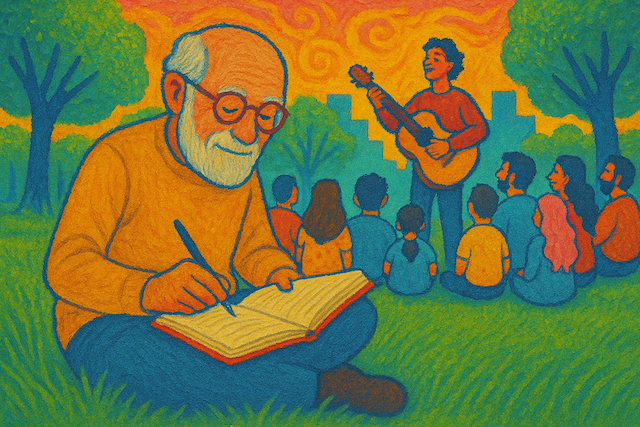
Can You Live a Meaningful Life Without Being Exceptional?
“The meaning of life is just to be alive. It is so plain and so obvious and so simple. And yet, everybody rushes around in a great panic as if it were necessary to achieve something beyond themselves.” ~Alan Watts
As I enter the later stage of life, I find myself asking questions that are less about accomplishment and more about meaning. What matters now, when the need to prove myself has softened, but the old voices of expectation still echo in my mind?
In a world that prizes novelty, speed, and success, I wonder what happens when we’re no longer chasing those things. What happens when our energy shifts from striving to listening? Can a life still be meaningful without the spotlight? Can we stop trying to be exceptional—and still feel like we belong?
These questions have taken root in me—not just as passing thoughts, but as deep inquiries that color my mornings, my quiet moments, even my dreams. I don’t think they’re just my questions. I believe they reflect something many of us face as we grow older and begin to see life through a different lens—not the lens of ambition, but of attention.
Some mornings, I wake up unsure of what I am going to do. There’s no urgent project at this time, no one needing my leadership, no schedule pulling me into motion. So I sit. I breathe. I try to listen—not to the noise of the world, but to something quieter: my own breath, my heartbeat, the faint hum of presence beneath it all.
I’ve had a life full of meaningful work. I’ve been a filmmaker, a teacher, a musician, a writer, a nonprofit director. I’ve worked across cultures and disciplines, often off the beaten path. It was never glamorous, but it was sincere. Still, despite all of that, a voice used to whisper: not enough.
I wasn’t the last one picked, but I was rarely the first. I wasn’t overlooked, but I wasn’t the standout. I didn’t collect awards or titles. I walked a different road—and somewhere along the way, I absorbed the belief that being “enough” meant being exceptional: chosen, praised, visible.
Even when I claimed not to care about recognition, part of me still wanted it. And when it didn’t come, I quietly began to doubt the value of the path I’d chosen.
Looking back, I see how early that need took hold. As a child, I often felt peripheral—not excluded, but not essential either. I had ideas, dreams, questions, but I can’t recall anyone asking what they were. The absence of real listening—from teachers, adults, systems—left a subtle wound. It taught me to measure worth by response. If no one asked, maybe it didn’t matter. Maybe I didn’t matter.
That kind of message burrows deep. It doesn’t shout—it whispers. It tells you to prove yourself. To strive. To reach for validation instead of grounding in your own presence. And so, like many, I spent decades chasing a sense of meaning, hoping it would be confirmed by the world around me.
When that confirmation didn’t come, I mistook my quiet path for failure. But now I see it more clearly: I was never failing—I was living. I just didn’t have the cultural mirror to see myself clearly.
Because this isn’t just personal—it’s cultural.
In American life, we talk about honoring our elders, but we rarely do. We celebrate youth, disruption, and innovation but forget continuity, reflection, and memory. Aging is framed as decline, rather than depth. Invisibility becomes a quiet fate.
The workplace retires you. The culture tunes you out. Even family structures shift, often unintentionally, to prioritize the new.
It’s not just individuals who feel this. It’s the society itself losing its anchor.
In other cultures, aging is seen differently. The Stoics called wisdom the highest virtue. Indigenous communities treat elders as keepers of knowledge, not as relics. The Vikings entrusted decision-making to their gray-haired assemblies. The Clan Mothers of the Haudenosaunee and Queen Mothers of West Africa held respected leadership roles rooted in time-earned insight, not in youth.
These cultures understand something we’ve forgotten: that perspective takes time. That wisdom isn’t the product of speed but of stillness. That life becomes more valuable—not less—when it’s been deeply lived.
So the question shifts for me. It’s not just What’s the point of my life now? It becomes What kind of culture no longer sees the point of lives like mine? If we measure human value only by productivity, we end up discarding not just people—but the wisdom they carry.
Still, I don’t want to just critique the culture. I want to live differently. If the world has lost its memory of how to honor elders, perhaps the first step is to remember myself—and live into that role, even if no one names it for me.
In recent years, I’ve found grounding in Buddhist teachings—not as belief, but as a way to walk. The Four Noble Truths speak directly to my experience.
Suffering exists. And one of its roots is tanhā—the craving for things to be other than they are.
That craving once took the form of ambition, of perfectionism, of seeking approval. But now I see it more clearly. I suffered not because I lacked meaning—but because I believed meaning had to look a certain way.
The Third Noble Truth offers something radical: the possibility of release. Not through accomplishment, but through letting go. And the Eightfold Path—Right View, Right Intention, Right Action, Right Livelihood, and so on—doesn’t prescribe a goal—it offers a rhythm. A way to return to the present.
Letting go doesn’t mean retreat. It means softening the grip. Not grasping for certainty, but sitting with what is real. Not proving anything, but living with care.
Carl Jung advised his patients to break a sweat and keep a journal. I try to do both.
Writing is how I make sense of what I feel. It slows me down. It draws me into presence. I don’t write to be known. I write to know myself. Even if the words remain unseen, the process itself feels holy—because it is honest.
I’ve stopped waiting for someone to give me a platform or role. I’ve begun to live as if what I offer matters, even if no one applauds.
And on the best days, that feels like freedom.
There are still mornings when doubt returns: Did I do enough? Did I miss my moment? But I come back to this:
It matters because it’s true. Not because it’s remarkable. Not because it changed the world. But because I lived it sincerely. I stayed close to what mattered to me. I didn’t look away.
That’s what trust feels like to me now—not certainty or success, but a quiet willingness to keep walking, to keep showing up, to keep listening. To live this final chapter not as a decline, but as a deepening.
Maybe the point isn’t to be exceptional. Maybe it’s to be present, to be real, to be kind. Maybe it’s to pass on something quieter than legacy but more lasting than ego: attention, care, perspective.
Maybe that’s what elders were always meant to do.
-

How I Found Myself on the Other Side of Survival
“Until you make peace with who you are, you will never be content with what you have.” ~Doris Mortman
For most of my life, I believed my worth was tied to how well I could perform.
If I looked successful, kept people happy, worked harder than anyone else, and stayed quiet about my pain, maybe—just maybe—I would be enough.
That belief didn’t come from nowhere. I grew up in a home where fear was a constant companion. Speaking up brought consequences. Being invisible felt safer. I learned early to smile through it all, to stay small, to never be a burden.
I carried that into adulthood—into my marriage, into motherhood, and into the corporate world.
I became the high achiever who never asked for help. The professional woman who had all the answers. The mother who always held it together.
I was the one who volunteered for every project, who stayed late to make everything perfect. At home, I kept up appearances with themed birthday parties, spotless counters, and a schedule packed to the brim—all while quietly falling apart inside. I thought if I could hold everything together on the outside, no one would see the cracks within.
But inside, I was unraveling.
The Moment Everything Shifted
One night, my husband exploded in anger. That wasn’t unusual. But this time, something different happened.
He lunged toward me, yelling, blind with rage. Our young son, who had crawled quietly onto the floor behind me, was nearly stepped on in the chaos. My daughter, just a child herself, began silently picking up the dining room chairs he had thrown.
No one cried. No one spoke. We had all learned to go silent.
But in that silence, something inside me woke up.
I saw myself in my children—quiet, afraid, coping. And I knew: if I didn’t break this cycle, they would grow up carrying the same invisible scars I had.
That night, I made a promise to myself: This ends with me.
The Healing Didn’t Happen All at Once
Leaving was hard. Healing was harder. But it was also the most powerful thing I’ve ever done.
I realized I had been performing my way through life. Even in pain, I made everything look polished. I was afraid that if people knew the truth—about my past, about my marriage, about how little I thought of myself—they’d walk away.
But what actually happened was this: when I finally allowed myself to be seen, I started to heal.
What I’ve Learned on the Other Side of Survival
Healing isn’t a straight line. It’s a process—sometimes slow, sometimes messy, sometimes unbelievably beautiful.
Here are a few things I now hold close:
1. You can’t heal what you refuse to name.
For me, that moment came during therapy, when I finally said out loud, “I was in an emotionally abusive marriage.” It felt terrifying—and freeing. Until I gave it a name, it had power over me. Naming it took the first step to taking that power.
For years I told myself it “wasn’t that bad.” But downplaying our pain doesn’t make it go away—it buries it. And buried pain finds a way to surface in our choices, our relationships, and our sense of self-worth.
2. You’re allowed to want more than survival.
I thought I should just be grateful to have a job, a home, healthy kids. But deep down, I wanted joy. I wanted peace. I wanted to feel like I mattered—to myself.
For a long time, I believed wanting those things made me selfish. I had spent years making sure everyone else was okay, thinking that was my role. I was the people- pleaser, the fixer, the one who didn’t cause trouble. My self-worth was so low that even imagining a life where I felt fulfilled seemed like too much to ask. Who was I to want happiness?
But wanting peace and joy wasn’t selfish. That was healing.
3. Small, daily decisions matter more than big breakthroughs.
Choosing to journal instead of numbing out with TV. Taking a walk after work to process my thoughts. Pausing before reacting in frustration. These choices weren’t dramatic, but they created steady change—the kind that lasts.
Leaving my marriage was one bold decision. But the real transformation came from the everyday choices that followed: writing down what I was grateful for, saying no without guilt, and consistently reminding myself to honor my values of honesty and integrity—which I hadn’t done when protecting my ex-husband, keeping up appearances, and pretending everything was fine. Those were the moments that helped me reclaim my life.
4. You’re not broken—you’re becoming.
For a long time, I saw myself as damaged and thought healing meant changing into a different person. But I’ve come to see things differently. Healing isn’t about becoming someone new. It’s about removing what never belonged to you in the first place—shame, fear, silence—and uncovering who you were all along.
I realized this while sorting through old journals, when I found an entry from my teenage years—full of dreams and hope. That’s when it struck me: she’s still in there. Healing helped me reconnect with that part of myself, not erase her.
If You’re in That Quiet Place Right Now
Maybe you’re carrying a silence too. Maybe you’re functioning, performing, doing all the things—and still wondering why you feel so far from yourself.
Please hear this: You are not alone.
You don’t have to have it all figured out. You don’t need a perfect plan. You just need a willingness to listen to that small, wise voice inside—the one that says this isn’t the end of your story.
Because it’s not.
And then, you have to honor it. Even if it’s with one small act. One honest conversation. One brave decision. That’s how the healing begins—not by knowing everything, but by choosing to move forward anyway.
I know this because I’ve been there—waking up with a heavy heart, going through the motions, wondering if life would ever feel like mine again.
But I chose to pause. To feel. To begin again. I hope you will too.
-

The Truth About Self-Worth: We Don’t Need to Earn It
“Success isn’t about what you do; it’s about who you are. Just existing—waking up, breathing, being present—is enough.” ~Unknown
On my third trip to the emergency room, I lay in a hospital bed, ten weeks pregnant and nine kilograms lighter. I had just vomited for the forty-seventh time that day. My body felt empty, but the nausea never stopped. An IV dripped fluids into my arm, and I didn’t swallow anything for the next five days.
Hyperemesis—a rare and severe condition that affects about 1% of pregnancies—typically subsides by twelve weeks. For me, it lasted my entire pregnancy.
For fifteen years, I measured my worth by what I did. If I exercised, ate well, showed up for my friends and family, and worked hard—then I could go to bed knowing I was a good person. That was my framework. My safety net.
Now, I couldn’t do any of it. I could barely move.
And for the first time in my life, I asked myself: Who am I if I can’t do anything at all?
Six months of pregnancy, living in survival mode—failing to meet a single requirement on my self-made checklist for being a good person—I hated the person I had become.
The Framework That Held Me Together (Until It Didn’t)
For years, my sense of worth was built on a framework—one I had carefully constructed to keep myself on the right path. If I could tick off all the boxes, I could go to bed knowing I was enough. It gave me structure, a sense of control, and a way to measure whether I was living up to the person I believed I should be.
This checklist was my identity. It was how I knew who I was and that I was good.
At first, this framework served me well. When I left the structure of school, this checklist gave me direction.
It kept me disciplined, motivated, and focused on self-improvement. But beneath it all, there was fear—that if I didn’t check every box, I would somehow fail at being a good person.
The voice in my head wasn’t encouraging; it was demanding. Slowing down felt like slipping. No matter how much I did, there was always more to prove. Nothing was good enough, fast enough, or impressive enough.
Then, when Hyperemesis stripped me down to a barely functioning shell of myself, the framework collapsed. I wasn’t showing up for anyone. I wasn’t achieving anything. And without those measures of success, I felt like I had lost myself. My identity. My sense of worth. If my worth had always been something I had to earn, what happened when I could no longer earn it?
That’s when I realized the flaw in my system: it was built on conditional self-worth. As long as I kept up, I was safe. But the moment life forced me to stop, the framework didn’t hold me—it crushed me. Life was only going to get more complicated with kids, and I didn’t want it to feel this hard forever. More than that, I didn’t want them inheriting this checklist as a way of living.
Rebuilding From the Bottom Up: A Shift in Perspective
Hitting rock bottom can be an incredible gift. With nowhere lower to go, it becomes a chance to rebuild in a simpler, more aligned way—letting go of what doesn’t serve you.
A framework can be useful—until it becomes a cage. When discipline is fueled by fear, it exhausts us. True growth doesn’t come from relentless self-monitoring, but from knowing you are already enough. It comes from showing up, doing your best, and trusting that’s enough.
Talking things through with a psychologist, it became obvious: the checklist that once gave me security had become a restrictive system holding me back.
I decided to trust the extensive research that shows leading with self-compassion drives success and happiness by turning setbacks into growth, reducing stress, and helping us become more present people.
The hard part was learning to believe it—not just in my head, but in my gut. That kind of shift takes time, patience, and a steady mindfulness to gently bring yourself back when you drift.
Doing Things Out of Joy, Not Obligation
When I used to run, it was with a fierce determination to get to the finish. Quickly. And it was never fast enough. I didn’t use a social fitness tracker because no run I ever did was perfect enough to represent who I thought I should be.
When I started to exercise again after surviving the pregnancy and transitioning from a place of self-judgment to self-compassion, my mind was blown.
The voice in my head was kind and understanding and came from a place of love. When pushing for another lap, my thoughts would wander to words of encouragement. “Okay, do another lap, but stop if you need—you’ve already come so far!” I felt complete gratitude.
The rules I had followed for years didn’t disappear; they transformed from needs to wants—and never musts.
I still love to move my body, but I do it because I can and because I want to, not because I have to.
I still care for the people around me, but not at the expense of myself.
The things that once felt like obligations became absolute pleasures. And the best part? There are no repercussions if I don’t do those things. I either let it go without thought or reflect and learn from my actions. Without judgment.
You Are Enough, Always
Your worth isn’t something to prove—you are enough just by existing.
It doesn’t need to take a crisis to realize this. Checklists, measuring, self-checking, the relentless need to keep up—they are never what make you worthy. Letting go of that weight doesn’t mean losing yourself; it means freeing yourself.
Start noticing the voice in your head. Is it pushing you out of fear, or guiding you with love? Self-compassion isn’t about doing less—it’s about doing things from a place of kindness, not criticism. You can still strive, grow, and show up—but now, it’s because you want to, not because you have to. And that changes everything.
Shift the script. You don’t have to do more. You don’t have to be more. You already are enough—always.
-
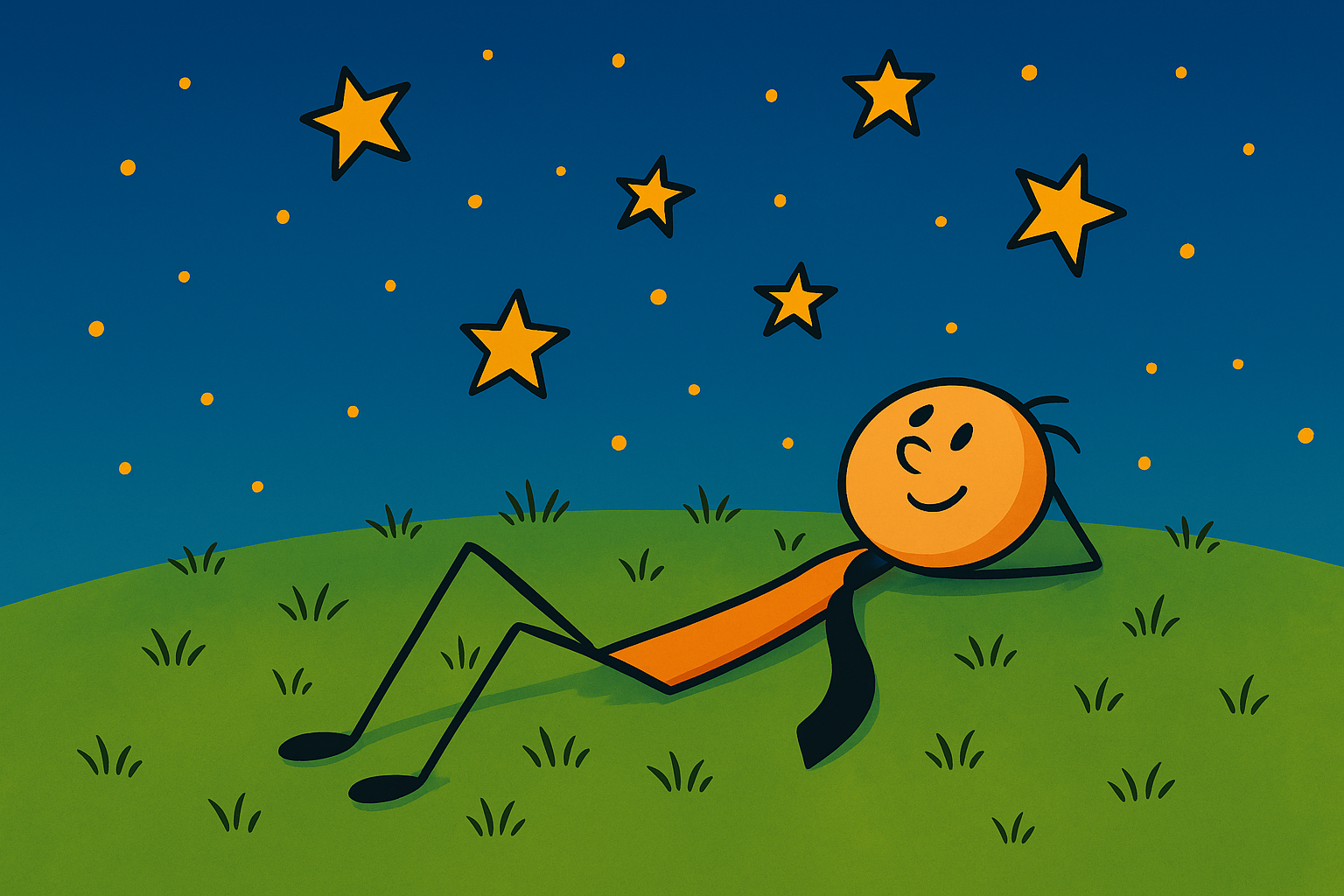
To the Dreamers Reading This, I Want You to Know…
There I was, eating cereal and watching a CNN documentary about Kobe Bryant—yes, I mix deep life reflection with Raisin Bran—when his old speech teacher said something that made me pause mid-chew. He described Kobe’s approach to life as giving everything—heart, soul, and body—to his craft. No halfway. Just all in.
I sat there thinking, “Yes! That’s it!” That’s the very thing I try to convey to my students in class, usually while making wild arm gestures and accidentally knocking over a marker cup. I believe in that philosophy with every fiber of my chalk-dusted being.
High Risk, Deep Roots
But here’s the deal: it’s also terrifying.
This idea of going all in on your calling—it sounds noble and exciting and worthy of a motivational poster—but the truth is, it’s a gamble. A high-stakes, heart-first kind of gamble. Especially today.
I mean, the ancient world totally backed this idea. Aristotle called it arete—excellence as a way of life. The Stoics preached about inner strength, Japanese samurai gave us Bushidō, and every jazz musician who ever improvised their way to bliss knows the power of flow. Even athletes talk about that magical zone where time melts away and it’s just you, the court, the ball, and that buzzing sense of rightness.
Modern Metrics vs. Timeless Passion
But our modern world? Eh, not so much. Today, we value your output. Your metrics. Your monetization plan. It’s like we collectively replaced passion with performance indicators.
Don’t get me wrong—I’m not against paying the bills. I enjoy food, shelter, and the occasional streaming service. But if you’re a young person with a dream that doesn’t come with a subscription model or an app-based hustle plan? Welcome to what I call “existential whiplash.”
You’re told, “Follow your bliss!” and “Live with purpose!” But the next second someone’s asking, “Yeah, but how will you monetize that?”
This contradiction is exhausting. And it gets inside your head. You start to think, “Maybe I’m wrong to want this. Maybe I should just do something safer. Maybe dreams are for people with trust funds.”
But here’s where I get a little loud in class—yes, I stand on chairs occasionally—and say: No. Your dream is not a liability.
It’s a pulse. A heartbeat. A spark. And you owe it to yourself to explore it—even if it’s hard.
Now, I won’t sugarcoat this: you can throw your whole self into something and not get the rewards you hoped for. I’ve lived that. I’ve made documentaries that reached small audiences. I’ve written things I thought would change the world and heard nothing but crickets. I’ve built programs that vanished when the grant money dried up.
But here’s the weird thing: I still wouldn’t trade it. Because in the pursuit—yes, even in the flops—I found something essential.
The Gift of Flow and Presence
Flow. Purpose. Connection.
When I was filming at dawn in a mountain village in the Philippines, or listening—really listening—to a student struggle their way into their voice, I wasn’t thinking about success. I was there. Fully. Mindfully. There’s nothing else like it.
Those moments are why we do the risky thing. Because we’re not robots. We’re not spreadsheets. We’re meaning-makers. And when we pursue something with full attention and intention, we tap into something sacred.
Still, let’s be real. In our society, even mindfulness has been commodified. There’s a subscription for calm. A brand for stillness. A market for minimalism. If I sound cynical, it’s because I’ve watched so many of my students get talked out of their deepest truths by the crushing logic of “practicality.”
Redefining Success
So, what do we do? How do we hold on to our inner compass when the GPS keeps yelling “Recalculate!” toward a safer, more profitable life?
I think it comes down to redefining what “success” really means.
I tell my students: don’t measure your life by likes, views, or even income (although, yes, make sure you eat). Measure it by the depth of your experience. By the risks you were willing to take. By the people you helped. By the moments you felt alive and grounded in something real.
A Quiet Life Can Still Be Epic
Because that’s what makes a life worth living. Not perfection. Not applause. But presence.
You can live a small-looking life with a vast inner world. You can chase something meaningful and not be famous. You can teach or paint or write or code or dance or build without needing to “go viral” to matter.
Yes, there are trade-offs. Believe me, I’ve wrestled with them. I’ve had months where I wondered if I made a mistake, if I’d be better off in a more stable career. I’ve asked myself whether it’s selfish to keep chasing ideas when I could be saving for retirement instead.
But then I remember: a life without dreams, without creative risk, without vulnerability? That would break me faster than any unpaid invoice.
This Is the Gift (and the Gamble)
To the dreamers reading this—especially the young ones, or the older ones just beginning again—I want to say this:
Don’t let the world’s cynicism shrink your vision. Stay mindful, not just in meditation, but in how you choose—how you spend your time, your energy, your attention. Live with full awareness, even when it’s hard. Especially when it’s hard.
Because that’s the gift of mindful living. Not constant calm or peace—but full contact with reality. The beauty and the fear. The creativity and the chaos. The risk and the reward.
Show Up Anyway
And maybe, just maybe, that’s the point. That life isn’t about winning. It’s about showing up fully, heart, soul, and body. Just like Kobe. Just like all of us trying to do this thing with courage.
I’m not indispensable. I’m not a guru. I’m just a guy who still gets goosebumps when a student discovers something real inside themselves. I’ve lived long enough to know dreams don’t always pay off, but they always teach you something vital—about who you are and what you care about.
And for me, that has always been enough.
-

Trusting the Pause: When Patience Is Better Than Pushing
“The most powerful thing you can do right now is be patient while things are unfolding for you.” ~Idil Ahmed⠀
I still remember my last year of college vividly. I was frustrated and disheartened after my application to study abroad was rejected. I had been obsessed with exploring the world through academia, convinced that further study was the best way to achieve my dream.
While most of my peers were preparing to enter the workforce, I envisioned a different path for myself—one that involved research, intellectual growth, and ultimately a career in academia.
However, there was one major obstacle: my English proficiency. Since English is not my native language, I struggled to meet the minimum IELTS score required for my application. My first attempt was a disaster. I scored poorly in the speaking part and barely passed the writing section. I never expected it to be this difficult.
The test was expensive, making it impractical to retake the test multiple times without the confidence of passing it. I felt trapped. If I failed again, I had no backup plan—I had not applied for any jobs, fully investing myself in the dream of studying abroad. The dilemma weighed heavily on me: Should I continue pushing myself to pass the test and secure a scholarship, or abandon my dream and focus on competing in the job market?
Both options felt like dead ends. I was not good enough to pass the test, nor was I prepared to compete for jobs.
In my frustration, I sought consolation in books. I read some spiritual books in hope of finding peace. That was when I encountered Rumi’s quote, which he quotes from his mentor: “When I run after what I think I want, my days are a furnace of distress and anxiety. If I sit in my own place of patience, what I need flows to me, without pain.”
The words struck me deeply. I realized that I had been fixated on a single path, convinced it was the only way to reach my goal. I had never considered any other alternatives.
I have been a fan of Rumi since high school. When I entered college, I found even more of his works that resonated with me. During this time, I also became interested in spiritualism and self-awareness. That is also when I started practicing meditation as part of martial arts training.
I decided to take Rumi’s wisdom to heart. Instead of obsessing over the problem, I stopped forcing a solution and, for the first time, embraced stillness.
It felt unproductive at first, but gradually, I began to understand something: If I was not ready for my dream at that moment, then perhaps it was not meant to happen yet. I accepted that progress would not come instantly and that my journey was not over just because I had hit a roadblock.
Stillness reduced my anxiety and my self-deprecation at least. It restored the feeling that I was alright, and the sky was still above me. Amidst this realization, a friend from high school called me. She asked if I had graduated, and when I said yes, she mentioned a vacant teaching assistant position at her school.
I sat up straight. I had a degree in education, so yes, teaching is my forte. More importantly, this particular school is an international school where most of the students and the teachers are expatriates.
I did not fully understand it at the time, but I felt that this was exactly what Rumi means by “what I need flows to me, without pain.” So I said yes without hesitation.
Long story short, I got the job. As a teaching assistant, I basically helped the main teacher to prepare the learning material and assisted the students with their work. The environment immersed me in English—I spoke it all day, read documents, read books, and wrote reports in English, improving my English significantly.
Eight months after I started working at that school, I retook the test. I felt truly confident. The anxiety was gone, and I knew I would at least meet the minimum score. The test was, as Rumi promised, painless. I did not achieve the perfect score, but it was more than enough. I felt relieved, and I knew that the biggest obstacle had been eliminated.
The test I took was just the beginning of my journey to studying abroad. I completed all the required administrative processes and secured a spot at my desired university just three months after the test. I was also accepted into a scholarship program, so within a year of my initial uncertainty about my future, I experienced a joy that I had never imagined before. Everything fell into place, and I realized it was meant to happen at that time.
Patience, I realized, is the best cure for anxiety. Yet, most of us—including me at that time—struggle with it. The urge to take control and rush toward our goals is overwhelming. We are always taught to push, to strive, to achieve. Surrender and waiting are never part of the curriculum.
I now believe that while ambition is important, relentless pursuit is not always the answer. Patience is not about giving up; it is the ability to wait while still focusing on the target. I think it is similar to a lion when it hunts its prey. The lion remains still, observing, waiting for the perfect moment to strike. A predator understands that patience is the key to success.
So patience is not passive. It is an active projection of trust and readiness. Through this particular experience, I started to understand the differences between stillness and doing nothing.
When I relax and allow myself to slow down, an alternative path emerges. What I once considered a detour—getting a job—ended up being the very thing that helped me to reach my goal. By not chasing my dream directly but rather waiting patiently while doing something else, I ultimately found my way.
Now, whenever I am in pursuit of something, I remind myself to pause. I take a step back, observe, and ensure that the odds are not stacked against me. If they are, I wait patiently and explore other possibilities. Because sometimes, the best way forward is to stand still.
-

What I Learned When My Brain and Body Shut Down
“Almost everything will work again if you unplug it for a few minutes, including you.” ~Anne Lamott
I used to believe that success meant always being available. Always saying yes. Always responding immediately to emails, Slack pings, texts, whatever was thrown my way. Because if I stopped—even for a second—I might fall behind. And if I wasn’t working harder than everyone else, was I even working hard enough?
For years, that mindset worked. Or so I thought. Every win, every promotion, every new milestone felt like adding fuel to the fire. The more I ‘succeeded’ by society’s standards—the title, the career, the financial stability—the more I pushed myself to do more, to be more.
My perfectionism kicked in, too. I didn’t just want to succeed; I wanted to be perfect at everything—career, leadership, motherhood, marriage, friendships. And I never removed anything from my plate—I just kept stacking it higher.
I climbed the corporate ladder, became the first female VP in a 300-person marketing org at a Fortune 500 company, and checked every success box that should have made me feel accomplished. But instead of feeling fulfilled, I felt… empty. Exhausted. Like I was running on fumes but too scared to stop.
And then one day, my body gave me no choice but to stop. It wasn’t a slow fade or a warning sign I could ignore—it was like someone pulled the plug. I went from a high-functioning overachiever to someone who couldn’t even form a sentence without feeling mentally drained.
Not just stress. Not just exhaustion. A full-body, full-brain shutdown. Emails didn’t make sense. Conversations felt like static. I couldn’t process thoughts.
My brain hit the off switch, and I didn’t know how to turn it back on. I sat at my desk, staring at my screen, and for the first time in my life, I physically couldn’t push through.
That moment scared me more than anything.
Five years before my full breakdown, I had already been on a collision course. In that short span of time, I became a mother, got promoted to director, took on more teams and responsibilities, lost my sister and grandmother, and moved into a new house—which promptly caught fire.
But I still kept pushing, still kept performing, because slowing down wasn’t an option. Until my body made it one.
I remember sitting in my car after work, gripping the steering wheel, staring blankly ahead. I had nothing left.
It wasn’t just exhaustion; it was something deeper, something that made me feel like I had lost control over my own mind and body. I had built my entire identity on being productive, on being the go-to person, the one who always delivered.
But now I had nothing left to give. And I had no idea how to fix it.
What I Learned from My Breaking Point
But how did I get to that point?
How did I go from thriving on the hustle to completely shutting down?
Looking back, the signs were all there—I just ignored them.
The late nights, the skipped meals, the creeping exhaustion I kept brushing off as ‘just part of the job.’ My body had been warning me for years, and I didn’t listen. Until I had no choice.
That breaking point forced me to ask myself something I had spent my whole life avoiding:
What am I chasing, and at what cost?
Here’s what finally made me realize I couldn’t keep going like this (and what I wish I had figured out before I hit rock bottom):
1. Rest isn’t a reward. It’s a requirement.
For the longest time, I thought sleeping more would fix everything. I watched a MasterClass with Dr. Matt Walker (a sleep expert) and learned all about chronotypes—morning larks vs. night owls. I knew I was a morning lark, so I figured, Great, I’ll just get to bed earlier, and that should do it!
Except, it didn’t.
I’d lie there at night, my body still, but my brain running marathons.
- Did I give my kiddo his medication?
- Did someone feed the dog?
- Is my team member feeling better after being out sick?
- Crap, I forgot to move the laundry. Now I have two choices: leave it and deal with the stink tomorrow, or drag myself out of bed to fix it.
That’s when I realized that rest isn’t just about sleep. It’s about giving your mind and body a real reset.
I found that when I spent time in my garden, I had more patience with others.
I picked up crocheting for the first time in twenty-five years, making beanies like my life depended on it. They were adorable—and it brought me a peace I hadn’t felt in years.
I started playing board games with my kids, laughing around the table instead of rushing them to bed just so I could jump back online and “get ahead.”
For years, I treated parenting like a responsibility (which, to be fair, it is), but I never just let time be. Everything had been a task to complete, a schedule to follow. But slowing down, being present, laughing with my family—THAT felt like true rest.
Rest isn’t just about stopping. It’s about resetting in a way that actually fuels you.
2. Ambition and balance can co-exist.
Let’s be real—I’m still a work in progress when it comes to boundaries. But one of the biggest shifts I made was realizing that everything in life is a season.
I used to overthink every decision. Saying no felt heavy, like I was closing a door forever. But once I started thinking in seasons, everything changed.
- Instead of “no,” I started saying “not right now.” This made boundaries feel lighter and easier to stick to.
- I got clear on my non-negotiables. If something filled my cup, it got priority time. If something drained me? It was time to let it go.
For years, I was the kind of leader who said things like “I support your decision” when someone needed time off—but the undertone was always “but we really need you here.” The unspoken pressure to overwork was real.
Now, I build my life around people who encourage me to invest in myself—not just support it, but push me to do it. And that makes all the difference.
3. If stopping feels scary, that’s a sign you need to stop.
I was terrified to slow down. I had built my entire reputation on:
✔ Always being available (Praised!)
✔ Always performing at the top (Praised!)
✔ Living every aspect of hustle culture (Praised!).It was my identity. So, if I stopped… who even was I?
What if I had worked my butt off for nothing?
What if people stopped seeing me as “successful”—would they think I was a failure?I’m still in this transition, and honestly, it’s still scary. But leaning into the unknown is part of redefining success. That’s what makes it feel less terrifying.
I used to believe success = status, power, money.
Now, I see success as something bigger—health, joy, presence.And while I won’t pretend it’s easy, I can tell you this: it’s worth it.
What This Means for You
If you’re reading this, wondering why—despite all your effort—you still feel exhausted, stuck, or empty… I get it. I’ve sat in that same place, running on fumes, convinced that pushing harder was the answer. But it’s not. It never was.
You don’t have to break before you start making changes. Small shifts—pausing, setting boundaries, rethinking what success actually means—can save you from ever reaching that breaking point.
Take the break now. Reclaim your energy now. Redefine success now. Because the life you want isn’t waiting on your next achievement—it’s waiting on you to stop running long enough to actually live it.
-
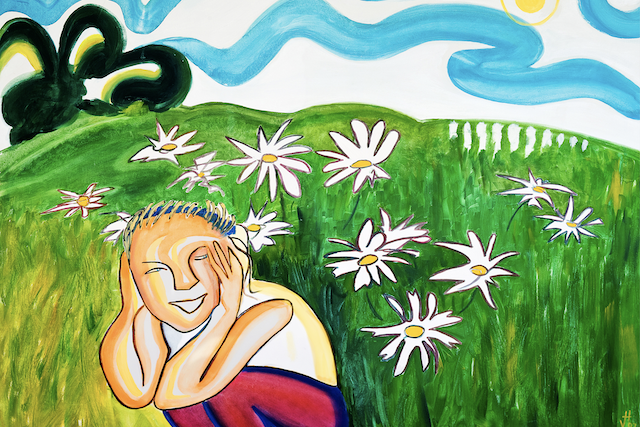
Two Reasons We Sabotage Our Joy and Success and How to Stop
“The wound is the place where the Light enters you.” ~Rumi
Have you ever held yourself back from going after what you truly want, or from enjoying what you have, because of a lingering fear that it might be taken away from you, or because you felt guilty for having more than others?
For years, I found myself unintentionally sabotaging moments of pure joy and personal success without being able to embrace them fully.
For example, when my son was born, a rush of panic would flood me every time I even imagined the possibility of losing him, and I felt guilty even having a family knowing that my friend was struggling with infertility due to her health issues.
Also, the money that flowed into my life always seemed to vanish as if I was in a rush to get rid of it, feeling torn between my gratitude for what I’d earned and the unease of knowing that others were barely getting by.
No matter how hard I tried, I couldn’t shake the constant sense of dread that lingered. One moment, I’d feel exhilarated and at peace, only to be hit with a wave of fear and guilt, as if my mind was plagued by relentless, unsettling static.
It felt like an endless cycle of scarcity. A pattern of having and sabotaging. But it was something deeper that made me question my beliefs of my own worthiness.
It took years of reading, researching, and learning to realize that this feeling wasn’t just a behavior—it was a belief that traced back to my childhood.
I grew up in a dynamic, happy family that traveled often, cared for me, and always made me feel safe and loved. But when the war came and everything changed in an instant, my life of safety and my carefree days turned into a desperate fight for survival.
That abrupt shift of losing freedom and the life I had before that moment left a deep mark on my young mind. It taught me that nothing is guaranteed and that having too much joy was dangerous and it could vanish in a flash.
Later on, this belief seeped into every corner of my adult life. When I built a vibrant career, guilt kept creeping in because I knew there were others who were struggling. Even in moments of personal growth and healing, the weight of this belief made me feel as if I was betraying all the suffering and destruction I had witnessed as a child.
It was exhausting, and for the longest time, I had no idea why I felt this way. But holding onto this belief didn’t help anyone. It certainly didn’t help me. And especially not those still fighting for survival. It kept me small and limited, trapped in a cycle of guilt and fear.
While this mindset once served as a form of protection, I had to accept that loss is an inevitable part of life—and that fearing it only kept me from truly living.
As I started my healing journey and helped other souls find their path to healing, I began learning about the subconscious mind and how early childhood experiences, cultural conditioning, and unresolved emotions shape us.
When I allowed myself to acknowledge the origin of this belief without judgment, I knew I had started the healing process. I gave myself permission to grieve for the child I was and for everything I had missed experiencing as a twelve-year-old girl.
Then I started working on how I see the world and how I, just like everyone else, am responsible for the energy I send out into the world. I started to see my joy, success, happiness, and achievements as gifts and opportunities, not things I had stolen from others.
I reframed my story and embraced an affirmation that I still use nowadays—The more I thrive, the more I can give back. This whole new perspective shifted my energy from guilt to gratitude and inspired action.
I changed my inner narrative through energy healing and the deep soul alignment my being was craving. I am worthy of happiness, just like everyone else, and I deserve abundance in every aspect of my life.
Over time, these words became my truth, which I now believe deep in my core.
It’s no surprise that, of all the emotions I worked on during the process, guilt was the hardest one to let go, because I couldn’t give up thinking and feeling what other people who were going through the same struggles felt. But when I decided to channel my abundance into acts of service, I realized I could help others without sacrificing my own joy.
Limiting beliefs can be tricky because you may not even realize you have them. And even if you’re aware of some, they might not be the ones you actually need to work on. The root cause isn’t always easy to spot, but there are steps you can take to get there.
1. Start by identifying areas of your life where you face challenges.
Write down the belief you feel is contributing to your struggles. Putting it all in writing can give you the clarity you need to move forward.
2. Explore the origin of this belief.
Did you hear it from someone? Was it an event in your life that started it? Understanding where this belief might have started can help you detach from it.
3. Challenge limiting beliefs with empowering truths.
For example, you could replace “I’m not worthy of success because others are struggling” with “My success empowers others. By thriving, I create more opportunities to help and inspire.”
Find examples from your own life when this was true and write them down. As you shift your perspective, you’ll begin to see things in a new light—one that is healthier and more uplifting.
While affirmations can be a powerful tool, please note that they may not be sufficient if you’re dealing with deep-rooted patterns of fear, doubt, or trauma. Simply repeating the words may not be enough if you struggle to truly believe them.
To more effectively heal these limiting beliefs and rewire the brain, a more holistic approach is often needed—one that integrates mind, body, and energy healing. This can include guided meditation to access subconscious patterns, breathwork to release stored emotions, somatic practices to reconnect with the body, and inner child work to address the root cause of past wounds.
By combining these methods, you allow healing to happen on multiple levels, creating deeper and lasting transformation.
4. Create a daily practice where you meditate and visualize yourself thriving to reinforce your new narrative.
Meditation helps quiet the mind and clear energetic blockages, while visualization allows you to embody the feelings of your new reality.
To fully integrate this shift, take aligned action each day that supports your growth. Set boundaries by saying no to commitments and situations that no longer serve you, speak your truth by expressing your needs, and engage in new experiences by exploring new places. Celebrate small wins by acknowledging and appreciating every step you take toward becoming the person you are meant to be.
It might also help to find a guide or a coach who can help you navigate the deeper layers of limiting beliefs. You might realize that an outside perspective is what you need to break free.
—
If you find it hard to let go of your conditioning, be patient with yourself. It’s not easy to get out of your own way, even when your soul is feeling a strong pull and an immense desire to break free and to awaken to a life filled with meaning, light, and purpose.
But if you keep at it, you can let go of the limiting beliefs that hold you back. Then, when you believe that you are worthy of receiving and fully experiencing all of life’s blessings, you’ll be able to embrace each gift with gratitude while you have it, knowing that both gain and loss are natural parts of our journey.
And remember, embracing joy and success is also a gift to everyone around us. When we honor our worth and embrace our light, we align with a higher vibration that radiates into the world.
-
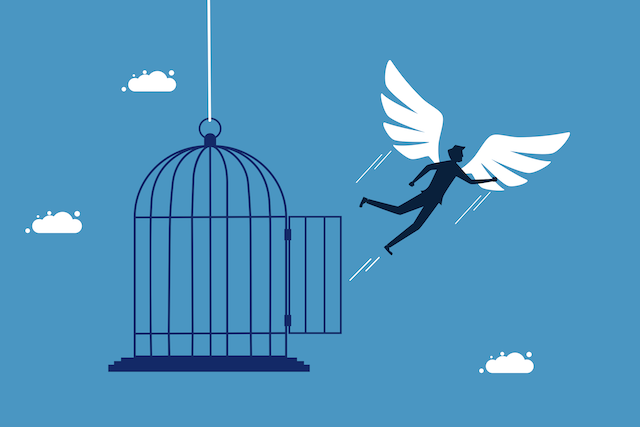
Releasing Self-Sabotage: 3 Simple Ways to Catch Yourself and Redirect
“The greater part of human pain is unnecessary. It is self-created as long as the unobserved mind runs your life.” ~Eckhart Tolle
“Holy shirtballs!” I yelped and leapt out of the ice-cold water stream, gasping for air.
There I was in an Argentina hotel at 5:30 a.m., bleary-eyed and sleep-deprived, with no chances of hot water and a back that felt like the surface of the sun.
I had gotten the worst sunburn of my LIFE the day before from laying on my belly, deeply absorbed in my first self-help book. I couldn’t believe that other people out there were like me, had huge ambitions, and wanted to develop themselves beyond societal boxes, too.
I was so absorbed, in fact, that I forgot to put on ANY sunscreen. (Lesson learned!)
When I packed my bags and left Argentina with a newfound sense of confidence and thrill—plus a killer tan—I vowed that I would use what I learned from that first book to change my life into exactly what I wanted. An epic relationship with a man who cherished me, freedom to start my own business, and finally getting in shape.
And then, I touched down in my hometown, Buffalo.
I was in college at the time, studying to be a Spanish teacher.
Giving my family a squeeze, answering the good-natured questions they peppered, and looking out at the cold winter scene, I thought, “What was I thinking? Only uber-successful people can live that kind of life and set those kinds of goals. I’m just a girl from a small town with a successful future as a Spanish teacher. I already have so much. I can’t ask for more.”
And thus began my years of self-torment, in which I lived a good life on paper but sabotaged the crap out of myself when I dared to dream bigger. When brave action was required to get in shape, push forward my career, or meet someone new, I found myself watching endless TV, shying away from the job posting, or saying no to a second date with a perfectly reasonable guy—all while my confidence and self-trust swirled down the drain.
If you’ve also been there, shopping more after setting a goal to spend less money or ordering a pizza in week two of your new fitness plan, then you know that self-sabotage can be a frustrating habit that we may feel we’ll never kick.
But there’s good news!
Self-sabotage is actually the last action in a chain of predictable events. And these events happen to everyone. We can easily catch these precursors to self-sabotage ahead of time and deepen the richness of our pursuit towards our goals with the following three steps.
1. See imposter syndrome as EXCITING!
Before we begin to dive into self-sabotage, we need to change our mindset around its precursors—the predictable events that lead up to self-sabotage.
These precursors include:
- imposter syndrome
- overwhelm
- self-doubt
- analysis paralysis
- worry
- believing we’re not good enough
These precursory experiences drive the behavior we take when we are acting from a place of “I can’t.” The new fitness plan, the next step in the relationship, or the promotion seem outside of our realm of control, and our brains immediately default to “I can’t handle this, so I can’t do this.”
When we’re on the precipice of taking inspired action to lead our most fulfilling lives, we are taking a huge step outside of our comfort zones.
Our brains, which have no evidence of success in this new arena and thus can’t adjust their blueprint to encompass it, will purposefully create these precursory thought patterns in order to get us to stop moving ahead. It sees anything outside of the comfort zone—including growth and fulfillment beyond where we are—as a psychological danger that it can’t account for.
While we can’t stop our brains from trying to implement these safety measures, we can stop ourselves from buying into them.
The change in mindset comes when we stop seeing the presence of these precursors as a bad sign or something to fix and instead see them as something EXCITING.
I know you may be thinking, I HATE feeling overwhelmed or like I’m not good enough. It sucks!
I don’t disagree that these are uncomfortable experiences. But I will say that these feelings are also evidence that you’re moving in the right direction.
If you’re experiencing overwhelm, imposter syndrome, or self-doubt, it’s because the thing you’re considering doing is outside of your brain’s comfort zone. And because our purpose in life is to grow and evolve, and all growth and evolution takes place outside of our comfort zone…
These behaviors only crop up when you’re about to do something BRAVE!
Feeling like you’re not good enough is no longer evidence that you’re not good enough. It’s just evidence that you’re making a bold decision for yourself to truly live and grow instead of letting your brain stop you.
You will likely always feel some precursor like overwhelm, self-doubt, feelings of not being good enough, comparisonitis, or imposter syndrome when you’re about to make a brave decision.
When you can detach from the volatility of these precursors and come to understand that they are natural markers of exciting progress—not the end of the road but just a stop sign along the way—you can pivot from nervous self-sabotage to determined advancement.
2. Feel your feelings.
All of us are guilty of modulating our emotions in ways we know don’t serve us. Maybe for you it’s scrolling through social media or going out with friends. It could be a glass of wine or an extra piece of chocolate cake.
I always find myself drawn toward a Netflix comedy special when I’m overwhelmed. Or I just watch TV in general to take my mind off of what’s coming up.
I want to stress that there’s nothing wrong with these behaviors in moderation. In fact, these pleasures are meant for us to enjoy in our time here on earth. But if we’re constantly procrastinating with these behaviors, they become a warning sign of self-sabotage about to occur.
This is because the root of all self-sabotage is avoiding an uncomfortable emotion.
When we convince ourselves not to follow an inspired idea, we may believe that we are “protecting” ourselves from more concrete things, like our friends and family judging us, loss of money, or loss of time. But these are just neutral circumstances that don’t have an emotion inherently attached to them.
What we are actually protecting ourselves against is the uncomfortable emotion our brain produces from these circumstances, like disappointment, shame, or guilt if we fail.
A mentor once shared with me a hypothetical story—that if aliens came down to earth and asked humans about the emotion of shame, the humans would shudder and describe it as the absolute worst feeling in the world. The curious aliens would be intrigued by this bold claim and ask the humans, “Wow, what happens when you feel shame? Does your face melt off? Do you break out in hives? Do you start bleeding profusely and die!?”
The humans would probably turn sheepish and say, “Um, no, actually. My tummy just hurts.”
I share this anecdote to illustrate that feeling emotions doesn’t cause us bodily harm. It’s just uncomfortable.
But given all that we’ve overcome in our lives, all the adversity we face each day, and the strength of the human spirit that unites us, a little discomfort is nothing we can’t handle. It’s so worth it for the exciting life waiting on the other side of our bravery.
To stop ourselves from self-sabotaging and move forward, we need to learn how to face and feel those emotions. (I promise your face won’t melt off when you do!) When we feel the shame, embarrassment, and disappointment fully, their potency will dissipate, and we’ll be able to access objective clarity.
The simplest way to feel your emotions is to sit down somewhere quiet and identify the emotion that you’re feeling. What is the name of it? (Fear, disappointment, panic, and worry are common examples.
Then, set a timer for one minute and feel the emotion. I don’t mean think about the emotion. I mean FEEL the sensation in your body that this emotion creates.
Where is the emotion in your body—your chest, your hands, your throat, your stomach? Does it have a color or a shape? Does it have a weight?
Touch your hand to where you feel it most in your body and allow yourself to fully experience the sensation over the course of one minute. Chances are high that just directing your attention to this emotion for one full minute will allow its potency to dissipate and give you back your sense of higher thinking.
3. Take ownership of your story.
Once our emotions have been fully felt and respected, we can start to think critically to address the root of our self-sabotage.
A favorite question of mine is, “What is the story here?”
Remember that your brain is initiating self-sabotage to keep you from feeling an uncomfortable emotion. But it had to get evidence from somewhere that this action you’re about to take would result in disaster. So… where in the past did a similar situation play out that ended in an uncomfortable emotion?
Let’s say you come across a flyer announcing open auditions for a local musical. It piques your interest, and you get excited to audition, picturing yourself on stage and all the fun you’d have as a performer. But then you start to hear the precursors of, “I’m not good enough, I don’t have the time, I could never do that,” which dampens your spirits and causes internal conflict.
If the last time you auditioned for a musical, your voice broke on the high note, and you didn’t get the part, we can’t fault your brain for sending you those precursors! It wants to pump the brakes and protect you at all costs from that previous feeling of embarrassment. And those thoughts of “not good enough” have always been effective at stopping you in your tracks.
But with clarity and compassion, we can see this experience for what it is—just a story in the past. A story that doesn’t have anything to do with our future, unless we continue to bring it into the present by calling it to mind.
When you ask yourself, “What is the story here?” quietly observe how your brain automatically floats a memory or long-held belief to the surface. Once you’ve identified the source, you can now ask yourself one last powerful question:
“Do I want to be the steward of this story anymore?”
We all have a choice, each moment of every day, to hold onto stories from our past or let them go.
The stories we hold onto provided us safety at a time. The story of the musical audition protected us from more embarrassment of daring to believe in ourselves again and possibly failing. If we trusted someone before, and they broke that trust, our story of “I can’t trust others or open up to them” protects us from that pain of unreciprocated vulnerability.
It’s important to honor and recognize that these stories did serve a purpose and did protect you for a time. But to stop self-sabotage and move forward in brave action, we can let the stories that hold us back go. We can start to recognize and get excited about all that is waiting for us on the other side of releasing this story, allowing us to write new stories and access our truest inspired life.
–
Sometimes it’s difficult to see the forest for the trees. It’s important to find compassion for yourself when you notice self-sabotaging behavior and realize that it’s just your brain playing a fun trick to keep you safe from the unknown. Luckily, these tricks are predictable, and once we learn to see them as a good sign, feel our feelings, and release old stories, we can continue to grow into our bravest, boldest selves.
-
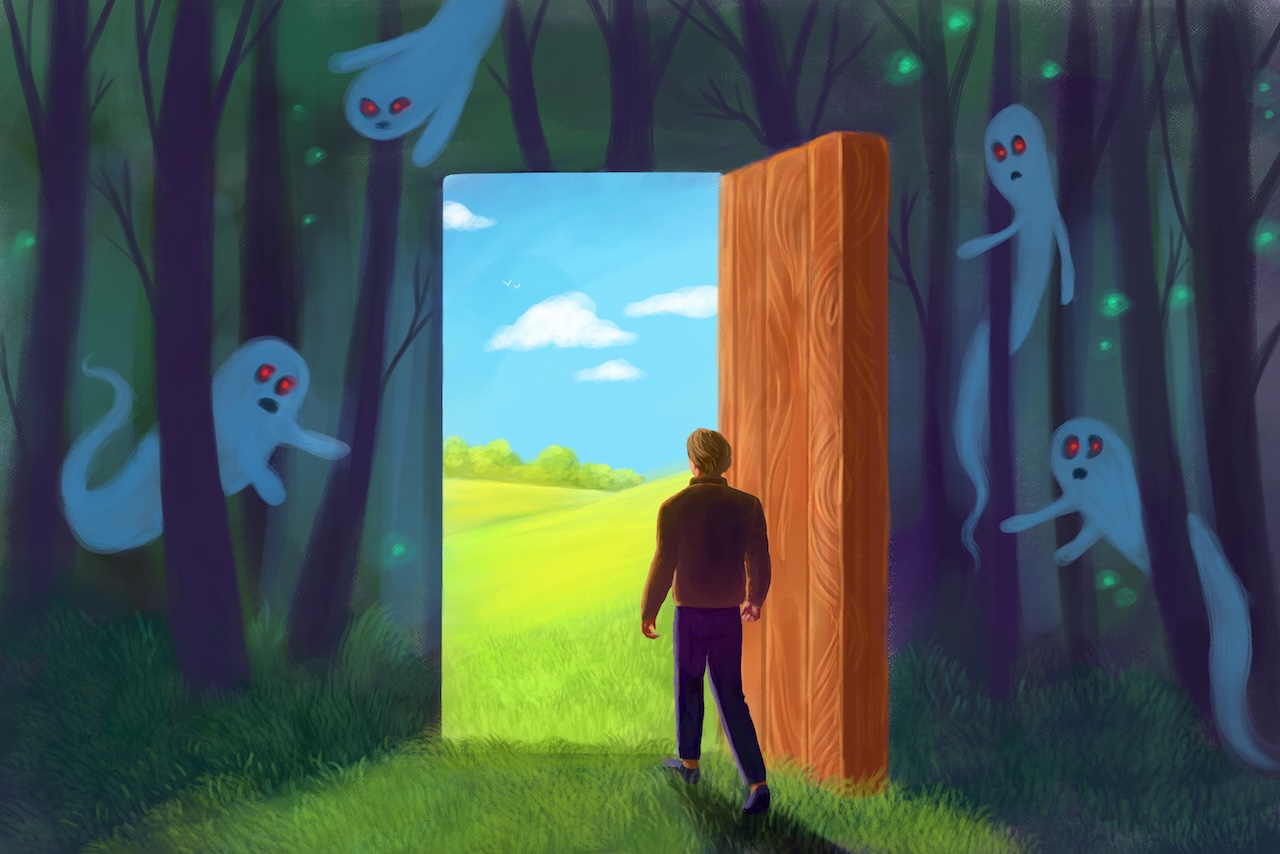
If You’re Afraid of Making a Big Life Change
“The only way to make sense out of change is to plunge into it, move with it, and join the dance.” ~Alan Watts
I used to think that stability was the key to happiness. Stay in one place, build a career, nurture long-term relationships—these were the pillars of a successful life, or so I believed.
My life was a carefully constructed fortress of routine and familiarity. Wake up at 6 a.m., commute to the same office I’d worked at for a decade, come home to the same apartment I’d lived in since college, rinse and repeat. It was safe. It was predictable. It was slowly suffocating me.
As I approached my fortieth birthday, I found myself increasingly restless. The walls of my comfortable life felt more like a prison than a sanctuary. I’d scroll through social media, seeing friends and acquaintances embarking on new adventures, changing careers, and moving to new cities, and I’d feel a pang of envy mixed with fear.
“I wish I could do that,” I’d think, quickly followed by, “But what if it all goes wrong?”
It was during one of these late-night scrolling sessions that I came across a quote from Alan Watts that would change everything: “The only way to make sense out of change is to plunge into it, move with it, and join the dance.”
I stared at those words, feeling as if they were speaking directly to my soul. What if, instead of fearing change, I embraced it?
The next morning, I woke up with a sense of purpose I hadn’t felt in years. I decided to make a change—not a small one, but a seismic shift that would challenge everything I thought I knew about myself and my life. I was going to quit my job, sell most of my possessions, and travel the world for a year.
The moment I made this decision, I felt a mix of exhilaration and sheer terror. What about my career? My apartment? My relationships? The questions swirled in my mind, threatening to overwhelm me. But beneath the fear, there was a spark of excitement that I couldn’t ignore.
I gave myself six months to prepare. Those months were a whirlwind of planning, saving, and facing the reactions of friends and family. Some were supportive; others thought I was having a midlife crisis.
My parents were particularly worried. “But what about your future?” they asked, echoing the same concerns they’d had when I switched majors in college.
As the departure date drew closer, my anxiety grew. There were moments when I seriously considered calling the whole thing off. What if I was making a horrible mistake? What if I couldn’t handle the uncertainty?
It was during one of these moments of doubt that I realized something important: The fear I was feeling wasn’t just about this trip. It was the same fear that had kept me trapped in a life that no longer fulfilled me. If I gave in to it now, I might never break free.
So, I pushed forward. I boarded that plane with a backpack, a one-way ticket, and a heart full of both terror and hope. The first few weeks were challenging. I felt lost, not just geographically but existentially. Who was I without my job title, my routine, my familiar surroundings?
But slowly, something magical began to happen. As I navigated new cities, tried new foods, and met people from all walks of life, I felt layers of my old self peeling away. I discovered a resilience I never knew I had. Problems that would have sent me into a tailspin back home became adventures and challenges to solve. I learned to trust my instincts, to find joy in the unexpected, and to embrace the unknown.
One particularly transformative moment came three months into my journey. I was hiking in the mountains of Peru, struggling with altitude sickness and questioning my decision to attempt this trek.
As I sat on a rock, catching my breath and fighting back tears, an elderly local woman passed by. She smiled at me and said something in Quechua that I didn’t understand. But her smile and the gentle pat she gave my shoulder spoke volumes.
In that moment, I realized that kindness and human connection transcend language and culture. I also realized that I was stronger than I ever gave myself credit for.
As the months passed, I found myself changing in ways I never expected. I became more open, more curious, more willing to try new things. I learned to live with less and appreciate more. The constant movement and change became not just tolerable but exhilarating. I was, as Alan Watts had said, joining the dance of change.
But it wasn’t all smooth sailing. There were days of loneliness, moments of doubt, and times when I missed the comfort of my old life. I learned that embracing change doesn’t mean you never feel fear or uncertainty. It means you feel those things and move forward anyway.
As my year of travel neared its end, I faced a new challenge: what next? The thought of returning to my old life felt impossible. I was no longer the person who had left a year ago. But the idea of continuing to travel indefinitely didn’t feel right either. I realized I was craving a new kind of stability—one built on the foundation of flexibility and growth I’d cultivated during my travels.
I decided to move to a new city, one I’d fallen in love with during my travels. I found a job that allowed me to use my old skills in new ways, with the flexibility to continue exploring the world. I made new friends who shared my love of adventure and personal growth. I created a life that embraced change rather than feared it.
Looking back on this journey, I’m amazed at how far I’ve come. The person who was once paralyzed by the idea of change now seeks it out as a source of growth and excitement. Here are some of the most important lessons I’ve learned.
1. Fear is not a stop sign.
Fear is a natural part of change, but it doesn’t have to control you. Acknowledge it, understand it, but don’t let it make your decisions for you.
2. Discomfort is where growth happen.
The moments that challenged me the most were also the ones that taught me the most about myself and the world.
3. Flexibility is strength.
Being able to adapt to new situations is far more valuable than trying to control everything around you because often, the only thing you can control is how well you adapt.
4. Less is often more.
Living out of a backpack for a year taught me how little I actually need to be happy.
5. Change is constant.
Instead of resisting change, learning to flow with it brings a sense of peace and excitement to life.
6. It’s never too late.
At forty, I thought I was too old to radically change my life. I was wrong. It’s never too late to start a new chapter.
If you find yourself feeling stuck, yearning for something more but afraid to make a change, I encourage you to take that first step.
It doesn’t have to be as dramatic as selling everything and traveling the world (though I highly recommend it if you can!). Start small. Take a different route to work. Try a new hobby. Have a conversation with someone you wouldn’t normally talk to. Each small change builds your resilience and opens you up to new possibilities.
Embracing change doesn’t mean your life will always be easy or that you’ll never face challenges. But it does mean that you’ll be living fully, growing constantly, and experiencing the rich tapestry of what life has to offer.
Your life is not a fixed path but a journey of constant evolution. Embrace the changes, learn from the challenges, and celebrate the growth. The world is vast, life is short, and the greatest adventures often begin with a single step into the unknown. So take that step. Join the dance of change. You might be amazed at where it leads you.
-

My Life with ADHD and Anxiety: A Surprising Success Story
“Examine the labels you apply to yourself. Every label is a boundary or limit you will not let yourself cross.” ~Wayne Dyer
Living with both ADHD and anxiety feels like trying to navigate life with your mind constantly racing in a thousand directions at once. It’s frustrating and exhausting, and, at times, it feels like success is out of reach.
But here’s the truth: success is possible. Even when it feels like your brain is working against you, with the right strategies and support, you can thrive.
As a nurse practitioner who has lived with undiagnosed ADHD and anxiety for much of my life, I’ve experienced the struggles that come with both. I’ve been labeled lazy, unteachable, and a lost cause.
But I’ve also learned how to break through those labels and find success on my own terms. It’s not easy, but it’s absolutely achievable.
The Early Years: ADHD and Anxiety in School
Growing up, ADHD wasn’t something people talked about. Kids who had trouble focusing were often written off as lazy or troublemakers. I was one of those kids, but I wasn’t the hyperactive type, so my struggles flew under the radar.
My teachers assumed I wasn’t trying hard enough, but the truth was, I was trying as hard as I could. If a subject didn’t grab my interest, my brain simply couldn’t focus.
The frustration of not being able to retain information or focus made school incredibly difficult. Teachers labeled me as lazy or unteachable, and those labels stuck. By the time I reached high school, I was so far behind that showing up to class felt pointless.
My grades were posted for everyone to see, and every time, I was at the bottom of the list. It felt like the world was constantly reminding me that I was a failure.
As my anxiety grew, I started skipping class regularly. Why show up just to feel like I was being judged? I was already seen as the kid who couldn’t keep up, and every time I walked into a classroom, it felt like a reminder of how far behind I was.
The anxiety of being judged, combined with my ADHD, made it impossible to succeed in that environment.
Hitting Rock Bottom
With no support system in place and a constant sense of failure hanging over me, I turned to unhealthy coping mechanisms. Drugs and alcohol became my escape from the pressure, anxiety, and feelings of inadequacy.
The constant emotional beatdown from teachers, peers, and my own inner voice was too much to bear.
I began to believe that I really was a lost cause. No one seemed to care about my potential, and I certainly didn’t see it myself. Eventually, I was kicked out of my public high school. At the time, it felt like the end of the road for me, but in reality, it was the best thing that could have happened.
Finding a New Path: The Alternative School
After being kicked out of public high school, I was sent to an alternative school, a place for the so-called “bad kids.” This school had a reputation for being where the rejects went—those who were expected to drop out, end up in jail, or get pregnant.
But what I didn’t expect was how this environment would change my life.
At the alternative school, the teachers didn’t care about my past failures. They didn’t look down on me for my low grades or judge me for being behind. Instead, they saw my potential. They worked with me one-on-one, offering me the chance to catch up and even get ahead. For the first time in my life, I felt like someone believed in me.
One teacher in particular recognized my talent for writing and encouraged me to join the school newsletter. I started taking on more responsibility and eventually became the editor. For the first time, I started to see myself as capable and smart.
College and Career: Finding Success Despite ADHD and Anxiety
After graduating from the alternative high school, I had a newfound sense of confidence. For the first time, I believed that college might be an option for me. I started at a community college and eventually transferred to a university, where I earned a bachelor’s degree in journalism and communication studies.
However, after working in journalism for a while, I realized that it wasn’t my true passion. I pivoted and went back to school to pursue a career in nursing. Earning my associate’s degree in nursing was one of the hardest things I’ve ever done, but it was also the most rewarding.
For seven years, I worked in the emergency department, where the fast-paced environment kept my ADHD in check and the constant reminder of life’s fragility put my anxiety in perspective.
Managing ADHD and Anxiety in Adulthood
While I had found success in my career, my ADHD and anxiety didn’t magically disappear. In fact, they became even more noticeable when I transitioned to working as a nurse practitioner.
The COVID-19 pandemic brought an intense level of pressure, and my anxiety skyrocketed. I found myself overthinking every decision, double- and triple-checking my work, and seeking reassurance from colleagues constantly.
It became clear that I needed to develop better strategies for managing both my ADHD and anxiety. Through a combination of medication, mindfulness practices, and a strong support system, I’ve been able to keep both in check.
What Works for Me: Strategies for Managing ADHD and Anxiety
Over the years, I’ve found that managing ADHD and anxiety requires a holistic approach. Medication has been a helpful tool, but it’s not the only answer. I’ve also incorporated practices like meditation, gratitude, and positivity into my daily routine, all of which help me manage my symptoms.
Meditation in particular has been a game-changer. It helps me calm my racing thoughts and stay grounded, especially when my anxiety starts to creep in. Practicing gratitude keeps me focused on the positive aspects of my life, which helps counter the negative self-talk that can sometimes accompany both ADHD and anxiety.
Positivity is another important tool in my toolbox. I’ve learned that staying positive isn’t about pretending everything is perfect—it’s about choosing to focus on what’s going well and using that as motivation to keep pushing forward.
The Importance of Believing in Yourself
Looking back, I realize that one of the biggest turning points in my life was learning to believe in myself. For so long, I had internalized the labels that others had placed on me. But once I started to see my own potential and believe that I was capable of success, everything changed.
ADHD and anxiety don’t define who you are or what you can achieve. Yes, they’re challenges, but they’re also part of what makes you unique.
With the right tools, strategies, and mindset, you can turn those challenges into strengths.
Final Thoughts: Success Is Possible—Keep Pushing Forward
ADHD and anxiety can feel like insurmountable obstacles at times, but they don’t have to hold you back. Success is possible, even if it feels out of reach right now.
You might feel like a lost cause, but you’re not. You’re capable of so much more than you realize.
It doesn’t matter where you started or what labels have been placed on you. What matters is that you keep pushing forward, believe in your potential, and surround yourself with people who support and uplift you.
Whatever struggles you’re facing, they are just part of your story—not the end of it.
Keep going. Success is well within your reach.
-
5 Practical Tips for Overcoming the Pressure to Do More

“In the midst of movement and chaos, keep stillness inside of you.” ~Deepak Chopra
There was a time in my life when chaos seemed to have the upper hand. I tried so hard to keep things together, but it felt like the more I tried to control things, the more they spiraled. I had goals and dreams, sure, but the stress of not being “there” yet always consumed me.
I remember one night sitting on the edge of my bed, feeling completely drained. I’d just had a tough conversation with a close friend, one of those exchanges where every word hits harder than the last. It wasn’t about the conversation itself; it was about what it represented—a mirror reflecting my own struggles with self-worth.
I had been so busy chasing success, comparing my progress to others, and pushing myself to meet society’s invisible benchmarks that I lost sight of what was truly important.
That night was my breaking point. I realized I wasn’t living for myself anymore—I was living for everyone else’s expectations. I felt like I was stuck in a loop, playing the same scenes over and over, always waiting for the big “win” to feel validated. It was time for a shift, but the problem was, I had no idea where to start.
The Lucky Meeting that Changed Everything
Around this time, I had a chance encounter with a hypnotherapist. I was skeptical, but something about their approach intrigued me, and I decided to give it a try. That session introduced me to the alpha state—a state of deep relaxation and mental clarity that I had never experienced before.
The alpha state became my sanctuary. It felt like being connected to a deeper part of myself, a place where the chatter of my mind quieted down, and I could simply be. The hypnotherapist guided me to let go of control, to trust the process, and to embrace a state of calm presence. It was in this space that I realized how much of my life I had been living on autopilot, constantly reacting to external pressures.
This lucky meeting wasn’t just a one-time experience—it was a turning point. I began incorporating practices that allowed me to access the alpha state on my own, using self-hypnosis techniques and guided visualizations to reconnect with my core. The more I practiced, the more I noticed a shift in how I approached challenges. Instead of reacting from a place of stress, I began responding from a place of clarity and calm.
The Power of Stillness Amidst the Chaos
That moment of stillness became the key to everything. I realized I had been running at full speed, not because I had to, but because I believed that slowing down meant failure. But stillness isn’t defeat; it’s clarity. By taking a step back, I began to see how much of my stress was self-created—driven by unrealistic timelines, external comparisons, and the pressure to “have it all together.”
In that pause, I asked myself a question that changed everything: “What if my worth has nothing to do with my achievements?”
I realized that taking breaks from the stress of constant striving slowly relieves the pressure to do more. Connecting with our true selves through stillness allows us to recalibrate and find peace without needing to chase validation. We can trust that we’re enough, just as we are, without having to “do” more to prove it.
Breaking the Loop
My first practical step? Setting boundaries with myself. I started by noticing when I was acting out of fear or the need for approval. Each time I felt that pang of “I’m not doing enough,” I reminded myself to stop and breathe. This simple shift allowed me to recognize that my worth is inherent, not something to be earned or proven.
One of the biggest lessons I learned from this period of my life is that peace doesn’t come from achieving more; it comes from accepting where you are. I had to stop running on autopilot and start listening to myself. That meant embracing my flaws, imperfections, and everything in between.
Practical Tips for Overcoming Self-Pressure
1. Create space for stillness.
Set aside time every day where you’re not actively doing anything. Just be. This is a chance to reconnect with your true self, away from the noise of social media, emails, or to-do lists.
Taking intentional breaks allows us to relieve the pressure of constant striving and remember who we are beyond our achievements.
2. Catch your inner critic.
Notice your thoughts, especially when you’re feeling overwhelmed. Are you being overly critical of yourself? If so, take a step back and try reframing those thoughts with compassion.
Remember, kindness toward yourself isn’t something you need to earn—it’s a choice available to you at any time. And remember, too: You are not your thoughts, and you are not your feelings. They are simply passing experiences, not reflections of who you are.
3. Shift from achievement to alignment.
Instead of measuring success by what you’ve done, focus on how aligned you feel with your values. When making a decision for your future, ask yourself, “Am I being true to myself?”
This helps you connect with your deeper purpose rather than chasing goals that may not truly fulfill you.
4. Celebrate progress, not perfection.
Give yourself credit for the small wins. Life isn’t about checking off boxes; it’s about growth and evolution. Celebrate the fact that you’re on the journey, learning and evolving with each step.
5. Stay present.
When we focus too much on future outcomes, we lose sight of the present moment and end up missing out on life. Practice being present by grounding yourself in the here and now. Whether it’s through mindfulness, meditation, or simply taking a deep breath, presence is your most powerful tool.
The Journey Back to Yourself
Through this process, I discovered that real peace and fulfillment come when we stop defining ourselves by external success. It’s about knowing that you are enough as you are right now. This doesn’t mean giving up on growth or ambition—it means allowing those things to evolve naturally, rather than forcing them to fit a specific timeline or expectation.
The lesson here? Your worth isn’t tied to your achievements or productivity. You don’t need to “prove” anything to anyone. Sometimes the most important thing we can do is pause, reflect, and trust that we’re exactly where we need to be.
-

How to Get to the Amazing Life on the Other Side of Your Fears
“As we are liberated from our own fear, our presence automatically liberates others!” ~Marianne Williamson
Have you ever felt trapped by fear, unable to break free from the shackles of insecurity and doubt? It’s a shared experience that often holds us back from living authentically and pursuing our true passions.
Fear comes in many forms—fear of failure, fear of success, fear of the unknown. Yet, at its core, fear is a prison of our own making, constructed from limiting beliefs and negative self-talk.
But what if I told you that confronting your fears could lead to liberation? What if facing your deepest insecurities was the key to unlocking your true potential?
Consider the metaphor of caged dogs accustomed to electric shocks. Despite the opportunity to escape, they remain imprisoned by familiarity, opting for discomfort over the unfamiliarity of freedom. This phenomenon is mirrored in our lives, where we cling to dissatisfaction for the illusion of security.
Reflecting on my own journey, I recall a time when I grappled with chronic illness. Despite yearning for healing, I realized I harbored a deep-seated fear of what lay beyond the confines of my suffering.
I had an epiphany (post-existential crisis): Did I fear failure? Or did I fear success? Did I actually fear what success and healing meant and what they came with?
What would healing mean for me? It would mean relinquishing the safety net of my pain and stepping into a reality where I was called to fulfill my purpose and potential. The prospect was daunting, especially after being confined to the shadows and the comfort of my sofa for so long.
As I embarked on the journey toward healing, I found myself grappling with a profound fear—one that extended beyond the confines of my illness. I yearned for recovery, yet I couldn’t shake the apprehension of what lay beyond the familiar territory of my suffering.
Would I lose the identity I had forged amidst my struggles?
Would I be able to navigate a world without the crutch of my suffering?
These questions loomed large, casting shadows of doubt and hesitation on my path to recovery. It became evident that my fear wasn’t merely rooted in the prospect of being sick or well but rather in the unknown territory ahead.
Yet, amidst the uncertainty, a glimmer of hope emerged—a reminder that growth often requires us to confront our deepest fears head-on. I realized that true healing transcends physical recovery; it demands a willingness to embrace change and step into the unknown.
As I grappled with these uncertainties, I came to understand that the journey toward healing is not just about overcoming illness but about rediscovering ourselves and embracing the fullness of life that awaits on the other side of fear.
We fear that the life we truly want would be too scary to bring into manifestation. But to live in such a way is doing ourselves a massive disservice. You can feel it in your soul when you abandon your desires in this way.
Yet, as I confronted my fears head-on, I discovered a newfound sense of empowerment and freedom. I realized that true liberation comes from within, from the courage to embrace change and step into the unknown.
Marianne Williamson poignantly remarked, “Our deepest fear is not that we are inadequate. Our deepest fear is that we are powerful beyond measure.” Embracing our innate power liberates us and those around us, igniting a ripple effect of inspiration and transformation.
So, how do we break free from the chains of fear? Here are some actionable steps to help you overcome anxiety and step into your authentic self.
1. Identify your fears.
Take time to reflect on the fears holding you back. Write them down and acknowledge their presence in your life.
2. Challenge your beliefs.
Question the validity of your fears. Are they based on facts or assumptions? Challenge the negative self-talk that reinforces these fears. When I did this exercise, I realized I believed I wasn’t good enough and assumed it would be too much work to pursue the life I wanted.
3. Learn and practice nervous system regulation.
Fear is programmed into our bodies from a young age. If we don’t deal with it, then it can become trapped inside us and cause things like anxiety, depression. and chronic illness. Teaching my body how to feel fear and stay regulated was vital to my healing journey.
One way I do this is through breathwork, focusing on longer exhales to activate the parasympathetic nervous system. I also discovered that movement really is medicine when it comes to the nervous system. And I underwent somatic trauma therapy and somatic experiencing, which was game-changing in my healing journey and recovering from chronic anxiety.
4. Visualize success.
Imagine yourself overcoming your fears and achieving your goals. Visualize the empowerment and fulfillment that come with stepping into your authentic self.
5. Take small steps.
Break down your goals into manageable steps and take action toward overcoming your fears. Celebrate each small victory along the way.
When I knew I wanted to travel the world and work online but was housebound due to my health and anxiety, I started with going to the shops. Then months later, I went back to work one day a week. I built myself up, and three years later, I just came back from three months travelling in Bali!
6. Seek support.
Surround yourself with a supportive network of friends, family, or a therapist who can offer encouragement and guidance as you confront your fears. You do not have to do this alone! It takes a village!
7. Cultivate compassion for the part of you that is scared of thriving.
Be kind to yourself throughout this process. Recognize that facing your fears takes courage, and it’s okay to experience setbacks along the way.
Feeling scared or hesitant about the prospect of thriving and healing is natural. After all, change can be daunting, and the unknown can evoke feelings of vulnerability. However, it’s essential to approach these fears with compassion and love, recognizing that they stem from a place of self-protection and past experiences.
Start by acknowledging the validity of your fears and the emotions they evoke. Instead of dismissing or suppressing them, offer yourself empathy and understanding. Remember that feeling scared is okay, your emotions are valid, and you’re doing your best to navigate this journey.
Offer yourself the same compassion you would extend to a loved one facing similar challenges.
8. Practice self-care.
Engage in self-care practices that nurture your emotional well-being and cultivate inner peace. This could include mindfulness meditation, journaling, time in nature, or engaging in activities that bring you joy and comfort. By prioritizing self-care, you create a supportive foundation for addressing your fears with compassion and love.
9. Be patient with yourself.
Finally, remind yourself that healing and thriving are gradual processes that require patience and perseverance. Support yourself through each step of your journey, knowing you deserve to live a life filled with growth, joy, and fulfilment.
Ultimately, the path to liberation lies in embracing change, confronting our fears, and stepping into our authentic selves. It’s a journey of self-discovery and empowerment that promises freedom, fulfilment, and the realization of our true potential.
Are you ready to embrace the unknown and liberate yourself from fear? The choice is yours.
-
How I Broke Free from My Toxic Need to Achieve
“If it’s out of your hands, it deserves freedom from your mind too.” ~ Ivan Nuru
“Honey, we’re gonna call you an ambulance.”
The woman on the other end of the phone at the hospital call center sounded stern as I lay on my bathroom floor in my robe, writhing in pain, barely able to speak.
I never knew you could hyperventilate from pain, I remember thinking.
It was December, and I’d just returned home from a stressful international work trip with jet lag and exhaustion as my souvenirs. The sensitive, introverted parts of myself I normally shoved under the veneer of Ms. Capable Can-Do-It-All were overstimulated by the constant activity and overwhelmed by interacting with so many coworkers in a city I didn’t know.
During the trip, my cousin called me. They never call me.
“Grandpa died,” they said.
In my grief, I did my best to find last-minute flights back to see family in the US, but I missed my third connection and slept on the airport floor. I’d been pushing myself for months; by the time I finally walked through my apartment door, I was more than fried. I was burnt out. Then I came down with the worst flu of my life.
And now, sudden stomach pains pulsed through my entire body, so intense I had to crawl to my phone to dial the hospital.
As the EMTs arrived at my door, ready to whisk me away in an ambulance like an unglamorous Cinderella, I started being able to breathe again.
Suddenly, I was much more aware of my surroundings. The awkwardness of two men in unfamiliar uniforms strapping me onto a stretcher and carrying me down the narrow stairwell like a cumbersome, delicate piece of furniture, into the back of the ambulance going only a few blocks away when I could usually walk there, was surreal. I felt detached from my life somehow, as if I was witnessing it from the outside.
Right then, the whole situation struck me as, for lack of a better word, funny.
I can’t wait to see what’ll go wrong next! I thought, almost laughing.
As I sat quietly in my hospital bed with an IV in my arm and my pain finally eased, I realized something.
In this moment, there was nothing I could do about my health. Whatever diagnosis the doctor was going to walk in and give me, I couldn’t change it.
All I could do was be present. And I found that incredibly…freeing.
I’d spent the better part of three years burnt out, mostly miserable, and continuing to push through, no matter how exhausted I was, or how much everything in my body and the back of my mind was telling me to STOP.
However, I didn’t listen. I was too focused on succeeding in my dream job, the job I’d worked myself to the bone for years to land. I was damned if I’d let something as silly as my body get in the way of my dreams.
But right then, in my blue-and-white-striped hospital gown, I had a gut thud of knowing that things had to change.
I needed to let go. Of the dream that wasn’t really mine anymore. Of holding on so tight to what I knew that I wasn’t letting myself breathe or acknowledge what was true for me.
I needed to let go of the idea that I could force myself into happiness by achieving more. It wasn’t working. I just felt empty.
I needed to start trusting myself more. Not the loud inner dictator part of me who constantly scolded me for not working hard enough—I’d been trusting that part too much already. No, I needed to start trusting that gentle voice inside that whispered, “Hey, take a break…it’s okay to rest. It’s okay to just let yourself be.”
I also realized I needed to start taking up more space in my life instead of giving it all away to work and other people. I wanted to live in a way that brought out my softer, more compassionate, more authentic self, not just the tough, competent leader part of me who fulfilled everyone else’s expectations first. I wanted to figure out how to be who I actually was, not just who I thought I should be.
Because that part was so, so tired. Frankly, she needed to lie down and take a nap. And figure out who she was when she wasn’t performing.
So ultimately, that’s what I did.
(Yes, the nap. But also the figuring out.)
Maybe you know what I mean. Maybe you’re at a crossroads where you don’t know where to go next, you just know it’s not where you are. Maybe you feel torn between your ambitious side and the part of you that knows that how you feel on the inside is more important than how your life looks on the outside.
If so, here are a few things that helped me, and might help you, too.
1. Embrace the pause.
When you spend your whole life being rewarded for ignoring your body’s signals and pushing through for work, it can feel like sacrilege to give yourself a moment to rest. Do it anyway.
Lie on your bed, breathe, and stare at the ceiling for five minutes. Commit to doing absolutely nothing, no matter how strong your urge is to be productive. And then do it again. Work can wait—your well-being is worth it. And ultimately, the more you include yourself and your needs in what you do, the more successful and productive you’ll be, even if it takes a little longer to get there.
2. Listen to your inner nurturer.
See what happens when you tune in to your inner world, and if you can hear the gentle voice inside that whispers, “Take a break; it’s okay to rest.” It might not be there right away; that’s okay. Being kind to ourselves is a practice, and it can take time to develop.
How can you tell the difference between your inner dictator and your inner nurturer? The dictator, when you listen long enough from the place of mindful observation, usually starts to sound like your parent or teacher or middle-school volleyball coach. Your inner nurturer sounds like you, or if you grew up in the eighties, maybe like the Empress from The Neverending Story.
You’ll know the difference because when you hear the first one, your body will tense up; when you hear the second one, your body will relax.
3. Get curious about your self-worth.
Sometimes as kids, we learn that we have to earn love and approval by working really hard, being responsible, or being good. When we grow up, this can translate beautifully to the working world, because there’s always a new way to improve, something else to do, or someone else to impress.
But what if your sense of confidence didn’t depend on being the best, the most responsible, or the hardest worker? Take a moment and sit with the question: Who could I be if I felt loved and accepted just as I am, even when I’m relaxing and doing nothing? Even when I’m mediocre at something? Even when I’m just being?
Bring some curiosity, with as little judgment as you can muster, to when you feel most “worthy.” If it’s usually when you’re doing something for someone else, or in achieving mode, I invite you to see if you can expand your sense of worthiness to when you’re not doing anything at all. Or even, gasp, when you make a mistake. It can be a long road to finding peace and feeling worthy of love and connection just as you are, but in my experience, it’s worth it.
4. Redefine success on your terms.
Challenge the conventional definitions of success that may have guided your life so far. You can even journal about it: what does success actually look like for you based on your values, passions, and commitment to personal growth?
True fulfillment comes not from meeting external expectations but from aligning your achievements with your authentic self. It doesn’t matter how fast you’re going if you’re headed in the wrong direction.
We often get caught up in the pursuit of success, attached to goals that might have lost their relevance along the way. Just like I did. It’s easy to ignore the signs when our bodies are screaming for a pause, a moment of relief. But, as cliché as it might sound, life is pretty short, and it’s not worth it to sacrifice our well-being on the altar of ambition.
So allow yourself the freedom to reassess your dreams when you need to, and adjust how you’re spending your time and energy at this stage in your life. See what it might be like to let go just a little bit; to trust that it’s okay to change, to evolve, and to prioritize your health and happiness over what others expect of you, or even what you used to expect from yourself.
See if, in moments of overwhelm or uncertainty, you can take a breath, tune in to your body, and listen to your deepest knowing, trusting that the path you walk in every moment can be fulfilling in and of itself.
Because isn’t that what life is all about?
-
Daring to Fail: Uncovering the Hidden Strengths in Our Struggles
“Only those who dare to fail greatly can ever achieve greatly.” ~Robert F. Kennedy
How do you define failure?
When something doesn’t go as planned?
When someone tells you they don’t like what you’ve made?
When an outcome doesn’t match your expectations?
I find it increasingly important to define failure. Which seems like a weird thing to do because we’re all trying to avoid it. Even talking about failure feels like it has the power to bring about failure.
No one wants to be labelled a failure. And it’s because of that underlying fear that we end up stuck, miserable, and afraid of the very actions that will release us from that doubt.
Here’s a glimpse into a story I often find myself repeating. I come up with an idea, I get feedback, and I start building. I’m acting from a place of creative excitement where my juices are flowing. I’m swept away by the belief that this idea could change the trajectory of my life.
And then… the outcome doesn’t match my expectations. It doesn’t reach as many people as I thought it would. Or it isn’t as profitable as I thought it might be.
It bloody guts me.
I grasp what I think is the issue. I ruminate on what should have been. I get pissed off because it feels like I’m back at ground zero.
Am I doomed for failure?
That depends on the choice I make next.
Do I give up?
Then you best believe I’m a failure.
Because the life we want reveals itself by taking another step forward.
As Winston Churchill said, “Success is not final, failure is not fatal: it is the courage to continue that counts.”
You’ve heard of the Fortune 500, right? It’s a term that gets thrown around a lot, especially in business circles.
The Fortune 500, an annual leaderboard published by Fortune magazine, ranks the 500 most revenue-generating companies in the United States. It’s a snapshot of business success. Yet, a glance from 1955 to 2019 reveals only 10.4% of companies remained on the list.
This stark turnover underscores a crucial lesson: Success is fleeting without continual adaptation.
And therein lies peace of mind.
The point isn’t to climb the peak and stay there. These places that feel like destinations are nothing more than sandcastles, eventually washing away with the tide.
The point is to use what you’ve learned and apply it to your next adventure.
So how do we decide which direction to take after a “failure”?
How can we know which choice will lead us to the best possible version of our lives?
Failure = feedback.
We can only tell where something is in relation to something else.
Putting in the effort means we have something to compare and contrast it to.
There’s a tendency to focus on what the tiny sliver of companies did to succeed, but far more can be gleaned from what the majority didn’t do and why they disappeared.
What did they stop doing?
What did they foolishly ignore because they wanted to be right?
Why did they stop asking questions?
Why couldn’t they see their blind spots?
Whether it’s a failing business, someone who has plateaued with their health goals, or a parent who can’t connect with their teenager, they all share one commonality that led to their failure: They stopped seeking feedback.
Meaning they no longer put in effort. The one and only action that gives us clarity.
I remind myself of this when I’m hyper-focused on the outcome. I feel like a helpless failure because I’m ignoring the actions that will change the outcome: the inputs.
Thomas J. Watson, a former chairman and CEO of IBM, identified fear of failure as the reason we don’t experience momentum in our lives: “Would you like me to give you a formula for success? It’s quite simple, really. Double your rate of failure. You are thinking of failure as the enemy of success. But it isn’t at all. You can be discouraged by failure, or you can learn from it, so go ahead and make mistakes. Make all you can. Because remember that’s where you will find success.”
Don’t like the taste of your spaghetti bolognese sauce (the outcome)? Change the ingredients (the inputs).
Here’s the lesson I’m still learning: This takes time. The most effective way to change the outcome is by changing one input at a time. If I switch out all the ingredients at once, I’m back to playing a guessing game.
But if I try San Marzano tomatoes instead of diced tomatoes? Oh, hot damn. We’re cooking up something delicious, and now I understand what brings me one step closer to the outcome I want.
In the context of my creative pursuits, instead of discarding a project, I engage in more discussions to understand what isn’t working. I ask: Have I offered a valuable solution to a widespread problem? Have I demonstrated how my solution works? Then, did I adjust the project and clearly convey the changes to those who provided feedback? This keeps me on track without guesswork, acknowledging that the first iteration, untested, often fails.
It feels a hell of a lot less daunting to approach failure like an experiment.
Transform failure into a laboratory. Each misstep is an experiment, a finding. Adjust one input at a time, observe the change, and inch closer to your desired outcome. This week, change one ingredient in your strategy, whether at work, in relationships, or in personal goals. Observe, learn, iterate.
Life is a constant iteration, a series of experiments where failure morphs into feedback, driving us closer to the life we envision. Remember that every step forward, no matter how small, is a step boldly taken toward your dreams.
-

Why True Happiness Is Not Just About Reaching Your Goals
“Success isn’t about how your life looks to others. It’s about how it feels to you.” ~Michelle Obama
Do you have goals? Why do you have these goals? What will change if you accomplish them?
Will you be happy?
Think about this for a second: You’ve already achieved goals that you said would make you happy.
Pause.
Think about that again.
You’ve already achieved goals that you said would make you happy.
Well, that’s a humbling reality check, isn’t it? So why aren’t you experiencing everlasting happiness and satisfaction?
No matter the goal’s size, the reward level, or the amount of success achieved, it all passes in the blink of an eye.
Wherever you go, there you are, my friend.
Actress Emma Watson, known for her role in the Harry Potter series, said, “I’ve realized that the success I’ve been seeking is not the success I want. I’m no longer sure what my own ambitions are or what success even means.”
Singer-songwriter Justin Bieber said, “I’m a person who has feelings and I’m sensitive. All these things that people think are wonderful, it’s like, I don’t even know what this means. I just want to be happy.”
Entrepreneur and author Tim Ferriss said, “The 4-Hour Work Week was a runaway success, but it didn’t make me happy. In fact, it made me more stressed out and miserable than ever before. I realized that true happiness comes from doing work that you love, not from achieving external success.”
In his autobiography Open, Tennis player Andre Agassi wrote about his realization after winning his first Wimbledon title: “I thought it would be the greatest moment of my life, but it wasn’t. I felt empty. Winning Wimbledon was just another step in the journey.”
Musician John Mayer said, “I thought that if I had a hit record, I’d finally be happy. But then I had a hit record, and I was still the same guy with all the same problems. I had to learn that happiness comes from within, not from external achievements.”
Every single one of these people struggled because their identity became tied to external validation.
No longer were they pursuing their craft for the love and passion they once had; the unhealthy relationship with the goal made it an ugly means to an end that left them feeling directionless.
If you want to remain happy, give yourself a process that creates enjoyment.
It’s the progress we make toward the goal that makes us happy. It’s living up to our potential.
It’s doing something that makes your life feel like it matters. It’s the decision to make something a priority in your life. This is the only thing that will change your life.
There’s nothing you can buy or achieve that leads to everlasting happiness.
Every job is a joke in comparison to raising a child. There’s not even a close second.
Parenting cannot be mastered like a skill acquired by a mechanic because there is no set formula or blueprint for raising a child. Every child is unique, and the challenges and joys of parenting are constantly changing.
Unlike a skill that can be honed through practice and experience, parenting requires adaptability, patience, and a deep understanding of each child’s individual needs and development. Every parent is navigating the journey of parenting without a definitive manual, learning and growing alongside their child.
Put simply: Every parent is hanging on for dear life. You’re simply along for the ride.
Yet, it’s given me the most joy I’ve ever had.
And this is from a guy who once popped MDMA like they were candies from his grandma’s purse: there’s no delight more unspoiled than the cascade of dopamine that drenches your mind, a waterfall of ecstasy, tranquillity, and pleasure that quenches your thirst for happiness.
But holy crap, the other side of that pill was a water slide straight into hell. The recreational use of ecstasy was my own means to an end. It left me hollow, nightmarishly depressed, and unwilling to cope because life felt black and white.
Having a daughter brought color back into my life.
I didn’t even want to be a dad until my mid-thirties. Mainly because I felt like a train wreck and, selfishly, I thought it would make me unhappy.
Now I feel like every day has meaning. There is no end goal. There’s only the North Star of living up to my potential as a person and father. It feels like my life matters. I have a priority that’s bigger than myself.
And it’s the sobering reminder that kids (and adults) don’t hear the words you say, they watch your actions.
The shit you actually live and breathe.
They see what you value by your behavior.
When I decide to show up despite feeling depressed, I’m happy not because I’ve achieved something but because my action is a vote toward the person I want to become.
That person, to me, is someone who doesn’t shy away from obstacles. That person sees value in being vulnerable. That person acts out of integrity because true alignment is the only thing that makes us happy. Why? Because that person takes action even when no one is watching. That person knows that happiness comes from within.
Your journey might be riddled with self-doubt and past mistakes, but remember, happiness isn’t a destination; it’s found in our everyday choices and the actions we take.
For starters, live by your values, every single day.
Every morning, take a quiet moment to reflect on your core values as you sip your coffee or tea. Then, decide on one action you can take that day that mirrors those values. This isn’t about grand gestures but the simple, everyday decisions that sculpt the canvas of your life.
Next, revel in the journey, not just the destination.
Think of the celebrities and their revelations. It was never about the final accolade but the thrilling ride that got them there. It’s not the finish line that counts most, but the steps taken, the hurdles overcome, the growth experienced.
So pick something you’re passionate about. Work at it, bit by bit, every day. Find joy in every small victory, every lesson learned. Relish the journey, not just the anticipation of the destination.
Lastly, value relationships and personal growth over trophies.
The most profound joys often bloom from genuine human connections and the growth we experience alongside them. Set aside some time each day, even if it’s just a few minutes, to connect deeply with a loved one, a friend, or even with yourself. The treasure lies not in the praises the world showers on you but in the smiles you share, the understanding you build, and the personal battles you conquer.
It’s not just about achieving your goals; it’s about realizing your worth, showing up for yourself and the people you love, and recognizing that you and your choices matter.