
Tag: succeed

  • Remembering What Truly Matters in a World Chasing Success

    Remembering What Truly Matters in a World Chasing Success

    Strive not to be a success, but rather to be of value. ~Albert Einstein, adapted

    I often feel like I was born into the wrong story.

    I grew up in a time when success meant something quieter. My father was a public school music teacher. We didn’t have much, but there was a dignity in how he carried himself. He believed in doing good work—not for recognition or wealth, but because it mattered.

    That belief shaped me. I became a teacher, filmmaker, and musician. And for decades, I’ve followed a similar path: one rooted in meaning, not money.

    But somewhere along the way, the story changed.

    All around me—especially in places like Los Angeles, where I’ve lived and worked—I see people running. Hustling. Branding. Monetizing. It’s not enough to be good anymore. You have to be seen. Promoted. Scaled. Life itself has become something to market.

    And in that shift, I’ve felt something sacred go missing.

    The False Promise

    I’m not against success. I want to be able to pay my bills, support my family, and feel valued. But the version of success we’re fed—fame, visibility, endless productivity—is a lie. It promises meaning but often delivers emptiness.

    We’ve replaced presence with performance. Care with clicks. Integrity with optimization. And the result? A society where exhaustion is normal and enough is never enough.

    Psychologists call it extrinsic motivation—doing something for a reward, like money or applause. It’s not inherently bad. But when it dominates our lives, we lose touch with intrinsic motivation: the joy of doing something just because it matters to us.

    When everything becomes a transaction, even joy starts to feel like a product.

    The Scarcity Game

    Sometimes I feel like we’re all scrambling for crumbs. Competing for attention, clients, gigs, or algorithms. Everyone trying to survive, to be seen, to matter.

    It’s primal—like a twisted version of the hunter-gatherer instinct. But where ancient humans balanced competition with community, we’ve kept the fight and lost the tribe.

    Now, even collaboration often feels strategic—a means to climb, not to connect. “Networking” replaces friendship. “Partnerships” become performance. We’re told to “collaborate” so we can get ahead—not because it nourishes our souls.

    That scarcity mindset doesn’t just shape how we work. It distorts how we see ourselves. If someone else is thriving, we feel like we’re falling behind. If we’re not being noticed, we start to doubt our worth.

    This isn’t just economics. It’s spiritual erosion.

    Capitalism and What It Forgot

    I’ve been thinking about capitalism—not as a political slogan, but as a cultural story. Adam Smith imagined markets built on freedom and mutual benefit. But today’s version often rewards extraction over contribution, performance over presence, and individual gain over shared good.

    Even education and healthcare—things meant to uplift—are judged by efficiency, growth, and return on investment. I’ve seen schools cut arts programs in the name of data. I’ve watched care become content.

    And I’ve felt it in myself—this pressure to prove my value with numbers, even when the most meaningful things I do can’t be measured.

    Another Way of Living

    I’ve spent time filming in remote indigenous communities in the southern Philippines, where life moves at a different pace. There, people didn’t ask how to monetize their purpose. They lived it. Storytelling was teaching. Planting was prayer. Taking care of elders wasn’t a chore—it was an honor.

    Nobody was branding themselves.

    But even in these places, that way of life is vanishing. Global markets, smartphones, and social media have arrived. The younger generation is pulled toward modern success. And who can blame them? Visibility promises power. But what’s quietly lost is the rootedness of belonging.

    And it’s not just them. It’s all of us.

    Do We Have to Disappear?

    Sometimes people say, “If you don’t like the rat race, go live in a monastery.”

    But I don’t want to disappear. I love music, conversation, cities, teaching. I want to live in the world—not retreat from it.

    So the real question becomes: Can we live meaningfully within this world, without being consumed by it?

    I believe we can. In fact, I think we must.

    There are people everywhere doing quiet, vital work: teachers who never go viral, gardeners who share food, coders who write open-source tools, volunteers who show up without posting about it. They aren’t trending—but they are tending to something real.

    Choosing What’s Real

    I don’t have a formula. I still worry about money. I still wonder if what I do matters. But I keep coming back to this:

    I’d rather make something honest that reaches ten people than fake something that reaches ten thousand.

    I’d rather be present than polished. I’d rather care than compete.

    If you feel this too—this ache, this fatigue, this quiet grief that something essential is being lost—you’re not alone.

    And you’re not broken. You may be one of the ones who remembers.

    Remembers what it feels like to listen deeply. To give without scoring points. To live from the inside out, not the outside in.

    That remembering isn’t weakness. It’s your compass. And even in a monetized world, it still points you home.

    The Truth Beneath the Lie

    Here’s what I’ve learned: Success, as we’re taught to define it, is a moving target. You can chase it for decades and still feel empty.

    But meaning—real, soul-deep meaning—is something we can return to at any moment. It’s in how we love. How we show up. How we make others feel. It’s in the work we do when no one is watching.

    We may not be able to change the whole system. But we can tell a truer story.

    One where value isn’t based on performance. One where success isn’t a finish line. One where we belong—not because we’re impressive, but because we’re human.

    That story is still possible. And it’s worth telling.

  • My Life with ADHD and Anxiety: A Surprising Success Story

    My Life with ADHD and Anxiety: A Surprising Success Story

    “Examine the labels you apply to yourself. Every label is a boundary or limit you will not let yourself cross.” ~Wayne Dyer

    Living with both ADHD and anxiety feels like trying to navigate life with your mind constantly racing in a thousand directions at once. It’s frustrating and exhausting, and, at times, it feels like success is out of reach.

    But here’s the truth: success is possible. Even when it feels like your brain is working against you, with the right strategies and support, you can thrive.

    As a nurse practitioner who has lived with undiagnosed ADHD and anxiety for much of my life, I’ve experienced the struggles that come with both. I’ve been labeled lazy, unteachable, and a lost cause.

    But I’ve also learned how to break through those labels and find success on my own terms. It’s not easy, but it’s absolutely achievable.

    The Early Years: ADHD and Anxiety in School

    Growing up, ADHD wasn’t something people talked about. Kids who had trouble focusing were often written off as lazy or troublemakers. I was one of those kids, but I wasn’t the hyperactive type, so my struggles flew under the radar.

    My teachers assumed I wasn’t trying hard enough, but the truth was, I was trying as hard as I could. If a subject didn’t grab my interest, my brain simply couldn’t focus.

    The frustration of not being able to retain information or focus made school incredibly difficult. Teachers labeled me as lazy or unteachable, and those labels stuck. By the time I reached high school, I was so far behind that showing up to class felt pointless.

    My grades were posted for everyone to see, and every time, I was at the bottom of the list. It felt like the world was constantly reminding me that I was a failure.

    As my anxiety grew, I started skipping class regularly. Why show up just to feel like I was being judged? I was already seen as the kid who couldn’t keep up, and every time I walked into a classroom, it felt like a reminder of how far behind I was.

    The anxiety of being judged, combined with my ADHD, made it impossible to succeed in that environment.

    Hitting Rock Bottom

    With no support system in place and a constant sense of failure hanging over me, I turned to unhealthy coping mechanisms. Drugs and alcohol became my escape from the pressure, anxiety, and feelings of inadequacy.

    The constant emotional beatdown from teachers, peers, and my own inner voice was too much to bear.

    I began to believe that I really was a lost cause. No one seemed to care about my potential, and I certainly didn’t see it myself. Eventually, I was kicked out of my public high school. At the time, it felt like the end of the road for me, but in reality, it was the best thing that could have happened.

    Finding a New Path: The Alternative School

    After being kicked out of public high school, I was sent to an alternative school, a place for the so-called “bad kids.” This school had a reputation for being where the rejects went—those who were expected to drop out, end up in jail, or get pregnant.

    But what I didn’t expect was how this environment would change my life.

    At the alternative school, the teachers didn’t care about my past failures. They didn’t look down on me for my low grades or judge me for being behind. Instead, they saw my potential. They worked with me one-on-one, offering me the chance to catch up and even get ahead. For the first time in my life, I felt like someone believed in me.

    One teacher in particular recognized my talent for writing and encouraged me to join the school newsletter. I started taking on more responsibility and eventually became the editor. For the first time, I started to see myself as capable and smart.

    College and Career: Finding Success Despite ADHD and Anxiety

    After graduating from the alternative high school, I had a newfound sense of confidence. For the first time, I believed that college might be an option for me. I started at a community college and eventually transferred to a university, where I earned a bachelor’s degree in journalism and communication studies.

    However, after working in journalism for a while, I realized that it wasn’t my true passion. I pivoted and went back to school to pursue a career in nursing. Earning my associate’s degree in nursing was one of the hardest things I’ve ever done, but it was also the most rewarding.

    For seven years, I worked in the emergency department, where the fast-paced environment kept my ADHD in check and the constant reminder of life’s fragility put my anxiety in perspective.

    Managing ADHD and Anxiety in Adulthood

    While I had found success in my career, my ADHD and anxiety didn’t magically disappear. In fact, they became even more noticeable when I transitioned to working as a nurse practitioner.

    The COVID-19 pandemic brought an intense level of pressure, and my anxiety skyrocketed. I found myself overthinking every decision, double- and triple-checking my work, and seeking reassurance from colleagues constantly.

    It became clear that I needed to develop better strategies for managing both my ADHD and anxiety. Through a combination of medication, mindfulness practices, and a strong support system, I’ve been able to keep both in check.

    What Works for Me: Strategies for Managing ADHD and Anxiety

    Over the years, I’ve found that managing ADHD and anxiety requires a holistic approach. Medication has been a helpful tool, but it’s not the only answer. I’ve also incorporated practices like meditation, gratitude, and positivity into my daily routine, all of which help me manage my symptoms.

    Meditation in particular has been a game-changer. It helps me calm my racing thoughts and stay grounded, especially when my anxiety starts to creep in. Practicing gratitude keeps me focused on the positive aspects of my life, which helps counter the negative self-talk that can sometimes accompany both ADHD and anxiety.

    Positivity is another important tool in my toolbox. I’ve learned that staying positive isn’t about pretending everything is perfect—it’s about choosing to focus on what’s going well and using that as motivation to keep pushing forward.

    The Importance of Believing in Yourself

    Looking back, I realize that one of the biggest turning points in my life was learning to believe in myself. For so long, I had internalized the labels that others had placed on me. But once I started to see my own potential and believe that I was capable of success, everything changed.

    ADHD and anxiety don’t define who you are or what you can achieve. Yes, they’re challenges, but they’re also part of what makes you unique.

    With the right tools, strategies, and mindset, you can turn those challenges into strengths.

    Final Thoughts: Success Is Possible—Keep Pushing Forward

    ADHD and anxiety can feel like insurmountable obstacles at times, but they don’t have to hold you back. Success is possible, even if it feels out of reach right now.

    You might feel like a lost cause, but you’re not. You’re capable of so much more than you realize.

    It doesn’t matter where you started or what labels have been placed on you. What matters is that you keep pushing forward, believe in your potential, and surround yourself with people who support and uplift you.

    Whatever struggles you’re facing, they are just part of your story—not the end of it.

    Keep going. Success is well within your reach.

  • 5 Practical Tips for Overcoming the Pressure to Do More

    5 Practical Tips for Overcoming the Pressure to Do More

    “In the midst of movement and chaos, keep stillness inside of you.” ~Deepak Chopra

    There was a time in my life when chaos seemed to have the upper hand. I tried so hard to keep things together, but it felt like the more I tried to control things, the more they spiraled. I had goals and dreams, sure, but the stress of not being “there” yet always consumed me.

    I remember one night sitting on the edge of my bed, feeling completely drained. I’d just had a tough conversation with a close friend, one of those exchanges where every word hits harder than the last. It wasn’t about the conversation itself; it was about what it represented—a mirror reflecting my own struggles with self-worth.

    I had been so busy chasing success, comparing my progress to others, and pushing myself to meet society’s invisible benchmarks that I lost sight of what was truly important.

    That night was my breaking point. I realized I wasn’t living for myself anymore—I was living for everyone else’s expectations. I felt like I was stuck in a loop, playing the same scenes over and over, always waiting for the big “win” to feel validated. It was time for a shift, but the problem was, I had no idea where to start.

    The Lucky Meeting that Changed Everything

    Around this time, I had a chance encounter with a hypnotherapist. I was skeptical, but something about their approach intrigued me, and I decided to give it a try. That session introduced me to the alpha state—a state of deep relaxation and mental clarity that I had never experienced before.

    The alpha state became my sanctuary. It felt like being connected to a deeper part of myself, a place where the chatter of my mind quieted down, and I could simply be. The hypnotherapist guided me to let go of control, to trust the process, and to embrace a state of calm presence. It was in this space that I realized how much of my life I had been living on autopilot, constantly reacting to external pressures.

    This lucky meeting wasn’t just a one-time experience—it was a turning point. I began incorporating practices that allowed me to access the alpha state on my own, using self-hypnosis techniques and guided visualizations to reconnect with my core. The more I practiced, the more I noticed a shift in how I approached challenges. Instead of reacting from a place of stress, I began responding from a place of clarity and calm.

    The Power of Stillness Amidst the Chaos

    That moment of stillness became the key to everything. I realized I had been running at full speed, not because I had to, but because I believed that slowing down meant failure. But stillness isn’t defeat; it’s clarity. By taking a step back, I began to see how much of my stress was self-created—driven by unrealistic timelines, external comparisons, and the pressure to “have it all together.”

    In that pause, I asked myself a question that changed everything: “What if my worth has nothing to do with my achievements?”

    I realized that taking breaks from the stress of constant striving slowly relieves the pressure to do more. Connecting with our true selves through stillness allows us to recalibrate and find peace without needing to chase validation. We can trust that we’re enough, just as we are, without having to “do” more to prove it.

    Breaking the Loop

    My first practical step? Setting boundaries with myself. I started by noticing when I was acting out of fear or the need for approval. Each time I felt that pang of “I’m not doing enough,” I reminded myself to stop and breathe. This simple shift allowed me to recognize that my worth is inherent, not something to be earned or proven.

    One of the biggest lessons I learned from this period of my life is that peace doesn’t come from achieving more; it comes from accepting where you are. I had to stop running on autopilot and start listening to myself. That meant embracing my flaws, imperfections, and everything in between.

    Practical Tips for Overcoming Self-Pressure

    1. Create space for stillness.

    Set aside time every day where you’re not actively doing anything. Just be. This is a chance to reconnect with your true self, away from the noise of social media, emails, or to-do lists.

    Taking intentional breaks allows us to relieve the pressure of constant striving and remember who we are beyond our achievements.

    2. Catch your inner critic.

    Notice your thoughts, especially when you’re feeling overwhelmed. Are you being overly critical of yourself? If so, take a step back and try reframing those thoughts with compassion.

    Remember, kindness toward yourself isn’t something you need to earn—it’s a choice available to you at any time. And remember, too: You are not your thoughts, and you are not your feelings. They are simply passing experiences, not reflections of who you are.

    3. Shift from achievement to alignment.

    Instead of measuring success by what you’ve done, focus on how aligned you feel with your values. When making a decision for your future, ask yourself, “Am I being true to myself?”

    This helps you connect with your deeper purpose rather than chasing goals that may not truly fulfill you.

    4. Celebrate progress, not perfection.

    Give yourself credit for the small wins. Life isn’t about checking off boxes; it’s about growth and evolution. Celebrate the fact that you’re on the journey, learning and evolving with each step.

    5. Stay present.

    When we focus too much on future outcomes, we lose sight of the present moment and end up missing out on life. Practice being present by grounding yourself in the here and now. Whether it’s through mindfulness, meditation, or simply taking a deep breath, presence is your most powerful tool.

    The Journey Back to Yourself

    Through this process, I discovered that real peace and fulfillment come when we stop defining ourselves by external success. It’s about knowing that you are enough as you are right now. This doesn’t mean giving up on growth or ambition—it means allowing those things to evolve naturally, rather than forcing them to fit a specific timeline or expectation.

    The lesson here? Your worth isn’t tied to your achievements or productivity. You don’t need to “prove” anything to anyone. Sometimes the most important thing we can do is pause, reflect, and trust that we’re exactly where we need to be.

  • Daring to Fail: Uncovering the Hidden Strengths in Our Struggles

    Daring to Fail: Uncovering the Hidden Strengths in Our Struggles

    “Only those who dare to fail greatly can ever achieve greatly.” ~Robert F. Kennedy

    How do you define failure?

    When something doesn’t go as planned?

    When someone tells you they don’t like what you’ve made?

    When an outcome doesn’t match your expectations?

    I find it increasingly important to define failure. Which seems like a weird thing to do because we’re all trying to avoid it. Even talking about failure feels like it has the power to bring about failure.

    No one wants to be labelled a failure. And it’s because of that underlying fear that we end up stuck, miserable, and afraid of the very actions that will release us from that doubt.

    Here’s a glimpse into a story I often find myself repeating. I come up with an idea, I get feedback, and I start building. I’m acting from a place of creative excitement where my juices are flowing. I’m swept away by the belief that this idea could change the trajectory of my life.

    And then… the outcome doesn’t match my expectations. It doesn’t reach as many people as I thought it would. Or it isn’t as profitable as I thought it might be.

    It bloody guts me.

    I grasp what I think is the issue. I ruminate on what should have been. I get pissed off because it feels like I’m back at ground zero.

    Am I doomed for failure?

    That depends on the choice I make next.

    Do I give up?

    Then you best believe I’m a failure.

    Because the life we want reveals itself by taking another step forward.

    As Winston Churchill said, “Success is not final, failure is not fatal: it is the courage to continue that counts.”

    You’ve heard of the Fortune 500, right? It’s a term that gets thrown around a lot, especially in business circles.

    The Fortune 500, an annual leaderboard published by Fortune magazine, ranks the 500 most revenue-generating companies in the United States. It’s a snapshot of business success. Yet, a glance from 1955 to 2019 reveals only 10.4% of companies remained on the list.

    This stark turnover underscores a crucial lesson: Success is fleeting without continual adaptation.

    And therein lies peace of mind.

    The point isn’t to climb the peak and stay there. These places that feel like destinations are nothing more than sandcastles, eventually washing away with the tide.

    The point is to use what you’ve learned and apply it to your next adventure.

    So how do we decide which direction to take after a “failure”?

    How can we know which choice will lead us to the best possible version of our lives?

    Failure = feedback.

    We can only tell where something is in relation to something else.

    Putting in the effort means we have something to compare and contrast it to.

    There’s a tendency to focus on what the tiny sliver of companies did to succeed, but far more can be gleaned from what the majority didn’t do and why they disappeared.

    What did they stop doing?

    What did they foolishly ignore because they wanted to be right?

    Why did they stop asking questions?

    Why couldn’t they see their blind spots?

    Whether it’s a failing business, someone who has plateaued with their health goals, or a parent who can’t connect with their teenager, they all share one commonality that led to their failure: They stopped seeking feedback.

    Meaning they no longer put in effort. The one and only action that gives us clarity.

    I remind myself of this when I’m hyper-focused on the outcome. I feel like a helpless failure because I’m ignoring the actions that will change the outcome: the inputs.

    Thomas J. Watson, a former chairman and CEO of IBM, identified fear of failure as the reason we don’t experience momentum in our lives: “Would you like me to give you a formula for success? It’s quite simple, really. Double your rate of failure. You are thinking of failure as the enemy of success. But it isn’t at all. You can be discouraged by failure, or you can learn from it, so go ahead and make mistakes. Make all you can. Because remember that’s where you will find success.”

    Don’t like the taste of your spaghetti bolognese sauce (the outcome)? Change the ingredients (the inputs).

    Here’s the lesson I’m still learning: This takes time. The most effective way to change the outcome is by changing one input at a time. If I switch out all the ingredients at once, I’m back to playing a guessing game.

    But if I try San Marzano tomatoes instead of diced tomatoes? Oh, hot damn. We’re cooking up something delicious, and now I understand what brings me one step closer to the outcome I want.

    In the context of my creative pursuits, instead of discarding a project, I engage in more discussions to understand what isn’t working. I ask: Have I offered a valuable solution to a widespread problem? Have I demonstrated how my solution works? Then, did I adjust the project and clearly convey the changes to those who provided feedback? This keeps me on track without guesswork, acknowledging that the first iteration, untested, often fails.

    It feels a hell of a lot less daunting to approach failure like an experiment.

    Transform failure into a laboratory. Each misstep is an experiment, a finding. Adjust one input at a time, observe the change, and inch closer to your desired outcome. This week, change one ingredient in your strategy, whether at work, in relationships, or in personal goals. Observe, learn, iterate.

    Life is a constant iteration, a series of experiments where failure morphs into feedback, driving us closer to the life we envision. Remember that every step forward, no matter how small, is a step boldly taken toward your dreams.

  • Why True Happiness Is Not Just About Reaching Your Goals

    Why True Happiness Is Not Just About Reaching Your Goals

    “Success isn’t about how your life looks to others. It’s about how it feels to you.” ~Michelle Obama

    Do you have goals? Why do you have these goals? What will change if you accomplish them?

    Will you be happy?

    Think about this for a second: You’ve already achieved goals that you said would make you happy.

    Pause.

    Think about that again.

    You’ve already achieved goals that you said would make you happy.

    Well, that’s a humbling reality check, isn’t it? So why aren’t you experiencing everlasting happiness and satisfaction?

    No matter the goal’s size, the reward level, or the amount of success achieved, it all passes in the blink of an eye.

    Wherever you go, there you are, my friend.

    Actress Emma Watson, known for her role in the Harry Potter series, said, “I’ve realized that the success I’ve been seeking is not the success I want. I’m no longer sure what my own ambitions are or what success even means.”

    Singer-songwriter Justin Bieber said, “I’m a person who has feelings and I’m sensitive. All these things that people think are wonderful, it’s like, I don’t even know what this means. I just want to be happy.”

    Entrepreneur and author Tim Ferriss said, “The 4-Hour Work Week was a runaway success, but it didn’t make me happy. In fact, it made me more stressed out and miserable than ever before. I realized that true happiness comes from doing work that you love, not from achieving external success.”

    In his autobiography Open, Tennis player Andre Agassi wrote about his realization after winning his first Wimbledon title: “I thought it would be the greatest moment of my life, but it wasn’t. I felt empty. Winning Wimbledon was just another step in the journey.”

    Musician John Mayer said, “I thought that if I had a hit record, I’d finally be happy. But then I had a hit record, and I was still the same guy with all the same problems. I had to learn that happiness comes from within, not from external achievements.”

    Every single one of these people struggled because their identity became tied to external validation.

    No longer were they pursuing their craft for the love and passion they once had; the unhealthy relationship with the goal made it an ugly means to an end that left them feeling directionless.

    If you want to remain happy, give yourself a process that creates enjoyment.

    It’s the progress we make toward the goal that makes us happy. It’s living up to our potential.

    It’s doing something that makes your life feel like it matters. It’s the decision to make something a priority in your life. This is the only thing that will change your life.

    There’s nothing you can buy or achieve that leads to everlasting happiness.

    Every job is a joke in comparison to raising a child. There’s not even a close second.

    Parenting cannot be mastered like a skill acquired by a mechanic because there is no set formula or blueprint for raising a child. Every child is unique, and the challenges and joys of parenting are constantly changing.

    Unlike a skill that can be honed through practice and experience, parenting requires adaptability, patience, and a deep understanding of each child’s individual needs and development. Every parent is navigating the journey of parenting without a definitive manual, learning and growing alongside their child.

    Put simply: Every parent is hanging on for dear life. You’re simply along for the ride.

    Yet, it’s given me the most joy I’ve ever had.

    And this is from a guy who once popped MDMA like they were candies from his grandma’s purse: there’s no delight more unspoiled than the cascade of dopamine that drenches your mind, a waterfall of ecstasy, tranquillity, and pleasure that quenches your thirst for happiness.

    But holy crap, the other side of that pill was a water slide straight into hell. The recreational use of ecstasy was my own means to an end. It left me hollow, nightmarishly depressed, and unwilling to cope because life felt black and white.

    Having a daughter brought color back into my life.

    I didn’t even want to be a dad until my mid-thirties. Mainly because I felt like a train wreck and, selfishly, I thought it would make me unhappy.

    Now I feel like every day has meaning. There is no end goal. There’s only the North Star of living up to my potential as a person and father. It feels like my life matters. I have a priority that’s bigger than myself.

    And it’s the sobering reminder that kids (and adults) don’t hear the words you say, they watch your actions.

    The shit you actually live and breathe.

    They see what you value by your behavior.

    When I decide to show up despite feeling depressed, I’m happy not because I’ve achieved something but because my action is a vote toward the person I want to become.

    That person, to me, is someone who doesn’t shy away from obstacles. That person sees value in being vulnerable. That person acts out of integrity because true alignment is the only thing that makes us happy. Why? Because that person takes action even when no one is watching. That person knows that happiness comes from within.

    Your journey might be riddled with self-doubt and past mistakes, but remember, happiness isn’t a destination; it’s found in our everyday choices and the actions we take.

    For starters, live by your values, every single day.

    Every morning, take a quiet moment to reflect on your core values as you sip your coffee or tea. Then, decide on one action you can take that day that mirrors those values. This isn’t about grand gestures but the simple, everyday decisions that sculpt the canvas of your life.

    Next, revel in the journey, not just the destination.

    Think of the celebrities and their revelations. It was never about the final accolade but the thrilling ride that got them there. It’s not the finish line that counts most, but the steps taken, the hurdles overcome, the growth experienced.

    So pick something you’re passionate about. Work at it, bit by bit, every day. Find joy in every small victory, every lesson learned. Relish the journey, not just the anticipation of the destination.

    Lastly, value relationships and personal growth over trophies.

    The most profound joys often bloom from genuine human connections and the growth we experience alongside them. Set aside some time each day, even if it’s just a few minutes, to connect deeply with a loved one, a friend, or even with yourself. The treasure lies not in the praises the world showers on you but in the smiles you share, the understanding you build, and the personal battles you conquer.

    It’s not just about achieving your goals; it’s about realizing your worth, showing up for yourself and the people you love, and recognizing that you and your choices matter.

  • When You’re Ready for Change: You Need to Believe in Your Future Self

    When You’re Ready for Change: You Need to Believe in Your Future Self

    “Growth is uncomfortable because you’ve never been here before. You’ve never seen this version of you. So give yourself a little grace and breathe through it.” ~Kristin Lohr

    I was kinda sorta showing up.

    To the outside world, it looked like I was doing all of the things. I was smiling. I was talking about exercise and eating well. I was posting happy, positive vibe quotes, but I wasn’t really showing up for myself.

    I had experienced a miscarriage at thirteen weeks. This was supposed to be the safe zone. I had told family and friends. My husband and I even had names ready to go. This was baby number four, so I thought I was a pro.

    I was in a toxic work environment, but I kept going. Even after my miscarriage, I felt I had to be back there quickly so others didn’t need to deal with my responsibilities.

    After experiencing this loss, I spent quite a long time kinda sorta being serious about my well-being. But let’s be honest, I pretended for years. I was hearing “Take care of YOU!” on repeat. It was well intentioned, but I had absolutely no clue how to do that. Nobody told me how to take care of myself.

    I knew all of the shoulds and suppose-tos. But I was overwhelmed by those concepts as I added them all to my to-do list. I knew I should eat healthy and move my body, but what was I going to do about these negative thoughts of not being good enough floating through my brain every single day? The guilt was overflowing, but I just smiled.

    I took on more responsibility and wore so many different hats that it looked like I was able to do it all. In reality, I was so stressed that it was coming out physically through an annoying eye tick.

    I made an excuse of being tired when people noticed it. I defended that excuse because I needed to believe it. I wasn’t sleeping well. I was eating junk in between the occasional healthy meals kick. I was moving, but not on a regular basis. I continued to smile, make excuses, and pretend all was good.

    One morning, I realized that I couldn’t keep doing this. I opened my eyes and accepted that I was only kinda sorta showing up for myself and that I couldn’t keep sustaining this lifestyle without causing irreversible damage to those I loved and to myself. So I said the scariest words: “No, sorry. I can’t.”

    Admittedly, I only whispered these words to myself at first. Then something powerful happened: I started to say them out loud to other people.

    First, it was only to my inner circle, and then it started spilling out everywhere. I was talking about taking my power back. I was talking about an exit strategy from my toxic work environment. I was talking about how my miscarriage did, in fact, hit me hard. It rocked me to my core.

    I was open about my feelings. I was letting myself experience all of my emotions. I was shifting. I was becoming a new woman—a similar version to the happy and healthy woman I once was. I was emotional. It was scary. It was worth it. It took a lot of work and guidance. It’s still evolving. In many ways, I expect to always be growing and shifting.

    I told myself: Believe in your future self. That sounds like it should be easy to do, but it’s tough for most people. Chances are you are afraid of change. We all are. And it might be hard on your ego to admit you need to do something different.

    As humans, we want to be right. We don’t want to admit a choice we made was the wrong one. We may have second thoughts and see lots of red flags going up all over the place, but we still hate to admit we made the wrong decision. So we stick with what we’re doing even if it feels wrong.

    I have a little secret to tell you: The most successful people are the ones who push through the fear of change and do it anyway—even if it’s hard on their pride. It can be done. It will be messy in the middle, but you’ll get through it. When self-doubt creeps in, you need to follow two steps to make a change.

    1. A mindset shift

    You absolutely must believe that you can and will be successful to become successful. No matter what the goal is, you must believe in yourself and see the success as a real possibility.

    For example, if you want to move your muscles more through exercise, start your morning off with the mantra of “I am making my health a priority. I will move my muscles today.” Start acting like someone who exercises. Make decisions like a person who moves on a regular basis. Schedule it in. Talk about it.

    If you want to be happier and healthier, use these I am statements to help get you there: “I am enough.” “I am worthy of happiness every day!” Many people say they want to feel happier but don’t believe they deserve it, so they end up sabotaging themselves. Say those statements out loud. Write them down. Get to the root of any traumas or past conditioning that prevent you from believing them.

    Once you shift your mindset, your choices and path will align with the new you. You will reach your goals, or at least make progress toward them. You may experience imposter syndrome along the way. Keep going. That is a part of the mindset shift process. Talk back. If you believe you can do the things you want to do, you will.

    2. A strategy

    The second part of your success journey is the roadmap to move you forward. You cannot just wish and hope for things to happen. You must do the work.

    If you’ve shifted your mindset, now you need to travel the miles to get where you want to go. How do you do this? Set realistic goals. Make a plan. Follow the plan and stay consistent. You’ll need guidance along the way. Surround yourself with people who are doing what you’d like to do. Listen to the advice of those who have traveled this road before you. Ask for help to stay accountable.

    Do not assume that this will be an easy path to travel. Most things worth having require a good bit of work. Expect roadblocks and push past them.

    Know that not everyone in your current circle will be ready for you to shift. Change is scary on a personal level. When others change around you, it’s frightening if you aren’t shifting alongside them. In some cases, your change will create positive ripple effects for those closest to you, but it will happen for them once the timing is correct.

    Your future self is waiting to meet you—you just need to get moving. The path will not be all sunshine and rainbows, but you can travel it. You can make a change, even a great big one.

    Once you are on the other side, you’ll wonder why it took you so long to get there. You’ll be happier. You’ll be healthier. Other people will ask you how you did it! Take that first step and keep going. I promise you it’s better on the other side.

  • No, You Don’t Have to Work Harder: The Truth About Finding Success

    No, You Don’t Have to Work Harder: The Truth About Finding Success

    “Ease is the sign of grace in everything.” ~Marty Rubin

    Work harder. Never give up. Believe in yourself. Get out of bed earlier. Shout self-affirmations in the mirror. Adapt the habits of “highly successful” people…

    How many times have we heard those things? In award speeches, articles, self-help books… All those who have made it seem to imply this: If you just work hard enough, long enough and believe in yourself, you will be successful.

    But, like…will you though?

    I can’t disagree entirely. It’s not that these things don’t contribute to success. They can. But they get way more credit than they should, overshadowing some just as, if not more, valuable ingredients.

    You see, all these golden nuggets have one major flaw: sample bias. A lot of successful people might subscribe to the idea that hard work equals success because they like to believe that they are where they are because they earned their place.

    It’s nice to think that everyone gets what they deserve, after all. But that does mean all this well-meant wisdom completely ignores the part of the Venn diagram containing those who are just as good and worked just as hard but aren’t successful. What are their thoughts? Obviously, we don’t know, because we don’t hear much from those who don’t make it.

    But you’re in luck! Because I have experienced spectacular failure in one career path as well as found some success in another. I know people that have made it as well as people that haven’t gotten to where they hoped they would. And after spending decades on this planet overthinking, overanalyzing, philosophizing, and most of all failing epically I have discerned that, in the end, there’s one real tip for success that lies at the foundation of it all…

    Ease.

    What?

    Yes. Ease. In perhaps a cruel trick of the universe, I’ve found that the things that come easier to us are the things we can find most success in.

    I have seen it with actor, writer, make-up artist, and filmmaking friends. I have seen it with different friends pursuing the same thing where one found success and the other less so. I have experienced—and dear Lord felt—it in my own life.

    The cruelest of it all is that we can’t fake ease. We can tell ourselves that we’re cool and we’re chill and it’s all easy, but if we don’t deep down also believe—nay, know—this to be true, it still won’t work. Perhaps cruel is not the right word. It just is.

    However, there are some things you can do. Things that not only help you find success but perhaps most importantly help you pursue it in a healthier, saner way. Things that help keep you a happy person.

    So, here goes…

    Find Something You’re Actually Great At

    Stupidly obvious yet deceivingly hard: Pick something you’re actually really good at. It’s hard because the things we’re good at and the things we want to pursue aren’t always aligned. On top of that it’s not always easy to be honest with yourself about what you’re naturally good at. But there are clear signs when you’ve found your talent:

    People will tell you. People other than friends or family will compliment your skills or tell you to pursue it professionally. And you just know; you have that feeling you understand something implicitly. Like it’s your thing.

    And when you first start to endeavor things, you get all these encouraging signals. This is something that’s beautifully described in Paolo Coelho’s The Alchemist, but I’ll give you a more down-to-Earth tale: my own humble life experience.

    Once upon a time I wanted to be an actress and spent over ten years seriously pursuing an acting career. But it was always a struggle. There was always a lot of negative energy around it. Nobody ever said, “Wow, you were so good!” after a play. No acting teacher ever said, “You’ve got talent.” I never felt like I had a deep, intrinsic connection to acting.

    I wasn’t bad, I was just average. Sometimes less than that. Sometimes more. But acting was tangled up with my true, eternal love for film so it was hard to cast it aside. And as I was fully into the “never quit” and “just work harder” mindset I continued on…

    And on…

    And on…

    In contrast, my writing and specifically my directing career started off disgustingly easy. Not just in contrast with my own flailing attempts at an acting career but in contrast as well to peers in my new field.

    Now I’m not saying I didn’t work hard, or I didn’t encounter obstacles.

    I spent countless late nights and weekends writing and developing and learning on top of working a full-time job and have wanted to curl up in bed and cry all day on plenty of occasions. But the difference is that these obstacles, rejections, and heartbreaks were balanced with wins. The work paid off every once in a while. It flowed naturally. I just had to keep swimming. In a wild, rocky river, yes. But not upstream.

    I know this is a tough sell as a “tip” because it’s not really something you can do too much about.

    In this world of life-is-what-you-make-it and you-can-do-anything-you-set-your-mind-to thinking we have trouble accepting that sometimes, some things are inalienable truths. Such as that we may not be that amazing at the thing we want to do.

    But it’s better to accept it and find something you are good at, because yes, you can put in those 10,000 hours, and yes, hard work does beat talent. But having to outwork others with talent puts a lot of strain on something—which is the antithesis of ease. And things that are strained or surrounded by negative energy have a hard time taking off, unless they’re coupled with confidence, which brings us to the next tip:

    Find Something You’re Confident in

    Confidence breathes ease into all things. If you’re confident, you might not even have to be that good at the thing you’re pursuing. Confidence helps you relax and focus on the task. Confidence helps you enjoy the task. And confidence can convince people you’re the person for the job—whether that’s justified or not.

    Okay, it does depend somewhat on what you’re pursuing of course: convincing someone you’re the best abstract sculptor is perhaps easier than convincing someone you’re the best at, say, Olympic sprinting. However, most things aren’t—or can’t—be measured as precisely as Olympic runs. Consequently, even a decent but confident theoretical physicist might still be more successful at securing research grants than an amazing but insecure one.

    It’s a bit of an Emperor’s new clothes thing. In this world of constant change, grey areas, and uncertainties, we like to believe those who claim to have answers. Those who can give us a sense of security in this chaotic world. And confident people implicitly promise us those things.

    Confidence plus great skill is the best combination of course, but not a necessary one. You see, among the confident people are another overshadowed part of the aforementioned Venn diagram. Opposite those talented, hard workers who haven’t found success is a group of not-that-talented, not-that-hard-working folks who have found success.

    Of course, confidence does need to be backed up by something. Something like a bare minimum of skill, a ton of privilege, or both… Confidence can make up for a lot but not for everything, not long-term. See Exhibit A: Elizabeth Holmes. (Google her if you don’t know her story!)

    Find Something That Sparks Joy

    In the words of the great philosopher Marie Kondo: find something that sparks joy.

    This is important for various reasons. Pursuing something for reals—no matter how good or confident you are—is going to lead to moments of rejection and failure. Of self-doubt and heartbreak. The only way you’re going to get through all that and persist, until the end, is if the thing you’re doing brings you such joy that you can’t let go of it. That you’d keep doing it even if you didn’t find success in it.

    Joy enables you to enjoy the journey instead of only being focused on the results, and consequently creates lightness and ease. Joy is infectious and attracts people, which helps create more opportunities. And perhaps most importantly, joy makes you happier.

    Don’t get me wrong, I know many people are willing to put up with and tolerate lots of heartbreak and rejection without much joy or encouragement in between, all in the hopes of making it one day—a day that will make all that pain and suffering worthwhile. I was one of these people for years. It’s the whole #thehustle and #thegrind mindset.

    But here’s the thing: First of all, it squeezes all the ease and flow out of things, making the chance of success slim regardless. But most of all, if basically you’re willing to let something in your life treat you like an abusive partner, you have to wonder if perhaps there’s something more going on. Something more than passion, perseverance, and ambition.

    Which ties into the following…

    Disentangle Your Goals from Your Identity

    I consider my passion for writing and directing a huge part of who I am and a huge part of my life. It occupies most of my waking hours, my imagination, and a lot of my conversations. It’s how I spend my days and pay for my rent. It’s how I built character. How I grew as a human being. However, don’t bring yourself down or build yourself up by equating your value with the culmination of your accomplishments. Don’t make your dreams your entire identity.

    If you’re the aforementioned type who just goes and goes and goes no matter the heartbreak and absence of joy and happiness, there might be some identity entanglement. Some veiled other reason you’re pursuing your goal. Something unconscious igniting your admirable persistence. A need for validation perhaps. Or healing. Or the belief that achieving your goals will solve all life’s other problems.

    I’ve seen this with a lot of aspiring (and successful!) artists and experienced it myself as well. It’s almost always caused by something rooted in childhood trauma and therefore is absolutely not something you should chastise yourself for. But it is a good idea to check in with yourself. Who are you without your ambitions? There’s so much more. Your creativity, your humor, your empathy, your karaoke skills, your gorgeous hair, or I don’t know: your knowledge of Mesolithic birds.

    Your goals and dreams are way too fragile to be the foundation of your identity and way too out of your control. Even if you do find success while all entangled, it will only turn out to be a heartbreaking disillusion, and rather than solving your underlying issues they will instead grow at the same rate of your success. So, while you may feel as though your raison d’être is your dream, as though your goals are you, try to put it in perspective. It can be BIG. But it can’t be everything.

    Create a Full Life

    While the first few tips were perhaps of the harder kind—the ones genetics and deeply-rooted cognitions partially dictate for you—there is one easier thing you can do to create, well, ease (one shot for every time I mention “ease!”): Create a full life.

    By “full” I don’t mean clog up your schedule 24/7. I mean make your life fun, whatever “fun” means to you. Live. Sign up for pastry chef courses, hang with friends, build furniture, make love, learn Jiu jitsu, draw, join a sports team, read all the Proust volumes, meet new people, travel, love-live-laugh, etc.

    Dreams get more space to breathe and become less strained when they become less important in our head. Not unimportant, but less important. Because we’re busy with being a parent or competing in a grill-master competition or whatever. Other interests and pursuits take off the pressure, make us realize we’re more than our goals, and help us enjoy the task at hand.

    Define Success for Yourself

    Last but definitely not least. I was once told this by an actress who had been told it by a teacher: Before you do anything, define what success means to you. Is making a living off of creating fairy jewelry on Etsy enough, or do you need to become the world’s biggest supplier of fairy jewelry and have three mansions on three continents? One is not better than the other, though it might take longer.

    It’s important to think about what success looks like to you because if you don’t, you may always continue reaching for that next bar. You may lie on your deathbed alone clamoring for the things yet to be achieved, completely blind to those you have. Okay, dramatic, but you get the point.

    You may forget to realize and congratulate yourself on the success you already accomplished. On the wins along the way. You may forget to relax and find some feeling of contentedness. And if that’s not the ultimate goal of success, what is?

    All About Ease

    So I’ve been rambling about how it seems a degree of ease is key to finding success, but what is it about ease? What is this cruel trick of the universe that somehow lets us find more success in things that come easier—whether by function of our confidence, talent, joy or by them simply being less important to us? I don’t claim to know why this is. I’m a mere mortal who after two years of the pandemic still can’t remember to bring a face mask everywhere. But I do have some theories.

    I believe the role of ease in success is a little bit like our relationships with people. Wanting and needing a lot from people (even if they want to give it) suffocates them. It surrounds all our interactions with a tense and negative energy that leaves the other person little space to give and please us on their own terms. The weight of our expectations crush their freedom and spontaneous generosity and eventually their willingness to be in a relationship with us at all. Even if we give everything we have.

    Especially if we give everything we have.

    Healthy relationships are give and take. Constant unprompted giving without anything in return alerts people that there’s a disconnect from reality. That perhaps you’re not engaged with the actual person in the relationship but only with what they mean to you. What you want them to be. They’ll escape either because the burden of carrying everything is too big or treat us increasingly worse in the hopes we’ll do the escaping ourselves. The latter was the case with my acting “career.”

    I think it’s the same with goals and dreams. When we cling to our goals and desperately need things from them, we strangle them.

    A clogged fountain cannot flow. Finding ease lessens the strain, injects positive energy, and gives whatever you’re pursuing room to breathe. And goals need positive energy and room to breathe to be successful. They need room to breathe to find different ways—including unexpected ones—to help us succeed and need positive energy to attract people to create these ways.

    I know all this all sounds very spiritual and vague for someone who opened with science and sample bias. But hey, all science once started out as esoteric endeavors that were considered philosophy at best, so… In absence of proper science to describe these things we should be able to freely theorize in perhaps more mystical terms.

    What is your take on all this? Have I forgotten an important tip? Do you have experiences that affirm my hypotheses? Or ones that debunk it? I’d love to hear.

  • How My Dad’s Advice to Let Someone Else Shine Created My Fear of Success

    How My Dad’s Advice to Let Someone Else Shine Created My Fear of Success

    “Sometimes what you’re most afraid of doing is the very thing that will set you free.” ~Robert Tew

    Everyone has fears. It is not an emotion that is only for a chosen few. One’s fear may seem irrational to the outside world, but I guarantee to that person it is debilitating. So much so, that it shapes their perspective and how they see the world. My fear is of success.

    I know what you’re thinking. “That doesn’t make sense at all. Who doesn’t want to be successful?” Well, let me explain what I mean.

    You see, I am an introvert, so I don’t really want to draw attention to myself at all. My “success” is a personal gain, not a flashy show of pride to the world.

    I wasn’t quite sure where this fear of success began until this year when I was talking to my wife. Our discussions brought up a memory that I am sure started this fear.

    When I was twelve years old, I loved basketball. It was my all-time favorite sport. You had to be good individually but also as a team.

    Being introverted, I had to work hard at the latter, but it was a challenge I was willing to take on because I loved the game so much. I practiced all day every day. My grandma even brought me a basketball hoop to put in her driveway so I could practice. (This was a big deal because she loved her yard and thought the hoop made it look less appealing.)

    Nonetheless, I got good and made the basketball team. So now I could work more on the team aspect.

    One day I was at my cousin’s house, and we were playing basketball. A teammate lived across the street. After my game with my cousin, she came over and challenged me to a game one on one. I agreed

    As we were playing, I noticed she became more intense and aggressive. I didn’t pay much attention to it and just kept playing. When I won the game, I went toward her to say, “nice game.”

    She threw the ball at me and ran toward her house crying. I was so confused. My dad saw and made me go with him to her house, where she was sitting on the porch.

    He asked her what was wrong. She said, “Why does she have to be so good? She always wins. I’m not even a starter because of her.”

    My dad pulled me to the side and said, “You don’t have to be good all the time. Why don’t you let her win sometimes?” 

    I remember being confused. My twelve-year-old mind couldn’t understand why my dad would want me to lessen myself so that someone else could achieve, even though I worked hard. But he was my dad, and she was crying.

    Later, I found out that the girl was the niece of my dad’s future wife. I guess he was trying to impress her. But that’s a story for a different blog.

    From that time on I questioned the results of my success. If I succeeded would people be upset? Would I be taking someone else’s spot? Would this person hate me? Should I not try my best?

    This fear of success became a big deal in my twenties. At that time, I decided to make good on a goal I set for myself when I was in high school—to become a poet like Maya Angelou and Nicki Giovanni and a writer like John Grisham.

    At that time, I was working at a tutoring center, and there was this nice older gentleman name GW. He always saw me writing in my journal, and one day he invited me to an open poetry mic night that he held on Fridays in a barn.

    I didn’t think much of it. When I went home, I looked up the guy and learned that he was a famous poet. So, I decided to take him up on his offer to attend.

    It was great, everyone was kind and just wanted to share their work. After a couple of visits as a spectator, GW asked me when I was going to share my work. The thought was scary for me.

    It took so much for me to even attend. I told him I was just enjoying being there. He then said something that I hold on to even to this day.

    He said, “When you are a writer you have to become two people: the author Nesha and the regular Nesha. The regular Nesha can be afraid and introverted. But the author Nesha needs to be strong, confident, and want success, not fear it.”

    He then told me he was going to feature me as the poet of the night, where I would do a set of my poems for fifteen minutes for everyone. I reluctantly agreed.

    It took so much for me not to cancel. I had to constantly tell myself, “This is author Nesha.” I had to work on being in a room where all the attention was on me. It was a lot, but I’m glad I did it

    This fear of success is tough to deal with, especially as I continue to pursue my writing career.  I feel as though I have multiple personalities. “Author Nesha” wants success. I want to be a famous writer with people reading my books.

    “Regular Nesha” is introverted and just wants to write because I love it. “Regular Nesha” is afraid. I am afraid that I will get successful, and everyone will criticize my art that I worked so hard on.

    Will people say I shouldn’t be where I am because I am not good enough? Will I be taking someone’s spot? Will people want to meet me, touch me, speak to me?

    This fear of success has also morphed a bit into social anxiety. When I do open mics (which is rare because of my fears) I need to have my wife by my side.

    I remember one time I did an open mic, and as I was speaking, I noticed this woman crying and staring intently at me. My mind began to swirl with so many questions. Why is she staring at me? Does she think my work is bad? Will she want to talk to me?

    When I was done, I walked to my seat near my wife. The woman came and sat behind us. She touched my shoulder, which brought fear to my heart. I turned around. She was still crying.

    She said, “Your words brought me so much joy. I am crying because I recently lost my mom and your poem reminded me of her.” It was happening! Someone was talking to me!

    All I could think was, this is going to spiral into a full-blown conversation. All I could muster up was “I’m glad you liked the poem, and I’m sorry for your loss.”

    That night was difficult and exhilarating. Difficult because so many people came up to me and wanted to talk and shake my hand, and I was so afraid and had so many thoughts flying through my head. Exhilarating because OH MY GOD! People liked me!

    This battle between “Author Nesha” and “Regular Nesha” is something I deal with daily. Not only in my pursuit of being a writer but in other aspects of my life.

    I am an English teacher by day. In my staff meetings, I’m afraid to share my ideas because what if I succeed and some people like them? Will they expect me to always have good ideas? What if others are upset at me or think less of me because of my ideas?

    But then again, I want to share my thoughts because I worked hard on them and feel like they are worthy to be shared.

    I know you’re thinking, how do you survive? Well, first, I had to acknowledge that what my dad did when I was twelve was not right. He may have thought he was doing the right thing, but he should never have told me to dim my light so someone else could shine.

    Second, I try to do things out of my comfort zone. For example, in my staff meeting we were discussing how to improve student motivation. Usually, I don’t speak, but I pushed myself to share what I do in my class, and they loved it.

    Of course, I couldn’t help but question If they really loved it, or if someone was upset about my idea, but I pushed those thoughts aside and focused on what I can actually see and hear.
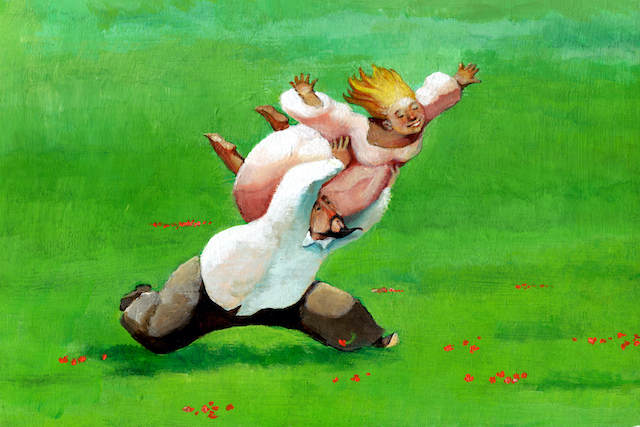
    Finally, success is relative. My idea of success may not be someone else’s idea of success, and that’s okay. By learning these things, I can now follow through on things that scare “Regular Nesha,” and that is me facing my fear of success.

  • How I Stopped Procrastinating and Started Creating the Life of My Dreams

    How I Stopped Procrastinating and Started Creating the Life of My Dreams

    “Better to do something imperfectly than to do nothing flawlessly.” ~Robert H. Schuller

    Here’s a confession: I’ve wanted to be a writer since I was thirteen years old when I first discovered the magic of words.

    Here’s another: It was only at the ripe old age of twenty-six that I could truthfully call myself a writer.

    Why did it take me so long?

    I often think about that. Even today, when people ask me about my writing, I struggle to say that I am a writer. I am both proud and horrified, and I constantly wonder, what will I tell these strangers if I fail?

    It doesn’t begin like that, of course. As a teenager or as a child, the confidence you have in yourself is unnerving. For instance, I remember reading Agatha Christie and thinking, I could do that. Talk about confidence!

    Then, of course, comes the growing up bit. Being surrounded by comparisons, either by parents or teachers or peers, chips away at this faith in yourself. And there are discouraging comments, with their implications…

    “No one’s ever done this before” (so how will you?)
    “Most turn into failed writers” (as will you)
    “What do you want to write? Oh that? How will you earn a living with it?” (You will NOT)

    It was this kind of thinking that distanced me from my dream for a long time. I grew up in an environment where being financially independent was highly valued, and I just didn’t see how writing could help me achieve the same.

    Years went by, and I hardly wrote. There was the occasional poem, or a short fictional piece, but never anything substantial such as long posts or stories. It seemed I had all but given up, focusing instead on a steady, sensible career in engineering.

    Engineering was so far away from the pages that I never gave writing a second thought. I knew something was missing in my life, but I just didn’t know what!

    And then, something wonderful happened.

    Restless, I moved to a marketing career. Not only marketing but digital marketing. Here my first job was for a technology business, handling their blog, writing daily.

    Suddenly, I was back to my childhood dream. I was writing, editing, researching, and while I still had no answers to how I could sustain it, and what lay ahead, I knew one thing.

    I was enjoying it, even if nothing ever came of it.

    That was over five years ago, and since then I’ve taken step after step in the direction of my dreams.

    Here’s what I learnt:

    1. Don’t overthink it.

    If you’re anything like me, you probably spend a lot of time researching before actually starting anything. It starts with good intentions (to look before you leap), but before you know it, you have spent days and days on research without writing anything.

    I looked up everything: How to become a blogger? What should a writer look out for? Top five things new writers should know, etc.

    But ultimately, the only way to get writing was to write. And there was no way around it. In fact, if I had skipped overthinking it and just gone with the flow, I wouldn’t have ended up in what turned out to be a big waste of my time and energy.

    2. Detach your identity.

    For a long time, I didn’t pick up the pen because I was scared to try. You see. if I tried and it didn’t work out, I would become that failed writer.

    Without trying, I at least had the dream of being a talented, wonderful writer, albeit one that never wrote anything. It went on for some years, until I realized that time was passing without a single word from me.

    And each year that went by meant lesser time for me to be any kind of writer. And that scared me more than any of the reasons holding me back!

    I told myself, I will write. Now that doesn’t make me any kind of writer, it just makes me a person who writes. Who I am and what I have achieved isn’t defined AT ALL by my writing.

    With this statement, I detached my identity from the task, taking off the pressure and letting myself simply…write.

    3. Permit yourself to suck.

    The idea of what kind of writer I should be and how my style should evolve kept me off my desk for a while. Every article I researched felt wrong and when I did write, I never seemed to like the output.

    The problem? I was too wrapped up in who I should become and what should be said instead of being okay with mediocrity.

    It was only after multiple attempts that I realized that I sucked because I had hardly any experience. BUT that I could become better.

    All I had to do was accept that I sucked and work hard.

    Only by giving myself the approval to write poorly did I finally allow progress in my work.

    4. Block out the negative.

    Imagine you’ve finally gotten off the couch when a negative friend comes around. Oh, this? They say it will NEVER work. What if this friend comes around routinely?

    This friend can be an actual person, or it can be your own stressed, scared mind, throwing up objections and fears at you.

    In my case, it was my anxiety-riddled brain, torturing me with “You’re not good at this” thoughts. Just like with a toxic friendship though, you have to shut this narrative down.

    I did it simply—every time I started getting a thought like this, I would:

    a) Either distract myself OR
    b) Say “NO!” and cut it off before it took hold of me.

    Eventually, these thoughts become fewer and fewer until they stopped bothering me too often. Similarly, steer clear of negative friends who are likely to make you feel bad about your dream. It’s your dream—you must guard it with your life!

    5. Let go.

    A popular quote by Arthur Ashe reads:

    “Start where you are. Use what you have. Do what you can.”

    The most important tip of all? Don’t worry about what you cannot control. If you’ve done basic research (not too much) and taken the time to make up your mind, act.

    There will always be things outside your power—the future is not something you can foresee. The only thing you can control is your sincere effort, so jump in!

  • How I Created Opportunities in a World Full of Obstacles

    How I Created Opportunities in a World Full of Obstacles

    “I really want to, but I can’t because [add semi-valid reason here].”

    That’s a template sentence to let yourself off the hook.

    It’s not copyrighted, so feel free to use it any time you want to let go of your dreams and not feel bad about it.

    Honestly, it hurts me every time I hear someone say it. I see it for what it is—an excuse.

    Every single one of us has ambitions, hopes, dreams, and goals. We fantasize about them on our commutes to work and before we sleep. We talk about how we will one day achieve them, but when it comes time to put them to action, we use that template sentence.

    I had every reason to use the template sentence. I live in a third-world country in the Middle East. We suffer from a lack of water, electricity, security, and opportunities—especially for girls.

    In the Western world, if you want to learn a new skill, you sign up for a training course, get a book, find articles online, or join a club. It’s different here. Here, we don’t have training courses, libraries, or clubs, and the internet is slower than a snail crawling through peanut butter.

    During my teen years, I felt stuck in my life. I wanted to learn so many things and achieve my wildest dreams, yet I couldn’t. How was I supposed to impact people when I would only leave the house to go to school on the weekdays and grocery shopping on the weekends?

    I read stories of kids my age winning science fairs and inventing devices to solve the world’s leading issues. Yet, there I was, wasting my time at home, waiting five minutes for a single webpage to load.

    I had always imagined what my life would be like, and this is not what I had pictured. Time was passing me by, and my talents and ambitions were going to waste.

    I wanted to have an impact, but I couldn’t because I didn’t have the opportunities to learn and gain experience and feedback. (Notice the template sentence.)

    This way of thinking was eating away at my soul. Day after day, I found myself sinking into a pit of misery. I would spend my days lying in bed, staring at the ceiling. There was nothing I could do to change my life, so why try?

    One day, I had had enough. I had been lying in bed for days. It had been years since anything amazing had happened to me. I couldn’t take it anymore. I couldn’t accept the fact that this would be my life. There was an itch under my skin to make my life worth living.

    “Life is too short to waste it moping about the hand of cards life had served me,” I thought. I didn’t care what it would take. I would do whatever I could to get myself out of the hole I was in.

    I decided to use the resources I had to create the future I dreamed. “Bloom where you are planted” became my life motto. What I had access to at the time was the internet.

    In order to get out of the country I was in, I concluded that I’d need a scholarship. I set my mind on getting the Japanese Monbusho Scholarship. I found blogs, articles, and books online to become fluent in Japanese. I practiced day in and day out. I tried a plethora of different methods to learn new words and perfect my grammar. In a few months, I was able to hold a simple conversation in Japanese.

    I also realized that I would need money. I wasn’t allowed to go out and get a job. This was an obstacle I had trouble accepting. I tried to convince my parents to let me work, but they refused for my safety. My mother introduced me to the concept of passive income and showed me blogs that were making six figures every month!

    I set out to build a hedgehog care website. Every day, after school, I would research hedgehogs and write detailed articles about how to feed them, groom them, play with them, and anything else one would need to know. I went on like this for 3 years, studying Japanese and writing about hedgehogs.

    I’m sure you’re expecting a spirit-lifting ending where I travel to Japan and live off my flourishing website. That’s not how this story ends.

    I didn’t get the scholarship. The fact is, I didn’t even get the chance to apply. I ended up studying in my third-world country. I was crushed. I didn’t want to, but it was either study here or not study at all. Unwilling to accept the facts, I started an online university the next year. I now study at two universities simultaneously.

    As for the hedgehog website, it made me a total of $60 for the three years of work I put into it.

    I can stand here and tell you that I tried, but it didn’t work out. That’d be a lie. It did work out—just not the way I expected.

    I’m not in Japan, but I know how to speak Japanese and have met many interesting people along the way. I learned from them and gained experience just as I hoped I one day would. And instead of one major, I now have two, both of which I enjoy learning about.

    My hedgehog website didn’t succeed, but I created a new one that’s even better with the expertise I gained. I interact with my readers often, helping them find ways they can live their dreams. I love hearing their stories and learning how I helped them build better habits or make their goals a reality.

    I still live in the same country I did before. I still have to wait five minutes for a webpage to load. However, I know that even though the obstacles are always there—and always will be—they have nothing to do with happiness, fulfillment, success, peace, and satisfaction. Some people have it better than others, and some have it worse, but every single person, regardless of circumstance, can control their mindset.

    I didn’t let my obstacles stand in my way, and I created my own opportunities when I found none. In an instant, anyone can decide to embrace the cards they’ve been dealt and create their own unique way to shuffle, redistribute, alter, or mold them into a winning hand.

  • How My Drive to Succeed Led to Crippling Anxiety (And How I Got My Life Back)

    How My Drive to Succeed Led to Crippling Anxiety (And How I Got My Life Back)

    “The only way out is through.” ~Robert Frost

    The suffocating pressure from being obsessively focused on achievement and improvement led to escalating stress and anxiety over the years, but I ignored my feelings and kept attacking my goals.

    Over time it became darker and heavier. It became crippling. It forced me to put a stop to almost everything in my life.

    I’m a type A personality driven by a need for accomplishment. When I was in elementary school, I did my homework immediately after getting home even though my mom begged me to take a break. In high school, I regularly stayed up past midnight working on homework and scholarship applications.

    This need to succeed brought many gifts. I succeeded in school, work, and sports. My methods to achieve my goals were consistently reinforced by positive results.

    But this “success” came with a price that took a toll on my mental health. The only way I knew to succeed was through uncompromisingly high expectations and an unrelenting work ethic. When things didn’t go right, I was hard on myself and doubled down on my efforts.

    The journey to reclaim my life from anxiety took six months that felt like six years. Along the way, I learned how to manage my anxiety (there is no defeating it) so that I could live my life again: accept everything as it is, try to succeed without attaching to the outcome, and let thoughts come and go.

    Crippling Anxiety

    Over the years, as I pursued one goal after another with laser focus, the anxiety grew. I didn’t understand what it was. I didn’t want to deal with it.

    I felt ashamed of the emotions my anxiety created. I felt like I shouldn’t be having the thoughts that raced and spiraled through my head.

    I tried to stop them through sheer willpower. That created more anxiety. I didn’t utter a word about anxiety to anyone, even myself.

    About nine months ago, the anxiety I had been pushing down for years exploded like a volcano. It didn’t give me the option to continue ignoring it.

    It forced me to stop almost everything in my life: writing, running errands, hanging out with friends, and taking part in any social activities. During this time, I only left my house to go to work. Commuting to work and making it through the day took up every ounce of energy and willpower I had.

    I worried on a mental loop. I worried about worrying. I couldn’t stop the seemingly endless dark thoughts, fears, and mental distortions that surfaced.

    My mental loops and panic attacks could last for six hours before I got a second of relief. I had an overwhelming fear of losing it all. The anxiety manifested itself physically through shortness of breath and elevated heart rate.

    I twisted and turned in bed for hours because it was so painful. The anxiety came in unrelenting waves. It came with the force of a hurricane.

    Days and weeks were swallowed by an endless loop of anxious and fearful thoughts that felt like they would never release their grip on me. Surviving each day became an all-consuming task.

    Road to Recovery

    Getting better was the toughest challenge of my life, even though I directed my will to succeed and work ethic to healing. Freedom from the prison of anxiety felt so far away that I couldn’t imagine what it would feel like to live my normal life again.

    The recovery was painfully slow for my driven personality. At the beginning of the process, panic attacks and racing thoughts dominated my days. But I kept working at it, regardless of how dark and hopeless I felt.

    I tried my best each day. I took it one day at a time. I went to therapy twice a week, exercised every day, meditated three times a day, and played Mario every day to relax myself and quiet my mind.

    I tried to practice acceptance. I tried to not resist or dive into the dark thoughts. I say “tried” because most of the time I failed at successfully executing these habits.

    I had the highest urgency to improve. My life depended on it. Every action I took was centered around managing and decreasing the anxiety.

    Every day felt like an epic battle with my mind. I learned the hard way that there are no quick fixes for anxiety. There’s no strategy or seven-step program that eliminates anxiety from your life.

    Slowly but surely, I made progress. It felt like three steps forward, two steps back. Yet, most weeks were better than the prior week.

    Over time, I gained tools and skills that helped me cope with the anxiety. I learned new lessons every day about dealing and living with anxiety. I uncovered important truths about what had led me to this painful reality.

    The anxiety forced me to examine my actions, priorities, and values, and where my life was headed. At the time, I wished there were easier ways to learn those lessons. Your greatest teachers are your failures. That’s the way life works.

    I’d like to say it’s been a storybook ending. That I’ve conquered anxiety. That the racing thoughts and fear have vanished from my life. Anxiety doesn’t work that way, though.

    That being said, I’m back to living my normal life. I’ve discovered a new definition of success. I’ve improved my ability to manage the anxiety.

    Mindsets to Manage Anxiety

    Anxiety still shows up unannounced. I can’t control the intensity or nature of my anxiety. However, I can manage it if I’m mindful of how I go about my days and how I react to it when it shows up.

    Everyone’s anxiety is unique. If you’re battling anxiety, you’ll have to experiment to find out what works best for you. But you’re not alone.

    Although people don’t tend to talk about their struggles with anxiety, more people than you can imagine deal with intense anxiety: an estimated 40 million Americans suffer from anxiety disorders.

    Here are behaviors and mindsets that generally decrease my anxiety levels:

    • Accepting everything in my life as it is
    • Not worrying about things I can’t control or change
    • Observing my thoughts from the sidelines instead of engaging with them
    • Questioning thoughts: Do I have to go into this thought? Is this fear-based thought true?
    • Allowing anxiety to spend time with me; riding the wave instead of going against the current and fighting anxiety
    • Being okay with my flaws and weaknesses
    • Letting go of the need to succeed and accepting the outcome of my actions, good or bad

    These behaviors and mindsets cause my anxiety to spike:

    • Replaying past experiences on a mental loop
    • Being hard on myself when I don’t meet my standards
    • Blaming myself for actions or thoughts that caused me more anxiety
    • Resisting fearful thoughts or anxiety
    • Engaging with and reacting to every thought; being in the middle of the storm of my thoughts
    • Trying to deconstruct why I had a thought or feeling
    • Trying to control my thoughts instead of my reactions to them
    • Obsessing over what other people may think about things I did or said
    • Needing to and having to succeed

    Acceptance is the Key Ingredient

    I resisted the concept of acceptance when my therapist introduced it to me. I thought if I practiced acceptance, I would lower my standards and give up my commitment to excellence.

    I thought acceptance represented being okay with mediocre effort and average results. I thought it would lead me to lose the drive to succeed that has been one of the key ingredients to my accomplishments in life.

    I was wrong. Acceptance can (and should) be paired with a drive to succeed. An engine to produce at a high level leads you to put in the hard work that’s necessary to achieve your goals.

    Acceptance allows you to let go of the result once the hard work is complete. It frees you from worrying and being attached to the outcome, because that’s out of your control. Acceptance is living in the world of what is, instead of what should be, what could be, or what you want it to be.

    Acceptance is a simple idea yet it’s difficult to put it into practice for a perfectionist with a tendency to overanalyze. Although it’s been a struggle to increase acceptance in my life, I’ve discovered a few tools that have been effective: meditation and reframing my mindset during and after anxious episodes.

    Meditation has vastly improved my awareness of thoughts, feelings, and emotions. Awareness is crucial for managing anxiety effectively. When I’m anxious, step one of acceptance is to feel and acknowledge my emotions.

    The next step is to ask myself some version of this question: “Is there anything that I’m not accepting in this moment that’s causing or increasing my anxiety?” Once I pinpoint what I’m resisting and choose to accept it, I know the anxiety will subside.

    Many times, I can reframe my mindset in the middle of the anxiety. I can mentally shift from fighting the present circumstances to accepting them as they are. Other times, the anxiety takes over and I have to brace myself until the clouds clear. Once I’m out of the storm, I can dissect that situation and identify the lack of acceptance and the friction that led to the high levels of anxiety.

    For example, an argument with my wife can trigger anxiety because I wish that the disagreement never happened. I can’t accept where I am in that moment until I accept that I didn’t act like my ideal self in that situation, and that I can’t go back to change the past. Once I accept the argument and the anxiety it caused me, the friction disappears and my anxiety levels start to drop almost immediately.

    My performance can also be a trigger. I can get intense anxiety from mentally replaying the mistakes I made on a work project that didn’t go as well as I expected. I also experience anxiety when I fail to accept the way decisions are made in a large corporation. Or I don’t accept that people often behave in ways that are different than what I expect or value.

    If I’m trying to control things that I can’t change or affect, I’m not accepting my current situation. Trying to act outside of my sphere of control is resisting the way the world works. It’s like not accepting that I can’t change the laws of gravity.

    Once I accept my past mistakes or that I can’t control how others act and what their priorities are, I can fully accept my present circumstances. When I accept that I experience high levels of anxiety frequently and that my reactions to anxiety sometimes cause more anxiety, I can live without bracing myself for the next attack.

    I can let go because I’ve accepted that I will have high levels of anxiety again and that I will make mistakes in how I handle the anxiety again. It doesn’t mean I like being anxious. It just means I’ve accepted where I am at this time in my life. I can take action from there instead of where I wish I was. I can take action within my zone of control.

    I’ve experienced the deepest moments of tranquility that I’ve had in my life in the last couple of months. These magical moments happen during the brief windows when I’ve accepted everything in my life as it is.

    My mind quiets because there is no friction or turbulence. I lose myself in the sounds and sights of my environment. I hear the birds chirp. I see all the different colors of the leaves.

    Redefining Success and Anxiety

    I used to be afraid of my anxiety because it felt so intense, emotionally and physically. Although I still experience intense anxiety on a daily basis, I’m now thankful for the anxiety I’ve experienced (sometimes even while I’m caught up in that crushing anxiety).

    This is a perspective that only comes after being through the eye of the storm of anxiety. If you’re in the middle of that storm, your only job is to get through it so you can get to a place where you feel safe.

    I’m thankful for anxiety because it has brought many gifts. Because of it, I quit relentlessly pursuing success at any cost. I started meditating. I began exercising regularly again. I prioritized balance in my life.

    The most important lesson anxiety has taught me is that a successful life isn’t defined by how many achievements I’ve collected. Instead, success is building and nurturing relationships, being present to the little things in life, being grateful for the gift of life, exercising the mind and body, and living the life I want without looking over my shoulder to see what others are chasing.

    I don’t always follow the formula I discovered for my new definition of success. But when I adhere to my success formula, my days are significantly better than when I fall back to my habitual ways.

  • Let Go of “I Can’t…” and Go After What You Want

    Let Go of “I Can’t…” and Go After What You Want

    Happy and Free

    “It always seems impossible until it’s done.” ~Nelson Mandela

    Do you wish your circumstances in life were different? Have you reconciled yourself to accept that you can’t achieve your goals? Do you think it would be nice to travel, but you don’t think you can afford it?

    It’s time to change your mindset and learn how to take control of your own life.

    Think Like a Child

    Children don’t like to accept “no” for an answer. They question every refusal. “But why not?” they ask.

    “Because we can’t afford it” is not an acceptable answer to a child. That has no real meaning to him.

    A couple of years ago, my son set his heart on a gaming computer. That’s a souped-up, fancy, faster, better, very expensive desktop PC. The price on these things start at over $1,000.

    I explained it was out of the question, not in the realm of possibility for us at my income level. But he wouldn’t let it go. He wouldn’t accept that we couldn’t afford one. He had to find a way. He kept coming up with ideas and “what ifs.”

    What if his grandparents and everyone we know who buys him birthday and Christmas presents put all their money together to buy the gaming computer?

    Well, that still wouldn’t be enough money, but the more intelligent his suggestions became, the more I started to take them seriously. Maybe he’s onto something here. We sat down to brainstorm and write down ideas of how we could actually make this happen.

    And we did make it happen! We asked my ex if he would contribute to the new computer, and he agreed to help. My son asked for cash only from family members for his birthday and Christmas. The ex found a friend who could build a computer for our son, and we ordered the parts from Amazon.

    We ended up getting a sleek and beautiful, powerful gaming computer worth about $1,500, but it only cost me $400.

    A few months later, my daughter shared her monumental dream of going to Paris. Having just learned the above lesson from my son, I refrained from saying, “No possible way! We can’t afford it.”

    Instead of dismissing the idea as unrealistic or out of the question, I thought about it seriously and came up with a plan to save from my tax refund over the next several years. My daughter will be asking grandparents for cash gifts for her coming birthdays during that time span as well.

    We began this plan right after she turned thirteen, and our goal is to visit Paris by the time she is seventeen.

    Develop a Plan 

    What do you want out of life? Is there something you want to achieve that you think is out of your reach?

    First, change your mindset. Instead of dismissing your dream as unrealistic or too big, ask yourself what it would take to accomplish it. Don’t dismiss your dreams; think how you can make them happen!

    Brainstorm with friends or family. Sometimes they will have different ideas you may not have thought of. Anyone who is not helpful or tries to tell you that you can’t achieve your goal does not get to play!

    Develop a plan for achieving what you want in small, do-able steps. Make each step relatively easy to accomplish so you achieve success right away. That feeling of success in achieving each goal will motivate you to reach the next one.

    Too often, people fail in achieving their goals simply because they don’t develop a do-able plan like this to help them succeed.

    Do you want to earn a degree, lose twenty pounds, move to a nicer place, or organize your house? Develop your plan to begin your process of getting there!

    For example, instead of the vague idea of losing twenty pounds, come up with a plan to set several smaller steps that you can reach easily.

    You could start with the first step something like committing to exercise for twenty minutes while watching your favorite TV shows only three days a week. Or walk the dog ten minutes longer each day. Something that makes sense for you with your own lifestyle that will be easy for you to succeed.

    Then when you get that step down, go to your next step which could be eating a healthy salad for lunch three days a week or drink a glass of water before each meal or whatever you know will work for you to accomplish another step closer toward your ultimate goal.

    You will stay motivated as you achieve each step, and the process will be much more painless than attempting a strict diet or exercise regimen all at once.

    When New Year’s resolutions fail, it is usually because a whole lifestyle change is much more difficult to stick to than one easy positive change at a time. Be patient. Those small positive changes will lead you to achieve big goals!

    In the scenario of organizing the house, increase your chance of success by developing your plan of small, do-able steps, and then accomplish the first one. You could start with a hall closet one weekend. Your child’s left-side dresser drawers. A section of the garage.

    As you mark off each small goal successfully accomplished, you move closer toward your ultimate goal of the whole house. You’ll be much more likely to keep motivated because you will not feel too overwhelmed with those small tasks you can accomplish quickly.

    After you develop your plan and divide your goal into small, do-able steps, take that first step. Now you’ve actually started! Reach your first easy goal, and then ride on that feeling of success to accomplish the next one. You’re unstoppable! Be patient and persevere. You’ll get where you want to be!

    What dream can you make your reality by developing your plan to make it happen?

    Photo by Kara Harms

  • It’s Not Over: Failure Is Success in the Making

    It’s Not Over: Failure Is Success in the Making

    “A man’s errors are his portals of discovery.” ~James Joyce

    Everyone has a story of failure and disadvantage—those things we wish were done differently, better, or not at all. Take these stories for instance:

    A speaker intending to be unifying and encouraging onstage leaves the audience disappointed and bored instead.

    A lone manuscript is rejected by publishing houses over twenty-seven times, dismissed as too fanciful, fake, and “never gonna sell.”

    A poor eleven-year-old boy, deprived of toys his entire childhood, trudges through sleet and snow on his newspaper route in order to help support his family.

    An author struggles to write a novel, while a divorced, jobless, and homeless single parent facing a deep depression.

    Maybe your story sounds a lot like one of these? Is your situation cause to give up or is it motivation to keep pressing forward?

    I, myself, press forward past my bouts of feeling like a failure. Like when I ran for student body treasurer in the seventh grade and lost to my opponent. Or when I got fired from my first job after college. And especially when I had to dissolve my two-year old, bankrupt business at the turn of the 2008 recession.

    No fun.

    Fast forward: At the end of junior high, I graduated valedictorian. Weeks after I lost my job, I found work with a company that was a much better fit for my skill set and personality. And after shutting down my business, I went back to school, earned my Master’s in Business Administration, and graduated with honors.

    Not having perspective vast enough to see how failure could actually help me, I thought I had met my end during those painful days. Each event felt tragic. But I consistently came to find there was something else to be enjoyed after one door closed.

    Looking back, I see it was all good, everything that happened.

    What if we had that hindsight now—amidst the difficult times? Wouldn’t our experience be much more bearable (if not enjoyable)?

    The opportunities that arose after the so-called failures made what I wanted before pale in comparison to what I eventually got. I just had to be patient to see it unfold.

    You and Failure

    Failure is defined by Merriam-Webster dictionary as “the action or state of not functioning.” In other words, failure’s something that stops you; it gets you nowhere. Do you stop moving, stop breathing, or stop living when things don’t go as planned?

    This body only stops when its heart stops beating. So every day it keeps ticking is another chance at progress.

    Don’t you always take another step, even if it was just to pick yourself up out of bed today? Even when you think you failed, you haven’t because you’re still taking in air.

    Failure is a misnomer. It is an attempt to describe an event that leaves us with nothing—no opportunities, no chances, no understanding. When is that ever the case?

    Failure is only failure if you say it is. It only exists if you’re not willing to pick yourself up, dust yourself off, and walk on. Besides, success depends on those struggles, those attempts, those defeats. Success requires that climb up.

    You and Success

    Success is a journey; it consists of every trial and triumph combined. And the best kind of journey…

    • Makes you stronger
    • Teaches you more about yourself
    • Gives you insight and answers
    • Is an opportunity to evaluate and do different
    • Is better than the regret of not doing
    • Puts your goals within reach

    Everything that happens contributes to a new awakening, a new way of life, a new way of being. We just have to see it as such.

    When we don’t stop at failure, we’re bound for success. So really, failure is success in the making…

    Which brings me back to the four stories I mentioned earlier. They didn’t end there. Their journeys continued:

    The speaker was Abraham Lincoln delivering the (now legendary) Gettysburg Address.

    The manuscript was eventually published. It was one of many books written by Theodor Geisel, also known as Dr. Seuss.

    The boy, Walt, went on to create the childhood he never had and opened Disneyland, a take on his last name.

    The author finally finished the novel. Using the pen name, J.K. Rowling, she wrote of a boy wizard named Harry Potter.

    Batteries fail, people don’t. We’re always full of potential to do different, do more, and do better. Failure is what you thought you couldn’t be; what you thought you couldn’t do; what you thought you couldn’t have. Change that thought.

    Start looking at life in terms of what you can and will do from where you are, with what you’ve got right now. Start looking toward success no matter what…and make lemonade!

    Success is our lesson learned. Success is our silver lining. Success is our second chance.

    What failures have you overcome only to find yourself living your own success story? What keeps you pressing forward?

  • The Power of Failure: We Get to Decide What It Means

    The Power of Failure: We Get to Decide What It Means

    Happy Woman

    “The greatest mistake you can make in life is to be continually fearing you will make one.” ~Elbert Hubbard

    Why does this affect me so? What am I feeling? Sheer Anger! Total disgust with myself. Hatred and disappointment in my life stain my thoughts. Why? Because in my ego’s opinion, I should already be who I am meant to be, and I am not there! Not by a mile.

    I feel so much disgust. My fears and resentment have grown into hatred and pain. I am at a loss for who I never became. Full of shame, I see that I have wasted my life—or so I perceive it that way.

    It is hard to accept this. I am so sorry that I have failed so frequently at empowering myself. Seriously, what extremes must I take to wake up and say, “I am finally okay with myself; I am here, warts and all”?

    Instead, life has molded me, shaped me, and created me where I am right now.

    Tears of anger fill my eyes. Why pursue so many times my desire to make something of myself? What am I making?

    What did I expect to have happened already? Who did I think I was supposed to be? Fear, disappointment, and sadness shadow me as I have moved on.

    Now I am asking myself, “What would someone who loves themselves do?”

    It struck me, what if I decided to define what I believe I failed at? As I looked at my life, what I perceived as success and failure started to unravel.

    I was learning how I defined each of these two words. This was a monumental moment for me.

    Because I experienced my power at a young age of believing I could do anything, believing that I could make anything happen, I concluded in my late twenties, as one dead end led to another, that I couldn’t maintain, sustain, or become successful at what I really wanted.

    Attempts to open a restaurant failed as investors backed out. My joy and passion as a pastry chef failed at so many corners, it drove me mad. As a successful pastry chef in Chicago, my experience in my move to Seattle changed my belief.

    Several jobs within a year, eventually attempting to do something on my own, I faced many frustrations. With enthusiasm from being told I was one of the best vegan pastry chefs around, I thought I could make a success of myself—and yet, no one would hire me. Why? 

    Was it not clear just how much I was dedicated to making this happen? Was it not understood that I used my last cent to give it my best shot? Penniless, having moved five times in one year, dealing with a car accident and my dog running away brought me to one dead end after another. I finally surrendered, and gave up.

    When I reflect back on my life, I can see that if I had succeeded in these endeavors, I never would have worked on my own healing and opened up to my own gifts as a healer. Fate or destiny had another plan for me.

    My definition of failure became clear to me. It didn’t help that I believed I could not make much money. (Or was it that I believed I wasn’t worth a lot?)

    Because I lacked the skillful means to ask for help, needed to improve my coaching skills, and had minimal computer skills, I felt like I didn’t have the strength to sustain anything on my own (especially as resources back then were considerably different than what they are today).

    I felt it had all led me down a big black hole that I defined as failure.

    Then one day I sat down and made a bullet list showing all the failures on one side and all the successes on the other side. All of a sudden I had a light bulb moment where it was clear that I had more successes than I ever thought.

    I began seeing my strengths. Looking at my failures and successes this way has changed the charge I have on it. I’m not afraid of ideas, or starting something and making something out of nothing. This is not failure!

    As I continued looking and decoding my thoughts, I could see that I connected my self-worth and self-esteem with money and earnings in my definition. That is not success. That is all about old beliefs and being stuck in them.

    I have changed in twenty years. And now, I can see how different I am. My past is not my future. My worth is not based on money, talents, or what I have proven to myself or the world. Success is not a destination; it is how we choose to live our life on a daily basis.

    I can only now see this. At a young age, there was no way I could see it..

    Life needs to create “failures” so we have two viewpoints to reference from.

    I’ve recognized that I am quite successful at many things. As I looked at my successes on my bullet list, I realized that I need to market my strengths and hire someone for the things I’m not great at. Maybe even get a coach. As my excitement bubbled up, for the first time in my adult life, I felt I was becoming myself.

    By redefining this word “failure,” I learned that I am able to move forward and embrace who I am becoming.  The guilt, the anger, the wishes and desires that shadow my past can fade away.

    The illusions of who I was and who I am can fade as my authentic self emerges and rises above. I get to create success now through my choices. I can rejoice that I have made it thus far. For me, that is magical. I feel I am enough.

    That is how someone who loves themselves gets to decide what failure means.

    Photo by Ian D. Keating

  • 3 Simple Ways to Turn Failure into Success

    3 Simple Ways to Turn Failure into Success

    “Life is a process of becoming. A combination of states we have to go through. Where people fail is that they wish to elect a state and remain in it. This is a kind of death.” ~Anais Nin

    I’ve always been an optimist, looking for the good in situations, even when they seem like the bleakest thing that could happen to me or the people around me.

    But failure is a difficult one to turn on its ear.

    You know when you don’t reach your goal. You know when you don’t get what you wanted.

    Now I know the Rolling Stones sang “You can’t always get what you want…but if you try sometimes, you just might find, you get what you need.” And you know what? Those lines never sat well with me—to just sit and accept it.

    So, even though I know there are reasons I didn’t make it big as a recording artist—and that my Pilates business didn’t fulfill me, and that I’ve experienced the sting of working at companies that decided to shut down—I have always refused to simply shrug my shoulders and say, “Oh well!”

    I decided to find a new way to handle failure and to not only look at in a more optimistic way, but also find within it clues for my next move.

    Here’s what I discovered.

    Failure is a step toward your ultimate success. It’s a lesson. A challenge. A chance.

    When I struggled with my Pilates business, for example, I realized I needed to ascertain where the bulk of my money was coming from and then do more of that. So I made a plan and moved forward. I started doing more of what I loved and what was bringing in income, and less of what wasn’t. (more…)

  • A Simple Guide to Achieving Personal Greatness & Living with Purpose

    A Simple Guide to Achieving Personal Greatness & Living with Purpose

    Happy Man

    “He is able who thinks he is able.” ~Buddha

    The world has given us many outstanding people.

    Although we possess our own unique talents, we look to leaders and mentors as models of action and success. They represent unlocked potential, perseverance, and shining lights for us to follow.

    Since all paths are unique, we can’t follow exactly where others have been, but we can learn from their examples of confidence and dedication. It’s the difference between saying, “I want to be like Oprah Winfrey” or saying, “I want to be outstanding in my own right, like Oprah Winfrey.”

    There are some, like Oprah, who can step out and shine despite hardship and extraordinary challenges. But most people who struggle with self-doubt, fear, or harsh circumstances remain stagnant.

    It’s not enough to have the dream. It has to be accompanied with a strong belief in your own potential and a spirit driven to meet it. (more…)

  • 40 Amazing Everyday Successes That Are Worth Celebrating

    40 Amazing Everyday Successes That Are Worth Celebrating

    “To laugh often and much; to win the respect of intelligent people and the affection of children; to leave the world a better place; to know even one life has breathed easier because you have lived. This is to have succeeded.” ~Ralph Waldo Emerson

    My father is my hero, and one of the most successful men in the world.

    When I was a kid he worked two full-time blue-collar jobs to support me and my siblings. He didn’t have a college degree—he attended briefly on a golf scholarship and then got hurt—but he compensated with hard work.

    Though many people wouldn’t be happy with that type of life, I never once heard him complain. Being someone who prefers a simple routine over ambition, he stayed in the printing industry until he got laid off last year.

    Though he’s inspired me in a million ways, he’s done two things exceedingly well: enjoy his life and treat everyone with kindness and respect.

    I thought about this the other day while flipping through Time Magazine’s 100 Most Influential People list. As I read about leaders and luminaries who’ve made huge impact on the world, I started to think about the important little things we all do on a daily basis.

    You may not have won the Nobel Peace Prize, but that doesn’t mean you’re not influential in making the world a peaceful place. You may not have created a tool that connects millions of people the world over, but you’re still the glue that holds people together in more ways than you even realize.

    I haven’t always given myself credit for all the good I do. If you can relate, you may enjoy this reminder of all the ways you make the world a better place. (more…)

  • One Simple Way to Live a Successful Life

    One Simple Way to Live a Successful Life

    “Whenever you fall, pick something up.” ~Oswald Avery

    There are plenty of people in this world who know how to be successful, but how many of them know how to fail?

    When you fail, that’s when you become stronger—you learn to pick yourself back up, dust yourself off, and move on.

    These are also opportunities to learn and to help others as you come back up. As the quote above says, when you fall, pick something up. I would add that when you fall, you should pick someone up too.

    I used to envy other people, thinking them more successful than I may have been. But I have done a lot in my life, seen a lot of things, worked with lots of different kinds of people. I have been successful and I have failed, and I think it is this that has allowed me to be a more grounded human being.

    I have learned that it takes all kinds of people to run the world, and that the ones running the world are not always the smartest.

    I have worked underneath supervisors who make you wonder how they graduated from high school, and I have met truck drivers out on the road who are smarter, more educated, and more widely read than some of our recent US Presidents and CEO’s of fortune 500 companies. (more…)