Tag: story

  • The Magic of Rewriting Our Most Painful Stories

    The Magic of Rewriting Our Most Painful Stories

    “When you bring peace to your past, you can move forward to your future.” ~Unknown

    It amazes me how things that happen in our childhood can greatly impact our adult lives. I learned the hard way that I was living my life with a deep wound in my heart.

    My father was a very strict man with a temper when I was little, starting when I was around seven years old.

    He had a way of making me feel like all my efforts were not enough. If I scored an 8 in a math exam, he would say, “Why 8 and not 10?” and then punish me. It was a time when some parents thought that beating their children was a way to “put them in place” and teach them a lesson. All this taught me, though, was that I was a disappointment.

    His favorite phrase was “You will never be better than me.”

    As I got older, his temper cooled down a bit, but one thing didn’t change: his painful remarks. “At your age, I was already married, had a house, a car, two daughters, and a piece of land… what have YOU accomplished? See? You will never surpass me.”

    It was his way of “inspiring me” to do better with my life, but it had the opposite effect on me. It was slowly killing my self-esteem.

    When my father passed away, I was seven-year-old Cerise all over again. At the funeral, I asked him, “Daddy, did I finally make you proud? Did I do good with my life?”

    This was the trigger that made me rethink what I was doing with my life. I had to stop for a moment to look at the past. This can be very difficult to do, but sometimes we need to face those painful events in order to understand the nature of our poor decisions and behavior.

    It helped me realize that, unconsciously, I was looking for my father’s approval in the guys I dated. And you know what? It got me nothing but disappointment and heartache, because I was looking for something that they couldn’t give me.

    Inside, I was still that little girl looking for her father’s love.

    When you are a child, you are considered a victim, but when you are a grown up, it is your duty to heal from what was done to you. You just can’t go through life feeling sorry for yourself and complaining about the hand you were dealt. This just keeps you stuck in a sad, joyless life and jeopardizes your relationships.

    In my case, I had to give that little girl the love she so needed in order to stop feeling lonely and stop making the same mistakes.

    The only approval that I needed was my own! When I realized that, I started learning to love myself—regardless of my accomplishments—and I also developed compassion toward my father because I recognized that he was raised the same way he raised me.

    He probably also felt he needed to be the best at everything he did in order to win his parents’ approval. And maybe he thought if I wasn’t the best at everything I did I would never be valued or loved by anyone else.

    Understanding this enabled me to forgive him, break the cycle, and finally let him go.

    So, what makes us slaves to anger, resentment, and abandonment issues? I think it’s the way we keep telling the story in our heads, and this is something that we can transform.

    Don’t get me wrong, I am not suggesting we sweep things under the rug and pretend like nothing happened. We cannot change the past, and certainly we cannot turn a blind eye to it, but we can modify the way we retell the story to ourselves, and this can be a step toward inner healing.

    I decided to give the difficult parts of my childhood experience another meaning. I edited the way I tell myself the story, and this is how it sounds now:

    “My father was a strict man because he wanted me to succeed in life. He taught me to give my best in every task assigned to me; he didn’t make things easier for me because he wanted me to become strong in character and to find a solution in every situation. Daddy constantly challenged me because he wanted me to develop my potential to the fullest so I could face life and its difficulties.

    I’m certain that when my father departed from this world, he did it in peace knowing that he left behind a strong and brave daughter.”

    This is now the story of my childhood, and you know what? I think I like this version better! It’s helped me close the wound I had in my heart. My childhood left a scar, but it’s not hurting anymore.

    My gift to you today is this: Close your eyes and picture a pencil. Do you know why a pencil has an eraser? To remove the things we don’t like, giving us the freedom to rewrite them into something that we feel more comfortable with.

    You can’t change the facts from your past, but you can change how you interpret them, so feel rewrite as much as you need.

    Your wounds will hurt a lot less when you broaden your perspective, try to understand the people who hurt you, and change the meaning of what you’ve been through.

  • When Happiness Hurts: How I Stopped Sabotaging Myself

    When Happiness Hurts: How I Stopped Sabotaging Myself

    “Disneyland is the star, everything else is the supporting role.” ~Walt Disney

    “Just having a quick shower, I’ll text you before I leave x”

    I’d received that text only ten minutes ago, so what the hell was wrong with me?

    There I was standing in my kitchen like a mad woman, having a panic attack. My mind was in a frenzy with thoughts like “Does he even like me?” and “What if he doesn’t show?”  and I was crying uncontrollably. I hated myself for feeling like this. I’d ruined my makeup and gotten myself into a state over nothing.

    Half-hour later he showed up and everything was fine. We had a lovely afternoon and evening together. Everything went well, better actually than I’d expected, and I was really happy.

    He was a lovely guy.

    But I knew that wasn’t the end of it. Those thoughts and anxiety would come back to get me with a vengeance at some point… probably before seeing him again.

    Why did I keep falling victim to these cruel trails of thought that wanted to relentlessly punish me with their horror stories? Because all it was doing was causing me to run away from opportunities of real happiness.

    Either that or transform people into monsters through my own negative projections. No matter what, the ending was always the same. Which in turn affirmed my fears and strengthened my sabotaging beliefs about the world and most of all, myself.

    It was becoming crystal clear that happiness was too much for me to handle… because I had no idea what to do with it.

    You see, I’d developed a fear of happiness at a very young age.

    My earliest memory was being at my Nan’s (a place I loved more than anywhere else) and her teaching me how to slide down the stairs on my bum.

    I also remember getting really frightened and hiding when my aunt shouted at her and my grandad, sometimes getting physically violent. Then my aunt would not speak to anyone for hours. Heavy tension would descend upon the household, and I would sit on the same stairs crying and apologizing outside my aunt’s bedroom door, not even sure what I’d done wrong.

    At home, I remember sitting in my bedroom frequently listening to my parents arguing downstairs. I remember my mum shouting at my dad and then in the years to come, my mum being shouted at by my stepdad. Wherever I went there, there was always some sort of drama.

    I got used to it very quickly though. My coping mechanism was to retreat, keep my head down, and pretend it wasn’t happening. I would talk to my cuddly toys, turn the TV up, or bury my nose in a book. Those were my escapisms while unpredictability, insecurity, and apprehension became a way of life.

    It also became second nature for me to expect that any kind of comfort or glimpse of happiness could be taken away from me in the blink of an eye.

    As I got older I became my own worst enemy, repeating the same story with jobs and relationships, always waiting for the other shoe to drop and ultimately sabotaging them with my fear. I wasn’t even comfortable with physical wellness, so I jeopardized my health with bulimia nervosa, binge drinking, and drug taking.

    I became stuck in a push-pull dynamic. I longed for stability, but any prolonged sense of well-being scared me. It went against the grain of everything I’d become accustomed to as a child. So, I would deliberately do something to destroy it and stick to the storyline I knew all too well.

    After years of personal development and spiritual growth, though, this on/off, up/down way of living became intolerable. And although it’s easy to blame others, I can see how my parents became stuck in their own negative stories of disappointment and defensiveness. We can’t teach others what we ourselves don’t know.

    It’s tempting to regurgitate to people, “Well, I had a hard upbringing, and I’ve been in a series of abusive relationships and so on,” but guess what? That’s not the story I want for myself anymore.

    I’m ready for a brand new story and a whole new genre. And it’s called peace and happiness. This is the script I’m now in the process of writing for myself and will pass on to any children I may have. 

    For those of us who were taught to expect chaos and conflict, it can be difficult to understand the difference between happiness and hardship.

    Admittedly, I’ve spent a lot of time going back and forth saying yes to stress (in the form of abusive men and unobtainable goals) while procrastinating over simple actions I knew would make all the difference to my well-being.

    I’ve looked for problems where there haven’t been any, and I’ve ignored the ones staring me in the face. I’ve placed myself in stupid situations and then lost my temper with the people around me. I’ve acted out of habit rather than listening to my own intuition telling me to walk away or do something different.

    Through re-parenting myself and reflecting on all of these so called “mistakes,” I’ve  grown by leaps and bounds.

    I’ve come to understand that I never had any love taken away from me because of something I’d done wrong. I’d just adopted that particular storyline, which in turn made me feel vulnerable and frightened when anything good entered my life.

    It’s this awareness that has helped me make peace with my childhood, forgive my parents, and let go of the resentment and blame. Toward them and even more so, toward myself.

    Through the natural ebb and flow of daily life I’ve managed to find stability and balance within me. Call it a cliché, but there’s a reason why self-love is emphasized in the world of personal growth.

    My relationship with myself has become one based on trust, respect, nurturing, compassion and encouragement. A relationship where I’ll I say to myself, “You’ve worked hard today, have the night off, Holly. It’s okay to relax”

    I’m now able to look into my own eyes in the mirror and ask myself, “What do you need right now? What can I do to make you feel better?” and say, “You know what, I’m really proud of you for taking action and making that decision.”

    I also allow myself to feel the anxiety and unworthiness when they hit me without getting angry and frustrated. Instead, I hold myself in a space of love and safety, allowing all the scary thoughts and emotions to dissipate of their own accord.

    That is true power and strength, and through practice, it gets easier. Trust me, it does.

    Because the rewards speak for themselves. In the form of relief, light heartedness, and periods of tranquillity, which in time become longer and longer.

    The temptation to rummage around in my cupboards at 11pm for biscuits and crisps or drink an entire bottle of Shiraz and chain smoke until my lungs hurt no longer seems as appealing as it once did.

    Instead, a relaxing bubble bath, a yoga nidra practice before bed, or a coastal walk beckons to me— and I go. Things that once upon a time I would have labeled as boring.

    What I’m fully embracing now is fun and freedom. Giving myself permission to laugh and be silly, taking the time to be present and not worry about the future. And instead of looking for potential problems, I seek out the buried treasure that lies in wait—in every possible outcome, knowing that no matter what I’m going to be okay.

    As easy as this may all sound in theory, the most important thing I want you to take away from my story is this…

    There is no final destination or “happy ending.” There is only evolution, expansion, and growth. We can spend our lives chasing happiness and emotional fulfillment, or we can actually allow and experience them, in the here and now.

    We can think of happiness as something to struggle for and obtain, and then worry about losing if we feel we’ve gotten close, or we can think of it as a series of choices we make daily—starting with the most important choice:

    Do we believe it’s safe to let go and feel happy, or do we keep telling ourselves the same story about potential disappointment?

    True happiness and success come from understanding that right now is the only thing that matters—the thoughts you are thinking, the words you are speaking, the actions you are taking.

    You are creating your story for yourself right now in this moment. And you can change the script, the storyline, and the genre anytime you like. You can assign yourself the role you aspire to be and actually become it. You don’t have to wait for someone else or some other external condition to make that decision for you. 

    Riding off into the sunset with your soulmate and a treasure chest may be farfetched, but love, hope, and excitement for life doesn’t have to be. As my Nan used to say to me, “Life’s what you make it.”

    Your life can be whatever you want it to be.

    So all the tears and heartache, see them as medals and badges you’ve earned. See them as success stories depicting strength of character and faith, because it’s those attributes that have brought you to where you now stand. They are the invaluable assets that you can depend upon to carry you wherever you wish to go next.

    You are the writer and the illustrator of your own story, so make it a good one.

    Not for others to talk about and applaud you for, but for you to honor and be proud of. One that you can pause and reflect on whenever you struggle, and bask in as brand new exciting chapters unfold.

    As Walt Disney said, “Disneyland is the star, everything else is the supporting role.”

    You are the star who brings your story to life. So see this moment as a blank page for you to make your mark on in whatever way you choose. Because that is the only power you ever really have.

    And in truth, it’s the only one you’ll ever need.

  • How to Break Free from the Past and Start Feeling Good Enough

    How to Break Free from the Past and Start Feeling Good Enough

    “My biggest fear is that I’m not good enough. I have this voice in my head that I’ve been battling for years that says, ‘You’re not really talented enough. You don’t really deserve this.’ ” ~Rachel Platten

    When we’re continually surrounded by unrealistic beauty standards in the media and highlight reels of others’ success on social media, it’s no surprise that many of us feel like we don’t measure up or fit the ideals of perfection.

    At some point in our lives maybe we were rejected for the color of our skin, the shape of our bodies, or for the way we looked, and we decided that we were somehow separate from the world.

    These events can be detrimental to the beliefs we hold about ourselves and turn into thought patterns that continually chip away at our self-esteem.

    For me, the feeling of not being good enough started in my early childhood. My older sister looked like she’d stepped off the catwalk, and she was extremely academic. I, on the other hand, consistently got low grades at school and was rarely complimented for my chubby appearance.

    My feelings of low self-worth continued when I started high school. I was the only Indian girl at my school and was constantly bullied for my skin color, my religion, and being ‘different.’ Kids would throw things at me on the bus and push me around in the hallway. I started to hate who I was and the color of my skin and felt even less attractive than I did to begin with.

    As I reached my teens, I would jump from one relationship to the next, hoping that validation from a boyfriend would somehow make me feel better about myself, but it didn’t. The highs were short-lived, and those relationships soon spiralled into a cycle of rejection, which made me feel even more unworthy.

    Like me, maybe you too experienced a string of events while growing up that made you feel like you weren’t good enough. Whatever the experience was, no matter how trivial, when we have low self-worth, our internal dialogue keeps it alive, like an echo that continually reverts to unresolved traumas long after they have passed.

    Most of us don’t enjoy digging to the root of our beliefs and delving into why we think, feel, and act the way we do; instead, we’re wired to sweep things under the carpet and use alcohol, food, drugs, or sex as crutches to help us to mask our emotions and maintain our sanity.

    It can feel unnerving to unearth years of buried emotions and take a trip down memory lane to explore painful events, but to break free from low self-worth it’s vital for us to understand what parts of us require healing. Otherwise, it’s like going to a doctor with a pain in our tummy and asking them not to take a scan to determine its cause.

    The way we feel about ourselves on the inside directly influences what we will create for ourselves on the outside. If we don’t feel good enough when we’re in the privacy of our own thoughts, it often impacts the quality of our relationships, the level of our financial success, and the amount of love, health, and joy we allow ourselves to experience in our day-to-day lives.

    Many of us trap ourselves by looking at our lives through a lens of low self-esteem and telling ourselves stories based on outdated perceptions of past events.

    For a long time, I clung to the story of how I’d been a victim. I believed I had no control over what had happened to me—the abuse, the bullying, the heartbreaks, and the rejection. I would pity myself for having to endure all the events that had played out in my life.

    Instead of believing I had the power to take responsibility, I allowed past events to define who I was and how I saw myself, because I didn’t have the knowledge, awareness, or tools to know any differently.

    I was taught the importance of focusing on my education, finding someone to marry, and how to build a home, but I wasn’t taught resilience, I wasn’t taught about unconditional love or self-acceptance, and I wasn’t taught how to deal with life’s challenges.

    I wanted more from my life, but the story I told myself made me believe I wasn’t worthy of having it and that it just wasn’t going to be my fate. I would replay events in my mind and continuously felt like things were happening to me. I couldn’t see that the events were happening for me.

    If I hadn’t been bullied, I wouldn’t have built resilience. If I hadn’t been abused, I wouldn’t have developed compassion and empathy. If I hadn’t have been abandoned, I wouldn’t have the drive and ambition to be independent.

    When I recognized all I’d gained from my past, I was able to shift my perception and start seeing myself not as a victim but as someone who was strong and empowered. I began to re-frame my experiences.

    Knowing I’d been through hardship helped me to recognize that I had an inner strength to overcome challenges, and my strong sense of compassion and empathy toward others allowed me to recognize my ability to be emotionally intelligent. Seeing the gifts in my challenges allowed me to view myself in a more empowered way, and as a result, I started showing up in the world differently.

    It’s easy for me to see this now that I’ve moved through my story, but when I was in a war with myself I found it difficult to embrace the lessons.

    It’s hard to appreciate the painful events that have plagued your life and destroyed any ounce of self-esteem you had. It’s easier to blame the world than accept that although you may not have deserved what happened to you, it happened, and that the only choice you now have is to pick up the pieces and move beyond it.

    Most of us struggle to move beyond our stories and continue replaying them repeatedly in our minds, which only reinforces our beliefs into our reality. The more we replay our negative story in our minds, the more we continue to manifest the same events—until eventually we get fed up of living life on a loop and are desperate to break free.

    We may believe we don’t have the power to reshape our stories because they are so deeply ingrained into who we are and how we respond to situations, but we do. And when we rewrite our stories, we break free from our past and transform our lives.

    If you would like to release your feelings of low self-worth and shift the energy you put into the world, this powerful exercise can help.

    Story Time

    Take a journal and write down the story of your life.

    How do you define yourself?

    Is your story full of your greatest achievements and happiest moments? Or are you listing down all the bad things that have happened to you and how unhappy you are?

    When you pen down your thoughts you’ll instantly get insights into how you currently view yourself.

    Are you able to spot any common patterns? Is there a recurring theme of rejection, shame, or resentment? Are you blaming specific people or events for how your life has panned out?

    You’ll soon get valuable clues on what beliefs or experiences are dictating your story, and how you choose to view your life.

    Now, journal your answers to the following questions:

    • What did those experiences help you to learn?
    • What skills have you gained because of those experiences?
    • How can you apply those lessons and skills to your current life?
    • If you could go back in time, what would you change about those events? Or do differently?
    • Are you ready to let those experiences go? And if not, how does it serve you to hold onto those experiences or feelings?

    With this newfound awareness, I’d like you to re-write your past story, and see if the language you are using to describe your past has shifted.

    Often, when we look back on our past with a newfound perspective, we’re able to re-frame our negative experiences into positive lessons that have shaped the person we are today. Without our experiences, we wouldn’t be blessed with the wisdom we’ve gained because of them.

    When we allow ourselves to move into a space of gratitude for all that we’ve learned, we automatically shift away from feeling like a victim and reclaim our power.

    Remember, you, as much as anybody in this universe, have the power to change the direction of your future. You just need to be willing to let go of what no longer serves you.

  • Life Is Far Less Painful When We Drop the Story in Our Head

    Life Is Far Less Painful When We Drop the Story in Our Head

    “You will never be free until you free yourself from the prison of your own false thoughts.” ~Philip Arnold

    Every meditator knows the dilemma of trying to find that perfectly quiet place to meditate, where silence is the golden rule and voices hush to a whisper.

    Oh how perfect our meditation would be if only everyone would be quiet.

    As wonderful as it sounds, we know it just doesn’t always work out that way.

    And that’s what made this particular meditation experience so insightful. It gave me an opportunity to see how my judgmental thoughts can make life far more painful.

    The setting was a camping trip in Northern California. Even though I was in this beautiful place and it’s generally quite peaceful, not everyone was there to commune with nature.

    On the day in question, I was heading back to my campsite after taking a leisurely stroll with my dog. I was relaxed and content as I started preparing for my afternoon meditation.

    Before any sitting I start with some stretching. I don’t know if it’s old age or just tight hips, but I cannot sit without some movement first.

    So as I was preparing my body to sit, my neighbors were preparing for a party.

    I could hear the preparations going on but didn’t give it much thought—that is, until I heard the music.

    Led Zeppelin at full throttle!

    I am a fan under most circumstances, but not at full volume and definitely not when I’m about to meditate.

    So in came the thoughts…

    How can I meditate with such loud music?

    What kind of horrible person would do this?

    The whole park should be quiet right now—I need to meditate!!!

    My initial thought was to forget about my afternoon sitting, as there was no way I was going to be able to meditate through this.

    So, instead of meditating, I just sat there, becoming more irritated and frustrated over the loudness of the music, my anger toward my neighbors increasing.

    At this point I was painting them as serial killers who should be arrested for being so inconsiderate. I imagined all the things I would say to them and how I would get the park ranger to shut this clearly unlawful gathering down.

    Because doesn’t everyone know this is the hour we meditate? Everyone should be quiet!

    The noise that was coming from the music was nothing in comparison to the noise in my head.

    By this time I was furious.

    After mentally torturing myself for about thirty minutes, having my neighbors arrested and convicted multiple times, I finally had a flash of mindfulness and asked myself, what’s really bothering me?

    Is it the music?

    Is it my neighbors?

    Or is it the story I’m telling myself about why they shouldn’t be playing the music?

    The music, in fact, was not painful; as I said, I like Led Zeppelin.

    And my neighbors, whom I had met earlier in the day, did seem like very nice people—highly unlikely there were any dead bodies lying in their trunk.

    What was upsetting me was the story of why they shouldn’t be playing the music and how this made me a victim.

    So I decided at that moment I would meditate, but I would also be on guard for what the real disturbance was. Not the music, not my neighbors, but the story of why they shouldn’t be playing the music.

    Because I was so prepared for the disturbing thoughts, the moment they started to arise, the moment those first few words would creep out: “But they shouldn’t…” “How inconsiderate…” “Why does it…” I dropped them like a hot potato.

    The link between the thoughts and the pain was crystal clear; their seductive power crippled. And as long as I didn’t give the story any fuel it couldn’t sustain itself, so there was nothing to bother me.

    As I sat my concentration got deeper, even as the music blared on.

    When the meditation was over I could hardly believe what had happened.

    I finally understood this teaching I had heard thousands of times: It’s not the situation but what I’m telling myself that’s causing me to be unhappy.

    But why did it have to take so long?

    Our thoughts have enormous power over us, and we tend to underestimate just how much control they really have. How sneaky and insidious they are, how they sweep in and take over before we even know what’s happened.

    At that point it’s too late; we’re so justified in our anger, our rightness, our pain that we can’t let the thoughts go.

    As I reflected on the music, the meditation, and what I could learn from it, I realized what made it so much easier was that I was on the lookout for the thoughts.

    I was expecting them.

    So I started making a list of other recurring thoughts that disturbed me. The same thoughts I had been rehashing my whole life, allowing them to sneak in and steal my happiness over and over again.

    That’s when I came up with my Top 10 Playlist.

    My Top 10 most recurring thoughts that just drove me nuts and had no benefit.

    After writing them out and staring at them in black and white I recognized my theme immediately. It was aversion.

    We all have two main modes of thinking (everything else is a subtext of these two modes). They are wanting/chasing/desire and aversion/not wanting/resisting. We all spend time in both modes, but often we have a preference for one over the other.

    For me, it looked like this:

    I wish I hadn’t said that.

    I don’t want to be disturbed.

    I don’t want to go to this event.

    How many times had I walked away from a conversation and immediately replayed it in my head, to find that one thing I shouldn’t have said? Nothing mean or unkind—just that I would agonize over that one stupid sentence, imagining the other person thinking about me disparagingly because of one measly sentence! Meanwhile, the other person was probably agonizing over the one silly thing they said!

    Or maybe I’d want to be alone and then spend hours disturbing myself (while I was alone) with the thought of not wanting to be disturbed.

    Or I’d dread some upcoming event, spending hours torturing myself ahead of time, only to say afterward, “That really wasn’t so bad.”

    Now that these were added to my Top 10 Playlist, I was on the lookout.

    Just like in the meditation, every time I started to see the familiar thought wanting to arise—“I wish I hadn’t said that,” “What if someone disturbs me,” “I really don’t want to go”—I would say to myself, “Oh that’s a Top 10,” and drop it right away.

    To be clear, I wasn’t suppressing any thoughts; that’s a bad and ineffective strategy.

    I dropped them because I had done the work already. I looked at these thoughts on paper in the light of day, and I couldn’t deny the pattern.

    I knew how long I had been dragging them around with me—my whole life. But what I also knew was that the thoughts were making me unhappy—not the other person, not the situation, not the upcoming event. ME! I was the one causing the pain by always being ready to fuel the story.

    When I’m asked, “How do you let go of negative thoughts,” my answer is always the same: it’s easy to drop them when you see the pain those thoughts are causing you.

    And that’s the problem: We don’t see the pain, or at least we don’t see that we are the ones causing the pain.

    Once we are caught up in a thought-stream, once we’ve created the story where we are once again the victim in this tragedy of our life, it’s too late. So we stay with the thoughts and the pain until we exhaust ourselves and then repeat.

    Keep in mind I’m referring to situations where we haven’t actually been victimized—when life may seem annoying or even unfair, but no one has literally violated us.

    That’s why creating my Top 10 Playlist was such a game changer. It helped immensely to see them all written down and reflect on how many times I’d been caught in these stories, how many endless hours I’d tortured myself, and nothing ever changed.

    But something did change. I brought them to the surface, I wrote them down, and there is enormous power in that exercise.

    For the first few weeks I would look at my list daily, typically before I would meditate and right after. This was when my mind was the most clear, and allowed a great deal of separation between me and the thoughts, because there was no emotion tied to the thought.

    As each day went by I felt more and more space and peace in my mind. Nothing changed, except that I wasn’t thinking these thoughts anymore. These thoughts that had tormented me for as long as I can remember.

    If I was alone and someone did interrupt me, it really did only last a few minutes because there was no story around it.

    As soon as my mind wanted to start replaying a conversation I just had, I’d drop it. I knew the pattern; I knew where the thought would take me.

    For every recurring thought on my Top 10 Playlist, I was prepared. They didn’t have the same emotional trapdoor they had before because I was expecting them.

    Are We Really Free?

    A prisoner isn’t free to choose even the simplest of things—to go outside, to look at the sky, the trees, the birds, the flowers, to feel the warmth of the sun or the breeze of the wind.

    But how free are we when we go about our days not seeing the world around us? Not appreciating even the simplest of things, not because they are not there but because we are always lost in our thoughts: worrying, fretting, constantly rehashing, and replanning our lives.

    We stay in this prison because we think we don’t have the keys.

    But we do.

    Do this exercise for one reason and one reason only—to free yourself. Step outside and see for yourself how much more beautiful life is when we experience it without a story.

  • Your Story Shapes Your Life—and You Can Change It At Any Time

    Your Story Shapes Your Life—and You Can Change It At Any Time

    “Every moment of your life is a second chance.” ~Rick Price

    We are constantly telling ourselves stories about who we are and what we are capable of achieving.

    These stories are sometimes the nostalgia of once-upon-a-time that whispers longingly to us. The stories can be the remnants of hardened pain that want us to trace over the lines of old scars. They can also be the tales we invent about imagined futures—what we think will happen.

    All of the narratives that we repeat to ourselves—both of the fiction and nonfiction varieties—are what we internalize and use to create self-identity.

    Wait a minute. We use fiction to shape our self-identity?! That sounds crazy.

    Yep. We do, and probably more than any one of us would like to admit.

    The stories we tell ourselves about our shortcomings and failures fuel the negative self-talk that leads us to accept the myth of a single narrative—a belief in only one version of what our life can look like. We cast ourselves as a character locked in an inescapable maze, saddled with baggage we can not remove, riddled with flaws and insurmountable challenges.

    It’s our interpretation of the past and how we project the future that determines the roads we take to all of our tomorrows.

    These stories can either lift us up or lock us down. They inspire us to reach for more or they make us stuck. The narratives inevitably shape who we become.

    Our storytelling begins at a young age.

    There’s the narrative of your childhood dreams, the one where a kid like me thought she’d become a singer or an Olympic ice skater, own a house in Malibu, and have a Barbie doll body and an endless supply of money and youth.

    Of course I neglected to consider the fact that I couldn’t sing or ice skate, had no desire to learn, and that Barbie’s body is make-believe. None of that would have deterred six-year-old me though. I felt truly unstoppable during my childhood.

    But it passed in the blink of an eye.

    Childhood narratives faded and gave way to the hormonally-charged teenage years. The boundless optimism of my imagination receded as my body changed and life shifted from the slow-moving days of childhood to the volatile ups and downs of being a teen.

    This is when my narratives became toxic. My social life determined the tempo of my weeks, and my identity started to become intertwined with how I felt about my desirability to boys.

    I was a walking powder keg of emotions who somehow managed to earn good grades and visibly hold it together. But on the inside, I was beating myself up to the tune of the dangerous stories I told myself: not good enough, not good enough, not good enough.

    I decided early on that I would never be as cool as the popular girls. I would never be skinny enough or pretty enough, and I wouldn’t even be smart enough to compete with the nerds. I would perpetually feel like I was falling short in all categories of my life.

    Those negative affirmations increased as an adult. My future projections about what my life would look like were often rooted in fear, anxiety, and stress about the present.

    A soundtrack of negative self-talk played non-stop in my head, reminding me about everything I was not, and everything I couldn’t do.

    I’m a failure.

    I’m too ugly.

    I don’t deserve it.

    Not smart enough.

    I’m unlucky.

    I make bad choices.

    I am a bad wife and a bad mother.

    It’s not my turn yet.

    I can never do that.

    I will never have that.

    Yadda, yadda, yadda.

    Whenever something went wrong, I blamed myself. We have this urge to blame someone for our problems, and like many people, I turned myself into my personal scapegoat. I would throw myself under the bus.

    We perpetuate a narrative of hopelessness that makes us believe we are victims with problems that are unique to us. Scarcity mentality tricks us into believing that we can never have what we want. We think we are abnormal and defective and forget that we are merely human.

    The terrible stories win. Those are the ones we become attached to and believe.

    They are us.

    We are them.

    It is difficult to separate who we are apart from those narratives because we spend so much time repeating those stories over and over again.

    I was thirty-four-years-old when I woke up one morning in April 2016 and had my story unexpectedly and irreparably changed.

    I found my husband unconscious on the living room floor. My six-year-old, three-year-old, and one-year-old were asleep in the nearby bedrooms while the firemen tried to resuscitate my husband before they whisked him away to the nearest hospital.

    By the time I followed the ambulance, a doctor met me at the entrance of the ER and greeted me with, “Nothing we could do.”

    My husband was dead.

    I would later find out that he had an aortic aneurysm and went quickly. There was nothing we could have done.

    And just like that, the life that I had on autopilot was over.

    I always experienced negative self-talk, but now I was living the real life horror story of being a young widow and single mother.

    There was nothing more shredding to my identity than getting forced into a story that for once wasn’t the terrible fiction I usually concocted about myself. This was my terrible reality.

    I couldn’t see any hope for the future. It felt too daunting and terrifying to even contemplate. Happiness felt like a cruel joke.

    I defaulted to blaming myself. I spun narratives to explain why I was in that situation, and why I deserved to be miserable and unhappy.

    I needed something to help me understand why I did everything I was supposed to do in my life and still got this crappy hand from the universe. There had to be a reason why I was alone while everyone else got to go home to their significant others.

    My answer to those burning questions was to throw myself under the bus again.

    I must have deserved this.

    I was probably destined to live a miserable life.

    I would feel shame and get judged by society, and I deserved all of it. Single motherhood would be hard and it would make me a societal outcast amongst my social circles. I would become just another sad, overburdened single parent.

    My children would suffer and be damaged by not having a father. I would single-handedly ruin their happy childhoods by not being able to live up to the staggering amount of responsibility required to raise a large family on my own.

    I would never accomplish the things I wanted to do in my life. I’d have to trade in those dreams for survival and my soul would wither. I would deserve it.

    I would never find another person to love me. I was now damaged goods with too much baggage. I would die lonely.

    I would always be mired in struggle. And I would drown in my fears. The pain would throb forever. It could kill me. I would never feel better. I didn’t even want to live. I would never be happy again.

    The nasty voice whispered to my subconscious, wanting me to believe this version of my life. It begged me to accept an exile to the wasteland of a life I did not choose. In the midst of my despair, it seemed easier to give in to that story.

    Later I would realize that I had to get it out of my system. Acknowledge the pain. Recognize the thoughts and emotions.

    Feel all of it.

    And then, let them all go.

    What if we just flat out said no to a narrative that we didn’t want to believe? What if we rejected terrible narratives about ourselves?

    I didn’t want to die a sad widow forced to accept an eternity of unhappiness. I didn’t want to give up my dreams and goals. I didn’t want to be alone forever.

    There was only one thing to do: rewrite the future and reclaim my life.

    Instead of capitulating to our darker thoughts, we can become a gatekeeper who chooses what to let in and what has to pass through.

    Negative thoughts are normal, but instead of holding on to them and becoming attached to those narratives, a healthier alternative is to let those thoughts float in and out. Hold on to the ones that make you optimistic about life—let those be the ones that grow and take root in your subconscious.

    Tell those stories every day.

    Instead of believing the narratives that tell us what we can’t do, we can choose to focus on what is in our control. When we don’t like a narrative, we can write new ones.

    Narrative two. Or a narrative three or four or five or whatever it takes to get to the version of your life story where you are going to be okay, you are important and worthy, and you can live a happy life no matter what happens. Living a life of your own design. One that is true to your authentic self.

    The life you wanted. Not a life that you got stuck in.

    At any given moment, we can make the next choice to move us closer to our personal goals. It doesn’t have to be a monumental choice—just a tiny baby step in the direction of where your goal sits brightly on the horizon.

    That is all you need. Moving toward a new narrative, even at the slowest of speeds, is all you have to worry about.

    It doesn’t mean that life will necessarily go as planned. It doesn’t mean that we won’t ever experience bad things.

    We will.

    Over and over and over again.

    Choosing an alternate narrative is a way to make the best out of what we have to work with in our lives.

    It took a good year after my husband died for me to feel open to creating a new narrative. I had to choose to leave behind the story about myself where I was given a death sentence of misery and obstacles.

    To be able to leave that narrative behind, I had to trust that there were many more narratives in my future, even when I couldn’t always see the details or know what direction they would take me in. I had to embrace the idea that there were still many more chapters in the story of my life.

    When I was ready to turn off the depressing noise in my head about who I thought I was as a pathetic single mother and widow, I began to brainstorm the positive things I had going on in my life. This was the prelude to my Narrative two.

    -I was thankful that I got to share almost ten years of my life with my husband. I learned so much from him, and I feel like a better person for having known him and experiencing the loss of him. This was part of my story, not the end of it.

    -I was thankful for the three children we had together. I wanted to become a mother ever since I was a little girl. I thank my late husband for these gifts, and I will be intentional about how I enjoy my time raising the children and enjoying their childhoods. I will savor motherhood, even when times are tough and stressful. I will focus more on my joy with them rather than the tediousness of single parenthood.

    -I never thought I would get married to begin with, but I did. I will trust that when I meet someone worth losing my single status to, it will happen. Just like it happened the first time. Until then, I will enjoy living my life on my terms, as a whole person regardless of my relationship status.

    -There are pros and cons to everything in life. I might as well take advantage of the benefits of being single and seek a life that I wouldn’t have had while I was married to my husband. I can explore new interests and take the time to reflect about who I am and what I want. I can pursue goals. This isn’t the life I chose, but I can still enjoy the unexpected benefits of being alone. In the end, this time will make me a better person.

    This past summer I was on vacation in Australia. My children and I spent an evening watching the penguin parade on Phillip Island, near Melbourne. Every night when the sun set, thousands of the world’s smallest penguins swim back to the shore and waddle across the sand to find a place to sleep for the night.

    We got to sit literally a foot away from where the penguins passed by. We listened to their noises as they called out to each other in the darkness. The Antarctic winds whipped across our faces.

    It suddenly struck me. This is Narrative two.

    I’m living it. Right now. Here.

    It isn’t what I originally planned for my life. I wouldn’t have chosen it on my own—I would have rather had my husband here with us instead. But this is good too. This was me doing what I wanted to do, seeing the world, raising my children, experiencing beautiful things. Narrative two was not an exile.

    It was an opportunity to rewrite my story. A story worth living, even after the tragedy that threatened to destroy me.

    If you can believe in multiple paths, you can change your narrative.

    If you can believe that whatever you don’t know, you can learn, it will happen.

    If you have a willingness to try new things, you can change your narrative.

    If you can take the time to figure out your preferences, it can happen. What do you like to do? What feels like enchantment in your life?

    If you can believe in yourself, you can write any narrative you want.

    And when something changes and the story isn’t what you want anymore, you can keep writing new ones. You don’t have to be a hostage to any narrative. Give yourself permission.

    Tell yourself the stories about those times when you were courageous. Tell stories about your strength, perseverance, and resilience. Tell stories about how strong you are.

    Tell the stories of your survival. The ones where you got through the hardest of times and experienced joy again. The stories where you knew in your bones that life was worth living.

    You have those stories. Those are the ones to repeat.

    Tell them over and over again so you never forget who you really are.
  • What to Do If Your Life Story Depresses You or Holds You Back

    What to Do If Your Life Story Depresses You or Holds You Back

    “The truth you believe and cling to makes you unavailable to hear anything new.” ~Pema Chodron

    Too often we let stories from our past define us. We tell them over and over to ourselves and to others until it becomes our truth. What if, without deviating from actual facts, we choose to tell different stories? What if these new stories could bring us more freedom and strength?

    Below are some true facts about my own life. I’ll follow each one with the stories I could be telling myself about each one, followed by the story I choose to go with.

    Fact Number One

    My father abused my teenage mother when she was pregnant with me and left us when I was just a few days old. I’ve never seen him again.

    The stories I could be telling myself now:

    Men are bad.

    Men can’t be trusted.

    The reason I can’t hold on to a relationship is because my father left me.

    I’m unwanted.

    I’m unlovable.

    The true story I choose to go with:

    They were young. He felt trapped and scared. His fears drove him to behave very badly. He had his own issues from his own childhood.

    It sucks, but it doesn’t define me or shape my views of men or myself.

    If I’d held onto the negative self talk or views about men, it could have prevented me from being the happy, loving, loved person I am today.

    Fact Number Two

    In my tween / teen years my mother worked nights in a factory and I didn’t see her before or after school. There was never a parent attending my school music and sporting events or awards presentations and I found my own way home afterward, often walking back in the dark, freezing cold winters of Minnesota.

    I got myself up and to school on time, oversaw my own homework, dinner, and bedtimes, and often that of my younger brother too.

    The story I could be telling:

    My mother didn’t care about me. She was irresponsible. She put me in danger and neglected my needs.

    I have to fend for myself in this world or nobody else will. I need to look out for number one. This is why I’m lonely. This is why I never succeeded. I was handed a bum deal compared to my friends. I could have made more of my life if I’d felt supported and had good guidance at pivotal stages of my youth.

    The story I choose to go with:

    My mother was doing the best she could with what she had.

    Being very independent from a young age taught me responsibility.

    I’m truly motivated to be present in the lives of my own children, attending their events, encouraging and offering guidance. The past has made me a better mother.

    Fact Number Three

    The boyfriend I fell madly in love with in my twenties verbally and physically abused me until I was finally hospitalized with cracked ribs. I gave up my career and possessions in California to move to London to be with him. I knew nobody except his friends.

    The stories I could be telling myself now:

    History repeats itself. I was abused because my father abused my mother.

    I deserved it for being such an idiot.

    I’m not worthy of proper love and respect.

    Men are all assholes.

    The story I choose:

    I didn’t know my boyfriend well enough before I moved abroad to be with him. I felt unable to move back to the U.S. as I’d given up my job, home, car and life there. I continued to stay with him for too long out of fear and ignorance.

    I’m smarter now. I learned what I don’t want in a relationship and it enabled me to recognize what I do want and to find it. I’m stronger and I know myself now. I love myself. I am worthy.

    Do you know anybody who’s been dealt a crappy deck and now tells the first kinds of stories? Do they blame past circumstances for their present life? Do they begrudge the people who have mistreated them?

    Which stories from your past do you tell yourself and others over and over? Are these stories helping you or holding you back?

    Rewriting the script in your head isn’t easy, especially if you’ve been telling it for a very long time.

    Here are some ways to begin to dump the old stories and replace them with new ones.

    1. Recognize when you’re telling them and press your mental pause button. Stop giving it fuel.

    2. Write down the fact, as I’ve done above, then the story you’re presently telling. Now write a more positive interpretation of it. What good has come out of it? What have you learned? How would it feel if you dropped the old story and told a new one? Explore this on paper and see what it brings up.

    3. Use EFT Tapping. Emotional Freedom Technique is effective for bringing your story to the surface, getting real about your feelings, then changing the narrative about it. For deep rooted stuff, work with a qualified EFT practitioner.

    4. Practice “loving what is.” Have a notebook handy as you read the book Loving What Is by Bryron Katie. Write your answers to her four powerful questions. It only works when you do the work. This book single-handedly healed my relationship with my mother.

    Self-limiting beliefs often stem from stories you’re clinging onto that aren’t serving you. They hold you back from true happiness and success.

    Begin to bring a gentle awareness to these stories and see if you can give them new meaning. It isn’t about forgetting your past and making things up. It’s about choosing to tell the truth in a less victimizing and more empowering way.

  • How to Let Go of the Limiting Stories That Keep You Stuck and Unhappy

    How to Let Go of the Limiting Stories That Keep You Stuck and Unhappy

    “It’s not what you look at that matters; it’s what you see.” ~Henry David Thoreau

    We don’t see with our physical eyes, we see with our minds. I learned this lesson the hard way when I turned fifty-five. Suddenly, new wrinkles, deeper crow’s feet, dry eyes, and dryer skin seem to enjoy welcoming me each morning when I looked in my mirror.

    I began to notice other people my age and I would automatically compare my appearance to theirs. Was she younger looking than me? Did she still appear under fifty (even when I knew she wasn’t)?

    As you might guess, the negative train of doubt, comparison, and judgment did not fill me with joy. Instead, a looming sense of dread began to permeate through my life, dragging me into the abyss of aging despair. Hope became a lost memory, and the inevitability of growing older my reality.

    My age stories became a lens through which I saw my life.

    My mirror was my worst enemy. The more anti-aging skin care products I bought, the less I liked myself. It soon became a self-fulling prophecy—I thought I looked old, so I started acting older.

    It wasn’t until after I meditated that I realized the trap I had fallen into—telling myself limiting stories when I had the same ability to tell myself something positive and empowering. I learned to shine my awareness on the negative beliefs and use a simple process to reframe them.

    Story Alchemy™ to the Rescue

    The word “alchemy” has earned a bad reputation over the centuries. Magic and witchcraft are associated with it, as well as charlatans and sorcerers. But alchemy is really about transformation.

    Instead of changing lead into gold, Story Alchemy guides you through a simple four-step process to transform your limiting stories from negative to empowering.

    The four steps are:

    1. Realize.

    You have to first realize that you created your story. No one else—just you. When you accept this fact, it returns your power to change your story.

    2. Responsibility.

    Once you acknowledge that you created your story, you understand that you have the responsibility to change it. If your story keeps you playing small, then it’s time to decide to tell a different version.

    3. Reframe.

    This is the fun part! Reframing requires looking at the situation or person and seeing another side that you did not acknowledge before now. Every situation can be reframed into a positive version. If nothing else, that fact that you survived to tell the story is cause enough to celebrate.

    4. Release.

    The last step requires forgiveness of yourself for creating the limiting story. Being kind and compassionate to yourself releases you to tell your new story. The old one has served its purpose, now it is time to let it go and replace it with the new, empowering version.

    How did I use Story Alchemy to see past the physical evidence of growing older? I realized that I had accepted society’s definition of age, and I set about creating a new definition.

    Now when you ask me how old I am, I will always respond (with a twinkle in my eye) that “I am as old as I think I am. Today, I think I am in the mid-forties.”

    The person usually laughs and nods her head, acknowledging my joie-de-vivre if not my humor.

    My declaration of age in terms of how I feel makes me happy, because tomorrow, I can decide again how old I feel. My self-image and value is not tied to a number that I can’t control, which is quite a liberating concept.

    As I began telling my new story about my age, I noticed something peculiar. Whenever I passed by a mirror, I deliberately stopped and took a moment to look deep into my own eyes. A spark of divine light was always waiting for me to acknowledge it.

    Knowing that I am the embodiment of such loving energy always puts a spring in my step and a smile on my lips. I know that I am not just my body or my age, but part of something so much bigger than myself.

    Of course, age is only one topic that is ripe for limiting stories. There are so many more—money, relationships, career…the list could easily expand beyond the word count for this article. The point is to start becoming aware of your limiting stories and make a conscious decision to pivot and tell a more empowering version.

    For example, if you are struggling in a relationship or have a history of “failed” relationships, why not take some time to discover the thread that runs through your past? It is helpful to pretend that you are an “explorer” and you want to discover the buried treasure in your past. Some questions you might ask yourself are:

    • What did the other person claim was the reason?
    • What limiting story do you carry with you about that relationship?

    As you dig deeper into the rich soil of your past, you will discover some artifacts of insight. Make a chart and write down what you discover about each relationship. A pattern may begin to emerge that will lead you to a common story you told yourself that led you to act in a way that impacted the health of the relationship.

    Remember, the stories you tell yourself filter your reality. If you believe that you are incapable of forming new relationships because you are too sensitive, then you will be. If you are convinced that you are too old to learn a new career, you will remain stuck. If you always feel constricted around the topic of money, then its energy will never flow the way it is supposed to.

    After you alchemize your limiting stories, you will see the light instead of the dark. Your sensitivity in relationships actually makes you a better listener and friend. Your work experience is valuable, especially when you are confronted with conflict because you have a deeper understanding of people and their motivations. Money is seen as just an exchange of value, instead of a definition of your value.

    When you begin using your new, empowering story, observe the changes that naturally result in your relationships. Because you have changed your internal dialogue, your external actions will also shift.

    You may also discover small bits of your authenticity that you had forgotten. You may find that you laugh more often and you give yourself permission to be playful or silly. As you peel away the layers of limiting stories, your vision will clear and you will see yourself and your world from a new perspective.

    The end result is that your mind and eyes will begin to see the same things. No longer in conflict, you will notice random moments of happiness and joy bursting into your awareness. Be forewarned: spontaneous dancing may also occur!

  • No Matter What You Tell Yourself, There Is Nothing Wrong with You

    No Matter What You Tell Yourself, There Is Nothing Wrong with You

    “I wish I’d had the courage to live a life true to myself, not the life others expected of me.” ~Bronnie Ware from Top Five Regrets of the Dying.

    I wish I could remember the exact moment I mis-learned that being myself wasn’t going to cut it.

    It happened early. Maybe kindergarten. I didn’t do it consciously, but at some undetectable moment, I put my real self in a box and created someone else. This new me was so much better—always happy, very accommodating, super quick and witty, and an expert at everything.

    This new me was almost impossible to maintain. She required constant observations, self-sacrifices, and living in fear of being found out. But I knew she was necessary. The real me was not an option.

    Why? Because something was wrong with me. Even in elementary school, I had come to an unfortunate conclusion: Everyone is better than me. I can never let anyone see that.

    There was evidence. I had the only divorced parents in a conservative suburb. I had stringy hair that never congealed into the halo formation I desired no matter how much spray I applied. (It was the eighties!) I didn’t own any brand names. And, worst of all, my father was gay.

    My dad never told me he was gay. He just was gay one day when I was ten. The problem was, he left my mom for a man when I was three. That left seven years of deception in between.

    I went to gay parades with him because he “had some gay friends.” I slept over at the house he shared with his “roommate.” So when my mom finally sat me down to tell me the truth, I was shocked. And betrayed. They’d both been putting on a show for seven years. Why?

    My ten-year-old brain assumed they must have hidden it because it was supposed to be hidden. In a time before Ellen or even an inkling of gay marriage talk, I figured this was a secret so shameful that nobody should know about it.

    I wasn’t against my father or against homosexuality. I was against being different. Flawed. Weird. I was surely the only girl in elementary school who had seen assless chaps at a street fair. I wish I had owned it and flaunted a rainbow flag backpack, but I couldn’t then. I was too obsessed with being ‘the same.’

    I decided not to tell anyone. Not my friends. Not my teachers. No one.

    But a story has all the power when the only place it’s allowed to live is inside you.

    Keeping up a constant lie is exhausting. The anxiety alone about being found out can overtake your body. It controls the way you speak, the way you breathe, what you choose to share with friends. The latter kept all my friends at an arm’s distance. I craved so badly to feel closer to them. Connected. But connection was too scary.

    Six years after I found out about my father’s true self, he fell into one of his many deep depressions and took his own life.

    I had just gotten my driver’s license. His phone was off the hook, and I drove against my mom’s rules to see him. His apartment was a den of depression and his 6’5” body thinner than I’d ever seen. I gave him a hug, and when I drove away, I had no idea it would be our very last hug.

    At sixteen, there were few conclusions for me to make besides: See! Something is seriously wrong with me. My dad didn’t even want to stay to see me grow up.

    Outwardly, I pretended it was no big deal. I cried alone in my room, in my car, places where nobody could see. I wanted to rewind it all. I wanted to change everything. I wanted to go to sleep for years and wake up a happy adult with it all figured out.

    I jumped further into people pleasing. That guy needs a date to something? Let’s go. My teacher is handing out extra credit? I’ll do double. Smile. Smile. SMILE! I got my grade point average to 4.5 and was crowned homecoming queen. (Kids, take notes! You too can become homecoming queen if you simply accommodate every single person who is not you.)

    I went to college far away to get away from myself, but my self followed. My fear. My pretense. My anxiety followed. And as I compared my family to an even broader spectrum of strangers, it got worse.

    The only time I would talk about my personal life was when I was drunk and making jokes. Once a salesman told me to buy a present for my father. I laughed and said, “My father is in the ground!” Then I walked out of the store laughing as if it was the funniest thing I’d ever said.

    Years after college, I met a girl in a writing class. She was the tiniest person I’d ever met and had a voice to match. It happened that our leases ended at the same time, and we had a frank conversation about becoming roommates.

    “I am a loner,” I told her.

    “Me too. We can close our doors and we’ll know that it’s not a good time. Let’s do it.”

    We moved into a two-bedroom apartment in Los Angeles, and one month after combining our silverware, this girl washed the dishes I’d left in the sink. I didn’t get it. She wasn’t my mom. She didn’t have to. I could not grasp the concept of someone else actually wanting to do something for me without being forced or wanting something in return.

    She also insisted on driving me to the airport or paying for dinner or seeing if I needed anything from the store. She simply wanted the best for me. She was offering me the connection I’d craved, and I didn’t know how to handle it.

    We would lie on the carpet at night and stare at the popcorn ceiling. I tried to be vague when she asked me about my life. I was used to short answers, accustomed to my motto: Get done with the talking fast so the group can move on to someone better. But she wouldn’t let me off the hook.

    She reached for me. She held my hand. I’d never experienced such intimacy with a friend. I recoiled at first, but she persisted. It’s like she knew the terror inside my head—the terror to be close, to be discovered, to be guilty. She knew, and she was guiding me through.

    And so I told her my truth. I let it out. And she told me hers. And we cried and we laughed and we didn’t stop until our lives made a pile on the living room floor. She didn’t hate me. She didn’t abandon me. She didn’t tell me I was weird or different or wrong. She just held me and said it was all okay.

    At twenty-eight, she was my first real friend. At twenty-eight, I finally grieved openly for my father.

    This first friend of mine began to unravel the mask I had spent years sewing. She pulled the first thread, and then I began to write, which untied me even more. I posted an essay about my father on my blog and was met with solidarity and hugs. And love.

    Being real felt suffocating at first. I had to get used to awkward pauses when I’d say the word ‘suicide.’ I had to learn to relax and not be on constant alert during conversations in order to say the wittiest response first. I had to admit when I was wrong or didn’t know. I had to be willing to show others my imperfection.

    I’m still working on it all. Every day. But since I came clean, my world is completely different. I drink less alcohol because I don’t need to hide from my own terror-filled brain. I have a set of friends with whom I can share every tiny detail about myself. I feel fulfilled. I feel honest. I sleep well.

    And most of all, my story has lost its power. Once I began saying it out loud, I realized that every single person has felt shame at some point. No one thinks she or her family is perfect. But it takes sharing to find that out.

    I felt such a relief from letting go of my secret that it became my mission to spread the word.

    I started a show in Hollywood called Taboo Tales. I help people take their secrets and make them into emotional comedy pieces they tell on stage to a big crowd of strangers. It’s a mini version of what I’ve experienced over the last seven years. People get to tell their story, feel a relief from letting go, and then find immediate solidarity from the audience.

    Brene Brown says, “When we deny the story, it defines us. When we own the story, we can write a brave new ending.”

    It is the absolute truth. I have seen it firsthand countless times on stage. And I experience brave new endings every day. I have an entirely new life after learning to become vulnerable. To tell it all. To own what’s made me who I am. To be proud of my cool, gay, leather-wearing dad!

    Sure, I’m still working on figuring out who I am after faking it for so long. But I know for sure I’m doing my best. And I’m not following in my father’s footsteps. He let his shame simmer inside of him until it was too much. Not me. Vulnerability saved my life.

    If you’d like to taste some vulnerability, you can start with a tool I use in my Taboo Tales workshops. Set a five-minute timer and write a list of all the things you would never share with anyone else. The timer makes you keep going, and you’ll be surprised at what comes up.

    Take one of those things on your list—the scariest one— and write about it. You can burn everything later, but just getting the story out from inside where it festers is a necessary step. See where that takes you. Maybe read what you wrote to one person if you can.

    If not, start with small truths. Post an honest picture on social media instead of something posed and perfect. Let someone see your messy house or car when you may have made an excuse in the past. Respond with anything other than ‘fine’ when someone asks you how you’re doing. And something I really value in my own life: tell the truth when it’s time to break plans.

    “I’m really too depressed to hang out today” is actually what a good friend would want to hear instead of “I can’t make it.” Your honesty could open that friendship up to new and more intimate conversations.

    Friends are really important in your path to vulnerability. Could you tell any of those items on your list to a friend or two? If you feel like they would all judge you, maybe you could use a new, cozier friend. They’re out there, I promise.

    And one last tip: participate less in gossip. One thing that keeps us holding ourselves back is the fear of being judged. So I challenge you to not be a part of judging on the other side either. Once you begin letting go of your own judgments against others, the idea of being judged yourself becomes less scary.

    Tips or no tips, the goal is to tell your story, whether it’s big and taboo or not. Start small and work up to letting it out in whatever ways you can. Hey, if you want to start below, let’s make this comment section a judgment-free space where everyone’s allowed to share whatever it is they can. That can happen on the Internet, right?

  • You Are the Author of Your Life Story (So Write One You’ll Be Proud Of)

    You Are the Author of Your Life Story (So Write One You’ll Be Proud Of)

    Your Story

    “When writing the story of your life, don’t let anyone else hold the pen.” ~Unknown

    I grew up without a TV in my household. While most of my friends were talking about their favorite shows, I’d pretend to understand, nod along, and try to laugh at all the appropriate times.

    While I had missed out on most of the shows and movies available during my youth, I didn’t miss out on all of them.

    Whenever my dad would need to work late, my mom, sister, and I would head to his office and get set up in a conference room with a rented movie. It was during one of these times that I was first exposed to the Star Wars trilogy.

    For many different reasons those three movies carry so much sentimental value for many millions of fans. For me, it was never the action, science, or acting that drew me in, it was the story.

    At its core, the plot of Star Wars is that a completely insignificant farmer’s nephew (so an insignificant of an insignificant) turns out to be the most important character in the story of the galaxy.

    It was about someone being whisked away from the boring life they knew, and some external force thrusting them into the middle of an amazing story.

    Having witnessed this as a child, that was the plan I created for my own life. It wasn’t until much later that I could articulate this reality, but it always was there.

    I was living my life expecting that at any moment I would be whisked away into an exciting and meaningful existence. I was living as if I was someone very important and was just waiting for my time to come, for my adventure to begin.

    Fast forward to twenty-nine years old, almost eight years as an engineer with the last three wishing I could quit my job, and my fantasy wasn’t panning out.

    I was beginning to get suspicious that nobody was coming, that my great adventure, the one that I just thought I needed to wait for, wasn’t going to show up. It was then that I started to consider the reality that I would need to change my strategy.

    I still wanted the adventure and the meaningful life, I was just now realizing that what I had hoped for—that it would be given to me—was less and less likely to happen.

    It was then that I started to realize that I had been living my life as if I was the main character in a story someone else was writing. I didn’t know my role or my lines, but believed that I was the main character. That had to change.

    The mental switch I made was to move from being the main character in someone else’s story, to the author of my own story.

    If I wanted adventure, I would have to write an adventure story, and if I wanted meaning, I was going to have to write a meaningful story. That shift was incredibly empowering, but also incredibly concerning, because now I was responsible for the story.

    It was no longer that someone else hadn’t started writing the life I wanted, but that each day I would be responsible for writing it.

    If it wasn’t what I had hoped for, it was my doing. One problem that I immediately realized was that I’d never written a story like this before, so where was I to start? That took some introspection.

    I had to outline the kind of story (life) that I wanted for myself, I had to outline the principles and values that I wanted for my main character (me), and I had to plan ahead what steps I would need to take to make progress in my story.

    It also meant that many of the risks that I would need to take wouldn’t just come at me, but that I would need to orchestrate them, and willingly and knowingly move into them.

    Fast-forward three years and I’m improving as a writer, at least of my own story. My main character is engaging with risk, he’s growing, and he’s learning a lot.

    I don’t necessarily know what the next few chapters look like, and I have no idea what the ending will be, but I’m hopeful, because right now my story is a good one, and I like where it’s headed.

    What about you? Do you feel like a character in someone else’ story, or do you feel like the author of your own?

    What kind of story do you want for your life, and what are the principles and values that you hold for your main character?

    Imagine at the end of this life we’ll all be comparing stories and someone will ask to see yours. When you look at what you’ve written so far and what you’re currently writing, will you be proud to show them, or wish there was more there?

    Chances are if you’re reading this you’re privileged with an amazing amount of freedom, opportunity, and financial power, certainly when compared to most of human history and much of the world today. All of those are ingredients for an incredible story; what will you write with them?

    Your story image via Shutterstock

  • Let Go of Your Unhelpful Story: Accept, Surrender, and Move On

    Let Go of Your Unhelpful Story: Accept, Surrender, and Move On

    Man in Lotus Position

    “The primary cause of unhappiness is never the situation but your thoughts about it.” ~Eckhart Tolle

    I recently discovered just how powerful our thoughts can be. I learned that it doesn’t take time for us to accept our current situation; it simply takes a shift in our perceptions and a change in the stories we tell ourselves.

    The catalyst for this realization was sent to me, in a small envelope placed under the windscreen wipers of my car. Yes, it came in the form of a parking ticket.

    At first I was shocked and quite disappointed in myself for getting a parking ticket.

    As I drove home, I found myself building a story in my head: It’s so unfair. I didn’t realize it was rear-to-curb parking only. Other people were parked the same way and they didn’t have tickets. Why me?

    I saw the parking ticket as an attack against me personally, as an indicator that I wasn’t good enough. I was beating myself up and couldn’t understand why I had been fined.

    But then I stopped. I dug a little deeper and tried to unravel why I was feeling so upset. I realized I was making something insignificant into a really big deal.

    I was building a story that did not serve me at all. I was too attached to the current situation.

    The parking attendant didn’t know me personally; he was just doing his job. There was no one else that I could blame for the ticket; I had parked incorrectly and it was only fair that I received a ticket for doing so.

    Once I realized this, I was able to take a step back, and I thought to myself, You know what? It doesn’t matter what story I create. I’m still going to have to pay this fine. I may as well accept it and move on.

    There was no need for me to be so upset, and the only way to move past how unhappy I felt was to change my thoughts.

    In the last few years, as I’ve delved into self-study and spiritual enquiry, I’ve read a lot about the power of non-attachment and our ability to create our reality through our thoughts.

    Hundreds of articles, books, presentations, and videos all encouraged me to become aware of my thoughts, and to watch whether the stories in my mind serve me or take me further away from where I want to be.

    But I had never really put it into practice. At least not until the day I received my first parking ticket.

    As I drove home, I paid very little attention to the road in front of me because I was so caught up in my story about how unfair the whole situation was. Then suddenly a switch flicked inside my mind.

    It was probably the first time that I have truly been aware of my thoughts. I felt like an observer, watching my mind race and witnessing the birth of a new story.

    This sense of awareness made me realize how frequently I create stories in my head and how often I take something insignificant and turn it into something huge. I’ve learned how frequently I create drama and complications in my life.

    It’s certainly true that we can’t always control the situations we find ourselves in and we definitely can’t always control what happens to us. But it’s also true that we can control how we react. 

    When I realized just how petty my reaction was, I was able to shift my train of thought completely.

    I learned that we don’t have to waste twenty minutes or a whole day (or longer) creating stories that get us nowhere. We don’t have to turn a minor annoyance into a huge drama.

    Things can be so much simpler. We can accept what happens, even if we don’t like it.

    We can just watch as something happens, without making it into a personal problem that needs to be solved.

    We can be humbled by our errors rather than trying to shift the blame and pass off any consequences.

    We can accept, surrender, and move on. We don’t have to attach our happiness or sense of self to everything that happens in our lives. 

    The next time (and I know there will be a next time) something I don’t like happens, I will do my best to not take it personally.

    I will bring awareness to my thoughts and I will stop myself from creating a useless and unhelpful story. I will accept the situation, as it is, and I will try to keep my reaction cool, calm, and collected.

    I will react in a way that doesn’t cause undue stress or unhappiness.

    You too have the power to control how you react to the situations that unfold around you. You can bring awareness to your thoughts and to the stories your mind creates. And you can uncover a new sense of awareness and non-attachment without first needing to pay a fine.

    Man in lotus position image via Shutterstock

  • Your Story Matters More Than You Think

    Your Story Matters More Than You Think

    Sharing Story

    “I now see how owning our story and loving ourselves through that process is the bravest thing that we will ever do.” ~Brené Brown

    When it comes to taking on a creative endeavor—or even just putting ourselves out there in ways large and small—one of the (many) ways we get ourselves stuck is by saying we don’t have anything new to offer.

    What am I adding to the conversation that hasn’t already been said, we ask. This has been done to death, we worry.

    Such a disservice to our own unique voices, I say. Not to mention the people who need to hear them.

    I was the type of student who rarely spoke in class. I was engaged and excited by the material, but when it came to discussion or asking questions, I was so afraid of looking stupid that I typically clammed up—so much that a high school classmate of mine, a good friend, once yell-whispered “Say something!!” to me during a heated class debate in which I was anxiously silent. (That didn’t make things better.)

    What I came to notice, though, through high school and beyond, was that people would often ask questions or make observations that I’d been thinking of, but that hadn’t occurred to me to say. And then I’d get annoyed that I hadn’t!

    There, again, was the belief that I had nothing new or interesting to say. The fear went deeper, though: in all the ways I felt different, I worried that no one could relate to me. By remaining silent, I believed, I could avoid the pain of feeling rejected, or conversely, avoid the anxiety of having to discuss life circumstances that felt overwhelming.

    Whether from others or within myself, the threat of rejection was everywhere. And so for years I unconsciously dismissed my opinions before they fully surfaced in my mind; but they were validated whenever someone echoed them.

    Your experience matters more than you know, and sharing it could create the permission someone else needs to do the same.

    It’s true: there’s a whole lot of similar content out there. We want to learn something new, be inspired, feel something special, be moved—and so we judge, because we feel cheated when we don’t get that.

    We have all sorts of ways of writing off “derivative” work. And if we happen to have already started telling our stories publicly (as I have recently, finally!), the internal pressure to keep it fresh can threaten to stifle us further.

    Gradually, I’ve learned that what we’re really seeking is integrity—the spark that comes from getting fired up about something and letting people see us there.

    No one’s gotten your perspective on a topic yet. No one’s heard it the way you’d say it.

    Even the most done-to-death idea might be waiting for you to breathe new life into it, because you approach a subject with your one-of-a-kind combination of life experience, personality traits, and philosophical leanings.

    Your worldview, and your work, is yours alone. But your vitality is contagious, as is the courage you demonstrate when you bring it.

    In reality, you don’t know what others have seen or heard or experienced. Your audience is largely unknown—particularly if your goal is to connect beyond your immediate circles.

    If you’re bored by your work, that’s one thing; if you stall because you’re concerned about others’ judgment, understand that judging yourself first doesn’t serve you (as protective as this may feel).

    Yes, we want a positive response; but releasing your honest work into the world is gratifying for its own sake. If your inner critic prevents you from doing even that, you’ll never get to know the positive impact you might make.

    You’ll never feel the joy of hearing how your work has led someone to think of something in a new way; the warmth of learning that your work has come into someone’s life at just the right time; or the thrill of seeing how your ideas have inspired people to do something similar!

    Creating, self-promoting, or speaking up might take time, but it’s worth it.

    So, shy folks, if you feel moved to comment on something, go for it, because the passion that’s prompted your voice—and the vulnerability it takes to offer it—is what people want to feel.

    Speaking your heartfelt truth is deeply satisfying, both to do and to witness. And, paradoxically, it’s that sharing of yourself that lets us all feel more connected.

    Man speaking image via Shutterstock

  • Changing Your Life Story and Finding Your Happy Ending

    Changing Your Life Story and Finding Your Happy Ending

    Change Your Story

    “Maybe it’s not about the happy ending. Maybe it’s about the story.” ~Unknown

    For the longest ever time, I had no idea what my own story was.

    Desperately uncomfortable in my skin as a child, I was equal parts pathologically shy with strangers and fearless with my sisters and brother, running wild over the boulder-strewn southern California land during summers.

    As a young girl, I was also, more than once, the target for predators and perps.

    The nameless elementary school janitor who invited me into his dark and dirty closet one day. The terrifying neighbor who stopped me in a deserted alley when I was eleven or twelve. Strange grown-ups who pulled over to the curb as I walked alone, asking if I wanted a ride.

    My own grandfather.

    The fairy tale about living in a safe world, where adults care for their young ones as precious flowers, quickly became a horror story filled with monsters and demons. There wasn’t a hero in sight.

    Maps and Masks

    As Dr. Lewis Mehl-Madrona says, in Healing the Mind Through the Power of Story, “Brains use stories to make maps of the external world…” The map my brain made of the world was that adults were dangerous, bad things were normal, and secrets were the glue that held everything together.

    I became masterful at wearing culturally acceptable masks in order to keep everyone at a safe distance, as well as to gain whatever conditional approval was available.

    There was great relief in school. I was good at playing by the rules. Good at the linear academic part. Good as a people-pleasing little girl.

    And truly, my life wasn’t all bad. There were good friends, lots of laughter, and an unspoken and unbreakable solidarity with my sibs—enough to start carefully making my way out into the larger world.

    But, amongst all the craziness of so many mixed messages, I simply could not hear my own story. Who was I? Where was my place? What experiences and choices were mine?

    The Chandeliers Are Shaking

    The first adult job I loved—in the public relations department of the Los Angeles Philharmonic Orchestra—became a magical portal into a world I’d only dreamed about. A glittering world where grown-ups were world-class musicians, and sparkling dinner party companions.

    In my little VW bug, I drove Simon Rattle (now Sir Simon, famed music director of the Berlin Philharmonic Orchestra); the late, great violinist Isaac Stern; jazz legend Dizzy Gillespie; and many others to interviews and lunches.

    The best Happy Birthday ever sung? It was at a private party in a downtown hotel, sung by the entire cast of the opera Falstaff, gathered from all over the world for what turned out to be a critically acclaimed run. The chandeliers were shaking for real that night.

    I found myself in a universe filled with adults who seemed to be effortlessly living happily ever after—everything I wasn’t.

    The problem? It seemed as though everyone drank, except me.

    Still excruciatingly shy, I had zero social skills. (It’s hard to learn how to use the proper cutlery when eating at Taco Bell, back in the day when our family took advantage of the Friday-night special—six tacos for a dollar— if there was enough money.)

    I wanted what I thought those grown-ups had. My competitive nature kicked into high gear. The solution? Start drinking, of course.

    Unbelievably enough, a handsome and powerful young prince fell in love with me. He was a major player in that shimmering universe.

    I learned to keep up with him, drink for drink, and everyone else with whom we socialized. I learned to sparkle, too.

    It’s Okay—Go Back to Sleep

    Oh, the extremely fancy shindigs, with bottles and bottles of wines and cognac and scotch worth hundreds of dollars each! Glittering black-tie parties with incredibly accomplished stars, and the people who wanted to sit next to them.

    I drank on the West coast; in the rarified air of Aspen, where we’d moved; in New York City. All the way across Europe, during fabulous trips that included the most exclusive backstage visits at La Scala in Milan and Amsterdam’s Concertgebouw. Always followed by uber-hip late-night suppers.

    Boy, I was really living my story now, wasn’t I? You bet! I hadn’t thought about that elementary school janitor in years.

    See? All better now. There aren’t any monsters in the closet. Go back to sleep.

    Except that I began having trouble managing the hangovers. It got harder to ignore the way I felt every time I lied to the local wine storeowner, buying case after case, saying it was for parties at our house, when really, it was just for me.

    Blessedly, I finally got to the point where I couldn’t stand myself anymore. I undertook the excruciating work of beginning to get real. To start living from my own story rather than anyone else’s.

    Utter Misery, Anyone?

    It took a long time. Can I just tell you?! There are parts of the heroine’s journey that are truly, absolutely miserable.

    But never, not once, was there a time that learning to get, and stay real, felt worse than needing to finish a bottle of wine, by myself, every night.

    Honestly? The traumatic experiences as a child, my journey into addiction and back out into recovery— healing the sacred wounds—all became the magic carpet ride leading to my life’s work.

    Which has been to re-claim my story for myself. To understand how to live my own truth. To create enough space for my story to live me.

    See, it’s not that life is so short but rather that it is that it’s so precious. We create our happy endings by choosing consciously, each day, which story we’re living.

    Am I a too-wounded animal, never able to walk with dignity and pride? Do I trust that the world is a safe and loving universe? Is there enough support for me to fly as I’m meant to? Where did I put those wings, anyway?!

    Finding Your Happy Endings Within Your Stories

    Use simple mindfulness to hear the story you’re telling about your experiences.

    Regular people experience horrible things every day. Malala Yousafzai, the Pakistani teen shot by the Taliban for refusing to quit school, was just awarded the Nobel Peace Prize, in part because of how she’s told her story. It’s one of love and forgiveness rather than hatred and revenge.

    Notice what story you’re telling yourself about why you’re stuck.

    “Another glass of wine? Sure, it’s been a rough week/year/life. I deserve it!” or, “This job is good enough,” or, “That person isn’t really a bully,” or, “I’m okay. I can handle it. I don’t need any help.”

    Please, find a trained professional to help if you think you’re pretending just a wee bit too much that all is well when it isn’t.

    Look within the stories you’ve been telling yourself and everyone else for the happy-ending possibilities.

    Don’t see any? Here’s the secret: you can write your own stories, which creates new maps in the brain. Explore, play, pretend there may be another way to describe your experiences. It can actually be a lot fun. Who do you want to be? What life do you want? Go!

    Fear is everything. Until it isn’t. Until we understand that it’s all in our minds.

    Neuroscience research is full of studies showing how much control we have over shifting brain states, and cultivating a positive mindset. Who’s in charge, you, or the fear? You get to choose.

    The happy endings are found within our stories. And we get to write those stories. Even further, we must live the most magnificent version of our stories. That’s what each of us is here to do.

    Man throwing papers in the air image via Shutterstock

  • How to Get to the Shore When You’re Drowning in Pain

    How to Get to the Shore When You’re Drowning in Pain

    Standing at the Shore

    “The intensity of the pain depends on the degree of resistance to the present moment.” ~Eckhart Tolle

    Pain can feel like a dark cave with no light to help us find our way out. Or an ocean with waves so big we feel like we can’t ever swim to the shore. Peace is the place we arrive at when we swim to the shore, up and out of the pain we were drowning in. But how do we get there?

    For most of us, the first thing we do when we’re in pain is look for somebody to join us so we’re not alone in the darkness of our experience. We hope that by drawing somebody toward us we’ll feel less uncomfortable, like a security blanket that warms and soothes.

    It works. They wrap their arms or words around us and we feel more ease, less alone, more protected. We feel like there’s someone there for us.

    But it doesn’t take the pain away. I learned this the hard way.

    I know I’m not alone in loving love. The high, the affirmation, the cuddles. Not feeling alone anymore. I was what one of my old high school friends once called “a relationshipper.”

    Not a dater—someone who casually dated—but someone who went straight from one serious relationship right into the next. I’ll never forget the time one of my well-meaning best friends tried to comfort me post-breakup with the words: “You’ll meet somebody else really soon. You always do.”

    That was my wake-up call. I’d been trying to get out of pain by inviting someone else in. It never worked. I just ended up there again.

    I finally decided to sit with loneliness, sit with the pain, and not run away from it. Every time I was tempted to call a friend or meet up with someone just to not feel the pain, I didn’t. I sat in it, felt it, cried, got deeply uncomfortable.

    And in the process, I got deeply comfortable, too—with being uncomfortable. With being alone. With being on my own. I even got to the point where I was happy. Just me, myself and I. It was okay. It was me.

    I feel called to help people in pain. And I was often the one my friends and family called when they were deep in the muck of something terrible. I’d sit and listen, talk soothingly and lovingly, and hope that by the end of the call they’d hang up feeling better—feeling affirmed.

    But I didn’t take their pain away. Something else surprising took place—something I only realized recently. What happened was that I affirmed their pain.

    Instead of lifting them from it and pulling them to the shore, I affirmed the story their ego was telling them. And the ego is the least peaceful part of us. Always either shrieking to great heights or crashing down to great depths, it’s the part of us that is often terrified.

    When I was soothing and listening, I didn’t affirm my friends’ and family’s peace. I affirmed their fear. In a way, I made things worse. Because, although they felt listened to, they hung up without having anything healed. They went on in the same state and space, dragged along up and down by their ego.

    When somebody is drowning, we never jump in the water with them. We throw them a life saver and pull them to the shore. When we call a friend and they say, “That’s terrible, you’re right, this is all too much” they climb in the water with us.

    There’s a part of us that’s drawn to fear. Our ego and the verbal part of our brain tell us all kinds of stories about what’s terrible or missing. And there’s a part of us that’s drawn to peace: our inner observer is always on-watch, like a lighthouse helping us navigate rough waters.

    Somebody who helps us climb out of our pain is much more helpful than somebody who affirms our story. They watch from the place of the observer. And help us get there, too.

    Eventually, we get to a place where we can see what we were thinking—the story our ego was telling us—and see that it was a painful version of events. We get to a place of peace. We arrive on the shore, healed.

    What if you don’t have a friend who can be at peace and help you get there, too?

    Try this.

    1. Write down all the thoughts you’re thinking about the situation.

    For me, in the pain after a breakup, it was always “I’ll never meet someone.” And “I’ll always be alone.”

    2. Then imagine they came from somebody else, that this is a version of events being told by a playwright.

    It is—the playwright is your ego.

    I imagined a sad, scared version of me, not seeing the whole picture, caught up in fear. Stuck in a room when there was an entire world to explore. Missing it all.

    3. Ask yourself if this version of events is bringing you into the power of peace or pulling you out of it.

    If it’s pulling you out of it, it’s not serving you. It’s making things worse.

    Q: Is this version of events—I’ll never meet someone and I’ll always be alone—pulling me out of peace or bringing me into the power of peace? A: Definitely out of it.

    4. Write another version of the situation—a more peaceful one.

    It can be the opposite of the first one. Arrive in the place of the observer and the creator.

    For me: My different version of the original story lead to: “I’ll meet someone and I’ll never be alone,” which lead to something even greater: “I’m meeting someone right now—myself. And, I’m never alone.” This is a much more peaceful version, and one I could only see when I lifted up out of fear.

    Slowly but surely, begin your practice of befriending your ego instead of letting it master you, and stepping out of fear.

    Eventually, you’ll arrive at that shore. And know that the next time, you can do it again.

    Photo by McBeth Photography

  • How to Redefine Yourself by Letting Go of the Past

    How to Redefine Yourself by Letting Go of the Past

    Freedom

    “You may not control all the events that happen to you, but you can decide not to be reduced by them.” ~Maya Angelou

    When I was eight years old, my mom had her first mental breakdown. The illusion of a typical suburban family shattered as the household descended into chaos. When the counselors and child protective services stepped in, I knew: I was undeniably different.

    When you’re a child, family life is the classroom through which you learn how the world works. Once my mom was hospitalized, I realized how very different my lessons were.

    Mortified, I retreated into a world of my own, one in which I wouldn’t have to try to formulate responses to questions I couldn’t possibly know the answers to.

    As the years passed, family life grew more chaotic. Addiction and mental illness sunk their teeth deep into the flesh of my family, wrenching apart the bonds that held us together.

    By the time I graduated high school, I felt like my family life had completely imploded and my sense of self imploded with it.

    I moved out of my parents’ home as soon as I was able to and quickly set to work creating a “normal” life. I bought a car, then a house, and earned my degree. I spent more than six years in an unhealthy relationship for the sake of stability.

    I can’t pinpoint the moment I realized that I was acting out a story that did not belong to me.

    I had buttressed myself with stability and material comforts not because they were the things I truly wanted, but because they were the things that I could hold as evidence that I had survived my tumultuous past and developed into a responsible adult.

    I didn’t know it at the time, but I was driven by shame. I was ashamed of my family and I was ashamed of myself. In a culture where addiction and mental illness are stigmatized, I couldn’t bear the fact that those two illnesses, in some ways, shaped the framework through which I viewed the world.

    So I hid myself behind the story I had created of who I was. The narrative I shaped began with a girl who was victimized, then broken. Eventually, I began to identify as a survivor, but for many years, I didn’t realize that I was much more than that.

    Shame is insidious. It disguises itself as a desire to be a better person, a commitment to moving on. Meanwhile, it burrows deep into your soul and makes a home there until the day that you break open and expose it to the light.

    It was heart-wrenching to uncover the truth. I had labeled myself a survivor because I was unwilling to acknowledge the pain that I carried within me. I defined myself by my experiences, and so created a life where every action was driven by my past.

    I had to let go of the lies I told myself in order to become my most authentic self.

    All of my past experiences have certainly contributed to my perception of life, but I know now that those experiences do not have to shape my present.

    I can acknowledge the pain of past experiences while still choosing to experience the present from a place of joy. That choice was made simple by taking just one step: I let go of the labels I had given myself.

    I could choose to live life as any number of things: a victim of abuse, an adult child of an addict, a survivor; or I could choose to live my life free of labels: a person who has lived a wide variety of experiences and is open to all of the new experiences that life has to offer.

    I found so much freedom in becoming myself.

    I no longer make decisions out of fear. Rather than analyze every situation through a framework created by years of dysfunctional relationships, I trust my instincts. I take care to notice the stories I tell myself and I consciously choose whether or not to believe them.

    Take a moment to listen to your own narrative. How do you define yourself? Write down a short description of who you are and where you come from. Then, take an honest look at your narrative and decide if that is the person you want to be.

    We are all poised to create the lives we want, but we must first uncover and discard the beliefs that no longer serve us. Let go of your labels and greet each day open to the possibilities of who you might be. Your potential is limitless.

    Photo by Jesus Solana

  • Are You Holding Yourself Back with a Story About the Past?

    Are You Holding Yourself Back with a Story About the Past?

    “The distinction between the past, present, and future is only a stubbornly persistent illusion.” ~Albert Einstein 

    One morning I woke up inexplicably sad. I sat on my bed trying to make sense of how I felt and what could be behind it. Intuitively, I grabbed one of the many books lying on my night table and opened it in a random place.

    What I had in my hands was A New Earth: Awakening to Your Life’s Purpose by Eckhart Tolle, and the chapter was called “Breaking Free.”

    Tolle explains how we tend to be unconsciously engaged in stories from the past and habitual thoughts about them and how we avoid the feelings associated with them.

    Avoiding uncomfortable feelings instead of allowing them to wound us is not the answer, Tolle warns us; emotion is a response to what is happening in the mind.

    Our ego clings to false stories that create fear, anger, jealousy, and other emotional responses because it feeds on the past and future for its existence.

    The best thing we can do to reduce the impact of these emotions is acknowledge them.

    Uncomfortable emotions bring the precious gift of making us aware that we’re trapped in thoughts, beliefs, stories, and old interpretations of ourselves. By being present with our emotions, we can break our identification with them and release the past.

    Reminded once more that every emotion is a messenger of something else that’s running deeper, I allowed my sadness to just “be.”

    I could see how my past beliefs of being unwanted, undeserving, and punished were dominating the scene. I was living a past story as if it were happening today with an intensity that surprised me.

    I realized then that the stories we tell ourselves are a mixture of “old emotions” and experiences we have come to feel as our identity.

    “The Unwanted Me” is a personal story that has pervaded my life for too long, making me feel terrified about showing what I have to offer and taking pertinent actions.

    From an early age I felt that I was somehow “different.” My environment was one of noisy activities—hanging out, watching TV, or playing video games—while I enjoyed reading, silence, nature, learning, being by myself, and engaging in artistic or volunteering activities.

    I was an extroverted introvert; I loved to talk about things I was passionate about, and others mocked me for this.

    The rejection made me disappear into a very rich but lonely inner world. As I grew up, I developed an inquisitive mind and artistic tendencies, which seemed to aggravate and scare my relatives and acquaintances even more than my “nerdy” style.

    How could I feel so inspired and touched by things that drove others nuts? The battle to correct and bring back on track this lost sheep became so fierce and devastating that it ended with me having to leave home to be able to pursue my dreams.

    Finding my way to who I was included not only being homeless and broke but also feeling enormous amounts of guilt and shame for the disappointment and pain I was causing my loved ones by doing the “wrong things.”

    It took a lot of hard work to get where I am now. Long nights filled with doubts about my abilities and choices made the call for becoming an artist a painful one.

    The pleasure and wonder I felt for the arts became tainted by the belief that there was something inherently wrong with me and I was being punished for challenging traditional points of view.

    What I understand today is that I was struggling not only with the “real” day-to-day challenges but also with this invisible past story silently sabotaging my efforts. This is the reason why I feel so tired and frustrated sometimes.

    I have actually enjoyed the benefit of having good people in my life and even recognition, but because I was unaware of a hidden script running the show, it took me loads of effort to believe people actually appreciated me for my qualities instead of pitying me.

    I felt left alone many times in my life, which was both the result of the old pattern of being unwanted and punished and the fuel that kept the pattern going.

    I know better now than to let the old story run wild instead of building the one I want to live. Whenever I feel this way again, I can ask myself: Who is speaking? Is it the real me, or my old “unhappy,” “unwanted,” “unworthy” (fill the blank) story?

    Knowing what story we are telling ourselves helps us learn, little by little, to trust life and build the sense of self-worth we need to succeed and be fulfilled.

  • Burn Away Your Barriers to Love: 7 Ways to Live a Beautiful Life

    Burn Away Your Barriers to Love: 7 Ways to Live a Beautiful Life

    Hand Heart

    “Your task is not to seek love, but merely to seek and find all the barriers within yourself that you have built against it.” ~Rumi

    My grandmother is nearing the end. She’s had a good life, a family, a loving husband, dancing and singing, growing things, running a business.

    There are some skeletons in the closet though; her early life had some very heavy experiences that made her afraid and may have held her back. On balance, a great life, but there were challenges.

    Right now, she’s slipped into a dream world and she is often still there when her eyes are open. There are lucid moments but her short-term memory is gone. She wakes and wonders who you are.
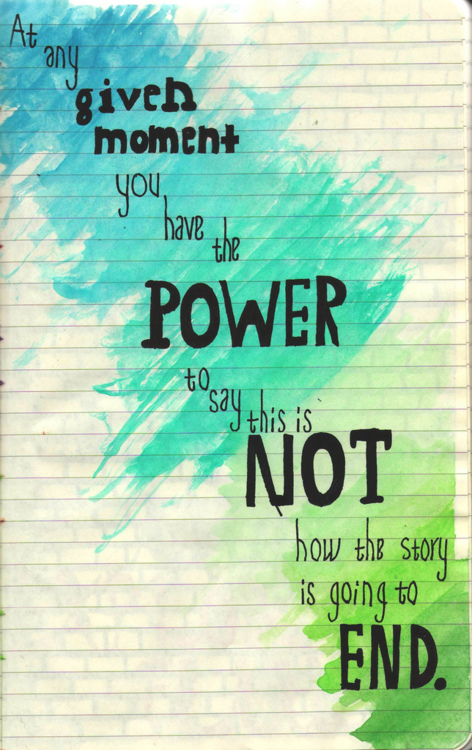
    But if you don’t push her to be in your time zone, she is happy to have her hand held, to sing the old songs, to laugh, to tell you what’s what. Her personality hasn’t changed.

    What she’s doing, we think, is sorting through the various stages of her life, coming to terms with the things that need to be understood with the heart. She seems to be burning away the old memories, the old feelings.

    Maybe she’s also looking forward to joining my grandfather for a dance, as they always did. They met at a dance.

    I don’t really know what it’s like for her but I see her returning to a kind of innocence, burning off the barriers to love. I see her life and all our lives as a gift of learning how to love.

    This has me thinking: How can we remove the barriers to love now? How can we burn off what doesn’t serve and let the best of us shine through?

    1. Practice forgiveness.

    Let go of the poisons of resentment. Let them wash away in a cool mountain stream meditation. Simply say, I forgive NAME and I forgive myself. I send love to both of us.

    2. Try to understand.

    Play act being that other person. What could have made them do the things they did? Were they in pain themselves? Were they just naive and oblivious?

    3. Change your beliefs.

    The limitations and barriers to love (and to anything else we want in life) are really about the beliefs we hold. The past is gone; it’s only our beliefs that live on to affect our current life. What belief is stopping you feeling love? Is this belief really true? Could you believe otherwise?

    4. Change your story.

    Change the way you see it and tell it. What did you learn?

    Your story might be: “I am lonely because I was treated harshly as a child and can’t trust others.” You could change this to: “My early life taught me to crave and seek healthy connections.”

    If you lived in fear as a child, did it teach you courage? Your story could be: “Being afraid taught me to stand up for what I believe in.” Change your story if you need to. Your story about before runs your life now, and now is what really matters.

    5. Create from the darkness.

    Play with the raw materials of life. Creativity transforms experience. Write, draw, paint, sculpt, bake, cartoon, collage, or just laugh about the hard stuff with a good friend. Get it out.

    In the movie Something’s Gotta Give, the heartbroken playwright (Diane Keaton) writes madly, alternately sobbing and laughing with delight as she “nails” a great comic scene. At some point, the terrible truth may become hilariously funny. Get creative.

    6. Give love to feel love.

    Love lives in my heart when I give it. Giving love makes us feel love. How do you best give love? What does your beloved like most? Do they love hugs, a talk, good food, flowers, car movies? Feel love in the act of giving. You may not have to actually watch the car movies.

    7. Appreciate this miraculous life.

    List your gratitude. List your small and simple pleasures. Indulge in them. For all the dark and light, life is a beautiful gift.

    I want to talk about that last point. Often, someone nearing the end is reluctant to let go of this life. I get that feeling watching my grandmother now. Whatever life has held, we want more of it, even when it’s time to say goodbye.

    Years ago, I saw an achingly beautiful contemporary dance performance called Fallen Angels. In the last moment, the stage filled with a thin layer of water. All but one had climbed to heaven. One dancer was left flipping and struggling like a fish in shallow water, holding on desperately to a difficult and beautiful life.

    In that scene, letting go of life was so hard. Despite all the mess and confusion, the pain and heartbreak, this last dancer did not want to leave, even for heaven.

    For all its contrasts, life is beautiful. At the end of our lives, I think we may want to hold on to all of it, the good and the bad. I have a feeling our souls wouldn’t change a thing.

    Let’s embrace the beauty as much as possible right now and burn off the barriers to love. We can only do our best, learning to love as we go, living and loving all of it.

    Photo by Jenny Starley

  • Change Your Life by Turning Shame into Courage

    Change Your Life by Turning Shame into Courage

    “I learned that courage was not the absence of fear, but the triumph over it.” ~Nelson Mandela

    Shame. A word that conjures up all kinds of emotions while equally keeping you silent.

    Some have even said that shame should be classified as a deadly disease because of how it deeply affects the soul.

    Then, there are researchers like Brené Brown who study it.

    It wasn’t until I started working with my first speaking coach that I realized it was actually shame that had kept me “hiding out” and playing small earlier in life.  

    Which is typical of women who have experienced shame. Isolation becomes your friend.

    I had met my coach at a networking event for women in business. She was warm and caring. I shared that it was overcoming the loss of my son to suicide that actually brought me to coaching.

    I told her of my goals of sharing my message through public speaking and advocacy to bring awareness, not only to suicide prevention, but also issues affecting women.

    Except, like most people, I had always had a fear of public speaking. Even to get up and say my name used to make my palms sweaty.

    So why did the thought of standing up in front of the room and speaking bring on major heart palpitations? After all, I love meeting new people, chatting it up, hearing their stories and learning about their lives. There had to be more to the story!

    During our first session, I told her that I thought most of my fears were from a childhood trauma I had experienced. After hearing my story, she said, “You have an element of shame that surrounds your life. You have a fear of judgment.”

    I was worried what people would think of me that didn’t even know me, or anything about me.

    It finally made sense to me.

    It all stemmed from being sexually abused as a young kid. The humiliation, embarrassment, and fear of anyone finding out was still affecting my life.

    Only now, I knew how important it was to share my story, because it could change a life or save a life.

    My life mission was now bigger than my fear.

    On my journey to healing, I read many books. Books on losing a loved one, books on overcoming trauma, books on healing your life, and books on getting healthy.

    I watched Oprah and listened to her inspiring guests.

    One day, something clicked.

    Everything that I had either read or listened to that inspired me to take action and move out of my darkness involved one thing: stories!

    It was not the technical stuff or the how-to overcome (fill in the blank). It was the stories being shared that I could relate to that helped me change my life.

    It was the people who were not afraid to share. They did not let any shame, stigma, or fear stop them because they knew their story might help someone.


    When you go through a trauma or loss, you can easily feel isolated, like you are the only one. But when you are courageous enough to share your story, you soon find out that you are not alone.
    There are people out there in dire need of someone to talk to, that they can relate to, that will understand them.

    Sharing your story empowers others who are feeling isolated to begin their own journey of healing and move forward, to create their own movement, big or small.

    It’s like a snowball effect. You inspire one person, who inspires another person, who inspires another.

    When you are finally courageous enough to share your story, it is a process. Shame will no longer leave you feeling small and powerless.

    You will feel the need to get out there, share your story, and make a difference in the world.

    Now, when I feel fear creeping in, I remind myself that it is not about me; it is about the person who is going to hear my story, feel inspired to change their own life, and create their own movement of change, one small step at a time.

    Photo by Jonatas Cunha