Tag: sorry
-
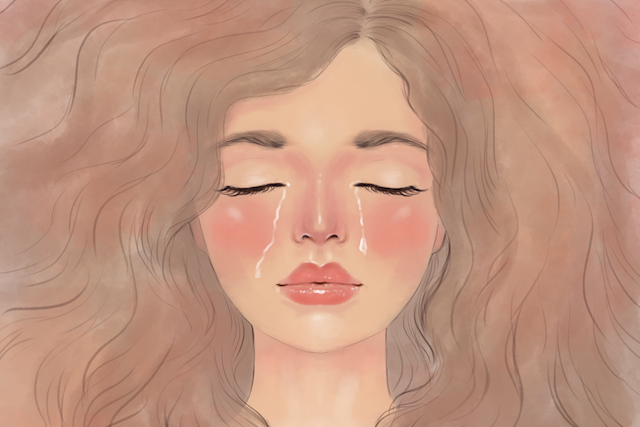
I’m Not Sorry for My Tears: A New Movement
“Do not apologize for crying. Without this emotion, we are only robots.” ~Elizabeth Gilbert
A few nights ago, I was at a groovy, loud Mexican restaurant with some friends. In between sips of spicy margaritas and bites of chips with guac, I was talking with one of my friends privately about her latest struggles. She was confiding in me that she was still quite emotional about losing her mom.
Although it had been two years, she still found herself crying alone and in front of others when she talked or thought about her mother. She mentioned that the week prior, someone at work had asked her a question about her mom and, upon answering, tears had started to flow freely. Then, she was embarrassed and quickly took her hands to her face to wipe the tears and started apologizing profusely.
“I’m so sorry!” she quipped. “I did not anticipate getting emotional. I apologize for the tears.”
This stopped me in my tracks. I was literally stymied by it all right then and there. I thought about this, and it hit me. What the heck is wrong with our society? Wait, don’t answer that. There are way too many things, but I’m referring to this one in particular.
Why do we apologize when we cry? It absolutely should be the opposite. Crying is opening one’s heart and soul. It’s being vulnerable. It’s being real, open, and in touch. It’s exactly what we’re supposed to do when we’re hurting. We are purging ourselves of our sadness with our tears.
When my boys were little and they would burp or fart, I would always say, “Better out than in,” and this is the same. Better out than in. Let them go. Release the flood. Cry your eyes out. And, for the love of all of us, do not apologize.
Instead, I propose we start a movement. Instead of apologizing, how about we do the opposite? Upon tears starting to fall, how about saying, “I’m not sorry I’m crying”? This is taking our power back. It’s taking pride in knowing that you are being real, vulnerable, and open.
My best friend is a therapist. I discussed this with her, and she told me that almost every time a client cries, they apologize to her. Think about that. They are paying her quite a bit of money so that they can be “seen,” and they tell her they are sorry for crying. She told me that she always tells them to never apologize for crying, but that generally doesn’t stop them from saying it in each subsequent meeting.
After realizing the glaring phenomenon of apologizing when the tears start to flow, I noticed it everywhere. It was exemplified in every reality show on TV, as these seem to be prime platforms to cry. Every single time I witnessed someone crying, they uttered the words, “I’m sorry… ugh, so sorry…” as they tried to compose themselves. I could see the embarrassment in their faces and their mannerisms.
I also attended a funeral recently and noticed that every time someone relayed a story to me and started to cry, the next words were always “I’m sorry.” It is ubiquitous. I have never been around someone or seen someone on a show or movie say, “I’m not sorry. I’m not sorry for showing you my heart, opening my soul, and being vulnerable.”
Think about how you feel when you’re with someone who begins to cry. For me, I completely soften inside. No matter what the circumstances. Even if I am mad at the other person, I don’t like them that much, or I don’t know them very well.
The moment someone cries in my presence, I melt a little inside. Whatever guard I had up, whether it was big or small, it comes down. I truly see them as a feeling soul who just happens to be human. I am drawn to them. I feel connected. I want to be closer to them.
I am also a bit honored that they feel safe crying in front of me. I feel a little special, even if that is totally unintentional on their part. I feel like they are letting me in and showing me more of who they are.
So, after coming up with this new manifesto, I knew I needed to start practicing it and see how it felt. It came up two days later. I was telling my husband about a memory I had about his dad, who had recently passed, and in this tender moment, tears started to fall.
I fell into my rote way of thinking and feeling and quickly apologized.
“I’m sorry I’m getting emotional,” I said, and then I remembered. Oh shoot, nooooo, not that. So I course-corrected. “I’m not sorry, I mean.”
The funny thing is that I’m certain he didn’t even notice my backpedaling. I, however, did. I noticed that it felt better to say I wasn’t sorry. It gave me agency. I didn’t feel weak. I felt power in my words and in my tears. And it’s not even about power; it truly is about being real and honest.
There is power in being completely transparent. Life is hard, and our hearts break a little and a lot, and sometimes often. It is our opportunity to truly live the human experience. To cry is to be human. There is no reason to apologize for being human. Let it go. Let it all out with gusto, and then stand strong and say, “I’m not sorry I’m crying” and see how that feels.
I’m not sorry.
-

How to Comfort the Grieving Without Saying “Sorry for Your Loss”
“Words have the power to both destroy and heal. When words are both true and kind, they can change our world.” ~Buddha
“I’m sorry for your loss” is a perfectly acceptable response…if I’ve told you I’ve lost my phone. In that instance, I can appreciate the sentiment, empathy, and authenticity of the phrase. It’s my loss and my loss alone. I know you can put yourself in my shoes and internalize what it would feel like to be without this critical device and, as such, the words carry weight.
When I tell you my parents are dead, though? Maybe not so much. That’s because they’re monumental deaths that are not easily relatable for most. See, my dad passed away from ALS when I was fourteen. My mom then accelerated her unhealthy relationship with food and passed away due to complications from morbid obesity when I was twenty-seven. I’m an only child.
Approach me with this filler phrase when this has been revealed, and my knee-jerk reaction will be a rushed “uh huh, thanks. Anyway…” I don’t mean to be brusque (well, I guess I do). I know you’re doing your best. You know you have to say something in response to this info. and, chances are, everything you think of in those few milliseconds after this revelation seems to fall short.
So the autopilot, reflexive, out-of-office reply surfaces to the top.
Here’s why it’s problematic.
Only ‘My Loss,’ Really?
Not to play a game of semantics, but the first issue I take with this filler phrase is that it conveys these deaths are only my loss. Yes, I know you’re speaking directly to me and not my parents’ siblings, friends, co-workers, or grandchildren. But these—either individually or collectively—are not singular losses.
My grandmother lost the ability to outlive her children.
My dad’s friends lost their weekly poker buddy.
My mom’s co-workers lost the office’s “voice of reason.”
My daughter lost the privilege to ever know her grandparents.
The world lost whatever future contributions these two would have made to it.
My point is, there are many people who lost something on those two separate days—and those losses have continued along with their absence.
Alienation, Party of One
Placing this loss directly on me—or on anyone, for that matter—also creates a separation between us. Yes, it might have been a loss in my life, not in yours, but you’ve now squarely bifurcated us.
I am the bereaved; you are the condoler.
The last thing someone mentioning a death needs (IMO) is to be constantly reminded that we’re different from the rest of you. That the black cloud is over our heads, not yours.
Grief and loss and death, not to mention the sadness and depression that can go along with them, is isolating enough. Please don’t magnify that even more by placing us on opposite sides of the fence.
Comfort, Camaraderie
The biggest problem I have with the loss apology is that it really doesn’t offer anything. No source of comfort. No relatability. No words of advice that you can turn to when you’re struggling.
It’s a “break glass in case of emergency” phrase for those who don’t know what to say. For me, it’s words I bob and weave to get away from like a dodgeball torpedoed at my head.
I don’t mean to sound ungrateful, I really don’t. I know you’re doing the best you can. I simply hope to provide a little cause for pause if this is your go-to condolence.
Plus, consider yourself lucky. If hearing about these sorts of losses and deaths makes you uncomfortable to the point that your brain turns to mush, it might be because you haven’t experienced this kind of grief yourself. That’s something to be happy about. And trust me when I say, I’m happy for you. I really am!
Okay, now that we know why this phrase can rub the aggrieved the wrong way, what can we say instead?
Rephrase the Loss Apology
Tweak your sentiments slightly, and suddenly you’ve got a phrase that feels authentic and relatable, at least to me.
I’m perfectly happy with:
“I’m sorry you had to…
- go through that.
- experience that.
- deal with such early losses.
- encounter these tragedies so early on.
- figure out how to navigate life on your own without your parents.
You get the point. Any iteration of this phrase works for me for two reasons. First, because it acknowledges my personal experience, versus framing the deaths as my loss and my loss alone. Second, because, although you may not be able to relate, a sense of empathy and authenticity comes through by recognizing that these palpable losses had palpable effects.
Share a Memory
The absolute best condolence I ever received came from a young man I had never met. We were at my mom’s funeral when he came up to introduce himself. He was the son of one of her co-workers, though her name wasn’t familiar. His presence was a little quizzical to me, as his eyes were red, his nose was runny, yet I had no idea who he was.
He told me he’d gotten to talking to her when he’d visit his mom in the office. Apparently, they developed a rapport over time. So much so that she was the first person he decided to come out to. He told me how she received this news with love, support, and a welcomed ambivalence that let him know it was okay to be himself. That nothing was different with this added piece of information.
I have tears in my eyes as I write this. To this day, that short encounter has been the best gift any single human has ever given me regarding my mom. It brought comfort. It let me know she touched others (and kept treasured things to herself). It showed the magnitude of her loss outside of myself.
When you lose a parent to (food) addiction the way I did, it’s very easy to vilify them. They should’ve known better. Done better. Been better.
Then I think of that story and, at least in that instance, she’s a goddamn hero in my eyes. And not for how she received the news—though she seemed to handle that well—but for being such a source of support and comfort to this young man that he chose her, of all people, to come out to.
Wow. I can’t say I’ve ever left an impact like that on someone. That is admirable, and the encounter is something I’ll treasure always.
I do want to add a slight caveat to sharing stories about the deceased, though. It’s all about right place, right time. Had I been going into a meeting, about to speak to a crowd, or been ready to engage in anything that involved my full attention and right mind, this would not have been the time to share something that might have made me crumble.
This strategy requires you to read the room a little, but it can be the best condolence you can bestow if the timing is right.
The Leading Statement
As the above example shows, your statement doesn’t even need to involve an apology. After all, you didn’t kill them, right? If you did, totally apologize. Hopefully from behind bars.
Anyway, I love the leading statement strategy because it gives the aggrieved options.
“That must have been so hard for you.”
“I’m sure that was a difficult thing to experience so young.”
These open-ended statements give us choices. We can simply acknowledge them, usher an appreciative thank you, and steer the conversation in another direction if we don’t feel like deep diving into grief.
Or we can use them as a jumping off point and say, “It was really hard, I think the most difficult thing was…” Now we’re in a conversation. An exchange. Two people on the same side discussing an experience. It’s not me on one side receiving an apology about a “singular” loss and you on the other, nervously scratching at your neck and wincing, wondering what happens next.
And, in case you’re wondering, yes, I am absolutely guilty of wielding this phrase myself. I’ve never appreciated hearing it or saying it, but I’ve really started to internalize how hollow these words are recently, since discussing my parents’ deaths more publicly.
So let’s all strive to do better. I know we can. If we shift our thinking more toward what may benefit the aggrieved—versus allowing the first obligatory phrase we can think of to pop out of our mouths—these encounters will be a lot less uncomfortable.
And, if all else fails, show us a picture of your dog. They always bring comfort, relatability, and connection. Hey, they don’t call them emotional support animals for nothing…
-

Everything I’m So, So Sorry About (and Why I Think Apologies Are Hard)
“There’s the way that light shows in darkness, and it is extremely beautiful. And I think it essentializes the experience of being human, to see light in darkness.” ~Emil Ferris
I was leading a yoga training in a small village in Greece near the Aegean Sea. One of the trainees was practicing a mindfulness workshop she designed. She led us through a guided meditation based on a beautiful Hawaiian practice for reconciliation and forgiveness called Ho’oponopono. As we sat in the yoga space, she repeated over and over:
I love you.
Please forgive me.
I’m sorry.
Thank you.There was something about how she slowly said, “I’m so, so sorry” that at one point I felt my heart break open, and tears flowed from its depths.
I have a wellspring of personal and societal hurts tucked in the back of my heartspace that I am so, so sorry about.
I’m sorry that children and animals are abused for no reason except the amusement or the sickness of adults.
I’m sorry that women and children are molested and raped by men whose brains can’t process compassion, and that their need for power is so destructive that they can justify their actions.
I’m sorry that people aren’t given equal access to food, education, and healthcare because of the color of their skin or biases.
I’m sorry for the learned bias that keep us from treating everyone equally.
I’m sorry that children don’t tell adults they have been bullied and base their self-worth on their shame about how their peers treated them.
I’m sorry for daughters whose mothers try to keep them small.
I’m sorry for the boys who’ve been told that they can’t cry.
I’m sorry that saying sorry is sometimes too vulnerable.
I’m sorry for any time I have ever said or done something that was hurtful because I was trying to make myself look good.
I’m so, so sorry
The Vulnerability of Being Sorry
Saying I’m sorry is a vulnerable place. We have to admit that we were not perfect. We have to disclose that we made mistakes.
Sometimes I’ve raced around my brain desperately looking for some way to justify my actions so that I didn’t have to apologize because it felt too vulnerable. But sometimes, even in a relationship where I wanted to be vulnerable and close to someone, I have defaulted to not apologizing—sometimes out of habit.
During the pandemic, I came down with COVID-19 and had to call the people I’d been around and tell them. It was hard. One of my friends was very upset with me. It was during the holidays, and after spending a lot of time alone, she had plans for New Year’s Eve.
I didn’t blame her for being mad. The isolation was driving us all crazy. I was sorry. Apologizing and listening to her anger was uncomfortable. Her friendship was more valuable than the temporary discomfort of her processing her disappointment. I was grateful that I had the courage to be present.
If we want a relationship to grow, we—the one who erred—need to own the mistake and the apology, no matter how uncomfortable it feels. Without the apology, it’s one more brick in the barrier to growing closer in a relationship.
We all know people that never say I’m sorry—it just feels too exposed. Alternatively, more worrisome, is that they feel beyond reproach.
Cindy Frantz, a professor of psychology and environmental studies at Oberlin College and Conservatory, said that when we do something wrong and skirt responsibility by not admitting our wrongdoing, the interaction feels incomplete.
I know from experience that waiting for an apology can cause a relationship to feel like it is hanging in midair, waiting to get grounded.
She also warned, “Don’t apologize as a way to shut down the conversation and wipe the slate clean. That’s a shortcut that won’t work.”
When It Isn’t Safe to Say I’m Sorry
Some people will use our apology against us—so we keep ourselves safe by not apologizing. Self-preservation might be the best choice when dealing with someone with mental health and abusive issues. It can take a toll on how we feel about ourselves though.
In the eighties, I was in a twelve-step program for my eating disorder. I wasn’t able to fully complete the fifth step by making amends to my parents for all the extra food I ate to fuel my bulimia. It just didn’t feel safe. Now that I’m in my sixties I could do it, but my parents are deceased.
I found some comfort in apologizing “in spirit.” I’m still in the process of fully letting go of the conversation that I wish I could have had.
Over-Apologizing
I was in a coffee house, writing this article, when I overheard a conversation. A man asked a woman if he could reach across her to get a chess board from a shelf that was next to her. She said yes and then said, “I’m sorry.” His friend said to her, “Why are you apologizing? He’s the one inconveniencing you.”
Like this woman, I can be very free with my apologies.
Saying things like “I’m sorry to bother you” instead of “Do you have a minute to talk?” can be a sign of our sense of self-worth or the habits we developed when we weren’t confident.
Findings show that women report offering more apologies than men, even though there is no evidence that women create more offenses than men.
For women, over-apologizing can be just a matter of learned language. But when we hear ourselves apologize for taking up space when someone else bumps into us, or apologize for being late rather than thanking people for waiting for us, or apologize just for saying no when someone crosses our boundaries, this can be a sign of self-worth challenges.
If we listen to ourselves apologize repeatedly, we literally talk ourselves into low self-worth.
What a Sincere Apology Feels Like
I can offer a sincere apology when I know the mistakes I make are just a part of being human. I truly don’t want to hurt others. I don’t want them to be suffering from my words or actions.
I can offer a sincere apology when I forgive myself for not being perfect. I seek to learn from my mistakes and apply insights to my future responses and actions. I refrain from using my mistakes to bring up all my past mistakes and emotionally beat myself up.
Psychotherapist Sara Kubric says that a genuine apology is more than a statement. It has to be sincere, vulnerable, and intentional. She offers an apology recipe that could look something like:
- Taking responsibility for making a mistake
- Acknowledging that we have hurt someone
- Validating their feelings
- Expressing remorse
- Being explicit about our desire to make amends
Apology as a Test of Confidence
When I sincerely apologize, I know that I am confident. No one is beyond making mistakes. I know that my spiritual growth depends on my ability to be vulnerable.
I continue to learn new ways of communicating that don’t involve over-apologizing for taking up space or being a normal human being. I know that there are pain, challenges, and injustices in the world that I can’t control, and I can be sorry, sad, and discouraged when they happen. This is the way I can live consciously and compassionately in this, my community.
-

When People Are Mean and Refuse to Admit It or Apologize
“Life becomes easier when you learn to accept an apology you never got.” ~Robert Brault
I’ve always tried to distance myself from people who are rude, overly aggressive, and mean. But sometimes we become tied to people who might not have our best interests at heart.
One summer I became involved with a coworker who was at a bad spot in his life. I thought I could help him through this tough time, but just like a swimmer drowning in a pool, he grabbed on and ended up drowning me when I reached out and tried to save him.
After several months of verbal and psychological abuse, I finally realized that the situation was out of my control. That night, after I got up to get a glass of water, he followed me into the kitchen and started yelling at me to get back into his room.
I did as I was told but I was not happy about it. He noticed my shift in mood and asked what was wrong. But when I told him it was because of how he’d treated me, he was surprised—a surprise which soon turned into a second wave of intense anger.
He could not understand that his actions had directly impacted me, and it seemed ridiculous to him that I would feel anything at all. When I started to cry, he was confused and started pawing at me to try to roll me on my back. It felt like I was being attacked by a bear who wasn’t quite sure if I was edible or not.
When I finally ended things, I told him I was not okay. That his behavior toward me was unacceptable. That I was very hurt by the hateful way he had treated me. That I could not and did not want be involved with him because he did not respect me as a person.
But this didn’t make sense to him. He told me that he didn’t have anything against me and that I should choose to feel differently. That I couldn’t possibly feel hurt because he didn’t feel hurt. He felt pretty good about things, and I should have felt that way too.
He couldn’t recognize that his actions were causing me pain, even when I directly laid it out in front of him.
I even used examples from his life of things that had hurt him and then tried to make the comparison that the same things that hurt him also hurt me.
I told him that I needed a lot of time, a lot of space, and a lot of compassion if we wanted to set things right and be on friendly terms at work. That he had to be nice to me and recognize that it would take a long time for me to feel okay. He agreed, and I thought we understood each other.
The next time I saw him was a few weeks later at a work party. He sat next to me on the couch, pulled out his laptop, and started to show me the weather forecast for the next ten days. I politely evaded and tried to end the conversation as soon as possible. I was not ready, and I did not want our first conversation as ‘friends’ to be a lecture on meteorology.
Shortly after that he started sending me hateful messages on Facebook, threatening that if I couldn’t get over it, I might as well find somewhere else to work. I tried to explain to him I was not ready, and that sending me hate mails was not getting me any closer to being ready. But he just responded with more hate.
After several weeks of silence and a trip out of the state for me, we restarted the conversation and we were actually able to address some of the issues. I reiterated again what I needed: compassion, patience, understanding, and kindness (and a face-to-face apology would be great too).
He agreed, and I finally had faith that things would get better. But these things never happened.
He never apologized, and shortly after our series of talks he returned to the mindset that I deserved to be treated that way, and that I was the one at fault.
The disrespectful behavior returned and, exhausted, I decided it would be easiest to just avoid him. After a few months of tactful evasion, I found somewhere else to work.
I could spend a lifetime showing him the evidence, bringing up witnesses who had seen what was going on, and explaining to him why it is not okay to treat people that way. I could bring in a professional psychologist, our manager, our coworkers, and our friends to verify that I was 100% entitled to an apology and deserved respect at work.
But would I ever convince him? Probably not.
People only change if they want to change. You cannot force someone to respect you. You cannot force someone to admit they were wrong or apologize. Only they have the power to shift their perspective. And sometimes, it’s just not going to happen.
I finally realized that sometimes, people are just mean. And there is absolutely nothing you can do about it.
I made the mistake of thinking that I could change him with compassion, patience, and understanding. But he did not want to change, so instead, I ended up breaking myself against his rock-hard resolve.
When someone is proactively threatening you and your happiness, seriously ask yourself: Is the juice worth the squeeze? Does this person respect me? Do they genuinely feel compassion for me? Do they want me to be happy? Or are they a drowning swimmer pushing me under just so they can breathe a little easier?
I don’t like to quit a project that I’ve started. But I learned that if this ‘project’ is an unhealthy or toxic relationship that is causing me damage, sometimes the best choice is to just walk away.
If you think you might be in a toxic or unhealthy relationship, seriously ask yourself: Is this good for me? Is this making me happy? Is this making me feel validated as a person? If the answer is no, end it. The best choice for you is the best choice of all.
-

How to Stop Over-Apologizing, From a Lifelong Over-Apologizer
“Forgive yourself for not knowing what you didn’t know before you lived through it. Honor your path. Trust your journey. Learn, grow, evolve, become.” ~Creig Crippen
When I was a child, my immediate reaction to most things was “I’m sorry.”
Had to miss class because of a field trip for a different class? I’m sorry.
Something bad happened to someone I knew? I’m sorry.
It didn’t matter what the situation was or if I directly caused it or even if I was involved in it in any way whatsoever. Even in the best of situations, strangely, I’d figure out some way to apologize. I apologized for everything.
I probably apologized a hundred times a day (even in good situations). It was so much a part of who I was, in fact, that when I was about ten years old, my parents bought me a stuffed animal with an “I’m sorry” T-shirt on.
I know they meant it with the best of intentions. We all thought it was pretty funny. I proudly displayed it.
I had no idea at the time that people did bad things that that they had to apologize for; I just thought it was a personality trait I had. I couldn’t understand why anyone would make a stuffed animal with a T-shirt like that (like, you know, to actually apologize for something) other than for someone like me.
As I got older, I didn’t stop the over-apologizing. Deep down somewhere it became a part of me, and over the years I took the blame for all kinds of things that were not only not my fault but had nothing to do with me. It wasn’t until I started doing some personal development work on myself that I realized this bad habit needed to go.
I attended workshops, hired coaches, and found some amazing leaders that help people break free and get what they want in life. They were always having us work through feelings from our past like anger, sadness, etc., and I knew I really didn’t hold onto a lot of anger inside of me.
I’m sure I had a normal amount of sadness and all the other negative emotions that you really don’t want to hold onto if you can let them go. But I worked through them and wasn’t seeing all these breakthrough changes that everyone else kept finding.
In my thirties, I listened to a Louise Hay meditation during which she said, “Guilt always seeks punishment,” and that’s why those of us who feel guilty (especially about things that have nothing to do with us) don’t always allow ourselves to break through and let go.
I knew right then I needed to find a way to stop the over-apologizing. Saying “I’m sorry” when you’re wrong or when something terrible happens isn’t a bad thing; it’s the over-apologizing and holding that guilt inside of yourself that can cause an array of problems.
I started trying to figure out other ways to say, “I’m sorry,” and the best approach I’ve found is replacing apologies with gratitude.
This immediately changes our focus. It helps us to reframe the whole situation, taking us out of worry, fear, and guilt and allowing us to form a new perspective. As beautifully stated by Kristin Armstrong, “When we focus on our gratitude, the tide of disappointment goes out and the tide of love rushes in.”
Though I don’t like to be late, I realize if I am a couple minutes late for an appointment, it’s truly not the end of the world. The other person (or people) probably aren’t going to hold it against me for the rest of my life (like I might if I held onto that guilt). So I’ve learned to say, “Thank you for waiting. I know your time is valuable and I appreciate it.” And then I try to do better next time.
If I have a conflict and can’t make it to a friend’s party or get-together, instead of wrestling with it and going over it in my head again and again, feeling terrible, I say, “Thank you for inviting me. I’d really love to be there, but I have a prior commitment.” I find gratitude in the fact that they invited me in the first place instead of guilt for not being able to be in two places at once.
If I disappoint someone, I really look inside to see if there was something I could have done better. I remind myself that I have to stay true to my convictions as well, and sometimes that unfortunately means disappointing others. I do my best and I work to do better next time.
If I find that there was something I could have done better, I can still apologize. It’s not like working to stop over-apologizing means that I can never again apologize. But it’s not a gut reaction, an immediate response, and I think it’s a good thing to take another look at the situation and truly understand it. That way I can learn from it and continue to do better.
Over-apologizing can make you hold on to guilt for longer than you need to. It should never be a first response or a gut reaction.
Apologize when you truly feel regret and remorse in your heart and forgive yourself for the rest. By finding other ways to say “I’m sorry” when a situation truly doesn’t warrant an apology, it lessens your burden, lessens your worry, and allows you to focus on other things. Learn, grow, evolve, become.
-
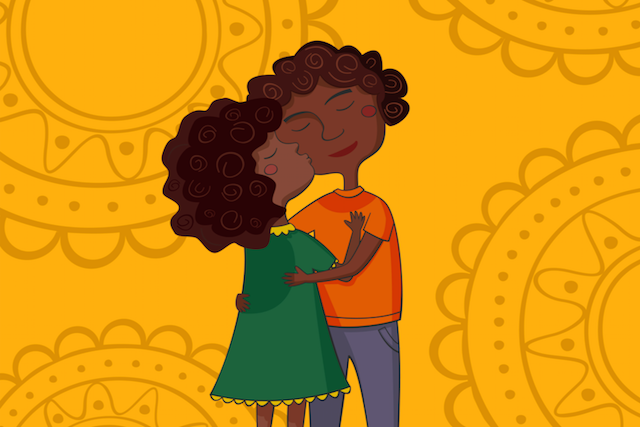
Beyond Sorry: A Better Way to Handle Conflict in Your Relationship
“Sorry isn’t always enough. Sometimes you actually have to change.” ~Unknown
When I was young I was like every other kid, always in and out of trouble. I pushed the boundaries of what was acceptable in order to see what I could get away with. When I pushed, I’d often keep on pushing until someone said “stop.”
During my childhood I heard lots of:
“STOP!!”
Quickly followed by:
“Say you’re sorry.”
Say those two magical words, “I’m sorry,” and all the pain will go away. Then I’ll be back in the good books and can go play with my friends again.
During this time I received another strong message that many children hear. It’s the one that says some of your feelings are not a good thing. That’s because I was told:
Don’t look sad.
Don’t cry.
Don’t be scared.
This led to me feel guilt and even shame about the expression of certain feelings. As a result, over time I was less able to acknowledge feelings in myself and others. These two elements, when combined years later, went on to cause real problems for me. This is because I was now in front of an angry partner and I went back to what I learned as a child.
I repressed my feelings, tried to look sad, and said “I’m sorry.”
This time, however, I wasn’t speaking to my parents. It was my partner who was very sensitive to the fact that the words alone weren’t enough.
My apology now created more harm than good, and I didn’t have a clue what to do about it. My relationships suffered for years, as we would both regress back to childhood archetypal patterns of behavior. This is where we’d indulge in hierarchical relationships, playing out childhood habits with the husband/wife dynamic expressed as mother/son or father/daughter. This killed the trust and intimacy in our relationship, and was a fast track to either breakup, or long-term dissatisfaction and resentment.
In one particularly fractious relationship I remember always saying sorry because I thought it was what my partner wanted me to say. I knew that she thought she was right, and therefore I must be wrong. We didn’t have the skills to navigate ourselves to a mutually agreeable resolution, so the shortcut to a life of harmony was for me to accept that I was wrong.
Based on what I learned as a child, saying sorry was the natural response. It seemed to be by far the easiest way to resolve our differences, but it didn’t work. The hierarchy this created ultimately ended that relationship, as I failed to communicate with my partner on the equal footing we both needed for it to work.
How I’d learned to behave all those years ago clearly wasn’t working, and I desperately needed an alternative to manage the difficult conversations I was now having in my relationships.
As I moved from relationship to relationship I managed to work through this and developed new skills that helped me grow and heal the wounds from my past. These new skills required me to access the very emotions I was encouraged to repress when I was young and helped me create the connection, trust, and safety my relationship craved.
Assuming you’re in a non-abusive, healthy relationship, there is an alternative, and is something I now practice almost every day. Here are four steps you can follow the next time you find yourself about to utter the dreaded words “I’m sorry”:
Step 1: Slow down, acknowledge what’s happened, and take responsibility for your part in it.
In any relationship there is 200% responsibility to be split 50/50 between both people. Problems happen when the split isn’t equal and people either take too little responsibility (i.e.: the victim) or too much (i.e.: the co-dependent).
Developing an honest, open, trusting relationship starts with ensuring you take 100% responsibility for what is yours to take, and no more. By doing this you can create a clear line between what is yours and what is not. This then empowers your partner to do the same.
A while back I noticed how my relationship had become strained, and I felt as if I was either saying “I’m sorry” to my partner, or she was expecting me to. I had been trying to resolve the problems we were having by looking outside of myself and blaming my partner; so I decided to turn things 180 degrees. I looked at myself, got honest, took responsibility, and I told my partner.
I told her that I had noticed things were strained and I was committed to doing something about it. I explained that I had been projecting lots of beliefs on to her about her not being good enough. These were beliefs I held about myself, and it wasn’t fair to project these on to her. I apologized for doing that and said I was taking my judgments back and owning them.
Taking responsibility in our lives is key to developing positive relationships of trust and intimacy where there was previously victimhood and blame. Even when you think others haven’t noticed your victimhood, they have. People notice when you are projecting onto them, and they can feel the difference when you stand powerfully in your truth and take full responsibility for your actions.
Step 2: Describe your feelings regarding what happened. Speak honestly and share what comes up for you.
Feelings can be used as weapons in relationships in order to apportion blame, such as claims like:
“You made me feel like this.”
But when we connect to our own feelings, take responsibility for what we feel, and honestly communicate them to others, we provide a platform for connection. From this place of vulnerability we stop being like teflon, with everything sliding off us, and instead become sticky and able to create bonds and connection with our partners.
When I took responsibility for the problems in my relationship I shared how I felt. I explained how I was embarrassed about how I’d behaved. I shared how I was scared what she might think of me for being so honest, and I was sad that I hadn’t managed to open up about it sooner.
Think of the times in your life when you really bonded with your friends or partner. This happens during times of high emotion, both the good and bad. It’s easy to bond and create connection during periods of high emotion and good mood. It takes a lot more to use more difficult emotions to create deep connection. However, it’s these emotions and the vulnerability that we bring to them, where the deepest connections are made.
Step 3: Empathize by sharing what feelings and emotions they must have felt in response to what happened.
When we say “I’m sorry” it encourages us to access the situation from our perspective and via our feelings and emotions. In order for our words to be heard we need to demonstrate that we truly understand our partner’s world and not just our own. For that, we need empathy.
Empathy is a difficult skill because it requires us to recognize the uncomfortable feelings our partner is feeling. It also requires us to access those feelings within ourselves, and then reflect them back to our partner. Lack of empathy is a symptom of us not wanting, or able, to be vulnerable to others’ difficulties because of the way their feelings will make us feel. That’s why it’s important for us to get more familiar with the full range of our emotions, and not just the “good” ones.
Here are two quick tips to help you to develop more empathy. Firstly, start with the sentence string “I imagine…” This is because it encourages you to enter your partner’s world for a moment. It encourages you to get out of your point of view and see things with fresh eyes. For example: “I imagine you must be feeling really angry and sad about what happened.”
Secondly, notice your tendency to blame and judge. Judgment is the antithesis of empathy and should be avoided at all costs.
Step 4: Validate your partner by telling them that what they have shared makes logical sense to you, and why.
For reasons I am yet to fathom, we are guilt- and shame-creating machines. We love to make ourselves feel bad about what we do and create doubt about what we feel. That’s why being validated for what we feel is so important.
The reality is we don’t have any choice about what we feel. Something happens and our body, mind, and soul respond in a certain way that’s beyond our control. We can’t select the positive emotions we want to feel in response to what’s happened and avoid the ones we dislike.
Deep down we judge ourselves for whether our response is right/wrong or good/bad. So being told that our response makes complete sense helps us feel accepted and seen. To be told why it makes sense is like the cherry on top of the cake. It helps us feel as if someone really understands us and sees us for who we really are and how we really feel.
—
The intention behind saying “I’m sorry” is focused on yourself. Its primary intention is to get a quick resolution to the problem, and move on. However, the intention behind this alternative approach above is focused on your partner. This time the primary intention is to demonstrate that you understand them and to own your part in what happened.
Apologizing and clearing resentments are two of the most important skills you can learn in a relationship. No one taught us how to do this, so instead we can regress to childhood habits in order to navigate these delicate areas. As I look back to when I started applying these changes in my relationship I’m amazed what a powerful impact it had on me and my partner.
Coming from this new place felt freeing and very powerful. Instead of apologizing and feeling lesser or smaller, I stood taller like some weight had been lifted from my shoulders.
The impact it had on my partner was huge. She now felt seen, understood, prioritized, and safe. She trusted me again in a much deeper way than before. That’s because when we take responsibility and apologize in this deeper way it frees us of our burdens and makes us feel more authentic and real, as a result. This can help us to use conflict in our relationship to actually improve and deepen connection and that’s a skill we could all do with.
-

When a Wrong Can’t Be Righted: How to Deal With Regret
“Regret can be your worst enemy or your best friend. You get to decide which.” ~Martha Beck
I was lucky enough to grow up with a pretty great mom.
She put herself through nursing school as a single parent, still made it to every field trip and dance recital, and somehow always made my brother and me feel like the best thing since sliced bread (even when we were acting like moldy and ungrateful fruitcakes).
She knew our deepest secrets, our friends, and who we were capable of being—even when we didn’t know ourselves. As I grew older my mom and I had a journal that we would pass back and forth. In it we shared our thoughts and feelings, stories, and fears, as if we didn’t live in the same house and across the hall from each other.
She was my best friend and my “person,” my closest confidante and biggest supporter—but there was, of course, an inevitable down side.
Like anyone who doesn’t know what they have, I often took her for granted.
With age came independence, “worldliness,” and too-cool-for-school-ness. My relationship with my mother took a back seat to friends, romance, and my early-twenties aspirations of moving to LA and becoming rich and famous. (In reality I became an assistant to someone rich and famous, which was exactly close enough to send my self-esteem into a tailspin.)
On trips home I was mostly concerned with seeing friends and popping into old hangouts; she’d be there when I got home, I figured, and she understood… right?
I was young and gregarious, and had more important things to do than spend quality time with my mother. Even after moving back to town I didn’t see her much; the years had seen her fall into a deep depression, and it was one that vividly echoed a growing disappointment in my own life—her pain seemed to only compound mine.
As I began to work on getting my own life back on track, I relegated time with my mother to every other Sunday and holidays, holding her (and our relationship) at arm’s length. What seemed at the time to be self-care and boundaries was also a mixture of avoidance and burden—but I didn’t truly know this until a Tuesday afternoon one day in November.
She’d called me the night before and I’d ignored it; she was lonely and called me a lot, and I’d decided that I couldn’t always stop what I was doing to answer. But the next day I got a call at work from my brother, telling me to come home at once. When I got there I found that she’d died in her sleep the night before.
I checked the voicemail that she’d left me. In it she’d asked me to come over and see a movie with her.
The guilt caved me in.
The following weeks and months were a blur. I was beside myself with grief, regret, and the illogical thinking that can come with loss: Maybe if I’d come over that night she wouldn’t have died. Maybe if I’d been around more, called more, or been a better daughter, maybe that would have changed things.
I recounted my failings and knew there had been many—there usually are, once death takes away the possible tomorrows that you thought you had. Losing her was one thing, but the cloud of regret that hung over my head was entirely different and all encompassing.
It lasted for quite a while.
I didn’t wake up one day and realize that I wasn’t to blame for her death, although I knew how illogical that thought was to others. I also never woke up and felt that the way I acted toward her was entirely right; though fallible and human, I’d consciously been an absentee daughter for quite a while.
But, what did this guilt mean for the rest of my life? Did it mean making myself sick with the never ending replay of all I’d done wrong, or constantly reliving all of the choices I wish I hadn’t made?
As time went on it became apparent that I could literally spend the rest of my life punishing myself. It felt almost fair to carry the weight of regret everywhere that I went. After some time, however, I began to wonder who I was carrying it for.
Was the regret for her, homage to my mother that I could never really repay? Was it for myself, a masochistic comfort that I felt in never truly forgiving my past?
As I contemplated these ideas in the periphery of my mind, I began to take notice of how others repair the damage stemming from guilt and regret.
In recovery communities, when you wrong someone (and realize it) you seek to make it right. You revisit the ill behavior of your past, and (unless it’s going to harm another) you approach the person and ask how to repair things. It may be that financial amends are necessary, it might be taking a restorative action, or it may be that you’re asked to simply leave those you’ve hurt alone—but an effort is made to right the wrong.
And if a wrong can’t possibly be righted (because of death, for example) you make something that’s called a “living amends.”
Another way to look at this is “paying it forward.” Maybe the person that you harmed is gone, but if they were still here, what would you do to make it right? Is there something that you can do for someone else, or another cause, or in memoriam of the person toward whom you committed the harm? Are there things about the way you live that you can change—things you would have implemented with said person, if you’d had the chance?
The idea of a “living amends” intrigued me. Although I knew it couldn’t actually change my past actions, it could definitely change the way that I felt about the future. And anything was better than sitting under a lead blanket of guilt every time I stopped moving long enough to think.
I realized that a huge regret I felt with my mom was the complete disregard I’d had for her time. I came to visit when I felt like it, left when it was good for me, and flaked if I couldn’t “handle” her that day.
I knew that something I could do moving forward would be to show up more consistently in other relationships: make commitments and keep them, respect the time of loved ones, and show with my actions how I felt in my heart.
I also realized that I don’t want to be the kind of person who avoids another’s pain just because it’s difficult for me to bear. Depression is a heavy load to carry, and sitting with a loved one while they’re hurting can be uncomfortable—but sometimes it’s in simply witnessing another’s pain that you can help lighten it.
Boundaries are important, and some of those I drew were necessary, but some were just convenient. I now try to show up even if that’s all I can do, because I know how it feels when another does that for me.
I began to honor her in small ways financially when I could: donating to animal welfare causes that she’d loved, reaching out to my estranged brother, and becoming politically active in ways that I’d never really considered before—all things that would have made her proud.
The tears still came and the past remained unchanged, but as I lived my way to the person she knew I could be, I felt the clouds begin to part and the edges of my grief soften.
As I forged this path of “living amends” I found that it applied to other aspects of my past as well—unchangeable missteps that had kept me wrapped in a blanket of regret began to unfurl into opportunities.
Rather than filling journals with the saga of self-flagellation (which is as ugly as it sounds) I began to ask, “Where can I make this right?” If a wrong (or a relationship) couldn’t be tangibly “righted” there were always other ways that I could live my way toward an amends.
I now look at it as actively applying the lessons that mistakes have taught me—searching for how to make my future actions match the hard-won realizations about who I want to be.
Now, don’t get me wrong: I’m not Mother Teresa, and I don’t wake up each day guided by a strictly altruistic force that leads to a perfect and pious life. (Although that would be nice, I’m still pretty human and a work in progress.)
What I have found, however, is a path of self-forgiveness: ideas, actions, and direction for the moments when I feel myself living in the cave of “if only” and regret.
Although that cave is a familiar place to be, there’s far too much life to be lived in the world outside of it.
-

20 Things You Don’t Have to Apologize For
If you’re anything like me, you apologize far too often, and most of the time, when you haven’t done anything wrong.
Sometimes we apologize for things beyond our control—like bad weather during a party we’re hosting.
Sometimes we apologize when someone else was actually in the wrong—when a waiter brings us food not cooked to our specifications, for example.
And sometimes we apologize for life choices we have every right to make—like the decision to change jobs, or end a relationship.
We’re wired to seek a sense of belonging, and we fear being ostracized from our tribe, so many of us lean toward excessive contrition to ensure we’re still in people’s good graces.
We may also apologize because we’re highly sensitive to other people’s feelings, and we want to ensure we haven’t unintentionally caused them pain.
Particularly if you were abused at some point, it can feel imperative to express remorse for potential slights and offenses, since this could minimize the risk of retaliation. But by doing this, we’re undermining ourselves and reinforcing a sense of guilt and subservience.
It’s admirable to apologize when we’ve genuinely done something wrong, or even if we believe we inadvertently hurt someone else. But there are certain choices we need to own, and need never apologize for.
Since this topic has been on my mind lately, I decided to ask Tiny Buddha Facebook followers this question a couple weeks back:
What’s one thing we should never apologize for?
More than 2,000 people responded, many with variations of the same ideas. Below is a short list of the ones I found most compelling.
You Never Have to Apologize For…
1. Removing someone from your life that repeatedly crosses your boundaries. ~Bonnie Romano
2. Being who we are, and feeling our feelings. ~Courtney Redd-Boynton
3. Trusting your instincts, even if you can’t explain it. ~Kate Willette
4. We should never apologize if we’re not truly sorry. I don’t believe in apologizing because someone ‘demands’ an apology. ~Olga Baez Rivera
5. Quality “me” time (taking care of ourselves). ~Nath Ray
6. Your opinion—there is no right or wrong opinion, and there’d be a lot less arguments if more people could just respect and appreciate different insights. ~Jennifer Werner Mader
7. Standing up for what you believe in. ~Michelle Galyon-Stallings
8. Living life the way we choose to, regardless of fitting in with other people’s norms. ~Tanya Johns Emery
9. Making decisions about your own future that don’t do any harm to anyone. No one should be made to feel guilty for trying to better themselves. ~Rebecca Killeen
10. You shouldn’t have to apologize for how you feel. You may need to apologize for how you act on your feelings, but never for being hurt, angry, sad, etc., and expressing how you feel. There’s a difference. ~NathanArisa Ferree
11. Being sensitive. I feel my feelings and I believe it’s hurtful when individuals are quick to tell someone to “get over it.” If we aren’t harming anyone, we all deserve to process our feelings in our own time frame and manner. ~Lori Mitchell
12. For being protective of our children and trusting our instincts as parents—especially when they’re not yet capable of advocating for themselves. ~Amitola Rajah
13. Having to grieve. Some people think there is a time limit or a timeframe. It could take a lifetime to accept someone we love passing away. ~Lisa Marie
14. Speaking the truth. It ain’t always pleasant, but better to know what’s really in someone’s heart than be fake! ~Kiran Sohi
15. Speaking up when someone has hurt us in some way. ~Karin Alberga
16. Fighting for the rights of animals. ~Linda Leppington
17. Taking a break and doing absolutely nothing for ten minutes. ~Christina Teresa
18. Being a free thinker and questioning everything even when it’s not the popular thing to do. ~Kathy Gildersleeve Wesley
19. Choosing what you think is best for your life. ~Kay West
20. Apologizing too much. ~Lori Deschene
Yes, I just quoted myself there. And what I wrote might seem a little ironic, considering the topic of this post. But I’ve realized that despite knowing I don’t need to apologize as often as I do, I may still fall into this habit at times. And I’ve decided that’s perfectly okay.
It’s okay that I sometimes experience anxiety about potential rejection. It’s okay that I’m insecure at times, and apologize to compensate. And it’s understandable, given my background, that I occasionally blame myself for things that aren’t my fault.
The whole point of learning to apologize less is to build confidence in ourselves and our choices, and that means embracing our humanity.
It’s human to struggle, and unless we’re hurting other people, there’s no need to apologize for it.
What’s one thing you’ve realized you don’t need to apologize for? Have you ever apologized for something on this list?
-

Why We Don’t Need to Apologize So Often & How to Do It Well When We Do
“The ability to apologize sincerely and express regret for the unskillful things we say or do is an art. A true apology can relieve a great deal of suffering in the other person.” ~Thich Nhat Hanh
My life has been full of apologies. I’ve been on both the receiving and giving end of the good, the bad, and the ugly apology.
Just recently a dear friend who I hadn’t connected with in a long time reached out and asked if we could meet for coffee. I sort of backhandedly blew her off and told her I would try to meet her later that same day. I had already made plans to run with another friend, but I chose not to share this.
After my run, I invited my running buddy to coffee and ran into my other friend. It was awkward. We hung out and all had coffee together, but there was an uncomfortable vibe between us the entire time.
Later that day I texted my friend, apologized, and told her I should’ve been honest about my reason for rejecting her invitation. Yes, you read that correctly—I texted my apology! Owning our mistakes is hard, and I’m working on getting better in this area.
On the other hand, I’m learning there’s a difference between apologizing for a mistake and apologizing for being human.
Recently there has been a social media meme outlining the power of shifting our word choice from “I’m sorry” to “thank you.” For example, instead of saying “I’m sorry for being such a mess,” say “Thank you for loving me unconditionally.” This type of apology suggests that our word choice is powerful and that we can choose words that empower rather than degrade.
Apologies are hard.
By definition an apology is an acknowledgement of an offense, failure, or disappointment. Anytime we are faced with having to apologize we either must acknowledge our own offense or step into holding space for another person’s disappointment. In our culture, we aren’t taught to do either of those very well.
On the other hand, apologies can be incredibly powerful healing tool connecting us to our own human experience, as well as other people.
An apology gives us the opportunity to practice humility and step into vulnerability and out of shame. So, the question becomes: How can we master the art of the apology in an effort to heal ourselves, our relationships, and the global community? Below I offer simple, actionable ways we can embrace this art.
The “It’s Not Me, It’s You” Apology
No one wants to feel like they’ve been a schmuck, and as a result, we often try to turn the fault or blame back on to someone else so that we don’t feel the shame often associated with owning our mistake.
Mistakes and subsequent apologies are hallowed ground for so much learning, grace, and humility. When we shy away from these places, we stay stuck in our own pain and shame.
Recently I had an exchange with a friend after we had awkward conversation between us. My friend seemed upset and distant, but I didn’t know what had happened. After asking her what was up, she replied that yes, she was upset. She went on to explain what had happened to upset her and apologized for her bad behavior.
After hearing this I felt genuinely saddened about what she was feeling and began to understand why she had taken such a caustic tone with me.
Unfortunately, as quickly as she apologized she tossed it back onto me and said that it was my fault she had acted that way, and if it weren’t for me she wouldn’t have been so mean.
She used the “I’m sorry, but you…” apology style. Rather than create a space of mutual understanding and an opportunity for healing, she continued with the same caustic tone and pushed the responsibility for the situation back on to me. Naturally, I felt awful that, in her view, I was 100% responsible for her angst.
This posturing left very little room for any reconciliation without getting into a back and forth exchange of grievances. Not liking the options of taking full responsibility or continuing to engage in a ping-pong of blame, I thanked her for letting me know how she felt and moved on.
We are not required to engage in or accept a blame-based apology. We can simply, and in love, move on. On the other hand, if you find yourself using the “But, you… apology,” realize that you could be damaging a relationship by staying stuck in your own ego’s need to be blameless.
When an apology is followed by a “but” and an explanation it negates the apology and doesn’t feel genuine or as if the individual is invested in seeing the opportunity to resolve, Rather, it seems they’re trying to shun any responsibility they have in the situation.
Eliminate the Explanation
The “explanation apology” is similar to the “it’s you, not me apology,” but rather than shifting the blame to another person, we offer excuses or try to explain all the reasons our apology is good enough. It often comes from a place of feeling ashamed of our humanness.
For example, I think most of us can relate to saying things we don’t mean when we’ve been drinking. Many years ago, when my husband and I were just dating, we got into a booze-infused argument, and I called him a nasty name I typically reserve for my ex-husband. Even in my tipsy state I could see the hurt in his eyes. I felt so ashamed, but at the moment couldn’t bring myself to apologize.
The next day I apologized and let him know that’s not how I felt about him. It would have been easy to explain why I had said something hurtful by blaming the booze or a variety of other things that would take the spotlight off my own careless words. I decided instead to own my bad behavior, and it was humbling, but owning it planted the seed for a healthy relationship to grow.
Mistakes are part of the human condition. Noticing when we are defaulting to feelings of shame for our humanness by either excusing or avoiding saying sorry can help us grow into more compassionate people. It can become a beautiful opportunity to reclaim our right to be human and make slipups.
If you do feel compelled to add something to your apology, perhaps a statement that affirms the other person would be a kinder choice.
When It’s Not Necessary to Say Sorry
Earlier I mentioned the popular social media meme going around suggesting we trade our “sorry’s” for “thank you’s.” This enables us to shift from guilt to gratitude in situations where we’ve done nothing wrong.
I have been a yoga teacher for many years, and it’s industry practice to reach out to another teacher and ask them to sub your class. One time a fellow teacher called to ask if I could sub for her. Unfortunately, I wasn’t available, so I apologized and began listing off all the reasons I couldn’t help. I felt guilty and thought I needed to defend my answer.
In retrospect, I realize I could have simply said, “Thank you for thinking of me. I’m flattered! Unfortunately, I won’t be able to teach for you this time, but hopefully I’ll be able to next time!”
Noticing what you’re apologizing for and when is a beautiful way to bring mindfulness to our everyday conversations. It also helps us keep apologies for the things we do that genuinely require regret.
At the same time, it gives us permission to give ourselves a break. It can be easy to get in the habit of beating yourself up and apologizing for everything. Intentionally setting the tone of a situation to be one of grace and kindness can elevate the consciousness of the individuals and allow both parties a breath of relief in acknowledging the imperfect perfection of any moment.
I was having this discussion with the female inmates I teach yoga to once a week, and they recognized how empowering it felt not to own things that result in them immediately feeling dis-empowered, the victim, or bad person of a situation. They could see how insignificant apologies were keeping them oppressed.
Keep It Simple – I’m Sorry. Period.
When we find ourselves in the position where an apology is the best choice, there is no replacement for the two simple words: I’m sorry.
Stopping at these two simple words prevents us from coming from a place of pride and ego, and it gives the other person permission to simply feel whatever it is they are feeling without us trying to soothe it or fix it.
Instead of being shamed by apologies or letting your ego get in the way of an opportunity for growth, I encourage you to see these as sacred opportunities to embrace the human condition and help heal yourself and others.
-
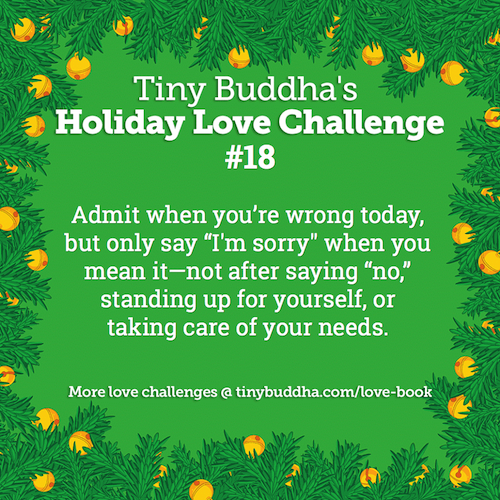
Holiday Love Challenge #18: Only Say “I’m Sorry” When You Mean It
Want more ideas to strengthen your relationships? Get Tiny Buddha’s 365 Tiny Love Challenges.
-
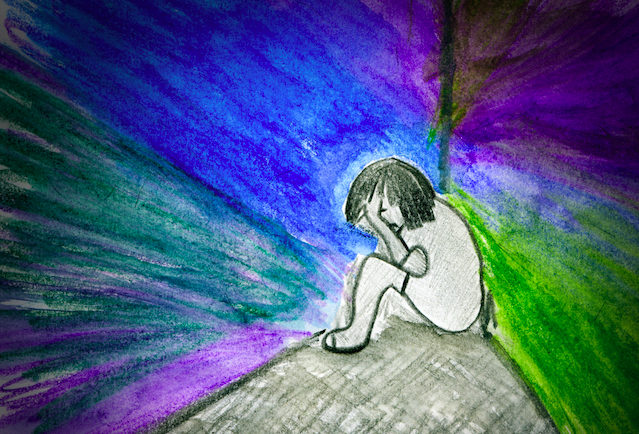
7 Things Your Inner Child Needs to Hear You Say
“Stop trying to ‘fix’ yourself; you’re not broken! You are perfectly imperfect and powerful beyond measure.” ~Steve Maraboli
Have you ever thought about why you can’t move forward? Have you wondered why you sabotage yourself? Have you ever questioned why you so easily feel anxious, depressed, and self-critical?
Inside each of us there’s an inner child that was once wounded.
To avoid the pain, we’ve tried to ignore that child, but s/he never goes away. Our inner child lives in our unconscious mind and influences how we make choices, respond to challenges, and live our lives.
My mum left me when I was six. I didn’t see her again until I was fourteen.
I don’t remember ever missing her. I told myself it was a good thing that she left, because no one was beating me anymore.
But now I had to prove myself to make my dad proud. He was all I had.
So I was one of the popular kids at school. I got good grades. I went to a top university to get a commerce degree and was hired into a big bank’s graduate program before I even graduated.
I worked for years in the finance industry, writing corporate lending deals, meeting clients, and selling derivatives trading tools. But I saw firsthand and up close how that was destroying people’s wealth and lives.
It didn’t align with my values. I felt like a zombie, taking the transit every day back and forth, living like a fraud.
But what else could I do? I had always believed that getting into finance was the way to success, and the wounded child within me was afraid of failing and disappointing my dad.
Then, on my twenty-ninth birthday, I stumbled upon an online art course and discovered my passion. But ditching finance to pursue the life of an artist wasn’t easy for me.
My dad was disappointed and angry, and he tried to change my mind. Now I understand that he was afraid for me. But at the time I was angry with him for not supporting me because deep down I was scared that he would no longer love me.
I knew then, to have the courage and strength to continue down the road less traveled, I had to heal my fearful, wounded inner child.
If you too feel lost, lonely, small, and afraid of losing love and acceptance, you may also benefit from healing the inner child who once felt insecure and not good enough. Saying these things to yourself is a good start.
Say These 7 Things to Heal and Nurture Your Inner Child
1. I love you.
As children, a lot of us believed that we needed to accomplish goals—get good grades, make the team, fill our older siblings’ footsteps—to be lovable.
We may not have had parents who told us we deserved love, no matter what we achieved. Some of us may have had parents who considered showing love and tenderness to be a sign of weakness. But we can tell ourselves that we are loveable now.
Say it whenever you see yourself in the mirror. Say it in any random moments. Love is the key to healing, so give it to yourself.
2. I hear you.
Oftentimes when we feel hurt, we push down our feelings and try to act strong. For a lot of us, this stems from childhood, when we frequently heard, “Quit your crying or I’ll give you something to cry about.”
But those feelings don’t just go away. They fester inside of us, affecting the choices we make as adults until we make the conscious effort to hear them.
I never acknowledged that I felt abandoned when my mum left, but I did, and I carried that into my adult relationships. To heal, I had to acknowledge how her leaving affected me. I had to give a voice to all the pain I stuffed down back then.
Instead of suppressing the voice of your inner child, say, “I hear you. We’ll work through it. It’s going to be okay.”
3. You didn’t deserve this.
As children, many of us assumed that we deserved to be abused, shamed, or abandoned. We told ourselves that we were a bad kid, that we did something wrong.
But that’s simply not true. In many cases, the people who wounded us simply didn’t know any other way. Perhaps my mum was beaten as a child, so it was the only way she knew how to parent her daughter.
A child is innocent and pure. A child does not deserve to be abused, shamed, or abandoned. It’s not the child’s fault, and though we may not have had the capacity to understand this then, now, as adults, we do.
4. I’m sorry.
I’ve always been an overachiever. I considered slowing down a sign of weakness.
Not too long ago, I was constantly stressed about not doing enough. I couldn’t enjoy time with my kids because I’d be thinking about work.
One day it dawned on me that since I was a child I’d been pushing myself too hard. I never cut myself any slack. I would criticize myself if I simply wanted to rest. So I told my inner child I was sorry.
She didn’t deserve to be pushed so hard, and I don’t deserve it now as an adult either.
I’ve since allowed myself a lot more downtime, and my relationships with my loved ones have improved as a result.
5. I forgive you.
One of the quickest ways to destroy ourselves is to hold on to shame and regret.
The first night my mum returned home when I was fourteen, she asked to sleep with me. We only had two beds at that time, one for me and one for my dad. I couldn’t fall asleep, and I kept rolling around. Then all of a sudden, my mum blurted out, “Stop moving, you *sshole!”
The next day, I put a sign on my door that read “No Unauthorized Entry” to prevent her from coming in. My mum left again. Then, a few days after, my dad told me that they were getting a divorce (after being separated for eight years).
I thought it was my fault. Why did I have to roll around and so childishly put up a sign?
But now I know that their divorce wasn’t my fault. And I forgive myself for anything I could have done better. I was only a kid, and like everyone, I was and am human and imperfect.
6. Thank you.
Thank your inner child for never giving up, for getting through the tough moments in life together with you with strength and perseverance.
Thank your inner child for trying to protect you, even if her way was holding on to painful memories.
Your inner child doesn’t deserve your judgment. S/he deserves your gratitude and respect.
7. You did your best.
As a child, I always tried to outperform, to overachieve, to meet someone else’s standard, to be “perfect.”
I was always demanding and cruel to myself, and no matter how well I did, I never felt it was good enough.
But I did the best I could at the time, and you did too. We’re still doing the best we can, and we deserve credit for that.
When we let go of perfection, the fear of failure recedes. Then we can allow ourselves to experiment and see how things unfold.
—
I started saying these things to my inner child as I was recovering from depression. They’ve helped me experience more love, joy, and peace. They’ve helped me become more confident and compassionate.
My social worker, who first came to work with me after a self-cutting incident, recently asked me how I got to be so content and happy.
It started from acknowledging, accepting, and beginning the ongoing process of re-parenting my inner child.
What is the one thing you most want to say to your inner child today?
Sad child image via Shutterstock
-

What to Do When Things Go Wrong and You Feel Sorry for Yourself
“We can always choose to perceive things differently. We can focus on what’s wrong in our life, or we can focus on what’s right.” ~Marianne Williamson
I was down in the dumps the other day and was feeling sorry for myself.
For some reason everything was just off. You know when you have one of those days when nothing seems to go right? And you get easily irritated and extra sensitive with everything?
It all began the night before. I was expecting a call from a guy who I’ve been getting to know. He said he was going to call but never did. I woke up the next morning feeling disgruntled.
My day proceeded with me stubbing my toe against the bed post, burning my toast, and then receiving a call from the bank to inform me that my debit card had been tampered with and someone had withdrawn over $1,000 from my account. (Luckily, my bank will be filing a fraud claim and I’ll get my money back, which is a blessing!)
After breakfast, I went to check out a health shop owned by a friend of a friend. We were introduced to each other via Facebook. On the way, I ran into every single red light possible, making me late.
When I got there I was enthusiastic to pass on a heartfelt hug from my friend, but it seemed her friend was surprised and a bit taken aback, as she leaned in for a lukewarm hug.
From there things felt awkward to me. Perhaps it was because I’d envisioned a different type of reception and expected my friend’s friend to be equally warm and enthusiastic. Instead, I felt like I was in an intense interview.
My ego started to stir, criticizing me because I was not prepared to respond to what seemed like 21 questions.
Feeling flustered over the visit, I was looking forward to meeting up with a friend whom I hadn’t seen in a long time for a catch up. To my dismay, I received a text saying she had to cancel and reschedule because something came up, but she promised she would make it up to me.
I then got lost in myself. The voices in my head got louder, debating about my worthiness. I felt like a loser that day, and my ego felt deflated.
My emotions got the best of me over the most trivial things. And as much as I’d like to blame it on my hormones being out of whack because of jetlag, the truth is I was acting like a child. I was focused on all the “wrong” things that were happening to me, and I was consumed with myself.
I knew I needed to purge what was on my mind, so I opened my laptop and started to type away. After about fifteen minutes, I felt better. My inner critic stopped and was under control.
I decided then to check my Facebook page with a strict intention to find an inspirational post or article.
Soon, I saw a post from a friend of mine who is one of the happiest people I know. She’s on a mission to make people smile and to change the world, one hug at a time.
In her Facebook post, she revealed that she recently learned she has a rare form of cancer. And although she was shaken by the news, she realized it’s just an unfortunate part of her life’s journey.
Instead of letting the news get her down, she is choosing not to feel sorry for herself, but to accept it and make the best of it. Or as she wrote, “laugh with cancer.” Because why live in misery, if she knows her time may be up soon? She might as well have fun and go out with a bang.
Reading her post brought me to tears. It made me realize how self-absorbed I was that day, and how I wasn’t able to appreciate the good things around me because of it. I also realized I’d closed my mind to different ways of seeing things. It was all about me. My expectations.
When my unspoken expectations weren’t met, I made up stories of what had happened, which led me to my self-pity party.
It was a great reminder for me to:
- Not sweat the small stuff
- Pivot my thoughts to what feels good
- Change my perspective on the things that happen
- Refocus my energy on what can I do to serve others instead of being consumed with my own thoughts and feelings
Once I shifted my attention, the world expanded. I stopped feeling sorry for myself.
I realized everything that happened to me within the last twenty-four hours was not just about me. There is more than what meets the eye, and it’s important to not be so quick to judge and form a conclusion about a situation.
Often the stories we create in our mind are just figments of our imagination, and they do not represent a holistic picture of reality.
For example, my friend’s friend was probably asking me a lot of questions because she was interested in getting to know me. But for some reason, because I was emotionally off that day, I interpreted her curiosity as interrogation.
So the next time you are feeling sorry for yourself, turn your focus away from yourself, put yourself in someone else’s shoes, or look at the situation from a third person’s perspective.
You’ll be amazed by how changing your focus and your thoughts will help soothe your mind and get you to a better feeling place.
Sad woman silhouette via Shutterstock
-

Let Go of Past Mistakes: 6 Steps To Forgiving Yourself
“At any given moment, you have the power to say: This is not how the story is going to end.” ~ Christine Mason Miller
Sometimes you do or say things you regret. If you’ve experienced this recently, you might be struggling to forgive yourself, especially if your actions hurt someone you love.
A few months ago, I had a falling out with a friend. It happened like most misunderstandings do: swiftly and unexpectedly. I barely had time to comprehend what was happening.
My friend was trying to convince me to join him in a business venture, which I politely tried to decline. After a while of us going back and forth, my patience was wearing thin, and he began to appear less like a friend and more like a pushy salesman.
He then made a comment that I interpreted as a personal insult. I immediately became angry and lashed out. I thought I was justified in my reaction, but upon reflection, I realized that I had misunderstood his words and rushed to judgment.
Even after a follow-up conversation, with my apologies and all, I couldn’t shake the feeling that I had made a terrible mistake. I feared that our relationship would never be the same.
That episode in my life led me to think about the ways we get hung up on our personal failures. They can threaten to keep us stuck in the past and define who we are going forward.
My personal reflection and experience yielded the following seven steps to forgiving yourself:
1. Name what you have done.
Before you can forgive yourself, you must gain some clarity about what happened. Begin by writing down the details of the events and your own actions that contributed to the situation.
Resist the need to blame any other people or external circumstances, and focus only on yourself. You may experience intense vulnerability when you do this exercise. Engage this vulnerability by compassionately owning it rather than suppressing it.
In my own situation, I justified my actions by focusing on my friend’s uncharacteristically aggressive behavior. Once I was willing to focus on my own behavior, I could see more clearly that I had judged his words too quickly.
2. Ask for forgiveness.
Asking for forgiveness is not easy. Your willingness to approach a person you have hurt means you’re admitting you have done wrong and are sorry for it.
Avoid minimizing your responsibility by using phrases like, “I’m sorry if…” or, “I’m sorry but…” I knew that I needed to apologize to my friend and take full responsibility for my actions. I simply named the wrong I had done to him and asked for forgiveness.
3. Forgive yourself every time negative thoughts intrude.
Sometimes we struggle to forgive ourselves, even when we have been forgiven.
After my friend and I had resolved our situation, I continued to experience guilt and negative thoughts about my actions.
I eventually learned that self-forgiveness is not a one-time deal—it’s a gradual process. Every time self-loathing thoughts surfaced, I would take a deep breath and exhale all the negativity I was feeling. You can do some similar act of kindness toward yourself when negative thoughts emerge.
4. Show up and let yourself be seen.
This idea comes from Dr. Brené Brown, whose research on vulnerability and shame has helped many people gain the courage to show up for their lives rather than sit on the sidelines—or worse, hide in shame.
When facing painful personal mistakes, the temptation to shut down and disengage is strong.
I found myself avoiding interactions with my friend because I was afraid he would judge me or remind me of what happened in the past. Once I had the courage to show up, I quickly discovered that my fears were unfounded.
If you struggle with showing up, know that you have gained much wisdom that can help your future relationships thrive if you have the strength to show up and try again.
5. Be grateful for your mistakes.
It might seem strange to express gratitude for our mistakes, especially the embarrassing and painful ones. But think back to a time when you exercised poor judgment or did something you regretted. How has the experience changed you? Did it make you wiser, stronger, or more discerning?
I learned the dangers of having a quick temper and rushing to judgment. Now when I am upset, I try to give myself some time and space to reflect rather than react. I am thankful for the opportunity to grow in these ways.
And if you can learn to see your mistakes in such a light—as opportunities to grow—you can be grateful for them too.
6. Radically love all of who you are.
Joseph Campbell once said, “The privilege of a lifetime is being who you are.” So be who you are, not who you used to be. Celebrate who you have become in spite of, or even because of, your past mistakes.
My own mistakes and flaws have helped me become a better person to my friend, and that will ultimately strengthen my friendships going forward.
So love all of who you are, including your past mistakes, and you’ll only grow stronger from them.
You Are Worthy of Forgiveness
These steps are not always easy to follow—especially during times when we have truly messed up. But we can recover from our mistakes, learn from them, forgive ourselves, and move on with our lives.
You are worthy of your own love and forgiveness. Believe it with every fiber of your being.
Commit to practicing these steps daily, even on those days when you’d rather not.
Resolve to forgive yourself. Resolve to free yourself of the past. Resolve to live in the present. And look toward the future with hope and optimism.
-

The Power of Apologizing: Why Saying “Sorry” Is So Important
“Sincere apologies are for those that make them, not for those to whom they are made.” ~Greg LeMond
When I was growing up, every time I took my sister’s toy or called my brother names, my mother would grab me by the wrist and demanded that I offer an apology. What’s more, if the apology didn’t sound meaningful enough to her, I had to repeat it until my tone was genuine. An apology was the basic reaction to any mistake.
Now that I’m older, I see apologizing as more than just a household rule. My younger self didn’t understand the complexities of human pride and self-righteousness, but my older self does.
Now, I see family members refusing to talk to each other for years after an argument just because neither side wants to be the first to let go of their pride and “break down and apologize.” But who decided apologizing was a sign of weakness?
I think we’ve reached a day and age where showing emotional vulnerability can be viewed as a positive rather than a negative quality.
People are becoming more aware of ideas like empathy and sensitivity, and everywhere we are being encouraged to talk about our feelings, to seek help, and to connect with others. Gone are the days of keeping everything bottled up inside to suffer alone.
As we move forward in this time of self-knowledge and self-discovery, it’s vital to acquire the ability to recognize our own mistakes. Nobody is perfect, and we all will do something to hurt another person at some point in our lives. The difference, however, lies in acknowledging that we have done something wrong.
This was hard for me to grasp, because I was taught that an apology should be an automatic response.
It took me a long time to realize what it meant to say “I’m sorry” from the heart. Apologizing just for the sake of apologizing is meaningless. We cannot genuinely apologize if we can’t admit to ourselves that we made a mistake.
This is where humility comes in. Can we look at ourselves in the mirror and say that it was at least partly our fault? Can we take that responsibility?
Placing the blame on someone else is easy. Making excuses and skirting the subject is easy. Assuming the full weight of blame on our own shoulders, however, is very hard.
I learned this the hard way with a childhood friend of mine. As we grew older, we started becoming more competitive in the things we did together, and eventually the playful competition went a little too far.
It became a game of silently trying to prove who was better, and we ended up hurting each other over our pride.
We refused to apologize or even address what was going on because neither wanted to be the one to “give in.”
The tension kept growing, breaking apart our friendship. I wish I could go back now, because if I had taken responsibility for the mistakes I made, we probably could have resolved it easily and saved our friendship.
Instead, I let my pride take priority over my relationships with the people around me.
Learning to apologize is the first and most important step in the healing process. Not only does it show the recipient that you acknowledge their right to feel hurt, but it opens the way to forgiveness.
It seems so silly, really. I mean, it’s only two tiny words. How can something so small be so powerful?
Well, there have been various scientific studies on the power of apologizing, which have demonstrated that when the victim receives an apology from his offender, he develops empathy toward that person, which later develops more quickly into forgiveness.
This is due to the fact that when we receive an apology, we feel that our offender recognizes our pain and is willing to help us heal.
Timing is an important aspect to keep in mind, as well, because sometimes the other person might not be ready to accept your apology. Sometimes we need to allow time to heal the wounds a little bit before we come forward to say “I’m sorry.”
An apology cannot undo what has been done, but it can help ease the pain and tension of the aftermath. It gives hope for rebuilding, and puts value on the relationship rather than the individual’s pride.
Sometimes people don’t even realize the hurt they are creating around them by failing to take responsibility for their actions. Maybe it’s you, maybe it’s someone you know, but everyone knows someone who has suffered from this at some time.
Now is the time to make a change.
Often times those two simple words are worth more than a lifetime of excuses and explanations.
Choose the path of humility. Choose the path of healing. Choose love above pride. Choose to apologize.
Little girl apologizing image via Shutterstock
-

5 Simple Ways to Quickly Resolve Conflict with Your Partner
“Don’t make a permanent decision for your temporary emotion.” ~Unknown
You have a small disagreement with your partner, and before you know it, it escalates into a big fight. Sound familiar?
You then get dreadfully grumpy. You stick your head in the ground like an ostrich and ignore your partner. You think that you have the right to be grumpy or even angry.
You’re in “war” mode now, and you want to win the battle. You dig a trench, jump into it, and arm yourself with weapons.
You barely listen to a word your partner says, and all you want is for him or her to say, “I’m so sorry, you’re right.”
Perhaps this is something that you can relate to. Maybe you find yourself responding in this way at times. But I have to admit, this particular example is referring to myself.
This was me on a lot of occasions when confronted by a small disagreement with my partner, and something that I still struggle with today.
It became a bit of a habit. I would get offended quickly, and I’d turn what could have been something that was easily resolved into a big war.
Why?
Well, here goes… because I was proud. I didn’t want to admit that I was wrong.
I have come to realize that not only was my response incredibly damaging for my relationship, it was not very loving or caring.
It the heat of an argument, it’s easy to forget that and we let our pride get the best of us.
Every time you give into your pride and start a war, you make a little crack in your relationship. It may not seem to have a big impact at first, but slowly, the crack will get bigger.
You can compare it to a crack in the window of your car. If you don’t fix it, the crack will become bigger and bigger until it is so big, it can’t be repaired anymore.
So, is it really worth it? For me, it’s an easy no. Holding onto my pride is not worth putting a crack in my relationship.
More than anything, I want my relationship to be successful, fulfilling, and full of love.
5 Ways to Quickly Resolve Conflict with Your Partner
We all know that it’s not easy to turn off the “pride switch” when we are in the heat of an argument. We don’t want to give in.
The key is to find tools and strategies to help you respond better when in the heat of the moment. Here are some simple but effective tools to help you have productive conflict, rather than destructive conflict.
1. Stop in your tracks and choose your response.
When you are just on the verge of having an argument, you need to make a decision. You need to decide: Am I going to choose to respond positively and productively, or am I going to let myself get angry and annoyed?
Often, we get angry without even thinking about it. It’s our natural response when confronted with conflict. But once our body jumps into that fight or flight mode, it’s very difficult to turn back.
The key is to get in the habit of asking yourself quickly, before you get angry: How am I going to choose to respond at this moment? Just challenging yourself quickly might be enough to push you in the other direction.
2. Ask yourself these questions before you get angry.
- Will my response contribute to a loving and healthy relationship?
- When I wake up in the morning, will I agree with the way I responded?
- Will I regret my response?
- Would I want my partner to respond in the same way?
These are all questions that can help you to make the choice to respond productively, rather than giving into your pride or anger.
3. Acknowledge the other person’s feelings.
A lot of the time when we have arguments, they seem to just go around in circles.
“Yes but, no but, yes but, okay but” are words that you tend to hear a lot!
Acknowledging the other person rather than saying “but” after their every sentence will virtually guarantee that the conversion will make progress. This will also mean that you won’t go around in circles, and, therefore, get more frustrated and angry as the minutes and even hours go by.
Acknowledging sounds pretty simple, but how do you actually do it?
It’s more complicated than you think, because overtime we have programmed ourselves to defend ourselves, and not acknowledge the other person during an argument.
Here’s an important truth to help you break away from that habit: Acknowledging the other person’s feelings does not mean that you agree with what they have done. It does not mean that you are giving in either.
It simply involves saying something like “I can understand how you have come to feel that way,” not “You are right for feeling that way, and I am wrong.”
If you can learn the skill of acknowledgment, you will be amazed at how much less often a small disagreement will turn into a war.
4. Avoid using rhetorical questions to get what you want.
It will only aggravate the situation to ask rhetorical questions, such as “Why do you always do that?” or “Why can’t you just be more loving?” or “Why do you only ever think about yourself?”
It’s not productive at all because it attacks the other person. Rather, you should be specific with what you want. For example, instead of saying,“Why do you always do that?” you could say, “I really don’t like it when you shout at me; can you please stop shouting?”
Learning to have productive conflict is so important for a happy and successful relationship.
5. Say sorry.
Just do it!
Chances are, during an argument, you are going to say or do things you shouldn’t have. Maybe you got angry, maybe you raised your voice, or maybe you said something nasty.
The point is, no one is perfect.
Apologizing for your part does not mean that you agree with the other person’s behavior; however, someone has got to say it first, right?
So, maybe you can choose to be the person who just sucks it up and apologizes.
Why? Because you would rather get over the conflict sooner, and enjoy your relationship with your partner.
In my relationship, I have learned that apologizing more freely has led to significantly fewer arguments and very few fights.
Rather than fighting with my partner, I can laugh with her, have fun with her, and enjoy her company. And we don’t have to worry that our day or night will be ruined by a silly little argument.
—
Pride is a powerful thing that can wrap itself around you and suck you in. Once you’ve crossed that line and have gotten angry, it’s difficult to go back. To help you turn that around and have productive conflict with your partner, be sure to use these tools.
They have helped me significantly in choosing a better response when at the verge of an argument, and my relationship is much better off for it.