Tag: shame

  • Are You Pathologizing Normal Emotions? It’s Not Always a Mental Illness

    Are You Pathologizing Normal Emotions? It’s Not Always a Mental Illness

    “Don’t believe everything you think.” ~Unknown

    Society is becoming more accepting of mental illness. That’s great, but there’s a downside that we need to talk about. Not everything is mental illness. We need to stop pathologizing every single thing that we feel.

    What I mean by pathologizing everything is jumping to diagnosing yourself after every tough feeling you have. It’s great to be self-aware, but I think we are taking that a little too far, and it’s causing more depression and anxiety.

    Yes, I said we are taking self-awareness too far. I stand by that, but I’ll explain the reasoning behind my belief. We are supposed to feel a range of emotions. It is normal to experience sadness, anger, irritability, anxiety, grief, or any of the feelings that exist from time to time.

    Since society is more accepting of mental health issues, we now want to label any uncomfortable feeling as mental illness. We diagnose ourselves with whatever mental illness we believe we have at the first sign of emotional pain.

    That leaves us feeling like we are so screwed up. We don’t need anything additional to make us feel like we’re screwed up! Most of us already feel this often enough as it is.

    Before you start listing all the reasons I’m wrong or how my view could be damaging, let me give you some examples. If you read them and agree, this could help you see that you and your feelings are more “normal” than you may think.

    Recently, I was talking to somebody who was in the process of buying a house for the first time. He was telling me that he was having a lot of anxiety related to the process and everything that he needed to get done.

    I could see the stress in his body and face.

    He has a history of generalized anxiety disorder, so when he feels even a little anxiety, he starts fearing that his disorder will return in full force.

    That’s a logical and valid fear. Anybody who has ever experienced clinical anxiety knows how scary it is to consider its return.

    However, he was missing something incredibly important. Buying a house, especially your first house, will always come with some “anxious-type” feelings.

    We need to learn how to normalize feelings that most people would have in the same situation. Panicking at the first sign of difficult feelings can turn those feelings into something much larger than they actually are.

    Just a couple of weeks ago, I slept twelve hours straight one night. I woke up with no energy or motivation whatsoever. I still didn’t want to get out of bed after twelve hours of sleep.

    That is incredibly abnormal for me. Typically, I wake up at about 4:00 am to write and do stuff for my other job. This gives me time to work while my family is asleep.

    That morning I woke up when my husband did, a few hours later than my normal. I told him I was just so tired and didn’t feel like doing anything, which is uncharacteristic of me.

    I felt “blah” and just wanted to stay in bed all day doing nothing. So, thirty minutes after waking up, that’s exactly what I did.

    My husband had to convince me to eat because nothing sounded good to me. I didn’t even want my normal glass of wine that evening.

    The next morning, I woke up feeling blah again and couldn’t shake it. I forced myself to function and play with my baby.

    He seemed to be feeling like me. That concerned me because he is so incredibly intuitive. I even thought maybe he was picking up on my feeling down and blah.

    When I got back in bed after lunch, I started worrying that I was depressed. From childhood and throughout my twenties, I was severely depressed. I did a lot of work to heal and haven’t had symptoms of depression in about ten years. A little bit of panic started rising with my negative self-talk.

    “What is wrong with you? Why can’t you just get out of bed? Maybe you should do some yoga instead of being so damn lazy.”

    I started telling myself that my depression was coming back, and in full force. Thankfully, I was able to put a stop to those thoughts pretty quickly.

    For some reason, my mind and body needed to rest. I just needed to allow myself to do that. Just because I was tired and didn’t feel like doing anything for a couple of days did not mean that I was depressed again.

    It was hard for me to acknowledge that I might actually have been sick, that there might have been a medical reason that I was so exhausted and didn’t feel well.

    The next morning, I went to an urgent care office. Well, what do you know? I had an ear infection in both ears and a fever, and my throat looked awful according to the nurse practitioner.

    Immediately my mind was put to rest. Major depressive disorder hadn’t reared its ugly head again. I was physically sick. My body was fighting an infection.

    For any of you who have experienced mental illness, you may also have this fear that one day it might return to say, “Hello. Remember me? I’m back!” Any time we get a hint of a difficult feeling, we jump to the conclusion that our anxiety, depression, or whatever we had is returning.

    This happened recently for a friend of mine. She has a history of major depressive disorder that plagued her for many years. She went to therapy and has been doing really well the last few years.

    She is an introvert who works in sales. Her company had a week-long meeting with all the managers and sales representatives. If you’ve ever been in sales or know somebody who has attended a company-wide meeting for several days, you know how much extroverted energy that takes.

    A few days after her meeting, she and I were on the phone. I asked her how her day was going. She told me that she just felt down and not motivated to do the things she needed to do.

    She had even scheduled an appointment with her psychiatrist for the next week to see if her medications needed to be adjusted. She was labeling herself as depressed and feeling scared.

    After we got off the phone, I started thinking about how I just didn’t think that she was depressed.

    I know her well and knew that being around a bunch of people for a week was exhausting for her, since she’s an introvert. I texted her about this and asked her if she thought her “depression” could simply be her needing to rest after having to be “on” for a week at her meetings.

    Quickly, she responded that she agreed and that it probably wasn’t her depression coming back to haunt her again. She recognized that she needed time to decompress from having been around so many people for several days.

    That’s just another example of how we pathologize feelings that are normal. We want to immediately label what we’re feeling as “wrong” or “unhealthy” and catastrophize it when it’s not actually a catastrophe. It’s often just a normal reaction to what we’ve experienced.

    It’s wonderful that society is becoming more aware and accepting of mental health and getting help. However, not everything is a symptom of mental illness. We need to stop diagnosing ourselves with mental illnesses based on social media memes or things we read or see.

    Also, we need to realize that it is perfectly normal to experience sadness and anxious feelings. That does not mean that we are suffering with mental illness.

    When we jump to diagnosing ourselves or others, we’re actually causing harm because we aren’t allowing ourselves to experience our feelings or normal things. Instead, we are trying to find a pathological reason we feel a certain way so we can eliminate it as soon as it pops up.

    That is not healthy. What is healthy is allowing ourselves to experience the feelings that come up, learning how to navigate those feelings in a healthy way, and choosing not to shame ourselves for having feelings that aren’t “positive.”

    So, the next time you’re going through a difficult time and you’re tempted to label it as mental illness or something that has to be stopped and “fixed” immediately, pause and ask yourself a few questions.

    Is this something that many people experience? If yes, then give yourself some grace and time to recover.

    Are the feelings I’m having normal based on my circumstances? If yes, then you don’t need to label them as mental illness or something that you should be gravely concerned about.

    Is this preventing me from completing the tasks I need to complete? If so, is it lasting for more than a week or two? Mental illness diagnoses require alterations from “normal” functioning.

    Have other people noticed me struggling, and are they concerned? If not, then you are probably experiencing normal feelings for the experience you’ve had.

    Use these questions as a guide and give yourself a little more grace when you have appropriate feelings and reactions to difficult experiences. Also, keep in mind that most of what you read that tells you that you have a mental illness probably isn’t truly qualified to do so.
  • Healing from Shame: How to Stop Feeling Like You’re Fundamentally Wrong

    Healing from Shame: How to Stop Feeling Like You’re Fundamentally Wrong

    “If you put shame in a petri dish, it needs three ingredients to grow exponentially: secrecy, silence, and judgment. If you put the same amount of shame in the petri dish and douse it with empathy, it can’t survive.” ~Brené Brown

    There is a special type of shame that activates within me when I am around some family members. It’s the kind of shame where I am back in my childhood body, feeling utterly wicked for being such a disaster of a human. A terrible child that is worthless, stupid, and perhaps, if I am honest, more than a touch disgusting.

    The feeling of shame in my body feels a bit like I am drowning and being pulverized from the inside at the same time. I have a deep, awful nausea too, like a literal sickness about who I am.

    In an effort to save myself from drowning in shame, I might try to ingratiate myself to the person I am talking to. Make myself sound more palatable, more decent, less dreadful. Or maybe become argumentative to try to kill the feeling in my body by drowning out the voice that seems to be activating the sensation.

    These experiences became like shame vortexes in my life. The place where my true spirit, whatever self-love or esteem I had, went to get pulverized in a pit of torment. A reminder of what a truly dreadful and disgusting person I really was.

    Families are such incredible quagmires of emotional activation. Generations of repressed emotions—of blame, shame, guilt, resentment, rage, frustration, etc.—constantly simmering, occasionally boiling up, being thrown at each other, activating more emotion.

    And yet family are often the people we yearn to receive acceptance and unconditional love from the most. But they’re often the people who find it the hardest to give it to each other.

    My journey with shame has been lengthy because, for a long time, I didn’t know how to work with it. For many years I felt like I was bumping into shame in every corner of my life. And there were many corners.

    In my work, I struggled to be seen, to be what I wanted, to do what I wanted.

    In my relationships, I struggled to relax because I was ashamed about being a pudgy woman who wasn’t wild, free, and fascinating.

    In my friendships, I was often the helpful, problem-solving friend—because to be the messy, chaotic human that I was would jeopardize who I thought my friends wanted me to be.

    In my parenting, it was overwhelming. I wasn’t a calm, healthy-eating, active, patient goddess. I was impatient and distracted, and I dreaded having to play with my kids.

    I was terrified of being rejected, resentful of feeling used by people, and scared of going nowhere in my life because perfectionism gripped me so tightly that I struggled to get started on anything.

    I see now that underpinning all of this was shame. Shame that I was getting life wrong on a number of levels, and really, I just wasn’t trying hard enough. But when I tried harder, it never worked. I would lose energy, fall apart, and then I’d want to hide alone in a room, where no one could see me.

    I didn’t even realize that it was shame. I thought I was just self-conscious, a bit shy, needing to get my act together. I was a perfectionist. I had high standards. I wanted to get things right.

    But now that I know more about emotions, I can see I was drenched in shame. Utterly drenched around this basic concept that I was doing it all wrong, and it was all my fault.

    Shame is in that desire to be invisible, to disappear, to remain unseen.

    Shame is in that desire to hide. To not be looked at. Because being looked at means people might see who we are underneath the veneer. The mask we put on.

    Shame often breeds when it becomes unsafe to be who we are, usually as little children, or when things are happening around us that we don’t understand, that don’t feel normal. When we feel we have to hide who we are or who our families are. When our parents don’t feel comfortable being who they are, there we see shame.

    The thing about shame is that we don’t realize how much of it there is around us. As Brené Brown says, it thrives in secrecy and judgment. Most people aren’t walking around saying, “Hey, look at my shame! Come see the deep, dark crevices of my soul that feel so wrong and awful.”

    Many people aren’t aware that shame is even present for them, as it hides underneath other emotions like anger, fear, or sadness.

    But even though it is hiding, even if we can’t see it, it can control our life like gravity controls us on this earth. We don’t think about gravity, but its powerful force keeps us rooted to the ground. Shame can act in a similar way, its force dictating our actions and behaviors, pulling us in directions that work for shame, but not for the authentic, free-spirited people that we yearn to be.

    Shame serves shame, and only shame. Shame doesn’t care about your desire for authenticity and for being calm, zen, peaceful, joyful, and in love with life. That sounds deeply scary and awful to shame.

    Shame wants us to stay small, to stay hidden, and to be inauthentic. That sounds way safer.

    It doesn’t want us to leap up and say, “Look at me! Look at me as an individual, doing things that are new and wonderful!”

    It doesn’t want us to be free and happy and full of love and light.

    It wants to keep us safe by reminding us how terribly awful we really are.

    Shame is at the root of so many things that plague us—a lack of intimacy in our relationships, an inability to go for what we want in life and have relaxed, authentic friendships, and a sense of stuckness in work.

    It can come out as a sense of persistently feeling rejected, drowning in deep wells of inadequacy, lashing out in anger as a way to hide the shame response, or hiding behind crippling shyness or social anxiety.

    Shame is your worst nightmare talking to you all the time about the ever-present list of limitations in your life.

    Shame is your worst critic analyzing your performance in all things.

    The reason shame feels so horrendous is that it’s not like guilt, which induces feelings about what we’ve done wrong. Shame is so much more pervasive than that. Shame is a feeling that we ourselves are wrong.

    To experience shame is a tremendously reducing experience

    How do we get rid of shame? Well, it’s not something that is quick to shift. It’s a process, and it takes time and emotional safety.

    Emotional safety is an awareness in our bodies, brains, and nervous systems that it is safe to have an emotion. Many of us don’t have emotional safety, so we run, hide, suppress, ignore, and distract ourselves or try to propel ourselves in any way away from an emotion. Many of us learned at a young age that certain emotions are not safe, and shame is usually one of them.

    But to work with shame, to reduce its presence in our bodies and our lives, we need to bring it to the light. We need to expose it to love, acceptance, and empathy. Bit by bit, little by little.

    One effective way to do that is to share little bits of our shame with our most trusted and loved people. Once the shame comes out, it’s out! We are free of it.

    We talk about our shame only with people we feel utterly safe with. We don’t talk to people we don’t feel safe with. Not the stranger on the bus, the friend who gossips to everyone, or your blind date.

    You only give people access to your shame if they have shown you that they are completely responsible with your trust; if you can tell them things and they won’t blame or judge you (which is a re-shaming experience). They come with empathy, acceptance, and love.

    They are honored that you would share your deepest secrets with them. They are prepared for the responsibility that that entails.

    And if we don’t have a person like that in our life? Sometimes when we have so much shame it can be hard to form these types of intimate, vulnerable, and trusting relationships. Shame wants to keep us apart, and separate. That’s how it keeps us alive and safe, by never showing anyone who we really are. Because probably once, long ago, we learned that being ourselves wasn’t safe. And so we chose a safer path—to hide.

    So while we work on shame, we can start this journey with ourselves. Talk to ourselves about what we find when we think about our shame. Have tender, generous, and loving conversations with ourselves. Write or record remembrances.

    And we do this when we know we can be empathic with ourselves.

    Because we all know those conversations when we are down in the depths of shame and we talk to ourselves and make it so much worse—we add more shame, more judgment, more guilt.

    “Why did I do that? Why did I sleep with that guy / not show up for work / send that client brief in late? I know why—because I am such a loser. I always do stupid stuff like this. Always.”

    That’s not an empathetic conversation.

    Shame breeds in conversations like that.

    Shame needs this:

    “Why did I do that! I can’t believe it! Oh wow, now that I think about it, I am feeling ashamed that I slept with that guy / didn’t show up for work / was late with that client brief. And this shame really hurts. So you know what, shame? I am going to stay with you, give you some love, some support, some tenderness, because wow, shame. That’s so painful.”

    We can’t de-shame ourselves by constantly re-shaming ourselves.

    We can’t remove shame by improving either. By doing more things, becoming better incarnations of the humans we are. We can only remove shame with empathy, love, acceptance, and connection.

    That is a pill we have to be willing to swallow. That we are worthy of empathy, love, connection, and acceptance.

    We have to start ignoring what the shame is telling us.

    Shame’s advice is that we should just spend the rest of our lives trying to become better humans. But let’s be honest, we’ve followed that advice our whole lives, and look where it’s gotten us—deeper in the shame well.

    So how about instead of castigating ourselves on a constant basis, we try to interrupt our shame spirals with a bit of love and empathy instead?

    How about we decide that maybe it’s just a feeling, and not an indication of a deep flaw in who we are as humans? How about we try out not whipping ourselves for every small transgression.

    Taking a step toward loving ourselves means working with the vicious, judgmental, potent force of shame.

    But it’s work that can be done. It’s completely possible, and I know because I have drained a ton of shame from my body these past few years.

    We need to not abandon ourselves when we are in shame. We need to take a little tiny bit at a time, just a touch, and bring it out into the light. Share with someone, with ourselves, become familiar with it, look at it, feel it, touch it—and hear it.

    We need to bring love and support to our shame. Bring acceptance and understanding.

    That is what our shame is yearning for, and when we shift our way of seeing it, we can start to shift the power it has over our lives.

  • How I Overcame Shame from Sexual Assault and Began to Love Myself

    How I Overcame Shame from Sexual Assault and Began to Love Myself

    “Our lives begin to end the day we become silent about things that matter.” ~Martin Luther King Jr.

    It was Saturday, August 29th, 2020, when I admitted to myself, for the very first time, that I was a victim of sexual assault as a child.

    Twenty-five years of complete denial that this ever happened, and suddenly all I could think of was the fact that my innocence was taken at the age of five. “Why now?” I wondered. “Why does it suddenly matter? Was I so resentful of my trauma that I denied its existence altogether?”

    Between the ages of five and eight, I was repeatedly molested by a family member. Although I wasn’t sure what was happening, I knew two things: This felt pleasurable, and therefore, there was something inherently wrong with me.

    I carried this shameful image of myself into adulthood, unaware of how it impacted my self-esteem, my sexuality, and my overall perception of myself as a woman.

    As the sexual abuse eventually ended, so did any thoughts about it. No one knew that it had ever happened, and I planned for it to stay that way.

    From the time I became sexually active, I struggled. I never felt safe while being intimate, even when I was with my ex-husband. I always carried this feeling of shame, and the more pleasure I felt from having intercourse, the more shame I experienced.

    When I finally stopped denying that I was a victim of sexual assault, I knew there was no coming back. Once I became brave enough to admit the truth and accept the discomfort of it, I remembered all those times when the assault took place. It was terrifying and intimidating.

    I felt disgusted, shameful, and angry. I was upset that this event was suddenly present in my life. My plans were to build my online business, make money, and have fun with friends, while making sure I consistently whitened my teeth and maintained my Florida tan.

    Instead, I was forced to face my demons and address the truth I’d buried so well. All I could think of was “What’s wrong with me?”

    For many victims of sexual assault, especially young children who can’t comprehend what’s happening, it’s easy to develop a belief that we are sick, dirty, undeserving, and not enough. We develop a strong survival mechanism where we pretend, guard up, in some cases become promiscuous while self-sabotaging any real connection with anyone else.

    Our trauma supports the belief that we can’t trust anyone, everyone is out to get us, and that feeling any pleasure for ourselves is bad and sinful.

    What I couldn’t wrap my head around, and what also brought unbearable shame, was the pleasure I felt when the assault happened. Logically, it didn’t make sense to me.

    These were my thoughts: “I didn’t do anything about it, and there wasn’t any force or rebuttal present. I let it happen over and over, and in a sense, I enjoyed it. How can I ever say that I am a victim of sexual assault? If it was wrong, I would do something. Instead, I did nothing. There must be something wrong with me.”

    What you just read is a common thought process for many victims of sexual assault. It is why we stay silent; why we let the shame grow each day and exercise self-hate full force. Many of us truly believe that there is something inherently wrong with us, and this is where speaking your truth and seeking help comes into play.

    Shame was probably the most intense emotion I observed, but I wasn’t sure how to deal with it. So, as a master in denial, I let it go, again. Or so I thought.

    A year went by, and nothing happened. I kept the truth hidden and didn’t talk about it too much while convincing myself that I’d already addressed it and all this messiness was behind me.

    Then a few months ago one of my friends mentioned the nonprofit RAINN—the nation’s largest anti-sexual violence organization that helps survivors and victims of sexual assault heal and recover.

    I knew this information showed up in my life for a reason. My shame was still present, and my sense of unworthiness wasn’t subsiding. It was time to call their hotline and get help.

    I dialed and hung up four times before I was brave enough to stay on the phone. The process was easy, and I was able to get a counselor within a few days, at no cost.

    It was time for my first session. I was nervous and guarded, but I clicked with my counselor, so it eventually became easier to open up and start sharing.

    At first, we started addressing the elephant in the room: How could I feel pleasure while being sexually assaulted, and would my shame ever go away?

    I learned in my recovery that arousal during a sexual assault is common. It is one of the best-kept secrets that prevent us from speaking up, sharing our trauma, and breaking the shame once and for all.

    We are terrified that no one will understand us and will judge us instead. Considering the amount of judgment and shame we already exercise daily, the idea of criticism and more shame is just too much to bear. Therefore, we stay silent and often let the shame get out of control.

    Although I am not a doctor and can’t impress you with some Ph.D. explanation, here is what I now understand:

    Being aroused during any form of sexual assault doesn’t mean we want it, it doesn’t mean we consent, and it certainly doesn’t mean there is anything wrong with us. Physical pleasure is a natural bodily reaction, even during sexual assault.

    As I progressed with my sessions, I was able to open up about things I never said out loud. Things like excessive masturbation during childhood or using self-pleasure and intercourse in my adult life to punish myself and feel disgusted. Without seeking help and getting a counselor, I might have never been able to overcome my self-destructive beliefs.

    This is the best part about therapy: it provides a safe space to say the things you’ve kept inside. And that, in and of itself, provides healing.

    During my therapy, I learned some powerful coping skills. Things like recognizing my triggers, soothing myself with compassion while drowning in self-hate, pausing, taking a step back, and reevaluating the situation before it gets out of control. These skills were especially useful when I spiraled into one of my shame attacks, wanted to punish myself, or felt overwhelmed by self-judgment.

    I learned the importance of self-love in this process; how to approach myself when feeling defeated, sad, upset, or shameful. Mostly, I understood the universal truth every victim of sexual assault needs to understand and focus on: Recovery requires us to stop questioning what’s wrong with us and instead face what happened to us.

    At the time of this writing, my therapy sessions are coming to an end. If I were asked what’s been the most impactful part of my recovery, I would say it’s the ability to speak up and share my story while exercising empathy and compassion for myself.

    As Brené Brown said, the best way to break the shame is to speak about it with those who deserve to hear our story—people we trust, people who have been through the same or similar situations, and people who are educated enough to understand our trauma. People who aren’t afraid to offer empathy and hold space while withstanding the discomfort of the conversation.

    Although my therapy is ending and the time to run solo is approaching, I know that to heal, I must commit and stay committed to my recovery. I understand now that healing is available to all of us, and all it takes sometimes is five minutes of courage to make a phone call and say, “I need help.”

    As my recovery progresses, my hope for living a happier life grows each day. I am beginning to understand that no matter what I go through or how deep my trauma is, I can make different choices and live my life from the most empowering place that’s available to me—from within.

  • Why I Never Let Anyone Support Me Until the Day I Almost Died

    Why I Never Let Anyone Support Me Until the Day I Almost Died

    “Why don’t you get up and make the coffee, while I stay in my sleeping bag and plan our ascent route?” I half-heartedly ask my climbing partner Hank.

    He just looks at me with that unassuming, “give-me-a-break Val Jon” look of his. It’s three o’clock in the morning, cold, dark, and damp, and neither of us wants to leave the comfort of our tent. But we’re committed to this climb, so we don our parkas and gloves and confront the bitter cold.

    In silence, Hank and I gather up our gear and join the rest of our climb team assembled at base camp, which is located at eleven thousand feet.

    Thirty-three climbers in all have come together for this extraordinary ice climb to the summit of Mount Shasta in Northern California. During our team meeting, we decide to make our ascent via “Avalanche Gulch,” a treacherous glacier route up a steep icy slope. This particular route is shorter than others, but it’s also notorious for its deep crevasses and unstable blue fractures, so one wrong move could mean sudden death.

    Ice climbing requires crampons for the boots and ice axes for leverage and braking. Ropes, carabiners, and belays are reserved for near-vertical climbs, which we may or may not need for this particular ascent route.

    For those unfamiliar with ice climbing, braking is used when a climber loses their footing on steep slopes. It’s done by grabbing the ax with both hands, flipping onto one’s side, and plunging the sharp metal tong into the ice.

    A firmly planted ax serves as an anchor and stabilizes the fallen climber’s position until they can regain their footing. Everyone on the team has practiced the braking procedure many times over along with other vital safety and life-saving protocols.

    As the full moon casts a bluish glow over the ice, we begin our ascent to the summit. At about twelve thousand feet, we come upon a massive fissure running horizontally across the steep glacier face. We traverse around its left edge and cross back about thirty feet above it. Climbing to the slope’s center, we zig-zag our way up to gain altitude and distance from the crevasse.

    Traversing around crevasses is a treacherous activity. If one climber slips, the entire group could be pulled into the abyss. For this reason, we are untethered and climbing independently. We are, however, organized into small teams of six to provide each other support if needed.

    All goes well as we gain altitude above the crevasse, until one fateful moment when the crampon on my left boot suddenly pops loose and I lose my footing.

    Tumbling headfirst downhill, I instinctively grab my ice ax with both hands and prepare to stop. Landing hard on my back, however, my ax bounces loose from my hands and I slide uncontrollably down the steep slope towards the crevasse.

    In a moment of frozen terror, my life flashes before my eyes and I am going to die! Then suddenly my flailing body slams into something solid, knocking the wind out of me.

    Stunned and disoriented on my back with my head pointed downhill, I’m unable to get a bearing on how close to the edge I’ve come and how close to death I am.

    Looking up, I see a blur of movement and shifting dark images. Clearing the snow and ice off my glacier glasses, I realize Hank and my fellow climbers have formed a human net, catching me just a few yards before I careened over the edge of the crevasse!

    I’m in shock, numb, and completely speechless. I’m also totally embarrassed and feeling extremely vulnerable. I’ve spent years being a strong and independent man, priding myself on not needing the help of anyone. Needing help always seemed like a sign of weakness to me, so this emergency situation is deeply disturbing.

    “We’ve got you, VJ! Hold on buddy, we’re not gonna let you fall!” I fidget around trying to stand myself up and respond, “Thanks guys, I can take it from here.” “Lay still, you’re pushing us back towards the edge!” Hank barks at me. “No, really, I’m okay guys, I’ve got this.” There was no way I was going to be the weakest link in this chain! This time, however, a number of my team members replied, “No you don’t have it VJ, you need to stop right now or you’re going to kill us all!”

    That message got in. The reality of killing my fellow climbers so I can stay in control is just too much for me to bear. The humbling realization shatters my macho control mechanism and I suddenly relax into letting them help me.

    As they reattach my gear, stand me up and reassure me with pats on the back, I realize it’s nearly impossible for anyone to support me. Experiencing them caring for me this way is both wonderful and wrenching.

    My chest tightens and tears come to my eyes as I realize how many times in my life I’ve not let others help or support me. I would always say, “No problem, I can do it myself.” I didn’t want to burden anyone or put anyone out.

    The deeper truth, however, is that if I let someone support me, I would be obligated to them in the future. The result might be that they could then somehow control me the way my father controlled me as a child.

    Looking into the caring faces of my fellow climbers, I suddenly see superimposed images of my mother, sister, and little brother, my friends, and exes who I’ve shunned and alienated with my stubborn macho independence

    I reflect on the pain and frustration that not being able to help me must have caused all these people in my life. So many opportunities I have had to accept the support of those who love and care for me, but no, I have to be strong and independent.

    How selfish and arrogant of me to rob them of the opportunity to contribute to my life! And how easy it would be for me to slide into humiliation over this display of narcissism.

    Standing here among those who just risked their lives to save mine, I realize I have a choice; I can dramatize my humiliation and hide behind my rugged individualism, or I can humbly open myself to their care and support.

    I choose to set humiliation aside and open with humility, and as I do, a wave of emotion fills me. For the first time in my life, as far back as I can remember, I’m able to see that accepting help from others is not a sign of weakness, it’s an act of humility.

    I also realize that rather than being a burden to people when I’m in need, it allows them to feel useful and to make a difference by offering their support and care. There’s no doubt that my fellow climbers are ecstatic about having just saved my life; I can see the joy and exhilaration on their faces.

    Still surrounded by a human net of care, I thank each member of my team for saving my life, and I apologize for placing them in additional danger. Each one of them nods in recognition, and nearly everyone assures me that having the chance to help save my life was far more important to them than blaming me for being a bit heedless.

    As I allow myself to be vulnerable and let their care in, my defensive armor melts, then drops away. We resume our ascent, and tears fill my glacier glasses as I reflect on the experience of my life being saved by this remarkable group of friends.

    How strange and new this is for me. I don’t need to see out of my glasses because I have the full support of those behind me as well as those in front to help me along if I need it.

    I’ve always been the one to give support to others, but now I can receive support as well. I breathe into this new awareness and suddenly have a profound realization that has remained with me for years.

    As I exhale, it’s synonymous with the movement of giving support, and as I inhale, it’s synonymous with the movement of receiving support. Engaging in both inhaling and exhaling doesn’t mean I’m weak, it means I’m human.

    Without further incident, we all ascend to the 14,179-foot summit of Mt. Shasta where a crystalline blue sky embraces the curve of the earth. The summit perch looks like a small crater and is no more than about twenty feet in diameter. Its outer rim is composed of a ring of rocky crags with one high point that signifies the very pinnacle of the mountain.

    Shining, sunburned faces grinning from ear to ear sit together in a blissful exchange of laughter and tears.

    After celebrating our joint accomplishment, we begin the ritual of reading and signing the register book stowed atop most climbable mountains in the world. The one at the summit of Mt. Shasta is contained inside a green metal canister under the Western crag.

    Each member of the team, like those before us, takes the opportunity with the book. After finishing, Hank hands it to me. As the last to see the register, I flip through its yellowed pages and my eyes fall on a passage written by a climber on October 23rd, 1972. I’ll never forget the inscription:

    “Father, I dedicate this climb to you. I’m standing at the top of Mount Shasta today because of the love, support, and encouragement you gave me as I was growing up. It’s because of your commitment and love that I was able to make it to the summit today. And although you lost your legs in the Korean War and have never been able to stand beside me. Father, I want you to know that today I stand on the top of this mountain for both of us. I love you with all my heart and all my soul, your son John.”

    How beautiful this dedication is! I take in the grandeur of the Earth’s curve from this high summit, close the book, and clutch it firmly to my chest. A wave of inspiration fills me, and I feel deep abiding compassion for all the world’s fathers, sons, mothers, and daughters . . . and I am challenged to act upon the humility that was moving so deeply within me.

    You see, up until this very moment I’ve coveted a deep wound in my psyche. As a boy, I was violently abused by my father, and as a result, I cut myself off from him in my early twenties vowing to never speak with him again.

    But now I am faced with a choice . . . should I maintain my position and continue to empower all the reasons why I should not reach out to him? Or should I humble myself and take a chance by reconnecting after all these years? It is here, within these deeply challenging life choices, that we both test the authenticity of our inspirations and discover what we are truly devoted to.

    I made my choice, and not only did I resurrect my relationship with my father, I affirmed that there is nothing more important to me than living with an open heart and honoring the humility I was gifted with high atop the summit of humility.

  • Feeling Weighed Down by Regret? What Helps Me Let Go

    Feeling Weighed Down by Regret? What Helps Me Let Go

    “Be kind to past versions of yourself that didn’t know the things you know now.” ~Unknown

    When I taught yoga classes in jails in Colorado and New Jersey, I would end class with the Metta Meditation:

    May we all feel forgiveness.

    May we all feel happiness.

    May we all feel loved.

    May all our sufferings be healed.

    May we feel at peace.

    The women, all clothed in light gray sweatpants, would be in a relaxed yoga posture, usually lying on their yoga mat with their legs up the wall. The fluorescent lights would be full blast, as they always are in a jail or prison. Some women would feel comfortable closing their eyes. Some wouldn’t.

    With quiet meditative music playing, I led the meditation with the gentlest voice that I could, taking into consideration that the noise outside the room would be loud. Often, we could hear the incessant dribbling of basketballs in the men’s gym. Someone in the complex might be yelling, and we all would have to work past it.

    As I spoke that first line, “May I feel forgiveness,” their tears would start, steady streams rolling down their faces. When we would talk afterward, they said that the most challenging part of the practice was forgiving themselves.

    If these inmates had been allowed to dress as they wanted, they would have seemed like any other group of yoga students.

    I couldn’t tell who had murdered someone—because their life felt so desperate; or who had too many DWIs—because their addictions (the ones that they used to cover up abuse and trauma) were out of control; or who got a restraining order against an abuser, and then violated it herself—because she was sure he would be loving this time.

    Now that they were incarcerated, their parents and children were also suffering the consequences.

    Choices That Become Regrets

    We can all understand that our personal choices have sometimes created challenges for others. Some of us were just lucky that we weren’t incarcerated for our decisions.

    We have all made decisions that we wish we could reverse. We have said things that we want to take back. We neglected something important, sacred, and cherished, and there were consequences. We might have been too naive or too absorbed in principle or perfection, and there were emotional casualties.

    These regrets lurk in the backs of our minds. They are like dark shadows stalking our heart space, with ropes binding our self-acceptance, keeping us from flying high. We might still be feeling the repercussions of choices made twenty, thirty, forty years ago. And even today, the shame and guilt impact our decision-making.

    The mistakes I made that affected my children are the most challenging to process. The abuse in my second marriage was harmful to my children, my community, and me. The fallout took years to unwind.

    When life seemed back to normal, I had time to see my part in the trauma—mainly the red flags that I ignored when I was dating him. Ignoring what went on in his first marriage and the comments that he said, that made me feel uncomfortable, but I didn’t respond to, are my hindsight, my ball and chain, dragging on my self-worth. Time was healing, but I could also be triggered by even little mistakes. Even if I said something wrong in a conversation, like we all do, I could be pulled down the slippery slope to a pile of unresolved remorse.

    I have come to enough resolve not to think about those stories most of the time. I’m not sure that I will ever find total peace with some of them. I know that they still have the power to sabotage my peace of mind.

    I know that it is worth the effort to come to some resolution of our regrets, even if we have to keep chipping away at them over time.

    Processing Regrets Consciously

    One way that I have processed regret is to write out the story. Dump it all out of my head—including the hard stuff. If possible, I write out what I would do or say differently the next time. I find that there is healing in knowing that I have learned from my past mistakes.

    Writing the story out can also give me a clear picture of what amends I need to make.

    Is there someone to say I’m sorry to? Do I need to muster the courage to have a heartfelt dialogue with the other player in the story? Or if I have already said I’m sorry, do I need to forgive myself? Do I need to consciously let the story go now? Do I need to remind myself that it doesn’t do me any good to dwell on the story?

    I also take my regrets to my meditation practice.

    One of my most potent times of processing regret happened when I was sitting on the garden roof of our stone home, early one morning in the spring. I was feeling heavy. The weight of the abuse in my second marriage, and the resulting divorce, was pulling me down once again.

    Listening to the birds singing to each other, I felt a sudden inspiration to recite the Metta Meditation—the one that had brought tears to the inmates’ eyes in those faraway jails.

    “May we all feel forgiveness,” I began. This time, the wonderment of my surroundings combined with the ancient familiar words to give me a feeling of release and freedom I hadn’t felt before. The sound of birdsong let me know that I could let go of another piece of my remorse over what I could have done differently. My tears welled up. My heart relaxed.

    Accepting that I might not see complete harmony with my regrets is, itself, part of letting them go. I have heard this from other clients.

    A common challenge for women in the second half of life is not feeling close to their children. Marcia, the mother of five adult children, regrets how hard she was on her oldest daughter. Her attempts to repair the relationship haven’t had the results she wanted. Accepting that this estrangement might or might not be temporary is challenging. She has assured her daughter that she wishes to be closer, and that is the peace that she can find each day.

    We also might need to find a resolution with someone who has already passed. I came to peace with my mother, twelve years after she died, using the Metta Meditation. That completely surprised me and freed up my heart more than I ever thought possible.

    Becoming Whole

    Every regret, memory of shame, and overwhelming guilt are part of who we are. When we are driven by them, we might make choices that aren’t in our best interest. We might believe that we don’t merit good things or that we deserve to be relentlessly punished. If we fuel our regrets by reiterating them, we reinforce our shame and increase the emotional charge. Our spirit will continue to be fragmented, tethered to the past, and we will feel incomplete.

    If we can process our regrets with tenderness and compassion, we can use these hard memories as a part of our wisdom bank.

    Wholehearted living is accepting ourselves with all the mistakes that we have made. Wholehearted living is compassion for all the times in our life when we made mistakes. It is understanding that we are not alone—every single adult has regrets. When we live wholeheartedly, we can have healthier relationships and make wiser decisions in all our endeavors.

  • How Boys Learn to Repress Their Feelings and How We Can Do Better as Men

    How Boys Learn to Repress Their Feelings and How We Can Do Better as Men

    “Shoutout to all the men going through a lot, with no one to turn to, because this world wrongly taught our males to mask their emotions and that strong means silent.” ~Alex Myles

    He is close to tears. He is not physically hurt. No ankle has been twisted, no knee has been scraped, nobody needs their asthma inhaler.

    The other boys are making fun of his size.

    Most of the time he pretends it doesn’t bother him. But I’m the coach, and it’s pretty hard to miss.

    I have watched him smile and try to shake it off. Sometimes he will parry with a comment of his own—something about them that they’re sensitive of…

    I know this thing that they are doing. I call this “emotional arm punching.” It’s a rite of passage boys use to desensitize themselves to emotions, just like when they punch each other repeatedly in the bicep and try not to show how much it hurts

    For about two months out of the year I am entrusted with seeing some of the real feelings these kids have. The reason why I get to see them is because they haven’t yet been taught not to allow themselves to feel them. They haven’t been taught that emotions are a weakness. But I can tell you this, it is definitely beginning, and this emotional arm punching, especially with boys, is the sign of it.

    This term I’ve coined—emotional arm punching—you see it all the time on playgrounds, middle and high school sports, probably even in the Boy Scouts. Maybe you remember it from when you were younger? It’s the tiny emotional jabs you take at your friends about things that you know they’re sensitive about that hurt their feelings.

    I know this well from my own experience. I was called stupid and berated by my coaches because, try as I might, I could never remember the plays.

    The other players would use the coach’s opinion of my play to deflect the attention from their own failings by coming after me relentlessly for my inability to remember plays, or, even worse, if I let down my guard and told my teammates how the coach’s remarks made me feel.

    Ultimately, I found myself deflecting my emotional hurt, hurling my own insults or digs back on my teammates about their performance.

    Now, if you asked most people, they would say this is a rite of passage in our society. You’re learning how to “be a man.” You’re learning to not let emotions affect you.

    Unfortunately, I can tell you this firsthand: it doesn’t teach kids not to have emotions. What it teaches them is to not tell or show anybody what they are feeling and to repress their emotions, just like I learned to do.

    With no one to help me actually work through my feelings, I found myself stuffing down my embarrassment and shame until those emotions became a roaring anger. That anger would ultimately become disproportionately intense. However, with no place to go, it would erupt from me when I least expected it—often on my friends or my mom.

    Kids are being called short, fat, ugly, or any unacceptable thing that their friends (or even those who aren’t their friends) say about them—under the flag of jest of course.

    What is the result? You get a bunch of kids that start to learn that they are not supposed to react. They pretend emotions don’t bother them. But in reality? They hurt doubly worse because they can’t get any support or acknowledgment for what they’re feeling.

    Why does this matter? Because those circles you see on the sports fields, in the schools, or even the Boy Scouts, you’re going to see when you’re grown up and go to the holiday party, bowling team, or men’s club. It’s the same people.

    They grew up and their emotions are so repressed that they come out in much more unhealthy or even lethal ways. Think excessive drinking, angry outbursts, isolation, domestic violence.

    Adults who learned to repress their emotions as children end up resorting to finding ways to numb those emotions that are seeping out because they didn’t learn the tools to process them.

    And then there’s blame!

    Blame is when our ‘uncomfortable emotions’ cup runneth over inside of us. When we give emotions like fear, anxiety, and anger a nice, comfortable home outside of us by spilling them all over someone else in the form of blame.

    in her Ted Talk, The Power of Vulnerability, internationally renowned speaker, storyteller, and researcher Brené Brown said that blame is described in research as a way to discharge pain and discomfort.

    Blame is acting out your anger instead of dealing with your emotions and the problem that’s in front of you. I had this a lot!  Eventually, however, I recognized the pain my actions and outburst of anger caused my friends and loved ones ultimately silenced me and, for a long time, kept me from making real connections in my life.

    If we want men to be more aware of and able to identify how they feel so that they have choices instead of reactions—choice of the challenges they will pursue in their lives, the relationships they will create, the work that will satisfy them, and the kind of father they want to be—we’re going about it all wrong.

    One of the best tools I’ve learned when dealing with my feelings is what I call “emotionally testifying.”  This starts with developing a practice of becoming familiar with all of your emotions, not just the ones that we as men find socially acceptable.

    Recognize what your emotions feel like in your body. Then, have the courage to express them to trusted friends and family, describing how you are feeling and why you think you’re feeling that way.

    This familiarity with uncomfortable emotions allows you to start to trust yourself with expressing them. They’re not foreign to you, or something to be afraid or ashamed of.

    As you become confident at identifying and expressing your emotions with people you trust, you’ll be able to respond differently when you later find yourself with a group of other guys, and that emotional arm punching begins.

    Instead of perpetuating this socially accepted, but emotionally unhealthy norm, you will have the skills to express how you feel about what’s being said in a way that is authentic to you without harming anyone else.

    I believe it is more masculine to identify and understand your emotions and to acknowledge and accept when you hurt someone else’s feelings. Just because somebody said something to you that hurt you doesn’t give you the right to go off and put those hard feelings out on someone else. That is not a sign of strength.

    Strength is knowing how you really want to feel and interacting with your friends from a place of honesty and empathy.

    If you want to learn to trust yourself and your emotions, tell your friends how you feel. If they give you a hard time, you will recover and be healthier for it. And you never know, they might follow your lead and give you an emotionally honest response back. Either way, it’ll save a lot of emotional bruising.

  • 5 Tips to Stop Comparing Yourself to Other People

    5 Tips to Stop Comparing Yourself to Other People

    “No matter what you do, someone won’t be pleased. Someone will think your choices are wrong. And someone will tell you what you should do instead. No matter which path you take, someone will seem to be doing better. Someone will have more than you. And someone else’s life may look more impressive on paper. If you’re being true to yourself, none of that will matter because you’ll have something more satisfying than approval and the illusion of “success”: a life that feels right for you, based on your own wants, needs, values, and priorities.” ~Lori Deschene

    Have you ever walked past a grand-looking house, or driven through an upmarket neighborhood and thought, “I wish I lived here” or “The people living here are so lucky”?

    If you have, then we’ve been part of the same club! I used to do this a lot.

    While walking my dog, I’d look at a house and assume that the people living in that house must have been very happy with life. My assumptions were based on nothing more than the look of the front yard and the frontage of the house.

    When I think about it now as I write this post, I wonder, “How could I have been that naive?” Despite being aware of the expression “never judge a book by its cover,” that’s exactly what I used to do. How can one ever guess what lies behind the grand entrance of a home? Who knows what stories the plush homes of exclusive neighborhoods hold inside them?

    My regular bouts of comparisonitis got jolted by a sobering dose of reality through a shocking and tragic news story some years ago.

    One of the homes that I used to admire became the location of a horrific murder-suicide that wiped out an entire family! I could not believe my ears and eyes as I read the news and watched the coverage on television.

    My mind was thinking, in all its naivety, “How is that possible? What could have gone wrong for residents of that beautiful home? They had everything anyone could ever want, didn’t they?”

    Do I Know You?

    Have you heard the expression “human beings are like onions”? We have so many layers that hide our core self. As you peel away one layer, another appears!

    It is extremely difficult to know another person deep down to their core. How often have you found yourself wondering about the unexpected or puzzling behavior of someone you thought you knew well?

    The reality is that each one of us is unique, and it can often take a whole lifetime for us to understand our own selves. So, is it any wonder that we never manage to truly understand another person?

    Yet, we compare! We do it day in and day out, without even being aware of how easily and how often we slip into comparison mode.

    Humans are naturally prone to comparisons because this phenomenon begins quite early in our lives.

    As young kids, we might have experienced the feeling of being compared to other children—by parents, teachers, relatives, friends, peers, etc. As we grow into adults, we start comparing ourselves to other adults. Sometimes the comparisons might be in a favorable light, and at other times, the comparisons could be unfavorable. Either way, it leads to feelings that are unhealthy—a sense of superiority or inferiority.

    Feelings of arrogance or bitterness are never healthy, are they?

    Whether your comparison results in thoughts of “Oh, I’m so much better than this guy!” or “How does she do it? I’ll never be as good as her!”, there’s little doubt that “the thief of joy,” as coined perfectly by Roosevelt, has taken residence in your head and is busy ransacking your mind of all joy, happiness, and contentment.

    Why is it so difficult to avoid falling victim to the tendency of constant comparison?

    Social Comparison Theory

    Psychologist Leon Festinger proposed in his social comparison theory that the human species engages in comparison as a way of evaluating ourselves, like a benchmarking process. We get to know more about our own abilities, attitudes, or skills by comparing ourselves to our peers.

    Festinger’s theory contends that human beings can only define themselves in relation to other people. I wonder if that’s why the age-old existential question “Who am I?” seems so difficult to answer, as we seem to be incapable of defining ourselves independent of others.

    As mentioned earlier, social comparison can work in two ways.

    1. Upward social comparison

    This is when we compare ourselves to those who we believe are better than us. This type of comparison can lead to two kinds of thoughts, emotions, or outcomes.

    The first kind is where we might want to improve ourselves to reach the level of the person that we are comparing ourselves to, or even go past them. This is one possible benefit of comparison if we’re prepared to learn, as it could lead to personal growth.

    If comparison can be seen in this positive light, then “the thief of joy” might be entitled to a change of title and live inside us as “the giver of motivation.”

    The second and more common outcome of upward social comparison is envy, jealousy, and bitterness—obviously an undesirable outcome that can only lead to disappointment and frustration.

    2. Downward social comparison

    This happens when we compare ourselves to people who we believe are worse off than us. This is like an “artificial boost to self-esteem” exercise. The “at least I’m not as bad as him/her” attitude might help us feel better about our talents, achievements, or life situation, even if only temporarily.

    Social comparison begins early in life (for instance, a child in a kindergarten wanting the same toy that another kid has in his hands), gains momentum through school (new fads, fashions, and gadgets that kids want to follow or possess), and becomes deep-rooted in adulthood through comparisons in career, family, wealth, status, and lifestyle.

    This tendency to compare completes a full circle when the phenomenon moves on to adults comparing their children on how well they’re doing in academics, sports, or any other activity.

    Escaping the Comparison Trap

    To feel mentally and emotionally healthy, it is essential to free ourselves from the comparison trap. I’m sure none of us wants to experience the feeling of unworthiness from upward social comparison, or superiority from downward social comparison. So what can we do?

    Here are five simple ideas to get better at saying NO to the disease of comparisonitis:

    1. Define what success means to you.

    If we nailed down our own definition of success, the number of times that we indulged in comparisons would be significantly reduced. For instance, if our success definition were about raising healthy, happy kids, we wouldn’t really be bothered about someone else’s thriving business, would we?

    2. Discover your own strengths.

    Becoming aware of our strengths will help in minimizing the tendency of comparing our weaknesses with other people’s strengths. The great physicist Albert Einstein failed his French exams. Fortunately, he didn’t let that failure define him, as he was aware that his strengths lay elsewhere!

    3. Think of the big picture.

    Whenever you find yourself slipping into comparison mode (which will inevitably happen… we are human after all!), just remind yourself that there’s always more to a person’s life than what you’re seeing or hearing.

    Don’t let a peek through a small window into someone’s life lead to disillusionment or disappointment with your entire life. In other words, don’t compare your whole movie with another person’s highlights reel!

    4. Always be a student.

    Develop the “continuous learning” philosophy. If you always think of yourself as a student with lots more to learn in life, it becomes easier to think in terms of collaboration, not competition, with peers. If you think of yourself as an artist who is still painting his/her masterpiece, you might not be tempted to feel inferior when you view other people’s paintings because your job’s not done yet!

    5. Focus on small successes.

    When comparisonitis strikes, take up a small project that you can complete in a relatively short time, and do well. It could be something that you might’ve been putting off for a while.

    For example, let’s say you’ve started a new online business and you start to feel unsatisfied about the lack of progress. Maybe you’re looking at peers in your industry who are at a similar stage of the business cycle but seem to be gaining a lot more traction.

    Instead of letting this get you down, how about you focus on something small—like writing a blog or doing a podcast? Doing that specific task well could help lift your spirits.

    Unique Journeys

    Have you seen pieces of driftwood floating in a river? They come together at some point due to the action of the waves, might stay together for a little distance, and at some point down the river, the force of the waves separates them and they go their own ways.

    Our lives are like that.

    People come into our lives and go out of our lives at different stages of our life’s journey.

    We all begin our journeys at different points, end them at different points, and often our paths take different routes. Why then should we compare ourselves to others? After all, we are not running the same race.

    Try this exercise…

    Take a little trip down memory lane by rewinding your life some fifteen to twenty years. Think of someone that you always compared yourself with back then. It has to be someone that you’ve lost all contact with for many years. You also haven’t heard about them from anyone.

    Do you have any idea what they’re doing now? In fact, let’s go one step further—do you know if they’re still alive? Chances are your answer is “I don’t know.”

    So, my friend, in the long run, do comparisons really matter?

  • How I’ve Released the Heavy Weight of My Persistent Guilt

    How I’ve Released the Heavy Weight of My Persistent Guilt

    “No amount of guilt can change the past and no amount of worry can change the future.” ~Umar

    Every emotion is felt by the body in a different way.

    Pain can be sharp and biting, with a desire to lash out. Anxiety can also be sharp and biting, but with a desire to lash within. Sadness can feel like your body turning into stone, making every step seem impossible.

    We all feel these emotions at times, but holding onto them is what causes damage. We must learn to shed them, as any “negative” emotion, if held on for too long, can release toxins that destroy our bodies over time.

    Often, emotions like anger and anxiety and even sadness are symptoms of a more destructive emotion that destroys the human spirit. Robs us of our joy. And is unquestionably the heaviest of all emotional sensations we feel.

    That emotion is guilt. An emotion I carried around for so many years that was the root cause of many other destructive emotions I felt.

    Before I went on this journey within, I was always vacillating between feeling anger and anxiety. After I started clearing my mind, I spent several months letting go of both emotions, only to determine both were manifestations of the guilt I was carrying around inside.

    Once I realized that, my focus changed to defeating guilt. My first step there: understanding what guilt is.

    Sure, I knew what guilt felt like. After all, I had carried around different forms of guilt all of my life. But I didn’t really understand what guilt was.

    So, I began to dig. I knew what caused guilt: doing something wrong. But why did doing something wrong make me feel guilty?

    To figure that out, I started analyzing the feelings around the guilt, which is really a persistent feeling of “I should’ve …” or “I shouldn’t have…”

    For example, I should’ve been nicer to the customer service rep. I shouldn’t have made fun of that person behind their back. I should’ve remembered that person’s birthday.

    Additionally, I realized guilt stayed with me far longer than other emotions. Anger, for instance, came and went. But guilt persisted.

    That’s when it clicked, and I understood what guilt really is: denial. Persistent denial. And that meant the antidote to guilt was obvious: acceptance.

    I realized that to solve guilt, I had to accept what had happened. It’s that simple.

    I’ll give an example to illustrate my point.

    A couple of years ago, an older man I’m friends with got into a motorcycle accident and suffered a severe neck injury. After a week in the hospital and then several weeks recovering at home, he was able to walk again, and he had me and several other people over to his home for dinner to celebrate.

    Our friend was wearing a neck brace and was taking painkillers, which made him a bit woozy. After dinner, we were sitting around his coffee table, and he stood up and walked over to get a bowl of chips. My feet were in his path, I was talking with someone else, and he tripped over them.

    Thankfully, a person was alert and caught him before he fell. Otherwise, he would’ve seriously injured himself. Maybe even died.

    Thank God he was okay. But I felt incredible guilt about tripping him, which I carried for several years. In my mind, all I wanted was to redo that moment and move my feet out of his path. I kept replaying in my head what I should’ve done.

    To move past this, I had to accept what had happened, without self-judgment: I didn’t mean to hurt him. I just wasn’t paying attention. So I tripped him. And nearly killed him.

    That’s what happened; nothing I can do about it.

    It’s therapeutic, in this moment, to write that out. It’s full acceptance of what actually happened. And it also makes the lesson of the situation obvious—I need to be more aware of my surroundings.

    Now, the truth is, I’ve done far worse things than accidentally trip a man. But still, the process is the same.

    That’s one form of guilt, which is usually brought on by a horrible outcome. There’s also another form of guilt I needed to shed, which was far more common and persistent.

    This guilt revolved around my relationships with other people.

    What do I mean by this?

    Here’s one example. Previously, when I hung out with people socially, I almost always had a headache afterward.

    This headache, I later realized, was caused by guilt.

    See, when I would hang out with people socially, I’d really want them to have a good time. I’d put pressure on myself to be “on” and to keep them entertained the whole night.

    After the night would end, I’d beat myself up for all the perceived mistakes I made. Wish I would’ve said this or said that, done this or done that. I’d literally feel guilty about not being entertaining enough.

    To remove this guilt, I needed to come clean with myself and accept the truth. Yes, I wasn’t entertaining every minute of the night. Maybe the people did have a bad time. So what?

    Perhaps they’d never hang out with me again, sure. But, honestly, the bigger issue was why was I putting so much pressure on myself in the first place. I’m not responsible for them having a good time; I’m only responsible for myself having a good time. And this pressure was robbing me of that.

    That realization helped me shed my guilt in social situations.

    Beyond feelings of guilt from hanging out with people generally, there were specific people in my life I felt guilty around.

    Often, I saw people I cared about who were struggling with some demon. Rather than accept them and the situation they were in, I was constantly wishing they would magically rid themselves of all impurities and never be sad again, and thought it was my job to help them with this.

    This created guilt, because I wasn’t accepting who they actually were and the situation they were in. I was always wishing for it to change. This put them on the defensive and made it hard for me to help in a meaningful way.

    The second thing I began to realize is, yes, they were struggling. But then again, wasn’t I struggling too?

    It was ironic, really. Here I was, feeling guilty about other people’s struggles. And yet, I had my own struggles in front of me that I wasn’t addressing

    It reminds me of these conversations I have with this couple I’m close with. I’ll talk to the husband one-on-one, and he’ll list the things he wishes his wife should work on, and how he feels bad for her. Then I’ll talk to the wife one-on-one, and she’ll list the things her husband should work on, and how she feels bad for him.

    They both feel bad about something they have no control over while ignoring their own issues, which they have complete control over. I always laugh to myself when they start doing this.

    And yet, I was doing the exact same thing.

    The realization: I needed to stop trying to save other people because I can’t. They will do what they do, and all I can do is accept them for who they are.

    Instead, I realized I needed to focus on what I actually have control over, which is “saving” myself.

    As I continued on this journey, I began to see how much guilt I was carrying around in my mind. Which is to say, how much mind space I was dedicating to rethinking what I should’ve said or done in various situations from my past.

    This, I’m now realizing, is complete madness. I cannot change the past. I must accept it.

    I admit, accepting my full past can be painful at times. There are some dark things I’d rather not address. But it’s far better than wasting my life trying to redo something that already happened.

    The good news? By accepting the difficult parts of my past, I’m able to quickly glean insights from those mistakes. And that’s further helped me remove attachments and clear my mind.

    The point: Guilt is just denial. The reason it’s so heavy is because our denial prevents us from processing the reality of the situation in a meaningful way.

    To process reality, we must first accept it, which sheds the guilt. And then, as we process what happened, we can learn from it and move forward.

  • Breaking the Toxic Cycle: My Family Dysfunction Stops with Me

    Breaking the Toxic Cycle: My Family Dysfunction Stops with Me

    TRIGGER WARNING: This post references physical abuse and may be triggering to some people.

    “Forgive yourself for not knowing better at the time. Forgive yourself for giving away your power. Forgive yourself for past behaviors. Forgive yourself for the survival patterns and traits you picked up while enduring trauma. Forgive yourself for being who you needed to be.” ~Audrey Kitching 

    I will never forget, when I was twelve years old, I went to sit on my father’s lap and he told me, “No! You’re too heavy to sit on my lap!” What does an adolescent girl do with a comment like that? She hides it away and adds it to the ammunition she has begun to store up in her arsenal of self-flagellation. Shame knows no boundaries.

    My father was never intentionally cruel to me. He had demons of his own. I knew that he had been physically abused as a boy and he used to tell us, or rather proclaim, “I vow to NEVER hit any of my kids!” He neglected to realize that words can hurt even more than a physical slap. And even more hurtful was when nothing was said at all.

    Silence is a killer that there are no words for.

    His father used a leather razor sharpening strap to beat him, and my father hung it in the kitchen of our house. I would wonder if it was a reminder of what happened to him, or was it a warning of what could happen to us? I made sure I toed the line so I would never find out. The beginning of my perfectionism.

    Growing up, the one message that was crystal clear to me was that my body was not acceptable. It was reinforced in so many ways. The times my father would suggest I attend Weight Watchers meetings with my mother. But the biggest reinforcement was once a month when the Playboy Magazine would arrive in the mail. That was what a real woman’s body was supposed to look like! And the only point of reference I had.

    I dealt with this by going within. I hid food and binged in secret. I used running and sports to try to counter the caloric intake. I became the perfect daughter on the outside, knowing it didn’t matter because I would never be acceptable. I fought a battle that there was no way to win. I just didn’t know it at the time. I was a teenager trying to find love in all the wrong places, with all the wrong people. In all the wrong ways.

    And I wasn’t the only one. I was the oldest of four children, and my siblings all had their own demons they were fighting as well. Some people would say that the family that plays together stays together. I would add that the dysfunction in a family can not only rip a family apart, but it can also pick them off one by one.

    My father was the first to fall victim. He died when I was thirty-six from pancreatic cancer after suffering a massive stroke. I am convinced that his stroke was a direct cause of his drinking and lifestyle.

    My youngest sister died when I was thirty-nine years old. She was in a physically abusive relationship for nine years. Her partner and the father to her two children beat her to death.

    The hardest loss was my mother, who died when I was fifty-two. She had suffered from dementia for years. but ultimately it was lung cancer that caused her death.

    At fifty-six, my second sister died of an accidental overdose of heroin. She was fifty-five.

    And lastly, my only brother, who is still living, is recovering from laryngeal cancer and now uses an artificial voice box.

    For the longest time, I would wonder when my time was coming. People would tell me that my family was cursed, and the temptation to fall into that camp was appealing. Just let the chips fall where they may! But the truth of the matter was that, like for us all, there are consequences for our choices. I know that sounds harsh considering that I have lost most of my family, but I cannot make it be anything it is not. And believe me, I’ve tried!

    My codependency was strong, and I tried to save them all! And in the process, I was losing myself. I was tired. I was sad, I felt defeated. But enough was enough.

    I had made the decision, when my husband and I adopted our only daughter, that the dysfunction was going to stop with me.

    I had a lot of work to do on myself. I had to uncover all the lies I had believed about myself. About my life. And then I had to choose new things to believe. I had to unearth all the ammunition I had used to build the walls I had cemented around myself. The walls that would have strangled me if I had let them.

    But that is my work to do now. And because I made the decision to do that work, my daughter is a healthy, well-adjusted young woman in her third year of college.

    I don’t say that to pat myself on the shoulder necessarily, but why not? I chose to walk a different path then my biological family. And choosing that different path also offered me different choices. And it will also my daughter different choices.

    I learned about the boundaries I needed to place around my own family unit, and I was not popular for that. Those boundaries were not popular, and I was ostracized and called out for them.

    My work was to take the box down from the closet. You know the one, where the secrets hide. And if I just keep it up there, no one needs to know. But I knew I had to open that box and take them all out. Then I could decide which were real and which were imagined. Which ones had to go and which ones I could work with.

    Life is a series of turning points. And we get to decide, at any time whether we keep moving forward or whether it’s time to turn around and begin again. We are never too old to keep moving forward. And we have never made a mistake that cannot be forgiven. A wrong that cannot be made right. I have forgiven myself for many mistakes. Many hurts I have caused. I have made amends. I keep taking the next right step.

    I am fifty-eight. I have forgiven those who have needed to be forgiven. I have grieved the family I wished I had. And I continue to grieve the loss of those who have died far too young. And the relationships that will never be.

    I no longer run from the loneliness that catches up to me from time to time. I just don’t stay wrapped in it for too long. I have shed the shawl of shame I have carried around me and work everyday to find the light and the beauty within.

    And I continue to remind myself, every single day, that it is not too late to become who I was created to be. My work is to keep doing the work and find my way home. Home is a place within. A place of wholeness. A place where self-forgiveness and self-acceptance merge. And beauty abounds.

  • Who Are You Protecting? Why Telling Your Story Is Powerful

    Who Are You Protecting? Why Telling Your Story Is Powerful

    “There is no greater agony than bearing an untold story inside you.” ~Maya Angelou

    Throughout my childhood experiences I did what every child does and rejected parts of myself. It makes sense because kids depend on adults for survival, so I was in no position to reject my parents. But as an adult I feel it is now my job to reclaim those parts of myself.

    While I had two parents that loved me and what I’d describe as a normal childhood, nonetheless I became hyper-attuned to others, over-sensitive to criticism, and a perfectionist, particularly under stress. It led to all sorts of pain within relationships and, upon becoming parent, I could see I needed to address some things. I had little sense of self and had to learn about having and holding healthy boundaries.

    I have been fortunate not to have been directly subjected to any of the more readily recognized trauma (sometimes known as big-T trauma), like addiction, violence, or sexual abuse. But my childhood was dominated by the kind of trauma that descends from the big stuff.

    The aspects of my dysfunctional persona I mention above come under the heading of developmental trauma. I think it’s important to expose these aspects of who we become in the world as they have been getting perpetuated subtly throughout families all over the world for generations and they prohibit our collective growth.

    Yet, for all the personal experiences I have shared, one I have never spoken of until recently is probably the one that shaped me more than anything else. Simply put, I had a mother who did not cope well when looking after us kids on her own. I learned to think ten steps ahead and project into the future in order to avoid any major meltdown. It drove perfectionist behavior in me, and I learned to choose my words carefully.

    Why have I never spoken about it? I suspect this is multifaceted and ranges from things like not wanting to air dirty laundry, so to speak, to knowing that both my parents (like most parents) did the best they could with what they knew and the resources they had available to them at the time. Yet these were my experiences, for better or worse they shaped me, and if I tell my story it might help someone else.

    To be more specific, mum used to often drop into this hyper tense state when she was alone with my brother and me; something I now readily recognize as a trauma state. She would say she was “up to high doh” (an old Scots expression) with our behavior, then snap at us, scream and yell, and chunter on afterward for a period of time somewhere else in the house.

    When she would yell at me or chunter afterward, I now know it was most likely a deflection of her own pain. As my bedroom was above the kitchen I could hear the aggressive slights about me “being a bitch” or a “slut” or “a selfish cow” even though I was only a child.

    When my father got home she would immediately approach him using a baby voice, another thing I could hear from my bedroom, conveying just how stressed she was (we kids usually being at fault). In the evenings Mum would then sit in front of the TV sucking her thumb, which I suspect were signs that she was likely regressing into her child self.

    Watching this cycle, at the time, made me feel disgust and anger on top of the fear I already felt in being under her watch each day. My nervous system was under constant alert not knowing what aspect of her would show up.

    Everything was our fault because we had broken the rules. With hindsight, and far more knowledge of children’s development, I now know we were just going through the normal growth and development cycles that kids go through rather than being bad kids.

    Because it was probably a dissociative state that emerged when my mother was in flight-or-fight mode, it is possible (especially since Mum never did any meditation or therapy around this) that she had no clear memory of acting like that, or the frequency with which it occurred. I expect she was too identified with the thoughts of how bad we were and how bad it made her feel.

    Dr. Gabor Maté’s words ring true: “It is often not our children’s behavior, but our inability to tolerate their negative responses that creates difficulties. The only thing the parent needs to gain control over is our own anxiety and lack of self-control.”

    My mother was not able to do that, and nor are most people to be fair. It is far easier to blame people or circumstances than take a good hard look at ourselves and have a willingness to explore the hidden depths that we are held hostage to.

    All this was unspoken with my mum. It is like it never happened, as if my brother and I somehow lived in a parallel universe.

    Likely looking after young kids on her own was overwhelming and activated the trauma stored within her, perhaps in response to her own father’s violence and/or possibly the disgust at my grandmother’s passivity about it, or her own guilt in not doing something more (even although she was incredibly young at the time and couldn’t possibly have intervened).

    However, when she was diagnosed with cancer my mum did say, “You know how I like to stick my head in the ground” when I tried to share with her the metaphysical possibilities related to the disease. Since my mother was most often too open with her opinions and usually gave us direct answers to questions we asked, sticking her head in the proverbial sand wasn’t something I immediately associated with her.

    But now in retrospect I wonder whether, on some level, she may have been acknowledging her dissociative behavior when bringing us up, and the effects it may have had on us kids. Certainly it wasn’t something she ever directly acknowledged.

    Though she did not readily share details during her life, she was simply what I would have called very dark on her father and her eldest brother. Just before she died I discovered her father was an abusive alcoholic. I also knew her eldest brother, a half sibling, abandoned the family as his father before him had abandoned him.

    My mum, like a lot of people, never saw any value in revisiting those childhood experiences; she couldn’t fathom why anyone would partake in coaching never mind counseling, perhaps because she felt herself adequate enough and externalized her feelings. She certainly did not believe she was in any way held hostage to her experiences, which is what most of us would like to believe I expect.

    As a result, I felt very alone and invalidated. My parents had each other, whereas my brother and I were left to deal with our emotions alone. Certainly it often felt our needs were not important (which was the predominant theme of the “do as I say and do not argue/we know best” approach to childrearing that had gone on for centuries).

    While, like anyone, I could express many more things in my childhood that have stuck with me, experiencing my mother’s own trauma when we were alone with her, which was for significant amounts of our early life, elicited a feeling of constantly being on edge.

    As I grew I spoke up more, unwilling to accept the emotional load being put on me, which resulted in a lot of raging arguments in my teenage years.

    No one except my brother would have much of an appreciation for this, because around others my mother was quite different. In fact, around others, especially my father, she would have felt safer and, therefore, calmer. This Jekyll and Hyde behavior obviously made it very difficult for me to bond with a mum who, for all that I knew loved me, because my internal shields were well and truly up.

    While I did not have the words for any of this back then, having caught myself descending into this chuntering state with both my partner and our own kids at times was a red flag for me. I knew I had to address my own reactions to break the cycle.

    All that said, I feel blessed with my experiences because they helped shape me and to relate to others’ struggles and other dysfunctional behavior. I feel strongly that I have come into this life to shine a light on this more insidious type of trauma, one that lives in all of us in various guises, and help break the chain of pain that is occurring in pretty much every home across the planet. So in this sense, um was the perfect mother for me.

    I also recognize that this was but one facet of my mum, one I have come to see with compassion, and she had many more that were far more positive. As a grandparent she was generous and loving, as a friend she was insightful and loyal, and as my parent she was all those things too; I always knew I was wanted and loved, it just did not always feel that way, especially when she was “up to high doh.”

    It seems to me that through shame, guilt, and pain very few of us talk about our experiences, not realizing the person next to us is living their own twisted version of the same. The systemic issues we face in society today are all fed by the ongoing cycles of trauma within us and can only be solved by bringing them into the light. 

    We don’t all have to share our stories publicly. Even just opening up to a trusted friend or therapist can help us understand what we experienced, chip away at our shame, and break the cycle of pain so we don’t unknowingly repeat the same patterns.

    So who are you protecting? What trauma shaped you? Is it time to tell your own story? Maybe sharing is the key to your healing, or helping heal someone else.

  • How I’ve Dealt with the Shame and Embarrassment of a Failed Career

    How I’ve Dealt with the Shame and Embarrassment of a Failed Career

    “If we can share our story with someone who responds with empathy and understanding, shame can’t survive.” ~Brené Brown

    The embarrassment you feel upon realizing you don’t actually have what it takes to make a success of yourself. The shame of knowing you spent years training to do one thing and then you bailed right at the finish line. The fear of what to tell people when they ask you what you’re up to.

    Of course, you don’t tell anyone how you feel, as you’re too embarrassed to admit you even have these feelings, so you just bury it all away.

    I know these feelings all too well, as I’ve been through them all. It took me years to finally face up to what I actually felt and deal with it. As a coach once told me, “Buried emotions never die.”

    I knew I always wanted to be in the arts. I loved dance and drama, and I wanted to be an actor. I could feel it so strongly that I never even considered a different career.

    I started dance classes at the young age of six, and at eleven years old I went to a performing arts school. So my training began.

    After school I went to a reputable college where I did a further three years of training. I was sixteen years old and was told to lose weight and wear heels and make-up. I didn’t realize it at the time, but this wasn’t the healthiest thing to tell a teenager.

    After three exhausting years I graduated. All the training, the hard work, the sacrifice had led up to this moment. I was going to get an agent, start working in theater, and move into TV and film.

    But that didn’t happen.

    Instead of going full steam into my career, I froze. The last term of college crushed me.

    The last term all led up to our final show. The show ran for a few weeks in different locations around the city, and it was meant to be an opportunity for us performers to show off our talent. Everyone was meant to invite agents in the hopes of getting signed.

    However, I didn’t invite anyone. I was so ashamed of my performance. I felt I had been cast in utterly the wrong role, and no matter how much I tried, I just couldn’t make it work, and no one seemed to care.

    I remember wishing I would fall down the stairs of the tube station so I would break my leg and not have to perform; I was so humiliated.

    Rather than leaving college confident and excited, I left with my confidence at rock bottom.

    I never did anything with my training. All those years, all those dreams, all those aspirations, but when push came to shove, I didn’t do anything with it.

    For years I told myself that the last term was so tough that it broke me, and that is why I never continued after college. I blamed everyone else.

    It took me years to admit that it was actually my decision to quit. It took me even longer to understand why that was. I realize now I was scared.

    In fact, I was petrified that I wasn’t as talented as I thought I was. I knew if I put myself out there and tried to make a career out of it and failed, I would have proof that I wasn’t talented.

    If I blamed everyone else and quit before I got started then, in my head, I could always be amazing and could have always potentially had a career in the arts.

    Emotions are so complex, though, that it took me a long time to dig deep enough to find this truth.

    Thus, I found myself aged eighteen years old, with no formal education, and all I had ever wanted to do was perform, so what now? I was totally lost.

    I just froze. I didn’t get an agent; I didn’t go to auditions. I just quit.

    I had spent my entire life working toward this moment, and at the final hurdle I fell. It really shook me up; I felt like an utter failure and was humiliated.

    I was so ashamed and embarrassed that I stayed in contact with no one from college, except two friends.

    I remember walking down Oxford High Street and seeing two of my former classmates. I jumped into a shop to hide from them because I was afraid they would ask what I had been up to.

    All I could think was, “What would I tell them?” They were probably off in West End Shows, and what was I doing? I was a failure. Of course, this was before social media, so no one knew what I was or was not doing.

    Eventually I decided I would take some time out and go to Thailand. I ended up spending a year there. I became a diving instructor, and I met the man that would become my husband.

    Once back home, I got a job in recruitment and my career went from strength to strength. I thought I had moved on and was happy with my life.

    Yet whenever I would meet someone who asked about my education or what I did at school, I would panic. “What do I tell them? How do I explain that I trained, but never turned it into a career?” They would know my dirty secret, that I was an untalented failure.

    I would lie and make up stories as to why I decided to change careers after my education.

    I couldn’t understand why I still cared so much about this. Why did I feel I had to lie?  Although life was great, deep down I felt that something was missing. It sometimes felt like there was a dark mass in the pit of my stomach.

    I had a session with my coach about this feeling, and what came up? The arts, my love for dancing, my failed career, my shame, my embarrassment. I remember breaking down in tears. I was so angry that twenty years later I still hadn’t moved on.

    I was so angry that this was still such a big thing in my life. That it was still there with me. I just wanted it to go away. It felt pathetic that it still had such a huge hold over me; what was wrong with me? I just kept saying, “This is so ridiculous, why can’t I just let it go?”

    But remember what I said earlier? Buried emotions never die. They never leave you; they’re just festering

    I was so confused by it all, I didn’t understand why it still had such a hold on me. Why I felt so embarrassed and full of shame. My coach helped me unpack it all.

    The lies I had told myself had become so much a part of me; I had to work hard to pick it all apart to find the truth.

    After so many years, I was finally able to face up to what had happened. I was just a scared teenager. I was so scared of failure and rejection that I found a way to protect myself by making up a lie and quitting.

    I needed to make peace with this, and I needed to accept responsibility. I found this hard to do, as I didn’t like this version of me. It was much easier to blame everyone else than to see it was my fear that stopped me.

    I needed to forgive myself.

    I stopped telling myself lies and admitted that when I graduated, I was petrified of failure, so I quit before I could fail. I realized I still had a love for the arts and I needed to find an outlet in my life.

    It was hard work and took many sessions to really dig into the truth, but once I did, I was finally able to talk about the arts and my past without shame or embarrassment. I could finally move on.

    I did a lot of work re-connecting with teenage Alice. Writing letters to her, forgiving her, and showing her compassion. I also did a lot of work on acknowledging what I had achieved and who I had become.

    I know I’m not alone in what I felt and what I went through. I wish I could have started this healing process a long time ago because as much work as I have done, I know there is still more to do.

    For anyone who is experiencing what I did, know that you’re not alone and you’re not silly for feeling the way you do. Also know, you can change it.

    I learned so many things in the process.

    You can’t just ignore what you feel.

    At the time I was so confused by what I felt. Instead of trying to understand what was happening, I just buried everything.

    Eventually I had to look my shame and embarrassment in the eye and understand what they were telling me about myself. What was the message?

    There is always a message behind your feelings and emotions; you just need to be brave enough to hear them. I found journaling really helped with this.

    It takes time.

    If, like me, you have already spent years ignoring what you felt, that also means you’ve likely spent years telling yourself lies. What you are feeling is complex, and it will take time to work through it. Don’t expect an overnight change.

    Things still come up now that I have to work through. Human beings are extremely complex, and it takes time to break through all our barriers.

    Share what you’re feeling because you won’t be alone.

    I remember telling my old manager about how I felt. He had the same background as me, and he said, “Alice, I felt exactly the same way.” He told me he moved cities just to get away from people he knew.

    Just hearing that made me know I wasn’t insane. It was amazing to hear he understood.

    We hear it all the time, but sharing what you’re going through really does help. So share your story.

    Stop punishing yourself and have fun.

    For anyone reading this who can relate, you have likely boxed away something you loved. It’s time to take it out of the box and allow yourself to have fun again. You don’t need to keep punishing yourself.

    I didn’t allow myself to dance for years. It was too painful. However, my body was screaming out for it. I realized it wouldn’t be a career, but that didn’t mean I had to cut it out of my life completely. I could still enjoy it.

    It’s been a long journey for me. Mainly because when I quit twenty years ago, I had a rush of feelings and emotions, and I didn’t know how to deal with them, so I pushed them away and lied to myself. It took a long time to undo all the stories I had told myself.

    You don’t need to be embarrassed or feel ashamed, but also know it’s okay if you do feel this way. Just don’t hide from these feelings. Understand them, embrace them, and make peace with them. That way you can allow yourself to move on.

  • Forbidden Emotions: The Feelings We Suppress and Why They’re Not Bad

    Forbidden Emotions: The Feelings We Suppress and Why They’re Not Bad

    “The truth is that there is no such thing as a negative emotion. Emotions only become ‘bad’ and have a negative effect on us when they are suppressed, denied, or unexpressed.” ~Colin Tipping

    Emotions are constantly and powerfully guiding our lives, even when we are not aware of them, even when we do not feel them or are convinced that we can exclude them from our experiences.

    Emotions give us precious, sometimes indispensable information about what is best for us, about the best choices we can make, about how to behave. They give us information that we often do not listen to because we devalue them or simply because we have not learned to identify or understand them.

    In many families, however, some emotions are forbidden.

    Without even realizing it, some parents naturally teach their children not to feel certain emotions. Growing up, were you told “Don’t be angry!”, “Don’t cry!”, or “You are just a child, you shouldn’t feel sad”? Or you were criticized after expressing a certain emotion?

    If so, you learned from your childhood that the specific emotion—the forbidden emotion—was dangerous, inappropriate, and disapproved of.

    As you grew up, you perfected the art of excluding it from your emotional repertoire to the extent that today you might be referred to, for example, as someone who never gets angry or never cries, and so on. Parents can massively influence their children’s mindset, and if trauma from childhood is not healed, we carry it with us into adulthood. We are like children wearing adult suits.

    If you think about how you feel when you get triggered, do you recognize that your reactions might be similar to how you used to react when you were a child? I recognized it in myself, especially since making the decision to finally listen to my emotions years ago.

    I grew up having my emotions dismissed on a daily basis. Feeling sad, anxious, or angry was forbidden in my family life. But those feelings didn’t go away, they kept piling up until I couldn’t take it anymore.

    I remember one time when I was a child, I had a difficult day at school because my usual bully was mean to me. When I went home, I wanted to vent about what had happened to my parents, as I was feeling sad and anxious. I wanted to be heard and understood, but most of all I wanted to be able to express my feelings freely so that I could find some level of comfort.

    The words I was told in that very moment were “Don’t worry about it, it’s not that bad,” “Stop feeling anxious,” and ‘You will be fine.” Not being heard as a child, especially on that occasion, instilled the belief in me that I wasn’t worthy of being listened to, and unfortunately the feeling of anxiety stayed with me over the years that followed.

    As I got older, I felt guilty every time I felt sad or anxious and tried to suppress those feelings, like I was taught. For example, in my early twenties, one of my dearest friends decided to end her life. She was young, and there had been no apparent signs of her deep unhappiness and the desire to not be in this world anymore.

    When I heard the news, I was in shock. Sadness and anxiety came up, but I had this paralyzing feeling telling me that I couldn’t be sad, I couldn’t be anxious, I couldn’t cry, I had to let it go straight away because it was the ‘right’ thing to do. Unfortunately, as a result, I didn’t grieve her death, and it took me many years before I finally accepted her loss.

    It was only after I made the decision to consciously embrace and face my emotions and improve my life that I started to feel better.

    My parents are lovely people, but they were (and still are) hurt from their own childhood trauma, and they instilled in me their own beliefs, emotions, and behavior, whether it was positive or negative. Whether they did it intentionally or unintentionally, they did the best they could.

    I spent years being angry at them until I made the decision to forgive them, also readying myself for when I have children, so that they’ll learn to embrace and manage the forbidden emotions I mentioned earlier.

    There is nothing we can do about how our parents raised us, but our well-being is our responsibility to sort out.

    Just as there are forbidden emotions or categories of emotions in every family, there are also encouraged ones. Having learned to suppress awareness of certain emotions, a child will find compensation in expressing what has been allowed instead.

    In one family, for example, anger might be forbidden but sadness is allowed and encouraged. The child in this family will learn that sadness will receive attention, whereas anger will be punished, criticized, or ignored.

    Over time, the child may replace sadness with anger and manifest it indiscriminately, for example, when following a loss, when it is natural to feel sad.

    Regaining possession of the forbidden emotions then becomes a necessity. One can finally make sense of confused and apparently inappropriate and misplaced feelings. And they can start making better decisions, since authentic emotions guide authentic choices, providing a sense of fulfilment and reducing the possibility of feeling empty, frustrated, and insecure.

    Being free to feel means being free to choose how to act, rather than feeling overwhelmed by others and events and powerless in situations in our work, love, and family lives.

    Identify Your Forbidden Emotions

    Were you not allowed to experience a certain emotion as a child? What is your forbidden emotion?

    I will leave you with two hints that may help you identify it:

    What emotion do you struggle to understand or embrace when you see it in others?

    What emotion do you tend to criticize or minimize when someone else expresses it?

    Reflecting on this can be complicated, but it can also help you make sense of a discomfort that probably depends on a prohibition that you made your own and believed to be true and legitimate for a long time.

    A prohibition that you can now, if you wish, transform into permission.

  • The Most Important Questions to Ask Yourself If You Want to Be More Authentic

    The Most Important Questions to Ask Yourself If You Want to Be More Authentic

    “Authenticity is the daily practice of letting go of who we think we’re supposed to be and embracing who we are.” ~Brené Brown

    Have you ever just wanted to relax, let go, and let yourself be?

    Why is this so challenging for so many? Why don’t we just live naturally and allow our authenticity to be felt, expressed, and seen?

    Well, when many of us were little, being authentic was not okay, so we focused on trying to do things the “right way” according to what others had to say, because our survival was at stake. The more we did this, the more we disconnected from our true essence.

    We’re not bad or wrong, we needed to do this in order to be loved and accepted instead of rejected, because to a child, being rejected is like death.

    The more we were shamed for how we were feeling, what we were doing, or how we were being, the more we learned that being true to ourselves was not okay. This was the beginning of self-abandoning—disconnecting from our authenticity and believing that there was something wrong with us.

    When I was growing up, if I did or said anything that my parents didn’t like, they would punish me, scream at me, or give me the silent treatment; that was the worst one to me.

    I used food to comfort myself because no one validated my feelings or comforted me. This was the consistent trauma I experienced as a child—not being seen, heard, or acknowledged for how I was feeling. This was especially hard when I was afraid or crying.

    I would often hide in my closet and under my bed with food. Eating was how I self-soothed and how I created my own safety.

    Eventually I would have to come out and interact with my family and society, which made me anxious and afraid because I was always trying to figure out the “right things” to do and say.

    And even when I thought I was doing and saying the right things, my father often screamed at me and said, “Damn it, Deb, you never do anything right.”

    Soon enough I became so afraid of speaking, sharing how I was feeling, and asking for what I wanted or needed that I suppressed that energy and turned into a people-pleaser. Then, when I was thirteen my doctor told me to go on a diet, and at age fifteen I became a full-blown anorexic, living in severe deprivation.

    I created a shield around me to protect myself. And no matter how much I tried to let go of the anorexic behaviors of depriving and denying myself of everything that was nourishing—even after twenty-three years of going to therapy and being in hospitals and treatment centers—I still held on tightly, or maybe “it” held onto me for survival and safety.

    This is what happens with our coping mechanisms, they serve at a time but then keep us in a bind; we want to let go but something inside says no.

    How did it keep me in a bind? I judged myself and got mad at myself for doing the eating/starving/exercising routine, and then I judged myself and got mad at myself for not being able to stop, which created even more self-hatred and feelings of hopelessness.

    I also had severe anxiety and depression because I was suppressing my true feelings. I wasn’t allowed to be me; instead, I had to be how everyone else wanted me to be. I resisted this internally and then needed relief from all that conflict, which the eating/starving/exercising routine gave me.

    Eventually I got so tired of fighting against my own biology and not being allowed to be me that I became suicidal. I thought that if I took my life, I would finally be free, but all those attempts just made my family even more mad at me, and they put me in another hospital for “not behaving.”

    I felt so lost, lonely, and confused; trying to fit into a mold of other people’s opinions, putting all my attention on trying to be the right person, which created fear in my system and a sense of separation from my true essence; my authentic expression.

    Being authentic in a world where social consequences are at stake if we don’t behave according to what others say isn’t easy; it takes a lot of courage, strength, and feeling comfortable with who we are.

    Being authentic is being vulnerable and real, sharing how we truly feel. Some of us don’t even know what that may be, because we’ve spent our lives numbing, protecting, or projecting, and/or telling ourselves we shouldn’t be feeling how we’re feeling—just as our parents may have done.

    When people ask me, “Debra, what did you want to be when you were growing up?” I always reply with “I just wanted to be me,” but I didn’t even know who “me” was, I was so disconnected from my true essence.

    It’s been a process to get to where I am today, living in a more authentic way; however, it wasn’t easy. I experienced rejection, pain, and people getting mad and leaving me for not meeting their expectations.

    At the beginning it was challenging to honor and take loving care of myself because it went against my family’s rules and the ways I was used to being. It was challenging to share so openly and honestly, realizing not everyone will agree or like me; however, being authentic is one of the greatest blessings I’ve ever experienced on my life journey.

    It’s helped free me from the eating disorders, self-harming, and depression, and it’s helped me find ease with my anxiety because I no longer hide how I‘m truly feeling—my fears, pain, shame, and insecurities. By embracing them, I started feeling more at peace with myself.

    I’ve “come out of the closet” in many ways. I’ve embraced that I’m gay. I’ve uncovered and am still discovering some of my natural talents, gifts, and abilities. I share openly and honestly about how I’m feeling and about my life journey—the things I’ve learned along the way, the things I’m still learning today. And I flow in my natural, authentic way. In “essence” I’ve come back home to myself.

    If you’re struggling with any type of addiction, an eating disorder, depression, anxiety, or self-harming, please be kind and gentle with yourself. Those symptoms are often responses to our childhood traumas. Those symptoms are not the problem, and neither are you.

    The real trauma isn’t what happened to us; it was a disconnection from our true essence, our authentic expression, and the stories we concluded about ourselves and our life experience that may still be running the show.

    In order to heal and feel at ease internally, so we can shine authentically, we need to heal the trauma and shame we’ve been carrying. We need to make peace with ourselves and what we’re experiencing. And we need to embrace all parts of our being with the understanding that everything we do is meeting a need. Finding healthy ways instead of unhealthy ways to get those needs met is key.

    If you’re like me, you may be afraid of noticing and feeling your deep shame; however, it was in my shame that I uncovered some of my greatest qualities that make me uniquely me—qualities I once needed to hide so I would feel loved, accepted, and safe.

    This was where the healer in me lived. This was where the poet in me lived. This was where the author, writer, artist, speaker, singer, and dancer in me lived. This was where my inspiring, fun, creative, wild and free spirit lived. This was where the honest explorer and curious part of me lived, where the one who knows how to be compassionate and loving with myself and others lived

    This was where I met my authentic self—by going into my shadows and embracing those fearful and tender parts that had been hurting and hiding. By making them feel safe by embracing, understanding, hearing, loving, and seeing them, and giving them permission to express themselves naturally.

    We need to forgive ourselves for abandoning ourselves to be loved and accepted by others. We did what we needed to do at the time, and now we can give ourselves permission to flow with our authentic rhyme—by discovering/uncovering our unique ways of expressing and learning how to meet our needs, physically, mentally, emotionally, and spiritually.

    To be authentic is to be vulnerable, and to be vulnerable is to soften our heart, to let down the walls of armor and protection and allow ourselves to feel, process, and express how we’re truly feeling; this allows us to have truer and deeper connections with ourselves and others.

    To be authentic is to connect with our inner child. They hold the keys to our talents, gifts, true joy, creativity, and natural ways of being and expressing. This is healing, allowing our true revealing, feeling safe in our bodies and allowing ourselves to fully be ourselves again, blooming from the inside out.

    I love this quote from Jim Carrey: “We have a choice to take a chance on being loved or hated for who we really are.” I would add, or we can suppress who we truly are and just add to our wounds and scars, and never get to experience the sincerity and divine greatness of who we can be.

    When we start to live authentically, we can enjoy life in the present moment because our mind is no longer trying to figure out how we “need to be” or trying to protect us from our pain, shame, vulnerabilities, and insecurities. By embracing them we feel more at ease, and we don’t have a need to numb or suppress with coping strategies that may not be healthy

    Here are a few questions you can ask yourself to help you identify what’s standing in the way of your authenticity:

    • What were you rewarded for as a child?
    • What did you get punished for as a child?
    • How did your parents want you to look, dress, wear your hair, etc.?
    • What were you told that success looks like?
    • What were you judged and criticized for?
    • What were you told not to be like? For example, “Don’t be loud, don’t cry, don’t get angry, don’t do or say or feel…, etc.”
    • What were you told was wrong or bad about you? For example, “You’re too sensitive, you’re too needy, you never do anything right, you ask for too much, you’re not good enough, etc.”

    Here are a few questions you can ask yourself to help you find your authentic expression:

    • What comes easy and natural for me?
    • Who am I when no one is looking?
    • What do I value?
    • What am I inspired to do but my head tells me not to?
    • What did I love to do as a child?
    • What do I truly enjoy doing now?
    • What is real about me, regardless of whether I judge it as good or bad?
    • What are my best qualities? “I’m caring, I’m loving, I’m empathetic, etc.”

    Here are some questions for self-inquiry:

    • Am I enjoying what I’m doing, or am I doing what I think I “should” be doing?
    • Do I always try to find the right things to say, or do I say how I truly feel?
    • Do I pretend to not be bothered when I really am?
    • Do I try to look good to others and create a false self-image, so I’ll be loved and accepted?
    • How do I feel about myself? Do I feel like I’m being true to who I know myself to be?
    • How do I relate to myself when I’m happy?
    • How do I relate to myself when I’m feeling sad or angry?

    Here’s the simple truth I know about beautiful and amazing you: You are inherently good, you’re naturally valuable and lovable, your uniqueness is a gift, you are divinity perfect. You’re worth taking up space, you’re an important part of this human race, you matter. This isn’t about striving for perfection, it’s about embracing your authentic expression.

  • How I Healed My Body and My Life by Embracing My Sensitivity

    How I Healed My Body and My Life by Embracing My Sensitivity

    “I used to dislike being sensitive. I thought it made me weak. But take away that single trait, and you take away the very essence of who I am.” ~Caitlin Japa

    “You’re making people uncomfortable,” my mother would say. “Stop being so sensitive,” she would then quip.

    I have always been sensitive for as long as I can remember. Now I understand there’s a name for it: highly sensitive person (HSP).

    The scientific term is sensory processing sensitivity (SPS). As it turns out, 15-20% of the population has this trait.

    As a highly sensitive person, my nervous system filters less information. I take in more from my environment.

    It’s theorized this can often be a survival mechanism set up during early developmental years—particularly if the environment the baby is in does not feel safe.

    Often, this can be due to the emotional state of the parents, especially if they exhibit emotional unpredictability or volatility.

    This isn’t always the case, but it’s very common. It was the case for me.

    Babies can’t regulate their own nervous system. They need their caregivers to attune to them in order to regulate. If they don’t get that, their little systems figure out what they can do to adapt. Like develop a high degree of sensitivity so they can pick up on any threat at the earliest possible moment.

    It left me highly emotional. I cried a LOT. And got shamed a lot for it.

    I had a hard time with clothes. Seams and tags left me with painful rashes.

    I struggled with loud sounds. They were just too much for my little ears (and still are!). And any new, unexpected loud sound still startles me to this day.

    I had a hard time with people. Anyone upset affected me deeply, and I didn’t know what to do with all of those big feelings.

    It was overwhelming. And I thought something was wrong with me.

    I carried shame, guilt, and doubt around with me for years.

    I tried to hide myself. Make myself small so no one would notice me. So that I wouldn’t make people feel uncomfortable.

    I tried to be who people expected me to be so that I could feel accepted. Because, as a highly sensitive person growing up, I didn’t exactly fit in with my peers. And it left me feeling deeply ashamed of myself.

    So I had to be what others were so that I could fit in. That’s how it works, right?

    Year after year I did the things that I thought would help me fit in—with my family, friends, and society.

    I stayed quiet and kept my thoughts to myself to detract attention.

    I tried to mimic what others were doing so that I could appear “normal.”

    I prioritized others’ needs before my own, because if I could just make sure others were happy and taken care of, then maybe I would be more likely to be accepted.

    I made life choices based on what others wanted and expected, hoping that would lead me to the mysterious normalcy that society advertised.

    But I wasn’t happy.

    I was overwhelmed, confused, tired, and resentful

    I often felt like I was drowning.

    I started to get sick.

    It started with bone-crushing fatigue. Life felt impossible to get through.

    Then the migraines started. It was so hard to think, let alone function.

    The sinus infections followed suit.

    And then the hives, rashes, and weird swellings that doctors had no idea what to do with.

    All non-stop. And none of which could be rectified with any amount of medication. Doctors told me I’d just have to “live with it.”

    I figured out through my own investigation that by cutting out dairy and gluten, my physical symptoms improved. It opened my eyes to a whole new way of thinking about my body and what I put in it that I had never before considered.

    But the anxiety remained.

    That feeling I was drowning worsened. Even though my body felt better. Not great, but better.

    It took going through a dark night of the soul to realize that the path I was on was not right for me. It was not my own. I was doing what other people wanted me to do.

    And ignoring my own personal truth was destroying me.

    I had to make a change. I didn’t have a choice at this point.

    I had to find my own True North instead of trying to comply with what others wanted, because it was making me sick.

    And what a journey it’s been.

    I learned many things along the way, including the fact that I’m an HSP. And that those with HSP have a higher chance of developing conditions of immune dysfunction, like autoimmunity and endometriosis—both of which I also discovered I have.

    When the nervous system is highly active, as is the case with sensory processing sensitivity, messengers called inflammatory cytokines can be produced, which cross-talk with the immune system, triggering over-activity and increasing chances of conditions like autoimmunity and allergies, and worsening their symptoms or progression.

    What I’ve discovered on this journey is that the best way to help all of it is to understand my nervous system, embrace the sensitivity, and find my own personal True North.

    When I stepped into my own uniqueness rather than shaming or hiding from it, everything changed.

    It was a journey to get here.

    To learn that when others react to me with their judgements and opinions, it’s actually about them. They’re reacting to something about themselves they haven’t yet healed, accepted, or integrated.

    It’s not about me at all. It took a long time to learn that lesson. But when I finally did, it liberated me. To follow my own path, despite what the naysayers say. And to take responsibility for my own life, letting go of the need to soothe or heal others. Even if I could feel their pain. Even if they expressed their discomfort.

    The only way I could truly find my own healing so that I’m not suffering was to heal me first. To find my own way first.

    Focusing on trying to keep others happy and comfortable didn’t work, nor would it ever work.

    I learned through my journey that embracing my sensitivity as a gift—as a superpower—is what healed me.

    Improving my diet and lifestyle choices has helped me physically feel better. But only got me so far. They are important, but not the entire solution.

    What got me the rest of the way was learning to love, accept, and embrace myself for who I truly am, sensitivity and all. Find my own unique path and follow it.

    That’s what holds up the light for other souls to follow suit. That’s what can heal the world.

  • Why It’s Not Your Fault You’re in a Toxic Relationship

    Why It’s Not Your Fault You’re in a Toxic Relationship

    I remember the first time it dawned on me that I was in an unhealthy relationship. Not just one that was difficult and annoying but one that could actually be described as “toxic.”

    It was at a training event for a sexual abuse charity I worked for. I immediately felt like a fraud!

    How could I be working there, helping other women get out of their unhealthy relationships and process their pain and trauma, but not realize how unhealthy my own relationship was?

    How did I not know?

    Typically, as I had always done, I beat myself up over it.

    I should have known, I’m a professional. How could I even call myself that now?’

    Shame.

    It was always there lurking in the background.

    Maybe deep down I had known … consciously, most definitely not.

    And so, while someone talked us through the “cycle of abuse,” I sat there seeing my relationship described to perfection.

    We had a nice time until something felt off. The atmosphere changed, and I could sense the tension building. No matter what I tried, no matter how hard I went into people-pleasing mode, I couldn’t stop it from escalating.

    There was always a huge argument of some sort, and we’d end up talking for hours, going round in circles, never finding any kind of solution.

    Just more distance and disconnection.

    I never felt heard. Just blamed. It didn’t even matter what for. Somehow everything was always my fault. And most of that time, that ‘everything’ was nothing at all. Just made up problems that seemed to serve as an excuse to let off some steam, some difficult feelings.

    We never resolved anything. We just argued for days … and nights. It was exhausting.

    Then came the silence. I knew it well, had experienced it throughout my childhood too.

    “If you don’t give me exactly what I want or say exactly what I need you to say, I’ll take all my ‘love’ away and treat you like you don’t exist or matter to me.”

    Looking back now, that may have been the most honest stage in our relationship because that’s how I felt constantly— insignificant, unloved, and like I didn’t matter.

    But somehow, out of the blue, we made up. We swiped it under the invisible rug that became a breeding ground for chronic disappointment and resentment. It was a very fertile rug.

    I guess it also helped us move into the next stage of the cycle: the calm before the storm … until it all started up again.

    So how come I didn’t realize that I was (and had been!) in an unhealthy relationship?

    Was I stupid? Naive? Uneducated?

    None of those things. I was successful, competent, and a high achiever.

    I was highly educated, had amazing friendships, and made it look like I had the perfect life.

    Because it’s what I wanted to believe. It’s what I needed to believe.

    But most of all, it’s all I knew.

    The relationship I was in was like all the others that had come before.

    I never felt loved or wanted, sometimes not even liked, but that’s just how it was for me. Somehow, my partners would always find something wrong with me.

    My mother too.

    According to them, I was too sensitive, took things too personally, and couldn’t take a joke.

    I said the wrong things, set them off in strange ways, or didn’t really understand them, and was too selfish or stubborn to care deeply enough for them.

    Which is funny because all I did was care.

    I cared too much, did too much, and loved too much, just not myself.

    And so, I stayed. Because it felt normal.

    It’s all I’d ever known.

    I didn’t get hit, well, not in the way that police photos show. And pushing and shoving doesn’t count, right?

    (Neither does that one time I got strangled. My partner at the time was highly stressed at work, and I said the wrong thing, so it definitely didn’t count …).

    Being shouted and sworn at was also not real abuse. It was just “his way.” I knew that and still stayed, so how could I complain?

    See, I paid attention to different signs, the ones portrayed in the media. Not the everyday ones that insidiously feel so very normal when you’ve grown up in a household in which you didn’t matter either.

    The point is that we repeat what we know.

    We accept what feels familiar whether it hurts us or not. It’s like we were trained for this, and now we run the marathon of toxic love every day of our lives completely on autopilot.

    Most of the time we don’t even question it. It just feels so familiar and normal.

    The problem with this is that we stay far too long in situations that hurt us. And so, the first part of leaving is all about educating yourself on what is healthy and what isn’t so that you know.

    Because once you know, you can’t unknow, and you’ll have to start doing something about it.

    And that’s what I did.

    I learned all about unhealthy relationships and how to have healthy ones. This required me to heal my own wounds, let go of beliefs and habits that kept me choosing people that just weren’t good for me, and learn the skills I needed to know to have healthy relationships such as being connected to my feelings, needs, and wants or setting boundaries effectively.

    Relationships are difficult and painful when no one has taught you how to connect in healthy ways that leave you feeling liked, respected, and good about yourself.

    And so, it’s not really our fault when our adult relationships fail or feel like they’re breaking us.

    But we need to put ourselves back in charge and take responsibility for learning how to create the relationships we actually want to be in.

    So let me reassure you and tell you that that is possible.

    I did it, and so I know that you can do it too.

    But it all starts with deciding that you’re done with the painful relationship experiences you are having and that you’re committed to making EPIC LOVE happen.

    A love that leaves you feeling appreciated and satisfied.

    A love that feels safe.

    A love that lets you rise and thrive.

    A love in which you feel better than “good enough.”

    Decide, choose that kind of love and say yes to yourself.

    That’s the first act of real love.

  • What Creates Anxiety and How We Can Heal and Ease Our Pain

    What Creates Anxiety and How We Can Heal and Ease Our Pain

    “Beneath every behavior there is a feeling. And beneath each feeling is a need. And when we meet that need, rather than focus on the behavior, we begin to deal with the cause, not the symptom.” ~Ashleigh Warner

    Do you ever wonder what creates anxiety and why so many people are anxious?

    Anxiety doesn’t just come from a thought we’re thinking, it comes from inside our body—from our internal patterning, where unresolved trauma, deep shame, and painful experiences are still “running.”

    It often comes from false underlying beliefs that say, “Something’s wrong with me, I’m flawed, I’m bad, I’m wrong, I don’t belong.”

    Anxiety can be highly misunderstood because it’s not just a symptom, it often stems from what’s going on subconsciously as a result of past experiences, mostly from when we were little beings. And yes, the body does keep score and remembers even if the mind doesn’t.

    Anxiety is often a signal/experience that happens automatically from our nervous system. It’s emotions/sensations letting us know that we don’t feel safe with ourselves, life, or the person we’re with or situation we’re in. It’s our inner child saying, “Hey, I need some love and attention.”

    Maybe, instead of blaming, shaming, or making ourselves feel bad or wrong for experiencing anxiety, we can be more compassionate and caring, knowing it often comes from deep unresolved pain.

    Just taking a medication or doing symptom relief may help ease the anxiety, but are we really healing the “root” cause? Are we taking time to understand what the anxiety is conveying? Where it’s actually coming from and what it’s showing us about what we need?

    Many people are living with anxiety but aren’t even aware it’s happening. Our minds and bodies aren’t at ease, and we may try to soothe them by being busy, over-eating, drinking alcohol, scrolling through the internet, smoking, compulsive shopping, over-achieving, or constantly working.

    From my earliest memory I felt anxious. I didn’t feel safe at home or at school. I felt different than the other kids; in a sense I was an outcast.

    I was alone a lot, and food became my companion and coping mechanism. When I was eating, I felt like I was being soothed. It gave me a way to focus on something else to avoid my painful feelings, and it also helped me cope with being screamed at or ignored by my family.

    At age eight I started experiencing dizziness, which was another form of anxiety showing up in my body. My parents took me to the doctor, and they checked my ears and did other tests but couldn’t find anything wrong with me physically.

    That’s because the dizziness wasn’t caused by something physically wrong with my body, it was stemming from the fear and anxiety I was experiencing. I was afraid of everyone and everything—I was afraid of living and being.

    I was experiencing extreme panic. I didn’t know how to be, and no one comforted me when I was afraid; instead, my father called me a “big baby.”

    When I was ten my parents started leaving me at home alone, sometimes at night, where it was very scary for me, and I cried and sat at the door waiting for them to walk in. When they did, there was no acknowledgment. They just said, “Go to bed.”

    They didn’t meet my needs for connection; my needs to be heard, loved, seen, and accepted; or my needs for safety and comfort when I was hurting and afraid. Because of that, I experienced severe panic and anxiety. I didn’t know how to be with myself when those feelings were happening, which was constantly.

    Then, when I was thirteen, my doctor told me to go on a diet. I became afraid of food and started using exercise to soothe my anxiousness. Little did I know I would exercise compulsively, to the point of exhaustion, daily, for the next twenty-three years of my life.

    I couldn’t sit still for a minute. If I did, my heart would race, and my body would sweat and shake. My trauma was surfacing, and I didn’t know how to be. The only way I felt okay was if I was constantly moving and being busy. 

    I was also self-harming and limiting my food intake, so at age fifteen I entered my first hospital for anorexia, depression, cutting/being suicidal, and anxiety.

    Was there really something wrong with me? No, I was just a frightened human being trying desperately to feel loved, accepted, and at peace with who I was. I just wanted to feel safe in some way.

    I didn’t realize what was going on at the time, and the people who were “treating me” didn’t understand true healing. They were just doing symptom relief, which never took care of my inner pain, the trauma my mind/body was stuck in.

    Deep down I was living with the idea that there was something wrong with me, that I wasn’t a good enough human being, I didn’t fit into society. I had a shame-based identity, and I was trying to suppress my hurt and pain.

    I was stuck in fear and worried about the future and what would happen to me. I was trying to make the “right” decisions, but no matter what I did my father called me a failure. No wonder I was so anxious all the time. I couldn’t meet the standards on how I should be according to my family and society, and I never felt safe.

    When I was old enough, I started working and found that when I made money, I finally felt worthy, which temporarily eased my anxiety.

    This became an obsession, and I became a workaholic, basing my identity on my income and trying to prove myself through my earnings.

    I also hid my thoughts, feelings, and needs because I never knew, when I was a kid, if I would be punished for doing, saying, or asking for anything. This left me with many unmet needs and continuous anxious feelings. 

    How can someone live that way? We can’t. It’s not living, it’s running. It’s trying to just get through the day, but then the next day comes and the panic sets in, and the routine starts all over again. Living in proving, self-preserving, and trying to find a way to feel safe—what a life, eh?

    I also had to deal with the anger my family projected onto me for “being a sick puppy.” They said I was ruining the family, not to mention all the money my parents spent on treatment that never helped me get better. That really upset my father and made me feel guilty.

    All that panic, fear, guilt, shame, pain—feeling not good enough, unlovable, and unworthy—was going on unconsciously, and because I was trying to suppress how I was truly feeling I experienced the symptom of anxiety, as well as depression, eating disorders, cutting, and other ways of self-harming.

    Many people have these feelings but do a great job of covering them up through physical means. Internally, they’re at war.

    That’s why I share my story: I know there are other people out there who feel this too. If this is you, please be kind and gentle with yourself.

    Please know that whatever your survival/coping mechanisms, you’re not bad or wrong; in fact, you’re pretty damn smart, you found a way to help yourself feel safe.

    And, if you’re experiencing anxiety, please know it’s not your fault; it’s how your nervous system is responding to what’s happening internally and externally. 

    Sometimes anxiety can mean that we care deeply and we’re in a situation or with a person who means a lot to us. We want to be loved and accepted, so we get anxious about trying to do and say the right things, which makes it hard to express ourselves authentically.

    Anxiety can also be a response from our nervous system letting us know we’re in dangerous situations or our needs for belonging, safety, and love aren’t being met. However, there’s a difference between a real threat and a perceived threat based on outdated neuro patterning stemming from traumatic past experiences.

    Here’s the simple truth: We all have some anxiety—it’s part of being human—but when anxiety shows up in our daily living and it’s extreme like it was for me, it can be helpful to notice it with compassion and loving so we can do some inner healing.

    I started feeling at ease by embracing the part of me that was experiencing anxiety, listening to why it was feeling how it was feeling, and giving it what it needed; this is called inner child healing, loving re-parenting.

    I started feeling at ease when I made anxiety my friend and I saw it as a messenger from within. By taking the time to listen, I saw how anxiety was serving me; sometimes I really needed protection or a shift in perception, or to speak up or leave a situation, and I only knew this by listening.

    When I started loving and accepting myself unconditionally—my insecurities, my imperfections, my wild ways of being, my free, authentic, and crazy expression, the ways I love and care deeply and the things that frightened me—I became truly free.

    We’ve all been conditioned to be a certain way in order to be loved and accepted, and this often creates a disconnection from our soul’s loving essence and can cause us to be anxious with the false ideas that we’re not good enough and there’s something wrong with us. 

    For those of us who experienced trauma too—the trauma of not being heard, seen, or comforted when we were frightened or hurting, or not having our needs met as a little being, or being beaten physically or emotionally—well, it’s understandable that we would feel unsafe and anxious.

    When we’re in situations that trigger our anxiety, we need to take a deep breath and ask ourselves:

    What am I afraid of?

    What is this experience bringing up for me?

    What am I feeling and what am I believing to be true about myself, the other, and/or what’s happening?

    Is that really true?

    What do I need? How can I give this to myself?

    One thing that has really helped me is the idea that it’s not really about the issue or the other person, it’s about how I’m feeling, what I think it means, and what’s going on internally, as we all see the world through our own filters, beliefs, and perceptions.

    We find ease with anxiety when we make it our friend, relate with it, and respond to it instead of from it, and offer ourselves compassion instead of judgment. 

    We find ease with anxiety when we forgive ourselves for betraying ourselves to get love and approval and/or forgive ourselves for past mistakes, seeing what we can learn from them and how we can change.

    We find ease with anxiety by taking risks and making small promises to ourselves daily, which helps us learn how to trust ourselves and our decisions, so we don’t feel anxious when there’s no one around to help us.

    We find ease with anxiety when we realize there’s nothing wrong with us, and we take time to find out what unrealistic expectations we’re trying to meet in order to be a “good enough human being.”

    We find ease with anxiety when we have a safe place to share our fears, shame, and insecurities so we no longer have to suppress that energy.

    We find ease with anxiety when we notice the “war” between our mind and our heart—our conditioning and our true being.

    We also find ease with anxiety when we see it as a positive thing. Because of my anxiety, I’m empathetic and sensitive to my own and other people’s feelings and needs. This helps me understand what I need, as well as what my friends, clients, and other people need and what they’re experiencing internally.

    We find ease with anxiety when we understand what’s causing it internally; express, process, and resolve our anger, hurt, shame and pain; and offer those parts of ourselves compassion, love, and a new understanding.

    We find ease with anxiety when we pause, take a deep breath, put our hands on our heart, and say, “I am safe, I am loved.” This calms our nervous system and brings us back to the present moment.

    We find ease with anxiety when we experience a re-connection with our soul’s loving essence; this is where we experience a true homecoming, a loving integrating.

    If you’re someone who has experienced trauma, please don’t force yourself to sit with your feelings alone. Find someone who can lovingly support you in your healing, someone who can assist you in working with those parts of you that are hurting to feel safe, loved, heard, and seen.

    Oh, and one more thing, please be kind and gentle with yourself. You’re a precious and beautiful soul, and you’re worth being held in compassion and love.

  • The Abuse Behind My Happy Family Pictures (and Why We Should Talk About It)

    The Abuse Behind My Happy Family Pictures (and Why We Should Talk About It)

    TRIGGER WARNING: This post deals with an account of physical abuse and may be triggering to some people.

    “There remains what seems to be an impenetrable wall of silence around violence, and we must all play a role in breaking this silence.” ~Reese Witherspoon

    The other day my brother sent me some rare old photographs of my family. In the middle of those aged images, I found a picture of a seven-year-old girl, so cute! She was wearing two perfect long braids and a smile. Oh, the smile of this lovely girl!

    There was also an image of a man sitting down on the sofa, holding a baby in his arms, showing off a big, round, happy face. The man looked loving, respectful, and good to be around. “What a beautiful family!” you would say.

    But for me, the one who lived the story behind the pictures, it’s a different feeling. We all know that nothing is what it seems to be, yet we choose to believe in appearances. I guess it’s easier to believe in what we see instead of going deeper.

    I wasn’t expecting to receive these pictures on my phone, so when I saw the man’s image, my heart started automatically racing, my hands sweating. He passed away long ago, but my body still remembers my automatic response whenever I heard, saw, or even imagined he was near.

    He was actually not a nice person to have around, but you already saw this one coming, didn’t you? I made myself stare at his picture until the feeling faded away. I no longer fear him, but I couldn’t help but get triggered. It was a long time since I’ve seen an image of him.

    The last time I saw him, it was in a dream. Not so long ago, I used to have nightmares almost every single night, where he would chase me non-stop, and I would run and run until I woke up. My heart racing, my hands sweating.

    I had to go to bed with one light on so I could fall asleep. But the last time we saw each other, there was no fear. In the dream, I looked at him, he looked at me, and that was it. I never saw him again until I got the photographs on my phone.

    Those pictures were the image that everyone from outside believed to be the truth or pretended to be. When I was done staring at my abuser’s photograph, I swiped to see the picture of the small girl. I was she, and she was me.

    For years I refused to look at old photographs. I would purposefully hide them in drawers to avoid having to look at them and face the hypocrisy: Happy faces, happy smiles, happy appearances. The sadder I was, the happier the smile had to be. That’s what they told me, with words and actions.

    The first time he beat me, it was so bad that I lost consciousness for a bit; but the thing I remember the most was the shock I felt. I was absolutely in shock when his big hand hit my tiny face and dragged me to a different room to repeatedly beat my skinny body more comfortably.

    He would beat me non-stop everywhere he could, with a rage I never knew existed. I would scream and shout and try to make him stop, but nobody came for me, even though they could. They were still in the kitchen, probably as shocked as I was.

    The next day when I woke up, they noticed I had a stroke in the eye. There were no apologies, no explanations.

    “Everything is okay.”

    “Tell everyone you hit your eye against the table” was the lie I had to tell. I’m a good girl, so that’s what I did. I went to school and I lied to my friends and my teacher, and when I visited family I repeated the same lie to everyone. People were struggling to look at me in the eyes, and my peers wouldn’t play with me. It was hard to watch.

    Just like that, I was ugly, everything was my fault, and my abuser was free to go on and make my life a living hell for an entire decade. Typical: the abuser feels like they can continue because there are zero consequences, and the victim is completely isolated, feeling powerless and ashamed for something that someone has done to them.

    When I look at myself in the picture, I can’t help but think: “Why would you hurt this child?”

    I was kind, I was good. I was a very good girl, I know that now. I took care of my brothers, loved studying, I was funny! I was also very creative and would put on an entire show to entertain you (or bore you to death) in five minutes. I would do anything you say, but I was also an intelligent kid with a strong sense of justice, which did not help me much in my childhood, as you can imagine.

    I’ve been through a lot. I’ve been through so much that I would need a book to describe it all. But the worst thing, the most painful thing besides the heartbrokenness, was the silence. The secrecy.  If you have suffered from any form of abuse, you certainly know what I’m talking about.

    The abuse takes place over and over, and no one speaks up. Plus, we hide it. And we stay silent when we grow up because that’s what we know.

    It’s hard to tell your truth when you’ve kept silent pretty much your entire life, especially if everyone around you is doing the exact same thing. Most of the time, until you speak up, until you tell your truth, you go around thinking that you are alone, that you are not ‘normal.’ Unfortunately, you are normal. You are not a rare exception.

    What happened to you happens all the time; people simply don’t talk about it. And I would love it if we started having more conversations about this, to help victims and families of victims and to hold the abusers accountable.

    The abuse I suffered was perpetuated by silence, and the perpetuation of this silence got in the way of my healing for years. It was through other people’s stories that I was able to start healing. 

    If you have been through trauma, I encourage you to tell your story. Please, don’t get me wrong, I’m not telling you to go public and tell everyone about everything if you don’t feel comfortable doing that, but I’d love you to explore the idea of sharing your story of trauma with the people who are close to you.

    Something magical happens when you open up.

    Each word you let out is a bit of weight that drops. And the more you share, the lighter you feel.  I know it is scary, I know you fear people’s reactions, but I promise people will not see you differently. They will just see more of you, and that’s a good thing.

    I was so scared of sharing my story with my partner, and all it did was strengthen our relationship. We really see each other now, and I don’t feel like I’m hiding something anymore. I feel free to be me, and he loves me even more for that.

    You will see that most people will admire you for the person you have become and understand why you are the way you are or do things the way you do. You will also be surprised to know that some of your friends have been through trauma as well, and you will have wonderful bonding experiences.

    It is true what they say: “The truth will set you free.” I believe that. And I believe that it will help liberate other people as well.

  • How My Son Taught Me That Crying Can Boost My Mental Health

    How My Son Taught Me That Crying Can Boost My Mental Health

    “And some days life is just hard. And some days are just rough. And some days you just gotta cry before you move forward. And all of that is okay.” ~Unknown

    Over the years I’ve built myself a bit of a reputation as “the emotional one.”

    I was always the first to cry at weddings, and that included my own. At that one I barely stopped throughout the ceremony! And as soon as I’m beyond the half-way point of any good holiday, it’s inevitable that a pretty epic sob is waiting in the wings.

    At this point I should probably mention that I’m a forty-three-year-old male. I also live in the UK, a country that’s proud of its “Bulldog spirit” and “stiff upper lip.” What this really means is that we’re a country where many people are uncomfortable with their own emotions, and shockingly bad at processing them.

    That brings me on to the point of this post—and it’s a happy post. I’m delighted to report that in the past few years I’ve come to see the true value in being able to cry, and being unashamed to do so.
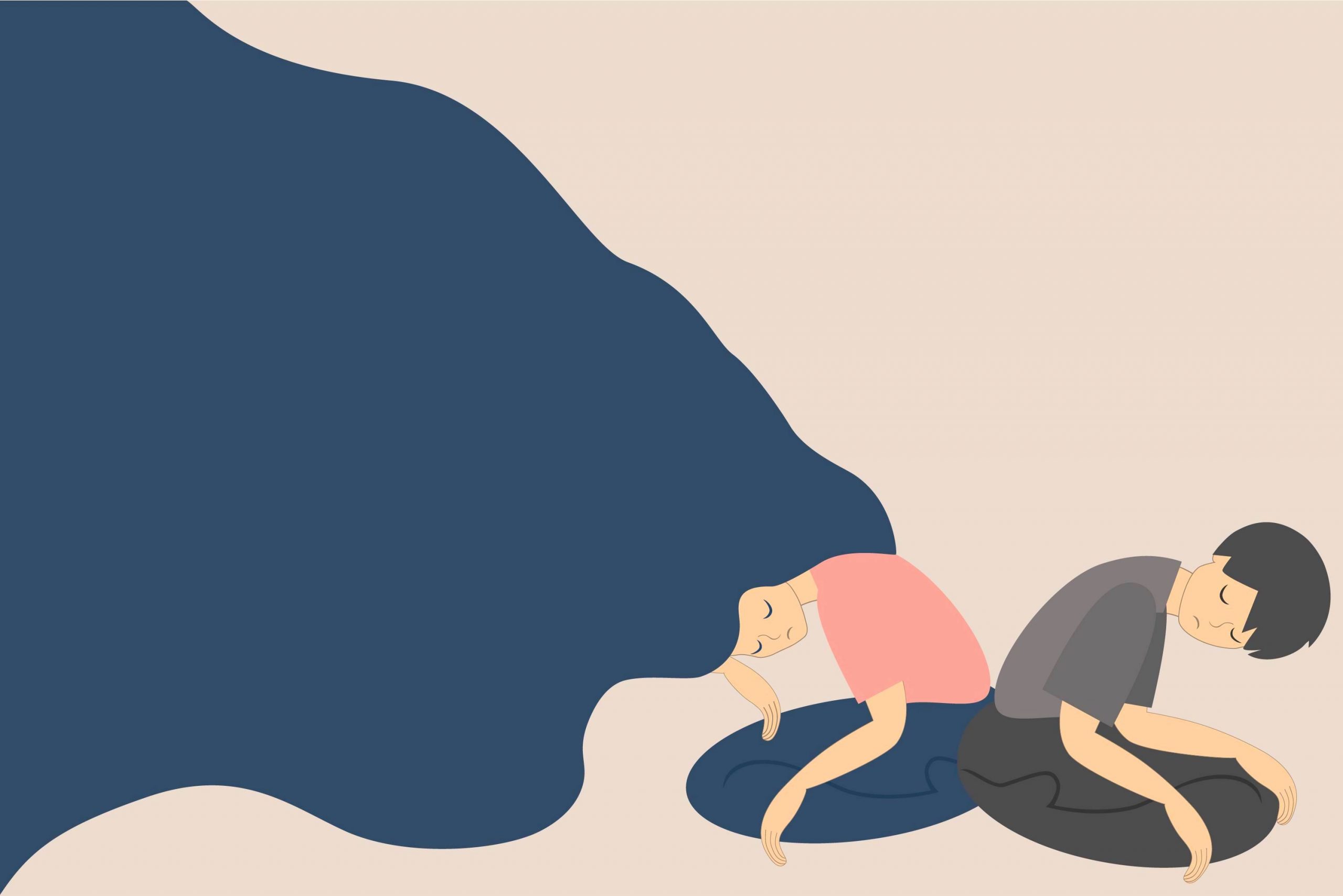
    This doesn’t mean I’m somebody who has frequent public meltdowns that make people uncomfortable! In fact, it’s quite the opposite. I’ve reached the point where I’ve learned to recognize my own internal pressure valve. I know when it needs releasing, and know how to do it in a private, dignified, and healthy way.

    Human beings are the only animals with the ability to cry. It clearly has a purpose, and it doesn’t take much research to discover it has serious benefits, both mentally and physiologically. Crying is thought to reduces stress hormones and relax the nervous system.

    There are alternatives to crying, and we see them all the time: unhealthy behaviors, addictions, outbursts of anger and violence, and patterns of arguments and disharmony.

    That takes me back to the whole “stiff upper lip” thing. Emotions have to come out somewhere, and in my experience it’s the people who are fixated on being “strong” and “manly” who live lives cluttered with arguments and hangovers.

    On balance, I’d much rather have the ability to cry, and no shame in doing so. Recently, I feel I’ve learned to take it further than that to the point that I can use crying as an extremely useful tool in my mental health armoury.

    So, what got me to that point? The answer is simple: fatherhood.

    My oldest son has just turned seven years old. And he’s very much like me. It’s a much-misused word, but he’s a “sensitive” lad. He’s hugely empathetic, and a wonderful gentle soul. He’s also very sentimental and—again like me—as likely to be touched by joy as by sadness.

    Like everyone else in the world, we’ve had a challenging time since the pandemic began. One of the hardest parts has been navigating the children through it. This means dealing with their lockdown loneliness, but also constantly working out what to tell them so they’re as protected as possible without us insulting their intelligence.

    Another part of this is recognizing when it’s all getting a bit much for them.

    I can pretty accurately predict when a “meltdown” is incoming for my son. And I always ensure that I’m there ready for him when he wants to let the tears out. I encourage him to take as long as he needs. I cringe when I see parents saying, “that’s enough now,” or worse.

    None of this means I’m trying to raise a child who’s constantly in tears! But I am trying to raise a child who knows that having a good howl is a wiser and more evolved way of releasing emotion than punching somebody in the playground or having an undignified argument.

    While I’ve been teaching him this, I’ve been learning myself. Just as I’ve learned to predict when he may soon need to “let it all out,” I’ve become much more attuned to when I need to too.

    I have some mental health issues. Anxiety is the main one, with a generous scattering of OCD and some periodic depression as the cherries on top.

    One thing that indicates my mental health is in trouble is when I can’t cry. Depression is often misunderstood. For me, when it’s at its worst, it manifests as being emotionally empty and numb.

    In fact, “the big cry” often marks the turning point in a spell of depression. It means I’ve started to feel again. I’ve learned the pattern over many years, and it’s now got to the point where I can say “I need to cry.”

    And that’s a really powerful thing. I know what I need to do, so that empowers me to consciously try to do it nowadays.

    As we’ve already established, crying can release stress hormones and calm the nervous system. Who wouldn’t want to do that, especially during a spell of poor mental health?

    The trouble is, far too many people are conditioned to feel ashamed of showing emotion. But it’s not like I phone all my mates and say, “I’ve been feeling a bit low, so I’m setting aside an hour today to go in the bedroom with a bunch of sad songs and some tissues.”

    This last happened just a few days ago, and I did tell my wife my intentions. That in itself involved a little embarrassment and vulnerability. But when I re-emerged a little later, she said that I looked like a different person—with a bounce in my step and colour back in my cheeks.

    That’s why I’ve written this. It is deeply personal, because nobody’s ever proud of having a good cry. I can’t help wondering whether that should change.

    I am proud that my children don’t have to live in a house where there are needless arguments. A home where we process emotions in a healthy way—a way that humans alone have access to.

    So get that “crying tunes” playlist ready. Learn which old photos set you off, or which films are certain to “hit you in the feels.” And don’t be afraid to tuck yourself away for a while and use the power of emotion to enhance your mental health.

    To be clear, this isn’t a weapon I have to deploy frequently or publicly, but it’s one I’ve come to love having at my disposal. It’s there for you too, so don’t be scared or embarrassed to make use of it. The alternatives may be more popular with the “stiff upper lip” crowd, but they don’t benefit them, or the people around them.

    Let it out.

  • The Only Way to Form Meaningful Relationships with People Who Get You

    The Only Way to Form Meaningful Relationships with People Who Get You

    “A friend is someone who gives you total freedom to be yourself.” ~Jim Morrison

    When I left my full-time position at an ad agency and ventured out on my own, I had a clear goal in mind—to connect with like-minded people who align with my highest good. As far as how I was going to do that, I had little clue.

    My life was full of relationships built from forced, sometimes toxic circumstances where we found each other out of need or convenience. I am grateful for each of those people because they were there when I needed them most, but there was always a part of me that felt unknown or misunderstood. They did not speak my language.

    After a couple of decades of those experiences, it became natural to think that no one understood who I was, and no one ever would.

    Being an idealist, I’ve always believed in true heart-to-heart connections with other human beings as the most fundamental component of strong relationships, above cultural backgrounds, titles, properties, or romance.

    Most of the people around me, however, seem to pursue relationships to either avoid being alone or to create financial security, without the desire to form a deeper connection with others. Perhaps they don’t believe in the type of connection I know exists and think of it as a fantasy. In the past, I was often criticized as being naive and impractical.

    My idealistic nature often shows up in work environments, too, unguarded and without an agenda, while I watch others focus only on their own goals.

    I’ve always cared about coworkers as well as clients, and I’ve been enthusiastic about creating great designs to help them succeed. Those efforts were often seen as an agenda to get promoted, even perceived as a threat at times by supervisors fearing I was after their job. So, I finally gave into conformity and kept these idealisms to myself and pretended I had the same drives as everyone else.

    I wanted to be perceived as professional, to have friends, and to live every day drama-free, so I showed the world just enough of me in order to fit in comfortably.

    It is no wonder, in hindsight, I never met anyone who truly got me, because no one really knew about the existence of that part of me. And if I ever mustered enough courage to share those deep thoughts and visions, the slightest pause in our conversation or a split-second blank stare would scare me back into my shell all over again.

    Interestingly enough, after my “release” into the ocean (as I like to call it) from the corporate pond, and since taking full advantage of my freedom to work with whomever I choose, I find myself attracting more and more like-minded people. Whenever I marvel at the miraculous synchronicities, I begin to realize more and more why that is…

    I unknowingly started to come out of my shell and show the world all that I am.

    I was no longer met with judging eyes, passive-aggressive statements, and indirect criticisms that conditioned me to refrain from expressing myself in ways that I wanted to. Without having to deal with constant judgment and negativity, I naturally opened up and let my walls down.

    I spent the three-month grace period I granted myself following the leave nurturing feelings of self-appreciation and comfort and self-reflecting. What kind of relationships did I want moving forward? And what type of professional relationships would I want to build for my long-term success? The answer from deep within brought tears to my eyes—whatever business endeavors awaited, I always wanted to be as happy as I was right then.

    This morning, on an introductory Zoom call with a client who came to us for marketing and PR services, I had déjà vu listening to her echoing my own recent experiences.

    She is a veteran in her industry, well-educated across all subjects, has a rich cultural background, and is already a highly successful entrepreneur; yet she expressed discomfort in telling her personal story because she felt she would be seen as weird and unrelatable, at the same time wondering how her unique perspective and her desire to better the world could come across to the right clients.

    I immediately felt my pulse a little stronger, blood flowing, and wasted no time in sharing what I had just gone through.

    I gave her the following advice in hopes she would be encouraged to share all that she is with the world and build the clientele she truly desires. I got my confirmation immediately when her eyes lit up and her wonderfully mischievous childhood stories began to flow out naturally and comfortably… (Joy!)

    Your “weirdness” is your uniqueness.

    Since I’ve allowed myself to be more authentic, I’ve crossed paths with many people who share the same fear of being seen as “weird.”

    Many of us carry this heavy weight, the shame we felt perhaps from a young age of being judged, reprimanded, or made fun of, just for being ourselves. We then spent decades trying to fit in, prove we were “normal,” and worthy of love and respect. We diminished all the amazing qualities that make up exactly who we are as unique individuals.

    If you ever feel the need to hide your history, struggles, or emotions to appear “normal” to the rest of the world, consider this: You are actually depriving the world of getting to know you.

    What if the world needs your unique personality? What if the world is waiting to hear your personal story? Every single one of your qualities, even those some may consider “weird,” is a contribution to who you have become and what you have to offer the world.

    If you have read this far, you most likely have a desire to be known, to be acknowledged, and you are likely already sharing pieces of yourself with others, at least on a surface level. I encourage you to gently peel off another layer and share a deeper part of yourself. Because not doing so will keep you wondering and feeling caged.

    Like-minded people are trying to find you, too.

    Finding people who click with you can seem like a challenge, even if you lead a dynamic and interesting life and/or have a rich inner world.

    As I get older, I value deep connections more and more because I enjoy getting into a state of flow over effortless, meaningful conversations. I spent many frustrating years trying to figure out how exactly to meet the right kind of people, but it had never occurred to me they were looking for me, too. And I hadn’t made it easy for them to connect with me.

    When I met new people, I stuck with superficial conversations because, again, I didn’t want to be perceived as “weird” and be rejected. When I formed a friendship, I tried to maintain it the same way I had earned it, by not being who I truly am. Needless to say, those relationships were unfulfilling and short-lived.

    Sharing who you are authentically in each present moment not only helps connect you to those similar to you but also filters the relationships that are incompatible from the get-go. By bringing your inner world to light, you acknowledge your own uniqueness and allow others to fully see you, thereby making a connection with you.

    The more you let other people in, the deeper the connections you will form.

    The levels of connection you can create with another person can be exhilarating but also a little intimidating. Relationships can form from a fun-loving, surface-level interaction into something that touches the most intimate parts of your souls. But you have to be willing to risk discomfort and rejection in order to find the right people.

    If you are tired of superficial relationships that bear little fulfillment and want deeper connections you can build on, then your only option is to be brave, open up about your inner world, and let other people in.

    How deep the connections are will depend on how vulnerable you allow yourself to become and whether or not others reciprocate. Not everyone will, and that’s okay. It’s worth opening up to people who’ll reject you to find the one who won’t.

    Conversely, you need to be prepared to reciprocate just the same when someone else trusts you enough to show you their inner world. While this may take some courage to build up to, it’s also well worth the risk.

  • Where Our Inner Critic Comes from and How to Tame It

    Where Our Inner Critic Comes from and How to Tame It

    “Your inner critic is simply a part of you that needs more self-love.” ~Amy Leigh Mercee

    We all have that critical and judgmental inner voice that tells us we’re not good enough, smart enough, pretty enough, etc.

    It tells us we don’t do anything right. It calls us stupid. It compares us to other people and speaks harshly about ourselves and our bodies. It tells us all the things we did or said “wrong” after communicating or connecting with someone.

    Sometimes it projects criticism outward onto others so we can feel better about ourselves. Other times we try to suppress our inner critic through overachieving, being busy, and accumulating more and more things.

    Sometimes it’s a protective mechanism that’s trying to keep us focused on our self-judgments so we won’t be authentic, because, if we are, we may be rejected and not get the love and acceptance we want.

    But, by doing this, we’re creating even more pain and suffering because we’re disconnecting from and rejecting our own essence.

    Just ignoring the critical voice doesn’t always make it go away. It may initially, but soon enough it will resurface if we haven’t healed/embraced our hurts, traumas, and wounds and shifted our internal patterning, which is where it comes from. 

    Have you ever heard the expression “What we resist persists?” Have you ever told an angry person to “just calm down” or a screaming child to stop crying? Does it work? Not when our energy is in a heightened state.

    Why is someone angry? Why is a child screaming and crying? Because there’s something going on internally that’s creating how they’re behaving. There’s often an unmet need or pain that’s asking for attention.

    Thinking a more positive thought to compensate can sometimes work, but sometimes it just creates an inner debate and mistrust in ourselves because deep inside we don’t believe what we’re saying.

    As children, many of us were taught to suppress those “bad” feelings because if we expressed them, we may have been or were punished. Welcome to the beginning of the critical voice; it’s often a frightened part of us that’s wounded and asking for attention. It wants to be seen, heard, and understood.

    My dad used to get really frustrated with me and constantly told me, “Damn it, Deb, you never do anything right.” Hearing that many times left an imprint in my subconscious. I started living with that interpretation of myself, and the critical voice kept me “in check” with being this way.

    For me, the critical voice was my dad’s voice as well as the deep shame I was feeling for making mistakes and not doing things the “right way.”

    I was holding in suppressed anger, sadness, guilt, unforgiveness, resentment, traumas, and pain that I tried to keep hidden with a smile on my face, but eventually it turned into a shame-based identity.

    My inner voice criticized me whenever I fell short or wasn’t perfect according to society or my family’s expectations.

    Just like when we’re triggered by another person, our critical voice is asking for our attention and guiding us to what needs healing, resolving, forgiving, understanding, compassion, and unconditional love.

    When it comes to the surface, we’re experiencing an automatic regression; it’s a part of us that’s frozen in time. It’s a reflection of our unhealed wounds, which created ideas of not being enough or that something’s wrong with us. Basically, it’s a trance of unworthiness.

    When we’re in a trance of unworthiness, we try to soothe ourselves with addictive behaviors. It’s hard to relax because we think we need to do something to be better and prove ourselves, so not doing anything, resting, isn’t safe.

    When we’re in a trance of unworthiness, it’s hard to be intimate with others. Deep inside we think there’s something wrong with us, so we don’t get close because they may find out and leave. This keeps us from being authentic because we don’t feel okay with who we are.

    Deep down I felt unworthy, unlovable, and undeserving, and the critical voice showed me what I was feeling and believing. I didn’t feel safe in life or in my body. How could I? I was living with so much hurt, pain, and shame inside.

    The critical voice is often stronger for those of us with unhealed wounds and who are hard on ourselves, and it tries to get us with shame and guilt. We’re always looking at ourselves as the “good self” or “bad self,” and if we’re identified with a “bad self,” we’ll act in accordance with that in all areas of our life.

    If we’ve become identified with the critical voice, it’s who we think we are; it just seems normal. And when we start to be more kind and loving, it doesn’t seem right because our identity becomes threatened and our system registers that as danger.

    That happened for me. Eventually I became identified with being a “bad girl” who’s critical and hard on herself, and, even when I started being a little kinder, more compassionate, and more loving, I felt an angst in my body. It wasn’t familiar, and even deeper, it wasn’t okay for me to be this way. My survival was at stake, so I would automatically go back to self-criticizing and judging, without conscious awareness.

    The critical voice didn’t only speak to me harshly; it also told me to do self-abusive things like cutting my wrists and face, starving my body or eating lots of sweets, and exercising for hours like a mad woman to get rid of the food I ate, whether it was a carrot or sweets, because I felt guilty. 

    Even after twenty-three years of going in and out of hospitals and treatment centers, taking medication, and doing traditional therapy, nothing ever changed; the critical voice had a hold on me.

    It was a powerful force, and when I tried to stop it, it would get louder. It thought it was protecting me in a backwards sort of way; if it hurt me first, no one else would be able to do so.
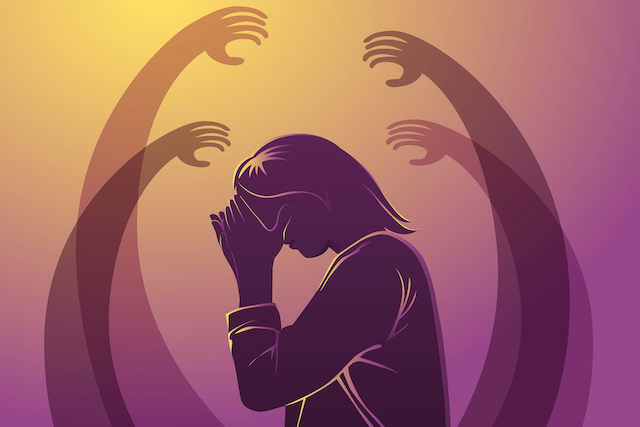
    When people used to say to me, “Debra, you just need to love yourself,” I looked at them like they were crazy. I had no concept of what that even meant because I had no experience of it.

    What I’ve come to see with myself and those I assist in their healing is that the more we keep our deep hurts, traumas, anger, guilt, shame, and pain hidden, the more the critical voice chimes in.

    And, for some, like me, it seems overpowering, so we try to find relief through smoking, drinking, eating, or being busy, and/or we experience severe depression, anxiety, or self-harming.

    When we’re consumed by the critical voice, we’re disconnected from our true essence, and when we’re disconnected from our true essence, the love within, we feel a sense of separation; we don’t feel safe with ourselves or others, and we don’t feel lovable for who we are, as we are.

    This is why many people can change, be happy for a day, but then go back to their critical and/or judgmental ways. Our automatic programming, stemming from our core beliefs, kicks in. It’s just like an addiction, and in a sense it is.

    We can try meditating, deep breathing, and positive thinking, but, unless we address the underlying cause, we’re likely to keep thinking the thoughts our internal patterning dictates. They come from a part of us that doesn’t feel loved or safe.

    So, what do we do when the critical voice comes to visit?

    What do we do when it’s what we’re used to, and it just happens automatically?

    What do we do when we don’t know how to be with ourselves and how we’re feeling in a kind and compassionate way?

    What do we do when we have no concept of what it even means to experience self-love or ease in our bodies?

    First off, please don’t blame yourself for how you’re being. Awareness isn’t about judgment; it’s about kindness, compassion, and love.

    Working with and healing our traumas, where the critical voice was formed, is key in shifting our internal energy patterning. Many people call this inner child healing and/or shadow working. 

    This is a soft and gentle process of moving through the layers of trauma with compassion and love and making peace with our protector parts.

    Through inner child healing, we can shift and transform that “negative” patterning and how the energy is flowing in our body. We can help that part of us that’s frightened, hurting, and maybe feeling separate have a new and true understanding so we can feel loved and safe in our bodies.

    When we pause and take a deep breath when we first hear or sense the critical voice, it allows our nervous systems to reset and helps us come back to the present moment; this allows space for compassion, healing, and investigation.

    Why do I believe that?

    Where did I learn that?

    Is it true?

    How does my higher self see this and me?

    Does the critical voice totally go away? No, it may still chime in; it’s part of being human. But once we realize where it’s coming from and heal/shift that energy pattern, more love can flow through, and we can experience our truth. When we learn how to be our own loving parent and meet the needs our caregivers didn’t meet when we were children, the critical voice often softens.

    Remember, the critical voice is just a scared part of us who really wants attention, love, and a way to feel safe. When we no longer take it personally, when we’re no longer attached to it as our identity, we can offer ourselves compassion, understanding, love, truth, and whatever else we’re needing.

    Life can be messy, and our thoughts can be too. This isn’t about perfection; this is about experiencing a deeper connection with our loving essence.
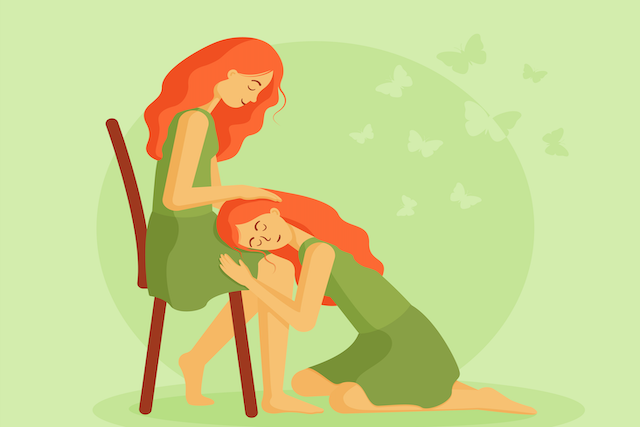
    There’s a sweet and tender spirit that lives within you. This spirit is your deepest truth. This spirit is the essence of you. You’re naturally lovable, valuable, and worthy. You’re a gift to humanity. So please be kind, gentle, loving, and caring with yourself.