Tag: sexual abuse

  • How I Claimed My Right to Belong While Dealing with Imposter Syndrome

    How I Claimed My Right to Belong While Dealing with Imposter Syndrome

    TRIGGER WARNING: This post briefly references sexual abuse.

    “Never hold yourself back from trying something new just because you’re afraid you won’t be good enough. You’ll never get the opportunity to do your best work if you’re not willing to first do your worst and then let yourself learn and grow.” ~Lori Deschene

    The year 2022 was the hardest of my life. And I survived a brain tumor before that.

    My thirtieth year started off innocently enough. I was living with my then-boyfriend in Long Beach and had a nice ring on my finger. The relationship had developed quickly, but it seemed like kismet. Unfortunately, we broke up around June. And that’s when the madness began.

    I believe it to be the extreme heat of the summer that somehow wrought this buried pain from underneath my pores to come up. Except the pain didn’t evaporate. It stayed stagnant, and I felt suffocated.

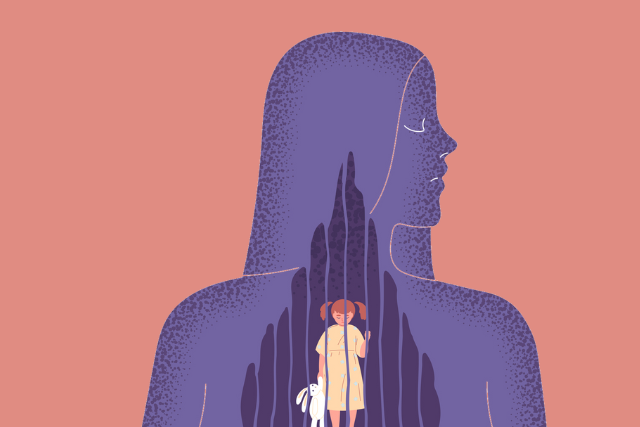
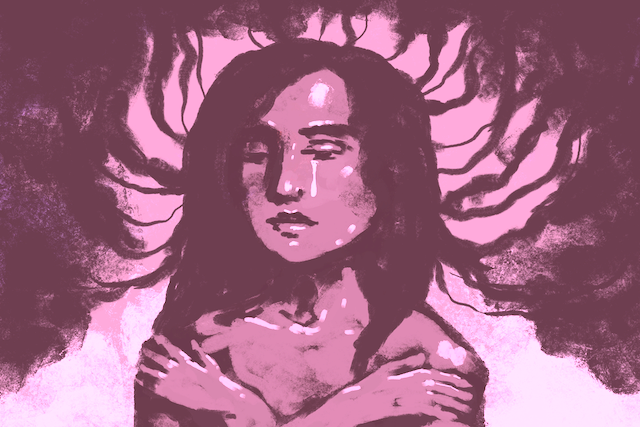
    There were excruciating memories of being sexually abused as a child. Feelings of intense helplessness came along. I had nightmares every night, and worse, a feeling of horrendous shame when I woke up. All of this made me suicidal.

    Before I knew it, every two weeks I was being hospitalized for powerful bouts of depression, PTSD, and the most severe anxiety that riddled my bones.

    This intense, almost trance-like experience of going in and out of hospitals seemed like the only way to cope with life. I felt broken, beyond repair. I gained a lot of weight and shaved my head and then regretted it. My self-esteem plummeted.

    I felt like I didn’t belong to society anymore. I’d had superficial thoughts like this before, growing up in the punk scene, but the experience of constantly being in and out of mental hospitals was beyond being “fringe.” I felt extremely alienated.

    With many hospitalizations in 2022, I was losing myself. Conservatorship was now on the table. I was terrified and angry at the circumstances fate had bestowed upon me.

    In my final hospitalization in December, I suffered tortuously. I was taken off most of the benzos I was on, and I was withdrawing terribly, alone in a room at the psych ward. My hands and feet were constantly glazed in a cold sweat.

    I was so on-edge that every sound outside my door jerked my head up. The girl next door would sob super loud, in real “boo-hoos,” and do so for hours on end. It eroded me. I would scream at her to stop, but she would then cry louder.

    If there was a hell on earth, this was it. I told myself, with gritted teeth, staring out the window, that this would be my last time in a psych ward. No matter how miserable I was, I would just cope with it. I didn’t want to deal with this anymore.

    So I made a commitment to myself to really try to get better. Hope was hatched by that intense amount of pain. I knew I had a long journey ahead to heal, but that there was no other way but up.

    After that final hospitalization, I joined a residential program that helped me form new habits. There was a sense of healing and community there. I felt a mentorship connection with one of the workers, who was a recovered drug addict.

    I was glad I was finally doing a little better. I realized I shouldn’t have gone to the hospital so much and perhaps should have plugged into one of the residential places first.

    This year has been easier as a result of sticking to treatment and addressing some of the issues that were plaguing me. I now have better coping mechanisms to deal with symptoms of PTSD, as well as some better grounding techniques.

    As a result, I’ve been able to go back to work, despite still dealing with intense anxiety. For the first time in a while, I feel hopeful for my life. But I can’t help but getting hit with a barrage of thoughts before I go to work.

    This whole thing I’m going through is commonly known as “imposter syndrome.” Basically, it feels like I don’t belong where I’m going in order to make the quality of my life better. I feel like a fake or a phony, afraid my coworkers will understand who I really am—someone who has struggled with PTSD and depression.

    As a result, some days are more difficult than others when it comes to showing up at work. I’ll have mini panic attacks in the restroom. There’s an overwhelming feeling of surrealness.

    Although I’m glad to have gotten out of the merry-go-round of doom, putting on a happy face and attempting to appear as a healthy, well-adjusted person is too much sometimes.

    And I know it’s not just in my situation that people experience imposter syndrome. Some people that were once extremely overweight feel out of place once they’ve lost their extra pounds. Others who are the minority in race or gender where they work can also feel like they don’t belong.

    I’ve come to realize this is a universal experience, the feeling of “not belonging.” It’s also a syndrome of lack of self-worth. I try to tackle this in baby steps every day.

    Here are some things I try to live by to feel more secure where I’m trying to thrive.

    I ask myself, “Why NOT me?”

    There’s a Buddhist quote that suggests, when you’re suffering, instead of asking, “Why me?”, you’re supposed to humble yourself by asking, “Why NOT me?” But I think this is also relevant to feelings of belonging.

    When you feel like you don’t belong, ask yourself, “Why NOT me?” Why wouldn’t you deserve to belong, when everyone else does, despite their varied challenges? This sort of thinking levels the playing field.

    I remind myself of my worth.

    I could spend hours thinking about why I’m not adequate or deserving. But I try to think about why I do have a right to be there. I deserve to get a paycheck like everyone else. I deserve to work, no matter what I’ve been through, and to value the sense of belonging offered through my coworkers.

    I try to power through my inner resistance.

    Many days this is more difficult than others, but I know if my greater goal is improving my life and feeling like I belong to society again, its worth challenging all the mental resistance I feel. I also know that my feelings will change over time if I keep pushing through them.

    Cherish the times of connection.

    There are times at work where I feel really connected to my coworkers, even though I doubt we have the same psychiatric history. I try to savor those times of connection because they keep me going. Since we are social beings, it is important to us to feel connected.

    Take comfort in knowing this will fade.

    Already, having just worked a few weeks at this job, my feelings of imposter syndrome are starting to fade. If I had known this would happen in the beginning, I wouldn’t have put so much anxiety on myself. If you’re going through this too in any capacity, just remember that the feelings are only temporary and will pass as you find your footing.

    Make peace with your past.

    Everyone has a past, some that may feel more shameful than others. But don’t conflate that with your right to belong and be a contributing member of society. Sure, some things are harder to rebound from than others, but that doesn’t mean that you can’t get past them. And that doesn’t mean you need to be defined or limited by your past challenges.

    Validate your feelings of struggle.

    Although it would be nice to just use denial to move forward, that’s not possible since you know the truth. You know what you’ve been through and how it’s affected you. I validate my experience in the struggle by going to support groups after work. That way I’m not gaslighting myself, pretending I’m fine. It’s just about knowing there’s a time and place for that unheard, marginalized part of yourself.

    We all put on a brave face to be accepted, but we all deserve to belong, regardless of how we’ve struggled.

    Don’t let your struggles define you. Instead, validate the fact that they have given you the strength to get where you are now.
  • How My Trauma Led Me to the Sex Industry and What’s Helping Me Heal

    How My Trauma Led Me to the Sex Industry and What’s Helping Me Heal

    “The wound is the place where the Light enters you.” ~Rumi

    The hardest battle I’ve fought is an ongoing one. It’s an all-consuming shadow of dread that never leaves, only resting long enough for me to catch my breath.

    I know what it feels like to be depressed. I know the feeling of pain and hopelessness so well it almost feels like home.

    I remember being around eleven years old and thinking, wow, this all seems so meaningless. I had become awakened by my consciousness and overwhelmed by emptiness. I knew then that there was more to life than what I was perceiving. These moments were brief but continuous.

    I grew up in an unstable family and took turns living with each and every family member. Everything was temporary and nothing made sense. As I grew older, my depression grew stronger. I did not experience love or security, and I felt like a burden to everyone around me. Each day I was disgusted with myself for still existing.

    How It All Began

    I was drawn to the sex industry because I was part of the wrong crowd, and by the time I hit my early twenties I had completely lost all will to live. I had no desire to even try to function in society as a “normal person” should. It was a place where I could indulge my self-hatred by abusing drugs, alcohol, and my body.

    The pain I carried with me was heavy and overwhelming. I wanted to be around people who I could relate to. People who had also given up on life. Although we had no direction, we had a sense of belonging and a feeling of home, which was something we craved. Our pain had brought us together, and that was all that mattered.

    We were bound by our trauma and our secrets. It was a place where it was acceptable to be angry at the world. It was my home, and these were my people.

    There is a great myth that women enjoy being sex workers. The pay is incredible, the hours are short, and sometimes it’s just one big party. I can’t speak for others, but from my experience I can tell you it is nothing like Pretty Woman. There is no one coming to save you.

    No little girl ever dreamed of growing up to be a sex worker. Most women working as escorts were victims of some form of sexual abuse as a child, including myself.

    I know you’re probably wondering why I would do something so extreme and thinking that surely I had other options. My depression was paralyzing, so this seemed like the ideal option for me. I was the ideal candidate. I couldn’t get the help I needed, and keeping a job or getting out of bed was almost impossible.

    I believed for so long that I was lazy; I was useless and good for nothing else. Gosh, I could hardly pull off being a decent prostitute!

    We don’t do this because we love sex or for that matter even like it; we do this because we feel trapped financially, or we’re desperate to survive our addictions and mental state.

    And sometimes we’re so consumed by our desperation that we’re oblivious to the dangers of being raped, attacked, or even murdered—and the worst part is that we don’t even care. We have been brainwashed to believe that no one cares.

    How I Changed My Mindset and Found My Purpose

    When I felt alone and had no one to call, I began to write and uncover my creative spirit. Writing was no longer just a form of cheap therapy but a way home to myself. It was a safe space that wasn’t invaded. It was a space where I could process the thoughts and emotions that had consumed me.

    I wrote about how ashamed, unworthy, and unlovable I felt. I thought no one would love me after the dark life I’d lived. And worse, I thought I deserved to be treated badly after everything I’d done.

    I wrote about feeling abandoned, alone, and rejected and desperately wanting to be normal and live a normal life.

    I could no longer continue to run from myself or sit back and watch as my life fell apart. I had hit rock bottom, and my suicide attempts had been endless. Something had to change, and that was my mind.

    I began reading books and listening to podcasts about who I wanted to be, as well as anything self-help related.

    I stopped abusing substances and started to see a little more clearly. It was the hardest thing I’d ever done, especially without any professional help, but I did it.

    I learned that I’d made the choices I’d made based on how I viewed myself, so that had to change.

    I forced myself into a healthy routine and began meditating and practicing gratitude to start reprogramming my brain.

    I also forced myself to cry, which I’d hardly ever done because I’d been so numb.

    I removed everything from my life that was doing me harm and didn’t serve the future I was trying to create.

    I started taking better care of my body by getting more sleep, eating better, exercising, and even pampering myself.

    I learned to be grateful for my experiences and I gave myself permission to heal.

    After doing all these things consistently for a while, I started experiencing little bits of joy, and that was what kept me going. I now listen to my body and observe my mind. When negative thoughts pop up, I send them away.

    I stopped fighting the world and running from my trauma, took a deep breath, and realized that the world wasn’t out to get me. It was me all along; I was my own worst enemy. I had to accept that I deserved to be alive and embrace being human, in all its beauty and ugliness combined.

    I know that it won’t be completely smooth sailing from here, but I know now that, despite everything, I am worthy.

    Being in such a dark industry I’ve always had to fight. Fight for my voice to be heard, fight for my safety, fight to survive, and fight to be seen as a human being. I no longer need to fight; I can just be.

    I now believe that my suffering was my spiritual teacher, and these experiences happened for a reason—so I could help others somehow, even if just one person.

    The real cure to trauma is courage, and the opposite of depression is expression.

    So here I am, brave enough to not only own up to my past but tell my story. By doing so I let the light in, the light that I can now share with you.

  • How I’m Healing from Abuse After Going in Circles for Years

    How I’m Healing from Abuse After Going in Circles for Years

    TRIGGER WARNING: This post deals with an account of sexual abuse and may be triggering to some people.

    “Recovery is a process. It takes time. It takes patience. It takes everything you’ve got.” ~Unknown

    We are often told in therapy that we need to dig deep and explore our feelings until we find the root of our problem, as though we’ll finally have peace and relief just because we’ve found the “Nugget of Trauma.”

    The problem with long-term childhood trauma is that there was not just one Nugget, or one moment that we were left reeling from. For many of us abused as children, trauma encompassed our entire childhood and adolescent life.

    When I was in my early twenties my memories became a deluge, flooding into my mind all at once. I started with talk therapy, and it seemed like the one recurring question being asked of me was, “What’s the issue or event that you are struggling with?”

    So, thinking that they must know more than me about how to deal with the chaos in my mind, I would focus on one aspect of my childhood to try an work through it with them.

    I had a lot to pick from: beatings, torture, rape, sodomy, abduction, neglect, and the big pulsing mass of guilt and shame.

    I was ashamed that I could not protect my brothers and that, each time I was raped, it was because of something I had done that required punishment, like not wringing out a wash rag tightly enough. All of my abuse and the abuse of my brothers was, according to my father, my fault because I wasn’t good enough.

    Sound familiar? For many of us, the manipulation of how we think about the abuse and ourselves is the most painful and long-lasting trauma, but going into detail about this in therapy is exhausting, mentally and physically, and can cause a spiral into deeper depression.

    I didn’t know all this when I was in my twenties, and I barely understood the concept of talk therapy, which was: You talk about something that happened to you, and then the therapist tells you about the side effects of that experience to help you understand your feelings and behavior.

    It took me a long time to learn that having a realization about a certain event and learning how it’s affecting me in the present doesn’t mean the problems associated with it go away. And, unfortunately, the clinical view that I was making progress with those realizations, or “breakthroughs,” was false.

    For many of us, having a “breakthrough” doesn’t even mean that in two years we’ll remember it, and we may go through the same cycles of dealing with the abuse all over again. Like a big Wheel of Trauma.

    It took me years to recognize I was cycling through the Wheel of Trauma:

    • A deep dive into depression
    • Leading to anger at being depressed and feeling “sick of living with this”
    • Then the realization of how a specific past experience was affecting me
    • Cue the tsunami of relief and giddy hopefulness and a false belief that I was getting better
    • The relief soon wears off
    • A deep dive back into depression where the realization is forgotten

    I may never have recognized it if a friend hadn’t pointed it out to me. To find out I’d been going in circles was devastating.

    After doing some independent research on the neurological damage caused by early childhood trauma, I have begun to wonder if my brain was cycling just so I could have those moments of relief as a way to feel something positive and hopeful. That might be wishful thinking, but this is one example of why it is so important to write things down and keep track of what is going on in your head, especially in dark times.

    Trust me, I know so well how scary it can be to put things down on paper and suddenly find yourself looking at something that your brain put away a long time ago to protect you.

    I’m not going to say it’s easy or fun. I’m not going to say that I haven’t been triggered by writing. I have been, but I also came through it, and the memories I was so afraid of, while painful, aren’t as scary now.

    If you’re like me, your mind protected you when you were too young to process what was happening to you. But you aren’t that child anymore; you’re older, your mind is more mature, and you’re better equipped to deal with those experiences now.

    Be gentle with yourself, but also have faith that you will come out the other side if you have to come face to face with a horrible memory, or what I have dubbed a Nugget of Trauma.

    I’ve also learned that you can grab a Nugget of Trauma and pull it into the light, metaphorically. I don’t mean to take it out and analyze every detail. The goal isn’t to hurt yourself with old trauma; the goal is to learn how to move forward with it, and figure out some basic reactions you may have to that memory Nugget.

    Do you recognize the feelings that memory, or Nugget, has entwined with it?

    Do you behave in a certain way every day based on those feelings?

    Do you avoid certain people or places because they trigger that feeling?

    Do you feel this every day or just in certain situations or around certain people?

    How does it affect how you react to other people?

    How does it get triggered, and does it send you spiraling into depression?

    How do you feel about yourself?

    The goal isn’t to make it go away because it may never go away completely. But you can learn how to take care of yourself with this knowledge in hand and create new habits to counter the poison of the trauma.

    If something happens and you begin to feel a certain way, you will more likely recognize that feeling as something that is not associated with the present, and you can make a plan to take care of yourself in that situation.

    For example, I have come to recognize a sensation I sometimes feel when I’m with one or more people in an enclosed space, like a conference room or office. It is a physical, slimy, crawly feeling that I have to focus on and consciously control until I can make an excuse and leave.

    I’ve learned to recognize it so I can take care of myself in those situations. I leave, usually to a bathroom, and allow time for it to go away so I can feel safe again. If I can’t leave, I will hold a notepad or something in front of my chest as a barrier.

    Other things that may work for you are saying some soothing mantras, making a cup of tea, or taking a break and just writing it out. Smells can be a great way to break through a triggered response. Maybe keep some lotion or something else scented to help calm yourself and bring you back to the present. I love VapoRub for this.

    Your knowledge of yourself is the key to taking care of yourself, lessening past’s hold on you, and breaking the cycles.

    This means being completely honest with yourself and observing things you say and do without judging.

    When you can really see yourself without all the rationalizations, defenses, and excuses you cover your psyche with, you can better recognize your triggers, behavior patterns, and reactions.

    In my case, I am badly triggered by any cinama-graphic representation of rape. I will get up and walk out of the room, usually in a state of high agitation, and get really catty with anyone who tries to touch me or invade my personal space, which at that moment is about 1000 meters wide.

    It’s not a surprising trigger, and it doesn’t require a lot of analysis to figure out why it’s upsetting to me, but that isn’t really the point. The point is to truly be with myself in those moments to keep myself from spiraling down to the depths or physically harming myself.

    I’ve had to learn how to deal with my brain being doused in visual memories of rape and all the skin-crawling feelings that come with them. For me, this is where self-comfort and care has become vital.

    It’s almost like I have to be two people at the same time; while a huge part of me is freaking out, I have to be able to step outside of that, see myself in pain, and comfort myself back to safety and calm. And considering that I perceive most other people as threats when I’m triggered, I really only have myself.

    This was originally a hard lesson because I could listen to advice from friends or doctors or people on TV, but it was hard for me to take those ideas from “yeah, that sounds logical and smart” to actually living with those tools at my disposal and using them when I needed them.

    The first step was learning how to get myself to a mental state where I could use them. When you’re in the dark in your own mind and you can’t see the reality in front of you there is no logic that can break through.

    The damage isn’t logical, so it’s not an issue of logic or understanding; it’s a matter of taking care when your mind is in that painful moment and getting yourself back to the point where you have more control and are able to use those tools.

    It takes a lot of practice, patience, and honesty to develop self-care routines based on self-love and understanding. That understanding can’t always come from other people telling you what’s going on or why you’re reacting in a certain way. It’s best when understanding comes from caring enough about yourself to get your hands dirty and learn what’s really going on in your head.

    Admittedly, I have had long runs of not knowing what to make of the chaos in my mind, sometimes not even knowing what I was feeling, or what was real, or what was an attack from my past. In some moments of terror, not even knowing how old I was. It can be really bad at times, and I totally get that.

    The best course of action is to write as much as you possibly can every day about everything that is going through your mind. This gives you some idea of what your brain is fighting with.

    When you’re done writing, get some sleep or cry or go for a walk or talk to yourself on a voice recorder, or do something that will help calm your thoughts a bit. Later, you can look at what you’ve written and really see what you’re going through.

    This can be harsh at times, so be prepared for what comes out of your head. One of my dark writing sessions showed a seething self-hatred that was quite frightening.

    A lot of people take this journey with a therapist, and that can be a safe way to venture into the sometimes-ugly reality of our thoughts and being, like having someone with a life preserver waiting to pull us out of the muck if we get too deep and can’t get back out. I’ve had hit-or-miss experiences with therapists, but as mental health knowledge around early childhood trauma expands and improves, it is becoming a more viable option for some people.

    If you haven’t tried it yet, do some research and make an appointment. It takes time to build trust with someone, so be patient and remember to be kind to yourself.

    When I went to my last therapist I made a list of boundaries. I had been placed with a male against my noted preference, but I wanted to give it a shot, so I made a list letting him know things that would make sessions more difficult for me, like having him stand between me and the door. Little things to some people, but triggers for me.

    Don’t be ashamed of letting people know how best to help you. And know what helps you might change over time.

    After doing this for so many years I have learned that a method of self-care that worked for me in the past may not work for me today. Or a method that never sounded quite right for me before might now make sense. Allow yourself time and space to learn and grow and regress and progress.

    First priority: be good to yourself.

  • The Truth About Mr. S.: The Sexual Predator from My High School Band

    The Truth About Mr. S.: The Sexual Predator from My High School Band

    TRIGGER WARNING: This post deals with accounts of sexual harassment and assault and may be triggering to some people.

    “There can be a deep loneliness that comes from not having a family that has your back. I hope you can find supportive people who show up for you.” ~Laura Mohai

    I feel and have felt extreme sadness, anger, isolation, and fear over several sexual harassments and assaults in my life.

    The first time I was sexually assaulted I was seven. I was at a friend’s birthday pool party. My friend’s dad put his hand down my swimsuit and grabbed my undeveloped chest, then said that once “these” grow, I’d be irresistible and a hot f*ck. I was seven.

    After that, my stepfather bought the first pair of “sexy” underwear I ever had, when I was ten, and made me model them for him, among other things.

    From these early formative experiences, I wanted to hide from the world.

    My mom was cruel and never protected me. She knew my stepdad would leer after me and that I hid in my closet. She just sneered and told me that I wasn’t special or that pretty. As a result, I learned from a young age that I didn’t matter, that I wasn’t going to be protected, and that I wasn’t special. This backward thinking allowed me to be prey to other men, one of whom was a teacher.

    I was sexually harassed and assaulted numerous times by a “valued” community member. Mr. S was my band director during my junior and senior years of high school. His behavior with me during my years as a student was completely inappropriate. He should be in jail. Yes, jail. I am certain I am not the only female who experienced his advances.

    Mr. S, as the students called him, preyed on the fact that I was very naïve and beaten down, came from a single-parent household, didn’t have much of a relationship with my father, and wanted to be a professional musician.

    My senior year of high school, I had early release but didn’t have a car. My mom worked, so I often had to stay very late after school to wait to be picked up. I would go to the band hall to practice during early release. Every single day, Mr. S would hide my clarinet somewhere so I’d have to come and ask him where it was. It was his way of making sure he got to see me, to control and harass me.

    He would leave lengthy typed “love” letters and lifesavers in my case every day. I was appalled. I told him to please stop. I never reciprocated and did not want this kind of attention. I just wanted to practice my clarinet, and he knew this, but preferred to toy with me.

    Before he would “allow” me to take my clarinet from him and go practice, he would make me sit with him in his office. He would pull his chair up to me and sniff my hair, telling me to never change my use of Finesse shampoo, as he associated me with that “lovely” smell.

    He would ask me if I read his love letters, and then he’d pester me as to why I never replied or reciprocated. I was very shy and didn’t say anything. I was scared. I felt ashamed, though I didn’t do anything wrong. I was embarrassed and knew many kids noticed that he gave me “special” attention, and I hated it.

    He controlled when I could leave his office. He knew I had no transportation of my own, so if I tried to leave to go to a practice room or to the library, he would tell me that I couldn’t because I still had lots of time to be with him.

    He would sometimes help me with my music, as it appeared that I was just in his office for that purpose. It wasn’t. He was obsessed with me. I am now closing in on middle age, and until last night, I had never told anyone that he used to come to my Spanish class and pull me out to take me places. How this was allowed, I will never know.

    Mr. S would tell my Spanish teacher that I had Drum Major duties, and that it was urgent, and then she would allow him to whisk me away. I hated it.

    He would often take me to Lake Lewisville, where he and his wife owned a sailboat. He would make me get in the boat, and then he would tell me how he wanted to sail the world with me. Again, I was silent. I was afraid.

    He would force me to sit leg-to-leg with him and would kiss my cheek, putting his arm around me. I would sit there like a statue, then I would try to pull away, but he would forcefully pull me back and tell me that it was mean to deny his advances and affection.

    Typing this now makes me want to vomit. It’s repugnant. The woman I have grown to be would never allow this behavior. However, I was sixteen and had no guidance and not much self-esteem.

    Looking back, I cannot understand how a man who had a wife and three daughters could be so disgusting, cross so many boundaries, and be so creepy.

    The time he crossed the line in the most extreme way was when he pulled me to him, held me next to his body, and forced a mouth-to-mouth kiss on me, while pressing his hard-on into my stomach, in San Antonio at All State. I was terrified, and pulled myself away from him, ran back to the hotel, and cried the entire night.

    I wanted someone to rescue me from his nastiness. “Can’t everyone tell he’s a creep and I’m miserable?” I would think to myself.

    You are probably thinking, “Why didn’t you tell someone?” I was afraid. He brainwashed me into thinking that if I told anyone, he wouldn’t write any recommendation letters for me and no one would believe me (I know this is not true now). And he would remind me that I didn’t want to stress out my mom, who already worked a lot. He guilt-tripped me and shamed me.

    It wasn’t until college that I eventually told someone, a childhood friend who attended the same school I went to. I showed him the letters Mr. S had written and told him about it. My friend was livid and then threw all the letters away. (I now wish I had kept the disgusting letters so that I could have them published.)

    Mr. S would call me at college and tell me he missed me. I told him to never call me again, but he continued until I stopped picking up the phone.

    Mr. S was a child predator who never should have taught children. He tried to Facebook friend me several years ago. I immediately shut that down. The gall, the nerve. No shame, no conscience. I am tired of being silent. I will not spare his peace to keep this quiet any longer. I can only imagine how many other teenagers and young girls were forced to be at the mercy of his sickness. I will be silent no more.

    The above abuses and others caused my judgment to be clouded and for me to take routes that weren’t always best for me. For example, I turned down a full scholarship from Baylor University to attend Eastman because I was terrified of my stepfather and Mr. S. I wanted to get as far away as possible from them. I jeopardized my financial future by taking out loans to pay for flights and college in order to escape Texas.

    I have beat myself up too many times over some of my poor decisions and my methods of survival. I won’t continue to vilify myself for finding ways, good or bad, to try to be and feel safe. I did the best I could, and I can now see that I am proud of myself for surviving. As a child and as a young adult, I should have been protected, cherished, loved, and guided, but I received none of those necessities.

    To those who have experienced abuse, who were not protected, who were not valued or cherished, you should have been. You matter. Find your truth. Abusers gaslight to disorient you. You are smart, you are brave, and you can proceed with life.

    I give myself kindness and love now. You deserve that too. You should have had those things before, but now you must give them to yourself. Be your own biggest cheerleader and know you are not alone.

  • 44 Things to Never Say to a Rape Survivor

    44 Things to Never Say to a Rape Survivor

    “It was not your fault, even if you were drunk, even if you were wearing a low-cut mini-dress, even if you were out walking alone at night, even if you were on a date with the rapist and kind of liked him but didn’t want to have sex with him.” ~Joanna Connors

    Child sexual abuse victims who speak up are incredibly brave and vulnerable. If a child comes to you for support, be mindful of your energy and reactions. If you need to ask them questions to get a better understanding, be mindful of your tone, body language, and intonation.

    When I experienced sexual assault at the age of thirteen, I didn’t tell anyone because I was afraid that I would be punished.

    I grew up in a home where I was trained to not show too much skin and to always avoid the male gaze. The day I was raped, I was wearing a skirt. I knew that, somehow, I would be blamed and punished, so I stayed quiet.

    As an adult, I learned through spirituality that I needed to change how I viewed rape survivors and myself. None of us “asked for it.”

    When addressing a rape survivor, it’s important to use consent-oriented etiquette and language. There are a variety of words and phrases you should never say.

    Be gentle with sexual assault survivors. Rape is a delicate and triggering topic. If someone comes to you for help, ask them what they need and if there is anything you can do for them.

    Listen. Check in on them.

    Look past your judgments of the situation and just be there to support them as best you can. Be sure to take care of yourself and your energy while helping others.

    Typically, I would only ask questions if you need to. Some people do not wish to share details of a traumatic experience. This is understandable.

    If you are required to ask some of the following questions for an investigation, be sensitive to your tone. Avoid judgment and any phrases that sound judgmental.

    It can even be helpful to say, “Rape is never the victim’s fault. I just need to ask you a few questions to get a better picture of what happened. Is that okay with you?”

    Only say what needs to be said. Only ask what needs to be asked. You may want to dig deeper, but you might end up saying the wrong thing and retraumatizing them further.

    Rape survivors need to be heard.

    How would you want to be treated if you went to someone for help? Give them the most compassion and unconditional love you can channel from your innermost being.  That’s the best way to support them.

    To shift from our current rape culture and into a culture of consent, we must change the mindless, go-to reactions that we have toward victims of sexual abuse.

    Why is it common to ask, “Was she drunk?” Why do people inquire about what someone was wearing at the time of a sexual assault?

    It’s common because society has taught us to judge instead of love. In a culture of consent, the mindset is different.

    In a culture of consent, we know that it doesn’t matter if someone was drinking. No one deserves rape.

    In a culture of consent, there is less blame and more compassion. Compassion is key when it comes to creating a culture of consent.

    Compassion in a culture of consent means extending unconditional love to sexual assault survivors. We can no longer live as we are as a society. The time for change is now.

    To implement this cultural shift, we can only start with ourselves, our thoughts, and our reactions toward rape survivors.

    I created the following list to help you take one major step in that direction.

    44 Things to NEVER Say to a Rape Survivor

    1. What were you wearing?

    2. Were you drunk?

    3. How did it happen? (Ask them if they are comfortable with sharing what happened. Listen mindfully and don’t oversteer their story. Respect how they share their story. Refrain from interrupting so they know they have the freedom to express themselves. This question is only necessary for law enforcement officials and healthcare professionals who are required to know the details in order to help the survivor.)

    4. Did you scream?

    5. Why didn’t you scream?

    6. You really need to get a gun.

    7. I know a self-defense class that you should go to.

    8. Your outfit was very sexy.

    9. How could that happen to you, again?

    10. Did you say “no”?

    11. Did you fight back?

    12. You’ve already had sex, so, what’s the difference?

    13. You’re a guy, you’re supposed to like it.

    14. Rape is every guy’s dream. (A girl said this to me while I was making consent-based chalk art in NYC in 2015.)

    15. How can a girl rape a boy?

    16. Rape can’t happen during marriage.

    17. There’s no use in crying about it.

    18. You need to let go of your anger.

    19. Are you sure it was rape?

    20. Weren’t you dating?

    21. Why didn’t you get a rape kit?

    22. Have you had sex since?

    23. You should have yelled “fire.”

    24. Why haven’t you reported it?

    25. I thought you liked him/her/them.

    26. It’s your fault.

    27. You shouldn’t have gone with them.

    28. You were asking for it.

    29. You attracted that.

    30. You led them on.

    31. That’s not rape.

    32. That was sex. You could have avoided it.

    33. You should have protected yourself.

    34. You shouldn’t have been out late.

    35. You shouldn’t have been drinking.

    36. You shouldn’t have gone to that party.

    37. That would never happen to me.

    38. You’re smarter than that.

    39. Stop putting yourself in situations like that.

    40. It could be worse.

    41. Get over it.

    42. It’s not that big of a deal.

    43.  I hope you learned your lesson.

    44. There are some things you could have done differently.

    Instead of blaming or shaming someone who has been traumatized, hold back those thoughts. Focus only on how you can be a friend to them in their time of need. If they came to you for help, it means that they trusted you.

    Spirituality helped me see my power and the importance of my voice. It taught me to have compassion for myself and fellow survivors. Sexual assault recovery can be catapulted when the rape survivor has a loving, supportive team of people who they can go to in times of need.

    How can you create this type of safe space for the sexual assault survivors in your life? How can you create this safe space for yourself?

  • I Am a Survivor, Not a Victim, and I’m Grateful for My Pain

    I Am a Survivor, Not a Victim, and I’m Grateful for My Pain

    TRIGGER WARNING: This post deals with an account of sexual abuse and may be triggering to some people.

    “Emotional pain cannot kill you but running from it can. Allow. Embrace. Let yourself feel. Let your yourself heal.” ~Vironika Tugaleva

    I was nine years old, sitting on the couch with my dad, watching a Very Brady Christmas (on my sister’s birthday, December 20th) when he first molested me. Terror, confusion, disbelief, and shame comingled to create a cocktail that would poison me for many years to come.

    We grew up in a family that, from the outside, seemed ideal.

    We would attend church with my mom’s side of the family every Sunday, going to breakfast at a restaurant after. My brothers, sister, and I spent weekends partaking in fun activities that would range from spending the whole day building towns made out of clay to rollerskating while my mom baked homemade bread. To anyone that knew us, we seemed like the perfect family.

    And then one day we weren’t anymore.

    After that horrible night, my dad promising me it would never happen again, I was lost and confused. Was there something inherently wrong with me to provoke him to do that to me? Had I in some way invited him to touch me inappropriately? I felt disgusting, soiled, and used, convinced that it was all my fault.

    These feelings followed through me the next three years of being molested, then spread and grew through the aftermath of me finally telling my mom what had happened. Even after the abuse stopped and with my dad safely behind bars, I carried guilt and shame with me daily. A badge of honor to remind me of what I had been through and survived.

    Survival became my top priority, and it didn’t matter what I had to do to attain self-preservation.

    As I grew older, I found survival through drugs and alcohol. For a small moment each day when that liquor touched my lips, when that pain pill was ingested and absorbed, I was free. The incessant dark and ugly thoughts that plagued my mind were blissfully silenced and I was able to breathe a little easier.

    Once this method of forgetting no longer worked, I graduated to an abusive relationship, playing out the codependency and toxicity that I had grown up with. I ran from anything that was healthy or good for me because, on some level, I believed I didn’t deserve it. How could someone who had had been molested be worthy of true love and happiness?

    I sentenced myself to a lifetime of misery and defeat because I truly believed that I was not deserving of anything but pain.

    Living this way was exhausting. I was tired of this so-called life that I was sleepwalking my way through, and I knew that the path I was on would eventually lead to death or an existence filled with depression day in and day out.  

    So I started making changes to my lifestyle. I went cold turkey cutting out the pain pills and the alcohol. This is not something I would recommend doing, as it’s always best to follow a physician’s orders, but I knew in my heart that I had to stop immediately because if I didn’t stop at that moment, I never would.

    Losing the security blanket that the pills provided was one of the scariest things I have ever had to experience. I felt like I had lost a deep, integral part of me, my best friend. I had to walk through life with my eyes open; I was exposed and raw and didn’t know if I could make it through without the assistance of those little pills. Many times I had to reevaluate why I was doing this and what this new journey would look like.

    I also started therapy. I knew that I could give up my vices, but if I didn’t start delving into the deep and complex emotions I carried over from childhood, I would not grow as I needed to. For someone who had learned from an early age to sweep everything under the carpet and pretend like nothing was wrong, therapy was difficult, to say the least.

    I had been forced to see a therapist on and off as a child and my teens after the molestation, but I never went willingly. Now, as an adult who was doing her best to start making real changes, I tried to approach therapy with an open heart, willing myself not to quit when it got too rough. It’s one of the best gifts I could have given myself.

    I started attending therapy diligently, week after week, slicing myself wide open, plunging my hands deep within my heart, pulling out those long-buried emotions, and holding them to the light where they were addressed head-on, albeit somewhat reluctantly.

    I began to sift through the complicated feelings that I had held onto for so long. I sat with the emotions and felt them. I cried, I screamed, and I laughed, broken wide open. I was naked and vulnerable and even though it was terrifying, it was also exhilarating. By finally allowing myself to feel what I had repressed for so long, I was able to move through the feelings as I should have all those years ago, to feel truly alive.

    Once the feelings were addressed, I begin to journal in earnest. To write about what I could not speak of for decades, to put down on paper what mattered to me, even if it was inconsequential to anyone else.

    I began to understand that I matter, that what I felt was important and necessary.

    Through journaling, I began to understand that I could look at what happened to me as something horrible, I could continue to feel sorry for myself and wish it had never happened, or I could choose to find reasons to be thankful. Yes, thankful.

    Though I wouldn’t choose to be molested, the experience made me stronger than I ever thought possible. I became resilient and self-sufficient, learning that I could turn my pain into something bigger than myself.

    One of the main things that helped me shift my thinking  from victim mode to empowered, was starting a gratitude journal. I listed ten things I was grateful for daily, and the more I journaled, the more I found myself seeing the beauty in the hardships I was dealt.

    There are going to be things that are out of our control, things we wish hadn’t happened. But if we can look at these experiences with appreciation for what they taught us, for how we have grown because of them, we’ll find it much easier to heal—and handle anything life throws at us.

    If you find yourself in a situation where you see yourself as a victim and can’t seem to get past the pain, I urge you to look at the situation as a growing opportunity. See everything you’ve learned and how you might even use those lessons to help other people.

    Gratitude is a powerful tool that we can come back to again and again throughout our lives. Not only does it help us reframe our past, it makes us more compassionate—toward ourselves and everyone we encounter.

    We begin to see that others struggle just as we do, and we are able to be a little kinder when we understand that we all share a common ground through our pain.

    Through gratitude, I learned to start having compassion for myself and I realized I could make a difference in this world. By sharing my pain, I found my voice. I am no longer a victim. I am someone who was dealt an unfair blow, but who has emerged stronger and more resilient, appreciative of the good things in life for having gone through the bad.

    By speaking out about what happened to me, by sharing my story with others, I have given that nine-year-old the words she never had. It is for her that I expose myself, that I bare my deepest, darkest secrets.

    It is my biggest hope that another person reads my story and knows that they are not alone. If you can relate to anything I wrote, know that you too can turn your pain into something useful to others. You are not broken. You matter, you are loved, and you are worthy.