Tag: self-worth

  • 22 Things That Have Helped Me Grow and Love Myself

    22 Things That Have Helped Me Grow and Love Myself

    “Be brave enough to take off the masks you wear out there and get to know who you are underneath. Be vulnerable enough to accept your flaws and know that they are what make you human; they are what make you real. Be confident enough to accept and cherish your strengths. Don’t minimize them or hide them. They are your beautiful gifts to share with the world. Be brave enough to say, you know what, all of this is who I am. I make so many mistakes. I can be forgetful, I am messy. But I am doing my best with what I’ve got. And I am so proud of that. I am so proud of me. And I am proud of who I am becoming. ” ~Nikki Banas

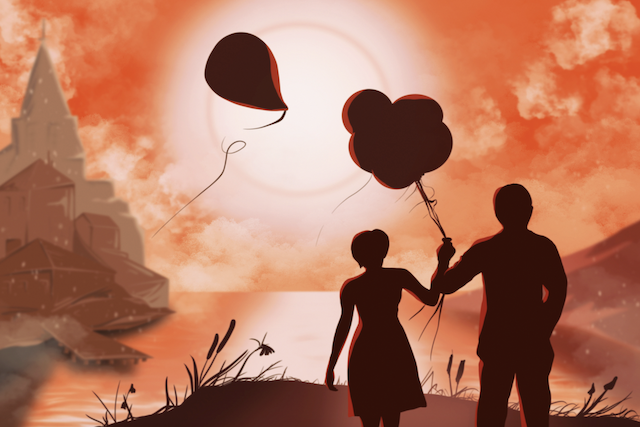
    A few years ago, a kindergartener came up to me with a small Valentine’s balloon. He handed it to me and said with a sweet and innocent smile, “This is for you. Since you probably aren’t getting anything else.” I laughed so hard I wet my pants.

    Over the years I have learned the importance of being your own Valentine. There is no greater love than the love you can give yourself. And if I know one thing for sure, it is that we have the rest of our lives to spend with ourselves. So we might as well learn to love ourselves. Am I right?

    In that moment, I was reminded of just how far I had come on life’s wild ride.

    I remember on Valentine’s Day, about ten years ago, I walked into a Target to do some serious retail therapy. I barely made it twenty steps before I saw a shelf filled with coffee mugs. You know, the ones that have one initial on the front, but you can never find your exact initials. You can only find X, Q, and Z. Well, I kid you not, there were three lined up perfectly that spelled out J-E-N. Jen, my ex. The one I thought I would marry.

    As her name glared at me from the shelf, “Since You Been Gone” played on the loudspeaker. I nearly had a breakdown on aisle four. At that moment, my world felt like it was imploding. It seemed as if the world was against me. Loneliness and grief flooded my body.

    I darted straight for the alcohol aisle, then I went home and drank myself into oblivion. I don’t even know what oblivion is, but I know I drank myself there. I didn’t know any other way to soothe myself. Drinking was my answer for everything.

    Two months later, I would almost drink myself to death. Self-love, self-compassion, and self-worth were not words in my vocabulary. I had heard them before, but I had never fully put them into practice.

    People had told me that I was loved. But what do those words mean if you don’t believe it yourself?  If you don’t love yourself, those words sound a lot like Charlie Brown’s teacher. “Muah. Muah. Blah blah blah blah blah.” Telling me that I was loved was a sweet sentiment, but it felt rather meaningless for me at that time in my life.

    I did attempt the journey of self-love before I got sober. But addiction stunts your growth. You can only grow so much when you are numbing out to some of life’s greatest opportunities for learning.

    My sobriety propelled me into a real and authentic journey of self-love. A journey that I was able to fully envelop and embrace. Self-love changed my entire life. It changed how I viewed myself. And, in turn, it changed how I viewed the world.

    Dr. Jeffrey Borenstein, president of the Brain and Behavior Research Foundation, wrote, “Self-love is a state of appreciation for oneself that grows from actions that support our physical, psychological, and spiritual growth. Self-love means having a high regard for your own well-being and happiness. Self-love means taking care of your own needs and not sacrificing your well-being to please others. Self-love means not settling for less than you deserve.”

    For years I had cared so much about what other people thought, and I would often put on a show to try and convince other people of my worthiness—when, in fact, I was the one that needed convincing. “Hustling for worthiness,” as Brené Brown calls it, is exhausting.

    And a foundation built on what others think of you is about as unstable as a foundation built of candy corn. Why candy corn? I have no idea. But one tiny windstorm or a small bit of turbulence and you are screwed.

    Self-love, self-compassion, and self-worth are not just things you hope for; they are things you work for.

    I had to start by letting go of anything that might be holding me back from stepping into my true self. I had to peel away the layers. Years of using alcohol to cope and survive, shame around my sexuality, trauma and grief related to my family’s deaths, the way religion tried to convince me that I was broken… the list goes on and on. I had to face these things head on and fully accept all parts of myself. The light and the dark.

    Brené Brown, one of my all-time favorite authors, states in one of my all-time favorite books, The Gifts of Imperfection, “Owning our story and loving ourselves through that process is the bravest thing we’ll ever do.”

    I worked through some tough stuff and began to see myself in a different light. Realizing that I was not broken was an incredible gift. A gift that I would not have been able to unwrap without first healing some past wounds and facing some hard things that I had so long avoided. And I continued to love myself through the entire process.

    Self-love, in my opinion, is the most powerful kind of love. Without it, I find it almost impossible to authentically love someone else. Without self-love, my life would become a bit of a dark alley. Without self-love, I would stay stuck in that dark alley. And the good Lord knows, ain’t nothing good going on in a dark alley.

    Self-love gives me the lantern I need to help light the way out of the darkness, back to my authentic self. Back to my truth. Back to my own light. 

    Brené Brown also makes reference to this courage and this light. She says, “Only when we are brave enough to explore the darkness will we discover the infinite power of OUR light.” Self-love guides the way.

    Self-love is more than just the state of “feeling good.” It is much more than buying yourself some chocolates and taking a bubble bath, although chocolates and bubble baths are nice too. Self-love is about diving and digging deep into your own life. It is about letting go of those limiting beliefs and negative loops that have been telling you lies for years.

    It is about learning to talk to yourself in the loving way that you deserve. It is discovering how to feel comfortable in your own skin and recognizing that you matter. It is standing up for yourself in areas that might scare you at first but will empower you in the end. It is about letting others see you. The real you.

    Self-love is a way of life.

    It is about rewiring your brain and changing your old story. It is about having compassion for ourselves and celebrating ourselves. All parts of ourselves. It doesn’t happen overnight. You can’t do one abdominal workout and wake up with a six-pack the following day. Otherwise, I would be rocking a six-pack.

    Just like training and toning our muscles takes commitment and time, training and toning our minds and our hearts takes consistent dedication and a willingness to stay on course. Unlearning is hard work. But hard work that is worth it, since it means living happy, joyous, and free (most of time).

    My old ways of thinking certainly make “cameos” in my life these days. The difference is, they don’t run the show.

    At forty-five, I have the confidence to say that self-love has changed my entire life. My self-love journey is ever-evolving, and I certainly still have my rough days. But, if we are looking at the big picture, I have become quite fond of my qualities. I truly feel like I am light in this world rather than just a useless bump on a log. Actually, who is to say that those bumps on logs are useless? Maybe someone loves those bumps. Okay, that might be stretching it.

    Anyway, when I used to experience any type of emotional disturbance, I would often choose unhealthy and negative ways to deal with my feelings. Now, I have a laundry list of practices that help promote a healthier and more productive response so that I can move through the disturbances with grace and dignity rather than self-pity and self-sabotage.

    The triggers don’t ever go away, but the way we respond to them most certainly does some shifting.

    Where does one even start to discover self-love? I think you have to see what works for you. Some things that have been and still are vital to my growth include:

    • therapy
    • breathwork
    • meditation
    • writing
    • taking time for myself
    • getting to know myself
    • forgiveness
    • being of service
    • listening to others’ stories of hope
    • unplugging
    • long baths
    • doing things that make me happy
    • not shaming myself for needing medication for my depression
    • getting outside of my comfort zone
    • staying sober
    • laughing and not taking everything so seriously
    • making empowering choices
    • interrupting negative thoughts
    • reading a lot of Brené Brown books
    • vulnerability
    • being open and honest about my own story
    • nature

    These are just some of the things that are in my self-love satchel. Do people still use that word, satchel? Satchel. Satchel. Now it sounds weird. Anyway, those are just a few things that have helped and continue to help keep my train on the tracks.

    The journey of self-love is hard work. But nothing that is worth it comes easy. What challenges you, changes you. And getting to know myself and accepting all parts of myself was one of the most challenging things I have ever tried. And at the same time one of the most rewarding.

    I’m looking forward to the day that I meet my other Valentine.

    That kindergartener was right, though. The balloon was the only gift I would get on that particular Valentine’s Day. But I had already given myself the greatest gift on earth: the gift of self-love.
  • How I Went from Approval Seeking to Authentic Living

    How I Went from Approval Seeking to Authentic Living

    “My life transformed when I stopped caring what people in the stands thought.” ~Brené Brown

    One afternoon, I had coffee with a friend who told me that she and her family all have a garden campfire every Friday night and toast marshmallows. It sounded so rustically idyllic compared to our normal frozen pizza and movie tradition that I asked my husband if we could do the same that evening.

    He sat down to pick up the remote control and casually replied that he was too tired to build a fire, then thought nothing more of it. But I felt devastated and stormed out for my evening run.

    As I pounded the pavement, the ranting in my head about my selfish husband grew, and so did my anger. As I prepared to return home, full of rage, I became aware of the suffering I was creating in myself and realized I was sick of feeling resentful toward my husband when we weren’t doing what I thought we “should” do.

    When I walked through the door, rather than give my husband the silent treatment, I decided to sit and reflect on my anger. At the time, I was a trainee therapist, and I remember being told that anger was a secondary emotion.

    So I asked myself, “What’s underneath my anger?” “Fear” was my response. I inquired further, “What am I scared of?” I knew my husband loved me, so it wasn’t about that, and then it hit me. I was scared of disapproval from others. My anger toward my husband was related to my need for approval from everyone else.

    Something about his refusal to light that fire made me worry that people would think we were boring. Particularly my friend!

    But why did I need approval so much? The awareness was like waking from a trance. I had zero self-worth.

    I realized that my lack of self-worth and need for approval had impacted my entire life, with extreme consequences.

    For example, I’d ditched nice friends for the cool ones at school only to be bullied by the “cool” ones later on. I pretended I liked certain music and nights out to get boys to like me in my teens, only to end up alone anyway. I spent my twenties and thirties never knowing who I was, always adapting my opinions and lifestyle (even what to wear and eat) depending on who I was with at the time.

    The self-criticism never went away, and my inability to be myself left me isolated and struggling with depression. Meditation and exercise have all been useful in improving my mental health, but before that experience with my husband, I’d never been able to shake the feeling of not being good enough.

    As I had just entered my forties, I was determined things would be different. I embarked on my own “self-worth boot camp.”

    Before I explain the steps I took to improve self-worth and stop seeking approval, it’s helpful to be aware that we all need approval to some degree, as we are evolutionarily designed to seek it.

    In prehistoric times, we relied on being accepted by our tribe for survival, so we have a part of the brain that scans for how we are perceived in the eyes of others. The problem is that if we also struggle with low self-worth, usually due to experiences in childhood, that need to fit in with others takes over and prevents us from knowing ourselves. Until we do the work to get past this, we will lead inauthentic lives and be prone to depression and anxiety.

    Excessive approval seeking is a survival skill you have learned as a means to cope with feeling (not being!) unlovable. Unraveling this means building your self-worth and loving yourself.

    Taking the First Step: Radically Accept Yourself

    My journey to self-worth started with the acknowledgment that constantly putting myself down and changing myself to feel loved hadn’t worked so far. I never felt good enough, as it was a slippery pole I couldn’t get to the top of.

    Something radical was needed, and the phrase “radical acceptance” popped into my head. I thought I had come up with that phrase all by myself, but I later discovered it’s the title of an amazing book on self-compassion by Tara Brach. (I like to think I channeled it through collective consciousness, but I probably just noticed it in my local bookstore and forgot.)

    However, my take on radical acceptance at that time (which is slightly different from the book) was no matter what I was doing, thinking, wearing, being, etc., I 100% accepted myself.

    If I found myself scrolling social media, comparing myself to friends, and thinking I should have done more with my weekend, I paused and said, “It doesn’t matter. I’m still good enough.”

    If I caught myself analyzing social interactions, wondering how I came across, I paused and said, “I don’t care what people think. I’m loveable.”

    If I got upset that a friend had not texted back or I felt excluded from the different cliques in mummy land, I would take a deep breath and say, “It’s okay…you are loveable.”

    Change Your Feelings: Loving Kindness Meditation for Self-Worth

    Obviously, deciding to radically accept yourself is easier said than done, so I supplemented this mindset shift with a powerful self-loving meditation. This was a game changer and made a big difference to how I felt about myself.

    Loving-kindness meditation is an ancient Buddhist practice that involves cultivating well-wishing toward people (including yourself) with certain thoughts and phrases (i.e., “may you be well, happy, and free of suffering”). First you say it to yourself, then a close friend, a stranger, and an enemy before finally expanding the sentiment to the rest of the world.

    I’d dabbled in this before but felt something more intense was needed for my self-worth boot camp.

    I first thought of someone I truly loved, and my kids came to mind. I thought of how much I loved them; that they weren’t perfect, but I knew they were loveable. But crucially, I also made an effort to connect to the effect these thoughts and feelings had in my body.

    My body felt warm, pleasant, and tingly as I mentally offered this unconditional love to them.

    Still holding on to the physical sensations of unconditional love in my body, I replaced this with a vision of myself. I reminded myself that I, too, was imperfect but worthy of love. I felt love toward myself and told myself that I was okay, doing the best I could, and was good enough as I was. I even told myself I loved myself.

    I made sure I practiced this every day, and after about three to four weeks I noticed an internal shift, and my need to please started to fall away.

    Find Out Who You Are: What Would You Do If…

    Another sign of low self-worth was my chronic indecisiveness and self-doubt. I felt on the fence about so many things. Was I into running or yoga? A vegan, vegetarian, or carnivore? Did I love museums or mountains? Whenever I tried to decide something, the white noise of “how would that come across?” clouded my judgment.

    Trying to please people all your life means you’re already disconnected from how you feel about things, but then if each decision continues to be based on what others will think, that path gets well-trodden, leading to inauthenticity and unhappiness.

    Being all things to all people got more stressful as I got older. For example, as a working mum with limited time, I stretched myself thin thinking I should also be a mum who home baked, did crafts, and planned perfect birthday parties. Nobody could be all those things, but God, did I try. This just increased my stress and irritability and, ironically, worsened my presence as a mum.

    My new approach meant that when I found myself stuck in indecision or feeling overwhelmed, I paused and said, “What would I do if I already felt good enough?”

    This led to so many breakthroughs as I let go of the things I thought I should do and did what I wanted and needed instead. Yes, I was interested in yoga, but as I loved running and meditation, I didn’t have time. I accepted I was rubbish at kiddy crafts and would rather take my kids up a hill instead. I also discovered, amongst other things, I loved time on my own, with early nights and herbal tea rather than hangovers and a big social circle.

    I discovered myself, and it felt fantastic.

    Letting Go and Being Courageous: Mindfulness and Self-Compassion

    Moving toward new, authentic living involves letting go of what you think other people want and having the guts to be true to yourself. This is where mindfulness and self-compassion are your friends.

    However, my self-imposed “self-worth” boot camp may not have been possible unless I’d already been practicing mindfulness and self-compassion for a while. In my early thirties, I fell in love with mindfulness and became a teacher after it helped me stop self-critical thoughts from spiraling into depression. But it hadn’t really changed how I felt about myself until I combined it with the steps above.

    When I decided to radically accept myself, mindfulness helped me to pause and notice my automatic thoughts about other people’s (imagined!) opinions long enough to generate some alternatives. The self-compassion practices I’d gained as a mindfulness teacher helped me tune into and accept the uncomfortable feelings that came with fear of rejection and offer myself kindness instead.

    To get started with mindfulness and self-compassion meditations, it’s important to remember you are not trying to clear your mind but rather increasing your ability to notice your thoughts and feelings arising with non-judgmental awareness.

    If you have time for a daily practice, you may notice changes after a few weeks, and an app can help you stay on track. Self-compassion means reminding yourself that you cannot help how you feel while cultivating the courage to respond to your feelings differently. Look up Tara Brach and Kristen Neff for some self-compassion practices to try.

    Self-Worth Is a Journey: How I Feel Now

    Waking up to (what Tara Brach calls) the trance of unworthiness really has been life-changing for me. Ultimately, recognizing that only I can decide I am loveable was key, and then making an effort to believe that myself rather than seeking validation.

    It’s always a work in progress, and although I noticed changes quickly, I continue to use the steps on a regular basis when I notice falling back into old habits.

  • Think You Need to Prove Your Worth? A Simple Exercise That Might Help

    Think You Need to Prove Your Worth? A Simple Exercise That Might Help

    “You alone are enough. You have nothing to prove to anyone.” ~Maya Angelou

    A few years ago, I operated on the belief that my worth was tied to what I could offer others. If I couldn’t assist with job opportunities, provide transportation, or support someone in some way, I didn’t see the point of forming a connection.

    This mindset stemmed from a period in my life when I was married to someone battling drug addiction. He often remarked, “Without you, I’d probably be in jail or dead,” and deep down, I knew it was true. It was a perfect match, and I felt that my sole purpose was to serve and help him.

    Many people in our circle lauded this dynamic, praising my loyalty and dedication. It gave me a sense of purpose and self-worth. I even became a marriage mentor, guiding others down the same path I had trodden. Concurrently, I was a workaholic, and if you’d asked me about my week, weekend plans, or hobbies, I’d have recounted work-related stories—they were my only experiences at the time.

    Throughout this period, I battled chronic gut issues. While not debilitating, they were a constant annoyance, with my stomach reacting negatively to most foods. I tried various remedies, including doctor visits, medications, and dietary changes, but nothing seemed to work. So I went on, living with this persistent discomfort.

    Then came the day I woke up with a haunting thought: “It hurts to live.”

    Overwhelmed, exhausted, and still grappling with gut problems, I found myself in a dark place. I had no understanding of depression or why this thought had taken root in my mind. All I knew was that I didn’t want to get out of bed.

    A compassionate colleague sensed my struggle and introduced me to her therapist. I had no experience with therapy and wasn’t sure what you even did in a therapy session, but I knew I had to make a change. So I began therapy right away.

    Unveiling the Root of My Suffering

    Fast forward a few years, and my life has transformed dramatically. I am divorced, free from gut issues, no longer a workaholic and, most importantly, I’ve realized that I am a human being, not a human doing. It was during this journey of self-discovery that I had a profound revelation about what had likely caused my suffering for so long.

    In his book, The Myth of Normal: Trauma, Illness & Healing in a Toxic Culture, author Gabor Maté MD outlines five personality features commonly found in individuals with chronic illnesses. One of these features struck a chord with me: “overdriven, externally focused multitasking hyper-responsibility based on the conviction that one must justify one’s existence by doing and giving.” It described me during those years with astonishing accuracy.

    Does this description ring a bell for you or someone you know?

    This belief, deeply ingrained in my psyche, permeated every facet of my life—my work experience, my choice of partners, my circle of friends, my health, and much more.

    But here’s the thing: I didn’t consciously choose this way of being. I didn’t wake up every day and think, “Today, I’ll justify my existence by putting everyone and everything above myself.” These patterns often develop subconsciously, often as coping mechanisms, especially in childhood when resources may have been scarce.

    For example, if in your family, achieving more translated to receiving more love and affection, you might find yourself overachieving to secure that love. Over time, these behaviors become normalized and even celebrated by society and those around us. By the time you become aware of them, they’ve become deeply embedded in your identity, making it challenging to differentiate between these learned personality features and your authentic self.

    Embracing Self-Worth Just for ‘Being’

    The path to reclaiming your self-worth involves looking inward, getting curious, and embracing your true self. Since the belief that you must justify your existence by constant action isn’t a conscious choice, tapping into your subconscious can be a powerful means of shifting this perception.

    One approach is to identify and befriend the parts of yourself that are trying to keep you safe through excessive external focus and action. Integrating these parts can help you move forward and rediscover your innate worth just for being yourself.

    Techniques for this journey can be found in Susan McConnell’s book, Somatic Internal Family Systems Therapy: Awareness, Breath, Resonance, Movement, and Touch in Practice. Additionally, Dr. Lucia Capacchione developed a non-dominant handwriting technique to access your subconscious and uncover the needs of these inner parts.

    Here’s how you can try the non-dominant handwriting technique:

    1. Gather a pen, journal, and take a moment to calm your mind.

    2. Reflect on a recent experience where you noticed yourself justifying your existence through excessive action and giving.

    3. Pay attention to the emotions you felt during that experience.

    4. Engage in a handwritten conversation with the part of you that believes it must focus on external actions to stay safe. Use your dominant hand for your rational thoughts and your non-dominant hand for the subconscious part. You can even use different pen colors for each hand.

    • Start with a simple greeting using your dominant hand.
    • Allow your non-dominant hand to express itself.
    • Acknowledge and affirm the subconscious part using your dominant hand.
    • Continue the conversation, repeating the process.
    • Conclude with a message of support and understanding from your dominant hand.

    Spending time befriending and integrating these parts can help shift your belief from “I am a human doing” to “I am a human being.” You are enough simply by existing. If you struggle to believe this, try the exercise and see what emerges. Your journey to self-discovery and self-acceptance is uniquely yours, and there are many paths to explore.

  • Why I Didn’t Love Myself (and All the Suggestions That Didn’t Help)

    Why I Didn’t Love Myself (and All the Suggestions That Didn’t Help)

    “Remember, you have been criticizing yourself for years and it hasn’t worked. Try approving yourself and see what happens.” ~Louise Hay

    There is a lot of hype around self-love these days. The media and marketing world often bombard us with messages insinuating that the key to self-love lies in consumerism. For a long time, I bought into this idea.

    I would see an advertisement urging me to treat myself to a high-end face cream for a dose of self-care. Or a promotional email landing in my inbox might suggest that a calming lavender bubble bath was just what I needed to boost my self-love. Or I would receive a text notifying me of the latest designer bag on sale—isn’t self-love about indulging in what you fancy?
    Despite buying all the things, incorporating self-care routines, and generally doing all the things these mediums recommended for self-love, I still felt unfulfilled.

    I questioned why, despite following all the guidelines, something still felt amiss. I felt that emptiness creeping in, even when I had checked all the boxes these commercial messages prescribed.

    Through navigating this journey, I’ve come to recognize an overlooked issue that often lurks in the shadows of the pursuit of self-love: low self-worth. The belief that I am not worthy of love, exactly as I am. 

    For most of my life, I found my self-worth through doing instead of being because this is what I learned from my church and home life. Serve, give, think of others. And I always got affirmation from my parents when I did something that was helpful to them. I don’t recall ever being asked what I wanted to do, and I really had no idea what I needed.

    I thought that in order to be worthy of my own approval and love, I had to first receive it from others. I thought that by being the helper, the healer, the giver, I would gain the love of others and then be lovable.

    I now realize that developing and believing in my own self-worth and loving myself is an inside job. All the healing, giving, and helping should have started with myself. You know, fill your own cup.

    What I learned does not work is seeking something outside of me for approval and validation. You see, we cannot control how others perceive us, or whether they understand us. We cannot control if someone likes the way we look, the art we create, or the words we say. Nor should we allow their opinions to dictate who we are, what actions we take, what we say, or how we feel about ourselves or our lives.

    For me, low self-worth showed up in very subtle ways that I am only now starting to see and understand because I now have an awareness of it.

    For me, low self-worth showed up as me giving my body to men before I was ready, or not saying anything when they took my body without permission, instead acting as if everything was fine.

    It manifested in me working at a job that had unrealistic expectations of me, that did not provide an environment to learn, grow and flourish—constantly giving my all and feeling it was never enough.

    Low self-worth meant marrying someone because they loved me, not because I loved them.

    It meant silencing my truth, my opinion, my feelings for the sake of not wanting to feel uncomfortable or make anyone else feel uncomfortable.

    It meant giving more than I had to give expecting others would do the same.

    I now know that my worthiness does not lie in what brand I am wearing, how big my house is, or how much money is in my bank account. And it’s not tied to how much I give or do for others, or whether someone likes me or not. 

    My worthiness lies in how I feel about myself. It starts with loving and approving of myself.

    It was amazing to see the changes that occurred when I began to deem myself worthy for simply existing. Suddenly I found myself less interested in getting drunk to escape myself and the world, and less interested in pleasing people.

    I began to ask myself why I was choosing to make a particular decision. Was it because I felt like I should, or was it because I genuinely wanted to? What I found was that many of my choices had a motive—to get approval from others.

    As I navigate this space, I give myself permission to change my mind, to cancel plans, to do my best to lean into the discomfort of change.

    I validate myself daily through mirror work, affirmations, and making choices that are beneficial for me.

    I make an effort to speak kindly to myself and forgive myself for past mistakes, which in turn allows me to forgive others more easily, and to understand that we are all here doing the best we can do, with the awareness that we have.

    If you are on this journey of self-love and find that you are not making the progress you would like, ask yourself the following questions:

    • Where does my self-worth come from?
    • Do I believe that I am worthy of love?
    • If not, why? When did I form this belief, and how can I let it go?
    • What actions can I start taking to show myself that I love and honor myself?
    • What type of thoughts am I thinking about myself?
    • What proof can I find that my negative thoughts are actually untrue?

    On this journey of discovering my worth and loving myself I’ve had my fair share of tripping, face plants, and “oh NOO, not again” moments. There have been ups and downs, good days and bad days, periods of rapid progress followed by times of stagnation or regression.

    This journey will be lifelong for me, but despite the obstacles, I have discovered a deeper sense of peace (at times) than I ever imagined possible, experienced more joy and laughter than I thought could exist, and found more moments filled with gratitude than ever before.

    As I choose to uphold the idea of appreciating progress rather than pursuing perfection, I realize that it is all worthwhile.

  • How I Found My Worth in Spite of My Father’s Abandonment

    How I Found My Worth in Spite of My Father’s Abandonment

    “Because if I myself saw my worth, I wouldn’t base my worthiness on someone else’s seeing it.” ~Unknown

    I can’t be sure which title I would have preferred. Daddy, Poppa, Pa, Dad. Aren’t these the endearing titles one earns when they live up to all that it means in the role of the first and most important man in a little girl’s life?

    The one who she can count on for love, guidance, comfort, and safety. The one who she adores. The one who teaches her how to play soccer or baseball because she is a tomboy through and through. The one who allows her to put makeup on his face or to have tea parties with him at a table entirely too small for his stature. The one who tells her the best bedtime stories that leave her feeling safe from the boogeyman living under her bed.

    The one who sets the standard when she finds the love of her life.

    From all that I have heard, they are the ones who are something special and to be treasured.

    Mine, on the other hand, not so much. Let us then call him the sperm donor. Fitting since it’s the only role he’s played in my life. When one walks out on his wife and two little girls, the older, age three and the younger, age one (that’s me), offering no support, financial, emotional, or otherwise, he’s earned that title.

    Bless your black little heart.

    Maybe this all makes me sound harsh or bitter. That’s because I was, for a really long time.

    And with that came all the issues: abandonment, people-pleasing, anxiety, lack of confidence and self-esteem. Choosing partners who didn’t respect me because I didn’t respect myself. Drinking and feeling regret over things I may have said or done that could have hurt other people. Always second-guessing myself and my choices because I didn’t trust myself to make my own decisions.

    I became my own worst enemy, consistently and constantly beating myself up for anything and everything, and I filled my head with toxic thoughts about my worth that I believed were truths. Truths I lacked any ability to refute.

    I needed constant validation and approval, and a steady stream of input from others dictating my life. I did not know who the heck I was or how to be true to myself. I spent many years trying to make sense of it all, and the more I tried, the more I suffered.

    I hated the fact that I grew up without a father. I hated everything about it. And for so long, I let it define who I was.

    Fast-forward to the second half of my life. After a series of difficult events, including a devastating breakup around my fiftieth birthday and the more recent unexpected death of my mother, the only parent I had ever known (with whom I shared a tumultuous, roller coaster relationship), I became sick of myself and who I had allowed myself to become.

    How could I expect my own kids to grow into confident, kind, respectful adults if I was not setting the example? “Get it together, Charlene. Do it for them, and once and for all, do it for yourself!”

    That was the pivotal time in my life that triggered the light switch for me. It was as if I was given a second chance and an opportunity to gain the clarity I needed to become exactly who I wanted to be as a person and as a mom.

    I knew three things: it would take work, it would not happen overnight, and it would not feel good. It didn’t matter. I had made up my mind. I knew, first and foremost, I needed to find a way to forgive myself—for allowing my past to define my life, for my holding so much resentment toward my mother, and my own struggles as a mother after my divorce.

    I spent time initially with my three amigos. Me, myself, and I. We got to know each other very well before shortly meeting up with my baggage. We all sat together most days in our group therapy sessions, and we went back. Way back. We rehashed our lives and all the unpleasant and unflattering times. We sat often, in silence and in our stench. We did this for as long as it took until we could look in the mirror and see the person we could love and be proud of. 

    It was not pleasant. It was not easy. And it was most definitely not fun. But it was worth it.

    We, the four amigos (baggage included), were worth it.

    I slowly allowed myself some grace and became kinder and gentler to myself.

    Each day, I drove the short distance home from work on my lunch hour, hopping on my bike and looking for something, anything, to be grateful for… a bird or a butterfly in flight, the sunlight glistening on the water, a stone on the pavement in the shape of a heart, the sound of children laughing in the playground.

    I flooded my email inbox and social media feeds with daily happiness reminders (Tiny Buddha being one of them), and I devoured anything resembling positivity. I committed myself to healing my broken heart and rewiring my broken brain. Rather than focusing on my flaws and perceived imperfections, I uncovered everything wonderful and unique about myself—my courage, my passion, my honesty, my empathy, and my own role as a mother.

    I took my days minute by minute and inched my way forward.

    Baby steps.

    I will turn fifty-nine this year. Far closer to sixty than I am to fifty, back when the “you know what” started hitting the fan for me. When I think back to what my life looked like back then and all the worries and fears I had about what direction I was heading, I feel a sense of sadness.

    Time is this funny thing when you are in the second half of the game (of life). While I don’t dwell too much on regrets, my age, or how much time I have left, I would be lying if I said I have not thought about the time I wasted anguishing over my bruised ego and the hell I put myself through for so long.

    It is time I cannot get back.

    But today, I can say that I am proud of myself, and I give myself some credit…

    For overcoming my feelings of inadequacy and not being enough.

    For realizing that I am not lesser because of my flaws and imperfections, or because I grew up fatherless, in a trailer park, and do not have a four-year college degree.

    For having the courage and strength to walk my own path, even when the steps were terrifying and uncertain.

    Today, I am good.

    Good as in I can wake up and look in the mirror and like who I see. I could use a few less lines on my face, but I continue to learn how to embrace the whole package that is me. I can beat myself up and throw a good pity party once in a while, but I usually catch myself in the process.

    Sometimes it takes a few minutes, sometimes a day or two. Just depends.

    Either way, I have to sit the little girl inside me down and give her a reminder… to relax her shoulders, close her eyes, take a few deep breaths, and remember who the hell she is and just how far she has come.

    Today, I am still under construction, and I have been single and on my own for eight years. I was broken for a very long time, and I knew I needed to work on my inability to love and respect myself and rebuild the shattered parts of myself before I could entertain a relationship again. But I believe there are no mistakes. I think the stars aligned exactly as they needed to for me.

    If you can relate to any part of my story, I hope you find the strength and courage to dig deep and recognize where your lack of self-worth originated and discover all that is so wonderful and valuable about you.

    Regardless of your circumstances or how anyone might have treated you in the past, you are worthy of your own love, just as I am.

  • How Boundaries Help You Stay True to Yourself (And Two Practices to Try Today)

    How Boundaries Help You Stay True to Yourself (And Two Practices to Try Today)

    “The more you value yourself, the healthier your boundaries are.” ~Lorraine Nilon

    I want to talk about the direct correlation between boundaries and self-love. Because when we truly love ourselves and have a healthy self-worth and self-concept, setting boundaries becomes a natural extension of that.
    Without boundaries, we either become walled off and protect ourselves from others, which creates a sense of deep isolation and loneliness, or we become enmeshed with others. We often find ourselves living on their side of the street, working overtime to manage, fix, caretake, or be needed by them, all while neglecting ourselves and our personal well-being and needs.

    As children, we were often rewarded for being relational, compliant, quiet, agreeable, easy, and invisible. The underlying message was that we didn’t deserve to have ownership of ourselves.

    As long as we did what the big people said, we were in their good graces, but if we crossed that line, then we were in trouble. Because that hurt and brought up so much shame for us, the alternative was to disconnect from our authentic selves. We became people who played a part merely to gain acceptance and approval, but at the detriment of our own needs and desires.

    I personally have been on both sides of the coin. I was boundary-less for much of my life, giving and giving to others, unable to stand up for myself and my own personal needs.  

    A great example of this was when my husband and I went on vacation many years ago. We had a great time, but upon returning home I experienced an almost debilitating sadness and anxiety.

    I remember being uncomfortable in my own body to the point of wanting to crawl right out of my skin. As I sat with the uncomfortable sadness, I realized that it was deep grief.

    While I was on vacation, I felt free. I felt an ease about what I wanted to do each day and how I wanted to spend my time. In my regular ‘not on vacation’ life, I felt stifled and obligated to everyone.

    I realized I was living someone else’s life. I had built a life that others looked at and thought, “Wow, she’s got it all,” but it wasn’t the life that felt true to me. The grief I met that day came from meeting the realization of how I lived for everyone but me.

    I had checked all the ‘right’ boxes of what my parents wanted and what society expected of a good girl, but I was miserable.

    After this experience, it still took me a while to get a handle on my overpleasing and appeasing. Eventually, after having fried adrenal glands twice from my constant over-giving, over-serving, and endless worry of what others thought of me, I flipped the pendulum to the other extreme and began to build a wall. I was tired of everyone taking advantage of me and asking me for my energy.

    “No” became my personal mantra—until I woke up one day realizing how incredibly isolated and alone I felt. I had protected myself to the point of shutting everyone out.

    We are hardwired for connection, for community, for a group of people in which we feel we belong. Our nervous systems operate beautifully when we feel safe with others and are able to experience a dance of co-regulation.

    We want to move toward healthy boundaries, which are flexible, fluid, and give us the chance to shift and change. Healthy boundaries aren’t completely loose and open, but they aren’t to the other extreme of being closed off and guarded. 

    Boundaries and attachment style go hand in hand. Our earliest attachment was with our mothers, or primary caregivers.

    If we had a mother who met us in our time of need with compassion, a friendly face, and consistency, we built what is called a secure attachment.

    If we didn’t have this experience and our mother was unfriendly, shut down, cold, inconsistent, and not able to attune to our feelings and emotions as children, we created something called an insecure attachment. As adults with this deep well of insecurity, there is a good chance we are looking to have another adult meet our needs or fill this hole in our soul.

    My own mother controlled the emotional climate in the home. Just a tightening of her jaw and a furrow of her brows, and I was instantly walking on eggshells. Being raised in such an emotionally shut down and rigid home, I carried the belief with me that I was responsible for everyone else’s feelings, and if someone else was upset, I believed it was my fault.

    I wasted hours, days, and weeks worrying if someone was upset with me or disliked me. I had a huge gaping hole in my soul, and I strived to fill it by using other people’s validation and acceptance.

    It took me decades to learn how to be kind to myself and give my inner child what she needed, which was validation, acceptance, and a ‘kindful’ witness.  (I once heard the term kindful from one of my mentors, and it really stuck—it simply refers to being kind to myself.)

    Developing healthy boundaries requires us to learn that no other person can provide the inner safety and security that we need. Our healing work requires that we learn to reparent ourselves and provide ourselves the internal safety that we need and long for.

    This work isn’t necessarily easy; it takes time to learn how to nurture ourselves and build a rock-solid sense of authenticity and integrity. However, the irony is that when we learn to meet our own needs and recognize that we can create our own internal safety, we build the exact foundation required for better intimate relationships and friendships.

    The best thing we can do is learn to stay with ourselves and be true to who we really are. 

    Your needs, your preferences, your wishes, and your desires are what make you YOU! I know you’ve maybe heard that a million times, but maybe a million and one is what it takes. Really let that sink in. If any relationship requires that you abandon yourself to keep the peace, it’s not a healthy relationship.

    As we begin to build a healthier version of ourselves and recognize our value, we begin to not be so tolerable of those who mistreated us or diminished our worth. Being in our energy is a privilege, not a right. (You might want to repeat that to yourself on the daily.)

    When we believe this, over time, we draw in healthier individuals who respect us because they too respect themselves. As we shed the false self that we once created to gain approval and stay safe, we give ourselves the opportunity to explore what our hearts actually need and desire.

    It’s possible that the people in your life who were always used to you being easy, going with the flow, and not ruffling any feathers will find your newfound boundaries a bit of an inconvenience. I just experienced this situation recently. A friend begged for the old version of me that just wasn’t available to her whims and needs any longer. She loved me when I could be in a one-way friendship for her, but I couldn’t do it anymore.

    My new rule is two-sided relationships are the only relationships for me.

    What I love most about boundary work is that it is so incredibly honest. Because boundaries are grounded in our values and our needs, we are showing people the real and authentic us. 

    We are saying, “This is what I need; this is what I desire—are you able to meet me in this?” Sometimes they can and sometimes they can’t, but the bottom line is that boundaries give us the opportunity to create relationships based on pure honesty and truth.

    Having healthy boundaries requires you to be healthy, whole, and anchored to your truth. It requires you to step up and express this truth to create relationships and a life that you love.
    There are two exercises I want to leave you with to begin working on your boundaries. While these exercises seem simple, they are incredibly potent. One of my favorite current sayings is a little + often = a lot.

    When these practices are worked over and over, they become embodied. We no longer have to think about them so much, as they start to become second nature.

    1. No more auto-yesing.

    From now on, when anyone asks you anything, your immediate response is that you need to give yourself a minimum of twenty-four hours before you respond.

    This exercise is important because it gives you an opportunity to pause and check in with your body.

    If we are accustomed to having codependency, good girl/boy, or people-pleasing patterns, our immediate response is always YES, 150% of the time. This exercise stops that pattern and gives you the pause you need to ascertain what feels expansive and good to you.

    2. Spend some time journaling on the following questions:

    • In what ways/areas/relationships am I giving my power away?
    • What am I tolerating that doesn’t feel good to me any longer?
    • In what ways was I rewarded for not having boundaries as a child?
    • In which current situations/relationships do I have an opportunity to start building my boundary muscle?

    These two exercises are powerhouse tools to help you discover and implement new choices and responses.

    And lastly, if you feel like you are bumping up against a wall when it comes to your boundaries, the only way out is through. Yes, it feels clunky. No, you won’t always get your newfound boundaries ‘right’ (hello, good child), but with practice and support, you’ll make it to the other side.

    Join me where life is so free and expansive, you can’t even imagine.

  • How I Stopped Worrying About What Others Think of Me

    How I Stopped Worrying About What Others Think of Me

    “Live your life for you not for anyone else. Don’t let the fear of being judged, rejected or disliked stop you from being yourself.” ~Sonya Parker

    On August 4, 2022, I buzzed off my long, thick, luscious hair.

    I marched up Sandy Boulevard in Portland, Oregon, walked into Take Pride Barbershop, and sat in the chair with the most badass barber. She quelled my last-minute fears and boldly took the clippers to my never-shorter-than-shoulder-length hair.

    It was instant liberation.

    I had finally worked up the courage to do so after four years of internal debate and worry, which went something like: What will people think? Will people think I’m a man? Will people treat me differently? What if I’m actually ugly and my ugliness will be revealed? What if my head is oddly shaped? Will I have to wear a bunch of makeup?

    My worries and thoughts were clearly steeped deep in societal conditioning about beauty and femininity. We are told that long hair is feminine and beautiful. We are told that young women aren’t supposed to have short hair. We are told that if you are a woman with short hair, be sure to wear makeup and jewelry so you look feminine.

    But I finally stopped all the thinking, broke free from those norms, and I just did it. I said, “Off with the hair!”

    And now I feel free-er, sexier, and prettier.

    I feel more like me.

    It’s as if I shed layers that were actually hiding my true essence. My true essence as an adventurous, empathic, sensual being who sometimes feels soft and tender, and other times feels bold and badass. My true essence as someone who is wary of rules and authority.

    It’s also as if I shed layers of my ego. Because whether I like to admit it or not, my hair was a significant piece of my identity as a woman. Hair is an expert communicator, with the ability to send so many messages through a single glance. Hair communicates gender, sexuality, wealth, age, health, and parts of our personality.

    Now that I have shed my long hair, I think the only part of me that is still communicated via my hair is my personality. For one can no longer look at me and quickly deduce my gender, sexuality, wealth, age, or health. (I do have very toned muscles and glowing skin, so people should be able to make an assumption about my health, but some people only see the short hair and assume I have cancer).

    What is communicated boldly is that I create and live by my own rules. And if people know one thing about me, THAT is exactly what I want them to know. 

    My buzzed hair also lends an air of mystery, as people wonder about all of those other little check boxes (gender, wealth, age, etc.) that are usually communicated via hair.

    While I did shed some layers of my ego, my buzzed head also makes a pretty strong statement, and in full transparency, I get a lot of attention. This attention comes in all forms.

    Sometimes it’s “Excuse me sir…oh! I mean ma’am.”

    Sometimes it’s “You need to wear lipstick to look more feminine.” (Who said I wanted to look more feminine?!)

    Other times it’s “Omg, you’re so beautiful” or “I LOVE your hair.”

    Sometimes I get free guac.

    I get a lot of smiles from passersby on the sidewalk.

    I get a lot of lingering looks at the post office, the coffee shop, and the dance floor.

    And while I do love to be called beautiful (who doesn’t?!), I don’t attach myself to the praise or the criticism because I have decided for myself that I am strong, radiant, and beautiful, from the inside out. I no longer care if people think I look masculine or feminine, ugly, or beautiful. I don’t care if people in Idaho think I have cancer. I don’t care if people think I look like a skinny boy without makeup on. (What’s wrong with looking like a skinny boy?!)

    This level of not caring, of being so confident in who I am, is the ultimate freedom. 

    Plus, I know that when people react one way or the other, it is not really about me and my hair. Their reaction means that I activated something within them. I activated their desire to be free and to stop following the rules that someone else laid out for them.

    In the best cases, I offer others a little permission slip to step into their own boldness. Which is one of my favorite parts of buzzed life—when women tell me I’ve inspired them to buzz their long hair! That they were so worried about what people would think, but after seeing me do it, they now have the courage too. That is powerful.

    So while the hairstyle of one woman may seem like a simple and insignificant thing, it actually plays a small but important role in the liberation and empowerment of women.

    For when a woman has the courage to push back against beauty standards, that courage is ignited, and she also develops the courage to choose freedom in other facets of her life as well. 

    For me, that has looked like more sexual freedom—making me more playful in bed and bolder in sharing my desires—and more confidence in all areas of my life.

    Buzzing my hair has also created more time in my life, as I spend less time getting ready. It’s created more mental space, as I no longer spend inordinate amounts of time thinking about how to style my hair, when to wash it, and whether or not to get it highlighted.

    It has also freed up more money because I no longer spend hundreds of dollars on highlights and cuts. My fiancé buzzes my hair at home and, occasionally, I bleach it myself.

    It’s also led to freedom in how I dress. Sometimes I like to dress to express my femininity. Other times, I dress to express my masculinity. As someone who used to be deeply insecure about her tomboy-ish-ness and lack of desire to wear makeup, I have reclaimed the masculine parts of me with pride, which has been an integral part of my healing and expansion journey.

    It has also deepened my sensuality. In the shower, the water massages my head more intimately. On a summer day, the sun kisses me deeply. On a breezy morning, the wind and I dance a graceful dance. On the dance floor, the softness of my fiancé’s lips activates my crown chakra. I feel less separation between the world and me. I am more integrated. I am more aware of my oneness with the natural world.

    Yes, all of this because of my buzzed hair!

    So I’ll leave you with a few parting words of wisdom:

    1. People are going to talk and have an opinion about you no matter what, so you might as well do what you want and be who you want.

    2. Others’ opinions of you really have more to do with them than they do with you, so don’t take stuff too personally and concern yourself first and foremost with your opinion of yourself.

    3. If you want to buzz your head, do it. If you don’t like it, it’ll grow back. But I bet you will like it!

    So here’s to taking action to live as a more free, wild, and confident you!

  • Why I Don’t Regret That I Didn’t Walk Away from My Relationship Sooner

    Why I Don’t Regret That I Didn’t Walk Away from My Relationship Sooner

    “The butterfly does not look back at the caterpillar in shame, just as you should not look back at your past in shame. Your past was part of your own transformation.” ~Anthony Gucciardi 

    Before I finally grew the courage to walk away from my boyfriend, I contemplated walking away many times.

    There was the time that he had ghosted me for a week without communicating that he needed space. Then after promising me a timeline for telling his mom about me and our relationship, when the time came to do it, he made up another excuse. And there were many moments when he canceled our plans at the last minute.

    Every time I felt disappointed or disrespected, I would feel my body start to tremble from the inside and I felt my sense of self start to break away as I tried all of the things I thought would repair the relationship. I tried to be patient and understanding, and I communicated my needs while trying to see where he was coming from. But nothing changed.

    Sometimes I would feel a glimmer of hope as my partner took accountability and would try to be better. I gave him multiple chances to make things right, and yet he still went back to old patterns. I wasn’t expecting an overnight change, but I wanted more investment. Deep down, he just wasn’t on the same page.

    So why couldn’t I walk away from this person who was no longer treating me the way I deserved to be treated? Why did I still keep putting up with less and accepting the bare minimum?

    I didn’t know how to let go of someone I loved. I was scared of letting go of what I saw as the potential of this person and the relationship. And I was scared of letting myself down. 

    Relationships are complex, and people on the outside looking in make it seem easy for you to just leave at the first sign of turmoil or dissatisfaction. It’s normal to feel uncomfortable and unhappy in a relationship, yet still struggle to walk away.

    The truth is, I needed to go through these experiences to finally see that this relationship was no longer serving my highest good. And that’s not to say that I deserved any of it. But it would not have been as easy to walk away with the clarity, certainty, and purpose that I had at the moment that I had it.

    When the pain of staying was greater than the fear of leaving, I knew it was the right time to walk away. 

    If I had walked away sooner, I might have held onto hope of getting back together, fearing that I didn’t do enough or give it enough of a chance. I would likely be floundering with my internal need for closure, rather than knowing I received all the closure I needed by the time I walked away.

    Even though there were many times that my soul knew deep down that I would eventually have to walk away, my heart wasn’t there yet. And when it finally was, the courage grew inside of me like an ocean wave coming closer to shore.

    If you’re struggling to walk away from a person or feeling regret about not walking away sooner, here’s what helped me on my journey of making peace with it:

    1. Honor your lessons.

    Love is not enough. This was one of the hardest pills to swallow, but it was necessary.

    A couple days before we broke up, my ex and I had another hard conversation about our relationship. And at some point, I remember saying, “But we love each other,” attempting a plea to hold us together through some challenges.

    Healthy relationships require more than just the feeling of love. There needs to be commitment, action, integrity, communication, and trust. Feeling love for another person is nice, but you can feel love for a person and not be in a relationship with them. A relationship requires much more.
    At first, I felt sad and defeated when I reflected and realized that these values were not in alignment in our relationship. But now I honor this lesson and know that it will serve me well in my next relationship. I won’t waver on the importance of being aligned on values more than just a feeling of love.
    When you have core takeaways from a relationship that didn’t work out, it helps to create a deeper meaning from it. And it helps you focus your energy on yourself, rather than your ex-partner.

    2. Give yourself grace.
    We can be so hard on ourselves. And the times that you need grace the most are often when you’re least likely to give grace to yourself.

    In my relationship with my ex, I was quicker to give him grace than myself.

    After I walked away, this hit me like a truck. That’s when I started to give myself the grace and love that I pushed down in favor of trying to hold the relationship together. Did I do everything right? No, but that’s the point of grace.

    I poured so much love back into me and my life after the breakup. I gave myself grace to recognize that this relationship was not the right fit, and that it took me some time to really see that. Grace allowed me to forgive both myself and my ex, because it always creates a ripple effect.

    3. Letting go is a process, not a destination.

    Even though I walked away with clarity and purpose, I didn’t feel an immediate sense of relief right after we broke up. I knew it was the right decision, but my body went into a grieving process.

    When someone passes away, we go through stages of grief. The same thing happens after a breakup.

    As I wavered back and forth between anger and acceptance, it helped when I returned back to the core reasoning behind why I walked away when I did, and why that was necessary for my happiness and well-being. Each deliberate choice to return back to my core knowing, while giving myself grace, was a part of the process of letting go and healing my heart.

    Making peace with this relationship and breakup meant treating my healing as a process and not a final destination. I had to acknowledge every step along the way to rebuild and come back from it stronger than before.

    —-

    We don’t always make the best choices for our highest selves in every moment, but this is an impossible expectation. We are all human beings trying our best to learn from experiences and grow. And I don’t believe there should be any regret in that.

  • How I’ve Stopped Letting My Unhealed Parents Define My Worth

    How I’ve Stopped Letting My Unhealed Parents Define My Worth

    “Detachment is not about refusing to feel or not caring or turning away from those you love. Detachment is profoundly honest, grounded firmly in the truth of what is.” ~Sharon Salzberg

    A few months ago, my father informed me that he’d been diagnosed with prostate cancer. Although he seemed optimistic about the treatment, I knew that hearing such news was not easy.

    After a few weeks, I followed up with him. He ignored my message and went silent for a couple of months. Although his slight ghosting was common, it made me feel ignored and dismissed.

    In the meantime, I went to India for a couple of months. A few weeks before I returned, he reached out, saying he needed to talk. Although he wasn’t specific, I knew something was happening and immediately agreed to speak to him.

    It was Sunday afternoon when he called. After I picked up, I immediately asked about his health. He went on to explain the situation and the next steps of the treatment.

    The call took one hour and twenty-six minutes. I learned everything about his health, where he goes hiking, what food he eats after the hike, what time he wakes up, the fun he and his girlfriend have, what his relationships with his students is like, and where he goes dancing every Saturday night.

    The only thing he knew about me was that my trip to India was great. He didn’t ask me what I did there or why I even decided to take such a radical step.

    Right after the call, somewhat discouraged because of his lack of interest, I received a call from my mom.

    Since my parents are divorced, I must divide these calls and often keep them secret in front of each other.

    The call with my mom went pretty much the same way. The only difference was that she repeated things numerous times without realizing it since she is on anti-depressants, often accompanied by alcohol.

    After both calls were over, thoughts of unworthiness started hitting me. At first, I judged myself for expecting my father to care about my life and used his health as a justification for his treatment. Then I realized I always made excuses for my parents. It was the way I coped with their behavior.

    Although talking to them was more of a duty than anything else, I knew not having contact wouldn’t resolve the issue. However, I didn’t know how to deal with these feelings. It felt as if every phone call with them reminded me how unworthy and unimportant I was to them.

    While growing up, my mother struggled with alcohol, and my father abused the entire family. When I began dating, I naturally attracted partners that reflected what I thought of myself: I was unworthy and unlovable.

    Although I wasn’t sure how to handle it, I knew there must have been a solution to this emotional torture.

    Typically, when I ended my calls with my parents, I would reach for thoughts of unworthiness and inadequacy. However, this Sunday, I chose differently. For the first time, I stopped the self-destructive thoughts in their tracks and asked myself the fundamental question that changed everything: How long will I let my unhealed parents define my worth and how lovable I am?

    After sitting in awe for about ten minutes and realizing the healthy step I just took, I asked myself another question: How can I manage these relationships to protect my mental health and, at the same time, maintain a decent relationship with them?

    Here is how I decided to move forward.

    1. Setting boundaries while finding understanding

    I always dreamed of how it would be if my mom didn’t drink. I remember as a fourteen-year-old kneeling by the couch where she lay intoxicated, asking her to please quit drinking. As a child and as an adult, I believed that if she could stop the alcohol abuse, everything would be better. She wasn’t a bad mother but an unhealed mother.

    Today, I understand that this may not be possible. Although watching someone I love destroying themselves almost in front of my eyes is painful, after working through my codependency, I understand that it’s impossible to save those who have no desire to change their life.

    Therefore, emotional distance for me is inevitable. I decided to use the skills I learned as a recovering codependent when appropriate. If I feel guilty that I moved far away, stopped financially supporting my mom since she drinks, or that I am not there to deal with her alcohol issue, I pause. Then, I forgive myself for such thoughts and remind myself that the only power I hold is the power to heal myself.

    If I find myself secretly begging for the love of my father, I reflect on all those loving and close relationships I was able to create with people around me.

    Another self-care remedy I use when feeling sad is a loving-kindness meditation to soothe my heart, or I talk with a close friend.

    2. Accepting and meeting my parents where they are

    Frankly, this has been the hardest thing for me to conquer. For years, the little girl inside me screamed and prayed for my parents to be more present, loving, and caring.

    Because I secretly wished for them to change, I couldn’t accept them for who they were. I wanted my father to be more loving and my mom to be the overly caring woman many other mothers are.

    When I began accepting that the people who caused my wounding couldn’t heal it, I dropped my unrealistic expectations and let go.

    I also realized that instead of healing my wounded inner child, I used her to blame my parents. Therefore, I was stuck in a victim mentality while giving them all the power to define my value.

    Today, I understand that expecting change will only lead to disappointment. Frankly, my parents are entitled to be whoever they choose to be. Although it takes greater mental power and maturity, I try to remind myself that this is what their best looks like while considering their unhealed wounds. This realization allows me to be more accepting and less controlled by their behavior. It allows me not to take things too personally.

    3. Practicing detachment

    Frankly, I felt exuberant when I chose not to allow my parents to define how I felt about myself when we last spoke. It wasn’t anger or arrogance; it was detachment. I remember sitting there with my phone in hand, mentally repeating: “I won’t let you define my worth anymore.” After a couple of weeks of reflecting on this day, I can say that this was the first time I took responsibility for my feelings concerning my parents.

    Although this story doesn’t necessarily have a happy ending, it feels empowering, freeing, and unbelievably healing. Breaking the emotional chains from the two most important people in my life is the healthiest decision I could have made.

    After my first victory in a years-long battle, I feel optimistic that this is the beginning of immense healing. Although I know that thoughts of unworthiness will creep in when interacting with them in the future, now I understand that I hold in my hands the most powerful tool there is—the power of choice.

  • I Don’t Know Who I Am: How I’m Finding Myself Again After the Abuse

    I Don’t Know Who I Am: How I’m Finding Myself Again After the Abuse

    “When you turn the corner / And you run into yourself / Then you know that you have turned / All the corners that are left.” ~Langston Hughes

    Nearly two years ago I left a long-term controlling and abusive relationship.

    I didn’t know that I was in one. I just knew that I was desperate.

    Abusers take everything away from you. I don’t just mean your money or your home or your children, although they take those as well. I mean everything, including your sense of self.

    Toward the end of the relationship, I wrote in my journal: “I have nothing. Nothing. No future. No family. No home. Nothing. I don’t know what to do any more. There seems to be no hope.”

    When I first left I had nowhere to go. I stayed in a hotel for a while and then moved to a pay-by-the week residence. I genuinely could not see any future for myself at that time.

    When you read about leaving an abusive relationship, there is a lot of information about how hard it is to leave. It takes someone, on average, seven attempts.

    It also can be dangerous to leave. Abusers escalate their behavior when they fear that they are losing their control over you. These are important things to be aware of.

    What nobody seems to talk about, and perhaps there are good reasons why, is how hard it is to recover once all the dust has settled.

    I have spoken to the police and been to court and had some excellent support from a domestic abuse charity. I have been to support groups. I feel like I’ve processed a lot of the abuse and that I am now able to move on from that trauma.

    I have a truly amazing therapist, who recognized the situation I was in even when I was trying to hide it from myself. He helped me escape. I credit him with saving my life.

    I have my own flat now that feels safe. I live in a nice area. I’ve made new friends and I am starting to feel part of the local community.

    But two years on from this relationship, I still don’t know who I am.

    Someone recently asked me what I like to watch on TV. I have no idea. I surrendered all TV-watching decision-making to my ex-partner because he had a tantrum if I put something on that he didn’t like.

    I don’t know what I want to do for a job. Up until recently, I worked in my ex-partner’s field, even though it is a field I know little and care less about, because that’s what he wanted me to do. I don’t know what I care about.

    Why am I telling you this? Because I am certain that I am not alone, but sometimes I feel very alone. And if you out there reading this also feel this terrible confusion about who you are and what you want to do, and you also feel alone, I want to tell you something…

    You are not alone.

    This is normal. This is okay. Not okay in the sense that it’s enjoyable or good, but okay in the sense that it is an understandable consequence of your journey.

    You don’t have to feel like there is something especially wrong with you that you aren’t now skipping through the fields gleefully enjoying your freedom. Hooray! I can do whatever I want!

    This is, I think, what people expect a domestic abuse survivor to do once they’ve gotten away from their partner. It’s what I wanted to do. The idea of finally having the freedom to do what I wanted was so exciting.

    It fell down pretty quickly when I realized I didn’t know what I wanted.

    Other than pancakes. I love making and eating pancakes. Hot pancakes with fresh lemon juice and sugar.

    And therein lies an anchor that you can use to start rebuilding yourself and your life.

    Start with something small.

    When you are rebuilding yourself, it feels like this should be profound. You should find out what your values are. What your aspirations and dreams are.

    This is like running a marathon without having done any training. You can’t start with the massive things. Start with the small things.

    What do you like to eat for breakfast?

    Even that is a big question for me because my ex-partner controlled my eating. I wasn’t always allowed to have breakfast. He didn’t do mornings, and if I woke him up making breakfast, he’d start screaming and threatening suicide.

    One day I discovered by pure chance that I like pancakes. And I am sure of this. This is something small but something solid and real.

    I can use this with other things in my life, to find out whether I like them or not. Do I feel about this the way I feel about pancakes? It sounds ridiculous but it works for me.

    It’s okay to change your mind.

    This is a big one. When your life has been unstable because you’ve been constantly gaslit, and subject to the shifting and changing rules that a controlling person indulges in, you want stability.

    You want things to stay the same. And you think that who you are and what you want should stay the same.

    Pro tip: It doesn’t. Not even for “normal” people. And your mind has been infected with the thoughts and ideas of another person.

    When you ask yourself what you want, sometimes it’s not your voice that replies. You may not recognize this at first. Later, you think, wait, that doesn’t feel right anymore.

    You can change your mind. It’s okay. It’s normal.

    I desperately wanted a cat for months. I bored everyone to tears telling them how much I wanted a cat. I looked up pictures of cats and mooned over cats and planned out names for my cats.

    Now I don’t want a cat. Not that I don’t like cats, I just don’t feel ready to take on the commitment of a pet. And that’s okay.

    Try stuff out.

    Do you really like chocolate, or is it that your ex-partner liked chocolate? How do you know?

    Try it out.

    Do you like to sing? Try that out.

    Maybe you find that you love to sing and you hate chocolate. Great. You’ve learned something about yourself.

    I like pancakes, chocolate, and singing. I do not like marmalade.

    Give yourself time.

    I am eternally thankful that a lady in one of my support groups said, “It took me about six years to start feeling like myself again.” At that point I was about nine months out of the relationship and convinced I was a failure because I still felt completely unstable.

    At this two-year point I catch myself feeling frustrated with myself for not having made more progress. Come on, Lily. Why don’t you know what you want to do with your life yet?

    I don’t know because someone emptied out my mind and filled it with their ideas. And made the consequences for thinking differently from them completely catastrophic. I am still scared to hold the “wrong” opinion, even though these days nobody is going to throw heavy objects if I do.

    My brain was rewired over a long period of time and it’s going to take time for me to fix that. This is okay. It’s not fun. It’s hard work. But it’s okay.

    In the meantime, I am going to sing, make pancakes, and eat chocolate.

  • How I Claimed My Right to Belong While Dealing with Imposter Syndrome

    How I Claimed My Right to Belong While Dealing with Imposter Syndrome

    TRIGGER WARNING: This post briefly references sexual abuse.

    “Never hold yourself back from trying something new just because you’re afraid you won’t be good enough. You’ll never get the opportunity to do your best work if you’re not willing to first do your worst and then let yourself learn and grow.” ~Lori Deschene

    The year 2022 was the hardest of my life. And I survived a brain tumor before that.

    My thirtieth year started off innocently enough. I was living with my then-boyfriend in Long Beach and had a nice ring on my finger. The relationship had developed quickly, but it seemed like kismet. Unfortunately, we broke up around June. And that’s when the madness began.

    I believe it to be the extreme heat of the summer that somehow wrought this buried pain from underneath my pores to come up. Except the pain didn’t evaporate. It stayed stagnant, and I felt suffocated.

    There were excruciating memories of being sexually abused as a child. Feelings of intense helplessness came along. I had nightmares every night, and worse, a feeling of horrendous shame when I woke up. All of this made me suicidal.

    Before I knew it, every two weeks I was being hospitalized for powerful bouts of depression, PTSD, and the most severe anxiety that riddled my bones.

    This intense, almost trance-like experience of going in and out of hospitals seemed like the only way to cope with life. I felt broken, beyond repair. I gained a lot of weight and shaved my head and then regretted it. My self-esteem plummeted.

    I felt like I didn’t belong to society anymore. I’d had superficial thoughts like this before, growing up in the punk scene, but the experience of constantly being in and out of mental hospitals was beyond being “fringe.” I felt extremely alienated.

    With many hospitalizations in 2022, I was losing myself. Conservatorship was now on the table. I was terrified and angry at the circumstances fate had bestowed upon me.

    In my final hospitalization in December, I suffered tortuously. I was taken off most of the benzos I was on, and I was withdrawing terribly, alone in a room at the psych ward. My hands and feet were constantly glazed in a cold sweat.

    I was so on-edge that every sound outside my door jerked my head up. The girl next door would sob super loud, in real “boo-hoos,” and do so for hours on end. It eroded me. I would scream at her to stop, but she would then cry louder.

    If there was a hell on earth, this was it. I told myself, with gritted teeth, staring out the window, that this would be my last time in a psych ward. No matter how miserable I was, I would just cope with it. I didn’t want to deal with this anymore.

    So I made a commitment to myself to really try to get better. Hope was hatched by that intense amount of pain. I knew I had a long journey ahead to heal, but that there was no other way but up.

    After that final hospitalization, I joined a residential program that helped me form new habits. There was a sense of healing and community there. I felt a mentorship connection with one of the workers, who was a recovered drug addict.

    I was glad I was finally doing a little better. I realized I shouldn’t have gone to the hospital so much and perhaps should have plugged into one of the residential places first.

    This year has been easier as a result of sticking to treatment and addressing some of the issues that were plaguing me. I now have better coping mechanisms to deal with symptoms of PTSD, as well as some better grounding techniques.

    As a result, I’ve been able to go back to work, despite still dealing with intense anxiety. For the first time in a while, I feel hopeful for my life. But I can’t help but getting hit with a barrage of thoughts before I go to work.

    This whole thing I’m going through is commonly known as “imposter syndrome.” Basically, it feels like I don’t belong where I’m going in order to make the quality of my life better. I feel like a fake or a phony, afraid my coworkers will understand who I really am—someone who has struggled with PTSD and depression.

    As a result, some days are more difficult than others when it comes to showing up at work. I’ll have mini panic attacks in the restroom. There’s an overwhelming feeling of surrealness.

    Although I’m glad to have gotten out of the merry-go-round of doom, putting on a happy face and attempting to appear as a healthy, well-adjusted person is too much sometimes.

    And I know it’s not just in my situation that people experience imposter syndrome. Some people that were once extremely overweight feel out of place once they’ve lost their extra pounds. Others who are the minority in race or gender where they work can also feel like they don’t belong.

    I’ve come to realize this is a universal experience, the feeling of “not belonging.” It’s also a syndrome of lack of self-worth. I try to tackle this in baby steps every day.

    Here are some things I try to live by to feel more secure where I’m trying to thrive.

    I ask myself, “Why NOT me?”

    There’s a Buddhist quote that suggests, when you’re suffering, instead of asking, “Why me?”, you’re supposed to humble yourself by asking, “Why NOT me?” But I think this is also relevant to feelings of belonging.

    When you feel like you don’t belong, ask yourself, “Why NOT me?” Why wouldn’t you deserve to belong, when everyone else does, despite their varied challenges? This sort of thinking levels the playing field.

    I remind myself of my worth.

    I could spend hours thinking about why I’m not adequate or deserving. But I try to think about why I do have a right to be there. I deserve to get a paycheck like everyone else. I deserve to work, no matter what I’ve been through, and to value the sense of belonging offered through my coworkers.

    I try to power through my inner resistance.

    Many days this is more difficult than others, but I know if my greater goal is improving my life and feeling like I belong to society again, its worth challenging all the mental resistance I feel. I also know that my feelings will change over time if I keep pushing through them.

    Cherish the times of connection.

    There are times at work where I feel really connected to my coworkers, even though I doubt we have the same psychiatric history. I try to savor those times of connection because they keep me going. Since we are social beings, it is important to us to feel connected.

    Take comfort in knowing this will fade.

    Already, having just worked a few weeks at this job, my feelings of imposter syndrome are starting to fade. If I had known this would happen in the beginning, I wouldn’t have put so much anxiety on myself. If you’re going through this too in any capacity, just remember that the feelings are only temporary and will pass as you find your footing.

    Make peace with your past.

    Everyone has a past, some that may feel more shameful than others. But don’t conflate that with your right to belong and be a contributing member of society. Sure, some things are harder to rebound from than others, but that doesn’t mean that you can’t get past them. And that doesn’t mean you need to be defined or limited by your past challenges.

    Validate your feelings of struggle.

    Although it would be nice to just use denial to move forward, that’s not possible since you know the truth. You know what you’ve been through and how it’s affected you. I validate my experience in the struggle by going to support groups after work. That way I’m not gaslighting myself, pretending I’m fine. It’s just about knowing there’s a time and place for that unheard, marginalized part of yourself.

    We all put on a brave face to be accepted, but we all deserve to belong, regardless of how we’ve struggled.

    Don’t let your struggles define you. Instead, validate the fact that they have given you the strength to get where you are now.

  • Thinner is Not Better – Healthy, Connected, and Happy Is

    Thinner is Not Better – Healthy, Connected, and Happy Is

    “Standards of beauty are arbitrary. Body shame exists only to the extent that our physiques don’t match our own beliefs about how we should look.” ~Martha Beck

    I have so many women around me right now—friends, mothers, clients that are on a diet—constantly talking about their weight and how their bodies look, struggling with body image.

    I am profoundly sad about the frequency and theme of those discussions.

    At the same time, I deeply get it; it is hard to detach from our conditioning.

    I too struggled with body image at one point in my life, and for a very long time. I suffered from anorexia in my late teens and early twenties. I was skinny as a rail and thought I was not thin enough. I hated the way I looked. I was never perfect enough.

    I controlled my food intake as a way to regain control over my life, as a way to maybe one day be perfect enough that I might feel loved. I almost ended up in the hospital, as my weight impacted my health, physically and mentally. I had no period, no healthy bowel movement. I was so unhappy and depressed. I had no energy.

    The messed-up thing is that the skinnier I looked, the more compliments I received from a lot of people, from family to friends: “You are so slim and gorgeous.” To me, this just validated the way I treated my body—and myself—with control, self-criticism, and harshness.

    Then there were the magazines, showing skinny models, getting so much positive attention. I was obsessed. The more my body looked like those magazine pictures, the better; though I could never quite get to a point where I looked at myself in the mirror and liked what I saw. It was an endless circle of judgment, control, and unhappiness. 

    It took me many years to change the way I saw my body and debunk the standards created by “society” for women.

    For many years I bit my tongue each time I would hear other women around me comparing and judging their body size and shape, repeating the same narrative of needing to lose weight. These conversations felt like an unbearable ringing in my ears, a knot in my stomach, the story in my head of “I am not good enough.”

    I was in the process of creating a new set of standards for myself, of what it was to be a woman in this world, but the old stories were hard to escape and easier to follow because they were the gold standard. I did not have any role models of women out there, younger or older, loving their body just the way it was.

    There was a point, though, when it was just too draining. I noticed that it was not the striving to get to a perfect body that brought me love. What brought me love was being vulnerable, authentic, sharing my inner life, supporting others, having deep talks, being kind with myself and others, and doing the things I loved.

    From then on, I started to soften and release all those standards that had been gifted to me. I allowed myself to be okay with how my body looked, to enjoy food, to enjoy movement, to enjoy my body. I learned to truly love my body, and with that came a different type of respect: I learned to rest when my body was tired. I learned to eat really nourishing food. I learned to move every day in a way that was respectful to my body and that I enjoyed.

    Thinner is not better. Healthy, connected, and happy is.

    Practicing yoga helped me so much in embodying this new belief, and studying neuro-linguistic programming as well.

    The truth is we are “society”—all of us, women and men—which means we are the agents of change. So let’s pause, reflect, and choose new standards. Is this constant need to lose weight healthy or serving anyone?

    There are a few different things to separate and highlight here.

    If your weight negatively impacts your health or your life, if you feel heavy in an unhealthy way and can’t do the activities you’d like to do, that is a different story; and yes, please, take care of your body, through what you think will work best for you: exercise, nutrition, mindset, support.

    Your body is your vessel to experience life, so finding your way to a healthy body is a worthwhile investment. And daily movement and good nutrition will have such a positive impact on your vitality and health, physical and mental, so yes, go for it, with love, softness and kindness—no control, judgment, or harshness.

    But if you feel that your body is strong and healthy, but you don’t like the way it looks… I feel you. I was there. I felt the shame, the discomfort, the sadness, the feeling of not being good enough. Allow yourself to feel this pain. It is okay, and human nature, to feel concerned about your appearance. We all want to be part of the tribe, to be loved and admired.

    But then, ask yourself, is it me that does not like the way my body looks, or is it because of society’s beauty standards? Is it because of all the noise from my friends, constantly talking about weight and looks? Do I want to transmit those standards to the next generation? To my sons? To my daughters? Is it really the most important thing for us women, to look thin and good? Is this story serving us all? Is it love?

    No, it is not love, and it serves no one. Not the women suffering in silence because they believe their body is not slim enough. Not the partners of those women who can’t appreciate their true beauty and fullness. Not the daughters that will believe the same messages and suffer as well. Not the sons that will not know how to recognize beauty in its diverse shapes and forms. Not society as a whole, which will be robbed of having a happy, compassionate, loving, self-confident population.

    So let’s choose differently. Let’s celebrate our different body shapes and weights and strength. Let’s feel good and enjoy life, movement, and food without counting and restricting and denying love to our bodies and selves.

    Let’s stop talking about our weight constantly and find other ways to connect.

    Some might say that I am too slim to really speak about this subject, that I have it easy. This is not quite true. My body has changed so much throughout the years. I went from an ultra-skinny teenager and twenty-year-old with anorexia, to a healthy weight in my thirties, to ups and downs with weight throughout my two pregnancies and breastfeeding journeys. I have seen my body change quite a lot and have been judged for how I looked oh so many times. I have been judged for being skinny, or envied for being slim, and I have been judged for gaining weight.

    Today I am forty-three. My body is not as slim as it used to be. I have a bit of fat around my belly, and my breasts are not as round and firm as they once were, but I feel strong and healthy. And I am SO grateful for my body for enabling me to experience life so far, and for creating life and feeding life, that I don’t want to ever criticize or shame my body again.

    I have learned to love every scar, my stretch marks, my extra skin, because they are the witness of my life, my loves, my years.

    So thank you, body, for everything you allow me to experience.

    The alternative to loving my body—the constant internal criticism and self-doubt—is too draining.

    We, as humans, are society, so let’s change this conditioning. Let’s never transmit this idea of what a woman’s body should look like to our daughters, to our sons. Let’s invent a world where it does not matter what you weigh as long as you feel healthy and good within. Let’s change the chattering from what diet we are on to how our heart is feeling.

    Let’s celebrate bodies, in their diverse beauty and forms.

  • Abandonment Wounds: How to Heal Them and Feel More at Ease in Relationships

    Abandonment Wounds: How to Heal Them and Feel More at Ease in Relationships

    “I always wondered why it was so easy for people to leave. What I should have questioned was why I wanted so badly for them to stay.” ~Samantha King

    Do you feel afraid to speak your truth or ask for what you want?

    Do you tend to neglect your needs and people-please?

    Do you have a hard time being alone?

    Have you ever felt panic and/or anxiety when someone significant to you left your life or you felt like they were going to?

    If so, please don’t blame yourself for being this way. Most likely it’s coming from an abandonment wound—some type of trauma that happened when you were a child.

    Even though relationships can be painful and challenging at times, your difficult feelings likely stem from something deeper; it’s like a part of you got “frozen in time” when you were first wounded and still feels and acts the same way.

    When we have abandonment wounds, we may have consistent challenges in relationships, especially significant ones. We may be afraid of conflict, rejection, or being unwanted; because of this, we people-please and self-abandon as a survival strategy.

    When we’re in a situation that activates an abandonment wound, we’re not able to think clearly; our fearful and painful emotions flood our system and filter our perceptions, and our old narratives start playing and dictate how we act. We may feel panic, or we may kick, cry, or scream or hold in our feelings like we needed to do when we were children.

    When our abandonment wound gets triggered, we automatically fall into a regression, back to the original hurt/wound and ways of reacting, thinking, and feeling. We also default to the meanings we created at the time, when we formed a belief that we weren’t safe if love was taken away.

    Abandonment wounds from childhood can stem from physical or emotional abandonment, being ignored or given the silent treatment, having emotionally unavailable parents, or being screamed at or punished for no reason.

    When we have abandonment wounds, we may feel that we need to earn love and approval; we may not feel good enough; and we may have our walls up and be unable to receive love because we don’t trust it, which keeps us from being intimate.

    We may try to numb our hurt and pain with drugs, alcohol, overeating, or workaholism. We may also hide certain aspects of ourselves that weren’t acceptable when we were young, which creates inner conflict.

    So how do our abandonment wounds get started? Let me paint a picture from my personal experience.

    When I was in third grade a lady came into our classroom to check our hair for lice. When she entered, my heart raced, and I went into a panic because I was afraid that if I had it and I got sent home, I would be screamed at and punished.

    Where did this fear come from? My father would get mad at me if I cried, got angry, got hurt and needed to go to the doctor, or if I accidentally broke anything in the house. Did I do it purposely? No, but I was punished, screamed at, and sent to my room many times, which made me feel abandoned, hurt, and unloved.

    When I was ten years old, my parents sent me away to summer camp. I kicked and screamed and told them I didn’t want to go. I was terrified of being away from them.

    When I got there, I cried all night and got into fights with the other girls. My third day there, I woke up early and ran away. My counselor found me and tried to hold me, but I kicked, hit her, and tried to get away from her.

    I was sent to the director’s office, and he got mad at me. He picked me up, took me out of his office, and put me in front of a flagpole, where I had to stay for six hours until my parents came to get me. When they got there, they put me in the car, screamed at me, and punished me for the rest of the week.

    When I was fifteen, I was diagnosed with anorexia, depression, and anxiety and put in my first treatment center.

    When my parents dropped me off, I was in a panic. I was so afraid, and I cried for days. Then, my worst nightmare came true—my doctor told me he was putting me on separation from my parents. I wasn’t allowed to talk to them or see them for a month. All I could think about was how I could get out of there and get home to be with them.

    I didn’t understand what was happening. I just wanted my parents to love me, to want to be with me, to treat me like I mattered, but instead I was sent away and locked up.

    I started to believe there was something wrong with me, that I was a worthless human being, and I felt a lot of shame. These experiences and many others created a negative self-image and fears of being abandoned.

    For over twenty-three years I was in and out of hospitals and treatment centers. I was acting in self-destructive ways and living in a hypervigilant, anxious state. I was constantly focused on what other people thought about me. I replayed conversations in my mind and noticed when someone’s emotional state changed, which made me afraid.

    It was a very exhausting way to be. I was depressed, lonely, confused, and suicidal.

    There are many experiences that trigger our abandonment wounds, but the one that I’ve found to be the most activating is a breakup.

    When we’re in a relationship with someone, we invest part of ourselves in them. When they leave, we feel like that part of ourselves is gone/abandoned. So the real pain is a part of us that’s “missing.” We may believe they’re the source of our love, and when they’re gone, we feel that we lost it.

    So the real abandonment wound stems from a disconnection from the love within, which most likely happened when we abandoned ourselves as children attempting to get love and attention from our parents and/or when our parents abandoned us.

    When I went through a breakup with someone I was really in love with, it was intense. I went into a panic. I was emotionally attached, and I did everything I could to try to get her back. When she left, I was devastated. I cried for weeks. There were days when I didn’t even get out of bed.

    Instead of trying to change how I was feeling, I allowed myself to feel it. I recognized that the feelings were intense not because of the situation only, but because it activated my deeper wounding from childhood. Even though I’ve done years of healing, there were more layers and more parts of me to be seen, heard, cared for, and loved.

    The “triggering event” of the breakup wasn’t easy, but it was necessary for me to experience a deeper healing and a deeper and more loving connection with myself.

    When we’re caught in a trauma response, like I was, there is no logic. We’re flooded with intense emotions. Sure, we can do deep breathing, and that may help us feel better and relax our nervous system in the moment. But we need to address the original source of our thoughts, feelings, and beliefs in order to experience a sense of ease internally and a new way of seeing and being.

    Healing our abandonment wound is noticing how the past may still be playing in our thoughts, feelings, and behaviors. It’s noticing the narratives and patterns that make us want to protect, defend, or run away. It’s helping our inner child feel acknowledged, seen, heard, safe, and loved.

    Healing the abandonment wound is not a quick fix; it does take self-awareness and lots of compassion and love. It’s a process of finding and embracing our authenticity, experiencing a sense of ease, and coming home.

    Healing doesn’t mean we’ll never be triggered. In fact, our triggers help us see what inside is asking for our love and attention. When we’re triggered, we need to take the focus off the other person or situation and notice what’s going on internally. This helps us understand the beliefs that are creating our feelings.

    Beliefs like: I don’t matter, I’m unlovable, I’m afraid, I don’t feel important. These underlying beliefs get masked when we focus on our anger toward the person or what’s happening. By bringing to the light how we’re truly feeling, we can then start working with these parts and help them feel loved and safe.

    Those of us with abandonment wounds often become people-pleasers, and some people may say people-pleasing is manipulation. Can we have a little more compassion? People-pleasing is a survival mechanism; it’s something we felt we needed to do as children in order to be loved and safe, and it’s not such an easy pattern to break.

    Our system gets “trained,” and when we try to do something new, like honoring our needs or speaking our truth, that fearful part inside gets afraid and puts on the brakes.

    Healing is a process of kindness and compassion. Our parts that have been hurt and traumatized, they’re fragile; they need to be cared for, loved, and nurtured.

    Healing is also about allowing ourselves to have fun, create from our authentic expression, follow what feels right to us, honor our heartfelt desires and needs, and find and do what makes us happy.

    There are many paths to healing. Find what works for you. For me, talk therapy and cognitive work never helped because the energy of anxiety and abandonment was held in my body.

    I was only able to heal my deepest wound when I began working with my inner child and helping the parts of myself that were in conflict for survival reasons make peace with each other. As a result, I became more kind, compassionate, and loving and started to feel at peace internally.

    Healing takes time, and you are so worth it, but please know that you are beautiful, valuable, and lovable as you are, even with your wounds and scars.

  • Dealing with Unrequited Love: How I Started to Let Go and Love Myself

    Dealing with Unrequited Love: How I Started to Let Go and Love Myself

    “If you don’t love yourself, you’ll always be looking for someone else to fill the void inside you, but no one will ever be able to do it.” ~Lori Deschene

    I was a simple girl who met a complicated boy and fell in love. It was unrequited. I loved him with all my heart for six months, and acted like a teenager with her first crush. It was humiliating. I did things that I should never have done—the incessant texting, calling, arranging meetups, and what not.

    Embarrassment doesn’t even cover the emotions I feel now. There is also a lot of guilt and pain.

    When I was kid, I learned by watching my parents to sacrifice myself and show up for others before myself.

    Gradually, my sense of self become entwined with others. I only felt worthy when I served a purpose in someone’s life, and otherwise, I didn’t think I mattered much.

    Every little thing became focused on other people—how I behaved, how I dressed, how I worked. I would mindread, try to control how people perceived me, and stretch beyond my limits to show up for people who probably never even cared about me.

    That is exactly what happened with the boy I loved. My life became all about him—what he said, what he never said. I was waiting for a proposal that was never going to happen. My mind had created all these stories about a fantasy relationship that would never be and was constantly lost in a daydream.

    Instead of loving myself, I was pouring all my time and energy into someone else. My family and friends knew what was happening, and they told me I needed to accept that he didn’t love me back, but I didn’t listen to them. I was on a high, addicted to the dopamine rush of seeing him and talking to him.

    One day, I suffered a nervous breakdown and cried. The boy I loved would never love me back. It was emotionally traumatizing, both for me and my family. The heart of it was my need for validation from someone else.

    It was hard for me to accept the fact that he would never love me. I wanted him. I loved him so much. Why couldn’t he see my love for him and love me back?

    It’s been one year since I’ve talked to him. My heart still beats a little faster when I think about him or see him.

    For a long time, I was ashamed of how I’d obsessed over him and pursued him. Sometimes I wish that I hadn’t met him. He was the beginning of a dark and depressing change in my personality. I was so sad. I couldn’t eat properly, sleep properly, think properly.

    I blamed it all on myself. It triggered a sense of worthlessness. I wasn’t good enough for his love, for him. I cried a lot. More than I should have.

    It felt silly. To cry over someone who doesn’t even know what you’re going through.

    For a long time, I didn’t forgive myself. I would wallow; I was in pain. I’d always struggled with low self-worth and self-esteem, and the pain of a broken heart was too much for my already broken self to handle.

    I had placed my worth in someone else’s hands instead of my own. I was cruel to myself, constantly criticizing myself and putting myself down, all because of a boy. I had been abandoning myself and treating myself far worse than I treated others. My mind was suffering; it felt rejected.

    But thankfully, support from the right people and therapy slowly helped me figure out what was going wrong and forgive myself.

    Therapy helped me rediscover myself. I was no longer the girl who placed her self-worth in someone’s hands.

    It also helped me recognize that my obsession was more about me and my issues than him. I already didn’t feel good enough; his rejection just magnified it.

    It was a gradual process, and at first, it was a little scary. I was fundamentally changing myself and rewiring my personality, learning to treat myself with kindness and compassion. Letting go of my old self wasn’t easy, as I had been so used to the pain and heartbreak.

    But I was patient with myself, and it paid off. I conquered my demons, and slowly, gradually, fell in love with myself.

    All of this happened last December and one year later, I can finally say that I’m letting go.

    It hasn’t been an easy journey. There are days when I don’t treat myself kindly. There are days when I still place my worth in someone else’s hands and expect them to ease my self-hatred and guilt and make me feel good enough. There are days when I end up sacrificing myself for people, but those are outnumbered by the days when I look at myself with loving kindness.

    There are far more days when I take care of myself instead of focusing on someone else who probably doesn’t care about what I’m going through.

    I have finally forgiven myself for all that happened. I look at the past and I wonder how I survived. I am far stronger and more resilient than I thought myself to be before, and now I can show up for myself, hold myself together, and be there for myself.

    I look at myself in the mirror and feel proud of coming so far. I love myself, and I’m not ashamed of what happened. Unrequited love teaches you a lot: It teaches you what you’re looking for and what you don’t want in someone.

    I know my worth, and I know that the right person will love me the way I deserve to be loved.

    But most of all, I know that I will love myself the way I want to be loved. I no longer look at myself with hatred. The pain of my heartbreak comes and goes, but I know I’m strong enough to handle whatever life gives me.

    I’m happy after a long time, and I want to hold on to this happiness and cherish all the good memories I’ve made.

    I have collected all my broken pieces and created art, writing down my thoughts and emotions, and also, appreciating all I’ve gained through my struggles has helped me work toward forgiveness and acceptance.

    Unrequited love can be a blessing because it gives us an opportunity to practice loving ourselves.

    Loving someone is hard but unloving someone and pouring all your love into yourself is even harder. It doesn’t happen overnight. Self-love is a journey, and it has its highs and lows, but it is worth it.

  • How to Love Mindfully When You’re a Socially Anxious People-Pleaser

    How to Love Mindfully When You’re a Socially Anxious People-Pleaser

    “It’s okay to care about what people think. Just know there’s a difference between valuing someone’s opinion and needing their approval.” ~Lori Deschene

    My date—an attractive student in her twenties—talked away excitedly, but all I could think of was this:

    “How can I make her like me?”
    “How can I impress her?”
    “How can I make her laugh?”

    I agonized over every word that I said, every response from her, every moment of our interaction, and I poured every single detail that I could find—or imagine—under the microscope of my mind… and all of a sudden, the date was over!

    As we said goodbyes and as I walked out of the cafe, I recalled the conversation. Wait. What did we talk about? What did I say?

    To my horror, all I could remember were my anxiety-filled thoughts. I said the wrong thing! She frowned! I mumbled! It got even more awkward!

    At that very moment, I felt trapped in a hell of my own. And I had no idea how I’d ever get out.

    For years, I would remain stuck in the seemingly eternal loop of social anxiety and romantic failure.

    I was mostly unsuccessful in sparking new romantic connections. Even if there were sparks of chemistry, they fizzled out by the end of the first date.

    And when I did have a girlfriend? I sacrificed my needs to please her in any way possible, which led to me eventually resenting the relationship and lashing out (which I’m not proud of at all).

    Desperate for change, I embarked on a multi-year journey of learning and reflection.

    I read dozens of books on relationships and communication. Took multiple mindfulness courses. Journaled and meditated daily. Sought advice from a therapist.

    After four years, here are the four things I’ve learned about loving mindfully, with less worry.

    Loving mindfully is about accepting your insecurities.

    Whether it’s feeling not successful enough, not rich enough, not smart enough, or not attractive enough.

    What’s your biggest insecurity?

    That might just be at the heart of your social anxiety. And when you’re socially anxious, you’re more sensitive toward judgment—especially if it’s about your deepest insecurities.

    For example, if you’re feeling insecure about your looks, a passing comment on your pimple might feel like they are critiquing your entire appearance. The anxiety amplifies the criticism, making it a lot louder and stronger in your mind.

    The stakes? When you aren’t aware and accepting of your insecurities, they can shape the entire dynamic of your romantic relationship. When you don’t feel worthy of love, you might engage in excessive people-pleasing and even hide your true personality.

    Tara Brach, a celebrated clinical psychologist and meditation teacher, calls this the Trance of Unworthiness. In her words:

    “Basically, the familiar message is, “Your natural way of being is not okay; to be acceptable, you must be different from the way you are.”

    When in this trance, we are living in an imprisoning perception of who we are. When strong, our beliefs and feelings of deficiency prevent us from being intimate and authentic with anyone; we sense that we are intrinsically flawed and others will find out. Because the fear of failure is constant, it is difficult to lay down our hypervigilance and just relax. Instead, we are consumed with hiding our flaws and/or trying to be a better person.”

    My biggest insecurity was—and still is—that I’m not successful enough. As a result, I’d say and buy things to please my partner, since I felt that I had to “win” their affection and make up for my inadequacy. When I shared this with Raz, a close friend of mine, she said something profound:

    “You can still date while becoming more successful.”

    The power of what she said is psychological flexibility: accepting your insecurity and your desire to improve without shying away from romance. Rather than an “either or” story, you focus on a  “this and that” story instead.

    Loving mindfully is about accepting disagreement and disappointment.

    For socially anxious people-pleasers like me, disagreement and disappointment can feel like relationship-ending threats. If your partner or date disagrees with you, you might see it as a sign that they dislike you or that you need to change your opinion.

    For example, if you love dancing and your date says, “Nah, I would never try dancing,” you might start thinking, “Are they hinting that we aren’t a good match?” You might even backtrack on what you said: “Actually, I don’t like dancing that much.”

    As a result of your fear of disagreement and disappointment, you avoid conflict, and you often become overly accommodating. Over time, you lose your sense of self in a relationship. You’re no longer the full, vibrant you, and that’s a tragedy, isn’t it?

    I know all this too well, because this was my default mode of interaction for years. Rather than being an equal romantic partner, I became a servant to my partner’s needs and preferences. Now, I’m learning to be okay with letting others down and accept that I will feel bad doing so.

    The truth is, even the best relationships experience disagreement and disappointment. And the reason is simple: no one can 100% agree with each other or meet each other’s needs all the time.

    Loving mindfully is about accepting and respecting their choices.

    Here’s how Hailey Magee, a codependency recovery coach, defines codependency:

    “Codependent relationships exist between partners who rely predominantly on each other for their sense of value or purpose. People in codependent relationships tend to neglect themselves while overprioritizing their partners’ values, needs, and dreams. The result? A painful and tangible loss of self.”

    Sounds kind of like people-pleasing, if you ask me.

    In fact—based on my experience, at least—there’s a lot of overlap between people-pleasing and codependency. When you’re a people-pleaser, you put your romantic partner’s needs above yours, and your happiness depends on their happiness.

    In my case, I took excessive responsibility for my girlfriend’s feelings and problems. If anything wasn’t going right in her life, I tended to assume fault and went out of my way to make her feel better.

    Over time, I learned that love isn’t about helping your partner solve their problems or feel good all the time. Support and encourage them as needed, but never become their babysitter. What does that mean?”

    • Not ‘fixing’ their feelings, as Dr. Aziz Gazipura, a clinical psychologist, would say. (I highly recommend learning from him, by the way.)
    • Not giving unsolicited advice (a telling phrase is “you should…”)
    • Not making their decisions on their behalf

    Loving mindfully is about accepting the possibility of a breakup.

    When your partner breaks up with you, it can feel like a blow to your ego—that you’re not as desirable or lovable as you thought. To many, it’s the ultimate form of rejection. You might be so afraid of a potential breakup that you spend all your time with your partner looking for signs it might be coming and trying to prevent it—and then you might end up creating a self-fulfilling prophecy,

    You might also end up settling for a good-but-not-great relationship. As Eliora Porter, a University of Pennsylvania psychologist, suggested:

    “Socially anxious individuals may be more inclined to stay in a less than optimal relationship for fear of having difficulty finding a new partner if they were to end the relationship.”

    So how do you accept the painful possibility that your relationship might end one day? Accept that a relationship doesn’t have to be permanent to be successful. Even if it doesn’t last forever, you can enjoy each other’s company and help each other learn and grow. Adopting this mindset will enable you to get out of your head and appreciate the relationship for what is in the moment.

    Also, see the silver lining in heartbreak. When a relationship ends because you weren’t a good fit, it gives you another chance to find a better match.

    In the past, I stayed in unsatisfying relationships for much longer than I wanted to, as I was scared that I’d never find someone else. So, what changed my mind? Going on Tinder when I was newly single and getting more matches than I thought I would. That made me realize that, “Hey, I’m not that unattractive after all.”

    To sum it all up, mindful love is about:

    • Accepting your insecurities.
    • Accepting disagreement and disappointment.
    • Accepting and respecting their choices.
    • Accepting the possibility of breakup.

    And above all…

    Mindful love is a dance between your needs and your partner’s.

    While you balance both with empathy, you’re always acting from a foundation of self-awareness and compassion—and that’s what gives you the strength in any relationship.

  • How I’m Overcoming Codependency and the Need to Prove My Worth

    How I’m Overcoming Codependency and the Need to Prove My Worth

    Everywhere you go, there you are.” ~Unknown

    I have heard this quote many times throughout life, but that was it. I heard it, thought hmm, and moved on. Well, here I am at the age of thirty-nine, and I am really starting to see and understand it.

    I first started noticing this idea showing up over and over again recently, at a time of a change in my career. I went from an ER nurse to an RN in the transfer center. So bedside nursing to office work.

    I noticed one day, as I was sitting in my new, quiet office area looking at the board of the ER in epic (which shows how many patients are currently in the emergency room), there were about ninety-eight patients in a forty-four-bed unit. I felt as if I was actually in the ER. I felt horrible on the inside, and felt sorry for the patients, nurses, doctors, etc.

    Then I thought, What the hell am I doing? I am in an office; I am not down in the ER. If I am going to experience the same feelings in this office as I would have in the ER, then why did I change jobs?

    It was at that moment that I was like Katie, you got to heal this wound. Whatever it is, you got to heal it.

    I took a deep breath and consciously chose not to feel that way. I decided to acknowledge that there were long wait times, that workers were overwhelmed, and that patients may not get the care they needed due to the hospital being saturated.

    In that moment I chose to be thankful that I was not one of them. I chose to feel better. I chose to celebrate that I had stepped out of an environment that was unhealthy for me.

    Another time it happened was when we were working on a stroke transfer. Everyone was rush, rush, rush.

    I felt my face get flushed; my chest tightened. The fear and worry were taking over. I thought to myself, What the hell, Katie. You are doing it again. You are feeling as if you are in an emergency room at the bedside. Calm down. Remember, if you are going to feel the feelings you felt in the ER, you should have just stayed in the ER.

    Once again, I took a deep breath. I reminded myself that I am only one person. I was doing all that I could do, as fast as I could, and that was enough. I reminded myself that I don’t have a magic wand and can’t teleport anyone in an instant. I felt better but was really starting to have an awareness of “Everywhere you go, there you are.”

    This happened again on a day of consistent work in the transfer center. I did try to be creative, do some swapping of patients, but, ultimately, all my work led nowhere.

    As I was sending out my email that shows transfers that were complete, it read “zero.” I had thoughts like Omg, they are going to think I did not do anything today. I did not help the ER at all. They have thirty-three admits, and I got no one moved from the hospital.

    The truth is I did my best. There were things out of my control that inhibited the movement.

    At that moment of frustration, I heard in my head, once again, “Everywhere you go, there you are.”

    I started talking about how I was feeling with one of my friends and coworkers. He asked me if I was familiar with codependency, I’m guessing because he could see the signs in me.

    It made me laugh because codependency is definitely something I am working on overcoming. Everywhere I go, there you are, codependency. It does not just show up in relationships; it shows up in all areas of my life.

    In my work, it showed in how I looked to validate my importance by the number of transfers out of the hospital I made, even though there are so many factors involved in transfers, most of them out of my control.

    In my personal relationships, it showed in how I aimed to please everyone but myself, ultimately to feel worthy based on their approval.

    According to Psychology Today, codependency is “a dysfunctional relationship dynamic where one person assumes the role of the giver, sacrificing their own needs for the sake of others.”

    This, in my opinion, is what’s happening in healthcare. So many healthcare providers give, give, give but only receive a paycheck. That is not sustainable, not satisfying to the individual or their spirit.

    Do you find that you often feel responsible and overly invested in the lives of others, abandoning your feelings, thoughts, and identity; feel guilty for asking for a break or just sitting for a minute; have poor boundaries or no boundaries with your friends, family, coworkers, and clients? If so, it might be a good idea to take the time to reflect and see if you are codependent.

    Self-awareness and understanding what role you play in feeling burned out or dissatisfied can lead to a much more fulfilling life and career.

    Pay attention to your thoughts, emotions, and feelings. They are powerful messengers. Take the time to be curious about your reactions and your triggers. When you replace judgment with curiosity, you create space in your brain to learn.

    As I reflect on my nursing career, I have a feeling that many people, especially in healthcare, struggle with codependency. I think perhaps we create most of our problems from unhealthy patterns developed in childhood.  For example, I learned young to neglect my needs, please other people instead of speaking up for myself, and suppress and deny how I felt.

    So, what was I really feeling in that moment—the moment when I felt guilty that there were no transfers? I was feeling like a letdown. I was feeling like I wasn’t good enough, and why? Old habits are hard to break, but I am thankful now because I have awareness. With awareness I can do better, create new habits, and break old patterns. I can pay attention to what follows me everywhere I go.

    Tomorrow is my last day as an RN. I am stepping out on faith and wanting to create a new life and career for myself.

    I am not expecting all rainbows and sunshine. I am aware now that as I embark on this journey there are going to be thoughts, feelings, and emotions that are going to follow me everywhere I go.

    I am going to have to remind myself not to make choices based on the need for validation. I might get insecure when I get just one like on something I posted on social media, or I might worry that my son won’t like me if I don’t buy him everything he wants.

    But I have to remind myself not to allow views and likes to determine my worth, and I also have to remember it’s more important to set a good example for my kid than to win his approval.

    It all starts with questioning my thoughts and trying to get to the root of my behavior.

    With awareness I can grow, heal, and become the person I am destined to be. Perfectly imperfect.

  • Everything I’m So, So Sorry About (and Why I Think Apologies Are Hard)

    Everything I’m So, So Sorry About (and Why I Think Apologies Are Hard)

    “There’s the way that light shows in darkness, and it is extremely beautiful. And I think it essentializes the experience of being human, to see light in darkness.” ~Emil Ferris

    I was leading a yoga training in a small village in Greece near the Aegean Sea. One of the trainees was practicing a mindfulness workshop she designed. She led us through a guided meditation based on a beautiful Hawaiian practice for reconciliation and forgiveness called Ho’oponopono. As we sat in the yoga space, she repeated over and over:

    I love you.
    Please forgive me.
    I’m sorry.
    Thank you.

    There was something about how she slowly said, “I’m so, so sorry” that at one point I felt my heart break open, and tears flowed from its depths.

    I have a wellspring of personal and societal hurts tucked in the back of my heartspace that I am so, so sorry about.

    I’m sorry that children and animals are abused for no reason except the amusement or the sickness of adults.

    I’m sorry that women and children are molested and raped by men whose brains can’t process compassion, and that their need for power is so destructive that they can justify their actions.

    I’m sorry that people aren’t given equal access to food, education, and healthcare because of the color of their skin or biases.

    I’m sorry for the learned bias that keep us from treating everyone equally.

    I’m sorry that children don’t tell adults they have been bullied and base their self-worth on their shame about how their peers treated them.

    I’m sorry for daughters whose mothers try to keep them small.

    I’m sorry for the boys who’ve been told that they can’t cry.

    I’m sorry that saying sorry is sometimes too vulnerable.

    I’m sorry for any time I have ever said or done something that was hurtful because I was trying to make myself look good.

    I’m so, so sorry

    The Vulnerability of Being Sorry

    Saying I’m sorry is a vulnerable place. We have to admit that we were not perfect. We have to disclose that we made mistakes.

    Sometimes I’ve raced around my brain desperately looking for some way to justify my actions so that I didn’t have to apologize because it felt too vulnerable. But sometimes, even in a relationship where I wanted to be vulnerable and close to someone, I have defaulted to not apologizing—sometimes out of habit.

    During the pandemic, I came down with COVID-19 and had to call the people I’d been around and tell them. It was hard. One of my friends was very upset with me. It was during the holidays, and after spending a lot of time alone, she had plans for New Year’s Eve.

    I didn’t blame her for being mad. The isolation was driving us all crazy. I was sorry. Apologizing and listening to her anger was uncomfortable. Her friendship was more valuable than the temporary discomfort of her processing her disappointment. I was grateful that I had the courage to be present.

    If we want a relationship to grow, we—the one who erred—need to own the mistake and the apology, no matter how uncomfortable it feels. Without the apology, it’s one more brick in the barrier to growing closer in a relationship.

    We all know people that never say I’m sorry—it just feels too exposed. Alternatively, more worrisome, is that they feel beyond reproach.

    Cindy Frantz, a professor of psychology and environmental studies at Oberlin College and Conservatory, said that when we do something wrong and skirt responsibility by not admitting our wrongdoing, the interaction feels incomplete.

    I know from experience that waiting for an apology can cause a relationship to feel like it is hanging in midair, waiting to get grounded.

    She also warned, “Don’t apologize as a way to shut down the conversation and wipe the slate clean. That’s a shortcut that won’t work.”

    When It Isn’t Safe to Say I’m Sorry

    Some people will use our apology against us—so we keep ourselves safe by not apologizing. Self-preservation might be the best choice when dealing with someone with mental health and abusive issues. It can take a toll on how we feel about ourselves though.

    In the eighties, I was in a twelve-step program for my eating disorder. I wasn’t able to fully complete the fifth step by making amends to my parents for all the extra food I ate to fuel my bulimia. It just didn’t feel safe. Now that I’m in my sixties I could do it, but my parents are deceased.

    I found some comfort in apologizing “in spirit.” I’m still in the process of fully letting go of the conversation that I wish I could have had.

    Over-Apologizing

    I was in a coffee house, writing this article, when I overheard a conversation. A man asked a woman if he could reach across her to get a chess board from a shelf that was next to her. She said yes and then said, “I’m sorry.” His friend said to her, “Why are you apologizing? He’s the one inconveniencing you.”

    Like this woman, I can be very free with my apologies.

    Saying things like “I’m sorry to bother you” instead of “Do you have a minute to talk?” can be a sign of our sense of self-worth or the habits we developed when we weren’t confident.

    Findings show that women report offering more apologies than men, even though there is no evidence that women create more offenses than men.

    For women, over-apologizing can be just a matter of learned language. But when we hear ourselves apologize for taking up space when someone else bumps into us, or apologize for being late rather than thanking people for waiting for us, or apologize just for saying no when someone crosses our boundaries, this can be a sign of self-worth challenges.

    If we listen to ourselves apologize repeatedly, we literally talk ourselves into low self-worth.

    What a Sincere Apology Feels Like

    I can offer a sincere apology when I know the mistakes I make are just a part of being human. I truly don’t want to hurt others. I don’t want them to be suffering from my words or actions.

    I can offer a sincere apology when I forgive myself for not being perfect. I seek to learn from my mistakes and apply insights to my future responses and actions. I refrain from using my mistakes to bring up all my past mistakes and emotionally beat myself up.

    Psychotherapist Sara Kubric says that a genuine apology is more than a statement. It has to be sincere, vulnerable, and intentional. She offers an apology recipe that could look something like:

    1. Taking responsibility for making a mistake
    2. Acknowledging that we have hurt someone
    3. Validating their feelings
    4. Expressing remorse
    5. Being explicit about our desire to make amends

    Apology as a Test of Confidence

    When I sincerely apologize, I know that I am confident. No one is beyond making mistakes. I know that my spiritual growth depends on my ability to be vulnerable.

    I continue to learn new ways of communicating that don’t involve over-apologizing for taking up space or being a normal human being. I know that there are pain, challenges, and injustices in the world that I can’t control, and I can be sorry, sad, and discouraged when they happen. This is the way I can live consciously and compassionately in this, my community.

  • Unbecoming the Old Me: How I’m Finally Discovering That Life Can Be Fun

    Unbecoming the Old Me: How I’m Finally Discovering That Life Can Be Fun

    “The definition of insanity is doing the same thing over and over again expecting different results.” ~Albert Einstein

    I woke up one morning and realized that I had no idea who I was. I realized that over the past thirty-something years I had been everyone but myself.

    I was like a chameleon molding into the people that surrounded me. Not wanting to make noise or cause disturbance to others or trigger my own inner wounds.

    My goal was being whoever I thought the person around me wanted me to be. To be accepted, loved, and liked by others. I realize now that I was searching for something external to validate what I needed to give myself. I needed to learn who I was. I needed to like, love, and get to know myself.

    Once you discover that you do not like yourself and that you don’t even know who you are or what you like, change starts to happen. You start to identify areas where you were using people and things to fill a void that only you can fill. Alcohol to numb the pain, sex to feel less alone, to feel valuable. Helping others and fixing external problems so you don’t have to look at yourself.

    I had no clue this is what I was doing. Honestly, I thought I just wanted to help people. Turns out I was projecting externally what I needed to be doing internally. We tend to do this without any awareness. If you find yourself constantly nurturing or encouraging other people but, on the inside, you feel alone, sad, or wondering if this is all life has to offer, you may be doing this as well.

    Pay attention to what you constantly give to others. It’s likely that’s what you need to give yourself. Pay attention to what you say to others because you likely need to say that to yourself. 

    The journey to discovering myself has been a long one. It has been a fun one and a difficult one. I have explored different activities and hobbies—reflecting back on activities that I enjoyed as a child and bringing those back into my life; trying new things that I have always been curious about or wanted to try. I have kept the ones that bring me joy and peace and eliminated the ones that lower my energy.

    I have also done this with people, jobs, and my own thoughts. The voices in my head have been the most challenging to discard. But after years of consistently working with them, my inner dialogue is finally much nicer.

    Yes, the criticism does still arrive, but I see it for what it is and get curious about it. I ask if what my negative inner voice says is true. Ninety-nine percent of the time it is not. I see what it is trying to teach me.

    I often will ask myself: Who said that to you and when? Oddly enough, my thirty-year-old self’s belief system was one I built as a kid, when I concluded that I wasn’t good enough and I was only valuable when I had something to give someone. It’s really funny when you realize you are an adult body carrying around beliefs you developed as a child, with zero awareness. 

    I also had to take the time to reflect on how my actions and thoughts were playing a role in my life. I had to make the decision to basically do the opposite of what I had been doing to get different results.

    For example, instead of waiting for the people around me to start respecting and prioritizing me, I had to start respecting and prioritizing myself. I had to identify my wants, honor my needs, and set boundaries in relationships.

    Instead of sleeping in, I had to start getting up early before my son so we could have a pleasant morning versus running out the door. I had to nurture myself at the beginning of the day before the world had a chance to pull at me.

    Instead of holding my truth in, I had to muster up the courage to speak it. To share my feelings, rock the boat if I had to, and trust I wasn’t “being crazy.”

    Instead of tiptoeing around everyone and trying to please them, I had to understand that this is not even possible.

    Instead of hating myself, I had to start loving myself.

    Instead of being closed off, I had to open my heart—to myself, others, and the world.

    Instead of remaining stuck, I had to start taking baby steps to discover who I am and who I want to be. Like spending time in silence in nature so I could hear my inner voice, making art, saying positive words to myself in the mirror while brushing my teeth, and meditating for just three minutes a day.

    Before I started doing the opposite of what I had been doing, I had no clue that life could be fun. I am here to tell you that life really can be fun, you’re not alone, and by taking one small step you can begin to transform your life into something you didn’t even know was possible for yourself.

    It does take courage, compassion, consistency, and commitment, but if you start today, when you look back in a few years you will not even recognize yourself or your life.

    If you start to believe bigger than your beliefs about yourself and this world, magic will start to happen.

  • All the Wrong Reasons I Slept with Men Before and Why I’m Changing Now

    All the Wrong Reasons I Slept with Men Before and Why I’m Changing Now

    “We think we want sex, but it’s not always about sex. It’s intimacy we want. To be touched. Looked at. Admired. Smiled at. Laugh with someone. Feel safe. Feel like someone’s really got you. That’s what we crave.” ~Anonymous

    I have not had sex in years. I was meditating one day, and my mind was silent (an extremely rare event), then I heard “Do not have sex until you are married.” Something I heard often growing up as a southern Baptist.

    I started breathing fast, and my thoughts immediately started racing. I am pretty sure I cried, if not in that moment, later on. I felt I had been given clear instructions on what to do to take my life to another level.

    The problem was that marriage was not on my to-do list. I do like the idea of monogamy, but I don’t like the idea of being legally bonded to someone for life. Then, if for whatever reason that does not work out, I have to go through the legal system for my breakup.

    I also thought that would mean I would never have sex again, so my mind was all over the place. Fear had taken over. But then I actually listened to that message.

    The first thing I became clear about was how, on a subconscious level, I was having sex with men before I was ready because I lacked the confidence to say no. I had a fear that if I did not have sex with them, they would not like me or stick around. 

    I also learned that I was using sex to get my needs met. Sometimes I was just lonely and wanted to cuddle or be held, but I would not communicate that. I felt that no one would give me that, so ultimately, I would end up knocking boots with someone.

    I learned that I had a belief that my value was tied to my sexuality. I also learned that when I have sex with someone, I develop a strong attachment to them. I was not able to think clearly. It no longer became about growth or love but about ego. Are they going to call me? Do they like me? I never asked myself if I liked them.

    Although I have no clue as to when I will be sexually active again, I do know this: I have redefined my definition of marriage to one of a spiritual partnership. A union, not legally bound but soulfully bound for whatever time period it flows. And that’s what I’m waiting for now.

    To me, this non-legal marriage is about growth. It is a safe space to evaluate whether or not the relationship should continue. Maybe with a weekly or monthly check in. If it feels right, you keep going forward; if someone decides it’s not working for whatever reason, you move on. People grow and change. Sometimes you grow together, sometimes you grow apart. There is not this underlining pressure to stay bonded to someone your twenty-year-old self attracted.

    A spiritual partnership is a place where it is safe for us to be our authentic selves. We encourage each other, support one another. Explore our sexuality. There is a comfort in telling the other person what feels good and what does not. It is safe to say and share what we think and feel. I think we may find this type of spiritual partnership ends up lasting much longer than most marriages.

    Another lesson I have learned since I received the message about not having sex is that I always thought sex was something that you had to do. I didn’t think a person could function without it. Turns out you can. I have become more familiar with my body and what I like and what feels good to me. I have become more confident and learned that my worth and value is not at all related to my sexuality.

    I have also learned patience, trust, and surrender. We have a tendency to settle because of fear. This is something I want to challenge.

    I want to see what it is like to wait. To be patient and trust that I will form a meaningful relationship in time if I don’t jump on anyone who shows interest in me because I’m afraid of being alone. I have a feeling it will be much more rewarding than I can imagine. 

    I have learned that my body is sacred, that I want to share this with one person and give this to them as gift. I want to wait to have sex until I am in a spiritual partnership not because someone told me to but because that feels right for me. Not having sex helped me learn to love my self, develop my own set of beliefs outside the religion I was raised in, and flourish into someone that I like and respect.

    If you find yourself having thoughts like “Men are always taking advantage of me” or “There are no good men out there” or maybe “I feel like I am being used,” I highly recommend getting quiet with yourself and asking yourself: What role am I playing in this? What am I doing to create this reality for myself? What can I do differently to get different results?

  • I Worry I’ll Never Change – Here’s Why I Still Accept Myself

    I Worry I’ll Never Change – Here’s Why I Still Accept Myself

    “Our journey is not about changing into the person we want to become. It’s about letting go of all we are not.” ~Nikki van Schyndel, Becoming Wild

    I recently went on personal retreat to once again try to heal my wounds, see my patterns, and find my purpose. I loaded my car with journals from the last two decades and a book of poetry dating back to 1980. I packed my cooler full of nourishing food, but then added a six pack of beer and an expensive bottle of wine—completely unaware that I was about to sabotage my personal growth by continuing to numb my pain.

    I had decided to use my retreat time to review my journal writings, pull out any wisdom I wanted to keep, and release the rest in a burning ceremony. On my first day, I labeled each journal with the year it was written and organized them all chronologically. This task felt arduous yet satisfying when I sat back and looked at the twenty-five volumes all laid out neatly in order.

    I spent the next three days re-reading each and every one. Re-living the emotional angst of problems in this relationship, then the next … and the next. Teasing out the patterns of insecurity, sabotage, and grieving. Re-visiting the same themes and my same desire and commitment, after the ending of each relationship, to be this person who stopped drinking in excess, meditated daily, ate healthy foods, and took good care of her body.

    Over and over, I had glimpses of this centered, calm, wise woman who I’d like to think is the real me. Yet over and over, I’d jumped into another relationship, lost myself, and repeated the pattern. Pages and pages full of the same story, only with different characters and at different times. As I read each journal, I tore out pages to burn, cut out sections to keep, and drank to numb the pain.

    On the fourth day I finished organizing the scraps of paper I wanted to keep and sat back with immense satisfaction. By early afternoon I had my fire going and drank my first beer of the day as I burned … and burned … and burned. Words turning into ashes. I stayed emotionally distant, cut off from my feelings, not making much of a ceremony of it after all.

    Feeling restless, I downed the last of my beer and pulled on my hiking boots. The trail outside my cabin began with a steep decline, winding along the side of the mountain and deep into the woods. As I walked, I kept thinking, “I haven’t changed. I’m still the same. What will it take to change? Why can’t I be that person I say I want to be? My life is one big loop.”

    I thought maybe the answer was that I just needed to be more self-disciplined. However, I immediately noticed the word “discipline” repelled me. If there is one thing I know about myself, I am not one to obey rules or codes of behavior—and I already punish myself enough. So, no, self-discipline wasn’t the answer. It was clear that I had spent a lifetime trying that approach and beating myself up for not succeeding. I kept on walking.

    At some point I questioned if maybe this was what life was really all about: the striving to be someone we are not. By that time, I was walking back uphill and had to stop frequently to catch my breath.

    Standing alone in the woods with my heart beating hard, staring blankly at the trees, I wondered if maybe the answer was just to embrace who I am. It’s pretty clear, after reading over my life for twenty years, I haven’t been able to change.

    My mind continued to whirl: But I’m not able to accept those parts of myself that drink too much or can’t stay focused. I don’t want to be that person who is overweight. I really do want to meditate. I stopped again, looking down the mountainside from which I had come. Apparently embracing myself wasn’t quite the answer either.

    By the time I had returned to my cabin, I no longer wanted to drink. I reflected again on the common thread throughout the years and suddenly saw the essence of myself that is timeless.

    It was there in my poetry from over forty years ago, in the heartbreak when I sabotaged yet another relationship, and in the yearning to be different.

    In a flash of insight, I recognized—contrary to the self-criticism that had been running through my head—the unchanged me was not a bad self. She is someone who wants to do better, who wants to be better, who recognizes the impermanence of time and seeks to grow.

    As I saw her, I knew this was the me I could totally embrace. I briefly thought about starting a new journal with this great insight, then laughed because I knew, if I did, I’d be reading it in twenty years, shaking my head, and saying “nothing has changed.” Then I would beat myself up for not being who I thought I wanted to be, and the cycle would just continue.

    In this recognition, I knew that those parts of me I so strongly criticized weren’t going to go away. And while I couldn’t embrace them, I could accept them with greater compassion and love.

    I saw the truth that even if I don’t meditate daily, exercise, eat healthy all the time, and have a full and balanced life, the part of me that strives to do those things is always there. She was in every page where I said I wanted to make those choices, and she’s been with me all along. She is the one I need to accept and embrace; it’s not who I want to be, it’s who I am.

    The review of my life helped me understand it’s a process. That timeless part of me may come and go, just like I have my moments of awakening to my wisdom and then forgetting it all. Sometimes the me who struggles to make healthy choices is going to hijack my life. I can accept that is a part of being human. It’s not self-discipline I need, it’s self-acceptance of my duality. Both my wise woman and my saboteur.

    I am a wise and powerful woman. I am a kind, sensitive, and caring soul. I love deeply. I care deeply. I feel deeply. I don’t need to escape from who I am; I simply need to remember. Ultimately, what really needs to change is that I need to nurture self-compassion and self-acceptance at the deepest level.

    My last day at the cabin, I awoke to sunshine and blue skies. I felt good and strong. I spent part of the day shopping in the craft stores of the nearby village, and before I knew it, I was halfway to the liquor store. I kept trying to convince myself it was okay, but recognizing I wanted to make a different choice, I managed to turn around before it was too late.

    I chose a waterfall hike and scrambled past the tourists, up to the top of the falls. The rocks were a slippery slope, but the irony of that and the potential of me drinking didn’t quite register until later. When I reached the top, I sat a moment to meditate. As I closed my eyes, I embraced this timeless essence and felt so much peace and gratitude for her presence.

    My inner saboteur tried to take over again when I got back to my car. Sitting in the parking lot, I asked myself, “What do you hope to accomplish by getting a drink?” Then, I laughed at the quick and witty answer, “A hangover.” I drove back to my cabin, made myself a healthy meal, and drank a glass of water.

    I understand now this journey is a day-by-day, moment-by-moment reclaiming of who I am. I also understand the part of me that has been in control when I’ve forgotten my essence isn’t going to disappear overnight.

    However, I no longer fool myself into thinking anything is wrong with me. I recognize and embrace my commitment to growing in wisdom, strength, and joy. And I embrace all of who I am, while having compassion for the parts of me that struggle.