Tag: self esteem

  • Tiny Buddha’s Guide to Loving Yourself Interview: Alison Hummel

    Tiny Buddha’s Guide to Loving Yourself Interview: Alison Hummel

    alison-hummel

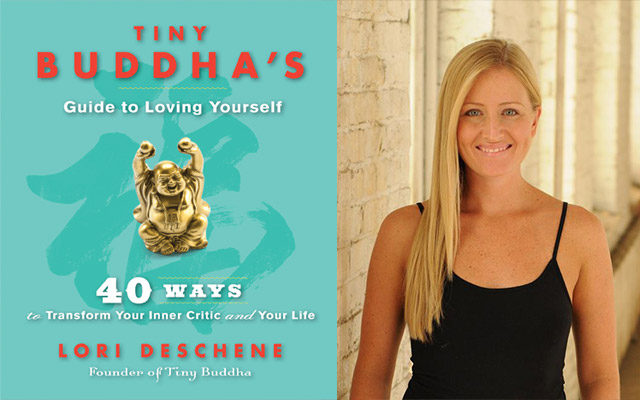
    Today marks day two of the pre-order promotion for Tiny Buddha’s Guide to Loving Yourself, a book about taming your inner critic that features 40 stories from Tiny Buddha contributors. 

    Over the next month, you’ll have a chance to meet some of the book’s contributors through daily interviews here on the blog.

    Today’s featured contributor is Alison Hummel of the thedreamadventure.com. Formerly an alcoholic who felt like an outsider looking in, Alison now works offers “Dream Catchers Sessions” to help people live their own “Dream Adventures.”

    Her contribution for the book focuses on accepting ourselves and finding gifts in our struggles.

    A little more about Alison…

    1. Tell us a little about yourself and your self-love journey.

    I have come a very long way, but I’m definitely still on my way.

    One of the ways I have learned to accept and love myself is through being in service to others. When I see another person struggling with a similar problem—low self-esteem, anger, anxiety, or some other form of negativity—I find it easier to love them through it than I would if I were just trying to love myself through the same thing.

    By developing compassion for others, I have learned to apply that to myself.

    2. Have you ever felt there’s “something wrong with you”? If so, why, and what’s helped you change your perception?

    Yes, absolutely. I believe that is one of my greatest lessons to learn: I am completely fine just the way I am. I think this feeling that there is something wrong with me stemmed from looking outside of myself for validation and acceptance.

    When I look to others to validate and accept me and I see other people with different, perhaps better “stuff” or a better body or job, I subconsciously believe I need to have that in order to feel loved.

    Acknowledging that this is happening helps me defuse it.

    Also, being in nature has been a great tool to accept myself because in nature there is beauty in all things, not just the perfect flower or tree, or perfect sunny day. The best trees for climbing don’t stand straight up and the coziest days happen when it rains.

    3. Have you ever thought something was a flaw only to realize that other people actually appreciate that about you? What was the “flaw”?

    Probably my ability to speak up for myself and others. At times I fear that I am saying “too much” by speaking up, but I know that other people appreciate it because they have thanked me for my honesty and energy. They have said that it gave them the courage to speak up for themselves, too.

    4. What was your biggest mistake (that you’re willing to share), and what helped you forgive yourself?

    My biggest mistake was definitely hurting the people I love the most throughout my active addiction to alcohol. I am still working through completely forgiving myself. I have heard people say that forgiveness is a journey, not a destination. And I can really agree with that.

    I have begun to forgive myself by being there for my family now. By staying sober. By accepting other people’s flaws. By talking to myself in a kinder way about my past.

    If I have a memory of something that brings up shame, instead of running away from it through shopping, eating junk, or lashing out at someone else, I do my best to just sit with the uncomfortable emotion and practice present moment awareness.

    5. Complete this sentence: When other people don’t like me, I…

    Must be getting better at being myself, because we are all unique and some people might not like me. I can’t please everyone.

    6. What are some areas in your life where you’ve compared yourself to other people, and what’s helped you let go of these comparisons?

    Oh goodness—every area of my life. I have actually been able to let go of those comparisons through actively trying to be someone I am not. That is very painful. And through that pain, I have had to look for other answers. Being myself is the only show in town these days.

    7. What’s one thing you would tell your younger self about looking to other people to complete you?

    You will learn your greatest lessons through experience, so if you need to look outside of yourself for completion, do it with complete fervor. This way, you will always have your own experiences to draw upon to make better choices in the future.

    I’ve seen a lot of people flounder in just crummy situations because they were trying to make their life decisions through other people’s mistakes. It’s okay to make your own mistakes.

    8. Have you ever felt afraid to show people your “real” self? Why—and what’s helped you move beyond that?

    Yes, absolutely. I talk about this in my article in the book. The therapy I had for my OCD helped me deal with anxiety and general discomfort. In reality, I don’t fear what others think of me; I fear being uncomfortable. Because that is really the worst that could happen. Learning tools to deal with feeling uncomfortable has helped me the most.

    9. What are the top three things you personally need to do to take good of yourself, mentally and emotionally?

    • Stay connected to my sober brothers and sisters.
    • Meditate.
    • Work out.

    10. What’s something you do regularly that makes you feel proud of the difference you’re making in the world?

    I would have to say staying sober. I don’t necessarily feel “proud,” because I believe sobriety is truly a gift, but I will say without it, I would have nothing. My family is so important to me. With it, I can accomplish anything I set my mind on.

    *Note: I edited this post to remove info about the pre-order promotion, which ended on October 8, 2013. You can learn more about Tiny Buddha’s Guide to Loving Yourself here.
  • Tiny Buddha’s Guide to Loving Yourself Interview: Alesha Chilton

    Tiny Buddha’s Guide to Loving Yourself Interview: Alesha Chilton

    alesha-chilton

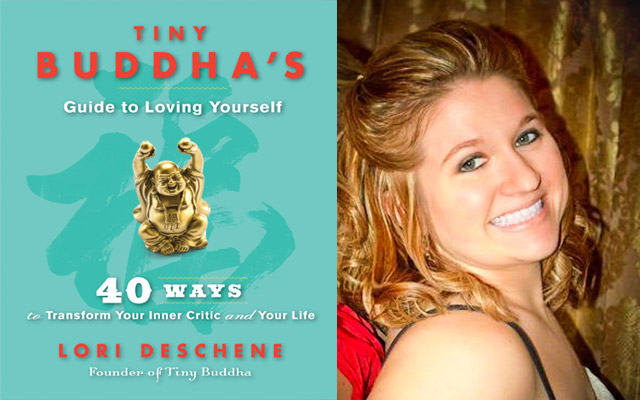
    Today is an exciting day here at Tiny Buddha! It’s the pre-order launch day for Tiny Buddha’s Guide to Loving Yourself, a book about taming your inner critic that features 40 stories from Tiny Buddha contributors.

    Throughout the September, I plan to publish 21 “self-love profiles,” introducing you to some of the book’s contributors.

    I’m excited to start with an interview with Tiny Buddha member Alesha Chilton, a mother and MBA graduate whose contribution for the book focuses on believing that we’re good enough.

    A little more about Alesha…

    The Interview

    1. Tell us a little about yourself and your self-love journey.

    It has taken a while to dig down deep and love myself just as I am. And it didn’t happen magically, miraculously, or suddenly. It happened a little at a time, slower than a snail it seemed, over the course of many years.

    I battled bulimia, bullying, and self-belittling. My eyes are still being opened every day—and that’s the joy of life. We get to have revelations and light bulb moments in the midst of enshrouding darkness, just when we have almost given up hope.

    Through the bad and good, realize that this too shall pass.

    2. Have you ever felt there’s “something wrong with you”? If so, why, and what’s helped you change your perception?

    Of course I have felt—and sometimes still feel—like there is something wrong with me. Being a perfectionist doesn’t lend or cut you any slack. However, I’ve learned to lower my expectations about my body, my time, and my abilities.

    So what if I don’t look like a supermodel in a bikini? What’s important is that I am healthy, which I am. And I’m not supermom by any means, but my child is happy and healthy. That’s all that really matters at the end of the day.

    3. Have you ever thought something was a flaw only to realize that other people actually appreciate that about you? What was the “flaw”?

    I used to think that being short was a flaw because I couldn’t reach the dishes on the top shelf or play the hitter position in volleyball. But I practiced a lot and did a lot of conditioning, becoming the fastest player. Soon my coaches appreciated my hard work ethic and my quickness, and so did I.

    4. What was your biggest mistake (that you’re willing to share), and what helped you forgive yourself?

    My biggest mistake was getting into and being involved in an abusive relationship. I felt so ashamed, hurt, confused, and guilty.

    I forgave myself in many different ways as I learned more about why people get into abusive relationships. I realized that I was young and insecure. I thought that I could “fix” or change him if I was loving and caring enough. I didn’t know what red flags to look for when dating. I didn’t truly believe that I could find a “soul mate.”

    5. Complete this sentence: When other people don’t like me, I…

    …do some self reflection to see if the problem lies in my attitude, tone, words, or actions. Sometimes other people can shed light on our not so attractive qualities, and thus help us become a better person.

    I try to be understanding and compassionate with others, even though I fail sometimes. I don’t let someone not liking me ruin my day. Often the problem lies within themselves.

    Whenever I’m annoyed or don’t like someone, I try to do some self-reflection as to why. Once you understand why you dislike someone, you can learn and grow into a better, less judgmental person.

    6. What are some areas in your life where you’ve compared yourself to other people, and what’s helped you let go of these comparisons?

    I’ve compared myself to the strong, independent woman traveling around the world. I’ve compared myself to the mom with perfect abs, who still finds time to make organic meals. And I’ve compared myself to the summa cum laude Harvard lawyer graduate earning six figures.

    I’ve learned to let go and not compare myself to these people in varying ways. They are on a different journey than I am. That doesn’t make my journey less valuable, less successful, or less meaningful.

    I judge my success on happiness and being able to provide the basics for my family. Recently, I have become enlightened enough to take more risks. Taking risks is scary, but taking healthy risks—like applying for jobs and calling potential employers—is good for the soul.

    If we doubt our capabilities, we doubt ourselves. Although you may encounter many failures, you can also encounter great success! Idleness will keep you on the same boring road.

    7. What’s one thing you would tell your younger self about looking to other people to complete you?

    I would tell myself that it’s nice to have someone by your side, but it’s more important to learn to be happy on your own. You have to be with yourself every single day. There is no escaping yourself.

    8. Have you ever felt afraid to show people your “real” self? Why—and what’s helped you move beyond that?

    I was bullied for being “weird” when I was younger and I let that define me. I was afraid of revealing my whole true self for fear of rejection. But I’ve learned that the world has a place for everyone and that people appreciate confidence, even if you are a little strange compared to others. You just have to accept yourself first. There are lots of people like you, but it’s up to you to see the similarities, not only the differences.

    9. What are the top three things you personally need to do to take good of yourself, mentally and emotionally?

    I need sleep, intellectual stimulation, and reflection.

    Getting a good night’s sleep allows for clearer thinking and deeper reflection. I need intellectual stimulation so that my mind doesn’t focus on trivial worries and negative things. I need reflection in order to become a more mentally stable and happy individual.

    10. What’s something you do regularly that makes you feel proud of the difference you’re making in the world?

    Lately I have been making and putting anonymous love letters in random public places (see www.moreloveletters.com). It helps me feel good knowing that my letter can help inspire someone, give them hope in humanity, and help them have a better day.

    The smallest differences are sometimes the biggest in the end. I try to smile and be friendly with people, even if I’m feeling grouchy myself. People need to know that others care about and appreciate them.

    *Note: I edited this post to remove info about the pre-order promotion, which ended on October 8, 2013. You can learn more about Tiny Buddha’s Guide to Loving Yourself here.
  • 6 Simple Personal Commitments to Overcome Low Self-Esteem

    6 Simple Personal Commitments to Overcome Low Self-Esteem

    “Everything that happens to you is a reflection of what you believe about yourself. We cannot outperform our level of self-esteem. We cannot draw to ourselves more than we think we are worth.”  ~Iyanla Vanzant

    You’re smart, funny, and genuinely good at heart.

    You have ideas that could solve many of the problems you see around you. You could regale people with interesting stories that crack them up. You could be the perfect partner, parent, or friend.

    But you don’t always live up to that potential.

    Something holds you back.

    Something tells you that your ideas are not worth announcing in public. Something keeps you from sharing your interesting stories. Something stops you from giving all you’ve got and taking all you need from your closest relationships.

    Even though you know that you can be so much more, deep down you have a nagging feeling that you are not worthy of greatness, accolade, pure joy, and happiness.

    Low self-esteem is keeping you from living your life to the fullest.

    Who Suffers More from Low Self Esteem—a Shy Person or a Gregarious One?

    I’ve always been gregarious, outspoken, and very extroverted. My husband, on the other hand, is very quiet and introverted.

    When I met him, I used to think he was shy and maybe lacked the confidence to speak up, like I did. Fifteen years of being together has shown me how very wrong I was.

    While I have always bounced back and forth between lack of confidence and overconfidence, my husband has been very even keeled, almost unnaturally so. He doesn’t get fazed by what people say. His decisions are not dependent on what others think. He has such a deep-seated sense of self-worth that nothing seems to affect him.

    Slowly, I’ve come to realize that self-esteem has nothing to do with being gregarious/extroverted or shy/introverted. It comes from a place much deeper, from within yourself.

    As a consequence, there are no quick fix solutions or magic pills that can improve self-esteem overnight.

    On the other hand, if you consciously commit to conduct yourself right, no matter what the situation is, you can permanently increase your sense of self-worth.

    I’ve been putting this theory to test over the past couple of years and have started noticing a much more deep-seated sense of calm within, from which a strong sense of self-worth has emerged.

    Here is a list of six simple commitments that have made the biggest difference to me:

    1. Stop pretending in an attempt to please other people.

    Have you heard the quote “You can fool some of the people all of the time, and all of the people some of the time, but you cannot fool all of the people all of the time”? Knowing that someday you will be “found out” is what kills the self-esteem.

    Hard as it is and vulnerable as you will feel, let go of your pretenses. Just be your authentic self. At first, the fear is crippling, but if you manage to get past the initial fear and take the plunge, it’s so liberating. And that freedom to be who you are, without excuses or pretenses, paves the way for a much healthier self-esteem.

    2. Learn to say no. Say what you mean and mean what you say.

    Often we say yes because of the fear of authority, the fear of hurting someone’s feelings, or worries that we will let someone down. But every time you say a yes that you don’t mean, you’ll end up doing a half-hearted job. And then you are unhappy that you said what you didn’t want to say, and you are unhappy that you did such a lousy job of what you said you would do.

    Break out of that habit. Instead, just say what you mean and mean what you say. You don’t have to be rude about it; just be firm and decisive. Developing the ability to speak your mind in a kind but firm manner, and to really deliver on your promises, will go a long way in building lasting self-esteem.

    3. Grant yourself the permission to make mistakes, and see them as opportunities for growth.

    You can beat yourself up over a failure, or you can give yourself the permission to make mistakes and vow to learn from them. Let’s face it, whichever route you take, you will still make some mistakes in your life. One approach chips away at your self-esteem; the other helps you become a better person. Which sounds like a better choice to you?

    4. Take responsibility for your actions.

    Again, at some point or the other in your life, intentionally or accidentally, you will let others down. When that happens, quit making excuses and accept them as a consequence of your choices. Quit the regret and focus on repair.

    Always be prepared to say “I’m sorry” followed by “How can I fix it?” and make sure you put in genuine effort to fix things in a way that is acceptable to everyone involved. It takes a lot of effort, but a healthy self-esteem is rooted in knowing that you always do the right thing.

    5. Help others.

    No amount of fortune, fame, success, beauty, intelligence, or strength can give you the same sense of personal gratification or a sense of purpose as a genuine “thank you” from someone you help.

    When you stop being so wrapped up in your own worries, sorrows, and melodrama and start being a part of the bigger picture, with a role to play in this universe, your sense of self-worth and self-esteem gets a whole new definition. Give freely. Help whenever you can. You will get more than what you thought you ever needed.

    6. Immerse yourself in whatever you decide to do. Quit worrying about your choices.

    Either do something or don’t. Stop second-guessing your choices.

    For instance, if you want to make some tea, first learn how to make tea. Next gather all the ingredients you need. And then make tea.

    Don’t worry about whether it will come out right. Don’t worry if anyone will like it. Don’t worry about whether you are worthy of making tea. Don’t worry about coffee drinkers. Don’t worry if you will ever get to make tea again. Don’t worry about what you will do after you make tea. Just. make. tea. And when you are done, move on.

    Constantly worrying about your choice as you make the tea will not do any good to you, the tea, or anyone else around you. Immerse yourself in what you do.

    Your self-esteem is a measure of how worthy you think you are. Don’t look outward for affirmations. Set your own expectations of who you should be and then do all you can to live up to those expectations. You have it in you to be the person you can be proud of.

    Commit to it and go become that person!

  • 8 Things to Do If You Want to Be at Peace with Yourself

    8 Things to Do If You Want to Be at Peace with Yourself

    “He who lives in harmony with himself lives in harmony with the world.” ~Marcus Aurelius

    How can I find peace of mind? It’s a question often asked, but rarely answered in a satisfying way.

    Some say peace of mind lies in security. Some say it’s about de-cluttering and finding stillness and calm in life. Some say it’s about acceptance and letting go. I say it’s all about what you do.

    Let me introduce myself. I’m an addict. An alcoholic since my teens, I lived most of my life on various edges.

    At twenty-one, I was diagnosed with borderline personality disorder, as if being an alcoholic wasn’t bad enough. If you don’t know what BPD is, it is an unsettled and shifting sense of self, and it’s unbearably difficult to live with.

    I possessed a fearful and fraught mind at the best of times. Both my addiction and my BPD led me to do some pretty crazy things. Crossing a drunk person with a personality disorder is not conducive to the sort of life you would wish on anyone.

    I spent my twenties clambering out of one catastrophe and into another, doing some fairly disgraceful things—hiding, lying, hurting other people and myself. At least one hour a day was spent in absolute misery and penance, sorry for myself and for anyone who crossed my path of destruction.

    But behind the carnage, I was a genuinely good-hearted person. All through my mental illnesses, I tried to make the best of it, to be a nice person. And there was no one more empathetic than me. If anyone else had a problem, I would drop everything to run to them.

    But my mind was not somewhere you would want to take a fishing trip, let alone a whole vacation. Of all the people I hurt in my life, I hurt no one more than myself. I hurt myself by doing things that would make me feel guilt and shame later on.

    When I finally got the right treatment and got sober, after a decade of madness, I heard people speak about serenity and finding peace of mind. In early recovery, it was still an utter mystery to me.

    I saw a counselor who told me to give it time. I went to alcohol services—they told me to work a program. I listened to “spiritual folk” who told me to meditate.

    No one seemed to be giving me practical answers about how to achieve something I had been searching for all along: peace and self-esteem.

    But the answer was so simple. You create your state of mind by the things you do, and you cement that by the things you tell yourself.

    As long as I behave with integrity every day, I can feel at peace with myself.

    Things will always change. Life will sometimes be tough. People will say and do things that upset you. That’s just the nature of things.

    As long as you hang onto your integrity, no matter what is happening in your world, you can go to bed with a clear conscience. And no matter how tough things get, you can still have that wonderful sense of peace within you.

    But it takes some practice to really start to feel it, and to live with integrity at all times. Here are some tips to help you cultivate a sense of peace.

    1. Know your ideal self.

    Make a list of all the good qualities you intend to cultivate. Are you going to be kinder, fairer, more tolerant, more magnanimous, more patient, more dignified? What are your responses to difficulties going to be? What principles do you wish to uphold?

    2. Do the next right thing.

    If you’ve been struggling with your emotional or mental state like I was, it may be difficult, at first, to act with integrity all the time. You may find yourself making mistakes and sometimes behaving in a less than ideal way. In order to build up a habit of sticking to your principles, just practice doing the “next right thing” all the time.

    3. Let go of perfectionism.

    I could have made my life a lot easier if I had validated the attempts I was making to do the right thing even when things were a struggle. Instead, I beat myself up and made myself feel worse because I was angry with myself for not living right. It’s all a journey. Allow yourself to be imperfect, and yet still make progress.

    4. Make amends immediately.

    If for some reason you end up treating someone unfairly or unkindly, or doing something dishonest or mean, make amends for it as soon as you can. Don’t wait. Correct your mistakes as soon as possible, and you can find peace of mind in the fact that you have improved upon your actions and done your part to relieve any ill feeling or guilt.

    5. Practice patience.

    Other people around you may not be living in the same way that you have chosen to. It doesn’t matter; they will have their conscience to live with at the end of the day, and you will have yours. Choose to respond in a way that will give you peace of mind. Take a deep breath before reacting to people who push your buttons.

    6. Let your head and heart support you.

    You won’t have a peaceful mind if you allow negativity to dominate your thinking. Try to understand others rather than judging them. Forgive others and you free yourself. Radiate compassion and be a good Samaritan. Not only will others benefit; you’ll also add to your own sense of self-esteem.

    7. Think long term.

    It may be tempting to lose your rag when you’re feeling angry or frustrated. But think about how you will feel about yourself and your own actions later on. Will you be happy about your behavior? Will it lead to you feeling peace of mind? If not, don’t do it.

    8. Validate yourself.

    You will not get to feel that lovely sense of peace if you don’t take the time to fully acknowledge it. In difficult situations, look at what you did well. If you’ve been struggling, notice when you make progress. At the end of each day, summarize to yourself how you’ve acted well and kept your integrity.

    What helps you feel at peace with yourself?

  • Who to Fall in Love with First: 6 Ways to Love Yourself

    Who to Fall in Love with First: 6 Ways to Love Yourself

    “Your task is not to seek for love, but merely to seek and find all the barriers within yourself that you have built against it.” ~Rumi

    Most of us are so busy waiting for someone to love us that we’ve forgotten about the one person we need to love first—ourselves.

    Ironically, it was when my ten-year marriage fizzled that I began the innermost process of self-discovery about love.

    While discouraged and saddened at the crumbling of our relationship, I began to explore love more. How had it fizzled? Why had we stopped loving each other, and what had happened to our love?

    The People Who Were to Have Loved Us

    I grew up in a rather patriarchal culture and family, which had trouble expressing or showing love.

    In fact, they showed love in unusual and unhealthy of ways. My mother used harsh language, put-downs, and comparisons to others to berate, embarrass, and ridicule me about my personal habits, lack of achievement in school, and potential career choices.

    My dad showed love in the form of his belt, which lashed against my body throughout my childhood. I remember horrific lashes, which left marks around my legs, buttocks, and back. If I were lucky, the lashes were made by the softer leathery-parts of the belt. If I wasn’t, it was the buckle, which did the scarring.

    The violent strikes resulted from disobedience, for challenging my parents’ authority, and mediocre grades.

    My adolescent years were filled with memories of some of these physical scars, which have disappeared, but also emotional scars, which continued to linger.

    My ex-wife’s parents similarly showed love in unhealthy ways: ignoring her feelings, constantly criticizing and comparing her to others, and not expressing their love for her.

    What I’ve realized since our divorce was that we were two damaged people who had trouble loving ourselves, let alone each other. When the love you’ve known has been physically harmful, emotionally painful, and psychology scarring, how do you love another person?

    With this realization, I’ve had to find ways to love myself first.

    You too may have been unloved or shown love in unhealthy ways in your life. Here are some tips on loving yourself first before searching for love in your life.

    1. Be kind to yourself.

    You may have hurts, emotional pain, and shortcomings. Learn to accept yourself, shortcomings and all, even if your family and previous partners may have berated you about your inadequacies.

    We tend to be harsh on ourselves, often because the people who were supposed to love us were unusually cruel and heartless to us. We hear their non-stop chatter in our minds and our beings.

    Focus on your many positive qualities. Focus on your strengths, your abilities, and your admirable traits. Let go of harsh judgments, comparisons to others, and self-hatred.

    When you can see yourself as the soulful and divinely inspired person you are, the damaging internal dialogue doesn’t hold up.

    Be gentle with yourself.

    2. Feel the love within you and be that love.

    You may experience both self-hatred and self-love. Spend more time focusing on self-love.

    Try loving and positive affirmations. Nourish your soul through a love-kindness meditation or spiritual practices that help you feel compassion and love toward yourself.

    Once you feel vibrations of self-love or the peace of positive affirmations, try to be in that place of love throughout your day.

    Infuse this love with your interactions with others in your life.

    3. Give yourself a break.

    You’re not perfect. No one is. You don’t have to be at the top of your game every day. No one is happy all the time. No one loves themselves always. No one lives without pain.

    Be willing to embrace your imperfections and excuse your bad days. Don’t set such high standards for yourself emotionally and mentally. It’s normal to feel sadness and pain and to hit some low points in life.

    Allow yourself to embrace these emotions without judging yourself for them.

    4. Embrace yourself.

    Are you content being alone by yourself without feelings of anxiety, fear, and judgment?

    You may have to go within and seek solace in yourself to be comfortable in your own skin. Practice moments of alone time and be aware of how you treat yourself.

    Learn to embrace solitude and allow yourself to be mindful of your thoughts, feelings, and beliefs about yourself.

    The process of self-discovery can happen through the process of clinical therapy or counseling. This healing process can help you discover who you are and what your obstacles to loving yourself are.

    In the alternative, periods of introspection, silent meditations, journaling, and sharing your feelings with supportive friends may help you be more aware of who you are.

    The process of loving yourself starts with understanding your true nature.

    It took a combination of meditation, therapy, writing, and silence to come to terms with my past and my present. Only once I realized I wasn’t loving myself could I attempt to change that.

    5. Be grateful.

    Rhonda Byrne, author of The Magic, shares with us a powerful way to change all of our relationships and our life.

    Byrne encourages us to practice gratefulness and regularly count our blessings.

    “When you’re grateful for the things you have, no matter how small they may be, you will see those things instantly increase,” Byrne says.

    She includes twenty-eight practices for twenty-eight days of your life to help you feel gratitude more deeply. Her initial practice is a formula to count your blessings.

    She encourages you to write out the following sentence for ten items you’re grateful for everyday.

    “I am truly blessed to have _____________, because _____________(why?).”

    You will immediately start loving yourself more when you realize all the things you’re grateful for in your life.

    6. Give yourself in service to others.

    When you think about kindness toward others and being love to others, you open the door to divine love.

    “I slept and dreamt that life was joy. I awoke and saw that life was service. I acted and behold, service was joy.” ~Rabindranath Tagore

    Yes, giving to others is a gift of love you can often give yourself which brings you more love.

    When you’re being kind, considerate, compassionate, and giving of yourself, your soul will rejoice. You’ve reached the highest level of self-love in this state of serving others.

    Find ways to do small and large tasks to assist those living in your house, neighborhood, or community. Practice conscious acts of kindness and giving.

    The love you’re sharing with others in the form of service will help you feel more love and fulfillment in your life.

    You’ll realize you don’t need someone else to feel complete any longer. You’re complete.

    A relationship will only make you shine brighter and bring more love in your life.

  • Don’t Let Anyone’s Criticism or Judgment Define Who You Are

    Don’t Let Anyone’s Criticism or Judgment Define Who You Are

    Hiding in the Shadows

    “There is a huge amount of freedom that comes to you when you take nothing personally.” ~Don Miguel Ruiz

    I was a chunky, shy little girl who was attached to my mom’s leg. She was my protector and served as a source of unconditional love.

    As I left my mom’s side and went off to school, I encountered many new faces that introduced me to criticism and judgment.

    Being judged by your physical attributes as an adult, in a society that constantly strives for physical perfection, is hard enough, but understanding those judgments as a little girl can be quite the challenge.

    At such a young age, I had no way to process the mean words tossed my way, so I built a shell around myself and often wished I could become invisible to avoid hurting. I tried to carry on as if others’ words could not impact me.

    What I quickly learned as I went through life is that we all encounter many people along the way who will attempt to tear us down and break our spirit. What I couldn’t realize then is that it’s truly up to us to decide how we allow others to make us feel and whether or not we allow them to shape us into a person we are not.

    That little girl in a shell grew older, moving on through middle school, high school, college, and the career world post graduation.

    I encountered each day, each year, and each new opportunity with the same feeling of insecurity that formed in that little girl so many years ago.

    Even with all of the growth I’d experienced as I went through relationships, graduated college, lived on my own, and accomplished many goals, I somehow still felt like that vulnerable little girl who wished to remain unnoticed and wanted to crawl into a shell to avoid judgment.

    What makes the feeling worse is that those judgments don’t end when we leave childhood. They are simply just beginning. We will always encounter critics along our journey through life.

    When I began college, I joined practically every activity related to my major. In my personal life, I went on dates and tried to play the confident girl with a smile.

    After I graduated from college, I had to go on job interviews and pretend I was self-assured. Once I got the job, I had to give presentations, speak at meetings, and continue to fulfill my role with confidence.

    I pushed myself to achieve and continue moving forward, but I never felt truly fulfilled. I still remained insecure and began to question why I felt that way, why I was always stuck in my own head, and why I seemed to carry that shell on my back.

    Ultimately, I realized that I felt insecure because I was carrying around the words and judgments I’d heard at different points in my life as if they were written into the code of my DNA.

    I allowed people who held no significance in my life to take from who I am and hinder the person I have come to be.

    We have all had someone say something that does not reflect who we truly are, but sometimes we give it so much power that we allow it to define us.

    Because we are human, it is not always easy to instantly deflect how certain words make us feel, but we can search within ourselves to recognize when they become detrimental to who we are and how we live our lives.

    Have you ever let judgments or criticism from your past hinder who you are in the present? Have you allowed those words to impact what you are truly capable of? Now is the time to take back that power.

    Bring Those Feelings to the Surface

    It wasn’t until I was twenty-five years old that I could dig deep enough to peel away the layers I had built over the years and be honest with myself. Those layers masked the pain that had followed me wherever I seemed to go.

    If we are not honest with ourselves, it’s easier to remain in that shell and continue on as if those feelings don’t exist. We then relinquish our control and convince ourselves that maybe we are that person as we continue on the same path.

    Share Your Feelings With Someone Close to You

    Oftentimes, we find shame in the criticisms and judgments we’ve faced, so, we keep them to ourselves. After all, they’ve already hindered us enough. Why expose such raw feelings?

    Saying it out loud to someone who genuinely cares and supports you can minimize some of the vulnerability you feel from those who have been so quick to judge you.

    It can be therapeutic in not only bringing it to the surface, but in sharing it with another person who can be there for you and serve as a support system.

    Surround Yourself With the Right People/Eliminate the Wrong Ones

    While I did not have a choice to be surrounded by those kids in school, I have discovered the power in surrounding myself with positive people who have my best interests at heart.

    It’s not always easy to let go of people we form relationships with, but if those relationships enforce the negative feelings we are trying to release ourselves from, they only become counterproductive.

    People who truly care about us and deserve to be in our lives will not attempt to bring us down or carry the same judgments the people of our past have carried.

    Remind Yourself Who You Are

    It’s easy to get so caught up in what others say that we begin to see ourselves in that light. Don’t lose sight of who you truly are and the unique qualities you’ve built within yourself.

    As I go about my days, form new relationships, take on new challenges in my career, encounter obstacles, and celebrate accomplishments in life, I take the time to remind myself of who I’ve come to be on my own terms, not who other people have deemed me to be.

    I find that the more I change my old habits of thinking as that little girl with the shell, the easier it is for me to truly be the person I’ve chosen to be.

    It took me a long time, but I was finally able to recognize that the little girl with the shell is not who I am today. She will always be a part of me, but I cannot allow her to dominate my days or I will not be living up to my full potential.

    If there’s one thing I’ve learned on my journey so far, it’s that people can only take from you what you allow. If you allow others to define who you are, you are giving them the power to dictate where your path will lead.

    Photo by craigCloutier

  • 4 Ways to Use Journaling to Calm Your Inner Critic

    4 Ways to Use Journaling to Calm Your Inner Critic

    Reflection

    “No one can make you feel inferior without your consent.” ~Eleanor Roosevelt

    It’s a voice we’re all familiar with, and one that we all find challenging. Yes, the inner critic is the part of our internal dialogue that can make or break our day.

    At its best, our inner critic helps us live in a way that’s true to our values, questioning decisions that we might regret later and keeping us on the straight and narrow. At it’s worst, however, an inner critic rampage can bring down our mood, self-esteem, and sense of self-worth.

    Much of my own self-work has focused on my internal dialogue. My inner critic can be mean. She has completely different standards for me than for anyone else, and she knows exactly what to say to make my self-confidence crumble.

    One aspect of my life my inner critic has been most vocal about is my work. After graduating, I started out as a freelancer, and then recently transitioned into running my own business.

    My critic dealt with these transitions by telling me I was getting too big for my boots to think I could make a living working for myself, trying to convince me other people wouldn’t take me seriously, and criticizing everything from my earnings to the fact that I didn’t have a “real” job.

    At a time when I was pushing myself outside my comfort zone, this was a painful experience that provoked all kinds of self-doubt and anxiety (plus many sleepless nights).

    Calming my inner critic is a work in progress, but there is one tool that I have found invaluable for entering into a more productive dialogue with it: Journaling.

    The inner critic only has power when we give it that power. Journaling has helped me learn how to not only keep the inner critic at bay in the short-term, but also to develop a more healthy and balanced relationship with this, and other parts of my internal dialogue, over the long-term.

    Here are four ways you can use journaling to calm your inner critic:

    1. Cheerleading

    Cheerleading is a simple journaling practice that takes a negative self-belief and turns it into an accepting and self-compassionate statement.

    Here’s an example:

    Negative statement: I hate my stomach. I hate the way it bulges when I sit down, and the way it hangs over my favorite jeans.

    Cheerleading statement: I accept my stomach, and accept that it looks the way it looks right now. Any desire to change it comes from wanting the best for my health, not from a sense of not being good enough.

    or

    I accept my stomach, and know that it is just a part of me; I am not defined as a person by how it looks.

    This exercise might feel unnatural at first. It’s easy to get caught up in the inner critic’s beliefs. Cheerleading not only provides us with an alternative perspective, but also helps us strengthen a more self-accepting voice. The more you practice it, the more natural this turnaround becomes and, consequently, the less powerful the critic’s statements become.

    2. Dialogue

    Our inner critics are capable of dishing out some seriously harsh criticism, but they’re there for a reason. Although it might not be immediately obvious, all of our internal voices are working in their own way to protect us—even the inner critic. When we are shamed and judged for things by other people, over time we internalize their beliefs and start shaming and judging ourselves.

    The inner critic works in this way to curb our behavior, and prevent other people from shaming and judging us in the future. Because it’s really trying to protect us, the more we try to ignore and repress our inner critic, the louder it becomes. One way we can calm this voice is to talk to it, and write out the conversation.

    When doing this, I find it helpful to bring forward a nurturing internal voice (also called the “adult” part or your “true self”) to act as a mediator.

    Start by asking your inner critic to tell you more about a particular statement it made recently, or with a more general dialogue about your feelings. The aim of this is to start a constructive conversation that helps you understand and even empathize with my inner critic’s motivations.

    When I realized that my inner critic was trying to protect me from the criticism of specific childhood figures—people I’m not around anymore—it was a lot easier to understand, accept, and reassure the critic. Consequently, the critic’s words became less powerful.

    Like cheerleading, this exercise might feel unnatural at first (after all, talking to “the voices in our head” carries a degree of cultural stigma). Keep persevering, and you’ll soon be able to hold a constructive and calmer dialogue with your critic.

    3. Retrospect

    “Retrospecting” involves reading back over past journaling notes and looking at patterns, language, themes, and underlying beliefs. This activity is best done weeks or months after writing an entry so enough time has passed that you can read with a more objective eye. Consider the following questions:

    Does your inner critic sound like anyone you know?

    This could be a parent, other relative, a mentor, or anyone who played a significant role in your life as a child.

    Does it have any recurring complaints?

    Perhaps your inner critic focuses on specific characteristics or attributes, such as your appearance, your work ethic, or your interactions with others. When we identify these patterns, we can look at where they might have come from. My inner critic’s recurring complaints involve my appearance and the idea that I’m “anti-social”—both of which I was criticized for while growing up.

    Is there any kind of truth in the critic’s complaints?

    We’ve already talked about how the critic is out to protect us, and although it might not communicate with us in manner that’s easy to hear, sometimes it has a point. It can be tempting to dismiss our inner critic’s criticisms as meaningless, but they can be a useful indicator of when we might be behaving out of line with our values.

    What do you think your critic is trying to protect you from?

    There is a method behind the madness, so take a step back and try to empathize with your inner critic’s motivations, as I described in tip two.

    4. Strengthen your other internal voices.

    Our inner critics are here to stay and (as much as we might want them to) will not disappear any time soon. One way to balance out our internal dialogue is to make the critic comparatively quieter by strengthening our nurturing internal dialogue.

    Beginning this process through journaling helps us strengthen this voice in writing, with the aim that one day we’ll be able to shift the process to real time and have a compassionate, empathic response counteracting the inner critic’s complaints.

    The cheerleading exercise above is helpful for this kind of strengthening. You can also use journaling to return to situations that roused the inner critic, and retrospectively respond in writing with the kind of dialogue that would come from a gentler nurturing voice.

    Having strengthened my own nurturing voice through journaling, it’s now a lot easier to access that voice internally when my critic appears.

    The parts of our internal dialogue are like muscles: the more we use them, the stronger they become. Developing a supportive, empathic dialogue comes with consistent practice over time. With conscious care and attention, however, it is possible to shift our internal dialogue from criticism and blame to empathy and acceptance.

    How do you calm your inner critic?

    Photo by Renata Diem

  • How to Start Feeling at Peace with the Way You Look

    How to Start Feeling at Peace with the Way You Look

    The reason we struggle with insecurity is because we compare our behind-the-scenes with everyone else’s highlight reel” ~Steve Furtick

    For as long as I can remember, I’ve had issues with the way I look. Back when I was at school, I stood out, being one of the only Asian students in a small English village. This heightened my awareness of how different I looked in relation to my peers and started my obsession of comparing myself with others.

    It is often stated that adolescence can be a painful period in everyone’s life, and mine was no exception. By the age of thirteen, I suddenly sprouted into a gangly, long-limbed teenager with greasy hair.

    I retreated into my world of loud and angry rock music, pretending not to care about anything but secretly in a spiral of self-hatred and loneliness.

    I’d always assumed I’d naturally grow out of feeling down about my looks, but I have now come to realize that insecurity about one’s appearance should not be underestimated and simply shrugged away as an “adolescent phase.”

    By seventeen my self-hatred had intensified, and I began working in a part-time job to start saving for plastic surgery—the only thing I decided would make me happy about my appearance.

    I became scarily obsessed with how I looked, excusing myself every half hour at work to check my face, and I have countless memories of crying in desperation at my reflection in the bathroom mirror.

    I realize now that all of this clearly foreshadowed an eventual breakdown of some sort, but I was still shocked when it happened. After my first month of college, I was diagnosed with anxiety and depression and left.

    It seemed as though everything was suddenly changing for the worse. Amid all this chaos, my insecurities and anxieties became so overwhelming, I felt unworthy of looking after myself. I ended up suffering from insomnia and lost over fourteen pounds within a month.

    I now see that a shock to the system was needed to make me open my eyes to what I was doing to myself.

    I had hated myself for so long but had repressed my feelings, sure that with time I would suddenly “get better” without actually addressing the real problem.  

    I could blame the media and the narrow perception of beauty it promotes. I could blame all the people that ever made hurtful or thoughtless remarks, in most cases unaware of the anguish they would cause me. But I won’t.

    It all starts with feeling good about who you are. Because I so clearly didn’t, I became a magnet for criticism and negativity from others and allowed it to affect me to my detriment. (more…)

  • Stopping Comparisons: Reclaim Reality and Raise Your Self-Esteem

    Stopping Comparisons: Reclaim Reality and Raise Your Self-Esteem

    Smiling

    “The reason we struggle with insecurity is because we compare our behind-the-scenes with everyone else’s highlight reel” ~Steve Furtick

    Have you ever wondered when the turning point was? When did you start questioning yourself and believing you were missing something? When did you stop thinking of yourself as invincible and start noticing what others called “flaws”?

    As a teenager and young adult, I struggled with severe depression and anxiety.

    In my early twenties, I entered treatment for my eating disorder, a decision that proved to be life-changing in the most positive of ways.

    During my second stint in treatment, I met a young woman who was a year older than me, and the walking embodiment of everything I wanted to be. I felt threatened, intimidated, and highly insecure every time we were in the same room.

    She was smart, beautiful, spoke French better than I did, and had a loving boyfriend. I wished that I had her olive skin and shiny dark hair, not to mention her exquisite wardrobe.

    However, I also quickly learned how much she and I had in common, including an insurmountable desire to be envied and admired for our accomplishments. Our similarities caused us to repel against each other like the similar poles of a magnet.  (more…)

  • Love Your Body, Love Yourself: You Are Not Alone

    Love Your Body, Love Yourself: You Are Not Alone

    Jumping

    “Judge nothing, you will be happy. Forgive everything, you will be happier. Love everything, you will be happiest.” ~Sri Chinmoy

    I hated myself when I was a kid.

    I was overweight and starting to really like girls, but they didn’t like me.

    I didn’t want to take my shirt off in front of them, so I didn’t go to the pool. And, when my parents made one last ditch effort at their marriage and moved to Coral Springs, Florida when I was in fifth grade—away from my friends and my hometown of Davenport, Iowa—I didn’t go to the beach.

    Any religious feeling I might have accidentally absorbed as a boy attending Prince of Peace Lutheran Church every Sunday, I channeled directly into prayers for the Roulette-like decision to be picked to play “shirts” not “skins” during basketball in gym class.

    I felt overwhelming self-consciousness during those agonizing moments waiting for the gym teacher to go down the line, pointing his almighty finger at each player.

    I sent my entreating pleas up to whatever deity would listen, asking to be saved from the humiliation of running and jumping without a shirt to hide my love-handles from the girls on the other side of the gym.

    It’s like that scene in On The Waterfront where Marlon Brando stands on the docks with all the other men waiting to be chosen for a day’s work.

    The men stand, anxious, cold with visible breath, waiting for the decision, hoping they look strong enough to work even though they haven’t eaten for days. If the foreman picks him, his family has dinner tonight.

    If the gym teacher picks me to play basketball with my shirt on, well, then…

    I can play basketball with my shirt on.

    I look at kids now and wonder if they feel as sad, lonely, and serious about life as I did when I was that age. It seems impossible, but I’m sure some of them do, and I have great compassion for them trying to find comfort in their own skin.

    It’s the kind of feeling I gravitate toward when I watch films and plays, and read books, and in my own work as I continue to develop my voice.

    It’s a feeling, ineffable, a longing, an ache. (more…)

  • Becoming Friends With Yourself: You Deserve Your Love

    Becoming Friends With Yourself: You Deserve Your Love

    “You, yourself, as much as anyone in the entire universe, deserve your love and affection.” ~The Buddha

    Bodhicitta. Metta. Loving-kindness. Compassion. Whatever you call it, this is what spiritual practice is all about, right? Long story short, the teachings instruct us to generate these vast motivations and wishes that all sentient beings be free from suffering and experience true and lasting happiness.

    It sounds wonderful, doesn’t it?

    So why is it that so many of us are still unhappy, even after years of sitting on the cushion? Why do we still struggle with depression, anxiety, fear, and even self-loathing?

    Now, I’m not the first practitioner to point this out, but the main reason is that we forget the most important word in these prayers, aspirations and practices: all.

    This, as they say, means you.

    This would seem easy, wouldn’t it? To include ourselves in this great wish for limitless happiness seems to be nothing short of the most common sense. After all, you want to be happy, don’t you?

    But the truth is, this is very hard for us here in the west. At a very deep and wounded level, we don’t really think we deserve any of that. So even though we might spend a great deal of time thinking about others, we wholeheartedly neglect ourselves.

    At least I do.

    You see, before I discovered Buddhism and meditation, I was a drug addict. During those twenty-three years of madness, clinging, and sorrow, I hurt a lot of people. But mostly, out of self-loathing and shame, I hurt myself.

    When I finally made the choice to give recovery a real shot, I had to begin the long, slow, and always painful process of making amends, not only with my friends and family, but also with myself. (more…)

  • Amp Up Your Self-Love: 7 Tools to Feel Great about Yourself

    Amp Up Your Self-Love: 7 Tools to Feel Great about Yourself

    “If you make friends with yourself you will never be alone.” ~Maxwell Maltz

    I’ve always been a rebel—independent, and a bit of a loner. I’ve prided myself on self-sufficiency. I like to do things my own way, and I don’t care for unrequested input (to put it mildly!).

    I’ve been self-employed since I was 22 in a profession it can be tough to make a living in. In large part, I’ve been successful because of my ability to care for and emotionally support myself.

    For me, this self-love has served my goal of doing what I want to do with my life, regardless of whether I have any support from the outside world or not.

    Despite all the practice, I don’t fully have this self-love thing down. It’s an ongoing project, and some days are better than others. On the not-so-fab days, I’ve got some techniques I use to up the ante on feeling great about me.

    1. Make a list of your accomplishments.

    I guarantee there have been many. Nobel prize nominations are not required. Maybe you bake amazing pies, or you’re the person your friends always call when they want a sympathetic ear, or you earned a degree late in life.

    Refer to this list when you’re feeling bad about yourself. Soak in all the cool stuff you’ve achieved and remind yourself how awesome you are. Personally, I love the reminder that I was voted “most unique” in high school.

    2. Learn something new.

    You don’t have to become an expert on an entire subject (unless that’s appealing). Learn how to say “have a nice day” in German (“Habt einen schönen tag!”), check out a Ted talk, or hit up Wikipedia’s “random article” link until you find something interesting.

    Pointing our focus toward something outside of ourselves is stimulating; it also expands our world and our perspective. Additionally, learning makes your brain happy(more…)

  • Giveaway and Author Interview: Choosing Me Before We

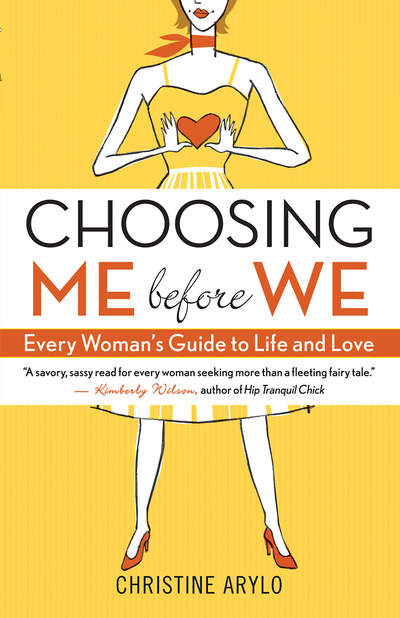
    Giveaway and Author Interview: Choosing Me Before We

    Note: This winners for this giveaway have already been chosen. Subscribe to Tiny Buddha for free daily or weekly emails and to learn about future giveaways!

    The Winners:

    We all have it: a voice inside our heads that tells us what we can and cannot do and undermines our self-esteem. Sometimes it’s cruel. Sometimes it’s condescending. Most of the time, it’s completely inaccurate.

    If we’re not mindful, it can limit our ability to live peaceful, purposeful lives, guided by our interests and passions. We need to love ourselves to love our lives, and in order to love ourselves, we need to be good to ourselves.

    Author and speaker Christine Arylo has made a career out of helping women develop self-love and silence their “inner mean girls.”

    In 2001, Christine’s fiancé (and boyfriend of 15 years) confessed that he no longer loved her, on the way to their engagement party—and that he’d been cheating on her. After realizing she’d never learned to love herself, she embarked on a spiritual journey, and in the process, transformed herself and her life.

    In her book Choosing ME before WE, Christine shares stories, insights, and exercises to help women come to know themselves and learn to put themselves first.

    If you’ve ever felt stuck in an unfulfilling relationship (or recognized an unhealthy pattern  in your love life), this book may help you create meaningful change from the inside out.

    The Giveaway

    To enter to win 1 of 2 free copies of Choosing ME Before WE

    • Leave a comment below.
    • Tweet: RT @tinybuddha Book GIVEAWAY & Interview: Choosing ME Before WE http://bit.ly/KekqLh

    If you don’t have a Twitter account, you can still enter by completing the first step. You can enter until midnight PST on Friday, June 22nd. (more…)

  • The Surprisingly Simple Secret to High Self-Esteem

    The Surprisingly Simple Secret to High Self-Esteem

    “Concern yourself not with what is right and what is wrong but with what is important.” ~Unknown

    I personally do not know anyone who, after all is said and done, is not after high self-esteem.

    It may not be blatant or obvious to the eye, yet once you break down the motives and emotions surrounding the things people choose to do and why they choose to do them, you will find that what they really want is to feel good about themselves.

    They want to have high self-esteem. So the big question is: How do we raise our self-esteem and keep it at a high level?

    I know for me it has been and is still is a daily and almost constant battle to keep my self-esteem at a normal to high level. Some days I do better than others. What has changed over the past year or so is that I have realized what it is that triggers my self-esteem ups and downs.

    What Is Self-Esteem?

    According to the Merriam-Webster online dictionary, self-esteem is a confidence and satisfaction in oneself or self respect. So how do we gain confidence and satisfaction in ourselves? Why is it that some people have higher self-esteem and some have lower self-esteem?

    Why do some successful people have low self-esteem while at times people who have failed have a high level of self-esteem? Is it something that we gain from external sources such as praise or is it something internal?

    Here is what I’ve discovered: (more…)

  • Fostering the Right Attitude: Know Who You Are

    Fostering the Right Attitude: Know Who You Are

    Woman with Open Arms

    “I urge you to try not to get hung up in the mentality that says ‘I hope I don’t lose him (or her),’ but foster the attitude that says ‘He should be appreciative of having me in his life.’”

    I read these words in the midst of a downward emotional spiral, and they grounded me almost immediately.

    I was fifty-three when I read Marie’s words. I was in the eighth year of my relationship with my husband and realized that I had become a shell of the woman I was when I first met him. Amidst all the compromises I’d made to keep my relationship, I had compromised myself away.

    By the time I reached forty, I had experienced enough of life to know relationships work best when individuals are authentic. I’m in awe of those who discover this treasure early in life.

    And, forty was a turning point for me. My mother had died at forty, my first husband at age twenty-one. So, reaching forty brought with it a dramatic realization. There was a tremendous gift in front of me—time—and I would not waste it.

    I devoted an inordinate amount of time and energy in my young adult life to finding for another Mr. Right; so I decided that I would not invest any more in that endeavor. I had raised my son, cultivated a successful career, put myself through college, and had recently bought my own home.

    I concluded my life was grand just as it was. I did not need someone else to complete me.

    Never did, actually. That frame of mind is society’s conditioning that a single person is half of something: it’s an albatross many of us carry until we choose to lighten the load. (more…)

  • A Simple Guide to Being Yourself Instead of People Pleasing

    A Simple Guide to Being Yourself Instead of People Pleasing

    Backyard Buddha

    To be beautiful means to be yourself. You don’t need to be accepted by others. You need to accept yourself. ~Thich Nhat Hanh

    Many people I talk with feel that they have no joy in their life. They feel obligated to do so many things that they don’t have time for themselves and the things they really want to do.

    As a result, they feel drained, anxious, and resentful. With so many outside forces competing for their time, energy, and financial resources, is it really any wonder they feel this way?

    So what do we do? How can we remain balanced among this sea of obligations and commitments?

    The answer is to live consciously. By looking at each decision we are making and by asking ourselves, “Is this really what I want to be doing? Is this really what is right for me?” And then by making sure our actions stay in alignment with our true intentions.

    Saying yes when we mean no often causes us not to trust ourselves. It damages our confidence and lowers our self-esteem.

    So why do we do it?

    From a young age, we are conditioned to act in certain ways in order to feel loved and accepted. This is the beginning of our loss of personal power and authenticity.

    In order to create change, we will need to recondition our beliefs by discovering what is really true for us. (more…)