Tag: self-blame

  • The Trauma Keeps Talking—But My Voice Is Now Louder

    The Trauma Keeps Talking—But My Voice Is Now Louder

    “Turn down the volume of your negative inner voice and create a nurturing inner voice to take its place.” ~Beverly Engel

    After the abuse ends, people think the pain ends too. But what no one tells you is that sometimes the loudest voice isn’t the abuser’s anymore—it’s the one that settles inside you.

    It whispers:

    “You’re broken.”

    “You’re used.”

    “You don’t deserve better.”

    And over time, that voice doesn’t just whisper. It becomes the rhythm of your thoughts, the lens through which you see yourself.

    That’s what I mean when I say the trauma keeps talking.

    Living with the Echo

    In the months after my assault, I didn’t have words for what I was feeling. I just knew that every choice I made seemed to come from a place of damage.

    I found myself in situations that felt eerily familiar—letting people use me, letting hands roam without question. I wasn’t saying “yes” because I wanted to; I was saying it because a voice inside had already decided I wasn’t worth more.

    And to anyone watching from the outside, it might have looked like I was reckless. But inside, I was just tired. Tired of fighting a voice that seemed louder than mine.

    Why We Stay Stuck

    Trauma has this way of rewriting the script in our heads.

    It convinces us that we’re not the same person anymore, that we’re tainted beyond repair. And because we believe that, we keep choosing situations that prove the voice right.

    It’s not that we want to keep hurting ourselves. It’s that the part of us that knows we deserve better gets buried under layers of pain and self-blame.

    I remember once thinking, “What’s the point of saying no?” I felt like I’d already lost the right to draw boundaries.

    Looking back now, I realize that wasn’t me speaking. That was trauma—still in control.

    The Turning Point

    For me, things didn’t change overnight. There wasn’t a single moment when I woke up healed. But there was a moment when I got tired of losing to that voice.

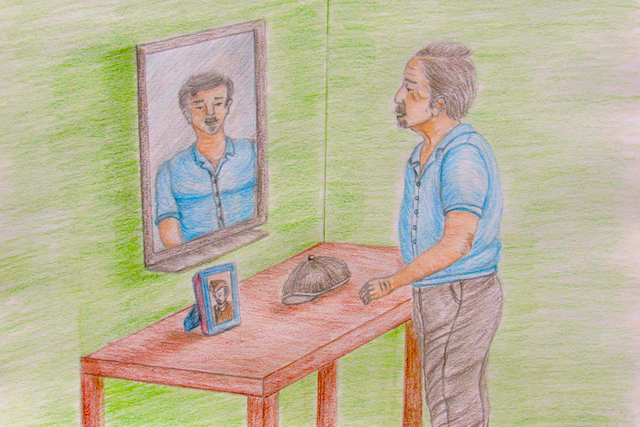
    I remember looking in the mirror and realizing, “If I keep going like this, the abuse wins forever—even without him here.”

    That realization didn’t silence the trauma, but it gave me a reason to fight back.

    I started doing small, almost invisible things to reclaim myself:

    Saying “no” even when my voice shook.

    Choosing one safe person to tell the truth to.

    Permitting myself to stop—to pause—before walking into another cycle that would hurt me.

    Each of those choices felt impossibly hard at the time. But with every pause, with every “no,” the voice of trauma got quieter.

    Healing Is a Process, Not a Snap

    I used to think healing meant waking up one day and feeling nothing.

    Now I know healing means learning to talk louder than the trauma.

    It means choosing—again and again—to believe a different story about yourself.

    If this is where you are—if the trauma is still talking and you feel powerless to shut it up—I need you to know something:

    You can stop. You can pause. You can turn around.

    Not for anyone else—for you. For your peace. Your sanity. Your healing.

    What I Want You to Remember

    I won’t insult you by saying, “Just snap out of it.” That’s not how this works.

    But I will tell you that one pause, one moment of reclaiming yourself, can change everything.

    It’s not easy, I know. But it’s possible. And it’s worth it.

    You deserve better than pain on repeat. You deserve to be more than what was done to you.

    If you’re reading this and the trauma is still talking, please hear this from someone who’s been there:

    The voice isn’t you. You’re still here. And you’re allowed to fight for a story where the abuse doesn’t win.

    I may not have all the answers, but I know the terrain of this road—the stops, the setbacks, the slow turning around. And I want to walk it with you, one better choice at a time.

    Because healing isn’t out of reach. You just have to start talking louder than the trauma.

  • How I Learned the Power of Letting Go After My Father Developed Dementia

    How I Learned the Power of Letting Go After My Father Developed Dementia

    “There is beauty in everything, even in silence and darkness.” ~Helen Keller

    When I was eleven years old, I would force myself to stay awake until the wee hours of the morning.

    I was severely anorexic at a time when eating disorders were considered an “inconvenience” you brought on yourself. Anorexia was dismissed as a rich, white girl’s disease (although we were certainly not rich)—a disease that was easily curable with a prescription for a chocolate cake.

    Although my emaciated body was a dead giveaway of my condition, it was school that noticed the change in me first. My once stellar grades began to slip, and I was falling behind in the advanced academic and art program I was a part of.

    “Just eat already,” my teachers would tell me, and when I tossed my lunch into the garbage, I’d be sent to the nurse’s office to watch The Best Little Girl in the World. Again.

    At home, grape-flavored bubble gum and bouillon cubes were my foods of choice. I did toe-touches, crunches, and jogged at least four times a day, passed out some mornings, and hid my body under layers of flannel shirts on the hottest August days. But even as my disease raged, home was still my refuge, a place where my eating disorder could take its hair down and run wild.

    Thankfully, both my parents worked full-time and often through dinner, so mealtimes weren’t much of a struggle. And when we did eat together, I became as much of a master at hiding my food as I was at hiding my body.

    I was also smart. Or maybe conniving is a better word. A weekly trip to Friendly’s for ice cream (the irony of that name!) fooled my overworked parents into believing that I was fine.

    Puberty had simply shaved off any “baby fat” I had, they reasoned. What they didn’t know was that puberty never had a chance with me. No sooner did my period appear, I starved it away.

    But even with the ice cream trips and their growing awareness, I still felt fairly safe at home.

    Until that one moment that changed everything.

    On a sunny, unremarkable fall day (Isn’t that what Joan Didion tells us? We are most surprised by those tragedies and traumas that happen on “normal” and “beautiful” days…?), my father surprised me by picking me up early from school.

    Hurrying to the office for dismissal, there was a tiny, naive part of my eleven-year-old self that thought maybe he was surprising me with a trip to Disney World.

    That’s what happened to my friend, Mary, the previous year. When she returned from her impromptu trip, she was sporting tanned skin and a perpetual grin. She then spent most of our fifth-grade year with mouse ears glued to the top of her head.

    But there was no Magic Kingdom for me. Instead, without so much as an inkling as to where we were going, my father hustled me into his car, and we drove away. Sitting next to my father, a man who held all the power over me, my stomach ached as I wondered what was about to happen.

    My weak heart pounded in my chest, and as we drove, I prayed it wouldn’t give out. Catching a glimpse of my ashen skin and white, cracked lips in the rearview, I knew that I was nothing more than a stray dog in a shelter, ripped from my cage by a complete stranger, wondering if I was about to be put down, thrown into a fight, or worse.

    Finally, we arrived at our destination, a medical center in a strip mall. As soon as we walked through the front door, I gagged on the thick scent of medicine and grape lollipops that hung in the air. Without a second to catch my breath, I was whisked into a doctor’s office and onto a scale.

    Looking down her nose at me, the doctor snapped, “You’re too skinny. You need to gain weight.” While I stood there on the scale, she turned to my father and diagnosed anorexia nervosa.

    Then she looked at me. “If you don’t eat,” she warned in a sharp tone, “we’ll have you put in a place for ‘girls like you’.” She then informed me that once I was locked in that wretched prison of force-feedings and shackles (as I imagined it), I wouldn’t see my family again until I was “fixed.”

    When we returned to the car, my father spoke the first words he had said to me all day: “So? Will you gain weight?”

    “Yes,” I answered, too frightened to fight. Too scared to advocate for myself. Too terrified to tell him that this wasn’t a choice. I wasn’t choosing to starve myself; I was sick.

    But even if I had spoken, he wouldn’t have understood. No one did.

    From that moment on, I knew that I was completely alone. That’s when I began to stay up way past midnight, quietly jogging in place. I’d stop only to press an ear to the door, straining to hear what my parents were saying. Would they send me away? To that place?

    “I’ll never let it happen,” I assured myself. I would die before I’d go to a place where I was literally stripped of myself.

    For the next few years, the games continued, and although there were always doctors and threats, I kept myself just alive enough to stay out of that particular treatment center.

    ****

    Flash-forward almost forty years, and today, my father is an old man with dementia.

    As the Universe sometimes works in strange ways, I am now one of his primary caretakers. Although our relationship was strained for many years and I missed out on the experience of having a strong male figure in my life that I could trust, he did walk me down the aisle, and I am here for him now that he needs help.

    My father doesn’t remember that day that will forever be burned into my brain. He doesn’t remember the hell I went through the years that followed—the fear, the insecurities, the isolation, and the self-inflicted bruises I sported because I hated myself so very much. More than anything, he was, and is, clueless of the real battle scars—the ones that lay deep inside.

    He doesn’t know that that one “unremarkable fall day” when he pulled me from school started a negative spiral in my life, a time when I began aligning with damaging beliefs and inflicting self-harm.

    All he knows now is what his dementia allows him to—if the sun is out, if the squirrels ate the peanuts he tossed to them, and whether or not I am there to help him; to deliver his groceries, to take him out on drives, and to care for him.

    Yes, this could easily be the ultimate story of revenge, but years of teaching and practicing yoga have brought me down a different path.

    The path I have chosen is the path of letting go.

    Truthfully, my father’s dementia has left me no choice but to let go, at least of some parts of my life. I’ve needed to let go of expectations, of attachments to the outcome, and even, sometimes, like in those moments when he calls me “Sally,” my own name and identity.

    But in letting go, I have found that his disease has brought some gifts as well. I’ve learned to slow down and appreciate the daisy he wants to admire, the flock of chickadees darting in and out of a bush he’s watching, and the feel of the cool fall air on my face as I help him to and from a doctor’s appointment.

    Letting go has allowed me to experience all those things that I was previously too busy to appreciate. As Helen Keller said, “There is beauty in everything, even in silence and darkness.”

    But letting go because of his dementia wasn’t enough.

    I had to let go for me, too.

    To let go of the toxic weight from the past, I released that moment when everything changed, all those years ago.

    How? By simply deciding to put the weight down—and not just with regard to that event, but in all aspects of my life.

    Was it easy? No. But it was doable.

    In letting go, I didn’t worry about forgiving (although it is an important step for healing), or seeing someone else’s perspective. I simply unhanded my tight grip on all the “wrongs” I had endured and still carried with me, as well as all those things for which I blamed myself.

    Every one of us will live through events, some that we consider positive, and others, not. The only control we have is in how we deal with the circumstances we’ve been given.

    We can choose not to shoulder the burden, and to unpack those weights we’ve been carrying. We can close our eyes, breathe deeply, and tell ourselves, “I will put that weight down.”

    That’s where our true power lies.

    Have I forgotten my past? Of course not. But I have let it go, and in letting go, I have reclaimed an important relationship with my father, and more importantly, with myself.

    By letting go, I have released my suffocating grip on life, and reclaimed my personal power.

  • How I Stopped Feeling Sorry for Myself and Shifted from Victim to Survivor

    How I Stopped Feeling Sorry for Myself and Shifted from Victim to Survivor

    “When we deny our stories, they define us. When we own our stories, we get to write a brave new ending.” ~Brené Brown

    There was a time when I felt really sorry for myself. I had good reason to be. My life had been grim. There had been so much tragedy in my life from a young age. I had lost all my grandparents young, lived in a home with alcoholism and domestic abuse, and to top it all off, my dad killed himself.

    I could write you a long list of how life did me wrong. I threw myself a pity party daily in my thirties, with a load of food and wine. The story I was telling myself was that all this bad stuff had happened and I was unlucky in life and love. I told myself my life was doomed.

    I believed if there was a God, he must have hated me because everybody around me had a perfect-looking life compared to me.

    I felt like I was the only person who felt like this and couldn’t see any goodness in my life. I kept telling myself I was destined to be lonely and unfulfilled in my work life because I was just not good enough.

    I took care of others in my family to give myself purpose, but inside I loathed it. It made me bitter and resentful. I didn’t do these things because I wanted to. I did them because I felt like I had to.

    I thought this was who I was meant to be—the side act in everyone else’s story.

    My peers were moving on with their lives, getting married, having babies, and buying houses. I was stuck in my pity party, in the sadness of the past, unable to move on. I felt like I did as a child—powerless, out of control of my life, and sad.

    For as long as I could remember I felt anxiety and sadness. I would distract myself from these uncomfortable feelings with other people, TV, busyness, food, and later in life, alcohol.

    I was a victim in childhood and then I continued to live as a victim into my thirties, blaming everyone else and God for my poor start in life. I blamed myself as well. If only I was enough, then my life would better.

    There came a time when I couldn’t carry on the way I had been and had to take responsibility for my own life. My own story. It was time to get out of my own way. I was hitting rock bottom, and the time had come to either fight for my own happiness or follow the road my dad had taken.

    My life felt pointless, but I finally listened to a voice within me that told me there was a way forward and got out of my own way.

    This was the start of my spiritual and healing journey.

    It all started with a simple internet search on how to feel better—mind, body, and soul.

    Amongst the tips I found was the suggestion to practice daily gratitude. I started by writing down everything I had in that moment.

    For a long time, I focused on all I didn’t have rather than what I did. But I had so much—great friendships, travel, love, a well-paid job, a nice home, and so much more. I ignored all the good stuff and it robbed me of what I did have. The present moment. But now my eyes were opening to all the light in my life.

    I began to see and appreciate sunsets and sunrises. I looked for the good everywhere. Even in the darkness. I was searching for the light in every day. The more I looked the more I found.

    I practiced gratitude when I found new information and practices. Podcasts, books, teachers, healers, therapy, and so much more. The more I said thank you, the more good things I found.

    The story I was telling myself was changing.

    Then I added meditation and mindfulness to my daily routine and began hearing my intuition more.

    Before all I could hear was my fear, but this inner whisper was getting louder. Ideas would pop into my head like “I just don’t love myself,” and then I would see a quote from Louise Hay that resonated on social media. One led me to her book You Can Heal Your Life. I implemented the strategies in her book and then more tiny steps occurred to me in the quiet.

    I said thank you every single time. I felt more supported by myself and the universe and less like a victim in my story.

    The better I felt on the inside, the more opportunities I noticed.  I saw a job I liked advertised and rather than letting fear stop me, I listened to my intuition, which guided me “to just try.”

    In the past I would have ignored it and thought “I wish.” This time I just went for it. Just like that I left a toxic work environment for a job more aligned with my values, offering more money.

    I attracted better relationships and in time found love. After searching for more ways to feel good on the inside and change the way I saw my life and my world, I incorporated daily affirmations and walks in nature.

    My reality kept changing as I changed within.  

    Have you ever noticed how your body feels when you say, “My life is crap”? Your body contracts and you can almost feel the fear rising. But when you tell yourself, “There’s a lot of good in my life,” your body almost expands, and you can breathe.

    Our words have a profound impact on us. Changing that narrative we tell ourselves changes everything.

    The new information that I discovered through my personal quest helped me to understand my past. I found people like Gabor Maté who explained concepts such as intergenerational trauma and addiction. This information helped me change the story I told myself around my childhood. It helped me understand my trauma.

    I remember knowing from my intuition that my relationship with my dad needed my attention. Then I saw an advertisement for a new book, Father Therapy, by Doreen Virtue, which led me to inner child work. This helped me heal my younger self.

    As I continued my quest to heal and feel better, I found new healing modalities like breathwork, EFT (emotional freedom tapping technique), and eye movement techniques.

    I said thank you again and again and again.

    All those years I spent as a victim to my story kept me stuck and unable to move forward. But now I was ready to change and expressing gratitude for the process. More was always finding its way to me. I now had so many tools that I never knew existed in the depths of my pity party.

    It was not easy. I cried. Fear took over some days and I couldn’t access my intuition. But I would just start my quest again the next day, journaling to connect with myself and see what had happened the day before. What my feelings were and what I needed.

    I showed myself love and compassion for my bad days and celebrated the good ones. No longer was I a victim of childhood abuse but a powerful survivor.

    Yes, bad things happened to me. But they are not who I am; they are just part of my story. That story is what led me here, to this place where I’m now writing to you. I hope to inspire you and show you that it is possible to change your story, whatever it is; that there is so much guidance and support available to you when you are ready to find it. You really will see it everywhere when you start paying attention.

    You too will see you also have an inner voice guiding you and access to everything you need to heal. When you start recognizing all the tools available to you, you’ll feel less alone and supported on your journey.

    I no longer feel bitter about my experiences in my childhood, but proud. They made me who I am and have allowed me to help many others on their journey to heal from their past.

    I have found forgiveness, love, and compassion for the people that hurt me, like my dad, which helps me feel happier. I didn’t have to forgive him. He did awful things, but I understand now they came from his trauma. This has given me great inner peace.

    It takes courage and time to transform on the inside and become a trauma cycle breaker in your family. This means that your children will have a different experience. How amazing is that? What a great gift to give them.

    The information, tips, guidance, and light are waiting for you to discover them. You just need to take the first step and decide to become the hero of your story and find your own heart’s happiness.

  • Healing from Shame: How to Stop Feeling Like You’re Fundamentally Wrong

    Healing from Shame: How to Stop Feeling Like You’re Fundamentally Wrong

    “If you put shame in a petri dish, it needs three ingredients to grow exponentially: secrecy, silence, and judgment. If you put the same amount of shame in the petri dish and douse it with empathy, it can’t survive.” ~Brené Brown

    There is a special type of shame that activates within me when I am around some family members. It’s the kind of shame where I am back in my childhood body, feeling utterly wicked for being such a disaster of a human. A terrible child that is worthless, stupid, and perhaps, if I am honest, more than a touch disgusting.

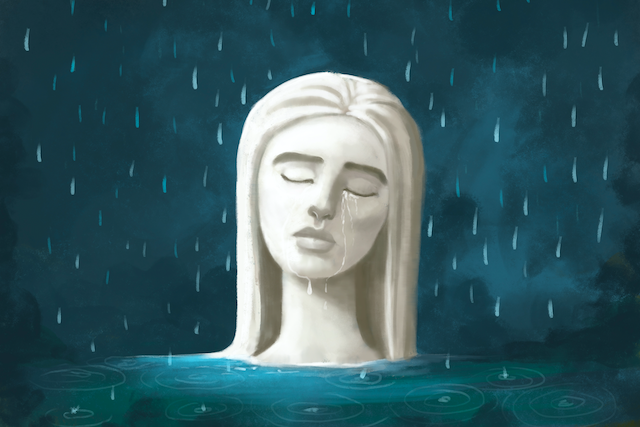
    The feeling of shame in my body feels a bit like I am drowning and being pulverized from the inside at the same time. I have a deep, awful nausea too, like a literal sickness about who I am.

    In an effort to save myself from drowning in shame, I might try to ingratiate myself to the person I am talking to. Make myself sound more palatable, more decent, less dreadful. Or maybe become argumentative to try to kill the feeling in my body by drowning out the voice that seems to be activating the sensation.

    These experiences became like shame vortexes in my life. The place where my true spirit, whatever self-love or esteem I had, went to get pulverized in a pit of torment. A reminder of what a truly dreadful and disgusting person I really was.

    Families are such incredible quagmires of emotional activation. Generations of repressed emotions—of blame, shame, guilt, resentment, rage, frustration, etc.—constantly simmering, occasionally boiling up, being thrown at each other, activating more emotion.

    And yet family are often the people we yearn to receive acceptance and unconditional love from the most. But they’re often the people who find it the hardest to give it to each other.

    My journey with shame has been lengthy because, for a long time, I didn’t know how to work with it. For many years I felt like I was bumping into shame in every corner of my life. And there were many corners.

    In my work, I struggled to be seen, to be what I wanted, to do what I wanted.

    In my relationships, I struggled to relax because I was ashamed about being a pudgy woman who wasn’t wild, free, and fascinating.

    In my friendships, I was often the helpful, problem-solving friend—because to be the messy, chaotic human that I was would jeopardize who I thought my friends wanted me to be.

    In my parenting, it was overwhelming. I wasn’t a calm, healthy-eating, active, patient goddess. I was impatient and distracted, and I dreaded having to play with my kids.

    I was terrified of being rejected, resentful of feeling used by people, and scared of going nowhere in my life because perfectionism gripped me so tightly that I struggled to get started on anything.

    I see now that underpinning all of this was shame. Shame that I was getting life wrong on a number of levels, and really, I just wasn’t trying hard enough. But when I tried harder, it never worked. I would lose energy, fall apart, and then I’d want to hide alone in a room, where no one could see me.

    I didn’t even realize that it was shame. I thought I was just self-conscious, a bit shy, needing to get my act together. I was a perfectionist. I had high standards. I wanted to get things right.

    But now that I know more about emotions, I can see I was drenched in shame. Utterly drenched around this basic concept that I was doing it all wrong, and it was all my fault.

    Shame is in that desire to be invisible, to disappear, to remain unseen.

    Shame is in that desire to hide. To not be looked at. Because being looked at means people might see who we are underneath the veneer. The mask we put on.

    Shame often breeds when it becomes unsafe to be who we are, usually as little children, or when things are happening around us that we don’t understand, that don’t feel normal. When we feel we have to hide who we are or who our families are. When our parents don’t feel comfortable being who they are, there we see shame.

    The thing about shame is that we don’t realize how much of it there is around us. As Brené Brown says, it thrives in secrecy and judgment. Most people aren’t walking around saying, “Hey, look at my shame! Come see the deep, dark crevices of my soul that feel so wrong and awful.”

    Many people aren’t aware that shame is even present for them, as it hides underneath other emotions like anger, fear, or sadness.

    But even though it is hiding, even if we can’t see it, it can control our life like gravity controls us on this earth. We don’t think about gravity, but its powerful force keeps us rooted to the ground. Shame can act in a similar way, its force dictating our actions and behaviors, pulling us in directions that work for shame, but not for the authentic, free-spirited people that we yearn to be.

    Shame serves shame, and only shame. Shame doesn’t care about your desire for authenticity and for being calm, zen, peaceful, joyful, and in love with life. That sounds deeply scary and awful to shame.

    Shame wants us to stay small, to stay hidden, and to be inauthentic. That sounds way safer.

    It doesn’t want us to leap up and say, “Look at me! Look at me as an individual, doing things that are new and wonderful!”

    It doesn’t want us to be free and happy and full of love and light.

    It wants to keep us safe by reminding us how terribly awful we really are.

    Shame is at the root of so many things that plague us—a lack of intimacy in our relationships, an inability to go for what we want in life and have relaxed, authentic friendships, and a sense of stuckness in work.

    It can come out as a sense of persistently feeling rejected, drowning in deep wells of inadequacy, lashing out in anger as a way to hide the shame response, or hiding behind crippling shyness or social anxiety.

    Shame is your worst nightmare talking to you all the time about the ever-present list of limitations in your life.

    Shame is your worst critic analyzing your performance in all things.

    The reason shame feels so horrendous is that it’s not like guilt, which induces feelings about what we’ve done wrong. Shame is so much more pervasive than that. Shame is a feeling that we ourselves are wrong.

    To experience shame is a tremendously reducing experience

    How do we get rid of shame? Well, it’s not something that is quick to shift. It’s a process, and it takes time and emotional safety.

    Emotional safety is an awareness in our bodies, brains, and nervous systems that it is safe to have an emotion. Many of us don’t have emotional safety, so we run, hide, suppress, ignore, and distract ourselves or try to propel ourselves in any way away from an emotion. Many of us learned at a young age that certain emotions are not safe, and shame is usually one of them.

    But to work with shame, to reduce its presence in our bodies and our lives, we need to bring it to the light. We need to expose it to love, acceptance, and empathy. Bit by bit, little by little.

    One effective way to do that is to share little bits of our shame with our most trusted and loved people. Once the shame comes out, it’s out! We are free of it.

    We talk about our shame only with people we feel utterly safe with. We don’t talk to people we don’t feel safe with. Not the stranger on the bus, the friend who gossips to everyone, or your blind date.

    You only give people access to your shame if they have shown you that they are completely responsible with your trust; if you can tell them things and they won’t blame or judge you (which is a re-shaming experience). They come with empathy, acceptance, and love.

    They are honored that you would share your deepest secrets with them. They are prepared for the responsibility that that entails.

    And if we don’t have a person like that in our life? Sometimes when we have so much shame it can be hard to form these types of intimate, vulnerable, and trusting relationships. Shame wants to keep us apart, and separate. That’s how it keeps us alive and safe, by never showing anyone who we really are. Because probably once, long ago, we learned that being ourselves wasn’t safe. And so we chose a safer path—to hide.

    So while we work on shame, we can start this journey with ourselves. Talk to ourselves about what we find when we think about our shame. Have tender, generous, and loving conversations with ourselves. Write or record remembrances.

    And we do this when we know we can be empathic with ourselves.

    Because we all know those conversations when we are down in the depths of shame and we talk to ourselves and make it so much worse—we add more shame, more judgment, more guilt.

    “Why did I do that? Why did I sleep with that guy / not show up for work / send that client brief in late? I know why—because I am such a loser. I always do stupid stuff like this. Always.”

    That’s not an empathetic conversation.

    Shame breeds in conversations like that.

    Shame needs this:

    “Why did I do that! I can’t believe it! Oh wow, now that I think about it, I am feeling ashamed that I slept with that guy / didn’t show up for work / was late with that client brief. And this shame really hurts. So you know what, shame? I am going to stay with you, give you some love, some support, some tenderness, because wow, shame. That’s so painful.”

    We can’t de-shame ourselves by constantly re-shaming ourselves.

    We can’t remove shame by improving either. By doing more things, becoming better incarnations of the humans we are. We can only remove shame with empathy, love, acceptance, and connection.

    That is a pill we have to be willing to swallow. That we are worthy of empathy, love, connection, and acceptance.

    We have to start ignoring what the shame is telling us.

    Shame’s advice is that we should just spend the rest of our lives trying to become better humans. But let’s be honest, we’ve followed that advice our whole lives, and look where it’s gotten us—deeper in the shame well.

    So how about instead of castigating ourselves on a constant basis, we try to interrupt our shame spirals with a bit of love and empathy instead?

    How about we decide that maybe it’s just a feeling, and not an indication of a deep flaw in who we are as humans? How about we try out not whipping ourselves for every small transgression.

    Taking a step toward loving ourselves means working with the vicious, judgmental, potent force of shame.

    But it’s work that can be done. It’s completely possible, and I know because I have drained a ton of shame from my body these past few years.

    We need to not abandon ourselves when we are in shame. We need to take a little tiny bit at a time, just a touch, and bring it out into the light. Share with someone, with ourselves, become familiar with it, look at it, feel it, touch it—and hear it.

    We need to bring love and support to our shame. Bring acceptance and understanding.

    That is what our shame is yearning for, and when we shift our way of seeing it, we can start to shift the power it has over our lives.

  • How I Overcame Shame from Sexual Assault and Began to Love Myself

    How I Overcame Shame from Sexual Assault and Began to Love Myself

    “Our lives begin to end the day we become silent about things that matter.” ~Martin Luther King Jr.

    It was Saturday, August 29th, 2020, when I admitted to myself, for the very first time, that I was a victim of sexual assault as a child.

    Twenty-five years of complete denial that this ever happened, and suddenly all I could think of was the fact that my innocence was taken at the age of five. “Why now?” I wondered. “Why does it suddenly matter? Was I so resentful of my trauma that I denied its existence altogether?”

    Between the ages of five and eight, I was repeatedly molested by a family member. Although I wasn’t sure what was happening, I knew two things: This felt pleasurable, and therefore, there was something inherently wrong with me.

    I carried this shameful image of myself into adulthood, unaware of how it impacted my self-esteem, my sexuality, and my overall perception of myself as a woman.

    As the sexual abuse eventually ended, so did any thoughts about it. No one knew that it had ever happened, and I planned for it to stay that way.

    From the time I became sexually active, I struggled. I never felt safe while being intimate, even when I was with my ex-husband. I always carried this feeling of shame, and the more pleasure I felt from having intercourse, the more shame I experienced.

    When I finally stopped denying that I was a victim of sexual assault, I knew there was no coming back. Once I became brave enough to admit the truth and accept the discomfort of it, I remembered all those times when the assault took place. It was terrifying and intimidating.

    I felt disgusted, shameful, and angry. I was upset that this event was suddenly present in my life. My plans were to build my online business, make money, and have fun with friends, while making sure I consistently whitened my teeth and maintained my Florida tan.

    Instead, I was forced to face my demons and address the truth I’d buried so well. All I could think of was “What’s wrong with me?”

    For many victims of sexual assault, especially young children who can’t comprehend what’s happening, it’s easy to develop a belief that we are sick, dirty, undeserving, and not enough. We develop a strong survival mechanism where we pretend, guard up, in some cases become promiscuous while self-sabotaging any real connection with anyone else.

    Our trauma supports the belief that we can’t trust anyone, everyone is out to get us, and that feeling any pleasure for ourselves is bad and sinful.

    What I couldn’t wrap my head around, and what also brought unbearable shame, was the pleasure I felt when the assault happened. Logically, it didn’t make sense to me.

    These were my thoughts: “I didn’t do anything about it, and there wasn’t any force or rebuttal present. I let it happen over and over, and in a sense, I enjoyed it. How can I ever say that I am a victim of sexual assault? If it was wrong, I would do something. Instead, I did nothing. There must be something wrong with me.”

    What you just read is a common thought process for many victims of sexual assault. It is why we stay silent; why we let the shame grow each day and exercise self-hate full force. Many of us truly believe that there is something inherently wrong with us, and this is where speaking your truth and seeking help comes into play.

    Shame was probably the most intense emotion I observed, but I wasn’t sure how to deal with it. So, as a master in denial, I let it go, again. Or so I thought.

    A year went by, and nothing happened. I kept the truth hidden and didn’t talk about it too much while convincing myself that I’d already addressed it and all this messiness was behind me.

    Then a few months ago one of my friends mentioned the nonprofit RAINN—the nation’s largest anti-sexual violence organization that helps survivors and victims of sexual assault heal and recover.

    I knew this information showed up in my life for a reason. My shame was still present, and my sense of unworthiness wasn’t subsiding. It was time to call their hotline and get help.

    I dialed and hung up four times before I was brave enough to stay on the phone. The process was easy, and I was able to get a counselor within a few days, at no cost.

    It was time for my first session. I was nervous and guarded, but I clicked with my counselor, so it eventually became easier to open up and start sharing.

    At first, we started addressing the elephant in the room: How could I feel pleasure while being sexually assaulted, and would my shame ever go away?

    I learned in my recovery that arousal during a sexual assault is common. It is one of the best-kept secrets that prevent us from speaking up, sharing our trauma, and breaking the shame once and for all.

    We are terrified that no one will understand us and will judge us instead. Considering the amount of judgment and shame we already exercise daily, the idea of criticism and more shame is just too much to bear. Therefore, we stay silent and often let the shame get out of control.

    Although I am not a doctor and can’t impress you with some Ph.D. explanation, here is what I now understand:

    Being aroused during any form of sexual assault doesn’t mean we want it, it doesn’t mean we consent, and it certainly doesn’t mean there is anything wrong with us. Physical pleasure is a natural bodily reaction, even during sexual assault.

    As I progressed with my sessions, I was able to open up about things I never said out loud. Things like excessive masturbation during childhood or using self-pleasure and intercourse in my adult life to punish myself and feel disgusted. Without seeking help and getting a counselor, I might have never been able to overcome my self-destructive beliefs.

    This is the best part about therapy: it provides a safe space to say the things you’ve kept inside. And that, in and of itself, provides healing.

    During my therapy, I learned some powerful coping skills. Things like recognizing my triggers, soothing myself with compassion while drowning in self-hate, pausing, taking a step back, and reevaluating the situation before it gets out of control. These skills were especially useful when I spiraled into one of my shame attacks, wanted to punish myself, or felt overwhelmed by self-judgment.

    I learned the importance of self-love in this process; how to approach myself when feeling defeated, sad, upset, or shameful. Mostly, I understood the universal truth every victim of sexual assault needs to understand and focus on: Recovery requires us to stop questioning what’s wrong with us and instead face what happened to us.

    At the time of this writing, my therapy sessions are coming to an end. If I were asked what’s been the most impactful part of my recovery, I would say it’s the ability to speak up and share my story while exercising empathy and compassion for myself.

    As Brené Brown said, the best way to break the shame is to speak about it with those who deserve to hear our story—people we trust, people who have been through the same or similar situations, and people who are educated enough to understand our trauma. People who aren’t afraid to offer empathy and hold space while withstanding the discomfort of the conversation.

    Although my therapy is ending and the time to run solo is approaching, I know that to heal, I must commit and stay committed to my recovery. I understand now that healing is available to all of us, and all it takes sometimes is five minutes of courage to make a phone call and say, “I need help.”

    As my recovery progresses, my hope for living a happier life grows each day. I am beginning to understand that no matter what I go through or how deep my trauma is, I can make different choices and live my life from the most empowering place that’s available to me—from within.

  • How a Highly Sensitive Person Can Get Over a Breakup And Move On

    How a Highly Sensitive Person Can Get Over a Breakup And Move On

    “A shoutout to everyone who is trying right now… Trying to do the right thing. Trying to stay open. Trying to keep going. Trying to hold on. Trying to let go. Trying to find their flow. Trying to stay afloat. Trying to meet each new day. Trying to find their balance. Trying to love themselves. Trying new things and new ways. I see you. I’m there too. We’re in this together.” ~S.C. Lourie

    Breakups are devastating, and the pain is real. But if you’re a highly sensitive person (HSP), it can take an extreme toll on your system because HSPs feel everything twice as deeply.

    For the HSP, the pain of a breakup can be completely overwhelming and trigger a heightened emotional state.

    When a relationship ends, it can make you feel insignificant. Regardless of who initiated the ending, you experience a tremendous impact in your life that can drive you into despair, confusion, and rage. Not only do you feel emotionally affected, but you may feel as if you are physically wounded as well.

    My whole world came crashing down when my partner went radio silent. He refused to answer my texts and avoided any form of contact. I felt lost and confused, not knowing what to do or where to turn. Each day felt harder than the day before.

    I knew for months that things were not going well, but I was clinging on to hope that the situation would somehow improve. When my partner left without a word, I knew that was the end. I did not get any closure, not that I require it because I realized it would not make me feel even the least bit better even if I did.

    I’ve heard stories from fellow HSPs who took a long time to get over a breakup, and I didn’t want that same experience for myself. But the pain of dragging my broken heart around and the intense emotional stress were not getting any easier on me.

    A day felt like a month, and I wasn’t sure I could survive until the end of the month because the experience was so devastating. I wanted to get over to the other side quickly and get on with my life.

    These are the steps that helped me recover within a shorter time than I feared it would it take.

    1. Forcing Myself to Get Out

    When the realization that we’d never be together again hit my brain multiple times a day, I lost functionality. My entire system broke down. I could not think clearly or act normally. All I wanted to do was vegetate and cry, which only made the situation worse.

    To reset my brain, I tried to get out of the house as often as I could. My body and brain would fight me. I was already exhausted and feeling hopeless. It took a tremendous amount of willpower to drag myself out of bed. The moment I succeeded, I realized it wasn’t half as bad as I thought it would be. I just had to win the mind game.

    I engaged in simple activities such as dropping in for a cup of coffee at the local café, taking a drive to nowhere, sitting alone watching children play in the park, or just enjoying the sunset. Beauty has a way of distracting us from our thoughts and soothing our nervous system. It drew my mind temporarily away from the problem and provided relief at the moment.

    2. Affirming My Self Worth

    Whenever my mind started reminding me it was over, I blamed myself. I imagined there was something I could have done differently. Or that it was my fault it had happened. I beat myself up and placed the entire burden on my shoulders.

    Knowing there was nothing I could do to reverse the situation, I attempted to tell myself a different story, even though I did not believe it in the beginning. I assured myself I was worthy of love, that I deserved to have someone love me as I was, and I required no validation from others to feel good about myself. I made those affirmations out loud so I could hear myself speak.

    In the beginning, it was a struggle. I would sneer, criticize, or ridicule myself every time I said an affirmation because I did not believe my own words. I persisted between tears and disbelief. Thankfully, it got better over time. Gradually I stopped criticizing myself and what remained were purely affirmations. As I continued to hear myself speak, I gained my own acceptance.

    3. Practicing Self-Compassion

    Research suggests that practicing self-compassion can help us become better adjusted and significantly improve our mental health. But it doesn’t come easily to HSPs.

    We tend to have unlimited compassion for everyone else but struggle to offer the same compassion to ourselves. We often judge ourselves as weak when we’re struggling with emotional pain. But that’s when we need self-compassion the most.

    As I gradually came to terms with reality, I indulged in more positive self-talk. I spoke to myself as I would my best friend. I told myself that I was the main character in my story, and I needed to heal. Despite what was going on, I assured myself I could feel better and rise above the situation.

    I focused on myself, telling myself that I would get out of this episode just fine. I convinced myself that soon, the pain would go away, and the awful feelings would end. Again, in the beginning, there were no significant changes. I persisted and gradually experienced mental clarity that showed me I was on the right path.

    4. Dealing With Relapse

    As I began to heal, I noticed the gap between the time I crumbled and the time I could hold up became further apart. It was not uncommon for me to break down multiple times throughout the day. Sometimes, I managed to get by without crying for an entire day. To me, that was a breakthrough because it showed a marked improvement.

    Some days I unexpectedly suffered a relapse after a period that I thought was an improvement. That took me completely by surprise. Gradually, I accepted that I was still in the process of healing, and that it was normal for my brain to revert to the lingering memory.

    When that happened, I revisited what I practiced earlier—getting out, affirming my self-worth, and practicing self-compassion. Self-talk was a crucial part of my healing process.

    I had to listen to my own words long enough to believe they were true. I had to avoid giving in to the mental chatter about my role in the breakup and my worth.

    We generally act on what we believe about ourselves. If we believe we deserve to hurt, we don’t do the things we need to do to heal.

    Moving On With My Life

    In slightly less than two months, I woke up with no brain fog and was able to go through an entire day without breaking down. I was able to resume my normal activities and focus on the day ahead.

    For me, the whole healing process was a battle of willpower. Some days were tranquil, although most days were difficult. Typically, it was one step forward and two steps backward. Whenever I struggled, I reminded myself that I wanted to heal and feel better. That generally got me on my feet and out of the house.

    A breakup can have a huge impact on a highly sensitive person, since we are more susceptible to stress and extreme anxiety. Although healing takes time and often we have to allow nature to run its course, there is no need to prolong the pain longer than necessary.

    Once you decide you are ready to receive healing and do everything you need to accommodate the process, you can come out of the episode faster and move on with your life.

  • Why I Blamed Myself for My Ex’s Suicide (and Why It’s Not My Fault)

    Why I Blamed Myself for My Ex’s Suicide (and Why It’s Not My Fault)

    “No amount of guilt can change the past and no amount of worrying can change the future.” ~Umar Ibn Al Khattab

    I don’t remember the exact day the message came through. It was from my son, Julian, and he needed to talk to me. It sounded pretty serious. He never really needs to talk to me.

    His father was found dead earlier that week. He’d hung himself.

    While this news hardly affected Julian at all, it hit me like a ton of bricks, and I cried.

    Our Marriage

    We met in a taxi thirty-three years ago. He was the driver, I was a drunk passenger. He was super handsome and flirty. He brought me home, and we exchanged numbers and instantly began a relationship.

    Within six months of dating, I found out I was pregnant. Since I didn’t want to be an unwed mother, we were married within a month and began our lives. We both had good jobs. I worked at a bank, he was an HVAC technician. Life was pretty good in the beginning.

    Then his job took us to a different city. We moved and for the first time in my life, I was alone with no friends and no family. I was twenty-six years old. Our marriage was okay, and we got along well.

    About six months after we moved to this new city, he started coming home later and later from work, some nights not until 2am. He always told me he had to work late. I believed him. He was on call a lot. I was home alone a lot.

    A few months later I made the decision to return to our hometown. He was to find a job there, which wouldn’t be hard. I didn’t want to be alone in this big city anymore, and I was just about to give birth. I wanted my family around.

    Life After Our Move

    We stayed at my parents’ house when we returned, and within a month had found our own apartment.

    He found a job almost instantly, and I delivered Julian two days after we got home. Life was going well.

    About a year into our lives with the baby, things started to get bad. He was out “working late” an awful lot. He would come home around two or three in the morning, smelling of alcohol. By the time Julian was eighteen months I had had enough and asked him to leave. This wasn’t the life I wanted for my son.

    He moved out and for the next six months, my life was a living hell. He would come over drunk at night, force sex on me, threaten to take my baby away from me, threaten to kill us both. He threatened me almost daily. Many nights I’d stay at a friend’s house just to feel safe. Many times the police were called.

    He finally moved out of province, and it was years before we heard from him again.

    The Divorce Agreement

    The day had come to file for divorce and put this whole marriage nightmare behind me. I filed for sole custody with no visitation allowed to him. He was unstable, dangerous, and violent, and I was not taking any chances with my son. The fact that he lived far enough away was my saving grace.

    Also stated in the divorce agreement was no child support payments. I wanted to completely cut all ties with this man. So I did just that.

    Twelve Years Later

    It may have been longer, maybe thirteen or fourteen years later, we received a package from him via his brother. It was sent to Julian. A picture of himself and a silver chain with a St. Christopher pendant.

    It meant nothing to Julian. He didn’t even know who this person was. I questioned his gesture. Was he trying to make amends? Was he trying to prove that maybe he’d changed and he wanted to start a relationship with his son?

    I never got the answer to any of those questions. He never reached out again after that.

    When my son moved away to university, he lived only a couple of hours away from his father. He made an attempt through his uncle to maybe meet up with his dad, but his dad wasn’t interested and declined the offer.

    And life simply carried on.

    Every now and then, throughout the years, Julian’s uncle would update us on what his father was doing and how he was doing. It seemed alcohol and depression were major parts of his life.

    I couldn’t help but feel responsible for this.

    Was he depressed because I took his only child away from him? Was this my fault? Whenever we got another update, I just felt guilty. Did I do this to him?

    The Call

    When I got the call, I was in complete shock. I had no idea his depression was that bad. How would I have known? Were there other factors that played a part in his suicide? Or was it just years of anguish knowing he had a son who was never a part of his life… because of me?

    Could this have been prevented if his son had been a part of his life? Did I do this??

    I cried for a week. I had never felt so much sorrow, and guilt. SO much guilt. Was I responsible for someone’s suicide?

    Dealing with My Grief and Guilt

    It took me a while to wrap my head around his suicide. It also took me a while to convince myself I was not responsible for it, nor should I feel guilty about it. I didn’t talk to anyone about this. No one would understand my feelings, and they were hard to explain.

    I realized, though, that he had been battling demons that had nothing to do with me. I made the best choice for my son, and that was the most important thing to me.

    He had made his choices as well. And I had nothing to do with them. Me not allowing him any visitation to his son was a result of his actions and choices. He chose his behavior. Not me. I chose to not have his behavior damage my child.

    I had to talk myself through that. It’s not your fault, Iva. He could have chosen to change his life, improve his life, reach out to his son more often, anything. And he chose not to.

    It’s not your fault, Iva.

    There is a tiny part of me inside that wishes things would have been different. If only he got help for his depression and alcoholism. If only he could have been a part of Julian’s life. If only he could have tried to help himself.

    I’m sorry his life ended so tragically. I’ll always feel sorry for that. But I won’t feel guilty about it anymore.

    It’s Not Our Fault

    It’s so easy to take responsibility for a loved one’s suicide, especially when you set a hard boundary for your own well-being. “If only I had done this or done that” or “if only I would have not done that,” but the reality is, it’s not our fault.

    We are not in control of how people think, act, react, or live their lives. We can only control our own lives. What people do with their own life is out of our hands. We can offer them tools and help, but it’s up to them to accept it and/or use it.

    If they don’t, that’s not our fault either. It’s easy to think that we should have/could have done more, but we did as much as we could. The rest was up to them.

  • How I’ve Dealt with the Shame and Embarrassment of a Failed Career

    How I’ve Dealt with the Shame and Embarrassment of a Failed Career

    “If we can share our story with someone who responds with empathy and understanding, shame can’t survive.” ~Brené Brown

    The embarrassment you feel upon realizing you don’t actually have what it takes to make a success of yourself. The shame of knowing you spent years training to do one thing and then you bailed right at the finish line. The fear of what to tell people when they ask you what you’re up to.

    Of course, you don’t tell anyone how you feel, as you’re too embarrassed to admit you even have these feelings, so you just bury it all away.

    I know these feelings all too well, as I’ve been through them all. It took me years to finally face up to what I actually felt and deal with it. As a coach once told me, “Buried emotions never die.”

    I knew I always wanted to be in the arts. I loved dance and drama, and I wanted to be an actor. I could feel it so strongly that I never even considered a different career.

    I started dance classes at the young age of six, and at eleven years old I went to a performing arts school. So my training began.

    After school I went to a reputable college where I did a further three years of training. I was sixteen years old and was told to lose weight and wear heels and make-up. I didn’t realize it at the time, but this wasn’t the healthiest thing to tell a teenager.

    After three exhausting years I graduated. All the training, the hard work, the sacrifice had led up to this moment. I was going to get an agent, start working in theater, and move into TV and film.

    But that didn’t happen.

    Instead of going full steam into my career, I froze. The last term of college crushed me.

    The last term all led up to our final show. The show ran for a few weeks in different locations around the city, and it was meant to be an opportunity for us performers to show off our talent. Everyone was meant to invite agents in the hopes of getting signed.

    However, I didn’t invite anyone. I was so ashamed of my performance. I felt I had been cast in utterly the wrong role, and no matter how much I tried, I just couldn’t make it work, and no one seemed to care.

    I remember wishing I would fall down the stairs of the tube station so I would break my leg and not have to perform; I was so humiliated.

    Rather than leaving college confident and excited, I left with my confidence at rock bottom.

    I never did anything with my training. All those years, all those dreams, all those aspirations, but when push came to shove, I didn’t do anything with it.

    For years I told myself that the last term was so tough that it broke me, and that is why I never continued after college. I blamed everyone else.

    It took me years to admit that it was actually my decision to quit. It took me even longer to understand why that was. I realize now I was scared.

    In fact, I was petrified that I wasn’t as talented as I thought I was. I knew if I put myself out there and tried to make a career out of it and failed, I would have proof that I wasn’t talented.

    If I blamed everyone else and quit before I got started then, in my head, I could always be amazing and could have always potentially had a career in the arts.

    Emotions are so complex, though, that it took me a long time to dig deep enough to find this truth.

    Thus, I found myself aged eighteen years old, with no formal education, and all I had ever wanted to do was perform, so what now? I was totally lost.

    I just froze. I didn’t get an agent; I didn’t go to auditions. I just quit.

    I had spent my entire life working toward this moment, and at the final hurdle I fell. It really shook me up; I felt like an utter failure and was humiliated.

    I was so ashamed and embarrassed that I stayed in contact with no one from college, except two friends.

    I remember walking down Oxford High Street and seeing two of my former classmates. I jumped into a shop to hide from them because I was afraid they would ask what I had been up to.

    All I could think was, “What would I tell them?” They were probably off in West End Shows, and what was I doing? I was a failure. Of course, this was before social media, so no one knew what I was or was not doing.

    Eventually I decided I would take some time out and go to Thailand. I ended up spending a year there. I became a diving instructor, and I met the man that would become my husband.

    Once back home, I got a job in recruitment and my career went from strength to strength. I thought I had moved on and was happy with my life.

    Yet whenever I would meet someone who asked about my education or what I did at school, I would panic. “What do I tell them? How do I explain that I trained, but never turned it into a career?” They would know my dirty secret, that I was an untalented failure.

    I would lie and make up stories as to why I decided to change careers after my education.

    I couldn’t understand why I still cared so much about this. Why did I feel I had to lie?  Although life was great, deep down I felt that something was missing. It sometimes felt like there was a dark mass in the pit of my stomach.

    I had a session with my coach about this feeling, and what came up? The arts, my love for dancing, my failed career, my shame, my embarrassment. I remember breaking down in tears. I was so angry that twenty years later I still hadn’t moved on.

    I was so angry that this was still such a big thing in my life. That it was still there with me. I just wanted it to go away. It felt pathetic that it still had such a huge hold over me; what was wrong with me? I just kept saying, “This is so ridiculous, why can’t I just let it go?”

    But remember what I said earlier? Buried emotions never die. They never leave you; they’re just festering

    I was so confused by it all, I didn’t understand why it still had such a hold on me. Why I felt so embarrassed and full of shame. My coach helped me unpack it all.

    The lies I had told myself had become so much a part of me; I had to work hard to pick it all apart to find the truth.

    After so many years, I was finally able to face up to what had happened. I was just a scared teenager. I was so scared of failure and rejection that I found a way to protect myself by making up a lie and quitting.

    I needed to make peace with this, and I needed to accept responsibility. I found this hard to do, as I didn’t like this version of me. It was much easier to blame everyone else than to see it was my fear that stopped me.

    I needed to forgive myself.

    I stopped telling myself lies and admitted that when I graduated, I was petrified of failure, so I quit before I could fail. I realized I still had a love for the arts and I needed to find an outlet in my life.

    It was hard work and took many sessions to really dig into the truth, but once I did, I was finally able to talk about the arts and my past without shame or embarrassment. I could finally move on.

    I did a lot of work re-connecting with teenage Alice. Writing letters to her, forgiving her, and showing her compassion. I also did a lot of work on acknowledging what I had achieved and who I had become.

    I know I’m not alone in what I felt and what I went through. I wish I could have started this healing process a long time ago because as much work as I have done, I know there is still more to do.

    For anyone who is experiencing what I did, know that you’re not alone and you’re not silly for feeling the way you do. Also know, you can change it.

    I learned so many things in the process.

    You can’t just ignore what you feel.

    At the time I was so confused by what I felt. Instead of trying to understand what was happening, I just buried everything.

    Eventually I had to look my shame and embarrassment in the eye and understand what they were telling me about myself. What was the message?

    There is always a message behind your feelings and emotions; you just need to be brave enough to hear them. I found journaling really helped with this.

    It takes time.

    If, like me, you have already spent years ignoring what you felt, that also means you’ve likely spent years telling yourself lies. What you are feeling is complex, and it will take time to work through it. Don’t expect an overnight change.

    Things still come up now that I have to work through. Human beings are extremely complex, and it takes time to break through all our barriers.

    Share what you’re feeling because you won’t be alone.

    I remember telling my old manager about how I felt. He had the same background as me, and he said, “Alice, I felt exactly the same way.” He told me he moved cities just to get away from people he knew.

    Just hearing that made me know I wasn’t insane. It was amazing to hear he understood.

    We hear it all the time, but sharing what you’re going through really does help. So share your story.

    Stop punishing yourself and have fun.

    For anyone reading this who can relate, you have likely boxed away something you loved. It’s time to take it out of the box and allow yourself to have fun again. You don’t need to keep punishing yourself.

    I didn’t allow myself to dance for years. It was too painful. However, my body was screaming out for it. I realized it wouldn’t be a career, but that didn’t mean I had to cut it out of my life completely. I could still enjoy it.

    It’s been a long journey for me. Mainly because when I quit twenty years ago, I had a rush of feelings and emotions, and I didn’t know how to deal with them, so I pushed them away and lied to myself. It took a long time to undo all the stories I had told myself.

    You don’t need to be embarrassed or feel ashamed, but also know it’s okay if you do feel this way. Just don’t hide from these feelings. Understand them, embrace them, and make peace with them. That way you can allow yourself to move on.

  • What Creates Anxiety and How We Can Heal and Ease Our Pain

    What Creates Anxiety and How We Can Heal and Ease Our Pain

    “Beneath every behavior there is a feeling. And beneath each feeling is a need. And when we meet that need, rather than focus on the behavior, we begin to deal with the cause, not the symptom.” ~Ashleigh Warner

    Do you ever wonder what creates anxiety and why so many people are anxious?

    Anxiety doesn’t just come from a thought we’re thinking, it comes from inside our body—from our internal patterning, where unresolved trauma, deep shame, and painful experiences are still “running.”

    It often comes from false underlying beliefs that say, “Something’s wrong with me, I’m flawed, I’m bad, I’m wrong, I don’t belong.”

    Anxiety can be highly misunderstood because it’s not just a symptom, it often stems from what’s going on subconsciously as a result of past experiences, mostly from when we were little beings. And yes, the body does keep score and remembers even if the mind doesn’t.

    Anxiety is often a signal/experience that happens automatically from our nervous system. It’s emotions/sensations letting us know that we don’t feel safe with ourselves, life, or the person we’re with or situation we’re in. It’s our inner child saying, “Hey, I need some love and attention.”

    Maybe, instead of blaming, shaming, or making ourselves feel bad or wrong for experiencing anxiety, we can be more compassionate and caring, knowing it often comes from deep unresolved pain.

    Just taking a medication or doing symptom relief may help ease the anxiety, but are we really healing the “root” cause? Are we taking time to understand what the anxiety is conveying? Where it’s actually coming from and what it’s showing us about what we need?

    Many people are living with anxiety but aren’t even aware it’s happening. Our minds and bodies aren’t at ease, and we may try to soothe them by being busy, over-eating, drinking alcohol, scrolling through the internet, smoking, compulsive shopping, over-achieving, or constantly working.

    From my earliest memory I felt anxious. I didn’t feel safe at home or at school. I felt different than the other kids; in a sense I was an outcast.

    I was alone a lot, and food became my companion and coping mechanism. When I was eating, I felt like I was being soothed. It gave me a way to focus on something else to avoid my painful feelings, and it also helped me cope with being screamed at or ignored by my family.

    At age eight I started experiencing dizziness, which was another form of anxiety showing up in my body. My parents took me to the doctor, and they checked my ears and did other tests but couldn’t find anything wrong with me physically.

    That’s because the dizziness wasn’t caused by something physically wrong with my body, it was stemming from the fear and anxiety I was experiencing. I was afraid of everyone and everything—I was afraid of living and being.

    I was experiencing extreme panic. I didn’t know how to be, and no one comforted me when I was afraid; instead, my father called me a “big baby.”

    When I was ten my parents started leaving me at home alone, sometimes at night, where it was very scary for me, and I cried and sat at the door waiting for them to walk in. When they did, there was no acknowledgment. They just said, “Go to bed.”

    They didn’t meet my needs for connection; my needs to be heard, loved, seen, and accepted; or my needs for safety and comfort when I was hurting and afraid. Because of that, I experienced severe panic and anxiety. I didn’t know how to be with myself when those feelings were happening, which was constantly.

    Then, when I was thirteen, my doctor told me to go on a diet. I became afraid of food and started using exercise to soothe my anxiousness. Little did I know I would exercise compulsively, to the point of exhaustion, daily, for the next twenty-three years of my life.

    I couldn’t sit still for a minute. If I did, my heart would race, and my body would sweat and shake. My trauma was surfacing, and I didn’t know how to be. The only way I felt okay was if I was constantly moving and being busy. 

    I was also self-harming and limiting my food intake, so at age fifteen I entered my first hospital for anorexia, depression, cutting/being suicidal, and anxiety.

    Was there really something wrong with me? No, I was just a frightened human being trying desperately to feel loved, accepted, and at peace with who I was. I just wanted to feel safe in some way.

    I didn’t realize what was going on at the time, and the people who were “treating me” didn’t understand true healing. They were just doing symptom relief, which never took care of my inner pain, the trauma my mind/body was stuck in.

    Deep down I was living with the idea that there was something wrong with me, that I wasn’t a good enough human being, I didn’t fit into society. I had a shame-based identity, and I was trying to suppress my hurt and pain.

    I was stuck in fear and worried about the future and what would happen to me. I was trying to make the “right” decisions, but no matter what I did my father called me a failure. No wonder I was so anxious all the time. I couldn’t meet the standards on how I should be according to my family and society, and I never felt safe.

    When I was old enough, I started working and found that when I made money, I finally felt worthy, which temporarily eased my anxiety.

    This became an obsession, and I became a workaholic, basing my identity on my income and trying to prove myself through my earnings.

    I also hid my thoughts, feelings, and needs because I never knew, when I was a kid, if I would be punished for doing, saying, or asking for anything. This left me with many unmet needs and continuous anxious feelings. 

    How can someone live that way? We can’t. It’s not living, it’s running. It’s trying to just get through the day, but then the next day comes and the panic sets in, and the routine starts all over again. Living in proving, self-preserving, and trying to find a way to feel safe—what a life, eh?

    I also had to deal with the anger my family projected onto me for “being a sick puppy.” They said I was ruining the family, not to mention all the money my parents spent on treatment that never helped me get better. That really upset my father and made me feel guilty.

    All that panic, fear, guilt, shame, pain—feeling not good enough, unlovable, and unworthy—was going on unconsciously, and because I was trying to suppress how I was truly feeling I experienced the symptom of anxiety, as well as depression, eating disorders, cutting, and other ways of self-harming.

    Many people have these feelings but do a great job of covering them up through physical means. Internally, they’re at war.

    That’s why I share my story: I know there are other people out there who feel this too. If this is you, please be kind and gentle with yourself.

    Please know that whatever your survival/coping mechanisms, you’re not bad or wrong; in fact, you’re pretty damn smart, you found a way to help yourself feel safe.

    And, if you’re experiencing anxiety, please know it’s not your fault; it’s how your nervous system is responding to what’s happening internally and externally. 

    Sometimes anxiety can mean that we care deeply and we’re in a situation or with a person who means a lot to us. We want to be loved and accepted, so we get anxious about trying to do and say the right things, which makes it hard to express ourselves authentically.

    Anxiety can also be a response from our nervous system letting us know we’re in dangerous situations or our needs for belonging, safety, and love aren’t being met. However, there’s a difference between a real threat and a perceived threat based on outdated neuro patterning stemming from traumatic past experiences.

    Here’s the simple truth: We all have some anxiety—it’s part of being human—but when anxiety shows up in our daily living and it’s extreme like it was for me, it can be helpful to notice it with compassion and loving so we can do some inner healing.

    I started feeling at ease by embracing the part of me that was experiencing anxiety, listening to why it was feeling how it was feeling, and giving it what it needed; this is called inner child healing, loving re-parenting.

    I started feeling at ease when I made anxiety my friend and I saw it as a messenger from within. By taking the time to listen, I saw how anxiety was serving me; sometimes I really needed protection or a shift in perception, or to speak up or leave a situation, and I only knew this by listening.

    When I started loving and accepting myself unconditionally—my insecurities, my imperfections, my wild ways of being, my free, authentic, and crazy expression, the ways I love and care deeply and the things that frightened me—I became truly free.

    We’ve all been conditioned to be a certain way in order to be loved and accepted, and this often creates a disconnection from our soul’s loving essence and can cause us to be anxious with the false ideas that we’re not good enough and there’s something wrong with us. 

    For those of us who experienced trauma too—the trauma of not being heard, seen, or comforted when we were frightened or hurting, or not having our needs met as a little being, or being beaten physically or emotionally—well, it’s understandable that we would feel unsafe and anxious.

    When we’re in situations that trigger our anxiety, we need to take a deep breath and ask ourselves:

    What am I afraid of?

    What is this experience bringing up for me?

    What am I feeling and what am I believing to be true about myself, the other, and/or what’s happening?

    Is that really true?

    What do I need? How can I give this to myself?

    One thing that has really helped me is the idea that it’s not really about the issue or the other person, it’s about how I’m feeling, what I think it means, and what’s going on internally, as we all see the world through our own filters, beliefs, and perceptions.

    We find ease with anxiety when we make it our friend, relate with it, and respond to it instead of from it, and offer ourselves compassion instead of judgment. 

    We find ease with anxiety when we forgive ourselves for betraying ourselves to get love and approval and/or forgive ourselves for past mistakes, seeing what we can learn from them and how we can change.

    We find ease with anxiety by taking risks and making small promises to ourselves daily, which helps us learn how to trust ourselves and our decisions, so we don’t feel anxious when there’s no one around to help us.

    We find ease with anxiety when we realize there’s nothing wrong with us, and we take time to find out what unrealistic expectations we’re trying to meet in order to be a “good enough human being.”

    We find ease with anxiety when we have a safe place to share our fears, shame, and insecurities so we no longer have to suppress that energy.

    We find ease with anxiety when we notice the “war” between our mind and our heart—our conditioning and our true being.

    We also find ease with anxiety when we see it as a positive thing. Because of my anxiety, I’m empathetic and sensitive to my own and other people’s feelings and needs. This helps me understand what I need, as well as what my friends, clients, and other people need and what they’re experiencing internally.

    We find ease with anxiety when we understand what’s causing it internally; express, process, and resolve our anger, hurt, shame and pain; and offer those parts of ourselves compassion, love, and a new understanding.

    We find ease with anxiety when we pause, take a deep breath, put our hands on our heart, and say, “I am safe, I am loved.” This calms our nervous system and brings us back to the present moment.

    We find ease with anxiety when we experience a re-connection with our soul’s loving essence; this is where we experience a true homecoming, a loving integrating.

    If you’re someone who has experienced trauma, please don’t force yourself to sit with your feelings alone. Find someone who can lovingly support you in your healing, someone who can assist you in working with those parts of you that are hurting to feel safe, loved, heard, and seen.

    Oh, and one more thing, please be kind and gentle with yourself. You’re a precious and beautiful soul, and you’re worth being held in compassion and love.

  • 5 Life-Changing Pieces of Advice I Would Give to My Younger Self

    5 Life-Changing Pieces of Advice I Would Give to My Younger Self

    “I’d go back to my younger self and say, ‘Lighten up. Take it easy. Relax. Don’t be so anxious about everything. Try not to have today stolen from you by anxiety about yesterday or tomorrow.’” ~Bill Nighy

    I believe there is great power in looking back at our past to learn from our experiences, mistakes, and regrets.

    The Spanish philosopher George Santayana remarked, “Those who do not learn history are doomed to repeat it.” I might add that the history we need to study the most is our personal history so that we don’t keep making the same mistakes over and over again in our lives.

    If I had the option to go back to my past, this is the advice I would give my younger self.

    1. Express yourself freely and work to overcome your shyness.

    In the past, there were many opportunities that I didn’t take and many friendships that I failed to make because I was shy and often felt uncomfortable and self-conscious. Some people would interpret my shyness as rudeness, so it was crippling to me in many ways.

    Advice to myself:

    Make a conscious effort to interact and express yourself freely around others, no matter how uncomfortable it may make you feel in the moment. If you struggle, take deep breaths to relax yourself and calm your irrational thoughts.

    Nobody is judging you and analyzing you as thoroughly as you may think. Everybody is too absorbed in their own world to spend time caring about every little thing you say and do.

    Try to do the opposite of what a shy person would do in any given situation. Easier said than done, I know, but if you do that long enough, you’ll start creating a new identity for yourself in your mind. That’s really all you have to do to overcome being shy. The more you do it, the easier it gets and the more confident you’ll become, and soon it will feel natural.

    2. Stop fighting your negative feelings.

    For the longest time, I would try to resist and battle my negative emotions, like anxiety,  hoping they would go away somehow. If I felt that familiar knot in my stomach and started thinking anxious thoughts, I’d tell myself I should be positive because our thoughts create our reality.

    A couple of years ago, I finally realized that the way to free yourself of negative emotions, as counter-intuitive as it sounds, is to accept them.

    The more we try to fight our feelings with the underlying thought “I shouldn’t be feeling this way,” the worse we feel. However, these feelings pass much faster when we allow ourselves to feel them without judging them or thinking that they shouldn’t be happening.

    Advice to myself:

    Let go of the need to try and fix your negative emotions with your mind.

    Accept your unpleasant feelings and focus your attention fully on the sensations these emotions invoke instead of thinking thoughts like “I shouldn’t be feeling this way,” “This shouldn’t be happening.”

    When you do this, you will find that the unpleasant feelings dissolve much more quickly, and you will stop making things worse by feeding them with more energy.

    View your feelings as visitors, for they always come and go. Like most visitors, all they want is your attention and acknowledgement, and once you give them what they want, they will be on their way.

    3. Embrace uncertainty.

    In college, I spent a long time desperately trying to figure out my future, wishing for clarity on what I should be doing with my life.

    Many of us have a compelling need to have our whole lives all figured out. We hate not knowing where life may take us, and we seek the comfort of knowing what the future has in store for us.

    But no amount of mental analysis of our future can provide us with the answers. And that’s okay, because we don’t always need to know what we will be doing a year from now.

    Sometimes the only thing you can do is trust in life. Because when we are not trusting, we automatically start worrying, because that’s our mind’s default tendency.

    Advice to myself:

    Know that it’s okay to be confused and not have all the answers. Learn to be okay with not knowing and make room for surprise and mystery, because that’s a big part of what makes life exciting and interesting.

    Most of your fears and worries about the future, if you closely examine them, are nothing more than mental fabrications and do not exist anywhere else than in your mind. Most of the things you worry about won’t actually happen, and even if they do, you might learn and grow from those experiences. Hence there is no need to take your fears so seriously and get worked up over them.

    4. Stop trying to run away from discomfort.

    Our mind tends to prefer the known and comfortable and likes to seek out the easiest way to feel good.

    We’re often hesitant to do things that require effort or make us feel uncomfortable, since our natural tendency is to avoid feeling any discomfort.

    But many of the things that are beneficial for us and worth doing in life will require enduring some kind of discomfort. To run away from discomfort is to run away from growing and evolving as a person.

    That’s exactly what I did for most of my life. I avoided meditating, exercising, journaling, and spending time alone without technology—habits that have all had a positive impact on my life—during the times when I would have benefited from them the most because I felt resistance whenever I tried to get started.

    I also avoided being vulnerable with other people. But I’ve noticed over the last two years that if I stay with the discomfort of interacting with new people instead of running away, as I used to do, the interactions ultimately become rewarding and enjoyable.

    This is true of most things—reward lies on the other side of discomfort, but first we have to push through.

    Advice to myself:

    The mind can be very persuasive and convincing and come up with an endless list of reasons to procrastinate or avoid feeling any discomfort. But don’t let your mind deceive you.

    Discomfort often points toward what you should be doing, not what you should be avoiding. Be willing to dive deep into discomfort and learn to embrace it. It will help you more than you know.

    5. Accept yourself and stop judging yourself.

    When I was in college, I used to judge myself a lot because many of my interests, such as spirituality and metaphysics, were very different from all my friends’ interests.

    It was a few years later that it finally dawned on me that I needed to stop looking outside for validation and permission to accept myself.

    Once you learn to accept yourself, it doesn’t matter what others may or may not think. Other people’s opinions may bother you fleetingly, but you will need to live with what you think about yourself every day, so don’t make it hard by judging yourself.

    Advice to myself:

    You don’t need to judge yourself or feel embarrassed about wanting to spend your free time journaling, meditating, reading books, or enjoying spending time alone by yourself.

    Don’t feel compelled to be like everyone else, and there is absolutely no reason to be apologetic for following and doing what lights you up.

    Because the truth is, it’s okay to be different and unique. Imagine how boring the world would be if we were all the same.

    If you could talk with your younger self, what would you say? What do you think you would have done differently? What advice would you have for them?

  • If You Want Closure After a Breakup: 6 Things You Need to Know

    If You Want Closure After a Breakup: 6 Things You Need to Know

    “We eventually learn that emotional closure is our own action.” ~David Deida

    When my last relationship ended, I didn’t really understand why. After eight years together and still feeling love for each other, my partner walked away saying he didn’t feel able to commit.

    He didn’t want to work on the relationship because he felt that nothing would change for him. So, I had no choice but to let it end and do everything I could to pick myself up from deep grief, intensified by great confusion.

    Now, over a year later, I still cannot give you a definitive reason as to why we broke up. I do still think about the breakup and occasionally it can bring up emotion, even now.

    But these days, instead of that burning need to understand and make sense of it, I have a more distanced curiosity when I think about the reasons we ended. I think this might be that elusive state we call “closure.”

    This reflection led me to explore what closure means: why we strive for it and why it feels so hopeless when we think we can’t reach it. Do we ever truly have it and where does it come from?

    What is Closure?

    When we say we want “closure” at the end of a relationship, what do we actually want?

    I have discovered that when people talk to me about needing closure, what they generally tend to mean is that they want answers and understanding about why things ended the way they did.

    Heartbroken people often believe that they will get the closure they so desperately desire, if only they could make sense of why. They expect that this knowledge will help them stop the overthinking and relieve them of their painful emotions.

    I used to believe this too, but experience from my previous crushing divorce taught me it doesn’t work like that. Closure must come from within because if you look to your ex or anywhere else to find it, you will be left frustrated and helpless and you will prolong your healing process.

    So, let’s look at some truths about closure that explain why it has to be an inside job:

    1. Your ex’s responses will lead to more questions.

    At the point of my breakup, my ex and I had a couple of conversations that involved me doing a lot of asking why, but not getting many answers. He couldn’t really explain; he told me “It’s not you, it’s me,” and when someone gives you that as their reason, there is nowhere you can go with it.

    For the person leaving it probably feels like the best way to end it. But for the person left, it’s deeply unsatisfying, and our natural tendency is to desperately ask more questions: “What’s wrong?” “Can I help you with whatever you’re going through?” “Can we fix it somehow?” “Can we at least work on it?”

    It’s important to know that when we are still in love with someone, nothing they can say will us give closure. The answers will never feel enough, they will only lead to more questions and more longing.

    2. “One last meeting” extends the pain.

    If there is still communication after a breakup it’s tempting to ask for one last face-to-face, to help you understand and gain the closure you seek. But for all of the reasons above, this will not help.

    A meet-up is often an excuse to get in touch because the ending feels too painfully final. Sometimes there’s a veiled hope that by seeing them for “one last talk” they may rethink or have doubts about leaving.

    Nobody is ever wrong for seeking closure this way, but before deciding to meet, check whether you are really hoping for reconciliation. Consider how your pain might be prolonged if you don’t get it.

    3. Your closure can’t come from their truth.

    You cannot rely on the words of the person who broke your heart for your own closure. Not because they are being deliberately dishonest (except for specific cases when they are), but because there is never just one truth at the time of the breakup.

    The answers you receive from your ex may bring you a little bit of understanding or peace at first. But if you depend on them for your closure, and then the reality shifts, it can set you back and bring even more pain.

    I allowed myself to feel deeply reassured by my ex’s assertion that he left because he needed to be by himself. So, when he told me two months later that he was dating again, it left me utterly devastated because I had allowed my peace of mind to come from his words and not my own healing. I had believed “It’s not you, it’s me,” then felt the gut punch that it actually was me.

    However, as I started to move through the healing process, my growth allowed me to shift my perspective on the meaning I gave to this revelation. I learned to reframe the deep feelings of rejection to create my own, more empowering, understanding of why we ended.

    You cannot cling to reassurance from someone else’s truth or explanations, because they will not hold lasting meaning for you. Your closure will only have a strong foundation if it comes from your own truth.

    4. Moving on should not be conditional.

    You disempower yourself when you believe that you can only get closure via your ex-partner. In doing so, you are effectively allowing them to say whether it is okay to move on.

    If you require an apology, changed behavior, an explanation, empathy, forgiveness, or anything else from them before you can move forward, what happens if those things never come? Are you okay with potentially spending years waiting for someone else to fix your pain?

    Whatever your ex-partner tells or withholds from you, however they acted back then, whatever their current situation or future behavior, is far less relevant than your response to any of these things.

    Your ability to gain closure is unconditionally within your control, and it becomes far easier when you stop focusing on your ex.

    5. Closure is not passive—what you do counts.

    We have a common understanding that “time heals a broken heart.”

    While it’s true that the intensity of grief emotions can lesson over time, what really makes a difference to your speed of moving on, is how willing you are to do the inner work to change and grow.

    As you gain closure, you’ll notice you are no longer so emotionally triggered by the same external situations. However, this doesn’t happen because anything out there is different; it’s because you are different.

    When you learn to heal an internal wound, shift your perspective, and change your responses to events, you gain peace from the inside. This is not dictated by time; it’s up to you how soon you want to make these changes.

    6. Closure is not a one-time event.

    There is a misconception that closure is something we finally “get.” The word itself implies that it’s a conclusion to everything related to the breakup. Because of this belief, we find ourselves constantly wondering when we will “have it.”

    Instead, if we see it as a process rather than a one-time event, it takes the pressure and expectation away from reaching this end goal. Creating closure is a continual journey of self-awareness, learning, and checking-in on our progress. We don’t just wake up one morning with a clean slate for a new life.

    Reframing closure this way also relieves us of judgment about how we should feel. It’s common to regard new emotional triggers, after a period of good progress, as unwelcome. They are negatively seen as a sign of a setback, but they are just highlighting where we still need a little more healing.

    Allow Yourself Achievable Closure

    The way we view closure matters. Compare the statement “I’m gaining closure every day” with “I don’t have closure yet.” You know straight away which feels kinder, more healing, less self-judging.

    I recently asked people what closure looked like to them, and I found that most believed that it is something you reach when you no longer think about or have emotions around your breakup.

    I wonder how realistic this thinking is. Perhaps it’s healthier and more attainable to claim we have closure, not when our thoughts and feelings have completely gone, but when they no longer have power over us.

    In my experience, becoming at peace with your breakup ultimately comes from healing through growth, and choosing to focus on what is within your control. This is the kind of closure that doesn’t come from an ex-partner, a rebound relationship, or any other external source. When you gain closure this way, it cannot be taken away from you.

  • When You Lose a Loved One to Suicide: Healing from the Guilt and Trauma

    When You Lose a Loved One to Suicide: Healing from the Guilt and Trauma

    “You will survive, and you will find purpose in the chaos. Moving on doesn’t mean letting go.” ~Mary VanHaute

    I was ten years old when I discovered the truth. He didn’t fall. He wasn’t pushed. It wasn’t an accident.

    He jumped.

    Suicide isn’t a concept easily explained to a six-year-old, much less her younger siblings, so I grew up believing that my father’s drowning was an unfortunate freak accident. It was “just one of those things,” the cruel way of the world, and there was nothing anyone could have done about it.

    This explanation more than satisfied me and, other than a fear of open water and a slight pang of sadness whenever he was mentioned, I suffered no grievous trauma for the rest of my early childhood.

    But at ten years old I learnt the truth—that it wasn’t some divine entity or ill-fated catastrophe that took him from me. He had, in fact, ripped himself from the earth and left everyone he loved behind. Left me behind.

    Was it something I did?

    That’s the first question I asked.

    “Of course not,” my mother said. “He was just sad.”

    The idea that suicide was a simple cure for sadness became the first of many dangerous cognitive distortions I adopted. It would take no more than a dropped ice-cream cone or trivial friendship fall-out for me to declare my sadness overwhelming, to the point where, at the age of eleven, I drank a whole bottle of cough medicine in the belief that it would kill me.

    I was sad, I said, just like him. And if he could do it, why couldn’t I?

    As I grew into my teenage years, the possibility that I was the driving force behind my father’s suicide began to plague me, albeit subconsciously. I reasoned that the bullies at school hated me so, naturally, my father must have hated me too.

    Maybe I wasn’t smart enough or polite enough. Maybe I was unlovable. Maybe everyone I loved would leave me eventually.

    This pattern of thinking would slowly poison my mind, laying the foundations for what would later become borderline personality disorder. I suffered from intense fears of abandonment, codependency, emotional instability, and suicidal ideation, believing that I was an innately horrible person who drove people away.

    I refused to talk about my problems and allowed them to fester, harboring so much anger, guilt, shame, and sadness that eventually it would erupt out of me. It was only in my mid-twenties that I realized just how deeply my father’s suicide had affected me and the course of my whole life.

    I sought help and, slowly, I began to heal.

    Coping with The Stigma

    “Mental illness is nothing to be ashamed of, but stigma and bias shame us all.” ~Bill Clinton.

    Selfishness, cowardice, and damnation are toxic convictions that permeate the topic of suicide, adding to the anger, guilt, shame, and isolation that survivors feel. Growing up, I hid the truth of how my father died under fear of judgment or ridicule, scared that the knowledge would not only tarnish his humanity, but paint me with the same black brush.

    I still remember the words of a girl in high school, “Well, you shouldn’t feel sorry for people who do it, it was their choice after all.”

    Understanding the intricacies of mental illness and just how destructively they can distort the mind allowed me to come to terms with my father’s death. I was able to accept that his suicide was born not out of selfish weakness, but from lengthy suffering and pain, carried out by a mind that was consumed by darkness and void of the ability to think rationally.

    Letting Go of The Need for Answers

    “Why?”

    It is a question that only the person who took their life can answer—but they often leave us without any sense of understanding. In the absence of a detailed note or some definitive explanation we find ourselves trapped in an endless spiral of rumination, speculating, criticizing, and self-blaming, to no avail.

    It becomes a grievance, a desperate yearning for closure that weighs heavily on our hearts. After all, not only did they leave us, but they left us in the dark.

    It is completely natural to want an answer to the question of “why.” We feel as though an answer will provide closure, which in turn will ease our confusion, pain, and guilt. However, because there is usually no singular reason for a suicide attempt, we will always be left with questions that will go unanswered.

    Fully accepting that I was never going to get the answers I craved freed me from the constant rumination of “why.”

    Releasing the Guilt

    To quote Jeffery Jackson, “Human nature subconsciously resists so strongly the idea that we cannot control all the events of our lives that we would rather fault ourselves for a tragic occurrence than accept our inability to prevent it.”

    As survivors, we tend to magnify our contributing role to the suicide, tormenting ourselves with “what if’s,” as though the antidote to their pain lay in our pockets.

    We feel guilty for not seeing the signs, even when there were no signs to see. We feel guilty for not being grateful enough or attentive enough, for not picking up the phone or pushing harder when they said, “I’m fine.” Even as a child I felt an overwhelming guilt, wondering whether I could have prevented my father’s suicide simply by saying please-and-thank-you more often than I had.

    It wasn’t my fault. And it isn’t yours either.

    The truth is that we cannot control the actions of others, nor can we foresee them. Sometimes there are warning signs, sometimes there are not, but it is an act that often defies prediction. It is likely that we did as much as we could with the limited knowledge we had at the time.

    Healing takes acceptance, patience, self-exploration, and a lot of forgiveness as you navigate your way through a whirlwind of emotions. However, there is a light at the end of the tunnel of grief. Although we may never fully move on from the suicide of a loved one, in time we will realize that they were so much more than the way in which they died.

    To quote Darcie Sims, “May love be what you remember most.”