Tag: safe

  • How to Return to Emotional Safety, One Sensory Anchor at a Time

    How to Return to Emotional Safety, One Sensory Anchor at a Time

    “In a sense, we are all time travelers drifting through our memories, returning to the places where we once lived.” ~Vladimir Nabokov

    I found it by accident, a grainy image of my childhood bedroom wallpaper.

    It was tucked in the blurry background of a photo in an old family album, a detail I’d never noticed until that day.

    White background. Tiny pastel hearts and flowers. A border of ragdoll girls in dresses the color of mint candies and pink lemonade.

    My body tingled with recognition.

    It was like finding a piece of myself I didn’t remember existed. Not the grown-up me, but the girl I used to be before a career, a mortgage, and the heavy quiet of adult responsibility.

    The Pull of the Past

    When I was small, the world felt bigger in a softer way.

    Colors seemed brighter, objects more alive, and the smallest things—the feel of my favorite stuffed animal companion in my hand, the scent of my mother’s bathwater—carried entire worlds of meaning.

    These aren’t just memories; they’re sensory anchors.

    I could forget a conversation from last week, but I can still picture the exact shade of the mint-green dress my wallpaper girl wore. I can still feel the gentle indentation of her printed outline, as if the wallpaper itself had texture.

    These details, it turns out, were never gone. They were simply waiting for me to come back.

    Nostalgia as a Regulation Tool

    I didn’t realize until recently that revisiting those sensory anchors could calm my nervous system.

    Of course, I know not everyone remembers childhood as safe or sweet. For many, those early years carried pain or fear. Some people find their sensory anchors in different chapters of life—a first apartment, a quiet library corner, or a beloved chair in adulthood. Wherever they come from, anchors can be powerful.

    For me, nostalgia isn’t about wanting to live in the past. It’s about finding small pockets of safety I can carry into the present.

    Touching the soft yarn hair of a Cabbage Patch Kid isn’t just cute, it’s grounding. Seeing those pastel hearts reminds my body what peace once felt like, and in that moment, I can feel it again.

    A few months ago, one of my children was in the hospital for a week. Those days blurred together: the beeping machines, the too-bright lights, the smell of antiseptic in the air.

    One afternoon, while she slept beside me in that cold plastic hospital chair, I scrolled on my phone and stumbled upon an online image of a toy I used to have. That single memory opened a door. I looked for another, and another. Each one reminded me of something else I had loved.

    Before I knew it, I was mentally compiling a list of toys I’d like to find again, and how I might track them down.

    That feeling—the rush of familiarity, the gentle spark of recognition—was more than just pleasant. It was regulating. In those moments of quiet, I felt a warmth that had been nearly forgotten.

    When she woke and the noise and decisions returned, I carried that warmth in my belly like a hidden ember.

    The Practice of Returning

    Since then, I’ve begun weaving these cues into my home.

    My shelf holds a cheerful line of 1980s toys in the exact colors I remember. At night, the soft glow of the wooden childhood lamp I sought out warms my space with a light that feels like safety.

    These touches aren’t just décor; they’re part of my emotional toolkit.

    When I feel overwhelmed, I step into that corner, touch the toys, take a slow breath, and remember who I was before life got so loud.

    Some of my collection lives in my walk-in closet, tucked away just for me. I choose when and how to share it. Sometimes I don’t share it at all. That privacy feels important, like holding a small, sacred key that unlocks a door only I am meant to open.

    This practice can look different for others. A friend of mine grew up with an entirely different story. His childhood was full of absence and stress, and he never had the GI Joes he longed for. Now, as an adult, he collects them one by one. For him, this is not nostalgia but repair, a way to heal by finally holding what once felt out of reach.

    How You Can Try It

    If you’d like to create your own version of a ritual of return, here’s how to begin:

    1. Identify your sensory anchors.

    Think about colors, textures, scents, or sounds from your happiest memories. If childhood feels heavy, look to other times. What do you remember most vividly? A kitchen smell? A favorite song? The feel of a well-loved blanket?

    2. Find small ways to bring them back.

    This doesn’t have to mean collecting big, expensive items. It could be a thrifted mug, a playlist of songs you loved at age eight, or a single scent that transports you.

    3. Use them intentionally.

    Place these cues where you’ll see or touch them often. Incorporate them into a morning or evening routine. Let them be part of how you calm yourself, not just pretty objects but companions in your present life.

    Why It Matters

    We can’t go back, and we don’t need to.

    But we can return, in small ways, to the places inside us where we first felt safe, joyful, or whole.

    For some, that means reclaiming the sweetness of childhood. For others, like my friend with his GI Joes, it means rewriting the story and creating what was once missing. Still others may anchor themselves in completely different seasons of life.

    What matters is the act of returning to something steady, something that belongs to us now.

    Each time we do, we carry a little more of that peace forward into the lives we are living now.

    I’m still searching for that childhood wallpaper—online, in vintage shops, in the corners of the internet where people post long-forgotten designs. The search brings almost as much joy as the finding.

    Because every time I search, I’m not just looking for wallpaper. I’m putting my hand on the door handle of memory. And when that door opens, I meet myself.

  • Why You Can’t Relax and How to Let Yourself Rest

    Why You Can’t Relax and How to Let Yourself Rest

    “Rest and be thankful.” ~William Wordsworth

    A few years ago, I caught myself doing something that made no sense.

    It was late evening, my kids were asleep, the house finally quiet. I’d been counting down to this moment all day—dreaming of sinking into the couch, wrapping myself in a blanket, maybe even reading a book without distractions.

    But when I lay down and closed my eyes, something inside me lurched. Within seconds, I reached for my phone. I didn’t even have anything urgent to check—just mindless scrolling. Five minutes in, I was already half-sitting up, wondering if I should fold the laundry or answer one last email. Before I knew it, I was back on my feet, tidying up the kitchen.

    I remember thinking, why can’t I just rest?

    The Invisible Weight That Keeps Us Restless

    Maybe you’ve felt this too. You plan a quiet evening—maybe a bath, a book, or just lying down in silence—but your mind buzzes with things you should be doing instead.

    Did I reply to that message? Should I wipe down the counters? Maybe I should check my notifications—just in case.

    It’s so easy to blame ourselves: I have no discipline. I’m addicted to my phone. I can’t sit still. But the truth is, our difficulty with rest runs deeper than bad habits or busy schedules.

    Sometimes our bodies and minds have learned that stillness isn’t safe.

    Why Does Rest Feel So Uncomfortable?

    I used to think I was just bad at relaxing—like I’d missed a class everyone else had taken. But over time, I realized there were reasons why lying still felt so wrong.

    Here’s what I’ve learned—and maybe you’ll see yourself here too.

    1. We equate stillness with danger.

    Deep down, part of our nervous system still believes we’re in the wild—where lying still too long could make us vulnerable. Even if our physical world is safe, our inner world might not feel that way.

    Many of us grew up in homes where we had to stay alert—watching moods, avoiding conflict, keeping busy to feel useful or unnoticed. Being on guard felt safer than relaxing.

    Even now, when the house is calm, our bodies may still whisper: Don’t settle. Something could happen.

    2. We tie our worth to doing.

    Growing up, I learned that being “good” meant being helpful—doing the dishes before being asked, getting top grades, staying busy. Rest wasn’t modeled as something normal; it was a luxury you earned only after everything was done perfectly.

    So when I lie down on the couch, an old voice pipes up: Have you really done enough to deserve this? Even now, I still catch myself folding laundry at 10 p.m. or working on my blog instead of just letting myself rest.

    3. Rest brings up uncomfortable feelings.

    Stillness creates space. And sometimes, that space fills with things we’d rather keep buried—worries we ignored all day, sadness we don’t want to name, thoughts that make us feel alone.

    So instead of resting, we keep busy. We scroll, clean, or half-watch TV while half-doing chores. Movement feels safer than meeting whatever rises in the quiet.

    4. Our brains crave the next hit.

    Our world feeds this cycle. Apps, notifications, endless news—tiny dopamine bursts that keep our minds buzzing. Even when we’re exhausted, our brains crave just one more swipe, one more update.

    So when we try to rest, it feels like a mini withdrawal. The silence can feel almost unbearable.

    The Good News: Rest Is a Skill We Can Relearn

    If you see yourself in any of this, you’re not broken. There’s nothing wrong with you. Rest just feels unfamiliar because your body and mind learned to survive without it.

    The good news is you can gently retrain yourself to feel safe doing nothing. Not by forcing it—but by meeting your restlessness with small, doable shifts.

    Small Ways to Make Rest Feel Safe Again

    1. Start tiny.

    I used to think rest meant lying still for an hour—meditating, deep breathing, total quiet. That was way too much.

    Instead, try building up your tolerance for stillness in small ways:

    Sit for ten slow breaths before grabbing your phone in the morning.

    Pause for a few seconds before switching tasks.

    Lie down for two minutes with your eyes closed before bed.

    I started with just a few slow breaths while breastfeeding. It helped both me and my baby settle a bit more.

    Tiny moments teach your body: Stillness doesn’t have to be scary.

    2. Notice the thoughts that rush in.

    Sometimes when we try to rest, thoughts pop up:

    You’re wasting time.

    You should be doing something useful.

    Just one more thing, then you can relax.

    When you notice these thoughts, name them. Gently remind yourself: Rest is useful. Doing nothing is not the same as being nothing.

    3. Give your body a gentle cue.

    Rest doesn’t have to mean lying statue-still. If stillness feels like too much, try calming your nervous system with small, soothing actions:

    Sip warm tea and notice its warmth. I love slowly brewing tea and taking a moment just to smell it before I drink.

    Wrap yourself in a blanket and sway gently.

    Sit in a rocking chair. Rocking can feel safer than stillness.

    4. Turn rest into a ritual.

    It helps to make rest intentional—a small, predictable act of care.

    Maybe you light a candle when you sit down. Or play soft music. Or put away your phone and focus on the warmth of a bath.

    A ritual makes rest feel like a gift, not wasted time.

    5. Let discomfort be there.

    Sometimes when we rest, feelings surface—sadness, guilt, unease.

    Instead of pushing them away, practice sitting with them for a few breaths.

    Try telling yourself, “I feel restless. That’s okay. I don’t have to fix it right now.”

    Like any feeling, it passes more easily when you stop fighting it.

    What Rest Really Means

    When I look back, I see that my struggle with rest wasn’t really about laziness or distraction. It was about trust.

    Learning to rest means trusting that the world won’t fall apart if we stop. Trusting that we’re worthy, even when we’re not “useful.” Trusting that what rises in the quiet won’t destroy us.

    It’s not easy work—but it’s gentle work. And every tiny moment you spend just being—without doing, fixing, or producing—teaches your body a new truth: You are allowed to rest.

    If you find yourself mindlessly reaching for your phone when you planned to do nothing, pause. Take one deep breath. Feel the weight of your body on the couch. Remind yourself: It’s safe to pause.

    Rest is not the opposite of living. Rest is what lets us show up fully for life.

  • The Truth About My Inner Critic: It Was Trauma Talking

    The Truth About My Inner Critic: It Was Trauma Talking

    “I will not let the bullies and critics of my early life win by joining and agreeing with them.” ~Pete Walker

    For most of my life, there was a voice in my head that narrated everything I did, and it was kind of an a**hole.

    You know the one. That voice that jumps in before you even finish a thought:

    “Don’t say that. You’ll sound stupid.”

    “Why would anyone care what you think?”

     “You’re too much. You’re not enough. You’re a mess.”

    No matter what I did, the critic had notes. Brutal ones. And the worst part? I believed every word. I didn’t know it was a critic. I thought I just had “realistic self-awareness.” Like everyone else had a little tape playing in their head on repeat, telling them how flawed they were. Turns out, that voice was trauma talking, and it never seemed to stop.

    My Inner Critic Wasn’t Born, It Was Built

    CPTSD doesn’t just mess with your sense of safety. It hijacks your internal dialogue. When your early life feels unsafe or unpredictable, criticism becomes your compass. You learn to scan for danger, to anticipate what might trigger rejection or anger. You start blaming yourself for things that weren’t your fault, just to keep the peace.

    Over time, you don’t need anyone else to tear you down; you’ve got that covered all on your own. The critic lives inside. It’s relentless. It’s like a hyper-alert security guard that’s been working overtime for decades. One who has a bone to pick.

    My inner critic wasn’t trying to be cruel. It was trying to protect me. Twisted, but true. It believed if it shamed me first, I’d beat everyone else to it. If I kept myself small, or perfect, or invisible, I wouldn’t become a target. If I could control myself enough, maybe the chaos would leave me alone.

    That voice became familiar. And familiarity, even when it’s toxic, can feel like home.

    The Turning Point: When I Realized That Voice Was Lying

    Healing began the day I noticed a strange disconnect. The people I cared about didn’t talk to me the way my inner critic did. They weren’t disgusted when I made mistakes. They didn’t roll their eyes when I showed up with all my messy feelings. They didn’t act like I was a problem to be solved or a disappointment to be managed. In fact, they were… pretty warm. Even when I wasn’t “on.”

    This realization felt like looking in a funhouse mirror and suddenly seeing my true reflection. If they weren’t seeing me through the lens of judgment and shame, who was I really listening to? That voice in my head, or the people who cared?

    That was the moment I started to doubt the inner critic’s authority. Because that voice? It wasn’t truth. It was trauma. A protective but outdated part of me that no longer needed to run the show.

    How I Actually Started Healing (the real first steps)

    The very first real step wasn’t dramatic. I noticed the mismatch, my head yelling “you’re a mess” while everyone around me treated me like a person, not a problem. Once I noticed that disconnect, things shifted from “this is just how I am” to “oh, maybe this is something I can change.”

    So my early moves were small and boring, but they mattered.

    I booked a therapist who knew trauma work and stayed long enough to stop the band-aid fixes. I learned one therapy that actually landed for me, Internal Family Systems, which helped me stop fighting the critic and start talking with it. I started writing, not to fix myself, but to give that voice a page to vomit onto so I could see how ridiculous and repetitive it sounded in black and white.

    I also leaned on a few safe people, friends and a therapist who would call me out when the critic lied and remind me I wasn’t actually the person I believed I was, over clouded with shame.

    The harder work, though, was going underneath the critic. The voice was just a symptom. What sat beneath it was grief, anger, and fear I’d carried since childhood. For the first time in therapy, I wasn’t just trying to outsmart the critic, I was learning to sit with those younger parts of me who never felt safe. That’s when healing really started to shift: not by silencing the critic, but by finally listening to the trauma underneath it.

    I Didn’t “Silence” My Inner Critic, But I Did Start Questioning It

    Some days, that voice still shows up, loud and obnoxious. Healing didn’t make it disappear. It’s still there, popping up like an annoying pop-up ad you can’t quite close.

    For years, the critic zeroed in on my appearance. I carried so much shame and self-hatred that I didn’t need anyone else to tear me down, I was already doing the job for them. Trauma and CPTSD made sure of it. Even when no one said a word, the critic filled in the silence with insults.

    But I learned to give it a pause button. Instead of obeying it automatically, I started getting curious.

    One morning, I caught my reflection and the critic immediately sneered: ‘You look disgusting.’ Normally, I’d believe it and spiral. But that time, I paused and asked: Whose voice is this really? It felt like my child abusers. What’s it trying to protect me from? Probably the fear and shame rooted in that abuse. Is it true, or just familiar? Familiar. That shift didn’t erase the shame instantly, but it gave me a crack of daylight. Instead of hating myself all day, I was able to shrug and think, yeah, that’s the critic, not the truth. That tiny pause was progress

    Sometimes I imagine my inner critic as a grumpy, overworked security guard who’s stuck in the past. He’s cranky and exhausted, working overtime to keep me “safe,” but he’s also out of touch with the present. I don’t hate him. I just don’t hand him the mic anymore. These days, I keep him behind the glass with metaphorical noise-canceling headphones on. He can rant all he wants, but I’ve got Otis Redding and boundaries turned all the way up.

    What Actually Helped Me Push Back

    Therapy: Internal Family Systems (IFS) therapy helped me see the critic as just one part of me, not my whole self. It gave me tools to speak with that part, instead of battling it.

    Writing: Putting the critic’s voice on paper was a game changer. Seeing those harsh words in black and white helped me realize how cruel they really were.

    Safe People: Talking openly with trusted friends and therapists helped shatter the illusion that I was unlovable or broken.

    New Scripts: Instead of empty affirmations, I practiced gentle reality checks: “It’s okay that part of me feels that way. That doesn’t mean it’s true.”

    Compassion: Learning to treat myself like a friend rather than an enemy—clumsy, imperfect, but worthy.

    Why This Matters: The Cost of Believing the Critic

    Believing that inner voice isn’t just uncomfortable, it’s dangerous. It shapes how you show up in the world. It keeps you stuck in self-doubt. It makes you shrink when you want to grow. It convinces you to stay silent when your voice needs to be heard.

    For years, I hid behind that critic’s fog. I avoided risks, pushed down feelings, and avoided intimacy because I thought I wasn’t enough. That voice stole years of my life. I lost people I cared about because I couldn’t believe I was good enough or deserving of love, and that does a number on you.

    Healing isn’t about erasing the critic, it’s about learning when to listen, when to question, and when to change the channel.

    I’m thankful that, with therapy and the work I’ve put into my healing, I’ve been able to reclaim some of that space for myself. It’s by no means easy and there are a lot of starts and stops, but it is worth it. I am here today testament to that.

    If You’re Living With That Voice Right Now

    If your inner critic sounds convincing, like it has a PhD in your failures, I get it. I lived there. But here’s the truth:

    You are not the sum of your worst thoughts. You are not the voice that calls you a burden.You are not unworthy just because you’ve been told that.

    That critic might be loud, but it’s not honest. It’s scared. And scared doesn’t get the final say.

    You get to question it. You get to rewrite the script. You get to take up space, even if your voice shakes. Even if it whispers, “Who do you think you are?”

    Because the answer is: Someone healing. Someone trying. Someone finally learning that voice isn’t the truth anymore.

  • How Understanding Complex Trauma Deepened My Ability to Love Myself

    How Understanding Complex Trauma Deepened My Ability to Love Myself

    “Being present for your own life is the most radical act of self-compassion you can offer yourself.” ~Sylvia Boorstein

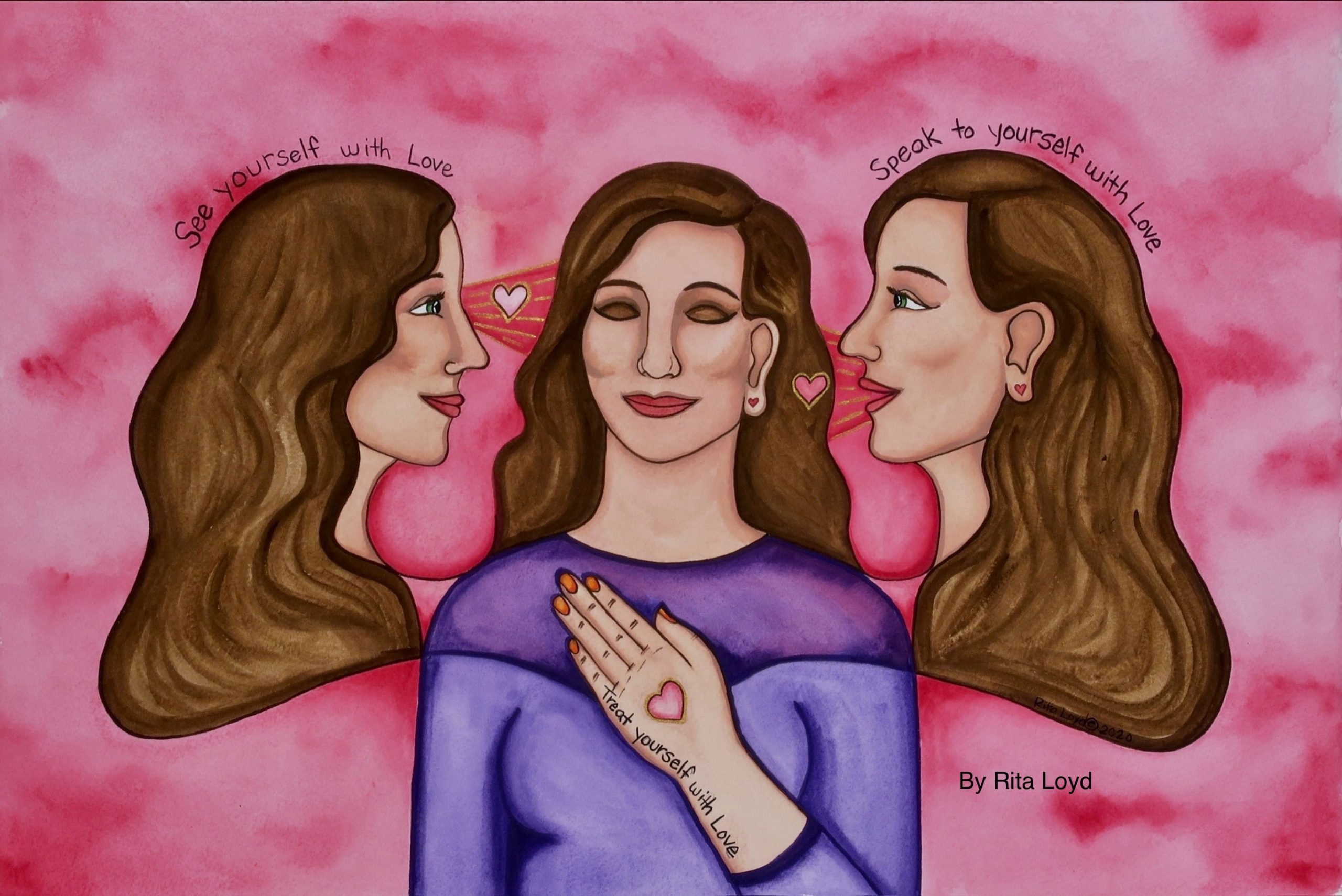
    In 2004, I experienced a powerful breakthrough in understanding what it meant to love myself. I could finally understand that self-love is about the relationship that you have with yourself, and that relationship is expressed in how you speak to yourself, treat yourself, and see yourself. I also understood that self-love is about knowing yourself and paying attention to what you need.

    These discoveries, and others, changed my life and led me into a new direction. But as the years went by, I began to feel exhausted by life. Despite all that I had learned, I could feel myself burning out. It became clear to me then that there was a depth of self-love and healing I still wasn’t able to reach.

    What I didn’t realize yet was that I had been living with complex trauma my entire life. It stemmed from a painful childhood, and it had created blind spots in how I saw myself and others. Because of complex trauma, I moved through life in a fog—feeling lost, disconnected from myself, and seeking self-worth through external validations.

    So, I continued on with life—struggling, yet still hoping to find my answers. Then one day the fog began to lift, and the healing process began. I couldn’t see it all at once, but little by little, it became clear what I needed to learn in order to reach a deeper level of self-love and healing. Here’s a glimpse into my journey.

    From 2011, I spent the next five years helping my dad take care of my mom because she had advanced Alzheimer’s disease. I was helping three to four days a week, even though I was dealing with chronic health issues and severe anxiety. This was an extremely difficult time that pushed me past my limits—yet it was a sacred time as well.

    Six months after my mom died in 2016, my health collapsed due to a serious fungal infection in my esophagus. I had never felt so broken—physically, mentally, and emotionally. I was desperately searching for ways to recover my health, I was grieving the death of my mom, and I was struggling with a lost sense of identity. Because of this, and more, the goals and dreams I once had for my life vanished—as if the grief had caused some kind of amnesia.

    A few years later, I had my first breakthrough. I was texting with a friend, and he was complaining to me about his ex-girlfriend, who has narcissistic personality traits.

    He told me about the gaslighting, manipulation, ghosting, lack of empathy, occasional love-bombing, devaluing, discarding, and her attempts to pull him back in without taking accountability for the ways that she had mistreated him.

    His description sounded oddly familiar. It reminded me of the dynamic I had with many of my family members in different variations. I had always sensed that something was off in the way my family treated me, but I was so conditioned to normalize their behavior that I couldn’t quite put my finger on what was wrong.

    Once I became aware of narcissistic personality traits, I started doing my own research by listening to narcissistic behavior experts such as Dr.Ramani Durvasula, and it was very liberating.

    I learned that parents who have narcissistic personality traits, often treat their children in ways that serve their own emotional needs instead of meeting the emotional needs of their children. And this can cause negative programming in the way those children think about themselves and others.

    For example, since my dad treated me like my emotional needs didn’t matter, this may have modeled to the rest of my family to treat me in the same way. And it most definitely taught me how to treat myself, especially when I was around my family.

    I also learned that narcissistic relationships can cause you to lose yourself, because they can systematically break down your identity, confidence, and state of reality.

    At the same time, I also learned that narcissistic behavior often stems from a deep sense of insecurity, usually rooted in a painful and abusive childhood. Recognizing this helped me to see my family members through a more compassionate lens—not to excuse their behavior, but to understand where it might be coming from.

    Learning about narcissistic personality traits has deepened my ability to love myself because of the clarity it has given me. I finally understand my family dynamic and how I used to abandon myself when I was around them.

    I would always give them my full and undivided attention, hoping it would be reciprocated, but it never was. Instead, in their presence, I became invisible—as if what I thought, felt, or needed didn’t matter. Around them, I learned to silence myself in order to stay connected, even if it meant disconnecting from myself.

    Understanding narcissistic patterns and the impact that they can have helped me to face reality. My family members were unlikely to ever change, and I would always need to protect my emotional well-being when I was around them.

    As I learned about narcissistic personality traits, I started to come across information about other related topics, such as complex trauma and how it can dysregulate the nervous system. Peter Levine and Gabor Maté are two of my favorite teachers on this subject.

    I discovered that many of my health issues—including inflammation of the stomach, panic attacks, chronic anxiety, chronic fatigue, depression, lowered immune function, pain, and chemical sensitivities—could be linked to a dysregulated nervous system.

    This can happen when the nervous system is chronically stuck in survival mode. In survival mode, the body deprioritizes functions like digestion in order to stay alert and survive. Over time, this can cause fatigue and other problems by draining energy and disrupting key systems needed for rest, repair, and vitality.

    Learning about complex trauma has deepened my ability to love myself because it has opened my understanding to why I might be chronically ill and always in a state of anxiety. Knowing this gives me clues in how I can help myself.

    I also learned that complex trauma is caused less by the traumatic events themselves and more by how those events are processed in the nervous system and in the mind.

    According to the experts, if you are not given context, connection, and choice during traumatic events—especially when those events occur repeatedly or over an extended period of time—it’s more likely to result in complex trauma.

    For example, if during my own childhood, it had been explained to me why my dad was always so angry and sometimes violent… and if I would have had someone to talk to about how his words and actions affected me and made me feel unsafe… and if I would have been given a choice in the matter and wasn’t stuck in harm’s way, then I would have been much less likely to have walked away with complex trauma.

    But since those needs were not met, I internalized the message that I wasn’t safe in the world, which caused my nervous system to become stuck in a state of dysregulation. As a result, constant fear became an undercurrent in my daily life—often stronger than I knew how to manage.

    When I wasn’t in school, I would often retreat into my wild imagination—daydreaming of a perfect fairy tale life one minute and scaring myself with worst-case scenario fears the next. Fortunately, my wild imagination also fueled my creativity and artistic expression, which was my greatest solace. To protect myself, I developed the ability to fawn and to people-please. All of these survival responses have been with me ever since.

    Before I learned about complex trauma, I was told that the only course of action you can take in regard to healing from past emotional abuse was to forgive those who have abused you. But that’s not correct. Forgiveness is fine if you feel like forgiving, but it doesn’t magically rewire years of complex trauma and nervous system dysregulation. The real course of action is to identify and to gently work on healing the damage that was caused by the abuse.

    As I explored the internet in search of ways to begin healing my dysregulated nervous system, I came across two insightful teachers, Deb Dana and Sarah Baldwin. They teach nervous system regulation using polyvagal theory, and I found their classes and Deb Dana’s books to be extremely informative.

    Polyvagal theory, developed by neuroscientist Dr. Stephen Porges, helps people to understand and befriend their nervous systems so they can create a sense of safety within themselves.

    Learning about polyvagal theory has deepened my ability to love myself by teaching me how my nervous system works and by helping me understand why I feel the way I feel. It also teaches exercises that help me to send signals of safety to my body, gently communicating to my nervous system that it doesn’t need to stay in survival mode all of the time.

    Nervous system rewiring is a slow process, and while I still have a long way to go before I get to where I want to be, I’m already feeling subtle shifts in the way I respond to stressful situations. This breakthrough has given me new hope for healing and has provided a new path forward.

    I also learned from complex trauma experts that fawning and people-pleasing can actually be trauma responses. These responses were the reason why I was so willing to sacrifice my health to help my dad take care of my mom. It was because I had been conditioned to always please my parents and to put their needs ahead of my own.

    Learning about how fawning and people-pleasing can be trauma responses has deepened my ability to love myself by giving me new insight into my own behavior. In the past, it had always bothered me if I thought anyone didn’t like me, and now I can understand why I felt that way. It was because those thoughts triggered old feelings of fear from childhood, when not pleasing my dad felt dangerous. This taught me to never say ‘no’ to people in order to always feel safe.

    By becoming aware of these trauma responses and wanting to reclaim my power, I have gained the ability to say ‘no’ with much more ease, and I’m much better at setting healthy boundaries. I’m also learning to accept that not everyone is going to like me or think well of me—and that’s okay.

    During the later years of my dad’s life, we developed a much better relationship. Both my mom and dad were grateful for the help I gave to them when my mom was sick.

    After my dad died in 2023, I no longer had the buffer of his presence to ease the stress of family visits. But I also no longer felt obligated to be around family members for the sake of pleasing my dad. So, a few months after his passing, when I received disturbing correspondence from a certain family member, I was able to make the difficult decision to go no contact. Spending time with family members had become too destabilizing for my nervous system—and to be completely honest with you, I had absolutely nothing left inside of me to give.

    At first, I felt a lot of guilt and shame for going no contact, being the people-pleaser and fawner that I have been. But then I learned from complex trauma experts that guilt and shame can also be trauma responses.

    When we are guilted and shamed in our childhoods for speaking up for ourselves, it can teach us that it’s not safe to go against the ideology of the family, that we should only do what is expected of us, and that our true voices and opinions don’t matter. This kind of programming is meant to keep us small—so that we are less likely to stand up for ourselves and more likely to remain convenient and free resources for the benefit of others.

    I experienced a lot of rumination and intrusive thoughts the first year of going no contact, but with time and support I was able to get through the hardest parts. Watching Facebook and Instagram reels from insightful teachers, such as Lorna Dougan, were incredibly helpful and kept me strong.

    A truth I had to keep reminding myself of was that my well-being was just as important as theirs, and that it was okay for me to prioritize my mental health—even if they could never understand.

    Giving myself permission to go no contact with family members has deepened my ability to love myself because it has allowed me to help myself in a way that I had never been able to do before.

    I now have a real chance to protect my mental health, to heal my nervous system, and to live the life that is most meaningful for me and for my husband. I no longer have to drain my last ounce of energy on family visits and then ruminate about how they treated me for the next 72 hours. It has also opened up my capacity to deal with other challenges in my life, like facing the new political landscape that is now emerging.

    In conclusion, it was only when I began to tend to my complex trauma and examine my family relationships that I was finally able to recognize and understand the blind spots that had obscured my ability to know and to love myself more deeply.

    Looking back on my journey, I’m grateful for how far I have come:

    I now know and understand myself better. I have a greater understanding of what I need in order to heal.

    I am able to think for myself and make decisions that align with my core values.

    I like myself again, and I know that I’m a good person. I no longer believe that I’m too much or too sensitive—I just need to be around people who are compatible.

    I am able to set healthy boundaries and to choose my own chosen family—people who treat me with genuine kindness and respect.

    And I feel more confident facing life’s challenges now that I know how to turn inward and support my nervous system with compassion and care.

  • Vulnerability Is Powerful But Not Always Safe

    Vulnerability Is Powerful But Not Always Safe

    “Vulnerability is not oversharing. It’s sharing with people who have earned the right to hear our story.” ~Brené Brown

    Earlier this year, I found myself in a place I never imagined: locked in a psychiatric emergency room, wearing a paper wristband, surrounded by strangers in visible distress. I wasn’t suicidal. I hadn’t harmed anyone. I’d simply told the truth—and it led me there.

    What happened began, in a way, with writing.

    I’m in my seventies, and I’ve lived a full life as a filmmaker, teacher, father, and now a caregiver for my ninety-six-year-old mother. But as I’ve gotten older, I’ve also felt something slipping. A quiet sense that I’m no longer seen. Not with cruelty—just absence. Like the world turned the page and forgot to bring me along.

    One day in therapy, I said aloud what I’d been afraid to name: “I feel like the world’s done with me.”

    My therapist listened kindly. “Why don’t you write about it?” she said.

    So I did.

    I began an essay about age, invisibility, and meaning—what it feels like to move through a culture that doesn’t always value its elders. I called it The Decline of the Elders, and it became one of the hardest things I’ve ever written.

    Each sentence pulled something raw out of me. I wasn’t just writing; I was reliving. My mind circled through memories I hadn’t fully processed, doubts I hadn’t admitted, losses I hadn’t grieved. I’d get up, pace, sit down again, write, delete, rewrite. It was as if I were opening an old wound that had never really healed. The pain was real—and so was the urgency to understand it.

    Then came the eye injection—a regular treatment for macular degeneration. This time, it didn’t go well. My eye throbbed, burned, and wouldn’t stop watering. Eventually, both eyes blurred. Still, I sat there trying to write, blinking through physical and emotional pain, trying to finish what I had started.

    Everything hurt—my vision, my body, my sense of purpose. I didn’t want to die, but I didn’t know how to live with what I was feeling.

    So I called 911.

    “This isn’t an emergency,” I told the dispatcher. “I just need to talk to someone. A hotline or counselor—anything.”

    She connected me to the Suicide & Crisis Lifeline—a lifeline for people in imminent danger of harming themselves. If you are suicidal, please call. It can save your life. My mistake was using it for something it’s not designed for.

     I spoke with a kind young man and told him the truth: I was in therapy. I was writing something painful. I was overwhelmed but safe. I just needed a voice on the other end. Someone to hear me.

    Then came the knock at the door.

    Three police officers. Calm. Polite. But firm.

    “I’m okay,” I said. “I’m not a danger. I just needed someone to talk to.”

    That didn’t matter. Protocol had been triggered.

    They escorted me to the squad car and drove me to the psychiatric ER. I felt powerless and embarrassed, unsure how a simple call had escalated so quickly.

    They took me to the psychiatric ER at LA County General.

    No beds. Just recliner chairs lined up in a dim, humming room. I was searched. My belongings were taken. I was assigned a chair and handed a bean burrito. They offered medication if I needed it. One thin blanket. A buzzing TV that never turned off.

    I didn’t want sedation. I didn’t want a distraction. I just sat with it—all of it.

    And around me, others sat too: a man curled into himself, shaking; a young woman staring blankly into space; someone muttering unintelligibly to no one at all. Real pain. Raw pain. People who seemed completely lost in it.

    That’s when the shame hit me.

    I didn’t belong here, I thought. I wasn’t like them. I had a home. A therapist. A sense of self, however fractured. I hadn’t tried to hurt anyone. I’d just asked to be heard. And yet there I was—taking up space, resources, attention—while others clearly needed it more.

    But that too was a kind of false separation. Who was I to say I didn’t belong? I’d called in desperation. I’d lost perspective. My crisis may have looked different, but it was real.

    Eventually, a nurse came to interview me. I told her everything—the writing, the injection, the spiral I’d been caught in. She listened. And sometime after midnight, they let me go.

    My wife picked me up. Quiet. Unsure. I didn’t blame her. I barely knew what had just happened myself.

    Later that night, I sat again in the chair where it had all started. My eyes ached less. But I was stunned. And strangely clear.

    The experience hadn’t destroyed me. It had initiated me.

    I also realized how naïve I’d been. I hadn’t researched alternatives. I hadn’t explored my real options. I’d reached for the most visible solution out of emotional exhaustion. That desperation wasn’t weakness—it was a symptom of a deeper need I hadn’t fully acknowledged.

    And I learned something I’ll never forget:

    Vulnerability is powerful, but it’s not always safe.

    I used to think that honesty was always the best path. That if I opened up, someone would meet me there with compassion. And often that’s true. But not always. Systems aren’t built for subtlety. Institutions can’t always distinguish between emotional honesty and risk.

    And not every person is a safe place for our truth. Some people repeatedly minimize our pain or dismiss our feelings. We might long for their validation, but protecting ourselves means recognizing when someone isn’t willing or able to give it.

    Since then, I’ve kept writing. I’ve kept feeling. But I’ve also learned to be more discerning.

    Now I ask myself:

    • Is this the right moment for this truth?
    • Is this person or space able to hold it?
    • Am I seeking connection—or rescue?

    There’s no shame in needing help. But there is wisdom in learning how to ask for it, and who to ask.

    I still believe in truth. I still believe in tenderness. But I also believe in learning how to protect what’s sacred inside us.

    So if you’re someone who feels deeply—who writes, reflects, or breaks open in unexpected ways—this is what I want you to know:

    You are not weak. You are not broken. But you are tender. And tenderness needs care, not containment—care from people you can trust to honor it.

    Give your truth a place where it can be held, not punished. And if that place doesn’t yet exist, build it—starting with one safe person, one honest conversation, one page in your journal. Word by word. Breath by breath.

    Because your pain is real. Your voice matters.

    And when shared with care, your truth can still light the way.

  • Why I Learned to Stay Quiet to Be “Good”

    Why I Learned to Stay Quiet to Be “Good”

     “Your silence will not protect you.” ~Audre Lorde

    When I was little, I learned that being “good” meant being quiet.

    Not just with my voice, but with my needs. My emotions. Even the space I took up.

    I don’t remember anyone sitting me down and saying, “Don’t speak unless spoken to.” But I felt it—in the flinches when I was too loud, the tension when I cried, the subtle praise when I stayed calm, agreeable, small. I felt it in the way adults sighed with relief when I didn’t make a fuss. I felt it in the way I stopped asking for what I wanted.

    Goodness, to me, became about not rocking the boat.

    I remember once being told, “You’re such a good girl—you never complain.” And I carried that like a medal. I remember crying in my room instead of speaking up at dinner. Saying “I’m fine” even when my chest hurt with unsaid words. I didn’t want to cause trouble. I wanted to be easy to love.

    So I smiled through discomfort. Nodded when I wanted to say no. Bit my tongue when I had something true to say. I became pleasant, adaptable, well-liked.

    And utterly disconnected from myself.

    The Body Keeps the Quiet

    For a long time, I thought this was just a personality trait. I told myself I was just easygoing. Sensitive. A peacemaker.

    But the truth is, I had internalized a nervous system survival strategy: fawning. A subtle, often invisible adaptation where safety is sought not through flight or fight but through appeasement. Becoming who others want you to be. Saying what they want to hear.

    In my body, this looked like:

    • Holding my breath in tense conversations
    • Smiling when I felt anxious
    • Swallowing words that rose in my throat
    • Feeling exhausted after social interactions, not knowing why

    It wasn’t just social anxiety or shyness. It was a deeply ingrained survival pattern—one that shaped everything from how I moved in the world to how I related to others.

    I didn’t yet have the language for what was happening. But I could feel the cost.

    The silence I carried started to ache—not just emotionally, but physically.

    My jaw clenched. My shoulders rounded forward.  My chest felt like a locked room. I felt foggy in conversations, distant in relationships, unsure of where I began and ended.

    It turns out, when you chronically silence yourself to stay safe, your body starts whispering what your voice can’t say.

    The First Time I Said “No”

    It wasn’t a dramatic moment. There was no shouting or storming out.

    It was a quiet dinner with someone I didn’t feel fully safe around. They asked for something that crossed a line. And for the first time in my adult life, instead of automatically saying yes, I paused.

    I heard the old script start to run: Be nice. Don’t upset them. Just say yes, it’s easier.

    But something in me—a wiser, quieter part—held steady.

    I took a breath. I said, “No, I’m not okay with that.”

    And even though my body trembled, I didn’t crumble. Nothing catastrophic happened. I went home and cried—not from fear, but from relief.

    It was one of the first moments I realized I could choose myself. Even when it felt unnatural. Even when I wasn’t sure what would happen next.

    That one moment changed something in me. Not overnight. But it planted a seed.

    Reclaiming My Voice, One Breath at a Time

    Reclaiming my voice hasn’t been a big, bold revolution. It’s been a slow unfolding.

    It looks like:

    • Taking a few seconds before I respond, even if silence feels uncomfortable
    • Letting myself speak with emotion, not filtering everything to sound “reasonable”
    • Naming what I need, even if my voice shakes
    • Resting after interactions that leave me drained—honoring the impact
    • Journaling the things I wanted to say, even if I never say them out loud

    Some days I still go quiet. I still feel the old fear that speaking truth will cause rupture, rejection, or harm. Sometimes I still rehearse what I want to say five times before I say it once.

    But I’ve learned that every time I listen to myself, even if just with a hand on my heart, I’m creating safety from the inside out.

    And slowly, my body began to shift. I stood a little taller. My breath came a little easier. I started to feel more here—more like myself, not just a reflection of who I thought I needed to be.

    What Helped Me Begin

    Sometimes, what rises first isn’t courage but grief. Grief for all the moments we didn’t speak, for the versions of ourselves that held it all inside. I had to learn to meet that grief gently, not as failure, but as evidence of how hard I was trying to stay safe.

    This journey didn’t begin with confidence—it began with compassion.

    Noticing the times I silenced myself with curiosity instead of shame.

    Asking: What did I fear might happen if I spoke? What used to happen?

    Placing a hand on my chest and saying gently, “You’re not bad for being quiet. You were trying to stay safe.”

    And then, when I felt ready, experimenting with small expansions:

    • Leaving a voice note for a friend instead of texting
    • Telling someone “I need a moment to think” instead of rushing an answer
    • Saying “I actually disagree” in a conversation where I normally would’ve nodded along

    None of these were big leaps. But each one taught my nervous system a new truth: it’s safe to have a voice.

    If You’ve Been Quiet Too

    If you’re reading this and recognizing your own silence, I want you to know:

    You’re not bad for going quiet. You were wise. Your nervous system was doing its best to keep you safe.

    And if you’re beginning to feel the tug to speak—to take up a little more space, to say “no” or “I don’t know” or “I need a moment”—you can trust that too.

    You don’t need to become loud or forceful. Reclaiming voice doesn’t mean overpowering anyone else. It just means including yourself. Honoring your truth. Letting your body exhale.

    You are allowed to be heard. You are allowed to pause. You are allowed to unfold, one breath at a time.

    Your voice is not a threat. It’s a bridge—back to yourself. Your silence once kept you safe. But now, your truth might set you free.

  • How to Escape Cycles of Panic, Overwhelm and Dread

    How to Escape Cycles of Panic, Overwhelm and Dread

    “Neuroscience research shows that the only way we can change the way we feel is by becoming aware of our inner experience and learning to befriend what is going inside ourselves.” ~Bessel A. van der Kolk

    It’s early morning, and I wake with an intense sensation of foreboding. I say wake up, but really, it’s just coming fully into consciousness, as I’ve been semi-conscious all night. Fitfully tossing and turning, a deep anxiety gnawing at my chest.

    My mind has been flipping back and forth—across different subjects, even different times, collecting insurmountable evidence that my life is going terribly, and I’ll always feel like I’m just about hanging on by a thread.

    I drag myself out of bed, exhausted as usual, meeting the day with an intense feeling of disappointment in myself. Why am I always bouncing between anxiety and panic? Why can’t I control myself so that I stop being fed a constant stream of fearful, self-blaming, intrusive thoughts?

    Why can’t these terrible emotions just give me a break once in a while so I could complete some of the things that I’m so anxious about? Why is my life so riddled with overwhelm, and how on earth do I escape this?

    That early morning six years ago was a scenario that had played out on repeat for decades. Different worries plagued me at twenty than at forty. But the texture of my mornings, the texture of my days, was the same. Except that by forty I was more tired—my body exhausted from being in this perpetual state of different flavors of fear. I’d had more than enough. Enough was twenty-five years ago.

    I’d tried lots of different things—did different types of talk therapy, changed my diet, exercised, went on retreats, completed four different types of meditation training, read endless books, removed stressful-feeling friendships, moved several times, left the country… And while so many things gave me some good ideas, took the edge off things for a while, and at times felt really good, I would always return to the same baseline.

    When I missed a meditation, left the retreat, or walked out of the therapy office, I would feel just as alone, just as vulnerable to the forces of the world to take me down into pits of dread and despair. A baseline that was sinking from the weight of so much overwhelm and a life lived in a state of panic.

    I didn’t want to feel like this anymore. This wasn’t a life. This was living in glue and trying to battle my way through my days.

    Over time, I had made my life smaller and smaller so that there were fewer things to be stressed and anxious about. I’d see fewer people who I found difficult. I made my work and home life simpler. But my worries expanded to fit however small I made my life.

    I felt so lost, so alone in my struggles, like I was the only one feeling like this. No one else looked like they would panic if things didn’t go how they needed them to go.

    One day by chance, while researching something online for work, I randomly happened upon a coach and decided to give her a try. Over the next few months of working with her, I noticed a small but significant shift in how I was feeling.

    I felt a lot calmer; I woke up without punishing dread. I started sleeping better and felt less like I needed to carefully manage my life in order to cope.

    I was hooked.

    What had happened?

    My coach explained to me about the survival states of fight, flight, freeze, and fawn—how I’d been bouncing around between freeze and fawn my whole life, and that’s why I felt so terrible.

    Survival is a mode our nervous system goes into when there’s an actual physical threat on the horizon or there’s too much emotional pressure that we don’t know how to deal with.

    Like emotions are flooding us, and our nervous system says, “No! We need to protect against this emotional flood.” So survival mode gets turned on.

    Unfortunately, survival mode doesn’t feel good! It doesn’t help us live in a state where we are thriving, feeling calm, hopeful, productive, and like life is full of possibility.

    Living in survival mode feels awful because it’s a state that we aren’t meant to live in for long stretches of time.

    It’s a state we’re meant to access when there’s an actual threat to our survival, but because of how much emotional pressure so many of us carry, many of us are living there a lot of the time.

    All emotions are natural and valid; we aren’t meant to disconnect from or suppress them. But when we do, emotional pressure builds.

    Emotional pressure can come from an array of sources.

    1. When we had experiences as children that brought up a lot of emotions but were left alone to deal with them, and it was too much for our child selves.

    Experiences like our parents’ divorce, financial struggles, health issues, and alcoholism. Maybe we had an accident or witnessed abuse or experienced bullying or neglect.

    2. Any times when we had natural human emotions like fear, shame, guilt, sadness, and anger but received no emotional support to help us process these emotions as children.

    When we have families that don’t know how to process their own emotions, then they can’t support us in learning how to process ours.

    When we’re left alone to face terror, that terror is never processed, and the memories of it linger in our body, keeping us trapped in cycles of experiencing it without the opportunity for it to release.

    3. Or when our parents and families didn’t allow or tolerate our natural human emotions, like fear, sadness, grief, or anger.

    So we had to suppress our feelings, to numb against them, or release the pressure from them in unhealthy ways. Lashing out at others or engaging in destructive behaviors.

    When we had to be hyper aware of our parents’ emotions more than our own—instead of our parents being aware of our emotions—as is the case with so many people.

    These experiences disconnect us from ourselves, our emotions, and our needs. And when we don’t have the opportunity to process emotions and emotionally activating experiences throughout our lives, the emotional pressure builds over the years until, often late into adulthood, it starts to feel way too much. 

    What I needed—and what so many of us need—was to release the emotional pressure. To allow the emotions that had been building up to slowly and gently release through my body. And to feel safe to do so.

    To show my nervous system how to move out of a state of needing to be in survival mode and into a state of safety.

    To be able to feel emotions like fear, anger, sadness, and grief in a way that felt safe so that I wasn’t being pushed into a survival mode every time fear showed up. Or anger, sadness, or even joy.

    So where do we start if we want to stop living in survival mode?

    Know that it’s not who we are—it’s survival mode. 

    For decades I felt, as many of my clients do when they first come to me—that my reactions of panic and overwhelm, of struggling with dread and resentment, of feeling so often on edge, were somehow something to do with my personality.

    Oh, I am just a panicky person. 

    I am just someone who is very safety conscious and anxious.

    I am just someone who struggles to slow down and not be busy.

    I am a control freak—it’s just who I am.

    None of these things are personality traits. They are merely a reflection of a nervous system that has lived under too much emotional pressure for too long. It has survival mode on speed dial.

    Understanding this can give us some space between us and the reaction or behavior we exhibit in survival mode, which can help us support ourselves more effectively.

    Attune to ourselves and offer compassion.

    When we’ve been encouraged to disconnect from our emotions, or we’ve had too many experiences in our lives that created significant emotional impact that have been dismissed or ignored, one of the first, most powerful steps is to start attuning to our own emotions and needs.

    To know that every emotional reaction and survival response we have has a reason.

    Many situations, people, and experiences created this emotional pressure that we’re still carrying. And if there is emotional pressure and pain still within us, it means there hasn’t been enough emotional healing.

    Period.

    The body does not lie.

    Our emotions do not lie.

    Our feelings of unease, unsafety, and sensitivity do not lie.

    When we judge our reactions and our emotions, it feels like putting a stopper on the jar. It blocks our emotional healing.

    Instead, when we can turn toward ourselves with kindness, understanding, compassion, and curiosity about why we feel how we do, this is an incredibly powerful first step in healing.

    Coming out of long-term survival mode takes time.

    In my experience, there isn’t a quick fix for living through decades of survival in a body that’s been dysregulated by unhealed emotional pain from trauma. Taking a slow, gentle, but consistent approach is what has created the most profound, permanent, and expansive change for me and for my clients.

    The nervous system loves baby steps. And when we think in terms of how long we have lived in this state, taking time to unravel and rewire our reactions over months or years—that’s as long as it took to create these responses, right?

    Our nervous system has been pushing us into a protective state for a long time, so we want to acknowledge this push into survival and be gentle with ourselves as we emerge from it.

    Survival mode is a protective response—it doesn’t feel good, but your nervous system thinks you need to be in this mode because of the emotional pressures from the past.

    So we’re taking the long game here. The nervous system loves slow, gentle change.

    I love what the teacher Deb Dana says, “We want to stretch our nervous system, not stress it.”

    We can start by offering regular cues of safety to our nervous system. 

    We can’t generally talk our way out of survival mode; we need to create the conditions for our nervous system to move out of it.

    What the nervous system needs is to feel safe. That there isn’t an emergency or a threat to our survival on the horizon.

    By regularly doing things that turn on the parasympathetic part of our nervous system, which is the ‘rest and digest’ part, we can start to feel calmer and more grounded. This is the first step in healing. It means that we aren’t always stuck in this urgent state.

    Here are some simple ways we can start sending cues of safety to our nervous system so that we can turn down the dial of survival—that intense stress-overwhelm-hypervigilant state.

    Physiological sigh

    One of the simplest ways we can come out of survival or intense overwhelm is with this breath. Take a short, full inhale through the nose and then an extra inhale on top. And then a long, slow exhale. Often, doing this once or twice is enough, but you can do this for a couple of minutes to get to a deeper state of regulation and relaxation.

    Orienting to safety 

    When we are in survival mode, we get tunnel vision, and our minds loop on one subject. When we notice this tunnel vision or fixations, we can bring a cue of safety to our nervous system by expanding our vision.

    We can start, very slowly, letting our eyes drift around our space, turning our necks and looking above us, below us, and behind us. Take a few minutes to take in all of the space we are in. Going very slowly (slowness is also a cue of safety for the nervous system). Looking out of the window, especially if we can see a horizon line. The nervous system finds the horizon very soothing, and looking toward our exit too.

    This shows our nervous system there are no threats nearby.

    Reconnecting to our body with a body scan

    When we are in survival mode, we disconnect from our bodies. We may not realize this because we feel flooded with challenging, sometimes painful sensations. But when we ask ourselves, “Can I feel my feet? My fingers?” We see that we have disconnected from our body.

    Survival can feel like a very ‘head’ only experience, as we get locked into the terrible/terrifying/looping intrusive thoughts that survival mode creates.

    A simple body scan can help bring us into connection with our body and therefore into a sensation of safety. Gently going through our bodies, noticing each limb or section, wiggling or flexing the area if it feels numb, brings a strong cue of safety to the nervous system so that it can ‘turn off’ from survival mode.

    These simple exercises can be a powerful beginning, creating a gentle shift, one step at a time, toward creating a safe anchor within our body in which to land.

    Validating our emotions 

    This is also an incredibly useful step in this work of healing our survival mode reactions. When we understand that, in fact, all emotions are valid, all emotions are natural, and all emotions are looking to express needs, we can start to change our perceptions of our emotional experiences.

    Of course, we don’t want to throw our emotions at other people—shouting in anger or terrifying our kids because we feel scared. We want to take responsibility for our emotions—always.

    But we need to know that what emotions are yearning for is to be seen, felt, and heard. They want space, and they want to be acknowledged.

    Can we validate our emotions, offering them some compassion and understanding, instead of trying to push them away, suppress them, or argue with them?

    It’s in this brave and courageous act of turning toward and accepting our emotions that we get the chance to allow them enough space to release through our bodies—so we stop keeping them suppressed inside.

    Change—and rewiring our nervous system responses—is always possible.

    What has been the most hopeful and encouraging thing on my journey to release myself from punishing anxiety and persistent survival mode is recognizing that it’s possible for us to reconnect to our natural state of self-healing.

    Our nervous system is built to naturally release stress, overwhelm, and trauma. When we can bring safety to our bodies and start to powerfully attune to ourselves and our emotions, offering ourselves compassion and support, it’s possible to start reconnecting to that natural state. To rewire our patterns of overwhelm—from feeling on edge so often, quick to panic or anxiety to feeling calmer, grounded, and confident in ourselves.
  • The Dangers of Safety and How to Live Fully

    The Dangers of Safety and How to Live Fully

    “A ship in a harbor is safe, but that’s not what a ship is built for.” ~John Augustus Shedd

    Growing up in the Midwest in a traditional family steeped in Catholic values, safety was paramount. We adhered to conventional roles: father, mother, brother, and sister, with me as the baby sister.

    My parents were loving, but my mom parented through a lens of fear, constantly worrying about potential dangers. This fierce protection was a testament to her love, yet it ingrained in me the belief that taking the safe route was the only way to navigate life.

    One day, when I didn’t get off the bus because I went to a track meet after school, I was met with a sobbing woman when I got home an hour late. Now, as a mother, I can fully understand this. It was long before cell phones, but she taught me early on that safety was my priority, and I never wanted her to be scared for me again.

    In the Midwest, the traditional path is clear: go to school, come home, play outside with friends, graduate from high school, stay close for college, meet a partner, get married, and have kids. This is the safe plan. The thought of deviating from this path—being thirty, unmarried, or childless—was paralyzing.

    What if I didn’t follow the script? What if I dared to be brave and bold and leave the familiar zip code? What if I yearned for non-traditional roles and longed to explore the world? Who could I have become if I had let my heart lead instead of my fears?

    Safety is a universal desire. We plan for financial security, choose safe neighborhoods, and follow predictable paths. As a coach, I see this pattern repeatedly. Clients stay in marriages longer than they should out of fear of the unknown. They stick with toxic friends or jobs, fearing how their lives might change if they let go.

    This fear surfaces when people want to leave their industry or start their own business, worrying they are too old or lack the skills to succeed independently. Consequently, they live quiet, safe lives, confined by a small glass box that keeps them stuck.

    What if we were taught and supported early on to stretch beyond our comfort zones? To make brave decisions? To put ourselves out there, even at the risk of failing? We could maintain the safety net of “you’re always welcome at home, and home is safe” while also encouraging bold steps—go play, go away to school, travel the world. I often wonder who I would be if I had learned this lesson earlier.

    I followed the traditional plan to a T. I did what was expected and what was safe. I attended a nearby college, graduated, got a job, met a man, got married, and had two children—a boy and a girl. I thrived in business, got promoted, bought a house, and built another. I followed the rules and fit right in. I made friends and, by all accounts, was successful, checking all the boxes.

    But I was in an unhappy marriage, and things on the inside did not reflect the outside. Divorce wasn’t part of the plan. There wasn’t a checkbox for it, so I stayed. It wasn’t until my husband said, “You won’t divorce me, hotshot,” that I decided to let go of the checkbox and let myself take the reins of my life.

    I vividly remember sitting there with a racing heart, feeling like it would beat out of my chest. Did he call me “hotshot?” about our lives?

    The thing is, he was trying to call my bluff. I told him I was unhappy that the years of pain had finally caught up with us, but he knew, or at least he thought, that I would never leave. Because I followed the rules, he felt that we could continue the same abusive path that we had been on for a decade because I would not veer from the good girl path.

    This time, I boldly made the change. I called the lawyer and started the process of filing for divorce. This started my seven-year journey of trying to come back to who I am at my core. What do I want in my life, and am I living for my heart or out of fear?

    Only when I allowed myself to step outside the lines did I truly start living. I feared what others would think, but how could I continue living based on others’ expectations and not on what I wanted for myself? I took the brave step to file for divorce.

    This fear of judgment resurfaced when I wanted to leave my high-income corporate sales job to start my own business.

    I had just started with a company a few months earlier, went through training, and knew this wasn’t going to be a long-term fit. I hated corporate culture and the made-up rules that went along with it. We were governed by rules created out of fear. I knew I wasn’t going to survive in this role. But quitting after I just started was scary, and I agonized over what others would think.

    I knew I wanted to do something so much more, with deeper meaning, with the possibility of helping others. But this, again, was not something that was on the checklist. Start a business? Become a coach? What the heck is a coach anyway? Will people make fun of me behind my back? That thought made me want to play small.

    I explored every possible way to succeed without sharing my plans with those who knew me. Again, there wasn’t a checkbox for this. But I did it anyway.

    Looking back, I realize that staying small in my life has hurt me. I got married before I was ready, remained in a marriage longer than I should have, and worked corporate jobs with chauvinistic men who I wouldn’t say I liked because that is what I was supposed to do.

    My house was pretty, my Facebook pictures looked happy, and my salary grew. By all external accounts, I was a success. But these come at their own costs. Playing safe has confined me, limited my potential, and stifled my dreams.

    I have learned that safety, while comforting, can be dangerous. It can keep us from truly living, experiencing the fullness of life, and discovering who we are meant to be.

    So, I urge you to leap. Be brave. Step out of your comfort zone. Embrace the unknown.

    We are all given one chance here on this earth, and we spend it playing safe. What a shame not to allow your beautiful visions to become a reality. Safety may protect us, but it can also hold us back.

    Let go of the fear and let your heart lead the way. You might stumble, you might fall, but you will also soar. And in the end, you will find that the dangers of safety are far greater than the risks of living boldly.

  • The Amazing Power of Listening to Your Inner Critic

    The Amazing Power of Listening to Your Inner Critic

    “Knowing yourself is the beginning of all wisdom.” ~Aristotle

    Over the past few years, I began to feel a shift in my career. Despite spending years earning certifications and degrees and building skills, my work no longer felt meaningful.

    As I contemplated a change, a persistent thought echoed in my mind: “Why can’t you just be grateful for what you have?” I had many things to be grateful for, yet I wasn’t happy and constantly judged myself for it. After months of unsuccessfully trying to push this thought away, I decided to sit with the feeling of guilt and approach it with curiosity.

    Here’s what I discovered: This was actually an inner critic part of myself that was created to keep me safe.

    My critic was telling me to feel grateful because it didn’t want me to make a change. If I was grateful for what I had, then, it reasoned, I wouldn’t pursue the things I really wanted, and I couldn’t fail. I also wouldn’t be seen, so I couldn’t be judged. These things were crucial to that part of me. And this is why ignoring it didn’t help.

    Understanding Your Inner Critic

    We’ve all heard the advice to silence our inner critic. For years, we’ve been told to push through and dismiss that critical voice. But ignoring your inner critic is one of the worst things you can do. It’s tempting, I know, because that voice can be harsh and relentless. However, pushing it aside is like telling a scared child to stop making noise and go away.

    Parts of you, like your inner critic or the parts that feel shame or guilt, were created during childhood to keep you safe. And they are really effective.

    If my inner critic tells me I’ll never be able to do something and I listen, I won’t try, and therefore, I can’t fail. It’s done its job of keeping me safe. However, if I ignore it and go for it anyway, I might make some progress, but it can feel exhausting and overwhelming because that part wasn’t on board. This creates a split in my energy.

    When these parts aren’t integrated, your self-worth takes a dip. That’s the key—you’ve got to start listening to and integrating these parts.

    Listening to Your Inner Critic

    So what do you do with a scared child? You listen. You sit with them, ask what they need, and provide comfort. When you do this, they start to calm down. The same principle applies to your inner critic. Instead of pushing it away, try listening to it.

    When you acknowledge your inner critic, you begin to understand where it’s coming from. Often, it’s trying to protect you from perceived danger or failure. By listening, you can address your underlying fears and anxieties. This doesn’t mean you have to agree with everything it says, but understanding its perspective can help you find more compassionate ways to respond to yourself.

    Practical Steps to Embrace Your Inner Critic

    Acknowledge Its Presence

    When your inner critic pipes up, take a moment to recognize it. Say to yourself, “I hear you. I see that you are scared.” This simple acknowledgment can start to defuse the intensity.

    Identify the Source

    Try to understand why your inner critic is being so loud. You could focus on it and journal in response to the prompt, “What do you need from me to feel safer?” Being curious and open can provide you with some understanding of what you might need to move forward in a more powerful way.

    Dialogue with Compassion

    Imagine your inner critic as a younger version of yourself who’s scared and needs reassurance. Speak kindly and offer the support you would to a friend or a child.

    Practice Self-Compassion

    Remind yourself that it’s okay to feel what you’re feeling. Validate your emotions and give yourself permission to rest, take a break, or seek help.

    Shift Your Perspective

    Instead of seeing your inner critic as an enemy, view it as a part of you that needs healing. This shift can transform the way you interact with your inner voice.

    The Power of Self-Compassion

    Embracing your inner critic is a powerful step toward greater self-compassion. When you listen to and address this critical voice with kindness, you create a more nurturing internal environment. This approach can lead to profound changes in how you handle stress, challenges, and setbacks.

    Remember, self-compassion isn’t about being complacent or lazy. It’s about recognizing you are a human being rather than a human doing and treating yourself with the same care and understanding you would offer to a loved one. It’s about finding balance and allowing yourself the space to rest and recharge when needed.

    My Journey to Self-Compassion

    Reflecting on my own experience, I realize that the more I’ve listened to my inner critic rather than pushing it away, the quieter it has become. With my inner critic on board, I’ve experienced significantly higher levels of creativity and productivity. This has been a clear reminder that taking care of myself leads to better outcomes.

    As I practiced self-compassion, I noticed a positive shift in my life. Tasks that once felt daunting became manageable, and I found joy in activities that previously seemed burdensome. By listening to my inner critic with empathy and understanding, I created a harmonious relationship with myself, leading to a more fulfilling and balanced life.

    The journey to embracing your inner critic is not always easy. It requires patience, practice, and a willingness to be vulnerable. But the rewards are immense. By listening to and understanding your inner critic, you open the door to greater self-compassion, which in turn enhances your overall well-being and productivity.

    The next time you hear that critical voice, take a moment to pause and listen. Ask what it needs and respond with kindness. Remember, your inner critic is a part of you that’s seeking love and reassurance. By embracing it, you take a significant step toward a more compassionate and fulfilling life.

    I encourage you to reflect on your relationship with your inner critic. How do you typically respond to it? What changes can you make to start embracing it with compassion?

  • Why I Deprioritized Myself and What I Now Know About Boundaries

    Why I Deprioritized Myself and What I Now Know About Boundaries

    “If you do not have needs, you once did.” ~ Marshall Rosenberg

    When I was born, my mother did not want me. In the northern part of India, there is still a very strong preference for having a male child. A female child is often seen as a burden because of the social and economic traditions of patriarchy.

    Because of this initial rejection, I became highly sensitive to my parents’ inner worlds. In my deep longing to be loved and accepted, I mastered the subtle art of sensing their needs and feelings, becoming a natural caretaker.

    I would come back from school and notice my mother’s overwhelmed face. Her days were always busy and full with myriad responsibilities. Before I knew it, I slid into the role of mothering my younger brother. And so, growing up, due to circumstances and adaptation, my favorite thing in the world became making someone feel at home.

    In my twenties, designing emotionally safe spaces became the core of my work. First as a university teacher and eventually as a wellness coach, I became a professional caretaker. Along with my students, I experienced the deepest textures of fulfillment and intimacy at work. My work became a nest for rebirthing and nurturing. Non-judgment, emotional safety, and warmth were its key tenets. It was an experience of inclusion, ease, and belongingness.

    One day, I faced the decision to let go of a student who had been emotionally aggressive toward me. I felt fragmented into parts: one part feeling hurt for myself, and the other part feeling care and protectiveness toward the student who had crossed the line. In all honesty, I was more attuned and identified with the latter part.

    For days, I suffered. I tried to find a way for these parts to coexist, but they couldn’t. I had to face the emotional reality of chaos and discomfort. As they say, if it is hysterical, it must be historical; during this internal churning, I had a significant insight. I realized that my favorite thing originated from my least favorite thing in the world.

    I never wanted to subject anyone to the experience of feeling emotionally walled out, rejected, homeless, and undesired. This tenderness, stemming from my early childhood experience, made me highly attuned to anyone who might feel similarly.

    Ironically, in designing a non-hierarchical classroom and workplace where everyone shared power, I was not taking my own needs and feelings into account. I was not listening to my own needs and feelings. To quote the late American psychologist Marshall Rosenberg, “If you do not have needs, you once did.”

    It awakened me to the awareness that I had learned to neglect my needs to the point where they did not matter as much as someone else’s. This was a learned behavior, an adaptation I made very early in my life.

    This prevented me from drawing boundaries, even when necessary to protect my vitality and life spark. In trying to embody elements of an emotionally safe home, I was tuned out to my own personal truths, especially the subtle ones. It was through this experience of conflict that I could see the contest between these different parts.

    In that moment of insight, my heart felt lighter after days of heaviness. I could see the beauty and dignity of my needs again. The part of me that did not receive unconditional acceptance from her primary caretakers had birthed the part that valued deep care and emotional safety for others. I was trying to soothe my grieving part by breathing life into others.

    From a spiritual dimension, it was beautiful to witness that others were a part of me in this cosmic adaptation. However, in this material realm, it was important to acknowledge separation as a prerequisite for co-existence.

    My learning was to first breathe life into my own abandoned part, nurturing it back to richness, ease, and wholeness, and then share my gifts from that choiceful place. 

    Another simple question helped me: Every night, why do I lock the door of my apartment? It is to protect my space from strangers. Similarly, for me to embody emotional safety at my workplace, I need to first feel safe.

    I saw the light and shadow meet at the horizon. Boundaries, which once seemed like rude, disruptive, and violent borders separating people, suddenly felt like love lines inside my body, helping me to love better, richer, and more honestly.

    Learning to set boundaries was not easy. It required me to slow down and witness uncomfortable truths about my past and present. I had to learn to honestly understand where my giving was coming from and learn to heal and nurture my own grief.

    It was only when I came in touch with that initial rupture that I could become more capable of giving genuine care and support to others without depleting myself.

    This journey freed me from my savior syndrome and taught me to be self-compassionate and create a more authentic and nurturing environment for others.

    Boundaries allowed me to reclaim my sense of self. They became a way for me to define what was acceptable and what was not, to express my limits, and to protect my emotional and mental health. This process also taught me the difference between passion and obsession. 

    Today, I am more attuned to my own needs and feelings. I understand that setting boundaries is an ongoing practice, not a one-time event. It involves continually checking in with myself and adjusting as necessary. This dynamic process has brought more inner peace and honesty in my actions.

    In essence, my journey of overcoming guilt and shame around drawing boundaries has been an inner journey of healing and integration. It allows me the choice to create a life that honors my personal truths, and in doing so, I am better equipped to support and nurture others in a healthy, sustainable way.

  • Finding Home: The Magic of Feeling Seen and Heard

    Finding Home: The Magic of Feeling Seen and Heard

    “The ache for home lives in all of us. The safe place to go where we can go as we are and not be questioned.” ~Maya Angelou

    In 2019, I found myself in a psychiatric institution sitting across from a psychologist who was grilling me about why I was there. She seemed angry.

    I told her how heartbroken I was that no one “believed” the physical symptoms I was dealing with, caused by chronic illness and benzodiazepine withdrawal. I told her how my nervous system had been hijacked, and I could not control the terror I felt daily. I told her how everyone just assumed I was crazy and making it all up, and that even with a doctor’s diagnosis, I found myself in this terror alone each day.

    She wore glasses and a blue suit, and I rambled, overexplaining to her the debilitating effects of withdrawal, derealization, extreme sensitivities, and depersonalization.

    I talked about the emotional issues I had from trauma, and how I knew that what had occurred in the last ten years was more than that. I was getting sicker and sicker, and doctors could not explain it until very recently when they found that I had chronic inflammatory reactions from an overreactive immune system and was also in withdrawal from benzodiazepines.

    I only took one pill a day and began having symptoms each day at around the same time. I told her how completely invalidated I felt and alone in my search for what was hurting my brain and body. She looked down and said, “That is really hard to believe.”

    Clearly, the “danger” that brought me there did not cease while sitting across from her; it intensified. I knew gaslighting well, and the shame that went with it.

    “I want to call my doctor, and I want you to speak with him,” I said, and then decided to stop talking. It became clear that this was not a place to be helped or heard, just a place to try to tolerate for a bit.

    That night I lay in my bed, envisioning somewhere warm, where people sat by the beach strumming guitars, drinking fruit juices, talking, listening, and connecting with each other. The sun shone, the blue ocean waves crashed on the shore, and the birds sang. I wore a beach dress and flowers in my hair, and everyone around me in this community loved me.

    The emotions I felt with this visualization were love, joy, and a feeling of being home with people who acknowledged me, wanted me around, and believed me. It helped to calm my highly activated body.  The home found in these visuals was what I sobbed for each day and used to soothe my nervous system.

    I remember sobbing on my mother’s floor, begging her to take me “to the beach” when in a wave of withdrawal. Helpless, she grabbed me, helping me up, and said she didn’t understand nor know how to help.

    It was true that I was already dysregulated before withdrawal. Disconnected since childhood from a stable home inside, I searched on the outside for this anchor. I suffered anxiety and bouts of depression along with other trauma-related dysregulation.

    The ache for home began long before taking my first benzodiazepine, and safety was a feeling I could not always access alone.

    It is also true that benzodiazepines exacerbated this tenfold and, together with the dysregulation, caused a whole host of chronic issues as well as perpetuated them. Unfortunately, my new doctor wearing blue did not believe me, nor did she believe the doctor I was working with on the outside who had called her.

    The next morning in my cold, sterile, blue and white room, I woke up to find a girl sleeping in the bed next to me. There was a guard sitting in our room. I showered and went to breakfast.

    There was a table of “regulars” who had been there for some time. They joked and talked loudly. I knew I was not welcome at this table. So I found a spot at a table where heads were down, and the energy was of middle schoolers on their first day of class, thinking of the right words to say, and the right “kids” to say it to.

    I turned to a girl next to me and introduced myself. She was short and thin with delicate features and black tight curls. Just like that, her story came gushing out. She didn’t feel heard by her ultra-religious parents as they got ready to move to a town she didn’t want to go, sending her to a school she didn’t want to attend.

    She sat next to another young woman, who often got up and danced around the room, fluttering about and sharing memories and a picture of her beautiful mother, who had passed when she was young. She was highly successful working in tech. She told me how much she “liked me already” and that when we got out, we should go dancing together.

    Across from me was a social worker, mid-thirties, who laughed about the irony of his job. He said he “freaked out” after being robbed during a one-night stand and was taken in. And he worried about his employer finding out.

    Another older man told us about how he was in and out of these hospitals intentionally. He came from a wealthy family and was not in contact with them any longer, and it was here that he felt safe. He didn’t know how to function on the outside, and each time he was released he found a way to return. He told us which hospitals had the best food, and which were the kindest.

    After some time, my roommate showed up. Her guard sat her at a desk alone and hovered over her.

    At my table, we talked, laughed, shared extra juices, and rested in the knowledge that we all understood each other—immediately. In my hospital gown, I felt the warmth of the sun, heard the ocean waves crash, and sipped my fruit juice as we shared stories, talking, listening, and  connecting.

    For the first time in a very long time, I felt connected and acknowledged.

    In the next couple of days, we consulted with each other before signing up for groups to be together, ate each meal at the same table, graduated to being able to wear tights under our gowns, shared socks, had an “intervention” for our older friend who couldn’t stay on the outside more than a few weeks, finally got to talk to my roommate who told us the reason she was monitored, and watched her expression evolve from pain and anger to peace and lightness.

    After dinner, there was free time. We spent it all together in the lounge, and an older woman talked of the days when she danced salsa and showed us some steps. We took turns making phone calls and seeing our doctors. We all had negative feelings toward the therapist in blue (as well as much of the staff, who were unnecessarily harsh), and I requested someone else. It was denied.

    We learned how to act in front of the nurses, who were all too happy to write down anything they perceived as “problem behavior” and held these “behaviors” as reason to keep us longer. At night, Katie (my roommate) and I whispered about how we expected a much gentler place, and how fortunate we were to have each other to go through our time here.

    Each day we spent our free time together, acted on our best behavior in groups so that we would all get out, and planned a reunion. We laughed and relished in how quickly we had bonded, how much we had in common and to share with each other, and how this could not be a coincidence.

    We all agreed that, somehow, we were placed here together for a reason, as it was exactly what each one of us needed—to be heard and to be seen.

    One by one, we were released, exchanged numbers, and promised to reunite. Of course I looked forward to going home, but I knew that I had spent the last week with the home I had been searching for, one of unconditional acceptance.

    I left resting in the knowledge that a group of people had acknowledged me, accepted me, and believed me.

    This was the beginning of my healing. It was in these moments that my body and brain could rest, and clarity began.

    I found in this unlikely place the home I had been searching for, amongst strangers who quickly became family. I also found a feeling of safety I could not find within myself, and soon after it began to grow inside of me.

    I think that’s the goal for all of us. Sometimes it just takes a while to find people who will see, hear, and accept us, but they’re out there. And they’re probably waiting to feel seen and heard too—by people just like us.

  • 10 Ways to Calm Anxious Thoughts and Soothe Your Nervous System

    10 Ways to Calm Anxious Thoughts and Soothe Your Nervous System

    “Everything you want is on the other side of fear.” ~Jack Canfield

    Freezing in fear is something I have done since I was a child.

    My first home was an unsafe one, living with my alcoholic granddad. Once upon a time, I didn’t know life without fear.

    I learned young to scan for danger. How were everyone’s moods? Were the adults okay today? I would freeze and be still and quiet in an attempt to keep myself safe and control an eruption.

    Unknown to me, between the ages of conception and seven years old, my nervous system was being programmed. The house I grew up in was shaping how safe I felt in my body.

    Living in a house with domestic abuse and alcoholism and losing my beautiful grandmother, who cared for me at five, was enough to make that foundation within me shaky.

    I learned to be on high alert, scanning for danger always, and became incredibly hypervigilant and super sensitive to the moods of others.

    Sometimes this superpower of mine kept me safe as a child. My dad wouldn’t always lose his temper if I was quiet enough. My mum would be available to me if I sensed her mood and provided her with comfort.

    As I grew, this superpower of mine caused me issues.

    I would worry all of the time about the thousand different ways something could go wrong.

    I couldn’t enjoy the moment and what I had right now, as my brain would be scanning for the next problem.

    I couldn’t sleep.

    My anxiety was like this monster in my mind, consumed by all the what-if scenarios, and as a result, I just couldn’t move forward.

    Life didn’t feel safe. Even though I no longer lived in an unsafe environment, my body and my brain were still there.

    This anxiety stopped me from applying for new jobs, challenging myself, dating, healing from the past, changing, and growing.

    I would be frozen by the fear of all that could go wrong. I felt stuck, frustrated with myself, and full of self-hate for living a life that made me miserable.

    The penny dropped one day. I finally realized that this fear was all in my head—99% of the things I worried about didn’t manifest into reality. My anxious thoughts didn’t make anything any better, but they were ruining what I had right now.

    Here are the ten steps that have helped reduce anxiety, fear, and overwhelm and help foster a life of happiness.

    1. Give that anxious, worrying voice in your head a name.

    This creates separation between you and the voice. You are not your thoughts. This is a voice from your ego concerned with survival, and you have the choice to listen or choose a more empowering thought. However, this voice could be sensing real danger, so listen to see if it is a risk to you right now or a potential risk that could happen.

    If real, then of course take action after some deep breaths. Otherwise, continue with the steps.

    2. The minute you hear the voice, recognize it is a sign that your nervous system is dysregulated and moving into fight-or-flight mode.

    Then choose to pause and take a few deep breaths. Coherent breathing can help calm down this response. This means take deep breaths in through your nose, inflating your belly for five seconds, and exhale while deflating your belly for five.

    3. Create a list of tools you can use when your mind and body are about to go down the what-if train.

    This might mean lying on the grass, dancing to your favorite song, EFT (emotional freedom technique) tapping, doing a yoga pose, or journaling to discharge fear. The minute you notice the voice, do something off the list.

    4. Repeat a mantra to calm your nervous system.

    Find a statement that helps calm you down and repeat it when the anxiety voice is back. My favorite is “If X happens, then I will deal with it.”

    5. Get in the present moment.

    What can you hear? What can you see? What can you smell? What can you feel? I like to get outside when I do this. Feel my feet on the grass and take in the moment.

    6. Place your hand on your heart and remind yourself you are safe.

    It probably doesn’t feel that way. But feelings aren’t facts, and your thoughts can only hurt you if you let them.

    7. Notice if you have moved into a freeze state.

    When we first start to worry, our nervous systems go into fight-or-flight mode, and adrenaline and stress hormones pump into our bodies. Then when it all feels too much, we freeze. We’re literally not able to do anything and go into despair.

    You can find the tools that work for you to move from freeze and slowly back up to fight or flight and then up to your calm state. It is a ladder with freeze at the bottom and calm at the top. (It’s called the polyvagal ladder.)

    You can split the list in point three into what helps you through freeze and what helps you out of fight/flight. A great way out of freezing is movement. Even five minutes of jumping jacks will get those stress hormones pumping. Then do something to calm you down, like deep breathing.

    8. Choose to trash the thought.

    Is this something that is a worry for another day? Imagine putting it in a trash bin. Or you can even write it down and put it in the bin physically.

    9. Start to notice your mental state throughout the day.

    Are you calm or triggered by worry? Are you frozen? Or is your heart pumping so your stress response is turned on and you are in fight-or-flight mode? What tool can bring you back to calm or move you up the ladder?

    10. Write what you are grateful for in this moment.

    Noticing what’s going well right now can disarm fear.

    Slowly, these steps can help you to regulate, discharge fear, and allow your nervous system to heal. You may not have been safe as a child, but you have the power to feel safe now.

    You have the power to change your circumstances and remove triggers that are recreating that feeling of unsafety.

    Your fear in your body could be very real and giving you information that maybe a particular relationship, job, or environment is not safe for you. Take notice and make baby steps to create a life that makes you feel safe, as this is the foundation for happiness. Give yourself what you longed for as a child.

    Yes, hypervigilance may be something that got programmed into your nervous system young to help you survive, but you don’t have to let it hold you back now.

    Changing, growing, and healing can feel scary and unsafe, but as you take those baby steps to create a healthier you, your confidence and self-esteem will grow. Your brain will get new evidence that you are safe, and those worrying thoughts will slowly disappear. A new worry may come, but then you can just repeat the process.

    These steps helped me stop living life small and in fear and allowed me to go after my big dreams—finding love, progressing in my career, and even buying a house.

    Anxious thoughts no longer hold me back. I just watch them with curiosity and know the steps I need to take to move through them. I took back the power I lost as a child, and I know you can too!

  • How I Stopped Carrying the Weight of the World and Started Enjoying Life

    How I Stopped Carrying the Weight of the World and Started Enjoying Life

    “These mountains that you are carrying, you were only supposed to climb.” ~Najwa Zebian

    During a personal development course, one of my first assignments was to reach out to three friends and ask them to list my top three qualities. It was to help me see myself the way others saw me.

    At the time, my confidence was low and I couldn’t truly see myself. I didn’t remember who I was or what I wanted. The assignment was a way to rebuild my self-esteem and see myself from a broader perspective.

    As I vulnerably asked and then received the responses, I immediately felt disappointed. All three lists shared commonalties, specifically around responsibility. The problem was, I didn’t see responsibility as a positive trait. In fact, I didn’t want to be responsible; I wanted to be light, fun, and joyful.

    Though I understood that my loved ones shared this trait in a positive light—as in I was trustworthy and caring—intuitively, I knew responsibility was my armor. I used it to protect and control while, deep down, I wanted to be free and true to myself.

    I didn’t trust life. I found myself unable to let go out of fear of what may or may not happen to myself and others. I let my imagination run loose in dark places and believed if I thought my way out of every bad scenario or was on guard, I could somehow be prepared to meet the challenges that arose.

    I thought that if I oversaw everything, it would get taken care of correctly and then I’d be safe from the pain of life. The pain in life was not only my own, but my family’s, the local community’s, and the world’s. I wanted to plan and plot a way to fix everything so that everything would be perfect.

    I saw myself as a doer—a person that takes actions and makes stuff happen. I relied heavily on pushing myself and coming up with solutions and, at times, took pride in my ability to work hard, multi-task, and be clever. With time, however, I felt resentful and exhausted.

    Over the years it became too heavy a burden. My shoulders could no longer carry the weight of the world, and I was incapable of juggling so many balls. I had to let go.

    There were so many things that were out of my control, including situations that had nothing to do with me, and yet there were so many people I loved and so many dangerous possibilities.

    Living in a state of constant responsibility meant I had to be alert; I had to be on guard. I was never present and thus unable to have fun. I didn’t understand how to enjoy life while being responsible. I saw these as competing desires and ended up avoiding joy totally.

    I believed I could save joy for a vacation or that wedding coming up next month. I always postponed joy until later so that I could resume being responsible.

    However, being a doer and taking responsibility for things that were not in my direct control had consequences. I was unhappy and drained, constantly wondering why I couldn’t just relax and enjoy life.

    Even when I went away on a vacation, I was unable to calm my mind and have fun. I told myself once x,y,z was taken care of, then I’d feel calm, but then something new would come up and I’d be thinking about that instead of enjoying my trip.

    This left me with a powerful realization: I felt safer feeling anxious and tense than I did feeling happy.

    In some twisted way, it served me. At the time, being happy was too vulnerable, while being on guard for the next catastrophe felt safer. This was not how I wanted to continue living life.

    I wanted to remove the armor. I wanted to trust and enjoy life, and I wanted to believe that whether or not I was on top of everything, things would work out.

    I knew that I could be responsible without carrying the weight of the world on my shoulders. That I could be dependable and caring without being stressed or serious. Those were expectations I had falsely placed on myself, and it was up to me to remove them.

    Once I realized that solving the world’s problems was harming my health and that I was choosing fear over joy out of a false sense of security, I decided to give myself permission to feel the discomfort and vulnerability of happiness. In doing so I found the courage to let go, trust, play, and love life.

    I began setting boundaries with myself. The person that had placed the badge of responsibility on my shoulders was me, and I had chosen to do it out of fear, not love. I had to let go of knowing everything that was going on in other people’s lives and the world and take space from social media, friends, and family to make space for me.

    I began to cultivate joy by practicing presence daily and taking the time to do things I enjoyed doing.

    I took yoga classes, watched comedy shows, went to the beach, and continued personal development courses.

    I learned that although I was great at multi-tasking and pushing through, it wasn’t what I wanted. I wanted to courageously follow my dreams and enjoy my precious life.

    That meant that I had to feel the uncertainty, sadness, and danger of life’s circumstances without jumping in to fix anything. I had to take a step back and bring awareness to my thoughts so I wouldn’t unconsciously join the merry-go-round of solving problems.

    I was a beginner at all these things, but the more I practiced, the more joy I experienced, and this spread onto others. Surprisingly, friends would tell me how I inspired and helped them—not by solving their problems but by being bold enough to enjoy my life.

    If you want to enjoy your life but stress yourself out trying to save everyone from pain, begin to set boundaries with yourself. Stay in your lane and focus on the areas you have direct control over—your attitude, your daily activities, and your perspectives.
    Try slowing down, investing time and energy into activities that light you up. You can’t protect anyone from what’s coming in the future, but you can enjoy your present by letting go and opening up to joy.

  • 3 Ways to Help Someone Who’s Recovering from Trauma

    3 Ways to Help Someone Who’s Recovering from Trauma

    “Feeling safe in someone’s energy is a different kind of intimacy. That feeling of peace and protection is really underrated.” ~Vanessa Klas

    I’m now fourteen months into my recovery from complex post-traumatic stress syndrome (c-PTSD aka complex trauma). I’d been in therapy for a number of years before I was diagnosed. I’d been struggling with interpersonal relationships and suffered from severe anxiety and depression, although you wouldn’t have guessed it from looking at me.

    There are so many misconceptions about trauma, and before my diagnosis in 2020 I wasn’t very trauma aware.

    I was your typical millennial thirty-something woman, juggling a successful corporate career with a jet-setting lifestyle. My Instagram feed was filled with carefully curated photos of me adventuring through Europe, eating flashy dinners at Edinburgh Castle or entertaining friends with cocktails in my flat just off the Water of Leith.

    Then 2020 hit. The world was thrust into a global pandemic that saw me lose my job and livelihood, and with it my visa and right to live and work in a place that I had fallen in love with. I went from having a thousand distractions at my fingertips to being confined in a house with nowhere to go and no one to distract me.

    I was facing deportation since I no longer had the right to live in the UK, but wasn’t able to leave, as all flights back to Australia were stopped. I was in purgatory, stuck between where I wanted to be and where I had to go, with no way out

    Everything unraveled. It’s the only way I can describe the slow, torturous unpicking of my carefully pieced together life. Illusions of control disappeared. Choice and freedom were stripped away, and in the prison of isolation I was facing all the shadows I had so carefully avoided.

    In solitary confinement you are forced to face the parts of yourself you can ignore when you have a packed social calendar. We often think of trauma as something that happens if you’ve experienced a sudden violent incident, like a car crash, or if you’ve been assaulted, or if you’ve been in a warzone. Those are all true.

    Trauma can also occur over time with prolonged exposure to incidents and events that dysregulate your nervous system.

    The conflict in my parents’ relationship created the perfect breeding ground for c-PTSD, as my formative years (before I turned seven) were very volatile with a lot of upheaval, travel, and change.

    The stress and anxiety my parents were experiencing, first trying to migrate to Australia from India for five years and eventually going to Canada, resulted in an unfriendly divorce and custody battle. The result: neither parent was available to meet my emotional needs.

    What is Trauma?

    The American Psychological Association describes trauma as an “emotional response to a terrible event such as accident, rape, or natural disaster.” Dr Gabor Mate goes further, describing trauma as “…the invisible force that shapes our lives. It shapes the way we live, the way we love and the way we make sense of the world. It is the root of our deepest wounds.”
    Not everyone who experiences a violent or terrible event will develop PTSD. In fact, only a small portion of the population will develop trauma, even though the majority of people will be exposed to at least one traumatic event during their lifetime.

    What is PTSD?

    Post-traumatic stress disorder is considered to be a “severe reaction to an extreme or frightening traumatic event” and can include flashbacks of the event, intrusive memories and nightmares, avoidance of activities, situations or people that trigger these memories, and hypervigilance and hypersensitivity.

    What is complex-PTSD

    Complex trauma, or complex post-traumatic stress disorder, occurs after repeated and prolonged incidents that disrupt the nervous system’s ability to regulate itself. Complex trauma occurs from events experienced early in childhood development, and it causes problems with memory and the development of a person’s identity and interpersonal relationships.
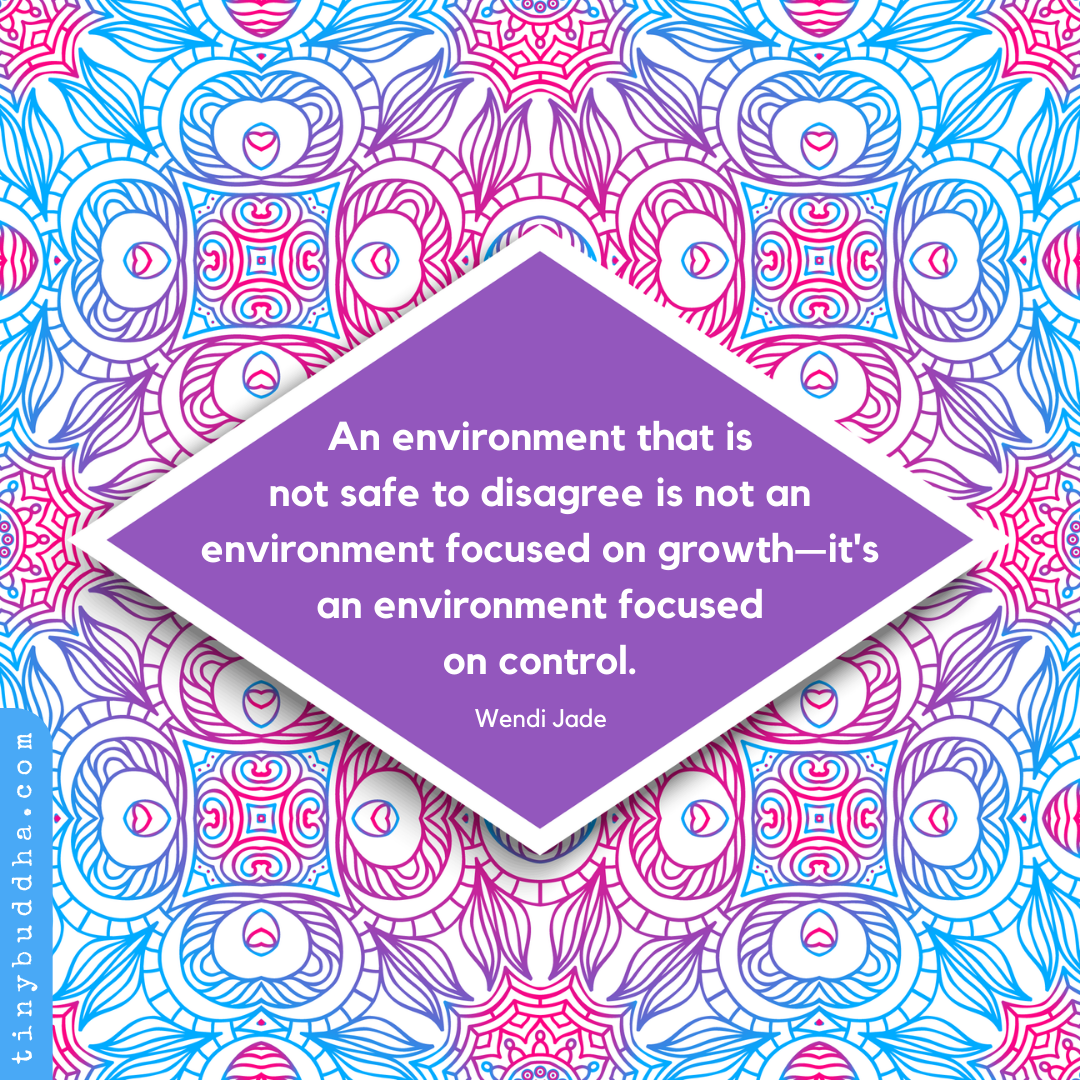
    Symptoms of complex trauma include negative self-belief, problems maintaining healthy relationships, difficulties expressing emotions, people-pleasing, substance abuse, and ongoing feelings of emptiness.
    My diagnosis of complex trauma in early 2021 felt like coming up for air after being held underwater. It was painful; my lungs burned. But there was also relief.

    At first it felt like I would never be able to fill my lungs with enough oxygen, and then slowly, incrementally, my body started to trust that the oxygen was there, and I could stop gulping, grasping, floundering.

    For years I had been wrapped up in a toxic relationship with a man who was battling his own demons from childhood. For years I never felt like I was doing enough. I was never good enough or smart enough or pretty enough to deserve the relationship, the career, or the life I desired.

    I dipped my toes in the shallows of life; I yearned for community and at the same time I pushed it away. I wanted closeness, but it felt suffocating. I wanted success, but it felt terrifying. Every time life would get good, something would unbalance and everything would crumble, so I would have to pick up the pieces and rebuild.

    I was stuck in a spiral of going one step forward and five steps back in every area of my life. The pandemic only highlighted this as I was forced to move back to Australia, jobless and in debt.

    I didn’t realize it at the time, but this constant spiral of stress and loss was a subconscious play that I kept re-enacting. Subtle, insidious self-sabotaging mechanisms from childhood that had kept me safe now tripped me up and kept me trapped. I kept repeating cycles that triggered familiar responses within my nervous system—ones of unsafety, loneliness, and abandonment.

    Working on my trauma over the last fourteen months with a trauma-informed therapist, rebuilding safety within my nervous system, learning to self-regulate, to reconnect with my body, with myself, has been at times a harrowing process.

    Through it all, it was interesting to see how different people reacted to my pain and loss and grief.

    We’re not taught how to sit with our own uncomfortable feelings, let alone someone else’s. We live in a culture that thinks “positive vibes only” qualifies as a spiritual practice, when in reality, we need to be able to witness and love our shadows in order to fully heal.

    If someone you love is going through a hard time, if you know someone who is struggling, here’s some advice on how to hold space for them, from someone who has been on the receiving end of well-meaning but unhelpful suggestions throughout my recovery.

    Holding space for someone is essentially about being fully present for someone else. This means no agenda, and a judgment-free zone.

    Be Present

    Check in with yourself first. Are you ready, willing, and open to being fully present with this person right now? Are you able to leave your opinions, suggestions, and personal experiences at the door?

    If not, that’s okay. Self-care starts with you, and forcing yourself to be present with someone when you aren’t in the right head space will not help the other person.

    Let them know that you aren’t in the right head space right now and refer them to a helpline or specialist. Check back in with them to make sure they have followed through and have someone to talk to.

    You will be doing both of you a favor. This comes down to co-regulation.

    When you are grounded and fully present with someone who is going through a hard time, you are allowing them to “borrow” your nervous system to down regulate when they are in a heightened state of arousal and activation. If your own nervous system is activated, this will just exacerbate what they are feeling, causing more sensations of dysregulation and unsafety.

    When you are able to sit with someone and be fully present for them, without judging their thoughts or trying to fix things, this can be a profoundly healing experience for the other person.

    Being witnessed in our grief without judgment, pity, or awkwardness removes some of the shame we’re experiencing as we’re processing our difficult emotions.

    Often, those with complex trauma did not have their needs met and didn’t have their feelings validated as children. It’s a deeply healing experience to be with someone who cares about you and to feel seen and validated at your most vulnerable moment.

    Practice Conscious and Reflective Listening

    When we are listening to someone, we’re only half paying attention to what they are saying. Half of our attention is already formulating our response, so we’re rarely ever focused on their words.

    Holding space for someone means being fully present and listening, not only with our ears but with our full attention to what they are saying and how they are saying it. Pay attention to their words, but also observe their body language.

    Allow for pauses. Silence can feel uncomfortable, but when we’re processing difficult emotions, sometimes we need a little silence to gather our thoughts or sit with what we’ve just said. Don’t try to fill the pauses in the conversation straight away.

    Reflect and mirror back what the person has said. This doesn’t have to be verbatim. It could be as simple as “I can see that this situation has really hurt you. I hear that you’re feeling overwhelmed and stressed out because you’ve lost your job. I can image that’s really scary. Can you share more?”

    This allows them to expand and clarify if they want to, or to just feel like they’ve been heard if that’s all they wanted to share.

    Observe Without Judgment

    Be willing to listen without judging what the other person is saying or how they’re interpreting their experience. Those of us with complex trauma grew up being hypervigilant and aware of the emotions of the people around us. This was integral to our survival in childhood.

    This means you need to be aware of your responses, both verbal and non-verbal, to what we are expressing. Listen with empathy and compassion, and stay open to what we are sharing, even if you disagree.

    Even if you think other people have it worse.

    Even if you have a solution.

    You may feel like we are overreacting, but often trauma triggers reactions to something we experienced in the past. When we’re triggered, we’re not only reacting to the situation we are currently facing, but also the unprocessed emotions from the previous situations. We’re dealing with the past and the present simultaneously, and it can feel overwhelming.

    Being witnessed by someone who cares about us without judgment when we’re triggered is a deeply healing experience. Often, those of us with trauma, depression, and anxiety already feel ashamed about our emotions and reactions, so having someone witness us without judgment can be liberating.

  • The World Is Not My Enemy – Why I’m Trying to Let My Guard Down

    The World Is Not My Enemy – Why I’m Trying to Let My Guard Down

    “Vulnerability is the core, the heart, the centre of meaningful human experiences” ~Brené Brown

    From a young age I learned that the world is not a safe place—that there are bullies out there that want to harm me and that I have to watch my back. I developed defense mechanisms in order to protect myself, or perhaps those mechanisms had been there all along, programmed into my psychology by millions of years of evolution.

    Maybe these mechanisms served me in certain situations as they did my ancestors; telling me when to fight and when to run away. But as I got older, I began to see how these mechanisms would often kick into gear when I didn’t want or need them to. Sometimes I would fight when there was no need to fight. Other times I would be afraid and hide when I wasn’t really in danger. Sometimes, I still do.

    This isn’t just my story; it is the story of all of us. Just pay attention to how people behave on the roads—especially when they’re stuck in traffic—or how they behave in comment threads on social media. Pay attention to how people behave in work situations, especially when their skills, capabilities, or ideas are being questioned. We walk around with psychological armor, and we use a lot of energy trying to prevent even the slightest kink in that armor.

    Some of us are also armed and will go off like an automatic rifle at the slightest touch of the trigger, leaving bullet-ridden relationships in our trail.

    Although these defense mechanisms are meant to protect us, they also cut us off from each other. Basically, most interactions are just egos interacting with other egos. Moments of real connection between people don’t happen every day, because that would require us to put down our armor and be vulnerable. But a couple of days ago, I had one such a moment…

    My kids stay with me over the weekends, and I usually pick them up at a golf course where their mom works and my oldest son plays golf. Before I can gain access, the guard at the gate has to scan the license disc of my car.

    As if 2020 wasn’t crazy enough, this year has already thrown a couple of curve balls my way. This particular Friday was just one of those days; I had a lot on my mind, and I wasn’t paying attention. So, while the guard was scanning my license disc, I took my foot off the break for just a second and rolled my car over his unsuspecting foot… crunch…

    Needless to say, he wasn’t happy. I felt like an idiot and could immediately feel my defenses going up—not just because of his reaction but because I’m programmed to get defensive, and this affects how I interpret situations, even when the other person hasn’t done anything wrong.

    “Why was his foot under my wheel?” I thought. “It was only an accident. I have a lot on my mind, okay.” At the same time, I realized that I had messed up, so I apologized profusely and drove off to pick up my kids.

    When I left, I felt compelled to stop at the gate and ask him if he was okay and whether he needed a doctor. He was limping a bit, but he said that he was okay. I gave him my business card anyway and told him to call me if he needed medical attention.

    Great, I thought as I drove away, this is the last thing I need, another potential bill to worry about. And what if he tries to take advantage me? What if he tries to sue me or something? Now I have made myself vulnerable to attack by giving him my details. But fortunately for me, the next few days came and went without any calls from a doctor’s billing department, or a lawyer.

    The next Friday I once again found myself at the gate to the golf course to pick up my kids, and I had to face the guy whose foot I potentially crushed. But I was relieved to see that he was no longer limping.

    I asked him how he was doing, and he assured me that he was okay. I expressed that I was really happy to hear that and before I could drive off, he stopped me. He told me that most people would have gotten defensive and just left it, and as you’ll remember, I almost did. But then he said that I came back and showed him support, which meant a lot to him, so he wanted to thank me.

    I was a bit surprised to be honest, because the last thing I expected was a thank you. But I felt good about this interaction. Not only was I happy that his foot was okay, but I was happy that we could part ways with good vibes between us. I appreciate how cool he was about it.

    An incident that could easily have turned ugly turned out pretty good. Somehow, we had both managed to drop our armor, and this allowed us to show compassion for one another. It was beautiful.

    The honest truth is that I still struggle with this all the time. I would be lying if I said that I have this stuff fully figured out and that I never get defensive or go on the attack. I am still learning, and what this incident taught me is that the world is not my enemy. Sometimes we can be vulnerable and drop our defenses. And most of the time, people will love us for it.

    Seeing the world as something we have to defend ourselves against or hide from cuts us off from those around us. But when we allow ourselves to be vulnerable and authentic, we allow for greater connection. This takes courage and sometimes we do get hurt. But when we start treating the world like a friendlier place, somehow, it starts feeling like one.