Tag: sadness

  • Grief Has No Rules: Love, Loss, and Letting Go

    Grief Has No Rules: Love, Loss, and Letting Go

    “Grief never ends … But it changes. It’s a passage, not a place to stay. Grief is not a sign of weakness, nor a lack of faith. It is the price of love.” ~Unknown

    “Thank you for letting me know.” The moment I hung up the phone, the tears came. I was confused and caught off guard. Why was I crying over the death of my ex-husband?

    We’d separated six years ago. I had a new partner and hadn’t thought much about him in over three years. So why did his death hit me so hard?

    Big Girls Don’t Cry

    Growing up in Ireland, emotions weren’t something we talked about. Tears were for small children, not grown women. When I was upset, I’d hear the same phrase, “Big girls don’t cry.” It wasn’t meant to hurt me, but it stayed with me.

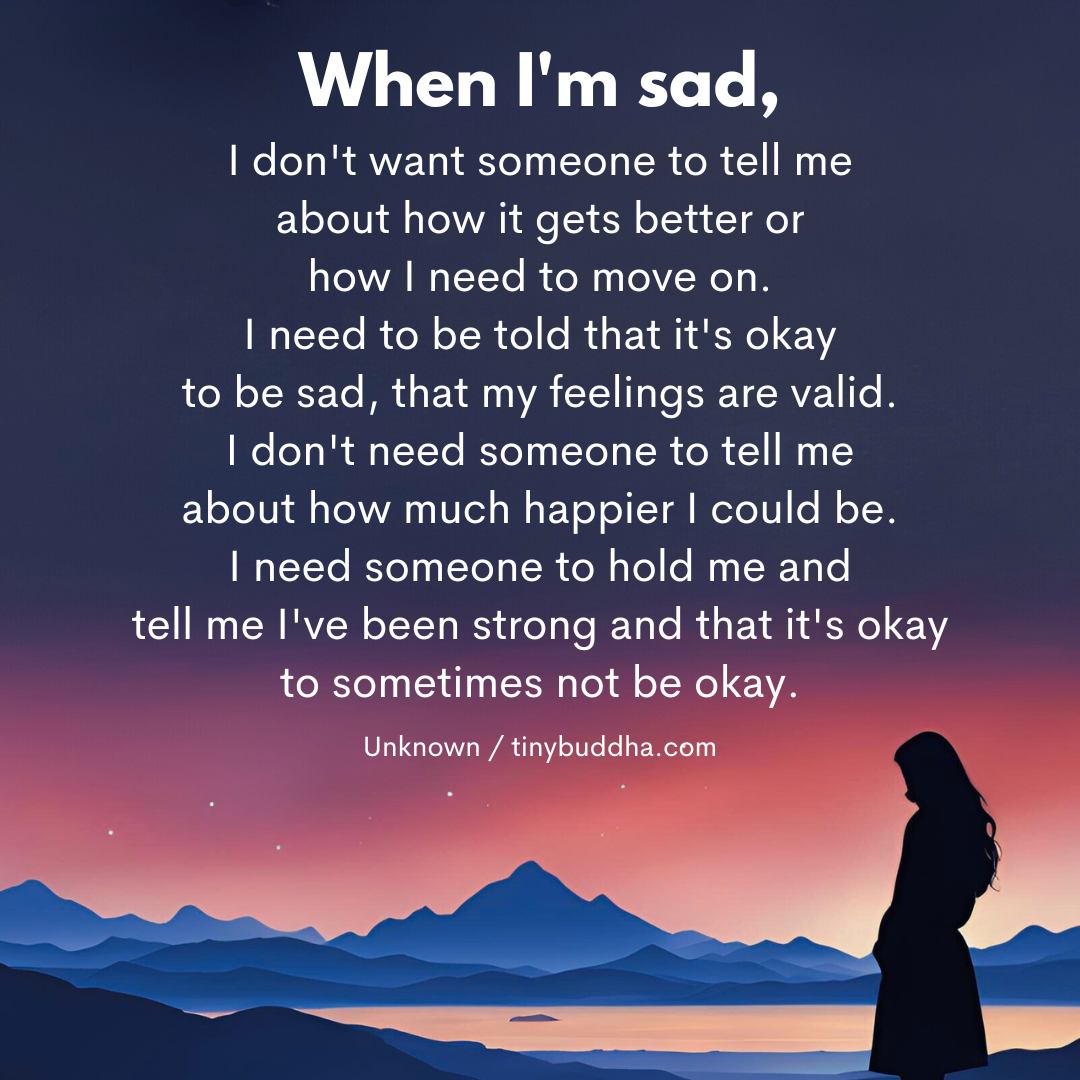
    I learned to swallow my feelings. Anger, sadness, fear—those were things you kept private. I thought strength meant holding it all in. But as I grew older, that kind of strength felt heavy.

    When my ex-husband died, all of it came rushing back. The sadness, the confusion, the guilt. And then the shame. Why couldn’t I just be stronger? Why couldn’t I pull myself together like I was supposed to?

    Grief and Guilt Collide

    I felt like I was failing. Crying didn’t just feel wrong—it felt like a betrayal. A betrayal of my upbringing, of the image I had of myself, and even of my current relationship. I couldn’t stop thinking: What if my partner saw me like this? Would he understand? Would he think I still loved my ex?

    The guilt weighed on me. But so did the fear. I wanted to go to the funeral, but I was terrified. What would his family think if I showed up? Would they see my tears and think I didn’t deserve to grieve? Would they think I was pretending?

    I wanted to hide. I wanted to run away from the emotions I wasn’t supposed to have. But this time, something inside me told me to stay.

    Reaching Out for Support

    I couldn’t carry it alone anymore. The grief, the guilt, the fear—it was all too much. For the first time in my life, I did something I’d always avoided. I reached out.

    I called my mum.

    At first, I hesitated. My instinct was to keep it together, to pretend I was fine. But the moment she picked up, the words spilled out. I told her everything. How lost I felt. How ashamed I was for crying. How afraid I was of what people would think if they saw me like this.

    She didn’t say much at first. She just listened.

    The Power of One Simple Truth

    Then, when I finally stopped talking, she said something simple. “It’s okay to feel this, you know. You loved him once. That doesn’t just go away.”

    Her words broke something open in me. I cried harder than I had in years, but for the first time, I didn’t feel alone in it. She stayed on the phone while I let it all out. She didn’t try to fix it or tell me to stop. She just stayed.

    That moment was a turning point. I started to see that grief wasn’t something to fight against or hide from. It was something I had to let myself feel. And asking for support didn’t make me weak. If anything, it gave me strength.

    Leaning on my mum helped me find my footing. I wasn’t over the loss—not even close—but I felt less trapped by it. For the first time, I could breathe again.

    Facing My Fears at The Funeral

    I arrived early at the church with my friend, my stomach in knots. The air felt heavy, like it knew I didn’t belong here—or at least, that’s what my mind kept telling me.

    A car pulled in beside us, and my heart sank. It was his sister. Without thinking, I slumped down in the seat, silently pleading for the ground to swallow me whole. What am I doing here? I wasn’t sure I could face their grief. I wasn’t sure I could face my own.

    But I’d come this far, and I couldn’t back out now.

    Finding Unexpected Comfort

    Dragging my feet, I walked toward the church door. Each step felt heavier than the last. I caught a glimpse of his brother standing near the entrance, and panic bubbled up in my chest. I almost turned and ran.

    My friend, sensing my hesitation, gently squeezed my elbow. It was a small gesture, but it steadied me. I kept walking.

    Then I saw her—his sister—standing at the church door. Her eyes locked with mine. There was no way out now. I braced myself, expecting a cold stare, a sharp word, maybe even outright anger.

    Instead, she stepped forward. And then, before I could react, she wrapped her arms around me. The hug was warm and full of love. It broke down every wall I’d built up in my mind.

    Finding Solace in Shared Memories

    Inside, the service was simple and poignant. The priest spoke softly, and memories of our life together floated through my mind—some good, some hard, all real. As the coffin was carried out of the church, I felt the tears welling up again.

    My friend placed an arm around my waist and gave me a little squeeze. For a moment, I considered pulling away, trying to summon that old stiff upper lip. Pretending I was fine. But I didn’t. I let the tears fall.

    After the service, the family invited me for a drink. It was an Irish funeral, after all. I hesitated, unsure if I belonged in their circle of mourning, but their warmth melted my fear. As we shared stories about him—some that made us laugh, others that brought tears to our eyes—I realized something profound. We had all loved this man in our own ways, and in that moment, our shared grief united us.

    Carrying the Sadness, Embracing the Joy

    Leaving the funeral, I felt a strange mix of emotions. The heaviness of loss was still there, but so was something else—a sense of lightness, even relief.

    The family’s kindness had reminded me of something I’d forgotten in my guilt and fear. I wasn’t just grieving a person; I was grieving a chapter of my life. My ex and I had shared 18 years together. Those years mattered. They shaped me into who I am today.

    A Beautiful Realization About Love

    At first, I struggled to reconcile those feelings with the love I have for my current partner. I worried that my grief might hurt him or make him feel less important. But over time, I realized something beautiful: love isn’t a competition. There’s space for both past and present love in my heart.

    I still feel sad when I think about my ex. Some days, it sneaks up on me—a song he used to love, a random memory, or even a quiet moment when the world feels still. But I’ve learned that sadness doesn’t mean I’m stuck or broken. It’s just a part of healing, a reminder of the love we shared and the lessons we learned together.

    Lessons Learned Through Grief

    • Grief Has No Rules: It’s okay to mourn someone even if your relationship wasn’t perfect or ended long ago. Grief is deeply personal and unpredictable.
    • Emotions Are Strength, Not Weakness: Feeling your emotions doesn’t make you weak—it makes you human. Suppressing them only makes the weight heavier.
    • Ask for Support: You don’t have to carry grief alone. Lean on those who care for you and let them help lighten your burden.
    • Grief and Growth Can Coexist: Mourning someone is also an opportunity to reflect on what that relationship taught you and how it shaped you.
    • Healing Takes Time: There’s no timeline for healing. Be patient and gentle with yourself as you navigate the journey.

    Grief isn’t something we “get over.” It’s something we carry with us, but over time, it becomes lighter. We make space for it, and in doing so, we make space for love, connection, and joy again.

    If you’ve experienced grief, know that you’re not alone. Share your story in the comments below or reach out to someone who can support you. Sometimes, simply being heard can be the first step toward healing.
  • The Truth About Repressing Emotions: Lessons from a Child’s Meltdown

    The Truth About Repressing Emotions: Lessons from a Child’s Meltdown

    “Cry as often as you need to. It’s the all-purpose healing balm of the soul.” ~Karla McLaren, The Language of Emotions: What Your Feelings Are Trying to Tell You

    A few years ago, a good friend invited me to his six-year-old daughter’s birthday party.

    As I walked through his front door, I was greeted by the cheerful sound of children running around, their tiny feet pounding on the hardwood floor as they expertly avoided the table full of gifts in the living room.

    Their parents looked just as excited, many enjoying the opportunity to finally have adult conversations (even if they were interrupted by their little ones every few minutes).

    My friend’s daughter was particularly thrilled on her special day.

    At one point, she bounced down the stairs, holding a giant helium balloon shaped like an exotic parrot. She tied the string to her hand and paraded it around proudly, followed by a swarm of children pleading to hold it for “just a few minutes.”

    By this time, most guests had moved to the backyard to enjoy the sunny weather. I was chatting with a friend on the porch, observing the celebration in full swing, when suddenly I heard a scream.

    I turned to see what all the commotion was about. To my surprise, I saw the coveted parrot balloon gently floating away, its bright colors dancing defiantly against the clear blue sky. And directly below it was my friend’s daughter, having a full-blown six-year-old meltdown.

    Undeterred, my friend went over to the middle of the backyard where his daughter was standing and brought her back to a quiet area on the porch next to where I was sitting.

    I wanted to give them privacy, but the mediator in me was secretly glad to be able to overhear how he would handle this predicament. I was used to dealing with adults in conflict. That said, I had minimal experience with six-year-old meltdowns.

    I listened intently as he leaned over and gently said to her, “You’re upset, and that’s okay. You can be upset, but not here because we have guests at home. Why don’t you go upstairs to your room? You can be as upset as you want there. Would you like me to come with you and cuddle with you?”

    His daughter stopped wailing, sniffed a couple of times, and shyly nodded yes to her father’s offer.

    The guests, though well-intentioned, were only fueling her distress with their anxious glances and nervous energy. In that moment, it was clear he wasn’t just trying to keep the party running smoothly. He was also focused on ensuring his daughter had a calm, private space to decompress, away from the crowd’s well-meaning but overwhelming concern.

    My mouth was hanging open at this point.

    You see, I grew up with the well-intended message that I should not feel certain emotions. “Don’t be upset” and “Don’t cry” were common phrases in my family. This taught me that emotions were something to be ashamed of rather than embraced.

    Instead of processing my emotions, I seem to have built up an internal archive of unacknowledged feelings. As much as I hoped they would magically disappear, they have stuck around, cluttering my psyche and seeping out at the most inopportune moments. I suspect many of us grew up with this type of messaging—well-meaning but emotionally restrained.

    I wonder if, in that process, we learned to silence the very parts of us that make us human.

    I used to blame my parents for denying me the ability to process my emotions effectively. I would ruminate in frustration, Why didn’t they encourage me to express myself? Why was sensitivity met with so much discomfort?

    But now I realize that’s a very one-sided view of things.

    My parents’ struggles ran much deeper than mine. They fled their home country as refugees, with nothing more than $200 in their bank account and the weight of survival on their shoulders. There wasn’t time for this thing we now call “emotional well-being.”

    Their world was about making it to the next day, finding work, shelter, food—anything to build a life for us from the ground up. Emotions, in that context, were a luxury they simply couldn’t afford. They weren’t trying to shut me down; they were trying to protect me from the harsh realities they faced every day.

    As much as I understand this intellectually, those ingrained patterns of suppression remained entrenched within me for many years.

    As adults, we often unconsciously send ourselves the same messages from our childhood. We distract ourselves instead of processing our emotions. Feeling sad? I bet there’s a great new series to binge-watch. Upset about something? Why not take another peek at your online shopping cart?

    A little distraction never hurt anyone. But if it’s the only strategy we use, it short-circuits our emotional processing and causes our feelings to linger and fester.

    I don’t know what my friend said or did in the room with his daughter. I imagine he gave her a big hug and let her cry her little heart out so that she could properly grieve the loss of her special balloon.

    What I do know is that she emerged back at her birthday party feeling calm and smiling, and she was able to enjoy the rest of the celebration with her friends—birthday cake, regular balloons, gifts, and all.

    This experience left me wondering about all the moments in my life that I had missed out on because of unprocessed emotions.

    How many experiences, big or small, had I not appreciated because that archive of unprocessed emotions was being triggered?

    What was the hidden cost of this on my relationships, work, and well-being?

    At the end of my life, how would I feel about the time that I spent missing out on my life instead of being more fully present?

    I stared into space, pretending to admire the beautiful backyard, as I contemplated these questions.

    When I went home that evening, I made a life-changing decision.

    I decided that whenever I felt like that little girl who lost her balloon, I’d take some quiet time and allow myself to feel my emotions. I’d especially make sure to feel the uncomfortable ones—disappointment from unmet expectations, frustration caused by stress at work, sadness resulting from the loss of something precious to me.

    I can’t say that it’s always pleasant to dive headfirst into the depths of your pain. Sometimes I need to take a break and make good use of those distraction tactics. When I do, I remind myself that it’s not about being perfect; it’s about being whole.

    My hope is that when I look back on my life at the end of my days, I’ll know that I embraced all of the emotions we humans are designed to feel. And that, because of this, I was able to enjoy more of my life feeling calm and smiling—just like that lovely little six-year-old girl.

    So, I’m curious, what have you learned about emotions from the children in your life?

  • How I Calm and Release Intense Emotions of Anger, Sadness, and Frustration

    How I Calm and Release Intense Emotions of Anger, Sadness, and Frustration

    “You don’t have to be positive all the time. It’s perfectly okay to feel sad, angry, annoyed, frustrated, scared, or anxious. Having feelings doesn’t make you a ‘negative person.’ It makes you human.” ~Lori Deschene

    In November, I was on an emotional roller coaster full of sudden, unexplainable fits of anger—hysterically crying for no reason, barely sleeping, feeling urges to physically kick, hit, and scream.

    One of the main triggers was when my partner would go out without me.

    He’d go out with his friends to play pool, and I would immediately shut down, shut him out, and turn inward.

    Lying in bed, my thoughts would spiral out of control.

    What if he gets hurt?
    He’s a grown man playing pool; he’s not going to get hurt.

    Is he picking up other women?
    No. He loves me.

    Why didn’t he invite me?
    Having time to ourselves is something I value.

    We’re in a loving, committed relationship and have been together for four years, so why hasn’t he proposed?
    Wait, do I actually want to get married? Or has society just told me I want to get married?

    Why hasn’t he texted me?
    He’s being present with his friends. That is a good thing.

    What is wrong with me? Why am I being petulant, controlling, and jealous? Why can’t I support his time with friends like he does for me? On and on and on…

    Then the physical sensations would take over my body.

    I’d feel hot, my heart would beat quickly, and I wanted to escape my body. I’d have the urge to kick and scream and punch. I could not relax.

    I tried to quell my emotions and rely on the quiet, calm part of me to remedy the situation with my go-to tactics of meditating, focusing on breathing, and reading, but all of those failed miserably.

    I could not figure out why my usual calm, optimistic self, who is able to quickly pinpoint negative thoughts and change them, was not doing her job.

    My inability to understand what the hell was happening made me feel even more angry, frustrated, and helpless.

    So, through talk therapy, coaching, and journaling, I turned to my inner child, who I know wants to be seen, heard, and loved but who has erected walls to protect her heart.

    Communing with my inner child offered me a giant release and a few discoveries:

    In my relationship (and in my new business), I had a deep fear of abandonment and fear of the unknown.

    My fear of abandonment was being activated because my partner and I had just finished eighteen months of travel during which we were together most of the time. I grew comfortable in our little refuge, secluded from the rest of the world.

    And now, we were back in the real world, hanging out with people, adjusting to a new city and new jobs.

    I felt like we didn’t spend any time together anymore. I had expected him to propose during our year of travel, but he didn’t. I thought he was pulling away from me.

    The truth is, all of these were made-up stories in my head.

    In reality, we still spent a lot of time together, and we had gotten to know each other even more intimately and deeply during our year of travel. (And a proposal was right around the corner!) We were simply adjusting to a new way of living.

    I also started to realize that I was desiring to express a part of me that I had never expressed.

    The tears and physical discomfort were a sign that a part of me was being suppressed. Those parts that I was suppressing were the parts of me that I had been told were too much… too emotional, too loud, too big.

    I was taught that being stoic and quiet is a virtue.

    I was taught that showing emotions is a sign of weakness.

    I was taught that women are meant to be seen, not heard.

    I started to realize that it is actually a strength to express emotions and that I am worthy of taking up space.

    And I realized that my anger, frustration, and sadness could not be quelled and calmed through breathing and meditation; rather, I needed to become fortified in these intense emotions and express them in a healthy way.

    Three tactics I use to be fortified in the difficult emotions of anger, frustration, and sadness are:

    1. Shake it out. I bring my whole body into this and shake and stomp. It offers an instant release of tension.

    2. Yell it out. I go in my car, turn up some music, and yell until my vocal cords feel tired. Afterward, I always think, “Wow, that felt good.”

    3. Run it out. I never feel worse after a run, especially a run in the rain.

    Each of these tactics is of a physical nature, because sometimes, our emotions are simply energy that needs to be moved through the body. (I suggest pairing these three somatic practices with mindset work to understand and move through your beliefs, doubts, and fears. In other words, get into the body and the mind!)

    So, if you’re feeling intense emotions that you are unable to quell and calm, I invite you to match that emotional intensity with a healthy physical release.

    And please know that fear of abandonment in our relationships is totally normal (it’s a survival instinct, which might also be exacerbated by childhood trauma), so release the self-judgment and give yourself a little grace.

    (Also, I am happy to report that, at the time of writing, my fiancé is at his bachelor party, and I am one hundred percent not freaking out. Which is a result of therapy, mindset work, and somatic practice!)

    We get to explore what is going on and transmute that fear into a deeper love, more pleasure, and expanded intimacy.

    So here’s to getting to know and expressing your full, perfectly imperfect self!

  • How I Learned the True Meaning of Strength After My Son’s Death

    How I Learned the True Meaning of Strength After My Son’s Death

    “Breathe. Let go. And remind yourself that this very moment is the only one you know you have for sure.” ~Oprah Winfrey

    I tried to stay strong after my fifteen-year-old son Brendan died in an accident. It shattered my world. The shock of it numbed me but when that wore off, I knew I needed to be there for my husband and two other children. Zack and Lizzie were only ten and thirteen and needed my strength. So, I built a wall around my heart and pushed through my day. I went back to work, teaching piano students in my studio.

    But at night my throat burned from unshed tears. My neck muscles ached from holding myself rigid. I had half-moon bruises across my palms; I didn’t even realize I spent the day with my hands clenched in fists, my nails digging into my flesh.

    Still, I stayed strong. Until Matthew ran into my piano studio and I discovered the real meaning of strength.

    Each week he burst into the room, eager to play me his new song. He was a six-year-old boy with freckles bouncing across his cheeks. He threw his bag onto the table, uncaring that books and pencils slid out. He wiggled onto the bench and grinned at me before crashing his hands into the keys.

    He played me his own story about aliens and a spaceship that hopped from planet to planet. He threw his whole body into his song, attacking the keys until he built a wall of sound that screamed throughout the room.

    I smiled. “I love your story.” I gave him a sticker that he proudly placed on his shirt. But then I reached for my lion.

    Leo the Lion was a stuffed animal that sat on the shelf above my piano. He was so soft that students couldn’t resist reaching up and stroking his velvety fur. His arms and legs—filled with tiny beans—drooped over the shelf.

    Sometimes, he sat on the side of the piano, listening to a student play when they felt a little shy. Other times, I put him on a student’s shoulders. Make him fall asleep, I’d whisper, a gentle reminder to keep their shoulders relaxed and down.

    With Matthew, I reached for the lion so I could teach him how to play loud and soft. Playing soft requires a lot of control. Students lean in gently, their fingers brushing the keys, like tickling with a feather. They’re so tentative they barely make a sound. But not when it comes to playing forte.

    Most students love to play loudly. They crashed their fingers into the keys, digging into the note until it sounded like a punch. I wanted the note to sound full and rich, but not like a scream.

    I pulled down Leo and wiggled him so that his arms flopped around. I lifted one lion arm up and let it drop down on its own. “Leo doesn’t try to attack the  keys,” I said. “He just lets the weight of his arm fall into the keys.”

    I let his paw fall a few times on Matthew’s arm so he could feel the weight. Then I put a rubber bracelet around Matthew’s wrist and gently lifted his arm up by the bracelet. I held it up in the air. “Don’t try to fight it when I let go. Just let your arm fall.”

    It was hard for him to let me direct his arm. He couldn’t let it just flop around. “You have to give up control,” I said. “Let me move your arm and then just let it go.” After a few times, he surrendered to the weight of his arm and let it fall into the keys. He looked up at me and grinned.

    “That’s the secret to playing forte,” I said. “Forte actually means strength in Italian. And in order to play a note with strength, we need to give up control. We lift our arm and then let go.”

    And that’s when I realized I was doing strength all wrong

    I tried to stay strong by controlling my grief. I stood tall and stiffened my shoulders, my muscles tight. I swallowed my sorrow until I could barely breathe. And still, I didn’t surrender to the weight of grief. I stayed strong. And if I couldn’t, I hid inside my house and let myself shatter. I refused to let anyone see me without my shields.

    But Leo the Lion reminded me that I had the wrong definition of strength. Staying strong can mean surrendering to the pain. It can mean being strong enough to let go and show my heart even when it’s filled with sorrow.

    I needed to learn how to let go. It didn’t come easy for me. Just like Matthew, it was something I needed to practice over and over.

    I started with becoming more aware. I scanned my body for signs of tension, knowing it was a sign of emotions trapped within my tissues. I stayed patient with myself, just like I did when Matthew played with too much force. I reminded myself to be aware of the tension without judging it.

    I no longer swallowed my emotions. Instead, I leaned into them, naming each one, acknowledging their presence. I felt the tension in my shoulders. Yes, this is grief. I felt the muscles in my arms quiver. Yes, this is anger. I felt my stomach tied in knots. Yes, this is anxiety.

    Once I acknowledged my emotions, it became easier to release them. Some days, I meditated and then journaled. Or I walked in the forest, listening to the leaves whispering in the wind. I wrapped myself in a blanket and listened to music, sinking into each note until it melted away some of my feelings. And some days, I simply let myself sit in sorrow without judging it as a “bad day.”

    I’m not perfect. There are days I forget and put on my mask of strength and pretend everything is fine. But just like my students, I’ve learned it’s a practice. When I forget, I remind myself to stay patient. And I keep Leo the Lion on my shelf as my reminder what strength really means. I stop trying to stay in control. I surrender to my feelings.

    I stay strong by letting go.

  • If You Stuff Your Emotions Down: You Gotta Feel It to Heal It

    If You Stuff Your Emotions Down: You Gotta Feel It to Heal It

    “Sit with it. Sit with it. Sit with it. Sit with it. Even though you want to run. Even when it’s heavy and difficult. Even though you’re not quite sure of the way through. Healing happens by feeling.” ~Dr. Rebecca Ray

    I’ve spent much of my life resisting my true feelings.

    Anger made me feel wrong. Sadness made me feel weak. Neediness made me feel “girly.” Love made me feel scared.

    I became an expert at hiding when I was feeling any of the above.

    Some people numb their feelings with alcohol, drugs, shopping, or sex. I numb with control. Being in control. Exerting control. Maintaining iron-will control over everything in my life, including my emotions.

    The thing about the  illusion of being in control is that it really only works for so long before emotions bubble up to the surface, erupt like a dormant volcano, and explode onto someone or something unintended. And trust me when I tell you, that ain’t pretty.

    One of the most famous quotes of every twelve-step program is: “You gotta feel it to heal it.” As someone who absolutely hated feeling anything that made me uncomfortable, this was the best advice I’d ever heard and the single most important tool I started using over the years to heal from anything in my life that was hard.

    It was in that twelve-step program for an eating disorder I had many years ago where I learned that all my ‘self-control’ tactics were an illusion.  If I would just allow myself to feel “it,” whatever “it” was, I could make peace with a lot of things, including myself.

    My mom was the role model I grew up with. Strong. Resilient. Positive and always in control. I strived to be like her. Positive and happy no matter what life threw my way.

    We were raised to not be weak, negative, or ungrateful because (we were told) somebody out there had it worse than us. The way through life was to remain positive. I mean, if she could do it, why couldn’t I?

    But I was different. More sensitive. Overly sensitive. A tad too empathetic. A chronic people-pleaser who didn’t like to rock the boat or risk anyone not liking me. When I had big feelings, I thought it best to push those feelings right down.

    Anger got me into trouble and cost me my childhood best friend. Sadness and tears (especially if, God forbid, they happened in the workplace) were “unprofessional,” I was told. And being anything but positive cramped my Supergirl vibe because people had gushed to me my entire life how “strong and resilient” I was, and I wanted to live up to their perception of me.

    But pushing down my feelings led to things that, for periods of time, wrecked my life: Depression. Anxiety. Secrets. Migraines. Illness. Chronic fatigue. Binging. Purging. Lies. And ultimately, not feeling I could be who I truly was and still be loved.

    And like every human being that walks this earth, I wanted to be able to be me and still be loved.

    So I started to do work on myself. And that work, let me tell you, was hard. But as one of my very favorite authors, Glennon Doyle, likes to say, “We can do hard things.”

    The hard thing for me was surrendering to the discomfort, the judgment of others, the judgments I had about myself, and owning the truth of who I was and how I actually felt about things.

    So I went to therapy. I signed up for yoga/meditation retreats. I dove deep into spirituality. I prayed and sat in silence for hours listening for God and then writing what I heard Him say.

    I traveled to Peru and then Costa Rica, where I was introduced to sacred plant medicine, and purged out all the feelings I didn’t realize I had been carrying for years in ceremonies that literally changed my life. Wisdom and visions guided me to make changes I don’t think I would have had the courage to make on my own.

    If you’re brave enough to step outside your comfort zone and try different things to open your heart and hold a mirror up to yourself, you’ll uncover one simple truth: You’ve got to feel whatever it is you’re running from to heal that thing for good.

    For those people who think I have it all together all the time, I want to set the record straight…

    None of us has it together all of the time. And to believe that you should, that there is anybody in this world who has “it”—whatever “it” is—together all the time, well that’s the very thing that’s causing any of us to feel sad, angry, overwhelmed, depressed, anxious, (fill in the blank with whatever emotion you think you shouldn’t be feeling today).

    I have it together most days. And others I’m completely overwhelmed.

    I’m sometimes sad for no reason at all.  But still, I allow myself to cry.

    I feel sorry for myself some days, knowing that somebody out there has it worse than me. But I no longer try to shut that feeling down. I let it come. Feel it. Let it pass.

    We all have something in our lives that makes us feel sorry for ourselves. Let’s stop declaring to the world “I’m fine” when we really aren’t and, instead, accept it’s just a feeling—and feeling anything other than fine is not admitting we’re weak or pathetic, but human.

    I get angry. And when I do, I  don’t make myself out to be a villain because of that anger. I just ask it what it’s trying to show me about myself or someone else and then I listen to it. I approach it with compassion instead of judgment. Maybe I have a right to be angry. Maybe someone is doing something hurtful, and the anger is inviting me to stand up for myself, or walk away, or learn how to set a boundary.

    Every feeling we have is trying to teach us something. I’ve learned to listen to the teacher and ask, “What are you trying to show me?”

    I’ve been through loss. Betrayal. Divorce. Depression. An eating disorder. All things that others have been through. We all have our things we need to heal from. Mine aren’t any harder or less hard than yours.

    But you can heal. You can be happy even if you’ve been through something sad. You can be you and still be loved. But you’ve gotta feel it to heal it if you want to get there.

    I’m grateful for all of my life. Not just the good stuff.

    I’m grateful for the hard things. The hard things are what have shown me who I am, what I’m made of, and pushed me to create the best life possible for myself and my children. The hard things pushed me to heal things that needed to be healed for decades.

    If sharing my story encourages just one person to find the courage to do the hard things to help them heal… well then, the hard things, in my opinion, have been totally worth it.

  • The 3 Ms That Help Me Cope with Seasonal Depression

    The 3 Ms That Help Me Cope with Seasonal Depression

    “The word ‘happy’ would lose its meaning if it were not balanced by sadness.” ~Carl Jung

    My two-year-old son looked up at me with his big, blue, beautiful eyes.

    He wanted me to play. I took a toy car in my hand and rolled it along the wooden living room floor we were both sitting on, making an enthusiastic VROOM as I did it. He smiled. He appreciated my effort at sound effects.

    The streetlights standing on the road outside our living room window were already glowing warmly, even though it was barely 4:30 p.m. and the sky was black.

    I miss the summer evenings, I sighed to myself.

    I stared up and out at the darkness briefly before Henry demanded my attention and I found myself looking down, playing cars again. I smiled up at him, doing my best to appear happy. To make him feel like I was enjoying playing cars with him.

    The truth is, I didn’t feel enjoyment playing with him.

    For a few weeks at this point I hadn’t felt much enjoyment from anything.

    I was going through the motions. Attending to my familial and professional responsibilities as best I could. All the while, longing to be back in bed so I could sleep. Except, upon waking up, I never felt fully rested. I was instantly greeted by the same familiar feelings of fogginess, emptiness, and numbness.

    Every morning as I got dressed, it felt like I was dressing myself in armor. Like the knights would wear in the movies I watched as a boy. A heavy metal armor that made the simplest of movements, like getting out of bed in the morning and playing cars with my son, feel like a battle that required all the strength I could muster.

    I’ve suffered from seasonal affective disorder, a type of depression, for all of my adult life, but the winter of 2021 was the worst episode to date.

    I put it down to a combination of sleep deprivation from being a parent to a toddler (I now understand why sleep deprivation is used as a torture technique), ongoing physical and mental challenges with long COVID, and uncertainty around whether I’d see family over the Christmas period due to lockdown restrictions.

    As the darker days descend, I’m preparing myself for another potential battle.

    I know I don’t need to fight this battle alone, so I’ll be calling on my friends and family to support me, as well as working with a therapist who formerly helped me process my experience.

    There were three focuses that helped me get through the depressive episode last year. Here they are, the 3 Ms.

    1. Mindfulness

    Writer Rolf Dobelli suggests that we are two selves—the remembering self and the experiencing self.

    Our remembering self is our story—who we think we are based on our past. My remembering self tells me I’m English, I love a double espresso, and have a history of anxiety and depression.

    My experiencing self is different. My experiencing self is the me who is here, right now.

    Experiencing myself writing.

    Aware of the tapping sound my fingers make as they dance along the keyboard as I type.

    Aware that my heart is beating slightly faster than usual, probably due to the chocolate I scarfed down a few minutes ago.

    Aware of feeling vulnerable as I write about seasonal affective disorder.

    Our experiencing self exists moment to moment, whereas the remembering self only exists in the past, through thought.

    This idea was helpful to me during my 2021 depressive episode because it reminded me that I’m more than a depressed person (which would be a story from my remembering self); I’m a person who feels a lot of sadness, as well as many other feelings and emotions, some that feel comfortable, some that feel uncomfortable.

    Back then, I’d take time each day to practice a mindfulness meditation. Sitting for five minutes, simply observing how I was feeling, importantly, without judgment.

    Noticing what my mind was focusing on, as well as bringing awareness to my emotional state and breath.

    I’d cultivate an attitude of compassion toward myself, avoiding firing the second arrow that’s taught in Buddhism, and not feeling bad for feeling bad.

    I’d simply accept how I felt in the moment and allow myself to feel sad, helpless, and hopeless, without judgment, knowing that my feelings are always fleeting.

    2. Meaning

    The second M that helped me was meaning.

    We’re told the meaning of life is to be happy. But there are going to be periods when we’re simply not going to feel happy. This doesn’t have to mean our life becomes meaningless; instead, it’s in our moments of unhappiness that it’s best to focus on what brings our life meaning.

    Even though I don’t always enjoy playing cars with my son, raising him and spending time with him and his mum gives my life tremendous meaning.

    Some mornings last winter I didn’t feel like getting up, and if I lived alone, I probably would have stayed in bed. But knowing my son and wife were depending on me, I felt a sense of duty to show up and be the best dad and husband I could be given my struggles.

    I showed compassion toward myself by not believing any thoughts saying I needed to be perfect. Instead of choosing to feel ashamed for how I felt, which would make me feel like withdrawing, choosing self-compassion helped me to tackle my various responsibilities but also be realistic and not over-commit.

    It meant honest communication and being okay with doing less than I normally would. I made a Top Ten Actions List by asking myself, what are the most important actions to take today to look after myself and address my responsibilities?

    I also made a list of all the people, places, and activities that give my life meaning and breathe life into my soul and aimed to dedicate time toward them each day. Having a clear and achievable focus was helpful, and as the depression slowly lifted, I was able to return to my normal level of action.

    3. Moments of Joy

    Like the streetlamp I watched glowing warmly from my living window, there were moments during the depressive episode that pierced through the surrounding darkness.

    The sound of my son’s laughter as he chuckled hysterically.

    Feeling the peace and stillness of the forest on my walk.

    Being reunited with friends after lockdown and catching up over a coffee.

    The wisest words I’ve ever heard were these: Look for the good in your life, and you’ll see the good in your life.

    This isn’t a matter of positive thinking—it’s a matter of acknowledgement.

    Even on the days when my mood was at its lowest, there were a handful of joyous moments shaking me temporarily from my depressed state and waking me up to the truth that even on the darkest of nights, there are lights shining for us.

    These lights, the people and events bringing joy to our life, are little beacons of hope, reasons to be appreciative. And basking in their warmth momentarily can keep us trudging along in the darkness until, hopefully, a day arrives when it lifts and the sun rises again.

    At the end of each day last winter, I’d take a minute to write down any joyous moments and bask in their warmth again as I revisited them in my mind.

    The most challenging aspect of depression is how it tries to convince us that not only is everything bad, but everything will stay bad permanently.

    Through focusing on mindfulness, meaning, and moments of joy, fortunately, I was able to see again that this isn’t true.

  • The 5 Happiness Zappers and What Helps Me Cope with Them

    The 5 Happiness Zappers and What Helps Me Cope with Them

    “Emotion in itself is not unhappiness. Only emotion plus an unhappy story is unhappiness.” ~Eckhart Tolle

    When my mother told me, “Honey, you don’t understand; you can’t,” initially I felt like she was being condescending.

    It was Mother’s Day and, unbeknownst to me, the last time I’d see her before her final hospital visit.

    We’d spent that Saturday updating her computer, watching waves at the beach, and picking up seashells, then eating dinner at a popular local restaurant frequented by travelers, including famous musicians on tour buses because of its location off of the interstate.

    By early evening, we were lying on her bed talking mostly about nothing important. However, when she mentioned that she was organizing all her pictures in zip lock bags for her two sisters, my brother, and me, it sounded strange yet significant.

    “Why?” I asked.

    “I’m not going to live forever,” she said.

    “But you’re doing fine right now,” I responded referring to her health at the moment. Her health challenges in the past few years had made it necessary for her to move to live closer to her older sister.

    The conversation segued to how much she missed her mother, my nanny, who’d passed away twenty-two years earlier. The emotional angst in her voice caught me off guard. I was close to my nanny and missed her too but could tell that my mom missed her at a deeper emotional level than I understood.

    I asked questions, trying to understand exactly what she missed. Did she miss talking to her? Her cooking? Her laugh? But she didn’t or couldn’t answer. Instead, she looked into my eyes with one of those motherly looks that said, “enough of the questions.” Then she said, “Honey, you don’t understand. You can’t.”

    I knew it was time to change the subject, so we watched TV and continued chatting about lighthearted nothings before going to sleep.

    Although the conversation felt unsettling, I did what most of us do when something rattles our gut—I ignored it.

    Three months later, I received a call from my aunt telling me that my brother and I needed to get there quickly because my mom was in the hospital. After two surgeries and almost three weeks in ICU on a ventilator, she passed.

    That’s when the journey started and I’d finally be able to understand the meaning of my mother’s haunting words.

    It’s been almost eighteen years since she passed. Even now, there are moments when grief shows up and her loss feels as painful as the day she left. When that happens, I replay the conversation we had on Mother’s Day in my head and realize how right she was. Then I cry more because I want to tell her how right she was but can’t.

    There are some things you can’t really understand until you experience them. You can imagine how you’d feel in a situation, how you’d react to it. That’s empathy. Or you can just know the experience would feel awful. That’s sympathy. However, you can’t really understand until you experience it.

    As the founder of the Society of Happy People, I’ve spent a lot of time understanding happiness. I even identified thirty-one types of happiness because I wanted people to recognize all of the happiness that they might not notice or take for granted.

    However, after losing my mom, I also realized what is really obvious yet not always acknowledged—all unhappiness isn’t the same. There’s a huge difference in grieving a loss and being stressed because you’re late for a lunch date due to traffic annoyances.

    Although both cause you to feel bad or unhappy in the moment, their lingering effects are vastly different. All experiences that make us feel unhappy are not equal. Yet we’ve been taught to think if we aren’t happy, we’re simply unhappy. It’s an oversimplification of our emotional experiences.

    I started thinking of experiences that took me away from feeling good as Happiness Zappers.

    Then I started categorizing them: unhappiness, stress, fear, chaos, and annoyances.

    Then, depending on the type of Happiness Zapper, I’d decide how to manage it. Some zappers simply didn’t have the same effects as others. However, in all cases if I didn’t acknowledge the zapper, it would manage me instead of me managing it.

    Each day, every single human being on the planet will experience different Happiness Zappers. How we choose to manage them significantly impacts how long they impact us and our lack of happiness.

    The five types of Happiness Zappers are:

    1. Unhappiness

    Unhappiness is most often connected to loss when we must create a new normal over time.

    Obviously, the death of someone or a pet we love is the ultimate loss.

    Yet other losses redefine our lives, too: unwanted career changes, health challenges, friend or family estrangements, and other normal, expected, or even unexpected life changes such as aging, empty-nesting, caretaking, or retiring.

    Unhappiness results from experiences that we rarely have control over and probably didn’t want to happen yet have to learn to live with. It takes time to adjust to life with the missing piece or changes we have to make due to circumstances beyond our control. And there may always be moments even after we think we’ve adjusted or healed from a loss when the void is triggered, and it can shoot a pang in our heart that makes us feel sad again.

    While the ongoing pangs of pain from loss usually reduce over time, the scars they leave can flare up without notice and we feel the sad, hurt, and loss all over again.

    2. Stress

    Stress is when we feel pressure or tension from things that require a response from us that can impact us mentally, emotionally, physically, and spiritually.

    Most of us feel stressed more than once most days. Although everyone has different stressors, some common ones include having too many tasks, facing too much uncertainty, making decisions, coping with difficult situations, or dealing with difficult people/events.

    Whatever the source of our stress, it’s important that we learn to manage it because it adversely impacts our overall health when we don’t. Of course, managing stress is different for everyone and every situation. Sometimes, a situation needs to change. Other times, it’s about utilizing tools that soothe our hearts, minds, and souls, such as meditation, exercise, aromatherapy, a thinking walk, a hot bath, or any fun activity.

    The situations that create stress are fluid—which means once one is gone, another one shows up. That’s why it’s important to understand your stress triggers and the tools that help you manage your stressors.

    3. Fear

    Fear creates a physiological change that influences our behavior when we are threatened by a dangerous situation or we believe something may threaten our physical or emotional safety in the future.

    While some fears are real—your home is in the path of a hurricane landing, or you’re being abused, for example—the majority of our fears pertain to “what could happen,” and they’re usually worst-case instead of best-case scenarios.

    When we don’t manage the fears in our mind, they often lead to regret. They stop us from trying new things, meeting new people, and doing things we’ve dreamed about. As Henry Wadsworth Longfellow said, “A man’s life is the history of his fears.”

    Sometimes, simply doing something that triggers a fear—like eating at a restaurant alone, applying for a job, or going to a party where you don’t know many people—regardless of the outcome, is our success. And successful is one of the Society of Happy People’s thirty-one types of happiness.

    4. Chaos

    Chaos happens when things are in disarray, unorganized, and confusing.

    Chaos could be anything from your alarm going off late, an unexpected guest showing up, or your boss changing your day’s to-do list, to dealing with an act of mother nature in your neighborhood.

    It’s in those moments when you really aren’t in control that you simply have to move into a triage mode of tasks and priorities based on the current situation.

    The best thing to remember when in the middle of a chaotic situation is that the actual chaotic moments are usually temporary. The chaos will subside. There may be lingering stressors after the actual chaos, but the heightened emotionally charged moments end.

    5. Annoyances

    Annoyances are when someone or something irritates or bothers us to the point that our mood is adversely affected.

    What annoys you one day may not annoy you another day. Annoyances are subjective to what’s going on around you at any given moment.

    However, they have a common theme—you probably won’t remember them a year from now. So you need to ask yourself, “Is this really worth taking away from my happiness now?”

    My mom’s death taught me many things. One of the most important lessons was that unhappiness isn’t everything that makes you feel bad. There are varying degrees of feeling bad. Real unhappiness is usually centered around loss and grieving, and not only deaths.

    Acknowledging loss and grief empowers us to manage it. It gives us permission to feel our myriad of feelings when our grief is triggered. It gives us permission to cry, to be angry, to feel numb, to mourn. Although unhappiness feels lonely, in most cases there are others who’ve been in similar places who can help us navigate our experience if we reach out.

    Our other happiness zapping experiences—stress, fear, chaos, and annoyances—rarely have lingering pains. In most cases we get to manage these Happiness Zappers and to a degree determine how long we will allow them to zap our happiness.

    Unhappiness comes from experiences that most likely changed us and our lives in a way we didn’t want changed. Then it becomes part of us and will revisit our heart from time to time. The more we understand what unhappiness actually is and how it works in our lives, the better we can manage it.

  • How to Deal With Low Moods: A 4-Step Plan to Help You Feel Better

    How to Deal With Low Moods: A 4-Step Plan to Help You Feel Better

    “And some days life is just hard. And some days are just rough. And some days you just gotta cry before you move forward. And all of that is okay.” ~Unknown

    I have always struggled with low moods. I guess that considering that I spent close to twenty years of my life inactive and depressed, this could be seen as progress. But that still didn’t feel good enough.

    I wanted to feel more balanced, light, and happy, and I wanted to achieve it in natural ways without having to take any kind of medication since that hadn’t worked for me in the past.

    So I began to research. I asked around. I read books. I watched videos. I became a psychotherapist.

    Most people can’t tell you how you shift out of low or bad moods. Sit with it, they say.

    And sure, that is a huge help because, up until that point, I would beat myself up over being in a low mood, which just made things worse.

    So ditching that beating-myself-up habit did help a lot.

    But here’s how I went further with it.

    During my studies and my experiences as a psychotherapist, I realized that everything has a cause. It might look random, but it never is. So there had to be a reason for my low moods. It was time for a lot of self-observation and self-exploration.

    Funnily enough, my work with my clients helped me uncover what I was looking for. It is, after all, always so much easier to see it in other people than it is to find it in yourself.

    I discovered that my moods were primarily linked to two things.

    The first one was needs, or more accurately, unmet needs.

    The second one was feelings, unexpressed feelings.

    Before my healing journey, there was no way for me to change my mood in any way because I wasn’t aware of my needs, and all I ever did was suppress and inhibit my feelings.

    Both of these things logically result in low moods.

    So why didn’t I meet my needs or feel my feelings? These simply weren’t things I had been taught how to do. In fact, suppressing my feelings was encouraged. No, it was demanded.

    If I didn’t, I would get punished. I would get hit. And a child learns very quickly how to keep themselves safe, so that’s what I did.

    I remember this one time I got bullied really badly. As I walked into the family home, I collapsed on the floor and cried. This was not something I had ever done before. It was a rare occasion. I had a proper breakdown.

    My mother looked at me in disgust, stepped over me, and carried on with cleaning the house.

    I don’t exactly remember how long I lay there, but it must have been a long time because she repeatedly stepped over me and ignored me in my pain.

    So that’s what I learned to do to myself.

    Whatever was going on, I ignored it.

    I never stopped to ask myself what I needed or how I felt. I didn’t give myself any reassurance or encouragement. I didn’t help myself in any way, so my only go-to point was depression or a low mood.

    On the inside, I kept my loudly screaming needs and feelings locked up in a tiny little jar just waiting to explode. I had to keep my moods low to keep the pressure down. I had to be quiet to make sure I didn’t accidentally unlock the biggest scream the world had ever heard.

    Today, I realize that my low moods were symptoms of me ignoring myself, not feeling my feelings, and not meeting my needs.

    I didn’t know how to honor my feelings and needs then, but I learned how during my work and healing journey.

    When a low mood visits me today, I don’t step over myself. I don’t repeat the patterns of the past. I don’t repeat the lack of kindness and warmth. Instead, I do these four things:

    1. I dig deep instead of surrendering to my low mood.

    I no longer just leave myself in it. I don’t just tolerate it.

    I notice it, stay with it, and love myself too much to not do anything about it.

    Instead, I get curious.

    2. I accept instead of fighting my low mood.

    There’s no point in putting yourself down when you’re already feeling low.

    You’re not doing anything wrong when you feel bad.

    It’s just a sign that you need to check in with yourself and figure out what’s going on for you so that you can take care of yourself in a healthy and loving way.

    So that’s what I do.

    3. I ask, “What’s going on for me?

    Sometimes it’s obvious what’s impacting my mood. It could be a bad night’s sleep, an argument, or a cold.

    Sometimes it’s harder to figure out what’s going on, but then it’s important that I stay with it and don’t just shrug it off.

    In my experience, mood management has a lot to do with emotional self-care.

    I ask myself:

    • What feelings might I be suppressing?
    • In what ways might I be inhibiting or censoring myself?
    • Am I staying in the wrong kinds of relationships for me?
    • Do I forget to set boundaries?
    • Am I not having enough fun or variety?
    • Do I need to stretch myself more and grow?

    Learning how to meet my needs and feel my feelings were the two most important aspects of my healing journey. So much started to make sense once I knew what to do about my feelings or needs.

    My moods weren’t just random anymore. They made sense. And if they didn’t, I knew that I hadn’t found all of the puzzle pieces yet.

    4. I have compassion for myself.

    It’s wonderful to be a human. It’s also hard.

    We have feelings and moods and needs and relationships and dreams and fears and so much else going on.

    It’s not simple, and it’s not easy.

    We have to give ourselves some credit for all the great things that we achieve and do.

    But most of all, we have to appreciate who we are and how we are.

    We want to improve things. We want to feel better and be better for ourselves and for others. That alone needs to be celebrated!

    The not giving up. The striving to grow. The commitment to healing. All of that needs to be acknowledged.
    And all of you deserves compassion. Low mood or not.

  • My Dad Died From Depression: This Is How I Coped with His Suicide

    My Dad Died From Depression: This Is How I Coped with His Suicide

    “Grief is really just love. It’s all the love you want to give, but cannot. All that unspent love gathers up in the corners of your eyes, the lump in your throat, and in that hollow part of your chest. Grief is just love with no place to go.” ~Jamie Anderson

    When I was seventeen, my dad died from depression. This is now almost twenty-two years ago.

    The first fifteen years after his death, however, I’d say he died from a disease—which is true, I just didn’t want to say it was a psychological disease. Cancer, people probably assumed.

    I didn’t want to know anything about his “disease.” I ran away from anything that even remotely smelled like mental health issues.

    Instead, I placed him on a pedestal. He was my fallen angel that would stay with me my whole life. It wasn’t his fault he left me. It was the disease’s fault.

    The Great Wall of Jessica

    But no, my dad died by suicide. He chose to leave this life behind. He chose to leave me behind. At least, that’s what I felt whenever the anger took over.

    And boy, was I angry. Sometimes, I’d take a towel, wrap it up in my hands, and just towel-whip the shit out of everything in my room.

    But how can you be angry with a man who is a victim himself? You can’t. So I got angry at the world instead and built a wall ten stories high. I don’t think I let anyone truly inside, even the people closest to me.

    How could I? I didn’t even know what “inside” was. For a long time, my inside was just a deep, dark hole.

    Sure, I was still Jessica. A girl that loved rainbows and glitter. A girl that just wanted to feel joyful.

    And I was. Whenever I was out in nature. I didn’t realize it at the time, but whenever I was on the beach, in a forest, or even in a park, I’d be content and calm.

    Whenever I was inside between four walls, however, I felt restless, lonely, and agitated. This lasted for a very long time. I’d say for about twenty years—which, according to some therapists, is a pretty “normal” timespan for some people to really make peace with the traumatic death of a parent.

    But during that time, alcohol and partying were my only coping mechanisms. I partied my bum off for a few years. I’d drink all night until I puked, and then continue drinking. Couldn’t remember half of the time how I got home or what happened that night.

    Hello Darkness, My Old Friend

    Unfortunately, all that alcohol came with a price. I had the world’s worst hangovers—not only physically but also mentally. At twenty-one, hungover and alone at home, I had my first panic attack. Many more followed, and I developed a panic disorder.

    I became afraid of being afraid. I didn’t tell anyone, because I was scared they would think I was crazy.

    Those periods of anxiety never lasted longer than a few months. But they were usually followed by a sort of winter depression. In my worst moments, I felt like the one and only person that understood me was gone. I felt like nobody loved me, not as much as my dad did. And I did think about death myself. Not that I actually wanted to die, but at times, it seemed like a nice “break” from all the pain.

    Acceptance and Spiritual Healing

    Finally, in my mid-twenties, I went to see a therapist. She helped me tremendously and made me realize that the panic attacks were nothing more than a physical reaction to stress. Yet, it wasn’t until I did a yoga teacher training a few years later that I finally learned how to stop those panic attacks for good.

    Wanting to know more about the mechanisms of the body and mind, I dove into mental and physical well-being, and started researching and writing about mental health.

    I understand now that self-love, or at least self-acceptance, and a solid self-esteem are crucial for our mental health. And I know that people with mental health issues find it so, so hard to ask for help. Their lack of self-love makes them think they are a burden.

    I understand that, at that moment, my dad didn’t see any other solution for his suffering than stepping out of this life. It did not mean that he didn’t love me or my family.

    The pain from losing my dad actually opened the door for me to spiritual healing. It brought me to where I am now. It taught me to live life to the fullest.
    It taught me to follow my heart because life is too precious to be stuck anywhere and feel like crap. And it made me want to help others by sharing my story.

    I have accepted myself as I am now. I know that I’m enough. I’ve learned what stability feels like, and how to stay relaxed, even though my body is wired to stress out about the smallest things due to childhood trauma.

    Let’s Share Our Demons and Kill Them Together

    But honestly, the pain from losing him will stay with me for the rest of my life. And sometimes it’s as present as it was twenty years ago. I don’t feel like covering that up with some positive, “unicorny” endnote.

    I feel like being raw, honest, and open instead. Depression and suicide f@cking suck. What I do want to do, however, is to help open up the conversation about this topic. I want to make it normal to talk about our mental health, as normal as it is to talk about our physical health.

    There are way too many people living in the dark, due to stigmatization and fear. Life is cruel sometimes. And every single human on this planet has to deal with shit. It would be so good if we could be real about it and share our stories so other people can relate and find solace.

    I do hope that my story helps in some way.

  • Why It’s Worth the Temporary Discomfort of Sitting with Intense Emotions

    Why It’s Worth the Temporary Discomfort of Sitting with Intense Emotions

    “Whatever you’re feeling, it will eventually pass.”  ~Lori Deschene

    Can you feel an intense emotion, like anger, without acting on it, reacting to it, or trying to get rid of it?

    Can you feel such an intense emotion without needing to justify or explain it—or needing to find someone or something to blame it on?

    After successfully dodging it for two years, I recently caught Covid-19. The physical symptoms were utter misery. But something much more interesting happened while I was unwell.

    The whole experience brought some intense emotions to the surface. Namely, seething anger about something that had nothing to do with the virus.

    In the handful of days that my symptoms were at their worst, I was absolutely livid. And while on some level it made sense that I was angry that getting this sick was both extremely unpleasant and delaying work on a project I was all fired up about, the anger was manifesting with a deeper-rooted blame.

    I grew up in a religious denomination that had a profound effect on my childhood and adolescence. It taught me through debilitating fear, division, and confusion. It ingrained black-and-white rights and wrongs for living, thinking, and being that had never made sufficient sense to me, no one could adequately explain, and were damaging for me on a number of levels.

    In the past couple of years, I worked through its various effects with shadow work, inner child healing, forgiveness, and even quantum energetic healing. Each of these modalities supported me immensely with healing different layers.
    But the emotion of deep anger I harbored clearly hadn’t gone away, and it simply needed to be felt.

    The more we learn to observe and witness our emotions, the more acutely aware we become of where they’re stemming from, and the more we’re able to notice and catch ourselves when we’re associating our emotions with narratives and situations that are not in fact to blame for how we’re feeling.
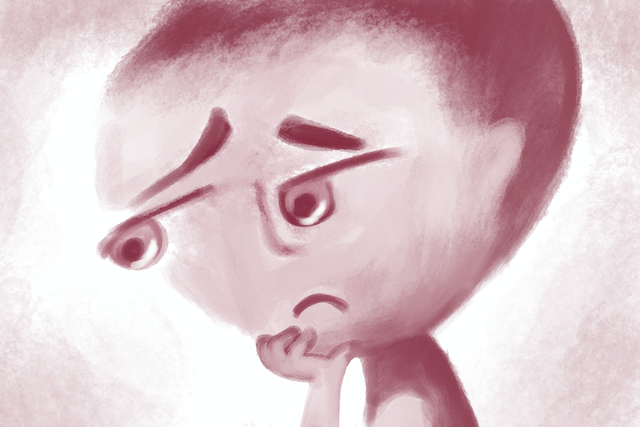
    Although I’d initially managed to fashion some connection between being unwell and the church I still harbored so much anger toward, I became increasingly aware that there was none. My inclination to blame the church was part of an ongoing pattern. And it was time to break this pattern.

    At the same time, I’d recently become very aware that whenever I’d hear mention of the church or any of its associated beliefs, a brief surge of anger would leap up in me. I was still feeling triggered.

    I was very ready to move beyond these patterns of blame and anger. And getting to that inner peace I so wanted to feel meant addressing this on an emotional level. I realized that what I needed was to actually sit with these feelings so they could be fully acknowledged and allowed to move through me.

    The only person who is ever responsible for your emotions is you. And your emotions are simply powerful feedback. They show up for one of two dominant reasons.

    Either they’re unresolved past emotions that are surfacing because they’re ready to be acknowledged and felt now, or they’re feelings that demonstrate how a situation is resonating for you—in other words, they’re your own inner compass.

    Sadly, although traditions like Buddhism have been teaching us how to develop emotional awareness for thousands of years, we’ve somehow landed on two dominant, ineffective responses.

    Acting on our emotions or trying to brush them under the rug.

    Brushing an emotion under the rug will only keep it trapped inside of you. Meaning it will resurface to bother you as many times as it needs to in the future until you deal with it.

    And the practices of toxic positivity fall under this category. Write a gratitude list and look for the best-feeling thought you can find, they say. In other words, avoid the “negative” emotion for now and let it fester under the surface a little while longer.

    Newsflash: No emotion is negative unless it’s fueling a negative action or reaction. It’s simply feedback pointing you toward growth or clarity.

    Which brings me to the next dominant response we resort to. Acting on the emotion (by yelling at someone, for example) will at least give it an opportunity to release but will most likely create consequences that won’t serve you. We’ve all been there and done that, so no judgment here.

    As I emphasized earlier, the only person who’s ever responsible for your emotions is you. And we tend to act on our emotions by deflecting this responsibility. So we learn, understand, and gain nothing from them.

    So, I sat with the anger. I was fully present with it—by itself, separate from any experience or event that I could possibly associate it with.

    I acknowledged it, felt its full intensity, and breathed through it. I sat with the parts of me that felt this emotion with compassion. I surrendered to letting it move through me.

    Despite having felt the intensity of this anger for a few days, it released fairly quickly when I leaned into it. And when it released, I was able to see pretty clearly why being ill had triggered this anger.

    I’ve also noticed that since this whole experience, the little surges of anger I’d previously felt have gone away. So far I haven’t felt those triggers since, which is a relief.

    Before I go any further, I want to acknowledge that many of us are carrying deep trauma that’s often too painful to even fathom triggering. So have compassion for yourself in whatever you feel, and don’t put off seeking the right support to work through your emotions if you feel you need this.
    Now, this might sound counterintuitive, and it’s incredibly uncomfortable to do at first. But real emotional awareness—and maturity—means sitting with the emotion and feeling its fullness.

    It’s identifying what this emotion is and how it feels. Including where you can feel it physically.

    It’s giving yourself some time and space to focus on really leaning into the emotion and separating it from any narrative or incident it may be associated with. Focusing on the emotion by itself in isolation allows us to process it. Without blame, justification, or self-pity.

    When you can truly feel, acknowledge, and breathe through it, it releases. And when it’s released, you’re able to understand what it represented for you. You grow through it.

    This may take time, but a feeling is only ever there to be felt. And until it is, it will be increasingly vociferous in how it tries to get your attention.

    This can require a lot of courage, especially because too many of us have been conditioned to fear feeling our emotions and believe that we can’t handle them.

    But if you need to cry, cry. If it feels intense, this is where deeply buried stuff is surfacing for release.

    And when you let an emotion move through you, you let it move out of you.

    This doesn’t mean that you’ll never feel another “negative” emotion ever again.

    But it does mean that you’ll understand how to respond to these emotions and allow them to be felt and understood with a lot more compassion.

    And that’s more than worth the temporary discomfort.

  • How I’m Coping with Grief by Finding Meaning in My Father’s Death

    How I’m Coping with Grief by Finding Meaning in My Father’s Death

    “Life has to end, love doesn’t.” ~Mitch Albom

    Before we dive into the dark subject of death, let me assure you, this is a happy read. It is not about how losing a loved one is a blessing but how it can be a catalyst to you unlocking big lessons in your life.

    Or maybe it is—you decide.

    To me, this is just about a perspective, a coping mechanism, and a process that I am personally employing to get over the loss of a loved one.

    My dad and I were best buds till I became a teenager. Then my hormones and “cool life” became a barrier between our relationship. I became busy and distant, and so did he. It continued until recently.

    My dad’s health went downhill fast in a couple of months.

    I could see him waning away, losing himself, losing this incessant war against so many diseases all alone. We (my family and friends) were there for him, trying to support him with whatever means possible.

    But maybe it was his time

    The last time I saw my father he was in a hospital bed, plugged into different machines, unable to breathe, very weak. It felt like I was in a movie—one of the ones with tragic endings. And the ending was indeed tragic.

    I clearly remember every single detail of the day my dad passed away. I remember how he looked, what the doctor said, who was around me, how my family was, and how fast it all happened.

    It shattered me. Losing a parent is something you can never prepare yourself for, ever.

    I was broken. I had people around holding me together, but I could only feel either of the two feelings: anger or sadness.

    Where did he go? How fragile are we humans? Did he want to say something to me that day? Was he in pain? Was there something I could have done for him? Why is death so bizarre? Why do people we love die and leave this huge vacuum in our lives?

    It’s been four months since he passed away. And now, I think I see why.

    I have come to the realization—due to the support of my therapist, my family, my partner, and my friends—that death is meaningless until you give it a meaning.
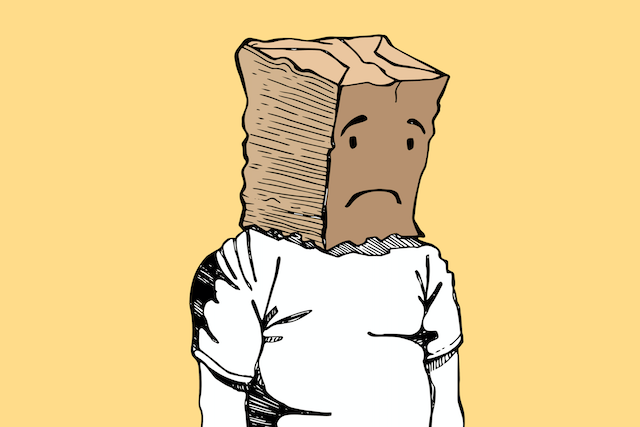
    Let me explain that.

    Usually, after experiencing the loss of a loved one, we go through a phase of grief. How we deal with death and experience grief is a very personal and subjective experience.

    I cannot outline tips for all; maybe your therapist or a mental health professional can guide you better on this.

    But, in my experience, grieving and dealing with death come with a bag full of opportunities. I don’t mean to give death a happy twist. To set the record straight, I believe death sucks.

    Losing a loved one feels like losing a part of yourself. It is a difficult, painful, deeply shaking experience that no one can prepare you for.

    However, in my experience, grieving is a process with many paths. A few common paths are:

    • I experienced losing a loved one, so I will now respect life even more.
    • I experienced losing a loved one, and it was awful, everything is awful, and I wish I was dead too.
    • I experienced losing a loved one, and I don’t know how to feel about this yet.

    I was on the third path.

    I constantly felt the need to be sad, to grieve, to lie in bed and cry all day

    But interestingly, there were also days when I felt that I needed to forget what had happened, live my life, and enjoy it as much as I could, because #YOLO (You Only Live Once).

    I felt the pressure to behave and act a certain way. Now that my dad was no more, I needed to act serious, mature, responsible. Now that my dad was no more, I needed to stop focusing on going out, partying, and taking trips with friends and instead save money, settle down, and take better care of my family’s health.

    I did not know how I was supposed to feel or to grieve.

    Then one night, the realization hit me. (Of course, all deep realizations happen during nighttime, you know it.)

    Maybe death is meaningless until I provide it a meaning—a meaning that serves me to cope, to grow, and to let go.

    After reading several books, sharing this with loved ones, talking to my therapist, and journaling about this realization for several days, I realized another significant thing.
    The process of finding meaning in death is like any other endeavor—you try several things until one works out.

    So, I laid out all possible meanings that seemed logically or emotionally sound to me.

    And here came the third great realization: Our loved ones want nothing but the best for us. Honoring yourself, investing in yourself, making yourself a better version of yourself is the best way to honor your lost loved ones.

    No matter how complicated our relationships with them were, people who genuinely loved and cared about us would want us to love and take care of ourselves.

    My dad cannot say it to prove me right on this, but I am pretty sure all he wanted was to see his family happy. See me working on myself, getting better at taking care of myself, and growing into a better human being.

    So, after this perspective shift, things became simpler.

    Now, death is no longer meaningless to me.

    My dad’s death brought me the golden realization that it’s time to upgrade myself, make myself better, and maybe implement some of his best values into my value system.

    I have reflected upon this for weeks. I have started working on this too.

    On a micro level, I am aware and conscious of how sucky death is. I saw it pretty close, but I now grasp the value of life. I am grateful for this newfound respect for life, however cliched that might sound. And on a macro level, I also know that even my death can also serve a purpose to someone’s life; it could help them ponder, reflect, and probably set things right for themselves.

    The moral of the story is that death is dark and sad but can also be beautiful. It is just a matter of perspective.

    It can be the storm that rocks your boat and makes you drown, but it can also be the light that guides you back to your purpose.

    This last section is for people who are grieving right now. I am aware that I cannot fathom what you are going through; losing a loved one is personal and subjective. But I wish to help you out in whatever little capacity I can.

    Here’s a quick list of things that are helping me. If you do decide to give these things a try, please share your experience in the comments.

    Write everything down—your memories, your frustrations, your feelings.

    Every time you think of that person, pull that thought out of your mind and put it onto the paper, even if it is just in one line. When faced with a loss, we often shut down and avoid our feelings instead of acknowledging how the trauma of losing a loved one is affecting us. Putting your feelings onto paper will help you work through them so you’re better prepared to handle the next set of challenges life has in store for you.

    Seek professional help in whatever form you can.

    Why? Because a professional is much better equipped than your friends and family. You can see a therapist and reach out to your friends for help too.

    Do what you feel more than you feel what you do.

    There will be times when you feel like doing something unexpected and fun, but once you start doing it, you will feel guilt, shame, and self-judgment. Doing what you feel like doing and not overthinking about how you are feeling while doing it allows you to let go. Read this again to understand it better.

    Keep track to remain patient.

    Grieving and getting over a loved one’s death requires a long process for many of us. It can get frustrating to constantly and consciously work on it. But if you can maintain a log of your progress— your tiny steps like making an effort to socialize, sitting with your feelings, or writing about your thoughts and sharing this with someone you trust—this can keep you aware, grounded, and patient for the long ride.

    Lastly, live your life.

    Circling back to the original theme, your loved ones just want you to be happy. So do things that make you happy. This could be as simple as getting an ice cream from the same place you used to visit together and reminiscing on the good times. Or as radical as getting your ducks in a row, showing up for that job interview, taking care of your body, joining the gym, and working on your mental health as well.

    At the end of the day (or life), we are all going to be floating in a pool of our memories, so make memories and enjoy life.

    And try finding the meaning of death. Ensure that meaning makes you rise one step above and closer to the person your loved ones imagined you to be. #YOLO

  • Are You Pathologizing Normal Emotions? It’s Not Always a Mental Illness

    Are You Pathologizing Normal Emotions? It’s Not Always a Mental Illness

    “Don’t believe everything you think.” ~Unknown

    Society is becoming more accepting of mental illness. That’s great, but there’s a downside that we need to talk about. Not everything is mental illness. We need to stop pathologizing every single thing that we feel.

    What I mean by pathologizing everything is jumping to diagnosing yourself after every tough feeling you have. It’s great to be self-aware, but I think we are taking that a little too far, and it’s causing more depression and anxiety.

    Yes, I said we are taking self-awareness too far. I stand by that, but I’ll explain the reasoning behind my belief. We are supposed to feel a range of emotions. It is normal to experience sadness, anger, irritability, anxiety, grief, or any of the feelings that exist from time to time.

    Since society is more accepting of mental health issues, we now want to label any uncomfortable feeling as mental illness. We diagnose ourselves with whatever mental illness we believe we have at the first sign of emotional pain.

    That leaves us feeling like we are so screwed up. We don’t need anything additional to make us feel like we’re screwed up! Most of us already feel this often enough as it is.

    Before you start listing all the reasons I’m wrong or how my view could be damaging, let me give you some examples. If you read them and agree, this could help you see that you and your feelings are more “normal” than you may think.

    Recently, I was talking to somebody who was in the process of buying a house for the first time. He was telling me that he was having a lot of anxiety related to the process and everything that he needed to get done.

    I could see the stress in his body and face.

    He has a history of generalized anxiety disorder, so when he feels even a little anxiety, he starts fearing that his disorder will return in full force.

    That’s a logical and valid fear. Anybody who has ever experienced clinical anxiety knows how scary it is to consider its return.

    However, he was missing something incredibly important. Buying a house, especially your first house, will always come with some “anxious-type” feelings.

    We need to learn how to normalize feelings that most people would have in the same situation. Panicking at the first sign of difficult feelings can turn those feelings into something much larger than they actually are.

    Just a couple of weeks ago, I slept twelve hours straight one night. I woke up with no energy or motivation whatsoever. I still didn’t want to get out of bed after twelve hours of sleep.

    That is incredibly abnormal for me. Typically, I wake up at about 4:00 am to write and do stuff for my other job. This gives me time to work while my family is asleep.

    That morning I woke up when my husband did, a few hours later than my normal. I told him I was just so tired and didn’t feel like doing anything, which is uncharacteristic of me.

    I felt “blah” and just wanted to stay in bed all day doing nothing. So, thirty minutes after waking up, that’s exactly what I did.

    My husband had to convince me to eat because nothing sounded good to me. I didn’t even want my normal glass of wine that evening.

    The next morning, I woke up feeling blah again and couldn’t shake it. I forced myself to function and play with my baby.

    He seemed to be feeling like me. That concerned me because he is so incredibly intuitive. I even thought maybe he was picking up on my feeling down and blah.

    When I got back in bed after lunch, I started worrying that I was depressed. From childhood and throughout my twenties, I was severely depressed. I did a lot of work to heal and haven’t had symptoms of depression in about ten years. A little bit of panic started rising with my negative self-talk.

    “What is wrong with you? Why can’t you just get out of bed? Maybe you should do some yoga instead of being so damn lazy.”

    I started telling myself that my depression was coming back, and in full force. Thankfully, I was able to put a stop to those thoughts pretty quickly.

    For some reason, my mind and body needed to rest. I just needed to allow myself to do that. Just because I was tired and didn’t feel like doing anything for a couple of days did not mean that I was depressed again.

    It was hard for me to acknowledge that I might actually have been sick, that there might have been a medical reason that I was so exhausted and didn’t feel well.

    The next morning, I went to an urgent care office. Well, what do you know? I had an ear infection in both ears and a fever, and my throat looked awful according to the nurse practitioner.

    Immediately my mind was put to rest. Major depressive disorder hadn’t reared its ugly head again. I was physically sick. My body was fighting an infection.

    For any of you who have experienced mental illness, you may also have this fear that one day it might return to say, “Hello. Remember me? I’m back!” Any time we get a hint of a difficult feeling, we jump to the conclusion that our anxiety, depression, or whatever we had is returning.

    This happened recently for a friend of mine. She has a history of major depressive disorder that plagued her for many years. She went to therapy and has been doing really well the last few years.

    She is an introvert who works in sales. Her company had a week-long meeting with all the managers and sales representatives. If you’ve ever been in sales or know somebody who has attended a company-wide meeting for several days, you know how much extroverted energy that takes.

    A few days after her meeting, she and I were on the phone. I asked her how her day was going. She told me that she just felt down and not motivated to do the things she needed to do.

    She had even scheduled an appointment with her psychiatrist for the next week to see if her medications needed to be adjusted. She was labeling herself as depressed and feeling scared.

    After we got off the phone, I started thinking about how I just didn’t think that she was depressed.

    I know her well and knew that being around a bunch of people for a week was exhausting for her, since she’s an introvert. I texted her about this and asked her if she thought her “depression” could simply be her needing to rest after having to be “on” for a week at her meetings.

    Quickly, she responded that she agreed and that it probably wasn’t her depression coming back to haunt her again. She recognized that she needed time to decompress from having been around so many people for several days.

    That’s just another example of how we pathologize feelings that are normal. We want to immediately label what we’re feeling as “wrong” or “unhealthy” and catastrophize it when it’s not actually a catastrophe. It’s often just a normal reaction to what we’ve experienced.

    It’s wonderful that society is becoming more aware and accepting of mental health and getting help. However, not everything is a symptom of mental illness. We need to stop diagnosing ourselves with mental illnesses based on social media memes or things we read or see.

    Also, we need to realize that it is perfectly normal to experience sadness and anxious feelings. That does not mean that we are suffering with mental illness.

    When we jump to diagnosing ourselves or others, we’re actually causing harm because we aren’t allowing ourselves to experience our feelings or normal things. Instead, we are trying to find a pathological reason we feel a certain way so we can eliminate it as soon as it pops up.

    That is not healthy. What is healthy is allowing ourselves to experience the feelings that come up, learning how to navigate those feelings in a healthy way, and choosing not to shame ourselves for having feelings that aren’t “positive.”

    So, the next time you’re going through a difficult time and you’re tempted to label it as mental illness or something that has to be stopped and “fixed” immediately, pause and ask yourself a few questions.

    Is this something that many people experience? If yes, then give yourself some grace and time to recover.

    Are the feelings I’m having normal based on my circumstances? If yes, then you don’t need to label them as mental illness or something that you should be gravely concerned about.

    Is this preventing me from completing the tasks I need to complete? If so, is it lasting for more than a week or two? Mental illness diagnoses require alterations from “normal” functioning.

    Have other people noticed me struggling, and are they concerned? If not, then you are probably experiencing normal feelings for the experience you’ve had.

    Use these questions as a guide and give yourself a little more grace when you have appropriate feelings and reactions to difficult experiences. Also, keep in mind that most of what you read that tells you that you have a mental illness probably isn’t truly qualified to do so.

  • Healing from Shame: How to Stop Feeling Like You’re Fundamentally Wrong

    Healing from Shame: How to Stop Feeling Like You’re Fundamentally Wrong

    “If you put shame in a petri dish, it needs three ingredients to grow exponentially: secrecy, silence, and judgment. If you put the same amount of shame in the petri dish and douse it with empathy, it can’t survive.” ~Brené Brown

    There is a special type of shame that activates within me when I am around some family members. It’s the kind of shame where I am back in my childhood body, feeling utterly wicked for being such a disaster of a human. A terrible child that is worthless, stupid, and perhaps, if I am honest, more than a touch disgusting.

    The feeling of shame in my body feels a bit like I am drowning and being pulverized from the inside at the same time. I have a deep, awful nausea too, like a literal sickness about who I am.

    In an effort to save myself from drowning in shame, I might try to ingratiate myself to the person I am talking to. Make myself sound more palatable, more decent, less dreadful. Or maybe become argumentative to try to kill the feeling in my body by drowning out the voice that seems to be activating the sensation.

    These experiences became like shame vortexes in my life. The place where my true spirit, whatever self-love or esteem I had, went to get pulverized in a pit of torment. A reminder of what a truly dreadful and disgusting person I really was.

    Families are such incredible quagmires of emotional activation. Generations of repressed emotions—of blame, shame, guilt, resentment, rage, frustration, etc.—constantly simmering, occasionally boiling up, being thrown at each other, activating more emotion.

    And yet family are often the people we yearn to receive acceptance and unconditional love from the most. But they’re often the people who find it the hardest to give it to each other.

    My journey with shame has been lengthy because, for a long time, I didn’t know how to work with it. For many years I felt like I was bumping into shame in every corner of my life. And there were many corners.

    In my work, I struggled to be seen, to be what I wanted, to do what I wanted.

    In my relationships, I struggled to relax because I was ashamed about being a pudgy woman who wasn’t wild, free, and fascinating.

    In my friendships, I was often the helpful, problem-solving friend—because to be the messy, chaotic human that I was would jeopardize who I thought my friends wanted me to be.

    In my parenting, it was overwhelming. I wasn’t a calm, healthy-eating, active, patient goddess. I was impatient and distracted, and I dreaded having to play with my kids.

    I was terrified of being rejected, resentful of feeling used by people, and scared of going nowhere in my life because perfectionism gripped me so tightly that I struggled to get started on anything.

    I see now that underpinning all of this was shame. Shame that I was getting life wrong on a number of levels, and really, I just wasn’t trying hard enough. But when I tried harder, it never worked. I would lose energy, fall apart, and then I’d want to hide alone in a room, where no one could see me.

    I didn’t even realize that it was shame. I thought I was just self-conscious, a bit shy, needing to get my act together. I was a perfectionist. I had high standards. I wanted to get things right.

    But now that I know more about emotions, I can see I was drenched in shame. Utterly drenched around this basic concept that I was doing it all wrong, and it was all my fault.

    Shame is in that desire to be invisible, to disappear, to remain unseen.

    Shame is in that desire to hide. To not be looked at. Because being looked at means people might see who we are underneath the veneer. The mask we put on.

    Shame often breeds when it becomes unsafe to be who we are, usually as little children, or when things are happening around us that we don’t understand, that don’t feel normal. When we feel we have to hide who we are or who our families are. When our parents don’t feel comfortable being who they are, there we see shame.

    The thing about shame is that we don’t realize how much of it there is around us. As Brené Brown says, it thrives in secrecy and judgment. Most people aren’t walking around saying, “Hey, look at my shame! Come see the deep, dark crevices of my soul that feel so wrong and awful.”

    Many people aren’t aware that shame is even present for them, as it hides underneath other emotions like anger, fear, or sadness.

    But even though it is hiding, even if we can’t see it, it can control our life like gravity controls us on this earth. We don’t think about gravity, but its powerful force keeps us rooted to the ground. Shame can act in a similar way, its force dictating our actions and behaviors, pulling us in directions that work for shame, but not for the authentic, free-spirited people that we yearn to be.

    Shame serves shame, and only shame. Shame doesn’t care about your desire for authenticity and for being calm, zen, peaceful, joyful, and in love with life. That sounds deeply scary and awful to shame.

    Shame wants us to stay small, to stay hidden, and to be inauthentic. That sounds way safer.

    It doesn’t want us to leap up and say, “Look at me! Look at me as an individual, doing things that are new and wonderful!”

    It doesn’t want us to be free and happy and full of love and light.

    It wants to keep us safe by reminding us how terribly awful we really are.

    Shame is at the root of so many things that plague us—a lack of intimacy in our relationships, an inability to go for what we want in life and have relaxed, authentic friendships, and a sense of stuckness in work.

    It can come out as a sense of persistently feeling rejected, drowning in deep wells of inadequacy, lashing out in anger as a way to hide the shame response, or hiding behind crippling shyness or social anxiety.

    Shame is your worst nightmare talking to you all the time about the ever-present list of limitations in your life.

    Shame is your worst critic analyzing your performance in all things.

    The reason shame feels so horrendous is that it’s not like guilt, which induces feelings about what we’ve done wrong. Shame is so much more pervasive than that. Shame is a feeling that we ourselves are wrong.

    To experience shame is a tremendously reducing experience

    How do we get rid of shame? Well, it’s not something that is quick to shift. It’s a process, and it takes time and emotional safety.

    Emotional safety is an awareness in our bodies, brains, and nervous systems that it is safe to have an emotion. Many of us don’t have emotional safety, so we run, hide, suppress, ignore, and distract ourselves or try to propel ourselves in any way away from an emotion. Many of us learned at a young age that certain emotions are not safe, and shame is usually one of them.

    But to work with shame, to reduce its presence in our bodies and our lives, we need to bring it to the light. We need to expose it to love, acceptance, and empathy. Bit by bit, little by little.

    One effective way to do that is to share little bits of our shame with our most trusted and loved people. Once the shame comes out, it’s out! We are free of it.

    We talk about our shame only with people we feel utterly safe with. We don’t talk to people we don’t feel safe with. Not the stranger on the bus, the friend who gossips to everyone, or your blind date.

    You only give people access to your shame if they have shown you that they are completely responsible with your trust; if you can tell them things and they won’t blame or judge you (which is a re-shaming experience). They come with empathy, acceptance, and love.

    They are honored that you would share your deepest secrets with them. They are prepared for the responsibility that that entails.

    And if we don’t have a person like that in our life? Sometimes when we have so much shame it can be hard to form these types of intimate, vulnerable, and trusting relationships. Shame wants to keep us apart, and separate. That’s how it keeps us alive and safe, by never showing anyone who we really are. Because probably once, long ago, we learned that being ourselves wasn’t safe. And so we chose a safer path—to hide.

    So while we work on shame, we can start this journey with ourselves. Talk to ourselves about what we find when we think about our shame. Have tender, generous, and loving conversations with ourselves. Write or record remembrances.

    And we do this when we know we can be empathic with ourselves.

    Because we all know those conversations when we are down in the depths of shame and we talk to ourselves and make it so much worse—we add more shame, more judgment, more guilt.

    “Why did I do that? Why did I sleep with that guy / not show up for work / send that client brief in late? I know why—because I am such a loser. I always do stupid stuff like this. Always.”

    That’s not an empathetic conversation.

    Shame breeds in conversations like that.

    Shame needs this:

    “Why did I do that! I can’t believe it! Oh wow, now that I think about it, I am feeling ashamed that I slept with that guy / didn’t show up for work / was late with that client brief. And this shame really hurts. So you know what, shame? I am going to stay with you, give you some love, some support, some tenderness, because wow, shame. That’s so painful.”

    We can’t de-shame ourselves by constantly re-shaming ourselves.

    We can’t remove shame by improving either. By doing more things, becoming better incarnations of the humans we are. We can only remove shame with empathy, love, acceptance, and connection.

    That is a pill we have to be willing to swallow. That we are worthy of empathy, love, connection, and acceptance.

    We have to start ignoring what the shame is telling us.

    Shame’s advice is that we should just spend the rest of our lives trying to become better humans. But let’s be honest, we’ve followed that advice our whole lives, and look where it’s gotten us—deeper in the shame well.

    So how about instead of castigating ourselves on a constant basis, we try to interrupt our shame spirals with a bit of love and empathy instead?

    How about we decide that maybe it’s just a feeling, and not an indication of a deep flaw in who we are as humans? How about we try out not whipping ourselves for every small transgression.

    Taking a step toward loving ourselves means working with the vicious, judgmental, potent force of shame.

    But it’s work that can be done. It’s completely possible, and I know because I have drained a ton of shame from my body these past few years.

    We need to not abandon ourselves when we are in shame. We need to take a little tiny bit at a time, just a touch, and bring it out into the light. Share with someone, with ourselves, become familiar with it, look at it, feel it, touch it—and hear it.

    We need to bring love and support to our shame. Bring acceptance and understanding.

    That is what our shame is yearning for, and when we shift our way of seeing it, we can start to shift the power it has over our lives.

  • The Chaos of Life After Loss and the Love That Never Dies

    The Chaos of Life After Loss and the Love That Never Dies

    “We need to grieve the ones we’ve lost—not to sustain our connection to suffering, but to sustain our connection to love.” ~Jennifer Williamson

    Ken was only forty-seven years old when he met his untimely death.

    It was surreal, my brother-in-law was gone from our physical world.

    As a family, we felt the motions moving through the initial telephone call summoning us to the hospital to the time we surrounded him as he took his last breath. It was if we were all caught between two worlds, one of cruel reality and one of complete disbelief. You read about it happening to other people, not to us.

    My chest felt like a dense, cold stone had been dropped abruptly on it aimed at my heart after hearing those words hit my ears: “He’s not going to make it…”

    When it’s your family lying in the wake of such a painful experience, you soon realize the profound effect that death has. It causes an enormous ripple in all our lives that reaches out for miles, days, weeks, and years.

    It’s such a deep wound for an entire community that surrounded him—his young family left behind, extended family at work, concert traveling buddies, camping friends, and countless other people who enjoyed his presence.

    Ken embraced fun, passion, and laughter, whether he was tearing up the dance floor, creating his culinary signature dishes for our family gatherings, harvesting his perfect tomatoes, or taking pictures of his lovely wife, kids, and all their adventures with his “fancy camera”. Ken was such an amazing soul that brought light wherever he shone.

    A fall down a set of stairs changed our world completely. Ken suffered multiple bruises on the front and back of his brain as well as a significant fracture to the base of his skull. Black circles surrounded his eyes that look liked two large shiners. Contusions littered his arms and head.

    The next week was steady but slow progress. His alertness grew and conscious awareness slowly trickled back. A conversation with the physician’s assistant was frank. Despite the best-case scenario, it would be a long recovery.

    Questions loomed in the back of our minds. If he recovers, will our Ken ever be whole again? What challenges will this new version of himself present for our family?

    It was clear that Ken would more than likely suffer from cognitive behavior issues associated with a traumatic brain injury. While in the hospital, some of his behavior was unusual but typical of a patient with his condition and prognosis. Initially, he had to be restrained to ensure he wouldn’t pull out his vital monitors or attempt to leave the hospital.

    Eventually, he became calmer and more stable. A couple of days before he died was the last time my husband and I saw him smile and laugh again. A little of Ken was still in there, and it gave us hope.

    We soon learned that brain injuries are unpredictable. Twelve days in and without warning, Ken suffered a massive stroke. The night before, he sat and watched the Jets hockey game with his son and wife. The next morning changed everything.

    The nurse found him unresponsive. The doctors advised us that they would have to place Ken into a medically induced coma for three days.

    The next morning our immediate family was summoned to the ICU. For reasons unknown, the pressure on his brain suddenly escalated. Medical intervention could not save him. Ken would have to be taken off life support. The doctors ensured us that he would pass peacefully.

    All our family rushed to be by his side for his last moments. That day was the toughest day of my life. I witnessed the life leave his body as his skin turned from a beigy pink hue to a flush of gray in an instant when death gently urged life to leave him. We said goodbye to Ken as he took his last breath on this earth.

    The hospital was a stark reminder of the gravity of our situation. Patients and families in intensive care. The noises of the machines and sight of numerous tubes. The nurses and doctors. Conversations and updates. Decisions. Sandpaper Kleenex from the waiting room. The beeps and syringes. It was so much to soak in with your eyes and ears.

    The hospital is not a pleasant and serene place to die. It was out of medical necessity. For his children’s sake, it was a bitter lesson of mortality. There was no real goodbye. Memories of their father motionless, tubes parading from his body surrounded by an army of machines. My heart sank for them. It was their dad’s final moment of life, and unfortunately death doesn’t let us choose our departure.

    The next day after he had passed, we gathered at my mother-in-law’s house. A service needed to be planned. Food was ordered, notice in the paper submitted, cremation arrangements and so many other details were handled in a few short hours. A celebration of life at the local community center, where my husband’s family grew up.

    Simple and incredibly warm would be his final goodbye to everyone. It told a story of his passionate essence that was his life. There was an incredible outpouring of support by those that attended and were touched by Ken’s being.

    A collection of Ken’s favorite things and pictures of precious moments throughout his life was on display. His fishing rod, lures made from his daughter’s nail polish, guitar, sport jerseys, and the leg lamp Christmas Story movie lights I gave him for his birthday, among other things, were included.

    Ken’s wife gave the eulogy (the only speech), and it was moving. He was the love of her life since she was eighteen years old, father of her children, and the guy that was supposed to be alongside her till they were both old and grey.

    Despite the sorrow, she spoke of the time they had and her gratitude for having found her soul mate. I was held back by the shimmer she refused to let go, despite the world she knew was crumbling all around her. I expected that the service would provide some closure, but despite the reality growing around his death, it made it harder to accept that he was really gone.

    The wave of responsibilities in the aftermath of death is overwhelming. It is astonishing the volume of family and friends that contacted my sister-in-law, his mother and father, my husband. It left little time to feel lonely let alone mourn. Constant phone calls, food deliveries, visits.

    My sister-in-law knew that it was an unavoidable truth to the whole situation. People mean well; it’s the process that follows that is daunting. Paperwork, death certificate, cremation, insurance, calling the kids’ schools, and all the little things tacked on create an enormous to-do list.

    You steadily move without pausing and push through during the most profoundly impacting moment of your life. I’m still amazed at how well she pulled it all together. I knew in my heart she wanted to just collapse once all of this chaos settled. Once the mayhem calmed, the mounting grief would follow in its footsteps.

    I watched my family fall apart and try to make sense of it all. The cruelty of holding onto the idea of someone that once was. Hope heartlessly taken abruptly away from us.

    It wasn’t just his death alone; it was the rollercoaster of preceding events in the hospital that would damage us. Desperately holding onto the side of a boat without paddles, helplessly letting the river take us down its path etched into the earth. It is futile to stop it, you have to let it to carry you along its rough waters till they are calm once again. Like the river, living is really just control relinquished. It was never our duty to try and harness it.

    The heavy gravity of loss and pain we all felt was slightly dissipated as we reminisced about Ken. Our faces would be painted with smiles amid a round of laughter as we fondly remembered his antics and told stories amongst ourselves.

    We would be delicately reminded of how much we love him and his incredible passion for living. Death may take our physical being, but his memory and energy will live on within each of us.

    Grief and love are so intimately intertwined. Without grieving we would never know love so deeply. It’s the beauty of love and sorrow twirling around us in this constant dance we call life. I realized that our hearts are meant to be broken only to be reborn and rise time and time again.

  • 5 Important Life Skills I Learned in Grief After My Husband Died

    5 Important Life Skills I Learned in Grief After My Husband Died

    “Sit with it. Sit with it. Sit with it. Sit with it. Even though you want to run. Even when it’s heavy and difficult. Even though you’re not quite sure of the way through. Healing happens by feeling.” ~Dr. Rebecca Ray

    When my husband died from terminal brain cancer in 2014, I learned all about deep grief. The kind of grief that plunges you into a valley of pain so vast it takes years to claw your way out. In the beginning, I didn’t want to deal with grief because the pain was too intense. So, I dodged grief and circled around the pit of despair, trying to outrun or outwit it.

    My biggest grief fault was imagining an end. In my naiveté I figured I’d reach a point where I could wash my hands of it and claim, “Whew, I’m done!” But that’s not how grief and living with monumental loss works.

    Grief doesn’t like to be ignored. The hardest lesson for any griever is learning that grief never goes away. You just figure out how to make room for it.

    A few years after my husband died, I kept seeing the quote “what you resist persists.” It was like grief sending me a message to stop running and pay attention.

    This message reached me at a critical time because I was exhausted from avoiding the pain, so I decided to let myself feel the sadness and see what happened instead. I stopped asking, why me? and started asking, what am I supposed to learn from this? Instead of evading grief, which was too grueling anyway, I let grief teach me what I needed to know.

    Much to my surprise, amid the discomfort and sorrow and suffering, I learned a whole new way of living.

    I didn’t realize I was morphing into a new, more self-actualized me because it’s hard to see the changes happening in real time. You can’t possibly appreciate your progress until you look back at how far you’ve come.

    With the benefit of hindsight, I can see how grief’s guidance taught me the following important life skills I never would have learned without it.

    How to Accept My Feelings

    Prior to my husband’s death, I didn’t have time to feel my feelings. I kept busy with distractions, and whenever a tsunami of emotion surrounded me, I shut down.

    The mistake I used to make was thinking my emotions meant something about me as a person. I convinced myself that sadness meant I was weak, and I couldn’t possibly be healing if I still cried over my husband’s death years later. I thought, I must be an angry person because I get angry so often, or something must be wrong with me because I feel overly judgmental sometimes.

    Because grief brings with it a whole slew of emotions, it forced me to get better at feeling everything. With practice, I started naming my emotions, and I uncovered what I was feeling and why. Instead of labeling my feelings as good or bad, I accepted them as nothing more than the brief emotional surges they are.

    I took a deep dive into all the self-help guides I could find to determine that every emotion has its place. We feel things so we can process what’s happening in our lives, learn from it, and eventually express its meaning. None of my feelings were better or worse than the others. None of them meant anything about my healing or how well I coped.

    I learned I’m not an angry person, I’m just a person who occasionally feels anger. I’m not a judgmental person, I just feel judgmental sometimes. And sadness doesn’t mean I’m weak. It means I’m a human being experiencing a human emotion.

    It took me a while to believe that my feelings were nothing more than blips on the radar screen of my human existence. If it weren’t for grief, I might not have uncovered the secret to accepting all my feelings –they mean nothing about me as a person.

    If I’m being honest, I still get angry way more than I want to. But I don’t keep busy with distractions anymore. I feel my feelings when they come up, let them pass through and thank them for giving me an opportunity to understand myself on a deeper level.

    How to Be More Vulnerable

    In the past, I rarely admitted when I made mistake, when someone hurt me, or when I was afraid. As far back as I can remember, people viewed me as strong, brave, and determined because that’s what I portrayed. Few people ever saw the anxious, disappointed, or terrified side of me.

    So, it was no surprise after my husband died, when card after card poured in with the same sentiment: “I’m so sorry for your loss. But I know how strong you are. If anyone can get through this devastation, you can.”

    It comforted people to think I was “strong” enough to endure my loss. As if “strong” people grieved less than their more fragile counterparts. But their condolences were of little comfort to me after I learned a very basic principle of grief; it doesn’t discriminate. It tests the mettle of everyone’s soul.

    Grief forced me to expose myself emotionally. I had to show my vulnerable side because fear took over and I didn’t know how to conceal it anymore. It seeped out of my pores

    The upside of exposing my vulnerability was building deeper, more authentic relationships. I never knew how much people craved to see the real me until I noticed a favorable shift in my personal connections after I admitted my fear, shame, and regret. When I was honest about the intense stress of grief and the toll it took on me, others trusted me with their innermost secrets too.

    I much prefer letting others in now. I never want to go back to keeping people at arm’s length and pretending to be someone I’m not. I did a grave disservice to myself by appearing so aloof for so long. Before my husband died, I got away with it. After he died, there was nowhere left to hide.

    I’m not afraid of being afraid anymore. I can readily admit now when I’m scared. I also admit that I cry and break down and throw an occasional temper tantrum when life gets to be too much.

    If it wasn’t for grief, I would’ve never known the benefit of letting others see the real me.

    How to Ask for Help

    As a person who avoided feelings and shunned vulnerability, I never knew how to ask for help. Not that I didn’t need help. I just hated asking because I assumed people would say yes when they secretly wanted to say no.

    I didn’t want to be a burden on anyone.

    After my husband died, I needed help with lawn maintenance, household repairs and childcare, among other things. I realized quickly I couldn’t do it all on my own and it took everything I had in me to ask for help because it was such a foreign concept.

    One of the biggest things I learned on my grief journey is that healing requires honesty. And honesty requires practice. When people said, “let me know what you need” I understood what they really meant was, “I have no idea what to do! I feel so helpless and I’m begging you to please just tell me what you need, and I’ll do it!” People aren’t mind-readers, so I practiced being as honest and explicit as I could.

    It took me a while to get good at asking for help. But I appreciate how wonderful it is for the person on the receiving end to get specific instructions. People want to help and now I let them.

    My healing heart and relationships have vastly improved by implementing this one simple change.

    How to Settle in with Uncertainty

    I used to think I controlled the universe—until my husband died. Control is an illusion, and that truth smacked me upside the head the day his doctor diagnosed him with terminal cancer.

    I’ve never liked uncertainty. I’m not a spontaneous person. My world works better when I know what’s going on and no one has any surprises up his or her sleeve. But after my husband’s diagnosis, we lived each day with uncertainty because we knew for sure he would die from his disease—we just didn’t know when.

    The twelve months between his diagnosis and death were pure torture. However, we settled in with uncertainty anyway because we had no choice. Instead of focusing on the when of the future, we made the most of the present.

    After he died, I learned that grief and uncertainty go hand in hand. When you’re grieving, you don’t know what emotional wave will hit you from day to day. You go through life without the security of knowing what will happen next because something terrible already happened and it could happen again. And you can’t control it. This is both a blessing and a curse.

    The curse is the uncertainty, of course, but the blessing is you get to take the responsibility of the world off your shoulders. You surrender because you understand you were never in charge, anyway.

    Now, I welcome the peace of surrender and not knowing. I discovered it’s easier to live in the moment instead of focusing on things outside of my control. Talk about lifting an enormous burden! I ride the emotional waves as they come and remind myself to stop forcing things and just let them be.

    Whenever the control urge starts to churn and makes me think I have a chance to influence an outcome, I imagine my husband tapping me on the shoulder and whispering, “remember how we used to surrender? Please do that with me until this feeling passes.”

    How to Allow Others to Have Their Own Feelings

    When I got better at feeling my feelings, allowing vulnerability, and settling in with uncertainty, I also learned one of the most important life skills—how to let other people have their own feelings, too.

    Because I know I’m not in charge and I don’t control the Universe, I know I can’t control what other people think or feel either. If grief has taught me anything, it’s that everyone has their own way of doing things and thinking about things and expressing their feelings about things. And none of it means anything about me.

    I used to get upset when someone else was upset or get offended if someone else offended me. I tried to fix people and things to make everyone happy because I thought it was my responsibility to help others live in harmony.

    Death put the kibosh on that distorted way of living.

    I no longer had the time or inclination to teach everyone how to live in harmony because my world was one breath away from potential collapse. I had to concentrate on myself. When I focused on getting my mind right, making peace with grief, and learning how to handle my feelings, I understood it was an inside job. No one else could do it for me. And I couldn’t or shouldn’t try to do that for anyone else. Everyone comes from their own level of understanding about themselves and the world.

    It took me a long time to understand this because it took me a long time to understand me.

    Now I don’t pretend to know what or how or why someone else should think or feel a certain way. When other people tell me how they feel, I believe them.

    It’s not my job to try and change someone else’s feelings any more than it’s their job to try and change mine.

    The Way It Is Today

    I don’t wish my monumental loss on anyone, but looking back now, I see how my crooked, confusing, and soul-crushing path taught me essential life skills I wouldn’t have learned otherwise.

    Even though I’ve had my fair share of hard days and months and years, I became a more compassionate and considerate person with grief’s guidance. I changed my worldview because pain changed me. And these days, I surrender to what is instead of trying to change circumstances outside of me.

    It’s only after spending time with your pain that you develop an understanding of its purpose. I never thought I’d find an upside to grief because I thought grief was all about death. But I found out that grief teaches you about more than just death and surviving loss.

    It teaches you how to live.

  • Dear Mom and Dad, Thank You for the Years of Trauma

    Dear Mom and Dad, Thank You for the Years of Trauma

    “When you finally learn that a person’s behavior has more to do with their own internal struggle than you, you learn grace.” ~Allison Aars

    I’m writing this to say thank you for the trauma you caused me since I was born. You might be thinking that I’m being sarcastic, but that’s far from the truth.

    Let me explain why I have such gratitude for the pain and trauma you created in my life. Also, please understand that I forgive you.

    Dad, I want to start with you because you’re no longer living. I know you’re now able to see the pain you caused.

    When I witnessed the violence between you and mom, it caused years of anxiety and depression. I was no longer able to have friends at our house for fear violence and your drunken, angry rages might happen again.

    That caused me difficulty in making friends, and that stayed with me for many years. It also taught me to pretend everything was okay and that we had a “good” family. I learned to live a lie.

    Your depression made me believe there was something wrong with me. I thought I was the reason you rarely wanted to be around us. I falsely learned I was unlovable.

    Your portrayal of being the victim in all of life’s situations taught me that others are always to blame for anything that goes wrong in life. Your self-hatred taught me to hate myself too.

    The explosions of anger taught me that’s how you handle life. For years, I blew up on people when I was angry, then pretended it never happened. That cost me romantic and friend relationships for many years.

    The embarrassment of your drunk episodes in public caused me a tremendous amount of shame. Not until I got much older, did I realize I shouldn’t be ashamed of something I had no control over.

    Your absence throughout my teenage years resulted in seeking negative, unhealthy attention from men. When you attempted a return in my early twenties, you shamed me for being emotionally and physically scared of you.

    Every new friendship or romantic relationship I had brought such dread. I knew at some point I’d be asked about my family.

    Since I was emotionally unhealthy, I attracted unhealthy people. So, explaining how my alcoholic father wasn’t in my life was never received well.

    The shame I had was only increased as I was told, “that’s your father. You should forgive him. Let him be in your life.”

    Oh, how that brings up such sadness. I think about all the times I attempted to reconnect with you throughout my twenties. Each time I had high hopes that you’d changed, only to be let down further each time.

    To say I had “Daddy Issues” was putting it lightly. Those “Daddy Issues” showed up in very harmful ways. I struggled with men in authority in work environments because of you. I don’t even have to mention again how much you affected my dating life.

    Now, it’s time to address Mom and the trauma she caused. Also, I’m going to tell you how the two of you as a unit, also caused a lot of my trauma.

    Mom, I have so much to say about the deep, emotional pain you caused and continue to cause. I used to think many of my struggles were a result of Dad. The older I get, the more I realize you’re responsible for more of my pain than Dad ever was.

    Since I was just talking about the trauma Dad caused me, let’s talk about how you handled that. You taught me to pretend bad things never happened. Pretend everything is okay and no matter what, never talk about it.

    The fear, shame, depression, and anxiety that caused was more than any child should ever endure. Not only that, but when I told you I was depressed as a young teen, you belittled me. Your response was that I had nothing to be depressed about and “to get over myself.”

    All of that was incredibly painful, but there’s much more. Your inability to love me and show me affection was the biggest pain of all. Still to this day, even after having done so much healing, I’m still uncomfortable if somebody tries to hug me, other than my husband or baby.

    You taught me to never show others that life is hard. Instead, act like we have a good life and that we’re the perfect family. I cringe just even typing that because it’s far from the truth.

    As you know, because I’ve told you many times, marrying the man you chose after the divorce was also incredibly traumatic. Your happiness was your priority, not me.

    I was a teenager. I still needed my mom, even though we had our issues. It appeared that I was tossed aside for him. You gave up on me. I was free to do anything I wanted to do because you were occupied with him.

    I thought that was so much fun. Looking back, I realize how unhealthy and out of control I was. I had no rules and could do anything I wanted, and I did.

    I’m still amazed that you married another alcoholic, but you refuse to acknowledge that. On top of that, he despises me and your entire family. I still remember having to load my little nieces up in their pajamas with no shoes to escape one of his childish tantrums aimed at them.

    I could go on about my major life events you chose to miss because of him. As I mentioned, he made it clear that he hated me. I even remember you saying, “If you ever make me choose between him or you, I will always choose him.”

    That still brings such sadness and pain. Being a mother now, I can’t imagine any circumstance where I’d choose anybody over my child. However, I see how different we are.

    Mom and Dad, it’s now time to talk about how your unhealthy, dysfunctional marriage caused such pain. I never saw love between you.

    What I saw was the two of you growing further and further away from each other. I saw that neither of you attempted any healing or got me help for the trauma you created.

    Instead, we were supposed to ignore all the bad stuff. Never talk about it, no matter what. When I attempted to talk about my struggles and feelings, I was labeled as “dramatic” and “ridiculous.”

    Healthy love and healthy relationships are two of the most important things parents should teach their children. Yes, I’m aware that very few parents actually do that.

    That gets me to the gratitude I have for you both. The trauma you created is something in which I’ll forever be thankful.

    Yes, you wouldn’t think that based on all that I have written thus far. I’m just asking that you bear with me.

    For years, I was an angry person and mad at the world. Underneath that anger was depression and a belief that I was unlovable, not good enough for anything.

    Due to my childhood trauma, I needed deep healing and years of therapy. I started that in my late twenties.

    That process took me several long, hard years. I’m so grateful for the pain you caused. Also, your never getting help gave me guidance in how to do things differently.

    The generational trauma has stopped with me. I will not pass on the behaviors that you both taught me.

    As I continue my healing work, I can easily see the pain that both of you endured. I know that pain resulted in your hurting me. So, I’ll address you both individually for that.

    Dad, I have such love and compassion for you. I know your father was an incredibly abusive alcoholic. He put so much of his not good enough stuff, those feelings of never being good enough, on you, which left you swimming in your insecurities.

    I am pretty certain that your father hated himself. That’s probably how you learned to hate yourself, as I did from you.

    When I think about your true soul identity, I see a soul with such love. Your true soul was kind and loving.

    I remember you driving a girl home on my soccer team that you coached. It was always seemed odd that you dropped me off at home before taking her home.

    Now, I know why. She lived in a dangerous area for us to be in, especially at night. The only way she could play soccer was if she had transportation.

    You risked yourself driving her home but made sure I was safe. I know I have your loving nature. I love that about myself.

    The reason you were an alcoholic was your own childhood. Sadly, you didn’t learn a better way. You repeated what you were shown.

    It may seem odd but thank you for the life you chose resulting in my “daddy issues.” That was a beautiful gift that I needed.

    Without that, I wouldn’t have married a loving, emotionally healthy man. Also, I wouldn’t have started my healing journey. Self-love would’ve never existed.

    As for the childhood trauma you had, I know now you’re at peace. I know you’re proud of what I’m doing in life to heal the generational trauma you left and helping others do the same with my work. Just know the generational trauma will not continue.

    Mom, it’s taken a lot more time to have gratitude for the emotional pain you caused. That’s probably because that pain is more recent and still occurs.

    However, I now see the reasons you did all you did and continue to do. Acknowledging reality would be too much for you. You would crumble.

    Also, I’m aware that your mother was unable to nurture and show you affection. You truly didn’t know how to love me in a healthy way.

    I know that you’re not well emotionally. For that, I have such love and compassion. I’ve been there. It’s miserable.

    Mom, I also know that you were taught that your image was the most important thing in life. Your behaviors to “protect” your image were simply your way of trying to prove to yourself and others that you were happy.

    Due to the trauma, I had from both of you, I was able to learn how to create a life I truly love. Seeing both of you being so miserable showed me that I wanted more for myself.

    The pain you two caused resulted in many beautiful things for me. The two things I’m most proud of in my life are results of learning to do things in a different way than I was shown.

    Finding an emotionally available, loving, supportive husband was one of my biggest struggles. Fortunately, you two gave me a blueprint for what I didn’t want.

    Many people follow in their parents’ footsteps when choosing a partner. Since the two of you showed me how an unhealthy marriage can destroy your life, I did a lot of healing before deciding to marry.

    My gratitude for the emotional pain I endured from you two, led me to a promise to myself. I’d never have a child until I was in a good place with the ability to be a loving, nurturing, emotionally available mother.

    Without that pain, I’d have never known how to meet my child’s emotional needs. There would’ve been no knowledge of what my baby needs from me.

    For me, that’s the most beautiful gift you could have given me. Raising a baby who experiences unconditional love, acceptance and nurturing ends that generational trauma.

    Yes, there are times where intense sadness and anger still pop up. However, I’ll continue to do my healing work that allows me to come back to this place of gratitude for you both.

    So, hopefully you both see how much love and gratitude I have for you. At your soul levels, I know you have love for me. Showing that was not easy for either of you. Being lost in your own traumas meant you had no clue how to heal.

    I truly thank you for creating the pain that led me to this beautiful life. Not only was I able to heal, but I’m now able to pass that on to the world through the work I do and raising my baby.

    It’s taken me many years to say and truly mean this, but I wish you both peace and love. You both deserve that.

    I know that neither of you intentionally caused me such pain. Also, apologies aren’t something either of you’ve ever been capable of giving.

    That’s okay. Again, I know your own trauma prevents that. I forgive you anyway.

    In conclusion, I love you both. Thank you for all you put me through because I now have a wonderful, happy life. That’s not something many can say.

    Thank you for the hard lessons. Thank you for creating me. Thank you for being who you were or weren’t to me.

    That was needed for me to now sit here with love in my heart for you. Forgiveness and gratitude are two things you both deserve.

    Love,

    Mary Beth

  • Why I Blamed Myself for My Ex’s Suicide (and Why It’s Not My Fault)

    Why I Blamed Myself for My Ex’s Suicide (and Why It’s Not My Fault)

    “No amount of guilt can change the past and no amount of worrying can change the future.” ~Umar Ibn Al Khattab

    I don’t remember the exact day the message came through. It was from my son, Julian, and he needed to talk to me. It sounded pretty serious. He never really needs to talk to me.

    His father was found dead earlier that week. He’d hung himself.

    While this news hardly affected Julian at all, it hit me like a ton of bricks, and I cried.

    Our Marriage

    We met in a taxi thirty-three years ago. He was the driver, I was a drunk passenger. He was super handsome and flirty. He brought me home, and we exchanged numbers and instantly began a relationship.

    Within six months of dating, I found out I was pregnant. Since I didn’t want to be an unwed mother, we were married within a month and began our lives. We both had good jobs. I worked at a bank, he was an HVAC technician. Life was pretty good in the beginning.

    Then his job took us to a different city. We moved and for the first time in my life, I was alone with no friends and no family. I was twenty-six years old. Our marriage was okay, and we got along well.

    About six months after we moved to this new city, he started coming home later and later from work, some nights not until 2am. He always told me he had to work late. I believed him. He was on call a lot. I was home alone a lot.

    A few months later I made the decision to return to our hometown. He was to find a job there, which wouldn’t be hard. I didn’t want to be alone in this big city anymore, and I was just about to give birth. I wanted my family around.

    Life After Our Move

    We stayed at my parents’ house when we returned, and within a month had found our own apartment.

    He found a job almost instantly, and I delivered Julian two days after we got home. Life was going well.

    About a year into our lives with the baby, things started to get bad. He was out “working late” an awful lot. He would come home around two or three in the morning, smelling of alcohol. By the time Julian was eighteen months I had had enough and asked him to leave. This wasn’t the life I wanted for my son.

    He moved out and for the next six months, my life was a living hell. He would come over drunk at night, force sex on me, threaten to take my baby away from me, threaten to kill us both. He threatened me almost daily. Many nights I’d stay at a friend’s house just to feel safe. Many times the police were called.

    He finally moved out of province, and it was years before we heard from him again.

    The Divorce Agreement

    The day had come to file for divorce and put this whole marriage nightmare behind me. I filed for sole custody with no visitation allowed to him. He was unstable, dangerous, and violent, and I was not taking any chances with my son. The fact that he lived far enough away was my saving grace.

    Also stated in the divorce agreement was no child support payments. I wanted to completely cut all ties with this man. So I did just that.

    Twelve Years Later

    It may have been longer, maybe thirteen or fourteen years later, we received a package from him via his brother. It was sent to Julian. A picture of himself and a silver chain with a St. Christopher pendant.

    It meant nothing to Julian. He didn’t even know who this person was. I questioned his gesture. Was he trying to make amends? Was he trying to prove that maybe he’d changed and he wanted to start a relationship with his son?

    I never got the answer to any of those questions. He never reached out again after that.

    When my son moved away to university, he lived only a couple of hours away from his father. He made an attempt through his uncle to maybe meet up with his dad, but his dad wasn’t interested and declined the offer.

    And life simply carried on.

    Every now and then, throughout the years, Julian’s uncle would update us on what his father was doing and how he was doing. It seemed alcohol and depression were major parts of his life.

    I couldn’t help but feel responsible for this.

    Was he depressed because I took his only child away from him? Was this my fault? Whenever we got another update, I just felt guilty. Did I do this to him?

    The Call

    When I got the call, I was in complete shock. I had no idea his depression was that bad. How would I have known? Were there other factors that played a part in his suicide? Or was it just years of anguish knowing he had a son who was never a part of his life… because of me?

    Could this have been prevented if his son had been a part of his life? Did I do this??

    I cried for a week. I had never felt so much sorrow, and guilt. SO much guilt. Was I responsible for someone’s suicide?

    Dealing with My Grief and Guilt

    It took me a while to wrap my head around his suicide. It also took me a while to convince myself I was not responsible for it, nor should I feel guilty about it. I didn’t talk to anyone about this. No one would understand my feelings, and they were hard to explain.

    I realized, though, that he had been battling demons that had nothing to do with me. I made the best choice for my son, and that was the most important thing to me.

    He had made his choices as well. And I had nothing to do with them. Me not allowing him any visitation to his son was a result of his actions and choices. He chose his behavior. Not me. I chose to not have his behavior damage my child.

    I had to talk myself through that. It’s not your fault, Iva. He could have chosen to change his life, improve his life, reach out to his son more often, anything. And he chose not to.

    It’s not your fault, Iva.

    There is a tiny part of me inside that wishes things would have been different. If only he got help for his depression and alcoholism. If only he could have been a part of Julian’s life. If only he could have tried to help himself.

    I’m sorry his life ended so tragically. I’ll always feel sorry for that. But I won’t feel guilty about it anymore.

    It’s Not Our Fault

    It’s so easy to take responsibility for a loved one’s suicide, especially when you set a hard boundary for your own well-being. “If only I had done this or done that” or “if only I would have not done that,” but the reality is, it’s not our fault.

    We are not in control of how people think, act, react, or live their lives. We can only control our own lives. What people do with their own life is out of our hands. We can offer them tools and help, but it’s up to them to accept it and/or use it.

    If they don’t, that’s not our fault either. It’s easy to think that we should have/could have done more, but we did as much as we could. The rest was up to them.

  • Forbidden Emotions: The Feelings We Suppress and Why They’re Not Bad

    Forbidden Emotions: The Feelings We Suppress and Why They’re Not Bad

    “The truth is that there is no such thing as a negative emotion. Emotions only become ‘bad’ and have a negative effect on us when they are suppressed, denied, or unexpressed.” ~Colin Tipping

    Emotions are constantly and powerfully guiding our lives, even when we are not aware of them, even when we do not feel them or are convinced that we can exclude them from our experiences.

    Emotions give us precious, sometimes indispensable information about what is best for us, about the best choices we can make, about how to behave. They give us information that we often do not listen to because we devalue them or simply because we have not learned to identify or understand them.

    In many families, however, some emotions are forbidden.

    Without even realizing it, some parents naturally teach their children not to feel certain emotions. Growing up, were you told “Don’t be angry!”, “Don’t cry!”, or “You are just a child, you shouldn’t feel sad”? Or you were criticized after expressing a certain emotion?

    If so, you learned from your childhood that the specific emotion—the forbidden emotion—was dangerous, inappropriate, and disapproved of.

    As you grew up, you perfected the art of excluding it from your emotional repertoire to the extent that today you might be referred to, for example, as someone who never gets angry or never cries, and so on. Parents can massively influence their children’s mindset, and if trauma from childhood is not healed, we carry it with us into adulthood. We are like children wearing adult suits.

    If you think about how you feel when you get triggered, do you recognize that your reactions might be similar to how you used to react when you were a child? I recognized it in myself, especially since making the decision to finally listen to my emotions years ago.

    I grew up having my emotions dismissed on a daily basis. Feeling sad, anxious, or angry was forbidden in my family life. But those feelings didn’t go away, they kept piling up until I couldn’t take it anymore.

    I remember one time when I was a child, I had a difficult day at school because my usual bully was mean to me. When I went home, I wanted to vent about what had happened to my parents, as I was feeling sad and anxious. I wanted to be heard and understood, but most of all I wanted to be able to express my feelings freely so that I could find some level of comfort.

    The words I was told in that very moment were “Don’t worry about it, it’s not that bad,” “Stop feeling anxious,” and ‘You will be fine.” Not being heard as a child, especially on that occasion, instilled the belief in me that I wasn’t worthy of being listened to, and unfortunately the feeling of anxiety stayed with me over the years that followed.

    As I got older, I felt guilty every time I felt sad or anxious and tried to suppress those feelings, like I was taught. For example, in my early twenties, one of my dearest friends decided to end her life. She was young, and there had been no apparent signs of her deep unhappiness and the desire to not be in this world anymore.

    When I heard the news, I was in shock. Sadness and anxiety came up, but I had this paralyzing feeling telling me that I couldn’t be sad, I couldn’t be anxious, I couldn’t cry, I had to let it go straight away because it was the ‘right’ thing to do. Unfortunately, as a result, I didn’t grieve her death, and it took me many years before I finally accepted her loss.

    It was only after I made the decision to consciously embrace and face my emotions and improve my life that I started to feel better.

    My parents are lovely people, but they were (and still are) hurt from their own childhood trauma, and they instilled in me their own beliefs, emotions, and behavior, whether it was positive or negative. Whether they did it intentionally or unintentionally, they did the best they could.

    I spent years being angry at them until I made the decision to forgive them, also readying myself for when I have children, so that they’ll learn to embrace and manage the forbidden emotions I mentioned earlier.

    There is nothing we can do about how our parents raised us, but our well-being is our responsibility to sort out.

    Just as there are forbidden emotions or categories of emotions in every family, there are also encouraged ones. Having learned to suppress awareness of certain emotions, a child will find compensation in expressing what has been allowed instead.

    In one family, for example, anger might be forbidden but sadness is allowed and encouraged. The child in this family will learn that sadness will receive attention, whereas anger will be punished, criticized, or ignored.

    Over time, the child may replace sadness with anger and manifest it indiscriminately, for example, when following a loss, when it is natural to feel sad.

    Regaining possession of the forbidden emotions then becomes a necessity. One can finally make sense of confused and apparently inappropriate and misplaced feelings. And they can start making better decisions, since authentic emotions guide authentic choices, providing a sense of fulfilment and reducing the possibility of feeling empty, frustrated, and insecure.

    Being free to feel means being free to choose how to act, rather than feeling overwhelmed by others and events and powerless in situations in our work, love, and family lives.

    Identify Your Forbidden Emotions

    Were you not allowed to experience a certain emotion as a child? What is your forbidden emotion?

    I will leave you with two hints that may help you identify it:

    What emotion do you struggle to understand or embrace when you see it in others?

    What emotion do you tend to criticize or minimize when someone else expresses it?

    Reflecting on this can be complicated, but it can also help you make sense of a discomfort that probably depends on a prohibition that you made your own and believed to be true and legitimate for a long time.

    A prohibition that you can now, if you wish, transform into permission.