Tag: sacrifice

  • What Carrots Are You Chasing, and Are They Worth the Sacrifice?

    What Carrots Are You Chasing, and Are They Worth the Sacrifice?

    “Not to arrive at a clear understanding of one’s own values is a tragic waste. You have missed the whole point of what life is for.” ~Eleanor Roosevelt

    I promise this essay isn’t an attempt to convince you that you’re living inside The Matrix. (Okay, maybe it is a bit.)

    But do you ever find that days, weeks, or even months have passed that you didn’t feel present for? I describe this odd sensation as feeling like you’re going through the motions like Bill Murray trapped in Groundhog Day.

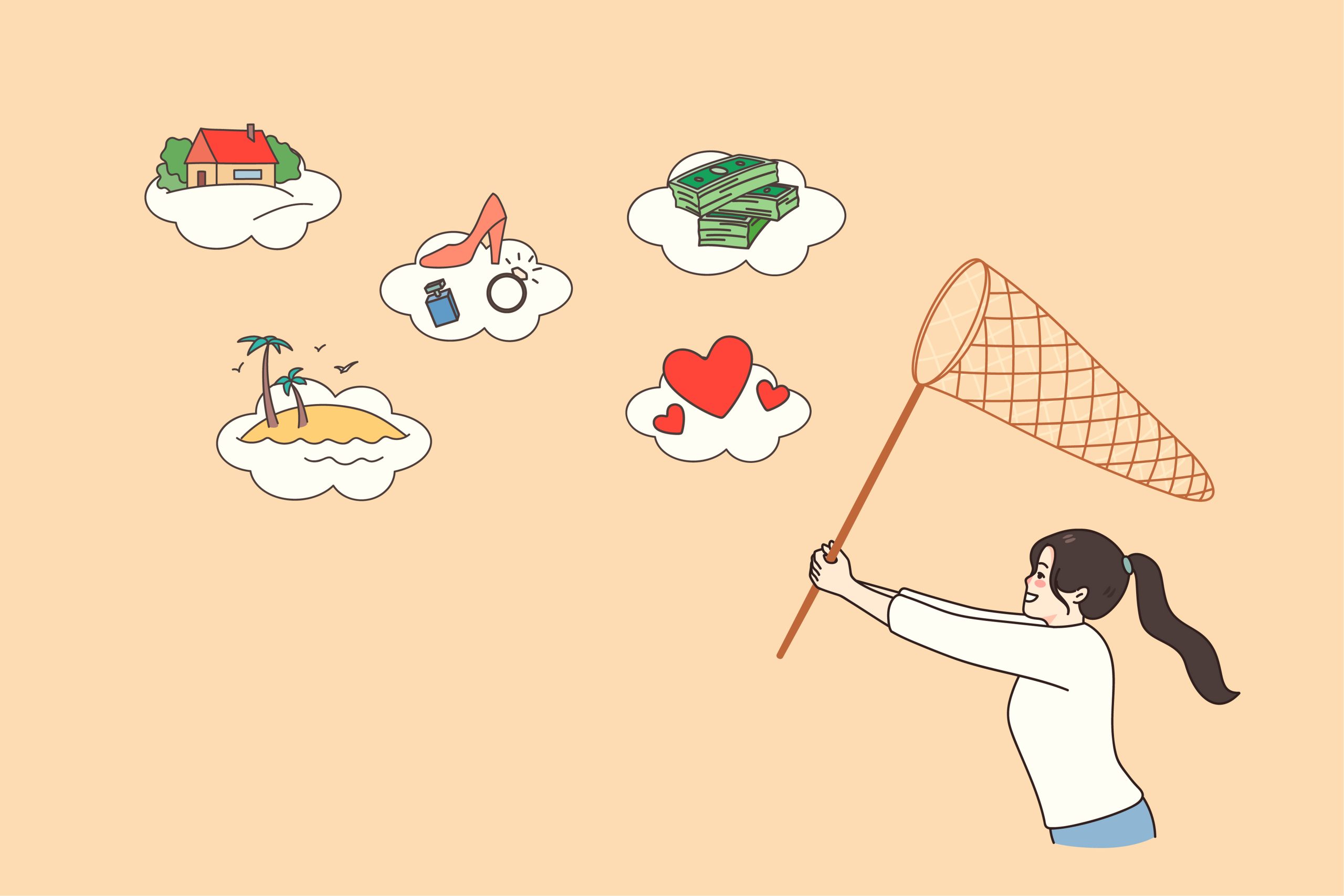
    Every day bleeds into the next because you’re future-focused, and what you’re doing right now only feels valuable insofar as it’s laying the groundwork for something else; the next stage of your career, the renovation that means the house is “done,” a number in the bank account that means you’ll never have to worry about money again.

    I think it’s fair to say we both know this is total BS. We’ve climbed enough mountains in our lifetime to know that as soon as we get what we want, we’re already planning what’s next.

    The problem is not with the aim or the goal but with the belief that we can cross a finish line that will magically make these uncomfortable feelings disappear. In psychology, they call this the hedonic treadmill.

    You know that promotion that would change your life?

    You know that new kitchen you obsess over because it would make life much better?

    You know that extra cash that would mean all of life’s money troubles would disappear?

    Will they provide everlasting happiness?

    Doubtful.

    We can blame this on the hedonic treadmill.

    It’s in our human nature to quickly return to a relatively stable level of happiness despite major positive or negative events or life changes.

    Put another way: No matter what we do, buy, or hope will change our life permanently, it’s a short-lived shot of happiness injected into our life.

    I understand why people don’t want to believe this. Because it forces us to question why we’re working so damn hard to change things and to be present with what is right now.

    When I realized this, I began to reflect on what it meant for my life in a way I couldn’t when I was lost in the chase. Accepting that we have a baseline is liberating. Most of what we’re chasing is nothing more than stupid carnival prizes in a game we didn’t know we were playing.

    If the $40,000 kitchen renovation will give you a flash-in-the-pan taste of happiness, is it worth the years of your life you need to sacrifice to pay that off?

    Is it worth more hours in the office?

    Is it worth less time with your family?

    Is it worth the crippling stress?

    You have no control over the hedonic treadmill. Still, you can control how much of your life you’re willing to trade for a future that won’t make you any happier in the present.

    It’s a hard habit to break because, as philosopher Alan Watts explains:

    “Take education. What a hoax. As a child, you are sent to nursery school. In nursery school, they say you are getting ready to go on to kindergarten. And then first grade is coming up and second grade and third grade… In high school, they tell you you’re getting ready for college. And in college you’re getting ready to go out into the business world… [People are] like donkeys running after carrots that are hanging in front of their faces from sticks attached to their own collars. They are never here. They never get there. They are never alive.”

    It’s drilled into us from the day we’re born to always think of what’s next.

    You end up chasing carrots to eat when you’re not even hungry. Hell, you probably don’t even like the taste of carrots.

    This lack of presence is toxic for our children. They end up repeating the same cycle we do when we role model the idea that we need to prioritize a future self (that may never come) over time spent with them.

    Life only feels short because we burn much of our alive time on shit that doesn’t matter.

    Do you want to experience a deep, rich, and fulfilling life?

    Start by asking, what carrots are you chasing? Are they worth the sacrifice? And what values would you honor in the present if you stopped living for the future?

    I can say family means everything to me, and I’ll do whatever it takes to support and provide for them. But if I’m consumed by my phone when I’m with my ten-month-old daughter, what value am I reinforcing? To make more money in my business so I have the freedom to do exactly what I’m too busy to enjoy right now?

    To honor my values means putting the phone down, looking into her eyes, and giving her literally the only thing she wants and needs from me. My presence. And that right there—being present enough to enjoy our lives—is what will give us the happiness we crave.

  • The 6 Personalities of People-Pleasing and How I Overcame Them

    The 6 Personalities of People-Pleasing and How I Overcame Them

    “The truth is, you’re never going to be able to please everybody, so stop trying. Remember, the sun is going to continue shining even if some people get annoyed by its light shining in their eyes. You have full permission to shine on.” ~Unknown

    I used to be a rebel. I was the girl at the party who would waltz into a room and have everyone in awe, their attention and curiosity caught by my presence. I felt it, they felt it, it was magnetic. I loved it—I had become the girl I wanted to be.

    That was until one night at a party, while I was making a batch of popcorn in the kitchen, someone came up to me and asked, “Why do you need to prove yourself all the time?”

    This question caught me so off guard. I was instantly confused. I was staring into space trying to figure out how I was proving myself all the time. So, I asked exactly how I was doing this.

    It turned out that when someone shared a story about themselves, I would share one of my own, and it came across as bigger and better. This person went on to tell me, “Actually, no one likes it, and it’s totally not necessary to win over your friends.”

    Holy moly. My blood started pumping faster through my veins, my face was burning up, my gut was wrenching at the thought of these people who I called friends not liking me. I thought I had finally found my community of like-minded souls.

    In this exact moment, I made the biggest decision of my life.

    It was time to squash down who I was, again. You see, I was in my mid-twenties, and I finally felt free from my childhood patterns. I was confident. I had friends. I could finally be me—who I was without the filter.

    They needed a toned-down version of me.

    So, I began to hide.

    I would sit in the corner or behind someone else. I wouldn’t share stories of my life adventures. I stopped dressing to impress. I apologized for silly things, and I watched every move I made around these people. It was exhausting, but the fear of them not liking me was crippling.

    Over the years I perfected these new behaviors of how to not be “too much” for the people around me. I went from being a wild, carefree soul to someone who was filled with anxiety in every social scenario.

    These new patterns overflowed into my work, family, relationships, and friendships. I became oversensitive, reactive, and uncomfortable to be around.

    After a decade of self-punishment, I was on a call with someone who I was working with, and they called me out for apologizing for not getting something right, even though it was the first time I had tried what they were teaching.

    Then the words that flew out of my mouth were: I did it again.

    Seriously, here I was, thinking I had it all figured out. I had adapted my behaviors, beliefs, patterns, and values to get through life, all in order to please other people. This was the slap on the face that I needed.

    So, I went on a deep soul journey that involved journaling daily. I took a real good look at myself and what I had created in my life. I began evaluating friendships, my work, the people in my day-to-day life, my family, and my environment.

    I had created a reality where I was no longer happy.

    My life revolved around everyone else’s needs, and I placed them before my own. I had become so aware of people’s energy, reactions, body language, and tone that I felt like I was suffocating.

    And for what?

    To not have friends, to not have people like me, to sacrifice my life for others.

    From that moment forward, I chose me.

    In order to do that, I needed to recognize how I’d formerly denied myself and my feelings so I could become aware of when I was tempted to fall into old patterns.

    Let me share with you the six personality types I lived through for a decade, how they play out in our daily lives, and how I overcame them.

    The Six People-Pleasing Personality Types

    The Approval Seeker

    When I was living in approval-seeking mode, my actions were geared toward praise. I would do anything to be the best employee in my jobs, from working overtime to taking on extra responsibility. I would play by the rules when it came to my family. I would make an effort to be noticed by my friends, all while chasing that sense of belonging.

    Praise was the fuel that kept me going. It reinforced the things I was doing right.

    The remedy to being an approval seeker is self trust, owning my values and my beliefs instead of looking for external validation. I simply started by questioning my motives in my actions.

    If I suspected I was doing something solely or primarily to receive approval, I asked myself, “Would I make this choice if I were being true and fair to myself?”

    The Busy Bee

    As a busy mumma of two, wife, business owner, sister, daughter, and friend, there was a time when I thought I had to keep it all together for everyone around me. I was the person who organized all the parties, Christmas dinners, birthday celebrations, family get-togethers, kids’ school activities, groceries, holidays, and anything else you can think of.

    The people around me saw me as dependable and organized, and they knew that I would do any task to help out. Of course without any fuss because I was being of service to the ones I loved.

    After I spotted a yoga class I really wanted to attend and realized I needed to make time in my schedule, I started to review my weekly routine. I realized I didn’t have to be everything for everyone at all times, which was hard to accept since “acts of service” is one of my love languages. But I knew being less busy was an act of kindness and love for myself.

    The Conflict Avoider

    When people raise their voice or assert their authority to me, I tend to crumble. It looks like I am still standing there, but in my mind, I’m in the fetal position on the floor.

    Speaking up for what I believe in is sometimes easy when I am fueled by passion for topics I love, but there are a few people in my life who turn me back into the conflict avoider in a second.

    In tense situations with these people, I often observe what is about to play out and create an exit strategy. I ask myself, “What do I need to do? Who do I need to be? What do I need to say to get me out of here?”

    When I recognize I’m doing this, I now take a few breaths to ground myself before leaning into the discomfort I’m feeling. I consider how I can stay true to my values and respond in a way that opens the space for discussion.

    The Self-Sacrificer

    This is the most common form of people-pleasing because it’s driven by love. It happens with our nearest and dearest.

    I once had a boyfriend who was into punk music, and slowly, over time, while dating him, I turned into a punk chic. I listened to his music, I wore all black, I tore up my clothes, and I went from blonde to black hair. I would have done anything for his love.

    Self-sacrificing is when we put others’ needs ahead of our own, fitting in with their agendas and adapting to them, yet in this process we lose small pieces of ourselves.

    It’s a personal crime when this happens because it takes years to rediscover all the things we once loved.

    Experimenting is the cure to finding that feeling of pure happiness we once held. I took belly dancing and various yoga classes, went for walks in different places, and challenged myself to try new and old things to see if they lit me up. I also reminded myself that I don’t need to sacrifice my interests and needs for anyone else because, if they truly love me, they’ll want me to honor those things.

    The Apologizer

    Sorry! Oops, sorry. Oh yes, I would apologize for everything from accidentally bumping into someone at the grocery store to taking a long time getting drinks at a bar.

    I eventually realized I apologized all the time because I believed I was at fault in each situation—not just super observant and sensitive to other people, as I’d formerly believed. I blamed myself for all kinds of things, from meeting my needs to taking up space.

    One day I decided to walk the busy city streets with my head held high, no more side-stepping to get out of other people’s way or apologizing for almost bumping into them. I bit my tongue and simply reminded myself that it is okay to have my own agenda, I am not to blame for things that are out of my control, and I have a voice.

    The Sensitive Soul

    Often, I would guard myself against the world, even though I wanted to trust it, because I had a hard time creating emotional boundaries. The word “should” always hung over my head—I should always be available, I should be able to listen whenever someone needs me. But this took a huge toll.

    Everyone would come to me to share their story, offload their junk, and then move on, leaving me with a negative energy load. I would push down my feelings and pretend everything was okay. Also, I felt like I couldn’t share my story with others because they were in a bad mood, feeling sad, or the timing wasn’t right. I was a doormat.

    I needed to address my conditioning in order to stop taking on other people’s problems. Why did my feelings come second to others’? Why were their stories more important than mine? I discovered that I had been putting others on a pedestal and that I needed to dig deep into the “shoulds” and start tackling them one at a time until I was able to speak up and set limits.

    I started people-pleasing because someone told me I was always trying to prove myself, but ironically, that’s what people-pleasing is—trying to prove you’re a good person by doing all the right things so no one will be upset or disappointed. Ultimately, though, we end up disappointing ourselves.

    Since I’ve started challenging these personalities, I’ve slowly offset my need to please. It hasn’t been easy, but I’m now a lot closer to the person I used to be—someone who likes who she is and has nothing to prove to anyone.

    Do any of these personalities sound familiar to you? And how are you going to tackle it?

  • The Power of Saying No (Even to People You Love)

    The Power of Saying No (Even to People You Love)

    “When you say yes to others, make sure you are not saying no to yourself.” ~Paulo Coelho

    “Yes, of course.”

    “Yes, that’s no trouble at all.”

    “Yes, I can do that.”

    “Yes, I’d love to help.”

    Yes, yes, yes. “Yes” seemed to be the key word in my relationships with partners, family, friends, and colleagues.

    I wanted to be helpful, kind, and thoughtful; I wanted to be there when people needed me. I didn’t want to let them down or disappoint or displease them. I spent a lot of my time devoted to my self-image as a capable, nice person who could be relied on. As a people-pleaser, I held niceness close to my heart.

    Unsurprisingly, people always assumed I’d drop everything to help them or do what they wanted me to do. They were used to me giving up my time for them and putting their needs and wants before my own.

    This was especially the case in my close relationships, in which I found it hardest to say no.

    I grew up believing saying no to others was negative, unhelpful, and selfish.

    As a child, I was often told not to cause a fuss or bother anyone and to expect very little. As a result, I believed that others were worthier than me and that their needs and wishes should take precedence over mine. I felt guilty for saying what I wanted or how I felt, as if I had no right to do so.

    Unsurprisingly, I found it difficult to voice my opinions and needs, and I believed that what I thought, felt, and wanted wasn’t important.

    I was also fearful of confrontation and avoided it at all costs. Saying no risked provoking someone’s anger and making them think badly of me. It meant possible abandonment, the withdrawal of approval and love. So it seemed far safer and easier to say yes, even if I wanted to say no.

    My readiness to say yes certainly didn’t gain me other people’s respect or consideration. Even though I consistently gave a lot more than I received in return and often felt hurt, resentful, and unappreciated, I kept saying yes.

    My habit of people-pleasing attracted into my life the sort of people who disrespected and used me. This included a relationship with a guy who turned out to be a bully.

    Throughout our time together, I went along with whatever he wanted. I kept saying yes to the relationship despite the fact that he emotionally and psychologically mistreated me. I kept putting his needs and happiness before my own, and of course he had no respect for me. Why would he when it seemed I had no respect for myself?

    It was only when things became unbearable and I got sick that I knew I had to say no to the relationship and start saying yes to myself.

    My inability to say no had created a great deal of inner turmoil, which had obviously impacted my physical and emotional health. I realized I had to say no to a lot of things and a lot of people in order to heal myself and protect my well-being.

    The end of my dysfunctional relationship made me see that it’s often in our closest connections that we most need to practice saying no because we often maintain unclear or flexible boundaries with the people we’re closest to.

    Say No to a Lack of Boundaries

    Boundaries are essential for healthy connections and show that you respect yourself and your partner. It’s through boundaries and our ability to say no to each other that we come to know our partners better and also connect with them more deeply. When we can freely voice our opinions, we meet as equals.

    People-pleasers often have a hard time setting boundaries, and this was certainly the case for me. We can develop a blurred sense of where our boundaries lie, if we have bothered to give serious thought to them in the first place.

    I realized that I had to set boundaries before I embarked on another relationship.

    I had to build up my confidence and begin to trust myself. I needed to work out what I liked and disliked, what I wanted and didn’t want, and where exactly my line would be crossed.

    I knew that if I continued to have hazy boundaries, I would remain vulnerable to mistreatment and would continue to attract into my life people like my ex-boyfriend.

    Say No to Inauthenticity

    I had mistakenly thought going along with what other people wanted would mean less disagreement and conflict. I thought it was good for my relationships, but in fact the opposite was true.

    Whenever I said yes in a powerless way, I was being inauthentic to myself and the other person. There was little honesty in many of the yeses I said.

    My need to be liked and approved of and to please the other person overshadowed my need to be true to myself.

    Suppressing my wants and needs meant that my partner could not know the real me. None of us are mind readers, so they could only guess what they thought I wanted, and most of the time they assumed I wanted what they wanted because I never said otherwise.

    When we don’t feel able to voice our wants and needs in a relationship, our connection lacks true intimacy. If we cannot be open to our partner, how can we be closely connected? If we continually hold a part of ourselves back from our loved ones, either from fear of conflict or a reluctance to drop our mask of “niceness,” we create inauthentic connections that cannot grow into something deeper and stronger.

    Intimacy cannot flourish from pretense, only authenticity.

    Say No to Self-Sacrifice and Being a Martyr

    In the past, I sometimes said yes reluctantly and with little enthusiasm, which, of course, didn’t please the other person. This went against my intention to minimize any conflict.

    These yeses were tinged with martyrdom; I felt I was sacrificing my time and energy. I was often bored doing things I didn’t want to do, all of which took away time I could never get back.

    When you feel obligated to agree to do something you don’t want to do, it usually backfires on you. You end up feeling resentful of the person who asked you in the first place, and you resent yourself and your weakness. The help you offer will lack genuineness, and people will be able to sense your unhappiness and resentment.

    I learned that in every relationship there must be compromise rather than one partner’s continual self-sacrifice.

    Say No to Catastrophizing

    People who have a hard time saying no are often worried about other people’s reactions and feelings. They tend to build up in their imagination all sorts of negative scenarios resulting from saying no.

    Yet we are not responsible for others’ reactions to what we say or do; the only reactions and emotions we can control are our own. This was a revelation to me, taking into account my childhood conditioning.

    When we catastrophize a partner’s reaction to our “no,” we show a lack of faith in their ability to respond like a reasonable person, and it reveals that we don’t really know or trust them.

    Would your partner be so angry if you dared to voice your opinion that they would actually leave you or stop loving you? If so, what do these reactions say about them? Would you want to be with someone like that anyway? If they prefer you to be a doormat and always compliant, what does this say about their view of relationships?

    If you say yes out of fear, you need to look at what makes you fearful in your relationship. Fear is an indication of a power imbalance and therefore an unequal relationship. There is a big difference between being afraid of your partner and being afraid of their opinion of you if you say no. Their disappointment in your no is based on their expectations of hearing a yes.

    If your partner is so averse to you voicing your wants and needs, you should leave that relationship. You cannot stay with someone who thinks their needs and wants are more important than yours. It’s not good for your self-esteem and, as I discovered, your health.

    Say No to Draining Situations and People

    There is a lot of positive power in using no in the right way. You don’t say no to purposely hurt others; you say no to protect yourself from people and situations that can hurt you.

    When you say no to draining people and situations, you open up the space for positive energy and relationships to enter your life. It allows more worthwhile activities and opportunities to come your way.

    Your no creates the necessary boundaries that give you time for yourself, time to focus on your self-care and interests and what matters most to you. You’ll also have extra time and energy to help people you genuinely care about in a much more meaningful way.

    I had to cut ties with certain people, realizing they didn’t contribute anything but negativity to my life. I had to say no to these relationships.

    Saying no in these circumstances is a form of self-protection. You have the right to say no to situations and people that threaten your peace of mind or well-being.

    How to Use the Power of No

    We have obligations to our loved ones and should be there for them when they truly need us, but we also have obligations to ourselves.

    When we say no, it shouldn’t intentionally cause another person any real harm; it should always come from a place of consideration and compassion, but it also has to be assertive and come from a source of strength.

    I found that it helps to focus on the fact you are not saying no to the person but to their request. This separation makes it feel a lot less personal.

    It also helps to start small. Begin by saying no to acquaintances and colleagues and anyone else you feel safer saying no to. Once you have gained some confidence, you can say no to less significant matters in your close relationships—such as what to eat for dinner, which movie to see at the cinema, what to do with your free time, and so on.

    Most of my friends and family were initially surprised when I no longer just went along with what they wanted. But their reaction to my no wasn’t negative. In fact, many were relieved and pleased that I was finally being assertive.

    I then practiced saying no to more significant requests for help or bigger favors that would take more time and energy. In time, saying no became easier.

    Don’t be rushed or pressured into making a decision if you need time to think about someone’s request. Simply say, “Can I get back to you?” “I need to check my schedule first” or “I’ll let you know.” Any impatience on the other person’s part is their business, and there’s no need to get caught up in a discussion before you give your answer.

    It’s important to remain calm when you say no. You don’t need to give lots of reasons—doing so can weaken your no—but you can apologize for not being able to help, if you wish. It depends, of course, on the request. A simple “Sorry, but I don’t have the time right now” or “I’m sorry, I’m not able to help” will suffice. Always use “I” rather than “you” when you give a short explanation for your response.

    When you say no to certain people, they might react with anger, surprise, disappointment, coaxing, or guilt trips. It’s important to not be manipulated by their reactions or swayed into changing your mind.

    Their response to your no is often an accurate indicator of the health of your relationship with them. They have become used to your yeses, and this has shown them how to interact with and treat you. They’ve gotten used to you putting them first, but now you need to give them a different instruction, which involves changes they might not like.

    In time, unless they’re a bully, they’ll adapt and even prefer the more assured you. They will have more respect for you and your time.

    But if they refuse to accept the changes, you must say no to the relationship.

    Say Yes to Yourself

    Your no protects your personal power in your relationships. It enables you to be more honest with other people, yourself, and what you want. Your no allows you to say yes to things that are important to you.

    When I realized my no could be linked to a self-affirming yes, it was a powerful revelation to me. Saying no didn’t feel negative anymore; it was something that empowered me and allowed me to prioritize my time. After all, our time is limited, so we cannot say yes to everything.

    I began to focus on the positive aspects of saying no: yes to more time to do what I wanted, yes to more self-esteem, yes to good relationships, and yes to greater control over my life.

    Say Yes to Self-Empowerment

    Saying no and taking better care of myself made my yeses feel more powerful because they were authentic and came from a place of strength. The more honest I was about saying yes and no, the more people respected my time and boundaries and appreciated my help.

    I also learned I can live with others’ disappointment, and I cared less about their reaction to my no. I was no longer afraid of upsetting people.

    Saying no doesn’t stop you from being a nice and considerate person. Sometimes, the kindest thing you can do is say no to someone, including yourself.

    When you are self-empowered, you know you are enough, and you know you are worthy. You know you don’t need to exhaust yourself doing everything for everyone else in order to be liked and valued.

    Helping those in genuine need, if you are able, is always a good thing. However, you can’t help everyone, but you can help yourself.
  • Giving in Relationships Without Losing Yourself or Sacrificing Your Needs

    Giving in Relationships Without Losing Yourself or Sacrificing Your Needs

    Disappearing Woman

    “Relationships are about two individuals who maintain their own lives and create another one together.” ~Unknown

    When I am in relationship, I put all of myself into it and can sometimes neglect my own needs as a result.

    I’ve recognized that I’m doing this in my current relationship, and I’ve realized that while it is wonderful to be truly committed, it is important not to lose oneself. This is where healthy boundaries come into play.

    A healing practitioner recently reminded me that relationships are excellent opportunities for personal growth.

    As someone who was single for almost a decade and has been in a committed relationship for the past year, I realize I’ve had a big opportunity to learn about myself and to grow as a person. My fiancé is my biggest mirror, and through our connection, I have been better able to understand my patterns.

    I have observed that I have a strong desire to merge with my partner because it feels blissful to be connected. I crave union, being one with the person who means most to me.

    This desire for union and oneness often leads me to a place where my boundaries begin to disappear. I forget to check in with myself about what I need or want before I say yes to my partner’s requests.

    For example, there are times when my partner wants to go out on a Friday night to have fun, when I feel that I need a quiet evening at home to rest, relax, and nurture myself.

    While I love those moments of union and oneness, and I believe that it is important to be giving and to be of service to my partner, this can become excessive.

    I have realized that when I seek to fully merge with my beloved, I can lose my deep connection to my core and what I want as an individual. If I continually do this, I can end up feeling tired, burned out, and grumpy.

    My core self is the “me” that has needs, desires, wishes, and dreams as an individual.

    When I disconnect from my core self, I find it hard to stay focused on my goals, such as growing my business and doing my own spiritual development work.

    My body lets me know that I am disconnecting from myself through physical discomfort and pain. Many times, my whole spine and pelvis will mirror my lack of internal alignment, and I will feel the need to go to the chiropractor because of this.

    Relationships require a delicate balance between having clear boundaries and yet not becoming too closed off from the other person.

    When we completely merge with our partner, we can actually lose the person that our partner fell in love with. But if we have too many boundaries and are too self-focused, we lose the opportunity to be deeply connected, share greater intimacy, and give to our partner and the relationship.

    So how do we navigate this delicate balance? How do we set boundaries without setting up too many walls? I believe that this is a continual process and evolution.

    For me, it takes practice and mindfulness. I need to consistently check in with myself to recognize how I am showing up in the relationship, how I am giving of myself, and whether I am losing myself.

    I also have to recognize when I am creating walls between my fiancé and myself, perhaps due to past wounds or fears related to deep intimacy.

    In its simplest form, it requires checking in on a daily basis with my core self. What is it that I need for myself today? How do I stay connected to who I am as an individual?

    If you find it difficult to say no to others, remember that it takes practice. Practice saying “no” to small things that might feel easier and then build up to the bigger things.

    If the person receiving the “no” doesn’t want to listen, remember that it is okay to hold firm to your decision and express your own needs and desires.

    And if you’re afraid to hold firm because you don’t want to rock the boat, ask yourself if you really want to be in a relationship where you can’t communicate and honor your own needs.

    I have started a new practice each morning. When I first get up, I spend a few minutes standing quietly and connecting to my deeper core self.

    I remind myself that I am still Lyn before I am someone’s fiancé and that I do not want to completely lose myself by merging with my partner.

    I find that starting each day with this intention reminds me to stay connected to my core self throughout the day as I make my choices.

    Remembering this commitment to myself when my partner requests something and I decide whether to agree helps me know I won’t have to sacrifice my needs to do it. I am honoring the strong and independent woman he fell in love with.

    Some other ways that I’ve found to stay open in my relationship without losing myself are taking quiet time each day to meditate, breathe, or otherwise just connect with myself.

    It also helps to make sure I’m not only doing activities with my partner while neglecting my own individual interests or my girlfriends. When I remember to fill my own cup up and listen to my inner knowing, it helps me to be a better partner too.

    If you struggle with balancing being open to your partner while not losing yourself, know that you are not alone and that it is a continual practice for many of us. With consistent focus on the balance of honoring your partner and relationship while also honoring yourself, it does become easier.

    Disappearing woman image via Shutterstock

  • 10 Tips to Balance Self-Interest & Sacrifice for a Wonderful Life

    10 Tips to Balance Self-Interest & Sacrifice for a Wonderful Life

    George Bailey

    “It’s really important to be able to receive love and receive compassion. It is as important as being able to give it.” ~Pema Chodron

    Yesterday morning two of the correspondents on the news in Boston (where I’m home for the holidays) had an interesting conversation about the classic It’s a Wonderful Life.

    One of them said he’s not a big fan of the movie, which instilled a sense of complete outrage in me.

    How dare he take George Bailey’s name in vain! It’s such an inspirational film! From saving Harry’s life to finding Zuzu’s petals, every scene gets my little heart aflutter with renewed hope in our ability to make a difference and find happiness.

    When the initial offense faded, I listened to what clearly-heartless news guy was saying—and he actually had a point.

    The main character, George Bailey, sacrificed everything he wanted in life for the people around him. If he continued to operate in a constant state of self-sacrifice, he’d likely always have regrets where other men have dreams.

    And why should he not have the chance, at some point, to feel satisfaction that isn’t hinged upon having saved someone else’s life?

    At the end of the movie he receives the ultimate assurance that his life is best lived with everyone else’s interests before his own: a party where he receives all the gratitude and admiration he clearly felt had been lacking prior.

    The implication seems to be that he should continue on this path because everyone’s life would have fallen apart if he didn’t come to their rescue.

    The movie critique got me thinking about the sacrifices we make for other people. If you know me, you may find it off that I, ever the eternal optimist, have chosen to dissect the act of selflessness right before a holiday that often inspires it.

    This is precisely why I have.

    Holidays generally bring out the best in people. When we pull out the tear jerkers that remind us people care and miracles happen, we’re motivated to be the change we want to see in the world. To express and show our feelings. To care in action.

    But what’s more important than an epiphany shouted from a balcony on Christmas morning is an understanding of healthy giving—both to others and ourselves—that’s sustainable all year long.

    I, for one, would find this information invaluable, as I’m somewhat of a George Bailey, ever willing to consider someone else’s feelings and interests before my own.

    On some level it’s because I want to be kind, but often I’m motivated by the desire to feel important and useful. Or to please other people. Or even to avoid facing my own needs.

    If you can relate on any level, consider these reasons to find a balance between doing for others and yourself:

    Too much sacrifice can harm relationships.

    According to Ted Hagen, PhD, “The give and take between two people creates mutual respect. It strengthens a relationship.”

    Excessive giving can create internal resentment.

    If you continually put everyone else first, you may eventually resent everyone for expecting so much of you, when in all reality, you had the choice to give less at any time.

    Sacrificing is not always helpful.

    We often give because we think it’s the right thing to do, but sometimes it’s just plain not. People (children especially) need to learn to take care of themselves and to accept the world won’t always meet their every wish, whim, and need.

    To truly give yourself, you need to take care of yourself.

    Your daily car ride may make someone’s life easier, but your bond as a healthy, happy person is far more valuable. You can only offer that if you take care of your own needs, as well.

    WonderfulLife2

    We all deserve a life that involves doing and resisting, and giving and taking, and being selfish and selfless at times. I recommend the following steps to find a balance with all of the above:

    1. Identify your current give/take ratio.

    If you’d like to find a balance you have to know how off-balance you currently are. Is it fifty-fifty? Or seventy-thirty?

    2. Establish your reason for imbalance.

    Are you overextending yourself to feel powerful? Or to please everyone? You need to figure this out to address the next part.

    3. Find an alternative plan.

    If your goal is to feel powerful and helpful, start mentoring a child on the weekend. If you’d like to be well-liked, nurture qualities and skills that attract people to you—other than your tendency to say yes. This is a far better approach to gaining respect anyway.

    4. Take a piece of the pie.

    You can’t give everyone in your life 100%, so you likely give your parents, friends, and significant other a percentage of your energy. Consider a piece of that your own, and honor that in your choices.

    5. Think of taking as another form of giving.

    Everything you get from giving, the people who love you will get the same if you give them a chance to reciprocate. Why not allow them the opportunity to feel helpful and important, too?

    6. Take a drama-free look at your relationships.

    Do some people take more than give? The goal isn’t to blame, attack, or make yourself a victim, but rather to establish which relationships need to change.

    7. Make attempts to repair unbalanced relationships.

    If the give/take ratio is off-kilter, you need to address this, either by asking for what you need when you need it or initiating a constructive conversation. If the bond is worth saving, the other person will be at least a little receptive.

    8. Make a habit of expressing your needs.

    People won’t always anticipate them and step up to the plate, even if you operate that way. If you state your expectations, it will be easier for people to meet them. (Trust that they’ll want to! That’s how healthy relationships work.)

    9. Check in without an even-Steven philosophy.

    You don’t need to keep an internal scorecard of how much people are doing for you, but you should feel that, on the whole, they’re there for you physically and emotionally as much as you’re there for them.

    10. Ask yourself, “Would I need a George Bailey moment of gratitude and admiration to justify all I’ve sacrificed?”

    If the answer is yes, you know you’re not living a completely fulfilling life—one in which you look out for yourself, and honor your wants and needs as much as other people’s.

    This makes now the perfect time to ask yourself: How can I accept where the choices I’ve made have taken me, but make more balanced choices from here on out for a truly wonderful life?

    Photo by mrlerone.