Tag: resilient

  • How to Navigate Loss and Fear and Emerge Resilient

    How to Navigate Loss and Fear and Emerge Resilient

    “New beginnings are often disguised as painful endings.” ~Lao Tzu

    Sailing on a beautiful day in calm seas can feel like a spiritual experience and can convince your senses that life should always be like this.

    My family life was smooth sailing for many years. My husband and I were committed to our family and our responsibilities of building and running our businesses, leaving little time for anything else. Gradually, the weather changed, and we found ourselves in the uncharted, turbulent waters of divorce.

    I was unprepared for the toll it would take. My anxiety caused me to lose weight, and when I felt hypo-glycemic, it was my body’s reminder to nourish myself. I was scared about what life would look like for my three daughters and me and wanted the best for my husband, even though we decided we could not remain together.

    Living separately, we grew to learn how to do things we depended on each other for, such as financial management, cooking, DIY home repairs, etc. We lost some friends, and some family estrangements developed—a ripple effect we didn’t see coming.

    When you lose friends and family members due to divorce or estrangement, it can make you question your worth and stirs up self-doubt.

    Years pass, and life goes on.

    Eventually, we both remarried, and a few years later, my new husband, Bill, was told he had throat cancer. His treatments whittled down his hard-earned military physique to a shadow of his former self.

    During this time, as his caregiver, I was also preparing to take a board exam to practice my profession, and I worked as a science teacher in an alternative school to help make ends meet. The days were incredibly long and hard for both of us.

    Within that year, my father was diagnosed with cancer, which further destroyed our family. His treatments were equally brutal to his body. Eventually, Bill lost his valiant battle with cancer, and my father lost his battle in the following seven months, resulting in two funerals in a year.

    Physically, I was exhausted and gained an unhealthy amount of weight. Whenever I ate, I had gut pain, so I lost the pleasure of eating. Headaches were frequent, and due to a loss of sleep, my energy was so depleted that doing everyday tasks was a burden, never mind having to relocate and downsize yet again.

    I had little support, and this was when I felt genuinely broken.

    In my “brokenness,” I remembered a conversation with a pastor friend who reminded me that life has its seasons: the spring of childhood, the summer of youth, the autumn of adulthood, and the winter of death. So many aspects of life can be viewed that way. With that, I discovered truth in his words and oddly felt an inner peace.

    I grew to understand the phrase “if you hit rock bottom, the only way to go is up” because I hit those rocks hard. I desperately needed to regain my physical, mental, and emotional health, which had been tested repeatedly for years, for myself and my family.

    My sympathetic fight-or-flight nervous system switch never shut off. I realized I had to change that before relinquishing control of my health and well-being, which I have always valued but took for granted.

    Here is what I discovered in my losses and fears, along with some pearls for living with resilience.

    1. Submit to the process.

    Feel the depth of your feelings by allowing them to flow through you.

    When you are in a liminal place, at the threshold of change, it is only natural to have many strong feelings and feelings that you may resist—grief over the loss of a loved one or a relationship, fear of the future ahead, anger that you are in this position, frustration with your own body, or denial of the new reality.

    Feel your feelings and journal to process them or communicate with someone you trust. This is how you start to heal. Far better than suffering silently is being honest with yourself about your feelings tied to the complexities of your process.

    Minimizing yourself or numbing your feelings invalidates the depth and breadth of your experience.

    If possible, consider reframing a sad or difficult experience to put a positive spin on it.

    I may be divorced, but my daughters are the best part of my life. I would not have them if it weren’t for my previous marriage. Also, downsizing into a smaller home improved my financial situation. I rejected it initially, but it made my responsibilities and financial commitments more manageable in the long run.

    Suffering any kind of loss or hardship is never easy and can feel crushing. Meet yourself where you are, go with the flow of your emotions with self-compassion and nonjudgment, and, if possible, open your mind to reframing a negative into a positive result.

    2. Don’t ruminate while looking in the rearview mirror.

    This is so tempting.

    It is so easy to slip into the default pattern of looking at the past when we want our personal losses, challenges, and difficulties to make sense.

    Exercise radical acceptance if you need to accept your life as it is, even if it causes you pain.

    When I learned of radical acceptance, it felt unnatural, something I might have to convince myself to do. But I realized that to be at peace, I could not control everything in my life. Seasons.

    Also, bringing gratitude into your daily life is a valuable, underutilized tool that brings what is good into focus. When we target several reasons for gratitude as a daily habit, we shapeshift our mindset to support our well-being.

    Amassing what has happened to you in the past and bringing it into focus today creates an unnecessary, overwhelming burden. The past cannot be changed, and the future cannot be predicted, but we can choose to accept what is right now.

    This will lessen your suffering and the tendency to look back in the mirror.

    3. Connect with your physical, mental, and emotional needs.

    Prolonged stress affects our hormones, cardiovascular system, gut health, musculoskeletal system, immune health, and every other function and body system with far-reaching, long-term effects.

    There is no reason to neglect or minimize your needs; this is a time to amp up your efforts to honor your needs. Listening to your body’s messages strongly improves your ability to handle and recover from stress.

    When stuck in the stress cycle, mindful self-care practices are even more important to prevent unhealthy habits from forming. Eating nutrient-dense meals, walking in nature, practicing consistent sleep hygiene practices, or spending time with friends or family members who love and support you are effective self-care practices to reduce stress and manage anxiety.

    According to Maslow’s hierarchy of needs, you cannot experience all the potential that your life has to offer if you do not first meet your basic physiological needs. As you meet those needs, you can move through your experience in life more fully, owning and attracting love to you, developing deep connections, and increasing your confidence, self-esteem, and full potential despite setbacks in life.

    It is easy to become more reflexive than in control, an oversight that is not uncommon for highly stressed individuals.

    When I reprioritized myself with self-care practices, my health and well-being improved, as evidenced by my improved blood labs, weight loss, ease of digestion, and increased energy levels. I had a renewed sense of purpose in my work; later in my life, love found me.

    When you connect with your physical, mental, and emotional needs, you can also better honor them in others.

    4. Chart a course that meets your life’s needs at the time.

    Decide what needs to be done to meet important needs. By successfully tending to some of the smaller needs, you can more easily prepare for larger target goals. With that, you develop an adaptable and increasingly more positive mindset.

    Consider small gains as you progress forward.

    As part of my healing and stress management, I knew I could do what I had to do by taking small, manageable, and incremental steps. It was too difficult for me to envision a big-picture view of a whole and healed life following so much loss for a time, but eventually, that changed.

    A day at a time, a week at a time, and a month at a time are now years later.

    Remaining open-minded and building your optimism naturally builds and reinforces your resilience muscle.

    So celebrate the small gains in your life. They naturally lead to more small successes, which builds confidence in planning for larger ones.

    5. Life happens, and when it does, develop a surfing mindset, even if you fear the wind or the waves.

    When the winds of change occur, a sailor must adjust the sail to tack and harness the wind to his advantage. The wind and the waves do not remain the same even on one given day. Sailors hone their skills to have the wind and the waves support their intended direction.

    Life never remains the same. Things constantly change. When they do, step back, breathe, and ask yourself what the next best step is in caring for yourself in the moment and in moving forward.

    Through resilience, you can more easily heal and accept life’s dynamic nature by learning and growing from overcoming challenges and setbacks, and, in the face of uncertainty, you can live more fully with confidence and joy in the present and in the mystery of the future.

    Resilience is a quality that is not earned by having an easy life; rather, it is a testimony to coming through hardship and challenging experiences and feeling whole despite them.

  • 5 Ways to Stay Mentally Strong, No Matter What

    5 Ways to Stay Mentally Strong, No Matter What

    “Have a little faith in your ability to handle whatever’s coming down the road. Believe that you have the strength and resourcefulness required to tackle whatever challenges come your way.” ~Lori Deschene

    My life is unpredictable.

    These days, it feels like I wake up not knowing what obstacles I’m going to be facing or how to manage it all. Is the world getting more challenging, or is it just me?

    There doesn’t seem to be a magic carpet ride to rescue me, or any of us for that matter, ready to whisk us off into the sunset for a rendition of Aladdin’s “Whole New World,” with “shining, shimmering splendor.”

    Do you, like me, wonder, “How is everyone else navigating life these days?”

    Attempting to put my mind into a semblance of order the other day, I pulled out my self-development toolbox. I began digging around to see what I had on hand from all the self-development books and blog posts I’ve read, therapists I’ve seen, and workshops I’ve taken.

    I came up with the usual suspects: Embrace change! Practice mindfulness! Find your purpose! Reclaim your power! While these fab four sound like a great tried-and-true collection, it felt like I was trying to use the rules of Candyland to navigate the fire-breathing dragons in Game of Thrones.

    Help.

    Like so many others I interact with, such as family, clients, and friends, I sense uncertainty building up on a consistent basis. The hardest part is not having the luxury to curl up and shut the shades and hide under the blankets because there are bills to pay, jobs and careers to sit up straight for, and families to attend to.

    So where do I draw confidence in my ability to handle life?

    I think back to my childhood as a Gen X kid. Growing up in a small town on a dead-end street with ten siblings, I had to figure out how to fend for myself from a very young age. Food went quickly, and I had to forage and make sure I got my share. If there was a school project, I had to find odds and ends in the house to paste together and create an appropriate report to present to the class on my own.

    My parents didn’t get down with glue and popsicle sticks. Ever.

    Using the words “I’m bored” got you a broom and baby handed to you, so I kept myself busy and out of sight of the adults. Anytime I needed a ride anywhere, it was up to me to figure out how to get there and home, and I got stranded many times.

    The superpower I developed as a kid so I could survive was resourcefulness.

    This was, by definition, the ability to find quick and clever ways to overcome difficulties and make use of that which others would normally overlook or discard. If I didn’t have what I wanted or needed, I would have to create possibilities using limited or no resources.

    I developed curiosity, an ability to take care of myself, and the determination to find solutions in the face of any adversity and solve problems for myself and my younger siblings. I put together costumes, learned to sew my own clothes, cooked meals, and became an expert storyteller and little-white-lie fabricator.

    Hypervigilance developed so I could figure out how to read the emotional state of the adults, who were consumed with their responsibilities and their own unfulfilled dreams. Keeping out of harm’s way, such as avoiding my father’s wrath or the teacher’s punishment, became my expertise. Friends were everything, and they, along with the outdoors, helped me have a pretty incredible childhood with lots of fun memories.

    What I learned from my childhood is this: It’s not always a lack of resources that is the problem; it’s a lack of resourcefulness that causes failure.

    There are resources that we think we need, such as money, the right technology, the right contacts, enough time, the best lawyer, etc., and while there’s truth to that, we struggle because we lack the ultimate resource—which is emotional resourcefulness, something we could all access. When you dig deep and utilize your emotional resources,you can get almost any other resource on earth.

    It’s Time to Develop Emotional and Practical Resourcefulness

    Here are my five tips to stay mentally strong and navigate anything that comes your way in life.

    1. Use what you have.

    When I was a kid, no one went to the store to buy me supplies, trendy trinkets, or even necessities like pajamas, pencils, and enough socks. We used and reused what we had around.

    Even when I can afford things I need, I like to take a look at my Amazon cart and double check to see if I have anything at home that I could makeshift or ask a neighborhood WhatsApp group for. You’d be surprised at what people offer up for free, both goods and services. You just have to ask.

    Bartering works as well. I have gotten vacations paid for, kids’ school tuition in exchange for marketing services, and plane tickets for use of my home for a night or two.

    2. Develop your hustle.

    If I wanted the latest thing the other kids had or wanted to go for pizza with my friends, I babysat, raked leaves, and hustled my grandmother for money. I found that if I played her a song on the piano and told her I was the best and prettiest in my class, she would give me $5. It made us both happy!

    Obtain invitations by befriending people you admire and want to be like. Worm your way into communities of your choice by shopping in those neighborhood grocery and coffee shops and talk to people there. Sign up for training and meetings in the town-run parks and recreation centers in those neighborhoods as well. Don’t stop the hustle mindsetwherever you go.

     3. Practice self-talk.

    All through my childhood, I used to constantly tell myself, from the top bunk bed in a crowded bedroom with my sisters, that one day I would be a writer like I read about in my favorite book, Anne of Green Gables. I knew I would one day sell my stories and have the money I wanted. I do that today!

    When I would see things around me that I didn’t like, and there were many, I reminded myself that I would one day be like the well-dressed women in my mother’s magazines: colorful clothes, big white smiles. Seek outside inspiration for this and speak positive, goal-oriented dialogue to yourself.

    When something is not as you would like, tell yourself, “I don’t like it, it’s an inconvenience, and it’s temporary.” Not BUT it’s temporary; say and, or furthermore. “And it’s temporary.” That’s how you talk to yourself, according to former prisoner of war Edith Eger, author of The Choice. “No matter what happens, it’s temporary and I can survive it.”

    4. Trust your intuition.

    Trust that you have the intuition to figure it out. We made it home from school, found our friends outside to hang out with, kept ourselves alive, and sensed when to avoid dangerous adults (most of the time).

    Trust that your instincts will kick in at the precise moment needed, and it may be last-minute, but you’ll always figure it out.

    5. Know that you have a unique purpose.

    I knew my purpose was to be a writer, and I did a good job on my writing assignments in grade school. Never underestimate your power to make a difference with your talent or your purpose, and believe that you have something to offer the world—and offer it.

    I used to volunteer for just an hour a week at a recovery center when I was at my lowest, just to feel purposeful, and I reaped magical rewards from that experience.

    Bonus Tip: Build a Support System

    No one can navigate life’s challenges alone, and building a strong support system is crucial for mental strength. As a Gen X kid, we had our friends on the street to hang out with all the time; we were always there for each other.

    Surround yourself with people who uplift and inspire you. Share your thoughts and feelings with friends or family members (and/or professionals) that you trust, who can provide valuable perspectives along with emotional support. Having a support system not only lightens the load but can also reinforce your much-needed mental fortitude to develop a strong mind.

    While life is unpredictable, by incorporating these five practices into your life, you can build a foundation of mental strength that will serve you well in any circumstance.

    Remember, staying mentally strong is not about avoiding challenges but about facing them head-on with resourcefulness, courage, resilience, and a positive attitude. With these tools in your arsenal, you’ll be better equipped to navigate the unpredictable journey of life and emerge stronger on the other side.

    “Know that you always have the capacity to make the best of anything. Even if you didn’t want it or ask for it, even if it seems scary or hard or unfair, you can make something good out of any loss or hardship. You can learn from it, grow from it, help others through it, and maybe even thrive because of it. The future is unknown, but you can know this for sure: Whatever’s coming, you got this.” ~Lori Deschene

  • Does It All Feel Too Hard? Tiny Buddha’s Inner Strength Journal Can Help

    Does It All Feel Too Hard? Tiny Buddha’s Inner Strength Journal Can Help

    Do you ever feel like calling into the day? And I don’t just mean work. I mean everything. I mean turning it all off for a while. Freezing the full gamut of this messy human experience—the regrets, the fears, the adulting, the drama. The constant onslaught of anxiety-inducing news and personal problems to face.

    When everyone needs you and everything worries you and nothing helps you feel better, it’s tempting to disconnect. To numb out, shut down, or give up.

    But we can’t, at least not for long. And really, that’s not what we want. Or at least, that’s not what I want when I’m overwhelmed by it all. I don’t really want life to stop.

    When my relationships are triggering, my workload is mounting, and my kids’ needs feel hard to meet, I don’t really want to escape it all. I want to rise above it all. I want to respond wisely and make best of what’s in front of me instead of reacting impulsively and only making things worse.

    I don’t want to disconnect; I want to reconnect—with the still voice inside me that reminds me, if I listen, to breathe, take a step back, and take care of my needs so I can handle whatever life throws at me.

    Because I know I can. After all I’ve overcome, I know I’m strong, and I know you are too. I know, like me, you have stories of trauma, tragedy, and terror. But I also know we all have the capacity to not only handle life’s stressors and challenges but also learn from them and be better for it.

    That’s why I created Tiny Buddha’s Inner Strength Journal: Creative Prompts and Challenges to Help You Get Through Anything.

    I started working on this journal during the height of the pandemic, when I was exhausted from nights with a poor-sleeping toddler, drained from a high-risk, “geriatric” pregnancy, and overwhelmed by a new work project that ultimately failed in the end. And that’s not to mention all the Covid-related concerns and challenges we all had to face.

    I also knew from emails and comments that many of you were grappling with intense challenges and feelings of your own and struggling to get through each day.

    Since working things through on paper has always helped me feel less stressed, more confident, and more in control—all well-known benefits of journaling—I focused on prompts and questions that can help us access our personal power. Exercises that can help us protect our energy, manage our emotions, and take good care of ourselves so we feel our best—and feel prepared for the worst.

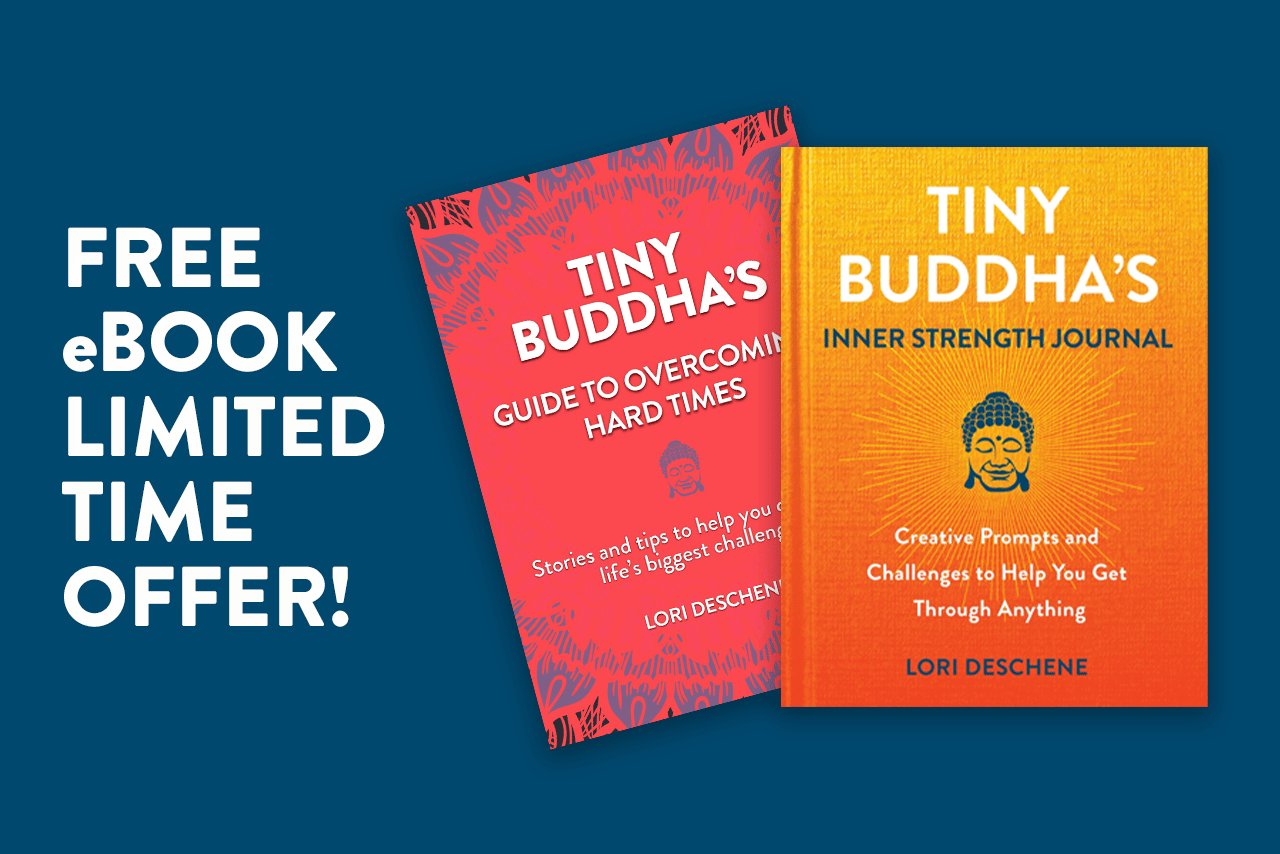
    I also put together a companion eBook—a free gift when you pre-order, for a limited time only—with forty of the site’s most helpful posts on overcoming hard times.

    The process of creating this journal was deeply healing to me, as I did each exercise as I went, and I have a feeling it can help you too. This isn’t a book of answers; it’s a framework to help you create your own personal roadmap to resilience so you can not only get through anything but also get the most out of life.

    As a mother to two young children, I’ve often wished I could prevent them from struggling. I’ve spent hours thinking about how I can insulate them from pain and ensure they never hurt as I have.

    But I realized a while back that if I protected them from pain, I’d also prevent them from gaining the wisdom and growth that accompany it. They’d live a flat, one-dimensional life, without the pride and confidence that come from doing hard things; and they’d never feel the sense of purpose we often find when we overcome something that once felt insurmountable and feel a burning need to help others do the same.

    What I really want for my sons, and for anyone I love—including myself—is the strength to handle life’s greatest challenges and the capacity to recycle their pain into something beautiful. Something meaningful. Something that makes all the darkness in life feel like a pathway to the light.

    I believe we all have that strength inside us, even if sometimes it all feels too hard. Even if sometimes we need to shut down for a while. We just need to learn how to access it.

    Whether you’re hurting, healing, or somewhere in between, I believe Tiny Buddha’s Inner Strength Journal can help you do just that. Click here to pre-order and get instant access to Tiny Buddha’s Guide to Overcoming Hard Times: Stories and Tips to Help You Cope with Life’s Biggest Challenges.

  • How I Created Opportunities in a World Full of Obstacles

    How I Created Opportunities in a World Full of Obstacles

    “I really want to, but I can’t because [add semi-valid reason here].”

    That’s a template sentence to let yourself off the hook.

    It’s not copyrighted, so feel free to use it any time you want to let go of your dreams and not feel bad about it.

    Honestly, it hurts me every time I hear someone say it. I see it for what it is—an excuse.

    Every single one of us has ambitions, hopes, dreams, and goals. We fantasize about them on our commutes to work and before we sleep. We talk about how we will one day achieve them, but when it comes time to put them to action, we use that template sentence.

    I had every reason to use the template sentence. I live in a third-world country in the Middle East. We suffer from a lack of water, electricity, security, and opportunities—especially for girls.

    In the Western world, if you want to learn a new skill, you sign up for a training course, get a book, find articles online, or join a club. It’s different here. Here, we don’t have training courses, libraries, or clubs, and the internet is slower than a snail crawling through peanut butter.

    During my teen years, I felt stuck in my life. I wanted to learn so many things and achieve my wildest dreams, yet I couldn’t. How was I supposed to impact people when I would only leave the house to go to school on the weekdays and grocery shopping on the weekends?

    I read stories of kids my age winning science fairs and inventing devices to solve the world’s leading issues. Yet, there I was, wasting my time at home, waiting five minutes for a single webpage to load.

    I had always imagined what my life would be like, and this is not what I had pictured. Time was passing me by, and my talents and ambitions were going to waste.

    I wanted to have an impact, but I couldn’t because I didn’t have the opportunities to learn and gain experience and feedback. (Notice the template sentence.)

    This way of thinking was eating away at my soul. Day after day, I found myself sinking into a pit of misery. I would spend my days lying in bed, staring at the ceiling. There was nothing I could do to change my life, so why try?

    One day, I had had enough. I had been lying in bed for days. It had been years since anything amazing had happened to me. I couldn’t take it anymore. I couldn’t accept the fact that this would be my life. There was an itch under my skin to make my life worth living.

    “Life is too short to waste it moping about the hand of cards life had served me,” I thought. I didn’t care what it would take. I would do whatever I could to get myself out of the hole I was in.

    I decided to use the resources I had to create the future I dreamed. “Bloom where you are planted” became my life motto. What I had access to at the time was the internet.

    In order to get out of the country I was in, I concluded that I’d need a scholarship. I set my mind on getting the Japanese Monbusho Scholarship. I found blogs, articles, and books online to become fluent in Japanese. I practiced day in and day out. I tried a plethora of different methods to learn new words and perfect my grammar. In a few months, I was able to hold a simple conversation in Japanese.

    I also realized that I would need money. I wasn’t allowed to go out and get a job. This was an obstacle I had trouble accepting. I tried to convince my parents to let me work, but they refused for my safety. My mother introduced me to the concept of passive income and showed me blogs that were making six figures every month!

    I set out to build a hedgehog care website. Every day, after school, I would research hedgehogs and write detailed articles about how to feed them, groom them, play with them, and anything else one would need to know. I went on like this for 3 years, studying Japanese and writing about hedgehogs.

    I’m sure you’re expecting a spirit-lifting ending where I travel to Japan and live off my flourishing website. That’s not how this story ends.

    I didn’t get the scholarship. The fact is, I didn’t even get the chance to apply. I ended up studying in my third-world country. I was crushed. I didn’t want to, but it was either study here or not study at all. Unwilling to accept the facts, I started an online university the next year. I now study at two universities simultaneously.

    As for the hedgehog website, it made me a total of $60 for the three years of work I put into it.

    I can stand here and tell you that I tried, but it didn’t work out. That’d be a lie. It did work out—just not the way I expected.

    I’m not in Japan, but I know how to speak Japanese and have met many interesting people along the way. I learned from them and gained experience just as I hoped I one day would. And instead of one major, I now have two, both of which I enjoy learning about.

    My hedgehog website didn’t succeed, but I created a new one that’s even better with the expertise I gained. I interact with my readers often, helping them find ways they can live their dreams. I love hearing their stories and learning how I helped them build better habits or make their goals a reality.

    I still live in the same country I did before. I still have to wait five minutes for a webpage to load. However, I know that even though the obstacles are always there—and always will be—they have nothing to do with happiness, fulfillment, success, peace, and satisfaction. Some people have it better than others, and some have it worse, but every single person, regardless of circumstance, can control their mindset.

    I didn’t let my obstacles stand in my way, and I created my own opportunities when I found none. In an instant, anyone can decide to embrace the cards they’ve been dealt and create their own unique way to shuffle, redistribute, alter, or mold them into a winning hand.

  • Where Our Strength Comes from and What It Means to Be Strong

    Where Our Strength Comes from and What It Means to Be Strong

    “Strength doesn’t come from what you can do. It comes from overcoming the things you thought you couldn’t.” ~Rikki Rogers

    A friend recently asked me: Andi, where does your strength come from?

    It took me a while before I had a good enough answer for her. I sat contemplating the many roads I’ve traveled, through my own transformational journey and the inspirational journeys of all my clients who demonstrate incredible strength for me.

    I moved to a different country, alone, at eighteen years old and have changed careers, battled a complex pain diagnosis with my child, and lost loved ones. I am now living through a global pandemic, like all of us, and most recently, I am recovering from a traumatic, unexpected surgery. Life has many surprises for us, indeed.

    So where does strength really come from?

    I wish I knew the precise answer to this question so that I could share the secret sauce with you right now, and you could have full access to all the strength you’ll ever need to achieve whatever it is that you really want. (Even the deeply challenging stuff and the tremendously scary stuff. All of it.)

    I do know this:

    Strength is a personal measurement for a truly unique, subjective experience. It’s entirely up to you to decide what strong means for you.

    And I also know this…

    Strength comes from doing hard things. It comes from showing up despite the pain or fear and going through the struggle, the endurance, and then building on that, to keep going forward and upward.

    Strength comes from taking the time to notice and acknowledge what you have managed to do and accomplish until now. So much of the time we go through things without realizing what massive effort something took, and we minimize the entire experience because we only focus on the end result and not the process.

    Strength comes from paying close attention to the small but significant steps and wins and incremental gains along the way. Strength comes from tracking progress and celebrating it one tiny bit at a time.

    Strength comes from within—from moments of activating your highest faith and belief. Knowing why you do what you do, even when it’s not easy.

    Strength comes from aligning with your core values and living with integrity even when no one is watching, and you aren’t in the mood. When we connect to what truly matters to us, we are stronger. When we believe there is a bigger plan and are hopeful about an outcome, we feel stronger. Even if we don’t know why.

    Strength comes from without—by surrounding ourselves with people who lift us up and see our worth, even when we sometimes forget. It comes from choosing to envelop yourself with kindness, inspiration, motivation, and gratitude. It comes from selecting role models and learning from them. It comes from seeing ourselves through others’ eyes—especially those who see our greatness and light when all we see is our flaws, weaknesses, and shortcomings.

    Strength comes from grabbing lessons and blessings, often dressed up as awful mistakes and painful failures.

    Strength comes from collecting moments you are genuinely proud of and taking the time to truly recognize these events for what they are and what they enabled you to accomplish. Don’t overlook them. You get to use these strengths in countless ways and in other areas of your life as much as you want to.

    Strength comes from knowing yourself. As you begin to discover and unmask more of you, you get to make choices that honor more of you, and you get to live your purpose and be more of who you really are. When we know better, we do better.

    The strongest people I know have had insurmountable trials. They know what to say yes to and how to say no. They know how to be proud of themselves with humility and honesty. They know how to pick their circles wisely and accept help, compliments, and advice.

    The strongest people I know cry a lot and feel everything.

    The strongest people I know are the kindest.

    The strongest people I know have wells of inner resources that are invisible to the naked eye.

    The strongest people I know can say sorry and forgive others.

    The strongest people I know can forgive themselves.

    The strongest people I know fall down hard, and slowly, with every ounce of courage, bravery, and might, find a way to get back up again, battered, bruised, and aching.

    The strongest people I know have incredible hearts that expand wider with each hurdle.

    The strongest people I know have endured so much and yet still find their smile to light up the world for others.

    The strongest people I know teach me every single day how to try and be just a little bit stronger myself.

  • The Cages We Live In and What It Means to Be Free

    The Cages We Live In and What It Means to Be Free

    “Cages aren’t made or iron, they’re made of thoughts.” ~Unknown

    I recently read Glennon Doyle’s Untamed, and like many who have read it, I felt as if it had changed my life—but not because it made me think of all the things I was capable of (as was the case with many of friends who read it), but because it made me realize how capable I had already been.

    The book on the whole is beautiful and inspiring, but the part that stuck with me the most was the story about Tabitha, a beautiful cheetah that Glennon and her kids saw at a safari park and a lab named Minnie that had been raised alongside Tabitha, as her best friend, to help tame Tabitha.

    Glennon watched as Minnie sprinted out of her cage and chased a dirt pink bunny that was tied to a jeep.  Shortly after, Tabitha, who had been watching Minnie, ran out of her cage and chased the “dirty pink bunny” just like her best friend had just done.

    Born as a magnificent, wild beast, Tabitha had lost her wild by being caged. She had forgotten her own power, her own strength, her own identity, and had become tamed by watching her best friend. But remnants of Tabitha’s inner wild came back to life when she walked away from the pink bunny toward the perimeter of the fence that was keeping her caged in. The closer she was to the perimeter, the more fierce and regal Tabitha became.

    Glennon insightfully notes in the book that if a wild animal like a “cheetah can be tamed to forget her wild, certainly a woman can too.” And that’s when I wondered, had I also forgotten my own inner wild?  Was I spending my time trapped inside a cage when I could be pacing the perimeter instead?

    I beat myself up over that story for days while desperately trying to think of how I could break free of my metaphorical cage so I could find my way to the seemingly elusive perimeter that others seemed to have easily found and were already pacing.

    I questioned why I hadn’t worked harder, pushed further, and done more to create the life I truly wanted, especially when it became painfully clear that the one I was living didn’t fit that description.  And that’s when it suddenly hit me. Like a ton of bricks falling on me out of nowhere:

    I didn’t need to make my way to the perimeter. I was already there. Truth be told, I had been there for most of my life, and it was so familiar to me that I didn’t even notice it anymore.

    As I sat there in the midst of this comprehension, I looked back on my life and suddenly the steps to the perimeter all seemed to fall in place.

    When I fell in a bucket of boiling water at two years old and put aside my own discomfort to comfort my mother who had broken down at the sight of my burned body, I took a step towards the perimeter.

    When I moved to America at the age of seven and couldn’t understand the language and was instantly labeled as “stupid” but kept going anyway, refusing to let them define who I was, I took another step towards that perimeter.

    When I watched my younger sister die of an incurable illness and kept her light alive inside of me by recognizing the beauty of her life and not just the heartache of her death, I moved closer to the perimeter.

    When I said no to becoming a teacher or a doctor—an unfathomable and disgraceful choice for women of my culture during those times—I took another step toward the perimeter.

    When I refused an arranged marriage, again disgracing my family in the process, the perimeter was directly in my sight.

    By the time I took off for law school (much to my parents’ continuing dismay), the perimeter and I were practically face to face.

    For a while I stayed at the perimeter, quietly stalking my surroundings with the same pride and inner fierceness as the cheetah who inspired these ramblings. But I now realize I was never meant to stay at the perimeter—I was always meant to go beyond it.

    Until I did, I would remain trapped inside my own inner chaos. And the calm I was so desperately seeking would continue to evade me. That inner restlessness that just wouldn’t go away, that indescribable lack of fulfillment and the hollow feeling in the pit of my stomach… those were all signs that I was ready to move beyond the perimeter. I was ready to uncage more than just myself—I was ready to uncage my soul.

    That’s why I was repeatedly drawn back to certain people, programs, and even books. I was ready to free myself of all restrictions and for that matter, all perimeters.

    The process hasn’t been easy. And at times, it has been beyond lonely. But it has also been rewarding, deeply healing, and transformative at the same time. And perhaps most importantly of all, it has allowed me to understand that in one way or another, we are all here to break free of the cages that have encased most of us for the majority of our life.

    Some cages are imposed upon us by the thoughts and ideas of those around us, and other times we put ourselves into them, willingly. So we can avoid discomfort, pain, suffering, change, growth, and our own rebirth.

    Sometimes they can even be helpful, but other times they do nothing but hold us back. The steel cages often tell us who to be, where to live, what we “should” do for a living, how to behave, and even who to like or dislike.

    Often, the cages come in different colors, shapes, and sizes. Some are made of gold and filled with expensive toys and bribes to keep us from going outside of them.  Their allure is simply too hard to resist for some people, even though they are often accompanied by gold shackles.

    Others are sparkly and filled with all that glitters. The shine is so intense that their occupants don’t even know they’re in a cage. They’re so fixated with the glitter that they spend their entire lives confined inside and never even realize they’re no freer than the people they’ve been looking down on as being “trapped.”

    And of course, there are some who live in small, dark, and dingy cages that they desperately want to escape but dare not try to because they’re so convinced that it’s safer, easier, and more comfortable to just stay.

    Those are the people that are so afraid of their own power and the taste of true freedom that they probably wouldn’t leave even if the cage door was opened for them.

    And then there are the brave. Those that are truly courageous and have no desire to be confined by any cage or any limits. Those are the people who will do whatever it takes to break the cage so they can set themselves and all of humanity free.

    Those are the people who are roaming beyond the perimeter and have uncaged far more than their physical body—they have uncaged their very soul, and along with it, the many lifetimes of memories, wisdom, and truth it holds inside.

    Those are the people I want to run with. Those are the people I want to call my tribe. Those are the people that, when I meet them, I’ll know I have found my home.

  • Beating the Odds: Why I Survived and My Brother Did Not

    Beating the Odds: Why I Survived and My Brother Did Not

    My brother, Marc-Emile, sparkled brilliantly. At sixteen years old, he could expound on physics or Plato, calculus, or car mechanics, Stravinsky or Steppenwolf. At seventeen, he began reading the Great Books series, starting with Homer and Aeschylus and moving forward through the Greeks. I don’t know how many of those Great Books he read. He didn’t have that long.

    My brother had everything going for him. He was kind, ethical, and handsome. He graduated high school a year early, at the top of his class, with virtually perfect SATs. He started at MIT as a physics major. He ended at MIT too, one year later. At the age of nineteen, he flung himself to his death from the tallest campus building.

    Then there was me, Marc’s little sister. Everyone knew me too, but not because I was brilliant. I was exceptional in a less appealing way, having been severely burned in a fire when I was four years old. I barely survived this injury, which left me with no lower lip, no chin, no neck and my upper arms fused to my torso. Bright purple raised scars traveled the length of my small body.

    I spent month after month in the hospital alone, undergoing one terrifying reconstructive surgery after the next. When I was home, I was bullied and taunted, kids running past me, screaming “Yuck!” as they fled, laughing. The children’s hospital ward was my playground. Wheelchair races were my soccer. I couldn’t take ballet because I couldn’t lift my arms above my head.

    So why is it that I am now living a contented, fulfilling life, happily married and surrounded by friends? And why is it that my exceptional, gifted brother took his own life forty years ago? No one would have bet on this outcome.

    Perhaps a clue lay in our baby photos. As toddlers, each of us had been brought to a professional photographer’s studio. In his photos, my brother sits cooperatively on a wooden stool, holding a ball with stars on it. He looks at the camera with pensive eyes, half-smiling. In another photo, he gamely holds a toy train. Again, he peers into the camera, observing and reticent.

    The page turns in the photo album and there I am. I laugh, mouth stretched as wide as possible. I point, tiny eyebrows comically raised. I hold my head coquettishly. I am probably nine months old and clearly having the time of my life. I don’t even need a toy. I’m a party all by myself.

    My basic temperament was different from Marc’s. I was friendly; he was introverted. I was optimistic; he tended toward depression. I was gleeful; he was sad. From the start, we displayed these differences, differences, which turn out to be vital factors in our survival.

    I have spent my lifetime trying to figure out why I am still here when my brother is not. It feels wrong, even four decades later. I feel his absence as an ache in my chest, a slight stabbing on the left side, like a slender silver knife slipping into my heart. His absence has been present within me, every day of my life.

    A day I have grown to loather is National Siblings Day, a reoccurring nightmare of a day, which happens every April 10. My friends post loving photos of themselves, arms around their brother or sister. Sometimes they share old photos taken decades ago and pose cleverly in new photos to recreate the original picture. They stand, embracing each other in an identical pose, but now with gray hair and glasses. They smile, grinning at the years that have passed, sharing the joke together.

    I don’t know how National Siblings Day started, or whose bright idea it was. I never used to have to endure this day. My only comfort, and this is cold comfort indeed, is the comradery of my friend’s daughter, who lost her only sibling four years ago. Every year, for the past four years, I have texted dear Laura on April 10th.

    “Happy F-g National Siblings Day. I love you.”

    Within seconds, Laura responds. “I know. It’s awful. I love you too.”

    I am here, Marc is not. I am resilient, despite the odds against me. He was not resilient, despite the odds in his favor. It turns out that being naturally cheerful might be more important than acing the SATs.

    Perhaps in this year of COVID-19 and other assorted disasters, the capacity to be cheerful is the most crucial gift of all.

    I am upbeat and optimistic, despite being burned, abandoned, neglected, bullied, and despite losing my favorite person in the world. I don’t necessarily mean to be cheerful; it just happens. I’m like the red and white plastic bobber on the end of a fishing line. I go under and then just pop back up again, for no real reason other than that’s just what I do. It’s my temperament; I don’t choose it.

    Marc didn’t choose his temperament either; none of us do. Our genes are what they are. But luckily, genetics are not the only factor in resilience. Life experience matters too, and so does social support.

    Optimism can be encouraged. Gratitude can be worked on. We can teach people the skills to cope, in our homes, our schools, or our psychotherapy offices.

    We can impart the importance of physical, mental, and emotional self-care so they develop a strong foundation of well-being. We can give them tools to handle life’s challenges—like reframing struggles as opportunities, focusing on things they can control, finding strength in all they’ve overcome, and letting other people in. And we can teach them to recognize stress before it escalates so they can calm and soothe themselves.

    Resilience is like intelligence: some people are born naturally smarter, but everyone can learn. Some people are born more resilient, but everyone can be helped.

    We need to keep our collective eyes out for those who are sad, who seem hopeless, who don’t smile for the camera. We really need to keep our eyes peeled now, during this time of quarantine and social isolation, because emotional distress is on the rise.

    Science tells us resilience can be improved. However, offering help will be more complicated, time-consuming, and expensive than simply exhorting, “Be more resilient!” Demanding resilience does not make it happen. Some people need to be taught how.

    Let’s not pretend we all begin at the same starting line. And, speaking from a lifetime of missing my brother… let’s not leave anyone behind.

  • What I Now Know About Rejection and How It’s Set Me Free

    What I Now Know About Rejection and How It’s Set Me Free

    “If someone does not want me, it is not the end of the world. But if I do not want me, the world is nothing but endings.” ~Nayyirah Waheed

    Rejection means a lot of things to a lot of different people. To healthcare professionals, it may mean immunological incompatibility, a body not accepting a transplanted tissue or organ. To a couple that wants to adopt, a rejection letter can be discouraging and devastating news. To a writer, rejection can come in the form of submitting your precious work that you slaved over to a publisher and being told it didn’t quite make the cut.

    I struggle with rejection, and I am no stranger to it. I’ve been rejected for numerous jobs, I’ve lost out on scholarships, I’ve had friends dump me, and boys tell me they don’t like me. It’s impossible to be a human in this world and not experience rejection.

    The hardest form of rejection for me is social rejection. It hurts much more than any other form of rejection because it feels like definitive proof that there is something undeniably wrong with me. Something is wrong with me, and that has just been confirmed by someone else. All of the doubts and shame that have been floating around in my brain finally become real.

    They only invited you to the party because they felt sorry for you. You aren’t cool enough to date that person. Your friends only tolerate you. Who do you think you are? They were bound to find out eventually.

    This fear of rejection has caused more consequences for me than the actual act of rejection itself. This often happens in life, the fear of something being more potent and powerful than the thing we are actually afraid of.

    It’s the anxiety of going to the dentist resulting in sleepless nights and panic attacks. Then when you get there, you realize that it takes thirty minutes and all you need is a routine clean.

    It’s lying in bed at night going over potential disastrous scenarios of your public speech or work presentation, creating a spiral of panic and dread.

    It’s avoiding going to parties, dates, and events because you’d rather avoid any sort of risk, even if it means missing out on the rewards.

    It’s common knowledge that being thirteen years old is one of the worst stages of life for most of us. You feel awkward in your body, your self-esteem is at an all-time low, and you feel misunderstood by the world, especially your parents.

    When I was thirteen, my family decided to move up north to a small beach town, and I started a new school. It was a Christian school that had a shining reputation. I naturally expected it to be filled with loving and kind Christian kids who would accept me with open arms. This was not the case.

    Thirteen-year-old boys are cruel. They immediately heard my Canadian accent and constantly mocked me for it. Growing up, girls are told that when boys are mean to you it’s because they like you. With that mentality, it’s not that surprising that so many women choose to stay with men who treat them like garbage. I’m not sure if these boys had crushes on me, or they just saw an awkward ginger girl who was very out of place and decided to pounce.

    The girls, on the other hand, already had established friendship groups and were not looking to expand, especially to a girl who didn’t fit their cookie cutter Christian image.

    Apart from my very obvious physical differences, I also had very different views to the kids and teachers at the school. I was brought up in a Christian family, but I was still allowed to make up my own mind about issues in the world.

    Being a lost thirteen-year-old who felt very disconnected and dislocated, I gravitated toward the world of feminism and social justice. Sexism and misogyny enraged me, and I found an online community of other women who weren’t afraid to speak their truth and challenge the status quo. It became my whole world, because I had nothing else to subscribe to.

    I was outspoken about my beliefs. I was a proud feminist, I was pro-choice, and I supported LGBT rights. All of these things were completely taboo and blasphemous at the school I went to. I was immediately considered to be the “bad egg,” further ostracizing me from the rest of the school.

    My only friend was Emma, my one shining light in a sea of hostility and judgment. We were kindred spirits, and we felt like it was us against the world. Due to our closeness, rumors started that we were lesbians (the worst sin you could commit at a Christian school, clearly). I remember one kid refusing to share his food with me because I was gay, and another kid spitting on me during P.E class.

    This was the first time in my life I had experienced full on social rejection, loud and clear. Of course, I had experienced exclusion and rejection before that, but never to such an extreme, and none with the clear message of “You are wrong. You do not belong here.”

    And at that vulnerable age, when I was already deeply struggling with self-esteem and teenage angst and disorientation, it had a devastating effect on me.

    I dreaded going to school, I spent lunches sitting alone in a bathroom stall, and I was constantly on the verge of tears. I didn’t even feel like the teachers accepted me or even “saw” me. Even the school counselors felt unsafe; I knew they had ulterior motives and would never truly understand what I was experiencing.

    I only lasted a year and half at that awful school, finally gaining the courage and motivation to leave after some very valuable counseling sessions from an outside source. I moved schools to a public high school, which on paper sounded rougher around the edges, but I truly thrived there.

    My grades soared, I became involved with extracurriculars, I became a prefect, I won awards and scholarships. I found lifelong friends who accepted me, and teachers who became mentors and saw the value and potential in me. I graduated feeling joyous and triumphant.

    Though I had such an awful experience at the Christian school, I had made a change and things got better. It was a confirmation that life could be good, and it wasn’t all loss and rejection.

    The thing is, even though we may feel we’ve moved on from painful experiences, they can still be triggered in our everyday lives and interactions. We can instantly be transported back to those vulnerable and lowest points of our life, and our behaviors and thoughts can still be products of that time.

    Though my schooling experience had a happy ending, I now realize that I am deeply afraid of rejection. I still have this fear inside of me that there is something inherently wrong with me, and once people find that out, they will leave me. This is only made more salient due to this clearly false belief that my suffering and my pain is unique and everyone else in the world seems to have it figured out.

    Though I know this to be logically false, because I am in my own mind, it feels so much more believable and real. Social media, especially Instagram, is known to do this. People can project any image they want out into the world. They show the highlight reel of their lives, the best of the best. They show how much fun they are having, how many friends they have, and how happy they are. How can you not be fooled by that?

    I know that we are all imperfect. We all have insecurities, anxieties, and shame. Brené Brown says “everyone has a story that will break your heart. And, if you’re really paying attention, most people have a story that will bring you to your knees.” When I am at my lowest, I am so preoccupied with my own all-encompassing suffering that I disconnect from the rest of the world.

    I forget that our pain and suffering is actually a connective tissue between us all. Fear of rejection is not a unique phenomenon that I have just discovered. It is an age-old problem that plagues so many of us. It stops us from taking risks, from being vulnerable, and from pursuing our creative passions.

    I notice this fear of rejection creeping up into so many areas of my life. I became more of an “idea” of a person than a real person. I put up barriers so that people won’t get to see the real me. I notice myself embellishing the cool aspects of my life and personality when I’m on a first date, and though we all do that naturally on a first date, I know it stems from a fear of rejection.

    If someone takes longer to reply to me than normal, or their tone changes when texting me, I interpret it as a sign that they are no longer interested or that they hate me. We all see memes about this circulating on Instagram, no doubt a coping mechanism, but it can be truly debilitating.

    The sign of a resilient person, someone whose self-esteem comes from within rather than external validation, is even when you are rejected, it doesn’t break you. You have enough self-worth to know that rejection doesn’t define you, if anything it makes you stronger. If you don’t get invited to a party, if your friends decide to not invite you out, if your Tinder date ghosts you, you are still you.

    My favorite actress/comedian Jenny Slate said in an interview, on constantly drawing and redrawing the picture of who you want to be, “You have to be limber. Every shape that you will be bent into, whether you do it to yourself or you are blown by the wind or someone comes in there and breaks you in half, is still you. No version of myself is permanent, but sometimes those bad parts are trying to fool me into thinking they are permanent.”

    I will never be able to control my life and what people think of me. There will be people who write me off before they even bother to get to know me. There will be people who treat me like sh*t simply because they can. There will be many moments that I could perceive as evidence that there is something wrong with me. But now I know that it’s not true.

    I will always be me, and I can decide if I want to treat rejection as a death sentence or a form of new life.

  • How Your Ego Thrives on Fear and Keeps You Panicked

    How Your Ego Thrives on Fear and Keeps You Panicked

    “The ego is the false self—born out of fear and defensiveness.” ~John O’Donohue

    “The soul is like a wild animal—tough, resilient, savvy, self-sufficient, and yet exceedingly shy.” ~Parker Palmer

    Does it sometimes seem like the world is just a little too much for you? Do you feel that you need to protect yourself from the slings and arrows of outrageous fortune? (Thank you, Hamlet.) Are you a fragile flower being buffeted by life’s storms?

    Then I think you’ve been listening to your ego too much. I understand all of those feelings very well, but I’ve recently discovered something life-changing: It’s only the ego, or small self, that’s fragile.

    The soul—your authentic self—is a honey badger.

    You know those honey badger videos on YouTube, where the little guy gets bitten by a cobra or stung by a whole swarm of African killer bees, but just keeps on going? That’s what your soul’s like. “Honey badger don’t care…”

    We always have access to these two different perspectives, but most of the time we’re so identified with the small self that we forget about our honey badger souls.

    The ego is a prickly little thing, with a hair trigger reaction, ready to go off at a moment’s notice. The soul is incredibly calm and resilient—not touchy and reactive, and yet capable of taking effective action when needed with a minimum of fuss.

    The ego’s self-appointed function is to help you get what you think you need from the world and prevent you from losing what you have. It’s fueled by fear, and sees threats everywhere. This fear leads inevitably to feelings of separation, lack, competition, judgment, grasping, and deep loneliness—in other words, suffering.

    The soul, in contrast, is rooted in love and a deep-seated well-being. Things that put the small self in a tizzy often bounce right off it.

    Recently, I had two experiences within days that gave me a brilliant chance to practice switching focus from ego to soul and seeing what a difference that could make. Neither one was really a “big deal,” and yet both had my poor little ego off and running. What a drama queen the ego is!

    In both cases, a person I loved and trusted hurt my feelings, probably unintentionally. Misunderstandings happen; we’re all human. The real issue was my ego’s reaction, which was to immediately shut down in an effort to protect myself from being hurt again.

    It went something like this: “Well, I’m certainly going to have to stop being around those people, because I never want that to happen again, and they obviously can’t be trusted anymore.”

    The problem is, both of these people are part of a wellness community that I love. This community is all about personal growth—about learning to overcome the illusion of ego and live from the authentic self, or soul.

    Pondering my instinctive response to protect myself, I had to ask: Just exactly what needs protecting here? The only answer I could come up with was my ego.

    My ego felt hurt and vulnerable when these two people seemed to not understand or value me. My ego didn’t think it could handle that happening again, but when I checked in with my soul, it was like: “Honey badger don’t care…”

    I had to laugh when I realized how unperturbed my soul was by what my ego saw as a huge affront and threat. Stonewall Jackson once said, “Never take counsel of your fears,” and yet that is exactly what we do when we put the touchy ego in charge of our reactions.

    Ego is like the boy in the fable who raises the alarm at every passing shadow. Ironically, though, crying wolf like this only makes it harder to perceive a true threat when it comes along. The soul doesn’t waste time on false alarms, but when there’s a real need for action, it will roll on that just as fearlessly.

    Here’s what my fragile ego thought it needed in order to be okay in the situations I mentioned: first and foremost, an apology to salve my hurt pride (ego is always big on pride); assurances that I really am loved and valued (more pride, with a touch of emotional neediness); and finally, an ironclad guarantee that something like this would never happen again (is that even possible, given that we are all human?).

    Now, all of those things would be lovely to have, I’m not kidding. But do I actually need them? Not really. When I drop down to soul level, I find a sense of well-being and security that far transcends my ego’s desperate grasping for reassurance and amends.

    Soul knows that I already have everything I need to be okay. Not that it’s a pushover by any means, but things like wounded pride, which are all-important to ego, don’t really faze the honey badger much. He’s got a much tougher hide and a bigger heart by far. Honey badgers do care, but not about the things ego finds important.

    So this is how my soul dealt with these situations: First, because I felt genuinely hurt, I let myself feel that pain with compassion. I didn’t dismiss the hurt. Next, I looked carefully at my own part in what happened, to find out if there was anything I needed to clarify or apologize for. Then I reached out and expressed my feelings as kindly and truthfully as possible. And then I stopped.

    This part is the trickiest of all. The ego hates uncertainty with a passion (at least, mine does). My ego wanted things resolved, pronto, and it was screaming at me to take action.

    Maybe I should try to garner support and sympathy for myself by telling other people about what happened? That always feels good. Or else I could apologize profusely—for what, I’m not sure—and get everything patched up and smoothed over as quickly as possible. Or….

    So once again I consulted my honey badger soul, who said: Sit tight. Everything is just fine. No worries at all, mate. As long as I was clear about my own role in the disagreements, my soul was content with that. No need to escalate, but also no need to overly justify or explain or “make nice.”

    Unlike the ego, my soul knows that it’s only responsible for its own reactions, not everyone else’s. Gotta love that.

    And so I waited. In one case, things have already ended up sorting themselves out very well—I’m sure far better than they would have had I listened to my ego. In the other, I’m still waiting (and that’s okay).

    I’ve decided that, even in the face of this uncertainty, I don’t need to take extraordinary measures to “protect” myself, at least not yet. There might come a time for that, and I trust my soul to recognize it if it does.

    When something like this happens to you—when your small self feels threatened and is telling you to attack or pull up the drawbridge—stop for a moment first and check in with your soul. Take some deep breaths and sink down under that surface panic.

    What do you really need to do, if anything? Is there truly a threat, or is it just your fragile ego crying wolf again? Chances are slim that you’ll find your honey badger soul in a panic. Whether there’s action to be taken or you just need to sit tight for a while, the calm, resilient, and loving energy of your soul is always there to draw on.

  • How to Rock Your Scars (Because They Mean You’re Strong)

    How to Rock Your Scars (Because They Mean You’re Strong)

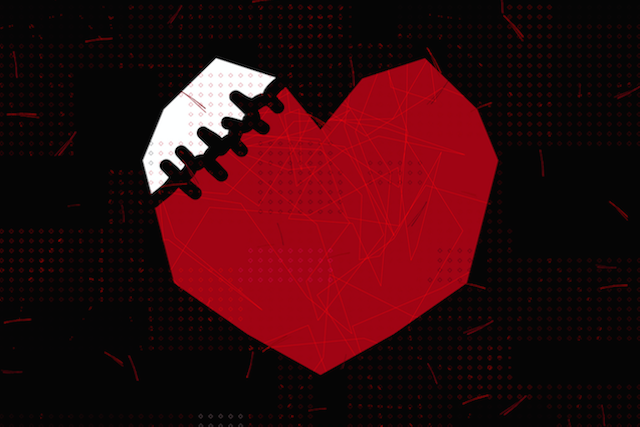
    Scarred heart

    “Never be ashamed of a scar. It simply means you were stronger than whatever tried to hurt you.” ~Unknown

    “It’s such an ugly scar, I really don’t want anyone to see it.” This is what I told my daughter about a scar on my leg from an accident I’d experienced a year earlier.

    I can remember the day so clearly when I slipped and fell, while skating, breaking my ankle and tearing a ligament. It was a painful experience with a long recovery. But I also felt embarrassed because I got injured during such a simple and fun activity.

    I often wondered why this happened to me. One minute I was out enjoying quality time with my daughter and after the next minute I couldn’t walk for twelve weeks. I wanted to be present for her. I wanted to be active. I wanted to be involved. I wanted to be a good mother. I wondered if maybe I was overcompensating for the time I was busy keeping up with my work.

    I became so entangled in my thoughts, wondering where I went wrong and why this was happening now.

    After all was healed, I had a long scar from two surgeries. While I was happy to be up and on the move again, I was self-conscious about the five-inch mark on my ankle and leg area, along with the indentations in my skin from where the medal plate and screws were underneath.

    I thought this scar was unattractive, and it was an awful reminder of my journey to healing. I knew with the warmer weather quickly approaching that I’d want to hide it.

    I had it all planned out: I’d wear super long dresses, skirts, and pants. No one would need to stare my scar or ask me what happened. I wouldn’t have to wonder if anyone was looking at it, because I’d already taken care of that with my clothing.

    One day my eleven-year-old daughter and I were discussing summer fashion and girl talk in general. I shared my well mapped out plan to hide my scar with my clothes. Before I could finish, she quickly replied, “Why don’t you want to wear your dresses, Mommy? Why are you hiding your scar?”

    I pondered for a moment, then offered a simple response that I just didn’t like the way it looked. What she said next caught me off guard and made me teary eyed.

    She said, with conviction, “Mommy, your scar shows that you made it! It shows that you are no longer in that same place as you were before, that you overcame it. You should be proud to show that scar, Mommy, because you bounced back! That’s your ‘I made it scar.’ ”

    I was so blown away by her response and her unknowing insight into resilience.

    As parents we share much of what we know with our children to help guide them through their everyday experiences. But there are those unscripted moments when our children’s perspectives provide us with insight into how to move forward.

    Here are the lessons of self-acceptance and resilience my daughter taught me that can help you:

    Don’t Hide Your Scars

    We’ve all been through challenging situations, setbacks, disappointments, or heartbreak, and these experiences can leave a painful residue based on how we allow ourselves to heal.

    Once you make it through the healing process, sharing the lessons with others will provide a sense of empowerment for you and to those you share it with. Your “scars” or challenging experiences have a unique story of resilience, and to tell it sends a continuous chain of healing to all you interact with.

    Keeping it hidden reinforces a stigma of non-acceptance of all parts of your journey in life. If you reject these experiences, you’ll feel compelled to bottle these emotions within. That’s what I did after I left a job that, at the time, caused a great amount of stress and wasn’t beneficial for me as a parent.

    At first, I felt embarrassed to share with others, because I always saw myself as competent, fitting in anywhere and always able to get the job done. I felt defeated because I was unable to meet the demands of my role. I felt bad that I somehow couldn’t “cut it” and didn’t measure up.

    It was hurtful since I’d given everything I had, even at times pushing aside my priorities as a parent, and it still didn’t work out. So, I wanted to keep this “failure” quiet and move right along.

    However, when I began sharing my experience of trying to balance the unrealistic expectations of a big corporate organization and being a present parent, I heard stories from other women who could relate.

    This was when I realized the power of sharing my story. In talking about it I felt less ashamed, and that’s when the healing began, along with gaining a sense of empowerment.

    Try to put a spin on those tough challenges so they don’t hinder your growth and progress. Share your feelings and story with a close friend, and if you’re comfortable enough, with others as well.

    If you’re uncomfortable speaking about it, then write it down in a journal. Getting your feelings out will help purge your mind of overwhelming thoughts and cleanse your heart of the pain.

    Your Challenges Can Propel You Forward 

    This challenging experience may have been rough, but it can also be the thing you need to get you moving outside of your comfort zone and into a new direction. Sometimes those unexpected setbacks build up the “muscles” that were once hidden within us due to fear or complacency. Now you’ve experienced your fears and you see that you’ve made it.

    For example, maybe one of your worst fears is to lose your job and not being financially secure. If you’ve been laid off or fired, while this is hurtful to your self-esteem and brings about uncertainty, it may be an opportunity in disguise.

    Perhaps this is your chance to go full throttle in starting the business you’ve always wanted, or maybe this is the push you need to get you to go back to school, or into the true field you desire to work in. It might even be a much-needed opportunity to take it easy and take better care of yourself.

    Take time to process the lessons you’ve learned from this situation. Use them to help you regroup, refocus, and move ahead. What you were once afraid of is now a thing of the past.

    Use your setback as a stepping stone to a new transformation in your life.

    Be Gentle and Less Critical of Yourself and Your Journey

    You may have gone through or are currently going through a tough time and you’re having thoughts about feeling “dumb,” feeling less than or not being able to cut it.  While these thoughts are normal, spending time dwelling on them will never help you feel better and learn the lessons.

    Stop beating yourself up. Offer yourself and your past forgiveness in order to set yourself free from the pain.

    Giving so much life and emphasis to what those things mean about you is taking away from living out this one life of yours. Recognize the lessons and be kind to yourself so you can begin the next chapter of your life.

    Surround Yourself with Resilient People 

    We spend so much time in our own heads pondering questions like “Why did this happened to me?” “What did I do wrong?” Indulging the “what if” questions will cause intense overwhelm and keep you stuck in your thoughts.

    Surround yourself with resilient people who will listen to you, offer you encouragement, and help you find that spark you need to move forward. My daughter was a calming peace to my anxiety around my scars. While she shared a dose of encouragement, she unknowingly provided me with enough space to think about what she said, which gave me the ability to identify my next step for moving ahead.

    A gentle spirit with words of wisdom was the catalyst for me to think differently about my situation.

    Life is not meant to be lived hidden. The entire fabric of who you are is what makes your story unique and rich with wisdom. I once was afraid and ashamed to share those lessons of setbacks and hurt, fearing judgment and rejection. But I’ve found even more strength and humanness in sharing those stories, as they are part of who I am and it’s not necessary to hide that anymore.

  • How to Boost Your Resilience So Nothing Can Keep You Down

    How to Boost Your Resilience So Nothing Can Keep You Down

    “No matter how much falls on us, we keep plowing ahead. That’s the only way to keep the roads clear” ~Greg Kincaid

    How is it that some people can breeze through physical and emotional pain, whereas others wince at the mere thought of it?

    Is it their genes? Their individual circumstances? Their support network?

    Or is it a certain strength of character, something each and every one of us can develop with the right tools and training?

    Two years ago I found myself needing to answer these questions.

    I was sitting in a cafe in East London, wiping the tears from my cheeks with a napkin. To my boss, who’d just informed me she no longer needed me, it would’ve looked a little overdramatic. But at least an hour had passed since she’d left.

    It was uncertain whether or not I’d be paid the previous month’s wages. I needed it to cover last month’s rent, to buy food for the following weeks, and now to call my mom. I’d moved to London only a month prior, giving up a good job and a bright future in a good company to work on a new, small but promising community project.

    Despite the words of warning and concern from my family, I believed this was going to be the start of something great. Those tears were not for losing the position or even a month’s worth of hard work, but for the excruciating feeling of having to admit I was wrong and call my parents to take me in.

    I was a mess. I felt like a failure to myself and to all those who’d been looking out for me.

    Today when I think about that unfortunate time, I realize I wouldn’t be where I am now without it. I learned an early and somewhat easy lesson in resilience.

    Resilience: ”An individual’s ability to properly adapt to stress and adversity.”

    Resilience is not something you either have or don’t have. It’s a set of behaviors, thoughts, and actions that can be learned and developed by anyone. And the great thing is, you don’t need to lose your job, money, or pride to cultivate it.

    There are three keystone habits to master in order to become a temple of strength and resilience in times of adversity. I’ve spent the past several years practicing them, and they’ve completely transformed my life, so naturally, I now want to share them with you.

    Some of the tips may appear simple, but they take a concerted effort to put into practice and master. Start little by little today, and they’ll soon become a part of your body’s natural stress response.

    Focus on Finding the Good

    To be resilient, you need to be able to find reasons to be optimistic—some way your circumstances may actually be beneficial to you in the long run. It’s nearly impossible to bounce back when you’re focusing on how horrible a situation is. It’s much easier when you can find blessings in disguise within difficult times or identify lessons that can help you going forward.

    But this doesn’t mean you don’t experience difficulty or distress. In fact, those who are highly resilient have a much more diverse repertoire of emotions than those who are not. They feel pain, mourn losses, and endure frustrations, but they understand that pain is temporary, and they focus on identifying the positive in the negative and opportunities in challenges.

    If we don’t learn to look for the positive, we quickly become victims to the negativity bias—which means that even when the positives and negatives of a situation are of equal intensity, the unpleasant and traumatic thoughts and emotions affect us most. This is toxic because as soon as we start to complain, we become victims. If we smile and refuse to get caught up in negative interpretations of events, we are simply experiencers.

    It took me a while to see what good could come of being left in East London with no money, job, or clue as to what I was going to do next. It was only several months later, when my life took an unexpected turn for the better, that I would start to question the whole idea of positive and negative experiences and see that each brings their own unique possibilities.

    That’s often how it happens; at first, it seems there’s only one way to interpret adversity. In retrospect, though, we often find that a chain of seemingly negative events put us directly on the path to something worthwhile. Resilient people remember this when everything seems bleak.

    Question Your Thoughts and Feelings

    One major difference between those who are resilient and those who are not is self-awareness—the ability to identify their emotions and question the thoughts that preceded them.

    We know highly resilient people still experience reactive emotions from adversity like fear and worry, but they approach them in an active manner, identifying the thoughts that led to these emotions, challenging them, and quickly adapting. This is how they’re able to bounce back and summon confidence at will.

    The best way to avoid getting caught up in emotional reactions is to practice meditation in small bouts every day.

    Traditional meditation is great, but come 3 p.m. when you’re tired and hungry and in the middle of a heated debate with a colleague, it’s easy to forget the twenty minutes of calm and tranquil bliss you experienced that morning. Incorporating small bouts of meditation into your day allows you to regularly regulate your emotional state.

    Today, I don’t actively seek out difficult conversations or sticky situations, but when they do appear on my radar, I’m fully prepared and equipped to handle them. Of course, this is easier said than done, and recently this belief was challenged when a call from a family member completely knocked me off my trajectory.

    I hadn’t seen my grandma for years, not because I didn’t care but because I got busy with life, and I unwittingly convinced myself that she wouldn’t get sick again. So when it happened, it hit me hard.

    The subsequent feelings of depression and woe that consumed me at first felt inevitable, but before I knew it, I was focusing on my breath, questioning my thoughts, and reframing the situation in a positive light.

    At first, the situation seemed to have no upsides. Then I realized this was a reminder that life is short, and I need to be in touch with my grandmother more regularly. This same reminder also rekindled her appreciation for life. Pain wasn’t the only thing that could come from this situation, but growth, opportunity, and greater meaning.

    Run Toward the Pain

    As human beings, we naturally seek refuge in comfort.

    Our minds and bodies are content following familiar patterns and routines, conserving energy and hiding from the scary unknown.

    Unfortunately, that means we become dependent on external aids like smartphones to do difficult tasks and any strenuous thinking for us. This discomfort-avoiding behavior rubs off onto other areas of our lives: one minute you’re avoiding the pain of being alone by scrolling through Facebook, and the next you may be avoiding your feelings after losing someone close to you, inhibiting your ability to move forward.

    Resilient people accept painful situations and face them head-on, trusting that they can get through them.

    Rethink the little moments of discomfort and anxiety in your day as signposts to resilience and optimal health, from setting limitations on checking your phone to having that awkward conversation with a loved one.

    Whenever I catch myself feeling even an ounce of discomfort, I stop and think, “What is the next course of action that will make me feel most satisfied: avoidance or plowing straight ahead?”

    The same characteristics that make us resilient are the same traits that allow us to live stronger and more enriched lives. So look on the bright side, challenge your reactive thoughts and emotions, and learn to lean into discomfort. Then even if life gets you down, it won’t be able to keep you there.

  • 4 Things to Remember When Life Feels Hopeless

    4 Things to Remember When Life Feels Hopeless

    “However long the night, the dawn will break.” ~African Proverb

    Were there times in your life where it felt anything that could go wrong went wrong? That was me five years ago.

    In a span of nine months, my marriage to a partner of eight years broke down, I lost four family members to unexpected deaths, and I suddenly found myself hurtled from living the dream life to being jobless, penniless, and homeless.

    To say life knocked the wind out of me would be an understatement.

    Each time I picked myself up, another blow would send me sprawling toward a sense of utter defeat. It was as if a tornado swept through my entire being and left me empty and devoid of hope, strength, and any ounce of self-belief.

    Shell-shocked, I spent that whole year crying. I would wake up crying in the mornings, run to cry in public toilets during the day, and end my days crying myself to sleep. It was a dark period of my life where everything was one blurry haze of tears.

    As those days of hopelessness stretched on, the only thing I could focus on was taking baby steps every day to build a new life and a new future.

    It was an arduous journey where I was often taking one step forward and two steps backward. Many times, I felt like I would never see the light at the end of the tunnel, and I struggled to find the strength to inch forward.

    Five years on, I finally came out the other side. My new life and the new me are still under construction, but I now have in me a spring of strength to propel me forward, regardless of setbacks or how grim a situation seems.

    This newfound capacity did not develop overnight. It grew gradually as I practiced and incorporated into my life the valuable insights below.

    If you’re going through difficult times now, the following four reminders may help you be more resilient.

    1. Remember that life always changes. Things can get better.

    When troubles strike, it can feel like things will only get worse, but that is the pessimist in us talking. If we keep the faith and respond to the situation with positive and constructive actions, we can break out of the cycle and things can get better.

    Sometimes all we need to do is to simply let time pass and to resist the temptation to overreact and aggravate the problem. During times like these, I would distract myself by actively engaging in other areas of my life.

    2. Recall how you overcame similar struggles in the past.

    When plodding through a challenging time, it’s natural to be gripped by fear, self-doubt, and pessimistic thoughts that we won’t be able to surmount the obstacles. We forget that it always feels impossible until it’s done, and that we have overcome similar struggles in the past.

    A simple but extremely effective thing I did was to list down the occasions in my life where I busted through hurdles and rose above the seemingly insurmountable difficulties. As I penned out the victories, I found renewed faith in myself and in the unknown future, which may well bring the good instead of the bad like I feared.

    3. Remember that things aren’t as bad as they seem.

    Zoom out on the issue and focus on the grand scheme of things. More often than not, the raging fires in our lives hijack our attention and we fail to see the big picture. It’s rarely the case that every aspect of our lives went awry at the same time, and it’s critical to keep the right perspective when the going gets tough.

    We need to remember that our problems are merely a subset of everything that’s going on in our lives and not let the worries, fear, and anxiety overtake our minds. Even if every area of our lives—namely health, relationship, work, money, and passion—went haywire, the fact that we’re alive means there’s hope for things to turn around.

    4. Remember that there are still things to appreciate.

    Do not let the darkness blind you from seeing the stars. It’s human nature to get caught up with the things that are not working out in our lives and forget the good bits. I’m a big believer of a grateful heart being a magnet for abundance and miracles.

    No matter how terrible life may seem at any single point, there are always good things if we keep our eyes peeled for them.

    Thanks to the challenges, I came to see who my true friends were, and I also learned to appreciate many of the blessings I had taken for granted. I might have lost a life partner, loved ones, money, and employment, but these setbacks are transient.

    I would always have my degree, knowledge, skills, professional experience and network, and people who care deeply for me to fall back on and to get me back on my feet.

    As I grew stronger in handling life’s curveballs, I was grateful that I had developed this invaluable life skill at a young age so I can have the rest of my life to benefit from it. While maintaining a thankful heart, I realized that even in dark times there are stars we can gaze upon if we view our plight through the right lens.

    Which areas of your life are you struggling with right now? How do you cope and stay resilient?