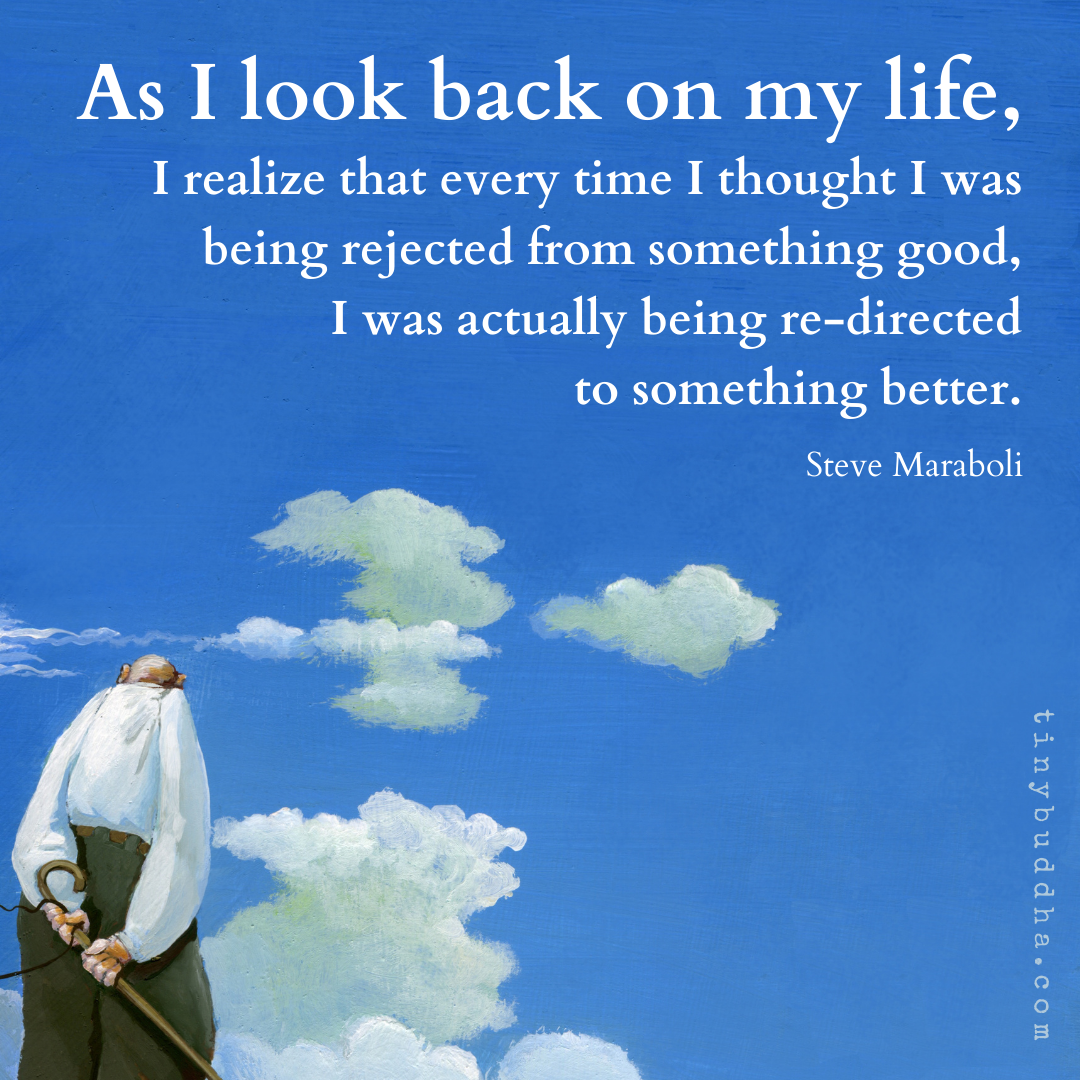
Tag: rejection

  • 4 Things I Learned from Being Possessive and Controlling in a Relationship

    4 Things I Learned from Being Possessive and Controlling in a Relationship

    As she stood there watching the puppet show, our eyes locked. I was instantly attracted.

    After what felt like the longest fifteen minutes torn between the desire to talk to her and the fear of rejection, I mustered the courage to introduce myself.

    She gave me a smile, then without saying a word, walked away.

    “What just happened? How can such a beautiful lady be so rude?” I stood there in disbelief, overtaken by embarrassment, pretending nothing had happened.

    Two weeks later, as if by pure serendipity, a mutual friend reconnected us. That was the beginning of a relationship I could only dream of.

    Oh boy, did I misjudge her! Her attractive appearance was an exact expression of the beauty of her soul.

    One year and a half later, we were dating. Yes, I spent one year and half chasing after her. I guarantee a minute spent with her would convince you it was well worth my while.

    They say it takes longer to build a castle than a chicken coop. One and a half years must be the foundation for a skyscraper that not even the worst storm could break.

    For about a year, it felt that way. We were inseparable. Both our parents gave us their blessings. We moved in together. We even made wedding plans.

    It was like a relationship out of a fairy tale. We had every reason to believe we would live happily forever after. Life without each other was inconceivable.

    But there a problem… I was excessively possessive and controlling.

    I couldn’t stand my girl talking to another guy. I had the passwords to all her social media accounts. Whomever she was talking to, I knew. If she had to meet a male friend, I was present.

    Little by little I was withdrawing from her emotional bank account, as Stephen Covey put it. Worst of all, I was taking more than I was putting in.

    As a fervent Buddhist who believes in “letting go,” she was very tolerant. That gave me plenty of room to throw tantrums, ruminate, and blow the littlest issue out of proportion.

    Well, patience has its limits. After three and a half years, she had reached hers. I had emptied her emotional bank account.

    It was over. She had broken up with me.

    I was so clingy that I wouldn’t even accept her decision. I spent eighteen days trying every trick under the blue sky to get her back, to no avail.

    How did that happen? We’d spent so much time building our relationship, cherishing and loving each other. What went wrong?

    The eighteen days that followed were like a living hell. I suffered panic attacks, lost my appetite, and couldn’t sleep. Life became meaningless. I was at a breaking point.

    On the eighteenth day after the breakup, when I realized she wasn’t coming back, I had a reckoning. My desperation suddenly gave way to a wave of frustration, anger, and shame.

    As I was engulfed in deceit and embarrassment, I made a solemn decision to never again get rejected by a girl for being overly possessive, irrational, and intolerant.

    Such a momentous decision! I didn’t know if that was even possible and how I was ever going to reach such a lofty goal.

    That breakup and the three years spent self-examining taught me the big four lessons I am about to share with you.

    Are you in a relationship? Does your overbearingness prevent you from spending quality time with your partner? Are you ready to make changes?

    If you answered yes to all three questions, you are reading the right article. Hopefully, you won’t have to lose a partner and spend three years in self-introspection to find out you need to make changes.

    First thing first, love thyself.

    I know that sounds cliché, but I couldn’t find any fancier way to put it..

    Enjoying the company of your partner starts with you feeling good in your own skin. I’m guessing you would agree that one cannot love if they don’t possess it.

    A lack of self-love will cause you to center your entire being around the other person. And just like any host-parasite relationship, it will eventually fail. Your partner can’t let you feed off them indefinitely.

    Self-love is not selfishness. Loving yourself first doesn’t mean disparaging the other to elevate yourself. It’s acknowledging and embracing yourself while selflessly attuning to your partner’s needs and whims.

    Forget the “other half” mantras. Neither you nor your partner is a half, each of you possess their unique interests, weaknesses, strengths, and aspiration. It’s only when you both commit to each other, while staying true to your individuality, that genuine love happens.

    If I had espoused that idea then, I would never have considered suicide when my ex left me. I had based so much of my life on her I just couldn’t find meaning outsider of her.

    Learn to trust or you lose.

    Trust is the pillar of every human relationship, especially romantic ones.

    My lack of trust in my ex had nothing to do with her but rather with my deep sense of insecurity. I had the recurring thought that she would leave the minute she met someone better than me.

    Not only did my baseless fears cause me my peace of mind, they also created a wedge in our relationship.

    My trust issues caused her to lose all sense of vulnerability and safety around me. The only option she had was to confide in someone else.

    To learn to trust, I had to remind myself of this simple truth: We can’t control someone’s thoughts and actions. The best we can do is to give them the benefit of the doubt.

    Now, I choose to respect and trust my girlfriend unconditionally. Not only is she more willing to open up to me, I also enjoy a dramatic increase in self-esteem.

    Forgive and forget.

    Do you know those people who catastrophize and ruminate long after they got hurt? Well, that’s my past self!

    I did this every time my ex did something that displeased me. It didn’t matter if she apologized, I would internalize it and bring it up every time we were in an argument.

    For the last two years of our relationship, I made her life miserable. Imagine someone who never forgets even your most trivial mishap and uses it to attack you every time you’re wrong.

    Ironically, I learned to forgive and forget during the eighteen-day period while I was trying to get her back out of desperation.

    After flowers, long letters, and constant phone calls failed, I thought I could use religion to get her attention. That idea brought me to Google searching for “Buddha’s quote about forgiveness.”

    I came across this wisdom by Buddha: “Holding on to anger is like grasping a hot coal with the intent of throwing it at someone else; you are the one who gets burned.”

    As I copied and pasted the quote in a text message, I realized it was more relevant to me than her. I had an instant awakening.

    Instead of sending the quote to her, I decided to internalize it and use it for myself. How many times have I burnt myself by holding to anger? That was a genuine eye opener.

    When I started to remind myself of the danger anger poses to one’s mental health and peace of mind, not to mention its disastrous consequence on our relationships, I became more tolerant and accepting.

    Understand that nothing is guaranteed to last forever.

    I learned the hard way that no matter how well things are going between you and your partner, they may leave you at any time.

    When you accept the temporal nature of everything, you can stop clinging and worrying about the future and simply enjoy what you have in the moment.

    This means we must balance enjoying the company of our partner, while accepting the relationship might not last forever.

    Ironically, accepting that they could leave might decrease the odds of them leaving any time soon because people feel a lot happier when they don’t feel suffocated or controlled.

    Today, I understand my ex breaking up with me was a blessing in disguise.

    Would I change things if I could go back in time? Not for the world! I grew more in the three years following our breakup than I had in the twenty-one years before that. Why would anyone trade that?

    Exactly three years after that breakup, I got into a new a relationship that’s been going strong for almost two years now. I know when to invest in myself and when to give my girlfriend my undivided attention. I respect, trust, and give her all the affection she deserves.

    I don’t know what the future holds, but I don’t worry. I seize the day, prepare for the worst, and hope for best.

    Did I reach my lofty goal to never again get rejected for being overly possessive? Geez, I don’t know, and it doesn’t matter. All I know is that if my girlfriend leaves me tomorrow, it won’t be because I was being intolerant, overbearing, and bossy.
  • How I Stopped Making Men My Everything and Losing Myself in Love

    How I Stopped Making Men My Everything and Losing Myself in Love

    “Yes, love is all about sacrifice and compromise, but it’s important also to establish a limit. You shouldn’t have to throw your whole life away to make a relationship work. If you have to lose yourself to please your partner, you’re with the wrong person.” ~Beau Taplin

    When I was twenty, I fell in love with a man who became my everything. My close friends watched me becoming someone else because I found myself trying to ceaselessly knead myself into someone who would perfectly fit into this man’s world, even if it meant betraying myself in the process.

    I changed my worldviews to fit in with his. I changed my dreams and ambitions to better align with his. I gave up friendships I valued that he wasn’t comfortable with me having. There was nothing I wouldn’t have sacrificed for this relationship and its survival.

    The relationship was only ten months long, but in that very short space of time, it became the center of my universe. When the relationship ended, to me, it almost signaled the end of my life. I did not see any life beyond that man or the relationship I had with him.

    At the end of that relationship I was forced to go into the hard journey of self-discovery. By the time I turned twenty-two, I realized that I would be in grave danger if I continued defining myself and centering my life on men and romantic relationships.

    The end of that relationship and the devastation that came with it made me vividly aware of my tendency toward engulfment. I found myself being someone who allowed romantic relationships to over consume her and take up her whole life.

    And now, eight years later, my idea of what a loving partnership looks like is so different and much more freeing. These are the truths that I had to learn the hard way that have allowed me to love my partners without losing important parts of myself in them.

    1. A relationship or partner will never meet all your needs, so stop expecting them to.

    My relationship broke because I placed a heavy burden on it to be my everything.

    Many of us give our partners a god-like status and expect them to satisfy our every whim and need.

    I looked to my partner to be for me what I had never learned to be for myself, thus putting on to him a responsibility that was always mine to carry.

    I now firmly believe that whatever our partners give us should merely be a drop into what we are already overflowing with because we did the work of nourishing our lives first before looking to a partner to do that for us.

    One is bound to lose themselves in partners that give them things that they don’t know how to give to themselves—like love, validation, and confirmation of their worth.

    2. Controlling your partner is a sure-fire way to lose the love you fear losing.

    I feared abandonment so much that there’s nothing about my partner I didn’t try to control. I wanted his obsession with the relationship to match mine. That was my twisted way of trying to put on a leash his love and affection for me.

    The downside of losing ourselves in love is that when our partners don’t lose themselves in the relationship like we do, we quickly equate it to lack of love, rather than having healthy boundaries necessary for the thriving of any healthy relationship.

    In retrospect, I cannot imagine how suffocated my then-partner felt about my misplaced efforts. The thing I feared most ended up happening because he could no longer take the extreme lengths I would go to in order to have his love.

    3. A healthy relationship will not change you, but encourage you to be more of who you are.

    It’s hard to maintain a strong sense of self in relationships when you don’t know who that self is. If you don’t know who you are, people can easily scrunch you up into versions of who they desire you to be. It’s so much easier to resist a relationship changing you into someone you know you are not when you have a clear sense of yourself.

    I still believe that love should always be transformational. But if love changes us, it should always be for the benefit of ourselves and our life purpose, not to please our partners or to meet their idealistic fantasies of what a perfect partner looks like. Love can only do its work in us when we allow ourselves to be fully seen, loved, and accepted for who we are.

    4. You should never neglect other areas of your life because of a relationship.

    There is nothing as thrilling as meeting a possible soulmate. It’s tempting to lose yourself in the new relationship and change your regular routine so that you can focus on this exciting new part of your life. This never turned out well for me.

    By the end of my relationship, I had enmeshed myself so deeply in this man’s world that I did not have my own world to go back to. My relationship became the most important thing, and I lost sight of every other beautiful thing I had going for me before I had him.

    A healthy relationship should never alienate us from our own lives but should be able to peacefully co-exist with all other parts of our lives.

    5. Your individuality should never be a threat in a relationship.

    I know we romanticize the idea of becoming one with our partners. We know the poems about becoming so intertwined with our lovers that we don’t know where we end and they begin. But love should never mean losing sense of who you are as an individual.

    We don’t have to be spitting images of our partners for love to mean something. When your partner first met you, they fell in love with your individuality, and it would cease to be love if you had to change the very things that drew them to you.

    Sacrificing ourselves for relationships will always be an act of self-betrayal. Loss of self is a cost of love I have sworn to never again pay. A healthy relationship is one where we can find a balance between being independent and interdependent.

    6. Be okay with loving in small doses.

    Love does not have to be all-consuming to be real.

    I struggled a lot with loving at a slow pace; I wanted everything, and I wanted it right now. I gave too much too soon hoping to get my partner hooked on to me. But now I understand that love takes time and it matures with time. It’s okay to keep certain parts of your love to enjoy and share later with your partner once the relationship has solidified and become more grounded.

    We want to stuff ourselves with love and affection and get shocked when we lose our balance in relationships. Love is much more satisfying when we savor it bit by bit, a day at a time.

    For me, surviving a relationship that was my everything, first and foremost, meant learning to develop my sense of self-worth (outside of my romantic relationships).

    It’s easy to lose yourself in a relationship. When you feel unlovable, you subconsciously believe that you need to give yourself up to avoid rejection. You can also find yourself obsessing over this one connection because, “Wow, someone finally loves me,” and you will do anything and everything to try and keep that connection.

    Life had to take me on a journey of learning that happiness can be found anywhere and not only through romantic relationships. When I discovered the idea of “multiple streams of happiness” centering myself, my life, and my joy on a romantic partner became close to impossible. Because now, in my late twenties, I have many beautiful things about my life that bring me great happiness, and should I fall in love again, it would merely be one of the many different streams that fill my life with joy.

    Now, on the other side of engulfment…

    I want my future relationships to be filled with freedom.

    I want a love where we can be apart while being beautifully together.

    I want my partner to have many other beautiful things about their life outside of me without feeling like I am not enough for them.

    I no longer want a love that I drown in but a love that will always let me come up for air; a love that puts me on steady ground, and never a love that I feel lost in.

    I want a love that reminds me that before we belong to each other, we will always first belong to ourselves.

  • How I Stopped Putting Everyone Else’s Needs Above My Own

    How I Stopped Putting Everyone Else’s Needs Above My Own

    “Never feel sorry for choosing yourself.” ~Unknown

    I was eleven years old, possibly twelve, the day I first discovered my mother’s betrayal. I assume she didn’t hear me when I walked in the door after school. The distant voices in the finished basement room of our home drew me in. My mother’s voice was soft as she spoke to her friend. What was she hiding that she didn’t want me to hear?

    I leaned in a little bit closer to the opening of the stairs… She was talking about a man she’d met. Her voice changed when she spoke of him. The tone of dreamy wonder when you discover something that makes your heart race. She talked about the way they touched and how she felt being with him.

    I felt my body go weak. I could not tell if it was sorrow or rage. All I knew was, she had lied to me.

    Several months prior, my parents had announced their divorce. My mother told me the decision was my father’s choice. She told me he was the one breaking up our family. She told me she wanted nothing more than to stay with us and be together.

    And now I heard her revealing that was not true. She wanted to leave. She was not choosing me. She was choosing him.

    Since I was nine months old, my mother had been in and out of doctor’s offices, hospitals, psychiatrist’s and therapist’s offices trying to find the cure of her mental and emotional instability.

    When I was a young child, she began to share her frustrations and sorrows with me. I became her support and the keeper of her pain. She had nicknamed me her “little psychiatrist.” It was my job to help her. I had to. I needed her stable so I could survive.

    I don’t remember when or if she told us that she was seeing someone. I just remember she was gone a lot after that day. She spent her time with her new boyfriend out of the house. As the parentified child who she had inadvertently made her caretaker, it felt like she was betraying me. She left me for him.

    I was no longer the chosen one—he was.

    I hated him for it. When my mother moved in with him, I refused to meet him. I didn’t want to get to know or like this man she left me for.

    I saw them one day in the parking lot outside of a shopping plaza. I watched them walking together and hid behind a large concrete pillar so they wouldn’t see me. The friend I was with asked if I wanted to say hello. I scowled at the thought. I despised him.

    Within the same year, his own compromised mental health spiraled, and they broke up. He moved out of their apartment. I didn’t know why or what happened. I only knew my mother was sad. Shortly after their breakup, he took his own life. From what we heard, he had done so in a disturbingly torturous way. It was clear his self-loathing and pain was deep.

    My mother was devastated. She mourned the loss of her love and the traumatic way he exited. She stopped taking her medication, and her own mental health began to spiral. My father received a phone call that her car had been abandoned several states away. I’m unsure what she was doing there, but she had some issues and took a taxi back home.

    He later received a call stating that my mother had been arrested for playing her music too loud in her apartment. Perhaps to drown out the voices in her head. She was later taken to the hospital without her consent and was admitted due to her mental instability.

    After several days of attempting to rebalance her brain chemistry with medication, my mother began to sound grounded again. The family decided she would move in with her parents a few states away from us and live with them until she was stable again.

    A few days after Christmas she called me to tell me how sad she was. She grieved her dead boyfriend. I was short with her. I was still angry for her betrayal. I didn’t want to continue being used as her therapist. The imbalance in our relationship was significant, and my resentment was huge.

    I loved her, but I could not fall back into the role of being her support without any support back. It was life-sucking. And I didn’t care that he was dead. She chose him over me. I was fine with him being gone.

    I don’t recall feeling any guilt when I got off the phone that day. I felt good that I had chosen myself and put a boundary in place to not get sucked into her sorrow. I was fourteen years old, less than a week shy of fifteen. I just wanted to be a kid.

    The next day, my mother chose to make more decisions for me and for herself. These were more final. She told her parents she was taking a nap and intentionally overdosed on the medication meant to save her. She died quietly to relieve herself from her pain and left me forever.

    That choice—my own and hers—would change the course of my life.

    The day my mother freed herself from this world was the same day I learned to become imprisoned in mine. I was imprinted with a fear that would dictate my life. I became quietly terrified of hurting other people. I feared their discomfort and feeling it was my fault. From that day forward I would live with the silent fear of choosing myself.

    My rational mind told me it was not my fault. I did not open the bottle. I did not force her to swallow the pills. I did not end her life. But I also did not save it.

    I learned that day that creating a boundary to preserve myself not only was unsafe, it was dangerous. When I chose me, people not only could or would abandon me, they could die.

    Of course, I never saw this in my teenage mind. Nor did I see it in my twenties, thirties or the beginning of my forties. I only saw my big, loving heart give myself away over and over again at the cost of myself.

    I felt my body tighten up when I feared someone would be mad at me. I heard myself use words to make things okay in situations that were not okay. I said yes far too many times when my heart screamed no. All because I was afraid to choose myself.

    The pattern and fear only strengthened with time. I learned to squirm my way out of hurting others and discovered passive-aggressive and deceptive approaches to get my needs met. My body shook in situations where conflict seemed imminent, and I learned to avoid that too.

    What I didn’t see was that this avoidance had a high price. I was living a life where I was scared to be myself.

    On the outside I played the part. The woman who had it all together. Vocal, passionate, confident, and ambitious. But on the inside, I held in more secrets than I knew what to do with. I wasn’t living as me. My fear of being judged and rejected or not having my needs met was silently ruling my life.

    So many have developed this fear over time. Starting with our own insecurities of not feeling good enough and then having multiple experiences that solidified this belief. The experiences and memories differ, but the feelings accompanying them are very much the same.

    The fear of choosing ourselves, our desires, our truths, all deeply hidden under the masks of “I’m fine. It’s fine.” When in reality, we learn to give way more than we receive and wonder why we live unsatisfied, resentful, and with chronic disappointment. Nothing ever feels enough, and if it does, it’s short-lived.

    The memories and feelings become imprints in our bodies and in our minds that convince us we can’t trust ourselves. That we can’t trust others. That we must stay in control in order to keep us safe. We learn to manipulate situations and people to save ourselves from the opinions and judgments outside of us. We learn to protect ourselves by giving in, in order to not feel the pain of being left out.

    We shelter ourselves with lies that we are indifferent or it’s not a big deal in order to shield ourselves from the truth that we want more. We crave more, but we are too scared to ask for it. The repercussions feel too risky. The fear of loneliness too great.

    In the end, our fear of choosing ourselves even convinces us we can live with less. That we are meant to live with less, and we need to be grateful for whatever that is.

    Do we? Why?

    What if we learned to own our fear? What if we accepted that we were scared, and it was reasonable? What would happen if we acknowledged to our partners, families, friends, and even strangers that we, too, were scared of not being good enough? Of being discarded, rejected, and left behind.

    What would it be like if we shared our stories and exposed our insecurities to free them instead of locking them up to be hidden in the dark shadows of ourselves?

    I’m so curious.

    Where in your past can you see that choosing yourself left a mark? What silenced you, shamed you, discouraged you from choosing your needs over another’s? When were you rejected for not doing what someone else wanted you to do? And how has that fear dictated your life?

    Choosing ourselves starts with awareness. Looking at the ways you keep quiet out of fear or don’t make choices that include your needs. Seeing where this fear shows up in your life gives you the opportunity to change it. The more you see it, the more you can make another choice.

    Start with looking at the areas of life where you hold on to the most resentment and anger. Who or what situations frustrate you? Anger often indicates where imbalances lie or when a boundary has been crossed. It shows us where we feel powerless.

    Make a list of the situations that annoy you and then ask yourself, what’s in your control and what’s not? What can you directly address or ask for help with?

    Note the ways you may be manipulating others to get your needs met in those situations and how that feels. Note also what you may be avoiding and why.

    How would it feel to be more direct and assertive? What feelings or fears come up for you?

    Then start with one small thing you could do differently. Include who you could ask for help with this step, if anyone.

    As for me, I have found myself in situations where I lied or remained silent to avoid being judged, in an attempt to manipulate how others see me. I have felt my body cringe with sadness and shame each time. It doesn’t matter how big or small the lie, it assaults my body the same.

    I have learned that speaking my truth, no matter how seemingly small or insignificant, saves my body from feeling abused by the secrets it must keep. Choosing me is choosing self-honesty; identifying what is true for me and what is not based on the way my body responds. I am not in control of others’ judgments of me, but I am in control of the way I continue to set myself up to judge myself.

    I have also found myself agreeing to do things I didn’t want to do in order to win the approval of others, then becoming resentful toward them because I refused to speak up for myself.

    Choosing me in these scenarios is honoring the fact that I will still be scared to ask for what I need, as my fears are real and valid, but asking anyway, even when the stakes feel high. It’s scary to feel that someone may abandon us if we choose ourselves, but it’s scarier to lose ourselves to earn a love built on a brittle foundation of fear.

    l cannot control the past where I have left myself behind, but I can control today, the way I forgive myself for falling victim to my human fear, and the way I choose to love myself moving forward. When I choose me, I have more love to give to others. Today I can take a small step toward change.

    Taking these small steps and building on them will help us to show ourselves that we can make progress in bite size amounts and prove to ourselves we are going to be okay. The small bites are digestible and give us proof that we can do it. This helps us build our ability to do more over time, while also decreasing our fear.

    If we look at our past, we will see the majority of our big fears do not come to fruition, and if they did, we survived them and gained knowledge or strength in the process.

    It’s not the action holding us back, but the memory of the discomfort we still live with. The more we move through these fears, the more that discomfort will decrease, and the more we will trust that we will be okay no matter what.

  • The Only Way to Form Meaningful Relationships with People Who Get You

    The Only Way to Form Meaningful Relationships with People Who Get You

    “A friend is someone who gives you total freedom to be yourself.” ~Jim Morrison

    When I left my full-time position at an ad agency and ventured out on my own, I had a clear goal in mind—to connect with like-minded people who align with my highest good. As far as how I was going to do that, I had little clue.

    My life was full of relationships built from forced, sometimes toxic circumstances where we found each other out of need or convenience. I am grateful for each of those people because they were there when I needed them most, but there was always a part of me that felt unknown or misunderstood. They did not speak my language.

    After a couple of decades of those experiences, it became natural to think that no one understood who I was, and no one ever would.

    Being an idealist, I’ve always believed in true heart-to-heart connections with other human beings as the most fundamental component of strong relationships, above cultural backgrounds, titles, properties, or romance.

    Most of the people around me, however, seem to pursue relationships to either avoid being alone or to create financial security, without the desire to form a deeper connection with others. Perhaps they don’t believe in the type of connection I know exists and think of it as a fantasy. In the past, I was often criticized as being naive and impractical.
    My idealistic nature often shows up in work environments, too, unguarded and without an agenda, while I watch others focus only on their own goals.

    I’ve always cared about coworkers as well as clients, and I’ve been enthusiastic about creating great designs to help them succeed. Those efforts were often seen as an agenda to get promoted, even perceived as a threat at times by supervisors fearing I was after their job. So, I finally gave into conformity and kept these idealisms to myself and pretended I had the same drives as everyone else.

    I wanted to be perceived as professional, to have friends, and to live every day drama-free, so I showed the world just enough of me in order to fit in comfortably.
    It is no wonder, in hindsight, I never met anyone who truly got me, because no one really knew about the existence of that part of me. And if I ever mustered enough courage to share those deep thoughts and visions, the slightest pause in our conversation or a split-second blank stare would scare me back into my shell all over again.

    Interestingly enough, after my “release” into the ocean (as I like to call it) from the corporate pond, and since taking full advantage of my freedom to work with whomever I choose, I find myself attracting more and more like-minded people. Whenever I marvel at the miraculous synchronicities, I begin to realize more and more why that is…

    I unknowingly started to come out of my shell and show the world all that I am.

    I was no longer met with judging eyes, passive-aggressive statements, and indirect criticisms that conditioned me to refrain from expressing myself in ways that I wanted to. Without having to deal with constant judgment and negativity, I naturally opened up and let my walls down.

    I spent the three-month grace period I granted myself following the leave nurturing feelings of self-appreciation and comfort and self-reflecting. What kind of relationships did I want moving forward? And what type of professional relationships would I want to build for my long-term success? The answer from deep within brought tears to my eyes—whatever business endeavors awaited, I always wanted to be as happy as I was right then.

    This morning, on an introductory Zoom call with a client who came to us for marketing and PR services, I had déjà vu listening to her echoing my own recent experiences.

    She is a veteran in her industry, well-educated across all subjects, has a rich cultural background, and is already a highly successful entrepreneur; yet she expressed discomfort in telling her personal story because she felt she would be seen as weird and unrelatable, at the same time wondering how her unique perspective and her desire to better the world could come across to the right clients.

    I immediately felt my pulse a little stronger, blood flowing, and wasted no time in sharing what I had just gone through.

    I gave her the following advice in hopes she would be encouraged to share all that she is with the world and build the clientele she truly desires. I got my confirmation immediately when her eyes lit up and her wonderfully mischievous childhood stories began to flow out naturally and comfortably… (Joy!)

    Your “weirdness” is your uniqueness.

    Since I’ve allowed myself to be more authentic, I’ve crossed paths with many people who share the same fear of being seen as “weird.”

    Many of us carry this heavy weight, the shame we felt perhaps from a young age of being judged, reprimanded, or made fun of, just for being ourselves. We then spent decades trying to fit in, prove we were “normal,” and worthy of love and respect. We diminished all the amazing qualities that make up exactly who we are as unique individuals.

    If you ever feel the need to hide your history, struggles, or emotions to appear “normal” to the rest of the world, consider this: You are actually depriving the world of getting to know you.

    What if the world needs your unique personality? What if the world is waiting to hear your personal story? Every single one of your qualities, even those some may consider “weird,” is a contribution to who you have become and what you have to offer the world.

    If you have read this far, you most likely have a desire to be known, to be acknowledged, and you are likely already sharing pieces of yourself with others, at least on a surface level. I encourage you to gently peel off another layer and share a deeper part of yourself. Because not doing so will keep you wondering and feeling caged.

    Like-minded people are trying to find you, too.

    Finding people who click with you can seem like a challenge, even if you lead a dynamic and interesting life and/or have a rich inner world.

    As I get older, I value deep connections more and more because I enjoy getting into a state of flow over effortless, meaningful conversations. I spent many frustrating years trying to figure out how exactly to meet the right kind of people, but it had never occurred to me they were looking for me, too. And I hadn’t made it easy for them to connect with me.

    When I met new people, I stuck with superficial conversations because, again, I didn’t want to be perceived as “weird” and be rejected. When I formed a friendship, I tried to maintain it the same way I had earned it, by not being who I truly am. Needless to say, those relationships were unfulfilling and short-lived.

    Sharing who you are authentically in each present moment not only helps connect you to those similar to you but also filters the relationships that are incompatible from the get-go. By bringing your inner world to light, you acknowledge your own uniqueness and allow others to fully see you, thereby making a connection with you.

    The more you let other people in, the deeper the connections you will form.

    The levels of connection you can create with another person can be exhilarating but also a little intimidating. Relationships can form from a fun-loving, surface-level interaction into something that touches the most intimate parts of your souls. But you have to be willing to risk discomfort and rejection in order to find the right people.

    If you are tired of superficial relationships that bear little fulfillment and want deeper connections you can build on, then your only option is to be brave, open up about your inner world, and let other people in.

    How deep the connections are will depend on how vulnerable you allow yourself to become and whether or not others reciprocate. Not everyone will, and that’s okay. It’s worth opening up to people who’ll reject you to find the one who won’t.

    Conversely, you need to be prepared to reciprocate just the same when someone else trusts you enough to show you their inner world. While this may take some courage to build up to, it’s also well worth the risk.

  • How I Developed Self-Worth After Being Sexually Harassed and Fired

    How I Developed Self-Worth After Being Sexually Harassed and Fired

    “Your value doesn’t decrease based on someone’s inability to see your worth.” ~Unknown

    In my early twenties, I was a food and beverage manager at a nice hotel in Portland, Maine. About a month after I started working there, they hired our department director, a man twice my age whom I would report to.

    At the end of his first week, we went out for a “get to know each other” drink at a loud and busy bar. As we drank and chatted, he was physically very close to me. I told myself it was because of the noise.

    His knees were against mine as we chatted facing each other on barstools. It made me uncomfortable, but I didn’t do anything about it. He put his hand on my thigh as we talked. I pretended it didn’t bother me.

    He leaned in very close to my face and ear as he talked about himself and told me how attractive I was. He led me through doorways with his hand gently on the small of my back.

    There was more of this over the next few months. More of him stepping on and just over that invisible line. More of me acting as though I was okay with it and convincing myself that I was.

    A few months after that night, he and I were in a position to fire a male employee who had several complaints against him for not doing his work.

    The morning before the firing, Human Resources pulled me into their office to tell me that this employee had lodged a complaint about my boss and me. He had said that he knew we were going to fire him, and he believed it was because my boss and I were having an affair. His “proof” was that he saw us at the bar that Friday night and saw us “kissing.” There was even a line cook who backed up his story.

    A few days later, both of these employees admitted that they didn’t exactly see us kissing, they just saw us talking very closely together, and it looked intimate.

    HR dropped the complaint but no longer felt comfortable with firing this employee, so he stayed on. A few weeks later after a busy event that went poorly due to being understaffed, I was taken into the CEO’s office, and I was fired.

    The male employee continued working there. My male boss continued working there. The male employee was promoted to take my now vacant position. My male boss was promoted to work at a larger resort at a tropical destination.

    These two events—being accused of having an affair with my married older boss, and subsequently being fired for an event that I wasn’t even in charge of staffing—were the two lowest points of my professional career.

    I honestly rarely think back to this time in my life, but I also recently realized that I never talk about this experience because of my embarrassment that I let this happen without objection.

    What This Story is Really About

    I didn’t think that my boss would hurt me. I wasn’t even worried that I would lose my job if I pushed back. I was afraid that if I acted like someone who was bothered by his comments, I would be seen as a lame, no fun, boring, stuck-up prude.

    I subconsciously believed that my worthiness as a person was determined by people who were cooler than me, more successful than me, smarter than me, or more liked than me.

    I believe that had I told my boss “no,” he would have listened. I’d gotten to know him over several months, and while he was egotistical, dim-witted, and selfish, I think he would have respected my boundaries had I set them. I just never did.

    There are a lot of layers to this story. Far too many to cover in one post.

    But the reason for writing this today is to share what I was so ashamed of. I was ashamed that young, twenty-something me was so insecure and so afraid of rejection that her people-pleasing led to allowing this man to touch her and act inappropriately.

    She was so afraid that if she set a boundary and said “no” she would be seen as too emotional, weak, and a complainer. She would become “less than.”

    I’ll restate that there are a lot of layers to this; from the patriarchal system at this business (and society as a whole), to the abuse of men in power, to mixed messages at high school where girls were not allowed to wear certain clothes because the boys would get distracted, to a lack of examples through the 90s/early 2000’s of what it looks like for a young woman to stand up for herself in a situation like this, and far beyond.

    But the part of the story I want to focus on right now is my insecurity. This is the part of the story that I had the most shame and regret about, because this was not an isolated incident for me.

    Insecurity was a Trend Throughout My Life

    People-pleasing was a huge problem for me in several areas of my life for many years. It’s something that held me back from so much.

    • I didn’t leave a long relationship that I’d dreamt of ending for fear that I would disappoint our families.
    • I let people walk all over me, interrupt me while I spoke, and tell me what I should think.
    • In my late twenties I remember being home alone, again, crying that I had no one who would want to spend time with me or go somewhere with me, feeling sad and lonely, when in reality I was just too scared and embarrassed to pick up the phone and ask, for fear of rejection.

    I wasted so many years and felt a lot of pain, and a whole lot of nothing happened as I was stuck. Stuck feeling worthless, unlikable, and unknowing how to “please” my way out of it.

    I spent years numbing how uncomfortable my insecurity made me feel by smoking a lot of pot. I avoided what I came to realize were my triggers by staying home or finding excuses to leave early if I did go out. I blamed everyone else for how they made me feel. I compared myself to everyone and constantly fell short.

    Until eventually, I realized the cause for all this pain and discomfort was believing my worth was based on what other people thought of me.

    The Emotional Toolbox That Saved Me

    If I could go back in time to give myself one thing, it would be the emotional toolbox that I’ve collected over the years so that I could stop living to please other people, because I know now that I am inherently worthy.

    By my thirties I found myself on a journey to lift the veil of insecurity that hid me from my real self. This wall I’d inadvertently built to protect myself was keeping me from seeing who I really was beneath my fear and anxiety.

    Once I found the courage to start tearing down that wall and opening myself to the vulnerability necessary to truly connect with the real me, I was able to discern between who I am and what I do. I learned to stop judging myself. I learned my true value. And I liked what I saw.

    Finding My Core Values

    I came to realize that it’s hard to feel worthy when you don’t really like yourself. And it’s even harder to genuinely like yourself if you don’t truly know yourself. Figuring out my core values was a crucial part of the puzzle.

    Core values are the beliefs, principles, ideals, and traits that are most important to you. They represent what you stand for, what you’re committed to, and how you want to operate in the world.

    Knowing your core values is like having a brighter flashlight to get through the woods at night. It shines a light on the path ahead—a path that aligns with your true self—so that you can show up in the world and to challenging situations as the person you want to be.

    It helps you decide in any given scenario if you want to be funny or compassionate, direct or easy-going, decisive or open-minded. These aren’t easy decisions to make, but knowing how you want to be in this world helps you make the decisions that best align with your authentic self.

    And when you truly know yourself and act intentionally and authentically in tune with your values (as best as you can) a magical thing happens: You connect with your own inherent worthiness.

    For me, I came to realize that I am a compassionate, kind, courageous, funny, well-balanced woman constantly in pursuit of purposeful growth. I like that person. She’s cool. I’d hang out with her.

    More importantly, I believe she is a good person deserving of respect. Which means I don’t need to accept situations that cross my boundaries. I have a right to speak up when something makes me uncomfortable.

    So how do you want to be? Which of your principles and qualities matter most to you? And what would you do or change if you chose to let those principles and qualities guide you?

    Connecting With Others About My Shame

    Shame breeds in the darkness. We don’t normally speak up about the things that we feel embarrassed about. And that leads to us feeling isolated and alone with how we feel.

    Whether it’s reading stories online, talking with friends, joining a support group, going to therapy, or working with a coach, share and listen. A vital component of self-compassion is learning to connect over our shared experiences. And it takes self-compassion to respect and believe in our own self-worth, especially when confronted with our inner critic.

    By sharing my feelings of insecurity, I learned that a beautiful friend of mine also felt ugly. I thought, “Wow, if someone that gorgeous could think of herself as anything less than, my thinking might be wrong too.” I found out that even talented celebrities from Lady Gaga to Arianna Huffington to Maya Angelou have all felt insecure about their abilities. That somehow gave me permission to feel the way that I did, which was the first step in letting it go.

    Who can you connect with? If you’re not sure, or you aren’t at a place yet in your journey to feel comfortable doing that, perhaps start by reading stories online.

    Coaching Myself Through Insecurity

    Alas, I am only human. Therefore, I still fall victim to moments of insecurity and feel tempted to let other people dictate my worth. Knowing that purposeful growth is important to me, I know that the work continues, and I’m willing to do it.

    So I coach myself through those challenging times when I say something stupid and worry about being judged or I come across someone who is similar to me, but more successful and fear that means I’m not good enough. I’ll ask myself questions as a way of stepping out of self-judgment mode, and into an open and curious mindset. These are questions like:

    • If my good friend was experiencing this, how would I motivate her?
    • Did I do the best I could with what I had?
    • If the universe gave me this experience for a reason, what lesson am I supposed to be learning so that I can turn this into a meaningful experience?
    • What uncomfortable thing am I avoiding? Am I willing to be uncomfortable in order to go after what I want?

    Or I’ll break out the motivational phrases that remind me of my capabilities or worthiness like:

    • I can do hard things.
    • My worthiness is not determined by other people’s opinions.
    • This is just one moment in time, and it will pass.
    • Even though this is difficult, I’m willing to do it.
    • I forgive myself for making a mistake. I’ve learned from it and will do better next time.

    Tools like these are simple, but priceless. They gave me my life. And I can say now without hesitation, I like myself, I love myself, I love my life, I’m worthy as hell, and I’m my own best friend. That’s how I want to live my life.

    Because of this, I have the confidence to speak my truth with courage, and I have the confidence to live authentically and unapologetically myself. And the number one person I’m most concerned with pleasing is myself.

  • Before You Reach Out to That Person from Your Past: 3 Things to Consider

    Before You Reach Out to That Person from Your Past: 3 Things to Consider

    “You don’t have to rebuild a relationship with everyone you’ve forgiven.” ~Unknown

    It’s natural, when you’re hurting and lonely, to want to reach out to people you’ve been close to in the past.

    Especially if there’s unfinished business with someone. And especially given the added isolation that comes with a global pandemic.

    Whether or not you do reach out is entirely your prerogative. For what it’s worth, I don’t necessarily think it’s a bad idea to try—in most cases, a “Whoops” is better than a “What if…?” Whatever the result, you’ll learn something. It might be an unpleasant truth, but it’ll help you, one way or another.

    But, before you draft that text message, or email, or even pick up the phone, I also believe there are three things to consider:

    1. Why are you reaching out? What’s really behind your impulse?

    If you’re only doing so to take the edge off your loneliness, think again.

    If the relationship with the person you’re thinking of contacting has broken down, there’s probably still some hurt there. For them and for you. Contact will re-open that wound.

    Perhaps a long time has now passed, and any pain is vastly less profound than it once was. But let’s not kid ourselves—if things got so bad between the two of you that you haven’t spoken for months, things are pretty bad. There’s going to be something there.

    The benefits of reaching out have got to outweigh the possible hurt that comes from doing so. And the only way that can happen is if you genuinely miss that person. In short, the person, and that relationship, has got to be worth the pain that might initially come from speaking to them.

    So, ask yourself, honestly, do you really want to speak that person? Is it really them you miss, or is it just the connection you once had with them?

    Are you, in fact, just lonely?

    If, upon reflection, you realize it is just solitude prompting you, don’t reach out. It’s really not fair to either one of you. The pain won’t be worth it. It can’t just be about you, or what you’re currently feeling; the other person has to genuinely matter to you.

    Don’t let them be collateral damage in your war against solitude. Because that’s all they’ll be, a casualty.

    Your loneliness will pass. Like desperation or the need to get something off your chest that feeling is, in most cases, a temporary one. It will abate. And, when it does, so will your need for that person.

    I’ve been on the receiving end of this more than once, and it’s not nice.

    A former partner once contacted me out of the blue. It had been a turbulent relationship; during the time we’d spent together, our lives had both been raging dumpster fires, and we’d never been able to quell those flames adequately enough. Eventually, our relationship was consumed by them. But I still felt there was still something there. Despite the final rites having been administered, I knew I had never truly given up hope.

    Initially, I was beyond happy they’d reached out. I didn’t know if anything could be salvaged, but I was willing to try.

    However, after a short time, I knew my hopes were unfounded.

    A few days after we began speaking, this person began to drift away. They even told me directly that they weren’t feeling desperate or lonely anymore, but I had already guessed that; their waning interest was obvious in the way the messages started drying up, in the manner in which they suddenly avoided the big topics, which we’d freely discussed up until that point.

    I had served a purpose, and I had taken an edge off whatever they were feeling.

    And once I had, I was let go again—I was no longer needed.

    Because it had never been about me; it had been about them and what they were temporarily experiencing.

    I was hurt but not indignant; I’d done it myself before, and it’d be hypocritical to damn them.

    But, overall, there wasn’t a good enough reason to have those wounds re-opened. Reconciliation is a long, painful process; it can’t be built on loneliness. It only works if both people genuinely want to reconcile and be back in each other’s lives.

    If you’re in the same boat, try to find a healthier way to feel connected. I know, I know… loneliness is vile, debilitating. And not an easy thing to tackle. As someone who has battled loneliness for a long time, I am in no way denigrating the devastating impact it can have on your mental health.

    But being aware that you are lonely is a good first step in doing something about it. Knowing that you don’t really miss a particular person, that you just miss people per se, is a foundation. It’s something to build upon.

    However, if you’ve seriously thought about this, and it is genuinely them you miss, then there’s something else to consider…

    2. What do you want to achieve by reaching out?

    In the same way you need to be clear about your reasons for reaching out, you’ve also got to have a firm idea about what you want to achieve.

    It’s okay if all you want to do is try and re-establish contact with the future hope of reconciliation; there doesn’t have to any grand, overly complex plan in place beforehand.

    But there does need to be something, some sort of objective. And it’s got to be realistic based on the relationship you had. If it was a fundamentally unhealthy or codependent relationship that took more than it gave, then expecting all of those flaws to be resolved in one message is simply ludicrous.

    Perhaps you simply want to see if there’s a chance that something has shifted, and that there’s a glimmer of repairing the damage. It’s a small something.

    And you need that something.

    If all you’ve got is, “I don’t know; I don’t know what I want to achieve,” then it is probably the loneliness talking, or another random impulse, and stepping back is the right thing to do.

    Don’t jump into this with no idea about what you want. There’s going to be some hurt, some pain—think about what you hope to achieve by (potentially) re-opening this particular wound.

    If you’ve done that, and the answer works, then there’s only one more thing to consider…

    3. You might not get the response you want.

    Although you might view that past relationship and the other person involved through rose-tinted spectacles, they may not view you and the relationship in the same way. Just because you’re feeling conciliatory, it doesn’t mean they do. They might be perfectly happy with how things are, thank you very much.

    Plus, if it’s someone you haven’t spoken to for some time, you won’t have a clear idea about what’s happening in their life. There’s a global pandemic unfolding around us—people have lost livelihoods and loved ones.

    Your message may arrive while they’re in the middle of dealing with something huge. A message out of the blue from you may be the last thing they need.

    There’s also the simple fact that people change. Not many, but some of us do. And that can be confusing.

    Again, I was recently on the receiving end of this.

    And, again, it was that very same former partner.

    Time had passed since our last abortive communication. And, by this stage, I wasn’t so amenable to their approaches. I still had feelings for them, but those feelings had changed, mutated, in line with the work I’d done on myself in our time apart.

    Simply put, I’d moved on.

    As a result, I now saw that person completely differently. Whereas there was once a deep affection, now there was a solid realization that my own mental well-being was better for having removed them. The sad truth was that I just didn’t miss them anymore.

    Sometimes you need someone from your past to re-emerge to show you how much you’ve changed. I was very aware that, six months earlier, I would’ve been much more open to their words. I simply wasn’t any more; I was happy with how things were.

    The affection (or connection) was gone, and I just wanted to keep moving on.

    I couldn’t give them the answer they wanted, and they didn’t take it well. It wasn’t the happiest of experiences, but it did teach me that this was something to be aware of if the roles were ever reversed.

    If you’re not feeling strong enough to face a response that isn’t overflowing with kindness, a flat refusal, or worse, no reply at all, don’t do it. You’ve got to embrace the possibility that this isn’t going to go as planned.

    And you’ve got to be in a place where you can emotionally deal with that rejection.

    If you are, it might be worth the risk. If you’re not, don’t do it.

    These are strange, lonely times. Reaching out may seem like an entirely natural thing to do. Maybe you’ll get the chance to rekindle an old relationship.

    Or maybe you’ll discover that the relationship truly did die a long time ago.

    It’s always worth taking the risk, but make sure you truly want to, and that you’re prepared for any response, good or bad.

    Reaching out—it can be a chance to reset a relationship, or to deliver the final rites. Both of which can be useful, and you might learn something invaluable.

    Most of all, paradoxically, it might give you both a chance to finally let go.

    And that’s something always worth doing.

  • How I Stopped Feeling Unworthy of Love (And Finally Learned to Receive It)

    How I Stopped Feeling Unworthy of Love (And Finally Learned to Receive It)

    “I hope you find love, but more importantly, I hope you’re strong enough to walk away from what love isn’t.” ~Tiffany Tomiko

    When I was in my early thirties, I briefly dated someone right after my divorce.

    It was one of those fast and furious things that had no label and left me wondering if I made most of it up in my head.

    It wasn’t the first time and it wouldn’t be the last. How many times had I ended up feeling rejected and abandoned? I was trying so hard to impress a partner, but no matter what I did, I only seemed to push them away.

    Tearfully, I shared my pain with a spiritual advisor and psychic and asked for her guidance.

    She suggested I consider the joy that might come out of pleasurable and easeful partnerships. She asked me, “Briana, why don’t you shift your energy and focus to that aim?”

    But it wasn’t so easy. I was attached and hung up on this guy. Why didn’t he love me like I loved him?

    Another thought popped into my head, which I hadn’t realized was there before.

    Before I could voice it out loud, she said, “Oooohhhh, Briana. I can hear you already. You think if you’re not in pain, then your art and other creative works won’t be any good.”

    I burst out into another round of sobs.

    Because it was true. I did think that way.

    I thought I performed at my best when I was at my most miserable, and if you took away my misery, I would not only be common, but worse yet… mediocre. I would truly be the bad artist I always thought I was.

    Every aspect of creative expression would become cliched, trite, and uninteresting. There wouldn’t be anything special about me.

    And so I would become unlovable.

    The drama proved my worth, one way or the other; the drama of performing well enough to earn love. 

    It wasn’t until four years after that conversation that I finally stopped clinging to my pain.

    Because I realized that pain didn’t make something (love) more authentic—it just made it more difficult.

    Maybe you know where I’m coming from. Maybe you feel that you, too, need to “chase” a relationship and suffer for it to really matter. For you to really matter.

    That’s just not true. There is a far better way to build relationships, and that’s what I would previously have called “boring” and “too easy,” but actually is about respecting your own, authentic self and opening up to love.

    Here’s what I’ve learned about letting go of feeling unworthy of love and finally learning how to receive it.

    1. Take off your mask.

    Like me, you might believe that to attract a lover and be worthy of love, you have to pretend to be a perfect partner, through things like making them feel wanted and desired, looking beautiful, and being funny, witty, smart, and interesting all the time.

    All of these tactics might very well appeal to a potential partner. Certainly, it might make them interested enough to get to know you better, and maybe even date you for a while.

    But none of that means it will soften their heart and make them fall into a soul-shaking relationship with you.

    In fact, while I used to think that I needed to pretend that I was something I wasn’t so that I’d be worthy of love, I just kept deterring the other person.

    Why?

    Because while the glitz and glamour are appealing, it also, on a deeper level, left me completely unavailable.

    In the same way, you are pushing away a partner by performing all the time.

    You see, your partner is going to feel as if they have to perform just as well, and while that may be exciting in the beginning, unless the mask comes off, it also gets exhausting very quickly.

    A loving partner will be less concerned about how many degrees you hold or how much you make at your job and more concerned that you’re passionate about what you’re doing.

    A loving partner doesn’t care how many facts you can recite. They may enjoy your company if you’re a great conversationalist, but that won’t necessarily make them feel something for you.

    The way to a partner’s heart is to make them feel safe enough to explore and experience their own authentic self.

    You do that by feeling safe enough to express yourself—without someone else’s permission.

    Because if you don’t communicate that you’re comfortable in your own skin, this partner won’t feel comfortable or safe opening up to you, either.

    And if a person can’t open up to you, warts and all, they can’t fall in love with you. It’s as simple as that.

    When you put on a performance instead of taking off your mask, you unconsciously communicate a fantasy of reality, because that feels safer than vulnerability. And then you energetically and non-verbally tell your partner that you can’t handle their vulnerability, either.

    And isn’t it freeing? You, in all your vulnerability, are the person they want and need in order to be their own, true self.

    2. Get in touch with your own feelings.

    What many of us do when we feel unworthy of love is numb our emotions and pretend we feel something other than we actually do.

    But a loving partner wants to know you’re angry when you’re angry and why you’re angry.

    Guess what happens if you’re acting one way, while feeling something else? That’s right, drama.

    If they think you’re angry, but they are not sure, because you’re trying hard to plaster a smile on your face, say, “I’m fine,” and stuff it down, you’re not really fooling anyone, just confusing them.

    Your energy and your verbal expressions are going to contradict one another, and that is the seed of dramatic conflict.

    And this type of drama is so annoying because you are effectively keeping a partner at bay, and refusing to connect with them, for fear that they wouldn’t like the “real” you.

    But because they can’t access “the real” you, there’s no real glue holding them there, and they wind up leaving you anyway.

    So show them what you feel, while letting go of the fear that they will reject you for doing so. By reconnecting with your emotions, you show up as your authentic self and make it safe for them to love you.

    3. Be open to meeting someone with the same level of consciousness.

    Around the end of August last year, I started dating someone. He wasn’t originally what I would have imagined for myself, but he turned out to be exactly what I need.

    Right from the get-go, things went really well; we talked for hours on end, and I felt an instant connection.

    There were butterflies, yes, but not the kind of gut-twisting, obsessive sensations I have had in the past, which usually means I should run.

    This was more like, “Ah, you fit nicely… and kinda feel like home. What took you so long?”

    He shows up with fresh flowers, texts me “good morning,” and sees the humor in situations like that time my cat got jealous and bit him when he tried to kiss me.

    While before, I would have instantly dismissed this type of relationship as being too easy (and the lack of drama would have shown me that it wasn’t real love), I now see it for what it is:

    A relationship in which partners join together from a place of inspiration, as opposed to a fear-based need to be filled up with the other.

    This is a partner who already has a higher level of consciousness and is looking for purposeful building. There’s no drama, there’s no chasing, and there are no games or acts.

    This is the key to feeling worthy of and receiving love—finding a partner who is open to the same. The criterion for attracting such a partner, however, is that you are ready to meet them.

    I wasn’t ready four years ago. It took me that long to go from believing that relationships had to be a rollercoaster of emotions to opening up to a loving partnership.

    Ultimately, it’s about you finding your authentic self and realizing that this version of you (the real version) is so worthy of love and should be loved. That’s the premise for a relationship that, instead of being soul-sucking and anxiety-ridden, is the perfect space for self-growth and joy.

  • Surviving a Dysfunctional Relationship: What I Wish I Knew and Did Sooner

    Surviving a Dysfunctional Relationship: What I Wish I Knew and Did Sooner

    “No person is your friend who demands your silence or denies your right to grow.” ~Alice Walker

    When I was a child and in my early teenage years, I was a free bird. I laughed easily, loved life, never worried, and dreamed big. I thought the best of others, the glass was always full. I never dreamed others would hurt me, and I had a joyful and playful attitude toward life.

    That was a long time ago.

    My breakdown started gradually and slowly with judgments from a very close and trusted family member I dare not name. This person, though probably well-intentioned, thought that you make someone stronger by criticizing them. They believed in knocking me down, throwing verbal punches to make me “resilient.”

    They believed in “hard love.” They watched while I faltered and sometimes suffered. They stood back and watched from the cheap seats, then critiqued my performance. Their assessment of me was rarely, if ever, encouraging and was full of arrogance and judgment.

    Well into my adult life, this trusted person threatened me after an ugly incident where they made a terrible judgment call. Instead of admitting their error, they threatened me and made it my fault by saying, “If you ever tell anyone about this, I will disown you.”

    Shuddering under the weight of those words, I decided to sever ties with this person once and for all.

    Those words, “If you ever tell anyone about this, I will disown you…” said so much about this person who I have struggled to understand my entire life.

    For me, it was about as close to the admittance of wrongdoing I would ever get from them. And as always, there was the signature and ever-present judgmental spin. “I will disown you” because, after all, this is your fault, and you deserve punishment.

    I try to come to terms with the aftermath of the ugly side effects that this person has brought to my life.  Someone so blatantly flawed showed me my own weaknesses because I allowed them to erode my confidence and well-being.

    I regret not cutting ties sooner—like twenty years ago.

    As I sat in the aftermath of this situation, I wondered what good can possibly come from such a disappointing relationship? A lifetime of misunderstanding, jarring actions, harmful words, and hurt feelings—all from a person so close to me—someone I should trust, love and respect.

    Perhaps the answer lies in the decisive way I ended it after so many years of abuse. The final decision for me to end this relationship was my first real stand to protect myself. The first time I valued myself more than another person.

    The dysfunction of this relationship would not have come this far if I knew how to establish healthy boundaries early on and knew how to deal appropriately with a difficult person. I am nearly sixty years old and have learned my lessons the hard way.

    I like to share with you some easy strategies you can employ if you are struggling with a dysfunctional person in your life.

    1. Nothing you say or do will ever change them.

    Save yourself a lot of time and energy and come to terms with this reality. The only person you can change is yourself, which is the best place to focus your energy. You can control your reactions to this person, your opinions, and how you deal with them, but you can’t control them.

    They have to accept you for who you are, and likewise, you have to accept them for who they are.

    If you don’t like them or their behavior, you have to decide how you will deal with it. Maybe you only visit once a year or not at all. Perhaps you only call on the phone. Explore all the options that you feel will work for you and keep you safe, and try not to feel guilty about your decision.

    2. Set healthy personal boundaries.

    Healthy boundaries are essential not only for you in this relationship but within all relationships. Setting healthy boundaries with friends, your boss, your wife or husband, your children, with anyone is key to having healthy and fulfilling relationships.

    When you set healthy boundaries, you also allow the other people in your life to know what you expect and what you will or will not tolerate.  They will appreciate you for that.

    Setting healthy boundaries starts with knowing what irritates you, what pushes your buttons, what compromises you might make, if any.  Healthy boundaries have a lot to do with knowing your core values. Start with a shortlist of core values important to you. Know them and stick by them, and when someone challenges those values, be ready to protect them because they are there to protect you.

    Also, choose your words carefully when setting clear boundaries. For example, saying, “You insulted me, so I am out of here,” is not as effective as saying, “Your words (specify the words you find insulting) are insulting to me, and if you continue to talk to me like that I will have to leave.”

    Everyone deserves a chance to change their behavior for the better. However, act decisively and immediately if your boundary is crossed.

    3. Whether it is a friend or family member, people who constantly cross your boundaries and challenge your values don’t deserve your energy.

    Being decisive like this is called standing up for yourself. You can walk away and come back another day—or not.

    If you don’t stand up for yourself early, people will chip away at your inner confidence and make you resentful and even potentially volatile. Don’t let things get that bad.

    Make yourself strong from the inside out, rely on your judgments. Don’t listen to other people who persuade you to ignore your guidance. Only you can know whether someone is violating your inner self.

    4. You are not a bad person for deciding to step back or even end the relationship.

    Tell yourself that you are not a bad daughter, son, wife, husband, mother, whatever. You are not bad for deciding to end a volatile relationship that has left you drained, eroded, and empty.

    Maybe you could have done things differently or better or sooner, but you didn’t and couldn’t, and you did your best. You had good reasons to step away or even leave the relationship; accept that and don’t beat yourself up over it. Self-preservation will always make you a better person in a relationship, and indeed, it will make you a better person out of it as well.

    There is a great deal of wisdom that can be learned from years of perseverance and working your way through challenging lessons. It was my choice to stay in a dysfunctional relationship, perhaps too long, in a place that clipped my wings.

    I now know the true value of standing strong in who I am, and not basing my self-acceptance on the way others treat or view me.  That wisdom is profoundly liberating and once again I can be free, like a bird with newly feathered wings.

  • Why I Never Fit in Anywhere and the One Realization That’s Changed Everything

    Why I Never Fit in Anywhere and the One Realization That’s Changed Everything

    “Don’t force yourself to fit where you don’t belong.” ~Unknown

    When I was young, I was a real daddy’s girl. He was so proud of me and took me everywhere with him.

    When my parents got divorced and my dad moved away to start a new life with a new family, I didn’t understand why he left, as I was still a child. I thought that he didn’t love me anymore. I felt abandoned and rejected. Perhaps if I’d been better behaved, prettier, cleverer then he wouldn’t have left me?

    Until recently, I didn’t realize the impact that this has had on my adult relationships.

    Because I fear abandonment and rejection, I’ve struggled to fit in and make friends.

    I had a relationship with an older man who was very similar to my dad. I hoped that he would provide me with the love and affection that I didn’t get from my father and would heal my wounds. However, while things started off great and I thought I had found the one, since the relationship felt like home and was so familiar, he was actually emotionally unavailable, just like my dad, and unable to commit.

    When he started to pull away, this triggered my insecurity. This caused me to pursue him more, as I desperately wanted this relationship work.

    I tried to change myself into what I thought he wanted. I became clingy and jealous, which only drove him further away. When the relationship finally ended and he found someone else, I couldn’t understand why he could love her but not me. What was wrong with me? It confirmed my greatest fear, that I was unlovable and unwanted.

    This pattern continued to follow me in my relationships, which left me feeling more unloved and rejected.

    So I threw myself into my career. I had done well academically, however, I struggled to fit in and make friends there too.

    I was good at my job, but I didn’t feel valued or appreciated and I was often ignored, excluded, and ostracized by my fellow team members. My workplace became a toxic environment. I was bullied, which led to anxiety and depression, and I couldn’t face going into work. Eventually I was let go, as they said I could no longer do my job.

    Since my identity was tied up with being a successful career woman, when I no longer had a career, I didn’t know who I was. What was my purpose in life now? I was at the halfway stage of my life with no family of my own and no job. I took everything that other people had said and done to me very personally.

    I shut myself away at home. I didn’t go out or socialize. I was on medication for anxiety and depression, and I just wanted to stay in bed. What was the point of getting up? I was worthless, I had no value, no one wanted me, I didn’t fit in anywhere. I couldn’t love myself, as others didn’t love me. I had no self-esteem and no confidence to try to start again.

    I had therapy, read lots of self-help books and articles, and did guided meditations. Although I could relate to everything, I struggled to apply the things I had learned to myself.

    As I spent time alone, listening to relaxing music, I had a lightbulb moment. I couldn’t see straight before then because I was so emotional. However, I am naturally a very logical and analytical person, and good at solving problems, which is why I was good at my job.

    The idea came to me that if I took the emotions out of my issues, then I could see them in a logical and rational way and try to solve them like any other puzzle.

    And then I thought, what if I saw my whole life as a jigsaw puzzle? It’s a perfect analogy, really, since my lifelong struggle has been fitting in.

    Visualizing Our Lives as Jigsaw Puzzles

    Each of us start with just one piece—ourselves.

    When we start the puzzle at birth, it is easiest to join the first two pieces together—ourselves and our family.

    As we grow up, we try to find other pieces that fit—friends, romantic relationships, jobs. We may be lucky and find other pieces that fit perfectly straight away, but more often than not we struggle to find the right pieces, and in our frustration, we may even try to force two pieces together that don’t actually fit. However, if we do this, we find over time that none of the other pieces seem to work together.

    No matter how much time we have already invested in this ill-fitting piece—be it an unhealthy relationship or a job that doesn’t align with our purpose and values—we will eventually realize that we have to accept reality and remove the piece that we tried to force to work. This is the only way to make room for a new piece that will fit perfectly into place. A piece we won’t even try to find if we’re too attached to the one that doesn’t fit.

    This doesn’t mean there’s something wrong with us, or the other piece we tried to force to fit, which means we don’t need to blame ourselves or them. We simply need to recognize we don’t fit together, and then learn the lessons we need to learn to stop repeating the same patterns.

    This also doesn’t mean that we made a mistake with the ill-fitting piece. Every time we try to make the “wrong” things fit, we learn the value of taking our time to find the right piece.

    Sometimes we learn that we need to focus on another area of the puzzle first—if, for example, we realize we need to take a break from relationships so we can build up our self-esteem and learn to love ourselves first.

    And sometimes when we’re having difficulty with one section of the puzzle, like love, we recognize that we need to focus on a different area instead, where it might be easier to find the right pieces—like our career or social life, for example.

    When we connect with like-minded people who have similar hobbies or interests and enjoy our company, we feel better about ourselves and start to realize how great we truly are.

    If we change jobs to something we love, that shows off our strengths and enables us to succeed, this improves our confidence and helps us realize that we’re good enough and we do add value.

    Once we become happier with ourselves and other areas of our life, we’ll send out more positive vibes into the world and attract the right kind of people. And we’ll have enough self-worth to recognize people who are not right for us and not waste our time.

    If we don’t do these things, we may complete the puzzle, with all the elements of our life neatly in place and find that we have a piece left over. That piece is you or me, and it doesn’t fit because it was in the wrong box and never meant for this puzzle.

    That was why we struggled to fit in—we chose things in all areas of our lives that were never right for us. So the problem wasn’t us, it was where we trying to force ourselves to fit.

    It may feel daunting to start over, but when we find the right puzzle we belong to, everything stops feeling like a struggle because we slot easily into place. We will end up with a different picture than we originally imagined, but it will feel much better, because our piece will finally fit.

    Where Am I Now?

    After spending half my life struggling to fit in and complete my jigsaw puzzle, I have realized that I am the piece left over, and it’s now time to start again and find the right puzzle that I belong to. This time, I’m starting with the most foundational pieces first—self-love, self-confidence, self-worth.

    There was never anything wrong with me. I just needed to recognize my patterns so I could stop trying to force things that weren’t right. I know my pieces are out there. And so long as I let go of the wrong ones, I know, in time, I’ll find them.

  • If You Want Closure After a Breakup: 6 Things You Need to Know

    If You Want Closure After a Breakup: 6 Things You Need to Know

    “We eventually learn that emotional closure is our own action.” ~David Deida

    When my last relationship ended, I didn’t really understand why. After eight years together and still feeling love for each other, my partner walked away saying he didn’t feel able to commit.

    He didn’t want to work on the relationship because he felt that nothing would change for him. So, I had no choice but to let it end and do everything I could to pick myself up from deep grief, intensified by great confusion.

    Now, over a year later, I still cannot give you a definitive reason as to why we broke up. I do still think about the breakup and occasionally it can bring up emotion, even now.

    But these days, instead of that burning need to understand and make sense of it, I have a more distanced curiosity when I think about the reasons we ended. I think this might be that elusive state we call “closure.”

    This reflection led me to explore what closure means: why we strive for it and why it feels so hopeless when we think we can’t reach it. Do we ever truly have it and where does it come from?

    What is Closure?

    When we say we want “closure” at the end of a relationship, what do we actually want?

    I have discovered that when people talk to me about needing closure, what they generally tend to mean is that they want answers and understanding about why things ended the way they did.

    Heartbroken people often believe that they will get the closure they so desperately desire, if only they could make sense of why. They expect that this knowledge will help them stop the overthinking and relieve them of their painful emotions.

    I used to believe this too, but experience from my previous crushing divorce taught me it doesn’t work like that. Closure must come from within because if you look to your ex or anywhere else to find it, you will be left frustrated and helpless and you will prolong your healing process.

    So, let’s look at some truths about closure that explain why it has to be an inside job:

    1. Your ex’s responses will lead to more questions.

    At the point of my breakup, my ex and I had a couple of conversations that involved me doing a lot of asking why, but not getting many answers. He couldn’t really explain; he told me “It’s not you, it’s me,” and when someone gives you that as their reason, there is nowhere you can go with it.

    For the person leaving it probably feels like the best way to end it. But for the person left, it’s deeply unsatisfying, and our natural tendency is to desperately ask more questions: “What’s wrong?” “Can I help you with whatever you’re going through?” “Can we fix it somehow?” “Can we at least work on it?”

    It’s important to know that when we are still in love with someone, nothing they can say will us give closure. The answers will never feel enough, they will only lead to more questions and more longing.

    2. “One last meeting” extends the pain.

    If there is still communication after a breakup it’s tempting to ask for one last face-to-face, to help you understand and gain the closure you seek. But for all of the reasons above, this will not help.

    A meet-up is often an excuse to get in touch because the ending feels too painfully final. Sometimes there’s a veiled hope that by seeing them for “one last talk” they may rethink or have doubts about leaving.

    Nobody is ever wrong for seeking closure this way, but before deciding to meet, check whether you are really hoping for reconciliation. Consider how your pain might be prolonged if you don’t get it.

    3. Your closure can’t come from their truth.

    You cannot rely on the words of the person who broke your heart for your own closure. Not because they are being deliberately dishonest (except for specific cases when they are), but because there is never just one truth at the time of the breakup.

    The answers you receive from your ex may bring you a little bit of understanding or peace at first. But if you depend on them for your closure, and then the reality shifts, it can set you back and bring even more pain.

    I allowed myself to feel deeply reassured by my ex’s assertion that he left because he needed to be by himself. So, when he told me two months later that he was dating again, it left me utterly devastated because I had allowed my peace of mind to come from his words and not my own healing. I had believed “It’s not you, it’s me,” then felt the gut punch that it actually was me.

    However, as I started to move through the healing process, my growth allowed me to shift my perspective on the meaning I gave to this revelation. I learned to reframe the deep feelings of rejection to create my own, more empowering, understanding of why we ended.

    You cannot cling to reassurance from someone else’s truth or explanations, because they will not hold lasting meaning for you. Your closure will only have a strong foundation if it comes from your own truth.

    4. Moving on should not be conditional.

    You disempower yourself when you believe that you can only get closure via your ex-partner. In doing so, you are effectively allowing them to say whether it is okay to move on.

    If you require an apology, changed behavior, an explanation, empathy, forgiveness, or anything else from them before you can move forward, what happens if those things never come? Are you okay with potentially spending years waiting for someone else to fix your pain?

    Whatever your ex-partner tells or withholds from you, however they acted back then, whatever their current situation or future behavior, is far less relevant than your response to any of these things.

    Your ability to gain closure is unconditionally within your control, and it becomes far easier when you stop focusing on your ex.

    5. Closure is not passive—what you do counts.

    We have a common understanding that “time heals a broken heart.”

    While it’s true that the intensity of grief emotions can lesson over time, what really makes a difference to your speed of moving on, is how willing you are to do the inner work to change and grow.

    As you gain closure, you’ll notice you are no longer so emotionally triggered by the same external situations. However, this doesn’t happen because anything out there is different; it’s because you are different.

    When you learn to heal an internal wound, shift your perspective, and change your responses to events, you gain peace from the inside. This is not dictated by time; it’s up to you how soon you want to make these changes.

    6. Closure is not a one-time event.

    There is a misconception that closure is something we finally “get.” The word itself implies that it’s a conclusion to everything related to the breakup. Because of this belief, we find ourselves constantly wondering when we will “have it.”

    Instead, if we see it as a process rather than a one-time event, it takes the pressure and expectation away from reaching this end goal. Creating closure is a continual journey of self-awareness, learning, and checking-in on our progress. We don’t just wake up one morning with a clean slate for a new life.

    Reframing closure this way also relieves us of judgment about how we should feel. It’s common to regard new emotional triggers, after a period of good progress, as unwelcome. They are negatively seen as a sign of a setback, but they are just highlighting where we still need a little more healing.

    Allow Yourself Achievable Closure

    The way we view closure matters. Compare the statement “I’m gaining closure every day” with “I don’t have closure yet.” You know straight away which feels kinder, more healing, less self-judging.

    I recently asked people what closure looked like to them, and I found that most believed that it is something you reach when you no longer think about or have emotions around your breakup.

    I wonder how realistic this thinking is. Perhaps it’s healthier and more attainable to claim we have closure, not when our thoughts and feelings have completely gone, but when they no longer have power over us.

    In my experience, becoming at peace with your breakup ultimately comes from healing through growth, and choosing to focus on what is within your control. This is the kind of closure that doesn’t come from an ex-partner, a rebound relationship, or any other external source. When you gain closure this way, it cannot be taken away from you.

  • Avoid Feeling Bad: How to Stop Taking Things Personally

    Avoid Feeling Bad: How to Stop Taking Things Personally

    “There is a huge amount of freedom that comes when you take nothing personally.” ~Don Miguel Ruiz

    Oh man, if I had a dollar for every time I took something personally…

    I’d be rich by now.

    When I quit my corporate job in Paris and took a year off traveling people would often ask me, “So, what’s your plan now?” A normal question to ask, I know. But back then, I usually got offended by that question and other follow-up ones. It made me think that others were judging my decision and questioning my ability to change career paths.

    Or when I was single and people would ask, “So, are you seeing anyone right now?” Again, I’d often assume that they thought less of me if I didn’t have an interesting single life or wasn’t dating someone special.

    Or in the early days of dating my boyfriend, when he wouldn’t have time to talk or see me at times, I’d take it personally and assume the worst. Maybe I had done something to mess everything up. Maybe he didn’t think I was that interesting after all.

    Taking things personally is emotionally draining. It often makes you assume the worst and puts you into the victim corner. Sometimes, of course, it’s worth reflecting on our own behavior, which can help us develop and grow as individuals. But taking things personally, when many times they’re not, just tears down our self-esteem and makes us question ourselves.

    Here are a few ways to stop taking things personally:

    1. Question your negative beliefs.

    When we take things personally, it’s often because we hold a negative belief that is fueling our perception of a situation. For example, if you say “hello” to an acquaintance on the street and get upset because they don’t reply back, you might believe that people who don’t acknowledge you are rude or that they have something against you.

    Look at the limiting belief behind the situation and question it. Maybe they didn’t actually see you. Maybe they didn’t have time to perceive that it was you who passed by. Or maybe they were simply too occupied in their own mind to engage with anyone else.

    Many times, our beliefs make us misinterpret situations negatively and turn them against ourselves. We form negative assumptions and inevitably feel hurt if we don’t take the time to question our thoughts and beliefs.

    2. Don’t assume you know everything.

    When I left my job to travel for a year and get clear on what business to start, I was scared of what others, especially colleagues I respected, would think of me. I simply assumed that they would think I was irresponsible for leaving a good career for… well, I didn’t know yet.

    There was one colleague in particular, who I really looked up to, that I already had assumed judged me for my decision. Whenever she mentioned something about her career, I turned that against myself as a way of confirming “I knew it, she thinks I’ve made a terrible mistake.

    Then one day, when we were talking about my journey and the choices I had made, she said, “You know Maria, I think you’re so brave. I wish I had the courage to also quit and pursue my own business.” This proved to me that we don’t know what others are thinking about us, even if we think we do. So don’t assume you know everything.

    3. Know that it’s not about you.

    When someone seems harsh or insensitive it’s easy to assume it’s personal. But often, it’s really not. Someone who’s rude to you in traffic might have had a terrible morning. Someone who makes a condescending comment might struggle with their own self-esteem and self-confidence. Someone who’s cold and short in their communication might be really stressed.

    It’s worth reflecting on what we can learn when it comes to things we take personally. In my experience, there’s always a lesson. Try to extract it and then leave the rest.

    For example, when I started a podcast, a friend sent me a picture over Instagram with the message “Women doing podcasts just found a substitute for therapy.” It was supposed to be funny, but it wasn’t to me.

    My learning in that situation was to care more about what I wanted to do instead of one other person’s opinion (or joke). (And I’m happy I’ve continued because, since then, we’ve received so much positive feedback on the podcast!)

    4. Create a counter-story.

    Often, when we take something personally, it’s because it confirms a negative story we have running in the back of our mind. For example, if someone in your family makes a joke or comment about you being messy or having limited cooking skills—and you regularly tell yourself that you’re somehow inferior to others because of these things—you might get offended.

    So, what should you do? Create an empowering counter story. Maybe you’re a bit messy, but so what? You might also be really creative. And maybe you’re not so great at cooking, but you have other skills—for example, you’re the one who always sorts out conflicts between people.

    In short, tell a story that benefits you and remember that we all have flaws, quirks, imperfections, and weaknesses. Needless to say, if you don’t like your behavior, then of course, you have the power to change it. But sometimes you simply need to accept that you are who you are, and there’s nothing wrong with that.

    5. Accept that we’re all different (and not everyone needs to like you).

    You might be taking something personally because this gives you a greater chance of getting someone’s approval. If it’s about you, then there’s something you can do about it. If it’s about them, then it’s truly out of your hands, and all you can do is accept that, for whatever reason, they don’t like you or won’t let you in.

    No single person on this planet is liked by everyone. That’s just part of life, for all of us. Instead of trying to change yourself to be liked by someone, shift your focus and ask yourself why you need this person’s approval. Is it that you’re uncomfortable with disapproval in general, or do you want them to like you for other reasons, such as they are a friend of a friend?

    When you identify the root cause of your discomfort with their disapproval, you’ll be able to tell yourself what you need to hear to let it go—for example, that their opinion doesn’t mean anything about you as a person.

    6. Create space between an “offense” and your reaction.

    When we take something personally, it’s easy to lash out in anger, frustration, or pain, which only makes things worse. Before you step into action, try creating some space between the situation and your reaction. Breathe, step away, and allow yourself to calm down before acting out.

    Maybe you interpreted the situation in a negative way. Maybe this person wasn’t judging or being condescending toward you. Maybe there’s something you don’t know about the situation. Try not to react to the situation, but to respond once you have calmed down. Perhaps with a little time and space you’ll recognize your initial conclusions were wrong.

    7. Ask for clarification.

    If you know the person who said or did something that made you feel bad, ask for clarification. What did he or she really mean? What was his or her intention? Many times, we interpret situations negatively. But in my experience, after asking for clarification, we realize the other person didn’t intend to hurt us.

    So instead of letting your thoughts spin off in a negative direction, ask the person to spell out what he or she really meant. You may be surprised by the number of times you learn that you completely misread a situation.

    8. Practice self-compassion.

    This is what it all comes down to, isn’t it? Practicing self-compassion when we’re being hard on ourselves. Because even though someone else might say or do something to offend us, we’re the ones who decide how we let their behavior affect us. We can always choose not to take negative comments to heart or get down on ourselves just because someone else was rude or insensitive.

    Practice saying, “I’m not letting that in” to draw a clear line when you’ve decided not to take something personally.

    Whether you misinterpreted a situation or someone actually was rude to you, you decide whether to invite it in or not. So stand guard to the door of your mind. Keep a high standard and make sure to let in words, thoughts, and beliefs that empower and strengthen you.

  • The 6 Personalities of People-Pleasing and How I Overcame Them

    The 6 Personalities of People-Pleasing and How I Overcame Them

    “The truth is, you’re never going to be able to please everybody, so stop trying. Remember, the sun is going to continue shining even if some people get annoyed by its light shining in their eyes. You have full permission to shine on.” ~Unknown

    I used to be a rebel. I was the girl at the party who would waltz into a room and have everyone in awe, their attention and curiosity caught by my presence. I felt it, they felt it, it was magnetic. I loved it—I had become the girl I wanted to be.

    That was until one night at a party, while I was making a batch of popcorn in the kitchen, someone came up to me and asked, “Why do you need to prove yourself all the time?”

    This question caught me so off guard. I was instantly confused. I was staring into space trying to figure out how I was proving myself all the time. So, I asked exactly how I was doing this.

    It turned out that when someone shared a story about themselves, I would share one of my own, and it came across as bigger and better. This person went on to tell me, “Actually, no one likes it, and it’s totally not necessary to win over your friends.”

    Holy moly. My blood started pumping faster through my veins, my face was burning up, my gut was wrenching at the thought of these people who I called friends not liking me. I thought I had finally found my community of like-minded souls.

    In this exact moment, I made the biggest decision of my life.

    It was time to squash down who I was, again. You see, I was in my mid-twenties, and I finally felt free from my childhood patterns. I was confident. I had friends. I could finally be me—who I was without the filter.

    They needed a toned-down version of me.

    So, I began to hide.

    I would sit in the corner or behind someone else. I wouldn’t share stories of my life adventures. I stopped dressing to impress. I apologized for silly things, and I watched every move I made around these people. It was exhausting, but the fear of them not liking me was crippling.

    Over the years I perfected these new behaviors of how to not be “too much” for the people around me. I went from being a wild, carefree soul to someone who was filled with anxiety in every social scenario.

    These new patterns overflowed into my work, family, relationships, and friendships. I became oversensitive, reactive, and uncomfortable to be around.

    After a decade of self-punishment, I was on a call with someone who I was working with, and they called me out for apologizing for not getting something right, even though it was the first time I had tried what they were teaching.

    Then the words that flew out of my mouth were: I did it again.

    Seriously, here I was, thinking I had it all figured out. I had adapted my behaviors, beliefs, patterns, and values to get through life, all in order to please other people. This was the slap on the face that I needed.

    So, I went on a deep soul journey that involved journaling daily. I took a real good look at myself and what I had created in my life. I began evaluating friendships, my work, the people in my day-to-day life, my family, and my environment.

    I had created a reality where I was no longer happy.

    My life revolved around everyone else’s needs, and I placed them before my own. I had become so aware of people’s energy, reactions, body language, and tone that I felt like I was suffocating.

    And for what?

    To not have friends, to not have people like me, to sacrifice my life for others.

    From that moment forward, I chose me.

    In order to do that, I needed to recognize how I’d formerly denied myself and my feelings so I could become aware of when I was tempted to fall into old patterns.

    Let me share with you the six personality types I lived through for a decade, how they play out in our daily lives, and how I overcame them.

    The Six People-Pleasing Personality Types

    The Approval Seeker

    When I was living in approval-seeking mode, my actions were geared toward praise. I would do anything to be the best employee in my jobs, from working overtime to taking on extra responsibility. I would play by the rules when it came to my family. I would make an effort to be noticed by my friends, all while chasing that sense of belonging.

    Praise was the fuel that kept me going. It reinforced the things I was doing right.

    The remedy to being an approval seeker is self trust, owning my values and my beliefs instead of looking for external validation. I simply started by questioning my motives in my actions.

    If I suspected I was doing something solely or primarily to receive approval, I asked myself, “Would I make this choice if I were being true and fair to myself?”

    The Busy Bee

    As a busy mumma of two, wife, business owner, sister, daughter, and friend, there was a time when I thought I had to keep it all together for everyone around me. I was the person who organized all the parties, Christmas dinners, birthday celebrations, family get-togethers, kids’ school activities, groceries, holidays, and anything else you can think of.

    The people around me saw me as dependable and organized, and they knew that I would do any task to help out. Of course without any fuss because I was being of service to the ones I loved.

    After I spotted a yoga class I really wanted to attend and realized I needed to make time in my schedule, I started to review my weekly routine. I realized I didn’t have to be everything for everyone at all times, which was hard to accept since “acts of service” is one of my love languages. But I knew being less busy was an act of kindness and love for myself.

    The Conflict Avoider

    When people raise their voice or assert their authority to me, I tend to crumble. It looks like I am still standing there, but in my mind, I’m in the fetal position on the floor.

    Speaking up for what I believe in is sometimes easy when I am fueled by passion for topics I love, but there are a few people in my life who turn me back into the conflict avoider in a second.

    In tense situations with these people, I often observe what is about to play out and create an exit strategy. I ask myself, “What do I need to do? Who do I need to be? What do I need to say to get me out of here?”

    When I recognize I’m doing this, I now take a few breaths to ground myself before leaning into the discomfort I’m feeling. I consider how I can stay true to my values and respond in a way that opens the space for discussion.

    The Self-Sacrificer

    This is the most common form of people-pleasing because it’s driven by love. It happens with our nearest and dearest.

    I once had a boyfriend who was into punk music, and slowly, over time, while dating him, I turned into a punk chic. I listened to his music, I wore all black, I tore up my clothes, and I went from blonde to black hair. I would have done anything for his love.

    Self-sacrificing is when we put others’ needs ahead of our own, fitting in with their agendas and adapting to them, yet in this process we lose small pieces of ourselves.

    It’s a personal crime when this happens because it takes years to rediscover all the things we once loved.

    Experimenting is the cure to finding that feeling of pure happiness we once held. I took belly dancing and various yoga classes, went for walks in different places, and challenged myself to try new and old things to see if they lit me up. I also reminded myself that I don’t need to sacrifice my interests and needs for anyone else because, if they truly love me, they’ll want me to honor those things.

    The Apologizer

    Sorry! Oops, sorry. Oh yes, I would apologize for everything from accidentally bumping into someone at the grocery store to taking a long time getting drinks at a bar.

    I eventually realized I apologized all the time because I believed I was at fault in each situation—not just super observant and sensitive to other people, as I’d formerly believed. I blamed myself for all kinds of things, from meeting my needs to taking up space.

    One day I decided to walk the busy city streets with my head held high, no more side-stepping to get out of other people’s way or apologizing for almost bumping into them. I bit my tongue and simply reminded myself that it is okay to have my own agenda, I am not to blame for things that are out of my control, and I have a voice.

    The Sensitive Soul

    Often, I would guard myself against the world, even though I wanted to trust it, because I had a hard time creating emotional boundaries. The word “should” always hung over my head—I should always be available, I should be able to listen whenever someone needs me. But this took a huge toll.

    Everyone would come to me to share their story, offload their junk, and then move on, leaving me with a negative energy load. I would push down my feelings and pretend everything was okay. Also, I felt like I couldn’t share my story with others because they were in a bad mood, feeling sad, or the timing wasn’t right. I was a doormat.

    I needed to address my conditioning in order to stop taking on other people’s problems. Why did my feelings come second to others’? Why were their stories more important than mine? I discovered that I had been putting others on a pedestal and that I needed to dig deep into the “shoulds” and start tackling them one at a time until I was able to speak up and set limits.

    I started people-pleasing because someone told me I was always trying to prove myself, but ironically, that’s what people-pleasing is—trying to prove you’re a good person by doing all the right things so no one will be upset or disappointed. Ultimately, though, we end up disappointing ourselves.

    Since I’ve started challenging these personalities, I’ve slowly offset my need to please. It hasn’t been easy, but I’m now a lot closer to the person I used to be—someone who likes who she is and has nothing to prove to anyone.

    Do any of these personalities sound familiar to you? And how are you going to tackle it?

  • How I Found My Place in the World When I Felt Beaten Down by Life

    How I Found My Place in the World When I Felt Beaten Down by Life

    “Some people are going to reject you simply because you shine too bright for them. That’s okay. Keep shining.” ~Mandy Hale

    After I finished school, I was excited about moving forward with life.

    I thought about the career that I hoped to have, where I hoped to live, and the things that I wanted to accomplish.

    After starting off as a secondary high school English teacher and becoming disappointed with the ongoing changes in the public school system, I went to graduate school for law. I thought it would open up a lot of possibilities, but it did not.

    I never had any dream of being an attorney in a courtroom. Instead, I always wanted to work in Europe or South America with people from different cultures, nationalities, and backgrounds. I wanted to make a positive difference in a humanitarian way by working with people personally to implement change and improve their lives.

    Life had something different in store for me, though. I ended up being rejected endlessly, well over a thousand times for every application that I sent out over a period of years.

    Disillusionment set in. There was the feeling of “why even continue to try anymore?” As the rejections piled up, friends that I had known for years began leaving as well. Their calls and visits became less frequent. They moved on with their lives, careers, marriages, and kids.

    I felt left behind and rejected not just by jobs, but by life in general. The hurts and betrayals were leading me to lose my passion and enthusiasm. Then there were the callous remarks from friends, people in the local community, when I asked if they knew of a position, former professors who couldn’t assist in any way now that I’d graduated, college career center advisors, and even extended family members.

    It took time, but I finally came to the realization that those who were endlessly rejecting me weren’t the ones who really mattered. I would keep shining brightly with or without them.

    Here are the four things that helped me to finally “reject” the non-acceptance and rejection that I was experiencing from others.

    1. Realize that “there is no box.”

    Our background, degrees, friends, teachers, families, and the larger culture as a whole try to get us to conform to a narrow set of parameters. If you went to school to be a teacher, you have to be a teacher.  If you studied to be an auto mechanic, you have to be an auto mechanic. And you have to live in this place or this country, because that’s where your family have always lived.

    Someone once told me, “there is no box.” Society tries to “box” us in and to restrict us to defining ourselves within certain narrow limits. However, I realized that there really is “no box,” and that I could apply my skills and talents in other ways and in other places.

    I didn’t have to conform to where I was or seek acceptance from those who were currently around me.

    I started meeting new people and looking at other places and countries, and I stopped trying to seek the acceptance of those who had already decided that they weren’t going to accept me for who I was. The employers, institutions, and agencies told me I was  “overqualified” or that that there were “many qualified candidates” and I hadn’t been considered, or they’d keep my resume on file.

    It was as though no matter what I accomplished and no matter how hard I worked, it was never “the right skill set” or “enough” for the particular place or person that I was submitting to.

    In a way, I came to accept their rejection, because I knew that the answer was getting out of my box and realizing that someone else would be more than happy to accept me for who I was.

    2. Let go of the need for approval by others.

    Letting go of the need for approval opens up exciting new doors. We are finally free to be who we really are.

    I wanted to live up to the expectations of family and society. I think that’s why it hurt so much to receive so many rejections over such a long period of time. I wanted to be “successful” according to society’s expectations. I wanted to follow the path of what everyone told me was a “regular” and “secure” life.

    I’ve since realized that I get to define success for myself.

    Success, for me, means doing what I love—teaching, reading, traveling, meeting and working with people from throughout the world, studying languages, and experiencing different cultures.

    Everything changed for me when I decided to live my life on my terms now rather than looking for a company, agency, government institution, or some other entity to provide me with the chance or opportunity. I wasn’t going to wait for permission from someone or something else.

    I also realized I can use my skills in the world outside of the narrow and limited context of the jobs and people who were rejecting me.

    For example, I can teach, and I can work to help others, but it doesn’t have to be within the rigid structure of the public education system.

    I can use the skills that I’ve acquired to be a global citizen and to learn and grow every day without confining myself to the parameters of one place, country, or culture. I can be an amalgamation of all of them, as I continue to grow as a person, both personally and professionally, but on my own terms, not those that are dictated to be by someone or something else.

    As I let go of the need for others to approve of me, my world expanded, because now I could go after those things in life that I was passionate about rather than just trying to conform and satisfy others.

    3. Start journaling.

    Journaling and connecting with our true selves, and what really brings us joy, can make us value ourselves again in spite of any opposition and rejection that we experience from the world.

    It can also help us reconnect with the things we used to love when we were younger—the passions we lost after going through years of school and trying to do what we thought we had to do in order to be successful in the eyes of society.

    Journaling helped me get back to my uniqueness as a person and was what really motivated and inspired me. It helped me pay attention to what made me happy again and those things that I’d really like to do or accomplish.

    I was inspired by my experiences in the world that were outside of my comfort zone and by the rich and varied cultures and experiences that were waiting out there. As I continued journaling, I also realized I’d always been inspired by the possibility of teaching and helping others, but in an international capacity.

    As a result, I’ve had the opportunity to help students with autism, to teach English to students and adults internationally, and to write for a variety of places abroad that did accept and value my work. However, I would never have explored these aspects of myself if I had been accepted by those who were rejecting me. Which means really, their rejections were blessings in disguise.

    4. Support those who support you.

    “Your circle should want to see you win.  Your circle should clap the loudest when you have good news.  If they don’t, get a new circle.” ~Wesley Snipes

    We can reject rejection by supporting those who support us through both the good and the more difficult times in our lives. Why support those who are only there for you when life is good?

    The hard times made me realize who really was on my side. The people who stayed with me and continued to believe in me supported me through both the victories and the disappointments. There was a tremendous difference between those individuals and others who no longer answered calls or emails, except when I was “successful.”

    Now, I may not have as many friends as I once did, but those that I do have are an important part of my circle and people that I can rely on.

    Someone once told me, “Now I know who the true believers are.” I feel that way about those who have proudly celebrated my successes and have also been there for me during my darkest moments.

    I hope you’re fortunate enough to have people in your life who genuinely support you, even if it’s only one person. If you don’t, try to open yourself up to new people, and stop giving your energy to people who accept you conditionally or regularly disappoint you. Creating a supportive circle begins with that first step of making a little room.

    It wasn’t easy for me to overcome rejection and non-acceptance, and I still struggle with it at times. No one wants to feel left out or like a failure. But I’ve realized I can only fail by society’s terms if I accept them—and I don’t.

    Instead, I’ve rejected the “box” other people tried to impose on me, gotten outside my comfort zone, let go of the need for approval, started rediscovering what excites me, and shifted my focus to those people who have always supported me, regardless of what I’ve achieved. And I’m far happier for it.

  • Why I Now Love That I’m Different After Hating It for Years

    Why I Now Love That I’m Different After Hating It for Years

    “Only recently have I realized that being different is not something you want to hide or squelch or suppress.” ~Amy Gerstler

    I grew up during the traditional times of the sixties and seventies. Dad went out to work and earned the family income, while Mom worked at home raising their children. We were a family of seven. My brother was the first-born and he was followed by four sisters. I was the middle child.

    I did not quite know where I belonged. I oscillated between my older two and younger two siblings, feeling like the third wheel no matter where I was.

    I was the one in my family that was “different.” I was uncomfortable in groups, emotionally sensitive, intolerant of loud noises, and did not find most jokes funny. Especially when the jokes were at the expense of someone else. Oftentimes that someone else was me.

    Yes, I was the proverbial black sheep. I stood on the fringes of my own family, a microcosm of the bigger world.

    Life felt hard and lonely. I felt isolated and misunderstood. Too frequently I wondered what was wrong with me and why I did not quite fit. Others appeared to be content with the status quo. I never was.  Others didn’t questions the inequities I saw in life. I did. Others did not seem to notice the suffering of others. I epitomized it.

    Being different did not exactly make me the popular one. In fact, quite the opposite. Who knew what to do with my awkwardness? I sure didn’t.

    As a result, I was depressed a good part of my life. That was not something that was identified or talked about then. Too often it still isn’t. A disconnected life and feelings of loneliness and isolation will lead to depression, among other things. 

    I hit my teens and did what too many do: I looked for ways to be comfortably numb. My choice was alcohol. It gave me an opportunity to “fit in” or at the very least, not care about the fact that I did not. I rebelled. I self-destructed. For years.

    As life will have it, I grew up, feeling my way in the dark, wondering when the lights would go on. I turned inward looking for the comfort I could not find from the world. I hid my pain and lostness. At times, I prayed that I would get cancer and die.

    A heroic exit was not to be my path.

    Do you know what I am talking about?

    Maybe you feel what I have felt. Maybe you know the pain of chronic isolation and what it means to be different in a culture that prefers sameness. Do you wonder if you will ever be okay? Do you wonder if you will ever fit?

    Well, let me tell you:

    First of all, you fit. You have always fit. You belong. You have always belonged. You are needed—more than you know. These are truisms.

    Others do not have to think you belong in order for you to know you do. Others do not have to treat you as insider in order for you to know you are.

    Knowing, intellectually, that you belong is one thing. Feeling like you belong, now that is an entirely different thing. That is an inside job. In other words, that is your work to do.

    So, I did what I had to do to bring change, in order to get the life I wanted. I stepped up to the challenges in my life, which came through my work world and my personal relationships.

    I often ran into conflict with authority figures, changing jobs frequently. I didn’t know how to let others close to me. I was afraid of being rejected, so I used anger and avoidance to distance those that mattered to me the most. I was not happy, content, or at peace. I felt that more often than not.

    So, I faced my pain and hurt instead of numbing it.

    As I got more honest with myself, I began to consider that maybe there was nothing wrong with me.  Maybe there was something wrong with the world or the system that wants to tell me there is something wrong with me.

    So, I began to view myself through different eyes. I began to make some noise. I got out of the bleachers and stepped into the ring. I chose to participate in life as I was, not as others thought I should be. I started to push up against the boundaries that others had set.

    Yes, I faced rejection. I dealt with disapproval. It was hard. Really hard. It hurt. I cried. I stomped my feet. I cried again. I gave myself permission to feel angry.

    In spite of the internal chaos, in spite of the hurt, in spite of my turmoil, I would do it all again.

    When we are trying to make changes, when we are owning our own lives, when we bump up against the expectations of others, it frequently gets messy before it gets better.

    DO IT ANYWAY! Because it does get better. For every person who rejects you, another will embrace you. But you can only meet those people if you first embrace yourself. Because you need to accept yourself to be able to put yourself out there.

    When you feel afraid to move forward, move anyway.

    When you want to quit because it feels too hard, rest. Do something nice for yourself. Then get back up and keep moving.

    There is light. Even when you can’t yet see it.

    There is hope. Even when you can’t find it.

    There is love. Even when you can’t feel it.

    Work at finding your voice by getting quiet and paying attention to your feelings and inner nudges. Learn to trust yourself by acknowledging that only you know what is true and best for you. Know your worth by recognizing your intrinsic value as a unique person with an abundance of admirable qualities.

    Start caring more about approving of yourself than waiting for others to approve of you. Own your life and take responsibility for your well-being and happiness. No one can do that for you.

    Figure out how to forgive yourself for the mistakes you will inevitably make. Learn how to love yourself more than anyone could ever love you.

    Accept yourself—the good, the bad, and the ugly. Then get about changing the ugly as best you can.

    This is what I have done. This is the hard work that brings transformation.

    In the process of all of this I made a phenomenal discovery…

    ME!!

    What a discovery! I have gifts to bring to the world. Gifts that will leave this world better than I found it.

    When I was younger, I didn’t like how sensitive I was to the energies around me, how I felt things to the core of my being, and how I hurt when I saw someone else hurting.

    Those around me seemed playful and fun, though, I could see the hurt in them. Life did not feel playful and fun to me. It felt serious. People were hurting. Why didn’t anyone other than me notice?

    I was hurting. Why didn’t anyone notice?

    I gravitated to the heavier side of life, fully identified with the suffering around me.

    I wanted to be anything other than what I was.

    I now understand these qualities to be empathy and intuition. Two things the world greatly needs.

    I learned to trust those qualities. They led me down a road I could never have imagined. I now have a thriving counseling practice, helping others to heal. I get to watch them discover their gifts. Better than that, I get to watch them go from hating who they are to loving and embracing who they are.

    Then they go out and find ways to help others do the same.

    But this story is not just about me. It is also about you.

    There is nothing wrong with you. You are amazing and beautiful, just as you are. Flaws and imperfections included.

    Don’t change yourself for a world that wants to tell you who you are.

    You tell the world who you are. Let’s change this place together and allow difference to be the norm, because our beauty is in our diversity.

    I invite you to take the journey inward to self-discovery. Then bring what you’ve learned and share it.

    Bring who you are and let’s change this world, one person at a time.

  • 7 Reasons I Was Scared to Take up Space and How I Boosted My Confidence

    7 Reasons I Was Scared to Take up Space and How I Boosted My Confidence

    “You are allowed to take up space. Own who you are and what you want for yourself. Stop downplaying the things you care about, the hopes you have.” ~Bianca Sparacino

    I deserve to take up more space. Plain and simple. By taking the space I deserve, I further build the confidence I need to live a rich life that resonates with who I truly am.

    Over the past several years, I’ve had to navigate a new life after hard breakups, difficult career transitions, and moving back home. I’ve had to face the feeling that I’m not doing enough. That I am not enough. That I don’t deserve to take up space. To be seen, felt, and heard with all of the faults that scatter among all my strengths.

    I know I owe it to myself to show up. I know I owe it to myself to be present as I am. I know I owe it to myself to finally come out from the back curtains and take center stage where my heart can shine.

    I deserve to take more space in my presence around others and to be truly seen.

    I deserve to take more space in my voice in a loud world and to be truly heard.

    I deserve to take more space in my heart and take care of my needs first.

    Because I know these things, I now try not to make my voice small when I want to speak so loudly that it hurts.

    I try not to be apologetic for taking the time to express what I feel to others when the person I should be accommodating first is myself.

    I try not to bottle up my emotions because the longer I do, the longer it will take to get past ignoring them.

    After taking moments to pause and breathe, I gently remind myself again that I am enough. That I deserve to speak from the heart and to be heard. That my thoughts, opinions, and voice matter.

    Over time, I’ve recognized the reasons why I lacked the confidence to take the space I deserved, and I’ve also identified what I need to do to change.

    7 Reasons I Was Scared to Take up Space (And How I Changed)

    1. I lacked confidence in my communication and overused apologetic terms, which minimized my opinions.

    I used to say sorry a lot in my interactions, if I thought I’d made a mistake or I interrupted a conversation, for example.

    Research shows that when you say sorry, people tend to think less of you. I may have thought that I was displaying myself as a nice and caring person, but I was actually sending the message that I lacked confidence.

    “Sorry” isn’t the only word I needed to watch out for. These 25 limiting words diminished my statements. For example, with the word “just”—if I was “just wondering” or telling someone it will “just take me a minute.”

    There’s no need to use minimizing words. My needs and opinions are as important as others’. I built more awareness and confidence by flipping the script and being firmer in my conversations. I started saying phrases like “Thanks for pointing that out” or “Here, let me get out of the way” or “It will be a minute.”

    2. I thought it was unkind to say no, even if something didn’t align with my priorities.

    By consciously saying no to one area, I am confidently saying yes to another more important one. I don’t want to give my space away without consideration of what the true cost is. I need to protect my time like it is my most valuable commodity.

    Saying no is not a natural response for many of us, though. We often feel nervous about creating conflict with others and tend to value others’ needs more highly than our own.

    At least for me, I have learned to please others by being kind and helping those who ask for it. I tend to say yes because I want to be seen as caring, selfless, and generous. I didn’t realize that the ability to say no is closely linked to self-esteem.

    So how did I start to say no without feeling bad about it? I kept my responses simple and to the point. I learned how to strengthen my delivery and not over-apologize.

    Sometimes, when I provide too many details, I get caught up in the why behind my decision to say no. I’ve learned that there’s no need to overanalyze, and that I have the right to say no as much as yes. I just need to remember that I’m not saying no to the person, I’m saying no to the request. Also, I’ve learned not to take someone else’s no personally. Sometimes their no means “no for now.”

    3. I didn’t realize my thoughts can contribute to a richer conversation.

    Sometimes, it’s been easier for me to keep quiet and listen to the entire conversation without saying a word. I’ve learned that I have a seat at the table, and with every word I speak, the more confidence I gain.

    I know I have many valuable thoughts that could add a new perspective to the conversation at hand. Whether it’s in a work meeting or hanging out with friends, I consciously remind myself not to hold back my voice.

    The world benefits when we all find our voice. Whether it’s to elevate good ideas or discuss alternatives to bad ones, speaking up is how we arrive at the best outcomes.

    4. I struggled with being vulnerable because I worried about what people thought of me.

    Vulnerability is consciously choosing not to hide your emotions and desires from others.

    Being vulnerable with others is scary and uncomfortable for me because it’s letting go of what people think of me. When I’m not afraid of what other people think, that’s when true confidence begins to grow.

    Vulnerability bridges connections and helps me build confidence in the relationships I am creating. Vulnerability frees me up to share personal stories that others can relate to. Vulnerability sparks conversations that allow me to move beyond fear to a place of shared experiences.

    Connecting with others by being vulnerable—as opposed to overcompensating and trying to get everyone to like you—will result in some of the best interactions and relationships of your life.

    5. I felt insecure about sharing my dreams and achievements along with my mistakes and failures.

    I needed to let myself be excited and proud in order to build confidence in what I’ve accomplished. Sometimes I have to be my own cheerleader to keep the confidence going and be okay with that.

    By sharing my successes, I hope to inspire others and kickstart them in a direction that helps them on their journey.

    By sharing my failures, I accept the mistakes I’ve made along the way. I’ve built confidence by taking the lessons learned and continuing to strive toward my dreams.

    6. I felt uncomfortable asking for help.

    It’s hard to ask people for help. Like most people, I’ve been taught to carry all the weight on my own. To be independent. To be self-sufficient. When you ask for help, people may say no, but it doesn’t hurt to simply ask. Each ask will give you confidence for the next.

    Most people like helping others by sharing their time, knowledge, and experiences. I realized I am in a village where others look to help me, which in turn helps the entire village.

    Asking for help isn’t a sign of weakness, it’s a sign of strength. Asking for help is uncomfortable because it’s a behavior I wasn’t used to. But it gives me the confidence to know others are there along the way to support my dreams and goals.

    7. I didn’t realize how much I have to offer.

    There are times I thought I didn’t have much to offer to others, but I now know I do. I possess a wealth of experiences that can help others live a brighter, more confident life. Whether it’s sharing how I aced a job interview or how I created a fine-tuned budget, there are people out there seeking my help.

    As I started to offer my knowledge to others, I was surprised by how many people I began to help. By being of service to others, I built confidence that I have more to give than I realized. I am a wealth of knowledge and experience that can help others build their own confidence.

    I’ve learned that my thoughts and needs matter—that I matter. That I can speak up unapologetically, say no when I need to, share my successes and failures, ask for help when I need it, and make a real difference for other people. I just need to let myself take up space, knowing I deserve it, and the world is better off because of it.

  • How Embracing Your Sensitivity Can Benefit Your Relationship

    How Embracing Your Sensitivity Can Benefit Your Relationship

    “Today I want you to think about all that you are instead of all that you are not.” ~Unknown

    If you are a sensitive person like me, you may think being sensitive is problematic. Especially when it comes to love and relationships.

    Maybe you’ve been called “too sensitive” by your partner or a parent. Maybe you feel overly emotional or have strong reactions to things or take things personally that don’t bother your partner, or you are easily irritated or get cranky all too often, or you feel the urge to be alone a lot more than you think you should in a healthy relationship.

    If so, you may believe you really are too sensitive.

    Now, sensitivity can cause problems in our relationships when we’re operating unconsciously and feel at its mercy. That tends to bring out the harder aspects of sensitivity.

    I know this all too well. Not knowing I was a highly sensitive person and not understanding how to work with my sensitivity was the biggest reason my first marriage ended in divorce.

    And even before that, for most of my life, I thought something was wrong with me because of what I now recognize is my genetic trait of high sensitivity.

    I hear the same from so many sensitive women I speak with.

    But I’d like to flip that perception on its head. Because high sensitivity is often misunderstood and totally undervalued. Particularly when it comes to marriage and intimate relationships.

    Think about it: What do most women want more of in their relationship?

    They want their partner to be more attentive to them. To have more understanding of what’s going on for them. To be more responsive to their words and gestures. To be more tender with them. To be more conscious of them.

    I always wanted my first husband to be deeper with me. More caring and empathetic. More in touch with himself and his feelings…

    If you, too, would like more of any of the above in your relationship, then what you want is more sensitivity. All those things are what “sensitive” means.

    Sensitive is defined as: attuned to, aware of subtleties, caring, sympathetic, empathetic, compassionate, understanding, perceptive, conscious of, responsive to, alive to…

    Sensitivity is, in fact, exactly what we need more of in our relationships, not less. It’s an asset in love. 

    And if you are also a sensitive person, you were built to embody it. To bring all of those juicy delights to your relationship.

    If you were born an HSP, it’s a cause for celebration. We are made for love.

    Once we’ve done our own work to develop the best aspects and manage the challenging parts of the trait, we gain access to what we need to have the depth, connection, understanding, love, and passion we want most with our partner.

    In other words, we develop into the best possible role model for being in a loving relationship—one non-sensitive people should aspire toward.

    Of course, there are unhealthy ways our trait can be expressed. Ways that do lead to more hurt and struggle than harmony and love in relationships. These more “negative” aspects (like “touchiness”) are really only expressed when we have not learned how to consciously work with our sensitivity.

    Once we do, the “negative” aspects fall away, leaving us with all the good parts that are most needed for the healing and thriving of relationships—and even the healing of our world!

    Many things keep us playing out the negative aspects, but I’ve found that the biggest thing is believing old, outdated (and frankly wrong) judgments about sensitivity being a bad thing. Because it leads us to being self-critical and feeling bad about who we are.

    When we berate and look down on ourselves for our sensitivity, we feel ashamed, we close off, and we become more negative.

    If we are at war with ourselves like this, we can’t open up our hearts to others or life. We are likely to feel like others are at war with us, so we take things personally and feel gripped by negativity and inner turmoil. We can’t come from sensitivity toward ourselves or toward others because we’re too bogged down.

    I know this because I judged myself for my sensitivity plenty in the past, and it only forced me into a hole, hiding my light under self-judgment and anger at myself. That anger poked out left and right and spilled over onto my husband, hurting our marriage and leaving us miserable with each other.

    After our divorce, I learned about HSPs and that I was one. What an aha moment! I stopped trying to squash my sensitive nature as I learned to accept and even love it. I felt safe to honor it, and much happier and more relaxed in my skin (finally!).

    Then, the best parts of my sensitivity were able to shine through naturally. And I was able to powerfully guide my second marriage into one that is now, by my definition, amazing.

    How to Tap into the Healing Power of Your Sensitivity in Your Relationship

    I bet many things you’ve been self-critical about are actually aspects of your sensitivity! That was the case for me. So consider and answer this question:

    How might the things you’ve judged about your sensitivity be the things most needed to take your relationship to the depth and health you long for?

    Take time to recognize the brilliance of your sensitivity, the healing it can bring to your world. You are naturally wise, so go to your own mind and heart to come up with your answers.

    Here are some hints from my experience and ponderings to get you going:

    Could your emotionality be the antidote to the numbness and disconnection that are so often the kiss of death in an intimate relationship?

    Could your capacity to feel big feelings be the deepest, most sustainable source of love in your partnership, carrying your partner in its tide?

    Could the moments when you are flooded with overwhelming feelings in your relationship be an internal request to pause so you can process deeply—and reap the wise insights that arise from that pause that will take your love and understanding of each other to the next deep level?

    Could your natural tendency to see the little things in yourself and others as flaws or problems help you diagnose the areas that need to be healed or developed in your partner—and inside yourself—so you can thrive together as a couple? Could it be the call to become the most conscious, empowered, loving version of yourself, able to navigate both the joys and challenges of love with grace?

    Could that same tendency to be bothered by little things and get easily irritated because of your subtle attunement to detail also be the very thing that helps you really know and be deeply attuned to your partner, and help him feel really known and loved?

    (My sensitivity helps me know my husband’s inner world without a word from him and allows me to understand what he’s going through. He’s told me many times some version of these words: I feel so supported, seen, and loved for who I am. I feel you really get me. I’m in awe of how in tune we can feel.” Hearing that feels like music to MY ears.)

    Could your people-pleasing tendencies and over-concern about making sure your partner and others in your life aren’t upset be the compassion and conscientiousness we need to survive and thrive as a species? The very thing that inspires others to look out for each other with fierce care and kindness—once you’ve learned to bestow the same grace on yourself?

    Could your need for quiet and space alone to decompress be just the example other humans need in order to put an end to this toxic, fast-paced culture that robs us of actually enjoying life—and is even robbing the planet of life itself? Could it be just the thing our society needs to learn to slow down and de-stress so each of us can access the love, insight, and creative problem-solving we need to thrive in our partnerships and on this planet for generations more?

    When I recognized the asset my sensitivity is, I was able to climb out of the hole of self-rejection and shame and change how I showed up in my relationship.

    I could suddenly pay deeper attention to my partner, offer a little support here, a little insight there, say just the right thing at just the right time because I’m so sensitively aware, come up with creative solutions to navigate those inevitable sticky moments couples have, let my big wide heart out, and be all those things that I want my partner to be for me: loving, reassuring, aware, understanding, and respectful.

    I started living out the kind of love I’d only dreamed of before. And it caught on. My husband has learned to be way more empathetic with me, more caring, and more attuned to me. Way more… sensitive.

    We can pass on our gift of sensitivity to our partners by modeling it, by leading the way.

    Do you see how your sensitivity is an underutilized healing resource in your love life? The highly responsive superpower of sensitivity that you embody enables you to lead your relationship in a much healthier and more loving direction if you honor it.

    It should be a goal to not only feel great about your sensitivity but also to become more sensitive. In a healthy way.

    The lack of tenderness, the instinct to shut down and disconnect, the lack of empathy and compassion and understanding that is so destructive in our marriages and in our world—it can end here with you. Now. Your sensitivity is the remedy!

    We sensitives are the particular variation of human needed to sway our relationships into healing, if only we give ourselves the sensitivity, care, tenderness, and encouragement we need by believing in ourselves instead of berating ourselves.

    We are the ones to lead ourselves and others back to our hearts, back to compassion, care, and being in tune with others. Back to sensitivity.

    Start by telling yourself the truth:

    You are different from the “norm.” But different in just the way that’s most needed for love to thrive in your home and community.

    If you really believed that, would you finally start appreciating the qualities that make you, you? Would you do all it took to cultivate them instead of squashing them? I would. I am. Let’s do so together.

  • What to Do If You’re Single and Feel Like You’re Missing Out

    What to Do If You’re Single and Feel Like You’re Missing Out

    “Hope for love, pray for love, wish for love, dream for love…but don’t put your life on hold waiting for love.” ~Mandy Hale

    Going to weddings alone, with no plus-one to take along with you. Watching the couples dance, thinking, “Will there ever come a time when that is me on the dance floor?” Going on holidays alone, with no partner to share memories with. Listening to stories of friends’ weekends away, as a reminder of just how solitary your own weekends are. If you are anything like me, you might recognize these signs of single life.

    “Will my situation and circumstances ever change?” I’d think as I struggled to fall asleep at night. I’d hold a pillow as a source of comfort, yet this too disappeared in the morning, when I woke up alone to face the day.

    Many single people think like this, yet rarely voice these thoughts. But sometimes we hit a turning point when we start to see everything differently—and then start to act differently.

    The turning point for me came one Saturday morning. After I had gotten dressed and ready, I sat down on a chair next to my bed. A photo of a couple friends was in front of me. They were on holiday, with smiles on their faces, standing under a bright blue sky with a clear blue sea behind them.

    As I looked at this picture of serenity and happiness, I had a sinking, empty feeling in my stomach. I thought, “God, will that ever be me?” I looked down in front of me and felt a sense of despair, worried about what my future held but paralyzed as to what I could do about it.

    At that moment I thought, “Enough.” I walked to the bathroom and looked in the mirror. I was tired of feeling sorry for myself. I was tired of watching the world go by. I was tired of the sad thoughts going around in my head like goldfish in a fishbowl.

    I asked myself then, “What do I have to be upset about?” I had a roof over my head, clothes on my body, and food in my mouth. That’s not to say it’s not normal to long for companionship when you’re single; it’s just that I had focused so much on what was wrong with my life that I hadn’t focused on what was right about my life. And I’d also focused on what was wrong with myself—as if there must have been something wrong for me to be single for so long.

    Until I became my own cheerleader, how could I expect others to start cheering for me? I decided then and there to take action. If I wasn’t happy with myself, I had to go out and change, and do things to change. Not just daydream and hope life would turn around by itself.

    So, what did I do?

    I’ve worked on enjoying my single life more and joined some dating apps to “get in the ring.” The results have proven mixed. Like with all things in life, there are good days and bad days. But on the whole, it’s been a positive experience because I’ve met some great people in my search for the person who ‘gets me.’

    I’ve realized we can only experience true happiness in life if we focus on ourselves instead of waiting for others to focus on us. People can join us for our stories, but we cannot expect them to complete our stories for us. We make our own paths in life. Walking on paths well-trodden will never be as satisfying as carving paths of our own, however rocky or imperfect they may be.

    So, what helped me move ahead? Here are four things that may help you:

    1. Work on loving yourself and your life.

    Work on yourself before trying to attract somebody else. As a natural result of working on yourself you will exude a glow of confidence. Your zest for life will radiate from your face, and you will naturally look and feel better to others.

    Work on developing positivity in your life. Embrace what you have, not what you wish you had or what your neighbor has. Read more, study more, travel more. Exercise for twenty minutes a day, try cooking one new dish a week, read or watch something every day that inspires you.

    Why should people get to know you? Evaluate the qualities you like about yourself and sing your own praises in your head each time you doubt how worthy you are.

    2. Be proactive.

    Join a few dating apps, take a few chances, take the time to connect with people. Bumble and Hinge are easy to use. You’ll meet new people and engage a new mindset.

    Get active and make the effort to swipe for a few minutes each day. What’s more, enjoy the process. Look beyond the photos. Recognize that there is a whole person behind the photo if you are willing to give that person a chance. Look for the gold in the profiles.

    3. Pay more compliments.

    If you see something you like on a profile, don’t be afraid to say it. You could make somebody’s day with your words. It costs nothing and it could provide just the lift they need. And the beauty of giving compliments is that you’ll likely get some in return—things people may have thought but otherwise not shared if you hadn’t gone first—which can help radically build your self-confidence.

    4. Focus on achieving one big goal a month.

    Write down twelve goals for each of the twelve months in the year. Buy a paper diary and write down how you are going to fill your time for the next week. Do something you wouldn’t ordinarily do. The person you seek should not compensate for all the things you are not; they should be an extension of all the things that you are. The more you live life, the more life you will have to share with a significant other.

    Review your progress once a week. Ask yourself, are you making too much time for people that do not have the time for you? Ruthlessly discard the things that don’t make you happy (people, pursuits, things) and selfishly embrace the things that do. Be generous with others and selfish with yourself.

    So, in summary, what can you do to improve your dating life?

    Treat yourself with the care you would treat a friend, broaden your mind and your approach when using dating apps, compliment freely, and give yourself one big thing to look forward to each month.

    True happiness in life can only be experienced when we focus on inside joy, not when we look for external fixes. Invite people into your life to join your life story, not to build your life story. Be your own cheerleader first to allow others to cheer for you.

  • When You Struggle with Being Yourself, Remember This

    When You Struggle with Being Yourself, Remember This

    “Make the most of yourself… for that is all there is of you.” ~Ralph Waldo Emerson

    Every day, it was more or less the same. I presented an edited version of myself to the world. I felt a deep level of discomfort with the idea of letting myself go. Could I? Should I? The answer was “no” every time, even if it wasn’t always a conscious decision.

    It felt wrong to be myself in a society where we’re conditioned to believe that we have to look and be a certain way to fit in. I believed that no one would accept me as I was. That it would result in my personality being mocked or criticized.

    After all, how can anyone understand someone who’s both quiet and bubbly? The two aren’t said to go together. If you’re bubbly, it means you’re outgoing, fun, lively. On the other hand, a quiet person is likely to be just that—quiet, all the time. At least, that’s what most people think.

    And if you’re both, then there’s something about you that isn’t quite right because you can’t be put into one box.

    As for the side of me that likes to laugh, be silly, and squeal in delight at rainbows, how childish. I need to grow up. I should be more mature like everyone else; play less and get serious about life because that’s how it is as an adult. Less fun, more… boring.

    Those thoughts held me back for years. The “shoulds” I imposed on myself were endless, and they rarely worked in my favor, so parts of me remained hidden like some shameful secret that could never be revealed. It felt like the biggest annoyance to not be able to show all sides of myself.

    As time passed, I started to notice some things about the way I interacted with people. I noticed that on some occasions, I would feel completely relaxed in a person’s presence. Talking to them felt like talking to someone I had known for years.

    There was no tension, no paranoia about what they might be thinking of me, and no unnecessary mind chatter trying to convince me that I looked stupid or weird.

    The second form of interaction was the kind of encounter where I felt judged with every breath I took.

    The vibe was off, a total mismatch, and the conversation was strained. Was it me, and was I the cause of this disconnect? Perhaps, at times, my obvious feelings of awkwardness or self-consciousness left the other person with a feeling of discomfort. Maybe they gave up after hitting the invisible wall I’d built around myself.

    And then, there was and still is the third type of interaction. The kind where I’m happy to talk to someone, but I make a conscious decision to not show all of who I am. It’s not necessarily because I don’t like the person or that I have anything against them. It’s often because I don’t feel a connection with them where I would want to show other sides of myself.

    Sometimes, but not always, I see myself as a prize. The more we get on, the more of me you win. The deeper connection I feel, the more of the prize you get to see, which may come across as pompous to a certain degree. But this isn’t about thinking that I’m better than anyone else or getting to choose someone’s level of deservability.

    It’s the level of connection that matters the most. In my mind, it’s not necessary to show everything to everyone all the time just for the sake of it, and perhaps that’s the introvert in me speaking. But that’s what has helped me to feel more okay with being myself.

    No pressure, no forcing. Just doing it my way and understanding that I get to choose: In interactions, I either reveal more of myself or I don’t. And if my holding back results in my missing out on establishing a deeper connection with someone because they took off due to seeing me as “hard work,” then that’s both of our loss. A loss, however, that won’t break us, unless we let it.

    So, when you struggle to be yourself, remember, you too have a choice. Always. And you don’t need to feel guilty or bad about not being your true self around others, especially when you don’t even want to. Sometimes, it may not even be appropriate.

    Showing up as your full-blown glorious self can feel terrifying, and that’s okay because you’re human. So obvious but so easy to forget.

    As humans, we ride the waves of life every day. Some of the waves are far too tumultuous for us to bear, and we’re left feeling battered, bruised, and shaken.

    We believe that what we’ve experienced is an unshared experience—no one will ever understand; we think that what we’ve done shouldn’t be revealed—people will think ill of us; we presume that what we’ve not done is going to be held against us. That may be the case in some instances, but the rest of the time, we’re safer than we realize.

    Being yourself is important, but forcing yourself to make it happen isn’t. You’re allowed to practice. You’re allowed to take two steps forward and five steps back. You’re allowed to trip up multiple times. You’re allowed to be human.

    So, be patient with yourself and focus on embracing your humanness because that, more than anything, is what we all share. And when we embrace it, we make it easier for ourselves to accept what, who, and how we are.

    It’s the remembering that we’re human and the compassion that we have for ourselves that steer us closer to being ourselves. Trying to be yourself while ignoring your human tendencies and being hard on yourself only leads to more trying.

    It’s time to stop trying, especially if you’ve been trying for years. Instead, spend more time noticing just how human you’re being today. Spend time noticing just how human others are being too. You may not always like what you see, but there’s no getting away from the fact that it all comes back to us being human. Multifaceted humans.

  • If You’re Insecure and Afraid of Rejection Like Me…

    If You’re Insecure and Afraid of Rejection Like Me…

    “How brave the moon shines in her skin; outnumbered by the stars.” ~Angie Welland-Crosby

    I have this reoccurring dream where I am about to teach a yoga class. I stand to teach, and no one is paying any attention to me. They are all distracted or in deep conversation with one another and have no interest in engaging in the class.

    As I begin, one by one the students get up and leave. I am mortified and discouraged, though I continue to teach anyway.

    I wake up from the dream with a sinking feeling in my stomach and heaviness in my heart. Rather than indulge and spiral into sadness, I turn directly toward the aching.

    “Where is this coming from?” This is the question I ask myself as I dive into self-healing. Just as the body has the ability to heal itself on a cellular level when injured, we too have the ability to heal our emotional wounds.

    I have never been fired, from a job or relationship. I have always been the one to leave. This is not something I take pride in, rather I see a pattern that has developed over the course of my life since childhood.

    When I receive criticism, my insecurities are triggered. It must be because I am not good enough, as an employee, teacher, friend, partner. Clearly there is something wrong with me. My instinct in these situations is to run, to leave before anyone discovers my flaws, before I feel more hurt.

    I fear being abandoned or rejected, so at the first sign of conflict I retreat, like a turtle that goes into its shell the moment it senses danger.

    When I look back at my past I am left with overwhelming grief. As I peel back the layers further, I see more clearly the origins. Beliefs deeply rooted in childhood and cemented in adolescence. False beliefs of being replaceable, unworthy, not enough.

    Underneath the protective armor is an extremely sensitive and hurt little girl.

    A girl whose older sister locked her out of her room and refused to play.

    A girl who was teased by neighborhood kids for being weird.

    A girl whose best friend started an “I hate Shannon club” in fourth grade.

    A girl who always saw her friends as smarter, prettier, cooler, and more likeable.

    A girl who was desperate to be accepted.

    These deeply rooted wounds need proper acknowledgement in order to be healed.

    When we feel vulnerable or hurt, we tend to close off our hearts, gossip, turn to anger, or run away rather than address the discomfort. None of these behaviors will heal our emotional wounds. They are only temporary means of alleviating the pain. In order to break these old, conditioned patterns, first we must identify where the feelings are coming from.

    When We Feel Rejected

    Let’s face it, people can be mean. We ourselves can be mean.

    It can be hurtful and scarring to be left out, rejected, or on the receiving end of another’s harsh comments or behavior. But often, it isn’t as personal as we think. Often, others hurt us because they themselves are hurting. Perhaps it isn’t even intentional and the other is unaware they are inflicting pain.

    When we look beneath the surface of rejection, we ultimately discover feelings of fear and abandonment. But we can choose to change how we think about rejection, and consequently, what we feel.

    While we can’t control what other people think, say, or do, we can control how we receive and perceive. We get to choose whether we allow another’s comments to define who we are or how we feel about ourselves.

    There are some situations where walking away is the right thing to do. But not out of fear, spite, or in defense, but rather from a place of surrender and acceptance.

    We can redirect our energy to people and situations that are positive and enriching. Mutually loving relationships and situations where we treat one another with kindness, support, and encouragement. Where, rather than tear one another (or ourselves) down, we lift each other into the highest version of ourselves.

    There are countless situations that can trigger feelings of unworthiness, but I’d like to focus on two specific ones that have been particularly challenging for me.

    When a Relationship Ends

    Whether we chose to leave or not, there is often a deep sense of loss when a relationship ends. These feelings of loss can reappear at any time after we think we have moved on, especially when we witness someone else taking our place. A place that once made us feel special, valued, adored.

    I experienced this as I watched my ex’s new girlfriend move into a home that was once mine. The feeling of being replaceable. Even if ultimately, a relationship isn’t good for us and is no longer what we want for our future, watching someone move on can bring up grief and insecurity.

    Rather than indulge in these feelings, we can choose to be happy for the other. Happy they have found love and comfort in someone else. Happy at their own ability to heal and move forward with their life.

    Not always easy when we haven’t found love or comfort in another, we haven’t healed, and we aren’t moving forward with our own life. What makes it even harder is that we often reject ourselves when we feel rejected by someone we loved. The antidote? Focus on finding love and comfort in ourselves to reinforce that we are still worthy of love, and we don’t deserve to be or feel rejected—by anyone, including ourselves.

    When We Compare Ourselves to Others

    Jealousy is a destructive emotion and can be triggered by an off-hand comment, a sideways look, or a social media post.

    We are happy and content one moment, the next our ex updates their Facebook status to “in a relationship,” or we see a post from someone who appears to be doing better in life, and we are sent into a downward spiral that involves stalking profiles, comparing ourselves to another, anger, questioning our decisions, feelings of regret… the list goes on.

    In order to overcome the green-eyed monster, we must stop comparing ourselves to others and see our own unique gifts.

    Often it is the desire to be someone special that drives unhealthy behavior and thought patterns. Consider this: You already are special. You already are good enough, just as you are. Without having to change or do anything different. You can stop trying to be good enough and allow yourself to just be.

    When I recently experienced conflict in an interpersonal relationship, I was talking with my mom and I said to her in defeat, “I just try so hard to be a good person.”

    She said to me, “Well then stop trying. You already are a good person. You don’t have to try, it’s who you are.”

    The truth is, no one has come before you or will come after you with your exact qualities. You don’t need to prove yourself to anyone else or to yourself. The fact that you even exist is a miracle. What a gift. Allow who you are to shine, and allow others to shine, without insecurities, jealousy, or fear. Our true gifts are revealed when we recognize we are each perfect just as we are.

    It’s Time to Write a New Story

    Those old stories from childhood, the hateful words on the playground or rejection from others, they don’t fit any more. They never did. We unfortunately allowed them to mean something about us and replayed the same story over and over again. As adults we have the ability and awareness to see and break these old patterns.

    Just recognizing our old stories is a great first step. The next step is to create new stories that better align with who we want to be and how we want to feel. And the last step is supporting those new stories with our perceptions and interpretations.

    Instead of interpreting a breakup or layoff as proof of our unworthiness, we can tell ourselves there’s something better out there for us—and we deserve it. Instead of expecting people to reject us, we can focus on all the reasons we’re worth accepting, and recognize that if they don’t, it’s their loss.

    We can also help ourselves engrain these new stories by surrounding ourselves with people who support, value, and encourage us.

    As I continue on my own path to healing, I am so grateful for an amazingly supportive boyfriend and network of friends and family (including my sister, who has become my best friend over the years), as well as an incredible puppy who teaches me the meaning of unconditional love daily (I highly recommend a dog for healing emotional wounds). Even when I retreat or fall into old patterns, I continue to be surrounded by people who accept me, challenge me, lift me, and inspire me to be the best version of myself.

    My new dream goes like this: I show up to class to teach yoga and students arrive ready and willing to practice. They are engaged and excited to be there, and so am I. I am no longer insecure and fearful of rejection or abandonment. In this new dream, I give everything I have and allow my gifts to shine. In doing this I give others permission to do the same.

    We are the authors of our own story. The kind of story where we get to live our best life. We can rewrite our story if it no longer fits as we continue to grow and evolve on our path. What will your story say about you?