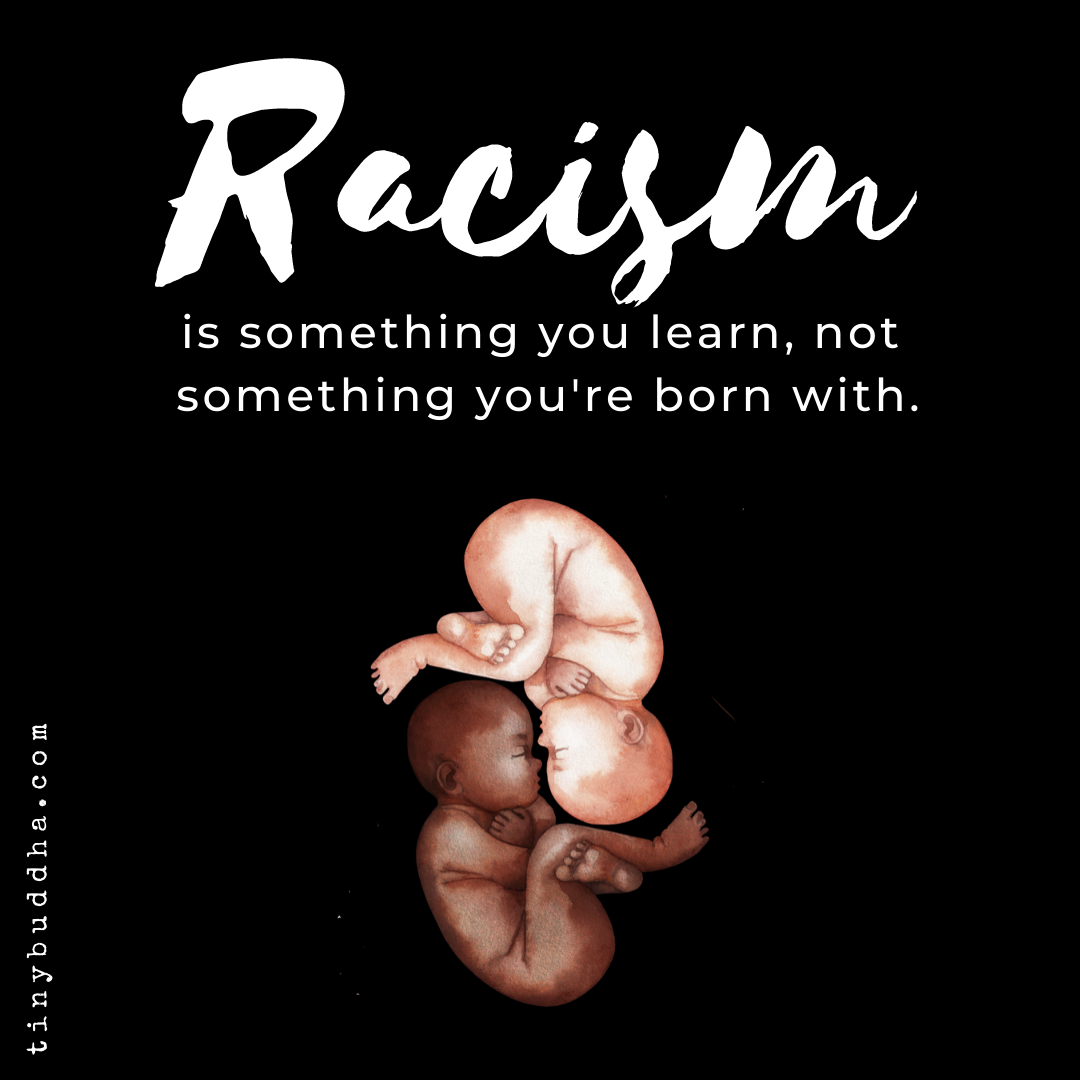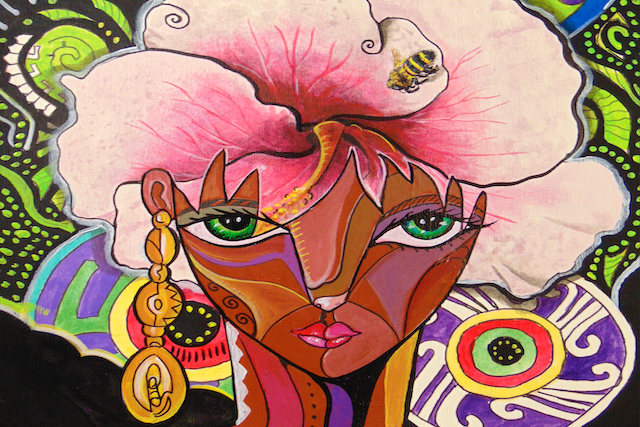

“Beauty begins the moment you decide to be yourself.” ~Coco Chanel
I believed I was ugly and blamed it on my dark skin. I hated my skin color. Looking back, I realized it’s because I didn’t fit in with the white kids, nor did I fit in with the black kids.
I am mixed race. I have a black father and a white mother. Until I started school, I never considered myself different. My family and I were close, and I felt love and acceptance.
When I started second grade, I developed a crush on a boy, who never noticed me and fawned over the pretty blonde girl in class. She was beautiful, with springy blonde curls and a soft, feminine voice. She wore colorful dresses that enhanced her beauty. I felt drab and plain next to her. Thus, began my dislike of my dark, frizzy afro.
As I grew older, the name calling occurred. I was called zebra, Oreo, and n*gger. I spent a lot of my youth in tears.
I wish I could say that it got easier as I grew older. I grew envious of the blonde girls, who caught the boys’ attention. I even envied my two sisters. One had no trouble getting boys to like her, and the other had beautiful hair that fell naturally down her neck in wavy curls.
However, entering the seventh grade solidified my hatred of my skin color and frizzy hair.
I sat in the back of my math class working on my assignment, while passing notes to my friends. Exhibiting a form of bravery, I tossed a note to my secret crush named Mike. He wrote back which pleased me.
In one particular note, I asked him why he didn’t like me. As I handed it to him, I hoped with all my might that he’d tell me I was wrong. When he gave me the note back, he smiled, and I grew hopeful. I opened it and tears formed in my eyes. My heart plummeted to my stomach and bile rose to my throat. His words seared my brain as if he said them aloud.
“Because you’re ugly.”
Devastation enveloped me. I crumbled up the note, but the words couldn’t be as easily destroyed like the piece of paper. It sat in the back of my mind as an explanation to me why boys didn’t like me.
In ninth grade, I was called a dog and had spitballs spat at the back of my head. I left them there, too embarrassed to even rummage through my thick frizzy mass to find them.
“Why did you let them throw spitballs at you?” the substitute teacher asked me after class, as she removed the wet globs from my hair.
I shrugged and left the room thinking, “Why didn’t you stop them?”
By the time I graduated from high school, I pretty much gave up on finding somebody to love me for me. I did go on dates, but I had to do the asking. Even as I went out with them, I could tell that they’d have preferred to be anywhere else but with me.
I struggled with my self-esteem but hid it all behind a smile. I decided to just be myself, be friendly, be kind, and smile. In private, I would cry as I wrote my feelings in stories and journals.
Then one day at the college computer room, I met Rick. He spoke to me and showed an interest in me. When he asked me out, I accepted. Unfortunately, my life never went like I had hoped. I got pregnant. He left me.
Deciding to keep my baby, I raised him with the help of my parents and went back to college to get my degree. I decided then to focus on myself and my little boy. Naturally, obstacles surfaced, but I chose to be myself and incorporated five strategies that slowly helped me start liking myself.
1. I practiced self-care.
Although self-love needs to come from within, I knew I’d feel better about myself if I put more effort into my appearance, so I bought new clothes and changed my hairstyle. This reinforced that I was worth the effort. Wearing flattering clothes and makeup enhanced my skin tone and body shape.
I also took care of myself mentally by reading books that centered on personal growth and following steps to keep my thoughts positive, such as reciting positive affirmations and being more aware of my negative thoughts so I can reframe my thinking patterns.
Taking care of my mind and body really helped me see myself differently. When I felt more comfortable in my skin and more at ease in my own mind, my self-confidence grew.
2. I stopped worrying about what people thought.
I had always been shy and introverted, and I was afraid of being judged. Being in college helped me break out of that shell. I spoke up in class and asked questions. I stopped worrying what people would think about me because I knew this was holding me back. My entire focus centered on what I wanted to learn and get from the classes I took.
My best friend at the time told me that I should walk with my head up and back straight. She taught me that with my shoulders back and my head held high, I’d appear confident, and when I felt confident, no one’s opinions could hurt me. I adopted that form, and believe me, it felt great to walk with extremely good posture and feel the confidence exude from within me.
3. I focused on the positive.
Being positive had always been hard. I would wallow in self-pity and then wonder why I didn’t have many friends or couldn’t get a date. I changed my mindset and focused on the good things in my life and positive changes I wanted to make.
I spent a lot of time with my son and worked on my writing skills, because being a writer was very important to me, and still is! I learned everything I could about business management and continuously developed my skills. I also started hanging out with positive people with healthy self-esteem and emulated their free spirit and vivacious personalities. Spending time around people who see the world through a positive, empowering lens has helped switch my mindset and feel better about myself and life.
4. I started smiling more.
By smiling more, I felt positive and happy more often. I wanted people to view me as someone approachable and friendly, so I smiled and showed my courtesy to those around me. It’s amazing what a smile can do for yourself as well for others. Smiling at someone in passing could touch that person and ease whatever pain they’re enduring. It could brighten their day and, and in turn help you feel good about yourself.
When I was on my way to work one day, after picking up a hot chocolate at a nearby food court, I walked down a few steps toward the exit. An unkempt man entered and held the door open for me. I flashed him a smile and thanked him. He did a doubletake and then smiled hesitantly at me. It was then that I realized the power of a smile. It made me feel good to acknowledge this man because of a courteous gesture on his part.
By being kind and grateful, I shared a moment with a complete stranger and it felt good.
5. I found the courage to be myself.
After practicing the steps above, I was no longer afraid to be myself. I broke out of my comfort zone and even spoke in public at church and seminars I took. Being myself freed me from living in a shell, where the walls I had built at a young age came crashing down.
Today, my skin color no longer bothers me. I still hate my hair, but that’s beside the point. The fact is I realized that it wasn’t my skin color that was stopping me from making friends and finding love. It was me all along. I need to love and take care of myself first before anyone else could love me.
I now have a wonderful, gorgeous husband who treats me the way I’ve always wanted to be treated by a man. He values me and loves everything about me—flaws and all!
Exercising these five strategies created a life for me that I’m quite proud of. In retrospect, I wish I could tell my teenage self that life will get better, just be patient, and enjoy your naturally built-in tan.
I’m proud to be half black and white. It is a blend of both my parents, who I love very much. Without them, I wouldn’t be the woman I am today.