Tag: quit

  • Why I Love My Sober Life: Everything I Gained When I Quit Drinking

    Why I Love My Sober Life: Everything I Gained When I Quit Drinking

    “Sobriety was the greatest gift I ever gave myself.” ~Rob Lowe

    I tried and failed to have a fabulous relationship with alcohol for many years.

    When my children were tiny, I drank far more than was good for me, thinking I was relaxing, unwinding, socializing, and having fun. I’d seen my life shrink down from a world with lots of freedom and vibrancy to a socially restricted void, and I wanted to feel normal. I wanted to join in with everyone else.

    All my birthday cards had bottles of gin or glasses of fizz on them, all the Friday afternoon memes on social media were about “wine o’clock,” and I wanted to be part of that world.

    The opening of a bottle in the evening had me thinking I was changing gear, moving from stressed to relaxed, and treating myself to some self-care. Nothing could have been further from the truth; the alcohol made me wake during the night and gave me low-level anxiety and an almost permanent brain fog.

    I’m not proud of the drinking I did when the kids were small. I now feel a deep sense of shame about that time. I’d created such a happy life for myself—lovely husband and kids, nice house in a great town, wonderful friends. What was I drinking to escape from?

    On the outside I looked like I had it all, but I didn’t—I had overwhelm.

    I was a wife and family member, a mum to two small children, an employee, and a freelancer… I had all the roles I’d longed for, and yet it was all too much.

    I didn’t know how to let go of some of my responsibilities, and I didn’t know how to cope with everything that was going on in my life. Alcohol felt like the treat I deserved. It took me a while to figure out that alcohol was the common theme in my rubbish decision-making, tiredness, and grumpiness.

    I’d spent a long time feeling trapped and stuck. I knew I wanted to stop drinking, but I was worried about what others would think of me, how I would feel at parties without a drink in my hand, and whether I’d be able to relax properly at the weekends.

    I kept going back and forth, deciding I’d stop, then changing my mind, thinking I wouldn’t or couldn’t. It was a hellish merry-go-round. When I was forty-one, I finally made the decision to quit alcohol for a year as a little life experiment. I wanted to see how I would feel without it for an extended period of time.

    I decided to take a bold action in autumn 2019. I told a group of online friends that I was not going to drink alcohol for the whole of 2020, and once I had said it out loud, I knew I would have to do it.

    This step toward accountability really helped me to move forward with my sober mission. I started to count down to 2020 (still binge drinking), wondering how this experiment was going to go!

    Toward the end of 2019, my mindset began to shift. Instead of dreading the start of 2020, I started to look forward to it. I made plans that I knew would lead to a successful sober year. I read books about quitting, listened to inspiring podcasts, and watched films or documentaries that didn’t show alcohol consumption in a glamorous light. I followed people who were a few steps ahead of me on their sober journey. I asked questions and I followed advice.

    I had my last drink on Dec 8th, 2019—nothing monumental, out with a few friends and no hangover the next day. It was a total non-event!

    I wanted to have a year without alcohol to know if life would be stressful, lonely, or boring like I’d led myself to believe, or if it was possible to relax, connect with others, and have fun without a drink. The hangovers and brain fog were getting worse. In my late thirties and early forties, I just couldn’t get away with it like I had in my twenties.

    I wanted to be a more patient parent—no more selfishly rushing the kids through bedtime because I wanted to get back downstairs to my drink.

    I wanted hangover-free weekends to enjoy my time away from work.

    I wanted to maximize my nutritional choices—no more rubbish food choices dictated by low-level hangovers, or high-level ones for that matter.

    I wanted to sleep deeply and wake up feeling rested and ready for the day ahead.

    I wanted to know I was giving myself the best chance at not getting high blood pressure, heart disease, liver disease, cancer, dementia, or a compromised immune system.

    I went through the whole of 2020 without a drink. There were some tough days to navigate, some challenging events to negotiate, and awkward conversations to have with friends, but I did it all, and I did it all sober.

    When 2021 rolled around, I knew I wasn’t going to go back to how I’d drunk before. I had changed my relationship with alcohol for the better. I was physically, emotionally, and spiritually a different person, and I didn’t want to go back to numbing my feelings.

    It’s easy to name all the benefits to our bodies and minds when we cut alcohol out—deeper sleep, clearer skin, better mood, more energy, and less anxiety, to name a few—but for me, the real shift has come a couple of years down the line. I feel more spiritually open than I’ve ever felt before, and I cannot wait to see what unfolds next for all of those of us on this sober-curious journey.

  • How I Found the Courage to Leave My Unfulfilling Job

    How I Found the Courage to Leave My Unfulfilling Job

    “‘What if I fall?’ Oh, but my darling, what if you fly?” –Erin Hanson

    Have you ever considered how much you’d be willing to tolerate before feeling forced to leave a workplace?

    In this economy, people wonder whether leaving their jobs to preserve their mental and physical health without another lined up is worth it if it means financial insecurity. So many people feel stuck in their jobs, and I was no exception.

    I told myself any money was better than no money, so I stayed with a job that made me miserable.

    After spending several years with the company, I thought I should’ve been paid more than what I was getting, but I lacked the confidence to bring it up to my boss.

    Also, the working environment grew hostile over time. I thought I had no room for error—it all had to be perfect. I had to get it all right on the first try without asking questions, or else I would feel like my job was at risk.

    I say it was my thinking because that’s important to differentiate—how you feel about a situation versus what others tell you to feel. Everyone has their own perceptions and feelings, but when you feel uncomfortable in a specific role, you have to ask yourself: Do I need to change, or does my workplace need to change?

    Or do I need to walk away from it entirely?

    I had to ask myself: How badly do I want to change? Will it alter my experience at work?

    After confronting myself, I had to recognize whether I felt comfortable confronting my boss about my feelings. Would it have the outcome I wanted? Would it assist my co-workers or future employees in their journeys? Even more important, was I willing to put myself out there for the chance of something different happening?

    Next, I had to consider my own feelings. I tend to avoid confrontation because it often isn’t worth the anxiety it brings. It’s disheartening when no talks yield the result you want.

    So I had to think to myself, and it took a while for me to decide the answer. Did anything make me want to stay at the job, even if the discussion wasn’t fruitful?

    Ultimately, I decided to stay at my workplace. While I didn’t thoroughly enjoy what my workplace offered, I loved what I did. I stayed because I felt like I was making a difference.

    Things were fine for a while—especially once I accepted that “it is what it is.” My supervisor showed me empathy often, but I was still uncertain of their reaction if I addressed that the company culture didn’t work for me.

    Unfortunately, ignoring the problem went exactly as you might think. It didn’t make things easier for me.

    If I could go back in time, I would make different choices. The confrontation may have been worth the potential opportunity to open my employer’s eyes. Standing by only ensured things remained the same.

    Were I to do it again, I would approach my boss with an open mind and an honest heart. In my experience, employers value honesty about certain situations, and my supervisor was more than willing to help me with solutions.

    Still, I always feel nervous when approaching a supervisor because I worry they won’t take me seriously. If I could go back, I would go in with a plan and substantial evidence to support my claims. Having the proof to show something was amiss might have influenced my boss more than my anxious words alone.

    However, looking back on it, it could have been just as likely that my concerns were ignored or dismissed. I’ll never know because I didn’t take the chance for myself. I wish I had—it might have made the decision to leave even easier.

    Over time, I let the problems build and eventually snowball into something much worse—something that affected my self-esteem and my ability to perform well at work. I suffered greatly.

    With over 60% of people saying they’re less productive at jobs they aren’t happy at, I realized I was in good company. It wasn’t a problem with me; I just wasn’t a great fit for this job. I was the puzzle piece that got mixed up in the wrong box, my true purpose lying elsewhere.

    Unfortunately, these issues made me feel even more hopeless. Was there even a point to working? Did the good money I was making justify the environment that made me feel uncomfortable and unsettled all the time?

    Only I could answer those questions for myself, but I did look to my loved ones for guidance. I asked my family and friends what they would do in my situation. Really, I just wanted some form of reassurance that I was doing the right thing.

    Everyone I talked to agreed I should leave my workplace. They’d seen my mental state deteriorate over time and listened to my lamentations. When stress gets to you, it makes you do funny things, including questioning whether obvious decisions are the right ones.

    You are not weak for wanting to remove yourself from a toxic situation.

    Those words took me a while to process, but they’re true. I wouldn’t get a badge of honor for being mistreated at work. People don’t look at several hours of overtime as something to admire anymore.

    It wasn’t worth it. Many workers are putting themselves first. I wish I would have, instead of wasting months before finally leaving the job.

    My mental health mattered. I thought the money was worth it, but that was the only thing holding me back—and I should’ve found another job to serve that purpose. No money will ever make up for a job that hurts my mental health, robbing me of my time and leaving me burnt out beyond belief.

    Looking back, the slippery slope to a lack of self-care happened faster than I knew. I poured more of myself into work, leaving less time for my own needs, and I chose to ignore my hygiene for late nights at the office. I skipped meals and sleep to ensure I met every deadline and still had some time for myself at the end of a demanding day.

    Not every job would drain me the same way. I only realized that after some time of reflection.

    For every bad boss, there are several good bosses. I’ve had supervisors who encouraged me to speak my mind and clearly valued my viewpoint. Though it took some time, I found an environment I belonged in.

    As I healed from my past job and worked to improve my self-esteem, I realized boundaries are essential. I didn’t need to do anything outside of my job description and reminded myself it was okay not to want to work long hours. Having the luxury to say no to more work isn’t something everyone is afforded, but it’s a right everyone should have.

    Not everyone will be in the privileged position I was to step away from a job that was actively hurting me. I was fortunate to be able to heal and identify my worth for a period after I left it, before I was ready to search for a new job. Many folks don’t have the same luxury, as their salary might be the only income for their household.

    One of the worst things about a toxic work environment is just how hard it is to make that first step away. Taking that step, even when unsure where you’ll land, is likely to be worth it.

    For some, that’s taking time off, even if just a little, to find something better. For others, that might be opting for another job—perhaps one not even in the same field—to make ends meet rather than continuing to waste away at their current job. Every job is as temporary as you need it to be.

    This can even be as simple as putting out a first new application. Not everyone can take that leap away from a rotten position without a backup plan in place, but that doesn’t mean they’re without hope. It all just depends on taking that first step.

    There is that turning point, though, and I knew it the moment I hit it. What would my loved ones do if I made myself mentally or physically sick working for a company that didn’t value me? There is only one me.

    I’m not irreplaceable to any workplace. There will always be someone else with a similar set of skills that can take over for me if I leave my job.

    My advice to my past self would be always to look for the job you feel fulfilled in. Too many people go to work depressed and come home burnt out. You may be just another number to a lousy job, but think of how much you matter to your loved ones. There’s only one you.

    Being overworked is the leading stressor among employees. I’m still looking for the best ways to manage my stress, but I’ve actually made it a priority now. With less stress, I’ll also reduce my risk for chronic diseases and ensure I have time for myself whenever I need it.

    One thing I learned was to prioritize myself, especially since I had the privilege of being able to leave my job. I could run fast and far from a situation that hurt me. Thanks to that, I could preserve myself and save people from worrying about my health more than they already did.

    I was the only one who could have made that decision for myself. The “turning point” moment was all I needed to seek out better opportunities. I deserved more than putting myself through unimaginable stress in a subpar working environment, and realizing that was when it all changed for me.

    When the time was right, I found a new job.

    I felt refreshed and ready to tackle any challenge. I felt valued and celebrated by my new team. It made me realize I really deserve to be happy in what I do every day, and it was time I reminded myself of what that feeling was like.

  • 4 Things to Try When You Want Change but Don’t Know What to Do

    4 Things to Try When You Want Change but Don’t Know What to Do

    “If you get stuck, draw with a different pen. Change your tools; it may free your thinking.” ~Paul Arden

    For a year and a half, I could feel a career shift coming. I had worked hard to cultivate a career I loved, but I began feeling disconnected from my work. The meaning I had originally felt from it was no longer there. Each time I started a new project, I felt tired and unmotivated.

    At first, I thought it might be burnout. So I took a few weeks off to see if I could reset myself into feeling excited about my work again. But when I returned, I felt the same. The things that I had built my career around, that previously gave me energy and meaning, no longer resonated.

    I thought about the type of work I did daily and couldn’t imagine myself still doing it ten years from now. But what could I imagine myself doing? I had no idea.

    I struggled and strived to figure out what a career shift might look like. I read several books, including Finding Meaning in the Second Half of Life by James Hollis (Ph. D.), but while I resonated with the ideas in several of them, I still felt no closer to an answer.

    I became very intentional about noticing when things gave me energy. At one point, I went to a dinner party where someone brought tarot cards and gave me a reading. It was so energizing! I went home and immediately ordered the same set of tarot cards. I began learning about them and started doing readings with friends and at parties.

    “What does this mean? Should I become a tarot card reader?” I thought. But that didn’t resonate for a variety of reasons.

    By this point, I was telling everyone who would listen that I was “directionless.” It was a new label I used often. When someone asked what I did for work, I would say, “Meh, I’m directionless.”

    Well-meaning friends and acquaintances started offering their opinions of what I should be doing next. I even googled, “How to make a career change.” I felt like I was walking around in a black fog where I could barely make out what was ahead of me. Sometimes I could see a slight shape—a glimmer of something that gave me energy. But what did it mean? And how could I use that information for what was next?

    I went through a cross-country move to a location where I had no friends. Because of this, I had more time to myself than usual. I spent each day going inward and connecting to my body through meditation, simple somatic practices, like stimulating my vagus nerve, and parts work.

    Finally, I realized that the answer was never in my head. It was in my body—wisdom that had been blocked by all the thoughts and old beliefs that had formed, and parts of me that wanted to protect me and keep me safe.

    I found that a part of me didn’t want a career change because it was too scary and unstable. Instead, it wanted to stay with what was known, dependable, and safe. I befriended this part and worked through the fears. As I spent more and more time going inward, the answer appeared clearer and clearer. It had been there all along, and finally, I was able to access it.

    If you’re feeling stuck, here are a few things to try.

    1. Identify parts that may be trying to tell you something.

    If you are feeling stuck, there may be a “part” of you that is keeping you there to protect you. These parts are often created during childhood when we might not have had as many resources as we do now.

    For example, maybe you learned during childhood that being seen by others can be unpredictable and dangerous. So a “part” of you could have been created that helped you make decisions based on that information. Now, as an adult, you likely have more resources, but that information never got to the “part” that was created.

    So, let’s say that you want to write a book and you just can’t seem to move forward. No matter what you do, you’re staying stuck. Why? One reason might be because this “part” knows that if you write a book, you will be seen by others, and based on experience, that can be unpredictable and dangerous. So it prevents you from stepping out and taking risks where you might be seen. You may not even be aware of this part consciously. Yet it could be there, working day and night to protect you.

    2. Meditate.

    Being stuck can sometimes prompt negative thoughts, such as “What if I’m stuck forever?” or “I’m not good enough.” These thoughts can then lead to negative emotions, which can then make us feel even more stuck and overwhelmed. It’s a vicious cycle. Meditation can help you break out of this cycle and receive clarity, which can help you find direction and move forward.

    Set a time each day to meditate. It doesn’t need to be that long—even just ten minutes is enough. If you have trouble sitting silently, you could search for a guided meditation on YouTube.

    Make it part of your routine and do it at the same time each day to keep momentum going. Doing it at the same time each day will help it become part of a habit and make it easier to remember.

    If you start thinking while you’re sitting silently, that’s okay! Just come back to your breath. You don’t need to be perfect. You just need to cultivate some stillness and silence. This practice helps you drop out of your mind and into your body, where so much wisdom lives.

    3. Stimulate your vagus nerve.

    Your vagus nerve regulates your entire nervous system. When your vagus nerve is activated, it helps calm your nervous system, which helps shift you into a more creative, open state of being. It is from this state that you can more easily access wisdom within yourself.

    There are a variety of ways to stimulate your vagus nerve. Because the vagus nerve is connected to your vocal cords, humming or singing is one way to achieve this:

    1. Focus on your breath and notice anything you feel in your body. Maybe you feel pressure on your chest, a pain in your neck, a burning in your throat, etc.
    2. Breathe in deeply.
    3. As you exhale, say “Voo” out loud for the entire length of the exhale.
    4. Sit and notice how your body is feeling now. Is there any difference?
    5. Continue steps two through four until you feel a shift.

    4. Change your environment.

    Have you ever taken a trip to a new place or gone on a great hike and felt a sense of renewed inspiration, clarity, or presence? The reason for this is because we grow when we’re out of our comfort zone.

    Being in a new environment, meeting new people, and having new experiences takes us out of our comfort zone, opens our minds, and provides us with the opportunity to grow and learn more about ourselves. It shakes things up from our normal day-to-day experiences.

    Get out into nature or go on an overnight getaway. It doesn’t need to be something fancy—anything that will get you out of your current space can help shift the stuckness.

    Is there an area of your life where you feel stuck or don’t know what to do? Which of these actions most resonates with you? Or, do you have an action you typically take that works best?

  • 5 Ways to Explore the World and Feel Excited About Life

    5 Ways to Explore the World and Feel Excited About Life

    “Twenty years from now you will be more disappointed by the things you didn’t do than by the ones you did do. So, throw off the bowlines. Sail away from the safe harbor. Catch the trade winds in your sails. Explore. Dream. Discover.”  ~Mark Twain

    In 2022, I wanted to quit my job and didn’t know why. I was about to embark on a six-week trip to a country I’d always wanted to visit—New Zealand—to work in sports TV production. I loved the people I worked with, the company I worked for, and the buzz I got from live TV. Still, it wasn’t enough. I needed to explore these feelings further.

    That word “exploration” was the key. It took me back to 2004, when I was in a hostel in Laguna Beach, an eighteen-year-old girl travelling alone. When I was growing up, I didn’t want to follow the traditional route of going to university just to find a corporate job, climb the career ladder, and retire with a good pension. The perfect path for many was not an option that excited me.

    I was travelling around the U.S. West Coast, hoping to find adventure and opportunities, but I knew I’d need to start seriously thinking about my future and next steps when I returned to London.

    I sat on Huntington Beach and spent some time thinking about what I wanted my life to look like. I wanted to work for a reputable company that could offer me travel opportunities. I couldn’t identify what I wanted to do with any precision, but I knew that was a good starting place.

    A few days later, on July 7, I was awakened in the early morning by a fellow Brit who informed me that terrorists had just attacked London. For the rest of the day, I was glued to the BBC, watching the tragedy unfold. In between the journalism, adverts depicted BBC correspondents working all over the world, and that’s when I thought the BBC might be the company for me.

    Several months later, I returned to London and applied to be a production team assistant for a BBC sister company. To my astonishment, I got the job. I was so excited! A new job, new people, and new opportunities.

    During my first week, I overheard my boss speaking on the phone with a friend in the BBC Sport division. She was preparing to travel to Germany to spend six weeks working on the FIFA World Cup. My mind exploded. That was the job I yearned for. I wanted to work in sports and travel to the most spectacular events on earth.

    I asked my boss if she could find out whom I could contact to get a foot in the door in that department. It wasn’t straightforward, but after several attempts and emails to their senior production manager, I was asked to come in for a coffee and informal chat.

    Fast forward eighteen years. I’ve travelled the globe to work on the biggest sporting events, from World Cups in South Africa and Brazil to the London Olympics, Euros in Poland and Ukraine, umpteen Formula 1 and Formula E races on five continents, sailing regattas off the coasts of Australia and the US, cricket in the Caribbean and New Zealand. And that’s just a partial list.

    Travel has shaped my life in so many ways. It has impacted my outlook on life, perspectives, relationships, and goals. It has taken me out of my comfort zone time and time again and allowed me to be inspired by new things.

    I have loved my job and still do, mostly, to this day. So it was a surprise to me when I felt the urge to hand in my notice.

    Truth be told, throughout my career, I’ve always been restless. I have consistently sought out new opportunities within the framework of my role. I’ve moved between companies, permanent contracts, temporary contracts, and freelancing. I’ve trained to become a teacher, left TV to work on sports documentaries, returned to TV, become a tutor as a side job, and set up my own business.

    It wasn’t that I was unhappy in TV production. I just love exploring and presenting myself with new learning environments. That eighteen-year-old in me who never wanted to follow the common path society can push us down still lives within me. And I wouldn’t change her for the world. If I’d never explored different paths, I never would have had the courage to create a lifestyle around my passions, purpose, and skills.

    Exploration is one of the greatest purposes of humankind. Everything we know about the world comes from those who explored before us. Discoveries in medicine, science, technology, religion, geography, space, and philosophy have changed the world for the better. They have led to greater equality of race and gender, alleviation of poverty, advances in health and education, tolerance and peace, and preservation of the environment.

    The world is constantly changing and developing because of our need to explore and continue learning, growing, creating, building, making, connecting, debating, and trying new things.

    So, if you’re feeling stuck and want more fulfilment in your day-to-day, it might be helpful to remember there’s a whole world out there to discover. Our time on Earth is finite. Life should be lived, explored, and enjoyed. Through exploration, you might just stumble across that sweet spot that lights you up and creates a new path for your future.

    Here are three reasons why I believe exploring and discovering new opportunities could be the recipe for a more fulfilled life:

    1. Exploration is a natural requirement for humanity.

    It is as necessary as warmth, love, food, and shelter. Exploration has been the driving force behind humankind since the dawn of time because it is at the centre of everything we do. We explore everything we do from the moment we are born through play, travel, work, speaking, writing, experimenting, singing, and interacting with each other. Let alone the preciousness of exploring the world through the eyes of our children.

    From religion to literature, politics to science, and design to philosophy, we are constantly asking questions and searching for new ways to develop our minds and abilities. There is no end to exploration. It is the driving force behind our survival as a race.

    2. Exploration creates more self-awareness, which I believe is a critical aspect of meaningful living.

    It allows people to understand their strengths, weaknesses, and areas for growth. By becoming more self-aware, you can gain a deeper understanding of your passions, values, and goals, and can make more intentional choices about how you live your life.

    3. Exploration inspires us and gives us hope for a better future.

    There is a vast world outside waiting to be explored. It offers adventures to be experienced, endless possibilities, stories to be created, and dreams waiting to come true.

    Having a curious and hungry mind allows you to discover goals and options that will bring you more fulfilment and happiness. You can chase your dreams with the comfort of knowing that it’s possible to understand almost anything. By constantly learning, you see what’s possible for yourself and others and alter your perspective of the world.

    Exploration doesn’t have to involve big steps such as quitting your job, moving countries, or travelling the world seeking adventure. Instead, we can seek exploration in our every day, and the good news is there are plenty of opportunities to explore and seek purpose wherever you are in life.

    Here are five ways you can implement exploration into your everyday lifestyle immediately.

    1. Look at your passions and interests and find a way to get more involved in them.

    Whatever interests you—art, animals, baking, singing, decorating, driving, teaching, embroidery, music, or sports to name a few—find a way to go and explore how to implement this into your daily or weekly routine.

    This could be interning, volunteering your time, picking up a book, subscribing to a podcast, emailing someone who is successful in that field, or taking a class. Getting involved in this area will open up your creative channels. The key is to allow yourself permission and time to experiment.

    2. Be spontaneous and get out of the humdrum routine and predictability of your daily life.

    Play a different radio station on your way to work, choose a brand new restaurant or cuisine on the weekend, walk a different route around your park, order something completely different off the menu, or choose a different vegetable to cook with each week. There are always surprises and fascinations in store for us if we are open to exploring new ways; we never know what we will discover.

    3. Connect with new like-minded people.

    You never know what conversation might spark a new thought or perspective. You can find inspiration from one word, a smile, or an interaction that can change your outlook on a situation. For example, buying from a local business instead of a corporate chain allows you to get to know the owner and the story behind their product. Their story might just inspire your exploration journey.

    4. Even if you can’t pack a suitcase and fly to far-off destinations, that doesn’t mean you can’t transport your mind to them.

    Movies, documentaries, TV shows, and books can all transport you into new worlds and cultures. Next time you settle down with a good book or in front of the TV, why not choose a new genre and be open to learning new things?

    5. Your clothes are one way to show the world what you stand for and who you are.

    Fashion has a huge impact on your mindset, mood, and confidence. Experiment with different clothing, mix and match what you already have, and play around with what makes you feel most confident so you’ll want to get out in the world and explore.

    We can open the door to exploration in everyday life. After all, the reason for your exploration is not to discover your life’s purpose. The purpose of your life is to live it!

    Exploration is a continuous journey toward self-improvement and personal growth that allows you to live a life that is fulfilling and meaningful to you. Don’t give up on exploring what you want and pursuing your dreams. Your life is what you make it, and it’s worth trying to make it what you want it to be. So go! Explore and discover. Embrace the journey and enjoy the ride!

  • When You’re Ready for Change: You Need to Believe in Your Future Self

    When You’re Ready for Change: You Need to Believe in Your Future Self

    “Growth is uncomfortable because you’ve never been here before. You’ve never seen this version of you. So give yourself a little grace and breathe through it.” ~Kristin Lohr

    I was kinda sorta showing up.

    To the outside world, it looked like I was doing all of the things. I was smiling. I was talking about exercise and eating well. I was posting happy, positive vibe quotes, but I wasn’t really showing up for myself.

    I had experienced a miscarriage at thirteen weeks. This was supposed to be the safe zone. I had told family and friends. My husband and I even had names ready to go. This was baby number four, so I thought I was a pro.

    I was in a toxic work environment, but I kept going. Even after my miscarriage, I felt I had to be back there quickly so others didn’t need to deal with my responsibilities.

    After experiencing this loss, I spent quite a long time kinda sorta being serious about my well-being. But let’s be honest, I pretended for years. I was hearing “Take care of YOU!” on repeat. It was well intentioned, but I had absolutely no clue how to do that. Nobody told me how to take care of myself.

    I knew all of the shoulds and suppose-tos. But I was overwhelmed by those concepts as I added them all to my to-do list. I knew I should eat healthy and move my body, but what was I going to do about these negative thoughts of not being good enough floating through my brain every single day? The guilt was overflowing, but I just smiled.

    I took on more responsibility and wore so many different hats that it looked like I was able to do it all. In reality, I was so stressed that it was coming out physically through an annoying eye tick.

    I made an excuse of being tired when people noticed it. I defended that excuse because I needed to believe it. I wasn’t sleeping well. I was eating junk in between the occasional healthy meals kick. I was moving, but not on a regular basis. I continued to smile, make excuses, and pretend all was good.

    One morning, I realized that I couldn’t keep doing this. I opened my eyes and accepted that I was only kinda sorta showing up for myself and that I couldn’t keep sustaining this lifestyle without causing irreversible damage to those I loved and to myself. So I said the scariest words: “No, sorry. I can’t.”

    Admittedly, I only whispered these words to myself at first. Then something powerful happened: I started to say them out loud to other people.

    First, it was only to my inner circle, and then it started spilling out everywhere. I was talking about taking my power back. I was talking about an exit strategy from my toxic work environment. I was talking about how my miscarriage did, in fact, hit me hard. It rocked me to my core.

    I was open about my feelings. I was letting myself experience all of my emotions. I was shifting. I was becoming a new woman—a similar version to the happy and healthy woman I once was. I was emotional. It was scary. It was worth it. It took a lot of work and guidance. It’s still evolving. In many ways, I expect to always be growing and shifting.

    I told myself: Believe in your future self. That sounds like it should be easy to do, but it’s tough for most people. Chances are you are afraid of change. We all are. And it might be hard on your ego to admit you need to do something different.

    As humans, we want to be right. We don’t want to admit a choice we made was the wrong one. We may have second thoughts and see lots of red flags going up all over the place, but we still hate to admit we made the wrong decision. So we stick with what we’re doing even if it feels wrong.

    I have a little secret to tell you: The most successful people are the ones who push through the fear of change and do it anyway—even if it’s hard on their pride. It can be done. It will be messy in the middle, but you’ll get through it. When self-doubt creeps in, you need to follow two steps to make a change.

    1. A mindset shift

    You absolutely must believe that you can and will be successful to become successful. No matter what the goal is, you must believe in yourself and see the success as a real possibility.

    For example, if you want to move your muscles more through exercise, start your morning off with the mantra of “I am making my health a priority. I will move my muscles today.” Start acting like someone who exercises. Make decisions like a person who moves on a regular basis. Schedule it in. Talk about it.

    If you want to be happier and healthier, use these I am statements to help get you there: “I am enough.” “I am worthy of happiness every day!” Many people say they want to feel happier but don’t believe they deserve it, so they end up sabotaging themselves. Say those statements out loud. Write them down. Get to the root of any traumas or past conditioning that prevent you from believing them.

    Once you shift your mindset, your choices and path will align with the new you. You will reach your goals, or at least make progress toward them. You may experience imposter syndrome along the way. Keep going. That is a part of the mindset shift process. Talk back. If you believe you can do the things you want to do, you will.

    2. A strategy

    The second part of your success journey is the roadmap to move you forward. You cannot just wish and hope for things to happen. You must do the work.

    If you’ve shifted your mindset, now you need to travel the miles to get where you want to go. How do you do this? Set realistic goals. Make a plan. Follow the plan and stay consistent. You’ll need guidance along the way. Surround yourself with people who are doing what you’d like to do. Listen to the advice of those who have traveled this road before you. Ask for help to stay accountable.

    Do not assume that this will be an easy path to travel. Most things worth having require a good bit of work. Expect roadblocks and push past them.

    Know that not everyone in your current circle will be ready for you to shift. Change is scary on a personal level. When others change around you, it’s frightening if you aren’t shifting alongside them. In some cases, your change will create positive ripple effects for those closest to you, but it will happen for them once the timing is correct.

    Your future self is waiting to meet you—you just need to get moving. The path will not be all sunshine and rainbows, but you can travel it. You can make a change, even a great big one.

    Once you are on the other side, you’ll wonder why it took you so long to get there. You’ll be happier. You’ll be healthier. Other people will ask you how you did it! Take that first step and keep going. I promise you it’s better on the other side.

  • Confessions of an Extrovert: Why I Now Love My Alone Time

    Confessions of an Extrovert: Why I Now Love My Alone Time

    “Allow yourself to grow and change. Your future self is waiting.” -Unknown

    Not to be dramatic, but I really mean it when I say that solitude changed my life. I am an extrovert who loves humans, socializing, and learning from people and experiences. I’ve always enjoyed being around others, and don’t get me wrong, I still thrive this way. But when I got Covid in 2021, life completely changed, and it’s not the only way I thrive now.

    Before Covid, I’d been living my life in a way that wasn’t serving me. I was partying a lot, not eating well, and living in chaos, with very little rest. I constantly had my schedule booked, leaving no time for self-care. I felt like I was living life for others, ignoring what I needed.

    I made mistakes, like blowing off my priorities because I was in a terrible headspace, and I continued living an unhealthy lifestyle until I finally had a talk with myself and realized this wasn’t right for me (then Covid came along, and sh*t got serious).

    I didn’t immediately enjoy quarantining and being stuck at home, away from friends and family, but before I got sick, I knew change was coming. And though I felt a lot of resistance, I also felt that a new version of myself was on the way.

    While I’m usually not one to fight change, there was so much going on at once, and it was a lot. I also learned that I was one of the people who suffered from panic attacks and anxiety as a side effect of Covid. The aftermath was worse than having the virus itself.

    This lasted almost a year. I felt so bad for myself; I couldn’t believe that this is what life had come to for me. I was even losing my hair. Some days I’d wonder if this dark tunnel would ever come to an end and show me light. Things felt very heavy, but I also had some of the most beautiful things going on at the same time, like living in the city with my now fiancé, so it was all very confusing.

    I began to lose sleep, which was unusual for me. My inner world felt like chaos. There were lots of tears and weekly therapy sessions (which also changed my life). Therapy and journaling became my safe spaces to release and understand myself.

    Throughout the year of that inner chaos, what did I learn? Surrender. I was trying to maintain full control of my life and keeping busy while actively avoiding working through suppressed emotions from times when younger Naila would over-extend for others, and completely forget to take care of herself. I didn’t want to listen because I was afraid. And that’s human nature, to fear the unknown.

    So, here’s a reminder that the Universe forces you to slow down and redirect when you’re not listening. This also means it may hurt more since we didn’t consciously welcome the change.

    Over time, I have gone through so many phases and such inner growth. I began working with my wonderful therapist and quit a job that was not working out for me as expected (which hurt). I’ve lost people and my relationships changed, thankfully most of them for the better.

    As soon as I let go of control and put in the hard work, things got better, and I saw results—even if they were just small victories. I was starting to see that light I’d been waiting for. My body felt lighter as I began to release dead weight from my body and I began to feel like myself again, but this time, better than ever.

    I chose watering myself over destructive behaviors. Instead of focusing on the anxiety attacks and trying to force myself back to sleep at night, I meditated. I chose solitude over socializing. This was the peak of my growth. 

    Sometimes, we get lost in the chaos of this busy world. We get sucked into conversations and company we don’t actually enjoy. Society tells us to be productive 24/7. Our worth is based off money, accomplishments, and what social media sees. Conversations are about what we are instead of who we are.

    Long before this journey, I was used to overbooking my schedule, always very busy. I would work two jobs, scheduling anything I could in between and going to school at the same time. I enjoyed it then.

    Solitude and self-reflection taught me what I truly care about: genuine connections, giving and receiving love, nurturing myself just as I do others, and living, not just surviving.

    My higher self told me that the world’s expectations are not my own, and that it’s okay to choose a different path than I once wanted (or society told me I wanted). As I’ve learned in therapy, I am my own worst critic, so my new path is all about letting life unfold naturally, without constantly criticizing myself for where I thought I’d be in life, especially in my career.

    I began to reflect on my life, my inner child, and current self. Most importantly, I began to heal from things I’d stored away from childhood pains and days long ago during an abusive relationship. I let go of self-sabotaging behaviors and decided to finally listen and release, then the inner turmoil started to calm.

    Because I was spending much more time alone, I learned a lot about myself. Solitude helps us build trust with ourselves and teaches us about our true desires. We begin to tolerate less and prioritize differently. I value very different things now than I once did. I’m getting to know my true self, and that’s something no one can teach you or prepare you for. 

    I also want to emphasize that solitude is possible while you’re in a healthy relationship.

    Throughout my dark days, I had my now-fiancé supporting me through it all while letting me heal and grow. Him supporting my solitude made me that much more successful on my journey. When someone around you offers love, respect, and support, it makes it easier. Their company becomes a bonus and not a burden. Previous Naila didn’t think this was possible, and I’m grateful things panned out differently.

    Overall, I have learned that the “dark” times were actually just lessons and periods that catapulted my growth and healing. The tough times are temporary, and there is strength and clarity in solitude. As of today, I cherish my solitude; it’s a vital part of my being. I also learned that there is light at the end of the dark tunnel. Yes, even when it’s long and scary.

    In this new chapter of my life, rest is high on my priority list, not overworking and overbooking. I am much pickier about who/what I surround myself with, much more productive, and still growing and ever-changing.

    My life is much more peaceful and calm, and my boundary-setting skills are much stronger. These are lessons I couldn’t learn as an unbalanced extrovert. I’m a better version of myself now.

    So, if you’re an extrovert who forgets to prioritize yourself, someone who’s going through a dark tunnel, or someone who avoids change, this post is for you. Instead of being afraid of solitude and change, learn to accept them and watch how they transform your life for the better.

    As my dad once told me, change is the only constant in life, so get comfortable with the uncomfortable.

    I believe in you. ♥

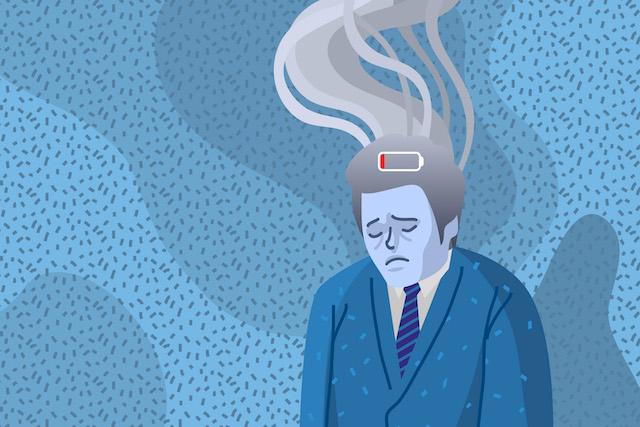
  • Feeling Burnt Out? How to Slow Down and Reclaim Your Peace

    Feeling Burnt Out? How to Slow Down and Reclaim Your Peace

    “Burnout is a sign that something needs to change.” ~Sarah Forgrave

    Fifteen years ago, my doctor informed me I was in the early stages of adrenal exhaustion. In no uncertain terms, she warned that if I failed to address the stress I was under, my adrenals might not recover. This was hard to hear, but it forced me to face the fact that eating well, exercising religiously, and keeping up with the latest research on wellness was not enough.

    I had to ask myself a defining question that day: Am I ready to go down with the ship?

    At the time, I was teaching an average of fourteen classes a week at my wellness studio. I had been exceeding my threshold for so long that I had pain in every joint and muscle in my body. I was completely exhausted, physically, mentally, and emotionally, but slowing down or cutting back was just not an option.

    Or so I believed.

    The problem was that every time I would even begin to consider addressing the reality of my situation, my head would instantly fill with all the reasons I couldn’t possibly stop.

    There was the dream for a business I couldn’t imagine giving up. The huge amounts of time and money I had invested in realizing that dream. And most of all, there were the clients I was serving, a community of amazing women I loved working with and didn’t want to let go.

    Meanwhile, my thirty-year marriage to a man struggling with an opioid addiction was falling apart. My kids were distressed. My body was completely breaking down, and my life had become a tangled mess of fears, conflicted feelings, and obligations I just didn’t have the heart for anymore.

    As the growing pressure to do something about my situation increased, my anxiety increased right along with it. Talk about a pressure cooker!

    I couldn’t even imagine the courage I would need to tell my husband I wanted a divorce. And whenever I got anywhere close to that courage, my mind would flood with anxiety over the uncertainty.

    How would he react?

    How would it affect my children?

    Where would I live?

    How would I ever rebuild my life?

    It felt as if I was being buried alive under a growing mountain of complexity with no way out. So, the pain continued to get worse, and I kept trudging forward, blindly hoping against hope that somehow it would all work itself out (without changing anything about the way I was living).

    Growing up, I had learned to take the offensive and power through obstacles. I had always seen myself as someone who could do anything she put her mind to. Now I found myself stuck between the person who thought she was responsible for everyone’s experience but her own and the person I might actually become if I started making self-valuing, authentic choices.

    Then one morning, the dam broke.

    I was walking up to the door of my studio to teach the 6:00 a.m. class, asking myself (like I did every morning) how I was going to get through the day with all the pain I was in.

    As I turned the key in the lock of the business I had dreamed of creating for over a decade—the business I had built out of everything I believed in and everything I knew I wanted to offer to the world—I could see the consequences of my resistance to change about to swallow me whole. I could see that my fear of change was completely blocking my ability to see anything past that.

    And suddenly… everything went quiet. All the reasons for not stopping that typically flooded my mind just fell away.

    The only thought I had in that moment was, The way you stop… is you stop.

    I didn’t just hear these words; I felt an absolute acceptance of them. One minute it was impossible to stop; the next, it felt like the simplest thing in the world.

    In the quiet of this moment, I became so aware of my own breath that I felt it everywhere in my body. For the first time in as long as I could remember, I stopped. And when I did, I found the courage to listen to my aching heart.

    I felt a depth of longing for peace I had never allowed myself to experience before. I stood there breathing and felt an acceptance of the reality of everything that was happening wash over me. The pressure to control it all was gone!

    My mind was clear, and my body felt relaxed even as I faced the same facts of my situation, but without all the usual stories and justifications overwhelming me. It felt like a miracle.

    Suddenly the door to my studio, which I had been walking through for years, felt like the door to an entirely new way. Standing there with my key in my hand, in the profound quiet of that moment, I was flooded with a new sense of possibility.

    As I set up for the 6:00 a.m. class, I stayed focused on my breathing and continued to listen to my body. It became clear to me that when I wasn’t being honest with myself, my body responded by restricting my breath. And I was able to see how all the years of unaddressed tension were expressing themselves as escalating physical pain.

    A New Direction

    That morning, I didn’t just take a first step toward interrupting the old way. I began heading in a new direction.

    But it still took me a year and a half to wind down my commitments and extricate myself from the studio. This was a massive transformation involving every aspect of my life, but it began with just one step—accepting that the old way was broken. Once I accepted this wholeheartedly, I moved to the next step.

    I had a friend who had moved back to town to take care of her aging mother. She was looking for a place to establish her yoga school and had already been teaching a couple of classes a week at my studio while she looked for a more permanent place. On that pivotal morning, after I taught the 6:00 a.m. class, I called my friend and told her that I was stepping down and that she could hold all her classes there.

    I continued to pull back, one step at a time, constantly asking myself, “What can I let go of today?” (One day, the answer to this question was “my hair”!) Eventually my friend bought out my lease and took over completely.

    This is not to say I did not continue to wrestle with self-doubt. But my intention to slow down and to stop ignoring my tension became my guiding compass point.

    In the years that followed, I relied on this compass to dive more deeply into the mind-body connection and what it truly means to take care of myself and be happy. My primary tool was the simple mindfulness practice of paying attention to my posture (whether it was tense or at ease) and my breath (restricted or free). I found strong community for this priority in the study and practice of Qigong, Tai Chi, and Continuum.

    In the process, it became clear to me that to access the wisdom within, the first thing I had to do was slow down and calm down. This priority allowed me to be honest about the pressure I was putting on myself to keep doing things I no longer had the heart for and to recognize the emotional reasons I was hanging onto them.

    We all come to thresholds in our lives, times when we’re faced with tremendous pressure to change (or go down with the ship). When we refuse to change, the only other option is to increase our tolerance for suffering while convincing ourselves that it’s not affecting us as much as it really is. In this fantasy we tell ourselves we’ll make it (somehow) if we just keep powering through.

    I’ve come to realize that it’s not about avoiding stress. It’s about increasing your ability to remain present and functional while stressful events are happening. The calmer you can be in the face of stress, the more resilient you’ll be and the less likely you’ll be to end up teetering on the edge of complete burnout like I was.

    When we practice being present, we’re able to make more accurate moment-to-moment choices. We’re able to slow down and take an honest look at what needs to change. Which isn’t to say that it’s going to change in a minute, or a day, or a week, or even a year. The truth is that lasting change can often be a very gradual process.

    How to Stop

    I was able to stop by establishing new priorities. I made it a point to slow down, calm down, and really be honest about what I could eliminate. My process was essentially as follows:

    1. Stop. (For the moment, anyway.) Acknowledge that before a new way can show itself, you have to find a way to stop the old way.

    2. Acknowledge the pain you are in—emotional and physical.

    3. Ask what you can let go of now and in the near future. (If the answer is “nothing,” then ask again.)

    4. With “something has to give” as your mantra, what can you let go of next?

    • Consider what you are physically and mentally capable of doing right now. (If the answer is “everything, if I push myself,” then ask again.)
    • Consider your life priorities and what you need to make room for.
    • Consider what you no longer have a heart for.
    • Consider that what you are holding on to tightest might be what really needs to go. Letting go of smaller things first often helps to relax your grip on even your strongest (and often unhealthy) attachments.

    5. When the “yes, but…” voice shows up, be aware of it and do your best not to listen or take action based on what this voice says. This is the voice of your attachment to keeping an unsustainable system on life support. It’s fueled by your fear of uncertainty because if you stop what you’re doing, you’re not sure what will happen (and your “yes, but…” voice is certain it will be awful!).

    6. Gather tools to help yourself detach enough from this voice to move toward accepting reality and make the changes needed to live a more authentic and satisfying life. (The Serenity Prayer is a good one.)

    7. Remember that change is a process, not a single event. Start small, then graduate to bigger things that need to go.

    I hope you’ll continue to play with the concept of stopping (the old way) to start (a better way). Every meaningful change hinges on your ability to interrupt the old pattern. You’ll learn to rely on this ability the more you practice using it.

    Also keep in mind that you won’t necessarily know anything about the new way when you stop the old one. Change usually happens very slowly, and patience can be the hardest thing.

    Good luck, and feel free to reach out with questions or comments!

  • How I’ve Dealt with the Shame and Embarrassment of a Failed Career

    How I’ve Dealt with the Shame and Embarrassment of a Failed Career

    “If we can share our story with someone who responds with empathy and understanding, shame can’t survive.” ~Brené Brown

    The embarrassment you feel upon realizing you don’t actually have what it takes to make a success of yourself. The shame of knowing you spent years training to do one thing and then you bailed right at the finish line. The fear of what to tell people when they ask you what you’re up to.

    Of course, you don’t tell anyone how you feel, as you’re too embarrassed to admit you even have these feelings, so you just bury it all away.

    I know these feelings all too well, as I’ve been through them all. It took me years to finally face up to what I actually felt and deal with it. As a coach once told me, “Buried emotions never die.”

    I knew I always wanted to be in the arts. I loved dance and drama, and I wanted to be an actor. I could feel it so strongly that I never even considered a different career.

    I started dance classes at the young age of six, and at eleven years old I went to a performing arts school. So my training began.

    After school I went to a reputable college where I did a further three years of training. I was sixteen years old and was told to lose weight and wear heels and make-up. I didn’t realize it at the time, but this wasn’t the healthiest thing to tell a teenager.

    After three exhausting years I graduated. All the training, the hard work, the sacrifice had led up to this moment. I was going to get an agent, start working in theater, and move into TV and film.

    But that didn’t happen.

    Instead of going full steam into my career, I froze. The last term of college crushed me.

    The last term all led up to our final show. The show ran for a few weeks in different locations around the city, and it was meant to be an opportunity for us performers to show off our talent. Everyone was meant to invite agents in the hopes of getting signed.

    However, I didn’t invite anyone. I was so ashamed of my performance. I felt I had been cast in utterly the wrong role, and no matter how much I tried, I just couldn’t make it work, and no one seemed to care.

    I remember wishing I would fall down the stairs of the tube station so I would break my leg and not have to perform; I was so humiliated.

    Rather than leaving college confident and excited, I left with my confidence at rock bottom.

    I never did anything with my training. All those years, all those dreams, all those aspirations, but when push came to shove, I didn’t do anything with it.

    For years I told myself that the last term was so tough that it broke me, and that is why I never continued after college. I blamed everyone else.

    It took me years to admit that it was actually my decision to quit. It took me even longer to understand why that was. I realize now I was scared.

    In fact, I was petrified that I wasn’t as talented as I thought I was. I knew if I put myself out there and tried to make a career out of it and failed, I would have proof that I wasn’t talented.

    If I blamed everyone else and quit before I got started then, in my head, I could always be amazing and could have always potentially had a career in the arts.

    Emotions are so complex, though, that it took me a long time to dig deep enough to find this truth.

    Thus, I found myself aged eighteen years old, with no formal education, and all I had ever wanted to do was perform, so what now? I was totally lost.

    I just froze. I didn’t get an agent; I didn’t go to auditions. I just quit.

    I had spent my entire life working toward this moment, and at the final hurdle I fell. It really shook me up; I felt like an utter failure and was humiliated.

    I was so ashamed and embarrassed that I stayed in contact with no one from college, except two friends.

    I remember walking down Oxford High Street and seeing two of my former classmates. I jumped into a shop to hide from them because I was afraid they would ask what I had been up to.

    All I could think was, “What would I tell them?” They were probably off in West End Shows, and what was I doing? I was a failure. Of course, this was before social media, so no one knew what I was or was not doing.

    Eventually I decided I would take some time out and go to Thailand. I ended up spending a year there. I became a diving instructor, and I met the man that would become my husband.

    Once back home, I got a job in recruitment and my career went from strength to strength. I thought I had moved on and was happy with my life.

    Yet whenever I would meet someone who asked about my education or what I did at school, I would panic. “What do I tell them? How do I explain that I trained, but never turned it into a career?” They would know my dirty secret, that I was an untalented failure.

    I would lie and make up stories as to why I decided to change careers after my education.

    I couldn’t understand why I still cared so much about this. Why did I feel I had to lie?  Although life was great, deep down I felt that something was missing. It sometimes felt like there was a dark mass in the pit of my stomach.

    I had a session with my coach about this feeling, and what came up? The arts, my love for dancing, my failed career, my shame, my embarrassment. I remember breaking down in tears. I was so angry that twenty years later I still hadn’t moved on.

    I was so angry that this was still such a big thing in my life. That it was still there with me. I just wanted it to go away. It felt pathetic that it still had such a huge hold over me; what was wrong with me? I just kept saying, “This is so ridiculous, why can’t I just let it go?”

    But remember what I said earlier? Buried emotions never die. They never leave you; they’re just festering

    I was so confused by it all, I didn’t understand why it still had such a hold on me. Why I felt so embarrassed and full of shame. My coach helped me unpack it all.

    The lies I had told myself had become so much a part of me; I had to work hard to pick it all apart to find the truth.

    After so many years, I was finally able to face up to what had happened. I was just a scared teenager. I was so scared of failure and rejection that I found a way to protect myself by making up a lie and quitting.

    I needed to make peace with this, and I needed to accept responsibility. I found this hard to do, as I didn’t like this version of me. It was much easier to blame everyone else than to see it was my fear that stopped me.

    I needed to forgive myself.

    I stopped telling myself lies and admitted that when I graduated, I was petrified of failure, so I quit before I could fail. I realized I still had a love for the arts and I needed to find an outlet in my life.

    It was hard work and took many sessions to really dig into the truth, but once I did, I was finally able to talk about the arts and my past without shame or embarrassment. I could finally move on.

    I did a lot of work re-connecting with teenage Alice. Writing letters to her, forgiving her, and showing her compassion. I also did a lot of work on acknowledging what I had achieved and who I had become.

    I know I’m not alone in what I felt and what I went through. I wish I could have started this healing process a long time ago because as much work as I have done, I know there is still more to do.

    For anyone who is experiencing what I did, know that you’re not alone and you’re not silly for feeling the way you do. Also know, you can change it.

    I learned so many things in the process.

    You can’t just ignore what you feel.

    At the time I was so confused by what I felt. Instead of trying to understand what was happening, I just buried everything.

    Eventually I had to look my shame and embarrassment in the eye and understand what they were telling me about myself. What was the message?

    There is always a message behind your feelings and emotions; you just need to be brave enough to hear them. I found journaling really helped with this.

    It takes time.

    If, like me, you have already spent years ignoring what you felt, that also means you’ve likely spent years telling yourself lies. What you are feeling is complex, and it will take time to work through it. Don’t expect an overnight change.

    Things still come up now that I have to work through. Human beings are extremely complex, and it takes time to break through all our barriers.

    Share what you’re feeling because you won’t be alone.

    I remember telling my old manager about how I felt. He had the same background as me, and he said, “Alice, I felt exactly the same way.” He told me he moved cities just to get away from people he knew.

    Just hearing that made me know I wasn’t insane. It was amazing to hear he understood.

    We hear it all the time, but sharing what you’re going through really does help. So share your story.

    Stop punishing yourself and have fun.

    For anyone reading this who can relate, you have likely boxed away something you loved. It’s time to take it out of the box and allow yourself to have fun again. You don’t need to keep punishing yourself.

    I didn’t allow myself to dance for years. It was too painful. However, my body was screaming out for it. I realized it wouldn’t be a career, but that didn’t mean I had to cut it out of my life completely. I could still enjoy it.

    It’s been a long journey for me. Mainly because when I quit twenty years ago, I had a rush of feelings and emotions, and I didn’t know how to deal with them, so I pushed them away and lied to myself. It took a long time to undo all the stories I had told myself.

    You don’t need to be embarrassed or feel ashamed, but also know it’s okay if you do feel this way. Just don’t hide from these feelings. Understand them, embrace them, and make peace with them. That way you can allow yourself to move on.

  • Why Strong, Brave People Aren’t Afraid to Quit

    Why Strong, Brave People Aren’t Afraid to Quit

    “Some people think it’s holding on that makes one strong—sometimes it’s letting go.” ~Unknown

    Throughout my life I’ve quit many things.

    I quit a reasonably ‘sexy’ job title and steady paycheck.

    I quit a six-year relationship with an essentially giving and loving person.

    I quit being a yoga teacher after investing heavily in getting qualified.

    I’ve quit many courses halfway through like calligraphy (of all things), ‘life design map’ courses, and online courses for all sorts of random things.

    I quit therapy once, before they told me we were ‘done.’

    I’ve quit several crappy part-time jobs when I first started building my business.

    Yep, I’m a quitter. Or at least, that’s the label I gave myself.

    You see, for many years I was the queen of being mean to myself. She can still pipe up on some days, but I used to be so continually nasty to myself, it was exhausting.

    “You never finish anything.”

    “You just don’t have what it takes to go the distance.”

    “You’re so pathetic, Nat.”

    “Why can’t you just see things through? What the hell is wrong with you?”

    The other day a client told me she had these same questions (which are really just nasty taunting statements) going around in her head, as she felt guilty for giving up on something that she’d known for a long time she didn’t want to continue.

    “I feel like a quitter, Nat. Won’t walking away mean that I’m just quitting?”

    And so we began to talk about the meaning of quitting.

    What does it actually mean anyway?

    To me, to quit means to leave, usually permanently, or to be rid of something, right? I mean, that’s what the dictionary definition tells us.

    But what if all the times we labeled ourselves as quitters were actually times when we were following our very finely tuned but so often ignored gut instinct?

    What if quitting was just a term we’ve become used to hearing from the people around us, from our parents, from anyone else that might have reminded us where we “should have stuck things out,” but holds absolutely no truth in relevance to the situation we supposedly decided to quit?

    I mean, let’s take the end of my six-year relationship for instance, which some, including my ex, might view as me having ‘quit.’ Do the years prior to that, where I struggled with myself over what was working and what wasn’t, and where I held on and tried to keep things together for both of us, not count as me working hard to keep going?

    If I casually had just walked out without a reason, that would have been quitting, but I didn’t; I stayed and fought for as long as I could, and I made a decision that I felt at the time was right for both of our long-term happiness.

    And then maybe you could also say I quit being a yoga teacher, or at least my mum might have been worrying about that at the time. “But what about all that money you spent traveling over there and taking the course?”

    And I could understand her worry, but I reached a point when I had to be honest with myself.

    I had been putting pressure on myself to be a perfect and shiny and accomplished yoga teacher even though the entire reason I had gone on the training was to heal myself and my spine, tap into who I really was, figure out what I really wanted from life, and deepen my practice. It was never to be a teacher.

    So yes, maybe I quit yoga teaching, but again, what I was actually doing was being true to myself.

    And I want to encourage you to do the same.

    Drop the struggle you might currently be experiencing with the quitter label. It’s never going to serve you, and you know it’s not who you really are.

    If you know deep down that something doesn’t feel right—if you know you’re not meant to be with the person you’re with, in the job you’re in, or doing the work you’re doing—then walking away from it does not make you a quitter, my beautiful friend.

    It makes you empowered.

    It means you have guts.

    It means you are strong enough and tuned-in enough to listen to yourself.

    It means you’re following your intuition.

    It means you know your time and energy are best spent doing something else.

    It means you know you’re on the wrong path and you’re brave enough to take action to change direction.

    It means you’re brave.

    It means you’re strong.

    And it means you’re taking responsibility of your happiness.

    Does it mean you will quit everything in your life?

    No, it most certainly does not. When you find what’s right, you’ll know, believe me.

    But turning over several stones to find the one that shines instead of settling for the safety of the first thing you find is a journey few are prepared to walk.

    So with that in mind, you’re pretty amazing for having chosen to be true to who you really are.

    Finding what lights you up doesn’t come overnight; maybe for some it does, but for most, it requires a few more stones to be unturned.

    So don’t be afraid to keep moving, don’t be afraid to throw in the towel, don’t be afraid to ‘quit.’ It means you’re taking decisive action around what you will and won’t stand for, what feels good and what doesn’t, and most importantly, what feels true for you and what just quite simply doesn’t.

    We can’t live our most expressive, fulfilled, and empowered life trying to labor away at something that doesn’t light us up from the inside out, so stop wasting time trying to, and don’t be scared to do something different.

  • Hate Your Job? Change May Be Hard But It’s Worth It

    Hate Your Job? Change May Be Hard But It’s Worth It

    “It’s never the environment; it’s never the events of our lives, but the meaning we attach to the events—how we interpret them—that shapes who we are today and who we’ll become tomorrow.” ~Tony Robbins

    How long are we going to put up with lifestyles that kill us before we decide to do something about it?

    It’s no surprise to me that between 70-80% of American workers (depending on the source) dislike their jobs. I was part of that statistic until the disappointment got the better of me and I had no choice but to leave it all behind.

    Things were off to a great start; at least, they were for two months after my wedding. The week after Thanksgiving my boss came in after my shift and gave me the news that I was being laid-off without severance, effective immediately.

    This was shocking, and given the nature of the situation, I was angry, disappointed, stressed, sad, and anxious. Considering that my boss was a close family friend, I also felt betrayed.

    I didn’t want to go home and give the news to my family, so I did the only thing I could think of—I sat in an empty parking lot and cried for two hours.

    All of my problems were directly related to the stress of not having an income. So many thoughts ran through my head during those two hours, like the vision of being in a homeless rut and never getting out of it.

    I was in a state of panic, and sitting alone for two hours was not a good decision for my mental health.

    After a long discussion with my wife, we were able to calmly rationalize the situation and create a plan. It turns out everything was going to work out just fine. It had to—there was no other option.

    After three months of rigorous job-hunting, I got an offer for a new job for a major security corporation. This time it was in IT (tech support), so I could put my degree to good. My pay doubled and I had access to benefits, which I did not have at my previous job. It turns out that getting laid off actually worked to my benefit.

    My job started to lose its appeal around six months. I was beginning to notice the flaws within the company, the lack of good management and training, the politics that come with corporate jobs, and all of the drama between different levels of management.

    I was quick to find that tech support was not for me. However, like my last job, I could not leave because I was a slave to the money.

    Two years went by. My job had its “up moments” but for the most part it was a routine grind, Monday through Friday.

    Corporate masters diminished my genuine passion for helping people by telling me exactly how I should be helping people, despite the actual problem being that our product was terrible and we had no control over that.

    I survived three layoffs during those two years but the fear was there. My team was constantly told that we need to prove ourselves if we wanted to survive cuts.

    After two years I could say I officially hated my job. After three years it started to affect my health, physically and mentally.

    My depression and anxiety medications were increased three times since starting at the job. I had reached the maximum dosage available and was still experiencing severe depression and anxiety on a daily basis.

    A lot of workers have the mindset that “Mondays suck” and that it’s perfectly normal to suffer through a week-long grind, because the weekend is where all of our troubles go away and we get to have fun. At this point in my job I didn’t even look forward to the weekends.

    I spent the entire weekend stressing about having to go back to the office on Monday and resume the routine battle with my suicidal thoughts.

    I woke up one day with a migraine and cold sweats. “Just a bug,” I thought to myself, so I went to work that day only to give up after one hour. My boss expressed his concerns and told me that my job was in jeopardy. We discussed the option of going on an unpaid medical leave due to my health issues. I agreed to look into it.

    I took the rest of that day off and my wife came to pick me up. We sat in the parking lot of a local grocery store talking about my symptoms.

    My migraine was still intense and my body soaked with sweat. We called the doctor and I described my symptoms, or rather a lack of other symptoms. The nurse listed off all of the usual symptoms from WebMD, trying to diagnose what physical ailment I was experiencing, only to come up empty handed.

    Then the nurse told me to go to the emergency room. We were already $10,000 in medical debt (even with the best health insurance available), and we all know that the hospital will just give you some $100 Tylenol and send you home, so my wife and I agreed not to go; instead, we talked about my job.

    We talked about how medical leave was temporary and I would still have to go back to my job in a few weeks. The stress at this point was overwhelming, but she was extremely supportive and also concerned for my health.

    I finally built up the courage and said, “I don’t want to go back to that office.” She not only supported my statement but also agreed with me.

    We had both talked about finances for several months leading up to that point. We talked about what we’d do if one of us lost our job, and we agreed we would be okay for a while, so our planning helped this decision. It was at this point I decided that I wasn’t going back to that job.

    An interesting thing happened: Less than one hour after making this decision my headache went away and my cold sweats completely diminished. Not only was I feeling better, but I also felt alive.

    The stress of losing medical benefits and having a lower income was infinitesimal compared to the amazing freedom and positivity that I felt at this point. Once we got home I decided to go for a walk in the sun. This was the first time I had gone for a walk in over three years.

    The entire time walking, I reflected on my life, my potential, and my future. After that I started to re-invest my time into studying personal development and lifestyle design. As the weeks went on, I wasn’t just motivated and driven; I was alive.

    In that time I did a lot of writing and personal development. I worked on myself, discovering my passion and my core values, and committed to massive lifestyle change. I woke up with a drive to be productive.

    When I see people struggle with their lives, jobs, or relationships, it brings me back to those stressful times of feeling like there’s nothing more to life and it makes me want to help others realize how important it is to take charge and make a change.

    Whether you’re unhappy with your job, health, relationships, or life in general, you can’t wait for it to change on its own. You need to take action and change it yourself.

    You shouldn’t necessarily make sudden decisions without a plan, but you need to get something moving. Make the change happen before it’s too late and you end up severely ill, or worse. Nobody deserves to hate their lives, and if that’s you then you need to open yourself up to some major changes.

    Not all of us have the ability to just get up and leave our jobs. I am fortunate enough to have a loving and hard working wife, but not everyone has the financial or emotional support to suddenly change their lives. So what do you do?

    The most important thing you can do right now is start planning. Think of what you need in order to make that big change in your life. Write a list or draw a picture, just get that vision down and start planning. When you have a goal set, that is when you can start taking the steps needed to achieve it.

    You might have to take baby steps like saving a few dollars every paycheck, working another part time job, or studying to gain a new skill for that better job. Whatever it is, write it down and think about the different steps you can start taking to bring you a little bit closer to making that big change.

    Will it be hard? Possibly. But what would be harder—trying to create something different, or living the rest of your life feeling trapped and miserable?

    It might take a year, two years or more to see significant change in your life, but don’t let that stop you from starting. A year or two will go by whether you make a change or not—you’ll be far happier down the road if you make the effort in the present to work toward a different future.

  • How to Find the Courage to Quit Your Unfulfilling Job

    How to Find the Courage to Quit Your Unfulfilling Job

    Quitting

    “Begin doing what you want to do now. We are not living in eternity. We have only this moment, sparkling like a star in our hand-and melting like a snowflake.” ~Francis Bacon Sr.

    Isn’t it a shame?

    You’ve studied and worked hard to get to where you are.

    You’ve succeeded.

    And you got that job.

    But now, it just doesn’t feel right.

    Well, I understand exactly what you’re going through.

    Once upon a time, I thought I had it all too.

    A great position, a great salary with generous bonuses, and I was working in the heart of the city of love: Paris. My life and career might have looked perfect on the outside, but on the inside, I was desperately yearning for something else.

    As the months went by, my sadness skyrocketed. And the voice inside telling me to change grew ever stronger. So did my concerns, worries, and fears about the future. What if things didn’t work out? What if I couldn’t make enough money? What if I would come to regret my decision?

    Sound familiar?

    When I evaluated my life, though, I found that the idea of staying was scarier than anything that may happen if I quit. So, I finally found the courage to leave the safety of a corporate job to find my true calling in life.

    If you’re yearning for change but too scared of the what-ifs, the following tips will help you evaluate your life and finally find your courage as well.

    1. Choose to live by design instead of by default.

    Take a step back and look at what kind of life you truly want to live. Does it look like the one you’re living today? A while back, I asked myself that question. One of the things that came back to me was that I wanted my life to revolve more around yoga. So, now I’m training to become a yoga teacher.

    Don’t settle for mediocrity or life by default. Instead, decide to make active choices to create the life you desire—that’s the only way you’ll get there.

    2. Fear regret rather than failure.

    Failing means you tried and learned something. Regret, on the other hand, comes as a response to what hasn’t happened. It’s an ugly emotion that usually doesn’t show up until it’s already too late.

    Failing at something is scary, but regret is even scarier. Wouldn’t you rather try and fail now instead of one day regretting you never tried at all?

    3. Imagine the worst-case scenario.

    What’s the worst thing that can happen if you quit your unfulfilling job? Maybe you’d have to find another full-time job? Maybe you’d be standing without a safety net, unable to care for the people that depend on you?

    By clearly defining a realistic worst-case scenario, you can prepare yourself not to end up there and to cushion the impact if it occurs. That could mean making sure you have enough savings, someone to fall back on, or a job lined up if things don’t work out.

    4. Listen to your gut.

    I had a nagging feeling inside of me for years before I acted on it. I had tried to push it away, and when that didn’t work, I changed tactics and chose to allow the feelings in. Only then did I understand the message behind it and what I needed to do.

    Now I know that the discomfort I was feeling was a good thing. It meant that my inner guidance system was working correctly, giving me direction in life. What are your feelings telling you? What are you being guided toward?

    5. Know that you’ll be better doing what you love.

    “If I could be good at something I was fairly interested in, what would happen if I did something I truly love?” This was a question I simply had to find the answer to.

    I believe outstanding work can only come from a place of loving what you do. This is when you utilize your unique skills, talents, and natural gifts. Imagine for a second how great you could become at something you love doing?

    6. Let happiness be the key to success.

    Studies prove (and people like billionaire entrepreneur Richard Branson confirm) that happiness fuels success and performance, not the other way around. Now, isn’t that nice to know?

    Creating a life around what makes you happy is the key to living a truly successful life.

    7. Become an example.

    Imagine that someone you care deeply for, such as a little sister or a friend, is observing your actions. He or she will copy everything you do. A bit scary, huh?

    Now, would you want this person to stay in a place that left them feeling unfulfilled? Or would you want them to find the courage to pursue what they truly desire?

    8. Come back to the present moment.

    Worrying about the future doesn’t change anything; instead, it hinders you from making the best of this moment. Here and now is all we ever have. It’s the only place where we have control.

    So, focus on what you can do right now to go in the direction you want.

    9. Know that everyone feels the same.

    Realizing that I wasn’t alone with my thoughts and fears gave me a surprisingly comforting feeling. I wasn’t weak or fragile for being scared—I was simply human.

    Understand that what you feel is normal, but whether to act or not is your choice.

    10. Define your why.

    I left my job because I wanted to work with something I cared deeply for, where I could express myself fully and make a positive impact in the world.

    If you’re clear on why you’re leaving a job, you’ll see the value in taking the risk. It will help you stay motivated and keep you focused in the right direction.

    11. Trust that you have a gift to offer.

    All seven billion of us have a unique set of skills, talents, and personality traits. I once met a woman whose great passion in life was the connective tissues in our bodies. Pretty unique passion, right? We’re all different, and that’s the beauty.

    You have something special only you can offer this world, and we’re longing to take part of it. So, trust yourself, and show us what you’ve got.

    12. Connect with like-minded people.

    Connect with people that are on a similar journey to yours. Build a support network, in person and online.

    To have people around you that support, motivate, and inspire you is priceless. They’ll help you through the most difficult days.

    13. Take risks for what you will gain long-term.

    Sometimes we need to take risks and make short-term sacrifices for what will serve us long-term. Basically, we must be willing to bet in order to win.

    Just think about this. Staying in an unfulfilling job means taking a greater risk since you already know it’s not what you want. So, you risk more by not taking risks.

    14. Aim to put a smile on your older, future self.

    Imagine yourself being ninety years old and at your deathbed. Looking back at your life, how would you want the story to unfold?

    You’ll want to die with a big smile on your face, knowing that you made the best of your time here. And that you lived a life true to yourself, not the life others expected of you.

    15. Know that the timing is never right.

    Maybe you’re young without any proper experience. Maybe you’re older and take longer to learn new things. Or maybe you just got promoted and want to give this opportunity a chance.

    The time will never come when all the conditions are right. When I accepted this, I understood that everything is as perfect as I perceive them to be.

    16. Trust that the path will unfold.

    What’s scary in following your dream is that the path is unclear. Stepping off the beaten path means that you can’t see a straight road in sight.

    But, we don’t need to know the whole path. We just need to know the next step in front of us.

    17. Make uncomfortable the new comfortable.

    When we want something we don’t have, we must do things we haven’t done before. And that means becoming uncomfortable.

    When I accepted this as a natural part of the journey, I decided to make uncomfortable my new comfortable.

    18. Nurture faith, not fear.

    Fear is uncertainty about what doesn’t exist yet. Faith is the same, but trusting that it will turn out for the best. So, instead of imagining scenarios of what you don’t want, choose to focus on what you do want.

    Give your energy to faith, not fear.

    Live by Choice Instead of Chance

    It’s not easy feeling frustrated and restless in an unsatisfying job. It’s not easy knowing that leaving might be a big mistake. But, staying might be an even bigger one.

    You don’t know how things will turn out if you quit. We never do. But here’s what you do know—staying where you are most likely won’t get you where you want to be.

    Wouldn’t you rather live life by choice instead of chance? Wouldn’t you rather look back and know that you did everything you could to create the life you desire instead of wishing you’d had? Wouldn’t you rather take a chance on faith instead of fear?

    Who knows, you just might get everything you wished for.

    Quitting image via Shutterstock

  • 5 Valid Reasons to Be a Quitter

    5 Valid Reasons to Be a Quitter

    “You have to learn to get up from the table when love is no longer being served.” ~Nina Simone

    In my short life, I have left many jobs or situations. Some might call this “quitting.” Why has quitting gotten a bad rap?

    Spiritual teachers and wise people often advise letting go of situations that are no longer right for you. It doesn’t seem like we’ve gotten this message. I don’t think quitting is such a bad word.

    I quit my job just recently. And I feel great. Other things that I have chosen to leave: multiple jobs, a few relationships, and one PhD program (more on that later).

    Most people equate quitting to giving up. They think, “Oh, you just don’t feel like working anymore. Oh, you didn’t try hard enough.” This sort of thinking is what convinces people to stay in situations that are not serving them, not allowing them to be their best, or worse, hurting them (physically, emotionally, or spiritually).

    The job that I recently decided to leave was having a damaging effect on my life. Even people who love me (bless their hearts) have told me to stay in my job.

    It’s easy to let outside sources sway your decisions. Friends and family mean well, but they are not the ones living your life. You need to do what’s right for you. As I see it, it’s a strong decision to take a step that supports your health and well-being.

    That’s not to say there won’t be consequences. I still need to pay my rent, buy food, and provide for my companion animals. It’s all possible with a bit of planning.

    I accepted that my current situation was hurting my health. And so I quit. These are the reasons I am proud to be a “quitter”:

    1. I quit because I wanted to.

    Yes, this is a legitimate reason. You are allowed to enjoy your life! Actually, I would encourage it.

    If you’re not enjoying your life (the everyday, mundane parts), then something needs to change. You don’t always need an explanation. Following your heart is totally okay—you deserve it.

    2. I am learning to be the best version of myself.

    Life is constant change, and we are always growing (whether we admit it or not). I try to be intentional about this. Am I growing in the direction I want to?

    This was a big reason I left a PhD program that I was enrolled in. The academic, competitive environment wasn’t teaching me how to be a version of myself that I wanted to be. I left so that I could continue growing on my path to being a kind, generous person who lives according to my values.

    3. Perseverance isn’t everything.

    I think perseverance is a trait that we tend to over-value. Sticking it out is great—if you still believe in the goal and enjoy the work.

    It’s expected that you won’t enjoy every minute; it’s called hard work for a reason. But sticking it out just for the sake of it? Not something I believe in.

    If you’re no longer engaged in your work, it’s time for a change. You are not a failure. Plans change and that’s okay.

    4. It builds confidence.

    When you stand up for what you believe in and make bold life choices, it increases your self-confidence. You learn to trust your own judgment and your ability to deal with difficult situations.

    You don’t always need to follow the crowd. As you learn to make decisions for yourself, you will become more and more confident in yourself. And after all, your life is for you.

    5. Quitting creates space for something better.

    Ah, the possibilities. I have been dreaming of starting my own businesses, working for myself, and living a more creative lifestyle for years. What was I waiting for?

    It’s easy to make excuses when you have a day job. I told myself that I didn’t have time to work on my “passion projects.” I decided to make my whole life a passion project and in order to do that, I needed to create space by clearing out what’s not working. Goodbye, cubicle!

    When you say “no” to something that’s not right for you, you are allowing yourself to say “yes” to the things that are.

    I am proud of the times in my life that I have showed perseverance and gotten through something tough. But I think I am more proud of the times I have taken a leap.

    I quit because I wanted better for myself, because I know I deserve it, and because I wanted to. I’m not advocating that everyone go out and quit their jobs today. But it’s important to keep assessing your life and see if you want to continue choosing what you chose in the past.

    It’s okay to quit some things, or a lot of things, if you’re like me. You deserve your dream life. Now go get it.

  • 5 Ways to Create a Life You Love Without Making a Major Change

    5 Ways to Create a Life You Love Without Making a Major Change

    Love Life

    “Some people thrive on dramatic change. Some people prefer the slow and steady route. Do what’s right for you.” ~Julie Morgenstern

    Admit it.

    You feel like something’s missing from your life.

    You see people who have transformed their lives, given up their day jobs, and moved to exotic lands.

    People who have created a new life and found whatever was missing from their previous humdrum existences.

    But you don’t hate your life. You’re okay with a little humdrum. You like your responsibilities—your partner, kids, house, or job. The thought of the life you have stretching out in front of you isn’t awful.

    In fact, you’re just a fraction away from … contentment.

    But still.

    You can see there’s something to be said for adventure. You read the books, the articles, and the posts reminding you to do something new every now and then.

    But you wonder, how can you enhance and love the life you have rather than start a new one?

    Just Because You Can, Doesn’t Mean You Should

    A trend had popped up lately—which given I’m part of, I’m not knocking—for articles about location independence, digital nomads, travel, and freedom.

    The world has changed, and the possibilities for us all, particularly those of us lucky enough to be born in the Western world, seem almost endless.

    We can move continents, switch jobs, change our lives, or go from being an accountant to an artist. We must sacrifice, sure, but the possibility is there.

    But creating a life you love is different for every person. For many people, the way to be happy is through building on what you have rather than starting from scratch.

    I moved from the UK to Thailand because I needed a change in my life. I took a while to settle into my life there.

    Once I did, I realized that creating a life you love isn’t a one-time thing. One change—even a huge one—doesn’t fix everything. I grew to understand that to avoid growing stagnant and complacent, I needed to continue to make tiny course adjustments to stay on track with an amazing life.

    Otherwise, I might end up back where I started—in a life where I didn’t notice I had slipped into full-blown unhappiness until it was almost too late.

    But I didn’t need to start again by moving to some other country or making other exponential changes. I wanted to build on the life I had and make that a tiny bit better every day. I could have mini-adventures right where I was.

    Below are five ways to be content though building on what you have rather than chucking everything you currently have and starting from scratch.

    1. Clear space and pause.

    Sometimes, to see what would best serve us, we need some clear space in our lives—time when we aren’t busy doing anything other than daydreaming and letting our minds wander.

    These days, we tend to be uncomfortable with the threat of boredom, and when we’re left on our own for a few minutes, we’re quick to pick up our cell phones to fill the time.

    I’m as guilty as anyone else. I’ve deleted apps from my phone so that I couldn’t use them like a crutch. I keep my phone in my bag when I’m with others to make sure I don’t check it without thinking.

    Some of my favorite moments in the day are when I’m lying in bed, ready to sleep, and I play with the characters I write about in my fiction, considering plot ideas and just “noodling.”

    This week, use the spaces when you’d usually fill your time with your device, and just pause. Muse and dream about where in your life a little change or adventure would help you move forward and make your life happier.

    2. Reflect and tweak.

    How well do you know yourself? Could you clearly state your likes and dislikes, fears and desires, or what your values are?

    A few years ago, I tried to do the perfect day exercise over and over, and I came up blank. Sadly, I didn’t know enough about my deeper self to imagine it even in my mind.

    I needed time to get to know myself better, including many exercises, courses, and trying out the ideas in this post. But these days, I have no problems visualizing it, and I take a small step closer to it every day.

    You can, too, if you mine your subconscious. For the next week, for five timed minutes each day, brainstorm two lists of at least ten items each—one list containing things you love (or desire), one containing things you dislike (or fears). Go wild; don’t try and be rational or edit yourself.

    At the end of the week, you should have up to 100 things you do and don’t like (repetition is fine). Reflect on the themes or things that came up a lot, and see where you can tweak your life to decrease or increase the presence of dislikes and likes in your current life.

    For example, if nature appears on your list of things you love, be sure to spend a little time every day relaxing or exercising outside. If sitting in traffic appears on your dislikes list, see if you can replace some of your driving time with walking or biking, or make your driving time more enjoyable by listening to your favorite podcasts.

    These small tweaks will nudge you in the direction of a more positive and joyful life.

    3. Experiment and adventure.

    You’re busy; I get that. But you don’t need to go bungee jumping to have an adventure.

    Think small, not big, and create space for one tiny adventure or experiment each week.

    Plenty of opportunities exist for tiny adventures in life every day, from getting off at a new bus stop to talking to a stranger. Perhaps it’s a new take-out place, a free tour at an art gallery, or choosing a movie at random.

    Rather than the head-down, just-get-through-the-day attitude I used to have, I try to see even potentially boring activities as an adventure. Waiting in lines, I people-watch and make up stories, or I dance while doing the housework.

    These mini-adventures will push you out of your comfort zone, face down fears, and help you have more fun.

    4. Soothe and nurture.

    If you’re feeling run down, you’re out of emotional resources, or you’re overworked, you’ll struggle to fit in fun or truly get the most from the life you have.

    This has been a huge learning curve for me. I thought that to wring the most from life, I needed to get my head down, focus, and work and play hard. But burning the candle at both ends left me ill, unhappy, and unable to work and play with all my heart and soul.

    Schedule thirty clear minutes in your day (lock yourself in the bathroom if you have to!) where you have no agenda, and use this time to take care of yourself in small ways.

    You could pay mindful attention to your lunch instead of rushing, snuggle up on the sofa and read when it’s raining, or pay attention to your body by preparing (and eating!) a delicious and healthy meal.

    Your body, mind, and soul are intricately linked, and taking time to look after each of these so that you are ready to live the best life possible is crucial.

    5. Re-frame and re-label.

    Some days are better than others; that’s true.

    But it’s also true that two people can see the exact situation from completely opposing viewpoints.

    If we change our perspective on a situation that’s bugging us, we can improve our mindset with nothing but a change in attitude.

    Instead of feeling annoyed that a friend is late, we can feel glad we have some time to breathe and people-watch (or to do the exercise in #1). Instead of being disappointed that the restaurant we had planned to go to was closed, we can feel excited at the opportunity to experiment with a new cuisine (as in #3).

    Sometimes, when I can see a friend is much more positive than I am in a situation, I ask them to share their perspective so that I can try and adopt it. It’s a fascinating exercise—you’ll be amazed at how differently two people can view a state of affairs.

    How can you reframe and relabel any disappointments, annoyances, or discontent currently present in your life?

    It’s Okay to Live—and Love—the Life You Have

    You need to create a life that’s right for you.

    One that brings you joy and makes you shine a little brighter in the world.

    It doesn’t have to mean leaving your current life behind—your home, job, or relationships—and moving to a far and distant land.

    You can bring a little adventure into your life easily, if you start just where you are.

    Incremental change, not exponential change, might be exactly what you need.

    Love life image via Shutterstock

  • 6 Reasons Why We Can’t Give Up

    6 Reasons Why We Can’t Give Up

    Dont Give Up

    “The minute you think of giving up, think of the reason why you held on so long.” ~Unknown

    I was a serial “giver upper” for so much of my youth.

    I tried gymnastics when I was about six until I discovered the teacher smoked. I’m not sure why I had an aversion to smoking at the time, but I can remember frowning and stamping my foot a lot about it.

    I tried tap and ballet until I realized that the teacher was some kind of Roald Dahl headmistress. She would thump around the classroom scaring the crap out of us, and as a result none of us looked elegant and poised.

    I tried horse riding until the horse turned psycho and kept throwing me off, including throwing me into a fence. It was a very big horse, at least for a little girl.

    I’d write plays and novels until another idea distracted me and floated out the window, and I saw it as my destiny to run after it until I got lost.

    I’d become passionate about causes until I realized that fighting the cause would involve too much sacrifice. Sacrifice for a cause? Who would have thought?

    If things became too hard I would give up and move on. But the older I got, the more I regretted giving up on some of these things.

    By now I could have been touring my play, “Horse Lake – One Woman, Sixteen Horses, and a lot of Ballet and Tap.” Intriguing, huh?

    Seriously, though, I was becoming more and more aware that my lack of capacity for sticking with things meant that I was missing out on experiences and ways of being that were deeper, more beautiful, and more satisfying that were just over the mountain if I decided to keep climbing.

    I also saw terrible and sad things that needed to be righted, that needed dedicated and brave people to fight and to not give up until things changed.

    I saw people that had lost too much, that were worn out, that were on the edge of giving up every day who needed hope.

    I saw a world that was turning more and more toward quick stimulation and transient passions. That was turning away from long-term endeavors and stickability. That was in need of a call to keep going, to go deeper.

    So I decided to change. Little by little, I decided daily that I was going to stick with the things that mattered to me.

    I still gave up on things that didn’t matter, but I decided I was going to hold true to what did. I’ve seen a slow change and experienced a deepening and a wonder that I didn’t know existed.

    I wrote this for all of us that are on the edge of giving up to remind us that there is beauty if we can just keep going. We can change the world. So here are six reasons why we can’t give up. Can you think of any more?

    1. We are unique.

    We’ve heard this so much we’ve forgotten what it really means.

    The American poet, Walt Whitman, once wrote, “I am large, I contain multitudes.”

    We have hundreds of layers. These layers shift and blend. They form new permutations every day.

    We like this and we don’t like that. We are good at this and we are bad at that. We’ve been here and not there. We know this and we don’t know that.

    For this reason, and this reason alone, we can’t give up. The complexity of our character means there will never be another us. Ever. That’s incredibly precious.

    What are we going to create from us?

    2. Some things are worth fighting for.

    Isn’t that what we said when we started this journey? There’s an imbalance and we wanted to right it. There’s beauty that’s yet to be explored. There’s a breakthrough that hasn’t broken through.

    Guess what? This hasn’t happened yet.

    We can’t give up because it’s up to us to change the world. There are misguided or ignorant or arrogant people who are doing things to hurt. There are dear people in need of beauty, kindness, and revelation.

    There’s also us.

    We wanted to make our lives better. If we give up things won’t change.

    The unique beauty will be lost. The imbalance will remain. We won’t be able to see the ripples of our actions because we took our hands out of the water.

    3. We are part of a beautiful world.

    Yes, there is suffering. There are those that hurt. But there is also a beautiful world.

    Profound valleys. Rain on our fingers. Cloud creatures. Kind gestures.

    It’s worth saving, protecting, enjoying.

    If we keep going we can touch others. Touch the sky. Rescue the earth. Explore for the rest of our lives. So let’s not give up.

    4. It will pass.

    Whatever block we are coming up against, whatever pain we are feeling, whatever swamps us and threatens to destroy us—it will pass. Eventually, it will pass.

    When we persevere we get to know ourselves better. We have the opportunity to work with our challenges. We can speak to them. Spend time with them. Until eventually, on a glorious day, we bid them farewell and walk on. So much wiser and deeper than before.

    5. We have to start again.

    If we give up we have to start again. It’s okay to start again. Sometimes it’s a part of going deeper. Of rising again in another form.

    But if we truly still believe, if all roads lead to this, let’s not think about starting again. Just the thought of it is exhausting. It feels hopeless.

    Let’s remember how good it felt when we began. Let’s make a decision to keep going. Let’s keep our focus on hope.

    We don’t want to repeat and repeat. We want to move forward.

    6. We are worthy.

    We are amazing for trying.

    We are imperfect, but it’s so admirable and brave that we are doing everything we can to grow.

    We are talented and have the capacity to completely honor our talents.

    Our passion for spreading more love and care will help people in ways we can’t even imagine.

    We are still loved if we give up. But right here, right now, we can remember how passionate we felt when we began this journey.
    We don’t want to regret things. We want to grow, to fight, and to shine.

    We are worthy.

    The world has a rhythm. It is one of resistance and overcoming. It is the wave holding itself before it breaks into foam.

    If we move against the winds we must expect resistance. We can also expect a new world that greets us.

    There will be days of soft sunlight and tears of delight. Whatever the journey, we must keep walking the road. We can’t give up.

    Don’t give up image via Shutterstock

  • How To Stop Giving Up On Yourself And Reach Your Full Potential

    How To Stop Giving Up On Yourself And Reach Your Full Potential

    Unlock Your Potential

    “Live up to your potential, not down to other people’s expectations.” 

    “Are you okay?” asked one of my editors.

    “Yeah,” I said. But I wasn’t.

    It was 11.30pm and I had just returned from a lengthy press conference where a major political announcement had just been made. My article was due in the next twenty minutes.

    A panic attack was quietly tightening its grip on me.

    Although I didn’t want to admit it, work was beginning to feel like Groundhog Day.

    I wanted to write, but in the fast-paced newsroom where I worked as a junior reporter close to fourteen hours a day, delving deep into subjects I was truly passionate about wasn’t something I was able to do.

    Every day was chase, report, repeat. I wanted so much more than that.

    But I refused to quit because I wasn’t a quitter, so I held on.

    Six months later and a year-and-a-half into my job, waking up and going to work was leaving me feeling inadequate and empty. Every assignment I got felt like a massive struggle.

    I was still adamant about not giving up, but I also knew that going on this way wasn’t a healthy option, so reluctantly, I chose to walk away from the newsroom.

    Giving up made me feel like a failure at the time, but now as I look back, I see my decision for what it was: my instincts telling me what was a good fit for me and what wasn’t, and me, honoring it.

    The one regret that I have is not realizing this and making the change sooner.

    What happened when I subsequently went after the things that really called to me?

    Excitement.

    I looked forward to challenges, not dread them.

    I gave 150% and never gave up.

    Success!

    If you constantly find yourself unable to finish what you start, jumping from one job, relationship, or diet to another without seeing progress, or feeling as if you’re a failure at everything you do, here are three things you need to do:

    Stop trying to fix yourself and forcing yourself to do things you don’t really want to do.

    Break the chain of moving from one thing to the next and trying to fit into a role that’s not right for you by taking some time out to figure out: What do you find meaningful and joyful, and how can you pursue that in your life instead of following your (or someone else’s) ‘shoulds’?

    What can you do to feel purposeful, in control, and good about yourself, and see results, rather than constantly feel exhausted, empty, and as if you need to be fixed?

    To get momentum going, try this simple exercise, which will help you get to the core of why you want something: Ask yourself “What do I want to accomplish?” When you’ve got the answer to this question, ask “Why?” Then, with whatever answer you come up with, ask why to that, and so on, five times.

    Not sure how to begin? Here’s how it worked for me when I was struggling with my weight:

    Q: What do you want to accomplish?
    A: I want to stop binge eating.

    Q: Why do you want to stop binge eating?
    A:  Because I want to feel in control of my body.

    Q: Why do you want to feel in control of your body?
    A: So I can feel confident.

    Q: Why do you want to feel confident?
    A: So I can stop avoiding social situations and feeling self-conscious about being overweight.

    Q: Why do you want to stop avoiding social situations and feeling self-conscious about being overweight?
    A: Because I want to start living again.

    Q: Why do you want to start living again?
    A: So I can get the most out of my life without wasting time hating how I look and feel.

    This final answer put me in touch with a painful situation I never wanted to relive again. I wanted so much more out of life than that.

    Yours, like mine did, will serve as a compelling reason to put in the work needed to accomplish what you set out to do, in congruence with your deepest-held values. It’ll pull you up and forward, not down.

    Work with who you want to be—you’ll find yourself feeling whole instead of constantly struggling to connect the missing dots.

    Focus on things you can control instead of focusing on outcomes.

    There are a million things that are out of your control: the weather, natural disasters, what other people think of your presentation, and your colleague’s insensitive comment about your weight.

    There are, however, a million other things that you can control.

    These include the little habits you can nurture to help get you to where you want to be:

    Waking up thirty minutes earlier to plan your day, parking a little further to get your daily 10,000 steps in, making a beeline for your colleague’s desk for a stress-relieving chat instead of to the pantry (where the donuts are), or responding to emails at fixed times during your day so you can work more efficiently and leave the office at 5pm to be with your kids.

    Once a week, ask yourself: “How am I doing?”

    If something isn’t working, find out why and focus on doing what you can do to change the outcome. You’re the captain of your ship—chart your course, do your best to be equipped with the skills that will help you weather storms that come your way, and let go of the rest.

    Get out of the race—life’s not a competition.

    You know the grind: Go, go, go! Deadlines are close. Time is money. Got to keep up with the Joneses. The clock’s ticking. That promotion is up for grabs. The thinner you are, the more popular you’ll be.

    But what if this rush for bigger, better, faster, and thinner keeps leaving you burnt out, unhealthy, depressed, and frustrated?

    Consider tweaking your priorities: Wouldn’t digging deep, zeroing on your deepest desires, and taking careful, methodical steps toward them leave you feeling calmer, happier, in your best shape ever, and focused on what matters to you in the long run?

    The less you focus on competing with others, the more time you’ll have to spend on nurturing your own happiness and reaching your full potential.

    So guess what? It’s time you gave up giving up on yourself.

    If you’re ready to throw in the towel and walk away (again), what can you do to break this cycle to head in the right direction?

    Unlock your potential image via Shutterstock

  • How to Know When It’s Time to Give Up

    How to Know When It’s Time to Give Up

    Tired Man

    “The thing that is really hard, and really amazing, is giving up on being perfect and beginning the work of becoming yourself.” ~Anna Quindlen

    Growing up, I refused to go to bed until I fit the last piece of my jigsaw puzzle. That’s when I first understood that it could be difficult to give up, but I didn’t think my perseverance was a problem.

    Soon after, however, I realized that blind persistence could turn into an exhausting and useless quest.

    When something unjust happened to me or to someone I loved, I worked relentlessly to “make things right.” In many occasions, my attempts to fix a negative situation would only make matters worse.

    I wasted time and effort trying to stay in touch with people from high school and college who had no interest in keeping the friendship.

    I held jobs where I wasn’t happy, making myself physically and emotionally ill.

    Later, my persistence led me to three years of futile effort to save my troubled marriage. Living in pain through these three precious years taught me, among many things, that sometimes it’s imperative to give up.

    You might be experiencing a situation that isn’t working and wondering whether you should persevere a little longer. You might wonder whether more time will allow you to fix the problem or reach the goal. After all, people always say, “Never give up.”

    How do you know when it’s time to give up? Here are five signs that might help you decide.

    Your quest to solve a problem takes over all other aspects of your life.

    If you feel that you’re not enjoying life to the fullest because you can’t stop thinking about your situation, it might be time to reconsider the reasons you continue trying.

    I became so overwhelmed by my desire to improve my marriage that I stopped focusing on my friends, family, and career. Don’t let this happen to you.

    Working toward a worthwhile goal should be elating and exciting. Lack of excitement about achieving what you think you want probably means that you’ve become used to striving and never arriving. It’s “what you do,” and this routine doesn’t serve you.

    Also, you may be justifying a painful situation in the name of psychological comfort. Fear of the unknown or of upsetting other people could be the true driver of your efforts because perceived safety and popularity are comforting.

    What would your life be like if you stopped trying? Notice the first feeling that arrives when you ask this question. A feeling of freedom or exhilaration is a sign you are ready to give up.

    You aren’t able to visualize a positive outcome.

    If you continue working to achieve a goal and yet, it seems like an impossible dream to be successful, you’ll sabotage your own efforts.

    In a quiet place, contemplate the realization of your goal in detail. Can you clearly picture the resolution of your problem? Can you see yourself succeeding and feeling good about your success? If not, it‘s a good idea to reassess your commitment to the goal.

    When I dreamed about a fairytale ending to my marriage issues, my inner voice would often tell me there was a very small chance I would succeed.

    However, my rational mind would kick in, and I would find new reasons to keep trying. This process of rationalization would eventually make me feel even worse about the possible outcome.

    You start to feel poorly about yourself.

    Not being able to achieve your goal might result in self-doubt about your abilities. You might wonder whether there is something wrong with you.

    In most cases, a job, relationship, or project that hurts your self-worth isn’t worth it.

    You’re the only person who shows interest in solving the problem or reaching the goal, but the outcome also depends on other people.

    This is particularly relevant in relationships.

    If you are the only person who initiates contact with a friend or the only one who takes action to improve a relationship, it’s unlikely that the relationship will thrive or even survive.

    Letting go of relationships in which you’re the only person invested will produce temporary pain, but once you’ve overcome the negative emotions, you’ll be able to welcome loving and uplifting people into your life.

    When you wake up in the morning, your first thought is to give up.

    You’re most attuned to your intuition when you first open your eyes after a night of rest, and your intuition always knows what is in your best interest.

    The emotional pain I experienced when I chose to silence my inner voice wasn’t needed or worth it. Trust that your intuition is guiding you to the places you’re meant to go, the career you’re meant to have, and the people you’re meant to meet.

    Making the decision to give up might not be easy, but will open the door to fulfilling and joyful life experiences. Letting go will set you on a path of learning, growth, and expansion!

    Tired man image via Shutterstock

  • Moving On Isn’t Failure: 5 Lessons On Changing Paths

    Moving On Isn’t Failure: 5 Lessons On Changing Paths

    Changing Paths

    “Letting go isn’t the end of the world. It’s the beginning of a new life.” ~Unknown

    Ever since I was young, I have been intensely driven and very goal-focused. I have never been the type to flip-flop and I have never been the type to start something I do not intend to finish.

    Recently, I was faced with the incredibly difficult decision to leave the career path I had committed myself to. In the process, I learned quite a lot about my definition of “failure” and what happens when we allow ourselves to move on.

    About three months after completing my undergraduate degree, I applied for and was accepted into a Master’s program within which I began studying midwifery. As a chronic and hugely enthusiastic student, I poured my heart into my training.

    In addition to seeing clients and attending births, I read everything I could about the field, I took classes, I attended conferences, I networked with other midwives and apprentices, and I talked at length about the experience to anyone who would listen.

    Being a student midwife defined me, and I applied huge significance to the direction it provided.

    For the better part of a year, everything went beautifully. I was happy, I felt filled with unique purpose and excitement, and I genuinely loved what I was doing. And then one day I woke up and realized “This is not right for me.”

    The realization was truly that sudden, and the certainty with which I felt it nearly knocked me off my feet.

    Suddenly, I was confronted with the prospect of abandoning something for the first time in my life. Suddenly, I was confronted with what felt, to me, like failure.

    Most of us aren’t great at this—“failure,” that is—and we live in a world that doesn’t often offer much of a grace period for finding yourself or trying things that don’t work out.

    We are largely expected to define our purpose and then stick to it, for better or for worse. The majority of us are taught that failure, quite simply, is not an option.

    But here is what I realized when I came face to face with my own moment of “failure”: in order to live a fulfilling and fully formed life, failure needs to be an option.

    To insist upon stamping out failure is like insisting upon banishing rain and enjoying only cloudless days—failure is an essential piece of the experience, and, indeed, it is sometimes a better teacher than success.

    So, what can we do when “failure” stares us in the face and insists upon becoming a reality? Here are five tips:

    1. Ask yourself good questions and then listen for the answer.

    When I first began talking to my partner about the possibility that I would leave midwifery, I already knew what I was going to do. I had my mind made up, I just wanted him to tell me that I wouldn’t be branded as flaky or indecisive if I did decide to pursue something different.

    I wanted him to tell me that the world wouldn’t fall apart if I chose to go down another path.

    There is nothing wrong with seeking reassurance and validation from the people we value, but we must also be sure to make room our own voices to come through. In situations like this, most of us already know what we need to do; we simply need to honor ourselves enough to truly listen.

    2. See it for what it is.

    Before I made the decision to leave my budding profession, I agonized over what would happen when I was gone. I lost sleep over how my colleagues would view me and what my absence would do to the clinic.

    It took awhile for me to realize that each of these things was borne from ego. Well-meaning ego—ego focused on the good of the whole—but ego nonetheless. The truth was, my absence would not make or break anything.

    Once I realized this, I felt much more free to make my decisions based upon true desire rather than a sense of uneasy obligation. If we can learn to zoom out and view a situation from a place of distance, we can often gain a better handle on the truth of the matter.

    Very few things in life truly center around us the way that our ideas about obligation and responsibility would have us believe. And while a sense of obligation and responsibility are both important things, there is freedom in realizing that we are not actually the point around which everything orbits.

    Knowing this allows us to break free and follow something different without believing that the world as we know it will collapse if we aren’t there to hold it up.

    3. Take from it what you can.

    Every experience in life offers us something, and it is important to remember this when we are faced with a transition into something new.

    Yes, I spent a great deal of time and money on something I ultimately chose not to finish, but I witnessed beautiful births and I built relationships I will never forget. I came to the bottom of myself time and time again, and, as a result, I was forced to grow in ways I would not have had I not chosen to study midwifery.

    Even though I ultimately stepped off of the path I was on, I took countless lessons with me, and, because of that, the experience simply cannot be counted as a loss.

    Very few things are truly for naught, in the end. Most situations, regardless of outcome, provide us with a wealth of things to take away with us to ensure that we are stronger, smarter, braver, and better down the road. Our job is simply to find these things and make the best possible use of them.

    4. Let yourself rest.

    Part of me knew all along that I jumped into that Master’s program because I was uncomfortable with what I perceived as stillness. I had been so intensely proactive for so many years that I did not know how to rest and allow myself to be guided over time.

    Although I did truly love midwifery, I know that I committed to it at a point in my life that wasn’t ideal simply because I felt I needed to be doing something. Simply because, back then, I thought that doing something—anything, really—would prevent me from seeing myself as inactive or stalled-out.

    Now that I’ve done that, I know not to do it again. Although uncertainty is a difficult place to be, it is infinitely more productive to think, lie in wait, and go slowly than it is to lunge at the first thing that presents itself.

    5. Forgive yourself.

    After I had made my decision to leave, I had a hugely difficult time forgiving myself for making the decision in the first place. I berated myself for spending so much time, energy, and money. I convinced that I had let people down and I battered myself for not “getting it right” the first time around.

    In retrospect, these were cruel thoughts and they didn’t ultimately help me figure out where I was going.

    When we feel like we have ‘failed’ it can be hard not to enter into critic-mode, but doing so won’t serve us in the long run. Instead, we would be wise to remember the words of Thomas Edison: “I have not failed, I have simply found 10,000 ways that don’t work.”

    In the end, we cannot think of these things as failures. Instead, we must think of them as lessons. We must think of them as gifts and opportunities. We must take from them what we can and be grateful that we had the opportunity to experience what we did.

    Most importantly, we must allow ourselves to move on, realizing full well that we did not fail; we were simply brave enough to acknowledge the truth and seek out something better.

    Changing paths image via Shutterstock

  • 4 Things to Keep You Going When You’re Stressed at Work

    4 Things to Keep You Going When You’re Stressed at Work

    Man Meditating at Work

    “Life is 10% what happens to you and 90% how you react to it.” ~Charles Swindoll

    I remember working at a job where I absolutely could not do anything right.

    This was one of those jobs where it was extremely fast paced and you received 100 tons of work that must be completed by an unrealistic deadline. And here’s the kicker: your time at work was spent in meetings, all day. I’m talking about four to seven hours of your day. You get the picture.
    So you may ask when I had time to do the work. Unfortunately, after work hours, in the evenings at home or on the weekends, when I was supposed to be spending time with my family.

    Now don’t get me wrong, at times I was able to steal a half hour to an hour on the job to work on tasks that needed to be completed; however, I found it tough to consistently focus and devote my undivided attention when I was shifting gears all day, every day.

    It almost seemed impossible to win against an environment of nonstop “busyness” with no real progression in sight. I was losing fast.

    I did not perform well during my time there and did not have the impact I thought I would and wanted to have in my work, and within the organization. I failed (or so it seemed to me).

    One day, I finally decided it was time for me to leave. While I initially had mixed emotions about leaving, I knew I wasn’t helping myself by staying at the organization; I was totally out of balance!

    I needed to breathe, I was drowning at work, too busy doing the work at home, not fully paying attention to my daughter, and I became a stressed out monster, having emotional meltdowns far too often.

    Upon leaving, I received a card from my department staff and some people shared their reflections with me, which revealed that I had done so much more than what I knew. How could I have shared my light with others after falling short in my role?

    What I learned is, people are always watching how you respond and react in tough situations. Your character is revealed when going through darkness.

    I was able to reach out to others and bring out the best in them through in-depth conversations during supervision or in morning talks with colleagues. Even though I was dying inside, I always came to work with positive attitude, a smile, and people picked up on that energy.

    I provided guidance to some with their career goals, assisted with developing their voice and professionalism in the work environment. I had somehow helped others become acclimated to the job and feel like they were productive and contributed.

    When I reflected on what kept me going, I remembered the four things listed below were key:

    1. Shift gears with your thoughts.

    We can control our thoughts by monitoring them, and when we find ourselves having negative thoughts, change it to something positive. With self-talk we can be proactive and plant the thoughts we want.

    For example, there were times I would feel sick before heading into the office and I told myself how much I hated being there. But changing my thought from “I don’t want to be here” to “What can I do to help someone today?” allowed me to open myself up to the possibilities for each day.

    2. Meditation is key.

    Spend at least ten minutes in the morning quiet and doing nothing before starting your work; prepare your mind for the day. A prepared mind will help you to sustain the stresses that life will place on you. You will feel the pressure, but when you are mentally prepared it will be much easier to cope with them.

    3. Get pumped up.

    Before heading into the office listen to a song that motivates you, makes you feel good, and will push you. This can be your song of the day to play at your desk to keep you going. Two of my songs were “Happy” by Pharrell and “Walking on Sunshine” by Katrina and the Waves.

    4. It is what it is.

    When challenges are out of your control at work, don’t beat yourself up. Accept what it is. By accepting the things that you have no control over, you will have the energy to concentrate on the things that you can control. You will end up maintaining your happiness, and perhaps even your sanity.

    When you find yourself in a situation where there’s too much that you simply cannot accept, or that is unhealthy to accept, it is time to take responsibility for making a change. Instead of staying in a situation that will build bitterness and resentment, start looking for something new that will contribute more positively to your life.

    In the end, through my unhappiness, I had somehow been encouraging, supportive, and motivating to others. I shared my sense of humor and brought out the humor in others. In what I deemed as a professional failing nightmare, I unknowingly had brought positive energy and a boost to others.

    How you respond in tough situations may unknowingly help others, as well.

    Man meditating at work image via Shutterstock