Tag: quiet
-

Why I Learned to Stay Quiet to Be “Good”
“Your silence will not protect you.” ~Audre Lorde
When I was little, I learned that being “good” meant being quiet.
Not just with my voice, but with my needs. My emotions. Even the space I took up.
I don’t remember anyone sitting me down and saying, “Don’t speak unless spoken to.” But I felt it—in the flinches when I was too loud, the tension when I cried, the subtle praise when I stayed calm, agreeable, small. I felt it in the way adults sighed with relief when I didn’t make a fuss. I felt it in the way I stopped asking for what I wanted.
Goodness, to me, became about not rocking the boat.
I remember once being told, “You’re such a good girl—you never complain.” And I carried that like a medal. I remember crying in my room instead of speaking up at dinner. Saying “I’m fine” even when my chest hurt with unsaid words. I didn’t want to cause trouble. I wanted to be easy to love.
So I smiled through discomfort. Nodded when I wanted to say no. Bit my tongue when I had something true to say. I became pleasant, adaptable, well-liked.
And utterly disconnected from myself.
The Body Keeps the Quiet
For a long time, I thought this was just a personality trait. I told myself I was just easygoing. Sensitive. A peacemaker.
But the truth is, I had internalized a nervous system survival strategy: fawning. A subtle, often invisible adaptation where safety is sought not through flight or fight but through appeasement. Becoming who others want you to be. Saying what they want to hear.
In my body, this looked like:
- Holding my breath in tense conversations
- Smiling when I felt anxious
- Swallowing words that rose in my throat
- Feeling exhausted after social interactions, not knowing why
It wasn’t just social anxiety or shyness. It was a deeply ingrained survival pattern—one that shaped everything from how I moved in the world to how I related to others.
I didn’t yet have the language for what was happening. But I could feel the cost.
The silence I carried started to ache—not just emotionally, but physically.
My jaw clenched. My shoulders rounded forward. My chest felt like a locked room. I felt foggy in conversations, distant in relationships, unsure of where I began and ended.
It turns out, when you chronically silence yourself to stay safe, your body starts whispering what your voice can’t say.
The First Time I Said “No”
It wasn’t a dramatic moment. There was no shouting or storming out.
It was a quiet dinner with someone I didn’t feel fully safe around. They asked for something that crossed a line. And for the first time in my adult life, instead of automatically saying yes, I paused.
I heard the old script start to run: Be nice. Don’t upset them. Just say yes, it’s easier.
But something in me—a wiser, quieter part—held steady.
I took a breath. I said, “No, I’m not okay with that.”
And even though my body trembled, I didn’t crumble. Nothing catastrophic happened. I went home and cried—not from fear, but from relief.
It was one of the first moments I realized I could choose myself. Even when it felt unnatural. Even when I wasn’t sure what would happen next.
That one moment changed something in me. Not overnight. But it planted a seed.
Reclaiming My Voice, One Breath at a Time
Reclaiming my voice hasn’t been a big, bold revolution. It’s been a slow unfolding.
It looks like:
- Taking a few seconds before I respond, even if silence feels uncomfortable
- Letting myself speak with emotion, not filtering everything to sound “reasonable”
- Naming what I need, even if my voice shakes
- Resting after interactions that leave me drained—honoring the impact
- Journaling the things I wanted to say, even if I never say them out loud
Some days I still go quiet. I still feel the old fear that speaking truth will cause rupture, rejection, or harm. Sometimes I still rehearse what I want to say five times before I say it once.
But I’ve learned that every time I listen to myself, even if just with a hand on my heart, I’m creating safety from the inside out.
And slowly, my body began to shift. I stood a little taller. My breath came a little easier. I started to feel more here—more like myself, not just a reflection of who I thought I needed to be.
What Helped Me Begin
Sometimes, what rises first isn’t courage but grief. Grief for all the moments we didn’t speak, for the versions of ourselves that held it all inside. I had to learn to meet that grief gently, not as failure, but as evidence of how hard I was trying to stay safe.
This journey didn’t begin with confidence—it began with compassion.
Noticing the times I silenced myself with curiosity instead of shame.
Asking: What did I fear might happen if I spoke? What used to happen?
Placing a hand on my chest and saying gently, “You’re not bad for being quiet. You were trying to stay safe.”
And then, when I felt ready, experimenting with small expansions:
- Leaving a voice note for a friend instead of texting
- Telling someone “I need a moment to think” instead of rushing an answer
- Saying “I actually disagree” in a conversation where I normally would’ve nodded along
None of these were big leaps. But each one taught my nervous system a new truth: it’s safe to have a voice.
If You’ve Been Quiet Too
If you’re reading this and recognizing your own silence, I want you to know:
You’re not bad for going quiet. You were wise. Your nervous system was doing its best to keep you safe.
And if you’re beginning to feel the tug to speak—to take up a little more space, to say “no” or “I don’t know” or “I need a moment”—you can trust that too.
You don’t need to become loud or forceful. Reclaiming voice doesn’t mean overpowering anyone else. It just means including yourself. Honoring your truth. Letting your body exhale.
You are allowed to be heard. You are allowed to pause. You are allowed to unfold, one breath at a time.
Your voice is not a threat. It’s a bridge—back to yourself. Your silence once kept you safe. But now, your truth might set you free.
-
How I Stopped Overthinking and Found Inner Peace
“You don’t have to control your thoughts. You just have to stop letting them control you.” ~Dan Millman
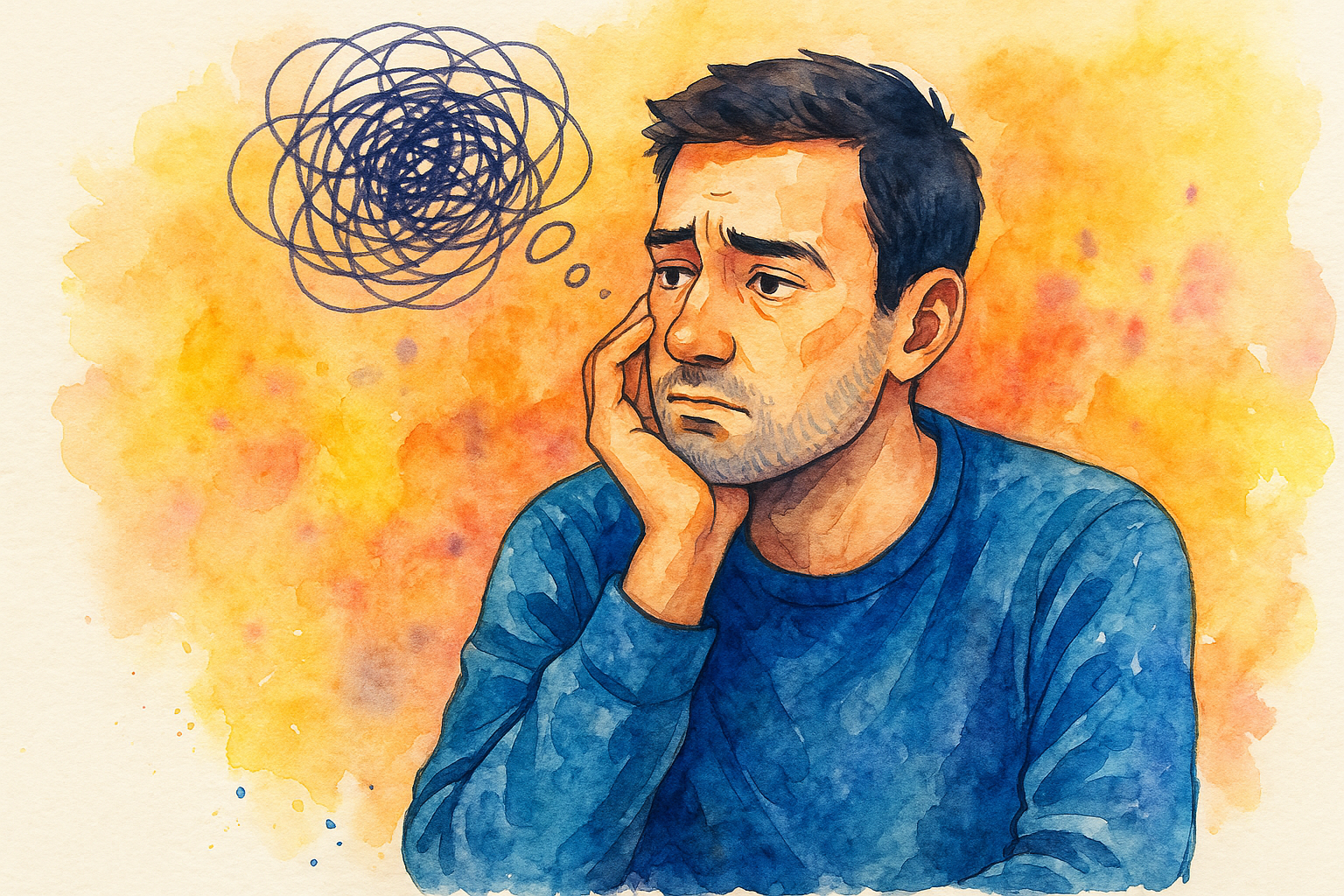
For as long as I can remember, my mind has been a never-ending maze of what-ifs. What if I make the wrong decision? What if I embarrass myself? What if I fail? My brain worked overtime, analyzing every possibility, replaying past mistakes, and predicting every worst-case scenario.
Overthinking wasn’t just a bad habit—it was a way of life. I’d spend hours second-guessing conversations, worrying about things beyond my control, and creating problems that didn’t even exist. It felt like my mind was running a marathon with no finish line, and no matter how exhausted I was, I couldn’t stop.
But one day, I reached a breaking point. I was tired—tired of the mental noise, tired of feeling anxious, tired of living inside my own head instead of in the present moment. I knew I had to change.
The Moment I Realized Overthinking Was Stealing My Peace
It hit me during a late-night spiral. I had spent hours replaying a conversation, obsessing over whether I had said something wrong. My heart was racing, my stomach was in knots, and I couldn’t sleep.
In that moment, I asked myself: Is any of this actually helping me?
The answer was obvious. My overthinking had never solved anything. It had never prevented bad things from happening. It had only drained my energy and made me miserable.
That night, I made a decision: I would stop letting my thoughts control me. I didn’t know how yet, but I knew I couldn’t keep living like this.
How I Learned to Quiet My Mind
Overcoming overthinking didn’t happen overnight. It took patience, practice, and a willingness to let go of control. But here are the key things that helped me find peace:
1. I stopped believing every thought I had.
For years, I assumed that if I thought something, it must be true. But I started noticing that most of my thoughts were just stories—worst-case scenarios, exaggerated fears, self-doubt.
So I began questioning them. Is this thought a fact, or is it just my fear talking? More often than not, it was the latter.
By learning to separate reality from the stories in my head, I loosened the grip overthinking had on me.
2. I created a “worry window.”
At first, I thought I needed to stop worrying completely, but that only made me stress more. Instead, I set aside a specific time each day (ten to fifteen minutes) when I allowed myself to worry as much as I wanted.
Surprisingly, this helped a lot. Instead of overthinking all day, I trained my brain to contain my worries to one small part of the day. And most of the time, when my “worry window” came, I realized I didn’t even need it.
3. I practiced “letting thoughts pass”
One of the biggest shifts came when I stopped trying to force my thoughts away. Instead, I imagined them like clouds in the sky—passing through, but not something I had to hold onto.
Whenever I noticed myself overthinking, I’d take a deep breath and say to myself: I see this thought, but I don’t have to engage with it. And then I’d let it go.
4. I focused on the present moment.
Overthinking is all about living in the past or the future. So, I started grounding myself in the present.
Simple things helped:
- Focusing on my breath when my mind started racing.
- Noticing small details around me—how the sun felt on my skin, the sound of birds outside, the smell of my coffee.
- Reminding myself: Right now, in this moment, everything is okay.
The more I practiced this, the easier it became to step out of my mind and into my life.
How Life Changed When I Stopped Overthinking
I won’t pretend my mind is quiet 100% of the time. Thoughts still come, but they no longer control me.
Now, instead of analyzing every possible outcome, I trust that I’ll handle whatever happens. Instead of reliving past mistakes, I remind myself that I am constantly learning and growing. Instead of worrying about what others think of me, I focus on how I feel about myself.
Most importantly, I’ve found something I never thought was possible: peace.
A Message for Anyone Struggling with Overthinking
If you’re stuck in an endless cycle of overthinking, I want you to know this: You are not your thoughts.
Your mind will always try to keep you safe by analyzing, predicting, and controlling. But you don’t have to engage with every thought that comes your way.
Peace isn’t about never having anxious thoughts—it’s about learning to let them pass without letting them rule your life.
And trust me, if I can do it, you can too.
While these tools can be powerful, it’s also important to recognize that overthinking doesn’t always come from everyday anxiety. If your thoughts are tied to past trauma or feel too overwhelming to manage alone, please know there is no shame in seeking help. For those living with PTSD or deep emotional wounds, professional support from a therapist can offer safety, healing, and guidance tailored to your experience.
You don’t have to go through it alone—and needing support doesn’t make you weak. It makes you human.
-

My Quiet Breakthrough: 3 Self-Care Lessons That Changed Everything
“Rest and self-care are so important. When you take time to replenish your spirit, it allows you to serve others from the overflow. You cannot serve from an empty vessel.” ~Eleanor Brownn
My breaking point came on a Monday morning at 6 a.m.
It had been the same routine for months: up at 5 a.m., brush my teeth, put on my workout clothes, move my body, weigh myself.
On this morning, the scale’s numbers glared back, stubborn as ever. My reflection in the mirror seemed foreign—tired eyes, face still sweaty, a body that felt like a lead weight. Outside, cars hummed past, oblivious. I’d woken early to squeeze in a workout, but all I could do was sit there, shaking with anger—at my body, at the relentless grind, at losing myself… again.
That moment wasn’t just about the weight. It was the culmination of years of silent sacrifices: waking up much too early to move my body—because when else would I find the time? Cooking dinners through exhaustion, handing out store-bought fig bars while envying the “made-from-scratch” moms on social media, and collapsing into bed each night wondering, “Is this how it is now?”
The Myth of the “Selfless” Woman
For a long time, I’d absorbed a dangerous lie: that love and family meant erasing myself. My husband worked opposite shifts, leaving me racing against the clock each evening. We’d pass like ships in the night. Him heading to work as I scrubbed dishes. He envied my evenings at home, imagining cozy nights with the kids. I craved the solitude of his quiet days while the kids were in school, wishing for just one day alone in our empty house.
Society whispered that a “good” mother was a martyr. But my breaking point taught me a harder truth: selflessness isn’t sustainable.
When I snapped at my kids one night, abandoning story time and leaving them with a meditation instead, I realized my burnout wasn’t just hurting me—it was robbing my family of the calm, patient mom they deserved. The person I used to be was buried under layers of guilt and exhaustion. I wanted her back.
The First Rebellious Act
The first time I locked my bedroom door to exercise, my kids whined outside. “Mommy, why can’t we come in?” Guilt tugged at me as I turned on a workout video, letting their iPads babysit for thirty minutes. My husband supported me but would ask, “Why isn’t the scale moving faster?” I didn’t have answers—but for the first time, I’d chosen myself.
This wasn’t selfishness. It was survival.
The Three Lessons That Changed Everything
1. Being quiet is a radical act.
I began stealing slivers of silence: ten minutes of morning meditation, walks without podcasts, even turning off the car radio. In those moments, I rediscovered my own voice beneath the noise of expectations. Once, during a chaotic breakfast scramble, my six-year-old dropped a heaping spoonful of oats, spraying the counter and cabinets with the gooey mess.
Instead of snapping in frustration, I breathed deeply—a skill honed in those stolen quiet moments. I’d found my patience again. “Let’s clean it together,” I said, my calm surprising us both.
Try this: Start with five minutes of intentional quiet daily. No screens, no lists, no voices telling you how it should be done—just you and your breath. This time isn’t for silencing thoughts but sitting with them.
2. Progress isn’t linear (and that’s okay).
When my business flopped on social media, I felt exposed. Like I’d been forced to perform, not thrive.
Letting go of others’ strategies, I rebuilt quietly: phone calls instead of reels, emails instead of hashtags, intimate workshops instead of lives. It was slower, but mine. One night, my son asked why I hadn’t “gone viral yet.” I smiled. “Because I’d rather talk to you, not my camera.”
Truth: Every “failure” taught me to trust my rhythm, not the world’s noise. Do what feels supported, not forced.
3. Boundaries are love, not rejection.
My husband started cooking on his nights home, shooing me off to go to meditate or move my body—whatever I needed in the moment. The kids built “cozy corners” with pillows, learning to honor their own need for space. Now, when my son says, “I need alone time,” I don’t panic or prod—he’s mirroring what I finally allowed myself.
Action step: Name one non-negotiable this week. For me, it’s my morning movement. What will yours be?
The Ripple Effect of Choosing Myself
Quiet became my sanctuary. No voices, no demands—just soft lo-fi playlists and the hum of my breath. My business grows steadily, my workouts are kinder, and the scale? It’s just a number now. Progress isn’t a race; it’s the quiet hum of a life rebalanced.
If I could write a letter to my former self, the woman racing to do it all “the right way” while drowning in guilt for every shortcut, this is what I’d say…
A Letter to My Former Self
Dear Matalya,
You’re not failing. You’re drowning in a sea of “shoulds.” Let go. The dishes can wait. The store-bought snacks are enough. And that voice saying, “You’re selfish”? It’s lying.
When you rest, the whole family breathes easier.
—The Woman You’re Becoming
A Metaphor to Remember:
Self-care is like lovingly tending a garden. You don’t rush the roses—you water them, step back, and let the roots grow strong.
-
How I Reclaimed My Introversion as a Superpower Instead of Feeling Inadequate
“We are each gifted in a unique and important way. It is our privilege and our adventure to discover our own special light.” ~Mary Dunbar
“I don’t want to sit by Teresa. She doesn’t talk.”
Ouch.
I was ten years old and at a fundraising dinner for my travel softball team.
It was that dreaded moment after I had gotten my plate of chicken, mashed potatoes, and green beans, and had to choose a seat at a big table.
I sat down next to my teammate, whom I looked up to. She was two years older than me. She was fierce and badass. She said what was on her mind. She didn’t take shit from anyone.
Clearly, she didn’t feel the same about me because in response to my sitting next to her, she said, “I don’t want to sit by Teresa. She doesn’t talk.”
This happened twenty-three years ago, but I remember it so clearly, partly because comments like this one were not unfamiliar to me during my childhood. They had taken other forms, like: “Why don’t you talk more?” “Why are you being so quiet?” “What’s wrong?”
Despite the frequency with which I received these comments, I was always caught slightly off guard by them because my mind was far from a quiet place.
At the fundraising dinner, I remember thinking, “Was I really not talking? I guess I’m having a full-on conversation with myself in my head.”
I remember noticing all the different types of people at the dinner. All the shapes and sizes of bodies. I remember how loud it sounded and how hectic it felt. Some people were rushing to fill their plates with chicken and mashed potatoes. Other people were standing in the corner, waiting until the line died down. Little kids were running around. Chairs were being moved and screeching across the floor. I was wondering why we had to do a silly fundraiser dinner.
I was dreading that moment when I had to fill my own plate and choose somewhere to sit. I was conscious of how our team was dividing up into the usual cliques. I was unsure of where I belonged. I remember how uncomfortable I felt in my ten-year-old body.
So, when my teammate commented that I didn’t talk, I was initially confused because my mind was very active. Then I was hurt and immediately started to question what was wrong with me.
And I froze. Now I certainly wasn’t going to talk!
If you’re introverted, quiet, or shy, then you know the debilitating effect such comments can have, especially as a kid.
Through my teenage years and into my adult years, this incident, and many others, shaped the belief about myself that I was too quiet, which was really the big underlying belief that something was wrong with me.
I felt the pressure to bend and contort myself to fit the mold of a world that seemed more suited for the bold, loud, extroverted people than for the cautious, quiet, introverted ones.
In high school, I remember hanging at friends’ houses so lost in my own head, spiraling about what I should say, which usually resulted in me freezing and not saying anything at all.
In college, I tried to fix my inadequacy with drinking because I found that with a little liquid courage, I could open up and be “normal.”
As an adult, I would hide out in the bathroom at conferences so I did not have to engage in awkward pleasantries with a stranger at a high-top table eating stale muffins and drinking bitter coffee.
I didn’t really have a fear of talking, sharing, or raising my hand in class or in a meeting. It was that in-between time of socializing and small talk that was paralyzing. I felt like this time was for cracking jokes and witty comments, and I felt woefully unable to do such things.
But now, at thirty-three years old, I have overridden that internal narrative of fear and inadequacy, and I have written a new story that is grounded in intuitive knowing. It’s a knowing that…
1. My quietness is connected to my perceptiveness, and together, these are two of my greatest strengths.
I am able to read the energy of a room of people and quickly intuit their needs and desires (sometimes!). My quietness also makes me an expert space holder for my clients.
2. My grounding earth energy is welcome and appreciated.
Just yesterday, I reconnected with a friend from high school, and she told me how she always admired my silent power.
3. My verbal contributions to groups are few but thoughtful.
Numerous people have told me that they know when I talk, they want to listen, because it will be something thoughtful and meaningful.
4. Non-verbal communication that comes from deep within the body is sometimes even more powerful than words.
I have full-on conversations with strangers through the eyes alone, and sometimes these conversations leave me feeling fuller and more connected than any verbal conversation ever does.
To uncover these knowings, I excavated my inner landscape through all the usual routes—you know, journaling, meditating, running, breathing, dancing. Let me pause on that last one. If there’s one thing I know for sure in this life, it’s this: dance more.
I begin every morning by dancing to one song. During this practice, I deepen my connection to my body, to myself. Through dance, I express parts of myself that I am unable to express in words. I have released physical tension and overcome limiting beliefs simply by dancing them out. Sometimes our fears and worries are simply energy that needs to be moved through the body.
Dancing is also about embodiment. We can do all the mindset work to overcome our beliefs, to understand why we are the way that we are, but at some point, we have to stop trying to fix ourselves and simply be who we are. And dancing is one of my favorite practices of being.
I want to leave you with a few thoughts:
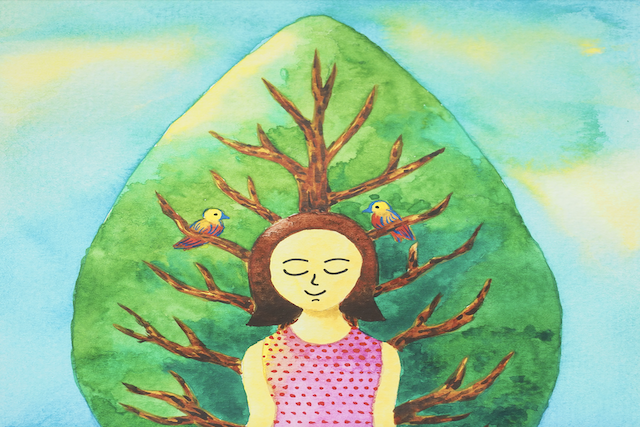
Nothing is wrong with you. There is no “right” way to be or to express yourself, except for the way that feels true and safe for you. Each of us is a unique being with a multifaceted personality, and sometimes, we are full of paradoxes. We get to be introverted and extroverted, courageous and cautious, feminine and masculine.
Lastly, for those of you who do not identify as being an introvert, here are a few things that I want you to know about me, an introvert:
1. If I am quiet, do not assume something is wrong. In fact, when something is wrong, I will clearly and boldly speak up about it.
2. Don’t mistake my introversion for aloofness or pretentiousness. I am actually deeply aware of, engaged with, and inspired by all that is happening around me. I am simply taking it all in.
3. I love people. And I also need time to recharge after socializing.
4. When you call me out for being quiet at a social gathering, it feels like I’m being attacked. (Well, it used to feel this way, not so much anymore because I am confident in my quietness now.) But please trust that I will speak when I want or need to.
5. At social gatherings, I love sitting back and observing. It brings me joy.
6. Small talk is hard for me. But it does not mean I look down on small talk.
7. Sometimes it takes me a little longer than others to formulate a response to a question. So have patience with me.
Extroverts (and all who are reading!), I want to know about you too. Feel free to drop any things you want me to know about you in the comments below.
Here’s to me being me, and you being you, and us being connected through it all.
-
How Spending Time Alone Helped Me Overcome My Loneliness
“If you’re lonely when you’re alone, you’re in bad company.” ~Jean-Paul Sartre
I have spent most of my life surrounded by people, which is probably why I never realized I was lonely. For the majority of my adult life, the only quiet times I had to myself were the very start and very end of the day. Otherwise, my mind was inundated with chatter, notifications, and distractions.
This constant noise let me mask the depths of my loneliness. I was bombarded with texts and distractions at all times, but I lacked deeper connections. As the years passed and I grew busier and busier, I found that I actually took steps to reduce my alone time. I’d watch TV until I fell asleep; I’d check my work emails first thing in the morning.
Looking back, the situation was obvious—I was terrified of being alone with my own thoughts—but at the time, I just thought I was being productive, or simply didn’t like being bored.
I didn’t realize my problem until my laptop suddenly broke. One chilly afternoon, when I was curled up on the sofa, ready for some New Girl, it unexpectedly powered off, and I was faced with my own reflection in the black screen. My phone was out of charge.
Without distractions, work, or social media filling up my mind, I came to the abrupt realization that, despite all my activities and invites, I was deeply lonely. And that was making me profoundly miserable without even realizing it.
That afternoon, I found out I was terrified of being alone. I looked at my relationship with myself and found it lacking.
The prospect of being stuck in my own company was so scary to me that it jarred me into action. I’d gotten so good at filling my mind with chatter, I didn’t know who I was when I was alone. I was definitely one of the many Americans who spend more than five hours a day on their phones, according to a 2017 State of Mobile report—never really alone, after all. But I didn’t know how to start being less lonely.
I didn’t want to only rely on others, so I made a plan to build my relationship with myself.
I decided then to be mindful about my intentional alone time. First, I figured out when I had space to be with myself. Then, I identified the times I found it hardest to be alone. Finally, I picked out the obstacles.
That left me with a solid three-point strategy: I had roughly three chunks of time during the day when I could have mindful alone time. My mornings and evenings were roughest for me. And my phone was the primary driver in stopping me from my goals.
My plan was to have three sections of alone time: active alone time, time meditating, and time doing something that didn’t involve a screen. But before I did any of that, I had to remove the biggest obstacle: my phone.
Even though it kept me connected to the world, it was holding me back from developing a deeper relationship with myself. I spotted that I used it most in the morning and the evening, so I invested in an old-fashioned alarm clock and decided on a strict no-screens-after-9:00pm rule.
Normally, my morning started with me staring at my phone’s notifications. Instead, I got up and went for a fifteen-minute walk in my neighborhood. At first, it was boring—I was desperate for distraction. But the more I did it, the more I found myself capable of noticing birdsong, thinking about my plans for the day, unraveling the tangled feelings of the day prior, and looking forward to my first cup of coffee.
I also worked in a five-minute meditation. At the time, meditation was new for me, so I figured that five minutes would be short enough for me to start getting into the habit. I quickly realized I needed to invest in an app to do guided meditation, which really helped me stay consistent and get actual benefits from it.
Finally, I filled my evenings with reading and painting. Both of these activities are manual, which meant that I couldn’t check my phone while I was doing them. I was able to rediscover my love of books, and while I’m not very good at painting, the process of producing tangible art helped patch the gap in the evenings when I normally would reach for my phone.
Research proves that loneliness is harmful for your physical and emotional well-being, but you don’t necessarily have to look outside yourself to cure your loneliness.
All my habit changes pointed to one final conclusion: You can’t depend on others to feel better about yourself. Learning to be okay with being alone was crucial to my journey with myself. You can’t begin to work on real relationships with others until you have a solid relationship with yourself.
For me, it took one crucial moment to bring home the reality of the situation. From there, I needed to actively carve out alone time—not just time without other people physically present, but time without distractions, notifications, phone calls, or emails.
Time that belonged just to me.
Finally, it did take tweaking. I tried to do it with my phone, but realized it was impossible, so I removed it. I originally tried to do a half-hour walk, but the time away from any devices stressed me out. When I began meditation, I thought I could do it without an app, but found I spiraled into negative thought patterns or fell asleep.
My point is, I didn’t get it right on the first try. The most important thing for me was that moment of realization. From there, I was able to keep trying until I found methods that worked for me. The results were amazing in the long run. I have a better image of myself, and I’ve found my relationships with others have improved.
Because I’m dedicated to feeling my feelings instead of drowning them out in a blur of notifications and escapes, overall, I’m more present and self-aware than I used to be, which helps keep me more self-accepting and centered. Nowadays, when things get rocky—and that does happen, as an unavoidable part of reality—I’m able to draw from my reserves and go with the flow.
It was uncomfortable, it was difficult, it was frustrating, but it’s definitely been worth it.
-

The Lost Art of Silence: Get Quiet and You’ll Know What You Need to Do
“Silence isn’t empty. It’s full of answers.” ~Unknown
Last week I was visiting the Scandinave, a Scandinavian-style bath spa, with my mom when it struck me how rare true silence has become. By true silence, I mean silence in the form of not speaking, but also silence in the form of reflection, pause, a capacity to become still, a capacity to just be and not do.
The art of silence was lost. Even at these baths, where the goal was to disconnect and enjoy the stillness of nature, there was constant chatter among groups with voices audible across the pool. It didn’t matter that signs were posted around the area, encouraging silence:
Honor Silence.
Speak Quietly.
Absolute Silence.As a society, we have forgotten how to become quiet, how to become still. We are always on the move, always busy, always doing. We’ve forgotten how to just be.
This lack of silence pervades our lives. It’s in the moments filled with meaningless small talk about the weather to avoid simply sitting in silence. It’s in the moments on the subway, filling our ears with music, busying our minds with our phones, to avoid simply sitting in silence.
As a yoga teacher and practitioner, I have seen it showing up in the form of teachers filling classes with an endless stream of cueing. I have seen it showing up during savasana, the final resting pose, which gets cut short to avoid the anxiety of watching students fidget in the uncomfortable silence.
To me, this is a tragedy.
Silence creates space in our lives. It allows us to pause between moments, to process and reflect, to see beyond the surface into the depths of our lives. When we cut out silence, we cheat ourselves out of the fullness that life has to offer. Only in the silence can we truly hear the whispers coming from within us, urging us towards our highest potential.
Silence breeds deep connection, not only to ourselves but to the world around us. The energy of a silent room filled with people is almost palpable. In silence, we are all powerfully connected to our higher selves, to the universe, and to each other.
For one moment at the spa, I felt this. Sitting in absolute silence in the sauna, silence brought a group of strangers together. We were all present, sharing the same moment, connecting with the world and not with our phones. It gave us space to turn inward, to take stock of our internal landscape, to let go of what no longer served us, and to renegotiate who and how we wanted to be in the world.
Without silence, we keep moving forward, not really knowing where we are or where we want to go.
I came away from that day of silence and quietude with a new awareness of what was happening in my life. In those moments of silence, I could hear my inner voice growing louder. Where it was once only a whisper, easy enough to ignore, it suddenly became deafening.
After a day of silence, I had no other option but to face it. I went home that day and had a hard conversation. Potentially one of the hardest I’ve ever had.
I realized that I hadn’t been honoring myself in my relationship because I had been afraid of losing something that I loved. My partner and I weren’t on the same page with what the relationship meant to us and what we wanted from it. Unintentionally, I lost pieces of myself to the relationship—by being the one to compromise, by being the one to follow, by being the one to give in. In this way, I put my relationship with myself last.
I stopped cultivating things I loved that were separate from him in order for us to spend time together. I didn’t go out of my way to make my own plans on the weekend.
In the silence, I heard my inner voice becoming louder and clearer. I couldn’t go on feeling this way or being this way. The silence gave me the space to hear what my heart was saying and the strength to listen. Something had to change.
I had to stop sacrificing my own needs and desires just to please someone else. I had to start standing up for myself and making it clear that what I wanted mattered too. I had to start making my own plans and doing things just for myself, and not always waiting to see if he had other plans in mind. I needed to be me, wholeheartedly me, first.
It was scary to have that conversation, to feel like I might lose it all, by voicing what was in my heart. I was scared of what would happen if I stopped going along with it, if I started putting myself first. But I couldn’t avoid the conversation anymore. The silence roared.
Perhaps that is why we avoid silence—because once you hear the voice in your heart calling out, you can’t ignore it. You can’t go on denying what’s in your heart once you create the space to hear it out. And that can be scary.
Usually the voice within wants you to do the hard thing. The voice doesn’t want you to settle. It doesn’t want you to give up. It wants you to live to your highest potential. It wants you to climb mountains. It wants you to dream big and live big. And living that way isn’t always the easy thing. It’s not always the comfortable thing.
Leaning into silence might seem scary. It might even be painful at first because your mind and body will fight it. But I urge you not to run from the silence any longer. Embrace it. Allow it to create space in your life, because it will transform your life. Ultimately, the silence pushed me farther into the life I dream of, into a life of passion, of meaning, of giving myself my best shot.
Here are some ways you can rediscover the lost art of silence:
1. Start small.
The more time you spend in silence, the more powerfully it will impact your life, but diving straight into a ten-day silent retreat might not be the best approach. In fact, it might have the opposite effect.
Instead, slowly introduce small pockets of silence into your day-to-day life. If you drive on your daily commute, try turning off the radio. If you take public transit, take out the headphones and put away the phone. Feel this silence and notice what’s happening around you and within you.
2. Set aside time for meditation.
Block out a specific time in your day or week for a meditation practice. Perhaps it is first thing in the morning, or before you go to bed at night. Set a timer for five or ten minutes, sit or lie down with your eyes closed, and simply breathe. Watch your breath move in and out of your body.
3. Use mantras.
While at the baths, I used mantras to move into the silence. My mantra of the day was “Life flows through me with ease.”
In the silence, I heard myself fighting against the ebbs and flows of life—holding on to expectations, worrying about how things might turn out, resisting where things were going.
Sometimes our minds see silence as an opportunity to berate us with thoughts, thoughts about not being good enough, about missing out, about being in a hurry, about not having enough time. Our minds will be particularly active if we aren’t used to the silence. Your mind will fight the silence. A mantra can help you to quiet the mind and settle into the silence.
4. Use movement, such as yoga.
If our minds are particularly active and we have a hard time just sitting in silence, we can start with gentle, mindful movement to ease ourselves into it.
If we aren’t used to sitting in silence, our bodies can get very antsy. Silence can make us anxious. By using movement, we can soothe our nervous system and our minds, making it easier to ease into a state of being.
When I first got to the baths, I used a few neck and shoulder stretches to relax my body for stillness. This focus on the body in turn helped ease my mind into the silence.
Embrace the lost art of silence. Your highest self will thank you.
-

9 Confidence Myths That Only Quiet People Will Truly Understand
“Quiet is the new loud.” ~Patrick Stump
Isn’t it ironic?
When you need it the most, your confidence is nowhere to be found.
When you’re freaking out at the thought of meeting new people, speaking up or going for that job interview, you’re only ally has gone AWOL.
And even though you’ve tried all the standard advice on how to be more confident, more self-assured, if you’re anything like I used to be, it’s left you even more anxious. Even less sure of yourself.
And all your efforts to be more confident have got you worrying that there’s actually something wrong with you.
Because the advice on building your confidence that works for others just doesn’t seem to work for you at all.
Take heart. There’s a really good reason it doesn’t work for you…
…you’re quiet.
Some people might say “introverted,” but labels are often only half the story. Simply put:
- Shouting above everyone else to be heard just isn’t your thing.
- A busy diary feels like you must have been a bad person in a former life.
- You love being social and then suddenly you want to be home. In pajamas.
- And alone time, well that’s level pegging with oxygen.
The rub is a lot of advice on how to be more confident works for a lot of people. It does make them appear more confident. And it can boost their own feelings of confidence.
But as a quiet person, trying to improve your self-confidence by following this type of advice, however good, can leave you less self-confident and more self-conscious than ever.
I know, I did just that…
“Who you are speaks so loudly I can’t hear what you’re saying.” ~Ralph Waldo Emerson
“All eyes on me, I can do this,” I mumbled inside. “Speak up girl, dammit.”
I seriously mis-sold myself at that interview. And every day that followed because of the persona I thought I needed to put across—a loud, forceful, heck aggressive if that’s what the situation needed, “Go get ‘em Laura.”
“Maybe I’ll grow into this louder me…please,” I stressed inside.
Instead, I became a caricature of my true, quiet self.
Colleagues that the authentic quiet me would have got on great with shied away from the person they saw me as. But equally I wasn’t comfortable with the people who liked the false loud me they saw and heard.
Pretending ate away my confidence and devoured my self-esteem.
And yeah, it got messy at work. And I left… quietly.
It’s a myth that there’s a one-size-fits-all answer to being more confident. We are all unique, with different stories and challenges, but there is some advice that directly conflicts with quiet tendencies.
So here are nine confidence myths that only quiet people will truly understand.
1. Speak louder.
To get on, you’ve got to speak up, get loud, right? Folk need to hear you over all the noise in today’s hyper-busy, hyper-competitive world. And they need to hear you fast.
But if you’re quiet, trying to speak louder feels uncomfortably rushed. I found I was consumed by the way I was saying my piece, not what I was saying.
Someone who speaks quietly, and only when they have something to say, can command greater attention than the loudest, most vocal person in the room.
Gandhi never raised his voice, and a whole nation heard him just fine.
2. Walk faster.
Walking faster makes it look like you’re filled with purpose, assured of your direction.
But for me, walking faster, well that just got me there too fast. I felt like I was hurrying, scrambling even. By forcing myself to quicken my pace, I set my quiet confidence running in the opposite direction.
Bottom line, I felt like I wasn’t in control.
Instead take your time. Taking things at your pace is a sure sign of a confident person.
After all, can you imagine the Dalai Lama rushing?
3. Be busy.
The idea of making yourself extra busy because it adds to the image of you being in demand, being successful, works for some.
But I found that there’s an extra, more troublesome dimension if you’re quiet. Making myself noticeably busier meant I had to engage with lots more people to attract more tasks. And ironically, I also had to say no more because soon I’d taken on way too much.
But worst of all, I was too busy doing everything badly, rather than one thing well. And quiet people like to do a good job. It’s a critical part of our confidence.
So rather than be the go-to guy or gal for any and every project, be known as the one to call on when the task needs care and attention.
4. Dress sharp.
The way we look can have a profound effect on our level of confidence, and dressing sharp seems good advice.
So I smothered my quiet tendencies and took the dress sharp class.
Oh boy! I felt like the Emperor and his new clothes. More self-conscious than if I’d been naked. I felt like my clothes were shouting “look at me!”
You don’t need to obsess over how you dress. Get your confidence from being your true self and knowing that long after they’ve forgotten what you looked like, they won’t have forgotten how you made them feel.
“I don’t want to be just known for the way I dress. I want to be known for how… I treat people” ~Rickie Fowler
5. Smile.
Smiling says I’m relaxed, confident, at ease with myself. And easily approachable.
Which is commendable.
But as a quiet person, sometimes I don’t want the whole world to approach me, to engage in conversation, to look for a deeper connection than maybe I want.
Unfortunately, by trying to wear a permanently over-enthusiastic smile, I gave out a confusing message to others about how involved I was comfortable being.
It’s better for your confidence to preserve your quiet space when you need it than wear a false “open all hours” smile.
6. Make and hold eye contact.
Winning the staring contest supposedly shows that you are confident, accessible with nothing to conceal.
So I gave the “hold eye contact” advice a really good shot.
So tiring! Embarrassing even. I felt like a weird stalker, hanging on every nuance of every word, yet ironically I heard nothing because my thoughts were totally taken up with winning the staring contest.
Sure, totally avoiding eye contact suggests that you’re either very shy or very guilty. But eye contact is way more intense than words will ever be. So if you’re a little reserved, holding someone’s gaze needs to be as natural as possible for your confidence to flourish.
7. Adopt power poses.
Similar to eye contact, your body says way more than your words. “Power poses” might include:
- the self-assured lean back in the chair
- the standing with legs shoulder-width apart, hands on your hips stance
- the steepling fingers together and resting elbows on the table
These can increase testosterone, which in turn increases confidence.
Now, even though I’m quiet it doesn’t mean I’m a mouse. I’ve given talks to groups of a dozen to several hundred. And I’ve tried those poses.
I felt like a second rate actor in a bad B-movie. One I wouldn’t have paid to watch. And the stress of trying to pose nearly killed me.
You see as a quiet person, the testosterone fueled confidence boost is more than likely to be offset by the extra increase in stress. Having to consciously adapt your body language can feel like a daunting performance.
Instead of trying to contort yourself into unnatural poses, boost your confidence by playing the only role you’ll ever win an Oscar for—you.
8. Shake hands firmly.
A first impression can be difficult to turn around. A firm grasp, two or three pumps up and down can persuade the other person you’re James Bond confident.
Unless of course you’re a quiet person. And then it’s likely to be quite the opposite. Sure, I shake hands, I’m British after all, but my consciously firm hand shaking attempts left me feeling pushy and competitive.
That’s not the way my confidence feels good on meeting new people.
Instead of forcing your handshake, offer the genuine quiet greeting your confidence is comfortable with and let the other person meet the real you first off.
9. Make physical contact.
A touch can say so much. It can be warm, assured, reassuring even, and can make you seem more confident.
And I was well aware of that, but every time I tried to pat someone on the back, or touch them on the shoulder, it felt more like I was taking a liberty than offering a friendly gesture. It felt way too intimate.
As a somewhat reserved person, gentle or friendly physical contact might be well intentioned but if it’s uninvited, that gentle tap can feel more of a Zap.
So instead of fake physical intimacy, let the authenticity of your personality affect them instead.
“Do not underestimate the determination of a quiet man.” ~Iain Duncan Smith
True, all our lives we’ve been shown that loud is better, that loud wins.
Which is why you hoped so hard that the good advice you tried was going to be the answer.
It’s still good advice… for anyone not like you.
But if you can stop seeing quiet as the chink in your armor of confidence, you’ll leap a thousand steps in being more self-assured.
Your own unique version of confidence is quiet. Quiet confidence.
Make peace with your quietness.
Because quiet confidence can conquer the world.
If it wants to.
-

4 Ways Introverts Can Super-Charge Their Happiness
“Solitude matters, and for some people, it’s the air they breathe.” ~Susan Cain
Do you get ticked off too?
I mean, when people say you’re awkward, naive, and anti-social.
Your feelings get bruised, and then you find yourself drowning in a sea of unhappiness.
All you want is to be normal. To be accepted and to fit in. The more social you try to be, the more uhappy you get.
You’ve worn all the right masks to be normal, but it seems all your efforts aren’t good enough.
Well, I know that feeling all too well, unfortunately.
How Trying to Fit in Made Me Unhappy for Years
I was six years old when I joined the school dance team because I wanted to be like my friends. Long hours of practice replaced my alone time. It was rough. But all I wanted was to fit in and belong.
I should have known public dancing wasn’t for me. I panicked during the audition, and all I wanted was to crawl under a chair. I stood frozen in fear the entire time.
And boy, that didn’t go to well. No matter what I said to appease the teacher, she yelled and banned me from the school dance team.
In college, I was embarrassed to tell my friends I would rather stay in than go out in loud and busy places.
So, I followed my friends for adventures. It was okay for a few hours, but then I would take frequent bathroom breaks for quiet moments and to hear my own thoughts.
I pushed too hard to hang out every weekend. By the end of the day, I felt like I had been in a marathon that I didn’t sign up for.
After college, I ached to belong and be accepted. I always said yes, even when I wanted to say no, just to please others.
A friend suggested we (including her nanny and child) rent a bigger house together and split the costs, which meant we would pay less than we were paying to live separately, and we’d enjoy living in a better neighborhood.
Soon after we moved in together, her siblings moved in and took over the house. I was miserable. The house was crowded and noisy. There was no space for solitude.
This invasion of space built lots of tension, so I moved out, and doing so ruined our relationship.
I tried to explain, but I was misunderstood. I was left confused that my friend didn’t understand my need for quiet space. All I wanted was to have a happy friend who understood me.
I stumbled upon personality types in my twenties and learned about the differences between introverts and extroverts. I finally realized nothing was wrong with me. I realized I was an introvert, and I learned that us introverts often feel isolated and misunderstood by society.
After I understood myself, I stopped working so hard to fit in and please people. I was finally content just being myself.
Knowing I was introverted empowered me to stand up for myself and overcome some of the roadblocks to my happiness. You can do this too.
1. Focus on your strengths.
Introverts tend to focus on their weaknesses, like not being good at small talk, and some beat themselves up trying to fix them.
They might desire to be more talkative and outgoing, so they promise themselves the next time they go out, they’ll strike up a conversation. Or they promise in the next office meeting to voice their opinion. But when the moment comes, they back out and feel disappointed with themselves.
I knew I was self-conscious when I danced, but I felt it was something I needed to fix. That’s why I kept signing up for dance teams, even while knowing that they’d just make me want to crawl under a chair.
Are you focusing on your weaknesses and sinking in the sea of unhappiness?
So what if you’re not the best at small talk? You have plenty of other positive qualities that you should be proud of—having a strong conscience, drawing energy from deep conversation, and being empathetic.
Take fifteen minutes to just think about all the qualities you like about yourself. Jot them down. You might realize you have more positive qualities than you give yourself credit for.
2. Socialize selectively.
Shy introverts want to fit in, so they push their limit by attending parties out of their comfort zone.
In college, my friends handled going out every weekend with ease. I followed my friends to parties I didn’t even care about, only to be left overwhelmed by all the noise and small talk.
I started suppressing the feelings and struggled to toughen up. Doing so left me swinging back and forth, from happy to unhappy.
Does that sound familiar?
Trust your feelings to guide you. Learn to stop and retreat when you feel over-stimulated.
You should only socialize in ways you feel comfortable with.
Maybe having a small group of friends over for dinner is better suited to you. Maybe you know a couple of quieter cafes that you like and can refuse invitations to places you dislike.
And maybe, if you do want to step out of your social comfort zone a bit, you should feel free doing so, but you should also feel free to go home when you feel over-stimulated.
3. Honor your quiet time.
Most introverts need their alone time. It makes them feel at ease and can help them catch their breath between social events. However, many introverts neglect this need.
I used to say yes to every request I got, such as school sports kiosk, fundraising events, and baby showers. I wanted to fit in and was afraid of missing out on what was happening, but that only exhausted me.
All that stopped when I understood I was wired differently and deserved to pamper myself with some quiet time.
Honor your quiet time, and consider it as an investment.
It’s okay to retreat for some nourishment and recharging. This sounds selfish, but it’s not. You cannot serve others well if you cannot care for yourself.
4. Seek out kindred spirits.
Most introverts have those friends who make them feel different and alone because not all understand the nature of introverts.
They might try to bring you into the conversation when you’re content just listening. They might try to “help” you be more social and talkative. Or they might constantly ask why you’re being so quiet.
I had such friends, and the more I tried to make them happy, the unhappier I got.
I finally rocked my own boat. I no longer bent over backward to fit in, and I just expected people to respect me for who I was. Some fell overboard, but those who really understood me stayed.
So, seek out support of kindred spirits who understand the uniqueness of each person.
And because they understand other personalities, they already know how to manage and treat others.
They will make you feel comfortable just being you around them. And you don’t have to try and fit in because they understand you and accept you for who you are.
Time To Feel Complete
Stop trying to fit in by changing your personality to match others because you’ll only make yourself unhappy.
Instead, try to find people who will accept you for the introverted spirit you are.
Remember, you’re not alone. Some historic figures such as Martin Luther King and Steve Jobs were introverts and happy too.
You can be happier too if you focus on your strengths and accept yourself for who you are instead of trying to fit into someone else’s mold.
Embrace your introversion.
And spread your happiness to the world.
Introvert image via Shutterstock
-

The Dangers of Staying Quiet: Learning to Ask For Help
“The greatest mistake you can make in life is to be continually fearing you will make one.” ~Elbert Hubbard
My right leg lay twisted, broken and disconnected. As I regained awareness, I could hear a primal scream.
It took a while to register that it was coming from me.
At the time, I was supposedly living my dream, but in truth I was drowning in my loneliness. So I had stood almost directly behind a horse I knew was prone to kicking and pulled her tail.
She wasn’t malicious; if she was, I would be dead now, as I had lain under her until I was found. But I had invaded her space and she told me she didn’t like it.
That was fifteen years, three long operations, and one titanium rod ago.
I had been riding since I was four, and at the time I was twenty-two and competing professionally. I had trained with Olympic medallists and I had supposedly landed this great opportunity and I was on my way.
It all looked right and perfect. The truth was that I was miserable and felt completely out of my depth. I knew no one where I lived. I was isolated yet expected to succeed—to deliver without any support.
The more time went on, the more I hid the truth of my situation and how I felt from everyone who loved me, denying myself, because I didn’t know how to say I had made a mistake. I was struggling and desperately needed help.
I had realized I’d made a mistake by accepting this job. I didn’t trust the owner for whom I was working and I couldn’t do everything I was expected to do alone, but I didn’t want my friends and family to think I had failed.
It took me ten years to admit to myself that I was ashamed for having caused my accident.
I chose to sacrifice myself and put my body in danger so that I could make the situation end—to somehow be rescued and for things to change.
I was ashamed that I had caused drama in my life and trauma to myself as a way of getting what I needed. I got change, but the consequences were more dramatic than I could have imagined.
Not only did I lose my job, but I also ended my professional riding career for good.
I ended my dream of competing at the Olympics, which I had been striving, training, and working for my whole life. I lost my house and my friends, who I had left when I moved away to the new job. For a year, I totally lost my independence, and it would take several years until I was fully physically recovered.
I would live the rest of my life with physical scars to remind me, and internal scars that would haunt me for years.
It has been my greatest lesson in life to find a voice and not just speak, but to speak up and tell the truth about how I feel. To be true to myself and take care of what I need and want, and demonstrate to myself that I matter, by telling other people what is important to me.
We are taught in school that if we don’t understand something and need help, to put our hand up and ask. It sounds so simple, but why do so many of us see this as a weakness and instead believe we must struggle and suffer in silence?
My suffering in silence eventually led me to dramatic and potentially life-endangering measures.
When I lay on the floor waiting for the paramedics, before someone had covered my leg, I stared at it broken like a china doll.
I was lucky that I had been wearing calf-length leather riding chaps and it was to them that I owe the fact I didn’t lose my leg; it managed to keep everything together enough to be saved.
My physical healing was relatively easy, with some time, patience, and loving care. Although I did eventually get up and ride again, even compete, even though I was told I never would, the psychological damage stripped me of my trust in myself, something that would last for years.
I came to fear that I might self-sabotage again, betraying myself, and that there would be dire consequences if I took any risks.
So I quit trying.
For a long time my life was small and riddled with fear, which kept me prisoner—physically safe but, ironically, once again deeply lonely.
It has taken an immense amount of courage to change this, and sometimes I would start to feel better, only to end up back in my cell.
I had to stop waiting to be rescued by someone—anyone—who might telepathically know how I felt without me actually saying.
I laugh now, because I have been taught by life that real love means being encouraged to be the biggest, most confident, strongest version of myself, to be able to stand up for myself and tell the truth, even if it might hurt someone else’s feelings.
It is not my destiny to be self-sacrificing for fear of disappointing someone or hurting other people, but instead my responsibility to protect, love, and honor my well-being and happiness.
My mistakes, actions, or consequences no longer need to be catastrophic, as long as I speak up and be honest early on, ask for help, talk to others, ask for someone to listen to me or even sometimes just give me a shoulder to cry on or a hug.
A plaster always needs to be ripped off quickly to minimize the pain—and sometimes speaking the truth must be done in the same way.
Because I didn’t do this, the pain, grief, shame, and trauma of that time in my life got stuck in my body and festered, eventually becoming too painful to hide from. Strangely, though, it actually helped me find the strength I needed to face how I had let myself down.
I had chosen to be the victim, rather than speak up.
I finally chose instead to let the tears fall, to wash away the pain, and I started speaking the truth. It wasn’t pretty, but I wanted to find a way to forgive myself and finally let go of the past.
A few years on, I still sometimes struggle a little to speak up straight away when I am cross, in pain, and upset, but the truth always finds a way to bubble to the surface.
Something in me won’t let me be quiet any more.
With practice, I have learned to quieten the inner voice that tells me to ignore my feelings and keep pretending that everything is fine and dandy.
Instead, I have to practice speaking with emotional clarity to say what I need, even if I have to shout it, write it, or repeat it over and over again to be heard.
I have learned the simple truth that mistakes only happen when we are confused, don’t understand what is being communicated to us or expected of us, and when we don’t ask for help to make sense of something we don’t understand.
So, the next time you find yourself in that state of fear, confused about which way to turn, don’t stay quiet, don’t suffer in silence!
Remember our school lesson and put your hand up, either metaphorically or physically, and ask for help from anyone, whether in prayer or from another person.
Be honest, keep asking, and don’t give up until you find what you need.
You might not always find the answer straight away, but by talking about it, asking, and listening, it will come.
Photo by Mitya Ku
-

How Taking Quiet Time for Yourself Helps People Around You
“I wish I could show you, when you are lonely or in darkness, the astonishing light of your own being.” ~Hafiz of of Shiraz
“What I wouldn’t give for a few moments of silence.”
“I really should start meditating.”
“I know it’s important to take breaks, but I just don’t have time.”
We’ve all heard (or made) comments like these at some point. Implicit in these statements is the idea that resting in stillness is beneficial…for the individual.
But what if such a practice of peace is more than that? What if it’s beneficial for others in your family, your community, in every life you touch?
When I worked as a live-in caregiver for adults with intellectual disabilities at L’Arche, I often rose early to help my housemates with their morning routines. (L’Arche is a non-profit that creates homes wherein people with and without intellectual disabilities share life together in community.)
I came to live there after college, and it was a wonderful challenge for an introvert like me to live and work with fourteen housemates for two years.
When I wasn’t assigned to help my housemates with their morning routines, however, I had a ritual of my own. I’d pad down the staircase in slippers, my journal in hand. I’d assemble some breakfast, and then sit down in a living room chair that faced the house’s front windows.
Morning light would warm my skin and my spirit too. I’d sip my coffee and stare silently, content to take it all in.
My housemates would move through their routines around me; my morning oasis was, after all, right in the midst of a fourteen-person household. I would greet them with a smile, then duck my head and keep silent. (more…)
-

When Will You Find a Moment for Yourself?

“Sometimes the most important thing in a whole day is the rest we take between two deep breaths.” ~Etty Hillesum
For the second time in a week, the gas light comes on in my car. I’m busy, as usual, and so I push it a little farther, run just a few more errands. But I know that I do need to stop and refill before too long, or I will be left on the side of the road. I’ve been stranded before, and have learned my lesson.
Most of us know that when our cars try to tell us they need something, we had better respond or they won’t get us to our destinations.
We usually have some respect for red warning lights on the dashboard, and at least check out the problem. Unfortunately, it’s not always so easy to see our own signals.
Our bodies and minds don’t come with bright red warning lights, but they do give us signals when they’re running low.
Some of these signals are more obvious than others. When we’re hungry, we might be able to skip a meal occasionally, relying on snacks to get us by, but we all know that at some point, we need to eat real food.
We might be able to miss a few hours of sleep as well, and make it through the next day, but we can’t simply expect our bodies to keep performing without rest.
We may be able to survive in a grumpier and lesser performing fashion when we have less than optimal amounts of food and sleep, but we all know that we can’t skip those needs altogether.
But what about the other needs that aren’t so obvious? Everyone has probably heard about the benefits of spending some time alone just to think and to gather their own thoughts.
If you work, go to school, have a roommate, spouse or children, this time probably isn’t easy to come by. It’s probably also more important than ever.
Lately, I’ve noticed just how important this need for solitude is to me. As a writer who works at home, as well as a homeschooling mother, I am blessed with lots of time with my family. What I’m lacking severely is time to myself.
Between errands, online college classes, a part-time job, volunteering, and meeting the needs of everyone else, I often end up neglecting my own need for a moment to myself to think, breathe, read, write, draw, paint, or do anything that helps me relax. (more…)