Tag: positive

  • When You Feel Behind: Turning Envy into Positive Action

    When You Feel Behind: Turning Envy into Positive Action

    Excited Woman

    “It is the way that we react to circumstances that determines our feelings.” ~Dale Carnegie

    I can remember the incident so clearly.

    A few years ago, my friends and I were all sitting around a table in a restaurant. It was the holiday season, and I was in good spirits. It was nice to see everyone again. The snow was drifting gently outside, reminding me of eggnog and Christmas trees.

    After we ordered our food and took turns asking each other what we were up to, it was one of my friends’ turn to share. She casually mentioned that she recently got a job offer. Everyone looked up, in a mix of surprise and curiosity.

    “What company?” someone asked.

    She answered proudly, full of giddiness and excitement. As I looked around, I could see some expressions beginning to sour. As for me, it felt like a stone had just dropped in my stomach.

    I couldn’t believe it. Out of everyone I knew, she seemed the least likely person to get a prestigious job offer. My spirits were suddenly dampened as I tried to process what had just happened.

    All throughout dinner, I couldn’t wrap my head around the fact that she had gotten a job offer from a company that I personally knew numerous other people had unsuccessfully applied to.

    I had tried for the longest time to obtain an interview from the firm, unsuccessfully. Meanwhile, she was failing many of her classes at the time, and seemed to have few relevant work experiences.

    It completely turned everything I had thought about life and careers upside down, as if all my efforts to secure relevant internships and achieve in my academic career had gone to waste. I felt like I had failed myself.

    Slowly, I shifted from blaming myself to blaming everything and everyone else around me. At the time, I told myself that things were simply not fair.

    It’s been a few years since then, and I’ve had many days to reflect upon this experience, as well as how I’ve grown since then. Here are some things I did to turn from envious to positive and the lessons I learned along the way.

    Focus on yourself.

    Harboring negative feelings toward others, whether it’s hate, contempt, or envy, takes up energy and ends up exhausting us. It’s unproductive and it doesn’t better our lives. If anything, people easily pick up on these unattractive, negative vibes.

    The most important part of ridding oneself of envy is changing the way we approach the situation. Realize that there is nothing you can to do change events outside your control. What you can do, however, is find ways to make changes in your own life.

    I was spending so much energy on someone else’s achievements that it took away energy from my own. After the feelings of envy and disappointment passed (as they always do), I decided to explore different ways of improving myself.

    I took up new activities, such as writing, and made an active effort to speak to different people from different walks of life to learn more about their experiences. Learning from others with more experience than me became a key theme in my life. I wanted to understand other people, their struggles, and how they overcame obstacles to become successful.

    When I became more productive and filled my schedule with things to do, it felt like I had less space and time in my calendar to be envious. I was too busy!

    Things are not always what they seem.

    When we talk to people, especially those whom we rarely see, we tend to highlight the best parts of ourselves and our lives. Just logging into a social media website shows this phenomenon.

    Similarly, you’ll likely only see the tip of the iceberg when you first talk to someone. Dig a little deeper and little specks will appear. Everyone’s life has both good and bad, but it’s unrealistic to compare our own lives, which we know inside out, to the shiny, clean surface of someone else’s.

    As for my friend’s situation, I truly do not know how she obtained an offer from the company. Perhaps they liked something they saw in her credentials, or she was a better fit. Maybe someone she knew vouched for her abilities.

    The point is, it doesn’t really matter for me. It’s so easy to wrack our brains over things that don’t fit within our worldview. Some things are difficult to understand, but we can do our best to acknowledge that we don’t have all the information at hand and try our best to work with what we do know.

    Life is a marathon, not a sprint.

    At the time, it felt like I was falling behind. Despite all my efforts, it was if someone had “leapfrogged” over me and was soaring ahead. I worried that setbacks would accumulate over time, and I would spend the rest of my life behind everyone else, always trying to catch up.

    How wrong I was.

    The thing is, life isn’t a straight line moving in one direction. It’s sort of like a stock market—wiggly and filled with ups and downs. It’s unpredictable, but if you focus on improving yourself, despite the ups and downs, the long-term trend will be upward.

    Envy is an unproductive feeling. It’s perfectly natural and happens to everyone, but it can consume our own lives to the point that it’s unhealthy. Envy is a feeling of helplessness.

    I learned that I have control over myself and my actions. I could take steps to improve myself by putting out a detailed action plan and implementing it.

    Make learning become a major theme in your life. Seek to learn from others’ successes and difficulties and apply them as lessons in your own life.

    Because regardless of the inevitable hurdles everyone faces, nothing can take away the knowledge one has gained from listening to others and the wisdom in knowing what to do.

    Excited woman image via Shutterstock
  • Interview with Dani DiPirro and Book Giveaway: The Positively Present Guide to Life

    Interview with Dani DiPirro and Book Giveaway: The Positively Present Guide to Life

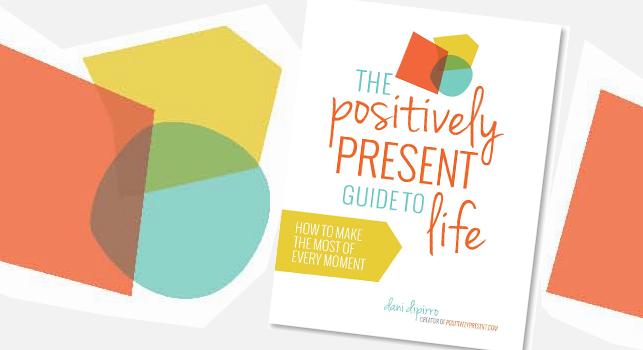
    Positively Present Guide to Life

    Update: The winners for this giveaway are:

    If you’re a fan of uplifting, action-oriented blog posts, you may have stumbled upon Positively Present at some point in time.

    I “met” the site’s founder, Dani DiPirro, around the time I started Tiny Buddha. Over time, I grew to admire her dedication, both to personal development and her blog.

    Since 2009, she’s shared countless helpful, inspiring posts, empowering readers to live mindfully and positively in the face of life’s inevitable challenges.

    Now she’s preparing to launch a new book, The Positively Present Guide to Life, which offers practical ideas to enhance our home life, work, and relationships for an all-around happier, more fulfilled life.

    I’m grateful that Dani took the time to answer some questions about herself and her book, and that she’s provided two copies for Tiny Buddha readers.

    The Giveaway

    To enter to win one of two free copies:

    • Leave a comment sharing one thing that always helps you stay positive.
    • For an extra entry, tweet: Enter the @tinybuddha giveaway to win a free copy of The Positively Present Guide to Life http://bit.ly/17oIQDY

    You can enter until midnight PST on Friday, February 27th.

    The Interview

     1. Tell us a little bit about yourself and your blog, Positively Present. 

    I’m an author, blogger, and designer living in a suburb of Washington, DC. In 2009, when I was at a particularly low point in my life—I didn’t love my job, my relationship status wasn’t ideal, and I was struggling a lot to feel happy—I launched PositivelyPresent.com with the intention of documenting my journey toward a more positive and present life.

    In 2012, I left my full-time job in Marketing to pursue a career as a blogger and writer. While working to create a beautiful online space for my readers, I discovered how much I loved illustrating and graphic design.

    Last year, I launched my design studio, Twenty3, where I work with individuals and business to create modern, uplifting design. My love of design and my desire to help myself and others live more positive, present lives comes together in my latest book, The Positively Present Guide to Life, which pairs inspiring illustrations with action-oriented advice for living a more positive, more present life.

     2. What inspired you to write The Positively Present Guide to Life, and how does it differ from your blog?

    Books have been my greatest teachers, and I love the tangibility of them of in our digital world. I’ve learned so much about life—and about myself—from books, and writing The Positively Present Guide to Life was the best way I could think of to take the lessons I’ve learned from PositivelyPresent.com and explore them at a deeper level.

    And my blog has inspired this book in another way: all my advice here is presented in easy-to-follow lists, to make sure this guide is as simple to use and as practical as possible.

    3. What have you found to be the biggest obstacles to being positive and present—and how have you overcome them?

    One of the biggest obstacles for being positive and present can be other people. Just because you’re trying to live a more positive, present life, that doesn’t mean that those around you are striving for the same thing, and the negativity of others can be draining.

    Overcoming this can be difficult if it’s not possible to avoid negative people. If possible, I’ve found it helps to limit your interactions with them. If that’s not an option, I recommend reminding yourself that you do not have to be ruled by others’ moods or attitudes. Even when others are negative, you can choose to focus on the positive and to stay in the moment.

    4. I think there’s a misconception that “be positive” means “don’t ever feel bad.” What are your thoughts on this?

    This is definitely a huge misconception when it comes to positivity. It’s for this reason, in fact, that I focus on positivity rather than happiness.

    When you are happy, you are in a state where you don’t feel bad and when even the not-so-great things seem bearable. Positivity, on the other hand, is not about putting on rose-colored glasses and pretending that everything is okay. It’s about accepting whatever’s happening in your current situation and trying to make the most of it.

    No matter how difficult the situation, it’s possible to find something of value—even if the value is only that you’re getting stronger by going through difficulties.

    5. In Chapter One of your book, you talk about creating a positive home. What advice would you give to someone who wants to create a positive home but lives with people who are often negative?

    Living with negative people can really challenge efforts to live a more positive, present life, but there are things you can do to make the most of the situation.

    I’ve dedicated an entire section of my book to this topic because I believe it’s something many people encounter. Even if people at home are generally positive, we all have our bad days (or weeks!). When dealing with negativity at home, I recommend trying your best to speak with love, and not to mirror the tone or attitude of those who are in a negative state of mind.

    This can be difficult (we tend to react in a way that mirrors others), but choosing loving words and tone can make a huge difference.

    Also, it’s important to try not to take others’ negativity personally. Often, stress and negativity between cohabitants is a result of issues that take place outside of the home (such as work), and it can be helpful to consider that another’s negative reaction or snippy tone might be related to something that has nothing to do with you.

    6. In the next chapter, you talk about being positively present at work. What do you think is the most important thing someone can do to stay positive and present when they’re not happy at their job?

    Even if you don’t love your job, you can learn from it. Any job offers the opportunity to learn how to cooperate with and overcome challenges.

    Being around others—some you like, some you don’t—teaches important people skills, from how to collaborate, negotiate, and compromise with those who view things differently, to how to get a job done with someone who would rather chat away the day.

    Processing so many viewpoints and opinions from coworkers opens our eyes to new ways of thinking. If you like your industry but not your position, you can also learn a lot by talking to those you admire or who hold positions you aspire to.

    7. In the chapter on relationships, you talk about learning to say no. Why is this so important to staying positive and present?

    There are many reasons why saying no, negative as it sounds, can be a more positive response. For example, it might save you from having to spend time with people who bring negativity into your life, or it might ensure that you don’t overload your schedule.

    It can also strengthen relationships because it lets other people know you have boundaries and will enforce them. It helps others know where they stand—and if they don’t cross the line, your relationship is all the more positive for it.

    Keep in mind: when you say no to one thing, you’re really saying yes to something more worthy of your time and energy.

     8. What do you think is the most essential habit for staying positive and present?

    One of the most essential habits for living a positive, present life is to cultivate gratitude. No matter how difficult a situation, there is always something to be grateful for. It’s very difficult to be negative or distracted from the moment when you’re focusing on what you have to be thankful for.

     9. What’s the main message you hope people take from your book?

    When people read my book, I hope they’ll realize how important a shift in attitude can be. It can transform all aspects of your life, from home to work to relationships to love to how you cope with change.

    I hope readers will see that, even if positivity and mindfulness doesn’t come easily to them, with the right tactics and inspiration, it’s possible to cultivate a positive attitude and stay in the moment more often.

    I’m not a naturally positive person and I work hard at staying positive and present. If I can do it, anyone can—and I hope this book will inspire readers to see that they, too, can live more positive, present lives.

    You can learn more about The Positively Present Guide to Life (and pre-order a copy) on Amazon.

    FTC Disclosure: I receive complimentary books for reviews and interviews on tinybuddha.com, but I am not compensated for writing or obligated to write anything specific. I am an Amazon affiliate, meaning I earn a percentage of all books purchased through the links I provide on this site. 

  • How to Stop Weighing Yourself Down with Emotional Junk Food

    How to Stop Weighing Yourself Down with Emotional Junk Food

    Woman Jumping

    “Everything in the universe is within you. Ask all from yourself.” ~Rumi

    I want to feel better. Who doesn’t? Yoga makes me feel better most of the time, but if I am being totally honest, I don’t always choose the healthy option. In fact, sometimes I pick the worst thing for me.

    For me, a plate of BBQ wings really hits the spot. That is, until a few hours later when the salt and protein load kicks in and I feel terrible. Again.

    While I may oscillate between healthy and unhealthy choices for my body, I know how to get fit through gyms, diet programs, and physicians.

    But what about my steady diet of junk food thoughts? How do I stop consuming them and focus on a healthier emotional diet?

    Junk Food Thoughts

    Everyone knows about the negative effects of an unhealthy lifestyle, but no one teaches us about the negative health effects of our thoughts.

    Worry, stress, anxiety, guilt, shame, and fear are the potato chips, processed foods, and chocolate cake of our emotional life. As satisfying as they may feel in the moment, their negative effects are just as toxic.

    And, like we have particular food cravings, we have particular thought cravings.

    My First Emotional Cleanse

    I built a healthcare company and sold it to a Fortune 500 eleven years later. In 2006, I made the decision to change my career and pursue a path toward my passions.

    As I attempted to discover my true desires, I came face to face with my emotional junk food and its effects. I felt terrible, I felt weighed down, and I could not figure out why.

    Like my craving for a plate of BBQ wings, I craved certain thoughts when I faced the decision to leave my job:

    I cannot leave.
    I have to keep my job.
    What am I going to do all day?
    I am going to be so bored.
    I went from $15,000 a year to an executive salary and stock options. Who leaves that?
    My parents will never understand or support this decision.
    There is something else out there for me.
    What if I am wrong and this decision destroys everything I have worked for? 

    The thoughts that I was unaware of were as toxic as the foods I know to avoid. A thought—a single sentence—stood in the way of the life I desired.

    How to Stop Consuming Unhealthy Thoughts

    Tune into your thoughts.

    You cannot stop the negative effects of these thoughts without awareness of their existence. What are your go-to junk food thoughts? What do you tell yourself when you consider changing a relationship, a job, or any other important area of your life?

    What is the exact language? Just like you may love a certain brand of chocolate or a certain type of potato chip, you will have exact language for your emotional craving.

    Accept their destructive effects on your health.

    One sentence can stand between you and your goals. A sentence—a set of words—becomes a belief. This belief will drive your actions. As simple as this is in concept, in practice, changing a few words can change your life. If you change the belief, you can change your actions.

    In my case, removing one sentence, “I can’t leave my job,” changed my life.

    Trade in your junk food thoughts for nutritious thoughts.

    What nutritious foods do you like? Kale? Salads? Smoothies? Veggies and hummus? Likewise, what nutritional thoughts do you like?

    Replace junk food thoughts with nutritional thoughts and free yourself to pursue your dreams.

    Some examples of nutritional thoughts:

    Are you avoidant?

    Today, I will step forward.
    I believe in my abilities.
    I am ready.
    I will take one action a day until I complete my goal.

    Are you angry with someone?

    Today, I will have compassion.
    Anger is poison.
    When others hurt me, they are in pain and I have tapped into my pain.
    I don’t personalize other people’s pain.

    Are you holding on to resentments?

    Today, I will let go.
    Resentments have no value.
    Letting go does not mean I accept this person into my life.
    I am not a victim.

    Are you always behind and do your lists have lists?

    Today, I choose me.
    I will schedule one thing for myself today: a massage, a manicure, a workout, or a quiet room with a book.
    This is my life.
    I drive the choices I make with my time, even if it does not feel like it.

    I wanted to leave my job and step into a career that was more aligned with my passion. One day, I discovered my problem was not the mundane details involved in changing jobs. It was the deep craving for my destructive thoughts.

    This time I reached for a healthier option:

    It is my right to follow my passions
    I am going to write, even if it is not perfect.
    I trust that my path will become clear, even if it is not obvious now.

    With these simple sentences, I changed my career and found the passion in my life that I really craved.

    I still struggle to make healthy choices, but now I understand that I have to forego my favorite BBQ wings and resist my favorite junk food thoughts.

    Jumping woman image via Shutterstock

  • We Can Be Positive Without Repressing Our Emotions

    We Can Be Positive Without Repressing Our Emotions

    “Im stronger because of the hard times, wiser because of my mistakes, and happier because I have known sadness.” ~Unknown

    One day at my part-time job, my supervisor told me that my boss wanted to talk to me. This was completely unexpected, so I was a bit concerned. Everything had been going so incredibly smoothly in my life for the past week or two, and all I wanted was to keep that oh-so-wonderful peacefulness going.

    But when I came into her office, I knew in my entire being that something was off. My stomach clinched up and I could feel my heart starting to sink down to my feet. As she spoke the words, “We are cutting your position, so we don’t need you anymore” I could feel my body wilting.

    It was as if I were a flower that had just been placed out in the middle of the Sierra Desert without any water or trees in sight.

    I could feel the tears in my eyes begin to emerge. I quickly resisted and held them in to maintain my composure and professionalism.

    As I drove home and began to tell my boyfriend, friends, and family what had happened, I noticed that I continued to maintain this composure. No crying. No tears.

    This was a bit weird for me, as in the past year or two it had been incredibly easy for me to breakdown and cry whenever I felt upset, stressed, or overwhelmed with emotion.

    The next day, I shared my bad news once again with some peers. In that sharing I noticed something that I was doing: Every time sadness came up in my being, I denied it by making a comment like, “But this is good because…” or “Well, the good thing is that…”

    I was restricting my emotions with my insistent thoughts telling me to focus on the positive.

    In a world where New-Age positivity is running rampant in the self-help or self-improvement sections of bookstores, it can be easy for us to get so caught up in the “be positive” mindset that we end up repressing our emotions.

    In repressing our true emotions, we end up hurting ourselves more than we would have if we simply expressed them from the get-go.

    However, at the same time, positivity is certainly not a bad thing. Striving to look on the bright side can help us reduce stress and accomplish things that wouldn’t have been able to if we had been sitting around sulking in self-pity, despair, or negativity for weeks or months.

    So, how can we manage to find a balance of living in a positive mindset while still being true to our own emotions?

    When the feeling emerges, just let it out!

    Yes, there may be some circumstances where you may need to wait a bit, but be sure to let it out. If you feel a surge of sadness come over you, cry it out. If you need to talk about your feelings, confide in someone you trust.

    Don’t tell yourself to “look on the bright side.” Don’t tell yourself to focus on all the positive things.

    Just accept the feeling that you are experiencing and allow yourself to release it. You’ll notice that you feel better in doing so.

    When the feelings feel “cleared,” speak to yourself kindly and positively.

    If you lost your job, tell yourself throughout the day, “I am capable of getting another job” or “I may find something even more fulfilling.”

    If you’ve just gone through a break-up, tell yourself, “I am worthy of a supportive relationship” or “I am creating loving relationships in my life.”

    Shifting negative, worrisome thoughts to more empowering ones can help us gradually shift our energy from negative to positive.

    Many self-help authors tell us to “be positive” because having a positive attitude helps us get more out of life. People are attracted to positive energy. And positivity helps keep us motivated to continue doing the things we need to do.

    Remember that some feelings are going to linger—and that’s okay!

    Even if you think you cried it all out or talked it through sufficiently, your feelings may linger.

    You’re always going to experience sadness, worry, anger, and so on. It’s part of being human.

    So remember to acknowledge and accept that. Though there are certainly positive, happy, successful people out there, know that they still have their low moments and hard days too.

    The key to dealing with them successfully is to completely accept whatever you’re feeling, and consciously choose to work through it so you can let it go.

  • When Positive Thinking Doesn’t Help

    When Positive Thinking Doesn’t Help

    Sad girl

    “The best way out is always through.” ~Robert Frost

    Earlier this year my partner, our son, and I all moved to Santa Barbara from Oregon. People move all the time, but for us it was a huge step.

    My partner had a new exciting dream job, and we were eager to experience the sunshine of California. But our son was only six months old at the time, and we were leaving both our families and all of our friends. On top of that, I was leaving my successful private practice in Chinese Medicine to become a stay-at-home-mom.

    I knew it was going to be hard, but I was determined to turn the move into a positive new opportunity for myself. It was a chance to renew my commitment to blogging, perhaps work on that book I’ve been talking about writing, maybe start a coaching practice?

    We arrived in January, excited to find sunny skies and mild weather, while our friends and family were complaining about the rain. We both started a cleanse, determined to start the New Year off to a healthy start. We walked more, took our son out for strolls.

    My partner went off to work, and I was determined to dive into re-inventing my business. All I needed was determination, the right attitude, and everything would just come flowing my way, right?

    Friends would call and ask me how I was: “GREAT!” I would answer, determined to keep a smile on my face.But it wasn’t great. Nothing was working. In the few spare minutes I had between chasing a six-month-old, I would try and write. But I was stuck and I couldn’t figure out why.

    I even hired a life coach, thinking all I needed was someone to point me in the right direction. The first thing she said was “You are back at square one, it’s not time to be making plans.” I burst into tears.

    She explained how I had to take the time to grieve my old life. I had to grieve the loss of my career, my identity, friends, family, even the loss of my favorite grocery store if that is what it took.

    No wonder nothing was working! I was so determined to think positively about my new transition I didn’t even take time to feel sad.

    It was like I hadn’t even landed in my new home; I was just walking around about a foot off the ground in a bubble of “everything is fine,” when really, I wasn’t fine; I was sad.

    I took her advice and it made all the difference. Here is what I learned about when positive thinking can actually slow you down:

    Feel your feelings; just don’t attach meaning to them.

    I was so afraid to feel sad because I thought I would be blocking myself from positive experiences. The trick was letting myself feel the sadness without attaching a story to it. Like, “I will never find friends” or “I will never get my practice started.” It was the negative stories that weren’t helpful, not my feelings.

    Feelings are just like the weather; they can’t be controlled and they are always changing. I found that if I just let myself be in the sadness, it passed so much quicker.

    Take the time you need for yourself.

    Shortly after this realization I took some time just for myself. I quit blogging, quit planning, quit putting so much pressure on myself, and just let myself be sad. I cried. I napped when my son napped.

    Planning and being busy were just another way for me to avoid how I was feeling. I needed time to turn inward, not expand outward.

    Even in grief there is room for gratitude.

    This was a hard one because I wanted to blame my unhappiness on our new home. But as hard as I tried, the beauty and charm of our new home won me over.

    As I took time for myself, I made sure to be grateful that we had landed in such a beautiful spot. Having something to be grateful for really helped me keep my head above water.

    The time for dreaming will come again.

    At one point I thought it was never going to shift, but then it did. Little by little, I began being excited by life here. I stopped feeling like I was missing something so much. With that shift came new friendships, new business opportunities, even a renewed sense of fun and adventure in my relationship.

    This was the magic I was looking for; it had to come from a place of true, grounded joy, not hollow optimism that I thought I had to fake.

    There is nothing wrong with trying to keep a positive attitude, but it can’t come at the expense of your true feelings.

    Only by allowing yourself to be present with more difficult emotions can you begin to move through them and create space for a new experience. Real happiness comes only when the positive thoughts in your head are aligned with the true joy in your heart.

    Man under raincloud image via Shutterstock

  • 6 Effective Practices for a Peaceful, Positive Mind

    6 Effective Practices for a Peaceful, Positive Mind

    Woman in Garden

    “To ensure good health: eat lightly, breathe deeply, live moderately, cultivate cheerfulness, and maintain an interest in life.” ~William Londen

    We often focus on nourishing our bodies, with fitness and nutritious food, and forget that to function at our optimal level and experience overall well-being, it is equally important to nourish our minds.

    Years ago I wasn’t doing either, and eventually I got stuck, physically, mentally, and emotionally. Physically, I had low energy; mentally, I was not growing; and emotionally, I was bored, resentful, and lost passion for life.

    Life became a monotonous routine. I got lost in playing “safe” and remained in my comfort zone, which started limiting my potential to live the life I wanted to experience.

    Things became stagnant and I knew something had to change to feel alive again, so I looked for ways to change my mindset, to help me move past my negative self-talk, and to find the courage to take action.

    Once I started choosing activities and thoughts that nourished my mind, it triggered me to turn up the love for myself.

    I started seeing my habits shift to eating better, incorporating more physical activities into my life, and being more open to take risks. I was able to live from a more peaceful, fearless, and creative space.

    What Is Nourishing Your Mind?

    Nourishing your mind is feeding it with positive, compassionate thoughts that support you in taking action to create the life you want.

    We often hear people say, you are what you see, you are what you eat, and you are what you think. Our life mirrors back the energy we put out.

    Why Is It Important?

    Your body and mind work as one.

    Nourishing your mind is a critical component of living a healthy, empowering lifestyle. It impacts your body systems, your behaviors, and how successful you are at creating the experiences you want in life, because everything stems from your mind.

    When you nourish your mind, the thoughts you create trigger chemical responses in your body that help increase your happiness, lower your stress, and allow your body to function in homeostasis.

    By checking in routinely to ensure your mind is aligned with your core values and what it is you want to feel and create in your life, you are able to choose your thoughts from a place of deliberation and clarity. This generates more peace, health, and happiness.

    Below you will find the practices I have continually applied to maintain a nourished mindset before the mental weeds start to grow out of control.

    Practice #1: Breathe.

    Many people underestimate the power of breathing. The act of breathing consciously allows us to inspire vitality and expire what no longer serves us in life. It’s the constant that represents our life force, and it influences all aspects of our body, mind, and spirit.

    It is also a tool you can use to “check in” and recalibrate what’s going on in your body and what’s happening in your life. It refreshes your mind and brings you back to the present.

    When you slow down and pay attention to your breath, it quiets your mental chatter and creates room for you to tune back into your essence, while your body benefits physiologically. As yogis often say, “Perfect breath equals perfect health.“

    Practice #2: Follow what makes you happy.

    Tune into what tugs at your heart and makes you happy. When you follow it and allow yourself to bask in the feelings of happiness and fulfillment that result, your mind will consequently feel lighter and more positive.

    Stop searching for happiness and stop trying to conform and meet others’ expectations. You only get lost in the process of trying to please everyone else, when the only constant you can control is you.

    Practice #3: Talk to yourself like you would to a friend.

    Practice being kind to yourself. Give yourself a break. By instilling loving and non-judgmental thoughts in your mind, you allow yourself to experience more pleasure than pain.

    I remember a time when I had to host and record a conference call for my coaching group, as it was part of the curriculum requirements. After the call, I realized I didn’t log in properly as a host and failed to record it.

    Instead of getting angry with myself for being a careless, forgetful idiot and letting my group down, I asked myself what would I say if it happened to another group member.

    I knew I’d say it’s okay, things happen. Look at it as a technical learning experience. We all enjoyed the call and came out with new ideas and perspectives and you did a great job leading it.    

    Now, doesn’t that sound nicer than if I was to beat myself up?

    Practice #4: Ask powerful questions.

    When we experience conflict in our lives, instead of making assumptions, take responsibility and ask powerful questions. Get the facts. See things from a different angle, and spin it into a positive perspective.

    Instead of thinking why is this happening to me again? Ask what do I want to change? What can I learn from this? What has to happen for me to feel good about the outcome?

    Our perception creates our reality. Reflect on what can be done and what you can control to influence and create the outcome you seek. When you are willing to take responsibility, you will be freed.

    Practice #5: Challenge your thoughts about failure.

    Oftentimes, failure is what stops us from taking action to better our lives, because it has a negative connotation attached to it, which fuels our mind with fearful thoughts.

    When you change your beliefs about failure, it can nurture your mind and allow you to take steps to achieve what it is you seek.

    Not trying is failure. Exercise your right to live a full and purposeful life.Give yourself the opportunity to create and experience the life you desire.

    If you fail, similar to Thomas Edison, you’ve simply learned “10,000 ways that won’t work.” This takes courage and contributes to your learning and growth, which is what feeds our energy and vitality for life.

    Practice #6: Embrace your imperfection.

    We are not perfect, so stop trying to be. The sooner you are able to accept your imperfections, the sooner you’ll be able to get out of your head, and the sooner you’ll be able to rock your authentic self.

    When I travel, I challenge myself to bust out what I know in the local language when meeting people or asking for help. Most people appreciate the effort, and are often more willing to help out and engage in conversation.

    In the process, I am improving my language skills little by little, having a good laugh at times, and if I’m lucky, I may experience and meet some really interesting and fun people.

    When we seek to be perfect, our mind tends to be on alert to ensure all the i’s are dotted and the t’s are crossed. Our body gets uptight and our mind gets lost in the worry. It gets exhausting and stops us from allowing lightness and joy to come into our lives.

    So, if you are trying to be perfect somewhere in your life, ask yourself, am I already doing the best that I can? Am I trying to be someone else’s perfect vision? If you answer yes to the questions, I encourage you to let it go for your peace of mind.

    Remember, when you feed your mind with nourishing thoughts, your body also benefits from it. So find and apply what works for you, and see your life shift in the direction you seek with greater clarity, courage, and confidence.

    Woman in garden image via Shutterstock
  • 10 Ways to Make the World a Nicer Place

    10 Ways to Make the World a Nicer Place

    Kind Kid

    “There are two primary choices in life: to accept conditions as they exist, or accept responsibility for changing them.” ~Denis Waitley  

    I was spending some time with my nephews not too long ago. This is one of my favorite things to do because we have a lot of fun together. They’re silly and loving and inquisitive, and it’s easy to make them laugh.

    Spending time with them reminds me that fun and laughter should be a part of my everyday life, and also makes me feel like a kid again.

    When we were together that day, I asked them what they want to be when they grow up. My five-year-old nephew said, “I want to be a police so I can make the world a nicer place for everyone.”

    I thought that was just about the sweetest and cutest thing he could possibly say, even though the thought of him becoming a police officer made me nervous. Why couldn’t he choose something safer?

    Over the next few days, I couldn’t get that conversation out of my head because I realized that I don’t want him, as a five-year-old, taking on the responsibility of making the world a nicer place.

    I want him to be focused on having fun and making friends and learning new things in school. I don’t think any child should have to worry about that.

    I started thinking about the actions I could take to make the world a nicer place so that he can experience that right now. Many of us are already doing things that have a positive impact on the world, but we don’t always recognize or acknowledge them.

    We can all make a difference by doing these simple actions more frequently and accepting the responsibility for a nicer world as our own.

    1. Smile at others.

    Smiling makes others feel good when they see us doing it and it makes us feel good, too. It allows us to feel connected to other people, and this improves all of our moods. When I smile at people in the store and I get smiles in return, I notice that I get an immediate mood boost.

    2. Make eye contact with people.

    Many times we look at the ground or our phones instead of acknowledging the people around us. We avoid talking to people in line with us at the grocery store, and we act like we don’t see other people when we pass by them on the street. When we make eye contact instead of ignoring people, we make them feel seen and worthy of our attention—something we all want and appreciate.

    3. Take care of our environment.

    We all want to live in a clean and beautiful environment. The first step is to recycle and take care of our resources instead of being wasteful. Doing this ensures we leave our children a world they can take pride in and enjoy comfortably.

    4. Compliment other people.

    It’s important that we tell others how they make a difference in our lives and that we see all the amazing things they do. We can make a tremendous difference in their lives by sharing our gratitude instead of just thinking about it. I make an effort to compliment others about their work and let them know how important they are to me because I know that everyone wants to know that they matter.

    5. Be positive.

    Everyone benefits when we stop complaining and find the positive instead of focusing on the negative. We can make life easier for ourselves, and the people around us, if we stop worrying about the worst-case scenarios and try to make the best of our situations. When we cultivate a positive mindset, we not only feel more positive, we’re also more likely to create more positive circumstances.

    6. Help others.

    We often help others expecting something in return, but this can lead to disappointment and resentment. The alternative is to help others, especially those who are struggling, simply because we want to live in a world where people look out for each other.

    7. Be kinder to ourselves.

    Forgiving ourselves for any mistakes we make is much kinder than always mentally beating ourselves up, and being kind to ourselves is crucial if we want the world to be a nicer place. When we’re kind and caring to ourselves, we’re more open to kindness from others and more likely to treat others well.

    8. Stay mindful in the present moment.

    If we stop dwelling on things that have happened in the past and worrying about what might happen in the future, we’ll be able to experience all of the wonderful things that are happening in the present. When my mind wanders, I bring myself back to the now with three deep breaths. Mindfulness is a powerful way to increase our happiness, and that can have a massive ripple effect on the world around us.

    9. Express gratitude daily.

    Acknowledging all of the amazing things that we have happened to us puts us in a positive mindset, and it also provides us with the opportunity to thank others for all they’ve done. I practice gratitude daily by recording at least three things that I’m grateful for at the end of the night, and I’ve noticed it makes a tremendous difference in my mood and my relationships.

    10. Have fun!

    A lot of times we make situations out to be more much more serious than they need to be and we forget to actually let go and have fun. Let’s make sure that enjoying life is a priority so that we can actually take advantage of living in a nicer world!

    Photo by Juhan Sonin

  • Why Positive Affirmations Don’t Always Work (and What Does)

    Why Positive Affirmations Don’t Always Work (and What Does)

    “Three things cannot be long hidden: the sun, the moon, and the truth.” ~Buddha

    My final exam is tomorrow.

    It’s a big one—one that covers a lot of material with a major grade component—and my body is clenched with anxiety.

    I pick up my book, flick through my notes, and scan a few scribbles. The anxiety builds like a wave. Cresting on top of that wave? Negative, self-critical thoughts.

    I’m never going to retain all this material during the exam. I won’t be able to answer the questions fast enough. I have to be a lot smarter to pass…

    I should have studied more. I’m such a loser. Everyone’s gonna think I’m such a failure.

    Fast-forward thirty minutes: I’m sitting amidst a pile of empty candy wrappers and potato chip bags, the aftermath of a stress-induced binge.

    Stuffing my face feels like the only way to numb my fear. For a few minutes, it works. Until it doesn’t.

    I move on, seeking another distraction. Flipping through a magazine? Nope. Music? No way. A walk around the block? Please.

    I decide to drown out my feelings with a few hours of TV. First up? A mid-day talk show with a motivational speaker who is supposedly going to change my life.

    “You can achieve anything you put your mind to,” the guest says.

    “Just tell yourself that you can. When you feel like you can’t do something, think positive thoughts. Use affirmations. Remember: your thoughts shape your reality.”

    Smiling broadly, she encourages her viewers to create a positive affirmation, right then, on the spot.

    I start talking out loud, trying a few affirmations on for size:

    I make beautiful eating choices.

    I have a healthy, strong body. 

    I love the way that I look.

    Saying the words, I feel better. Like, a lot better. I feel empowered, like I’ve found the “magic words” to change my life, at last.

    The happy feeling of “empowerment” continues for several days…until I get hit with a tidal wave of anxiety again.

    This time, it’s not an exam; it’s something else. My computer gets a virus and I lose a ton of crucial work. Then, all of my clothes in the laundry machine mysteriously turn blue! Minor setbacks, in the grand scheme of things, but it’s enough to send me running to the freezer, scarfing down three giant bowls of ice cream.

    My “positive affirmations” are no match for the overwhelming emotions that I’m feeling. The affirmations are like gentle breezes, compared with a violent storm. They just can’t fight back.

    And of course, my merciless inner critic takes the floor, once again:

    You’re so stupid, you can’t even do positive affirmations correctly. You didn’t say them properly. That’s why they didn’t work. You don’t deserve to have them work.

    Many years, tons of self-help books, and a PhD in psychology later, I finally figured out why my positive affirmations never led to permanent transformation. Because they were, essentially, lies. And lies don’t heal us.

    Only love, self-respect, and honesty can do that.

    When I used to say, “I love my gorgeous body” after an eating binge, it was a lie, because I really didn’t. That particular affirmation wasn’t going to lead to lasting change. That statement was untrue. And sooner or later, my smart lil’ mind figured it out—and angrily lashed back.

    I learned, the hard and slow way, that affirmations need to be scripted with total honesty in order for them to work.

    Like this:

    I am frustrated by my eating habits, but I am learning to treat myself with the respect I deserve. I am learning to do better. 

    I am sad about the fact that I’m still single, but I am learning how to relate with men in a more open, brave, and vulnerable way. I am learning to do better.

    I am scared about handling this big, new project, but I am learning to have confidence in my ability to achieve my goals. I am learning to do better.

    These statements aren’t “empty self-praise” or temporary “mood-boosters.”

    They’re honest, self-respecting assessments about where we’re at, what we’re learning, and what we’re capable of becoming. They are affirmations of truth—and the truth will set you free.

  • Grandma Betty: Inspiring 81-Year-Old Instagram Celebrity

    Grandma Betty: Inspiring 81-Year-Old Instagram Celebrity

    She’s a “simple southern girl” who exudes joy, positivity, and hope, in spite of her lung cancer diagnosis—and in spite of having lost both her husband and daughter to cancer.

    Grandma Betty has inspired more than half-a-million followers on Instagram with her infectious energy and smile. And now perhaps she’ll inspire you. She’s certainly inspired me.

    When asked why she’s so happy, Grandma Betty responded, “I’m happy cause I’m living. And I’m taking one breath at a time. I don’t take no more. I take one breath and one step at a time.”

    It’s a message we all need to remember: take it one breath and one step at a time—and do it with a smile.

  • Tending to Your Garden of Thoughts and Keeping Your Mind Weed-Free

    Tending to Your Garden of Thoughts and Keeping Your Mind Weed-Free

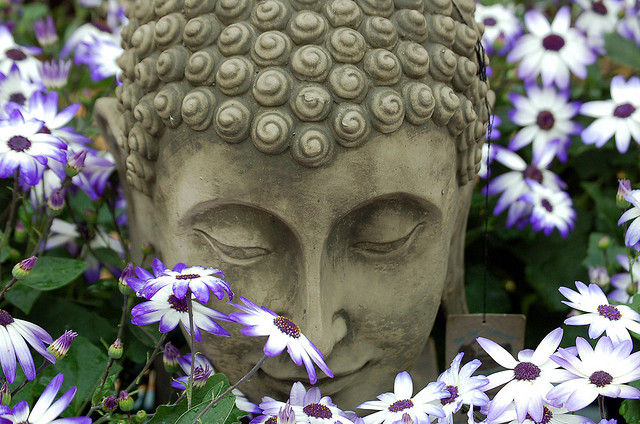
    Garden Buddha

    “All that we are is the result of what we have thought. The mind is everything. What we think we become.” ~Buddha

    Imagine your mind as a garden. Positive thoughts are the beautiful flowers that brighten your life. Negative thoughts are the ugly weeds that spread and suffocate the flowers.

    Tending to my garden is an ongoing process.

    I’m not into chemical pesticides, but my natural weed killers are yoga, meditation, inspirational reading, and hanging out with positive people.

    Sure-fire weed food is worrying about what other people think, taking things personally, and stressing out about situations that don’t matter or are out of my control.

    I used to find myself having drawn-out imaginary conversations: “And if she said this, I would say that…” with absolutely no outcome. Now I catch myself and change the channel.

    I’ve seen firsthand how dangerous it is to let weeds snarl and take over.

    My dear Grandma Betty lived to be ninety-two. She outlived all six of her children, and had a lifetime of good physical health, yet her mind was tangled with weeds that began growing decades before she died.

    She was suspicious, distrusting, and convinced that people didn’t have her best interests at heart or were talking behind her back. I never noticed it when I was a kid, but it became increasingly apparent later on.

    Perhaps she felt lonely when my grandfather died early and she had too much time alone with her thoughts.

    It’s easy to over-think things, jump to conclusions, or get wrapped in negativity when you don’t have others to give you a fresh perspective. It then becomes a bigger problem when you alienate the ones who love you the most because you’re difficult to be around.

    This is what eventually happened. I loved her to bits, but she became challenging to talk to. The cup wasn’t half full; it was bone dry.

    This was in sharp contrast to my Grandma Millie. She was always smiling or laughing with a twinkle in her eye.

    Life dealt her a crappy deck. She was widowed young and had to raise three kids alone. She nursed her second husband through a nightmare of Alzheimer’s. She also experienced the tragic loss of both of her sons.

    But she always picked herself back up and remained positive.

    She drove for Meals on Wheels, delivering to people younger than herself.

    She went blind from cataracts disease in her early eighties but continued to find volunteer work so she could feel useful and keep active and social.

    Insistent on staying in her apartment, she remained fiercely independent.

    I used to ask her how she kept her great outlook when she’d been through so much. Her reply, “Well, I could sit around complaining, but then nobody would want to be around me!”

    Truer words have never been spoken.

    Complaining is pointless. It doesn’t make things any better, and it drains the complainer and everyone else around them.

    I loved both of my grandmas equally, but I know which one I was more likely to pick up the phone and call.

    Having these two amazing examples in my life gave me huge inspiration. I saw for myself how important it is to tend to my garden regularly and give it high quality fertilizers to keep it abundant and healthy.

    My friends are my fertilizers!

    My positive Grandma had a gaggle of girlfriends and those gals knew how to have a good time. They got together and played cards or Scrabble, went off on outings, and even went on a camping trip in their eighties. They were each other’s support systems.

    She used to say to me, when you get married, don’t ever forget about your girlfriends. They may outlive your husband and be all you have in your old age.

    Her very best friend died two days before she did. Both asked after the other in their final moments, neither knowing that the other was dying. They’d been friends for eighty-eight years.

    Both grandmas were my mentors in their very own ways. One being an example of how I want to live my life, the other showing what happens if I allow my mind to become overgrown and tangled with weeds.

    I wish I could have done something to help my Grandma Betty tend to her garden. If she had the awareness, she could have taken a machete to those weeds and felt a lot happier.

    We can all use the garden metaphor to bring an awareness of what helps our own mind grow and flourish, rather than creating a dark, tangled mess.

    What’s on your list of fertilizers and weed-killers? How does your garden grow?

    Photo by Neil Piddock

  • 25 Ways to Be Good for Someone Else

    25 Ways to Be Good for Someone Else

    “Don’t wait for people to be friendly. Show them how.” ~Unknown

    When I was a teenager, right around the time I knew everything, my mother used to tell me I only remembered the bad things.

    When I told stories about my family, they didn’t revolve around family beach trips, barbecues, and vacations; they focused on painful memories and all the ways I felt my childhood had damaged me.

    The same applied to friends and milestones in my life. I chronically remembered and rehashed the worst experiences.

    In fact, straight through college I followed up every introductory handshake with a dramatic retelling of my life story, focusing on a laundry list of grievances about people who had done me wrong.

    It was as if I was competing for most royally screwed over in life, like there was some kind of prize for being the most tragic and victimized. (Full disclosure: I hoped that prize was compassion and unconditional love. It was more like discomfort and avoidance).

    Not everyone is as negative or needy as woe-is-me-younger Lori was, but I’ve noticed that many of us have something in common with my misguided past self: We focus on how we’ve been hurt far more than how we’ve been helped.

    Psychologists suggest that to some degree we complain because we’re looking to connect with people who can relate to the universal struggles we all face (though in some cases, complaining is a constructive way to find solutions to problems as opposed to a chronic need to vent negativity). I think there’s more to it, though.

    When we complain about everything that’s gone wrong or everyone who has done us wrong, we’re drowning in our self-involvement. (more…)

  • When You Feel Down or Stuck: How to Effectively Be What You’re Not

    When You Feel Down or Stuck: How to Effectively Be What You’re Not

    Sad Man

    “Success is achieved by developing our strengths, not eliminating our weaknesses.” ~Marilyn vos Savant

    I often hear the words “be yourself.” I love those words, and I truly believe that everyone should strive to be the truest version of who they are. There’s nothing more attractive than a person who is just so utterly themselves, even when society tries to push them the other way.

    Strong willed people are some of my favorite types. They can be righteous. They can be overly moral. However, they know what they want, they know who they are, and they know that nobody else determines their definitions of themselves.

    They stand up for what they believe in. And most importantly, they stand up for others when it matters.

    As somebody who is quite strong willed myself, I appreciate the beauty in the statement “be yourself.” However, I have also come to appreciate the softer side of letting go.

    This includes being wrong sometimes and even admitting it. This also includes opening my mind to the possibility of all possibilities; seeing the positive in the negative, understanding the behavior of those who may seem morally corrupt (to me), taking benefit from the other side of a passionate debate, and learning information when I want to reject it.

    As somebody who preaches the importance of being yourself, I admit I have a trick up my sleeve that has something to do with pretending to be who you’re not. Yup! I feel deliciously devious even just saying that.

    This trick is well known in the world of Positive Psychology, a term coined by Martin Seligman, Ph.D. in psychology.

    So what is this trick? Well, when you find yourself feeling down and depressed, it can help tremendously to ask yourself:

    “What would the happy version of me do at this moment?”

    Not only does this get you into a goal-oriented state, but it also takes a load off the negativity that you might be feeling. It takes your mind state from “oh woe is me” to imagining what will actually make you happier. It’s proactive.

    When you can imagine yourself being something greater than what you feel at the moment, you actually flip on a little switch in your brain that will attempt to propel you toward that image.

    This can work not only when feeling down, but with any goal you may have in mind.

    “What would the healthy version of me do?”

    “What would the brave version of me do?”

    “What would the successful version of me do?”

    You’re not shaming yourself in any way; you’re only gently shifting your mind set into one that is proactive and ready to take charge of your life.

    When I was struggling with feeling low, oftentimes I’d lie in my bed in the morning and not want to get out of it. It felt like there was no point.

    I was given a beautiful child at the age of twenty-three, and even though she has been the light of my life, at the time my identity felt as though it had been ripped from my very soul.

    The relationship I was in at the time was manipulative and emotionally abusive, probably on both sides. I didn’t feel like myself and I felt very restricted. My carefree spirit turned into a negative, depressed, shriveled up little hole inside my heart.

    Now, this might sound odd to some, but I have always been impressed with warrior-type women. I believe that I possess some warrior qualities within myself (we all do), and when I think of them, I feel strong, like I could take on anything!

    One day it just clicked. As I was lying in bed, not wanting to get out of it, I thought to myself, “What would the warrior in me do?”

    Out of bed I jumped! I continued to use that saying in many different ways and for many months. Now it has become a part of me.

    I am that warrior woman.

    I am strong enough. I am not a victim of life’s circumstances. I create my life and everything in it. I don’t react to life. I make life what I want it to be.

    To me, a warrior is not a victim. A warrior makes her life what it is; she creates it herself.

    When I shift my mind into this realm, I realize that other people do not control me; I control myself. Nobody is in charge of how I get to feel.

    In my relationship, I had been putting that control into somebody else’s hands, and when I decided to take back control over my life is when I finally realized the relationship was not going to work either way. Unfortunately, we had to part ways, but lessons were learned and I was finally able sit back and breathe.

    Try this tool out for yourself, and see how it changes your perspective the next time you’re feeling stuck.

    Who knew that pretending to be who you’re not (in a positive way) could strengthen the qualities that you never knew were inside of you?

    Photo by Ohfooy

  • How to Use Your Flaws as Creative Inspiration

    How to Use Your Flaws as Creative Inspiration

    “If you are always trying to be normal, you will never know how amazing you can be.” ~Maya Angelou

    I love my skin because not only does it protect and make me human, it also inspires me to make art.

    Being an artist, I’m always finding inspiration in my day-to-day life. Well, ten years ago that came in the form of irritating and weird looking welts that appear on my skin when I barely scratch. It was so embarrassing when people would see the itchy welts and ask, “What’s wrong with you?”

    I have dermatographia. It’s a skin condition in which histamine is released when the skin is lightly scratched, causing capillaries to dilate and welts to appear. While it’s not life threatening and doesn’t hurt, it sure can be uncomfortable and annoying when those red marks manifest.

    Rather than let it get to me, I decided to make dermatographia beautiful by drawing patterns on my skin to photograph. At first I did it quietly, not showing anyone, then slowly I let others see what I’d been working on. People really liked the photographs, so I kept making them and eventually made a website.

    Pretty soon the images spread online and I got emails from other dermatographics thanking me for helping them realize they’re not alone having weird skin. Now when people see the welts they say, “Your skin is so cool!”

    By sharing something that was a source of shame, not only did I transform my own relationship to my skin, I also helped others feel more comfortable in their own skin. If I had kept this skin condition to myself I wouldn’t have been lucky enough to communicate with some of the 5% of the population that also has it.

    Over the years I’ve learned that creativity comes from within, from exploring your own interests of course, but also from exploring what you dislike or find annoying about yourself and others. What might be considered a weakness can actually be your greatest strength!

    Creative inspiration exists everywhere; you just have to pay attention.

    Your body is a gift, your life is a gift, and we are meant to learn from all of it. Our ‘flaws’ teach us about self-acceptance and love. Every person is a miracle, including you. Shift your perception to see yourself as the beautiful, creative, and inspired person you are.

    Here are some suggestions to transform something you may have considered a flaw into a source of inspiration:

    1. Make a list of physical and/or emotional traits you consider to be strengths.

    Identifying these can help you also identify weaknesses by adding contrast to the exercise. You may want to interview someone you trust, asking what they like and admire about you or what they consider to be your strengths.

    2. Now make a list of things you consider to be weaknesses or flaws.

    Pay attention to the things you dislike or find annoying about others. The world around us acts as a mirror, so if we see something in another that is bothersome, odds are there’s some of that in ourselves. Conversely, if you see something you admire, there’s some of that in you too.

    3. Recognize how these flaws limit the way you show up in the world.

    Are any of these weaknesses things you’ve told people about? Or do you tend to keep them to yourself or hide them? Really own up to what you may be ignoring or ashamed about, and what you may be trying to hide.

    For instance, if you snort when you laugh maybe you try to contain it for fear of drawing attention to that sound. Or, perhaps you don’t like the shape of your legs so you always keep them covered. More than likely, if you feel there’s a ‘flaw,’ you’ll try to cover it up.

    4. Now let your imagination run wild!

    I like to call this free association brainstorming. No thought is too small or insignificant, so write down whatever comes to mind after doing the previous exercises.

    Here are some things to consider:

    How can you do something positive with this perceived flaw? What do you find compelling or beautiful about it that others would also find interesting? What might be possible if you stopped trying to hide it? What would you do differently if you believed this flaw to be a strength that makes you unique?

    Try to write a little bit each day as more things come up based on your experience. This writing could be the source of a great big idea!

    5. Choose a creative outlet that leverages your flaw.

    Find a form that feels good to you, whatever medium that might be. It could be a blog post (start a blog if you haven’t already—it could be private for only select people to view), write a story or essay, make art (drawings, sculpture, photographs, paintings, etc.), or even just speak with your friends and family about what you consider to be a flaw, and how you’d like to transform it into something inspiring.

    People you choose to share with may also have helpful input that can be further inspiration, and they will be touched by your willingness to share. They may even be moved to transform their own flaws because of you!

    And above all, love your body, personality, and of course, your skin—because it loves you back.

    What’s your flaw, and how can you use it as creative inspiration?

  • Dealing with Depression: 10 Ways to Feel Positive and Peaceful

    Dealing with Depression: 10 Ways to Feel Positive and Peaceful

    “Once you choose hope, anything is possible.” ~Christopher Reeve

    I have suffered from depression since I was a teenager. My experiences have also caused severe post-traumatic stress disorder.

    My father has been abandoning me for my whole life. As a teenager, I went to live with him because my relationship with my mother was so difficult. He sexually abused me for the year that I lived with him.

    At the age of seventeen, I sought solace by turning to what I thought was God. For the next twenty-eight years I held a set of beliefs that were angry and judgmental and made me feel cut off from others, including my family and those in my own church.

    Because of my experiences with my father and the church, I had a hard time living in the moment and enjoying life. I lived with low self-esteem and had trouble establishing healthy boundaries in relationships, which caused me to continue to create painful interactions with others.

    When I was forty-five years old, I sought relief from my depression and loneliness through self-help books. I quickly found my way to author and publisher Louise Hay and began my journey of enlightenment and healing.

    Over the last couple of years, through therapy and continued reading, I have discovered some tools to help me feel more positive, peaceful, and joyful. I notice when I use them consistently, I recover faster from periods of depression. Perhaps they will help you, too, when you are feeling depressed.

    1. Focus on self-love.

    Some ways to do that are: be patient and compassionate with yourself, release perfectionist standards, remind yourself of all your wonderful qualities and talents, and give yourself praise and encouragement.

    Doing a self-love meditation is especially comforting and uplifting for me. I talk to myself like I would to someone else that I want to express love to. It feels amazing to give myself what I want and need.

    2. Listen to your inner child, without resistance.

    Allow her to feel and express what she is going through and grieve when she needs to. Let him know that you are always there to listen and to love him.

    When my inner child feels angry, I validate and soothe her. I let her know that she deserves to have relationships that feel good and have healthy boundaries within them.

    3. Notice how you feel in your body when you are upset.

    As you observe your unpleasant sensations, name them. For instance, I feel heaviness in my chest, I feel like crying, my arms are warm, my head feels like it’s going to explode, my stomach hurts, my muscles are tight.

    As you simply allow your sensations to be, you will notice that they start to dissipate on their own. Try it. You will be amazed.

    When I do this exercise, I may also notice the thoughts that are causing the troubling sensations. I have learned that in spite of my unpleasant sensations, I can still hold a positive thought or belief and when I do, I feel better.

    So, I may say something like this to myself, “In spite of all of these unpleasant sensations, I know that things can work out the way that I want them to.”

    4. Ask someone else for what you need.

    One day I was feeling very disconnected from others, so I called a friend of mine and asked if she had time to come by and give me a hug. She said she loves hugs and she came over for a short visit to give me one, which gave me the sense of connection that I needed and wanted to feel.

    Here are some examples of things you might ask for: a massage, a favor, someone to listen to you or to help you problem-solve, or a date with your partner or a friend or family member.

    Something I do on a regular basis is ask the Universe for a gift. I always get what is perfect for me at that time. Sometimes a wonderful new thought fills my mind and lifts me up or I receive guidance on an important issue, and other times I receive an unexpected monetary gift or an interaction with someone that makes me feel loved or appreciated.

    5. Participate in enjoyable activities to help you get out of your head and into the present moment.

    Some things you can do are: meditate, spend time with (or call) a friend or family member, read, do a hobby that you love, listen to music, take a hot bath, watch your favorite television show or a movie, or treat yourself to something you have been wanting.

    Spending time in nature helps me to ground myself in the present moment. It gives me an inexplicable peace and joy that surprises and rejuvenates me. I love going to the lake or for a walk or sitting on my porch, which has a beautiful view of the most wonderful trees.

    6. Focus on the thought “All things are possible.”

    You don’t have to know how you will receive your desires and you don’t have to figure anything out. Just rest, knowing that the possibilities will unfold.

    I specifically remind myself that it is possible for me to: feel well physically and emotionally, be fulfilled and prosperous, and have love, joy, and peace in my life. When I do this, I sometimes get excited as I anticipate the changes and miracles to come.

    7. Use a visualization to release your painful thoughts.

    In your mind’s eye, place negative thoughts on leaves and watch them gently float away downstream, or place the troubling words on cars of a freight train and watch them zoom away.

    When I do these exercises, I place distance between myself and what is bothering me, and I feel lighter.

    8. Practice gratitude for the good times.

    Notice when you are not depressed and take the time to be fully present in those moments and appreciate them. Notice how it feels in your body to not be depressed.

    Now that I am more aware of when I am feeling good, when depression hits, I know that I am not always depressed. I acknowledge that this too shall pass.

    9. Be productive.

    Sometimes what you need to get out of the pit of depression is to be productive. You may get depressed because you are not getting important things done, or you may be depressed and therefore not get important things done. In both of these cases, productivity may make you feel good about yourself and lift your mood significantly.

    When I feel depressed, I don’t feel like doing anything. So, I tell myself, “In spite of how I feel in my body and these upsetting thoughts, I am going to wash my dishes (or any other activity) anyway.” Once I get one thing done, I feel a sense of accomplishment and am usually motivated to get other things done.

    10. Let love in.

    Surround yourself with positive and loving people and healthy relationships. I remind myself that I deserve to have relationships that feel good and nourishing to me. I may give myself space in certain relationships and release others that are not working for me.

    I remember that people do love me, even if they don’t show it the way that I want. I know they are doing the best they can, and if they don’t love themselves, then they are not going to know how to love me. I forgive them for the ways they have hurt me or let me down, and that gives me some peace.

    I consistently practice using my tools when I feel depressed and I know that the saying “practice makes perfect” is not true. My human self will never be perfect, and that is okay.

    Not all of my tools will work every time to help me move through depression. Sometimes I use just one tool and other times, I use additional ones. I listen to myself so I will know each time what I need. And you can do the same.

    *This post represents one person’s personal experience and advice. If you’re struggling with depression and nothing seems to help, you may want to contact a professional. 

  • How to Release Disappointment and Thrive When Life Isn’t Fair

    How to Release Disappointment and Thrive When Life Isn’t Fair

    “When you learn to accept instead of expect, you’ll have fewer disappointments.” ~Unknown

    At thirty-six weeks pregnant, I was in the fetal position on my bathroom floor, screaming with pain. It was excruciating, the worst pain I had ever experienced, and I had experienced lots.

    As the ambulance officer supported me out the front door and into the back of the ambulance, all I could think was, “How is this going to affect my baby?”

    After two ambulances, two hospitals, and a barrage of tests, I was sitting on the hospital bed, absolutely exhausted—physically, emotionally, and spiritually.

    My thoughts started to go down the same well-worn path: “Why me? Why do I have to deal with this? Life isn’t supposed to be like this. It isn’t fair!”

    It had been a common theme for me. I knew how life was supposed to turn out, and mine wasn’t it! It seemed like I had challenges to deal with that others didn’t have—that my lot was harder.

    I felt like all my energy and potential was being sucked up in dealing with adverse circumstances, leaving me no resources to do the things I really wanted to do in life.

    For the last twenty-three years, I had battled Crohn’s disease, a debilitating and incurable illness that had resulted in increasing pain, illness, and limitation—until then. Four weeks before the birth of my second child, I had ended up in hospital with massive pain.

    My doctors didn’t know how to deal with a woman having a Crohn’s flare up who was also pregnant and wanted to induce labor to deliver the baby prematurely. I was faced with making choices about medical treatments that could have serious impacts on me and my unborn child.

    As I sat there, I could feel the familiar frustration, dissatisfaction, and discontentment flooding over me.

    And in that unlikely place, I had an epiphany.

    Life is not the problem; expectations are.

    I finally realized, looking back at my life, that every time I’d struggled to deal with the hand I’d been dealt, it was because my expectations were clashing with reality. I had created a picture in my head of how life should be, and when things didn’t turn out, I didn’t cope.

    It wasn’t life that was the problem; it was my unrealistic expectations. I had thought that being idealistic and striving for a goal was a good thing, but it wasn’t leading to a contented and fulfilled life.

    If you are feeling hardly done by and frustrated about your circumstances, ask yourself if there is a mismatch between the reality of your situation and what you expected. If there is, you have inadvertently set yourself up for frustration, disappointment, and even anger.

    While these emotions are natural when we experience adversity, they are not helpful to live with long term.

    The only way to resolve them is to face up to the situation you are actually in and accept it. This does not mean we should not have any expectations, but if we want to be content, we need to accept what is during hard times while trusting for something better in the future.

    Instead of trying to change the world, change your focus.

    While I was in the hospital, I talked to other mothers who had been there for the whole of their pregnancy or whose babies would need surgery as soon as they were born. It made me realize that while I was in a hard place, things could have been so much worse.

    I realized that I was only seeing one side of my life. I was very good at seeing what was not there (that I thought should have been) but was ignoring what was there that was good.

    In thinking about my illness, I was focusing on the pain and how it was stopping me from earning an income, and how my energy was limited, and how the whole situation was negatively affecting my family.

    But I wasn’t embracing and being grateful for how other people, particularly my husband, cared for me, how I was growing in wisdom and compassion, and how the experience was teaching me more about myself.

    If you seem to be coping with more than your fair share of frustration and disappointment, check your focus for a minute. Are you only seeing the gaps, where reality isn’t meeting your expectations, or are you also acknowledging the good that is coming your way?

    It may be helpful to create a list with two columns where you can explore what you are feeling about your circumstances.

    On the right side, write down where your expectations aren’t aligning with reality: where the gaps are, what sucks, and what you think shouldn’t be happening.

    On the other side, write down what is positive: where the divine is in the situation and what is great about this. This is not about being falsely positive. This is about finding the moments of genuine joy and connection in the midst of pain.

    Pay attention to how you feel when making each list. Having refocused the situation for yourself, you can now choose which emotions to take into the future about that experience.

    The great thing about this exercise is that it frees you from striving to change the world to match your own expectations. Instead, all you need to feel happier is a little shift in your focus.

    Embrace the pain and then take control.

    I learned that I needed to embrace the whole experience, both the good parts and the gaps, and that gave me the ability to choose a more empowering set of beliefs and meaning for what was happening to me. This in turn helped me discover new possibilities that I couldn’t see before.

    Having refocused myself, I was able to sort through a lot of complex information and options regarding medical treatment, define what outcomes I wanted, and make a constructive action plan that put me in charge of my health.

    And the end result? That time round, beginning with circumstances that weren’t promising at all, I got all the outcomes I wanted, including a healthy baby and a natural birth.

    The irony about accepting the situations we find ourselves in is that once we have, we are able to make decisions and take action that moves us toward the place we truly want to be. We stop feeling like a victim of circumstance and more like the captain of our own ship.

    That doesn’t mean that we will get what we want every time. Life doesn’t work like that. However, coming to a place of acceptance gives us the strength and peace to deal with whatever outcome we receive, whether desired or not, and the ability to move forward rather than getting stuck in adversity.

    Empowering questions we can ask ourselves include:

    • What outcomes do I want? Write down every result that is important to you in the situation.
    • What beliefs can I choose that will support me right now? Give yourself an empowering set of beliefs that help you feel hopeful in the situation.
    • What action can I take? Outline actions you can take today, this week, and in the next month that will move you toward your outcomes.

    You can soar above adversity.

    These days, I still have Crohn’s disease but have largely given up my unrealistic expectations, and not living with that frustration has taken a lot of stress away from my life. I am in better health than I have been for years and achieving more.

    It took a while for me to let go of my idealism and find the good in adversity, but by practicing it over a number of years, I have gotten better at it.

    We all live with circumstances that are not ideal. Life is too short to live in frustration that things are not the way we want them to be.

    Why you? Because there are important jewels you can discover in the midst of adversity that will reward you for the rest of your life. You are strong enough to embrace reality and perform the alchemy that will transform frustration into contentment and positive outcomes.

    We’re all here rooting for you.

    Go and make it happen.

  • Make Peace with Your Past: Find the Good and Embrace the Lessons

    Make Peace with Your Past: Find the Good and Embrace the Lessons

    “It’s not the events of our lives that shape us but our beliefs as to what those events mean.” ~Tony Robbins

    Daughter of an alcoholic. Welfare recipient. Teenage mother. Non-college attendee. Poor decision maker. Unhealthy relationship participant. Financial disaster. Evictee.

    All of these statements described me. They also propelled me into action, transforming me into an over-achieving perfectionist. Yet they still weighed me down because I felt like I had to constantly prove I was better than my past—better than the circumstances from which I came.

    It took a lot of effort.

    It took a lot of energy.

    It was a burden.

    I gained a lot of knowledge, built a tremendous skill set, and developed expertise. I was successful on the outside, but on the inside I felt like nothing more than a fraud. 

    I avoided events where the question of what college I attended may surface.

    I avoided situations that would put me in the company of highly educated people, for fear that their vocabulary would be beyond my understanding and I would appear stupid.

    I avoided conversations about any topic that I did not feel a level of expertise in discussing.

    I avoided talking about my past and my history.

    Avoidance became a whole new skill set—one that I executed with a level of mastery. At some point I began to realize this game of charades was not in alignment with my core values of honesty and integrity.

    I began to realize that the energy I was putting into creating a false image of myself was taking away my ability to live my life fully and openly.

    I began to realize that in order to move forward, I had to come to terms with my past, to extract the good, to carry forward the lessons learned, but to leave behind the all of the garbage I’d outgrown.

    Good like…

    The kindness and generosity shown by to me strangers, neighbors, family, and friends when I was in the greatest need. The people who cheered me on and believed in me when I did not believe in myself. The few who knew my biggest, darkest secrets and loved me anyway.

    Lessons like…

    Understanding that no matter how much you want something for someone else, the only person you have control over—that you can change—is yourself.

    Accepting the fact that when you blame other people for what is wrong with your life, nothing is ever going to get better.

    Realizing that no matter how bad a situation seems in the moment, someone else is surviving, sometimes even thriving, in much more difficult circumstances.

    And also…

    What you believe about yourself and your limitations will become a self-fulfilling prophecy.

    And, it doesn’t matter how “successful” you seem on the outside if you are miserable on the inside.

    When my perception shifted, so did my life. Today I embrace who I am—all of me—the good, the bad, and the ugly. 

    I am grateful for all of the experiences I’ve encountered.

    I realize that I was judging myself far more harshly that anyone else ever could.

    I let go of the belief that I had to hide from my past.

    I let go of the belief that I was “less than.”

    I let go of the belief that I was not worthy.

    I no longer pretend.

    I share openly and, in claiming my story, it not only helps me but also helps others on their journey. It gives them the courage to share their truth, to stop hiding and start living.

    Recovering perfectionist. Student of life. Woman of strength. Overcomer of obstacles. Seeker of growth. Embracer of truth. These are the descriptors I’ve added to my life story. The rich and messy truth of my past makes possible the true success of my todays.

    What beliefs are you clinging to that are holding you back? Where in your life are you feeling like a fraud? What are the tough and painful lessons that you can be grateful for today when you look through this new lens of perspective?

    Reflect. Journal. Dig deep and find the answers. It’s in this process—in your truth—that you will find true happiness, success, and self-acceptance. It’s where healing begins. It’s where you will find peace.

  • 25 Ways to Make a Difference in the World Every Day

    25 Ways to Make a Difference in the World Every Day

    “The way to gain a good reputation is to endeavor to be what you desire to appear.” ~Socrates

    When I started Tiny Buddha, my main goal was to make a positive difference. I think that’s a goal many of us share.

    I’ve stumbled upon countless blog and books written by people who say their purpose in life is to help people.

    I suspect it’s how most of us infuse our lives with meaning: trying to somehow leave the world a better place than we found it.

    I recently read a somewhat old blog post by ex-Microsoft employee Scott Berkun that got me thinking about this collective fascination with making a difference in the world. He wrote:

    “We rarely need big things. As soon as someone starts talking about changing the world or radically reinventing something odds are good he’s talking from his ego, not his heart. Unless he’s working on bringing safety to the scared, health to the sick, or opportunity to the poor, the reinvention serves a want (or an ego), not a need.”

    He went to explain how on his last day at Microsoft, he gave a lecture and one of his colleagues thanked him for the first time, saying he’d never expressed his admiration before because he assumed it was apparent. According to Scott:

    “…it takes a better man to acknowledge goodness in others than it does to merely be good oneself. Anyone can criticize or accept praise, but initiating a positive exchange is a hallmark of a difference maker.”

    What a beautiful idea. I couldn’t agree more. (more…)