Tag: popular

  • 4 Things You Need to Know to Have a Strong, Healthy Relationship

    4 Things You Need to Know to Have a Strong, Healthy Relationship

    Senior couple walking on the beach

    “To love is nothing. To be loved is something. But to love and be loved, that’s everything.“ ~T. Tolis

    Relationships are not always easy. If you lack the tools to engage properly with a partner and cannot show up in a healthy way, you will find your relationship is ten times harder and most likely prone to failure.

    I wish I had known these things when I first started dating, as it would have made my life much easier.

    If you want to have a healthy relationship, you must know the following:

    1. How to communicate effectively

    My first love and I were together for four years, and our relationship failed because we could not communicate. I didn’t know how to express myself effectively, and I blamed him for all our problems. I never stopped to think about my part in everything and how I was failing to meet his needs.

    One of the major obstacles couples face, if not the major obstacle, is the ability to communicate properly. I don’t mean talk. I mean communicate. What we often fail to realize is that we talk at each other rather than listening and hearing and trying to understand. Anyone can talk, but not everyone can communicate.

    Communicating means you understand are able to express your needs in a way that can be understood by your partner, and that you try your hardest to understand them and their needs.

    Next time you are with your partner and they are talking, try listening. Sit and listen, and do not try to think of the next thing you are going to say or how you are going to contradict what they are saying. When people feel heard they will be more open to listening to what you have to say.

    If you cannot understand or refuse to try to understand what your partner needs because you are too focused on getting your point across and making sure you are understood, then you are talking and not communicating.

    Do you and your partner talk at each other? Do you always feel the need to be right and win the argument? Even if you win the argument you could lose something much more valuable. Although you may be winning the battle, you will be losing the war.

    It is a known fact that men and women communicate differently. The sooner we all accept this the easier it will be to stop being so frustrated and learn to understand each other.

    Throughout history men and women have had to adapt differently, hence a difference in communication styles.

    Studies have shown that women are able to use both sides of their brains at the same time while men can only use one side at a time. Men are protectors and providers, and their mode of communication is silent problem solving, whereas women are nurturers and we have learned to cope through talking and sharing of experiences.

    There is so much that can be said on this topic, as it’s one of the main reasons relationships fail. Learning how to communicate with your partner will not only serve your relationship, but it will serve you in the workplace and in all human interactions.

    One of my favorite sayings is “Seek first to understand, then to be understood.”

    A couple of great resources for anyone who wants to learn how to communicate within a couple are John Gray’s books Men are from Mars, Woman are from Venus and Couple Skills.

    2. Your love language

    In 1995 Gary Chapman, PhD wrote a book asserting that there are five love languages. He insisted that if you and your partner speak different languages, there will be constant dissatisfaction and unhappiness in your relationship.

    If you are lucky enough to meet someone that has the same love language as you, then great! But, if you do not know your own language and it differs from your partner, how can they know how to make you happy, and vice versa?

    On the other hand, if you don’t know your partner’s love language, how can you make them happy? If theirs is touch and you don’t really like close physical contact, then you may not ever be a match.

    The Five Languages Are:

    Touch

    Some people feel love by being touched. If touch is your love language, you require pats on the back, holding hands, cuddling, and having someone in close proximity to you.

    Receiving Gifts

    Others feel loved by receiving gifts, and not necessarily Tiffany diamonds. Gifts can be flowers or simple tokens of affection, something that shows the person took the time to think about you and pick out or make a gift that you value.

    Quality Time

    If you want someone to give you their undivided attention (even if for short periods), then your love language is quality time. You crave for someone to listen to you, uninterrupted. No T.V. No Phone. You enjoy sharing activities together, and the very act of someone’s company and one-on-one interaction makes you happy.

    Acts of Service

    If you like it when your partner helps around the house because you are super busy, or washes your car or throws in a load of laundry, then Acts of Service is your love language.

    Words of Affirmation

    Everyone needs words of affirmation to some extent, but if you need to hear someone say, “I love you because you are so special” or something that affirms who you are, and if you are highly affected by insults, then words of affirmation is your love language.

    My last boyfriend’s love language was physical touch. Mine is quality time. I always tried to be there for him physically, whether it was holding his hand while he was driving, coming up behind him and giving him a hug while he was shaving, lying next to him, on the couch or even rubbing the back of his neck.

    The problem came in when I told him what my love language was and he had no desire to meet it. If your partner doesn’t care about loving you in a way that you need to be loved, not in the way they need to be loved, you are probably doomed.

    For more information and a test of your love language, you can go to: 5lovelanguages.com.

    3. Your attachment style

    There are three types of attachment. Attachment styles are thought to form from childhood based on parent-child interactions, and as we grow older they can seriously impact our relationships.

    There are studies that explain how the difference in attachment comes about including those performed by American psychologist Harry Harlow.

    One of his studies took baby monkeys away from the mothers soon after birth and placed them with “wire” or “cloth” mothers who gave them nourishment (they were able to feed from a bottle hanging on the side of the cage), but no physical touch, and therefore no nurturing.

    Some were given nourishment from the wire mother, and others were fed from the cloth mother. The study revealed that even if the wire mother was the only source of nourishment, they would cling more often to the cloth mother, which led to the theory that the need for closeness and affection is more than just nourishment or warmth.

    When these baby monkeys became adults, they exhibited strange behavioral patterns, including rocking back and forth. They also had completely abnormal sexual behaviors and misdirected aggression. They often would ignore their own babies until the point where the babies died.

    If you take these theories and apply them to humans, the secure individual would be the monkey that was raised by its normal mother and was given food, cuddling, and warmth. Their needs were met in all ways, and they developed into normal functioning monkeys.

    However, those monkeys that were taken away from the mothers and given only basic nourishment exhibited odd behaviors and were maladapted. By this theory, those of us who had parents who were present physically, but not emotionally, develop one of two attachment styles.

    Of course these styles can run on a continuum, so you can be more of one type than the other. The good news is these behavior patterns can be changed with time and effort and insight.

    Secure

    Secure individuals attached normally. They do not fear isolation or being away from their partner. They are not jealous or insecure. They are able to reason with their partner when differences arise and feel secure in their relationships.

    Over half of the population is considered secure in their attachment style (55-65%), and they will be less likely to be on the dating scene because they do not have emotional and internal conflict when dealing with others.

    Anxious

    Anxious individuals are insecure and distrustful of others. They live in a preoccupied state of push/pull and constantly seek validation from others. They are super sensitive to rejection and can become possessive or clingy causing their partner to push them away thereby reinforcing their distrust.

    Anxious individuals usually had parents who were inconsistent in their attention, behaviors, and affection, which is why they are anxious when a partner retreats, as it leads them to feelings of abandonment and fear.

    Avoidant

    Avoidant individuals do not seek closeness with others. They are emotionally distant with partners and often create a false persona to deal with the world. They are able to shut down their emotions quickly and will be quite ambivalent if you decide to leave them.

    Avoidant individuals usually had parents who were non-responsive, dismissive, and rejecting. They make up approximately 20-30% of the population.

    Unfortunately for the anxious type (as I am), they are often drawn to the avoidant. In general there will be more avoidants in the dating sphere because of their inability to attach, which means they cycle through relationships quickly and are back on the dating scene more than other types.

    I once dated an extremely avoidant man. It was exhausting even dating him. But, of course I loved him, and so I bent over backward to make it work. I constantly sought assurance. He constantly refused to give it.

    What this relationship taught me was how to calm my anxiousness internally. Since I knew he would never do it, I had to find a way to stop the crazy thoughts in my head, and eventually I did.

    There are also ways to learn to cope in a healthier manner if you are dating someone who is anxious or avoidant. A great resource is Attached, by Amir Levine and Rachel Heller.

    4. Your personality type

    Psychologists Myers and Briggs assert that there are sixteen personality types, which encompass all of human kind. However, some types are more prevalent than others.

    Knowing which personality type you have helps you to understand yourself and your partner. There are too many types to list here, but I can guarantee if you take the test and read the results, they will be spot on.

    Some personality types are a better fit than others, so why not add another tool to your arsenal? For example, studies have shown that extraverted women paired with introverted men are not a good match, and that partners who both share sensing or intuiting will be a better match.

    I’m an INFJ, which is the rarest of all personality types. Because of my intuition, I generally need another N (intuition) type, and I would not do well with an S (sensing) type. Generally, I prefer extraverted partners because I like a little balance to my introverted tendencies.

    Here is a free version.

    I believe that these four things are essential to having a happier, healthier relationship, and knowing them will help you understand yourself and your partner.

    If you don’t have a partner, knowing these tidbits of information will help you choose the right partner, not just any partner. The more you know about yourself and what your needs are, the better equipped you are to seek out a good match.

    Just remember that even if you don’t find your perfect match the first time, it could be because that person is in your life to teach you something, and let that be okay.

  • How to Stop Neglecting and Abusing Your Inner Child

    How to Stop Neglecting and Abusing Your Inner Child

    Inner child

    “Hold the hand of the child that lives in your soul. For this child, nothing is impossible.” ~Paulo Coelho

    You’re probably an abusive parent. Even if you don’t have children.

    In each of us lives an inner child. This child isn’t just a sub-layer of our personality; it’s arguably the real us, the deepest aspect of ourselves.

    Like many people, I’ve been aware of the inner child idea for some time. I thought of the concept mostly as another way of explaining our personal sensitivities or the childish behavior we all are capable of at times. But it’s not that; it’s much more.

    It wasn’t until I thought of my inner child in relation to my actual children that I started to appreciate just how important it is to really take responsibility for this child. I realized, too, just how so many of us mistreat our inner child. Abuse them even. And it’s changed the way I treat myself forever.

    I think of the basic needs of my children. Sleep. Nutrition. Regular praise and encouragement. Physical safety. And of course, love.

    The idea of them not receiving these things causes me a pain that feels almost physical. Sadness and even anger arise in me as their dad.

    And yet, what about my other child? My inner child—the little me?

    I, as my adult self, have just as much responsibility to him as I do my son and daughter. But I, like so many others, have outright failed in my responsibility to him as a supposedly responsible adult.

    I have so often deprived him of sleep, made him go long periods without eating, and failed to keep him adequately hydrated. I have dragged him to work with me and pushed him so hard that he has burned out. I have allowed past girlfriends to abuse him.

    And worst still, I have failed to tell him I love him. I have let him feel unloved, unwanted, and unworthy. Because I was continuing a pattern.

    Like so many people, I had experiences early in my life that communicated to my inner child that he was not enough. For some people, this manifests as a deep-seated, almost silent belief, whispered into the ear of our inner child that says, “You are not good enough,” “You are not wanted,” or “You are not important.” Ultimately, it’s a feeling of being unlovable.

    In my case, this came about from incidents of witnessing and experiencing abusive behavior at home, with my parents’ divorce when I was a five-year-old at the center of it. I later experienced a more subtle emotional neglect by my parents and had experiences with violence.

    But experiences do not have to be this extreme at all. Simply growing up in a home where no one says “I love you” or having parents who never check in with us to find out how we’re doing is more than enough for a tiny person to develop these subtle but powerful beliefs. These experiences don’t even have to be at the hands of our parents; being rejected by friends at a young age can have the same effect.

    When people give the general advice of “take care of yourself,” what they never mention is that if you don’t, you will be failing to care for a child that is dependent on you for safety, security, and love.

    Here are the three general ways I make sure I live up to my responsibility as the sole caretaker of this child…

    Provide the Basics

    Just as I would never let my children go without adequate food, water, and sleep, I now ensure that I extend the same to myself.

    Push yourself in your work and mission; live at your edge to achieve your goals. But don’t do so at the expense of your health. While it’s true that growth rarely comes from times of comfort in our lives, comfort and being cared for are still necessities.

    Ensure you are getting enough sleep. Eat regularly and healthily. Stay hydrated throughout the day. It may not sound so serious, but frame it in terms of providing these basic needs to a child, and you will see how these things equate to essential self-love.

    Give Them Gifts

    Children aren’t “shallow” for liking to receive presents at Christmas or on birthdays. Gifts, in whatever form they may come, are a valid way of giving and receiving love. Everybody loves to be pampered and buy nice things for themselves. Don’t overlook the idea of buying yourself gifts or getting a massage as valid parts of self-work.

    By gifting ourselves regularly, we train ourselves to receive. Many people struggle with accepting gifts and favors, and this often comes from an inability to receive love as a result of our deep feelings of unworthiness.

    At first, gifting ourselves can feel a little shallow. The trick is to not put the emphasis on buying ourselves stuff—the giving—but to focus on the feeling of receiving. By allowing ourselves to open up emotionally to fully accept a gift, we are telling our inner child that they are worthy.

    But at the same time, just as you can spoil a child, it’s important to not make gifting the only way of showing yourself love.

    I have witnessed, many times, people trying to overcompensate for their self-love issues through materialism. So make sure you have the basics covered too, as well as ensuring you…

    Spend Time with Your Inner Child

    We’ve all known, or possibly have been, that child that grew up with everything. They had the nice house and all the latest stuff, but weren’t really happy.

    Maybe their parents weren’t very good at communicating emotions. Or they prioritized their bickering over their children’s happiness. Or perhaps they were just straight up abusive.

    A similar dynamic can occur with our relationship to our inner child. And so it’s important to develop healthy communication with that part of yourself.

    Through visualization, spend time being present with the little you. Allow them to feel your full caring, appreciation, and protectiveness as the responsible adult you.

    In a quiet place, you can envision you, in your adult form, being present with the little you. Maybe you are holding them, sitting them on your lap, or listening to their feelings and needs so you can meet them, instead of ignoring them, as so many of us do.

    You can also spend time stepping into the shoes of your child self and take comfort in experiencing the loving presence and protective qualities of your adult self.

    Feeling as though you were your child-self, allow yourself to be held and comforted by the adult you who has vowed to protect you. Feel the safety, security, and comfort—the unconditional love—that you perhaps were deprived of as a child.

    Treating yourself with this level of respect, care, and unconditional love is some of the deepest and most instantly rewarding self-work one can do. Start today and be sure to share with others this practice when they notice the positive changes in you!

  • 5 Myths About Setting Boundaries That Steal Your Joy and Lead to Resentment

    5 Myths About Setting Boundaries That Steal Your Joy and Lead to Resentment

    Meditating in a Bubble

    Compassionate people ask for what they need. They say no when they need to, and when they say yes, they mean it. They’re compassionate because their boundaries keep them out of resentment.” ~Brené Brown

    Do you find yourself saying yes when you’d rather say no? Are you inexplicably exhausted all the time? Do you often experience anger, bitterness, or resentment toward yourself or others?

    I did too for a long time.

    I’m a recovering people pleaser. For as long as I can remember, I desired to keep everyone around me happy. I was also very fearful of upsetting others.

    Over time, I found myself doing whatever I could to keep others happy. In short, this meant saying yes to just about every request that came my way. No matter the day or time, no matter what I was doing, I found time for others by neglecting my own needs.

    For instance, I often need time alone for personal reflection and meditation. But instead of starting my day with silence, I would begin my days by checking email. This would often cause me to start my day feeling stressed. At the end of each day I was often exhausted and irritable.

    Over time, this path became unsustainable. By not giving myself the care I needed, I was much less effective at caring for others. As my feelings of resentment and bitterness grew, I knew that something had to give. I needed to develop healthy boundaries to protect myself and others.

    Over the years, as I’ve strengthened my own boundaries and helped others do so, I’ve found some common misconceptions about boundaries that keep people from creating and enforcing them.

    If you struggle with boundaries, it’s likely that you’re consciously or unconsciously harboring some of these misconceptions as well:

    1. Boundaries are not needed in intimate relationships.

    Every relationship needs boundaries to be healthy. Setting boundaries is all about establishing ownership over what’s yours versus what belongs to someone else. Boundaries may be physical, emotional, or spiritual. Dr. Henry Cloud, author of Boundaries, defines the concept this way:

    “Boundaries define us. They define what is me and what is not me. A boundary shows me where I end and someone else begins, leading me to a sense of ownership.”

    No relationship, no matter how familial, is exempt—that includes relationships with spouses, lovers, children, parents, coworkers, extended family, and close friends. This misconception alone is responsible for a high degree of dysfunction in our families and intimate relationships.

    It’s actually rare for people to have boundary problems with total strangers or acquaintances. People often struggle with boundary issues in their most personal relationships.

    It makes sense: those who know us best may use that knowledge to manipulate us. Most of the time, this happens unconsciously but it makes the reality no less painful. However, the solution is not to pretend that nothing’s wrong for the sake of the relationship.

    2. Boundary setting is for selfish people.

    If you’ve had loose boundaries for a long time and attempt to put some in place, it’s almost guaranteed that someone will call you “selfish.”

    For some people, the idea of losing their power over you will cause them to do or say almost anything to keep you under their control. Others are simply unaware of the ways in which they were conditioned to view any form of self-care as selfish.

    If you’re a naturally generous person, you may refrain from creating or enforcing boundaries for fear of being viewed as selfish and cold. However, setting boundaries is one of the most generous things you can do for others.

    Boundary setting is not about being selfish; it’s about protecting the spiritual property rights of yourself and others. Because it’s not just about protecting yourself from others, it’s also about protecting others from your own potential toxic behaviors that may unconsciously occur when your needs are not being met.

    In my case, when I did not give myself the alone time I needed, I often snapped at the people closest to me. This reality finally convinced me to take action by waking up earlier in the morning to spend the first moments of my day in solitude.

    3. Setting boundaries means being aggressive toward others.

    If you’re a sensitive person, this common myth can be an obstacle to setting proper boundaries. Boundary setting does not mean that you need to get in peoples’ faces, have nasty arguments, or display acts of aggression toward others. In fact, aggression is a sign of poor boundaries.

    Setting boundaries is really about modifying your own behavior to conform to the reality that you are limited in what you can do for others. It means recognizing that to effectively bring your authentic self to others, you must care for yourself—not as an afterthought, but in a primary way.

    4. Setting boundaries involves saying no all the time.

    Undoubtedly, learning to say no is a big part of proper boundary setting, but this is not the end all be all. Learning to say no is ultimately about learning to say yes to the things that truly matter in your relationships with yourself and others. In other words, “no’s” pave the way to authentic “yes’s.”

    It’s also important to realize that not all boundaries are created equally. Boundaries have different levels of permeability depending on the nature of the relationship and the individual on the other end of the relationship.

    Boundaries tend to be more permeable when dealing with the people closest to you (quite different from having no boundaries at all) and less so when dealing with strangers. However, if the family member is highly manipulative then the boundary will need to be less permeable.

    5. Nobody will like you if you set boundaries.

    We resist setting boundaries to appear more likeable to others. If you’re a recovering people pleaser like me, you’ll be tempted to answer phone calls, emails, or texts immediately. You’ll quietly bear the lion’s share of the workload at school or in the workplace, and you’re probably wearing many hats as a church or non-profit volunteer. Finally, you can be counted on to take on any other roles that nobody else wants to sign up for.

    If you’ve lived this way for many years, upending the balance can seem daunting. Besides, everyone thinks you’re a saint and you feel highly regarded by your peers.

    This may be true, but it’s also likely that some of these people actually respect you less and view you as a pushover. Some will actively take advantage of your kindness because they know they can always get what they want from you. Are these relationships really worth protecting?

    Free Yourself By Defining Your Boundaries

    Are you ready to be free of resentment and bitterness?

    If you’ve resonated with these misconceptions, you already know that it’s time to try something new.

    Fortunately, there are steps you can take today to begin setting boundaries in your life. These include: clearly defining your values, learning to say no, asking for what you need, and making time for yourself.

    Defining your boundaries will feel cold and hostile in the beginning. But if you do it with a compassionate heart, you’ll regain your joy.

    And you’ll increase the joy of those around you.

    Editor’s Note: Cylon has generously offered to give five readers free access to the Kindle version of his book Self-Love: How to Love Yourself Unconditionally. With this book, you’ll learn how to overcome negative thinking, grow your confidence, and transform your life.

    To enter for a chance to win, leave a comment below. You don’t need to write anything specific—“count me in for the giveaway!” is sufficient. You can enter until midnight PST on Friday, September 2nd.

    Update: The winners for this giveaway are: Melody of Life, Regan, Michael Gibson, Mary Banks, and Dylan Montanez.

  • How to Get Closure When Your Ex Won’t Speak to You

    How to Get Closure When Your Ex Won’t Speak to You

    “If you are brave enough to say good-bye, life will reward you with a new hello.” ~Paul Coehlo

    Why won’t they call? Can’t they just have the conversation? What’s wrong with them? What did I do to deserve this treatment? Did I mean nothing?

    Have you asked yourself these questions at the end of a relationship? I know I have. Actually, I was asking myself these very questions about six months ago. What do you do at the end of a relationship when it doesn’t really feel over or you aren’t ready for it to be done?

    First there is the breakup. It doesn’t really matter who ended it, but it ended. Despite the ending, you are still bonded to this person. You were used to having them around, hearing their voice, getting their texts, cuddling on the couch. Then, suddenly, it’s all gone.

    Sometimes you know why it ended, and sometimes not. Often, you wish you could talk to that person to obtain some closure and some sort of validation that the relationship truly existed and that you meant something…anything.

    Why They Avoid You

    If you have a habit of picking emotionally challenged partners (me—raising hand), who would rather stare at Facebook or play video games than have an actual conversation, then the chances of getting closure are quite slim. Sometimes you have to make closure for yourself.

    What if they won’t talk to you? What if you follow all the experts’ advice on what to do after a breakup, and they completely ignore you anyway? I’ve had this happen.

    Closure is something everyone would like. We would like validation and understanding.

    We can accept that someone doesn’t want to be with us. We can accept that the relationship has changed or that they want something else. What we can’t accept is our partner’s inability to communicate that fact effectively and tell us what went wrong.

    Unfortunately, sometimes your partner does not have this same need, or they may have the same need but they’re better at hiding it and pretending they don’t. They would rather just push you, and their feelings, away.

    In my experience, people can’t always be honest with you because they can’t be honest with themselves. It isn’t about you. We always want it to be about us and our flaws and failures, but it isn’t.

    Many people don’t know how to deal with the emotions that come with a breakup, so they prefer to avoid their feelings altogether, and this is the most likely reason they won’t talk to you. It has nothing to do with you or the relationship or something you did wrong or that you weren’t enough.

    The First Time

    I’ve dealt with trying to get closure a few times, and it’s awful. No one likes to be ignored, and no one likes to not get answers to their questions. But, what you have to learn is that any answer you get won’t change anything, and it may or may not be the truth anyway.

    It has happened at least twice. One guy I dated off and on for two and a half years.

    I wanted to leave him after a while because he would never fully commit, but for some reason, I couldn’t. So, every month or so, after the first year and a half, I would say, “Is it time to break up yet? I’m not really happy.” Every time he would shake his head and say, “No, no, no.” He looked so forlorn at the idea of me ending it, so I stayed.

    But eventually, the time came. He was moving to another city, and I was planning to come visit his new place once he got all settled in. Then the strangest thing happened. During the moving period he started being super nice to me, abnormally nice, and I knew right then something was up. I knew he was struggling with trying to commit to me.

    Of course he couldn’t, and so he ended things before I could come out for my visit.

    I knew the breakup was coming, so I accepted it and wished him well. Despite the end of the relationship, he had come to be an important part of my life. So I called a few weeks later and said I wanted to be friends and that he meant a lot to me.

    He said he’d call me later in the week. Do you think I ever heard from him again? Of course not.

    I was devastated. I wasn’t really sad about the loss of the relationship (I knew he would never really make me happy), but for the friendship I thought we had. But apparently, we had nothing.

    Like a dummy, I reached out to him again three months later, and he literally said the same thing: “I’ll call you later in the week.” I was trying to get something from him that he could never give me.

    After that call I knew reaching out to him again would be a waste of my time and energy and would only cause me more pain, so I decided I would have to get closure for myself somehow.

    When I look back, I realize I wanted him to validate our relationship. I wanted him to prove he meant what he said. I wanted to know I had meant something to him, anything. The truth is that I will never know, and I’ve had to come to terms with that. I’m not sure I have 100%.

    The only thing I could do was to look at my mistakes and my behavior patterns and work on my side of the street, because I was never going to get answers or closure from him.

    The Second Time

    The second time I had to get closure on my own was with my last boyfriend. I actually ended things, but when I sent him on his way, I left the door open. I asked him to think about some things, and he said, “I guess I have a lot to think about.”

    I figured I’d eventually hear back with a yes or no. I mean, isn’t that the right thing to do? Isn’t that what he implied? I thought so.

    Apparently, I was wrong. Again. He didn’t call.

    A few months later, after doing a lot of soul searching, I called and asked if we could try again. He said no. I accepted his decision. I was sad, but it was time to move on.

    A month later he called and said he was willing to try again. So I tried. He didn’t. We spent a week together, then he left and I never heard from him again. I still couldn’t wrap my head around how he could never say anything. Not even talk to me. Why couldn’t he say, “I really care about you, but I can’t” or something.

    Again, I had to accept that he is who he is, and he isn’t going to change. I knew this when I decided to try again, and looking back I should have known better. He wasn’t ready. He hadn’t changed. I was hoping for something that was what I wanted it to be, not reality.

    I’m still not sure I have 100% closure with him either, but I know that reaching out to him will only hurt me more, and I know that it doesn’t matter what he thinks or wants. I can only control myself and my actions and how I deal with the ending of another relationship that I thought could mean something.

    If people want to be in your life they make an effort. If they don’t, then you are better off without them.

    Try This

    If you are struggling with getting closure with an ex, ask yourself why you want to talk to them. Is it to get them back? Is it to get them to validate the relationship? Is it to try to get some type of reaction, or any type of reaction? Are you pretending that you really need to give back that t-shirt or get back that DVD you let them borrow?

    If you are making up reasons why you need to talk to them, then perhaps you need to get closure from yourself. If they won’t talk to you, reaching out will likely cause you more pain and frustration. So instead, I suggest the following:

    1. Write a letter.

    Write one every day if you need to. Don’t send it; just get the feelings out there.

    2. Write out reasons why they may be avoiding you that have nothing to do with you.

    We all create explanations in our heads as to why our ex won’t talk to us. We imagine they think bad things about us, they don’t want us, that we weren’t enough, or that everything was our fault. Thoughts in your head are just your interpretation of what happened, and they are usually incorrect.

    What if what they are really thinking is this? Do you think they are going to tell you?

    • I’m afraid to be open and be hurt again.
    • I don’t think I can give this person what they need.
    • Being vulnerable is too scary.
    • He/she is too good for me.
    • My abandonment issues have triggered my unconscious need to be alone.

    3. Unless this was your first love, remember that you loved before and you got over it.

    You control whether you move on. And you can decide if you want to wallow in self-pity and misery, or pick yourself up off the floor and be the spectacular, amazing person you are and get out there and show yourself to the world.

    4. Take your feelings and write them on little pieces of paper.

    • “I am hurt.”
    • “I am sad.”
    • “I am devastated.”
    • “I am heartbroken.”
    • “I feel rejected.”

    Get a fireproof bowl and fill it with some sand. Put all the little pieces of paper in the bowl and light them on fire. Watch the words burn and with them, let the feelings go.

    5. Be alone.

    Be still. Cry and be sad over the loss. Accept that what once was, is no longer, and what you thought would be will never be. If it’s meant to be in the future, it will find a way to work itself out. Maybe now is just not the time.

    6. Live in abundance.

    They are not the only person in the world. There are literally millions of single people in the world. If you had love before, you will have it again. Stop thinking that you’ll never find someone else so wonderful. If they were so wonderful they would still be with you. They aren’t. They’re gone.

    Think About It

    What is it you are really hoping to hear? Do you think most people can admit their fears? Of course we all would like our partner to care enough to tell us the truth no matter how much it hurts.

    There are a million reasons that relationships don’t work and tons of reasons why your ex won’t talk to you. Don’t take on their issues and make them your own. Realize that we all have insecurities, and not all of us can understand how they impact us.

    I’m sure you would love for your ex to say, “You are truly amazing and wonderful, but I don’t think we are a match.” The reason most won’t say this is that they don’t want you to come back at them with all sorts of reasons why you are a match, so they’d rather avoid the topic altogether.

    For whatever reason, your ex has chosen to cease all communication with you. The best thing you can do is take it as a sign from the universe that it’s time to move on, and that any person worthy of being your partner would never leave you in the lurch like that.

    Remember this saying, “If not this, something better.” These words sound stupid and irritating when your relationship has just ended, but they are true for a reason.

    We don’t’ always get what we want, but we get what we need. Change is inevitable. Change is good. If it was meant to be, it would have been, and if it is meant to be, it will be.

    Unfortunately, life does not always go along with our pre-conceived notions of how things should be, and people aren’t always what we want and need them to be. Life isn’t always wrapped up in a pretty package with a bow on top.

    Sometimes you get closure and sometimes you don’t. Sometimes the lack of closure is the very lesson that you needed to learn. Maybe you needed to learn to validate yourself and accept yourself.

    Consider seeing this person as a gift sent to you. They were brought to you as a reflection of yourself. Thank them for being a part of your journey and send them on their way in your mind.

    Lastly, if you are waiting for your ex to give you closure, it might be time to dig deep inside and give it to yourself.

  • Why Insecurity & Approval-Seeking Lead to Unhealthy Relationships

    Why Insecurity & Approval-Seeking Lead to Unhealthy Relationships

    “Your relationship with yourself sets the tone for every other relationship you have.” ~Robert Holden

    As a child I was carefree and enthusiastic. Aren’t most kids? At some point, though, life began to impact me and to affect how I felt about myself.

    For as long as I can remember, I was a chubby kid. I began using food as a means of coping, and my family didn’t seem to see it as an issue. Coming from an Italian family, food was correlated with love.

    As I moved into my adolescent years, being chubby was no longer “cute,” and other kids picked on me consistently.

    I began to realize the world was not so kind. My peers were mean, and so were some people who should have been mentors. I began to feel isolated and alone.

    I couldn’t understand why people were so cruel, and I began to turn my pain inward. I thought there had to be something wrong with me.

    I began trying to change in an attempt to win people over. I was able to do this easily, largely because I was very giving. Looking back, I realize I was buying friendships. I still know many of those people today, but I’m sad to say they eventually became acquaintances.

    Though I wasn’t attracting bad people, my relationships with them negatively impacted my sense of self because I wasn’t being authentic. I now know that trying to prove our worth to others increases our feelings of isolation and shame, because it reinforces that we aren’t valuable without their approval.

    My dysfunctional relationship with food continued throughout my college years. Eventually, I stopped coping through overeating and began to restrict and over-exercise instead—again, trying to change myself in and attempt to gain acceptance from others.

    Yet I never felt accepted. I continued to attract relationships that were not healthy for me.

    When we feel insecure, we often will attract people who feed into that insecurity.

    In my case, I attracted people who were either emotionally unavailable or critical of me. I would make them a priority, even though I was only their option. Because I had low self-worth, I gravitated toward people who treated me the way I saw myself, and ultimately, felt more alone.

    All my relationships were codependent, and this bred insecurity and pain. If healthy individuals crossed my path, I repelled their love and their support.

    I just wanted to be liked. I just wanted to be loved.

    I married the first person who showed me a taste of what I thought love was, and nine months after we said “I do,” we divorced. I was walking through the script of what I thought was supposed to happen in life, without any connection to whom I was and what I needed.

    Needless to say, divorce was a rough time, but it was also a blessing in disguise. I was forced to get acquainted with myself. I went through terrible financial strain, lost friends, got into some legal trouble, and really just lost myself. But, did I ever have myself? I don’t think I did.

    I never knew what it meant to be a true friend because I wasn’t being a good friend to myself.

    During this time, I became even more scared and lost. I disconnected from people that potentially cared for me, and I couldn’t blame them for ending our friendships.

    Many assumed I was disingenuous because I was constantly shifting who I was around different people. They also assumed I was being selfish and a bad friend when I skipped social gatherings, when in actuality, I only stayed home because I felt anxious, insecure, or depressed.

    Though their rejection hurt, I understand why they didn’t trust me. When we don’t know and trust ourselves, how can we expect others to do so?

    Through years of falling down and getting back up, I learned what it meant to be there for myself. I was looking to others to give me worth, without trusting that I had any.

    One of the hardest things we have to do in life is get to know ourselves and love ourselves through that process.

    Once you learn about yourself, you learn what and whom you need in your life.

    It takes honesty, humility, and accountability to develop a true relationship with yourself. You have to be able to dig deep and recognize your faults. You have to show yourself the loving-kindness you show the people you care about.

    I became very familiar with myself. It took time, and it was painful, but I truly have become my own best friend.

    When we learn about what makes us tick, what motivates us, and what we will and will not tolerate, the right people come into our lives.

    People treat us the way we allow them to treat us. When we love ourselves, we set healthy boundaries with others. We don’t accept, tolerate, or reinforce what is potentially harmful to us.

    So, how do we start loving ourselves? How do we stop trying to change who we are to get other people to like us?

    First, we need to become acquainted with ourselves.

    We need understand our feelings and learn to listen to our intuition.

    We cannot run away from our feelings through self-judgment, numbing, or lashing out. We have to meet our feelings with compassion.

    Moreover, once we hear our intuition, we have to be able to honor that by setting boundaries with others. We cannot be afraid to say no. The best rule of thumb is that saying yes to others should not be saying no to yourself.

    We need to make time for ourselves.

    It’s important to fulfill our own needs. We need to do things that we love and take good care of ourselves. We need to learn to enjoy our own company. We need to learn how to dig deep and be honest with ourselves so that we don’t lose ourselves in relationships with others.

    We have to practice forgiveness.

    We have to learn to forgive ourselves and others. We need to process old wounds and resentments. We have to trust that our mistakes bring lessons, and understand that we are all ever-changing works-in-progress.

    We have to be able to accept where we are right now, while striving for where we may want to be.

    The person at the top of the mountain did not fall there. It’s important to be patient with ourselves through the different chapters of our lives. We cannot compare our beginning to someone else’s middle.

    We have to realize we are beautiful just as we are.

    There is no need for a mask, and no benefit of pretending to be someone you are not. You have nothing to prove to others. Dr. Seuss once said “Be who you are and say what you feel because those who mind don’t matter and those who matter don’t mind.”

    We have to love the parts of ourselves that brings no applause from others.

    Our beauty lies in our imperfections, vulnerabilities, and insecurities. When we embrace who we are and show up authentically, we open ourselves up to real love, relationships, and happiness.

    I have learned that I am worthy of love and acceptance regardless of my past.

    Once we fully grasp this, we only allow people into our lives who reinforce our worth.

    My circle has changed regularly and has become quite small, but the quality has improved greatly.

    When you love yourself, you won’t allow anyone or anything to get in the way of that love.

  • How to Speak to Someone About an Unspeakable Loss

    How to Speak to Someone About an Unspeakable Loss

    “It’s not about saying the right things. It’s about doing the right things.” ~Unknown

    Years ago, my family and I moved to a bucolic little town in New Zealand, where we were immediately swept up into a group of ex-pats and locals. We felt deeply connected to this community by the time I gave birth to a beautiful baby boy in the local hospital.

    When our son was three months old, a doctor heard a heart murmur. Twenty-four hours later, he died.

    In the days and weeks that followed, I wandered in my own fog of grief as I went about the necessary tasks of ordinary life: shopping for food, taking our other kids to school, doing the usual mounds of laundry.

    Meanwhile, my new friends kept their distance. I saw them take great care to avoid me: to cross the street, switch supermarket aisles, literally do an about-face when they saw me coming.

    Invitations stopped coming. The phone went silent. My grief was marked by a deeper isolation than I’d ever known.

    Later, many of these people apologized. They told me they were terribly sad and distressed about what had happened, but hadn’t known what to say. My loss was so enormous that words seemed inadequate, even pitiful.

    They said nothing, out of fear that they would say the wrong thing.

    This sort of experience repeats itself in many different forms: a friend gets dumped by the love of her life, a colleague is given notice at a job he’s held for two decades, or a loved one receives the dreaded news that she has inoperable cancer.

    What can you say?

    While it’s not an easy question to answer, one thing is certain: It’s worse to say nothing than to say the wrong thing. Here are five ways to respond helpfully to people who have suffered an enormous loss.

    1. Manage your own feelings first.

    When we learn that disaster has befallen a loved one, we initially feel shock. Our heart rate increases, our thoughts either speed up or slow down, and we may experience nausea or dizziness.

    The anxiety we feel is real and personal. Our instinct, though, is to ignore it, find ways to numb it or minimize it. That’s a mistake.

    If we address our own anxiety first, we’ll be in a much stronger position to respond well to the person most directly affected. Do the things you know how to do to manage stress. A walk in the woods, some meditation or yoga, or talking to a trusted friend can help.

    Make sure your own body and emotions are regulated before you turn to the person in grief.

    2. Now focus on the other person.

    Remember that the isolation they feel is almost as painful as the shock and the sadness of the loss itself. If you avoid them because you don’t know what to say, this avoidance serves only your needs.

    Our friends and other loved ones need our comfort, support, and involvement during times of sorrow.

    Although there isn’t a right thing to say, there are some things to never say. They include the current favorite, “Everything happens for a reason,” or “I know just how you feel.” How do you know there’s a reason, and what difference would it make to a grieving person, anyway? And you don’t know how they feel—only they do.

    3. Admit that you don’t know what to say.

    That’s a good start. Try something simple that breaks the ice and starts a conversation, or at least sends a message to the other person that they’re not alone.

    “I’m so sorry you’re going through this. I wish I could say the perfect thing, but I know there’s nothing to fix it. I just wanted you to know I care and am here with you.”

    4. Listen.

    If the person is willing to talk, listen. It’s the single most vital thing you can do.

    Listen to their story without interrupting. Don’t turn the conversation back to you with statements like, “I know what you’re going through—my dog died last year.”

    Don’t tell them what they will, or should, feel. Simply acknowledge their pain and listen to what it’s like for them.

    We all have different styles of managing shock and distress. Some people are angry, while others seem numb. Still others turn to gallows humor. Your job is not to correct them but to give them space to be the way they need to be.

    5. Rather than saying, ”Let me know if I can do anything,” offer to do something practical and specific.

    Taking on an ordinary task is often most helpful. Offer to shop for groceries, run errands, drive the kids somewhere, or to cook a meal or two. Ask if you can call tomorrow, or if they want to be left alone for a few days.

    When Survey Monkey’s CEO Dave Goldberg died suddenly, his wife, Sheryl Sandberg, wrote the following:

    When I am asked, “How are you?” I stop myself from shouting, “My husband died a month ago, how do you think I am?” When I hear “How are you today?” I realize the person knows that the best I can do right now is to get through each day.

    Today, as I recall the loss of my own infant son, I think about the one person who did truly comfort me. She arrived at my house with a bottle of fine brandy and said, “This is everyone’s worst nightmare. I am so, so sorry this has happened.”

    Then we sat on the lawn and she poured me a drink as she listened to every horrible detail.

    As I look back now, I still feel how much her gesture helped me cope through those early days of pain. She didn’t try to fix me or try to make sense of what happened. She didn’t even try to comfort me. The comfort she gave came through her being in it with me.

    You can’t fix what happened, but you can sit with someone, side by side, so they don’t feel quite so alone. That requires only intention, a willingness to feel awkward, and an open, listening heart. It’s the one gift that can make a difference.

  • Why We Need to Stop Judging Our Feelings

    Why We Need to Stop Judging Our Feelings

    Sad woman

    Your emotions are meant to fluctuate, just like your blood pressure is meant to fluctuate. It’s a system that’s supposed to move back and forth, between happy and unhappy. That’s how the system guides you through the world.” ~Daniel Gilbert

    As a highly sensitive person I experience emotions very deeply, though it’s not usually obvious to others that I’m having such strong internal reactions.

    For those not familiar with this trait, high sensitivity is not a defect or a personality flaw; it simply means that you experience sensory and emotional input more strongly than non-sensitive people.

    Of course, this is not to say that humans are really that bipolar in terms of their emotional and physical experiences; sensitivity is a spectrum, and I’ve found myself leaning to the more sensitive side.

    High sensitivity has wonderful benefits: it facilitates deep insightfulness, fosters a drive for authenticity and creative expression, and enriches the sensory experiences of life. It’s a double-edged sword, however, because just as the positive aspects are magnified, so too are the negative aspects.

    Just like with most aspects of life, this is a delicate balancing act, because it can be difficult not to become overwhelmed by emotion, whether positive or negative.

    Embodying this trait throughout my life has been a challenge: I’m always super aware of my environment (both external and internal), and processing that information on a deep level pretty much all the time.

    This causes me to have a preference for quiet environments (yet I live in New York City!), and also to need lots of alone time to recharge. This is not to say I’m a hermit or that I hate people; quite the contrary: I crave authentic connection and love engaging deeply with others.

    It’s been crucial to learn to accept this trait, to pinpoint my needs without feeling guilty for them, and to have the courage to express those needs to my loved ones.

    One of the most beneficial things I’ve been learning is the importance of non-judgment. For every high there is a low, and the only thing making a low “bad” is that we judge it as so.

    Everyone experiences a full range of emotions, and a highly sensitive person will feel it even more intensely. However, fluctuating emotions are part of life. They’re not something to be avoided at all costs, as I believed I should be able to do in order to achieve an imagined and unattainable level of perfection, which didn’t include messy emotions that only get in the way.

    When I feel “negative” emotions such as anxiety, anger, and sadness, I berate myself for succumbing to such “bad” feelings and feel the need to make them go away as soon as possible. Needless to say, this reaction does little to alleviate the distress caused by these emotions, and usually only exacerbates them.

    What I’ve realized is that it isn’t the emotions themselves causing me to suffer—it’s my judgment of those emotions and my desire to rid myself of them.

    When I am unable to make the feelings go away, it feeds my anxiety and I retreat even deeper into myself instead of allowing the emotional wave to pass and expressing my feelings to others.

    Judgments are thoughts about emotions. Emotions are simply fleeting currents that come and go and provide a compass for us to fully feel and address whatever issues may be under the surface.

    Though thoughts and emotions are related, they’re different things, and we can learn to manage both of those experiences.

    In order to do this, I practice mindfulness exercises in which I simply allow my thoughts to stream and recognize that these thoughts don’t define me unless I give them that power; I’m the one in control of my experiences.

    I also allow myself to fully feel my emotion, without judgment, sometimes naming them as they pop up if that helps.

    Self-understanding and a connection with our intuition are essential for strengthening our emotional intelligence, and this is an instance in which high sensitivity is a major benefit, because it’s highly conducive to deep introspection.

    I continually practice being mindful of my thoughts and how they cause emotions so that I can catch any spirals before they snowball.

    This act alone has had tremendous benefits for my overall well-being, as well as my ability to manage, and most importantly, accept, all the emotions that come with being human.

    A recent experience of unrequited love has demonstrated to me how far I’ve come in terms of riding the emotional waves without added layers of judgment and criticism.

    At my gym, I met a very attractive man with beautiful chin-length blond hair, deep expressive blue eyes, and a sweet disposition.

    I developed a little crush and tried my hardest to be more open, but also to accept that I do get shy and I’m slow to warm up to new people.

    I didn’t judge myself negatively for it, but rather was proud of myself for my efforts to maintain eye contact, smile, and initiate conversation.

    Unfortunately, as I was beginning to think the feeling might be mutual and trying to work up the courage to ask for a date, I saw him with another girl who frequents the same gym. It was obvious they had something going on.

    Although it felt like I had been punched hard in the gut to see them together, in the past a situation like this would have also made me spiral into a deep hole of self-hatred. I would have criticized myself for being too shy, for failing, for missing an opportunity, and for allowing another woman to snatch up my crush.

    These thoughts would then fuel intense regret, anxiety, fear, despair, and anger—which are emotions in response to thoughts, not in response to the actual situation. Then I’d criticize myself for allowing these feelings to get so out of control, and the vicious cycle would progress ad infinitum.

    But that isn’t what happened this time.

    Instead, I allowed myself to completely feel every emotion that came with this experience, not with thoughts about the experience.

    A twinge of sadness, a pang of despair, loneliness, frustration, jealousy, defeat, embarrassment, desire, anxiety, lust, and anger all passed through me in waves every time I saw them together or felt how much I still liked him and wished I could have had a chance with him.

    Without the layer of judgmental thoughts, these feelings became manageable. I’ve also developed a sense of gratitude for all the things I feel, because this is what it means to be human, and vulnerability is a beautiful thing that can connect us directly with our inner selves.

    We hurt because we love, so hurt is a sign that you’ve let love in.

    I’ve used this experience to learn more about myself, and I’m thankful that it can help facilitate my continued emotional intelligence training.

    As I began to praise myself for my efforts rather than only criticizing myself for failing and letting my emotions consume me, I began to cultivate self-love as well. Since love for others stems from love for self, I found that this not only diminished anger toward myself, but naturally flows outward to others.

    Compassion for others begins with compassion for ourselves, and high sensitivity facilitates this process.

    I’ve also learned that how we react to events is far more important than what actually happens to us.

    Unrequited love is usually seen as a negative thing, and it truly does hurt, but it’s also a window to deeper understanding and compassion. For that reason, I’m grateful to have had this experience, even though it’s painful.

    Pain has a purpose. It shines light on the most important issues we must face, as well as our biggest opportunities for growth and learning. True, my crush doesn’t reciprocate my feelings, but I still have a loving family, I still love myself, and I love being alive to have all these experiences.

    When I think about it like this, I’m grateful, and I’ve learned to love myself throughout all the fleeting emotional experiences that ultimately don’t define me anyway.

    We just have to ride the waves and recognize that our thoughts are not always an accurate depiction of reality, our emotions are fleeting, and it’s completely okay to feel the entire spectrum of them.

    We are human, and as the perfectly imperfect beings that we are, feeling the spectrum is what we are here to do.

  • You Are Not Responsible for Anyone Else’s Emotions

    You Are Not Responsible for Anyone Else’s Emotions

    Fix your feelings

    “Rather than being your thoughts and emotions, be the awareness behind them.” ~Eckhart Tolle

    “I don’t believe you,” I jutted out my chin like a petulant toddler. Collapsing back into the tufted leather loveseat, I conceded, “I want to believe you, but I can’t.”

    My therapist had just explained to me that I am not responsible for regulating other people’s emotions. My mind couldn’t process this truth.

    There were too many decades of owning the moods of those around me.

    In my younger years, if a parent was stressed, I felt it was up to me to calm them down. I prided myself on acting as a mediator between my siblings.

    In high school, I drove my boyfriend crazy trying to cheer him up when he was in pain from frequent sports injuries. Later, I would allow other boyfriends to dictate how I was feeling each day, according to their mood.

    And here my therapist was pointing out that it wasn’t up to me to help other people regulate their emotions. I had been doing it wrong all these years.

    Undoing “Good Daughter” Habits

    If you struggle with this, like me, chances are there was some chaos in your early years. I’m not necessarily talking about major trauma (although that may have occurred), but as a child you found yourself trying to compensate for the emotions of those around you.

    The good news is that you can break free from this habit.

    Trust me. It’s necessary for your mental health and for the well-being of your relationship to let this go.

    As my therapist would say, even within a marriage it’s not my job to regulate the emotions of my spouse. I’m responsible for my own emotions. And it turns out that I’m not very good at helping “fix” my husband when he is stressed.

    Changing the Dynamic

    My first chance to change this pattern came in the form of a Saturday breakfast at a local coffee shop.

    You know that feeling you get when you place your order with a trainee, and you have zero confidence that you are going to get what you ordered? It was one of those situations.

    Thirty minutes later, our order still hadn’t arrived. My husband was getting agitated, and I could feel my blood pressure rising in response. It suddenly occurred to me that this was my big opportunity to approach things differently.

    Step 1: Observe.

    I noticed my husband was grumpy. I watched his scowl and listened to him mutter.

    I noticed my heart race. I noticed that I wanted to say something to make it better.

    I also noticed that I wasn’t upset about our food order. I had my coffee. I was okay to wait.

    It was my husband who was upset, not me.

    Step 2: Own your emotions.

    If I am feeling stressed, I know how to calm myself down: pay attention to my breathing, reframe, and refocus.

    But in this situation, if I were by myself I would have been fine. So there was nothing that I needed to do at that moment to deal with my own emotions.

    I just needed to fight my urge to take on my husband’s frustration.

    Step 3: Give the other person space to regulate themselves.

    “Are you mad?” I timidly asked my husband.

    “Nope,” he said, “just hungry.”

    “Okay. I’m gonna just sip my coffee and read.”

    “Thank you for not trying to fix me. I will be better after I eat,” my husband mumbled as he scrolled on his phone.

    Ouch. I actually got thanked for leaving him alone. Further reinforcement that I would have been making it worse by taking on his frustration.

    Step 4: Relax.

    The world is not going to end if my husband is “hangry.”

    My brain was trying to tell me that I was in danger, but sometimes our brains give us the wrong information.

    My husband is a mild-mannered man. We’ve fought less than five times in fifteen years together—and it was me doing the yelling. I was definitely not in danger.

    I was okay. He was going to be okay.

    I just needed to let go of my fear that something would go horribly wrong if I didn’t intervene.

    And guess what?

    Everything was okay.

    An Exercise in Humility

    It’s hard to let go.

    But the key insight in this process is that, even within a committed relationship, each person is responsible for themselves. We must give each other the opportunity to manage our own emotions.

    If you are with somebody who doesn’t have the skills to regulate themselves, that’s a separate conversation. Do they want to learn those skills? How would they prefer to learn: a therapist, a book, or a trusted coach? Even so, it’s not your job to force them to acquire those skills.

    We can only own our behavior. The world does not rest on our shoulders.

    And the irony is, when we step back and let go of control, the fear starts to go away. We feel freer to relax.

    Practice Makes Perfect

    I encourage you to think of the last time that you tried to compensate for your partner’s frustration or stress. Think about what you could have done differently, now that you are more aware.

    Even if you don’t manage to navigate all four steps smoothly, reflect afterward what went wrong and decide what you will do differently next time.

    You’ve got this.

  • Stop Chasing Happiness: 17 Alternative Ways to Live Your Best Possible Life

    Stop Chasing Happiness: 17 Alternative Ways to Live Your Best Possible Life

    “If only we’d stop trying to be happy we’d have a pretty good time.” ~Edith Wharton

    I have a question for you.

    What would you be willing to sacrifice to be happy?

    Would you be happy to let go of Netflix? Alcohol? Pizza?

    Would you be willing to take up a monastic life?

    Every single day of the year we’re being sold happiness. It doesn’t matter whether it’s in the form of a pill or a book or a holiday, the underlying idea is the same: What we have to sell you will make you happy.

    The problem with happiness is that no one really knows exactly what it is. It’s intangible, even a little mysterious, yet still we all want to be happy. But trying to be happy is like trying to get to sleep; the harder you try, the less likely it is to happen.

    So four years ago, on New Years Eve, I made the pledge to myself to stop trying to be happy.

    Don’t get me wrong. I wasn’t miserable. I was just spending too much time thinking about whether or not I was happy—even though neither I, nor anyone I knew really, could give a clear answer about what this meant.

    So instead of saying to myself, This year I’m going to be happy, I said, This year I’m going to try new things. I’m going to meet new people. I’m going to go to new places. I’m going to push myself out of my comfort zone.

    And if I’m not happy, well, I’m not happy, but at least I’ve had some interesting experiences.

    The result of this was the best (and probably happiest) year of my life, at least up to that point. And I realized something obvious in hindsight, but still profound: Happiness is something that comes a lot more easily when we stop thinking about it.

    It’s more like a place you occupy than an object you obtain. Some days you’ll be there and some days you wont, but the more time you spend thinking about being happy, the less likely you are to spend time being so.

    A large part of what less than happy people have is a problem with their patterns of attention.

    In the same way the attention of an extrovert is naturally directed at social communication, the attention of an entrepreneur seeks out business opportunities, and an artist looks for creative expression, an unhappy person tends to look directly at happiness.

    This post will explore some practices that can help you to stop focusing so hard on the idea of happiness and instead embrace the experiences and thoughts that will actually make you happy.

    1. Take the word “happy” out of your vocabulary.

    We all know words are used to communicate ideas. Unfortunately, sometimes a word can get overused and it becomes confusing, stifling, or even dangerous.

    Here are some other words you should start to use in conversations with yourself and others about how you feel. Don’t be fooled into believing you need to experience all of them; you don’t.

    If you find yourself asking, Am I happy? Replace the question with: Do I have [insert word] in my life?

    • Contentment
    • Enjoyment
    • Laughter
    • Well-being
    • Peace of mind
    • Cheerfulness
    • Playfulness
    • Hopefulness
    • Blessedness

    2. Practice living in the present.

    Letting go of past regrets and future anxieties is not easy, but it’s the fastest way to live a full and enjoyable life. Think about enjoying each moment for its own unique role in the ongoing narrative of your life.

    If you want a short mantra to keep in mind: be here now.

    3. Decide what you really want to do.

    A lot of people that are searching for happiness will end up with “shiny object syndrome.” This is what happens when they bounce from goal to goal because they’re looking for something (or someone) to take away all their suffering.

    Knowing yourself and what you truly want can help you develop purpose and focus—so much so that you don’t even have time to waste pondering happiness. You may even realize that happiness is not what you really want, that you’re willing to put up with being unhappy some of the time if it means you will have a sense of achievement.

    4. Let go of unrealistic expectations about how happy you’re supposed to be.

    For most of human history people lived relatively rough lives. The idea that you’re supposed to be happy all of the time is pretty new.

    Though you should strive to live the fullest life you can, it’s actually more normal and perfectly okay to live an average life interspersed with brief periods of joy.

    5. Take small daily steps.

    If you think you know what you want and you’re determined that it will make you happy, at least decide on small daily steps that you can take to get there.

    Setting unrealistical goals that you never get to finish is far less fulfilling than setting small goals that you can finish and appreciate—and ones that let you know you’re on the right track.

    6. Make serving others a regular habit.

    One key habit of unhappy people that we often don’t talk about is that they are inherently self-centered.

    This doesn’t mean that they are bad people by any means. It just means their minds spend a disproportionate amount of time focused on the self.

    Serving others is one way to break this pattern of attention from “How am I feeling?” to “How are you feeling?” There are a lot of studies that show that giving to others is more rewarding than receiving.

    7. Separate your happiness from your achievements.

    We all need to learn to separate our happiness from our achievements. It’s okay to feel content with our lives simply because we have an inherent sense of self-worth.

    Reaching our goals can obviously bolster this feeling and give us a deep sense of accomplishment, but the absence of achievement should not mean the absence of happiness.

    8. Don’t force yourself to be positive all the time.

    There’s a lot of advice in the self-help community and spiritual circles about being positive. Unfortunately, this isn’t always the best advice. It’s better to be positive when you are actually feeling positive than it is to be positive when you’re feeling negative.

    9. Remove things that prevent happiness.

    This is actually a lot more important than finding things to make you happy.

    Are you in a toxic relationship?

    Do you dislike your job?

    Are you eating a lot of unhealthy food?

    These things all need to go before you start to seek happiness; otherwise, they can hold you back and you may never be satisfied.

    10. Be okay with okay.

    When people ask you, “How’s work? How’s the new city? How’s your relationship going?” Don’t you feel compelled to say “really good!” even when it’s not?

    We’re so conditioned to feel like we need to have the best of everything that “okay” just isn’t good enough for most of us.

    Learning to be okay with okay is a much better strategy toward allowing things to become great than is anxiously wishing that they already were.

    11. Get out of your comfort zone.

    Getting out of your comfort zone is good not only for your sense of self-worth, but it also gives your brain a huge adrenaline dump and a flush of endorphins.

    You’ll know when you’re getting out of your comfort zone when you feel anxious before doing something, but you do it anyway, because you know it is beneficial to you in the long run. Afterward, you’ll often feel a huge relief and sense of self-worth at having done something you were scared to do.

    Depending on your own situation you might find this in traveling to new places, meeting new people, trying new activities (public speaking, scuba diving, bungee jumping etc.) or even just meditating through negative emotions.

    12. Look after your body.

    From muscular tension that can trap emotions to serotonin production and bacterial imbalances in your gut, your body is the number one vehicle that will allow you to experience joy and satisfaction, so treat it with care!

    13. Meditate daily.

    This is a no brainer. I’m sure anyone reading this article is familiar with the physical and psychological health benefits of mindfulness and meditation.

    But there is one I’d like to add:

    Meditation is long, slow, and you often you don’t see the deep benefits for a long time; in fact, when you are starting out, it can often seem like a complete leap of faith. But this is why it’s so important.

    When you sit and stare at a wall or focus on your breath or do anything that (compared to our normal lives) is so bland, it conditions you to not grab on to the colorful, shiny objects that usually point you toward a shallow sense of fulfillment.

    With a longstanding meditation practice that tendency to grasp will usually just fall away naturally. You’ll unknowingly get out of your own way.

    14. Meet new people.

    Meeting new and positive people can give you new vital energy that kickstarts your life and helps you focus on enjoying the present.

    Because we are such social creatures, having likeminded people in our lives can have such a powerful impact on the way our habits and beliefs develop. As the old saying goes, “You’re the average of the five people you spend the most time with.”

    To find people with similar interests and ambitions in your city, there are plenty of sites that can help you connect. You can try MeetUp.com for starters, or just do a simple search in Facebook for groups in your area.

    Likewise, if you are interested in meditation and spirituality, retreats are a great way to know people and connect on a deep level in a short amount of time.

    15. Go out in nature.

    A lot of the time our worries and concerns are largely linked to our environment—both immediately, such as the construction noise outside our bedroom, and peripherally, such as when an advert on T.V. reminds you of a past failure.

    Nature allows you to completely unplug, allowing yourself the space to experience relaxation and acceptance.

    16. Be honest with yourself.

    Discontentment often comes from what psychologists call cognitive dissonance—incongruence between two conflicting ideas or emotions in your mind.

    You can greatly reduce this by just accepting, admitting, and experiencing the emotions that are passing through you.

    If you are angry, be angry; if you are sad, be sad; if you are joyful, be joyful. When we try to actively change or deny present emotions, they become meta-emotions: guilt about sadness, anger about fear, fear about unhappiness. Then they become toxic.

    17. Energize yourself in the morning.

    As much as we like to think we have control and autonomy when it comes to our feelings, the truth is that momentum is a huge factor.

    Morning routines have been a keystone habit of content and successful people throughout history, and for good reason; starting your day with a spiritual practice, a physical practice, and a healthy breakfast may not seem like much, but compounded over years, it can make all the difference in the world to your well-being.

    We can all learn to let go of the neurotic need to chase happiness.

    Doing so will do us a world of good—and who knows, we might even have a pretty good time.

    How have you learned to stop chasing happiness? Let us know in the comments!

  • You Can Have The Love You Deserve If You Just Let Go

    You Can Have The Love You Deserve If You Just Let Go

    “Even if it seems like it’s taking too long for what we want to arrive, it’s better to stay with the ache than abandon the desire.” ~Danielle Laporte

    Last week when I was in the front row of a yoga class, I moved my hips up and back into downward dog, and through my legs saw the top of my ex-boyfriend’s head. I hadn’t seen him in months, and I wasn’t really interested in having small talk with the man who’d crushed my heart.

    He approached me, eyes shining, happy to see me. I, on the other hand, drove home, walked into my apartment, and sat on the bed for a good cry.

    I cried because when I saw him, all of the love came rushing back in and because he didn’t seem to have a clue how much he’d hurt me. So I found myself considering reaching out again.

    Should I write him an email so he knows how much he’s hurt me? Should I get coffee with him and fill him in on everything he seems to not understand?

    My mind was moving into “fix it” mode, my habitual state. It’s a controlling tendency, something that has kept me in back-and-forth relationships for most of my life.

    You see, I have had many opportunities to learn the lesson of letting go throughout my life. People I loved have died, friends have vanished, and men have come and gone. Every single time I have had the opportunity to let go, I have fought it.

    We fight letting go because we’re afraid. We’re afraid of what’s on the other side.

    First we’re afraid of the pain we’re going to have to face when we let go, and then we’re afraid that things won’t be okay. We’ll never find love again. No one will ever be as good. The pain will never stop. we’re unlovable.
    When I was going through the devastating first weeks of my breakup, I kept getting the same message over and over again: You are being cleared out for something amazing to come in. Deep inside me, buried quietly under the overwhelming heartache, was my soul nodding yes.

    I have actively faced my pain over and over again these past few months.

    I know that to heal we have to be with our feelings so we can release them. I cried more than I ever have in my life. I went deeper into my darkness than ever before. I saw the unworthiness I felt and all the fears. I was braver than I’ve ever been.

    Because of that bravery, I’m connected to my soul in a completely new way. Instead of just hearing it, I am fully abiding by it.

    My soul is telling me clearly that it’s time for me to get what I deserve in life, and the only thing that has been holding me back is myself.

    I have been making choices that aren’t serving my highest self. I have dated men who were not capable of holding space for a strong, passionate, big-hearted woman. It has felt easier to fall in love and to keep giving chances than it has been to say no and hold out for a partner who is right for me.

    I desire a relationship with a man who I can deeply connect with. Who gets me. Who can open his heart as big as I can open mine. Who won’t run away because he’s afraid. Who can hold space for me to live in my power just as I will hold space for him.

    I desire an incredible partnership that is mutual and trusting and loving and joyful and honest.

    And I deserve it. I am finally waking up to the fact that I deserve that kind of love.

    I am finally waking up to the fact that if I want to have that kind of love, then I need to do things differently. I have to listen to my soul and choose to give myself what I deserve. I have to allow that man into my life.

    So the aching, it’s worth it. It’s worth it for a little bit longer while the right person finds his way to me. It’s worth it so I can learn more about myself.

    There are times when it’s your turn to take responsibility, to be the one to reach out and make amends. But if you’re on the Can’t Let Go Bandwagon like me, you probably need to delete that email, put the phone down, and bring the focus back to you.

    When we find ourselves reaching out for someone else, it’s usually a sign that we need to pause, take a deep breath, and ask ourselves what it is we deserve. Then we have to let go of the need to ask someone else to give that to us and give it to ourselves instead. That’s self-love. That’s self-respect.

    We stay in unhealthy relationships because we don’t feel like we deserve anything more. We refuse to let go of exes because we don’t trust that someone better suited for us will come along. We reach outside of ourselves to feel better because we’re terrified of facing the pain.

    The truth is that you can actually have what you truly desire. You can have the great love and whatever else your soul is yearning for. It just might show up in a different package than your mind is willing to accept right now.

    When we have deep faith that everything is exactly as it needs to be, that the universe is supporting us, and that good things are coming, then we’re capable of letting go. We trust that it’s all going to work out.

    If you want something greater for your life, pay attention to where you’re reaching outside of yourself. In those moments, choose to pause and breathe. Ask yourself what you’re avoiding. Feel the pain you’re running from. Cry if you need to.

    Embrace the pain and the fear and the hurt and love yourself through it all. That is your job, no one else’s.

    Do this over and over again until you find yourself more and more free. Trust that everything is exactly as it needs to be. Be patient. Stay with the ache a little bit longer. Something big is coming your way.

  • 6 Ways Gratitude Can Improve Your Life and Make You Happier

    6 Ways Gratitude Can Improve Your Life and Make You Happier

    Girl with heart

    “I don’t have to chase extraordinary moments to find happiness—it’s right in front of me if I’m paying attention and practicing gratitude.” ~Brené Brown

    For the longest time I sought after happiness in the wrong place, and I wasn’t always leading with my heart to obtain joy.

    I used to picture myself living in a big house, with nice things to furnish and fill the fantasy home I dreamed of.

    I didn’t obtain this large dream home, and I’ve learned that it’s not important, nor is it what I want. I’ve been fortunate to live in a moderate home with exactly the things I need, and more—a happy, healthy, loving family.

    Prior to gaining the wisdom of wanting less, I spent a lot of money on material items, because, one, I thought I deserved it on a good day, because I was “celebrating,” or I worked too hard not to have it; two, I told myself I had to shop on a bad day, because I needed to cheer myself up; three, I shopped out of boredom; or four, I went shopping as a social activity.

    After collecting these possessions of “happiness,” I realized my life wasn’t totally fulfilling and satisfying.

    In fact, I eventually became short-tempered, overwhelmed, and stressed out. I was overwhelmed with the amount of maintenance these material things required, while caring for my family.

    My belongings took over my life, and, therefore, I lost myself underneath everything. I started to hate what I was becoming—someone who wasn’t consistently happy, and someone that lost track of what mattered most.

    My perspective on life changed when my daughter came into my world in 2014. A few months after her arrival, I made a change that has significantly changed me for the better and brought more happiness by

    Practicing Gratitude and Living Simply

    Being thankful for the essentials—appreciating what I already have—has allowed me to live more simply. It’s also revealed these benefits…

    1. You’re better able to be present.

    Being thankful reminds us of what we have to be grateful for in our current state, and that helps us be more present.

    I used to worry more about what I didn’t have and seemed to constantly strive for these things. That changed when I figured out how to be thankful for what I have and in the most important place—the present.

    There’s no better moment than the now. Practice gratitude to enable yourself to be entirely present.

    2. It boosts confidence.

    When you focus on appreciating what you have, you feel less concerned about what you lack, and that can help boost confidence.

    Now that I’m more accepting of myself and my life, I don’t compare myself to others and I take pride in paving my own path. It’s a great feeling to do things that are best for me and my family, without trying to please the rest of the world.

    3. Being thankful means less worry.

    Practicing gratitude helps lift away worry because you recognize and appreciate that you have enough.

    Knowing that I have the essentials brings me relaxation and eases my mind. I’m also more at peace because I don’t add things that aren’t valuable to my life in order to avoid the stress they carry.

    4. Gratitude improves your sleep.

    Recognizing our blessings and worrying less enables us to sleep better.

    It’s a rare event that I’m up tossing and turning because of stress or worry. If something is keeping you from falling asleep, think of a few thoughts that bring gratitude.

    5. It also improves relationships.

    Showing gratitude toward others goes a long way and creates better connections.

    I’m thankful for my family every day. They’re my favorite people and I love being with them. Prior to practicing daily gratitude, it was easiest to take frustrations out on them first. Why? Because I’m most comfortable expressing myself with them, and they put up with me and love me no matter what.

    Since I’m so thankful for my family, and because they love me without question, I’ve improved how I let anger out and make it a point to convey my love for them on a daily basis.

    I want to leave this world knowing that I tried to give people the best version of who I am, with the hope that they know how thankful I am for them. Being around inspirational and joyful souls is contagious, and I aspire to be this type of individual.

    6. Gratitude leads to generosity, which can be highly rewarding.

    Observing thankfulness helps us identify how fortunate we are, which naturally gives us the desire to give.

    I personally prefer not to give material things, as I don’t find it as rewarding as other forms of giving. Sure, it’s nice to give someone a gift they need, but I believe there is more value in giving time or helping a hand.

    Time is priceless, and these days it seems our schedules are packed to the max. People scurry from one place to another, and at the end of the day, they feel stressed and dissatisfied.

    I’ve discovered immense joy in donating my time or helping someone in need. It’s gratifying being able to help with something as small as holding a door open or as big as helping feed the hungry.

    Discover the benefits of giving by helping a friend, family, or the community.

    Practicing gratitude has led me to greater happiness and a better me. The same can happen for you.

    Allow yourself to live simply and make life less complex, in as many ways possible; remove unneeded possessions, stop doing unimportant tasks, or say “no, thank you” to an activity that doesn’t fit in the schedule.

    Start each day with gratitude. There is always something to be thankful for—family, watching spring bloom, your favorite song, or feeling the warm sun on your face. And don’t forget to smile when thinking about these things; it’s a quick and easy way to fill your heart with gratitude and live in those extraordinary moments.

  • What You Need to Know When You’re Considering a Big, Scary Change

    What You Need to Know When You’re Considering a Big, Scary Change

    “May your choices reflect your hopes, not your fears.” ~Nelson Mandela

    Ten months ago I found myself floating on my back in an outdoor pool somewhere in California. Overhead was a clear blue sky, leaves dancing in the breeze, and birds singing their morning song.

    I felt more alive in that moment than I had in years. And so I made a promise to myself, right there and then, not to forget this feeling. I made a promise that I’d follow it. I made a promise that this feeling wouldn’t just be a three-month trip to a new country, but that I’d make it my entire life.

    And that’s how I came to be selling the flat I’ve lived in in London, the UK’s capital, for the last eight years.

    That’s how I came to be standing on the edge of something entirely new and uncertain and unknown.

    That’s how I came to be on the verge of yet another adventure. By noticing something that made me feel alive and promising myself I’d do whatever it took to bring more of that feeling into my life, until that feeling was my life.

    So here I am, sitting at my kitchen table, tapping out these words surrounded by the beginnings of packed up boxes, bags for the local charity shops, and the promise of a new life. The promise of a life made up of “that” feeling.

    For me, “that” feeling is about nature, wide-open spaces and a large majority of my time spent outdoors.

    And I’m excited, I am. There’s real excitement there. But layered up over that excitement?

    Fear.

    Here’s why:

    Travel’s so exciting, right? It’s adventure and freedom and play and sun and ocean. It’s the romantic idea of exploring new places, meeting new people, and tasting new cultures.

    Except, I don’t want to travel. I have no desire to travel the world. No desire to move from place to place. No desire to live out of a suitcase or a backpack. No desire to jump on the Bali bandwagon.

    I want a home. A community. A base. I want to be around friends. I want some continuity. And I want a partner to share my life with.

    And I have all of that. Right here in London I have it all. (Except the partner, that is.)

    But what I also have is an environment that’s suffocating me. I feel hemmed in, limited, detached from my true nature. And I know it’s time to leave.

    But leave for what? For where? I’m packing up my life and I don’t even know!

    I’m afraid I’ll never find another place that feels like home. Afraid I’ll become a lonely drifter, never quite finding the place I fit in.

    I’m afraid I’ll never meet my life partner because I’m unable to settle anywhere.

    I’m afraid I’ll wake up one morning and find myself old and alone. I can’t tell you how afraid I am of being alone.

    But you know what I know, amongst all that fear?

    That without this next step I cannot pass Go, cannot collect $200, and cannot create the most beautiful vision I hold for my life.

    The reason I wanted to share this story with you is this:

    The beauty of your life is that you get to create it in any way you want. You can create the sort of life that feels truly fulfilling and deeply aligned in every way, but life will always require you to let go of something before the next thing is in sight.

    If you find yourself stepping out onto that cliff edge right now, or making a decision to take that step, not knowing what the outcome will be or where you’ll end up, these are things I hope will help:

    Sometimes you have to close a door before another will open.

    I remember back in 2012 when I left my job to “figure out what I wanted to do with my life,” there was some confusion amongst the people I knew at how I could leave a well-paid, respectable job behind without any real idea of what I wanted to do next.

    I didn’t have an answer for them.

    The only thing I knew at the time was, “this isn’t it.”

    Stepping into that uncertainty paid off. I wound up starting my own business, which I’m grateful for each and every day. And I know, without a shred of doubt, I wouldn’t be here today, doing work I love on my own terms, if I hadn’t made that leap.

    And as much as I’m afraid right now, I know this is the same.

    Sometimes there are ways to build a bridge between the life you have now and the life you want in the future. But even when that’s possible, at some point, you’re always going to have to make a final leap. And it’s that leap and the final letting go of what was, that opens the way for what will be.

    To be reborn, you first have to die. To rise from the ashes, you first have to burn.

    Closing doors is scary, yes. But I comfort myself with the knowledge that there are few doors in life that can’t be re-opened in some way, shape, or form. And the likelihood is you’ll never actually want to do that when you see all the new ones that open to you.

    Other people’s fear is just that, theirs. Don’t take it with you.

    To many people, selling property in London is equivalent to murdering your own child. It’s just not something any sane person does. Alongside my own natural worries and fears about my decision, I’ve had to cope with other people’s fear too.

    I’ve had to untangle myself from other people’s thoughts about my life. I’ve had to step aside from the fear other people hold on my behalf.

    After nearly four years out in the world carving my own path, this is something I know to be true:

    Other people’s fear has nothing to do with you. Do not take it with you. People see life through the lens of their own experience and sometimes they find it difficult to see that their experience might not be the same as yours.

    Don’t let other people’s fear hold you back.

    Have courage and trust.

    Like most people, I’ve lived through some significant, and often tough, life events in my thirty-three years on the planet.

    In each of those moments it’s felt like I might not come through. Like the world might end, even. Heartbreak, most recently.

    But every time I’ve come through, and I’m beginning to realize I can always handle it. That no matter what life brings, I will, in fact, always be okay.

    As you leave the comfort of what you know, whether that’s a relationship, a job, a place or something else, know that you have the strength inside you to cope with every situation life might conjure up.

    What happens if you remain where you are?

    At the end of the day, I ask myself, what happens if I stay?

    My own answer to this question right now is stagnation. And since I believe my ultimate purpose is to grow, I don’t really have much of a choice.

    When faced with the fear of stepping into an unknown future, ask yourself, what happens if I don’t? And is that something I’m willing to accept?

    Your answer might just give you that final little nudge you need to step into the void and find out what life has in store for you next.

    And if all that fails? Well, just remember Oprah, who said there are no wrong paths in life. And Oprah never gets it wrong, right?

  • How To Take Your Life Back From People Who Ask for Too Much

    How To Take Your Life Back From People Who Ask for Too Much

    Say no

    “It’s not selfish to love yourself, take care of yourself, and to make your happiness a priority.” ~Mandy Hale

    It sucks, doesn’t it?

    People who ask too much of you?

    People who steal your time and drain your energy.

    Who just keep on attacking your natural defenses, abusing your loyalty and exploiting your love.

    You want to stop giving, to say no! But frustratingly, when you try to pull away, they say or imply that you’re the selfish one.

    And in some cases it’s unwanted or impractical to distance yourself from that person, especially if they’re a family member or even a partner.

    But if you do give in to the barrage of persistent requests, the cumulative effect can be devastating to your emotional and physical well-being.

    I know from personal experience.

    A Lost Life

    Oh dear, life turned out not so great for my mum, bless her. The more her life came unglued, the more she retreated into a space she felt comfortable in. With each setback, she stepped further back, refusing to take action, to accept responsibility.

    It became noticeable when she stopped driving. Nothing had happened, no accident or near miss to cause anxiety, but driving meant she could accomplish tasks that needed doing, and that meant taking responsibility.

    From an early age any errands beyond the village fell to me. Soon that became errands in the village—going to the bank or getting the washing machine repaired, and soon, more and more tasks in the house.

    With every errand I ran, there were another two waiting.

    Even back then I could see Mum was looking for attention. She fell into being needy to be assured that she was loved. But no matter how often I told her I loved her, those words weren’t enough.

    When I left for university, it was to the closest campus to Mum, not to the best one for my future. And when I had to move further away from home to find work, the flood of requests never lessened. Moving out had felt callous enough, so I put up with the four-hour journey back and forth to home every few days without a word.

    My life was dealing with hers, from my late teens to early thirties. And I took it on, willingly out of love but also unwittingly out of ignorance.

    Hindsight really is a wonderful gift. After Mum passed away I looked back over so many years and saw that neither of us had lived our lives at all.

    I wish I’d had the courage to explain to her that me doing all that she asked wasn’t filling any holes in her life. That I was missing out on living mine, yet it was solving nothing in hers. That way we both could have blossomed.

    That is the most painful lesson I think I will ever learn.

    But oh boy, I now recognize when someone is asking for too much. I still understand that constant or unreasonable demands are borne of the other person’s struggles. But I’ve mastered the tenets of a healthy relationship—reasonable limits and mutual respect. Without those two things, it’s unhealthy, detrimental, even damaging.

    But saying no isn’t usually our happy place.

    Maybe you’ve tried to be assertive and drew back because it felt uncomfortable, unfamiliar.

    Take heart, you can seize your life back, and in many cases without confrontation.

    And even in cases where a little confrontation is unavoidable, maybe with a family member, there are ways to not freak out so you still have somewhere to go for the holidays.

    8 Ways To Take Your Life Back

    1. Make peace with them.

    When someone demands too much, it’s often a result of the fierceness of their own personal battles. If you try to put yourself in their shoes, in their head, sometimes you can reach an understanding that means your needs are still met and at the same time you feel that you’re not being selfish.

    Your elderly mother or granny may keep asking you to run errands for her, and it might seem that many of them are unnecessary or she could do them herself. But she may just be lonely and seeking company.

    If you can only find out what it is that’s eating her up inside, you may find a way to make peace with her and manage those demands sympathetically by offering a real solution, such as accompanying her to join a local friendship group… once or twice.

    2. Identify the threat.

    If someone tries to commandeer way too much of your time or energy in one go, then it’s easy to spot. However, they can also encroach upon your physical and mental resources little by little, almost imperceptibly.

    When they make a request, even a seemingly small one, pause before replying. Ask yourself, “If I say ‘yes’ to this, where might it lead in the future?” It’s always easier to say no to the first request than later on, when people have come to expect you to say yes routinely.

    If I’d been alert to Mum handing over tasks she could easily do, I could have helped support her in finding a way back into normal life without losing mine.

    3. Set up an early warning system.

    Identify your needs first. Work out which personal resources are critical to you achieving your physical and mental goals. Once you understand these, you can spot early on if someone is bombarding you with demands that will leave you low on reserves for your own life.

    If you have worked out you need an hour to yourself each day to recuperate, then if someone asks you to commit to something that would eat into that essential you-time, you can politely but firmly say “I’m sorry, but that’s my only time in the day to recharge, I’m sure you understand.”

    4. Secure your perimeter.

    Set up a mental and, if needed, physical barrier to attacks on your personal resources. If they cannot reach you, they can’t invade your life.

    Choose a separate ringtone for those demanding calls you need to leave unanswered. Put a sign on your bedroom or den door not to be disturbed. At work, be less available for unreasonable demands by leaving the building at lunchtime. For online intrusions, use social media blocking if you need to.

    Always being available not only makes it harder for you to say no, it gives exactly the wrong message to those making demands. Always being there actually says “Pick me, I’m right here waiting.”

    5. Think strategically.

    Learn to evaluate all requests. Think about the consequences down the road if you keep giving of your time, energy, and emotion. Are you getting anything back or is it just a one sided-game of take and take again? Not all requests need to be give and take, but on balance if you find yourself always giving and rarely, if ever, receiving, then it’s time to say no.

    In trying to help Mum, I gave her so much time and energy that she came to see it as expected. And finally she became reliant on me being available. If I’d looked ahead and set some limits, we both could have kept out independence and still enjoyed our relationship.

    6. Find your allies.

    If someone is forever expecting you to do their bidding, then it’s likely they are behaving this way to others you know, maybe family, friends, or co-workers. Get together and come up with a joint strategy for dealing with them and their persistent demands.

    By delivering a joint and consistent message, you will help the person making demands to see their behavior is universally unacceptable. You can also draw strength and comfort from united allies.

    Remember that though allies are helpful, they are far from essential. You can still communicate your own strong stance by choosing to confront an over-demanding person on your own. Just remember, be firm, be you.

    7. Stand your ground.

    Sometimes the only answer with people who are greedy for as much of you as they can grab is to face them head on and say no. Learning to stand up for yourself and refuse to bend to their will is essential to your self-esteem and self-preservation. There are many ways to say no without offending, although some people will take offense no matter what, so stand firm.

    Refuse to meet unreasonable demands by being honest but kind. However uncomfortable it might feel, you’ll walk away knowing you let them down gently and held onto your self-respect.

    8. Outmaneuver them.

    If someone persistently lays claim to your time, energy, and emotion, then try reversing the flow. Ask them for as much or more than they are asking of you. This makes it harder for them to justify their requests if they are not reciprocating in equal measure.

    If they are constantly asking you to run errands for them, ask them to run one for you. If they can’t for some reason, then request something that will take up an equal amount of their time. If they refuse, then ask, “But isn’t this the kind of thing you are asking me to do all the time? Do you think maybe it’s a little one-sided?”

    Again ask the question politely, quietly and in your own words. The idea is not to antagonize them, but to get them to look at their own behavior towards you. And of course, remember to give your elderly granny a little leeway!

    It’s Your Life—Take It Back

    Giving up your life for anyone isn’t noble unless they are incapacitated. It isn’t healthy. It absolutely isn’t necessary.

    Being the go-to person makes you the go-nowhere person. Your life is on hold, permanently.

    And if this sounds harsh, I’m sorry, but forever putting yourself second doesn’t help anyone.

    Aiding and abetting over-demanding behavior in others will never serve you or them. It will only perpetuate their own lack of self-reliance.

    If I’d said no to Mum, she would have had every chance of making a fantastic second go of her life.

    Don’t wait until hindsight tells you that you did it wrong.

    Take your life back right now.

    It’s your time.

  • How to Feel Better When You’re Down (Without Forcing Yourself to Be Positive)

    How to Feel Better When You’re Down (Without Forcing Yourself to Be Positive)

    Woman with dark cloud

    “Forget the failures. Keep the lessons.” ~Dalai Lama

    The year had finally come. I’d officially entered the “adult” world after celebrating my thirtieth birthday.

    I’d enjoyed being in my twenties. It was an incredible time for self-growth and healing after growing up in an unstable environment with a narcissistic, alcoholic father, and also a time of living life fully, having fun, and going on adventures.

    I felt pretty happy…until I hit thirty.

    I began examining my life not so positively anymore.

    Health problems had become more frequent and scary, my career path was ominous, I had not settled into a place where I wanted to live, and the answer to the big question for women my age (“Are you married with kids?”) was a definite “no.” I felt like I had nothing to show for myself.

    So, I resorted to one companion that I had known for a long time: the negativity blanket.

    We all have our times with the negativity blanket. It’s not soft, warm, or big, but it’s so familiar.

    I used the negativity blanket as protection during the times when I had no safe haven, when I had no comfort, no one to hug me and tell me it was all going to be okay. In a way, it helped me cope with the difficult aspects of my life.

    In my twenties I’d learned how to let go of that blanket. I’d learned about discarding old habits that were no longer serving me, accepting situations, fostering a positive mindset, and trying to find solutions to problems without allowing negativity to hold me back.

    The time had come to get back to that mentality—but I had to do it without shaming myself for my natural feelings.

    It’s easy to feel guilty about not being positive all the time, but we’re only human. It’s okay to have low times, so long as we don’t let them consume us.

    Below are some ways to gently move from a place of persistent negativity to more positivity.

    Go through what you have to go through.

    We all experience difficult emotions. Own them. If we do not own our emotions, we feel shame for having them and it’s harder to see the issue in front of us clearly. It may even become suppressed or internalized.

    I felt a string of mixed emotions before I turned thirty. Mostly, I felt lost and insecure because of where I was in life in comparison to a large majority of my peers. These were totally natural emotions.

    By letting myself feel them, I was eventually able to move beyond them. As they say, the only way out is through.

    Realize your triggers.

    It’s always easier to deal with something if you know what you are dealing with. Breaking down a problem and identifying your fears, unknowns, and stressors gives more clarity into what you can change, face, or let go, as well as what challenges you might have in front of you.

    For example, my triggers were fears related to being financially stable and cared for, as well as having someone to care for in the future. Realizing what was bothering me helped guide me through finding solutions, such as re-directing my life goals and working on being patient.

    Find space.

    Begin to create space between you and issues. Creating space means that you are taking a step back from your emotions and taking a look at what you’re experiencing a little more objectively.

    I began to work on shedding the shame I was feeling as a result of the narrative that I was telling myself, that I had no accomplishments when I turned thirty. Instead, I found space in between my feelings by relinquishing control over them. I stopped trying to control my future by planning or worrying, and instead focused on my hopes and intentions.

    Be grateful.

    Gratitude is a powerful tool. It’s the first step to setting a good mindset. You don’t have to be grateful for anything related to your problem; it helps just to identify three things you’re grateful for each day.

    I became aware of more value in the life I was living and began cultivating gratitude toward that. I was grateful for the opportunity to move to a different state, for my friends back home and in my new one, and for having the privilege to work as an ecological restoration technician on some of the most beautiful natural areas, I would argue, on this planet.

    Reminding yourself to be grateful allows you to see some richness in your life, regardless of what you’re going through.

    Take the good with the bad.

    It’s not that bad things don’t happen to good people, but the way we handle our issues depends on our perspective. A feeling of personal empowerment emerges when you are able to accept the bad and enjoy the good in each situation.

    Even though I had not spent my former years settling down, when I look back I see that I traveled to different countries and states, worked an array of cool jobs in the natural resources industry, got involved in various hobbies and activities that I never thought I could even do, and so much more.

    Watch for opportunities.

    During this hard time, I began to find opportunities to better myself. I started fine tuning my skills in the various activities I pursued and refined my habits into more appropriate and healthy ones. I realized that I had an opportunity to grow into a better person, and in a better direction than ever before.

    It may just take time and patience to realize what may come out of a situation; after all, to quote Joni Mitchell, “Something’s lost, yet something is gained in living every day.”

    Build strength.

    Call on your courage and see how this can make you stronger.

    I was having a terrible time traveling solo internationally at one point in my life and was reciting my woes to a hostel roommate of mine, who happened to have more bad luck than I did. Her perspective was “Sometimes the more you go through, the more you know you are able to handle.” Believe that.

    Focus on the lesson.

    If you look at past issues, are there any lessons that were learned? Did you get through them and did you feel good about that? That may be one silver lining.

    During this time, I was again reminded of how my perspective influences how I work through issues and how much I enjoy life. That negativity blanket was not as useful in the big picture of things.

    It’s not possible or healthy to be positive PollyAnna all day. Tragic events, trauma, and drama happen, and we have to go through anything that life hands us. When I felt bad for feeling bad, I reminded myself to stop being so hard on myself. This allowed me to accept my challenges and to recognize the beauty in my life.

    It’s the little things we do to motivate and encourage ourselves that bring positivity to our inner world.

    Accept all the emotions that arise, and don’t feel bad about feeling bad. Instead, gently pull yourself out of it, just as you’d offer compassion and support to a friend. With your own motivation and encouragement, you’ll feel much stronger overall, and a lot more positive.

  • Why I’m Broke, Single, and Happier Than Ever (and How You Can Be Happier Too)

    Why I’m Broke, Single, and Happier Than Ever (and How You Can Be Happier Too)

    Portrait of a beautiful young woman laughing and wearing summer hat

    “You must make your dream a priority in order for it to become your life.” ~Bob Proctor.

    I am sitting in the courtyard of the little place I’ve just moved into, an old washhouse separate from a beautiful big Victorian house, by the coast in Cornwall.

    The washhouse is no bigger than a shed; it consists of a living space and a wet room.

    I sleep on a day bed, which doubles as my sofa. My neat, compact kitchen is approximately two steps from my bed/sofa, and the wet room houses a shower, toilet, and sink.

    I’m thirty-two, and I can’t afford to buy new clothes, I can only sporadically eat out and buy coffee (my two favorite vices), I have to be mindful of how often I fill up my gas tank, and I can’t afford to rent anywhere bigger than a shoebox.

    I’m single and I have no money to spare, but I can honestly say that I am the happiest I have been in a long time.

    This is far from bragging or undermining the struggle of being broke.

    Don’t get me wrong, I hope these things aren’t forever—that one day I can live a life that’s aligned with what makes me happy and make money from it, meet the man of my dreams, and afford to live in a big, beautiful house.

    But right now, despite being on my own and poor, being true to myself is making me happier than being with the wrong guy (just so I’m not on my own) or working in the wrong job (just so I can buy things I don’t really need).

    To reach this point, it’s taken a fair bit of faffing about the last couple of years—getting into relationships with the wrong guys, taking jobs that I didn’t really want, moving around and trying things out—and I’ve got plenty more to learn. But I have finally committed to not compromising on what feels 100% right.

    If you too have decided to commit to a life that is utterly authentic, here are a few suggestions that may help you stay happy and open to possibilities.

    Be thankful for what you do have—and actively work toward more.

    Being poor isn’t easy, nor is worrying about how you’re going to pay the rent, especially if you have others to look out for. There is no denying this, but focusing on how tough the hard things are isn’t going to help you get out of your situation. In fact, this will only keep you stuck.

    What helps us move forward is appreciating what we have and then leveraging that positive energy to actively work toward more.

    I remember someone introducing me to the idea of the law of attraction a few years ago, and I thought, Great! That’s easy. Think about something I want and it will show up. Awesome. Then I wondered why, weeks later, Bradley Cooper hadn’t shown up at my door.

    How naive (and kind of arrogant) to think that, through magical mind power alone, the law of attraction would deliver what I wanted. There is a real danger in thinking you deserve something and wishing for things to be different, but not actively working for it.

    Sitting in a room, fantasizing about something awesome happening, wishing things were different, but not leaving that room to actively pursue those changes is as productive as staring at a spoon, wishing for it to bend.

    At the beginning of this year I started to keep a gratitude list for each month. It started with vague list items—the sun shining, a kind word someone said.

    But the more I learned how to pay attention—the more I practiced looking for things, inviting in opportunities and connections—the more my lists grew, and the things to be thankful for became more and more significant.

    Because I was creating positive energy through my gratitude practice, and putting that positive energy into the world, I was able to get some of my articles and reviews published, I connected with inspirational public figures, and I received invitations to run workshops at festivals.

    By recognizing, actively looking for, and creating experiences and opportunities to be thankful, we undoubtedly attract more awesome things into our lives. It’s like a domino effect.

    So, despite being poor and single, right now I feel extremely and genuinely lucky for so much, even though it may appear, on the outside, that I have very little.

    Be aware of your excuses.

    When I was in my last job, I felt like the work I was doing was made up. It had no significance; it made no difference to the world. As soon as that feeling set in, that was it; I couldn’t turn it off.

    I could ignore it every now and again and focus on my excuses for why I needed to stay in that job—how would I pay the rent, what would I do, what would it look like on my CV, who would I be letting down if I quit.

    But each time the feeling popped up, the strength of my excuses started to dilute, until I had no excuses left… and I quit.

    Life really is short and precious. No fear-based excuse under the sun is worth losing a precious day over.

    If you’re not happy, change something. If you’re unfulfilled in your job, do something different. If you’re with the wrong person, don’t settle for it. If you’ve always wanted to try, be, or do something else, but it might mean a pay cut or demotion, take the risk.

    Your happiness is the most important thing. Being a happy, fulfilled human being means you can contribute so much more to those around you; you can be a better partner, parent, friend, and colleague.

    No one can argue that a happy person is better than a stressed out, unhappy, unfulfilled person—in all situations and for all involved, including yourself.

    If you’re a parent or have others to care for, this may seem overly simplified. I understand that there are more challenges for those with more responsibilities. But that doesn’t mean you can’t make some changes in your life.

    Allowing yourself to be happy doesn’t have to mean being reckless, making drastic, life-altering changes, or living in a shoebox like me. For you, it might mean finally enrolling in a photography course, or asking a friend to babysit for an hour so you can take a dance class.

    Whatever your unique situation, don’t let your excuses get in the way of your happiness.

    Trust the process.

    Right now I have to believe that if I keep moving forward on the path I am creating for myself and stay true to it, it will all work out for the best. It just feels right.

    I am sure it won’t turn out as I’d planned or imagined, but I trust that if I keep going, keep letting things organically evolve, keep saying yes to the right things, keep making new connections and inviting in experiences and synchronicities, it will all work out.

    No one can predict the future, but if we trust the process, we’ll be better able to stay present and focused, and to take the action steps that will help us create a favorable outcome.

    I decided to strip my life back to make it simple, cheap, and basic in order to create space to pursue my dream. For the first time in my life, sitting here in this pretty, little, simple space, it feels like I am living a life that is wholly authentic—and I can’t wait for what shows up next.

  • Why We Put Ourselves Last and Why Self-Care Should Be a Priority

    Why We Put Ourselves Last and Why Self-Care Should Be a Priority

    “Be there for others, but never leave yourself behind.” ~Dodinsky

    Sometimes, when we’re feeling stressed and running around taking care of everybody else, the healthiest thing we can do is to stop and consider how we can take care of ourselves.

    While this seems obvious to some people, many of us struggle with the idea of putting ourselves first. We were raised to think we should always put others before ourselves and ignore our own needs—that it is somehow arrogant or self-centered, and not a nice thing to do.

    So why is self-care not held in high regard as the essential practice that it is for our well-being?

    Here, I take a look at some misconceptions that hold us back from looking after the most important person in our lives, explore why self-care is better for others around us, and share my own list of self-care commitments, as somebody who has struggled with this in the past.

    1. We think self-care means being selfish. 

    Taking care of ourselves is the opposite of being selfish, as it strengthens us and enables us to support our loved ones better. We are no use to anyone if our energy is depleted because we have given every last bit of it away. Self-care is an antidote to stress, as it builds resilience so we can better cope with challenges.

    Just think how they tell us to put on our oxygen mask first on an airplane before we help others. Yes, absolutely support others, but nurture yourself first.

    2. We confuse “rescuing” with caring.

    We often sacrifice self-care because we’re too busy trying to save everyone else. But people have to learn their own lessons in life, however painful that is. Who are you to decide that you know what is right for them? Now that is selfish, as it’s based on your own desires for them, which may not truly be in their best interests.

    The way we can really help is to focus on ourselves and stop trying to run others’ lives. While we think we’re caring by “rescuing” them from unpleasant experiences in their lives, we are denying them the opportunity to face their own challenges, and grow stronger or learn a lesson from doing so.

    This has been a hard truth for me to face, as I always thought I was being nice and caring. It’s even tougher to accept now that a close family member of mine is very ill, mostly caused by their own actions. I have an overwhelming desire to help, and have tried on numerous occasions, but I now realize that they have to want to change.

    By rescuing them every time, out of what we believe is love, the rest of the family are enabling this person to stay feeling helpless, and we are burning ourselves out with stress.

    I don’t mean we should never help people, but there is a difference between providing support for somebody who asks and taking it upon ourselves to save somebody and make their life turn out in a way that we think it should.

    3. We are accustomed to relationships based on neediness, not real love.

    We often fall in love with the idea of being in love because we watch Hollywood films that portray love as dramatic and needing to be with somebody 24/7.

    When we give from this place, we give too much because we believe we have to die for that person and other such dramatic statements. As Ernest Hemingway wrote in Men Without Women, “The most painful thing is losing yourself in the process of loving someone too much and forgetting that you are special too.”

    Instead of spending our every waking hour thinking about that other person and forgetting ourselves, we (and our partners!) would be better served by focusing on ourselves. This way, we’ll be able to give from a place of wholeness, without expecting anything in return or feeling resentful.

    As Rollo May said, “Love is generally confused with dependence; but in point of fact, you can only love in proportion to your capacity for independence.” If we take care of ourselves, we are more independent, less needy of getting attention or affection, and more capable of truly connecting with another human being.

    4. We don’t realize we teach people how to treat us.

    We teach people how to treat us by our own actions and attitude toward ourselves. By putting signs out there that you are a rescuer and will sacrifice yourself to help others, you attract the sort of people who want to be rescued and for whom it has to be all about them—not a balanced relationship.

    Then, you have made it a self-fulfilling prophecy, by effectively bringing about what you always complain that you attract: people who take advantage of your good nature.

    Here, it is useful to question whether they have really taken everything we have or if we have voluntarily given it all to them. Yes, they have played a part, but we can’t change them. We only have control over our own actions, so what part did we play?

    Also, although this can be hard to hear, there is always a pay-off for us. Is it that you always get to be the “nice guy” or the “victim”? Take a long hard look now…

    5. We expect others to take care of us.

    While we might believe that our actions are purely altruistic and caring, are we actually expecting something in return?

    I have previously been guilty of giving everything and believing I was being nice, but then feeling resentful when they inevitably didn’t give back in equal measure.

    I complained to my friends that this or that person didn’t give me enough (and, in some cases, I wouldn’t have been wrong!) It’s easy to complain about what others aren’t doing. It’s hard to accept that we have chosen to give all our love to them and keep none for ourselves, expecting them to fill a gap they couldn’t fill, because it was our own self-esteem that was missing.

    Yes, somebody may take advantage of your caring nature, but if you lie down to be walked on, you can’t be surprised when people treat you like a doormat. Your self-care is your responsibility, nobody else’s.

    6. We don’t realize our worth.

    Ultimately, it boils down to the fact that we think others are worth more than us. If we are confident in our love for ourselves and treat ourselves as if we are worthy, then that is what we will attract back.

    Yes, I’m afraid it comes down to that whole self-love thing again! There is a reason why this is a cliché, though, because the key to meaningful relationships really is to love ourselves first.

    So, What Does Self-Care Look Like?

    Self-care is essential for us all, but looks different from person to person. We are all individuals with different preferences. Listen to your inner voice to find out what makes you content. Sometimes we can’t even hear our own inner voice because we are so busy anticipating the needs of those we care about, so you might have to listen carefully at first.

    Below is my own personal list of self-care practices. I hope it gives you some inspiration for ways to take care of yourself.

    I commit to:

    1. Being fully in and embracing the present moment—mindful living

    2. Preparing and eating three healthy meals a day, avoiding sugar fixes

    3. Getting outside every day

    4. Exercising every day

    5. Doing something I enjoy every day—being creative

    6. Spending time with positive people

    7. Setting healthy boundaries—saying no more often

    8. Identifying negative self-talk and changing it to positive

    9. Pausing before reacting—do I really want to do this?

    10. Getting one thing done every day, and celebrating this achievement

    11. Looking after my health, body, skin, hair, teeth—regular appointments

    12. Being grateful—starting each day with at least three things I am thankful for

    13. Regular yoga and meditation

    14. Laughing more and starting the day with a smile

    15. Singing or dancing whenever possible

    16. Having more fun and taking life less seriously

    17. Treating myself with love and compassion—being my own best friend

    18. Focusing on myself and prioritizing my needs—not focusing on the lives of others

    19. Spending time alone and being still every day

    20. Being my authentic self, not what others want me to be

    21. Listening to my inner voice/intuition and doing what feels right for me

    22. Avoiding over-analyzing a situation

    23. Limiting my time on Facebook

    24. Not worrying about what other people think about me

    25. Getting a good sleep every night

    26. Being patient with myself

    27. My self-development, no matter how challenging

    What’s your most important self-care practice?

  • Why I Didn’t Kill Myself and Why You Shouldn’t Either

    Why I Didn’t Kill Myself and Why You Shouldn’t Either

    TRIGGER WARNING: This post deals with an account of sexual abuse and may be triggering to some people.

    “That’s the thing about suicide. Try as you might to remember how a person lived his life, you always end up thinking about how he ended it.” ~Anderson Cooper

    I know what it’s like to want to die. I know the feeling of hopelessness. I know the sense of loneliness. I know the soul crushing despair and longing to fade into nothingness.

    If you are reading this, then you know what I’m talking about. I’m not sure what brought you to the point of wanting to die. But I know you don’t have to make that date with death.

    Death is forever. While you live, you have the power to change things, even if it feels impossible. Once you are gone, your choice is over.

    History

    My date with death started when I was thirteen. Starting when I was four or five until I hit the age of twelve, two separate men molested me on a regular basis.

    When the abuse stopped, I blocked it out. What I couldn’t block out was the misery, anger, and hatred. I had no idea what was really wrong, but I was monumentally pissed off. I had constant nightmares about men trying to kill me and about fires consuming me.

    I was already dead inside, so what was the point of actually living? Those men took my soul. I was no longer a child. I was just a body trying to survive. I felt nothing but pain and grief. I hated my life. I hated myself and everyone else. I wanted to die. Every day. All day.

    But did I really want to die? Do you? I don’t think you really want to die. I am guessing what you really want is for the pain to stop. I know deep down that was what I really wanted.

    Destiny

    One day, in my early twenties, I got to a point where I couldn’t bear it anymore.

    I came to a crossroads. I came to my breaking point. The unrelenting emotional pain had become too much, and I was drowning under its weight. I had to decide.

    I literally said to myself, “Carrie, you either kill yourself today or you need to do whatever you need to do to get better, because this is no way to live.” That was the moment I decided to take back control of my life.

    Live or die? Which will you choose? I’m hoping that you choose to listen to what I’m saying and that you choose to live. I know your pain. I feel your pain. I have lived in your pain. If I can live through it, so can you. You are not alone no matter how alone you feel.

    What Leads Someone to Want to Take Their Life?

    I have come to believe there are three common reasons people want to kill themselves. You may identify with one or with all of them. Personally, I have contemplated suicide over all of three.

    Severe Pain Caused by Abuse/Trauma (Rape, War, Assault)

    This type of pain is acute, but can also be chronic. It can be a debilitating type of pain that keeps you locked in a world of constant hyper-vigilance, trying to survive. If you have been a victim of childhood abuse, domestic abuse, or have been raped or subjected to the ravages of war, then you know what this suicidal ideation looks and feels like.

    I identified with this pain from my teenage years up until my early to mid-twenties. If the only feelings you have are pain, anger, and hurt and they are all turned inward, you will do anything to find relief, and the thought of suicide will become your constant companion.

    Emotional Reactions to Specific Situations (Divorce, Death, Breakups)

    When you go through the death of a loved one, or your spouse cheats on you and leaves you for someone else, you may feel useless, empty, and betrayed. Feeling unworthy can lead you to contemplate doing something that you normally wouldn’t do.

    I experienced this a few years ago when I found out my boyfriend was actually not who he said he was, and had not only another girlfriend, but a wife and a child.

    I felt like such an idiot because I thought he really cared. I thought there must have been something wrong with me that he was able to manipulate me so easily. I thought there was no point in going on. Many nights I would stare at the gun on my bedside table. Journaling is the only thing that kept me going.

    Constant Feelings of Hopelessness (Depression, Apathy)

    This type of pain is quite scary because it is a smart and well-thought-out pain. It isn’t rash and isn’t a reaction to something that happened. This pain is insidious. It seeps into your subconscious and gets you slowly thinking that there’s no point to life.

    Yes, I’ve felt this type of pain. From my late twenties until just recently there were many days when I would wake up and say to myself, “Maybe today is the day.” I would make plans for when and how I would do it. I would weigh the pros and the cons.

    I had gotten to a point where I no longer cared, but I wasn’t really in pain. I was apathetic to the world around me and more importantly, to my own heart. I no longer cared to live. I was not experiencing joy. I didn’t care about anything. I had no passion. Perhaps you understand what I’m talking about.

    So, What Do You Do Instead? 

    For those struggling with the thought of death and dying and for those who see no other way out, here are some things to think about before you swallow that entire bottle of Vicodin.

    This Too Shall Pass

    Remember this saying, because it really is a universal truth. The only thing constant in life is change. Remember when you broke up with your first love and you thought would never love again? You did.

    The way that you are feeling right now will not last. Remind yourself that the awful feelings won’t last forever.

    Your Thoughts About Yourself Aren’t True

    Do you feel misunderstood? Do you feel like no one really knows you, what you’re about, or who you are down to your core?

    I have never really had a lot of friends, and the majority of the friends I have are men. I have always wondered what it was about me that caused girls to dislike me. Was I doing something wrong? I don’t think I’m mean. Why didn’t they like me?

    I’m an INFJ personality type, which represents about 2% of the population, which is another reason that people just don’t get me. My personality is literally different than the majority of the world.

    I never dreamt about getting married, having babies, and living in a house with a white picket fence. So, while most people I know are having grandkids, I’m still living alone and trying to figure out my life. Another reason I think no one understands me: We don’t want the same things or have the same goals.

    But, what if I took all those negative, self-effacing thoughts about myself (I don’t fit in, I’m kind of alone, and no one likes me) and turned them into positive thoughts? What if all those thoughts weren’t really true?

    What if they were something I had created to keep myself in a safe little cocoon of negativity? What if I started to believe that my differences make me unique?

    As I started to work on loving and accepting myself, I came to realize that I’m not for everyone, and that’s okay! So what if everyone doesn’t love you? So what if you don’t have a ton of friends? So what if you need to find a place where you do fit in, and so what if the love of your life might be taking their time finding you?

    Remember what Dr. Seuss said, “Today you are you, that is truer than true. There is no one alive that is Youer than You.” There is only one you. Even if you don’t believe it right now, you are special and unique, and you have a history and a story and talents that no one else on the earth has.

    There Are People Who Will Be Devastated by Your Loss

    I used to tell myself that my mom, sister, and friends really wouldn’t care if I was gone. I figured they would get over it in a few weeks. I would tell myself that everyone would say, “Oh, that’s so sad” and just go on with their lives.

    But again, this can’t be any further from the truth. If you kill yourself, the pain you are feeling will be gone because you will be gone, but now your friends and family will feel your pain for the rest of their lives. They will wonder every day what they did wrong. How they could have helped. Why they failed.

    Is this the legacy you want to leave? Maybe you think no one cares about you, but do you care about them? Do you care about your family and friends? Do you want them to spend the remainder of their years wondering why?

    If you commit suicide, you’ll leave an indelible mark of pain and grief on those you have left behind. If you don’t believe me, go read some stories from mothers, fathers, and sisters who have had a loved one kill themselves.

    Is There More to Do?

    Is your time on this earth over? Do you believe you have nothing to offer? What will people say after you die? It is more than likely they will say, “How sad, such a waste.” Is your death how you want to be remembered?

    Even if you do not see your value, others do. Each one of us is unique and has special talents. Instead of thinking about killing yourself, try thinking about what your talents and your passions are. Maybe you don’t know, and that’s okay. The very act of trying to figure it out will bring some hope for the future.
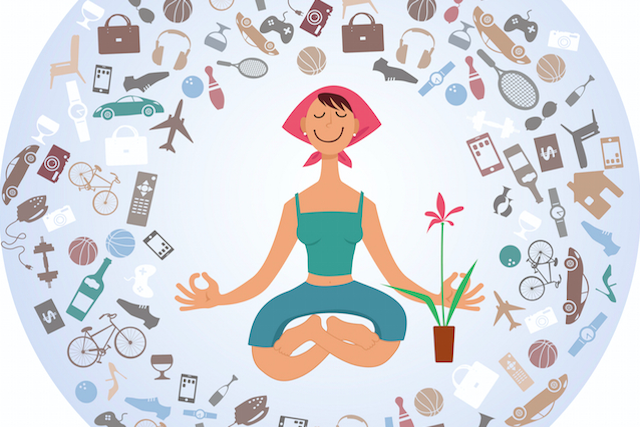
    For the longest time I had no idea what I was doing and where I was going, and I completely lacked passion, energy, and feeling. Then, one day I realized that I have always had something to say (even if no one wanted to listen), and that became the roadmap for my new life.

    One of the few things that saved me when I was suicidal was writing in my journal. I realize that I needed to write again, and once I did, everything changed. I had a purpose. I had found my passion. Yours is there you just have to find it.

    Your Life Doesn’t Have to Feel Empty Forever

    Maybe your life feels empty today. But that doesn’t mean it has to feel empty forever. I spent years (more years than I care to admit to and more years than I should have) feeling empty, lonely, and unfulfilled. This is an awful place to be, and I would never wish this on anyone else.

    Just because I felt like I was living a meaningless life for over forty years doesn’t mean the rest of my life had to be that way. The past is the past.

    Feeling lonely and unfulfilled doesn’t have to be a forever proposition. It can be a temporary landing if you want it to be.

    If you feel empty and lonely, like your life has no meaning, then I say to you, “What can you do to change it?” Try and focus your energy on what you can change, not what you can’t change. I know it sounds corny and cliché’, but every day is a new day to rewrite the story of your life.

    Usually we don’t know the answer to this question, which is why we stay stuck and hopeless. Everyone has something they love to do, something that is their passion. You have one too; you just don’t know it yet. Find this passion. Search it out. Give your life some meaning. Take yourself on a journey and find out who you really are.

    You Are Not Alone

    Remember that although you are in pain, you are not the only one. Get online. Start talking to people. Call a suicide prevention hotline. Go to the forums and find out what others have done to combat their feelings of loneliness and depression.

    Do not let your thoughts run your life. Thoughts are just thoughts. They are not truth. Remember this. Feeling alone is a belief in your head, and it isn’t necessarily true. I know they feel like they own you, but you have the power to take back your life and own your thoughts.

    Find others who have struggled with your issues and ask them what they did and how they found some peace. Read books. Listen to podcasts. Why reinvent the wheel? If others have been able to succeed, learn from them.

    Maybe you need a friend to talk to. Maybe you need a support group. Maybe you need a therapist. Maybe you need a hobby. Maybe you need to find something, anything that gives you the slightest glimmer of hope. Search. If you can’t find any of those things, then give me a shout (carrie@acinglife.com), because my inbox is always open.

    There Are No Words

    Maybe there are not enough words or not the right words. Maybe nothing I can say will make you change your mind. Maybe I will fail at my task, but I hope not.

    I hope you take my words to heart and understand that I have felt your pain, and not just for a few days or weeks or on occasion. I have felt your pain to the core of my being and to the depths of my soul, for years and years. I have plotted my death too many times to count. Yet, I’m still here.

    So, every day is another chance for me to try to get others to understand that they are not alone, and that depression and loneliness are fixable conditions. The human condition is a beautiful, complex assortment of struggles. You are not alone in this.

    Suicide is not the answer. Death is final. But, you my friend are reading this now, and I believe you have some hope, even if it’s only a tiny little glimmer. I believe you can survive and that you will survive. I believe that, like me, you can also be a voice for change and hope.

    Never give up. Every day is a new day to fight, and every day is a new day to recreate yourself.

    If you are struggling please reach out for help: http://www.suicidepreventionlifeline.org/ (1-800-273-8255).

  • The Benefits of Minimalism: 7 Reasons to Declutter Your Life

    The Benefits of Minimalism: 7 Reasons to Declutter Your Life

    Minimalism

    “Have nothing in your house that you do not know to be useful or believe to be beautiful.” ~ William Morris

    Have you ever noticed that every time you move you need a bigger truck than the last time you moved?

    People love to collect things, and we have a tendency to keep collecting things in order to fill the available space in our homes (and sometimes beyond).

    I’m a firm believer in the idea that material possessions do not equate to happiness, so I recently started to explore the idea of living a minimalist lifestyle, to see if a less cluttered home would result in a less cluttered mind.

    I concentrated on decluttering each element of my life by reducing the amount of material possessions I owned and removing those that were unnecessary. This allowed me to focus on those items I valued most.

    I followed the seven steps below to declutter my possessions:

    Step 1: Categorized my possessions in order to sort through them one at a time (clothes, shoes, bags, jewelry, cosmetics, electronics, books, etc.)

    Step 2: Gathered together everything I own from one category, so I could see the true extent of my possessions.

    Step 3: Immediately discarded anything that jumped out at me that I no longer required.

    Step 4: Analyzed all remaining items to identify whether I loved them. After careful consideration, I discarded anything I didn’t love or need.

    Step 5: This was a step where I pushed myself to be more ruthless. I questioned whether I really truly loved the things in my “keep pile” and removed a few more.

    Step 6: Tidied everything I had decided to keep neatly away.

    Step 7: Gave everything I wasn’t keeping to friends and charity shops and sent some things for recycling.

    The process of removing all material possessions I no longer required from my life taught me a number of lessons:

    1. Mindful purchasing

    We purchase many items on a whim, with little consideration of need or desire. What a waste of money to buy something you may not even particularly like!

    A thorough decluttering session teaches you to be more mindful of a purchase and analyze its importance before spending your hard-earned cash.

    When decluttering my clothes, I came across several items that still had the labels attached. I found it really difficult to part with these, as it felt so wasteful given that I had never worn them. This was a great lesson in ensuring that from now on I will only buy items I am sure I will definitely wear.

    2. Money saved from unnecessary and frivolous purchases

    Restricting purchases to only necessary items has the added benefit of saving cash. My biggest overspend in the past has been on clothes.

    Since I have significantly reduced my clothes shopping, I have saved a considerable amount of money. This money has helped to fund my true passion of travel and exploring the world.

    3. Time saved by being able to find things more easily

    Reducing your possessions allows you to find items more quickly, saving precious time.

    No longer will you have to hunt through a stash of necklaces but easily choose one from the small collection you have retained. No fishing around among a mountain of handbags or rooting through hanger after hanger of clothes. The choice is quicker and easier.

    4. Space saved from owning less

    The fewer possessions you own, the less storage space you need.

    Since doing some serious decluttering, I now need half the space I previously did. I am currently looking to move to a smaller apartment, as I now have far too much room for one person and could happily live somewhere much smaller.

    5. Happier outlook

    Surrounding yourself with items you love and displaying only the items most valuable to you will make you feel happier. You won’t have to search through lots of items that you don’t like. Favorite items won’t get lost at the back of the cupboard or the bottom of the drawer.

    Gone are the days of saving your favorite things for a special occasion. Every day is a special occasion now that I am only using the things I love and my life is happier as a result.

    6. Quicker and easier to clean and tidy

    The fewer possessions you have, the neater your house will be and the easier it will be to keep clean.

    Marie Kondo, the decluttering expert, advocates the philosophy that each possession has a place and you should know exactly where to find everything. This is only possible if you reduce the amount of your material items. Now my living space is cleaner and tidier, my mind is less cluttered.

    7. More freedom

    As you begin to detach from material possessions and place more importance on experiences rather than things, you will sense a feeling of lightness and freedom, which can become addictive.

    I love this new sense of freedom I feel from no longer being surrounded by piles of unnecessary items I never use and being less attached to possessions. This allows me to focus instead on people and experiences.

    Now it’s your turn. Choose one category to start with and focus on the seven steps. See how it makes you feel. Try to dispose of unwanted possessions responsibly.

  • How to Prevent Fear and Insecurity from Ruining Your Relationship

    How to Prevent Fear and Insecurity from Ruining Your Relationship

    “Everything you want is on the other side of fear.” ~Jack Canfield

    Buried deep within the broken heart of every great loss is a nugget of wisdom. I experienced the greatest grief of my life just a few months ago, and with it came an opportunity to uncover ugly truths about myself I’d been hiding from.

    In facing my pain, I have discovered that underneath the conscious, big-hearted, beautiful person that I am lives a small girl who is terrified of being misunderstood and abandoned by those she loves most.

    The surface signs alerting me to these fears looked something like this:

    My boyfriend and I are lying in bed reading one night. His mind is lit up in fiction while my soul is on fire with a spiritual book. We have often shared these evenings with one another, smiling and supportive.

    This night I want more. I want him to be as excited about this chakra healing book as I am. I want him to crawl into my body and feel everything I’m feeling and see everything the way I’m seeing it.

    I think he can feel me wanting more, and it freaks him out. He energetically hides in the bushes, further away than I’ve ever felt him go, and I panic.

    The warning signs that go off in my body read: IF HE DOESN’T GET THIS HE IS GOING TO LEAVE YOU. DO YOU HEAR ME?! YOU ARE GOING TO END UP ALONE.

    I don’t actually hear those words, I just feel a need to push my feelings onto him and basically tell him he’s wrong for not feeling the way I do. He looks at me with big, helpless eyes and responds:

    “I think it’s okay that we’re different.”

    I stare blankly back at him while an inner struggle ensues. I can feel my ego fighting. It wants to win. It wants him to see things my way. It wants to be right. It wants him to be just like me.

    But I know better.

    I move from my head to my heart, and I know it’s okay that we are different. What is important is that we love each other, respect each other, and support each other. So I melt into his arms with a smile, an apology, and a “You’re right.”

    But I don’t let him be right. That night I do, but every incident after that I don’t. And he never says it again. He never reminds me that it’s okay that we’re different.

    So the other times, later on, when he doesn’t see things the same way as me, the warning signals go off, and no one reminds me that it’s okay. So I panic, and I spin the fear into all kinds of stories that justify me bullying him into being like me. All because I’m afraid he is going to leave me.

    And he did leave me.

    There are many ways I could tell the Leaving Me story, but the truth is that it’s as complicated as human beings are. One part of it, the part I take responsibility for and the part I’m focusing on here, is that I fought his perspectives that were different from my own, leading him to feel like he couldn’t be himself with me.

    I did this because I was afraid to lose him. I was afraid that if we were different in some big ways maybe we wouldn’t make it. I felt safe when we were agreeable and felt unsafe when his thoughts differed from mine.

    But I was safe. I am always safe. A part of me knows this, but the part of me that comes to life when the fear arises is the part of me that needs a reminder. I didn’t know I needed to be reminded at the time. I didn’t even know I was doing it at the time.

    But now I know. I just needed those simple words, “It’s okay.”

    It’s okay that we’re different.

    He is someone who doesn’t know how to fight for himself. It’s not something I understood about him at the time, but I see it now.

    I am strong in my conviction. I am forthright. I speak my feelings decisively and with ease. He sweats and stutters, but mostly he shuts down.

    I suspect he shuts down because he is afraid. He is afraid of losing himself, but really he is afraid that I won’t love him for who he truly is. He doesn’t trust that he can speak up, that he can challenge me, that he can tell me it’s okay and that I’ll believe him.

    The tragedy is that I don’t know it. Neither of us knows it, really. We’re blind to our shadows, only seeing our own reflections after we’re over.

    I don’t know he is shutting down because he’s scared, and I don’t know I am trying to make him see things my way because I’m afraid. It’s all this delicate dance that happens backstage, until one day he tells me he doesn’t feel like he can be himself with me, and everything comes crumbling down.

    You might be thinking that we were too different, and maybe the truth is that I should be with someone who can share my excitement about chakras. I don’t know.

    I do know I loved him more deeply than I’ve ever loved.

    I know that our relationship was the healthiest, most beautiful relationship I’ve ever experienced.

    I know that I messed up by not letting him be him completely, and I know that he messed up by not sharing his true feelings with me.

    That is a lesson, yes. But there is a deeper lesson, and it’s a lesson about fear.

    I acted controlling because his differences triggered my fear of abandonment, a nerve that runs all the way through my heart and back into my childhood. The irony isn’t wasted on me that my reaction to my fear inevitably created the very thing I was attempting to avoid. And that is the lesson.

    When we act from fear we begin our journey to the guillotine.

    Fear hides behind many guises, ruining plenty of love lives.

    We’re afraid we’re unworthy of love, so we push our partner away when things get too intimate. We’re afraid to be abandoned, so we try to control the relationship or smother our partner. We’re afraid we won’t be accepted as we are, so we don’t show our true selves. 

    We act from fear when we’re too busy to pay attention, when we’re too stressed to slow down, when we make assumptions instead of asking questions. The very thing we are afraid of often becomes our reality when we live from our fears. It’s an act of self-sabotage.

    Relationships are a beautiful opportunity to see ourselves more clearly, but we each have to be looking. You have to be willing to see you, and your partner must be willing to see them. And this all needs to move very slowly, very delicately, and very lovingly. It’s the way we make it through.

    Fear has a million different faces, but your soul always knows the way. When you feel your body tense, when your voice rises, when you begin to shut down, when you begin to explode, when you run away, when you shake with anxiety, your body is telling you.

    Slow down in those moments. Breathe. Let your breath open you up into the vulnerable space of love, and let it cocoon you until you can step out from that place.

    Tell your partner all about it. Tell them about your fears, your discovery of your fears, and how they can help you through it. But don’t put it all on them. This is your work, and this is a practice, one that you have to keep coming back to over and over again.

    You might need some gentle nudges along the way. It’s okay to be different. But if you keep showing up, and if you continue to be willing to see the truth about yourself you will break through the boundary of fear and into the heart of love.
  • 4 Things You Need to Know When Pursuing An Ambitious Dream

    4 Things You Need to Know When Pursuing An Ambitious Dream

    Dreamer

    “So many of our dreams at first seem impossible, then they seem improbable, and then, when we summon the will, they soon become inevitable.” ~Christopher Reeve

    Have you ever decided to pursue something that excited you, that seemed really hard to do, and then had your will tested and almost crushed? I have, many times, most recently this year.

    As you may recall, I shared a blog post in January about the newly formed Tiny Buddha Productions, a film company I started with my fiancé, fellow screenwriter Ehren Prudhel.

    If you haven’t read that post yet, you may want to read that now. Go ahead—it’s here. I’ll wait.

    Welcome back! A lot has happened in the six months since we decided to make a short film about loneliness and connection.

    We’ve faced delays, and drama, and disappointment. We’ve questioned ourselves, our idea, and our potential. And we even considered scrapping the whole thing when it all seemed far harder, and success far less likely, than we once imagined it would be.

    But we’ve pushed forward, in spite of the fears and the discomfort. We’ve waded through the guck of insecurity and uncertainty. And here we are, about to start filming our first short film tomorrow.

    As I sit here with a goofy perma-grin on my face, I’d like to share a little of what I’ve learned over the past six months.

    If you’re pursuing a dream, and feeling overwhelmed, uncertain, self-doubting, and scared, perhaps some of my lessons will help.

    1. There’s no shame in being green.

    I knew going into this there was a ton I didn’t know. Although I’d studied acting and writing in college, I didn’t study screenwriting, and I had no experience producing a film or working on a set.

    In addition to what I didn’t know, there was a lot I didn’t know I didn’t know—stuff about permits, and insurance, and securing locations. Every part of this has been a learning process for me, and that can feel incredibly vulnerable.

    It’s easy to feel insecure and embarrassed when you’re working with experienced people and you feel a little ignorant.

    But when I took my ego out of the equation and stopped worrying about what other people might think of me, I realized how fun it is to be at the beginning of a journey.

    It reminds me of when I was in college, and I felt excited about everything—being on campus in Boston, meeting new people, learning from them, getting to share my work, and imagining possibilities for the future.

    Would I feel more confident if I were an expert? Sure. But there’s nothing like the enthusiasm you feel when you’re just starting out. Some day I will be an expert, and I can only hope I’ll maintain this electric passion I feel right now.

    If you too are at the beginning, remember: This feeling won’t last forever, so soak up the best and don’t worry about the worst. No one loses respect for someone just because they’re new. If anything, they highly esteem people who are embarking on an exciting but challenging new journey—especially if they’re not just out of college.

    More importantly, your experience is worth far more than their perception, so enjoy every part of this new path. This is what life’s all about—trying things that excite you and feeling giddy, nervous, and passionately alive. Let yourself bask in it.

    2. Setbacks are part of the process.

    As I mentioned, it’s been almost six months since we decided to do this short film. We originally planned to shoot in in the spring, after speaking to lots of people and hiring a director, who was going to bring his own crew onboard and edit.

    With the most important hire in place, I ran a T-shirt campaign to raise money to fund the film. And then the setbacks began.

    The director—who, I should add, is a wonderful person, who we’d be fortunate to work with—said there were too many locations. So we re-wrote the script.

    Then he told us the budget was still too small, so we increased it, to much more than we originally expected we’d spend.

    Then, after much back and forth, with all our eggs in his basket, he had to back out due to personal reasons.

    As the months went on, I began to feel like the girl who cried film. I’d already publicly announced the project on the blog. I’d run a fundraiser. And there we were, seemingly back at square one.

    For a while I got myself worked up and discouraged. I had no idea how to move things forward with our first project, and I also knew it would be just a small step on a much larger path. But then Ehren and I regrouped and decided that the setbacks weren’t failures; they were part of the journey—to be expected.

    We didn’t need to feel bad about them. We had to view them as par for the course—simply part of the process of doing something new and difficult.

    So often we get down on ourselves when things don’t go as planned. But it’s nearly impossible to make a smart plan when you’re learning as you go because you have no idea what each step will entail. The only thing you can reasonably expect when you’re doing something new is the unexpected.

    The good news is, the unexpected isn’t always bad. It’s usually in putting out mini fires that we learn and grow the most. Every step of a new journey is a classroom—and remember, people pay good money for an education.

    So don’t let the setbacks get you down. See them as signs you’re moving up, because they are, in fact, a part of the process.

    3. It helps to hold yourself accountable.

    I wrote that blog post introducing Tiny Buddha Productions for a reason: I knew that this would be hard. But once it was out there in writing, and because we also told our friends and family, it felt nearly impossible not to follow through.

    I could lie to myself and say I didn’t really want this that bad, but I’d already made it abundantly clear, very publicly, that I did.

    Reading that post has kept me motivated when I’ve felt like giving up. It’s reminded me that this means something to me, and it’s worth pushing through my discomfort to make it happen.

    Tell people what you aspire to do, and not just casually, in passing, like it’s not that important to you. You want this. You dream about this. If you’re like me, you lie awake thinking about it, and it pops into your head first thing in the morning and when you wake in the middle of the night.

    You care—a lot. And it feels vulnerable to admit that, especially since everyone will know if things don’t work out as you hoped they would. Don’t let that deter you.

    Not only does sharing your intentions keep you on track, it also inspires others to do something about the faint murmur they hear in bed at night and when they open their eyes.

    Everyone has something that blows their hair back. Remind them what it looks and feels like to go for it. As the saying goes, “Enthusiasm is contagious. You can start an epidemic.”

    4. An experience can be worth so much more than it costs.

    We raised quite a bit for this project, because filmmaking is incredibly expensive. (In fact, I was shocked to learn how much it costs to make five minutes of film.)

    When I shared with a loved one how much we raised, she questioned if perhaps we should pocket the cash or spend it on something else. “Why spend that money on something that might go nowhere when you could just keep it?” she asked.

    Well, I’d positioned the T-shirt campaign as a fundraiser, so that’s one thing. But more importantly, I knew this experience would be far more valuable than what it would cost.

    Ehren and I each have our own reasons for wanting to do this, and wanting to do it together. His reasons are his to tell. For me, this is more than a project; it’s the beginning of an exciting new life.

    It’s a way to connect with who I was before healing consumed me; an opportunity to create something that will hopefully make an impact; and a chance to do something collaborative instead of spending so much time working on my own, from my computer.

    That’s why I’m doing this film, and I hope many more after it: it’s something I need to do for myself, and want to do with Ehren. If that’s not worth the cost, what is?

    I realize I’m incredibly fortunate to have a means to raise money, and that not everyone has that same advantage. But we all have the ability to invest in ourselves—whether that means a portion of our savings or a portion of our time.

    We all have the potential to put some of what we have toward what we want to create. I know, it can be scary to do it. You can think of a million and one reasons not to use your limited resources.

    There are no guarantees. It might not work out as you hoped it would. People might say, “I told you so.”

    Yes, those things are true. But things could actually turn out better than you’d hoped. And if they don’t, this could be the first step on a different journey you don’t yet know you want to take.

    You don’t need a guarantee to know that taking a risk—stretching yourself and coming alive—is worth it, no matter where it leads.

    Having a dream is a lot like being that little man on the moon, in the picture on top. You know you can fall, but it doesn’t matter, because you’re lost in the music and the view. I’m lost in mine right now. What’s yours?