Tag: people-pleasing

  • Learning to Feel Safe Resting After a Lifetime of People-Pleasing

    Learning to Feel Safe Resting After a Lifetime of People-Pleasing

    “Rest is not idleness, and to lie sometimes on the grass under trees on a summer’s day, listening to the murmur of water, or watching the clouds float across the sky, is by no means a waste of time.” ~John Lubbock

    For years, I thought exhaustion was a sign I lived fully and did my best that day. I felt proud of being exhausted. I squeezed every bit out of the day, and there was nothing left.

    If I felt tired, I pushed myself to do just one more thing. It was always just one more thing. If I needed to lie down, I scolded myself for being weak. Around me, it seemed everyone else could keep going—working late, saying yes to every request, holding it all together, and getting everything done.

    So I pushed harder. I drank more coffee, ignored the pounding in my chest, and told myself I’d rest “later,” as a reward. And when that later finally came, I was so exhausted and empty, all I managed for myself was the easiest available comfort food and plopping down in front of the TV.

    Deep down, I wasn’t just tired from doing too much. I was tired from being someone I thought others needed me to be. I gave my everything, and nothing remained for me.

    I was tired from people-pleasing.

    When Rest Feels Unsafe

    People-pleasing is often misunderstood as kindness, but at its core it’s a survival strategy. Psychologists call it the “fawn response.” When fight or flight aren’t possible, some of us learn to stay safe by appeasing others—saying yes, staying agreeable, avoiding conflict at all costs.

    This might protect us in unsafe environments, but over time it takes a toll. The body stays on high alert— scanning for others’ needs, monitoring their tone of voice, ready to jump in and smooth things over.

    In that state, rest doesn’t feel like an option.

    When I tried to pause—sit quietly, lie down, even take a slow breath—my body rebelled. My chest buzzed with tension. My throat tightened, as if rest itself were dangerous. Doing nothing felt risky, as though someone might be upset or reject or abandon me if I wasn’t useful.

    So I stayed in motion. On the outside, I looked capable, dependable, “good.” On the inside, I was running on fumes.

    The Cost of Never Stopping

    When rest feels unsafe, exhaustion becomes a way of life.

    The body breaks down. I developed a stress knot in my shoulder, poor posture, and constant fatigue.

    The mind spirals. Anxiety grew louder, whispering that I wasn’t doing enough.

    The heart aches. Saying yes when I wanted no left me resentful and empty.

    I thought if I could just be more disciplined, I’d manage. But discipline wasn’t the problem—my nervous system was.

    It had learned, long ago, that slowing down invited danger. So it kept me on guard, pushing, performing, and erasing myself—all in the name of safety, belonging, being approved of and perhaps accepted.

    Realizing Rest Is Part of Healing

    The turning point came when I read about trauma and the nervous system. I learned that exhaustion and restlessness weren’t proof that I was lazy or broken. They were survival responses. My body wasn’t fighting me—it was protecting me, the only way it knew how.

    That realization softened something inside. For the first time, I saw my fatigue not as failure, but as evidence of how hard I’d been trying to survive.

    If my body could learn to see rest as danger, maybe it could also relearn rest as safety.

    Gentle Practices for Making Rest Safer

    The change didn’t come overnight. But step by step, I began inviting rest back into my life—not as laziness, but as medicine.

    Here are a few things that helped:

    1. Start small.

    Instead of trying to nap for an hour, I practiced lying down for five minutes. Just five. Long enough to notice my body but short enough not to panic. Over time, those five minutes grew.

    2. Anchor with touch.

    When rest stirred anxiety, I placed a hand on my chest or stomach. That simple contact reminded me: I’m here, I’m safe.

    3. Redefine rest.

    I stopped thinking rest had to mean sleep. Rest could be sitting quietly with tea, staring at the sky, or listening to soft music. It was anything that let my nervous system breathe.

    4. Challenge the story.

    When the inner critic said, “You’re wasting time,” I gently asked: Is it wasteful to care for the body that carries me? Slowly, I began rewriting that story.

    What I’ve Learned

    Rest still isn’t always easy for me. Sometimes I lie down, and my chest buzzes like it used to, urging me to get back up. Sometimes guilt whispers that others are doing more, so I should too.

    But now I understand: these feelings don’t mean I’m failing at life. They mean my body is still unwinding old survival patterns.

    And the more I practice, the more I see rest for what it truly is:

    • A way to reset my nervous system.
    • A way to honor my limits.
    • A way to reclaim the life that people-pleasing once stole from me.

    I used to believe safety came from doing more. Now I see that safety begins with stopping.

    Closing Reflection

    If you’ve ever avoided rest, told yourself you couldn’t afford to relax, or felt guilty when you tried, you’re not alone. Many of us carry nervous systems that equate worth with usefulness and safety with exhaustion.

    But what if the truth is the opposite? What if rest is not indulgence but healing? What if slowing down is not selfish but necessary?

    Rest may not feel natural at first. It may even feel unsafe and bring up feelings of panic, pressure to get going again, or a sense of falling behind. But with gentleness, patience, and compassion, the body can relearn what it once forgot: that it is safe to stop.

    You are not weak for needing rest. You are human. And in a world that pushes constant doing, choosing to rest might be the bravest thing you can do.

  • How to Stay Kind Without Losing Yourself to Toxic Behavior

    How to Stay Kind Without Losing Yourself to Toxic Behavior

    “The strongest people are the ones who are still kind after the world tore them apart.” ~Raven Emotion

    A few months ago, I stopped being friends with my best friend from childhood, whom I had always considered like my brother.

    It was a tough decision, but I had to make it.

    In the past five years, my friend (let’s call him Andy) had become increasingly rude and dismissive toward my feelings.

    Not a single week went by without him criticizing me for being optimistic and for never giving up despite being a “failure.”

    Still, I tried to be understanding. I really did.

    I knew he was always stressed because he was going to graduate from college two years later than his peers.

    And I knew he felt insecure about not being as rich and successful as “everyone else.”

    But one can only take so much, and after so many years, I just couldn’t anymore.

    It’s hard to keep showing up with warmth and patience when the other person not only doesn’t appreciate you but even attacks you for being “naive in the face of reality.”

    (Yeah, he’d somehow convinced himself that I was in denial about my lack of success—as if the only way to react to failure were to get angry and frustrated.)

    If you’ve always tried your best to be kind and gentle, you too might have been in a similar situation and wondered at least once, “Why bother?”

    Because even though we don’t expect trophies or medals, a complete lack of appreciation can become difficult to accept after a while, and a simple “thank you” can start to matter more than we wish it did.

    I’ll admit that, because of Andy, I almost gave up on being a kind person multiple times.

    Luckily, I didn’t, and in the months that led to my difficult decision, I learned some important lessons on how to stay kind even when it starts to feel like there’s no point to it.

    I hope these lessons will help you stay true to yourself, too.

    1. Make sure you’re not using kindness as a bargaining chip.

    Just as positivity can become toxic, there is such a thing as a harmful way of sharing kindness.

    Here’s what I mean.

    In my teenage years, I used to be what some would call a “nice guy.”

    You know, the type of guy who prides himself on being nice, except he’s really not.

    In typical “nice guy” fashion, I treated kindness as a transaction. (”I’m doing all these things for them, so they should do the same for me” was a typical thought always floating in my mind.)

    I would be nice and generous to others, but I would always compare what they did for me to what I had done for them.

    Then, if they didn’t reciprocate in a way that I found satisfactory, I would secretly start to resent them.

    It’s not my proudest memory, but it shows how even something positive like kindness can be weaponized.

    And it’s not just “nice guys” who do that, either.

    Many parents make the same mistake: they try to guilt their children into showing gratitude or obedience by bringing up all the sacrifices they’ve made for them.

    Of course, all this does is make the kids feel bad and even distrustful, as they may start to wonder whether their parents’ sacrifices were made out of love or selfish motives.

    Because when kindness is given conditionally, it stops being about helping—it becomes about satisfying one’s desperate need for appreciation.

    Needless to say, this is unhealthy for all parties involved.

    That’s why it’s best to…

    2. View kindness as an expression of who you are.

    It’s easy to forget—especially when it goes underappreciated for too long—that kindness should be, fundamentally, an expression of yourself.

    You are kind because it’s who you are, not because you want someone else’s approval.

    When I look back on my friendship with Andy, I’m obviously not happy about all the times he attacked my self-esteem, dismissed my feelings, and put cracks in our relationship without a second thought. However, I can at least be proud that I didn’t let that break me and instead stayed strong.

    Because that’s what this is about.

    Being kind, even in the absence of thanks, is an act of self-respect.

    It’s not about wanting others to notice.

    It’s about staying true to yourself, regardless of how unappreciative others might be.

    3. Remember you’re allowed to withdraw your kindness.

    Kind people always struggle with this.

    We worry that if we quit going above and beyond for someone, it might mean that we’re not good people anymore.

    This is why it took me so many years to finally stop being best friends with Andy: I was afraid of being told I wasn’t really kind after all.

    I didn’t want that to happen, so I kept being as generous as possible, despite how often he hurt me.

    For years, I kept cooking, doing the dishes, vacuuming, mopping, and doing all sorts of chores that normally would be divided equally among roommates.

    I wanted to do my best to give him as much time and space to focus on his studies (although I was in his same situation and had my own studying to do).

    I refused to see that he didn’t plan on treating me any better.

    In fact, years before, he’d already made it clear he didn’t believe I deserved to be repaid for all the things I did.

    Yet, I just let him disrespect me and hurt me and kept being kind to him. Because kindness shouldn’t be conditional, right? Because it should just be an expression of yourself, right?

    But here’s what I now understand: just because you shouldn’t expect people to treat you well in exchange for your kindness, it doesn’t mean you should accept being treated badly.

    There’s a limit to how much thanklessness you can tolerate before it starts eating you up inside.

    You have every right to pause or withdraw your kindness when you’re being treated poorly. This is about setting healthy boundaries. You’re not being selfish or arrogant.

    I can’t believe how long it took me to realize that unconditional doesn’t mean boundaryless.

    Kindness with zero boundaries isn’t kindness at all but self-abandonment.

    There’s nothing noble about completely neglecting yourself just to be as generous as possible to someone else.

    Be kind because that’s who you are, but don’t let yourself be taken for granted.

    4. Don’t let negative people convince you to quit.

    We all know people who are never content with feeling miserable by themselves, so they try to make others feel just as miserable.

    And when they keep criticizing you for being a “goody two-shoes” just because you have a positive attitude, it’s hard to stay unperturbed.

    You may even start to question yourself and if you should maybe stop being a positive person.

    But let me assure you: letting negative people decide what kind of person you should be and what kind of life you should live is NEVER a good idea.

    Because, again, some people just want to tear others down.

    You could change your whole personality and become exactly like them, and they would still criticize you and judge you.

    Why? Because the reason they hurt others in the first place is that they’re (unsuccessfully) wrestling with their own problems.

    It’s not about you being “too nice” or “fake.” It’s about them not being able to find it in themselves to be patient and generous and always choosing to just lash out instead.

    Good people are never going to criticize you for being kind.

    Even if they believed that your brand of kindness might not be pleasant in some instances, they’d just tell you. They wouldn’t try to make you feel bad.

    Stay True to Yourself

    When kindness feels thankless, it’s easy to wonder if it’s even worth it—especially if the thanklessness comes from someone we care about.

    I’ve been there more times than I can count, and yes, it always feels awful.

    But kindness isn’t merely a way to please others—it’s how we respect ourselves.

    You have the right to press PAUSE or STOP when someone disrespects you too much.

    You don’t have to let others take you for granted just because you’re worried they might have something to say about your genuineness.

    Because, honestly, what if they did?

    You don’t need their approval.

    You’re kind because you’re kind. It’s that simple.

  • 3 Surprising Causes of Burnout That Most People Miss

    3 Surprising Causes of Burnout That Most People Miss

    “Love yourself first and everything else falls into line.” ~Lucille Ball

    The first time I experienced burnout, I was twenty-six.

    I was at the height of my career in London, doing it all, and yet I somehow found myself back at my parents’ house, sobbing in my mom’s car, after signing myself off from work, not having a clue how I landed there.

    Burnout isn’t just about being tired from overexertion. It’s when we reach physical, mental, and emotional exhaustion after pushing ourselves past our capacity for too long.

    When we finally stop, often against our will, all the confusing symptoms surface. We feel overwhelmed, out of control, like we’re going mad. That was me at twenty-six, right when I thought I should have been thriving.

    To give you some background, I was managing several boutique fitness studios in London, working under a highly demanding boss whose mood could swing and affect the whole office. I wasn’t much of a party girl, but I was still burning the candle at both ends, socializing with friends on the weekend and running around meeting demands during the week.

    The burnout crept in slowly, starting with crying over the smallest things, gaining weight despite all the exercise I was doing, never being able to switch my mind off, and feeling constantly wired and overwhelmed with emotions I didn’t understand.

    Burnout shows up differently for everyone, and I believe many of us live with a chronic, low-level version we don’t even notice until our well-being starts to fall apart.

    At the time, I thought burnout was just about long hours and stress. But over the years, I realized there were deeper, less obvious reasons behind mine.

    So, let’s get into the three not-so-obvious causes of burnout that most people miss.

    The Hidden Pressure to Prove Your Worth

    One of the biggest things I’ve learned about myself in the last ten years is that I’ve always had a need to prove myself. I’ve never quite felt good enough, and it’s always affected my confidence.

    I know I’m not alone in feeling this way. We all struggle with our confidence and worth, wanting to prove ourselves—to the people we work for, to our parents, to our partners, and to the world.

    However, I wasn’t conscious of this when I was younger. I knew I had a strong drive within me to work hard and meet other people’s demands, but I didn’t think it had anything to do with needing to prove myself.

    I’ve come to see that many of us have a core wound around self-worth, even the most confident among us, and we all need to work on accepting, embracing, and loving ourselves exactly as we are.

    But when we’re not conscious of our inner drivers, we can blindly rush into life, not understanding what’s really motivating our actions. For me, my lack of confidence played out in my need to please my boss, to the point where I was no longer conscious of my needs or desires.

    Her disapproval terrified me. I dreaded missing her calls or not replying to her emails fast enough. I anticipated her demands constantly, beating myself up if I misjudged a situation or fell short.
    It was a constant strain on my nervous system.

    I pushed myself harder and harder until I simply couldn’t cope with the pressure. I couldn’t bear to let her down in any way, and if I did, I chastised myself for not doing better, for not being better.

    The straw that broke the camel’s back was when I had to leave work early, to her great annoyance, to meet my mom, who’d booked a mother-daughter photoshoot (something I definitely wasn’t looking forward to, given the state of stress I was in).

    All I remember is crying on the subway on my way there and not stopping even as the concerned makeup artist was trying to sort out my puffy eyes. I didn’t want to disappoint anyone, and it was too much.

    That’s when I began to understand that burnout isn’t just about physical overwork. It can come from the emotional pressure we place on ourselves, such as the pressure to meet expectations, to keep people happy, and to prove our worth to those that we feel we constantly need to impress.

    It’s only when we realize that our well-being is far more important than our productivity that we can start to recognize how our need for approval is driving our actions and start to gently and lovingly address the deeper root cause.

    Why Burnout Thrives Without Boundaries

    One of the worst things about this need to prove myself was that my boss also recognized it and took advantage of it.

    At the time, I didn’t even know what boundaries were. I wanted to keep everyone happy, spinning plates and spreading myself thin.

    We’re conditioned to believe that it’s wrong to be selfish, that we shouldn’t say no, and that we need to put others’ needs before our own, but at what cost? Well, the cost is often our own happiness and well-being.

    We often think of boundaries as physical, but they are also mental and emotional.

    We may have shut our computer, but are we still thinking about the meeting tomorrow morning? We may have left the office, but are we anxious that we’ll forget to send that important email?

    I used to feel this dread in the pit of my stomach every morning on my way to work as I wondered what I might have gotten wrong or forgotten to do. It was like my mind couldn’t switch off, and it drove my stress levels higher and higher.

    One of the reasons why boundaries can feel so challenging is when we attach ourselves to the thing that we do, making it our identity, our purpose, and all that we are.

    Whether our burnout comes from being a parent, being a caregiver, being an employee or entrepreneur, or any other roles we hold, we need to remember to create a sense of healthy separation from what we “do,” because that is not all that we are.

    This is such an important boundary for us to create.

    We are human beings, not human doings. When we mistakenly attach our worth, our identity, or our purpose to what we do rather than who we are, that boundary becomes blurred.

    How Denial Keeps Us Stuck in Burnout

    Another major cause of my burnout was my inability, or unwillingness, to be honest with myself.

    I wasn’t conscious of how much I was struggling, and even if I had been, I wouldn’t have admitted it. To do so would have meant facing changes I wasn’t ready to make.

    While change is a constant in all of our lives, it is still something that most of us fear. After all, it’s messy, unpredictable, and uncomfortable.

    Yet, it’s always needed, especially when we suffer from burnout.

    If we don’t change our circumstances, our attitude, or our boundaries, then nothing will change. So, we have to be willing to be honest about what’s not working and start making those all-important changes.

    We can also struggle to be honest about our motivations for staying in burnout.

    I’ll admit that at the time I really liked my life. Or rather I should say, I liked how my life looked. When I turned up late to dinner with friends due to work, I used to complain about work always making me late, but secretly I felt busy, important, and special.

    There’s always a deeply unconscious part of us that becomes attached to the things that hurt us. It’s almost as if we become a martyr in our suffering. Yet, this is just reflective of the deeply unconscious desire to be seen, recognized, and taken care of.

    That’s the tricky thing: when we’re in burnout, we often crave recognition and care from others. But waiting for someone else to rescue us keeps us stuck.

    When I was struggling with burnout, I just wanted someone to notice and tell me what was wrong. I complained about my job to anyone who would listen, but I refused to take any advice. I just kept pushing myself, secretly hoping that one day someone, anyone, might notice.

    Burnout isn’t a cry for help, but it is a cry from within to be taken care of, supported, and nourished. And first and foremost, we need to start looking after ourselves.

    This Is Where Burnout Ends

    If you’re struggling with burnout, please know that you’re not alone. Start by being honest with yourself. Recognize where you’re needing to prove yourself and where you need better boundaries so you can start taking care of yourself.

    These subtle causes may not look like overwork, but they take just as much out of us, sometimes even more.

    The turning point for me was when I admitted I wasn’t coping, signed off from work, and sought support from a holistic practitioner. That was the first time I began to listen to myself, and it opened the door to healing and growth I never could have imagined at twenty-six.

    Ten years later, I’m so grateful for what it taught me. As cheesy as it sounds, it was the breakdown that became my breakthrough. While I still struggle with setting boundaries, feeling “enough,” and being honest with myself at times, on the whole those lessons have made me who I am today.

    It all began with the simple realization that I needed to learn how to take care of myself with the same urgency I once gave to everyone else. And maybe you do too.

  • It’s Okay to Disappoint People When You’re Honoring Yourself

    It’s Okay to Disappoint People When You’re Honoring Yourself

    “Daring to set boundaries is about having the courage to love ourselves, even when we risk disappointing others.” ~Brené Brown

    On a recent day trip to the Yuba River with my daughter and two friends, unexpected tensions arose, offering me a chance to reflect on a lifelong pattern that has often complicated my relationships. It was a beautiful day, and I’d been looking forward to soaking up the sun and relaxing by the water—but my friend had a more adventurous day in mind.

    Though a footbridge led to a clear trail, she suggested we take a more difficult route over steep boulders. Despite my initial hesitation, I went along, wanting to be open to her plans. But as I navigated the rocks with weak knees and slippery Birkenstocks, I started to regret my choice.

    Each step required more balance and focus than I’d anticipated, and as I struggled to keep my footing, I worried about disappointing my friend if I suggested another path. I often find myself accommodating others at the expense of my own comfort—a pattern I’ve been working to untangle for years. Eventually, I did speak up, and as we turned back, I felt pleased reflecting on my growth in honoring my own needs, even though it felt vulnerable.

    However, just as we reached the stairs that would take us to the footbridge, my friend pivoted again. This time, she suggested wading across the river and scaling the rocky bank on the other side. The idea didn’t make sense to me, and I really didn’t want to take this route—but guilt crept in, knowing I’d already resisted one of her suggestions. Feeling that familiar tug of people-pleasing, I once again overrode my own preference.

    So, we waded across, balancing our backpacks and climbing over slippery rocks to reach the opposite bank—which was steep and hazardous. My daughter scrambled up the cliff-like bank with my friend’s help, but as I struggled to find my footing, I could see the anxiety in her eyes.

    In that moment, I realized I was pushing myself to do something that didn’t feel safe for either of us. What was I trying to prove? Why was I putting myself in this stressful situation when it would have been so much easier to just cross the footbridge?

    Ultimately, rather than risk the steep climb, my other friend and I decided to turn back. We waded across the river again and took the stairs to the footbridge I had wanted to follow all along. Reuniting with my daughter and our friend on the other side, we finally embarked on the trail.

    I felt a sense of satisfaction in once again recognizing my pattern of people-pleasing and choosing to change course. However, irritation soon followed—despite passing many perfectly nice spots, we continued hiking as our friend was determined to find a pristine, isolated area to swim. While I appreciated her vision for an adventurous day, I began to feel confined by it, realizing I was still prioritizing her desires over my own.

    We wound up stumbling upon a crowded nude beach—and while I have no judgment against nudity, the situation was uncomfortable for my teenage daughter. My friend tried to convince us to swim past the bathers to find a quieter place, but I knew this wasn’t right for my daughter. This time, I didn’t hesitate. It felt incredibly uncomfortable, but I firmly said no.

    I told my friends I wanted us all to enjoy ourselves at our own pace. So, I encouraged them to keep adventuring while my daughter and I turned back to where we’d started—a spot that had always felt perfectly fine for swimming. My friend seemed disappointed, and guilt once again crept in, but I felt grateful for my decision.

    How often do we let ourselves be swept up by others’ desires, ignoring our own?

    Years ago, I might have felt annoyed or even resentful that my day wasn’t unfolding as I’d imagined. I might have blamed my friend for being “pushy” and not listening. This time, however, I focused on observing my inner reactions rather than letting them take control.

    Each obstacle became an opportunity to examine my responses. I noticed again and again how easily I slip into accommodating others, even at the expense of my own comfort—a pattern rooted in a fear of losing connection.

    I felt no resentment toward my friend; I know she’s simply adventurous and eager to create memorable experiences. Alongside my love for her and trust in her good intentions, I’ve engaged in considerable shadow work. I recognize that judgment and blame are often projections, ways we avoid taking responsibility for our own feelings and needs.

    So, when that familiar pull to please others arose, instead of giving in to resentment or going along just to keep the peace, I practiced something different: listening to my inner voice and aligning my actions with what I truly wanted.

    It took three instances of going along before I finally gained clarity. While openness and flexibility are valuable traits, we must also be willing to risk disappointing others to honor our own needs. Far from weakening our connections, this kind of self-honoring fosters genuine relationships with ourselves and others.

    My daughter and I ended up having a relaxing time in our chosen spot while our friends enjoyed their adventure. When they returned, we all took a final swim together, diving into the cool water and drying off on the warm, sunbaked rocks. On the way home, we shared a fun conversation and even stopped at a roadside stand for some of the best key lime pie any of us had ever had. It turned out to be a wonderful day filled with connection after all.

    Reflecting on this experience highlights common patterns we often encounter: the tendency to please others, the fear of disappointing them, and the guilt that can arise when asserting our needs.

    My relationships and enjoyment of life have significantly improved as I’ve learned to witness and navigate these conditioned responses, ultimately becoming more authentic. This doesn’t mean I no longer face challenges, like the ones I encountered on my day at the river. However, I now navigate these situations with greater ease, and my increased self-awareness has led to continuous growth and a deeper sense of freedom beyond old patterns.

    Based on my experiences, here are some insights that may support you in similar situations—especially when you feel torn between your own desires and the fear of disappointing those around you:

    Pay Attention.

    Notice what’s happening internally and get curious about what triggers you. Identify your inner conflicts—such as discomfort with disappointing others or fear of being seen as selfish. This self-awareness is crucial for navigating your responses authentically.

    Stay Present.

    Focus on the current moment rather than your expectations. Embracing what is allows you to align your choices with reality instead of how you wish things would unfold. Redirect any frustration from unmet ideals into fully engaging with the experience at hand.

    Take Responsibility.

    Avoid blaming others, focusing instead on your own feelings and needs. This empowers you to advocate for yourself in alignment with your values, free from resentment or guilt. By slowing down and reflecting on your choices, you gain clarity and self-compassion. Ask yourself: What do I truly want now?

    Speak Up with Grace.

    Clearly and kindly express your needs and preferences to foster open communication while maintaining connection. Speaking up may feel daunting, but setting boundaries is a vital act of self-love. Trust that your needs are valid and worth sharing and it’s okay to voice them.

    Navigating our experiences in a way that honors our true selves is an ongoing practice. By listening to our inner voice, staying curious about our reactions, and letting go of blame, we create space to pursue our desires without guilt. Each choice becomes a step toward authentic alignment, freeing us from the weight of others’ expectations.

  • From Pain to Power: Letting Go of Approval to Love Myself

    From Pain to Power: Letting Go of Approval to Love Myself

    “If you love yourself, it doesn’t matter if other people like you because you don’t need their approval to feel good about yourself.” ~Lori Deschene

    For most of my life, I worried about what others thought. Every move I made felt like a performance for someone else. I’d built my life on their approval.

    Then came the losses. Three family members were gone in a matter of years. Each time, the grief hit like a fist to the gut.

    My mother was my pillar of strength; my father, who might not have always been there for me but was still my father, went next, and then my younger brother—a cruel fate.

    Their absence left a void that seemed impossible to fill.

    I felt hollow, like someone had punched all the air out of me. I was left winded and empty. Grief, relentless and heavy, kept knocking me down.

    I tried to keep up appearances, but inside, I was stuck. Couldn’t move. I didn’t know how.

    I remember one day after my younger brother died, I sat alone in the garden. The sun was out, but I felt nothing.

    It was close to Easter, and I had a list of commitments. Things I’d agreed to, people I had to see. Each one felt like a chain around my neck.

    I stared at my phone, anxious and tired. ‘’Where are you?” the message read. My hands were shaking. That’s when I put it down.

    It was a moment of liberation. I realized I didn’t want to do this anymore. I didn’t want to worry about what everyone else wanted.

    It was time to let go. And in that release, I found a new sense of freedom and hope.

    I picked up my phone again and texted, “Sorry, I will not make it today.” And I hit send.

    One message turned into two, then three. “I’m sorry, I won’t be coming.” The words felt strange, as if I were speaking them for the first time.

    One small act, one message, was enough to break the chains. For the first time in years, I felt like I could breathe. The tightness in my chest eased.

    It was a turning point in my journey to self-acceptance.

    I didn’t know it then, but that was the beginning of reclaiming my life. Just a few words and the weight started to lift.

    Grief Changes Everything

    Grief stripped away everything I thought mattered. The “should” and “have to” layers fell away like dead skin. I was left with nothing but raw, aching truth.

    I saw my life clearly for the first time. It was built on everyone else’s expectations. There was no space left for me.

    That was the most challenging part to accept. I had spent so long trying to be what everyone else wanted. And now I didn’t know who I was.

    But the losses kept coming, pushing me deeper into emptiness. Each time, it took something from me. And each time, I was forced to look harder at myself.

    I began to see a pattern. I was living for others, not for myself. It was a painful truth, but grief can uncover what’s hidden.

    The Realization

    One day, I stood in front of the mirror. The reflection, looking back, was a stranger. My face, my clothes, how I stood—it was all for someone else.

    That was the moment when I decided I needed to change. I didn’t want to live like this. I needed to stop.

    I didn’t need the approval of others. I didn’t need to be perfect for anyone but myself. It was time to break free.

    It wasn’t easy. The habit of pleasing others ran deep. But I started with small steps.

    Steps Toward Freedom

    First, I listened to my thoughts. When I found myself worrying about someone’s opinion, I stopped. “Is this helping me?” I’d ask.

    The answer was almost always no! So I let the thought go. It was redemptive.

    Slowly, the worrying and sleepless nights of being a people-pleaser lessened.

    Next, I set boundaries. The most challenging boundary was with me. I had to stop pushing past my limits, physically, emotionally, or mentally.

    I began saying no. I stopped feeling guilty for choosing myself. Setting boundaries was empowering and made me feel more in control of my life.

    It was a declaration of my needs and desires, a step toward asserting my worth.

    I distanced myself from people who drained me and people who made me question myself. It was a gradual process.

    I started by reducing the time I spent with them, and eventually, I found the courage to communicate my need for space.

    I started creating space, which allowed me to breathe and focus on my well-being.

    Slowly, I started doing what felt good: walking in the rain instead of counting steps; I just walked for pleasure.

    I stopped trying to please everyone; instead, I pleased myself.

    This focus on my desires and needs was an essential aspect of my journey to self-acceptance and self-love.

    I stopped playing host because others required it. The first Christmas after my younger brother passed away, I took a vacation with just my children, starting a tradition that centered on what worked for me. Now I only host when it feels right on my terms.

    I also stopped being the one to reach out constantly to family or friends. I realized I didn’t have to check in or hold relationships together single-handedly. Trusting that real friendships wouldn’t crumble without my constant effort was freeing.

    Each small action was a step closer to who I was. Each “no” brought me back to myself. It wasn’t a sudden transformation but a slow, steady shift.

    Healing Through Action

    There’s freedom in not needing anyone’s approval. I started to feel it in my bones. I began to laugh again.

    The weight lifted. I noticed the world again—the way the sky changes colors at dusk, the way the wind feels on my face. Life was waiting for me.

    I started to walk more—no destination, no purpose—just walking. I felt the ground under my feet, solid and real.

    The loss of my loved ones will always be there. But it doesn’t define me anymore. It’s part of the story, not the whole of it.

    Moving Forward

    If you’re stuck seeking approval, start small—one step at a time. You don’t have to change everything at once.

    Ask yourself: What do I want today? Just for today, choose that. It’s enough.

    Reflect on the moments when you felt trapped—times when you felt overwhelmed by external pressures and were trying to meet everyone’s expectations; when you sacrificed your own needs and desires to please others; or when you found yourself constantly worrying about the opinions of others. By reflecting on these moments, you can identify what has been holding you back and take the first step toward living authentically.

    Self-reflection is a crucial part of the journey to self-love and self-acceptance. It’s a mirror that allows you to see yourself more clearly, understand your wants and needs, and be free to fulfill them.

    It takes time to break free. The habits run deep. But each small step chips away at the chains.

    Embracing Self-Acceptance

    Self-acceptance wasn’t easy. It felt foreign, like trying on clothes that didn’t fit. But little by little, I got used to it.

    I stopped chasing what others thought was beautiful. I looked at my imperfections and decided they were mine. The quirks became markers of who I was.

    Writing helped. It was messy and unfiltered, but it was real.

    I saw my patterns. The way I bent over backward to fit in. The way I swallowed my voice to keep others happy.

    So, I began taking small actions. For instance, I started embracing my uniqueness by wearing clothes that made me smile (like a short mini skirt!).

    I spent more time with people who supported me. The ones who made me feel seen. Their encouragement helped me believe that I didn’t have to change to be worthy.

    The Healing Process

    Of course, there were setbacks. Days when I slipped back into old habits. But each time, I chose to keep moving forward.

    It’s not a straight path. There are twists and turns. But each small step makes you stronger.

    There’s freedom in not needing anyone else’s approval. I started to feel it grow. I felt lighter, unburdened.

    Conclusion

    Grief changed everything. But through it, I found strength. I found my worth buried beneath all the noise.

    You don’t need anyone’s approval to feel good about who you are. The only person who can define your worth is you.

    So ask yourself today: Who’s writing my story?

    If the answer isn’t you, it’s time to take the pen back.

  • 4 Fears That Create People-Pleasers and How to Ease Them

    4 Fears That Create People-Pleasers and How to Ease Them

    “It feels good to be accepted, loved, and approved of by others, but often the membership fee to belong to that club is far too high of a price to pay.” ~Dennis Merritt Jones

    Like a lot of people, I grew up putting others’ needs and wants first. I learned early that doing things for other people and accommodating their wishes gained me attention and approval. It was only in those moments that I felt good enough and deserving of love.

    As a child, I liked nothing more than feeling indispensable and being told I was a good and nice girl. This praise was incredibly important to me, as was making others happy. My own happiness did not come into the equation; I was happy because they were happy. I felt loved, safe, and appreciated, in the short term at least.

    As I got older, my people-pleasing went into overdrive. I continually tried to gain people’s approval, make them happy, and help them whenever needed.

    I hated to see loved ones hurt or upset and felt it was my responsibility to come to their rescue and ease their problems and pain. Before long, I became so hyper-aware of others’ feelings that I lost sight of where I ended and where other people began.

    For many years, I didn’t question why I felt I didn’t have the right to say no to people’s demands. I just assumed this was how my relationships were meant to be. By the time I was in my late teens, however, I often felt lost, drained, and empty.

    After a terrifying anxiety attack, I realized I’d been unhappy for years. Trying to please everyone had made me miserable and ill, and my relationships felt draining and one-sided.

    I took a long, hard look at myself and realized I’d become a people-pleaser not simply because I wanted to be a nice person or help others, but due to a specific emotion, an emotion I’d felt since early childhood: fear.

    I realized I’d given control over my life to other people out of fear. I’d let an emotion steal my life and well-being.

    When I examined my past behavior, it was obvious I’d been compelled to people-please due to a fear of certain situations stemming from my childhood. I believe these specific fears are the reason why many of us become people-pleasers.

    Fear of Rejection and Abandonment

    Inside every people-pleaser is a little child who never felt worthy of love and was afraid of being rejected and abandoned by his or her loved ones. Being good and nice and striving for approval is a way to try to suppress the fear.

    Children know instinctively that their survival depends on other people. As a child, I felt I had to be good all the time—one misdemeanor would be enough to make my loved ones reject me.

    That’s not to say my family didn’t love me; they absolutely did. But they were often emotionally distant, worried, stressed out, and very busy with other things. My strategy was to do my best to please them so I wouldn’t feel even more rejected than I already did.

    Many of us take this fear into our adult relationships too. People-pleasers usually believe they cannot disagree, not do as their loved ones want, or displease them in some way because their family or partner will stop loving them and leave. They don’t feel emotionally secure in their relationships.

    Yet how realistic is this belief? Would our loved ones really reject and abandon us if we displeased them? Is our position in their lives so uncertain and fragile that they would do this?

    People-pleasers tend to overestimate other people’s imagined negative reactions to what they do or say. They work hard to gain and keep love and friendship, but assume those ties are easily broken.

    Realistically, it’s highly unlikely your loved ones will reject you if you don’t do what they want. They might be disappointed or upset, but ultimately they’ll be able to cope with their expectations not being met. Regardless of their response, you aren’t responsible for their emotions or actions.

    When we know this, we can feel more secure about saying no to others. And that in turn helps them to respect our boundaries.

    Fear of Conflict and Anger

    People-pleasers try to avoid conflict and others’ anger at all costs and will do anything to defuse a confrontation or argument. This usually means backing down or not disagreeing, even if the other person is in the wrong. It means saying yes when we really want to say no.

    When you fear upsetting someone and causing an argument, you don’t speak up about what’s bothering or hurting you, and you don’t reveal your true feelings. You do all you can to keep the peace, believing mistakenly that conflict of any kind is bad for relationships.

    The truth is, our peacekeeping behavior builds a barrier to intimacy. It stops our relationships from growing and maturing. As a child I feared doing something wrong and being told off and punished, and as I got older I often felt lonely in many of my relationships. I also found trying to keep the peace exhausting.

    The harmony I worked so hard to maintain was nothing more than a false harmony; there was often an undercurrent of anxiety and frustration.

    Healthy relationships aren’t without disagreements because conflict and problems are inevitable in life. But the difference is that good, balanced relationships are able to handle conflict and problems constructively and use them as a way to deepen learning and understanding.

    As a people-pleaser, I wanted to find instant solutions to problems in order to minimize any potential conflict, regain harmony, and soothe any negative feelings. I rarely took my time to find an effective solution, and as a result, the problems were never fully resolved.

    I was also afraid of my own anger and repressed it or directed it at myself, and this no doubt contributed to my anxiety disorder. I mistakenly believed nice people didn’t get angry, not realizing that we cannot change our behavior for the better or improve our well-being unless we feel and recognize all our emotions.

    Fear of Criticism and Being Disliked

    No one likes to be criticized or disliked, especially a people-pleaser. We hold in high regard other people’s good opinions of us. We crave approval and think that accommodating everyone else will somehow protect us, but that’s rarely the case.

    I used to feel a sense of betrayal whenever someone criticized me. Didn’t they know how hard I tried to please them? How hard I tried to be good and nice all the time? Their criticism was like an arrow in the heart.

    When we fear others’ lack of approval and acceptance, we rarely show them who we really are and often live a life that does not feel authentic. We hide ourselves behind a mask of niceness and find it near impossible to separate our self-worth from our actions.

    Fearing others’ bad opinions of you makes you feel you cannot show you are fallible and flawed—basically, a normal human being.

    People-pleasers judge themselves very harshly and often set themselves unrealistic expectations. They feel they need to be perfect in order to be accepted or loved. They feel they cannot make mistakes or risk upsetting or disappointing people.

    If you don’t voice your opinions or needs, people will assume you’re happy to go along with what they want. They’ll also assume you’ll accept disrespectful behavior. Like many people-pleasers, I became an easy target for others’ dissatisfaction and nastiness.

    When we hand so much control over to other people, their criticism can be devastating, but this is only because we vastly overestimate the importance of what they think.

    In time, I realized that someone’s opinion of me is none of my business, and it’s impossible to control their thoughts about me, no matter what I do. It seemed crazy to let their opinions dictate how I lived my life because the only person I needed to seek approval from was myself.

    Fear of Losing Control and Not Being Needed

    People-pleasers need to be needed. It’s their automatic response to help others and try to make others happy, and they very often take other people’s actions, behavior, and emotions personally, believing they’re responsible for making others feel better.

    I grew up in an environment that was often anxious. Many of my loved ones did not handle their anxiety very well, due to their own upbringing. I became a confidante at a young age, before I had the maturity to handle certain problems or others’ anxiety. It was simply too burdensome for my young shoulders, but it didn’t stop me from trying to make things better.

    Because my sense of self was closely tied to how other people felt, I couldn’t bear to see loved ones hurting, and so I tried my hardest to ease any upset. Each time I succeeded, I felt needed and in control, but when I failed, I felt like I had let everyone down.

    I would become anxious if I couldn’t soothe or help someone else. I readily soaked up their negative emotions because I’d become so attuned to how they felt, placing their emotional well-being before my own. Because people-pleasers believe it’s their job to make others happy, they feel they need to control others’ anxiety and pain.

    But it’s not our role to make others happy or their lives problem-free; that’s their job. The sky won’t fall in if you cannot help someone. You can still be there for the people you love and empathize with them, but you don’t need to rush in and rescue them or lose yourself in their business. You don’t have to make their problems your own; you can instead trust them to solve their own issues.

    When I stopped hyper-focusing on other people, I saw that the only thing I needed to control was my half of my relationships. There’s no need to try to control others’ reactions because I’m not responsible for their thoughts or emotions.

    Many of our interactions with people don’t need to have the sort of emotional judgments people-pleasers attach to them. It’s okay to say no and not feel guilty. You aren’t betraying someone if you don’t do what they want or disagree with them. Just because someone doesn’t like you doesn’t mean you’re unlikeable. Just because you sometimes want to focus on yourself, it doesn’t mean you’re selfish.

    You gain this self-empowerment by easing the fear that’s caused your people-pleasing. While much of the fear comes from your childhood, as an adult you now have control over changing aspects of your behavior that don’t serve you.

    This doesn’t involve any self-blame, nor is it about blaming our loved ones. We’re all the products of our upbringing, and we all have scars. Most people try to do the best they can with what they have and know. By changing our behavior, we can often encourage positive change in others too.

    People-pleasing is always linked to self-worth. When you create a strong sense of self, you realize that you aren’t your past, your thoughts, or your emotions. You know your self-worth isn’t linked to another person.

    How to Ease the Fear

    Instead of looking for validation from other people and the outside world, we need to search inward. In order to ease our fear, it’s important to face it, no matter how painful it feels. Understanding our fear helps us to move forward.

    Because our people-pleasing and our fears usually stem from childhood, we need to revisit our child selves. Try this exercise:

    Find somewhere quiet to sit and relax. Close your eyes and take slow, deep, even breaths, and imagine in your mind a time when you felt rejected as a child. Replay the events as you remember them and feel the feelings you experienced at that time.

    Then imagine your present self holding your child self’s hand as they go through that moment of feeling rejected. Tell your child self how much you love them and care for them, and that there’s nothing to fear. Each time your younger self feels afraid or rejected, soothe them and let them know they’re in a safe place.

    Think about what you’d like to say to your child self and what advice you’d like to give them, knowing what you know now. You are now able to protect, support, and encourage your child self. Think about how you want to feel and be treated rather than focus on any negativity.

    When I did this exercise, I told my child self that she was worthy, valuable, and precious. I advised her that what she wanted and needed was valid and important, and she had the right to speak up and say no.

    I told her she would never be rejected because she had my unconditional love and support, and she didn’t need to strive for love from anyone because she was already lovable. I encouraged her to think about her dreams and goals and not stifle them because of others’ opinions. Most of all, I kept repeating that I loved her.

    When you feel ready to end the exercise, bring yourself back to the present moment and think about what the exercise has taught you. Do you understand your child self more and your reasons for people-pleasing? Do you think about those past events in a different way?

    You can do the exercise as many times as you wish. It gives you the time to focus on how you feel about past experiences, and as a result, it also helps you come to terms with what happened and to heal.

    When I stopped basing my identity on my relationships and the past, I stopped hiding myself behind people-pleasing behavior. I started to set boundaries, and as my self-love, self-acceptance, and self-respect grew, my relationships improved too. People soon adapted to my new behavior because I showed them how I wanted to be treated—with respect and consideration.

    Self-love is essential. It isn’t selfish to think about what you want and need. It isn’t selfish to make decisions about your life based on what you want and need rather than to merely please others.

    You owe it to yourself to put your people-pleasing ways behind you. You owe it to yourself to take care of yourself first, because that is the only real way you can truly help other people.
  • The Importance of Setting Strong, Healthy Boundaries

    The Importance of Setting Strong, Healthy Boundaries

    “If you love yourself, it doesn’t matter if other people don’t like you because you don’t need their approval to feel good about yourself.” ~Lori Deschene

    I spent my whole life trying to please other people. I would put myself through stress and discomfort to fit in with what they wanted or needed. I would rarely feel confident enough to communicate what I wanted because when I did, I would be met with frustration or anger, and I’d often come away feeling stupid.

    When I was growing up, I would feel my emotions very strongly, so a lot of the time I would receive comments like “you’re too emotional” or “just relax.” I now realize that people made these types of comments to make me feel like I was wrong for feeling sad, stressed, or uncomfortable when others weren’t respecting my boundaries.

    At the time, I didn’t understand this happened because I wasn’t enforcing my own boundaries strongly enough, because all I wanted to do was please others. So when I felt strong emotions, I would just assume I was wrong for feeling them.

    This eventually led to me losing most of my confidence and keeping myself “small.” I felt I wasn’t deserving of being seen or heard. I had learned that by trying to communicate my boundaries, I would frustrate other people and be made to feel I was being unreasonable.

    If I wanted certain people in my life, I had to adapt to what would make them happy. Of course, this would just result in me becoming more and more unhappy, leading to unhealthy relationships anyway.

    It wasn’t until I had my son that I realized how unnecessary it was to not enforce my own boundaries. Even for a while after he was born, I would bend over backwards to fit in with others, even if it meant messing up my son’s schedule. I became stressed, unhappy, and anxious a lot of the time.

    I realized one day how this was becoming too much for me because I made a decision to stay home with my son for the day (which, at the time, I felt very selfish for doing!), and it felt so incredibly peaceful.

    Before this, I would often think my son wasn’t a happy baby, but quickly understood it was because I wasn’t putting our needs first and was instead always racing around and going out of my way to meet other people’s needs.

    As soon as I started saying “no” to things I didn’t really want to do or didn’t feel I had time for and began communicating what situations would suit me and my son, we were both so much happier and more relaxed!

    However, since doing this, my relationships with several people have changed. I’m no longer as close with certain friends, and I’ve had to deal with hurt responses from family members. The guilt I’ve felt was almost too much to bear at times. But I am no longer willing to cause myself sadness and stress just to make others happy.

    The result? Some of my previously close relationships are no longer as close, and that has been tough to digest. You start prioritizing yourself more and spend less time accommodating others, and they eventually stop speaking to you… ouch!

    However, other relationships have become stronger, happier, and healthier! I’ve even made several new close friends. I also want to mention one previously close relationship because I now spend less time with this person, but I feel our relationship is much stronger. I’ve learned I need to protect my own energy when around them, as they have quite a negative view on life at times.

    Since it was someone close to me, I didn’t want to lose them. So I had to find a way to adapt the relationship to suit my boundaries.

    I don’t think all boundaries need to be communicated, especially if the person is likely to be offended or not understand. Instead, I was able to keep things positive by changing the dynamic. So I would arrange coffee meets with this person occasionally and subtly shift from going over to their house regularly, as this would result in more time and energy being taken from me.

    One thing I noticed that made me realize I wasn’t setting healthy boundaries was that I felt anxious about going into social situations and family events—even events in my honor. One year, someone else decided what we would be doing for MY birthday, and I didn’t have the confidence to speak up to explain I didn’t want to do what they had chosen.

    I also felt upset if I tried to communicate my preferences, but someone got frustrated or implied that I was being unreasonable. I would often question if certain people even liked me and would exhaust myself trying to make them happy so they would accept me.

    Setting boundaries can be really difficult for some of us, but it doesn’t mean we can’t do it. It can also be scary because it can mean not having such a close relationship with certain people, or maybe even losing them completely.

    But the question we need to ask ourselves is this: If relationships change or we lose people in the process of creating strong boundaries, were they even meant for us? Our happiness is just as important as the next person’s. As long as we aren’t acting in a way to hurt others, our boundaries are valid and acceptable. It isn’t up to us to make other people happy. We are all responsible for our own happiness. We can both create it and change it.

  • 6 Mindset Shifts to Overcome the Need for External Validation

    6 Mindset Shifts to Overcome the Need for External Validation

    “Relying on external validation to understand your worth is not sustainable. If you depend on people to build you up, you also give them the same power to break you down. You are worthy regardless of their opinion.” ~Unknown

    In my heart of hearts, I knew I wasn’t supposed to rely on others for validation. Yet, for the longest time, I found myself seeking external approval to define my worth.

    I was constantly seeking reassurance from friends, family, and even strangers. Their validation became the measure of my self-esteem, leaving me trapped in a cycle of doubt and insecurity.

    I had several achievements under my belt, yet the accolades and praise never felt quite enough. The need for external validation consumed me, overshadowing my own sense of accomplishment and robbing me of genuine pride in my achievements.

    It seemed like I had the best job and everyone admired my success. Despite the external validation pouring in, there was an emptiness within me, a hollowness that reminded me I was seeking validation in all the wrong places.

    I had a nagging feeling that something was amiss.

    But was it the right thing? Is doing anything in life out of a desperate need for validation truly fulfilling?

    Interestingly enough, not only did I know I didn’t want to rely on external validation, but deep down, I also knew that those who constantly sought validation were often less fulfilled.

    I was one of those individuals who would sacrifice their own desires to gain the approval and validation of others. It became clear that this dependence on external validation was holding me back from true self-acceptance and happiness.

    So why did I continue down this path? Why did I keep seeking validation from others when I knew deep down it wasn’t serving me? And most importantly, how can one overcome this toxic need?

    Before I get to the mindsets required to overcome the need for external validation, let’s talk about the mindsets that will almost certainly lead to a dependence on external validation.

    See, it’s often better to figure out what to avoid first instead of trying to navigate through a maze blindly. I know, because these are all mistakes I’ve made myself.

    Mindsets That Lead to a Dependence on External Validation

    1. The Pursuit of Perfection

    For the longest time, I couldn’t escape the allure of perfection. I always had to strive for flawlessness, believing it was the key to validation. But the truth is that perfection is an illusion. It sets an unrealistic standard and creates an insatiable need for external validation.

    We develop a flawless mindset because we’re driven by the fear of being judged or rejected. However, it hinders self-acceptance and prevents us from embracing our authentic selves.

    2. Fear of Failure 

    Fearing failure is closely linked with seeking external validation. That’s the trap we fall into—we perceive failure as a reflection of our worthiness. We think that just because we’ve stumbled, we are somehow lesser. We don’t recognize that we can learn and grow from failure because we’re too afraid of what other people will think.

    3. Comparison Trap

    Seeking validation in comparison leads to a never-ending cycle of frustration. For me, it was having an incessant need to be better than others. For others, it’s simply being acknowledged as equal. Some might siphon validation through getting more social media likes or job promotions than their peers. Whenever we seek validation through comparisons, it tends to be a trap.

    4. Seeking Approval from Everyone

    Even though I didn’t always love being a people-pleaser, seeking approval from everyone and sacrificing my own needs and desires became ingrained in my identity. Then, when the realization hit, I found myself having to build a new life based on my own values and aspirations. Had I established an identity of wholeness rather than seeking universal approval, I wouldn’t have fallen into the trap of constantly trying to please everyone.

    5. External Validation as a Measure of Self-Worth 

    You should get that promotion, those accolades, and the approval of others. Living on external validation is the only way to measure your self-worth, right? You should have a constant stream of praise to feel good about yourself.

    But you shouldn’t. You know the tropes, but here’s the truth: External validation can never truly define your worth. And you’re the only one who can recognize and embrace your inherent value beyond others’ opinions.

    6. Neglecting Inner Reflection

    I was caught up in seeking external validation for so long because I didn’t know who I was. But in the wake of countless disappointments, I completely gave up on that approach.

    For months, I quit searching for approval and turned inward. I got more and more in touch with my values, my passions, and my true self. It’s only through putting ourselves first and nurturing self-awareness that we can cultivate a strong foundation of self-validation.

    So, what mindset can help you overcome the need for external validation?

    I can’t give you any definitive answers because I don’t know you. I’m not a psychology or mental health expert. I’m just a guy who’s tried, failed, lived, failed, and done it all over again.

    So, just like I’ve given you insights about what not to do based on my personal experience, I’m going to give you some insights based on the way I’m living my life now.

    1. Embracing Imperfections

    Every experience I have now is an opportunity for growth. I do my best not to strive for perfection but rather to embrace imperfections as part of being human. I don’t feel sour about my flaws; instead, I see them as stepping stones to becoming a better version of myself.

    I try to look at outcomes as lessons rather than measures of my worth. Instead of using external validation as a benchmark, I’ve become more focused on self-acceptance and personal growth.

    You can’t experience true growth without embracing imperfections. They operate on different ends of the same spectrum and wavelength, shaping us into resilient individuals. If you try to avoid imperfections, you deny yourself the opportunity to learn, evolve, and ultimately become your authentic self.

    2. Self-Defined Success

    This doesn’t mean I don’t care about the opinions of others; I do. But I’m not going to construct an identity around their validation. I’m focused on living a life that aligns with my values and aspirations.

    I’m more than welcome to let people into that experience, and of course, their support and encouragement are valuable. But I’m no longer going to chase external validation or base my self-worth on it. And I’m not going to analyze every comment or reaction as though they’re saying something about who I am. The goal is to be true to myself, define my own success, and find fulfillment from within.

    3. Authenticity and Vulnerability

    I feel no pressure to present a curated version of myself for validation. I could easily mold my image to fit societal expectations, but it just doesn’t matter. I don’t go on a quest for likes and approval. I just do me, unapologetically.

    This isn’t just a mindset I’m using for personal gain; it’s about living authentically. I’m now embracing authenticity and vulnerability as strengths and prioritizing self-expression over seeking validation from others. It’s a path of courage, growth, meaningful connections, resilience, and living with integrity.

    4. Internal Validation Practice

    I learned how to validate myself—who I am, what I enjoy, and my values—because I realized that seeking validation from others was an endless pursuit, and I could never control how others perceived me. I also took time to acknowledge and celebrate my own accomplishments. I took the approach that everything in my life, both big and small, deserved recognition.

    Moving forward, my attitude shifted toward self-appreciation and recognizing my worthiness independent of external validation. This is a never-ending process, but it’s also the most useful process for self-empowerment, self-compassion, intrinsic motivation, balanced self-perception, and authentic self-acceptance.

    5. Constructive Self-Talk

    I’ve had moments of insincerity when I’ve portrayed a persona that doesn’t align with my true self, leading to a feeling of dissonance and self-deception. I’ve also spent a lot of time criticizing myself, doubting my worth and capabilities, without realizing I was viewing myself through a distorted lens.

    Moving forward, I’ve decided I’m going to be honest about who I am. No more pretending to be someone I’m not. And I’ll no longer lie to myself about my worth.

    That’s the hardest part: replacing self-criticism with self-compassion and encouragement. However, fostering a mindset of positive and constructive self-talk is essential for nurturing self-esteem and self-acceptance.

    6. Embracing Supportive Relationships

    The irony is that we often hide who we really are so other people will validate our worth—but how can they if they don’t truly know us? We might also try hard to seek validation from people who are unable or unwilling to give it.

    None of us can do life alone. But instead of changing to please others or fighting for approval from the wrong people, we all need to surround ourselves with supportive and uplifting individuals who value and appreciate us for who we are.

    So, what should you do with these pieces of advice?

    I suggest you analyze them. Discard the ones that don’t resonate with you and keep the ones that do.

    The important thing is that you see what mindsets are guiding your life and release the ones that aren’t serving you so you can be free and present, not controlled by other people’s opinions and the endless pursuit of validation.

  • Share Your Truth: 4 Reasons to Stand Up for Yourself

    Share Your Truth: 4 Reasons to Stand Up for Yourself

    “If you want to live an authentic, meaningful life, you need to master the art of disappointing and upsetting others, hurting feelings, and living with the reality that some people just won’t like you. It may not be easy, but it’s essential if you want your life to reflect your deepest desires, values, and needs.” ~Cheryl Richardson

    Last week, I was at the studio where I teach, and one of the teachers was running late. Her students began arriving, so I came out of the office where I was working and started welcoming them, directing them into the room for practice.

    She came rushing, quickly stopped by the office, peeked in, and said, “I hope I am not stressing you out when I arrive late like this and you are accommodating people who came before me.”

    I smiled and said that it wasn’t a problem and that I had directed them into the room for practice. She said okay and disappeared, mingling and welcoming the students.

    And that was the moment when I betrayed myself.

    Why?

    Because inside, I wasn’t okay with her being late. I wasn’t okay with being interrupted while working. I wasn’t okay with the fact that she didn’t bother letting me know she was running late.

    But instead of being honest while kindly asking her to come in earlier or communicating with me if she was running late in the future, I chose the road of least resistance. I traded what I authentically felt for the comfort of fakeness. And it hurt.

    In the past, I would try to mask my frustration with thoughts like, “Come on, you can do this for her. What’s your problem? Stop making a big deal out of nothing. Just let it go.”

    But the truth was, I often didn’t let things go. Since I denied and ridiculed what I felt, my inner resentment and anger toward myself began to grow. Of course, I would direct it toward others, silently blaming them for their behavior while playing the victim card.

    When she and all the students went into the room, I was left in silence with my thoughts. Since I was aware of what I’d just done, I knew that I had to fix it. I knew that if I didn’t speak up, I would always choose the path of least resistance while remaining silent around things that I don’t like, don’t align with, or simply am not okay with.

    Therefore, I decided to communicate my thoughts with her and be honest about how I felt.

    After the session ended, I waited while everyone left and called her into the office. As I heard her approaching, I felt a pit in my stomach while finding it hard to swallow. She popped her head in and asked, “What’s up?”

    I went on to say, “I think you could come a few minutes earlier next time or at least text me if you are running late.”

    She immediately apologized and said she was sorry about it and that she wasn’t trying to take advantage of my being there.

    I continued further.

    “You know, I wasn’t honest when I said it’s okay. I was being nice, but I was fake, and I am working on not doing that anymore.”

    Ironically, at the end of our conversation, I felt even closer to her. We talked for another thirty minutes, sharing what was happening in our coaching businesses and listening to each other’s challenges while bouncing ideas off each other.

    Although we won’t get a positive result every time we speak our truth, I’ve learned there are four compelling reasons to stand up for ourselves.

    1. It builds self-respect. 

    I think we’ve all wondered at least once in our lives, “How can I love myself, and what does that even mean?”

    I’ve learned that the path to self-love is through self-respect. When we do things that honor our well-being, our relationship with ourselves will naturally improve.

    In his book The 5 Love Languages, Gary Chapman says that love is action. Although he applies this concept to relationships with others, doesn’t the same idea apply to our relationships with ourselves?

    We don’t build self-respect by thinking about how we should act, but by taking actions that show self-respect. And this often comes with some level of discomfort since we are shedding off our old people-pleasing tendencies or fear of rejection and judgment.

    Since we are not familiar with this new persona, we may take one step forward and then two steps back. But if we are willing to go through these growing pains, we’ll be well on our way to building healthy relationships while honoring our mental and emotional health.

    2. It makes us less resentful and angry. 

    When I lied to a teacher in the studio and pretended that I was okay with her being late, I felt a surge of anger and upset flooding my body. Although this feeling was quite subtle, I realized that every time I betrayed myself like this, it was there. I just chose to ignore it.

    Since I didn’t want to deal with the discomfort of having a conversation and standing up for myself, I denied it. This created a series of suppressed emotions over time.

    The truth is, we often know when we are betraying ourselves. If we stop for a moment when these situations happen and look at what we are truly feeling, we’ll see that we aren’t okay with half of the things we agree to.

    Maybe we do it out of fear of being judged or abandoned, or because we want to please others. Either way, the repercussions of self-betrayal are long-lasting.

    But when we find the courage to speak up, to have uncomfortable conversations, and to stand up for ourselves, we begin breaking the cycle of past conditioning and trauma and start rebuilding relationships with ourselves.

    Although I felt a pit in my stomach and difficulty swallowing my saliva before sharing my truth, I felt a sense of ease and respect toward myself because I knew I was standing up for myself. I wasn’t in denial (as I often was before), lying, or pretending; I was true to myself. The initial resentment and upset I felt when I faked my response were gone, and a huge relief washed over me.

    3. It heals the part of us that seeks approval and validation. 

    A while back, I had a session with a client, and we talked about her standing up for herself when interacting with her mother. She was so used to pleasing and agreeing that she didn’t even know who she was or what she wanted in life. This parent/child dynamic was getting to her, and she felt she couldn’t pretend anymore.

    During one of our sessions, she ironically asked, “Isn’t it just easier to keep things the way they are?”

    She was referring to pleasing her mother instead of having hard conversations with her and, rather, making up stories about why she couldn’t come over or didn’t pick up the phone.

    Keeping things as they are may bring immediate relief because we don’t have to feel the icky feeling of speaking our truth. But eventually, the resentment and anger build up and manifest either in angry outbursts or, worse, mental, emotional, and physical illness.

    When we start speaking up and setting boundaries, we begin healing the part of us that constantly seeks approval and validation. We trade the fear of not being included for deep inner healing and blissful growth.

    4. It helps us protect our relationships if we communicate clearly and kindly. 

    In the past, I feared that when I spoke up for myself or set a boundary, I would hurt people. Since I was angry and resentful because of the lack of boundaries, I couldn’t imagine kindness and directness in one conversation. Over time, I learned that setting boundaries isn’t about kicking people out but about keeping them in my life.

    Therefore, I always make sure when I’m having these conversations that I am rested, in the right frame of mind, and very conscious of my words. Especially when I communicate my boundaries to someone for the first time, I always remind myself that whatever I allowed was on me.

    Most of the time, a person isn’t aware of the emotions I masked with my silence and often receives what I say quite well. However, one of my friendships ended because I spoke my truth. This is something we can’t predict.

    I also learned that the saying “no is a complete sentence” isn’t always the most suitable approach. It all depends on the situation and the dynamic of the relationship I am handling. Saying no to a stranger in a grocery store is a complete sentence, while communication with one of my closest friends requires a little more if I care to deepen our relationship instead of leaving them puzzled with a sudden change in my behavior.

    Overall, I understand how unhealthy denying our truth is. Although I feel some fear around speaking my truth every time I do it, I’ve noticed that the inner resentment that sets in when remaining silent isn’t worth the validation and approval I sometimes seek.

    Therefore, I’ve decided to make a commitment to myself. When I notice that I want to take the route of least resistance, I pause, take a deep breath, and tell myself this simple affirmation: “My healing is non-negotiable.”

  • How to Stop Prioritizing Everyone and Everything Else at Your Own Expense

    How to Stop Prioritizing Everyone and Everything Else at Your Own Expense

    “Agreeing to things just to keep the peace is actually a trauma response. When you do this you’re disrespecting your boundaries. No more making yourself uncomfortable for others to feel comfortable. You have control now. You run your life. Take up space and use your voice.” ~Dj Love Light

    I read the text from my stepmother inviting everyone to the holiday dinner at her house, and my stomach began to churn. I did not want to attend, but I was instantly flooded with guilt at the thought of saying no.

    “How to kindly decline an invite” I typed and hit search.

    I felt like I should go to their dinner, even though I didn’t want to. My stepparents were always disappointed when some of us RSVPed no. Would they be mad if I said no this time? Would they ask why my family couldn’t come?

    Also, my sister was coming to town for the holiday, and I didn’t want her to be disappointed that my family wasn’t there. All kinds of scenarios were playing out in my head, fueling my shame, while my guilt dug in its heels.

    The following day I replied to the group, “The Montgomerys can’t make it. Have a happy holiday,” and let out a nervous sigh while I tried to let myself off the hook. I’d been so overwhelmed lately; I just needed a break.

    I’ve spent most of my life being conditioned to believe that my needs do not matter. My mother got breast cancer when I was eight, and she and my stepfather kept it a secret to ‘protect’ the kids. All that did was rob me of being able to express my fears and be comforted.

    I was told to put a smile on my face when we’d visit her in the hospital—“Don’t cry. You don’t want to upset your mother”—teaching me that my sadness was irrelevant, and I should focus on my mother’s happiness instead.

    She died when I was twelve, and even then, as I sat in the backseat on the drive home, I was handed a tissue to wipe the tears off my face without so much as a hug or a comforting word.

    When my stepfather remarried, my stepmother’s narcissism only solidified the notion that my needs were unimportant. Her kids mattered; I did not. Her feelings took priority; mine were an inconvenience. I learned that conceding to my stepparents’ wants and preferences, even at my own discomfort, equaled safety.

    My stepparents were emotionally and verbally abusive. My stepfather was a screamer and used rage as a weapon. My stepmother was a narcissist with a powerful sense of entitlement and superiority. They demanded compliance.

    I buried my needs and made myself small as a means of survival. I became a people-pleaser to endure the trauma. I spent decades in survival mode, never having a voice, never taking up space.

    In my mid-thirties, I finally realized that the narrative I had been told, “you don’t matter,” simply wasn’t true. After years of therapy and establishing a happy, healthy family of my own, I came to understand that I do matter, and my needs are valid.

    Even into my adult years, with marriage and kids, I continued to try to foster a relationship with my stepparents. I tolerated their abuse and made excuses. “That’s just how they are,” or, “We have to go; they’re family.”

    I finally hit my breaking point after my stepparents stood me up for the second time. We were supposed to have lunch, and they didn’t show. It had happened the previous month as well, but I gave them the benefit of the doubt. This was the final straw.

    I had spent so much time and effort trying to get them to be a part of my and my children’s lives with invitations that were ignored, all while being required to show up for them whether it worked for our schedules or not.

    I decided that I would go low contact. I would no longer reach out to them and would only attend holidays or birthdays when I was available and felt like it. I did not want to go full no contact, because I still wanted to interact with my siblings and their families.

    The boundaries I put in place were extremely helpful. They decreased the harm my stepparents inflicted upon me and my family. Anytime we gathered with them, and a cruel comment or snarky remark was made, I found it had lost its power. Instead of bringing me to tears, I would now say, “That’s just how they are,” with a shrug and an eye roll.

    I refused to give my power away to them anymore. Their attempts to hurt me failed now. I no longer subscribe to their narrative of me.

    The boundaries and reclaiming my voice are now my norm; however, I still have moments when the feeling of I don’t matter creeps back in, and I go back to my factory setting of being a people-pleaser. Trauma is tricky that way.

    When I find myself in people-pleaser mode, shoving my needs aside to take care of everyone and everything else, those are the times when I need to remember how prioritizing others at my expense ends in exhaustion and resentment. I remind myself that I have control of my life, I matter, and my needs are valid.

    Prioritizing your needs and developing boundaries can be daunting when you are not accustomed to using your voice and taking up space. To stop putting others’ comfort above your own, try the following.

    1. Assess the situation.

    • Check in with yourself: How are you feeling? Are your needs being met?
    • If/then: If you are exhausted and your needs are not being met, then what needs to change?
    • Be mindful: What people/places are challenging for you?

    2. Create an actionable plan.

    • Having my needs met looks like: going for a daily walk and saying no when I’m overwhelmed.
    • Challenging people/places: Establish boundaries and eliminate toxic environments.
    • Reminders: Be kind to yourself, respond as if you were talking with a friend, and no shaming.

    3. Adjust and continue.

    • What worked: Setting a boundary of helping neighbor only when free went well.
    • What went wrong: Family getting upset with boundary caused guilt and shame.
    • Pivot: Practice giving yourself grace and remember that “No” is a complete sentence.
    • Learn: It gets easier; you can do it again; you are not responsible for other’s reactions.

    The saying “you can’t pour from an empty cup” is popular for a reason. Give yourself some grace as you reclaim your value and worth. Use your voice and take up space. You matter.

  • A People-Pleaser’s Guide to Reclaiming Your Life: 6 Ways to Say No

    A People-Pleaser’s Guide to Reclaiming Your Life: 6 Ways to Say No

    “Self-love, self-respect, self-worth: There’s a reason they all start with ‘self.’ You can’t find them in anyone else.” ~Unknown

    Have you ever found yourself stuck in the “yes” trap, even when your gut screamed “no”?

    I have.

    We people-pleasers struggle with boundary crushers, and there are a lot of them out there continuously knocking over the barriers we put up!

    But here is a secret I have learned: I’m allowed to say “no” without drowning in guilt. In fact, it’s a vital part of my self-care journey to give myself permission to freely say “no.”

    Empowerment of “NO”

    Saying “no” makes me, a people-pleaser, feel guilty.

    I wonder, “Am I being selfish? Am I letting people down?”

    It’s tough, but it is essential that I set firm boundaries to protect my time, resources, and mental health. Trust me, I need to look out for myself because nobody else is going to do it for me.

    One of the most powerful tools I have at my disposal is the ability to say “no.”

    It may seem paradoxical, but embracing the closed “no” has opened my life in a transformative way.

    “No” Was Not Allowed

    My people-pleasing ways were cultivated during my childhood when I was supposed to do as I was told, not question authority, and be compliant.

    I was praised as being a good girl, an obedient child, the gold-star-sticker student.

    Prioritizing others’ needs and desires over my own became the norm.

    But here’s the big problem: Children do not stay little. We morph into adults.

    As I grew and matured, it was difficult to switch gears to be able to stand up to bosses, romantic partners, and friends. It was easier to just give in.

    But it didn’t turn me into a gold-star-sticker adult.

    This constant self-sacrifice led to burnout, resentment, and a loss of my own identity.

    Saying “no” is like reclaiming a piece of myself I’ve neglected for far too long. It seemed foreign at first, but practice has helped me harness the power of this miraculous word.

    6 Ways I Say “No”

    1. The Direct Approach

    Picture this: A friend asks you to help them move on your only day off this month. You feel compelled to say, “Sure, I can do that.” But what if you just don’t have the time?

    I will use the direct approach and say, “No, I can’t do that.”

    I’m not required to give more explanation than that. No means no; that’s it. Initially, this approach felt uncomfortable to me because that isn’t how a good, obedient child should respond.

    But I am not a child.

    I’ve learned that being direct respects my own boundaries.

    2. The Delayed Response

    Sometimes, in the heat of the moment, it’s challenging to gauge whether a “yes” or a “no” is the right response. That’s where the delayed response comes in handy. It buys extra time to be able to think through the decision process.

    For example, I had an old coworker who was always asking me to help with projects that weren’t my own. As a people-pleaser, I strive to make everyone happy, but I found that she soon began to expect my help.

    I began utilizing the delayed approach by saying, “Let me look over my workload and get back to you on that.”

    This allows me to avoid impulsively saying “yes” until I consider whether or not adding to my current workload is even possible.

    3. The Grateful Decline

    I went through a phase when I was obsessed with homemade cinnamon rolls. And they were amazing! But my recipe was one that took a couple days to complete because I had to allow time for the dough to rise twice over twenty-four hours. That, plus slicing and rolling individual rolls, made it very time consuming, although the results were worth it.

    Well, people began asking me to make my “famous cinnamon rolls” for tons of parties and special occasions. Suddenly, my special-event-sweet-treat was being requested regularly. I appreciated the compliment but found I just didn’t have the time or energy to provide them for every party I was invited to.

    This is where the grateful decline comes in handy. Instead of just simply saying “no,” I say, “I appreciate your thinking of me, but I can’t do it this time.”

    This method shows gratitude for the request while respectfully declining. It’s a soft, sweet “no.”

    4. The Alternate Offer

    I had a neighbor who would occasionally ask me to help with her puppy when she had long workdays or extra meetings. I enjoyed the little guy and was happy to help.

    But when my neighbor asked me to pet sit for a weeklong trip she was going on, I had to seriously think about my answer.

    Puppies are a lot of work!

    I knew I didn’t have the bandwidth to spend hours each day devoted to walking and playing with the puppy. Instead, I offered to take just one shift of puppy care per day. This allowed me to be helpful while maintaining my boundaries.

    5. The Diplomatic Approach

    I never want to hurt anyone’s feelings or appear harsh, but I still need to be able to say “no.”

    Guess what? I don’t owe anybody a detailed explanation. This is when it’s important to be diplomatic.

    As a writer, I get asked all the time to help with writing and editing. Sometimes I can, and do, help. But other times I just don’t have the time.

    Someone I know recently asked me if I could help her college-aged student write a paper. I had a busy week, so I said, “I have too many other commitments at the moment.” End of story! I conveyed that my plate was full without making it personal.

    6. The Empathetic Decline

    Lastly, the empathetic decline allows me to acknowledge the other person’s needs and feelings while maintaining my boundaries.

    A friend recently asked to borrow money. Usually a generous person, I am just not in a position to be able to give right now. I had to say, “I understand your need, but I have to say ‘no’ right now.” This response shows compassion while also respecting my own boundaries.

    My Not-So-Secret Weapon

    Learning to say “no” is my secret weapon in the quest to recover from people-pleasing. It’s not about being selfish or uncaring; it’s about establishing boundaries and regaining control over my own life.

    Remember, saying “no” isn’t a rejection of others; it’s an affirmation of yourself and about valuing your time, energy, and well-being. Using these techniques has made setting boundaries less daunting and has freed me from the “yes” trap. Go ahead and embrace the power of “no,” and take control of your life.

  • A Little-Known Truth About People-Pleasing and How to Stop (for Good)

    A Little-Known Truth About People-Pleasing and How to Stop (for Good)

    “Being a people-pleaser may be more than a personality trait; it could be a response to serious trauma.” ~Alex Bachert

    Growing up in a home, school, and church that placed a lot of value on good behavior, self-discipline, and corporal punishment, I was a model child. There could have been an American Girl doll designed after me—the well-mannered church girl with a nineties hairbow edition.

    I was quiet and pleasant and never got sent to the principal’s office. Complaining and “ugly” emotions were simply not allowed. Though I was very rambunctious and “rebellious” as a toddler, all of that was cleansed from my personality by the time I was school-aged.

    I had no other choice. I felt unsafe in my body at the slightest hint that someone was upset with me. It was enough to tame my inner rebel, at least for many years.

    I carried this pattern into adulthood. I found myself in jobs with supervisors who would fly off the handle at every opportunity. I worked extra hard, more than anyone else, to avoid getting in trouble. When my colleagues got yelled at over their mistakes, they laughed with amusement under their breath—but when the anger was directed at me, I was ridden with anxiety.

    How could my coworkers brush off our manager’s anger, but I felt triggered for hours afterward?

    It took me many years to learn the answer—that some of us are conditioned from a young age to develop a deep-seated fear of losing our sense of belonging and safety in our relationships. To cope with this fear, we develop strategies to safeguard ourselves, which for some, turns into a habit of people-pleasing.

    There’s one clear common denominator for people-pleasers—feeling beholden to others. You put your needs last and feel obligated to manage everyone else’s happiness. You’re hypersensitive to being judged, shamed, and rejected. You worry about what other people think about you. You overextend yourself to be helpful. When you dare to stand up for yourself, you suffer from anxiety and guilt.

    When you don’t address and change these patterns, you may eventually feel resentful, frustrated, and angry. It compromises your emotional and physical well-being and contributes to an overwhelming sense of powerlessness.

    And it lights a blazing fire under your ass.

    Because we aren’t responsible for juggling other people’s emotions.

    We don’t owe anyone comfort.

    We’re not a charity receptacle for others’ emotional venting, unhealed trauma, or misdirected anger.

    Our time, energy, and well-being are not up for negotiation.

    And we don’t deserve the guilt-tripping manipulation.

    Truthfully, we cannot control how other people show up in our relationships, but we can change our patterns of powerlessness and take back our lives, and it doesn’t have to compromise our genuine desire to care for others.

    Brain Ruts

    It’s not a mystery what you should be doing in lieu of carrying the burden of responsibility that comes with people-pleasing.

    You need to set boundaries, speak your truth, be more confrontational, use your voice to advocate for yourself, separate your feelings from others, and put your needs first.

    Which begs the question—what’s getting in the way of you taking these steps?

    Though you may feel the need to change your patterns through sheer willpower or more self-discipline, that isn’t the answer.

    You don’t need to read useless books about how to “grab life by the horns” or “grow some balls” (ew, gross!).

    You don’t need to muscle through debilitating anxiety or guilt.

    You don’t need to give-up your generosity or empathy to take back your power in one-sided relationships.

    You don’t need to be “thicker skinned” or less “sensitive.” (Your sensitivity is a gift.)

    Here’s the little-known truth about people-pleasing—it’s a learned pattern that gets “turned on” in your unconscious mind over and over again.

    Whether it’s avoiding conflict, freezing up when you need to speak your truth, or feeling guilty, people-pleasing is a survival strategy. And all survival strategies are a set of automated behaviors, thoughts, and emotions that repeatedly get turned on unconsciously.

    In a sense, you’re not fully in control of how your people-pleasing habits show up. Which is why just “trying harder” doesn’t work, because you can’t beat the speed at which your unconscious mind is turning on patterns.

    Ninety percent of how we show up in life is unconscious and based on our past. Your brain needs to save energy, so it’s automating your decisions, behaviors, and feelings for you. Think of your bad habits as brain ruts.

    Every time a people-pleasing habit is presenting itself, your brain is riding down the same neural pathway, deepening the grooves, much like how a dirt path naturally forms over time if you keep walking over the grass.

    This well-worn path appears to be safer and easier than walking through the wild, unruly grass, which feels unfamiliar, dangerous, and risky to deal with—you fear being judged, shamed, or rejected out there. Just the thought of standing up to your evil mother-in-law turns on the anxiety.

    But you’ve reached a point where you long to be in the wild grass. It represents the life you could be living—taking up space, effortlessly putting your needs first, being in your pleasure, and feeling amazing in your emotional well-being.

    So how do you take the leap into the metaphorical grassy field of your “hell yes” life?

    By planting new seeds in your unconscious mind and watering them on a regular basis.

    Planting Seeds

    If people-pleasing wasn’t a problem for you anymore, what would be possible in your life?

    Imagine a scenario where you’ve already reconfigured the pathways of your unconscious mind and you feel exactly how you want to feel, showing up exactly how you want to, and it’s just easy. You’re confident, powerful, and unapologetic.

    Whose rules would you stop following?

    What boundaries, enmeshed in barbed wire, would you put in place?

    Whose misdirected emotions would you feel bulletproof against?

    What responsibilities would you shamelessly give up?

    What self-indulgence would you treat yourself to?

    What truths would come spilling from your mouth? (Truths that are SO electric, that you feel you might burst if you don’t say them right now!)

    There’s a reason it’s so intoxicating to fantasize about our ideal life. We’re wired to “believe” what we imagine because a part of our brain doesn’t know the difference between what is real and imaginary. It’s the same reason we get emotionally pulled into TV and movies. You do realize it’s acting, right?

    When the critical thinking part of your mind goes quiet—as it does when you’re getting wrapped up in a good story—you’re accessing your unconscious mind, where all habits are formed. It’s where we’re most swayed, influenced, and sold on ideas.

    To get out of a people-pleasing brain rut, you need to plant seeds in your unconscious mind to “influence” yourself to show up the way you want in your life. Done with repetition, these seeds help build new neural pathways, making it possible to be your best self at home, work, and in your community.

    One of the most powerful ways to plant seeds is to visualize while in a deeply relaxed state of mind. Here are some tips on how to get started.

    Start in the Right Frame of Mind

    Visualization works best when you’re feeling relaxed and calm in your body. If you’re actively triggered, self-regulate your emotions before jumping into visualization.

    One quick and easy way to do this is to combine a breathing exercise with stimulation of the acupressure points on your wrist. Grab one wrist with the opposite hand and squeeze. Take one big inhale, hold at the top of your inhale for a couple seconds, and then exhale twice as long. Repeat two to three times. Once you feel nice and grounded, find a quiet place without any interruptions so you can focus and go inward.

    Get Specific

    The brain works in very specific, finite ways. If you want to be a badass who lives life on your terms, what exactly does that look like? Imagine yourself in specific places, taking specific actions, feeling a certain way about it. Focus on actions like speaking your truth, confronting people, feeling confident, setting boundaries, etc.

    Repetition Counts

    Your mind needs enough new information on who you want to be in order to generalize the changes into your life. You don’t need to visualize for long periods of time—two to three minutes at a time is enough, but be sure to make it a part of your routine. Try starting with a handful of times a week.

    Water the Seeds

    Take real-life action that supports the person you’re becoming. Your brain and nervous system are always learning and adapting when you show up in new ways. It’s like providing the proof to yourself that yes, I can do this. Start with small steps. Choose places where you want to put yourself first and practice using your voice to advocate for yourself. Be tenacious about doing this work—the confidence and bravery you crave will naturally emerge.

  • The Allure of Unhealthy, One-Sided Friendships and How I’ve Let Them Go

    The Allure of Unhealthy, One-Sided Friendships and How I’ve Let Them Go

    “The real test of friendship is can you literally do nothing with the other person? Can you enjoy those moments of life that are utterly simple?” ~Eugene Kennedy 

    I could not. When I was with them, we had to be doing something. That is why I didn’t see it. I kept myself too busy to see or feel what was happening.

    It was the panic attack during a long-distance drive home that should have been the sign that something was very wrong.

    I didn’t see or expect that my choice of friendships was ruining my mental health and, in turn, my business.

    It was so much fun, you see. To be with them both.

    We’d stay up late into the early hours drinking, eating yummy food, or watching our favorite TV series. In the thick of a global pandemic, when you could only meet with limited people and had nowhere to go, this felt like the perfect escape. We also did healthy things like yoga and meditations together.

    How lucky I was.

    Or was I?

    I’ve since come to learn about trauma bonds through inner child work, and I’ve recognized there was something seriously wrong with my seemingly perfect and fun life.

    The Drama Triangle

    From a young age I took on the role of rescuer within my family. My mother suffered from severe depression following my birth, and she needed her children’s love and care.

    Fast forward to 2020, during a global lockdown, I was playing the role of rescuer with my friends, completely unaware of the inauthenticity I was creating within myself and how I was neglecting my own needs.

    What does the rescuer look like?

    Warning Sign Number 1: People-Pleasing

    I was constantly people-pleasing and offering solutions to anyone around me, even though they never asked for help.

    I never considered how my friendships would be if I were not ‘useful’ or ‘fun.’

    I could see the red flags—for example, not speaking up when I felt something wasn’t right and instead working even harder to justify or understand one of my friend’s behaviors, and trying to help and save her even more by doing household chores.

    When we’re people-pleasing to gain someone else’s approval, we chose behaviors that are not true to ourselves. And we act in ways that negatively impair ourselves because in rescuing others, we’re neglecting ourselves.

    Warning Sign Number 2: Numbing Through Binge-Drinking and/or Eating  

    I was constantly binge-drinking with my friends, and it was damaging to my health. As a result, I experienced:

    • Sleep deprivation from the late nights
    • A dysregulated nervous system due to hangovers
    • Weight gain due to eating junk food

    And like a catch-22, the bad feelings I had after these episodes made me want to do it all over again to feel better, leaving me in a vicious cycle.

    I wanted to be with these women, like an obsession or craving, but I was using substances to numb the fact I didn’t feel safe with them. Eventually, this set off my internal radar telling me this wasn’t right.

    If you are in a cycle of unhealthy behavior with certain people and you’re developing self-destructive habits, it could very well be a way to cope/numb deeper feelings that you don’t want to face.

    Warning Sign Number 3: They Are Unavailable

    I began seeing our meet-ups as booty calls, enjoying the thrill and drama of rushing to meet them.

    I would drop everything to be in one friend’s last-minute plan, or I would try to make future plans if I saw her and I didn’t want it to end.

    These friendships felt like a drug—I felt addicted to seeing them, despite knowing it wasn’t good for me or my health. I would eagerly wait for one of my friends to tell me when she was available.

    The thing is, she wasn’t available. She didn’t want to make plans in advance or prioritize us on weekends when she had other plans. So I made myself more available. I’d drop things if she was free and wanted to meet.

    Being someone’s last resort and being okay with that are clear signs that a relationship isn’t healthy.

    I’ve come to realize that I’ve carried a mother/daughter wound my whole life—because my mother wasn’t available due to her mental health challenges—and I was desperate to be seen, wanted, and accepted by people who weren’t available as a result. It was all I knew. It’s how I became programmed.

    I was seeking out women who replicated the relationship I had with my mother as a child. I was befriending those who seemed confident, unattached, and unavailable.

    However, the issue wasn’t what they were doing. The real work was asking myself why I was making the choice to be around people who made me feel unsafe. So unsafe that I was numbing myself with food and alcohol when I was around them.

    Due to my mother’s depression when I was growing up, I didn’t know what it felt like to be in a safe relationship. Since drama and dysfunction were all I knew, that’s all I was seeking out.

    Through trauma coaching I learned how to listen to my physical body and then connect to my inner child. To find and heal that little Rav who was looking for love by people-pleasing.

    Here’s how I connect to my younger self:

    1. I take a moment to pause and feel. I close my eyes and breathe calmly. I scan my body for any aches/tension or obvious pains. After locating the pain, I ask myself when I felt like this as a child, and I explore that.

    2. I FEEL the feeling in all its depth. This might mean crying, shouting into a pillow, or even punching a pillow for the hurt I felt as a child during a specific incident, or for the pain I’m feeling now.

    3. I journal it all out of my mind and ‘re-parent’ my inner Rav: “It’s okay—I got you. That wasn’t very nice. You’re safe now. You don’t need to speak to mum right now. You can play with your toys or cuddle your teddy. Let’s help you feel better.” It can be in the form of an imagined conversation or even acting it out in the now after writing it out.

    The power of this process and being able to recognize those wounds is immense. You really start to understand and sense your own sense of self and your worth. And your current patterns and issues become so much clearer to see.

    The questions I went on to ask myself:

    • Were my friends asking me to rescue them?
    • Did they know I was withholding my honest feelings, too scared to tell them how I really felt?
    • Was it my choice to stay with them when I felt unsafe or to drink and stay up late?

    After I took an honest look at what was really going on, those friendships came to an end, and I still find myself grieving them but far less than when it first happened. It’s not easy. It hurts. However, I now have the tools to feel safe and to come back to my true self.

    Throughout the day I take my right palm to my heart, close my eyes, and remind myself “you are safe.” I repeat this as many times as necessary as I slow my breathing and connect to the present moment.

    It is so worth the struggle and the commitment to healing in order to break free. It’s actually created space for me to welcome more aligned friends into my life.

    It’s a process to adjust to a less dramatic, chaotic life than I had with them, but I am much more content within myself. I don’t need to hustle or the drama. It’s okay to be safe.

  • 5 Ways to Heal from a Highly Critical, Controlling Parent

    5 Ways to Heal from a Highly Critical, Controlling Parent

    “You’ve been criticizing yourself for years and it hasn’t worked. Try approving of yourself and see what happens.” ~Louise Hay

    When I was growing up, it felt like nothing was good enough for my dad. And all I longed for was his acceptance and love.

    He had this temper that would blow up, and he’d blame me for how he felt. He would outright tell me his behavior was my fault. That if I’d behaved better, he wouldn’t have had an outburst.

    When he told me I wasn’t enough or worthy, I believed him. I was constantly walking on eggshells around him, trying to not annoy him, as his angry words would really hurt.

    The confusing thing about my dad was that he wasn’t like this all the time. Sometimes he was loving, affectionate, and warm, and then in a moment he would switch to cold, controlling, and cruel.

    As a child, I believed to my core that I was the problem. The only way I thought I could keep myself safe was to try and please him and be the perfect daughter.

    I became obsessed with achievement. It started first with my grades and school, and then it was getting the job he wanted me to have. Because sometimes an achievement would get me a crumb of love from him. I would push myself as a child, forsaking rest and hydration at times, so he would see how hard I’d worked.

    But it was never enough for him. He would lose his temper on the one day that I was taking a break, telling me that I would never amount to anything.

    He would even tell other people how awful his family was when he was drunk. It was beyond humiliating.

    Now, at forty-one, these memories with my dad are in the past, but they still haunt me. He has since passed—he took his life fifteen years ago. Turns out my dad wasn’t okay and was struggling with the impact of his own childhood trauma.

    But rather than seeking help, he took it out on his family and himself through addiction and, ultimately, his suicide.

    His controlling, critical voice still lives in my subconscious mind. It’s his voice that tells me to work harder or that I am not good enough, or questions, “Who do you think you are?”

    Even though I consciously know now, as a trauma transformation coach, that his behavior was due to his pain and his words were not the truth, the younger parts of me still believe him. Because those younger parts still feel blamed, shamed, and not enough.

    After his passing, I found myself in relationships where others would criticize, control, and deny my reality, and found myself powerless again, just as I’d felt as a little girl.

    But by investing in various safe spaces, like support groups, therapy, and coaching, I have been able to step away from these relationships or maintain boundaries so that my younger self is no longer triggered by the pain of the past. This has created space for kinder, more loving relationships to come in.

    However, more recently I noticed that even though I’d stepped away from toxic relationships, I had become him to myself. I would speak to myself critically and put myself down. Nothing was good enough, and I would push myself to achieve at any cost, going through cycles of overworking and burnout.

    I would push myself to have the ‘perfect body’ with extreme exercise and diet. But then my inner rebel would push back and sabotage the diet and my health through emotional eating.

    Constantly pushing myself to be better, I realized, unconsciously, I was still chasing his love. His acceptance even though he wasn’t here.

    I had become the controlling critical parent to myself. It was time for me to become the parent I’d longed for and not the parent I’d had.

    Here are the five practices that are helping me to heal from my controlling, critical parent—practices that could help you too.

    1. I ask myself: Am I being kind to myself?

    I have created a pattern interrupter by asking myself, at least three times a day, if I am being kind to myself and, if not, how I can be. I notice my behaviors and inner dialogue and explore how I can shift into kindness.

    For example, if I don’t sleep well, is it kind to push myself with a cardio workout and long day of work, or would it be better to go for a walk in nature and take a slower pace?

    Or, if I am speaking to myself without self-compassion, is there a more loving way to communicate with myself rather than being nasty?

    Each day I make a conscious choice to step into that kind energy. I treat myself how I wish he had treated me.

    2. I celebrate myself weekly.

    Each Sunday, I reflect on what I am proud of and celebrate myself, even if I’ve done something small, like being consistently kind to myself. I become the cheerleading parent I longed for, and this builds self-esteem.

    3. I use affirmations.

    I affirm throughout the day that I am safe and enough. That I don’t have to prove my worth or people-please. I can just be me. This helps soothe the critical voice that goes into past fear stories.

    I use affirmations to say I love and care for myself. That I am my biggest priority.

    4. I listen to my body and choose to take care of it.

    Instead of pushing myself physically, I ask myself: How should I nourish myself? Or how should I move my body? What shouldn’t I put into it out of love? I check in with myself if I need rest or if a certain relationship or situation is causing me physical and mental stress. I speak kindly about my body rather than shaming it for not being enough.

    5. I reparent the parts of me that are in pain from the past.

    My dad will always be part of my story. I can’t change the past, but I can take care of the different parts of me that were hurt. I can show those parts kindness and love through reparenting and inner-child work.

    My favorite practice is going back in time to visit my younger self. I give her a hug, ask her how she feels, and then do whatever I can to fulfill her needs. I soothe the hurting parts of her rather than getting her to perform and achieve.

    Some days my old behaviors come out, but I use the question “Am I being kind to myself?” to get myself back on track. I also practice self-compassion and forgiveness, as I would never say the things I have said to myself to others.

    If you can relate to what I wrote because you had a similar parent, step into being the parent you wished for yourself. Because a happy, loved, affirmed child is better able to live a happy, healthy life than a bullied child that hates herself. Give yourself the gift of love and kindness and watch your story transform.

  • How Boundaries Help You Stay True to Yourself (And Two Practices to Try Today)

    How Boundaries Help You Stay True to Yourself (And Two Practices to Try Today)

    “The more you value yourself, the healthier your boundaries are.” ~Lorraine Nilon

    I want to talk about the direct correlation between boundaries and self-love. Because when we truly love ourselves and have a healthy self-worth and self-concept, setting boundaries becomes a natural extension of that.

    Without boundaries, we either become walled off and protect ourselves from others, which creates a sense of deep isolation and loneliness, or we become enmeshed with others. We often find ourselves living on their side of the street, working overtime to manage, fix, caretake, or be needed by them, all while neglecting ourselves and our personal well-being and needs.

    As children, we were often rewarded for being relational, compliant, quiet, agreeable, easy, and invisible. The underlying message was that we didn’t deserve to have ownership of ourselves.

    As long as we did what the big people said, we were in their good graces, but if we crossed that line, then we were in trouble. Because that hurt and brought up so much shame for us, the alternative was to disconnect from our authentic selves. We became people who played a part merely to gain acceptance and approval, but at the detriment of our own needs and desires.

    I personally have been on both sides of the coin. I was boundary-less for much of my life, giving and giving to others, unable to stand up for myself and my own personal needs.  

    A great example of this was when my husband and I went on vacation many years ago. We had a great time, but upon returning home I experienced an almost debilitating sadness and anxiety.

    I remember being uncomfortable in my own body to the point of wanting to crawl right out of my skin. As I sat with the uncomfortable sadness, I realized that it was deep grief.

    While I was on vacation, I felt free. I felt an ease about what I wanted to do each day and how I wanted to spend my time. In my regular ‘not on vacation’ life, I felt stifled and obligated to everyone.

    I realized I was living someone else’s life. I had built a life that others looked at and thought, “Wow, she’s got it all,” but it wasn’t the life that felt true to me. The grief I met that day came from meeting the realization of how I lived for everyone but me.

    I had checked all the ‘right’ boxes of what my parents wanted and what society expected of a good girl, but I was miserable.

    After this experience, it still took me a while to get a handle on my overpleasing and appeasing. Eventually, after having fried adrenal glands twice from my constant over-giving, over-serving, and endless worry of what others thought of me, I flipped the pendulum to the other extreme and began to build a wall. I was tired of everyone taking advantage of me and asking me for my energy.

    “No” became my personal mantra—until I woke up one day realizing how incredibly isolated and alone I felt. I had protected myself to the point of shutting everyone out.

    We are hardwired for connection, for community, for a group of people in which we feel we belong. Our nervous systems operate beautifully when we feel safe with others and are able to experience a dance of co-regulation.

    We want to move toward healthy boundaries, which are flexible, fluid, and give us the chance to shift and change. Healthy boundaries aren’t completely loose and open, but they aren’t to the other extreme of being closed off and guarded. 

    Boundaries and attachment style go hand in hand. Our earliest attachment was with our mothers, or primary caregivers.

    If we had a mother who met us in our time of need with compassion, a friendly face, and consistency, we built what is called a secure attachment.

    If we didn’t have this experience and our mother was unfriendly, shut down, cold, inconsistent, and not able to attune to our feelings and emotions as children, we created something called an insecure attachment. As adults with this deep well of insecurity, there is a good chance we are looking to have another adult meet our needs or fill this hole in our soul.

    My own mother controlled the emotional climate in the home. Just a tightening of her jaw and a furrow of her brows, and I was instantly walking on eggshells. Being raised in such an emotionally shut down and rigid home, I carried the belief with me that I was responsible for everyone else’s feelings, and if someone else was upset, I believed it was my fault.

    I wasted hours, days, and weeks worrying if someone was upset with me or disliked me. I had a huge gaping hole in my soul, and I strived to fill it by using other people’s validation and acceptance.

    It took me decades to learn how to be kind to myself and give my inner child what she needed, which was validation, acceptance, and a ‘kindful’ witness.  (I once heard the term kindful from one of my mentors, and it really stuck—it simply refers to being kind to myself.)

    Developing healthy boundaries requires us to learn that no other person can provide the inner safety and security that we need. Our healing work requires that we learn to reparent ourselves and provide ourselves the internal safety that we need and long for.

    This work isn’t necessarily easy; it takes time to learn how to nurture ourselves and build a rock-solid sense of authenticity and integrity. However, the irony is that when we learn to meet our own needs and recognize that we can create our own internal safety, we build the exact foundation required for better intimate relationships and friendships.

    The best thing we can do is learn to stay with ourselves and be true to who we really are. 

    Your needs, your preferences, your wishes, and your desires are what make you YOU! I know you’ve maybe heard that a million times, but maybe a million and one is what it takes. Really let that sink in. If any relationship requires that you abandon yourself to keep the peace, it’s not a healthy relationship.

    As we begin to build a healthier version of ourselves and recognize our value, we begin to not be so tolerable of those who mistreated us or diminished our worth. Being in our energy is a privilege, not a right. (You might want to repeat that to yourself on the daily.)

    When we believe this, over time, we draw in healthier individuals who respect us because they too respect themselves. As we shed the false self that we once created to gain approval and stay safe, we give ourselves the opportunity to explore what our hearts actually need and desire.

    It’s possible that the people in your life who were always used to you being easy, going with the flow, and not ruffling any feathers will find your newfound boundaries a bit of an inconvenience. I just experienced this situation recently. A friend begged for the old version of me that just wasn’t available to her whims and needs any longer. She loved me when I could be in a one-way friendship for her, but I couldn’t do it anymore.

    My new rule is two-sided relationships are the only relationships for me.

    What I love most about boundary work is that it is so incredibly honest. Because boundaries are grounded in our values and our needs, we are showing people the real and authentic us. 

    We are saying, “This is what I need; this is what I desire—are you able to meet me in this?” Sometimes they can and sometimes they can’t, but the bottom line is that boundaries give us the opportunity to create relationships based on pure honesty and truth.

    Having healthy boundaries requires you to be healthy, whole, and anchored to your truth. It requires you to step up and express this truth to create relationships and a life that you love.

    There are two exercises I want to leave you with to begin working on your boundaries. While these exercises seem simple, they are incredibly potent. One of my favorite current sayings is a little + often = a lot.

    When these practices are worked over and over, they become embodied. We no longer have to think about them so much, as they start to become second nature.

    1. No more auto-yesing.

    From now on, when anyone asks you anything, your immediate response is that you need to give yourself a minimum of twenty-four hours before you respond.

    This exercise is important because it gives you an opportunity to pause and check in with your body.

    If we are accustomed to having codependency, good girl/boy, or people-pleasing patterns, our immediate response is always YES, 150% of the time. This exercise stops that pattern and gives you the pause you need to ascertain what feels expansive and good to you.

    2. Spend some time journaling on the following questions:

    • In what ways/areas/relationships am I giving my power away?
    • What am I tolerating that doesn’t feel good to me any longer?
    • In what ways was I rewarded for not having boundaries as a child?
    • In which current situations/relationships do I have an opportunity to start building my boundary muscle?

    These two exercises are powerhouse tools to help you discover and implement new choices and responses.

    And lastly, if you feel like you are bumping up against a wall when it comes to your boundaries, the only way out is through. Yes, it feels clunky. No, you won’t always get your newfound boundaries ‘right’ (hello, good child), but with practice and support, you’ll make it to the other side.

    Join me where life is so free and expansive, you can’t even imagine.

  • How I Stopped Worrying About What Others Think of Me

    How I Stopped Worrying About What Others Think of Me

    “Live your life for you not for anyone else. Don’t let the fear of being judged, rejected or disliked stop you from being yourself.” ~Sonya Parker

    On August 4, 2022, I buzzed off my long, thick, luscious hair.

    I marched up Sandy Boulevard in Portland, Oregon, walked into Take Pride Barbershop, and sat in the chair with the most badass barber. She quelled my last-minute fears and boldly took the clippers to my never-shorter-than-shoulder-length hair.

    It was instant liberation.

    I had finally worked up the courage to do so after four years of internal debate and worry, which went something like: What will people think? Will people think I’m a man? Will people treat me differently? What if I’m actually ugly and my ugliness will be revealed? What if my head is oddly shaped? Will I have to wear a bunch of makeup?

    My worries and thoughts were clearly steeped deep in societal conditioning about beauty and femininity. We are told that long hair is feminine and beautiful. We are told that young women aren’t supposed to have short hair. We are told that if you are a woman with short hair, be sure to wear makeup and jewelry so you look feminine.

    But I finally stopped all the thinking, broke free from those norms, and I just did it. I said, “Off with the hair!”

    And now I feel free-er, sexier, and prettier.

    I feel more like me.

    It’s as if I shed layers that were actually hiding my true essence. My true essence as an adventurous, empathic, sensual being who sometimes feels soft and tender, and other times feels bold and badass. My true essence as someone who is wary of rules and authority.

    It’s also as if I shed layers of my ego. Because whether I like to admit it or not, my hair was a significant piece of my identity as a woman. Hair is an expert communicator, with the ability to send so many messages through a single glance. Hair communicates gender, sexuality, wealth, age, health, and parts of our personality.

    Now that I have shed my long hair, I think the only part of me that is still communicated via my hair is my personality. For one can no longer look at me and quickly deduce my gender, sexuality, wealth, age, or health. (I do have very toned muscles and glowing skin, so people should be able to make an assumption about my health, but some people only see the short hair and assume I have cancer).

    What is communicated boldly is that I create and live by my own rules. And if people know one thing about me, THAT is exactly what I want them to know. 

    My buzzed hair also lends an air of mystery, as people wonder about all of those other little check boxes (gender, wealth, age, etc.) that are usually communicated via hair.

    While I did shed some layers of my ego, my buzzed head also makes a pretty strong statement, and in full transparency, I get a lot of attention. This attention comes in all forms.

    Sometimes it’s “Excuse me sir…oh! I mean ma’am.”

    Sometimes it’s “You need to wear lipstick to look more feminine.” (Who said I wanted to look more feminine?!)

    Other times it’s “Omg, you’re so beautiful” or “I LOVE your hair.”

    Sometimes I get free guac.

    I get a lot of smiles from passersby on the sidewalk.

    I get a lot of lingering looks at the post office, the coffee shop, and the dance floor.

    And while I do love to be called beautiful (who doesn’t?!), I don’t attach myself to the praise or the criticism because I have decided for myself that I am strong, radiant, and beautiful, from the inside out. I no longer care if people think I look masculine or feminine, ugly, or beautiful. I don’t care if people in Idaho think I have cancer. I don’t care if people think I look like a skinny boy without makeup on. (What’s wrong with looking like a skinny boy?!)

    This level of not caring, of being so confident in who I am, is the ultimate freedom. 

    Plus, I know that when people react one way or the other, it is not really about me and my hair. Their reaction means that I activated something within them. I activated their desire to be free and to stop following the rules that someone else laid out for them.

    In the best cases, I offer others a little permission slip to step into their own boldness. Which is one of my favorite parts of buzzed life—when women tell me I’ve inspired them to buzz their long hair! That they were so worried about what people would think, but after seeing me do it, they now have the courage too. That is powerful.

    So while the hairstyle of one woman may seem like a simple and insignificant thing, it actually plays a small but important role in the liberation and empowerment of women.

    For when a woman has the courage to push back against beauty standards, that courage is ignited, and she also develops the courage to choose freedom in other facets of her life as well. 

    For me, that has looked like more sexual freedom—making me more playful in bed and bolder in sharing my desires—and more confidence in all areas of my life.

    Buzzing my hair has also created more time in my life, as I spend less time getting ready. It’s created more mental space, as I no longer spend inordinate amounts of time thinking about how to style my hair, when to wash it, and whether or not to get it highlighted.

    It has also freed up more money because I no longer spend hundreds of dollars on highlights and cuts. My fiancé buzzes my hair at home and, occasionally, I bleach it myself.

    It’s also led to freedom in how I dress. Sometimes I like to dress to express my femininity. Other times, I dress to express my masculinity. As someone who used to be deeply insecure about her tomboy-ish-ness and lack of desire to wear makeup, I have reclaimed the masculine parts of me with pride, which has been an integral part of my healing and expansion journey.

    It has also deepened my sensuality. In the shower, the water massages my head more intimately. On a summer day, the sun kisses me deeply. On a breezy morning, the wind and I dance a graceful dance. On the dance floor, the softness of my fiancé’s lips activates my crown chakra. I feel less separation between the world and me. I am more integrated. I am more aware of my oneness with the natural world.

    Yes, all of this because of my buzzed hair!

    So I’ll leave you with a few parting words of wisdom:

    1. People are going to talk and have an opinion about you no matter what, so you might as well do what you want and be who you want.

    2. Others’ opinions of you really have more to do with them than they do with you, so don’t take stuff too personally and concern yourself first and foremost with your opinion of yourself.

    3. If you want to buzz your head, do it. If you don’t like it, it’ll grow back. But I bet you will like it!

    So here’s to taking action to live as a more free, wild, and confident you!

  • Why I Don’t Regret That I Didn’t Walk Away from My Relationship Sooner

    Why I Don’t Regret That I Didn’t Walk Away from My Relationship Sooner

    “The butterfly does not look back at the caterpillar in shame, just as you should not look back at your past in shame. Your past was part of your own transformation.” ~Anthony Gucciardi 

    Before I finally grew the courage to walk away from my boyfriend, I contemplated walking away many times.

    There was the time that he had ghosted me for a week without communicating that he needed space. Then after promising me a timeline for telling his mom about me and our relationship, when the time came to do it, he made up another excuse. And there were many moments when he canceled our plans at the last minute.

    Every time I felt disappointed or disrespected, I would feel my body start to tremble from the inside and I felt my sense of self start to break away as I tried all of the things I thought would repair the relationship. I tried to be patient and understanding, and I communicated my needs while trying to see where he was coming from. But nothing changed.

    Sometimes I would feel a glimmer of hope as my partner took accountability and would try to be better. I gave him multiple chances to make things right, and yet he still went back to old patterns. I wasn’t expecting an overnight change, but I wanted more investment. Deep down, he just wasn’t on the same page.

    So why couldn’t I walk away from this person who was no longer treating me the way I deserved to be treated? Why did I still keep putting up with less and accepting the bare minimum?

    I didn’t know how to let go of someone I loved. I was scared of letting go of what I saw as the potential of this person and the relationship. And I was scared of letting myself down. 

    Relationships are complex, and people on the outside looking in make it seem easy for you to just leave at the first sign of turmoil or dissatisfaction. It’s normal to feel uncomfortable and unhappy in a relationship, yet still struggle to walk away.

    The truth is, I needed to go through these experiences to finally see that this relationship was no longer serving my highest good. And that’s not to say that I deserved any of it. But it would not have been as easy to walk away with the clarity, certainty, and purpose that I had at the moment that I had it.

    When the pain of staying was greater than the fear of leaving, I knew it was the right time to walk away. 

    If I had walked away sooner, I might have held onto hope of getting back together, fearing that I didn’t do enough or give it enough of a chance. I would likely be floundering with my internal need for closure, rather than knowing I received all the closure I needed by the time I walked away.

    Even though there were many times that my soul knew deep down that I would eventually have to walk away, my heart wasn’t there yet. And when it finally was, the courage grew inside of me like an ocean wave coming closer to shore.

    If you’re struggling to walk away from a person or feeling regret about not walking away sooner, here’s what helped me on my journey of making peace with it:

    1. Honor your lessons.

    Love is not enough. This was one of the hardest pills to swallow, but it was necessary.

    A couple days before we broke up, my ex and I had another hard conversation about our relationship. And at some point, I remember saying, “But we love each other,” attempting a plea to hold us together through some challenges.

    Healthy relationships require more than just the feeling of love. There needs to be commitment, action, integrity, communication, and trust. Feeling love for another person is nice, but you can feel love for a person and not be in a relationship with them. A relationship requires much more.

    At first, I felt sad and defeated when I reflected and realized that these values were not in alignment in our relationship. But now I honor this lesson and know that it will serve me well in my next relationship. I won’t waver on the importance of being aligned on values more than just a feeling of love.

    When you have core takeaways from a relationship that didn’t work out, it helps to create a deeper meaning from it. And it helps you focus your energy on yourself, rather than your ex-partner.

    2. Give yourself grace.

    We can be so hard on ourselves. And the times that you need grace the most are often when you’re least likely to give grace to yourself.

    In my relationship with my ex, I was quicker to give him grace than myself.

    After I walked away, this hit me like a truck. That’s when I started to give myself the grace and love that I pushed down in favor of trying to hold the relationship together. Did I do everything right? No, but that’s the point of grace.

    I poured so much love back into me and my life after the breakup. I gave myself grace to recognize that this relationship was not the right fit, and that it took me some time to really see that. Grace allowed me to forgive both myself and my ex, because it always creates a ripple effect.

    3. Letting go is a process, not a destination.

    Even though I walked away with clarity and purpose, I didn’t feel an immediate sense of relief right after we broke up. I knew it was the right decision, but my body went into a grieving process.

    When someone passes away, we go through stages of grief. The same thing happens after a breakup.

    As I wavered back and forth between anger and acceptance, it helped when I returned back to the core reasoning behind why I walked away when I did, and why that was necessary for my happiness and well-being. Each deliberate choice to return back to my core knowing, while giving myself grace, was a part of the process of letting go and healing my heart.

    Making peace with this relationship and breakup meant treating my healing as a process and not a final destination. I had to acknowledge every step along the way to rebuild and come back from it stronger than before.

    —-

    We don’t always make the best choices for our highest selves in every moment, but this is an impossible expectation. We are all human beings trying our best to learn from experiences and grow. And I don’t believe there should be any regret in that.

  • Learning to Speak Up When You Were Taught That Your Feelings Don’t Matter

    Learning to Speak Up When You Were Taught That Your Feelings Don’t Matter

    A proper grown-up communicates clearly and assertively.”

    This is something I have heard many people say.

    By that definition, I wouldn’t have classed as a proper grown-up for most of my life.

    There was a time when I couldn’t even ask someone for a glass of water. I know that might seem crazy to some people, and for a long time I did feel crazy for it.

    Why couldn’t I do the things others did without even thinking about it? Why couldn’t I just say what I needed to say? Why couldn’t I just be normal?

    Those questions would just feed into the shame spiral I was trapped in at that time in my life.

    But the question I should have been asking myself was not how I could overcome being so damaged and flawed, but how my struggles made sense based on how I was brought up.

    Because based on that I was perfect and my behaviors made perfect sense.

    I was the child that was taught to be seen and not heard.

    I was the child whose feelings made others angry and violent.

    I was the child whose anger got her shamed and rejected by the person she needed the most.

    I was the child that got hit again and again until she didn’t cry anymore.

    I was the child whose needs inconvenienced those who were in charge of taking care of her.

    I was the child whose wants were called selfish, attention-seeking, or ridiculous.

    I was the child who was made wrong for everything she felt, wanted, or needed.

    I was the child who was called a monster for being who she was—a child.

    I was the child that grew up feeling unwanted, alone, and entirely repulsive.

    So why would that child ever speak? Why would that child ever share anything about herself? She wouldnt, would she? It all makes sense. I made sense. It was a way of living. A way of surviving.

    I had been taught that I didn’t matter. That what I wanted or needed and how I felt was something so abhorrent it needed to be hidden at any cost. And I did it to avoid getting hurt, shamed, and rejected. Even when I was with different people. Even when I was an adult.

    That pattern ran my life. I just couldn’t get myself to say the things I wanted and needed to say. It felt too scary. It felt too dangerous. It was too shame-inducing.

    So if you struggle to express yourself and feel embarrassed about that, I get it. I did too. But I need you to know this: It’s not your fault. It was never your fault.

    And yes, life is harder when you didn’t get to be who you were growing up. When the only way you could protect yourself was by being less of you. When you could never grow into yourself because that would have gotten you hurt. When you couldn’t learn to love yourself because that was the biggest risk of all.

    But today, that risk only lives on within you. In your conditioning. And thats where the inner healing work comes in.

    For me, that meant getting professional support to help me learn how to safely connect to myself and my truth, and how to banish the critical, demanding, and demeaning internal voice that told me my feelings, needs, and wants were wrong.

    It meant learning to regulate my nervous system so that I could get past my fear and be honest about what worked for me and what didn’t. This was a major turning point in my relationships because I started to represent myself more openly and assertively, which meant that my relationships either improved dramatically or I found out that the other people didn’t really care about me and how I felt.

    It also meant opening up emotionally and learning to understand what my feelings were trying to tell me. Since I’d learned to avoid and suppress my emotions growing up, I knew it would be challenging to truly get to know myself.

    I had the great opportunity of reparenting myself—giving myself the love, affection, and attention I didn’t receive as a kid.

    And that’s what ultimately allowed me to finally feel safe enough to express myself.

    The relationship I had with myself started to become like a safe haven instead of a battleground, and my life has never been the same since.

    Everything on the outside started to align with what was going on inside of me. The safer I became for myself, the safer the people in my life became, which allowed us to develop deeper, more meaningful and intimate relationships.

    So I know that that kind of change is possible. Even if it doesn’t feel like it right now. I know that it is possible because today I am the most authentic and expressed version of myself I have ever been.
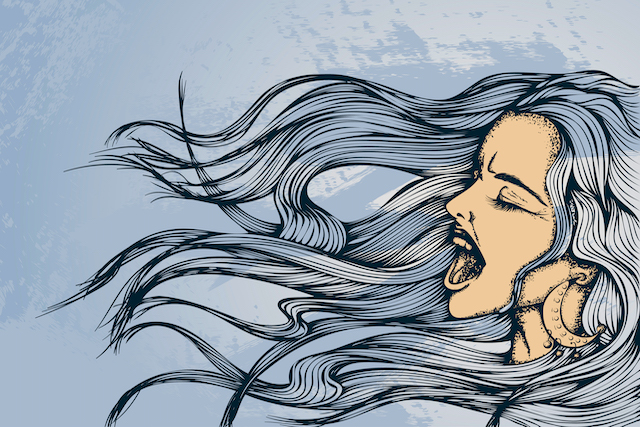
    Just look at everything I am sharing here with you. That’s a far cry from asking for a glass of water.

    Today I no longer choke on the words that I was always meant to speak. I speak them.

    Today I no longer hold back my feelings. I feel them. I share them. Freely.

    Today I no longer deny my needs and play down my desires. I own them. I meet them. I fulfil them.

    Today I own who I am and I don’t feel held back by toxic shame in the ways that I once did.

    Back then I would have never thought this was possible for me.

    I hope that in sharing my story and my transformation you will follow the spark of desire in you that wants you to express yourself. To share your thoughts and desires. To express what its like to be you. To finally get to meet more of you and eventually all of you.

    That’s what you need to listen to. Not the voice of fear or shame. Not your conditioning. Not anything or anyone that reinforces your inhibitions or trauma.

    You were born to be fully expressed. That was your birthright. That is the world’s gift.

    Just because the people who raised you didn’t understand you as the unique miracle that you are, that doesn’t mean that you have to deprive the world, and yourself, of experiencing you. More of you. All of you.

    It’s never too late to open your heart and share yourself in ways that feel healing, liberating, empowering, and loving to you.

  • Abandonment Wounds: How to Heal Them and Feel More at Ease in Relationships

    Abandonment Wounds: How to Heal Them and Feel More at Ease in Relationships

    “I always wondered why it was so easy for people to leave. What I should have questioned was why I wanted so badly for them to stay.” ~Samantha King

    Do you feel afraid to speak your truth or ask for what you want?

    Do you tend to neglect your needs and people-please?

    Do you have a hard time being alone?

    Have you ever felt panic and/or anxiety when someone significant to you left your life or you felt like they were going to?

    If so, please don’t blame yourself for being this way. Most likely it’s coming from an abandonment wound—some type of trauma that happened when you were a child.

    Even though relationships can be painful and challenging at times, your difficult feelings likely stem from something deeper; it’s like a part of you got “frozen in time” when you were first wounded and still feels and acts the same way.

    When we have abandonment wounds, we may have consistent challenges in relationships, especially significant ones. We may be afraid of conflict, rejection, or being unwanted; because of this, we people-please and self-abandon as a survival strategy.

    When we’re in a situation that activates an abandonment wound, we’re not able to think clearly; our fearful and painful emotions flood our system and filter our perceptions, and our old narratives start playing and dictate how we act. We may feel panic, or we may kick, cry, or scream or hold in our feelings like we needed to do when we were children.

    When our abandonment wound gets triggered, we automatically fall into a regression, back to the original hurt/wound and ways of reacting, thinking, and feeling. We also default to the meanings we created at the time, when we formed a belief that we weren’t safe if love was taken away.

    Abandonment wounds from childhood can stem from physical or emotional abandonment, being ignored or given the silent treatment, having emotionally unavailable parents, or being screamed at or punished for no reason.

    When we have abandonment wounds, we may feel that we need to earn love and approval; we may not feel good enough; and we may have our walls up and be unable to receive love because we don’t trust it, which keeps us from being intimate.

    We may try to numb our hurt and pain with drugs, alcohol, overeating, or workaholism. We may also hide certain aspects of ourselves that weren’t acceptable when we were young, which creates inner conflict.

    So how do our abandonment wounds get started? Let me paint a picture from my personal experience.

    When I was in third grade a lady came into our classroom to check our hair for lice. When she entered, my heart raced, and I went into a panic because I was afraid that if I had it and I got sent home, I would be screamed at and punished.

    Where did this fear come from? My father would get mad at me if I cried, got angry, got hurt and needed to go to the doctor, or if I accidentally broke anything in the house. Did I do it purposely? No, but I was punished, screamed at, and sent to my room many times, which made me feel abandoned, hurt, and unloved.

    When I was ten years old, my parents sent me away to summer camp. I kicked and screamed and told them I didn’t want to go. I was terrified of being away from them.

    When I got there, I cried all night and got into fights with the other girls. My third day there, I woke up early and ran away. My counselor found me and tried to hold me, but I kicked, hit her, and tried to get away from her.

    I was sent to the director’s office, and he got mad at me. He picked me up, took me out of his office, and put me in front of a flagpole, where I had to stay for six hours until my parents came to get me. When they got there, they put me in the car, screamed at me, and punished me for the rest of the week.

    When I was fifteen, I was diagnosed with anorexia, depression, and anxiety and put in my first treatment center.

    When my parents dropped me off, I was in a panic. I was so afraid, and I cried for days. Then, my worst nightmare came true—my doctor told me he was putting me on separation from my parents. I wasn’t allowed to talk to them or see them for a month. All I could think about was how I could get out of there and get home to be with them.

    I didn’t understand what was happening. I just wanted my parents to love me, to want to be with me, to treat me like I mattered, but instead I was sent away and locked up.

    I started to believe there was something wrong with me, that I was a worthless human being, and I felt a lot of shame. These experiences and many others created a negative self-image and fears of being abandoned.

    For over twenty-three years I was in and out of hospitals and treatment centers. I was acting in self-destructive ways and living in a hypervigilant, anxious state. I was constantly focused on what other people thought about me. I replayed conversations in my mind and noticed when someone’s emotional state changed, which made me afraid.

    It was a very exhausting way to be. I was depressed, lonely, confused, and suicidal.

    There are many experiences that trigger our abandonment wounds, but the one that I’ve found to be the most activating is a breakup.

    When we’re in a relationship with someone, we invest part of ourselves in them. When they leave, we feel like that part of ourselves is gone/abandoned. So the real pain is a part of us that’s “missing.” We may believe they’re the source of our love, and when they’re gone, we feel that we lost it.

    So the real abandonment wound stems from a disconnection from the love within, which most likely happened when we abandoned ourselves as children attempting to get love and attention from our parents and/or when our parents abandoned us.

    When I went through a breakup with someone I was really in love with, it was intense. I went into a panic. I was emotionally attached, and I did everything I could to try to get her back. When she left, I was devastated. I cried for weeks. There were days when I didn’t even get out of bed.

    Instead of trying to change how I was feeling, I allowed myself to feel it. I recognized that the feelings were intense not because of the situation only, but because it activated my deeper wounding from childhood. Even though I’ve done years of healing, there were more layers and more parts of me to be seen, heard, cared for, and loved.

    The “triggering event” of the breakup wasn’t easy, but it was necessary for me to experience a deeper healing and a deeper and more loving connection with myself.

    When we’re caught in a trauma response, like I was, there is no logic. We’re flooded with intense emotions. Sure, we can do deep breathing, and that may help us feel better and relax our nervous system in the moment. But we need to address the original source of our thoughts, feelings, and beliefs in order to experience a sense of ease internally and a new way of seeing and being.

    Healing our abandonment wound is noticing how the past may still be playing in our thoughts, feelings, and behaviors. It’s noticing the narratives and patterns that make us want to protect, defend, or run away. It’s helping our inner child feel acknowledged, seen, heard, safe, and loved.

    Healing the abandonment wound is not a quick fix; it does take self-awareness and lots of compassion and love. It’s a process of finding and embracing our authenticity, experiencing a sense of ease, and coming home.

    Healing doesn’t mean we’ll never be triggered. In fact, our triggers help us see what inside is asking for our love and attention. When we’re triggered, we need to take the focus off the other person or situation and notice what’s going on internally. This helps us understand the beliefs that are creating our feelings.

    Beliefs like: I don’t matter, I’m unlovable, I’m afraid, I don’t feel important. These underlying beliefs get masked when we focus on our anger toward the person or what’s happening. By bringing to the light how we’re truly feeling, we can then start working with these parts and help them feel loved and safe.

    Those of us with abandonment wounds often become people-pleasers, and some people may say people-pleasing is manipulation. Can we have a little more compassion? People-pleasing is a survival mechanism; it’s something we felt we needed to do as children in order to be loved and safe, and it’s not such an easy pattern to break.

    Our system gets “trained,” and when we try to do something new, like honoring our needs or speaking our truth, that fearful part inside gets afraid and puts on the brakes.

    Healing is a process of kindness and compassion. Our parts that have been hurt and traumatized, they’re fragile; they need to be cared for, loved, and nurtured.

    Healing is also about allowing ourselves to have fun, create from our authentic expression, follow what feels right to us, honor our heartfelt desires and needs, and find and do what makes us happy.

    There are many paths to healing. Find what works for you. For me, talk therapy and cognitive work never helped because the energy of anxiety and abandonment was held in my body.

    I was only able to heal my deepest wound when I began working with my inner child and helping the parts of myself that were in conflict for survival reasons make peace with each other. As a result, I became more kind, compassionate, and loving and started to feel at peace internally.

    Healing takes time, and you are so worth it, but please know that you are beautiful, valuable, and lovable as you are, even with your wounds and scars.