Tag: painting

  • Easing Anxiety: How Painting Helps Me Stop Worrying

    Easing Anxiety: How Painting Helps Me Stop Worrying

    “Our anxiety does not come from thinking about the future, but from wanting to control it.” ~Kahlil Gibran

    Anxiety has followed me around like a lost dog looking for a bone for years now.

    I feel it the most acutely when I’m worried about my health or my daughter’s health. I notice a strange rash or feel an unusual sensation and all of a sudden: panic!

    My worries are not limited to health concerns though, and my ruminations go in the direction of dread about the future of the world, worries about my finances, and fears that I’m not good enough.

    Is my anxiety warranted? My mind tells me it is.

    “Remember how you had that bad reaction to a medication? It could happen again!”

    “You know how your daughter had that febrile seizure two years ago? You never know what could happen next!”

    “Think back to that time you and your family had a slow winter and were extremely worried about money. That could be just around the corner!”

    And on and on my mind goes. I know I shouldn’t believe what it tells me, but sometimes I get sucked under and can’t help it.

    I don’t think I was anxious like this when I was a kid. I think these underpinnings of nervousness started when I was older, probably my late twenties. I suppose by then I’d lived enough life to know that things can and do go wrong.

    I don’t like feeling anxious. I don’t like the way my body feels jangly and my mind races. I don’t like it when I can’t focus on the thing I’m supposed to be doing.

    But this is not a sad story, it’s a story of tiny improvements and little steps forward. It’s a journey of finding peace in the middle of a storm.

    For me that peace began with painting.

    Let me go back a few decades, back to when anxiety wasn’t part of my life. When I was a child, I loved art. I drew, I colored, I took extra art classes on the weekends because that’s what I enjoyed.

    I went to college to become an art teacher, switching to a graphic design track later. When I finished school in May of 2001, I had a part-time design job, and after the events of September 2001, I knew I needed to travel, to get out of the safe life I was living in my hometown.

    That’s when my creative practices fell by the wayside. I would never give up those years of travel and camping and working random jobs, but when I look back, I see this is where I stopped making art.

    Luckily, after the birth of my daughter in 2014, the desire to create came roaring back. At first, I was using a tiny corner of a bedroom in our small mountaintop rental house to paint. Eventually we bought a house, and I had the space to spread out, to keep my supplies on top of my desk, ready to paint whenever the urge struck.

    That’s when I started noticing something important: Painting stilled me in a way that nothing else did. It eased my fears and anxieties in a way other practices (deep breathing, meditating) did not, at least not as consistently.

    Painting is my peaceful place. Painting brings me directly into the moment, quickly and easily. You know how you’re supposed to stay mindful and present? That’s what painting does for me, no tips or tricks or timers or mantras needed.

    Yes, I use other methods to quell my anxiety, but painting is my absolute favorite. I get to bring forth something new. I get to flow with wherever the brush takes me. I get to be still inside while the rest of the world drops away, all while allowing something beautiful to emerge.

    When anxious thoughts start to swirl, I know what to do. I head into my studio, grab some materials, and start creating. Soon enough, the spiraling worries are gone and instead my mind is quiet.

    Even if you aren’t artistic, even if you don’t have a creative bone in your body, I still think you can achieve the stillness I achieve when painting. You might not have a brush in your hand, though!

    First things first: If you struggle with anxiety, you should seek the help of a licensed professional. As helpful as painting is, I also see a counselor, and the tools she’s given me are absolutely priceless.

    Now that we’ve gotten that out of the way, here are the other ways I think stillness and peace can be found, even if you’re not meditating or breathing deeply while counting to ten.

    Think back to what brought you joy and the feeling of flow when you were a child. Maybe for you it was playing sports or a musical instrument; writing your own sketches or training your dog to roll over. Whatever it was, look for ways to add more of it back into your life now.

    Start paying attention to your life as an adult and what activities make you forget about the time. When are you fully immersed? When do you fully let go? Maybe it’s during a yoga or meditation class, but maybe it’s when you’re preparing a meal for your family or writing up a budget for work.

    Still your mind any time you remember. I do this now, especially when I’m not painting. I know that a still mind releases my anxiety, and I also know I can’t paint all hours of the day. Simply noticing the feeling of my body on the chair below me or listening to the sounds in the room around me helps my mind to quiet.

    I think the reason painting is so helpful for my anxiety is that, in order for me to be anxious, I have to be worrying about the future and what it holds. When I’m doing an activity that requires my full concentration, I have to be in the moment; there is no other choice.

    All of the practices that we can use to find calm, whether it’s changing our thoughts, following our breath, repeating a prayer or mantra, they all rely on the same thing: bringing our presence to the now.

    What activity brings you into the now? What makes you feel fully alive and entwined with the moment? It doesn’t matter if you’re artistic. It doesn’t matter if you like making things. The only thing that matters is finding a way to be here, in the now, instead of in the unknowable future.

    **Artwork by the author, Jen Picicci

  • Soul Art by Stephanie Reigle

    This painting is titled “Self Healing.” I painted it with the intention and healing reiki energy to look within yourself for self-love, strength, and courage to heal.

    Everything we ever need in our lives is already within us. Using this painting in your daily meditation practice will help remind you to look within and trust that you are whole and everything you need is already within you. You just have to allow yourself to tap into the healing energy!

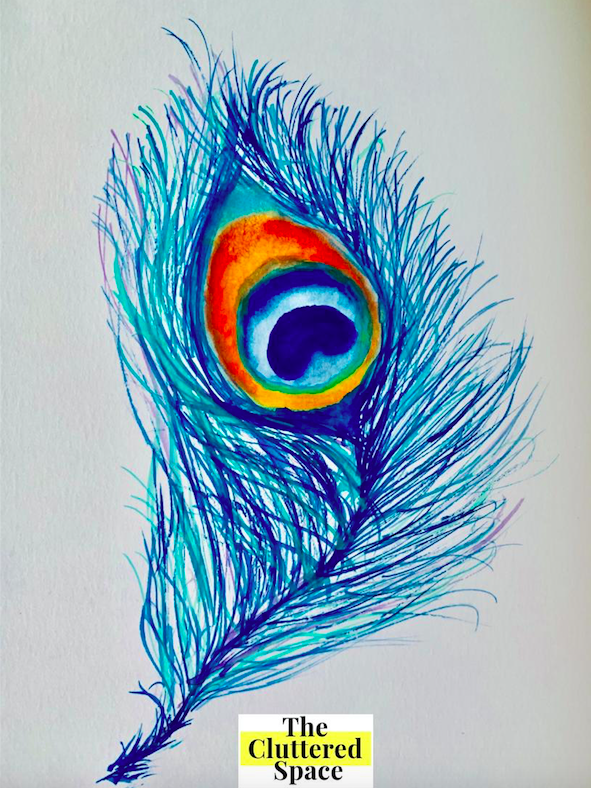
  • Peacock Feather by Sneha

    Peacock Feather by Sneha

    I am very close to religion and nature. I feel that both of them are really interconnected. Both give me a sense of hope in days of distress. Whenever I feel upset or anxious, I pray or go out for a walk in the park to observe the trees, birds and lake. These things really help me feel lighter, thus my upset/anxious mood gets a lot better.

    I recently spotted a Peacock in the park and managed to save one of its feathers. It was the most beautiful feather I had seen, and it immediately lifted my creative spirits. I wanted to run home that very moment and capture it into my art book in my own imaginative ways.

    I also knew that in Hinduism, the peacock feather is associated with Saraswati, a deity representing benevolence, patience, kindness, compassion, and knowledge. These are the qualities that I would want to acquire to become a better version of myself, and I know my peacock feather artwork will remind me to work toward these things.

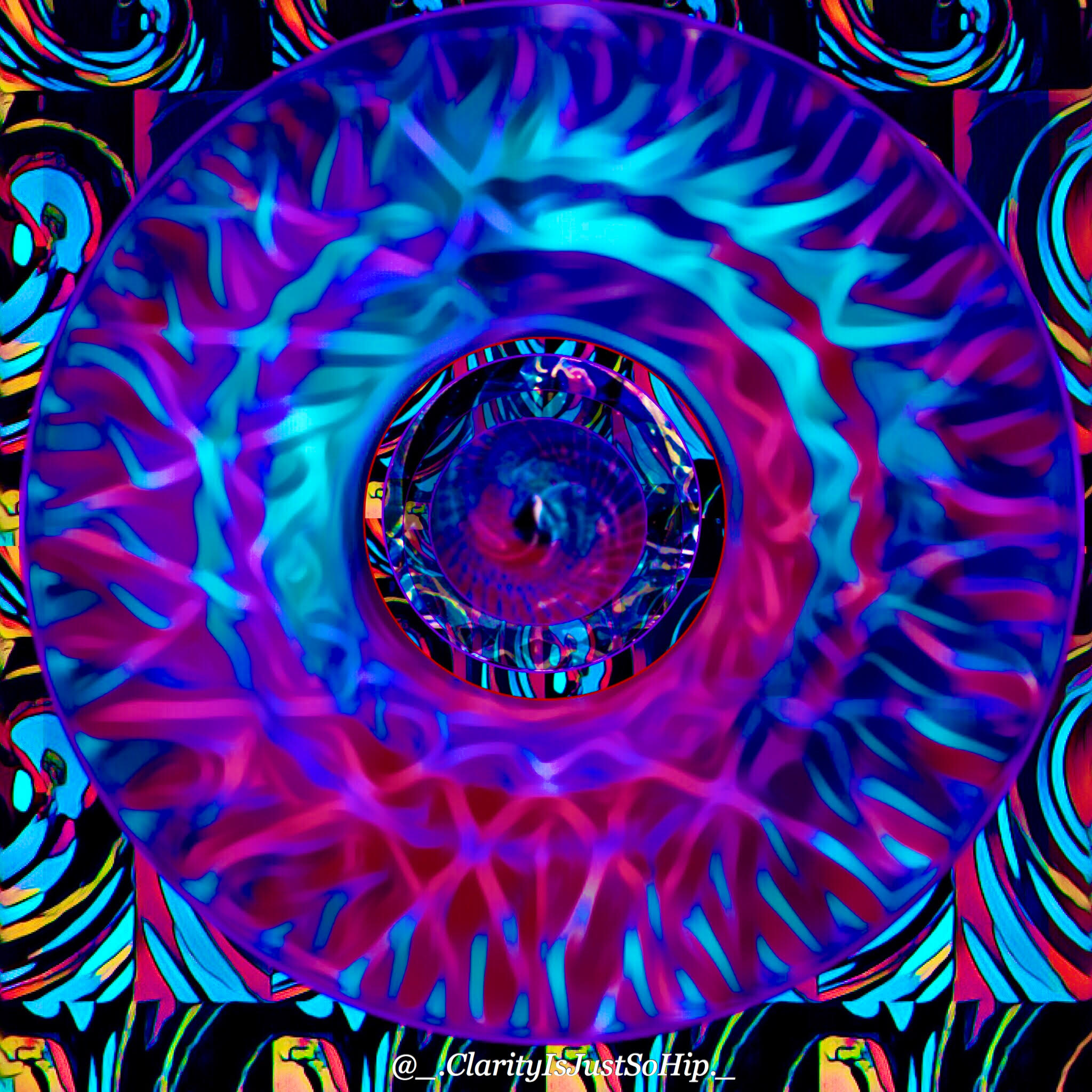
  • Karmic Eye by Claire Jones

    Karmic Eye by Claire Jones

    “Shallow men believe in luck or in circumstance. Strong men believe in cause and effect.” ~Ralph Waldo Emerson

    Understanding the workings of cause and effect allows one to make sense of life. If you understand and believe all your actions have consequences, then the common sense thing to do is to pay attention to those actions.

    This vibrant piece is my interpretation of how the invisible threads of cause and effect reverberate through the ether.

    A practicing Buddhist of twenty-five years, I adhere to the law of cause and effect or karma. I live my life grounded in awareness, clarity and presence because of this law. As practitioners of Buddhism we understand that our words, thoughts and actions will always have consequences. This perspective allows us to accept and to take responsibility for our lives and environment.

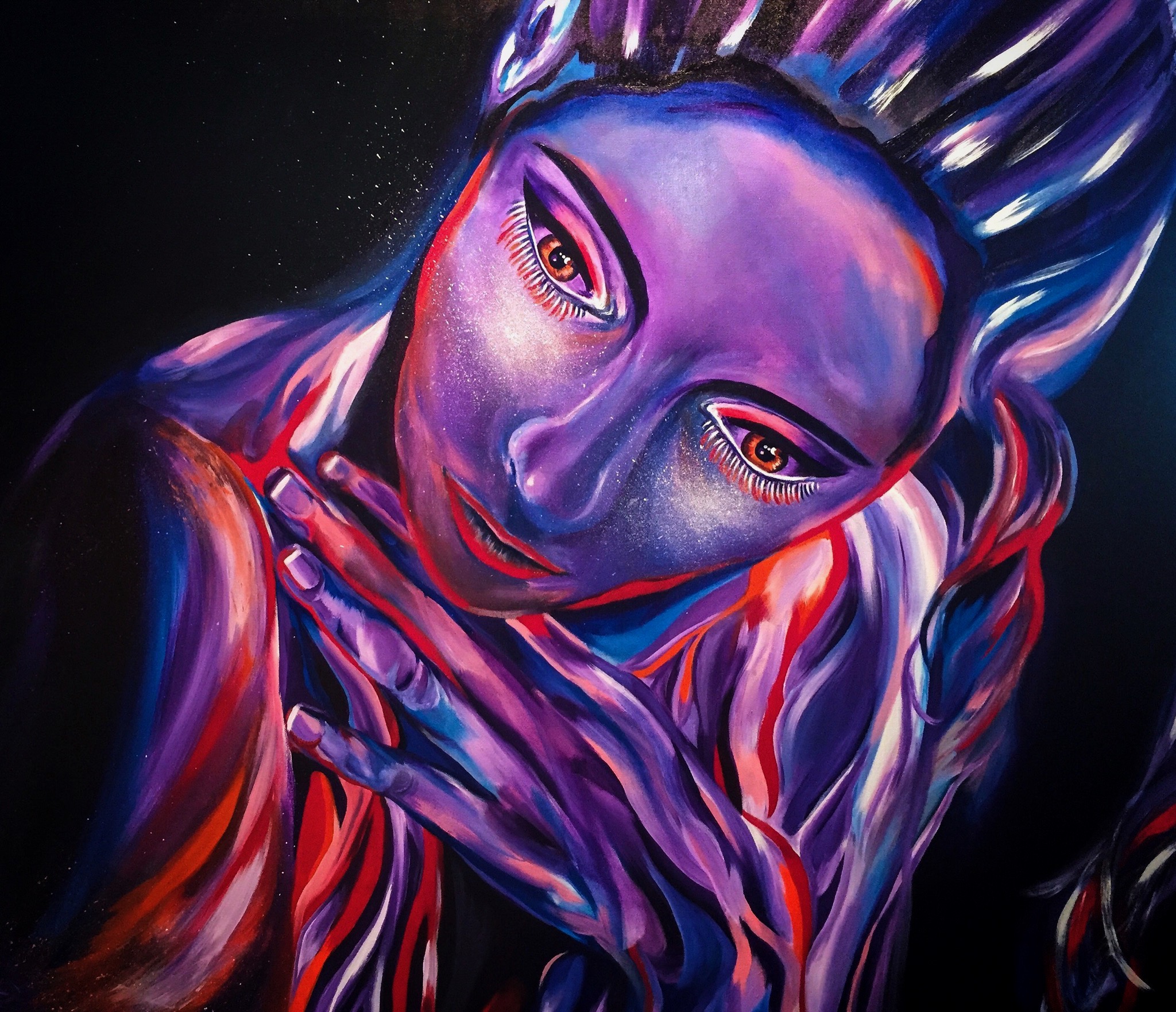
  • Lilac Sky by Jules Giancola

    (2017) acrylic on canvas, 36″ x 40″

    In my painting Lilac Sky, I use bold, vibrant colors to reflect the energy and feelings emitted by the body. In this work, color becomes a way to express an element of nature and visually creates a merge between human emotion and the natural environment.

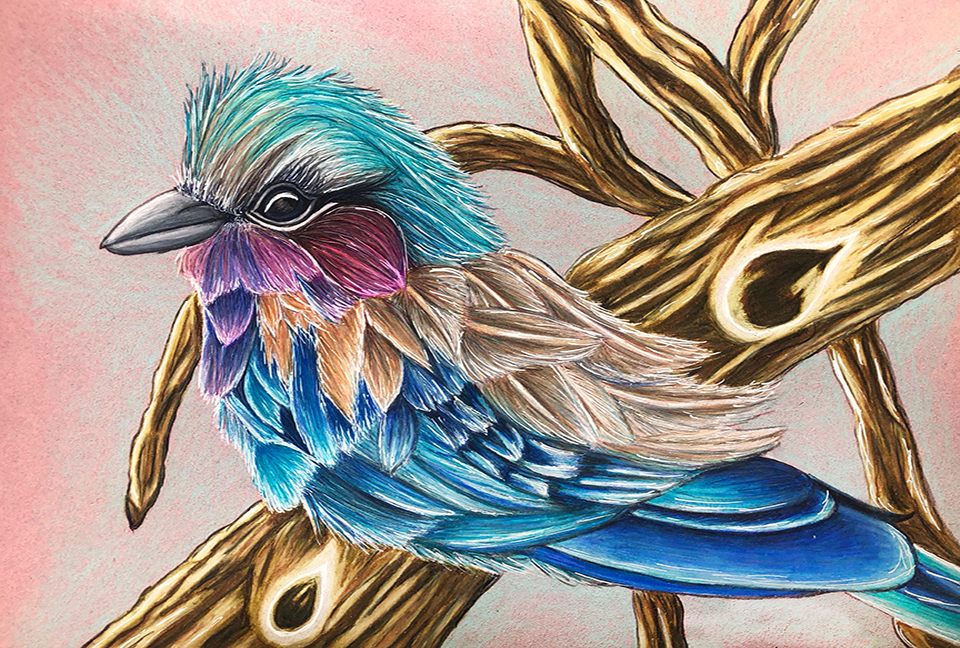
  • Lilac Breasted Roller by Sheri Norlund

    Lilac Breasted Roller by Sheri Norlund

    Medium: Colored Pencil and Acrylic Paint
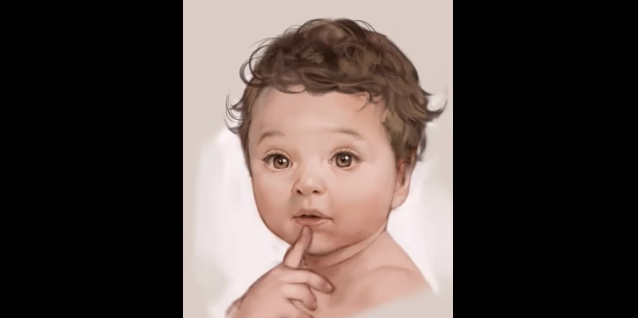
    Size: 9 in. x 12 in.

  • Live Painting Show of a Woman’s Life

    Live Painting Show of a Woman’s Life

    I saw this in my Facebook feed the other day along with the words “Life goes by so fast,” and while that was precisely what I thought when watching this, it also struck me how beautiful this woman looks at every age.

    It’s not physical beauty I’m referring to, though she’s attractive. It’s the light in her eyes that never dims. If there’s one thing I wish for myself, and others, it’s to maintain that light through every stage, and through every change, knowing we are beautiful.

  • How to Make Time and Space for Creativity

    How to Make Time and Space for Creativity

    “The grass is always greener where you water it.” ~Unknown

    I’ve had this theory about life for a while now, ever since I embraced simplicity three years ago.

    Life, a good life, a life well-lived, is about maintenance. It isn’t chance or luck or fate (though I believe in those things, and in magic too); it’s about doing the work to create the life you want, and doing it over and over and over again.

    Not that long ago, my writing life resembled un-watered grass. I let the passion I have for writing and words get away from me in my quest for an adult life. I begrudged anyone who had ever done anything creative—they must have more time, more money, more luck, the right connections, or something, anything, I didn’t have.

    All my unused creativity turned into bitterness. I’m not one for jealousy or envy, because I know the value of living a happy, grateful life.

    Still, all that unused creativity made me feel like I had no purpose in life—looking around I saw dried up, brown grass. What I should have been tending to, lay fallow and ignored.

    By mere chance, I picked up a book on simple living at the library. It was spring, and while everything came to life around me, I felt—well, in retrospect, I think I felt nothing. A sort of apathy had taken over. Sitting on the back steps of my patio, flipping through that book, something clicked.

    For me, simplicity and creativity go hand in hand. I spent over a year simplifying my life—decluttering, meditating, and becoming very purposeful about what I wanted and needed, and how those two things are different.

    Then, one day, I sat down and started writing. Writing so much, in fact, that I finished the first draft of a novel.

    Writing (and all creativity) needs space. It needs intention and purpose. Like grass, it needs to be watered, and how can you water it if you’re so busy attending to all the other “things” in your life?

    Finding your simplicity edge can take some time and energy. There will be lots of sorting and deciding and donating and throwing away. Making space—physical space—can make a huge difference in your life; it is worth every minute decluttering. (more…)