Tag: overwhelmed

  • When You Feel Pressured and Overwhelmed by Possibilities

    When You Feel Pressured and Overwhelmed by Possibilities

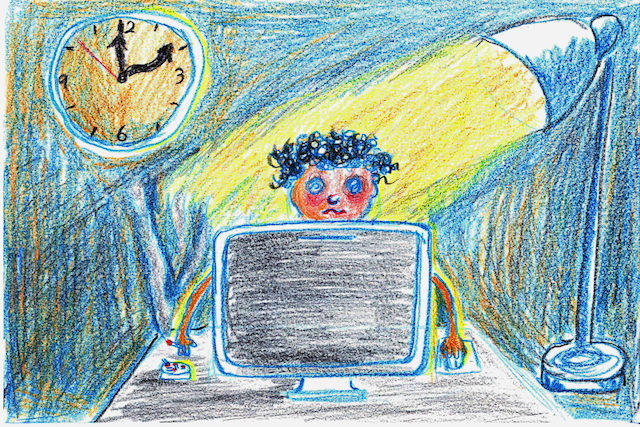
    Stressed Man

    “Ego says, ‘Once everything falls into place, I’ll feel peace.’ Spirit says, ‘Find your peace, and then everything will fall into place.’” ~Marianne Williamson

    I have exhausted myself with my own expectations. The pressure I have put on myself to be a certain person is consuming my thoughts and eating away at my soul.

    I imagine a point in my life when I’ll have it all together, and I feel a sting in my chest that this has not happened yet.

    I think about the milestones that might get me there and the things that have led me astray. I think about degrees, jobs, relationships—the things that I have been conditioned to believe will guarantee my happiness—and wonder why it hasn’t turned out that way.

    There are so many ways to live, and I feel overwhelmed by all of them, confounded by the endless possibilities.

    Do I want to take this path or that one? Job? Travel? Another degree? Buy a car? Settle down?

    I feel like I’m trying to decorate myself with achievements and using stuff that indicates, somewhat frantically, to the world “Don’t worry, I’m alright! Look at what I’m doing!”

    People tell me what I should be doing, predetermining the best path to a life that is full and whole. It’s like there are certain checkpoints I need to pass to ‘get there,’ presumably to be at peace and content.

    If I take this career path or have this relationship, I’m told, everything will be okay. I take these on and feel like I’m reading someone else’s lines, no longer in my own story, and I can’t hear myself think.

    There was a nagging voice telling me I needed to get out of my comfort zone and have an adventure. I needed to explore the impractical and indulgent part of myself that wanted to write, meet new people, and gain new insights.

    I’m learning to filter out the white noise and listen to myself. So I decided to fulfill my fantasy of living in France, and to later intern in Italy. Now, away from the familiarity of people I know and their ever-consistent opinions (however well meaning), I’m forced to confront the aspects of myself that are uncomfortable.

    On the other side of the world, in a place where no one will tell me what is right or what I should do, I have let all my insecurities surface.

    I’m filtering out what the world has been telling me and deciphering and reconstructing the elements that constitute the sort of life that I—not others—want to live.

    I chastised myself for deviating from ‘the plan’—more study that would currently be just for the sake of studying—even though I felt it was the right thing for me to do.

    Now, I am aware that I compare myself to others who are on their own journey, and instead of berating myself unproductively, I accept my own experience and remind myself there is no such thing as the “right” way.

    How can one route possibly be suitable for everyone? How can I compare myself to others, with different hopes, dreams, experiences, talents, and instincts? I can’t. There is no right way, there is just this way—now—which I can amend or shift if or when I need to.

    If you’re going through something similar, feeling pressured and overwhelmed by possibilities:

    Allow yourself to feel what you need to feel.

    We spend a lot of time fighting our emotions instead of sitting with them and recognizing them for what they are.

    The world is now blissfully quiet, and I allow myself to feel the doubt, confusion, and other uncomfortable feelings that are perhaps residual effects of such a big change. Only then do the feelings settle.

    Stop focusing on what could or should happen.

    I’m re-training my brain to relinquish control over what might happen or what could be a future possibility, and instead focus on what is currently happening in my life.

    I notice that if I focus on current experiences, on being more accepting of myself and the moment, my entire mentality and experience shifts.

    Remember that self-worth starts with you.

    We often rely on external things to fuel our self-worth; we use material goods, careers, or relationships to feel good about ourselves.

    What we don’t always realize is that nothing will fulfill us if we don’t first develop self-love. When we look to ourselves with compassion, understanding, and kindness, we see our experiences in a whole new light.

    As a wise person once reminded me: “If I took away everything—your house, your job, the people you know—all you’re left with is you.” 

    Let go.

    Once we relinquish control over the future and stop believing we will be happy if or when something occurs, we allow ourselves to enjoy the present without frantically grasping at external things to validate our self-worth—be they relationships, career achievements, or other milestones we have set for ourselves.

    The shift is enjoying these should they occur (if that is what you, not others, truly desire), without being dependent on them for happiness.

    If we remember that there is no rulebook for living our life and accept that we are on our own journey, we will be liberated.

    Stressed man image via Shutterstock

  • 40 Ways to Give Yourself a Break

    40 Ways to Give Yourself a Break

    “Health is the greatest possession. Contentment is the greatest treasure. Confidence is the greatest friend.” ~Lao Tzu

    It’s common among overachiever types: We like to push ourselves.

    Sometimes it’s to get from A to B. Sometimes it’s to create the illusion of change when really, you’re just spinning your wheels. Sometimes it’s simply to avoid standing still and accepting the moment as it is.

    All that pushing can feel so smart and productive—until you’re exhausted, overextended, overwhelmed, or otherwise ready to snap. I’ve felt all these things before.

    There are days when I try to be everything to everyone and do more than I can reasonably accomplish, but I know there’s only so much my body, mind, and spirit can take.

    Since it never seems to work to shout, “Stop the world, I want to get off,” I’ve come up with a few simple ways to give myself a break when I need it.

    If you feel physically, mentally, emotionally, or even digitally exhausted, these tips may help: (more…)

  • Stop Feeling Frazzled: A Powerful Guide to Reducing Stress (and a Giveaway!)

    Stop Feeling Frazzled: A Powerful Guide to Reducing Stress (and a Giveaway!)

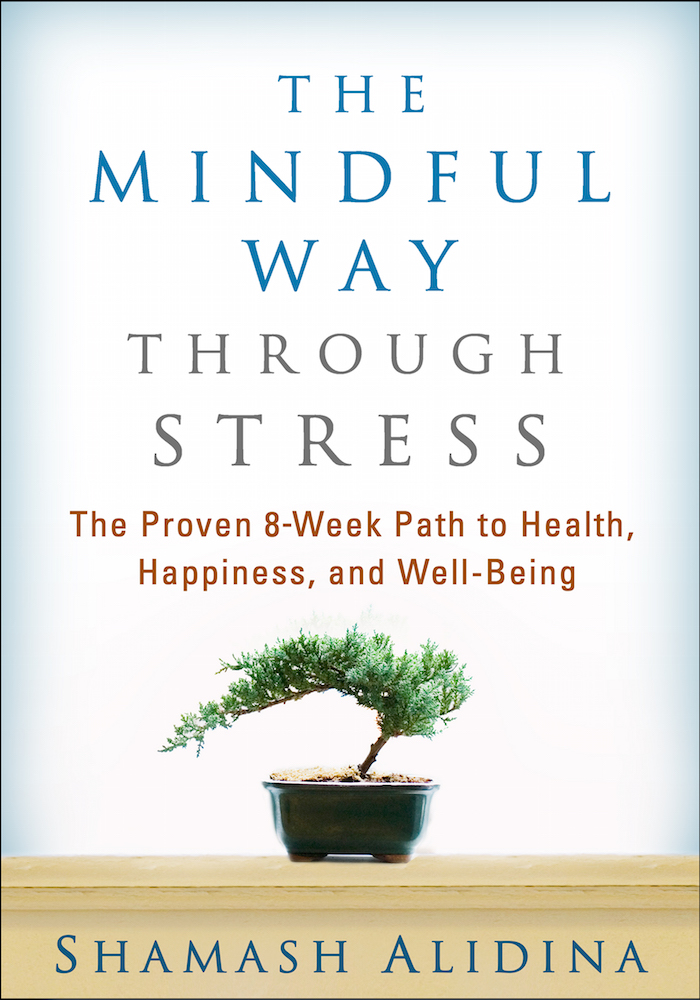
    The Mindful Way Through StressUpdate – The winners for this giveaway have been chosen:

    In my high school yearbook’s class prophecy, it was predicted that I would one day write and star in a one-woman show about my life called “Stress.”

    I was chronically frazzled—in a constant state of panic about everything I had to do and had already done but may not have done well enough.

    I overextended myself, took very little time to nurture my emotional and mental well-being, and frequently felt like I was about to snap.

    In fact, I even broke a stress ball once from excessive squeezing. It was made for that, but apparently not with the force in my freakishly strong little hand.

    Fortunately, I eventually discovered mindfulness, which was life-changing for me. It helped me step outside of my anxious thoughts so I could respond to life more consciously and calmly.

    Since I’ve been more stressed than usual as of late—and I’ve needed a reminder of how to effectively manage my emotions—I was thrilled to receive a copy of Shamash Alidina’s new book, The Mindful Way Through Stress.

    The subtitle promises a proven eight-week path to health, happiness, and well-being—and the book delivers!

    It’s clear that Shamash is not only an expert on mindfulness, but he’s also quite passionate about helping others respond wisely to life’s inevitably stressors instead of getting caught in a frenzy of reaction.

    I highly recommend The Mindful Way Through Stress to anyone who’d like to find more peace within the chaos of daily life.

    It is, hands down, the most helpful guide I’ve read in a long while, and one I will certainly reference whenever I need a little help dealing with life’s inevitable challenges.

    I’m grateful that Shamash took the time to provide some incredibly detailed answers to my questions about stress and mindfulness, and that he’s provided two free copies of The Mindful Way Through Stress for Tiny Buddha readers.

    The Giveaway

    To enter to win one of two free copies of The Mindful Way Through Stress:

    • Leave a comment below
    • For an extra entry, tweet: Enter the @tinybuddha giveaway to win a free copy of The Mindful Way Through Stress http://bit.ly/1M3wBvL

    You can enter until midnight PST on Friday, March 6th.

    The Interview

     1. What brought you to your career as a mindfulness teacher and coach?

    I originally got interested due to stress. The stress for me when I was in college, aged twenty, came from a combination of workload and confusion.

    I didn’t know what to do. I was halfway though a degree that I didn’t enjoy (Chemical Engineering), and working toward a job I knew I didn’t want (working in the Oil Industry).

    Then, my fortunes changed. I came across a class in “practical philosophy” in which the teacher guided a short mindfulness meditation. I was pleasantly shocked!

    Just a short few minutes and I’d gone from feeling frazzled to focused. Wow! Why hadn’t anyone taught me this technique years ago?

    I resolved from that day on to teach mindfulness to as many children and adults that I could.

    I started by teaching in a school for eight years, where all the children had time to practice mindfulness and meditation. And then I moved on to focusing on just teaching adults mindfulness full-time.

    Training mindfulness teachers to embody both awareness and compassion, for themselves and their students, is my passion.

    2. Your book presents a self-help version of mindfulness-based stress reduction. Can you tell us a little about MBSR and how mindfulness helps with stress?

    Mindfulness-based Stress Reduction was developed in the late seventies by Dr. Jon Kabat-Zinn and his colleagues at UMASS Medical School. He asked his colleagues, doctors, to send him their most challenging patients—those that they felt they could no longer help using modern medicine.

    He put together an eight-week course, which comprised of guided meditations, mindful yoga stretches, and group dialogue around managing stress and living life in a mindful way.

    His experiments worked. The groups reported huge reduction not only in stress, but also reductions in anxiety, depression, and chronic pain, and a greater feeling of control of their lives.

    Even more encouragingly, these positive reports of stress reduction from patients continued even three years after they’d done the MBSR program.

    So naturally, MBSR began to spread, first, across the US and now, worldwide. Hundreds of thousands of people have probably done the program now, if not millions.

    Stress is a complex subject, and so the path to relieving it is not straightforward. However, there’s a few key, powerful ways in which mindfulness can reduce stress.

    Mindfulness helps you to switch off your normal, habitual, automatic reactions to the stressors you face.

    If you’re living mindlessly, you don’t even know how stressed you are.

    A friend of mine recently started practicing mindfulness and has discovered his body is riddled in tension and is now slowly beginning to relax. Without mindfulness, he’d still be going around with this chronic tension in his body.

    So with mindfulness you can see if you’re getting excessively stressed early, and step out of that stream. You know how to rest your mind and body. Without mindfulness, you don’t have access to that.

    Mindfulness makes your brain more resilient to stress.

    People who have practiced mindfulness have brains that don’t seem to ruminate so much; they can spot negative, repetitive thinking earlier, and step out of it. Or sometimes, worries just don’t seem to take hold. Sounds good, doesn’t it?

    Mindfulness naturally engages the relaxation response in your body.

    This is a hard-wired system. By combining mindful awareness with a sense of warmth toward different sensations, emotions, or even situations in your life, the stress inevitably eases.

    You make fewer mistakes.

    If you’re rushing around mindlessly, you’re going to bump into a lot of things, both physically and metaphorically. So many of us are running through life, causing more problems as a result. The running is due to fear of missing out, or being imperfect.

    Mindfulness shows you how to access a peace within so you don’t have to run for it everywhere you go. By discovering a different way of operating, which everyone can do step-by-step, you meet life with greater calm, peace, joy, and freedom.

    But remember, stress by itself is not bad. Stress is a problem if it’s sustained for too long and feels like it’s too much for you. See the positive aspects of stress—how it energizes you and gets you going. Seeing stress negatively makes things worse.

    Make friends with stress! Stress is inevitable. Just use mindfulness to take regular breaks from your stress to recharge yourself. Then out you go again!

    3. What are the problems with living on autopilot?

    Living on autopilot is great for planes, but not for human beings.

    When we were babies and young children, we didn’t really live on autopilot. We lived each day fresh, alive, in the moment. That’s a natural way to be.

    But the human brain is clever. To save energy, rather than keeping your conscious, it switches off consciousness for any repeated activity.

    Eventually your whole life is one big autopilot experience. You’re like a robot. And this kind of living reduces your joy and freedom tremendously.

    The thing is, living consciously is so enjoyable once you discover how! The feeling of your own body is beautiful. Just experiencing sitting and breathing can be blissful.

    The present moment really is a wonderful moment once you discover how to penetrate the crust of thoughts that is pasted over everything.

    You can do it. Everyone can do it. You just need to create the right environment, follow the right instructions, and bring the right attitude—patience, kindness, curiosity, and allow the mindfulness and compassion to rise.

    Just as the sun rises in the morning, bringing light and warmth, so your life becomes a joy as mindfulness and compassion grow. By prioritizing mindfulness practice in your life, you can experience this.

    4. With our increasingly busy lives, many of us end up multitasking and feeling stressed as a result. How can we challenge this instinct to multitask without falling behind with everything we need to do?

    The busier you are, the slower you need to go. Watch people like the Dalai Lama—do you see him rushing around in a panic? Yet, he’s constantly teaching, coaching, serving. He’s probably much busier than you or me.

    The urge to multitask is powerful. And if you’re on autopilot, you’ve got no chance to release yourself from the hold of phones, computers, and tablets. In our digital age, mindfulness is essential to prevent you being swept in an ocean of information and people wanting to connect.

    Try small steps like keeping your digital devices out of the bedroom. Or keep them off in the evenings. But try and take a bigger step if you can—leave your phones behind on vacation. Take one day off every week totally free of multi-tasking. A digital detox day!

    Here’s one approach you can take to dealing with an excessively long to-do list:

    • Before going to bed, jot down all the key things you wish to complete the next day.
    • Prioritize them. What’s number 1? What’s number 2? Rewrite the tasks in the correct order. Put mindfulness at the top of the list!
    • The next day, resist the urge to check emails, Facebook messages, Twitter, etc. By resisting this urge, it diminishes. Just because you have a compulsion to check your messages, you don’t need to actually check them—they can wait.
    • Do the task you need to complete, in the order you set out. And write down the time you start and finish each task. Having a written record will help you to see how you’re really using your time. It’s more power than it sounds—do try it out!
    • Between tasks, practice mindfulness. Feel some breaths, go for a mindful walk, slowly and consciously drink a glass of water, or stretch. These breaks with rejuvenate you and make you finish your tasks sooner (so you have more time to meditate every day).

    5. You wrote, “Emotions are not problems to be solved. They are experiences to be felt.” Can you elaborate a little on this?

    This is a very important point to understand. Misunderstanding how to manage emotions is at the root of so much human suffering.

    Let’s take the example of feeling sad. If you’re feeling sad, what do you do? If you’re on autopilot, you try to fix it. You may think, “I must feel better.” So you go off and try and cheer yourself up. You don’t let yourself actually feel the sadness.

    Now, that may work or may not. If it works for you, great. But what if it doesn’t work? What if partying with your friends doesn’t make you feel better? Or calling your sister doesn’t seem to lift the mood?

    Well, your next thought will probably be, “Oh no. I’m still feeling sad. I must try something else. I must try harder.” Eventually, this turns into thoughts like, “What’s wrong with me? I should be happy.’

    All this is hard work. You work harder and harder to fix your mood. But that’s not what your emotion wants.

    Emotions need skillful awareness and care. Just like a young child needs attention and love to grow in a healthy way, so do emotions. So you need to feel the emotion.

    Feel the emotion in your body. Notice its shape, maybe its color or texture. And bring some feeling of care toward the feeling. Place your warm hand on the sensation. Breathe and feel the emotion.

    You can even speak gently to the emotion and ask, “What do want to say to me?”

    One of my students did this the other day, and the response was a clear: “Slow down!” She discovered that she needs to slow down the pace of her life or things will get worse. That’s wisdom in action.

    So emotions don’t need to be fixed or pushed away. They need to be gently felt—then they’ll dissolve and pass away in their own time.

    6. Why do we tend to dwell on the negative, and how can we challenge this instinct to minimize our stress?

    If you had a lovely day all day, but for one minute someone said to you, “You’re a complete idiot! You’re stupid, useless, and a waste of space!” then you’ll remember that. You’ll think about that much more than the thousands of other minutes that were absolutely lovely.

    That’s because our brains are evolved to be like Teflon for positive experiences and Velcro for negative experiences.

    Scientists think this focus on negativity, called negativity bias, is a way to ensure we survive—if you spotted a tiger on the way back to your cave, you need to be able to remember that! If not, next time you could be dinner!

    You’re probably not reading this blog in a jungle. So, you need to re-balance your brain. The solution: find your favorite daily way to focus on what’s going well in your life. This could be combined with your daily meditation practice.

    At the end of the practice, ask yourself, “What’s going well in my life?” Or, “What’s awesome about me?” Or, “How have I been a nice person today/yesterday/this week?”

    Ask yourself positive questions like those above, and they’ll draw positive thoughts and emotions from within you.

     7. What is one simple mindfulness exercise anyone can do whenever they’re feeling stressed?

    This is a powerful one for most people, originally developed by meditation teacher, Ajahn Brahm:

    • Sit comfortably and close your eyes.
    • Imagine you’re holding two heavy suitcases in your hand. The left one represents your past and all your experiences, both positive and the regrets. And the right one represents your future and all your hopes, dreams, worries, and anxieties.
    • Feel the weight of holding these bags around all day. It’s tiring. You need a break from time to time.
    • Lower down the bag in your left hand, onto the ground. Enjoy the feeling of letting go as the weight transfers to the ground.
    • Lower down the bag in your right hand, representing your future.
    • Enjoy staying in between the past and future, in the present moment. What a relief that is!
    • Connect with any present moment experience. Your body, your breath, sounds around you.
    • When you feel you’ve had a rest and ready to resume, you can re-engage in your everyday activities. Ideally with some more mindful awareness and kindness to yourself and those you meet.

    You can learn more about The Mindful Way Through Stress on Amazon here.

    FTC Disclosure: I receive complimentary books for reviews and interviews on tinybuddha.com, but I am not compensated for writing or obligated to write anything specific. I am an Amazon affiliate, meaning I earn a percentage of all books purchased through the links I provide on this site. 

  • How to KISS Your Way to A Less Stressful, Overwhelming Life

    How to KISS Your Way to A Less Stressful, Overwhelming Life

    Zen Woman

    “Simplicity is about subtracting the obvious and adding the meaningful.” ~John Maeda

    The past few months of my life were a myriad of things, to say the least: busy, chaotic, overwhelming, exhausting, frustrating, and stressful. I felt like my fuel tank was on zero, but I had to get up and do it all over again the next day.

    I wasn’t stopping to take it all in and check in with myself to see how I was doing. It took catching up with a friend in town on a whirlwind trip to give me a big, smack-bang wake-up call. I was filling her in on everything I was currently juggling (which looked like this):

    • Studying twenty hours per week
    • Working two part-time jobs
    • Running my little love bomb of a website
    • Packing our life into boxes as our rental was being sold (and dealing with open houses and constant intrusions to our physical space)
    • Being Mum to a four-year-old and six-year-old and everything that comes with running a family life (when the workweek entails solo parenting, as my hubby works long hours)
    • Having no family support to help with any of the above

    She looked at me like I was crazy, and asked with kindness, concern, and a little bit of disbelief, “How are you managing all that?”

    The fact of the matter was, I wasn’t. I wasn’t at all. And trying to answer her stumped me a little bit, because I hadn’t stopped to ask myself the same thing.

    I was so caught up in doing that I wasn’t being. I felt like I was constantly tired, stressed, and unhappy. And that’s not fun for me or anyone I love.

    I had to stop. Something had to give, and I needed to make the right kind of changes. I needed to start listening to my inner voice—because she was talking loud and clear, giving me all the signs and telling me how she was feeling, but I wasn’t listening.

    So I said “sorry” and poured as much loving compassion and self-kindness as I could into me.

    I started with resigning from the part-time job that I was struggling with the most. The days were long, my kids were finding it hard with a full day of school and daycare around my working hours, and I didn’t have weekends off to spend time with my family.

    I loved the people I worked with, but I knew that I wasn’t going to work a minimum wage job for the rest of my life, because I wanted to dedicate time to my dreams.

    It was scary to take that plunge from safety because I was comfortable. And I felt guilty and bad—like I should just be able to get on with it and make things work—but I had to shut down that mean girl voice stat and crank up the volume on the loving, kind, Oprah’s-got-your-back voice, pronto.

    Once I pressed send on my resignation email—sitting, eyes squeezed shut, and trepidation running through my veins—I checked in with my feelings.

    My authentic feelings, which I started to pluck from the weeds of guilt and doubt, began to surface. This felt good. This felt really good. I knew I was on a winning track and I wanted more.

    One by one, I started to make changes that were more in line with simplifying my life.

    I’d had a taste of authenticity and tuning in to my inner frequency, and it was amazing.

    Some things in life are non-negotiable, but it’s okay to work with the things that are flexible and be kind to ourselves with the things that aren’t as easy to maneuver.

    We have a choice, all the time, in everything we do. Was I choosing to do all of the crazy, hectic nonsense my life was filled with? I sure was. But I needed to make some different choices because they weren’t working out so well for me.

    So began my journey to getting a little extra loving in my life. I got busy KISSing. Anywhere and everywhere I could, I learned to K.I.S.S.

    How do you do that?

    Keep. It. Simple. Sweetheart.

    When things are getting too complicated for you, stop. And K.I.S.S.

    When things are getting out of control and you’re not sure where your head is at or what’s going on where and when and next and OH MY GOD! Just stop. Breathe. And then K.I.S.S.

    When you’re starting to feel like a rag doll being pulled in a million different directions and all your stitches are about to come undone, and your cute, mismatched buttons are ready to pop, just stop. Slow down. Give yourself the most loving, kindest gift of all. And that’s to K.I.S.S.

    We need to start checking in with ourselves more and listening to our inner voice. What is it saying? What does it want? What needs to give/stop/surrender/be put on pause in order to simplify and feel free?

    How are you coping with things, and what is in your power and in your choice to change?

    You have so much more strength and authority than you probably give yourself credit for to make choices that benefit you. And you’re allowed to make those choices.

    When I thought about leaving one of my jobs, I considered what my options were. I would have less income but the trade off for me was also less stress and more time with my family (and doing other things I enjoyed). That, for me, was priceless.

    I still had one job to help pay the bills and had to stick to a tighter budget, but my schedule became more manageable to do this. By far, the most important change was that I felt happier. That was how I really knew it was worth doing.

    It can be daunting at first, but learning how to simplify your life can start by simply being aware of the changes you want to make.

    Practice saying “no” when you feel you are overextending yourself. Start asking for help more often when you feel overwhelmed. Outsource anything someone else is capable of doing for you instead, and downsize or upgrade whatever it is that would make your life less complicated.

    As much as we love everyone in our lives and care about not letting others down, who is going to take care of you in the best way possible? You got it, sweetheart. You.

    You are the most qualified and most entitled to do just that, nobody else. And you can K.I.S.S. away anything you need, whether it’s in your relationships, work, or parenting.

    Where do you need a loving K.I.S.S. right now? Plant those babies everywhere and start feeling more aligned, more in tune, and way more freakin’ happy with what you’re doing in this lovely life of yours.

    Zen woman image via Shutterstock

  • Do You Feel Stuck, Overwhelmed, and Dissatisfied?

    Do You Feel Stuck, Overwhelmed, and Dissatisfied?

    “Everyone wants to live on top of the mountain, but all the happiness and growth occurs while you’re climbing it.” ~Andy Rooney

    I was born and raised in Louisiana, where food, booze, and fun are the three most important things in most every social situation.

    I had my license at fourteen, my first drink at fifteen, and I knew the owner of the local drive-through daiquiri bar by name. (Miss Billy, in case you were wondering.) It wasn’t out of the ordinary. We all drank a lot on the weekends…who doesn’t?!

    In college, when my parents were going through a divorce, I discovered boxed wine and how to make grilled cheeses on my roommate’s mini George Forman grill. So, like many college kids, I would come home drunk at three in the morning and eat five grilled cheeses.

    Then came the job on Wall Street, where food and alcohol were just part of the territory. Meet clients for drinks. Bond over a fancy dinner. Drink more at the bar after dinner. Eat. Drink. Repeat. Take a load off. Decompress. You get the idea. Life is intense. Period. No question about it.

    Life can be overwhelming and scary, and it can feel like too much to deal with on some days. At times, it can feel easier and quicker to pour another glass of wine, or go shopping, or keep ourselves “busy,” or work nonstop, or eat a pint of ice cream than face the intensity of life. 

    We keep going because we don’t know what will happen if we stop. It can be petrifying to think about how out of sync our lives are sometimes. What would happen if we stopped for a second? Would the lives we have created just crumble around us?

    It was a lot easier for me not to feel how out of alignment I was when I was working on Wall Street because everything looked good on paper, and I really liked certain aspects of my job and life.

    It was also a lot easier for me not to feel that the business I built last year wasn’t exactly what I wanted. It can be easier to ignore the failing relationship, the friends that don’t make you feel good, the job that’s sucking your soul, and so on.

    You might not know what it is, but there’s something that doesn’t feel right. And most of us stay stuck in the dissatisfaction of where we are because we don’t know what to do with those feelings.

    We get caught worrying about figuring it all out and having all the answers. When we don’t know how to change things, we convince ourselves that there’s no way, so we ignore the whispers. And in order to deal with the fact that we’ve ignored the whispers and that our lives sometimes feel okay but aren’t totally great, we pick up something to help us feel better.

    We process the feelings by not actually processing them at all because we never learned how to feel our feelings. Many of us turn to a “safe” solution like wine or food. I never did drugs; that wasn’t my thing. I never had a gambling problem or a shoe addiction. But I did love wine and food. They became a comfort. They became a ritual.

    So this is my story: I was raised Catholic in a Lebanese family in the South. I’m a success-driven, high-achieving woman.

    We drink and we eat; that’s just what we do. And there is nothing wrong with any of that…until there is.

    There’s nothing wrong with drinking wine, eating chocolate, shopping online late at night, or pouring your heart into work you love. What I’m saying is that these things can be dangerous if you use them to cover what you don’t want to feel, or to fill a void in your soul.

    Many of us know there’s something more. We’re ready to feel aligned, purposeful, and driven, but we don’t know how to do that.

    We don’t know what the “something more” is, but we can hear it calling to us.

    I had to quit filling the void with food and wine last year in order to finally find my “something more.” I had to really look at the range of emotions I was feeling, write about them, and allow them to be present, without making them bad or wrong.

    I had to notice my fears and not run from them. I had to learn the difference between thoughts that were helpful and those that were just old programming that I needed to release. I had to learn to notice my thoughts as visitors, not as invited guests. I had to learn that I had a choice in every moment.

    I touched a deep, dark, raw, and beautiful place within myself. I have come out on the other side of this journey more aligned, more purposeful, more driven, and more alive than ever before. This is my one life, and I am now choosing to live it with intention.

    I have a purpose in this lifetime and I need to be an open channel to do the work that I feel inspired to do.

    You can create a sense of purpose too, but you have to be willing to let go of the old and embrace the new.

    Are you willing to say yes to your path even if the road is dusty and dark?

    You won’t always know the answers. You won’t always know “how.” But if you are willing to say yes to the whispers, the road will rise to meet you and your direction will unfold. You must first say yes.

    My life without using wine or food to cover feelings is richer and more abundant and fulfilling than I ever imagined possible. I am free. I am aligned. I am driven. I am in love. I am happy. I am soulful. I am light. I am radiant.

    More than anything, I am here to show you how to access the same connection to your true self so you can show up and do the work that inspires you.

    Try these five steps to get you started.

    1. Ask yourself, “Do my heart and soul feel completely full?”

    If the answer is no, are you willing to say yes to finding your “something more” and to walking your path?

    2. Once you’ve said yes, become aware of how you numb and check out (wine, food, work, etc.).

    You don’t have to get rid of these things, but can you notice when you reach for them?

    3. Recognize your fears without stuffing them down or making them wrong.

    It’s helpful for me to write down my fears without trying to solve them. Something like “I’m scared of…” and then just write for a few minutes.

    4. Remember that the feelings won’t kill you.

    You might feel awesome in the morning and horrible two hours later. Thoughts and feelings come and go. Remember that they don’t define you. The real you is the stillness underneath it all.

    5. Have faith.

    This is a journey. Your path will unfold. Trust that once you say yes, all you have to do is keep your eyes open for the clues. You will be guided if you keep showing up and saying yes.

  • 4 Questions to Help You Know When to Say No

    4 Questions to Help You Know When to Say No

    “It is not enough to be busy; so are the ants. The question is: what are we busy about?” ~Henry David Thoreau

    A couple of years ago my friends and I went on a weekend retreat to honor our dear friend’s fortieth birthday. It was supposed to be a relaxing weekend filled with yoga and meditation at an ashram in the mountains.

    But I had a serious problem with the retreat: I actually brought work with me! As an educator, it seems I am perpetually behind with my grading. And so I brought a whole stack of midterm exams with me to grade in my “free time.”

    There I sat, alone in the cabin, while everyone else was hiking or chanting or taking a yoga class.

    After grading just a few exams, it hit me just how wrong the whole scenario was. I was at an ashram in the mountains, for goodness sake, and here I was working.

    I had so many obligations connected with my job and my children and my community that I felt my only option was to keep going.

    And then I broke down. I started to cry as I thought about what I might be doing to myself. Can I go any further living like this, I asked myself.

    I started to doubt my ability to handle the life I had created for myself.

    I continued to cry until my friend Karen came back to the cabin. I confided in her that I was at a loss about what to do. I was extremely stressed out and saw no way out.

    She asked me about what I had going on. Well, one issue was I had committed to attend a meeting months before I knew that my daughter’s band concert was the same night. And I felt obligated to go to the meeting.

    Karen asked me what I was doing at the meeting: Was I running it? Was I speaking at it? Would it fall apart without me? Well, no, I admitted. I was just supposed to attend.

    And what would happen if you canceled, she asked next. I thought for a moment and realized that nothing would happen.

    So when I got back from the weekend, I emailed the meeting organizer and told her I had to go to my daughter’s concert. And guess what? It was fine; she said she completely understood.

    Then I started really getting into the saying “no” mood. Next, I declined to take on a project I was asked to work on. I stopped myself from agreeing to be on a church committee.

    I was going “no” crazy. But it felt wonderful. My stress level dropped dramatically and I felt free.

    I still have a lot on my plate. But I’ve gotten to the point where I can differentiate between what I must do, what I really and truly want to do, and what I don’t need or want to do.

    Another way of saying this is that I have learned to prioritize my time.

    So if you tend to over commit like I did, slow down for a minute and ask yourself the same kinds of questions Karen asked me:

    1. Do you absolutely have to do whatever it is you are contemplating taking on?

    We do have to do many things… for our families, our friends, our jobs. But a lot of times we just think we have to do something because of a sense of obligation or because we’ve always done it that way.

    To gain a different perspective on the situation, try taking a step back from the automatic thinking of “I have to do this” and ask yourself a few questions:

    What would happen if I didn’t do it? Would everything fall apart? Or could things go on without my help?

    2. Do you really and truly want to do it?

    Sometimes we don’t even know the answer to this question. What do we really want out of life?

    In order to prioritize our time, we need to know ourselves well enough to know what matters. And getting to know ourselves takes time, but a good starting place is again asking some key questions:

    What kinds of activities make you happiest or relaxed, free, focused, content, connected, alive?

    It helps me to think about the big picture of my life: What do I want to be able say I did with my life? This is kind of like my vision statement for my life. And then I can ask myself how individual activities fit into that overall plan.

    3. What will you get out of it?

    This doesn’t have to be a financial benefit or a plus for your career; it could be helping out the community or learning something new or spending time with your family.

    But whatever you might get out of it, just make sure that it is really important to you.

    It can be difficult to sort out when to put your priorities first over obligations to others. Sacrificing our time and our own wants for others is a part of life.

    But if you sacrifice too much of yourself for others, there is nothing left over for you. And pretty soon you have nothing left to give others.

    A balance between doing for yourself and doing for others is necessary. You can gauge if you are striking this balance by paying attention to your stress levels and how often you allow yourself to do something just for you.

    4. How much time do you have to devote to something new?

    The flip side of this question is: What will you have to give up to spend time on this new endeavor?

    In the end, the very bottom line is whether or not it is a priority for you. Think about what you want to do with your life, how you want to spend your time, and what would make you happiest.

    Discover that saying “no” to some things is absolutely liberating. It frees you up to focus on the things that are most important and really mean something to you.

    Don’t follow my lead by getting so overwhelmed with commitments that you break down and see no way out. Follow my lead with my new approach and prioritize your commitments.

    And don’t be afraid to say “no” even after you’ve said “yes.” Things happen; people change their mind; schedules change. That’s life, and most people understand that.

    Asking yourself a few key questions about priorities will start you on the path to more freedom and more time for the things you really want to do with your life.

  • 7 Steps to Prevent Getting Stuck in an Emotion

    7 Steps to Prevent Getting Stuck in an Emotion

    Stuck-In-Feelings

    “Life is a process of becoming. A combination of states we have to go through. Where people fail is that they wish to elect a state and remain in it. This is a kind of death.” ~Anais Nin

    I bought an ice cream cake for my family to thank them for giving me the time and space to write the first draft of my novel. My husband took photos. I selected my favorite shot as the wallpaper on my computer to remind me of this milestone.

    I was happy and joyous for a week. The second week I fell into despair—hard—and stayed there for months and months and months.

    I could not edit the novel I had completed and I could not start something new. I was stuck. A terminal sense of doom clouded my days and fogged over my nights.

    Eventually, I sought help from a counselor who specialized in treating creative people. Her diagnosis was grief. Some people go through the grief process when they complete a creative project, she explained.

    Apparently, I was one of those people.

    I had fallen into the trap of believing I could sustain the triumphant joy and deep satisfaction I had received upon completing the first draft of my novel and remain in those victorious feelings forever. When I couldn’t, I fell into depression and stayed there.

    I had experienced a kind of death.

    The counselor recommended that I allow the grieving to unfold naturally without force. That meant I had to give myself permission to be depressed. I had to sit with the feeling, day and night, and not wrestle with it.

    Weeks later, I finally emerged from the darkness of despair into the light of hope. I discovered the strength to edit my novel. When that was finished, I started looking for a publisher.

    I had experienced a kind of rebirth.

    Since that first bout of depression, I’ve written and published four books. Each time I finish the first draft, I grieve again. But over the years, I have learned how to process my feelings and create again.

    Here are seven simple steps to help you move through your emotions without getting stuck:

    1. Learn acceptance.

    Acknowledge what you are feeling without judgment. Offer yourself reassurance that it’s okay to feel whatever it is that you are feeling, no matter what anyone says or thinks.

    If you ignore what you’re feeling or pretend to feel something you don’t feel, the charade will prevent you from moving through the emotion. You will remain frozen in denial. The feeling will take hold and anchor you like a dead weight.

    By accepting what you feel when you feel it, you release the possibility of getting stuck.

    2. Practice patience.

    Some feelings last a few moments. Others last a few hours or a few days. Some feelings can last a whole year or longer.

    Let the feeling stay as long as it needs to; don’t force it to leave. It will only come back until it is done.

    3. Seek help early.

    It’s okay to seek help for dealing with a difficult emotion. If you find yourself overwhelmed, call a friend who can listen and offer advice or hire a professional who can provide expert insight.

    It’s better to get assistance as soon as you need it rather than waiting until you are stuck with an emotion you cannot release.

    4. Avoid self-medicating habits.

    Don’t try to mask the feeling. Drugs, alcohol, food, gambling, and shopping may temporarily relieve you from the pain of your emotion, but they will not solve your problem.

    Self-medicating habits create a labyrinth around your emotion. They offer the illusion of freedom while imprisoning you. Eventually, you’ll have to face what you are feeling head on without the benefit of an addiction to cushion the impact.

    By refusing to indulge in avenues of escape, you will learn the invaluable skill of self-reliance. You will grow confident in your ability to process your emotions quickly and efficiently no matter how joyful or painful they may be.

    5. Develop a routine.

    A consistent routine provides the foundation to build a life. Without it, chaos takes over. Feelings will either run rampant or hide in dormancy, both of which are unhealthy.

    Wake up at the same time every day. Schedule your meals. Go to sleep at the same time each night.

    Make sure you have quiet time for prayer, meditation, or reflection. Include hobbies on a regular basis. Spend time with your loved ones on a daily basis.

    The more structured your routine, the more likely your emotions will flow.

    6. Introduce something new.

    Once you have developed a routine, add something new. Boredom leads to apathy, which can encourage an emotion to take root and not let go.

    Variety leads to excitement. Trying something new keeps things fresh and alive.

    Take a class or join a club. Visit somewhere you have always wanted to go. Be adventurous.

    7. Honor the past, present, and future.

    Life is more than random moments. It’s a journey of self-discovery on a continuum of time. You can easily get stuck in an emotion by dwelling on the past or not paying attention to the present or worrying about the future.

    Embrace the whole spectrum of your life: the past with its history, the present with its immediacy, and the future with its potential.

    If you only think of the past, you’ll be stuck in the mire of what once was and miss out on what is going on all around you right now.

    If you focus only on the moment, you will neglect to remember the lessons you have learned through past experience and fail to pay attention to any future consequences. If you only dream of the future, you will become lost in fantasy without a compass to guide you there.

    By honoring the past, present, and future, you can truly live each moment to its fullest.

    Emotions are meant to come and go, not stay with you forever. By following these steps, you will train your mind and your body to process emotions in a healthy manner, leaving you free to explore the next chapter of your life.

    Photo by www.hansvink.nl

  • 8 Ways We Block Our Creativity and Keep Ourselves Stuck

    8 Ways We Block Our Creativity and Keep Ourselves Stuck

    “Accept your past without regret, handle your present with confidence, and face your future without fear.” ~Unknown

    I have always considered myself a creative person, and formerly, I didn’t put much attention or energy into where  inspiration came from.

    There was a time when I had just started writing copy, designing, printing, and hand-painting T-shirts. Having worked on a few creative ventures before then, I felt that this time things were different.

    I urgently and passionately worked into the early mornings, designing and putting ideas and concepts on paper, afraid that I would lose the inspiration. Dramatic as it may sound, this was my first brush with raw creative inspiration and the waves of delight and despair it makes you ride.

    Fast-forward many years later, I had gotten myself gradually into a non-creative nine-to-five job. I began wondering why I didn’t feel as inspired to create.

    These last few years have been an attempt to reconnect with creative inspiration. I have always been interested in writing and the power and magic of words. I strongly feel like there is a writer within me who is waiting to unleash his creativity.

    As I turn the clock back, I reflect over how I blocked my own creativity—what thoughts, beliefs, and excuses got in the way. If you’re also feeling stuck, some of these may be holding you back:

    1. I am not an expert and I don’t feel ready.

    This is the most fundamental level at which we block ourselves from using our creative powers. We tell ourselves that we’re not ready, and we believe we need to learn more before we can begin.

    We may never feel completely ready, but we’ll feel a lot better and a lot more confident after we allow ourselves to take action.

    2. I don’t believe in myself.

    Have you ever met someone who was talented but chose to remain a wallflower in their own life because they didn’t believe they were?

    I remember the time I stood in front of fifty students to teach biology. Before the class, I’d looked at myself in the mirror, nervous and unsure if I would be received well. I looked squarely into my eyes and reconnected with a sense of deep belief that I was good enough for the task.

    As a result, I felt authentic and allowed myself to be a vehicle of expression to others.

    Since that day, I’ve incorporated many creative techniques in my teaching methods. Instead of just lecturing, I tell stories, use models, and engage my students in hands-on activities.

    3. It’s not the right time.

    Time is a wonderful excuse to put off that dream project because we always think we’ll be better prepared or have more time later. But every time I’ve asked myself if I could carve out some time for my creative dreams, the answer has been a resounding “yes,” because I know it’s a worthy, fulfilling, and rewarding experience, and that I need to make time.

    4. It’s not perfect: analysis paralysis.

    Perfectionism can kill creativity. You wear yourself thin by assuming something isn’t good enough, and you get stuck in analysis.

    I have endlessly analyzed the merits and demerits of a creative venture, never quite going past that stage—never taking any real action to make it happen.

    We create standards for perfectionism based on our beliefs, and think that we don’t measure up. This becomes a self-limiting experience. When we realize we’re the ones setting the high standards, we have the choice to accept imperfection and become free to express our creativity.

    5. I feel overwhelmed.

    Having too much on your plate can push you into overwhelm mode, and everything feels like a crisis. How can you create if you don’t know where to begin?

    Whenever I feel like this, I take the time to unwind, breathe, and slow down. I clean my space, de-clutter my surroundings, and put things back to where they belong. I allow myself to take a break, relax, and do what I enjoy.

    I’ve realized that we were not designed to be on “go” mode all the time; doing too much makes us feel like hamsters spinning on a wheel. I’ve made the choice to step off. The solution is to take small steps!

    6. I’m afraid of failure.

    As a society, we are mortally afraid of failing and looking bad. Success and the quest for the better life are deeply programmed in us. We don’t always learn to fail, brush off, and move on, and we don’t accept that failure is not only probable, but also inevitable.

    I learned the lesson of failure when I began working in a laboratory setting. In science research, much of what you do on a daily basis fails. These failures become stepping stones for what finally works.

    7. I feel uncertain and don’t know what to do next.

    How many times have you felt uncertain and unwilling to do something new, and therefore became stuck?

    When we realize that uncertainty is just a step in the creative process, we can begin to feel at ease with it and focus on moving forward.

    8. I’m dwelling on the past and blocking my creative energy in the present.

    When I was angry, I told myself stories about how everyone else was to blame for my problems—how I had it difficult and why no one understood or cared.

    Now I realize that by being caught up in my stories, I stunted my creative growth. Instead of using the energy of anger and my stories as an impetus to create more, I just let it waste away.

    When ancient stories and programs bubble up, I do some acceptance and forgiveness work. I allow the emotions to come up and then I thank them and ask what can I learn from them. I then choose to forgive and let go. This frees up my energy to create more in my present.

    What blocks your creativity, and are you ready to get unblocked?

  • 7 Tips to Love Where You Are Right Now

    7 Tips to Love Where You Are Right Now

    Smiling Woman Outside

    “Happiness is not a station you arrive at, but a manner of traveling.” ~Margaret B Runbeck

    It had been months since I’d gotten a good night’s sleep.

    I’d wake up gasping from bad dreams throughout the night, and I’d feel an immediate knot in my stomach as soon as it was time to get up and face the day.

    When the morning beckoned, all I wanted to do was hide under the covers.

    But even when hiding from the physical world, my thoughts could still find me, belaboring on in an incessant stream of “have-tos” and “should-bes.”

    I’d wake up feeling guilty about all the things I hadn’t done the day before, and overwhelmed by the mounting goals that still loomed before me.

    I’d roll out of bed and go straight to the computer, with a frazzled and weary mind, to start attempting to do all the work that all those thoughts kept reminding me about.

    My work was stressing me out to the point where I felt depressed, always anxious, and completely unhappy with where I was in my life.

    If you looked at it all on paper, you might have thought I was living a pretty awesome life: married to my best friend, living in a town I adore in a great little house that we own, successfully self-employed for more than five years, with the freedom to decide how I want to spend my time each day.

    Problem was, I wasn’t present enough to truly enjoy any of it. Instead, I was stuck in my head, wrapped up in a big ball of expectation.

    Caught in a spiral of all the things I had to do so I could be who I should have been, I forgot about the things I wanted to do so I can be who I am.

    I felt jealous of where others were in comparison, weighed down by self-doubt that I wasn’t good enough to accomplish all the things I wanted, and so scrambled, with my energy dispersed into too many things at once.

    Then, I went and saw Ms. Renee, an empath who could see right through me.

    She could see the anxiety, overwhelm, and self-imposed burdens that I had created. She reminded me that I needed to take care of myself in order to have the energy to do this work, and that all I had to do to get out of my head was to get into my body.

    I came home with a whole new attitude and belief in myself, and got dedicated to making some real shifts in my life.

    I made it a priority to meditate regularly, exercise, and get my veggies. I changed course with my business to escape the stressful elements and get closer to what my heart really wanted all along. (more…)

  • 4 Tools to Reframe Stress to Feel Less Overwhelmed

    4 Tools to Reframe Stress to Feel Less Overwhelmed

    At Peace

    “I know but one freedom and that is the freedom of the mind.” ~Antoine de Saint-Exupery

    Stress, strain, tension, worry, overwhelm, nerves, feeling wound up, freaking out. Whatever we call it, the effects are universal.

    Our adrenals rev up, uneasy thoughts cycle on the brain’s hamster wheel, butterflies flitter in the stomach, our moods swing. There are many different ways that stress manifests, and none of them are particularly enjoyable.

    Stress is basically an emotion. It’s the way we feel when things aren’t going our way. “Things” can be as insignificant as feeling annoyed because we woke up two minutes before our alarm goes off; they can also be of the off the chart “I’m getting a divorce/changing jobs/applying to grad school/moving” variety.

    Question: Why do we attach importance to certain experiences (and therefore feel stress in regards to them) and not to others?

    Certainly there are the categories of events almost everyone would agree feel stressful: dealing with illness, starting a new job, or getting held up in traffic on the way to an important appointment.

    However, most of us have had the experience of feeling stressed about something we rationally know is not that important, is not the end of the world, yet, there we are, experiencing those telltale signs that let us know we are tense.

    What about the fact that one of us could feel excessive stress because we cannot get the particular brand of insert-favorite-food we want at the supermarket? Or that another one of us may feel a lot of tension because we have to wait in line at the bank?

    Others of us may not find these events stressful in any way. However, we all have our own triggers.

    What does this imply?

    It implies we have more power over “stress” then we may realize. (more…)

  • Letting Go of Fears and Worries About Getting Things Done

    Letting Go of Fears and Worries About Getting Things Done

    “Each time we face our fear, we gain strength, courage, and confidence in the doing.” ~Unknown

    As the days have continued on past the beginning of the New Year, my discontent has been growing as I’ve been thinking (or worrying) about how unmotivated I feel.

    The holidays have come to a close, the New Year began, we made wonderful goals for ourselves, and yet, I’ve begun nothing. I wanted to write another article, keep up with my blog(s), organize my house, work on my finances and my fitness, and start new projects.

    The holidays were rough to get through this year, but they are over now, and though I know it’s early in the year so I shouldn’t be too hard on myself, I still feel a sense of urgency and disappointment that I’m having trouble getting started.

    This created more discontent and frustration. What could I possibly share with anyone with my head in this state? So, I did the only thing I thought I could—I let it go.

    Sometimes realizations hit you like a ton of bricks, and this one did. Once I let that urgency go, I was able to approach the situation more calmly.

    I was then able to realize that I was forgetting one of the most important lessons I’ve learned on my journey to better living: everything is happening as it should be.

    This does not mean to live life with complete inaction.

    You can’t, for example, bring in your mail, toss the bills on the table, and “let it go.”

    The universe isn’t going to pay your bills for you. But letting the fear that you “don’t have enough” to pay your bills keep you from opening them, so as to avoid the scary situation inside, will only help you dig a deeper hole for yourself.

    The “letting go” that I am referring to here pertains to the fear and worry.

    No matter what the situation is, try to let go of the fear of what’s going to happen. Know that you really do have the power to take care of it. There is always a solution. You are not powerless. (more…)

  • When You’re Feeling Overwhelmed: Create a To-Live List

    When You’re Feeling Overwhelmed: Create a To-Live List

    “The only pressure I’m under is the pressure I’ve put on myself” ~Mark Messier

    It was enough. I was lying in the bathtub with the water up to my nose when I realized that I couldn’t go on like I’d been going.

    I had been working incredibly hard over the few months prior, so hard that I had forgotten why I was even doing it. And now that I was stressed out and exhausted, I was trying to remember.

    That’s why I had escaped into the bathtub, without any books or magazines to distract me from myself.

    I thought back to when it all began, to the beginning of the year when I was just another college student.

    I had just moved out from my parents’ house. I was constantly broke and not sure if I liked the path I saw laid out for me. The thought of ending up in a cubicle scared me. I had seen so many people fade into misery, their dreams dead and their hopes crushed.

    I didn’t want to grow up just to get by.

    I wanted to live.

    I knew there was a little spark in me that would turn into a big fire if I fed it the right thoughts and worked hard.

    When I learned that there were blogs like Tiny Buddha, solely devoted to your quality of life, I was ready to listen.

    I dove in head-first and studied whatever I could get my hands on, from positive psychology and old school philosophy to conscious business and doing work you love.

    I decided that I would become an entrepreneur. I would find my passion and purpose and turn it into a profitable business so that I wouldn’t have to wait tables after class and get sucked into a cubicle post-graduation. (more…)

  • Are You Too Busy? 5 Signs of Chronic Stress

    Are You Too Busy? 5 Signs of Chronic Stress

    Busy

    “Beware the barrenness of a busy life.” ~Socrates

    A few years ago, the focal point of my life was my work. It took up and made up a huge portion of my life. In retrospect, I would even say that work became a sort of obsession. I became so obsessed with being productive that I set aside almost every minute of my waking hours for some work-related activity.

    I even coupled meals with work; toilet breaks meant mentally drafting reports and traffic jams signaled the start of phone meetings. You may look at this picture and think of me as an efficient multi-tasker. I honestly hope I was that, but no. I was nothing but a person trapped inside “too busy” cycle.

    Some people perceive being “too busy” as a sign of success or a flourishing career. Although this can be true, being constantly overworked and overwhelmed has more detrimental than positive effects. Being crazy-busy implies stress, and our body can only take so much pressure before it activates its stress response and runs on “survival or panic mode.”

    Stress can be helpful and motivating to some degree, but substantial evidence shows that chronic exposure to high levels of stress prompts the body to release hormones called glucocorticoids, which can potentially damage several body systems.

    When I learned about the gravity of chronic stress and my overly busy life, I made an effort to change my habits and keep everyday stress to a minimum. There are so many ways to effectively manage stress, but you can do so only after you actually notice and admit that you are indeed too busy and too stressed out.

    I have listed below some of the things that have made me realize that my “busyness” was out of hand.

    1. I was always looking for something.

    Searching for my car keys, phone, wallet, jewelry, eyeglasses, and documents became a part of my daily routine. Things seemed to be misplaced or lost all of the time.

    Cortisol, the hormone released when you are stressed, damages the brain over time and can lead to memory problems. But aside from that, when we are stressed out, our thoughts tend to be all over the place, and this lack of focus and the disorganized thoughts could very well cause us to lose track of things. (more…)

  • Overwhelmed by Your To-Do List? How to Decide What to Do Now

    Overwhelmed by Your To-Do List? How to Decide What to Do Now

    Overwhelmed Woman

    “It is better to take many small steps in the right direction than to make a great leap forward only to stumble backward.” ~Proverb

    I’ve been mentoring writers for years, and one problem many of them run into is that they have so many ideas and projects that they don’t know where to start. They may want to write for big-name magazines, draft a novel, sell a nonfiction book, start a blog, and write an e-book.

    Each of these projects has dozens of to-do items associated with it. Where to start? They’re so confused that they do nothing at all.

    I sometimes have the same problem myself: I’ve been a freelance health writer since 1997, but recently I’ve been studying to add certified personal trainer and wellness coach to my repertoire. So my task list is long and varied, from stocking my personal training studio to pitching article ideas to creating motivational handouts for my new clients.

    When I think about all I have to do—and everything seems to have equal priority—I can’t decide which task to get started on, so I do nothing.

    When you’re confronted with an arm-length to-do list, ask yourself these questions:

    How Much Time Do I Have?

    Figure out how much time you have to spend right now, and slot in the item you think you can get done in that time—even if you’re working on the project “out of order.”

    If you have 10 minutes, use that time to read a chapter in a personal development book, meditate, or read a few blog posts in your industry to keep up with the news. If you have an hour, you can get your exercise in, do prep work for tonight’s dinner, write a blog post, or call that friend you’ve been meaning to catch up with. (more…)