Tag: needs

  • 3 Ways You May Be Undermining Your Self-Worth (And How to Stop)

    3 Ways You May Be Undermining Your Self-Worth (And How to Stop)

    “You yourself, as much as anybody in the entire universe, deserve your love and affection.” ~Buddha

    Self-worth comes from knowing that you are enough, just as you are. You are inherently worthy, and you don’t need anyone else’s approval.

    I didn’t always hold myself in high regard, or treat myself with the respect I deserved. I’m now in my thirties and live a beautiful life filled with self-love, kindness, and passion, but in my younger years I suffered from low self-worth.

    I had my fair share of life lessons and allowed myself to be treated poorly.

    I begged for love from a partner who was repeatedly unfaithful, holding onto hope that somehow he would change.

    I criticized my perfectly healthy and beautiful body, wishing it were different, and endlessly compared it to how others’ bodies.

    I also unconsciously bought into the belief that it was selfish to look after myself rather than seeing it as an essential part of supporting myself.

    I spent years being my own worst critic, and I couldn’t understand how to become my own best friend.

    I now recognize that I was desperately craving love and attention, but was withholding it from myself. I had forgotten my inherent power and worthiness.

    We all have times when we get caught up in routines and behaviors that don’t support us, yet we have the ability to make changes in our lives. We are never powerless. Once we understand where we might be hurting ourselves, it becomes much easier to know how to step up and support ourselves.

    Here are three ways you may be undermining your own self-worth, and how you can stop.

    1. Stop focusing on what is wrong with you.

    Most of us have a tendency to focus on what is wrong with us, and what it is we want to “fix.” We may focus on the fact that we think we are too big, too shy, not pretty enough, or not capable enough. There is no end to the ways we can critique ourselves! We unconsciously get into the mental routine of continually undermining our own self-worth.

    As a teenager, I struggled with my body image. Tragically, I look back and recognize that I had no reason to, but at the time I was comparing myself to the glossy images in magazines and other people who looked nothing like me.

    I hated my fair skin, was unhappy that my thighs touched, and thought my lips were too thin. I wanted to be a beautiful person, but thought of myself as anything but. I was relying purely on my physical appearance for my self-worth.

    Over the last fifteen years I’ve built a beautiful relationship with my body, and also with my soul. I now see my body as an amazing creation that allows me to experience life. I am grateful for my beating heart and two legs that hold me steady. I also recognize that I have a caring and kind nature, and those internal attributes are much more important than how I look on the outside.

    The lesson: Consciously focus on what is right with you.

    Regardless of how you might want to improve, you have things that are worth celebrating about yourself. You have gifts and unique talents that have come together to create you—a unique expression of humanity.

    Don’t overlook how amazing that is. Remember all the things you love about yourself and make a list. If you find it difficult to bring to mind the things that are so very right with you, ask a close friend what it is they appreciate about you and truly listen to and believe their response.

    2. Stop accepting less than you deserve.

    Many of us look for our self-worth in the wrong places. Rather than deriving it from ourselves, it’s easy to get into the habit of looking to others to make us feel worthy and loved. This can lead to struggling stand up for yourself and what, deep down, you know you deserve.

    By not wanting to upset others, you may end up giving too generously and find yourself in relationships where you feel you do not get enough in return.

    I have fallen into this trap in many relationships over the years. With friends, I would desperately make sure I paid for things to ensure I was never in debt to anyone, and always ended up spending more.

    I stayed in an unhealthy relationship littered with infidelity for years longer than I should have because I didn’t have the courage to stand up for myself and say, “How you are treating me is not okay.” It leads to feelings of frustration and resentment, and erodes your self-worth.

    My need to be liked and keep others happy led to situations where others took advantage of my good nature. I forgot it was my birthright to have boundaries, and that I didn’t have to put up with other people’s bad behavior. I had forgotten my power to say no.

    The lesson: You teach people how to treat you.

    Boundaries are important, and if something doesn’t feel right to you, you have to stand up for yourself and say no—whether it is someone’s behavior that’s crossed a line, or their ongoing expectations of your giving nature. You cannot expect anyone else to look out for your needs if you are not willing to first look out for yourself.

    If you tolerate negative situations or draining friendships, you are unconsciously saying yes to that type of behavior.

    Give yourself the space to reflect on your current relationships and have the courage to ask, “Do I feel I am treated as I deserve?” If the answer is no, don’t be afraid to reclaim your self-worth and stand up for what you need. You’ll feel better in the long run.

    3. Stop putting yourself at the bottom of your to-do list.

    Many of us have unconsciously taken on the belief that looking after ourselves is indulgent and selfish, and that the right thing to do is to take care of everyone else first. We put our own well-being at the bottom of our to-do lists and just hope that we might have some time and energy left to give to ourselves.

    Yet, if we don’t nourish ourselves, we won’t actually have anything to give. You cannot pour from an empty cup. When you put yourself at the bottom of your to-do list, you begin to burnout. You get sucked into a cycle of exhaustion, martyrdom, and low self-worth.

    Although I always had a tendency to give to others before myself, this wasn’t a lesson I was truly faced with until I had children in my late twenties. When there are multiple people relying on you, it becomes very easy to slip into martyrdom and begin to believe you have no time for yourself. After a couple of years of this routine, I reached a breaking point where I felt burned out and depleted.

    Slowly but surely, I began to start finding the time for small acts of self-care that revived and restored my spirit.

    I found an outlet for my creativity by starting a blog; I began reading again and regularly taking long hot showers. They were small things that made a big difference. I went from feeling rundown, exhausted, and unsure of my worth, to remembering the things that made me feel alive, energized and whole.

    The lesson: Recognize that self-care is an essential part of supporting yourself.

    When you show yourself respect by prioritizing your needs, and fill up your own cup, you send yourself a message that you are important and worthy.

    By consistently showing yourself this level of respect, you can pull yourself out of the cycle of exhaustion and martyrdom and begin to build self-worth. We each have different things that fill us up and make us feel alive and well inside, but you owe it to yourself to discover these things and make time for them in your life.

    Cultivating self-worth will be a life-long journey for most of us. It is likely that many times over, life will knock our confidence and we will be required to once again dig deep into ourselves and uncover our inherent worthiness. Being aware of how we can support ourselves empowers us to take actions that will move us forward on the path to greater self-worth.
  • 10 Powerful Practices to Take Good Care of Yourself

    10 Powerful Practices to Take Good Care of Yourself

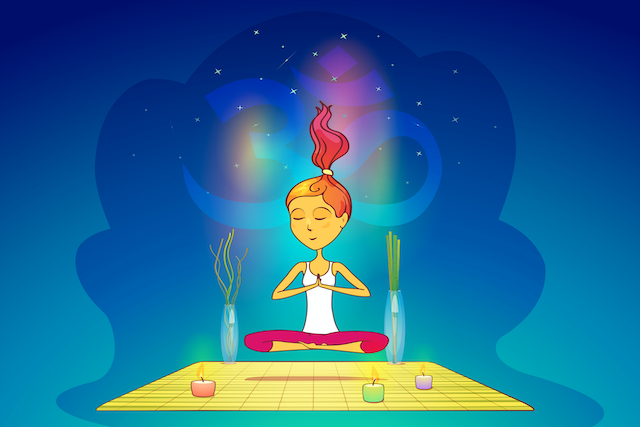
    Woman Meditating

    “You don’t pass or fail at being a person, dear.” ~Neil Gaiman

    I discovered my spiritual path early. As a teenager I would read my mother’s self-help books. I spent most of my twenties actively pursuing self-development by studying, attending workshops, and going on retreats all over the world.

    At the time, I thought I was searching for happiness and inner peace. I see now that I bought into a rigid idea of what a ‘spiritual person’ was and tried to live up to that.

    My inner world was not happy or peaceful. The way I treated myself was far from soulful. In fact, it was down right abusive.

    I thought I needed ‘fixing’ because even after all the learning and work I had done, I would still beat myself up whenever I wasn’t perfect. My internal story about myself continued to be judgmental and negative, and I remained fixated on gathering evidence to prove I wasn’t good enough.

    Over a decade later, I was married with a child and had gained many qualifications that helped solidify a life without self-abuse. It didn’t occur to me until I had my second child—nine years after my first—that I wasn’t really being nurturing or caring toward myself either.

    I knew I was doing something right, because my experience the second time around was completely different; it was a lot more joyful.

    I reflected on exactly what the difference was between my two experiences. I came to realize that the answer was me.

    I had changed so much—my thoughts, my expectations, my beliefs, the way I responded to emotions and stress, all of which had a flow-on effect that influenced everything else in my life.

    Then something so minuscule happened. I would escape the house and my newborn for thirty minutes, once a week to read an inspirational Tiny Buddha article over coffee.

    This was enough to keep me ‘topped up’ so I wasn’t completely depleting myself while caring for my family during those first few months. No big revelation really that taking time out for yourself is going to be a good thing.

    Yet, this simple act had such a huge impact on me. I really started focusing on self-care. It became an intention.

    Instead of forcing myself to exercise and lose weight, I listened to what my body needed (as a result I didn’t beat myself up if exercise wasn’t achieved).

    I stopped expecting myself to complete everything on my to-do list.

    I questioned certain beliefs (like defining what being a mother, wife, and woman meant to me).

    If any unkindness about myself crept into my thoughts, I challenged it. If there was some truth to the thought, I met that with acceptance, which invoked a compassion that wasn’t present before.

    I started paying attention to what was different from a good day to a bad day. I explored when I felt pain and suffering trying to locate why it was there (hint: usually when reality was different from what I wanted it to be). All this eventually turned into an inner practice for me.

    An inner practice doesn’t tell you what to think, or what to do. It invites you to explore how you think, and why you do something (or don’t do it).

    Here are some tips for creating your own inner practice:

    1. Connect with yourself.

    Self-awareness is being able to explore aspects of yourself with curiosity instead of judgment. Once we develop this ability we can deepen the connection we have with ourselves—not just our mental self, but emotionally, physically, and spiritually.

    2. Connect with acceptance.

    Acknowledge what’s true about yourself, today, in this moment, exactly as you are—without seeking to immediately change anything. This is acceptance.

    Ignoring, rejecting, or refusing to acknowledge any part of yourself will never bring about effective change. Acceptance brings the possibility of transformation. A caterpillar transforms into a butterfly; it doesn’t change into one or become a better caterpillar. When we practice self-care, transformation shows up in our life.

    3. Connect with self-kindness. 

    Offer yourself kindness. You are not any less special from anyone else on the planet, so why would you show others kindness and not yourself? Is abuse toward anyone (including yourself) ever acceptable?

    You have a choice whether you meet your inner world with kindness, ambivalence, or meanness. (Tip: life is easier with kindness in it).

    4. Connect with self-compassion.

    Have compassion for yourself when you aren’t able to achieve kindness. Acknowledge your flaws, faults, and failing by meeting them with compassion.

    Either being human and judgment go hand-in-hand, or you align yourself with being human and compassionate. Which would you rather? Only one can exist at a time.

    5. Connect with your needs.

    Most of us spend our lives caring for others. Sometimes we sacrifice our own needs, but is it really the grand loving gesture we convince ourselves it is? Do you over-give to others so you don’t have to listen to what might be lacking in your life?

    What do you need physically, emotionally, mentally, and spiritually? What do you feel deprived of?

    We have to decide that our needs are non-negotiable and put boundaries in place to ensure that we receive what is vital for our well-being.

    If you asked yourself how your life would be different if your needs were met, the answer would be a positive one. (Although it is important to note that needs and wants are completely different things).

    6. Connect with your thoughts.  

    If we have been unkind to ourselves for a long time, it can take a while to break that habit. Being aware of your thoughts gives you the opportunity to choose whether they are true or not. You should challenge a thought’s truth, kindness, and purpose.

    Sometimes we aren’t even aware of how a single thought can ruin a good mood. For example, have you ever looked at a photo of yourself from a few years ago and thought, I was much prettier /slimmer/ happier/more fun, then? Wouldn’t you think it was a bit rude if a friend said those same things to you?

    Or, do you place your future self on a pedestal like I used to. Future Belinda had achieved so much more than me; she was way more confident, wiser, more spiritual, happier, and healthier. It’s so unkind (and painful) to compare yourself to a version of you that doesn’t exist.

    7. Connect with your beliefs.

    Sometimes our feelings don’t match what our logical brain is telling us. When this happens, the answer often to that contradiction lies in our beliefs.

    We formed a lot of our beliefs about the world as children. As adults we can still unconditionally continue to believe what a child interpreted as truth.

    Self-care is exploring what beliefs you hold—giving yourself the option of whether you wish to continue to believe them or not. Start with your beliefs about self-care—do you think that it’s selfish or self-preservation?

    8. Connect with your expectations. 

    Our expectations can change the way we view everything in our life. I notice that on days I am able to completely disable my expectations, I usually have a really good day because there are no conditions placed upon it.

    What happens if you don’t achieve the expectations you place on yourself? Why is the expectation there? Self-care is ensuring that your expectations serve you—not you serving them.

    9. Connect with your wants.

    There is a gap between how things are now and how we want them to be. Sometimes we fill this gap with worry, pain, and stress.

    Explore this gap between what is and what you want. What exactly would you like to be different? What would be useful to help narrow this gap?

    10. Connect with your intention. 

    Intention is behind everything we do. For one day, one week, or one month, make your main intention self-care.

    That means that every decision you make is with the conscious intention of doing what is best for you and your health. Do you think that you would make the same choices? How would life be different?

    We are all perfectly imperfect, so we are going to temporarily fail at some point. The main thing to remember when creating any practice is: begin, continue, and repeat.

    Woman meditating image via Shutterstock

  • The Power of “No”: Better Boundaries Lead to a Better Life

    The Power of “No”: Better Boundaries Lead to a Better Life

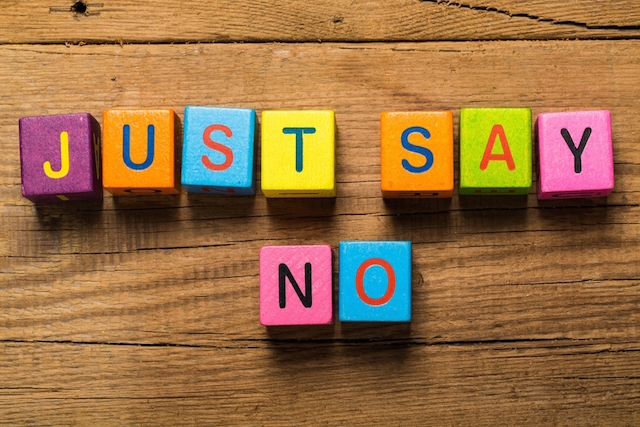
    Just Say No

    “’No’ is a complete sentence.” ~Anne Lamott

    When I went to counseling for the first time, my therapist told me I needed better boundaries. I had no idea what he was talking about, and although the book he lent me on the subject helped a little, I still didn’t really get it.

    I tried here and there to integrate the few concepts I’d picked up from the book into my life, but mostly I stayed away from anything that could be considered boundary setting, as I still couldn’t quite figure out what it meant.

    A decade after my first introduction to the concept, though, two life coaches I admire happened to be teaching a free class on the subject, and I jumped at the chance to take my learning to the next level.

    After hearing what they had to say, things finally started to click. I began to understand that it wasn’t about trying to control someone else’s actions, but rather about being clear on what action I would take if and when my boundaries were crossed.

    Still, it was hard for me to set boundaries, because I felt very uncertain of myself and my worth. Was it okay to tell someone no? Or that I wasn’t satisfied with the way things were?

    Since the world works in mysterious ways, chances to test my boundaries continue appearing in my life whether I want them to or not.

    Most recently, it came up with my child, an area where I’d never realized boundaries would be necessary (silly, but true).

    My mother and I were out to lunch with my toddler, and I spent most of the wait for our food walking around bouncing my daughter, trying to keep her entertained. After the food came I was barely able to eat, because my little girl wanted to be held and would not stay in her high chair.

    After that experience, my mom sent me an email. She thought I needed to start setting some gentle boundaries with my daughter, and was buying me a book that she thought would help. I burst out crying because I knew she was right.

    As soon and I started reading the book, I finally got it. Everything that I’d been trying to understand about boundaries for the last fifteen years finally made sense, and I finally started believing it was okay for me to get my needs met, and that it was totally acceptable to say no sometimes.

    This change with my daughter has come more easily than I imagined, and, thankfully, it’s starting to impact how I interact with adults, too.

    I have a feeling I’m going to need another fifteen years to become an expert at setting boundaries, but here are some things I’ve learned so far.

    1. Most of us are socialized to actively not have boundaries.

    We’re taught that we shouldn’t say no, and that it would be impolite to ignore another person’s wishes.

    This point was driven home for me the other day when I saw a kid’s TV program that made it clear that even the youngest members of our society are being taught they should always do what other people want.

    In the program, one character (a bear) was watching TV, but then a second character (a little girl) came in and wanted to watch something else. She gave the bear big, sad, puppy dog eyes, and, even though he clearly didn’t want to, he gave up the TV.

    As the girl watched TV, the bear paced back and forth, wishing he was watching his program. He kept hoping she would fall asleep, or go play outside, so he could get back to what he really wanted to be doing.

    This is exactly how we start learning that it’s not okay to say exactly what we want. When we’re young and impressionable, we’re taught that it’s rude to be clear on what we do and do not like.

    2. Not having clear boundaries keeps us in lives that are subpar.

    In my own life not having boundaries has been a huge problem. It’s allowed me to stay in unhealthy relationships (both the romantic kind and the friend kind), made me a doormat, and made me anxious and unhappy.

    Setting a boundary simply means saying no if I don’t want to do something (instead of feeling guilty and obligated). It means telling my husband what I need rather than getting mad when he doesn’t read my mind. It means only working the hours I’ve set for myself rather than running myself ragged trying to do “enough.”

    3. When you refuse to set a boundary, it leads to anger and resentment.

    It can tear relationships apart, keep you in a role at work that doesn’t suit you, and cause you to feel badly about yourself.

    Looking back on a relationship I had in college, I can see how not having boundaries set us up for failure. My boyfriend at the time was involved in a couple of activities that made me very uncomfortable, but I wouldn’t set a boundary with him, so instead I just lashed out with anger and jealousy, which just made things worse.

    The healthiest thing I could have done for myself would have been to say, “I’m not okay with you doing that. If that’s something you’re going to continue doing, I am going to have to remove myself from this relationship.” I was too fearful of the consequences, though, so it took me a long time to end things.

    One caveat when setting boundaries like this: You must be sure you’re not setting a limit in order to control or change someone. You must be truly ready to walk away from the relationship, and you absolutely must be setting the boundary from a place of love and respect for yourself, rather than a place of fear and control toward someone else.

    4. Setting boundaries is going to be uncomfortable sometimes.

    If you always say yes to everything, or let your parents or neighbors come over unannounced even though it really annoys you, or always clean up after your spouse because you don’t want to upset him or her by requesting they clean up after themselves, you’re going to have to take some scary steps to start drawing lines in the sand.

    The uncomfortable feelings don’t mean you shouldn’t follow through with boundary setting, though. In the long run everyone will be happier if you set better boundaries, and if they’re not, it’s really and truly their own issue, not yours.

    5. Boundaries are never about trying to change someone else’s actions or behaviors.

    This one gets kind of tricky for me, but think of it like this: If you’re in the car and someone is speeding, your boundary wouldn’t be “stop driving so fast,” it would be “I am very scared that you’re driving this fast; if you’re not going to slow down, I need you stop and to let me out of the car.”

    You’re not trying to make them stop speeding, you’re telling them you won’t allow yourself to be in the speeding car.

    Boundaries are about getting your needs met, but not by getting someone else to sacrifice their own needs. You have to decide what you really want for your own life, and then go about setting limits that serve these goals.

    Just say no image via Shutterstock

  • 9 Basic Needs We Have to Meet to Feel Happy and Alive

    9 Basic Needs We Have to Meet to Feel Happy and Alive

    “No person, no place, and no thing has any power over us, for ‘we’ are the only thinkers in our mind. When we create peace and harmony and balance in our minds, we will find it in our lives.” ~Louise L. Hay

    Seven years ago I felt a tangible sense of despondency about where my life was heading.

    Having ended a six-year relationship, I found myself alone, feeling isolated, often with only a bottle of wine (or two) for company on a weekend. For the first time ever I wondered if I had depression.

    After weeks of feeling helpless and sitting on my sofa crying, I decided enough was enough and started taking action to turn my life around.

    In doing so I discovered the “Human Givens Basic Needs.” Suddenly, everything made sense to me.

    I realized I didn’t have depression; I just hadn’t been meeting my basic needs in a healthy and balanced way.

    Working through the basic needs, I scored myself a number between one and ten for each, with ten being fully met.

    After taking action and pursuing a new diploma, I reflected on how much better I was meeting my basic needs for control, creativity, and stimulation, and how much happier and alive I felt as a result.

    I also recognized that I was meeting my need for status in a new way, as people were amazed when I told them what I was studying.

    Seven years on, I have never forgotten the basic needs. Every six months I take a few hours to do a stock check of my life to see how well I am meeting each of the needs, and where I need to take action or do something different.

    At the moment I am training for my third marathon, which is meeting so many of my basic needs in one hit!

    People tell me how awesome it is that I am running a marathon (attention and status), I look after my body better (mind/body connection), I have a goal (purpose), and I’m doing something positive with my time (creativity, stimulation, and sense of control).

    As we head into the New Year, I’d invite you to take an evening, curl up warm, put on some music you enjoy, and take a stock check of your life.

    Look at each of the different needs and mark out of ten (ten being fully met) how well you are meeting each one, and how.

    Where you are not meeting a need fully, don’t worry. Instead, think about what actions you can take to improve this area, and write down some steps to achieving that.

    Rather than trying to improve every area of your life all at once, I suggest focusing first on meeting one need that would make a considerable difference in your life, and then moving on to another.

    Like me with my marathon, you may find that while meeting one need, you end up meeting others naturally as a result.

    Finally, put your stock check or action plan somewhere you can see it daily.

    Take a Stock Check of Your Basic Human Needs

     1. The need for attention

    We need quality attention from the people in our lives. More and more people in the world live alone. Unless your needs are being met elsewhere, a lack of attention can lead to low self-esteem, feelings of loneliness, and a lack of connection.

    Join a meet up group, do an evening course, join a fitness group—anything that gets you out there and talking to like-minded people.

    2. Mind-body connection

    The way we look after ourselves physically directly impacts our psychological well-being. Feed your body good food and you’ll feel good. (That doesn’t mean pizza and wine!) Get out in the fresh air and get moving to get your serotonin and endorphins levels pumping, making you feel more alive.

    3. Purpose and goals

    Having a purpose or goal adds meaning to your life. Sign up for a 5K charity run, take up a night class, or volunteer for a local charity. Use your time to do the things you enjoy.

    4. Connection to something greater than ourselves

    A sense of connection to like-minded people or others who share your perceptions and work for a common goal is important. I chose to run one of my marathons for a homeless charity, for example.

    It may be being part of a group raising awareness about a shared cause, or working for an organization that shares your values.

    5. Creativity and stimulation

    Boredom and a lack of achievement can leave you feeling unsatisfied and depressed. Spending time reading about a subject that interests you, learning a new skill or craft, or doing anything that stimulates the creative part of your brain will see you feeling happier and more stimulated.

    6. Sense of security and safety

    Without a sense of security and safety you can feel anxious. You don’t have to own your home to feel secure. Security can come from having a supportive partner and family or even changing your beliefs about what security and safety mean to you.

    7. Intimacy and connection

    It’s important to feel that at least one person really knows you for who you are. Intimacy and connection don’t require a romantic partner; it can just be a close relationship with someone, even your pet!

    8. Sense of control  

    Feeling that you have no control in a given situation or in life can lead to feelings of hopelessness. In some cases people will over-control to compensate for feeling helpless. Trying to control people and situations you have no influence over will only suck your energy. Control the one thing you can—you.

    9. The need for status

    Being recognized for your talents helps meet your need for status. Take action to do something you have always wanted to do, such as a jewelry-making course, signing up to a sporting group, taking up dressmaking, or volunteering your talents where they would be well received.

    Small changes in your life can create a big ripple effect, and, like me, you may be surprised by how much happier, healthier, and alive you will feel as a result.

  • How to Start Setting Boundaries and Prioritizing Your Needs

    How to Start Setting Boundaries and Prioritizing Your Needs

    Woman at the Beach

    “You teach people how to treat you by what you allow, what you stop, and what you reinforce.” ~Tony Gaskins

    I highly value being loyal, honest, empathetic, and supportive. I am also partial to advocating for the underdog. As a result, I have historically attempted to be a ‘hero’ in situations of difficulty, tension, conflict, or stress.

    I take pride in being the person who others can turn to for support, guidance, and empathy after an upsetting experience.

    When a friend was going through a troublesome period, I literally dropped everything to race to her and give her a hand. I drove her everywhere when her car was destroyed in an accident. I sat with her in the car for hours each day and listened to her troubles in the driveway when dropping her home.

    I often answered the phone late at night when this friend was having a crisis. I barely spent time with my husband as I tended to her needs, even when our marriage began to show cracks as a result.

    I would fall prey to her criticism and insults when she was distressed and seemingly needed a ‘punching bag,’ or when I didn’t respond as quickly or as perfectly as she desired. I regularly defended her behavior and tried to cheer her up when she questioned her value as a friend, in an attempt to help her feel better.

    I convinced myself that it was a stage that she was going through and that she needed my support—that despite the emotional manipulation and unreasonable expectations—a good friend would stick by her, no matter what. Besides, she was a beautiful person and a wonderful friend in many respects.

    When another friend wanted to provide a quote on a personal project, despite my intuition warning me against mixing friendship with business, I proceeded out of concern that I’d offend him if I did otherwise.

    When he made a number of errors and contradictions, was significantly late with his submission, and quoted a much higher figure than initially indicated, I continued to reinterpret his behavior and make excuses for him.

    Even upon first hearing that he had then proceeded to lie about conversations and events to others, my initial reaction was to defend him and make excuses for how he might have been misled by other influences (when this was very unlikely to be the case).

    When a single friend who liked to frequently sleep with different women who he met at a bar each weekend suddenly got upset by the fact that he hadn’t met his soul mate, I’d regularly open the door to him at three in the morning if he wanted to have a drunk DMC about his life and situation.

    When a man came at my friends and I with a baseball bat in a Melbourne train station, I tried to reason with him and determine why he was so worked up and how I could help deflate that— before my friends dragged me away to safety in disbelief.

    I could provide many more examples of where I have put the needs of others before my own, to the point where I have been hurt or experienced significant difficulty. I bet that if you’re still reading this article, that you can do the same.

    I thought I was being a loyal, giving, and kind person who continuously chose to see the good in people. I took pride in this, and identified with it being a core part of who I was. But then I started to notice a painful pattern.

    My own health, happiness, needs, and desires were continuously neglected. I was so busy helping others that prioritizing my own needs wasn’t possible.

    I implicitly told people that I didn’t have boundaries, so it was understandably a shock to the system when I tried to put them in place at a later date.

    I also demonstrated that I held an impossible expectation for myself to be perfect in a relationship, and people started to hold me to that level of perfection and expect it from me 100% of the time (even when they did not hold their own behavior to anywhere near the same level or quality that they expected from me).

    And what hurt most of all is that I started to notice that people often didn’t do the same for me. They didn’t risk putting their neck out on the chopping board and they certainly didn’t hang around to fight for our relationship when even the slightest bit of difficulty appeared. When I started to better manage my own energy and space, they would ‘dump’ me in a flash.

    I suddenly realized that I needed to change.

    I needed to respect and value myself and my needs more. I needed to make me a priority. I needed to stop being a martyr. I needed to introduce and maintain boundaries.

    I needed to find a way to balance being big-hearted, loyal, and generous with taking care of myself and protecting my own energy and interests.

    It was a difficult period—a period of adjustments and lessons, that are still continuing to a lesser degree. But at the end of the day, my increased emphasis on taking care of myself was not only good for me, but also for the people that truly loved and valued me.

    But how could it be a good thing, you might ask? You lost friends, you suffered, you learned that many people you loved wouldn’t be there to back you up when you needed them. How is that a good thing?

    Please, let me explain. When I ‘lost’ or better managed those who drained energy from me and disregarded perfectly reasonable personal boundaries it:

    • Freed up more time for me to support and enjoy the company of those who did respect, value and cherish me—those who were uplifting and supportive
    • Led to me respecting, valuing, and honoring myself and my own needs more, which allowed me to feel more energized, vibrant, happy, healthy, and ‘on purpose’ than ever before
    • Allowed me to learn more about myself and what I valued in a relationship and to be more cautious about spending time with people who didn’t align with these values
    • Helped me further fine-tune the art of boundary setting, a skill that I believe can impact on your life in so many ways
    • Encouraged others to start treating me with more respect
    • Inspired others to start taking better care of themselves and their needs too
    • Helped me learn how to say no and to ask for help—two valuable skills to have in your internal wellness toolkit

    The above are only examples, of which I am sure there are many more, of the benefits I have experienced from setting boundaries and learning to prioritize myself and my own needs.

    Now this might sound great in theory, but I know from personal experience how difficult it can be to start setting boundaries and to prioritize your own needs, desires, and dreams. Some suggestions to help you get started include:

    1. Begin to take notice of who you spend your time with and how they make you feel.

    Do you enjoy their company? Do they make you feel supported and uplifted? Do they bring you joy? Or do they deflate you? Make you feel bad about yourself and your character? Suck the energy from you? Perhaps it is time to consider how you manage your time with these people in the future.

    2. Take time out to reflect on and identify your own needs, desires, and dreams.

    Do you have a self-care and me-time practice? Do you make time for activities that you enjoy? Do you feel satisfied with your work, home life, health, or other areas that you value? Commit to making a conscious effort to start prioritizing these areas more in your life.

    3. Actively look for ways to make time for you.

    What can you organize or change in your schedule to make this happen? Where can you find efficiencies or introduce systems that will make time for you? Where could you ask for help or delegate work or tasks to free up time? What items can you cull from your to-do list in order to drop some balls and pick up the self-care ball?

    4. Practice saying no.

    Putting a stop to the automatic “yes machine” and learning to say no are vital steps for setting boundaries and learning to place more value on yourself, your time, and your desires.

    Learning to say no can take practice. I suggest that you start with a ‘buying time’ script, where instead of responding with a clear “yes” or “no” straight away, you tell people that you are busy and that you’ll check and get back to them. This buys you time to formulate a more considered response in line with your own needs and desires.

    At the end of the day, please remember that you matter. Your life matters. Your needs and desires matter. And when you take care of yourself, you are in a much better position to be of service to others and the world.

    In finishing, I’d love to leave you with a quote from Dodinsky that sums up one of the main points of this article: “Be there for others, but never leave yourself behind.”

    Woman at the beach image via Shutterstock

  • How to Overcome Unhealthy Cravings When You’re Feeling Down

    How to Overcome Unhealthy Cravings When You’re Feeling Down

    Sad Man Smoking

    “Your worst enemy cannot harm you as much as your own unguarded thoughts.” ~Buddha

    As a kid, I was taught that the Devil tempted us to do evil deeds. When I had the urge to do something naughty, I imagined a pitchfork-totin’ demon whispering into my ear. He’d encourage me to steal that Hershey’s bar from the 7-11, or to lie to my mom when she asked if I’d finished my homework.

    Today, I don’t believe in the existence of the Devil, but I do believe my doubts and fears can appear to be downright devilish—if I give in to their whisperings. But what if these discursive thoughts aren’t “evil” after all? What if we need our cravings and impulses to help us see the truth in our lives and push past negative patterns?

    Recently, I had the chance to test this theory when my book manuscript was rejected by a major publisher.

    I’d poured my heart into those pages and anxiously waited for weeks only to receive a standard “thanks but no thanks” reply. After years of work, in an instant, my hopes were crushed, and I was swamped with doubt and self-pity.

    Soon my disappointment turned into indignation: How dare that editor reject my work! I began typing a hateful email, but (thankfully) I stopped short of clicking “Send.” Rather than write something I’d regret, I strapped on my sneakers and went for a power walk.

    When I’m in a sour mood, walking usually helps me clear my head, but even on that crisp, sunny, fall day, a black cloud of dissatisfaction hovered over me. Thoughts of failure invaded my mind. With every footstep, my negative thoughts grew.

    Then I smelled an all-too-familiar aroma. I glanced over and saw a man smoking a cigarette on his front porch. That scent wrapped around my brain and triggered a thought, “If you have a smoke, you’ll feel better…”

    I haven’t smoked in more than three years, but somewhere in my mind, a familiar longing stirred.

    I began smoking during college when I felt insecure. Over the years, anytime I felt lonely or upset—when my marriage was troubled or my career was threatened—I stepped outside and lit up a cigarette.

    Even years after successfully kicking that bad habit, the associative power between my unhappiness and nicotine was still strong. The tempting thought swirled in my brain, “Bum a smoke from your neighbor! No one will know!”

    Thankfully, enough time had passed since I quit and I could view my desire to smoke with objectivity. But rather than push it aside, I entertained the thought.

    “That’s so interesting,” I said to my former-addicted self. “You haven’t craved a cigarette in years, and now you’re upset and bam! You have a craving.”

    In truth, even the part of me that used cigarettes for comfort didn’t really want to smoke again. Addicted Me knew the reality: Tobacco tastes bitter and the smoke burns my throat and makes me feel crappy—not to mention all the horrible diseases it causes. The urge to smoke was just a thought, an unhealthy one at that.

    A moment later, the urge was gone, but craving that cigarette—which was once so intoxicating to me—provided a wonderful way to be present with what was happening to me physically and emotionally.

    In other words, the urge to smoke became a signal encouraging me to explore what it was I really needed.

    What bedevils you? The next time you’re tempted to give into an unhealthy urge, try this practice.

    Observe the feeling. The craving wants your attention, so give it what it needs—for a limited time. Observe, don’t indulge. Become curious about the nature of your thought.

    What does the feeling want you to do or say? When did you first feel this craving? Why is it prompting you toward an unhealthy response today?

    What triggered the craving? Are you really hungry? Or do you feel angry, sad, or lonely? If the latter, what might you do to take care of the feeling without indulging in an unhealthy habit?

    Entertain the thought. Rather than push it away, make a place for it in your heart. Address the thought or emotion as you would to a dear friend or child, “Hello, disappointment. I recognize you! You’re afraid of not being acknowledged, but I see you!” (This is what therapists call self-talk.)

    Listen deeply to the need. At the heart of every craving is an unmet need. The need itself may not be “bad” or “wrong,” but how you take care of it can be. Rather than fill that void with a negative habit or unhealthy choice, consider what it is you really lack.

    In my case, I needed acknowledgement and support. When I returned from my walk, I called a trusted friend and fellow-writer and allowed her to cheer me up. Then, we brainstormed ideas about other potential publishers for my book.

    Treat yourself (and others) with compassion: Ultimately, as I walked that day, I became aware of my weaknesses and my strengths. Each time I breathed in and smelled the cigarette smoke, I breathed out gratitude that my addiction no longer had me in its grip.

    And rather than beat myself up for feeling what I felt, I used the experience to generate empathy for my neighbor. Maybe he was struggling with anxiety or loneliness, too.

    In the end, my craving can become my worst enemy—or a good friend. When I seek the truths that rise out of difficult situations, a seeming loss can turn into a win. If I’m aware and healthy, I might even be able to learn something very valuable and transform a negative habit into the means for healthy self-discernment.

    Sad man smoking image via Shutterstock

  • Giving in Relationships Without Losing Yourself or Sacrificing Your Needs

    Giving in Relationships Without Losing Yourself or Sacrificing Your Needs

    Disappearing Woman

    “Relationships are about two individuals who maintain their own lives and create another one together.” ~Unknown

    When I am in relationship, I put all of myself into it and can sometimes neglect my own needs as a result.

    I’ve recognized that I’m doing this in my current relationship, and I’ve realized that while it is wonderful to be truly committed, it is important not to lose oneself. This is where healthy boundaries come into play.

    A healing practitioner recently reminded me that relationships are excellent opportunities for personal growth.

    As someone who was single for almost a decade and has been in a committed relationship for the past year, I realize I’ve had a big opportunity to learn about myself and to grow as a person. My fiancé is my biggest mirror, and through our connection, I have been better able to understand my patterns.

    I have observed that I have a strong desire to merge with my partner because it feels blissful to be connected. I crave union, being one with the person who means most to me.

    This desire for union and oneness often leads me to a place where my boundaries begin to disappear. I forget to check in with myself about what I need or want before I say yes to my partner’s requests.

    For example, there are times when my partner wants to go out on a Friday night to have fun, when I feel that I need a quiet evening at home to rest, relax, and nurture myself.

    While I love those moments of union and oneness, and I believe that it is important to be giving and to be of service to my partner, this can become excessive.

    I have realized that when I seek to fully merge with my beloved, I can lose my deep connection to my core and what I want as an individual. If I continually do this, I can end up feeling tired, burned out, and grumpy.

    My core self is the “me” that has needs, desires, wishes, and dreams as an individual.

    When I disconnect from my core self, I find it hard to stay focused on my goals, such as growing my business and doing my own spiritual development work.

    My body lets me know that I am disconnecting from myself through physical discomfort and pain. Many times, my whole spine and pelvis will mirror my lack of internal alignment, and I will feel the need to go to the chiropractor because of this.

    Relationships require a delicate balance between having clear boundaries and yet not becoming too closed off from the other person.

    When we completely merge with our partner, we can actually lose the person that our partner fell in love with. But if we have too many boundaries and are too self-focused, we lose the opportunity to be deeply connected, share greater intimacy, and give to our partner and the relationship.

    So how do we navigate this delicate balance? How do we set boundaries without setting up too many walls? I believe that this is a continual process and evolution.

    For me, it takes practice and mindfulness. I need to consistently check in with myself to recognize how I am showing up in the relationship, how I am giving of myself, and whether I am losing myself.

    I also have to recognize when I am creating walls between my fiancé and myself, perhaps due to past wounds or fears related to deep intimacy.

    In its simplest form, it requires checking in on a daily basis with my core self. What is it that I need for myself today? How do I stay connected to who I am as an individual?

    If you find it difficult to say no to others, remember that it takes practice. Practice saying “no” to small things that might feel easier and then build up to the bigger things.

    If the person receiving the “no” doesn’t want to listen, remember that it is okay to hold firm to your decision and express your own needs and desires.

    And if you’re afraid to hold firm because you don’t want to rock the boat, ask yourself if you really want to be in a relationship where you can’t communicate and honor your own needs.

    I have started a new practice each morning. When I first get up, I spend a few minutes standing quietly and connecting to my deeper core self.

    I remind myself that I am still Lyn before I am someone’s fiancé and that I do not want to completely lose myself by merging with my partner.

    I find that starting each day with this intention reminds me to stay connected to my core self throughout the day as I make my choices.

    Remembering this commitment to myself when my partner requests something and I decide whether to agree helps me know I won’t have to sacrifice my needs to do it. I am honoring the strong and independent woman he fell in love with.

    Some other ways that I’ve found to stay open in my relationship without losing myself are taking quiet time each day to meditate, breathe, or otherwise just connect with myself.

    It also helps to make sure I’m not only doing activities with my partner while neglecting my own individual interests or my girlfriends. When I remember to fill my own cup up and listen to my inner knowing, it helps me to be a better partner too.

    If you struggle with balancing being open to your partner while not losing yourself, know that you are not alone and that it is a continual practice for many of us. With consistent focus on the balance of honoring your partner and relationship while also honoring yourself, it does become easier.

    Disappearing woman image via Shutterstock

  • 6 Tips to Love and Support Yourself and Become a Happier You

    6 Tips to Love and Support Yourself and Become a Happier You

    Closeup of Smiling Woman

    “Awaken; return to yourself” ~Marcus Aurelius

    Darkness. Resentment. Detachment. Extreme discomfort.

    Those are the words I would use to describe my internal experience during my adolescent years up to young adulthood.

    Depression was something I was all too familiar with. Fear was running my life and I was exhausted. I now understand that a lot of it had to do with the dysfunctional family I grew up in and the pain that ensued.

    Determined to break this unhealthy way of being, I’ve been on a road of healing and self-growth over the past few years.

    However, my transition into a stronger relationship with myself really kicked into gear after my heart got broken for the first time. But it didn’t just get broken—it got completely shredded. Little did I know this would be the best thing that had ever happened to me.

    As I was deep into the break-up process, I was awakened by the fact that I had completely abandoned myself in the relationship. My confidence was low, I had no self-worth, and I relied on the one I loved to save me and carry me.

    I became delusional about the reality of my relationship and the man I was in love with.

    Harsh realization to come to terms with, but that was my starting point.

    Eventually, I was able to slowly put myself back out into the world. I kept running into situations that led me to discover all of these core values I was lacking in the relationship.

    After a few months of insightful encounters, I came to understand the path I was on: building a stronger, healthier relationship with myself.

    Even though I was going through heartbreak, I felt lighter, different. It was weird. After a while everything seemed to have “clicked” and kept progressing.

    From that point on I became devoted to myself. I was determined to rely on myself for the things I was constantly depending on other people/outside sources for. Below are the steps that helped me move toward myself.

    1. Practice self-compassion.

    Get to know this. Make it your new religion. This is the core for a stronger relationship with yourself because it creates a gentler tone within you.

    Self-compassion helps you acknowledge when you’re going through a hard time and release judgments toward yourself, which then opens you up to self-love.

    Even though it was hard, I practiced this during my break-up. I would put my hand on my heart and say things such as, “You poor thing, this is such an incredible amount of pain to deal with. This hurts so bad.” And I’d stay with that pain for a moment.

    I’d then finish off by reminding myself that I’m doing the best I can right now and I’m actually handling the situation really well.

    Doing this gave me the courage to ease into intense emotions and feel them fully, which helped me heal. It also empowered me as it made me feel not as codependent.

    Realizing that I was able to take care of myself during this incredibly painful time was a huge moment for me. Ultimately, it restored all of this self-love in me that I never knew existed.

    I suggest reading Kristin Neff’s book on self-compassion. I was able to grasp the concept just from this book. However, as someone who has been extremely hard on myself my whole life, it was difficult to be open to the idea at first and took a lot of practice.

    2. Get in touch with your feelings and body.

    I spent a lifetime repressing feelings not even understanding what they were. I now realize this is not okay.

    Our bodies are constantly filling us up with sensations trying to let us know what they feel and need. I’ve found that the more I try to identify my feelings, the closer I become to my intuition.

    Recently, I had to choose a new roommate and met with a ton of people. As I tried to get to know everyone, I made sure I became aware of the feeling that filled up inside me. I would notice warm yet powerful sensations, tightness, or nothing at all. After a while I began to trust those feelings and based my decisions off of them.

    It has also made me treat my heart and body with more respect, so I take better care of them.

    One time when I was working a lot I felt an illness coming on. After I came home that day, I listened very carefully to what my body needed to feel better. I ate whatever sounded good (sweet corn sounded like heaven, oddly enough), drank lots of water, took a bath, gave myself a ton of self-love, and went to bed super early.

    I felt amazing the next day.

    Meditation is also a great exercise for this that will heighten your awareness of any feelings that arise.

    3. Discover your values.

    We all have values, but do we ever really analyze what they are and why we choose some over others?

    I went through a list of values one day that I found online and highlighted the ones that spoke to me the most. I became so much closer to myself after establishing this.

    I discovered that I deeply value my physical and mental health, kindness, authentic connection with myself and others, and efficiency.

    It felt like I was rediscovering my identity. I simply allowed myself to embrace my authenticity and it felt amazing.

    4. Understand your needs and boundaries.

    Identifying my values led me to recognize what my needs are.

    Since I value my physical and mental health, taking care of my mind and body has become my number one need. I’ve come to learn that my mind and body are very sensitive, so I need to nurture them in order to maintain a healthy level of comfort.

    With that understanding, I essentially created a boundary for myself. I made sure I did my best to honor that need in most situations. Whether it meant missing a night out with friends to catch up on good sleep, avoiding pushing myself too hard at the gym, or taking a moment for myself to release any built up emotions.

    Once my needs were established, I had a better idea of what my boundaries are in work, in relationships, and with myself. Ultimately, it created an awareness of when my sense of identity was being challenged or reinforced.

    5. Avoid relying on external validation.

    This one takes practice and is where a lot of the steps I just listed get put to the test.

    We have such quick, easy access to external validation nowadays (Facebook, Instagram, anything with a “like” button). We often become confused on where the most important source of validation should come from.

    Lately, I’ve been making an effort to become conscious of when I get caught up in the desire for someone’s approval. I see it as an opportunity to check in with the status of my self-love. If I’m happy with who I am and am confident behind my decisions, I remind myself that I don’t need someone else’s approval.

    It’s a very empowering process.

    There are times, however, when I struggle with it, which is okay because it’s part of the human experience. I just try to be understanding and explore those insecurities.

    6. Recognize where the pain is coming from.

    This is one of the hardest steps. Take it slow. Be gentle. Start by being honest with yourself to see if you notice a behavior pattern that comes off in an unhealthy way (such as relying heavily on external validation). Try to identify the deeper reasons behind it and explore them.

    Once I understood that the way I was viewing my love interests was not healthy, I eventually realized it stemmed from a deep pain of neglect from my parents. From there, I began the process of breaking this pattern.

    Intense emotions will come up, but if you welcome them with open, loving arms (aka self-compassion!) you can ease into this process with a sense of safety.

    You might need help from another source such as a self-help book, therapist, or friend to identify the unhealthy habits.

    Building a stronger relationship with yourself is an incredibly fulfilling and liberating process. It takes time, patience, and understanding. Try to go into it with an excitement and curiosity rather than an expectation.

    I’ve come to find that when you have a better sense of your identity, you become empowered. When you become empowered, you gain self-esteem. When you gain self-esteem, you are more driven to take better care of yourself. One thing always leads to another. 

    Most importantly, however, love and support from myself creates a happier me.

    Closeup of smiling woman image via Shutterstock

  • 10 Things to Stop Doing If You Want to Be Happy

    10 Things to Stop Doing If You Want to Be Happy

    It isnt what you have, or who you are, or where you are, or what you are doing that makes you happy or unhappy. It is what you think about.” ~Dale Carnegie

    There was a time when I didn’t think I could ever be happy.

    I felt alone. I felt confused. And I felt overwhelmed.

    Luckily, that all began to change when I started looking inside. I discovered how I was the cause of my unhappiness.

    And I discovered what stood between me and enjoying life.

    Here are ten of the things I discovered:

    1. Neglecting yourself and your needs

    One of the biggest things was that I was ignoring what was right for me. I looked outside for the answers.

    I looked to friends and society to tell me how to live my life. It was too painful to discover what I needed, so I gave away my power and hoped that would solve everything.

    It didn’t.

    Eventually, I realized that no one really knows how to live a happy life. Some seem confident, but they don’t really know.

    Even the happiest of people go through dark times. When I began noticing what I felt drawn to do and what felt right for me, things began to change.

    It happened slowly. I wasn’t confident at first, but I began to listen to my inner GPS.

    2. Ignoring your inner GPS

    As I began listening to myself, I saw that I had an inner guidance system within me.

    I didn’t call it that then. It communicated with me through feeling. When something was right for me, I felt peace, joy, and curiosity inside.

    When something wasn’t right, it felt lifeless, dead.

    I began to see that trying to figure life out logically didn’t work, because my mind couldn’t foresee the future.

    The heart is what I would call my inner GPS. It nudges me through life, one moment at a time. I don’t know where I’m going, but I know I’m on the right track when I listen to my heart.

    3. Resisting darkness

    Life contains both dark and light.

    It sounds counterintuitive, but when you embrace the darkness, you open the door to the light.

    I’ve gone through some dark, depressive periods in my life. I used to resist them, a lot. Today I do it less.

    I know that it is through these dark times that I learn the most. I dive inside. I breathe it all in, and I notice what it is that’s making me quiver with fear.

    I investigate my internal reality and stay in the present moment.

    This is hard to do when I’m feeling down. I want to run away to food, movies, games, books, and anything but the darkness.

    But when I dive in, I see that the darkness is nothing but a virtual reality created by me. I look at the fear of not having enough, and I see that what I’m afraid of is a thought I choose to entertain.

    4. Saying ”no” to the now

    The more I try to escape the present moment, the more miserable I am.

    When I stay right here, right now, even the most ordinary tasks become extraordinary. Washing the dishes feels alive.

    But if I try to exchange the now for a future paradise, I live in a present hell.

    Being in the now, for me, is simply about noticing what’s here, right now. As I write this, I hear my fingers tap-tap-tapping away on the keyboard.

    I notice the hum of the electronics on my desktop, and I feel my body on the chair.

    And above all, I feel my feelings fully. I’m feeling a bit anxious as I write this. And that’s okay. It’s normal to feel anxious.

    5. Being afraid of making mistakes

    If I am afraid of making mistakes, I assume that I have something to lose.

    I also assume that there is a perfect way of doing something.

    Yet, I cannot know any of this. I don’t know if making a mistake helps me grow (which it often does). And I don’t know if making a mistake is the perfect path for me.

    You see, we live in our heads. We manufacture a reality that we then believe is real when it’s not.

    A hundred years from now, my mistakes won’t matter. What will matter (for me) is how much I loved and how much I enjoyed life.

    I’m human. You’re human. We make mistakes. That’s okay, as long as we’re honest with ourselves.

    6. Aiming for perfection

    I try to be perfect because I think it’ll bring approval from others, from you.

    And that approval will make me feel loved and feel good about myself.

    Yet, the act of trying to be perfect means dismissing myself. It means not loving who I am right now. It means not doing what I can with what I have.

    I have an image of what perfect is, and it always seems to be out of my reach.

    I’m striving to feel better, but the only thing I manage to do is to feel worse in this moment. When I notice the scam of perfection, I return to the present moment.

    I breathe. I do my best. And I follow my heart.

    This applies for staying in the present moment as well. I’m not in the now all the time. I try to accept whatever comes.

    7. Chasing happiness

    I often fall into the habit of chasing happiness.

    But to me, it’s more like I’m avoiding my feelings. I feel bad, so I want to be happy. I create an image of a future where I’m happy, and I long for it.

    I want it now.

    I think to myself, ”If only I had that, I could be happy.”

    Yet, that thought is the one keeping me stuck. The wanting happiness snatches me out of the present moment.

    When I let go of wanting to be somewhere else, I notice what’s right here. Sometimes it isn’t what I want, but even what I think I want is another thought.

    Each thought that says I need something else is an opportunity for me to stay in the present moment.

    8. Trying to control life

    I don’t control life.

    I control my reactions and actions but not much else.

    When I try to manipulate life, people, and places, I end up exhausted. It’s not my domain. It’s not up to me to control outcomes.

    All I can do is follow my heart, my inner GPS, and see what happens. I am a passenger in this body, on this blue planet of ours.

    I am here to experience both the good and the bad. I am here to learn and to grow. To cry and to laugh.

    9. Putting off your dreams

    Dreams are scary.

    It took me two to three years to muster up the courage to write about the things I truly wanted to write about.

    I was afraid of what you would think, what you would do. I was afraid of failing, of succeeding, of everything.

    Eventually, I realized that I could give in to my assumptions or I could take the next step and see what would happen.

    Luckily, I took the next step. And you know what? Nothing bad happened.

    I wrote. I told people about my work. My audience grew. And years later, here I am. Here you are, reading my words.

    My dreams began with one step, and so will yours.

    Stop waiting for a grand opportunity and notice the doors that are open now. It might only mean starting a blog that has ten readers or writing in your journal. But start somewhere.

    And start before you feel ready.

    10. Trying to fix others

    I used to think it was my responsibility to fix others, even if it meant forcing them to see things my way, and it compromised my happiness and theirs.

    I now let people travel their own path.

    You have mistakes you need to make. You have experiences to collect. I am not going to stand in the way of that.

    If you come to me for help, I will help, but I will not force my truth on you.

    I cannot control life, and I cannot control you. When I see that life will take care of itself, I have no need to control you.

    This has been especially hard with my loved ones, but I’m learning. I’m improving every day.

    There is no fixing, because I do not know what perfection is. If we are here to experience life, then perfection is experience.

    There are no mistakes, no blunders, and no pitfalls.

    There is only this moment.

    There are many things I’ve learned during my life, but one of the main things is that we tend to take our thoughts too seriously.

    We tend to take life too seriously.

    I think that if I make a mistake, my dreams are ruined. But when I see the assumptions behind that sentence, and when I see that my dreams are a figment of my imagination, I am liberated.

    I remember that all I have to do, all I can do, is follow my inner GPS.

    I can only do what excites me, and life will take care of the rest.

  • What Helped Me Forgive Myself and Honor My Needs

    What Helped Me Forgive Myself and Honor My Needs

    “To forgive is to set a prisoner free and realize that prisoner was you.” ~Lewis B. Smedes

    Have you ever tried to forgive someone who hurt you, and despite your best efforts, it was just too hard? So you beat yourself up because you were not able to forgive, and the pain was still there?

    I spent years trying to forgive others.

    I tried to forgive a family member for abusing me as a child.

    I tried to forgive my primary school teacher of seven years for constantly hammering that even though I was a straight-A student, I wasn’t allowed to be me, and I needed to change myself so I could be accepted and loved.

    I tried to forgive those who indirectly made me understand that their lives would have been so much better if I hadn’t been there, or if I would have been a boy.

    Although I had developed a strong resilience, which allowed me to build strength from these negative life experiences, they had left their mark, and I felt pain, resentment, and a feeling of injustice.

    I had been taught that I should forgive others for everything they did to me. But I couldn’t get out of my head and back to my heart, and I couldn’t manage to forgive them.

    I was still feeling stuck, trapped, and unable to let go, move forward, and honor my needs. I let the regrets of wasted time consume me.

    I realized I was making everything so hard on myself because I felt guilty.

    If these people had taken advantage of me in one form or another, somehow, to me, it meant that I did something wrong, that I was broken, that something was wrong with me, and that I didn’t deserve anything better.

    I just clutched to my guilt so tightly.

    And one day, I had a breakthrough.

    I realized that I needed to offer forgiveness, not to others, but to myself.

    I had no control over the decisions, thoughts, and actions of others, but I did have control over the blame I was placing on myself.

    It was time to let go of the pain, heal old wounds, move forward, and finally nurture myself and honor my needs.

    The first step I took on the path to self-forgiveness was to accept reality without blaming others.

    I would have loved to change the past and rewrite my history, but that was not possible. So instead of accepting reality and moving forward, I was drowning myself in blame and resentment.

    I couldn’t go on like that. I needed my life to move forward. I had created a lot of struggles and suffering for myself because I spent too much energy resisting the present moment.

    I needed to accept the reality I’d been given. Once I did, I was finally able to release all of the anger, blame, and resentment that had been built up in my mind and body.

    To me, accepting reality is a crucial step toward self-acceptance. And self-acceptance is one of the first steps toward self-forgiveness.

    The second step for me was to stop blaming myself and feeling guilty.

    Most of us have been raised in a culture that stresses dichotomous thinking—good or bad, young or old, guilty or not guilty…

    And once we stop blaming others, we usually blame ourselves. It must be someone’s fault, right?

    I blamed myself for letting this family member abuse me as a child.

    I blamed myself for not being able to change myself so I could be accepted and loved.

    I blamed myself for having made a financial mistake and not knowing how I would get out of debt.

    Once I had reflected on my negative experiences and identified what exactly I was blaming myself for and what exactly I was feeling guilty about, I took the next step and declared I was no longer going to blame myself for all this.

    This was extremely liberating.

    I was now accepting reality without blaming anyone. I was one step away from being able to forgive myself, let go, and honor my needs.

    The third step toward self-forgiveness was to love myself fully.

    I knew if I wanted to let go of my past experiences, I had to work on loving myself.

    I managed to increase my self-love and forgive myself by consistently doing three simple things every day of the week.

    First, I started a gratitude journal, and at the end of each day, I wrote five different things I was grateful for. It helped me see my life and myself through a new, more compassionate lens.

    Then, I kept a list of all nice things that people said to me. I was mindful of thank-yous and compliments, and instead of focusing on the people who didn’t seem to appreciate me, I focused on those who I knew did love me.

    Eventually, I repeatedly said to myself, “I am valued, I am enough, I am not damaged or broken, and I love myself just the way I am.”

    Once you start looking, you can find so many reasons to love yourself fully. And the more love you feel for yourself, the easier it becomes to forgive your past.

    I was finally ready to forgive myself wholeheartedly…

    I forgave myself for making mistakes.

    I forgave myself for allowing negative energies into my life and letting those sit in my body for all these years.

    I forgave myself for not being who others wanted me to be.

    I forgave myself for allowing outside circumstances and people to dictate my self-worth.

    I forgave myself for not trusting my inner wisdom to know better.

    And most importantly, I forgave myself for carrying the weight of my guilt and self-blame.

    Forgiving myself wholeheartedly was liberating. It allowed me to be compassionate, accept myself, and let go of painful memories.

    Sure, I still doubt my worth sometimes, I still re-live some memories I wish I could just erase from my mind, and I still worry about not pleasing other people and being rejected. But I feel free, joyful, and whole.

    By forgiving myself, I was finally able to honor many of my needs that I had ignored before, even if it’s still a work in progress in some areas.

    I was able to honor my need to feel great in my skin and accept my body.

    I was able to honor my need to be myself and be loved for who I am, not for what I do.

    I was able to honor my need to let go and not feel like I had to be hyper-vigilant and in control all the time.

    You can do this too.

    If you’ve made financial mistakes, if you struggle with food, or if you feel resentment and anger toward other people in your life, take these three steps: stop blaming others, stop blaming yourself, and learn to love yourself fully.

    Your life will never be the same.

    Self-forgiveness will allow you to create more peaceful relationships going forward, it will boost your mood so you’ll no longer experience depressive feelings, and it will reduce stress in your life. You’ll feel better, and you’ll also be healthier.

    To me, self-forgiveness is one of the most meaningful lessons life has to offer. And I am so grateful for those times of trial.

    Don’t waste another day of your life.

    Forgive yourself and live fully!

  • Stop Worrying About What Other People Think and Be Yourself

    Stop Worrying About What Other People Think and Be Yourself

    Be Yourself

    “Be yourself. Everyone else is already taken.” ~Oscar Wilde

    Confession: I’m a master wallflower.

    In high school, a friend and I decided to skip our dreary computer class and roam the halls instead. The following day, our crabby teacher immediately reprimanded my friend for skipping class. I sat directly next to her, giggling and rubbing it in her face.

    The teacher didn’t even know my name, let alone that I had skipped his class the previous day. I rejoiced in my anonymity thinking, “It pays to be unknown.”

    To an extent, it was true. My friend was so disruptive and chatty that she couldn’t avoid trouble if her life depended on it. However, I didn’t just get away with things; I missed out on things.

    You can’t float through life anonymously. If you try, you’ll simply be dubbed as whatever people assume you are. (Spoiler alert: It’s usually inaccurate.) Sometimes you just have to be an active participant instead of an idle observer.

    The problem for me was that my needs always felt too obscure and alternative to everyone else’s.

    I attended a school where the teachers were keen on force-feeding us religious beliefs, which went against my need for tolerance and openmindedness. Thus I began to feel defensive expressing myself, assuming I’d be met with blank stares or opposition.

    Stop Tiptoeing

    You’d be hard-pressed to find a self-improvement resource without an encouraging reminder to “be yourself.” Why is that such a common struggle? What affects us so pervasively as we age, that remaining our “true selves” becomes a cryptic chore?

    Other people. We become more and more aware of other people: what they expect, what they want, what they think.

    Before you know it, that incredibly simple act of “being oneself” suddenly becomes a muddled minefield, where each person’s opinion of you is a potential explosion.

    So, it’s best to just tiptoe around, right?

    Not really. Being closed off is unsustainable, ineffective, and quite frankly, exhausting. It leaves you with a surplus of protection, but very little fulfillment and growth.

    Consider this liberating fact: You’re allowed to need things. You don’t have to apologize. It’s an obvious but effective reminder if you find yourself neglecting your needs.

    Some people only realize this after decades of failed tiptoeing, and sadly, some never realize it at all. But what does being yourself have to do with your needs? From my experience, when you don’t unveil your authentic self, you don’t get what you need.

    While others will occasionally know what’s best for us before we do, we’re often far more capable of deciding what we need. No matter how intelligent or well intentioned someone is, they may not understand what’s best for you.

    Assessing Your Needs

    Over time, I’ve realized that one of my greatest needs is good communication. When I’m detached and don’t have a solid circle of people to confide in, I get stressed very quickly.

    When our needs are fulfilled, we’re able to be who we are without restraints. Whether emotional or physical, our needs will make themselves known if we pay attention.

    1. Stop right now and think of something that you need and don’t have.

    It can’t be materialistic like a TV or a new purse, but something that the “real” you deeply needs. Maybe you’ve never even admitted it aloud to anyone, for fear they’d reject it or talk you out of it.

    2. Now give yourself complete permission to obtain whatever it is.

    If you’re anything like me, you may feel a peculiar weight being lifted from you—one that should’ve never been there in the first place.

    To assess yourself, just think of the people in your life who have achieved fulfillment. If you have any negative feelings like resentment or envy towards them, you’re probably not getting what you need. Otherwise, wouldn’t you be happy for them?

    Back to the Basics

    It’s hard for us to be our “true” selves because our true selves are innocent and vulnerable. Nowadays, vulnerability is about as fashionable as a fanny pack collection.

    We can edit photos of ourselves in Photoshop or post brief statuses about our lives that give the impression of flawlessness. We reject vulnerability in favor of impressions, making it harder for our authentic selves to emerge.

    As adults, it’s easy to let fear, anger, and sadness fill the hole of our unfulfilled needs. This can throw us off course, causing us to forget the original direction we once had in our youth. Thus, it’s primarily about piecing together the fragments, and as a wise baboon named Rafiki once said, “remembering who you are.”

    Being your authentic self doesn’t require you to add anything new to your life. It only requires you to subtract the things that are harmful, distracting, and unaligned with your goals.

    Your ability to be yourself is proportionate to how well you know yourself. For many of us, it may require a serious assessment and difficult decisions.

    In short, if your only reason for not achieving something is that other people won’t understand, that’s no reason at all. If what you want will help you grow, it’s your right and your responsibility to obtain it.

    Photo by Carlos Pantoja

  • Learning to Speak Up: You Deserve to Meet Your Needs

    Learning to Speak Up: You Deserve to Meet Your Needs

    “Ask for what you want. Give other people the opportunity to say ‘yes.’ Stop saying ‘no’ for them. “ ~Roger Ellerton

    I never realized until very recently exactly how hard it’s been for me to speak up for my needs. To ask for what I require and want. I honestly don’t know how I’ve navigated through life.

    Let me rephrase that: I’ve managed life by being very passive, ignoring my own desires. Then that small grain of resentment would build into frustration, and I would explode.

    I became a fiery and angry woman. I expressed my needs in a destructive manner, ranting and raving and writing emotional emails and text messages. It’s no wonder people didn’t take me seriously or listen!

    “Tammy’s having a freak out,” they’d say, or “Tammy’s in a mood.”

    This only compounded my anger and frustration.

    What a vicious cycle I was living. Inner peace was difficult when I couldn’t ask people for what I required. I’m not talking about needs like asking for the salt across the table. I’m talking about emotional needs, financial needs, and needs in the workplace and in relationships.

    If I was speaking up on behalf of someone else, that was easy for me. It just wasn’t easy for me to express my needs.

    This revelation about this pattern has become crystal clear over the past few weeks, and more so the past few days.

    Hubby and I have renovations being done, with a big monetary investment. The tiling was not acceptable. There were big gaps. Some were not aligned properly. Some were jutting out over others. It was not flush. It was not up to our expectations or in alliance with the money we paid.

    Something had to be said. I work from home, so I’m the one to communicate our dissatisfaction. A fear came over me. I felt physically sick. I didn’t want to hurt the tiler’s feelings.

    He’s a nice young man and is very pleasant to chat with. However, the work wasn’t up to standard. How could I say this? My goodness, how my stomach churned, and my head began to ache.

    I didn’t have time to be passive (which is my normal pattern—to let things slide). This is a building site, and if I wait, it will be much too late, and we’ll be stuck with shoddy work. I had to speak up.

    This broke my lifelong pattern of suppressing my emotions, needs, and desires. With no anger, resentment, or bitterness built up, my communication was much more relaxed, loving, and friendly. I was able to write initially and then discuss our concerns in a very amicable and approachable manner.

    Although I was nervous and anxious, time restraints forced me to take immediate action to remedy the situation. What a beautiful lesson from the universe.

    Needless to say, because I was able to bring up our issues and concerns lovingly at the moment the problem arose, they were resolved quickly. Can you imagine if I’d waited until I was so angry and upset that I exploded?

    Can you imagine how the people would have reacted if I fell into my usual pattern of waiting until I crack? I know from experience that it would not have been friendly or helpful. It would have spiraled out of control, with everyone feeling negative and horrible.

    What insight for me! I never realized my issues came back to me being unable or unwilling to speak up for what I needed.

    I surmise this comes from observing my mother growing up, who is a meek lady who’d much rather go without or put up with stuff to keep the peace. I also observed my father, who is volatile and more aggressive in nature. If things go wrong, his first reaction is anger, with a lot of swearing and cursing.

    Neither of these is the best model for coping with life, so I’ve developed my own way, which hasn’t served me well.

    The universe has given me a clear and concise lesson. It’s one that I’ve had many times over and failed to learn. The amount of incidences I can reflect upon and link to my inability to speak up for a need that wasn’t being met is staggering. Thank goodness the universe is patient. I’ve grappled with outbursts for years.

    I know I will overcome this issue. I will speak up lovingly, at the moment something is annoying me or not serving a need. I also know that the universe will provide me with many occasions to put into practice my newfound wisdom just to show me how far I’ve come.

    We are all capable of speaking up, and even the meekest person must learn to do it.

    When you suppress your true feelings, they don’t disappear or go away; they transform into something else. For me, they transform into explosive anger. Other people’s suppressed emotions manifest into depression, anxiety, or some other physical illness.

    A dear friend of mine gets mouth ulcers when she’s holding back her true opinions and not voicing them. It’s not healthy to “keep the peace” at all costs, and why should you?

    You are worth it, and you deserve things to be right for you. Speaking up for your needs does not make you a difficult person. It means you respect yourself and know that you deserve better than what you are receiving.

  • Live by Your Values and Everything Else Will Fall into Place

    Live by Your Values and Everything Else Will Fall into Place

    Smiling Woman

    “Until you make peace with who you are, you will never be content with what you have.” ~Doris Mortman

    As I sit here writing this, I am still in the middle of a huge shift in my life, a shift that has seen me move from living by other people’s values and expectations to identifying and living by my own.

    The catalyst for change was a health scare when, on my thirtieth birthday, my doctor told me that I may have cervical cancer. Luckily, I got the all clear, but something had shifted and I realized how dissatisfied with my life I was. I felt like I was swimming against the tide; everything was a struggle.

    At the time I was well on my way to achieving what I wanted: money, a high-status job, and the ability to buy lots of stuff.

    I owned my own house and a car and I was out of the house twelve to thirteen hours a day working. For me, that was success. However, my ambition just seemed to disappear overnight and I went into freefall.

    I felt exhausted, I was ill all the time, drinking and eating too much, and it was all I could do to drag myself out of bed in the morning to go to work. (I was doing a daily four-hour commute.) To quote Julie Roberts in Eat, Pray, Love, “You know what I felt this morning? Nothing. No passion, no spark, no faith, no heat, no nothing!”

    I didn’t realize it at the time, but as soon as I started to question my life, I subconsciously communicated to the universe that I wanted—needed—to change things.

    I started taking on freelance work to see if I could reignite my passion for my career. I found that people wanted my services, which increased my confidence and made me realize just how low I felt after working for years in a macho and competitive environment that was never going to nourish me.

    I suddenly thought, I can earn money as a freelancer, I should start my own business. I decided to keep going at my current job for another six months and build the business in what little spare time I had.

    An hour after making that decision, I had yet another confrontational email from a colleague based on a lie told by another. I resigned that day. I already felt lighter.

    I went into business for myself and I hated it. Now I know that it was because I wasn’t ready, plus I went into business as a marketing consultant, which I wasn’t passionate about.

    Working on my own at home didn’t suit me, and the income instability meant I hit rock bottom. There were panic attacks, more illness, and I am certain I was fast heading to the stage where I would be needing antidepressants.

    As I hit rock bottom, I had an epiphany and realized that two of the main things I need in life are:

    1. Human interaction on an almost daily basis

    2. A certain level of security—that’s why I was so keen to buy a house, when most twenty-five-year-olds are renting and moving around. I am a homebody to my core.

    If a base level of security and being alone all the time are my life ‘deal breakers,’ then why had I been trying to build a life that didn’t incorporate them? I needed to get in touch with my real values.

    I began reading books and articles, anything I could get my hands on, about personal values and how to identify them.

    I identified the values I had been living by for the past thirty years, the values that had been the basis of every major life decision I had ever made. I have listed the top ten below:

    Status achieved through career

    • Money and wealth
    • Advancement — This is great for me if advancement is personal or spiritual, but in this case it was centered on career and money.
    • Affluence
    • Ambition
    • Recognition
    • Leadership
    • Materialism
    • Perfection
    • Achievement — I still want to achieve and I still have goals, but it’s different when it is a goal you have set based on your core values.

    The values that I had been living by were not mine but a close family member’s. They are not bad values, but they are not my values; they are not the things that are most important to me and how I live my life.

    So who was I? What were my values? I had no idea.

    At this point I had been trying to carry on with my business to earn money to pay the bills while ‘finding myself’ and interviewing for jobs. I got the first role I applied for as the marketing manager for a lifestyle business and a much more suitable environment for me as a person. It has allowed me to carry on with my voyage of self-discovery.

    My ten core values, the values that I now live by, are:

    • Security
    • Positive/fulfilling relationships with friends and family
    • Contentment — I love the simple things; they make me feel at my most content.
    • Peace — I can’t handle confrontation, drama, loud environments, or unnecessary competition; that’s why my previous job in a busy and noisy city for a company with a loud and competitive environment didn’t suit me.
    • Fun  — Since I started living by my values, life has become so much more fun.
    • Laughter — I love a good laugh; my friends, family, a lighter outlook on life, and the odd funny film or stand-up comedy routine provide this for me.
    • Loyalty — I am loyal to my family, friends, colleagues, and community.
    • Financial freedom — This doesn’t mean earning lots of money to me, but actually keeping life simple and living within my means.
    • Passion — Since writing this article I have moved forward and decided that my true passion lies in writing, so I have recently set up as a freelance copywriter and blogger. This will mean a lot of changes and new challenges, but I am very excited about the future.
    • Simplicity — This for me goes hand in hand with most of the other nine values; a simple life suits me.

    So what wisdom can I pass on after my journey?

    1. Your core values play a huge part in how you decide to live your life.

    If you are unhappy with parts of your life—if you are suffering from stress, illnesses, and feel generally uneasy in the living of everyday life—then it might be time to go inside yourself and answer honestly the questions “What is important to me?” and “How do I want to live my life?”

    You need to spend time identifying your values; it’s well worth the effort.

    2. Don’t live by someone else’s values.

    This makes life hard because you are never being true to yourself. It is so easy to do this because so many people, parents, family members, and teachers have a say in how we should be living our lives, and this can mean that we develop their values and not our own.

    3. Once you start living by your values, life shifts in the most beautiful of ways.

    You don’t hold on to the things that no longer serve you because you have everything you need within yourself. For example, I realized that although I was a good marketing manager, it wasn’t my passion.

    I’ve taken the leap and decided to try writing full time. This may mean many more life changes and it’s scary, but I need to follow my heart.

    Photo by Elade Manu

  • Finding a Good Match: Know What You Want and Need in a Relationship

    Finding a Good Match: Know What You Want and Need in a Relationship

    “You’ll never find the right person if you never let go of the wrong one.” ~Unknown

    I recently left a relationship that I was not happy in. Although my ex was definitely an unconditional lover, it painfully bothered me that the man I loved was not taking care of his responsibilities.

    Since I’ve entered my twenties, I’ve been looking for more than just a good time; I need a stable partner who will be able to meet our shared expenses and obligations in the future. So, I was faced with the crucial, inevitable decision of calling it quits.

    I cried the first few nights, but every night after was a learning experience. I realized that no matter how much he loved me, I needed more from the relationship than he could give.

    While I was still in it, he kept telling me that I made the entire relationship about me, saying, “You are only worried about your happiness. What about mine?”

    Although he was right about his happiness being important, I realized something: my happiness is just as important, and I cannot—and should not have to—sacrifice mine for his.

    Half of a couple can’t be happy while the other half is miserable. If neither is happy, then the relationship is already over.

    A few weeks after the big break, I began asking myself what I wanted out of a relationship. Who am I? What do I need?

    I wrote down a list of my nice-to-haves and my non-negotiables. This allowed me to see my past relationship for what it was: not what I really wanted. And thus, I experienced little pain and was able to move on gracefully.

    Don’t get me wrong, I felt incredibly terrible for breaking his heart. I have always been the one to break things off, but I wasn’t so sure if I ever broke a guy’s heart until the day I broke his.

    But I had to learn to forgive myself because I knew the relationship wouldn’t last. And it was better to break his heart now than to stay in it for far too long and inescapably break it later.

    He eventually told me I was his only source of happiness, but just as you shouldn’t sacrifice your own happiness, you shouldn’t be responsible for another’s happiness either.

    Happiness should come from within. If you have it before you enter the relationship, once ties are severed and the mourning phase is over, you will surely have it again.

    The greatest lesson I learned is that you have to know what you want before the relationship starts.

    When people say, “I don’t know what I want, but when I see it, I’ll know,” they are usually the ones who stick around in a relationship longer than necessary because they weren’t sure of what they wanted from the beginning. This causes unnecessary trial and error and a lot more pain.

    It doesn’t take long to ask yourself what it is you desire and write it down. You may not know for certain right away, but you should at least have a rough idea. Getting to know yourself better can help with this.

    Dating can also help refine your list, but making a serious commitment before really understanding your requirements in a relationship can be detrimental.

    Typically when we go into a relationship without truly understanding our requirements, we end up trying to change our partner, which never ends well.

    A loving relationship is meant to be the reward of knowing what you wanted and receiving it. Getting into a relationship in order to figure out what you want is backwards.

    Ask yourself what it is you appreciate in a partner. What will cause you to write off a potential partner (perhaps not having the same goals and dreams)? This is important because if we don’t determine what we will and will not accept, we end up accepting anything.

    But even more importantly, don’t forget about yourself. Get to know your own personal likes and dislikes. This is the one time where everything can be about what you want.

    When we’re in a relationship, we’re always so busy trying to learn about another person’s wants, needs, goals, and aspirations that we oftentimes forget about our own.

    During this time you don’t have to ask anyone for affirmation. All of your decisions are your own. No one can tell you who to be.

    And while in a relationship, you still have to remember that you complete yourself. The man or woman you’re with does not define who you are, and you do not need him or her to be complete. Your self-esteem should not begin or end with how that person feels about you.

    Be willing to give the person you love the shirt off your back, but your self-worth? Never give them that.

    You have to honestly know that you will be happy with or without them. This little piece of knowledge makes it easier for you to leave a relationship that causes you anguish, and find one that better serves you.

    That’s not to say that relationships are perfect and no one will ever hurt you; that’s certainly not the case. Every person will come with his or her own flaws, and every relationship will require a little work. You just have to know what you’re willing to work through and what you’re not.

    Some words of advice my wise mother once gave me: you are the prize. How big of a prize is defined by how much you love and respect yourself. You determine how much you are worth. Nobody else.
    Sometimes love can turn into a battle that we want to win but can’t. Many relationships aren’t meant to be. That doesn’t make it your fault, and it doesn’t make it the other person’s fault; it just makes it life.

    Whatever the case, you should never sacrifice your dignity at the expense of a futile relationship.

    As for me, I couldn’t wait for him to be who I needed him to be. And I couldn’t change him either. I had to do what was best for me and for him as well.

    If it were meant to be, it would’ve been right from the beginning.

    I just have to go out into the world and find someone who better suits me. In the meantime, I am discovering a lot about myself, things I would’ve probably never known otherwise.

    You must never get so caught up in your other half’s happiness that you forget about your own, and what matters most to you.

    By the time I get into my next relationship, I will have better clarity of what I want and what I need.

    But for right now, I am the love of my life. I am hoping that eventually I can share my love and happiness with another being, and he can share his with me.

    Romance does not only consist of loving another, but also finding it easy to love oneself in the process. And I have to remind myself to never lose sight of that self-love.

  • 4 Ways to Fulfill Your Needs While Helping Others

    4 Ways to Fulfill Your Needs While Helping Others

    Meditating

    “We can never obtain peace in the outer world until we make peace with ourselves.” ~Dalai Lama

    “Take care of the self.” This was the last line of an email I received from a professor many years ago. It was in response to my message explaining that I would not attend class that week because my brother-in-law had been killed by a drunk driver.

    I had expected a standard offer of sympathy and a summary of the assignments I would be missing. Indeed, my professor offered condolences for my loss, but then he told me not to worry about reading, assignments, or even showing up to class until I felt up to it. “Take care of the self,” he said.

    This is the first situation in which I remember feeling that I had permission to allow myself what I needed. After all, fulfilling our own needs before the needs of others is often perceived as selfish. We feel compelled to make commitments, promises, and sacrifices for others, but rarely for ourselves.

    It was not until several years after my professor’s email that I realized I did not have to choose between fulfilling my own needs and the needs of others. On the contrary, the more I focused on my own needs, the more support I was able to offer others.

    Sometimes acknowledging what we need—physically, emotionally, socially, intellectually—is more difficult that actually acquiring what we need. More often than not we simply need to grant ourselves permission.

    These are four methods I use to address and fulfill my own needs on a daily basis.

    1. Admit when you need a break.

    So often we push ourselves far beyond our mental and physical limits. This is often for a worthy cause, an important goal, or a valued relationship. Unfortunately, when we sacrifice our needs to keep working or giving and “push through,” we frequently sacrifice the quality of what we are doing as well.

    If I have a week full of deadlines or commitments, I will often award myself a timeout. That might mean taking an evening off and just watching TV, curling up with a book, taking a leisurely walk with the dog, or maybe even taking a much-needed nap.

    Taking a break can renew your energy and allows you to tackle projects with improved productivity and new perspectives.

    2. Commit to yourself.

    Smartphones and other technologies have made it even easier to over-commit our time and resources. Without even trying, I used to fill my week with coffee dates, book clubs, volunteering, and other appointments. With my life planned out by the hour, time with my family and to myself became things I had to “fit in.”

    Recently, I made a commitment to reduce social outings and plan “me time” into my schedule. Now I am shocked at all the things I have time to do that I was missing before! Make two or three commitments to yourself throughout the week that help fulfill your own needs; take a yoga class, make time to read for fun, or cook a special, healthy meal.

    Don’t just pencil in me time, write it in permanent marker! Be sure to honor commitments to yourself the same way you would keep plans with a friend. When we respect our own time and our own needs, it allows us the capacity to do the same for others.

    3. Reevaluate your external commitments.

    Make sure you are committed to something or someone because of genuine compassion or interest rather than a sense of obligation.

    After reevaluating all your commitments to causes, events, or relationships, you might find that some of them do not align with your values. Continuing to give your time and energy when your heart isn’t truly engaged does you and the person or cause you are involved with a disservice.

    My instinct whenever someone invites me to an event or asks for my participation is to say “yes” before evaluating how that request fits with my own values and needs. Now I try to take a moment, maybe even a few days, to consider whether I have the physical and mental capacity to truly commit to something.

    Spending my time with people whose company I value, or doing work that I believe makes a difference allows me to fulfill my own needs while also connecting with and helping others.

    4. Communicate your needs to others.

    If a friend told you she couldn’t participate in your fundraiser because she was overwhelmed with other commitments, would you make her feel bad? Chances are you would tell her, “No worries! I understand.” Allow yourself the same courtesy and understanding.

    Address your needs with others respectfully, but directly. If someone asks you to commit to something that conflicts with your needs, explain honestly why you can’t: “I’ve been tired all week so tonight I need to stay home and go to bed early,” or “I spent a lot last week so I need to save money; could we have coffee instead of dinner?”

    I often hear people say “I just don’t have the time…” to exercise, take a day off from work, or explore something they’re genuinely interested in. The truth is, without making a commitment to acknowledge and acquire what you need, you will never have the time.

    When you feel too overwhelmed to make time for yourself, remember that the help you can offer others will be limited if you neglect to fulfill your own needs as well.

    Photo by skyseeker

  • The Dangers of Staying Quiet: Learning to Ask For Help

    The Dangers of Staying Quiet: Learning to Ask For Help

    Covered Lips

    “The greatest mistake you can make in life is to be continually fearing you will make one.” ~Elbert Hubbard

    My right leg lay twisted, broken and disconnected. As I regained awareness, I could hear a primal scream.

    It took a while to register that it was coming from me.

    At the time, I was supposedly living my dream, but in truth I was drowning in my loneliness. So I had stood almost directly behind a horse I knew was prone to kicking and pulled her tail.

    She wasn’t malicious; if she was, I would be dead now, as I had lain under her until I was found. But I had invaded her space and she told me she didn’t like it.

    That was fifteen years, three long operations, and one titanium rod ago.

    I had been riding since I was four, and at the time I was twenty-two and competing professionally. I had trained with Olympic medallists and I had supposedly landed this great opportunity and I was on my way.

    It all looked right and perfect. The truth was that I was miserable and felt completely out of my depth. I knew no one where I lived. I was isolated yet expected to succeed—to deliver without any support.

    The more time went on, the more I hid the truth of my situation and how I felt from everyone who loved me, denying myself, because I didn’t know how to say I had made a mistake. I was struggling and desperately needed help.

    I had realized I’d made a mistake by accepting this job. I didn’t trust the owner for whom I was working and I couldn’t do everything I was expected to do alone, but I didn’t want my friends and family to think I had failed.

    It took me ten years to admit to myself that I was ashamed for having caused my accident.

    I chose to sacrifice myself and put my body in danger so that I could make the situation end—to somehow be rescued and for things to change.

    I was ashamed that I had caused drama in my life and trauma to myself as a way of getting what I needed. I got change, but the consequences were more dramatic than I could have imagined.

    Not only did I lose my job, but I also ended my professional riding career for good.

    I ended my dream of competing at the Olympics, which I had been striving, training, and working for my whole life. I lost my house and my friends, who I had left when I moved away to the new job. For a year, I totally lost my independence, and it would take several years until I was fully physically recovered.

    I would live the rest of my life with physical scars to remind me, and internal scars that would haunt me for years.

    It has been my greatest lesson in life to find a voice and not just speak, but to speak up and tell the truth about how I feel. To be true to myself and take care of what I need and want, and demonstrate to myself that I matter, by telling other people what is important to me.

    We are taught in school that if we don’t understand something and need help, to put our hand up and ask. It sounds so simple, but why do so many of us see this as a weakness and instead believe we must struggle and suffer in silence?

    My suffering in silence eventually led me to dramatic and potentially life-endangering measures.

    When I lay on the floor waiting for the paramedics, before someone had covered my leg, I stared at it broken like a china doll.

    I was lucky that I had been wearing calf-length leather riding chaps and it was to them that I owe the fact I didn’t lose my leg; it managed to keep everything together enough to be saved.

    My physical healing was relatively easy, with some time, patience, and loving care. Although I did eventually get up and ride again, even compete, even though I was told I never would, the psychological damage stripped me of my trust in myself, something that would last for years.

    I came to fear that I might self-sabotage again, betraying myself, and that there would be dire consequences if I took any risks.

    So I quit trying.

    For a long time my life was small and riddled with fear, which kept me prisoner—physically safe but, ironically, once again deeply lonely.

    It has taken an immense amount of courage to change this, and sometimes I would start to feel better, only to end up back in my cell.

    I had to stop waiting to be rescued by someone—anyone—who might telepathically know how I felt without me actually saying.

    I laugh now, because I have been taught by life that real love means being encouraged to be the biggest, most confident, strongest version of myself, to be able to stand up for myself and tell the truth, even if it might hurt someone else’s feelings.

    It is not my destiny to be self-sacrificing for fear of disappointing someone or hurting other people, but instead my responsibility to protect, love, and honor my well-being and happiness.

    My mistakes, actions, or consequences no longer need to be catastrophic, as long as I speak up and be honest early on, ask for help, talk to others, ask for someone to listen to me or even sometimes just give me a shoulder to cry on or a hug.

    A plaster always needs to be ripped off quickly to minimize the pain—and sometimes speaking the truth must be done in the same way.

    Because I didn’t do this, the pain, grief, shame, and trauma of that time in my life got stuck in my body and festered, eventually becoming too painful to hide from. Strangely, though, it actually helped me find the strength I needed to face how I had let myself down.

    I had chosen to be the victim, rather than speak up.

    I finally chose instead to let the tears fall, to wash away the pain, and I started speaking the truth. It wasn’t pretty, but I wanted to find a way to forgive myself and finally let go of the past.
    A few years on, I still sometimes struggle a little to speak up straight away when I am cross, in pain, and upset, but the truth always finds a way to bubble to the surface.

    Something in me won’t let me be quiet any more.

    With practice, I have learned to quieten the inner voice that tells me to ignore my feelings and keep pretending that everything is fine and dandy.

    Instead, I have to practice speaking with emotional clarity to say what I need, even if I have to shout it, write it, or repeat it over and over again to be heard.

    I have learned the simple truth that mistakes only happen when we are confused, don’t understand what is being communicated to us or expected of us, and when we don’t ask for help to make sense of something we don’t understand.

    So, the next time you find yourself in that state of fear, confused about which way to turn, don’t stay quiet, don’t suffer in silence!

    Remember our school lesson and put your hand up, either metaphorically or physically, and ask for help from anyone, whether in prayer or from another person.

    Be honest, keep asking, and don’t give up until you find what you need.

    You might not always find the answer straight away, but by talking about it, asking, and listening, it will come.

    Photo by Mitya Ku

  • How to Deal With Change When Change Is Hard

    How to Deal With Change When Change Is Hard

    Change is in the Air

    “You must welcome change as the rule but not your ruler” ~Denis Waitley

    My name is Hannah, and I find it hard to deal with change.

    As much as I used to want to think of myself as flexible and easy-going, I struggle to live up to these ideals. I like to know where I am, what I’m doing, where I’m going, and to have my near future mapped out in lists, to-dos, and ideas. In short, I do whatever I can to minimize the level of uncertainty in my life.

    My discomfort around uncertainty means I am usually very decisive. In some ways this has been beneficial; for example, it’s allowed me to make hard decisions that I might have otherwise been tempted to avoid or delay.

    In other ways, it’s been a disadvantage, especially when I’ve prioritized removing my discomfort above anything else, and made decisions without having all the information I really needed first.

    Historically, when life’s ups and downs have left me feeling uncertain, I’ve done whatever I need to do to regain my sense of control. Keeping my options open or “going with the flow” provokes feelings of restlessness, impatience, and eventually frustration; after all, why leave things up to chance when you could have a plan?

    My relationship with change, well, changed at the end of last year, when my partner and I embarked on a seven-month trip around South America and Mexico. Over the past few months, I have experienced different cultures, climates, environments, people, food, languages, and many more changes than I could have imagined.

    During the first couple of months, I discovered a lot about my need for control, and how it affects my day-to-day experience. Working through this, I’ve learned to find a balance between meeting that need, and flowing with the many changes that come from moving between different places, countries, and cultures.

    Here are five elements that have been invaluable in this process of adapting to change:

    1. Learn to differentiate between what you can and can’t control.

    One of the most important lessons I learned early on in my travels was the difference between factors I could control and factors I couldn’t control. For example, I could control whether I left enough time to get to an airport or a bus station to catch my next connection to a different city or country; however, I couldn’t control whether that plane or bus actually left on time.

    As well as learning to place events in their rightful control-related categories, I learned to appreciate the importance of acceptance, and the emotional freedom this provides. Once I accepted that I couldn’t control some changes, I felt less anxious about them.

    2. Keep a journal.

    Keeping a diary or journal has been one of the most helpful activities for processing the changes I’ve experienced.

    During my trip, I’ve embraced my morning pages routine (writing 3 A4 pages, or approximately 750 words stream-of-consciousness, as described by Julia Cameron in The Artist’s Way). This has helped me keep a record of the many things I’ve seen and experienced, and has also helped me recognize a strong limiting belief.

    Through keeping a journal, I’ve realized that my aversion to change was based on a fear that I wouldn’t be able to cope with it. Reflecting on some of the experiences I’ve had and the way I’ve processed them, however, I recognized that I actually have far more internal strength than I previously gave myself credit for.

    3. Develop routines, even small ones.

    Developing small routines and habits has helped me stay grounded and connected to myself. In turn, this has enabled me to feel more accepting of other changes happening around me.

    As well as morning pages, I have developed other routines (such as having the same breakfast most days and dedicating Saturday mornings to learning Spanish), that have helped meet my need for consistency and stability.

    When it feels like everything else around us is in flux, finding small comforts to hold on to can make all the difference in how we process and deal with other changes in our lives.

    4. Connect with others who are sharing a similar experience.

    Talking to other travelers and hearing about their experience of long-term travel has helped me realize that I’m not alone in how I feel. Change is hard, even if you’ve volunteered for it. As one friend said to me a few days ago: “Just because you’ve chosen to do this doesn’t mean it has to be perfect.”

    Talking to people back home about the struggles I’ve encountered has felt hard. Part of me feels guilty complaining about enormous bugs and travel sickness when people back home are enduring a freakishly cold winter and still doing the 9 to 5. But fellow travelers understand, and knowing that I’m not alone has helped me accept some of the more negative aspects of the changes I’ve experienced.

    5. Take care of your basic needs.

    Taking care of your basic needs is absolutely crucial if you are in a period of change. These needs are like the foundations of our physical and mental health; without them, we’re unlikely to be able to process additional challenges in a healthy way.

    My non-negotiables are sleep, hygiene, exercise, and healthy food. When I have these things, I am a happy camper and can deal with external changes far more easily. When I don’t have them, my tolerance levels drop, I feel stressed and I find it hard to flow with other changes that are happening around me.

    Your basic needs might be similar to mine, or they might be different. When you’re able to identify and prioritize them, however, you give yourself a much better chance of encountering change with minimal stress and anxiety.

    What are your tips for dealing with change? Leave a comment and let us know.

  • 4 Conscious Choices to Stay Balanced and Happy When You’re Busy

    4 Conscious Choices to Stay Balanced and Happy When You’re Busy

    “Happiness is not a matter of intensity, but of balance, order, rhythm, and harmony.” ~Thomas Merton

    I’m not someone who enjoys busyness or sees it as a sign of importance. In fact, I’ve often sacrificed money and opportunities to have more time to watch movies, roam around my neighborhood, and generally live life at a slow pace.

    This is the way I most enjoy experiencing my days—by creating space to just be. And I find this supports my passion as a writer, since it allows me abundant opportunities to play, explore, and expand my understanding of the world and my place within it.

    But I’ve also noticed that I formerly limited myself in response to underlying fears and limiting beliefs, and then justified it with my fondness for free time.

    Whenever I received an opportunity to do something that would stretch my comfort zone, I reminded myself how hectic my schedule would be if I said yes.

    Whenever I considered doing something new that I feared might fail (or might succeed, giving me more responsibility), I reminded myself that I was already meeting my needs, so it would probably be best to just keep doing what I was doing.

    Essentially, I allowed myself to believe I had only one healthy motivation for not growing in new directions; and while this did support my priorities and preferences, it also created a sense of stagnation.

    So this year I decided to challenge those limiting beliefs and fears. I started redefining myself beyond the safe roles of writer and free spirit, and recognized that I could actually be happier for trying new things and taking more risks.

    While I know the choice was ultimately positive for me, I’ve struggled a little in the execution.

    I’ve overwhelmed my schedule with projects—including the recent redesign/forum launch, a new book on self-love, and my first ever eCourse.

    I’ve tried to do more on my own than I feasibly can—from reading and editing an ever-growing number of monthly blog submissions, to mentoring new writers, to handling all aspects of the site’s daily operations, to maintaining a freelance job writing for ‘tween girls.

    And in the process, I’ve sacrificed some of my needs and priorities, including exercise and relaxation.

    I’ve swung the pendulum from calm to chaos, and I’ve left myself little time and space to discover the middle ground between holding myself back and pushing myself.

    I’m now in the process of adjusting to this decision to do new things, and I’ve realized it requires four conscious choices:

    • Recognizing my non-negotiable needs and prioritizing them
    • Setting realistic expectations about what I can do and what I can’t
    • Regularly checking in with myself to ensure my choices support my intentions
    • Learning from my emotions instead of reacting to them

    If you’re also adjusting to a busier lifestyle—whether you’re working toward a dream or taking on new responsibilities at work or at home—these tips may help:

    1. Recognize your non-negotiable needs.

    Write down the top two or three things you need to do daily for your emotional well-being, your physical health, and your sense of balance. Include the bare minimum you could do to meet these, and ideal times. For me, that includes:

    Emotional well-being

    • Daily meditation and/or deep breathing (five minutes after waking up)
    • Journaling (five minutes before going to sleep)

    Physical health

    • Daily exercise, even if just a walk outside (ten minutes around lunch time)
    • Consistent sleep (eight hours—doable if I’m more efficient instead of wasting time online)

    Sense of balance

    • Time to relax and unwind (a half-hour bath at night)
    • Time to play (a half-hour of something fun at night, preferably with someone else)

    You’ve now established the bare minimum for your needs and created a plan to meet them. Even meeting the minimum might be hard. It might require you to ask for help or say no to certain requests. Think of it as saying yes to your happiness.

    2. Set realistic expectations about what you can and can’t do.

    I have a habit of making a schedule based on what I want to accomplish and then feeling disappointed in myself if I don’t meet that.

    My schedule doesn’t often leave room for the unexpected, which could encompass tasks taking longer than I anticipated they would, or new opportunities coming up, personally or professionally.

    If you’re striving to meet your boss’s expectations, you may have less leeway in being flexible. But when it comes to the arbitrary deadlines we set for ourselves, we have the power to release the pressure.

    I often worry that deviations from my plan mean I’m losing control and decreasing the odds of doing what I set out to do. This actually sets me up for failure.

    When I worry about what I’m not doing, I’m not focused on what I am. And that’s what’s enabled me to do things well in the past: not perfect adherence to a schedule, but focus and immersion in the process.

    A better approach is to set a plan, do what we can, and then adjust as we go. Whatever we can’t comfortably fit in a day will just have to wait.

    3. Regularly check in with yourself to ensure your choices are supporting your intentions.

    I’ve found some contradictions in my recent mode of operating, including:

    • I try to do everything myself because this site means so much to me, and I fear delegating responsibility to someone who may not care quite as much. The consequence: I’m sometimes stretched too thin to give everything the care it deserves.
    • I’m taking on new projects because I know I’ll be happier for stretching myself, but I’ve deprioritized a lot of the other things that make me happy.

    In recognizing these contradictions, I’m able to adjust accordingly.

    I can challenge the belief that tells me I need to do everything myself, and seek help (which I’ve recently done). I can create a better balance between working toward future joy and creating joy in the process.

    Take the time to check in what you really want—not just some day down the road, but in your everyday experience in the world. If you recognize you’re not enabling that, make tiny adjustments where you can.

    4. Learn from your emotions instead of reacting to them.

    When we’re doing something new, our emotions run the full gamut, from excitement to fear, eagerness to anxiety, and countless shades in between.

    Some of these feelings are natural consequences of stretching our comfort zone, but other times they’re indicators about what’s not working and what we need to change.

    I’ve learned to stop whenever I’m feeling something overwhelming and ask myself these four questions:

    • What led up to this?
    • Is this feeling a response to ignoring a need, pushing myself too hard, expecting too much of myself, or somehow treating myself without kindness and compassion?
    • Is this a feeling I could release by coming back to the present moment (like worry about the future) or is it something with a lesson for me (like feeling overwhelmed because I need help, or anxious because I need a break)?
    • If there’s a lesson, what can I do or change to apply it?

    When we learn from our emotions, they become less overpowering and we become more present, more balanced, and more effective.

    A while back, I wondered if the days of leisurely strolls were over, now that I’ve chosen to do a lot more. Then I realized that’s up to me. There is a grey area between underachieving and overachieving where growth and presence are both possible.

    Finding that space is about making conscious choices. I know what those are for me. What are the choices that help you?

  • Transform Your Life by Loving Yourself in Action

    Transform Your Life by Loving Yourself in Action

    Heart

    “Your actions are your only true belongings.” ~Allan Lokos

    I used to be the kind of girl who relished stable and perfect surroundings. I fanned my magazines. I scrubbed the inside of the refrigerator.

    I worked tirelessly to cultivate the external environment that I was lacking inside.

    Externally, things were in order. The bills were paid. The laundry was folded.

    Internally, I was a voracious black hole of yearning.

    I consumed everything that was closest to me—food, love, validation—in an attempt to fill the void that I experienced on a daily basis. That feeling of not being enough, of seeking desperately for the last piece of the puzzle, the piece that would round me out and make me whole.

    Instead, I obsessed over whether or not someone could find me loveable and used superficial benchmarks to validate my existence—grades, jobs, cash, and degrees from fancy schools.

    But when I was truly honest with myself, I was able to notice where I was crumbling under the pressure of that external flawlessness. 

    How, in an effort to shellac over my imperfections, I was micromanaging those around me, offering help that had not been asked for, repairing others because I didn’t have the courage to believe I was repairable.

    I required my own love and support. I needed my actions to resonate with the deeply hidden spark thriving inside my spirit, which held the space and the light in the hopes that someday I’d come to retrieve it.

    Now, I often tell people that the spark inside of them, no matter how dim or deeply hidden, is like Tinker Bell as she is dying in Peter Pan. That, like Tinker Bell, that spark is enlivened and emboldened by the clapping and cheering and belief in its relevance. 

    That spark represents your inner wisdom, the light that will guide you directly toward a life that is tailor-fit to your specifications.

    And yet, there was a time when I doubted its integrity, favoring the words and programs and gospel of experts and gurus, wanting desperately to be fixed, to be whole.

    I was certain that if I just read enough or was good enough, that I would be transformed into a person deserving of a beautiful life.

    It never occurred to me that I was the one that I was waiting for. (more…)