Tag: movement

  • How I’ve Been Shaking Out My Pain Since Losing My Daughter

    How I’ve Been Shaking Out My Pain Since Losing My Daughter

    “Movement has incredible healing power.” ~Alexandra Heather Foss

    My ten-year-old daughter, who had been ill for all her life, was dying. She was hooked up to tubes and monitors, and they were always going off. Her numbers were off the charts, and the doctors kept saying, “Your daughter’s numbers aren’t normal, and we would normally have a team coming in here to check on her breathing and to rouse her.”

    After the last operation, one doctor said she was surprised that she was still alive when she came into work. We all were. She kept fighting. She would just be sleeping heavily, deeply, and then would wake with a massive smile on her face and a giggle, as if it to say, “Ha! I fooled you again.” She kept fooling us… until she didn’t anymore.

    My husband and I made the decision to turn those monitors off because they were not helping her or us, as the constant beeping with no action was just stressing us all out. It was a massive decision. The doctors had done everything they could, and there was no miracle cure.

    During this time, we were having daily conversations with the doctors about what her body would look like and feel like when she was going to die, what we could expect. We had to make decisions that no parent would want to make—about where we wanted her to die: home, hospice, or hospital.

    We talked about all the different scenarios. They were trying to prepare us for the worst. Her little body was failing her. She had a rare genetic issue, and the future was bleak because she wasn’t well or strong enough for any other operations.

    She couldn’t walk or talk; she couldn’t hold herself up; she had scoliosis, brain damage, and hip dislocation, as well as a horrible condition called dystonia. She had lived her life with a smile on her face but was in the most unimaginable pain daily.

    Doctors were telling us that they had reached the end of the road, and that either we could stay in the hospital or choose to go home with an even stronger set of medications than we had arrived with.

    Around this time, I found myself jumping around and shaking my arms and legs.

    Doctors, nurses, and my husband would look at me, and I would say I needed to get it out. It was the stress. It helped calm my nervous system; it helped calm me even though my whole body was in a state of mass fear and my whole world was crashing around me.

    We had nearly a whole extra year—we tried so much—and then on that last day I went into her room at home and she looked awful. I knew it was the end.

    I rang the ambulance, and they came and asked us what we wanted to do. Then they confirmed our worst fears.

    We had an end-of-life plan in place; again, something that no parent ever should have to write. We loved her so much.

    I held her, I cuddled her, and I loved her. I love her still so much.

    Since she has died, I have felt empty, but I am trying my best to forge a way forward.

    I had a terrible childhood, one of fear and abandonment. It led me down a path of being needy, constantly needing reassurance. I haven’t loved myself at all. Whenever people broke up with me, it reignited those feelings of fear, that I wasn’t enough.

    When I was under ten my mother broke my arm, tried to drown me, scared me, and decided with my father to leave me on the side of the road when I was naughty. The house was full of arguing, my mother narcissistic and unwilling to take any responsibility for any of her failings. We, the people around her, had to adapt ourselves to her and her mood.

    I then went to school and was bullied. My sense of self-worth was shot. Where was I safe?!

    I met my husband and we are happy, and I thought my life was complete when we had our beautiful daughter.

    I was scared she wouldn’t love me, that she would love my husband more. She seemed to know what I needed. She would have mummy days and daddy days, or both of us days. I didn’t mind sharing her love. The mummy days were hard work (as they entailed being with her 24/7) but, oh my, the look of love on her face. When I looked at her, I felt so loved and I loved her.

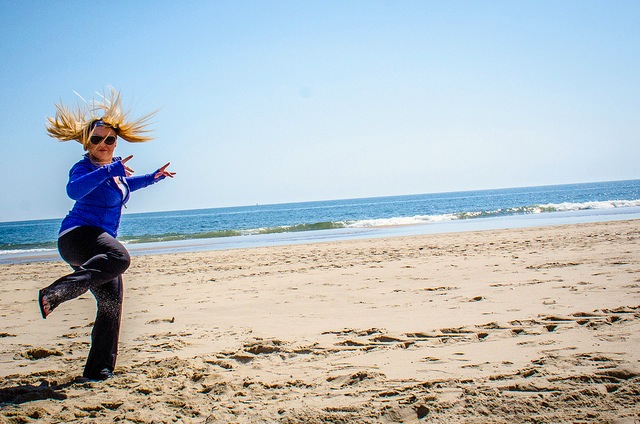
    Since she died, I have been doing things to heal myself that I never would have tried before. Ecstatic dance—two hours where I keep my eyes closed and dance but, actually, I find myself shaking the whole time, like I did in hospital, and crying, letting it all out. Shaking my arms and kicking my legs out over and over again.

    I have seen a healer and had a dynamic breathing session, where I howled like a wounded animal for everything that I have been through and what I have lost—my childhood and now my child.

    Since being home, I have been having hypnotherapy and more dynamic breathing sessions, as well as EMDR therapy. All with the view of healing myself, trying to love myself. My body has hurt more than I realized is possible. While dynamic breathing, the pain I felt in my stomach before I breathed it out was immense. Physical pain from mental pain.

    I feel like my daughter gave me love, and I am honoring her by making sure that this next part of my life is going to be healthy. I am going to hug myself, breathe deeply, and try to calm the nervous people-pleaser inside of me. It’s going to be hard, but by now, at fifty, I feel I am ready to do the work.

    Wish me luck!

    Rest in peace my Taylor Swift-loving Ella Bella. She was eleven when she died.

    We will dance for you when we see Taylor next year.

    And for anyone out there who’s dealing with unbearable pain of their own, I can’t promise you the pain will ever fully go away. But maybe, like me, you’ll find a little relief in moving your body to get some of it out.

  • 5 Ways to Use Movement (Not Exercise) to Support Your Mental Health

    5 Ways to Use Movement (Not Exercise) to Support Your Mental Health

    “Nothing is more revealing than movement.” ~Martha Graham

    It seems like only yesterday that I was at home with a newborn, a kindergartener, two dogs, and a husband who, just like me, was working from home, when we were thrown into the unthinkable COVID19 pandemic.

    It didn’t take long for the stress and tension to build in my body. The feeling of instability, uncertainty, and fear, not to mention the post-partum anxiety, took its toll on my body as it became more rigid, bound, immobile, and frozen.

    All the ways I had relied on movement as exercise were taken away, adapted to in-home and Zoom learning, which unfortunately did not work for my schedule or home life. It was the first time in a long time that I was not able to incorporate dance into my week.

    It seemed very hard to expand, stretch, even breathe, and that’s when it hit me. A little voice inside said, “You need to practice what you preach!” I needed to redefine movement and focus it on my mental health; connecting to movement for emotional well-being and not just for physical activity.

    When most of us think of movement we think of exercise. While all exercise is movement, not all movement is exercise.

    There are so many ways our bodies move, even involuntarily, that contribute to not only how we feel but what we think. Science tells us that molecules of emotion exist throughout the body, so wouldn’t it make sense that in order to manage those emotions, we need to tap into all the ways to move the body that houses them?

    First, let’s look at what movement is. Movement is anything that allows the body to change position or relocate. This can be something as grandiose as running a marathon, or a resting heartbeat, blood pumping, even breathing. All of these examples involve parts of the body or the whole body shifting its position.

    So, with this in mind, how are you moving right now? Now ask yourself, how is this movement impacting my mood in this moment? Is it supporting a healthy mindset or perpetuating a habit or behavior that contributes to a negative thought pattern?

    In my case, as mentioned above, my movement was very limited, confined, and rigid. It was often impeded by another person, my newborn, who through no fault of his own needed me for survival. I neglected my own body’s needs and it took a toll on my mental health.

    Changing the way you think or even feel actually comes down to changing how you move. So what can be done? Here are five ways you can use movement to support your mental health.

    1. Focus on your movement right now.

    When we focus on our movement in the present moment, we minimize the anticipation of what’s to come, which is often tied to fear or anxiety. We also mitigate dwelling on the past, which can harbor feelings of guilt and doubt.

    Every movement is an opportunity to be in the moment, because every moment is found in movement.

    Bring to mind one part of your body and simply become aware of its shape, how much space it takes up, if it has any rhythm, or even the lack of movement present. Begin to shift this part of the body in small ways and explore how this part moves.

    I began to recognize that my body was closed and tight. So I intentionally made an effort to check in with my posture, giving myself an opportunity to stretch and expand in my body to counter the negative effects I was experiencing.

    2. Cross the midline of your body.

    When we engage in any cross-lateral movement, like walking, marching, or giving ourselves an embrace, we encourage one hemisphere of the brain to talk with the other. This boosts neural activity across the corpus collosum, which increases neuralplasticity, otherwise known as the brain’s ability to change. This allows new pathways to develop which directly corresponds to our emotional resilience, ability to problem solve, and think critically.

    Begin by giving yourself a big hug or simply touching opposite hand to opposite knee. You could also try exercises or yoga poses that require you to cross your midline, like side bends, windmills, or bicycling while lying on your back.

    3. Move your spine.

    When you engage in movement of your spine, you tap into your self-awareness. This vertical plane of the body houses our core; beliefs, identity, moral compass. Bringing attention to the spine and any way it is able to move gives us the opportunity to become more aware of our inner world, how we feel, and what we need.

    Keep in mind that you do not have to be flexible, but gently explore all the ways you are able to move your spine, rib cage, and even hips.

    I like to start my day from the comfort of my bed, lying on my back, bringing my knees into my chest, and hugging my legs. As I tuck my chin, this allows my spine to curve as I attempt to connect head and tail.

    4. Play with timing and space.

    We move in familiar ways because we like comfort, even it that comes at a price for our mental health.

    Our bodies tend to stick to a certain timing, pace, and even shape as we move through our world. When we change up the timing and shape or the space our bodies take up, we begin to challenge our minds by moving out of our comfort zone. This can be uncomfortable, but done in small bouts and with ease, can increase our window of tolerance or ability to manage stress.

    Notice the natural pace of our movement (walk, gesture, etc.) and try speeding it up and/or slowing it down. Same thing with space, can you take up more space? How does that feel?

    5. Move more, not better!

    Increasing all the movements at our disposal makes us more resilient in our minds. When you only move in so many ways, then you can only think in so many ways.

    When we move our bodies more, in new and unfamiliar ways, building a robust movement vocabulary, we increase our ability to transition through life, manage challenges, or at the very least, begin to connect with ourselves in a different way. This can lead toward more self-compassion and empathy.

    When I began moving more throughout my daily life, I had more compassion for myself and my children, who were also struggling to make sense of the world, just like me. I could model my own need for regulation and safety in my body, and as a family we were better for it.

    Your body, and its movement, is your greatest resource for emotional well-being and mental wellness. It often starts with noticing all the ways your body currently moves and inviting in new ways of moving whenever possible.

    There is no wrong way to do this, as it is an individualized practice designed to harness your own mind-body connection. Furthermore, it’s not the movement alone that matters but the execution as well. Being mindful and intentional as you engage in this practice is vital.

    Integrating the aforementioned tips into your lifestyle is a guaranteed way to A.C.E. your mental health. By becoming more AWARE of our movement, we can CHALLENGE our current behaviors and EXPAND our minds in order to live more emotionally regulated lives.

  • Start Your Day Right with the Magic Morning Mindset

    Start Your Day Right with the Magic Morning Mindset

    “What nine months of attention does for an embryo forty early mornings alone will do for your gradually growing wholeness.” ~Rumi

    We would likely all agree that manicures, baths, and cozy movie nights on the couch all fall under the umbrella of self-care. But I believe that it’s time—actually, beyond time—to go deeper and re-claim what self-care truly means. It’s also time to see self-care as imperative, and to move it from the lonely bottom of our to-do list and plant it firmly at the very top.

    For me, self-care has become my fuel and my fire. When I claim time on my calendar on a regular basis for things like play, sister time, and self-reflection, I stay in connection with myself and the things I actually want to say yes and no to.

    Self-care is about clearing out the cobwebs in my mind with daily journaling and going to the gym. It’s about telling my husband, “I can’t make dinner for us tonight, my love; I need to go and have some time alone and take a bath after a long day.” And doing so without guilt.

    And the miraculous thing is, the more I claim time for myself, the more I overflow with generosity and patience for the people I love most. See how that works? The more I give to myself, the more I can give to others from a place of fullness.

    We would never dream of driving cross-country without stopping for fuel, snacks, and water—or trying to make the drive on an empty tank. Yet we seem to think that we can keep pushing through our own exhaustion without consequences.

    When I look back at my own journey from physically, emotionally, and spiritually falling apart, to reclaiming myself on all levels, I see it all began with a decision to stop caring so much about what others thought, and to make my own wellness, happiness, and voice priorities again.

    I began to notice that when I gave myself permission to speak up for myself in the moment, even as my voice was shaking, I left the conversation with a sense of wholeness, without any lingering emotions that were not honored.

    When I didn’t speak my mind, and held in my opinions and needs, I ended up at Best Buy yelling at the customer service manager because I had so much pent up sadness and anger from stuffing things down and being “nice.”

    The more I was honest with myself about my self-care needs, the more I could be myself with those around me.

    It all started over a decade ago. I had just dropped my son off at pre-school. As I sat in my car in front of the coffee shop where I had intended to work for a few hours, I found myself unable to get out of the car.

    I felt the tears start bubbling up, but they weren’t quite ready to flow yet. After all, I didn’t really have anything to cry about, did I? My son was healthy, my husband loved me, we had a steady income from his job, and I had the freedom to create a business.

    Our home was warm and furnished. We had friends and family to call on. Admittedly, my sister and mother were both thousands of miles away. And my best friends were on opposite coasts. But I’d thankfully found a few new friends to share the early motherhood journey with, and they were truly lifesavers for me. I’m sure I was that for them as well.

    Yet, there I sat in my car, stuck in a fog of confusion, unable to step inside the coffee shop. All I could think was, “Who the hell am I now? Where did the me that I knew so well go? And who the hell am I about to become?”

    That’s when the phone rang. It was my sister (i.e. divine intervention). She asked me how I was, and that’s all I needed to hear. The floodgates broke wide open and the waterfall of tears began.

    “What’s wrong??? Are you okay???” she asked.

    “Yes, no, yes… well, everyone is fine, I’m fine, it’s just…I don’t know what the hell I’m feeling… I’m just… sad.” There was some kind of relief in letting myself cry and saying it out loud. It felt like a valve that had been screwed on too tightly had suddenly been released.

    I realized during our conversation that part of me had been hiding for a while. This was the part of me that had been letting go of who I was little by little. As I became a wife, a mother, a resident of a new state, and a homeowner, the parts of me that were used to more freedom, more expression, and less constraint in speaking my truth, began to emerge. And this part of me was pissed, hurt, sad, and ready to run.

    But I knew that I couldn’t run back to who I was before I got married and became a mama. And I couldn’t run forward either because the ground in front of me had become uncertain; I didn’t know how I was going to step into all of these new roles while still maintaining a sense of myself. All of my attention was now focused on keeping another human alive, and being the wife of this man who was now my only family in this new place.

    Instead of running, I just imploded, but it happened slowly, over time, so that I hadn’t noticed.

    Over the last several years of hustling to build a business, raise a baby, and build a home, my body had taken a backseat to my brain and my to-do list. And now, at this very moment, after years of pain in my belly, and sheer exhaustion, my body was ready to be honored again.

    Back in the car, my sister asked me the one thing that would shift the trajectory of my life: She asked me if I felt like going to a yoga class. She said she remembered a time in our lives when I was shouting my enthusiasm for yoga from the rooftops. And admittedly, it had been years since I stood at the top of my mat and held my hands in front of my heart.

    After I stopped crying, I promised her I would get me to a class.

    The very next morning I was in this gorgeous azure blue and gold studio that would become my anchor over the next two years.

    I cried at some point during almost every yoga class for the next six months. And I slowly began to feel my body arrive in the moment again. I could feel the parts of myself that had been hiding begin to show up and talk to me on that mat. Each pose was slowly coaxing me back to myself, and molding me into the new self that I was becoming.

    About six months into my new yoga habit, Deborah, my powerhouse yoga teacher, offered a six-month yoga teacher training intensive. Even though I had no desire to teach yoga, I felt an instant yes in my heart and body.

    We met every other Saturday and every other Wednesday evening. This was the first time I committed to being away from my son on a regular basis. The guilt I spread on myself was thick, but I knew I had to do this. I knew it would be what I needed so that I could actually be present when I was home and give to my family in the way that they deserved.

    One of the aspects of the yoga teacher training was to commit to doing yoga every day. More specifically, every morning. As the mama of a young kiddo who was still not committing to a regular sleep schedule, my morning sleep time was not something I was willing to give up.

    But I trusted Deborah as my guide and mentor. She had taught me to connect with my body and emotions on a deeper level than I had ever considered before. Through movement, writing, and meditations, she showed me how to recognize my emotional triggers and to release my tension so that I did not hold it in my body for years to come (as I had been doing all of my life). So I begrudgingly decided that I was willing to try this morning yoga thing.

    I thought, “I could give up five minutes of sleep and start there.” And that is exactly how it all started. The magic was born in those first five minutes.

    I noticed something shifting for me during those first few days of my new morning commitment to be someone who wakes up a little earlier to move my body, meditate, and breathe.

    I noticed that my patience level with my son was expanding. I noticed that the things I had normally found frustrating became amusing. I was more peaceful during transitions, and my son began to notice as well. Even at three to four years old, he told me I looked happy. That was all the motivation I needed.

    Next, I committed to ten to fifteen minutes of this morning routine. And on days when my son woke up earlier, I began leaving out a little basket of toys and books that would occupy him while I finished. There were definitely mornings when he just needed me to hold him or cuddle. And that was just fine.

    I realized that this was truly an evolving practice and that he wouldn’t be four years old forever. There was no use in getting rigid about something that was meant to help me find more peace and joy.

    Over the next decade, my morning yoga turned into the Magic Morning Mindset because the more I practiced, the more I found that synchronicity, laughter, abundance, and much more began to arrive with ease and grace.

    I believe this is true for everyone. If you’re looking to take better care of yourself, mind, body, and spirit, the morning is where it starts.

    Whether your morning mindset practice is short or long, includes yoga or dance, includes writing for an hour or for just five minutes, there’s always a benefit beyond the morning hours.

    The way you start your day sets the tone for your day. Starting with the Magic Morning Mindset prepares you to be calmer, more joyful, more connected to yourself, and better able to voice your needs. By prioritizing self-care and putting it at the top of your to-do list, you’re telling yourself that your needs matter.

    What is My MAGIC Morning Mindset?

    M – Movement
    A – Alignment
    G – Gratitude
    I – Intuition (or Intention)
    C – Connection

    How Can You Start?

    1. First, set the intention that you want to create a three-step Magic Morning Mindset.

    2. If you have a hard time waking up, commit to going to bed a bit earlier (even fifteen to twenty minutes will make a difference)

    3. Decide what you want to do for your mind, body, and soul (you can find some ideas below).

    4. Set yourself up for success—lay out a yoga mat the night before, or have your journal and a few pens ready. (I can’t tell you how many pens I’ve gone through over the years.)

    5. Stay gentle by starting with five minutes.

    6. Notice how you feel throughout the day after doing the Magic Morning Mindset practice.

    Some Ideas To Get You Started

    Mind

    • Write down your dreams.
    • Just write without editing, even if it feels really weird and you’re writing nonsensical words. Just write.
    • Write ten to fifteen I AM statements: ex: I am committed, I am loved, I am happy, I am light.
    • Write any thoughts or ideas floating around in your mind until you feel lighter.
    • Journal about anything that comes up while doing these practices so that you can reflect on your journey as you go.

    Body

    • Put on your favorite song and dance.
    • Do three to five yoga sun salutations.
    • Stretch and move any way that feels good in your body.
    • Do some push-ups and jumping jacks until you feel warm in your body.
    • Journal about anything that comes up while doing these practices so that you can reflect on your journey as you go.

    Spirit

    • Sit quietly for three to five minutes just noticing your breath.
    • Choose a guided meditation.
    • Meditate any way that feels good to you (there are countless resources).
    • Start with even one minute of stillness and see how it feels.
    • Journal about anything that comes up while doing these practices so that you can reflect on your journey as you go.

    As with all new things in life, you may feel excited about starting your morning with some magic at first, but then find you have less time on some days than others. Over the last decade of practicing this Magic Morning Mindset, I’ve had long stretches where I’ve felt fired up and have woken up early enough to enjoy a luxurious sixty to ninety-minute morning practice. But on some days, I’ve only been able to squeeze in five to ten minutes.

    I can feel the difference in my day when I choose to invest more time in my morning. But I don’t give myself a hard time when it has to be shorter. The secret sauce is to stay open and flexible, and to take it one day at a time.

    As long as you are showing up for yourself in some meaningful way each morning, you are saying yes to your wellness and your joy, and staying connected with yourself.

    Make this practice your own and notice the changes in your day and in your life as you prioritize your own needs and get you back on the top of your to-do list.

  • Discovering Pleasure in Movement Instead of Exercising from Fear

    Discovering Pleasure in Movement Instead of Exercising from Fear

    “The choice that frees or imprisons us is the choice of love or fear. Love liberates. Fear imprisons.” ~Gary Zukav

    I come from a family of runners. When I was a young girl, my father would rouse us out of bed on the weekends to run the three-mile par-course at the local park, competing with my siblings for who could do the most sit-ups at the stations along the route. We would end the event with a bunch of chocolate eclairs from the local 7-11 as a reward.

    As benign as this story may be, it describes a pattern of connection between exercise and food that, by my late teens, became a rigid and dominating force in my life.

    The rules were clear: if you run or swim, you’re allowed to eat ice cream (my favorite treat); if you burn enough calories each day, you are a valuable human being who deserves to be on the planet and feel good about yourself. These beliefs crept in and took hold in my mind and became a kind of religion, complete with rules and a doctrine, as well as self-inflicted emotional punishments for deviation.

    As many of us do, I received messages from the world about needing to control my body and food.

    One family member told me that “making friends with my hunger” was an admirable power I should strive to achieve. Another time a complete stranger hit on me in a bar and when I declined to talk to him further, he said he thought at first I was “fat” (or maybe “phat”?) but now decided I was just “large.” I guess one was a compliment and the other an insult, but I found both mortifying.

    In a strange way, I think becoming bulimic saved me from this rigidity. If I ate too much and didn’t feel like exercising, I had another way to repent of my apostasy: I could always purge. I read somewhere that people with bulimia can be described as “failed anorexics,” and maybe this was true for me.

    By the time I reached my early twenties, I had made great strides in healing my eating disorder through psychotherapy, taking a deep dive into spiritual practices like meditation, and tuning into bodily wisdom and intuition. But my inner critic continued to torture me with demands for intense exercise.

    I gained more weight than I ever had before as I let go of the most dangerous part of the eating disorder—the purging—yet it was more difficult to surrender the last line of defense between me and the fat, ugly, undisciplined mess I was sure I was doomed to become.

    One of my mentors made a gentle suggestion that I give up exercise completely. I thought she was out of her mind! Her suggestion posed a threat to my ego’s fragile illusion of control over my body, so I pretended to entertain the idea but secretly shoved it away.

    Eventually, though, I took a good, raw look at the state of my body and mind. I had chronic shin splints from high school and college sports that had never fully healed; my body was always hurting as a result of developing an autoimmune disorder; I had come to hate exercise; and outside of the ephemeral moments of peace I found during meditation, I was depressed and anxious.

    It was time to put things on the line and test out the radical new approach to self-love, of not exercising.  So I decided that I wouldn’t exercise unless my body asked for it. For-real asked for it, not obeying the dictates of mental compulsion.

    I waited.

    One month passed.

    The first month was the hardest. Lots of self-criticism emerged, as well as fears about gaining weight. I breathed and talked to friends, did manual work cleaning houses (my gig at the time), journaled, meditated, prayed to a feminine divine presence whose wisdom I had begun to trust—if only just a little bit.

    Then the feelings came. Lots of feelings. Crying, memories of things I had forgotten about from a childhood riddled with trauma and loss, fear about the future. Feelings of shame about my eating disorder, my body, my lack of accomplishments despite a higher education.

    The second month.

    I started to notice more pleasant feelings. Pockets of peace and well-being, even moments of joyful laughter began to open like surprise packages from myself. Without exercise, my days became slower, more meandering and unstructured, and I felt free for the first time since I was quite young.

    The third month.

    I became aware of an effervescent feeling inside my legs, a bubbly, tingly sensation. I asked myself—what the heck was that? Then it came to me, my body wanted to move!!

    That day I took the most delicious walk in Golden Gate Park, not having any agenda about where I was going or how long I’d walk for. I found a grove of eucalyptus trees that shrouded me in complete silence, the kind of silence that is a palpable presence against your skin, like a hug, and I sat down in the middle of the grove and wept with joy. In that moment, I knew I was going to be okay.

    In that moment, I didn’t care how big or small my body was. I just wanted more of this moving-for-pleasure, this moving that comes from deep within. Moving because I’m in a body that wants to express itself with joy, grief, play, and all the emotions in between.

    That’s what happens when we stop pushing ourselves from a place of fear—fear of losing control, gaining weight, and not being good enough. We eventually feel pulled by a sense of love—for ourselves, for our bodies, and for the deeply satisfying and invigorating act of moving.

    Did I ever feel “fat” again and try to force myself to run to make the “feeling” go away? Or suffer an attack from my inner critic? Yes, of course.

    But what I discovered was that the journey out of an overexercising pattern doesn’t come from listening to the same old toxic and relentless demand for exercise. I had to rediscover the deep and spontaneous source of my body’s own desire to move in order to begin to heal.

    Once I found that natural aliveness, even though the old fearful and manipulative thoughts preyed on my mind from time to time, they didn’t have as much power as before, and I could hear another, kind and compassionate voice, stemming from deep-body-listening.

    My practice after that was to wait for that tingly bubbly feeling in my legs, which usually happened every four days or so, and use that sensation as a guide. Then I would take my bus pass, put on my running shoes, and walk or run as far or as little as I wanted.

    Sometimes I made it miles to Ocean Beach and sat on the wall meditating, then took the bus back.  Other times I just went to my favorite grove of trees and prayed and cried and felt so incredibly lucky to have listened to the small, quiet voice bubbling up from within.

  • Movement, Stillness, and Insight: My 3 Daily Non-Negotiables for a Busy World

    Movement, Stillness, and Insight: My 3 Daily Non-Negotiables for a Busy World

    “Put yourself at the top of your to-do list every single day and the rest will fall into place.” ~Unknown

    We live in a busy world. There is always something, or someone, fighting for our attention. It’s easy to feel overwhelmed. It’s easy to lose the time we need for ourselves. The white space in our days is often the first thing to get squeezed out as demands on our time escalate.

    To combat this pull to overwhelm, I decided to create a list of daily non-negotiables.

    Having a list of non-negotiables means I get to control at least a portion of my day. I can ensure some of what is important to me keeps its space when everything else is at risk of being crowded out.

    The Daily Three

    My daily three, as I have coined it, includes time for the following.

    1. Movement
    2. Stillness
    3. Insight

    Let’s break each down.

    Movement

    This is time for either a formal movement practice (most often bodyweight strength work, some weights, or yoga), an informal mobility flow and stretching what is tight, or just a long walk. Some days will include a combination of all.

    I believe deeply in the power of a physical practice. Regular movement is good for the mind and body. It energizes and nourishes us. It can also boost our mood, reduce chronic pain, and help us sleep better at night. All good reasons to make movement a priority in our days.

    And this time doesn’t have to be something we dread, like an early morning trip to the gym (personally, I love these). We can also introduce an element of play. Discovering movement on a deeper level. Rediscovering that childlike quality of just enjoying being in our bodies and seeing what they can do, whether that means dancing, tumbling, hula hooping, playing frisbee, or running down a hill, arms flailing, like we did as kids.

    There are many ways we can settle on what works best for us but also experiment, peppering our day with mini-movement breaks.

    Stillness

    Time to reflect, to ponder. Time to absorb. Time to reset and replenish. Time to be.

    Some will use this time for a seated meditation. I prefer long walks (which, along with writing and yoga, are as close as I get to a formal meditation practice).

    This is also my time for listening to music. Music settles my mind on the busiest of days, bringing me back to myself. For others, it may have the reverse effect, but this works for me.

    Less frequently, this space will also mean time for a more indulgent self-care routine (massage, sauna, steam, etc.). Time to switch off and be pampered. We all deserve some pampering occasionally.

    Time in stillness can often mean thinking of how I can be of service to others and the world around me in some small but meaningful way. This could be a random act of kindness or something more substantial. While self-care and time inside our own heads is important, so is time spent thinking on how we can make the world a little better for those around us.

    This is also the time for a gratitude practice. Thinking of one to three things I’m grateful for today. Big or small, they all count.

    Making space for a gratitude practice is one of the most powerful changes anyone can make to their lives. It shifts the lens through which we see the world. When we feel gratitude, true appreciation, and joy for something, it’s hard to stay in a negative space. When I think about being grateful for something (or someone), my mind clears; it focuses purely and simply on the act of being grateful.

    Too often in life, our mind wants to zig and zag. Striving for the next thing and the next. Planning and plotting ahead. Dwelling on the negative, what we are missing, what we did wrong, how far we are from our goals, how we dealt with a situation in a less than optimal way. This negative bias and future-creep do not serve us well. We suffer.

    Instead, we need to be a little kinder to ourselves and detach from our expectations of what could or should be. Making time in our day for stillness acts as an anchor to bring us back to ourselves. It’s grounding.

    Insight

    Time to learn something new or dig deeper into an area of interest.

    This will usually involve reading (or re-reading) a book, listening to a podcast, or listening to someone smart.

    Sometimes it might be a passage from a favorite book I come back to or a quote that speaks to me. I collect quotes for my writing, but there are several favorites I return to over and over. They always provide me with inspiration and are a source of energy.

    This can also be a time to go deeper on a subject in a more expansive way. A course, workshop, or some time with a coach of some sort. Doubling down on a subject we are passionate about.  Investing in our knowledge.

    Why Have a List of Non-Negotiables?

    Your non-negotiables may be different than mine, depending on your needs and values. Regardless, this practice ensures we prioritize the things that serve us (or we need) amongst other priorities. Writing them down and having them in our mind’s eye keeps them present.

    This can be time for self-development and self-care. Time to grow, time to reset, time to reflect. Time to slow down.

    This is positive fuel that we can run on. A foundation to launch from.

    Why Daily?

    A daily frequency is particularly important when establishing a new habit. Once ingrained, you may wish to revert to a less frequent practice.

    A better question might be, if it’s important, why not daily?

    Why Three?

    Because it’s not too many or too few. Three is doable. You might prefer more or less if you give a similar practice a proper go. Experiment and keep what works for you. As my examples have shown, I have been liberal in what my three encompass, I encourage you to do similar.

    The Time Conundrum: Doing What You Can, When You Can

    When life gets busy, it can be tough to find any free time in your days, especially if you have young children (or babies) to see to, or elderly dependents that count on you.

    The good news is you can work your non-negotiables into the time you have available. A short five minutes here or there, between other responsibilities, adds up.

    If you have trouble making time for half an hour of seated meditation every morning, perhaps you could reduce the pressure and instead allow five to ten minutes before you go to bed (or even in bed) each night instead. Or use a meditation app on your phone for your day while walking from work to home. As I write this, in our home, we are currently experimenting with some Yoga Nidra time just before bed.

    You can even look for opportunities to combine some of these non-negotiables with your other daily activities—for example, dancing with your kids so you get the benefits of movement while bonding with your little ones.

    The important thing is that we make at least some time for things that are important to us and for us, a promise to ourselves and form of self-care. Some days we might have more time, some days less.

    There is no right way to do this. We all work from where we are and with what we have. These non-negotiable elements should add to the quality of our lives, not create an additional stressor.

    So long as we make a little time for the things that nourish and energize us, we will reap the benefits.

    Experiment, make your own list of daily non-negotiables, and feel the power of this simple habit.

  • Move Your Body, Calm Your Mind: 5 Practices That Help Ease Anxiety

    Move Your Body, Calm Your Mind: 5 Practices That Help Ease Anxiety

    “Get out of your head and get into your body. Think less and feel more.” ~Osho

    Do you want to meditate but the idea of sitting with your thoughts for twenty minutes gives you anxiety? Or maybe meditation seems like one more task you have to add to your ever growing to-do list, so you take a pass?

    As a working mother of three, I’m no stranger to daily stress and routine overwhelm. Life in the twenty-first century can be pretty hectic, especially for busy moms, and so many of us search for practical ways to minimize the stress and anxiety that are so common in our society.

    Meditation seems like a perfect solution. It’s “easy,” accessible, and it’s good for our health, both mental and physical. It reduces stress and improves emotional regulation, concentration, and sleep. It helps us develop more kindness and compassion, for others and ourselves.

    Sounds like a perfect cure. Except it’s hard. It can feel like a chore or a time thief. And it often triggers our fears and anxieties, especially if we have a history of trauma we’re still healing. 

    So why not adjust the traditional meditation practice to reflect our modern lifestyle and constrictions? Why not mimic the practice of mindfulness while moving your body? Instead of sitting still, why not focus on gentle, repetitive movements that are enjoyable, all while reaping the benefits of mindfulness?

    Believe me, you can have it both ways.

    I am a Type A person. I am driven, full of energy and ambition. I’m competitive, over-scheduled, and always on the go. And I don’t have much patience, or time to kill. Sitting still for twenty minutes is often the last thing I want to do.

    Another hurdle for me was anxiety, which often peaked when I opened up to my internal world of thoughts and feelings, as one does while sitting in meditation. I do better now, but in the first year of practice I often felt triggered and overwhelmed—precisely the opposite of what I was going for.

    This is common for people with trauma or chronic pain. We tend to numb, distract, or ignore distressing sensations in order to make it through the day. Mindfulness requires the opposite of such disassociation.

    When sitting in meditation, I was to focus on and “befriend” my body, along with the residue of trauma still lodged in it. Despite my best intentions I would become fidgety and agitated instead. Noticing my pain, both physical and emotional, seemed to increase it. I’d find myself trying to resist it, run from it, beat myself up for not being able to just “observe” my experience, and then criticize myself for beating myself up. It was a vicious cycle.

    I understood that the goal was to learn to be with my experience, and it did get easier over time, but often it was too much to handle.

    Needless to say, I’ve searched for alternative ways to meditate, ones that didn’t involve sitting still but were movement-based instead. And I found plenty.

    The Meditative Benefits of Rhythmic Movement

    Many of us have experienced some type of trauma or significant stress in the past. It’s part of a human experience. Even if we were lucky enough to avoid trauma, we live in a world of chronic stress and overwhelm. We often operate in “survival mode” and experience chronic muscle tension and fatigue. We feel anxious and maxed out too often.

    Anxiety is often a symptom of a freeze response in fight-flight-freeze—the feeling of helplessness, our inability to change or escape a difficult situation, such as the daily stress that comes with our modern lifestyle. Movement is a great antidote to that freeze state. It gets us unstuck.

    Stress gets stuck in our bodies. We carry this tension around with us and it affects us on a body-mind level. Movement is a great way to release that tension and get back to a relaxed state. Repetitive movement can also bring us into the state of mindfulness, giving our body a chance to press the reset button and kick in our natural healing and renewal processes.

    Rhythmic movement, just like meditation, can be very therapeutic and healing. It helps integrate our body and mind, reset the nervous system, and rewire the brain for healing and wholeness. It’s not only good for your physical body but your mental health too.

    Meditative movement activities are grounding as well. Feeling grounded is the exact opposite to perpetual worry.

    Anxiety is about getting stuck in our internal world of thoughts and feelings. The repetitive movement, however, helps us get out of our head and reconnect with our body, grounding and centering us, connecting us back to the earth and to ourselves.

    Grounding reduces inflammation and emotional stress, elevates our mood, and improves our immune responses. It brings us back to feeling centered and secure. And it’s exactly what we need in times of struggle and overwhelm.

    5 Movement-Based Meditative Practices Perfect for Anxious People

    There are a number of activities that have a meditative effect that don’t require you to sit still for twenty minutes. In fact, any movement that’s relaxing and repetitive can give you similar effect as meditation. The trick is to go slow and bring mindfulness to the practice. And if you enjoy doing it, you will find it easier to add to your daily routine, so it won’t feel like a chore.

    Here are my favorites:

    1. Walking

    Walking is one of the easiest anxiety-reducing movement-based techniques. It can invoke mindfulness, clear your head, and release stress from the body. And if done in nature, you will feel more wakeful and alert and, at the same time, open, relaxed, and spacious.

    2. Hatha yoga

    The most rewarding for me personally, Hatha yoga is a gentle practice of body-mind integration. Yoga combines awareness of breathing with asana practice, enabling you to achieve the state of mindfulness and wholeness. It’s easy and accessible to everyone—you don’t have to join a studio, simply search YouTube for inspiration and lesson videos.

    3. Gardening

    Nothing connects me more to my surroundings than gardening. Great for anxiety and taming the monkey mind, gardening is a perfect activity to help you become mindful and engage with the world around you with all your senses. The calm of gardening can bring about the state of flow, as you become fully absorbed in the activity. Gardening is grounding; my garden is my personal Zen.

    4. Swimming

    Swimming is a gentle exercise that allows you to focus on deep breathing and the rhythm of your stroke, both lulling you into a state of deep relaxation. It comes with minimal distractions and is a great tension reliever. All you need is a body of water.

    5. Dancing

    Focused on expression on a bodily level, dancing allows you tap into your body’s own healing resources. It’s therapeutic. You connect with your body in elemental ways and allow it to express feelings often hard to convey in words—something especially beneficial for trauma victims and people suffering from anxiety or depression.

    By being mindful while dancing, you also learn about yourself and your body and embrace your creativity and the comforting flow of pleasant physical sensations, fully re-engaging with the present moment. And that’s healing.

    Whatever practice you choose, use the movement and sensations of your body to bring your awareness to the present moment. Draw your attention to your hands and feet, the sensations of touching the ground, and your arms swinging or shifting in motion.

    Follow your breath as you inhale and exhale deeply and air travels in and out of your lungs. Let the rhythmic flow of your movements relax your mind.

    Listen, notice, smell, and feel into your surrounding, using your senses to anchor yourself in the present moment.

    Observe your experience, including your thoughts and feelings, without judgment. Notice when you get lost in thoughts, and bring yourself back to the movement, back to the now.

    Try to add mindful movement to your daily routine, if possible. It’s a great way to reset your mind and remove stress out of your body, in a gentle and supportive way. Weave your favorite meditative activity into your daily life, without the distraction of technology. Make it your self-care habit.

    And don’t forget to tap into mindful movement in times of struggle and overwhelm, to gently shift your body and mind out of stress and into relaxation. It’s a great alternative to sitting meditation when anxious energy is stuck in your body, ready to be released in an active way.

    Mindfulness Takes Practice But You Are Worth It

    I used to ruminate a lot on my walks. With practice, I’ve learned to let go of my onslaught of thoughts and bring myself back to the present moment. I now focus on the smell of freshly cut grass and the feel the breeze on my neck and sun on my face, and pay attention to each step and how it resonates through my body. As I walk, I realize the beauty around me and fill my heart with joy and gratitude. That uplifting energy fuels the rest of my day.

    I do practice sitting meditation, and I have found it to be very useful. But my temperament begs me to move and be in nature, which is why I love walking and gardening.

    Think of what is healing, relaxing, and brings you pleasure. Then bring awareness to your body as you develop a practice of bringing that joy into your every day, whether through movement, a creative pursuit, or play.

    You are worth it!

  • Be Present, Be Yourself: 5 Lessons from Dance Meditation

    Be Present, Be Yourself: 5 Lessons from Dance Meditation

    Dancing

    “While I dance I cannot judge, I cannot hate, I cannot separate myself from life. I can only be joyful and whole. This is why I dance.” ~Hans Bos

    I am not a dancer. I was kicked out jazz ballet, and I am so clumsy that I once broke the mirror in an aerobics class. I don’t dance at parties, either, because to be honest I don’t enjoy it.

    But turns out, just like everyone else, I am also a dancer.

    A year and a half ago I was volunteering in the Turkish mountains, and after a rather upsetting situation I had the sudden urge to go out into the forest and dance, without music, in nature, in peace and safety. It was a beautiful experience, but I forgot about it soon after leaving Turkey.

    Last summer a friend of mine was passionately sharing her experiences at a dance meditation class she was taking. I’m still not sure why, but I just knew in my heart it was for me. I had to try it. I found a class, went, and completely fell in love.

    Movement meditation, or dance meditation, is an experience that is nearly impossible to put into words, as it is a dance without any instructions, following the music and the rhythms.

    In movement meditation class, people move their bodies as they feel like it, without judgment, just letting everything go, just being present, just being themselves.

    Besides running, I have never felt so safe, free, and present in the moment as during a dance class. It became my meditation, my relaxation, and a little slice of home in my heart.

    Movement meditation has given me so much—so much joy, so much passion, so many smiles, so many emotions. But most of all, dance meditation has given me so many valuable lessons to be used in my life.

    1. You can be part of the crowd and still be yourself.

    During movement meditation we dance alone, yet we dance together. Some people, like me, prefer to mostly remain in their own world, while others would rather connect for a while. We are all part of the same crowd, yet we respect each other’s world and remain in our own dance.

    It’s just like in real life: There are so many people busy running to work, to school, to pick up the kids, to get their shopping done, and so on. We pass each other; sometimes we connect and often we don’t, but we are part of the same place.

    We are all connected, occupying the same planet and connected to the same universe, yet there is room to be ourselves, to express our own creative power, and to live our own passion from our heart.

    2. Every body is beautiful.

    I looked rather skeletal when I entered my first dance meditation class after losing too much weight, while trying to heal from a chronic health condition through various cleanses and elimination diets.

    Since then, I’ve healed my health conditions and gained the weight back. My body is different now, and I would be lying if I said the change in my body shape has always been easy, but dance meditation has helped me tremendously with this process.

    Every time I dance I feel my body as something connected to and part of a beautiful bigger whole rather than as a lonely and disconnected object.

    Moving among other bodies, I not only feel an amazing connection, but I also experience how beautiful we are all, in body and spirit. Leaving class, walking down the street, I remind myself to respect my body, because, just like every body, it’s beautiful.

    3. It is okay to change direction.

    The music is different every class, and how I feel can be different every minute. Sometimes I do one thing, but then my heart changes and so does my movement. I can even sit down if I want to.

    I am a person who lives a rather alternative life by society’s standard, always following her heart wherever it leads her. Dancing reassures me that it is more than okay to change direction, stop, turn back, run forward, or jump between different roads.

    Dancing reassures me that the heart knows the best; therefore, it is the best to listen to the heart. The rest will follow.

    4. It’s okay to do your own thing.

    Looking into a dance meditation class may be crazy to a completely oblivious outsider. There are people jumping and even screaming. While others move gracefully in their beautiful slow dance, some are rolling on the floor, and yet a few are sitting in meditative pose. Everyone does their own dance, which can look chaotic at first glance.

    But as my teacher often says, there is no right or wrong; whatever and however you dance is okay, and the same truth holds for life.

    It is pointless to compare ourselves to others or even to our past life or future goals because we’re all different, coming from different places. Living in the present moment is a beautiful thing, and following our own instincts is the best way to live in the moment.

    5. Dance from your heart, live from your heart.

    Some days when I go to class I am extremely happy and I just want to put my joy on the floor. There are days when I come with sadness, anger, or frustration, which I am able to release in movement. Whatever I feel in my heart is the thing that comes out in my dance.

    I truly believe in the power and importance of authenticity. Just like in dance, living an authentic, honest life from our heart gives a tremendous amount of freedom, because it’s only in acknowledging and showing our true feelings that we’re able to work through them. To live free and happy, remember to live from your heart.

    Photo by m01229