Tag: kind

  • How to Reclaim Your Joy After the Pandemic: 3 Things That Helped Me

    How to Reclaim Your Joy After the Pandemic: 3 Things That Helped Me

    DISCLAIMER: Though vaccines have allowed many of us to return to more normal activities, the pandemic isn’t over, and it’s still crucial that we all follow the evolving CDC guidelines to keep both ourselves and others safe.

    “Perfect happiness is a beautiful sunset, the giggle of a grandchild, the first snowfall. It’s the little things that make happy moments, not the grand events. Joy comes in sips, not gulps.” ~Sharon Draper

    It was a rainy, late Sunday afternoon. The sun was already going down, and it was getting dark outside.

    “How are you?”

    “Oh, good. Nothing special. It’s quiet,” my mom responded when I called her a couple of months ago.

    “It’s quiet” had been her response for the past two years, possibly before that. My mom is retired. Since the pandemic, her life became even more “quiet” than before—fewer friends, fewer activities, less fun.

    I’m not retired, but I work from home, and the same happened to me. To some degree, I let it happen.

    I got used to not seeing people, not laughing, and not dancing. I got used to being alone, and it became more comfortable to stay home on Saturdays than going out for social activities. Was I developing a mild form of social anxiety? Maybe.

    Two things were for certain: my social skills had atrophied, and I had forgotten how to have fun. What was joy like?

    “I feel like this must be what it’s like for the elderly; when no one visits them and they don’t have many friends and activities, they sort of start dying inside.”

    “That’s how I feel right now,” my mom responded.

    Have you experienced that too at some point? Not feeling like doing anything and seeing people because you forgot how to connect with them and what you even enjoy doing?

    “I think it’s a slippery slope. We should do something about it. We should make an effort to break the pattern and start socializing and doing activities again before we die inside,” I told my mom.

    After hanging up the phone, I reflected upon what I had just said. I knew that “shoulds” wouldn’t make the situation better; I had to be proactive and do something about it. I took out a pen and a notebook and started writing an action plan.

    Here are the three things I wrote down that day that have most helped me to reclaim a sense of joy in my life.

    1. Do one thing on your list of “joys.”

    A piece of advice that was very helpful came from a friend who lost his partner to cancer a couple of years ago, just a few months after she was diagnosed.

    It was a shock to him. They had projects together, like buying a campervan, traveling around North America, and building a house off-grid. Suddenly, those plans were gone, and my friend had to learn to live alone again while coping with grief.

    One thing that helped him get out of depression and slowly regain his spark for life was to make a list of things that made him happy (even just a little). Every day for the next three months, he did as many things on his list as he could.

    I took that advice and created my list of fifteen “little joys.”

    They’re not complicated. They include things like watching the sunset, reading a book while drinking a mocha latte in the morning, walking in nature, wearing my favorite outfit, dancing to progressive trance music in my living room, and watching funny dog videos.

    Every day, I picked at least three things on my list to do that day; if I could do more, great! But I did at least three. Over a few days, this simple practice started making me feel happier.

    Of course, you’ll first have to create your own list of “joys,” but once you have it, it’s a wonderful tool to bring more joy into your daily life.

    2. Do one thing to trigger the “helper’s high.”

    Another thing that significantly impacted my mood and energy was to do one act of kindness every day.

    I had read articles about the science of altruism and happiness, and I knew that helping or being kind to others makes us happy. There’s even a specific term for it: the “helper’s high.”

    I began asking myself every morning, “What’s one act of kindness I will do today?”

    Since I don’t always feel creative first thing in the morning, I made a list of fifteen acts of kindness ideas that I could choose from. Like my list of “joys,” they aren’t complicated. They include writing a nice comment on someone’s Tik Tok video, posting an uplifting quote on Facebook, and complimenting someone.

    Just doing this one thing, intentionally, every day made me feel more alive. But in case you don’t feel inspired to do one act of kindness a day, here’s another idea.

    Another thing I started doing recently, which I learned from Tim Ferriss’s book Tools of Titans, is a ten-second loving-kindness exercise created by Chade-Meng Tan, the man behind the popular mindfulness-based emotional intelligence course for employees at Google called Search Inside Yourself.

    The exercise is very simple: A few times a day, randomly choose two people you see and secretly wish for each of them to be happy. You don’t have to do or say anything—just think, “I wish you to be happy,” with a sincere intention from your heart.

    I find both the ten-second loving-kindness exercise and doing one act of kindness a day therapeutic. They take our focus away from our problems and increase our sense of connection to others, even when the act of kindness is anonymous, and we don’t physically interact with the person.

    3. Do one thing every day to nurture your social circle.

    It took me some time to realize that my mental health was being affected by a sense of isolation. I’m an introvert and enjoy my own company. It wasn’t obvious that my desire to eat more ice cream than usual and my lack of motivation to get out of bed in the morning had something to do with spending too much time alone.

    Some weeks during the height of the pandemic, I talked to no one except my clients on Zoom and the cashier at the grocery store. And the more time I spent alone, the less I wanted to see people. The idea of socializing began to feel daunting, and I chose to stay home (alone) more and more often.

    But it was killing me inside. I had to break the solitude pattern before the hole I was digging and putting myself in became too deep.

    I started small but did something every day to revive my social life.

    One day, I commented on an acquaintance’s Facebook post. Another day, I messaged a friend on Messenger. The following week, that friend suggested we go for lunch, and I went.

    Friendships must be nurtured to grow stronger and thrive; otherwise, they atrophy.

    So, perhaps you can ask yourself every day, “What’s one thing I can do today to nurture and expand my social circle?”

    Start small.

    I did a few other things to bring more joy into my life in the past few months as well, like taking on a new hobby (learning to play the djembe) and attending social events every other week. But the three actions I mentioned in this article are the ones that made the most significant difference in my well-being in the long run.

    What do you do to feel alive and inspired? Share with us in the comments so we can all benefit from each other’s wisdom.
  • 20 Inspiring Acts of Kindness and Giveaway Winners for HumanKind

    20 Inspiring Acts of Kindness and Giveaway Winners for HumanKind

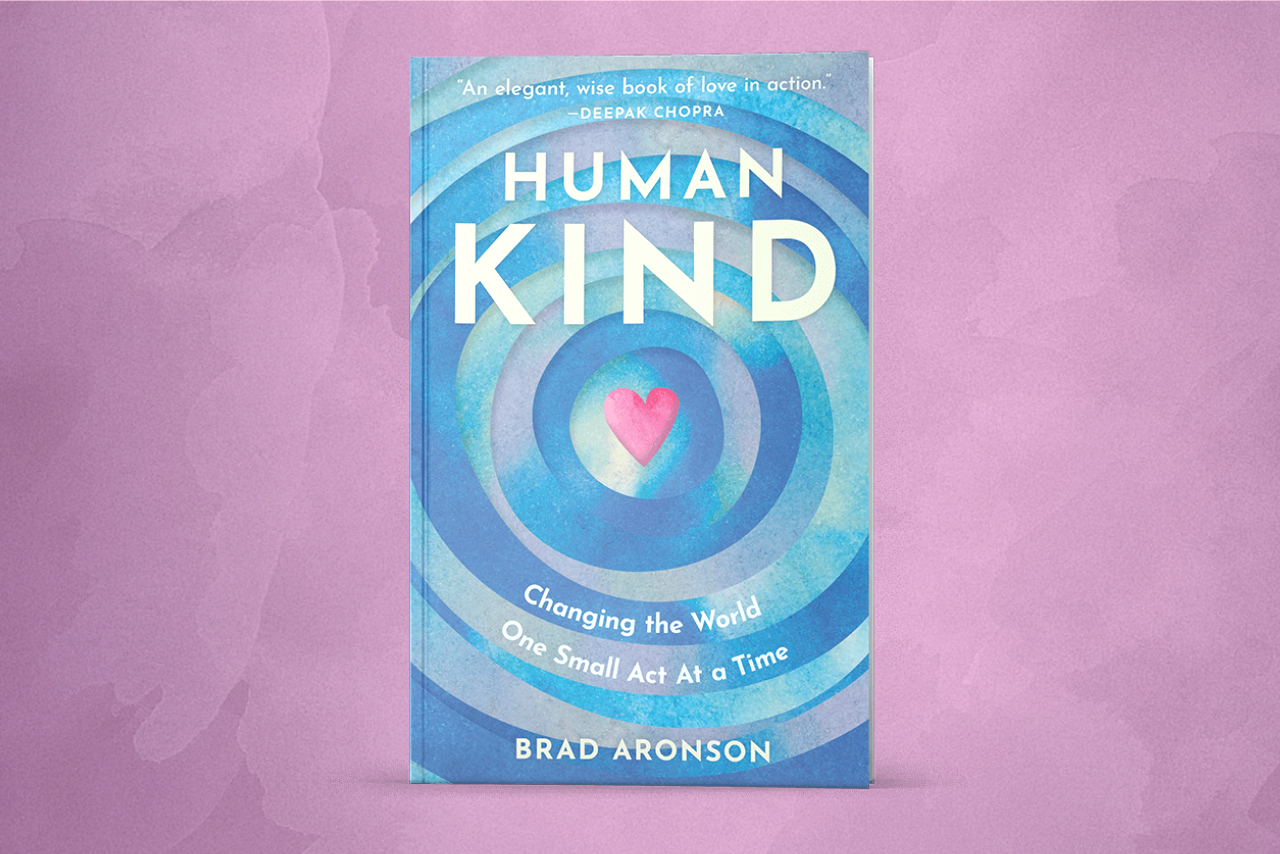
    Last week I ran a giveaway for Brad Aronson’s HumanKind: Changing the World One Small Act at a Time—a heartwarming book that highlights ordinary people doing extraordinary things and offers practical tips for everyday kindness.

    I had ten books to give away—four for the blog, three for Facebook, and three for Instagram—and I invited you all to share an act of kindness you’d recently received or witnessed for a chance to win. The four blog winners, chosen at random, are:

    Please email me at email (at) tinybuddha.com so I can get a book out to you!

    If you didn’t win a copy, I highly recommend you grab one for yourself or a loved one here (perhaps as a Mother’s Day gift to thank your mom for her kindness, or a graduation gift to help someone create a sense of purpose grounded in love).

    There’s a reason HumanKind has over 1,300 ratings on Amazon and endorsements from Deepak Chopra, Gabby Bernstein, and Neil Pasricha, among others. As one reviewer wrote, “It’s a feel good, do good book.”

    Judging from the stories many of you shared last week, I know you all appreciate little reminders that there’s a lot of love in the world, and HumanKind is cholk-full of them.

    Since you may not have seen the entries on social media, and I was deeply moved by the acts of kindness shared, I decided to post ten from each platform here on the blog. I hope they give you all the feels and boost your mood as they lifted mine!

    Acts of Kindness Shared on Instagram

    1. The last time we were in a metro, I stood up and gave my seat to an old lady. My eight-year-old boy observed this and kept quiet. A few weeks later, we were on a bus that carries people to the plane from the airport, and my boy stood up even before me to help an aged uncle with his bag and offered him his seat. He looked at me and winked like “I got this.” I felt so proud! ~@thearistochique

    2. I’m now in a wheelchair and can’t do a lot of things around my house without pain. My neighbor came over yesterday and cleaned my house. I was in tears being that I was so grateful. ~@susan1228r

    3. One afternoon my boss told me to log off and spend the last couple of hours in self-care. Amazing act of kindness. ~@brensiegollihue

    4. After a tragic loss in my family, my students welcomed me back to class by filling the whiteboard with sweet and encouraging messages. I don’t think I’ll want to erase them! ~@christa_ha

    5. I recently found out in January I have Stage 3 kidney disease. I have to watch my sugar to keep it under control. Yesterday was my birthday. I was a little sad because I knew I wouldn’t be able to have a birthday cake. One of my coworkers showed up and surprised me with a sugar-free birthday cake. Her thoughtfulness really touched me. ~vanellaj5

    6. When I was walking my dog last week, someone randomly gave me a dog toy they found on the ground (a rubber ball that looks like a baseball). Today, I took that ball with me to the dog park and donated it as a community toy for all dogs to play with. ~@saira.ashlee

    7. My boyfriend is incredibly selfless, he is always, always, always trying to help others. He recently helped a homeless person get gloves because their hands were in terrible shape from being on the streets so long. During their interaction, the man mentioned to my boyfriend he wanted to call his dad. My boyfriend called, and the father was ecstatic was there within fifteen mins to pick his son up. I told my boyfriend his kindness reunited that family, and he cried. ~coco__magnolia

    8. My landlord recently put a lock on the outside faucet so that I had to trek up and down the stairs from my apartment to water the few plants in the garden. The old lady downstairs noticed, filled eight one-gallon water bottles, and left them for me on the front steps. The plants were delighted, and so was I! ~@avabearbooks

    9. After having extreme hair loss following an extended COVID-related hospitalization, my spirits were low (along with my physical strength and lung capacity). Not only did friends cycle through safely to drop off meals for my family, I was also gifted handmade hair scarves and coverings.  ~@greenalien5000

    10. Our car repairman fixed our daughter’s car for free because he heard we were donating it to a boy who had cancer. Then he gave us plane tickets to fly home. ~@indy_blau

    Acts of Kindness Shared on Facebook

    11. As a voluntary support person for refugees, I have been amazed at people’s heartfelt willingness to help those arriving from war zones. Recently a woman—a single parent on a very basic income herself—donated a pram, highchair, toys, and clothes to the point that my car could not have held any more. The refugee family were in awe, and so was I. There is a lot of goodness in this troubled world. ~@Päivi Kinnunen

    12. My husband and I aren’t very plant-savvy, but we have a next-door neighbor who is! Our yard is much larger than theirs, but we don’t do anything special with it because we wouldn’t know where to begin. After several conversations about how we admire their garden and plants, our neighbor surprised us by planting a line of lilac bushes along the edge of our yard, and they’re now starting to bloom! ~@Melanie Hersh

    13. I am a paraprofessional in a high school where there are a lot of kids that come from rough households. I donated five prom dresses and I am doing makeup for the girls’ day of free of charge. ~@Jessica Ryan

    14. I am a nurse at a cancer clinic and watched one patient buy an obviously underserved patient lunch. The recipient was so grateful. ~@Kim Pirie

    15. I was in line at a grocery store, and I didn’t have enough money on my card. I was ready to put a few items back when the man behind me came up and slid his debit card to cover all my groceries—about $40 worth. That was so beautiful, a random act of kindness by a stranger. I plan on paying it forward when I can. ~@Susan Mahony

    16. We babysit two girls. One was upset over having lost her paci. Her younger sister popped out her own paci, stuck it in her sister’s mouth, and sitting side-by-side, put her arm around her sister. ~@Cindy Kline

    17. We live in a small West Virginia town, and an elderly townsperson hadn’t been seen out and about. She was a regular at the local library. The librarian was worried and knew that this person had health issues and no mode of transportation. She hadn’t been to the library for two days. They reached out to me. and I investigated with law enforcement, and we found her at home—no heat and no water.

    Local law enforcement delivered milk, bread, and personal hygiene products. We offered to put her in a local motel while we restored heat and water. She declined and thanked us for the offer. Local contractors volunteered to help with heat and to repair water pipes. Adult protective services helped with the situation too. I am proud of our community for working together to help a neighbor in need. This is what community is all about! ~@Bill Dawson

    18. I was trying to make a left turn onto a busy road when the next driver saw a break in traffic and slowed to let me turn. A very kind rush hour gesture. I then paid it forward by allowing someone to turn in front of me. We can all use a little rush hour kindness! ~@Lisa Pogge Bragano

    19. My eighty-four-year-old mother helps make “Mercy Meals” for people who are sick, elderly, or have been in the hospital, to make sure they get a nutritious and satisfying meal until they are back on their feet again. ~@Ryan Sherbrooke

    20. The kindest thing I’d ever received was when I was getting ready to transition from a job. Instead of a going away present, a thoughtful coworker gave me ten $20 Walmart gift cards with a card that said, “You always seem to know where help/kindness is needed.” My kids helped me carefully choose where each card should go—and really loved giving the last three away to random folks while shopping. I’m tearing up just thinking of the ripple her kindness sent forth! ~@Brooke Hall

    I don’t know about you, but I can’t get enough stories like these—tiny reminders that the world is full of good people who care and want to help. That’s why I love HumanKind. It’s the kind of book that fills you with hope and joy and inspires you to pay it forward, and the book itself is a kindness story, with all author royalties going to Big Brother, Big Sister.

    Thank you, Brad, for this gift to the world—and thank you to everyone who shared a story here and on social media!

    **Some entries were slightly edited for grammar or length.

  • HumanKind: The Inspiring, Uplifting Book We All Need to Read (Giveaway!)

    HumanKind: The Inspiring, Uplifting Book We All Need to Read (Giveaway!)

    A while back I shared a quote by an unknown author that reads:

    “You know who’s going through a lot right now? Literally everyone. Just be kind.”

    It got me thinking about all the struggles we assume other people don’t have—because we’d never guess from the looks of them.

    You’d never guess that your confident colleague struggles with PTSD from childhood abuse and neglect.

    You’d never guess that your boisterous brother-in-law beats himself up because he doesn’t earn enough to get his family out of debt.

    You’d never guess that your collected cousin cries in the bathroom every day because she’s overwhelmed by parenthood and scared she’s messing it up.

    You’d probably also never guess how many times you’ve been someone’s lifeline, simply by being kind.

    A hug, a hand, an ear, a compliment—small acts of support and encouragement like these can help someone believe in themselves and their future when they feel like giving up.

    And it’s not just the gesture itself that makes a difference, though a little bit of support can provide a massive amount of relief. It’s the reminder that there are good people out there who care and want to help.

    There’s little more powerful than reminding someone there’s more love in the world than hate. Give someone the gift of faith in humanity, and you’re literally giving them the world—a world of light to believe in, no matter how dark things may seem.

    This is why I keep re-reading and gifting Brad Aronson’s book HumanKind: Changing the World One Small Act a Time. The kindness stories are like a palate cleanser after a tough day has left a bad taste in my mouth. They touch me, restore me, and inspire me to be someone else’s reason to believe in people.

    And all the author’s royalties go to Big Brothers, Big Sisters, which means buying a copy is an act of kindness for both yourself and someone else.

    I’ve written about the book several times now, so it’s possible you’re already familiar with Brad’s story. You may already know he was inspired to write this book after his friends and family rallied around him and his wife Mia during her battle with leukemia. You may also know that the book offers both uplifting stories and practical tips to make a difference in the world.

    You might not know that someone in your life needs this book right now and will likely refer to it for years to come. That they may highlight passages and dog ear pages that give them a sense of peace and purpose, and maybe even pay it forward to someone else whose life will be better and brighter because of it. Someone who’s going through a lot right now, though no one would guess or believe it.

    That’s the thing about kindness: it ripples in ways you could never anticipate and will likely never know. But you can know you’re being the change you want to see, and that you’re changing the world even if you don’t see it.

    True to form, Brad has generously offered ten copes of HumanKind to Tiny Buddha readers, four of which I’ll giveaway here on the blog (the others on social media).

    To enter to win a copy, share an act of kindness you’ve recently received or witnessed in the comment section below.

    You can enter until midnight PST on Sunday, April 17th. I’ll update this post with the winners after I choose them and will also send a follow-up email next week.

    If you’d like to buy a copy for yourself or a friend now (which I highly recommend!), you can grab one on Amazon here.

  • HumanKind: A Feel-Good Book That Can Lift Your Spirits & Change the World

    HumanKind: A Feel-Good Book That Can Lift Your Spirits & Change the World

    We’re approaching that time again, “the most wonderful time of the year,” they say.

    Some love the holidays because they appreciate the comfort of tradition—the regalia, the reunions, the rituals.

    Others delight in the nostalgia of holidays past, when all was calm and all was bright, even if just for a day.

    As for me, I love the spirit of giving and the way the season often brings out the best in people.

    It’s the seat given to someone with an armful of bags, the donation offered to someone with a head full of worries, or forgiveness extended to someone with a heart full of regrets.

    Yes, for me it’s kindness that makes the holidays magical because it reminds me that people are good—that’s their warmth and compassion and tenderness in the world.

    The truth is, it’s always there. People love and give and care every day, we just have to pay attention. And when we do, we generally feel better about life, and inspired to do better for the people around us.

    This is why I love Brad Aronson’s book HumanKind: Changing the World One Small Act at a Time, which ranks high on my gift list this holiday season.

    Given the barrage of demoralizing news updates lobbied at us daily, it would be easy to grow cynical and fall into despair. But our inflammatory, polarizing media only highlights part of the picture. HumanKind Is the antidote to news-induced despondency—a beacon of hope that will brighten your outlook and restore your faith in humanity.

    With heartwarming stories and practical tips, HumanKind will have you smiling, crying, and opening your eyes to the countless ways you can make a difference for your family and community. And all the author’s royalties go to Big Brothers Big Sisters—so just buying a copy does some good!

    Brad was inspired to write this book after supporting his wife through leukemia. The silver lining of tragedy is that we often see just how many people care, and this was true for the Aronsons. Friends, family members, and colleagues alike all showed up and helped however they could.

    Brad’s experience isn’t unique, as HumanKind reveals. The book is a treasure trove of real-life, feel-good stories that show how small acts, when committed with love, can make a massive difference. And it’s chock-full of ideas to make a positive impact and find both joy and meaning through simple acts of kindness.

    Imagine if more people gave others a chance when they were down—like Nick Bayer, who changed homeless teen Dante Wilson’s life when he hired him for his café in Philadelphia, inspiring Dante to mentor youth from difficult backgrounds.

    Visualize a world in which we all created light where once we only knew darkness—like six-year-old Gabriel Alijalian, who inspired thousands of people to commit acts of kindness on November 3rd, the anniversary of his leukemia diagnosis.

    How might it impact us all for the better if more people made it a goal to brighten someone else’s day—like event planner Heidi Berkman, who started the Bloom Project to give leftover flowers to people in hospice and their loved ones?

    These everyday heroes from HumanKind all have in one thing in common: the simple decision to do what they could to make life better for someone else.

    That’s something we all can do—starting with ourselves. Reading one story daily during your morning or nightly routine will ensure you start or end your day encouraged and full of optimism.

    Then I highly recommend you start your own chain of hope by grabbing a copy of HumanKind for a friend, who may be inspired to do the same.

    Just like we don’t have to wait for the New Year to start a new habit or create positive change, we don’t need to wait for the holidays to spread a little goodwill. At any time, we can “be the change” we wish to see and be the reason someone believes that people are good.

    And the beautiful thing is that is caring is contagious. Much like good news, it only takes one tiny spark to make kindness spread like wildfire.

    **If you’re looking for personalized holiday gifts, Brad will send you a FREE bookplate (a sticker you place inside the book) inscribed with a message for your loved one and signed by the author. Click here for more details! If you buy six or more books directly from the author here, the books are only $10 each and you can get each copy signed and inscribed for free. 

  • Why People Are Rude and Unkind (and Why It’s Not About You)

    Why People Are Rude and Unkind (and Why It’s Not About You)

    “How people treat other people is a direct reflection of how they feel about themselves.” ~Paulo Coelho

    By nature, I am a happy, optimistic, idealistic person. I have always been one to look on the bright side and see the good in people. My usual philosophy in life is that the world is full of brightness, love, and possibilities to seize.

    Recently, though, my philosophy began to fade in the face of a mild depression.

    I began to cry a lot and retreat into myself rather than being social and opening up, which only furthered the problem. I felt alone, miserable, and, try as I might, I could not regain that feeling of the world being beautiful.

    I felt like something had crawled into my brain and flipped all the positive switches off and the negative ones on. I felt hopeless, like it was more of a disease than a feeling.

    Before the depression, I was a kind, gentle, and compassionate person. Sometimes I was even too gentle, afraid to bring up anything that might offend someone else or damage our relationship.

    I didn’t understand how other people could be mean, rude, or offensive toward strangers or friends. I took it personally when people affronted me or were curt with me, believing they were truly out to get me for something I’d done.

    When people were mean, I figured it was a personal choice, that it was a conscious decision to stop caring about other people’s feelings and opinions.

    When I became depressed, though, my temper shortened and I felt far more irritable.

    I had little patience for anything, and I lived in a constant state of anxiety about social interactions. Whenever I engaged in conversation with someone else, I assumed they found me boring, annoying, or self-obsessed, and it sent me even further into my sadness.

    I started to become rude and unkind myself. I lashed out at people, or, more commonly, gave them passive aggressive excuses for distancing myself from them.

    I even became prone to insulting people as a way of protecting myself if they didn’t like me.

    I didn’t make a conscious decision to be mean. I didn’t wake up in the morning and think, “Today, I am going to hurt someone’s feelings.” It just happened in the moment when I was feeling especially down on myself.

    Most of the people I was rude to were actually friends of mine, people I liked and had nothing against.

    This is no excuse for rudeness, offensive behavior, or being unkind to other individuals. I am not proud of the way I’ve acted, and I’m not suggesting you follow in my footsteps, but it did give me a new perspective on other people I come across who are less than kind.

    When someone is rude for no reason, especially a stranger, it’s rarely a personal assault, even if you accidentally did something to irritate them.

    People aren’t mean for the sport of it, or because they are against you; people are mean to cope.

    Being unkind, more often than not, is a reaction to anger with ourselves or our perceived inadequacy. When I was rude to other people, it was because I was afraid they wouldn’t like the nice me. I didn’t mind if they were angry at the fake, unkind me, because it really wasn’t me.

    I felt unlovable, undesirable, and antisocial, and I needed a way to cope with these feelings by giving myself an alter ego that deserved to be disliked for reasons I could understand.

    When you find that people are being rude to you in your everyday life, they are really being mean to themselves.

    They have likely convinced themselves that they are unworthy of love, and that is the biggest tragedy of all.

    You don’t have to tolerate it when others are not nice, but it’s not something to take personally.

    You don’t have to internalize the meanness as a fault of your own. You can simply recognize that the person being rude is struggling with their own problems, and needs a way to cope with them.

    You cannot control the actions and behaviors of others, only your personal reactions to them.

    If you yourself are the one who has been unkind, it is time for self-reflection. Why do you attack people? What are you trying to protect yourself from?

    In my case, I got depressed because I felt socially awkward and I began losing friends. After that, I shied away from social gatherings, only augmenting the problem.

    I constantly thought negative things, such as “Nobody likes you,” “Who would want to be your friend?” and “You are not worthy of the friends you have.” I created a toxic environment inside my own head, and it wasn’t based in reality.

    I knew I had to change my outlook, so I pushed myself to see the good in myself and the reasons why I’m likable; as a result, I began to see the good in others again too.

    It’s not an easy process, and for many, it requires therapy and months of time. However, you can begin your journey back to kindness by being kinder to yourself.

    Listen closely to your destructive, self-critical thoughts. Are they based in reality, or are you fabricating them?

    If you criticize yourself because you feel guilty about things you did in the past, work on nurturing self-forgiveness, just as you’d forgive a loved one for those same mistakes.

    If you criticize yourself because you were raised to believe you were a bad person, recognize this isn’t true, and know that you can choose to heal and challenge this belief as an adult.

    Try to look at yourself from an outside perspective and remind yourself of all the unique and beautiful qualities you possess and have the ability to share with the world.

    With enough time and effort, you will begin to see the pattern in your unkind behavior and its link to your own anger at yourself.

    Once you can hone in on your feelings about yourself, you can begin to make conscious decisions to be kind to others instead of lashing out as a coping mechanism.

    I have always unfalteringly held the belief that people are inherently good, and only do bad things in reaction to bad situations.

    The most important thing to remember, whether you are receiving or giving unkindness, is that you are inherently good, too, and deserve to be loved, no matter what you or someone else tells you.

  • Where Our Strength Comes from and What It Means to Be Strong

    Where Our Strength Comes from and What It Means to Be Strong

    “Strength doesn’t come from what you can do. It comes from overcoming the things you thought you couldn’t.” ~Rikki Rogers

    A friend recently asked me: Andi, where does your strength come from?

    It took me a while before I had a good enough answer for her. I sat contemplating the many roads I’ve traveled, through my own transformational journey and the inspirational journeys of all my clients who demonstrate incredible strength for me.

    I moved to a different country, alone, at eighteen years old and have changed careers, battled a complex pain diagnosis with my child, and lost loved ones. I am now living through a global pandemic, like all of us, and most recently, I am recovering from a traumatic, unexpected surgery. Life has many surprises for us, indeed.

    So where does strength really come from?

    I wish I knew the precise answer to this question so that I could share the secret sauce with you right now, and you could have full access to all the strength you’ll ever need to achieve whatever it is that you really want. (Even the deeply challenging stuff and the tremendously scary stuff. All of it.)

    I do know this:

    Strength is a personal measurement for a truly unique, subjective experience. It’s entirely up to you to decide what strong means for you.

    And I also know this…

    Strength comes from doing hard things. It comes from showing up despite the pain or fear and going through the struggle, the endurance, and then building on that, to keep going forward and upward.

    Strength comes from taking the time to notice and acknowledge what you have managed to do and accomplish until now. So much of the time we go through things without realizing what massive effort something took, and we minimize the entire experience because we only focus on the end result and not the process.

    Strength comes from paying close attention to the small but significant steps and wins and incremental gains along the way. Strength comes from tracking progress and celebrating it one tiny bit at a time.

    Strength comes from within—from moments of activating your highest faith and belief. Knowing why you do what you do, even when it’s not easy.

    Strength comes from aligning with your core values and living with integrity even when no one is watching, and you aren’t in the mood. When we connect to what truly matters to us, we are stronger. When we believe there is a bigger plan and are hopeful about an outcome, we feel stronger. Even if we don’t know why.

    Strength comes from without—by surrounding ourselves with people who lift us up and see our worth, even when we sometimes forget. It comes from choosing to envelop yourself with kindness, inspiration, motivation, and gratitude. It comes from selecting role models and learning from them. It comes from seeing ourselves through others’ eyes—especially those who see our greatness and light when all we see is our flaws, weaknesses, and shortcomings.

    Strength comes from grabbing lessons and blessings, often dressed up as awful mistakes and painful failures.

    Strength comes from collecting moments you are genuinely proud of and taking the time to truly recognize these events for what they are and what they enabled you to accomplish. Don’t overlook them. You get to use these strengths in countless ways and in other areas of your life as much as you want to.

    Strength comes from knowing yourself. As you begin to discover and unmask more of you, you get to make choices that honor more of you, and you get to live your purpose and be more of who you really are. When we know better, we do better.

    The strongest people I know have had insurmountable trials. They know what to say yes to and how to say no. They know how to be proud of themselves with humility and honesty. They know how to pick their circles wisely and accept help, compliments, and advice.

    The strongest people I know cry a lot and feel everything.

    The strongest people I know are the kindest.

    The strongest people I know have wells of inner resources that are invisible to the naked eye.

    The strongest people I know can say sorry and forgive others.

    The strongest people I know can forgive themselves.

    The strongest people I know fall down hard, and slowly, with every ounce of courage, bravery, and might, find a way to get back up again, battered, bruised, and aching.

    The strongest people I know have incredible hearts that expand wider with each hurdle.

    The strongest people I know have endured so much and yet still find their smile to light up the world for others.

    The strongest people I know teach me every single day how to try and be just a little bit stronger myself.

  • The Signs of a Strong Friendship (and an Unhealthy One)

    The Signs of a Strong Friendship (and an Unhealthy One)

    “Lots of people want to ride with you in the limo, but what you want is someone who will take the bus with you when the limo breaks down.” ~Oprah Winfrey

    “How on earth am I supposed to survive? I have no friends whatsoever!”

    These were the thoughts that ran through my mind then when I first set foot in London five years ago. I felt raw and vulnerable in the beautiful new city that I had to make my new home, alone, with my two kids, while my husband was overseas. I wondered how I was supposed to do it all.

    Well, I had J, a friend I’d met on my honeymoon in Bali, but we had only kept in touch occasionally, so I didn’t expect much from her. I couldn’t really call her my friend, maybe a pleasant acquaintance, but surprisingly she turned out to be my much-needed rock-solid support system and guardian angel.

    Every Saturday after work, she came over to my place, and we hung out. Sometimes we would walk to the park. Other times she would encourage me to drive (something I resisted). She visited my daughter when she fell and was in a cast and made my four-year-old daughter’s birthday memorable. She even helped me put up my garden table and chair. To say that I was grateful for her kindness would be an understatement.

    I was grateful—one, because the help and friendship she offered was unexpected. Secondly, because she did it with a great and open heart. And lastly, because she accepted me for who I was and what I could offer at that point.

    For the first time in my life, I was a ‘receiver’ in a friendship. Until then, I was always the giver.

    But with J, things were different. Her generosity touched me so much, so I thanked her often and told her how much I truly appreciated the trouble she took. But she always shrugged it off. One day as I was thanking her for the millionth time, she said, “Lana, the friendship goes both ways. I too appreciate hanging out with you and your little kids. They add a lot of joy to my life also!”

    She then proceeded to tell me that she lost two of her friends to cancer in the last few years, and the sudden losses left her feeling devastated. She said spending time with us helped her through that. I was shocked to hear it but was also pleased to know that my kids and I could fill that void for her in our imperfect selves.

    Her honesty and generosity taught me some essential lessons on friendship and helped me differentiate between a healthy and unhealthy one. So, let’s unpack them.

    The Tell-Tale Signs of Healthy Friendship

    1. There is an equal amount of give and take in the relationship. Both people’s needs are considered essential, and the friendship doesn’t feel lopsided.

    2. You’re both honest and transparent with each other. When J honestly opened up to me, it cemented our friendship because it made me feel equally important. Till then, I thought I was the vulnerable person in need of her, and I was surprised to know that she needed me as well.

    3. You’re both kind and compassionate, and you completely accept each other. Whenever J arrived, she was always considerate of how overwhelmed I was. She was happy to have an overwhelmed, scared, and disoriented friend and accepted me for who I was.

    4. Good friends don’t try to control, dictate, or tell you how to live your life. Though I was new to many things, she didn’t try to control me. She offered suggestions and sometimes pushed me out of my comfort zone but never crossed any boundaries. She gave me the space I needed.

    5. Good friends are generous—with their time, resources, or whatever they have to give. J was generous with her time and company and took me to various places. I was happy to have another adult with me as I visited new locations with my girls.

    6. Good friends appreciate each other and don’t try to take advantage of each other’s vulnerabilities.

    7. Good friends don’t try to manipulate the other for personal gain. They may help each other, but they don’t use each other. They spend time together because they care for each other and enjoy each other’s company, not because they want something from each other.

    Whenever there is an equal amount of give-and-take in a relationship, honesty, respect, and empathy for one another, you can be sure it is a keeper.

    Through J, I learned that friendship is a two-way street. Before that, I had no standards and welcomed anyone and everyone in my life as friends. Even the ones who walked all over me and took advantage. J upped the bar for me.

    So, what are the signs of an unhealthy friendship?

    1. It feels one-sided. The other person dominates the friendship and prioritizes their needs and wants over yours.

    2. They’re insensitive to your needs—they don’t consider them essential, or they trivialize them as unnecessary, either by joking or making your needs sound insignificant.

    3. They subtly undermine you, implying that you aren’t good enough, can’t do what you want to do, or shouldn’t bother pursuing your wants, needs, and interests.

    4. They see you as a means to an end, meaning you are useful for some specific purpose. Maybe you can help them move forward with their career, or you’re a bridge to connecting with someone else.

    5. They do not respect you—they ignore your boundaries, talk to you in a condescending tone, and/or treat you like you’re not a priority.

    6. They don’t respect or appreciate your time or effort.

    7. They’re demanding and think everything rotates around them.

    8. They have numerous issues that they can never sort out on their own. They never ask about you; you’re only there to listen to their problems and service their needs.

    9. They’re always competing with you, and everything is a game where they want to be the winner.

    10. They don’t want to know about you—your past, your feelings, or your interests.

    11. They repeatedly bail on you unexpectedly, as if they don’t value your time together.

    Walter Winchell says that “A real friend is one who walks in when the rest of the world walks out.” Here’s hoping you find that real friend who understands you, lifts you, and brings out the best in you!

  • How to Motivate Yourself with Kindness Instead of Criticism

    How to Motivate Yourself with Kindness Instead of Criticism

    I don’t always make the best choices, but today I choose compassion over intolerance, sympathy over hatred, and love over fear.” ~LJ Vanier

    It’s crazy to me now, to look back and realize how freaking hard I was on myself for decades.

    Had I ever talked to anyone else the way I talked to myself, it would surely have left me friendless and jobless, and I definitely would have been kicked out of school.

    Basically, I was a bully. Just to myself.

    If I said something awkward, I called myself an idiot.

    When I couldn’t find the motivation to clean my house, I called myself a lazy slob.

    If I wasn’t invited to a party, I told myself it’s because no one liked me.

    When work projects were hard, and I had to make it up as I went, I told myself that I was going to get fired as soon as my boss figured out that I had no idea what I was doing.

    My parents set high expectations of me. A’s were rewarded and B’s were questioned: “Why didn’t you get an A?”

    They are successful, intelligent people (who somehow also are able to keep a clean house, like all the time), so if I did anything that didn’t meet what I assumed were their expectations, I told myself, “I’m not good enough, I’ll never be good enough.”

    At a certain point, I realized this “strategy” wasn’t working out for me.

    It wasn’t making me any smarter or more successful.

    It wasn’t making people like me more.

    It wasn’t getting my house any cleaner.

    What it was doing was making me feel like crap. Every day. And it got old.

    Looking back, I realize now my catalyst for change was when I finally pushed past my social anxiety and found the courage to take classes at the gym.

    I found that I performed better when in a group because of the positive energy of people cheering me on.

    After a while I noticed I didn’t cheer people on quite as much as they cheered me on, and since it felt good for me to hear it, I busted through my fears and started cheering on everyone else in the class.

    It felt really good.

    It felt even better when it dawned on me that I could talk to myself that way too.

    And that is what self-compassion really is.

    What is Self-Compassion, Anyway?

    Self-compassion is speaking to yourself as kindly and empathetically as you would a friend.

    It involves consciously directing kindness inward.

    Self-compassionate people recognize that being imperfect, failing, and experiencing challenges are all inevitable parts of life, so they’re gentle with themselves when confronted with painful experiences rather than getting angry when life falls short of their expectations.

    Therefore, they speak in kind words—intentionally—to themselves.

    It is recognizing the shared humanity in our suffering and difficult experiences.

    When we’re being compassionate toward someone who is going through a hard time or has made a mistake, we say things like:

    • “You’re not alone.”
    • “Everyone makes mistakes.”
    • “You’re only human.”
    • “I’ve been there too.”

    Because there is comfort in recognizing that pain and making mistakes is part of life, it’s part of the process, it’s how we grow, and we all do it—literally every human.

    When we don’t take the time to say that to ourselves when we misstep, we feel isolated, and isolation breeds shame and separation and makes us feel worthless.

    Why We Are So Darn Hard on Ourselves

    We live in a success-driven, “no pain no gain,” “win at all costs,” “if you have time to lean you have time to clean,” “failure isn’t an option” kind of culture.

    There is nothing wrong with pushing ourselves and driving success.

    The problem is, we are a mimicking species, and when all we see are examples of people being hard on themselves and few or no examples of people being kind to themselves, we don’t know what that looks like.

    So the idea of self-compassion is foreign to most people. As such, we have these misconceptions that keep us from being self-compassionate.

    Myth #1: I need high self-esteem to feel good about myself.

    One of the biggest misconceptions about self-compassion is that it is the same as self-esteem.

    We grow up believing that high self-esteem is the key to feeling good about ourselves.

    The problem is, in our culture, to have high self-esteem, we have to be above average or special in some way.

    It’s almost an insult to be considered “average.” If someone were to say, “There’s nothing special about her” that would make a person feel especially bad.

    So, by this measure, self-esteem is conditional to everyone else’s status in comparison to ours. Our self-esteem (and therefore self-worth) go up and down as those around us go up and down.

    That’s why there are so many bullies in our society—because putting others down is one way to make your self-esteem go up.

    (There are literally studies showing an increase in bullies and narcissism in our society in the past several years, and many psychologists point to the “self-esteem” movement as a big factor.)

    Myth #2: I need to be hard on myself, or I’ll let myself get away with anything.

    A lot of people have the misconception that self-compassion is self-indulgence.

    They worry that they could be too self-compassionate and too soft on themselves, that they need to be hard on themselves in order to keep on track.

    But self-compassion enhances motivation, it doesn’t hinder it.

    Let’s say your friend is upset that she texted someone, and they haven’t texted her back.

    Do you say to her, “That’s probably because you did something wrong. I bet she doesn’t like you anymore, or maybe she never really did. You should apologize even though you don’t know what you did wrong, since she is most likely mad at you for something.”

    Absolutely not!

    Not only is it a mean thing to say, you know objectively that this is almost certainly not true.

    You would likely say, “I know that feeling too. I get disappointed when I don’t get a response from someone. But she likely forgot or is busy, just like a lot of people. Her not replying isn’t a reflection of you, it’s an inaction by her. Don’t worry, she still might message you back, or you can message her again later!”

    Which one of those feels more motivating? Which one feels more stressful?

    Which way do you talk to yourself when you slip up?

    The motivational power of your inner bully comes from fear, whereas the motivational power of self-compassion comes from love.

    How to Practice Self-Compassion

    1. Mindfully recognize when you hear your inner critic talking.

    We get so used to using negative self-talk that we don’t even notice it. We just run with the critical stories we’re telling ourselves.

    But you can’t change anything unless you recognize when you’re doing it by mindfully bringing attention to your thoughts, without judgment.

    First, notice how you feel. Because self-criticism feels crappy. That’s your sign that you need to do a little mindful digging.

    Now, the best tool you can use when you get that sign is to ask, “What is the story I’m telling myself?”

    • The story I’m telling myself is that people at work think I’m a fraud because I’m making everything up as I go, and I’m not giving myself any credit for all that I do know and have achieved.
    • The story I’m telling myself is that I’m not a good mom because I let my house get messy, and I’m not thinking about how happy and healthy my kids actually are.
    • The story I’m telling myself is that I’ll never lose weight because I ate those cookies, and I’m not giving myself permission to make a mistake.

    What is the story you’re telling yourself, and what language are you using to tell it?

    2. Understand the positive intent behind your negative self-talk.

    This is going to help you reframe your negative self-talk into self-compassion.

    Let’s say you’ve been wanting to lose weight, but you look down and realize you just ate an entire box of cookies.

    And now your harsh inner critic is saying, “You’re disgusting, you’ll never be able to lose weight, you have no self-control, this is why you’re so fat.”

    Again, words we would never say to someone else.

    What is the positive intent, what is that self-critic voice trying to achieve?

    • It wants me to be more conscious of when I’m eating and what I’m eating.
    • It wants me to be a little stronger when I have these cravings so I can lose weight.
    • It wants me to make a better choice in the future.

    Right? It’s not trying to beat you up for the sake of beating you up. That voice has a purpose, it’s just using the wrong words.

    3. Reframe that positive intent with self-compassion.

    Restate what your self-critic is saying with the voice of self-compassion by talking to yourself as you would a friend or loved one, recognizing the shared humanity in the experience, and consoling in the fact that this too shall pass.

    Can you look inward and say, “I see what you’re doing here. Thanks, subconscious, for the reminder, I know you’re just looking out for me. Now that we’ve heard what you have to say through the self-critic voice, let’s hear what the self-compassion voice has to say…”

    What would that sound like?

    “I get it, I’ve had a stressful day, I skipped lunch, and I’m tired, so I just fell back on an old habit—I made a mistake. Now that I know why I ate all those cookies, I can make a better decision tomorrow. All is not lost.”

    Which one of these feels better? Which one would motivate you to do better tomorrow?

    4. If you think you can’t be self-compassionate…

    If and when during this growth process, you find yourself thinking, “I just can’t stop talking to myself in that negative way, it doesn’t feel natural to speak positively to myself,” I want you to understand two things…

    First, self-compassion is a habit.

    That negative self-talk you’ve been doing for years has simply become a habit.

    It’s become your habitual reaction to stress, adversity, and failure. And that’s what we’re doing here: breaking old habits and creating new ones.

    It will be a challenge at first, as are all new habits. But with some practice, this is going to get easier and easier. It’s making self-compassion your new default mode.

    It will feel weird and unnatural at first. Don’t let that make you think it isn’t working. The more you practice this, the more you are training your brain to focus on compassionate self-talk instead of criticism, meaning you’ll spend less and less time with that critical language and more time with the compassionate language. In time, this will become your new, natural response.

    Eventually, you’ll reach a point where you say, “Hm, if I did that a year ago, I would have beat myself up for days. Good for me!”

    Second, you have a natural negativity bias that is working hard right now.

    When you feel like you can’t be self-compassionate, understand our natural negativity bias.

    We all have a negativity bias. It’s there with the intention to keep us safe. Your ancestors who were on the lookout for mountain lions lived longer than those who sniffed flowers all day.

    But we are centuries beyond the point in our evolution where we need to be on guard in order to keep safe at all times. When you’re living with chronic stress and anxiety, your negativity bias is sticking in the on position.

    Meaning, all you can see are threats. What could go wrong. What is wrong. What might be wrong. If you get a ninety on a test, you look at that ten that you missed and not the ninety that you achieved.

    Know that you have blinders on to positivity, that your negativity bias is making you focus solely on challenges instead of achievements.

    It’s what I call wearing poop-colored glasses instead of rose-colored glasses. Mindfully notice when you’re wearing them. Then take the glasses off! (They smell and they aren’t helping anything, anyway!)

  • How to Make Someone Smile: 10 Mindful Acts of Kindness

    How to Make Someone Smile: 10 Mindful Acts of Kindness

    “The greatest gifts you can give someone are your time, your love, and your attention.” ~Unknown

    The other day I saw this phrase on social media: “Spread kindness, not COVID-19.” And I started thinking about how kindness is contagious, which reminded me of a viral video I’ve always loved:

    A skateboarding kid falls, and a construction worker helps him up. The kid then sees an elderly woman struggling with grocery bags and helps her carry them across the street. That woman then gives coins to a woman at a parking meter who’s rifling through her purse. And on and on it goes—one act of kindness rippling through the city as each person pays it forward to someone else.

    I think we could all use a little extra love and kindness right now. We could all use a reminder that even when times are tough, people care. And that’s what really matters. Not that we have everything we want, but we have everything we need, because people are looking out for us.

    And really, I think that’s that foundation of kindness: paying attention. Noticing when people are struggling, or when they’re in need of ear, or when they could use a little encouragement or motivation to keep moving forward. Noticing the good in people and acknowledging what we see.

    In our easily distracted world, a little attention truly is the best gift we can give anyone, because we all want to feel seen, heard, valued, and understood. At the end of the day, even the hardest of challenges feel a lot easier when we know we’re not alone.

    So below I’ve listed a handful of COVID-friendly ideas to practice mindful kindness and make someone smile. Tag, you’re it—pass the good vibes on!

    1. Ask someone to tell you the best thing that happened to them lately, or something they’re excited or passionate about, and fully listen.

    Most people love talking about themselves and their passions, but we don’t always get the opportunity, especially when the people around us are busy or stressed and not available to fully listen. Get someone talking about something that you know will light them up and ask questions to get them to elaborate on the details and to show you’re truly interested.

    2. Notice when someone is using one of their strengths and compliment them.

    We all have strengths, but we don’t always recognize them, perhaps because they feel like second nature to us, or we assume other people do whatever it is better.

    Tell someone they’re an amazing listener if they’re tuned in when you’re talking, or you admire their empathy if they defend someone who others are gossiping about, or you love their ingenuity and entrepreneurial spirit if they’re discussing a new business idea they’re considering.

    3. Scan your environment today for things that remind you of people you love and text them to let them know you thought of them, and why.

    This is a win/win because looking for things in your environment that make you think of people you love will get you out of your head and pull you into the moment. And sharing these things with other people will make them feel valued and loved.

    Use all your senses for this one. Maybe it’s the smell of a certain food that brings you back to an amazing meal you shared with a friend. Or it’s a song on the radio that you and your sister listened to obsessively in high school. Or it’s the feeling of snow crunching under your shoes that reminds you of a particularly memorable ski trip with your cousin.

    4. Tell someone why you’re grateful for them, noting something specific about their character or something they did recently.

    We all have a natural negativity bias, which means we’re more apt to focus on our mistakes, flaws, and shortcomings than all the good we do and the value we provide to the people around us—which is why a little acknowledgement can go a long way.

    A while back my sister posted a meme with the Tinman holding a heart on my Facebook page, because that was the character I played for a decade when she and I performed Wizard of Oz shows at kids’ birthday parties when we were young. The wording read “For anyone who’s feeling unloved today, I love you.”

    In the description, my sister wrote: “I saw this and immediately thought of you (for a couple of reasons). You’re the most incredible and empathetic person I know… and you exude so much love to everyone (especially me). The world is beyond lucky to have you in it, and no one has a bigger heart than you. I love you.”

    I can’t remember ever feeling so seen, valued, and loved!

    5. Recognize someone in your life who is doing something hard, then let them know you’re proud of them, and why.

    Perhaps this is someone in your household who’s juggling work and parenting and thinks they’re failing—even though they’re giving both their all. Or maybe it’s a kid who’s doing great with online learning, while missing their friends and usual activities. Bonus if you have a little “I’m proud of you” gift, that could be something as small as a coffee or hot chocolate, just like the person likes it.

    6. Tell someone in the service industry—a mailman, a grocery store employee, any other essential worker—they’re doing a great job, and why.

    I know several essential workers who’ve had less-than-pleasant pandemic experiences, either because of mask-related confrontations or customers taking their stress out on them. Take a minute to recognize the wonderful job someone is doing and let them know specifically why you appreciate their efforts, whether it’s their skill, their know-how, their energy, or the kindness they show to the people they’re serving.

    7. If someone around you seems overwhelmed, ask if they want to relax together for a few minutes, without having to talk, and listen to some of their favorite songs.

    I don’t know about you, but I always feel good when I listen to my favorite music, but I don’t always think to take a few minutes to relax and turn on some tunes when I feel a sense of urgency to get things done. It’s a simple thing that just takes a few minutes, but it can be wonderfully rejuvenating!

    8. Take pictures of things that make you laugh or smile today and text them to people you love.

    This is another win/win because you will likely notice things that will make you smile that you wouldn’t have noticed if you weren’t consciously looking for them, and you’ll give someone else a smile or laugh when they least expect it.

    I remember texting my brother a picture of a tree that appeared to have a…. male body part. I know, very immature, but also very funny! I texted him “Look, a treenis!” and we both had a good laugh.

    9. Compliment someone on a body part—for its function, not how it looks—when you notice them doing something they might not recognize as impressive.

    For example, tell someone you’re amazed by their arm strength when they lift something heavy, or you’re impressed by their endurance after they complete a long workout. Or tell someone, as they’re chugging water or eating a kale salad, that you’re really inspired by how well they take care of themselves and how it helps them stay healthy and strong.

    10. Set aside at least fifteen minutes today to do something fun that gets you into a state of flow.

    This list wouldn’t be complete without a mindful act of kindness for ourselves! I don’t know about you, but I sometimes think, “I’ll relax when I finish…” and then find that the time never comes. So, to make sure I practice self-care, I need to schedule it in, between all the things I need to get done.

    Some of my favorite flow activities include walking outside, coloring in an adult coloring book, doing a few yoga poses, and singing along to show tunes. Find your flow, however you can. Do something childlike. Do something fun. Do something mindless. Give yourself a chance to relax and enjoy, because you work hard, and you deserve it! And even if you don’t work hard, you still deserve it, simply for being you.

    I hope these ideas inspire you to spread a little extra love in your home and virtual sphere of influence! And I would love to hear any ideas you have to add to the list—or any stories of kindness you’ve recently witnessed or experienced.

    Just sharing your story is an act of kindness, because you never know who could inspire or uplift.

    To help us feel more present and peaceful, I’m currently running a holiday sale for my newly launched Mindfulness Kit, which includes four aromatherapy-based products for stress-relief and relaxation and three FREE bonus guides for daily calm. For a limited time, it’s available for $29 (usually $45).  I hope it brings a little serenity to you or the people you love!

  • 6 Simple Acts to Make the World a Better Place

    6 Simple Acts to Make the World a Better Place

    “The great use of life is to spend it for something that will outlast it.” ~William James

    I’ll never forget the call.

    It was 1989 and, like most college students, I spent winter break in Florida looking for some sun. Stepping off the airplane and being greeted by a burst of warm air was the best. As I entered the terminal, I had the added benefit of being greeted by my maternal grandparents, who lived in North Miami Beach.

    Lounging at the pool, going on walks with them, or eating out, the experience was a wonderful way to decompress after an intense period of finals.

    Although being the oldest of six children came with big brother responsibilities, life was great and my worries were minimal.

    That warm Wednesday afternoon in January, my grandparents and I spent the morning at the pool. We were just coming back when we received a call that would change my life forever: My mother had suffered a brain aneurysm.

    She was just forty-four years old. How could this be happening? Just yesterday we spoke, she laughed, and now, within forty-eight hours, she’d passed away, leaving her parents, a husband, and six children, ages eight to twenty-one, to mourn her loss.

    My world—our world—was turned upside down in an instant.

    We don’t like to think about it, but the truth is our lives can change in an instant, as I discovered so powerfully back then. Reading this now is no guarantee that you will be here tomorrow. The question is whether or not we are doing the utmost today with the time we have left. No one on their death bed is asking for more money; they’re asking for more meaning.

    In the words of Bob Marley, “Live for yourself and you will live in vain, live for others and you will live again.”

    Our actions affect others. “What will be your legacy?” is a question for all of us to reflect upon. It’s a chance to consider past and present actions and vow to make positive changes that will affect not only ourselves and our current families, but possibly future generations. The seeds, whether positive or negative, that we plant today can make an enormous difference.

    It’s important to understand that no matter what is happening in the world today, the first place to look is within ourselves. We have to ask the following questions each and every day:

    1. What did I do today to uplift another person?

    2. Is it possible I could have done more, given more, or listened more to those around me?

    Take a quiet hour and dig deep within yourself. Who are you? Who do you want to be? If you could only speak one more time, what would you say? Why not say it now?

    When I wake up in the morning, I recite a prayer not only in my belief in a higher power but in knowing that the new day is endowed with new possibilities for eternal impact unlike yesterday or tomorrow. This awareness inspires me to seize the day and seek opportunities to unleash kindness in every encounter, for I will not pass this way again.

    If you want to create a life that fulfills your purpose and leaves the world a better place, if you want to create a legacy, here are some suggestions.

    1. Be an agent of kindness.

    When you walk into your local coffee shop or go to work, what can you do to make someone’s day? Pay for coffee for the person standing behind you? Smile and make eye contact with someone passing in the hall? Perhaps the person was having a tough day and by acknowledging them, you’ve made an impact on their lives. No encounter is random but an opportunity to spread some light.

    2. Make courageous choices.  

    We make big and small choices every day, and some are easier than others. Most often we make decisions based on convenience. For example, we might not help someone who needs it because we think we’re too busy, or we might not pursue a career that makes a positive difference because it seems too hard. A courageous choice means we choose based on conviction. What is the right thing to do?

    Upon reflection, many people regret the things they didn’t do. When we die, we won’t be judged against someone else’s life but against our own potential. Did we do the best we could with the hand we were dealt? 

    Wake up every morning and ask yourself, “What can I do today outside my comfort zone to live courageously and make a difference?” No one wants to be remembered for playing life safe but for doing what is right. 

    3. Seize meditative moments.

    Meditate every day to reflect on your own humanity. Use prayers or poems or your own journal writings to think about who you are, your relationships and what you’ve done to make an impact. This gives you an opportunity to consider what you’ve done right, and what you need to correct.

    4. Finding faith. 

    The sources of our faith may be in a higher power, within ourselves, or in friends or a spouse who believes in us more than we believe in ourselves so we can be our best and give our best back to the world. We need the strength they give us to show up every day and make a positive impact, because life can be hard sometimes. Who are your cheerleaders? Who can you depend on to support you in all your endeavors and encourage you when you’re feeling down?

    5. Live inspired.  

    Living inspired stems from an awareness that life can change in an instant. Don’t wait for a huge loss to wake you up to your blessings. Take nothing for granted and don’t assume you’re owed anything. In the age of COVID in particular, we cannot take even one breath for granted.

    Start a gratitude journal that lists new blessings every day. When we live with joy, we exude positive energy, which uplifts the people into our lives and creates a ripple of hope and optimism in our families, communities, and the world.  

    6. Discover your renewable energy. 

    Identify your talents and skills, and what makes you smile. Your life is a gift latent with infinite potential. When do you feel the most alive? Spending your time and energy on the areas in your life that give the most joy will renew your sense of meaning and purpose and motivate you to seize every day to make an impact and create a legacy.

    Sometimes we think we have to be on the world stage in order to make a difference, but the truth is we all have the ability to choose between harm and healing. Your life is a candle. You are a flame. You can ignite thousands of lights in your world every day by intentionally building your own legacy.

    Remember, you may not be able to change the entire world, but you can change the entire world of one person… and maybe many more.

  • When You Don’t Like Being Nice: What to Do Instead

    When You Don’t Like Being Nice: What to Do Instead

    “Don’t trade your authenticity for approval.” ~Unknown

    As a nice person, I am often conflicted because sometimes I don’t enjoy being nice. Sometimes I act nice out of moral obligation or because I’m trying to be consistent with my perceived identity.

    Do you view yourself as “nice”? Do others describe you as “nice”? Do you always enjoy being “nice”? If you are unsure how you are perceived by others, ask friends and family to describe you.

    I’ve been told how nice I am all my life, by family, friends, coworkers, and even bosses. It was a huge part of my personal identity. When you have a perceived identity of who you are, you’ll unconsciously adjust your behaviors to reflect that identity. For me, that meant being nice and acting like a nice person, even if it wasn’t what I wanted.

    Here are some questions to help you identify if you have any conflicts with being nice:

    * Do you do nice things when you really don’t want to?

    * Do others take advantage of your niceness?

    * Have you experienced social pressure to be nice, especially as a woman?

    * Are you a pushover? Are you a people-pleaser?

    * Do you ever get upset, frustrated, or resentful when you are nice?

    * Do you sometimes feel like your niceness is not really you?

    * Is being nice at the top of your self-identity list?

    * Do you ever experience conflict between your nice identity and your other identities such as achiever, assertive, or leader?

    * Do you sometimes not feel proud of being nice?

    If your answered yes to any of these questions, then continue reading.

    What does “being nice” mean to you?

    One day someone asked me this question. It was very relevant to me since I have tried to act nice for most of my life despite experiencing several of the conflicts listed above.

    I developed three questions to help me define “being nice” in my own terms:

    1. Who is your “nice” role model, and do you want to be like them?
    2. What other words describe being nice to you?
    3. Should you act or be nice?

    First question: Who is your “nice” role model, and do you want to be like them?

    When I picture the extreme “nice,” I see Mother Theresa of Calcutta. She was a nun and missionary who lead several organizations to help very poor and sick people. Her charities worked with counselling groups, orphanages, schools, mobile clinics, and people with HIV, tuberculosis, and leprosy across the world.

    She was also criticized for the poor medical care in her organizations, for her stance against abortion and contraception, and her belief in the importance of suffering. She wasn’t agreeable nor compassionate all the time.

    Though I really admire her life’s work, I certainly am not and don’t want to be like Mother Theresa of Calcutta. I enjoy comfort, I am not selfless, and I don’t want to spend my days working with the dying.

    Second question: What other words describe being nice to you?

    Once we define “nice” in a way that resolves the conflicts from the questions above, we can find our own definition of being nice while still staying true to who we really are.

    Is being nice the same as being kind? Generous? Giving? Non-judgmental? Empathetic? Respectful? Selfless? Polite? Caring? Passive? Friendly? Likable? Compassionate? Considerate? Generous? Here are some definitions as per google dictionary to reflect on:

    * Nice: pleasant; agreeable, satisfactory

    * Kindness: the quality of being friendly, generous, and considerate

    * Considerate: careful not to cause inconvenience or hurt to others

    * Caring: displaying kindness and concern for others

    * Polite: having or showing behavior that is respectful and considerate of other people

    * Respect: due regard for the feelings, wishes, rights, or traditions of others

    * Selfless: concerned more with the needs and wishes of others than with one’s own

    * Passive: accepting or allowing what happens or what others do, without active response or resistance

    * Friendly: kind and pleasant

    * Likable: pleasant, friendly and easy to like

    * Empathetic: showing an ability to understand and share the feelings of another

    * Compassionate: feeling or showing sympathy and concern for others

    * Generous: showing a readiness to give more of something, as money or time, than is strictly necessary or expected

    * Courtesy: the showing of politeness in one’s attitude and behavior toward others

    * Non-judgmental: avoiding moral judgments (having or displaying an excessively critical point of view)

    I decided that I don’t want to be pleasant and agreeable all the time. I want to be free to dissent, to challenge the mass opinion, and to be authentic.

    For me, being nice is about having respect. It is about having consideration for other people’s opinions, feelings, desires, and rights while still remaining respectful to myself. I can be respectful of others and myself at all times and still feel authentic.

    I can respectfully disagree. I can respectfully take care of my own needs. I can respectfully assert myself. I can respectfully listen and interact. I can respect differences. I can practice respect in almost any situation.

    But I can’t and won’t always be selfless, generous, likable, empathetic, compassionate, friendly, non-judgmental, caring, kind, nor polite. I may choose to do so in certain situations when it is congruent with my authentic self, but I won’t commit to doing it all the time. You shouldn’t have to deny your own needs nor your interests to be nice.

    Third question: Should you act or be nice?

    There is also a difference between displaying concern for others and being concerned for others. You can be concerned and not display it, and you can also force yourself to display concern but not be concerned. But you can’t force yourself to be concerned when you aren’t. The same way you can’t force yourself to feel and be nice if you’re not.

    When you act nice and don’t mean it, you are inconsistent with who you are at the core. That is hard to sustain for long periods of time. And eventually it erodes trust with others.

    You are human, and therefore you are entitled to have flaws and to not be a spiritual hero. You are entitled to be nice on some days and not nice in others. You are entitled to your needs and desires. You are entitled to put yourself first, to not be generous when you don’t want to be generous, and to not be likable when it doesn’t feel right, as long as you do it without disrespecting others.

    Find your real definition of nice. It shouldn’t feel hard, forceful, or negative. Remember that even your role models were not nice, caring, and selfless with everyone at all times. Examine what makes sense for you in most situations. Don’t define your fixed identity with occasional behaviors. It will only confuse you, reduce your self-confidence, and reduce the real impact that you can bring to the world.

  • Book Giveaway, HumanKind: You’ll Laugh, You’ll Cry (Really!)

    Book Giveaway, HumanKind: You’ll Laugh, You’ll Cry (Really!)

    UPDATE: Brad has generously decided to give away seven books instead of five. If your name is listed below, please contact me at email(AT)tinybuddha(DOT)com with your address so I can share it with him! The winners are:

    As I write this, I’m having one of those days. I feel so agitated it’s like there’s a tornado under my skin, yet so drained it took me five minutes to get my fingers to start typing words.

    I’m guessing I’m not alone in feeling a lot of intense emotions as of late, in a homebound life in this highly uncertain world. To be honest, I always experience intense emotions, but today it’s felt like someone poured gas on the flaming feelings within.

    Then a minute ago, I heard a little giggle and turned around to see my baby’s huge grin two inches from my face. My boyfriend had brought him in to lift my spirits because he knows how much that cherubic little face cheers me up. And did it ever.

    Oh, that face, the innocence, the joy, the unbridled excitement to see me, even when I feel like I’m sucking at life. That, right there, is pure bliss—and the kind of simple act of kindness that can make a huge difference in my day.

    Maybe for you it’s a “just thought of you” text with a picture of something you’d enjoy if you were there. Or maybe it’s a compliment on something you thought everyone took for granted—like your omelets or your optimism or your oddball sense of humor.

    We all need a little pick-me-up from time to time, and even if it’s not badly needed, it’s always appreciated. Because who doesn’t love feeling loved? Who doesn’t think it’s amazing to know someone’s thinking of them?

    Though it’s always a perfect time for kindness, I think it feels even more comforting now, when many of us are itching for more human interaction and looking for reasons to stay hopeful.

    Which is why I’m especially grateful for Brad Aronson, who’s kindly offered five free copies of his book HumanKind to Tiny Buddha readers.

    He wrote this book solely to inspire kindness by sharing stories of kindness—and he’s donating all his earnings to the non-profit Big Brothers Big Sisters.

    It’s the kind of uplifting book that makes you feel good about life because it shines a spotlight on the best of humanity—including the proverbial village that came together to help Brad and his wife Mia through her battle with leukemia.

    Chapter after chapter, Brad introduces us to everyday heroes, people using their talents and interests to help make the world a better place, starting with their own sphere of influence.

    And it’s not just a book of stories; it also offers dozens of easy ways to make a difference for the people around you through simple words and deeds.

    It’s encouraging. It’s inspiring. It’s a light in the dark. Like a grinning little face on an especially hard day.

    If you’d appreciate a free copy of HumanKind, enter the giveaway by commenting below, sharing either an act of kindness you recently witnessed or the kindest thing someone’s ever done for you.

    You can enter until midnight PST on Sunday, May 3rd. I’ll update this post with the winners’ names on the 4th,

    Stay hopeful, stay kind, stay safe, my friends.

    Sending lots of love from my pile of bricks to yours.

  • HumanKind: A Book That Will Inspire You and Help Change the World

    HumanKind: A Book That Will Inspire You and Help Change the World

    I have always believed that kindness is the truest measure of beauty. And I need only think of my grandmother to confirm that this is true. Giving, nurturing, understanding—she was all these things till the day she died, undeniably radiant, at the age of eighty-four. She smiled with her eyes and loved out loud, and that’s who I want to be.

    If you’re fortunate, you’re close to someone like this, a person who exudes warmth and meets you with gentleness and compassion, even when you’re not at your best.

    If you’re observant, you’ll see people from all walks of life embodying these qualities every day. You’ll see people opening their hearts and their homes and their wallets to help other people when they’re struggling.

    And if you’re anything like me, you collect these little memories—snapshots of basic human goodness—to help you maintain your faith in humanity when life feels dark or unsafe.

    As someone who’s ever on the lookout for new kindness stories for inspiration, I was thrilled to get my hands on a copy of Brad Aronson’s new book HumanKind.

    Now, more than ever, we need to focus on the good—and do good, in our own way.

    HumanKind can help with both. With uplifting stories and practical tips throughout, HumanKind will touch your heart, remind you of what is truly important, and give you the tools to make a huge difference in the world through tiny acts of kindness. And all the author’s royalties go to Big Brothers Big Sisters—so just buying a copy does some good!

    The book begins with Brad’s story of supporting his wife, Mia, through two and a half years of treatment after she was diagnosed with leukemia. Friends, family, and colleagues alike all stepped up to lighten their family’s load. And together, they proved there’s strength in numbers; that thoughtfulness, when multiplied by many, truly can help carry someone through the toughest battle of their life.

    Further on in the book, you’ll read about a retiree who launched a project to mend homeless people’s clothes, reinforcing their intrinsic worth and mending their hearts in the process.

    You’ll learn about a woman who started a movement of compassion and connection by giving out “You matter” cards, and giving sets to others to distribute through her “You Matter Marathon.”

    You’ll also read about a woman with a debilitating disease who was denied a service dog, then went on to train dogs for others like herself, after her self-trained German Shephard saved her life.

    The book overflows with stories like this—tales of everyday people using their skills to make a difference and turning their pain into purpose.

    And Brad’s tips are simple and clear, providing a detailed roadmap to create your own impact, one tiny act of love at a time.

    Like many in the world right now, you might find yourself with a lot of free time to potentially fill with enriching activities, with some Netflix binge sessions mixed in, because, let’s face it, both are ways to be kind to yourself!

    Or, if you’re a work-from-home parent, like me, you may have small pockets to fill here and there that you’re determined to make count.

    I can think of no better way to better yourself and the world than giving HumanKind a read.

    Even during the darkest times, the world is full of light.

    There are people tucked away in homes right now, smiling with their eyes at family and thinking of ways to love out loud—in isolation and beyond. There are people out there who know what it’s like to hurt and want to help create a world with a little less pain and a lot more love.

    If you’re one of them, or you want to be, click here and let HumanKind be your guide. Give your spirits a lift. Give your heart some hope. Give back to those in need.

  • If You Think You Have to Be a People-Pleaser to Be Kind

    If You Think You Have to Be a People-Pleaser to Be Kind

    “I don’t need a friend who changes when I change and who nods when I nod; my shadow does that much better.” ~Plutarch

    People-pleasing can seem Iike a way of connecting with others. We believe that if we keep people happy, then they’ll like us and want us around. While it may be true that pleasing others will win us approval and a place in their lives, changing and editing ourselves can’t create the connection we long for.

    We confuse people-pleasing with kindness. After all, aren’t we, as people-pleasers, described as too nice? People-pleasing can be seen as giving of ourselves to put others first, but people-pleasing isn’t the kindest way to treat ourselves or the people around us.

    Honesty is Kinder than People-Pleasing

    My friend, Amy, would occasionally invite other people to join us without letting me know. I’d arrive at the park or the coffee shop and find myself unexpectedly part of a group.

    To Amy, this wasn’t a big deal. She was generous about introducing me to new people and for her it was genuinely the more the merrier. I, however, prefer one-on-one interactions to groups, and I really dislike being surprised in social settings.

    The thing is, she never knew it bothered me because I never told her. I was so worried about making sure she liked me that I pretended to be happy about these surprise additions to our outings. I told myself I didn’t want to hurt her feelings.

    Unfortunately, the result was that I resented the other people and didn’t give them a fair chance to see if we might also become friends. It undermined my trust that Amy really saw me and valued my friendship. It reinforced my belief that I wasn’t good enough for someone to want to spend time with just me.

    When I wasn’t honest about how I felt, it wasn’t kind to anyone involved. I knew Amy to be a caring and thoughtful person. Most likely she would have been glad to let me know when she was extending additional invitations and to check in about what I wanted for a particular meet-up if only I’d been honest about how I felt.

    When we people-please, we say and do things that aren’t really true for us. We may accept an invitation that is inconvenient or agree to do a favor we resent doing. We might claim to want to eat at a certain restaurant or do a certain activity even though we’d actually prefer something else.

    We may keep our opinions and beliefs to ourselves unless we’re sure they line up with those of the person we’re trying to please. We might base our decisions—from what clothes we wear to what jokes we laugh at to what career we pursue—on what we think will win approval. We may hide how the other person’s actions are impacting us.

    None of these things are honest. We’re not being kind to others when we try to manipulate them into liking us instead of letting them really see us.

    We get tripped up because honesty can feel unkind if we think it will disappoint someone or make them unhappy. Of course, honesty can be used in an unkind way. People will say intentionally hurtful things and then justify their cruelty under the guise of honesty, but we can be honest with kindness.

    When we are honest in our relationships, we give others a true representation of who we are. We are clear about what we will and won’t do, what we do and don’t want. When we are honest we build trust with others that they can take us at our word and learn to see ourselves as a person who can be trusted.

    Presence is Kinder than People-Pleasing

    When I spent time with Amy, I worried a lot. I watched to see how many cookies she ate before helping myself to another. I worried about whether she was offering tea just to be nice or whether she’d actually be disappointed if I didn’t want to try the new blend she’d been sent as a gift.

    I avoided conversation topics where I wasn’t sure we’d agree. I was cautious when answering her questions about what I was up to. I’d offer only a glimpse and then try to gauge her levels of interest and approval before sharing the next little bit.

    The thing is, I wasn’t able to relax and just enjoy spending time together. It was obvious to her that I was trying to do things the way I thought she wanted me to. She tried to reassure me that it was okay to be myself, which was embarrassing for both of us.

    I appreciated Amy’s ability to ask thoughtful questions and how encouraging she was about anything I did share with her. The main things I remember about the time we spent together, however, don’t tell me much about who she is. I remember more about what I said and did because my focus kept turning to how I was measuring up.

    When we engage in people-pleasing behaviors, we watch the people we hope to please for cues about what they want and need and who they expect us to be. It can seem like we’re being very present with them because we’re paying such close attention.

    Too often, however, our attention is strategic—we’re using it to meet our own ends instead of really engaging with them as people. We watch for how each thing we do or say is received and use that data to continually adjust ourselves to be more pleasing.

    What if, instead, we approached our time with another person with curiosity—seeking to know them for the joy of knowing another human being? Curiosity requires presence—being open and welcoming to what is there instead of what we expect to find. One of the kindest things we can do for someone is to set aside our expectations and see them for who they are—and that includes ourselves.

    Trust is Kinder than People-Pleasing

    It didn’t matter how kind and encouraging I believed Amy to be, I didn’t trust that she would want to be my friend if I ever let her really see me. I didn’t trust that relationships could survive disappointments, differences, or disagreements. I struggled to believe that anyone really wanted to know me and that I would deserve their friendship if they did.

    When I didn’t trust that Amy would want to be my friend unless I went out of my way to please her and I didn’t trust that I was worthy of her friendship, it made for an uneven relationship. I saw her as better than me and was trying to control her perception of me so I could keep a place in her life. Our interactions were based on my striving to please instead of on two humans seeing and supporting each other.

    People-pleasing is characterized by a lack of trust. We people-please because we don’t trust that we are good enough to be wanted just as we are. We don’t trust others to see the value in us and treat us well unless we always give them what they want or stay within the parameters of who they expect us to be.

    A kinder approach is to cultivate trust. As we unhook from people-pleasing, we build trust in ourselves. We develop trust that we can meet our own needs and that we can express our preferences with kindness. We learn to trust that we will be okay if not everyone likes us and that there are new opportunities even after disappointment.

    There is also kindness in trusting others. When we choose to trust someone, we give them a chance to see and support us. We open up the possibility for a mutual relationship.

    Trust others and trust yourself to build a relationship that is genuine and satisfying for you both. Some relationships will not survive if we cease people-pleasing, but those relationships were not built on true kindness to either person. Invest in relationships that are based on kindness instead of control—where you can know and be known.

    Consider your closest relationships. Are they a space where you are honest, present, and trusting? If not, what gets in the way? How can you bring a little more honesty, presence, and trust into your relationships this week?

  • Compassion Is the Key to Overcoming Hardship (and Insomnia)

    Compassion Is the Key to Overcoming Hardship (and Insomnia)

    “You can never know how many lives you’ve touched, so just know it’s far more than you think. Even the tiniest acts of love, kindness, and compassion can have a massive ripple effect. You have made the world a better place, even if it doesn’t seem like it.” ~Lori Deschene

    I never had trouble sleeping until I got divorced. I never had a nervous breakdown either. Bankruptcy, fighting for custody of my children, and losing my business and my home definitely pushed things over the edge.

    What made matters worse is that unabated, stress-related sleep deprivation can lead to difficulty functioning, depression, and incredible self-loathing.

    In other words, insomnia completely messes with your mind.

    Having a psychiatrist in the family should have been helpful; at least he was well-intended. And, while it’s not exactly best practice to prescribe for a relative, I was literally frozen in my bed, eyes wide open for way too many nights in a row, with two small children to care for.

    I was living in Las Vegas and desperate for help. He was in New York, near the rest of my family. Out of love and pity, he conceded.

    We started with Ambien for the first few nights. Nothing. We tried Lunesta which made me more wakeful. I am pretty sure the move into Restoril is what made me break. 

    According to rxlist.com, Restoril can “cause paranoid or suicidal ideation and impair memory, judgment, and coordination.  “

    Taking Restoril did not restore my sleep. It caused me to temporarily lose my mind.

    Lying in bed, my eyes were glued wide open in panic. I was convinced that my children would be taken away to be raised by their father and his girlfriend, while I would be locked up in some random psych ward, forever wearing a white hospital gown.

    I would lose everything and bring complete shame to myself and my family.

    What had gone wrong?

    I was born happy and easygoing; nothing much ever fazed me. I was an independent, self-assured child who had grown into a strong, grateful woman. I was a free-spirited artist, always known for “looking on the bright side.”

    Now, lying in sleepless wait, taking my own life frequently floated in and out of my extremely messed-up mind. Thankfully, I always concluded that I could never abandon my children or destroy my family.

    Still, I was so completely traumatized that I literally could not move unless absolutely necessary. My meditation cushion was next to my bed; I had just started this practice and did not yet have strong skills. All I knew was that after I sat, I could gather myself enough to care for my sons.

    I can’t recall if it was two or three weeks that passed in what I now refer to as my “psychotic break.”

    I do remember my relative, the doctor, saying, “Elizabeth, I’ve given you enough sedatives and tranquilizers to take down an elephant, and you’re still not sleeping. There is a chance you are bipolar. It can have a very fast onset, and it runs in our family.”

    Bipolar? Me? Little Miss Sunshine?? That was all I needed to hear.

    I had started a business designing clothes that had taken off too quickly, requiring me to spend time in Los Angeles. Since my children were with their father two weeks of the month, I had rented a tiny studio in Topanga Canyon, a beautiful, peaceful, hippie enclave between the Valley and Malibu.

    I knew my only hope for sanity was in that canyon, but my lease was up and I had no money. My mother, terrified for my sanity, gave me the last month’s rent.

    I tossed out the meds, got into my car (against better judgment), and drove the four hours from Vegas to Topanga. On the way, I stopped at Whole Foods and bought at least three different natural sleep remedies with clear instructions on how to use them.

    The first few nights I tossed, sweated, and pitched. My meditation cushion was the only place I could find relief, so I was sure to sit on and off, even just for a few minutes, whenever I could drag myself out of bed.

    During the day, I forced myself to take short walks because I knew if I did things that were “normal,” eventually I would be.

    After four days and nights detoxing, I finally slept. Not soundly and not all the way through, but the spell was clearly broken. I was taking Valerian, a remedy called “Calms,” and melatonin. 

    By the end of the week, my nightmare seemed to be over.

    Months later, I realized I’d had a nervous breakdown. My nervous system was shot, and I suffered tremendous repercussions for well over a year.

    After that, my meditation practice grew stronger by the day. And, while my sleep improved, the rest of my life was still extremely challenged. My business failed badly. My former business partner sued me and put a lien on the house I had purchased with borrowed money. My ex-husband filed bankruptcy, which fell onto me.

    With no business, no income, and no way to sell my house because of the lien, I was looking at huge debt plus a mortgage I had no way of paying. I had very little alimony or child support. The relationship with my ex had become a battleground, littered with the torn parts of our once happy life.

    I had one choice: to step up or give up.

    I remember wondering, if I was having such a hard time getting through a divorce, how did people overcome the worst things imaginable? 

    How could a mother survive losing a child?

    I made up my mind to find out that answer and share it with others.

    I knew I could write but needed help with marketing. An ad on Craigslist led me to Angela Daffron, who ran a small marketing business. She was a stalking victim who had become an advocate for other victims.

    Angela’s story was devastating, and she clearly had become empowered through helping others. But I needed to understand surviving pain on an even deeper level.

    I tracked down Candace Lightner, whose fourteen-year-old daughter Cari was killed by a drunk driver with four prior convictions. Candace had led a one-woman, grassroots, pre-Internet crusade against drunk driving and founded MADD (Mothers Against Drunk Driving). Today, MADD has been estimated to have saved close to 600,000 lives.

    More recently, Candace had founded “We Save Lives,” another non-profit devoted to ending drugged, drunk, and distracted driving.

    I needed to know how Candace got out of bed the day after Cari was killed.

    I found her email online and reached out. Candace was incredibly generous with her time—that conversation was the first of many that evolved into a deep, lifelong friendship.

    Keeping others safe on the highway was Candace’s life’s mission, and she let nothing get in her way.  Cari’s life had to serve a purpose; through that, Candace discovered a path through her pain.

    I continued interviewing women who had been through hell and back, so I could learn. So I could share. So I could recover. A pattern emerged:

    Mary Griffith’s son Bobby was gay, and Mary could not accept him. Bobby killed himself by jumping off an overpass into ongoing traffic.

    Mary became one of the greatest LGBT advocates of her day.

    Eva Eger had been forced to dance for famed SS leader Joseph Mengele in Auschwitz. She survived the Holocaust but lost her entire family.

    Eva became a psychotherapist.

    Deanne Breedlove’s son Ben passed from heart disease at just eighteen years old. Before he died, unbeknownst to anyone, Ben made a video that shared a near death experience with all of the peace, love, beauty, and angels that he experienced.

    Ben passed on Christmas Day 2011. By the next morning, his video had gone viral around the world.

    Deanne devoted her days to volunteering at Dell Children’s Hospital, where Ben had spent so much of his life. She offers love and support to parents with sick and dying children.

    My learning continued. Writing stories about loss, rape, and homelessness with everything in-between, made it clear: Compassion was key to overcoming hardship.

    And, it wasn’t necessary to write a book, change laws, or start a non-profit. Compassion could mean showing up for anyone in some small way… even if that “anyone” was you.

    I became more compassionate. I meditated, spent more time in nature, and took better care of my body. I paid more attention to my roles as a daughter, sister, friend, and mother. I learned to pause and make sure that, if someone needed me, I was there.

    I became a much better listener, especially with my children.

    I was also fired up with the purpose of sharing what I had learned with others.

    With all of these changes, my outer world hadn’t yet caught up with my inner world. My spirit was stronger, but I was still struggling financially and emotionally. I still could not reconcile the mess I had made of my life. 

    I fell into the bad habit of continually beating myself up for my mistakes, spending sleepless nights doing the life review of all the ways I had messed up, over and over again.

    I also did not know that the unconscious mind cannot differentiate the past and the present.  Somewhere deep in my psyche I believed that difficulty sleeping meant I would go off the deep end again.

    The anxiety around sleep became worse than the insomnia itself.

    I went to a sleep specialist to ensure there was nothing physically wrong. My internist prescribed medication for when insomnia hit really hard. I found a hypnotherapist who helped re-train my subconscious. When I woke in the night, I meditated so my body could find rest.

    This time, sleep deprivation was not taking me down. 

    I was referred to a website called WIFE.org, which stands for the Women’s Institute for Financial Education. WIFE was the nation’s longest running non-profit devoted to female financial literacy. On the home page, I saw that, for $1, I could order a bumper sticker that read, “A Man is Not a Financial Plan.”

    In that moment, I understood that if I could personally help women through their divorces, I would survive.

    Two days later, I landed on co-founder Candace’s Bahr’s doorstep. She and her partner, Ginita Wall, were two of the nation’s greatest advocates in helping women become financially literate. They had also been running a workshop called “Second Saturday: What Every Women Needs to Know About Divorce” for almost twenty-five years.

    Second Saturday provided free legal, financial, and emotional advice for women in any stage of divorce, beginning with just thinking about it.

    I let Candace and Ginita know I was going to advocate, volunteer, and work for them. I told them they were “never getting rid of me.” Within one year, I raised enough money to help them roll Second Saturday out nationally.

    Three years later we had gone from two locations to over one hundred and twenty.

    Every Second Saturday, I bared my soul and told my awful tale to groups of women in the most vulnerable possible way I could. Just as I had been, they were terrified. I wanted them to know that they were not alone, and they would survive.

    I also wanted to let them know that their lives would unfold in remarkable ways.

    In sharing my darkest moments, I helped them get through theirs. From that space, my true healing began.  

    When I was helping others, I forgot my own pain. And, when I saw how my story helped others, my journey of forgiveness began, beginning with myself.

    With all of this new awareness and an amazing, supportive community, my struggles had less and less impact. I continued working with Candace and Ginita, and slowly but surely, my outer life began to shift.  I made art to soothe my soul and created a program to share artmaking with other women.

    My children were the true center of my world, and I made the most of every moment I had with them. I became more and more grateful for every part of my life, including—and especially—the struggles.

    Had I not gone through a terrible divorce, I never would have met Candace Lightner, Mary Griffith, Eva Eger, Deanne Breedlove, Candace and Ginita, and so many other remarkable people.

    I never would have helped thousands of women get through their own struggles.

    I would never have understood that we are all born with infinite gifts that we were meant to share with others.

    Insomnia had led to compassion and purpose.

    Eventually, I fell in love and married again. This time with a man who supported every part of my being, including my artist’s soul. My purpose in helping others transformed to our joint purpose: sharing the healing benefits of art.

    We founded “The Spread Your Wings Project,” a non-profit with a mission of being an uplifting response to the tragedies faced by our nation today. We are blessed to make massive pairs of angel wings in community with children.

    We are humbled and grateful to have worked with Dell Children’s Hospital, and the city of Las Vegas, in honor of lives lost on 10/1/17.

    Today, we are incredibly honored to be partnering with Dylan’s Wings of Change, a foundation borne of the Sandy Hook shooting. Ian Hockley lost his beautiful six-year-old Dylan on that tragic day. In Dylan’s honor, he founded DWC and “Wingman,” an educational curriculum that teaches children compassion, empathy, and inclusion.

    What could be more important than that?

    We are launching “Spread Your Wings with Wingman,” where we will build massive angel wings with schoolchildren across the country.

    What an incredible gift for someone who believed her life was worthless!

    Two weeks ago, I had a few rough nights. Instead of spiraling down the insanity vortex, my older, wiser self took over. I embraced my sleep struggles as a sign to practice more self-love.

    I slowed down. I listened to the trees. I created more boundaries with people and technology. I counted my blessings that everyone I love is healthy and well, at least in this moment. I sent more prayers and gratitude to the amazing people who, through their stories, helped me re-write mine.

    I dove into preparation for “Spread Your Wings with Wingman,” and remembered everything I learned, beginning with this:

    Compassion—beginning with self-compassion—is the key to a good night’s sleep.