Tag: hurt

  • What to Do When You Love Someone Who Hurts You

    What to Do When You Love Someone Who Hurts You

    Angry Fingers

    “Nothing ever goes away until it has taught us what we need to know.” ~Pema Chödrön

    There is a person in my life who I love with all my heart, but in this relationship I struggle to keep a full cup myself. They are family, the situation is complicated and tender. But learning to have compassion for this other person begins with having compassion for myself.

    A nasty divorce spanning most of my childhood set the stage for our current situation. My mother was deeply emotionally wounded by my father, and carried that pain into her parenting of my sister and me.

    Contact with the ex (my dad) dropped to nil—maybe a week a year, far below what the court had decided.

    Any efforts on our parts to connect with our absent parent, even recounting fond memories, were seen by our mother as attacks on her legitimacy and a discounting of her pain. And what emotional intimacy we shared was often exploited—it kept us locked into the family unit, not believing we could have our needs filled elsewhere, least of all with our absentee father.

    A few short years prior, I felt part of a happy, perfect family. Suddenly one parent was effectively gone. My relationship with the other became a labyrinth of confusion—love down this path, hurt down the other, and at my young age I couldn’t find the rhyme or reason to it.

    Childhood gifted me a number of unhealthy survival mechanisms, which still follow me around today: a deep fear of conflict (because conflict often meant someone would leave), constant apologies and guilt for things I’m not truly responsible for, and a voice in the back of my mind telling me no matter what I do, who I am, who I become, it will never be enough.

    Growing up, I realize that those mindsets that helped me survive as a child, in the trenches of grief, inadequacy, and parental loss, no longer served me. Becoming a healthier person showed me how unhealthy this particular relationship really was.

    Healing with my mom—communication about the past, forgiveness, and moving on together—has not taken place. Attempts to bring up my own hurt and pain are minimized and shut down. My words, invariably, have been met with responses like “I can’t do this right now, it’s a bad time,” “I can’t believe you’d do this to me,” or “It all came from a place of love.”

    So, in interactions with my mother, I keep my guard up. I know she still hurts, and seems timelessly stuck in her own grief, but it would take a great degree of emotional wholeness on my part to absorb each new wound with simple forgiveness and empathy. I see where my path might point toward such healing in the future, but we’re not there yet.

    Many of us have experienced relationships like this: someone we love acts toward us in ways that continually damage.

    It’s one thing to forgive and move on from a wound we received in the past, and another animal entirely when we get hurt again and again, in the same place, a scab not quite healed over before it’s ripped off again.

    We all have histories, wounds, scars. Most people carry deep tender spots that have never truly healed, and some use all their actions to self-protect. The fear of vulnerability leads them to cover those places, distract from those places.

    Attempts to wear the heaviest of armor results in getting “bitter” rather than “better,” and those who are too thick-skinned start to lose their delicate abilities to empathize. They project their fear of getting hurt into decisions that may themselves, unintentionally or intentionally, cause others to suffer.

    Here lies the difficulty: in a relationship with someone who continues to act in hurtful ways, how do we toe the line between loving them and interacting with compassion, and protecting our own heart?

    We can save no one but ourselves.

    Real shifts in our psyche, our inner being, do not come from outside pushes. Change will never stick unless the changer is ready. Our worldly circumstances will nudge us here and there, and we ultimately respond by either softening or embittering our vision, our paradigms.

    If we’ve allowed experience to push us toward a scared, closed off, hardened heart, things can only be different when we are ready to make our own intentional choice to be different.

    We cannot throw another person over our back, or carry them in our arms through the fire. That cannot be our job. Be there for them, be support, hold space in time of need, even be a guide when asked. But always, the true work will be theirs alone.

    Being love does not mean being a doormat.

    Compassion for others begins with compassion for ourselves. Loving someone should not mean getting hurt time and again. There will always be need for forgiveness, but not at the cost of healthy boundaries. Here, love might mean taking a step back.

    I’ve realized that sometimes, forgiveness is not about absolving someone of their actions—it means we have given ourselves permission to move on with our lives, deciding “what you did no longer holds power over me.” It’s okay, necessary even, to set up firebreaks, to say, “Enough.”

    We can’t resolve hurts from unstable ground.

    If someone has hurt you, chances are they’re suffering themselves. When both parties feel pain that they believe the other caused, they will already be on the defensive. I believe the only place from which we can work through those old woundings is one of stability, of love and trust.

    Yet closure in the sense of reconciliation, communication, and healing together may never happen. If someone doesn’t believe they have wronged you, arguing your point will only drive the relationship rift further apart.

    If we can find common ground in our love and words, it’s possible to move forward together into resolution of hurts. But if one party isn’t ready to look at themselves truthfully and engage in painfully open communication, resolution must come a different way.

    Putting things to rest can be one-sided.

    Here’s the tough truth: closure won’t come from someone else. It happens when we are ready to let things go.

    In her book Women Who Run with the Wolves, Dr. Clarissa Pinkola-Estes uses the concept of descansos, death-markers, the white crosses seen on the side of roads in the West and Southwest, as a metaphor for marking, blessing, and moving on from trauma, grief, little “deaths” in our lives.

    By tenderly identifying our own descansosthings in our lives which haven’t gone as planned, dreams we’ve had to leave behind, expectations we’ve put aside in exchange for the truth—we give ourselves a unique means for closure.

    “Be gentle with yourself and make the descansos, the resting places for the aspects of yourself that were on their way to somewhere, but never arrived…  

    Descansos mark the death sites, the dark times, but they are also love notes to your suffering. They are transformative. There is a lot to be said for pinning things to the earth so they don’t follow us around. There is a lot to be said for laying them to rest.” – Clarissa Pinkola-Estes

    Surround yourself with people who love you.

    This one is easily said but sometimes complicated to walk out. Family doesn’t always go hand in hand with blood: people we are related to may never truly be good for us, while the friends we’ve chosen might be more dear and positively impactful than any relatives.

    A great relationship inspires and brings out the best in us, and the love shared there has few strings attached.

    Great friendships should be sounding boards for the good and the bad in our lives. We need people to see our inner truths, hold our hands in the dark times, exhort us in times of abundance—and we must recognize those people as gifts.

    These are hard lessons for me. It is sad to let go of a fairy-tale ideal, what I expected this relationship to look like.

    But after a process of grieving, it can be so much healthier and more fulfilling to live with reality, to send out love without expectation of what we “should” get in return, to have compassion for someone without a constant eye for what they “should” do for us.

    We take back our power, creating graceful resolution for the future where it wasn’t available in the past.

    May we all learn to love without contingency; in the meantime, may we learn to walk our path in self-compassion. Loving ourselves is our dawn into the light of truly loving others.

    Fighting fingers image via Shutterstock

  • What We All Really Need When We’re Struggling

    What We All Really Need When We’re Struggling

    Sad Man

    “There are two ways of spreading light: be the candle or the mirror that reflects it.” ~Edith Wharton

    I tucked my boarding pass safely into my coat pocket, donned my eyeglasses, and searched for the overhead signs that would lead me to the correct gate. Thanksgiving would be here soon and the Orlando airport was bursting at the seams with travelers.

    I turned the corner and jerked to a stop. Hundreds of people stood before me, bunched together in a space the size of a ballroom. I’d have to maneuver my way through them, I thought, to get to the security gate off in the distance. And then I quickly realized that’s exactly where all those other people were headed, too.

    I resigned myself to a long wait. What a waste of time, I thought to myself. I just want to get home.

    A symphony of sounds surrounded me: babies crying, kids fussing, some folks complaining, some laughing, loudspeakers blaring, cell phones ringing, along with the buzz of constant chatter.

    This being Orlando, a family wearing mouse ears huddled directly in front of me. I rose up on tiptoes to peek above their heads and catch a glimpse of the security area. Still far away. With no roped lanes to guide us, some newcomers gently nudged by me in an effort to gain a little bit of extra distance. Funny how you can be pressed up against others in a large crowd and at the same time be invisible to them.

    The swarm of people slowly funneled their way into one of two security lanes, and at last it was my turn. I handed my identification to the agent and was ushered into a long line of people waiting to go through the scanners. At least now it was an obvious line. No more folks jockeying for position.

    The woman behind me sighed. A few seconds later she sighed again. Not a sigh of frustration, more like a sigh of grim resignation. A TSA agent passed by and she flagged him down.

    “This is taking so long,” she said. “Will I be able to make my flight on time?” Her tone was one of despair.

    “I don’t know,” the agent replied.

    “Do you think they will hold the plane a few extra minutes for me?” she asked.

    I didn’t hear his response. I imagined he simply shook his head no. “Oh, dear,” she muttered to herself. “Oh, dear.”

    At the pace the line was moving I figured it would be another ten minutes at least before we would pass through the x-ray scanners. Then it was anyone’s guess how far you had to walk to arrive at the proper gate.

    Out of the corner of my eye I watched the woman behind me lower her head, forlorn and clearly troubled by her situation. I turned to her.

    “I couldn’t help but overhear,” I said. “Please switch places with me. Every little bit helps.” She gratefully accepted my offer. We both understood that my act saved her perhaps fifteen or twenty seconds of time. Hardly enough time to make a meaningful difference.

    But that which is most meaningful may not always be what you think.

    Instantly, as if by magic, her demeanor changed from being tense and downcast to cheery and hopeful. She exhaled another sigh, but this time it was a sigh of relief.

    “Isn’t this crazy!” she said, grinning ear to ear. “Next time I will plan better. Have you ever seen so many people?”

    She stood next to me, not in front of me or behind me, but side-by-side.

    We spent the next several minutes chatting happily about ordinary things—where we were headed, how wearisome travel can be, how a cup of strong coffee would taste so good right about now. But her smile never left her. And I was smiling, too. As much as I helped her to feel uplifted, I was now uplifted. My thoughts of a long day of travel ahead of me vanished.

    I grew deaf to the noises and chatter all about me. I didn’t see anyone else—no kids in strollers, no adults with mouse ears. This time I wasn’t invisible but everybody else was. It was just the two of us cracking jokes and making small talk. Side-by-side.

    Suddenly it was our turn for the x-ray scanner. She thanked me one last time and we parted ways. Within a minute I lost sight of her.

    What just happened? I asked myself. And then I realized something important. What this woman wanted was reassurance she would make her flight on time. But what she needed was to know that somebody cared.

    And isn’t that what we all need most of the time? When we feel worried or hurt or simply frustrated by life’s burdens; when the “givens” of life (sickness, loss, disappointment, heartbreak) overwhelm us; when we struggle to make our way through another day; a warm embrace, thoughtful gesture, or a hand on our shoulder can be all we need to feel a little more hopeful and, perhaps, a lot more cared about.

    I don’t know if that woman got to her plane on time. When you help others along the road you may never know the outcome of their journey. But it may not have been your purpose to know. Your purpose may have been to simply meet them on the path and in some way be a source of light so they can see things from a clearer perspective—and in so doing discovering that they may have been a source of light for you.

    As for me, I no longer see long lines as a waste of time but as opportunities to make a difference, however small, in someone’s life.

    Never underestimate your power to make a difference in the life of others by even a small act of kindness or a few comforting words. Opportunities abound every day. Seek them out. And we all know this to be true: it is in the giving that we receive.

    Lost hope image via Shutterstock

  • 7 Ways to Make Pain Work for You

    7 Ways to Make Pain Work for You

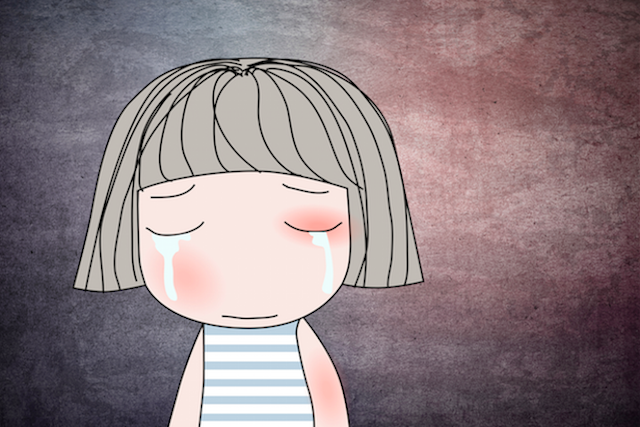
    Crying Girl

    “Grief can be the garden of compassion.” ~Rumi

    Have you ever had lower back pain? I once wrenched my back and walked at snail’s pace for weeks, crippled by pain. Lower back pain troubled me for years, until I found an exercise that reliably switches off the pain.

    Have you ever lost a loved one? The anguish can seem unbearable.

    Abolishing pain might seem a good idea, but please pause to consider this story.

    I was once the doctor and scientist on a health “mission” with a major international organization. Our team included a vivacious and intelligent young lady called Sheryl Sandberg (now the Chief Operating Officer of Facebook). One of the diseases in our “portfolio” was leprosy.

    Peripheral nerves of people with leprosy become infected by a germ. The skin supplied by such a nerve becomes anaesthetic. Lack of pain might seem like a blessing, at first glance.

    A leprosy patient with an anaesthetic hand can, unfortunately, hold their hand in a flame. They keep injuring themselves unknowingly, gradually eroding their fingers, feet, and eyes.

    It can be worse: there’s a Swedish province where some people feel no pain anywhere. That condition is inherited. People suffer severe deformities because they unknowingly twist and batter their own joints in the course of daily life.

    Physical pain is often protective. A lack of physical pain can be a curse.

    I was once playing hockey when I tripped and fell on an arm. I continued to play, with little pain, thanks to the endorphins (natural opioids) from vigorous exercise; but after the game the pain became excruciating. My mother took me to our doctor, who found a broken collarbone.

    Let’s come to emotional pain.

    I followed Sheryl’s progress with interest. She got married, but then the marriage ended.

    She got a position in the White House, but then the presidential term ended. She got a position in Google, but then felt in need of a move. She got a position in Facebook, and finally seemed to be on top of the world: with a happy second marriage, wonderful children, and a thriving career.

    Then she lost her husband suddenly in a freak holiday accident, while he was exercising.

    Having suddenly lost my father some years earlier, I can somewhat understand the gut-wrenching anguish of such bereavement. Sheryl, however, movingly transcended her grief as she vowed to “kick the hell out of option B” (having lost “option A”) and still make a great life for her children.

    You can feel deep emotional pain even without bereavement, especially if you have depression or anxiety. Could such pain ever be a useful part of life?

    It helps to understand the science of pain. When you touch an open flame, your hand automatically springs back, thanks to protective reflexes at the spinal level. When pain is persistent, at least four levels in your brain process the pain.

    One part of your brain (your somato-sensory cortex) receives the news about the pain.

    A second part (your anterior insula) assesses how severe this pain is: merely unpleasant or mild or agonizing etc.

    A third part (your anterior cingulate cortex) clothes this pain in emotional garments: such as feelings of anger, frustration etc.

    A fourth part of your brain (your prefrontal cortex) prompts thoughts and action.

    Pain, therefore, is a combination of what happens to us and how we respond.

    How can you make pain less oppressive?

    1. Observe.

    I once dropped a heavy stool with sharp edges on my foot. I decided, in that instant, to calmly observe the ensuing sensations. The excruciating initial pain rapidly gave way to a burning sensation, which was somewhat bearable.

    Calm observation of your body can make even emotional pain somewhat bearable. The more calmly you observe your bodily sensations while feeling sad or anxious, the less you dwell on your emotional turmoil.

    Music-making and other creative activities can help you stay calm in the face of suffering.

    2. Seek help.

    Physical pain can be your body’s way of protecting you. However, persistent pain requires attention.

    My pain after the hockey injury drove me to seek medical attention. My lower back pain drove me to seek an exercise that works.

    My father, on his deathbed, wanted merely to be more comfortable, to hug his family, and to have a sip of tea to help him cope with the many medical tubes invading his face. On a deathbed, pain control can transform life.

    If you have a chronic painful condition, sympathetic professional help can often control the pain.

    Emotional pain can sometimes seem overwhelming. If sadness threatens to drown you, seek help without delay. Let friends and family know, get professional help, allow yourself a medically prescribed life-jacket.

    Healing always takes time, whether your wounds are physical or emotional. Compassionate people and professional help can keep you afloat, gifting you time to heal yourself.

    3. Learn from others.

    No matter how bad things seem, the experiences of others can be reassuring. Thousands have come through suffering as severe as yours, or worse. Besides, your vulnerability can attract compassion.

    Make sure you reach out to others for help. It can be enough to say “I’m hurting, please help me.” People can be surprisingly compassionate, as I discovered once when forced to use crutches.

    What has helped many others could well help you. Take courage, and hold on to hope.

    4. Give it meaning.

    I know of one person with leprosy whose leg needed to be amputated because he burnt himself severely by soaking a leg in unexpectedly hot water. It’s relatively easy to see protective pain as a gift.

    How can you give emotional pain a positive meaning?

    Emotional pain, too, can stop you from brutalizing yourself. When a boss repeatedly treats you unfairly, or someone repeatedly treats you with hostility or betrayal or abandonment, you know when enough is enough. However, when you turn against yourself, you can feel trapped.

    If you fail to give emotional pain a positive meaning, you might start to feel bad about feeling bad. Bit by bit, self-loathing can gain a foothold.

    Instead of judging yourself for feeling bad, try visualizing your suffering as a pointer towards a new life. It may take time to learn and grow, so it’s helpful to hear stories of success. After every setback, believe that you, too, can “kick the hell out of option B.”

    5. Unlock the best in you.

    Pain, suffering, and death are inescapable. Our own suffering encourages us to become more compassionate, to treat others who suffer as if they were our own loved ones. Our suffering can be a key that unlocks our compassion.

    There are too many examples of hatred in the world, of violence, cruelty, and contempt for human beings. The world has witnessed great tussles between good and evil, as happened during World War 2. The willingness of people then, to suffer or even die for a just cause, helped civilization to survive.

    When we’re moved by the misfortunes of others, and respond generously, we gradually replace a civilization of hatred with a civilization of love. This can happen within our family, our community, our town, our country and our world.

    Sheryl has a platform as a senior executive in a major corporation, which she uses to campaign for better opportunities for women. Bill Gates has turned his billions to good use, by driving a number of important health and education initiatives. We might have less influential positions, but we’re just as capable of compassionate action right where we are.

    6. Persevere.

    My late mother-in-law was incapacitated by severe rheumatoid arthritis, which kept her in frequent pain. Her response was to do as much as she could, treat everyone with compassion, and look for the best in every situation.

    Her example of maturity, endurance, and spiritual greatness—in the face of suffering—remains an inspiration to me.

    7. Grow confident.

    Pain, suffering, and death are unavoidable. They can be especially cruel if you treat them as masters. Try taming pain by interpreting it as an ally, an educator, and an invitation to grow into your most compassionate self.

    Endurance of suffering builds character and character produces hope: the confidence that nothing in life will get the better of you, nothing will rob you of your human dignity. Instead, your endurance of suffering can gift you with the confidence to cope with any challenge.

    Live courageously and suffering might bend you, but won’t break you. Instead, you might well become a compassionate inspiration to others, just as my late mother-in-law is to me.

    In your darkest hour, believe that your suffering is helping to replace a civilization of hate with a civilization of compassionate love. Then, no matter how painful your predicament, your horizon will remain luminous.

    What are your own experiences and insights about pain and suffering?

    Crying girl image via Shutterstock

  • Two Steps You Might Be Missing If Forgiveness Doesn’t Stop the Pain

    Two Steps You Might Be Missing If Forgiveness Doesn’t Stop the Pain

    Isolated Man

    “To forgive is to set a prisoner free and realize that prisoner was you.” ~Lewis B. Smedes

    When someone you care about hurts you in some way, most people tell you that to move on, you have to forgive.

    They say forgiveness is a gift you give to yourself. You have to understand what happened from their point of view. Life is too short to hold a grudge or be angry.

    Well, what if you do all that?

    You forgive. You understand that they really didn’t mean to hurt you or if they did mean to, you understand where they were coming from.

    You seek to let go for your own sake, your own peace of mind.

    And it still doesn’t work.

    You still hurt.

    That’s where I was.

    My parents divorced when I was a toddler. As I grew older, I rarely saw him. I mostly tricked myself into believing that I didn’t care, but it hurt. I didn’t feel loveable or worth the effort, and it colored my future relationships with men.

    As part of my healing journey, I sought out talk therapy. During one session, my father’s absence came up as a topic. It was during that time that I allowed myself to even consider some form of reconnection.

    I decided to write my father a letter, sharing how hurt I felt by his absence and asking all of the questions I always wanted to know. That letter started a reconciliation process that has been under way for the past few years.

    As we got to know each other better, I got to understand why he didn’t come around and what he was going through.

    And when my grandfather died in April, 2014, I got to learn even more about my father’s upbringing and feel compassion for the little boy that he was and how the things he went through led him to become the man he became, including him not being around as my father.

    But something still wasn’t right. I tried to reason away my feelings of pain, anger, and hurt.

    “If you had the same kind of upbringing that he did, you probably would have done the same thing. His absence had nothing to do with you or your worthiness as a person. That’s all in the past, just let it go.”

    But that didn’t help me. I was missing something, so I set out to find it. I read, I wrote, I cried, I punched my mattress, and ultimately discovered two things that were missing that may help you too.

    First, I needed to grieve.

    The adult me needed to allow that little girl in me to mourn what was lost. I never got to know what it feels like to be loved by a man as a little girl.

    Somewhere in me I was holding out hope that by reconciling with him, I would fill those needs, but those moments are gone; there is no way that I can completely fill that void as an adult. I had to mourn the loss.

    When we think about mourning, we most often think of death. There are many other losses in life that we need to mourn—loss of health or a relationship or a job, and I would add to that loss of a relationship you wish you had.

    When we forgive someone and try to maintain a relationship with them post-forgiveness, it is tempting to try to get what we didn’t get before. It’s like we’re trying to redo the past in the present, when the past is gone. All this does is cause more suffering.

    What we’re building with this person is new. We must mourn what we didn’t get, mourn what we wanted, that’s the only way to start letting it go.

    And by let it go, I don’t mean that how you feel disappears. I mean that we no longer let it lead our lives in the present even if the feelings are still faintly there.

    There are as many ways to grieve as there are people. If it works for you, do it. You might try:

    • Crying
    • Writing (journaling, letters that you didn’t send, poetry)
    • Watching movies and listening to songs that help bring out deep feelings
    • Talking to a therapist
    • Finding healthy ways to release anger (punching your mattress, boxing, screaming into a pillow)
    • Reading helpful books

    Mourning is a process that takes time and can’t be rushed. It’s best done in a spirit of allowing whatever comes up, without judgment and with great self-care. The more I really allowed myself to grieve and truly feel everything I’d been holding onto, the better I felt.

    In addition to mourning, the second thing I did was to find ways to fill the needs I still had within that I was looking to my father (and other people in my life) to fill.

    Forgiveness and reconciliation should involve open communication of what is needed to move forward with the relationship and a stated commitment from the person who did wrong to change their behavior in a positive way.

    With that said, there are certain things that we need to feel good as humans that we need to give to ourselves and cannot outsource to others, especially if we want to avoid suffering.

    We must take responsibility for the following things:

    • Our belief in our own inherent worth and deservingness of good things
    • How we feel (emotionally and physically) in a given moment
    • The direction our life is going and how we choose to respond to what happens.

    We can trick ourselves in the short term to believe that other people make or break these things, but we are the only ones who can make lasting change in these areas.

    Reconciling with someone will not change these things in a sustainable way.

    Reconnecting with a parent will not make you love yourself more. Reconnecting with a partner will not make you feel like you deserve good things. You may get a boost of good feelings for a little while, but they won’t last without you dedicating the time and effort it takes to build yourself up from the inside.

    This may feel daunting, but you don’t have to make these changes overnight. Baby steps are not just for babies; they can make a huge difference in your life when taken consistently.

    Taking responsibility for your life and how you feel about yourself is worth the effort, especially when you consider that you are the one person you spend the most time with every day. Why not make that relationship the best it can be?

    And if you feel like you’ve been unloving to yourself and don’t know where to begin, one of my favorite exercises I use to help me figure out where to start is to ask “What actions would someone who loved themselves take?” Use your answers to give you a list of first steps and commit to taking one today.

    This may also feel unfair. You might think, “Why do I have to work on myself? I wasn’t the one who did anything wrong!” Just think how powerful you will be when you are not bound by the whims of another person.

    If your friend chooses to be hurtful and you get all your feelings of worth from that friend, then what? That seems like the less fair option.

    I’ve come to believe that the purpose of forgiveness is freedom. Freedom to love yourself and others again (or for the first time) and freedom to live from a place of power. I hope that what I’ve shared helps you continually free yourself.

    Isolated man image via Shutterstock

  • Choose to Forgive and Grow from Your Pain, Because You Deserve to Be Happy

    Choose to Forgive and Grow from Your Pain, Because You Deserve to Be Happy

    Sad Man

    “Bad things do happen; how I respond to them defines my character and the quality of my life. I can choose to sit in perpetual sadness, immobilized by the gravity of my loss, or I can choose to rise from the pain and treasure the most precious gift I have—life itself.” ~Walter Anderson

    “Are you really okay?” I lost count of how many times my immediate family and friends asked me this question.

    My positive, light-hearted attitude seemed to be difficult for people to comprehend, but for me it was the only option and means for survival.

    I remember the situation like it just happened yesterday.

    I was driving home during a holiday weekend after hanging out with a couple of friends and received a text message stating, “This is his girlfriend.”

    At that precise moment, it felt like my heart stopped beating for a minute.

    I had to pull over at a gas station to catch my breath and allow the tears to flow down my cheeks so that the road could be visible again.

    I responded to the text and told her to call me. I spent over an hour listening to another woman cry and try to understand what was happening.

    The man that I had been dating for over a year had been with this woman for over five years and to put the icing on the cake, they live together.

    Fact vs. Fiction

    Imagine meeting your dream guy at a wedding party mixer. He was handsome, ambitious, athletic, family-oriented, fun, and the list goes on.

    He was the epitome of a typical “perfect mate” list so many people draft hoping to find that person.

    We had amazing chemistry, always laughing and enjoying good conversations. We spent a lot of time talking about our dreams, ambitions, family, and personal obstacles. It just seemed so easy, perfect in a sense.

    He and I both lived in different states, so we made travel arrangements to see each other.

    I would complain about us not seeing each other as often as I would have liked to, but his gentle reminder about the nature of his demanding job would quickly stroke my compassionate, understanding side.

    It was not until I moved closer that I began to question his behaviors.

    Originally, we lived over ten hours apart, but after I relocated due to a job promotion, we were now three hours apart. The excuses about not being able to travel due to his work schedule were a tad irrelevant at this point.

    His stories about his car being in the shop, which restricted his travel, and the story about his coworker moving in with him temporarily due to some personal problems did not seem to make sense after a while, but sometimes you want to believe the best in a person despite what your instincts are telling you.

    It was not until my hour-long conversation with his live in girlfriend of five years that I realized the extent of the lies he’d told. This dream guy was not the person I thought he was. I had been awakened from the dream.

    You Have a Choice

    It was at this moment, I had to make a decision. Did I want to react from an emotional, hurt place and focus on my pain? Or did I want to help this woman who had plans to marry this man, who lives with him, who has made many more sacrifices than I ever did to be with him?

    See, this woman had been with him to aid him while he transitioned careers, when his family disowned him, when he had nothing. Listening to her story tugged at my heartstrings and made me for a brief minute forget about my feelings.

    So many times in life we get so focused on ourselves and do not lend ourselves to be in the moment and hear others. Yes, what happened to me was like a scene out of your favorite Lifetime movie, but my situation was nothing in comparison to hers.

    I had the option to easily remove myself from the situation and allow time to heal the wound, while she had to literally undergo a complete lifestyle change.

    Life is about choices.

    You can choose to stay in bad circumstances.

    You can choose to listen to your instincts and your gut feelings that tell you something is not right.

    You can choose to support a complete stranger and be the listening ear during their time of need.

    You can choose to release a situation—the pain, the hurt, the sadness, the anger.

    And more importantly, you can choose to forgive someone you never received an apology from. Forgiving an individual who you feel may have hurt you initiates the healing process.

    The first step in the healing process was being able to truly address how I felt about the situation. Unfortunately, I did not have the opportunity to speak to this person to get an explanation or an apology, and I had to learn how to process my feelings without internalizing them.

    Using techniques such as journaling and exercising, as well as speaking to close friends and family about the situation, really helped with getting my thoughts out.

    However, I believe allowing myself to learn and grow from the experience is what helped me to move forward.

    It’s so easy for us to embrace the victim mentality and place blame on other people for their wrongdoing, but this is the very type of mentality that keeps us angry, bitter, and hurt.

    There is healing in accepting your role in each situation, and for me that was accepting the fact that I chose to avoid the signs.

    I wanted to believe that this person truly loved and cared about me and would never hurt me, so I chose to look the other way, and that is not a demonstration of self-love.

    Over the course of time, I was able to embrace the fact that every being is flawed and we all make mistakes. By no means was I or am I perfect, so who am I to hold this grudge and anger toward another being?

    At times, I thought to myself this man is delusional and absolutely crazy for trying to live a double life. However, for a brief moment, I realized he was probably miserable and seeking an escape from his reality and at that moment, I felt bad for him.

    For me, forgiving this man was pivotal for my life and well-being, because I was able to learn the value of self-love again.

    I found strength, joy, overwhelming gratitude, and peace. I also learned one bad relationship is not an indication that every relationship will be horrible.

    Choose to grow from your pain and learn to forgive, because you deserve to be happy.

    Sad man image via Shutterstock

  • Keep Your Heart Open to Love When Life Knocks You Down

    Keep Your Heart Open to Love When Life Knocks You Down

    Heart in Hands

    “Only to the extent that we expose ourselves over and over to annihilation can that which is indestructible be found in us.” ~Pema Chodron

    I was nineteen weeks pregnant when my husband and I went for a routine ultrasound. We were to confirm that our child’s anatomy was as it should be, and we were to discover our child’s sex.

    We were choosing names in the waiting room. We ran into the receptionist at the fertility clinic and exchanged hugs. We had graduated from the clinic. The tuition was expensive and the education detailed and grueling. But we were a success story.

    As the technician began the ultrasound she got really quiet. I knew something was wrong.

    I have tried to write about what followed. I really have. But I still can’t. What you need to know is this: three days later, on August 2, 2013, our son Zachary was stillborn.  

    I remember standing in the hall of the hospital waiting outside the Quiet Room to see him. Sobbing in a way I didn’t know I could sob. I remember a nurse putting her hand on my back and me saying to her through my sobs, in shock, “Life is so hard, isn’t it?”

    “Oh yes,” she replied.  That nurse was the first person to mirror to me that I was not insane. Life really was this bad sometimes.

    This wasn’t the first loss of my life, although it was the most consciously heart breaking (I mean that literally: heart-breaking.)

    Zachary’s death sat on top of a list of other losses: divorce, financial loss, job loss, loss of safety and security, loss of basic well-being. And eight months later I lost another child after just ten weeks.

    This second loss almost ended me. I breathed pain. Once in a while I would come up for air, flailing my arms around and gasping, but before I knew it I would be pulled under again. I just couldn’t make anything stick. Nothing was moving forward.

    I felt like everyone was passing me by—growing in their careers, becoming parents. One woman I know had three babies in the time I lost two.  

    I couldn’t stop the feelings of unfairness. Even writing this today I can feel the shame and unworthiness flooding back. Every time I thought I was gaining ground something would happen—something small like the grocery store being out of cilantro—and I would fall right back into despair.

    This lasted for months. Don’t let anyone kid you—life can be painful. Devastatingly so. Life can take what you love from you and ask you for a response. There is nothing easy about it. Life can ask everything of us.

    Throughout this time I insisted on trying to recover. I went for walks. I saw friends. We bought a cottage. I worked. I even  tried to stop trying. None of this felt right. It felt against the grain.  And it was. But I kept acting as if there was hope.

    I kept making plans. I kept trying to put my pain into words.

    It became clear that I had no control over my grief. It was going to take the time it took. I had to surrender to it and trust that one day something might look beautiful again.  

    Surrender wasn’t something that happened all at once. Sometimes I would think, “I’ve given in now,” only to wake up fighting again the next morning. But layer by layer, revelation by revelation, I finally allowed myself to have lost my son. To recognize that there was nothing I could do to get him back.  And nothing I could do to ensure I had another child.

    I didn’t like it. It didn’t feel good. But I existed, breathed, lived with that truth.

    And then, all in one week, three friends held me up. They said, in effect, “I am not going anywhere and you are going to make it through this.” And they said, “I can bear this pain with you.”

    I could say I was lucky to have these three people in my life. And I am. But these friendships were co-created. Over many months of talking to each other about our lives. And I had to be vulnerable to them and show them my pain so they could see it and respond.

    How did I make it through the nightmare of losing my child? By refusing to give up expressing the pain that I was feeling.

    It is a paradox, I realize. I had to keep working hard at showing myself in order to give up. But surrender is not a moment—it is a working through, with a context.  It is a moment of grace surrounded on either side by days of showing up.

    Here is what I learned from going to hell and back. This is my personal list of thoughts and reflections and I hope something here will resonate for someone else who is going through hell.

    Invest in yourself.

    This is the time to give yourself the environment you need to mourn and heal. Anxiety makes the body tense. Have a steam/sauna, massage, or cranial sacral therapy. As your mental state allows, find a restorative yoga class or practice meditation. Perhaps try therapy or dance or running.

    Follow your intuition and invest time and money in the care of you.

    Let life be terrible for a while.

    You won’t get anywhere with affirmations when you are in the throes of grief. Respect that part of you that doesn’t want to go on. Listen to it for a little while. Give it some space.

    Lean into life even when it hurts like hell.

    Make plans. Self-care activities, lunch/coffee/dinner with friends old and new. Go for a walk even when you don’t feel like it. Do things you enjoy; find a new computer game, take a course.

    Don’t overbook yourself but make sure you are engaging with life in some way outside of your work. It is through this engagement that something new can arise.

    Take risks.

    Tell people what is happening for you. This can be difficult when you are obliterated by life, because our culture expects us to put on a positive face. You will be surprised at how many people in the world can identify with pain.

    Answer questions honestly rather than hiding things. Sometimes when people ask me if I have children I say, “not living.” It lets them in to my life in a deep way and often builds our connection.

    Let the people who love you help you.

    When I was able to share my feelings with the people I love, they listened. They responded with love and with commitment to be there with me through this. I received great gifts from my loved ones because I let them see my pain.

    What if you feel that no one loves you?

    • Find a therapist. If money is an issue, sometimes student clinics provide therapy with therapists in training for low cost. The love and compassion of your therapist can be a foundation in difficult times.
    • Find a support group. My group of bereaved mothers saved me in those early months. It was so powerful to be with others who knew the particulars of my pain. There are many powerful support groups out there. They are low cost and are often run by passionate people—many of whom have been through something. If you can’t find one, start one yourself. The internet makes this easy.
    • Participate in online forums. There are some very supportive communities supporting all different kinds of people. Of course, you have to choose carefully who you share yourself with, particularly on the internet. A good one is well moderated and supportive.
    • Finally, and this can be difficult to hear when you feel unloved (I know this from experience), realize the idea that no one loves you is a misconception. You just haven’t found the people who love you in the way you need to yet. Or you haven’t opened to them yet. But you are loved. And that love will grow as you seek it out and honestly give of yourself to the process of growth and change.

    Love Is Always Possible

    Not in every relationship. Not in every moment. But love is always possible.

    My job is to keep my heart soft. To keep feeling through what life throws at me and what life takes away. Because eventually joy will come round.

    Love is the act of keeping your heart open no matter what comes. Love is the care for yourself and the world to keep it open despite fear, rage, grief, humiliation. To keep living.

    That is what I have learned from my son. That is what I have learned from life. Love is possible. We need each other. And we can always love.

    Heart in hands image via Shutterstock

  • How Emotional Pain Can Cause Us to Act “Crazy” in Relationships

    How Emotional Pain Can Cause Us to Act “Crazy” in Relationships

    Couple Fighting

    “We all exist in our own personal reality of craziness.” ~Alejandro Jodorowsky 

    Most of us have heard stories of “crazy” women (and sometimes men) and psycho exes. They are our friends, boyfriends’ exes, family members, and sometimes they can even be us.

    Often people (including ourselves) are quick to judge these people. We write them off as emotional wrecks. We label them. We shame them. It’s hard not to judge when we are not equipped with the tools to deal with behaviors we don’t understand.

    It’s even harder to feel empathy when we experience suffocation and feel our boundaries are being violated.

    But “crazy” behavior might not always be what we think. Sometimes crazy behavior is a symptom of trauma and pain. A lot of times crazy behavior hides deeper issues.

    From the moment we are born we start to develop a sense of self and belonging. We start to develop an idea of whom we are, how others feel about us, and where we fit in the world.

    Our first feelings and ideas of self come from the relationship we have with our parents.

    Generally speaking, if children have healthy parents and feel loved and secure at home, they will grow up secure and will have secure adult relationships.

    But if children come from homes where there is any type of trauma, abuse, or abandonment, where they don’t learn to build a secure sense of self, then they will grow up anxious and insecure and will have difficulty trusting others and themselves.

    Most of the time, people who act “crazy” are subconsciously playing out their childhood wounds. These wounds need to be worked through; otherwise, they continue to manifest over and over again with every new relationship.

    Craziness is simply pain turned outward.

    For as long as I can remember I have felt pain and fear of being alone. My father’s abandonment made every relationship a search for a part of me I felt was missing, but I didn’t quite know what it was.

    I have always had long and fulfilling friendships with both women and men, but for as long as I can remember I have a hard time with romantic relationships. Don’t get me wrong. I absolutely love men. I just didn’t know how to relate to them until recently.

    My romantic relationships have always been somewhat like this:

    “Hi. I am Brisa. I think I love you. Please complete me and fulfill every part of my life that is in need of fulfillment. Allow me to focus obsessively on your life to subconsciously avoid fixing all that is wrong with mine. And let me suffocate you with my love because I don’t think I am worthy of yours, and because I am terrified of you leaving.”

    Not surprisingly, men kept leaving.

    And when they left, my crazy behavior kicked in full force. I couldn’t handle the abandonment. I would chase and beg and humiliate myself in every city and every country we would be in. I didn’t care.

    The thought of being alone again, abandoned by yet another male, would consume every rational thought in my brain, and before I knew it only the irrational ones were left.

    The ones that kept screaming “Go to his house! Show up half naked and with flowers. I am sure that’s exactly what he wants right now!” Didn’t work? “Go to his work. Show up uninvited and beg him to take you back!”

    If you can think of any crazy behavior, I have probably done it. And I have probably done it more than once. I threw away my dignity and destroyed my reputation. All fueled by fear and pain, and in the name of love.

    I knew my behavior was unhealthy, but I couldn’t stop. It felt as if I was trapped inside my own body and had no control over my actions. I could see what I was doing. I could even despise my actions. But I couldn’t stop.

    The pain and fear of being alone was so intense that it would overpower my desire to overcome my destructive patterns.

    It’s hard to see clearly when we are caught up in the cycle of unhealthy relationships and denial.

    Many of us choose partners that will play the specific role we want them to play so that we can continue to relive our past with the hope of having a different outcome, thereby healing our old wounds. But subconsciously, we all know that’s not possible.

    Some of us just choose to continue to act in the same ways because we know that if we were in a healthy relationship and in drama-free life, we would have no other option but to spend our time actually dealing with our pain and wounds.

    Wounded people keep creating drama to keep avoiding themselves.

    It took years, countless tears, and major loss for me to realize there was something in me that needed to change. It took to years to accept my wounds and my need to look deeper into myself.

    I could no longer live with the reality I had carelessly (but repetitively) crafted for myself.

    I couldn’t stand others thinking I was crazy.

    I couldn’t stand that to his friends (and everyone he met) I was the crazy ex girlfriend he couldn’t get rid of.

    I couldn’t stand who I had become, even though I knew that’s not who I was.

    And most importantly, I was tired of playing victim. I knew I could no longer let the ghost of my father ruin my future relationships.

    When we spend years thinking of ourselves as victims of a sad childhood, bad people, and bad luck, it becomes part of our identity. I had to learn to take responsibilities for my actions and had to learn to rewire my brain into accepting my role in every circumstance of my life.

    Maybe some of the people we date are self-absorbed narcissists not worthy of our love, but that does not make them responsible for the way we act and the way we choose to live our lives.

    It’s possible that, like us, they are just less than perfect souls with their own traumas and wounds to heal. They are not responsible for our crazy behavior. And they are definitely not responsible for saving or “fixing” us.

    At some point we have to accept our past, our less than perfect childhoods, and we need to seek help so we can heal the wounds that haunt our adult lives.

    For me, that help came through friendships, meditation, and writing.

    My friends helped me through the nights I couldn’t bear spending alone, while meditation helped me during the times when all I wanted was to be alone but didn’t know how. And writing helped me organize my thoughts and all the erratic emotions that consumed my daily life.

    I was never taught how to be alone. The thought of having to sit with myself and work on what was really hurting me was terrifying. But once I took that first step toward healing, the journey became addicting.

    As I learned to control my impulses and erratic behavior, I felt my inner strength for the first time.

    I could literally feel my muscles getting stronger each time I overpowered my urge to text, to call, or to get involved with other unhealthy men just to fill the void, and to continue the emotional roller coaster I was so used to riding.

    Waking up is hard. It requires us to look deep into ourselves and confront our darkness.

    Coming to terms with our shortcomings and flaws is brutal. But to some, like myself, the realization that we can’t go on as usual doesn’t come until we are drowning in our own self-created problems and we have no other option but to dig ourselves out before it kills us.

    And I am glad I did.

    The disruptive storm I created for myself throughout the years ultimately propelled me out of the dark and crazy hole of fear, and into the sane, consciously aware world of self-acceptance and self-love.

    Fighting couple image via Shutterstock
  • 5 Crippling Lies About Forgiveness (and the Truths That Set You Free)

    5 Crippling Lies About Forgiveness (and the Truths That Set You Free)

    “Forgiveness has nothing to do with absolving a criminal of his crime. It has everything to do with relieving oneself of the burden of being a victim.” ~C.R. Strahan

    It’s not fair, is it?

    Getting hurt. All over again.

    It wasn’t so bad forgiving them the first time. You rose to the occasion. You became the bigger person. You tried to move on.

    You thought you had to. After all, they did ask nicely.

    You just knew you’d be BFFs again and go right back to, “Let’s go for Jamba Juice!”

    But it didn’t go down like that, did it?

    No BFFs. No Jamba Juice. Not even a check-in text.

    You put it all on the line and forgave them. Now they’ve let you down again, and you can’t help but think it was the biggest mistake you ever made. And on top of it all, you can’t stop wondering why it all happened to you.

    I used to wonder that too.

    When I was fourteen, my mom sent me away. She thought it would be nice if there were a nun in the family. And I was going to be it.

    I had never been further than my Mamaw’s house. I had just shaved my legs for the first time and gotten my room back after the toddlers moved into the new add-on.

    Now, I’d be sharing a room with three other postulants over 1,100 miles away—sleeping on used hospital beds. In silence. For six years.

    My life, as I knew it, had ended.

    I wasn’t allowed to spend holidays at home. I never got another birthday present. And for six years, all I wore was a homemade blue habit with a plastic collar I had to scrub with a toothbrush.

    But then I got out. And my life ended all over again.

    Where do you fit when you don’t fit anywhere? I didn’t know anyone. No one knew me. My little brothers and sisters were all teenagers by then. My dad had married the woman he’d had an affair with. And to top it all off, my mom wouldn’t let me come home.

    I just wanted to move on. I thought forgiving everyone would make it okay. Forgive my family for giving me away. Forgive the nuns for going all American Horror Story on me. Forgive the Catholic church for expecting me to make up something to say in confession every week. Forgive my parakeet for dying while I was gone.

    The more I told myself to stop being angry, the angrier I got. The more I tried to let it go, the more it haunted me at every turn.

    After six years, I should have been an expert at forgiveness. But in reality, I was as clueless as a homeless kid trapped in a grown-up twilight zone.

    In the end, forgiveness actually became my ultimate game-changer. But only after I saw through the lies people led me to believe.

    Can You Trust Everything You Believe About Forgiveness?

    There’s a whole lot of noise out there about forgiveness. And you know what noise does? It chats up your Inner Victim and distracts you. The louder the noise gets, the quicker you need to call in your Inner Skeptic. Because some of the noise is nothing but big, fat lies.

    Lying to yourself while you forgive someone is worse than not forgiving them at all.

    If you want to open your heart to freedom, you must open your eyes about forgiveness. Here are some crippling myths about forgiving that leave you victimized and the truths that will set you free.

    Lie: When I forgive, I have to forget what happened and move on.

    Truth: Remembering how you got hurt empowers you to forgive and create the life you deserve.

    When I got home, I tried to forgive my mom for making me grow up isolated and alone. I thought I had to forget that I’d never been allowed to talk to a guy who wasn’t a relative.

    The one awkward time I got asked to dance at a happy hour, I freaked out and started picking an imaginary bug out of my drink. Right then, I wanted nothing more than to crawl into that cup and float around with the ice cubes.

    Acting like the convent never happened was like walking through a minefield with my eyes shut and a great big target on my back. When you forget, you don’t know how to navigate. When you can’t navigate, you fake it.

    Faking it is not forgiveness. Faking it does not set you free and keep you safe.

    That’s why it’s important to remember. Remembering what happened gives you a compass for where you want to be. It lets you go easy on yourself while you design how it’s going to be from now on.

    Remembering how I was kept isolated told me that I didn’t deserve to be lonely any longer. Once I knew I could surround myself with loving relationships in my life, I was open to forgiving my mom.

    Honoring your reality lets you build the life you deserve and empowers you to forgive.

    Lie: Forgiveness wipes the slate clean and gives them another chance to hurt me.

    Truth: Forgiveness doesn’t invite you to get hurt again. Forgiveness empowers you to teach others how to treat you differently.

    Forgiving someone takes a lot of honesty. Honesty about yourself and how you deserve to be treated, and honesty about the one who hurt you and how they’re inclined to act around you.

    You don’t cause the way someone else acts, but you can invite them to act differently with you. If they don’t want to play nice, you get to change the way you show up around them.

    When my brother texted me that they all changed their minds about picking me up at the airport, I got frantic. It was Christmas. Mom’s house was an hour away. And all the rental cars were taken.

    When you trust people to be exactly who they are, you can adjust your expectations of them accordingly.

    I told my family that I wanted control over my travel arrangements and would get my own room and join them for dinner.

    The long drive gave me time to think and see them honestly after they let me down. Right then, I decided that I wouldn’t rely on unreliable people any longer. Suddenly, I wasn’t expecting them to rescue me. And I was able to forgive them.

    Forgiveness lets you see your offender honestly and puts you in charge of how you’re treated.

    Lie: I have to forgive someone or they won’t heal and be forgiven.

    Truth: When someone asks for forgiveness, they want their own peace back. And that’s not even something you can give them.

    One of the biggest truths I learned is that forgiveness heals me. I can’t do someone else’s healing for them.

    The only time my mother ever asked me to forgive her was late at night, in the privacy of her own living room, at the bottom of a bottle of Sandeman’s Port.

    “Will you forgive me? For everything?”

    “Sure. Yeah. Of course,” I’d say. But next year would only find her crying at the bottom of another bottle. I wanted her to be happy. But I couldn’t go there for her.

    Setting people free to walk through their own darkness is the truest test of your own freedom.

    Lie: I can’t forgive someone who doesn’t deserve to be forgiven.

    Truth: Forgiveness doesn’t give others what they deserve. Forgiveness gives you the only chance of ever getting what you truly deserve—your freedom.

    Freedom means you let go of hurting and decide to take the good stuff for a change.

    Letting yourself feel better takes a lot of trust. Trust that there’s enough good stuff out there for you. Trust that even if the bad guy gets some, there’s still always plenty for you.

    My early phone chats with Mom always ended badly. She’d start in with, “Remember when you guys used to—” And I’d cut in that, “No, Mom. I don’t remember. I never lived in that house. I was in a convent.” As soon as she’d come back with, “Well, I hope you don’t think that was my idea!” the F-bombs would hit the fan.

    I thought I never could forgive her if she wouldn’t admit all that happened to me. Truth is, I don’t think she’ll ever understand all that happened to me. And eventually, it didn’t matter. I stopped waiting for her to deserve it and just gave myself the good stuff anyway.

    Forgiveness isn’t about balancing the scales of justice. Forgiveness is about attaining your own freedom along the way.

    Lie: I can’t forgive until I know the reason this happened to me.

    Truth: You may never know the reason anything happened. But you can create your own reason for everything that happens now.

    What happened to you wasn’t fair. But “why?” is a question you could be chasing to your grave.

    Why torture yourself trying to make sense of what didn’t make sense? You already suffered through what actually happened to you. Why keep feeding the story with endless possibilities of terrible endings?

    I wasted a lot of time wondering why. I wanted it all to somehow make sense. If it wasn’t my fault, it had to be somebody else’s. Because what’s more pointless than thinking that I sacrificed my entire youth for absolutely no reason at all?

    Finally, I gave myself my own reason. I needed a reason to live now.

    If I was going to live, I was going to love living.

    The day I gave myself a reason to live was the day I stopped looking for the reason my youth had died.

    That was the day that I became free.

    Freeing yourself from the burden of “why?” sets you free from an eternal blame game with no end in sight.

    How to Break Free Once and for All

    Can I get real with you for a second?

    We’ve all got an inner victim. Our own personal champion of lies and no way out. And it needs us to believe it.

    Here’s the thing—lies get bigger when you believe them. But so does the truth.

    Stop pointing fingers at the lies you’ve been led to believe.

    You are not a victim. You are strong. And free. And powerful in your truth.

    There’s not a thing standing in your way.

    Set yourself free already! Take the good stuff for a change.

  • Let Go of Past Mistakes: 6 Steps To Forgiving Yourself

    Let Go of Past Mistakes: 6 Steps To Forgiving Yourself

    “At any given moment, you have the power to say: This is not how the story is going to end.” ~ Christine Mason Miller 

    Sometimes you do or say things you regret. If you’ve experienced this recently, you might be struggling to forgive yourself, especially if your actions hurt someone you love.

    A few months ago, I had a falling out with a friend. It happened like most misunderstandings do: swiftly and unexpectedly. I barely had time to comprehend what was happening.

    My friend was trying to convince me to join him in a business venture, which I politely tried to decline. After a while of us going back and forth, my patience was wearing thin, and he began to appear less like a friend and more like a pushy salesman.

    He then made a comment that I interpreted as a personal insult. I immediately became angry and lashed out. I thought I was justified in my reaction, but upon reflection, I realized that I had misunderstood his words and rushed to judgment.

    Even after a follow-up conversation, with my apologies and all, I couldn’t shake the feeling that I had made a terrible mistake. I feared that our relationship would never be the same.

    That episode in my life led me to think about the ways we get hung up on our personal failures. They can threaten to keep us stuck in the past and define who we are going forward.

    My personal reflection and experience yielded the following seven steps to forgiving yourself:

    1. Name what you have done.

    Before you can forgive yourself, you must gain some clarity about what happened. Begin by writing down the details of the events and your own actions that contributed to the situation.

    Resist the need to blame any other people or external circumstances, and focus only on yourself. You may experience intense vulnerability when you do this exercise. Engage this vulnerability by compassionately owning it rather than suppressing it.

    In my own situation, I justified my actions by focusing on my friend’s uncharacteristically aggressive behavior. Once I was willing to focus on my own behavior, I could see more clearly that I had judged his words too quickly.

    2. Ask for forgiveness.

    Asking for forgiveness is not easy. Your willingness to approach a person you have hurt means you’re admitting you have done wrong and are sorry for it.

    Avoid minimizing your responsibility by using phrases like, “I’m sorry if…” or, “I’m sorry but…” I knew that I needed to apologize to my friend and take full responsibility for my actions. I simply named the wrong I had done to him and asked for forgiveness.

    3. Forgive yourself every time negative thoughts intrude.

    Sometimes we struggle to forgive ourselves, even when we have been forgiven.

    After my friend and I had resolved our situation, I continued to experience guilt and negative thoughts about my actions.

    I eventually learned that self-forgiveness is not a one-time deal—it’s a gradual process. Every time self-loathing thoughts surfaced, I would take a deep breath and exhale all the negativity I was feeling. You can do some similar act of kindness toward yourself when negative thoughts emerge.

    4. Show up and let yourself be seen.

    This idea comes from Dr. Brené Brown, whose research on vulnerability and shame has helped many people gain the courage to show up for their lives rather than sit on the sidelines—or worse, hide in shame.

    When facing painful personal mistakes, the temptation to shut down and disengage is strong.

    I found myself avoiding interactions with my friend because I was afraid he would judge me or remind me of what happened in the past. Once I had the courage to show up, I quickly discovered that my fears were unfounded.

    If you struggle with showing up, know that you have gained much wisdom that can help your future relationships thrive if you have the strength to show up and try again.

    5. Be grateful for your mistakes.

    It might seem strange to express gratitude for our mistakes, especially the embarrassing and painful ones. But think back to a time when you exercised poor judgment or did something you regretted. How has the experience changed you? Did it make you wiser, stronger, or more discerning?

    I learned the dangers of having a quick temper and rushing to judgment. Now when I am upset, I try to give myself some time and space to reflect rather than react. I am thankful for the opportunity to grow in these ways.

    And if you can learn to see your mistakes in such a light—as opportunities to grow—you can be grateful for them too.

     6. Radically love all of who you are.

    Joseph Campbell once said, “The privilege of a lifetime is being who you are.” So be who you are, not who you used to be. Celebrate who you have become in spite of, or even because of, your past mistakes.

    My own mistakes and flaws have helped me become a better person to my friend, and that will ultimately strengthen my friendships going forward.

    So love all of who you are, including your past mistakes, and you’ll only grow stronger from them.

    You Are Worthy of Forgiveness

    These steps are not always easy to follow—especially during times when we have truly messed up. But we can recover from our mistakes, learn from them, forgive ourselves, and move on with our lives.

    You are worthy of your own love and forgiveness. Believe it with every fiber of your being.

    Commit to practicing these steps daily, even on those days when you’d rather not.

    Resolve to forgive yourself. Resolve to free yourself of the past. Resolve to live in the present. And look toward the future with hope and optimism.

  • 4 Strategies for Practicing Compassion When You Feel Wronged

    4 Strategies for Practicing Compassion When You Feel Wronged

    Woman with Heart

    “Judgments prevent us from seeing the good that lies beyond appearances.” ~Wayne Dyer

    When I first took up meditation, sitting with my thoughts didn’t come naturally. At the time, I was going through a divorce and was often anxious and stressed out. It took months, but I kept trying, and after a while I looked forward to my daily sit.

    In my meditation group, I learned a classic method for generating compassion and equanimity. I tried holding images in my mind of a friend, an enemy, and a stranger.

    The idea was to view each one without judgment or preference, but no matter how hard I tried, I couldn’t seem to generate compassion for my enemy—especially when the face I envisioned was my ex-husband’s.

    At last, my divorce was final. Another year passed and I met a great guy. We dated for more than a year before he moved in. Our relationship was going so well that we decided to take a big step together: We adopted a stray kitten.

    The kitten was adorable and cuddly and rambunctious. We loved her immediately and she made herself right at home.

    A week or so after the kitten’s arrival, I sat down to meditate in my sunny meditation room. It was one of those days where everything felt right with the world. I lit my candles and incense, positioned myself comfortably, and set the timer.

    Focusing on the candle’s flame, I breathed in … and out … in and out—but something was terribly wrong. Every breath brought me closer to a distinct reality: I was sitting in cat pee!

    I hopped up and stripped the slipcovers off the pillows. Lugging the fouled material to the laundry closet, I angrily muttered, “If we had not taken in this stray, I’d be tranquil right now! That cat has ruined my entire day!”

    Then I my thoughts turned to blame. “My boyfriend was the one who wanted to adopt this cat! I should have said no, but I wanted to please him. I should have known better!”

    And finally, I took out my frustration on the feline offender: “Some cats just can’t be house trained! If that kitten does this again, she’s going back to the pound!”

    I seethed on and on, piling up blame and resentments, turning my anger and dissatisfaction over and over in my head.

    If ever there was a good time to practice compassion and forgiveness, this was it. But rather than sitting in meditation, I spent the next hour dowsing the slipcovers and cushions with diluted bleach.

    In the days that followed, when I sat down to meditate, I contemplated the kitten’s offense. Then a thought occurred to me that made me laugh. My resentment melted as I realized how ridiculous I was to blame a cat … for being a cat!

    The kitten was not a “bad” cat at all. The kitten didn’t pee on my cushion out of spite or because she hated me. She peed on the cushion because she was marking her territory, which is what cats do. It’s her nature.

    The kitten was, in fact, being a very “good” cat. The kitten wasn’t the problem. The problem was my expectation of the kitten to behave in a manner that was not natural to her.

    Of course, accepting my cat is a cat is one thing. It’s a little more difficult when I try to let go of my expectation of human beings, particularly the one I was previously married to. And yet, how often did I expect people in my life to respond in ways that were not natural to them?

    Turns out my kitten taught me more about generating compassion than the guru at my local meditation center. Here’s what I’ve learned from my most enlightening “sit.”

     1. It’s called human nature for a reason.

    If I can accept that my kitten is just enacting her cat nature, then why can’t I see that my ex-husband (or anyone for that matter) is just following his or her human nature?

    Alexander Pope was right when he said, “To err is human.” Since human nature is distinguished by ego, delusions, fears, and a little thing called mortality, most of us are perfectly imperfect human beings.

    Too often, I judge myself and others through a warped lens of perfectionism. My ex was (and is) just doing his best to avoid suffering and find happiness—just like me. And like me, he responds out of his limited perspective, experience, and fear. My problem with him is not that he’s who he is; my problem is that he’s not who I want him to be.

    2. It’s (not) all about me.

    No matter how long I sit on the meditation cushion and try to “generate compassion” for someone, I will never get far if I am still judging that person by my own limited viewpoint. Taking things personally creates a barrier between me and other people, or between my idea of an outcome and reality.

    I limit my own perspective when I say, “You have done this to me because you are trying to harm me.” If I can take a step back, I may realize that I don’t know everything about the situation. Only then may I be able to discern that there could be a motive beyond one that’s directly related to me.

    3. I’m not okay, you’re not okay.

    When I’m angry and upset about an outcome, I often forget that the person who I feel “let me down” is probably also upset and disappointed. Although I may initially personalize a situation, I can use my feelings to identify with someone else’s perspective.

    For example, when my son brings home a less than stellar grade that’s upsetting to me, I can be fairly certain that he’s bummed about the grade, too. Realizing that he is equally—if not more—disappointed than I am can temper my reaction and might even inspire a more compassionate response.

     4. Consider the parts, not the sum.

    No situation or being arrives full-blown without dependence upon mitigating circumstances. (This is also called dependent origination or dependent co-arising.) For example, the traffic jam did not occur because the Universe is conspiring to make me late for work.

    The more I can accept that I am a part of a bigger experience, the more I can let go of the importance I place on myself or any given event. Then, I can let go of blaming and see that we are all in this traffic jam (called life) together.

    As it turned out, my most dissatisfying meditation session taught me far more about compassion than sitting for hours in tranquility ever could.

    Simply contemplating that everyone wants happiness doesn’t get me very far when I’m stuck in traffic or disputing a finance charge on my credit card with a less-than helpful customer service representative.

    No matter how long I sit on the meditation cushion and try to “generate compassion” for someone, I will never get far if I am still judging that person by my own limited viewpoint.

    Woman with heart image via Shutterstock
  • You’re Going to Be Okay

    You’re Going to Be Okay

    Man on a Bench

    “The mind is everything. What you think, you become.” ~Buddha

    “I will be okay,” I repeated to myself. “Deep breaths. You’re okay. Focus on the breath. I am going to be okay…”

    I was on a small plane flying over the Rocky Mountains of Colorado on a hot summer afternoon—a notoriously turbulent time to fly.

    I’m not afraid of flying. I do it a lot and it’s not something that makes me nervous, although the mantra could work perfectly well if I was. It does, for some reason, make me incredibly motion sick at times—scanning seatback pockets for white bags, sweaty forehead, trembling, white-faced…sick.

    I was flying alone, and thankfully there was no one in the other seat next to me. (The plane was only three seats wide, with the aisle offset in the middle.)

    I was glad to have personal space to sweat it out, bump by bump, mantra by mantra, coaching myself through, without having to tend to anyone else’s experience or reaction to my sickness.

    I knew I would be perfectly fine, ultimately. Like those times with a bad case of the stomach bug, the body’s reaction can be scary, or super uncomfortable at the very least. The severity feels primal, and one generally goes someplace deep inside and gets through.

    In this case, my mantra and the self-talk served as an anchor, a ray of hope, a deeply present champion who needed nothing from me. It was simply there, relaying meditative principles to my experience moment by moment.

    A few years later, I was going through the grieving process of saying goodbye to a relationship, riding waves of feeling sad, hurt, and alone, sometimes with gut wrenching strength. I wanted to reach out to him; I wanted to hear words I felt I needed to feel better, tell him how I wanted it to be, and then have that actually happen.

    I wanted control.

    It was done, and I hadn’t anticipated the ending script. My head and heart spun from hurt and unfulfilled dreams. So I began telling my story to friends and family, trying to help process the emotions, events, and logic.

    Sometimes it helped, others times it just hurt.

    As the emotions buffeted up and down like airplane turbulence, I always felt alone in the moments when the crescendo peaked then pressed me down into an unsteady whoosh.

    How was I happily engaged living life in the present one moment, then longing for connection, what had been, and feeling hurt, rejected, or confused the next?

    And how could I support myself better without just craving what had been or wanting another version of the story? I needed a mantra for those moments.

    A mantra is sometimes referred to as an “instrument for the mind.” The roots of man (mind) and tra (instrument) come from Sanskrit and can help us utilize the power of the mind to enter a place of healthy silence.

    In this space we can gain distance, perspective, and awareness from the stories that we tell ourselves about our lives and get wrapped up in.

    I think of mantras like yoga and church. (Go with me for a moment!)

    One can attend, soaking in the principles, morals, and lifestyle, and walk out the door not to return to that headspace until the next entrance to the building. Or, one can walk out the door taking the values into daily practice, and upon return, simply enrich the soul and fundamentals nourished from previous visits.

    I vote for integration and transference in all we do.

    On the plane, my mind would get caught up in a story such as, “How long is this going to last?!”and upon realization, I would come back to my mantra.

    Integrating mindfulness into more turbulent emotional times challenged my personal integration edge; after telling stories, feeling the emotions, and sometimes just trying to push them away, I walked back into the building.

    If I choose to stay attuned, present in my life, and committed to growth, I can honor the ups and downs and have the power to provide myself what I need.

    I am there. I can always be there—the constant, ever present voice in my life.

    It’s not that I don’t have good friends, loved ones, or a strong support system. I do. Most of the time they are probably best as the cherry on top, supplement, or supercharge to my own inner knowing.

    Imagine, what if you were always there for yourself, providing just what you needed, allowing your friends, family, and significant others to delightfully enrich your life?

    Coaching myself through living is more complicated than moments of seeing black spots, with sweat dripping off my face, sick as a dog on an airplane. But I believe I can—we can—learn and always become better supports for ourselves.

    At the very least we can be willing to search, learn, and try when we do not know.

    And in the end, for me, the mantra from the plane works, for heartache and quite a lot of other things. “I will be okay. Deep breaths. You’re okay. Focus on the breath. You are going to be okay.”

    Your mantra may sound different. My hope for you is to remember the instrument of your mind in times of smooth passage or turbulent flight, then sing, whisper, or chant yourself a perfect melody for the moment.

    Man on a bench image via Shutterstock

  • We Can Choose to Let Go, Stop Suffering, and Find Peace

    We Can Choose to Let Go, Stop Suffering, and Find Peace

    Peaceful Woman

    “People have a hard time letting go of their suffering. Out of a fear of the unknown, they prefer suffering that is familiar.” ~Thich Nhat Hanh

    I’ve called it my “Epiphany Bubble,” and it might be hard to believe, but it’s my true experience.

    I stood on the lawn of our city’s hospital. The sun was shining down on our group of grieving parents. My belly was big with my third child, but my heart was still heavy with grief from my second.

    Jonathan. I’ve never personally known anyone whose entire life was surrounded by compassion and love, like every minute of his twelve-and-a-half hours in my arms.

    Although the summer of 2000 was a long, painful journey through terminal pregnancy, Jonathan had blessed my life in countless ways. I just hadn’t yet understood that.

    Our hospital had this gathering a couple times a year. Parents who grieved babies would come, enjoy some cookies and punch, and chat with other moms and dads who were coping with loss.  

    At the end, we always did the same thing—write our baby’s name along with dates of birth and death on a white balloon.

    As I wrote “Jonathan 9-21-2000 – 9-22-2000” on my balloon, I smiled a little just at the joy of writing his name. I gave my belly a gentle touch and said a little prayer for my next little boy.

    Then I looked to my left. There were three women standing together, quite distraught in tears, comforting one another. I, of course, knew why they were crying, but I was curious.

    I was curious about the dates. When I looked at their balloons, I saw dates reflecting years prior. Six, seven, eight years earlier. My heart sank. I wondered, “Do I have to be in that much pain years from now? Does this heartbreak never end?”

    And that’s when it happened—my epiphany bubble. I suddenly felt as though I was in my own space, and that the world had ceased to spin. Everything outside of my bubble was blurry, and everyone seemed frozen, when I realized…

    I have choice.

    I stood for a few moments more, and the bubble vanished. But its effect on me did not. Something now stirred within me—a determination to really heal, let go, and be genuinely happy again.

    At home I began to wonder about choosing how to feel about life and how to perceive all that I experience on my journey. I started to seek within.

    Through journaling, praying, and meditating, I felt a shift. I sensed guidance. I glimpsed a bit of inner peace.

    Some of my wonderings were a bit surprising, but I gave space to let them unfold. Rather than judge, I allowed them to come to me without logic. I also resisted the teachings from my childhood, which would have stopped them from showing me a new way to perceive Jonathan’s life.

    I wondered, maybe Jonathan is a guardian angel. Perhaps he will protect and look after his big sister, Sydra, and his little brother who has yet to take his first breath.

    I smiled a bit at imagining my sweet Jonathan, from some other place of being, guiding and loving his siblings.

    I wondered, perhaps Jonathan was meant to leave this life at a very young age, and perhaps this could have happened in a variety of ways.

    Would I choose for his life to be very short, spent in my arms, and surrounded by love and compassion? Or, would I choose to have more time with him, but risk something worse—have him be a child who I’ve heard horrifying stories about, children who are abducted and hurt?

    I felt a bit of trust at realizing that I don’t know how it all works. Life, death, and all the days between and following are a mystery, really. Maybe his life was exactly how it was meant to be, or perhaps it might have been more tragic.

    I wondered, could it be that Jonathan was my son for this short time to teach me?

    I reflected on the months we spent together—when I learned he was terminal, my decision to carry him, the long nights, the quiet moments, the countless tears and prayers, the painful delivery, and the hours I had him in my arms looking into his beautiful eyes three times.

    I relaxed a bit realizing all I had learned. I was a strong woman, someone who was willing to give all I had to another, a woman who remained hopeful and optimistic amidst a very difficult time. I was a woman who sent prayers and love to other pregnant women, asking that they not suffer as I was.

    I wondered, could Jonathan’s life have served purpose beyond me, our family, and my understanding?

    I thought about all the people who had surrounded Jonathan with love and compassion before and during his life. I recalled the many people who came to his memorial service, each saying how deeply he had touched their heart.

    My trust deepened. I knew Jonathan’s life, however brief, served purpose. He was a blessing, a sweet, little blessing, to many people, and I was the lucky woman who was honored to be his mom.

    Grief is nothing to be rushed. Throughout this time, I was gentle and patient with myself, honoring all my emotions, not pushing through them or stuffing them in the secret places of my heart. By doing so, I was better able to deeply heal.

    Grief is also nothing to cling to simply because it’s familiar. Although the journey had many twists and turns, and I needed to allow it to show its way, it is worth the inner work to let go and find peace.

    It is not just grief where we have choice. With all our life experiences—every emotion from anger to joy, from love to fear—we can choose.

    Allowing our heart and mind to wonder, taking time to feel it all without judgment, and seeking within for the path of letting go, this is the way to embrace all of life and peacefully enjoy the now.

    Peaceful woman image via Shutterstock
  • Practicing Loving-Kindness Even When (Especially When) You Are Hurting

    Practicing Loving-Kindness Even When (Especially When) You Are Hurting

    Hand Heart

    “Have a heart that never hardens, and a temper that never tires, and a touch that never hurts.” ~Charles Dickens   

    All of us have been hurt or angered by someone’s words at some point. Some words are blatantly cruel, and others are deceptive, appearing to be in our best interest but only ever leading us astray. These are the messages that leave us questioning who we are or how we should be.

    I’ve been labeled timid and stuck-up. Speak up more, but stop interrupting. Be more assertive, but don’t complain. Be more outgoing, but be authentic.

    I’ve been called careless and a lousy role model and then questioned about why I am such a perfectionist. Lighten up. Don’t apologize so much.

    And my all-time favorite: your voice is off-putting and might scare the children.

    These are painful messages, and historically I’ve taken them to heart.

    When we’ve been hurt, we might try to get rid of the feelings by distancing ourselves or fighting back. It can be hard to regard these feelings as reflecting our desire for connection.

    We also try our hand at shapeshifting, becoming who we think we ought to be. This approach to connection can actually backfire. While we could feel more connected in the short term, we’ve also reinforced the message that who we are isn’t enough. Any guesses about what that does to us over time?

    Lashing out, hiding away, or conforming do not bring us any closer to connection nor do they leave us feeling validated or loved.

    For me, this is a big lesson in loving-kindness. Loving-kindness is a sense of benevolent affection, unwavering connection, and compassion for ourselves and others, even the difficult people in our lives.

    This lesson has taken a while and is admittedly still a work in progress, but it is powerful nonetheless.

    Loving-kindness does not leave us immune to negative emotions, but it is most potent when called upon in our less than loving or kind moments. Loving-kindness also does not leave us impervious to hurtful messages, though it can lessen their impact.

    When we are hurting or angry, loving-kindness can be especially challenging. It is therefore empowering to practice loving-kindness not simply in spite of feeling hurt but because we have been hurt.

    Finding loving-kindness relies on three things: our ability to love and be loved, maintaining our composure, and acting with good will.

    Have a heart that never hardens.

    Loving-kindness involves wishing peace, joy, and tenderness for others. It means celebrating successes, easing suffering, and cultivating feelings of friendliness and affection.

    We cannot do this with a hardened heart.

    A hardened heart is closed or blocked off. It may expect the worst or interpret hostile intent. A hardened heart is surrounded by not merely a wall but by a fortress of steal.

    With a heart that never hardens, there is ample room for warmth, forgiveness, patience, and compassion. Having a heart that never hardens also reflects our ability to love and be loved.

    Yes, being loved is actually an ability. Let me be clear. By ability to be loved, I don’t mean lovability or worthiness of love. I mean being able to allow others to love you.

    We make decisions about vulnerability, trust, and love when we’ve been hurt. We protect against vulnerability or we try again, decide that people are or are not to be trusted, and either open ourselves up to or block ourselves off from love.

    The key to having a heart that never hardens is to remember that your heart is strengthened, not scarred, by heartache. When words sting, know that this pain reveals an open heart.

    Trust in yourself to be able to handle it if and when you are hurt. Treat yourself with compassion in life’s painful moments, and take a healthy risk on vulnerability even when you’ve been hurt in the past. Allow yourself to be at peace when you are hurting or angry, and cultivate benevolence and goodwill rather than stewing in bitterness or breeding ill-will.

    Have a temper that never tires.

    Composure is another major component of loving-kindness. We all vary in our natural ability to keep a level head in the face of pain or anger.

    Anger is normal and natural, and it is even helpful when understood. Anger lets us know when something is amiss. It alerts us to threat or injustice.

    In truth, you will probably get ruffled from time to time. That’s just part of being human. However, this does not mean that you need to lose your temper.

    When we lose our tempers, we say and do things that we don’t mean. We can lash out, blame, and deny. This usually leads us to do anything but communicate.

    Acting without thinking often makes a bad situation worse. Not only do we still have the triggering event to contend with, but we now have the fallout from whatever we said or did when we lost our temper. It can become difficult to resolve the situation, and rather than cultivating peace, we create a crisis.

    Losing our temper doesn’t just harm those around us but also ourselves. We can experience regret and shame after losing our temper, and we ruminate about it later and work ourselves up further.

    Loving-kindness allows us to recognize our anger and breathe warmth and peace into it. It gives us a bit of extra reaction time and reminds us of our connection to this person pushing our buttons.

    To have a temper that never tires, know your triggers. Common triggers for anger are feeling threatened or vulnerable, having our goals blocked, and feeling mistreated.

    Also pay attention to the times when you are more susceptible to losing your temper. It may be when you are feeling overworked, overtired, and underfed, or you may be under the pressure of high expectations or demands.

    To keep your temper, knowledge is power, and knowledge plus acceptance is even more powerful. Acceptance doesn’t mean agreement, simply acknowledgement. Acceptance that it is what it is can go a long way toward defusing your anger and redirecting that energy toward positive action or loving-kindness.

    Have a touch that never hurts.

    Acting with tenderness and good will is the third component of loving-kindness. You can’t have a touch that never hurts if you have a hardened heart or a quick temper.

    A harmful touch can have two main functions: getting rid of pain and inflicting pain.

    Quite often, anger is secondary to pain. Somehow it seems easier to be angry than to be hurting. When we’re angry, we can place blame on someone other than ourselves and act out accordingly.

    When we are hurting, we can also turn our anger inward. We can inflict pain on ourselves in a variety of ways and for a variety of reasons.

    In contrast to this, loving-kindness is benevolent and gentle. It is approaching others with sympathy and care and using your touch to heal and comfort yourself and others.

    Having a touch that never hurts refers to both physical and emotional harm. Certainly, our hands can be used as weapons, but so can our words and our actions.

    When you are hurting, resist the temptation to hurt someone back through name-calling, gossip, or blame. Put revenge aside and focus on moving forward.

    Use your touch for healing, not hurting. Reach out to hold the hand of someone you care about. Scratch their back, give a massage, or high five. Extend a loving gesture toward yourself by putting your hands over your heart and simply breathing.

    Using your hands to build or create can also help you cultivate loving-kindness. Try writing a caring note to a friend, pitching in through volunteering, or simply creating something for your own enjoyment.

    Hand heart image via Shutterstock

  • When You’re Hurting and Healing: Give Yourself a Break

    When You’re Hurting and Healing: Give Yourself a Break

    Give Yourself a Break

    “Stop beating yourself up. You are a work in progress, which means you get there a little at a time, not all at once.” ~Unknown

    Often these days, I would like nothing more than to move forward. If I could only figure out which way was forward, I would definitely start heading in that direction. If you couldn’t already tell, I’m going through a break-up, the most major break-up of my life so far.

    Again, I’m often disappointed that if I were to check a box to describe my “relationship status” it would most likely be “It’s complicated.”

    Truthfully, it’s not as complicated as I make it; however, at times it has me spun around to the point that I don’t know my direction. Pain and confusion are part of daily life.

    Recently, after a tearful conversation with my ever-supportive sister, I was looking forward to sitting down on my cushion and experiencing the sadness and pain I was feeling.

    I had spent a day intently focused at work, and, when my mind wandered, holding back tears. I was looking forward to letting those tears flow. I was ready to let these emotions live and to acknowledge and accept them, to live with them.

    I thanked my sister for everything, hung up the phone, walked to my cushion, and sat. I set the timer. I pulled my head up high. I collapsed, crying. I pulled myself up again. I collapsed again, bawling.

    Merely the thought of pulling my chest up again was exhausting. All day I had looked forward to a moment when I could let these emotions be, and now I felt too weak to experience them in the manner I thought I should.

    Experiencing the discomfort, however, did not seem to be my current problem.

    These emotions had something to teach me, and I wanted to learn. If I could just sit in meditation with the pain I was experiencing, I could begin to understand the lessons—or so I thought. I thought the lessons would tell me what to do and how to move forward.

    I wanted to be strong and stable. I wanted to sit with my head high and feel the pain. I wanted to not be a pile of howling self-pity on my bedroom floor. Sitting on the cushion, I realized I might not have an option.

    It was undeniable. At this moment I might just be a weeping mass on my bedroom floor. A word came to mind: overwhelm. I was overwhelmed.

    So I reset my timer. Five minutes. For five minutes I could cry my heart out. Then, I decided, I’ll get up, cook dinner, eat dinner, drink a cup of coffee, and read a novel, and then I’ll come back to the cushion.

    The new plan went much better. Only, I wept for about thirty seconds, and then I lay there breathing deeply. The timer went off and I got up.

    I remembered Pema Chodron’s advice about lightening up, which is exactly what I needed to do. She said, splash water on your face, go jogging, do anything different. I put on Donna Summers instead of the cathartic break-up music I’ve been playing recently.

    I danced while I cooked dinner. I had my dinner, my coffee, my reading. I sat on my cushion. I experienced the feelings that had now transitioned into numbness.

    The gratitude I have for that experience, for being able to recognize my needs and provide them for myself, to simply give myself a positive, healthy break, is immense.

    I gave myself the space I needed. I had hoped to sit on the cushion and get that space, but I found it shaking to “Bad Girls” instead.

    It’s not uncommon to want ourselves or our situation to be different. It is the desire to be a better person that pushes us to grow, change, and actually become better people. However, personal growth is often a slow and painful process.

    The expectation to be something we are not, whether temporarily or permanently, is a form of aggression toward our selves.

    The best thing we can do is nurture ourselves and our circumstances just as they are. Listen to yourself and do not try to force yourself or your situation to be something it is not.

    When you give yourself a break, you create space. Allowing things to be, just as they are, without judgment or expectation, gives you room to breathe. And that is good for clarity. You may find things start to get better, if you let them.

    My situation remains “complicated,” and I still experience confusion. However, the confusion has slowly begun to dissipate. I am more willing to rest in that confusion, to accept complicated.

    The truth is, I am moving forward, day by day, no matter what my choices. There is nothing disappointing about complication; it’s a sign of growth and transition. It’s hard to see sometimes, but the joy of living is in the unknown.

    Letting myself be weak gave me strength. Letting myself be confused gave me clarity. Letting my life be complicated simplified it. Letting myself off the hook gave me a really pleasant evening when I needed it most.

    Girl meditating image via Shutterstock
  • How to Let Go of the Fear of Being Hurt Again

    How to Let Go of the Fear of Being Hurt Again

    Hiding in the Rain

    “Accept your past without regret, handle your present with confidence, and face your future without fear.” ~Unknown 

    My pet fish died today. Red-striped fins as beautiful as always, he was swimming around in his tank only four weeks ago. First he became less active. Next he refused to eat. Then he was gone.

    As I buried him in the yard, my first thought was, I don’t want to have a pet fish ever again. Awareness kicked in, and I realized that my thought was triggered by fear to experience an unpleasant circumstance such as this again.

    This is how our minds tend to work: After we go through a hurtful situation, we subconsciously avoid anything that we believe caused our pain. 

    This instinct of self-preservation can protect us from repeating mistakes and experiencing pain, but it can also prevent us from living life to the fullest.

    One of my friends accepted a job that required her to relocate often. After the fourth move, she decided it wasn’t worth it to make new friends in her new town. It seemed to be a less hurtful option to distance herself from others.

    Focused entirely on work and her immediate family, she stayed in touch with a few long-distance friends, such as me, but she admitted that she often felt something was missing in her life.

    My uncle swore to never have another dog after his fourteen-year-old Shih Tzu mix had to be put to sleep. He didn’t have to deal with the loss of another pet, but was still in mourning for his dead dog years after the event.

    After a traumatic experience with marriage, the mere thought of being in a new romantic relationship used to make me my physically ill. I didn’t want to get hurt again, so I would distrust everyone I met, which prevented me from welcoming new people into my life.

    That’s until I realized that my sense of self-preservation had become my biggest obstacle to create new meaningful connections.

    How do we let go of the fear of being hurt again and open our hearts and minds to what life has to offer?

    Contemplating the following truths has helped me and it might help you, too.

    A full life is made of a wide range of experiences, and some of these experiences will be unpleasant.

    Job situations change. People and pets become ill and die. Relationships end.

    Accepting that sometimes things won’t go your way will allow you to let go of the anxiety and stress that arise from resistance to your life circumstances. When you stop resisting, your mind is clear enough to find solutions to your problems.

    Avoidance based on fear will not protect you from experiencing pain.

    Why? Because living in fear is already living in pain. Instead of avoiding perceived sources of pain, seek sources of joy.

    When I focused on the character traits I wanted the people in my life to have, and adopted behaviors that reflected these qualities, I started to meet amazing beings who became trusted friends.

    Assuming responsibility for your unpleasant circumstances is a way to regain control of your life and to learn.

    Ask yourself how your thoughts and behaviors might have contributed to what happened to you. The past won’t repeat itself if you learn from the difficulty and assume control of your thoughts about the situation.

    And even if you feel that you didn’t play a role in the challenge you experienced, you can still take responsibility for your attitudes and feelings about what happened. You can choose to move on.

    My friend could choose to apply for a job that doesn’t require moving so often, or she could view relocation as an exciting opportunity to make friends all over the country.

    My uncle could cherish the memory of his previous pet by giving a new dog all the love and care that all creatures deserve.

    When I let go of my limiting thoughts, I started to see life under a different lens, and welcomed new people who were aligned with my values and appreciated me for who I was.

    The instinct of self-preservation is a powerful tool when combined with conscious awareness.

    Become aware of your negative thoughts as soon as they pop up, and assume the objective perspective of an observer. This will prevent you from being ruled by fear and will allow you to tap into your intuition.

    Allow yourself to learn from the past and then, let it go. Leave the hurt and the pain behind. Move forward so you can enjoy the unlimited, amazing abundance that life has to offer!

    Photo by Eddi van W.