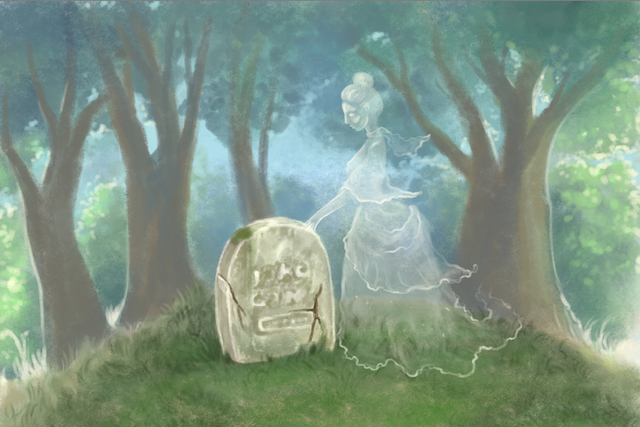
“Death smiles at us all; all we can do is smile back.” ~Marcus Aurelius
Recently, on a beautiful blue-sky Saturday, I attended my first “woke wake.”
My dear friend has welcomed in the love and care of hospice, and she and her family wanted to host a celebration.
The meaning of “woke” signals an awareness of social action, with a focus on racism and bias in our culture. She also wanted to be “awoke” to the experience of her wake. More importantly, her party was an honest expression that she will die soon. Her acknowledgement was courageous.
We share so openly about birth, and yes, there is deep sorrow with death, but doesn’t it deserve as much open acknowledgement? Silence only makes the journey that much more difficult.
In her rose-rimmed glasses, moving about the party with such grace, she held her truth with pride. Her heart is full yet has become so weak.
There were plates of delicacies with brie decorating beets, fall fruit bowls adorned with persimmons and pomegranate, plates of pumpkin brownies and breads, chips finding dips, laughter finding tears.
She preferred we didn’t clink cups and share stories. Instead, it was both a “Bon Voyage” and “Welcome Home” celebration. The voyage is universal for all of us. Home becomes the outstretched arms of loving community and, as Ram Dass wrote, “We are all just walking each other home.”
The morning my father passed away just shy of ninety-five, I spoke with him by phone as he lay in his hospital bed. The last thing he said in his forever strong but raspy voice, before hanging up the phone, was “Well, gotta go honey.”
We all “gotta go,” but the privilege some of us have to plan for how we go is a gift. Many do not have that luxury due to economic, social, and possible cultural differences.
But for many, there are concrete plans we can make as we compose our wills, designating our medical power of attorney, our financial executor, DNR, and life support decisions. We can designate who will inherit our wares and heirlooms. We can decide specifics in regard to a traditional burial, cremation, or even body composting, which is a process that transforms the body into soil to be then returned to the earth.
Getting our affairs in order in concrete ways seems easier than having a conversation about our own death or that of our friends, family, and aging parents.
Melanie Klein, a well-known British psychologist, believes the fear of death is the crux of anxiety. Whether one believes in this premise or not isn’t that important. But the truth is that often our feelings about death are kept deep inside. Yet discussion can ease our anxiety as we face the existential concerns about our mortality.
I’m in an intimate group with six other women where we discuss aging, living, and dying. Sometimes we discuss the book we are reading, but more often than not, we share our hopes, dreams, and fears about the future. As our skin softens with age, our “thin skin” makes us more sensitive to issues around death.
Often, there are concerns about being dependent and a wish to not burden those who care for us. And who will care for us? Will we be okay financially? How will our bodies and minds hold up in the years to come? We also discuss worry about those we’ll leave behind. How will children cope?
These are difficult topics. But being in community while voicing our feelings and asking these questions can make us feel less alone. If possible, opening up the discussion with loved ones is important. And the hope is that when our time comes, we will all be better prepared and have had some of our questions answered.
Those who die before us often become our teachers. As we attend memorials and wakes, we face that we will continue to say farewell to loved ones and inevitably ourselves. How those before us handle the farewell often educates us as to how we would like to end our journey in both similar and dissimilar ways. But this takes conversation, something too often avoided.
My friend has taught me so much and especially about her devotion to and her honesty with her grown children. I will want my children to know they are going to be just fine in the world no matter the twists and turns in their life. And that I promise I will never be far away.
It is said that accepting the inevitability of death helps us accept we are all just visiting for a short while. That recognition reminds us to appreciate life and make it a good visit.
I hugged my friend goodbye and thanked her for hosting a lovely celebration. It was a good visit with a table of bounty. Maybe that is what we can all hope for as the party ends and the lights go out.

