Tag: Hope
-
Don’t Let Hope Keep You Stuck
“I hope that this whole COVID-19 thing goes away so we can resume our regular lives.”
“I hope this quarantine will be over soon!”
“I hope that things will go back to how they used to be.”You may be thinking, wishing, or even hoping these things—and are just waiting for things to get better. That was definitely me the first few weeks of quarantine.
Recently I’ve been pondering the possibility that COVID-19 may actually never go away and we may have to learn to adapt and live with it. It may be like influenza—seasonal, with a recommended shot, and it might just be a new virus that becomes a part of our lives.
We don’t know when the quarantine will be over, and even when we’re given a specific date, that date keeps getting pushed further and further back.
I am seven weeks into quarantine just waiting for the shelter-in-place to be lifted. The bleak reality is that, although we will slowly adapt to the ‘new normal,’ things will never go back to how they used to be. Ever. And that makes me feel disheartened, discouraged, and a bit sad.
But when I am able to be mindful and sit with these feelings and thoughts from a non-judgmental place, I am able to see that I am clinging to the past and how things used to be. At the same time, I am being unrealistically hopeful about the future and it was keeping me stuck.
The cause of my suffering: wishing for things to be different than they presently are. I am reminded to be mindful—to be in the present moment, accept what is, without judgment.
Acceptance doesn’t mean liking, wanting, resigning, or giving up. It just means acknowledging what is. By resisting and rejecting the current situation, we create unnecessary suffering.
Having hope is a not “bad” thing. Maybe it’s what gets you out of bed each day or helps you stay motivated. Maybe it’s something to look forward to, and if it helps you in some way, wonderful.
Hope is a beautiful thing as long as it’s helping you take action and not just keeping you stuck in a waiting state.
A waiting state based on external circumstance, an unforeseeable future date, or potential “something” that may or may not ever happen, is not very helpful.
Constantly living in this state of hope—just sitting and waiting for a better future—can prevent us from experiencing the present moment. It might stop us from accepting what is and seeing what is in front of us right now. It can stop us from being present because we are so focused on the future.
It is possible to live in hope but also to live in the present, in a state of acceptance. Incorporating mindfulness with hope allows you to create visions and desires that inspire action. It allows you to see things clearly for what they are, to accept, and propel you forward to become a better version of yourself.
From this subtle shift, you are empowered. You have clarity, you can make choices, you can act, you can choose—you accept the situation as it is right now, giving it permission to exist instead of wishing for it to be different. This reduces our resistance, minimizes our suffering, and allows us to operate from a mindful place of clarity.
Perhaps we can then cultivate something called “wise hope.”
As Zen teacher Joan Halifax says, “Wise hope is not seeing things unrealistically but rather seeing things as they are, including the truth of suffering—both its existence and our capacity to transform it.”
We can either resist the current situation, thus suffer. Or we can accept it, take actions to transform it, and focus on what we can do right now.
Personally, I know that if I stay in the “wishing things were different” mindset and after weeks of isolation (and who knows how much longer), I can easily go downhill into oversleeping, procrastinating, being lazy, binging Netflix, eating absorbent amounts of ice cream, and not keeping up with self-care all while just “hoping” things will improve.
These things can quickly snowball into decreased mood, increased negativity and anxiety, unproductivity, and even depression. I know how easy it is to slip into that, and I don’t want to go there. Rather, I consciously choose not to go there. It all starts with how I reframe my thoughts through acceptance and then take action.
Hope: “I hope that this whole COVID-19 thing goes away so we can resume our regular lives.”
Acceptance & Action: “I don’t know if this COVID-19 thing will ever really go away, but to make my life feel more normal during isolation, the action I’m going to take is to keep my daily routine. That means going to sleep at a reasonable time, setting an alarm even on weekends, getting fresh air and sunlight on my patio, meditating, eating well, stretching/practicing yoga/doing pushups, showering, and prioritizing self-care. I know that even on days I don’t feel like doing these things, I have the power to choose. I can choose to not do these things and feel crappy/unproductive/lazy, or I can choose to continue my daily routine because I know it increases my overall happiness and well-being.”
Hope: “I hope this quarantine will be over soon!”
Acceptance & Action: “Although I hope this quarantine will be over soon, all this extra time is such an opportunity! I finally started reading that book that has been on my shelf for the last year, began that online course I’ve always wanted to take, made bread from scratch, deep cleaned my house, and am studying online marketing! I re-assessed my 2020 goals that I had set out earlier in the year and made a ‘to-do list’ and a ‘want-to-do’ list that I can work toward given the current situation. I have been able to complete some of the things on my ‘want-to-do’ list and it has brought me a lot of joy.”
Hope: “I hope that things will go back to how it used to be.”
Acceptance & Action: “Things will not go back to how it used to be. We are always changing and growing because if we are not growing, then we are dying. We see this all the time in nature. A plant never stays static; it is either growing or dying. There is no in-between. So every day I am choosing to live, which means I am choosing to grow. I am taking this time to reflect on what has worked for me in the past, and how to make it better, releasing what hasn’t worked for me and/or changing direction. What a beautiful opportunity to press the RESET button!”
There are many sides to hope, as there are to love, beliefs, and just about anything. Too much of anything can cause us to be unrealistic, closeminded, rigid, blind.
Psychologist Carl Jung refers to this as the “shadow” aspect. Perhaps this can be considered a “shadow” side of hope, and nonetheless important to consider. Although this quarantine may be frustrating, boring, lonely, stressful, fill in the blank, it can be an opportunity to reset, transform, grow, change direction, and reinvent yourself. What will you choose?
-

How I’m Finding Hope in the Pandemic
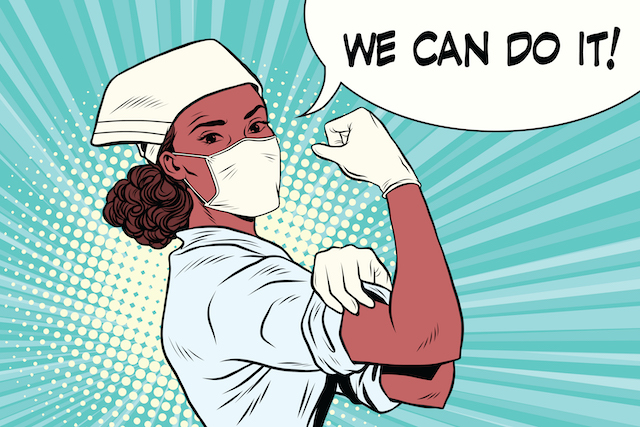
EDITOR’S NOTE: You can find a number of helpful coronavirus resources and all related Tiny Buddha articles here.
“We must be willing to let go of the life we’ve planned, so as to have the life that is waiting for us.” ~Joseph Campbell
It’s hard to believe the state of the world we are in. It feels like 2020 has become the plot of an apocalyptic movie.
A microscopic virus invades planet earth targeting human beings. As mass numbers of human beings retreat indoors, wildlife begins to flourish. Slowly, continent by continent, the human bacteria is eliminated. Only the strongest of the species survive and mutate, creating a new breed of homo sapiens. Finally, planet earth can breathe.
Who would have ever thought that something like this would stop the world in its tracks? (Well, Bill Gates, apparently.)
I’m ashamed to admit that my weekly screen-time phone report was up 73% last week, and I highly doubt I was the only one. Anytime I reached for my phone, I was pulled down a rabbit hole of news reports with terrifying headlines, live videos around the world, reading new laws, catching up with hundreds of WhatsApp and Facebook messages. I could not concentrate on anything for longer than a second, and my regular meditation routine was thrown out the window.
Anxiety is a beast, and it’s been thriving in this type of environment. My little anxious dog-brain is running around in circles with all sorts of horrible scenarios.
I had the next six months of my life meticulously planned and lined up so perfectly: completing my placement at the hospital, working part-time, graduating from school, getting married in Canada. But everything seems to be floating now, held in the air, and I’m just waiting for the pieces to drop.
There are people I know who have it so much worse. They’ve lost their jobs, are forced to move out of their homes because they can’t pay rent.
Not to mention the people who are actually sick with Coronavirus, how terrifying that it might be. Living in make-shift hospital tents, being tended to by nurses in hazmat suits, their families praying they will make it out alive. Or those who are dying of something else entirely and can’t have visitors to say goodbye on their last days alive.
The repercussions of this are far-reaching and heartbreaking. It’s been devastating for so many of us, and my heart feels a culmination of pain from everywhere.
However, amongst all the pain and chaos, there is a silver lining: we are all united. We are literally all in this together, whether you live in a small village of Afghanistan or in an upscale neighborhood in California. The entire world is working together to help each other, to fix this mess.
The power of love and community can be seen with touching videos of people singing to each other on their balconies and rooftops in Italy. Or people leaving messages in my mailbox letting me know that they can pick up groceries, or medication if I’m sick.
The virus knows no status, no religion, no ethnicity. Under this, we are all equal, we are all just human; fragile and mortal little creatures.
When faced with a pandemic, we get to see the meaninglessness of so many things in our lives. The superficial fancy clothes and expensive cars, what does that give you, ultimately? How much importance does that have right now? Or the planning and planning and saving for ‘later’ when what if there is no later? The working in jobs we hate, with people who infuriate us because we’re too afraid of change, or too afraid to fail?
It is a highly stressful and volatile time, there is no doubt about that. I am not going to sit here and tell you how you need to remain positive and grateful and blah blah blah. Feel whatever you feel, allow it to run its course. It’s absolutely normal to feel powerless and afraid, and you are certainly not alone. In fact, you could not be less alone in your state of mind right about now.
But it’s also important to remember that human beings are resilient little creatures—that means you. Yes, you reading this right now. You are a resilient being and this is going to make you stronger.
Imagine the creativity that will emerge during this time of quarantine? Imagine the art, the songs, the writing, the stories, the incredible ingenuity that will be born from this time?
We are resilient beings and our minds can run far and wide. We might feel the fear and anxiety, but we can also feel creativity and compassion. This is a time for humans to reanalyze the world we live in. To take a break from the rat race that is society and find something authentic and true within ourselves.
The story of humanity will not end with us being annihilated by the coronavirus, we will overcome. But maybe, and hopefully, what will die out is an old stale form of society.
Perhaps this is an opportunity for humankind to make a more sustainable world, not only for the planet but for us humans too.
Maybe it’s a sneak peak of a world where we’re not just another cog in the wheel of a giant corporate machine, but a place where we can bring our true humanity, our innate gifts. This virus has forced to reconsider everything, and the leaders of our worlds are struggling to handle it all. This is precisely where change happens.
Every day is a new day and in today’s world, we cannot predict what will happen in an hour, let alone tomorrow. Now is the time to rest and incubate your mind, allowing it to bask in its own creative juices. It’s a time of unprecedented change. Allow that resilience and creativity that is innate in you to spread.
The world is waiting.
-
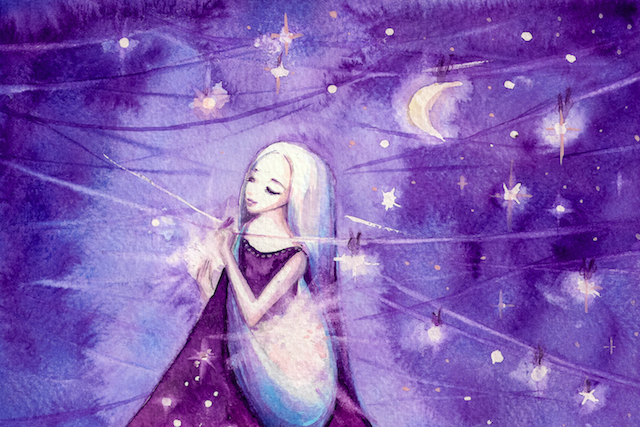
How I Found Hope and Inspiration After Years of Quiet Desperation
“Most men lead lives of quiet desperation and go to the grave with the song still in them.” ~Henry David Thoreau
How many years do we live with a sense of quiet desperation, faking the connection we have with ourselves? Why do we deny ourselves authentic living and exchange our time for mindless living?
Over the years, life silently and slowly eroded my identity away. By the time my son was twelve years old, I’d completely lost touch with reality. I was always busy trying to be everyone’s hero and creating this perfect little world around me. While juggling the responsibilities of being a wife and mother, I’d lost my individuality.
Life had brought me to unchartered territory, a place I had never been before. I could no longer silence the cries of my quiet desperation, the yearning to break free from what everyone wanted me to be.
The weight of being a perfect mother—having laundry done and feeding my family home cooked meals daily—seemed more than impossible. The goal of being an amazing wife was like climbing Mount Everest; I had no energy left when it came to my husband. Because I’d excelled in my career, they thought I could handle more, so they’d doubled my workload.
I was suffering. The despair was a disease I learned to live with every day, but this day was different. The pain of my confusion and mental starvation was agonizing.
I found myself on my knees having a mental breakdown.
I can still feel the tenderness of my hands after I spent almost two hours pounding my kitchen floor, screaming at the top of my lungs, “I can’t do this anymore!” I was shaking uncontrollably from the anger I could no longer suppress. It was a long and painful journey down to the bottom of my soul.
My tears seemed never-ending. I could barely breathe as my emotions began smothering the little air I could take in. I felt like I was drowning, being suffocated at my own will..
My mind wandered to thoughts of suicide. My brain fantasized about not having to make decisions, meet deadlines, or deal with the uncertainty of life. I pondered if I could really take my life as an answer to my silent depression.
I could not calm myself down. I could barely even open my eyes enough to see my hands beginning to swell from the pain of hitting the floor. I felt my husband physically lift my body off the floor, but my soul remained lying there.
The decades of living in quiet desperation had surfaced.
I was a shell of a woman whose soul had left her years ago. I had abandoned all my internal needs—time alone, boundaries at work, and space to reconnect with my writing.
My exhaustion had left me paralyzed. My eyes were dark and my heart was empty of any spirit or ambition. The beautiful glow I once possessed seemed non-existent. The only things visible were fatigue and hopelessness.
My husband cradled me in his arms, gently stroking my hair while telling me, “It’s going to be okay.” I didn’t believe him. Instead, I worried about the time I was wasting crying when I could have been checking things off my to-do list.
In that moment, as I wept like a child in my husband’s arms, I realized the root of my suffering.
There was no major catastrophe in our home or tragic event. I was simply tired of holding it all together and figuring it all out, every day. I was living life in constant “ready” mode, like a soldier in war.
I had to be ready for tomorrow, prepare for next week, and be on guard for next month. As a responsible mother and wife, I was always trying to get ahead of the schedule by meal prepping, doing laundry for the following week, paying bills early, and preparing for any hiccup that might come up.
I was serious all the time. I remember my boss describing me as intense, which bothered me at the time, but now I understand. I saw every action as proof of my success or failure; each gauged whether I was excelling or being lazy.
I never took the time to feel the present moment because I was so worried about the next one. I never truly connected to what was going on within me because the future always mattered more than the present.
I spent decades “preparing.” To-do-lists, goals, and deadlines spun a web around me until I was fully cocooned, unable to breathe.
On this particular day, the air had run out and I was gasping for a few more breaths. I had two choices: ask for help or die trying. Either way, something had to give.
I could no longer live this way, in a hamster wheel of predictability and repetition. I was a robot on autopilot doing the mundane tasks that filled up time slots on a weekly planner. There was no connection within me, just a hodgepodge of work, errands, a few holidays, and parenting.
After this breakdown, I spent life in a fog, unable to answer my own questions. I was sick inside and had been silently bleeding for years. I needed to heal. I made the decision to take the time I needed for my own recovery. The first step in returning to my soul was to put myself first.
As I plunged into the depth of my inner self, many things became clear. The carefully spun web of my former life began to shed, and I began exploring new ways of living.
These five things saved me, healed me, and put me back on a path to authentic and balanced living.
Just stop.
Stop everything. The running, rushing, hustling, and moving. Just stop it all. Time will not stand still until you make a choice to break the routine.
I never took the time to be in the moment because I was always rushing to the next destination and looking to check off the next box on my to-do list. I was running in an eternal mental marathon with no real winner. I was trading the beauty of life for mundane tasks without ever stopping to smell the roses.
I had to stop the mindless living at all cost. This was the first step in reclaiming my power. It was the first call to action that I demanded of myself. If I did not practice controlling what I did with my time, I would never be able to rescue my soul.
Cultivate passion.
My soul constantly yearns to be in harmony with my mind and heart. These three facets of my identity are vital, crucial to my well-being. When they are uncoordinated, exhaustion easily seeps in along with negative thinking and fear. I become an easy target, not anchored or stable.
My weapon against uncertainty is my passion for writing. When I don’t cultivate that which makes my soul sing, I die a little each day.
We all have something we do that causes us to lose all sense of time. You cannot ignore this innate ability or talent. It’s simply part of you. Take the time to find it, reconnect with it, and cultivate a relationship with it. It’s your eternal escape. It’s your ace in your back pocket, the answer to most of your confusion. You will find many of your answers when you connect and unite your soul, mind, and heart together.
Rest your soul.
Let’s face it, there will be very demanding days where you are juggling many things. The flow of life can get complicated at times, but in order to regain your center, you must take time for your soul to rest and recharge, without any guilt. You wouldn’t run your car twenty-four hours a day thinking it can do more by staying powered on. Everything and everyone needs downtime.
I used to wrestle with the idea of downtime and often confused it with laziness. I couldn’t have been more wrong. Resting is the most efficient way to keep your spirit aligned. Don’t try to be a hero and neglect your own needs as a human being. Oddly enough, the better care you take care of yourself, the better you are to others.
Seek connection, not perfection.
My need for perfection was insatiable. I used to label it as my Type A personality, my overachiever tendency, or the fact that I simply wanted the best of everything.
This way of thinking often led me to isolation, anxiety, and a heighted sense of depression. However, in my vulnerable state of lying on my kitchen floor having a breakdown, I didn’t have the strength to hold the wall up anymore. The wall that separated me from having true friendships and connections had to come down. It just wasn’t worth the effort of trying to make everything look perfect when it really wasn’t.
I didn’t need perfection to gain happiness; I needed the connection and the closeness that only real relationships bring. So I exchanged the pursuit of perfectness for the ability to be vulnerable with others. It was finally okay for me to say, “I am a hot mess, and I don’t have a clue how to put myself back together.”
Allow inspiration to emerge.
Denying the fact that I was living under a cloak of desperation led me to a higher realization about life. Sometimes in the lowest points of our lives, when all seems to be falling apart, life is actually falling into place.
When the walls are caving in, the air is getting scarce, and you can feel the weight of suffocation, something happens. Your pain transforms, your agony evolves into something bigger, and you realize that a new you is about to emerge.
My desperation was the pathway for me to rediscover my inspiration. The dark valley I found myself in led me to higher grounds. I don’t push away the struggles or hide from hard times. Instead, I remain patient, allowing the pain to bring forth a new chapter in my life. Sometimes you need to take a few steps back in order to take giant leaps forward.
Today, I live from a connected heart space, one that is fully aware and conscious of the energy I hold within me.
Today, I seek to stay centered. It is here I feel most alive and the happiest.
Today, I can thank the years of desperation I lived, for I am now on the path to living the best version of myself.
-

3 Thoughts That Bring Me Hope, Perspective, Peace, and Strength
“Wake up today knowing that whatever happens, you can handle it.” ~Unknown
Tears filled my eyes, and an angry wave of despair washed over me. I just wanted to wear the jeans I had worn for a couple years. The cute ones with the jewels and deep pockets.
I’m guessing many of you can relate; clothes don’t always fit the way we want them to.
Four years ago, a doctor told me I was dying because of anorexia. It’s been a long journey, a story for another day, but I am here and I am alive.
This past year, I finally reached the weight that doctors had been urging me to reach for four years. I dug in, worked with a life coach, and I did it! I finally healed. But wait, shouldn’t the healing process feel great? Shouldn’t I feel proud instead of pudgy?
I should be proud, and I am; yet I still find myself battling with the voice that whispers, “You’re not good enough. You’ll never be enough.” And perhaps that’s what frustrates me the most about my negative attitude some days. Everyone would be proud if they knew why I put on twenty pounds this year, but I am neither eager nor vaguely willing to disclose everything.
It would be convenient if everything were permanently sunshine and roses after we reach a goal, but this is just not the case oftentimes. We reach a goal, and then more challenges arise. That’s okay. That’s life.
In my moments of shame, when I want to crawl under my bed and hide from the world, there are three thoughts that pull me out and help me find hope and perspective. The more I live, the more I am convinced that living fully is a just a matter of perspective. It’s not about taking certain actions or reaching specific results; it’s about experiencing life through an open and positive perspective.
You are a fighter. Whatever you’re going through, may these three thoughts bring you peace and help you find strength.
1. This is temporary.
My mom always told me, “You will not always feel this way.” And she was right. Happiness, sadness, anger—it all passes.
In my own battle with body image and feeling discouraged by my bigger jeans or curvier figure, this thought gives me so much hope. As real as discouraging feelings feel, they are only part of the picture.
At other moments, I could care less about what my jeans look like, much less the number on the tag (which no one sees by the way). I’m too caught up in enjoying the sunshine outside, hiking on the weekends with friends, focusing on my job, and planning lessons for my students.
There are moments when I feel comfortable in my skin, when I feel at peace. These moments give me hope that any temporary feeling, no matter how strong and painful, will pass. That feeling will pass. Afterall, after a good workout, or a refreshing night’s sleep, or a good shower, don’t you feel like a new creature?
Everything is temporary. Every hard week at work, every hellish project, or stressful trip to the in-laws, it will pass. You are resilient, and you can ride this wave knowing it will wash on shore to the sandy beach eventually.
2. Expect good things.
This thought has changed my mornings. I wake up and tell myself to expect good things for the day. Maybe this seems like a no-brainer, but it’s a far stretch from how I formerly approached life—expecting the worst and battling with anxiety and fear about going to work or accomplishing everything.
Repeating “Expect good things” to myself has helped me notice the good things in my life.
I think awareness is powerful. If we remind ourselves to “expect good things,” we’re more apt to consciously look for them (for example, the sunshine, the flowers blooming, that stranger who held the door open).
Beyond noticing good things, we’re more likely to create them when we expect them to happen. The expectation makes us braver, more compassionate, and more love-filled.
If you don’t believe me, try it. I’ve found that it takes a certain pressure off my day when I trust that good things will happen. I feel more space for love, for creativity.
As a teacher, I tell myself to “expect good things” in the classroom. It helps me create more authentic dialogue, to trust that my students will be engaged and have valuable ideas to offer.
Finally, expect a healthy relationship between your mind and body. Maybe you’re asking, how? Sure, you can wish you were a different weight. A different jean size. Naturally hourglass-shaped. Whatever your ideal shape is.
But what if you expected to have a good relationship with your body and an enjoyable life right now, not after you’ve reached a certain size or diet? You get to pick the kind of attitude you cultivate with yourself, much like you cultivate a certain relationship with the people you love.
I can fight myself for gaining weight to be at my body’s natural set point, or I can “expect good things” at this (or any healthy) weight. More love. More adventures. More mental energy to do the things that I truly care about: learning, teaching, laughing, spending time with those I love.
We get to choose. Expect good things.
3. Find something to be excited about every day.
Sometimes, when I’ve been told to focus on gratitude, I feel guilty. Wow, I have an amazing partner, family, job… yet, I feel so ungrateful or unappreciative. When I focus on the things that excite me, however, I feel less guilty and just plain happier.
When I focus on what brings me joy, I’m able to focus less on my body and more on what I value. Again, learning, teaching, experiencing the community I’m in, spending time with the people I love. Memories that will last longer than jeans.
Maybe you’re excited about an upcoming vacation. Maybe you know you can go home and walk your dog. Maybe your children bring you joy. Maybe it’s a beautiful day and you can see the flowers blooming. There’s something that excites you in life. Focus on these things and you’ll likely feel less weighed down by your struggles.
I know that’s been true for me. Though I sometimes fixate on my size, what I really want isn’t to fit into those jeans. I want to feel strong and confident, and to have a perspective that embraces life and shares joy with others.
—
I don’t know what your story is, but I promise you’re not alone. You can face whatever you’re going through. It doesn’t have to be pretty or perfect. You don’t have to feel like a superhero. In my experience, the healing process is messy. It doesn’t have an uplifting soundtrack like in the movies. But you can do it. I promise. Anchor yourself in hope. You will not always feel this way. Expect good things. And think about what excites you.
-
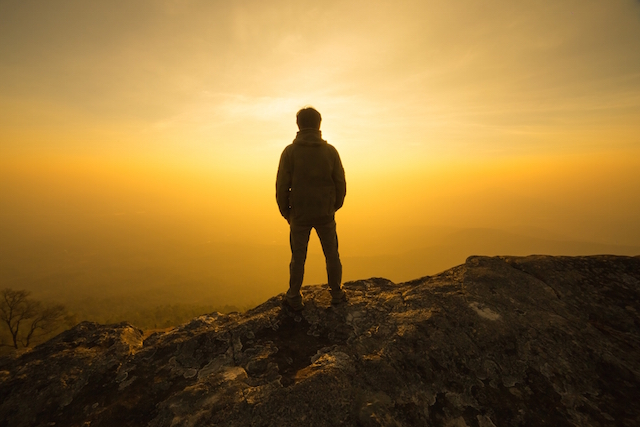
Coping with Suicide Loss: 9 Lessons for Hope and Healing
“It takes courage to endure the sharp pains of self-discovery rather than choose to take the dull pain of unconsciousness that would last the rest of our lives.” ~Marianne Williamson
“That boy is one in a million, Jill. He’s one in a million.”
These were my grandfather’s words to my mum about my brother, Mitch, when he was just a kid. He really was one in a million—a light that shone so bright as a child and early teen, only to then fade into shadows of desperation and defeat as he grew into adulthood.
No one really knows what’s going on in someone else’s mind, especially when a person refuses to let you in. Mitch never let anyone in. On October 1st, 2002 he decided to leave at the age of twenty-six. We were one short on our team now. Our family puzzle was missing a vital piece.
That night, I woke up around 1am to my mum sitting at my bedside in her robe. She sobbed and said, “He was such a troubled, troubled soul.” Right then I knew what had happened.
I held my mum in an embrace that never wanted to end. And as the tsunami of shock and fear crashed over me, I prayed that this was all some bad nightmare I’d wake up from.
At the time, I thought my world had ended. Little did I know, it had just begun.
In the beginning after Mitch took his life, I wanted to run and hide. I couldn’t shake the shame and guilt. The societal and cultural stigma attached to suicide as a horrible, selfish act stuck to me like glue.
I felt like our family had caught some bad disease and any one of us could be next. Like we had the suicide gene and it was only a matter of time another family member or I chose to go against the “normalcy” of a life lived.
Even though the past eight years of Mitch’s life were shrouded in depression, the guilt of not doing enough kept replaying in my mind.
I’d imagine saving the day and bursting into the hotel room where he spent his final hours and convincing him there was another way. Grief whispered to me, there had to be another way for him to be happy. I didn’t realize at the time that the only person that can heal you is you.
Then there was the anger. I couldn’t look myself in the mirror. The bathroom became a torture chamber.
However, in the midst of my grief something else happened. I felt a closer connection to my own energy at the core of my being. I believe this was due in part to the loss of the physical relationship with Mitch; organically, I switched gears to reconnect on a different level.
Feeling broken after such a loss, funnily enough, cracked open a channel within me that lay dormant and ignored.
It was an odd feeling, and one I didn’t welcome because of my inner resistance to change. At the time, I preferred to remain stuck in suffering, but the invitation was there.
The better part of my twenties was awfully confusing because I allowed myself to wallow in pain. As a result, I lacked intimacy in relationships, I was financially dependent, I lacked commitment to my career, and I lost my old zest for life.
However, the beauty of confusion is that it allowed me to seek the answers I was looking for. The key was to ask the right questions.
The right questions led me to lean into my pain head on, address it, and acknowledge the energetic essence within me rising to the surface. Asking the right questions led me to a shift in thinking and helped me learn some valuable lessons.
At the end of the day I had a choice to make: Was I willing to genuinely look inside? Did I wish to grow from the experience? Did Mitch want me to carry the weight of his loss upon my shoulders until my dying day? Did I want to swim in the continuity of life or sink in my own sorrow?
Along your own path to healing after suicide loss or personal crisis, these nine suggestions might help.
1. Be willing to change your concept of yourself.
This means changing what you believe to be true about your outer and inner self-concept. It means letting go of the old stories, beliefs, thoughts, and patterns that don’t serve you and keep you stuck in the past.
For me, the old stories, beliefs, and thoughts centered around suicide loss being my eternal crutch to bear, something that was going to forever limit my capacity to find joy in anything I did. I told myself I didn’t have the power to heal my life—that included being successful in whatever I placed my attention on.
When you redefine what you are capable of on the outside and when you reconnect to your higher power on the inside, you begin to unlock what is authentically you.
When you honor what is authentically you, void of all past luggage and conditioning, you unlock a greater love within. A connection that self-heals and plants you in the present with gratitude in your heart—that includes the life you have lost. By honoring you, you honor them. There is no separation.
2. Be willing to externalize your grief.
Your grief has intelligence. Let it tell you know it knows. Vomit it all up, don’t wretch. Open the latch and let the dam spill over. Sometimes when all the tears are cried there is no room for anything else except a smile and laughter. There is strength in vulnerability and healing in releasing. Talk, cry, write, shout, exercise, and help others.
3. Be willing to go within.
This lovely world of ours is a mirror. Your outer state is a reflection of your inner state. Self-healing and self-love start with connecting to your inner source, your higher power.
Meditate. Meditation will create a clear, open channel between the heart and the mind allowing for them to work in synchrony. Anxiety, addiction, and obsession over your loss will slowly melt away because you are grounded in the loop of life. Where there is grief, there is also relief.
You don’t have to be spiritual or religious. If you are a skeptic and don’t buy into what ancient traditions and great masters have known for thousands of years, and you rely on scientific fact, then look no further to what the world’s leading neuroscientists and physicists are saying.
There is an underlying intelligence that binds this whole place together. You are not separate from anything else that exists on this planet. You are made of the same stuff! To think you are any different is the height of arrogance. To tap into its power, sit with it in silence. Join with it.
In terms of healing after a loss, consistent meditation, day and night, is one of the most powerful practices, if not the most powerful, for self-healing and overall well-being. I have witnessed dramatic shifts in awareness within myself with consistent meditation after loss.
I have come to recognize that I am not the thoughts in my head. I have become more aware of my own thoughts, as opposed to becoming attached to them.
Thoughts are neither good nor bad, but the moment I place an emotional attachment to them, that’s when they become problematic. With practice, I’ve learned to step back behind the negative chatter and catch myself buying into thoughts that are rooted in the past. By no means am I master of this, but I am far better than I used to be.
4. Be willing to process and clear the pain.
Again, you have a choice. I’d suggest being brave and honest. A whole new world awaits you when you are willing to do the work.
That is, be willing to externalize your grief, to self-inquire, and feel to heal. To face your hurt head on instead of ignoring it for years. That, I can tell you now, will come back to bite you at some stage.
You can run, but you can’t hide; sooner or later your hurt will spill out into your relationships, finances, family, health, or career. The wiser choice is to work with it, not against it.
When you are willing to process the guilt, shame, blame, anger, depression, isolation, and loneliness, you begin to unlock your authentic self. You strip away the layers to your greatness.
The opportunity to view yourself and this world through a new lens is available to you. You will begin to see that with grief there is also relief. You may not witness it straight away, but life has a way of balancing itself out. It’s always the end of life that gives life a chance. This greatest loss of yours can become your greatest gift. My life is proof of that.
5. Be willing to see your life beyond your loss.
A question that needs to be asked after we have grieved our loss: Now that this has happened to us, what are we going to do about it?
Am I going to use this loss to grow, learn, share, give, create, and love more? It’s up to you. I’ve chosen not to do these things in the past and it led to a depressive state. Swim with life as it continues on and grows or sink in the past that doesn’t exist?
There is something great for you in the horizon. This loss is your trigger, your catalyst to peel back the layers and discover what music dances in your heart.
6. Be willing to accept the value of challenge.
What if life’s greatest challenges and voids were windows into living your most inspired, creative, and authentic self?
In the words of Dr. John Demartini, “Your greatest voids create your highest values. And your highest values lead you to feel grateful for the synchronous balance in life—both pain and pleasure, challenge and support—that brings you closer to fulfilling what is most meaningful.”
There is potential value in every situation. Grief is not exempt of this. Grief is a part of life, and to exclude the balance of death leaves us in this lop-sided view of the world.
Today we constantly seek pleasure, we seek support, and we desire acceptance. The trouble is that grief leaves us with deep pain and with a perceived greater challenge, and if you have experienced a suicide loss, the challenge cuts deep within a family context. In our case, a family of six becoming five felt like a gaping hole deeper than the Grand Canyon.
I now look at the sadness of losing my brother as the most instructive thing that has ever happened to me. His death didn’t have to remain in the way of my life, but more so, on the way to unlocking how I wanted to live my life and what I wanted to share and contribute.
Mitch taught me that my time here is limited and to go after what really makes me happy. To find my joy and share it with the world. His death was a reminder to have fun and not take it too seriously. No one knows what’s going to happen tomorrow, so you might as well enjoy the moment—all that we have! For this, I can’t thank him enough.
I have no doubts he is celebrating with me. I know this because for him to not want me to seek the benefits, opportunities, and inspiring lessons in his passing would be to deny the significance and meaning I have found through the life he lived, and in his passing.
7. Be willing to generate energy.
You have to generate it in order for you to have it!
That’s why in these times of challenge you need to remember to do the things that you love. For me, I needed to swim in the ocean daily, go on long bush walks, hang out with friends even when I didn’t feel like leaving the house, and set aside time to write whatever it was they wanted to spill onto the page.
You must endeavor to feed yourself joy. Things you love to do and things you loved to do with your loved one that’s passed.
Don’t become the stale water in the pond. Seek to sit in that rubber tube and flow with the current of the river.
8. Be willing to forgive yourself and your loved one.
Their death is not your fault. It’s very easy to blame yourself and others around you. We should have done more! How did I not see the signs? I can’t live with myself—what kind of mother/father am I?
Hold up! Drop it. Have some compassion for yourself. You did what you could with the awareness you had at the time. It was their choice to go—an end to their own pain and suffering they unfortunately could see no way out of.
As you forgive others, you begin to forgive yourself. When you stop focusing on their choice to go, you will stop punishing yourself for your own.
To quote Marianne Williamson, “Forgiveness releases the past to divine correction and the future to new possibilities. Whatever it was that happened to you, it is over. It happened in the past; in the present, it does not exist unless you bring it with you. Nothing anyone has ever done to you has permanent effects, unless you hold on to it permanently.”
9. Be willing to surrender.
Here’s a simple equation: Open mind = open heart = living authentically you.
When you absorb and take action on the other eight lessons, you will become more open to something much bigger than you could have imagined for your life after your loss. You must be willing to give up your attachments to the outcome of your life after suicide loss.
I does get better. There is light at the end of the tunnel. You will be okay. In fact you will be better than okay. But you must keep moving. This loss has left a giant scar, but scars tell stories. Make this scar the catalyst for you to know and love yourself more than you have ever have before. In the words of Anita Moorjani, “Love yourself like your life depends on it, because it does!”
There is hope and there is happiness. Life isn’t the same without them, but that’s okay. You’re here now and it’s up to you what you want to do with the precious time you have been gifted.
-

Why I Didn’t Kill Myself and Why You Shouldn’t Either
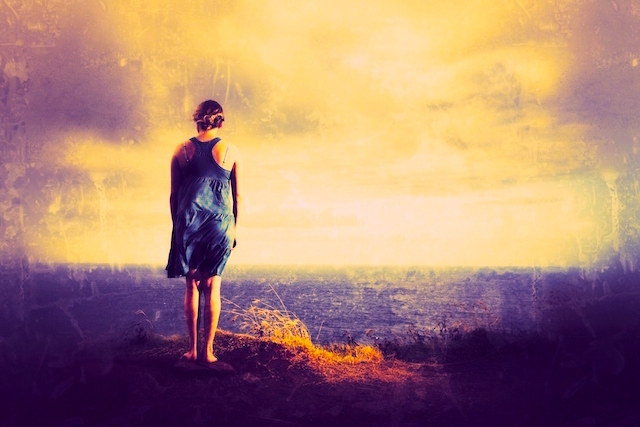
TRIGGER WARNING: This post deals with an account of sexual abuse and may be triggering to some people.
“That’s the thing about suicide. Try as you might to remember how a person lived his life, you always end up thinking about how he ended it.” ~Anderson Cooper
I know what it’s like to want to die. I know the feeling of hopelessness. I know the sense of loneliness. I know the soul crushing despair and longing to fade into nothingness.
If you are reading this, then you know what I’m talking about. I’m not sure what brought you to the point of wanting to die. But I know you don’t have to make that date with death.
Death is forever. While you live, you have the power to change things, even if it feels impossible. Once you are gone, your choice is over.
History
My date with death started when I was thirteen. Starting when I was four or five until I hit the age of twelve, two separate men molested me on a regular basis.
When the abuse stopped, I blocked it out. What I couldn’t block out was the misery, anger, and hatred. I had no idea what was really wrong, but I was monumentally pissed off. I had constant nightmares about men trying to kill me and about fires consuming me.
I was already dead inside, so what was the point of actually living? Those men took my soul. I was no longer a child. I was just a body trying to survive. I felt nothing but pain and grief. I hated my life. I hated myself and everyone else. I wanted to die. Every day. All day.
But did I really want to die? Do you? I don’t think you really want to die. I am guessing what you really want is for the pain to stop. I know deep down that was what I really wanted.
Destiny
One day, in my early twenties, I got to a point where I couldn’t bear it anymore.
I came to a crossroads. I came to my breaking point. The unrelenting emotional pain had become too much, and I was drowning under its weight. I had to decide.
I literally said to myself, “Carrie, you either kill yourself today or you need to do whatever you need to do to get better, because this is no way to live.” That was the moment I decided to take back control of my life.
Live or die? Which will you choose? I’m hoping that you choose to listen to what I’m saying and that you choose to live. I know your pain. I feel your pain. I have lived in your pain. If I can live through it, so can you. You are not alone no matter how alone you feel.
What Leads Someone to Want to Take Their Life?
I have come to believe there are three common reasons people want to kill themselves. You may identify with one or with all of them. Personally, I have contemplated suicide over all of three.
Severe Pain Caused by Abuse/Trauma (Rape, War, Assault)
This type of pain is acute, but can also be chronic. It can be a debilitating type of pain that keeps you locked in a world of constant hyper-vigilance, trying to survive. If you have been a victim of childhood abuse, domestic abuse, or have been raped or subjected to the ravages of war, then you know what this suicidal ideation looks and feels like.
I identified with this pain from my teenage years up until my early to mid-twenties. If the only feelings you have are pain, anger, and hurt and they are all turned inward, you will do anything to find relief, and the thought of suicide will become your constant companion.
Emotional Reactions to Specific Situations (Divorce, Death, Breakups)
When you go through the death of a loved one, or your spouse cheats on you and leaves you for someone else, you may feel useless, empty, and betrayed. Feeling unworthy can lead you to contemplate doing something that you normally wouldn’t do.
I experienced this a few years ago when I found out my boyfriend was actually not who he said he was, and had not only another girlfriend, but a wife and a child.
I felt like such an idiot because I thought he really cared. I thought there must have been something wrong with me that he was able to manipulate me so easily. I thought there was no point in going on. Many nights I would stare at the gun on my bedside table. Journaling is the only thing that kept me going.
Constant Feelings of Hopelessness (Depression, Apathy)
This type of pain is quite scary because it is a smart and well-thought-out pain. It isn’t rash and isn’t a reaction to something that happened. This pain is insidious. It seeps into your subconscious and gets you slowly thinking that there’s no point to life.
Yes, I’ve felt this type of pain. From my late twenties until just recently there were many days when I would wake up and say to myself, “Maybe today is the day.” I would make plans for when and how I would do it. I would weigh the pros and the cons.
I had gotten to a point where I no longer cared, but I wasn’t really in pain. I was apathetic to the world around me and more importantly, to my own heart. I no longer cared to live. I was not experiencing joy. I didn’t care about anything. I had no passion. Perhaps you understand what I’m talking about.
So, What Do You Do Instead?
For those struggling with the thought of death and dying and for those who see no other way out, here are some things to think about before you swallow that entire bottle of Vicodin.
This Too Shall Pass
Remember this saying, because it really is a universal truth. The only thing constant in life is change. Remember when you broke up with your first love and you thought would never love again? You did.
The way that you are feeling right now will not last. Remind yourself that the awful feelings won’t last forever.
Your Thoughts About Yourself Aren’t True
Do you feel misunderstood? Do you feel like no one really knows you, what you’re about, or who you are down to your core?
I have never really had a lot of friends, and the majority of the friends I have are men. I have always wondered what it was about me that caused girls to dislike me. Was I doing something wrong? I don’t think I’m mean. Why didn’t they like me?
I’m an INFJ personality type, which represents about 2% of the population, which is another reason that people just don’t get me. My personality is literally different than the majority of the world.
I never dreamt about getting married, having babies, and living in a house with a white picket fence. So, while most people I know are having grandkids, I’m still living alone and trying to figure out my life. Another reason I think no one understands me: We don’t want the same things or have the same goals.
But, what if I took all those negative, self-effacing thoughts about myself (I don’t fit in, I’m kind of alone, and no one likes me) and turned them into positive thoughts? What if all those thoughts weren’t really true?
What if they were something I had created to keep myself in a safe little cocoon of negativity? What if I started to believe that my differences make me unique?
As I started to work on loving and accepting myself, I came to realize that I’m not for everyone, and that’s okay! So what if everyone doesn’t love you? So what if you don’t have a ton of friends? So what if you need to find a place where you do fit in, and so what if the love of your life might be taking their time finding you?
Remember what Dr. Seuss said, “Today you are you, that is truer than true. There is no one alive that is Youer than You.” There is only one you. Even if you don’t believe it right now, you are special and unique, and you have a history and a story and talents that no one else on the earth has.
There Are People Who Will Be Devastated by Your Loss
I used to tell myself that my mom, sister, and friends really wouldn’t care if I was gone. I figured they would get over it in a few weeks. I would tell myself that everyone would say, “Oh, that’s so sad” and just go on with their lives.
But again, this can’t be any further from the truth. If you kill yourself, the pain you are feeling will be gone because you will be gone, but now your friends and family will feel your pain for the rest of their lives. They will wonder every day what they did wrong. How they could have helped. Why they failed.
Is this the legacy you want to leave? Maybe you think no one cares about you, but do you care about them? Do you care about your family and friends? Do you want them to spend the remainder of their years wondering why?
If you commit suicide, you’ll leave an indelible mark of pain and grief on those you have left behind. If you don’t believe me, go read some stories from mothers, fathers, and sisters who have had a loved one kill themselves.
Is There More to Do?
Is your time on this earth over? Do you believe you have nothing to offer? What will people say after you die? It is more than likely they will say, “How sad, such a waste.” Is your death how you want to be remembered?
Even if you do not see your value, others do. Each one of us is unique and has special talents. Instead of thinking about killing yourself, try thinking about what your talents and your passions are. Maybe you don’t know, and that’s okay. The very act of trying to figure it out will bring some hope for the future.
For the longest time I had no idea what I was doing and where I was going, and I completely lacked passion, energy, and feeling. Then, one day I realized that I have always had something to say (even if no one wanted to listen), and that became the roadmap for my new life.
One of the few things that saved me when I was suicidal was writing in my journal. I realize that I needed to write again, and once I did, everything changed. I had a purpose. I had found my passion. Yours is there you just have to find it.
Your Life Doesn’t Have to Feel Empty Forever
Maybe your life feels empty today. But that doesn’t mean it has to feel empty forever. I spent years (more years than I care to admit to and more years than I should have) feeling empty, lonely, and unfulfilled. This is an awful place to be, and I would never wish this on anyone else.
Just because I felt like I was living a meaningless life for over forty years doesn’t mean the rest of my life had to be that way. The past is the past.
Feeling lonely and unfulfilled doesn’t have to be a forever proposition. It can be a temporary landing if you want it to be.
If you feel empty and lonely, like your life has no meaning, then I say to you, “What can you do to change it?” Try and focus your energy on what you can change, not what you can’t change. I know it sounds corny and cliché’, but every day is a new day to rewrite the story of your life.
Usually we don’t know the answer to this question, which is why we stay stuck and hopeless. Everyone has something they love to do, something that is their passion. You have one too; you just don’t know it yet. Find this passion. Search it out. Give your life some meaning. Take yourself on a journey and find out who you really are.
You Are Not Alone
Remember that although you are in pain, you are not the only one. Get online. Start talking to people. Call a suicide prevention hotline. Go to the forums and find out what others have done to combat their feelings of loneliness and depression.
Do not let your thoughts run your life. Thoughts are just thoughts. They are not truth. Remember this. Feeling alone is a belief in your head, and it isn’t necessarily true. I know they feel like they own you, but you have the power to take back your life and own your thoughts.
Find others who have struggled with your issues and ask them what they did and how they found some peace. Read books. Listen to podcasts. Why reinvent the wheel? If others have been able to succeed, learn from them.
Maybe you need a friend to talk to. Maybe you need a support group. Maybe you need a therapist. Maybe you need a hobby. Maybe you need to find something, anything that gives you the slightest glimmer of hope. Search. If you can’t find any of those things, then give me a shout (carrie@acinglife.com), because my inbox is always open.
There Are No Words
Maybe there are not enough words or not the right words. Maybe nothing I can say will make you change your mind. Maybe I will fail at my task, but I hope not.
I hope you take my words to heart and understand that I have felt your pain, and not just for a few days or weeks or on occasion. I have felt your pain to the core of my being and to the depths of my soul, for years and years. I have plotted my death too many times to count. Yet, I’m still here.
So, every day is another chance for me to try to get others to understand that they are not alone, and that depression and loneliness are fixable conditions. The human condition is a beautiful, complex assortment of struggles. You are not alone in this.
Suicide is not the answer. Death is final. But, you my friend are reading this now, and I believe you have some hope, even if it’s only a tiny little glimmer. I believe you can survive and that you will survive. I believe that, like me, you can also be a voice for change and hope.
Never give up. Every day is a new day to fight, and every day is a new day to recreate yourself.
If you are struggling please reach out for help: http://www.suicidepreventionlifeline.org/ (1-800-273-8255).
-
How to Deal with Depression and Anxiety: 10 Lessons from a Lake
“Forces beyond your control can take away everything you possess except one thing, your freedom to choose how you will respond to the situation.” ~Viktor Frankl
Low moods can roll in like a numbing wave, washing out the pleasure from life.
If you’ve experienced this, you’re not alone. Surveys have shown that the vast majority of people in the US eventually experience some depressive symptoms, and many are anxious. I’ve been there before.
Early in my medical career, I made some research findings that contradicted the then-current views. My boss was not an expert in that area, so he simply sat on the papers, refusing to submit them to a professional journal. I was idealistic, but he preferred safety.
My helplessness in the matter dragged me down, until I fell ill. I developed a serious chest infection and could hardly drag myself out of bed, not even for the bathroom. I felt numb, demotivated, useless, and hopeless.
Luckily, some senior colleagues arranged for me to do further studies. The change of scene helped. Then I was offered a great job, soon followed by an even better one, and a third.
Life soon got so busy that twenty-four hours in a day no longer sufficed. My career flourished, but my family had to put up with an irritable insomniac who frequently traveled abroad and had forgotten how to relax.
I then took a break in Scotland one fall, with colorful trees and blue sky reflected in the mirror-like surface of a lake. The beauty was glorious, so I started to learn about this wonder of nature. The more I learned, the more I found parallels with challenging situations, depression, and anxiety.
Gray, rainy days followed. I went out on the next sunny day and threw a pebble into the lake. The lake rippled, but eventually returned to its calm state.
Here’s what I learned from the lake about overcoming depression and anxiety.
1. Acknowledge your emotional pain.
A lake freely expresses distress during stormy days, with a turbulent surface. Suppressing feelings is unhelpful.
Hidden emotional pain can eventually overwhelm you, as with my chest infection. Once you name your feelings, they lose some power. You become the observer, not the victim, of feelings.
Allow tears to flow naturally; they express hurt. Write or record on your phone what’s troubling you and how you’re feeling, like a child blurting out everything. Read that, or listen back, to gain understanding.
2. Practice distraction.
In stormy weather, the lake’s focus shifts to its depths. We too can benefit from shifting our focus away from persistent, unhelpful thoughts and feelings. This can help restore perspective.
Whenever my life feels too stressful, I find that making music or doing vigorous exercise can transform my mood.
Distraction can be as simple as counting the number of red cars passing by, or watching a funny video, listening to your favorite music, singing, coloring, having a massage, walking in nature, playing with children or pets, or anything that absorbs or relaxes you.
Your brain, like a computer, has a limited amount of “working memory.” Distraction keeps it occupied. Depression and anxiety have less room.
3. Accept what can’t be changed.
When you throw a rock into a lake, it won’t resist. Ice may break, but the liquid lake won’t. In discussions with my inflexible boss, I was hard as ice, and paid for that with illness.
How can distress be made more bearable? Recognize when you are resisting something that can’t be changed, and pause to observe your own breathing and bodily sensations.
If unhelpful thoughts or feelings arise, notice them without engaging with them, and return to observing your breath. Then distressing thoughts, feelings, and circumstances won’t easily break you.
4. Become less self-critical.
A lake nurtures its inner life, with nutrients circulating below the surface. We, too, need to nurture ourselves, especially when experiencing depression or anxiety. Both are bullies that try to turn us against ourselves.
If self-criticism grows, try going through a list of positive characteristics and identify a few that best describe you. Then, elaborate and write out some of those characteristics in detail, using specific examples. To illustrate, if compassion is one of your characteristics, recall specific incidents when you comforted someone in distress.
After repeating this exercise for a few positive characteristics, you’ll feel much better about yourself and life.
5. Hold on to hope.
A lake is fed by streams. We have “streams” that can feed us, as well, if we enable them.
Try reaching out to others who are likely to understand how you’re feeling, perhaps by joining, or starting, a well-being group, or seeking professional help. Others can listen to you and reassure you.
Also, realize that you’re not set in stone. Scientific research shows that even your brain can change. I’m much more optimistic, sympathetic, warmer, and calmer now than I was in my twenties. We can all learn and grow, no matter what our age..
6. Become skilled at self-parenting your inner child.
Imagine your toddler falling over repeatedly while learning how to walk. Think of the loving, encouraging, heart-warming things you might say. Practice saying such things to your inner child.
I got far more criticism than appreciation as a child, but I now consciously reverse the balance in my self-talk. I remind myself that my faults are just part of being human.
This will benefit not only you, but also the people around you. As you shower unconditional love on yourself, it will overflow to your children, family, and friends. A lake gives life to all around, but it must renew itself with water.
7. Reduce big problems to small solutions.
As you regain perspective and energy, you can start to tackle problems.
Pick one problem that seems solvable. Pick the most promising solution. Identify a simple next step.
Congratulate yourself when you take this small step. Then take the next small step. Keep going, and you’ll be pleasantly surprised.
Life need never be more complicated than taking the simple next step. A lake needs no giant moves.
8. Change what can be changed.
A lake is big enough to survive storms. The most powerful change you can make is to grow bigger than your unhelpful thoughts and feelings.
When you’re depressed or anxious, your thoughts tend to become distorted. However, you needn’t swallow the first thought that jumps into your mind.
For example, if someone barked at me, I previously assumed it had everything to do with me. However, it might have been some stress in their life causing their rude behavior. I don’t need to know for sure; I need just to weaken the force of my first thought. Then I can go on with life, lighter and freer.
Further, if something goes wrong in one area of my life, I needn’t believe that everything will go wrong in all areas of my life. The more confident I become of a happier future, the more powerful I grow.
9. Boost your physical well-being.
A lake is constantly active. Older plant life from near the surface sinks to the depths, and the different layers mix. That’s how a lake stays in good condition.
The healthier I eat and the more regularly I do vigorous exercise, the calmer and more energized I feel.
Nourishing meals with plenty of vegetables are much healthier than sugary or processed snacks and drinks. Regular, vigorous exercise is powerfully effective against depression, according to scientific research.
10. Cultivate “flow.”
A lake would rot and dry out if the water stopped flowing. As you develop, “flow” could help boost your confidence and calm.
“Flow” is a state where you’re completely absorbed in an activity, with your skills rising to meet the challenge of the activity. You feel strong, alert, unselfconscious, and at the peak of your abilities. Your brain is fully occupied by the activity.
I experience “flow” when I’m creating original music. It’s a wonderful experience, every time. Find and cultivate your own sources of “flow.”
—
Depression and anxiety need not define you, no matter how tight their grip. Take courage from scientific research. It confirms that most people with symptoms of depression and anxiety can eventually enjoy fulfilling lives.
Even your brain can develop new cells, connections, and functions.
You could become like a lake that endures wintry storms and gales, but survives to enjoy the colors of spring, summer, and fall. Eventually, one small step at a time, you could become as deeply peaceful and energized as a lake.
Practice showering your inner child with unconditional love, and experience the difference.
-
How to Cultivate Hope When the World Feels Dark and Scary
“Everything you can imagine is real.” ~Pablo Picasso
The world is so broken. We are broken. We all need healing.
Recent events worldwide are terrifying and sad. This cold and dark time of year is a challenge for many.
Some of us feel every little thing. We feel everyone’s pain. We are empaths who care for every person, every animal, and the whole world.
Many of my loved ones and friends are like this. My partner’s father recalls that on a trip to a large city nearby (my partner was eight), they saw people living on the street and asking for change. The little eight-year-old wanted to give all of his tiny savings away. Obviously, it wasn’t much, and it wouldn’t make much impact on the poverty in the city.
It can feel hopeless. We feel like we will never have enough resources and time to give. We know we can’t solve everyone’s problems. But we want to. And if we don’t, we feel the pain of our perceived failures.
If you’re anything like me, you might struggle to balance the urge to do so much or to just give up altogether. How can we nurture our hopefulness in these uncertain days?
Remember that people act out when they are in pain.
It’s a common negative thinking trap to make things all-or-nothing. If someone does something that hurts us, we can tend to believe that they are all “bad.” We distance ourselves from them in our minds to prove we aren’t like that.
It’s tough to recognize someone’s humanity in these situations, but we need to if we are going to keep our hope alive. People often lash out, spread hate, or act selfishly when they are hurt. They are feeling a deep, broken part of themselves and trying to compensate by making others feel bad too.
I’m not saying that their behavior should be tolerated. They should absolutely be held accountable for their behavior. At the same time, they are human and are still valuable.
Remind yourself that they are people, too, and probably feeling deep pain. This goes for the more extreme cases, but also for the other parent at your child’s school or your boss or politicians.
I feel hope when I remember this. The world is not full of evil people but hurt people who need love. Recognizing the humanity of others is a beautiful challenge for us to work on. This is an ongoing, lifelong practice.
Respond with love when you can.
Everyone seems exhausted these days. The weight of the world is on all of our shoulders. Whether it’s due to collective or personal struggles, people may be a little more irritable or inpatient with you.
Try your best to respond with kindness. It’s not about you. Someone may be acting immaturely or being a little rude, but if you can, try to let it go.
Visualize their insults rolling off of you, like water off of a duck’s back. Or use a technique I learned from a book, Radical Acceptance: Recognize that they are trying to pass their bad mood to you, and kindly say “no, thank you.” Do not accept their gift.
I usually feel better if I have responded to something in a caring way. Of course, we don’t always react as our best selves. You might be the one who is acting a bit rude sometimes, so try to respond to yourself with love about that too.
Be a someone.
My grandmother used to say, “Don’t say someone should do that. Be a someone.” Action can help combat our lack of motivation and hope. If you find yourself thinking that someone should do something, try asking yourself: What can I do?
You can start small and very simply. One day a few months ago, I was in the midst of a personal crisis, and I sat crying on the curb of the road. A kind stranger approached me and gently asked if there was anything they could do.
I said an honest no. They responded by standing close by with their hand on my shoulder for a few minutes, then saying a few encouraging words and continuing on.
This small gesture made me feel much less alone in that moment. There are many small things we can do, depending on our ability. If you feel up to it, don’t just walk by; be the someone who stops.
Repeat after me: Magic is real.
I keep a quote by Picasso on my desk that reads, “Everything you can imagine is real.” When I am losing my hope, this reminds me that the world I want to live in, the one I can imagine, is real. It can be real because we create our world.
It’s empowering to recognize the magic we have within us that no one can take away. There is something inside you that no one can take away and you will always have. Remind yourself of your inherent value and hold on to your magic.
Everything you can imagine is real and possible. There are so many people working to build a kinder and more loving world. I recognize their magic and I affirm that magic in myself.
Hope image via Shutterstock
-
Healing Is a Journey, Not a Destination (and You’re Not Broken)
“Healing requires from us to stop struggling, but to enjoy life more and endure it less.” ~Darina Stoyanova
At the age of twenty-seven I was diagnosed with interstitial cystitis, chronic inflammation of the bladder that causes UTI like symptoms. I am now twenty-nine and still experiencing symptoms, but I have improved greatly.
I have spent that time searching for the answers to this medical enigma, for which doctors claim there is no cure. At first my research led me on a path of frustration and hopelessness, until I realized that my mindset was what was holding me back from healing.
I then decided to change my expectation of healing from “I must be cured to be happy” to “I am enjoying my healing journey and look for happiness in any moment I can.”
As a fellow chronic condition sufferer, I understand how overwhelming that statement can be. It is difficult to accept that we are in pain. However, just making that mindset a part of your routine will help open your mind to finding healing modalities that will work for you and help take the pressure off.
Feeling like you need to find a cure is a lot of pressure to put on one person dealing with a chronic illness, and most people who develop these illnesses usually are characterized as perfectionists. I know I am.
But what we don’t realize is that pressure is an obstacle to our healing. Acceptance is what will help us move forward in our healing journey.
I will share with you what I have learned about healing through my countless hours exploring the Internet and personal experience. Here are five things I have taken away from my search:
Be mindful of what you put in your body.
I believe chronic illnesses are created when a perfect storm occurs in our bodies. When you pair emotional upset with a breach in your body’s immunity, you are vulnerable to that final straw that causes your body to go into attack mode.
For me, I believe it was when I started a new birth control pill. With a history of chronic back pain, overuse of antibiotics, bad diet, unbelievable stress levels, and hormonal imbalances, the new birth control pill was the final straw that caused my body to attack my bladder and cause a vicious cycle that would lead me on my healing journey.
There was a time when my life was consumed with searching the Internet for the magical answers to healing. It gave me a sense of control during a time when I felt like a helpless victim to my IC.
But I realized this led to feeling completely overwhelmed by the large amount of contradictory information I found. For every article that said being paleo was the way to combat chronic illnesses, I found two more saying vegan was the only way.
Everyone is different, and it is important to find the foods that work best for you, not to try to eat foods that fit into a box of a specific diet.
I also find that when you start off being extremely restrictive with your diet it sets you up for failure. Starting slowly when introducing new ways of eating is the key to success. Don’t listen to every hot new diet trend, cleanse, or superfood out on the market no matter what kind of amazing results they boast.
For me, plant-based diets free of processed foods and sugar make the most sense. Any other restrictions with food you decide to make should be based on your body. Use your common sense, and question doctors and healers about the pills and herbs they recommend. Not everyone has our best interests at heart or is well informed.
You are not broken.
When we deal with chronic illness we tend to blame ourselves, and it leaves us feeling broken and searching for a way to fix ourselves. We think if we could just handle the stress better or deal with our unresolved feelings, we would not have the illness to begin with.
I have spent years reading self-help books hoping to find the secret to happiness. While self-help books often provide useful coping techniques and good advice, it infers that we need to be fixed in order to be happy. That is a belief that I feel to be limiting and self-sabotaging.
Practicing self-acceptance of all parts of our self, including our health ailments, is more productive for our healing journey.
That is not to say that we cannot try things to improve our self or change negative habits or thought patterns. But the more we try to hide or banish parts of yourself that you do not like, the more they will rear their ugly heads. You do not need to be healed of your chronic illness in order to deserve love and acceptance.
Be your own advocate.
Unfortunately, we can no longer take the word of every doctor when it comes to our health, medications, and foods we put into our bodies. It is important to educate yourself the best you can before deciding to take a new medication or try a new treatment.
Weigh the pros and cons and make the best choice you can. Take the time to find a doctor who is best fit for your healing journey.
Don’t let others make you feel like your illness is your fault.
Chronic illnesses for which it’s difficult to identify the cause can be difficult for people to accept because the thought of having an illness that we cannot predict or fix is scary, even if you do not have the illness yourself.
This causes people to just blame the sufferer because they are frustrated themselves that their loved ones are not getting better.
No one understands your battle better than you. Do not take it personally when someone makes an ignorant comment.
Those comments come from a place of fear inside themselves. It is still important to take accountability for your health and make the best choices possible, but sometimes we develop illness even when we are doing our best.
Some of the answers to healing are already inside you.
Everyone has some sort of healing power inside them. Do not underestimate your body’s ability to heal given the right circumstances. It may be only one piece of your puzzle, but it’s there.
Society teaches us that all we have to do is take a pill and we’ll feel better. This way of thinking takes the power away from us and keeps us in the victim role.
Medications and herbs can be helpful and an important key to your healing, but they are not the be-all and end-all. The mental component to healing is just as important as whatever we choose to put inside our bodies to promote healing.
Let go of what doesn’t serve you. Meditating, yoga, and practicing gratitude will help you connect to your inner self and prepare your mind and body for healing.
—
Your healing journey may be different from mine, and some of this information you may not agree with. You may also not be in a place where you are willing to change. That is fine. I am still learning new things about what is best for my health every day.
Honor where you are now and know that every day is a new opportunity to take care of you one small step at a time. Happy healing!
Man on a journey image via Shutterstock
-
Surviving Life’s Storms: Have Hope That Life Will Carry On
“I’ll never know, and neither will you, of the life you don’t choose. We’ll only know that whatever that sister life was, it was important and beautiful and not ours. It was the ghost ship that didn’t carry us. There’s nothing to do but salute it from the shore.” ~Cheryl Strayed
I have weathered my fair share of storms.
When I was in college, I met a boy a month after arriving on campus. I was eighteen, naive, and completely in love. The red flags were there by the truckload. As each red flag appeared, I darkened the tint on my blinders and convinced myself this was the person I was meant to be with. And so, the storm began.
About a year later, Mother Nature unleashed a storm of her own on my college town and surrounding areas. It was a hurricane that didn’t seem like a big deal as it meandered through over the course of a day or two.
I shrugged it off and kept on going like nothing was happening. Only something was happening—a flood of epic proportions.
The morning after the storm I woke up at 5:00 and couldn’t figure out why. My pets, two dogs, and three cats were running around in a panic.
I got up to see what the fuss was about, and that’s when I smelled the rancid floodwaters. I peered down the stairs of my loft apartment, and to my shock realized half of the front door and several stairs were completely submerged.
The night before I had laughed at the puddles and bit of street flooding. Now those puddles had amassed and invaded my home.
I woke up my sleeping boyfriend. He angrily waded down into the water and tried unsuccessfully to open the now swollen shut front door. As he announced that we were stuck, I picked up the phone to call for help and heard the entire building lose electricity. It was audible and eerie. Everything went quiet.
We ran to the windows and saw some people across the street moving belongings out of their not yet flooded apartments. Quickly, we opened the windows and screamed for help. Two guys came over, waded through the water to our door, and helped my boyfriend get it to open. I instantly began walking around grabbing things and putting them back down.
I was in complete shock and had no idea how to pack, what to pack, and what to leave behind.
First thing, we got the animals out of our apartment. I led my scared and yelping dogs through the water, which was about waist high on my small frame.
My boyfriend carried the cats over his head in a carrier. I found a place willing to board them that still had space available and returned to my apartment.
I packed clothes, photos, cards, and special items I knew couldn’t be replaced. We put the TV on top of the refrigerator. Some kind strangers floated by in a boat and rescued the computer I used for school. A few friends showed up to help us carry the garbage bags I packed to dry ground. Eventually, my boyfriend left and went with his friends.
I was alone and the floodwater kept rising.
I took as many trips through that water as I could. I was terrified and determined to save as much as possible.
A fireman arrived and warned a group of residents that dams had burst in other parts of the state and soon the waters would be too high for us to walk through. He urged us to leave, reminded us that it was just stuff. “But it’s my stuff” I replied, my throat filled with tears.
I looked at his high-waiters and equipment and begged him to help. He wouldn’t.
Eventually, my boyfriend came back for me and what I had managed to put on dry ground. The water had reached my chin and it was time to let go, to accept that I could save nothing else.
The months after the flood were incredibly difficult. The water rose over fifteen feet on my building alone. Entire towns were destroyed, lives forever changed.
I stayed in a hotel and with family while I contacted FEMA and the Red Cross and looked for a new place to live. Many students quit college because of the flood, but I didn’t even entertain the idea. I was going back. I would start over, somehow.
Once I found a new place to live, we moved in and slept on an air mattress. We went to food banks and stood in line for free canned goods and bread. I was humbled in those moments more than I had ever been in my life. I felt alone, scared, and poor. I wondered if my life would ever be normal again.
With the help of groups like FEMA and the Red Cross, I was able to get furniture. My car was flooded out and I had to get something new. I reveled in these bright moments and felt my heart nearly burst with gratitude.
School started up again and I returned to classes. I was still struggling financially, and had lost most of what I owned, but I had what was important to me. I leaned on school counselors when I needed to and tackled my mental health. I knew getting my anxiety and PTSD under control was paramount to moving forward and finishing my degree.
I was proud of what I had been through and the newfound determination that couldn’t so easily be washed away. Life wasn’t exactly as it was before, but it was normal again, a new normal.
Eventually, I graduated and ended up in graduate school. To say I was proud would be an understatement. My boyfriend moved with me, and I thought that finally the storm between us would subside as we began our new, more responsible lives. At least that’s what I told myself.
And, like all storms, ours had an ending. After over a decade of me tolerating his severe physical, mental, and emotional abuse, I finally told him it had to end. Things were obviously never going to change. I could no longer keep wearing those blinders.
When that relationship ended, I was truly devastated. It was another hurricane that left me wondering if my life would ever be normal again. We kept seeing each other on a regular basis, and I knew I would never cut ties with him if we kept living in the same town.
So, with much tortured contemplation, I walked away from the graduate program I had nearly completed. I walked away from a near perfect GPA. More importantly, I walked away from the hurricane that was him.
People often ask me if I regret not finishing my degree and if I will ever go back. My answer for a while was yes. I didn’t want to accept that I had not completed the degree. I was someone who finished college despite a flood, after all.
But as time passed, I accepted it for the reality that it was. I had made a decision and I had to live with it. I chose freedom from a toxic and harmful relationship over finishing a degree. I knew in the end only one of those would truly save me and it meant starting over. Again.
Starting over after that relationship wasn’t easy but I had weathered a flood. I had practice. Slowly I rebuilt with the pieces left and the perseverance that guided the way. I went from being too embarrassed to ask for help, to humbled at the help received, to completely grateful for all of it.
The key for me in both hurricanes, the flood and my relationship, was to know that life would go on after the storm subsided. To breathe through the anxiety and remember that I had survived that far for a reason and would continue to long after these storms were memories.
It took persistence and so much gratitude. Gratitude for the learning experience, for the fact that I was still standing, and for all of the people that were there to help along the way. And where there is gratitude for even the smallest bits of light, there is hope. Where there is hope, there is the will to carry on.
Find your bits of light in the storm and cling to them. It doesn’t matter how small it seems. Find it and be thankful and watch it expand to a new horizon.
Always remember that you deserve a stable, hurricane-free view. And if walking away feels scary, ask yourself what would hurt more: the pain of letting go or the pain of staying stuck in the storm forever?
You, dear reader, can do this no matter what storm it is you are facing. Choose the life away from the hurricane and wave goodbye to the one you didn’t choose from the shore of your new normal.
Happy sailing.
Woman in the rain image via Shutterstock
-

How Losing All Hope Can Be Freedom
“Losing all hope was freedom.” ~Edward Norton in Fight Club
We naturally think of hope as a positive thing, as we do freedom, but this quote says that losing hope brings freedom. It may seem contradictory, but losing hope has been my most unexpected lifesaver.
My Mental Breakdown
I struggled with severe anxiety four years ago. The onset was abrupt.
Until I was twenty-five, I was the healthiest person I knew. I never got sick, would play basketball six hours straight, and always felt great. That changed suddenly in 2011.
I woke up one morning with an itchy spot on my chest; I looked down and saw two small fang marks. A spider bite. After a few more minutes, the toxins set in and I started convulsing a little bit, so my dad took me to the ER.
At the ER, they gave me a steroid shot in the butt and antibiotics to prevent infection (such wonderful memories).
Long story short, the whole experience shook me, and I developed severe health anxiety, constantly worrying about what would happen next. I feared going asleep because I couldn’t protect myself. I could be seen visibly shaking upright in my bed.
Spider bites are rare, right? I shouldn’t have worried about it, right? I thought so too until another spider bit me a few days after the first one did! Luckily, my body didn’t react so… emphatically to the second bite, but it still made me even more paranoid.
In this short period of time, I went from being calm to only knowing how to be really anxious. It was a strange and unexpected slippery slope of worrying, not getting enough sleep, being scared to sleep, and freaking out because I was freaking out. Meanwhile, I hoped for it all to go back to the way it was. I had never hoped for something so much in my life.
Hope’s Dark Side
Hope has a dark side in the way that it impacts the mind.
It’s an intense yearning for something to happen: You hope to conquer anxiety or depression. You hope to get into your favorite college. You hope to find love one day. You hope to overcome the pesky problem that’s weighing you down. You hope the Detroit Lions will (please) just win one Super Bowl.
Hope can become an ironic mental prison by its mere intensity and dominance of your thoughts.
“Letting Go”
I’ve studied the self-help book market quite a bit, and one of the most popular, best-selling topics I’ve noticed is that of “letting go.” Last I checked, several of the top 20 self-help books were about letting go of one thing or another.
Letting go of whatever dominates your mind (including hope) instantly frees it to think of other things such as warm breezes, the beauty of friendship, and the simplicity of enjoying a meal. We lose out on these small joys of life when our big problems take more than their deserved mindshare.
But there’s still the issue of hope. Why would letting go of hope—something seen as positive—bring freedom and not darkness?
How Is Losing Hope Helpful?
I beat my downward spiral because I lost hope. Nothing else worked.
When I was in the worst part of the struggle, I hoped so much for things to just go back to normal. The worse it got, the more I hoped. Why can’t this nightmare end? I hoped that my next breath would be drawn out and deep and relaxing, but it never was. I hoped to go back in time and punch that spider’s fangs out. I hoped and tried to change without success.
Hoping is like a weaker form of expecting something. When you expect something, you’re almost sure it will happen. When you hope for something, you don’t know it will happen, but you’d like it to happen.
Hope is dangerous when it compels you fight a battle you can’t win.
For example, in my situation, I could theoretically relax and “beat this,” so I did what people instinctively do: I threw the gauntlet at the problem. For example, I tried adjusting my breathing, but it backfired because I became hyperconscious about it; it made things worse.
My hope kept me fighting so hard. But fighting is not what I needed to do.
In life, like in war, we must know when to attack, and equally important, when to retreat. Not all enemies can be defeated in a straightforward conventional way.
I remember the very day I purposefully lost hope and “gave up.” I was in the kitchen, being really anxious for no reason, and I was fed up with this fight, so I decided to quit. I gave up hope in winning this fight. I was surprised when, over time, the enemy walked away!
Here’s specifically how I changed my behavior when I lost hope: I stopped trying (and hoping) to not get butterflies in my stomach for no reason. I stopped caring about my breathing frequency and depth. I even began to be playful with my problem, showing that I didn’t care: “Only five butterflies this time? That’s it? Give me a few more!”
Losing hope meant I stopped trying to fight the battles. And that’s how I won the war and regained my mental freedom!
I know, it’s a story as inspiring as Braveheart. But did you know this concept has been shown elsewhere?
One day, novelist Leo Tolstoy’s brother told him to sit in a corner until he stopped thinking about a white bear. Much later that day, Tolstoy remained in the corner, his mind fixated on the white bear he needed to stop thinking about. He was finally able to stop thinking about the white bear when his brother gave him permission to think about it.
This experiment has been replicated, and the result is always the same: when people forbid themselves or attempt to rid their mind of something, it boomerangs back to them with alarming consistency and persistency.
“Studies show that the more you try to suppress negative thoughts, the more likely you are to become depressed.” ~Kelly McGonigal, PhD. (The Willpower Instinct)
Hope drives persistence, which is why losing hope in an area that requires retreat is so often freedom.
More effort does not always bring greater results. Smarter strategies always bring greater results.
Think of an area in your life in which you are trying, fighting, and hoping without making progress. What would losing hope and letting go look like?
This is most helpful with areas like anxiety, worry, fear, and depression. When you accept them and stop hoping they go away, they lose a considerable amount of their power over you.
For me, losing hope was freedom. Maybe it will be for you too.
Kneeling silhouette via Shutterstock
-
You Can Change Your Life with Tiny Daily Improvements
“Life is change. Growth is optional. Choose wisely.” ~Karen Kaiser Clark
Of all the people who have passed through my life over the years, the one person I remember the most was this old, ornery man who seemed to have the personality of a mule. Stubborn to the core, with a straightforward approach to everything, Phil was a difficult man to like, yet I learned to love him.
Phil didn’t speak much, but when he did, it came from the heart. He grew up in the mid thirties, in a rough Detroit neighborhood, composed mainly of Irish immigrants. In Phil’s world, you worked hard, took care of your family, and kept to yourself.
It was difficult for Phil to get close to others. If he talked to you, it was because he genuinely cared, but his mannerisms were harsh and often, people took his gestures the wrong way. The first time Phil spoke to me, my immediate reaction was to stay away from him.
“You think you’re tough with that hat on backwards?” he asked, in a tone that dared me to challenge him. I never could figure out why the way I wore my hat bothered him so much, but at the time, I was convinced he was just picking on me.
Had I not been twelve, had Phil not owned the corner store deli, and had it not been my job to pick up the meats my mother purchased each week, I may have been able to avoid him. But alas, it was not to be my fate and each week, I was forced to listen to Phil’s harsh lectures as he packaged up the meat my mother had ordered.
I didn’t realize what a great man Phil was until years later when my life took a turn for the worst and I found myself sleeping in an abandoned house, eating at homeless agencies and showering at the YMCA.
As I walked past the old deli, one cold winter day, in a flimsy jacket that didn’t even have a zipper, I heard the door open and a few seconds later, this gruff voice said, “Jamey, is that you?”
I turned around and saw Phil’s now emaciated figure, standing in the deli door. He invited me in and asked how I was doing. I told him the truth. I was embarrassed and rarely told anyone about my misfortune, but somehow I suspected he already knew.
Phil poured me a cup of coffee and sliced me some lunchmeat and cheese. He handed me a loaf of bread and then disappeared into a back room. A few minutes later, he returned with a thick fur-lined winter fleece and gloves. I remember the feeling of embarrassment as I accepted his generosity.
I guess my embarrassment was obvious because he told me not to worry, that I could pay him back whenever I could. He then told me about a time in his own life when he was homeless and struggling to survive.
I felt strangely comforted by his story. As he spoke, I remember thinking what a different man he was than the man I remembered as a child.
I visited Phil many times over the next six or so months. He seemed genuinely pleased whenever I stopped by and we would converse for hours over coffee and whatever meal he had prepared.
One day, I asked how he made it through the hard times in his own life. I remember him growing serious as he said, “I just tried to be a better person each day than the person I was the day before.”
The last time I saw Phil was through the window of his store; he was sitting in a recliner and there were paramedics surrounding him. Phil had died in his sleep of natural causes at the age of sixty-nine. I cried.
Much of what he said to me in the final days of his life has faded into some obscure place in the back of my mind. But the one thing he said that remains with me to this day is how he “tried to be a better person each day…” than the person he was the day before.
I try to apply this principle in my own life, successfully at times and not so successfully at others. I am no longer homeless or poor. I have a beautiful wife and daughter, a decent paying job I thoroughly enjoy, and a wonderful church family. I’d like to believe that trying to be a better person each day than the person I was the day before had something to do with this.
Either way, it is a valuable piece of advice and I repeat it to others as often as I can.
Maybe you are going through some hard times in your own life—a broken relationship, a lost job, or some other misfortune. Perhaps you are feeling the hopelessness of your situation and wondering how you can improve it.
Life is unpredictable and often harsh, but whatever life throws us, we can handle it, if we just try to be a little better each day than we were the day before.
Some days, it will be easier than others, but if we just put forth the tiniest of effort, maybe give some change to someone less fortunate, or smile when you don’t feel like it, things will get better.
You don’t have to be a miracle worker or a saint, just conscious of how you approach life on a daily basis. By taking things one day at a time, with tiny improvements, you can get through anything life throws at you.
Man walking image via Shutterstock
-

We Can Be Happy Despite Pain from Our Past
“Think of all the beauty that is still left in and around you and be happy.” ~Anne Frank
At first glance, the happiest person I’ve ever met appeared to be a simple man. There didn’t seem to be anything particularly sophisticated or spiritual about him.
Srulik was five-feet tall, with a big round belly and a wide smile permanently plastered on his face. He enjoyed the small things in life: a good joke, a familiar television show, a wholesome meal. He radiated such joy, and was so unassuming in his demeanor that one would assume he was blessed with an equally simple and joyful life.
Many years ago, when I was only ten years old, I remember coming home one day particularly distraught.
My class had just learned about the Nazi Holocaust. At the sink, my mother was washing dishes. I started telling her about what I’d learned in school, when she gently cut me off and, in a matter-of-fact kind of way, said, “Oh, your grandfather is a survivor. You should talk to him about it.”
“Wait, which one?” I asked.
“Grandpa Srulik,” she answered as she continued scrubbing a pot.
I was flabbergasted. What? Him of all people? How could that be? He is always so happy. It just didn’t make any sense.
I was only a child, and yet I could feel that something out of the ordinary was happening here.
Later I learned that, indeed, volumes of psychological research confirms that a difficult past leads to a difficult future.
No need to go as far as the Holocaust. Common problems we suffer in times of peace and plenty, such as bullying and poor attachment to our parents, can have serious psychological consequences, preventing us from enjoying our lives many years after the problems go away.
Veterans often suffer from severe post-traumatic stress, and Holocaust survivors in particular are known to suffer from a wide array of emotional problems after the unspeakable horrors that they suffered. Who would expect anything else?
And yet, there was my grandfather, happy as ever—smiling, telling jokes, and laughing his heart out. I had to know what enabled him to survive so wholly.
“How do you manage to stay so happy?” I said during one of our conversations.
“You need to learn to be happy from any success,” he told me. “Any success at all. When some misfortune happens, we need to view it with humor and think of it as temporary. Think of something else.”
“I view everything with optimism, it’s very important,” he added later.
His secrets boiled down to gratitude, the power of positive thinking, and optimism. I must admit, I have heard it all before. But, suddenly I saw it in a whole new way. Can things such as gratitude and optimism help us overcome even the most tragic of traumas? How powerful are these principles?
When Grandpa Srulik was ten years old, the Nazis came into the Polish town of Nowosiolki, and gathered up his family—the only Jewish family in town.
With the entire town watching, a Nazi pushed Srulik’s father against the brick wall of his house. Then, the Nazi grabbed hold of his mother and pushed her hard against the wall. Next, he did the same to his brother.
Realizing that he was next, Srulik picked up his heals and ran as fast as he could through the thick crowd surrounding his house. Behind the river across from his house, he suddenly realized that he was alone. He had escaped the Nazis. He decided to hide in the bushed until morning before returning home.
The next morning, Srulik overheard three women doing laundry in the river. This is when he learned that, the previous night, his mother, father, and brother were shot dead into a hole in the ground. Devastated, utterly alone, and on the run from a powerful enemy, he tearfully mourned their loss.
Yet through this pain, he never lost hope. He shared with me that even in that terrible moment, he believed with all of his heart that he would find a way through this challenge, monumental as it was.
But, things got worse before they got better. Several weeks later, Srulik was discovered and imprisoned in a Nazi ghetto.
There, he saw Nazis throwing live infants against walls and witnessed the murder of thousands of innocent people every day. He nearly died from starvation and disease, and narrowly escaped the Nazis’ bullets on numerous occasions.
Against all odds, optimism carried Srulik through this unimaginable horror. Every day, he told himself that the Nazis would be defeated and he would be free.
Through the years he spent running and hiding from the Nazis, Srulik never forgot to be grateful for the small rays of light that lit his path.
He recalled with delight the wonderful homemade pickles that a young Polish woman gave with him when he had nothing. He never forgot the kindness of a German cook, who, instead of reporting him to the authorities, shared his delicious soup.
Srulik held onto his positive attitude for years after the war. He was grateful for all the kind people he had met along the way, the orphanage that took him in, and the opportunities he had to earn an education.
Until his last day, Grandpa was able to find something positive in every situation. “Even good weather counts,” he taught me.
Despite an incredibly difficult past, Srulik grew up to be a joyful, contagiously positive man. Having had the most difficult past of anyone I’d ever known, my grandpa was, and still is, without a shred of doubt, the happiest person I’ve ever met.
If gratitude, positive thinking, and optimism helped him lead a happy life, then imagine what these principles can do for the rest of us. Surely, there is hope for all of us, no matter what lies in our past.
Man with raised hands image via Shutterstock