Tag: holidays
-
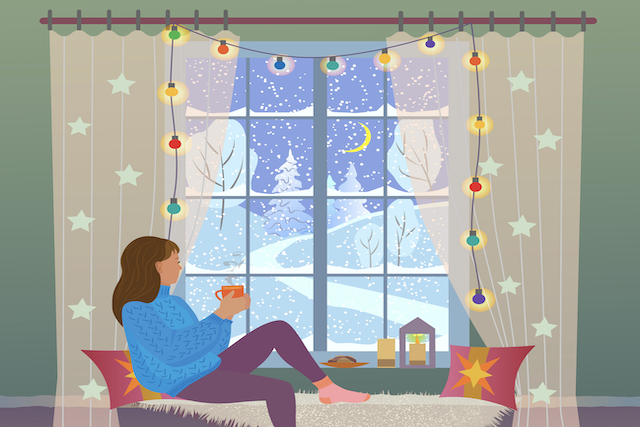
How to Have a Meaningful Holiday Season on Your Own Terms
“Take a little time to be amazed by something you won’t enjoy unless you consciously choose to focus on it. See the things you can’t see when you’re rushing. Hear the things you can’t hear when you’re stressing. Get so caught up in your senses that everything else seems to stop for a moment—because things don’t actually stop. So we have to be the ones who do it.” ~Lori Deschene
As December unfolds, I’ve made a conscious choice that feels both liberating and true to myself: I’m celebrating a quiet Christmas at home with just my best friend.
While my family lives far away, and tradition might dictate buying plane tickets and planning an elaborate holiday visit, I’m listening to a deeper wisdom this year—one that honors my personal growth, sense of balance, and need for peaceful reflection as we approach 2025.
This decision wasn’t made lightly, but it feels right. Instead of navigating crowded airports, juggling the stress of travel logistics, and potentially diluting my focus on what truly matters to me, I’m creating space for an intentional end to 2024. It’s not about loving my family any less—it’s about loving myself enough to recognize what I truly need right now.
Examining What Matters
The path to this decision became clear when I started examining what truly matters to me right now. While my family gatherings are always wonderful, they also come with different expectations and dynamics—competing priorities and well-meaning but sometimes overwhelming input about each other’s life choices.
By staying home, I’m creating a sanctuary where I can remain deeply connected to my own inner compass as I prepare for the year ahead.
My best friend shares this vision of a peaceful holiday. Like me, his family also lives far away, so we’ve embraced the opportunity to enjoy each other’s company this holiday season, celebrating our friendship and shared values. Together, we’re planning simple but meaningful celebrations that focus on joy, rest, and genuine connection.
Our plans include a holiday movie marathon at home, filled with plenty of festive classics and rom-coms. We’re also trying out new recipes and baking to our hearts’ content, transforming the kitchen into a festive hub of delicious treats. There’s something powerful about choosing to celebrate differently—about saying yes to what feels authentic rather than what’s expected.
I’m fortunate that my family demonstrates a beautiful kind of understanding, though it didn’t come without a touch of disappointment at first. When I shared my holiday plans, I could sense their initial sadness at us not being together. But that feeling quickly morphed into compassion and love as they recognized how important this choice was for me.
Their response reflected the very love and support that make our relationship special. They get it—they understand that sometimes taking care of yourself means making choices that look different from the traditional script.
This conversation helped me embrace my decision even more deeply. It reminded me that love and connection don’t depend on proximity or performance but thrive when we trust each other to honor what we need.
New Possibilities and Intentional Celebration
This simplified holiday season is already opening up new possibilities. Without the usual rush of travel preparations and extensive gift shopping, I’m finding time to reflect deeply on my goals and aspirations.
My best friend and I are looking forward to savoring time together. What feels especially refreshing is the quiet spaciousness of this season. It’s not just about what we’re doing—it’s about what we’re not doing. There’s no rushing, no overextending, and no pressure to meet anyone’s expectations but our own.
What makes this setup truly special is how we’re blending celebration with intention. From Christmas through New Year’s Day, we’re creating a space for reflection and renewal. This isn’t just about savoring the holidays; it’s about entering the new year with a clearer sense of what matters most.
Whether we’re brainstorming dreams for the future or simply enjoying the aroma of freshly baked cookies, this intentionality feels like the perfect way to honor the spirit of the season. It’s a reminder that peace and joy aren’t things we find—they’re things we create.
Choosing to forgo the usual holiday hustle has also given me an unexpected gift: the freedom to focus on what truly fills me up. Instead of stretching myself thin trying to do it all, I’m finding joy in the simple pleasures—a heartfelt conversation, a home-cooked meal, and the sense of ease that comes with slowing down.
It’s remarkable how small shifts can create waves of change in so many areas of life. This choice has reminded me that less truly can be more.
Creating Your Own Meaningful Holiday
For anyone considering a similar choice, here’s what I’ve learned about creating a meaningful holiday season on your own terms.
1. Trust your instincts about what you need.
Sometimes the greatest gift you can give yourself is permission to break from tradition when it serves your well-being.
2. Simplify your celebrations.
A meaningful holiday doesn’t require elaborate plans or expensive gatherings. Often, it’s the quieter moments that bring the most joy.
3. Set loving boundaries.
If family members express hurt or disappointment through guilt trips or emotional pressure, remember that their reaction often comes from a place of love. You can validate their feelings while still honoring your decision, using phrases like “I know this is different from our usual tradition, and I understand why that’s hard,” followed by a clear, kind explanation of your choice.
Consider suggesting specific ways to make the holiday special despite the distance, perhaps by having a virtual gift-opening session or planning a dedicated family celebration for another time. This shows your family that you’re still committed to maintaining meaningful connections with them.
4. Embrace creativity.
Whether it’s trying out a new tradition, experimenting with a recipe, or simply finding new ways to connect, creativity can infuse the holidays with fresh meaning.
5. Prioritize rest and reflection.
The holidays can be an emotionally charged time, so give yourself space to recharge. Whether it’s taking a long walk, journaling, or meditating, moments of stillness can bring clarity and peace.
6. Create your own traditions.
A personal ritual, like lighting candles, writing a gratitude list, or hosting a movie night, can be a comforting and grounding way to honor the season. Or create something completely unique that reflects what matters most to you. The point is that you get to choose.
7. Focus on experiences over material things.
Instead of stressing over gifts, embrace the simple joys of the season; for example, savoring a favorite holiday meal, watching movies that bring you comfort, or taking a mindful moment to appreciate the little things around you.
8. Stay flexible.
Life rarely goes according to plan, and that’s okay. By letting go of rigid expectations, you leave room for unexpected moments of joy and connection.
Grateful for Change
As 2024 draws to a close, I’m grateful for this choice to celebrate differently. This low-key Christmas isn’t about what I’m giving up. It’s all about what I’m gaining: clarity, peace, and the joy of honoring my own path.
In choosing this simpler celebration, I’m not just preparing for a better start to 2025; I’m practicing the art of living authentically right now. And that, to me, feels like the greatest gift of all.
-
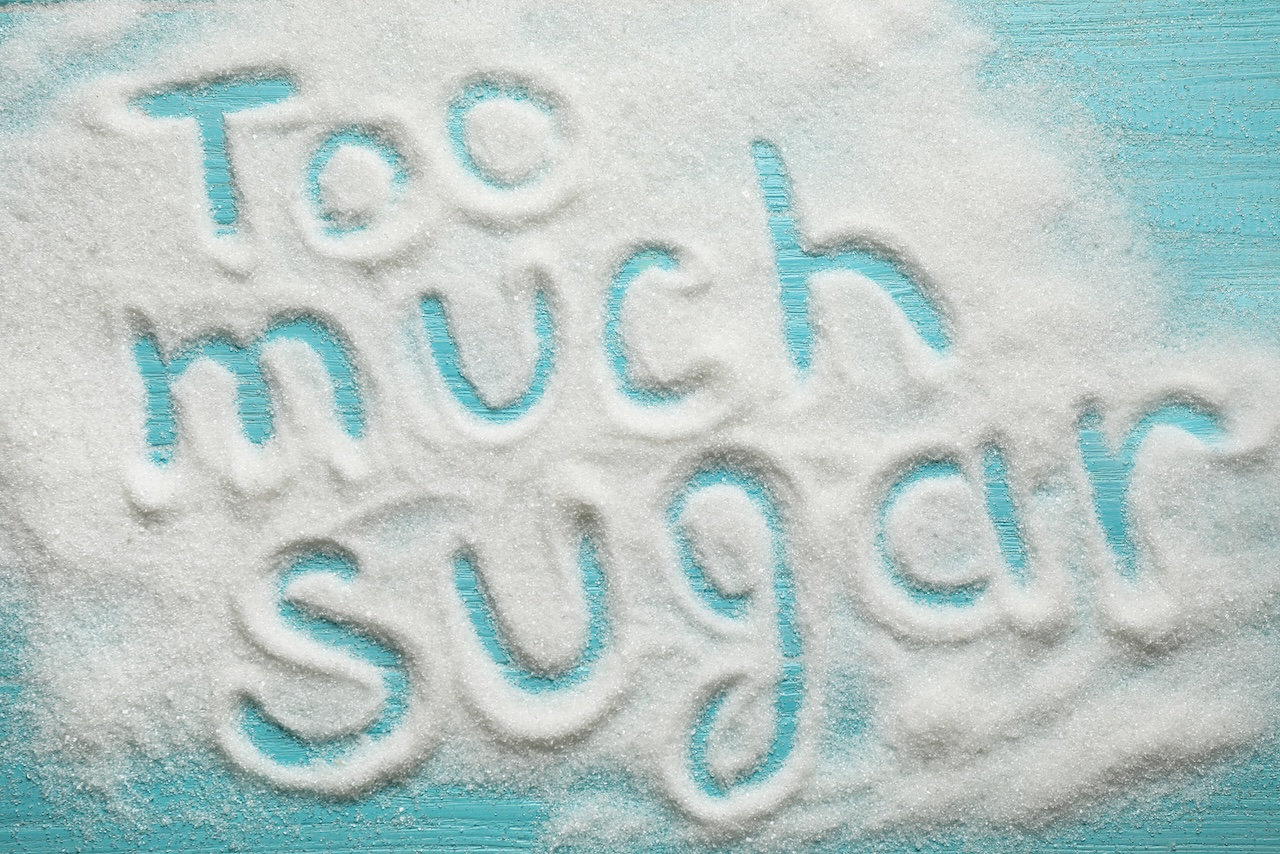
Free Yourself from Sugar Addiction This Holiday Season
“Part of the ingenuity of any addictive drug is to fool you into believing that life without it won’t be as enjoyable” ~Alan Carr
“I’m okay, thanks.”
See that? I just turned down a Tony’s Chocolonely from our family advent calendar.
I don’t care that it’s a white raspberry popping candy flavor I have never, ever tried before.
I don’t care that I remember being a kid, opening chocolate coins from my stocking.
I don’t care!
Because this year, I’m going into the holiday month already sugar-free. And I am tentatively walking on air about it!!
I’m forty-five, and it’s taken a lot of bingeing and secret eating, regret, and shame to get here.
Shame when the kids accused each other of having stolen bits of their Easter eggs. (I kept my head down, unstacking the dishwasher.)
Shame when I found a whole box of Green & Black’s bars in my husband’s office, because if he buys a treat, I won’t leave him any.
Shame when I had my head in the fridge, scooping teaspoonfuls of Eton mess into my mouth last birthday, while everyone else was enjoying the barbecue in the garden.
Shame because being forty-five and still being silly about kids’ treat food feels ridiculous. Trivial.
But I bet I’m not alone.
I bet I’m not the only middle-aged woman who has Googled “addictive personality,” “food,” and “overeating.”
I bet I’m not the only person who has worked from home, kidding herself that she ‘needs’ a few tiles of 85% chocolate “for the energy boost.”
I expect I’m not the only perimenopausal gal allowing disrupted sleep to turn her into a cookie monster.
I know I’m not the only one who has quit alcohol only to fixate on sugar.
So, if you’re struggling with sugar addiction right now, I feel your pain. I was obsessed too.
But right now, it’s like a switch has flipped in my head, and doing holidays without sugar seems possible. What’s changed? I gifted myself some new beliefs.
Let me share the little self-talk phrases I started to use in case you’re struggling with sugar too.
Maybe you’re not ready for sugar-free holidays. I admit it’s kind of radical, and I’m not saying anyone else ‘should’ do it. But maybe you’re thinking of giving it up next year. Or you’re wondering if it’s possible to let go of some of your attachment to it.
If so, here are twelve brand new phrases to say to yourself.
1. “Holidays are just days of my life.”
I was always trying to allow sugar in my life because I wanted to eat it normally. But ‘normal’ never stayed that way for long.
Every time there was a holiday—Valentine’s, Easter, summer, Halloween, Christmas—I’d start having loads of tiny ‘treats’ that added up to a ton of rubbish and a spiraling habit.
From my first morning honey-laden cocoa until my last secret (what’s in the kids’ treat drawer? Broken Oreos!) self-reward for cleaning the kitchen after dinner, sugar would overrun my days like an invasion of ants.
Eventually, I admitted my position was wishy-washy. I was trying to have my cake and not eat it.
It was a relief to finally be decisive and make a clear code of conduct for myself around sugar, based on what I could realistically expect myself to handle. One way of behaving every day. Including holidays.
2. “I’m deciding what I think about this now.”
The government pays subsidies to the sugar industry. It does international trade deals. We get advertised to, and so we get the message:
“Buy more sugar.”
But their health messaging is the opposite:
“Individuals should make better decisions.”
I realized I was asking a ton from my own free will to resist it, given how ‘everywhere’ it is. I wasn’t being fair to myself when I called myself a willpower weakling. The odds aren’t stacked in favor of resistance.
It was time to stop trying to please society and listen to my own messages.
3. “This is just a commercial product.”
When I looked at the shelves of shiny treats in the supermarket, I saw how clever the marketing is.
Shiny wrappers. Expensive boxes. It reminded me of how cigarettes boxes suggest luxury—how misleading that now looks!
Seasonal flavors keep us wanting ‘new’ experiences: “Look, Mum, this Ferrero Rocher is like a giant Christmas tree bauble. Can we get one?”
I’ve spent my life believing these foods mean treats, fun, celebration, “I love you,” “Let’s relax and share something,” and “life is good.”
But if you look past the wrappers, it’s just stuff. Chocolate is just brown stuff, like wax. Candy is just colored chewy stuff, like putty. It means nothing.
4. “‘Fun’ looks like freedom.”
I imagined chocolate Brazils wrapped in newspaper instead of shiny purple foil.
I visualized all the shops for miles around stacked with sweets, and I could see that they weren’t rare or special but in endless supply.
And I stopped telling myself they were ‘fun.’ Sugar addiction is about as much fun as having a constant snotty head cold. It’s with you everywhere you go, ruining your concentration and making you feel ever so slightly physically gross.
Sure, it’s less life-threatening than other addictions. But it’s misery-making, and that’s serious.
5. “Having more just makes you want more.”
I dove into research on whether sugar is actually addictive. Short answer: It is.
You get withdrawal, receptors in your brain become sensitized… All the markers are there. That’s why my urge to have a second treat is always even stronger than the idea to go get the first one!
I had tried to normalize sugar many times. I had kept snacks stocked at home to stop them feeling off-limits. But they never lost their charm.
Now I understood why eating more of it didn’t make me more blasé, as I’d hoped.
6. “I stop when I decide to stop.”
I also read up on whether our bodies can actually send signals of ‘satisfied’ around sugar.
Surprise, surprise: They can’t.
(Speedy science lesson: Our bodies break down sugar into glucose and fructose. It’s about 50/50. The glucose digestion process has an enzyme, PFK-1, to prevent us from overconsuming it. But the fructose part doesn’t have any signal to stop.)
I began to wonder whether eating sugar intuitively was even achievable.
I decided to keep listening to my hunger and fullness around other foods, but not expect them to help me out much around treats.
7. “I only eat edible food.”
I love the idea that all foods are morally neutral. So I didn’t think of sugar as ‘bad’ or tell my kids they shouldn’t have any. I just quietly switched my perspective to no longer thinking of sugar as an edible substance.
Just because it doesn’t kill you doesn’t mean it’s edible.
I ate toothpaste as a kid: Survived. Not edible.
I once drank aftershave at a party in my teens to try to get drunk. Wasn’t even sick. But it’s still not on my menu of drinks for humans.
Sugar is a thing, not a food. That’s how I think of it now.
8. “I’m not a dog, and I don’t need a treat.”
My overeating is largely emotional: the harder I work, the more I rely on food to give me a feeling of reward.
With sugary snacks, I was treating myself like a pet, giving biscuits for good behavior. Sugar-coating my toxic habit of overworking.
Then, during the holidays, when I couldn’t get my usual dopamine hits from ticking off achievements at work, I was at a loss for how to properly relax and was more vulnerable to receiving reward feelings from sugar.
I learned to start giving myself inner high fives instead. And I now expect the first few days of any holiday to feel a bit empty too. That’s normal while I adjust.
9. “Let me see how quickly this passes.”
This was fun.
I felt as though once I had an idea like “leftover banana bread!” I couldn’t settle or focus on my work until I’d scratched the itch.
I’m pretty experienced at surfing urges—I mentioned I gave up drinking a few years ago, right? That was good practice.
But with sugar obsession, my ‘urge tolerance muscle’ felt very limp indeed.
To my amazement, as I made my way through my first two or three days without sugar, the urges died down unbelievably quickly.
I realized my brain sent up thoughts of sugary treats like a puppy that’s used to begging. But puppies are really trainable. They adapt quickly once you stop feeding them under the table.
10. “I’m the authority on feeding myself.”
Nobody told me to.
I didn’t do it to lose weight.
I didn’t do it because I thought I ‘should.’
I didn’t do it out of fear for my health or my teeth.
I didn’t preach about it (or even dare to announce it) to my family.
I didn’t join an online challenge that made me accountable to a community.
I did it so that I have less food noise in my brain. That’s enough of a reason.
11. “Ha ha, brain, nice try!”
I made a previous attempt to give up sugar last January. February 1st, bang! I fell for my brain’s BS.
“I wonder what that dark chocolate tastes like. I can’t remember.”
“You’ve done so well; having just one little bit won’t hurt.”
“Maybe you can eat it normally now—just have a bit from time to time.”
Then, before I knew it, I was having a little all the time again. Throwing handfuls of chocolate chips at my face while the kettle boiled. A ‘dessert’ item after every meal.
This time, I’m ready for the persuasion attempts. I get it, brain. You remember the taste. But, lovingly, no.
12. “I already walked through a doorway.”
Last February, it was as if I’d gotten to my mental finish line, so then I thought I could relax.
Relax, relapse, collapse.
So this time, I decided not to imagine an end point.
I imagined walking through a doorway, and that my life with sugar was already behind me, and I was moving forward one day at a time.
So far, so good.
It actually felt refreshing to tell myself the truth about it all.
I don’t know if it’s forever. I haven’t made a vow or gotten a tattoo.
Don’t label me the ‘no-sugar’ person and then call me a hypocrite if I change strategy later on in my life.
Because I’m not saying I’ve found the way and that you should do what I do. I truly believe that how we eat shouldn’t be about listening to other people’s magic solutions or expert advice.
For me, it is a matter of trial-and-error, evaluating, refining my system, and finding habits and lifestyle choices that I can sustain.
So, this is what I’m doing this holiday. It’s an experiment, and it feels fun to me.
This year, I’m actually looking forward to connecting with the people more than the food.
-

10 Reasons and Helpful Tips to Make It a Dry December
“The very best thing you can do for the whole world is to make the most of yourself.” ~Wallace Wattles
In all my years of drinking, I never thought I’d hear myself suggesting a Dry December. Nor could I have predicted that the month I’d eventually decide to embrace my sober curiosity would be the holiday month.
Before I decided to give an alcohol-free lifestyle a chance, I had completed many Dry Januarys, occasional Sober Octobers, and even one Dry July. (Dry July was the hardest for me because I really felt like I was alone in trying to embrace that one.) But now I see any month as a great choice to choose less alcohol and see the physical, emotional, and spiritual benefits in all their glory.
Here is what really helped me in my very first Dry December and some pieces of advice that might help you too.
1. I recognized that within my social calendar at the time, December was the booziest month of the year, and I decided that if I could successfully complete December without a drink, then all other months of the year would be easy in comparison. The same could be true for you.
December meant several office parties, neighborhood drinks, dinner parties with friends, nights in bars and restaurants with other friends, and then the Christmas Eve, Day, and Boxing Day entertaining. There were a lot of places to be, a lot of socializing to do, and with that came an expectation (both external and internal) to drink.
No wonder we are happy to talk about a Dry January—we’ve often had enough alcohol at that point! Aim to feel good about this holiday period without alcohol. You are not depriving yourself; you are doing yourself a huge favor.
2. December could really work for you from a goal/intention setting point of view. Why not rethink New Year resolutions and have year-end resolutions?
What if we started the upcoming year clearheaded, more emotionally stable, physically feeling better, and with more cash in our pockets? That would be an amazing start. If we’ve already tucked a sober month under our belts by the time Dry January comes around, we are going to be feeling like we’re one step ahead already.
3. You could use December to prepare yourself for the gentle wintering you might need.
Imagine enjoying the holiday break feeling relaxed and restored. I know it sounds strange, but it is possible, I promise. Some of my most relaxing Christmases have happened since being sober.
4. A Dry December could help you make the most of the season.
In the northern hemisphere, winter is for hunkering down. It’s about cozy fires and warm blankets. It’s also the time for bracing walks in the fresh air. It’s a delight in color and texture. A break from drinking means no hangovers, which means you’re better able to enjoy the season.
5. You can treat yourself with the money saved from not drinking.
Get into a new habit of spending your alcohol money on what you might want or really need. Is it a monthly massage? Is it some delicious alcohol-free drinks? How about a personal trainer? What about a new book? Or a sober coach for support? You are worth every single penny. Spend it wisely.
6. Discover alternative drinks to your usual holiday favorites.
There is an array of wonderful non-alcoholic options available. Whether it’s experimenting with mocktails, alcohol-free beers or gins, infused waters, herbal teas, or flavorful juices, you’ll find alternatives that will still allow you to enjoy a long cold drink without the added toxins.
Use your fancy glass, get the ice, and clink your glasses. The atmosphere, the people, and the conversation matter so much more than what is in your glass.
7. Create new traditions and rituals.
Replace your drinking Christmas traditions with new ones. Traditions come and go, they change at various points in our lives, and that’s a lovely thing to embrace.
8. If you are finding December to be emotionally charged, seek out previously tested ways to soothe yourself and/or experiment with some new ways.
Perhaps you could explore some new and different communities for support. This really helped me during my first Dry December.
9. Use Dry December as an excuse, if you need one, for friends and family.
Say you’re joining a revolution and reclaiming December as a month without excess alcohol as a fierce act of rebellion! You can say I’m taking a break because NOW is as good a time as any. Then gently roll into Dry January feeling altogether calmer, more peaceful, and empowered.
10. Find and take note of all the positive glimmers as you go through the month.
Use a journal or an app on your phone to keep a record. Does your brain fog lift a bit? Are you sleeping more deeply? Do you notice you have a few extra hours in your week? Do your eyes look a bit brighter? Where can you see the benefits? Use those pieces of great news to propel you further through the month.
When Dry January rolls around you’ll feel like an expert, and your friends and family may even ask you for advice and tips. Enjoy the ripple effect!
-
The 3 Ms That Help Me Cope with Seasonal Depression
“The word ‘happy’ would lose its meaning if it were not balanced by sadness.” ~Carl Jung
My two-year-old son looked up at me with his big, blue, beautiful eyes.
He wanted me to play. I took a toy car in my hand and rolled it along the wooden living room floor we were both sitting on, making an enthusiastic VROOM as I did it. He smiled. He appreciated my effort at sound effects.
The streetlights standing on the road outside our living room window were already glowing warmly, even though it was barely 4:30 p.m. and the sky was black.
I miss the summer evenings, I sighed to myself.
I stared up and out at the darkness briefly before Henry demanded my attention and I found myself looking down, playing cars again. I smiled up at him, doing my best to appear happy. To make him feel like I was enjoying playing cars with him.
The truth is, I didn’t feel enjoyment playing with him.
For a few weeks at this point I hadn’t felt much enjoyment from anything.
I was going through the motions. Attending to my familial and professional responsibilities as best I could. All the while, longing to be back in bed so I could sleep. Except, upon waking up, I never felt fully rested. I was instantly greeted by the same familiar feelings of fogginess, emptiness, and numbness.
Every morning as I got dressed, it felt like I was dressing myself in armor. Like the knights would wear in the movies I watched as a boy. A heavy metal armor that made the simplest of movements, like getting out of bed in the morning and playing cars with my son, feel like a battle that required all the strength I could muster.
I’ve suffered from seasonal affective disorder, a type of depression, for all of my adult life, but the winter of 2021 was the worst episode to date.
I put it down to a combination of sleep deprivation from being a parent to a toddler (I now understand why sleep deprivation is used as a torture technique), ongoing physical and mental challenges with long COVID, and uncertainty around whether I’d see family over the Christmas period due to lockdown restrictions.
As the darker days descend, I’m preparing myself for another potential battle.
I know I don’t need to fight this battle alone, so I’ll be calling on my friends and family to support me, as well as working with a therapist who formerly helped me process my experience.
There were three focuses that helped me get through the depressive episode last year. Here they are, the 3 Ms.
1. Mindfulness
Writer Rolf Dobelli suggests that we are two selves—the remembering self and the experiencing self.
Our remembering self is our story—who we think we are based on our past. My remembering self tells me I’m English, I love a double espresso, and have a history of anxiety and depression.
My experiencing self is different. My experiencing self is the me who is here, right now.
Experiencing myself writing.
Aware of the tapping sound my fingers make as they dance along the keyboard as I type.
Aware that my heart is beating slightly faster than usual, probably due to the chocolate I scarfed down a few minutes ago.
Aware of feeling vulnerable as I write about seasonal affective disorder.
Our experiencing self exists moment to moment, whereas the remembering self only exists in the past, through thought.
This idea was helpful to me during my 2021 depressive episode because it reminded me that I’m more than a depressed person (which would be a story from my remembering self); I’m a person who feels a lot of sadness, as well as many other feelings and emotions, some that feel comfortable, some that feel uncomfortable.
Back then, I’d take time each day to practice a mindfulness meditation. Sitting for five minutes, simply observing how I was feeling, importantly, without judgment.
Noticing what my mind was focusing on, as well as bringing awareness to my emotional state and breath.
I’d cultivate an attitude of compassion toward myself, avoiding firing the second arrow that’s taught in Buddhism, and not feeling bad for feeling bad.
I’d simply accept how I felt in the moment and allow myself to feel sad, helpless, and hopeless, without judgment, knowing that my feelings are always fleeting.
2. Meaning
The second M that helped me was meaning.
We’re told the meaning of life is to be happy. But there are going to be periods when we’re simply not going to feel happy. This doesn’t have to mean our life becomes meaningless; instead, it’s in our moments of unhappiness that it’s best to focus on what brings our life meaning.
Even though I don’t always enjoy playing cars with my son, raising him and spending time with him and his mum gives my life tremendous meaning.
Some mornings last winter I didn’t feel like getting up, and if I lived alone, I probably would have stayed in bed. But knowing my son and wife were depending on me, I felt a sense of duty to show up and be the best dad and husband I could be given my struggles.
I showed compassion toward myself by not believing any thoughts saying I needed to be perfect. Instead of choosing to feel ashamed for how I felt, which would make me feel like withdrawing, choosing self-compassion helped me to tackle my various responsibilities but also be realistic and not over-commit.
It meant honest communication and being okay with doing less than I normally would. I made a Top Ten Actions List by asking myself, what are the most important actions to take today to look after myself and address my responsibilities?
I also made a list of all the people, places, and activities that give my life meaning and breathe life into my soul and aimed to dedicate time toward them each day. Having a clear and achievable focus was helpful, and as the depression slowly lifted, I was able to return to my normal level of action.
3. Moments of Joy
Like the streetlamp I watched glowing warmly from my living window, there were moments during the depressive episode that pierced through the surrounding darkness.
The sound of my son’s laughter as he chuckled hysterically.
Feeling the peace and stillness of the forest on my walk.
Being reunited with friends after lockdown and catching up over a coffee.
The wisest words I’ve ever heard were these: Look for the good in your life, and you’ll see the good in your life.
This isn’t a matter of positive thinking—it’s a matter of acknowledgement.
Even on the days when my mood was at its lowest, there were a handful of joyous moments shaking me temporarily from my depressed state and waking me up to the truth that even on the darkest of nights, there are lights shining for us.
These lights, the people and events bringing joy to our life, are little beacons of hope, reasons to be appreciative. And basking in their warmth momentarily can keep us trudging along in the darkness until, hopefully, a day arrives when it lifts and the sun rises again.
At the end of each day last winter, I’d take a minute to write down any joyous moments and bask in their warmth again as I revisited them in my mind.
—
The most challenging aspect of depression is how it tries to convince us that not only is everything bad, but everything will stay bad permanently.
Through focusing on mindfulness, meaning, and moments of joy, fortunately, I was able to see again that this isn’t true.
-
A Gentle Reminder to Anyone Who’s Struggling This Holiday Season
“It’s okay to want to be alone. It’s okay to take time for yourself.” ~Kate Allan
It’s the holiday season, the most wonderful time of the year, they say, but it’s not for all of us. For those of us coping with the loss of a loved one, family estrangement, loneliness, financial difficulties, or health struggles, the holidays can be one of the hardest times of the year.
For some of us the holidays can feel as if we have been cast out in the cold. As if we are forced to look through a window of a happy, loving family.
Many of us are filled with feelings of longing for things that can never be, such as more time with a loved one we have lost or a supportive family. We find ourselves swept into memories of holidays past or lost in fantasies about what the holidays would be like if we had a different life.
We find ourselves feeling pressured to hide our problems, bake a dozen cookies, put on a happy smile and an ugly Christmas sweater, and attend that office holiday party. There, we smile and engage in exhausting small talk, and do our best to avoid the subject of what we are doing for the holidays.
These events can leave us feeling totally depleted. We buy obligatory gifts for our friends or coworkers, and we spend hours trying to figure out what they might like. After the gift is purchased, we second guess ourselves and worry that we missed the mark.
Some of us might host parties and obsess over making our tree look absolutely perfect in a desperate effort to please others and give people the impression that everything is fine.
Society has filled our heads with unrealistic notions about perfect gifts, immaculate homes decorated with lavish matching decorations, endless resources to spend, and happy times spent with family. Some of us find ourselves exhausted and stressed trying to live up to social pressures or expectations of others.
Over the years, as I have struggled with various losses in my life or felt cast aside by family members, I have learned that the most important thing we can do over the holidays is take care of ourselves.
As an altruistic person who goes out of the way to please everyone, taking care of myself does not come easily to me. In the past I felt guilty for putting my own needs first, but over the years I’ve learned that our own needs are just as important as everyone else’s. If we sacrifice ourselves to please others, it can not only be harmful to ourselves but those around us as well.
If you are struggling this holiday season, take time to reflect on how you would like to spend the holidays. Remember, you don’t have to buy the perfect gift for everyone, put up a tree, decorate the entire house, spend hours baking cookies, or even attend that family gathering.
If you are worried that a friend will be disappointed that you are not attending an event, you can suggest that you meet up for coffee when you’re feeling up to it.
In the past I worried that a friend would judge me for not attending a holiday event. However, over the years I have learned that true friends are empathetic and do not judge us for needing to take time for ourselves.
The most important thing you can do if you are struggling during the holiday season is pay attention to your own needs and do what you feel is best for you.
If you feel like curling up on the couch with Netflix or a good book and a pet instead of going to a party or a family gathering, give yourself permission. It can sometimes be better for our health and well-being to decline an invitation and rest.
If you are someone who is used to keeping busy, the holidays can become more difficult because our workplaces are often closed or slower than other times of the year.
In order to cope, I create a to-do list filled with new recipes I want to cook or bake, household cleaning that would be helpful to do, movies/shows I want to watch, places I want to go to see Christmas lights, and other things I have wanted to do. I also buy myself something that I have always wanted but don’t necessarily need as a form of self-love and self-affirmation.
I also engage in volunteer work because when I am helping others I feel less alone and have less time to ruminate about the past or events that are outside of my control.
I have discarded holiday traditions that did not bring me joy. I don’t go to church or make desserts with dried fruit or decorate my tree with handmade ornaments that are unsafe for my pets. I try not to buy material gifts for all of my friends. Instead, I treat friends to events such as concerts, art gallery exhibits, or museum shows we can enjoy together.
I have held onto a few traditions that have made me happy. A childhood friend used to buy me a hallmark ornament as a gift, and now I buy one for myself. I donate to a charity, and I buy a gift for a for a child in need.
I have also started to create my own traditions such as making my favorite cake and taking a break from digital communication. Each day I take time to feel grateful for the things that I have and the people and pets that help to make my life magical.
I don’t force myself to do anything I am not feeling up for, and I do not spend time with people I do not feel comfortable being around. Once I started doing this, the holidays stopped being draining, exhausting, and socially challenging and started to become relaxing and peaceful.
When I find myself feeling down, I remind myself that all situations are temporary, and the future could look very different. There may be other holiday seasons when I feel upbeat, excited, and eager to spend time with people who love me. But for now, I need to love myself, and that means doing what’s best for me.
The best thing that any of us can do this holiday season is be kind to ourselves and take care of ourselves like we would our closest friend. This is the best holiday gift we can give ourselves.
-

10 Easy Responses to Use When People Ask Why You Aren’t Drinking
Embracing the holiday season can sometimes mean embracing alcohol with gusto… or not. Fortunately for those who choose the former, “Dry January” has caught on over the years and it’s a fantastic concept. Going through a refresh is a perfect way to rid the toxins and melt the bloat away.
I’d like to throw out a radical idea, or should I say a radical self-care opportunity!
How would your holidays feel without alcohol?
You might gasp looking for a chair to sit down as you frantically wonder how on earth you would get through the parties, relatives, house guests, and cooking without the comfort of your old friend Chardonnay or Mr. P (Pinot Noir!)
Before you race to the fridge confirming you have enough Prosecco from the stress of the idea I just offered up, please stay with me! I’d like you to try an exercise my community members often call their favorite strategy in tweaking their relationship with alcohol.
Imagine it’s Christmas Eve. What if you decided not to drink?
How would you feel going to bed knowing you wouldn’t be waking up at 2am for water and aspirin?
Would it feel inspiring to know the next morning would be one where perhaps you might see the sunrise or get up before everyone else to read or bake cinnamon rolls as a surprise?
How marvelous would it be not to feel hung over, exhausted, and impatient with your loved ones? What would it mean for them to experience you as truly calm and present in conversations?
I often say four hours of no-alcohol-infused sleep is far better than ten hours of drunk sleep. Yes, you may be tired in the morning even if you don’t drink, but oh my goodness, how good it feels not to layer on the fogginess and headache!
Now, let’s flash forward to New Year’s Eve. Envision that instead of popping open another bottle of champagne at midnight, you created a sacred ritual for yourself and loved ones. A beautiful and energetically calm meditation space with candles, wishes written out for the new year, tea, treats, and cozy blankets.
As the clock strikes midnight your wishes for the 2022 are released to everyone and everything in the universe as you breathe with eyes closed and smiles wide.
You might be sighing with a sense of pleasure looking at this vision.
The voices in your head, however, may be slowly speaking up the concern of “But what will everyone think if I’m not drinking? Will they put me on the spot in front of others, and what will I say? Will the events be boring or worse yet, will I be boring? How will I handle the overwhelm and/or social anxiety without my ever-faithful wingman called alcohol?”
When someone in my community complains about certain friends or family being nosey about why they aren’t drinking, I smile and say, “it’s not about you… it’s about them.” It’s been my experience when people make the fact that you aren’t drinking “a thing,” it’s simply because something within them, consciously or subconsciously, is calling them to examine their own relationship with alcohol.
I should know. Back when my drinking habit was a few glasses of wine every night in addition to a martini or two on the weekends, I was hyper aware of who was drinking, what they were drinking, and how many drinks they had had. It gave me anxiety when someone was still on their first glass of chardonnay while I had already gulped down a Manhattan and on to my second.
When I decided to go on an extended break from alcohol during quarantine, it was easy peasy to sail through the weekends and happy hours pleasantly content in my nightgown with Netflix. It was not as simple, however, when the small outdoor picnic dinners with friends started that summer.
I was thrown back into the “real world” for little bursts of time, and it was humbling. I experienced anxiety around the thought of people judging me, talking about me, wondering if I “had a problem,” and so on. I was worried life would be boring, or more importantly, that I would be boring.
Little did I know the exact opposite would come to fruition. Life, and I, became more colorful, brighter, happier, calmer, and more present. Still, however, it helped to have a few scripts in my back pocket for when I was caught off guard with the out-of-the-blue question around my beverage of choice.
Recently, I posted a list of responses for that awkward moment at a dinner party or event when someone says (oftentimes in front of others) “Why aren’t you drinking?” I thought my “Live More Drink Less” members would find them helpful for future use. Instead, I was happily surprised when the comments started rolling in about the responses they already use, which I must say are far better than the ones I created!
The reality is, just because someone asks you a question does not mean you owe them a response. You do not need to explain anything you are doing for the well-being of your mind, body, and soul.
However, if you are more into mocktails than mojitos and seriously dread the curious comments, here are some great comebacks that will end the discussion around your drinking, some that may bring a giggle to you and others in earshot.
1. It makes me drowsy, and I don’t want to fall asleep in your arms right now.
2. I’m driving.
3. Alcohol is just not something I am attracted to at the moment because it wakes me up at 2am with a dry mouth and headache.
4. I’m doing a self-care program and it includes the release of alcohol, and I don’t want a hangover stealing my joy tomorrow.
5. It fuels my anxiety and steals my peace.
6. I like to get up early to see the sunrise.
7. It’s more fun for me to create alcohol-free memories.
8. “Wine Face” is not my friend. (Otherwise known as dark circles under eyes, puffy face, bloodshot eyes, etc.)
9. I make decisions for my Saturday nights based upon how I want to feel Sunday morning.
10. Because… I… Am… Not… but thanks for asking, Nosey Posey 🙂
If, at this moment, you are feeling inspired to do a hangover-free holiday, that’s your soul speaking to you. Are you ready to listen?
Taking a break is not about taking anything away but instead putting so much more into your life. Even just a short break from alcohol can create a ripple effect of joy, success, and well-being throughout the year.
-

Put Down Your Phone: Why Presence Is the Best Gift You’ll Ever Give
“When you love someone, the best thing you can offer is your presence. How can you love if you are not there?” ~Thich Nhat Hanh
The only thing worse than not listening to someone is pretending to listen.
Giving the vague murmur of agreement, or a quick nod to communicate “Yes, I’m listening, totally,” when really, we’re not.
I remember vividly a dinner I had with friends about four years ago. I’d been backpacking in New Zealand for twelve months and had just returned to the UK. Traveling in the car to my friend’s house, I imagined how the night would look…
There would be lots of laughter (it was always side-splitting when we all got together).
There would be lots of hugging (I hadn’t seen them for a whole year after all).
There would be lots of storytelling (I would get to share my epic adventure).
Did all of this happen? To some extent, yes, but not how I had imagined.
In fact, I left feeling a little miffed, a little gutted.
At first, I couldn’t work out why.
My friends were the same old fun-to-be-around people.
Despite ‘finding myself’ while traveling (I joke), I felt I was pretty much the same old person.
So what was different?
It hit me.
The constant. Mobile. Phones.
The entire evening was tainted by endless selfies, videos, status updates, incoming phone calls, outgoing phone calls, and notifications.
Distraction after distraction after distraction.
There were moments you could have heard a pin drop as the four of us, faces illuminated by the glow of the mobile phones, sat, hands glued to our devices. Ironically, telling anyone who was on Facebook and Instagram that night what a terrific time we were having.
To begin with, I was angry with my friends. But soon I realized I was really angry with myself. I was equally guilty, and people in glass houses shouldn’t throw stones after all.
What could have been, rather, what should have been, an evening of being deeply present with one another, each one of us offering our full and undivided attention, was tainted by technology, spoiled by social media, marred by meddling mobiles.
Backpacking was more campfires and deep life conversations below the stars, so this evening was felt like a return to reality. Most of us struggle to put our flipping phones down.
If we stop and think about it, what message does it send to the human beings in front of us when we are busy on our phones?
I made a vow that evening to get better at this, to be more present with friends and family, anyone I’m communicating with.
I didn’t want to make anyone feel how I felt that evening—unheard and unimportant.
Zoom forward to today and, well, I’m much better but far from perfect.
Technology certainly is a huge barrier to presence, but it’s not the main culprit.
The main culprit lives between our ears, the mind.
The mind is a lot like a talking alarm clock, and you have no control over when it goes off and what it will say.
For example, I can be sitting face to face with someone, physically a few centimeters in distance, but consciously, a world away.
Instead of listening to what the person sitting across from us is saying, we listen to our thoughts.
Hey, did I leave the oven on this morning when I left the house?
I hope my breath doesn’t stink.
Why is that stranger in the corner laughing—is my underwear tucking into my shirt?
Or literally, anything else. Anything. Any other thought can pop up at any moment, pulling my focus momentarily away from the person in front of me.
Luckily for us, people can’t always be certain when we’re not being fully present with them, especially if we’re an expert fake listener, able to give a very convincing response like “Yeah, sure, I get you.” Occasionally, I sense that the person I’m talking to senses I haven’t been listening. I feel bad and forgive myself for being human, before returning to the conversation.
On the other hand, when someone is really listening to us, fully present with us in the moment, we can be certain. Without a doubt, because we feel it.
It’s tough to put such moments into words, but you just know.
Moments when we’re fully present with someone and it’s reciprocated, it’s like magic, like the rest of the world fades into the background. Like the first time you fall in love and you just feel connected; you feel the dance of communication, the resonating, the synchronicity, the oneness.
That’s it. This, for me, is what presence is all about. The oneness.
A few of my favorite ways to get present and cultivate oneness are:
Eye contact
The eyes truly are the windows to the soul. Giving eye contact really lets people know they’re being heard.
Listening to understand instead of listening to respond
We’re stuck in our heads if we’re listening purely to plan our response. Tuning into a person’s words and also how they say the words has greatly helped me to connect with people.
Limiting distractions.
Technology, off. The world can wait.
Remember the good old days when only landline phones existed and if you weren’t at home people would leave a message and patiently wait for a response? Bliss. Nowadays, we’re available on mobile, Facebook, Messenger, Instagram, Snapchat, email… the list goes on. Flight mode is my friend. Anytime I want to get present, flight mode is activated.
Facial expressions.
When I really listen to someone, I find I empathize with them so much more. Naturally my facial expressions will reflect this, communicating I understand how they’re feeling. We all wish to feel understood.
In a few weeks’ time, I’ll be flying back to the UK to spend time with my family. In fact, this will be the first Christmas in six years we’ll all be together (my dear parents, older sister, younger brother, and me).
A part of me is sad knowing that around the world, there will be families sitting in their living rooms, surrounded by their nearest and dearest, but not really being there.
Distracted either by their own minds, their mobiles, or maybe their new presents.
It doesn’t have to be like this. Board games can be played and conversations can be had, with presence, together.
In truth, we needn’t wait until the holidays to connect in this way, as any moment, any conversation, offers a chance to be present with each other. But the holidays, for me, really are prime opportunities.
To be surrounded by the ones we love most and be with them more than just physically, but emotionally and spirituality too, well, this is worth more than any gift you’ll give or receive this year. This holiday season, give presence.
-

How to Safely Enjoy the Pandemic Holidays
“Surreal” is the word that keeps coming to mind. Life has felt like an alternative universe for quite a while now, and it feels even stranger during the holiday season.
After a year of much sacrifice, reality is requiring us to forgo traditions we hold dear and distance ourselves from people we may feel we’ve already gone too long without seeing.
And many are navigating the season with a sense of grief—for lost loved ones, lost purpose, maybe even lost hope.
Maybe that’s not you. Maybe you are full of gratitude for everything you have, and now appreciate even more because of the pandemic.
That’s also me, on some days.
Some days I look around and feel undeniably blessed to have my health, my family, and all my needs met.
On other days, I feel the weight of these long, isolating months and mourn for lost time with people I love and the family celebrations I will miss with my parents and siblings, who all live together, across the country from me.
You may be in a similar position, oscillating like a pendulum between gratitude and grief. And you may be debating how to approach this season, logistically, mentally, and emotionally.
Whatever your unique situation, I hope this checklist helps you approach the weeks ahead safely, with peace, hope, and joy, wherever you can create it.
1. Caution
This is the big one, and the hardest one to swallow and follow. It’s been a trying year, one marked by loss and heartache for many. We’re tired of it all and want this pandemic behind us—but it isn’t yet. So as much as we’d like to throw caution to the wind and end the year celebrating with all the people we love, we all need to do our part to protect ourselves and the people around us.
Not the most exciting way to start this list, I know, but just figured I’d get this one out of the way!
If you haven’t already seen the CDC guidelines for holiday gatherings, you can find them here.
2. Communication
As I imagine you’ve experienced as well, different people hold vastly different perspectives on what constitutes “caution,” and some are willing to take greater risks.
For example, my extended family got together with at least four different households on Thanksgiving—including some who are regularly exposed to masses of people, some without masks—and they will do so again on Christmas. That’s a risk I wouldn’t be willing to take, but I’m also 3,000 miles away, so it’s a choice I don’t have to make.
If you’re considering gathering with family, it’s essential to clarify where everyone stands, what precautions everyone’s taking in their daily life, and what precautions will be followed on the day itself. Don’t assume you know how anyone thinks unless they’ve clearly communicated it, because it’s quite possible you’d be wrong.
3. Empathy
This can be a tough one. When people make choices that may seem reckless to you, or they push beliefs you just can’t agree with, you may feel hurt, frustrated, or even outraged. It’s hard to separate a person from their choices, especially when it involves something as emotionally loaded as pandemic safety, and it’s hard not to take it personally if their choices seem selfish to you.
I have been here recently, and I took it very personally. I got upset, I criticized, I judged. What I didn’t do is change anyone’s opinion, or in any way better the situation. I realized then I needed to empathize with the people who see things differently than me. Even if I wouldn’t make the same choices, I needed to understand the feelings behind them and focus on that.
This doesn’t mean we need to condone decisions we don’t agree with, or in any way put ourselves at risk. It just means we accept what we can’t control and choose love over righteousness, however warranted it may feel.
4. Self-compassion
Odds are things haven’t been easy for you. Even if you are healthy, have a job and a roof over your head, and haven’t lost any loved ones, this year probably took a toll on your mental health. I know it’s taken a toll on mine.
You may feel lonely, discouraged, overwhelmed, impatient, or even downright depressed right now. You may also feel frustrated to have to change your usual holiday plans, at a time when you could really use a little extra love, joy, and connection.
It’s okay to feel frustrated. It’s okay to feel whatever you’re feeling, even if you know you’re fortunate. It’s hard to be far from people we love, especially around the holidays, and to miss the traditions we value most. Be extra gentle with yourself and know it’s okay if your gratitude is mixed with a wide range of complex emotions.
5. Acceptance
I know how tempting it is to live each day in resistance, especially when you’ve lost a lot, or when things seem unfair. I know how easy it is to get caught up in how things should be or were supposed to be or would be, if only…
What I don’t know is what you specifically have been through or what you’re feeling right now. So please know I am in no way suggesting acceptance is easy, or that I’d be able to do it easily if I were in your shoes.
I can only speak to the general idea of acceptance, and how it frees us mentally when we stop fighting reality. I know that when we accept what we can’t control, we’re free to focus on the things we can control and make the best of them.
I also know I feel better about the person I’m being, and ultimately better about life, when I come from a place of acceptance—even if it takes time to get there. I’m lighter, more present, more accessible to the people around me, and more likely to see opportunities where before I only saw unfairness.
6. Perspective
As with everything in life, this is all temporary. Things won’t always be this way. These challenges, these feelings, they won’t last forever. We will eventually get through this and will be able to live more freely. Though life won’t be exactly the same for many, we will find a new normal and new reasons to smile as we adapt to life as it evolves.
It may be hard to see that now. It may seem like this earthquake of an experience will send shockwaves for years, and we’ll never find our footing again. But we are amazingly resilient as people. Odds are you’ve been through some deeply trying experiences in your life, and you’ve come out stronger, wiser, and maybe even enriched for having gone through what you’ve been through.
Trust that, odds are, you will not only get through this, you will have many more reasons to smile, and many more holidays to celebrate with the people you love. This one year will one day be a crazy story in all of our rearview mirrors, so long as we keep driving, cautiously, on this somewhat treacherous road before us.
7. Ingenuity
One of the gifts of any challenge is that we need to be a little more creative, which can in itself be a source of pride and joy. If you’ve ever made a full meal on a day when you really needed to go grocery shopping, you know what I mean! My mother has a special phrase for this: “Not bad for a throw together!”
Think of this as your throw-together—your chance to do more with less, to find beauty in simplicity, to make the best of what you have and maybe even start new traditions.
I’m guessing you may have mastered the art of online connection this year. So now take it to the next level. How can celebrate in creative ways with people from afar? And how can you honor the people right in front of you, even if they’re only some of the ones you love?
As for me, I’m planning to focus on the excitement of my son’s second Christmas, since I think he’ll appreciate it more this year. I’m going to ask my brother to Zoom-watch A Very Brady Christmas with me, since we’re dorks and watch it every year. And I’ll Portal with my family on Christmas morning when they open the gifts I sent them, so it will be kind of like I’m there.
8. Mindfulness
So here we are. At the end of a strange, painful year, staring down months more of uncertainty and potential stress and struggle. No one would fault us for looking back—it’s like there’s a massive multi-car pileup behind us; it’s hard not to gawk. And no one would be surprised if we anxiously looked ahead, worrying about the potential for more accidents down the road.
But right now, many of us are sitting safely in our cars, with heat and music and at least one person we love to play car games with and pass the time.
I realize this isn’t true for everyone. You might not have your needs met right, and you may feel unsafe in your home. If that’s you, please know there are resources out there to support you. You can find some here and here.
If that’s not you—if, like me, you’re relatively fortunate and have a lot to appreciate and enjoy if you choose to be present—make the choice. As best as you can.
If it’s hard, be good to yourself. Then try again. Try to see the beauty right in front of you, even if you have to look a little harder. Try to hear the magic in the music that’s playing even if you wish you could belt out the lyrics with someone who’s far away. Take some deep breaths, take an inventory of everything that’s going well, and then just let yourself be here, in this moment, enjoying whatever’s here to be enjoyed.
—
I think one of the gifts of especially trying times is that we’re reminded of things that are always true, but we often forget: That life is short, nothing is guaranteed, every moment with the people we love is precious, and each day is ultimately what we make of it.
I know it’s easier for some than others to make the best of the life they’re living, because life is different for all of us. But I also know when I remember these things, I feel a lot more present, peaceful, and alive. And that’s the best way to appreciate the life we’re currently living—to choose to fully live it.
—
To help us all be a little more mindful, I’m currently running a holiday sale for my newly launched Mindfulness Kit, which includes four aromatherapy-based products for peace and relaxation and three FREE bonus guides for daily calm.
For a limited time, it’s available for $29 (usually $45). I know many of you have already gotten a kit for yourself and for holiday gifts for friends and family. If you haven’t yet, this may be the perfect time to give it a try or gift it to someone who could use some relaxation and relief. I hope it brings a little serenity to you or the people you love!
-
20 Powerful Quotes to Help Minimize Conflict and Drama
The holidays can be a lot of fun, but let’s face it, they can sometimes be stressful, particularly if you spend them with family. Surrounded by multiple generations of people, many with different perspectives and beliefs, it’s easy to feel triggered or annoyed.
Then there are the challenges associated with going home, whether that means visiting a physical location or returning to the (possibly unhealthy) mental space you occupied as a kid.
And if you do fall into old landmines, it’s all the more frustrating because holidays come but once a year, and they’re supposed to be joyful, right?
If you anticipate today might be fraught with conflict or drama, take a few minutes to reflect on the following quotes (including a couple of my own). Perhaps something here might help you create a little peace—for yourself and the people around you.
20 Quotes for a Drama-Free Holiday
1. “The people who trigger us to feel negative emotions are messengers. They are messengers for the unhealed parts of ourselves.” ~Teal Swan
2. “No one can make you feel inferior without your consent.” ~Eleanor Roosevelt
3. “Be selective with your battles. Sometimes peace is better than being right.” ~Unknown
4. “Be kind to unkind people. They need it the most.” ~Unknown
5. ““10% conflict is due to difference in opinion and 90% is due to wrong tone of voice.” ~Frank Viscuso
6. “Practice the pause. Pause before judging. Pause before assuming. Pause before accusing. Pause whenever you’re about to react harshly and you’ll avoid doing and saying things you’ll later regret.” ~Lori Deschene
7. “No response is a response. And a powerful one. Remember that.” ~Unknown
8. “When you can’t control what’s happening, challenge yourself to control how you respond to what’s happening. That’s where your power lies.” ~Unknown
9. “Don’t make assumptions. Find the courage to ask questions and to express what you really want. Communicate with others as clearly as you can to avoid misunderstandings, sadness, and drama. With just this one agreement, you can completely transform your life.” ~Don Miguel Ruiz
10. “Give people the benefit of the doubt, over and over again, and do the same for yourself. Believe that you’re trying and that they’re trying. See the good in others, so it brings out the best in you.” ~Liz Newman
11. “We don’t have to agree on everything to be kind to one another.” ~Unknown
12. “Be the person who breaks the cycle. If you were judged, choose understanding. If you were rejected, choose acceptance. If you were shamed, choose compassion. Be the person you needed when you were hurting, not the person who hurt you. Vow to be better than what broke you—to heal instead of becoming bitter so you can act from your heart, not your pain.” ~Lori Deschene
13. “Life becomes easier when you let go of the little things that bother you and focus on what makes you feel good.” ~Unknown
14. “You don’t need anyone’s affection or approval in order to be good enough. When someone rejects or abandons or judges you, it isn’t actually about you. It’s about them and their own insecurities, limitations, and needs, and you don’t have to internalize that.” ~Daniell Koepke
15. “Think before you speak, and don’t say everything you think.” ~Alexander Lebed
16. “Most disagreements are caused by different perceptions that created different realities.” ~Unknown
17. “The true mark of maturity is when someone hurts you and you try to understand their situation instead of hurting them back.” ~Unknown
18. “Never waste your time trying to explain who you are to people who are committed to misunderstanding you.” ~Dream Hampton
19. “There can be disagreement without disrespect.” ~Dean Jackson
20. “Instead of getting defensive, just say thanks for letting me know your thoughts. I’ll consider them.” ~Henry Cloud
—
Which of these quotes speaks to you the most? And do you have any to add to the list?
-

New Tiny Buddha Shirts and iPhone Cases, Just in Time for the Holidays!

Hi friends! I’m excited to share that I’ve recently launched a new selection of shirts and iPhone cases on Tiny Buddha, with five new designs—meaning nine in total—just in time for the holiday season!
I’m also happy to share that the new store offers much better shipping times than I was able to offer in the past.
The new designs are based on some of the most popular memes I’ve shared on social media. My personal favorite is the “Peace Love Music” one.
Each design is available in multiple shirt styles: tee, v-neck, tank, sweatshirt, and hoodie, with a range of colors and sizes, including kids shirts. For simplicity, I’ve include just the tee style below:
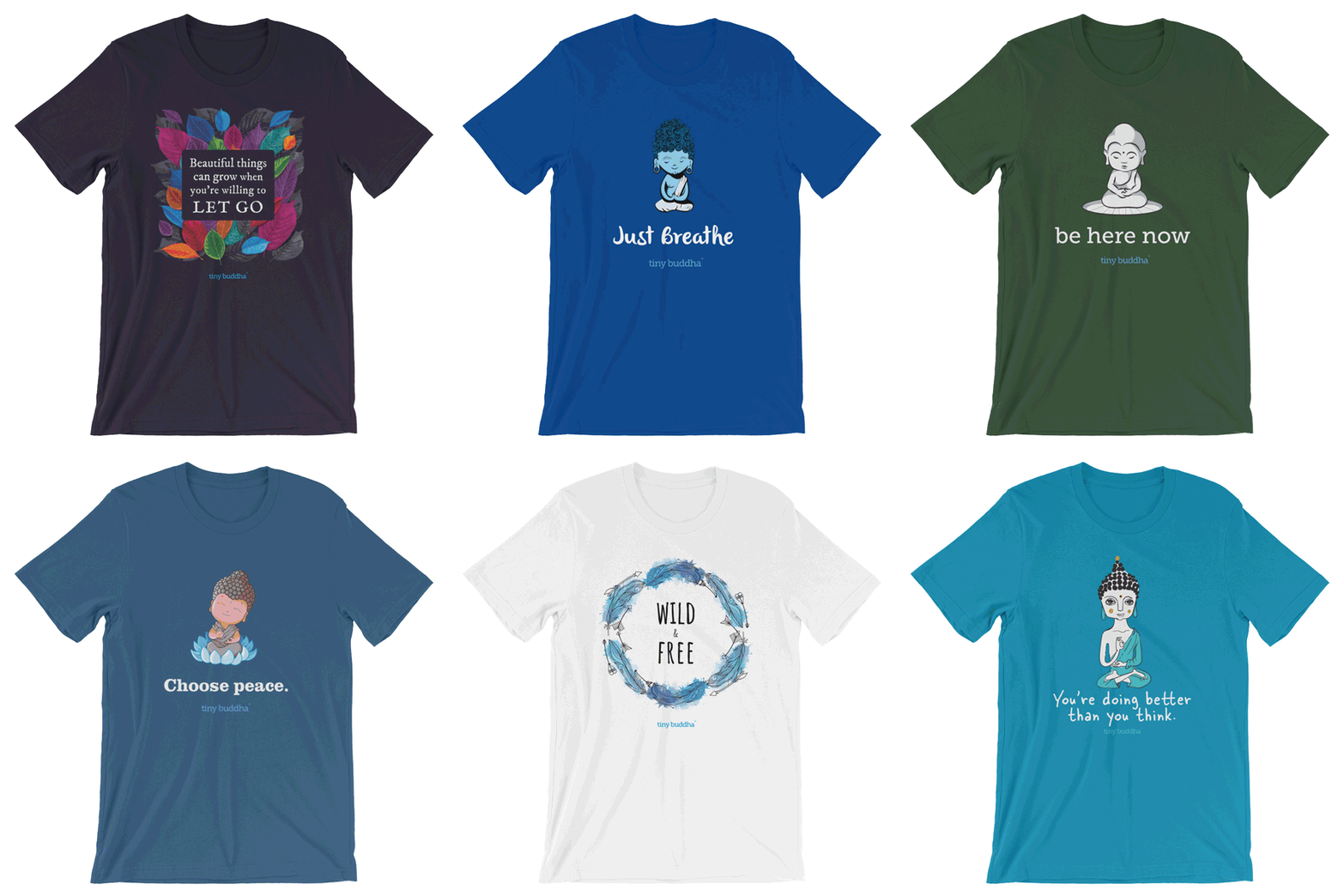
You can grab a shirt or iPhone case for yourself or someone you love, or one of the five Tiny Buddha books (including Tiny Buddha’s Gratitude Journal and Tiny Buddha’s Worry Journal) by clicking the button below. Happy holidays everyone!
**Please note that this a busy time of year for shipping companies, and shipping times vary based on which option you choose. I recommend ordering before the 7th if you’re purchasing items for holiday gifts.
-

How to Enjoy the Holidays When Grieving the Loss of a Loved One
This post contains an excerpt from GETTING GRIEF RIGHT: Finding Your Story of Love in the Sorrow of Loss, by Patrick O’Malley, PhD with Tim Madigan.
It was spring 1980 when my wife, Nancy, and I received some of the best news of our lives—she was pregnant with our first child.
On a Tuesday morning that September, we found ourselves sitting in her obstetrician’s office. Nancy, not due to deliver for three months, had been awakened the night before by a strange physical sensation.
She had wanted to get checked out, just to be safe. But after the examination that morning, her doctor said we needed t0 get to the hospital. Labor had begun. I remember how Nancy’s voice trembled.
“Can a baby this premature live?” she asked.
“I don’t know,” the doctor said. “We will try to buy time. He will be a pipsqueak of a kid.”
Thirty-six hours later, on September 3, 1980, Ryan Palmer O’Malley was born, weighing a little over two pounds. You couldn’t have imagined a more fragile looking creature. He had been far from ready to leave his mother’s womb, yet there he was.
In the first few moments of his life, I was aware of the great risk of loving my son, but I was powerless to resist. From the first glimpse of Ryan, I knew he would have a place in my heart forever.
His early life was a succession of seemingly endless days and nights. We hovered over the side of his crib in the hospital, looking down at our boy who was hooked up to all this noisy equipment. His life was measured in minutes and hours. On several terrifying occasions, Ryan stopped breathing, and his medical team would rush in to resuscitate.
All this time, Nancy and I yearned to hold him, but his frailty and the equipment made that impossible. The most we could do was touch a tiny finger, rub a tiny arm.
Instead of cooing, the sounds around my son were the mechanical beeping of intensive care machines. Instead of that wonderful new baby smell, there was the pungent scent of antiseptic soap we had to use to scrub up before seeing him. Despite not being able to hold him, despite all the machines between him and us, we loved him deeply.
Early fall turned to Thanksgiving and then to Christmas. Our son gradually grew stronger. One day in January his doctor weaned him from the respirator. We could now hold him without the tangle of tubes and wires.
On March 9, 1981, our seventh wedding anniversary, we were finally able to bring our baby home to hold him, bathe him, kiss him, dance with him, feed him, and rock him. He smiled for the first time in those days. Though he was still fragile and underweight, we allowed ourselves to start imagining Ryan’s future. No parents loved a son more.
And then he was gone.
On Saturday night, May 16, 1981, we were treating him for a cold but not particularly concerned. We had been through much worse. But early Sunday morning our precious son suddenly stopped breathing.
I started CPR. Ryan’s doctor and an ambulance were at our house within minutes. His doctor administered a shot of adrenalin to his heart as the medical technicians continued CPR. Nancy and I silently prayed as we followed the speeding ambulance to the hospital.
The next several hours are a series of snapshots forever imprinted in my mind.
- His physician coming into the waiting room with tears in his eyes, saying, “I could not save him.”
- Holding Ryan’s body
- Returning home without him
- The heartbreak of our family and friends as we broke the news of his death
- The dream-like, adrenalin-fueled rituals of visitation and funeral
- The faces of all those who filled the church
- The sight of his tiny casket by the altar
- Seeing construction workers removing their hard hats as the funeral procession drove by
- Leaving the cemetery on that sunny spring day
I have taken off work on the anniversary of Ryan’s death every year since that first year. I go to the cemetery to think about him and the years now behind me. Powerful feelings rise each time I see my son’s name on the grave marker: RYAN PALMER O’MALLEY. It grounds me in the hard reality—this really happened.
In my experience as both a grief therapist and bereaved father, the holiday season can be one of the most difficult times of the year for those grieving.
Many who have experienced the death of a loved one wish they could lie down for a nap on October 30 and awake again on January 2. This season can be challenging when the shadow of loss is present.
The collision between the cultural expectations of happiness and the personal reality of grief can create stress, confusion, and an increase in emotional pain for those who mourn. The gatherings of family and friends during this season may shine a brighter light on the absence of the one who has died.
If this is the first holiday season after the death of a loved one, there can often be a buildup of anxiety, anticipating how it will feel to be without the one who is gone. And, even if the loss occurred many years ago like mine, the holidays are always a reminder of what was and what might have been.
Confusion, yearning, exhaustion, sorrow, and all the other feelings that come with grief are absolutely normal during this time. Difficult but normal. Painful but normal. Grief is not a psychological abnormality or an illness to cure. Grief is about love. We grieve because we loved. Holidays may be a strong emotional connection to special times of remembering that love.
Here are eight ideas to help you enjoy the holidays while also honoring your loss.
Both And
Enter into this season in a state of mind of “both and” rather than “either or.” Sorrow does not exclude all joy, and celebration does not eliminate all sorrow. Yet, it can be confusing to experience opposing emotions at the same time or feel your mood vacillate between light and dark.
Joy may transition into sadness in the blink of an eye. Contentment may suddenly shift into yearning. Both experiences have value because both are part of your grief story.
Be present to the moments of enjoyment, and at the same time, respect your feelings of loss.
Sights, Sounds, and Scents
Most who grieve prepare themselves emotionally for those significant moments during the holidays, such as sitting down for a holiday meal and attending parties; yet, some triggering experiences can occur when you least expect it.
A sight, sound, or smell may zip right past your defenses and cause an intense surge of sorrow. And sometimes, that surge may happen in public. To this day, certain Christmas carols I hear while shopping elicits a sudden sense of melancholy because of the strong identification they have for me with the first and only holiday season my son was alive.
We knew our loved one in a shared environment that is full of these sensory experiences that can provoke feelings of loss in an instant because of this connection created from past holiday seasons. This is perfectly normal and doesn’t mean that you’re going backward in your grief. Value these moments as important connections to the one who has died.
Social Splitting
The transition back into your work setting and your social groups after a loss can create a strain because you may have to act better than you feel in order to appear socially appropriate. This social splitting can be exhausting. Add to that the cultural expectation of being “up” for the holidays, and the exhaustion may be compounded.
This type of fatigue is normal. Monitor your energy, and be willing to moderate your social engagements, if needed. To recharge yourself from the drain of social splitting, spend ample time with those with whom you can fully be yourself and who will support you without judgment.
Approach and Avoid
Our most basic nature is to approach pleasure and avoid pain. Our more evolved nature can approach pain if we know there is an ultimate benefit in doing so. Our natural resistance to the pain of grief can create more pain.
Be intentional about scheduling time during this hectic season to approach your pain. Create rituals that represent the unique relationship you had to the one who died, such as listening to his or her favorite music or reading a favorite poem.
Light a candle or ring a bell to mark this special time of remembering and reflecting. Visit the cemetery or mausoleum if that provides a connection for you.
I’m grateful to our Japanese daughter-in-law who requests each holiday season that we participate in the Japanese custom of taking food to the gravesites where our son and other family members are buried. Her ritual has now become ours.
Seek Heathy Distractions
In a season fraught with overindulgences, be aware of the risk of numbing the feelings of loss through unhealthy escape behaviors. Also, know that it’s not possible to stay in the emotional intensity of grief without some relief, so give yourself permission to engage in healthy distractions.
The key to a healthy distraction is a behavior that allows you to pause your feelings for a moment so that you may come back, and be truly present to them later. My ritual of watching comedy holiday movies has served me well through the years.
Reach out to a trusted friend if you’re concerned about harmful escape behaviors during the holidays. Ask if you can be accountable to them for these behaviors and if they will participate with you in heathier activities that provide you with some respite from your grief.
Tell Your Story
My professional training taught me that grief is a series of steps and stages to work through, which will lead to a conclusion called closure. My experience as a grieving dad did not at all match up with this psychological model.
Through my own grief and by working with so many who mourn, I came to understand that grief is an ongoing narrative of love, not an emotional finish line to be crossed.
Stories help us stay connected to those who have died and help us create meaning about what we have experienced. Finding a place for that story to be received is an important part of the grief journey.
Tell the story of your loved one as it relates to the holiday season to someone who listens well. Or spend some time writing specific memories related to your loved one and the holidays.
Acknowledge Someone Else’s Loss
Those who grieve want their loss and their loved one remembered, so consider making contact with someone who is grieving, as well. It doesn’t matter how long ago that loss may have been. Offer the compassion to others you desire for yourself.
Compassion literally means to suffer with and calls us to enter into the pain of another. Listen with gentle curiosity and an open heart. Consider making a donation to a cause that is relevant to the person who is grieving.
Be Forgiving
Let self-compassion replace any self-criticism as you do your best to balance holiday enjoyment with your grief. Be forgiving of well-meaning others who may try to help you with your grief by “cheering you up.”
How you measure what’s significant and what’s trivial may have changed as you grieve. Patience may be needed when you’re in the midst of others during the holidays who experience the trivial as significant.
As you reflect on your loss, you may also benefit from reviewing your history with the loved one who has died, and offering and accepting forgiveness for the human flaws you each had that affected your relationship.
Remember always, you grieve because you loved. May you have peace and light as you embrace your story of love and loss this holiday season.
Adapted excerpt from GETTING GRIEF RIGHT: Finding Your Story of Love in the Sorrow of Loss, by Patrick O’Malley, PhD with Tim Madigan. Sounds True, July 2017. Reprinted with permission.
-
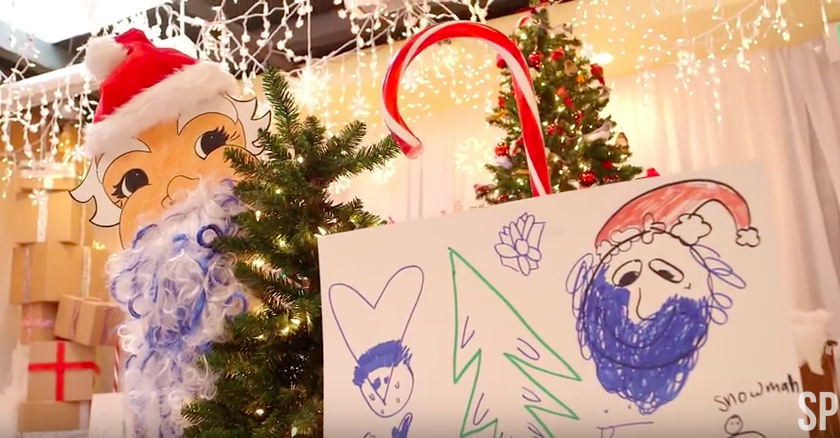
What the Holidays Would Look Like if Kids Were in Charge
Kids are so creative, and thinking outside the box comes naturally to them. (They’d much rather use the box as a dollhouse than think inside it!)
In this joyful little video, SoulPancake asked kids at a Boys & Girls Club to draw a picture of what the holidays would look like if they were in charge—and then they brought their holiday dreams to life.
-
10 Powerful Gifts to Give and Receive Today
“Each day comes bearing its own gifts. Untie the ribbons.” ~Ruth Ann Schabacker
Regardless of what holiday you celebrate, or how you honor it, there’s no denying this is an emotionally loaded time of year.
We either remind ourselves how grateful we are for all the people we love, or we remember how much it hurts that we don’t have people like that in our lives.
We either celebrate all our blessings, or we look toward the year to come, wondering if we’ll have more then.
You may find yourself reflecting on last Christmas in awe of how much has changed for the better in just one year’s time.
Or you may look back on the last twelve months wistfully, wishing things could be the way they were.
We’ll all experience the holiday season in many different ways over the course of our lives.
Whatever your unique situation this year—whether you’re in a growth cycle or working through feelings of loss—you have a lot to give and receive.
5 Gifts You Can Receive Today
1. Your breath.
It’s one of those things we take for granted—the air that gives us life. We don’t even need to think about breathing; we do it automatically.
Clearly we can appreciate that our breath sustains us, but it can do so much more. When we focus on breathing deeply, it can ground us, calm us, detoxify us, and even heal us.
Breathe in. Breathe out. Look at your hands, your feet, the tip of your nose. Fully inhabit your body. You’re here. You’re alive. (more…)
-

8 Ideas for Stress-Free, Meaningful Holiday Gift Giving
“You make a living by what you get; you make a life by what you give.” ~Unknown
There’s something magical about this time of year, and it has nothing to do with the Santas posted like soldiers at various points throughout the globe or the million volts of electricity that light up Main Streets the world over.
I’ve always loved Christmastime because the season inspires people to focus on everything that’s important in life.
The usually harried slow down just a little to stop and smell the mistletoe, while humming along to redundant Christmas songs they secretly enjoy. Fighting relatives shelf their differences to share egg nog and brandy, bonding over the shared experience of wearing atrocious holiday sweaters from Christmas gifts past.
I know holiday euphoria well. Since I always spend at least two weeks visiting my family around Christmas, the season packs double the punch—the infectious excitement of Yuletide energy and the joy that comes from sharing it with people I appreciate all the more for seeing them less.
And then there’s the gift component. People may lament the commercialization of Christmas, but there’s something about it all that appeals to me. I love watching shoppers give to the Toys for Tots stand in the mall, recognizing just how many people do good things without needing recognition or reward.
I also love the opportunity to mass-gift my family at a time when positive feelings are already heightened. Historically, I’ve devoted hours to plotting which gifts I’d give them, imagining how their eyes would light up when they opened them, like Ralphie’s teacher’s when she read his essay about wanting a Red Ryder BB gun.
It might be the least meaningful part of the holiday season, but I’ve seen a lot of loving purpose among the humming shoppers scouring the shelves for people they love. Something about the fleeting magic of it all seems to make people more mindful; after all, the holidays come but once a year and they are, in fact, for giving.
-
50+ Ways to Beat the Holiday Blues
“Happiness is not something ready made. It comes from your own actions.” ~Dalai Lama
It’s a well-known fact that the holidays bring on the blues. According to the National Mental Health Association, reasons for feeling blue around the holidays range from fatigue to financial limitations to tensions in personal relationships.
As for me, I’m generally a happy person. I don’t dwell on things I can’t control, I have realistic expectations, I’ve learned overtime that trying to change people is futile, and I’ve even come to appreciate some of my flaws.
But sometimes, melancholy finds me. Like a thick fog that threatens to shroud a picturesque skyline, it creeps up seemingly out of nowhere until I can no longer ignore it.
I had an experience with this recently.
After an intense couple of nights with human rights activists from Ethiopia and Russia, learning about how fiercely and fearlessly they fight to preserve the rights of citizens of their countries, I feel blessed to be in a country where much of our basic rights are intact. Where we have a right to protest, to organize, to speak out. Where, though many may complain, its citizens are still quite a bit more privileged than those of most other countries.
After these intense couple of days, a sadness lingered, a sobering feeling that made me feel slightly off-balance, not-quite-myself, and a little bit powerless.
But, as I have done many times in the past, I’ve learned not to let sadness take over. It’s not easy to do at first but, as always, a little effort goes a long way. Here are some ideas to chase the blues away: (more…)