Tag: habits

  • How to Kickstart a Healthy Habit When You’ve Gotten Off Track

    How to Kickstart a Healthy Habit When You’ve Gotten Off Track

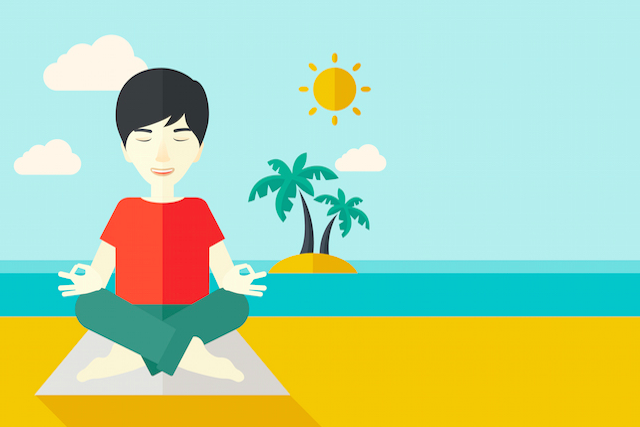
    Man Meditating

    “Come, come, whoever you are. Wanderer, worshiper, lover of leaving. It doesn’t matter. Ours is not a caravan of despair. Come, even if you have broken your vows a thousand times. Come, yet again, come, come.” ~Rumi

    Our spiritual, meditative, or other self-care practices can easily be interrupted, back burnered, or seemingly lost when one of life’s whammies happen.

    Sickness has thrown me off track more times than I care to count. Coming down with something again, swirling in negativity because once again my body had failed me, my immune system weak, I could not perform in the world the way I wanted for myself or for others.

    I was angry at sickness, couldn’t feed myself any nurturance, just wanted it to go away, and would stay mad until it did.

    I know that my over-the-top reaction to being sick has deep roots that require healing, and I’m working on it. But nothing propelled me faster into healing my mental baggage about being sick than my meditation practice when I did it during the down times.

    A teacher once asked me, “Do you meditate when you’re sick?”

    The question was profound and caused a resounding no. When rudely interrupted by sickness, I hadn’t yet fully grasped the concept of bringing all I am in the moment to meditation. Meditating while sick: remarkable, the bridge between a seemingly intractable mind state and a shift toward healing.

    It’s that it just wasn’t okay to be sick. As a mom to young children, it was not something I had time for. And I didn’t just get the sniffles or a little two-day thing; it was years of knock-down, drag-out, week-long illnesses that followed one after the other, sometimes with high fevers and flu symptoms. This brought me to despair.

    In meditation, I had the space to explore and acknowledge the roots of this despair, and my all-or-nothing thinking: “Oh no, I’m sick again, the world is going to collapse” held some painful attachments for me.

    I had to hold it all together. Who else would do it for me? How would I get my work done? How could I prove I was worth something if I wasn’t doing, being, making, becoming?

    My self-worth was wrapped up in how much I could do, clean, produce, or make right in the world. Self-care was just another “to-do list” item rather than a true refuge.

    At the time I was reading a lot about meditation but not quite doing it regularly yet. Life sure changed when I got out of the book and onto the meditation cushion!

    Since that low point in my well-being I’ve gotten a lot better. I’ve not only taken care of a lot of what was causing such immune system blowouts, but also healed my sleep problems through my meditation practice.

    Now that my kids are older I have the time to prioritize self-care. The crown jewel in that self-care is that I’ve become a daily meditator. And yes, I now meditate when I’m sick. What a difference.

    When you start doing your practice even when you’re sick, down, interrupted, or off kilter in some way, you know you have a true refuge in that practice. It may take you places that surprise you.

    Your practice may look different when you’re sick or going through a hard time. It might be shorter, smaller, softer. 

    Part of the self-care involved here is being flexible, and loving enough to yourself to give yourself the amended version, the lying down version, the restorative version. To know when it’s time for that and know that your practice is wide enough to encompass that flexibility.

    Your practice is not a narrow way of having to always be the same, or a measuring stick of how well you performed it that day.

    I still get sick and I still have that same old negative thinking crop up, a deeply rutted neural pathway that I luckily now know how to practice re-routing.

    I try to acknowledge that the voice of panic and negativity needs nurturance, rest, and meditation, even when in the past that voice has been my torturer and enemy.

    Your practice has healing and goodness for you that you can’t conceive of when you’re down. You don’t have to have a performance, just a practice. Some of these practices have been around for thousands of years for a reason—they work! And they work despite our protesting minds.

    Using a mantra to feed myself loving and healing words, lying down and listening to a guided meditation, allowing myself true rest while practicing the most basic of meditations—just watching my breath without engaging in the ups and downs of my thoughts—are all ways to still stay connected to my positive feelings despite the negative feelings being sick dredges up for me.

    It’s a whole new world to contemplate positive practices in times of sickness and derailment.

    Many things can pull us off track: family obligations, travel, stress, life’s unexpected difficulties. During all these times a little taste of the habit that has given us so much refuge can be a real comfort.

    I’ve had the great privilege of partnering in meditation with chronically ill and dying people. They were great teachers to me, showing me, in depth, that the practices we abandon in difficult times are the very things we need to comfort us the most.

    My practice doesn’t ask me to be perfect; it asks me to notice what’s going on and give to myself from its endless bounty of positivity and transformation, even when times are tough.

    No matter how long we’ve been away or how serious the interruption, there is a way to bring healthy habits and self-care practices back into our lives.

    Thoughts for bringing an interrupted practice back into your life after difficulty:

    1. Start small.

    Don’t make crushing goals that are all about self-improvement. If you used to meditate, exercise, or practice yoga for half an hour but your practice stopped or feels derailed, take it back down to five, ten, fifteen minutes, whatever is do-able and can set you up for success.

    There’s no pass or fail, here. Start somewhere and let that be good enough. It is good enough.

    2. Practice self-compassion.

    Life can throw us. Coming back to meditation or self-care is an act of self-compassion in the midst of turmoil. Have compassion for yourself, acknowledging that whatever happened that made you abandon your practice was difficult. You deserve compassion, not chastisement.

    3. Let your practice work for you.

    Maybe you’ve changed, maybe what you need and how you do it has changed. It’s okay if you don’t want to or can’t do it the way you used to. Maybe this is an invitation to find something that fits your life better now.

    4. Have the intention to return tomorrow and the next day.

    Setting small goals or intentions can be real movements toward self-care.

    Interruptions happen, whether it’s the phone ringing, a sick day, or a tragedy.

    You can return to your practice even in the imperfect world going on around you. You can choose to come back no matter how long you’ve been away.

    5. Know that you can rebuild.

    Most practitioners in their lifetime have had doubts, interruptions, path changes, and life changes that took them away from a practice at times. These can also be open doors that point you toward a new direction.

    6. Being on the road to making a discipline out of it will change your life.

    As you consider setting small goals and intentions for your newly re-hatched practice, know that the best way to nurture all the benefits it gives you is to return, often. You can have a practice that feels like a refuge.

    7. Find something you enjoy and do it in an enjoyable way.

    Look for a teacher, class, or method that speaks to you if you need a little inspiration or guidance after time away.

    Life is going to interrupt us, sometimes rudely. Having healthy habits and self-care practices to fall back on can be a lifeline. We don’t need to judge ourselves for why and how we fell away, we only need to return.

    Man meditating image via Shutterstock
  • Adventures for Your Soul Book Giveaway: Live the Life of Your Dreams

    Adventures for Your Soul Book Giveaway: Live the Life of Your Dreams

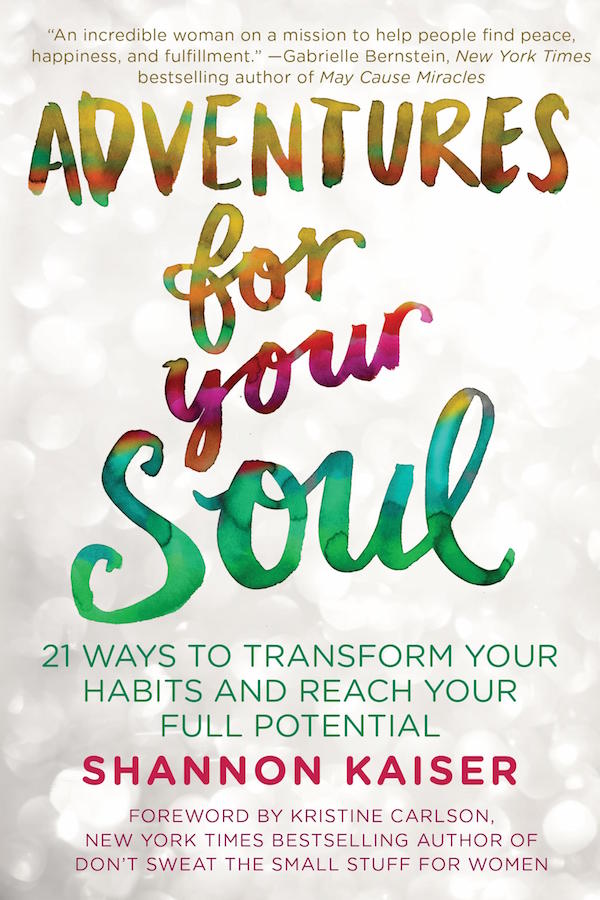
    Adventures for Your Soul

    UPDATE: The winners for this giveaway are:

    • Sarah Jane Vallente
    • Chandra Milliron

    “Just like the characters of a movie, you are a character in the show called ‘Life.’ Are you in a starring role? Or are you a supporting actor?” ~Shannon Kaiser

    Do you ever feel like could be doing more with your life? Like you’re holding yourself back in fear and not reaching your true potential? Maybe you don’t even know what you want; you just know what you don’t want, and yet you can’t seem to escape it.

    I’ve been there quite a few times myself, and I’ve recognized several unhealthy habits that keep me stuck, such as getting caught up in my head and comparing myself to other people.

    It’s not easy to overcome these kinds of habits—especially if we’ve fallen victim to them for years, or even decades.

    Bestselling author Shannon Kaiser knows this, and that’s why she wrote Adventures for Your Soul: 21 Ways to Transform Your Habits and Reach Your Full Potential.

    I’ve always been a huge fan of Shannon’s work, and not just because she’s insightful, wise beyond her years, and focused on proactive solutions.

    I admire Shannon because she’s battled her own demons—overcoming depression, drug addiction, and an eating disorder—and has emerged with an enthusiasm for life, a belief in herself, and a passion for helping others identify and pursue what they truly want.

    That’s exactly what she’s done with Adventures for Your Soul. In this powerful guide to a more fulfilling life, Shannon tackles the most common “happiness-hindering habits,” and presents exercises, questions, and action steps to help us overcome them.

    I highly recommend Adventures for Your Soul to anyone who feels stuck, scared, lost, or confused. The book will take you on a soul-searching journey of self-discovery, bringing you closer to the “you” you want to be.

    I’m grateful that Shannon took the time to answer some questions about her work and her book, and that she’s provided two free copies for Tiny Buddha readers.

    The Giveaway

    To enter to win one of two free copies of Adventures for Your Soul:

    • Leave a comment below
    • For an extra entry, tweet: Enter the @tinybuddha giveaway to win a free copy of Adventures for Your Soul http://bit.ly/20FEboE

    You can enter until midnight PST on Friday, November 13th.

    The Interview

    1. Tell us a little bit about yourself and what inspired you to write this book.

    I suppose I didn’t know what I would be when I grew up, but always knew I wanted to be extremely brave and let passion be my compass. I knew I had to express myself creatively in order to be fulfilled.

    I could share that I am writer, author, life coach, speaker, travel writer, and teacher who left behind my corporate job in advertising six years ago as well as drug addiction and depression in order to find my happiness, but that is my past.

    Today, I am more interested in who I am becoming. My life is about showing up fully and feeling all of what life has to give. I want to be a constant reminder of what courage looks like, what choosing love over fear feels like. And to remind people it is never too late to become what you dream about.

    I wrote my new book Adventures for Your Soul as a demonstration of what living a courageous life looks and feels like. It’s a manual to getting out of your own way and embracing your true self.

    2. Who would most benefit from reading Adventures for Your Soul, and how might it help them?

    People who are on mission to better themselves and who are committed to living an authentic life. People who are looking for answers for their deep, heartfelt questions, such as: How can I get unstuck? How can I learn to love more in the face of fear? How can I remove habits holding me back? How can I be more comfortable with myself and learn to love all of me? This book answers these.

    Through my own personal experience and life coaching practice I discovered the top twenty-one habits that hinder our happiness, and I found powerful ways to transform these habits so we can get unstuck and move forward with more grace and ease.

    3. The first “happiness hindering habit” you shared is “We settle because we think it’s the best we can get.” How can we begin to change our beliefs about what’s possible for us?

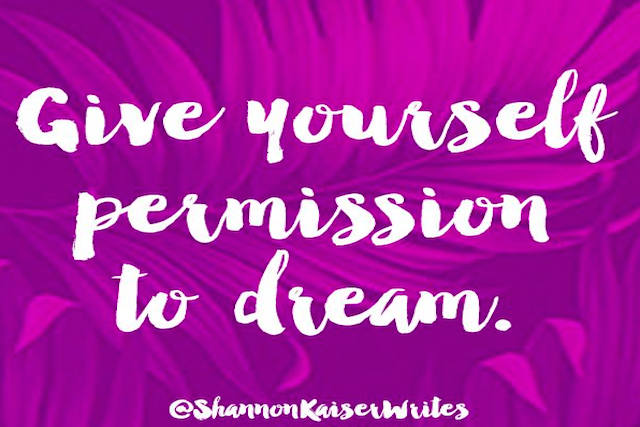
    In order to not settle we have to give ourselves permission to dream bigger. We can start by asking ourselves “What do I really want?” and becoming aware of the inner critic that says, “It can’t be done.” Then, instead of listening to that little voice, we can turn to love and inspiration.

    We all have a little nudge and inspiration that comes to us, insights, visions, or hopes and dreams. The opportunity is to begin to trust those little nudges, and act on them. This will quiet our fear-based mind so the fear won’t be as strong.

    Ask if your current lifestyle is giving you the results you desire. If not, take steps in the direction you want and release what doesn’t serve you.

    For example, maybe you’re in a job you no longer enjoy, and you feel as if you were made for more. Instead of staying in that boring job, begin to listen to your inner nudges, the inspiration that comes to you.

    Maybe it’s saying go take a yoga class or go to the bookstore, or go join that new community group. Follow these nudges because they are leading you to fulfillment, one small step at a time.

    When I first left corporate I didn’t know I wanted to become a writer. I just knew what I was doing wasn’t fulfilling me anymore. So I took one small step at a time, such as getting a journal, investing in travel writing books, and reaching out to life coaches to learn more about the industry.

    Each small step opened up new possibilities. All we have to do is take one step at a time and the path will reveal itself. But we must move forward and take the steps.

    4. In chapter three, you talk about the importance of trusting our heart, not our head. How can we recognize the difference between the two?

    We can get in touch with the feelings associated with each, which can help us make the right choice.

    When we listen to our heart it feels expansive, inspirational, joy-filled, and loving. When we listen to our fear, which is in our head, the rational over-thinker part of us, it often feels scary, overwhelming, critical, and heavy.

    5. In the “Lean into Love” chapter, you share Jim Rohn’s belief that we make choices from one of two places: inspiration or desperation. I suspect we’re more apt to make choices out of desperation when we feel constrained by responsibilities, financial or otherwise. What advice would you offer to someone who feels unable to access inspiration due to overwhelming obligations?

    I believe the focus on overwhelming obligations is what makes us feel like we can’t entertain any inspiration. But inspiration is with us all the time; we overshadow it with our focus on fear.

    If we are focused on how we can’t make ends meet, that becomes our reality, whereas a better way would be to focus on how we want to feel: creative, safe, free, for example. Then we can let our truth pull us forward. We get what we focus on, so focus on what you want.

    6. Your “Fear Detox” chapter was the most powerful for me, as it’s incredibly comprehensive! In your experience, which of the top ten fears is the most common, and how can we begin to overcome this?

    I believe fear of the unknown is one of the most common. We want a guarantee that things will work out, that our ventures will yield results. We need proof of concept and stability.

    Many of us don’t act on inspiration because we are unsure of the outcome.

    One way to overcome this fear is to first take a life inventory and ask where you are holding yourself back in life. Ask, what do I really want? Then take action on that desire.

    For example maybe you worry a lot and have fear-based thoughts about your future. First, address these by listing out the thoughts that worry you. Ask if believing these fear-based thoughts is holding you back, and if so, what action steps can you take to work through them?

    Maybe you want to leave your corporate job to become a wellness coach but you worry about making a living doing what you love. Maybe you also fear the unknown outcome. What if no one pays you for your services? How will you get clients?

    These are examples of fear-based thoughts. Address them, and then ask, what action step can I take in the face of these fears? When we take action we build confidence, which gives us clarity.

    Maybe you list out blogs you want to visit and wellness coaches you want to follow or meet, maybe you look into certification programs or attend yoga classes. Follow the inspiration that comes to you, and this will help you move forward with more ease.

    7. I love the HOPE acronym you shared in the chapter on finding your purpose and passion. Can you tell us a little about that?

    Many of us want to find our life purpose, but we struggle to find it. The struggle is the problem.

    Instead of trying so hard to find our purpose, we have to trust it will reveal itself to us when the time is right. You can’t find your life purpose by thinking your way into it; it can only be felt in the heart.

    I created this acronym to help you discover your passion, which will help you lead a more purpose-filled life.

    H – Habitual Happiness

    O – Open up to Optimism

    P – Purpose-filled Passion

    E – Embrace the Journey

    8. In the chapter on letting go, you wrote, “Most of us walk around feeling wounded, damaged, and guilty, when the bottom line is we just want to enjoy the things we resist.” Can you elaborate a little on this?

    I think society, culture, the world puts pressure on us to be a certain way, and when we don’t match up we feel less than. But the truth is, you are enough as you are, and just because it doesn’t fit with society’s expectations doesn’t mean it’s wrong or right.

    We walk around feeling guilty for things we actually like: eating an extra helping of ice cream, or binge-watching Netflix. We feel bad, but it makes us feel good. So we should switch to focus on how our life feels instead of how it looks.

    9. In the last chapter, you touch upon our instinct to avoid uncomfortable feelings instead of embracing them. How does it benefit us to embrace anger, resentment, jealousy, shame, and guilt?

    Once we embrace them, they can be released from us. When we avoid them or hold onto them, that is what causes the damage. But all feelings deserve to be felt.

    10. What’s the main message you hope readers take from your book?

    You matter just as you are. Don’t be afraid to show the real you because the world needs what you have.

    You can learn more about Adventures for Your Soul on Amazon here.

    FTC Disclosure: I receive complimentary books for reviews and interviews on tinybuddha.com, but I am not compensated for writing or obligated to write anything specific. I am an Amazon affiliate, meaning I earn a percentage of all books purchased through the links I provide on this site. 

  • 5 Habit Makeovers That Will Help You Turn Your Life Around

    5 Habit Makeovers That Will Help You Turn Your Life Around

    “Learn how to cope, sweet friend. There will always be dark days ahead.” ~Kris Carr

    Around this time four years ago, my life was a mess.

    Work-wise, I felt like I had hit a wall. The relationship I was in (or so I thought I was) was turning out to be a one-way street on which I was being taken for a long, long, painful ride.

    Taking care of myself was something I did only when I remembered to, or during unpredictable moments of clarity or calm within the little emotional tornado I was spinning around and around in.

    Just surviving each day was my priority.

    The cumulative toxicity of all these wrongs were making me feel jaded, physically ill, and almost on the brink of despair.

    Luckily for me (although I didn’t consider myself lucky at the time), things came to a head just before Christmas of 2013, thanks to one small step I decided to take.

    I decided that I’d had enough, and walked away—for good.

    Despite the pain, my life changed for the better that very instant. I felt lighter. Relieved. Free. As if I could finally rest my head on my pillow and sleep like baby.

    By then, I had also left my full-time job and started out on my own.

    I was ready to move on.

    But before that, I spent months in a self-imposed rehab period, analyzing everything that went wrong in the last couple of years, why I let them happen, and what I was going to do to move not just forward, but upward.

    So where did I go wrong?

    I was a “yes” person.

    Whenever someone asked something of me, I never said no.

    Why?

    Because I wanted to be liked and accepted by everyone. “If I say no, maybe this person wouldn’t love me,” I thought to myself.

    Looking back, it became clear how ridiculous and dangerous this mindset was. No matter how hard I tried or what I did, there was always someone who would get offended, or upset with me. Being a “yes” person was leaving me drained, resentful, and angry.

    The more I said yes, the more I got myself into situations I would later regret, and the more I let myself be used.

    When I reached my breaking point, I finally said no for the first time, and it left me feeling liberated. So I kept doing it, as much as I needed to.

    Life began to feel easier. I had fewer obligations and more time on my hands to focus on re-grouping, healing, and the people I truly wanted to spend time with.

    Your “yes” makeover: Start practicing saying no. You will never be able to, nor should you be obligated to, make everyone happy, even if you tried. And by doing this, you’ll learn how to say yes only when you truly mean it. You’ll start to make better decisions from your gut, not social pressure or a chronic need for validation or approval.

    Nourishing my body was not my priority. 

    When everything seems to be going wrong, you’re anxious, sad, confused, and lost, the last thing you’ll want to do is have to choose between that extra large pizza and salad for lunch.

    Eating might not even be on your radar if you’re going through a rough, traumatic patch.

    But here’s the thing: I’d been on both ends of the spectrum, eating too much and then not eating at all for days when life got overwhelming. Both options left me feeling and looking worse off than I already was.

    Unwanted weight gain sapped my self-confidence and added to my daily stressors, while too little nourishment left me feeling weak and unable to cope with life.

    I adapted by simplifying my meals—I ate more fruit and salads, which didn’t require much cooking and minimal preparation. I let people cook for me and bring me food.

    I took a multivitamin every day. I snacked whenever I could. I scheduled my meals as much as possible so that I was constantly reminded to eat. I knew that if I didn’t eat, I wouldn’t be able to get through this storm. As I healed, so did my eating habits.

    Your diet makeover: When you’re struggling to take care of yourself, know that it’s okay to make imperfect food choices. It’s okay let others help you.

    Add more structure to your meal times so you make a conscious effort to nourish your body. Eat with friends to lift your spirits. The joy will come back. The better you get at this, the better you’ll be able take care of yourself the next time life knocks you down.

    I held on to toxic relationships.

    Whenever I was around the wrong people, I’d feel one or a combination of these emotions: doubtful, sad, agitated, uneasy, or just plain tired, as if the wind had been knocked out of my sails. In contrast, the right people made me feel light, playful, at ease, uplifted, motivated, and supported.

    As I got stronger and started making clear-cut decision about who could stay in my life and who would get the boot, I came up with guidelines that would make the weeding out process easier.

    If someone:

    • Continuously took without ever giving back to me (or anyone else)
    • Turned every disagreement around to make it look like it was my fault
    • Belittled my hopes and feelings
    • Verbally abused me
    • Lied to me
    • Was unable to take responsibility for their mistakes and prefers to play the blame game

    I walked away. No exceptions. Life is way too short to spend with the wrong people.

    Your toxic relationship makeover: Give everyone in your life three chances to make things right when they do something to hurt you. Three strikes later, if nothing changes, don’t just walk away—run. I know this sounds harsh, but doing this has allowed me to regain control over who I want in my life, and who I don’t, and my peace of mind.

    I stopped dreaming.

    It takes faith and determination to keep the fires within your soul burning, even more so when you’re running on empty with a bruised heart and spirit.

    I went on this way for years until I eventually stopped hoping and dreaming, because I felt so trapped.

    My self-imposed ‘rehab’ time was perfect for giving this part of my soul much needed TLC.

    I re-started my fires by devouring as many books as I could. Danielle LaPorte’s The Fire Starter Sessions, Jonathan Fields’ Uncertainty, Napoleon Hill’s Think And Grow Rich, and Eckhart Tolle’s A New Earth were instrumental in helping me piece back my spirit, world and dreams.

    I spent a lot of time excavating, exploring, tweaking, re-discovering, and building.

    I opened myself up to deeper conversations, made peace with my mistakes and weak decisions, and started connecting instead of avoiding.

    Baby sparks eventually grew into larger-than-life flames.

    Your dream makeover Your dreams didn’t die overnight, so take your time getting them back. Getting clarity about what you really want will help you decide the first steps you’ll need to take.

    Try doing this simple, but powerful exercise: Ask yourself, “What do I want to accomplish?” Then with whatever answer you come up with, ask why to that, and so on, five times.

    Start re-kindling your flame from here.

    Too much stillness crept into my life.

    The darker and bigger the grey clouds around me got, the heavier I started to feel, physically and emotionally. I dragged my feet wherever I went. The thought of exercising felt like a chore, using up energy I felt I no longer had.

    So I gradually stopped.

    As a result, I started to feel stagnant, sluggish, and unhealthy. I loved getting my regular flush of adrenaline and post-workout endorphins, but I just couldn’t get going.

    There were, however, two things I could do that I found therapeutic and beneficial to my physical health: walking and yoga. I wasn’t in the right frame of mind for high-speed, high-intensity, as-many-rounds-as-possible circuits just yet. And that, too, was okay.

    Long, head space-clearing walks, rhythmic, breath-centered sun salutations, and gentle stretches became my salvation, so I did more of those.

    Your movement makeover: When it comes to exercise, do what is right for you when it is right for you. If hard and fast is your usual routine, it doesn’t mean that you need to force yourself to keep up with it despite not being in the right mental space for it.

    Not listening to your gut (and body) could leave you vulnerable to injury and unable to make the most of your training. If you’ve never exercised, just getting out and moving could make a world of difference.

    But whatever you do, don’t stay still.

    Be gentle on yourself, and learn to bend as the wind blows—you’ll gain a deeper kind of strength from within.

    Are you going through dark patch or on the mend from one right now?

    I’d love to know which toxic habit makeover resonates with you the most, and what you plan to do to turn things around.

  • How to Overcome Unhealthy Cravings When You’re Feeling Down

    How to Overcome Unhealthy Cravings When You’re Feeling Down

    Sad Man Smoking

    “Your worst enemy cannot harm you as much as your own unguarded thoughts.” ~Buddha

    As a kid, I was taught that the Devil tempted us to do evil deeds. When I had the urge to do something naughty, I imagined a pitchfork-totin’ demon whispering into my ear. He’d encourage me to steal that Hershey’s bar from the 7-11, or to lie to my mom when she asked if I’d finished my homework.

    Today, I don’t believe in the existence of the Devil, but I do believe my doubts and fears can appear to be downright devilish—if I give in to their whisperings. But what if these discursive thoughts aren’t “evil” after all? What if we need our cravings and impulses to help us see the truth in our lives and push past negative patterns?

    Recently, I had the chance to test this theory when my book manuscript was rejected by a major publisher.

    I’d poured my heart into those pages and anxiously waited for weeks only to receive a standard “thanks but no thanks” reply. After years of work, in an instant, my hopes were crushed, and I was swamped with doubt and self-pity.

    Soon my disappointment turned into indignation: How dare that editor reject my work! I began typing a hateful email, but (thankfully) I stopped short of clicking “Send.” Rather than write something I’d regret, I strapped on my sneakers and went for a power walk.

    When I’m in a sour mood, walking usually helps me clear my head, but even on that crisp, sunny, fall day, a black cloud of dissatisfaction hovered over me. Thoughts of failure invaded my mind. With every footstep, my negative thoughts grew.

    Then I smelled an all-too-familiar aroma. I glanced over and saw a man smoking a cigarette on his front porch. That scent wrapped around my brain and triggered a thought, “If you have a smoke, you’ll feel better…”

    I haven’t smoked in more than three years, but somewhere in my mind, a familiar longing stirred.

    I began smoking during college when I felt insecure. Over the years, anytime I felt lonely or upset—when my marriage was troubled or my career was threatened—I stepped outside and lit up a cigarette.

    Even years after successfully kicking that bad habit, the associative power between my unhappiness and nicotine was still strong. The tempting thought swirled in my brain, “Bum a smoke from your neighbor! No one will know!”

    Thankfully, enough time had passed since I quit and I could view my desire to smoke with objectivity. But rather than push it aside, I entertained the thought.

    “That’s so interesting,” I said to my former-addicted self. “You haven’t craved a cigarette in years, and now you’re upset and bam! You have a craving.”

    In truth, even the part of me that used cigarettes for comfort didn’t really want to smoke again. Addicted Me knew the reality: Tobacco tastes bitter and the smoke burns my throat and makes me feel crappy—not to mention all the horrible diseases it causes. The urge to smoke was just a thought, an unhealthy one at that.

    A moment later, the urge was gone, but craving that cigarette—which was once so intoxicating to me—provided a wonderful way to be present with what was happening to me physically and emotionally.

    In other words, the urge to smoke became a signal encouraging me to explore what it was I really needed.

    What bedevils you? The next time you’re tempted to give into an unhealthy urge, try this practice.

    Observe the feeling. The craving wants your attention, so give it what it needs—for a limited time. Observe, don’t indulge. Become curious about the nature of your thought.

    What does the feeling want you to do or say? When did you first feel this craving? Why is it prompting you toward an unhealthy response today?

    What triggered the craving? Are you really hungry? Or do you feel angry, sad, or lonely? If the latter, what might you do to take care of the feeling without indulging in an unhealthy habit?

    Entertain the thought. Rather than push it away, make a place for it in your heart. Address the thought or emotion as you would to a dear friend or child, “Hello, disappointment. I recognize you! You’re afraid of not being acknowledged, but I see you!” (This is what therapists call self-talk.)

    Listen deeply to the need. At the heart of every craving is an unmet need. The need itself may not be “bad” or “wrong,” but how you take care of it can be. Rather than fill that void with a negative habit or unhealthy choice, consider what it is you really lack.

    In my case, I needed acknowledgement and support. When I returned from my walk, I called a trusted friend and fellow-writer and allowed her to cheer me up. Then, we brainstormed ideas about other potential publishers for my book.

    Treat yourself (and others) with compassion: Ultimately, as I walked that day, I became aware of my weaknesses and my strengths. Each time I breathed in and smelled the cigarette smoke, I breathed out gratitude that my addiction no longer had me in its grip.

    And rather than beat myself up for feeling what I felt, I used the experience to generate empathy for my neighbor. Maybe he was struggling with anxiety or loneliness, too.

    In the end, my craving can become my worst enemy—or a good friend. When I seek the truths that rise out of difficult situations, a seeming loss can turn into a win. If I’m aware and healthy, I might even be able to learn something very valuable and transform a negative habit into the means for healthy self-discernment.

    Sad man smoking image via Shutterstock

  • How to Change Your Habits and Your Life in 5 Steps

    How to Change Your Habits and Your Life in 5 Steps

    Make the Change

    “If there is no struggle, there is no progress.” ~Frederick Douglass

    We all experience struggles. Some are seemingly insurmountable. Others, like mine, are comparatively small. Regardless of their scale, it’s what we learn from our struggles that counts.

    Mine began while at university in London. Originally from a small town in the Welsh valleys, the move to the big city was a scary one for me.

    A mum’s boy at heart, I didn’t deal well with being so far away from home. I’m also an introvert who didn’t embrace the uni lifestyle of drinking to failure, so I didn’t make many friends early on.

    The workload was tough too, and the course content didn’t inspire me one bit. I had never really considered what I wanted out of life, but I quickly discovered that rocks and complex math weren’t part it. Still, I pushed through, partly because I was stubborn but mainly because I was scared to fail.

    As I said, my struggles weren’t monumental. My first-world problems pale in comparison to others, but at the time it was hard to see past them. I felt trapped and stressed out.

    As a coping mechanism for the stress, I turned to my safe haven: sports. Martial arts, football, weight lifting—anything that allowed my brain to shut off temporarily.

    What started as an escape quickly became unhealthy. Training sometimes three times a day was only adding to the problem, and eventually things broke down.

    I started developing a mouthful of painful ulcers regularly, making it difficult to talk and eat. They came with bouts of fatigue and digestive issues too, and one particularly nasty flare up led to a hospital visit.

    A few blood tests and examinations later, the news came back that I likely had Crohn’s disease, an inflammatory condition that can affect any part of the digestive tract (from the mouth, to the other end).

    Crohn’s can be pretty miserable. Oftentimes, sufferers face a lifetime of medications and surgery. I knew that wasn’t a path I wanted. I decided right then (in a naïve and almost boisterous manner) that Crohn’s or not, I would beat this myself.

    I took a step back to examine the big picture.

    In my eyes, I had these habits that were making me ill and keeping me on a path that I didn’t want. To change my trajectory, I just needed to alter my habits. If only it was that simple…

    I soon found out the hard way that habit changing isn’t the easiest pastime. After many failed attempts, I always came back to the same question: How can we create habits that are lasting rather than ones that phase out after a few weeks?

    Eventually, through trial and error, I was able to come up with a few answers, and gradually began transforming my life. I started eating a plant-based diet, and altered how I trained, which gave me more energy.

    I read more, worried less, and meditated regularly, which reduced my stress levels and allowed me to see more clearly the road I wanted to take.

    Fast forward a few years to the present day, things have vastly improved. Although I still occasionally get health issues, the symptoms are much easier to deal with.

    Despite repeated blood tests and investigations, I haven’t been diagnosed with Crohn’s disease. Maybe it was an overzealous initial prognosis, or perhaps I dodged a bullet by changing my habits. Either way, I’m happy that I went through the struggle. It taught me a lot, and allowed me to create the life I‘m living today.

    If you’re feeling a little lost right now, or you’re struggling to implement changes, you may benefit from applying these five important lessons I’ve learned about forming habits.

    1. Start with self-acceptance.

    Most of us practice unconditional love toward our close friends and family, regardless of their flaws, but it’s rare that we show the same acceptance toward ourselves.

    Instead, we beat ourselves up over every mistake we make, and every little defect. Our big belly, our bad eating habits, our laziness, and inability to manifest change. We waste so much energy focusing on these things, energy that could be used productively elsewhere.

    Perhaps the most important step in habit changing is to first accept yourself for who you are, flaws and all. Those imperfections are what make us human.

    Instead of talking yourself down, try treating yourself as you would a loved one. Be forgiving, and realize that wherever you are right now, it’s okay.

    You’re more likely to succeed in making changes if they’re coming from a place of self-respect rather than self-hatred.

    2. Determine your values.

    It’s easy to lose sight of what’s really important to us. We’re constantly comparing ourselves to others. We get a neatly packaged glimpse into their life on Facebook, and form a false idea of perfection that we should live up to.

    We then attempt to make a load of changes to become more like that person, without considering why. We set goals that are not aligned with our values, resulting in discomfort and dis-ease, and we never commit to them long term because they’re not that important to us.

    Be you, not a second-rate version of someone else. First, determine your values by asking yourself a few questions. What would you do if money weren’t an issue? Where are you most organized and reliable? What do you surround yourself with?

    Some people value their health above all else. Others are more concerned with their family, or making lots of money, or a mixture of all the above.

    Whatever’s most important to you, set goals that align with it. For example, if you want to eat healthily, but your highest value is caring for your family, how can you reframe that goal?

    Eating healthier may allow you to spend more quality time with your loved ones, or help you do a better job of looking after them. That’s your strong reason “why” that will excite you and inspire you to move forward.

    3. Start small and build gradually.

    Willpower is not an infinite energy source, and when forming habits we should avoid tapping into it as much as possible.

    I’m a sucker for getting over zealous and trying to make many big changes at once, but rarely does this ever lead to long-term success. Lasting changes are made from many small steps added together, not from a flick of the switch.

    Rather than fixating on an end goal, plan your next few steps in that general direction, then execute them. If you want to eat healthily, maybe start by changing your breakfast, and nothing else. When you’re fully comfortable with that, perhaps begin to adjust your lunch.

    Take your time, and don’t be tempted to bite off more than you can chew. Commit to the long haul rather than looking for the quick fix. It’s a more satisfying process, and each small step you take, you build your self-esteem, and your ability to produce further change.

    4. Build a support network.

    I’ve always had the tendency to try to tackle problems on my own. I thought asking for help was a sign of weakness, but the opposite is true. Building community is an important part of forming habits. It was only when I involved others that I really started to see success.

    Perhaps tell a reliable friend about the next few steps you’re taking with your new habit, and ask them to hold you accountable with weekly progress reports. Maybe even introduce rewards. This can give you that extra push you need to succeed.

    5. Embrace failure.

    Many of us grow up fearing failure. The reality is that failure can be a good thing, but we’re not taught how to deal with it properly. For most young people, failure is met with the less than inspiring statement of ”Oh well, better luck next time.” They’re left feeling deflated, with low self-esteem and nothing to act upon.

    You’ll likely fail several times when changing your habits, just like I did (and still do). First, realize it’s okay. Those road bumps are a vital part of the learning process.

    Secondly, search for the lesson. Failure teaches us what we can do to improve so we can come back next time as an upgraded version of ourselves. Maybe it means altering your goal to make it a little easier.

    Make your adjustments, pick yourself up, and get back on the path to fulfilling your passions.

    Make the change image via Shutterstock

  • 8 Draining Habits to Let Go if You Want to Be Happy

    8 Draining Habits to Let Go if You Want to Be Happy

    “We first make our habits, then our habits make us.” ~John Dryden

    This may look good, sound good, and maybe even feel good at first, but it’s not serving you well in the end!

    I’d hear this thought in my head over and over and still not believe it. But it had persisted ever since I started questioning the status quo in my life. And I don’t mean a loud, in-your-face, obnoxious line of questioning, but rather, a gentle curious whisper that asks: Well, why does it have to be this way, if I may ask?

    Questioning the status quo is not a novelty in our modern society, but here’s the thing: I was questioning the good stuff, like great habits that I grew up with and ideals that are the foundation of my value system.

    In a sad way, the thought made sense. Every time I’d finish going through the motions of one of my “great habits,” I’d feel drained, in a funk, out of sorts, exhausted, but not in an accomplished kind of way.

    So I started adjusting my autopilot habits and I’m already feeling a shift toward serenity. I suppose this is the counter-intuitive inner work that makes self-discovery so much fun, right?

    So, ready to question some of your great habits too? Check to see if you fall in the trap of a great habit that may not be serving you.

    1. The habit of working hard at the exclusion of all else.

    For the first six years of my corporate job, I was a complete workaholic. Those first years were also the least rewarding, financially and emotionally, because I neglected the more essential aspects of building a career, such as creating relationships and building trust.

    Most of us are hard workers and we identify a sense of pride with it too. It’s how we were brought up; it’s what society expects and rewards.

    Just beware the trap of hard work, especially if you’re using it as a Band-Aid on something that hasn’t given you results, such as working even harder to get ahead at work or to please someone in a relationship.

    What to do instead: Pause long enough to examine the big picture and the situation at hand, and question your current approach. Is more work going really to give you the results you need?

    2. The habit of taking care of everyone and everything else first.

    I watched my mom make a lot of sacrifices for us over the years, but even as a kid I could see that a lot of them were at the expense of her own livelihood. I noticed that this made her bitter. While everyone around her was grateful, she did not need to go that far. She could be self-nurturing and caring to the rest of her family.

    You may be a loving mother (or father or sibling), caring and giving, but to a fault.

    You take care of everyone and everything else—even the laundry and the dishes!—before taking care of yourself. Sometimes at the expense of it. You’re sacrificing your own well-being because you don’t want to seem selfish.

    What to do instead: Know that sacrifice does not earn the respect or gratitude of others. Being a good role model does. Take care of yourself so you’re strong and healthy for the important people in your life. It’s not selfish. It’s self-nurturing, it’s necessary, and you’re allowed.

    3. The habit of listening to everyone’s problems without boundaries.

    As an immigrant to the US, I was so hungry for making friends that I was over the moon if someone confided in me.

    This habit grew into a habit of listening without any boundaries, and so I became the place my friends deposited all their problems. When I saw that it wasn’t helping them and it was wearing me down, I had to draw the line.

    Listening is a gift, and if a friend needs to be heard, if a parent needs to voice concerns, if a spouse needs to vent about work, if a co-worker needs to complain, who better than a great listener?

    Just watch out because being the bank where everyone deposits their complaints, outrage, sorrow, and pity can have its negative consequences and take its toll on you.

    What to do instead: Listen enough to hear the initial problem, then gently move the conversation toward finding solutions, being optimistic, and focusing on the positive. If they still need a professional therapist, remember: it’s not your job to be one!

    4. The habit of responding to every call to attention—email, phone, text—right away.

    It’s wonderful to be responsive. I love responsive people, and I do my absolute best to get back to people. But this constant distraction can ruin your focus, disrupt your routine, and cause problems when running a business.

    What to do instead: Be more stingy with your time and set aside dedicated slots to respond to texts, emails, and phone calls. Unless it’s an emergency, it can wait. Because this one’s deeply ingrained, train yourself little by little to master this one.

    5. The habit of offering your expertise, products, or services free or cheap to friends and family.

    My sister-in-law is a doctor and her generosity toward my family’s health questions knows no end. Sometimes, I feel that we abuse her medical expertise.

    Whatever side of the situation you may be on—giving or receiving the deed—going too far can have an adverse short- or long-term effect on the relationship.

    What to do instead: Set clear boundaries; give and ask for respect in this regard. It’s totally fine if you don’t want to offer your services or products at a discount or free just because people are related to you. It makes you a professional, that’s all.

    6. The habit of getting straight A’s in every class in your life.

    Ah, the A student dilemma! Every culture and society praises the A student and frowns on the C student. As a straight-A student my entire life, I can clearly see that it robbed so much happiness and fun out of my life.

    If I could go back, I’d settle for B- and more fresh air and yoga, thank you!

    What to do instead: Decide first if you even want to go to university or graduate school. Then define your own measure of success and stick to it. Learning and applying the knowledge is way more important than the final grade from your teacher so focus on that.

    7. The habit of doing everything for your kids or students or elderly parents.

    My mom has an aunt who still cooks and cleans for her thirty-five-year-old daughter, who’s a perfectly capable woman.

    Do you do everything for others instead of showing them how to do it? Sometimes people need help, but if you condition them to having you do it all the time, they never become self-sufficient. You do them and yourself a disservice.

    What to do instead: Before doing the next task for the person you’re helping, ask them if they’d like to learn how to do it. Start teaching and showing more and doing less.

    8. The habit of pleasing others at the expense of your own dreams and desires.

    The hardest part of quitting my job and starting my business was that I was going against my parents’ wishes for me. It was hard but absolutely and positively the only right path for me.

    We are conditioned to say “yes” to please our family and loved ones. This can be detrimental to your happiness if you happen to want something else.

    What to do instead: Be true to yourself. You can still be kind and gentle toward others, but you get one life, and your dreams and desires are your business, and they deserve your best shot.

    Your turn now: Do any of these great habits make you pause and think? What other good habits have you found to get in the way of happy living?

  • Doing What’s Good for Us: What We Need Beyond Discipline

    Doing What’s Good for Us: What We Need Beyond Discipline

    Meditation

    “How we spend our days is, of course, how we spend our lives.” ~Annie Dillard

    When I first engaged spiritual practice, I tried to meditate while counting breaths. “I can’t do this!” I lamented, “It’s too hard.” The green satiny cushion filled with buckwheat chaff felt hard and unforgiving.

    My legs ached. I kept checking my watch. My mind ached.

    Tick. Tick. Tick.

    The watch taunted me, and I did not feel the least bit edified by the experience.

    But every few moon phases, I’d try again: half an hour of hellacious discomfort, of shifting in my chair or—if I had gotten really ambitious—on the cushion.

    It was horrible. Didn’t feel life affirming at all.

    In fact, it was nothing but an occasion for self-criticism. I didn’t know how to watch my feelings and thoughts arise and release, as I had been told I was supposed to do. I only knew I had to sit there for half an hour, no matter what.

    But wasn’t it what you’re supposed to do? Wasn’t it good for me? Wouldn’t it change my life?

    As you might imagine, it didn’t take very long for me to abandon a sitting practice. I berated myself for having no discipline, and tried to move on.

    The word “discipline” only conjured suffering: Exercise I hated, housework I loathed, and foods I ate only because they were “good for me.” Besides a very limited concept of “good,” the whole idea of discipline was clearly associated with punishment and pain.

    Eventually, I did learn that “discipline”—like “disciple”—comes from the root, “to follow.” It was not derived, say, from “spare the rod and spoil the child.” Still, I struggled.

    The maxim, “Discipline is remembering what you really want” felt strange, alien. It did not comfort me.

    Sadly, “practice” was even tainted with discipline-ism. Practice makes perfect, after all, and perfection was what I thought I wanted and could never get my arms around.

    I came to dread even life-giving activities I loved because I associated them with “having to” do them because they were “good for me.” Down was up. Good was awful.

    Eventually, though, those two earlier understandings began to sink in: “Discipline is remembering what you really want,” and “discipline’s” root is “to follow.”

    How did this shift happen? How did things turn and move and change?

    In me, it happened because I learned that discipline is nothing without gentleness. Without kindness. Without understanding my own suffering.

    It was gentleness that allowed me to explore forms of spiritual practice that I had not previously considered. Gentleness allowed me to be creative and find what worked for me.

    Singing at my altar. Freewriting. Breathing over my coffee in the morning.

    And it is gentleness that allows yogis just to “get on the mat” and see what happens from there with no expectation or plan.

    It is gentleness that allows us to sit for only a few minutes today instead of the forty-five we’d like to attain or sustain.

    It is gentleness that acknowledges that practice changes us over time, not in a sprint or in a flash of heavy lifting.

    In my experience, gentleness doesn’t keep us from being disciplined. In point of fact, because gentleness helps us respond to our current circumstances, it is indeed a practice of mindfulness.

    Gentleness is a way of being kind. It both doesn’t sprint in this moment and yet it encourages us to get on the mat, to settle into the cushion, to sing for a while, to write a page or two.

    Gentleness is supple. Gentleness does not say that it’s okay to throw in the towel of practice. Gentleness makes practice possible when it feels so difficult.

    Furthermore, gentleness has rescued discipline. Discipline is the getting on the mat that gentleness encourages. Discipline is remembering that a small dose of dailiness is worth more than a single three-hundred-pound lift. Discipline with gentleness allows for dailiness.

    And dailiness is what changes us—what changes me.

    It has taken me close to twenty years to get to a sustainable, nearly daily practice. If I had pushed on with my limited understanding of discipline, my practice would not have grown, deepened, and borne the fruit it has.

    Discipline is necessary. Discipline allows us to follow where the practice leads us. Discipline is in the insistence that I do something for my practice today.

    Gentleness tells me that I needn’t judge the goodness, rightness, or spiritual muscle of my practice. Discipline reminds me that dailiness will change my life. Gentleness allows that dailiness to happen by leaving more than one door open for my practice.

    So I began again, after years of trying long chunks of seated practice.

    I began by creating beauty. I began by setting up altars with candles and objects sacred to me and by spending time with them each day.

    And then I began to write at my altar, and then to sing. I could sing for longer than I could sit, but singing led to sitting and sitting led to yoga and yoga led to swimming.

    I can engage my practice with discipline—make sure to write and sing each day, at least—because gentleness has given me permission to be shaped over time from whatever tiny efforts I could bring to begin with.

    I encourage us all—experienced practitioners and those for whom practice feels a faraway dream—to allow both discipline and gentleness to shape us. To attend to when we need one more than the other, but to keep them close together always.

    How do you keep them separate or together? Which do you need more in your life today, and how can you cultivate it?

    Blessings on your practice and your hopes for compassion, integrity, and wisdom.

    Meditating image via Shutterstock
  • 4 Toxic Habits That Can Control Our Lives and Keep Us Unhappy

    4 Toxic Habits That Can Control Our Lives and Keep Us Unhappy

    “We first make our habits, then our habits make us.” ~Charles C. Noble

    Until recently, I firmly believed that a classic set of toxic habits consisted of nail biting, smoking cigarettes, and abusing alcohol and drugs.

    I completely forgot that there are some behavior patterns that can do equally bad damage to our vital and creative energy, claiming control over our lives and holding us back.

    Ignorance is bliss, someone once said. I overstayed my welcome in that state of mind more than once. I thought my bad habits were actually making my life easier, and following the path to personal growth always seemed so cumbersome.

    Eventually, my desire to improve became stronger than my fear of getting out of my comfort zone. I realized that the patterns of my behavior were too destructive and the feeling of comfort and familiarity was just an illusion.

    So I decided to look long and hard at everything that had to be changed. The first step would be to break a set of toxic habits and take back control.

    1. A thirst for approval.

    I spent a large part of my life doing things in the hope of getting others’ approval.

    I did things I didn’t want to do and not things I felt passionate about. I would sit and learn math to fulfill my parents’ dream of me becoming an economist, while all I wanted to do was to paint, write, and read books about nature, biology, and psychology.

    I even stopped writing, which I feel is my purpose, because certain people saw it as a hobby. In chasing their approval, I completely gave up control of my life.

    But the ugliest truth is that I valued their opinion of me more than my own. No matter how great I did, no matter how much positive feedback I received, it never seemed to be enough.

    When we make approval-seeking a habit, we lose touch with who we are and what we really want, meaning we’ll never be able to truly approve of ourselves.

    2. Sit. Wait. Hope.

    I used to sit and wait and hope that somehow a complicated situation would magically resolve itself. I thought that if I waited long enough, I would suddenly understand my purpose, write a book in one sitting, and my body would get in shape without doing anything.

    I would spend countless hours sitting and procrastinating, believing that “good things come to those who wait,” whereas, in reality, “better things come to those who work hard for it and have patience to wait for the results.”

    There is a huge difference between procrastinating and mindfully waiting for something good to happen. When you work toward a goal and you have patience to see it through, you mindfully wait for the fruits of your work to bring you closer to your goal. And there sure isn’t anything mindful about aimlessly procrastinating and not doing anything productive.

    I finally understood that waiting and hoping for something good to happen in my life would never bring me any satisfaction. Notice that the word “satisfaction” ends with “action.”

    Action is that formula that brings us happiness, as we need to take action to see results.

    3. Super competitive-comparative mode.

    From childhood, it was somehow wired in my mind that I had to prove that I was better than everyone else in whatever I did. This state of constant competitiveness and stress about being taken over by someone else kept me going for years.

    I cared so much about being better, stronger, and about reaching excellence before everyone else that I completely forgot how to breathe normally, how to connect with people, and how not to alienate everyone.

    I didn’t have many friends back then. And it’s really lonely up there on the top when you have no one to share even the smallest of your achievements.

    Excessive competitiveness brought out the aggressive, rootless, and a little bit obsessive-compulsive part of me.

    When I saw my true colors, I simply didn’t like that person in the mirror. I decided mindfully to release the desire to be better than everyone (which isn’t even possible) and only compare myself with myself of all the yesterdays.

    After all, it’s not about being better than everyone in this world (that’s a lot of competition); it’s about being better than ourselves compared to who we were before and reflecting on our progress from that point.

    4. Relying too much on other people.

    When I wasn’t feeling like doing something, I would pass it over to someone else. And then I would rely on that person to do things for me instead of learning how to solve challenges myself.

    I relied completely on other people when I moved to London from Saint-Petersburg. I was hiding behind my fear of having to meet new people, learn new culture, and speak a different language.

    My partner was extremely supportive, but even he would get annoyed with me sometimes when I would be afraid to go to a shop, call my bank, or try to plan a weekend getaway. He kept insisting that I took more responsibility, because this was the only way to learn how to solve problems.

    I didn’t see that the more others did things I didn’t feel like doing, the more opportunities for growth I missed.

    When you look at a sequoia tree up close, it is so enormous, you feel like an ant before it. But when you step back and see it from a mountaintop, it looks like a tiny match from a matchbox.

    The same goes to our daily challenges in life. Up close, they seem so formidable and unsolvable, but that’s only true if we refuse to try.

    And no matter how many challenges we pass on to someone else, life will always have more in store. After all, we receive one lesson that repeats itself until we learn it. And the fastest way to learn it is to tackle it head on. Then, and only then we are ready to move on.

    We all have unhealthy habits. Identifying them and working to eliminate them can dramatically improve the quality of our life. It may take time to introduce changes, but if you do it mindfully and focus on the benefits, you’ll feel less resistance and a readiness to change for the better.

  • How to Get Out of Your Own Way and Let Your Life Shine

    How to Get Out of Your Own Way and Let Your Life Shine

    Shining Heart

    “I wish I could show you, when you are lonely or in darkness, the astonishing light of your own being.” ~Hafiz of Shiraz

    I have been on a quest to be happy for as long as I can remember.

    I thought I had looked everywhere. I tried relationships, work, adventure travels, and a life filled with friends and activity, but still I felt anxious. I was disenchanted with life. Years of therapy attempting to work out my problems didn’t give me the sense of peace I somehow thought was possible.

    I knew there had to be more, and I am delighted to tell you that I found it when I learned to get out of the way.

    The Power of Habits

    Without my realizing it, I had been caught up in habitual ways of thinking and feeling that dominated my everyday life. My mind went on endlessly with judgments, expectations, worries, resentments, and stories about what should and shouldn’t happen.

    And I had overlooked the feelings of fear and uneasiness that were running beneath the surface almost nonstop.

    Life was happening, but with a constant inner commentary about how things weren’t quite right. No wonder I wasn’t happy.

    Fast forward to now, and things are very different. No more useless worrying, regret, or getting caught in mental stories about other people or myself. Even my body has relaxed without that lurking agitation. Everything is so open, so fresh!

    And here’s what I discovered.

    Finding Freedom

    Getting out of the way means becoming very familiar with your inner world. You discover what you do that makes you suffer so you can choose peace instead.

    Amazingly, you realize that you can press pause in any moment and step back from the momentum of old, recycled habits.

    When you do, you see what is actually happening: the pain of being stuck in an old resentment that has been dragging you down, the constricting effect of believing your thoughts, and the chaos that comes from letting your feelings rule.

    With your eyes wide open, you are primed to live in ways that are intelligent, affirming, and aligned with your deepest desires. Finally, clarity arrives.

    Getting out of the way looks like this:

    Ask yourself, “In this moment, what do I really want to feel?”

    The answer connects you with your true intention to be happy, peaceful, and clear. Already, you are halfway to being free.

    Notice the thoughts and feelings that grab your attention.

    See how you get in the way of happiness. Do you live in a belief that you are inadequate? Do you tell yourself you are a victim of your past? Do you define yourself by sadness or fear? This is why you suffer.

    Befriend your experience by noting what is present, but know that it doesn’t have to control you.

    Just for now, don’t hold onto your stressful stories. Let your feelings be without acting on them. This is the most loving way you can be with yourself.

    Experience the space that remains when you are no longer hooked by thoughts and feelings.

    Even if only for a moment, you’ve discovered what it’s like to get out of the way. Here you are—whole and relaxed, ripe to enjoy yourself, to make wise decisions that come from love, not fear and limitation. You see that life can be so beautifully simple. You touch into the living possibility of happiness for you.

    There is no need to change your thoughts or get rid of any emotions to get out of the way. Just become aware of your inner experience. Realize how defining yourself by it constrains you.

    Notice that you can make the choice to live fully now, beyond any self-imposed boundaries, with a clear mind and open heart.

    It is the effortless, practical way to happiness available in each moment.

    How to Do It: An Example

    Let’s take worry as an example. I used to worry about everything; I was full of “what if’s”—what if my plans didn’t pan out, what if I made the wrong decision, what if I didn’t fit in, what if I couldn’t cope. It was endless.

    I remember worrying years ago about whether or not I should attend a work-related social function. By that time, I knew that I could actually get out of the way, so I stopped and felt a moment of gratitude—this was my golden opportunity for freedom. I tapped into what I really wanted, which was to be peaceful, present, and clear.

    Rather than being consumed by worry, I chose to be curious instead.

    I noticed that my attention was completely taken up by negative projections about what might happen in the future. What if I don’t know anyone? What if I feel uneasy there? What if it’s a waste of time?

    My mind was flooded with these anxious thoughts. And when I stepped back to observe them, I saw that they squashed my enthusiasm, closed me down to opportunities, and inhibited me from going outside my comfort zone (which wasn’t so comfortable, anyway).

    Bringing attention to my feelings, I realized I was locked up in fear, with tension everywhere in my body. It was a light bulb moment when I saw how powerful these feelings were, even though they hadn’t been conscious to me before.

    As I noticed these anxious thoughts and feelings, I took a breath. I shifted my attention away from them and returned to simply being present and aware. There was an immediate sense of relief.

    No longer feeding worrying thoughts, the tension subsided, and I found the clarity to make a sane, calm decision about whether or not to go. I saw that the unfolding of life right now was just fine. It was amazing to realize that worry was optional.

    It took some time, but as I became more aware whenever worry started to grip, I began to see the opening of possibility. Instead of needing to figure everything out, I could relax and trust. Instead of being limited by fear, there was space for wonder, creativity, appreciation, and ease of living.

    I was shocked to realize how profoundly this pattern of worry had infiltrated my life.

    At first, only a tiny crack in the tsunami of worry appeared, but eventually, the whole thing collapsed. It just didn’t make sense anymore.

    Things didn’t change overnight, but with care and diligence to worrying—and every other confused habit—it became obvious that they were not serving happiness. Suffering was the tap on the shoulder that brought me back to peace.

    When I saw that the habits were in my way, my interest in them waned until it disappeared entirely. Why? I am happy without them.

    Finally Fully Living

    When you get out of the way, you stop resisting life. The focus shifts from what you don’t have to what is here and available. No longer doubting everything, you receive what life offers you.

    And rather than living in the mind-created past or future, you are available to the simplicity of this now moment.

    Unclouded by mental noise, you become crystal clear about what to do next. You tell the truth about what is and isn’t working. And you take practical steps to begin truly living.

    As I became aware of habits that were hijacking my happiness, I discovered why my relationships weren’t lasting and began making different choices. I realized how fear had been keeping me from living fully. I began seeing everything through the eyes of love.

    Really, it’s true. When you get out of the way, your life will shine…endlessly.

    Photo here

  • Forming Healthy Habits: 3 Tiny Choices That Create Huge Change

    Forming Healthy Habits: 3 Tiny Choices That Create Huge Change

    Im Free

    “It is better to make many small steps in the right direction than to make a great leap forward only to stumble backward.” ~Proverb

    Seven years ago I was a sedentary, over-caffeinated, unmindful, somewhat neurotic meat-eater with a bit of a drinking problem. My meals came out of boxes with chemical compounds for ingredients and had little in the way of anything that grew outside or came from a field.

    I made excuses for not exercising, but in reality I was so insecure that I didn’t think I was strong enough to be athletic. I was afraid of making an utter fool of myself. And I was afraid that if I sat still long enough to look inward, I would loathe myself more than I already did.

    Today I am a mostly vegetarian running nut. I’m always training and gaining strength for the next race. For the most part my meals are fresh and made from scratch, containing less animal meat and more leaves.

    I still indulge in coffee and Coke, but find comfort and clarity in tea and a glass of water. I meditate regularly for my spiritual practice. Mindfulness is a part of my everyday life, and wine is no longer a stress-reliever.

    There are countless Cinderella stories like these out there, stories of couch potato turned to vegan Ironman, stories of people who turned terrible habits into wholesome ones. People who lost weight, kicked an addiction, stared their fears in the face, and made their lives better.

    But for people who are still in the Couch Potato Stage, these changes feel astronomical. You may as well ask them to leap across the Grand Canyon and land on the other side on both feet. 

    So how does a person go from being a lump to a marathoner?

    I did something quite simple that anybody who wants to change their life can do without stumbling and feeling like a failure.

    Each day, I made one small decision to make a healthier choice.

    Each choice was manageable. Rather than making grandiose plans to alter my diet and routine in massive ways, I made one small choice every day to make my life healthier.

    This slow change began seven years ago, when a small idea was planted in my mind and began to grow.

    Food.

    I realized that my diet depended heavily on processed food. I needed a Chemistry degree to understand what I was putting into my body. By watching an ex-boyfriend in the kitchen, I learned how to cook.

    Then every Sunday evening, I cooked a nice meal for myself, nothing too fancy. I became curious about different recipes and new foods. I soon found sanctuary in chopping vegetables, the aroma of fresh herbs, and gently simmering a sauce.

    I felt a sense of accomplishment in creating a nutritious and tasty meal, and before long I was cooking for myself three to four times a week.

    At lunch I chose to eat a piece of fruit and to drink water instead of a soda. At restaurants I chose salad instead of French fries and a veggie burger instead of a hamburger. When I got tired at work, I turned to water instead of coffee.

    I was still eating meat, but I was eating a lot less of it, and fruit was a regular snack.

    You don’t need to completely change your diet. You just need to start with one healthy choice.  Every small choice adds up.

    Exercise.

    After changing my diet, it took another three years to change my level of activity. I was going through major stress at work and in my personal life. I felt I needed intense physical activity that burned off pent up energy. I didn’t want to spend a lot of money on fancy equipment, so I started running.

    For a long time I wanted to try running, but I was afraid that I would look stupid. One day I thought to myself, screw it—everyone feels stupid on their first run.

    On a quiet Sunday morning, I went on my first jog/walk. I felt so amazing that I bought a decent pair of running shoes. I haven’t stopped running since.

    That single choice to simply try exercise has lead me to three half marathons, a marathon, and a relay race. Running has helped me face myself in ways that I never imagined and find strength I didn’t think I had.

    You don’t need to run a marathon today, or even a mile. You simply can make the choice to do something, no matter how small, to be physically active.

    Meditation.

    Around the time I started running, I also tried meditation. I heard accounts of the benefits of meditations, such as reduced stress and clarity of mind, but I was afraid of finding what was hidden deep inside of me.

    I chose to simply try it. I sat for periods of ten minutes a few times a week. After trying that for a couple weeks, I felt like I needed guidance. So I searched for meditation services in my community. My first time sitting meditation at the Zen center, the silence and stillness of meditation brought me ease. I kept going back.

    I now use mindfulness and meditation as a regular part of my spiritual practice. It takes a lot of work to see my fears as they truly are.

    I’ve worked through jackal voices that tell me I’m not good enough. When I sit meditations, the stillness shows me that those are just voices and that they’re trying to protect me from life’s disappointments. And what keeps me going is the awareness that I don’t have to have all the answers right now.

    You don’t need to meditate for hours at a time. All you have to do is sit in silence for a few moments each day to be more peaceful and present.

    Seven years since I chose not to eat something out of a box, I live my life each day making choices that don’t feel like sacrifices. Eating vegetables doesn’t feel like I’m denying myself potato chips. It feels as if I’m eating something that I enjoy. Going for a run doesn’t feel like I’m torturing myself for thirty minutes. It’s a choice that makes me feel invigorated.

    Each moment, you have an opportunity to make a choice. You can choose the same harmful habits that you always choose. Or you can choose a better habit that treats your body the way it deserves to be treated.

    Today, I am still making changes and am a constant work in progress. A year ago my drinking habit changed from two to three drinks per day to two to three drinks per month.

    Recognizing that this was a destructive habit, I reached a place where I was ready to let go of my dependence.

    I came home from a visit with my family (the side that doesn’t drink), and I was already on a five-day hiatus from drinking alcohol. Five days became six and then seven. I still struggle with those urges, but then I ask myself, what choice do I want to make?

    Photo by Tomás Fano

  • How to Maintain Healthy Habits and Stop Sabotaging Yourself

    How to Maintain Healthy Habits and Stop Sabotaging Yourself

    “You, yourself, as much as anybody in the entire universe, deserve your love and affection.” ~Buddha

    About two years go, I felt horrible about myself and where I was in my life: single, struggling to lose weight, miserable in my job (and no clue what to do about it), and unfulfilled in general.

    I kept trying to bully myself in order to be the person I wanted to be and have the things I wanted to have.

    I kept saying to myself, “I can’t believe you said/ate/did that. There’s something wrong with you” and giving myself strict rules to follow, only to break them with the same self-sabotaging behavior sometimes minutes later.

    I thought the only way to get myself where I wanted to go was to strong-arm myself there. But that only made me rebel against myself more. I waffled between overindulging and being stingy with myself emotionally, physically, and financially.

    One day I came across a picture of myself at five years old. I looked at that sweet little girl and realized no parent would allow someone to treat her the way I was treating myself—or allow her to do the things I was letting myself get away with.

    I looked at how I was living and saw how broken my relationship was with myself.

    I was permitting myself to do things no sane parent would allow their child to do while simultaneously yelling at myself for “being bad,” which any parent or child knows is the most ineffective form of motivation or cause for behavior change.

    This caused me to wonder: why do we allow ourselves to have the unhealthy habits we don’t allow in children? Why do we find it easier to make rules for ourselves than it is to follow them?

    I finally learned how to heal this relationship with myself and begin “parenting” myself in a healthy way.

    By honing your self-parenting skills and doing this out of love and affection, you’ll be able to overcome these self-sabotaging behaviors and stop the self-bashing, creating a loving relationship with yourself that supports you to achieve your desires.

    1. Identify your behaviors and habits.

    Take a moment. Listen to the ways you speak to yourself, the way you feed yourself, your hygiene and sleep habits. Which of your habits and behaviors would you not allow your (inner) child to do?

    Here were a few of mine:

    • Speaking meanly to myself
    • Thinking mean thoughts about others
    • Eating candy before healthy food
    • Staying up late when I’m tired
    • Having bad table manners—eating while staring at a computer screen or watching TV

    Often, the mean thoughts and the behavior are tied together. We identify these habits and behaviors as “self-sabotage” and then mentally beat ourselves up for it.

    If you catch yourself in the vicious cycle of doing something that deep down you know you shouldn’t and then mentally berating yourself for it, it’s indicator that something big is going on below the surface.

    2. Identify the repercussions of the behavior.

    You’ll probably notice that these behaviors and habits take you away from attaining the things you deeply desire, like having a body you love, a job that fulfills you, and a great relationship.

    In every moment, we are taking action that either moves us toward or away from the person we want to be and the life we want to have. The very behaviors you keep permitting yourself to do are the ones that are keeping you from what you want most.

    Get clear on how the actions you’re taking and the thoughts you’re thinking are in direct conflict with your happiness.

    3. Understand why you developed these habits.

    Look closely and see if the behavior or thought pattern originated as a way to take care of you in some way. It might be counter-intuitive or irrational, but that doesn’t matter.

    For example, one of my self-sabotaging habits was eating chocolate at ten in the morning. I thought it was just about the sugar rush, but the overwhelming need to eat it every day pointed to something deeper.

    When I really looked at it, I saw that by mid-morning, the realization that I had a full day ahead of me, doing work I didn’t want to do in a place I didn’t want to be in, made my heart sink with sadness.

    I reached for the chocolate for a jolt of pleasure, a way to escape the reality.

    The intention was positive; I was trying to take care of myself by giving myself comfort and some joy. Unfortunately, it wasn’t the healthiest way to give myself those things, and it came with the undesired effects of weight gain and sugar crashes and deepened a cycle of self-bashing.

    As adults, we know the consequences of engaging in a particular thought or pattern, but often do it anyway. The motivation is always moving away from pain or increasing pleasure.

    It can be hedonistic—many unhealthy behaviors feel good in the short-term (the sugar rush, the comfort, the satisfaction) but have long-term detrimental effects. It can also be rebellious—there’s a thrill to “breaking the rules.”

    Identifying where you get pleasure in engaging in self-sabotage can be immensely helpful in overcoming it.

    Realize that there is no self-sabotage, only self-preservation. Acknowledge that this action was a way to keep you safe, happy, and loved in some way, even if it was misguided or currently no longer serves you.

    This was an unconscious way of parenting yourself, and now that you recognize it, you can begin to consciously parent yourself in a way that supports the person you want to be now.

    4. Create “house rules.”

    Parents make rules because they can see the consequences that the child doesn’t have the perspective for yet.

    Looking back at my childhood, there were a lot of things that were non-negotiable that ultimately created healthy habits.

    One example is that we sat down as a family for dinner, every night. I never thought there was another way, and subsequently the habit of sitting down to dinner was ingrained.

    Think back at your childhood and the “house rules” that guided your behavior. Would it be helpful to reintroduce some of them into your life? Should you adopt some of the “house rules” you have for your children?

    If you have a particularly hard habit to break that you know is detrimental to your well-being, consider making it a “house rule.” When something is non-negotiable it removes the inner dialogue where we bargain with ourselves and makes it a lot easier to stick with it.

    Be sure to create your “rules” out of loving affection, not meanness or to punish yourself. Add a “because.” Even as kids, “because I told you to” was not a valid excuse.

    So look back at what you identified as the repercussions of your behavior to inform why the rule is in place and the desires you want to move toward.

    For example, one of my “house rules” became not eating candy before lunch. Whenever a chocolate craving hit, I told myself, “You don’t eat chocolate before lunch because it will make you feel icky and makes you feel bad about your body. Have chamomile tea instead.”

    5. Hone your self-parenting skills.

    Look back at your relationship with your parents and your children and identify the parenting techniques that worked the best for you. I’ll bet it was a mix of being strong and consistent in enforcing the “rules” while also being kind, patient, and understanding.

    Use the good  techniques you identified to make sure you stick to your rules. In addition to making them non-negotiable and adding a “because,” be sure to reward yourself when you’ve resisted temptation and followed your own rules.

    Be infinitely patient with yourself, as you would be with a child. If you slip up once, instead of throwing everything out the window, have a conversation with yourself.

    Understand why you did what you did. What did you need in that moment? Figure out how to give it to yourself and reinforce why it is so important to follow the “rules.”

    What are your new “house rules”? How can you parent yourself in a way that is supportive and nurturing?

  • What to Do When You Find It Hard to Do What’s Good for You

    What to Do When You Find It Hard to Do What’s Good for You

    “If you correct your mind, the rest of your life will fall into place.” ~Lao Tzu

    I know how you feel.

    You know you shouldn’t eat that cookie, but it’s as if there’s something from deep within that compels you to move your arm forward, pick it up, and consume it in one, grandiosely guilty gesture.

    You find yourself performing entire series of behaviors—like reaching into your pocket, picking out the pack, getting the cigarette, and lighting it—without even realizing what you’ve done until you’ve got the thing in your mouth.

    You promise yourself you won’t complain, judge, or gossip, and there you are giggling about that thing she’s wearing or rolling your eyes at the person in front of you in line who’s taking ages to pick out her coupons.

    You wake up in the morning with the full intent to exercise, feeling faint pangs of guilt with each passing hour on the clock, each hour with its own special excuse. “Too early” becomes “Too hungry” becomes “Too full” becomes “Too late.”

    You mean to meditate, you really do, but you spend the whole time bothering about all the items on your to-do list and getting chest-clenching reminders of all the things you’ve forgotten. In the end, relaxing stresses you out even more.

    What is going on? Why is it so difficult to just do what’s good for you? Why does it seem so easy for other people? Are some people biologically equipped to be emotionally and physically healthy? Are their lives just easier and more stress-free than yours?

    It’s much too easy to say that people who do what’s good for them are different from you somehow. However, it’s even easier to reply to such claims with “You can do it!” or any endless refrain of motivational and inspirational slogans.

    We’ve all heard that we can do it if we set ourselves to it, so all the motivational tapes make us feel even worse when we, as if possessed by demons, reach out and pay for the very fries that we spend hours regretting.

    That’s because motivation isn’t the answer. Neither is willpower. I found this out the hard way.

    Once upon a time, I tried to quit smoking. I failed. I thought I’d failed because I hadn’t picked a proper replacement behavior and because it wasn’t the right time.

    In reality, smoking was the least of my problems. I was extremely close to a mental breakdown. I didn’t see it that way, but I knew something was wrong.

    The same way that you can become obese over ten years by eating just a little bit extra at every meal, I became just a little bit more mentally ill every day. It was barely noticeable because it was so gradual. I was acclimatizing to my misery as I was plunging into it.

    Have you ever been drawing or writing something and suddenly made a mistake? It just makes it worse when you try to cover it up, but you can’t seem to stop. You just keep making it worse and worse the more you try to fix it.

    Well, that was my relationship with my body, my mind, and my life.

    As the pressure began to build, I kept ignoring obvious signs of my distress. I remember rubbing at my face, thinking that the dark circles around my eyes were from smudged eyeliner. Except they didn’t rub off.

    I remember getting nightmares night after night. I remember when I started eating meat again, after abstaining for nine years. I remember when I stopped exercising and started smoking double the amount. I remember when I started drinking every day.

    I felt, more and more, like I didn’t really care much about my body, like it could rot for all I cared.

    It wasn’t until I became suicidal and started hearing voices that I started to panic a little. Obviously, something was wrong.

    So, I decided to quit smoking. Obviously it was the smoking.

    Genius, right?

    The first time I tried, it failed. Within about twenty-four hours of stopping, all of my mental symptoms worsened tenfold. I was a wreck. I reached back for a cigarette.

    I waited a few weeks and tried again.

    Within two weeks I had a mental breakdown, which I must say was one of the most amazing things that had ever happened to me. It was a beautiful moment between me and myself.

    Suddenly, all that had been extremely complicated and confusing became simple and easy. I faced a choice: change or die.

    Choosing to change meant getting on my knees. It meant surrendering to a higher power I couldn’t define or see, and trusting that, even though I wasn’t in control anymore, something would carry me through and help me heal.

    There, I found peace.

    And yet, my journey after the breakdown was extremely rocky.

    I would fluctuate between peace and distress. For a while, I would be happy, peaceful, and joyful. I would treat my body like a temple and feel this intense, building urge to just take care of it, to give it nourishing care and tenderness.

    Then I would crash. I would reach back for old vices and the same old insecurities.

    After a few months of fluctuating, I crashed again. This time, I ended up in the hospital with meningitis. I knew the moment I got admitted that it wasn’t a coincidence. I knew I’d done it to myself.

    Staying in the hospital was sort of like going to prison.

    I was being punished for the way I’d been treating myself. I was being punished by my own body, by my own self.

    I remember reading that, if you were to go to bed as a non-smoker and wake up the next morning with all the symptoms of having smoked for ten years, you’d rush yourself to the emergency room. You’d think something was horribly wrong.

    The only reason that people smoke for ten years without much worry is because the consequences come on so gradually.

    For ten years, I’d ignored the effects of my self-hating, self-destructive thoughts the same way that I’d ignored the effects of smoking cigarettes. I couldn’t ignore them anymore.

    Lying in that hospital bed, in excruciating pain because the doctors refused to give me narcotics considering my “history,” I realized that the reason I kept hurting myself was because I believed I deserved it.

    I was always telling myself that I wasn’t good enough. I was always judging my body. I was always comparing myself to others and deeming myself unworthy.

    After I broke down, I started being more loving to myself but, soon enough, the old habits returned.

    Lying alone in that hospital bed, I learned my lesson. I realized that self-love was not an option. If you don’t love yourself, you’ll destroy yourself and do what’s bad for you. There’s no middle ground.

    After I got released, I got to work. I read some books, made some plans, and, more importantly, embraced myself.

    I quit smoking, re-embraced vegetarianism, started exercising again, and opened my first blog. I decided to pursue my dreams at any cost and to take care of myself, because I deserve it.

    It’s not that I’ve discovered some magical willpower formula that’s helped me combat cravings for cigarettes. I just haven’t craved them.

    It’s not that I force myself not to eat meat. I just don’t want it.

    Doing yoga, writing a book, starting a business—these weren’t hard. They were meaningful and enjoyable. It was destroying myself and ignoring the effects of it that was hard.

    In the end, I’ve realized that a craving is never just a craving. A craving is a signal that something’s missing. An urge to restart old, destructive habits is always, always a sign.

    If you can’t seem to do what’s good for you, then maybe you don’t think you deserve what’s good. If you feel compelled to hurt yourself, maybe you think you deserve to be hurt.

    At the end of the day, I realized that I didn’t need to quit smoking. I needed to quit hating myself.

    I didn’t need to start exercising. I needed to start respecting my body.

    I didn’t need to stop drinking. I needed to stop numbing my emotions.

    I didn’t need to watch my calories. I needed to watch my thoughts.

    Inside each of us, there’s a state of mind where being good to ourselves, others, and the planet is effortless. Don’t try to do good or be good. Just find that state of mind, and it’s all downhill from there.


    Editor’s Note: Vironika has generously offered to give away two copies of her new book The Love Mindset: An Unconventional Guide to Healing and HappinessTo enter to win a copy, leave a comment below. You can enter until midnight PST on Monday, January 6th.

    Update: The winners have been chosen: Tiffanie and Belinda.

  • How Simple Mini Habits Can Change Your Life

    How Simple Mini Habits Can Change Your Life

    “The only way to make sense out of change is to plunge into it, move with it, and join the dance.” ~Alan Watts

    It was late 2012, just after Christmas, and like many others I was reflecting on the year.

    I realized that I had ample room for improvement in too many areas of my life, but knowing that New Year’s Resolutions have a poor 8% success rate (University of Scranton research), I wanted to explore some other options. I knew I wanted to start before January 1st too, because arbitrary start dates don’t sit well with me.

    On December 28th, I decided that I wanted to get in great shape. In the previous days and weeks, however, I hardly exercised at all and felt quite guilty about it. My goal was a thirty-minute workout, and it seemed impossible.

    I wasn’t motivated, I was tired, and my guilt was making me feel worthless. Feeling stuck, I remembered a technique I learned from a book, and little did I know that this technique would change my life in a big way in 2013.

    The technique is from the creativity book Thinkertoys, and it is to consider the opposite of an idea you’re stuck on. So I looked at my thirty-minute exercise goal, and my giant fitness plan to get in great shape, and I thought about the opposite.

    You could say the opposite is eating fast food and sitting on the couch, but the opposite that came to my mind was one of size.

    What if, instead of carrying around this overwhelming fitness anvil on my shoulders, I just did one push-up?

    Initially, I scoffed at the idea. How absurd to do a single push-up and act as if it means anything! But when I continued to struggle with my bigger plans, I finally gave in to the idea and did one, and since I was already in push-up position, I did a few more.

    After that, my muscles were warmed up, and I decided to try one pull-up. Just like you guessed, I ended up doing several more. Eventually, I had exercised for thirty minutes.

    My mind was blown—did I just turn a single push-up into a full workout? Yes, yes I did.

    The One Push-Up Challenge Is Born

    From here, I challenged my blog readers to do at least one push-up per day for a full year. People have had great success with it, and here’s what it turned into for me: For the last three-plus months, I have gone to the gym three to six times per week to exercise and I’m in great shape because of it. Now I know why it works.

    I have always held a keen interest in psychology and neuroscience, and I study them for my writing. So when I read about the studies on willpower that show it’s a limited resource, everything started making sense.

    I couldn’t do my thirty-minute workout because my willpower wasn’t strong enough or was depleted. But I could do one push-up and segue into a thirty-minute workout because it only required a tiny amount of willpower to start, after which my body and mind stopped resisting the idea.

    Of course, this concept does not only apply to fitness, but to any area of your life you wish to change. And I believe I’ve found the perfect way to leverage this technique – habits.

    What’s More Important Than Your Habits?

    Nothing. Habits form about 45% of your total behavior, according to a Duke University study. Not only that, but they are behaviors that you repeat frequently, which compounds their significance in your life. Habits are your foundation, and if this foundation is weak, you won’t be happy with the way you live.

    The reason people fail to change their lives, and fail to instill new habits, is because they try to do too much at once. In simplest terms, if your new habit requires more willpower than you can muster, you will fail. If your new habit requires less willpower than you can muster, you will succeed.

    The calculation can’t just be for one instance, however, but also for when you’re tired and your willpower is zapped. Can you continue it then?

    One thing I’ve been wanting to do more is write. It’s therapeutic for me and I write for a living, so it’s fairly important that I practice. When I found that I wasn’t writing as much as I should, I found out how to combine the power of The One Push-Up Challenge with a habit plan.

    How To Change Your Life With Mini Habits

    Mini habits are exactly as they sound. First, you choose a desired habit or change you’d like to make—it could be thinking more positively, writing 1,000 words a day, or reading two books per week. I’ve had success doing three at once.

    Next, you shrink these habits down until they are “stupid small,” a term I made up because when you say the requirement out loud, it is so small that it sounds stupid. Here are mine:

    1. Write fifty words per day (article, story, etc.)

    2. Write fifty words per day (for the habits book I’m writing)

    3. Read two pages in a book per day

    Easy, right? I could complete this list in ten minutes total. So far, I’ve met these daily requirements 100% of the time, and then much more.

    I’ve actually written one to two thousand words and read ten to thirty pages per day, for these twelve days in a row and counting. Prior to this, I wasn’t reading at all and writing very little.

    It works because your brain falls for the bait.

    “Oh, only fifty words? I can write that.”

    And then you start. And you’ll find, like I have, that once you start, good things happen.

    Ten Daily Mini Habit Ideas

    1. Compliment one person

    2. Think two positive thoughts

    3. Meditate for one minute

    4. Name three things you’re thankful for

    5. Do one push-up

    6. Write fifty words

    7. Read two pages

    8. Do ten jumping jacks

    9. Go outside and take 100 steps

    10. Drink one glass of water

    You can change nearly any area of your life, and at one mini habit at a time, it’s easier than you think.

    When you remove the pressure and expectations, you allow yourself to start.

    What mini habit(s) will you start today?

  • How Simple Little Happy Habits Can Make a Huge Difference

    How Simple Little Happy Habits Can Make a Huge Difference

    “Happiness quite unshared can scarcely be called happiness.” ~Charlotte Brontë

    Habits are a double-edged human habitual practice—they can be healthy and unhealthy, and can bring us happiness and unhappiness.

    We’ve all read about the importance of healthy and successful habits, and how to choose and practice them. But I’ve also recently read about how healthy and successful habits alone don’t necessarily lead to good health or real success. There’s more to it.

    What I’m reading now shows that happiness appears to be just as important to well-being and success as lifestyle choices, that happiness alone may actually lead to the good life in body, mind, and spirit.

    Sometimes there are things in life we just have to do. They’re neither painful nor pleasurable, just necessary chores. Why not lighten the load with a few little happy habits?

    In my early twenties, I remember for years not being happy while shopping at the grocery market. To me, it was a dreaded chore.

    I felt a certain sense of overwhelm just stepping into the market.

    The overly-bright lights, the barrage of bad music interrupted only by the even more annoying announcements, the myriad choices (just shop the perimeter), deciphering the ingredients and nutrition facts labels (would the real food please stand out?), the comparison shopping tasks (the mental math matters), the crowds and their carts (to maneuver around), having to remind the clerk time and again that I didn’t want paper or plastic (I brought ’em and I’ll bag ’em), and the expensive ka-ching! (silent swipe, actually) at the check-out.

    And I also recall feeling guilty (first-world problem, right?) while shopping for groceries. There I was, a first-world affluent person with really, not relatively, more than enough money, free (from work) time, and access to good food, and I resented having to shop for it. I really felt unhappy about it.

    Now, this may seem like a trivial problem, but think about it. This little habit was negatively affecting my happiness. And it was no laughing matter, literally. It was making me unhappy.

    Is there something you must do each day or even once or twice a week, something that you’re not happy doing? Are there a few of these somethings?

    How would you describe your day-in and day-out days: happy ones with moments of unhappiness, or unhappy ones with moments of happiness? If there were simple little ways to create more happiness in your life, would you?

    Even though about half of our happiness nature is actually found in the happy gene, there’s still the entire other half (full or empty, depending on which genes you don) that you can choose to nurture. 

    Optimists, drink up! And pessimists, don’t go thirsty! Practice simple little happy habits.

    1. Choose a simple little happy habit.

    First of all, simply set an intention for happiness. Would you like to create a little happiness for yourself and others? Just be conscious of your intention. Then choose a happy habit to practice.

    What thoughts, words, and acts would naturally bring you and others happiness? What would work with your personality, your essential being, and not against it? What’s something you could practice doing that would cause you to lose track of the time and effort it takes to do it?

    Better yet, choose a happy habit that takes very little time and simple efforts in the first place.

    How about just smiling at each person you encounter today?
 How about simply saying please, thank you, and you’re welcome?
 How about sending an email to coworkers or clients expressing your appreciation?

    Repeated small acts of kindness for yourself and others make for happy habits indeed.

    2. Take a little time to simply practice it.

    Is it something you can do any time of the day? Do you need to be in a particular position or situation, or need specific tools or materials? Can you do it even when you’re tired? Remember, keep your happy habit practice simple and little.

    Much like I set up a schedule for practicing meditation, I set up a schedule for practicing happy habits.

    I set electronic reminders. I post sticky notes and make lists. I ask my husband to check in with me at the end of the day. I hold myself accountable for my happiness. Eventually, I’ll be able to practice happy habits anywhere, any time, even with my eyes and heart wide open.

    3. Go get a happy habit study buddy.

    Share in this happiness. Enlist the help of a friend or family member. Open your happy heart. Make a little list of happy habits together. Share your notes. Text or email or call or meet up every so often to share ideas, celebrate successes, and encourage and inspire one another in your habit-making venture. Make a date to do something that brings you both a little happiness.

    Are you ready for something even bigger? Join a group or club, or take a class. What have you always wanted to learn about and experience? Did you know that there is laughter yoga (Hasyayoga)? It’s about practicing laughter (and breathing, of course)—laughter simply by way of laughter. Make your happy practice contagious too.

    If you’d rather go it alone, simply keep a journal. Set a timer for a couple of minutes. Record your happy little intention. And reflect upon your simple little happy habit day.

    4. Check in on your little happy habit.

    Just notice and pay attention to how you feel. Does your happy habit practice feel uncomfortable or comfortable? Is it hard or easy? Do you practice it willingly or unwillingly?

    Basically, do you feel happy for yourself and others while you’re doing it? If so, continue to make a habit of it. If not, it’s time to choose something else, something simpler and littler. Start where you are.

    What happy habit are you practicing right now? In the next hour? By the end of the day? Set small goals at first. As your strength happily increases and your happiness endurance builds, add new goals, happier ones.

    Most research shows that it takes about a month to develop a new habit. Try practicing your little happy habit for a month and just see how happy you are. What’ve you got to lose, a little unhappiness?

    5. Celebrate the littlest of happy habits.

    Ultimately, being happier and sharing happiness is the goal and it’s its own reward. But setting small goals at first and celebrating tiny steps of success will keep you on your happy habit path. Share your happy habits, happiness, with others.

    Happiness, like laughter, is contagious. Infect everyone you meet. You’ll be a little happy hero or heroine.

    Who knows? Simple little happy habits might make you happier, maybe even healthier, and quite possibly wealthier and wiser.

    As for me, shopping at the market for groceries has gotten a lot happier over the years. I wear a happy hat to stave off the lighting, bring along a happy playlist of songs, smile at and help and even chat with my fellow shoppers, and I truly appreciate the abundance in my life. Life is good and happy.

    And I’ve added new little happy habits over the years too. Sometimes when I send a thank you card to someone, I don’t actually write on the card or the envelope. I write my words of thanks on a sticky note and place it inside the card. On another sticky note, I encourage the person to thank someone else today using the card and envelope that’s right there.

    Share happiness—write a comment, sharing your simple little happy habits and how you practice them. We’d all appreciate it. Thanks, and smiles of happiness!

  • You Are Worthy of Receiving: 10 Things to Let into Your Life

    You Are Worthy of Receiving: 10 Things to Let into Your Life

    Let Light In

    “Happiness is really a deep inner satisfaction and approval” ~Francis Wiltshire

    At the start of the year many of us make resolutions about what we want to give up, what we need to let go—from quitting smoking (did that 20+ years ago), to cutting back on alcohol (a work in progress), to cutting back on not-so-healthy foods (also in progress), to letting go of past “demons.”

    There’s a lot to be gained by letting go of past pain, by breaking bad habits. But what if we thought more in terms of what we might welcome into our lives—what we might be open to receiving?

    Even diet companies cash in on this positive psychology. Don’t talk of losing weight, but gaining health; think of eating a delicious salad rather than sacrificing that block of chocolate.

    But how often do we convince ourselves that we must do all the hard work of letting go and giving up before we are worthy to receive?

    I’ve always been better at giving than receiving, so when it comes to letting go and letting in, I’ve focused on what I needed to give up, to let go, the work I needed to do in order to be better.

    I’ve put the pressure on myself to self-heal rather than asking for help. I haven’t always been open to receiving compassion and love, since I wasn’t sure I deserved them.

    And conversely, I’ve given more and more of myself in the hopes I might thus be worthy of receiving, which is not genuine giving anyway.

    I did this especially when I was going through infertility, but I still find myself doing it now—making deals with myself to let go of fear, pain, and jealousy and to give more love, understanding, effort, and then surely I’ll be deserving of what I want.

    The letting go proves you are strong and the giving proves you are good—don’t they? (more…)

  • How to Convince Your Brain to Change Your Habits and Your Life

    How to Convince Your Brain to Change Your Habits and Your Life

    To get something you never had, you have to do something you never did.” ~Unknown

    Heroes inspire us all. They are strong, smart, and powerful. They manage to win against all odds. They will keep going no matter what.

    They may feel fear but fear does not get them. And just when you thought that they were done, it was over, and that there was no way they could overturn the situation, they rise back out of the blue, strike, and win!

    Then they cross the finish line. Glory awaits them. From now on everyone will remember them for the great people they were.

    Oh, the path of glory.

    We get addicted to this path. We want to be heroes so badly. And we fight, we do our best, we give our all, yet many of us are failing.

    I didn’t recognize the reason behind our shortcomings until I realized that there are actually two types of heroes: the glory-focused type and the down-to-earth type.

    Let’s take exercise and healthy eating as an example.

    Many people decide to live healthier, especially in January with New Year’s Resolutions.

    They believe that this time they will make it happen! Glory awaits them! And they march. Full-speed. They do very well—at least in the first few weeks.

    Then they slowly start running out of steam. They cannot hold on to their diets as they did, and they skip more and more workouts. A large percentage of them will have quit by the second week of February.

    No glory for the quitters, only blame and guilt. They didn’t try hard enough. They gave up too easily. They were lazy. Or, they just did not want to change badly enough. (more…)

  • Fuel Your Dreams with Simple Daily Habits

    Fuel Your Dreams with Simple Daily Habits

    “A good plan today is better than a perfect plan tomorrow.” ~Proverb

    My name is Katie and I am an over-planner. I spend way too much time laying out meticulous plans as if they were exquisite bejeweled gowns. I spread them across beautiful handmade notebooks, trim them with pink and green headings and sub-headings, and step back to admire them when I’m done.

    They are tomorrow’s plans. Each one more stylish, more elaborate, more organized than the last. Each one the perfect plan. But in reality, not one of them is. Once the latest plan has been printed or pasted or posted, I grow weary of it and want another.

    I’m addicted to perfecting my plans, but not actually executing them.

    This repetitive crafting of the next best laid plan has me caught in a time warp where I’m forever looking ahead, forever color-coding the future, forever laying out a decorative path that I don’t have time to explore because I’m too busy planning and perfecting.

    My perfect plans are nothing more than plastic-sealed sofas no one ever touches or perfectly manicured rose gardens no one ever smells.

    They are an illusion, they are excuses, they are busy-makers, they are attempts to control the chaos, and they only succeed in helping me avoid the real work of digging and pushing and acting and living today, not tomorrow.

    Maybe your plans feel this way too. Do you find yourself planning and organizing and researching and preparing, but never really getting down to mastering anything except planning?

    You could be like me—a bit of a perfectionist, a slight over-achiever, a touch bossy, a tad of a control freak, but I bet you are a whole lot more than that. You’re also likely a soulful human being with dreams and goals and a desire to live purposefully and joyfully.

    If so, here’s a new plan of attack that just might get you out of your perfect planning rut. Choose a simple, heartfelt habit and do it every day. Don’t worry about being perfect or doing everything all at once, just repeat this habit each and every day.

    Today, I will walk the dog, grab a coffee, then come home and write a few pages of my novel. Now there’s a good plan—a plan that I can do today and maybe even repeat tomorrow.

    Maybe I’ll end up getting in shape, feeling good about life, and finishing that book I’ve been writing. (more…)

  • Writing Your Story: 5 Ways to Discover Your World

    Writing Your Story: 5 Ways to Discover Your World

    Red Umbrella

    “The future is completely open, and we are writing it moment to moment.” ~Pema Chodron

    This past year has been one of tremendous self-discovery. One day, I suddenly realized after nine years of a very straight finance-paved path that I no longer wanted to be a corporate banker.

    Instead, I wanted to wake up each morning with a bigger purpose—an idea of who I was and what I stood for outside of this corporate lifestyle.

    Since that day, I seemed to be in tiresome pursuit in finding my story. I even seriously debated moving out of the country to build character and expand my journey.

    While my own story is one that remains on the preface page, I have realized in several months of contemplation that we can’t discover our personal novel by rushing the process or through constant over analyzing.

    It is, instead, a combination of our daily experiences and the wisdom we receive from them that shapes our meaning. (more…)