Tag: growth
-
Daring to Fail: Uncovering the Hidden Strengths in Our Struggles
“Only those who dare to fail greatly can ever achieve greatly.” ~Robert F. Kennedy
How do you define failure?
When something doesn’t go as planned?
When someone tells you they don’t like what you’ve made?
When an outcome doesn’t match your expectations?
I find it increasingly important to define failure. Which seems like a weird thing to do because we’re all trying to avoid it. Even talking about failure feels like it has the power to bring about failure.
No one wants to be labelled a failure. And it’s because of that underlying fear that we end up stuck, miserable, and afraid of the very actions that will release us from that doubt.
Here’s a glimpse into a story I often find myself repeating. I come up with an idea, I get feedback, and I start building. I’m acting from a place of creative excitement where my juices are flowing. I’m swept away by the belief that this idea could change the trajectory of my life.
And then… the outcome doesn’t match my expectations. It doesn’t reach as many people as I thought it would. Or it isn’t as profitable as I thought it might be.
It bloody guts me.
I grasp what I think is the issue. I ruminate on what should have been. I get pissed off because it feels like I’m back at ground zero.
Am I doomed for failure?
That depends on the choice I make next.
Do I give up?
Then you best believe I’m a failure.
Because the life we want reveals itself by taking another step forward.
As Winston Churchill said, “Success is not final, failure is not fatal: it is the courage to continue that counts.”
You’ve heard of the Fortune 500, right? It’s a term that gets thrown around a lot, especially in business circles.
The Fortune 500, an annual leaderboard published by Fortune magazine, ranks the 500 most revenue-generating companies in the United States. It’s a snapshot of business success. Yet, a glance from 1955 to 2019 reveals only 10.4% of companies remained on the list.
This stark turnover underscores a crucial lesson: Success is fleeting without continual adaptation.
And therein lies peace of mind.
The point isn’t to climb the peak and stay there. These places that feel like destinations are nothing more than sandcastles, eventually washing away with the tide.
The point is to use what you’ve learned and apply it to your next adventure.
So how do we decide which direction to take after a “failure”?
How can we know which choice will lead us to the best possible version of our lives?
Failure = feedback.
We can only tell where something is in relation to something else.
Putting in the effort means we have something to compare and contrast it to.
There’s a tendency to focus on what the tiny sliver of companies did to succeed, but far more can be gleaned from what the majority didn’t do and why they disappeared.
What did they stop doing?
What did they foolishly ignore because they wanted to be right?
Why did they stop asking questions?
Why couldn’t they see their blind spots?
Whether it’s a failing business, someone who has plateaued with their health goals, or a parent who can’t connect with their teenager, they all share one commonality that led to their failure: They stopped seeking feedback.
Meaning they no longer put in effort. The one and only action that gives us clarity.
I remind myself of this when I’m hyper-focused on the outcome. I feel like a helpless failure because I’m ignoring the actions that will change the outcome: the inputs.
Thomas J. Watson, a former chairman and CEO of IBM, identified fear of failure as the reason we don’t experience momentum in our lives: “Would you like me to give you a formula for success? It’s quite simple, really. Double your rate of failure. You are thinking of failure as the enemy of success. But it isn’t at all. You can be discouraged by failure, or you can learn from it, so go ahead and make mistakes. Make all you can. Because remember that’s where you will find success.”
Don’t like the taste of your spaghetti bolognese sauce (the outcome)? Change the ingredients (the inputs).
Here’s the lesson I’m still learning: This takes time. The most effective way to change the outcome is by changing one input at a time. If I switch out all the ingredients at once, I’m back to playing a guessing game.
But if I try San Marzano tomatoes instead of diced tomatoes? Oh, hot damn. We’re cooking up something delicious, and now I understand what brings me one step closer to the outcome I want.
In the context of my creative pursuits, instead of discarding a project, I engage in more discussions to understand what isn’t working. I ask: Have I offered a valuable solution to a widespread problem? Have I demonstrated how my solution works? Then, did I adjust the project and clearly convey the changes to those who provided feedback? This keeps me on track without guesswork, acknowledging that the first iteration, untested, often fails.
It feels a hell of a lot less daunting to approach failure like an experiment.
Transform failure into a laboratory. Each misstep is an experiment, a finding. Adjust one input at a time, observe the change, and inch closer to your desired outcome. This week, change one ingredient in your strategy, whether at work, in relationships, or in personal goals. Observe, learn, iterate.
Life is a constant iteration, a series of experiments where failure morphs into feedback, driving us closer to the life we envision. Remember that every step forward, no matter how small, is a step boldly taken toward your dreams.
-

How One Small Good Habit Can Create Big Change in Your Life
“Small habits don’t add up, they compound. You don’t need to be twice as good to get twice the results. You just need to be slightly better.” ~James Clear
Life can often feel overwhelming, especially when we aspire to achieve significant goals or make substantial changes. However, the secret to lasting transformation might be simpler than you think. It lies in the power of a single, small habit. This article explores the life-changing impact of implementing just one positive habit into your life and maintaining consistency with it.
Embrace the Power of One
Adopting several good habits at once can be daunting and can lead to burnout or loss of motivation. Instead, consider starting with just one small, manageable good habit.
For instance, some people have found walking to be a gateway to a healthier lifestyle. This simple exercise can gradually progress into more intensive workouts like running, which, in turn, can inspire healthier eating habits. It’s all about taking that first step and sticking with it.
This One Exercise Changed My Life
My personal journey toward a healthier life began at the age of fourteen. I was extremely skinny, frequently getting ill, and often teased about my appearance by my classmates. I hated my skinny arms and my weakness. Desperate to build muscle and boost my immunity, I decided to commit to a seemingly small habit—performing thirty push-ups a day for a week.
On the first day, I completed thirty reps of push-ups (not in a row) with improper form. The next day, my body was sore, but I persevered and told myself, “Only seven days left, and after this challenge, I won’t need to continue doing push-ups.” This self-talk somehow kept me going.
Around day four or five, I surpassed the initial challenge of thirty reps and increased it to fifty. On day seven, I finally completed my push-up challenge. I no longer needed to do push-ups, but I felt motivated to continue for more than a week.
The Ripple Effect of One Good Habit
I didn’t limit my workouts to only doing push-ups; after thirty days of my push-up challenge, I bought “Billy’s Bootcamp by Billy Blank” on Amazon. (It was a popular exercise DVD for stay-at-home moms in Japan, yet it was super tough for an unfit teenager like me.) Later, I added weights to my workout routine.
Because of my push-ups, I realized the importance of exercise and how it makes me feel good. So after that challenge, I started learning about nutrition, prioritizing healthy eating, and of course, adding regular workouts to my day-to-day life.
The Influence of Small Good Habits That Transform Other Aspects of Life
A small good habit doesn’t limit itself to just one aspect of life; any positive habit you start can expand to other areas.
What happened in my life after the push-up challenge?
I watched a fitness video on YouTube posted by a Japanese fitness influencer who was in the US and spoke English fluently. It hit me so hard. At the age of nineteen, as a Japanese guy who had never spoken a second language before, it was extremely inspiring for me to decide to learn English.
Just before turning twenty, I enrolled in an English language school in Fiji (because it was affordable). Half a year later, I started traveling around Australia, Southeast Asia, and Europe, ultimately traveling for more than three years. During my travels, I encountered many intelligent people who inspired me to delve into self-development and practice mindfulness.
One day, I stumbled upon a YouTube video posted by a British influencer. In that video, he emphasized the importance of reading. Despite never having a reading habit or barely reading books before, I wanted to improve myself and gain knowledge. This led me to pick up a book and start reading.
Even though the beginning is small, one good habit can create momentum that shifts one’s life completely.
The Domino Effect of Personal Growth
Starting with push-ups improved my health and led me to a fitness video, which, in turn, inspired me to learn English. The ability to speak English allowed me to travel overseas, providing opportunities to meet intelligent people who completely changed my mindset toward personal development. Watching self-improvement videos ultimately led me to gain knowledge through reading good books.
The Momentum of Consistency
It’s crucial to understand that noticeable results don’t happen overnight. It’s consistent effort over time that builds momentum and leads to significant change. Each day’s improvement may seem small and inconspicuous, but when you reflect over the years, you’ll notice how much your life has improved and how far you’ve come.
Consider the famous question: “Would you choose to get three million dollars right now or choose one penny that doubles for the next thirty days?”
Let’s say you choose the one penny, and your friend chooses three million dollars. After seven days, your one penny is still less than a dollar, and your friend might think you made a stupid decision. By day twenty, your penny becomes over $5,200 but still far behind three million dollars, and your friend is relaxed, not even worried about being surpassed by your progress.
Then, a miracle happens on day twenty-eight – your penny reaches over one million dollars, and your friend is confused about what just happened. On day thirty, your penny becomes $5,368,709—over five million dollars! You win!
This is what overnight success looks like. You may not notice a big difference, but one day, consistent work starts to make a significant impact.
The 1% Rule for Lasting Change
Just like the compounding penny, making small, 1% changes in your daily habits can have a profound impact over time. It’s akin to a plane traveling from Los Angeles to New York. If the plane’s trajectory is off by just 1%, it could end up in Albany or Dover instead.
The Importance of Persisting
Momentum is much like riding a bicycle—it needs consistent effort to maintain it. The moment you stop pedaling, the bicycle loses speed and eventually falls. Likewise, without consistency, the momentum of your positive habits dissipates.
Keep Going, Keep Growing
It’s easy to become complacent once you achieve your initial goals. However, the moment you decide you’re “good enough” and stop improving is the moment you lose your momentum.
Remember, there’s no endpoint in personal growth. The key is to keep going, keep growing, and maintain the momentum you’ve worked hard to build.
The Power of One Good Habit: A Recap
In summary, adopting one small positive habit and remaining consistent with it can significantly transform your life. This habit can create a ripple effect that can impact various aspects of your life, leading to personal growth and self-improvement.
As the ancient Chinese proverb goes, “The journey of a thousand miles begins with a single step.” So, what small habit will you start today?
Your Next Steps
Take a moment to reflect on a small good habit that you can incorporate into your life. Remember, the focus is not on immediate results but on the consistency and persistence you put into this habit. As time goes on, you’ll start to notice the dramatic transformation this one small habit will bring to your life.
-
I Won’t Let My Losses Break Me: How I’m Choosing Growth
Loss is confronting. But I ask you to please walk beside me while I address this most challenging aspect of life.
Losing those we love.
While loss is inevitable, it is something that we always think happens to others.
Until it happens to us.
The last six months I have had a steep learning curve on loss.
The spiral began in May this year.
On May 18th, my partner suddenly walked out. I was blindsided. Heartbroken. I would later learn the truth about his duplicity. But that is fodder for a memoir at a later date.
Two weeks after my partner left, my beautiful horse died in a freak accident.
A month later, my father, with whom I was incredibly close, passed away unexpectedly.
A month after my dad’s passing, my ex-husband, my daughter’s father, died suddenly.
Plunged into pain and darkness, I didn’t know when or how I would surface. Grief is devastating and incredibly raw. It brings you to your knees.
This is when I learned the term cumulative grief.
Cumulative grief is described as a series of losses that compound, not giving you enough time to process one loss before incurring another. Like tumultuous swell in the ocean, you barely get a chance to draw breath in between ‘waves.’
And I was drowning.
Drowning in the loss of a man I thought I knew, the loss of my beautiful father, and the loss of my ex-husband. And my darling horse would no longer be there to greet me at the gate.
A paradigm shift occurs when you suffer such dire despair. The first is you face your own darkness, and the second is that you learn the mettle of those around you.
In facing my own darkness, I was stripped bare emotionally. I could no longer avoid those places inside that had long needed to heal. As I was tossed about in the ‘waves,’ I gained a certain clarity and insight into my strengths and weaknesses and had no choice but to confront them.
Learning the mettle of those around me was eye-opening. Some quietly disappeared from my life, others avoided me, and then there were the glorious few who dove in beside me to help navigate the rough seas, steering me through my anguish and taking over the wheel of the ship when necessary.
Loss is a terrible thing.
We like predictability, certainty, and security. Loss robs us of this. Like a thief in the night, it comes out of nowhere. Once touched by it, our perspective is changed forever.
What I learned is that even in grief and despair, we evolve. I call this the evolution of loss. Life at any age is not static. These losses proved an incredible catalyst for introspection, transformation, and wisdom.
I learned that control is merely an illusion.
The only control we have is over ourselves. Our choices, and our reactions, govern the direction of the ship. We can sink or we can swim.
Sinking was not an option with a grieving teen daughter who had lost a father and a grandfather. The loss of our fathers intrinsically bound us.
I chose to tread water amidst those pounding waves of grief. Then I chose to swim for shore.
Have I changed? Yes. Irrevocably. I look at life through different eyes. But this is not a bad thing. I appreciate more, I count my blessings.
On the days I grieve, I embrace the altered seascape of my life. When the big swells come, I ride them out until the waters are serene again. Grieving is one step forward, two steps back, until you reach a level of acceptance.
I am restoring my sense of agency, diving headfirst into things I have always enjoyed but never made time for. I have learned many things about myself.
I inherited my father’s love of writing. Now I write—all the time.
I spend endless hours in the garden, growing roses and vegetables.
My other horse is due to have a baby on Christmas Day.
After four years out of the workforce, I got a new job in medical research, which is interesting and varied.
I started an advocacy group for teens to recognize toxic relationships. I plan to write a program for schools.
I have joined new groups and met new people.
I am here today because I made a choice not to let someone’s duplicitous actions and the unfortunate events of life shatter me forever.
Loss can break you or it can help you grow. You get to choose.
Always.
-
How I Found My “Why” in Life After Struggling for Years
“Your purpose in life is to find your purpose and give your whole heart and soul to it.” ~Gautama Buddha
Each time I start a new course, training, or venture, the teacher or leader asks me “why?” “Why are you here?” “Why are you taking this course?” “What’s your ‘why’?” “What’s your purpose?”
And I’m never prepared.
You’d think by now, after all the years of working on myself and studying, I would have an answer on the tip of my tongue.
Yet, I find “why” to be a difficult question to answer.
I have wondered, “Do I really not know? What’s the block?”
Then it dawned on me.
The reason I find it difficult to answer the “why” question is because I don’t have just one.
I have so many whys and I’m motivated by so many things that my head just gets overwhelmed and rolls up into a ball when I think I have to come up with just one.
So I get stuck, draw a blank, and can’t answer the question.
This was an enlightening insight for me because previously I thought I was only allowed to have one purpose.
Yes, allowed.
I would take what the authors, teachers, and books told me about purpose very seriously. I thought they really meant I could only have one all-encompassing purpose, and that’s that!
So I spent a great deal of time trying to figure that big purpose out, to find, as one teacher guided me, the “why that could make me cry.” To no success.
It was a relief when I realized and accepted how multi-faceted my purpose actually is.
It doesn’t make it wrong, bad, or insufficient. It makes me smile and relax and allows me to enjoy the many aspects of my being.
It has brought me a stronger sense of inner peace also, by letting go of trying to fit myself into a mold that someone else made.
That’s right. I am breaking the mold and creating my own one.
Here’s what I mean by a multifaceted purpose.
Purpose #1: Personal Growth
Without a doubt, I am driven by my relentless interest in growing as a person in all aspects of my life.
For example, I read a lot about health and fitness. I’ve been doing CrossFit for over four years. I’m always adjusting my diet to find one that works even better for me. I love growing into the best health and fitness version of myself.
The vision of myself at a CrossFit class when I am ninety is a huge motivator for me. I don’t ever want to be a burden on my loved ones. That’s wrapped up in this “why” also.
I have studied psychology, trained as a therapist, and been in different forms of therapy my whole life. There are amazing emotional teachers and healers who I follow.
I am always striving to grow into the happiest, most well-balanced person I can be who is kind, supportive, and loving to myself and others.
My spirituality is my rock. I have meditated for over forty years. I have read spiritual books and studied ancient texts in school. I listen, I learn, I try. I hope to keep raising my consciousness forever.
And I learn about my craft, my work, my business. I never stop learning.
Yes, indeed, personal growth is one of my “whys” in life.
Purpose #2: Fulfilling My Potential
I have always had the idea that I was capable of much more.
I was an athlete as a child. I played and watched a lot of sports.
I was uplifted and excited when I saw people breaking records and pushing themselves beyond what anyone thought was possible.
And I loved the arts. I was mesmerized by ballet dancers doing extraordinary things on stage. And musicians performing at their best. Even paintings by remarkable painters took my breath away.
It’s genius that I was seeing. People pushing themselves to be the very best they were capable of.
The idea that humans, meaning me too, could excel in that way fascinated and captivated me.
I want to do that too. Fulfilling my potential is a huge “why” in my life.
Purpose #3: Making a Difference
I want to alleviate suffering in the world.
Perhaps seeing my parents suffering with sadness and depression and not being able to help them fuels this purpose.
Even so, my drive to alleviate suffering has evolved into something very satisfying and motivating.
It is the cornerstone of my work; it colors all my relationships. It gives me a reason that is beyond myself.
Being of service is another way of looking at this particular “why.”
I’ve noticed that if I’m not careful, my first two “whys,” personal growth and fulfilling my potential, will keep my focus a little too self-centered.
I really do want to be a catalyst for positive change in people. It’s also pretty clear that I’m not driven to go out there to actually change the whole world.
At times, I have felt some guilt for not being more active for social change.
But over the years, I have come to understand that the change I help facilitate in the world is very personal, individual, and intimate. And that’s okay.
Whether it’s friends, family, or clients, nothing feels more meaningful to me than seeing someone’s whole energy shift, burdens lift, and excitement return to their faces.
Pretty sure my love of alleviating suffering counts as part of my life purpose.
So let’s try this again.
“What’s your why?” you ask?
“It’s personal growth, fulfilling my potential, and alleviating suffering in others.”
That just makes me so happy. There is such a life lesson here in my awareness of my multifaceted purpose.
We are so influenced by others’ teachings that sometimes we forget to look deep inside ourselves for the answers we seek.
Yes, we can learn wonderful things from the stories and studies of people, yet our truest and most profound learnings must come from within.
Rather than taking lessons at face value, we must explore them, put them on like a new piece of clothing to see how it fits, how we look, if it suits us, and if we really like it.
We want guidance to resonate with us. That means it’s in alignment with our nature.
Having one purpose just didn’t fit me. I’m not a one-size-fits-all kind of person.
And now, allowing myself to be myself, to recognize and embrace my multifaceted purpose, has given me much more inner peace.
The internal struggle with myself has subsided.
I get to be who I am, regardless of what the experts may teach.
Uh oh, I think I may have landed on another “why.” What’s my purpose in life?
Purpose #4: To be myself
I love it.
-

4 Types of Regret and How to Leverage Them for a More Fulfilling Life
“Regret is not dangerous or abnormal, a deviation from the steady path to happiness. It is healthy and universal, an integral part of being human. Regret is also valuable. It clarifies. It instructs. Done right, it needn’t drag us down; it can lift us up.” ~Daniel H. Pink
It happened when I reached midlife.
I’d experienced regret before, but this was different.
In my forties, I struggled with several deep-seated regrets all at the same time.
And I didn’t handle it well.
If only I hadn’t chosen to fall into unhealthy habits that were hard to break, like smoking cigarettes and drinking too much alcohol.
If only I’d worked to understand myself and develop my identity earlier in life.
If only I’d gone after that degree in psychology I’d really wanted.
If only I’d taken charge of my own financial wellness rather than abdicating it to my husband.
Because I didn’t know better, I wallowed in these regrets, revisiting past mistakes and ramping up my self-criticism.
So many might-have-beens and what-ifs.
Heartbreak and grief ensued.
It’s safe to say I was well and truly stuck there for a while.
Thankfully, working with a therapist helped me safely face my feelings and reframe my regret as an opportunity for growth rather than a threat.
Over time, I learned to practice self-compassion and what my therapist called Neutralize the Negative – Promote the Positive.
I learned I could extract lessons from regret, use them to keep growing into the best version of myself, and create a more fulfilling life.
I learned that regret could be a positive force for good.
As the poet and wise woman Maya Angelou used to say, “Do the best you can until you know better. Then, when you know better, do better.”
Fast forward to 2022, when one of my favorite authors, Daniel H. Pink, published his remarkable book The Power of Regret: How Looking Backward Moves Us Forward.
Pink’s research, poignant stories, and practical takeaways had me thinking, “This is a guide for living better. I wish I’d understood all this back then.”
Understanding Regret
Unlike sadness or disappointment, regret is a unique emotion because it stems from our agency. It’s not something imposed upon us; rather, it arises from choices we made or opportunities we missed.
Intrigued by this powerful emotion, Pink embarked on a qualitative research journey, inviting people from all walks of life to share their regrets.
The response was overwhelming, with tens of thousands of stories pouring in. Through this process, Pink compiled, classified, and analyzed the regrets, unearthing valuable insights that can help us navigate life’s complexities.
One of the key findings was that regrets of inaction outnumber regrets of action by a ratio of two to on, and this tendency increases as people grow older.
Action regrets, such as marrying the wrong person, can often be tempered by finding solace in other aspects of life. For example, someone who feels they married the wrong person might say, “At least I have these wonderful kids.” However, regrets of inaction lack this silver lining.
Pink identified four main types of regrets that tend to cluster together. He calls them deep structure regrets. They all reveal a human need and yield a lesson.
Foundation Regrets
Foundation regrets emerge from neglecting to lay the groundwork for a stable and fulfilling life, like failing to save money for retirement or neglecting one’s physical well-being.
I now understand that most of my regrets, including those I shared above, fall under this category. Foundation regrets sound like this: If only I’d done the work.
The Human Need: Stability—a basic infrastructure of educational, financial, and physical well-being.
The Lesson: Think ahead. Do the work. Start now. Build your skills and connections.
Boldness Regrets
As we grow older, the regrets that haunt us revolve around the missed opportunities we let slip away rather than the risks we took. The chances we didn’t seize, whether starting our own business, pursuing a genuine love, or exploring the world, weigh heavily on our hearts.
Boldness regrets sound like this: If only I’d taken that risk.
The Human Need: To grow as a person.
The Lesson: Start that business. Ask him out. Take that trip.
Moral Regrets
Moral regrets arise from actions that go against our sense of kindness and decency, such as bullying, infidelity, or disloyalty. They sound like this: If only I’d done the right thing.
The Human Need: To be good.
The Lesson: When in doubt, do the right thing.
Connection Regrets
Connection regrets center around missed opportunities to maintain relationships, often due to the fear of awkwardness. They sound like this: If only I’d reached out.
The Human Need: Love and meaningful connections.
The Lesson: If a relationship you care about has come undone, push past the awkwardness, and reach out.
Doing Regret Right
So how do we approach regret in a way that enhances our lives? How do we do it right? Pink suggests a three-part strategy: looking inward, looking outward, and moving forward.
Looking inward involves reframing how we think about our regrets and practicing self-compassion. We often judge ourselves harshly, but treating ourselves with kindness and understanding can lead to healing and growth.
Looking outward means sharing our regrets with others. We unburden ourselves and gain perspective by opening up and expressing our emotions. Talking or writing about our regrets can help us make sense of them.
Moving forward requires extracting lessons from our regrets. It’s essential to create distance and gain perspective. Pink offers practical exercises like speaking to ourselves in the third person, imagining conversations with our future selves, or considering what advice we would give our best friend in a similar situation.
In addition, Pink encourages us to “optimize” regret rather than trying to minimize it. He suggests creating a “failure résumé” to reflect on and learn from past missteps.
He also recommends combining our New Year’s resolutions with our regrets from the previous year, turning regret into a catalyst for self-improvement.
—
In a culture that promotes relentless positivity and a “no regrets” philosophy, I’ve learned that negative emotions have their place in a fulfilling life. I know better now, and I couldn’t agree more with Dan: “If we know what we truly regret, we know what we truly value. Regret—that maddening, perplexing, and undeniably real emotion—points the way to a life well lived.”
-
The Hidden Reasons You’re Stuck (And What to Do When Conventional Advice Fails)
“The truth is that our finest moments are most likely to occur when we are feeling deeply uncomfortable, unhappy, or unfulfilled. For it is only in such moments, propelled by our discomfort, that we are likely to step out of our ruts and start searching for different ways or truer answers.” ~M. Scott Peck
Have you ever been in a situation or a stage in your life where you’ve felt physically stuck, as if you’ve fallen into some kind of invisible quicksand that you can’t get out of?
Or maybe it’s felt more like you have a thick, invisible elastic band around your waist, and no matter how hard you push forward, it pulls against you, holding you in place? Or maybe it’s like a sky-high brick wall that you can’t find your way through, around, or over?
Getting stuck in life can feel frustrating, annoying, upsetting, and confusing. And if you’ve been stuck for too long or at a time when you really need to move forward, you’ve probably found yourself panicking and feeling afraid because if you don’t take action, it may seem like your life will collapse—that you may end up financially destitute, homeless, alone, or a failure.
The Place Where You Are Stuck is Your Growing Edge
Everyone gets stuck at times. It tends to occur when you arrive on the threshold of a new direction, taking a risk, doing something new, or needing to leave something behind and launch yourself into the unknown.
I’ve been stuck many times in my life, sometimes briefly and sometimes for longer periods when I’ve had to accept that I needed to make big changes to my life and along with them, make choices and difficult decisions or learn something deeply and powerfully.
This place where you are stuck is your growing edge. It is the threshold between the known and the unknown, who you are and who you’re becoming.
Sometimes you might have no idea why you’re stuck, only that you can’t move forward. It’s a place that you may consciously or unconsciously try to escape by either avoiding your stuckness or trying to get over your edge and out of the discomfort too quickly.
Sometimes we get stuck unnecessarily for way too long because we keep hitting the edge and avoiding it or keep applying strategies to get unstuck that don’t address the real cause.
We often think of getting stuck as a problem to solve, but in my experience, it usually holds a bounty of insight, gifts, power to reclaim, and healing. It can even serve the unfolding of your life by keeping you aligned with your destiny and soul’s callings (or greater purpose, if you don’t believe in those things).
Why Conventional Advice Didn’t Help You Get Unstuck
Much has been written about how to get unstuck, but I’ve found that a lot of the advice is based on unnamed assumptions about the reasons you are stuck.
A common assumption is that it is a mindset issue, so a lot of the advice relates to changing your thoughts and conscious beliefs, cultivating different attitudes and positive mindsets, or using willpower to keep going and find the next step.
If you have followed any of this type of advice but failed to get unstuck, you may feel like something is wrong with you. But I want to lovingly tell you that there isn’t anything wrong with you. The problem is in the solution that simply didn’t address the root of your stuckness.
My Experience of Being Stuck
My most recent bout of stuckness was pretty painful and at times frightening in the context of my life. After pushing hard over several days to write a heap of content for my business, I woke up the next morning feeling depleted, empty, and sad. And I couldn’t write again for weeks.
If I was writing for fun, then maybe I could have just completely surrendered and waited for the words to return, but as a self-employed business owner, writing forms a large part of my work. I write all of my own website, blog, and marketing content. Not being able to write was scary because it put my business at risk.
Initially, I tried all the usual things: surrender, acceptance, movement, doing something fun, positive self-talk and encouragement, believing in myself, and looking for the next small step I could take. While these things were helpful, especially in terms of alleviating stress, they didn’t help me get unstuck because when I came back to writing, I was still blocked.
The Real Reasons I Was Stuck and How I Discovered Them
When the usual things didn’t help me get unstuck, I sat down with my journal to start inquiring in a loving, gentle way about was happening in my experience and inside me.
To begin, I did some slow, deep belly breathing with one hand on my heart and the other on my belly. This is a polyvagal breathing exercise that helps to bring your nervous system into a state of relaxation and increases your sense of safety.
Then I sat with my experience of stuckness and the uncomfortable feelings that arose and noticed what was happening inside me. A conversation with my body and soul unfolded that continued on and off over many days.
This is what I discovered about why I was stuck.
1. I had become too immersed in masculine energy in my approach to my writing: linear, direct, and factual.
I had made it a problem to be solved, a task to be completed. While I cared about writing well and my audience, I had disconnected from the deeper voice within me that held the poetry, beauty, and wisdom of what I truly wanted to say. I call this my soul voice. Essentially, I was trying to write from my head and not my heart.
2. I was trying to write what I thought others wanted to know or read, in a way I thought I should do it, which wasn’t congruent with what my soul wanted to express through me.
I believed that I had to write in a certain way to connect with people and be liked rather than just write as myself. I was trying to people-please, which is an old trauma response.
3. Different parts of me were in conflict, and their conflict needed to be listened to and resolved.
My sensitive parts didn’t like my overly practical approach to writing and were actively pushing against the “let’s get on with it” part that was trying to get it done. You could think of it like my heart pushing back against my head in opposition, saying “this isn’t the way to proceed.”
4. Less obvious was an inner critic that redirected me to write from my head.
Its voice was quiet, blended in my thoughts. It was trying to stop me from writing as my true self to protect me from the risk of criticism that a young innocent part of me would find devastating—an old trauma.
Once I recognized and sat with all of my insights about why I was stuck, I was able to hear my deeper self and find my way back into writing by listening to what my heart and soul wanted to express, while reassuring my anxious parts.
I shared little chunks of writing on social media that I felt inspired to share, not because I thought I should or wanted to please anyone but myself. This trickle eventually found its way to become a greater river. My writer’s block ceased. My stuckness was gone.
The Hidden Reasons You’re Stuck
The reason you’re stuck is not necessarily a result of your mindset, attitude, or willpower, or solely because of your beliefs. The reasons you are stuck are deeper than that.
They’re often hidden, obscure, or unobvious because they’re hanging out in your unconscious where you haven’t looked or been able to see them. They can be entangled and intertwined.
We get stuck because of deep inner conflicts between parts of ourselves that we aren’t aware of or listening to, limiting beliefs created and held by young parts of ourselves, and trauma that has been protectively pushed down but may surface.
We get stuck when we try to ignore or avoid difficult feelings, or when we’re scared of going for the thing that we want or need to do that our nervous system perceives as dangerous, sending us into a fight, flight, freeze or even fawn response to try and make unworkable situations work.
Your conscious mind might think you want what you say you want, but unconscious parts of you say no.
You might have inner critical figures meanly berating you or quietly discouraging you in a way that seems helpful or loving but isn’t. You might not have enough inner or outer allies to help you take the step you want to take or cultivate the skills you need to cultivate.
You can also get stuck when the thing you’re trying to do isn’t aligned with your destiny or soul’s calling and your stuckness is a symptom of higher intervention.
How to Find the Hidden Reasons You’re Stuck
1. Offer yourself love and compassion, coupled with gentle curiosity about your stuckness.
This will help your body relax and feel safe. You won’t discover what you are looking for by being forceful or unfeeling toward yourself.
2. Befriend it.
Before you can get out of your stuckness you must be willing to be with it and relate to it. Even if you try to detour your way around it or avoid it, the lessons that lie within it will appear again at another time in your life because you’re here to learn and grow.
Life lessons we need to learn repeat. What you learn will serve you for the rest of your life.
3. If you feel stressed and anxious about your situation, try some polyvagal breathing exercises to bring your nervous system into a state of rest and digest so you’ll feel safer.
It’s hard to think and see clearly if your body is very activated or stressed or even in a freeze or shutdown.
4. Find time to consciously hang out with your stuckness, breathe with it, and if you are able to, tune into your body.
Ask, listen, and see what bubbles up and what you notice is going on beneath the surface. For me, meditation and journaling worked, but they’re not for everyone. Maybe intentional walking, dancing, praying, or talking into your phone is better for you.
Here, you must be kind, gentle, and welcoming. Digging for answers and clues, especially in a forceful or problem-solving way, can make your sensitive inner world and young parts freeze up and not reveal anything because they feel unsafe.
5. Hang out and breathe with your insights so you feel safe.
This can often be enough for your stuckness to unfreeze or for you to form insights about your next step.
Other times you will need to do some work to process emotions, work through inner conflicts and limiting beliefs, and heal your young parts and traumas. You may need therapeutic support for this.
6. If you’ve tried the above and you’re still stuck, seek the help of a therapeutic practitioner or safe, compassionately honest loved one.
We all have blind spots where we can’t see things clearly about ourselves. It’s human nature.
You may have painful experiences kept out of your conscious awareness that need healing.
Sometimes you just need help and a safe space to discover what you can’t see and to be held safely with your experience and what arises.
-

Are You Outgrowing Your Family? 6 Effective Ways to Manage This
“You can’t force anyone to value, respect, understand, or support you, but you can choose to spend time around people who do.” ~Lori Deschene
I always felt somewhat different from my family growing up.
I didn’t have a terrible childhood—I was certainly loved, cared for, and looked after—but despite having two siblings, a mother, and a stepfather (who raised me), I seldom felt a sense of belonging and often times I felt very lonely.
Growing up I could never quite put my finger on what it was that was different, but I just knew that I was. I knew that I didn’t see the world how my family saw it. I analyzed everything on a much deeper level. I viewed things differently, and a lot of my interests were different than my family.
Late last year, I had just gotten back from a long weekend on a family trip and I was relieved to be home. I found the weekend to be exhausting and couldn’t wait for it to be over. I checked in with a friend and informed him about my weekend.
“It sounds like you’ve outgrown your family.”
I paused while I reflected on this statement. Just a couple of weeks prior I had written an article about outgrowing friendships. It never once crossed my mind that we could outgrow our own family.
I mean, we can’t possibly outgrow our family, right? At best, they are our protectors and providers. They love us unconditionally, flaws and all, and they are our biggest supporters. We are tied and bonded by blood and DNA.
I sat and reflected on this for a few days. If we can outgrow our friends and partners, then we can, too, outgrow our family.
I had worked a lot on myself over the past ten years. I was committed to self-development, and although I was in no way perfect, I actively worked to be the best version of myself and tried to take something away from every difficult situation I was faced with.
This inner work had enabled me to grow mentally, emotionally, and spiritually, while I believed my family were stuck in their ways, ignorant to the fact that as the world around us changes, so should our mindsets.
As I did the inner work, I noticed I disagreed with more things that my family were saying and doing. Decisions they made and behaviors they displayed didn’t sit right with me a lot of the time. I was changing, leading me to drift further away from my family. The connection we once had was tearing at the seams, and I desperately wanted them to ‘catch up.’
The trouble is, outgrowing our families can be complex. For example, when you outgrow your friends, you usually go your separate ways, open and ready to let people into your life who align with who you are at that time. But when this is family, it isn’t always that easy or the right thing to do.
Below are some things you can implement in order to maintain healthy relationships with your loved ones when you have outgrown your family.
1. Stop trying to change people who do not want to be changed.
Whenever I found the courage to disagree with my family, I would spend a significant amount of time trying to reason with them and make them see a different point of view—that things are not always black and white, but there are sometimes grey areas too.
Admittedly, I would often try to encourage personal growth and healing in the hope that they would view the world the way I did, and in the hope that we could connect on the same level we once did. This only created tension, frustration, and conflict.
When I reflected on this, I realized that I had my own views on how I felt my family should behave or act, but not everyone had to think the same way I did. I also realized that I shouldn’t preach and try to push my ways of living on others, and that I didn’t always know best, especially since everyone is on their own journey and path to self-discovery.
Everybody is responsible for themselves; you cannot change anyone if they do not wish to be changed. Perhaps, like mine, your family does not feel that they need to change. If this is the case, then you are fighting a losing battle. You cannot change anyone, and they cannot change you.
2. Do not be afraid to let them know when you do not agree with them.
There were times when I did not agree with my family’s decisions, opinions, or choices, and to keep the peace or to please them I would agree with them, at the detriment of being true to myself.
This always led to me having a deep sense of discomfort when I had to pretend to be on their side of an issue. It always felt like my reality and spirituality were at war with one another, and I was being a traitor to myself.
As I looked back, I realized that this had nothing to do with them and everything to do with me. I didn’t want to disappoint my family by having opposing views and feared how they would react if I voiced my true opinions.
I also feared that I would be rejected, and moreover, I feared that any disagreements would lead to conflict.
Understand that you are your own person. You may share blood and DNA, but you are on your own journey, and you may have morals and values that do not align with your family’s, and this is okay.
While I was fearful of hurting my relationship with my family members by being honest, I also learned that not being honest with them could do just as much damage if they found out how I truly felt.
You are entitled to your own opinions and views, and if your family or friends condemn you for not agreeing with them, then that is their problem and not yours. They should try to understand that our differences make us diverse and unique.
Now, I can confidently and respectfully disagree with my family when I need to, without fear of consequences.
3. Have compassion.
While I have spent a significant amount of time healing from old wounds and past trauma in order to grow, spiritually, emotionally and mentally, not everyone in my family has.
Everyone has their own struggles and battles, and we should not judge or condemn them but be compassionate toward them and their struggles.
4. Establish new boundaries.
Establishing boundaries is a solid foundation for any healthy relationship. When we have boundaries in place, we have a clear understanding of what is expected of one another.
Boundaries have many benefits for our relationships; they are more likely to be respectful, with less conflict and more peace.
Perhaps there are topics that you feel uncomfortable talking about with your family, or behavior that you simply won’t tolerate. Identify your limits and set those boundaries in place so everyone is clear on expectations.
5. Understand “outgrowing” doesn’t mean “better.”
The word “outgrown” gets a bad rap, which is why I have avoided using it with my own family for fear it will make them feel less-than. However, I am not better than my family, nor are they better than me.
Outgrowing family does not mean that your life is now better than theirs, and the way you view the world holds more value than the way they view theirs.
Outgrowing your family simply means that your values, morals, opinions, and views have changed and may be in conflict with one another’s. It means you are no longer in alignment with those you once were.
Something changed, and that something is you (or them), and that’s okay. Change is natural and fundamental to progress in life. When you change, it can change the dynamics in relationships, sometimes for the better and sadly, sometimes for the worse.
6. Learn conflict resolution.
Nobody’s family is perfect; there will always be conflict. But this can be even more common if you feel you have outgrown your family because there may be more disagreements and behavior you can no longer tolerate.
The ability to deal with conflict might just be the saving grace for serious fallouts and family dysfunction. This can include:
- Addressing the issues
- Finding a resolution to the problem
- Agreeing to disagree without animosity
- Using good communication skills; for example, actively listening
- Not ignoring the conflict
7. Distance yourself if needed.
Being family does not have to mean that you are obliged to put up with anything you do not feel comfortable with, toxic behavior, or abuse, so if you need to distance yourself or cut off family members to protect your peace and mental health, you are well within your rights to do that.
-
4 Things to Try When You Want Change but Don’t Know What to Do
“If you get stuck, draw with a different pen. Change your tools; it may free your thinking.” ~Paul Arden
For a year and a half, I could feel a career shift coming. I had worked hard to cultivate a career I loved, but I began feeling disconnected from my work. The meaning I had originally felt from it was no longer there. Each time I started a new project, I felt tired and unmotivated.
At first, I thought it might be burnout. So I took a few weeks off to see if I could reset myself into feeling excited about my work again. But when I returned, I felt the same. The things that I had built my career around, that previously gave me energy and meaning, no longer resonated.
I thought about the type of work I did daily and couldn’t imagine myself still doing it ten years from now. But what could I imagine myself doing? I had no idea.
I struggled and strived to figure out what a career shift might look like. I read several books, including Finding Meaning in the Second Half of Life by James Hollis (Ph. D.), but while I resonated with the ideas in several of them, I still felt no closer to an answer.
I became very intentional about noticing when things gave me energy. At one point, I went to a dinner party where someone brought tarot cards and gave me a reading. It was so energizing! I went home and immediately ordered the same set of tarot cards. I began learning about them and started doing readings with friends and at parties.
“What does this mean? Should I become a tarot card reader?” I thought. But that didn’t resonate for a variety of reasons.
By this point, I was telling everyone who would listen that I was “directionless.” It was a new label I used often. When someone asked what I did for work, I would say, “Meh, I’m directionless.”
Well-meaning friends and acquaintances started offering their opinions of what I should be doing next. I even googled, “How to make a career change.” I felt like I was walking around in a black fog where I could barely make out what was ahead of me. Sometimes I could see a slight shape—a glimmer of something that gave me energy. But what did it mean? And how could I use that information for what was next?
I went through a cross-country move to a location where I had no friends. Because of this, I had more time to myself than usual. I spent each day going inward and connecting to my body through meditation, simple somatic practices, like stimulating my vagus nerve, and parts work.
Finally, I realized that the answer was never in my head. It was in my body—wisdom that had been blocked by all the thoughts and old beliefs that had formed, and parts of me that wanted to protect me and keep me safe.
I found that a part of me didn’t want a career change because it was too scary and unstable. Instead, it wanted to stay with what was known, dependable, and safe. I befriended this part and worked through the fears. As I spent more and more time going inward, the answer appeared clearer and clearer. It had been there all along, and finally, I was able to access it.
If you’re feeling stuck, here are a few things to try.
1. Identify parts that may be trying to tell you something.
If you are feeling stuck, there may be a “part” of you that is keeping you there to protect you. These parts are often created during childhood when we might not have had as many resources as we do now.
For example, maybe you learned during childhood that being seen by others can be unpredictable and dangerous. So a “part” of you could have been created that helped you make decisions based on that information. Now, as an adult, you likely have more resources, but that information never got to the “part” that was created.
So, let’s say that you want to write a book and you just can’t seem to move forward. No matter what you do, you’re staying stuck. Why? One reason might be because this “part” knows that if you write a book, you will be seen by others, and based on experience, that can be unpredictable and dangerous. So it prevents you from stepping out and taking risks where you might be seen. You may not even be aware of this part consciously. Yet it could be there, working day and night to protect you.
2. Meditate.
Being stuck can sometimes prompt negative thoughts, such as “What if I’m stuck forever?” or “I’m not good enough.” These thoughts can then lead to negative emotions, which can then make us feel even more stuck and overwhelmed. It’s a vicious cycle. Meditation can help you break out of this cycle and receive clarity, which can help you find direction and move forward.
Set a time each day to meditate. It doesn’t need to be that long—even just ten minutes is enough. If you have trouble sitting silently, you could search for a guided meditation on YouTube.
Make it part of your routine and do it at the same time each day to keep momentum going. Doing it at the same time each day will help it become part of a habit and make it easier to remember.
If you start thinking while you’re sitting silently, that’s okay! Just come back to your breath. You don’t need to be perfect. You just need to cultivate some stillness and silence. This practice helps you drop out of your mind and into your body, where so much wisdom lives.
3. Stimulate your vagus nerve.
Your vagus nerve regulates your entire nervous system. When your vagus nerve is activated, it helps calm your nervous system, which helps shift you into a more creative, open state of being. It is from this state that you can more easily access wisdom within yourself.
There are a variety of ways to stimulate your vagus nerve. Because the vagus nerve is connected to your vocal cords, humming or singing is one way to achieve this:
- Focus on your breath and notice anything you feel in your body. Maybe you feel pressure on your chest, a pain in your neck, a burning in your throat, etc.
- Breathe in deeply.
- As you exhale, say “Voo” out loud for the entire length of the exhale.
- Sit and notice how your body is feeling now. Is there any difference?
- Continue steps two through four until you feel a shift.
4. Change your environment.
Have you ever taken a trip to a new place or gone on a great hike and felt a sense of renewed inspiration, clarity, or presence? The reason for this is because we grow when we’re out of our comfort zone.
Being in a new environment, meeting new people, and having new experiences takes us out of our comfort zone, opens our minds, and provides us with the opportunity to grow and learn more about ourselves. It shakes things up from our normal day-to-day experiences.
Get out into nature or go on an overnight getaway. It doesn’t need to be something fancy—anything that will get you out of your current space can help shift the stuckness.
Is there an area of your life where you feel stuck or don’t know what to do? Which of these actions most resonates with you? Or, do you have an action you typically take that works best?
-

5 Ways to Explore the World and Feel Excited About Life
“Twenty years from now you will be more disappointed by the things you didn’t do than by the ones you did do. So, throw off the bowlines. Sail away from the safe harbor. Catch the trade winds in your sails. Explore. Dream. Discover.” ~Mark Twain
In 2022, I wanted to quit my job and didn’t know why. I was about to embark on a six-week trip to a country I’d always wanted to visit—New Zealand—to work in sports TV production. I loved the people I worked with, the company I worked for, and the buzz I got from live TV. Still, it wasn’t enough. I needed to explore these feelings further.
That word “exploration” was the key. It took me back to 2004, when I was in a hostel in Laguna Beach, an eighteen-year-old girl travelling alone. When I was growing up, I didn’t want to follow the traditional route of going to university just to find a corporate job, climb the career ladder, and retire with a good pension. The perfect path for many was not an option that excited me.
I was travelling around the U.S. West Coast, hoping to find adventure and opportunities, but I knew I’d need to start seriously thinking about my future and next steps when I returned to London.
I sat on Huntington Beach and spent some time thinking about what I wanted my life to look like. I wanted to work for a reputable company that could offer me travel opportunities. I couldn’t identify what I wanted to do with any precision, but I knew that was a good starting place.
A few days later, on July 7, I was awakened in the early morning by a fellow Brit who informed me that terrorists had just attacked London. For the rest of the day, I was glued to the BBC, watching the tragedy unfold. In between the journalism, adverts depicted BBC correspondents working all over the world, and that’s when I thought the BBC might be the company for me.
Several months later, I returned to London and applied to be a production team assistant for a BBC sister company. To my astonishment, I got the job. I was so excited! A new job, new people, and new opportunities.
During my first week, I overheard my boss speaking on the phone with a friend in the BBC Sport division. She was preparing to travel to Germany to spend six weeks working on the FIFA World Cup. My mind exploded. That was the job I yearned for. I wanted to work in sports and travel to the most spectacular events on earth.
I asked my boss if she could find out whom I could contact to get a foot in the door in that department. It wasn’t straightforward, but after several attempts and emails to their senior production manager, I was asked to come in for a coffee and informal chat.
Fast forward eighteen years. I’ve travelled the globe to work on the biggest sporting events, from World Cups in South Africa and Brazil to the London Olympics, Euros in Poland and Ukraine, umpteen Formula 1 and Formula E races on five continents, sailing regattas off the coasts of Australia and the US, cricket in the Caribbean and New Zealand. And that’s just a partial list.
Travel has shaped my life in so many ways. It has impacted my outlook on life, perspectives, relationships, and goals. It has taken me out of my comfort zone time and time again and allowed me to be inspired by new things.
I have loved my job and still do, mostly, to this day. So it was a surprise to me when I felt the urge to hand in my notice.
Truth be told, throughout my career, I’ve always been restless. I have consistently sought out new opportunities within the framework of my role. I’ve moved between companies, permanent contracts, temporary contracts, and freelancing. I’ve trained to become a teacher, left TV to work on sports documentaries, returned to TV, become a tutor as a side job, and set up my own business.
It wasn’t that I was unhappy in TV production. I just love exploring and presenting myself with new learning environments. That eighteen-year-old in me who never wanted to follow the common path society can push us down still lives within me. And I wouldn’t change her for the world. If I’d never explored different paths, I never would have had the courage to create a lifestyle around my passions, purpose, and skills.
Exploration is one of the greatest purposes of humankind. Everything we know about the world comes from those who explored before us. Discoveries in medicine, science, technology, religion, geography, space, and philosophy have changed the world for the better. They have led to greater equality of race and gender, alleviation of poverty, advances in health and education, tolerance and peace, and preservation of the environment.
The world is constantly changing and developing because of our need to explore and continue learning, growing, creating, building, making, connecting, debating, and trying new things.
So, if you’re feeling stuck and want more fulfilment in your day-to-day, it might be helpful to remember there’s a whole world out there to discover. Our time on Earth is finite. Life should be lived, explored, and enjoyed. Through exploration, you might just stumble across that sweet spot that lights you up and creates a new path for your future.
Here are three reasons why I believe exploring and discovering new opportunities could be the recipe for a more fulfilled life:
1. Exploration is a natural requirement for humanity.
It is as necessary as warmth, love, food, and shelter. Exploration has been the driving force behind humankind since the dawn of time because it is at the centre of everything we do. We explore everything we do from the moment we are born through play, travel, work, speaking, writing, experimenting, singing, and interacting with each other. Let alone the preciousness of exploring the world through the eyes of our children.
From religion to literature, politics to science, and design to philosophy, we are constantly asking questions and searching for new ways to develop our minds and abilities. There is no end to exploration. It is the driving force behind our survival as a race.
2. Exploration creates more self-awareness, which I believe is a critical aspect of meaningful living.
It allows people to understand their strengths, weaknesses, and areas for growth. By becoming more self-aware, you can gain a deeper understanding of your passions, values, and goals, and can make more intentional choices about how you live your life.
3. Exploration inspires us and gives us hope for a better future.
There is a vast world outside waiting to be explored. It offers adventures to be experienced, endless possibilities, stories to be created, and dreams waiting to come true.
Having a curious and hungry mind allows you to discover goals and options that will bring you more fulfilment and happiness. You can chase your dreams with the comfort of knowing that it’s possible to understand almost anything. By constantly learning, you see what’s possible for yourself and others and alter your perspective of the world.
Exploration doesn’t have to involve big steps such as quitting your job, moving countries, or travelling the world seeking adventure. Instead, we can seek exploration in our every day, and the good news is there are plenty of opportunities to explore and seek purpose wherever you are in life.
Here are five ways you can implement exploration into your everyday lifestyle immediately.
1. Look at your passions and interests and find a way to get more involved in them.
Whatever interests you—art, animals, baking, singing, decorating, driving, teaching, embroidery, music, or sports to name a few—find a way to go and explore how to implement this into your daily or weekly routine.
This could be interning, volunteering your time, picking up a book, subscribing to a podcast, emailing someone who is successful in that field, or taking a class. Getting involved in this area will open up your creative channels. The key is to allow yourself permission and time to experiment.
2. Be spontaneous and get out of the humdrum routine and predictability of your daily life.
Play a different radio station on your way to work, choose a brand new restaurant or cuisine on the weekend, walk a different route around your park, order something completely different off the menu, or choose a different vegetable to cook with each week. There are always surprises and fascinations in store for us if we are open to exploring new ways; we never know what we will discover.
3. Connect with new like-minded people.
You never know what conversation might spark a new thought or perspective. You can find inspiration from one word, a smile, or an interaction that can change your outlook on a situation. For example, buying from a local business instead of a corporate chain allows you to get to know the owner and the story behind their product. Their story might just inspire your exploration journey.
4. Even if you can’t pack a suitcase and fly to far-off destinations, that doesn’t mean you can’t transport your mind to them.
Movies, documentaries, TV shows, and books can all transport you into new worlds and cultures. Next time you settle down with a good book or in front of the TV, why not choose a new genre and be open to learning new things?
5. Your clothes are one way to show the world what you stand for and who you are.
Fashion has a huge impact on your mindset, mood, and confidence. Experiment with different clothing, mix and match what you already have, and play around with what makes you feel most confident so you’ll want to get out in the world and explore.
—
We can open the door to exploration in everyday life. After all, the reason for your exploration is not to discover your life’s purpose. The purpose of your life is to live it!
Exploration is a continuous journey toward self-improvement and personal growth that allows you to live a life that is fulfilling and meaningful to you. Don’t give up on exploring what you want and pursuing your dreams. Your life is what you make it, and it’s worth trying to make it what you want it to be. So go! Explore and discover. Embrace the journey and enjoy the ride!
-
9 Self-Guided Meditation Courses to Deepen Your Practice and Supercharge Your Spiritual Growth
In a culture that teaches us we need to prove our worth through achievements, it can be challenging to prioritize peace, well-being, and spiritual growth.
We’re bombarded by marketing messages that tell us we’ll be enough, if only we “buy this—do this—look like this,” making it difficult to simply relax in who we are and feel a sense of contentment in our lives. But there is a way out of this cycle of discontent, anxiety, and constant striving.
If you’re yearning to connect with life more deeply and feel a sense of greater peace and acceptance, I highly recommend developing a regular meditation practice.
Before I began meditating, I was constantly agitated, anxious, and self-conscious, trapped in a mind that always found fault with myself—and everyone and everything around me.
Meditation is the closest thing I’ve found to a magic bullet in life. It can replace stress with calm, confusion with clarity, ignorance with self-awareness, and bitterness with grace.
There’s a lot we can’t control in life, including our thoughts and feelings—but we can control how we engage with them. And that’s how we can find a little sliver of peace in this complex, chaotic world. It all starts with mindfulness.
Not sure where to start, or how to take your practice to the next level? Tiny Buddha sponsor Shambhala Online has you covered!
The nine courses I’ve shared below will allow you to learn from anywhere, on any schedule, and to revisit the content whenever you’d like to be refreshed or re-inspired. They’re also great for when you feel your anxiety ramping up and need a de-stress tune-up, and something that reminds you that you are enough just as you are.
All of the courses feature authentic and deeply experienced teachers from Shambhala’s global community, and offer teachings from their Tibetan Buddhist heritage in forms that are direct and relevant for Western students.
As a special gift to Tiny Buddha readers, the Shambhala team has included a unique 10% off code for each course.
I hope you find something below that speaks to you!
To Start or Resume a Regular Meditation Practice
Mindfulness meditation can change your life. It’s a transformative practice that offers relief from anxiety and stress, a more grounded life, better general health and wellness, stronger relationships and connections (with others, the world around us—and ourselves!), a more spacious and accommodating mind, and innumerable other benefits.
If you’re looking to begin, or resume, a regular meditation practice, the course Learn to Meditate can help.
Led by senior teacher, movement artist, and pioneer Arawana Hayashi, Learn to Meditate covers both sitting and walking meditation, equipping you with the tools necessary to integrate meditation into your daily life—bringing you greater well-being and connection with yourself and others.
Use the code TBLEARN10 to receive 10% off Learn to Meditate.
To Develop Self-Love
Learn to Love Yourself with Sabine Rolf will help you discover warmth and kindness for yourself—a beautiful quality known as loving-kindness in Buddhism (maitri in Sanskrit).
Through meditation, experiential exercises, and talks, you’ll learn to embrace and accept your authentic self; manage stress, anxiety, and difficult emotions, leading to a more balanced and resilient state of being; and develop self-confidence and trust in yourself.
By investing in your own self-love and self-compassion, you’ll pave the way for personal growth, increased happiness, a more harmonious life, and stronger and healthier connections with others and the world around you.
Use the code TBLOVE10 to receive 10% off Learn to Love Yourself.
To Cultivate Compassion and Love
If you want to explore the Mahayana Buddhist path of universal compassion, Melting the Ice and Getting Unstuck: Talks On The 37 Practices of a Bodhisattva is the perfect jumping-off point.
This course uses as a reference a classic 14th-century Tibetan Buddhist text called The Thirty-Seven Practices of a Bodhisattva. A “bodhisattva” is any ordinary person who makes a commitment to live like the Buddha: to help others discover their fundamental goodness and be free from suffering. This course explores what it means to live on the bodhisattva’s path, and offers invaluable guidance for cultivating a strong heart and a compassionate approach to life’s challenges.
Use the code TBUNSTUCK10 to receive 10% off The 37 Practices of a Bodhisattva.
To Explore Buddhism and the Buddhist Path
Shambhala’s yearlong Foundations for Freedom: The Hinayana offers an in-depth exploration of foundational Buddhist teachings, providing you with a clear understanding of the core principles and practices.
Foundations for Freedom has five parts, each led by experienced teachers, and covers core Buddhist teachings, such as:
- The nature of suffering,
- The origin of suffering,
- That freedom from suffering is possible, and
- The path of Shila (discipline), Samadhi (meditation), and Prajna (wisdom).
By engaging with these teachings, you’ll develop mindfulness, compassion, wisdom, a deeper connection to your spiritual journey, and a true understanding of foundational Buddhist teachings and the Buddhist path.
Use the code TBFREEDOM10 to receive 10% off all Foundations of Freedom courses.
To Discover a Spiritual Path in Everyday Life
If you’d like to bring mindfulness into your daily life and discover the “ordinary magic” in your everyday- experiences, check out Meditation in Everyday Life and Contentment in Everyday Life.
Meditation in Everyday Life
Led by Janet Solyntjes, Meditation in Everyday Life is a five-week introduction to mindfulness meditation.
You’ll learn about peaceful abiding meditation, receive guidance on establishing a meditation practice, and explore ways to improve your daily life through meditation. The course also offers meditation posture instruction, shamatha yoga instruction, and downloadable guided meditations.
Through simple instructions and support, you’ll discover your mind’s innate stability, strength, and clarity.
Use the code TBMEDITATION10 to receive 10% off Meditation in Everyday Life.
Contentment in Everyday Life
Contentment in Everyday Life invites us to explore the art of finding happiness within ourselves, regardless of our external circumstances. It helps us understand that even in the most difficult of circumstances in life, we are enough—just as we are.
In this five-week course led by Eve Rosenthal, you will learn how to cultivate contentment through meditation and contemplation practices. You’ll also learn how to relax with yourself, appreciate simple human experiences, and face life’s challenges with gentleness and mindfulness.
Use the code TBCONTENT10 to receive 10% off Contentment in Everyday Life.

To Explore Human Goodness and How to Build a Good Society
If you’re looking to connect with your own worthiness and contribute to a more compassionate, enlightened society, explore the Basic Goodness series. Together, these three courses delve into the principle of basic goodness as it applies at the level of the individual, society, and reality itself, offering a roadmap for personal and social transformation.
Who Am I? The Basic Goodness of Being Human
In Who Am I? The Basic Goodness of Being Human, you’ll embark on a journey of contemplative inquiry, exploring the timeless question “Who am I?”
Through Buddhist teachings and meditation practice, you’ll learn how our sense of self arises moment by moment, and how to use meditation to contact and express the basic goodness that lies within you.
Use the code TBHUMAN10 to receive 10% off Who Am I? The Basic Goodness of Being Human.
How Can I Help? The Basic Goodness of Society
In How Can I Help? The Basic Goodness of Society, you’ll explore your relationships with others, your aspirations to help the world, and specific aspects of social transformation.
This six-session course delves into what an “enlightened society”—a society that is based on and nurtures the goodness of all—might look like. The teachings focus on transforming four aspects of society: family, professional life, entertainment, and economy.
Use the code TBSOCIETY10 to receive 10% off How Can I Help? The Basic Goodness of Society.
What is Real? The Basic Goodness of Reality
In What is Real? The Basic Goodness of Reality, led by acclaimed teacher John Rockwell, you’ll delve into the magical nature of reality, learning the progressive stages of discovering non-dual perception of the elements and, consequently, the nature of the mind.
This experiential course encourages you to engage with sense perceptions and the elements as your teachers, enabling you to see, hear, touch, taste, and smell reality anew. You will awaken your innate capacity to directly experience the basic goodness that is the essence of reality.
Use the code TBREALITY10 to receive 10% off What is Real? The Basic Goodness of Reality.
—
No matter what aspect of meditation and spirituality you wish to explore, Shambhala Online offers courses that cater to your unique needs and interests. As you engage with these teachings, you’ll not only deepen your personal practice, but you’ll also contribute to the creation of a more compassionate, enlightened society.
Shambhala Online also offers a regular calendar of live online courses with personal interaction, from monthly and quarterly mini-retreats to programs with revered teachers from the Tibetan Buddhist tradition. To see their upcoming courses, view their course calendar.
If you have any questions or requests, you can contact the Shambhala team at registrar@shambhalaonline.org.
-
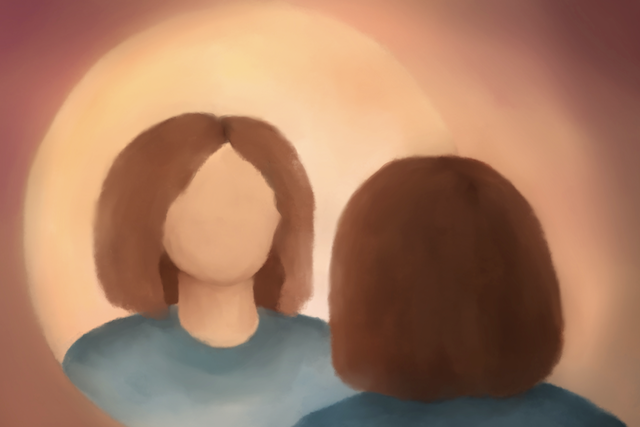
I Don’t Know Who I Am: How I’m Finding Myself Again After the Abuse
“When you turn the corner / And you run into yourself / Then you know that you have turned / All the corners that are left.” ~Langston Hughes
Nearly two years ago I left a long-term controlling and abusive relationship.
I didn’t know that I was in one. I just knew that I was desperate.
Abusers take everything away from you. I don’t just mean your money or your home or your children, although they take those as well. I mean everything, including your sense of self.
Toward the end of the relationship, I wrote in my journal: “I have nothing. Nothing. No future. No family. No home. Nothing. I don’t know what to do any more. There seems to be no hope.”
When I first left I had nowhere to go. I stayed in a hotel for a while and then moved to a pay-by-the week residence. I genuinely could not see any future for myself at that time.
When you read about leaving an abusive relationship, there is a lot of information about how hard it is to leave. It takes someone, on average, seven attempts.
It also can be dangerous to leave. Abusers escalate their behavior when they fear that they are losing their control over you. These are important things to be aware of.
What nobody seems to talk about, and perhaps there are good reasons why, is how hard it is to recover once all the dust has settled.
I have spoken to the police and been to court and had some excellent support from a domestic abuse charity. I have been to support groups. I feel like I’ve processed a lot of the abuse and that I am now able to move on from that trauma.
I have a truly amazing therapist, who recognized the situation I was in even when I was trying to hide it from myself. He helped me escape. I credit him with saving my life.
I have my own flat now that feels safe. I live in a nice area. I’ve made new friends and I am starting to feel part of the local community.
But two years on from this relationship, I still don’t know who I am.
Someone recently asked me what I like to watch on TV. I have no idea. I surrendered all TV-watching decision-making to my ex-partner because he had a tantrum if I put something on that he didn’t like.
I don’t know what I want to do for a job. Up until recently, I worked in my ex-partner’s field, even though it is a field I know little and care less about, because that’s what he wanted me to do. I don’t know what I care about.
Why am I telling you this? Because I am certain that I am not alone, but sometimes I feel very alone. And if you out there reading this also feel this terrible confusion about who you are and what you want to do, and you also feel alone, I want to tell you something…
You are not alone.
This is normal. This is okay. Not okay in the sense that it’s enjoyable or good, but okay in the sense that it is an understandable consequence of your journey.
You don’t have to feel like there is something especially wrong with you that you aren’t now skipping through the fields gleefully enjoying your freedom. Hooray! I can do whatever I want!
This is, I think, what people expect a domestic abuse survivor to do once they’ve gotten away from their partner. It’s what I wanted to do. The idea of finally having the freedom to do what I wanted was so exciting.
It fell down pretty quickly when I realized I didn’t know what I wanted.
Other than pancakes. I love making and eating pancakes. Hot pancakes with fresh lemon juice and sugar.
And therein lies an anchor that you can use to start rebuilding yourself and your life.
Start with something small.
When you are rebuilding yourself, it feels like this should be profound. You should find out what your values are. What your aspirations and dreams are.
This is like running a marathon without having done any training. You can’t start with the massive things. Start with the small things.
What do you like to eat for breakfast?
Even that is a big question for me because my ex-partner controlled my eating. I wasn’t always allowed to have breakfast. He didn’t do mornings, and if I woke him up making breakfast, he’d start screaming and threatening suicide.
One day I discovered by pure chance that I like pancakes. And I am sure of this. This is something small but something solid and real.
I can use this with other things in my life, to find out whether I like them or not. Do I feel about this the way I feel about pancakes? It sounds ridiculous but it works for me.
It’s okay to change your mind.
This is a big one. When your life has been unstable because you’ve been constantly gaslit, and subject to the shifting and changing rules that a controlling person indulges in, you want stability.
You want things to stay the same. And you think that who you are and what you want should stay the same.
Pro tip: It doesn’t. Not even for “normal” people. And your mind has been infected with the thoughts and ideas of another person.
When you ask yourself what you want, sometimes it’s not your voice that replies. You may not recognize this at first. Later, you think, wait, that doesn’t feel right anymore.
You can change your mind. It’s okay. It’s normal.
I desperately wanted a cat for months. I bored everyone to tears telling them how much I wanted a cat. I looked up pictures of cats and mooned over cats and planned out names for my cats.
Now I don’t want a cat. Not that I don’t like cats, I just don’t feel ready to take on the commitment of a pet. And that’s okay.
Try stuff out.
Do you really like chocolate, or is it that your ex-partner liked chocolate? How do you know?
Try it out.
Do you like to sing? Try that out.
Maybe you find that you love to sing and you hate chocolate. Great. You’ve learned something about yourself.
I like pancakes, chocolate, and singing. I do not like marmalade.
Give yourself time.
I am eternally thankful that a lady in one of my support groups said, “It took me about six years to start feeling like myself again.” At that point I was about nine months out of the relationship and convinced I was a failure because I still felt completely unstable.
At this two-year point I catch myself feeling frustrated with myself for not having made more progress. Come on, Lily. Why don’t you know what you want to do with your life yet?
I don’t know because someone emptied out my mind and filled it with their ideas. And made the consequences for thinking differently from them completely catastrophic. I am still scared to hold the “wrong” opinion, even though these days nobody is going to throw heavy objects if I do.
My brain was rewired over a long period of time and it’s going to take time for me to fix that. This is okay. It’s not fun. It’s hard work. But it’s okay.
In the meantime, I am going to sing, make pancakes, and eat chocolate.