Tag: growth
-
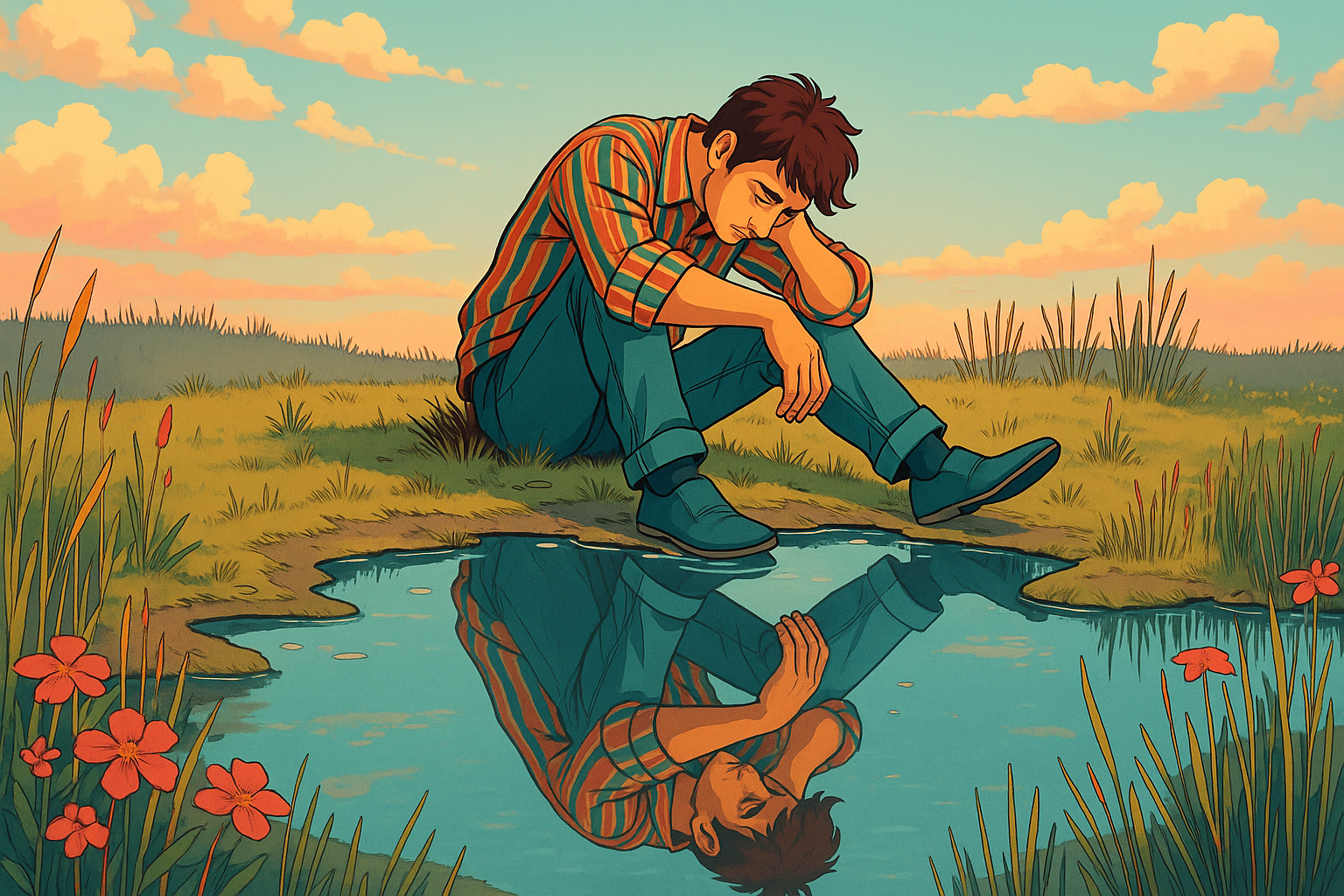
The Hardest Person to Be Honest with Is Yourself
“You cannot heal what you refuse to confront.” ~Yasmin Mogahed
At sixteen, I walked out of my mother’s house with track marks and a half-packed bag. No big fight. No slammed door. Just the silent resignation of someone who couldn’t look his mother in the eye anymore. I wasn’t leaving home—I was bailing on it. On everything.
I didn’t know the word “addiction.” Well, I knew it; I just didn’t understand it. I didn’t know that the flu I kept getting was withdrawal. I thought I was just weak. A loser. A burnout who couldn’t even use the right way.
Over the next few years, I would burn through twenty-two treatment centers and detoxes. Not metaphorically. I mean actual beds, actual paperwork, actual roommates, each one thinking they’d seen someone like me before. I gave every counselor the same script:
I’m ready this time. I just need a reset.
I’d be out within days. Sometimes hours.
I wasn’t ready. I wasn’t even close.
The Real Lie
You’d think the biggest lie I told was to my family. Or the judges. Or to all those people who loved me even when I gave them nothing back.
But the worst lies? They were internal.
I told myself:
“This is just a phase.”
“I can stop if I want.”
“I’m only hurting myself.”
I convinced myself that survival was the goal. Not growth. Not connection. Just survive the day, or at least numb it out enough that it passed quietly.
That internal voice doesn’t yell. It whispers. It’s slick. And when you’re lonely, exhausted, and chemically dependent, it becomes your best friend. Your only friend.
A Moment I Can’t Forget
One night in my early twenties, I found myself strapped to a hospital bed in Delaware after a suicide attempt that didn’t go as planned. I came to with tubes in my arms, the taste of iron in my mouth, and the sterile white ceiling staring back at me like it knew something I didn’t.
There was no grand awakening. No movie-scene moment with tears and violins. Just silence, and this strange, unfamiliar feeling: I’m still here.
Something cracked open that night—not in a way anyone else could see, but in the quiet back room of my own awareness. A voice I’d been ignoring for years—maybe my whole life—started whispering a little louder.
I didn’t listen to it right away. I moved to Florida not long after, trying to outrun the damage and the shame. Spent nearly a decade bouncing through treatment centers, sober houses, friends’ couches—living on repeat. That voice showed up now and then, like a static signal in the background. But I was still too busy numbing out to really hear it.
And then one day, years later, something changed. I finally stopped trying to shut it up. I sat still long enough to let it speak.
The first thing it said wasn’t poetic or profound. It was blunt. Look around. So I did.
And what I saw hit me like a slow-building wave:
I was in Arizona. Thousands of miles from my family.
I had a daughter, two years old, living in another state—barely part of my life.
I missed everyone. I missed myself. And I was scared.
That voice didn’t accuse or condemn. It just kept going:
You’re allowed to want more. You can change. Start now.
Where I Finally Stopped Running
I got sober in Arizona on September 26, 2010. But the real work, the soul-level renovation, started in the days and weeks that followed.
There was no lightning bolt, no sudden surge of motivation. Just a quiet commitment to stop lying to myself.
Healing came in moments that felt ordinary:
Brushing my teeth in a sober living house and actually looking in the mirror. Making it to a job on time. Letting someone ask how I was—and answering without deflection.
I learned that sobriety wasn’t just about quitting substances. It was about telling the truth. Especially to myself.
I stopped performing. I stopped pretending I was fine. I let myself want better, and then, I started doing the boring, uncomfortable, necessary things that actually create change.
Arizona, the place I’d originally come to because of a fling, became the ground where I finally planted roots. The place where I learned how to show up—not just for others, but for me.
What I Know Now (That I Wish I Knew Then)
We don’t change because someone tells us we should. We change because something inside us starts to believe, however faintly, that we’re capable of more.
The catch is: You have to stop bullshitting yourself first.
That means:
Calling out the voice in your head that wants to keep you small.
Sitting in discomfort without escaping.
Letting people in, even when it feels like exposure.
You don’t have to have it all figured out. Most people don’t. But you do need to get honest about where you’re at, and what that place is costing you.
Sometimes rock bottom isn’t a single event. It’s the accumulation of tiny self-abandonments that pile up until there’s barely any of you left.
For Anyone in the Thick of It
If you’re reading this in the middle of your own mess, I won’t throw platitudes at you. Life isn’t a Hallmark movie, and recovery isn’t a montage.
But here’s what I can offer:
You’re not broken. You’re buried.
There’s still a version of you under the pain, the denial, the self-sabotage. And that version doesn’t need to be created from scratch; it just needs to be remembered.
You don’t need a plan. You need a moment. One honest, gut-level moment where you stop running. That’s enough to start.
And yes, it’ll be uncomfortable. But growth always is.
-
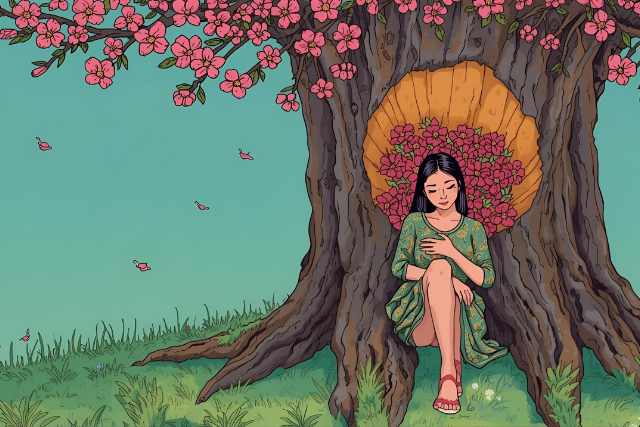
The Lonely Ache of Self-Worth That No One Talks About
“The deeper that sorrow carves into your being, the more joy you can contain.” ~Kahlil Gibran
They don’t talk about this part.
The hardest part about knowing your worth—after doing the work, setting boundaries, and getting crystal clear on what you want—is the ache.
Not just any ache. The ache of being awake. The ache of knowing. The ache of not settling.
I remember the first time I walked away from someone who didn’t mistreat me but who also didn’t quite meet me. I had spent years unraveling my old patterns: the people-pleasing, the over-giving, the “maybe this is enough” mindset. For the first time, I didn’t override my intuition. I didn’t pretend I was okay with something that didn’t feel like home.
I left. And I felt powerful.
But two days later, I sat alone on my kitchen floor, not crying, not spiraling—just aching. Aching for company. Aching for closeness. Aching for the comfort of being chosen, even if it wasn’t quite right.
That’s what no one talks about: the emotional hangover of choosing yourself.
No one warns you how lonely it can feel when you finally stop contorting yourself to fit someone else’s story. When you stop abandoning yourself just to be loved, there’s often a pause before something new begins. A stillness that used to be filled by “almosts” and “maybes” and “well, at least I’m not alone.”
When you’ve been used to bending, standing tall can feel stark. Spacious. Bare.
You’re no longer wasting energy explaining your needs or trying to make the wrong person understand your heart. But that clarity comes with a cost. And sometimes, that cost is company.
The ache of growth is quieter than chaos, but it cuts deeper. It lingers in the in-between: that sacred space between no longer and not yet.
There’s grief that comes when we raise our standards. A grief for the illusions we used to cling to. A grief for the comfort of something, even when it wasn’t truly nourishing.
We don’t talk enough about how healing isn’t just insight and empowerment. It’s also the slow disintegration of everything that used to be familiar. Your old identity. Your old dynamics. Your old sense of “enough.”
It’s disorienting because the world doesn’t always reflect your new clarity back to you. You may find yourself sitting across from someone on a date, and while they’re kind and curious, they don’t feel like resonance. You may feel unseen in rooms you once blended into easily. You may notice the distance between you and your past life widening without any clear sense of where you’re headed.
That’s the paradox of healing. You do the work thinking it will bring you closer to connection—and it does. But only to the kind that matches the version of you who did the work.
And that kind often takes time.
This is the part most advice columns skip: the emotional soup you wade through after you’ve walked away from what no longer fits.
It’s thick with contradictions: grief for what you had to leave behind, hope that what you long for still exists, fear that maybe it doesn’t.
There’s a raw tenderness in the quiet. A new intimacy with yourself that feels more honest but not always more comfortable.
You might bounce between feeling empowered and heartbroken. Proud of your boundaries one day, questioning them the next. Rooted in self-respect in the morning, lonely by evening.
This isn’t backsliding. This is integration.
You’re building something new within yourself. And like any reconstruction project, it comes with debris, dust, and disorientation. But it’s real. It’s yours. And it’s lasting.
Eventually, something begins to shift.
One morning, you wake up, and the ache feels less like emptiness and more like spaciousness. You start to trust the quiet. You no longer hide your pain to make others more comfortable. You realize your worth has stopped being a negotiation.
This is the sacred turning point—when the waiting becomes an invitation. When the pause between what was and what’s coming becomes a place of preparation, not punishment.
You begin to notice the difference between being alone and being lonely. You stop shrinking your needs just to have someone next to you.
Your loneliness, paradoxically, becomes a sign of your healing. Because you’re no longer willing to fill the void with what doesn’t serve you. You’re holding your own gaze. And while that might not feel cinematic, it’s powerful.
Because not everyone gets here. And not everyone stays.
In the moments when it gets hard, when it feels like maybe you should settle, maybe you are being too much, maybe love isn’t coming after all, I want you to come back to this: I trust that it’s worth waiting for the love I deserve, and that it’s possible for me.
Repeat it when the doubts creep in. Write it on a Post-it. Say it into your tea. Breathe it into your bones.
Because you didn’t come this far just to go back to what hurt you. You didn’t do all that work just to re-audition for roles you’ve outgrown.
You came this far to call in something real—something that honors the truth of who you are now.
One of the hardest things about this journey is that there’s no timeline. No guarantee. It can feel like you placed a very specific order with the universe and it’s taking forever to show up.
But here’s what I’ve learned: when you ask for something deeper, more aligned, and more rooted in mutual presence, it takes time. Not because it’s not coming but because you’re asking for more than fast. You’re asking for true.
And true takes time.
If you’re feeling lonely on the other side of healing, please hear this: You’re not doing it wrong. You’re just no longer willing to fill your life with noise. You’ve stepped into a deeper honesty with yourself. And that’s rare.
This is the season of sacred discomfort. A liminal space where the old has gone, but the new hasn’t fully arrived. It’s tender. Uncertain. And wildly fertile.
Trust the ache. It’s not here to punish you. It’s here to refine you. To shape you into the kind of person who will recognize the love you’re calling in because it will feel like the love you’ve already chosen to give yourself.
Today, I sit in my own presence and feel mostly calm. Slowly, almost without notice, that refining did its work. The ache has softened. The loneliness has eased. There’s a quiet joy in just being here, in just being me.
What surprises me most is how peaceful I often feel. Not numb. Not distracted. Not pining for someone to see me. Not begging the universe for faster delivery. Just fully, intimately present.
It’s strange, but the more I’ve allowed myself to embrace the hurt, the longing, the more open I’ve become to beauty. A song hits deeper. Small moments feel more meaningful. I see love everywhere.
Life shimmers differently these days.
And in this calm, I finally recognize just how powerful I am. The ache has carved a wider capacity within me, just as Gibran said. I hold more joy, more love, more connection. And that feels utterly magical.
So if you’re feeling that ache right now, please remember: the very sorrow that feels so heavy now is making room for a fuller, richer experience of life and love. It’s the foundation for the kind of love that doesn’t ask you to shrink, dim, or settle but invites you to show up as your whole, radiant self.
And as you release your anxiety about finding someone else, you might find that the greatest love comes from yourself.
-
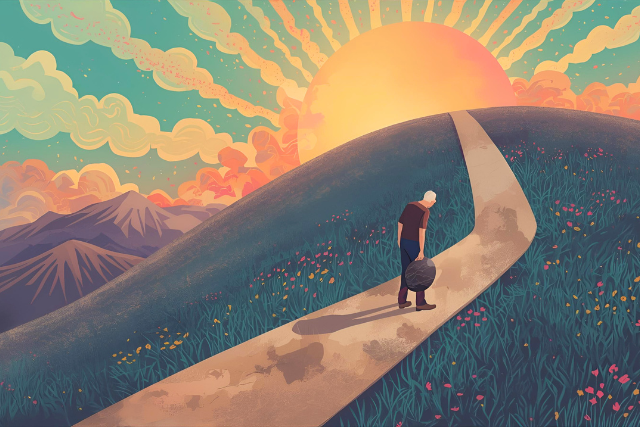
The Weight of Regrets and the Choice to Live Better
“It is very important for every human being to forgive herself or himself because if you live, you will make mistakes—it is inevitable. But once you do and you see the mistake, then you forgive yourself and say, ‘Well, if I’d known better I’d have done better.’” ~Maya Angelou
I’ve lived long enough to know the difference between a mistake and a tragedy. Some of what I carry falls in between—moments I wish I could redo, things I said or didn’t say, relationships I mishandled, and opportunities I let slip through my fingers. They don’t scream at me every day, but they visit me quietly. The memory of my mistakes is like a second shadow—one that doesn’t leave when the light changes.
I’ve done a lot of good in my life. I’ve built meaningful work, taught students with heart, and showed up for people when it counted. I’ve loved deeply, even if clumsily. I’ve also failed—sometimes badly. And it’s the memory of those failures, more than the wins, that lingers.
The Woman on the Highway, and Others I Left Behind
I remember the woman on the side of a Mexican highway after our car ran off the road. She touched my forehead and looked into me with a deep compassion and mystical kindness—wordlessly holding space for what had just happened. I never thanked her. I left without saying goodbye, and I still think about her. I wonder if she knew how much that moment meant. I wish I could tell her now.
That moment wasn’t an isolated one. There have been many like her—friends, lovers, colleagues—people I walked away from too soon or too late. Some I hurt with silence. Others I lost because I couldn’t admit I was wrong. I see now that my pride got in the way. So did fear. So did the misguided belief that being clever or bold or accomplished could make up for emotional messiness.
It didn’t.
What I Thought Living Fully Meant
I used to chase experience and pleasure the way Zorba the Greek did—believing that living fully meant taking what life offered, especially when love or passion knocked. Zorba said the worst sin is to reject a woman when she wants you, because you’ll never stop wondering what could’ve been. There’s a strange truth in that, even if it doesn’t fit with modern ideas of love and consent and mutuality.
But I also know now: not every yes leads to peace. Sometimes you dive in and still end up alone, or ashamed, or with someone else’s pain on your hands.
And here’s the truth—I even failed at being a Zorba purist.
I missed a lot of messages and opportunities, not just because of bad timing or external circumstances, but because of my own blindness. Fear, shyness, and a deep lack of self-confidence got in the way more times than I can count. In that sense, yes, it’s a kind of failure. I didn’t always seize the moment. I didn’t always say yes. Sometimes I watched the boat leave without me.
But here’s what I’ve learned: sometimes not getting what you wished for is the blessing. I missed out on things that might have done more harm than good. And while I’ll never know for sure, I’ve come to trust the ambiguity.
My appetite for imagined memories—for playing out what might have been—can still guide me in unhealthy ways. It’s easy to get lost in nostalgia for possibilities that never were. But that too has become a teacher. I’m learning not to be burdened by those alternate timelines. I’m learning to live here, now, in this life—the real one.
I Will Not Be a Victim
These days, people talk a lot about not being a victim—and that’s become something of a mantra for me. Not in a tough, self-righteous way, but as a quiet practice. I don’t want to turn my past into a story where I’m the hero or the helpless. I want to see it clearly.
I’ve struggled in so many ways—emotionally, financially, spiritually. I’ve suffered through losses I couldn’t control and some I helped create. But I have to constantly stay mindful of my point of view. How I frame my life matters. Am I seeing it through the lens of powerlessness? Or am I recognizing my part, owning it, and doing what I can from here?
Finding that balance isn’t easy. I fall out of it regularly. But I return to it again and again: I will not be a victim. I have the power to respond—not perfectly, but consciously.
Learning to Live With, Not Against, My Mistakes
I carry those memories not because I want to but because I’ve learned that regret has something to teach me. It’s not just a burden. It’s a mirror. And if I look at it with clear eyes, it shows me who I’ve become.
I’ve also learned that some mistakes don’t go away. They live in your bones. People say, “Let go of the past,” and I believe that’s a worthy aim. It’s consistent with the Four Noble Truths in Buddhism: suffering comes from clinging, and peace comes from release. But maybe some memories are meant to be carried—not as punishment, but as reminders.
Despite my tendency toward impostor syndrome—the whisper that I’m not wise enough, not healed enough, not even worthy of writing this—I know this much: I am learning to live with my mistakes rather than against them.
I no longer believe healing means erasing the past. I think it means letting it breathe. Letting it soften. Letting it speak—not to shame you, but to show you where the heart finally opened.
Sometimes I wonder—how could I have missed so much?
I don’t mean that I lacked intelligence. I mean I was often distracted. Caught up in my own ego, my longings, my fears. Sometimes I look back and shake my head, wondering how I didn’t see what was right in front of me. Not just once, but again and again.
There’s that old saying: Youth is wasted on the young. Maybe there’s a sharper version of that—Youth is wasted on the non-mindful. I see now how many years I spent reacting instead of reflecting, chasing instead of listening, trying to prove something instead of just being present.
And yet, maybe this is how it works. Maybe it’s necessary to go through the valley of mistakes before we can rise into any meaningful self-awareness. Maybe the errors—the cringeworthy ones, the silent ones, the ones we’ll never fully explain—are the curriculum.
Still, I have doubts.
Is mindful growth real? Or are we always just half-blind and half-deaf, hoping we’ve finally gotten it, only to be proven wrong again later?
Sometimes I think I’ve evolved. Other times I realize I’m repeating the same old pattern, just in more subtle ways. And yet… there’s something different now. A deeper pause. A longer breath. A willingness to admit I don’t know, and to stay in the discomfort.
Maybe that’s what growth really looks like—not certainty, but humility.
No, I wasn’t stupid. I was learning. I still am.
When the Weight Is Too Much
And then, just when I think I’ve made peace with the past, something happens that shakes me again.
This morning, I learned that someone I’ve known since high school—an artist and surfer, quiet and soulful—jumped off a cliff to his death.
It was the same spot where he first learned to surf, first fell in love with the sea, maybe even first became himself. A place filled with memory. And maybe, pain. Maybe too much.
We weren’t especially close, but I respected him. His art. His quiet way of being in the world. And now he’s gone.
I don’t pretend to know what he was carrying. But I do know this: memory is powerful. Returning to it can heal us, or it can crush us. Sometimes both.
So I write this with no judgment. Only sadness. And the reminder that what we carry matters. That being kind—to others and to ourselves—is no small thing. That sometimes the strongest thing we can do is stay.
What I Know Now
So what have I learned?
I’ve learned that tenderness outlasts thrill. That presence matters more than persuasion. That a goodbye spoken with kindness is better than a door closed in silence. I’ve learned that some apologies come too late for anyone else to hear—but that doesn’t mean you shouldn’t say them.
I’ve learned that showing up—however imperfectly—is always better than disappearing.
And I’ve learned that even now, even at this point in life, I can still choose how I respond. I can meet the past with compassion. I can meet this moment with clarity.
To the ones I left too soon… to the people I failed to thank, or hear, or stand beside… to the ones I loved imperfectly but truly… here is what I can say:
I see it now. I wish I’d done better. I’m sorry. I’m still learning.
And I’m still here—still trying, still growing, still becoming the person I hope to be.
And if you’re reading this, carrying your own memories, your own regrets, know this: you’re not alone. You don’t have to be perfect. You just have to keep showing up. That’s what I’m trying to do, too.
-

What If Growth Is About Removing, Not Adding More to Your Life?
“Maybe the journey isn’t so much about becoming anything. Maybe it’s about un-becoming everything that isn’t really you, so you can be who you were meant to be in the first place.” ~Paulo Coelho
For years, any time I felt sadness, insecurity, loneliness, or any of those “unwelcome” feelings, I jumped into action.
I’d look for something new to take on: a class, a language, a project, a degree. Once, in the span of a single week, I signed up for language classes, researched getting certified in something I didn’t actually want to do, and convinced myself I needed to start training for a 10K.
Because if I was doing something productive, I wouldn’t have to sit with what I was feeling. That was the pattern: uncomfortable emotion → frantic pursuit of something “more.”
I became a master at staying busy. If I was chasing something, I didn’t have to face the ache underneath. But the relief was always temporary, and the crash afterward was always the same.
Because deep down, I wasn’t looking for a new skill. I was looking for a way to feel like I was enough.
I once heard someone say, “We can never get enough of what we don’t need.” I felt that in my bones.
Looking back, I can see why. I spent a lot of my life trying to earn my place, not because anyone said I wasn’t enough, but because it never really felt safe to just be. There was a kind of emotional instability in my world growing up that made me hyperaware of how others were feeling and what they needed from me.
I got really good at shape-shifting, staying useful, and keeping the peace, which eventually morphed into perfectionism, people-pleasing, and a chronic drive to prove myself. I didn’t know how to feel safe without performing. So, of course I kept chasing “more.” It was never about achievement. It was about survival.
But no matter how much I accomplished, I never felt satisfied. Or safe. Or enough.
It reminded me of something a nutritionist once told me: when your body isn’t properly absorbing nutrients, eating more food won’t fix the problem; it might even make things worse. You have to heal what’s interfering with absorption. The same is true emotionally.
When we don’t feel grounded or whole, adding more—more goals, more healing, more striving—doesn’t solve the problem. We have to look at what’s blocking us from receiving what we already have. We have to heal the system first.
We live in a culture that convinces us that growth is about accumulation.
More insight. More advice. More goals. More tools. If you’re stuck, clearly you haven’t found the right “more” yet.
So we reach for books, podcasts, frameworks, plans, certifications—anything to build ourselves into someone new.
But here’s what I’ve learned from years of doing my own work: Real growth doesn’t come from becoming someone new. It comes from letting go of what no longer serves you so that you can make room for the version of you that’s trying to emerge.
There’s a quote attributed to Michelangelo that says, “I saw the angel in the marble and carved until I set him free.”
He believed his sculptures were already complete inside the stone; his job was simply to remove what wasn’t part of them.
When I heard that, I realized: That’s exactly how real transformation works. Not more, not better, not shinier. Just… less in the way.
But when people feel stuck, they react by piling on layer after layer of effort, advice, and activity until the thing they are actually looking for (peace, clarity, ease, joy) gets buried even deeper.
When we feel inadequate or incomplete, our instinct is to reach outward for something to fill the space. But the real work is to turn inward and get curious about what that space is trying to show us.
That might sound airy-fairy, but the truth is, identifying and transforming the parts of us that are carrying old stories isn’t passive. It’s not just a mindset shift or a nice thought on a coffee mug. It’s work.
It’s learning how to sit with discomfort without immediately escaping into productivity.
It’s noticing the parts of us that over-function, over-apologize, and over-control and asking where they learned to do that. It’s exploring the beliefs we’ve carried for years, like “I have to earn my worth” or “If I stop striving, I’ll disappear”—and getting curious about who they actually belong to and what they really need from us.
This isn’t about erasing who you’ve been. It’s about honoring the roles you played to survive and choosing not to let them lead anymore.
You don’t have to overhaul your personality or give up on ambition. This work is about clearing away what’s outdated and misaligned. The thoughts, roles, and behaviors that might have kept you safe once—but are now keeping you stuck.
Here’s what that might look like:
- Letting go of the belief that love must be earned.
- Dismantling the habit of saying “yes” to avoid disappointing others.
- Releasing the fear that setting boundaries will make you unlovable.
- Recognizing that staying small isn’t humility, it’s protection.
I’ve used every one of these tools myself. I began to notice when I was performing instead of connecting, fixing instead of feeling. I caught myself hustling for approval and validation and started asking: What am I afraid will happen if I stop? I practiced pausing. I gave myself permission to rest, to say no, to take up space. And slowly, I began to trust that I didn’t have to be more to be enough.
This kind of letting go isn’t instant. It requires awareness, compassion, and support. It requires choosing to stop running and start listening… to yourself.
Many of us are afraid to let go because we believe we’ll be left with less—less identity, less stability, less value. But in my experience, the opposite is true.
When we stop performing and start unlearning, we uncover a version of ourselves that feels more whole than anything we could have constructed.
Under the perfectionism? There’s peace.
Under the overthinking? There’s clarity.
Under the fear of being too much? There’s boldness.
We are not lacking. We are hidden.
If this resonates with you—if you’re tired of doing more and still feeling stuck, here are a few places to begin:
Pause the performance. Notice when you’re trying to “fix” something about yourself. Ask what you’re feeling underneath the fixing.
- Identify the beliefs you inherited. Were you taught you had to earn love? Be useful to be safe? Stay small to be accepted?
- Get curious about your patterns. What roles do you play at work, in relationships, in your head? Where did they start?
- Create space. That might mean working with a coach or therapist or simply setting time aside to be with yourself, without distraction.
- Be gentle. You’re not broken. You’re patterned. And patterns can be unlearned.
Here’s what I want you to know: what’s on the other side of the removal process isn’t emptiness. It’s clarity. Peace. Energy. Trust.
That person you’re trying so hard to build? That person is already there, just waiting for you to set them free.
-

When Growth Comes with Grief Because People Still See the Old You
“In the process of letting go, you will lose many things from the past, but you will find yourself.” ~Deepak Chopra
There’s a strange ache that comes with becoming healthy. Not the physical kind. The relational kind. The kind that surfaces when we’re no longer quite so wired to betray ourselves for belonging. When we stop curating ourselves to fit into spaces where we used to shrink, bend, or smile politely through the dissonance.
Years of hard work and effort, slowly unwrapping all those unhealthy ways of being in the world, cleaning off my lenses to see more clearly through the eyes of an authentic, healthy me, rather than the over-functioning codependent, perfectionistic people pleaser I had become.
In the process of becoming, it’s felt—at times—like I’ve lost everything. Not just roles or routines but people too. Many of the main characters who once shared the center stage of my life have quietly exited because the script no longer fits. And the scene now looks quite different. The cast has changed, the lighting is softer, the dialogue less frantic.
I’m no longer that tightly bound version of me, holding the tension of everyone’s expectations like thread in my hands. I’m a freer version. The one who doesn’t perform for applause or connection. The one who lives more from the inside out.
And while that freedom is hard-earned and beautiful, it doesn’t come without cost. Growth rewrites the story. Sometimes that means letting go of the plotlines that once gave us meaning.
I’m not going to pretend I’m completely there yet on this journey of healthy growth toward a more authentic, more empowered version of myself, but I’m far enough along to become more of an observer in my life than completely identified with everything that is happening to and around me.
Sometimes, though, I find myself standing in front of people who still see the old version of me—the compliant one, the helpful one, the emotionally available-on-demand version who made it easy for them to stay comfortable. But I’ve changed. I’ve chosen sovereignty over survival. Truth over performance. And they don’t quite know what to do with me now.
And to be fair, it must be pretty challenging to be close to a blogging memoirist. To be clear, in the more than ten years I’ve shared my personal growth journey, I have always sought never to “name and shame,” except for my own epiphanies about myself. But I am writing about real life, and I share it so people who are on a similar journey might not feel so alone; they might find pieces of themselves in my words, and it might help.
The grace, then, in being in the many relationships that surround me, is not in pretending to be who they want me to be. It’s in standing as who I am, without making them wrong for not joining me.
That’s the razor’s edge.
To hold my center while others twist away from it. To love people I no longer align with, without making myself small or them bad. To walk with grace among people who are technically close but emotionally far.
Because it hurts. That contrast between the curated self I used to be—relationally attuned, endlessly accommodating—and the fuller self I’m becoming—boundaried, expressive, sovereign. It’s not just growth, it’s grief. Grief for the roles I’ve shed, grief for the versions of connection that relied on my self-abandonment, and grief for the quiet, persistent hope that maybe one day they’d really see me.
But not everyone wants to see clearly; to be fair, I used to be one of them. Some are fighting not to be seen at all.
And after fighting so hard to be seen, that clash doesn’t just sting—it feels like a threat to our core safety. Especially when we were raised, trained, or wired to find security in others’ approval.
It’s deeply frustrating when people who claim to value honesty and trust really mean “as long as it doesn’t make me uncomfortable or challenge my narrative.”
When our authenticity gets met with suspicion, when our reflections are seen as risks rather than offerings, we are speaking a language of truth, and they’re replying in code.
That’s the heartbreak. And the liberation.
Because here’s the quietly powerful thing: We’re no longer playing by their rules. We’re not trying to control how we’re perceived. We’re just being—thoughtful, expressive, intentional.
Well, we’re trying anyway; I’m not quite there yet.
And that, in a world still steeped in performance and image management, is revolutionary.
We’re no longer seeking connection through appeasement. We’re seeking connection through presence. Through truth.
Which means letting relationships be what they are, rather than what we wish they were. It means stepping around old dynamics rather than trying to fix them. It means recognizing patterns—like the nurse archetype, competent and respected, but image-bound and risk-averse—and choosing not to collapse in the face of them.
I’ve been on the other side. I was that person once, not so long ago, really. Carefully curated. Layered in survival. So my clarity now comes with compassion. But it also comes with boundaries.
Because I’ve earned them.
This next chapter? It’s not about being alone—it’s about being true. Not hiding behind titles or roles or team identities, but standing in my own voice, even if no one claps. Even if no one comes. Even if they misunderstand.
I am the Stag now. Poised. Still. Unapologetic.
My solitude isn’t survival—it’s sovereignty.
And my anger? That sacred anger that rises in the face of denial and deflection—it’s not a flaw. It’s a signal. It tells me where the firelight is. It reminds me of what matters. It roots me in the truth that even when others retreat into shadow, I don’t have to follow.
I can stay lit. I can stay me. I can whisper, “This is me, seen or not.”
And that’s the power. Not in being understood. But in being whole.
-
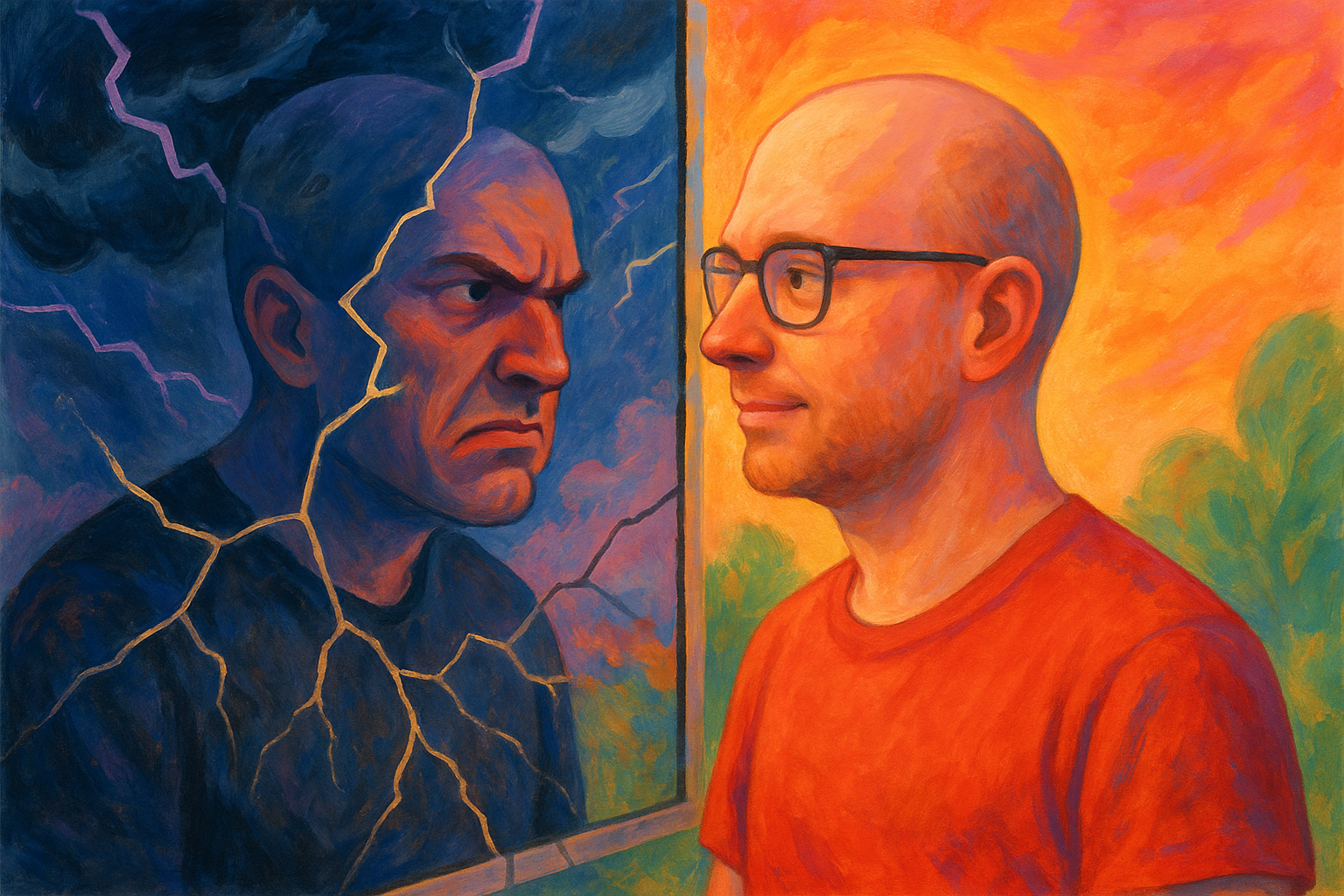
To My Narcissistic Friend: Thanks for Being My Toxic Mirror
“It’s okay to let go of those who couldn’t love you. Those who didn’t know how to. Those who failed to even try. It’s okay to outgrow them, because that means you filled the empty space in you with self-love instead. You’re outgrowing them because you’re growing into you. And that’s more than okay; that’s something to celebrate.” ~Angelica Moone
I’ve had the most unusual, baffling, and frustrating experience with someone recently. And yet, it’s also been a massive catalyst for growth. I’ve seen myself more clearly by observing the behavior of someone who, in some ways, is a lot like me.
For me, it’s been the purest demonstration of the phrase “Others are your mirror.”
This person—let’s call him Simon—has been incredibly toxic.
He’s insulted me deeply, hurled cruel names, and used gaslighting, manipulation, and blame-shifting to twist reality.
At times, he cloaked control in false compassion, pretending to help while subtly undermining me.
He projected his insecurities onto me so persistently, I began to doubt my own sanity—wondering if I really was as terrible as he claimed.
Thankfully, I’m in a strong place mentally right now. I can see how someone more vulnerable could be shattered by Simon. In fact, I know he’s left a trail of broken relationships behind him. People abandon him left, right, and center—the moment they get close, his toxicity flares.
At his worst, Simon has been absolutely vile. He ticks nearly every box for narcissistic traits. He can’t handle even mild criticism. When I offered gentle, constructive feedback, his ego erupted, and he lashed out with shocking viciousness. He claims to want self-improvement, but when real opportunities arise, his ego slams shut. Growth is blocked at the gates.
And yet, despite all this, I feel deep compassion for him. I’ve read enough about narcissists to understand where this behavior might come from. He’s going through hell: job loss, depression, drug use. I’ve been in a scarily similar place. So my empathy kicks in hard. Even though he’s been monstrous, I see pieces of myself in him.
After clashing with him multiple times, I gave it one final try. I knew by then that avoiding narcissists is usually the wisest route—they rarely change—but I extended one last olive branch.
It lasted less than a day. He snapped it in half and flung it back in my face.
It feels like I’m some kind of unbearable truth agent to Simon. His soul just isn’t open enough to withstand my presence. I’m far from perfect, but I’ve worked hard on myself. I try to stay humble, self-reflective, and growth-oriented—and that’s like kryptonite to someone with such a fragile, inflamed ego.
So now, Simon is blocked. I’m proud I tried. It didn’t work. And for my own well-being, I had to let go.
I’ve grieved the friendship that might have been. Because, believe it or not, Simon has redeeming traits in spades. He’s brilliant, creative, charismatic. He seems to care about others—though I wonder if that’s driven more by ego than empathy.
So what good came out of all this chaos? Watching Simon’s worst traits has helped me examine my own.
Don’t get me wrong—I’m pretty sure I’m not a narcissist, and I don’t think I’ve ever been as vile as Simon.
But. I have lashed out. Especially when my ego’s taken a hit.
Back when I was addicted to drugs, I had a devastating fallout with one of my oldest friends—let’s call him Anthony. He was deeply concerned about my behavior. He had a young son, and didn’t trust me—with good reason.
I’d promised I wouldn’t take drugs on a lads’ holiday, then did it anyway. I betrayed his trust. Later, when we tried to arrange a meetup, Anthony did something incredibly difficult: he told me I wasn’t welcome at his home. He couldn’t risk me having drugs on me—in case his son found them.
Anthony tried to handle it with kindness and care. But it crushed my ego. My best friend thought I was a danger to his child.
I exploded. I did a Musk. In a blaze of rage, I told my best friend to go F himself.
That ended a fifteen-year friendship. I was already depressed, but after that, I spiraled into suicidal depths. Deep down, I knew I was to blame—but my ego couldn’t take it. Blaming Anthony was easier than facing myself.
He wouldn’t speak to me for years. Eventually, we reconciled, but something had died. The warmth was gone. He kept me at arm’s length, understandably. Now, we don’t speak at all. It’s clear he’s given up on me again. That still stings, but I accept it.
So can you see why I felt a connection to my new friend Simon?
Watching him lash out recently awakened something primal in me. It reminded me of my worst moments. And I never want to go there again. I want to master myself; build emotional intelligence; stop letting my volatility hurt people.
Simon showed me how bad it can get when you’re spiraling—and it’s terrifying.
All my life, I’ve struggled with emotional volatility. I don’t lose my temper often, but when I do, it’s nuclear. Words are my sword, and when I swing carelessly, the damage is brutal.
Which brings me to a truth I’ve come to believe: Strong men don’t lack the capacity for destruction—they master it.
They walk with a sheathed sword, drawing it only when absolutely necessary. It’s restraint, not weakness. It’s honor. It’s the way of the gentleman, the noble warrior. My blade is my voice—sharp, but it’s best when kept in check.
Weak men lash out at the slightest wound. I refuse to be a weak man.
Meeting someone as damaged as Simon has clarified my mission. I must continue to heal. I must shed the worst parts of myself. I saw my shadow in him—distorted and exaggerated. It horrified me. And it inspired me to rise above it.
I’ve started psychotherapy. I’ve even been using ChatGPT as a kind of therapist—surprisingly helpful. This past month has been a surge of self-development. And I have Simon, of all people, to thank.
Is he doomed to remain toxic? Maybe. The scientific literature suggests that the odds aren’t good. But it’s not my burden anymore. He didn’t want my help. I have to put my own well-being first.
By cutting him off, I protect myself from future pain.
And in doing so, I’ve gained greater empathy for those who once cut me off. They saw someone chaotic, unsafe, emotionally destructive. I wish they could see how much I’ve changed in the last ten years. But I respect their choice to keep their distance.
We can’t change the past. Some bridges are too obliterated and irradiated to ever rebuild.
But if we choose humility and self-reflection, we can always choose to grow.
-
The Surprising Reason Many People Are Still Stuck
“Life is a process of becoming, a combination of states we have to go through. Where people fail is that they wish to elect a state and remain in it. This is a kind of death.” ~Anaïs Nin
I never imagined I’d be fired.
It wasn’t because I didn’t have the qualifications or experience. In fact, I had built a successful academic and consulting career. I had studied leadership, organizational behavior, and human development. I had read the right books, taken the right classes, built the right résumé. I was, by all appearances, doing all the right things.
But after ten months in a role I had left my tenured university position to pursue, I was let go. At the time, it felt devastating. I remember sitting in the aftermath of that moment thinking: How did I get here?
I had always been someone who wanted to become better. That desire had followed me since childhood—where I had a deep yearning to feel loved, connected, and seen. When I was young, I thought getting better at basketball and gaining athletic accolades would bring me that. Later, I thought studying leadership and performance would.
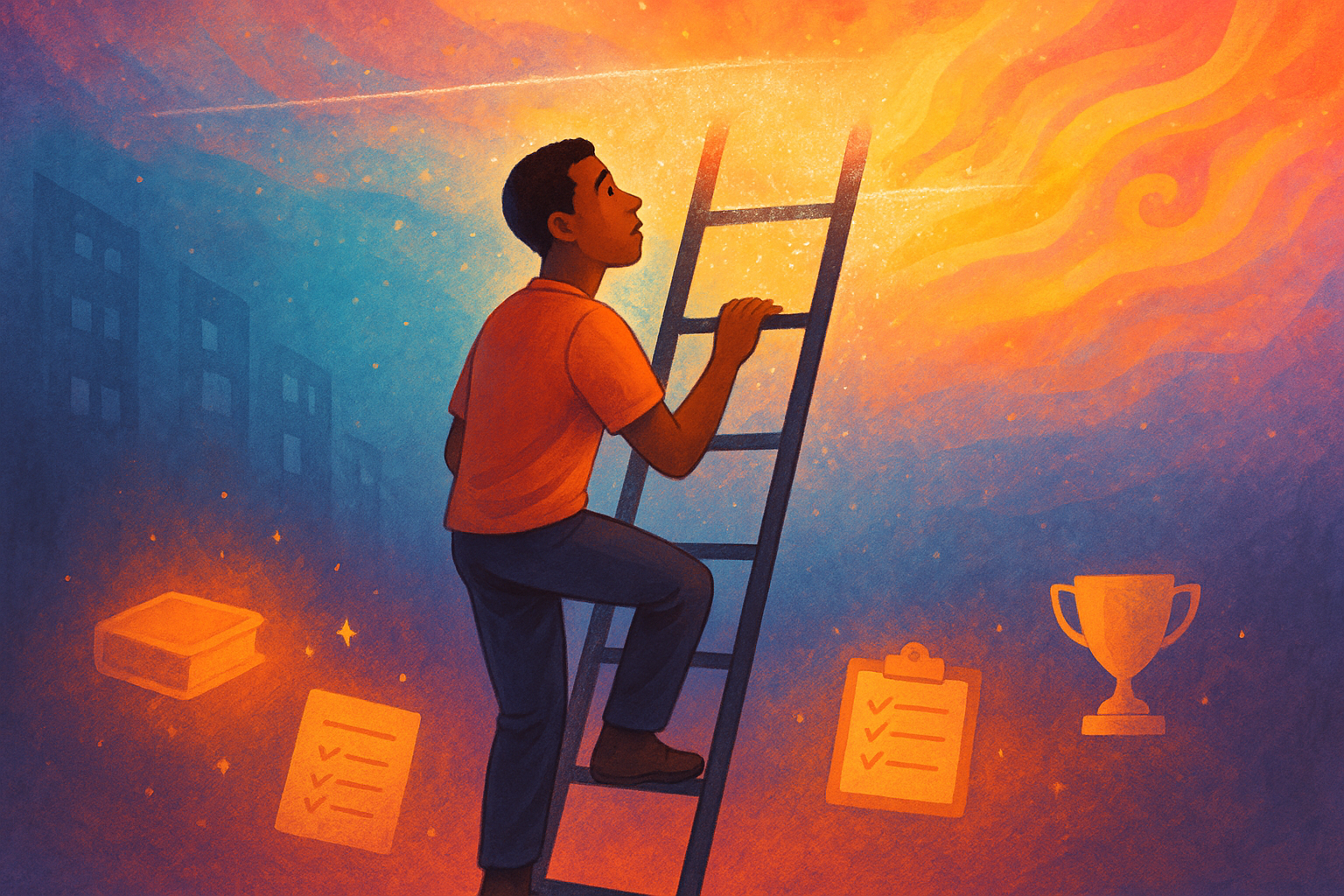
I pursued excellence like a ladder—one rung at a time. If I could just learn more, do more, prove more, I’d be better. Right?
Getting fired shattered that illusion.
The Developmental Path That Most of Us Walk
Looking back now, I can see that I was following a very common path—the one most of us are taught from the time we’re kids. I call it the Doing Better Development Path.
This path tells us that if we want to grow, we need to learn more, improve our skills, work harder, set goals, and check more boxes. And to be fair, there’s nothing inherently wrong with this approach. It can absolutely help us improve in incremental ways.
But the truth I’ve discovered—through my own pain, study, and coaching others—is that the Doing Better path has real limits.
It doesn’t help us heal the parts of us that self-sabotage. It doesn’t address our fear of failure or our lack of self-trust. It doesn’t quiet the voice in our head that tells us we’re not enough.
And it doesn’t help us become the person who can courageously show up in difficult moments.
That was my problem—not a lack of knowledge or competence, but a way of being that was self-protective, hesitant, and reactive. I had the tools. But I wasn’t the kind of person who knew how to use them effectively when it mattered.
What I needed wasn’t a new skill.
What I needed was a new relationship with myself.
The Shift: From Doing Better to Being Better
In the months that followed being fired, I went through a season of reflection. Not just on what happened—but on how I was being in the world. I realized I had spent so much time trying to appear capable that I had stopped being curious. I had been defensive instead of open, self-protective instead of growth-oriented.
That’s when I stumbled onto a different developmental path—one I now call the Being Better Development Path. This path doesn’t start with “What do I need to do?” It starts with:
- Who am I being right now?
- How am I relating to myself and the world around me?
- What mindset or inner story is guiding my reactions?
It was only when I started asking these questions that real transformation began.
I’m not the same person I was when I got fired. And I don’t mean that in a vague, inspirational sense. I mean that how I experience life, how I respond to challenge, and how I see myself has fundamentally changed.
And it all started by turning inward—not to fix myself, but to understand myself.
Three Steps to Start Walking the Being Better Path
The beautiful thing about the Being Better path is that it doesn’t require a job change, a spiritual awakening, or a year off in Bali. It just requires intentional self-exploration.
If you feel stuck, or if you’ve been trying to grow but keep hitting a wall, here are the three steps that helped me begin my transformation—and may help you too.
1. Understand Your Being Side
Most people think personal growth begins with action—what do I need to do to get better?
But real, transformational growth begins with awareness—specifically, awareness of your Being Side. Your Being Side is your internal operating system. It’s the invisible system that governs how you see the world, how you interpret what happens to you, and how you respond in any given situation.
This system isn’t just about thoughts or beliefs—it’s also about how your body regulates itself. Your Being Side controls your ability to feel safe or threatened, connected or isolated, grounded or overwhelmed. In other words, it determines whether you’re operating from a place of trust, compassion, and courage—or from fear, defensiveness, and self-protection.
Here’s the catch: most of us never stop to consider that we have an internal operating system, let alone evaluate its quality. We assume that how we react or what we believe is just “the way it is.” But it’s not. It’s just the way your Being Side is currently wired.
When you start to observe your internal operating system—how you regulate emotionally, how you make meaning, how you instinctively react—you take the first step toward real, lasting transformation. You begin to shift from living on autopilot to living with intentional awareness.
This awareness lays the foundation for the next step: evaluating the quality and altitude of your Being Side, so you can start the process of elevating it.
2. Evaluate Your Current Being Altitude
Once you begin to understand and connect with your internal operating system, the next step is to evaluate its quality.
One powerful way to do this is to ask: Is my internal operating system primarily wired for self-protection or for value creation?
When we are wired for self-protection, we tend to be:
- Reactive
- Defensive
- Focused on avoiding discomfort, failure, or rejection
- Concerned with preserving our ego or image in the short term
When we are wired for value creation, we tend to be:
- Intentional
- Open and non-defensive
- Willing to engage with challenge or discomfort to grow
- Focused on long-term contribution, connection, and learning
Here’s a simple example:
Imagine someone gives you constructive criticism. If your internal operating system is wired for self-protection, you might feel attacked, justify your actions, or get defensive. But if your system is more oriented toward value creation, you’re more likely to receive the feedback with curiosity, reflect on it honestly, and use it to grow.
Or consider moments of failure:
A self-protective mindset might spiral into self-blame, shame, or disengagement. A value-creating mindset sees failure as a teacher, not a threat—and leans in with resilience.
The goal isn’t perfection. We all have moments of self-protection. But the more we become aware of these patterns, the more we can assess where we are on the Being altitude spectrum—and begin to consciously shift upward.
That’s what the third step is all about: the process of elevating your Being Side so you can experience real transformation.
3. Elevate Your Being
Understanding and evaluating your Being Side is essential—but real transformation happens when you begin to elevateyour internal operating system.
Your way of being is like the software that runs your life. If you want to experience new results—not just in what you do, but in how you feel, connect, and show up—you have to upgrade the programming of that system.
Elevating your Being isn’t about forcing change from the outside in. It’s about rewiring how you regulate, perceive, and respond from the inside out. And this often requires intentional, layered efforts.
Here are three levels of development that can help:
1. Basic Efforts: Strengthening Regulation
These include practices like meditation, breathwork, mindful movement, or simply spending time in nature. These activities help calm and regulate your nervous system so you can operate with more presence and less reactivity. They’re foundational for building the internal safety needed for deeper growth.
2. Deeper Efforts: Upgrading Mindsets
Your mindsets are the lenses through which you interpret the world. When you begin to shift from fixed to growth, from fear to trust, from judgment to compassion, you start processing life in a more value-creating way. This level of work helps you move from reacting out of habit to responding with intention.
3. Even Deeper Efforts: Healing at the Source
For many of us, our Being Side is shaped by past experiences—especially painful or overwhelming ones that left an imprint on our nervous system. Practices like trauma therapy, EMDR, or neurofeedback therapy can help us heal, not just cope. They allow us to safely revisit and release the patterns that keep us stuck in self-protection mode.
None of these approaches are “quick fixes.” But together, they help us shift from surviving to thriving—from being stuck in old programming to becoming someone new, from the inside out.
The more we elevate our Being, the more we expand our capacity to create value, deepen relationships, lead with integrity, and live with freedom.
There’s No Finish Line—But the View Keeps Getting Better
I wish I could tell you that once you step onto the Being Better path, everything becomes easy. It doesn’t. Growth is still hard. Life is still life.
But your experience of life changes. You become less reactive, more present. You stop chasing success to feel worthy—and instead create from a place of wholeness.
This has absolutely been true for me.
Over the past several years, I’ve incorporated all three levels of effort into my life. I meditate regularly to calm my nervous system. I’ve done deep mindset work to shift how I see myself and others. And I’ve engaged in trauma therapy to heal long-standing patterns I didn’t even know were holding me back.
These efforts haven’t just changed what I do—they’ve changed who I am. I feel more grounded, more open, more aligned with the person I’ve always wanted to be. I’ve become a better partner, parent, friend, and leader. And for the first time, I feel like I’m living from the inside out—not trying to prove something, but simply trying to be someone I respect and trust.
Ultimately, the Being Better Developmental Path is not about achievement. It’s about healing—healing the mind that spins with doubt, the body that tenses with fear, and the heart that aches for connection.
And when we begin to heal, we become free.
Since stepping onto this path, I’ve written books, launched a business, and built a community I care deeply about. But more importantly, I’ve become someone I’m proud to be—someone more resilient, more compassionate, more alive.
If you’re tired of doing all the right things and still feeling stuck, consider this:
Maybe the path forward isn’t about doing more.
Maybe it’s about becoming more.
Not someone different—but more you than you’ve ever been.
-
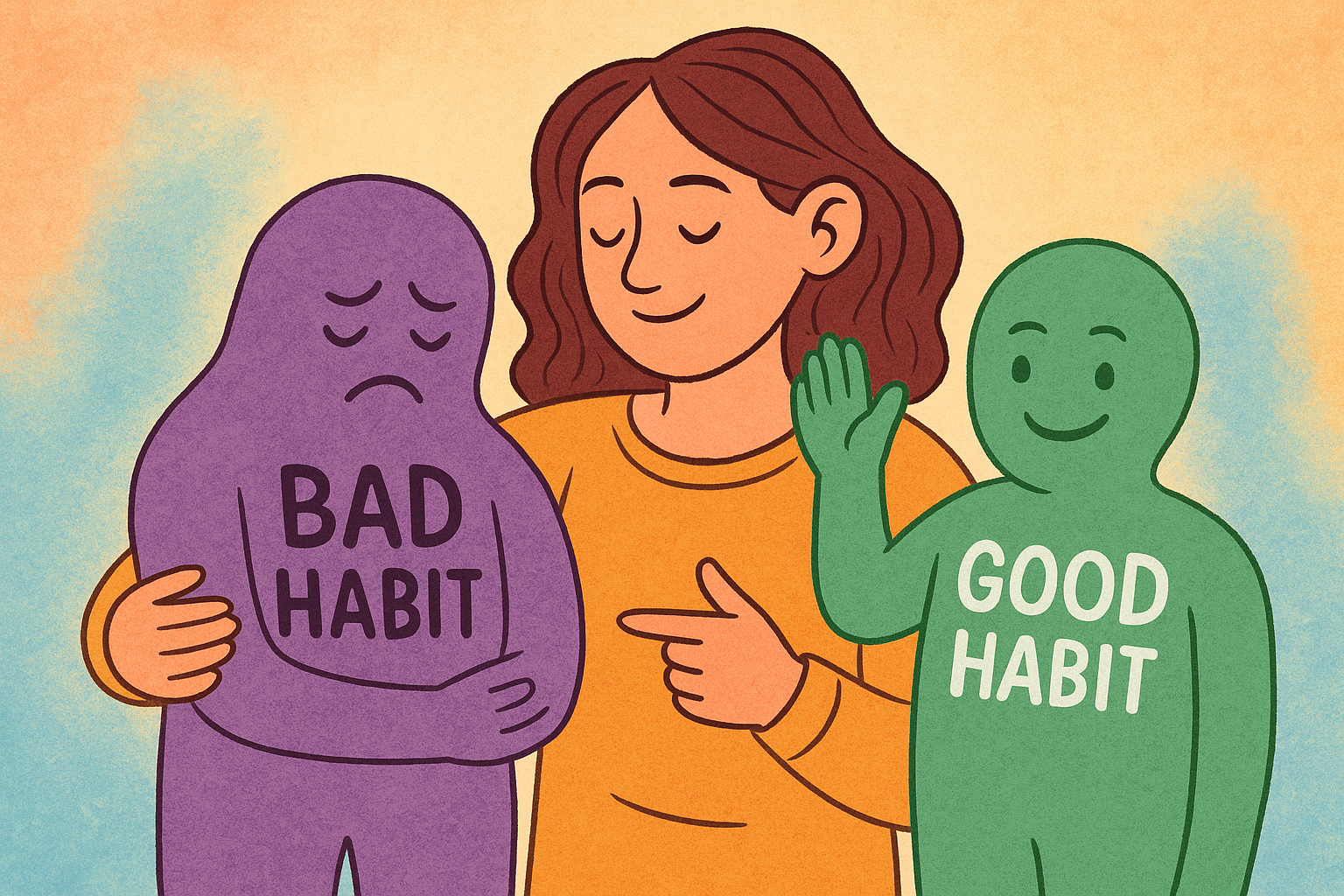
How to Change Your Bad Habits by Accepting Them
“If you don’t like something, change it; if you can’t change it, change the way you think about it.” ~Mary Engelbreit
“So, what do you think?” my husband asked, the dinner table lit by the soft glow of the overhead light. He’d been talking for a while, and I knew I should have been listening.
“What do you think?” he repeated with a hint of frustration.
My mind raced trying to piece together the last few minutes. All I could say was a weak, “Huh?”
It was the worst possible response. Normally, I’d be right there with him, sharing my thoughts. But this time, my attention was elsewhere: I was scrolling mindlessly on my phone.
The frustration in his eyes was a clear reminder of how often I was missing out on the present moment.
I realized that my phone was robbing me of genuine connection. I knew then I needed to change.
The Struggle with Bad Habits Is Real
We’ve all been there battling habits we know aren’t good for us. Mine was the endless scrolling and checking social media.
After that dinner incident, I was determined to reclaim my attention and be present. My first move? Deleting all my social media apps.
The first week was tough. I wasn’t on social media, but my phone still felt like an extension of my hand. I’d instinctively reach for it, ready to open Instagram, only to remember it was gone. This happened every hour. I was trying to change, but the craving was intense.
Weeks later, my motivation went away. “What’s the point?” I thought. I felt like I was missing out and losing touch with friends.
I justified checking my phone during “downtime,” like waiting in line, or after a long day when I needed to “relax.”
The more I told myself, “Don’t use your phone,” the stronger the urge became. It was like telling yourself not to think about sleeping… you just become more aware of being awake.
Inevitably, I reinstalled the apps and fell back into my old patterns. I felt defeated and frustrated. I also labeled myself “lazy.” I thought I had failed.
Discovering A New Approach: Acceptance
One day, while browsing the library, I stumbled upon the psychological concept of an “extinction burst.” This describes the surge of a behavior after you try to stop it.
Think of it like this: you decide to give up sweets, and for a few days, it’s fine. Then, suddenly, you devour an entire box of cookies.
That’s what happened to me. I thought willpower was the answer, but resisting only intensified my cravings.
Instead, I learned about accepting bad habits. This means acknowledging their presence without judgment.
When I shifted my perspective, everything changed. My anxiety decreased, and I stopped stressing about “doing the right thing.”
I realized that falling back into old patterns didn’t make me a failure. It meant I needed more time to understand my habits better.
Practical Steps for Accepting Bad Habits
1. Create space for observation.
Accepting bad habits begins with understanding them. I started observing my phone use with a new level of awareness.
- I used mindfulness techniques to become more aware of the triggers that led me to reach for my phone.
- I also started journaling to track when and why I wanted to scroll. What emotions or situations prompted me to seek the distraction of my phone? What needs was I trying to fulfill? For example, did I feel lonely, bored, or stressed?
2. Change the narrative around your habits.
Instead of a harsh “Don’t use your phone,” I began to use a gentler approach. I tried saying, “Don’t use your phone now.”
This acknowledged the urge without completely denying it. It gave me a moment to pause and breathe, to consciously decide whether checking my phone was necessary.
This simple shift in language created space for mindful decision-making.
3. Reframe ‘bad habits’ as signals.
Instead of labeling habits as ‘bad,’ consider them signals. Ask yourself: What need am I trying to meet? What am I feeling now?
For example, I learned that checking my phone was a signal for a need for connection or a fear of missing out.
Once you understand the message behind your habit, respond with compassion and understanding. Instead of criticizing yourself, acknowledge your needs and explore healthier ways to meet them.
This shift transforms habits from enemies into valuable insights about your inner world.
4. Replace, don’t just eliminate.
Instead of simply deleting social media apps, I looked for healthier alternatives. I started saying, “I noticed I want to use my phone; instead I’m going to read one page of that book.”
Finding substitutes helped me fill the gap and made the transition smoother.
For example, if I felt the urge to scroll when bored, I would reach for a book, walk, or listen to a podcast instead.
5. Treat yourself with kindness.
Beating myself up for slipping back into old habits only made the process more difficult. I learned to practice self-compassion, reminding myself that change takes time and that setbacks are a normal part of being human.
I desired this change the most, so I needed to be patient and kind to myself. And I made more progress by offering myself the same understanding and support I would offer a friend.
Moving Toward a New Relationship with Your Habits
Habits are complex, and breaking them isn’t easy. But understanding them is the first step to changing them.
Accepting bad habits is a powerful tool for transformation. Instead of fighting them, we can observe, understand, and redirect them.
I’ve learned that accepting your habits doesn’t mean giving up—it means you are gaining control. You’re acknowledging your humanity and approaching change with compassion and understanding.
You have the power to reshape your relationship with your habits and create a life that aligns with your values and aspirations.
What habits are you working on? Share your experiences in the comments below! Or share this post with someone who could benefit from it. Let’s support each other on this journey.
-
The Greatest Transformations Often Emerge from Hardship
“When we are no longer able to change a situation, we are challenged to change ourselves.” ~Viktor Frankl
Life has moments that completely reshape us, often without our consent or preparation. Trauma, loss, and grief—they don’t wait until we feel ready to handle them. Instead, they arrive unexpectedly, pinning us against the wall and demanding transformation.
What began as a day like most training days, fueled by focus and determination, unraveled into an unimaginable traumatic event, one that shattered the life I had known.
Prior to that moment, as a fitness trainer by profession, my world was defined by movement, strength, and the confidence that my body could carry me anywhere. Being active was a way of life for me, both professionally and recreationally.
In a split second, all of that was gone, leaving me to grapple with an existence that no longer felt like my own. One moment, I was strong, healthy, and in motion. The next thing I would come to know was waking up in a hospital bed—my body broken, my spirit shaken, my heart heavy with grief and fear.
My femoral artery had been severed. My family was prepared for the worst, told that people who sustain these types of injuries don’t typically survive.
“We’re fighting with the clock. We’ll do what we can,” the surgeon had said.
Those words hung in the air, marking the stark reality of how fragile the situation was. “Life over limb“ became the call, and amputation was the response.
I spent the summer in the hospital, unable to see the light of day or breathe fresh air. Placed in a medically induced coma for several days, I underwent hours upon hours of intricate, life-saving surgeries—four of the eight within the first week alone.
My body had been through the unimaginable—cut open, stitched, stapled, poked, and prodded—a battlefield in my fight for life. I had been revascularized, resuscitated, and endured a four-compartment fasciotomy that left my limb filleted open.
Skin grafts eventually covered the damage as machines beeped and buzzed around me, tubes running from my body—feeding tube, catheter, IVs pumping life back into me. I lay in an isolated critical care room under 24/7 watch, caught in a space between survival and uncertainty.
As I lay in the hospital bed, the reality of my new existence settled in. The loss of my leg was more than a physical alteration. It was a profound shift in my sense of self, forcing me to confront who I was beyond the body I had always known.
Peering down at the end of the bed, a reality I was not ready for hit me all at once, with an undeniable, unforgiving force. One foot protruded from beneath the hospital blanket, just as it always had. The other side—my leg stopped short.
The space it once filled was now an absence I could feel as much as see. In that instant, the weight of it all—what had happened, what had been taken, what could never be undone—settled deep within me. There was no waking up from this living nightmare. This was real.
I faced a new reality. My lower left leg had been amputated below the knee. There was no gradual build-up, no illness, no injury to hint at what was coming. The sudden loss was more than physical. It wasn’t just my leg. It felt like I had lost my independence and any semblance of the life I once knew.
The weight of it all pulled me into a darkness that felt impossible to escape. And yet, within that darkness, something began to shift. What had once felt like an ending became an opening for self-discovery—a bridge to deeper understanding of myself and a realization of the strength, courage, and resilience that had always existed within me.
In the weeks that followed, I grappled with despair and uncertainty, only to realize that this darkness held more than pain. It became a catalyst for transformation. Losing my leg forced me to confront truths I had never acknowledged, opening the door to lessons that reshaped my life in ways I never could have imagined.
Pain and adversity, anger and fear were not the enemies I once believed them to be. Instead, they became powerful forces that propelled me toward growth, leading me down an unforeseen path—not one I intentionally sought, yet one that ultimately offered exactly what I needed.
I came to understand this through small victories, such as lifting myself from the hospital bed, taking that first step, and learning to balance when the world beneath me felt unsteady and my footing was unstable and unfamiliar.
Those moments of discomfort became invitations. When met with willingness rather than resistance, struggles turned into progress. With each step forward, I regained both my footing and my confidence, uncovering a sense of empowerment I hadn’t realized was within me.
The pain, the fear, and the struggle all led me to powerful realizations—lessons that continue to shape how I see myself and how I engage in life.
Limitations Are Often Stories We Tell Ourselves
At first, I believed life had betrayed me, that my body had let me down. I told myself I couldn’t do the things I once loved. I hesitated, afraid of looking weak, of failing. As I started pushing my boundaries, learning to move, to stand, to find new ways forward, I realized the greatest obstacle wasn’t my body; it was the belief that I now had fixed limitations imposed upon me. When I challenged that, I uncovered a world of possibilities.
The mind cleverly builds barriers that seem insurmountable. Once confronted, they reveal themselves as illusions—perceived limits, not actual ones. The only true limitation is the one I place upon myself. I may do things differently now, and in doing so, I’ve discovered the power of adaptability and just how limitless possibilities truly are.
My Body Does Not Define Me
For much of my life, I equated worth with physical appearance and ability. I had built a life and career around movement, pushing my body to perform. Losing my leg felt like losing a core part of myself. I struggled with my reflection, with the visible mark of what had changed. I feared being judged, labeled, seen as broken, defined by what was missing. And over time, I began to see things differently.
My prosthetic leg, once a symbol of loss, became my badge of courage, a testament to all that I had endured and overcome. While the external physical alteration was undeniable, the greater shift was internal.
My sense of self felt unfamiliar, as if it had been stripped away along with my leg. Lost in uncertainty and overwhelm, I found myself called to look deeper. It took time and reflection to recognize that my wholeness remained intact. Strength, persistence, and self-worth weren’t dependent on the physical; they resided within. Even when they felt unrecognizable, they remained, waiting to be reclaimed.
Everything I Needed Was Within Me All Along
It’s easy to believe that what sustains us must be chased, that healing and wholeness come from outside ourselves. I searched for proof of my worth, looking outward for reassurance that I hadn’t lost something essential. But in the quietest moments, when I sat alone in my pain, when there was no one left to convince me but myself, I began to see the truth.
What felt like loss wasn’t an empty void. It was an opening, an invitation to uncover what had always been within me. I didn’t need to rebuild from nothing or become someone new. I only needed to recognize what was already there. And in that recognition, the rebuilding and becoming unfolded naturally.
Losing my leg did not break me. It revealed me. It became the doorway to my greatest discoveries, an invitation to meet myself in ways I never had before, to embrace the unknown, and to uncover the depth of courage, resilience, and inner power that emerges through hardship.
A Final Reflection
We all carry stories about what is possible, stories influenced by conditioning, fear, and experience. But what if our limits are not real? What if they’re just unchallenged? What if everything you need to rise, to heal, to rebuild is already within you, waiting to be realized?
The greatest transformations often emerge from the depths of hardship. Life challenges us in ways we never could have imagined, yet within those challenges lie revelations, truths about ourselves we might never have uncovered otherwise.
Hardship and struggle often go hand in hand, yet within them lies the path to ease. Though they bring pain, they also offer wisdom. They shape us, yet they don’t have to define us. When we stop resisting and lean into what challenges us, we gain clarity, uncover strength, and discover a deeper understanding of ourselves.
What once felt impossible begins to feel natural. Through struggle, we find empowerment. Through trauma, we find self-discovery. Every hardship carries an invitation to redefine, to rebuild, to reclaim. The question is not what life takes from us, but what we choose to uncover in its place.
-

Reframing My Job Rejections: A Beautiful Period of Growth
“When we are kind to ourselves, we create inner conditions that make it possible to see clearly and respond wisely.” ~Dr. Kristin Neff
Searching for a job can feel like an unrelenting test of resilience—a labyrinth of rejection, silence, and self-doubt.
When I embarked on my journey to apply for 100 jobs in a single month, I wasn’t prepared for the emotional toll it would take. Each application felt like a precarious act of hope, sent into the void of an indifferent system. Every click of the “submit” button came with a flicker of anticipation, a brief moment of optimism that maybe this time, someone would see my potential.
Yet, amid the uncertainty, I discovered something unexpected: a way to reclaim my story. This wasn’t just about finding work; it became a practice in resilience, self-compassion, and redefining professional worth. What began as a desperate attempt to secure stability turned into a transformative experience that reshaped the way I saw myself and my place in the professional world.
Each application felt like a small act of defiance against a system that renders workers disposable, transforming professional aspirations into a landscape of cold indifference. My previous attempts to find full-time work had often been met with silence—an absence more profound and dehumanizing than outright rejection. That silence had eroded my confidence, leaving me questioning not just my qualifications but my intrinsic worth.
As I ventured deeper into the process, I realized that I wasn’t merely searching for employment. I was navigating something much larger: the contours of the contemporary labor struggle. Job boards became my terrain for resilience, a place where I could declare, with every submission, “My skills, my experience, my potential cannot be erased by institutional indifference.”
Tracking my applications became more than administrative work. At first, it was a way to stay organized, to ensure I didn’t apply to the same position twice or miss a follow-up deadline. But as the list grew, it took on a deeper significance. It became a form of personal documentation—a way to transform passive job searching into active narrative reclamation.
Two-thirds of my applications disappeared into digital voids, with no acknowledgment or response. Initially, the silence felt unbearable, like shouting into a canyon and waiting for an echo that never came. But over time, I began to see the act of tracking itself as a quiet form of resistance. The spreadsheet wasn’t just a list; it was a testament to my determination to persist, even when the system seemed designed to break me.
Reframing became my most powerful tool. I wasn’t a desperate job seeker; I was a skilled professional documenting my own resilience. The act of reframing shifted my perspective in profound ways. I began to see the job search not as a series of defeats but as evidence of my ability to adapt and persevere.
When I looked at my spreadsheet, I didn’t just see rejections or unanswered submissions. I saw proof that I was showing up every day, putting myself out there despite the challenges. Reframing wasn’t about denying the difficulty of the process; it was about choosing to focus on my capacity to keep going.
Interviews emerged as spaces of radical authenticity. Early in the process, I felt the pressure to perform an idealized version of myself. I spent time (and money!) trying to craft answers with interview coaches that would make me sound confident, polished, and perfect. But those attempts often left me feeling disconnected, as if I were trying to fit into a mold that wasn’t mine.
Eventually, I decided to approach interviews differently. Instead of trying to present a flawless persona, I showed up as my complete, nuanced self. I shared my genuine thoughts, admitted when I didn’t know the answer to a question, and focused on building real connections with my interviewers.
Preparation shifted from trying to memorize the “right” answers to reflecting on what truly mattered to me—my values, my experiences, and the unique perspective I brought to the table. This approach didn’t guarantee a job offer, but it made every interview feel meaningful. It reminded me that my worth wasn’t tied to whether or not I got the role.
Each small win became a form of self-care. In a process filled with uncertainty, I learned to celebrate the moments of progress, no matter how small they seemed. A well-crafted cover letter. A thoughtful follow-up email. An interview that felt like a genuine conversation rather than a performance.
These small victories were more than steps toward employment; they were acts of personal and professional dignity. They reminded me that the effort I was putting in mattered, even if the results weren’t immediate. Celebrating these wins helped me stay motivated, turning what could have been a demoralizing process into one of empowerment.
By the end of the month, I understood that this journey was never just about landing a job. It was about challenging the systemic barriers that render workers invisible. It was about creating alternative narratives of professional worth—ones that extend beyond traditional metrics of success.
The process taught me that resilience isn’t about never feeling defeated; it’s about finding ways to move forward even when the path is unclear. It’s about reframing rejection as part of the journey rather than a reflection of personal failure.
To anyone navigating precarious labor landscapes: Your worth isn’t determined by employment. Your resilience, your capacity for adaptation, your ability to maintain integrity in challenging systems—these are the true measures of your power.
Progress isn’t linear. Institutional systems aren’t designed for our collective flourishing. But our capacity for reimagining our own narratives? That remains infinite.
The job search, in all its messiness, taught me to be kinder to myself. It taught me that showing up is an act of courage, that persistence is a form of strength, and that my value exists regardless of external validation.
When I look back on those 100 applications, I don’t just see a period of struggle—I see a period of growth. It was a time when I learned to navigate uncertainty with grace, to reclaim my story, and to find dignity in the process. If you’re in the midst of your own search, I hope my experience reminds you that you are more than the sum of your rejections.
Because at the end of the day, resilience isn’t about what you achieve—it’s about how you choose to show up, again and again, no matter the odds.
-

The Growth That Happens When You’re in Between Chapters
“The most powerful thing you can do right now is be patient while things are unfolding for you.” ~Idil Ahmed
When one door closes, another one opens, or so the saying goes. From experience, I know that the new door doesn’t always open right away. Often you spend some time in the hallway, the state in between what has been and what will be.
About two years ago I decided to quit my job. While I was in the process of making big decisions, I decided to give up my apartment and go abroad for a period. I didn’t have a super thought-out new plan, but I just felt like it was time to move on.
When my loved ones expressed their doubts about my plans, I waved them away, certain I would figure it out. And to be honest, I kind of expected the new plan to just happen to me as soon as I made the decision.
For most of my life, the phases between jobs, relationships, and living spaces followed each other neatly. I fully expected this time to be no different.
You can imagine my surprise when this time the new phase didn’t start immediately. Answers, opportunities, and big synchronicities didn’t just fall at my feet. What I got instead was a lot of confusion and self-doubt.
In the middle of all this, my long-term relationship ended, which added another element of uncertainty to my life. I was in the hallway, and it felt like I was waiting for the door to appear.
One way or another, most of us spend time in the hallway during our lifetime. The hallway is that phase between two chapters of life when nothing seems to happen. This in-between phase can take many shapes and forms.
Sometimes you end up there by choice, like when you take a sabbatical or choose to spend some time focused on yourself. Other times the decision is made for you: perhaps your physical or mental health forces you to take a pause. Maybe you are let go from your job, your business closes, or your partner chooses to end your relationship.
There is also the space between where we think of something we want to bring into our lives—anything from a business to parenthood—and where it comes into fruition. That period can also feel like an in-between phase, where we are not yet where we want to be, but we are very focused on getting there.
We want to be there and forget to enjoy that we are now here. Rather than enjoying the journey and all the little steps along the way, we focus on where we feel like we should be.
Most of us don’t want to spend time in the in-between. It can be a highly uncomfortable time, as there is a lot of uncertainty involved.
It can feel like being stranded in the middle of the desert: Everything looks the same, and nothing orients us in any direction. We don’t know how long the period will be or where we will go next. It can make us doubt everything we thought we knew and believed in, and that can be unsettling.
There are different strategies to take in the in-between phase. I know, because I have tried all of them, with mixed results.
You may choose to frantically knock on all doors until one of them opens. The problem with this strategy is that, while understandable, this is a fear-based approach. Rather than deciding from a deep sense of trust in yourself and life, you become attached to the door that opens.
There’s also the option of lying on the floor and waiting for the door to present itself. While that works at times, it is not the most empowering strategy. It is also a slippery slope into a bit of a victim mentality when things take longer than you expect.
And then there’s the option to see this period as an opportunity. A chance to get to know yourself better and become familiar with your own fears and doubts, hopes, and longings. If you let it, this phase can bring you closer to yourself and allow you to move forward in a more authentic, aligned way.
It took me a little longer than I care to admit to move from strategy one and two into the third, but when I finally did, these were some of the lessons I learned.
1. When you lose something that feels essential to your self-worth, you learn who you are without that part.
Most of us feel quite attached to certain parts of our identity, whether it is our job, relationship, or an idea we have about ourselves. The more we attach our self-worth to a door that has been closed, the more uncomfortable this phase will feel. And the more we probably need this time.
The in-between phase gives you a chance to see who you are without all the things you thought you were. In that process, you are invited to recognize that your worth is so much more than those identities.
I had always seen myself as someone who followed her intuition and was courageous enough to follow her own path. In my relationships, I had taken on the role of encouraging others to do the same. When I felt neither certain nor courageous, I learned that I was still a caring friend and family member. Opening up about my feelings made other people feel safe about sharing their deeper feelings as well.
No one is meant to take on one role; we are all multifaceted beings, and all of our parts are valuable.
2. A period of uncertainty gives you the chance to become more resilient to fear.
At times, your biggest fears come true in this in-between phase. And that is truly frightening. But it’s also a great opportunity. When what you deeply fear is happening, you have a chance to integrate that fear so that you are no longer so controlled by it in your day-to-day life.
It gives you a chance to process it rather than just simply hoping it never happens. And with that, it can give you great freedom. If this happens, and you can handle it, then perhaps you are capable of more than you thought.
When I was in limbo, I realized I had this deep fear that my life wouldn’t really go anywhere, and that I would never be able to live up to my potential. It made me feel deeply afraid of failure and rejection, as I felt that these experiences would confirm my core fear.
In the process of creating a new path, I faced my share of failure and rejection. Initially, the feelings that came up would overwhelm me, and I would want to give up trying. But gradually, as I learned to process these feelings, I found a deeper sense of safety within.
As uncomfortable emotions come up, learn to feel them in your body. Become familiar with the sensations and just breathe. Implement tools to calm your nervous system—like deep breathing or listening to calming music—so that you can regulate yourself back to safety.
The more comfortable you become with uncomfortable emotions, the more resilient you become to them. You then no longer have to avoid the things you fear, which could potentially bring you great happiness.
3. An in-between period is a chance to move forward in a different way.
There is usually a paved path in relationships, career paths, and life in general, with a logical next step to take. So often in life we take that next logical step, rather than reflect on whether that aligns with our deepest longings.
It is challenging to go off that paved path and into the wilderness, but it is greatly rewarding as well. An in-between period forces you to make a conscious choice: Do you want to keep going as you did before, or are there changes you would like to make moving forward?
As you learn to find safety in the uncertainty and let go of your attachments to things that weren’t quite right for you, you open space to move forward differently. With a newfound trust in your resilience and a deeper knowledge of yourself, it becomes much easier to make decisions that are deeply aligned with you.
4. Change is often gradual and can only be seen clearly in hindsight.
There are moments that propel you into a new stage of life from one moment to the next. But often, there is not one big earth-shattering moment that changes everything. The hit-by-lightning breakthrough moment where you suddenly know exactly what to do does not always come.
Rather, change is often a gradual process that you can only fully see when you look back on it. It is a combination of lots of little steps and lessons and a gradual integration of the emotions that the change brings up. When you fully embrace that, it is powerful.
It means that you don’t have to dig for answers or figure everything out at once but learn to trust that the things you do every day matter. Life has natural rhythms and seasons, just like nature does. Some seasons are big and exciting, while others are slower paced.
Looking back now, I can see that I learned to gradually replace my fear-based choices with options that felt more aligned. It started with seemingly small things, like my morning routine and the recipes I cooked, and evolved into starting my own business and deciding to move closer to the ocean. In the stillness, I learned to sit with my feelings and take tiny steps towards sustainable change.
And so perhaps, as we move toward the door that will inevitably show up at some point, we notice that the hallway isn’t just a space between the two doors. It is a room all by itself, a necessary and fruitful phase of life. We learn that we are never in-between, as we are always growing, evolving, and simply living.
-
4 Reasons to Appreciate Hard Times and How to Cultivate Gratitude
“Thank you for all the challenges that built my character. Thank you for all the hard times that made me appreciate the good times.” ~Unknown
Gratitude is often associated with joy, blessings, and moments that bring us happiness. But what about the times when life feels hard? Can we still find gratitude in the pain and struggles that challenge us?
A good friend went through a difficult experience this year, and she taught me that the answer is yes. Her story left a profound impact on me.
Last month, my friend finished her final round of chemotherapy, and as we sat together, she surprised me by saying, “I’m grateful for this experience.” She explained how cancer, as grueling as it was, gave her a new perspective on life. She now cherished every moment, every connection, and every small joy in a way she never had before.
It wasn’t about the illness itself but the lessons it brought her: resilience, appreciation for the present, and a sense of gratitude for simply being alive.
Her words stayed with me after that conversation. Gratitude for chemo? Gratitude for suffering? At first, it felt impossible to reconcile. But as I reflected on her journey, I began to think about my hard moments and wondered if I, too, could feel grateful for them. To my surprise, the answer was yes.
Reflecting on My Journey
I immediately thought about my struggles with an eating disorder in my younger years. At the time, it felt like I was trapped in a cycle of shame, self-criticism, and unattainable standards. My worth was tied to my weight and how I looked in the mirror. It was a dark period, one I wouldn’t wish on anyone. And yet, as I look back now, I realize how much I’ve learned and grown because of it.
That painful journey taught me self-love and self-acceptance.
I began to understand that my value extended far beyond my physical appearance.
I healed my relationship with food, learning to nourish my body out of care instead of control.
The process wasn’t easy—it involved patience and a willingness to confront the deepest parts of myself. But coming out on the other side, I felt stronger, more compassionate, and more connected to my true self. And for that, I am deeply grateful.
Finding Gratitude in the Hard Lessons
My friend’s journey with chemo and my struggles with an eating disorder are vastly different, but they share a common thread: both experiences brought profound growth and perspective. Life’s hardest lessons often carry hidden gifts.
Here are a few reasons why I believe gratitude for life’s challenges is possible:
1. They teach us resilience.
Hard moments push us to our limits, but they also show us how strong we can be.
Overcoming a challenge, no matter how big or small, builds a sense of resilience that stays with us. We learn to trust ourselves, knowing that we faced adversity before and can do it again.
2. They shift our perspective.
When life feels easy, it’s tempting to take things for granted. Struggles remind us to appreciate what we have—the people who love us, the simple joys, or even the privilege of good health. Gratitude for these things often grows after we’ve faced hardship.
3. They help us grow.
Painful experiences force us to confront parts of ourselves we might otherwise avoid.
Whether it’s learning self-acceptance, setting boundaries, or discovering what truly matters, the lessons from life’s challenges are the ones that shape us.
4. They deepen our empathy.
Walking through a difficult season gives us a unique perspective and compassion for others who are struggling too. Gratitude for our hard lessons can open the door to supporting others with greater understanding, compassion, and empathy.
Gratitude Doesn’t Mean Denying Pain
It’s important to note that being grateful for hard lessons doesn’t mean denying or downplaying the pain or pretending everything is fine. Gratitude and pain can coexist. You can acknowledge the difficulty of what you’ve been through while still finding value in the lesson of the experience. It’s not about minimizing suffering but about honoring the strength and wisdom that came from it.
How to Cultivate Gratitude for Life’s Challenges
If you’re struggling to feel grateful for a difficult experience, know that it’s okay. Gratitude often comes with time and reflection. The healing process is long and hard, but gratitude can make it easier. Here are a few ways to begin cultivating it.
1. Reflect on what you’ve learned.
Take some time to think about how you’ve grown from the experience. What strengths or insights have you gained? How has it shaped who you are today?
2. Focus on the present moment.
Challenges often remind us to live in the present. Journaling, breathing, coloring, being in nature, or meditating can help the process. Focus on the small joys in your day—like a kind word from a friend, a good song on the radio, or the warmth of the sun—can help you cultivate gratitude.
3. Share your story.
Talking about your journey with someone you trust can be incredibly healing.
Sharing what you’ve been through and how you’ve grown can help you see the value in your experience.
4. Practice self-compassion.
Be kind to yourself as you reflect on difficult times. Gratitude doesn’t mean you have to feel happy about what happened—it simply means recognizing the good that came from it.
Gratitude as a Way Forward
As strange as it sounds, I am now grateful for the hard lessons of my life. They have taught me resilience, self-love, and the importance of living authentically. My friend’s gratitude for her journey reminded me that even in the darkest moments, there is light, there is a lesson to be learned, and there is spiritual growth.
Life’s challenges will always come, but with gratitude, we can face them with a sense of hope and purpose. So, here’s to finding gratitude—even for the hard lessons. They might just be the ones that change us for the better.
-
If You’re Afraid of Making a Big Life Change
“The only way to make sense out of change is to plunge into it, move with it, and join the dance.” ~Alan Watts
I used to think that stability was the key to happiness. Stay in one place, build a career, nurture long-term relationships—these were the pillars of a successful life, or so I believed.
My life was a carefully constructed fortress of routine and familiarity. Wake up at 6 a.m., commute to the same office I’d worked at for a decade, come home to the same apartment I’d lived in since college, rinse and repeat. It was safe. It was predictable. It was slowly suffocating me.
As I approached my fortieth birthday, I found myself increasingly restless. The walls of my comfortable life felt more like a prison than a sanctuary. I’d scroll through social media, seeing friends and acquaintances embarking on new adventures, changing careers, and moving to new cities, and I’d feel a pang of envy mixed with fear.
“I wish I could do that,” I’d think, quickly followed by, “But what if it all goes wrong?”
It was during one of these late-night scrolling sessions that I came across a quote from Alan Watts that would change everything: “The only way to make sense out of change is to plunge into it, move with it, and join the dance.”
I stared at those words, feeling as if they were speaking directly to my soul. What if, instead of fearing change, I embraced it?
The next morning, I woke up with a sense of purpose I hadn’t felt in years. I decided to make a change—not a small one, but a seismic shift that would challenge everything I thought I knew about myself and my life. I was going to quit my job, sell most of my possessions, and travel the world for a year.
The moment I made this decision, I felt a mix of exhilaration and sheer terror. What about my career? My apartment? My relationships? The questions swirled in my mind, threatening to overwhelm me. But beneath the fear, there was a spark of excitement that I couldn’t ignore.
I gave myself six months to prepare. Those months were a whirlwind of planning, saving, and facing the reactions of friends and family. Some were supportive; others thought I was having a midlife crisis.
My parents were particularly worried. “But what about your future?” they asked, echoing the same concerns they’d had when I switched majors in college.
As the departure date drew closer, my anxiety grew. There were moments when I seriously considered calling the whole thing off. What if I was making a horrible mistake? What if I couldn’t handle the uncertainty?
It was during one of these moments of doubt that I realized something important: The fear I was feeling wasn’t just about this trip. It was the same fear that had kept me trapped in a life that no longer fulfilled me. If I gave in to it now, I might never break free.
So, I pushed forward. I boarded that plane with a backpack, a one-way ticket, and a heart full of both terror and hope. The first few weeks were challenging. I felt lost, not just geographically but existentially. Who was I without my job title, my routine, my familiar surroundings?
But slowly, something magical began to happen. As I navigated new cities, tried new foods, and met people from all walks of life, I felt layers of my old self peeling away. I discovered a resilience I never knew I had. Problems that would have sent me into a tailspin back home became adventures and challenges to solve. I learned to trust my instincts, to find joy in the unexpected, and to embrace the unknown.
One particularly transformative moment came three months into my journey. I was hiking in the mountains of Peru, struggling with altitude sickness and questioning my decision to attempt this trek.
As I sat on a rock, catching my breath and fighting back tears, an elderly local woman passed by. She smiled at me and said something in Quechua that I didn’t understand. But her smile and the gentle pat she gave my shoulder spoke volumes.
In that moment, I realized that kindness and human connection transcend language and culture. I also realized that I was stronger than I ever gave myself credit for.
As the months passed, I found myself changing in ways I never expected. I became more open, more curious, more willing to try new things. I learned to live with less and appreciate more. The constant movement and change became not just tolerable but exhilarating. I was, as Alan Watts had said, joining the dance of change.
But it wasn’t all smooth sailing. There were days of loneliness, moments of doubt, and times when I missed the comfort of my old life. I learned that embracing change doesn’t mean you never feel fear or uncertainty. It means you feel those things and move forward anyway.
As my year of travel neared its end, I faced a new challenge: what next? The thought of returning to my old life felt impossible. I was no longer the person who had left a year ago. But the idea of continuing to travel indefinitely didn’t feel right either. I realized I was craving a new kind of stability—one built on the foundation of flexibility and growth I’d cultivated during my travels.
I decided to move to a new city, one I’d fallen in love with during my travels. I found a job that allowed me to use my old skills in new ways, with the flexibility to continue exploring the world. I made new friends who shared my love of adventure and personal growth. I created a life that embraced change rather than feared it.
Looking back on this journey, I’m amazed at how far I’ve come. The person who was once paralyzed by the idea of change now seeks it out as a source of growth and excitement. Here are some of the most important lessons I’ve learned.
1. Fear is not a stop sign.
Fear is a natural part of change, but it doesn’t have to control you. Acknowledge it, understand it, but don’t let it make your decisions for you.
2. Discomfort is where growth happen.
The moments that challenged me the most were also the ones that taught me the most about myself and the world.
3. Flexibility is strength.
Being able to adapt to new situations is far more valuable than trying to control everything around you because often, the only thing you can control is how well you adapt.
4. Less is often more.
Living out of a backpack for a year taught me how little I actually need to be happy.
5. Change is constant.
Instead of resisting change, learning to flow with it brings a sense of peace and excitement to life.
6. It’s never too late.
At forty, I thought I was too old to radically change my life. I was wrong. It’s never too late to start a new chapter.
If you find yourself feeling stuck, yearning for something more but afraid to make a change, I encourage you to take that first step.
It doesn’t have to be as dramatic as selling everything and traveling the world (though I highly recommend it if you can!). Start small. Take a different route to work. Try a new hobby. Have a conversation with someone you wouldn’t normally talk to. Each small change builds your resilience and opens you up to new possibilities.
Embracing change doesn’t mean your life will always be easy or that you’ll never face challenges. But it does mean that you’ll be living fully, growing constantly, and experiencing the rich tapestry of what life has to offer.
Your life is not a fixed path but a journey of constant evolution. Embrace the changes, learn from the challenges, and celebrate the growth. The world is vast, life is short, and the greatest adventures often begin with a single step into the unknown. So take that step. Join the dance of change. You might be amazed at where it leads you.
-

How My Life Changed After 365 Days of Self-Discovery
“The only way to do great work is to love what you do. If you haven’t found it yet, keep looking. Don’t settle.” ~Steve Jobs
In 2017, I stood at a crossroads. Armed with a law degree but burdened by uncertainty, I faced a future that felt both daunting and uninspiring. The path I had chosen—the one society had essentially prescribed for me—suddenly seemed hollow because the path did not align well with my values and a vision of fulfilling life.
I knew I needed a change, but the prospect of starting over terrified me. Today, I wake up every morning filled with purpose and excitement. I’m a passionate educator, inspiring students and shaping futures.
The transformation from confused law graduate to fulfilled teacher didn’t happen overnight, but it did occur in just one year. Here’s how I navigated this life-changing career transition, and how you can make a change too, regardless of your starting point or destination.
The first step was reframing my mindset. Instead of viewing my career change as a risky leap into the unknown, I decided to treat it as a year-long experiment in self-discovery. This shift allowed me to approach each day with curiosity rather than fear.
I set a simple goal: learn something new about myself or a potential career path every single day. Some days, this meant reading articles about different professions. Other days, I attended networking events or conducted informational interviews.
The key was consistency. I committed to doing something every day, no matter how small.
One of the biggest hurdles I faced was the weight of others’ expectations. Friends, family, and even strangers had opinions about my choice to leave law behind. “But you worked so hard for that degree!” they’d say, or “Lawyers make such good money; why would you give that up?”
I had to learn to silence these voices—not just externally but internally too. I realized I had internalized many of society’s expectations about success and prestige.
Letting go of these allowed me to truly listen to my own desires and intuitions.
Each evening, I spent fifteen minutes journaling about my experiences and feelings. This simple practice became a powerful tool for self-discovery.
I asked myself questions like: What energized me today? What drained me? What am I curious to learn more about? What fears or doubts came up, and where did they come from?
I also began noting moments of gratitude, no matter how small—like a kind word from a friend or the warmth of the evening breeze. These reflections not only helped me understand my emotions but also shifted my focus toward growth and possibilities.
Over time, patterns emerged. I noticed how my energy soared when I helped others understand complex topics and how I lit up when discussing ideas rather than legal statutes.
Leaving the familiar world of law behind was uncomfortable. There were days filled with doubt and anxiety. But I learned to lean into this discomfort, recognizing it as a sign of growth.
I started small, challenging myself to do one thing outside my comfort zone each week. Sometimes this meant attending a meetup group alone; other times it was reaching out to a stranger for career advice.
Each small step built my confidence and resilience.
The pivotal moment came when I volunteered to teach a weekend workshop on basic legal concepts for high school students. Standing in front of that classroom, watching eyes light up with understanding, I felt a spark I’d never experienced in law.
This experience led me to seek out more teaching opportunities. I tutored, led study groups, and eventually secured a position as a teaching assistant at a local community college.
With each experience, my passion for education grew stronger.
My year of self-discovery wasn’t just about passive reflection. It was an active cycle of learning and doing. I’d learn about a potential career path, then find a way to experience it firsthand.
This hands-on approach accelerated my growth and helped me quickly identify what resonated with me.
Looking back, I realize that the most crucial factor in my successful career transition wasn’t innate talent or lucky breaks. It was consistency. By committing to daily action and reflection, I made steady progress even when I couldn’t see the end goal.
This consistency put me ahead of 99% of people who dream of career changes but never take sustained action. It’s not about making huge leaps every day; it’s about small, consistent steps in the direction of your dreams.
My path led me from law to education, but your journey might look entirely different. The beauty of self-discovery is that it’s uniquely yours. The “right” path isn’t always obvious or immediate, but by giving yourself permission to explore, you open the door to possibilities you might never have imagined.
As you embark on your own journey of self-discovery, remember:
1. Reframe challenges as experiments and learning opportunities.
Each hurdle is a step closer to understanding yourself and what you’re capable of.
2. Practice daily reflection to uncover your true desires and motivations…
…perhaps using the questions I shared above to identify what energizes and drains you, what excites your curiosity, and what might be holding you back. Writing your thoughts consistently will create a map of your inner world.
3. Embrace discomfort as a sign of growth.
The moments that feel challenging often signal transformation. Lean into them with trust and courage.
4. Seek out hands-on experiences in fields that interest you.
Whether it’s through volunteering, interning, shadowing, or simply having conversations with people in those spaces, the exposure can illuminate paths you hadn’t considered.
5. Stay consistent, taking small actions every day.
Progress doesn’t require giant leaps; steady steps compound into meaningful outcomes.
6. Be patient with yourself and the process.
Meaningful change and self-discovery don’t happen overnight. Celebrate the small wins, and remember that setbacks are part of the journey.
Lastly, cultivate gratitude and curiosity. These are the twin forces that fuel resilience and creativity, helping you see the beauty in both the process and the unknown.
The only way to fail in this process is to never try. So, I encourage you: start your year of fearless exploration today. Your future self will thank you for having the courage to seek a life and career that truly fulfills you.
-
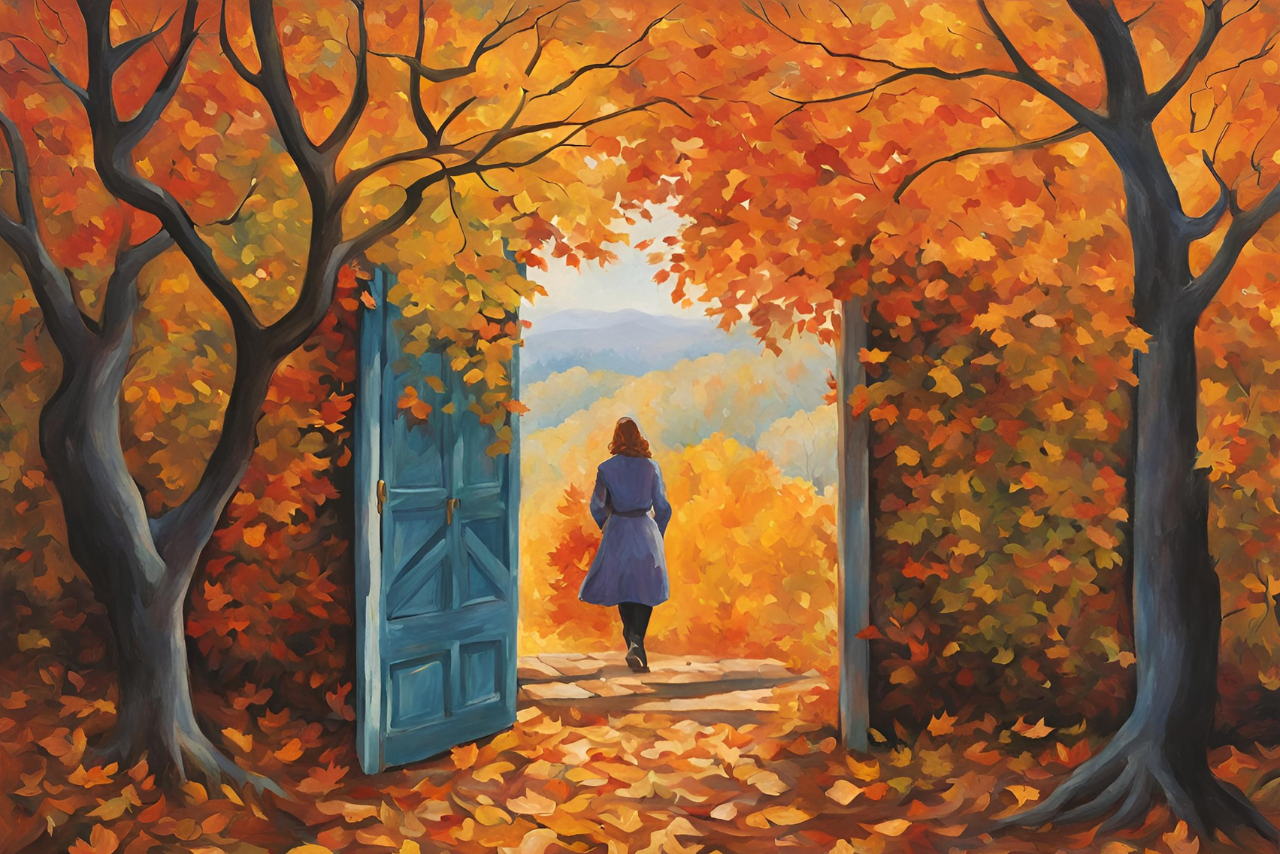
5 Lessons About Change I Learned from Moving to a New City
“You may not be able to control every situation and its outcome, but you can control how you deal with it.” ~Unknown
I recently moved to Florida, a decision thirty years in the making.
Growing up in Haiti, I always longed to return to a warm climate. I remember being on our layover in Miami when we first moved to the States and thinking, “Why don’t we just stay here?” Moving to Boston at ten, the cold rain was a shock, and I’ve been dreaming of Florida ever since.
Here’s the thing about dreams—they take time, and life sometimes gets in the way. I stayed in Boston for college, built a career, and raised my daughter, and every time I thought about making the move south, something else needed my attention.
When my daughter graduated from high school, I felt the time was right. So I handed in my resignation, let our landlord know that we would be moving out, and started planning our move to Florida.
You might be wondering, “Did you really move just for the sunshine and palm trees?” Well, yes and no. Those are wonderful (especially after decades of Boston winters!), but the truth is, it goes much deeper. It’s about finding a sense of belonging and reclaiming a piece of myself that I felt I lost along the way, reconnecting with the warmth that reminds me of my childhood in Haiti.
Leaving Boston wasn’t easy. The friends, the routines, the community—I had built a life there. It was a terrifying decision. There were nights I lay awake wrestling with doubt, but deep down, I felt it was right.
Reflecting on the move, here are five lessons it taught me, which I hope you can relate to.
Lesson 1: Embrace the unknown.
The fear of the unknown is usually one of the most daunting parts of any major life transition. And for me, moving to Florida was no different. I had to leave behind everything familiar to enter a world of uncertainty.
I spent thirty years building a comfortable life in Boston. But comfort can be a double-edged sword—it can keep you from exploring and from finding new parts of yourself.
During one of my first morning walks in Florida, I noticed how different everything felt—the air was warmer, the pace rather slow, and the faces were all unfamiliar. It hit me then: I was truly starting over.
But it also reminded me of when I first moved to Boston from Haiti as a child and how different everything felt back then. Just as I adapted then, I knew I could do it again.
Yes, the unknown can be scary, but growth happens when you embrace it—when you open yourself up to new experiences, people, and places.
You have to be willing to explore, to try new things, to make mistakes and learn from them.
Lesson 2: Plans don’t always work out.
I’m a big-time planner. I love having everything mapped out, knowing exactly what’s going to happen and when. So, before our move, we knew where we were going to live, what college our daughter would attend, and how we would adjust to the new city.
But life had other plans.
We faced unexpected challenges—delays, changes in schedules, and problems we didn’t see coming.
For example, right before our move, the moving company that had agreed to transport our belongings, cancelled at the last minute. I remember standing in the middle of our packed-up living room, filled with hundreds of packed boxes, and feeling utterly overwhelmed. How could something so important go so wrong at the last minute?
In the end, we scrambled to find an alternative. When we finally did, the new company was delayed by several days, leaving us in limbo with everything packed but nowhere to go.
So here is the thing—no matter how perfectly you plan, life has a way of throwing you curveballs. I had to accept that plans don’t always work out and that being adaptable is what really gets you through when things don’t go as expected.
Lesson 3: People handle change differently.
One thing I have learned about change is that everyone experiences it differently. We each have our own perspectives and our own ways of processing and reacting to what’s happening around us.
My daughter was a bundle of nerves and excitement, stepping tentatively into adulthood, balancing her part-time job with college orientations and a whole new social scene. My husband, usually the rock, struggled to adapt to our new surroundings and missed his after-work routines and his usual grocery store.
As for me, I was managing the logistics and emotional toll of the move, trying to keep everything on track—all while running a business still in its foundational stages.
What worked for us? Regularly checking in with each other.
It was powerful to ask—and really listen—about each other’s well-being and how each of us was dealing with this move. Taking the time to understand and connect with each other made all the difference.
Lesson 4: Find your anchors.
Amidst all the uncertainty and chaos that comes with a big life transition, finding things that ground you (I call these anchors) becomes your lifeline. These can be routines, habits, or places that give you a sense of stability when everything else is in flux.
For me, journaling has become that sacred anchor. It’s my time to slow down, be present, and listen to myself. Every morning, I grab my journal and simply ask:
“What am I feeling right now?”
This one question opens up so much for me. It’s not just writing things down—it’s about connecting deeply with myself. It helps me embrace all the newness here in Florida, from the excitement of fresh starts to the occasional twinge of missing what I’ve left behind.
Lesson 5: Don’t forget to laugh.
Mistakes happen, especially during a big move.
Like the time we realized we had packed essential items in the wrong boxes. We tore through boxes at midnight, finding only kitchen utensils and winter coats. We ended up using towels as makeshift pillows.
We were stressed, tired, and frustrated beyond belief. But then we laughed about it.
In moments of frustration, finding something to laugh about can shift your perspective and remind you that even in the most chaotic times, there are moments of joy and connection.
Take a moment to think about these points.
- How do you handle change? Do you find yourself trying to control every aspect, getting frustrated, or using humor to cope?
- What unexpected changes have you faced recently? How did you adapt, and what did you learn about yourself in the process?
- How do you support the people around you at times of change? Remember, you’re not the only one experiencing change; those around you are, too.
Change is inevitable, but how we handle it defines our journey. Embrace the unknown, support each other, and don’t forget to laugh along the way.
-

Breaking Free from the Shadow of a Narcissistic Parent
“One of the greatest awakenings comes when you realize that not everybody changes. Some people never change. And that’s their journey. It’s not yours to try to fix for them.” ~Unknown
In the journey of life, we often encounter pivotal moments that force us to confront harsh truths about ourselves and the world around us. For me, one of these moments came with the profound realization that not everybody changes, especially not those who wield the toxic traits of narcissism.
Raised by a father whose larger-than-life persona concealed a darker reality, I embarked on a journey of self-discovery marked by illusions shattered, wounds healed, and the enduring quest for authenticity.
As a child, I idolized my father. He was the epitome of success in my eyes—charismatic, accomplished, and seemingly flawless. His love, however, came with conditions attached, contingent upon my athletic and academic achievements.
Behind closed doors, his warmth turned to coldness, and his affection became a reward for meeting his standards of excellence. Meanwhile, my mother silently bore the brunt of his infidelities, her suffering hidden behind a facade of familial perfection.
In this environment, I learned that abuse should remain unacknowledged and that the pursuit of outward appearances trumped the preservation of inner peace.
As I navigated adulthood, the scars of my upbringing continued to shape my perceptions and behaviors.
Seeking validation from partners who mirrored my father’s traits, I found myself trapped in a cycle of self-doubt and emotional turmoil. The quest for perfection, fueled by the belief that I was never good enough, became ingrained in my psyche. Each relationship seemed to reinforce the notion that love was conditional and that I was destined to repeat the patterns of my past.
Amidst the darkness, a glimmer of hope emerged—a profound shift that propelled me toward a spiritual awakening. Desperate for solace, I delved into a myriad of healing modalities, immersing myself in practices that spoke to my soul.
It was through these experiences that I began to peel back the layers of generational trauma, confronting the shadows that had long haunted my psyche. In the embrace of reiki, sound therapy, and crystal healing, I discovered a newfound sense of self—resilient, luminous, and unapologetically authentic.
Buoyed by my personal growth, I embarked on a journey to reconnect with my estranged father and brother, hopeful that they too had undergone a transformation. Yet, my optimism was met with harsh reality as I found myself ensnared in familiar patterns of dysfunction.
Despite my best efforts to bridge the chasm between us, I was met with resistance and disappointment. It was a stark reminder that not everyone evolves, and some wounds run too deep to heal.
Amidst the depths of despair, as I teetered on the brink of losing myself entirely to depression and deteriorating health, a beacon of hope illuminated my path. It was in these moments of darkness that I realized the necessity of returning to basics—of carving out quiet moments for introspection and listening intently to the whispers of my higher self and the universe.
What I heard was a resounding message echoing through the chambers of my soul: “This is the lesson. Every tumultuous relationship, every heartache, every moment of despair was but a precursor to this pivotal juncture.”
With newfound resolve, I immersed myself in energetic healing and chakra alignment, allowing the vibrational frequencies of love and light to permeate every fiber of my being. And then, armed with courage and clarity, I made the decision to confront the specter of my past—my father.
Summoning the strength of a thousand suns, I approached him not with anger or resentment, but with love. “I love you,” I uttered, the words heavy with the weight of years of longing and unspoken truths.
His response was not one of reconciliation or remorse, but of rage. And in that moment, I realized the futility of seeking validation from a source so devoid of compassion and empathy. Yet, unlike before, his words failed to wound me to the core. For I had reclaimed my power, my sense of self, and my unwavering love for myself and my children. If anything, his outburst served as a testament to the depths of his own woundedness, a reflection of the pain he carried within.
Do I think about that encounter often? Yes, I do. But not with regret or bitterness. Rather, with a sense of profound gratitude for the lessons it imparted. For in choosing to respond with love, I unwittingly severed the ties that bound me to his toxicity. And as he raged on, I stood tall, my heart brimming with a newfound sense of freedom and self-love.
In the end, I realized that he was the lesson—a catalyst for my growth, a mirror reflecting back the parts of myself I needed to heal. And the work I had done, the journey I had embarked upon to counteract his behavior throughout my life, had prepared me for this moment of liberation.
As he removed himself from my energetic field, I was left basking in the glow of newfound freedom, surrounded by the boundless love that radiated from within.
To anyone grappling with the shadows of their past or the specter of a narcissistic parent, I offer this simple truth: You are stronger than you know, and you are deserving of love beyond measure. Embrace your journey with courage and compassion, knowing that every trial and tribulation is but a stepping stone on the path to self-discovery and healing. And remember, in the face of darkness, the light of your own love will always guide you home.
In the crucible of adversity, I discovered the power of self-love and resilience. Through the trials and tribulations of my journey, I emerged stronger, wiser, and more attuned to the depths of my being.
Though the road to healing may be fraught with obstacles, it is a journey worth embarking upon. For in the pursuit of authenticity lies the truest expression of our humanity—imperfect yet infinitely beautiful.
To those who walk a similar path, I offer these words of solace: You are not alone. Though the shadows may loom large, know that within you resides the light of resilience and the power of self-discovery. Embrace your journey with courage and compassion, for it is through our darkest moments that we find the strength to shine brightest. And remember, the greatest awakening comes not from fixing others but from embracing ourselves in all our imperfect glory.
-

Miraculous Empath Breakthrough: My Mother’s Cancer Gift
“Humbleness, forgiveness, clarity, and love are the dynamics of freedom. They are the foundations of authentic power.” ~Gary Zukav
Last July, my mother was diagnosed with stage 4 cancer and began chemotherapy. She asked if I could stay and help her through the treatments.
Our relationship had always been strained—she was judgmental of my nomadic lifestyle and often spoke in a way that left me feeling demoralized and degraded. As an empath, this criticism was particularly hard to bear. I would feel an instant shock, like an infusion of toxic poison flowing through my veins, triggering a strong desire to hop on the next flight out of America.
However, this time, something changed. I found the courage to tell her how her judgmental tone affected me. To my surprise, she listened, apologized, and asked for my help in changing. She even expressed regret for not understanding sooner how her words hurt me. This was the beginning of a miraculous transformation, not only in our relationship but in her health as well.
A few months into chemotherapy, my mother had a severe reaction and decided to stop all medications. Instead, she turned to a healthier lifestyle. She adopted a nutritious diet, started swimming every morning at 6 a.m., and lost fifty pounds. Most importantly, she began to forgive her past, which allowed her to fully embrace the present.
At eighty-three, my mother is changing in ways I never thought possible.
We recently returned from a two-week scuba and snorkeling trip in the Maldives, where she swam with whale sharks and eagle rays, danced, and marveled at the stunning aqua waters. She had the time of her life, and I could see from the sparkle in her eyes the life-changing impact of the sea.
Throughout the trip, she didn’t watch any TV and instead thanked me for sharing my love of the ocean with her. Her newfound appreciation for life was a beautiful, miraculous gift. She was happy, alive, and looked twenty years younger, and for the first time in my life, she expressed her respect and appreciation for my life choices.
During this time, I maintained my equanimity, a testament to the spiritual practices I’ve cultivated as an empath. I stayed grounded and clear, which allowed me to support her without losing myself in the process.
This experience has taught me invaluable lessons about healing, not only for my mother but for our relationship as well. Reflecting on this journey, I realize how much we have both grown. My mother once said that I came back to help her die, but instead, she has learned how to truly live. This transformation is a powerful reminder of the resilience and strength we all possess, especially when we embrace our sensitivities and learn how to speak our truths.
Lessons Learned on My Path
Honest communication can transform relationships.
I have learned to never assume it’s pointless to share my honest feelings because you never know how they’ll be received.
Open and genuine communication was the key to transforming my relationship with my mother. When I finally expressed how her words affected me, it opened the door to healing and understanding.
Change is always possible.
Know that it’s never too late to change or to create change in a relationship.
My mother’s transformation at eighty-three is a testament to the fact that we are never too old to grow, heal, and embrace a new way of living. Her journey has shown me that change is always possible, no matter where we are in life.
Our energy can have a profound effect on our interactions.
Recognizing that the energy I bring to an interaction affects how the other person will engage with me has been another game changer. By maintaining a calm and grounded presence, I was able to support my mother without losing myself in the process. This shift in energy made our interactions more positive and constructive.
One practice that helps me with this is Ho’oponopono (Hawaiian forgiveness prayer), which includes four parts: I’m sorry, please forgive me, thank you, and I love you.
Ho’oponopono operates on the basis that any energies I experience can, in some way, be a mirror of energies I have in myself. My focus is to actively take responsibility for my part (whether I am conscious of it or not).
This helps me to take active ownership of my part in the situation and to clear my side of the street. It helps me to come from a place of humility and empowerment by taking responsibility for what I have brought to the table. It is a powerful practice and can totally shift dynamics in relationships and situations.
It’s crucial for empaths to discern which energy is our own.
One of the most critical lessons I learned was how to distinguish between my energy and the energy of others. As an empath, it’s easy to absorb emotions, thoughts, and energies from those around you, often confusing them with your own. This can be overwhelming and disorienting.
It was especially challenging around my mother, who is an anxious person. In the past, I would feel her anxiety as if it were my own, which was particularly triggering. Through my spiritual practices and studies, I developed a heightened awareness of my internal state.
I started by paying close attention to my feelings and sensations, learning to recognize what was inherently mine. Meditation played a significant role in this process. By sitting in stillness and observing my thoughts and emotions without attachment, I could identify the subtle differences between my energy and external influences. I also practiced grounding exercises, which helped me stay connected to my body and the present moment, making it easier to discern external energies.
Energy clearing is a game-changer.
Clearing my energy has become essential to maintaining my well-being. I have discovered several techniques that prove invaluable in releasing unwanted energies and restoring my natural state.
I use intention and release energy that I may have absorbed that is not mine, replacing it with high-frequency energy. I then call back into my body all my energy after I intend that it is cleared and cleansed.
I clear myself and my space with the sacred sound of a Tibetan bowl and smudge with sage or palo santo, which leaves me feeling refreshed and renewed.
I think of clearing energy like brushing my teeth. I do it several times daily, and it only takes a few minutes.
Another effective method is using visualization. I visualize a bright light surrounding me, washing away any negative or foreign energies. Outside of the light, I visualize a disco ball with mirrors, reflecting the energy from others.
Breathwork has also become a life-changing and powerful tool. Through deep, conscious, connected breathing, I release tension, trauma, and stagnant energy from my body. Each inhale brings in fresh, revitalizing energy, while each exhale expels anything that is not serving me.
Having a spiritual routine can keep us centered.
Developing a daily spiritual routine has been the cornerstone of maintaining a high vibration and a clear mind. This routine involves a combination of practices that nurture my body, mind, and spirit, ensuring I start each day grounded and aligned.
My routine includes:
- Morning Meditation: I begin each day with a twenty-minute meditation session. This sets a peaceful tone for the day and helps me connect with my inner self before engaging with the outside world.
- Yoga Practice: Incorporating yoga into my morning routine helps me stay physically flexible and mentally focused. The combination of movement and breathwork balances my energy and enhances my mindfulness.
- Journaling: After meditation, I spend time journaling. This practice allows me to process my thoughts and emotions, gain insights, and set intentions for the day. It’s a way to clear my mind and focus on what truly matters.
- Affirmations, Intentions, and Gratitude: Positive affirmations, intentions, and gratitude exercises uplift my spirit and reinforce a positive mindset. By acknowledging what I’m grateful for and affirming my strengths, I cultivate a sense of abundance and joy. I set the intention to remain in equanimity on the trip with my mother and it worked!
- Nature Connection: Spending time in nature, even if it’s just a short walk, helps ground me.
These practices, woven into my daily life, create a framework that supports living an empowered life as an empath. They help me stay centered, clear, and resilient, allowing me to embrace my sensitivity as a gift rather than a burden.
—
Reflecting back on my journey with my mother, I am reminded of how far we’ve come. Our relationship, once strained and filled with misunderstanding, has transformed into a beautiful, supportive bond.
The courage to share my honest feelings and the willingness to engage with a calm, grounded energy were pivotal in this transformation. My mother’s ability to change and embrace a new way of living at eighty-three has shown me that it’s never too late for growth and healing.
By sharing these lessons, I hope to inspire fellow empaths to embrace their sensitivity and develop practices that nurture their unique gifts. Sensitivity, when understood and managed well, can be a profound source of strength and connection to the people around us.
-

Guidance for Growth: How to Forgive and Live Without Regrets
“New beginnings are often disguised as painful endings.” ~Lao Tzu
Once believed to be conflict-free, our relationship disintegrated on a fateful evening in May 2007, revealing the facade of our supposed happiness. We always said, “We’ll be all right because we never fight.” Well, that belief shattered on my dad’s fifty-fourth birthday. What was supposed to be a dinner with my parents turned into a nightmare and marked the beginning of a harrowing ordeal.
My then-husband, bleeding from a head wound after a visit with a friend, turned our evening into chaos. As I attempted to bandage him, unease set in, quickly escalating after we returned home. A heated argument led me to leave defiantly, only for him to react violently, breaking a chair in his rush to stop me.
Our confrontation spilled onto the porch, where I suffered a head injury requiring sixteen staples after a fall caused by him. Despite my attempts to escape, he overpowered me, taking my keys and phone. The ensuing drive was a frenzied blur of speed and violence, ending with me jumping from the moving car for my safety after being punched in the face three times.
The night culminated at my father-in-law’s house, who, while dismayed, reluctantly intervened. I eventually found myself in the emergency room, a grim closure to a day marked by undiagnosed sociopathy and substance abuse.
The agonizing events of that evening marked a shocking departure from what I had known of our relationship, standing as the sole instance of violence in what otherwise appeared to be a peaceful union. His sudden outburst of aggression revealed the hidden depths of troubling behavior, a reality rooted in psychological complexities I was painfully unaware of until later on.
Ironically, my role as a wedding coordinator for an upscale hotel chain made the situation even more surreal. Less than a year after exchanging vows of love and commitment, I found myself concealing bruises—stark, physical reminders of betrayal—while facilitating celebrations of love for others.
This contrast between my work life and personal experience not only deepened my resolve to seek healing but also highlighted my resilience in facing life’s unpredictable challenges, further motivating my journey toward healing and empowerment.
The Awakening: Realizing the Need for Change
That evening blindsided me. Until that day, violence had been absent from our life together, making the ordeal not only a physical but a psychological shock as well. It was this abrupt confrontation with violence that compelled me to reassess everything I believed about our relationship.
In the immediate aftermath, the pressing need for safety and healing took precedence over everything except understanding why. Reflecting on that night, I realized it wasn’t about recognizing a pattern of escalation but understanding how profoundly this single event altered my life and perception.
A Year of Transformation…and Loss
In the months following that dreadful night, I began a journey toward healing and self-discovery, and just as I started to find my footing, another wave of grief hit with the passing of my mom less than a year later. This “double whammy” of loss and trauma tested my resilience to its limits!
My mom’s passing not only compounded the emotional turmoil but also served as a poignant yet factual reminder of life’s fragility and the importance of healing and growth. It forced me to confront my grief head-on, integrating this pain into my journey of recovery.
In contemplating the night of domestic violence and then the passing of my mom, I realized that the path to healing is not linear but a mosaic of our experiences—each piece, no matter how painful, contributes to the whole of who we are.
The lessons learned in the shadow of loss and violence illuminated the strength within me, guiding me toward a deeper understanding of forgiveness and living without regret.
The Path to Healing: Embracing A New Beginning
My healing journey began with the unwavering support of family and friends, whose presence became my sanctuary. Recognizing the depth of my trauma, I sought professional help, engaging in therapy sessions that offered a safe space to unravel and confront my experiences. That led me to the doors of Domestic Violence Intervention Services (DVIS), where counseling sessions became a cornerstone of my recovery, providing me with the tools and understanding needed to rebuild my sense of self.
To navigate the mental distress and anxiety that clouded my days, I began taking (albeit for a short time) an antidepressant to stabilize my emotions. My quest for understanding led me to the pages of The Sociopath Next Door by Martha Stout, which shed light on the perplexing behaviors of my then-husband. Her book offered clarity on the nature of sociopathy and its impact on our lives.
Seeking answers to deeper, existential questions, particularly the “death” of my mom at the young age of fifty-four, I dove deep into Everything Happens for a Reason by Mira Kirshenbaum. Her book offered much-needed perspectives on why things happen in my search for meaning in the face of inexplicable loss.
Journaling became a tool for reflection, a way to pour out my thoughts and start seeing my experiences as the seeds of a spiritual awakening. This introspection led me to explore self-discovery systems, such as numerology, which opened new avenues of understanding and self-awareness.
A pivotal moment in my healing was attending a spirit fair, where a medium conveyed a message from my mom just two months after she passed! This emotional yet enlightening encounter provided immense comfort and an intense motivation to keep moving forward, a powerful reminder of her enduring presence and guidance in my journey toward a new beginning.
The Power of Forgiveness
Forgiving my then-husband, and perhaps more challengingly, myself, was not an act of forgetting but a conscious decision to release the hold the anger and resentment had on my heart. After discovering, through James Van Praagh, that forgiveness is a gift we give ourselves, forgiving us both became crucial to my healing journey because it allowed me to reclaim my peace and move forward without the heavy chains of past grievances.
The Strength in No Regrets
Embracing a life without regret has always been my philosophy, but this ordeal deepened its meaning. It taught me to actively seek lessons in every challenge, make peace with the past, and approach the future optimistically. This mindset has empowered me to live more purposefully, reminding me of the strength of facing life with an open heart and a fearless spirit.
Guidance for Growth: Steps to Heal and Thrive
Learning to forgive and live without regret are transformative practices that can change your life. Here are some ways that I found useful that may help you in your journey:
Cultivating Forgiveness:
Take time to reflect on your situation so you can confront your feelings directly.
Just as I had to face the reality of my then-husband’s undiagnosed mental health issues and the violence it led to, taking time to reflect on how deeply this affected me was my first step toward healing. Similarly, acknowledging the hurt it caused you and allowing yourself to feel it fully is crucial in your journey toward forgiveness.
Try to see your situation from the other person’s perspective.
Understanding the role of sociopathy in my then-husband’s actions didn’t excuse them but helped me to see the situation from a broader perspective. While it’s challenging, especially in cases of abuse or betrayal, attempting to understand the ‘why’ behind someone’s actions can be a step toward releasing anger.
Write a letter to the person you’re forgiving (you don’t have to send it) expressing how their actions affected you and consciously decide to let go of the burdens that hold you back.
After I wrote mine and wished him well, I burned it during a full moon ceremony.
Choose yourself and recognize that holding onto anger and resentment only binds you to the past and the person who hurt you.
By choosing to forgive, you’re choosing your own peace, freedom, and well-being over remaining tethered to painful emotions and those who’ve harmed you. Forgiveness is an act of self-love and self-preservation that allows you to reclaim your power and move forward with grace and strength.
Living Without Regret:
Recognize what’s within your control and let go of what isn’t.
While I miss my mom more than I can say, I’ve come to see her passing as a pivotal influence that has molded me into the person I am today. This kind of acceptance is key to living without regret and moving forward in peace.
Take responsibility for your choices and learn from your mistakes without letting them define you.
I reminded myself that while I experienced violence, I was not a victim of it. Choosing to seek help after leaving the relationship was a crucial and empowering decision that led me to where I am now. Acknowledging that each decision, including reaching out to DVIS, played a role in my journey reinforces the importance of owning our choices for a regret-free life.
View every experience as a learning opportunity.
The day I found myself concealing bruises at work taught me about the stark realities of appearances versus truth. Every challenge offers a lesson, so ask yourself, “What can I learn from this?” to transform regrets into lessons for growth.
Practice mindfulness.
Both journaling and receiving an angel message from my mom taught me the importance of being present and finding peace in the NOW. Being mindful can help reduce dwelling on past mistakes or worrying about the future.
Keep a gratitude journal and regularly write down things you’re thankful for to shift your focus from what’s missing or what could have been to an appreciation for what is.
I know how grateful I was for the support of family and friends, professional guidance, and moments of peace that helped shift my perspective from loss to appreciation, a practice I recommend to anyone navigating their healing journey.
Engage in activities that bring you joy and fulfillment, leaving little room for regret.
Closing Thoughts…
As you turn the pages of your own life, remember that every challenge is an opportunity for growth, every setback a chance to rise stronger. Let my experiences shared here remind you that you are not alone in your struggles and that within you lies an unbreakable spirit capable of overcoming any obstacle.
Embrace each day with hope and courage, knowing that in the heart of adversity lies the seed of your greatest strength. Let it grow, let it shine, and let it guide you to your most empowered self.