“It is very important for every human being to forgive herself or himself because if you live, you will make mistakes—it is inevitable. But once you do and you see the mistake, then you forgive yourself and say, ‘Well, if I’d known better I’d have done better.’” ~Maya Angelou
I’ve lived long enough to know the difference between a mistake and a tragedy. Some of what I carry falls in between—moments I wish I could redo, things I said or didn’t say, relationships I mishandled, and opportunities I let slip through my fingers. They don’t scream at me every day, but they visit me quietly. The memory of my mistakes is like a second shadow—one that doesn’t leave when the light changes.
I’ve done a lot of good in my life. I’ve built meaningful work, taught students with heart, and showed up for people when it counted. I’ve loved deeply, even if clumsily. I’ve also failed—sometimes badly. And it’s the memory of those failures, more than the wins, that lingers.
The Woman on the Highway, and Others I Left Behind
I remember the woman on the side of a Mexican highway after our car ran off the road. She touched my forehead and looked into me with a deep compassion and mystical kindness—wordlessly holding space for what had just happened. I never thanked her. I left without saying goodbye, and I still think about her. I wonder if she knew how much that moment meant. I wish I could tell her now.
That moment wasn’t an isolated one. There have been many like her—friends, lovers, colleagues—people I walked away from too soon or too late. Some I hurt with silence. Others I lost because I couldn’t admit I was wrong. I see now that my pride got in the way. So did fear. So did the misguided belief that being clever or bold or accomplished could make up for emotional messiness.
It didn’t.
What I Thought Living Fully Meant
I used to chase experience and pleasure the way Zorba the Greek did—believing that living fully meant taking what life offered, especially when love or passion knocked. Zorba said the worst sin is to reject a woman when she wants you, because you’ll never stop wondering what could’ve been. There’s a strange truth in that, even if it doesn’t fit with modern ideas of love and consent and mutuality.
But I also know now: not every yes leads to peace. Sometimes you dive in and still end up alone, or ashamed, or with someone else’s pain on your hands.
And here’s the truth—I even failed at being a Zorba purist.
I missed a lot of messages and opportunities, not just because of bad timing or external circumstances, but because of my own blindness. Fear, shyness, and a deep lack of self-confidence got in the way more times than I can count. In that sense, yes, it’s a kind of failure. I didn’t always seize the moment. I didn’t always say yes. Sometimes I watched the boat leave without me.
But here’s what I’ve learned: sometimes not getting what you wished for is the blessing. I missed out on things that might have done more harm than good. And while I’ll never know for sure, I’ve come to trust the ambiguity.
My appetite for imagined memories—for playing out what might have been—can still guide me in unhealthy ways. It’s easy to get lost in nostalgia for possibilities that never were. But that too has become a teacher. I’m learning not to be burdened by those alternate timelines. I’m learning to live here, now, in this life—the real one.
I Will Not Be a Victim
These days, people talk a lot about not being a victim—and that’s become something of a mantra for me. Not in a tough, self-righteous way, but as a quiet practice. I don’t want to turn my past into a story where I’m the hero or the helpless. I want to see it clearly.
I’ve struggled in so many ways—emotionally, financially, spiritually. I’ve suffered through losses I couldn’t control and some I helped create. But I have to constantly stay mindful of my point of view. How I frame my life matters. Am I seeing it through the lens of powerlessness? Or am I recognizing my part, owning it, and doing what I can from here?
Finding that balance isn’t easy. I fall out of it regularly. But I return to it again and again: I will not be a victim. I have the power to respond—not perfectly, but consciously.
Learning to Live With, Not Against, My Mistakes
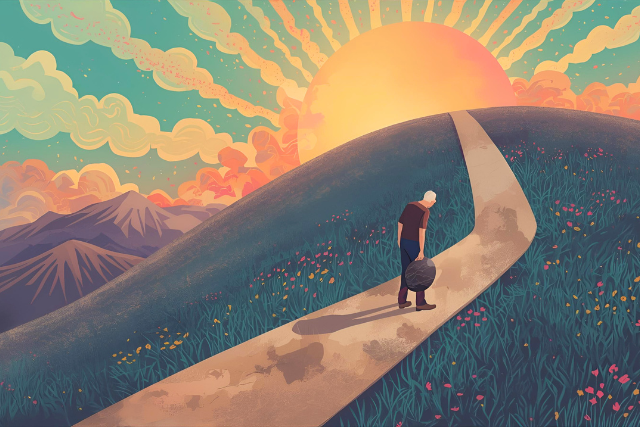
I carry those memories not because I want to but because I’ve learned that regret has something to teach me. It’s not just a burden. It’s a mirror. And if I look at it with clear eyes, it shows me who I’ve become.
I’ve also learned that some mistakes don’t go away. They live in your bones. People say, “Let go of the past,” and I believe that’s a worthy aim. It’s consistent with the Four Noble Truths in Buddhism: suffering comes from clinging, and peace comes from release. But maybe some memories are meant to be carried—not as punishment, but as reminders.
Despite my tendency toward impostor syndrome—the whisper that I’m not wise enough, not healed enough, not even worthy of writing this—I know this much: I am learning to live with my mistakes rather than against them.
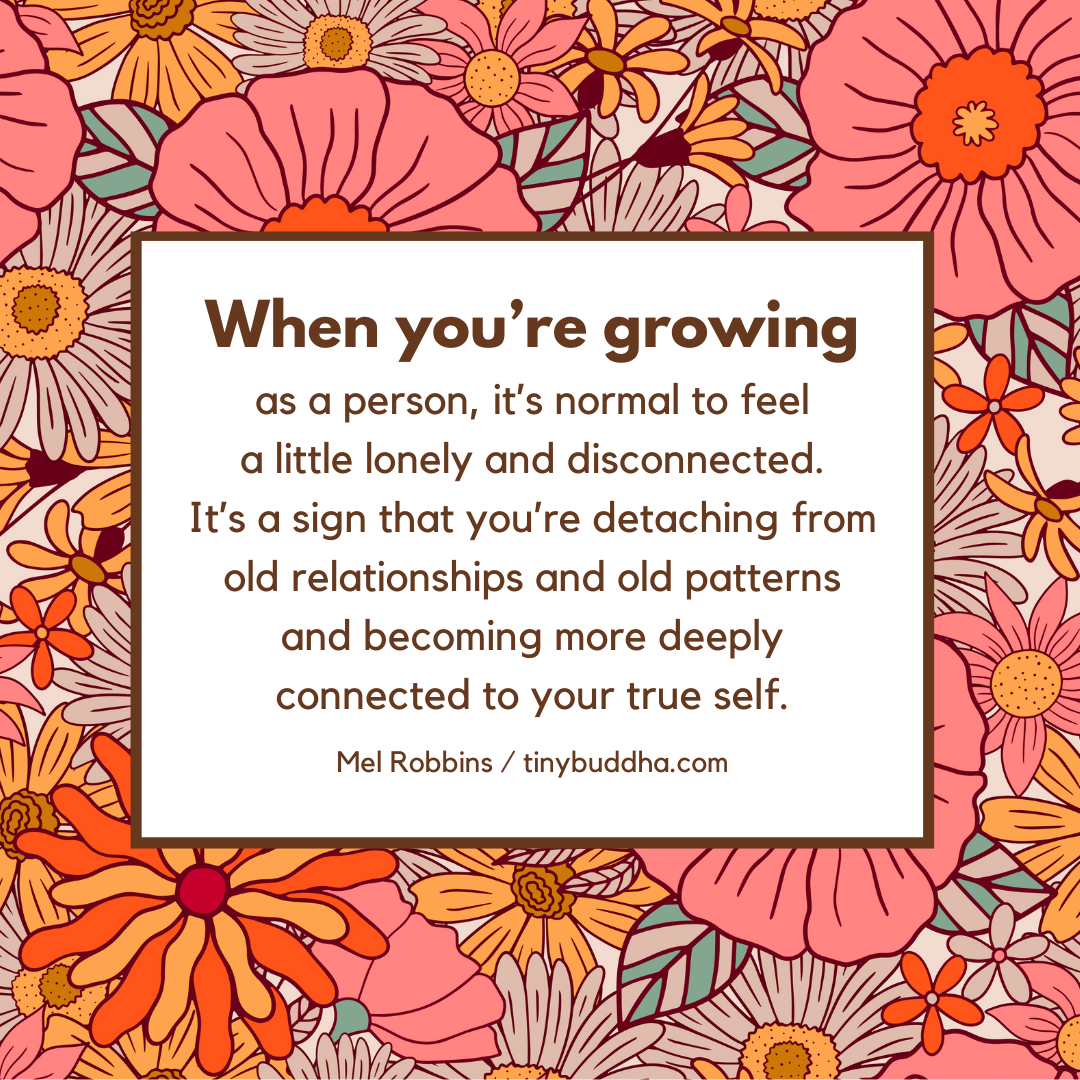
I no longer believe healing means erasing the past. I think it means letting it breathe. Letting it soften. Letting it speak—not to shame you, but to show you where the heart finally opened.
Sometimes I wonder—how could I have missed so much?
I don’t mean that I lacked intelligence. I mean I was often distracted. Caught up in my own ego, my longings, my fears. Sometimes I look back and shake my head, wondering how I didn’t see what was right in front of me. Not just once, but again and again.
There’s that old saying: Youth is wasted on the young. Maybe there’s a sharper version of that—Youth is wasted on the non-mindful. I see now how many years I spent reacting instead of reflecting, chasing instead of listening, trying to prove something instead of just being present.
And yet, maybe this is how it works. Maybe it’s necessary to go through the valley of mistakes before we can rise into any meaningful self-awareness. Maybe the errors—the cringeworthy ones, the silent ones, the ones we’ll never fully explain—are the curriculum.
Still, I have doubts.
Is mindful growth real? Or are we always just half-blind and half-deaf, hoping we’ve finally gotten it, only to be proven wrong again later?
Sometimes I think I’ve evolved. Other times I realize I’m repeating the same old pattern, just in more subtle ways. And yet… there’s something different now. A deeper pause. A longer breath. A willingness to admit I don’t know, and to stay in the discomfort.
Maybe that’s what growth really looks like—not certainty, but humility.
No, I wasn’t stupid. I was learning. I still am.
When the Weight Is Too Much
And then, just when I think I’ve made peace with the past, something happens that shakes me again.
This morning, I learned that someone I’ve known since high school—an artist and surfer, quiet and soulful—jumped off a cliff to his death.
It was the same spot where he first learned to surf, first fell in love with the sea, maybe even first became himself. A place filled with memory. And maybe, pain. Maybe too much.
We weren’t especially close, but I respected him. His art. His quiet way of being in the world. And now he’s gone.
I don’t pretend to know what he was carrying. But I do know this: memory is powerful. Returning to it can heal us, or it can crush us. Sometimes both.
So I write this with no judgment. Only sadness. And the reminder that what we carry matters. That being kind—to others and to ourselves—is no small thing. That sometimes the strongest thing we can do is stay.
What I Know Now
So what have I learned?
I’ve learned that tenderness outlasts thrill. That presence matters more than persuasion. That a goodbye spoken with kindness is better than a door closed in silence. I’ve learned that some apologies come too late for anyone else to hear—but that doesn’t mean you shouldn’t say them.
I’ve learned that showing up—however imperfectly—is always better than disappearing.
And I’ve learned that even now, even at this point in life, I can still choose how I respond. I can meet the past with compassion. I can meet this moment with clarity.
To the ones I left too soon… to the people I failed to thank, or hear, or stand beside… to the ones I loved imperfectly but truly… here is what I can say:
I see it now. I wish I’d done better. I’m sorry. I’m still learning.
And I’m still here—still trying, still growing, still becoming the person I hope to be.
And if you’re reading this, carrying your own memories, your own regrets, know this: you’re not alone. You don’t have to be perfect. You just have to keep showing up. That’s what I’m trying to do, too.