Tag: gifts

  • Brilliant, Not Broken: A Powerful Reframe for Neurodivergence

    Brilliant, Not Broken: A Powerful Reframe for Neurodivergence

    “It is not our differences that divide us. It is our inability to recognize, accept, and celebrate those differences.” ~Audre Lorde

    For most of my life, I asked myself a quiet question:

    What’s wrong with me?

    I didn’t say it out loud. I didn’t have to. It was stitched into how I moved through the world — hyperaware, self-correcting, and always just a little out of step. I knew how to “pass” in the right settings, but never without effort. Underneath it all, I was exhausted by the daily performance of normal.

    Looking back, it’s clear where it started.

    I grew up in a home marked by emotional chaos and unpredictability. Like many kids with developmental trauma, I became hypervigilant before I even had words for it. I learned to track mood shifts, tones of voice, the silences between the words. While other kids were absorbing math lessons, I was reading the room.

    In elementary school, I wasn’t the loud kid or the front-row overachiever. I was the quiet one in the middle row—not bold enough to be in front where people might see me, and not defiant enough to risk the back, where the “bad kids” got called out, punished, or ignored. I learned early that safety meant staying in the middle: visible enough to avoid trouble, invisible enough not to stand out.

    I didn’t know what the lesson was. But I knew who the teacher favored and who she didn’t. Who had a rough night at home. Who was trying too hard. Who had checked out. And who was silently hurting the way I was.

    I was always paying attention—even if they said I was unfocused—just not in the way the teacher wanted me to.

    I also daydreamed. Constantly. I lived in fantasy worlds that I made up in my head, complete with characters, backstories, and dialogue. I wasn’t trying to avoid reality—I was trying to survive it. And those imagined worlds were often kinder than the one I was stuck in.

    So when people say things like, “That child is so distractible,” I want to pause them.

    Sometimes, what you’re seeing isn’t a disorder. Sometimes, it’s a child adapting to a world that feels unsafe.

    What We Call Disordered Might Just Be a Different Kind of Wisdom

    As I got older, I started to realize how many of the things we pathologize—especially in women, neurodivergent folks, and trauma survivors—are actually adaptive or even gifted traits. But because they don’t fit the dominant mold of what “healthy” looks like, we call them broken.

    Let me say this clearly: Different doesn’t mean disordered. And even when support is needed, that doesn’t mean the person is lacking.

    Take ADHD. It’s often reduced to disorganization or forgetfulness, but for many people, it reflects fast-paced, pattern-jumping brains that crave stimulation and thrive in high-innovation spaces. That same brain might struggle in school but light up in entrepreneurship, the arts, crisis work, or tech.

    Take anxiety. Yes, it can be overwhelming. But beneath it is usually a sensitive nervous system attuned to energy, risk, nuance. In trauma survivors, it often reflects the ability to read between the lines—to sense what’s not being said, to prepare for every possible outcome. They keep themselves and others safe by seeing the risks before the bad thing happens.

    Take autism, especially in girls and women. What gets labeled as rigidity or social awkwardness might actually be deep authenticity, truth-telling, and sensory brilliance in a world full of noise and social masking.

    Even depression can be a form of wisdom—a body demanding rest, a soul refusing to keep performing, a nervous system finally saying “enough.”

    What Neurodivergence Really Means

    Neurodivergence isn’t one thing. It’s a big umbrella. It includes conditions like:

    • ADHD
    • Autism
    • Learning differences (like dyslexia or dyscalculia)
    • Sensory processing differences
    • Mood disorders (sometimes)
    • PTSD and C-PTSD (especially when they cause long-term brain changes)

    For some, it’s hardwired. For others, it’s trauma-shaped. And for many of us, it’s both.

    In my own family, neurodivergence runs deep.

    My mother lived with bipolar disorder and schizophrenia. My oldest son has ADD and anxiety. My youngest is autistic, has an intellectual disability, and also lives with ADHD. I’ve carried complex PTSD, anxiety, depression—and honestly, probably undiagnosed ADD too.

    We are not broken. We are not less.

    We are a line of deeply sensitive, differently wired humans trying to survive in a world that doesn’t always recognize our kind of brilliance.

    I know what it is to be the outcast.

    I watched my mom become one—judged and misunderstood by her own family, dismissed by society because her bipolar and schizophrenia made people uncomfortable. I’ve watched my youngest son become one too. He’s autistic, has an intellectual disability, and ADHD. And I know—deeply know—that if I hadn’t chosen to value his wiring, the world might have crushed him. For a little while, it did.

    But this kid plays the drums like nobody’s business.

    He is fiercely protective, wildly loyal, and more emotionally intuitive than anyone I’ve ever met.
    And every once in a while, he’ll say something so specific, so strange, so piercingly true, I swear he’s reading my mind — or someone else’s.

    We don’t talk about this kind of intelligence enough. The kind that doesn’t show up on standardized tests or IQ charts, but lives in the bones. In the music. In the knowing.

    Neurodivergence simply means your brain functions in a way that diverges from the norm. That’s not bad. That’s essential—because the “norm” was never built with all of us in mind.

    The Bigger Picture

    We live in a culture that rewards sameness: attention that stays linear, emotions that stay tidy, learning that happens on schedule.

    But real life is messier than that. And real people are more complex.

    Some of the most powerful thinkers, healers, leaders, and artists I know live with labels that would’ve sidelined them if they hadn’t learned to translate their differences into power.

    Different doesn’t take away from the conversation. It adds to it.

    And the next time you wonder if something is “wrong” with you,  pause.

    What if that part of you isn’t broken?

    What if it’s just misunderstood?

    What if it’s trying to show you something the world forgot how to hear?
  • Because I Lost My Mom: 6 Gifts I Now Appreciate

    Because I Lost My Mom: 6 Gifts I Now Appreciate

    “The only thing you sometimes have control over is perspective. You don’t have control over your situation. But you have a choice about how you view it.” ~Chris Pine

    I had a happy, carefree childhood up until a point. I remember lots of giggles, hugs, and playfulness. One summer, as we were sitting in my grandmother’s yard enjoying her homemade cake, my mum’s right hand started trembling.

    My worried grandmother encouraged her to eat, but her hand continued to tremble. I remember her troubled look. She must have sensed something was wrong.

    Just three months later, she was gone. Acute leukemia meant that on Monday she received the results of a worrying blood test, on Wednesday she was admitted to the hospital, and by Friday she had died. I was only ten years old.

    My aunt broke the news to us that Friday afternoon by saying, “Your mum has gone to the sky.”

    If I were to explain what the news of her passing felt like, I would say it was like being hit by lightning. I’ve read that in cases of sudden death, children can stay stuck in some sort of confusing reality: They hear what happened and react to the news, but they don’t quite comprehend it. Somehow, deep inside, they don’t really believe it.

    In my case, and for years following my mum’s death, I thought that she had gone to the sky, but that she would come back. It was just a trip, or a bad joke.

    She would most definitely come back.

    As you might be guessing, I did not get much support in dealing with my grief. On the contrary, the message I got was that life should go on. That a page had turned, but the preceding pages weren’t worth reading.

    This is also how all the adults around me acted. So, even though lightning had struck me, I simply stood up and continued to walk, despite all the invisible damage it had done.

    The wake-up call to locate that damage and try to repair it came years later when I started experiencing health issues that my doctors said were linked to chronic stress. That’s when I finally decided to face my grief. My young adult body was giving me a clear sign: There were too many unprocessed emotions, desperately needing to find a way out.

    Once I allowed myself to finally feel that my heart had been shattered in a million pieces, I started putting those pieces together and redefining who I was.

    If my life were a book, grief would be the longest chapter. When I meet someone for the first time, I almost feel like saying, “Hi, I’m Annie, and my mum suddenly died when I was ten.” That’s how much it defines who I am.

    Negatively, you might think.

    Indeed, her absence still causes tremendous pain. I never felt this more than when I had my own children a few years ago. Becoming a mother does not mean that you stop being a daughter who needs her mother. You also become a mother who would like her children to have a grandmother.

    My mother is not there to spoil my daughters, and they will never get to know her. There is no one I can ask to find out how I was as a baby. She isn’t there to listen to my worries or fears while I navigate parenthood.

    I still get a ping in my heart when I see ten-year-old girls with their mums, seeing myself in them and re-living the immensity of such a loss. And as I am approaching the age she was when she died, I’m terrified that I will share the same fate and that my girls will grow up without me.

    Nevertheless—and I know this might sound contradictory, but aren’t grief and life full of contradictions?—in many ways, her absence has also been a gift.

    Thanks to her:

    I fully embrace the idea “live every day as if it is your last” because I know that there is a very real possibility that this day might indeed be my very last. While you might think this means living life with fear, quite the opposite is true. It means living life full of appreciation, gratitude, and love for this body that is still functioning, for the people around me, and for life itself.

    I choose to be truly present with my children and close ones and cherish deep relationships because I want to make the time we spend together count. If the memories we are creating are shorter for whatever reason, let them be powerful.

    I have a job that gives me a deep sense of purpose and meaning because anything else would make me feel like I am wasting precious time that I don’t necessarily have. I’m honored to be making a difference in other people’s lives by helping them think differently about their lives and helping them through their own grief. I make it my goal to share my gifts with the world while I live on this planet.

    I am (relatively) comfortable with the challenges that life throws at me. When you survive after the tragedy of losing a parent, you don’t sweat the small stuff as much. I still find myself getting upset by little things like anyone else, but I’m able to quickly change my perspective and realize that many of the things that upset us are not as important as we first think.

    I know that I cannot control life because life is utterly uncontrollable. In fact, I was a control freak for years, trying to make sure nothing tragic would ever happen to me or my loved ones again, until I realized that this was a reaction to my mum’s passing. I now know this isn’t a way to live life, and that is liberating.

    I take care of my health to feel good in my body, not because I want to live until I’m 100, but because I want to live well. I don’t want my days to be filled with the common ailments that people usually accept, such as headaches, brain fog, or digestive issues. I can only enjoy life fully if my body is allowing me to do so.

    If you have experienced early loss but cannot possibly imagine feeling anything positive about it, there is nothing wrong with you. I am sharing my story to perhaps inspire you or even give you comfort.

    Perhaps all you can do right now is stay open to the possibility that at some point in your life, you might be able to see things in a similar way. Ultimately, the path of grief is entirely unique.

    Would I wish early loss on anyone? Never.

    Has grief made me happier? Perhaps.

    Has it made me wiser? Definitely.

    Just as a friend once told me, “You can’t appreciate light without the shadows.”

  • Introducing Backpack Buddha: Meditation Tools and Spiritual Gifts

    Introducing Backpack Buddha: Meditation Tools and Spiritual Gifts

    Hi friends! Since we’re well into December now, I imagine many of you may be either starting or rounding out your holiday shopping. If you’re not yet familiar with Backpack Buddha, I highly recommend checking them out!

    What I love about Backpack Buddha is that they not only offer beautiful fair-trade, eco-friendly products, supporting craftsmen and women in Nepal, they also donate 10% of their profits to a number of worthy causes.

    Started in 2015, they base their entire business model on good karma, and it shows in how they operate.

    Below I’ve shared a number of their products, starting with my personal favorite (which I’m currently using daily):

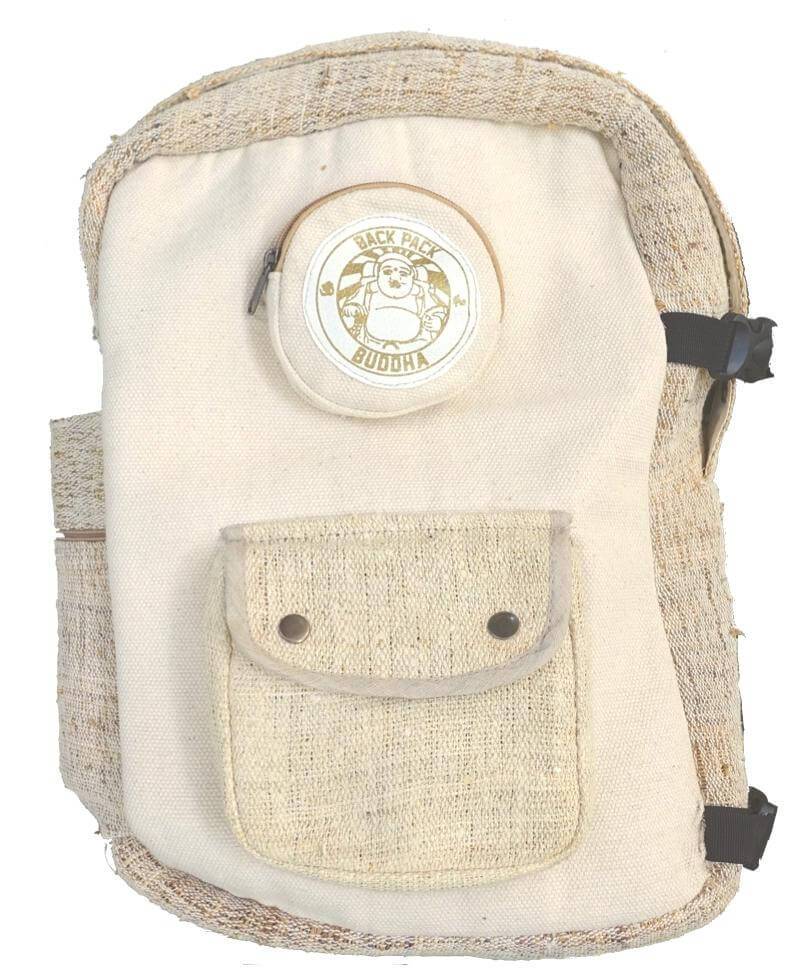
    Buddha Packs

    These come in four sizes, ranging from $27 to $57. I own the Himalayan Hemp #1, pictured here. Handcrafted from 100% Himalayan hemp and cotton from the foothills of the Himalayas, this practical day bag can carry up to two full mala strands in a dedicated Mala pouch, a laptop up to 15 inches, a standard sized yoga mat, and a reusable water bottle.

    The Chakra Collection

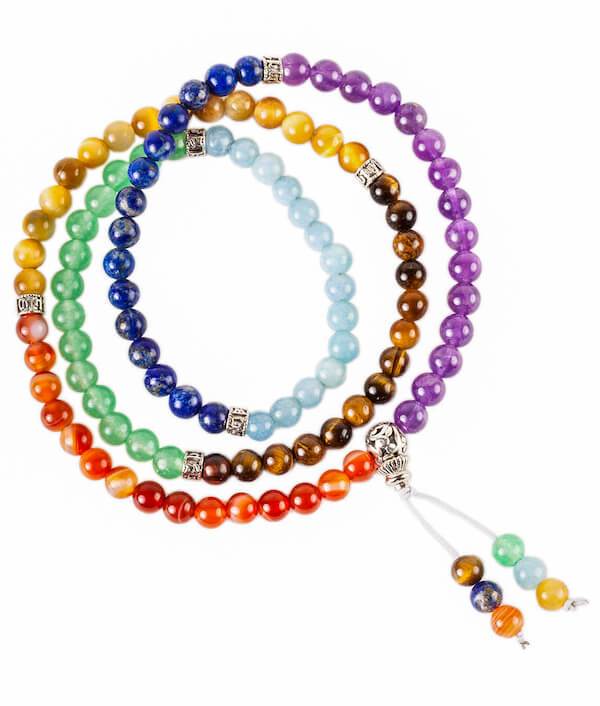
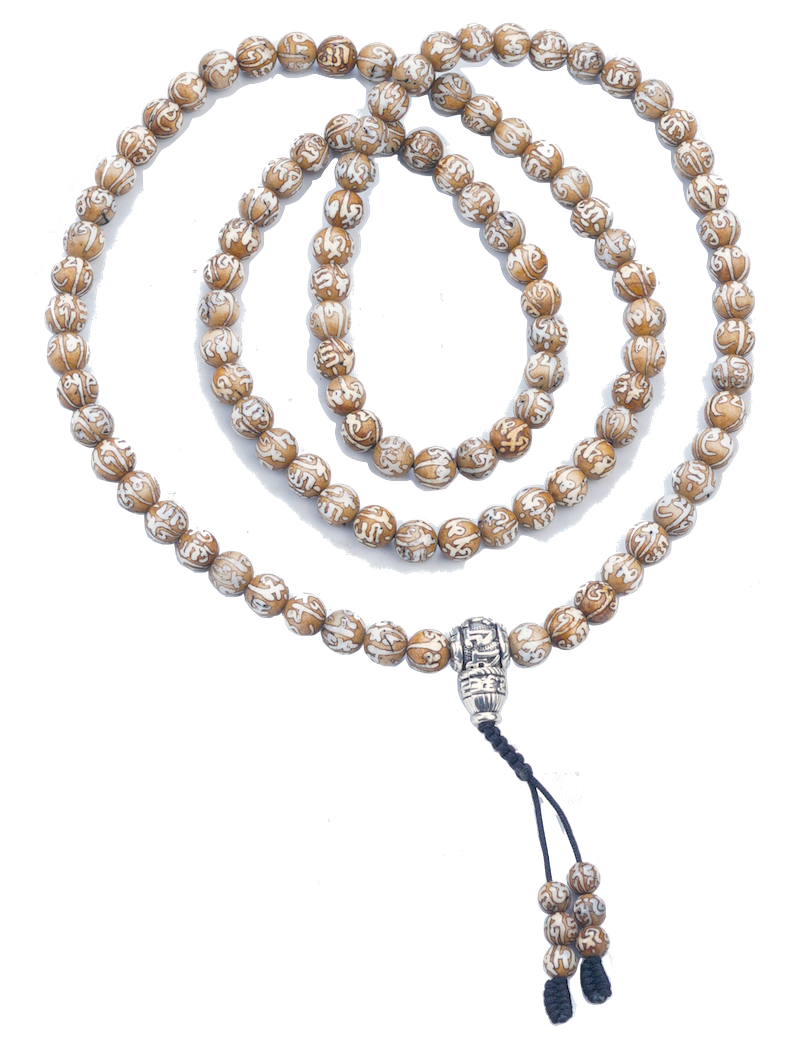
    This unique collection of chakra crystals, jewelry, and tools includes a number of beautiful options including a 7-chakra dream catcher that’s currently hanging right next to my front door and the 108-bead chakra mala pictured above ($37).

    As you’ll see if you click through to the site, each of the seven crystals corresponds with a different mantra, which can be a nice addition to your daily meditation practice.

    Each mala comes with a 7-page eGuide to help you use your beads as a medium for mindfulness, tranquility, and contentment.

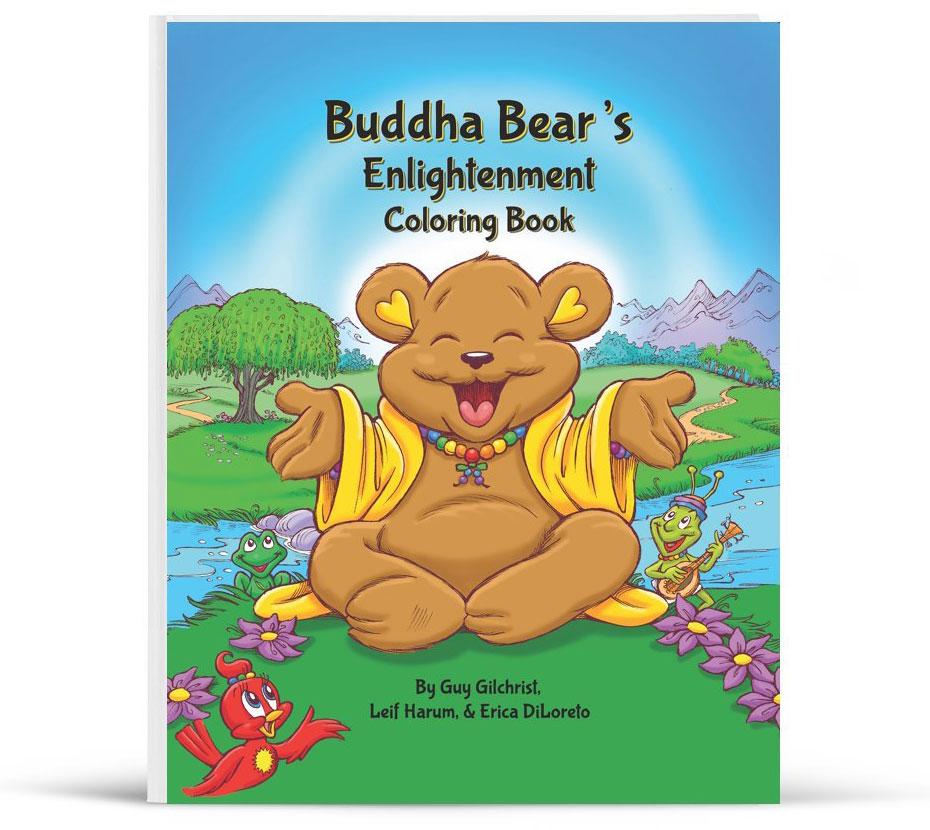
    Buddha Bear’s Enlightenment Coloring Book

    As a huge coloring fan, I’ve seen some pretty cool coloring books in recent years, but none by Jim Hensen’s cartoonist. World-renowned illustrator Guy Gilchrist had a hand in Fraggle Rock, Looney Tunes, Muppet Babies, Tom & Jerry, and more, and has illustrated over sixty children’s books.

    His latest offering, recommended for kids age five to twelve, is intended to foster positive emotional growth through concepts of compassion, gratitude, and love.

    Kids will love following the adventures of Buddha Bear, whose goals are to be kind to everyone he meets, to breathe and stay calm when he’s frustrated, and to appreciate all his blessings.

    For every copy of Buddha Bear’s Enlightenment Coloring Book sold, Backpack Buddha will provide a school grade notebook and pencil for an underprivileged student, grades 2-8, in the Kathmandu valley.

    Enlightenment Journals

    While the Everyday Enlightenment Journal is designed to help you calm anxiety, find purpose, and love your life in twenty-one days, the Everynight Enlightenment Journal can help you relax your body and mind and get better sleep—and it may also inspire positive dreams.

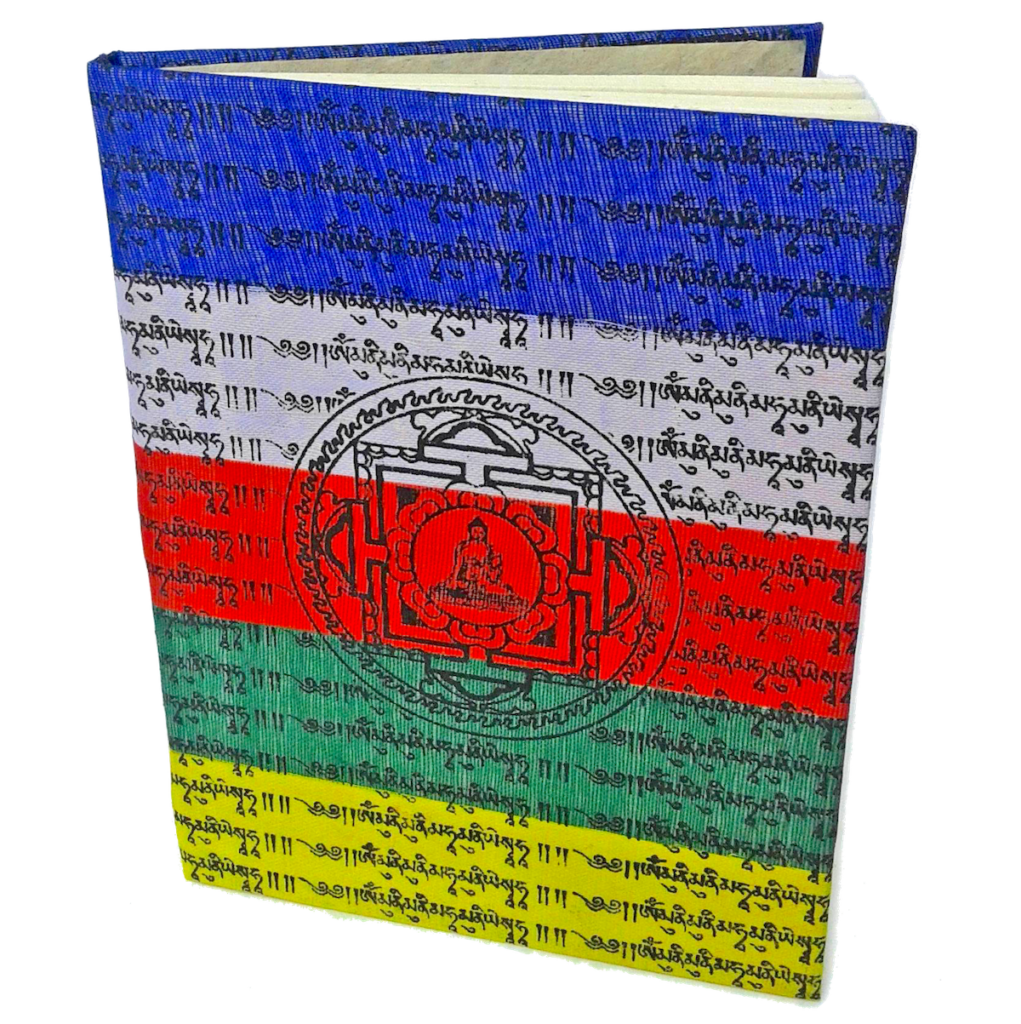
    Above you’ll find the Prayer Flag Journal ($14), which I recently gave to my boyfriend as a gift. Made from Lokta bark paper—by hand, in a village with a 2,000-year history of making this special paper—this journal is covered in the five elements of traditional Buddhist prayer flags: sky, air, water, fire, and earth.

    Monk-Blessed Malas and Jewelry

    Blessed by monks from the Woechen Thuk-Je Choeling Monastary, Swayambhu Temple, in Kathmandu, Nepal, these unique mala offerings include the conch shell mala above ($97).

    These beautiful malas come with 108 om-engraved shell beads.

    I’m a huge fan of Backpack Buddha, and their founder Leif Harum, who’s been a pleasure to connect with. I hope you, or your loved ones, will enjoy their offerings as much as I have!

    **Though this is a sponsored post, you can trust I only promote products and services I personally love!

  • New Tiny Buddha Shirts and iPhone Cases, Just in Time for the Holidays!

    New Tiny Buddha Shirts and iPhone Cases, Just in Time for the Holidays!

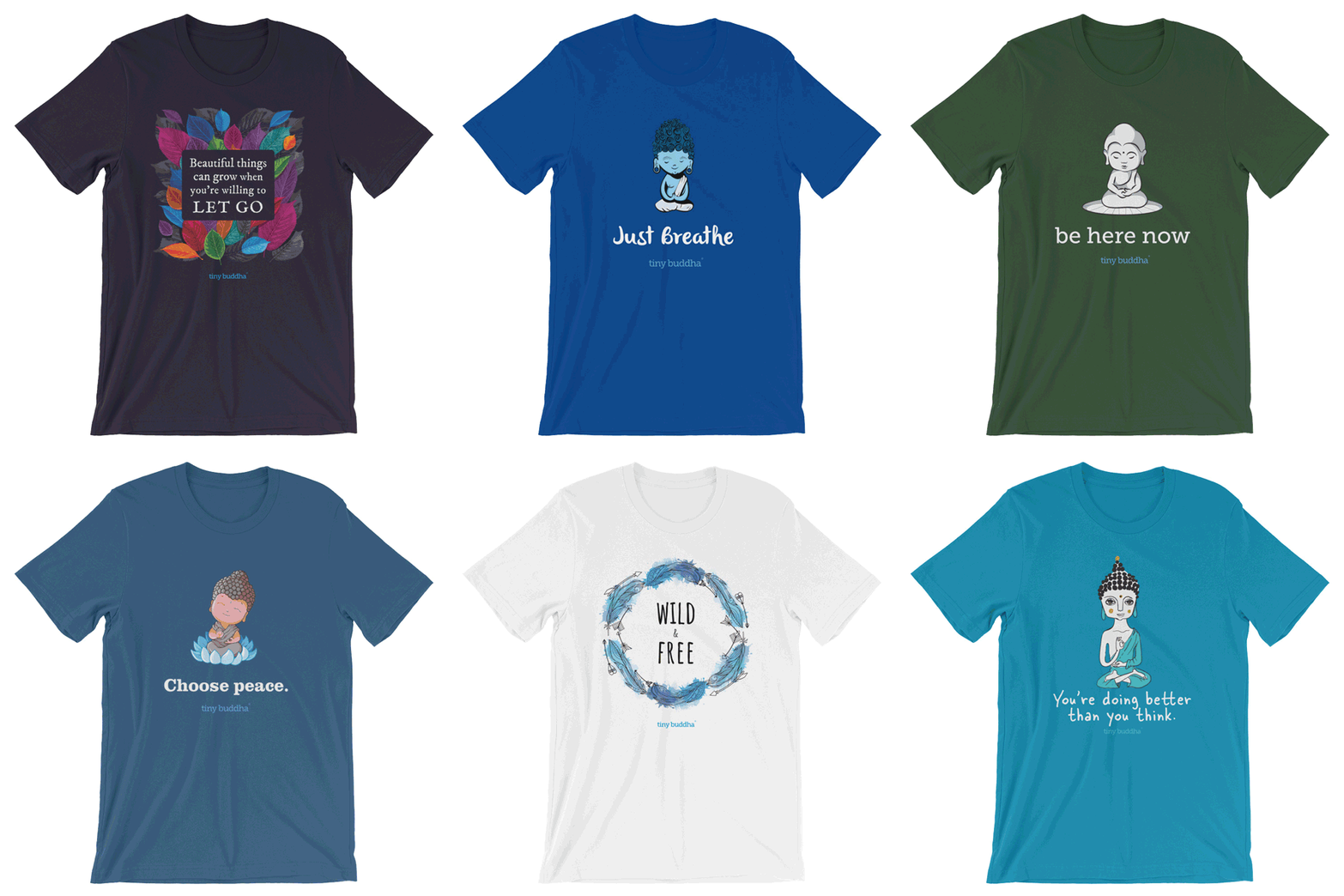
    Hi friends! I’m excited to share that I’ve recently launched a new selection of shirts and iPhone cases on Tiny Buddha, with five new designs—meaning nine in total—just in time for the holiday season!

    I’m also happy to share that the new store offers much better shipping times than I was able to offer in the past.

    The new designs are based on some of the most popular memes I’ve shared on social media. My personal favorite is the “Peace Love Music” one.

    Each design is available in multiple shirt styles: tee, v-neck, tank, sweatshirt, and hoodie, with a range of colors and sizes, including kids shirts. For simplicity, I’ve include just the tee style below:

    You can grab a shirt or iPhone case for yourself or someone you love, or one of the five Tiny Buddha books (including Tiny Buddha’s Gratitude Journal and Tiny Buddha’s Worry Journal) by clicking the button below. Happy holidays everyone!


    **Please note that this a busy time of year for shipping companies, and shipping times vary based on which option you choose. I recommend ordering before the 7th if you’re purchasing items for holiday gifts.

  • Introducing Buddha Groove: Meditation, Yoga, and Inspirational Gifts

    Introducing Buddha Groove: Meditation, Yoga, and Inspirational Gifts

    Hi friends! I hope you’re all enjoying the holiday season so far. Since I know a lot of us spend the beginning of this month looking for the perfect holiday gifts for the people we love, I wanted to take this opportunity to introduce you to Tiny Buddha partner Buddha Groove.

    A family-owned business, Buddha Groove was one of Tiny Buddha’s first sponsors many years back.

    Buddha Groove partners with artists all over the world to offer products that feed the spirit, inspire the mind, and revive the body. Many of their designs originate from artisan traditions in places such as South America, India, Indonesia, Tibet, Nepal, Thailand, and several other world regions. Buddha Groove also partners with many independent artists across the U.S.

    Their wide assortment of spiritual and wellness items and meditation gifts include…

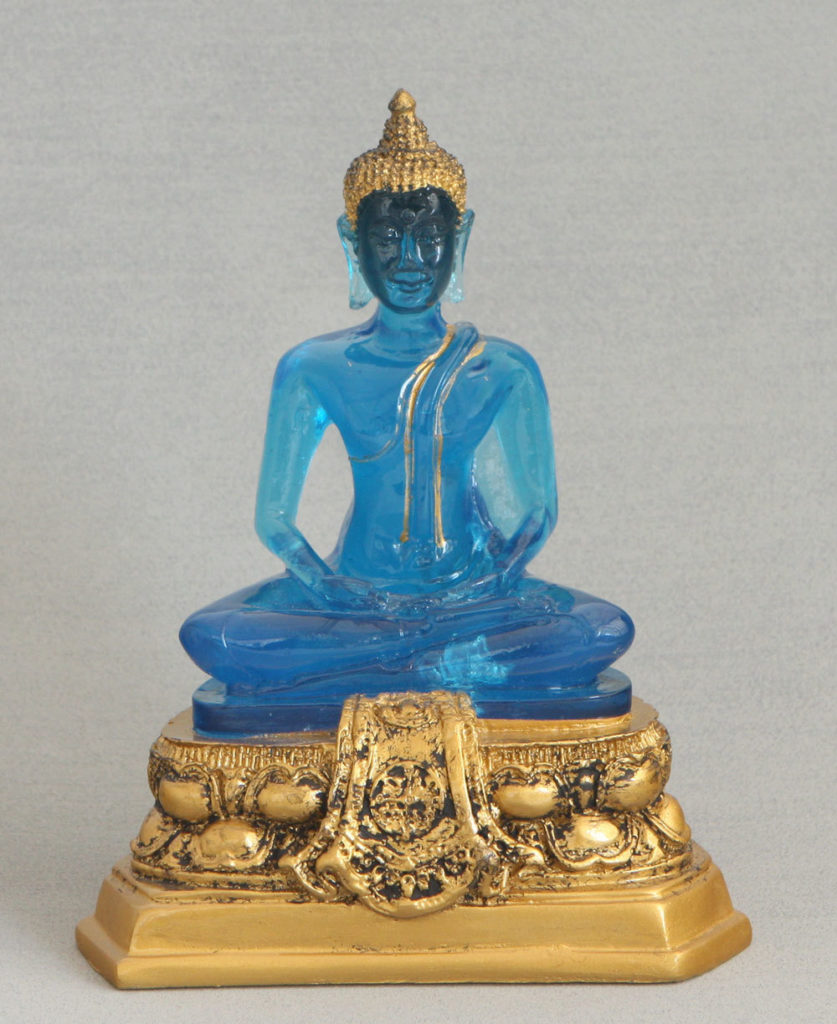
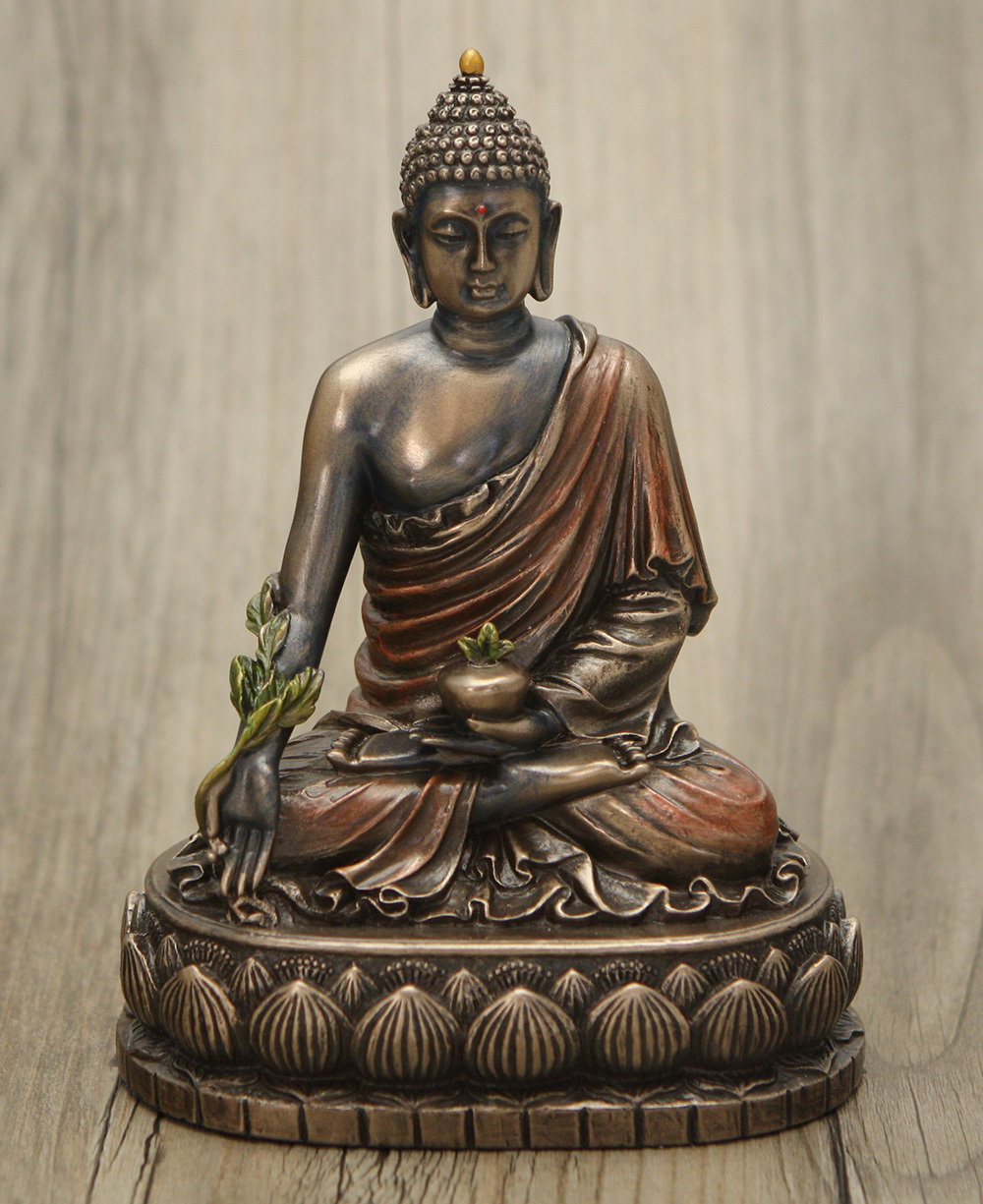
    Buddha statues, like this:

    Translucent Blue Buddha Statue

    Cold Cast Bronze Medicine Buddha Statue

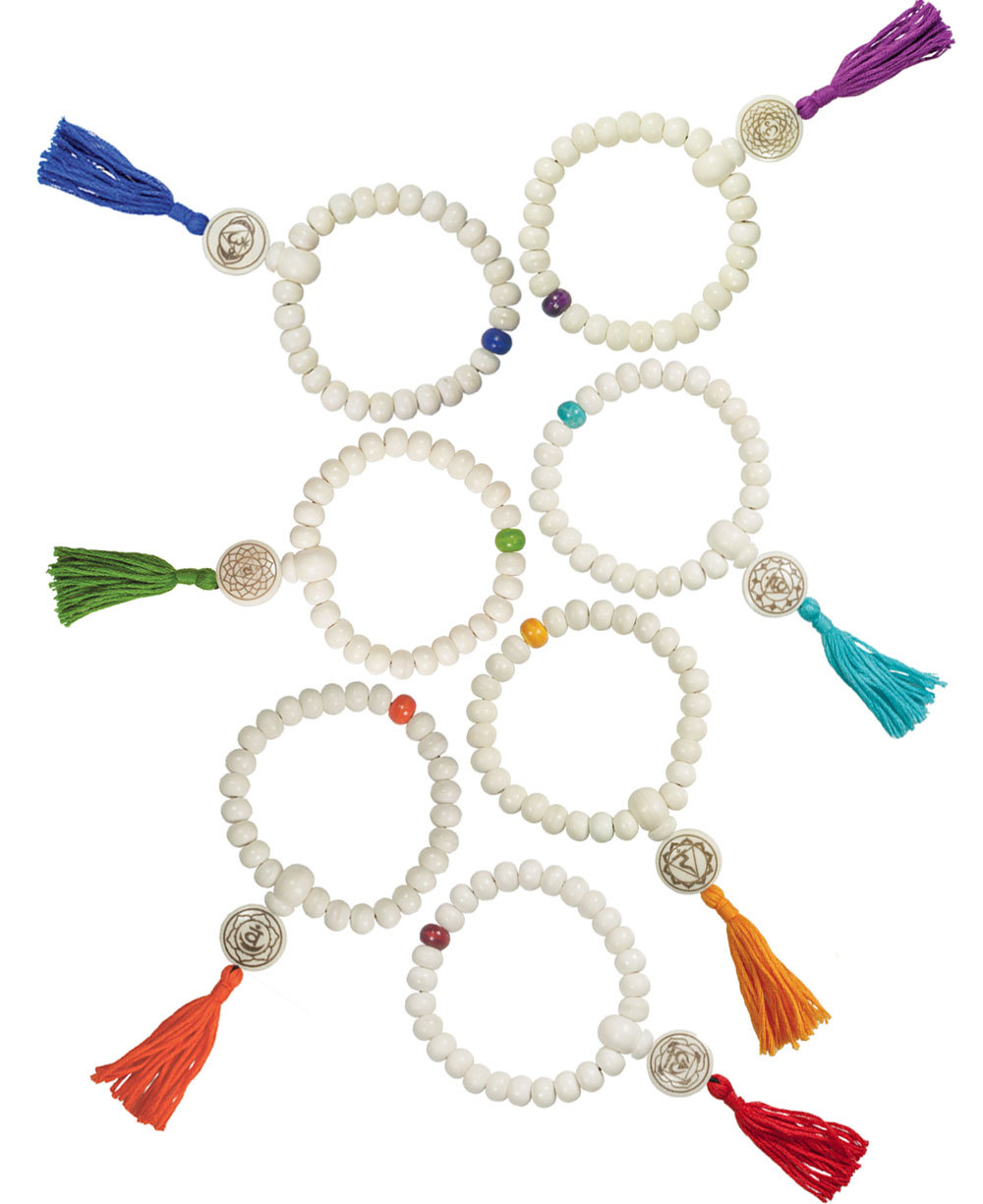
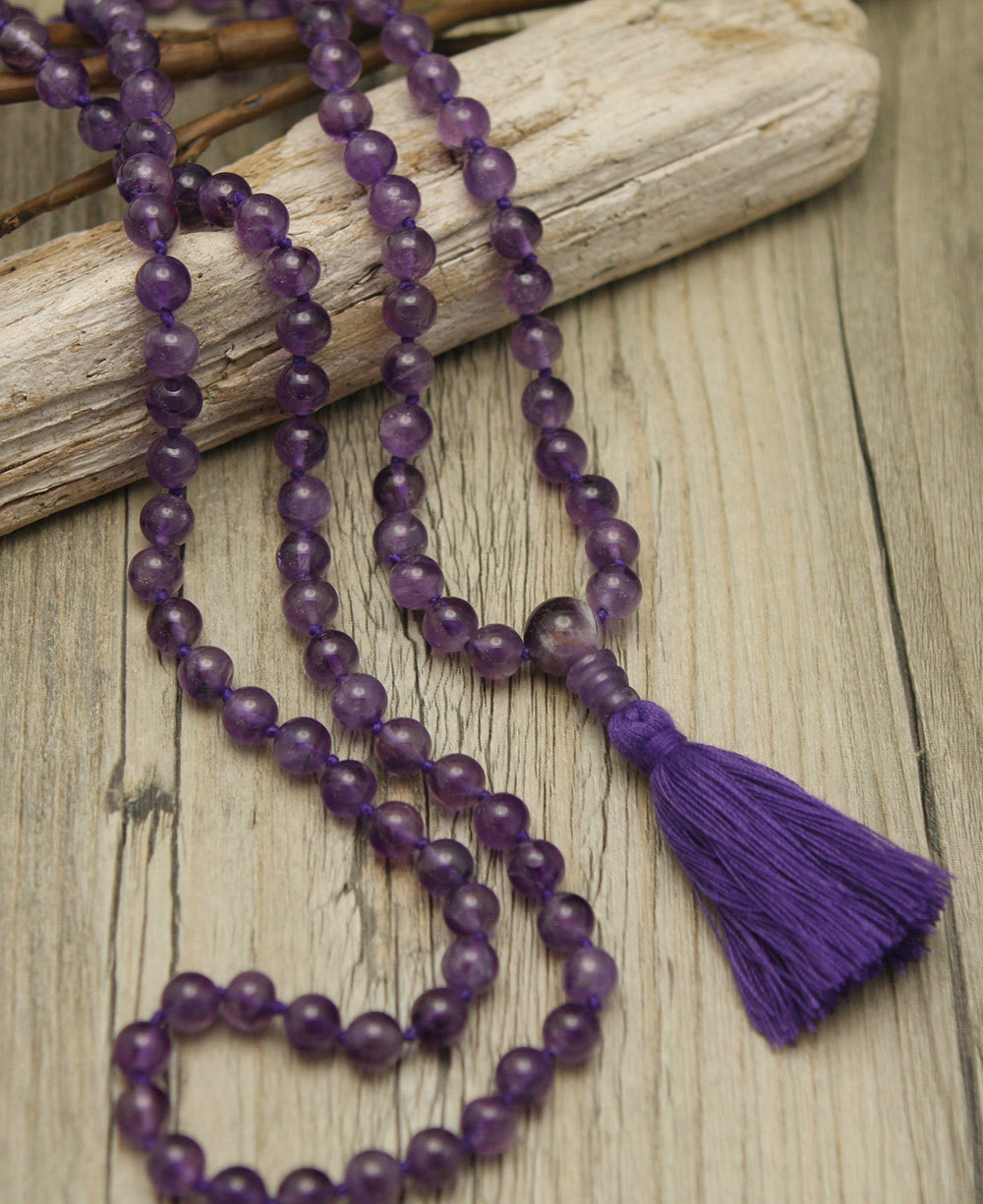
    Meditation malas, like these:

    Chakra Wrist Mala

    Knotted Amethyst Meditation Mala

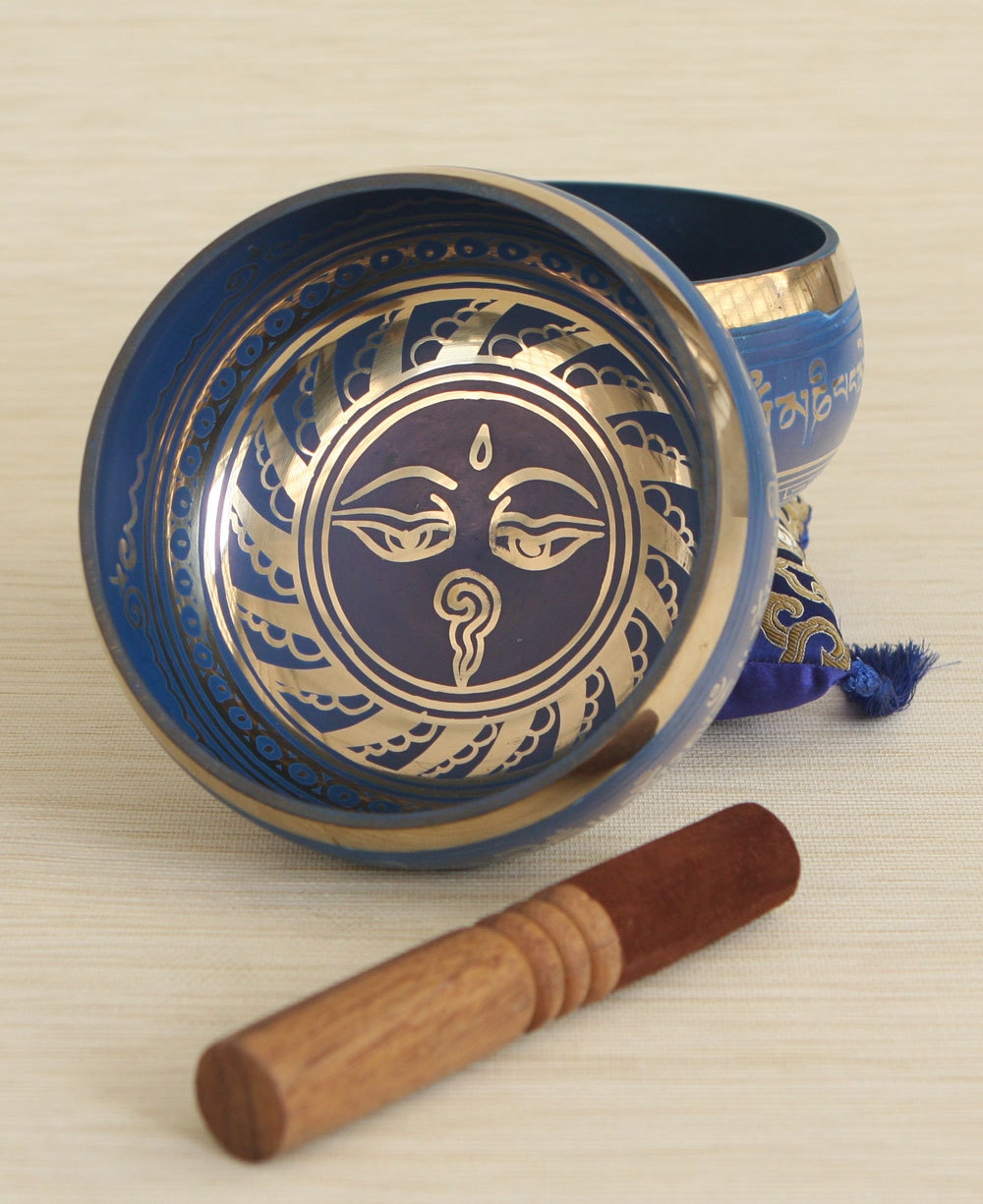
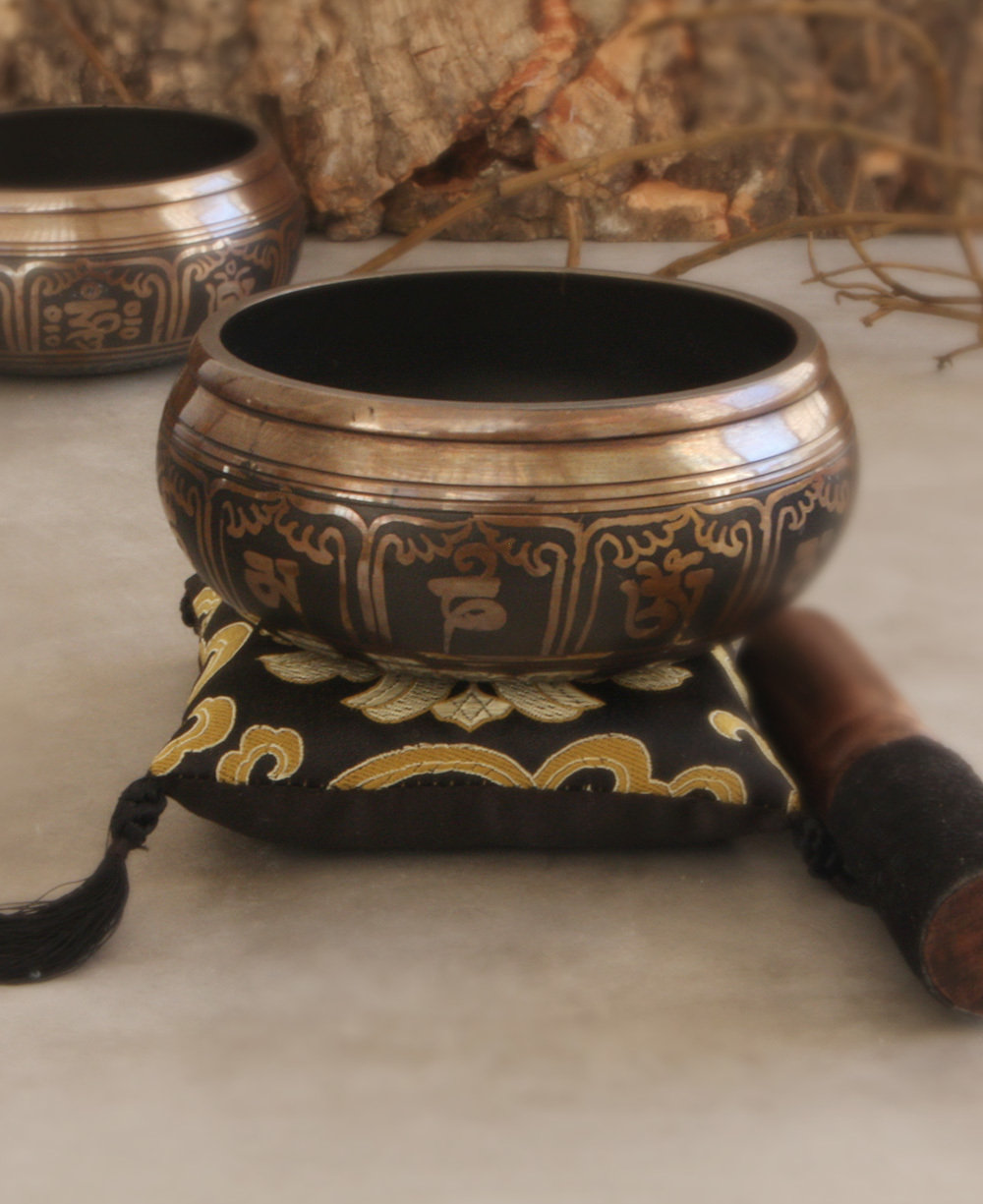
    Singing bowls, like these:

    Blue/Gold Tibetan Singing Bowl

    Blue/Gold Tibetan Singing Bowl

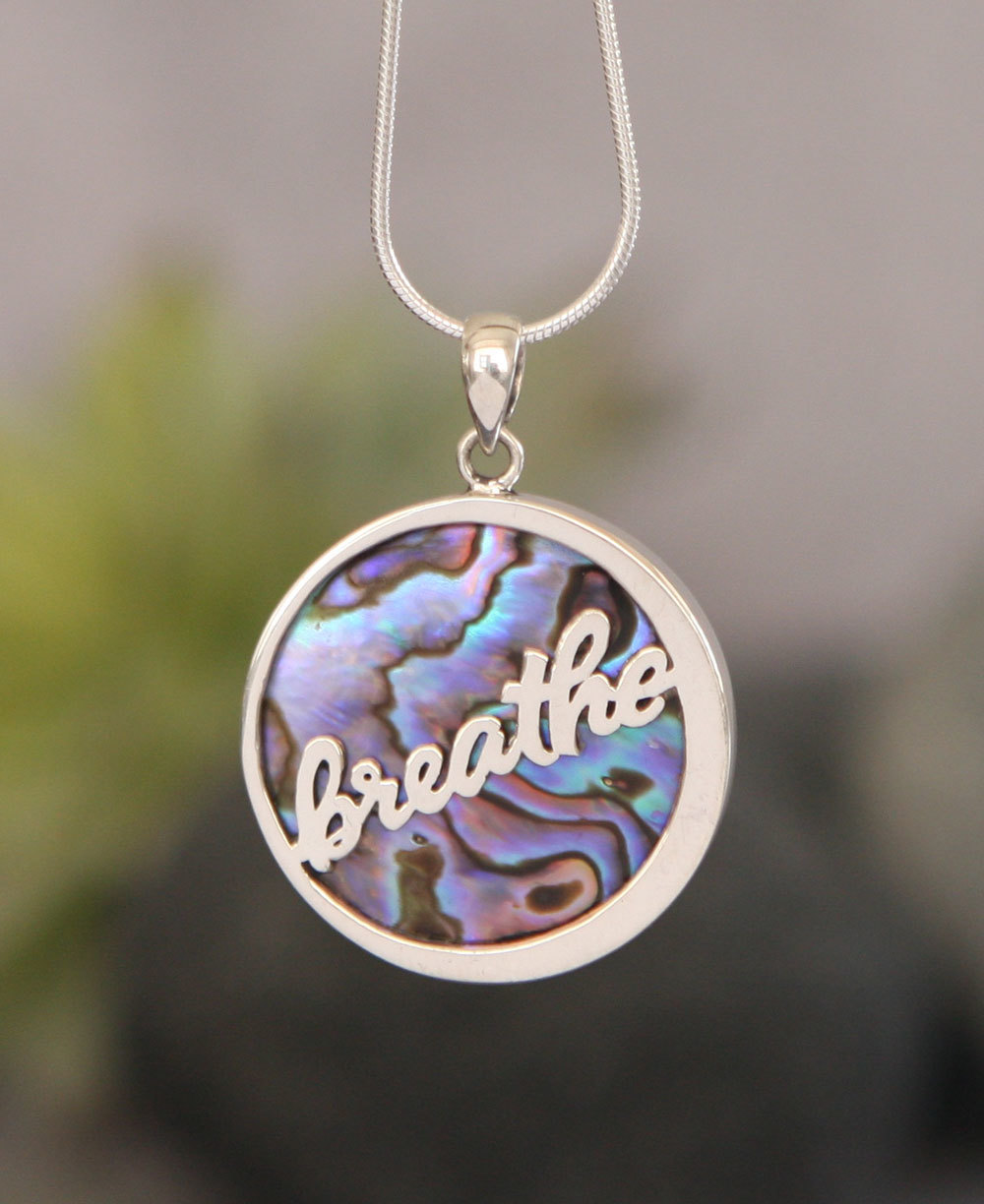
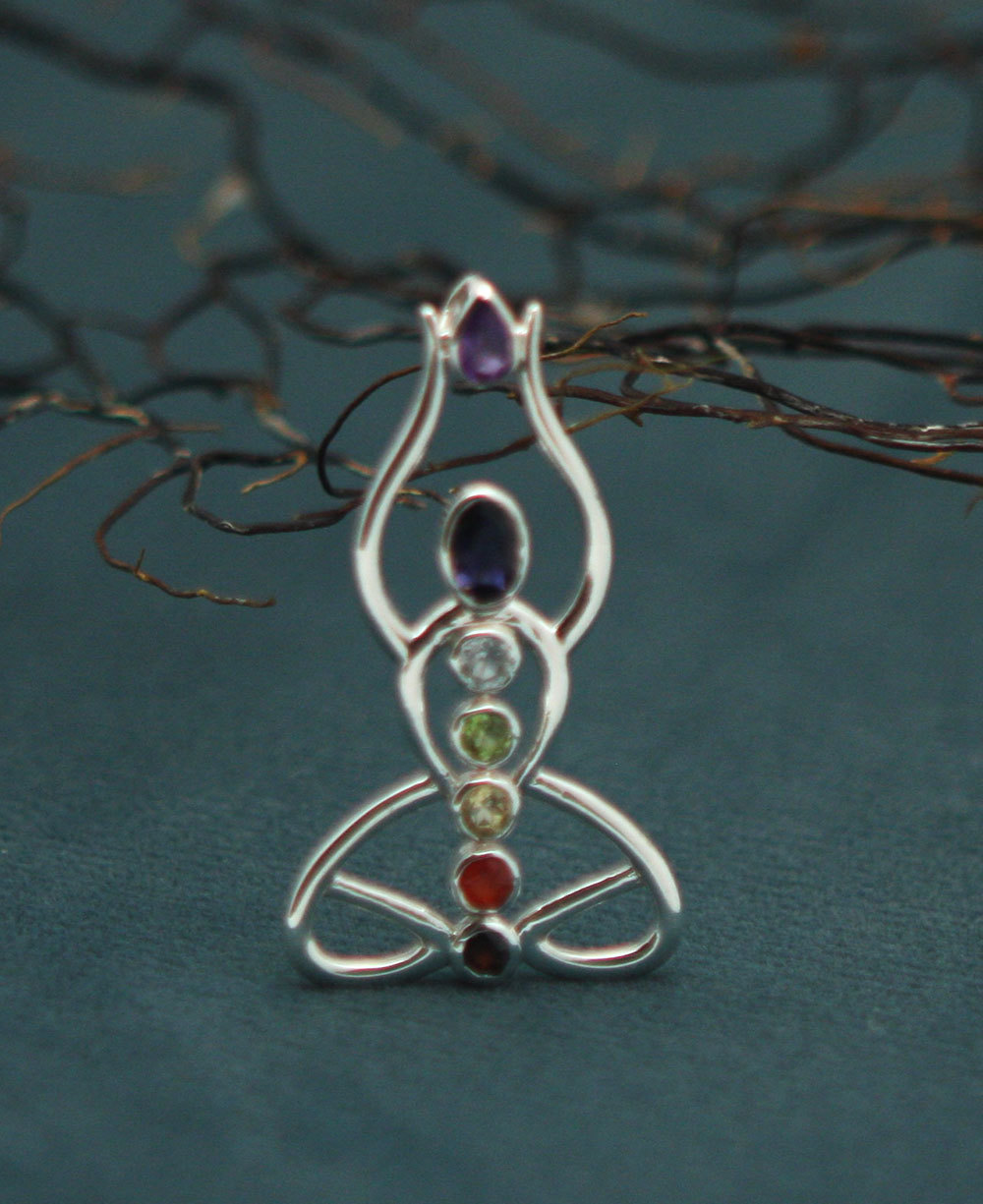
    Spiritual jewelry, like these pieces:

    Breathe Pendant

    Abstract Chakra Figure Pendant

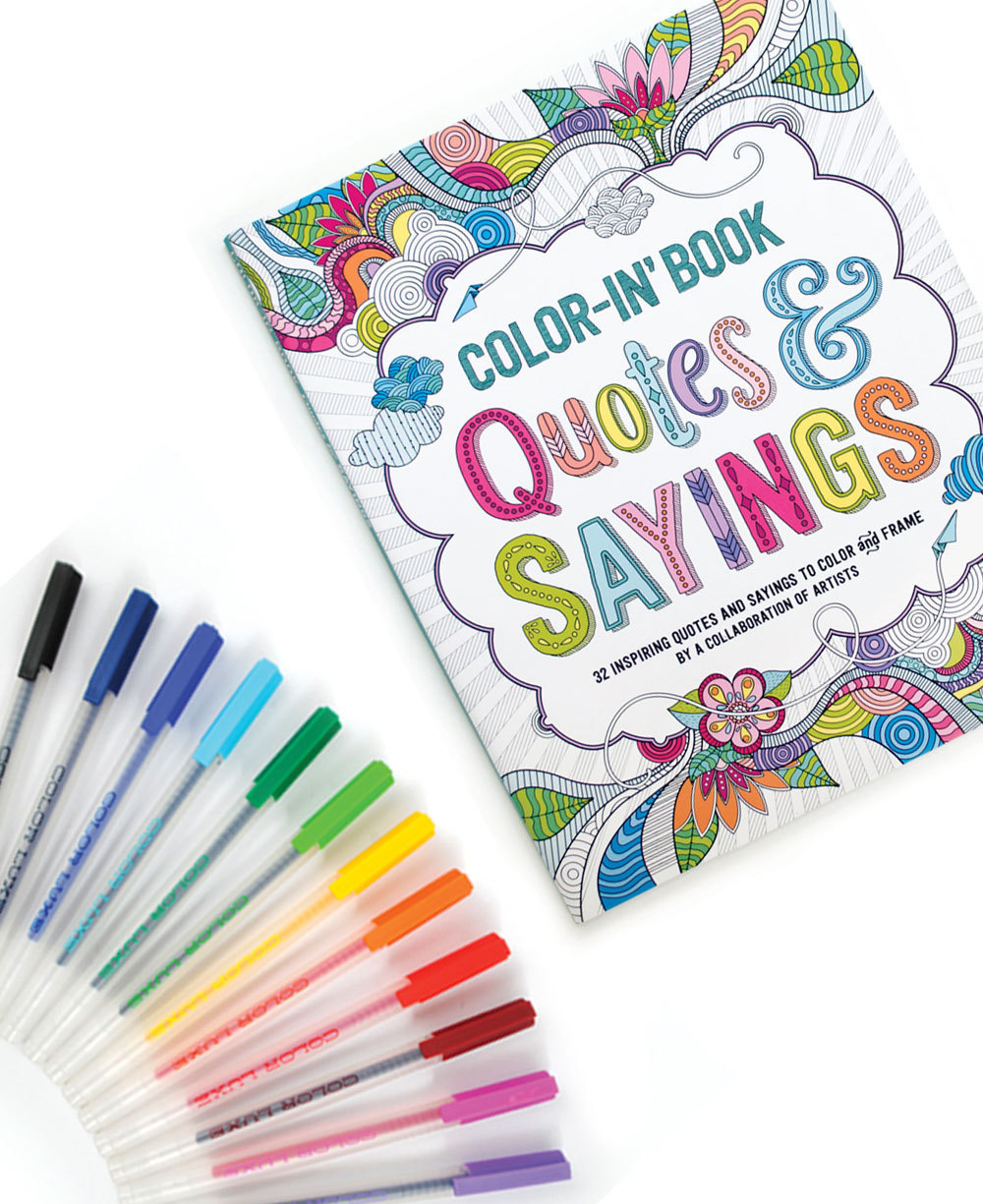
    Books and coloring books, like these:

    Inspirational Quotes Coloring Book

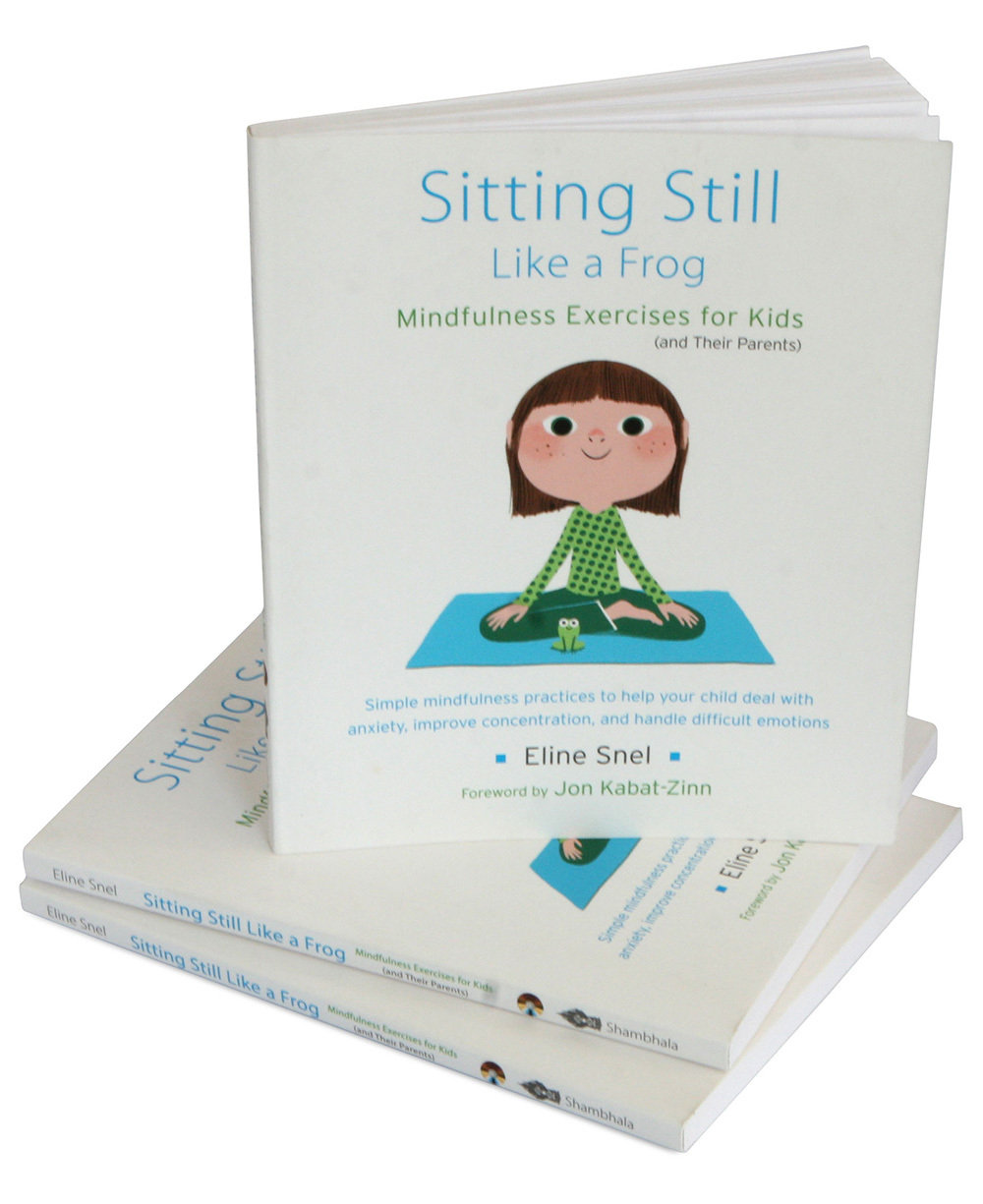
    Mindfulness Guidebook for Kids/Parents

    Yoga gifts, like these:

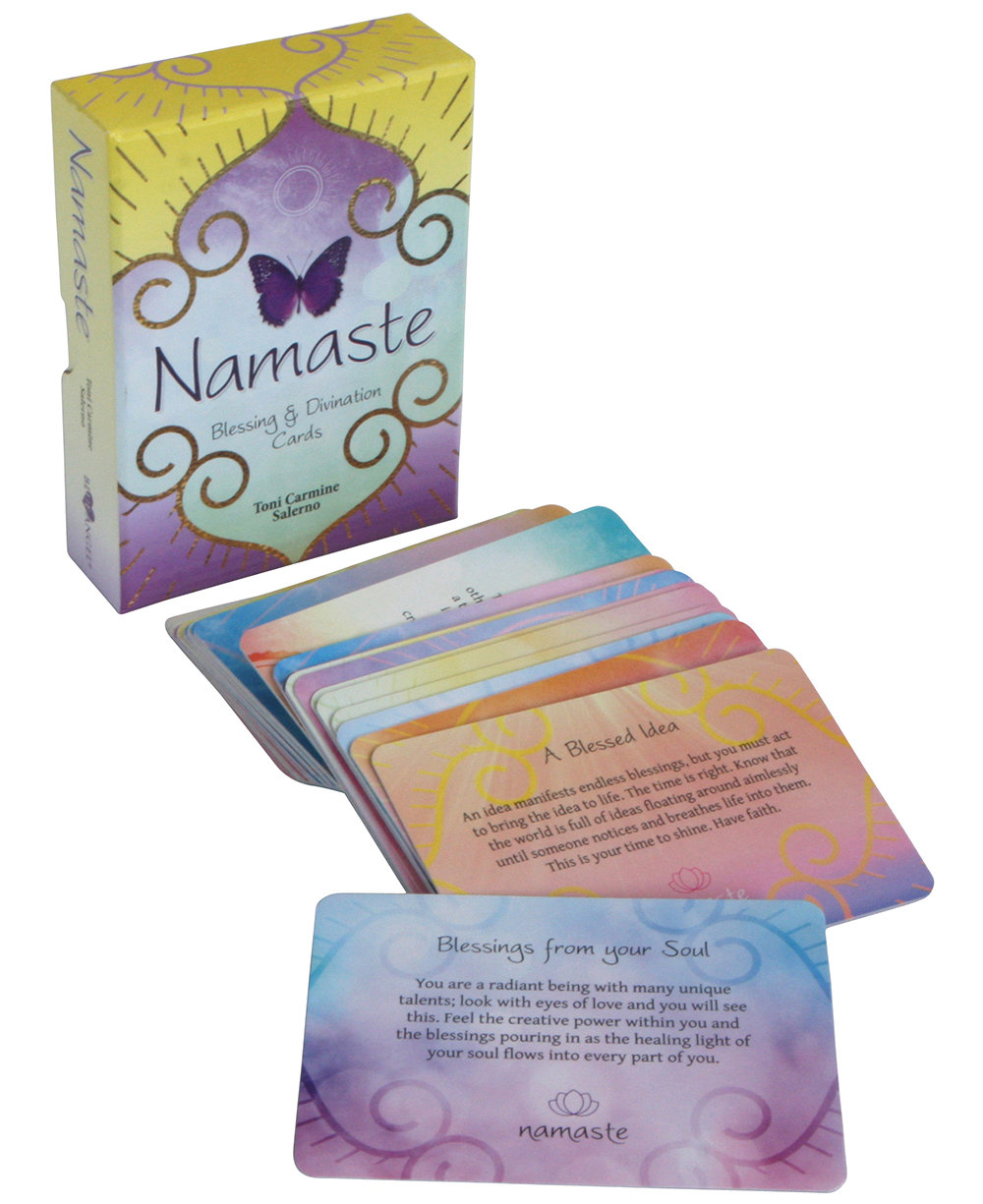
    Namaste Blessings Card Set

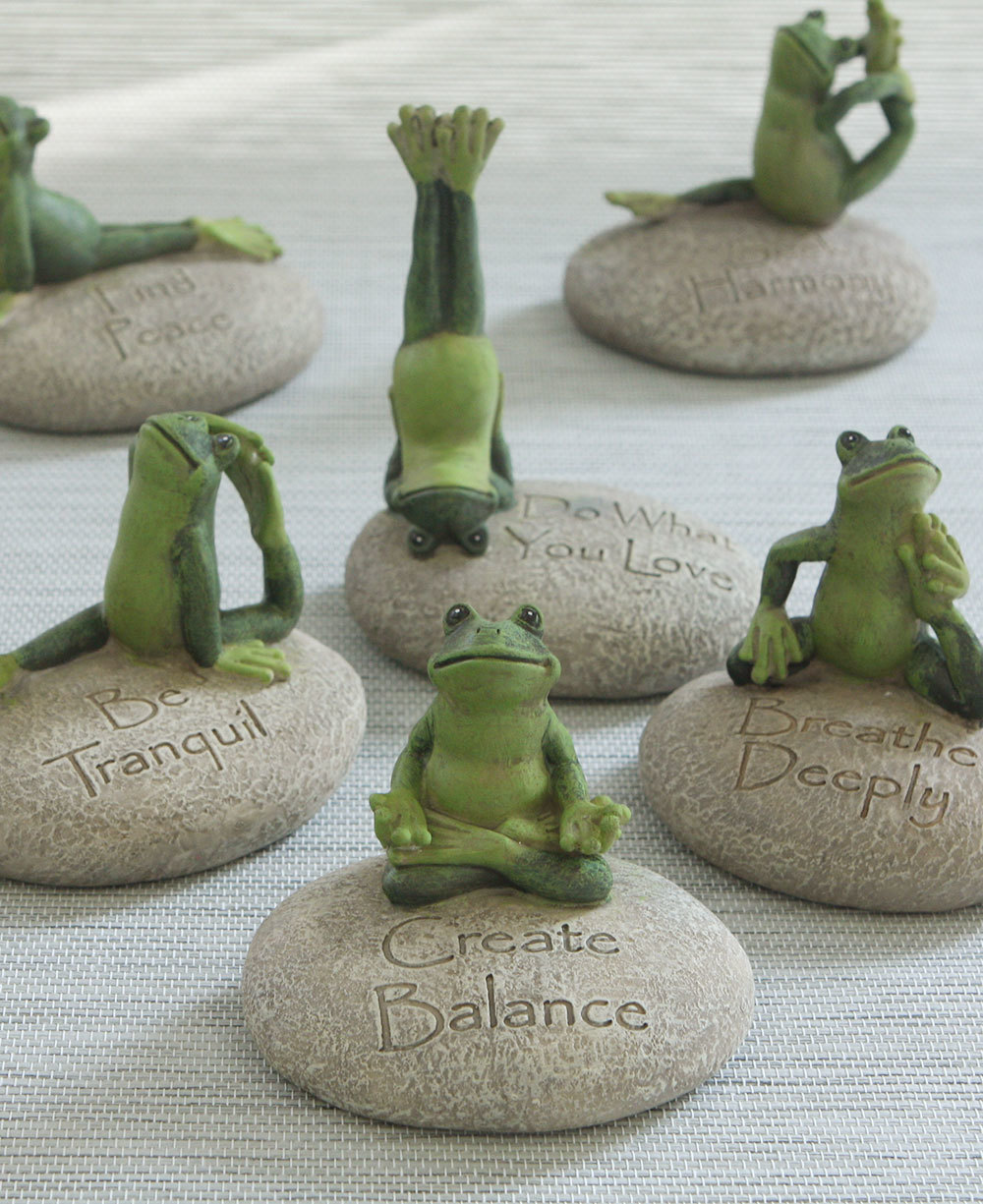
    Yoga Frog Figurines

    Although I consider myself a minimalist, I know that creating a tranquil environment can go a long way in fostering a sense of inner peace. And I also know that it’s much easier to be mindful and consistent with my meditation practice when I have lovingly chosen tools to support me.

    The same is true of the people we love. What better gift to give than a gift that aids in creating calm and comfort?

    Buddha Groove offer free shipping within the continental USA and ships internationally through a third party company. They also offer no-hassle returns within 30 days on all items except media, books, cards, and products containing plants.

    You can browse their full collection here and read a long list of reviews from happy customers here.

    I hope you’ll enjoy browsing through their site, and also hope you find something that speaks to you for the spiritually inclined individuals on your holiday gift list!

    **This is a sponsored post containing affiliate links. That means that a small percentage of each sale supports Tiny Buddha and helps keep the site going.

  • Gifts from a Terrible Disease: A Message for Anyone Who’s Slowly Losing a Loved One

    Gifts from a Terrible Disease: A Message for Anyone Who’s Slowly Losing a Loved One

    Friends Hugging

    “Challenges are gifts that force us to search for a new center of gravity. Don’t fight them. Just find a new way to stand.” ~Oprah Winfrey

    Alzheimer’s crept into our lives about five years ago. It’s like a vine growing alongside a house, slowly taking over the space that was once free. But in this case, the vine is slowly creeping over my mum’s brain.

    There are so many horrific statistics attached to this disease: Worldwide, nearly forty-four million people currently have Alzheimer’s or a related dementia; one in nine Americans over sixty-five has Alzheimer’s disease; unless a cure is found, more than sixteen million Americans will have the disease by 2050.

    The numbers are so scary I can hardly wrap my head around them. But to be perfectly honest with you, right here, right now, I don’t care about all these statistics. The one thing I do care about is the fact that this is happening to my mum.

    The disease has brought her physical pain, fear, and confusion. In fact, it has brought all of us that.

    Watching my mum disappear into this disease is heart wrenching. Watching my dad having to cope with losing the love of his life, the woman he has been married to for fifty years, makes me sad beyond belief.

    It is a cruel disease. We are all devastated.
It hasn’t been easy for me to process what is happening. In fact, there are days where I know I haven’t processed it at all. I carry around a sadness that is hard to describe; all I can say is that it is a sadness that comes from deep within my soul.

    In contrast, on the good days, I actually consider myself as “lucky.” Despite her dipping in and out of lucidity, she is still there for me, at least for now. And so I am learning to hold on to the precious moments when we do connect, and that has taught me a whole lot about life.

    So far, the progression of the disease has been slow. Slow enough that I have had the chance over the last five years to tell her how I feel. I have had the chance to say goodbye slowly and to make sure she knows I love her every step of the way. Some people don’t get that chance and have to deal with death from one moment to the next. So yes, I am lucky in a way.

    But for me, it’s bigger than that. This time with her has given me the courage to say the things I need to say to those around me, without bottling them up or hiding from them. Because there is only now for her. Later isn’t an option.

    It has helped me voice the sometimes-difficult things that need to be said at work and in my private life.

    It has taught me to express my love for my loved ones. Because cliché as this sounds, life really is too short. And that is a gift I have received from this terrible disease.

    It has also showed me how to live in the moment. My mum’s moments are short, and most often forgotten. When she asks me the same question over and over again, I try not to get frustrated. I repeat myself over and over again like I was saying it for the first time. I am simply living in her moment. And that is a gift I have received from this terrible disease.

    I have also come to realize how much my energy has an effect on her. When words fail, which is happening more and more, it’s the energy between us that connects us. A hug, a touch, or a squeeze of a hand can say so much more than words. That magical hug is enough—for her, for me. 


    With that realization comes a new perspective on how my energy has an effect on others. When I am present, and I mean truly present, I feel my relationships and experiences blossom—from the simple act of buying bread at my local bakery (actually taking the time to breath in the smell of fresh bread rather than just doing something else on the shopping list), to the deep, meaningful moments with my friends. And that is a gift I have received from this terrible disease.

    We all grieve in different ways. Each family member and each friend is seeking solace and comfort in whichever way helps. I have stumbled through this as best as I can, trying to find my own way. But, how do you accept slowly losing a person you love to a disease?

    I don’t have any miracle answers—I wish I did.

    There is advice and support out there, plenty of it. I have found that some of the advice is helpful, while some of it is simply stupid; I would laugh if it weren’t so raw. There is, however, one piece of advice—more of a thought, actually—that I recently received from a good friend.

    It has helped me to look at the situation differently, and on some days, has given me a sense of peace.

    I think that is why I am writing this article—to pass on this advice, on the off chance that someone who is losing a loved one to Alzheimer’s, or any other devastating disease for that matter, may be comforted by it, just as I have been.

    This advice has given me the opportunity to look at this situation through different lenses, depending on how I am feeling on any particular day.

    The beauty of this thought is that it has offered me the space to try to accept the situation bit by bit. It has also helped me to look at life differently; I guess they call that “re-framing.” And on other days, it has helped me to think that my mum actually has her own plan.

    The thought is this: that my mum has found another house to move into. It’s not that she is unhappy where she is, but she has just found another home to live in somewhere else. She is slowly moving all of her stuff there—one plate, one knife, and one book at a time.

    At the moment, she is living in both houses. At some point soon she will have moved out completely.

    I don’t know will happen to her when she does move out. I just hope with all my heart that she is as happy where she goes as she has been with us. And because she can’t take her memories with her, it’s up to me to tell her now, again and again: I love you. I love you. I love you.

    And you know what? I have complete faith that she will take our love with her to her new house.

    I am not religious, but I have found faith.

    Faith—that is a gift I have received from this terrible disease.

    Hugging image via Shutterstock

  • 5 Priceless Gifts You Deserve to Give Yourself

    5 Priceless Gifts You Deserve to Give Yourself

    Gift

    “The greatest gift you can give yourself is a little bit of your own attention.” ~Anthony J. D’Angelo

    The other day, when I was out celebrating a friend’s birthday, someone asked about the best gift I’d ever received.

    What came to mind was getting my parents’ hand-me-down Corolla when I was sixteen. It was my first taste of being all ‘grown-up.’ I felt like my parents trusted me enough to give me the keys to go out on my own. It gave me a sense of pride and freedom.

    Aside from that, nothing else that was tangible came to mind. What stood out were the memories and the moments I shared with the people who celebrated my birthday with me. And the most memorable ones involved traveling or living in a foreign country.

    So this got me thinking—the best gifts you can give yourself are things that are priceless. They are a collection of moments and experiences that add depth and value to your life.

    Aside from a lifetime of adventures, here is a list of invaluable gifts you deserve to give yourself.

    1. Time to learn about yourself.

    In Dr. Meg Jay’s TED talk, she offers twenty-somethings a piece of advice—to invest in “identity capital,” something that adds value to who you are and who you want to be.

    I feel this point is applicable to people of all ages. One of the best gifts you can give yourself is to learn more about yourself.

    Give yourself the permission to explore and really get to know who you are. Discover what you like and don’t like. This will help you set your standards and boundaries, which are hopefully aligned with your values, so that you can create the life you want.

    Along the way you might find that things change. And that’s okay. It’s natural. When it does, recognize this and be mindful in your daily actions as you adjust to the person you are becoming.

    2. Peace of mind.

    Everything is temporary; nothing lasts forever.

    When you give yourself permission to befriend what is, instead of what you think it should be, you’ll realize that the best thing you can do is to focus on the present and count your blessings.

    There’s no need to worry incessantly, for you can’t control the future, or what others think for that matter. Most of the time people are self-absorbed, going through their own things, not even aware of how their actions and reactions may have come across to you.

    Worrying doesn’t accomplish anything; it only takes away today’s peace.

    When you are in the moment, just do what you can do. Sometimes it may be nothing, and it’s okay.

    Have faith that everything will work out for the best. After all, you have found a way to survive your ‘bad’ choices thus far. So going forward, why not trust yourself? You’ve got the proof that you are capable of more than you know.

    3. Time for yourself.

    We often put ourselves last on our to-do list.

    But it’s important to take care of your well-being and to recharge your batteries first in order to be at your best to give to others.

    Find ways to you nurture your body and nourish you mind. Take the rest you need to not burn yourself out. After all, you are the caretaker of your body and life. No one can do this for you.

    When you allow yourself to have moments to unwind, de-stress, and reconnect with yourself, you will be more productive, have more energy, and feel happier, which will result in fostering better relationships while reducing your stress levels.

    4. A chance.

    Give yourself the gift of following your dreams. Do what you love; do what is important for you.

    In order for you to live a fulfilled and meaningful life, you have to live it yourself. So don’t wait until it’s too late. Find the courage and willpower to live a life true to yourself, and spend your time doing what counts for you.

    I was once depressed and was lucky to find passion for life again.

    Through reading self-help books, following sites like Tiny Buddha, getting into yoga, and asking for help, I realized I’d been living someone else’s life . No wonder I was in a slump and unhappy.

    When I started to fall in love with life all over again, I was determined to start living on my own terms. And now I am giving myself a chance to do what it is I love, which is to help others whose lights have been dimmed to find purpose and passion again.

    As Wayne Dyer famously said, “Don’t die with your music still in you.”

    5. Forgiveness.

    “Forgive yourself for not knowing what you didn’t know before you learned it.” ~Unknown

    We often have a hard time forgiving ourselves for our mistakes. Instead of beating ourselves up, we need to appreciate the lessons we’ve learned from our unwise choices.

    Recognize that you did your best with what you understood back then. You are not defined by your past.

    The fact that you are upset and holding yourself accountable shows that you care and that you have reflected and grown from the experience. So it’s time to stop berating yourself and judging your actions.

    Forgive yourself like you would with a friend or a love one. When you forgive and let go of the guilt and shame, you give yourself the power to change your story.

    Last but not least, be your own best friend! Give yourself the gift of being the kind of person you would most like to spend the time with.

    When you catch yourself talking negatively, change it to a more positive and supportive voice. Be nice to yourself.

    You deserve it.

    Gift image via Shutterstock

  • You Are Broken, Let Me Fix You

    You Are Broken, Let Me Fix You

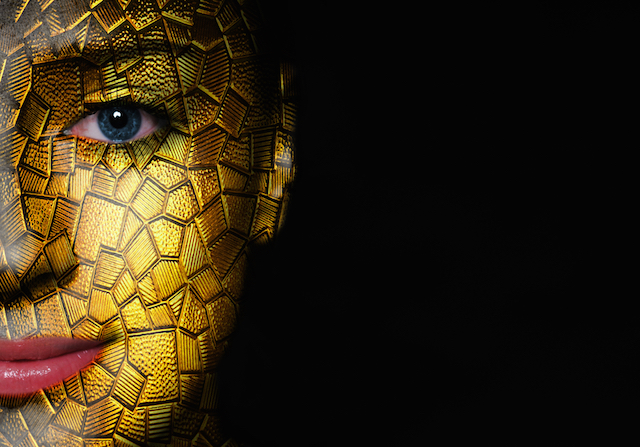
    Mosaic Face

    “To wish you were someone else is to waste the person you are.” ~Sven Goran Erikkson

    Let me fix you.

    You really should try not to be so sensitive, Leah. The world is sometimes a difficult and upsetting place, but you shouldn’t let it affect you so much.

    Let me fix you.

    You know, you really ought to spend more time with people, Leah. It’s not good for you to be alone so much.

    Let me fix you.

    You know, you really shouldn’t make such quick, spur-of-the-moment decisions, Leah. It’s not good to do that in life and you’ll end up regretting them.

    Let me fix you.

    You’re so young, Leah. You should be out dancing and dating and having fun, not sitting home alone with another book.

    Let me fix you.

    You need to be more realistic, Leah. I know you have big dreams for your business and life, but it’s not secure. We all have to do work we don’t enjoy, it’s just the way things are.

    Let me fix you.

    Thank you for trying to fix me. Now let me tell you this…

    Let me tell you…

    My greatest strength is empathy. I feel others’ feelings as if they were my own. Their pain is my pain. Their joy is my joy. I cannot help but cry sometimes and I cannot hold the tears in, as you would like me to, nor wait for a more convenient moment.

    Please don’t try to fix me. My sensitivity is my gift.

    Let me tell you…

    I am an introvert and a thinker. Introspection is in my blood. Long periods of time alone are a joy to me. Where others might feel lonely, I feel replenished.

    I ponder, I reflect, and I muse over the thousands of dreams and ideas that are always in my head. I’m filtering, planning, connecting the dots and making sense of the world around me

    Please don’t try to fix me. My thinking is my gift.

    Let me tell you…

    I am a woman of action and I do not like to wait. Once my mind is made up there is no turning back. Where others might be stuck in indecision, I have moved ten steps ahead. My life is in motion and I am creating in the real world the dreams I have in my head.

    Please don’t try to fix me. My ability to act is my gift.

    Let me tell you…

    The future is beautiful to me. I see all that is possible and all that I want to create. In vivid colour and in high definition it appears to me. Whilst others see all that is wrong and the reasons why not, I see all that is right and all that could be.

    Please don’t try to fix me. My dreaming is my gift.

    You Are Not Broken

    For the longest time, I thought I was broken. I thought I had to change myself. I thought I had to behave differently. I thought that my way of being wasn’t the way of being. I wished I were someone else.

    At school my reports went like this:

    “Leah is a wonderful student but she’s too quiet and needs to speak up more in class.”

    In my nine-to-five office jobs it went like this:

    “Try not to be so sensitive, Leah. It’s not good to let people see you cry at work.”

    And when I handed in my notice, it went like this:

    You can’t go through life making rash decisions like this, Leah,”

    And even now, almost three years into my journey of creating my dream life and business, it goes like this:

    “We believe in you, Leah, we really do, but don’t you think it’s time to look for a more secure job?”

    Everyone, everywhere, throughout my life has been ready with advice for me on how I should be.

    Over the years, not knowing any better, I tried to bend myself to their suggestions.

    I tried to be less sensitive. I tried to hold my tears in. I tried to be less impulsive and less impatient. I tried to spend more time around people. I tried to tame my dreams.

    But when I tried to do all these things, all I felt was pain and it didn’t make anything in my life work better the way people told me it would.

    Finally, thankfully, today, I see the truth.

    There isn’t and never was anything to fix.

    The very things that others told me were my faults turned out to be my greatest strengths and my most beautiful gifts.

    When I finally saw and embraced them as such, I was able to begin creating a life that encapsulated everything that I am instead of constantly struggling and trying to be something that I was not.

    It’s true for you too. There is nothing to fix.

    If you find yourself surrounded by people telling you should or need to be different, I hope these three short notes will help you let go of what they’re telling you and to embrace instead what is truly special about you.

    1. You are not broken, faulty, or defective.

    There is no right or wrong way to be. Each and every one of us makes sense of the world differently. The way you are may be different to those around you, but that does not make your way of being wrong.

    Instead of trying to bend yourself to their suggestions, take note of what the people around you say you should be like. There is a very good chance that they are pointing the way to your most special gifts and the things that make you uniquely you.

    2. Use your unique gifts to create a life you love.

    When you recognize, understand, and accept your personal strengths, you have the opportunity to consciously and thoughtfully craft a life that is in alignment with those strengths, instead of trying to squeeze yourself into a mould you won’t ever fit into.

    I didn’t see it at the time, but the pain I experienced in my office jobs were clear signs that I wasn’t where I was meant to be. The roles I was in didn’t value my biggest strengths and work often felt like a battle against my very nature.

    By seeing, understanding, and accepting my own personal strengths and gifts, I have been able to create a business and life that allows me to freely be all that I am. You can do the same.

    3. Forgive those who try to fix you.

    Remember that those who are telling you to be more like this or less like that—it’s not their fault. They, too, are filtering everything through their own set of unique gifts. Go easy on them; they’re just doing their best, like the rest of us.

    Listen to what they have to say, take anything that feels useful but go ahead and drop the rest without a second thought.

    Let me tell you this, my friend…

    There is nothing to fix and nothing to change.

    It is in those qualities that others might find difficult to accept that you will find your power.

    It is in the acceptance of those qualities that you will have the opportunity to not only create a life that feels right for you, but to have the greatest positive impact on the people and world around you in this short and precious life.

    You are a gift to the world. Just as you are.

    Mosaic face image via Shutterstock

  • Why Experiences Trump Things and Bring Us Closer

    Why Experiences Trump Things and Bring Us Closer

    Friends Dancing

    “Every experience, good or bad, is a priceless collector’s item.” ~Isaac Marion

    Last year was a thrilling one for my sweet boys, ages eight and eleven. Thanks to birthdays, Diwali, and Christmas, they were fortunate enough to receive most of the things they’d been begging for throughout the year.

    As we sat on our couch on New Year’s day, I asked them what their best memories were from 2014. Surely, I thought, they would rattle off the highly anticipated iPod touch or the Giants jersey that topped their wish lists.

    But much to my surprise (and my joy), my younger one said, “my birthday party.” Really? Your birthday party?

    He was referring to the “baseball party” in our backyard with his friends. The one where an hour before it started, the skies opened wide with torrential downpour, forcing seven active boys to play in our tiny playroom until the storm turned into a small drizzle. That one? Oh. Cool.

    Surely my older son, our tech freak, would have a tough time deciding between his Nexus tablet and favorite Wii game to top his best memory. So I was even more taken aback by his follow up. “Our trip to New York.”

    Now, keep in mind that we’re originally from New York, so a trip home is not about Broadway shows and FAO Schwartz. It’s about hanging out with our family, specifically their cousins, in Westchester. It’s where we barbeque, meet friends, hang out at the pool, and watch movies. Pretty much what we do in our home, but with family we don’t get to see very often.

    Their responses were so unexpected. Hadn’t they just received everything they ever wanted a week earlier? I guess not.

    It’s no surprise to hear that experiences mean more than things. Material items bring us immediate yet fleeting joy. But it’s the memories and the feelings that stay with us forever. Then why was I so shocked?

    For some unexplainable reason, I thought my kids were different. But even at a young age, they, like their parents, proved that it’s their experiences that mean the most to them.

    And it doesn’t have to be week in Disneyworld or a cruise to Hawaii. It can be a fine homemade meal or even your crockpot dinner, served on your fine china.

    It could be something others use to create their own experiences, like a gratitude journal or conversation jar.

    It could be a shoulder massage on your couch or a wine tasting in your kitchen.

    It could be as long as year’s worth of dishwashing or as short as a scavenger hunt in your backyard.

    It could be as a grand as a meditation getaway or as simple as meditative app.

    Because when you think of a specific person in your life, your first thought isn’t, what did they give me? But, how did they make me feel? That sense and impression is what stays with us.

    Emotions, whether good, bad, or indifferent, are immediately brought to the surface when something reminds you of someone. Most “experience” gifts evoke a distinct feeling of love, care, and thoughtfulness—and stay with you long after a physical item has been worn out or forgotten.

    And if the gift is an event you can both participate in, it becomes a shared memory, something far beyond what a physical gift can offer.

    In our world of instant gratification and everything at our fingertips, it’s not difficult to get what you need. But in our hectic pace of life and in the frenzy of consumption, our experiences can fall short. We can add to peoples’ possessions or we can choose to add to memories they’ll hold onto forever.

    So, as occasions arise through the year for gifts, awards, and other reasons for gratitude or celebration, I’m thinking about how I can swap out more stuff with more experiences.

    How I can put my time, energy, and money toward a thoughtful event and create a recollection instead of another physical item in their life.

    I want to give memories, knowledge, and skills to help my friends and family explore or re-discover pleasures in life.

    I want to help someone overcome a fear, and join them in a ski lesson, or check off an item from their bucket list, like a pole dancing class.

    I want to make their ordinary day extraordinary by whisking them away with a bottle of wine and picnic blanket.

    I want to cast a ray of unexpectedness in their workday by delivering a gourmet meal to their office.

    I want to stop cluttering lives with more stuff and start expanding minds with more memories.

    I want my kids to always remember experiences as their best time of the year.

    I want to make friends and family feel. I want to know I helped them experience life.

    What experience can you create for someone this year?
    Friends dancing image via Shutterstock

  • Shine Bright: A Short Film About Using Your Gifts

    Shine Bright: A Short Film About Using Your Gifts

    When David from We Do This (Glasgow) reached out to me about his new short film, I was beyond flattered to learn that he wanted to use my words, from the blog post Let Your Light Shine Bright.

    And now I’m honored to share it with you. It offers a tiny but powerful reminder to let go of self-doubt and share your gifts.

    We all have it. A little a voice inside that tries to hold us back. Are you ready to stop listening to yours and let your light shine bright?
  • How to Receive Gratefully Instead of Rejecting Kindness

    How to Receive Gratefully Instead of Rejecting Kindness

    Hugging

    “Giving is virtuous, but so is accepting gifts gratefully.” ~Doe Zantamata

    I’ve learned that how well you receive determines how happy you are.

    When I was committed to loving myself more, I started to be more aware of how I treated myself. What opened up for me was that I did not know how to receive.

    That was one of the things I had to learn in order to really care for myself.

    Receiving Capabilities Jammed

    There were times when I would squirm and be all awkward when I was given extra attention.

    There would be times when I’d feel indebted when I received a big gift or if someone did me a huge favor.

    I’d think, “You didn’t have to” or “This is too much” or “I feel bad that you got me this.”

    Then, there were times when I’d feel like I was imposing when a person offered to do something for me, even though they were the ones who offered.

    I remember when I was younger, maybe around fifteen. I went to my friend’s house to play cards. Around dinnertime, my friend’s mom invited me over for dinner. I politely turned her down, telling her I’d be going home soon anyway.

    She insisted, and I insisted on refusing to accept the invitation. I appreciated her offer, but I didn’t want to impose, so I felt it was more polite to decline.

    Later that night, my friend said her mom thought it was strange of me to keep turning her down. I was shocked and hurt. I didn’t accept the invitation because I didn’t want to hassle her in having to prepare for an additional dinner plate. I had no intention of offending her.

    That memory stayed with me. It is only until recently that I truly understood what happened.

    I denied her the chance to give. I also robbed both of us the chance to connect. I was so focused on not wanting to impose that I forgot to appreciate and just be grateful for her offer.

    What Happens When Our Receiving Capacity Is Jammed

    1. We cannot be emotionally healthy if we cannot accept blessings.

    When we keep refusing to receive, it will leave us empty and even resentful.

    2. It can be harmful to relationships.

    This happens because we will not be able to recognize the complete kindness the other person has to offer.

    I had a best friend before who was extremely good to me. But because my receiving capability was out of order, I couldn’t recognize all of her efforts.

    She would build me up, point out my strengths. Her intention was to help me gain more confidence in myself. But because my own receiving capability was jammed, I couldn’t recognize what she was doing. And the insecure part of me even thought she just pitied me.

    3. We rob the givers’ chance to experience the joy of giving.

    All of us have an innate desire to make people happy, especially the people we love. By refusing to accept others’ offer, we deny them the chance to do something good for us.

    4. We may become resentful.

    When we keep giving and we don’t receive, we become depleted and we run the risk of being resentful towards others.

    It isn’t fair to the other person especially if they wanted to give, but you refused to accept it.

    Why Receiving Is Difficult (and How to Make It Easier)

    1. Check what kind of judgment you have when you give.

    When you give, do you expect something in return? Do you give only to the needy?

    There was this test I read before. You place money on the ground, in a public place, like a park or a mall. And you hide. Then you observe your mind as you wait for someone to find the bill. You may find yourself hoping that a poor person gets it, or a kid. You may find yourself getting mad should a rich man or a drug addict pick it up.

    Those are the judgments that you have when giving. And those are the very same judgments you project onto your giver when you are the recipient.

    I did the test, and what went through my head was the poor should get it. The “deserving” should get the money. Or the one who “needs” it should get the money.

    So when people give to me, I have a hard time accepting since I don’t “need” it or that it should go to a person who needs it more.

    There will be times where I refuse it because subconsciously I didn’t want to be perceived as needy or weak.

    When you let go of your judgments while giving to other people, you’ll release yourself from projecting that judgment onto the giver and you find yourself receiving more gracefully.

    2. You constantly feel like you’re imposing.

    You automatically think you’re a burden or others would be hassled when they do something for you.

    It’s not true, though. More often than not, people want to make you happy.

    3. You feel indebted all the time.

    You feel like you owe the person something when you accept something from them. You feel obligated to repay them.

    Being grateful and giving back is much healthier.

    4. You assume they were just being nice.

    You constantly doubt if they meant it because you have a story running in your head that they were just being nice.

    But what I learned was, more often than that, people are really sincere. And no one is really obligated to do anything unless they really wanted to.

    5. You think they have ulterior motives.

    You think when a person does something extra nice to you; it’s probably because they want something in return.

    6. You feel like you’re not deserving.

    It isn’t humility. It’s actually denial.

    The goal is to let go of any kind of judgment when you give so you free yourself from any projected judgments that are keeping you from receiving.

    What really helped me was to focus on the intention and love of the giver that motivated that gift, offer, or that sincere compliment. Believing them, accepting it, and saying thank you. Being grateful for what you have received makes the giver happy because it says you appreciate the time and effort that person has given you.

    We should always be focused on giving but we should also learn to accept blessings gratefully.

    Once the door to receiving is open, imagine how many gifts are waiting for us.

    Photo by David Robert Bilwas

  • 5 Reasons to Use Your Gifts and Do What You Love

    5 Reasons to Use Your Gifts and Do What You Love

    “Man is only truly great when he acts from his passions.”  ~Benjamin Disraeli

    Like many of us, I had a difficult childhood. My parents’ relationship was unhappy and unhealthy, and their misery left me feeling alone, afraid, and anxious most of the time.

    My environment was so unpredictable that I often withdrew from family and friends, losing myself in the comfort of my own creativity.

    I fell in deep and indescribable love with music at a very young age. The radio became my confidant, my protector, my therapist, my escape. I would sing and preen and pose like a rock star, imagining thousands of frenzied fans singing my songs back to me with tears in their eyes.

    Music inspired me to do everything. Create art. Write songs. Sing. Dance. Act.

    By the time I was a teenager, I knew exactly who I was and what I wanted to be. I was a good writer—infinitely curious about people and what made them tick. And music was my passion.

    I wanted to travel the world as a rock journalist, follow my favorite bands, write about their lives and music, and live like a rock star. And one day I would start my own band, get onstage, and be a rock star. Those things would be my “gift” to the world.

    But it never happened.

    I listened to people who told me my dreams were too big. That jobs for rock journalists were few and far between. That I wasn’t being realistic and would never make a good living that way.

    So I did what I thought I should. I found a stable corporate writing job that offered health benefits and a nice retirement plan. And eventually, I lost touch with the creative, spontaneous, audacious girl with gigantic rock-star dreams.

    I shifted my focus to a more responsible, practical life. I had no time for frivolous hobbies or daydreams. And very soon, I was restless, bored, angry, and miserable.

    I changed jobs often and with every new job, my misery deepened. My anger escalated. I wasn’t sure why.

    I blamed the work. I blamed the environment. I even blamed the people I worked with.

    It was only through an extended bout with depression that I uncovered the greatest source of my anger and unhappiness. During a therapy session, my counselor encouraged me to think back to when I was happy in my life.

    “What were you doing that made you happy, Angela?” she asked. “How did you spend your time then? How did it make you feel?”

    I realized that I was happiest when I was using my creative gifts: music, writing, art, and performance. Using my gifts made me feel like me. And hiding them away was making me miserable.

    So I committed to re-discovering my creative self and honoring my gifts. It was scary for me, so I started small. I committed to one hip-hop dance class.

    And suddenly the damn was broken. Before I knew it, I was singing again, designing jewelry, taking photographs, teaching myself to play the guitar. Anything and everything that sparked a creative fire in me was fair game.

    And very soon after, I felt happy! Like me. Like I had taken in a huge breath and finally let go. I became more positive, more optimistic, more joyful than ever.

    This journey has taught me so many things about the gifts we’ve all been given and why it’s so important to honor them:

    Our gifts are an expression of our deepest selves.

    They’re not just things we “do” with our time. Our gifts reflect who we are at our very core, and who the world needs us to be. When we deny that, we deny our true nature and cause ourselves great pain.

    Using our gifts keeps us aligned with a purpose.

    Our gifts point us in the right direction, help us focus, and show us a clear path to joy. When we discover our gifts and learn how to use them, we no longer worry about who we are and why we’re here.

    Using our gifts builds our confidence and self-esteem.

    Many of us have to push past a great deal of fear and resistance to use our gifts. Every time we do that, we feel more confident about pushing even further, and more certain that everything we’re doing is a step in the right direction.

    Our gifts fill us up and validate us.

    Using our gifts make us feel whole and deeply fulfilled. Having that measure of happiness in our lives keep us from seeking fulfillment and validation in empty vices, material attachments, addictions, and unhealthy relationships.

    Our gifts help us help others.

    When we do what we’re good at—what we truly love to do—and we share it with the world, it helps other people find their way, too.

    I’ve started writing again and getting back in touch with that audacious girl with huge rock-and-roll dreams—the one who still jumps up and down and screams out loud when her favorite band comes to town. I think the world really needs her.

    I’m also working with a mentor who encourages, guides, and supports me with an incredible amount of patience, compassion, and humor.

    This journey has been tough. I’ve spent a lot of time questioning and second-guessing myself and my gifts. But I’m thrilled to report that I’ve finally surrendered. In fact, should I ever backslide into questions and self-doubt again, I’ve asked my mentor to reply as follows:

    “Shhhhhhh. Faith, Angela. Keep writing.”

  • There’s a Gift in Every Problem: Finding the Good in the Bad

    There’s a Gift in Every Problem: Finding the Good in the Bad

    Dark Day

    “Every problem has a gift for you in its hands.” ~Richard Bach

    I bought the magazine because it had pizza on the cover and the headline read: “Yes, you can eat pizza.”

    At that point, the idea that I could eat pizza was as absurd to me as the thought of finding a tiny dinosaur living in my flowerbeds.

    But oh, how I wanted a slice.

    At thirty-two years old, I’d been diagnosed with type 2 diabetes. It scared the hell out of me, and I was determined to take perfect care of myself so I could be the best mom possible for my two-year-old daughter.

    I had unleashed self-discipline previously foreign to me. My doctor and nutritionist praised me incessantly for my dedication.

    And at first, my blood sugar improved.

    But a year and a half after being diagnosed, I was still doing all the right things—eating healthy, counting carbs, exercising like a maniac—and the right things weren’t working. My blood sugar levels (which I monitored religiously) were still too high and getting higher.

    I was drowning in anxiety and I felt like a failure. I would end up blind and on dialysis with no feeling in my feet. My mind ran through catastrophic scenarios by the hour.

    That magazine for diabetics, with its siren’s call of pizza on the cover, saved my life because it also happened to feature an article about latent autoimmune diabetes in adults (LADA).

    It told the story of a woman in her thirties who was thin and diagnosed with type 2. (Type 2 typically strikes older adults who carry extra weight and have a sedentary lifestyle.)

    Gee, I thought, this sounds familiar.

    After months of trying to manage her condition, she ended up in a specialist’s office. The endocrinologist took one look at her—young, thin, with a family history of autoimmune diseases—and diagnosed her with LADA. A blood test found antibodies that confirmed the diagnosis.

    LADA is essentially type 1 diabetes, with an onset in adulthood instead of the more typical childhood onset. The immune system attacks the cells in the pancreas that produce insulin.

    Game over, there’s nothing you can do to reverse it. You’re insulin dependent for life. (Though people with LADA can make at least a little insulin for months or years, which is why diet and exercise can seem to work for awhile.)

    Alarm bells began exploding in my head. If this is what’s going on with me, I thought, it explains everything.

    After a few days, I managed to convince myself I was a hypochondriac. Who was I to think I was special enough to have an obscure form of a rare disease?

    But my increasingly high blood sugar levels still needed to be addressed and that little voice in my head kept nagging me about the possibility of a more serious condition.

    I called my doctor. I told him I wanted a referral to an endocrinologist because I was worried about having LADA. He said he would write the referral for me, but that it was extremely unlikely and I shouldn’t worry.

    I sat and talked with the endocrinologist for about three minutes before I blurted out, “I’m a little worried about LADA.”

    “I think that’s exactly what’s going on,” she said. A blood test confirmed it.

    That evening I injected insulin into my belly and woke the next day to the best blood sugar reading I’d had since I started testing.

    These days I wear an insulin pump, which allows for precise insulin dosing and gets rid of the need for taking multiple shots a day. It’s my favorite piece of technology ever.

    And, I have to tell you, my life is so much better now than it was before I was diagnosed with any kind of diabetes.

    So many gifts come to us through adversity. I challenge you right now to identify your biggest problem and then think through all the good things in your life and see if you can draw a direct line between them.

    I wager that you’ll find relationships strengthened, personal empowerment, and a clearer sense of yourself, all thanks to the scariest thing you’ve even been through.

    And if you don’t find it yet, just hang on, you still can.

    For me, being misdiagnosed with type 2 forced me to learn about diet and exercise. I started caring for my body and tapped into my self-discipline. Yes, there can be blessings hidden in a medical mistake! 

    I learned the power of my intuition, which helped me get the diagnosis and medical care I needed before I ended up with a life threatening case of high blood sugar known as diabetic ketoacidosis.

    Diabetes is also the perfect way to practice vigilance without its all too common companion, anxiety. The constant demands of managing the disease can lead one to a near constant state of panic unless you learn skills to overcome it.

    Not many people realize this, but apart from trying to avoid long term complications, people with type 1 diabetes must constantly work to avoid acute conditions that can cause death—too much insulin can cause a low blood sugar that can kill you and too little insulin causes high blood sugar, which can also kill you.

    Which leads me to the biggest gift of all: an appreciation of my own mortality.

    It’s up to me to infuse every day with meaning—to truly feel the joy of laying in a hammock reading a story with my daughter or exchanging salacious texts with my husband.

    Yes, we all know that in theory, we could get hit by a truck tomorrow. But now I really know.

    And I use that knowledge to make decisions about where to spend my energy. For example, I always wanted to be a writer but I never did one damn serious thing about it until diabetes lit a fire under me. Now my writing is my second career.

    Having type 1 diabetes isn’t easy; in fact, it can be hard as hell. If researchers have a miracle breakthrough tomorrow, I’ll camp out overnight to be first in line for the cure.

    But I cling to the revelation that there are many gifts to be found in facing our biggest challenges and we’d be fools not to accept them because we hate the wrapping paper.

    Photo by Cornelia Kopp

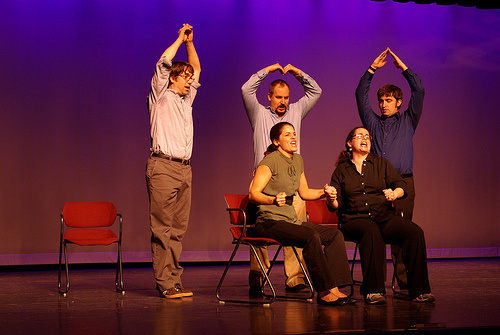
  • Improv(e) Your Life: Lessons on Risks, Gifts, and More

    Improv(e) Your Life: Lessons on Risks, Gifts, and More

    Improv

    “Whatever the present moment contains, accept it as if you had chosen it. Always work with it, not against it.” ~Eckhart Tolle

    Improv comedy is something I’ve always enjoyed. I thought it would be fun to try, so I eventually took a class. Countless classes and many laughs later, I’ve learned that improv is a lot like life. In fact, applying what you learn in improv can actually improve your life.

    Risky Business 

    Showing up at an improv class for the first time might prove intimidating or anxiety provoking for some.  I felt some nerves when taking my first class, knowing that I would have to expose myself to some degree. Being more on the introverted side of the social spectrum, this got me thinking.

    Improv can be a great strategy for overcoming shyness. To work through these types of issues, realize that you will have to take some risks. This often requires you to step out of your comfort zone. Getting comfortable with being uncomfortable is key.

    I began improv by adapting Susan Jeffers’ advice to “Feel the Fear and Do It Anyway.”

    To do this, simply allow whatever thoughts or feelings arise within you to bubble up. Then, notice and acknowledge them without trying to change them. With practice, discomfort will become more tolerable and your comfort zone will have expanded.

    Pay Attention

    Whether you’re playing a game where you’re tracking an invisible ball that’s being thrown around, or in a scene where you have to read someone’s body language, paying attention is critical in improv.  Awareness of what’s going on around you (and within you) at any given moment is the foundation upon which improv is built.

    Bad improv ends up looking sloppy, disconnected, inconsistent, and is usually not much fun to watch.  Not paying attention to internal or external cues can obviously have negative consequences in life.

    Personally, it has sometimes been difficult for me to discern what I’m feeling emotionally. For example, this has caused strain in my relationships where the absence of strong feelings has kept me numb. As a result, I have held back in many relationships. Partners have wondered how I really feel about them and overwhelming emotional reactions have come when it’s too late.

    Thanks to improv, I’m better able to discern whatever I’m feeling in the moment. It has allowed me to explore emotional nuances in between the extremes.

    A powerful question to elicit your level of attention is: what’s happening right now? Consider both your inner state and external environment as you reflect on this question.

    Monkey See, Monkey Do

    Beginning improvisers usually commence a scene by mimicking their partner’s gestures or actions. This helps them get on the same page, establishing a shared reality from which a scene can emerge.

    This approach was helpful when I was learning the guitar. I used to sit in front of the TV and mimic guitar solos note for note. This helped train my ear and showed me what was possible. Emulating my role models also kept me motivated, providing feedback on the development of my skills. In fact, I’m willing to bet that this is how they learned too.

    Motivational speaker Tony Robbins urges people to think and act like those who are where they want to be in life. Why reinvent the wheel when someone already has a good, working model? Don’t worry, differentiation will come later. It did with my guitar playing. Master the basics first.

    Gifts 

    Improv is based upon agreement. This means that you accept what’s been said or done in a scene. For instance, I was once in a scene when my partner suddenly pointed and fearfully yelled out “that spaceship is coming for us!” I accepted that statement as true and reacted as if this was actually happening.

    Many improv teachers would say that in that moment, I received a gift. That is, I was given something with which I could do anything I wanted, opening up a world of possibilities and taking the scene to new and unexpected places.

    Not accepting a gift could easily ruin the illusion of a scene and keep it from evolving organically.

    We don’t always accept gifts in our everyday life. This can result in arguments, dead ends, and power struggles. For example, I recently made plans to meet up with an old friend I haven’t seen in years. I was excited about catching up with her, suggesting we have lunch at a restaurant I’ve been dying to try.

    Disappointment set in when she told me she preferred just getting a cup of coffee or tea somewhere. I wasn’t able to accept my friend’s gift, at least not right away.

    Consider how well you’re able to accept the gifts given to you by others, even when things don’t go your way.  

    Yes, And…

    In addition to accepting a gift in improv, your job is to then incorporate it into your shared reality somehow. Going back to the spaceship scene, I acknowledged it and began to panic, shouting, “Damn, I forgot to pay my intergalactic taxes!”

    This is an example of the golden rule of improv known as “yes, and.” It refers to accepting a gift that’s been given to you and giving back a gift that adds to it in some way.

    The key here is to be open to the unexpected and to go with the flow, no matter where things or how end up.

    Going back to lunch with my old friend, I saw that I wasn’t yes anding her. Once I realized this, I could then see her counteroffer as a gift. Disappointment soon faded and I became curious if there were coffee shops or teahouses in my area. My expectation was that there weren’t any.

    I was astonished to discover an amazing coffee shop just a few blocks from home. Not yes anding would’ve resulted in lingering feelings of disappointment. I would’ve also missed out on one of the best cups of coffee I’ve had in a long time!

    Practice “yes anding” things in life that you normally resist and see what happens. Doing this can increase spontaneity, heighten creativity, and allow you to better manage your expectations.

    No Scripts 

    Like improv, most of life is unscripted. Think about it: almost every conversation you’ve ever had has been improvised. Sure, you might have had some idea about what to say to someone. But things don’t usually go exactly as planned, do they?

    Others say or do things you don’t expect. Like me, you may have even surprised yourself by your own reactions or by what came out of your own mouth. Remembering that most of life is improvised can make you more easygoing. It can also keep you open to the unexpected and help anchor you in the present moment.

    Application of this principle actually helped me meet my girlfriend. One evening, I saw a beautiful woman as I got on the subway.

    Improv gave me the confidence to approach her on a crowded train, knowing that I could come up with something spontaneous to say without having to resort to cheesy pickup lines. The rest is history.

    Improving your life 

    Applying the principles of improv can help you better navigate your life in innumerable ways, even during life’s more serious or challenging scenes.

    However, I wouldn’t have been able to arrive at the ideas above by simply watching it on TV. I had to roll up my sleeves and step out of my comfort zone time and again.

    Whether or not you’ve ever done improv, I’m curious: how have you improv(is)ed your life?

    Photo here

  • 10 Powerful Gifts to Give and Receive Today

    10 Powerful Gifts to Give and Receive Today

    “Each day comes bearing its own gifts. Untie the ribbons.”  ~Ruth Ann Schabacker

    Regardless of what holiday you celebrate, or how you honor it, there’s no denying this is an emotionally loaded time of year.

    We either remind ourselves how grateful we are for all the people we love, or we remember how much it hurts that we don’t have people like that in our lives.

    We either celebrate all our blessings, or we look toward the year to come, wondering if we’ll have more then.

    You may find yourself reflecting on last Christmas in awe of how much has changed for the better in just one year’s time.

    Or you may look back on the last twelve months wistfully, wishing things could be the way they were.

    We’ll all experience the holiday season in many different ways over the course of our lives.

    Whatever your unique situation this year—whether you’re in a growth cycle or working through feelings of loss—you have a lot to give and receive.

    5 Gifts You Can Receive Today

    1. Your breath.

    It’s one of those things we take for granted—the air that gives us life. We don’t even need to think about breathing; we do it automatically.

    Clearly we can appreciate that our breath sustains us, but it can do so much more. When we focus on breathing deeply, it can ground us, calm us, detoxify us, and even heal us.

    Breathe in. Breathe out. Look at your hands, your feet, the tip of your nose. Fully inhabit your body. You’re here. You’re alive.   (more…)

  • Buy Less: Take the Fear and Compulsion Out of Shopping

    Buy Less: Take the Fear and Compulsion Out of Shopping

    by Lori Deschene

    “Throw moderation to the winds, and the greatest pleasures bring the greatest pains.” ~Democritus

    Around the holidays we tend to talk more about consumerism. Especially knowing that Black Friday started even earlier than usual this year (on Thursday night), a lot of us feel that our consumption has gotten out of hand.

    Many people I know have suggested we should curb our impulse to buy and only purchase necessities, but I can’t help but wonder if perhaps the solution is less about extremism and more about moderation.

    Making a drastic change can seem appealing when we’re frustrated or overwhelmed with the way things are, but going from one extreme to another rarely provides a viable long-term solution.

    The problem isn’t that we buy things we don’t need; it’s that we buy lots of things we don’t need to fill our assorted emotional voids.

    Does anyone need a piece of jewelry? Or a painting? Or an app?

    No—but good, talented people create these things. So long as we don’t mistakenly attach our happiness to them, we can both support those people and enjoy the fruits of their labor by purchasing their creations, when we’re financially able.

    No one goes into debt for occasionally treating themselves to something they would appreciate wearing, displaying, or using. We only run into issues when we spend compulsively and beyond our means.

    And buying gifts for other people—this can provide a lot of joy for the buyer and the giver, if we don’t pressure ourselves to spend extravagantly.

    Every year, each of my family members spend five dollars on stocking stuffers for the other four, so that we each end up with twenty dollars of stuff. None of us need the gum, combs, and magazines we get, but it’s fun and easily doable.

    The problem isn’t that we live in a consumer culture. It’s that we’re not always mindful of how and why we each consume.

    In much the same way, advertising itself isn’t fundamentally bad; everyone who supports themselves sells something, whether it’s a product, a course, or a service; that requires them to promote it. (more…)